Category: Walking Ocean City, NJ

U.S. Life Saving Station 30                                            801 East 4th Street                                                       Ocean City, NJ 08226

U.S. Life Saving Station 30 801 East 4th Street Ocean City, NJ 08226

U.S. Life Saving Station 30 Museum

801 East 4th Street

Ocean City, NJ 08226

(609) 398-5553

https://uslifesavingstation30.com/

https://www.facebook.com/U.S.LifeSavingStation30/

https://www.ocmuseum.org/about-us/museum-history

Open: Sunday 10:00am-4:00pm/Monday-Friday Closed/Saturday 10:00am-4:00pm

My review on TripAdvisor:

https://www.tripadvisor.com/ShowUserReviews-g46696-d14961805-r1033640492-U_S_Life_Saving_Station_30-Ocean_City_Cape_May_County_New_Jersey.html?m=19905

The front of the museum

The front sign of the building

Short History of the Museum:

(from the museum website)

Also known as the U.S. Coast Guard Station No. 126, this is the only life-saving station (now museum) of its design in NJ (1 of 6 in the country) still in existence. The designer and architect was James Lake Parkinson in a Carpenter Gothic style. This building is one of 42 stations built in New Jersey. It was also the workplace of the brave surfmen who were the beachfront First Responders of the day.

The anchor outside the building

The historical plaque outside the building

The History of the Building and Museum:

(from the State of NJ Historic website)

The U.S. Life Saving Station in Ocean City is significant as an example of a significant type of life saving station and for its association with the activities of the U.S. Life Saving Service. The building was constructed in 1885 in what was referred to as the “1882 type.” There were 25 life-saving stations constructed in this style. In 1905 the building’s footprint was expanded to nearly twice its original size. The expansion was done in a style unique to New Jersey Life Saving Stations.

In 1915 the U.S. Life Saving Service and the Revenue Cutter Service were combined to form the U.S. Coast Guard. The Coast Guard continued to utilize the building until it was decommissioned during the 1940s and sold. It was used as a private residence until the City purchased it in May 2010.

The first room inside was the formal dining room where guests who visited or who had been rescued had dined. It was a rather formal affair.

I visited the museum on a weekend day to learn of the rescue procedures and the job these men did on a day to day basis. The first thing I learned was how shifting tides can change an island.

This building which now sits about four blocks inland was once at the shoreline a hundred years ago. Talk about change and Mother Nature’s role in this.

The first room I visited was the formal dining room in the newer extension of the building. This would be where the officers and men would entertain guests and visitors to the building. It could be a casual or formal affair.

The first floor formal dining room

The entertainment for the evening was either board games or a music box

Some of the items salvaged from the sea

The Life Guard officer formal outfit was worn for formal affairs

The officers would be dressed formally to receive guests

The next room over was the Rescue room and door where the boats and other equipment would be held when the alarm sounded.

The docent discussed how the doors were opened and the boats needed to be pulled out on a stormy night. Everything you needed had to be close by, in good shape and ready to go.

The rescue boats and pulleys that would be used in the sea

The ropes and pulleys used to assist in the rescue

The lanterns were used as communication between shore watch and the tower

The equipment used to repair the items used for rescue

The rescue boat and the items used for a water rescue

The additional boats used in rescue

Some boats were used for fishing and collecting shell fish

The Sneak Box was used for duck hunting to camouflage yourself

The sneak box

We then toured the second floor sleeping room for the crew. This offered a great view of the sea when the building was at shore line. These men were given good accommodations for the time.

While not very private, it was comfortable and served its purpose for a job where you might not get a good nights sleep.

The sleeping quarters

The main sleeping room was for a crew of six

The loft lead to the tower where the look out for the evening would sleep (it is not open to tours right now).

The loft area from the window

We then headed back downstairs where we toured the station manager’s room and office.

The station manager’s room off from the kitchen

The station manager’s office where all the monthly paperwork was done and business was conducted.

The kitchen

The Station Manager’s office was right next to the kitchen stove so that the room was kept warm during the winter months and on cool nights.

The kitchen stove

All the meals for the crew and visitors were cooked either by the men or their wives might be allowed to visit and assist in duties in the building.

The kitchen

All the storage of the foodstuffs has to be accounted for because getting them was rough with no cars for transportation and no bridges to cross to the mainland.

The gift shop

The museum and grounds

The museum offers a glimpse of the everyday life of these brave men who were on call 24/7 and performed such dangerous work. Ocean City has done a wonderful job preserving this legacy.

The museum has docents on hand for more formal tours and are very detailed on their knowledge of the building and its contents. It is a very interesting look at Ocean City’s past.
Day Two Hundred and Forty-One Exploring the Somers Point, NJ-A Local Journey of the historical sites of this unique Jersey shore town                                                  June 25th, 2022 (again on October 5th, 2025)

Day Two Hundred and Forty-One Exploring the Somers Point, NJ-A Local Journey of the historical sites of this unique Jersey shore town June 25th, 2022 (again on October 5th, 2025)

Don’t miss all the historical sites and interesting restaurants of this wonderful NJ beach town.

Somers Point, NJ is such a picturesque and historical town with lots of historical sites and delicious restaurants to visit. It is fun to just get in the car and drive the Historic District and see how the town has grown and developed.

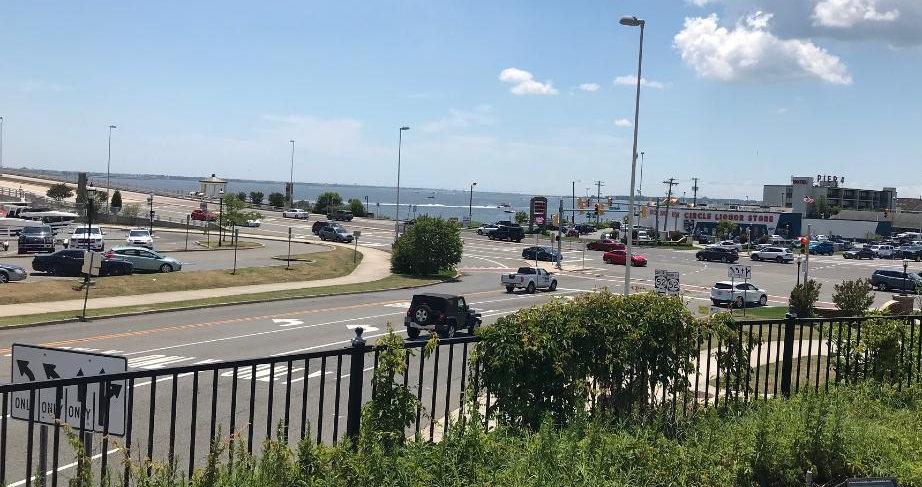
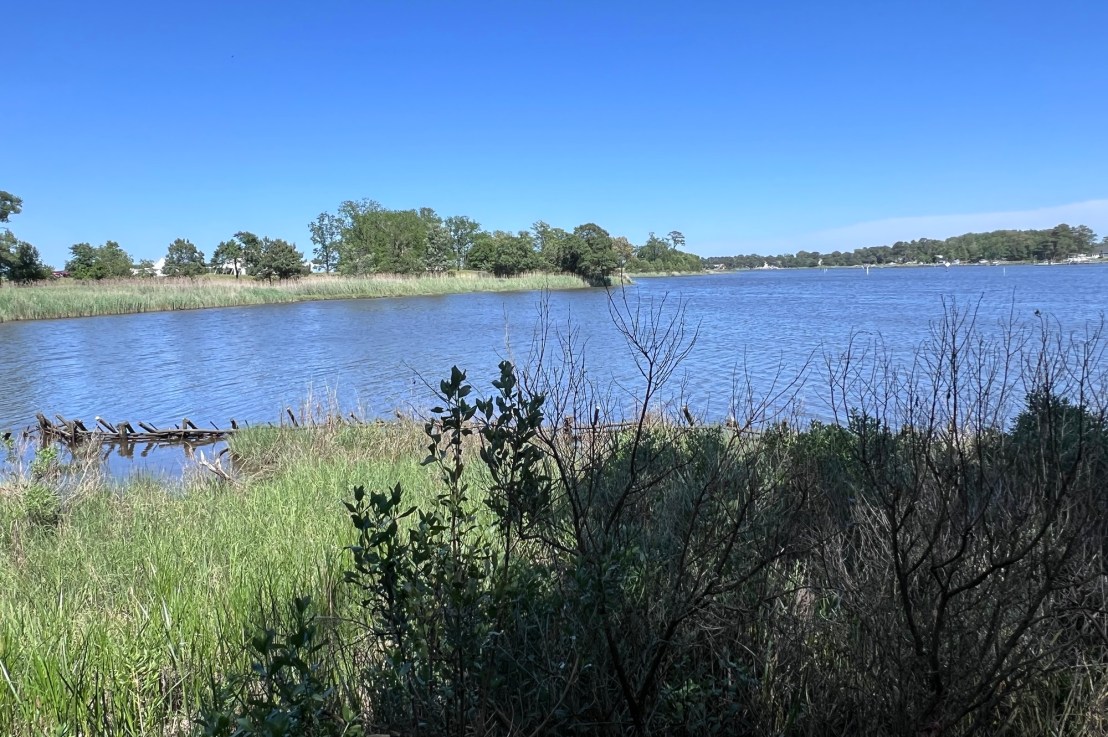
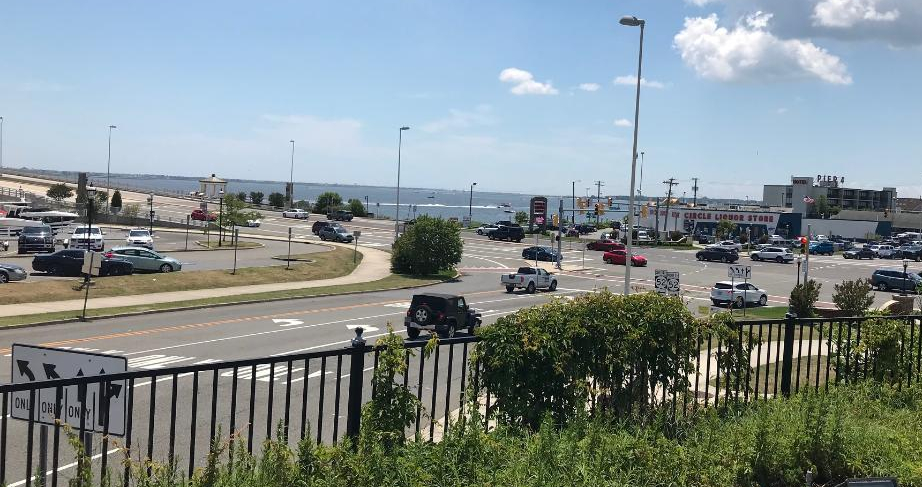
The bay beach in Somers Point, NJ

jwatrel's avatarmywalkinmanhattan

I took time out of my walking project in Manhattan after finishing the Chelsea neighborhoods, walking the 13-mile Broadway walk for the sixth time and preparing to do “The Great Saunter” on my own next week to go ‘down the shore’ as we say in New Jersey (it’s never ‘Down to the Shore”, that takes too long).

I had never been to Somers Point, NJ before. It is a small waterfront community across the bay from Ocean City, NJ, which is a popular resort and recreation town. Somers Point is low key with wonderful restaurants and bars, a popular waterfront and beaches on The Great Egg Harbor Bay and beautiful little turn of the century beach homes and a town steeped in history. I read about three historical spots on Shore Drive in the heart of the Historic District and had wanted to visit them.

Somers Point, NJ by The…

View original post 2,936 more words

Atlantic County Historical Society                       907 Shore Road                                              Somers Point, NJ 08294

Atlantic County Historical Society 907 Shore Road Somers Point, NJ 08294

Atlantic County Historical Society

907 Shore Road

Somers Point, NJ 08294

(609) 927-5218

https://www.atlanticcountyhistoricalsocietynj.org/

https://www.facebook.com/AtlanticCountyHistoricalSociety/

Open: Sunday-Tuesday Closed/Wednesday-Saturday 10:00am-3:30pm

Admission: Free

My review on TripAdvisor:

https://www.tripadvisor.com/Attraction_Review-g46825-d24142996-Reviews-Atlantic_County_Historical_Society-Somers_Point_New_Jersey.html

The Atlantic County Historical Society at 907 Shore Avenue

The Atlantic County Historical Society

I recently visited the historical sites of Somers Point and took my time to tour the Atlantic County Historical Society, which tells the story of life in Atlantic County from the beginnings to today with a major concentration the early history of the County with the Native American Lenape Indians and into the late 1700’s and 1800’s with the founding of the town, the Revolutionary and Civil Wars, shipbuilding, fishing and the start of the Victorian Age. Each floor has interesting displays that sometimes have been over-decorated with too many objects.

When you walk in the door, you enter the library where people study the history of the town and their geneology. There are stacks of books, periodicals and town records with people to help you research your work.

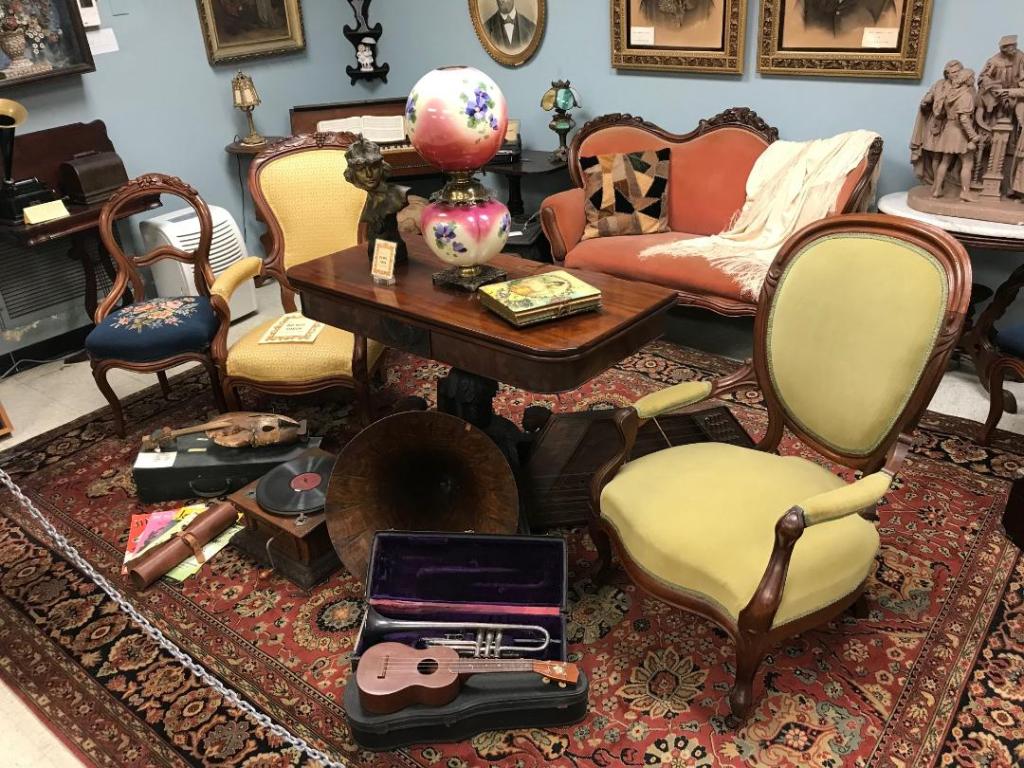
As you head downstairs, you will see the various displays that have been set up on life in Atlantic County through the ages. Most of the artifacts in the displays are from the late 1800’s to the early 1930’s. The displays represent the home life of middle to upper middle class Americans at the time. There are parlor sets with musical intruments for entertainment, family portraits, writing sets and living and dining room bric-a-brac. The museum portrays the life of properious residents of the area.

The Middle to Upper Middle Class parlor of Americans in the late 1800’s

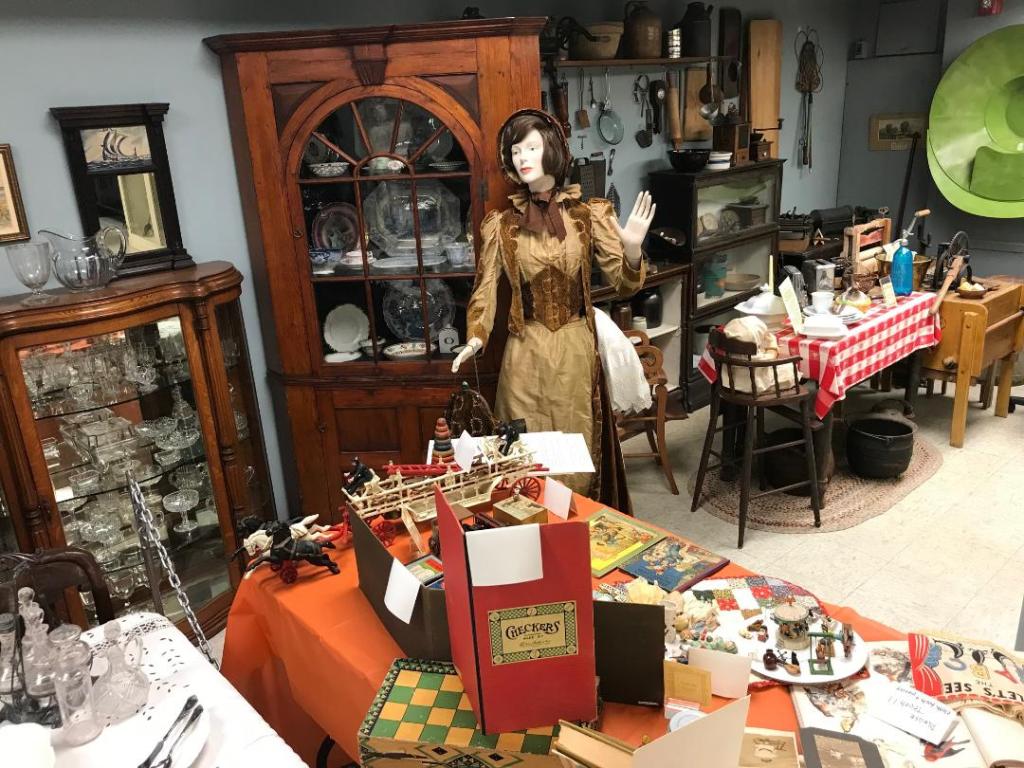
The Dining Room set and dishes of a 1920’s Atlantic County family with all sorts of kitchen and play items for engagement for the family through the years.

The display really shows that entertaining since those times has not changed over the years except that today that things are less formal. China, crystal and silver were your way of showing your status in the community. Today’s generation is not so apt to do this.

Early phonographs, lightbulbs and inkwells for writing

Lifestyle was a big part of people’s lives during these time periods so the way you dressed and presented yourself was a big part of who you were. With the advent of ocean swimming, outdoor recreation and weekend activities that came with the push of the unions. You can see that leisure became a big part of the Victorian’s lifestyle.

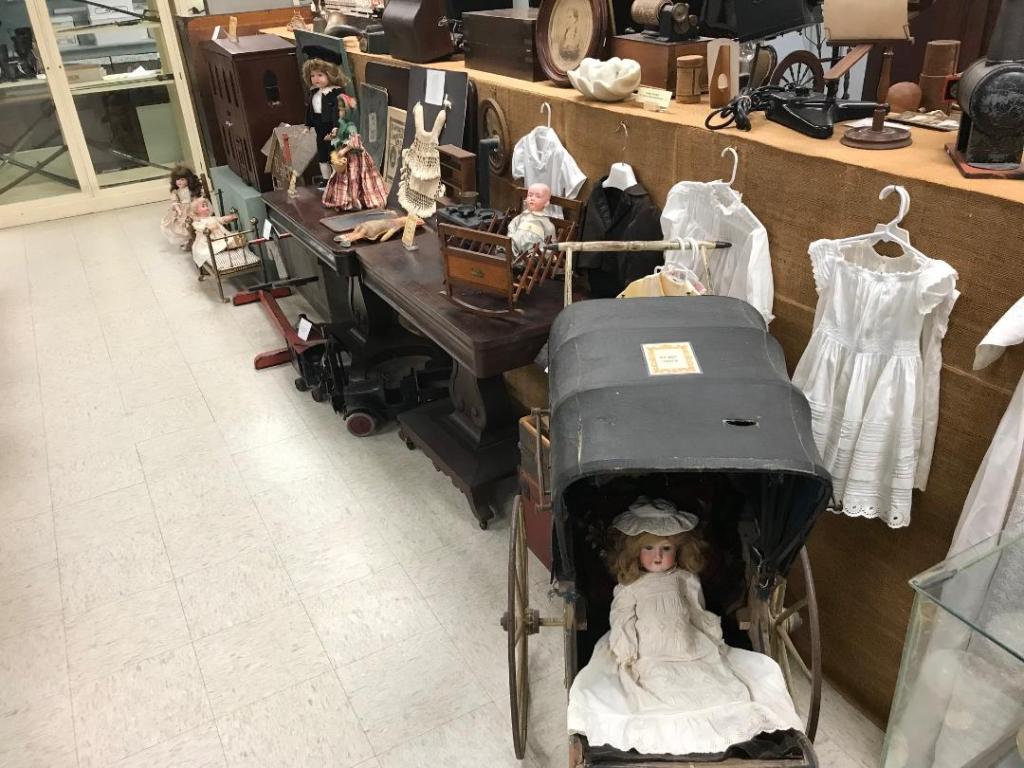
One thing that emphisis was put on was children and their well-being. We see the start of children’s education, their health and livelihoods and their playthings. The Victorians especially worked hard to give children a better life than the workhouses and factories that children had been subjected to in the previous century. There was a push to make children well-behaved ‘little adults’.

Children’s playthings and clothes were a big part of Victorian children’s lives

Children’s Playthings

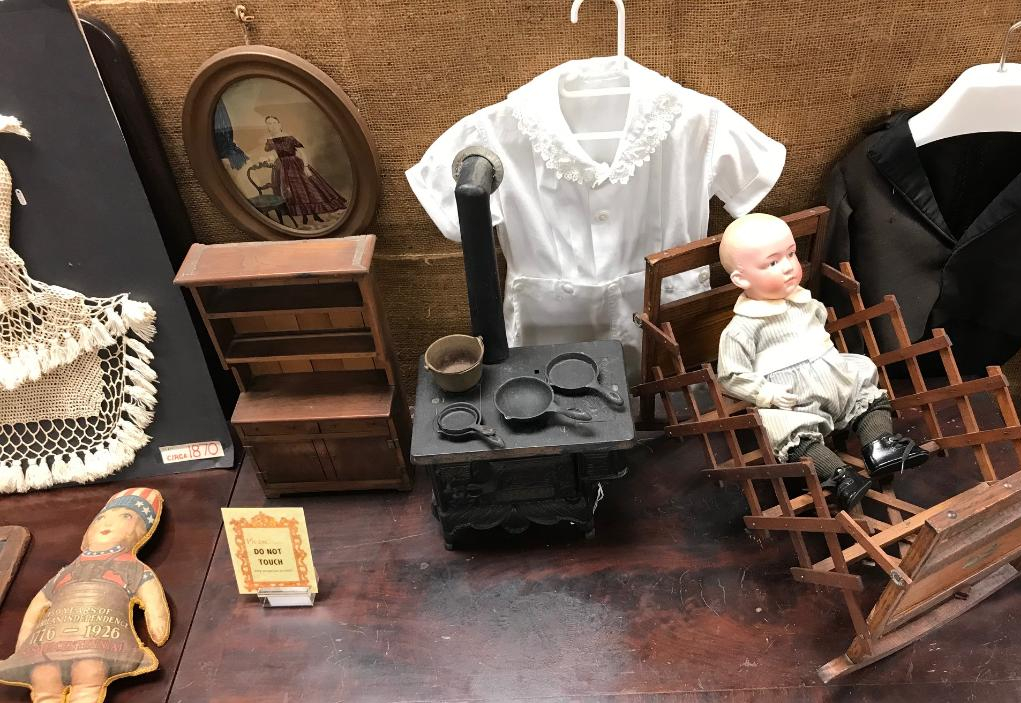
Children’s dolls and playthings represented the house and to prepare for household responsibilities

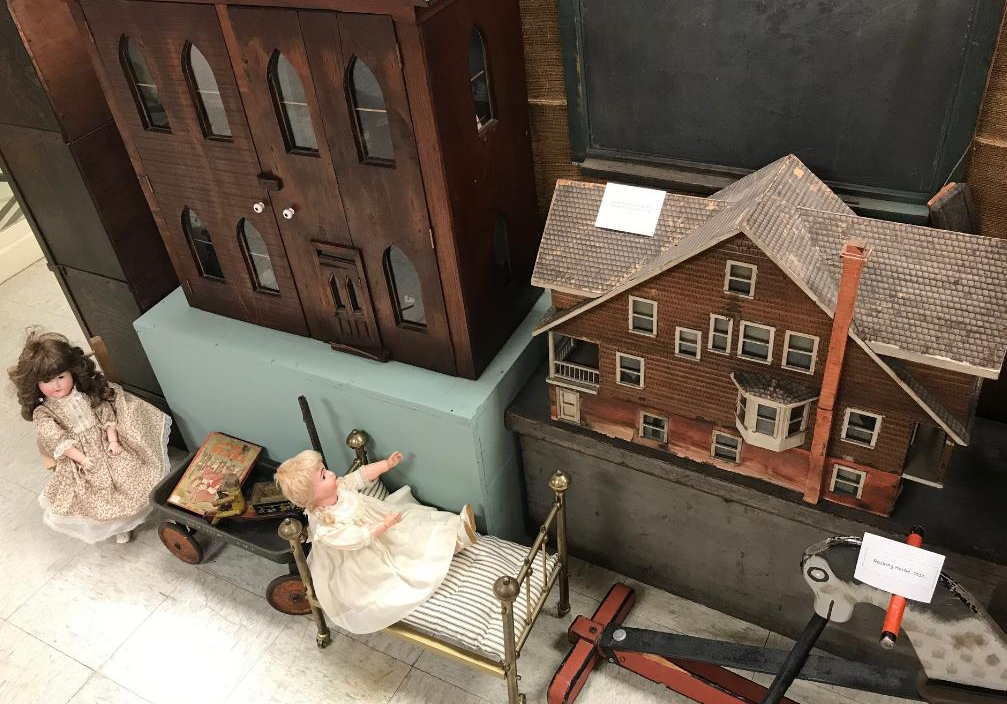
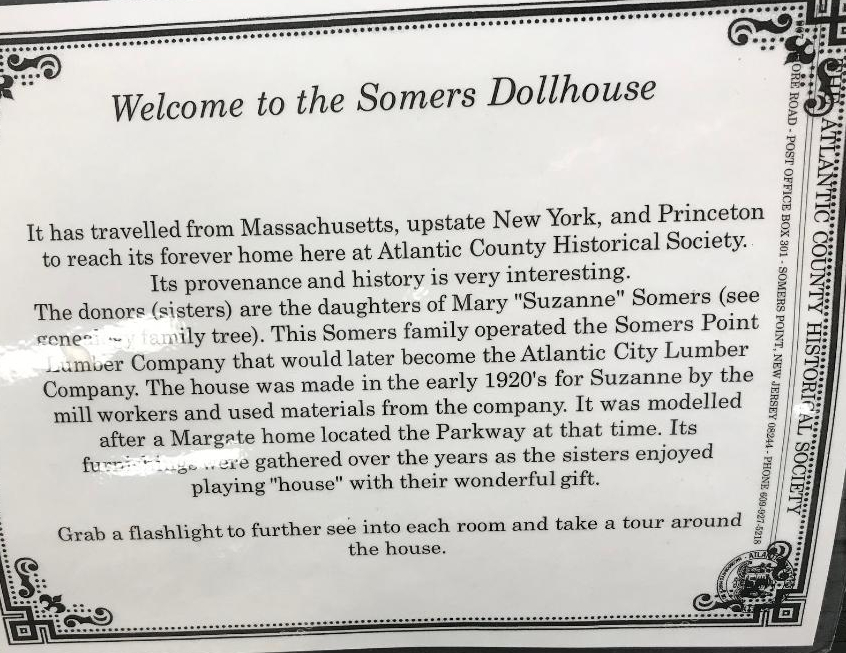
The Somers Family dollhouse that was built for the Somers family’s daughters
The Somers Dollhouse was a special gift to two young girls of the noted family who played with this their entire childhoods. Notice the detail to the this wonderful dollhouse.

People were expected to do their chores at home such as cooking, washing, dressmaking and taking care of the house. Before electricity this was not an easy task made even more difficult by the Victorian expectations of propriety and cleanliness.

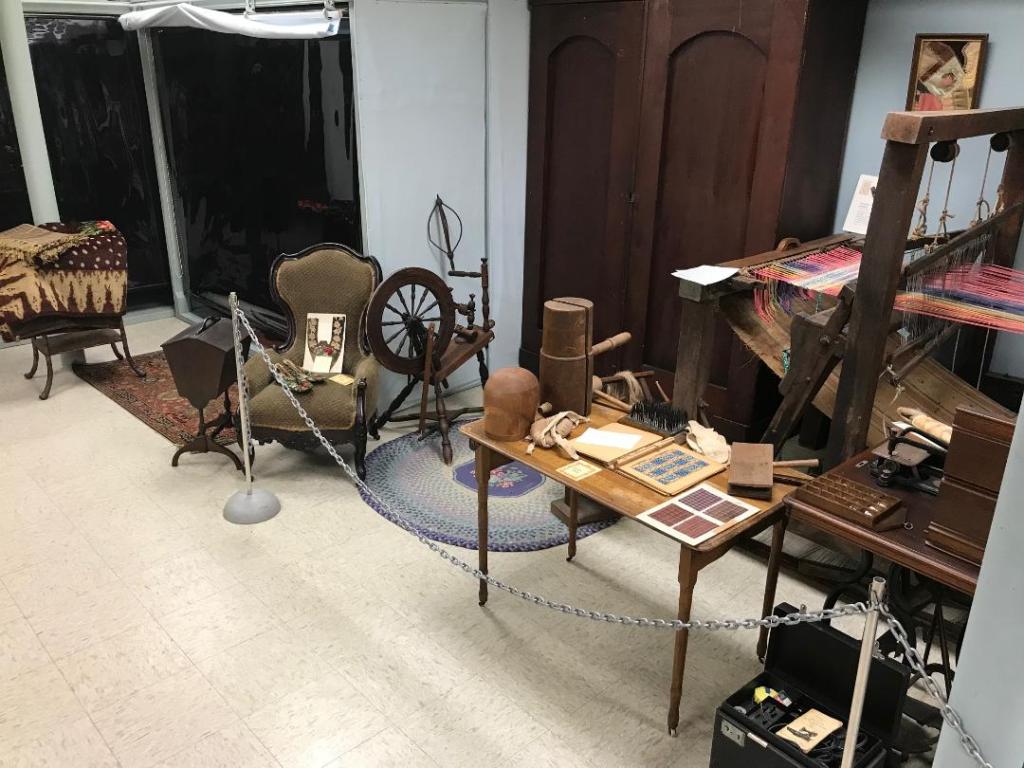
The spinning wheels represented cloth and clothes making of the late 1700’s and the loom of rug making for home decoration before the advent of the department stores. Butter churning and ice cream making were all day chores.

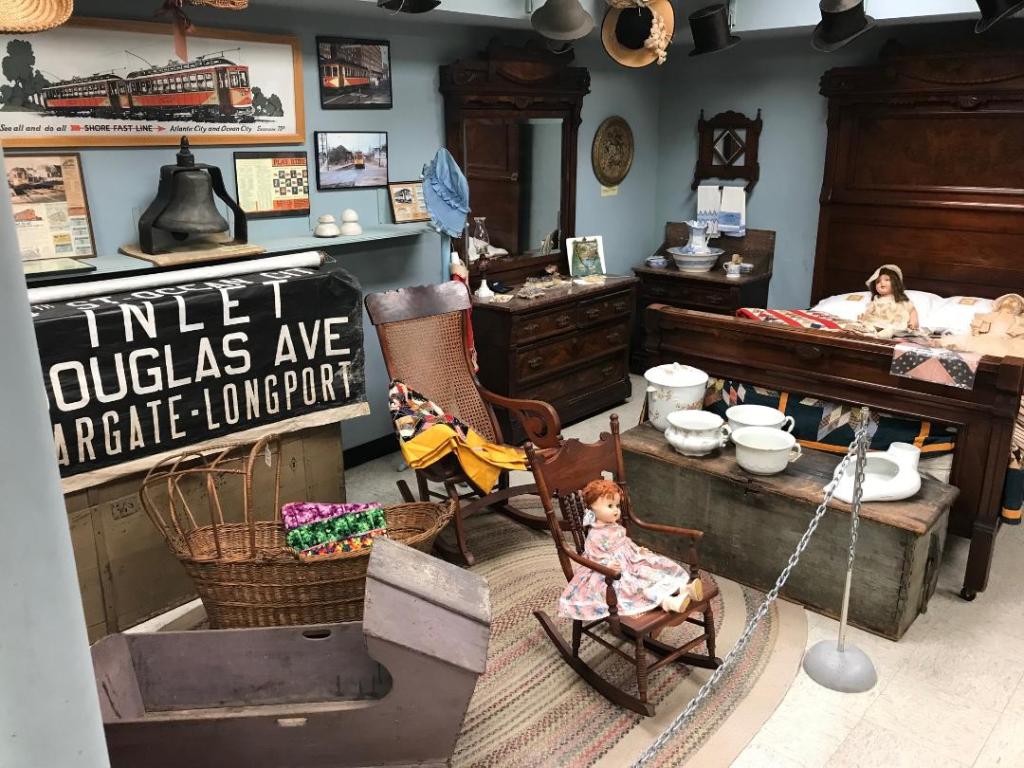
Home decoration was a big part of home life. The house was where the family spent their time and Victorians especially liked to room for everything including the bedrooms. This is where privacy was king if you could afford it. In the era of ‘children were seen and not heard’, if family members could have their own rooms that was paramount.

The kitchen was king and entertainment was taken seriously. Things had to look and seem a certain way.

The Victorian Bedroom was a place of rest and leisure for the married couple
Victorians believed in grooming and good manners

There was also a large collection of vintage clothing, quilts and bedding, hats and gloves and walking sticks to show the dressing the middle and upper middle class citizens.

Manufacturing was also a big part of the community and shipbuilding was one of the businesses by any waterfront community that was important.

The shipbuilding and fishing displays on the third floor

The Third floor is dedicated to industry of the area with fishing and shipbuilding a very important part of any waterfront community. Tourism which was a new thing in the industrial age and people having weekends off to enjoy themselves discovered these new shore communities for swimming, sunning, staying at hotels and ocean dining.

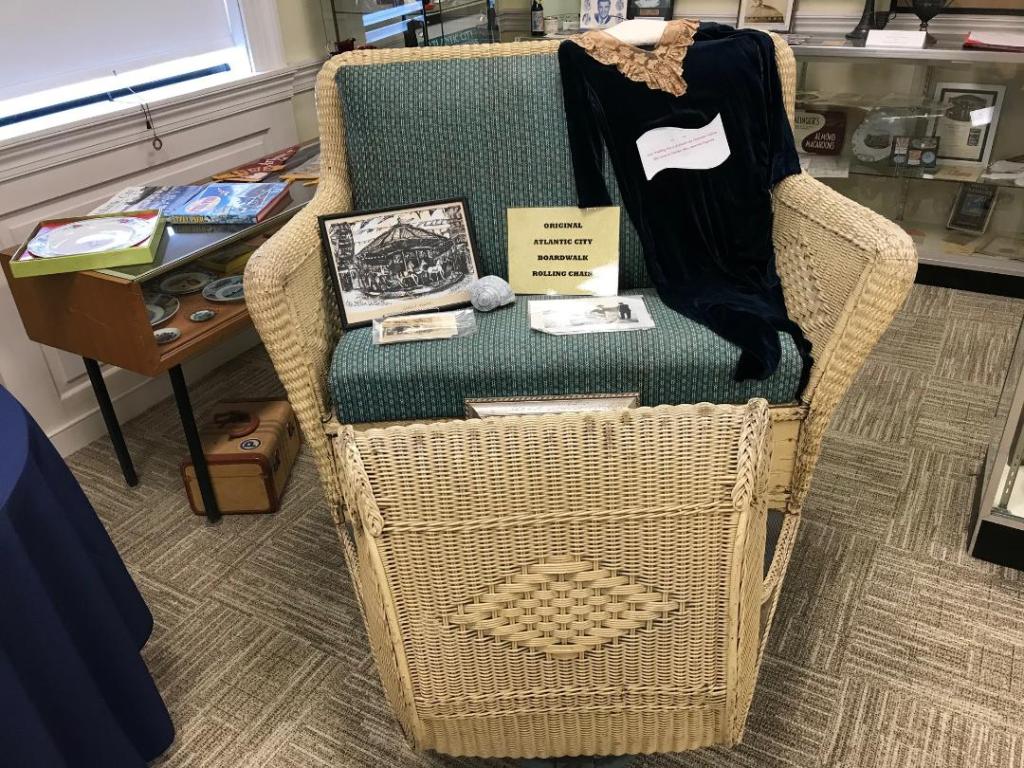
Resort ware and a rolling chair from Atlantic City’s boardwalk

The last display on the third floor was the office set up of Senator Frank “Hap” Farley, whose innovations and protections of the shore and transportation to various parts of the state opened it up for development and tourism.

Senator Frank “Hap” Farley

https://en.wikipedia.org/wiki/Frank_S._Farley

The office of Frank S. “Hap” Farley was a testiment to a well spent time in government

The upstairs galleries is also a place where groups meet and discussions and lectures are held. There really is something for everyone at the Society.

There is more to see and do here and take your time to visit all the displays and take a tour of everything. It is also an enjoyable rainy or hot sunny day alternative to the beach. You will learn a lot about Atlantic County and the history of New Jersey here.

The History and Mission Statement of the Atlantic County Historical Society:

(From the Society website)

Mission:

The mission of the Atlantic County Historical Society is to encourage the study of local history and genealogy and to disseminate this information to our members and the general public.

To fulfill our mission, the Society publishers an annual journal of local history and genealogy as well as a quarterly newsletter. Other means include programs, lectures, field trips, partnerships with local libraries and school districts, library and museum interpretative exhibitis and guided tours of the circa 1790 oysterman’s farmhouse, the Risley Homestead, in Northfield, New Jersey.

History of the organization:

The Atlantic County Historical Society is an independent, non-profit, tax-exempt membership organization. Originally founded in 1913 to collect and preserve the history of Atlantic County and southern New Jersey, the organization was incorporated as the Atlantic County Historical Society in 1915. In 2006, the Society was briefly renamed the Atlantic Heritage Center, but the original name was restored in 2011.

The Society opened its library and museum at the current location in 1968. In 2017, an extensive renovation project added additional space for the museum and to provide handicapped accessibility. The Risley Homestead site was bequeathed to the Society in 1989 by Virginia Risley Stout. She and her husband were the last to live in this historic building, of which portions date back to 1790. The building is listed on the State and National Registers of Historic Places.

Atlantic County Historical Society and Risley Homestead are registered trade names of Atlantic County Historical Society.

Somers Point Historical Society                                     745 Shore Road                                               Somers Point, NJ 08244

Somers Point Historical Society 745 Shore Road Somers Point, NJ 08244

Somers Point Historical Society

745 Shore Road

Somers Point, NJ 08244

(609) 927-2900

http://www.somerspointhistory.org/

https://www.facebook.com/groups/239626702903267/

Open: Sunday-Wednesday Closed/Thursday 7:00pm-9:00pm/Friday Closed/Saturday 10:00am-1:00pm

Admission: Free

My review on TripAdvisor:

https://www.tripadvisor.com/Attraction_Review-g46825-d24142966-Reviews-Somers_Point_Historical_Society-Somers_Point_New_Jersey.html

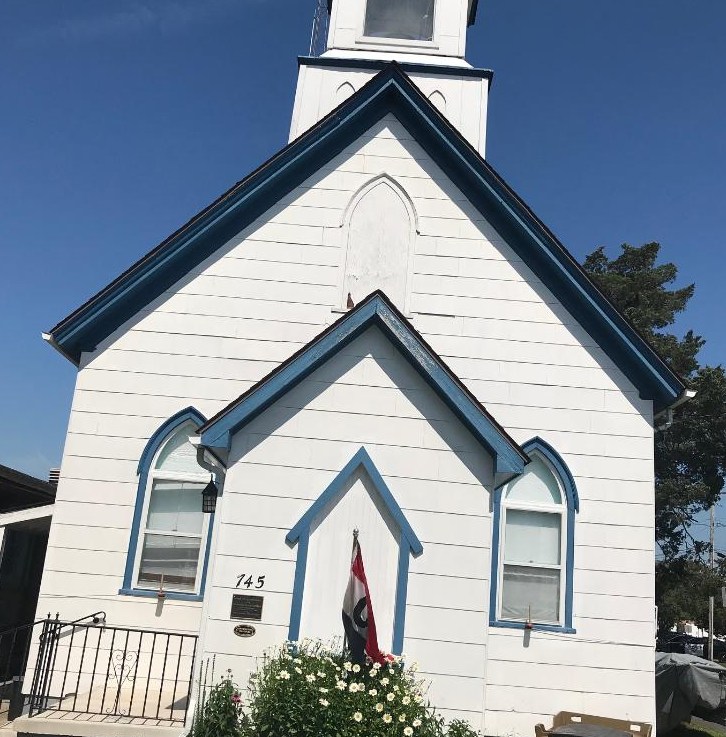
The Somers Point Historical Society at 745 Shore Road

I visited Somers Point, NJ recently to see the historical shore town and explore their small museums. The Somers Point Historical Society differs from its neighbor down the road, the Atlantic County Historical Society in that its concentration is on the Town of Somers Point and not the entire county.

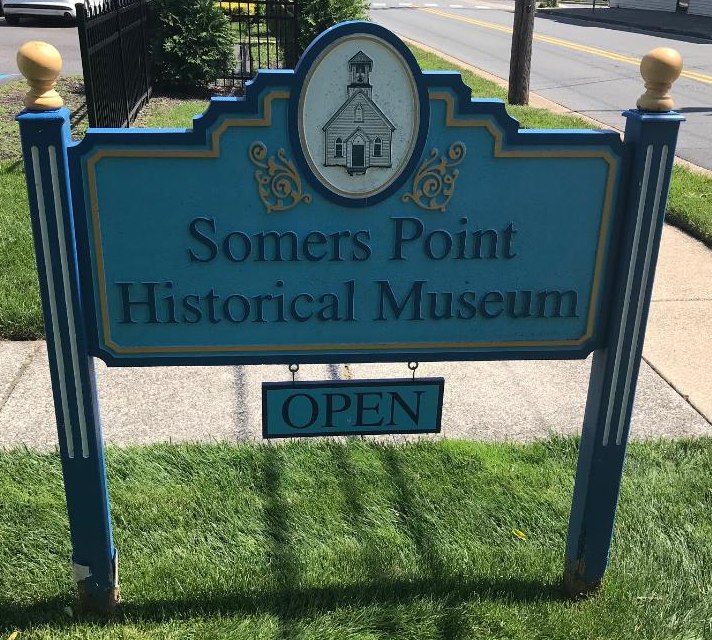
The Somers Point Historical Society sign welcomes you

The Somers Point Historical Society started in 1987 as part of the “Save City Hall” campaign to save the historic City Hall building. The plan was to highlight the history of Somers Point and its place in the community and to save some of the older buildings in the town.

The City Hall was saved and it was renovated for the new library. The organization was also helped with funding and applying for National Historic Recognition for the Bayfront Historic District that lies between Shore Drive and Bay Avenue on the waterfront district of the town (Somers Point Historical Society website).

The building that the society is housed in was originally a Baptist Church that was built in 1886 and later became the Somers Point Library. When the new library was built, the Society bought the building and the organization was formed. The museum started with about 600 artifacts and it has grown much largers since.

The Somers Point Historical Society main room

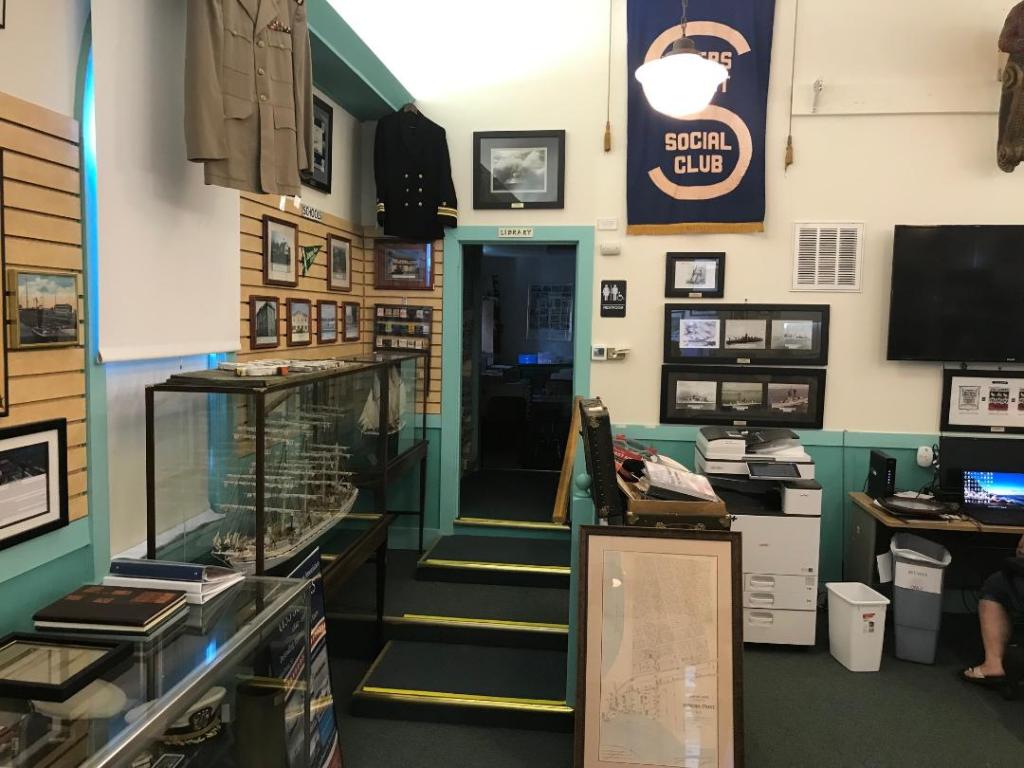
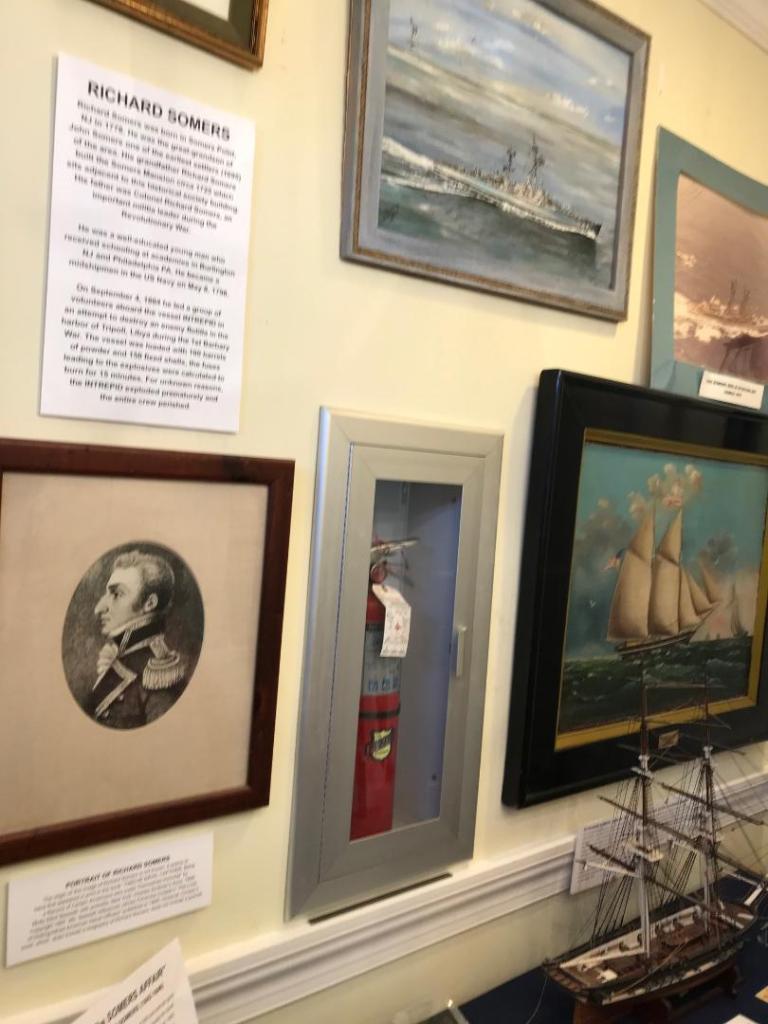
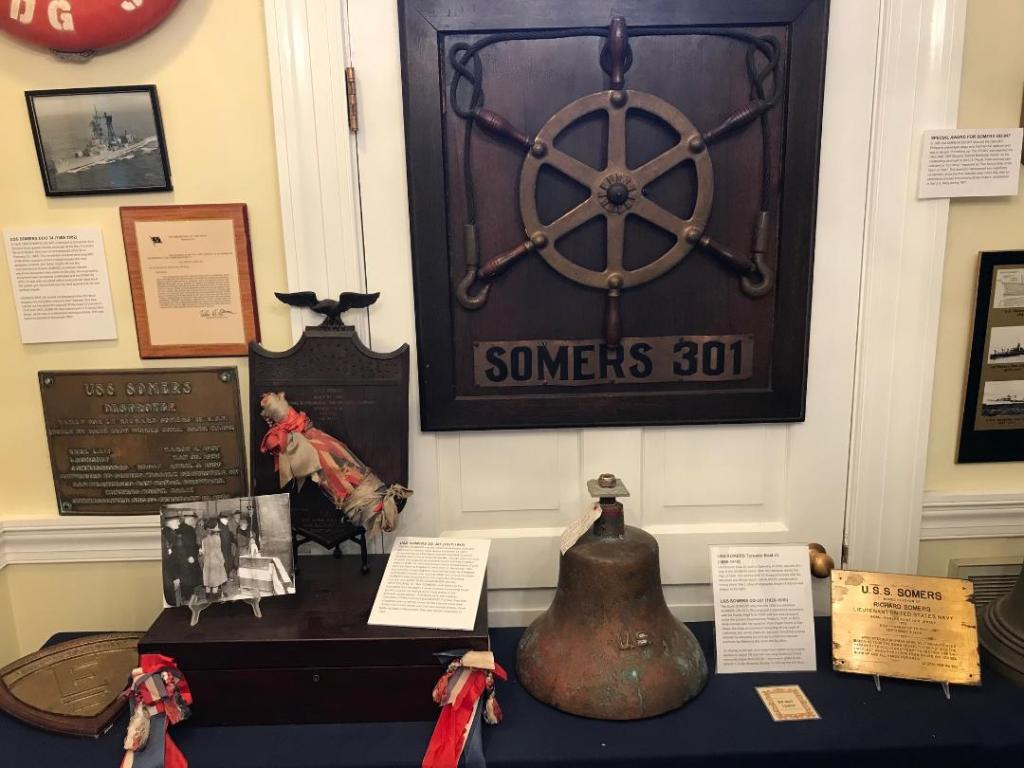
The museum is based around the one main room that tells the history of the Town of Somers Point. One display is on the USS Somers named after Commandant Richard Somers. Our tour guide told us that there is always a Somers named vessel in service with the Navy. There was a complete display on the navel vessels including a section on Master Commandant Richard Somers.

Master Commandant Richard Somers

http://www.richardsomers.org/

https://en.wikipedia.org/wiki/Richard_Somers

Richard Somers and the Intrepid video

Display on items from the USS Somers plus ships and boats

The number of items in the collection includes weapons, dishes, photographs, nautical items and pictures of all the Navy vessels named after Richard Somers. These historical items show the contribution that Richard Somers made to the armed forces of the United States. There were also family hierlooms among the artifacts. It was told to me there will always be a USS Somers in service dedicated to him.

More items from the USS Somers

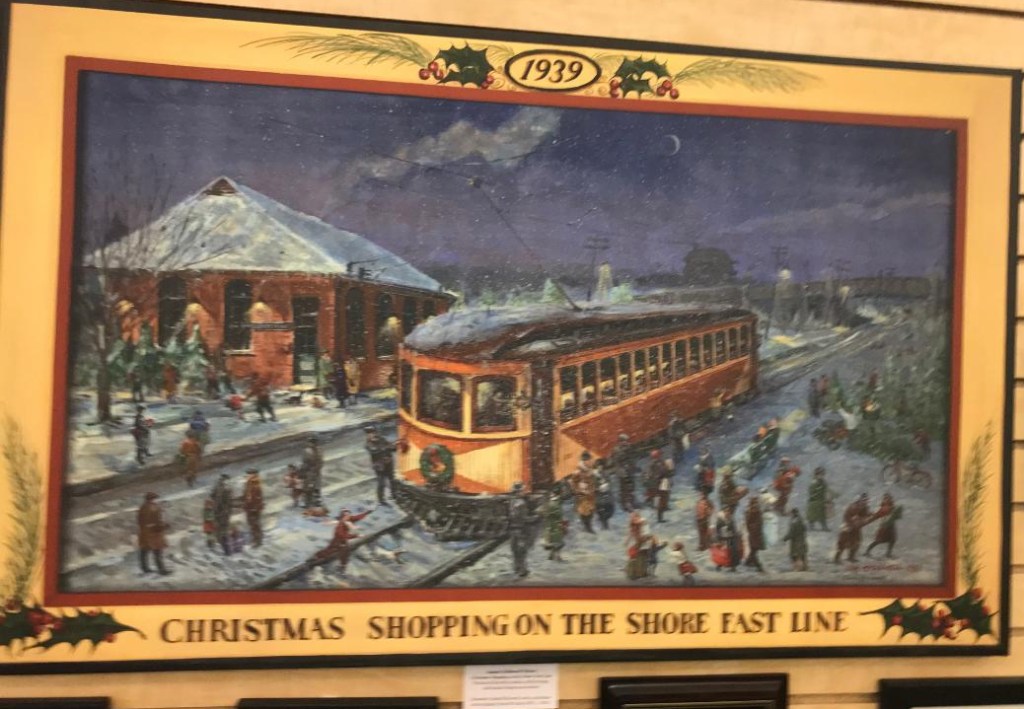
There was a nice display on the trolley car system that used to line the shore traveling from Atlantic City down the coast to Somers Point. This was a picture taken during the holiday season when shopping at the shore was pleasant experience.

Christmas shopping at the shore must have been fun

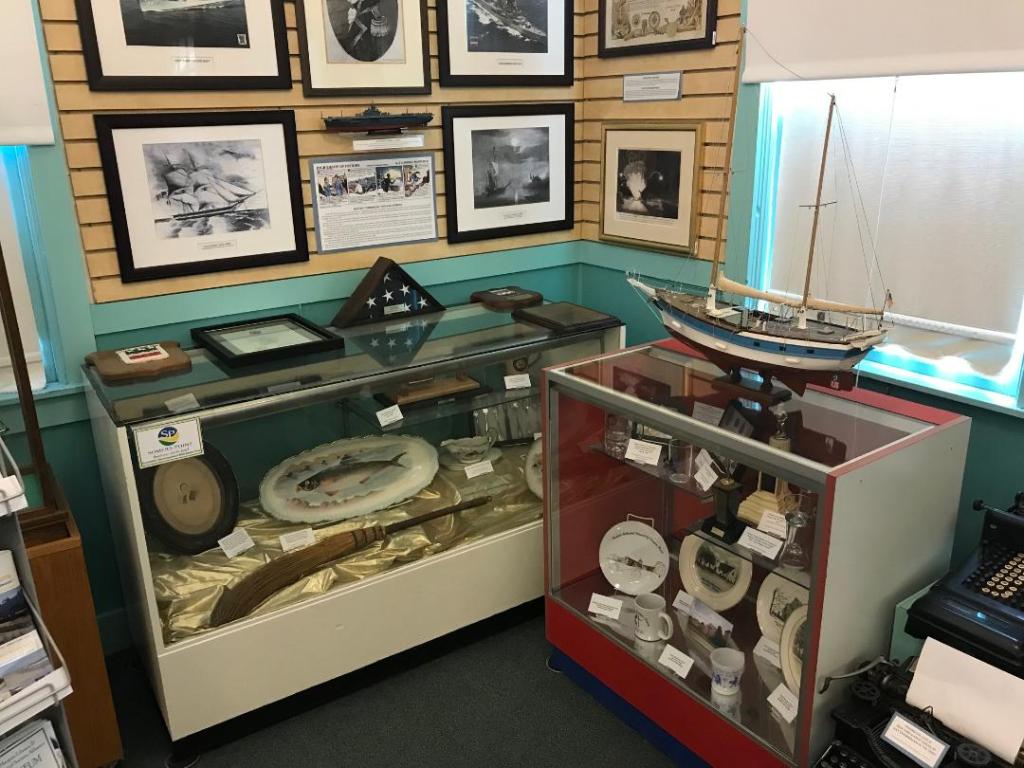
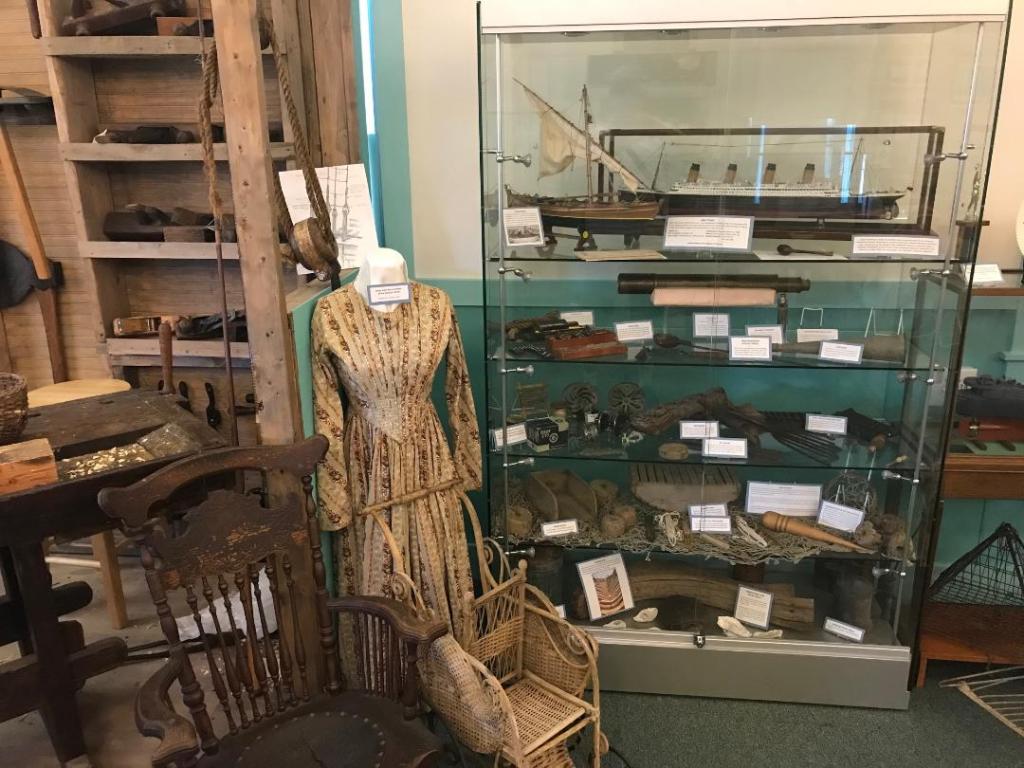
When the Lindenwood Historical Society folded for business, the Society inherited their impressive collection of ship models. There are all sorts of styles and designs of ships that line the entire room. There is very interesting display of clamming and shellfish harvesting equipment that is on display along with period clothing. It really showed how much shellfish production has not changed much over the years. There was an extensive display of shipbuilding materials showing the town’s shipbuilding yards and production that used to be part of the town’s businesses.

Fishing equipment and shipbuilding tools along with period clothing

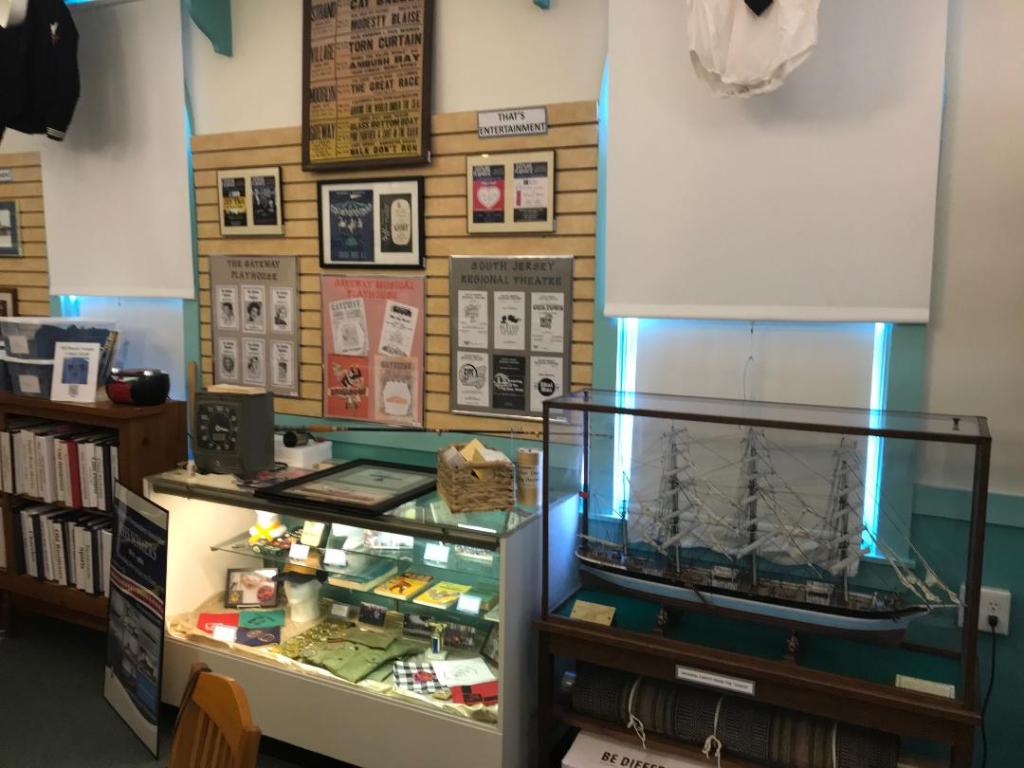
There is also a very extensive theater and arts program that is part of the town’s past and current social life. Being so close to Ocean City, NJ and its most famous summer resident, Grace Kelly there is a strong sense of theater and the arts around the community.

The theater playbills and items dealing with the local ‘arts’ scene.

The one thing that the historical society helps you remember that this is still a shore community and tourism plays a huge role in the history and make up of the town. You can see by the artifacts that things are geared towards the water and the extensive shipbuilding and fishing industries.

The Society also runs all sorts of fundraisers, movie nights and car shows to help raise money for the Society and does a lot of outreach to the community.

It is a fascinating look into the past of the shore community of Somers Point, NJ.