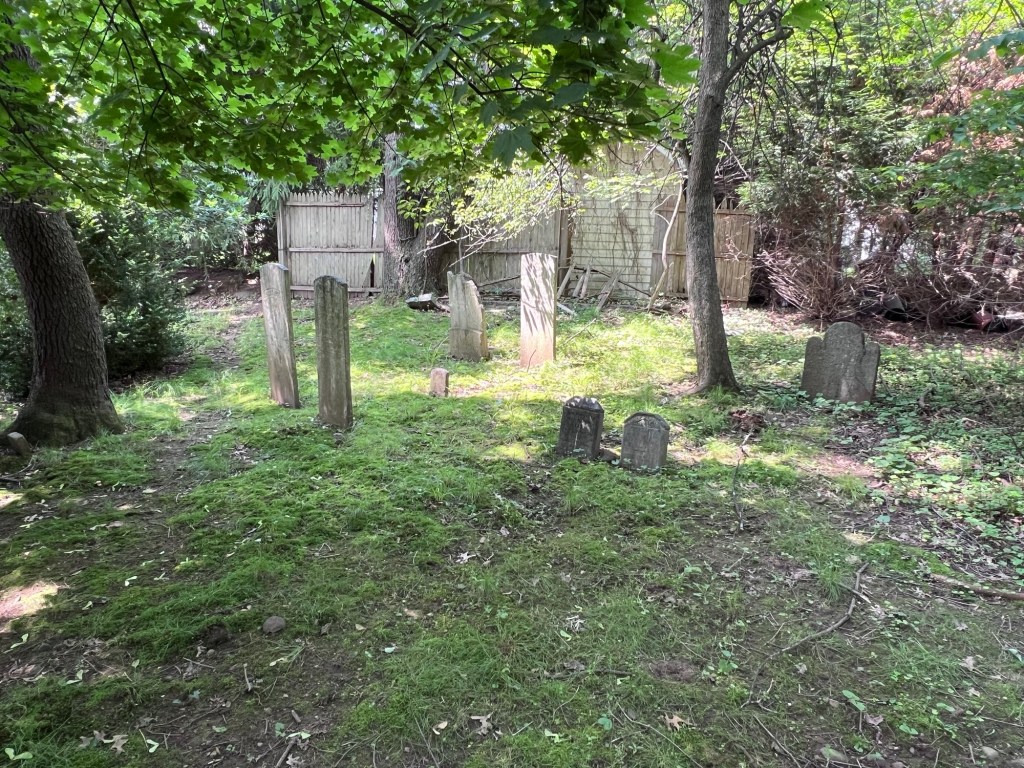
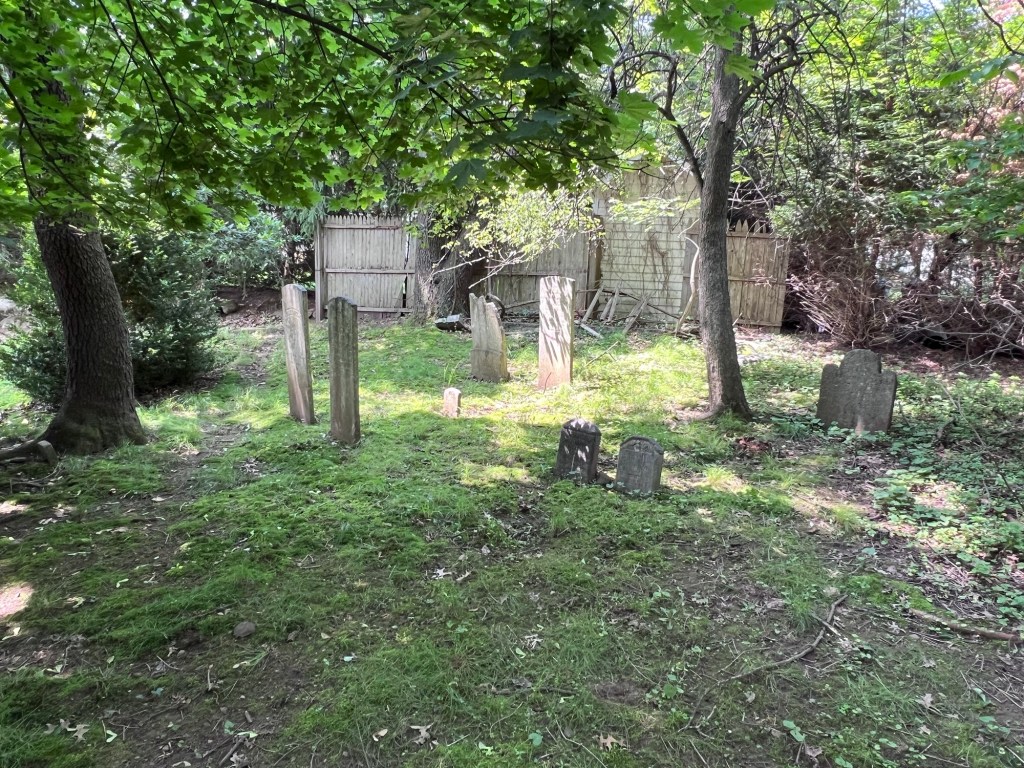
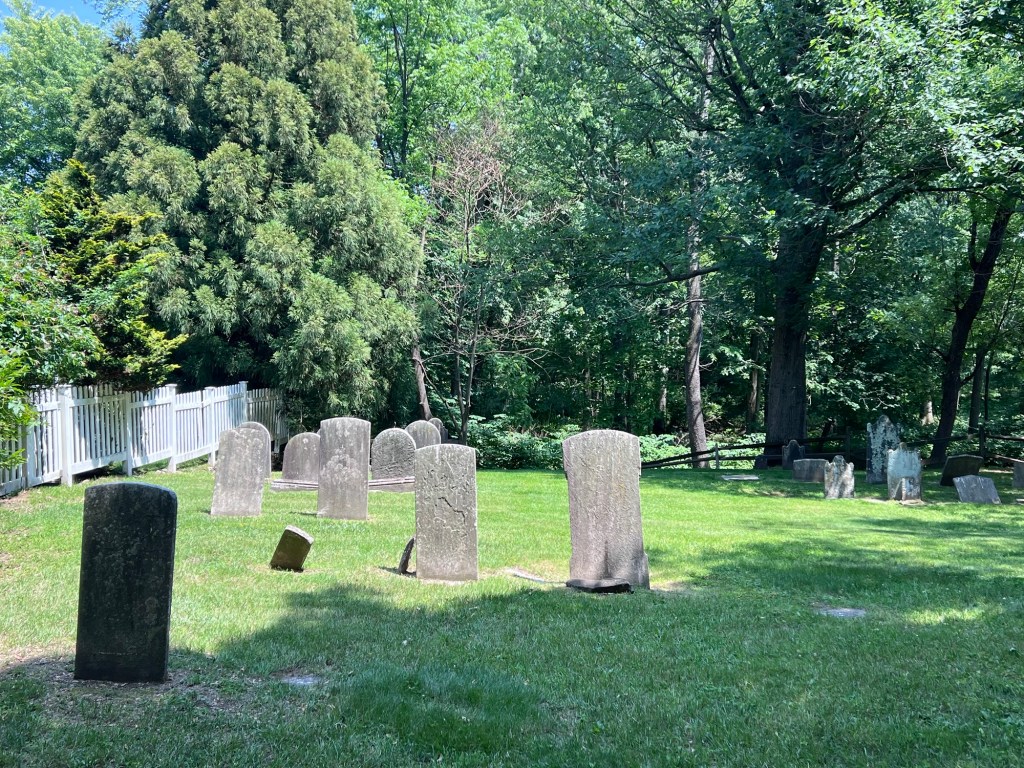
The cemetery is in a quiet corner between two house in what was once the Haring Farm
The family that is buried here:
(From the Dutch Door Genealogy website)
When some of this property, which originally had belonged to Abraham Jans Haring
according to the Zabriskie genealogy, was sold in 1785, ownerhip of the burial plot
was retained, and is described as being one square chain, which is 66 feet on each
side.
HARING FAMILY BURIAL PLOT AT NORWOOD, BERGEN COUNTY, N.J.
ON THE PROPERTY NOW KNOWN AS THE ALLISON FARM.

10718  Abraham J. Haring    d.1.1.1801  b.9.30.1720  a.80.3.1 (Tap. #358)

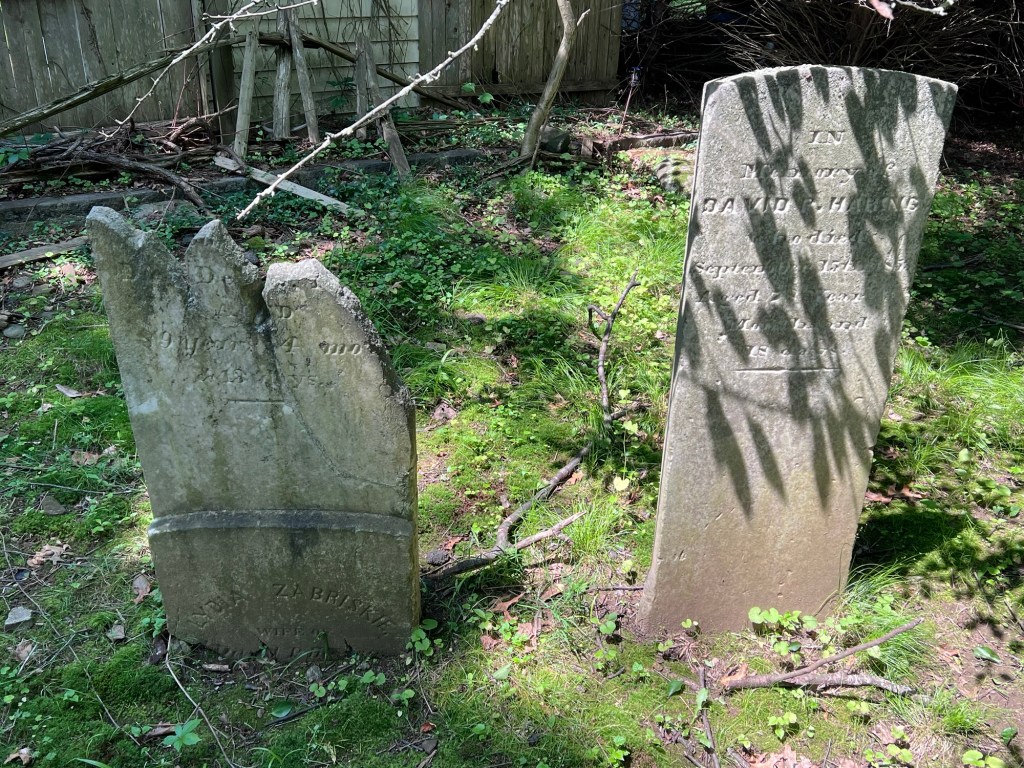
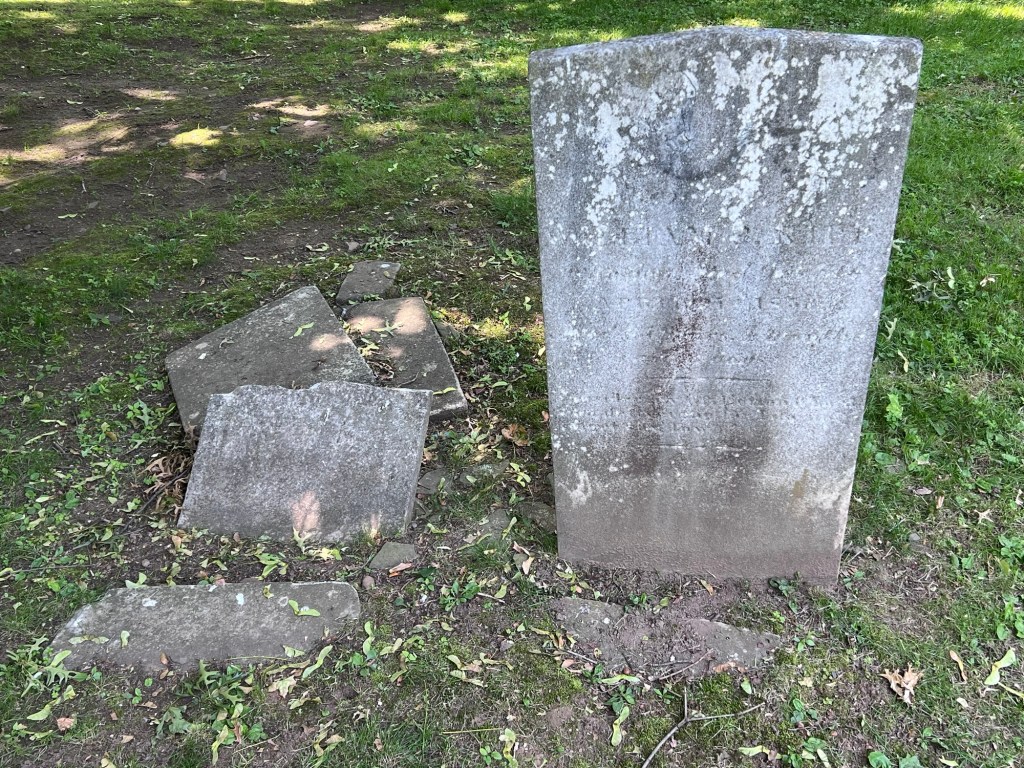
       Broken stone

10719  David P. Haring      d.9.15.1853   a.78.3.18  (Tap.#2418)

10720  Lydia Zabriskie  w. of        (Sch.p.186)
       David P. Haring      d.12.30.1869  a.89.4.13

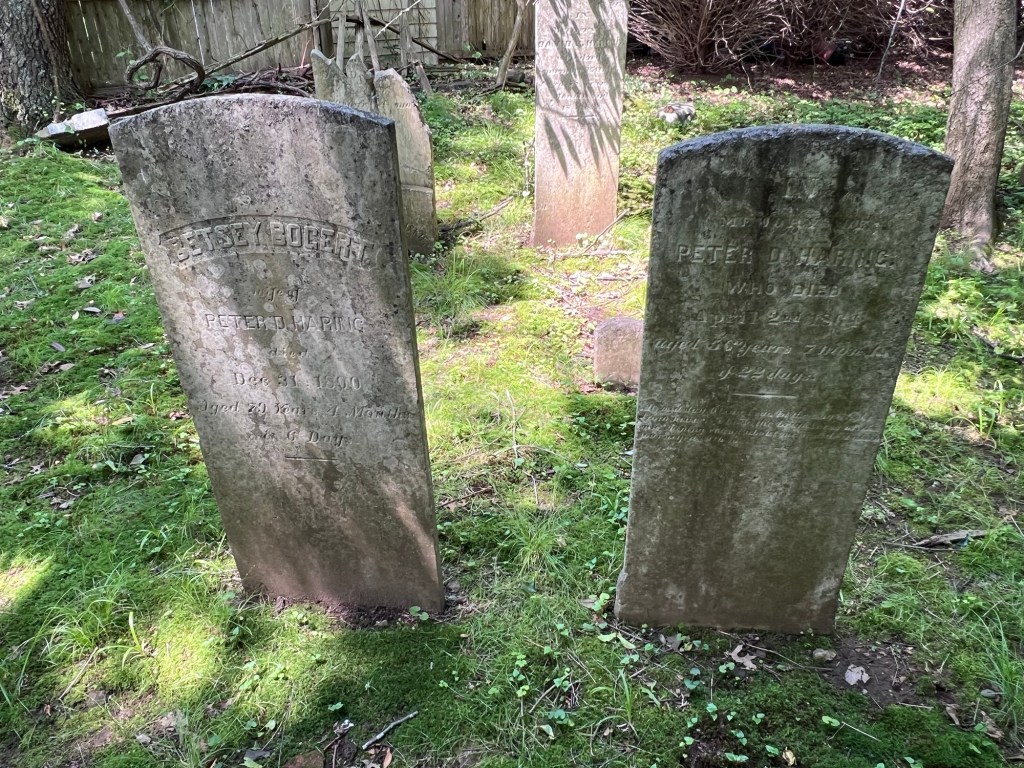
10721  Peter D. Haring      d.4.2.1864   a.56.7.22  (Tap.#3727)

10722  Betsey Bogert   w.
       Peter D. Haring      d.12.31.1890   a.79.4.6

10723  Ruth Haring          d.3.3.1876    a.0.2.14

10724  Bessie Haring        d.10.2.1877   a.0.7.24
Betsey Bogart Haring and Peter Haring
Ruth and Bessie Haring who died as children
The tombstone of Cornelius Haring (I could barely read this)
Admission: Free; please do not walk on other people’s property
My review on TripAdvisor:
The historical marker that leads you to had path to the cemetery
History of the Cemetery:
(From the Historic Marker sign)
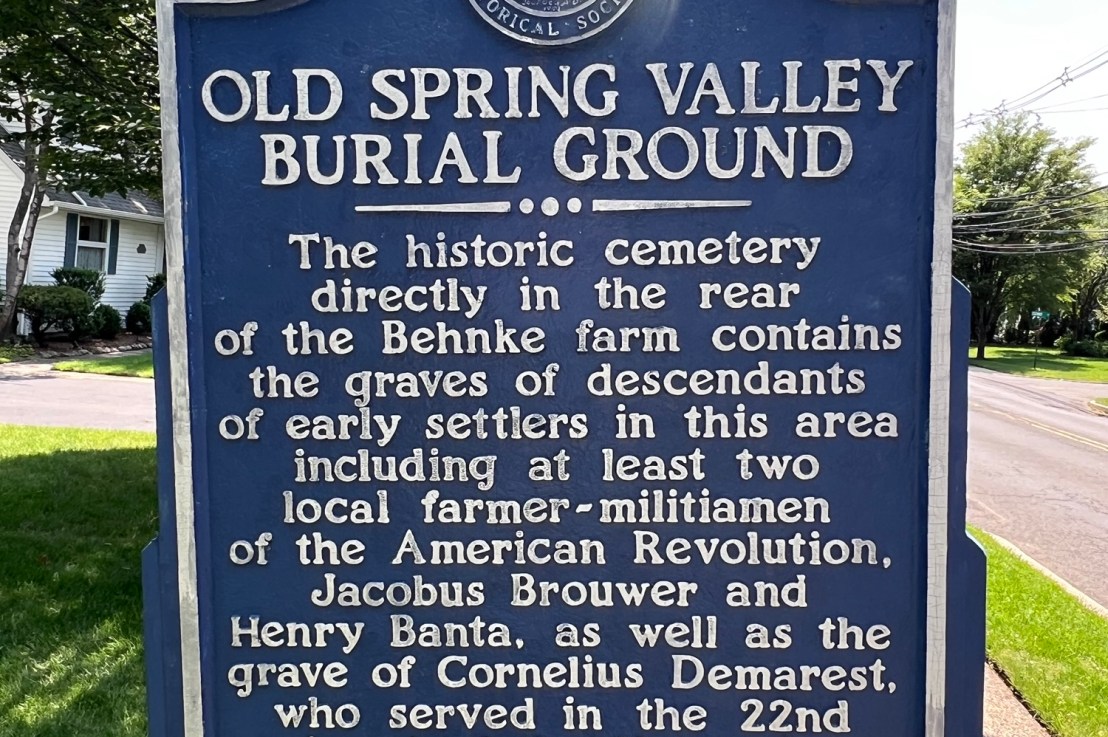
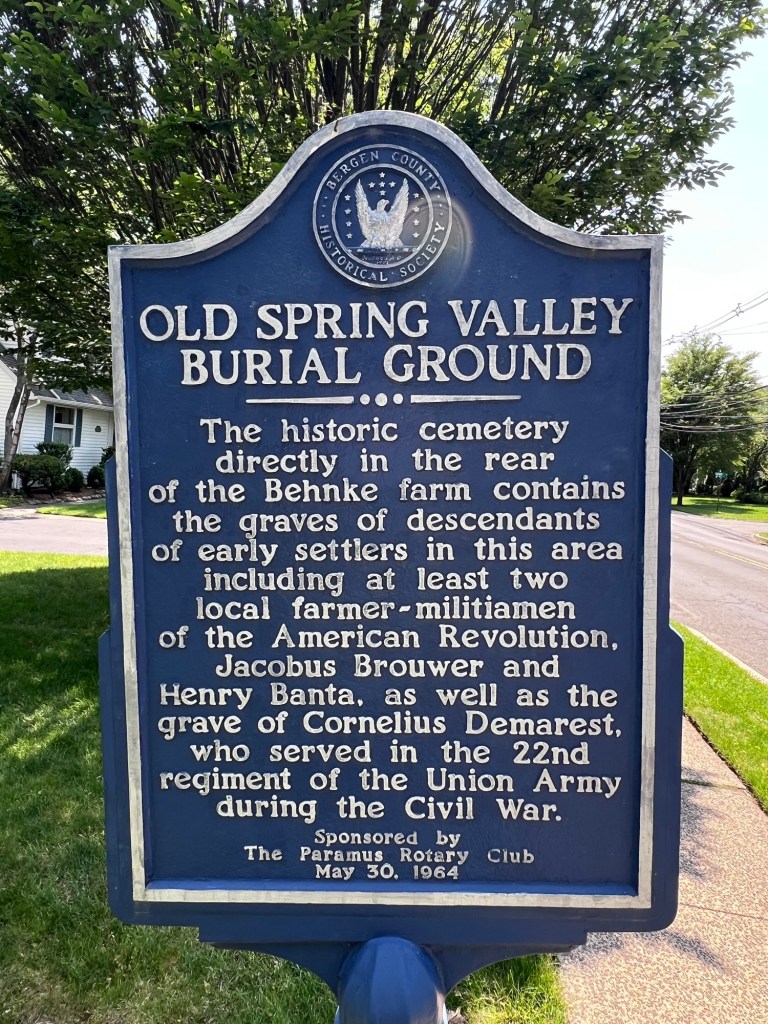
The historic cemetery directly in the rear of the Behnke farm contains the graves of descendants of early settlers in this area including a least two local farmer-militiamen of the American Revolution, Jacobus Brouwer and Henry Banta, as well as the grave of Cornelius Demarest, who served in the 22nd regiment of the Union Army during the Civil War (From Paramus Rotary sign).
The only way into this tiny cemetery is through z path located on Viola Road
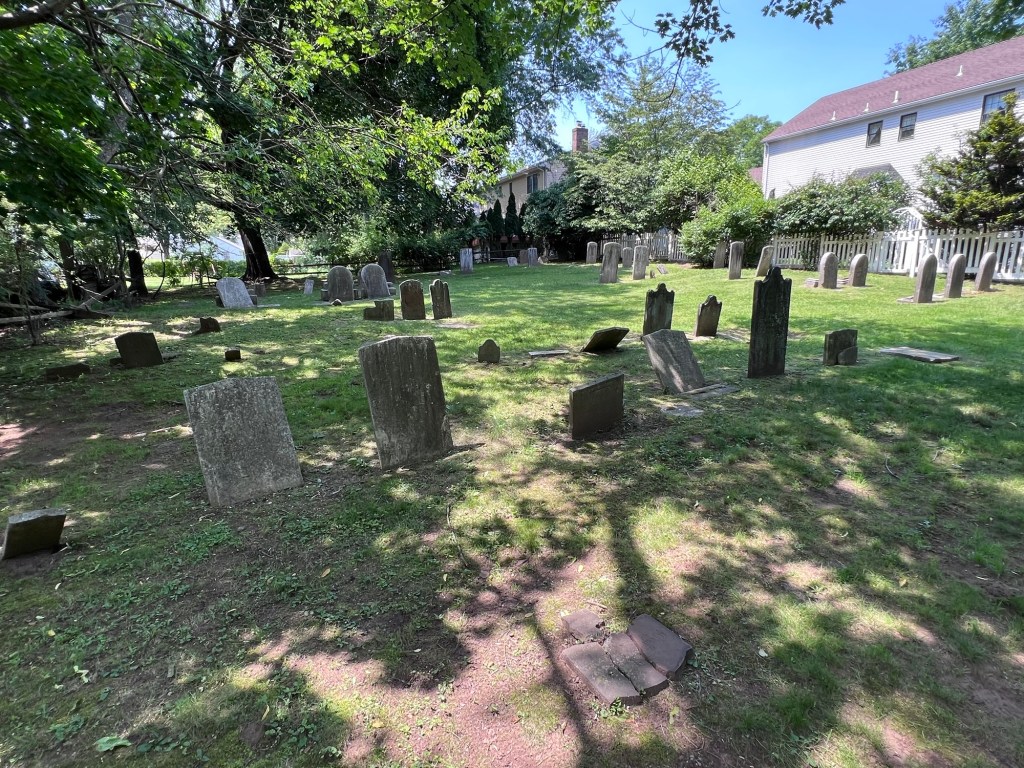
The historic little cemetery is rich in history of the first families of Bergen County including Revolutionary War and Civil War veterans
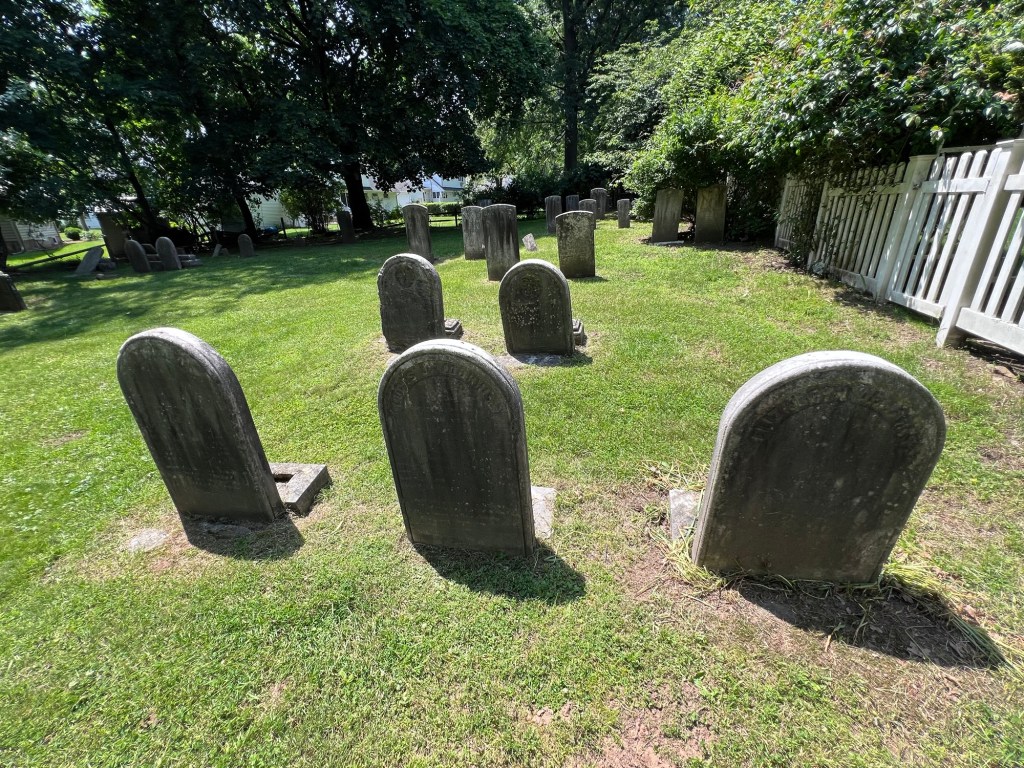
The cemetery is the resting place of members of the Banta, Bogert, Terhune, Van Saun, Demarest, Kipp and Voorhis families
The Van Saun family graves
The Bogart family graves
The graves of the Van Saun family
The graves of the Kipp family
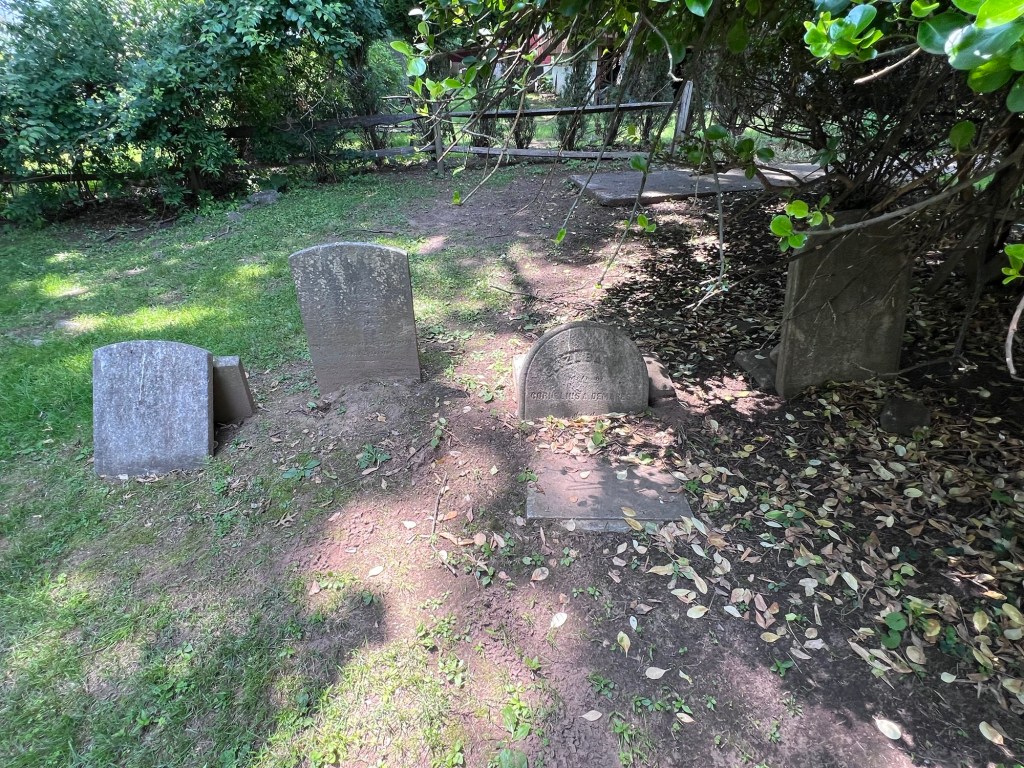
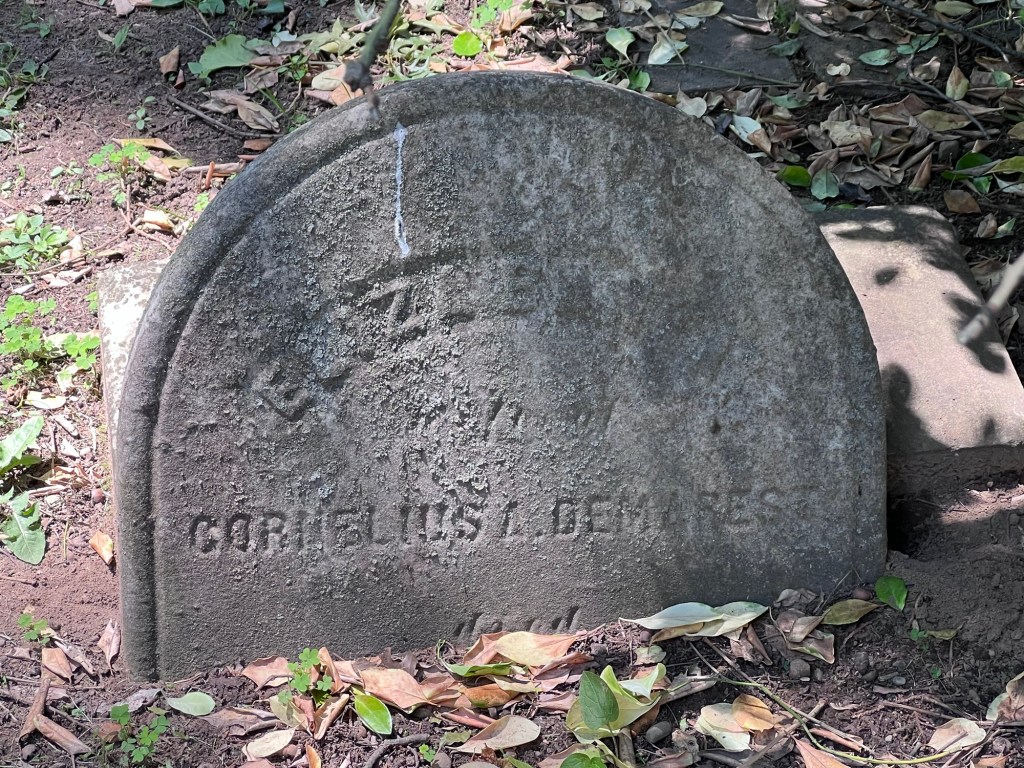
The graves of the Demarest family and of Cornelius Demarest of Civil War fame
Elizabeth Demarest, wife of Cornelius grave
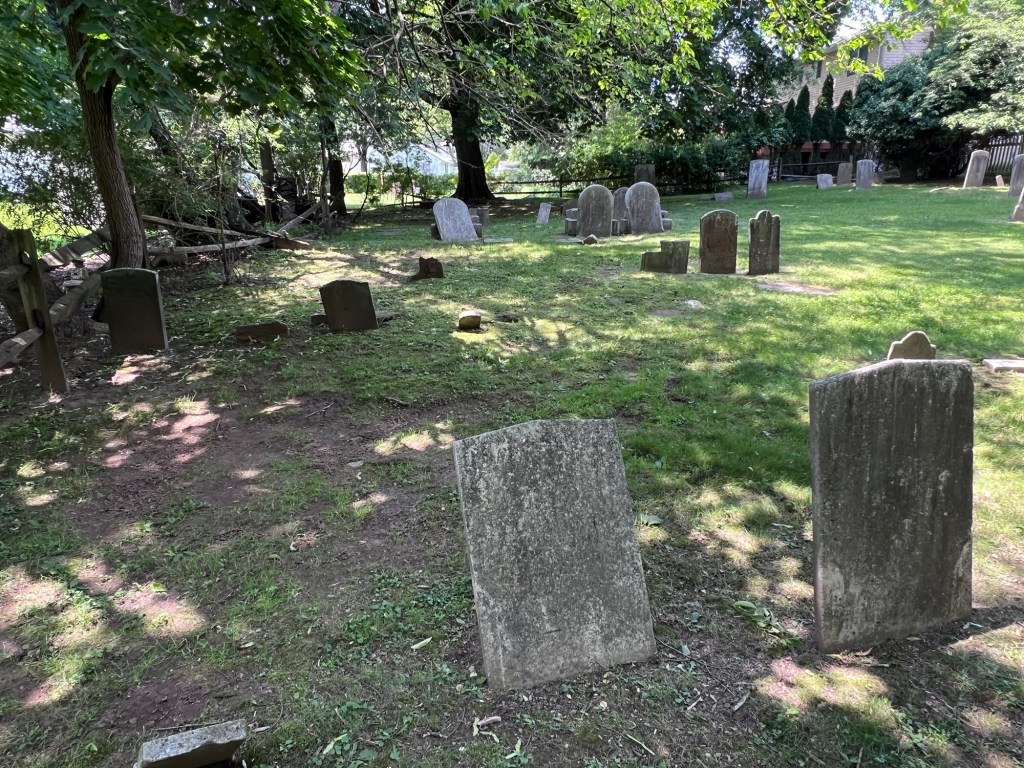
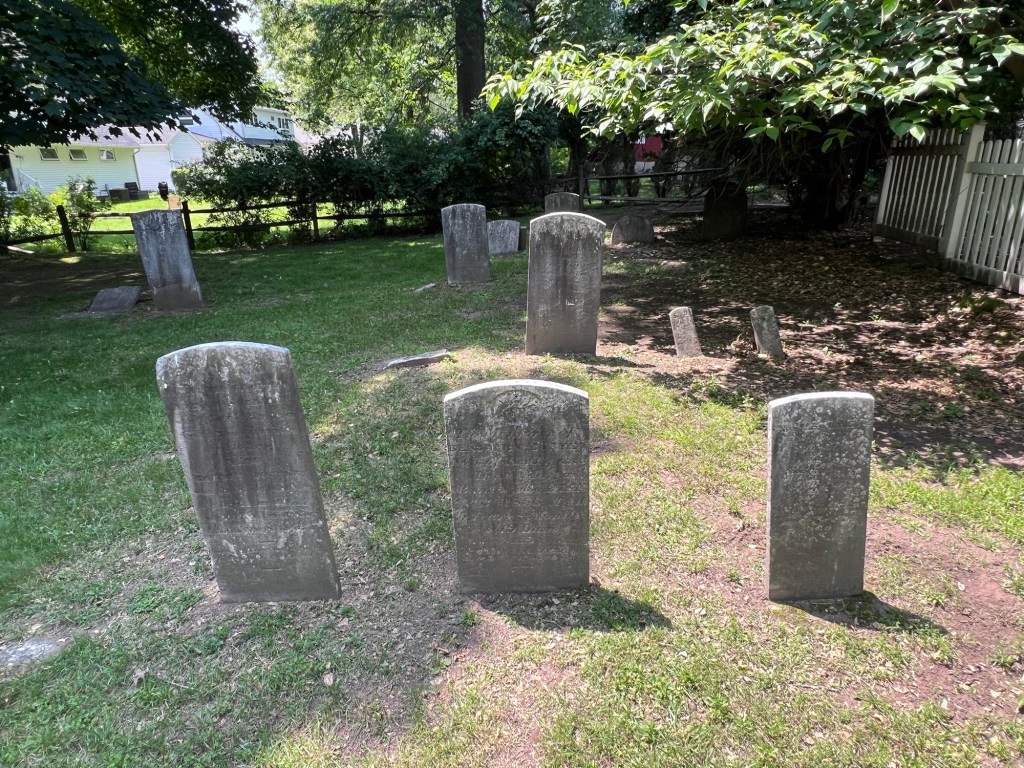
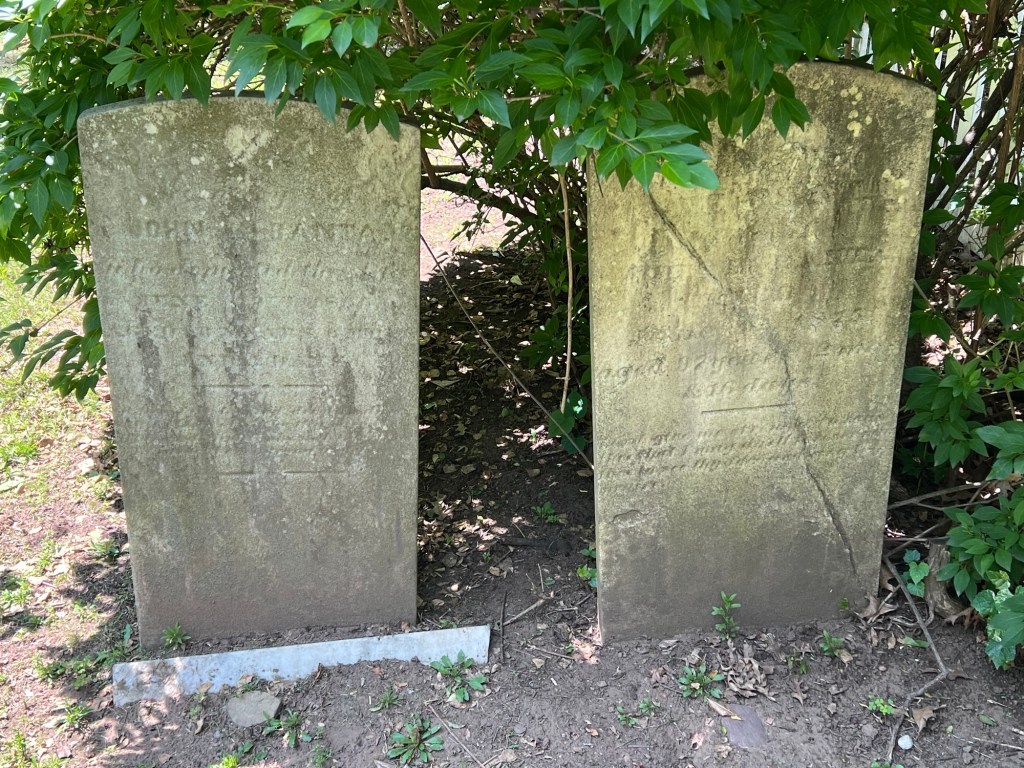
These graves I could not figure out who they were
The graves of the Banta family
The graves of the Voorhis family
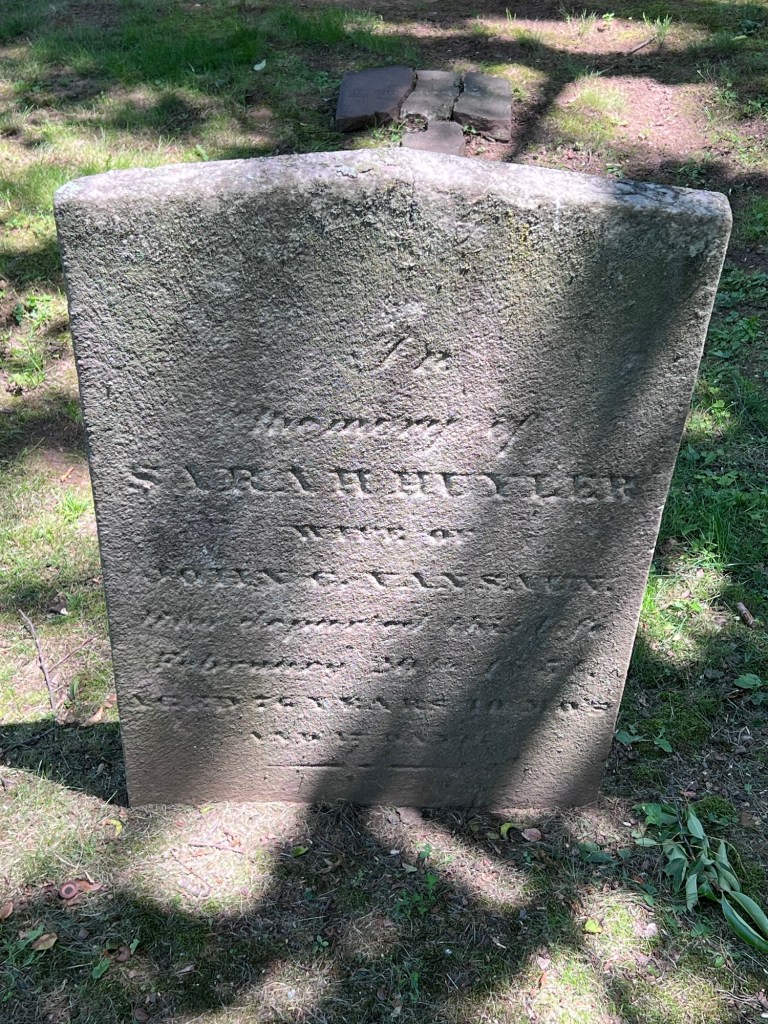
The grave of Sara Huyler, wife of John Van Saun
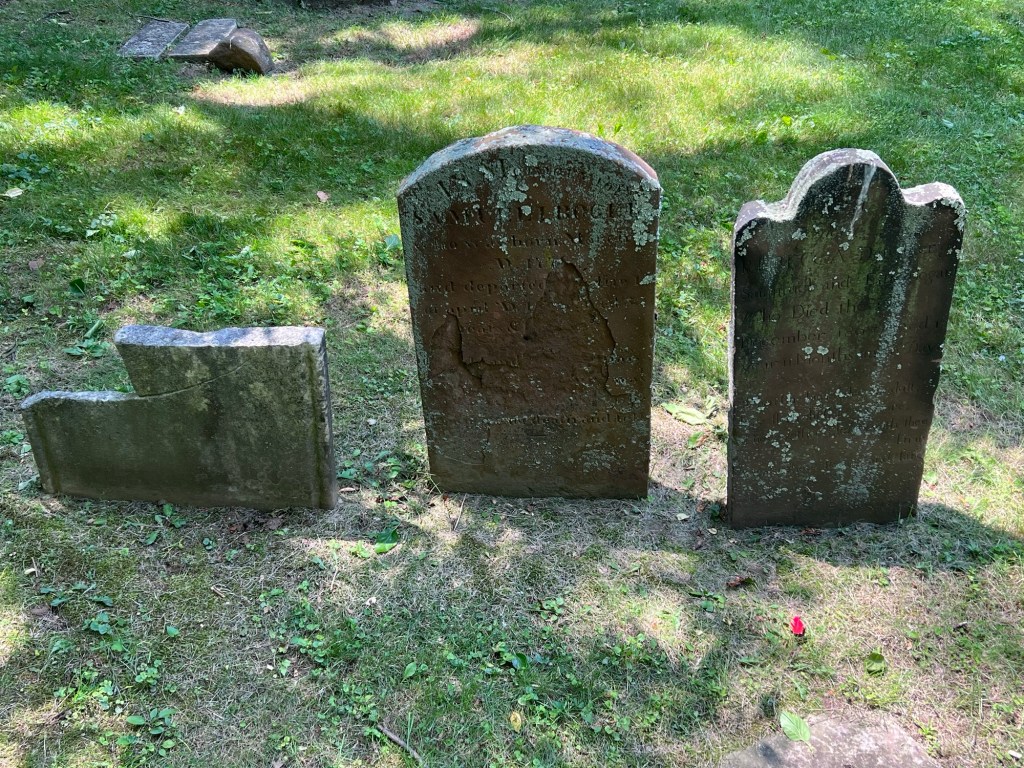
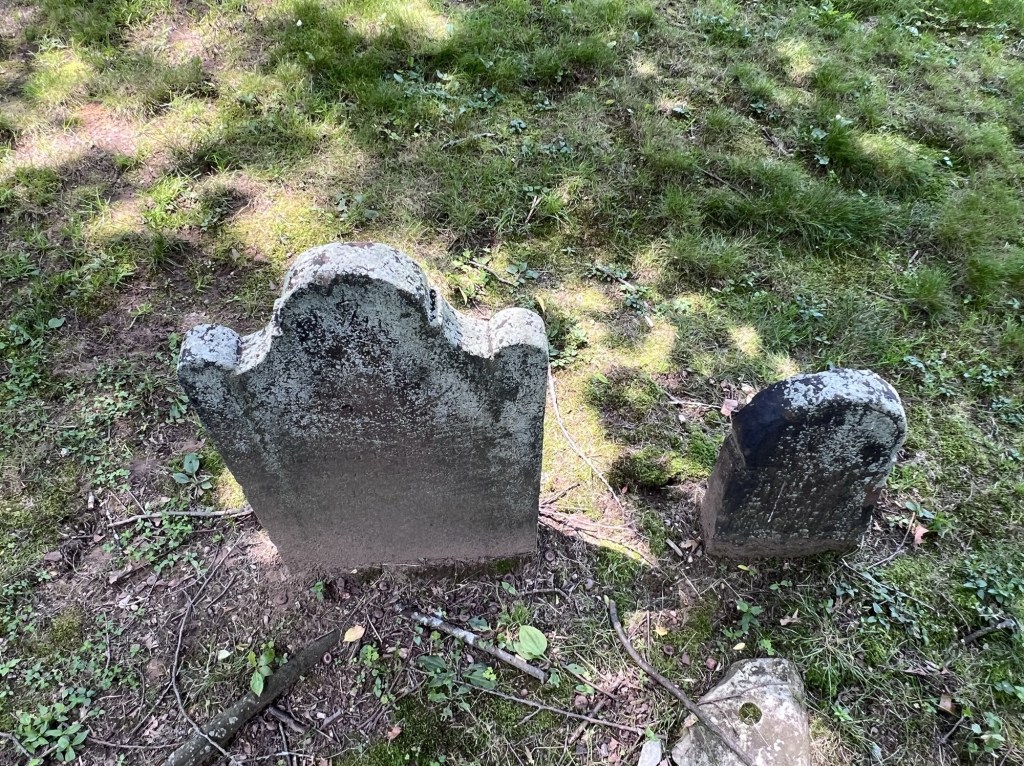
The graves were so covered in mold that I could not see who these people were
There is a quiet elegance to these historical cemeteries. Their well known family members relics of a past that now forgets them.
Who is buried here:
(From an survey done by George Budke in 1916)
??, B. P., d. 1780 Ackerman, Margaret, b. 10 Feb 1764, d. 6 Sep 1805, birth year may be 1767* Banta, Abram C., b. 6 Nov 1852, d. 16 Nov 1886 Banta, Agness (Van Saun), d. 21 Dec 1862, age: 78y 4m 15d, w/o Cornelius H. Banta* Banta, Benjamin Duryea, d. 3 Oct 1856, age: 5y 8m 19d, s/o Henry & Anna Maria Banta Banta, Catharine (Terhune), b. 6 Aug 1823, d. 27 Jun 1890, w/o Cornelius H. Banta Banta, Charles Augustus, d. 7 Oct 1861, age: 3m 20d, s/o Henry & Anna Maria Banta Banta, Cornelius H., b. 13 Mar 1819, d. 18 Nov 1904 Banta, Cornelius H., d. 17 Aug 1854, age: 84y 5m 9d* Banta, Elizabeth (Lake), d. 4 Sep 1817, age: 67y 8m 18d, w/o Henry Banta Banta, Garret Hopper, d. 14 Feb 1850, age: 7m, s/o Henry & Anna Maria Banta* Banta, Henry C., d. 13 Sep 1821, age: 22y 8m* Banta, Henry H., d. 29 Feb 1864, age: 69y 10m 16d Banta, Henry, b. 15 Sep 1796, d. 31 May 1798, age: 1y 8m 15d* Banta, Henry, d. 12 Aug 1817, age: 66y 1m 18d, h/o Elizabeth Lake, Veteran of the Revolutionary War Banta, Jane, d. 12 Jun 1875, age: 97y 2m 16d, w/o John H. Banta Banta, John H., d. 29 Jun 1855, age: 83y 6m 7d Banta, Lavina (Zabriskie), d. 16 Jan 1862, age: 70y 4m 12d, w/o Henry H. Banta* Banta, Lavinah Sobriskie, d. 7 Feb 1850, age: 3y 11m 10d, d/o Henry & Anna Maria Banta* Banta, Lidia (Van Saun), d. 22 Feb 1804, age: 32y 5m, w/o Cornelius Banta* Banta, Sarah, d. 8 Aug 1845, age: 2y 6m 24d, d/o Cornelius H. & Catharine Banta* Bartholf, Maria, d. 18 Feb 1870, age: 70y 5m 9d* Begart, Rebecca, d. 12 Dec 1807, age: 1y 11m 6d, d/o Samuel & Ettie Begart Bertholff, John, d. 8 Apr 1852, age: 86y 9m 15d* Bogert, Albert I., d. 22 Sep 1861, age: 84y 10m 3d* Bogert, Jacob A., d. 10 Dec 1866, age: 76y 8m 19d* Bogert, Jane (Kipp), d. 3 Jun 1853, age: 74y 3m 7d, w/o Albert I. Bogert* Bogert, John A., b. 26 Mar 1748, d. 25 Oct 1823, age: 74y 6m 30d* Bogert, Rachel (Van Saun), b. 15 Feb 1798, d. 1 Sep 1846, age: 48y 6m 16d, w/o Jacob A. Bogert* Bogert, Samuel A., d. 24 Jul 1867, age: 61y 8m 23d Bogert, Samuel I., b. 31 Mar 1778, d. 13 Apr 1830 Brouwer, Yacob, d. 26 Aug 1784, age: 58y, Veteran of the Revolutionary War* Cundlah, C. A., b. 14 Apr 1828, d. Jan ?, age: ?? Debaun, Effie (Demarest), d. 13 Dec 1862, age: 75y 8m 7d, w/o Peter C. Debaun, formerly wife of Samuel I. Bogert* Demarest, Aaron, d. 14 Mar 1838, age: 57y 6m 18d* Demarest, Christina (Bogert), d. 5 Dec 1868, age: 82y 5m 12d, w/o Aaron Demarest Demarest, Cornelius A., d. 27 May 1883, age: 66y 8m 5d, Civil War Veteran Demarest, Eliza (Banta), d. 6 Jan 1883, age: 65y 8m, w/o Cornelius A. Demarest Demarest, Elizabeth, b. 16 Jul 1792, d. 23 Mar 1869 * Demarest, Nicholas, b. 3 May 1759, d. 6 Feb 1811, age: 51y 9m 3d Kipp, Albert, d. 28 Jan 1852, age: 66y 7m 18d* Kipp, Araminta, d. 30 Dec 1853, age: 15y 4m 25d* Kipp, James Bogert, d. 25 Sep 1848, age: 21y 10m 1d* Kipp, John, d. 28 Feb 1862, age: 50y 19d Kipp, Rachel, d. 21 Jul 1854, age: 63y 10m 23d, w/o Albert Kipp* Kipp, William B., d. 21 Apr 1856, age: 65y 4m 11d Van Arsdale, James, d. 21 Apr 1855, age: 51y 5m 5d, Deacon* Van Saun, David, d. 8 Mar 1825, age: 56y 5m 3d* Van Saun, Isaac L., b. 1 Nov 1778, d. 24 Apr 1850, age: 71y 1m 23d Van Saun, Isaac, b. 17 Mar 1749, d. 9 May 1832, age: 83y 1m 22d Van Saun, Jane (Ackerman), b. 4 Apr 1754, d. 6 Oct 1822, age: 68y 6m 2d, w/o Isaac Van Saun Van Saun, Jane (Demarest), d. 9 May 1870, age: 57y 5m 9d, w/o Lucas I. Van Saun* Van Saun, John C., d. 1 Mar 1849, age: 74y 7m 4d* Van Saun, Kastyne, b. 1 Jul 178?, d. 5 Feb 1791* Van Saun, Leah (Brower), d. 5 Jun 1859, age: 93y, w/o David Van Saun* Van Saun, Lucas I., d. 31 Oct 1848, age: 34y 4m 15d Van Saun, Margaret, d. 5 Sep 1832, age: 23y 11m 15d, w/o Albert Z. Van Saun* Van Saun, Maria, b. 13 Jul 1829, d. 6 Apr 1836, d/o Albert & Margaret Van Saun* Van Saun, Rachel, b. 5 Dec 1821, d. 28 Jun 1839, age: 17y 6m 23d Van Saun, Sarah (Huyler), d. 20 Feb 1854, age: 76y 10m 17d, w/o John C. Van Saun* Van Voorhis, Jane, d. 19 Aug 1805, age: 1y 8m 2d, d/o Hendrick & Wantea Van Voorhis* Voorhis, Albert I., d. 20 Nov 1879, age: 73y 10m 20d Voorhis, John L., b. 26 Apr 1791, d. 22 Feb 1849, age: 57y 9m 26d Voorhis, Lucas J., d. 4 May 1855, age: 30y 8m 25d Westervelt, Jane (Ackerman), b. 29 Jul 1769, d. 2 Jul 1851, age: 81y 11m 3d, w/o Henry Westervelt Wortendyke, Cornelius, d. 12 Feb 1843, age: 3y 10m 12d, s/o Cornelius & Lydia Wortendyke*
Admission: Free, the gates are open across from the baseball field.
My review on TripAdvisor:
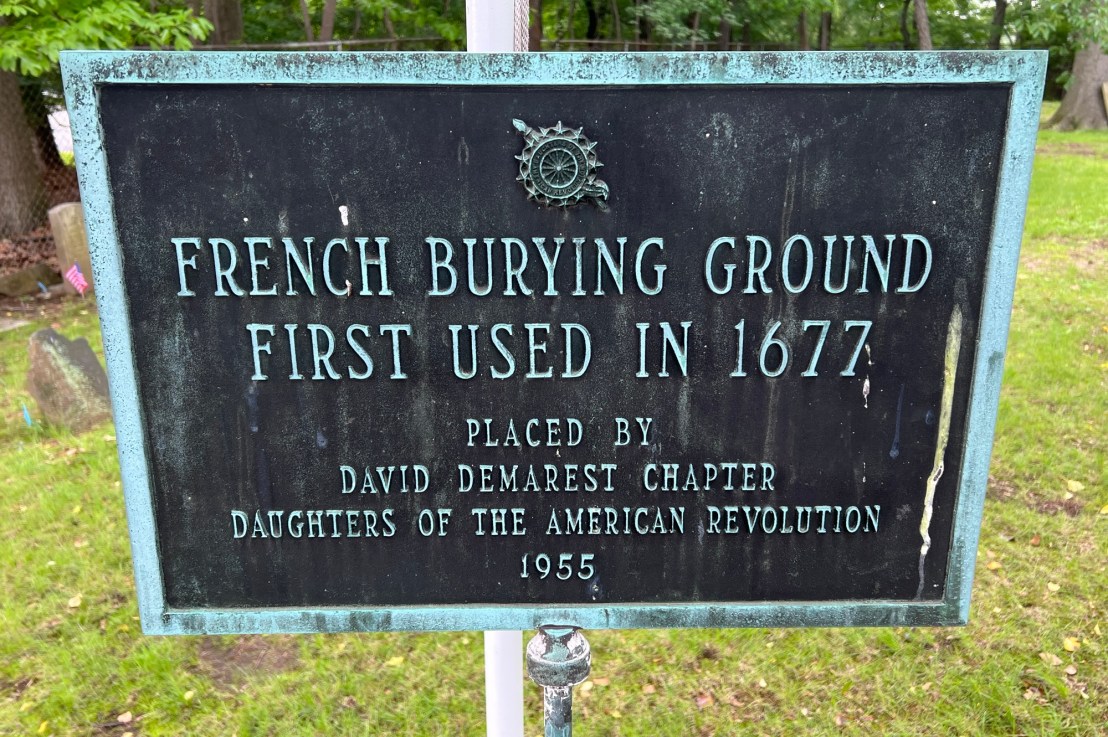
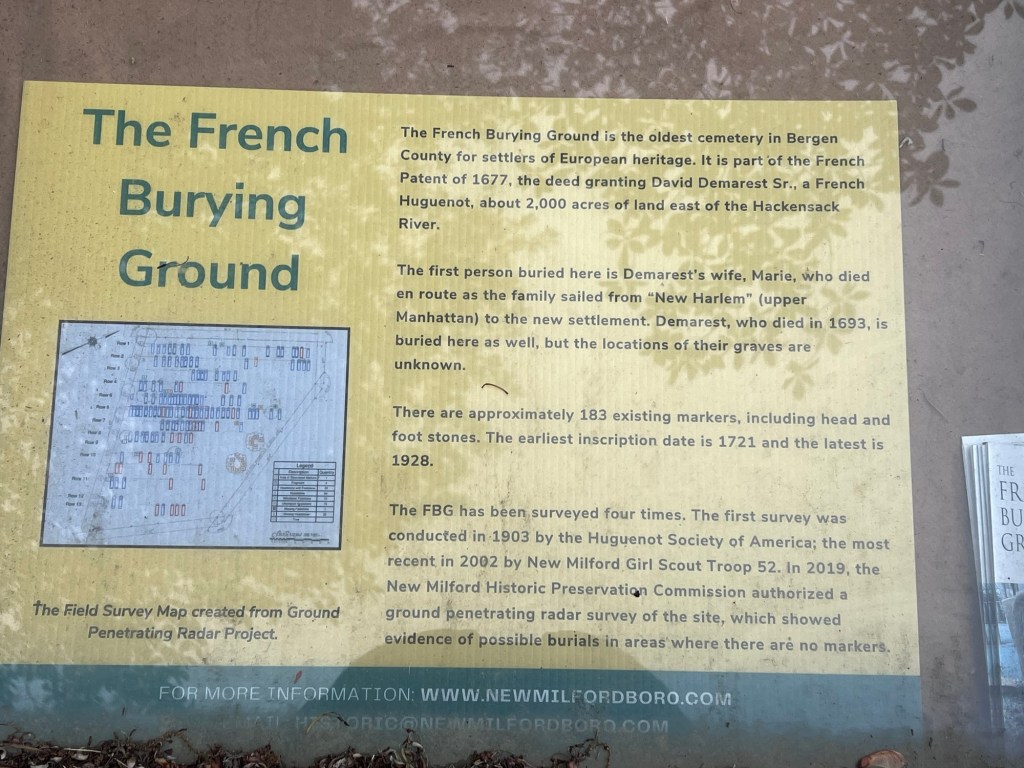
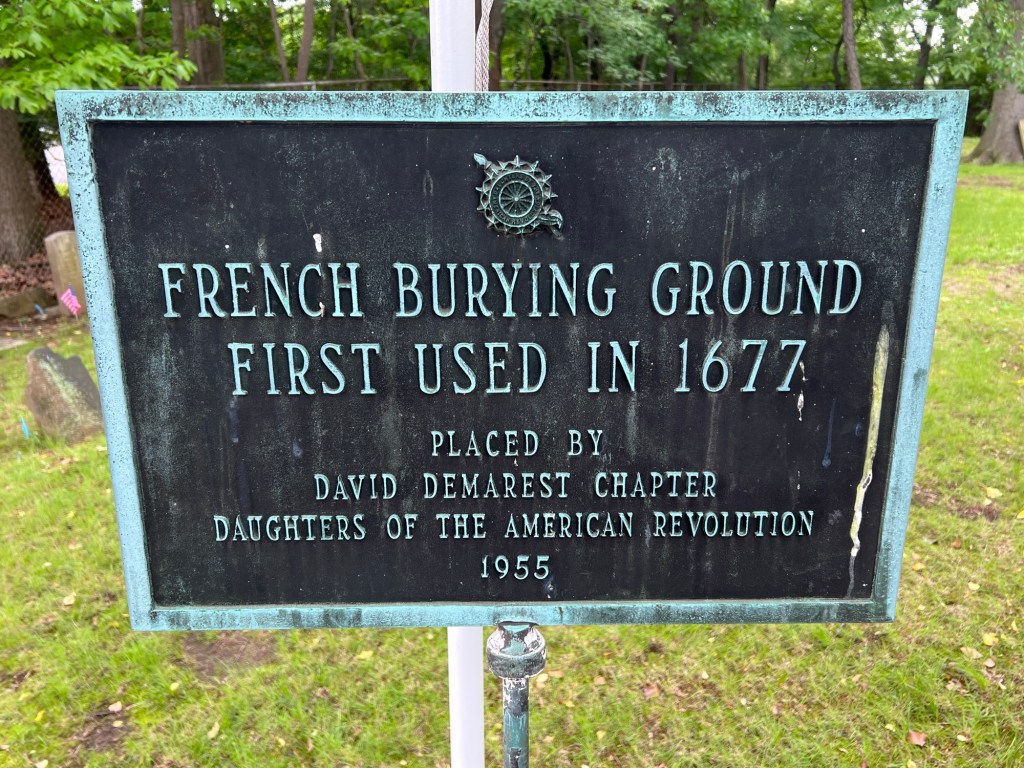
The sign for the French Burying Ground
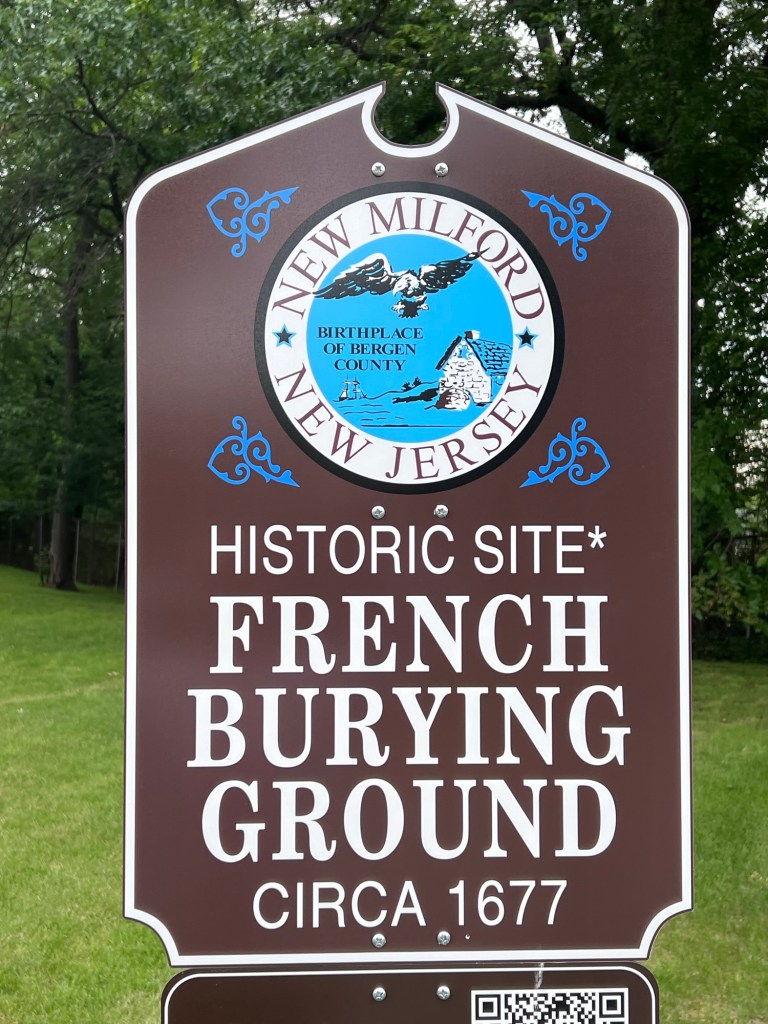
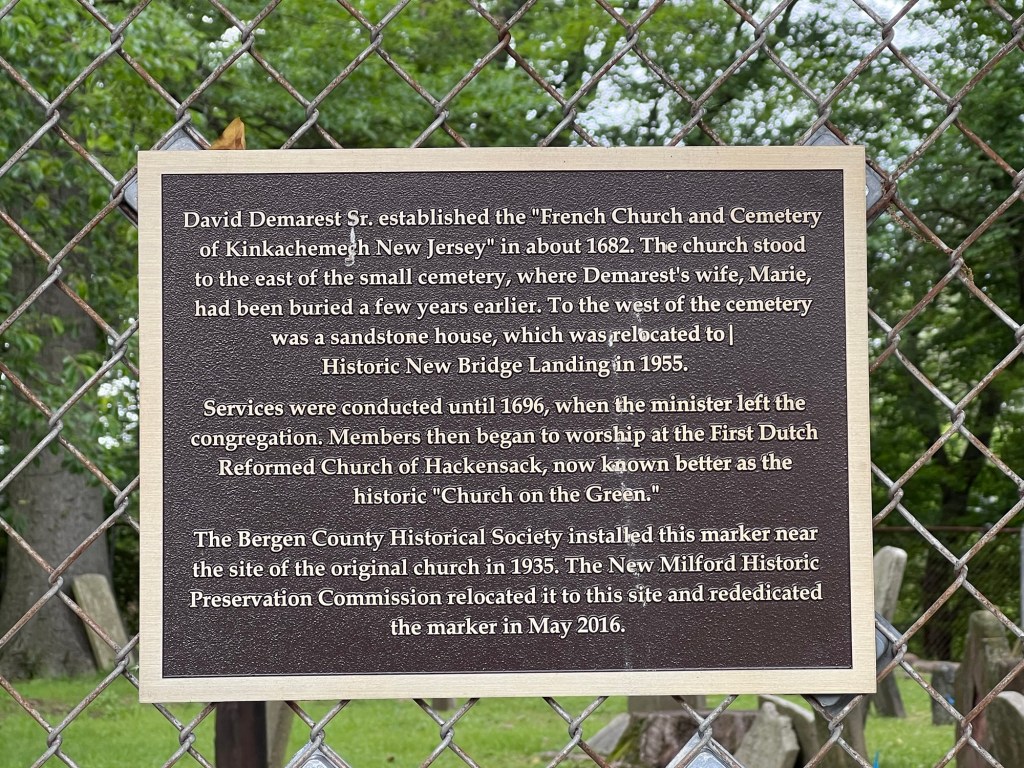
The historic marker in the front of the cemetery
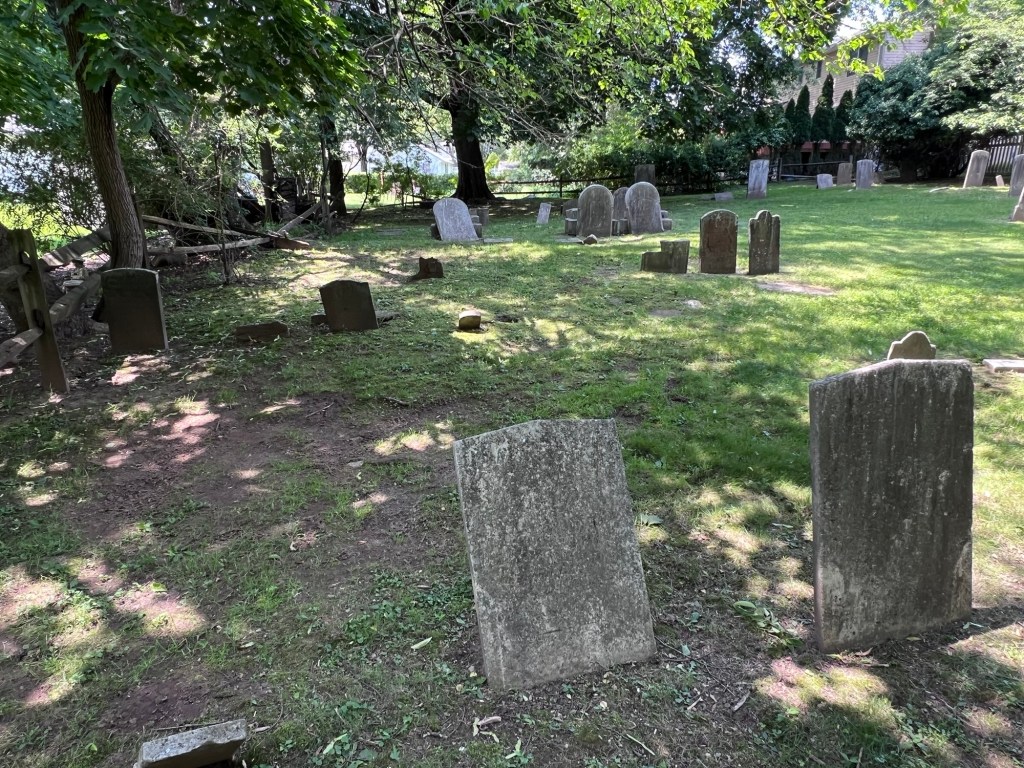
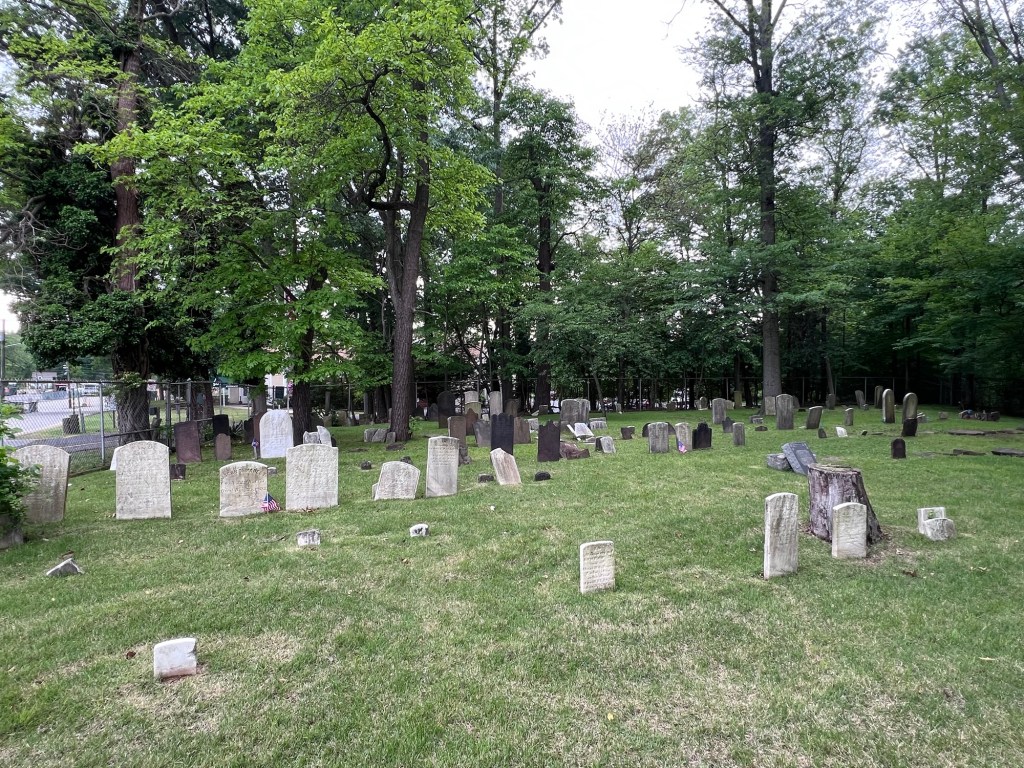
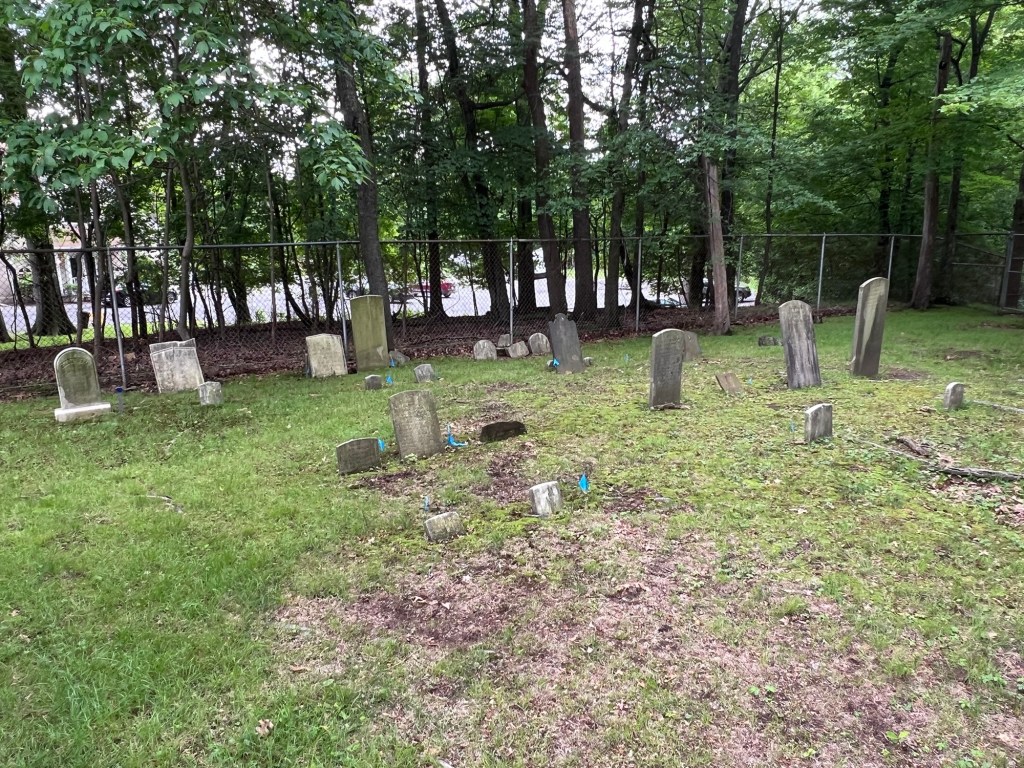
The French Burying Ground
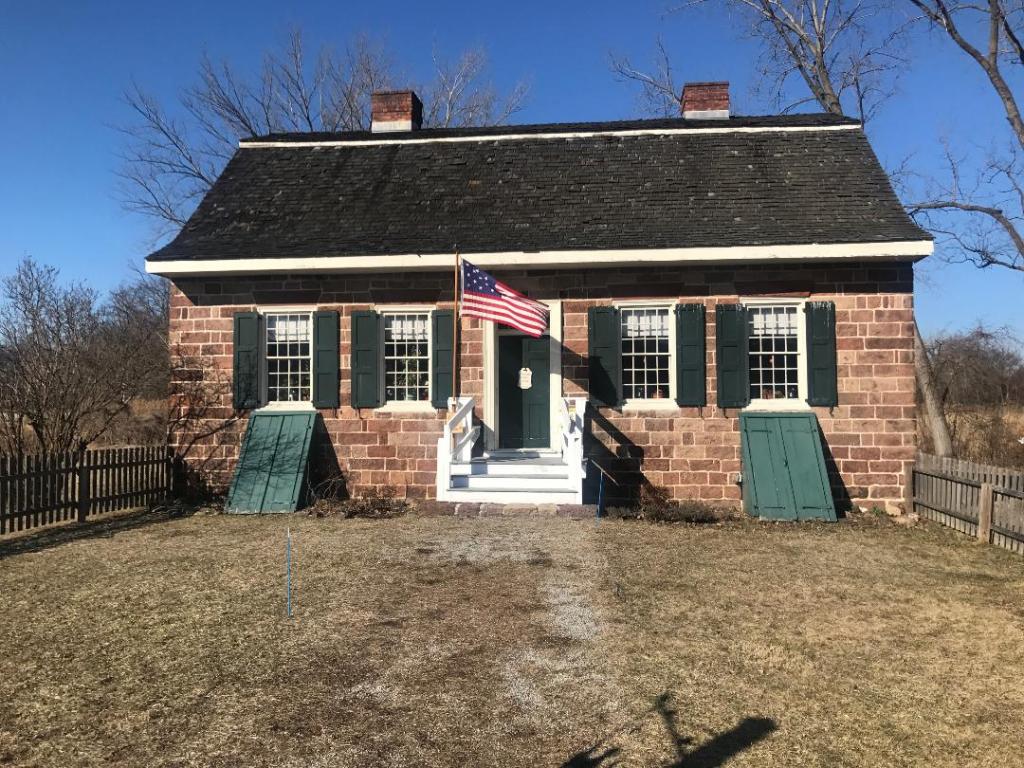
The French Ground is a small historic cemetery once sat next to the French Church and the David Demarest House, that has since been moved to the Bergen County Historical Society site.
The Demarest House at the Bergen County Historical Society
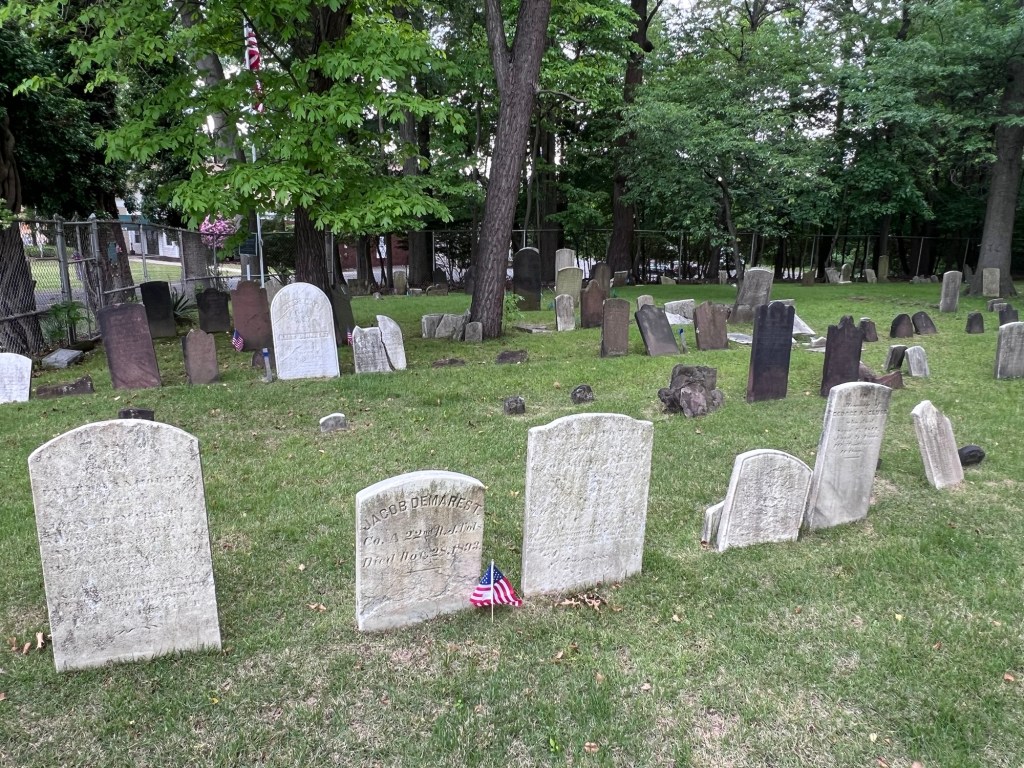
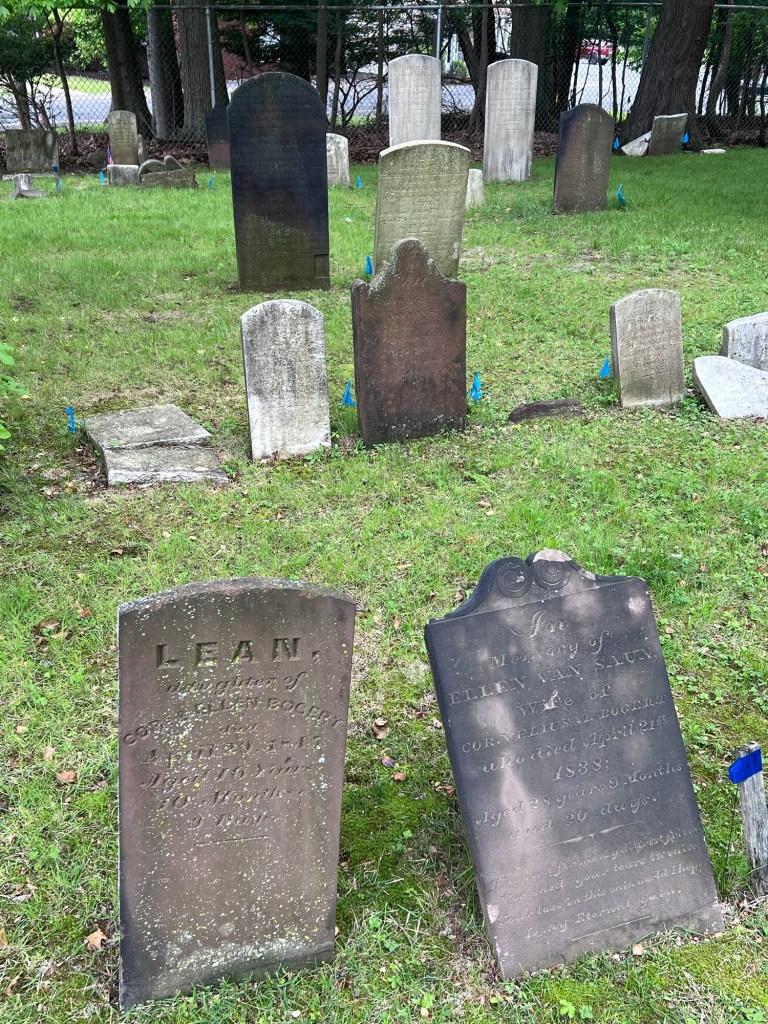
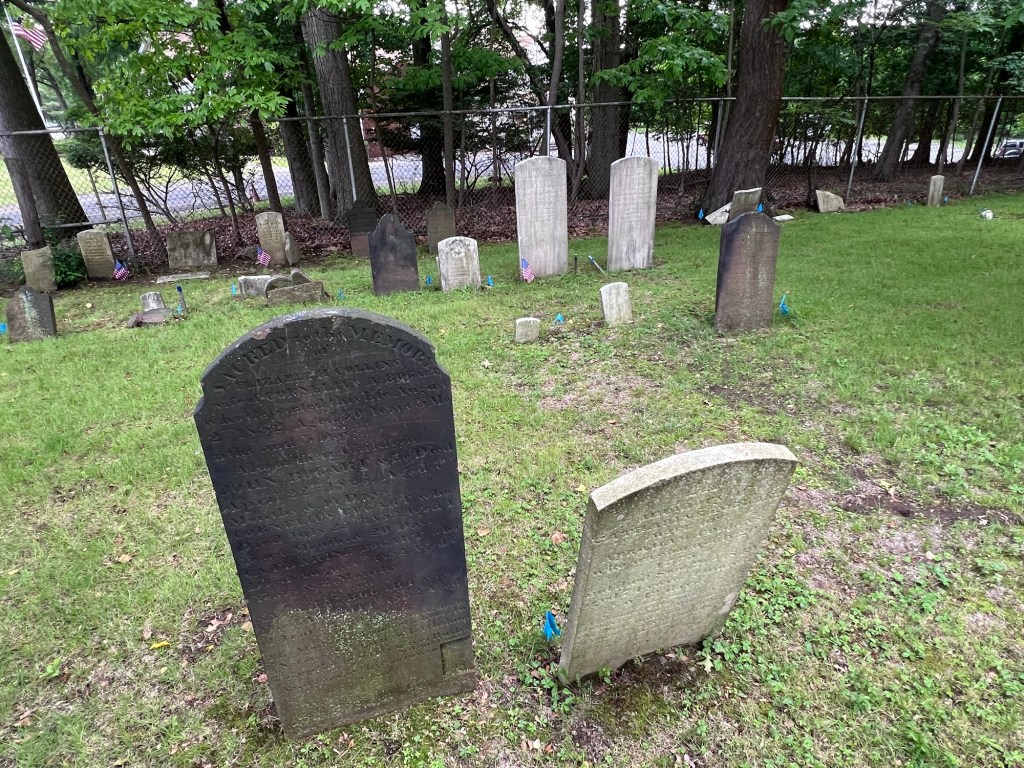
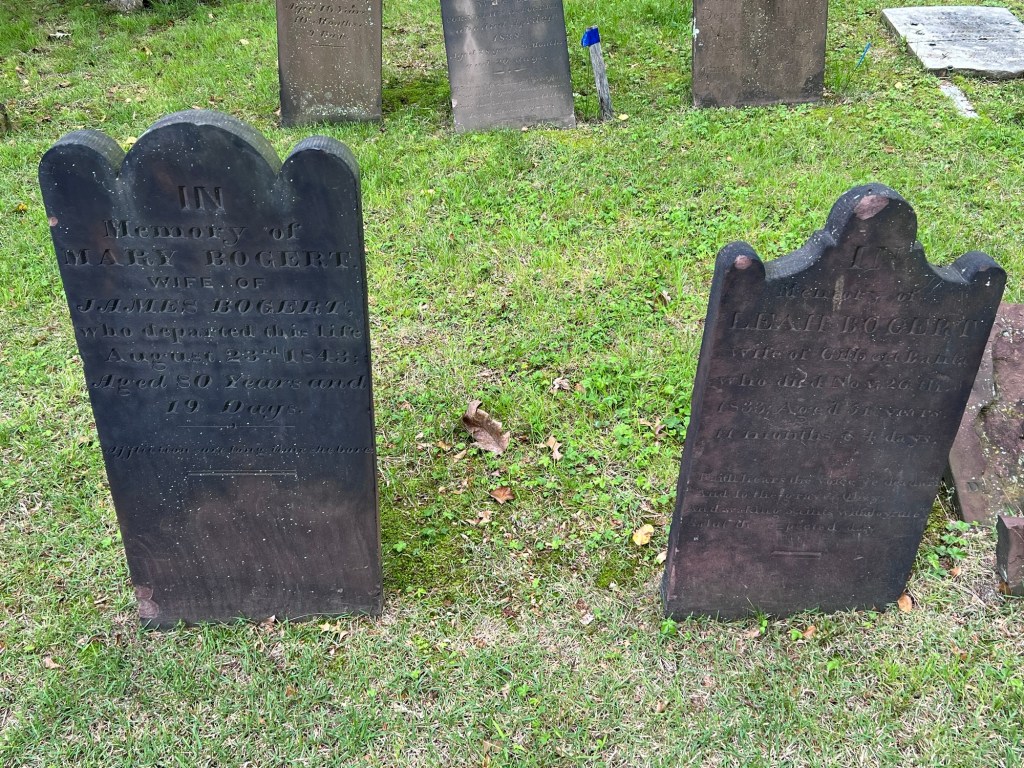
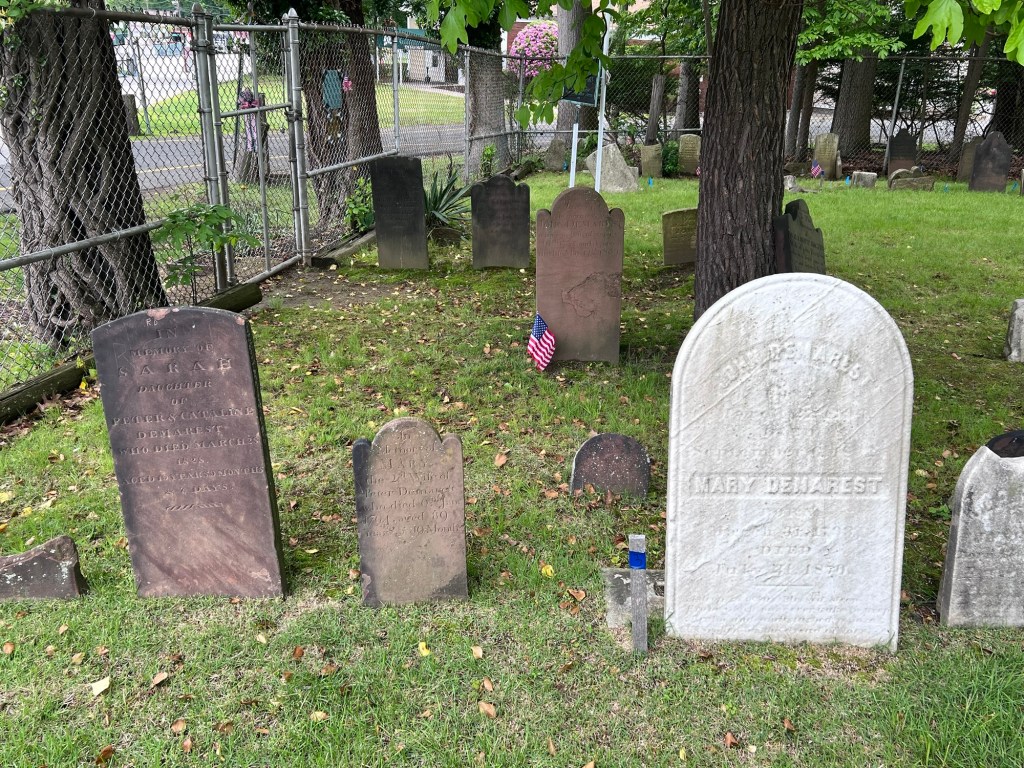
The graves of members of the Bogert, Demarest and Christi families
The History of the French Burying Ground:
(from the New Jersey Historic Trust)
Thought to be oldest cemetery in Bergen County, the French Huguenot-Demarest Cemetery was established in 1677 as the final resting place for prominent French Huguenot and Dutch settlers in the eighteenth and nineteenth centuries. David Demarest purchased approximately 2,000 acres of land along the east bank of the Hackensack River from Native Americans in 1677 to establish a colony of French-Huguenots.
The cemetery is all that remains of the original French-Huguenot colony and has more than four dozen descendants of Demarest family buried on site. The Borough of New Milford acquired the property in 2018 and has been working closely with the New Milford Historic Preservation Commission to plan for its restoration and future interpretation.
The French Burying site sign
The cemetery (technically a graveyard since there was a church once here) is the final resting place of many of Bergen Counties Revolutionary War veterans as well as many prominent families including the Demarest, the Bogert and the Christie families. These were some of the founding families of Bergen County.
The graves of the prominent Bogert and Van Saun families
The cemetery has a quiet elegance about it with the many different styles of tombstones and the sheer history of these families and their contributions to the creation of our country.
The historical marker notes the cemetery was first used in 1677 after an agreement with the Native Americans
The back part of the cemetery
Members of the Bogert family
Members of the prominent Bogert family
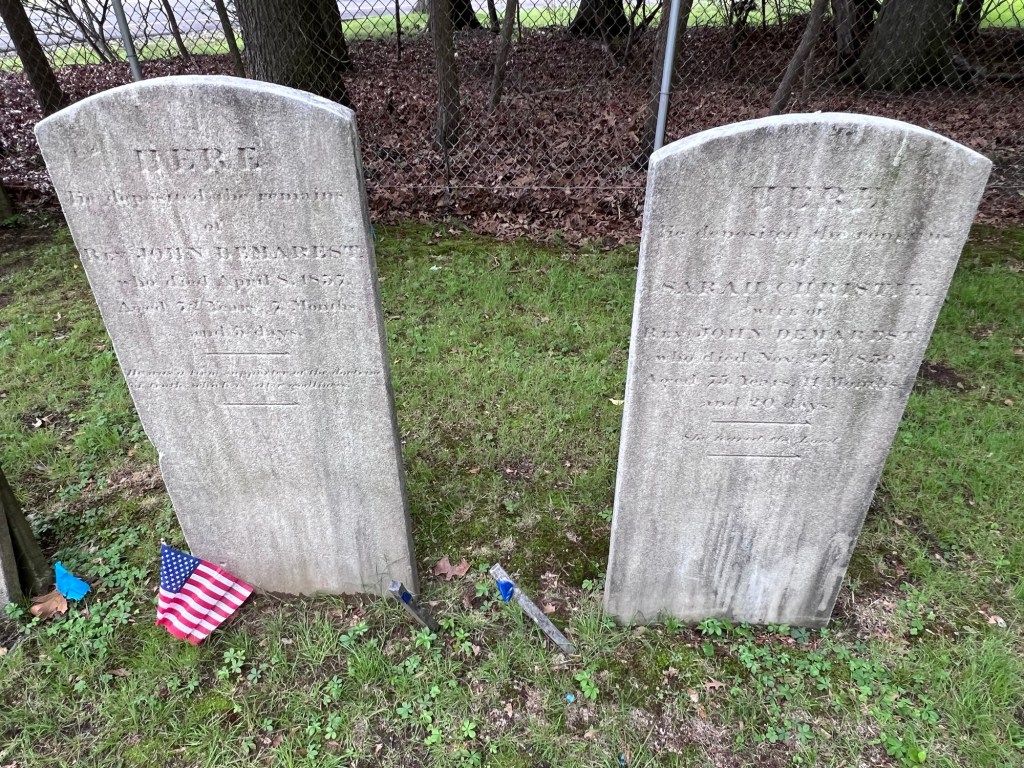
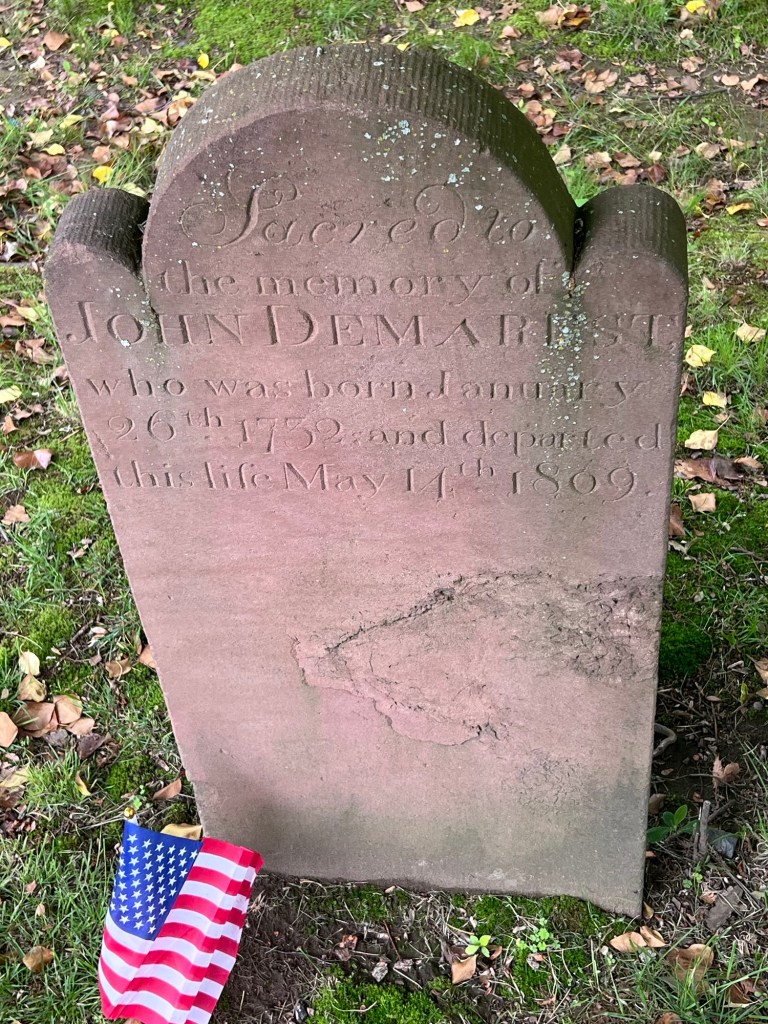
Members of the prominent Demarest family with Revolutionary War veteran Reverend John Demarest
Members of the prominent Demarest family
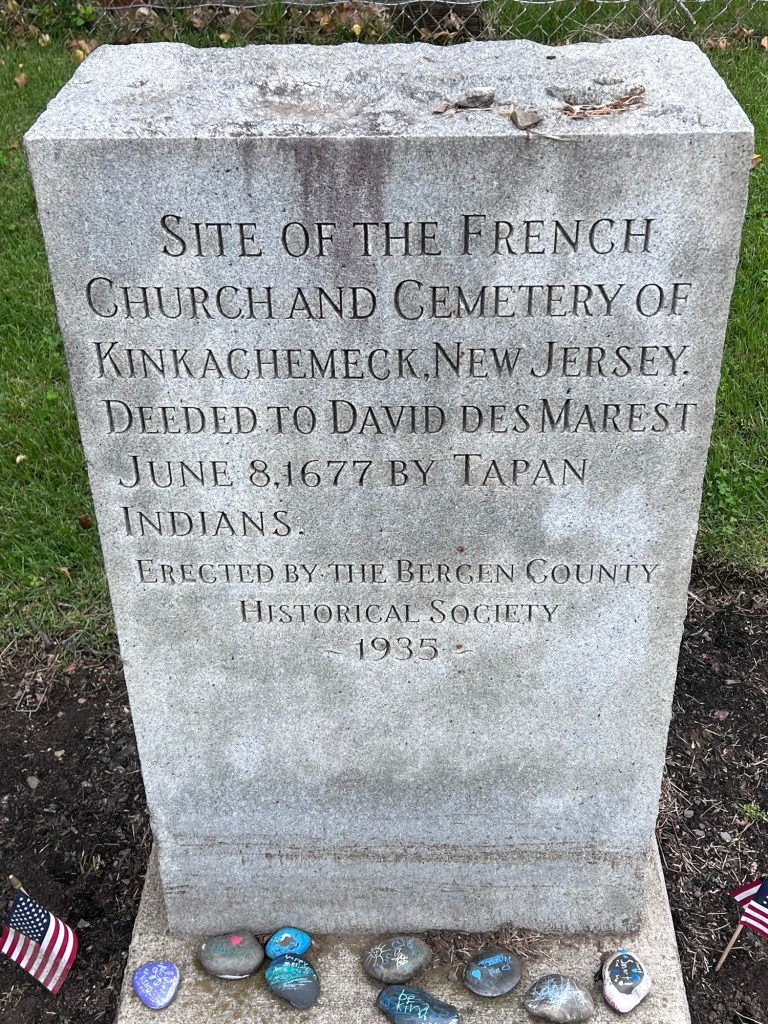
The historic marker of the original church site
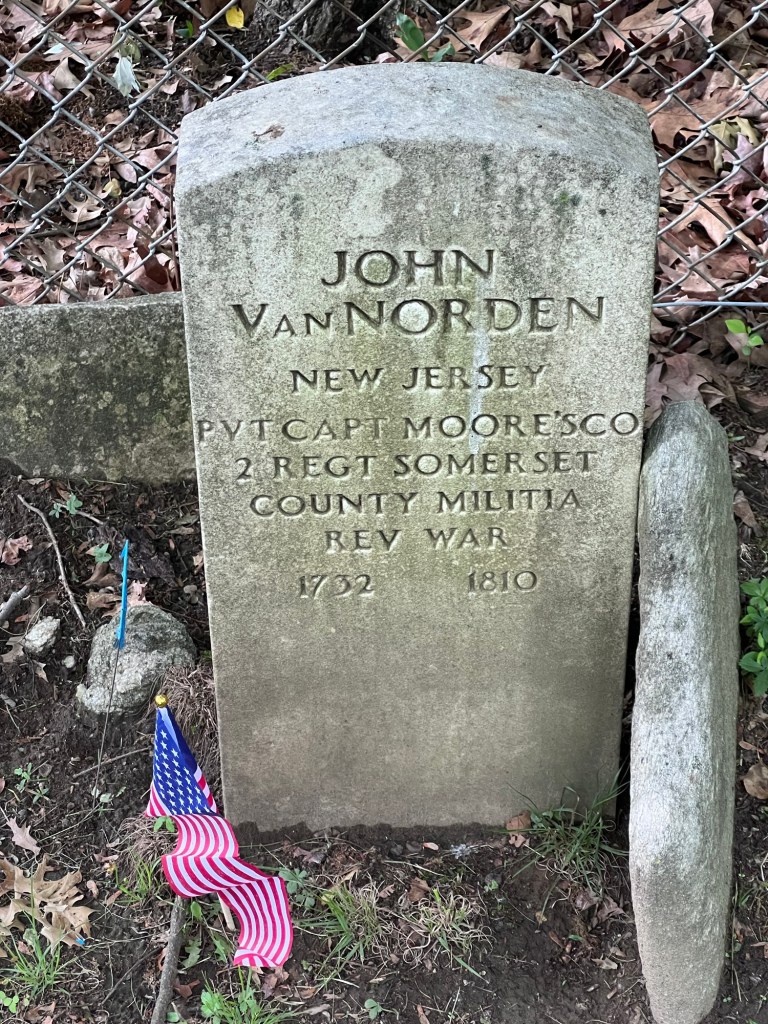
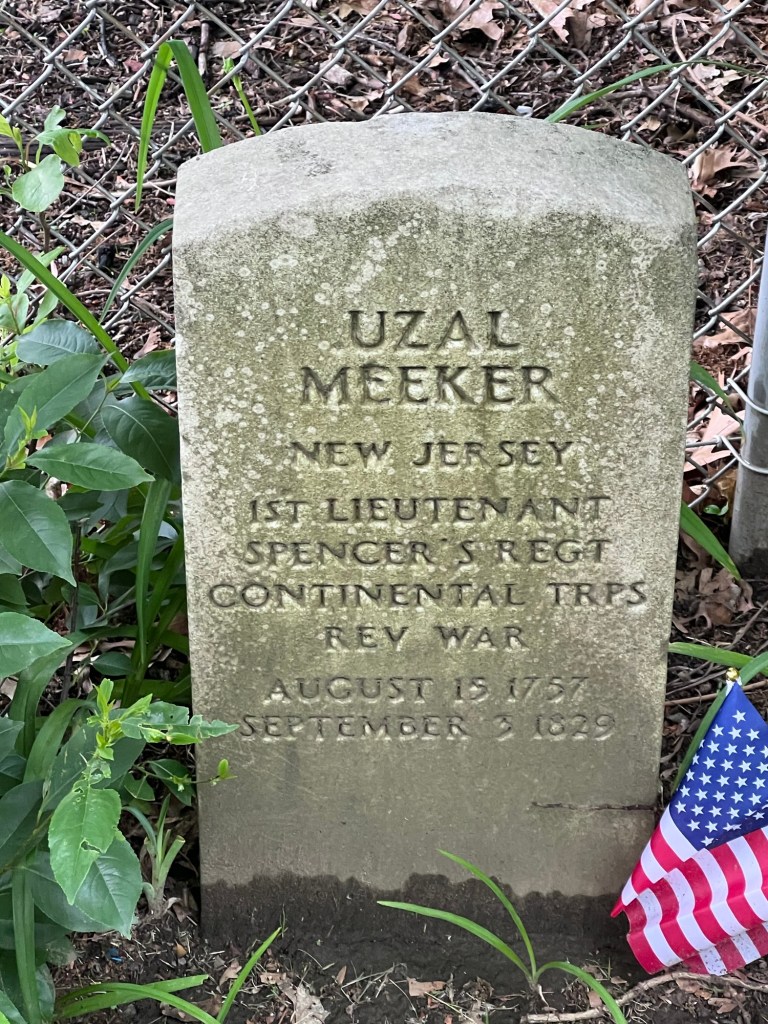
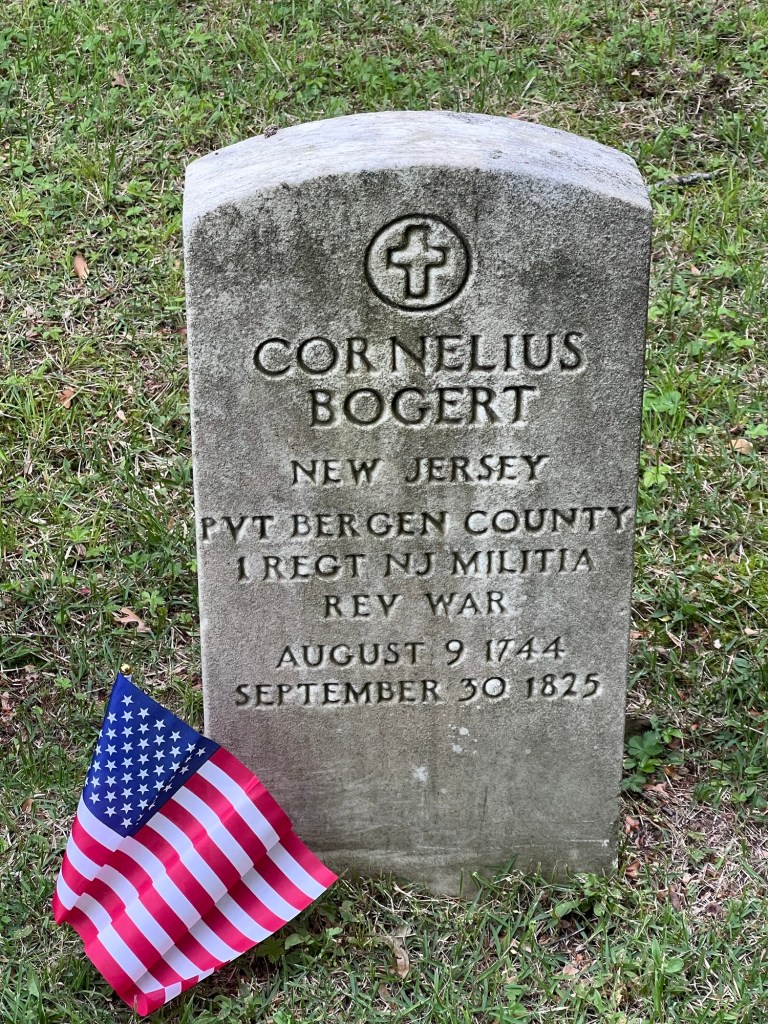
There are many of the veterans of the Revolutionary War buried at the site some of which survived the battles and went on to have productive lives in their communities.
Veteran John Van Norden
Veteran Uzal Meeker
Veteran John Demarest
Veteran Cornelius Bogert
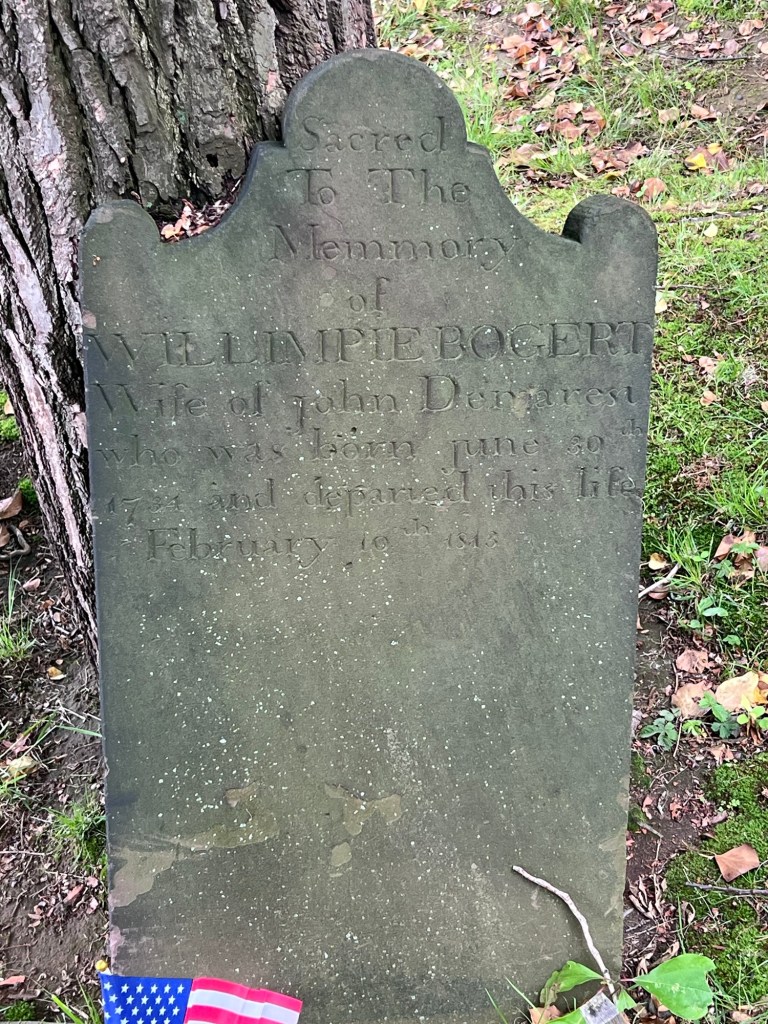
Veteran Willimpie Bogart Demarest
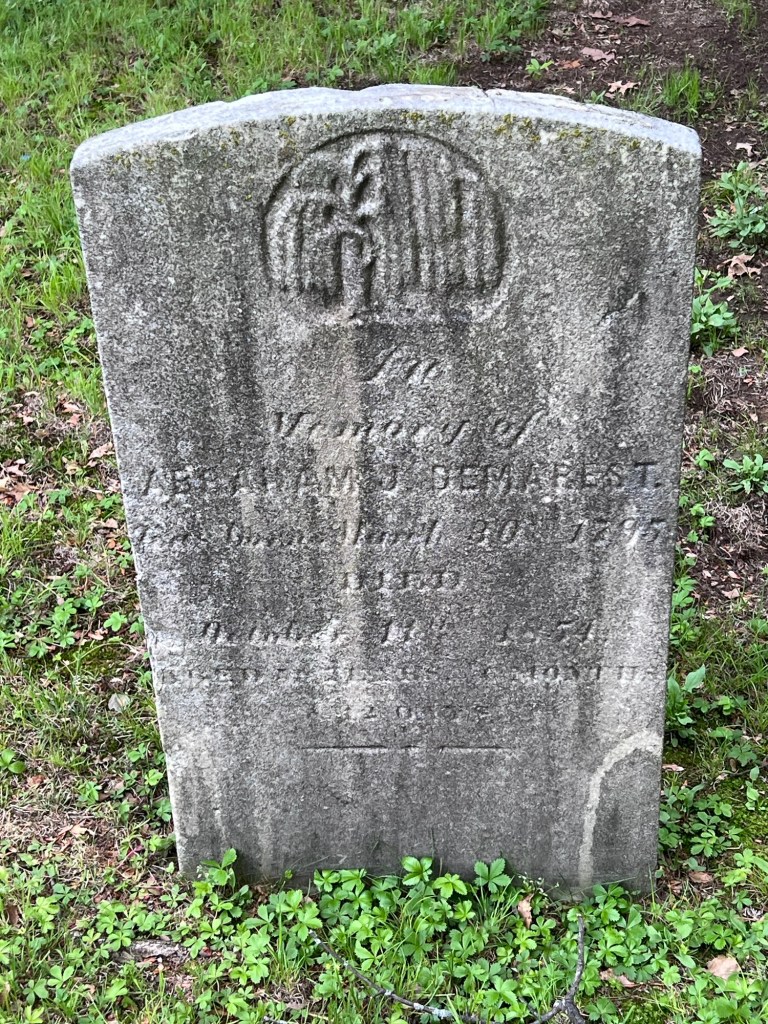
The grave of Patriot Abraham Demarest
This cemetery, like the rest of the small cemeteries and graveyards that dot Bergen County show the history and significance of these families contributions of the residents of early Bergen County and how they shaped the founding of this country.
The Perry family cemetery is a small family plot in Harrington Park, NJ and example of a time when families still buried their loved ones on property that family’s thought would be there for generations. Many generations of the family are buried here showing the family’s love of this land but like too many tiny cemeteries throughout Bergen County have been lost in time by the family buried there.
Today it sits quiet and respectful and somewhat over grown. Nature now surrounds it.
The Perry Cemetery History:
(From the Harrington Park Historical Society)
The Perry Cemetery is a small family burial ground located on what was the farm of David Perry (1809-1871). The Old Burying Ground cemetery is part of the land apportioned to Garret Huybertsen Blauvelt, son of one of the original sixteen grantees of the Tappan Patent approved by the Governor of New York in 1686. Although there are believed to be earlier ones, the first known burial was in 1722 and the last in 1905.
The Perry Family Cemetery sits quietly on a stretch of Old Hook Road
(From the Harrington Park Historical Society)
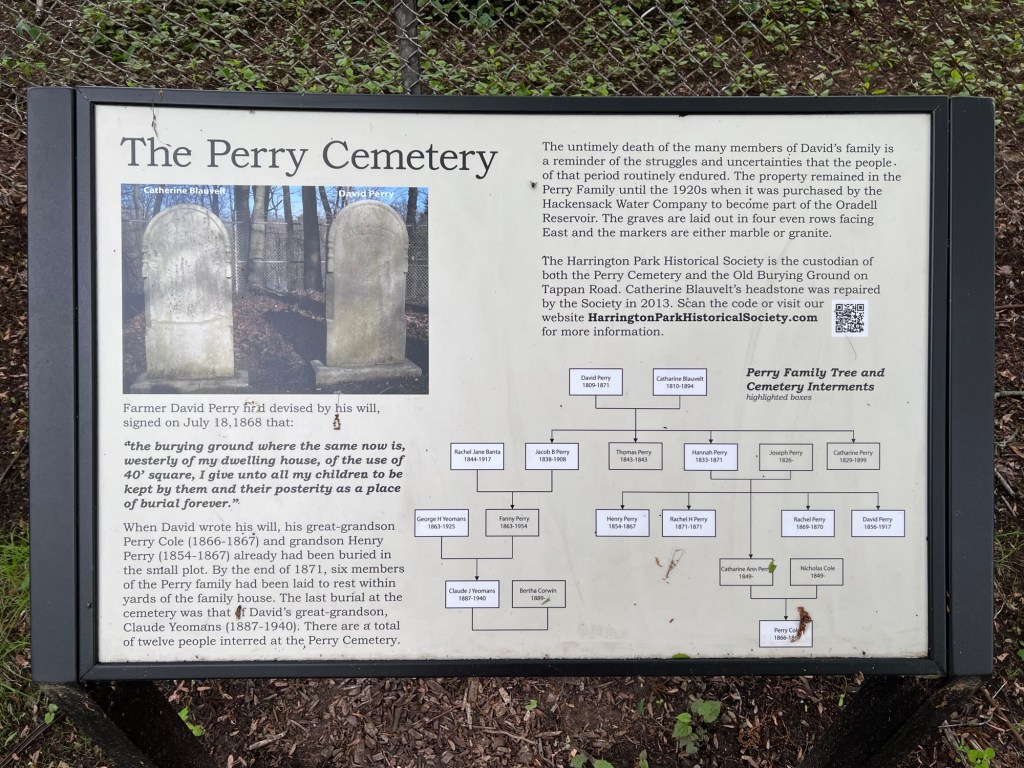
The Perry Cemetery is situated in the Borough of Harrington Park on Old Hook Road, east of Bogert’s Mill Road opposite the United Water Company building. David Perry had devised by his will, signed on July 18,1868 that: “the burying ground where the same now is, westerly of my dwelling house, of the use of 40’ square, I give unto all my children to be kept by them and their posterity as a place of burial forever.”
The Perry family treeofloved ones buried at the cemetery
(From the Historical Marker Database)
When David wrote his will, his great-grandson Perry Cole (1866-1867) already had been buried in the small plot. By the end of 1871, six members of the Perry Family had been laid to rest within yards of the family house. The last burial at the cemetery was that of David’s great-grandson, Claude Yeomans (1887-1940). There are a total of twelve people interred at the Perry Cemetery.
The untimely death of many members of David’s family is a reminder of the struggles and uncertainties that people of that period routinely endured. The property remained in the Perry Family until the 1920s when it was purchased by the Hackensack Water Company to become part of the Oradell Reservoir. The graves are laid out in four even rows facing East and the markers are either marble or granite.
The Perry Family tree starting with the marriage of David Perry to Catherine Blauvelt
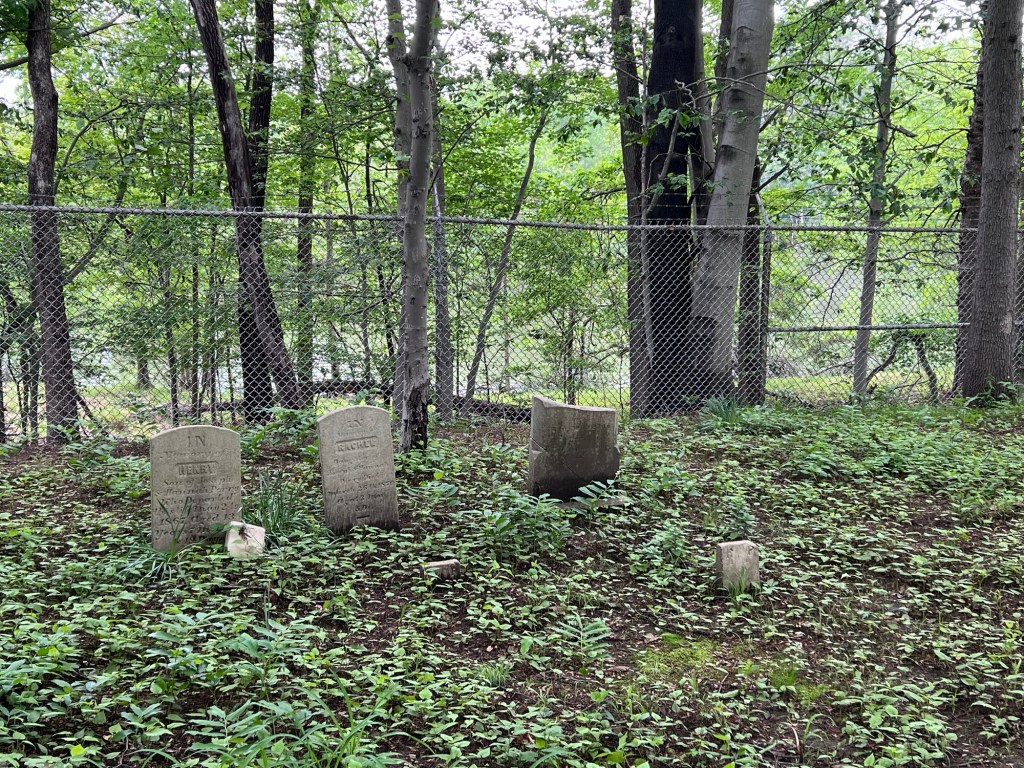
Son Henry and Daughter Rachel’s tombstones
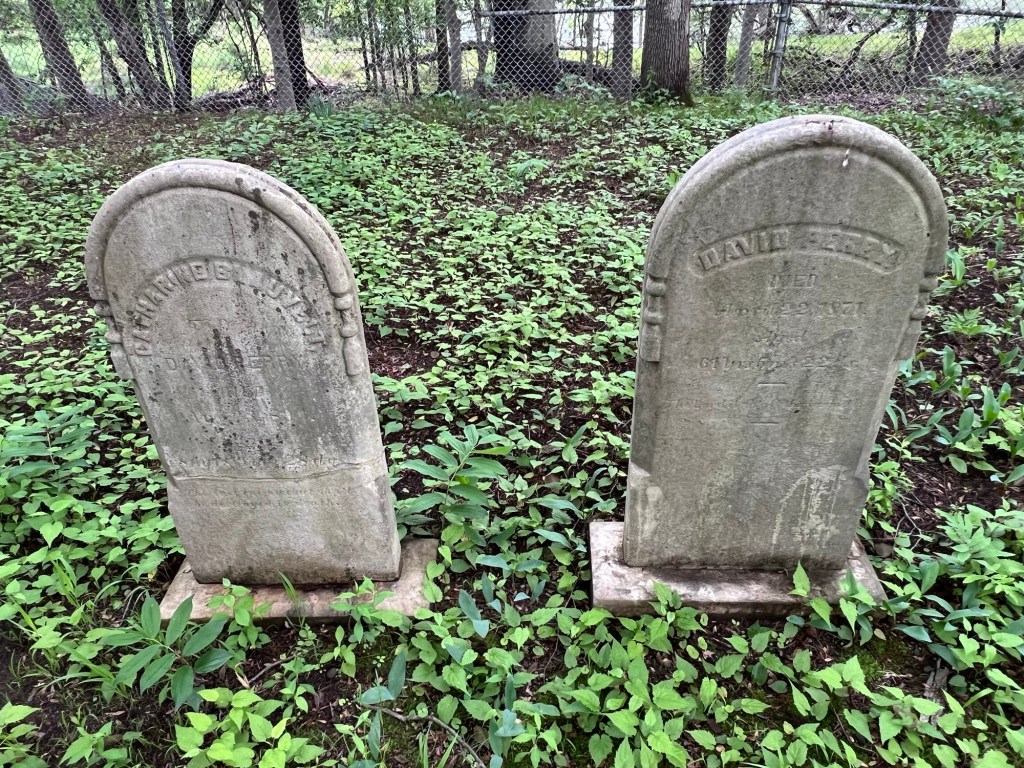
Patriarchs David Perry and his wife, Catherine Blauvelt Perry
The last David Perry to be buried in the family plot
The family plot facing the stream
The Patriarchs of the family stand in the middle
The newest graves in the cemetery
The latest burials in the family plot
Video on the Perry Cemetery from the Harrington Park Historical Society












 Visiting a Museum: The Unique, Unusual, Obscure and Historical