
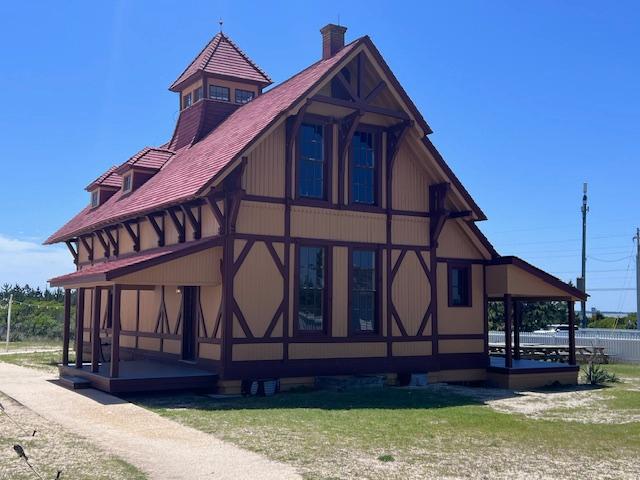
Indian River Life Saving Museum
25039 Coastal Highway
Rehoboth Beach, DE 19971
(302) 227-6991
https://www.destateparks.com/park/indian-river-life-saving-station/
https://visitsoutherndelaware.com/listing/indian-river-life-saving-station-museum
Open: Sunday 9:00am-3:00pm/ Monday-Saturday 9:00am-4:00pm (Schedule is flexible with the seasons)
Admission: $4.00
My review on TripAdvisor:
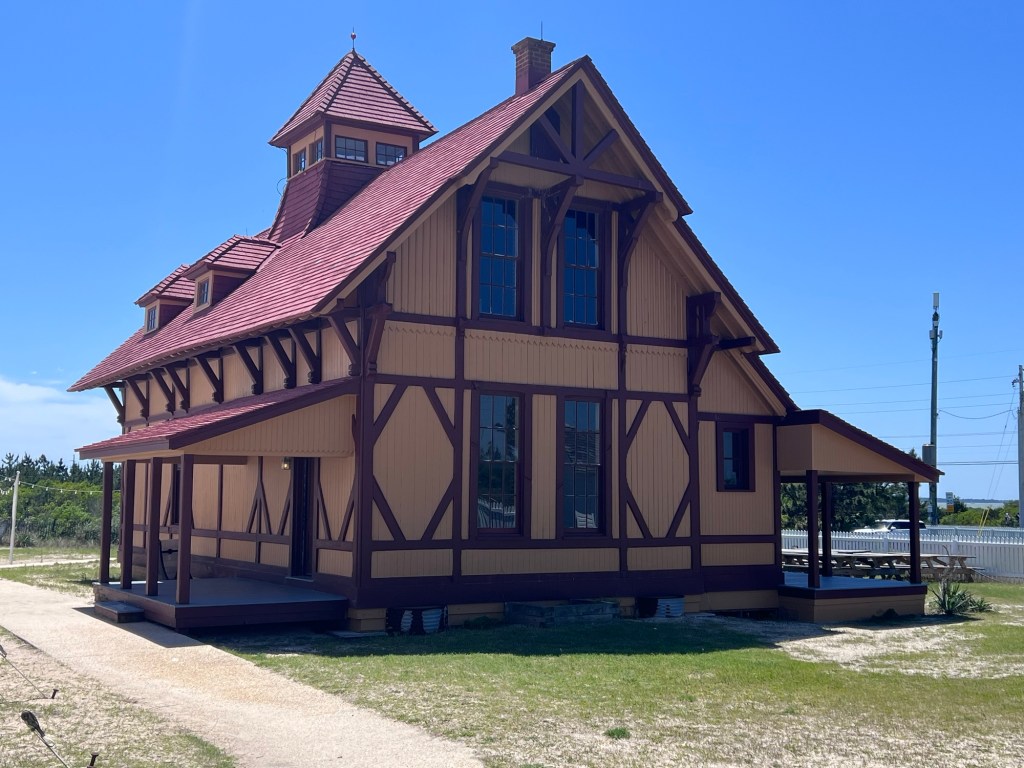
The front of the Indian River Life Saving Museum at 25039 Coastal Highway
History of the Indian River Life Saving Station:
(From the Delaware State Park website)
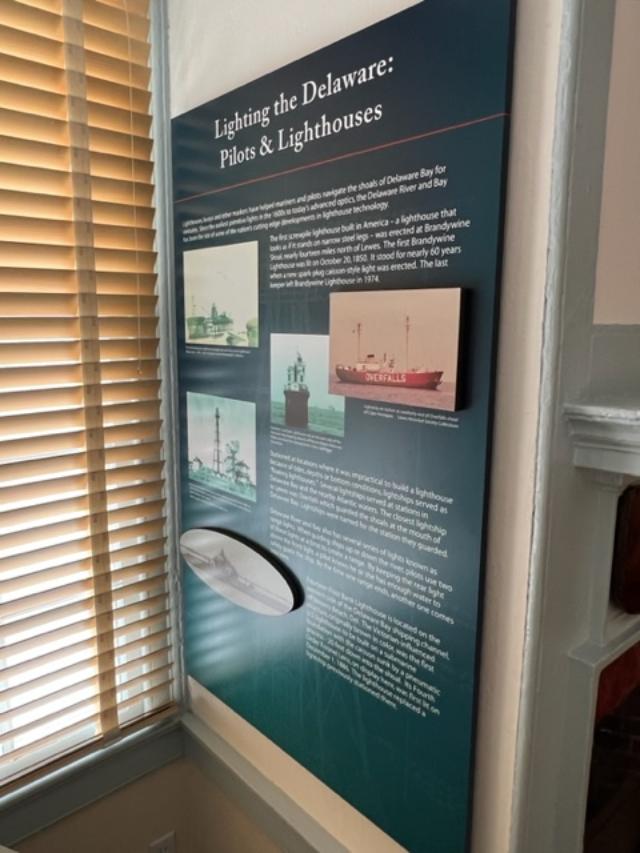
The original Indian River Life-Saving Station was built in 1876 for use by the United States Lifesaving Service, a government organization created to respond to the alarming number of shipwrecks along the coastlines of the United States and the precursor to today’s U. S. Coast Guard. The Life Saving Station today is a maritime museum that honors these courageous sailors and the rich history of their deeds. Listed on the National Registry of Historic Places, it is a must visit piece of Delaware history.
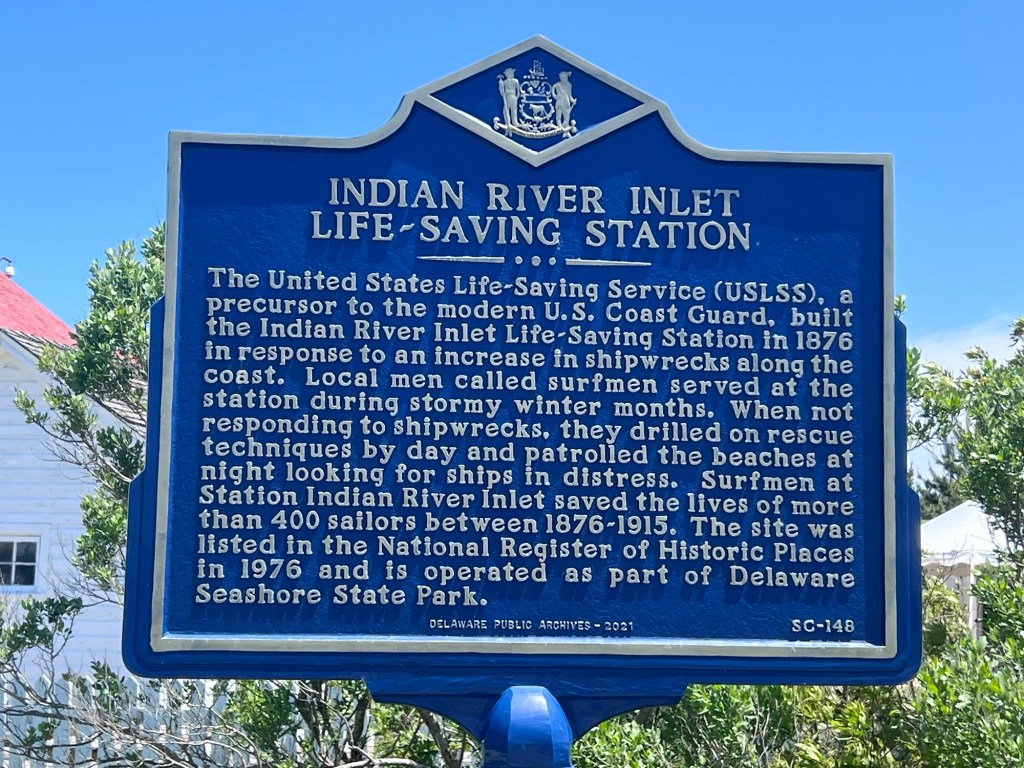
The front of the historical sign describing the park
The recent History of the Museum:
(From the Delaware State Park website)
The building was first located 400 feet closer to the shore, but a sand dune began to form around it almost as soon as it was finished. It was moved to its present location in 1877, and today has been meticulously restored to its 1905 appearance, complete with diamond-shaped trim. The museum is listed in the National Register of Historic Places.
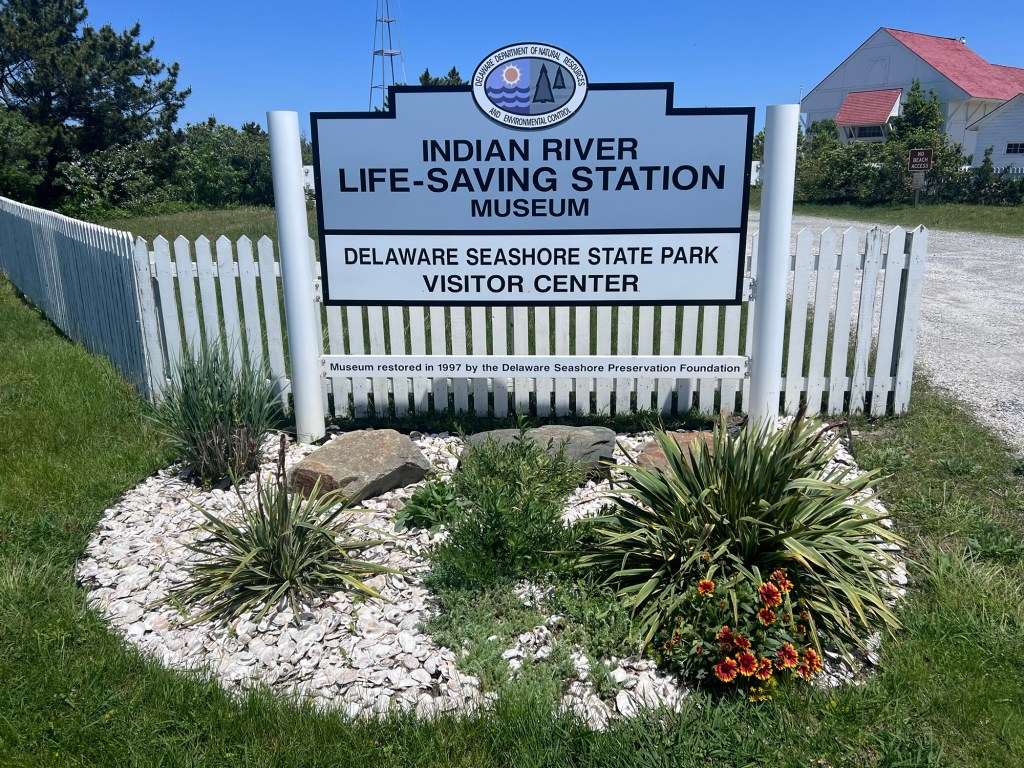
The entrance of the museum
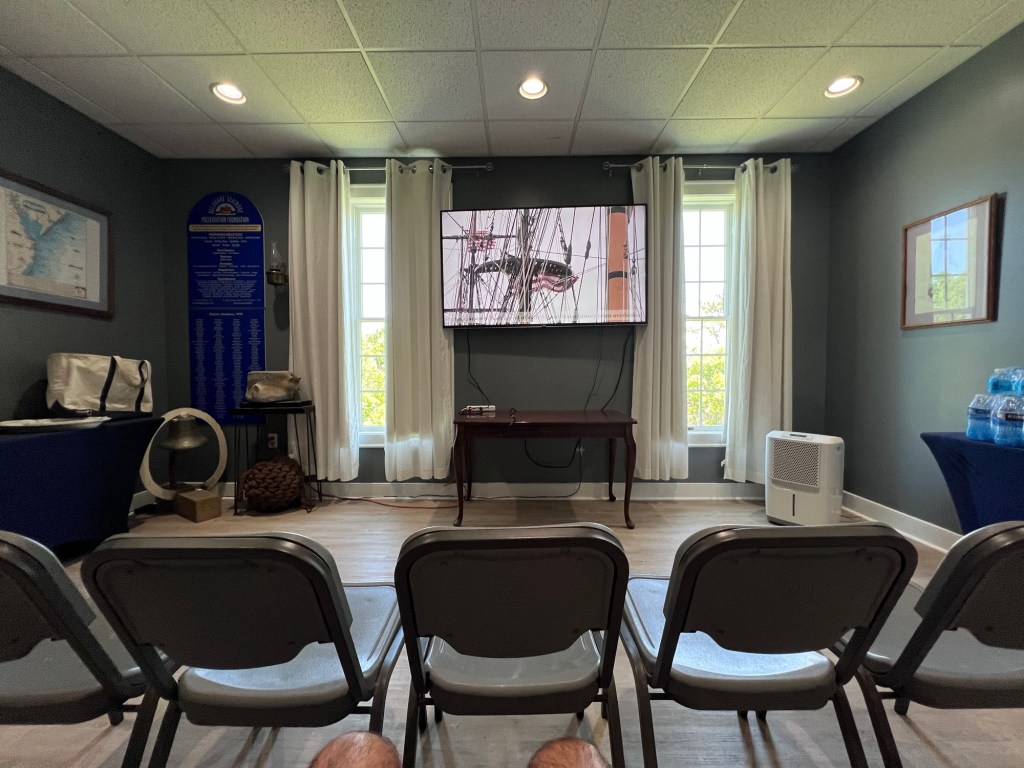
The Screening Room in the Visitors Center where you learn about the Life Saving Center
I started my tour of the Indian River Life Saving Museum at the Visitors Center with a quick video of the history of the building and the men who lived and worked here. The organization was the precursor to the modern Coast Guard. What I thought was interesting is that the way of rescuing people has not changed that much since the 1800’s. It has modernized with equipment and knowledge but the process is still similar to what it was then.
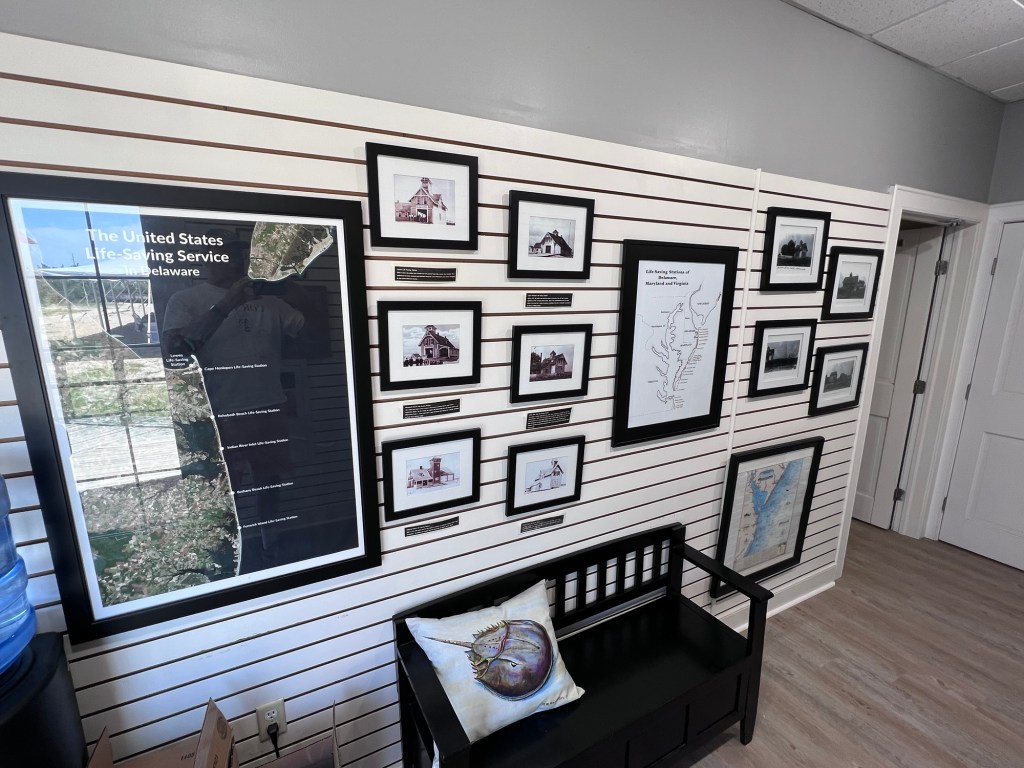
The Screening Room lined with historical pictures
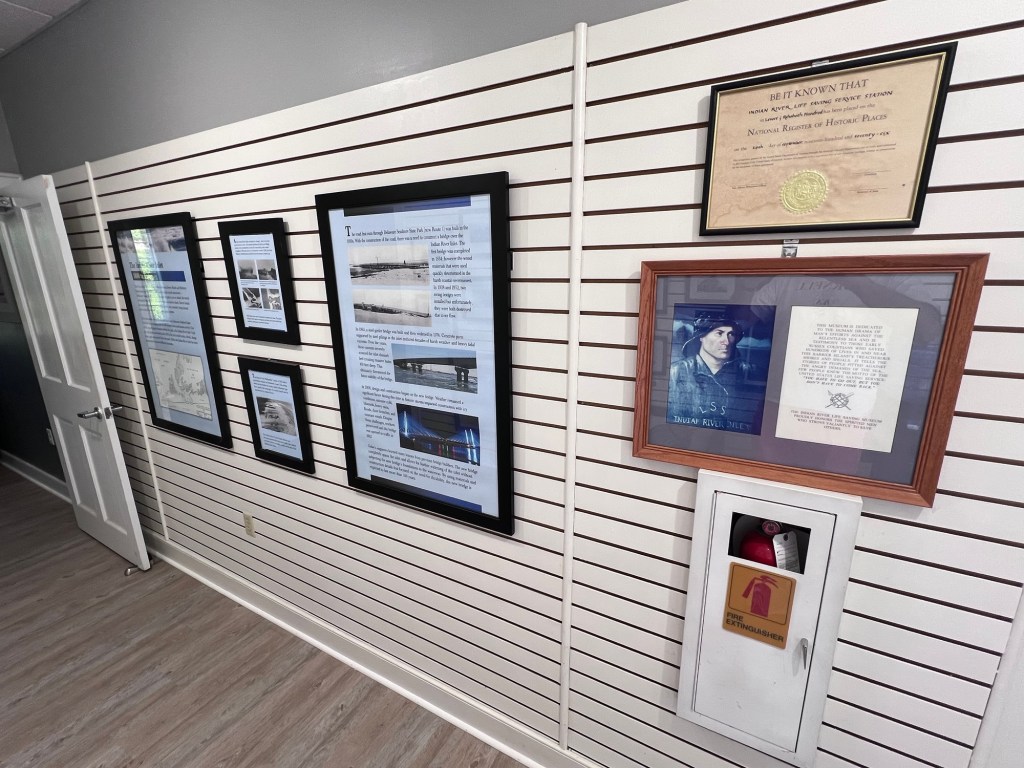
The Screening Room lined with pictures of the history of the area
You can take two audio tours as you start to tour the station building just by calling into your phone, one of the exterior and one of the interior, room by room. Each room and many objects have a number assigned to them and you can listen to a description of the subject matter.
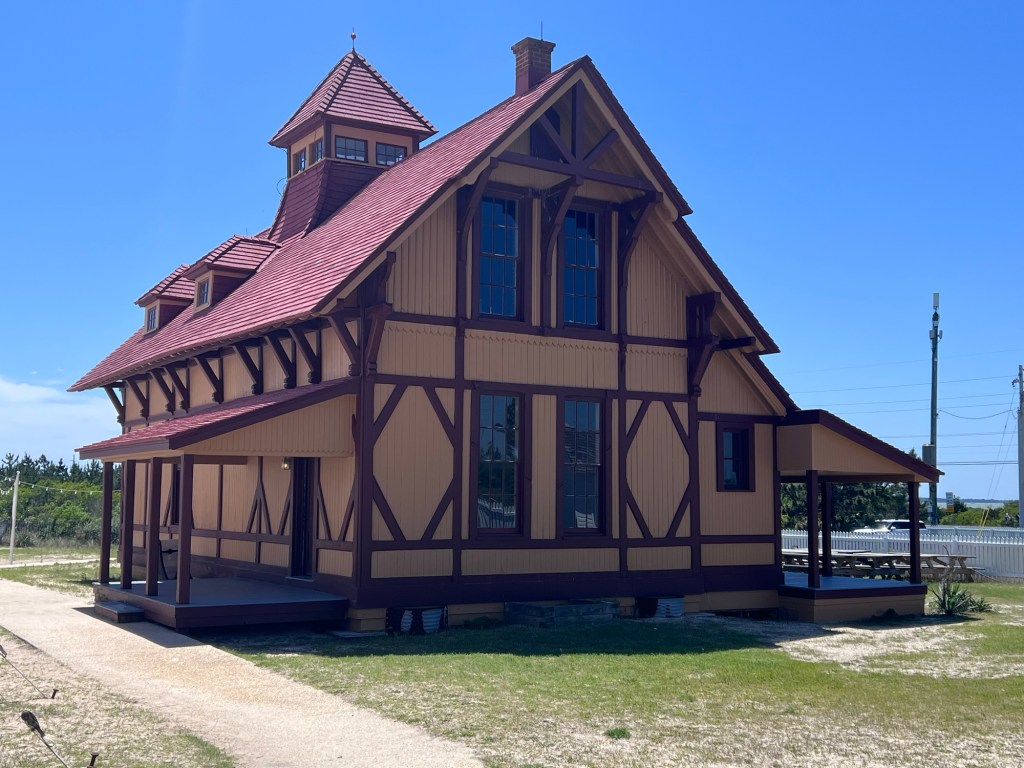
The Rescue Saving Station from the exterior. The building has a Queen Ann design.
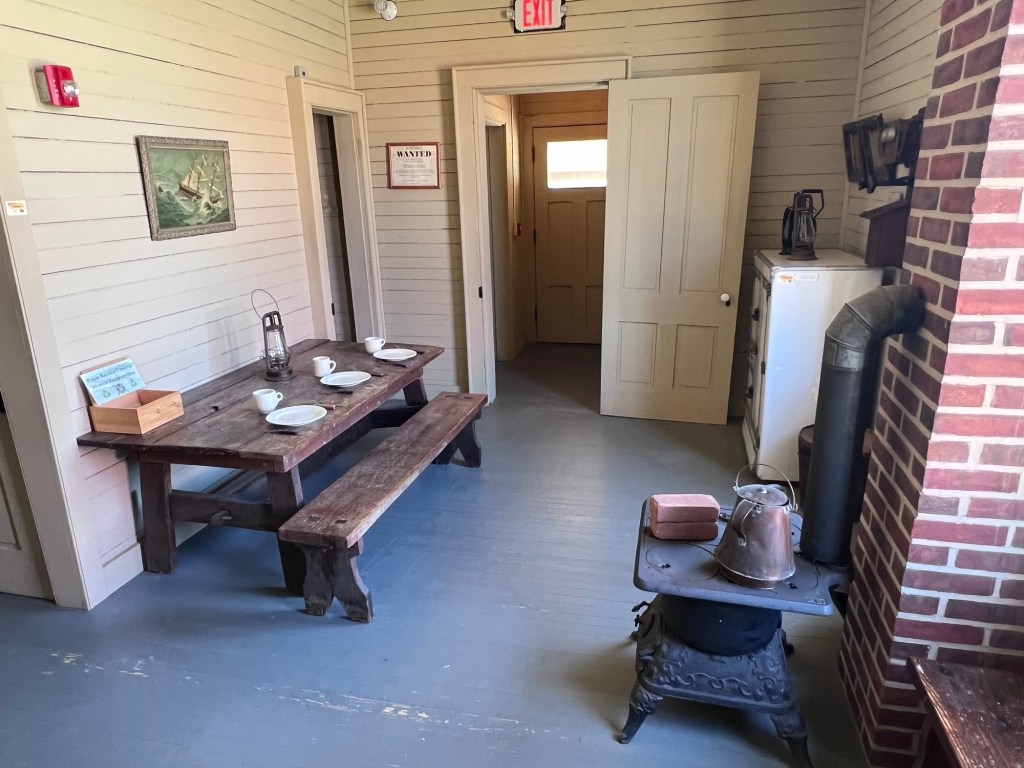
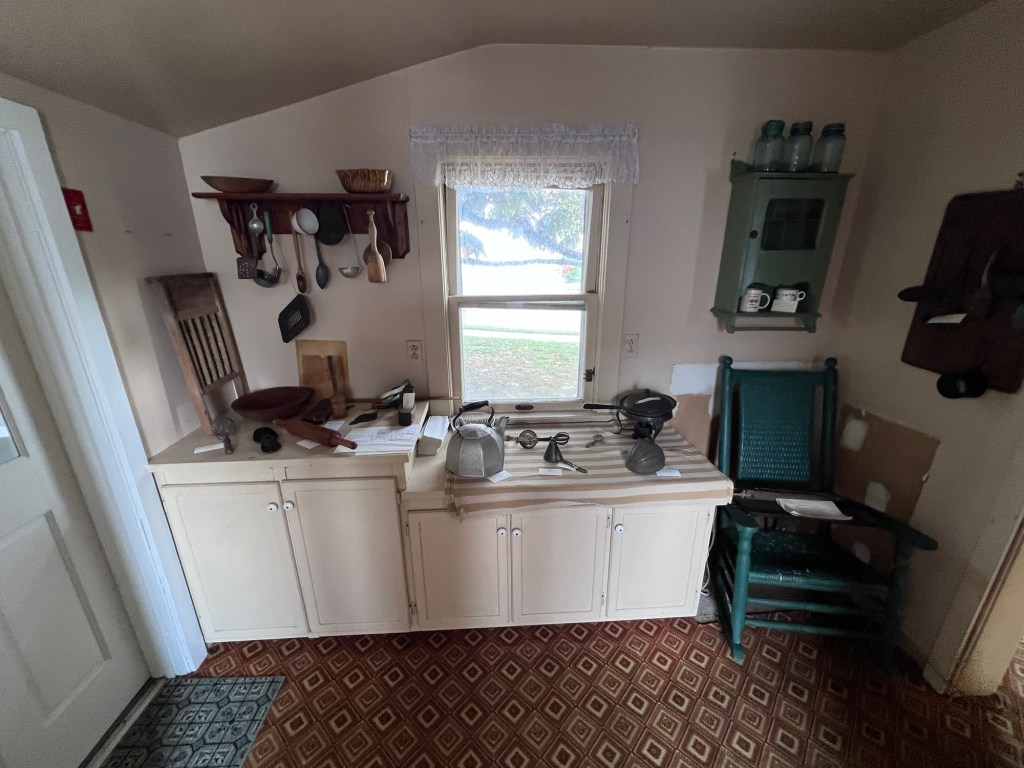
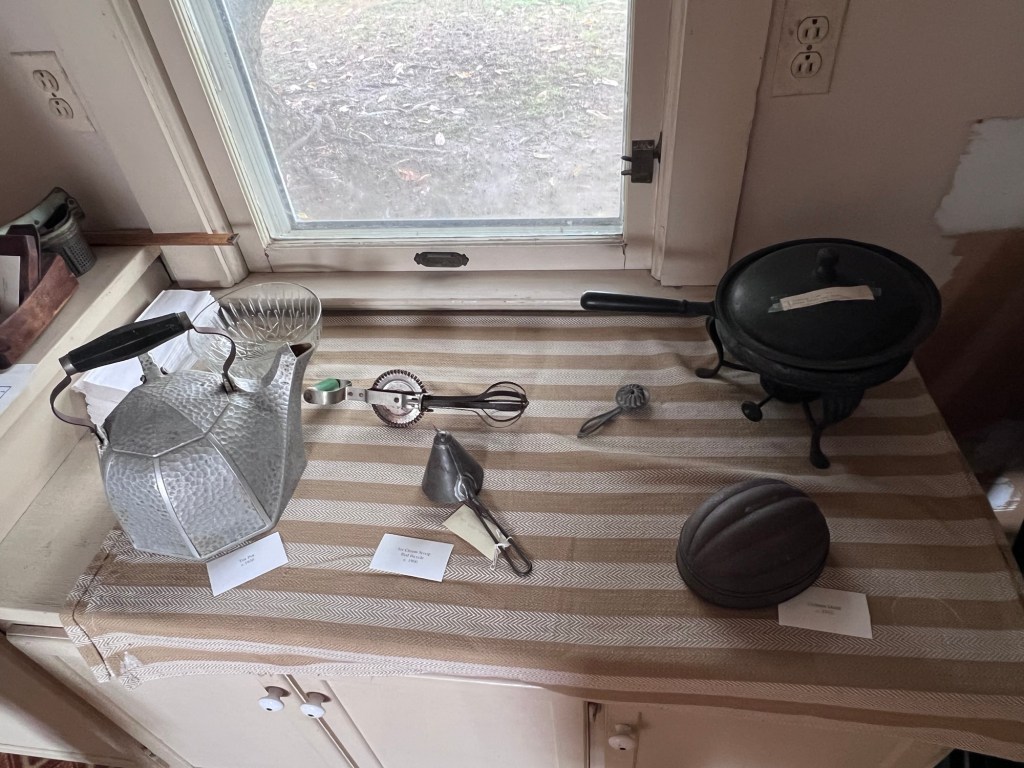
The first room you enter is the kitchen area where all meals were prepared and the men ate their meals. These men could not leave the facility because of the hours and type of work required, supplies were brought in and stored in this area.
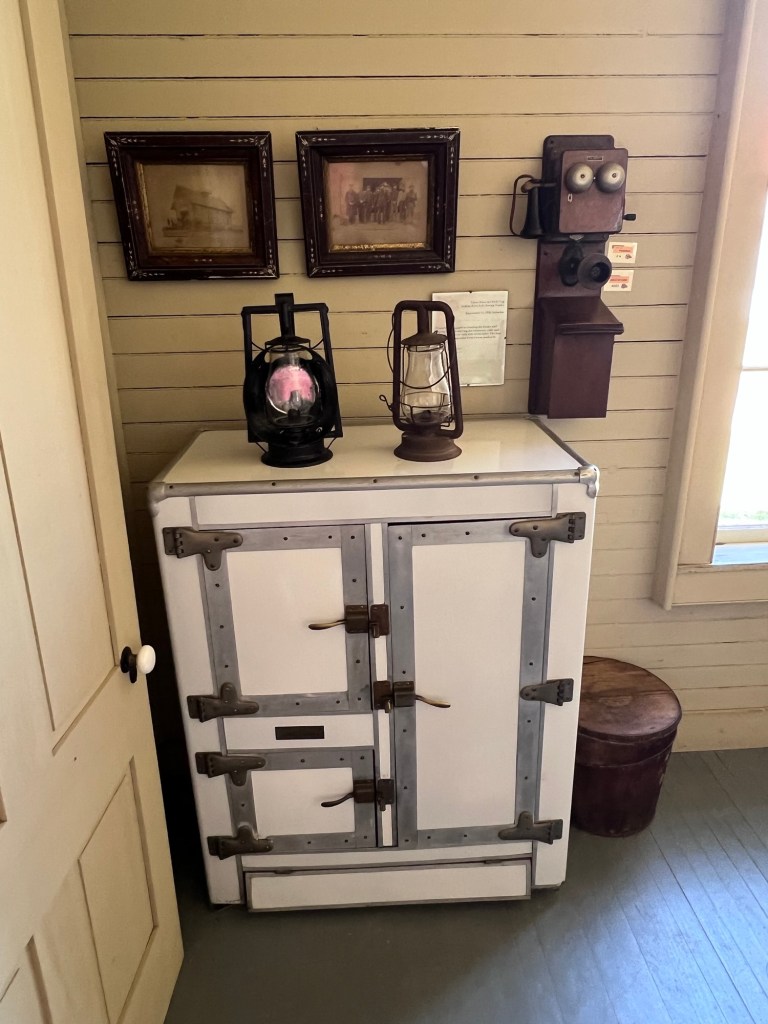
The old ice box where foods were stored
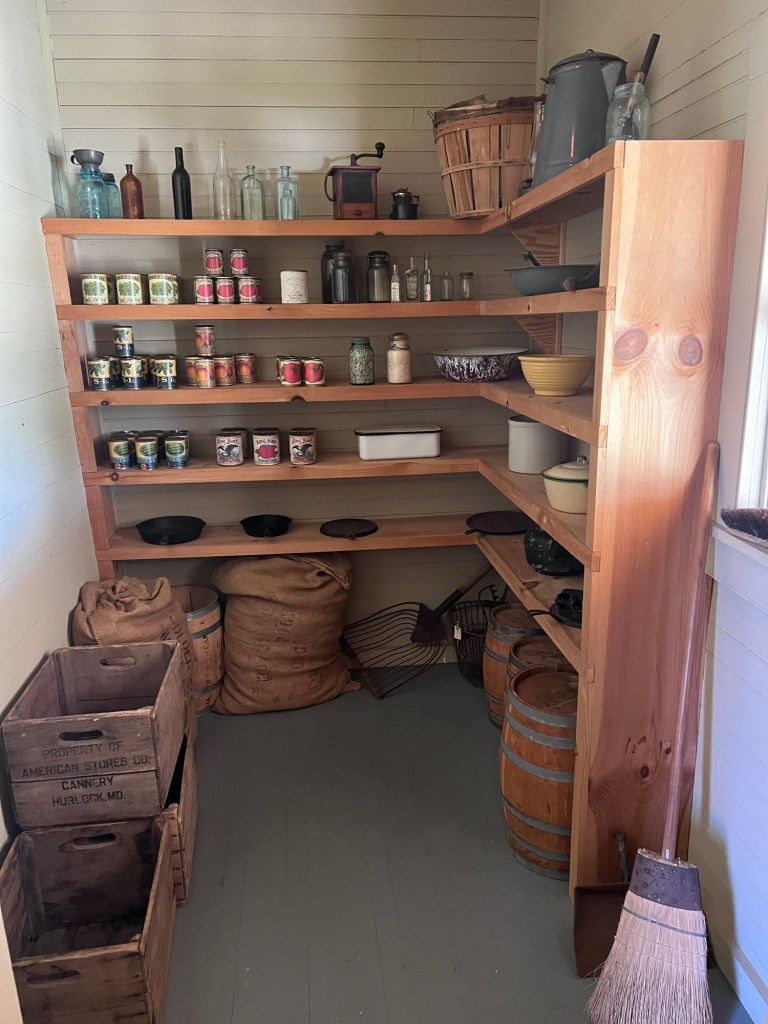
The pantry area where all the dry goods were stored
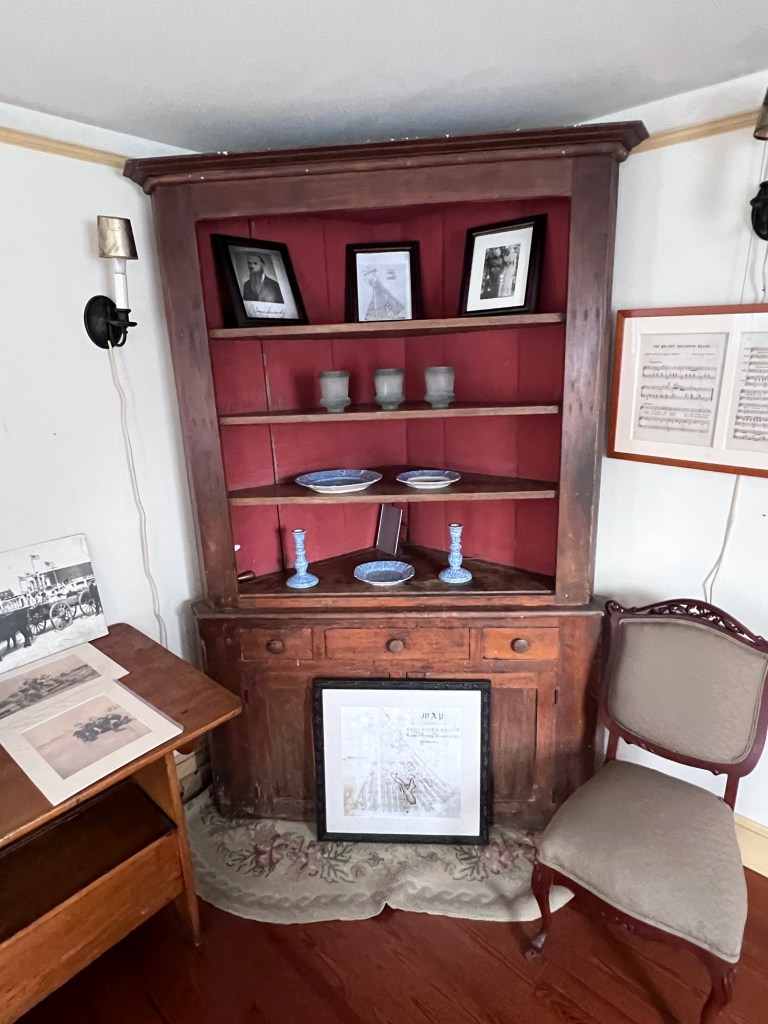
For recreation, the men read, entertained themselves with music and conversation. This room was used for recreation purposes and some down time for the staff.

The first floor downstairs room was used for entertainment and recreation during the downtimes
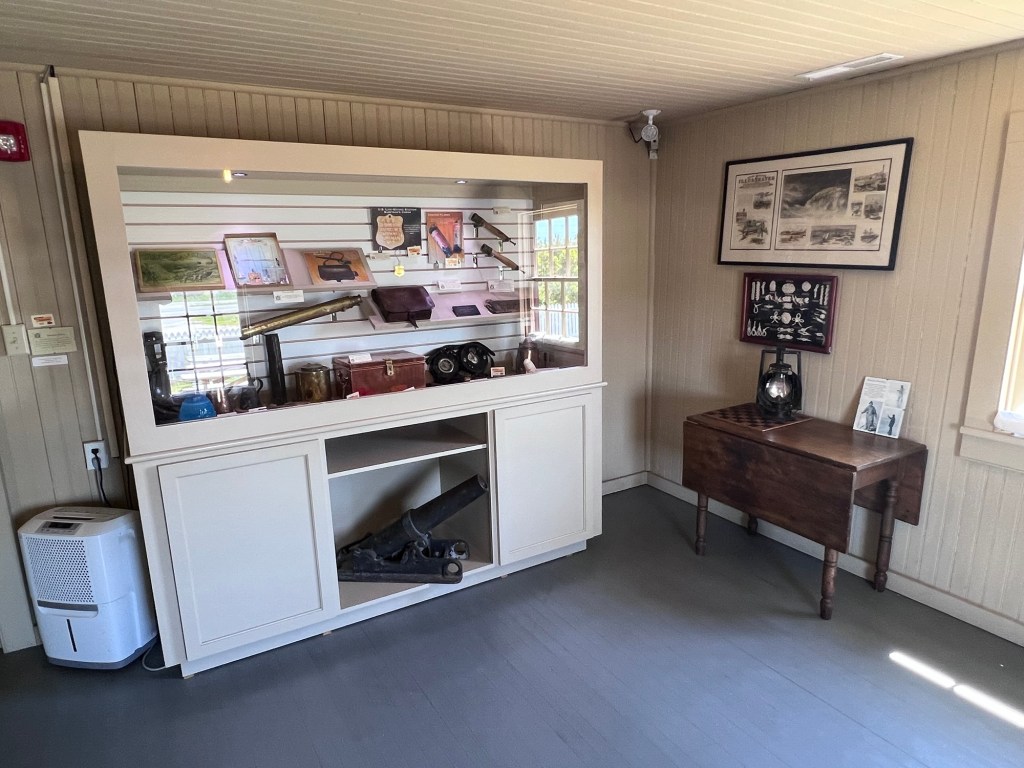
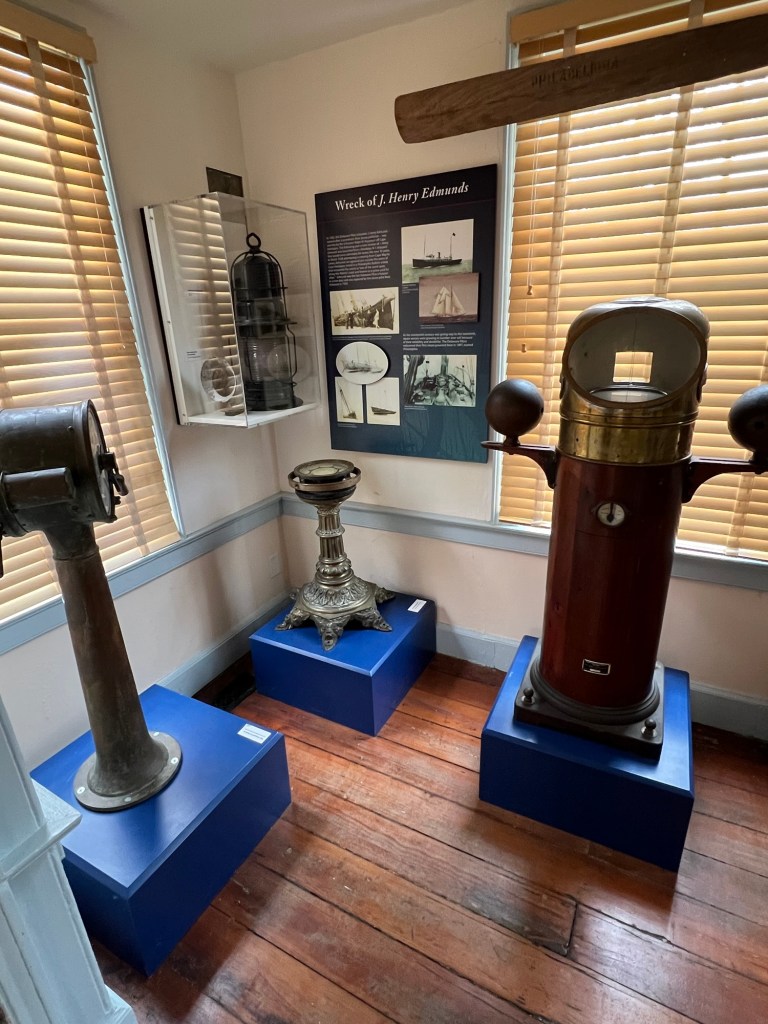
Old equipment and relics on display in the main room
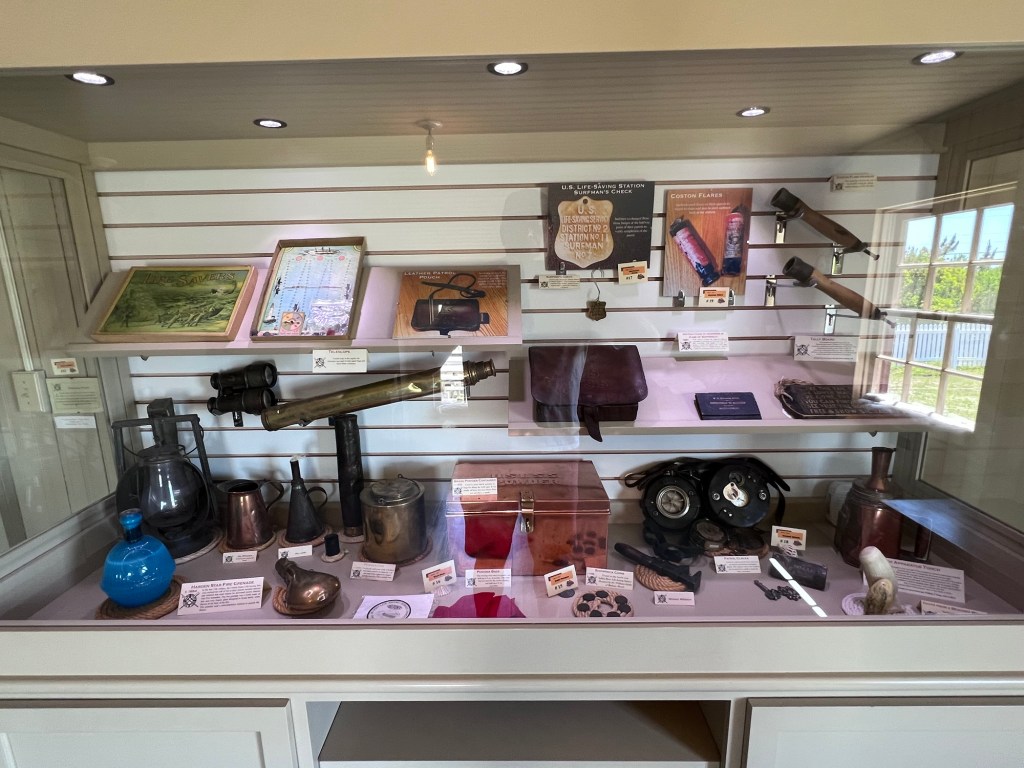
Old equipment used at the station house
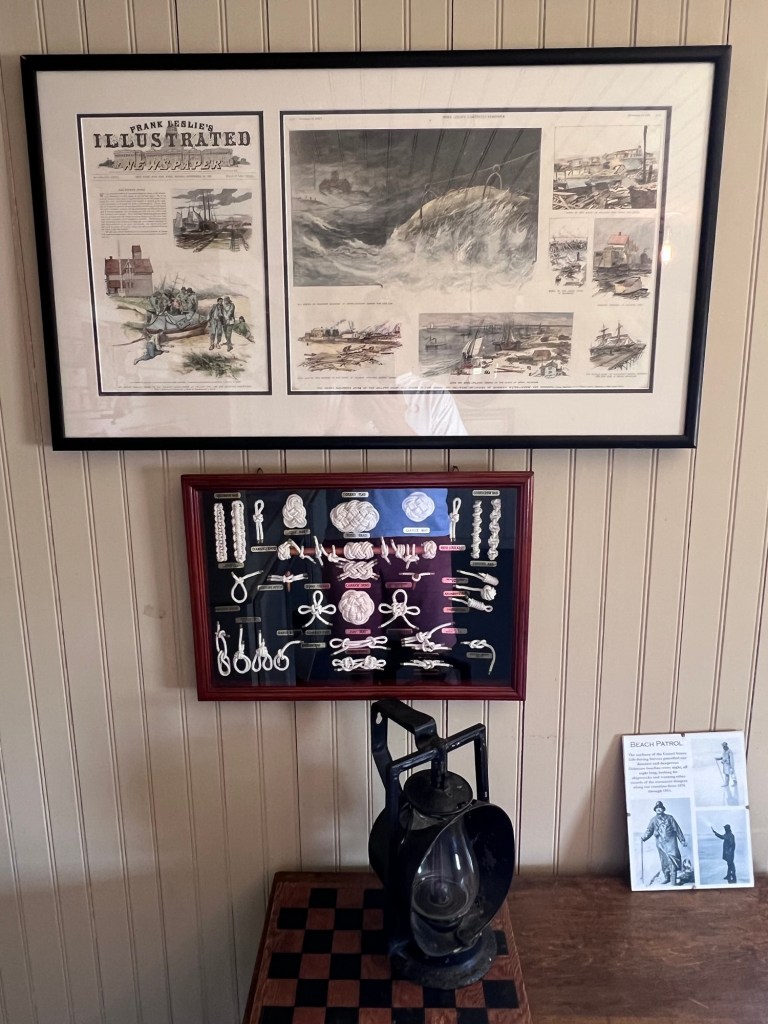
Methods of tying ropes and nautical rescues illustrated
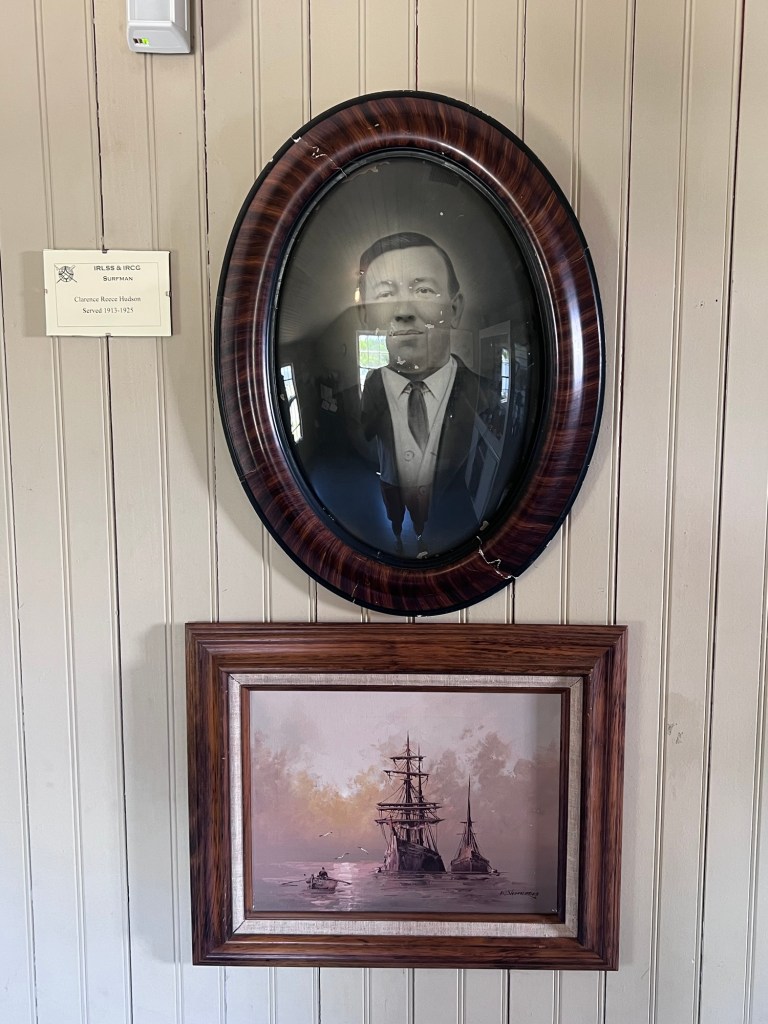
Portrait of one of the old station masters
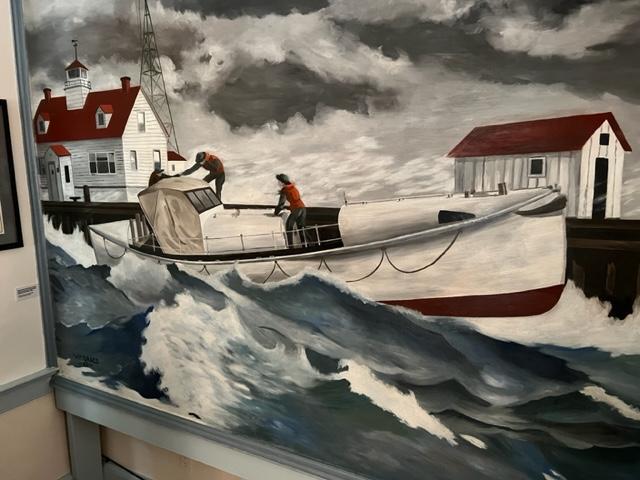
The main room held all the rescue equipment used to save both people and property. This included all the boats, ropes, pulleys and buckets for rescue.
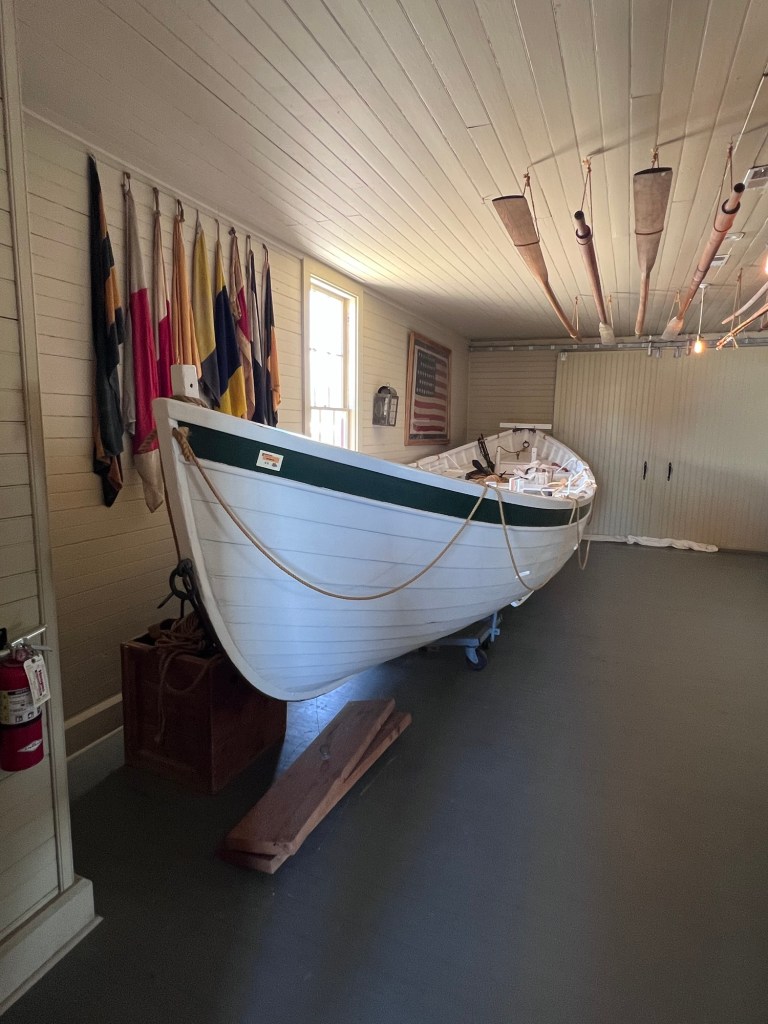
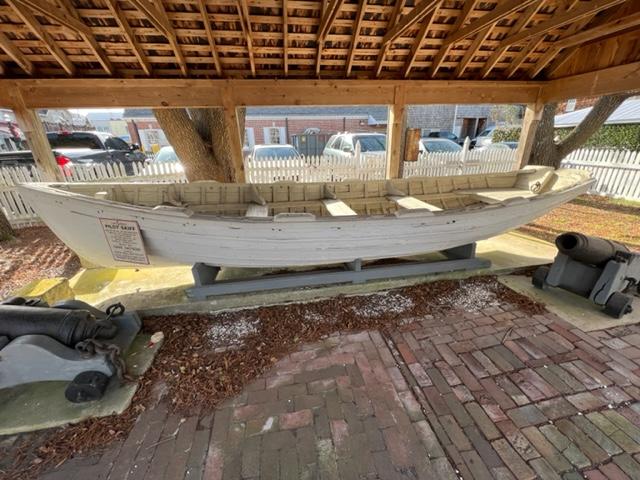
The main rescue boat and paddles
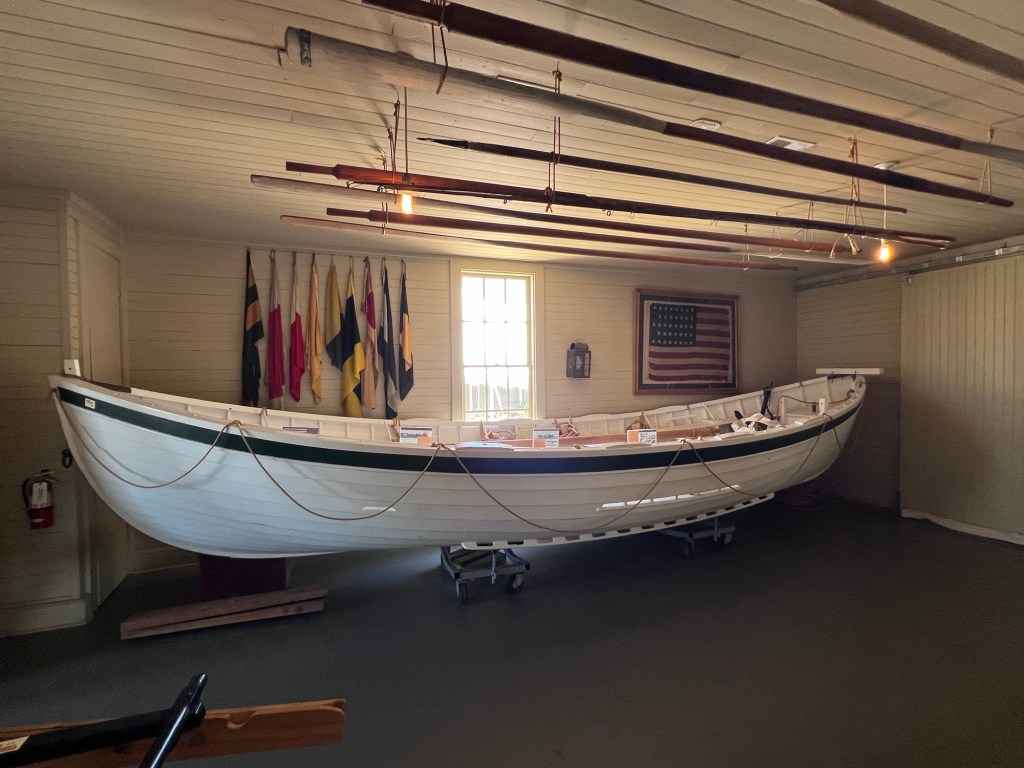
The rescue boat used by the station to save people and cargo
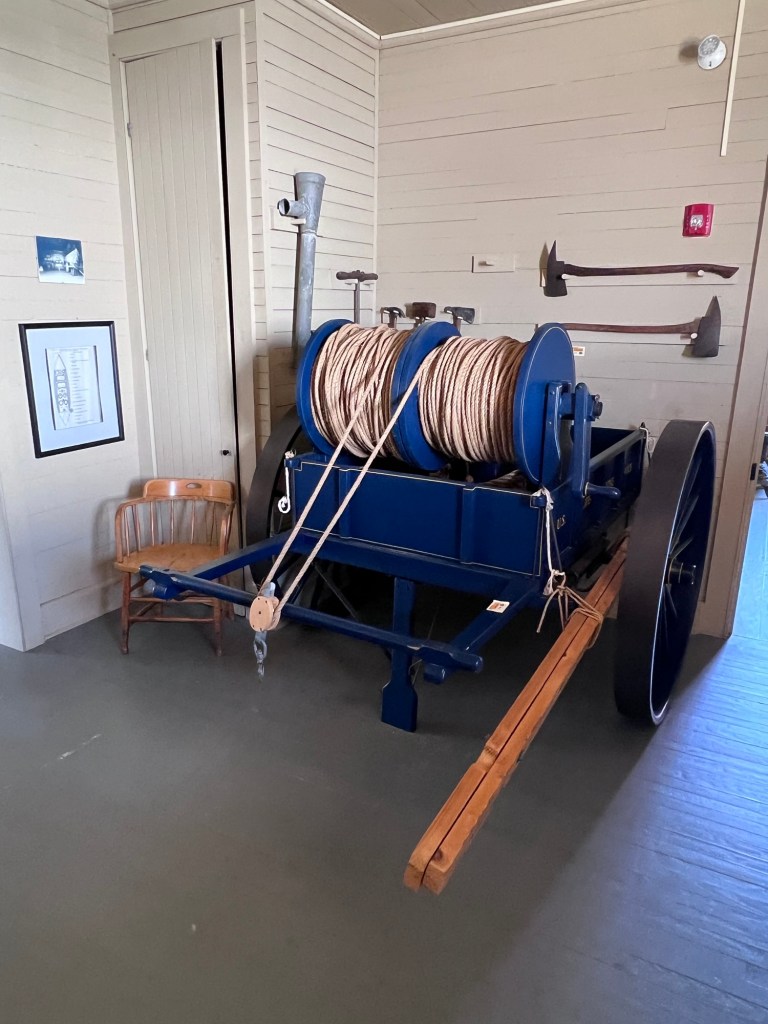
Ropes and wenches to save and pull in damaged vessels
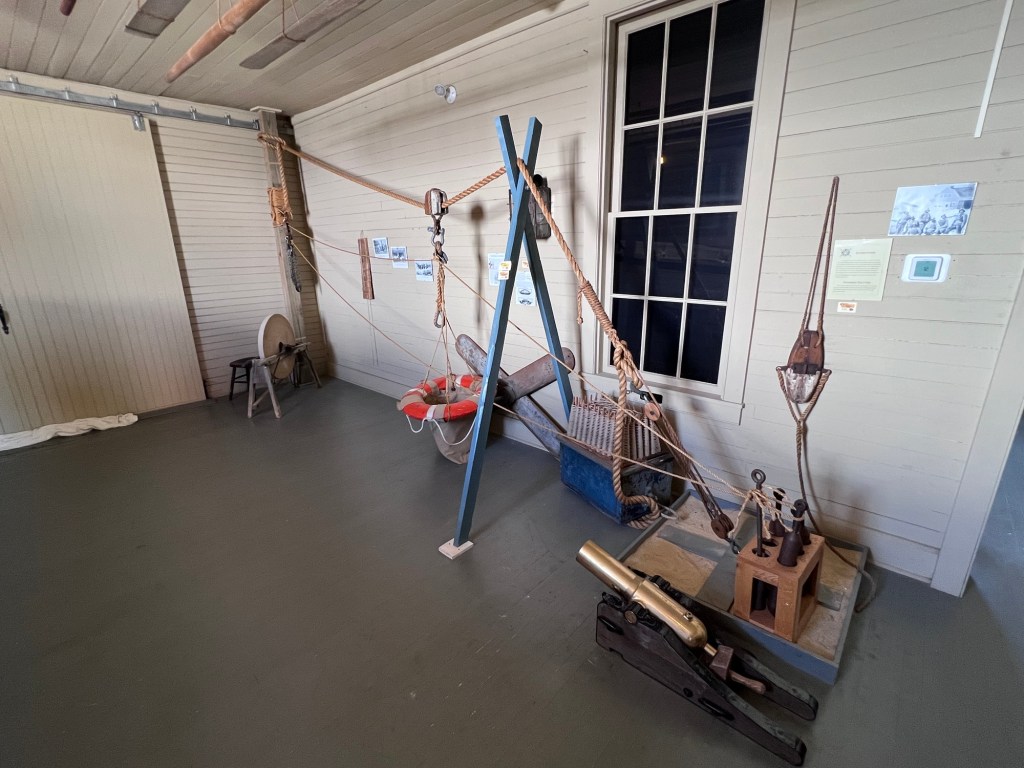
The bucket rescue method
The second floor contained the living quarters. Since the Team worked in shifts, pretty much no one left the building except for small breaks. The men slept in shifts with one man working night duty in four hour intervals to watch the shore for wrecks.
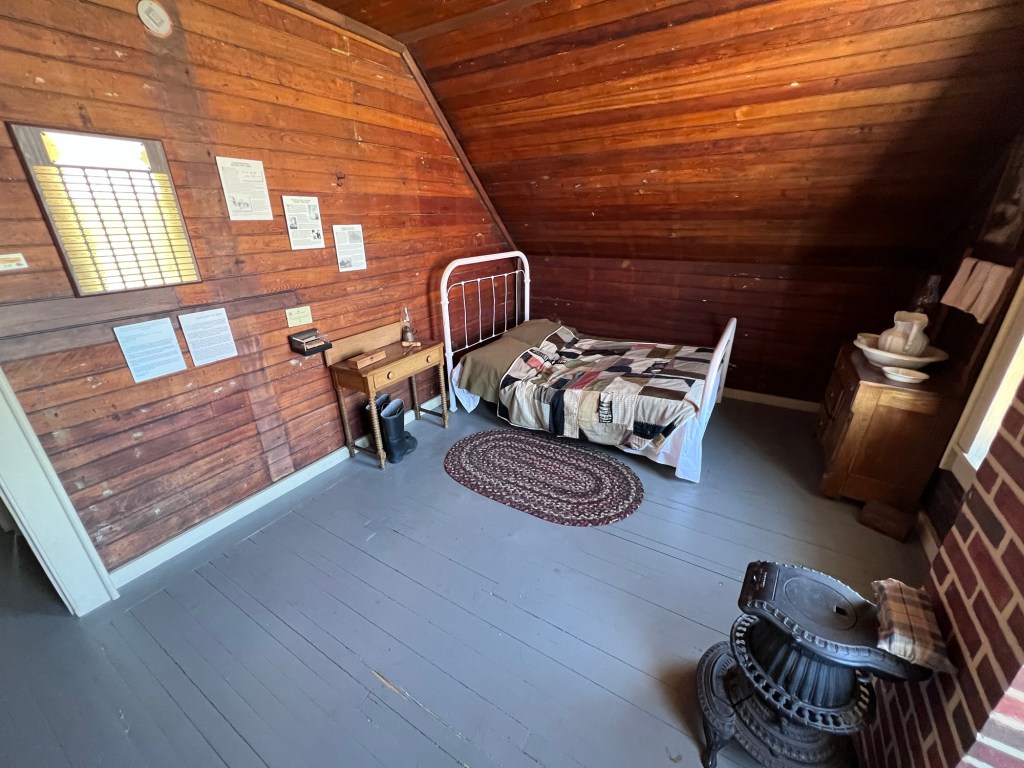
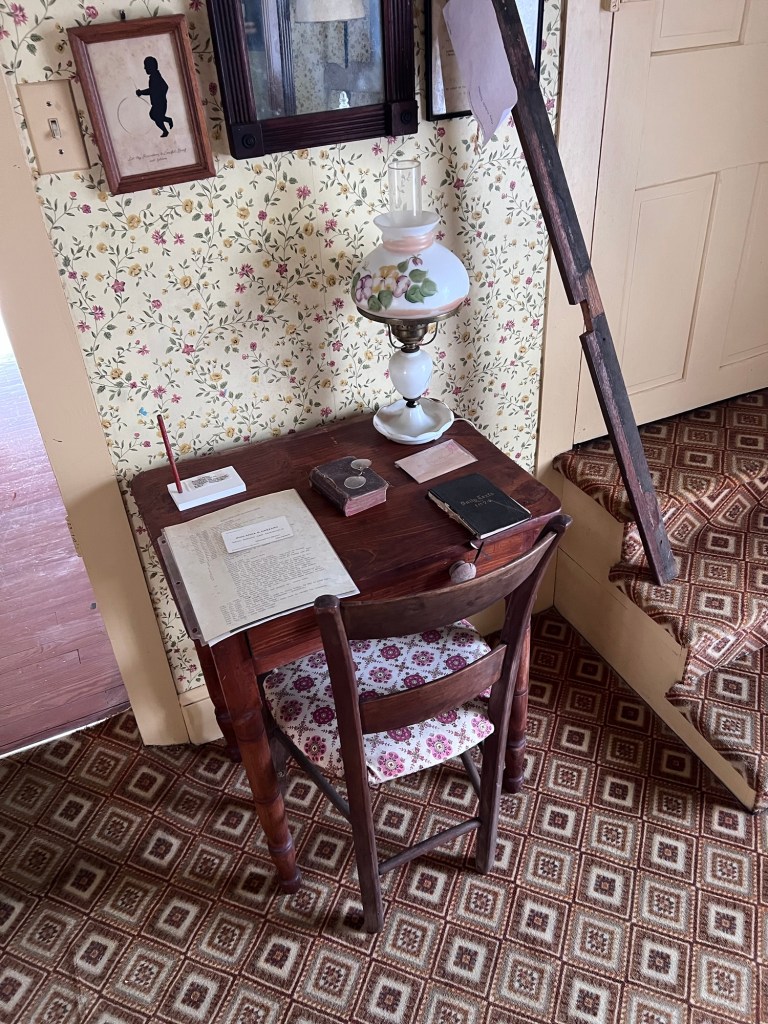
The living quarters for the station master
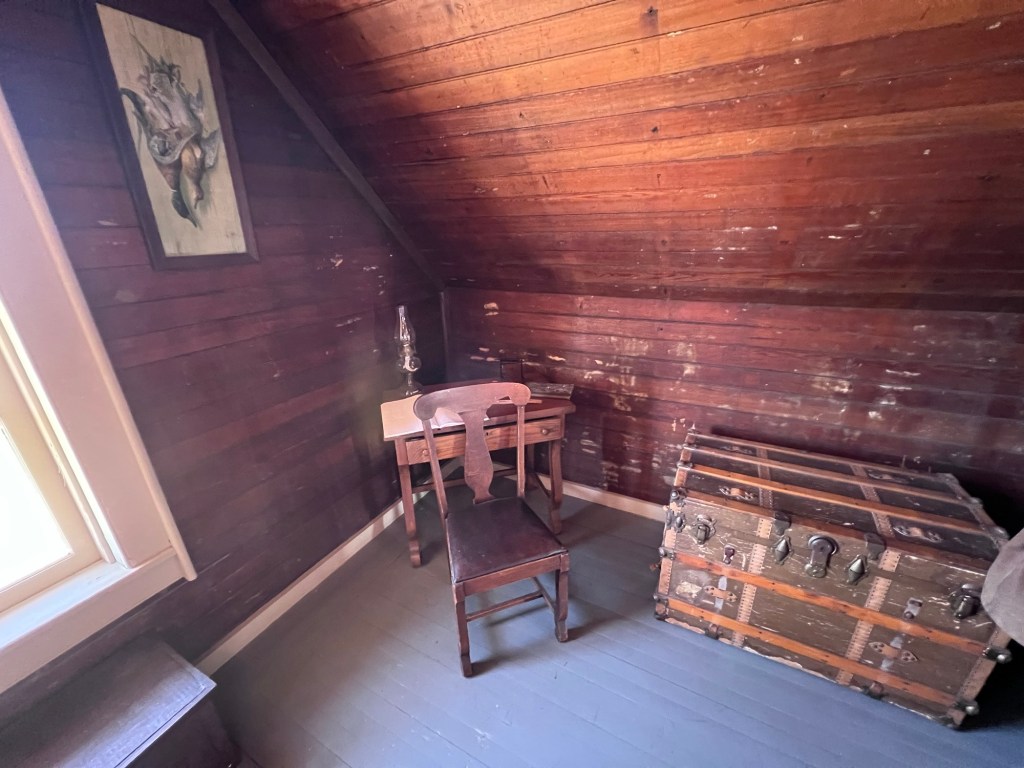
The small office in the room
The men slept on one room with the window facing the sea in a dorm like setting. The room was equipped with natural light and a view of the sea to watch over the coastline.

The bedroom of the men on duty

The bedroom
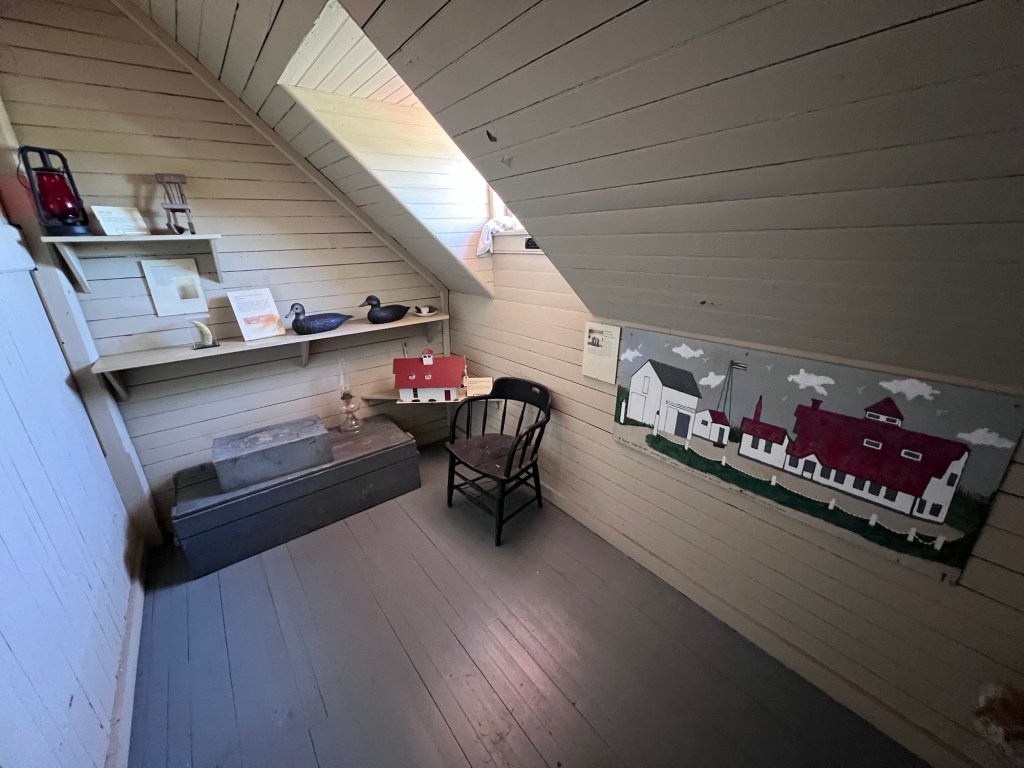
Separate room for private time
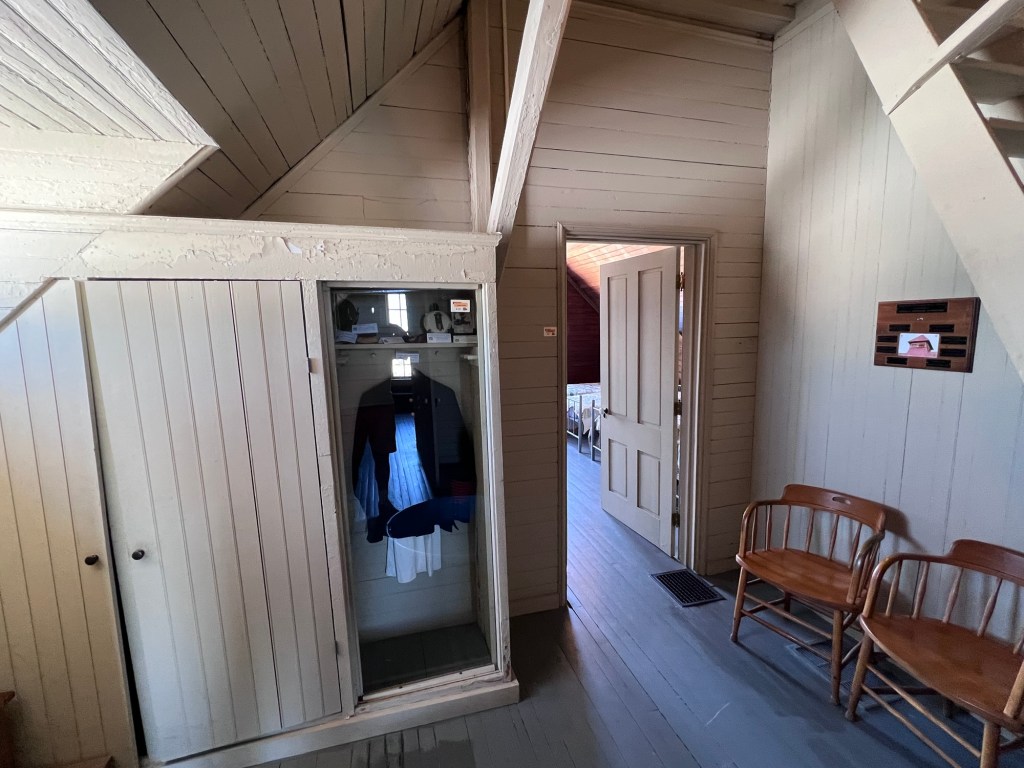
The locker storage area where each man’s personal items
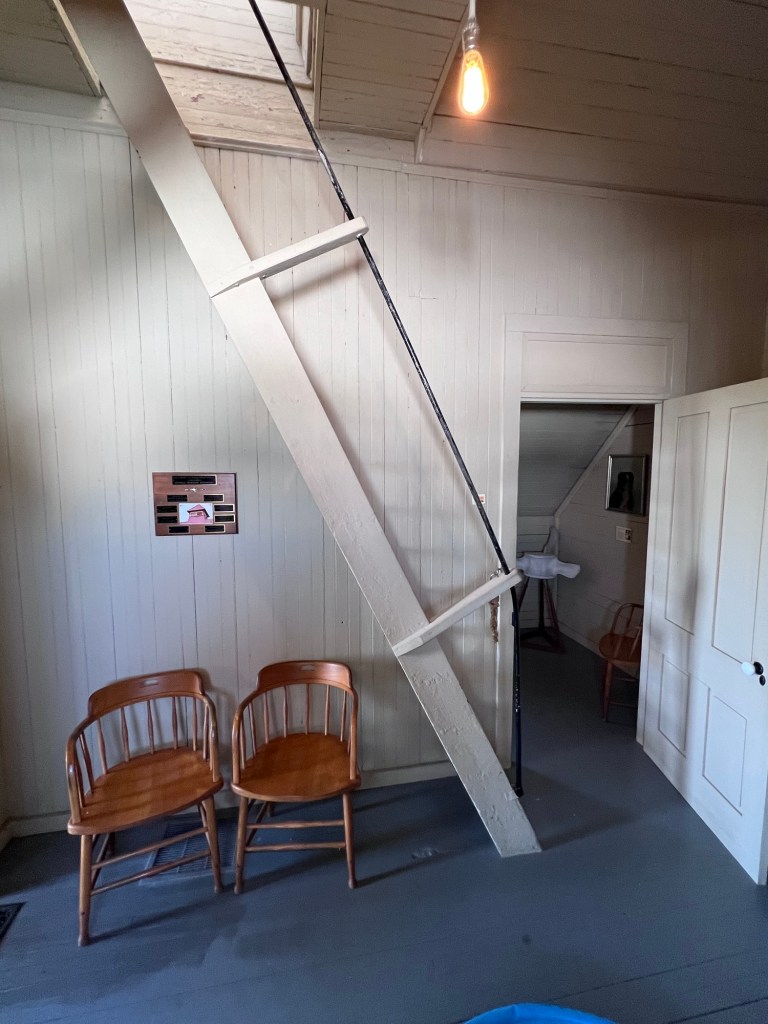
The stairs leading to the portico for lookout duties
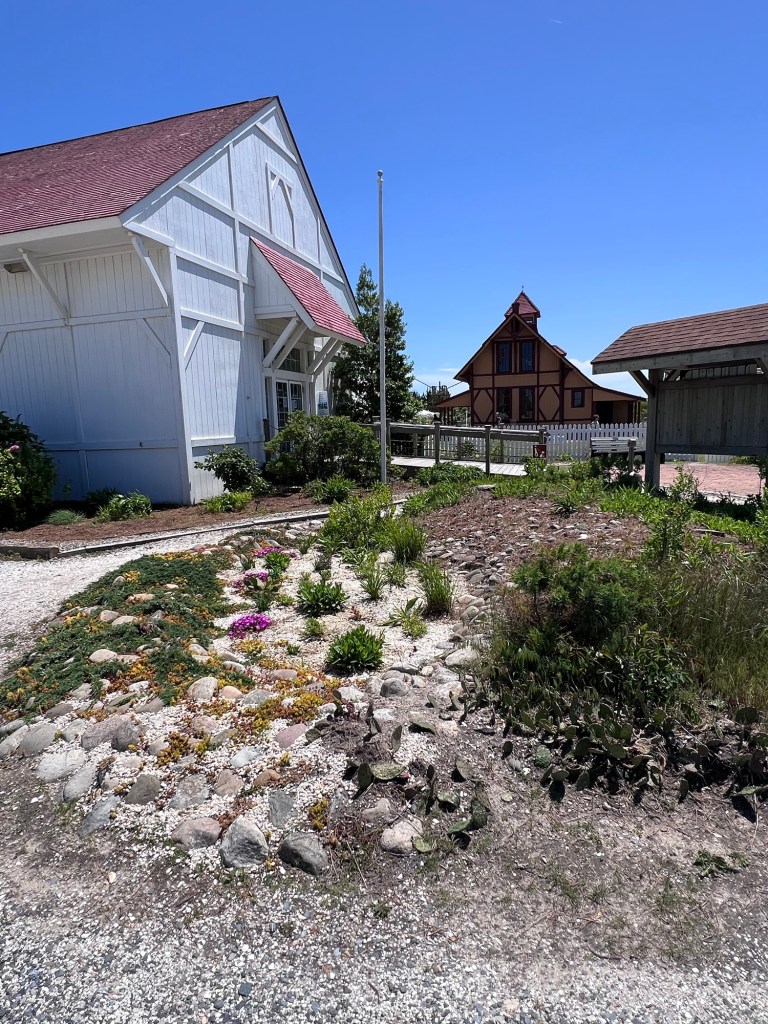
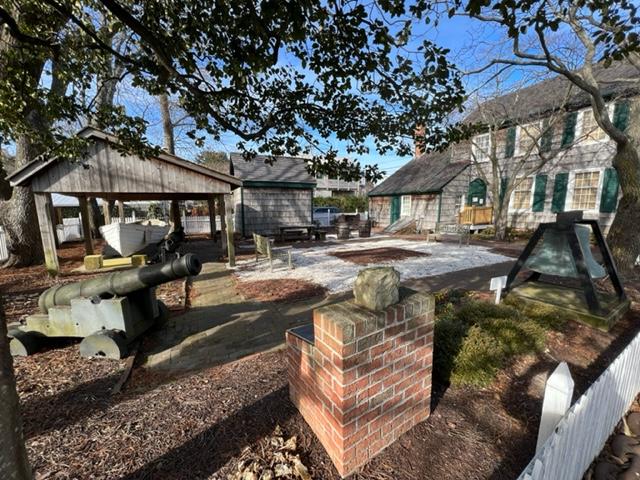
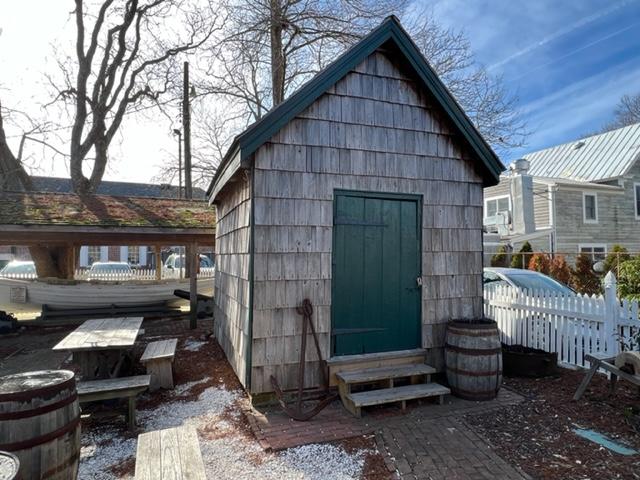
The grounds of the Rescue Saving complex and its location near the beach.
The tour was a lot of fun and gives you a glance of the heroism and isolated life of these men must have been back then. Today there are things like rotations and vacations, opinions that some of the men back then did not seem to have. Still these brave, well trained men kept the beaches and the oceans safe for many seafarers.













 Visiting a Museum: The Unique, Unusual, Obscure and Historical