Category: Historic Sites of New York State

Van Cortlandt Manor 5 Riverside Avenue Croton-on-the-Hudson, NY 10502

Van Cortandt Manor

5 Riverside Avenue

Croton-on-the-Hudson, NY  10502

(914) 366-6900

Open: See website for seasonal hours

My review on TripAdvisor (Manor and Pumpkin Blaze):

https://www.tripadvisor.com/Attraction_Review-g47560-d116391-Reviews-Van_Cortlandt_Manor-Croton_on_Hudson_New_York.html?m=19905

A trip to the Van Cortlandt Manor in Croton-on-the-Hudson is an interesting step back into the Colonial history of this country. During the summer, there is an interesting walking tour of the home offered usually from the end of July to Labor Day. Then the house is closed to prepare for the huge ‘Pumpkin Blaze’ during the months of October and November and then the house is shut down until the spring.

The house tour is interesting because it shows the home as a working farm and place of commerce for the family. This was not a weekend home for the family working in the City but crops being grown for shipping, vibrant gardens that supplied the house and a small tavern for travelers along the Albany Post Road as well as a place for shipping goods down the rivers.
van-cortlandt-manor-1.jpg

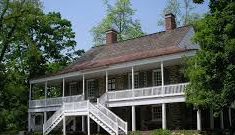
Van Cortlandt Manor

The home is furnished in the most modern furnishings of the time and you can see how the house reflected the needs of the family at that time. It was more of a home than a luxurious place to entertain. The furnishes are practical, very in fashion of the time and nicely decorated.
van-cortlandt-manor-ii.jpg

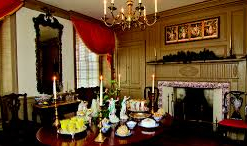
The Dining Room

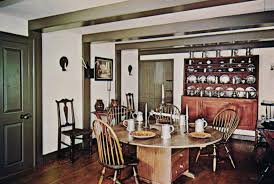
The tour of the kitchens and storage areas show that even in what was the modern era was not such easy living without servants. The estate was somewhat self-contained with animals and provisions being raised on the land and there is even an area where fabric such as flax and cotton where spun and made into clothing.
Van Cortlandt Manor III.jpg

The kitchen dining area

The upstairs bedrooms show that the linens were under lock and key even with the servants and that the rooms were well-appointed and comfortable. A lot of the family heirlooms still reside in the house and it gives you a perfect look at what life must have been like when the family lived here.

Don’t miss the gardens as well. Some have been over-grown because of the lack of volunteers but still you can see the beauty of the flowers and trees around the house. The house sits right on the cross between the Croton and Hudson rivers and even though it is now grown in, you can see that the house stood at one of the busiest sections of Upstate commerce.

The Pumpkin Blaze-Hudson Valley Historical Association:

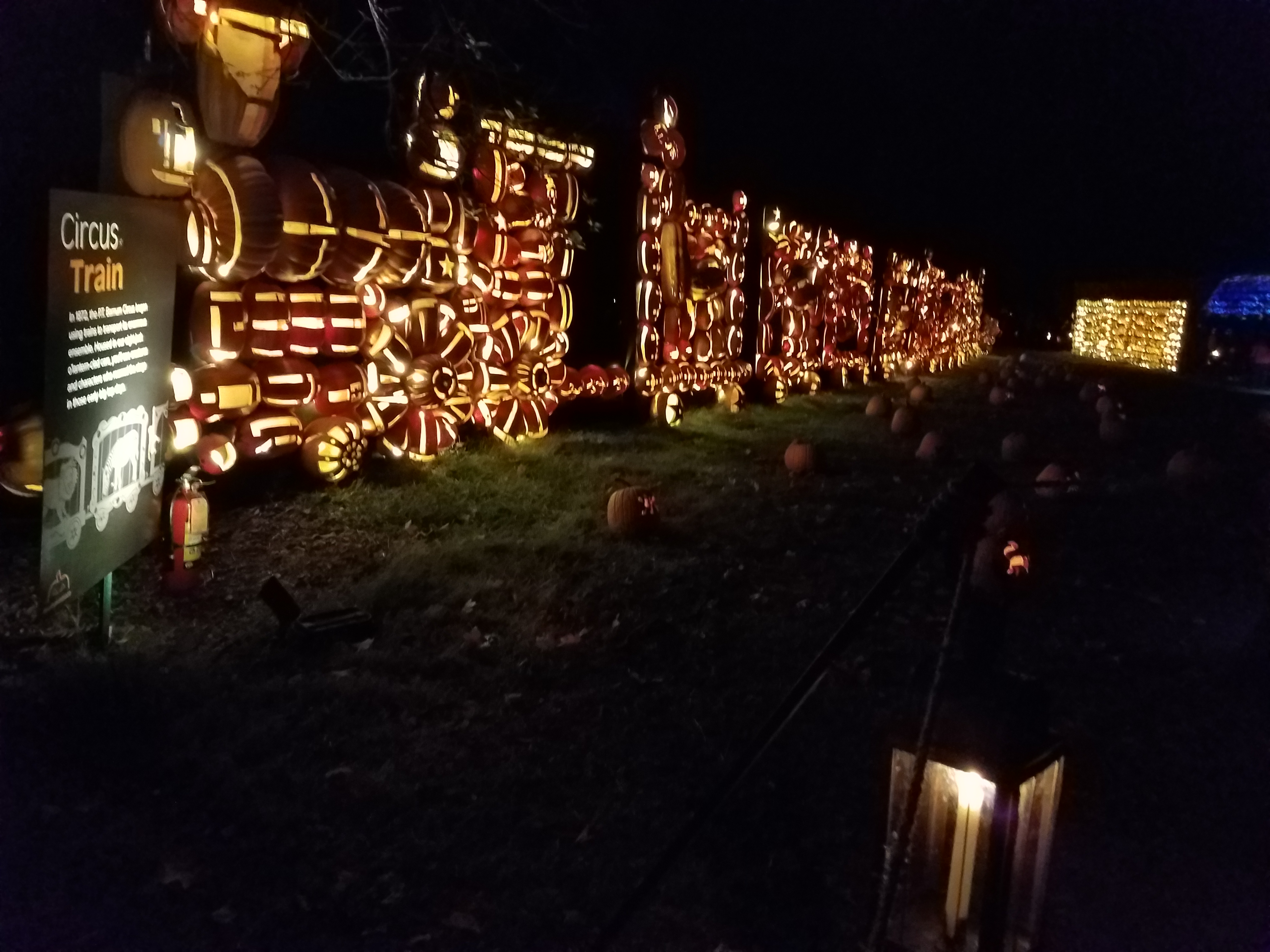
During the months of Halloween, there are thousands of pumpkins that line the walks and beautiful displays to see along the paths of the estate and the river. This event is sponsored by the Hudson Valley Historical Association and is one of their biggest fundraisers. Don’t miss this annual event every fall.

The Blaze is amazing!

The Pumpkin Blaze in 2019:
371.jpg

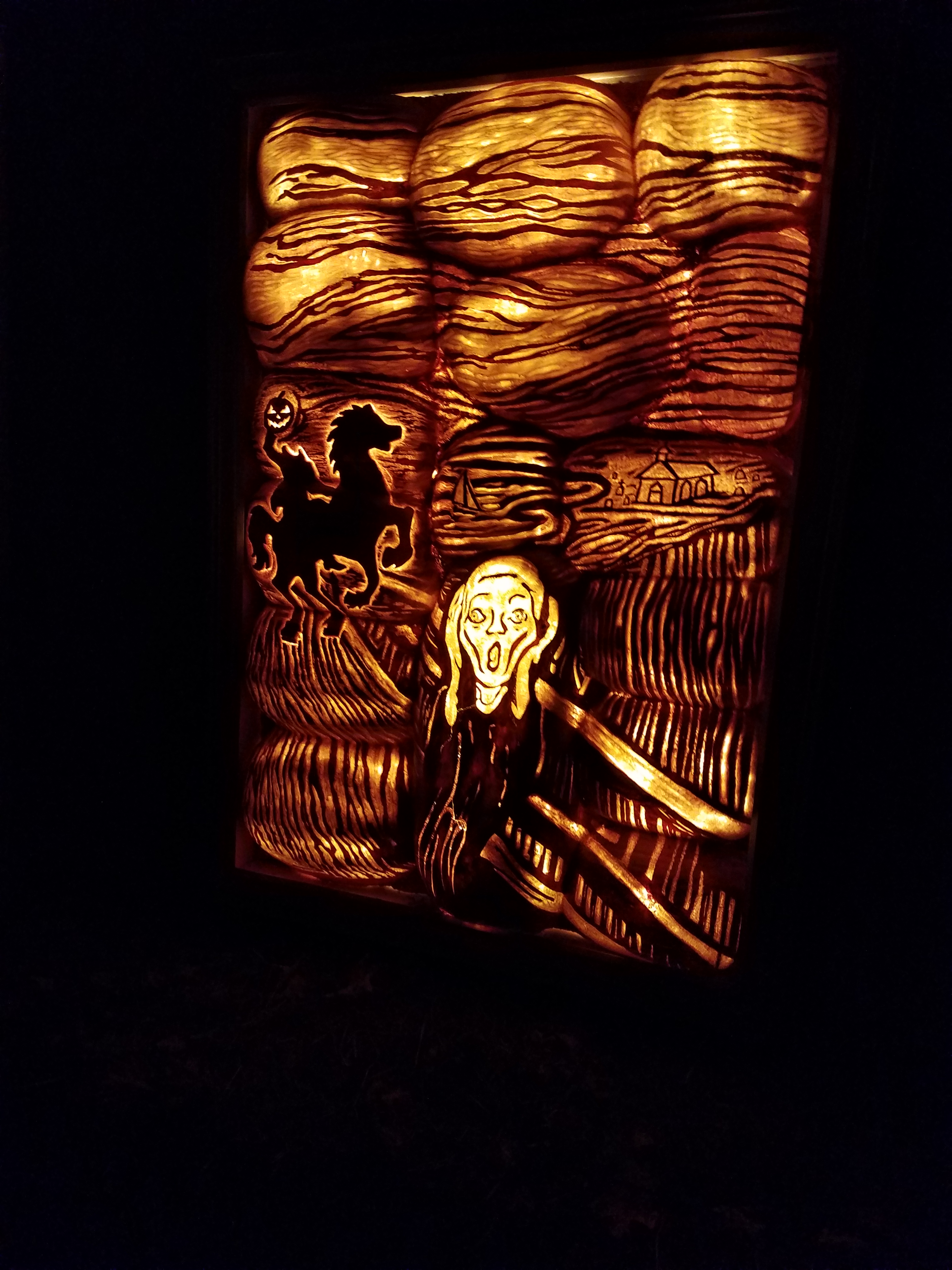
Some pictures from the MoMA Pumpkin Museum:

368

Their version of “The Scream”:

366
393

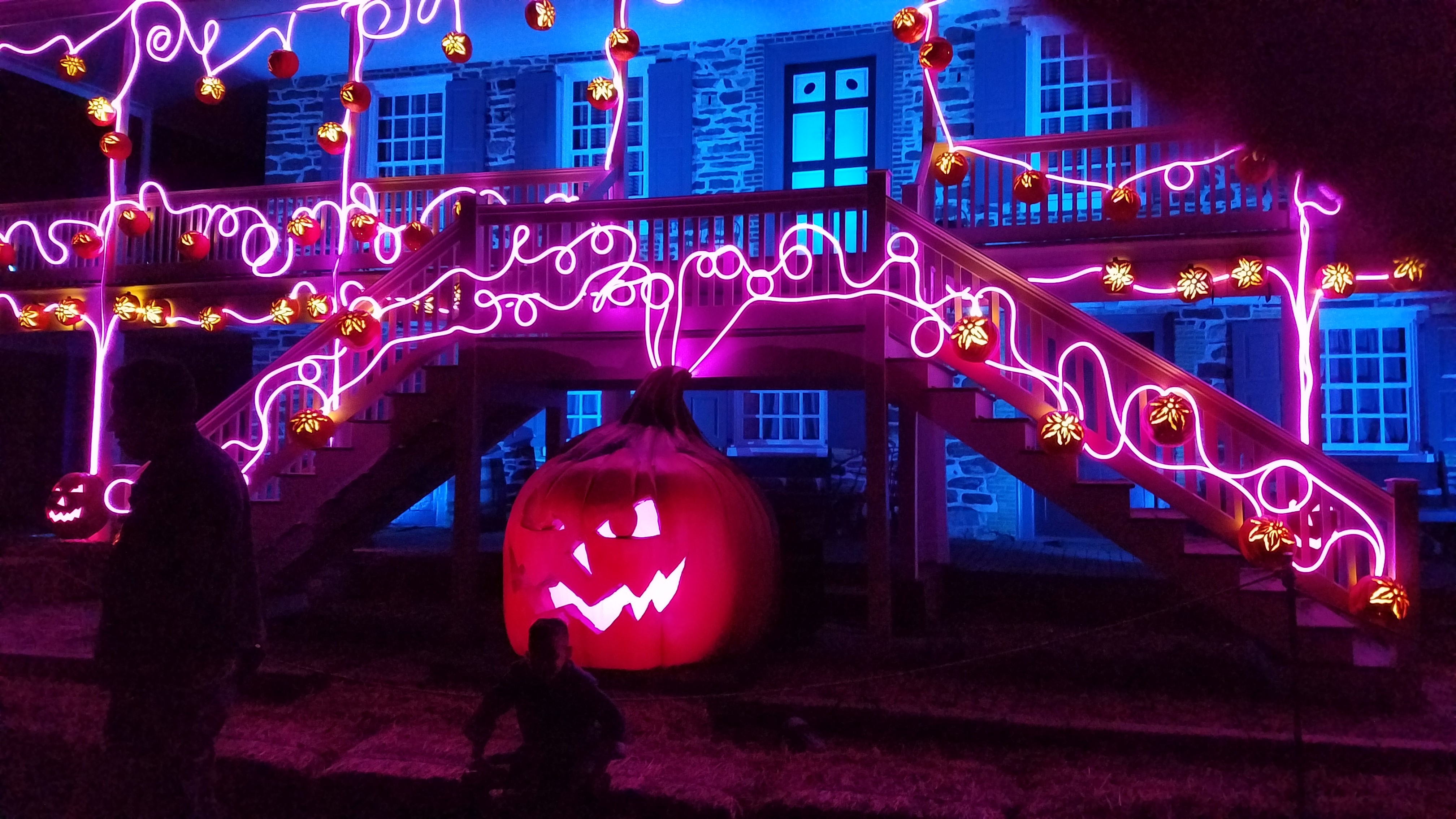
The Van Cortlandt Manor ablaze with lights and sounds
406

Justin Watrel at the Pumpkin Blaze

412

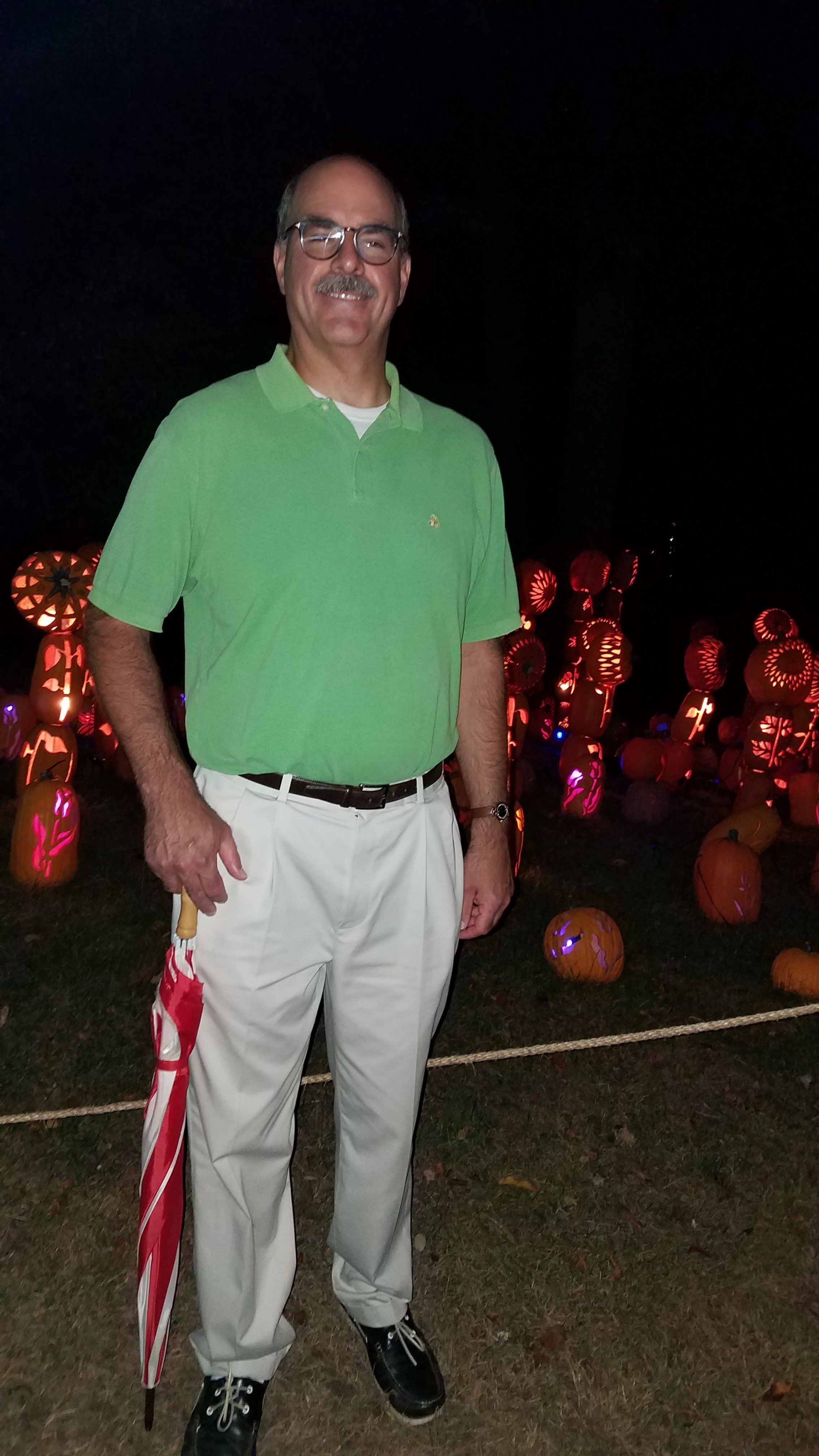
My Aunt and I at the Pumpkin Blaze in 2019

The Pumpkin Blaze in 2022:

Entering the Pumpkin Blaze in 2022

Pumpkins greeting you in all shapes and sizes

The Pumpkin Planetarium at the Pumpkin Blaze

Pumpkin Bee Hive

The “Terror Zee Bridge” at the Pumpkin Blaze
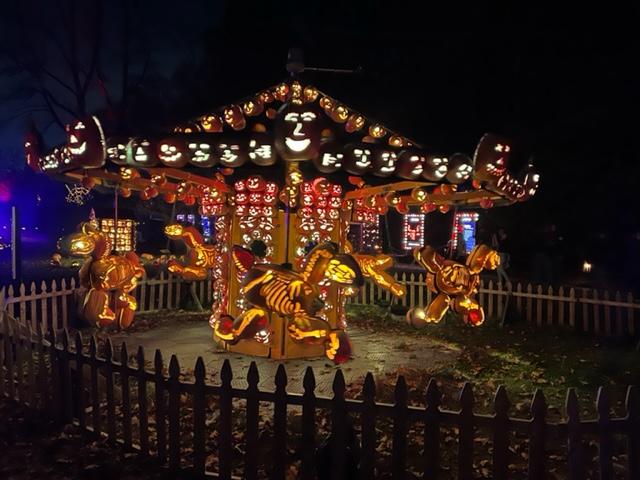
The Pumpkin Carousel

The Pumpkin Fire Services

The Headless Horseman is the theme of many October festivals in the Hudson River Valley

The History of the Van Cortlandt Manor:

By Royal Charter, Van Cortlandt Manor was originally a 86,000 acre tract granted as a patent to Stephanus Van Cortlandt in 1697 by King William III, stretching from the Hudson River on the west to the first boundary line between the Province of New York and the Colony of Connecticut, on the east, twenty English miles in length by ten miles in width in shape nearly a rectangular parallelogram forming, “The Manor of Cortlandt”.

The massive holding was acquired by direct purchase from the Indians, in part by Stephanus van Cortlandt, a native born Dutch gentleman of New York and in part by others whose titles he subsequently bought, this tract together with a small tract on the west side of the Hudson River opposite the promontory of Anthony’s Nose, which he also purchased from the Indians.

The Manor House was built sometime before 1732 but was not any owner’s principal residence until a grandson, Pierre Van Cortlandt, moved there in 1749. At the time the manor house was on a 1000 acre portion of the original tract.

Pierre brought his family to the estate in 1749 and established the manor into it most vibrant days, according to some. During this period, the manor was operating an apple orchard, dairy farm, a bee house, a kiln, a tavern and a carpenter and blacksmith shops. Van Cortlandt Manor was a self-sustaining community while Pierre and his family resided in the estate. At this time, tensions leading to the Revolutionary War were building and the manor would become a place of wartime retreat.

Pierre sided with the colonies and the manor was used to assist the Continental Army, using its resources to make food and supplies. Pierre was involved with military legislature and his son Philip was a soldier for the Continental Army. Eventually Pierre and his family vacated the manor in the thick of war. The manor was ransacked by the British Army and left in poor standing. Philip, becoming a brigadier general by the war’s end, returned and along with his sister, Catherine, brought the manor back to working order.

Van Cortlandt Manor became an essential stop on the route from New York to Albany in the years that followed the war. The mills were once again thriving and provided the community and travelers with food, supplies and lodging. Pierre and his wife did not return until 1803 once the manor was in full working order again. The manor was passed down in the family until it was sold to a non-relative, Otis Taylor in 1945. By this time, the property had lost its luster and was not the flourishing estate it had once been.

In 1953, John D. Rockefeller Jr. purchased the property and began restoring the manor to previous prominence. In 1961, Van Cortlandt Manor became registered as a National Historic Landmark.

Disclaimer: This information on the history of the house was provided by Wiki and I give them full credit on the information.

Places to Eat:

Located in the ShopRite Mall next to the Blaze:

The food at New Happy Garden in the Shoprite Mall is excellent and you can sit down in the restaurant. It is the perfect place for lunch or dinner before or after the Blaze. Their Lo Mein and General Tso’s Chicken are excellent. Please read my reviews on TripAdvisor.

New Happy Garden

440 South River Side Avenue

Croton on the Hudson, NY  10520

(914) 271-7888/8268

https://www.menupix.com/westchester/restaurants/3212099/Dong-Happy-Garden-Menu-Croton-On-Hudson-NY

Open: Sunday 12:00pm-9:00pm/Monday Closed/Tuesday-Saturday 11:00am-10:00pm

My review on TripAdvisor:

https://www.tripadvisor.com/Restaurant_Review-g47560-d4616434-Reviews-Dong_Happy_Garden-Croton_on_Hudson_New_York.html?m=19905

Volunteer Firemen’s Hall & Museum of Kingston 265 Fair Street Kingston, NY 12402

Volunteer Firemen’s Hall & Museum of Kingston

265 Fair Street

Kingston, NY  12402

(831) 331-0866

https://kingstonvolunteerfiremensmuseum.weebly.com/

Open:  The hours vary by the season so please look to the website for the openings. School groups please call for an appointment.

Fee: Free but donations accepted

My review on TripAdvisor:

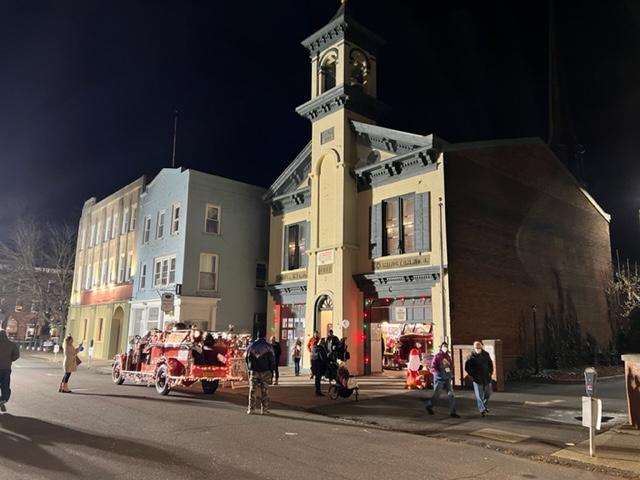
The Kingston Volunteer Museum during the ‘Kingston Snowflake Festival’

https://www.tripadvisor.com/Attraction_Review-g48003-d3367598-Reviews-Volunteer_Fireman_s_Hall_Museum_of_Kingston-Kingston_New_York.html?m=19905

The antique fire truck outside the firehouse during the Kingston “Snowflake Festival”

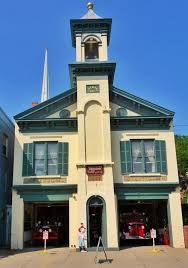
I was recently visiting Kingston, NY for an event and while walking around the downtown the doors of the Volunteer Firemen’s Hall & Museum of Kingston was open for visitors. Even if you are not a fire fighter it is such an interesting museum on the history of fire fighting and the role the Kingston Fire Department had in the formation of the City of Kingston.

Kingston Firemen's Museum II.jpg

The early horse drawn fire equipment

The museum welcoming people to the Kingston “Snowflake Festival” in 2022

On the main floor is four pieces of equipment from various stages of the department. The engines are from the turn of the last century featuring horse drawn ladders and steam engines and then the latest equipment from the early teens and twenties from the automotive stage. Each piece of equipment has been carefully maintained and is in pristine shape.

The museum decorated for Christmas for the recent “Kingston Snowflake Festival”

It is interesting to see how different each rig is at that stage of its history but how much has not really changed with the use of the equipment when fighting a fire.

The bay area of the old firehouse with the antique equipment

One of the more interesting pieces in the collection is the beautifully detailed Parade piece from the late 1800’s (circa around 1890’s) which has gorgeous details and intricate craftsmanship work to it. This interesting piece of equipment was the pride of the department on parade day and is one of the few of its type in the country.

The Fire Department Parade Piece

Along the walls is all sorts of pictures of old fires, men who were once members of the department, ribbons and awards, old systems for calling for firemen from the horns that used to sound the alarms to the more modern telegraph equipment to the current paging systems.

The roster upstairs

Kingston Firemen's Museum III.jpg

The fire department equipment pieces

Upstairs you can visit the furnished headquarters of a firehouse circa 1890’s to 1920 with vintage furniture, decorations and composites of firemen long ago. There is even a mannequin of a fire fighter sliding down a pole that leads to the first floor. Here and there are more decorative equipment pieces, furnishings and awards.

The upstairs of the Kingston Volunteer Museum

The museum has a little something for everyone and if you are interesting in knowing more of the history of the fire service and want to hear the stories by members current and retired from the Kingston Fire Department, then the Volunteer Firemen’s Hall & Museum is the place to visit.

Kingston Firemen's Museum IV.jpg

Old decorations from fire equipment at the Volunteer Firemen’s Hall & Museum

History of the Museum and Fire Fighting in Kingston, NY:

Ulster County has a remarkable over 350 year history of noble fire fighting. See it up-close and personal at the Volunteer Firemen’s Hall & Museum of Kingston.

The award case upstairs at the firehouse

When Kingston City Hall burned on June 4th, 1927, the third alarm was sounded from the building’s own bell tower before it crashed to the ground. Fire calls in Kingston today are answered through the 911 system with a three minute response time. Ever watched a TV show about firemen and their firehouse? The ‘squawk’ to a call is unmistakable.

The upstairs in the firehouse

Seven volunteer fire companies and the Exempt Association of Kingston recognized the importance of preserving and protecting firematic artifacts as well as establishing a meeting hall for volunteer fire organizations in Kingston and Ulster County. They were charged with finding a permanent home and signed a lease with the City of Kingston for Fair Street’s historic circa 1850 Wiltwyck Fire Station and the rest is history.

The Ladies Auxiliary and rosters

Walk through the large wooden doors to the home away from home of the 19th century firefighters.

Kingston Firemen's Museum.jpg

The old Kingston, NY firehouse that now houses the museum

Disclaimer: this information was taken directly from the Volunteer Firemen’s Hall & Museum of Kingston pamphlet and I give them full credit for it. Please check out their website for more information.

The living area upstairs in the firehouse decorated for Christmas

The Senate House                                                                      296 Fair Street                                                                Kingston, NY 12401

The Senate House 296 Fair Street Kingston, NY 12401

The Senate House

296 Fair Street

Kingston, NY  12401

(845) 338-2786

http://www.palisadeparksconservancy.org

http://senatehousekingston.org/

Open: Sunday 1:00pm-5:00pm/Wednesday-Saturday 10:00am-5:00pm (April 15-October 31). Open by Appointment only (November 1-April 14)

Fee: Adults $4.00/Seniors (62+) $3.00/Children under 12 and under Free

My review on TripAdvisor:
https://www.tripadvisor.com/Attraction_Review-g48003-d3225491-Reviews-Senate_House_State_Historic_Site-Kingston_Catskill_Region_New_York.html

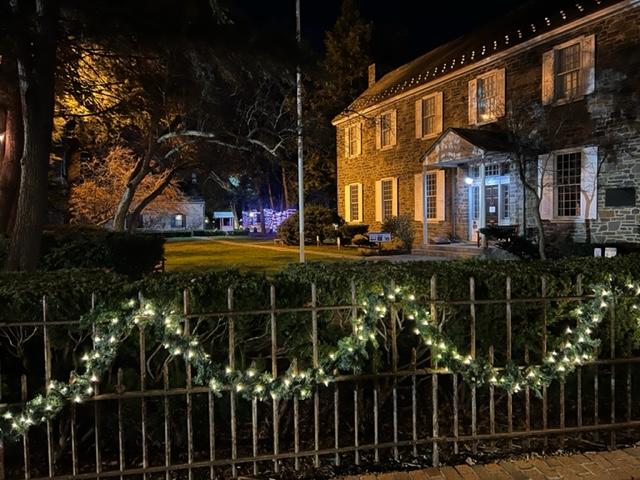
The recently reopened Senate House in 2023

I recently spent my afternoon at the Senate House and Museum in Kingston, NY taking a tour of the museum and the House next door. The Senate House itself had just finished its renovation and the gardens were in full bloom in 2023. It was a quiet afternoon, and I was the only patron for most of the afternoon. The grounds were full of beautiful foliage and flowers, so it was nice to walk around the grounds.

The Senate House story board

The Senate House had just reopened in 2023 after almost a four year renovation and because of the closure during COVID. The grounds are very pretty and well-landscaped and the outside has had a lot done to the gardens. The house was built for merchant Abraham Van Gaasbeek and his family. It stayed in the family for generations.

The Senate House at 296 Fair Street

We were able to tour the inside of the house and see the renovations that the State of New York made on this important structure. The home has been renovated by the state but the tour guide told us not with the historical integrity it should have had. It was not to the total interpretation of the life in the house. Still, it told the story about the people that lived there.

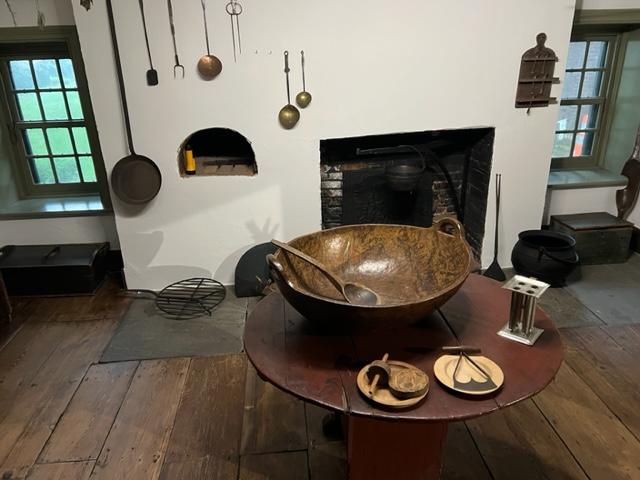
The Senate House Kitchen

Here you see the beehive oven, the working fireplace and many household items including waffle makers, cookie molds and candle making tools. The daily household tasks would be time consuming.

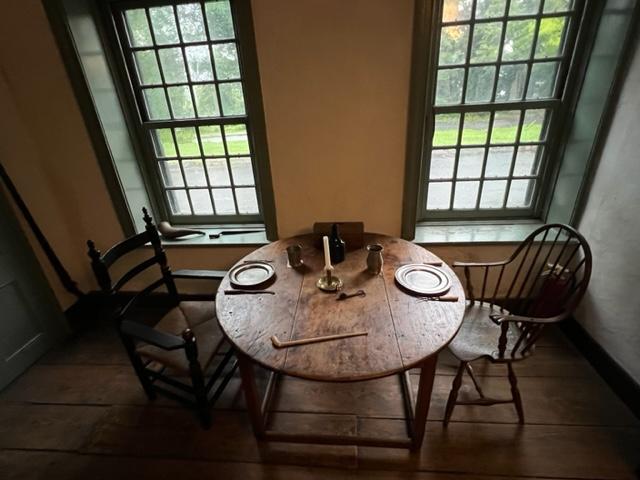
The Dining Space

The bedroom

In the original part of the house, the dining space and bedroom would be in a one room section of the home and as the family got larger, the house was added on to on both sides.

The Parlor

The Parlor was the fanciest room in the house with the best furnishings, decorations and a place of social interactions with guests. This rooms was for adult use at that time.

The Meeting Room for the leaders in change.

This was the room where plans by the patriots were made that changed the course of New York and the rest of the country. Now that the Senate House home is open again, you get a feel for what these people must have went through in developing the country during the Revolutionary War years.

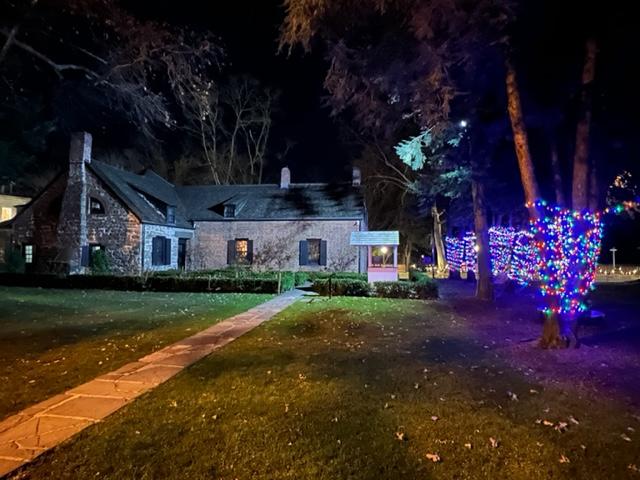
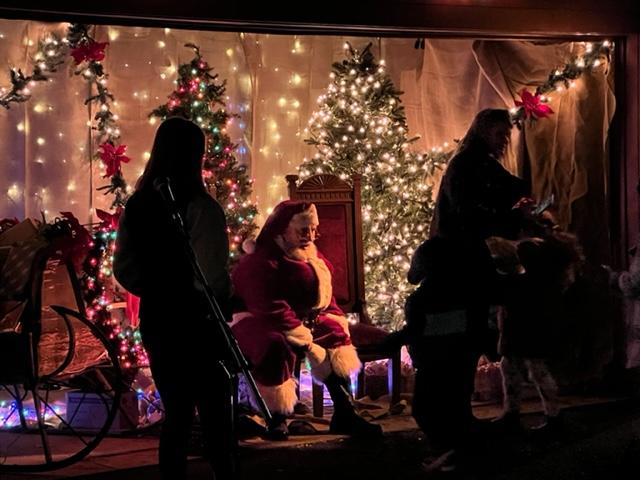
When I visited the Senate House at the holidays for the “Snowflake Festival”, it was still closed for renovation but the grounds were open for touring, music and for a visit with Santa. It was a magical night on the grounds of the historical site and people had a nice time that evening. The grounds and the other buildings were decked out for the holidays.

The Senate House decked out for the Christmas holidays at the “Kingston Snowflake Festival” in 2022

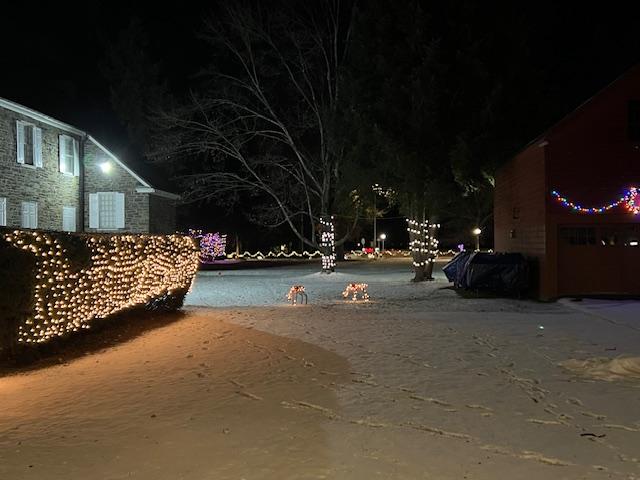
The Senate House property decorated for the Kingston Snowflake Festival in 2022

Santa’s visit at the Senate House property in 2022

The history of the Kingston Stockade section of the city.

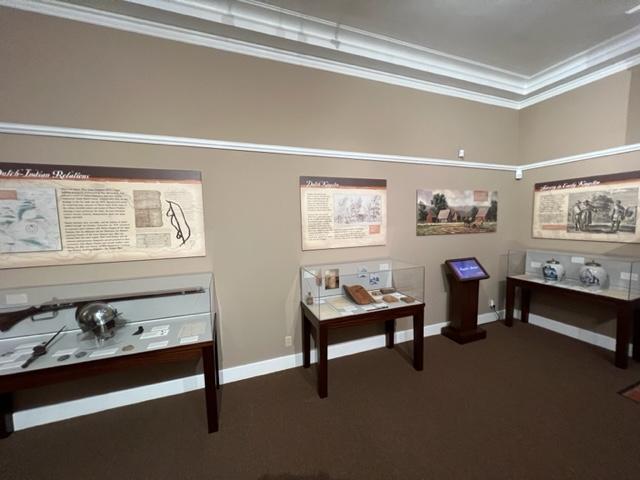
The main part of the park is the Senate House Museum, which is broken into three sections. The right side of the museum is the history of the City of Kingston and the matching artifacts. There is a description of manufacturing, merchant class and its military prominence. Here I learned about the growth of Kingston and its founding, its strategic spot on the Hudson River in the early colony, its role as diplomats to the Native Americans, which was not so pleasant and its growth after the war.

The first floor exhibitions on early life in Kingston

The history of the City of Kingston is described with the Native American settlements and the trade with the Dutch, the unsettling relationships that the two groups had with each other, the War years, the growth of industry and trade in early New York and manufacturing in the area.

The Native American exhibition

Early manufacturing and life in Kingston

The Artist’s sign

The Vanderlyn Exhibition of artist John Vanderlyn’s art

Artist John Vanderlyn’s works are featured on this part of the museum.

The left side of the museum is dedicated to the locally born artist, John Vanderlyn. His paintings line the walls of the museum of the artist at different stages of his career. His work was ahead of its time for the area, and it was noted in the collection that he forced himself to commission portraits to survive. His works advanced for the time because of his studying abroad now line the walls of the best museums in the country.

The exhibition of John Vanderlyn’s portraits

Artist John Vanderlyn’s bio in the museum

Members of the extended Vanderlyn family portraits

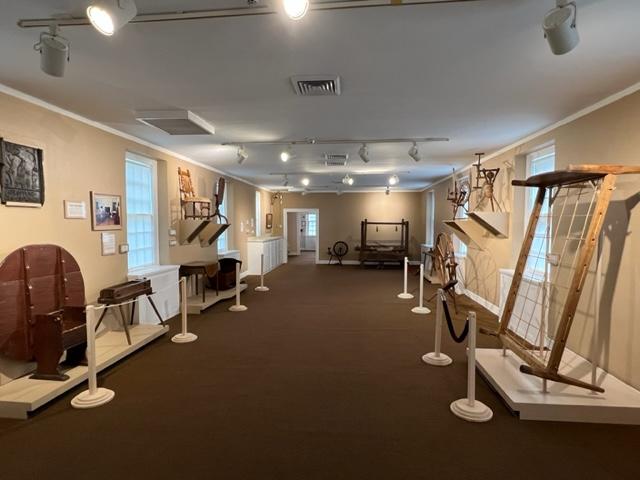
The second floor holds the furniture that is not historically correct with the Senate House and comes from different time periods. There is furniture, beds and chairs, spinning wheels, chamber pots and all sorts of accessories for the home and their uses in everyday life. Vintage furnishings with explanations on their use are a big part of the exhibit.

Artifacts from the past are displayed here

The everyday items used to spin material and create clothing

The Loughran House next door houses more of the furniture of the house and has a new exhibition “Back to the Future: The Evolution of Senate House”. This houses artifacts from the house.

The Senate House property during the “Kingston Snowflake Festival” in 2022

The Senate House property during Christmas 2024

The Senate House property during Christmas 2024

History of the Senate House:

(From Wiki/Office of Parks, Recreation and Historic Preservation pamphlet)

Amidst the turmoil of a British military invasion in the fall of 1777, the elected representations of rebellious New Yorkers met in Kingston to form a new state government. While convened in Kingston in September and October, New York’s first Senate met in the simple stone house of merchant Abraham Van Gaasbeek.

Here they adopted a system comprising of a senate, assembly, governor and judiciary that still exists today. Every one of the assembled delegates risked his life and property by being so openly disloyal to the Crown. Indeed, all were forced to flee for their lives when the British attacked and burned Kingston on October 16th.

While convened in Kingston in September and October, New York’s first Senate met in the simple stone house of Abraham Van Gaasbeek, a prosperous merchant trader who had suffered financial losses as a result of the war and personal losses in the recent deaths of his wife, Sara, his daughter and infant granddaughter. It was Sara’s grandfather, Wessel Ten Broeck, who built the original section of the house in 1676.

At first called Wiltwyck, Kingston was the third “city” established in the Dutch Colony of New Netherland. Planned and developed by the Dutch Governor Peter Stuyvesant in 1656, the town was renamed Kingston after the colony was seized by the English in 1664.

Wessel Ten Broeck’s one room Dutch style house was enlarged by succeeding owners in the 18th century. Each change reflected the increasing fortunes of the Ten Broeck/Van Gaasbeek family and demonstrated a gradual acceptance of English styles and customs over the persistent influence of the early Dutch. Kingston at the time of the American Revolution was still a noticeably “Dutch” town and most of its citizens supported the American cause. British Major General John Vaughan justified his destruction of the city because it was a “nursery for almost every villain in the country.”

In 1887, to recognize Senate House’s role in the formation of New York State, New York State acquired the property, which quickly became a vital community museum. A two-story Museum Building was constructed in 1927 to house and display the site’s burgeoning collection. Among its treasures are: major works by John Vanderlyn and other members of the Vanderlyn family of Kingston. The museum also includes the site’s popular new exhibit: “Kingston Stockage: New Netherlands’ Third City,” discussing Kingston’s early history.

(New York State Park History)

Senate House V

The Kingston Stockade: The City’s formation from the beginning

Bannerman Island Castle                                     POB 843                                                       Glenham, NY 12527

Bannerman Island Castle POB 843 Glenham, NY 12527

Bannerman Island Castle

POB 843

Glenham, NY 12527

(845) 831-1001

https://en.wikipedia.org/wiki/Pollepel_Island

Open: Please check the website as this is a seasonal location

Admission: Adults and Children 11 and Up $45.00/Children 11 and under $35.00

My review on TripAdvisor:

https://www.tripadvisor.com/ShowUserReviews-g47508-d2252346-r967185184-Bannerman_Castle-Cold_Spring_New_York.html?m=19905

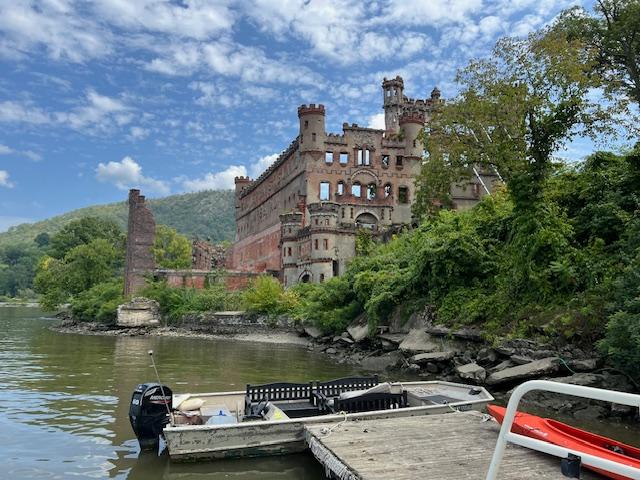
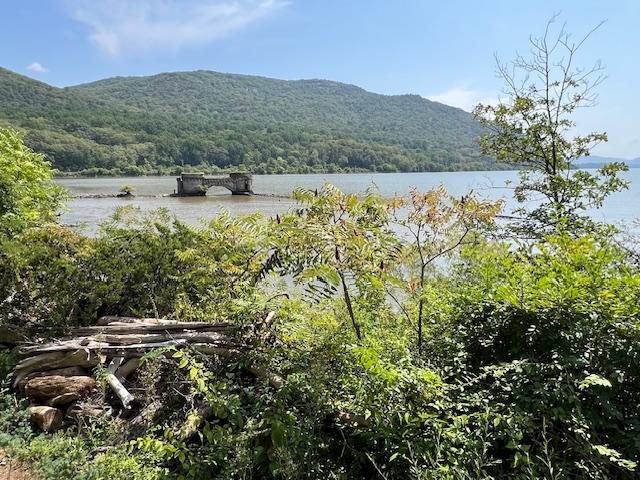
The mysterious Bannerman Castle sits on an island in the middle of the Hudson River

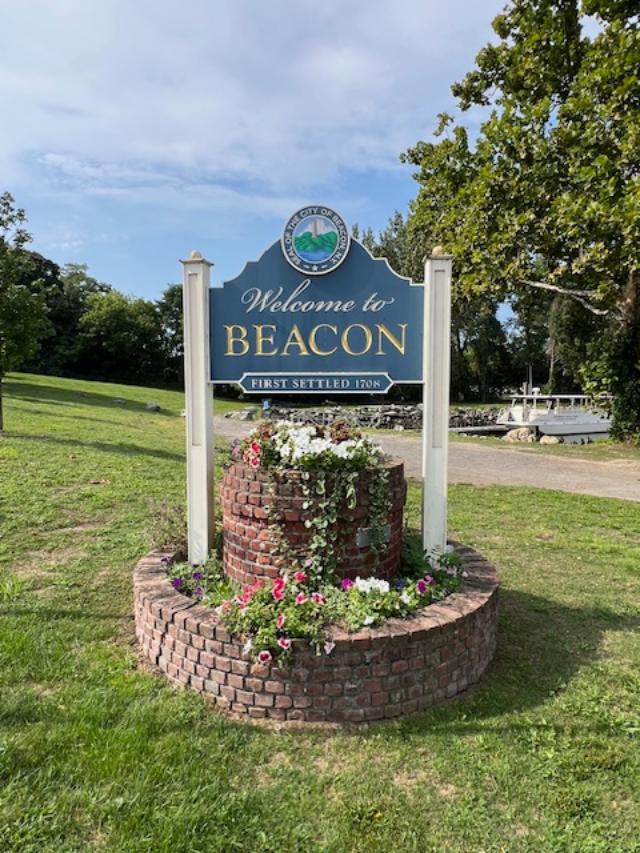
The welcoming sign by the riverfront

I recently visited Bannerman Island (Pollepel Island) just outside of Beacon, New York on a cool cloudy day and I highly recommend the twenty minute boat trip to this mysterious and scenic island. The only way to visit the island is by boat or kayak and the ride is very quick depending on the weather and the waves on the Hudson River.

The dock at the Beacon Railroad station at the beginning of the tour

The dockside and park at the Beacon park

The view of the docks before the tour

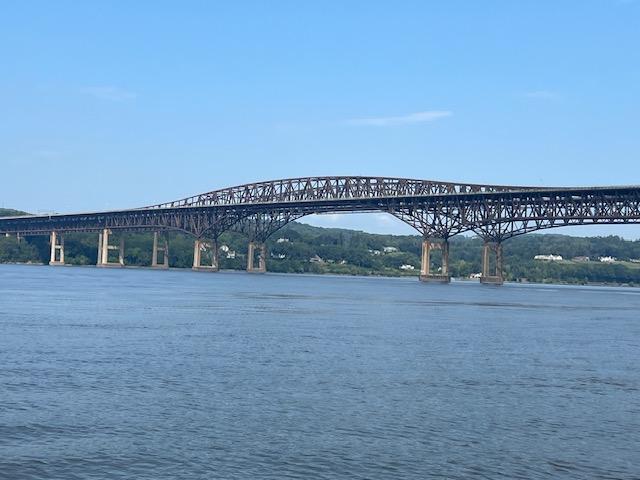
The view of the bridge near the park and part of the boat tour

Video of the boat ride out to the island:
Video of the boat ride out to the island:

Video of the boat ride out to the island:

Video of the boat ride out to the island:

Video of the boat ride out to the island:

Arriving at the dock on Bannerman Island after your boat ride

The historic sign of General Lafayette’s landing at this site in 1824

Once you get to the island, you are greeted by the tour guide and then have to walk up 74 steps from the harbor to the ridge of the island so this is NOT ADA compliant.  At the top of the stairs starts the path around the island. Our tour guide that lead the tour had been there since the tours started in 2004 and gave us many insights on the history of the island and its purpose to the Bannerman family.

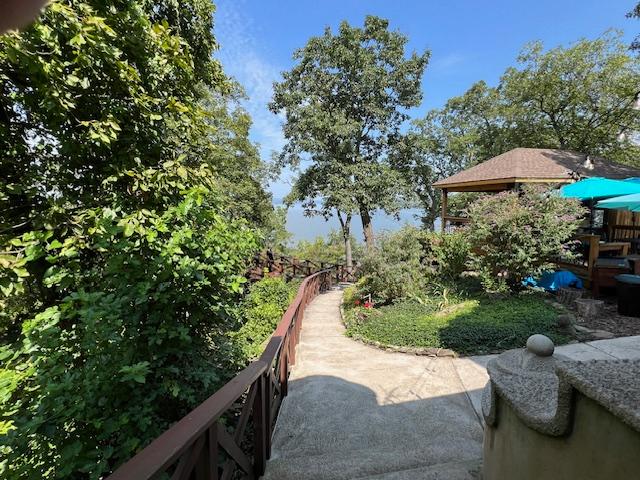
The gardens at the hillside as you walk up the stairs at Bannerman Island in the Summer of 2024

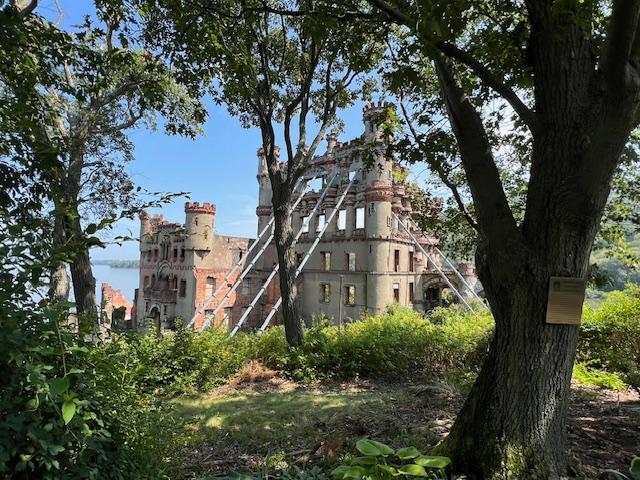
The first stop on the tour is the view of the ruins of the old Munitions Storage building

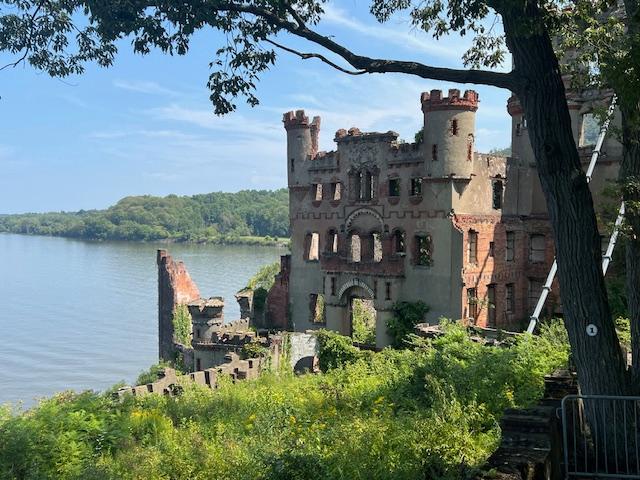
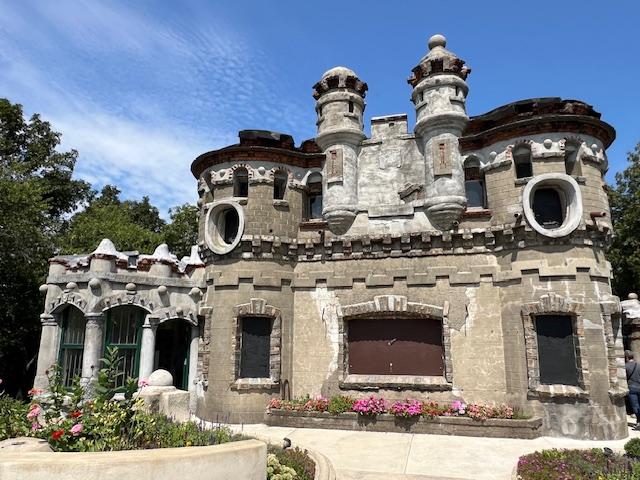
Our first stop was the Bannerman Munitions Storage facilities that were in the form of a castle that can be seen from the rail system up to Poughkeepsie, NY. For years I thought (as most people do) that this was a home but it was the Bannerman Munitions Warehouse for all the Army surplus items that Mr. Bannerman had brought up here from New York City. All the Military items were stored up here and the orders were fulfilled from this island.

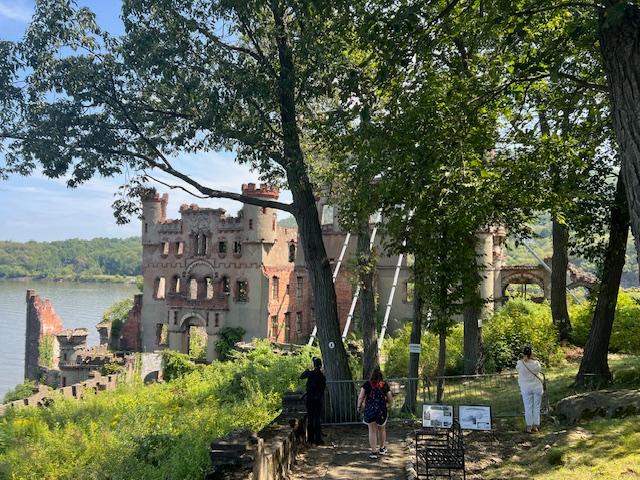
Walking by the ruins of the old castle

Walking by the castle on the pathway

The pathway by the river

Walking the pathway by the river

The company has not been in business since the early 60’s and when the children of the founder closed the company after the laws in the Federal Government changed to where private citizens could not sell explosive, it put a damper into operations. In 1967, the storage buildings were destroyed by fire and the compound was a shell of the former factory. The home was also abandoned at the top of the ridge when the family sold the island.

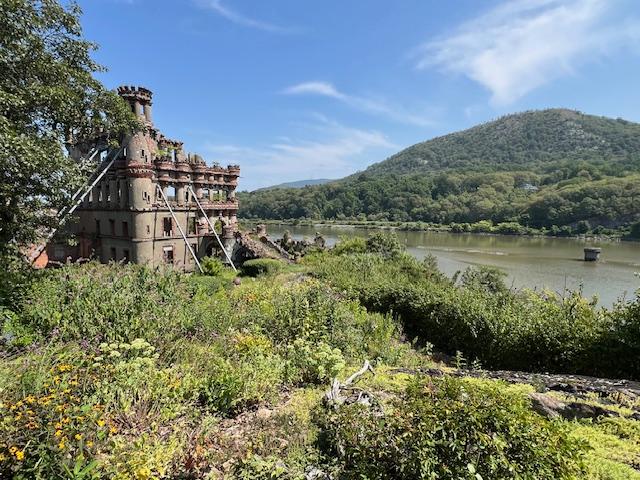
The Bannerman Island Munitions Storage Facility

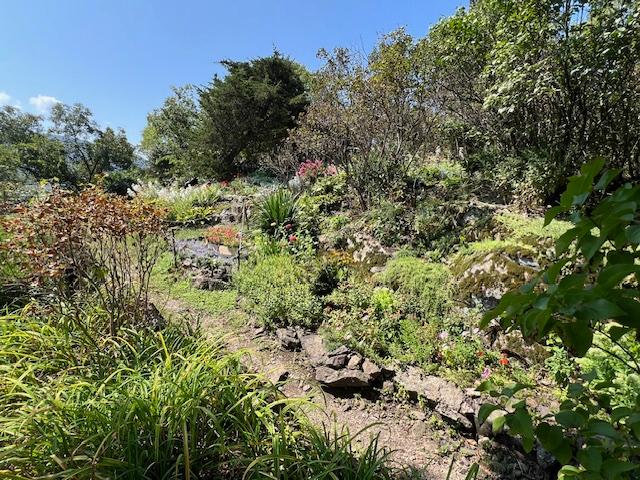
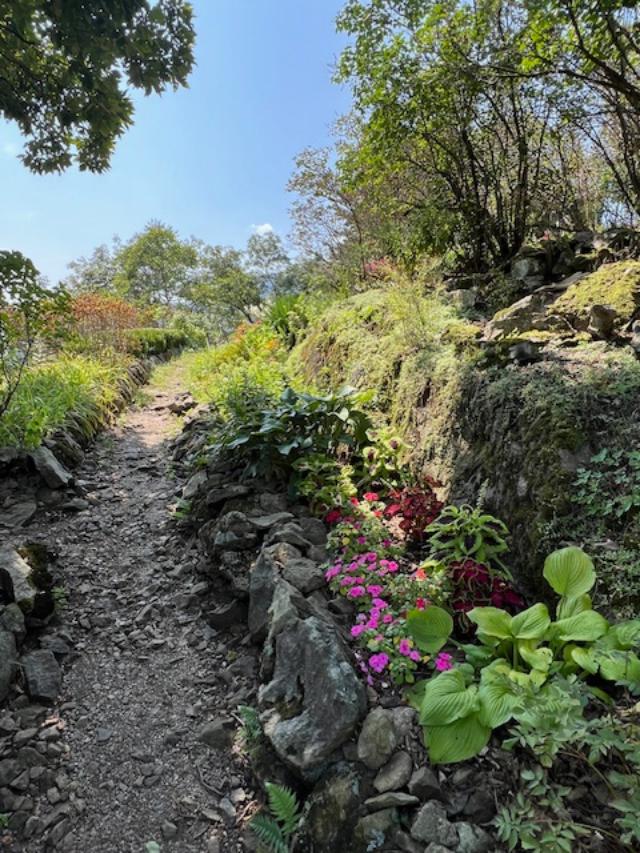
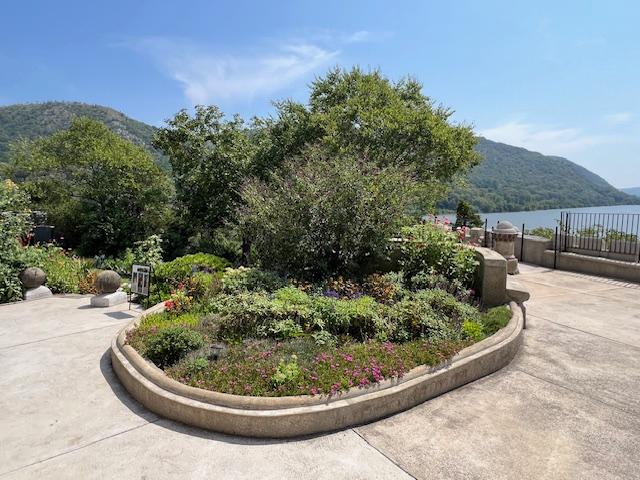
Once you leave the former storage facility which is now being held up by stilts because the structure is so weak, you will proceed up the path past the formal gardens that are planted along the trail. The local garden clubs now come to the island to replant Mrs. Bannerman’s formal gardens and beautify the island.

The gardens on the pathway to the house

The gardens along the pathway

The gardens

The gardens along the pathway to the house

The gardens by the front of the house

The gardens by the front door of the Bannerman Mansion

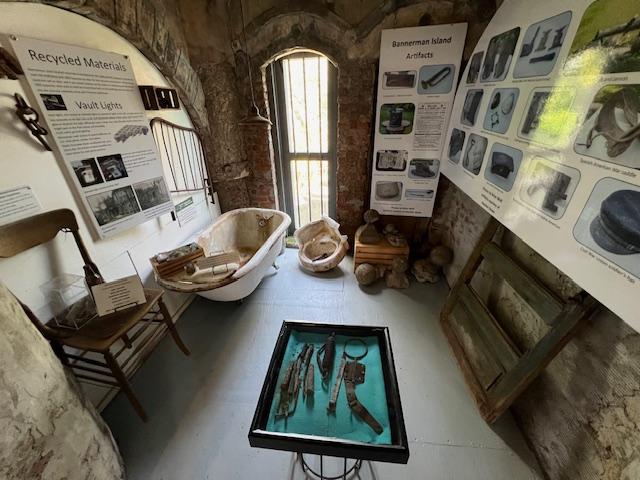
At the top of the point, there is the former home of the Bannerman family that is currently under renovation. It houses a quick tour of the family and there is a small gift shop inside. The porch area has the most amazing views of the Hudson River and the surrounding mountains. Here the Friends of Bannerman Island show movies in the warmer months and hold plays just outside the home. The last movie had been “Abbott and Costello Meet the Frankenstein”, which had been sold out according to the tour guide.

The Bannerman House and Gardens

The main room in the house

The old kitchen in the Bannerman home

The restoration of the house

The house restoration

When you leave the house, there are two paths that you can follow around, one to Wee Bay at the bottom of the hill where you can see the beach and some of the river buildings. The other is the Red Trail around the hill of the island that takes you to the top of the hill to see spectacular views and back to the dock where you will pick up the boat. I suggest good walking shoes and patience. The Wee Bay trail is past the gardens. You take the trail down to the beach.

The pathway to the beach

The Bannerman sign before you head down the hill

The signs to Wee Bay Beach

The Wee Bay path tour

The Wee Bay path tour

The Wee Bay path tour

The views of the river from the Wee Path tour

The Wee Bay beach at the bottom of the trail

The beauty of the beach at the bottom of the hill

The docking buildings by the beach

Wee Bay Beach

The view from the beach

The view of the River buildings

I headed back to the top of the trail by the house and continued the walk around the house to walk the Red Trail on the other side of the house. I have to admit this is not for the faint hearted and you had better like hiking because it is not easy.

The beginning of the trails by the main house

The Red Trail gardens

The Red Trail by the house

The trail at the highest point on the Red Trail

The end of the Red Trail

The end of the trail by the castle

As you exit the tour, you will be heading down another flight of stairs to go back to the harbor. Please watch out for poison ivy! It is all over the place. Then it is back on the boat to the Beacon harbor. The tour guide gives you plenty of time to take pictures.

The view of Mount Beacon on the Hudson River

Finishing the tour and back to the boat

The tours are finished at the end of October and will reopen again in the Spring. You must book on line for the tours through the State website and the boats only hold 44 people so be sure to book in advance of when you want to go.

In 2019, I had lucked out in that three people did not show up for the 2:00pm tour and I was able to pay cash for the trip. In 2024 I booked online which is what I suggest.

For the views alone it is well worth the trip

 The view of Downtown Beacon when you return to the dock

The boat awaited the next group who were at the dock when we returned

The view of the parks when you return

History of Bannerman Castle on Pollepel Island:

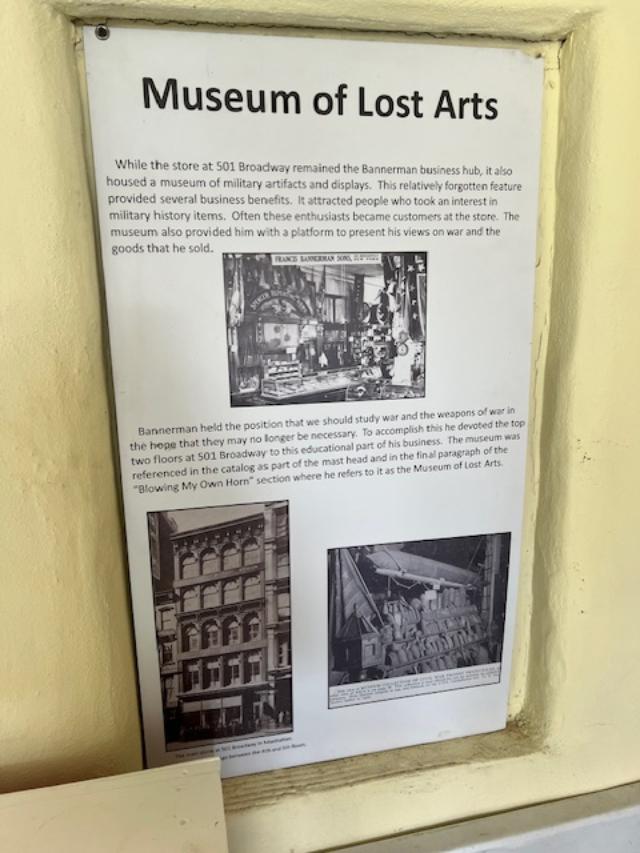
Bannerman Castle was built from 1901-1918 by Frank Bannerman IV as a warehouse to store his collection of antique military equipment from the Spanish American and Civil Wars. Bannerman was the father of the Army Navy Store. His  world famous catalogue of military equipment became the “go to” source for collectors.

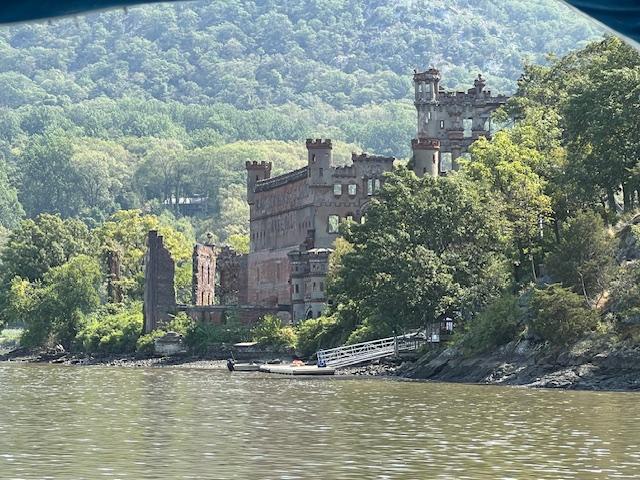
The ruins of the Bannerman Castle

The island housed seven structures that formed the Scottish baronial castle, including workers apartments, a summer residence and beautiful trails and gardens. A great fire in 1969 destroyed the interiors and left the shells you see today. Bannerman island opened for tours in 2004.


History of Francis Bannerman VI:

(from the parks website)

Francis Bannerman VI was born on March 24th, 1851 in Northern Ireland and emigrated to the United States in 1854. The family moved to Brooklyn, NY and began a military surplus business by the Brooklyn Navy Yard purchasing army surplus after the Civil War. The family continued to grow the business by buying weapons directly from the Spanish Government before it evacuated Cuba and then purchased 90% of the munitions auctioned off by the Federal Government that had been capture by American forces at the close of the Spanish-American War.

The family bought the island in 1900 to store the surplus items to their growing business. The warehouse in New York was too small and too dangerous to keep in the City anymore and they could keep their inventory isolated on the island.

Frank Bannerman IV

https://www.electricscotland.com/history/descendants/chap36.htm

https://www.findagrave.com/memorial/8048322/francis-bannerman

The castle was visible from the water and had a giant advertisement sign right on the arsenal “Bannerman’s Island Arsenal” created into the wall of the building. With the change in federal and state laws on selling military weapons and the sinking of the ferryboat that served the island by 1950, the island was abandoned. The island and its buildings were bought by New York State in 1967 and is now run by the New York State Office of Parks, Recreation and Historic Preservation.

(This information is a combination from Wiki and the island pamphlet)

I visited Downtown Beacon, NY when I was finished with the tour. I highly recommend the town to shop and eat lunch or dinner. Maybe just a drink by the river. It is really a nice town.

 Downtown Beacon in Summer 2024

Downtown Beacon, NY in the Summer of 2024

Downtown Beacon by the falls in the Summer of 2024