Category: Historic Sites in New Jersey

The Boonton Historical Society and Museum 210 Main Street Boonton, NJ 07005

The Boonton Historical Society and Museum

210 Main Street

Boonton, NJ  07005

(973) 402-8840

http://www.boonton.org

https://www.boonton.org/268/Boonton-Historical-Society

My review on TripAdvisor:

https://www.tripadvisor.com/Attraction_Review-g46315-d19255529-Reviews-Boonton_Historical_Society_and_Museum-Boonton_Morris_County_New_Jersey.html?m=19905

The Boonton Historical Society at 210 Main Street.

I recently visited the Boonton Historical Society on the Main Street of downtown Boonton, NJ in a quickly changing new Arts Community. Up the hill, several galleries have found a home, and the downtown is filling up with cottage industries catering to both locals and artists.

The Historical Society covers the history of Boonton and its role in New Jersey history especially with the creation of the Morris Canal and the Iron works that once dominated the area until about WWI.

Boonton Historical Society IV

The munitions of the town’s foundries

The town saw much prosperity during the Civil War, providing ammunition and supplies to the Union Army. Many of the nails used during this period came their foundries. They also supplied munitions, pails, building materials and the transportation of raw iron out of the town. When technology and the way we build changed, the businesses here started to dry up. The use of the Train system and major highways also changed the transportation, it affected the town’s businesses.

Still the Boonton area is home to many historic homes, a section of the Morris Canal and the remains of the iron works that burnt to the ground decades ago. There is an interesting exhibition of the town’s Police Department in the lower level and now as part of the changing gallery space an extensive exhibition on the NJ Trolley system that once dominated the state.

The Boonton Historical Society and Museum at Christmas 2022

The Permanent Collection:
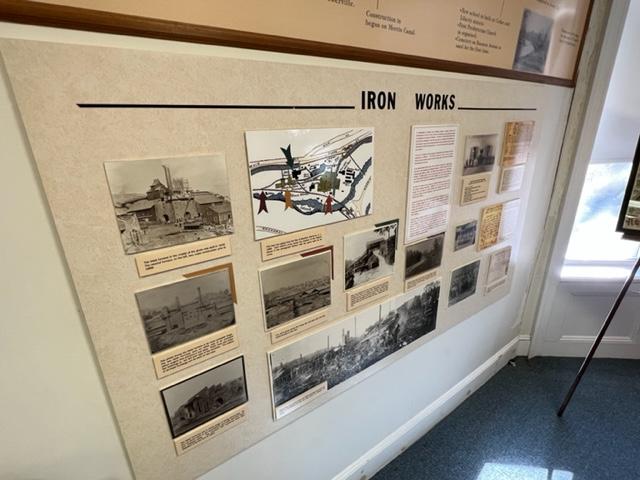
The permanent exhibition space studies the history of the town, telling the story of the town’s beginnings as a manufacturing town, growth of the canals and shipping and agriculture to its current destination as a Arts Community. The museum is small and can be seen in about an hour to two hours if you like to read.

Don’t miss the room to the right of the museum which covers the timeline of the town and its prominent residents. It tells the story of how the growth of the iron works, the building of the dam and the coming of the railroads and the trolley system changed the town and the growth of its population. There was the history of the Boonton Fire Department.

Take time to read the displays and look at the exhibitions behind the case lines.

The Old Boonton Downtown and homes

The permanent collection of the town’s history

Downstairs is another gift shop with many unique items at extremely reasonable prices and in the room next to it was a display on the history of the Boonton Police Department over the years.

Police Chief’s Desk
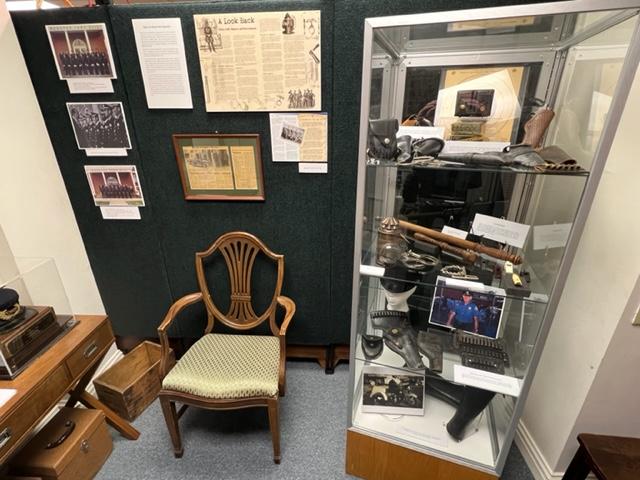
Display of Police memorabilia

Special Events:

I recently went to the Boonton Historical Society for the December 2019 Holiday open House and it was a very nice afternoon. They some local students playing the guitar, keyboards and the flute with engaging music and holiday songs. The Open House did not return again until 2022 in the post-COVID era and it was a very festive afternoon even if the weather did not want to cooperate. There was wonderful music, delicious food and warm conversation. I got to talk with many of the Board Members on events going on at the museum.

There were some light refreshments with hot and cold appetizers and Christmas cookies.
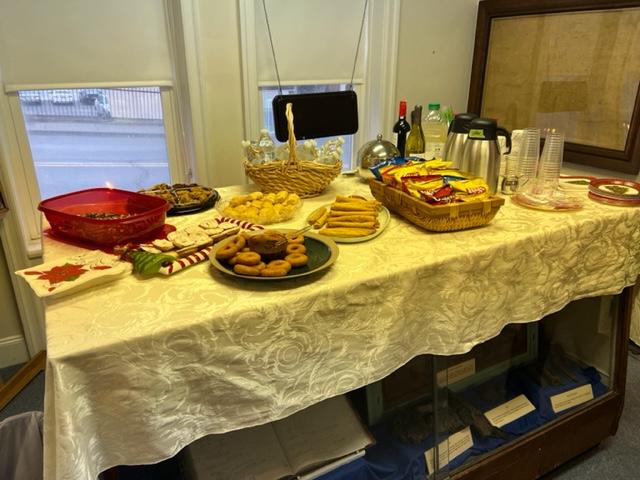
They had specials in their gift shops and featured ornaments, books and stuffed animals at a reasonable price and had 1960’s and 70’s Christmas albums playing on the lower level of the museum. In 2022, one of the Trustees played the piano for the entertainment that was very nice. It was a nice mini concert.

It was a nice afternoon treat and the society did a nice job welcoming people. There was food and entertainment and even a visit from Santa Claus.

Santa visited the Boonton Historical Society at the Christmas Open House in 2022
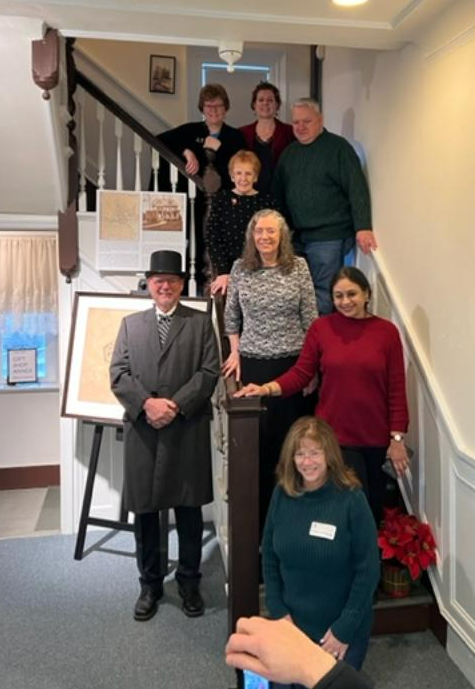
The members of the Boonton Historical Society Board of Directors at the Christmas Open House in 2022 could not have been better hosts

The gift shop is pretty extensive and offers lots of good deals on merchandise

Walking Tours:

The Historical Society also has some interesting walking tours of Boonton. In May 2021, I visited Boonton for a walking tour in conjunction with the Boonton Trail Committee of the Boonton Iron Works and the Morris Canal starting with a tour of Grace Lord Park and the falls. It was interesting how the town developed around the Iron Works and why they were created there.

Boonton Iron Works Site

Boonton Iron Works Site in Boonton, NJ

We toured the back trails of the park along the Rockaway River to the site of the former Iron Works which are in the process of being torn down for development. The tour guide gave us the history of the Iron Works and their role in pig iron development and how the canal played a role in the transport of the finished product to markets all over the country. These famous ruins are under threat of being torn down for development which would be a shame.
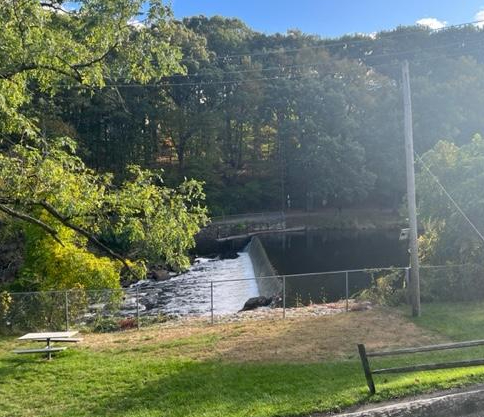
The Grace Lord Park Falls

The Grace Lord Park where the tour took place at the very edge of Downtown Boonton, NJ is an amazing little park at Essex Avenue and Main Street is an amazing little park. On a recent trip to Boonton for a walking tour of the Downtown architecture and history of the downtown I stopped in the park again that was decorated for a Halloween event for the community. It looks like it will be a lot of fun.
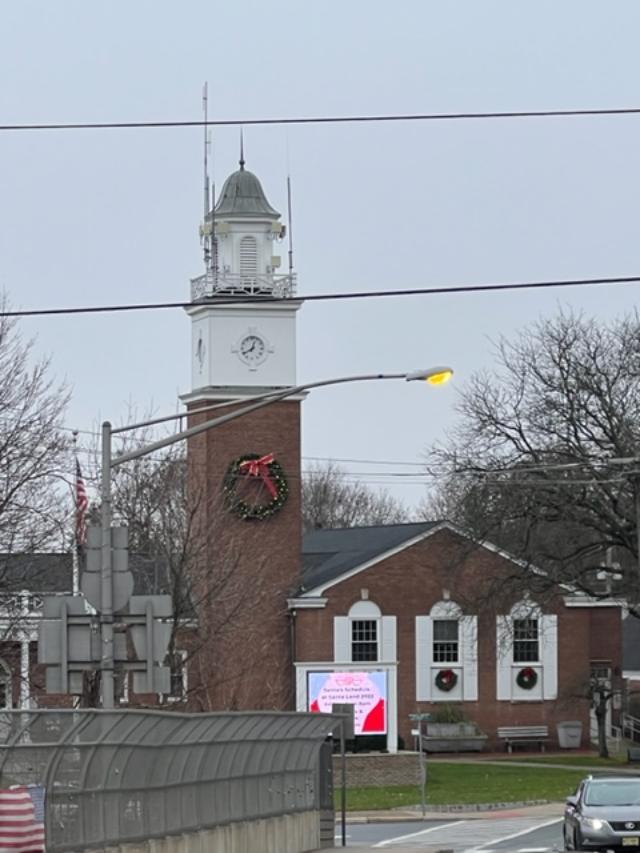
City Hall decked out for the holidays

In October of 2022, I went on a interesting walking tour lead by museum member and long time resident of Boonton, NJ Nancy Charlton Questa, who took us through the downtown and discussing the history and current use of many of the unique and detailed buildings of Downtown Boonton. For such a small town, it at one time had been a major mining and steel town with access to the canal system of New Jersey. It had a Opera House and a theater which is amazing for a downtown this size.

Downtown Boonton, NJ has many historical buildings

Many of the buildings in the downtown are currently going through a renovation and will reopen as new restaurants, theaters and retail shops as the town is becoming more “hipster” and ‘artist’ driven with new galleries opening up. There are now three coffee shops and three bakeries in the downtown area.

The top of the Downtown Boonton, NJ in the fall

Ms. Charlton Questa knowledge of the town as a life long member of the community brought a lot of insights to the walking tour of what was there when she was growing up until today. It blended very nicely with the current exhibition at the museum “Small Businesses of the Past”. This is on the history of the town’s business district businesses. I highly recommend this walking tour when it is offered again in the Spring.
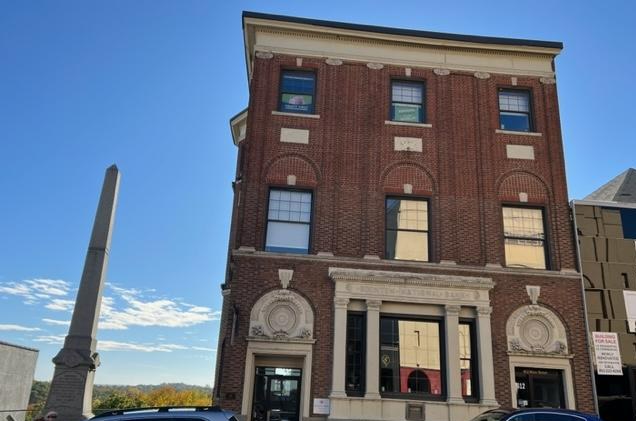
The Civil War Monument next to a historical bank

The museum is only open once a week on Sundays from 1:00pm-4:00pm and is run by volunteers. If you want to see how the State of New Jersey grew from a series of small towns to bustling industrial areas to sleepy back towns and back, visiting the Boonton Historical Society and Museum is a must visit.

The Boonton Library next to Darress Theater in Downtown Boonton, NJ

The Boonton Opera House next to the old Boonton Firehouse
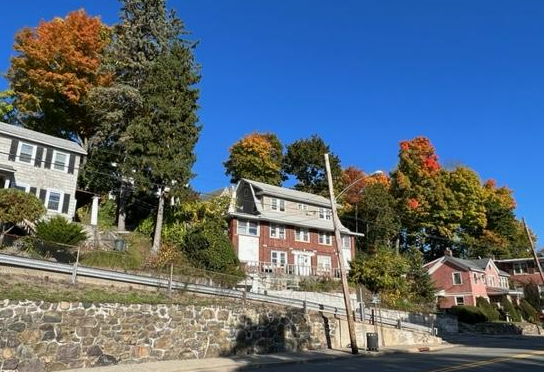
The top of Downtown Boonton, NJ in the fall

Gaylord Park at the edge of Downtown Boonton, NJ where we toured both the Downtown and the Ironworks

New Exhibitions:

The Boonton Historical Society in conjunction with the North Jersey Electric Railway Historical Society and Liberty Historic Railway present this exhibition on the Trolley era. This display will include scale models of various types of trolley cars which operated in New Jersey, along with streetcar memorabilia and artifacts such as operator’s uniform jacket/hats, badges, books, publications, post cards, photos, videos, lithographs, signs, posters, tickets, lanterns, hardware and more (Boonton Historical Society).

Boonton Historical Society III.jpg

The History of Boonton, NJ in the early years

In the Winter of 2021, the Boonton Historical Society opened a new exhibition entitled “Small Businesses of the Past”, which was an interesting look at the way downtowns evolve with the times.
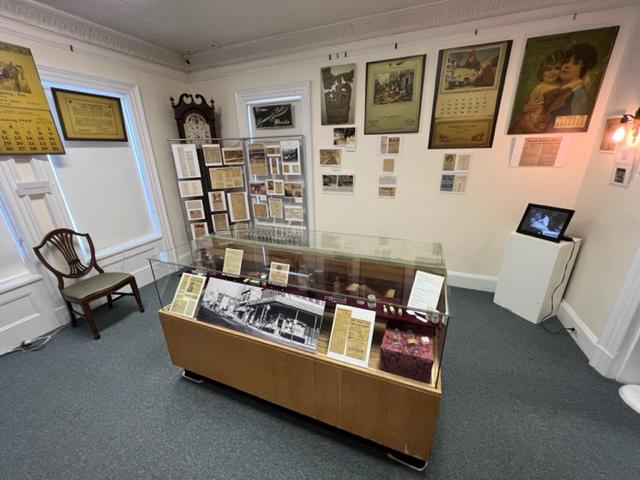
“The Small Businesses of the Past” exhibition

It showed the role that immigrants played in building the downtown merchants’ shops and how they catered to fellow immigrants who worked at the iron plant and on the canal. It also explained how families passed these businesses down from generation to generation over time.

The Bakeries in town

The exhibition showed the bakeries, banks, taxi services and pharmacies that make up any downtown in the State of New Jersey. It is interesting to see things old Christmas club accounts, prescription bottles and promotional items that are given out when you open a new account.
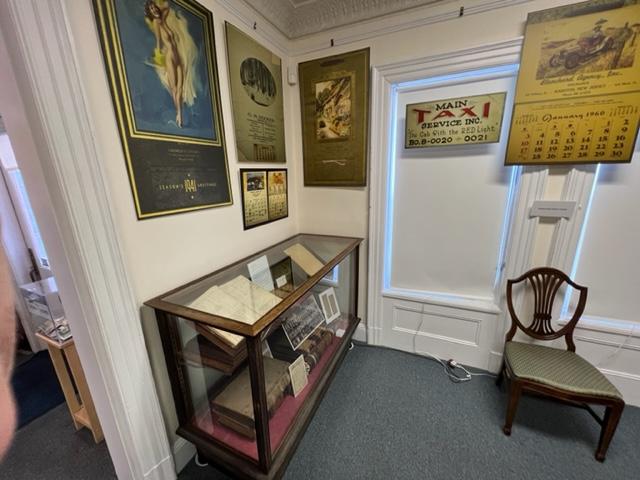
Things that might not be part of the shopping experience today.

The mustache cups of the barbers in the area.

The businesses of Downtown Boonton over the years

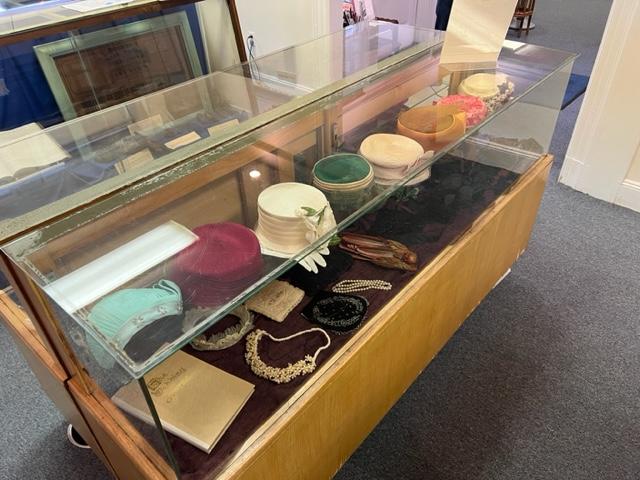
In 2023, the exhibition is entitled: “Say Yes To The Dress”: Ladies dress through the decades. A reflection of ladies’ dress through pieces of the permanent collection and the collection of members. The exhibit features wedding, party and day dresses worn by women from the 1880’s to the 1930’s. Also displayed was a assortment of accessories including hats, gloves and novelties.

The exhibit: “Say Yes To The Dress.”
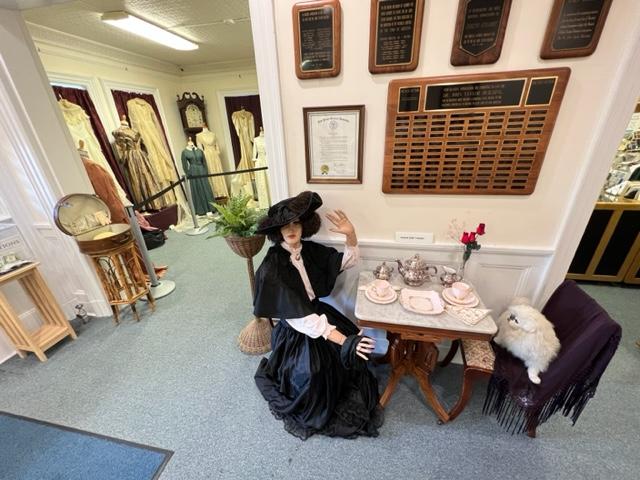
The exhibit showcases ladies dress through the ages and a reflection on how things have changed over the years.

A close up at the dress collection.
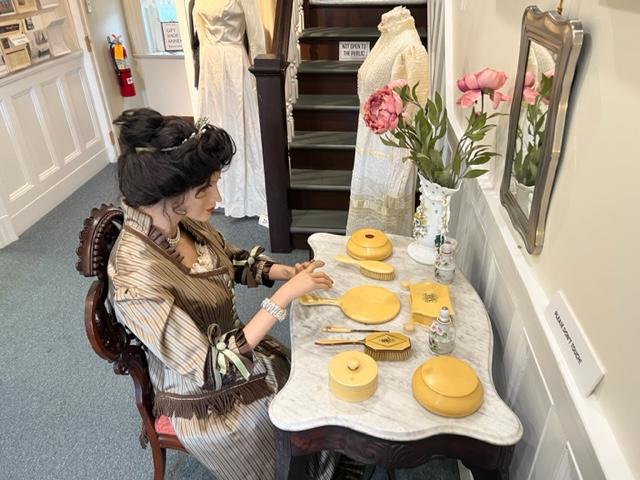
Lady preparing herself for a night out.

Lady enjoying tea with favorite friend.

This dress was worn by Mrs. Ethella Salmon and donated by Lloyd Charlton. Ethella was the daughter in law of Congressman Joshua Salmon and had worn this dress to President McKinley’s inaugural ball in 1901.

The display to the right
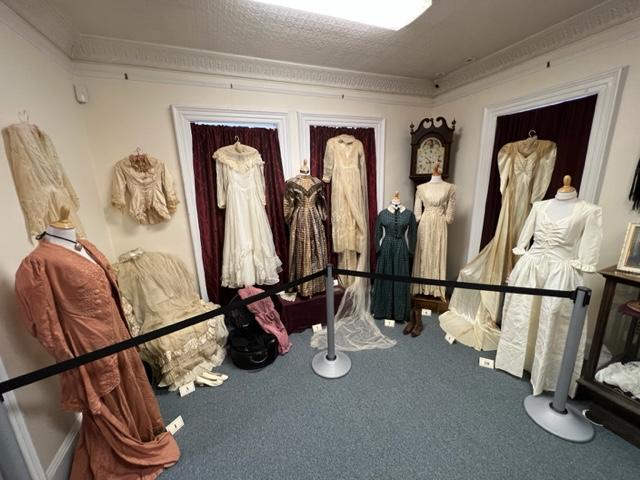
The display to the left.

Wedding dresses through the ages.

The accessories in the show.
It really shows how Boonton, NJ has changed over the years and a new wave of immigration with Jamaican and Latino businesses opening up are again changing the make-up of the downtown today. Downtown Boonton is going through another resurgence with new art galleries, restaurants and stores opening up where these businesses of the past once stood.

The latest exhibition was on Boontonware, dish ware that was created and manufactured in Boonton until 1980. These colorful dishes which graced many New Jersey and beyond dinner tables were once manufactured in town. I remember these dishes from the early 1970’s when our family had a set of red flowered dishes that we ate all our meals on.

The Boontonware display of dish ware

The display of Children’s dishes

More items from the Children’s line of Boontonware
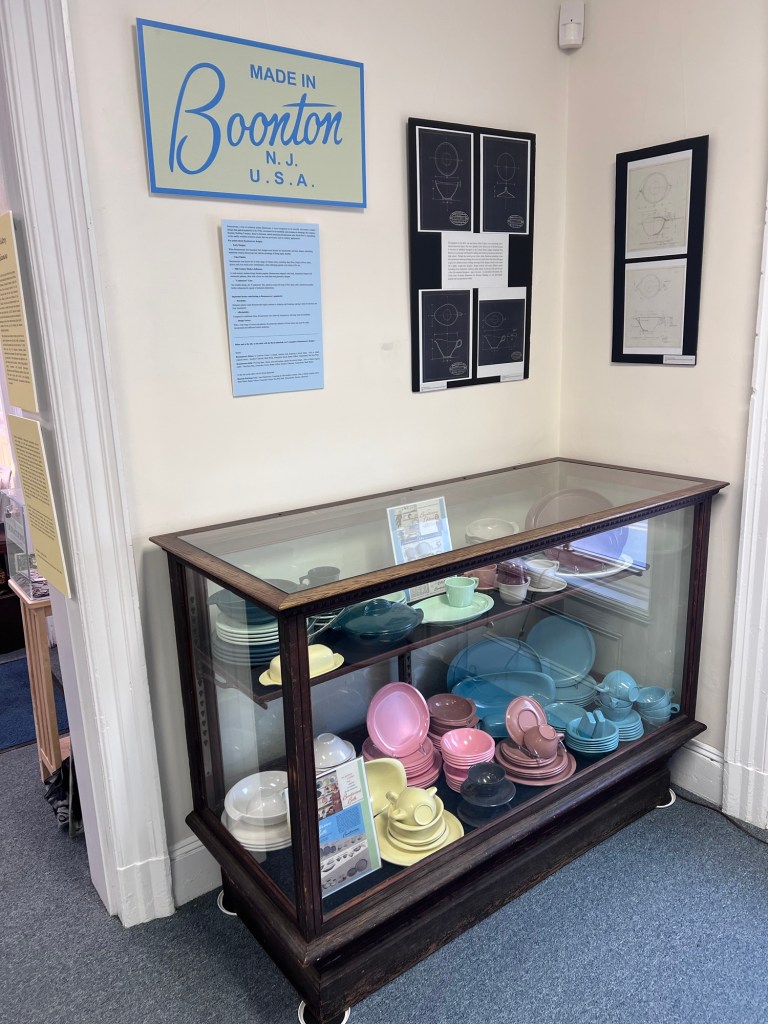
The colorful dishware made in Boonton, NJ
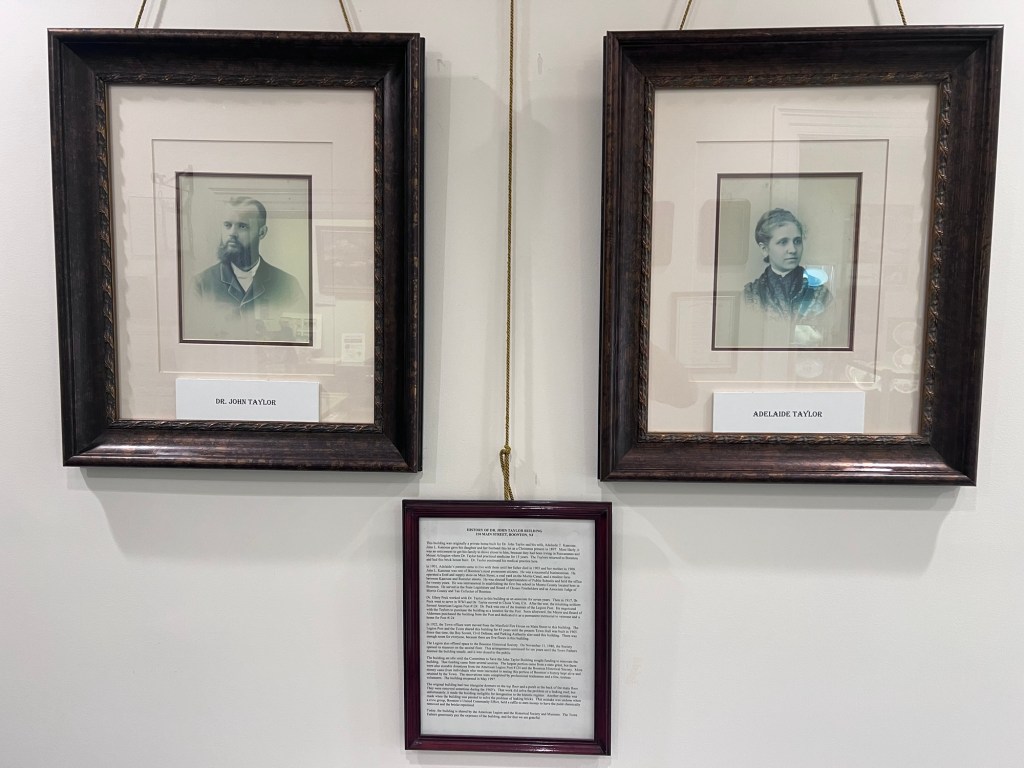
The portraits of the former owners of the home where the museum is located, Dr. & Mrs. John Taylor

A trip to Downtown Boonton, NJ:

Downtown Boonton, NJ

The Mission Statement of the Boonton Historical Society & Museum:

The Boonton Historical Society and Museum is a non-profit organization incorporation in 1959 located in the town of Boonton, New Jersey. Its mission is to:

*Preserved and protect the town of Boonton’s unique cultural, architectural and industrial history.

*Preserved and share the area’s rich history, folklore, arts and humanities of the past and present.

*Encourage preservation and restoration of historic landmarks in the town.

*Protect and display the museum’s collections.

*Provide educational programs, guided historical tours and exhibitions to a diverse population.

The History of Dr. John Taylor House 210 Main Street Boonton, NJ (Home of the Museum):

The building was originally a private home built for Dr. John Taylor and his wife, Adelaide T. Kanouse. John L. Kanouse gave his daughter and her husband this lot as a Christmas present in 1897. Most likely, it was an enticement to get his family to move closer to him because they had been living in Succasunna and Mount Arlington where Dr. Taylor had practiced medicine for 15 years. The Taylor’s returned to Boonton and had the brick house built. Dr. Taylor continued his medical practice there.

In 1901, Adelaide’s parents came to live with them until her father died in 1905 and her mother in 1908. John L. Kanouse was one of Boonton’s most prominent citizens and was a successful businessman. He operated a food and supply store on Main Street, a coal yard on the Morris Canal and a modest farm between Kanouse and Roessler streets. He was elected Superintendent of Public Schools and held the office for twenty years. He served in the State Legislature and Board of Chosen Freeholder and as Associate Judge of Morris County and Tax Collector of Boonton.

Dr. Ellery Peck worked with Dr. Taylor in the building as an associate for seven years. Then in 1917, Dr. Peck went to serve in WWI and Dr. Taylor moved to Chula Vista, CA. After the war, the returning soldiers formed American Legion Post #124. Dr. Peck was one of the trustees of the Legion Post. He negotiated with the Taylor’s to purchase the building from the Post and dedicated it as a permanent memorial to veterans and a home for Post #124.

In 1922, the Town offices were moved from the Maxfield Fire House on Main Street to the John Taylor house. The Legion Post and the Town shared this building for 43 years until the present Town Hall was built in 1965. Since that time, the Boy Scouts, Civil Defense and Parking Authority have also used the building, having five floors there was enough room for everyone.

The Legion also offered space to the Boonton Historical Society. On November 11, 1980, the Society opened its museum on the second floor. This arrangement continued for ten years until Town Fathers deemed the building unsafe and it was closed to the public.

The building sat idle until the Committee to Save the John Taylor Building sought funding to renovate the building. That funding came from several sources. The largest portion came from a state grant but there were also sizable donations from the American Legion Post #124 and the Boonton Historical Society. More money came from individuals who were interested in seeing this portion of Boonton’s history kept alive and retained by the Town. The renovations were completed by professional tradesman and a few tireless volunteers. The building reopened in May 1997.

The original building had two triangle dormers on the top floor and a porch at the back of the main floor. They were removed sometime during the 1960’s. That work did solve the problem of a leaking roof but unfortunately, it made the building ineligible for designation to the historic register. Another mistake was made when the building was painted to solve the problem of leaking bricks. That mistake was undone when a civic group, Boonton’s United Community Effort, held a raffle to earn money to have the paint chemically removed and the bricks repointed.

Boonton Historical Society

The John Taylor House

Today, the building is shared by the American Legion and the Historical Society and Museum. The Town Fathers generously pay the expenses of the building and for that were are grateful (Boonton Historical Society).

Disclaimer: This information was taken from the Boonton Historical Society pamphlet and I give them full credit for the information.

Kearney House (Blackledge-Kearney House) Alpine Landing                                                Alpine, NJ 07624

Kearney House (Blackledge-Kearney House) Alpine Landing Alpine, NJ 07624

Kearney House (Blackledge-Kearney House)

Alpine Landing

Alpine, NJ  07624

(201) 768-1360 ext. 108

https://www.njpalisades.org/kearney.html

Open: Most weekends & holiday afternoons from May to October

Fee: Free

My review on TripAdvisor:

https://www.tripadvisor.com/Attraction_Review-g29743-d19332567-Reviews-Kearny_House-Alpine_New_Jersey.html

The Kearny House in the Fall of 2024

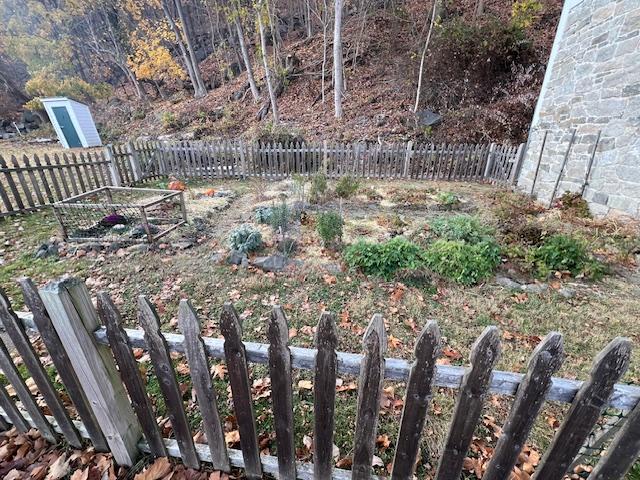
I took my first trip down to the Kearney House in Alpine, NJ and was able to walk the grounds, visit the Alpine Landing and see the amazing views of New York and of the Hudson River. This spot gives you breathtaking views upstream of the surrounding Hudson River. The house was closed but the vegetable gardens were full of late Fall produce and the gardens could have used some weeding. I will have to wait until the house opens up again.

The Vegetable Garden in the Fall of 2024 at the Kearny House

I recently visited the Kearny House of their Fall event “Punch & Pie at Mrs. Kearny’s Tavern”. That was an interesting night. First let me say that it is pitch black in that park. The Alpine Basin has no lights in the park and you will be in the dark the whole trip down the hill. I had a minor incident travelling down the hill so take it slow.

The Kearny House at dusk in the Fall of 2024

The Historic sign for the Kearny House at the Alpine Landing

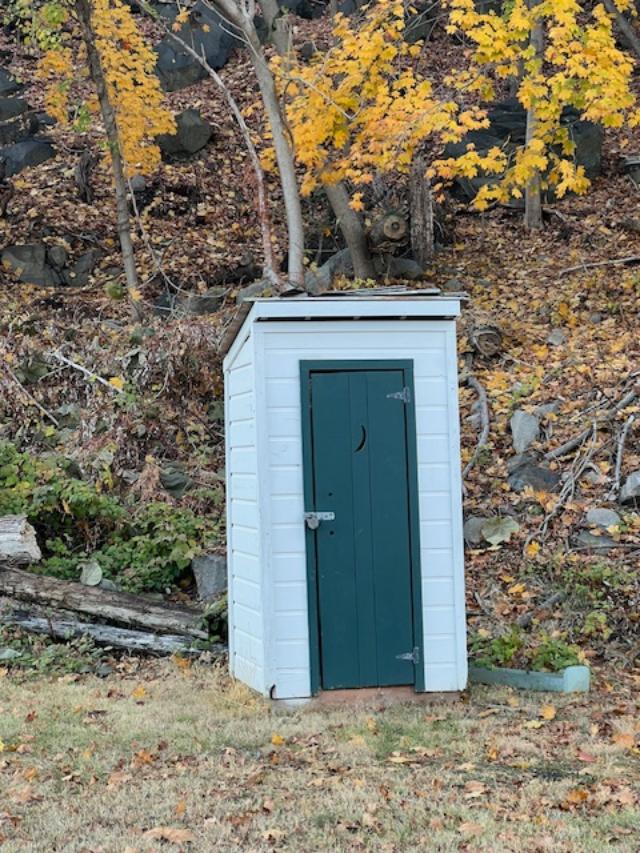
The outhouse on the grounds

Once I was down for the event, it was interesting and fun night. Tavern musician, Thaddeus MacGregor, entertained us with all sorts of songs for the evening and there was storytelling by the gentleman who runs the historical site.

Tavern musician, Thaddeus MacGregor, performing at the Kearny House for the “Thanksgiving Music and Hot Cider” event

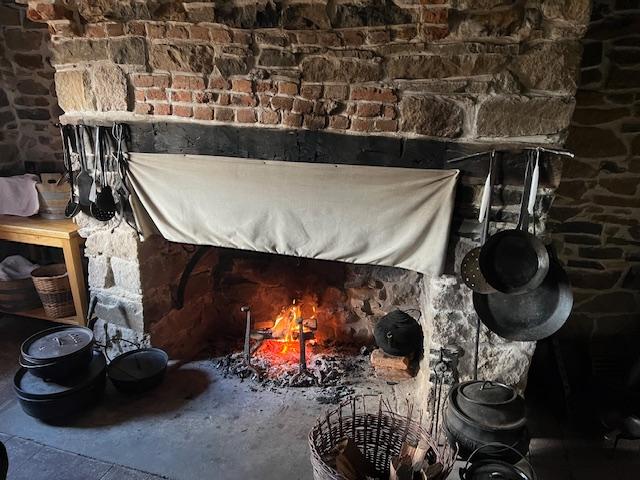
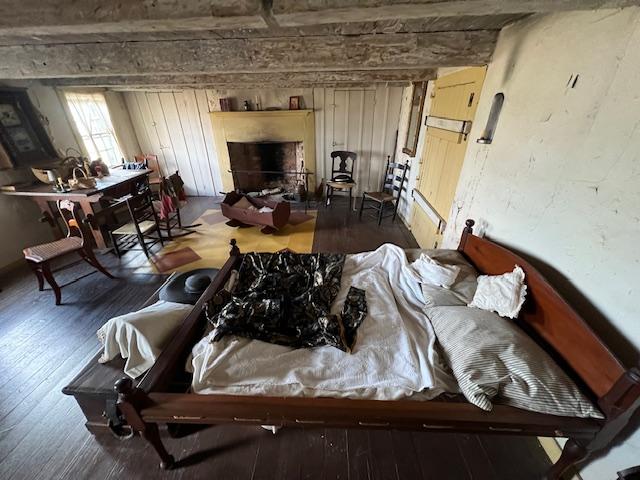
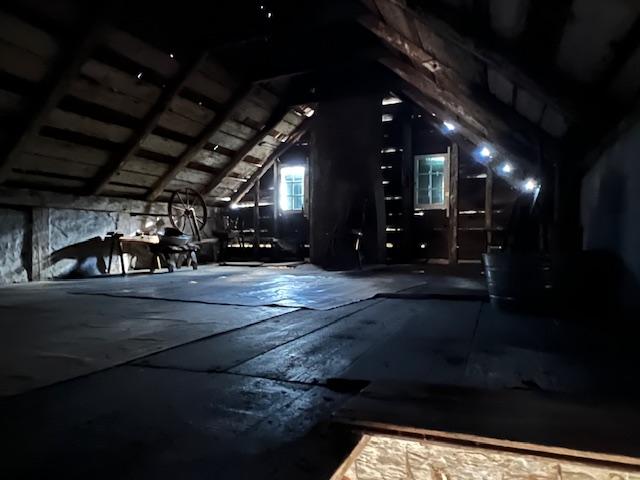
There was a candlelight tour of the house, so we got to see the second level with the upstairs bedroom, the attic area which really was drafty and the room above the new addition that is used for storage. The area was once heated by fireplaces and since the downstairs had a fire lit, the whole house was nice and warm. They had once of the original rope beds that had been tied and antique toys.

The hearth of the kitchen keeps everyone warm as the stones warm the house

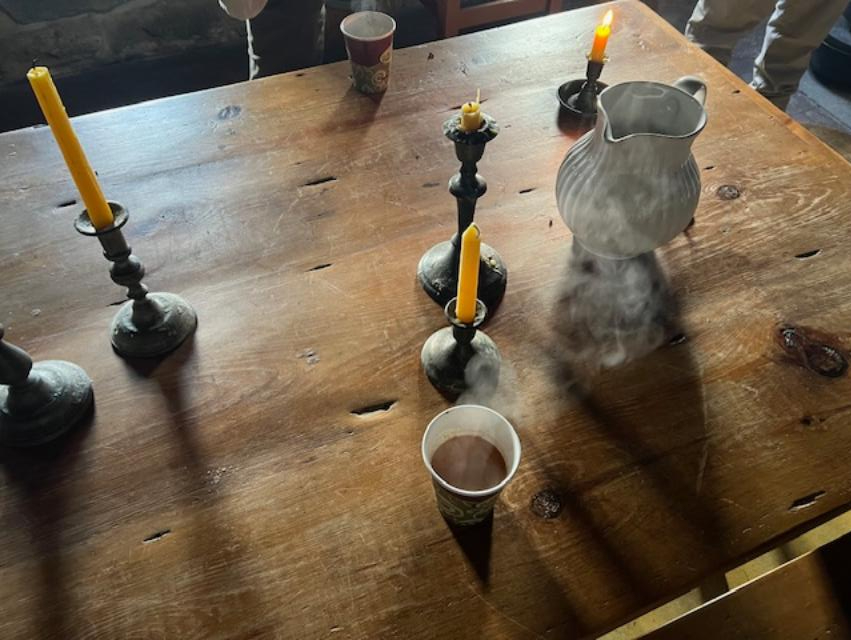
The Dining Room table in the during the “Hot Cider” party

The first floor had the fireplace lit and the whole room was illuminated by candles which made the room very warm and cosy. It was interesting to see one of these homes that has no electricity and how it operates. It must have been very interesting to live at time.

The Dining Room during the day

The delicious hot cider at the Thanksgiving event at the house

The Dining Room at the Kearny House

What calmed me down after a long night was the delicious homemade pies that they served at the event. They had a strawberry rhubarb and apple that were just delicious. So flaky and filled the freshest fruit. It really cheered me up. They also had cheeses, roasted peanuts and a hot spiced cider to drink. I could have used something stiffer but it was still nice to drink and had the most wonderful flavor. Overall it was a nice night of desserts and snacks and good storytelling and the view of New York City was incredible.

The house illuminated by candlelight during the afternoon in the Fall

Do not venture into this park at night! Please take it slow down the hill to the landing. My suggestion is to do a dry run when it is light out so you know where you are going.

The History of the Kearney House:

(I credit this to the Kearney House pamphlet and Wiki)

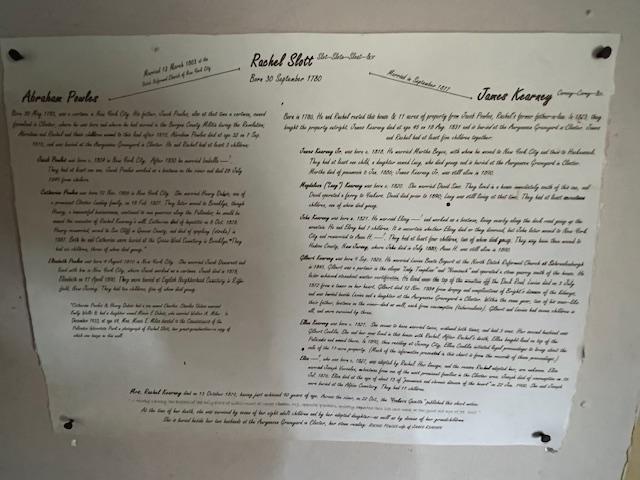
The Kearney House was built in the 1760’s by the Blackledge family and was the home of Maria Blackledge, who was the daughter of Benjamin Blackledge, who lived in the home with her husband, Daniel Van Sciver.

The Kearny Family tree

Maria Blackledge father, Benjamin Blackledge, was an educator and public official, who taught Dutch citizens the “Kings English”. He was the first clerk of Harrington Township, NJ and served as Justice of the Peace and Judge of the County Court of Common Pleas and elected to the assembly of Bergen County, NJ. Mr. Blackledge’s wife, Caroline Tallman (Cathalyntie Tallema), was the daughter of Dowe Hermanszen Tallema and Maritie Haring, of the prominent Haring family of which Harrington, NJ was named after (Wiki).

Mrs. Kearny’s portrait inside the house

The house was built in this location when the farmers of Closter, NJ built the Closter Dock Road through a pass in the cliffs to the Hudson River so they could deliver their goods to New York City. The house was most likely built to be a dockmaster’s house to supervise the busy river landing.

The Blackledge-Kearney House when it was on the waterfront

The house was purchased in  1817 by James and Rachel Kearney. With them were their three children from Rachel’s first husband, Abraham Powles, who died two years earlier. James and Rachel then had five children of their own. Rachel also adopted a daughter.

They had thought that General Cornwallis had used the home as his headquarters but they found this was not true

Mr. Kearney died in 1831 and Mrs. Kearney used the home as a tavern. The northern part of the house was expanded in 1840 to house the tavern part of the building. Besides offering food and spirits, Mrs. Kearney’s tavern served as a meeting place for the captains and crews of the sailing vessels that arrived and departed daily from the docks here and for the local workforce of quarrymen, dock workers and tradesmen. 

The Upstairs bedroom gallery

The upstairs bedroom gallery

The upstairs room in the new addition may have been for lodgers staying at the tavern.

The Kearney House Attic room that was used for her children

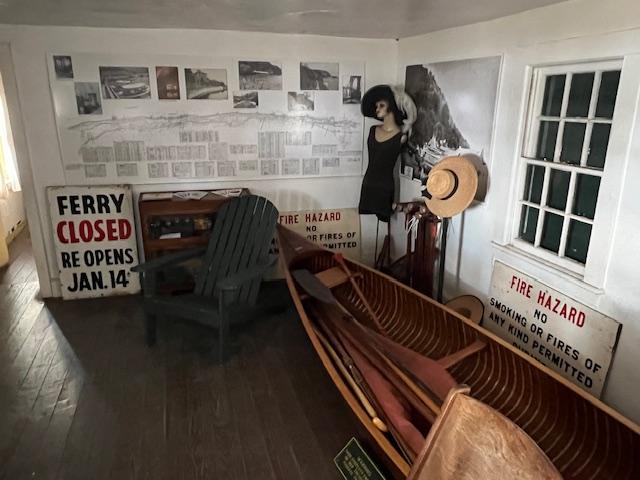
The Palisades Interstate Park Commission bought the house in 1907 after Rachel’s death in 1897 and in 1909 had the big porch built as a grandstand for a dedication ceremony for the new park. Through the 1920’s, the Commission used the house as a police station. The house is now open to the public on select weekends and holidays for touring and special events.

The upstairs bedroom gallery with artifacts from the park

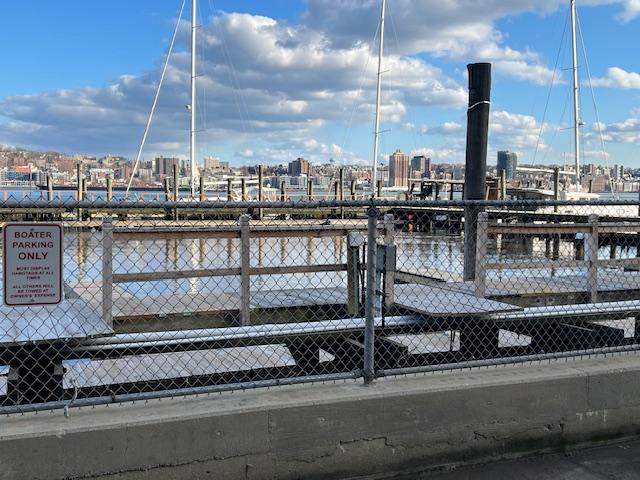
The property offers beautiful views of Yonkers, NY and the Bronx and from the Alpine Landing especially in the coming Fall, amazing views of the foliage and of the cliffs surrounding the Hudson River.

Alpine Boat Basin by the Kearney House

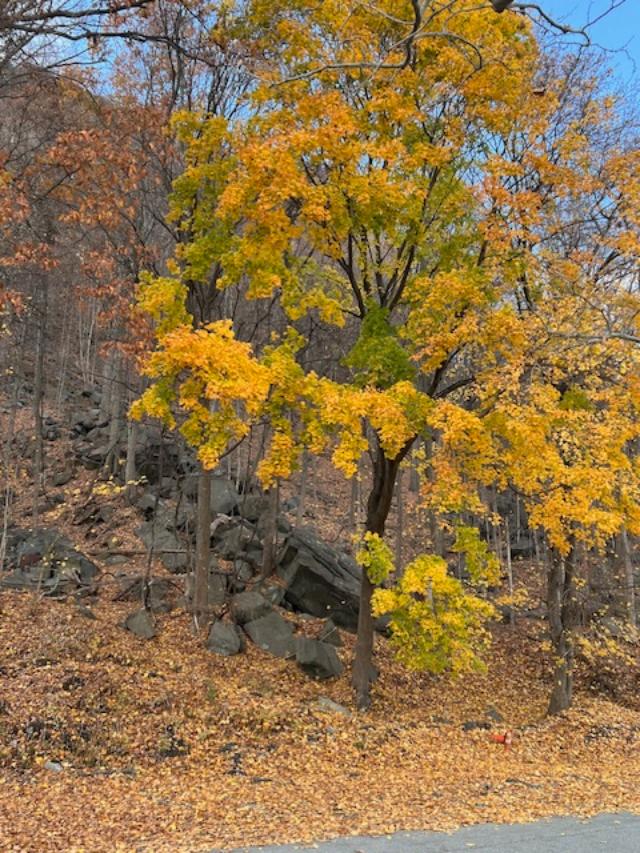
The Alpine Park in the Fall of 2024

The Summer of 2025:

In the summer months, the house was open on Thursday nights for music, games, and summer refreshments. The event ‘Behind the Times at Mrs. Kearney’s Tavern’, was an evening of touring the house and grounds, musically entertainment on the lawn and story telling to end the evening.

Entering the Palisades Interstate Park

The Hudson Riverside and beach area

The park on the Hudson River

The park is breathtaking in the summer months, and everything was lush and in bloom. The views of New York clear as day and the boat basin was busy with people entertaining on their boats and coming in and out of the small harbor.

The park during the Summer of 2025

The park in full bloom that evening

The history of the Kearney House history

The Kearney House and lawn area

The Kearney House was open this evening for one of their many Summer special events. All the windows were open to take advantage of the cool breeze and air the house out on this hot July evening.

The Kearney House from the front lawn

The house getting ready to arriving guests

The tiny barn shed off to the side of house

The waterfall in the back of the house

The tiny shed and hilly woods behind the house

The side of the house and the vegetable garden

The garden with vegetables and herbs

The Vegetable Garden was growing all sorts of vegetables and herbs of the time period and some flowers as well.

The outhouse on the property

The river view of the house

The front of the house with the windows open for river breezes

The inside of the house was cool and welcoming. The hosts of the event had both icy water and Lemonade for guests and slices of sweet watermelon. We were welcomed and offered our choice of beverages and then just relaxed and enjoyed our refreshments that cooled us down for the evening.

Our hostess graciously greeted us and welcomed us to the house

The kitchen set for guests to the tavern

Enjoying summer refreshments

Talking with other guests

It was so nice to just sit back and relax and enjoy the cool breezes coming off the Hudson River. The lemonade really hit the spot.

The cool breezes from the back window

After my snack in the tavern, I toured the upstairs. The two upstairs bedrooms are Mrs. Kearney’s bedroom and the guest room on the other side of the hall.

Mrs. Kearney’s bedroom

The guest room was once used for visitors now holds all their artifacts

This bathing beauty greets you on the second floor

The attic area was far too hot to tour but I had visited it last winter after I had attended visited for a post holiday tour. I did get to tour the upstairs patio and enjoy the breezes outside.

The patio on the second floor

What a view of the river!

The view as the entertainment was about to start

Outside, Thaddeus McGregory started his concert on the front lawn

Thaddeus McGregory singing ‘ Beautiful Dreamer’

Then the Revolutionary War era games took place out on the lawn outside the lawn.

The lawn outside the Kearney house

The beautiful flowers in the lawn

The actors playing ‘ Toss Across’

A video of the games

It was a very nice evening outside with cool breezes and the seeing the concert.

The outside gardens in front of the home

The outside of home

The views from the home of the Hudson River at twilight

Doo Wop Preservation League Museum          4500 Ocean Avenue                                 Wildwood, NJ 08260

Doo Wop Preservation League Museum 4500 Ocean Avenue Wildwood, NJ 08260

Doo Wop Preservation League Museum

4500 Ocean Avenue

Wildwood, NJ  08260

(609) 523-1975

https://www.facebook.com/Doo-Wop-Preservation-League-The-Wildwoods-NJ-128130849267/

Open: Friday-Saturday 10:00am-2:00pm/ Closed Sunday-Thursday

Fee: Free but they ask for a donation

My review on TripAdvisor:

https://www.tripadvisor.com/Attraction_Review-g46931-d283304-Reviews-The_Doo_Wop_Preservation_League_Museum-Wildwood_Cape_May_County_New_Jersey.html?m=19905

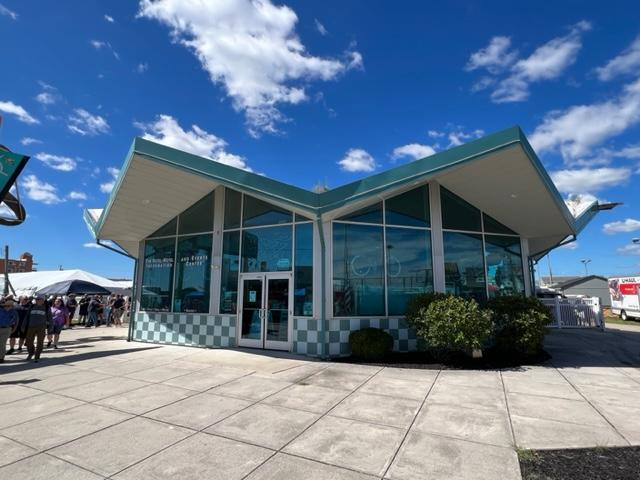
The Doo Wop Preservation League Museum at 4500 Ocean Avenue.

I visited the Doo Wop Preservation League Museum when I was visiting Wildwood, NJ for the Firemen’s Convention. They were sponsoring the DJ on the stage behind the museum. It was easy to miss the museum with all the fire equipment around it and hundreds of firemen milling around.

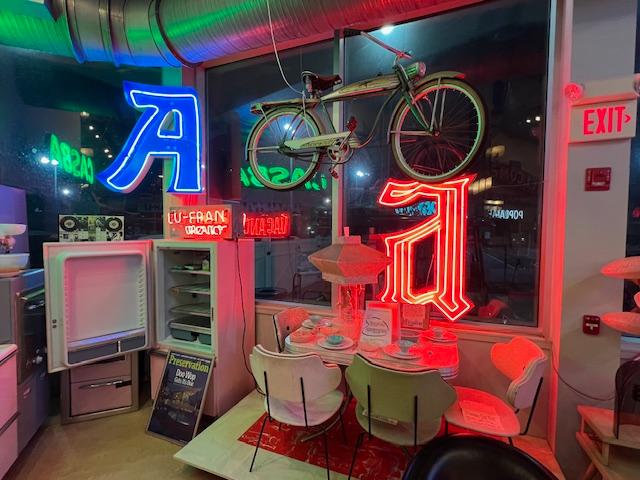
The neon signs in front of the Doo Wop Museum.

The old neon hotel signs outside the museum

Once inside, this small museum is a treasure trove of history of the resort motels that once lined the beaches of Wildwood, Wildwood Crest and North Wildwood. As time rolls on, many of these old motels, hotels and restaurants are giving way to condos, newer homes and new chain hotels changing the landscape of Wildwood. It is bringing it into modern times with newer looks.

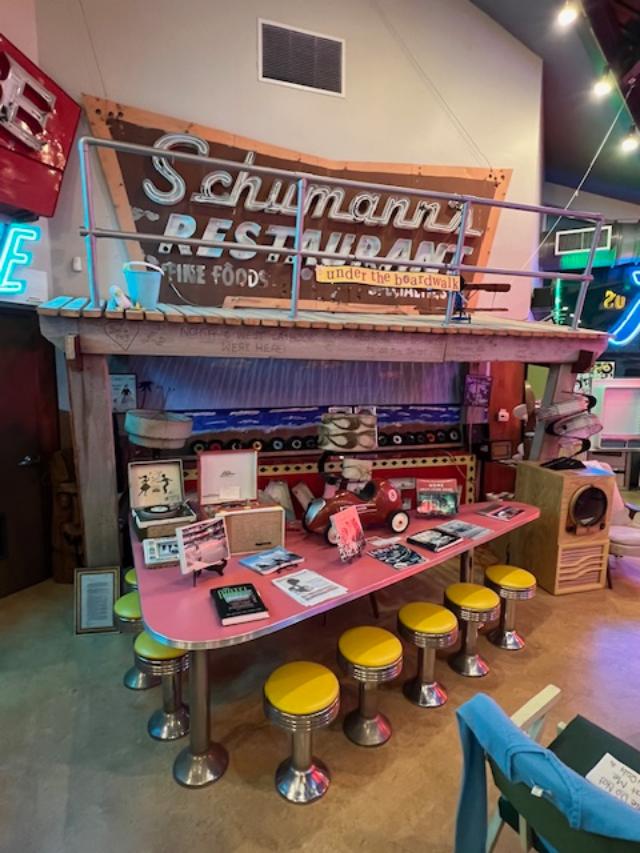
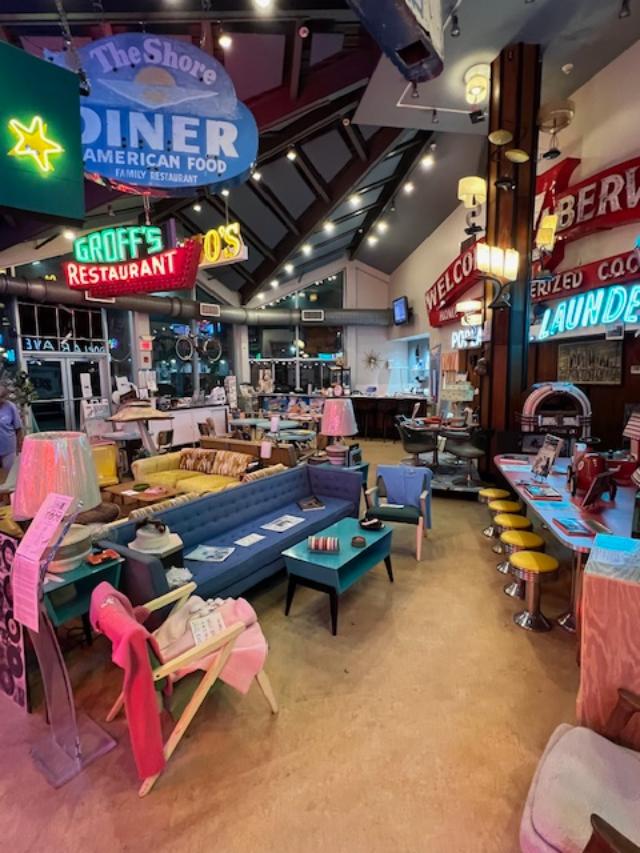
The restaurant section of the Doo Wop Museum

When many of these motels are torn down, the establishments donate old furnishes, decorative objects and signs from the outside to the museum. The outside of the museum is decorated with signs of businesses that are now closed, there neon lights still shining but for a different purpose. These somewhat gaudy and over-grandised signs and looks were of a time of great optimism and travel. Since the middle and working class families did not have the money to travel to these exotic places, something similar was created for them in the Wildwoods bringing that look to the Jersey shore.

The restaurant section of the Doo Wop Museum

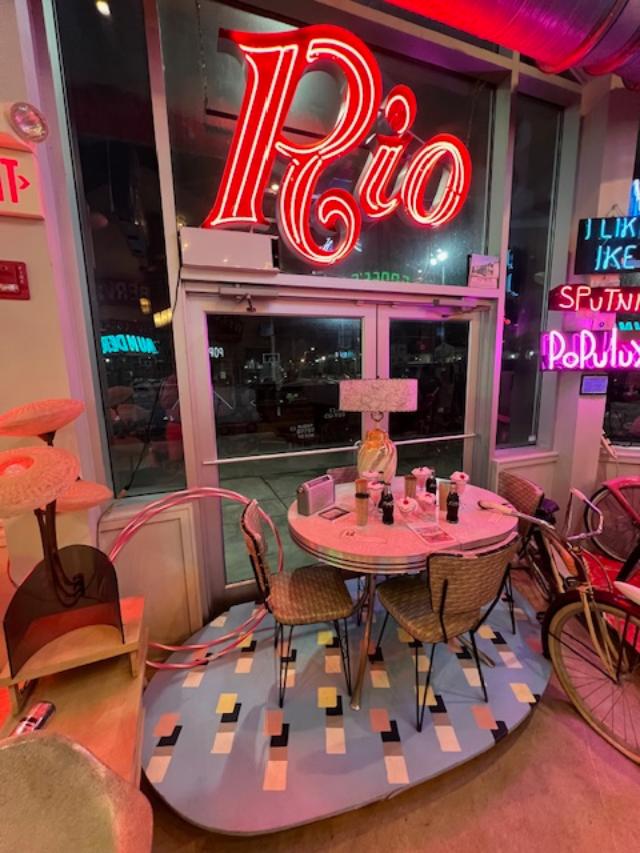
The neon room of the 1950’s

When talking to the curators , a couple that ran the museum said that the museum represents the change in décor used after WWII when they used the neon lights and steel from the war into the signs and lighting of the new resorts. It was a unique style of the late 1950’s and 60’s, when these materials were plentiful and motel owners were getting creative to bring in the rising middle class tourists that could not afford the trips to Hawaii and Miami Beach. These owners brought these themes to Wildwood with a creative twist. Check out the signing and furniture that lines the walls and dining set ups of the museum.

The old neon signs of the hotels in Wildwood, NJ.

The museum is small and takes only about an hour to walk through. Each of the vignettes are designed as its own room with furnishings from old hotels and motels like tables, chairs, lamps and ashtrays in one corner, in another are stools, a jukebox and menus from a 50’s or 60’s style restaurant or items used at the time like bicycles or scooters.

The interesting preservation by the museum shows all over

The History of the Doo Wop Museum:

The Doo Wop Preservation League was founded in 1997 as a 501C3 to preserve  the 1950’s and 60’s architectural styles of the Wildwood’s. Doo Wop style is a combination of Space Age dreams of the late 60’s and the exotic seaside tropics of recently opened South Seas Islands  like Hawaii which became out 50th State in 1959.  The Polynesian look was very ‘in’ at this time as most people could not afford to go but wanted to replicated for them.

The signs of the museum beacon visitors.

The museum is housed in the 1960’s ‘Space Age’ restaurant “The Surfside” that was saved from the wrecking ball and moved to this spot right across the Convention Center and the Boardwalk. On Tuesdays and Thursdays when in season (i.e. Warmer Months), there are bus tours offered by the museum. The museum’s goal is catalogue the remaining businesses in town that still keep their look of the era (Museum website and The Wildwooder Newspaper).

Don’t miss the museum tours:

The best part is that the museum is free (donation suggested) and you can take your time for a self-guided tour of the museum.

YouTube videos on the museum

What a great little museum!

Sterling Hill Mine Museum                                    30 Plant Road                                        Ogdensburg, NJ 07439

Sterling Hill Mine Museum 30 Plant Road Ogdensburg, NJ 07439

Sterling Hill Mine Museum

30 Plant Road

Ogdensburg, New Jersey  07439

(973) 209-7212

https://www.sterlinghillminingmuseum.org/

https://www.sterlinghillminingmuseum.org/take-a-tour

Open: Sunday 9:30am-3:30pm/Monday-Friday  9:00am-3:30pm/Saturday 9:30am-3:30pm/Check the schedule on their website outside of July and August. The tour is usually 1:00pm.

Tours: 10:00am & 1:00pm

Fee: Adults $20.00/Seniors (65+) $14.00/Children 4-12 $13.00/Children under 4 Free

My TripAdvisor Review:

https://www.tripadvisor.com/Attraction_Review-g46702-d584517-Reviews-Sterling_Hill_Mining_Museum-Ogdensburg_New_Jersey.html?m=19905

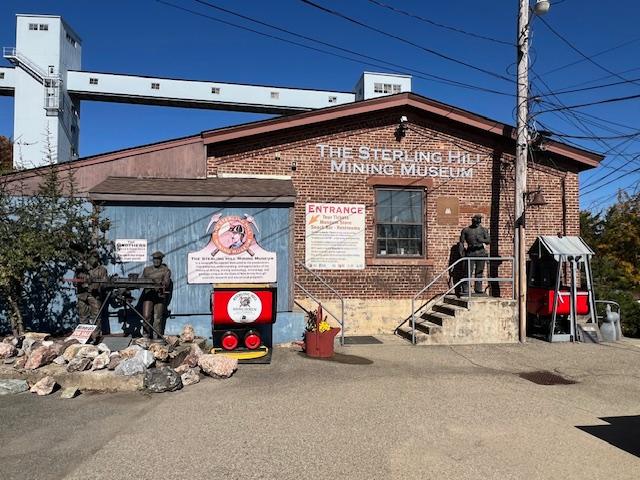
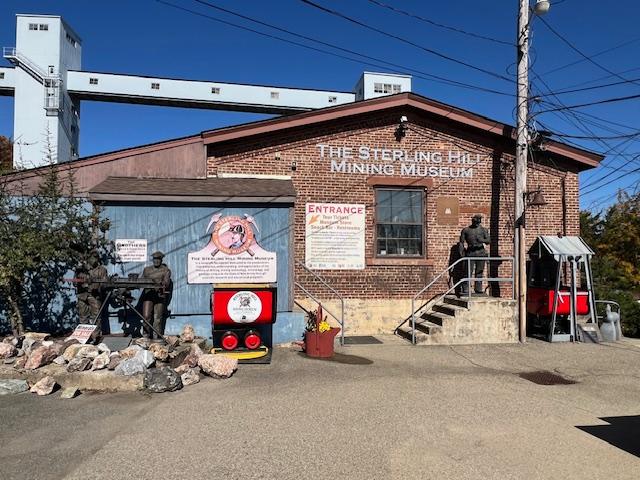
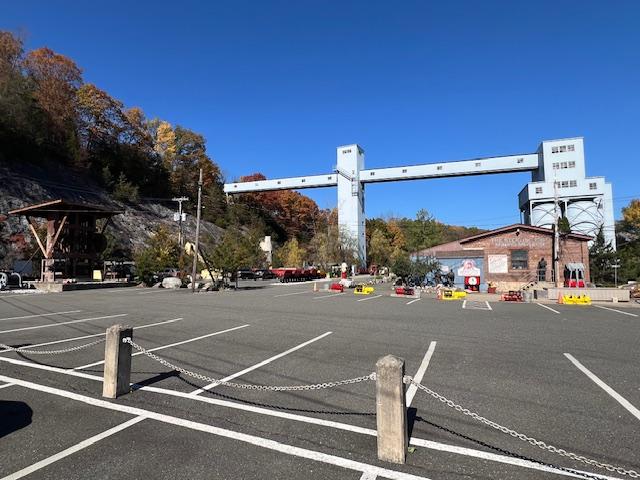
 The front of the museum

 The front of the museum 

The front of the museum

I visited the Sterling Mining Museum when visiting Sussex County to learn more about New Jersey’s Mining past. The Sterling Mine was once a big source of zinc in the United States until it became cheaper to mine it elsewhere. There is still zinc in the mines. The mining stopped in 1985 and the mine was closed in 1986.

The statues of the miners greet you at the beginning of the tour

Statues of the miners at work

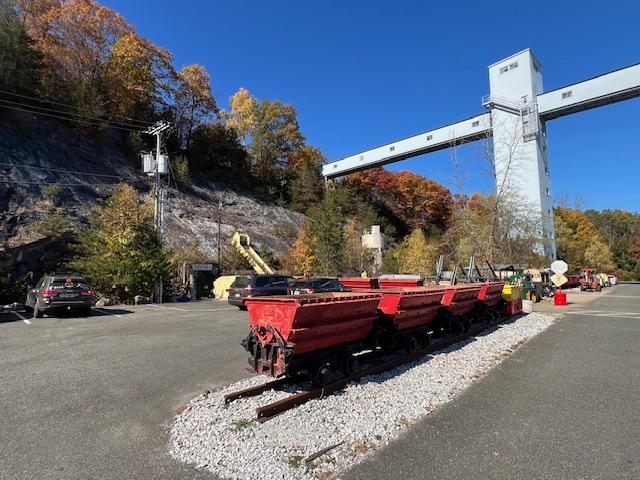
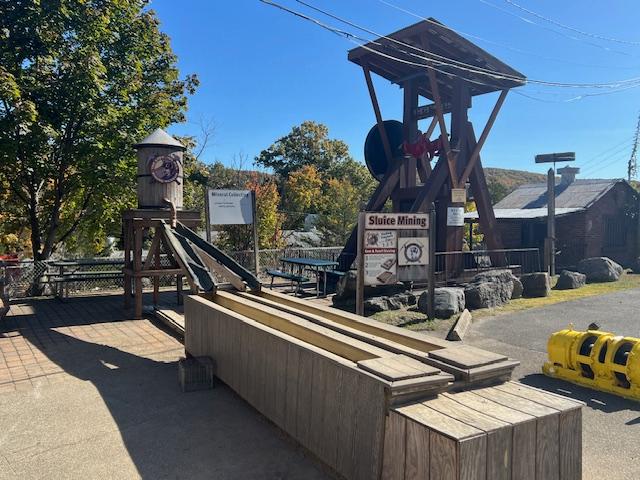
Mining equipment outside the museum

Tours at the museum vary by the time of the year and during the summer months there are two tours, one at 10:00am and one at 1:00pm and the tours take two hours with time to visit the gift shop and the restaurant at the beginning and end of each tour. Everything shuts down after the last tour around 3:15pm so plan your visit accordingly. Take some time though to visit the Gift Shop and have a snack at the Snack Bar, which was open until 3:30pm when I visited in October 2024.

The Zobel Hall Museum part of the tour:

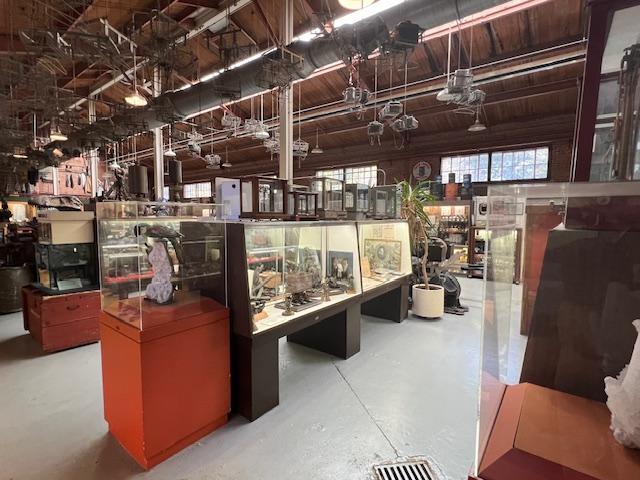
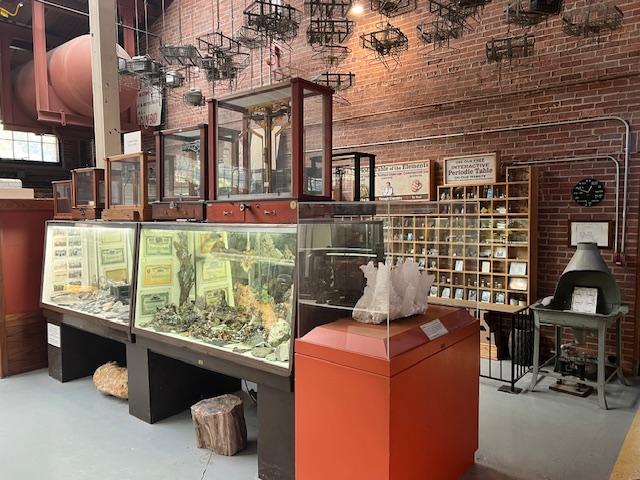
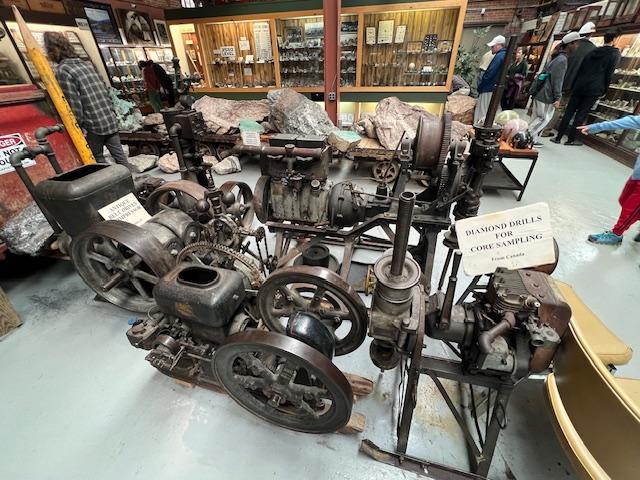
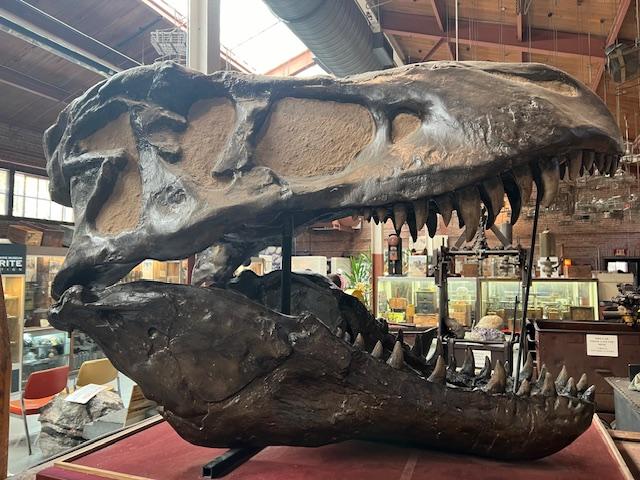
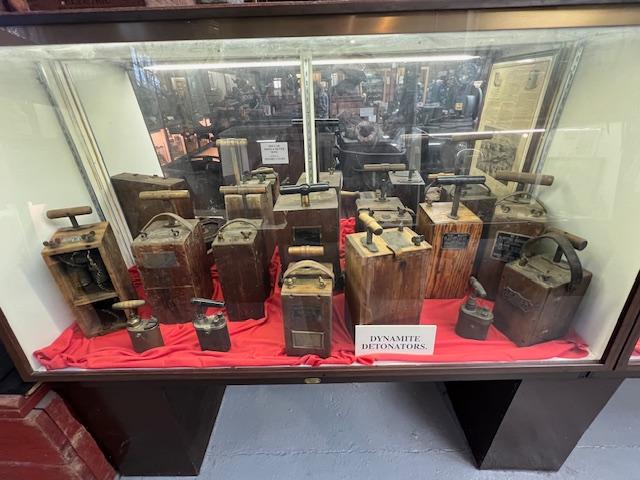
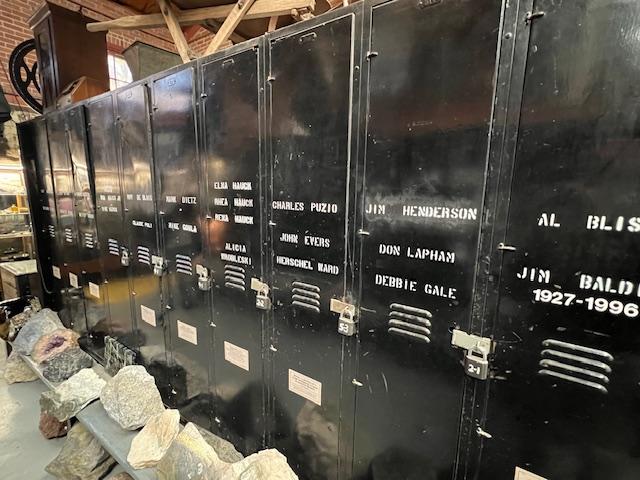
Arriving late for the tour, I started in the downstairs museum section which has the original lockers for the miners and their daily equipment, specimens of minerals and ores that have been found in the mine and elsewhere in the country. There are Native American artifacts and fossils of dinosaur tracks, bones and fragments of sea life. There are also many antiques from the Victorian age to the 1960’s to look at and items like detonators to show the items used to do the mining.

The museum main gallery

The museum’s main gallery

The museum used to be the workers changing room and this locker display is homage to the working days of the mines

Mining equipment displayed at the museum

Mining equipment on display at the museum

A dinosaur head at the museum

Various fossils at the museum

Detonators on display at the museum

Gold and Fools Gold on display at the museum in a large safe

The Meteorite display with pieces from all over the country

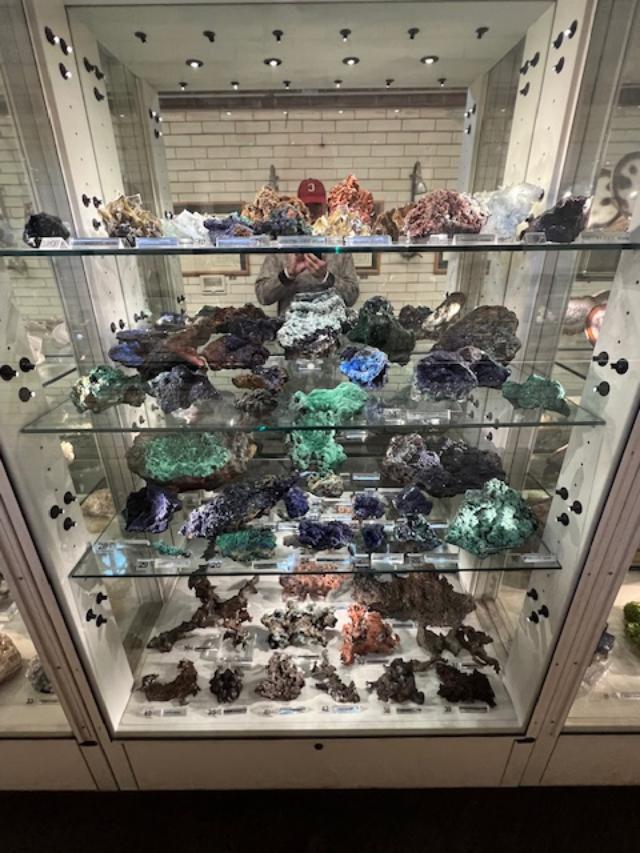
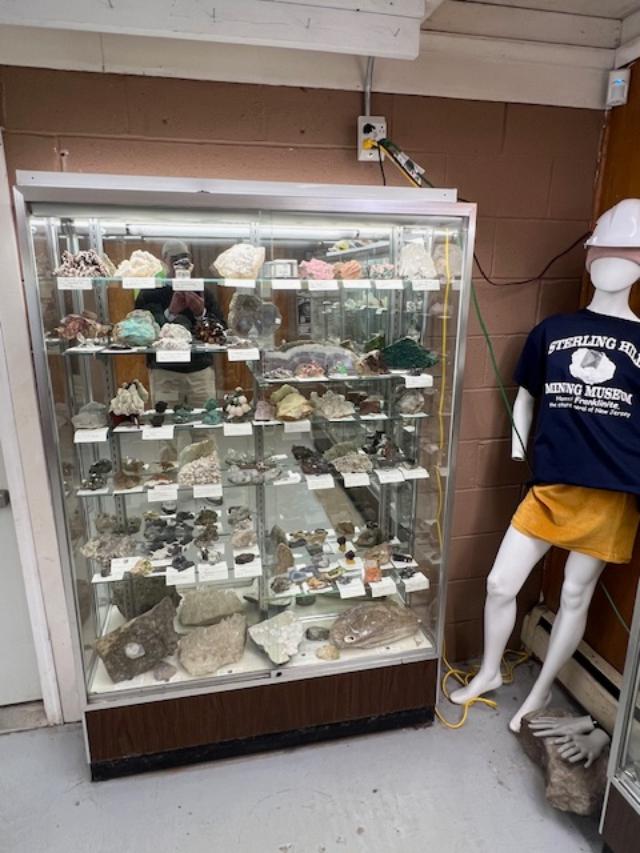
The Minerals display is a big part of the back part of the museum

The Minerals display

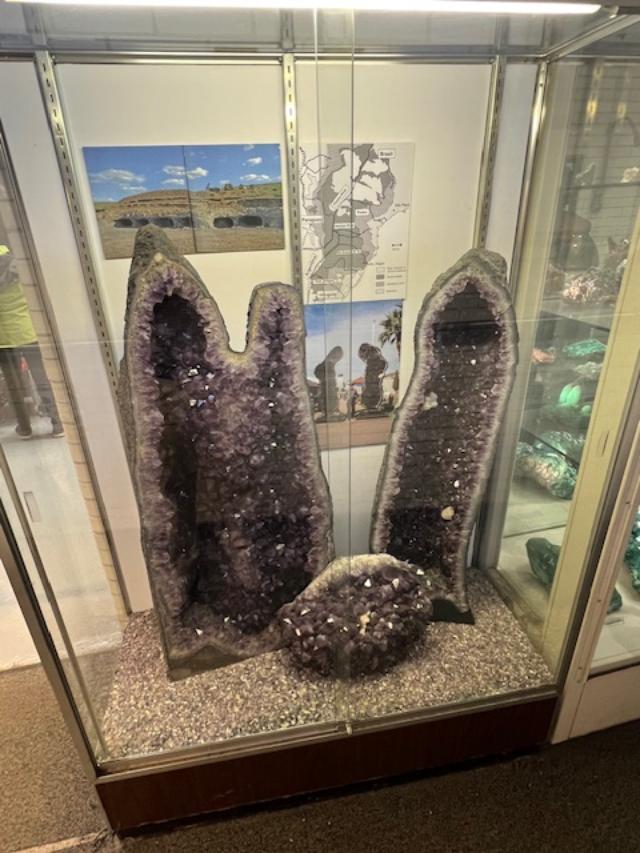
The Amethyst Display

The Mine sample display

The Miner Supervisor’s office in the museum

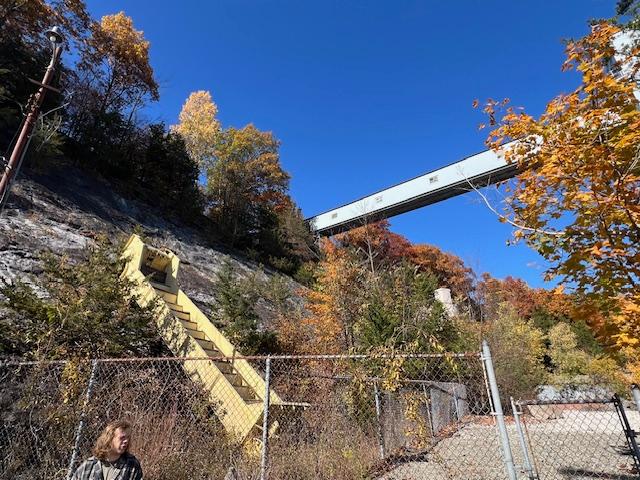
The second part of the tour will take you outside to see the outer workings of the mine and how things moved around. There are mining carts and transports, equipment to more the ore for washing and to market. There is a silent eeriness about the mine like someone just shut off the power and then walked away.

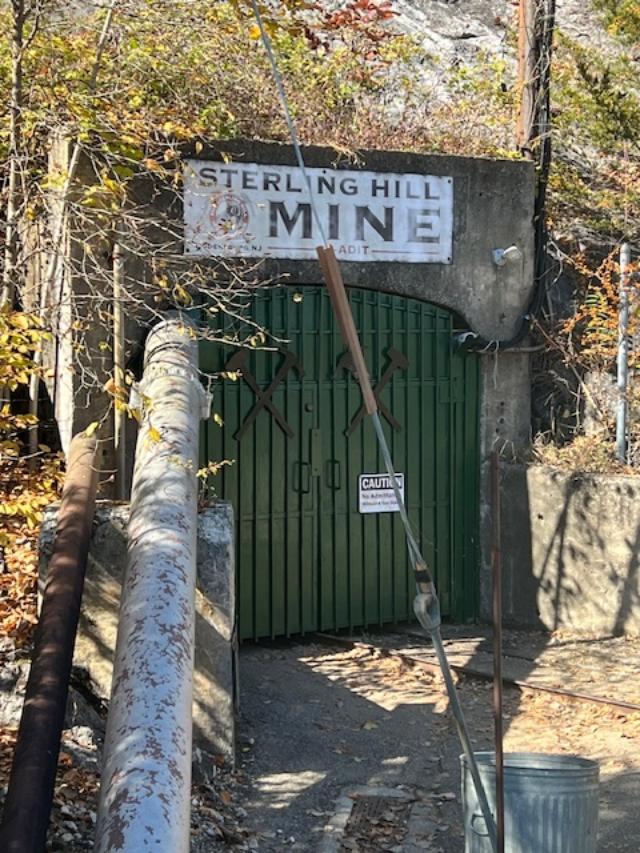
The entrance to the mine before you start the tour

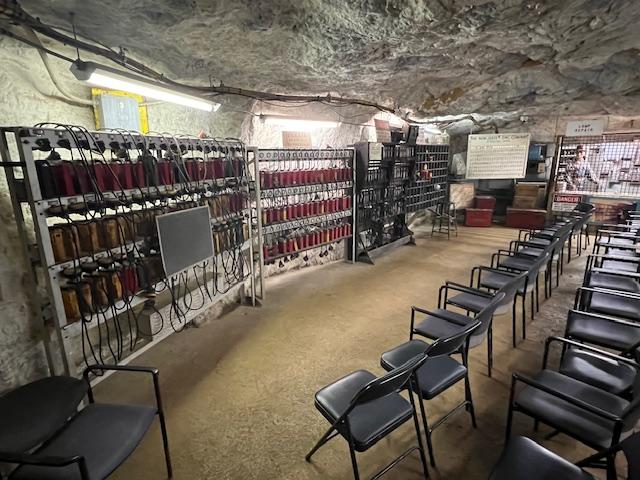
The best part of the tour is of the mine itself. You will tour the tunnels where the miners worked, see in the tunnels when mining was done by hand instead of machine. where the mining cars moved and how the miners got from one level to another to work and the dangerous conditions of the work as a miner. You will travel down tunnels and see the inner workers of a foreman’s office down in the mines and how the system of ‘tag out’ works for accountability.

The mine tour as you enter the beginning of the mine

At the end of the tour you will be taken to the tunnel of illumination and when the tour guide dims the lights, you will see the tunnel come to life in color as the minerals radiate with color.

The Rainbow Tunnel before it gets lit

The magic begins when the room goes dark

In another cave the ceiling lightshow is amazing

I would not recommend this tour to anyone with a walking disability or who has to use a stroller with children. It is a lot of walking and very difficult to maneuver around the tunnels. I know they say it is accessible but I saw so many couples struggling through the tunnel you have to do it at your own discretion.

The mining movement from tunnel to tunnel

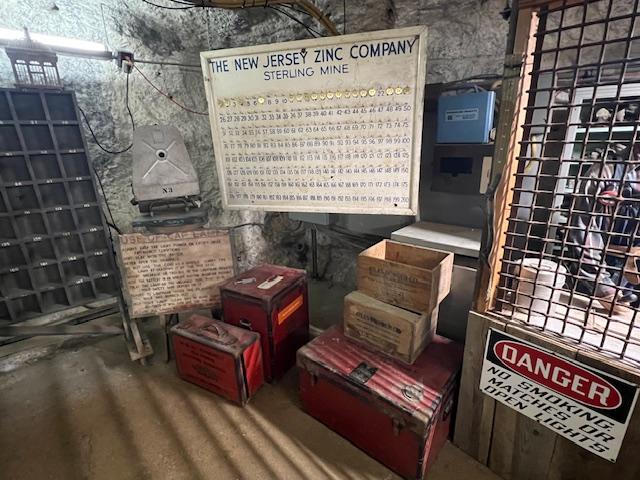
The ‘Tag Out’ system inside the mine

The “Tag Out” room inside the mine

Mining equipment inside the mines

You end the tour with a view of the indoor lake inside the mine shaft.

 The indoor lake inside the mine

Mission Statement of the Museum:

(From the Museum Pamphlet)

Our mission is to tell  the story of the Sterling Mine and to inspire lifelong learning  about earth sciences, engineering and the responsible use of the earth’s nonrenewable resources.

The outside of the mine

Additional information on the Mission Statement:

(From the Museum Pamphlet)

Since the crafting of this mission statement the museum has broadened its focus considerably. We are concerned not just with the metallic resources that most people think of when they hear the word “mining” but with commodities taken from the Earth-bulk rock taken from our quarries, sand and clay excavated from surface pits and oil and  gas obtained by drilling. These commodities constitute the raw materials from which almost everything else, our house, cars, highways and bridges, computers, on and on are made.

Slush Machine outside the entrance to the museum

As an institution we are neither pro-mining nor anti-mining. Instead, we are a museum about mining, again with that word used in its broadest possible context. We teach not only how mined materials are produced but also the many uses to which mined materials are put and we place special emphasis on the environmental and societal consequences of resource extraction.  Alternatives to mining such as recycling and the use of alternative materials are highlighted as well.

Mine lockers in the museum

The Snack Shop and Gift Shop:

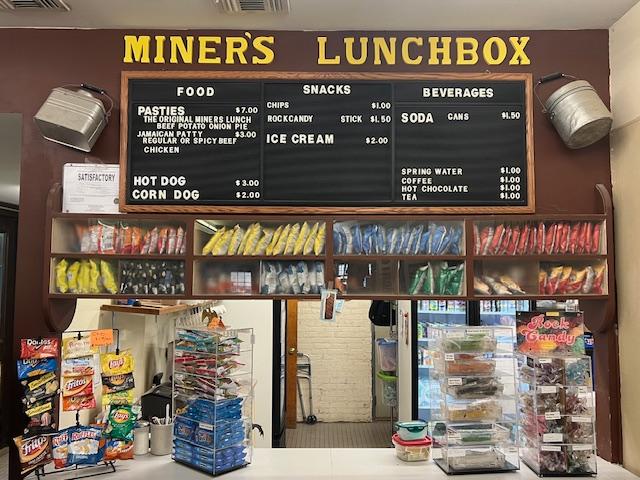
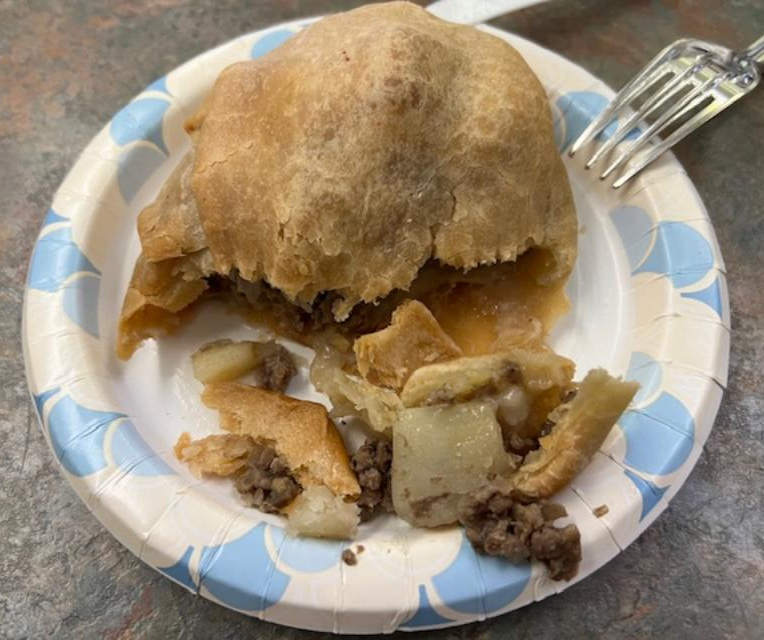
At the end of the tour, be sure to visit the gift shop and the snack shop for a quick meal and to look at the gifts and minerals on display and for sale. Make sure to try one of the Pasties, a meat pie that the miners used to have for lunch, at the snack shop. They are really good.

The Miner’s Lunchbox Snack Shop at the museum

The Meat ‘Pastie’, which is filled with ground beef, potatoes and onions

The inside of this delicious snack! It was really good

The gift shop has an array of tee shirts, books and gifts for sales. The walls are lined with minerals for sale.

The Gift Shop

Minerals on sale at the gift shop

What the organization does:

*We inspire students to pursue careers in science and engineering.

*We inspire people to be thoughtful and responsible stewards of our environment.

*We are committed to preserved our historic facility, rock and mineral samples, artifacts and records to support research and foster understanding of this unique geologic area.

*We promote an understanding of human involvement in our environment and how science and technology relate to that connection.

The outside of the museum at the Mine site

The Sterling Hill Mine History:

The Sterling Hill Mine is a former iron and zinc mine that was last working underground mine in New Jersey when it closed in 1986. It became a museum in 1989.
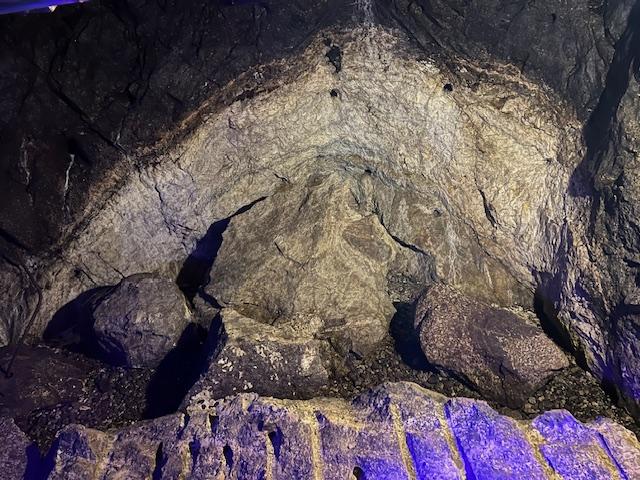
Mining began at the site in the 1630’s, when it was mistakenly thought to be a copper deposit. George III of the United Kingdom granted the property to William Alexander, titled Lord Stirling. Stirling sold it to Robert Ogden in 1765. It went through several owners until the various mines were combined into the New Jersey Zinc Company in 1897. The mine closed in 1986 due to a tax dispute with the town, which foreclosed for back taxes in 1989 and auctioned the property to Richard and Robert Hauck for $750,000. It opened as a museum in August 1990.

The ore bodies at the Sterling Hill Mine lie within a formation called the Reading Prong massif; the ores are contained with the Franklin Marble. This was deposited as limestone in a Precambrian oceanic rift trough. It subsequently underwent extensive metamorphosis during the Grenville orogeny, approximately 1.15 billion years ago. In the area of the Franklin and Sterling Hill mines, 357 types of minerals are known to occur; these make up approximately 10% of the minerals known to science. Thirty five of these minerals have not been found anywhere else. Ninety one of the minerals are fluoresce.

There are 35 miles of tunnels in the mine going down 2,065 feet below the surface on the main shaft and 2,675 feet of the lower shaft. As of 2017, other than the very top of the mine the entire lower section has been flooded due to underground water table and hence longer accessible. The mine remains at 56 degrees F constantly (Wiki).

The inner workings of the mine on display

(This information on the mine was taken from both Museum brochure and Wiki and I give each full credit both the information on the mine and the museum). 


The Sterling Hill Mining Museum Promotional Video:


 Promotional Video

 The History of the Mining in New Jersey


I want to thank YouTube and The Sterling Hill Mining Museum for these videos on the museum.