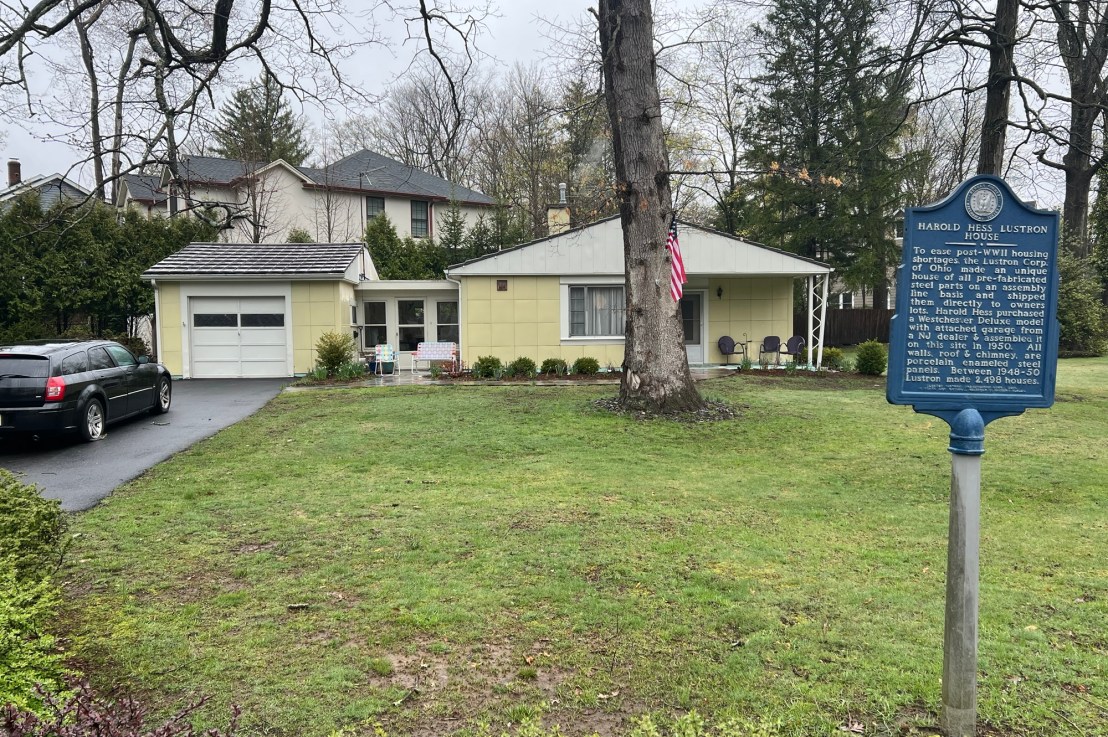
Category: Historic Homes of New Jersey

The Harold Hess Lustron House                                         421 Durie Avenue                                                            Closter, NJ 07624

The Harold Hess Lustron House 421 Durie Avenue Closter, NJ 07624

The Harold Hess Lustron House

421 Durie Avenue

Closter, NJ 07624

(201) 784-0600

https://en.wikipedia.org/wiki/Harold_Hess_Lustron_House

https://www.facebook.com/Lustronhouse/

https://closterhistory.com/properties/lustron/index.html

Open: Sunday-Friday Closed/ Second Saturday of the Month 12:00pm-2:00pm

Admission: Free but donations are accepted

My review on TripAdvisor:

https://www.tripadvisor.com/Profile/R4960NKjustinw/photo/798682171?m=19905
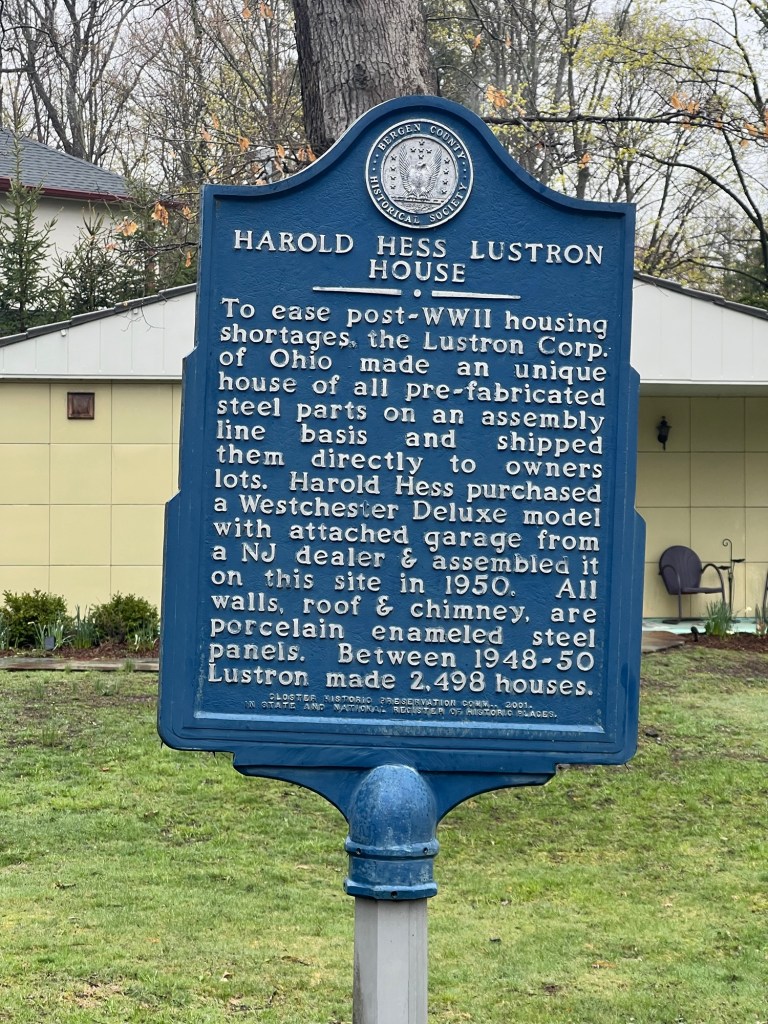
The historic marker outside the Lustron House
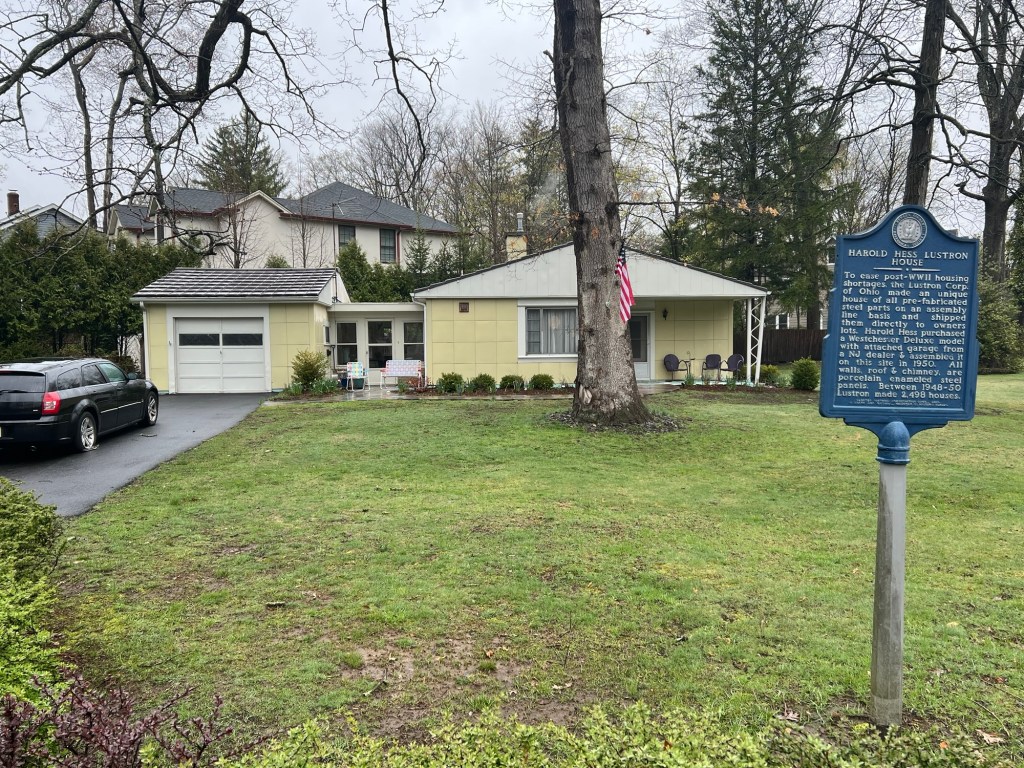
The outside the home
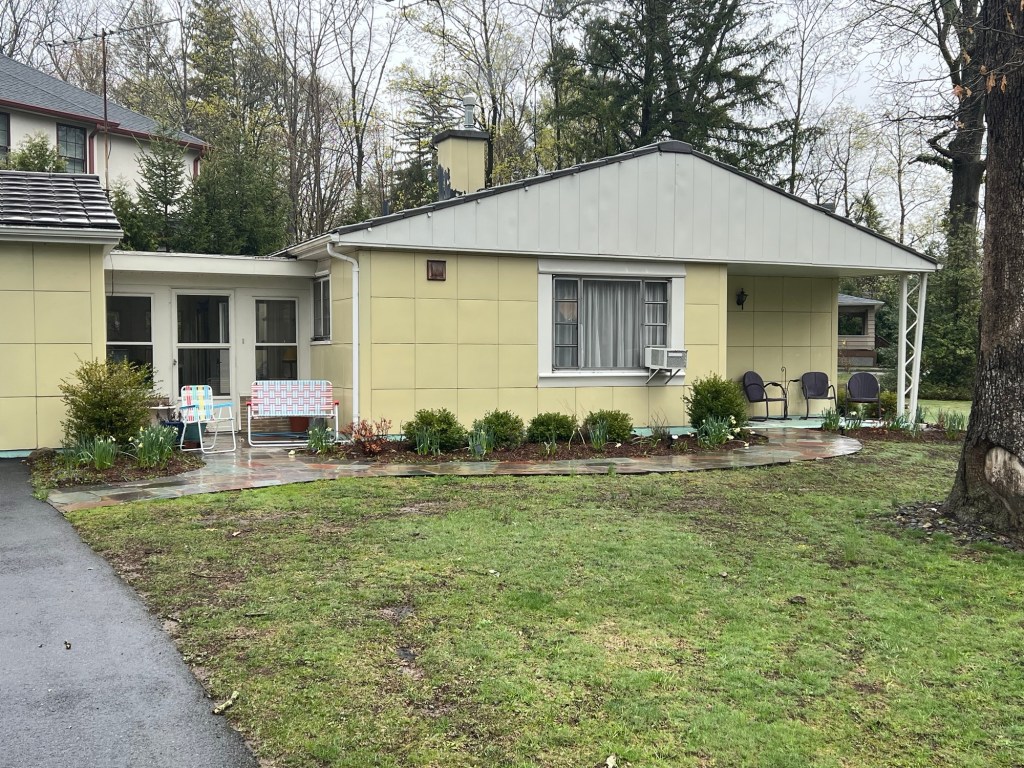
The breezeway and the outside of the house
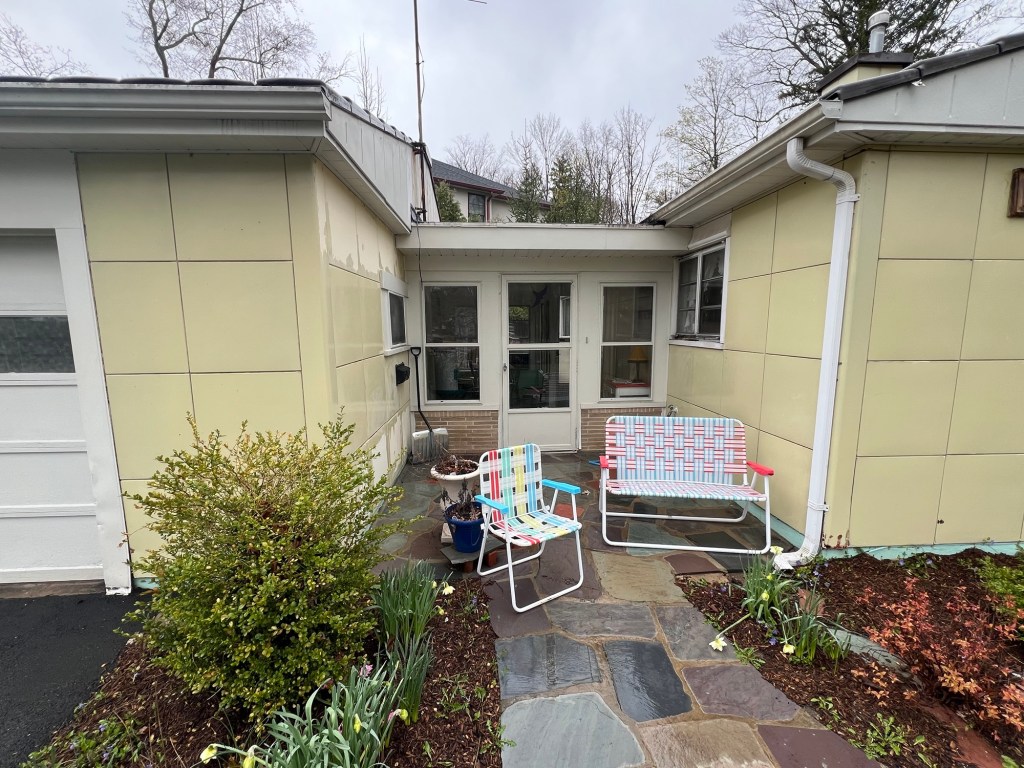
The breezeway of the home. This was for entrance of the home

Location of the house:

(from the Borough of Closter, NJ website)

The Harold Hess Lustron House, located at 421 Durie Avenue, Closter NJ 07624, is currently owned by the Borough of Closter and is operated as a house museum by the Friends of the Lustron Committee of the Closter Historic Society.  It is open to the public on the second Saturday of each month from noon to 2 p.m. (Boro of Closter, NJ website).

History of the Harold Hess Lustron House:

(from the Borough of Closter, NJ website)

In 1949, Harold Hess, a recently married returning WWII veteran saw a sample Lustron House displayed at Palisades Amusement Park. In 1950, he purchased the Westchester Deluxe model with attached breezeway and one car garage. Originally he wanted the 3 bedroom, two car garage model but felt fortunate to receive what he got as the company was already heading into bankruptcy. Mr. Hess faced six months of planning and zoning board meetings in Fort Lee. He failed to get a permit to erect the modern metal house and turned to the Closter area where more relaxed building codes provided an opportunity to build the novel construction of the all-steel prefabricated house.

World War II vet Hess never lost faith in his house of tomorrow and was the proud owner till his death in 2004. He raised his family here and remained pleased with the house until the end, noting that there were some adjustments such as finding repairmen with enough problem solving creativity to make repairs to a steel house with a combination dishwasher/clothes washing machine next to and filled by the kitchen sink faucet. Other minor matters were hanging pictures with large industrial magnets and interior spring cleaning with automobile wax. The attractive steel walls never need painting or wallpapering so the color scheme never changed.

Closter’s Harold Hess Lustron House, listed on both the state and national registers of historic places, was scheduled for demolition in 2014. Thanks to advocacy by then-mayor Sophie Heymann and positive action by the Zoning Board, an unusual compromise was reached with the developer-owner of the property to donate the historic house to the Borough of Closter. The Borough of Closter applied for a $25,000 grant in 2016 to have a Preservation Plan written for the Lustron House. The grant was awarded by the New Jersey State Historic Preservation Office with monies provided by the National Park Service and did not require any local matching funds. The plan was completed in 2017, work has begun and will be implemented fully over time.
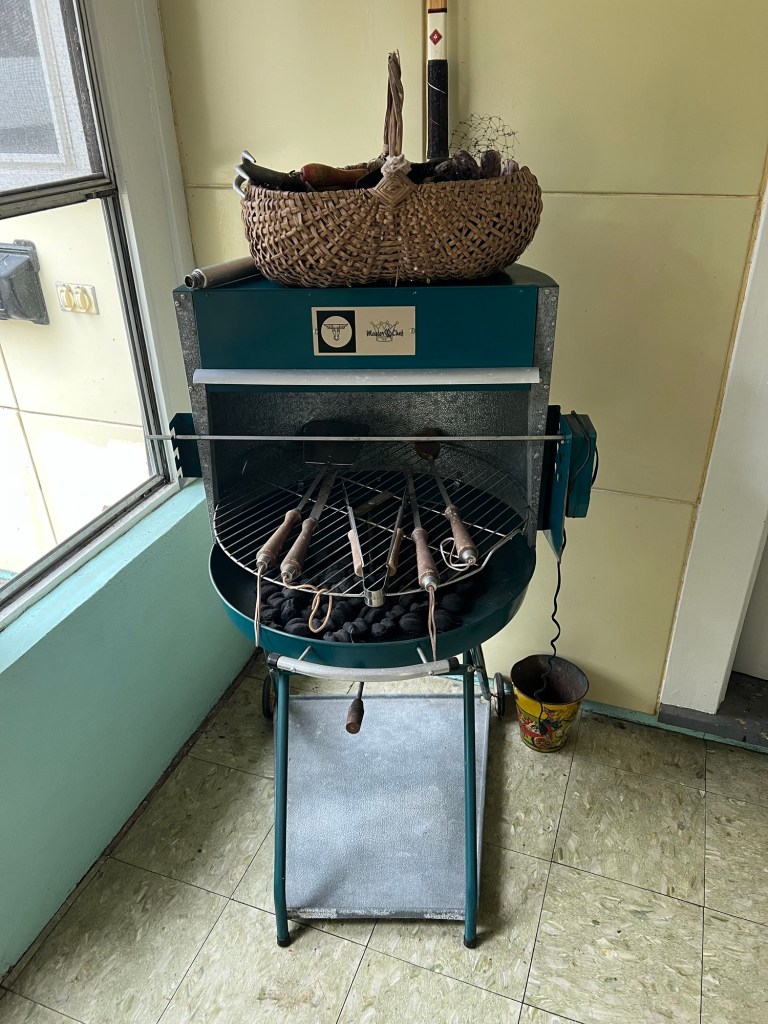
The barbecue grill in the breezeway
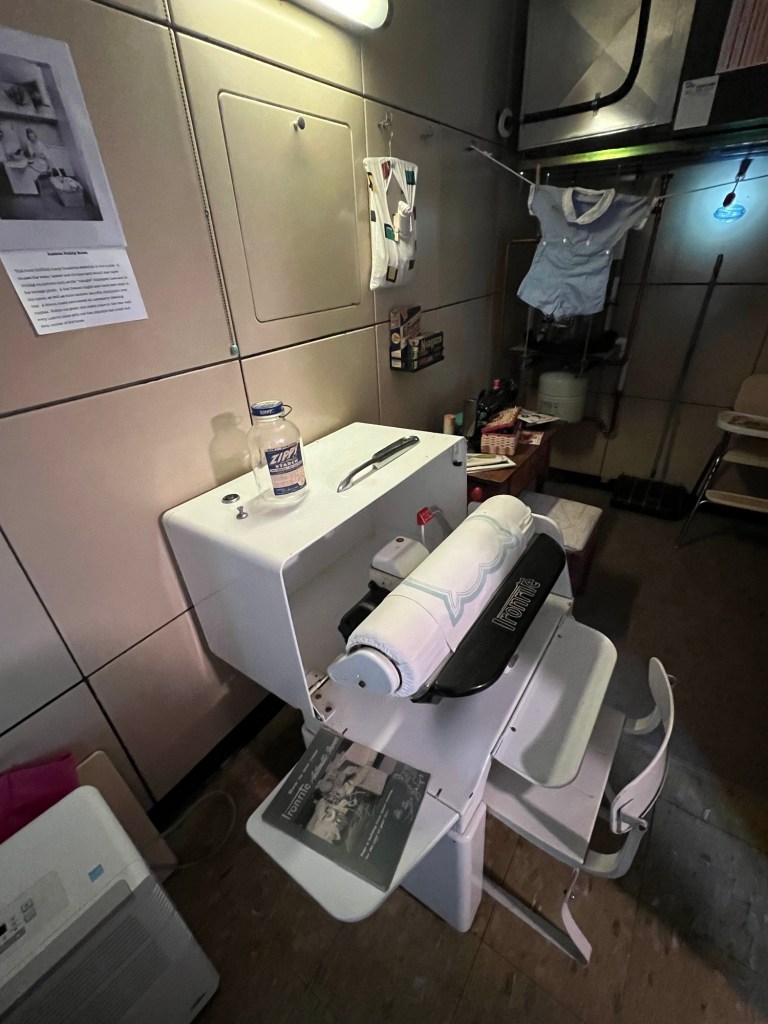
The Laundry Room as you walk into the house
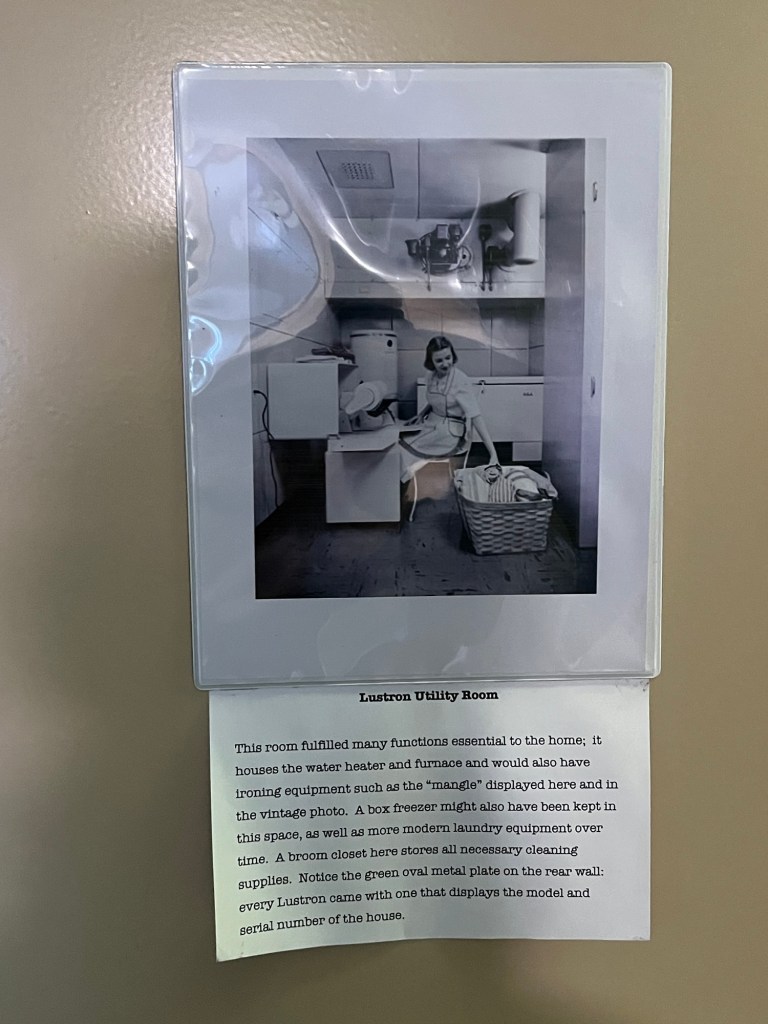
The display on Laundry room

History of the Lustron House: Current day

(from the Borough of Closter, NJ website)

There are only two Lustron houses remaining in Bergen County. The other is located in Alpine and has no local historic preservation protection. Approximately nine have survived statewide and an estimated 1500 remain nationwide.

“Lustron” is a trademarked name that stands for “Luster on Steel.” The shiny efficiency of these homes mirrors the optimism that was felt by this country as its GI’s re- turned home triumphant from the Great War. Lustron homes are one-story ranch-style houses built on concrete slabs. They are very modest in size, averaging 1000 square feet of living space. Most of the Lustrons built were two- bedroom models, although a three-bedroom model did be- come available towards the end of production.

The Lustron house was the brainchild of Carl G. Strandlund, who saw the possibilities of utilizing steel left behind from the war effort to create needed housing. Strandlund had previously worked for the Chicago Vitreous Enamel Products Company that manufactured steel enamelware for refrigerators, stoves, and other household appliances. Connecting this technology to the housing industry was the ticket to success in securing federal funding necessary to start production. The Lustron Corporation opened a one-million-square-foot plant in Columbus, Ohio in 1947. But just as quickly as the company’s star rose, it plummeted, and the Lustron Corporation closed in 1950 due to overwhelming debt.

Elements of streamline design abound in Lustron homes, which feature built-in vanities, bookshelves and dining room/kitchen cabinetry, as well as pocket doors and sliding closet doors – all made of porcelain-enameled steel. Lustron homes were marketed as having “cheerful convenience” and “easy-to-keep-clean brightness.” They cost approximately $10,000 each and came in four colors: maize yellow, surf blue, desert tan and dove gray. All of the pieces of a Lustron home could be carried to the building site in one specially designed truck, and construction could be completed in as little as one week.

Interesting features of the Lustron house included the “Thor” dishwasher-clothes washing machine that was located in the cabinetry next to the kitchen sink. Another unique aspect of these homes was the heating system, which supplied radiant heat through a plenum chamber in the space above the metal ceiling panels. Each Lustron house came fitted with a metal identification tag stamped with the model and serial numbers and located on the back wall of the utility room.

The kitchen looked like a complete replica of my grandmother’s and my aunt and mother’s houses in the late 1960’s and early 70’s.
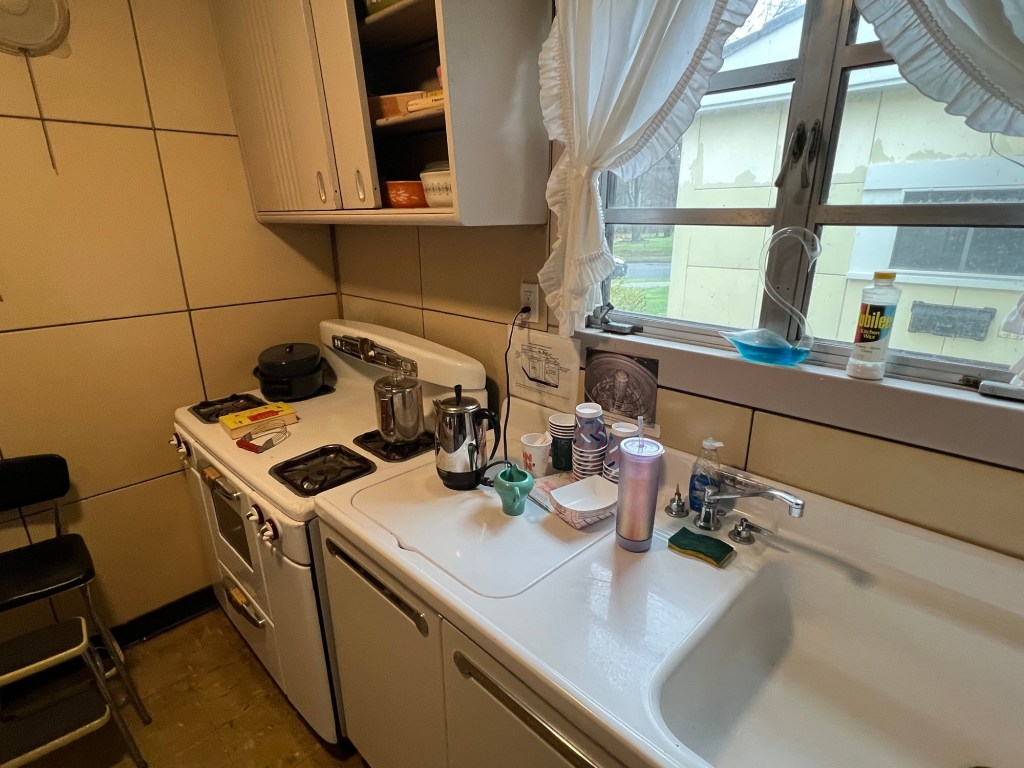
The late 1950’s kitchen
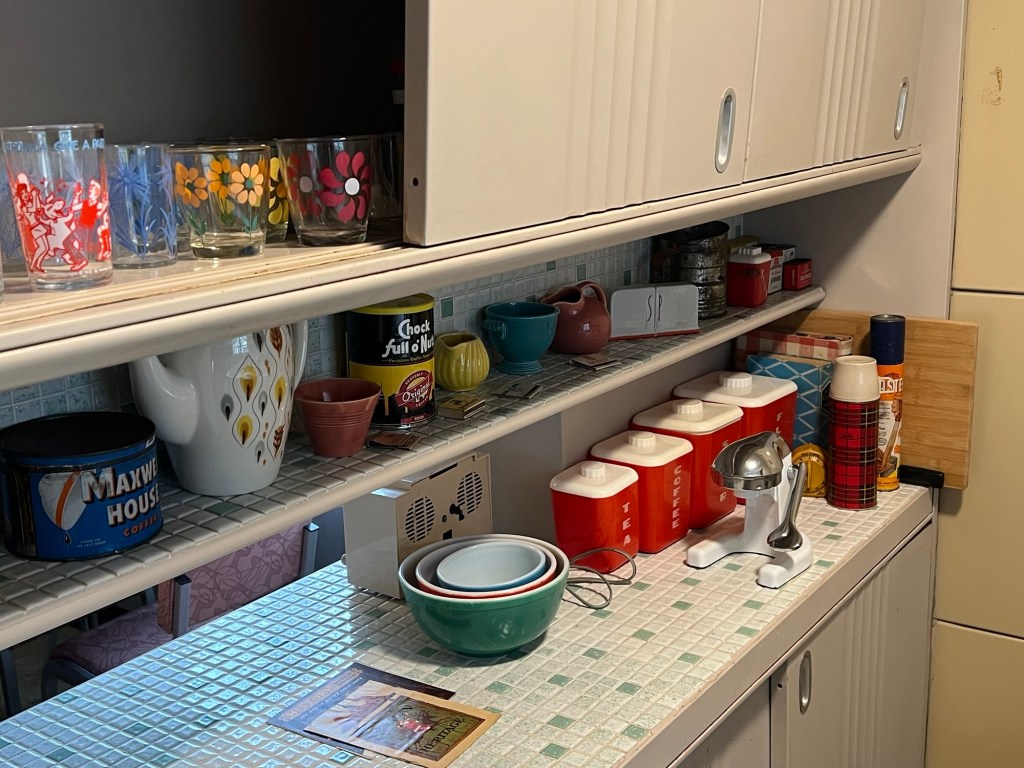
The kitchen of the past
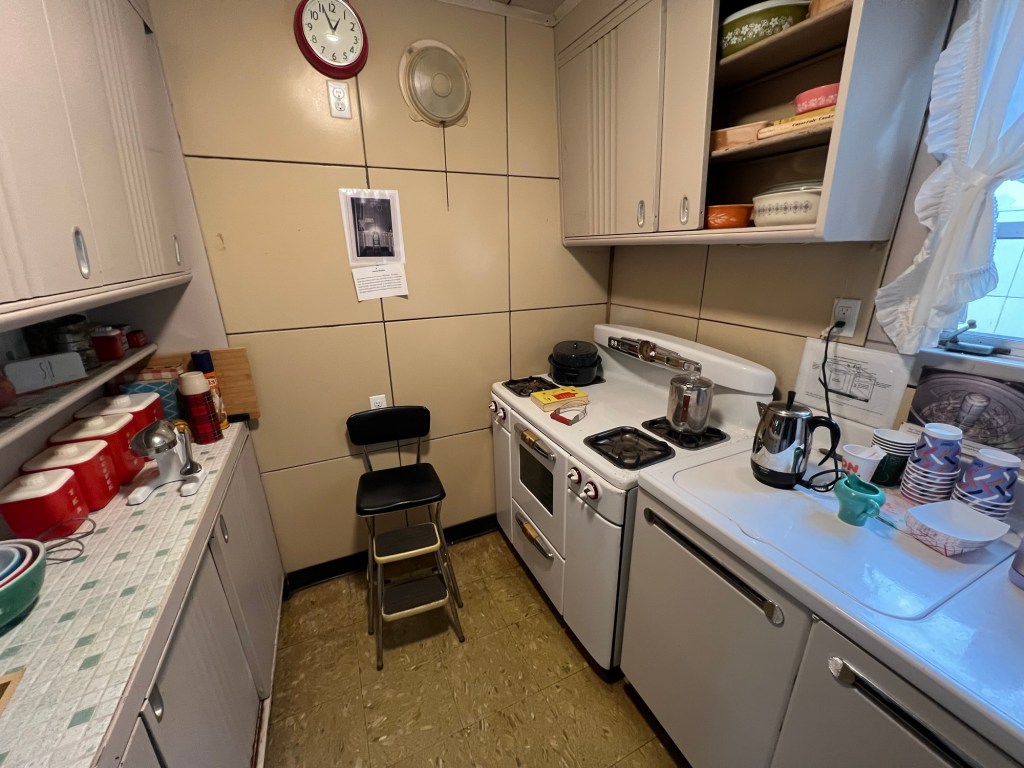
A closer look to the kitchen of the past
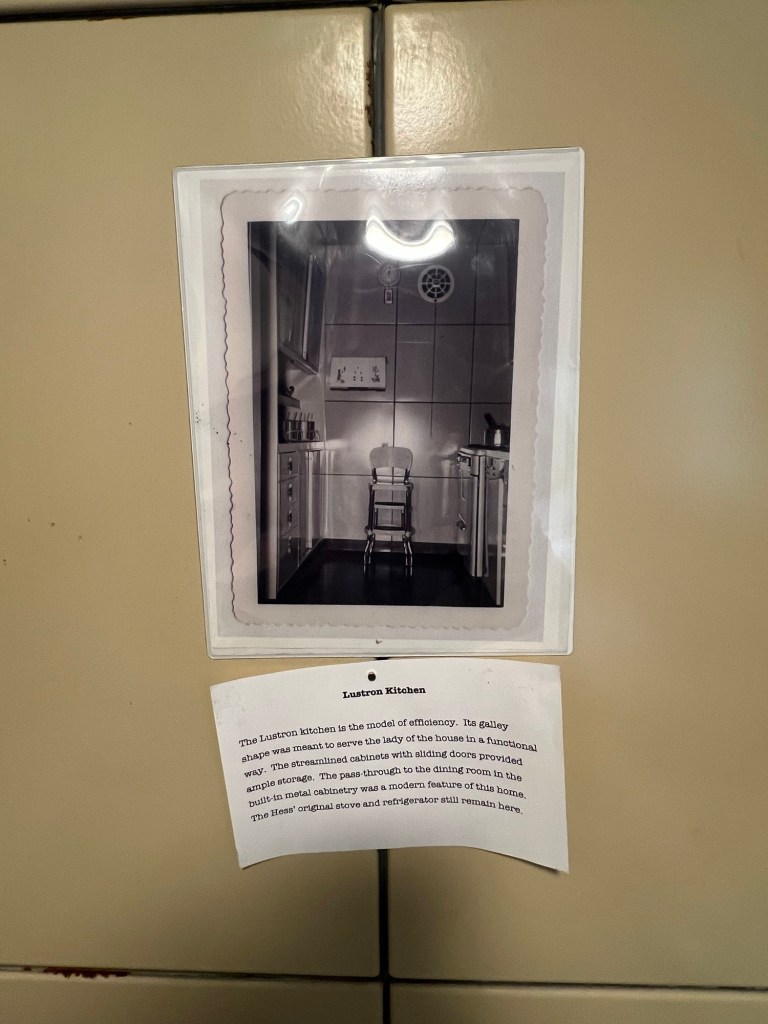
The kitchen’s of the past were designed for efficiency but not for socialization. This is why kitchens have grown over the last seventy years to accommodate socialization of everyone ending up in the kitchen.
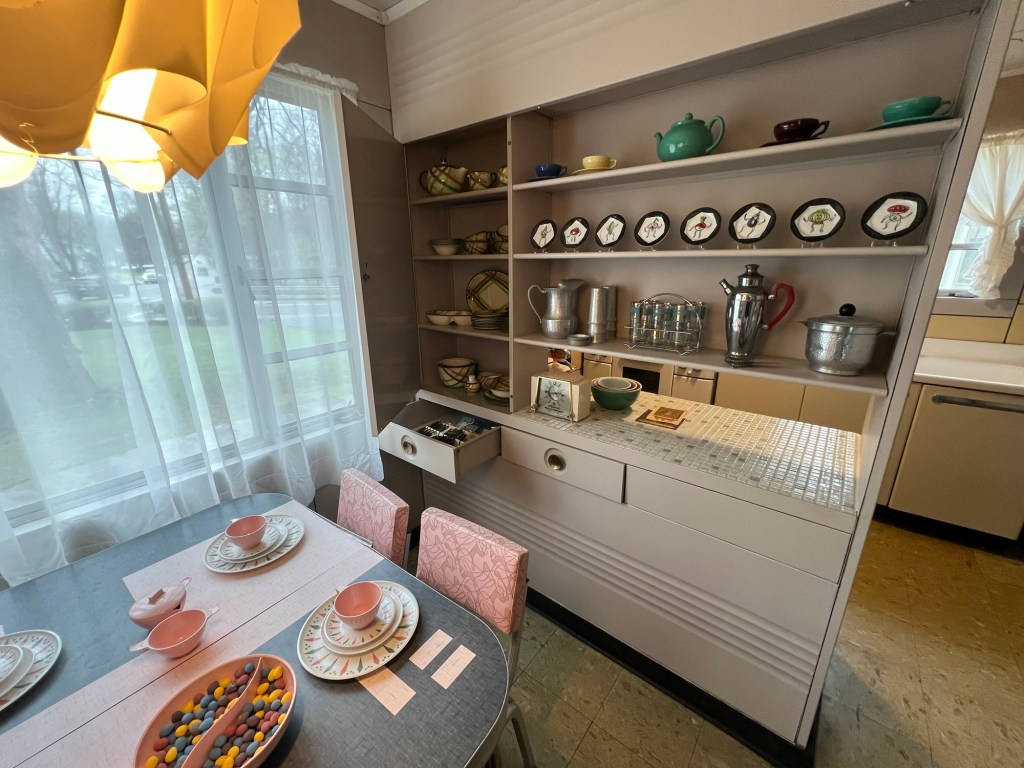
The Dining Room area off the kitchen
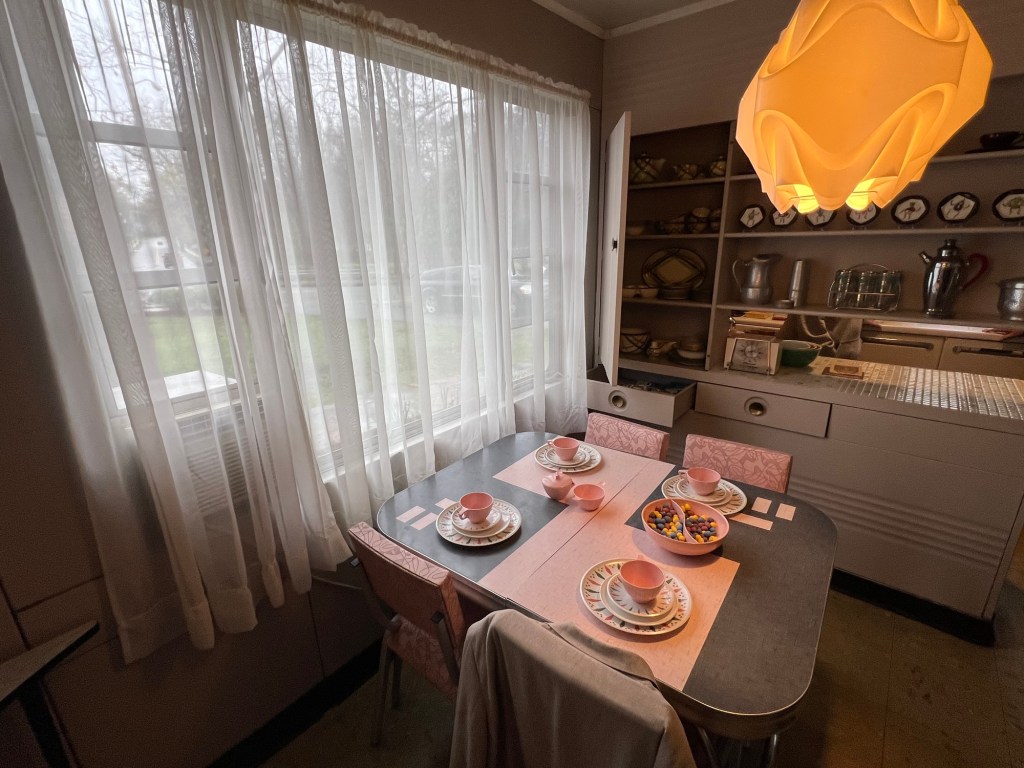
The seating area for the family had lots of light but could be quite tight
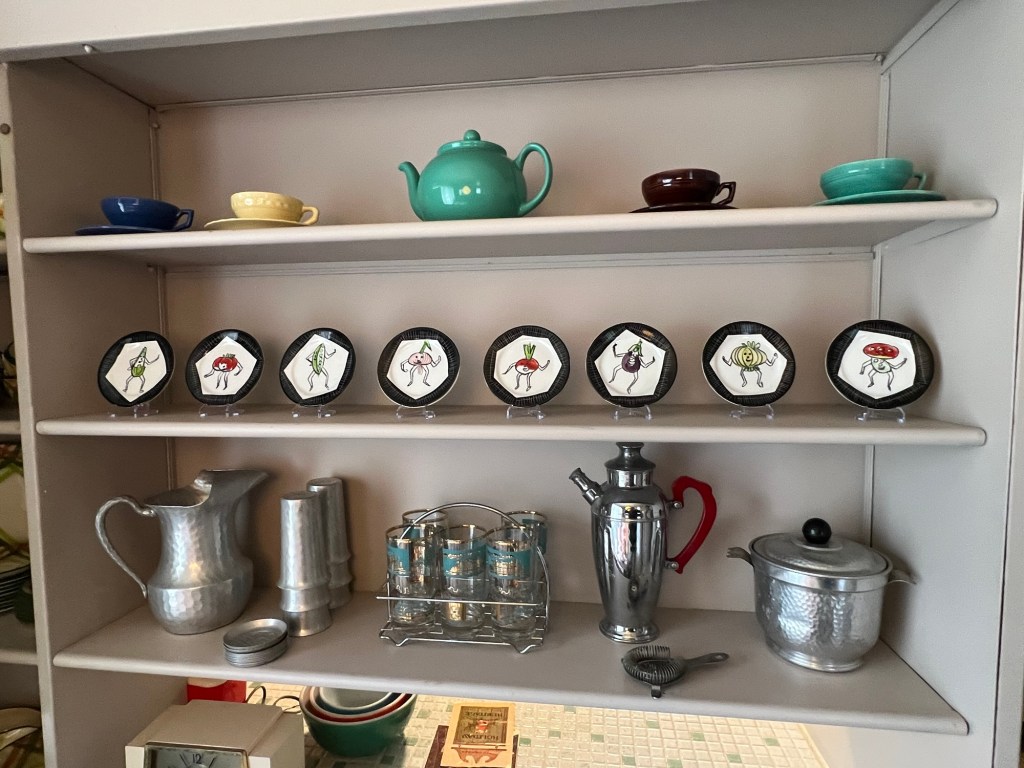
Everything was in its place on the shelves

The next part of the tour was the bedrooms which were off to the back of the house. Each was decorated with period clothing, furniture and other Knick knacks.
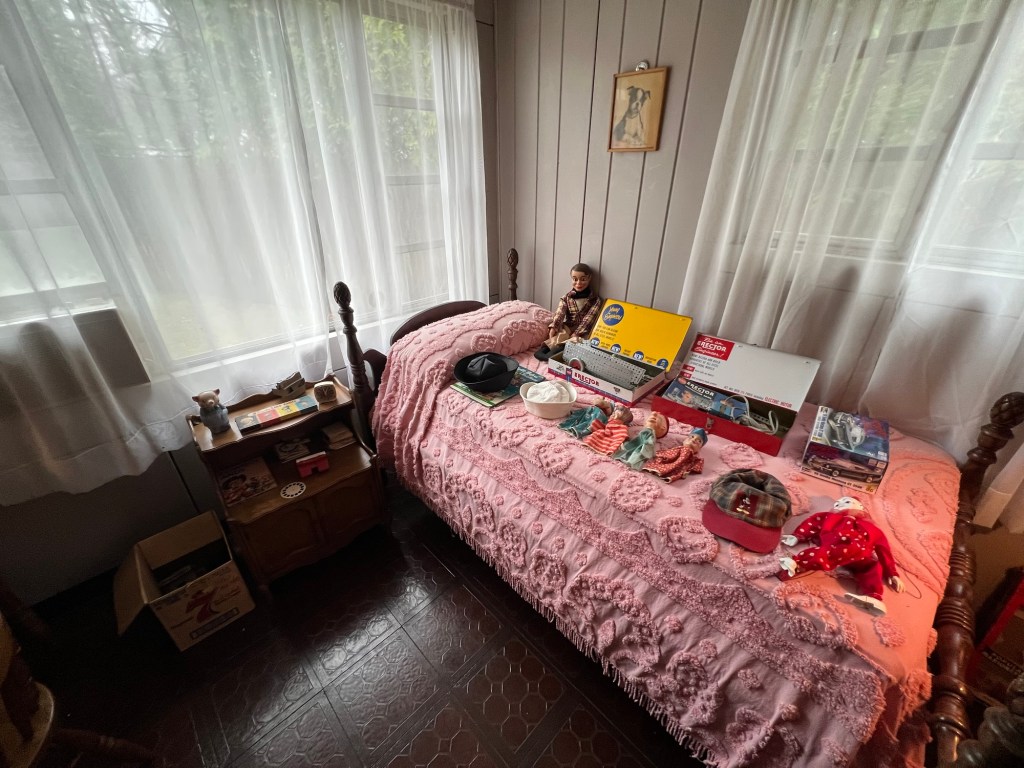
The Children’s bedroom was the first stop. I saw many toys from my childhood.
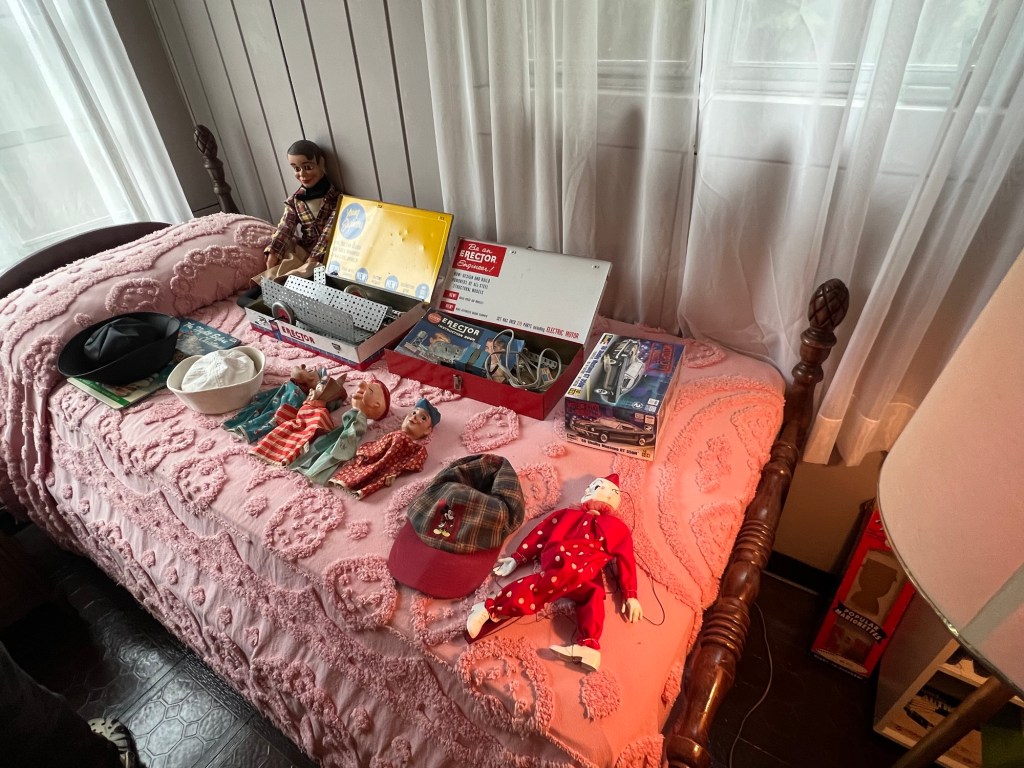
The bed had all sorts of puppets and games on it
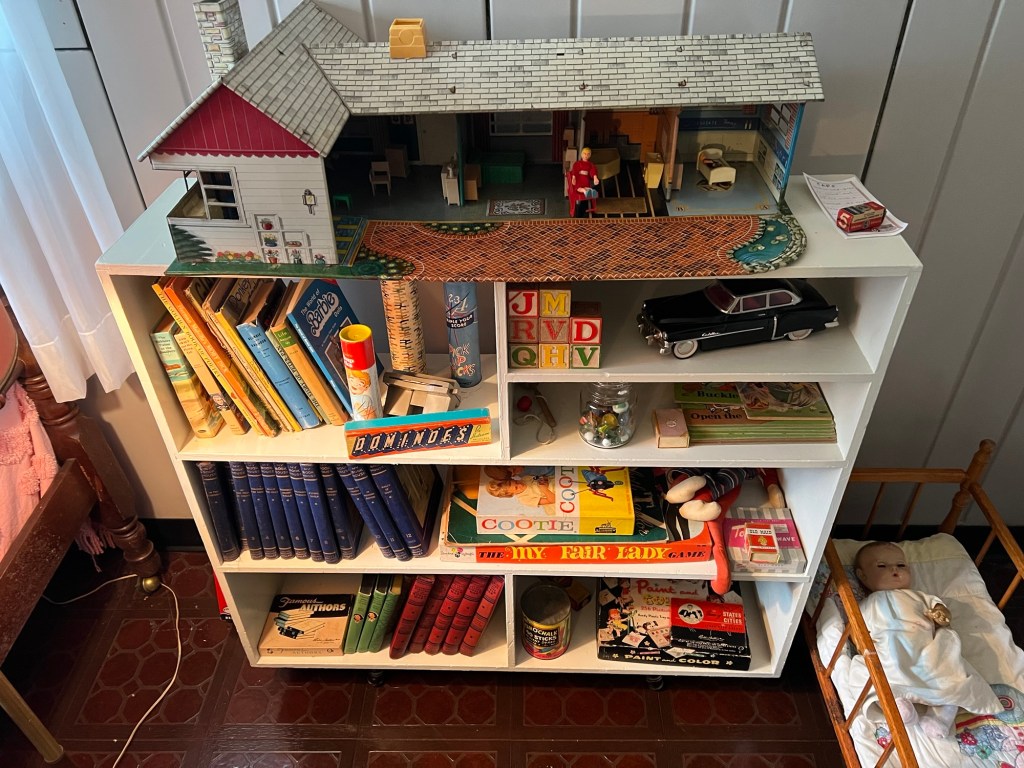
The shelves were lined with books and board games from the era of the late 50’s and 60’s
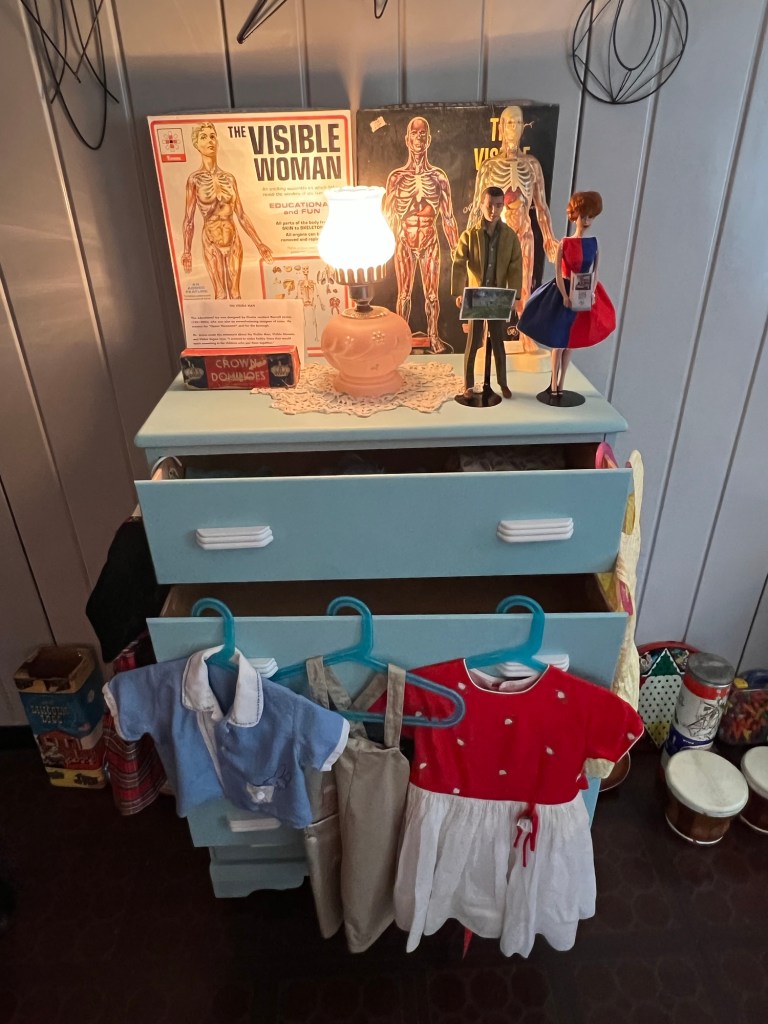
Vintage science sets and clothing were on display in the Children’s room
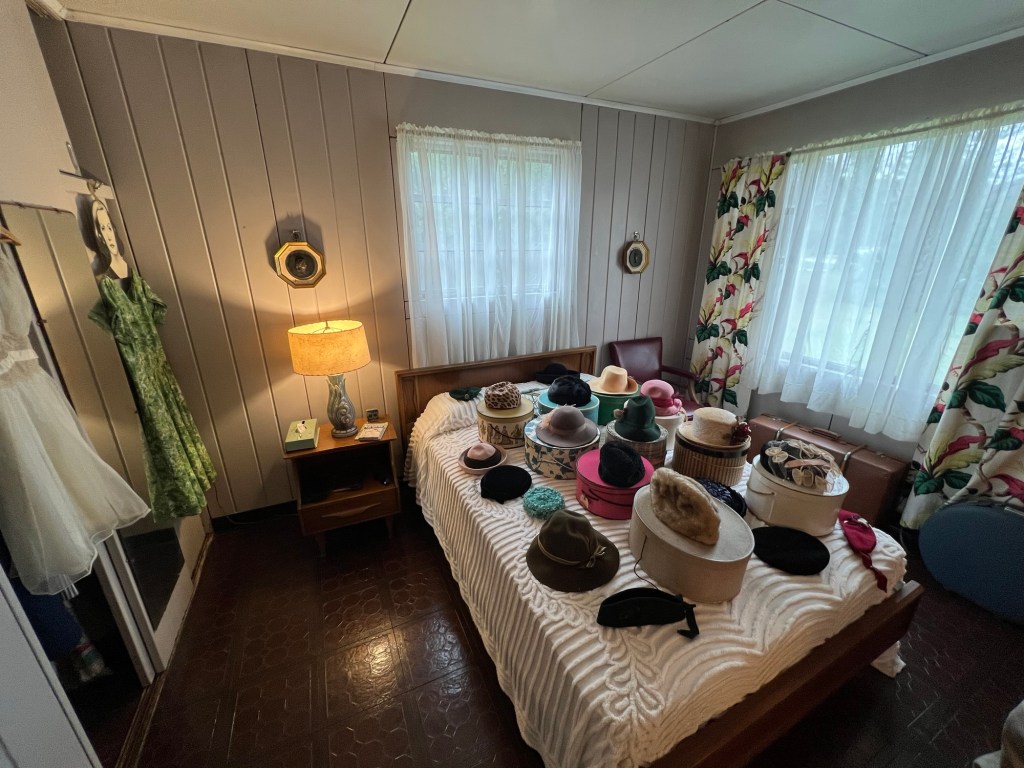
The Master Bedroom had a display of Easter hats
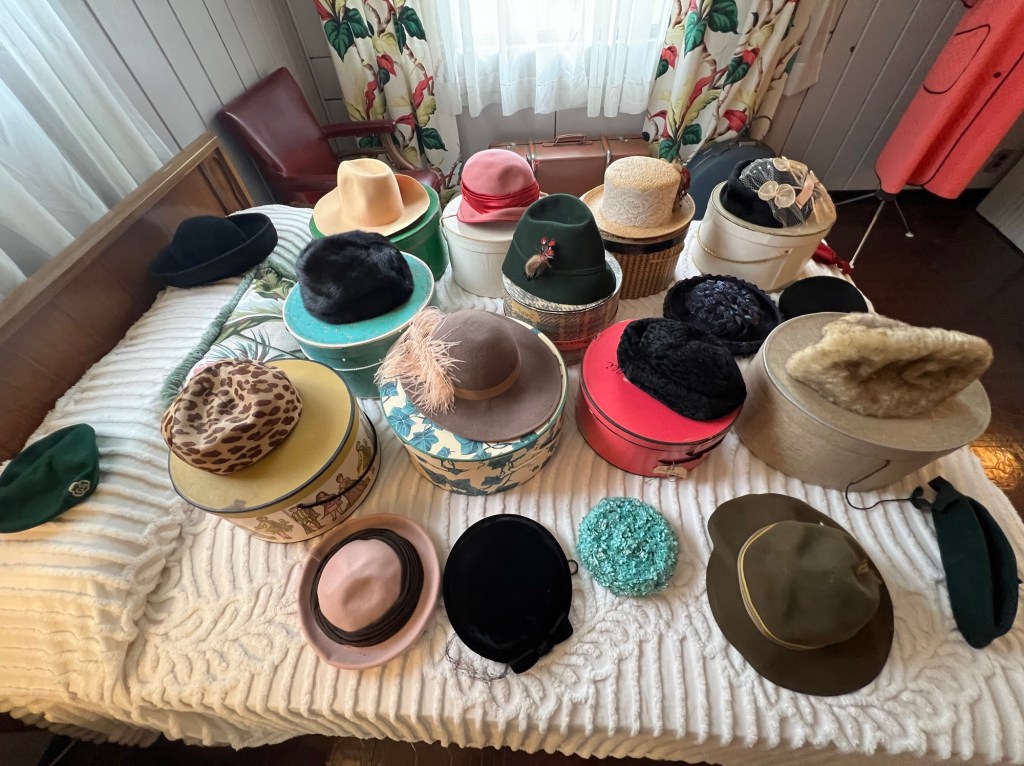
The selection of hats from the 1950’s and 60’s
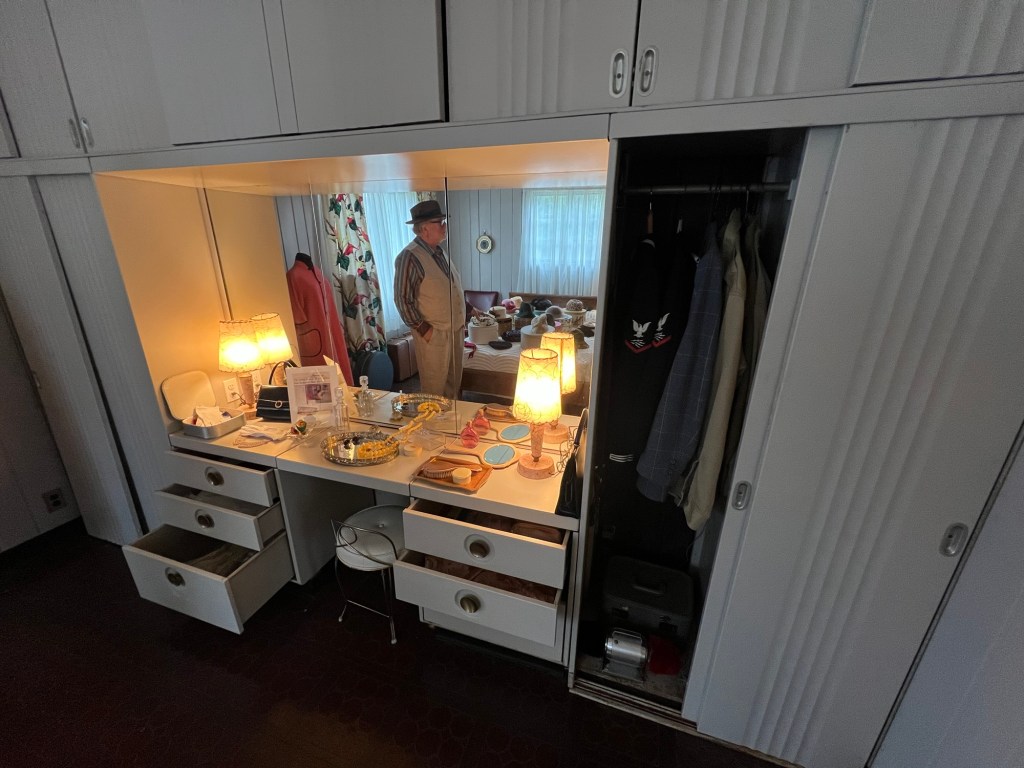
The Vanity was stocked with jewelry and perfume while the drawers were filled with girdles, white gloves and corsets
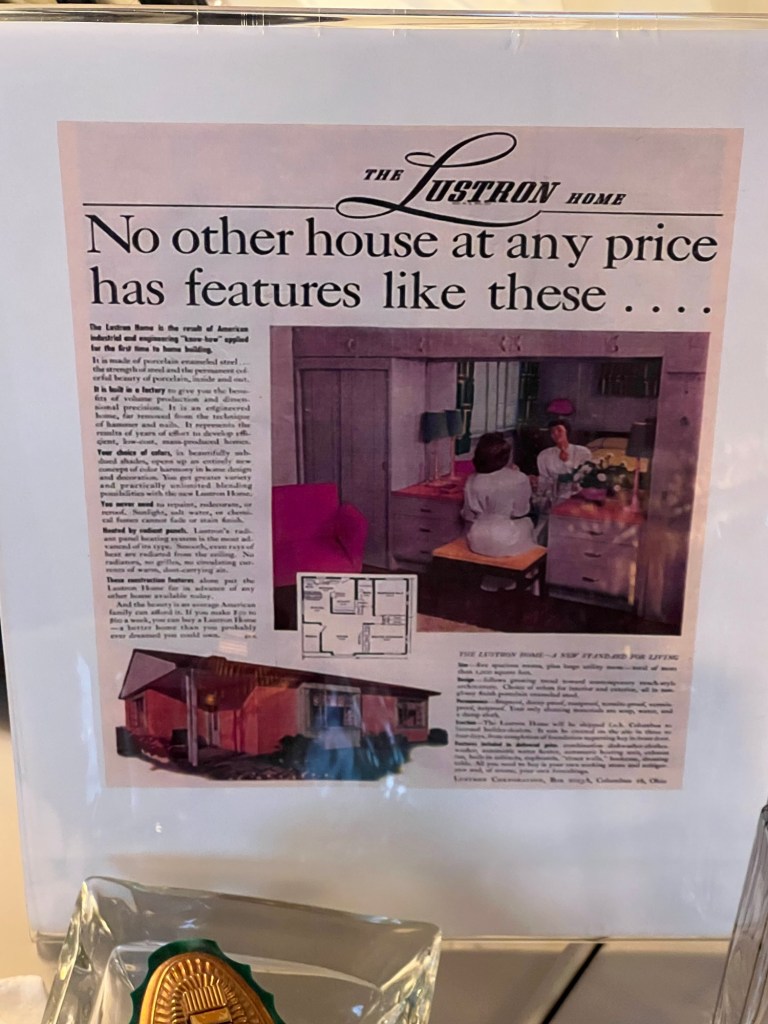
The advertising for this home offered all the wonderful amenities
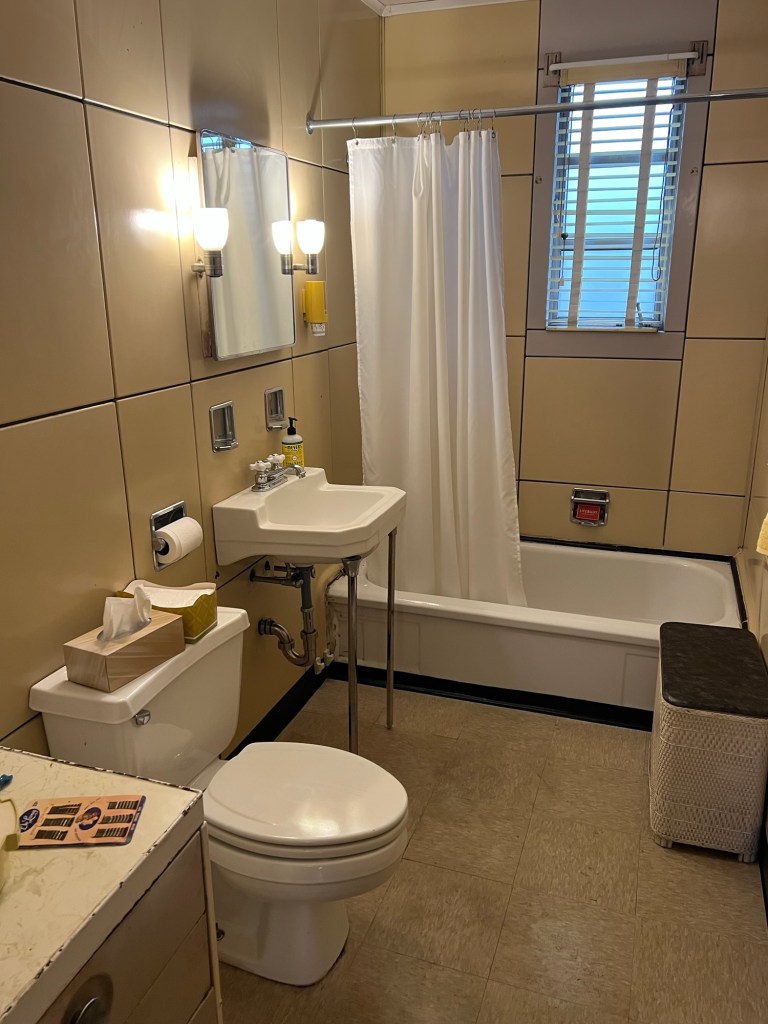
We next moved onto the bathroom which looked like my old bathroom before the renovation
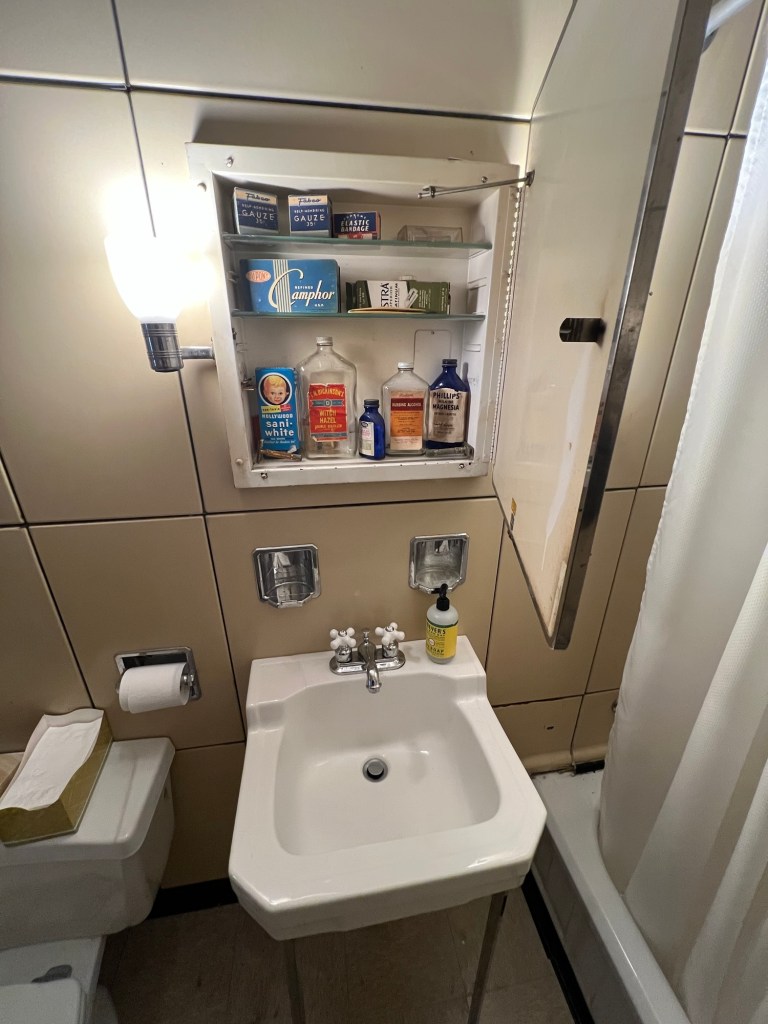
The bathroom

The last room we toured was the Living Room. The room was designed with Danish inspired furniture and clean lines. The room is full of furnishings and decorations from the 1960’s and 70’s done in the Modern Danish look. The room has a very early 1970’s feel about it.
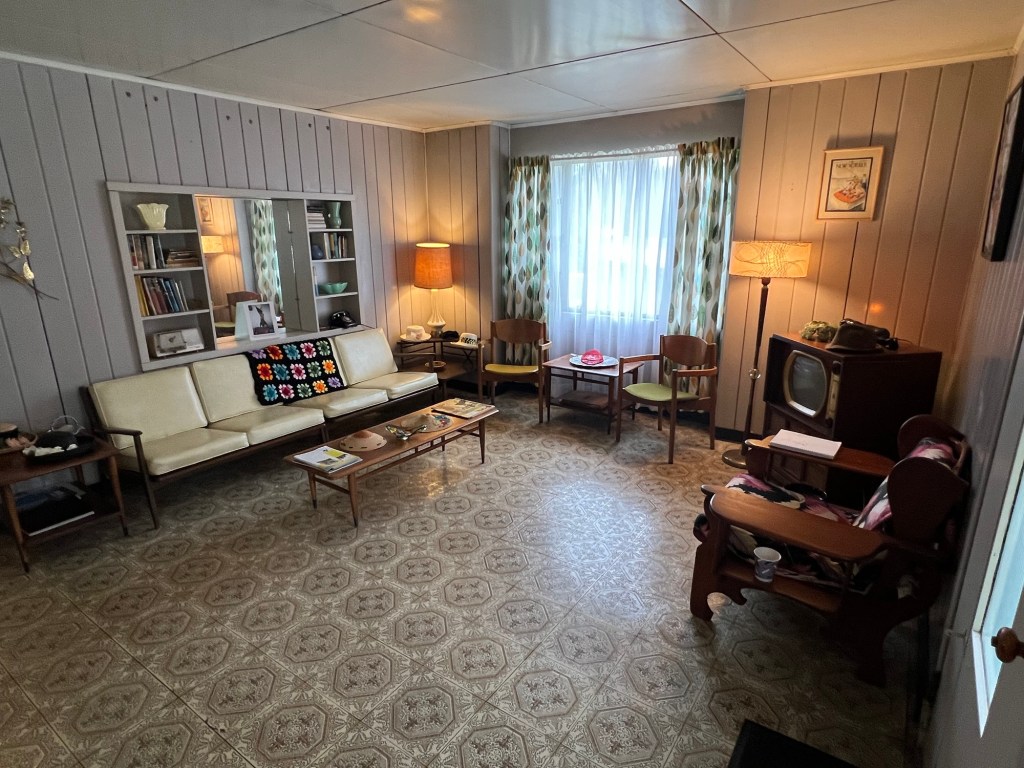
The Living Room
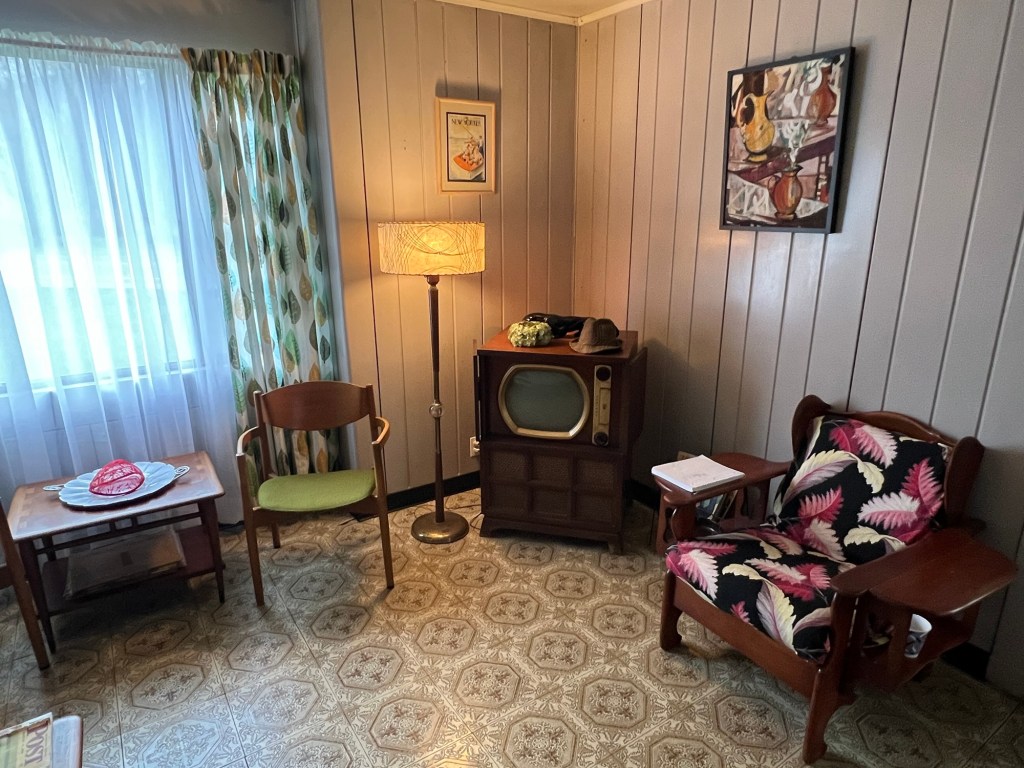
The Living Room

As we finished our tour of the house, we passed through the breezeway again and the patio area. There was an outdoor seating area on the patio.

The Patio just outside the breezeway
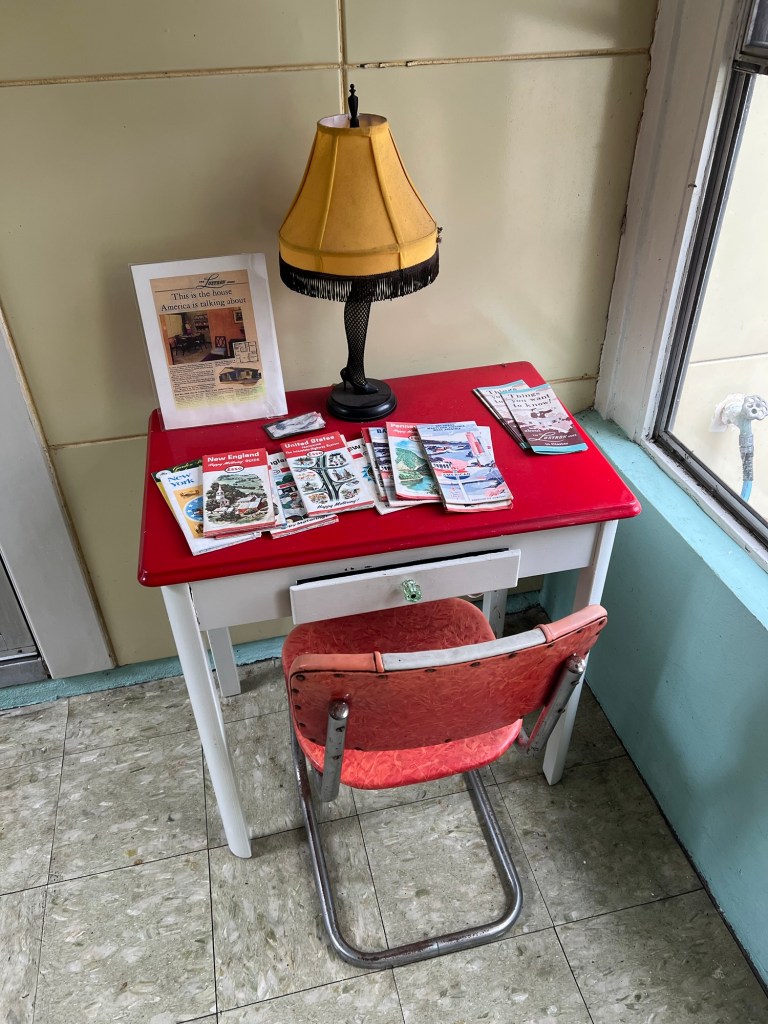
The private desk just outside the breezeway
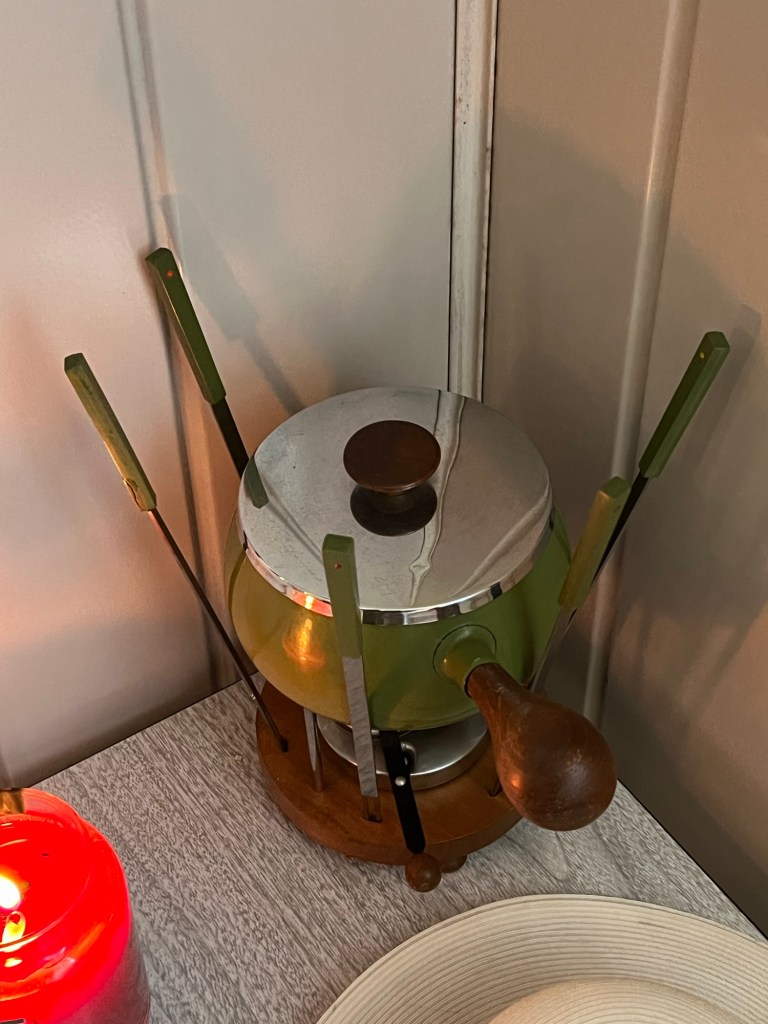
The fondue pot in the corner
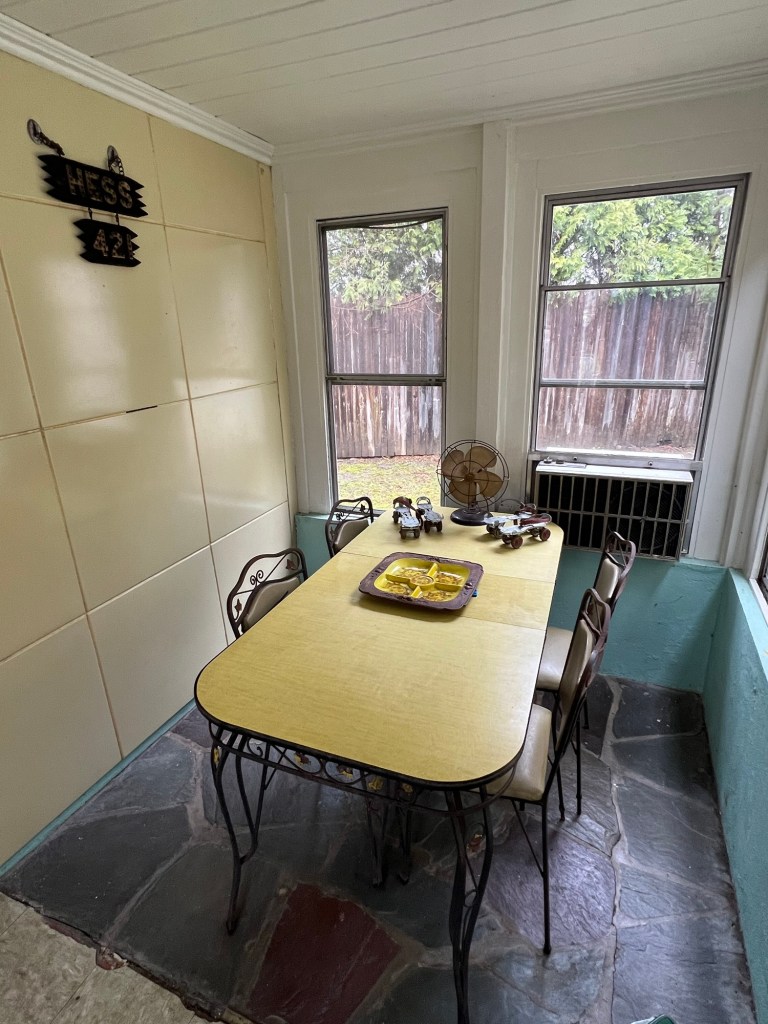
The table on the breezeway

When I got back into the house from the outside, I toured one more time and walked around the Living Room. That’s when they showed us the record player.
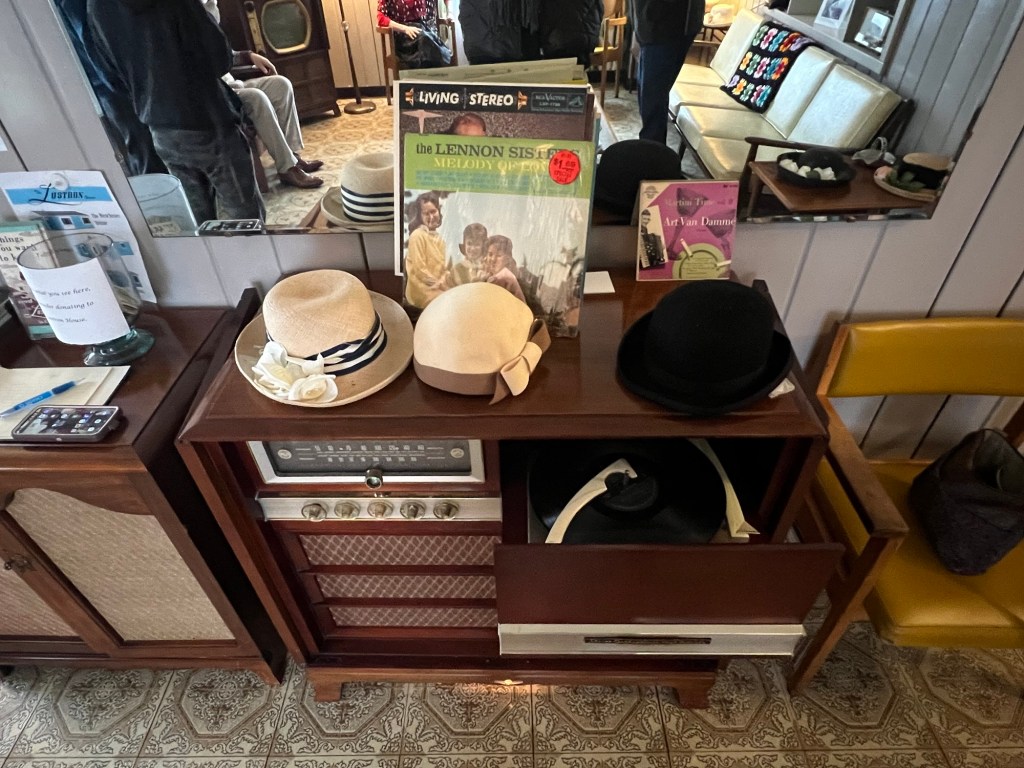
Seemed like a good place to hide the household’s records

It really was like walking through a time capsule of my past. As I walked through every room, I felt like I was going to see my Grandmother and Great Aunt walking through the door and my mother in her early 30’s yelling at us again to get off her furniture. For a Gen X visitor, it is a step back into our past. What a unique museum.
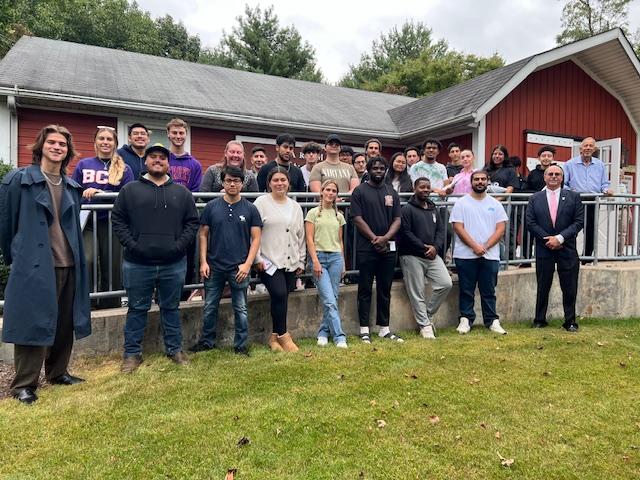
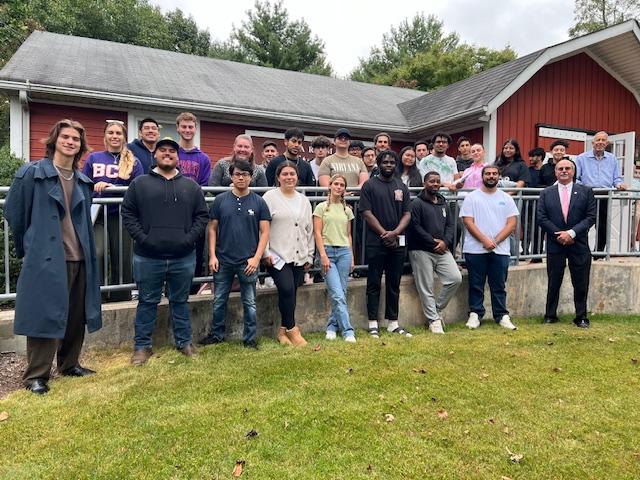
Day Three Hundred and Twenty-Eight Bergecco-Parc Consulting Inc. presents “Visiting Bergen County, NJ Museums: Promotional Plan for Visiting the Behnke Museum, Bergenfield Museum, Walking Tour of Coopers Pond Park and a Graveyard Walk of the South Presbyterian Church”                                                               December 11th, 2024

Day Three Hundred and Twenty-Eight Bergecco-Parc Consulting Inc. presents “Visiting Bergen County, NJ Museums: Promotional Plan for Visiting the Behnke Museum, Bergenfield Museum, Walking Tour of Coopers Pond Park and a Graveyard Walk of the South Presbyterian Church” December 11th, 2024

Our Corporate Team Picture at the Behnke Museum

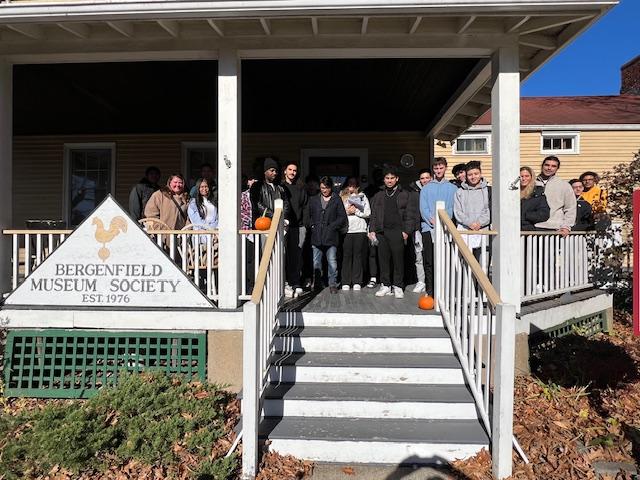
Our Corporate picture at the Bergenfield Museum

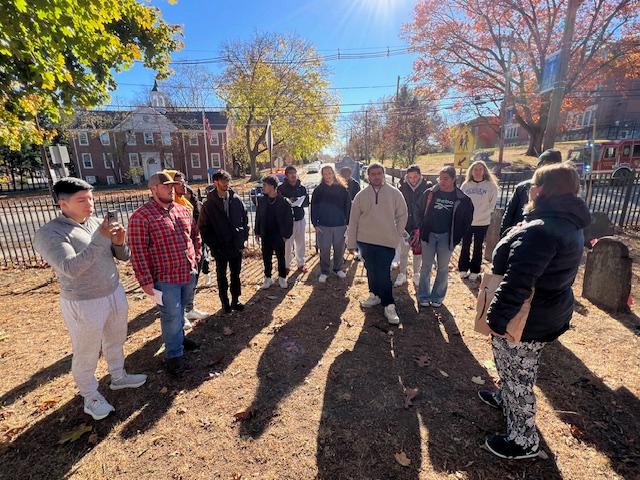
Our Corporate picture at the South Presbyterian Church graveyard while on the tour of it.

Harriet Tubman Museum of New Jersey            632 Lafayette Street                                                       Cape May, NJ 08204

Harriet Tubman Museum of New Jersey 632 Lafayette Street Cape May, NJ 08204

Harriet Tubman Museum of New Jersey

632 Lafayette Street

Cape May, NJ 08204

Open: Sunday 2:00pm-4:00pm/Monday-Tuesday Closed/Wednesday-Saturday 11:00am-4:00pm (Check the website for the seasons)

My Review on TripAdvisor:

https://www.tripadvisor.com/Attraction_Review-g46341-d23550005-Reviews-Harriet_Tubman_Museum-Cape_May_Cape_May_County_New_Jersey.html

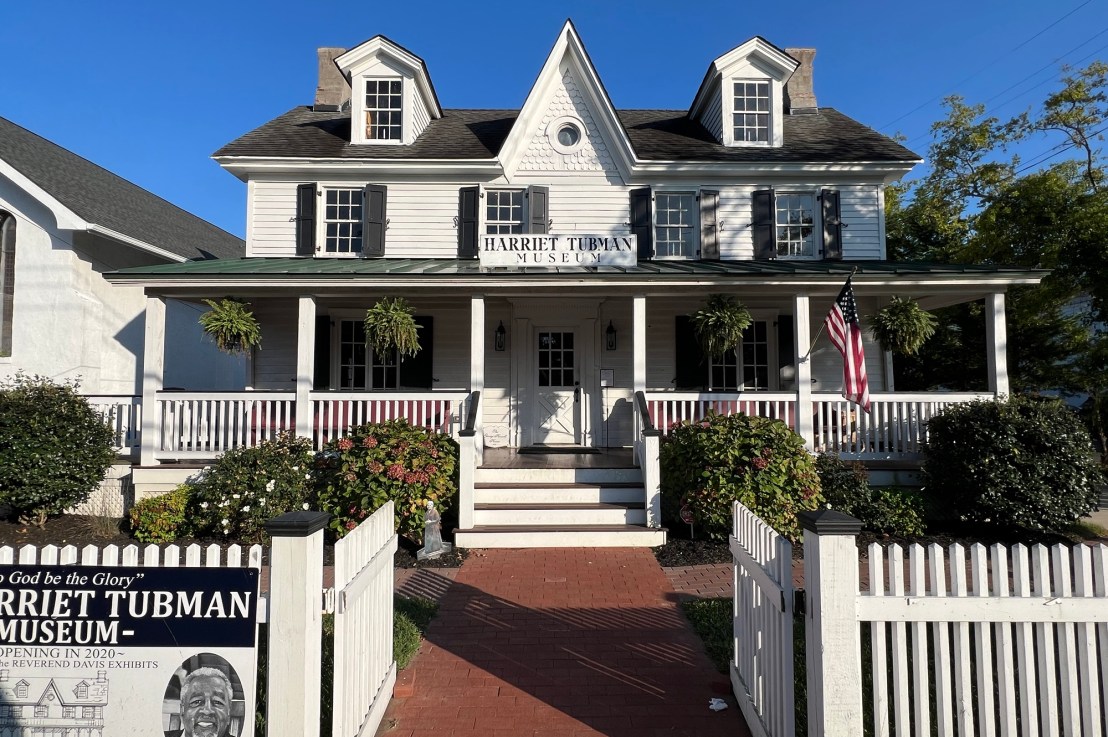
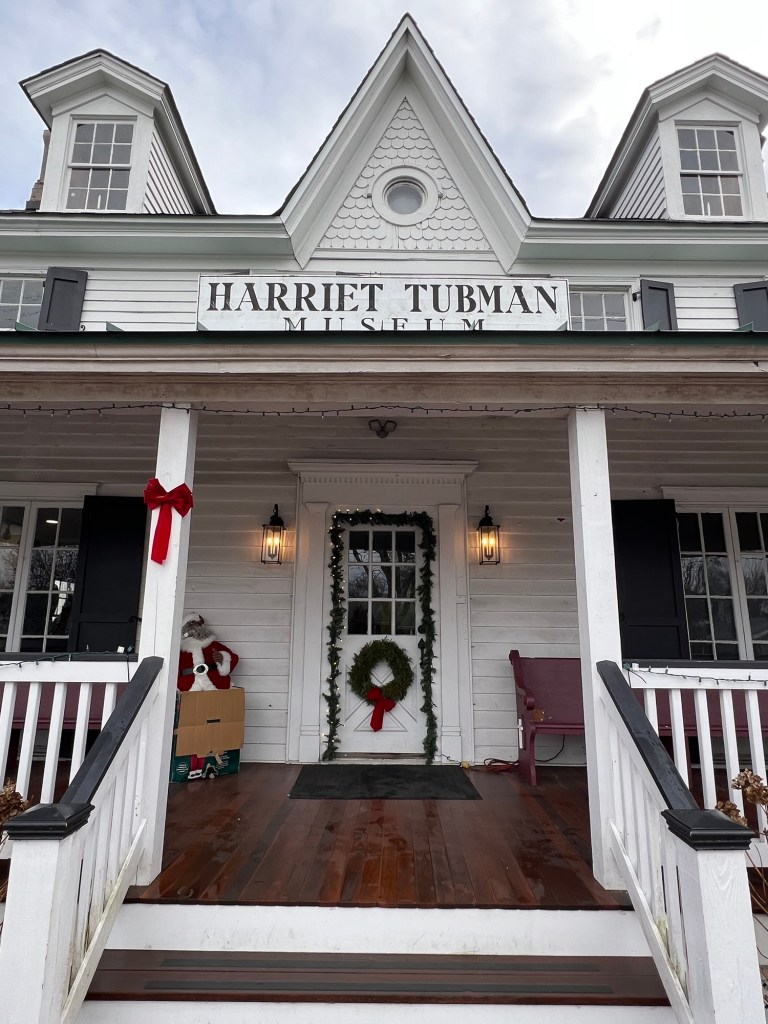
The entrance to the Harriet Tubman Museum of New Jersey

The History of the Museum and House it is located in:

(From the Museum website):

Lafayette street and Franklin Street: the center of abolitionist activism in Cape May

The Harriet Tubman Museum building is located on a block that anti-slavery activists called home in Cape May. Lafayette Street and Franklin Street became a center of abolitionist activity centered around three important buildings developed in 1846.

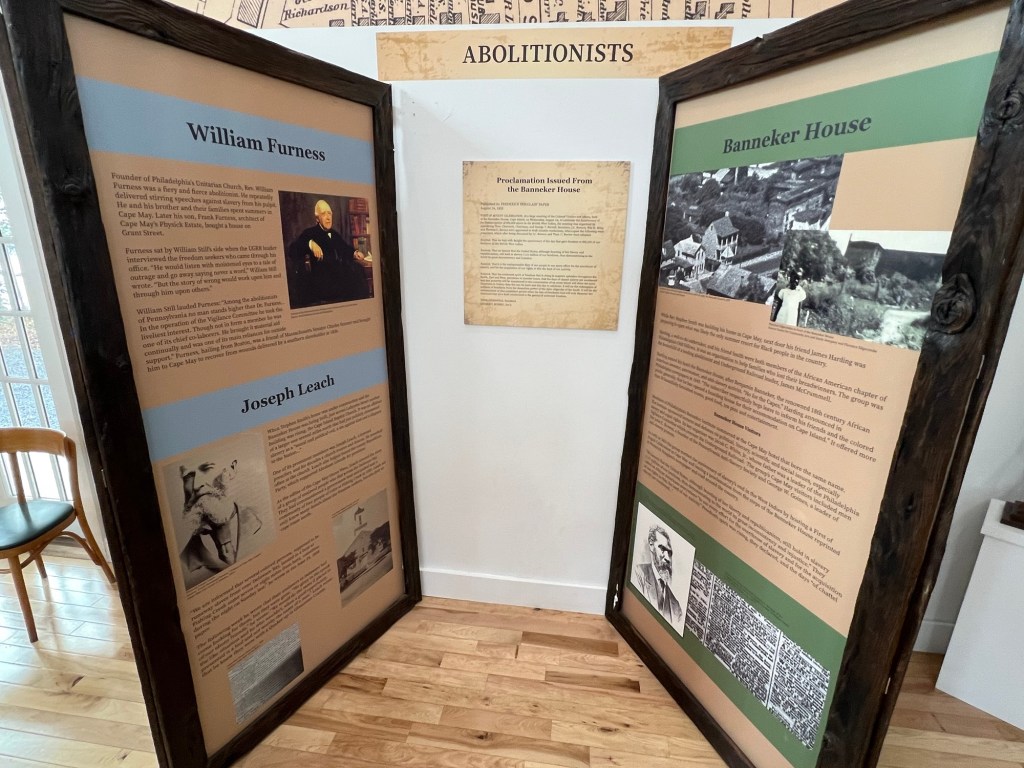
The Stephen Smith House stands at 645 Lafayette Street, across from the site of the Harriet Tubman Museum, where Stephen Smith built his summer home in 1846. Smith was a founder of the Pennsylvania Anti-Slavery Society.

The Banneker House was next to the Stephen Smith House. The Banneker House became a first-class hotel and one of the only summer resorts for free Black people in the country and was developed by James Harding, a friend of Stephen Smith.

The white Baptist Church was located directly across the street from the Stephen Smith House and Joseph Leach frequently preached there. Leach was a political leader and editor of the Ocean Wave newspaper, where he often wrote accounts of enslaved people that fled to Cape May. The congregation of the church issued a strong condemnation of slavery.

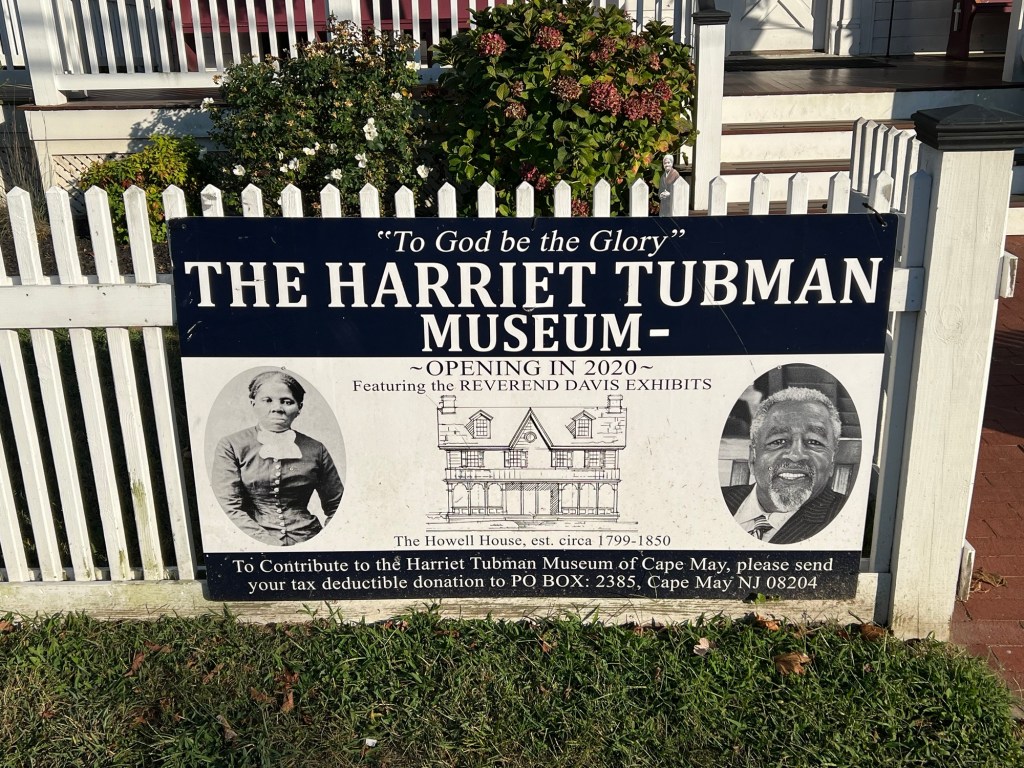
The sign that welcomes you

The Museum at Christmas time

Santa greets you at the door

Cape May: A nexus between North and South

(from the museum website):

Cape May played a pivotal role in the fight to end slavery. Several historic figures critical to the fight against slavery spent their summers in Cape May.

The children’s dolls at the entrance

I visited the Harriet Tubman Museum when I was in Cape May and this small museum tells two different stories. It tells of Harriet Tubman’s time living in Cape May as a cook before her return down South and about the Free Black community in Cape May that built their own Society within the community. Their businesses catered to both Black and White residents of Cape May.

The museum tackles several different topics including the life of Harriet Tubman in Cape May when she lived here as a cook, earning money and probably developing a strategy for helping enslaved people reach their freedom through the Underground Railroad. It discusses the success many Black residents found as business owners in Cape May and the surrounding towns.

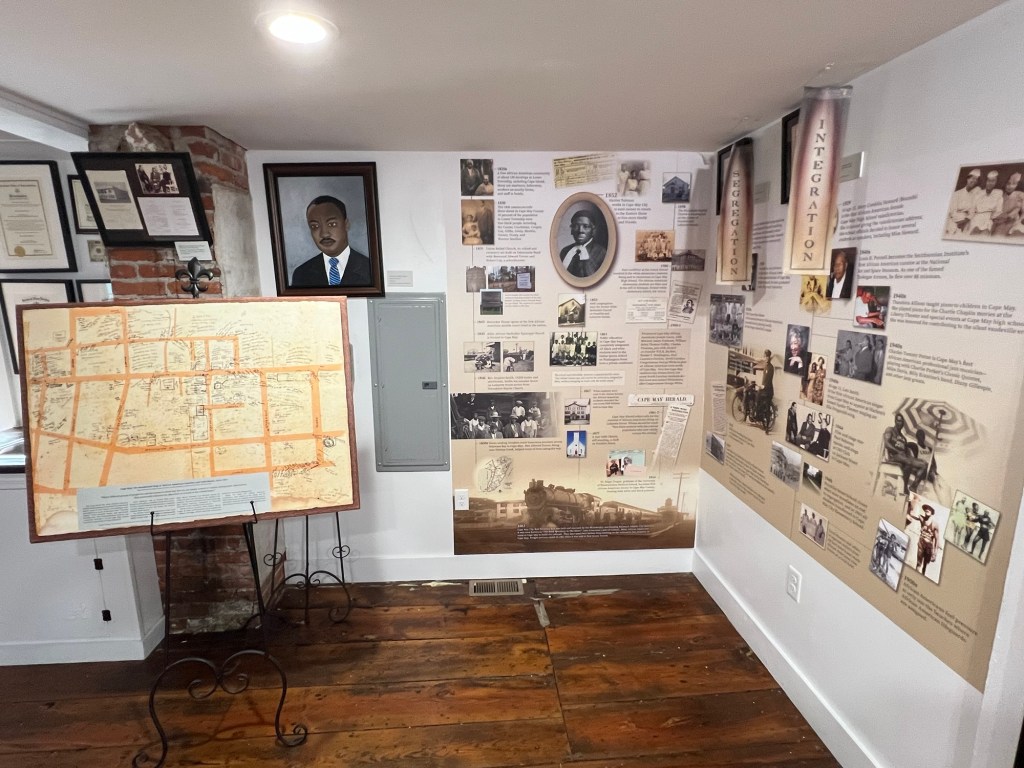
The last topic the museum discusses in the affects of Integration and Segregation on society in general and its causes and results. There is no one solution to this as we as a society cause this by our own actions.

The History of Business’s owned by Blacks in that era of Cape May

The freed black population settled in the Cape May area and opened many businesses that contributed to the whole population. This developed into many successfully run businesses by Free Slaves and residents of New Jersey.

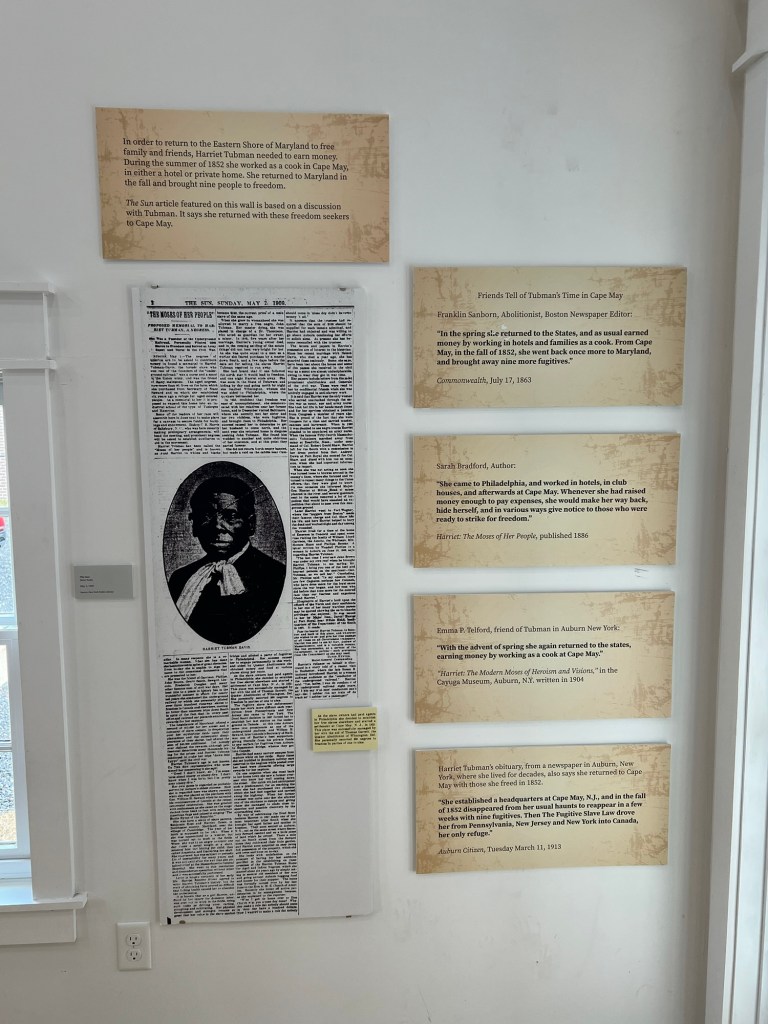
The history of Harriet Tubman in Cape May

(From the museum website):

Harriet Tubman’s life and work in Cape May

Harriet Tubman lived in Cape May in the early 1850s, working to help fund her missions to guide enslaved people to freedom. After her initial journeys conducting freedom seekers to Canada, her friend and abolitionist leader Franklin Sanborn wrote, “She returned to the states, and as usual earned money by working in hotels and families as a cook. From Cape May, in the fall of 1852, she went back once more to Maryland, and brought away nine more fugitives.” The New Jersey Historical Commission says she spent two other summers in Cape May.

Life of Charles Sumner in Cape May, NJ

https://en.wikipedia.org/wiki/Charles_Sumner

https://www.britannica.com/biography/Charles-Sumner

The history of Abolitionists in Cape May and in New Jersey. Being so close to the border, New Jersey was a big part of the Slavery Underground. Even during the Civil War, Delaware was a more neutral state of the South.

The story of the Abolitionist Movement and William Furness

https://en.wikipedia.org/wiki/William_Henry_Furness

History of the war years and the people who shaped it

The progressions of Blacks in that era

The affects of Segregation and Integration in a society that does not always see eye to eye. This attitude unfortunately still survives into today. There is the history of Harriet Tubman’s life as a child into adulthood.

The stories of Integration and Segregation in that era

Harriet Tubman, Activist and Transporter

https://en.wikipedia.org/wiki/Harriet_Tubman

Many voices told at the museum

The museum offers many voices and stories about life before, during and after slavery and its part in the shaping of New Jersey. Since New Jersey was the last Northern state to abolish slavery on January 23rd, 1866.

The History and End of Slavery in New Jersey:

(From the website of the New Jersey Department of State-Historical Commission website)

New Jersey, The Last Northern State to End Slavery

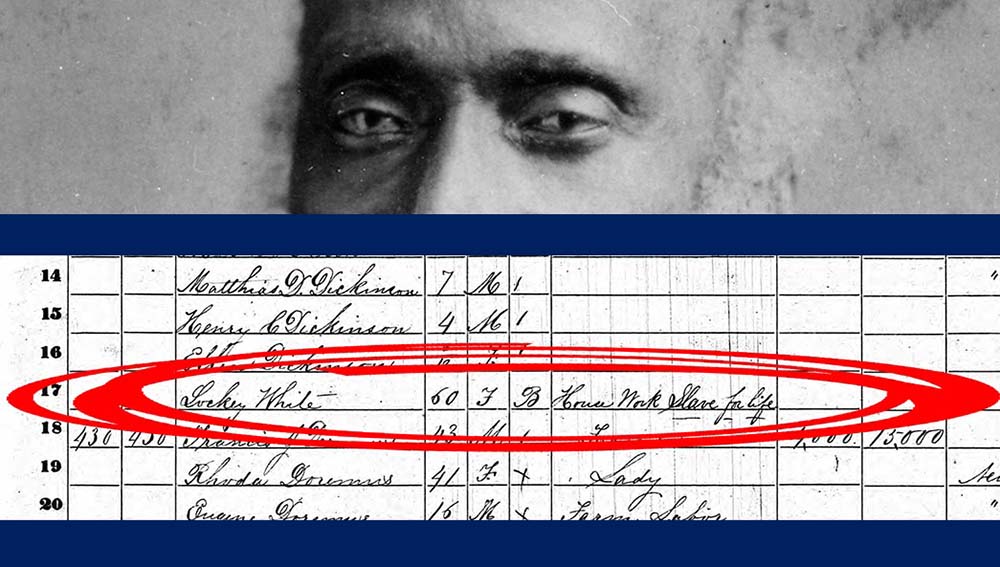
Image collage: Peter Lee who may have been illegally enslaved as a young man by the Stevens Family in Hoboken, NJ, and Lockey White’s 1860 census entry indicating that she was a 'slave for life'.
Image collage: Peter Lee who may have been illegally enslaved as a young man by the Stevens Family in Hoboken, NJ, and Lockey White’s 1860 census entry indicating that she was a “slave for life.”

By Noelle Lorraine Williams,
Director, African American History Program
The New Jersey Historical Commission

This year forty-seven states including New Jersey will observe Juneteenth (also known as Freedom Day or Emancipation Day) as a state holiday—a holiday that commemorates when enslaved Blacks in Galveston, Texas learned that they were, in fact, freed by President Abraham Lincoln’s Emancipation Proclamation two and half years earlier. The date was June 19, 1865. Juneteenth then is a holiday of celebration and a mournful remembrance of deep injustice and loss. It reveals the injustice of slavery and the legal repression of African American freedom, extending beyond the nineteenth century.

But we must remember that there were still enslaved Black men and women in New Jersey even after Juneteenth. Imagine, New Jersey’s death grip on slavery meant that until December 1865, six months after enslaved men, women, and children in Texas found out they were cheated of their freedom, approximately 16 African Americans were still technically enslaved in New Jersey.

But Why and How?

While there were many Black, mixed-race, and white people in New Jersey who fought against slavery, most legislators refused to condemn the institution. Profits from slaveholding organizations had built and maintained the state’s major cities and regional centers like Newark and those in Bergen County.

Lincoln’s 1863 Emancipation Proclamation did not free enslaved African Americans in the Northern States; it freed only those in the mostly southern “rebellious states.” Two years later, New Jersey bitterly refused to ratify the Thirteenth Amendment, the United States Constitutional Amendment that abolished slavery and involuntary servitude across the country.

Slavery’s final legal death in New Jersey occurred on January 23, 1866, when in his first official act as governor, Marcus L. Ward of Newark signed a state Constitutional Amendment that brought about an absolute end to slavery in the state. In other words, the institution of slavery in New Jersey survived for months following the declaration of freedom in Texas.

To understand this historical development, one needs to take a step back to 1804 when New Jersey passed its Gradual Abolition of Slavery law—an act that delayed the end of slavery in the state for decades. It allowed for the children of enslaved Blacks born after July 4, 1804 to be free, only after they attained the age of 21 years for women and 25 for men. Their family and everyone else near and dear to them, however, remained enslaved until they died or attained freedom by running away or waiting to be freed.

In a period when the average life expectancy was 40 years old, the 1804 law essentially took more than half of these people’s lives to satisfy the economic and political demands of New Jersey enslavers.

In essence, Juneteenth, not only marks the day African Americans in Texas realized that they had been robbed of two years of their freedom, following the Emancipation Proclamation. It also commemorates all of our ancestors here in New Jersey who were the last Blacks in the North to be ensnared in that bloody institution.


The New Jersey Historical Commission (NJHC), a division of the New Jersey Department of State, is a state agency dedicated to the advancement of public knowledge and preservation of New Jersey history.

The creation of the Harriet Tubman Museum

Mount Tabor Historical Society              Richardson History House                                      32 Trinity Place                                                 Mount Tabor, NJ 07878

Mount Tabor Historical Society Richardson History House 32 Trinity Place Mount Tabor, NJ 07878

Mount Tabor Historical Society

Richardson History House

32 Trinity Place

Mount Tabor, NJ 07878

973-975-0001

https://www.facebook.com/mounttaborhistoricalsociety/

Open: Sundays 1:00pm-4:00pm/Monday-Saturday Closed

Admission: Free but donations accepted and recommended to help the museum operate.

My review on TripAdvisor:

https://www.tripadvisor.com/ShowUserReviews-g46652-d28537558-r971784929-Mount_Tabor_Historical_Society_Museum-Mount_Tabor_Morris_County_New_Jersey.html?m=19905

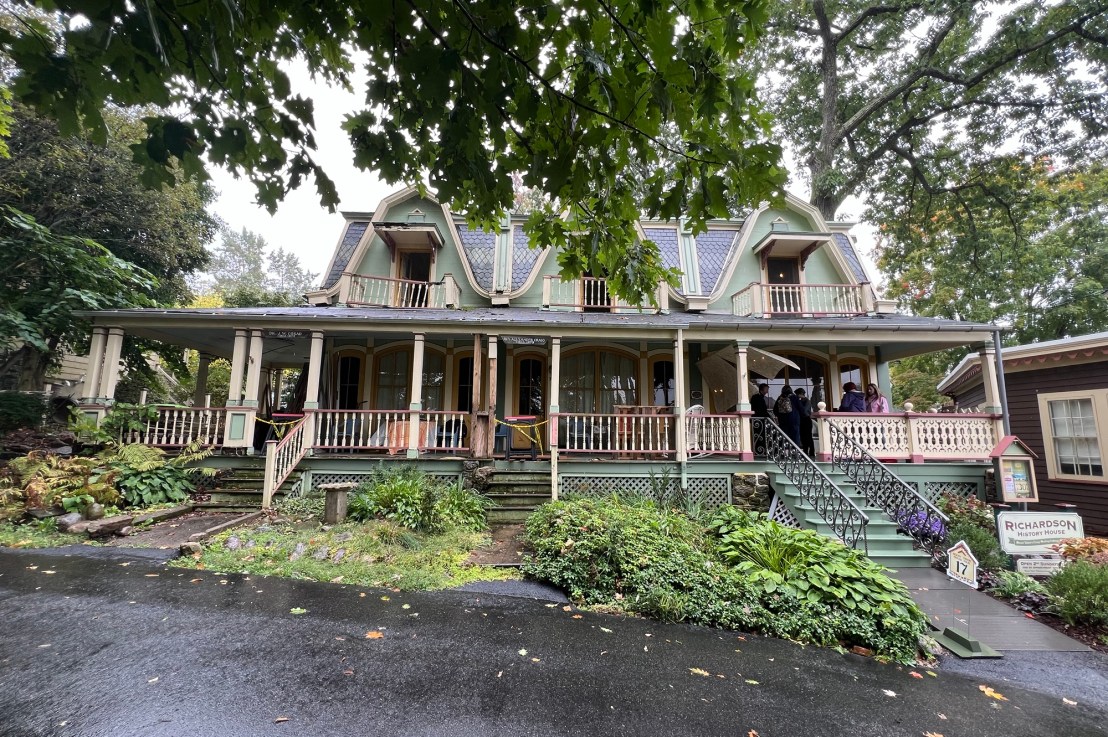
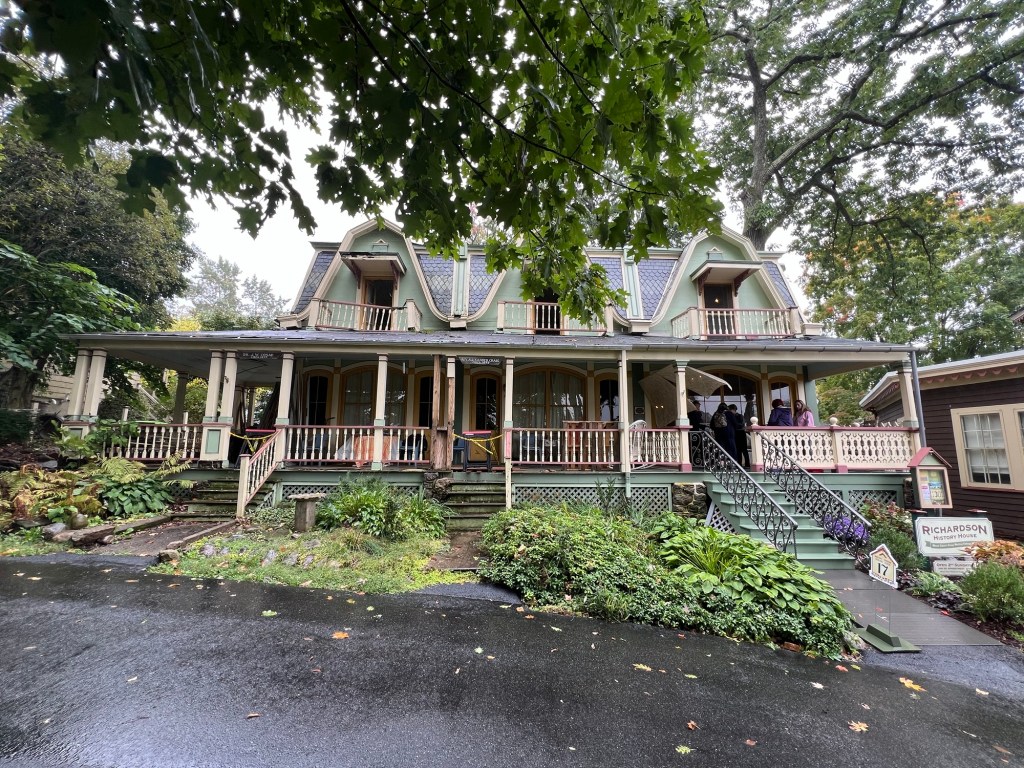
The Mount Tabor Historical Society at 32 Trinity Place

The Historical Society and the gardens

I went on the Mount Tabor House and garden walking tour in late September on a rather gloomy Saturday and I had a wonderful time. It may have been gloomy out but the museum could not have been more interesting and the people who opened their homes could not have been nicer.

The tickets were $35.00 at the door which I thought was very fair for this fundraiser. They had transportation from the elementary school to the site and back that ran on a continuous basis from 11:00am to 4:30pm when the tour was over.

The sign by the bus tour stop

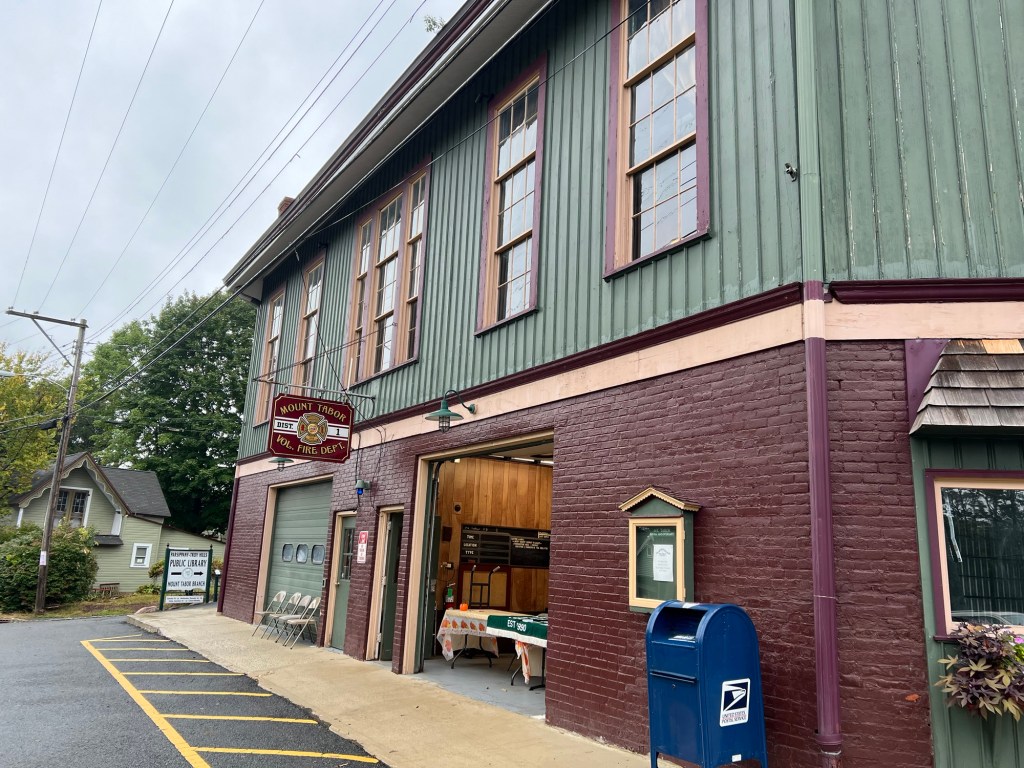
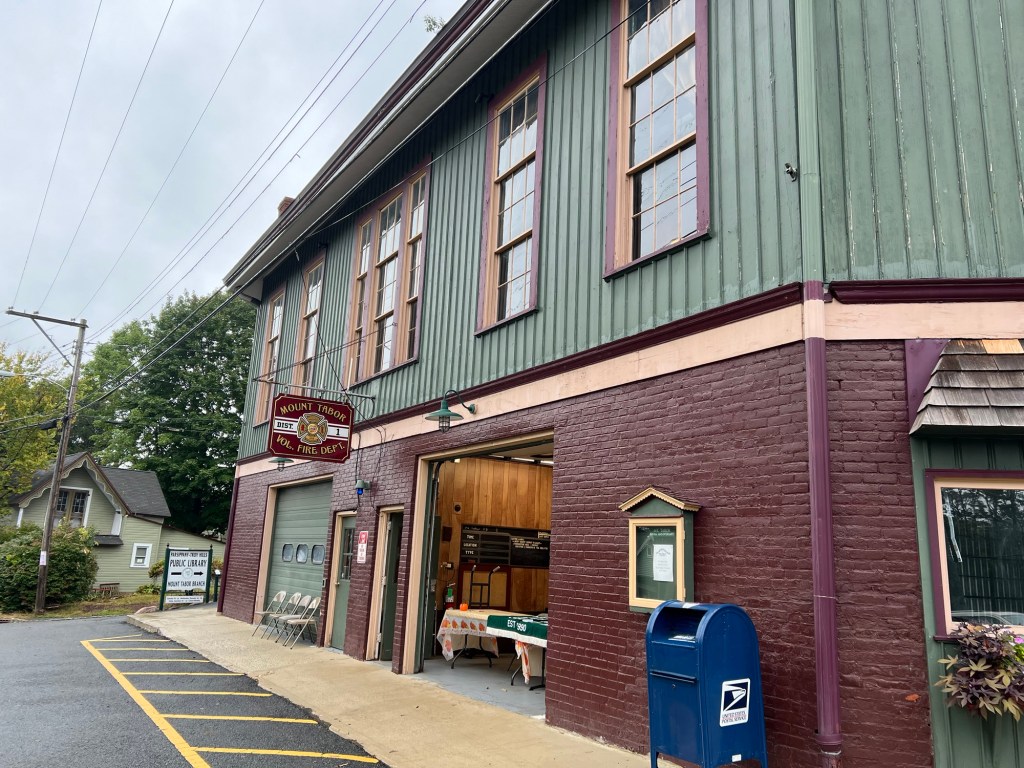
The first stop where we bought the tickets was the old Mount Tabor Fire House

When we arrived in the historic Mount Tabor neighborhood, this had once been a summer Methodist Camp. The planned community still has the original layout of the tent community and plots of land that the houses had been built on since old camp closed.

The center of the community was Trinity Park, a beautifully landscaped park

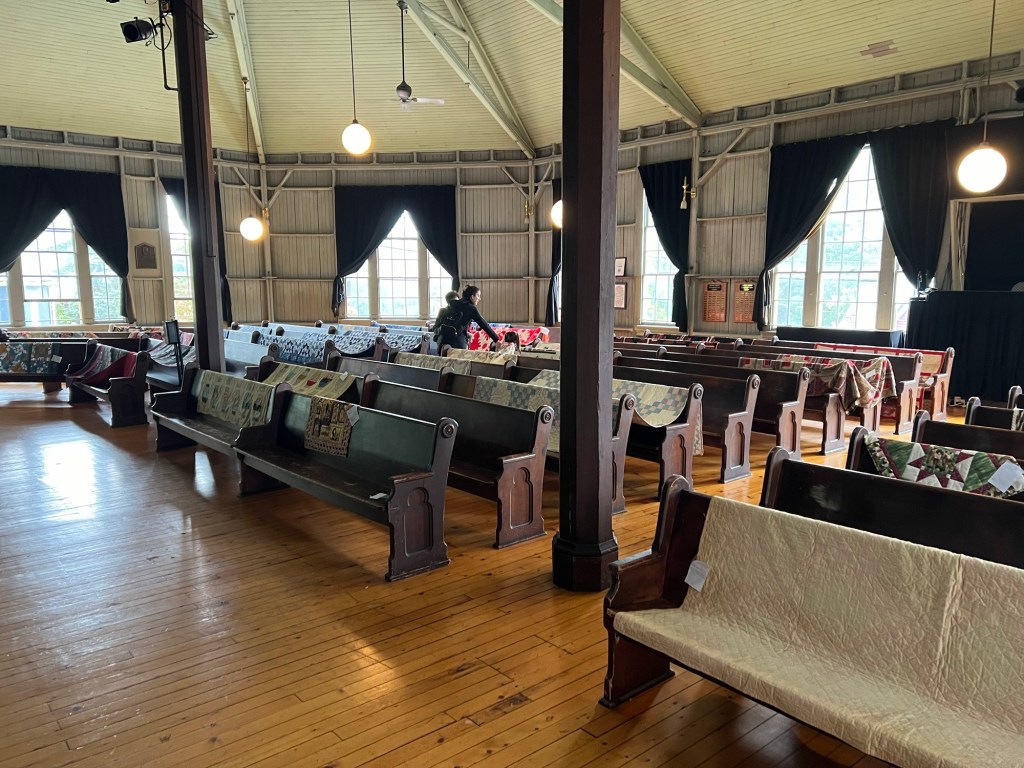
My first stop on the tour was the old Tabernacle, the original gathering place and hall where the religious services took place.

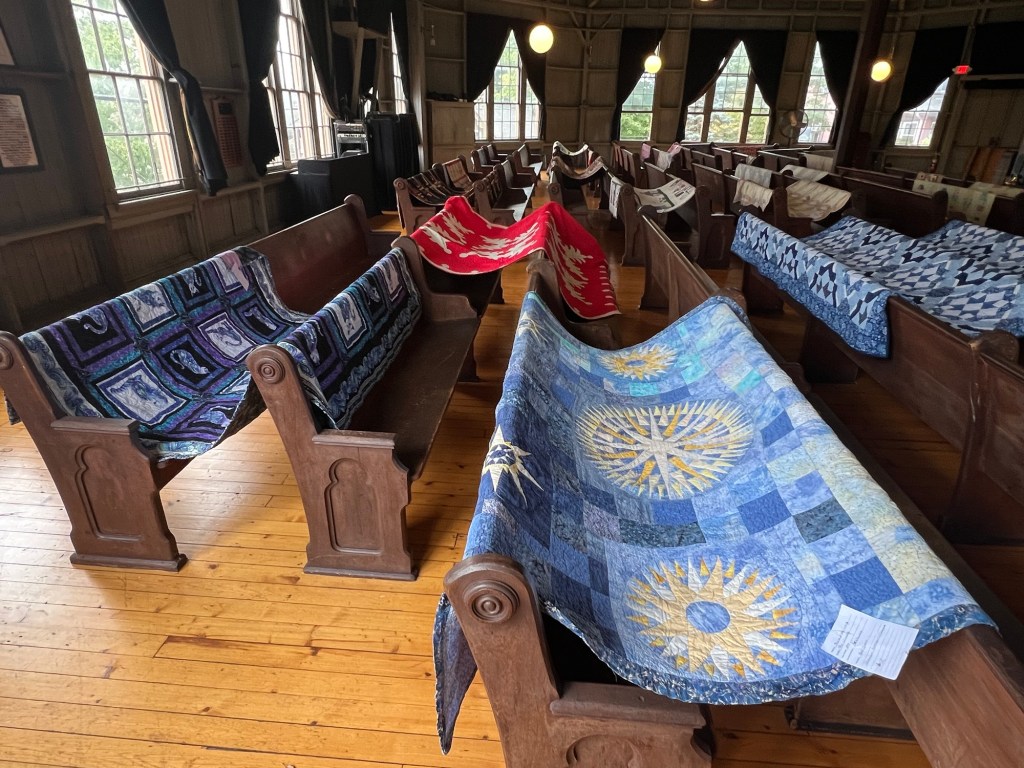
The inside of the Tabernacle, now being used for the quilt show for the tour

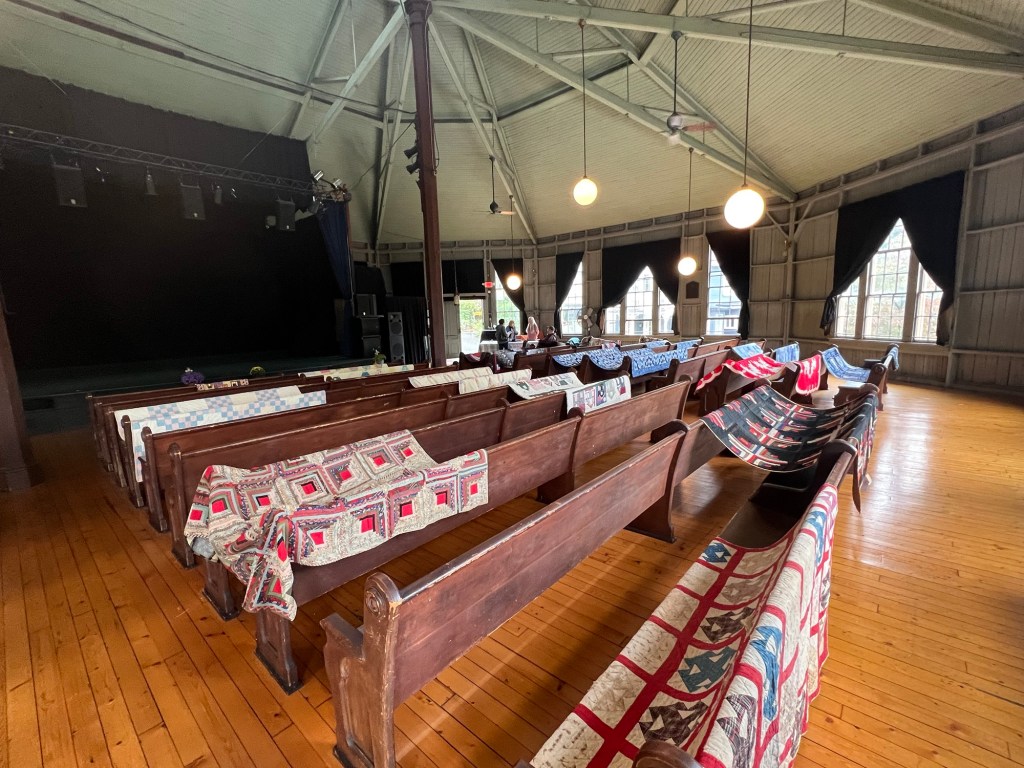
The Quilts were displayed on all the pews

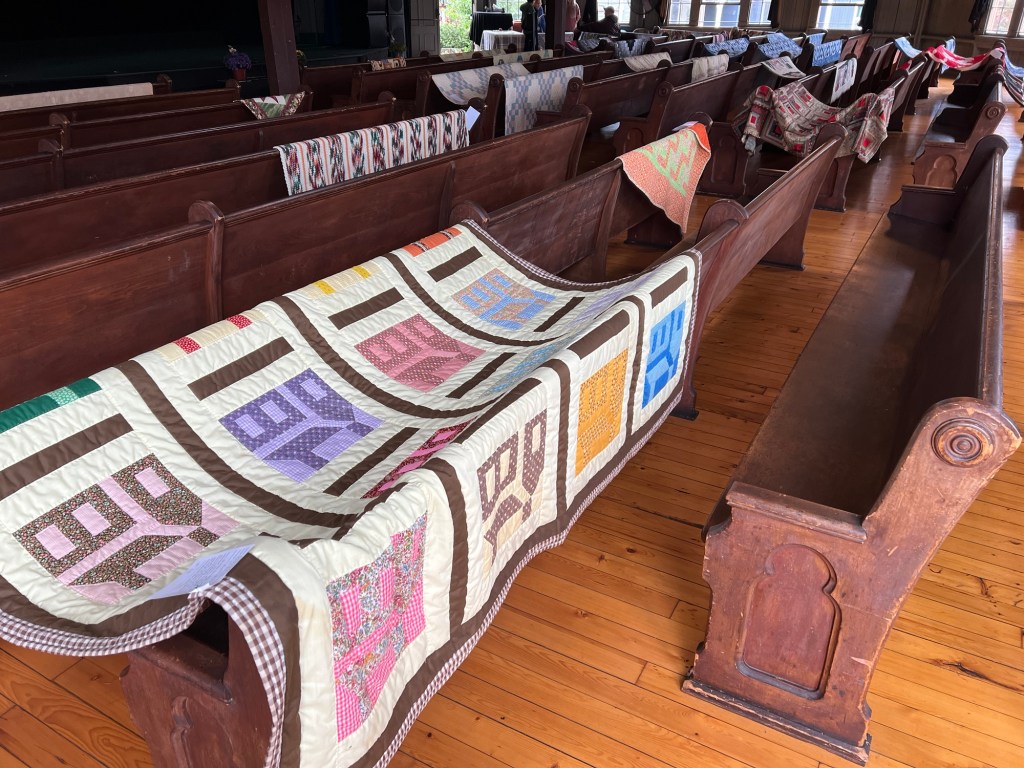
The quilts were all handmade, some really colorful and beautifully stitched. It was a really impressive show of artistry.

The beautiful quilts on display

The colorful quilts on display

After I left the Tabernacle display, I headed up to the Mount Tabor Historical Society Museum for a tour of the museum and gardens. It was located on Trinity Park.

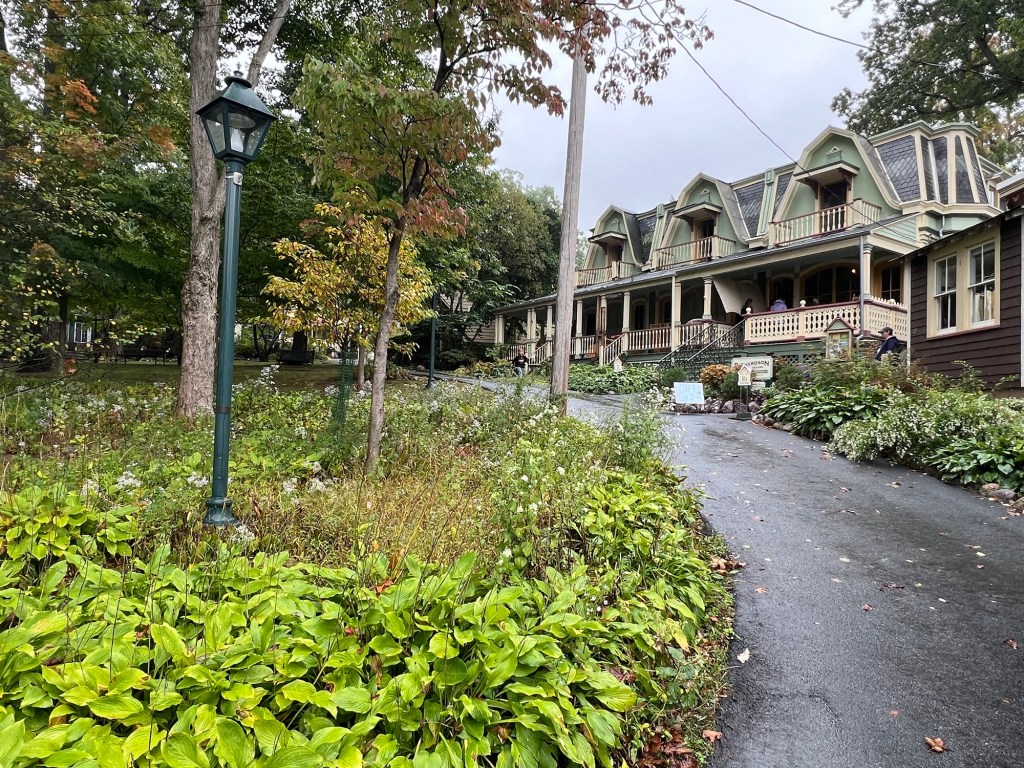
The Mount Tabor Historical Society on the eastern side of Trinity Park

The museum is part of triplex with a private home in the two other former homes. They are undergoing a renovation right now

The J. Smith Richardson History House (1873): A Camp Meeting Cottage Museum

(from the museum website)

The Mount Tabor Historical Society is privileged to share our historic community, founded as a post-Civil War permanent Camp Meeting ground, and the Richardson History House – a Camp Meeting Cottage Museum. The 1873 History House invites visitors to travel back to another era and see what it was like to spend a summer “camp meeting style” in the cottage of J. Smith and Lydia Richardson.

The parlor area in the home of Mr. Richardson

The home on the furthest to the left of the building is the museum, once home to the Richardson family, who were part of this Methodist retreat.

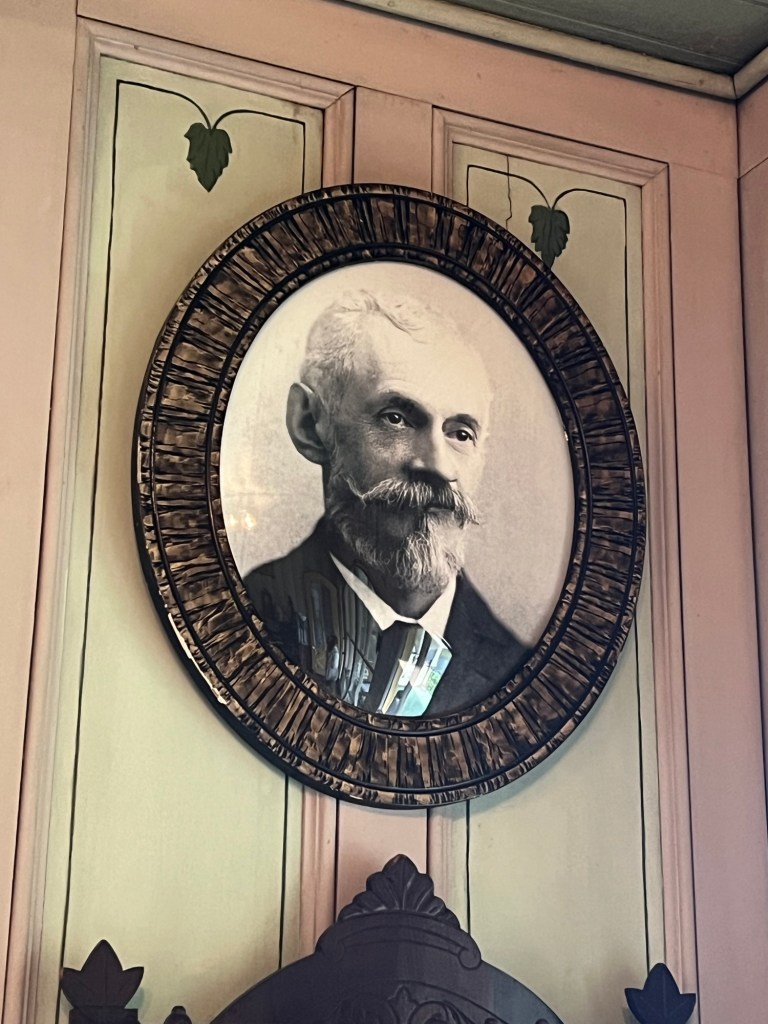
Mr. Richardson’s portrait hangs proudly on the wall overlooking the parlor of the home

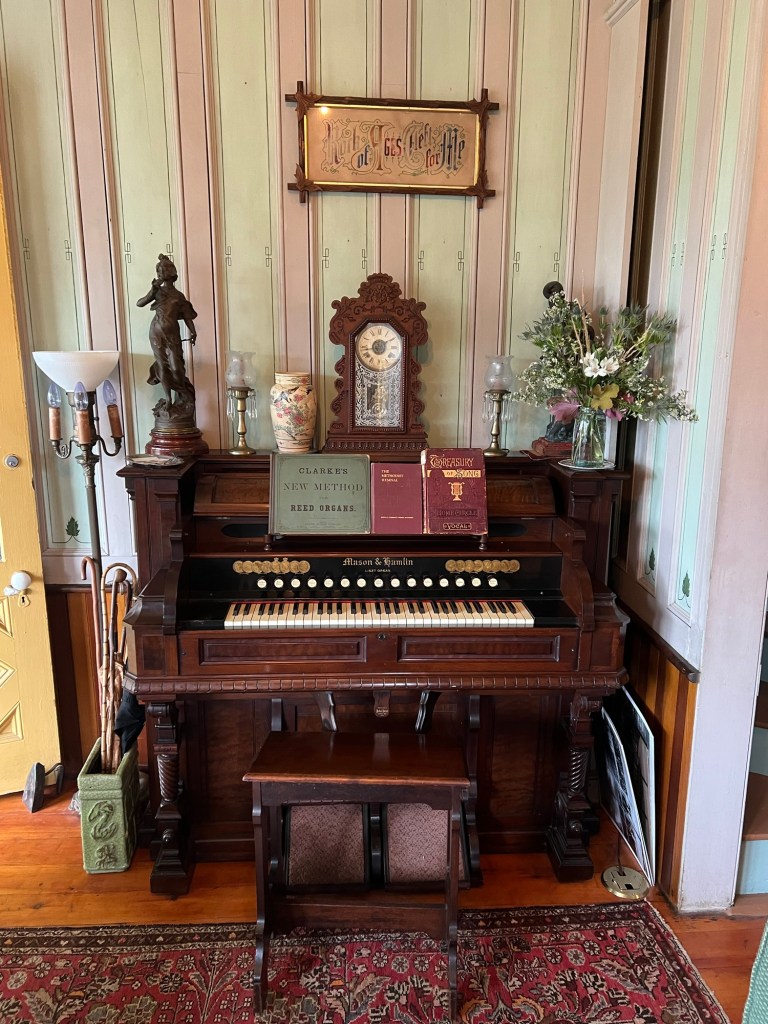
The homes pipe organ that was used to entertain the family

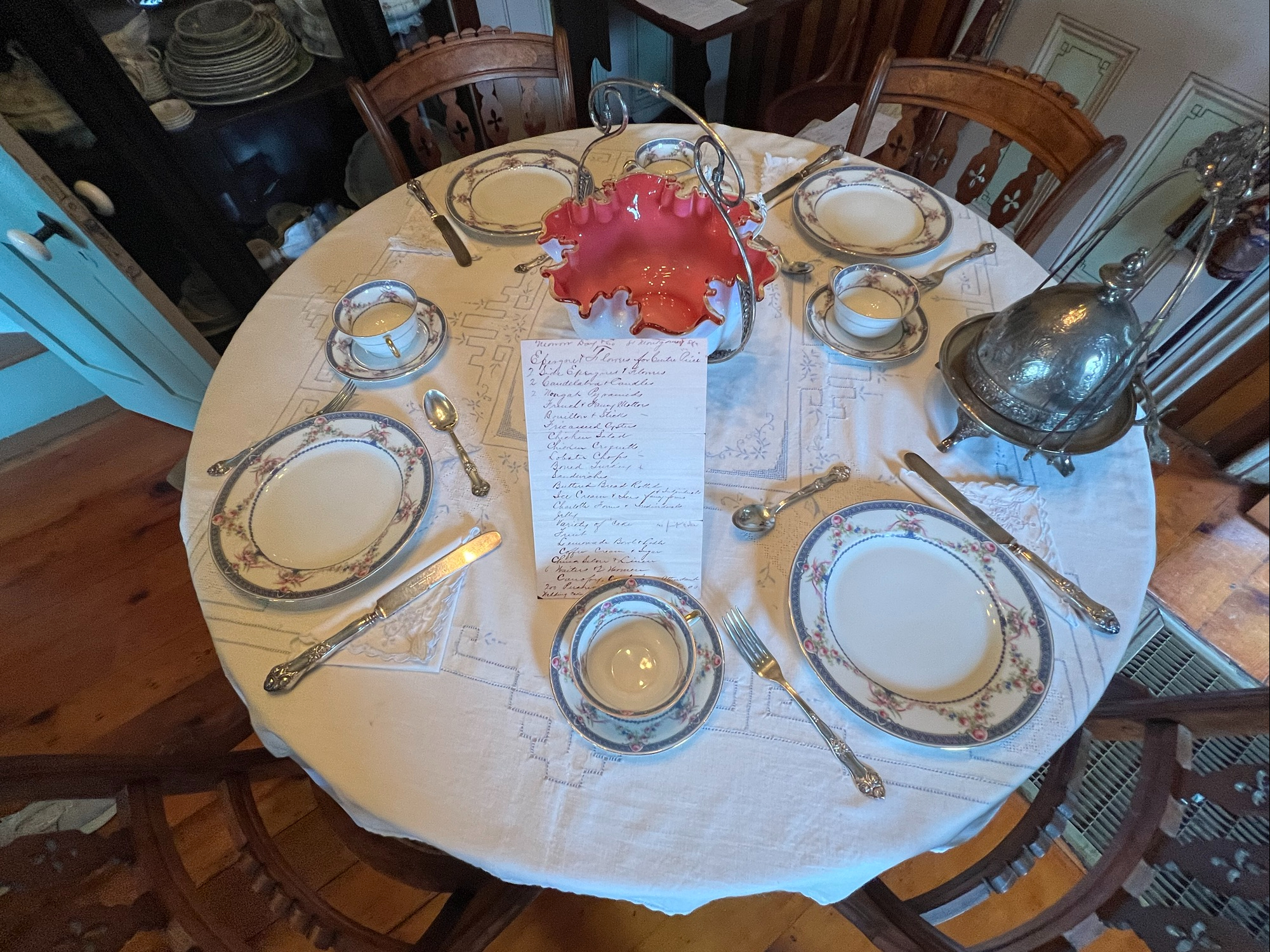
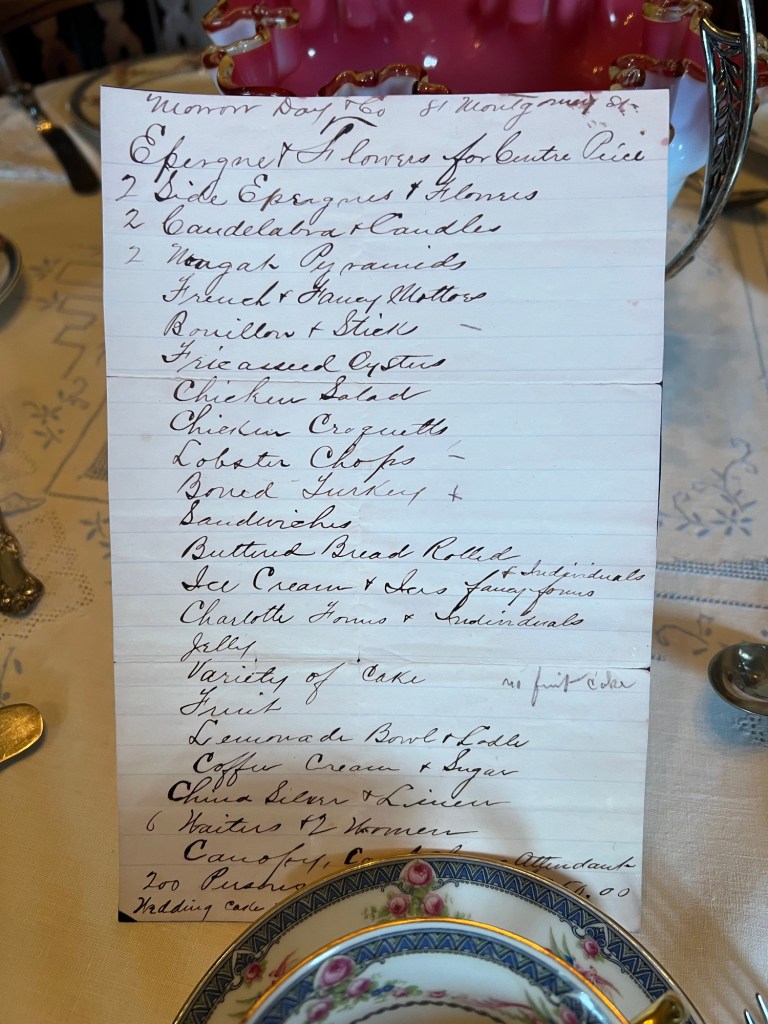
The table was formally set with period China in the Dining Room that was shared with the parlor area. The tour guide told me that the family kept meticulous records of everything and on the table was the wedding menu of Mr. Richardson’s daughter’s wedding.

The Dining Room table set for dinner

The beautiful Victorian China

The bride’s Wedding menu. You can tell they ate well that afternoon

The brides wedding was pretty elaborate for the time and you could tell by the menu they ate pretty well that afternoon.

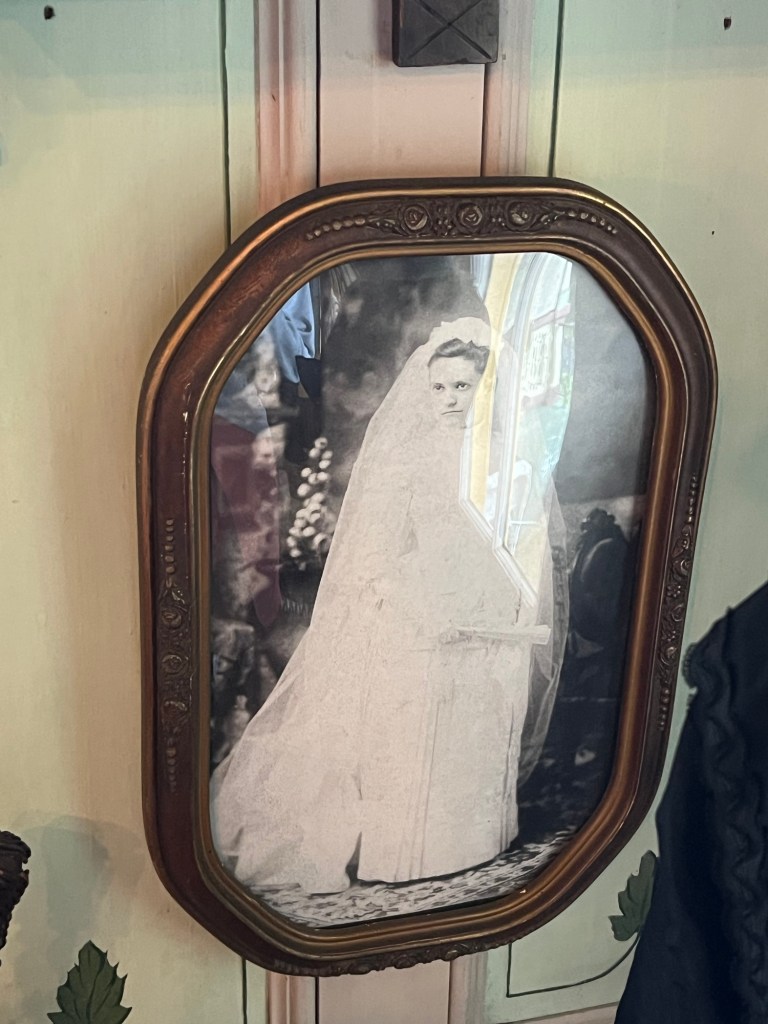
The bride’s Wedding photo hangs proudly in the parlor

The family heirloom, the bureau, sits proudly in the corner of the room

The family did not leave much behind but this bureau is the one piece of furniture that the family owned. It now holds serving pieces and dinner items. The kitchen is small but has all the modern convenes of the time including a range coal stove and an ice box, which were pretty elaborate for the time.

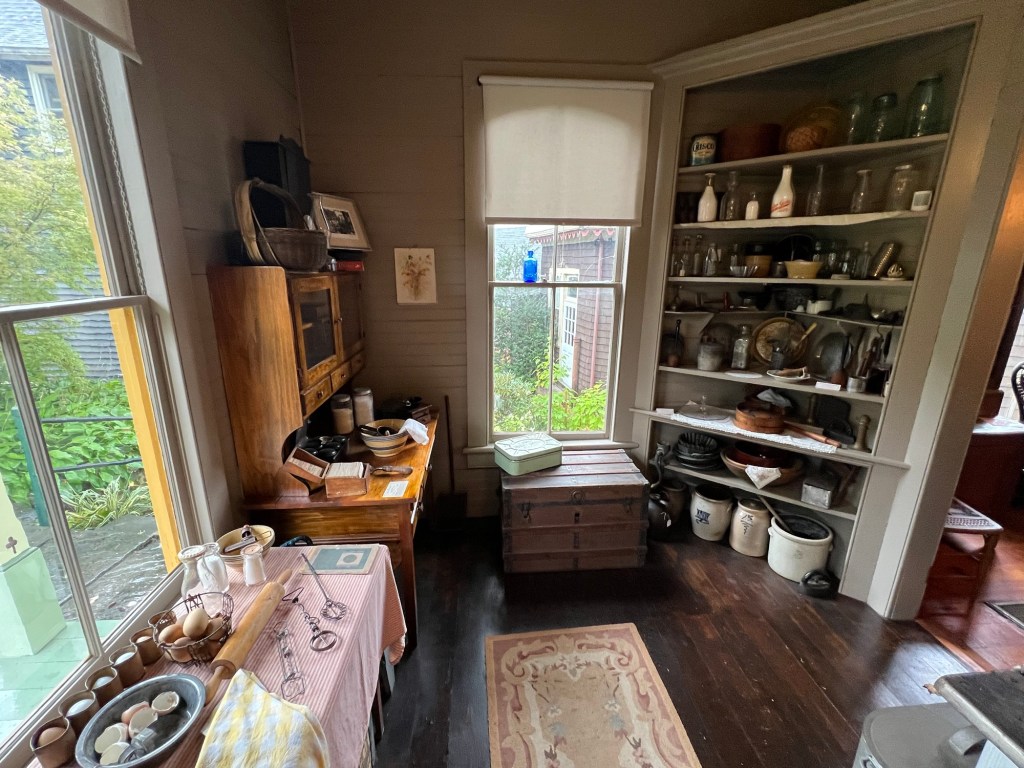
The kitchen of this small summer home

The shelves with all the cooking and storage materials

There are all sorts of baking materials, cooking utensils and items to cook full meals for the household.

Baking and measuring items

Items for baking

The historic map of the Mount Tabor Camp Ground was hung in the kitchen

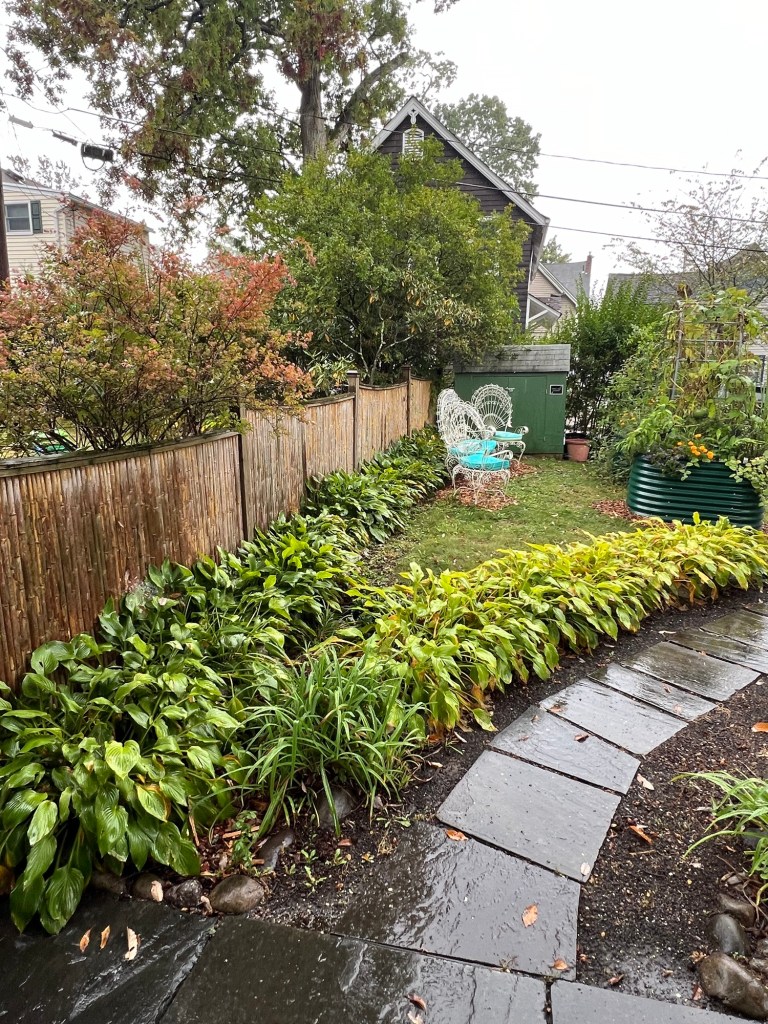
Off the kitchen door was a beautiful garden and a landscaped walkway

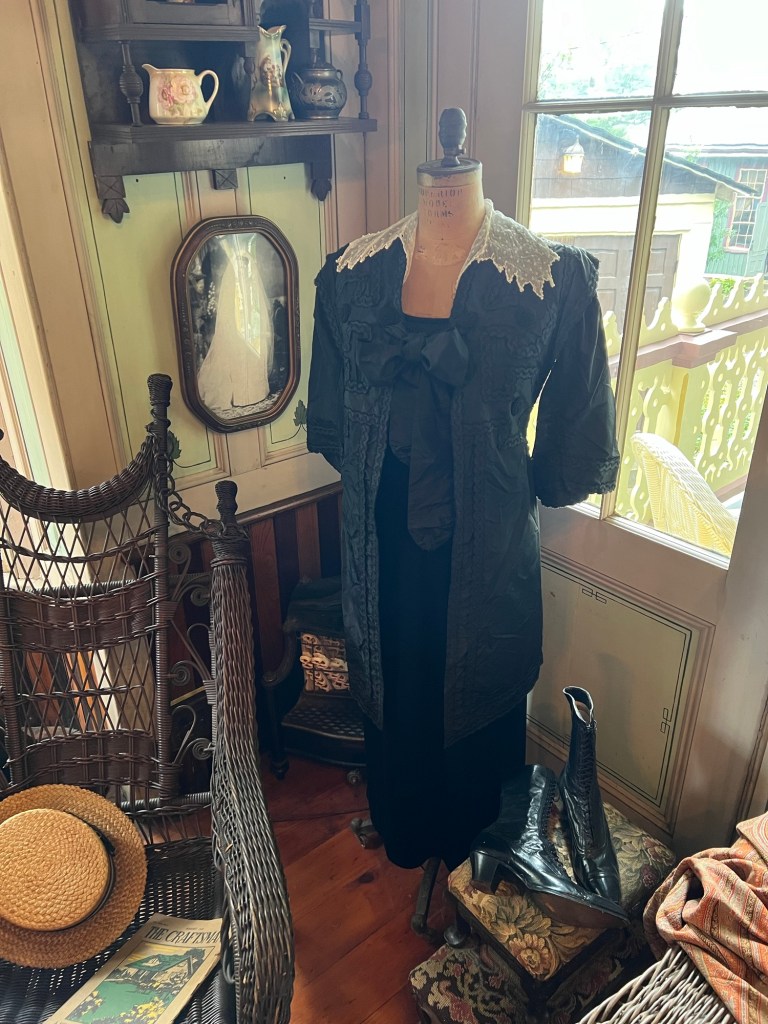
Some vintage clothing was on display in the parlor

Vintage women’s clothing on display in the front parlor

I took a trip up the narrow stairs to the upstairs bedrooms and bathroom. I discovered that the house was much bigger than I thought. There was a nice size bathroom at the top of the steps.
For a small house, the bathroom was nice sized

The main bedroom was nice in size and also had a nice breeze from the window

The rooms were decorated with period furniture and bric a brac of the period. On the bed, lay funeral clothing of a family member in morning.

The clothing of someone in morning

The family bedroom set also returned to the house when donated back from the Richardson family

This gorgeous dollhouse was to the side of this bedroom with its tiny furniture and miniature decorations

The other bedroom was a little smaller but again was nicely furnished.

The view from the upstairs bedroom of the garden below

The second bedroom was a bit smaller and contained vintage clothes and toys

Family heirlooms, clothing and toys

The doll carriage for some lucky child

A sewing kit not too dissimilar from my grandmother’s

Baby dolls asleep on the second floor bedroom

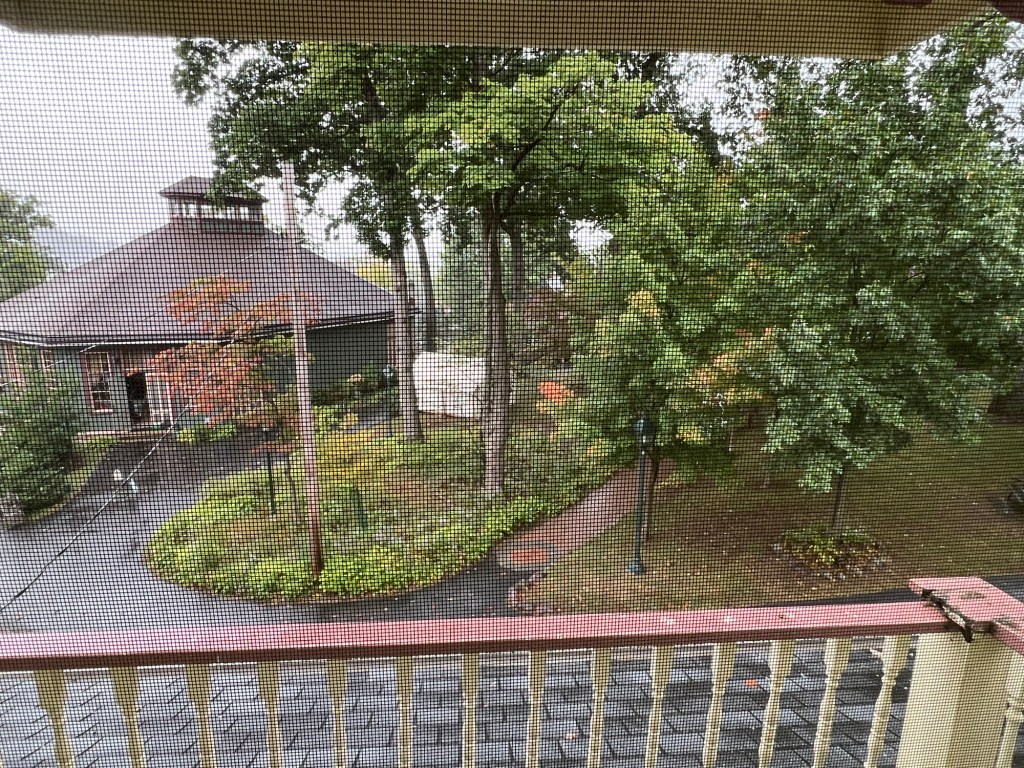
The view from the parlor overlooking the Tabernacle

The Trinity Garden in the middle of historic district

The History of the Mount Tabor Methodist Camp:

(from the Society website)

Mt. Tabor, New Jersey, is a fine example of a 19th century community. Established in 1869 as a Methodist summer camp meeting ground, Mt. Tabor is now a full-time residential community.

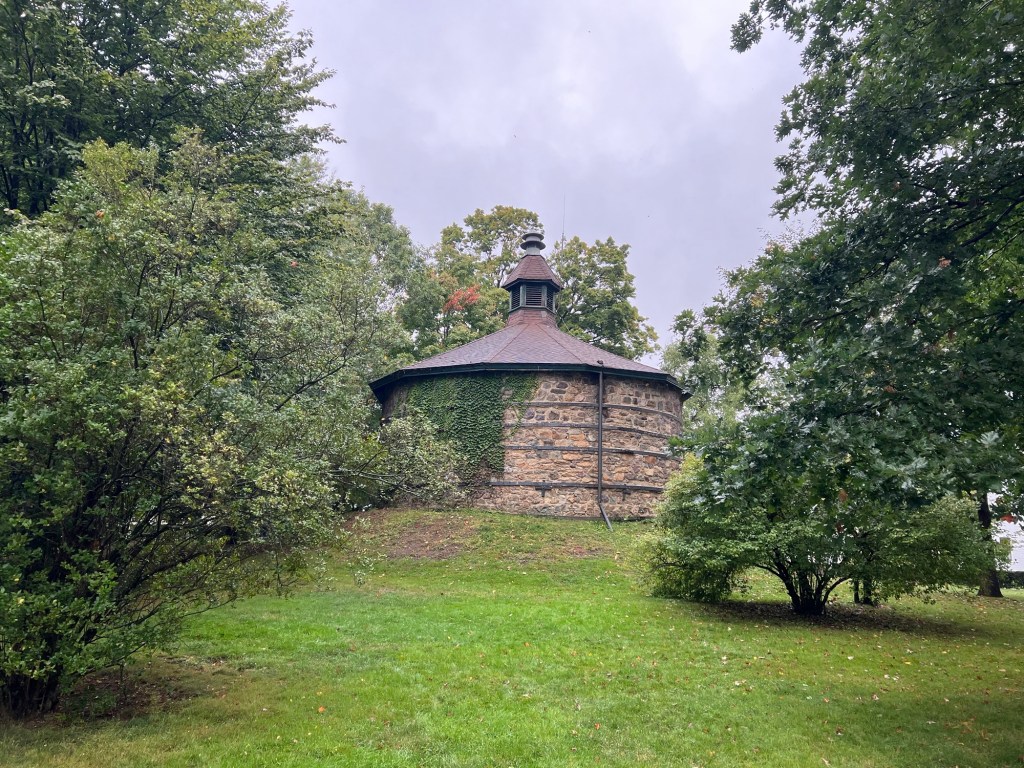
While walking through Mt. Tabor, one can see Victorian cottages, complete with gingerbread, and several historic community buildings. Trinity Park is still a busy and central focus of the community. In addition to residences surrounding the park are three octagon structures. The Mt. Tabor branch of the Parsippany library occupies one of them, once known as the Ebenezer Pavilion. The Bethel, a pavilion erected in 1873 and enclosed in 1886, is used as a community meeting hall. Historic displays are featured in the Bethel the day of the annual house tour. The Tabernacle, built in 1885, is used to host large community events, including concerts. The fountain in Trinity Park is a close replica of the original fountain erected in 1875.

Throughout the 1870s and 1880s, private cottages were built at a rapid rate, while some summer residents stayed in tents. By the turn of the 20th century, more than 200 cottages were built, making Mt. Tabor a lively summer resort. The Depression and World War II brought some changes to Mt. Tabor: during these times when families could no longer afford two houses, the cottages were turned into year-round dwellings.

Mt. Tabor is still a special community. Its historic heritage is being preserved and its community is full of good will and participation. There are many events each year, including Children’s Day, an annual Holiday Craft Fair, House Tour, and concerts. The many active committees in town include the Garden Club, Historical Society, and Children’s Day Committee. Mt. Tabor also has a golf course and country club.

In 2001 we celebrated the reconstruction of a decorative iron arch at the entrance to Mt. Tabor closest to Dickerson Rd. at Rt. 53. The original arch was in place around the turn of the 20th century, and the reproduction was a project of the Mount Tabor Historical Society and the Beautification Committee of the Camp Meeting Association. It was completed in June of 2001, and helps one to visualize how Mt. Tabor appeared to people arriving by train, as many did. This project was made possible by contributions from individuals, from the Camp Meeting Association, and from money the Mt. Tabor Historical Society raises from events such as the annual House Tour.

Taking the Walking tour sponsored by the Society:

After the tour of the museum, I started my tour of the houses and gardens of the historic district. In the gloomy weather, I walked all the streets in the neighborhood visiting as many stops as I could.

As the rain subsided, I was able to walk around the neighborhood without juggling an umbrella. I wanted to see the gardens and parks first while the weather nice.

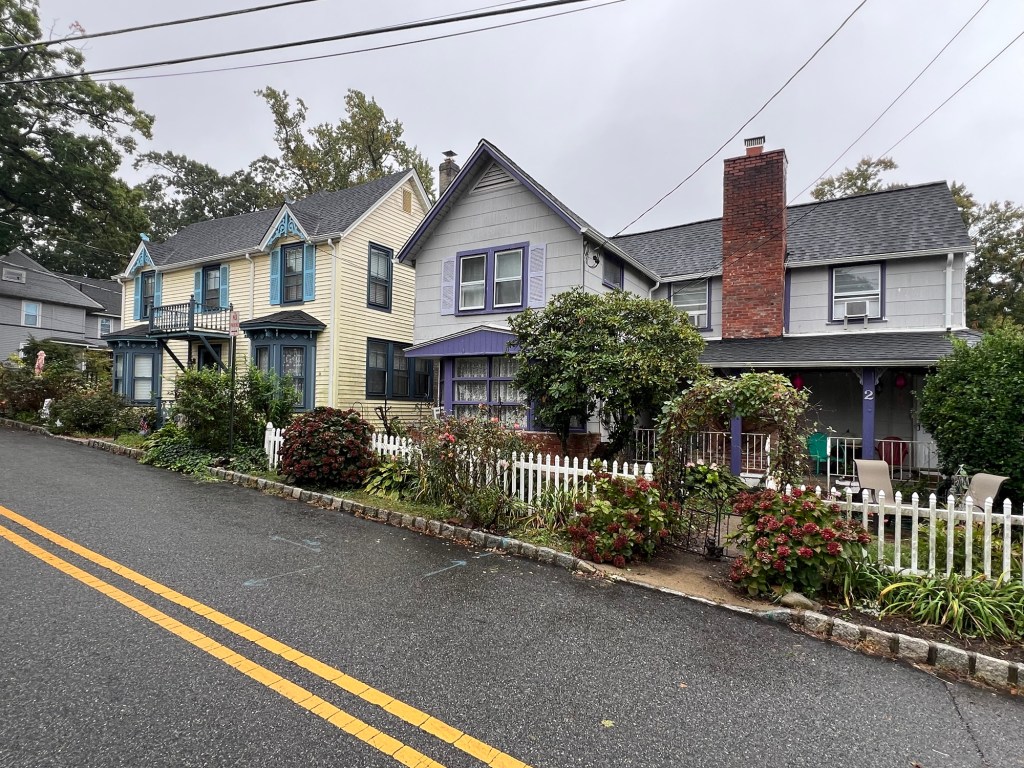
I loved walking around the neighborhood and admiring the homes

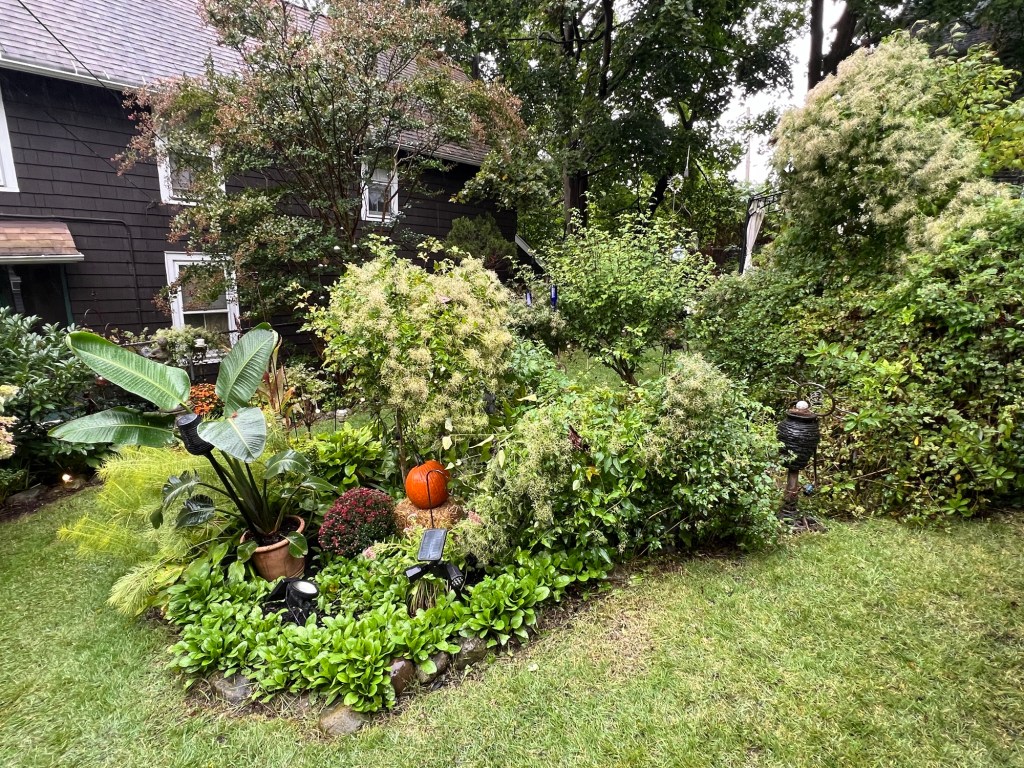
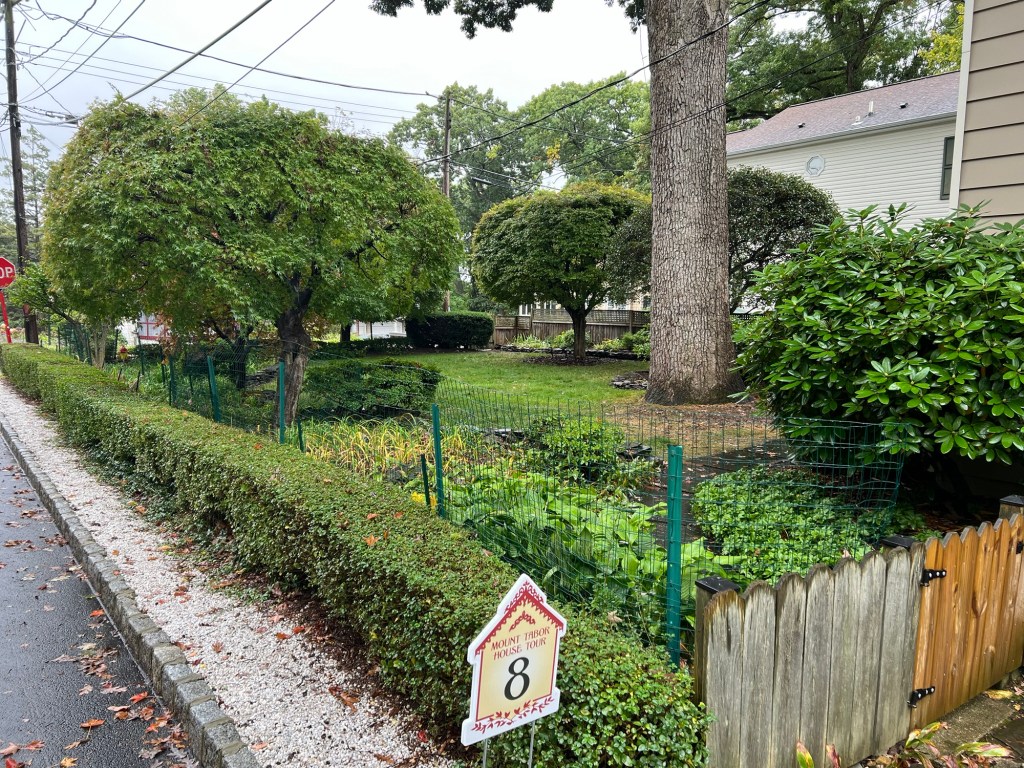
I walked up Strowbridge Avenue to make my first stop to see this whimsical front garden of this beautiful Victorian house.

The garden in front of 6 Strowbridge Avenue

The figures and small structures of this magical garden. I thought I would see ferries and elf’s walking around the yard.

The details of the front of 6 Strowbridge Avenue

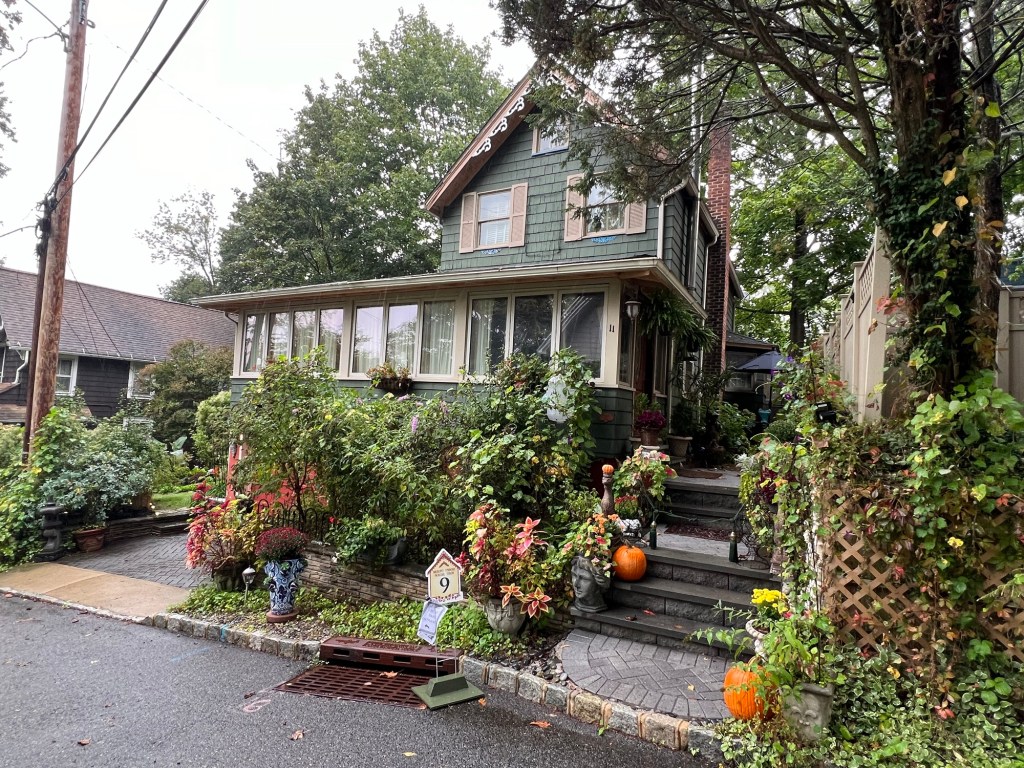
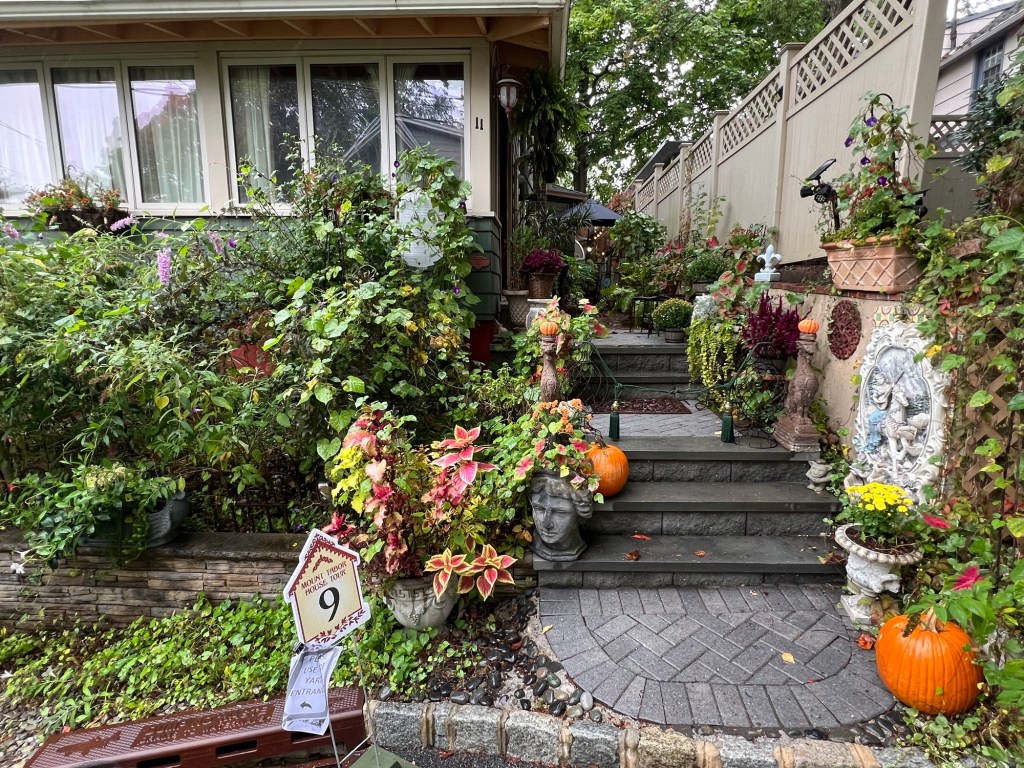
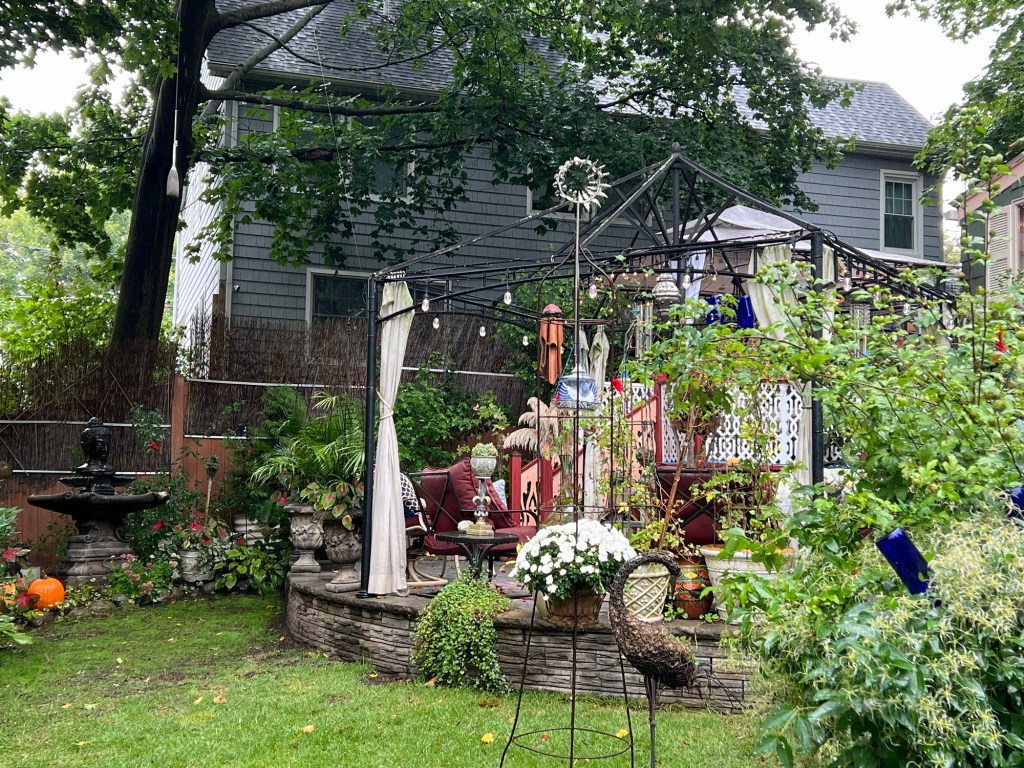
The next house garden I visited 11 Sommerfield Avenue and this yard was hidden from the road to see its many surprises.

The front garden of 11 Sommerfield Avenue

The creative detail of the on just one side of the house

As you enter the garden, its theme was the Fall and Halloween

The water features and fountains of their background

The background fountains, water features and patio that make this backyard enjoyable

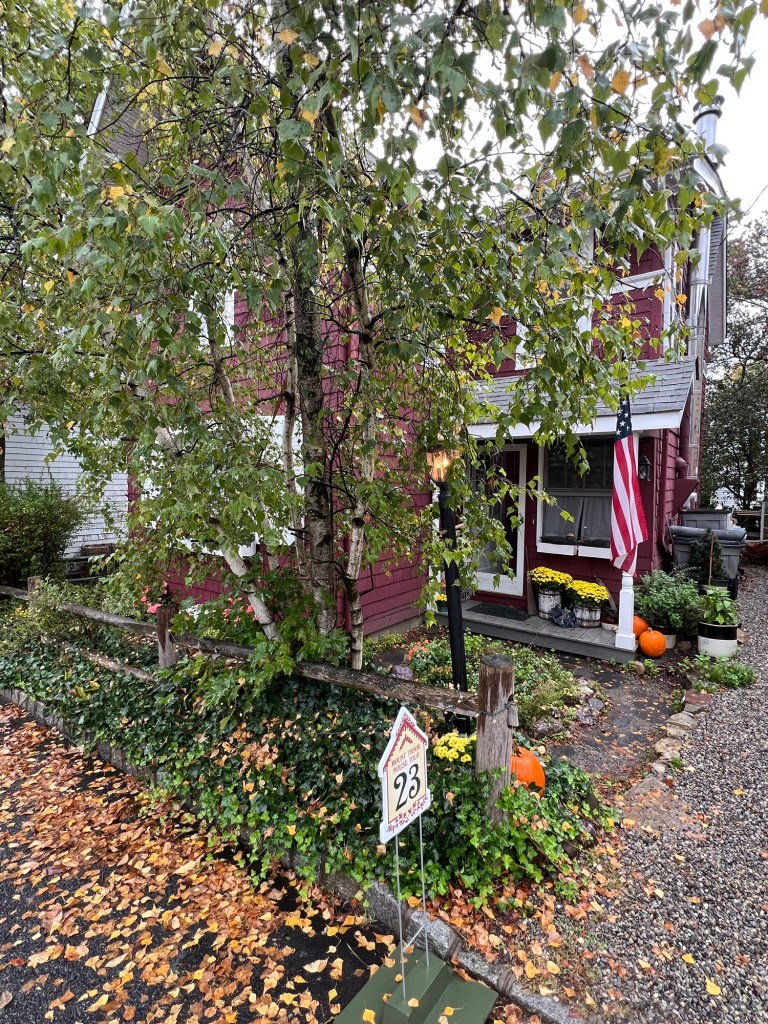
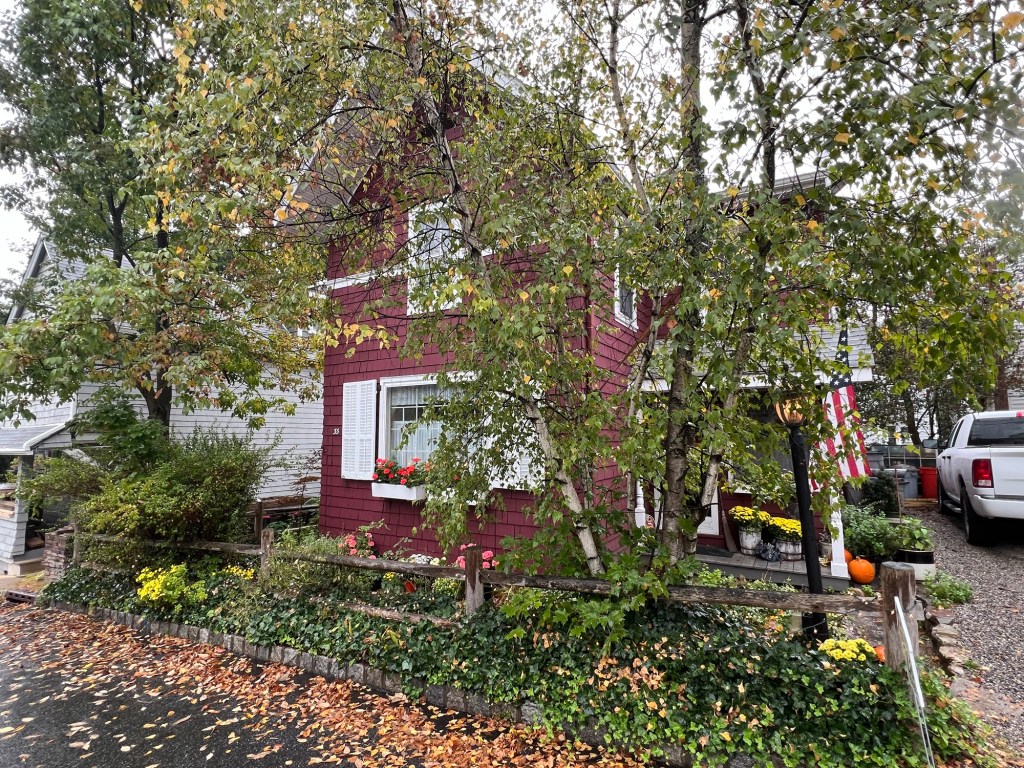
The new cottage home of 33 Embury Place

I walked down Embury Place to visit a last minute addition. I was surprised when the owner told me that six people once lived in the house. I saw the loft space and bunk beds that made this house work as a family home.

The elegance of 33 Embury Place

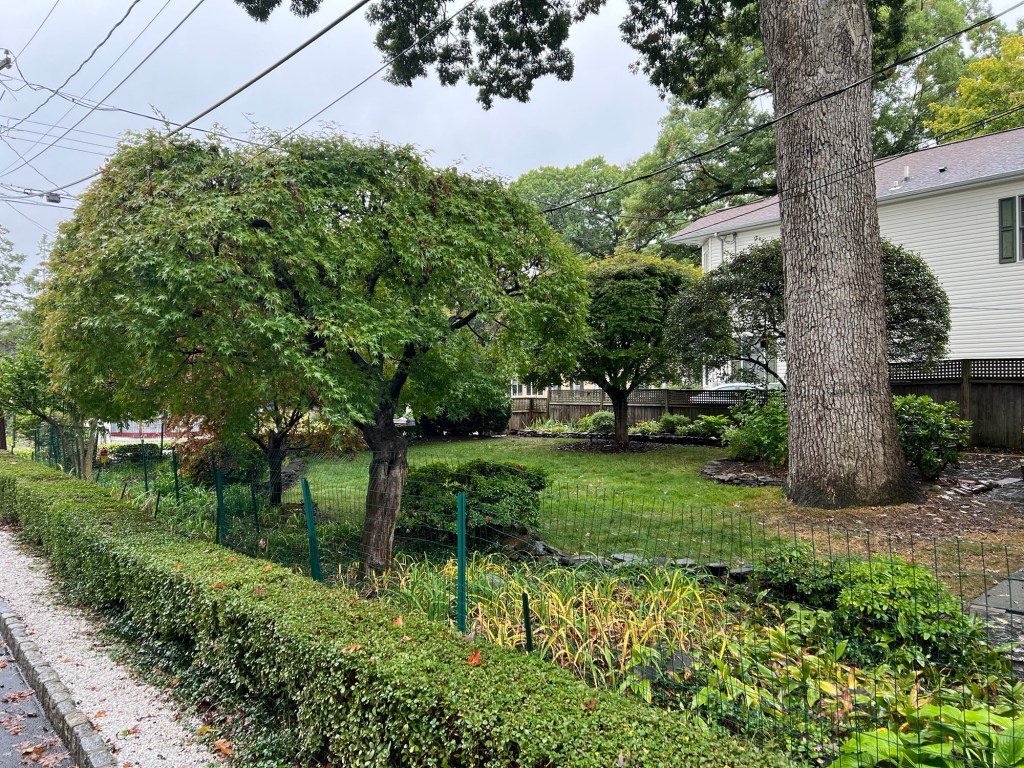
I walked down Morris Avenue, which is the heart of the complex and then walked up the “golden stairs” to West Park Place to next set of gardens and parks. The gardens in front of 12 West Park Place may not have been as elaborate as other homes but was nicely landscaped which complimented Mother Nature.

The gardens in front of 12 West Park Place

The gardens in front of 12 West Park Place

Across from these creative gardens is St. James Park, which sits in the middle of the complex. The park was gloomy with the rain drizzle so I really could not appreciate it. Still I could see how engaging the park must be in nice weather.

St. James Park

The Labyrinth in St. James Park

I made my way back down the stairs and made a walk down Morris Avenue to visit more homes. I noticed that time was running out and I only had an hour to visit this part of the neighborhood.

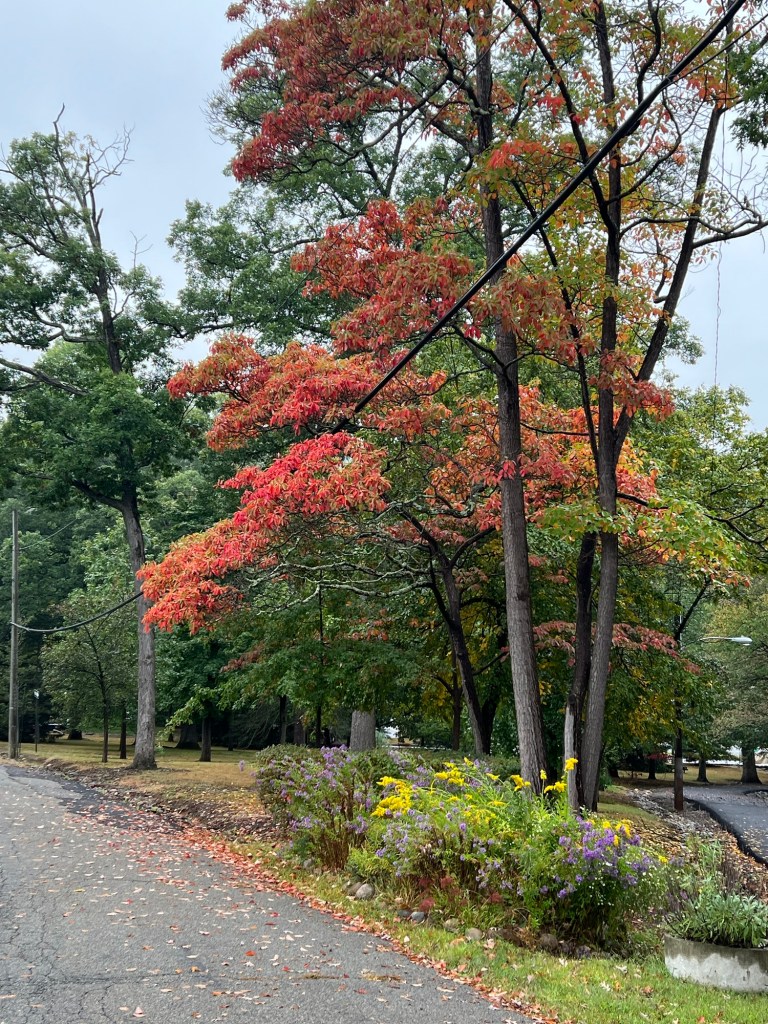
Trinity Park in full bloom when the rain stopped

Looking down the street down Whitfield Place during the tour of homes

A stuffed bear on display at 60 East Morris Street

The family who opened their home at 60 East Morris Street had a beautiful home. They invited us into their home, had a fire going on their patio and served us homemade cookies and apple cider which I thought was a nice touch. I saw this whimsical bear in one of the bedrooms.

71 Morris Avenue is the home of artist Gabriella D’Italia and her family

The artist’s work on the walls and her collection of puppets

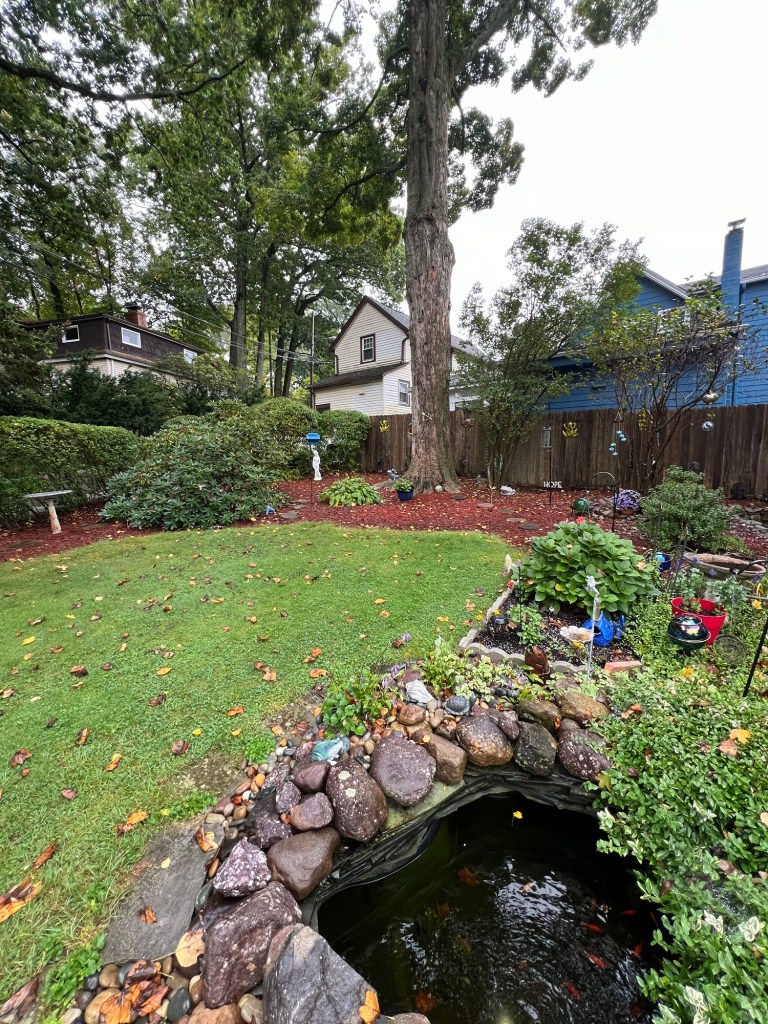
The last set of gardens that I visited were at 36 Boehm Avenue. The rain had stopped and I was able to visit the gardens and not feel rushed.

The yard at 36 Boehm Avenue.

The yard at 36 Boehm Avenue where gold fish I thought were a nice touch

I saw this point of creativity at 26 Whitfield Place

When I finished the tour, I explored the area around Trinity Park. I walked around the park around the Pollinator Garden and admired the foliage.

The gardens at the start of the Fall

The map of the historical sign of the complex

The historic marker of the complex

The historic buildings around Trinity Park

The Gazebo in the park

The Methodist church on Simpson Avenue

The old Firehouse where we checked in

The old Camp office

It really was a wonderful walking tour and I learned a lot about the old Mount Tabor site. This was an eye opener of how a former Methodist camp becomes a desirable historical neighborhood that everyone wants to live in. The museum was an interesting look on how people lived in the past here and the walking tour showed how modern times living here that not much has changed. People still making these small charming houses home. This walking tour in Mount Tabor, NJ is every September.

After the tour for lunch:

After the tour was over, I stopped into Downtown Denville, NJ right down the road, which is right off Route 46 and Route 80 for a late lunch. Denville has a very nice downtown with lots of restaurants and stores. Even on a gloomy afternoon, most everything was open. I checked out by Advantage Dining site and found Second Half on Main at 5 East Main Street. This contemporary bar/pub had all the TV’s going for the football game and a packed bar. I ate in the dining room section of the restaurant and was able to stretch out in one of the booths.

The Second Half of Main Street Street at 5 East Main Street in Downtown Denville, NJ

https://www.secondhalfonmain.com/

My review on TripAdvisor:

https://www.tripadvisor.com/Restaurant_Review-g46392-d2386465-Reviews-Second_Half_on_Main-Denville_Morris_County_New_Jersey.html?m=19905

The restaurant is a lively place and the bar area was busy. The menu has a nice selection of salads, burgers, pastas and large entrees with a nice beer listing. It got cold and miserable outside and it was the perfect burger day. I chose the Texas Burger with Bacon, BBQ sauce and sharp Cheddar Cheese and that hit the spot. What I liked about Second Half on Main is the prices are very fair. The burgers will run you around $15.00 and they include the French Fries, something you do not see in the Hudson River Valley or Bergen County anymore. They pull the a la Carte routine since COVID.

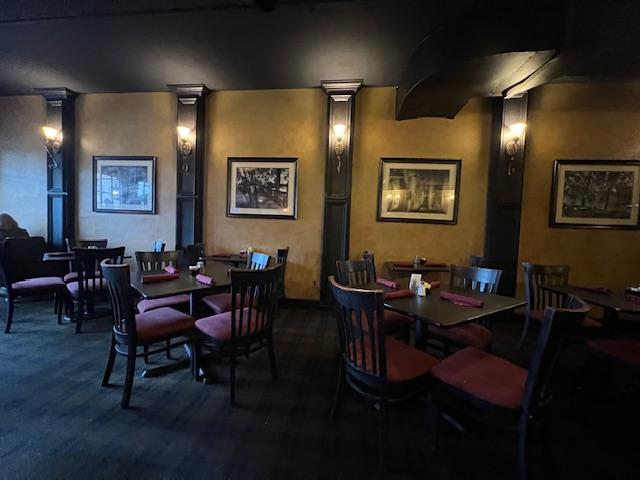
The Dining Room area at Second Half on Main

The burgers here are excellent. Perfectly cooked, stacked with ingredients and are juicy. The fries were also perfectly cooked. On a cool gloomy day, the burger hit the spot. If you are touring in the area, I highly recommend the restaurant. After lunch if the weather is nice, check out Downtown Denville.

The Texas Burger and French Fries at Second Half on Main

The Texas Burger and Fries is the perfect meal on a cool day

Yum!