Category: Exploring Manhattan Block by Block

Lower Alloways Creek Historical Society                              736 Smick Road                                                                     Salem, NJ 08079

Lower Alloways Creek Historical Society 736 Smick Road Salem, NJ 08079

Lower Alloways Creek Historical Society

736 Smick Road

Hancocks Bridge, NJ. 08079

(856) 935-3666

https://www.facebook.com/LacHistoricalMuseum/

https://www.lowerallowayscreek-nj.gov/about/pages/historic-log-cabin

Open: Sunday 1:00pm-4:00pm (Third Sunday of the Month)/Monday-Saturday Closed-Open Six times a year for special events

Admission: Free but donations are accepted

My review on TripAdvisor:

https://www.tripadvisor.com/Profile/R4960NKjustinw/mediabatch/12228970?m=19905

The Historical Society:

Situated in a beautiful rural setting, the Log Cabin is restored in the same manner as the local Quakers lived in the 1700’s. The site houses a barn full of antique farm implements as well as many items used in the local industries of Lower Alloways Creek.

Salem’s County’s maritime history is documented in a unique floating cabin which is complimented with a collection of fishing and trapping memorabilia. The site also features an outhouse, carriage shed and the last canning house that was left in the Township.

The buildings on the grounds and the outhouse

History of the house:

The main house is very unique. The addition to the house was built in the mid 1800’s and is furnished from that time period. This was added to the log cabin that has been reconstructed on the site. The early parts of the log cabin date back to before the Revolutionary War.

The first-floor parlor

The Kitchen in the main house
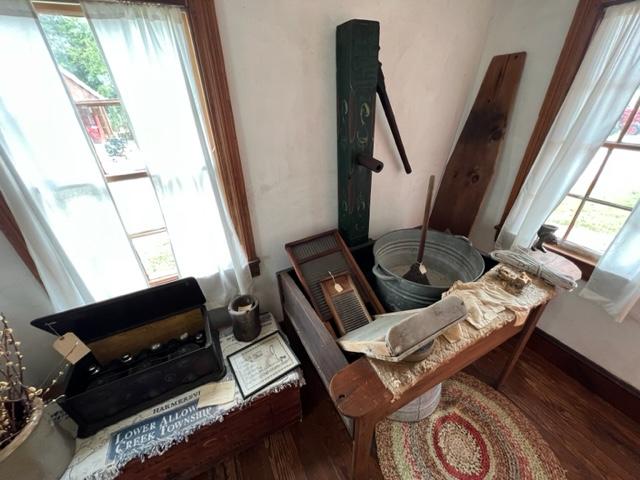
Washing clothes in the house

How to wash clothes until WWII

The second-floor bedroom

The Bonnet collection

The second floor bedroom

The Attic Room

The toys and playthings of the Attic Room

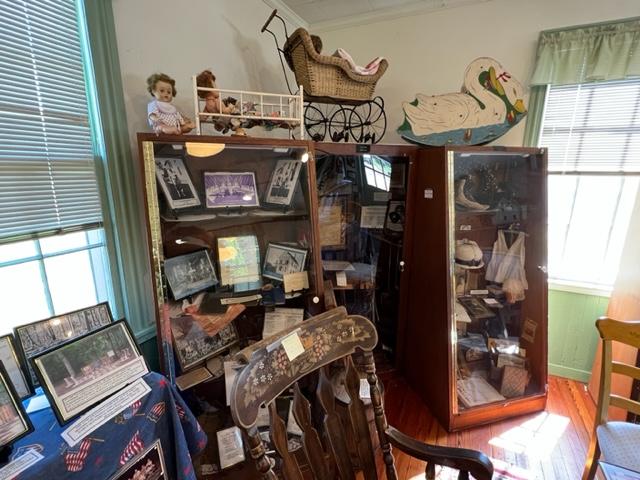
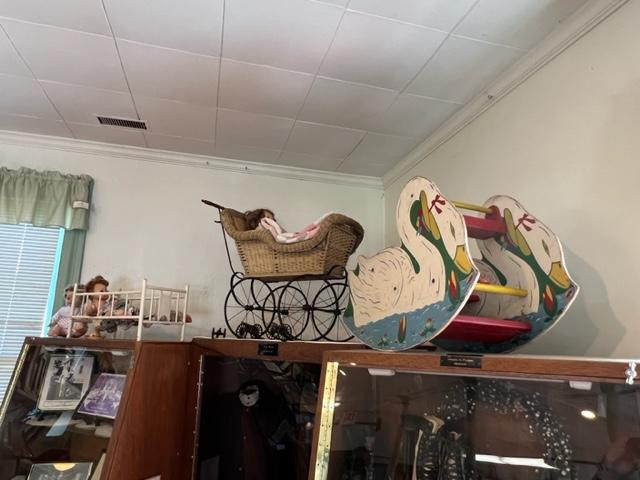
The house has an extensive collection of antique toys and dolls and furniture.

The dolls
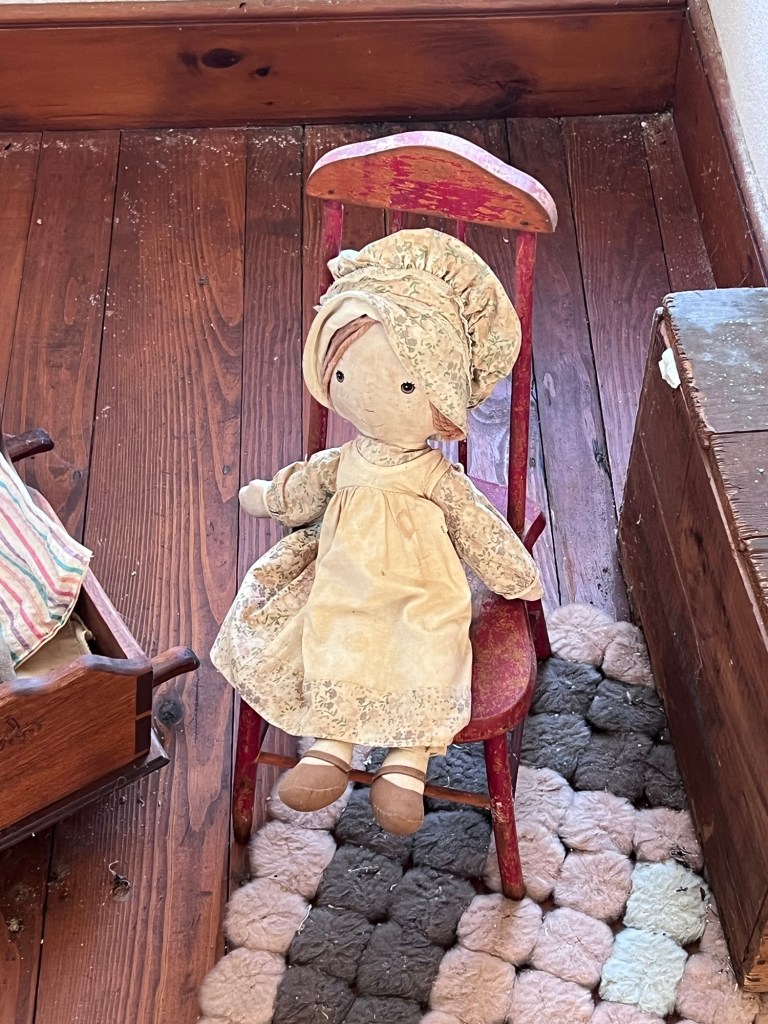
The dolls

The Hat collection at the home.

(Information from the museum website):

Part of the house is an old log cabin with an addition added on later. Although the date of the original construction is unknown, the cabin has been restored and reconstructed in much the same manner as local Quakers would have lived in the 1700’s. Because the air had deteriorated so many of the logs, it was impossible to save the entire original structure.
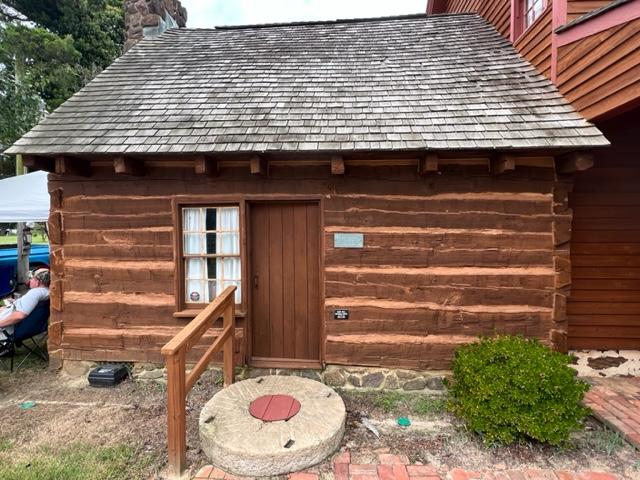
The log cabin section of the house.

The log cabin and the later addition.

All the wood used in the reconstruction of this cabin came from the woods in Lower Alloways Creek that are owned by the Township. The hand-hewn logs are white oak. The wide floorboards are pine The fireplace and foundation were built from Jersey sandstone that had been donated by John Hassler.
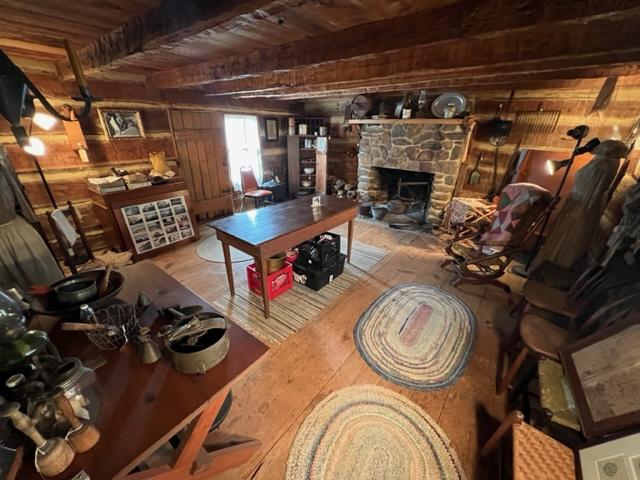
The inside of the log cabin and hearth.

The Hearth during the event

The Historical site also features a log cabin, carriage shed and barn, many antique farm implements, a two-seater “outhouse” and an old fashion hand water pump.

The Outhouse

The hearth of the log cabin
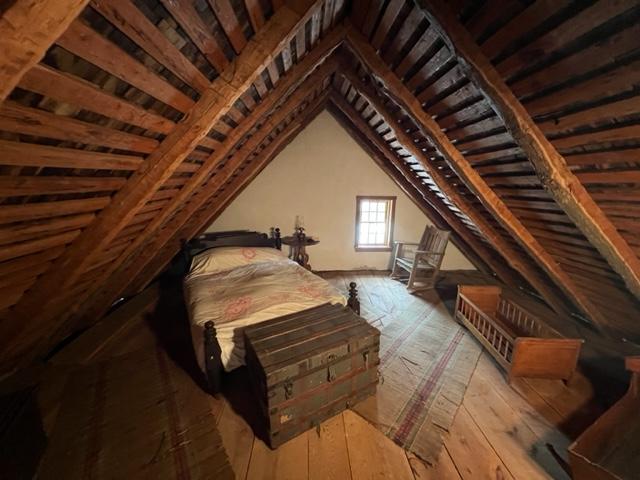
The loft section of the log cabin on the second floor of the home.

There is also an original Can House, with a working line shaft, a floating cabin, both of which were originally built in Lower Alloways Creek.

The historic Can House.
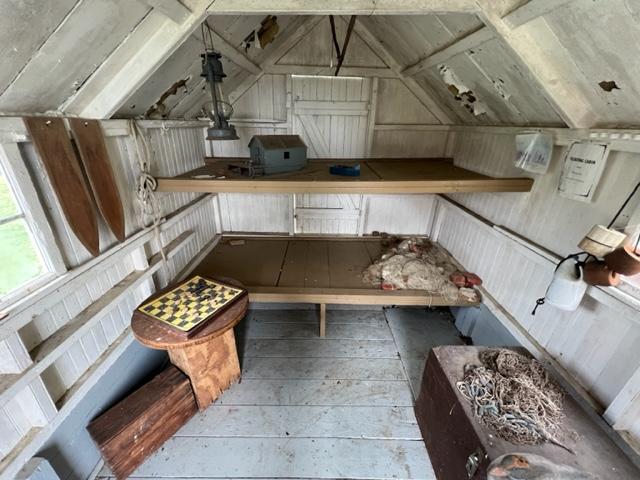
The historic Can House

Some of the interesting programs that the society hosts:

Line Shaft: the historic line shaft in action as it powers a variety of machines.

Outdoor sportsmen: view displays of fishing and trapping, hunting gear, decoys, floating cabins and turkey call demonstrations.

Model Trains: all aboard an exciting display of model trains.

Old time engines: South Jersey Gas Engine Club proudly presents their collection of “Hit or Miss” engines.
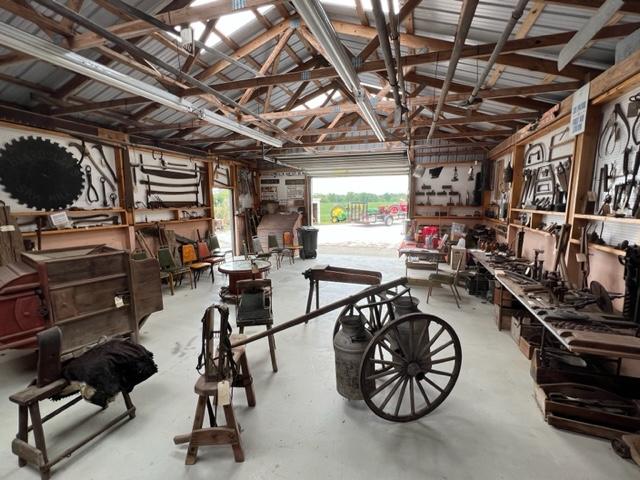
The Farm equipment and working engines at the “Old Time Engine Day” in September 2023 was an interesting mix of old farm equipment, household equipment and everyday items run by an engine in the early 1900’s. It was a very interesting display on how we have come in manufacturing and the museum did a nice job on the displays.

The working farm equipment at the Lower Alloways Creek Historical Society
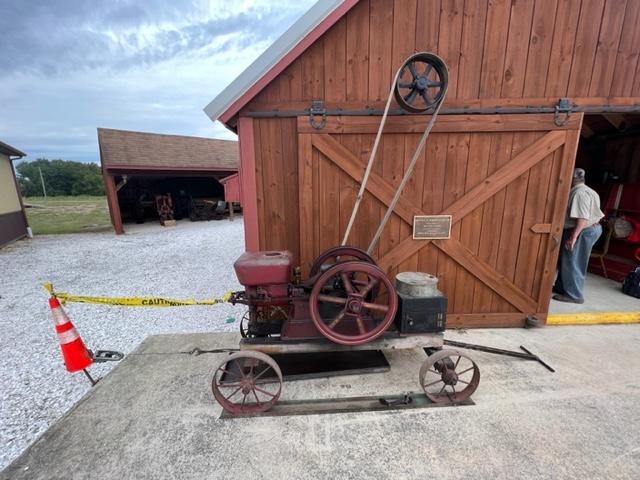
The Farm Engine equipment
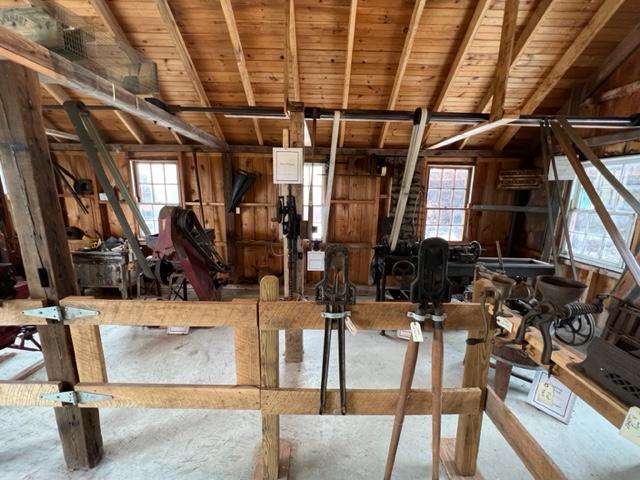
The Farm Engine equipment

The Farm Engine equipment

The Farm Engine equipment

Video on the display:
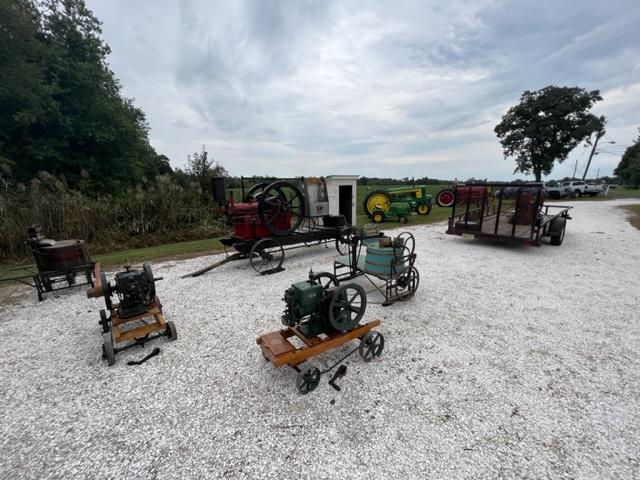
The Farm Engine equipment

Farm Day: Come and see antique tractors and a variety of farm equipment. See the progression of farm equipment throughout the centuries.

Retired farm equipment in the barn
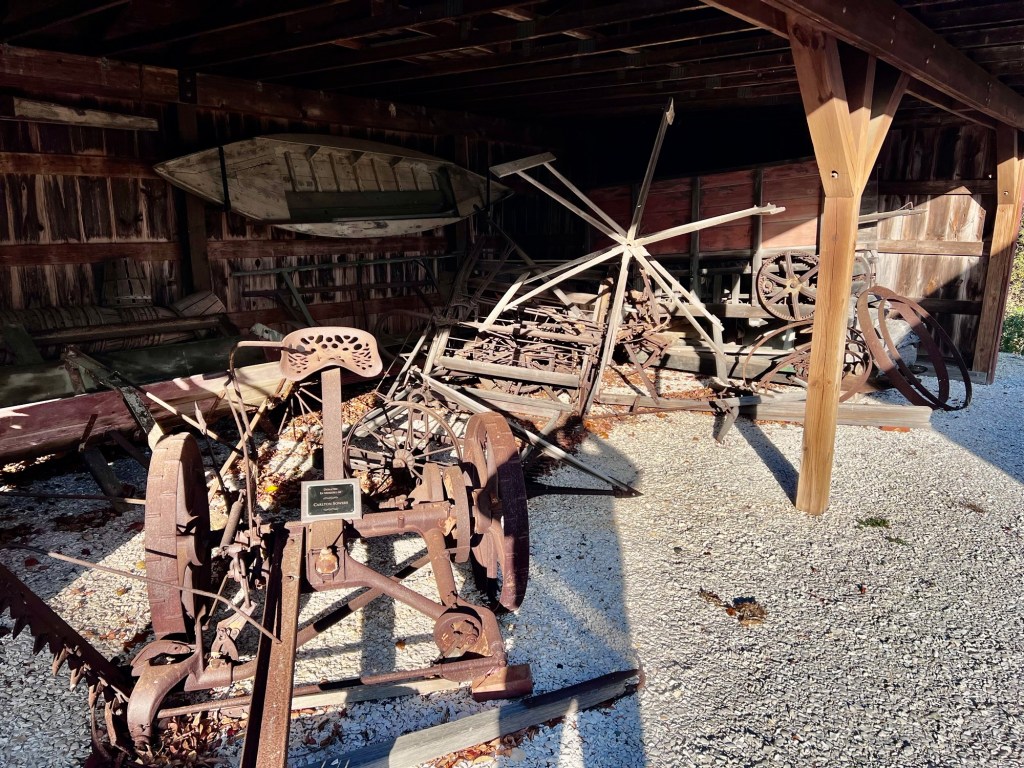
The barn

Farm Equipment in the barn.
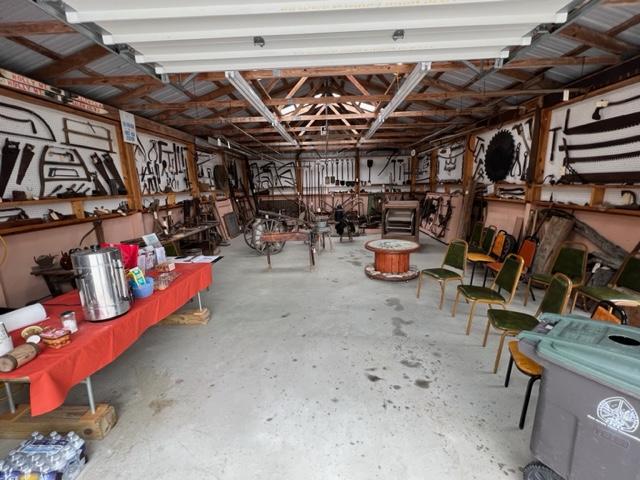
Some of the equipment and refreshments in the barn.
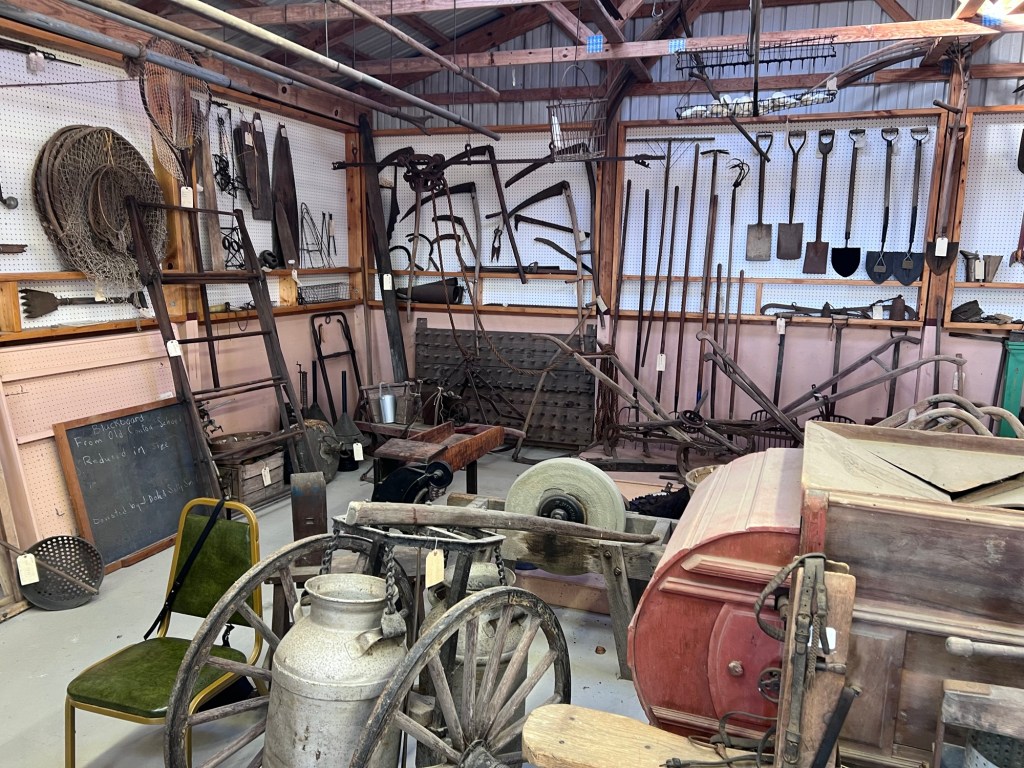
The barn equipment during my visit in 2025
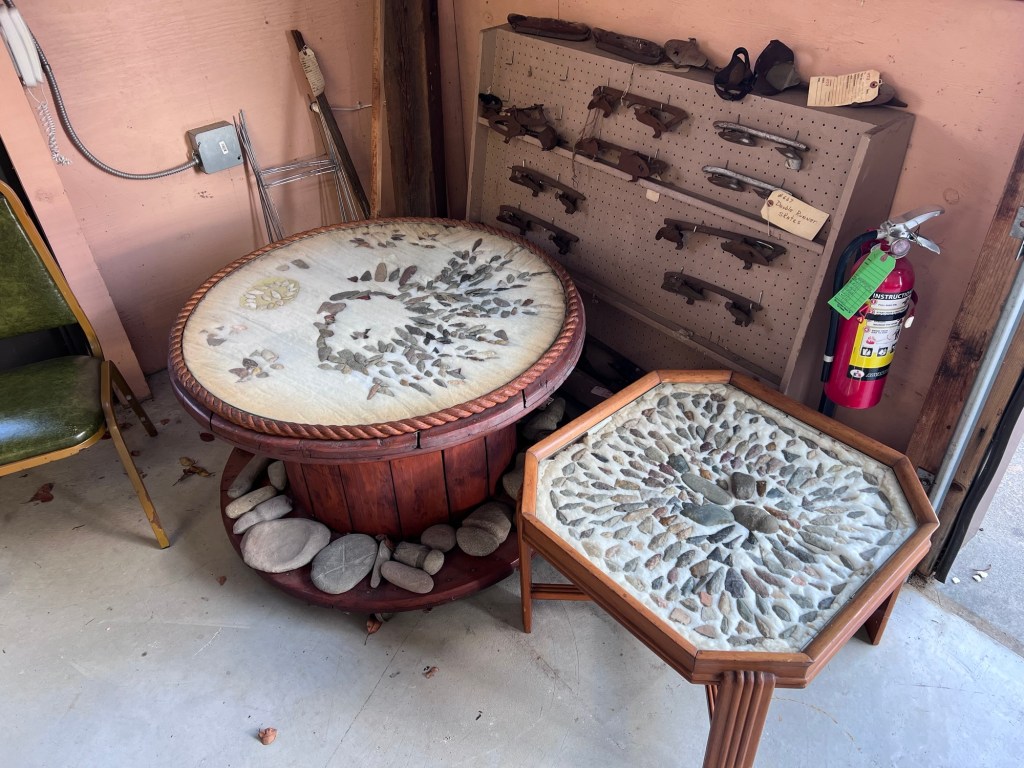
Indian Arrowheads on display in the barn

Cabin Cooked Pie Day:

There is nothing better than a freshly baked pie in a fireplace. In November 2025, I returned to the museum for ‘Pie Day’. There were various pies, chestnuts and soup being cooked in the log cabin fire place that afternoon. It was interesting to see cooking procedures from a hundred years ago.

I visited the museum and got to watch the volunteers cook all sorts of goodies in the fire. It is interesting how foods were cooked and tested for doness over a wooden fire. The coordination of cooking times and temperatures.
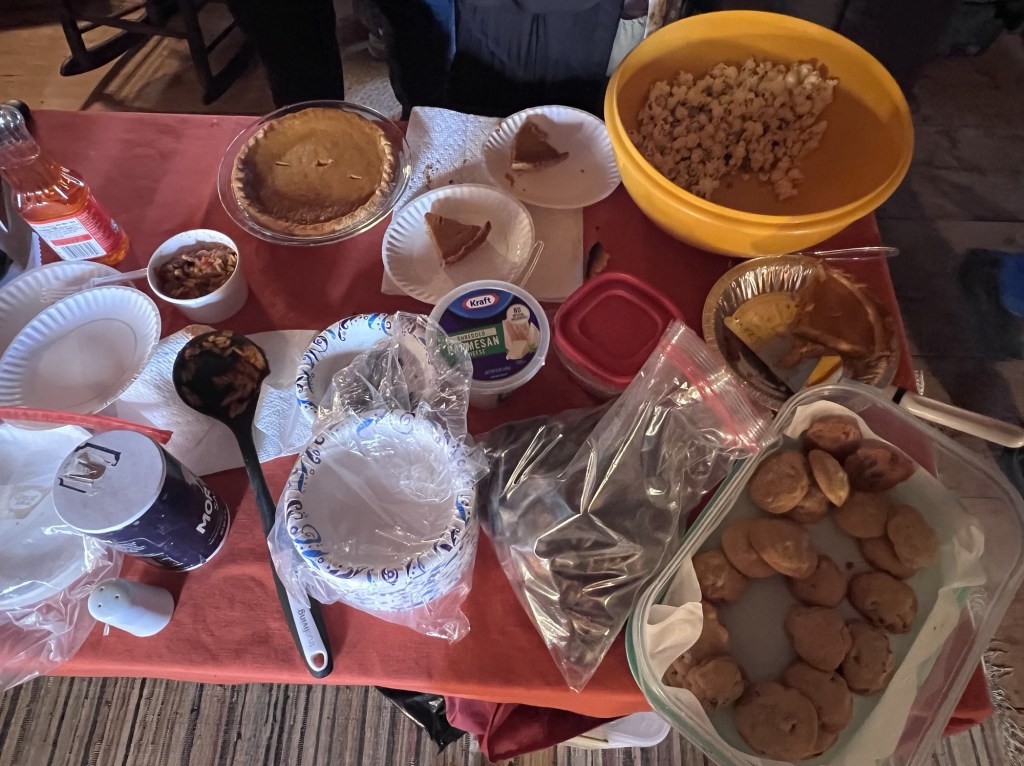
The Log Cabin goodies that afternoon

Visitors choose from Apple or Pumpkin pies, Roasted Chestnuts, Buttery Popcorn, Chocolate Chip cookies or Stuffed Cabbage Soup, all cooked fresh in the pots on the open fire hearth which also warmed the house on a cool afternoon. The museum was even selling a cookbook, Down Jersey Cookbook on some of the recipes being used in this part of New Jersey.
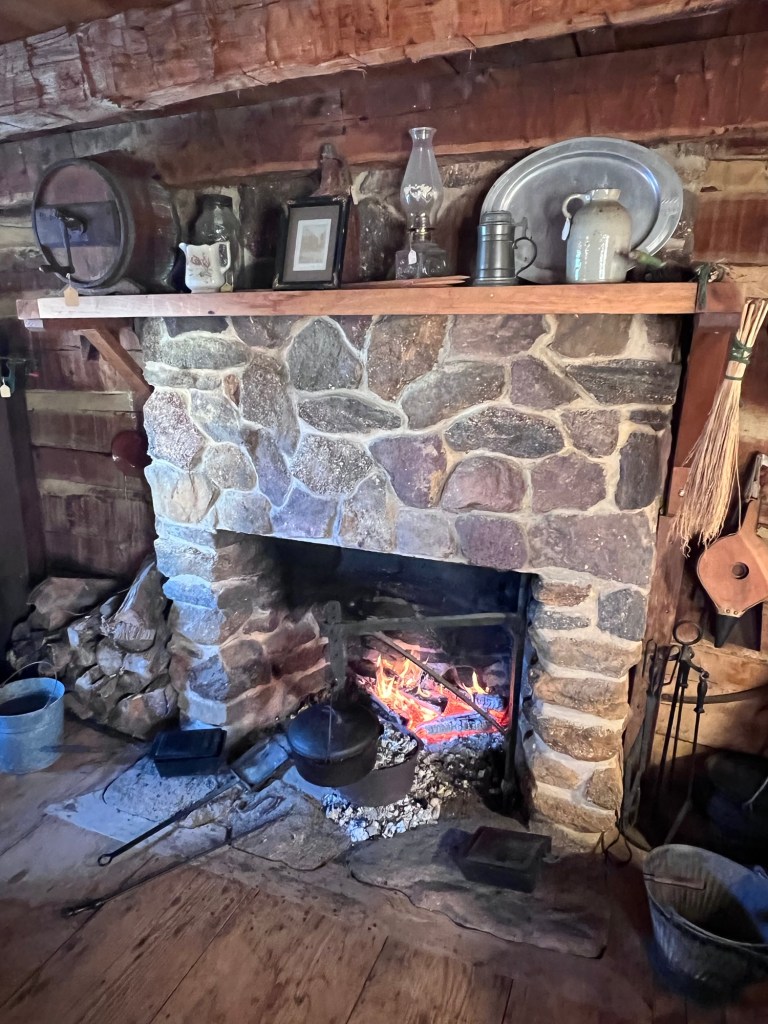
Cooking pies, soup, chestnuts and popcorn in the fireplace
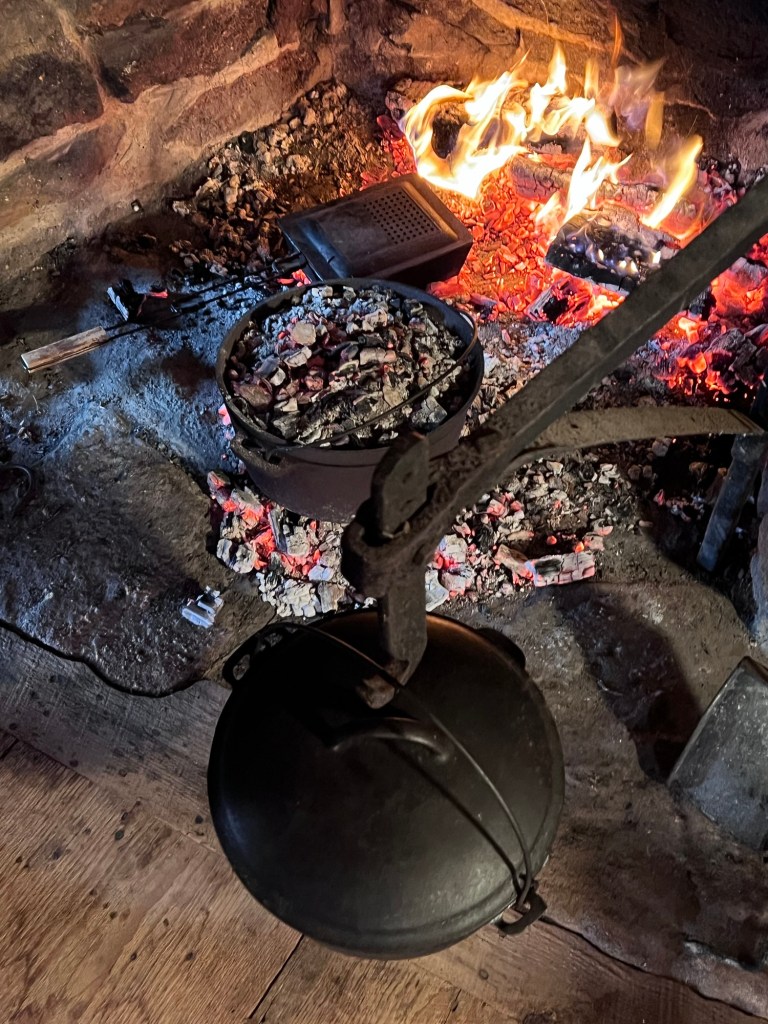
The pies, Chestnuts and soups being cooked in the Open Hearth

It was interesting how the pies were cooked in the cast iron equipment and then laid out to cool. They came out of the oven steaming hot and sat to cool before being sliced.
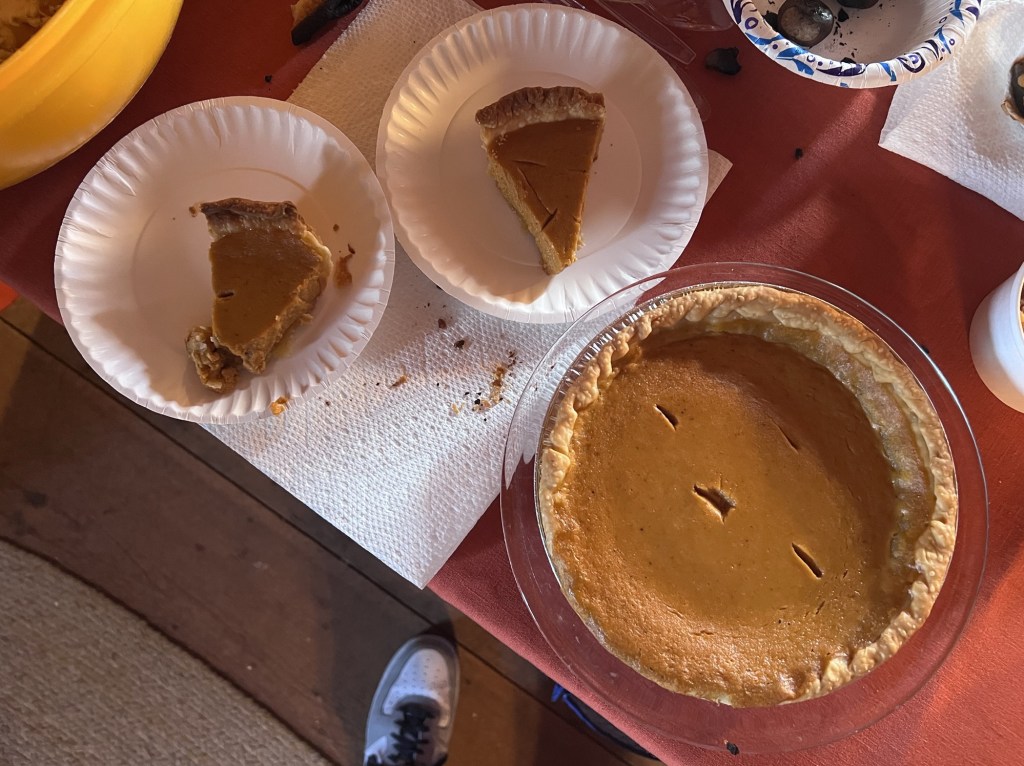
The freshly baked Pumpkin pie
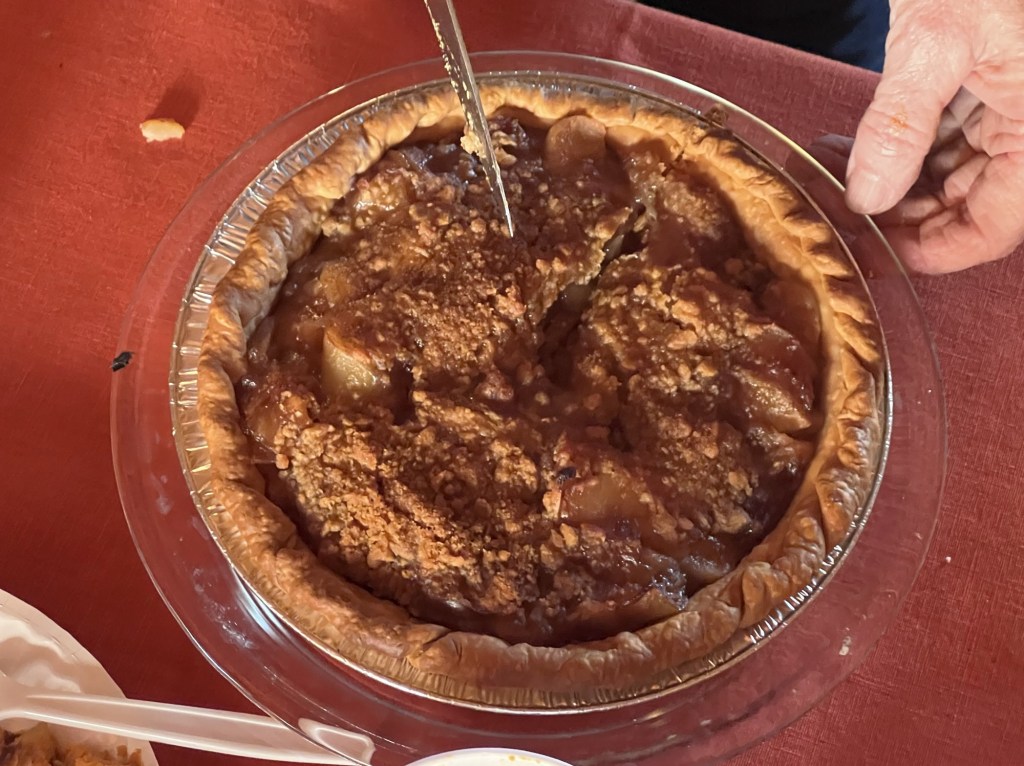
Freshly baked Apple pie
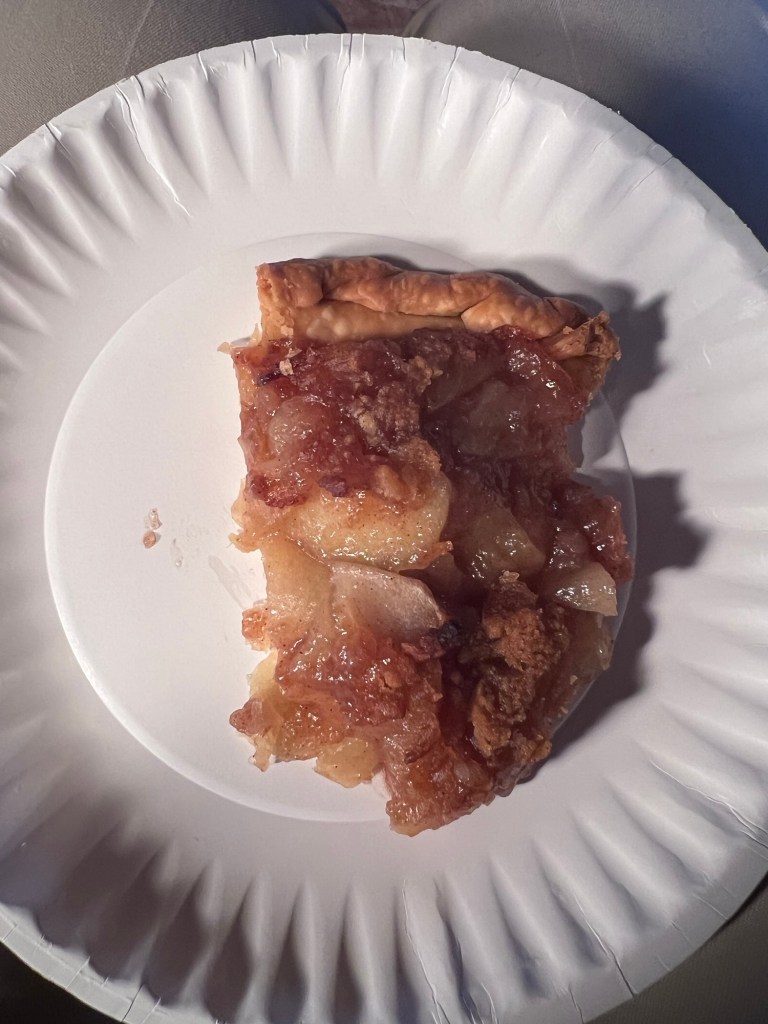
Freshly baked Apple pie. Yum!
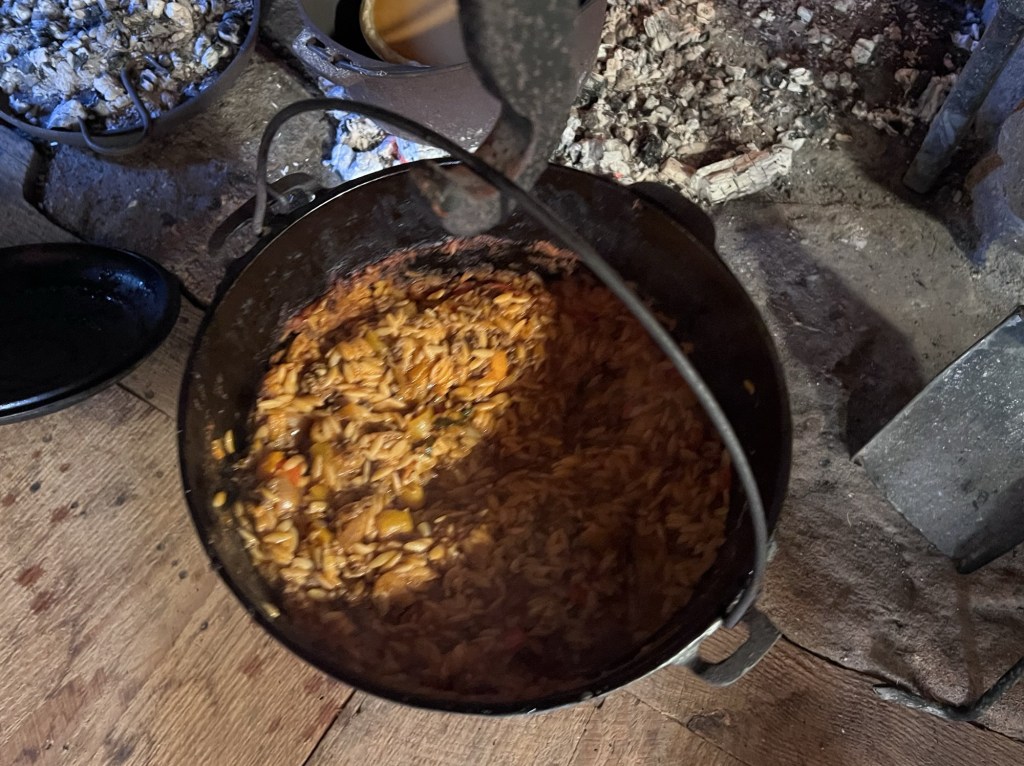
Stuffed Cabbage Soup in a cast iron pot

The thick Stuffed Pepper Soup

Freshly Roasted Chestnuts from the fireplace
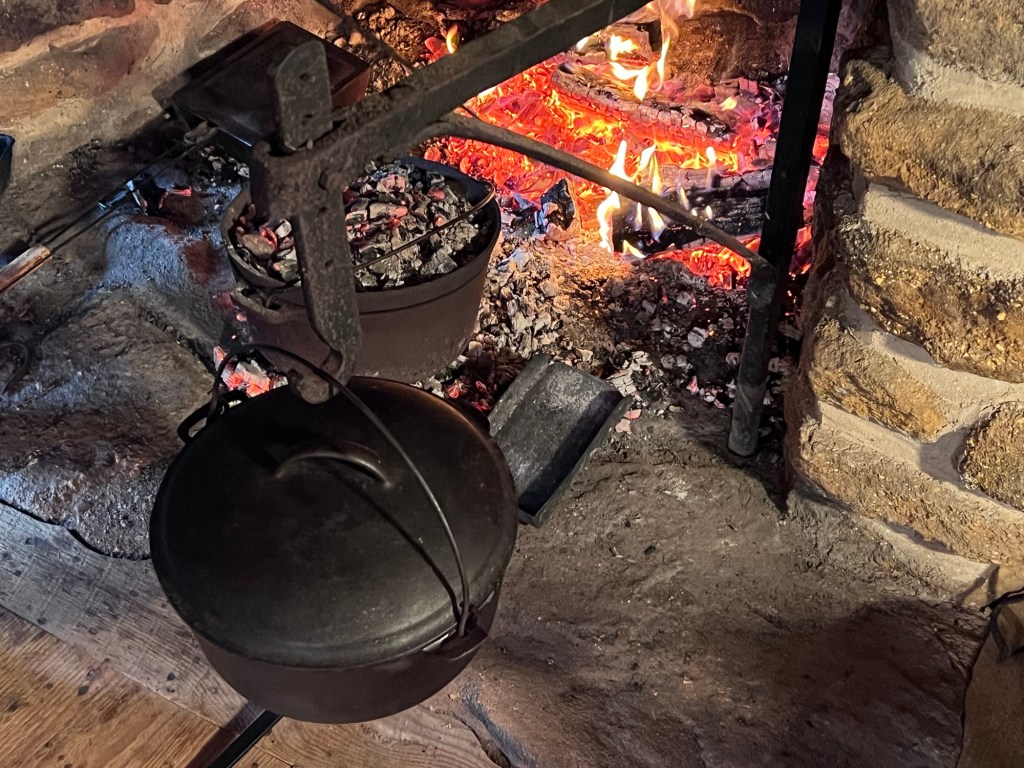
The pots and pans in the fire

It was fun watching the foods being cooked right on the spot they way they would have over a hundred years ago. It was even more fun to eat them. I learned a thing or two about the culinary arts this afternoon and it was so nice to sit in a warm kitchen by the fire on a cool November afternoon.
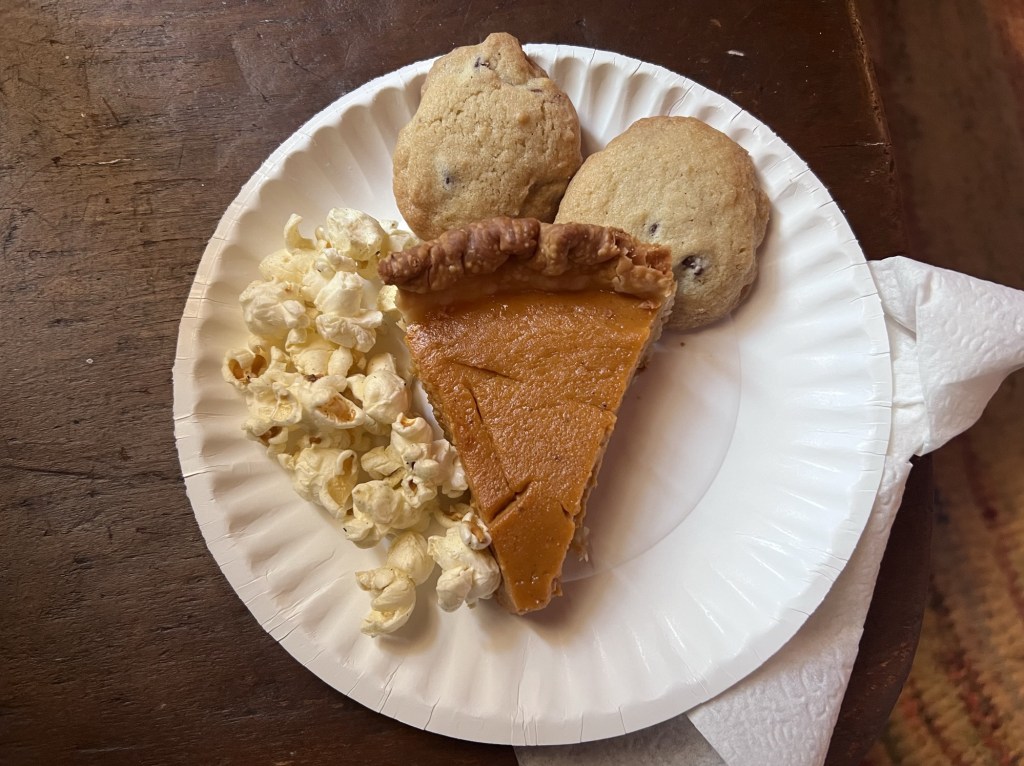
The delicious Fall goodies cooked in the hearth
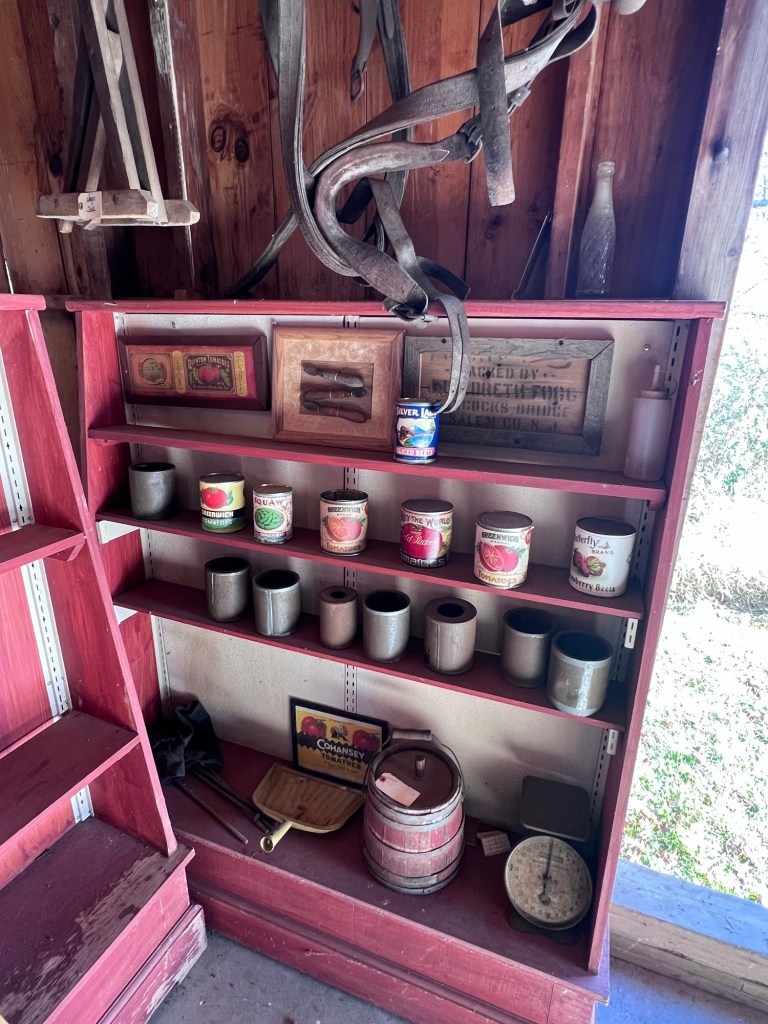
Farm supplies kept cool in the barn

It was really a homey event at the museum, with good food and wonderful conversation with residents of the community. All in a room warmed by a fire in a working fireplace. I love it when museums do such great events and using the historical cooking instruments was very unique.

The Museum is in a rural location so the farmland that surrounds the house is really beautiful. The views in the fall were just gorgeous when the leaves were turning colors.

The beautiful farmland that surrounds the historical society.
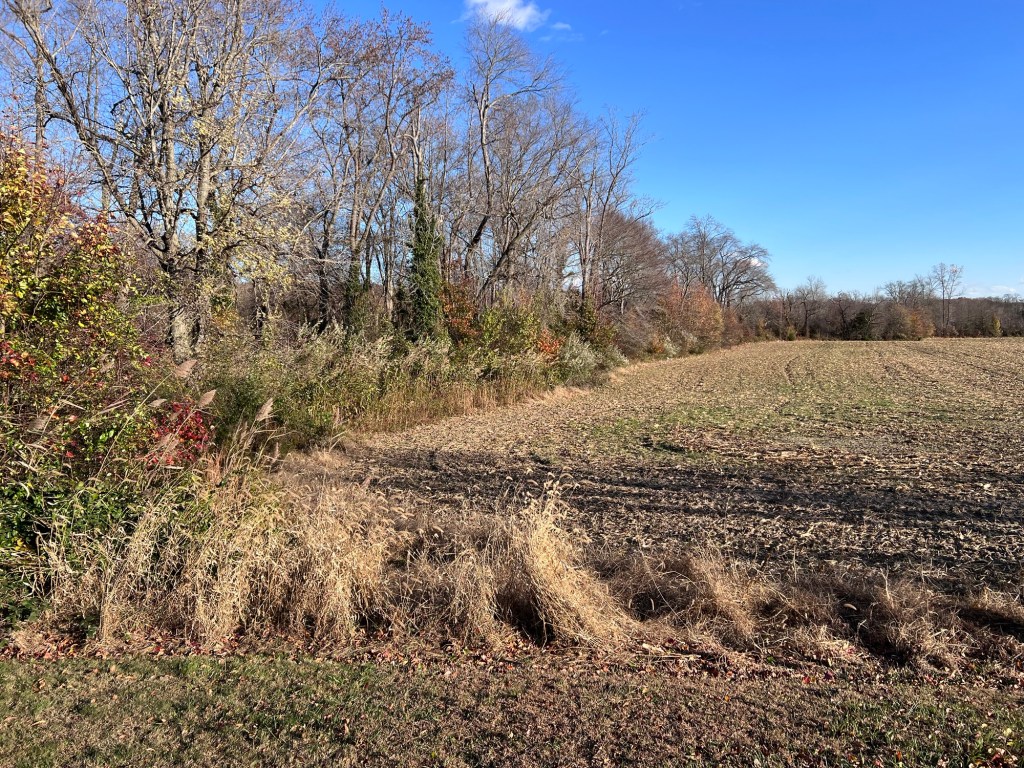
The view on a late Fall day
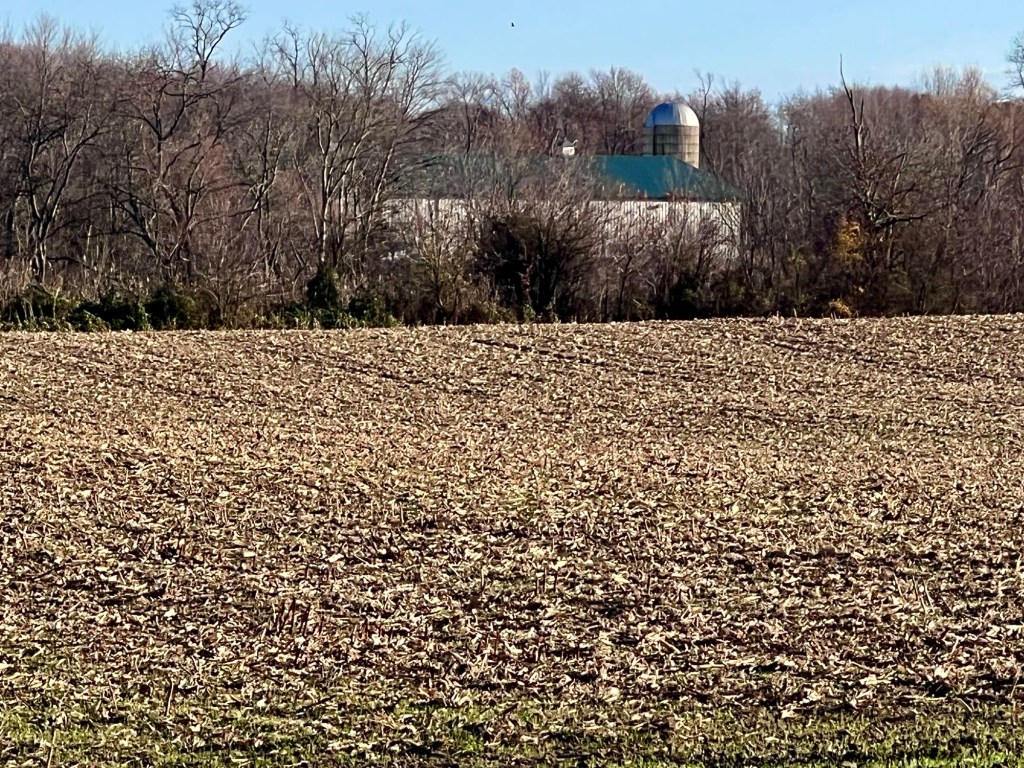
The view of the local farm

The fields
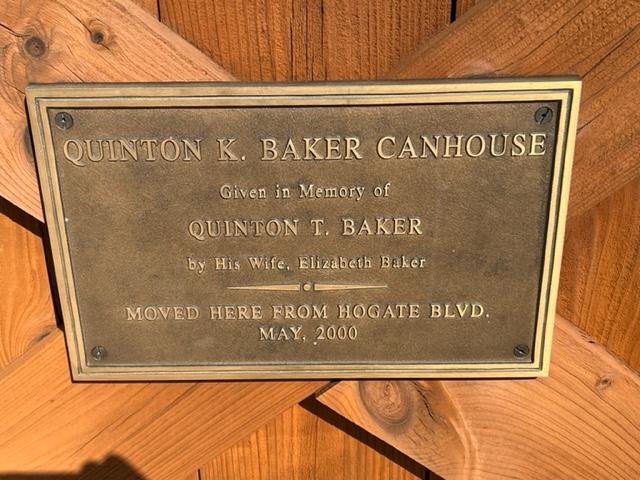
The plaque of the “Quinton K. Baker Canhouse, the last one left.

The historic cars and fire trucks on display at the museum that day:
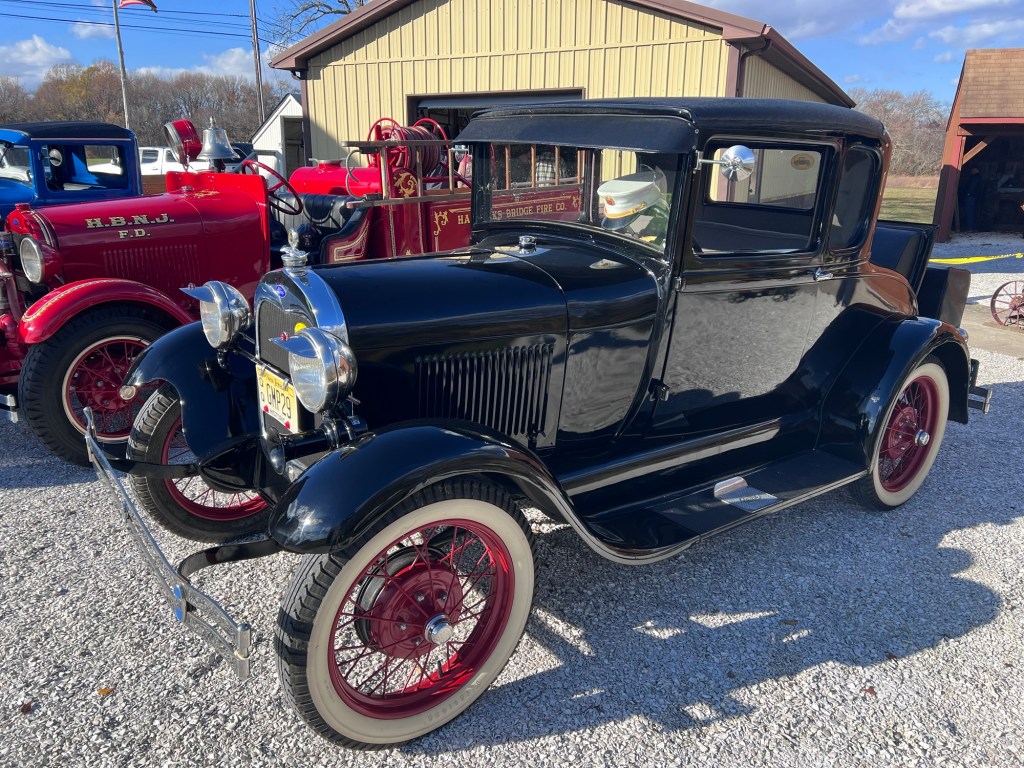
The Model T
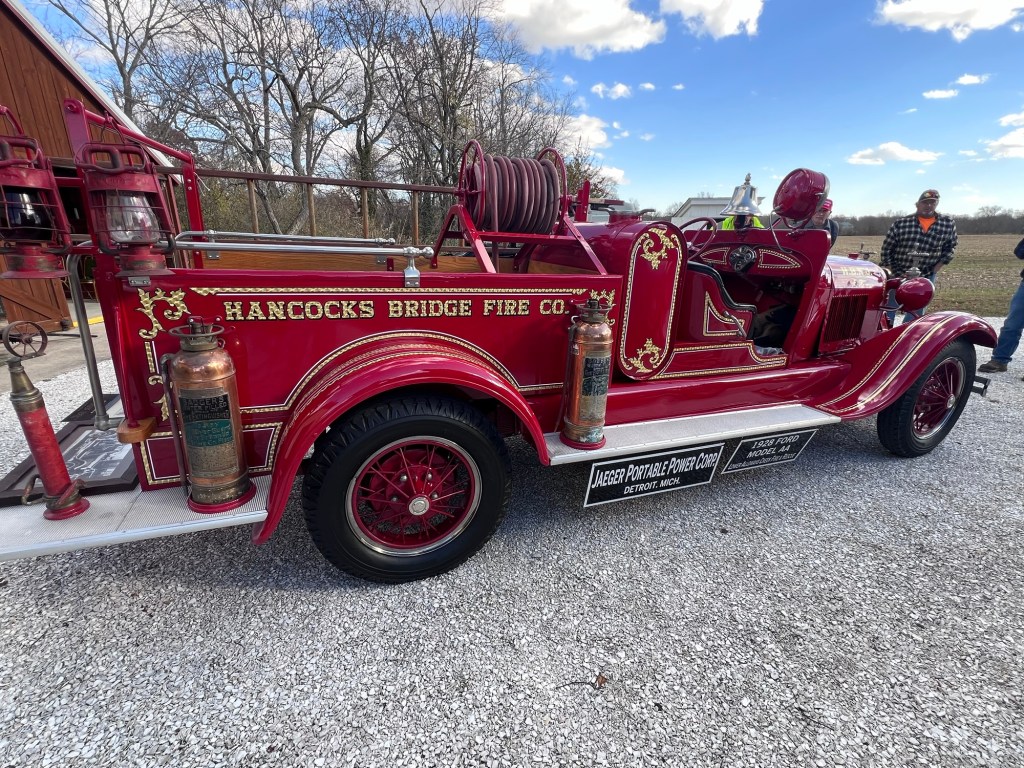
The Hancock Bridge’s 1928 Hose truck
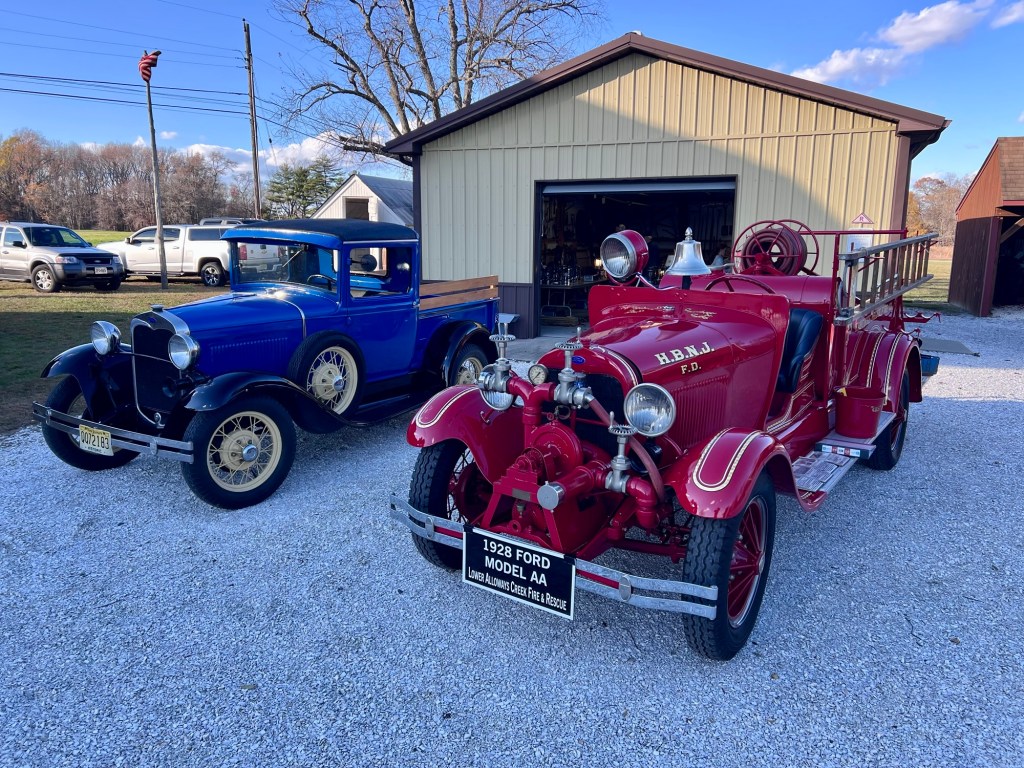
The cars on display that day

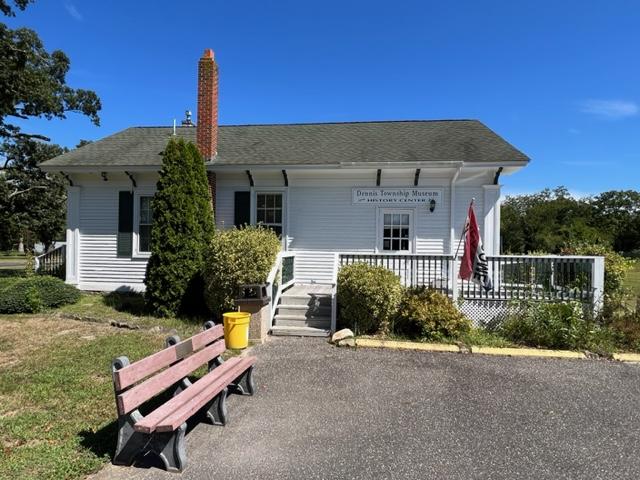
The front of the museum on my visit in November 2025

The back of museum during my visit in November 2025

The museum is open six times a year for special events. Please check out their website and their Facebook page for details. The Pie event was the last event for the season until the Spring.
Dennis Township Old School House Museum                   681 Petersburg Road                                Woodbine, NJ 08270

Dennis Township Old School House Museum 681 Petersburg Road Woodbine, NJ 08270

Dennis Township Old School House Museum

681 Petersburg Road

Woodbine, NJ 08270

(609) 861-1899

http://www.dennismuseumfriends.org/

https://www.facebook.com/people/Friends-of-dennis-township-old-school-house-museum/100066513017935/

Open: Every First and Third Saturday of the Month (Please check with the website on weather conditions)

Admission: Free but donations accepted

My review on TripAdvisor:

https://www.tripadvisor.com/ShowUserReviews-g35374-d25030718-r862673797-Dennis_Township_Old_School_House_Museum-Woodbine_Georgia.html?m=19905

The Dennisville Historical Society at 681 Petersburg Road

I have been wanting to see this charming little museum for several months. This is one of the featured historical museums in Southern New Jersey. The museum is representing the local farming and manufacturing industries as well as life in a farming community at the turn of the last century.

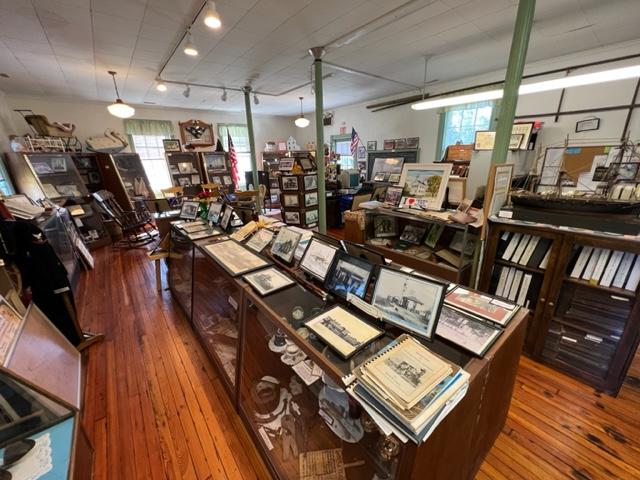
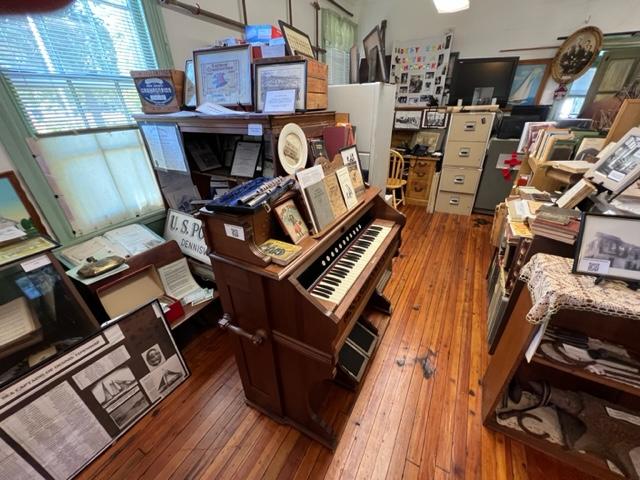
The Main Gallery at the Dennisville Historical Society.

The museum was started in 1994 in a partnership with the town of Woodbine, NJ and houses the history of Dennis Township. It is an all-volunteer museum, and the docents were really helpful describing all the displays that surround this small former schoolhouse. Their Friends of the Dennis Township Museum group does a nice job walking you around the museum and describing the displays.

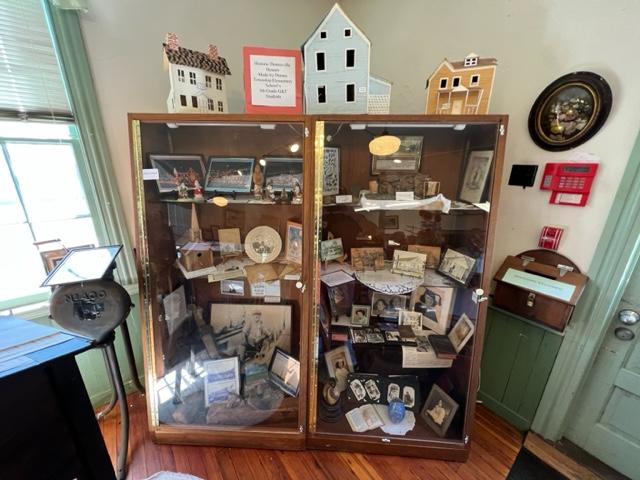
The artifacts that are on display at the museum.

The museum tells the story of a small-town farming community with a history of different local businesses, the Dennisville School district from 1874-1948 and the Methodist colony that was a big part of the community in the early 1800’s. The shipping industry was very important to any small town that used to supply its fruits, vegetables and fish to Philadelphia.

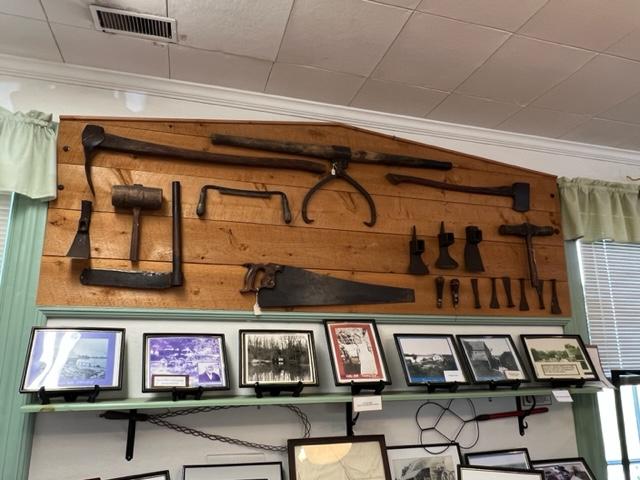
The Farming display at the museum.

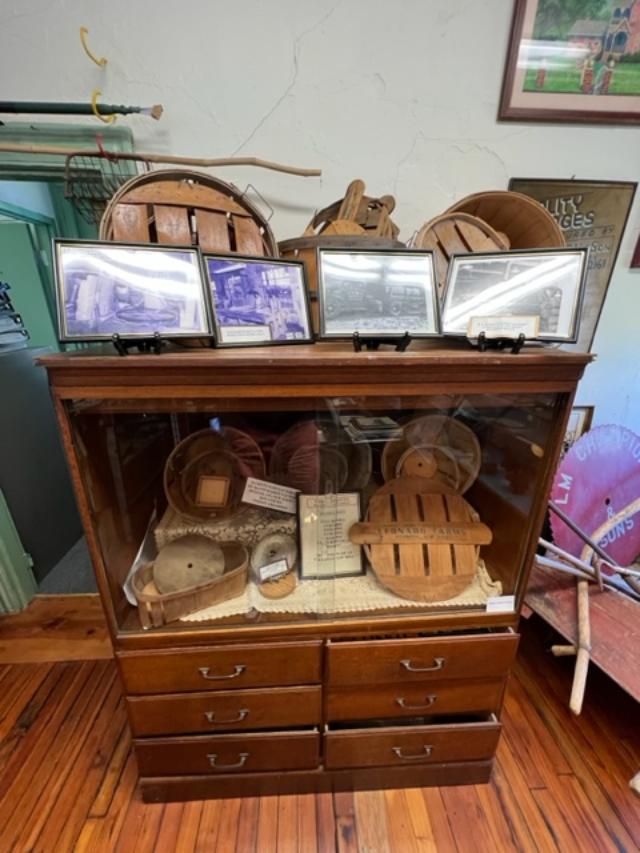
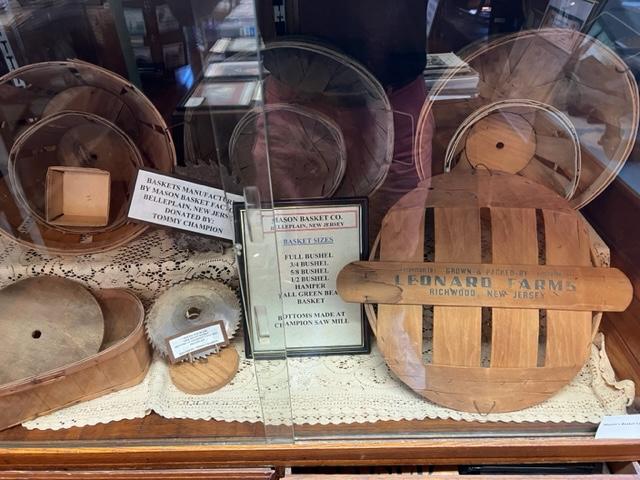
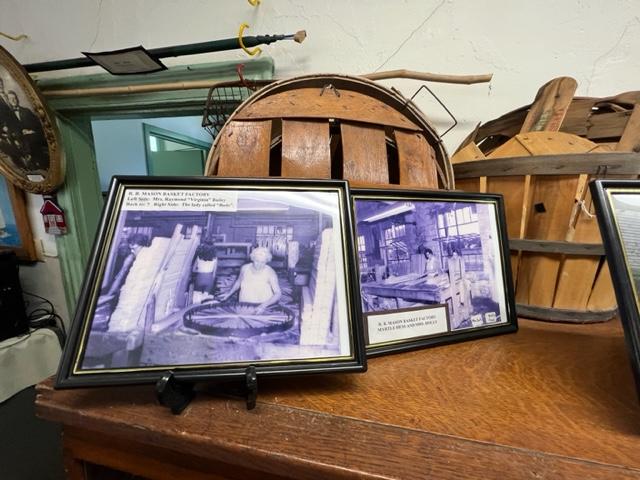
Some of the displays were dedicated to the local family businesses with the small cranberry industry that used to be in the area with equipment and packaging. The Mason Basket Company used to make the small and large wooden baskets for fruits and vegetables used to ship these items to both New York City and Philadelphia. These baskets are a staple at any farmers marker today.
The Basket making business for fruits and vegetables was a big business.

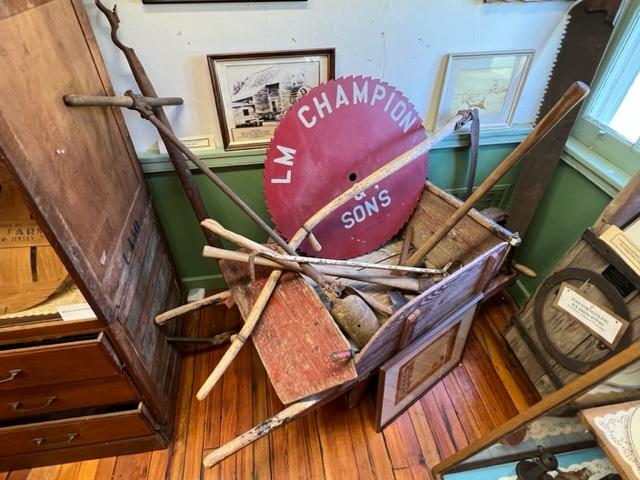
The other big business in town was the shingle making business that prided itself on supplying the shingles for Independence Hall in Philadelphia.

The history of the Basket making business in Dennisville.

The basket and shingle businesses in Dennisville.

The building had been the local one room schoolhouse for the surrounding community from 1874-1948 until the new schools were built in the 1950’s. There was a display on the school’s history as well as lots of pictures of the students at the turn of the last century with their period clothing and proper manners taking pictures with their schoolteachers. There were displays of desks, clothing and items that would have been in the school room.

The school display

The school display.

The town had once been a Methodist community with a large meeting house and surrounding homes for parishioners to stay. They showed the meetings and how the group would spend their summers in the area.

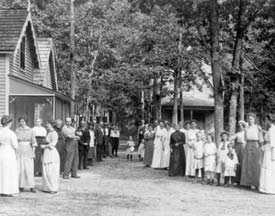
The summer community in Dennisville, NJ (from their archives)

The museum showcased live in a small-town farming community with all sorts of farm and farmhouse equipment. There were all sorts of home making items like cooking utensils to make meals from scratch, baking and serving in homes where being a housewife took a lot of strength. The farm equipment included hoes, racks and seeders that kept the farms going.
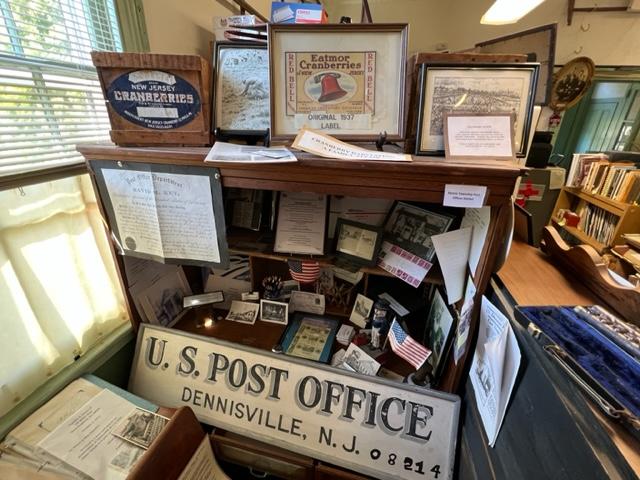
The Post Office display

There were pictures of the renovations of the Ludlam family cemetery that had gone through a renovation by the Boy Scouts and showcased it beauty. The members did a nice job renovating the tombstones and landscaping.

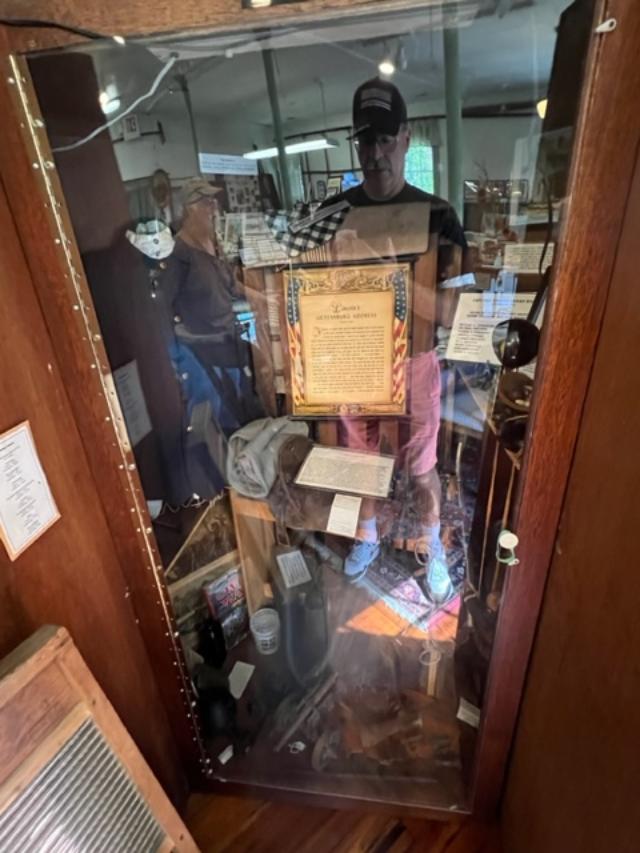
The Civil War display

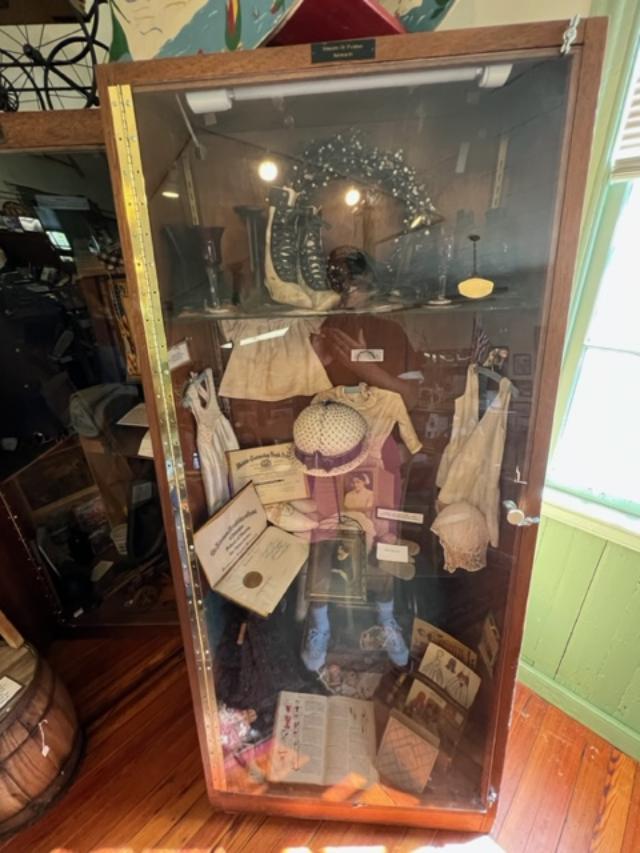
The Clothing display

The Children’s display

There were lots of interesting items to see in the Children’s display.
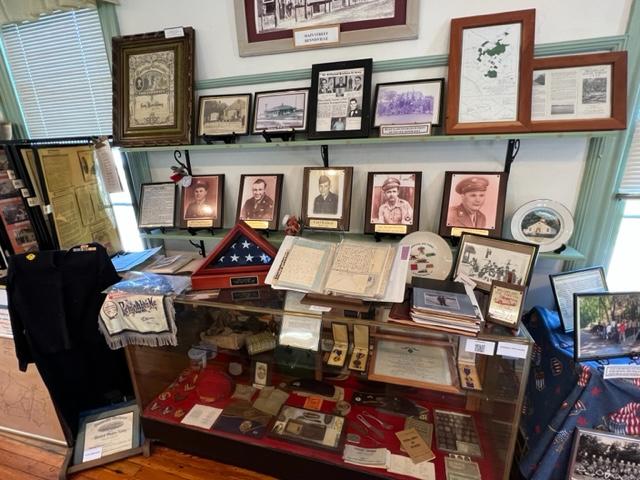
In the corners of the museum, there is period clothing from the Civil War to the 1930’s with hats, gloves and dressing plus accessories. There is a small display to the local veterans of war. Near the entrance there is a working pipe organ and more information about the town from the early 1900’s.

The Household items at the museum.

The docents told me that they have the old town records and that people come to the museum to research their families that used to live in the area. They have had people come from all over the country to find their family roots.

The Shipping Industry

The Ship Building industry

For a small museum, it is chock full of small displays offering a glimpse into a community of time past and how it has grown over the future and changed.

The Military display

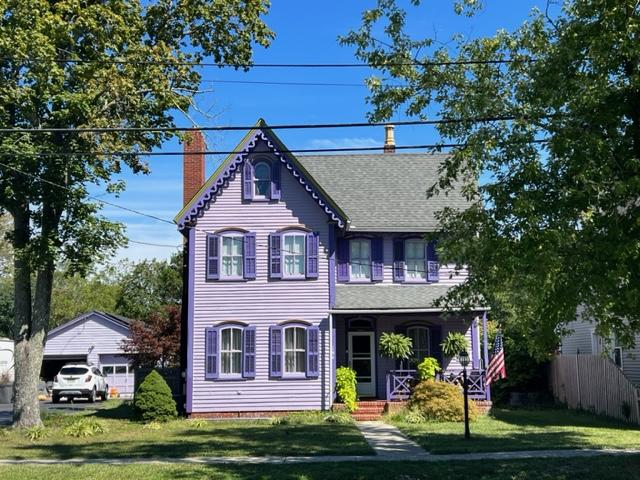
Take time also to drive around this small town loaded with historical homes that have been beautifully maintained and labeled with the year that they were built. Some looked like they had the family names on them. All of the homes are painted bright colors and each has been brought back to life. I was amazed in how in one year how many of these homes had been bought and repaired and painted. The whole town was brought back to life.

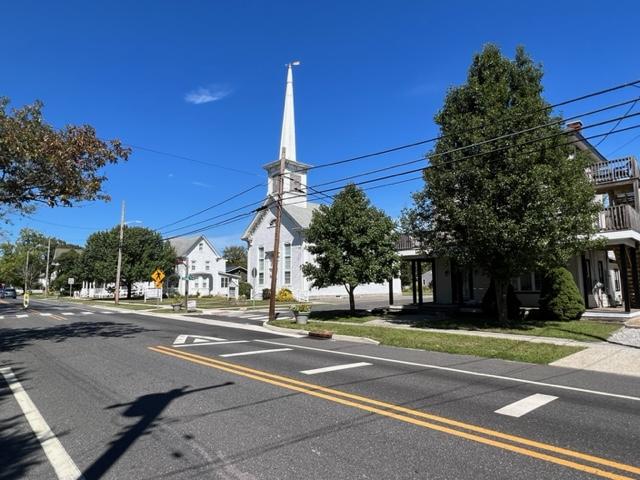
Downtown Dennisville has a quaintness to it.

The Purple House in Downtown Dennisville, NJ.

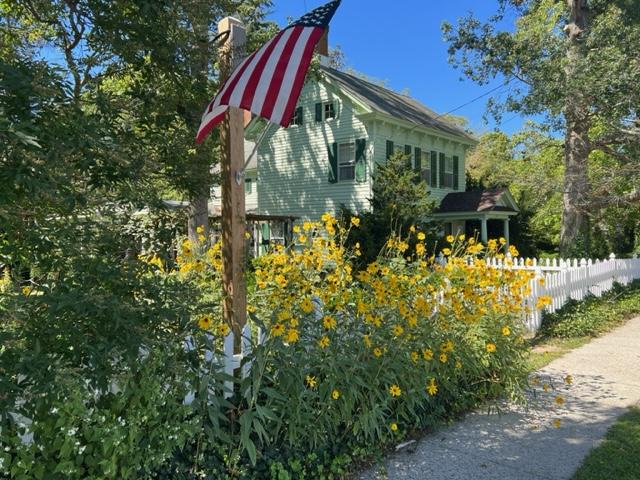
The light Green House in Dennisville, NJ

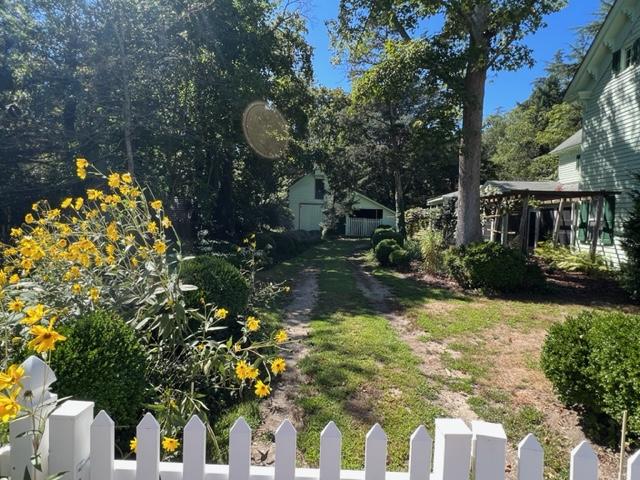
The gardens of the Green House

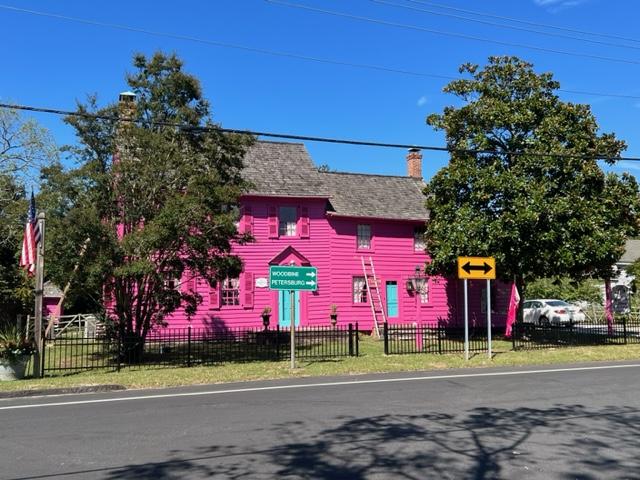
The Pink House is a known landmark to local law enforcement as a marker in the town.

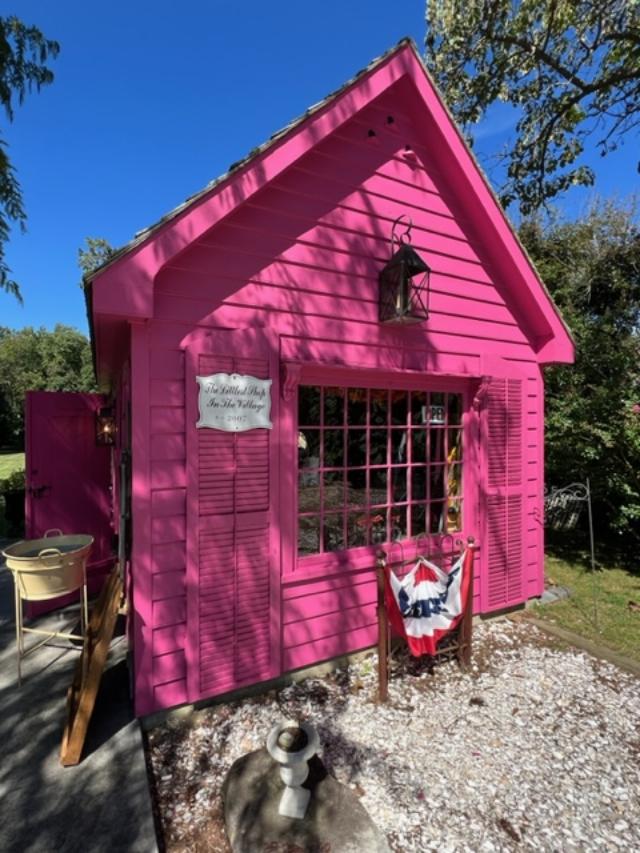
There is a tiny gift shop selling jewelry behind the house which just opened. I thought it would make a nice Tea House.

The Town of Dennisville has it charms to it and it totally being redone. Too bad the only restaurant in the area is a Wawa. Still it is a nice place to visit and drive around in.

Brinckerhoff House Historic Site/East Fishkill Historical Society                                                                                          68 North Kensington Drive                                            Hopewell Junction, NY 12524

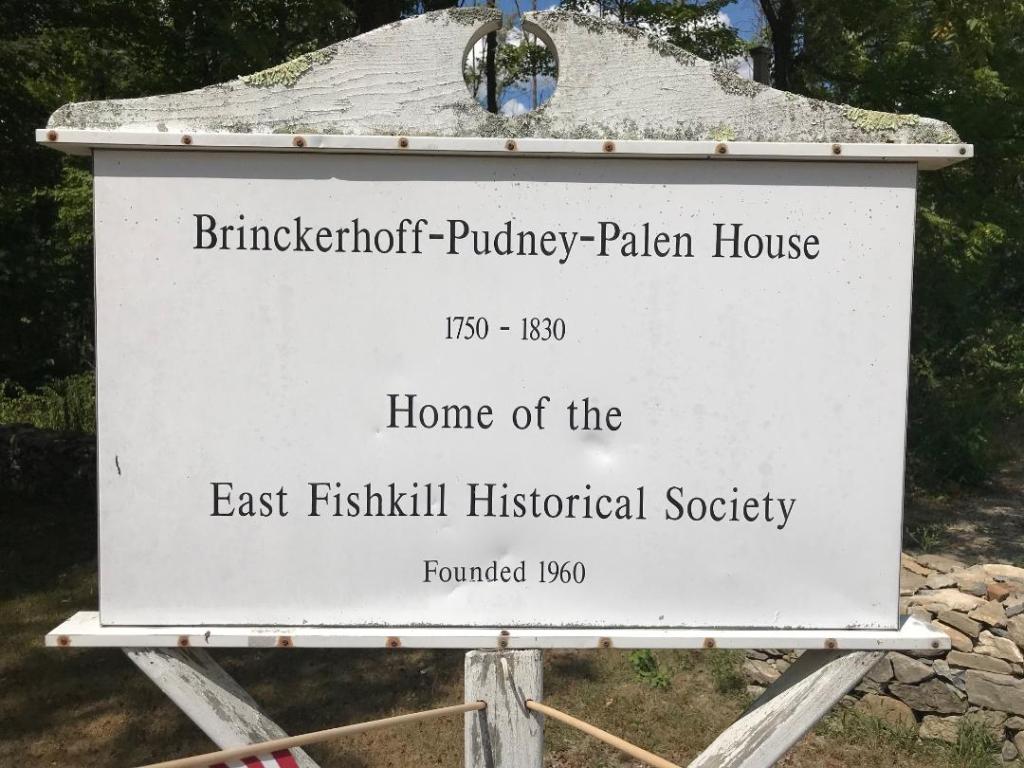
Brinckerhoff House Historic Site/East Fishkill Historical Society 68 North Kensington Drive Hopewell Junction, NY 12524

Brinckerhoff House Historic Site/East Fishkill Historical Society

68 North Kensington Drive

Hopewell Junction, NY 12524

(845) 227-4136

https://www.facebook.com/profile.php?id=100057186982344

Admission: Free

Open: Sundays 1:00pm-4:00pm/Monday-Saturday Closed/June-August

My review on TripAdvisor:

https://www.tripadvisor.com/Attraction_Review-g47922-d24829233-Reviews-Brinckerhoff_House_Historical_Site-Hopewell_Junction_New_York.html

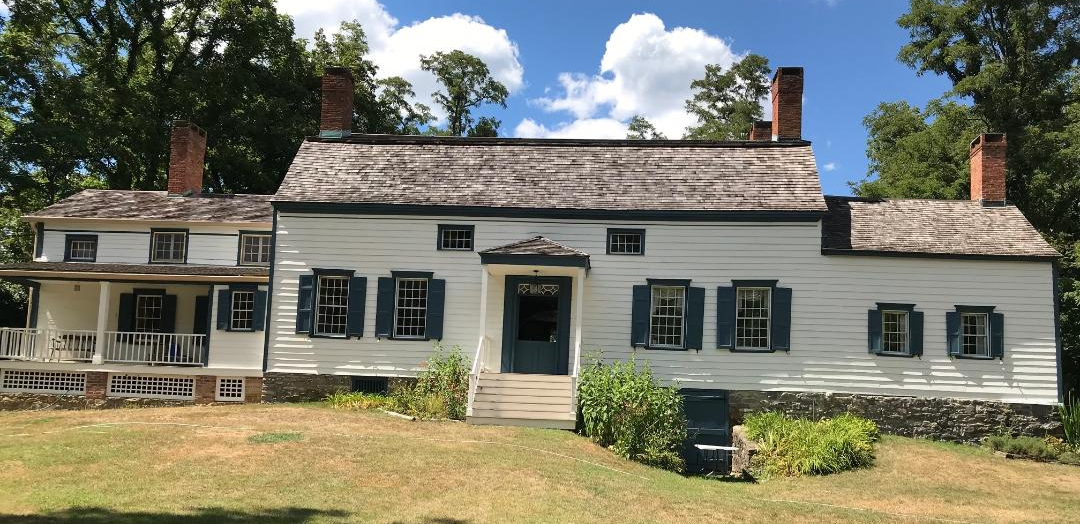
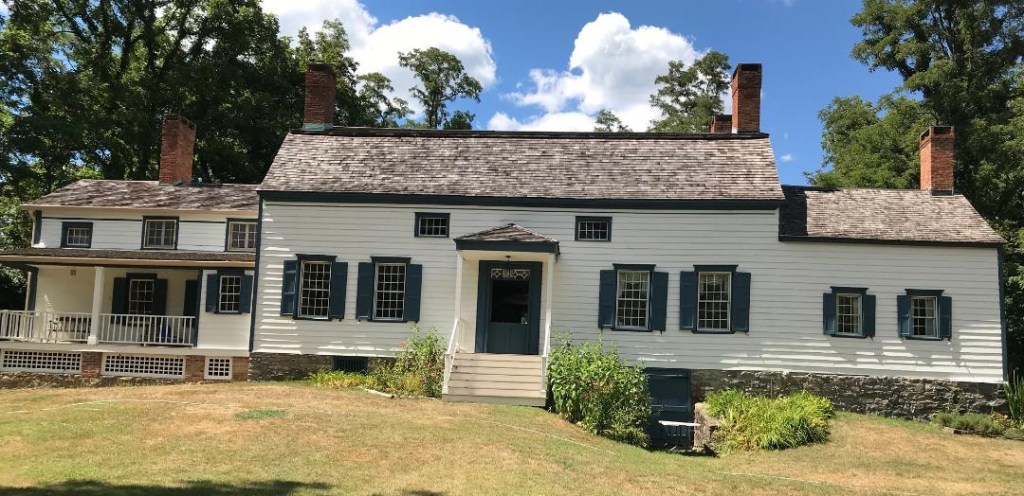
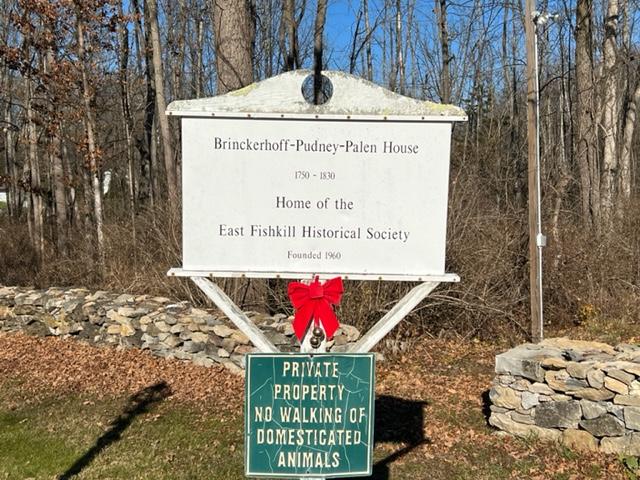
The Brinckerhoff House Historical Site

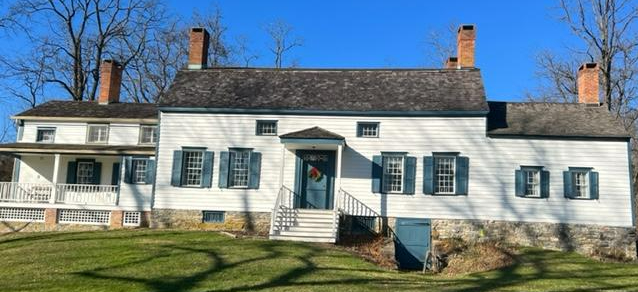
The Brinckerhoff House Historical Site was built in three different time periods with the oldest part of the house to the right, the main part of the house was built second and the Sun Room and porch to the left was built last. The house opens up in all parts but you can see the distinct different in the style of the design.

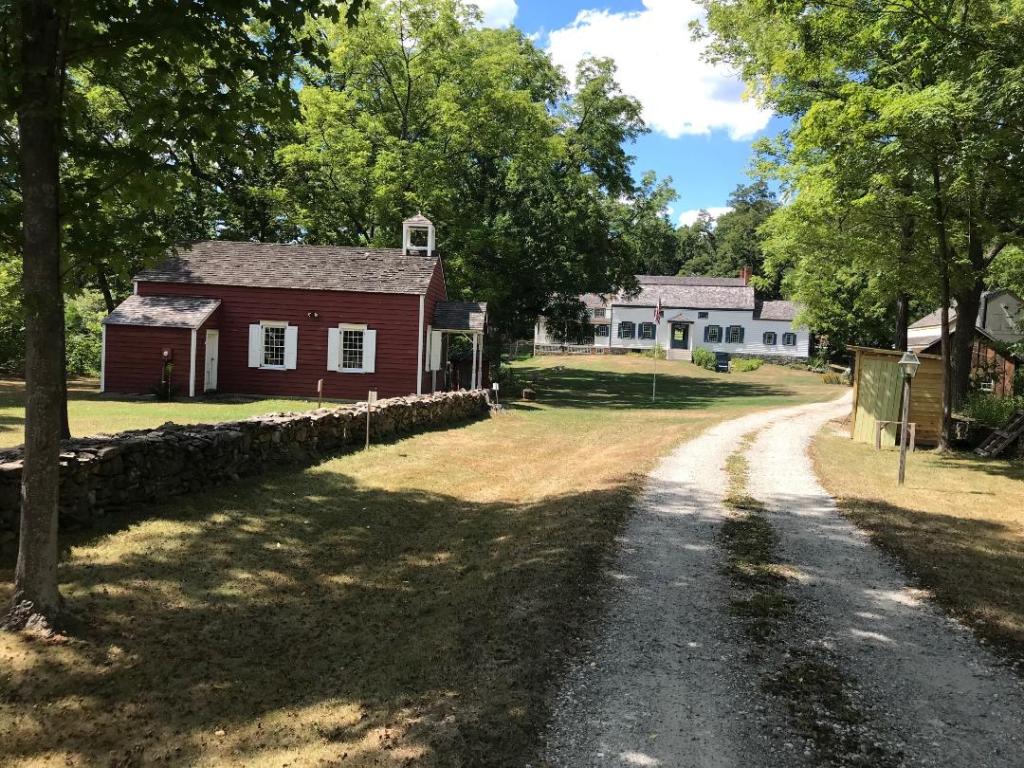
The entrance of the original homestead

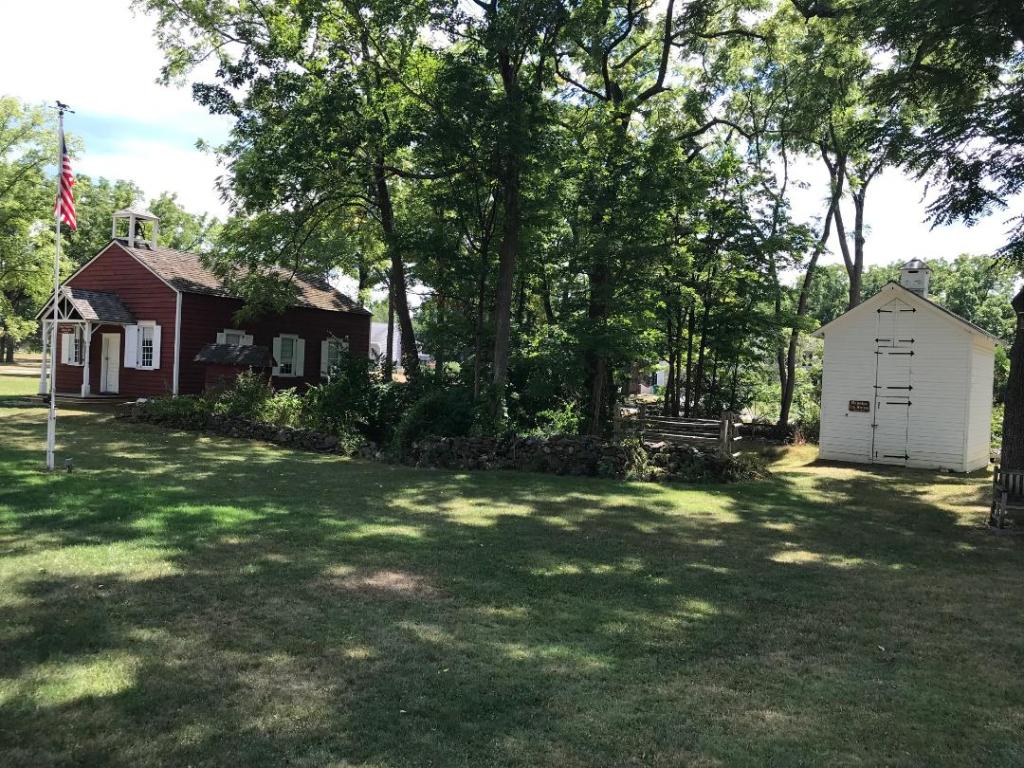
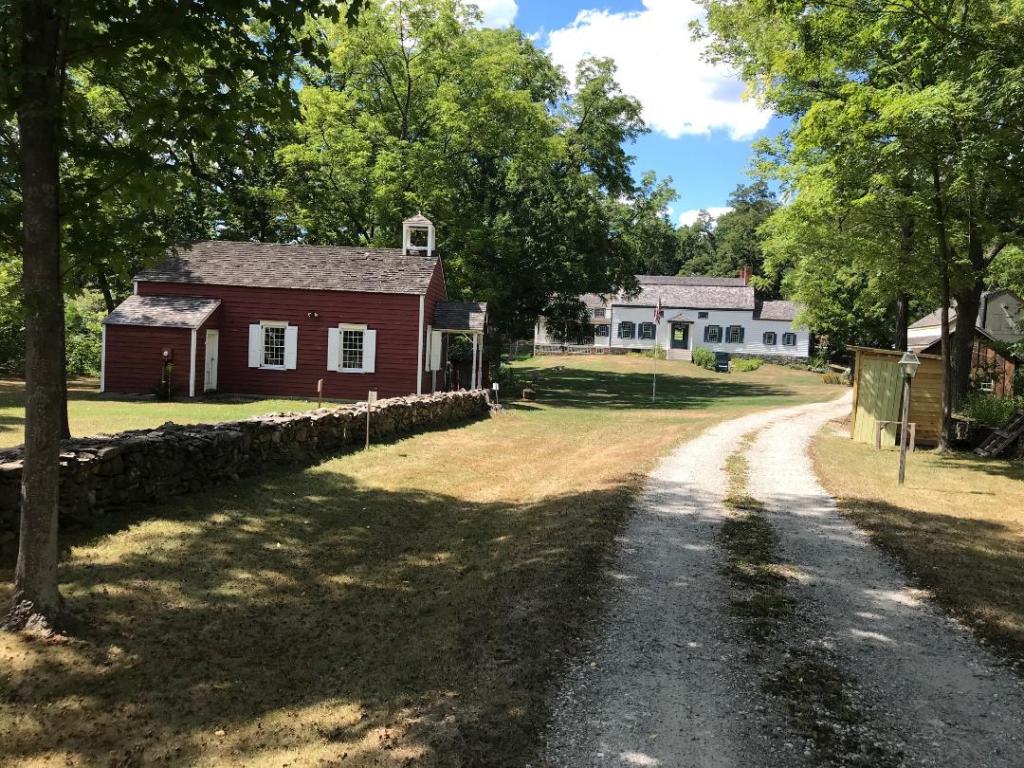
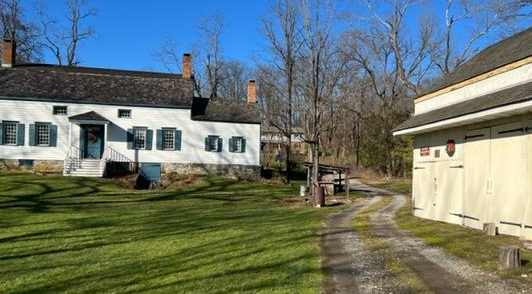
The entrance of the Homestead has the schoolhouse and icehouse to the left of the entrance and the blacksmith shop and the carriage house to the right. The Blacksmith shop has a real blacksmith on duty working when the house is open for tours.

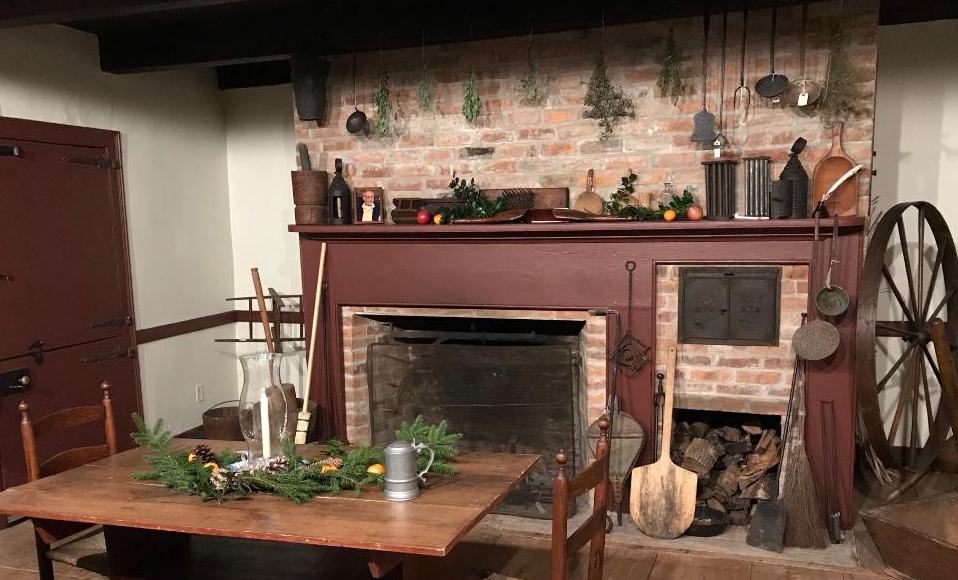
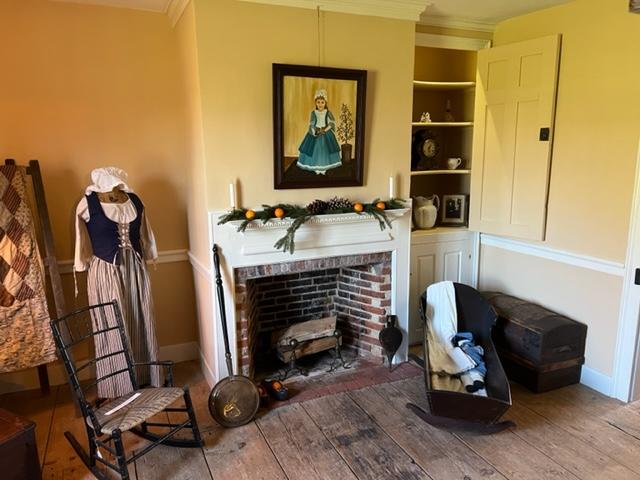
The original section of the house in the “Everything Room” where cooking, dining and socializing took place for the first generation of the family. This is the original part of the home that was built around 1755 by John G. Brinckerhoff and his bride, Marie Terboss for their family. There was a single upper room for the family as well. The main room is where all the cooking, eating, socializing and work was done by the family.

The original Brinckerhoff Kitchen in the first section of the home

When their family grew, the moved out and John’s brother, George G. and his wife, Elizabeth Wilcox moved into the house. After the Revolutionary War was over (both brothers were captains in the local militia), George G. added the main addition to the house with four additional rooms in the eastern wing of the house.

The addition showed the affluence of the family in that they could have separate rooms for socializing and higher ceilings meaning that they could heat the house properly.

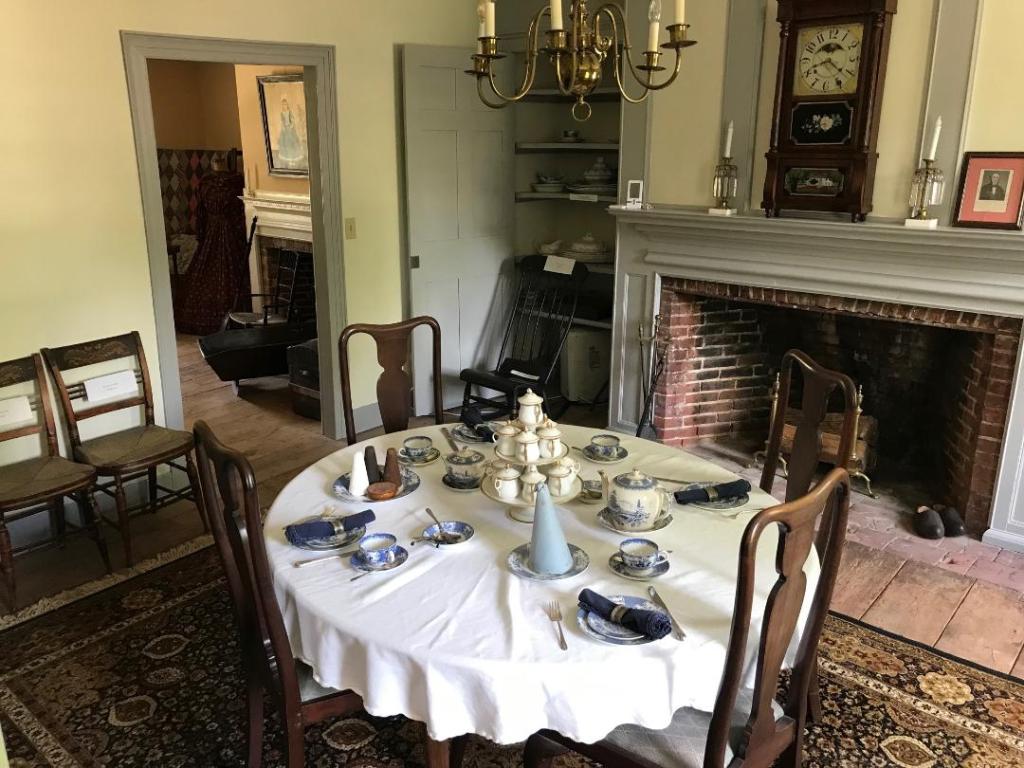
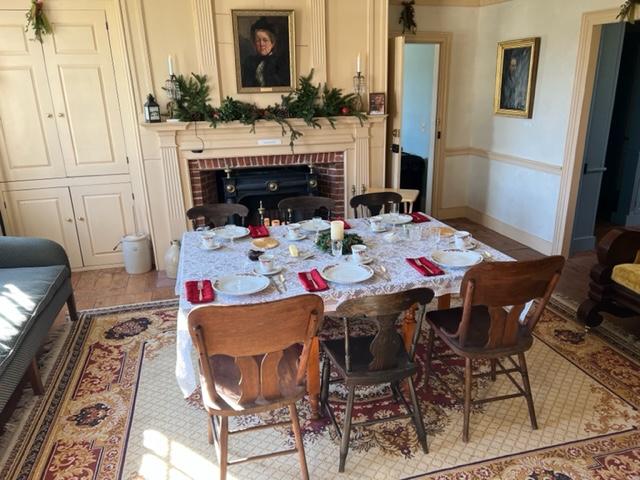
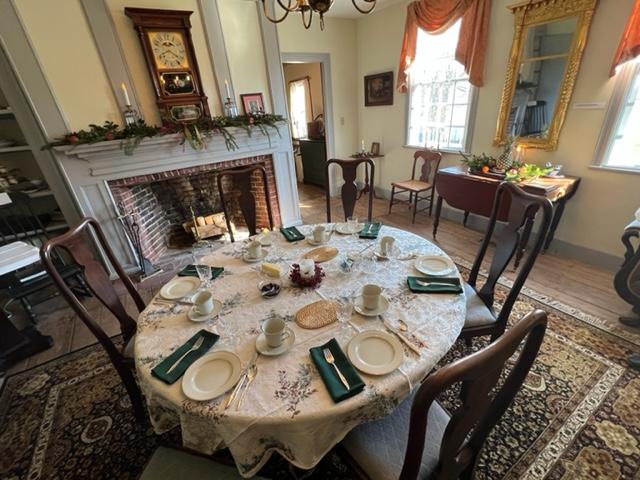
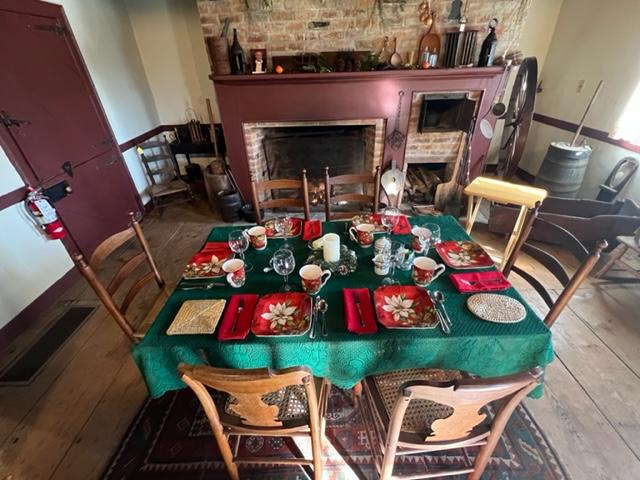
The formal Dining Room in the Victorian times set for entertaining. A hot chocolate service is on the table which was a luxury at the time.
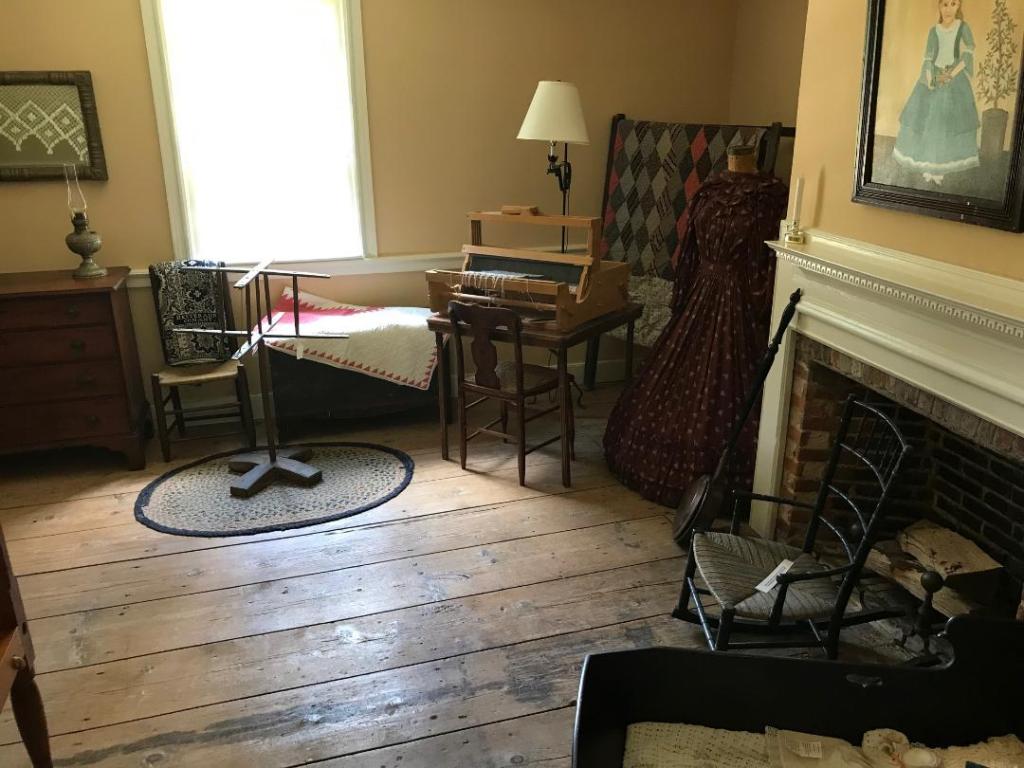
The formal Living Room is where socializing and work was done. Spinning and needlepoint as well as dressmaking where done by the ladies here.

The Living Room at the Brinckerhoff House

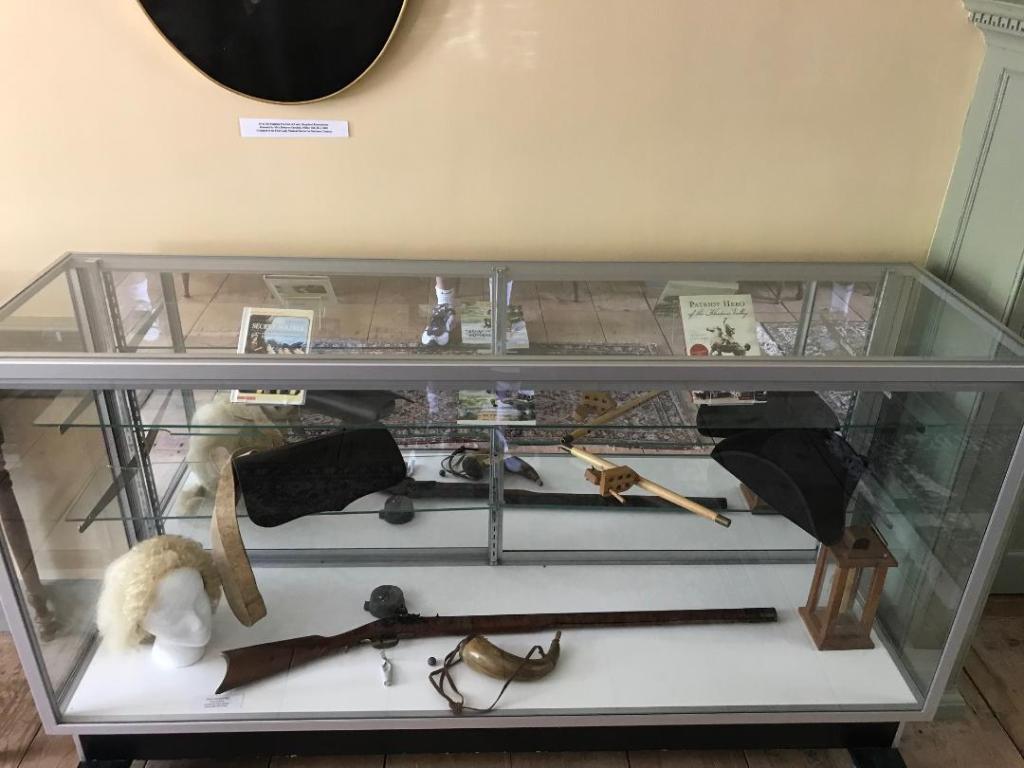
In the main hallway of the addition to the home services as a display area for all sorts of artifacts that deal with the different time periods of the home. These items are from the Revolutionary War.

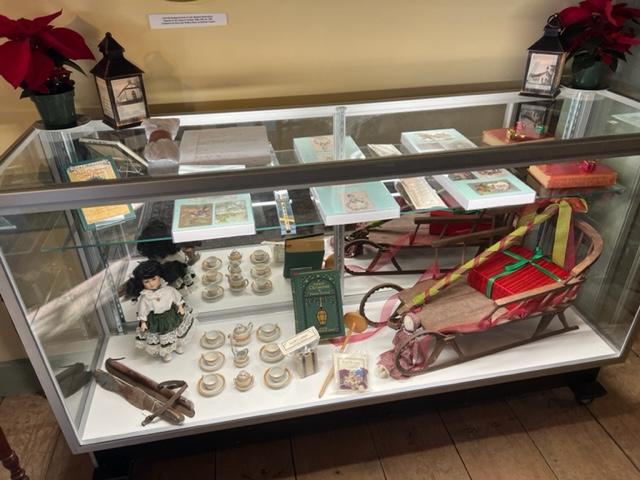
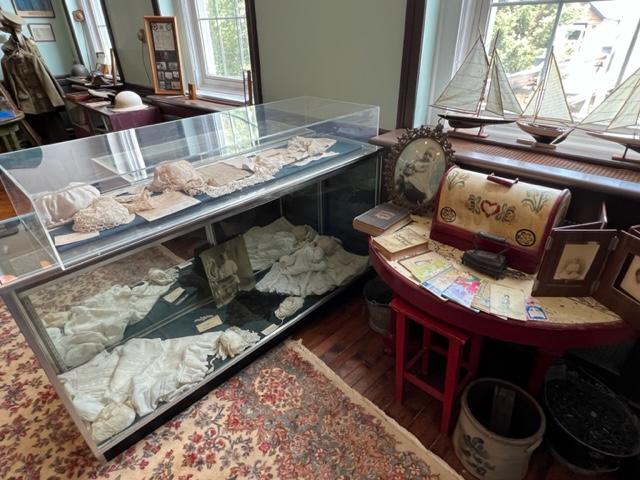
Display cases in the main hall

Visiting the Historical Society at Christmas time and for the their Afternoon Tea:

Arriving at the Brinckerhoff House for the holidays on a beautiful sunny day

During a recent Christmas event held at the house in December of 2022, the house was decked out for the holidays. The Brinckerhoff house held its annual Holiday Tea, which it not held since 2019 due to COVID. This popular fundraising event was sold out that day.

The Brinckerhoff House ready for the holidays in December 2022

Approaching the house on the estate. The Van Wyck Barn is to the right.

Santa’s Sleigh for when Santa comes to visit the Brinkerhoff House

This sold out event really showcased the beauty of the house during a Revolutionary Christmas. Homes would be decorated in natural garlands and fruits of the season and the house would be decorated with candles. There was a Christmas tree in the home but that would not be seen until the Victorian era.

The Keeping Room decked out for the Afternoon Tea at the Brinkerhoff House

The Family Room at the Brinkerhoff House for the holiday in 2022

The Living Room decorated for the Afternoon Tea

The Living Room decorated for the Afternoon Tea at Christmas 2022

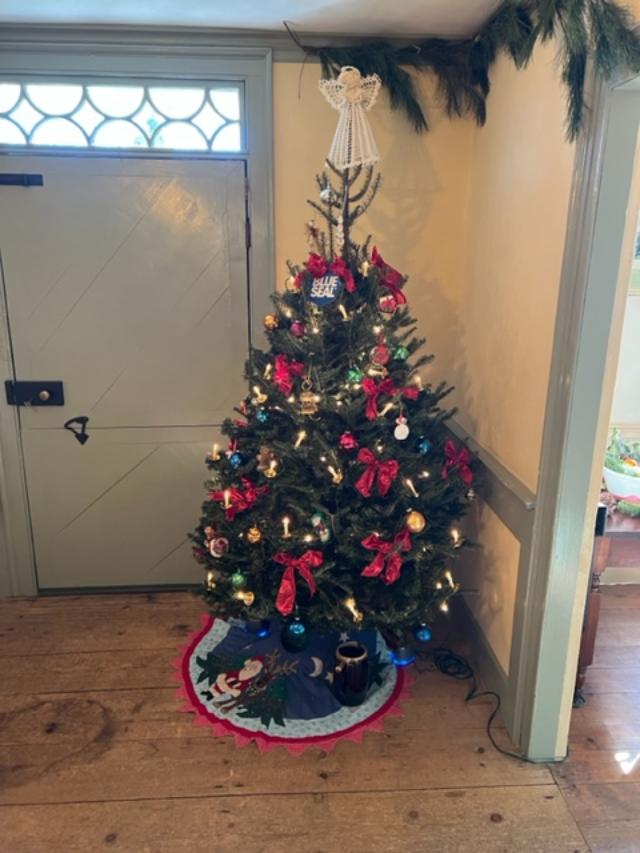
The family Christmas tree would not have been part of a Revolutionary Christmas but a Victorian era decoration in the late 1800’s

A Children’s wish list for Santa during the Victorian era with all sorts of playthings; dolls, sleighs, tea sets and books

The Strawberry Festival in Spring 2025:

Please read my entire blog on “Attending the Strawberry Festival at the Brinckerhoff House”:

The Brinckerhoff farm and estate. This used to cover hundreds of acres

The entrance to the property before the festival began

The Brinckerhoff House before the start of the Strawberry Festival

https://eastfishkillhistoricalsociety.org/

https://destinationdutchess.com/listingsv/the-brinckerhoff-house-east-fishkill-historical-society

https://www.facebook.com/p/Brinckerhoff-House-Historic-SiteHome-of-East-Fishkill-Historical-Society-100057186982344/

My review on TripAdvisor:

https://www.tripadvisor.com/Attraction_Review-g47922-d24829233-Reviews-Brinckerhoff_House_Historical_Site-Hopewell_Junction_New_York.html

My review on VistitingaMuseum.com:

https://visitingamuseum.com/tag/east-fishkill-historical-society/

When the festival began and before the Strawberry Shortcakes came out that afternoon, there were all sorts of activities and docent led tours. The first one that I went to was the 1820 Schoolhouse.

The historic sign for the 1820 One Room Schoolhouse of Upper Hopewell

The entrance to the schoolhouse

Even though the schoolhouse is from the early part of the 1800’s, it is amazing how it still relates to classrooms of today. I am still convinced it is the connection that students have with their teachers establishes the fundamentals of a good education and learning.
The schoolhouse from the back of the building

The inside of the classroom has not changed in two hundred years

The schoolhouse classroom is similar to today

I will be quite honest in saying that outside the potbelly stove, the classroom here is pretty much the same as the lecture halls that I see at our college campus.

Games and books of the past are similar to those of today

The items of the classroom of the 1800’s. I am not too sure the use of the Apple press but the children may have had chores to do outside the classroom.

A discipline system that should be brought back

After the tour and talk at the schoolhouse and a talk with other educators on the status of the modern classroom (we all had a lot to say on this), I went over to tour the barn.

The Van Wyck Barn

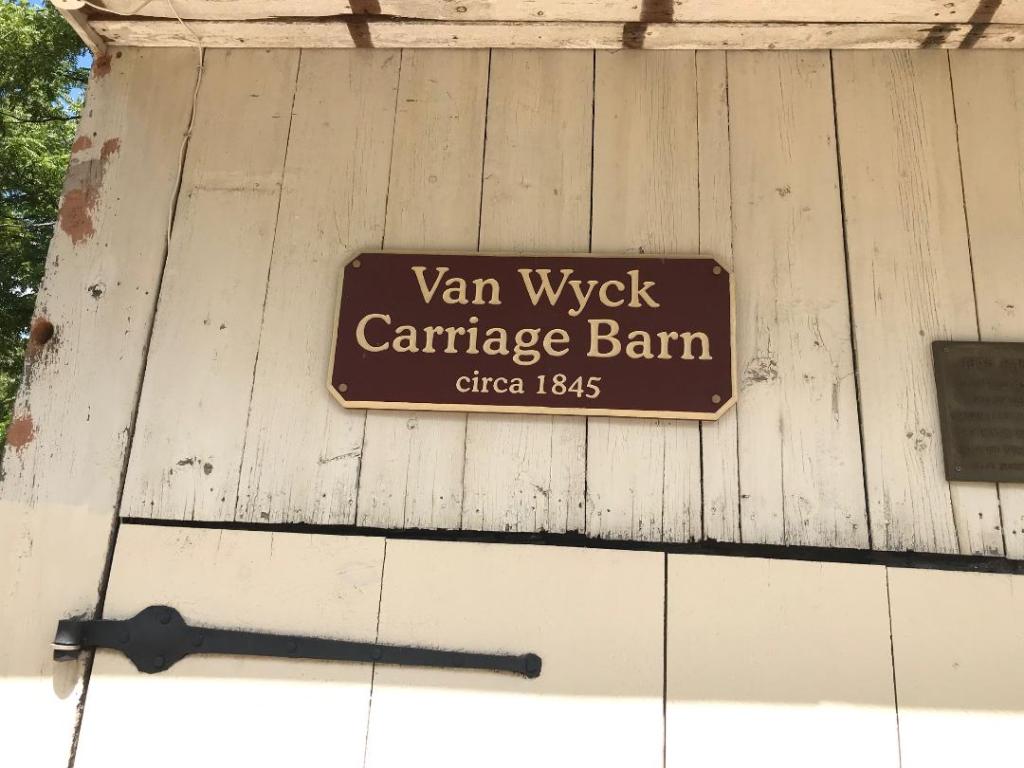
The historic sign of the mid-1800’s barn

The historic marker of the 1845 barn

The actor who was working at the barn told us about wood making and about saws and how to maintain them for work on the farm.

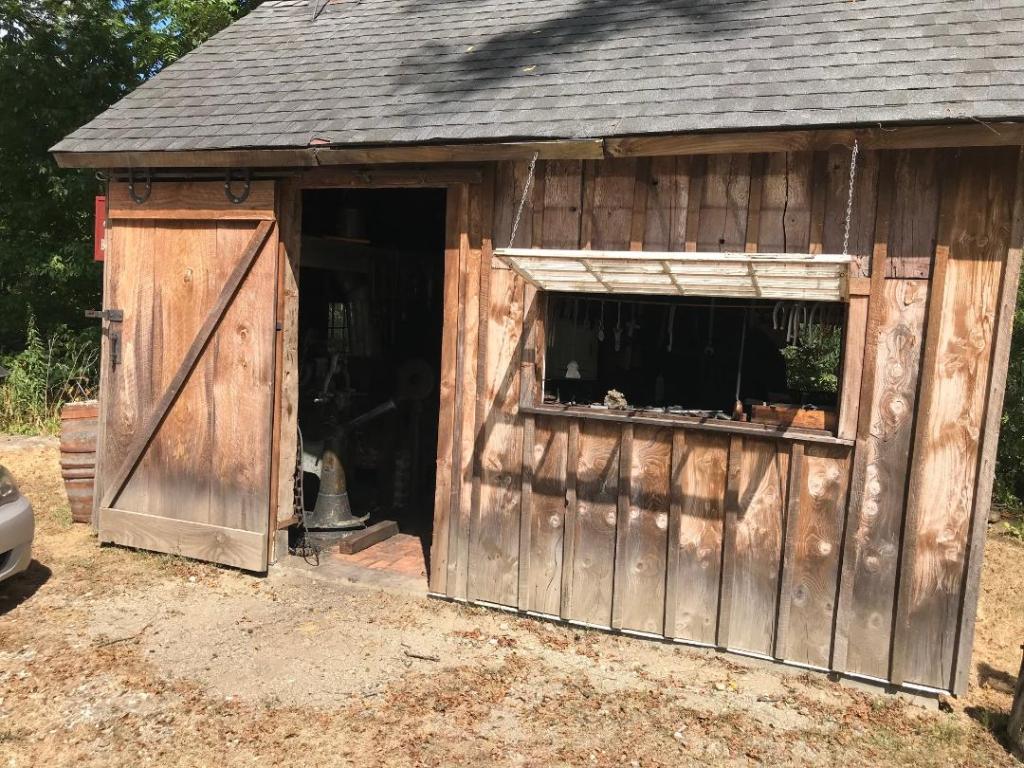
Next to the barn, there was a small blacksmith building where the volunteer was demonstrating items that would have to been made or maintained to keep work on the farm going. Never a dull moment on the farm.

Keeping the fires going and a certain amount of heat is needed to fix these items and create the objects needed on the farm.

The objects and items made at the blacksmith

I know that these tours may seem hokey to some but the volunteers who were at both the barn and the blacksmith were really interesting in their demonstrations. There was a lot of time, talent and creativity needed to keep these aspects of the farm in working conditions.

The rains had really made the grounds lush and all the flowers and trees were in full bloom. The gardens were really well maintained and it was really pretty to walk arounds the grounds of the house.

The gardens by the schoolhouse

In the little pen by the Ice House, they set up a small petting zoo with little goats who looked terrified of us. If we had something to feed them, trust me they would have been less shy.

These little lambs were so cute

I was trying to wave them down but they huddled together

Walking around the grounds

The Icehouse was closed that day

The crowds were starting to get bigger around 1:30pm because that was when the Strawberry Shortcakes were being served.

Since they were a little behind as the high school students were inside preparing the Strawberry Shortcakes, I decided to tour the Brinckerhoff House again. They had a Butter Making class going on in the old kitchen section of the home and there were early American displays in all the cases. All the first floor rooms were open and I got a chance to see some of the new artifact donations.

There were all sorts of displays of clothing, furnishings and assorted dish ware on display in the Living Room and Dining Room.

Early American display of women’s clothing

Early American display of Men’s clothing

The Dining Room on the first floor was all set for tea

The Dining Room led to the bedrooms and the old kitchen

The old Main Bedroom on the first floor

Some the artifacts in the second floor bedroom

Some of the paperwork and artifacts in the main foyer

As I exited the house, I passed the door to the roof cellar. I did not think they would put this on the tour. Only the first floor of the house is open to the public.

The door to the root cellar

I took a tour around the grounds and passed the old outhouse

As soon as I finished the tour of the house and grounds the first trays of Strawberry Shortcakes started to come out and I never saw such a mad dash to get something.

The tent set up to sit and relax and eat

As I went to reach for a Strawberry Shortcakes on one of trays. I swear this woman grabbed two off the tray and practically barreled into me. I know they looked good but I could not believe the way some people behave. These were plenty of trays coming outside.

After I avoided the collusion, I was able to get one of the shortcakes off the tray and sit down. The Historical Society had plenty of seating under the tent and what was nice was they had ice cold lemonade as well. It made the perfect afternoon snack and the reason why everyone was here. When I had taken the initial tour of the property three years earlier, the tour guide told me that they went through 600 of these. I could believe it.

The Strawberry Shortcake with homemade whipped cream

I hate to say this but I waited almost four years to finally try this shortcake and admittingly it was well worth the wait.

The strawberries were so juicy and fresh. I was not sure if they were from a local farm but by the sweetness and juiciness these were not imported.

Yum!

The family remained in the house until the death of George G. in 1812 when his brother moved back in and then it was sold to Thorn Purdy in 1814. The Purdy family added the west wing of the house in 1830 that houses a small summer kitchen with a fireplace, crane and small brick oven.

The house was donated to the East Fishkill Historical Society by developer Gustav Fink in 1974 along with three acres when he could not sell it for redevelopment.

History of the Brinckerhoff-Pudney-Palen House:

(From Museum Pamphlet)

Around 1755, John G. Brinckerhoff and his bride, Marie Terboss purchased the land that the home sits on today. The original structure consisted of one room that included a kitchen with a large fireplace and beehive oven and a single upper room.

When their family their family grew, the house and farmed were conveyed to John. G.’s brother, George G. Brinckerhoff and his wife, Elizabeth Wilcox. In 1755, John G. and George G. were given commissions as Lieutenants in the Dutchess County Militia. Both men were promoted to Captain and were active with the Committee of Safety of the Rombout Precinct.

After the war in 1785, George G. built a four-room addition to the original east wing of the house. This is the largest section of the house and contains a spacious center hall, graced by elegant architectural features. The small paned windows, enclosed staircases, Dutch doors and wrought iron “HI” hinges were characteristics of the 18th century. A small shed was added around the same time.

When Captain George G. Brinckerhoff died in 1812, Captain John G. Brinckerhoff took possession of the farm again and in 1814 sold it to Thorn Pudney who christened it “ARCADIA”. The Pudney family would remain at “ARCADIA” for the next 60 years. In 1830, the family added the western wing of the house featuring a small summer kitchen complete with a fireplace, crane and a brick oven with an iron door cast at Fishkill Landing. It also contains an indoor stone cistern in the basement to collect rainwater for cooking, washing and drinking.

In 1875, Edward Palen purchased “ARCADIA” from Thorn Pudney’s son Jacob and changed the character of the farm by focusing on dairy production. It was very convenient to ship their milk to marker in New York City via the rail line two miles away at Hopewell Junction.

Edward Palen’s son, James H. would eventually take over the farm. The Palen farm produced their own lumber from the trees grown on the farm. As James Palen’s health began to fail, the farm was sold to Banton Moore in 1926, who rented it to Gene Satterlee. Gene continued dairy farming for many years until a fire burned the cow barn in 1970.

The house and the farm were sold one last time in 1974 to local developer Gustav Fink, who after many unsuccessful attempts to sell the house to be restored gave the house and three acres to the East Fishkill Historical Society. At this time, the old farmhouse was in a poor state of repair.

The Brinckerhoff Historical Sites Schoolhouse and Icehouse on the estate

Through the continuing efforts of the East Fishkill Historical Society’s members and many years of fundraising and restoration, the Brinckerhoff-Pudney-Palen House has once again been resurrected to its original condition and stands as a fine example of an original Hudson River Valley Dutch farmhouse.

On the grounds are also the 1870 Icehouse, the 1826 Schoolhouse, the 1880 John Hyatt Blacksmith Shop and the 1845 Carriage Barn from the Van Wyck family.

The 1880 John Hyatt Blacksmith Shop

The Van Wyck Carriage Barn from 1845

The entrance to the Brinckerhoff home with the Schoolhouse from 1826 to the left and the Blacksmith Shop to the right and the main homestead of the estate.

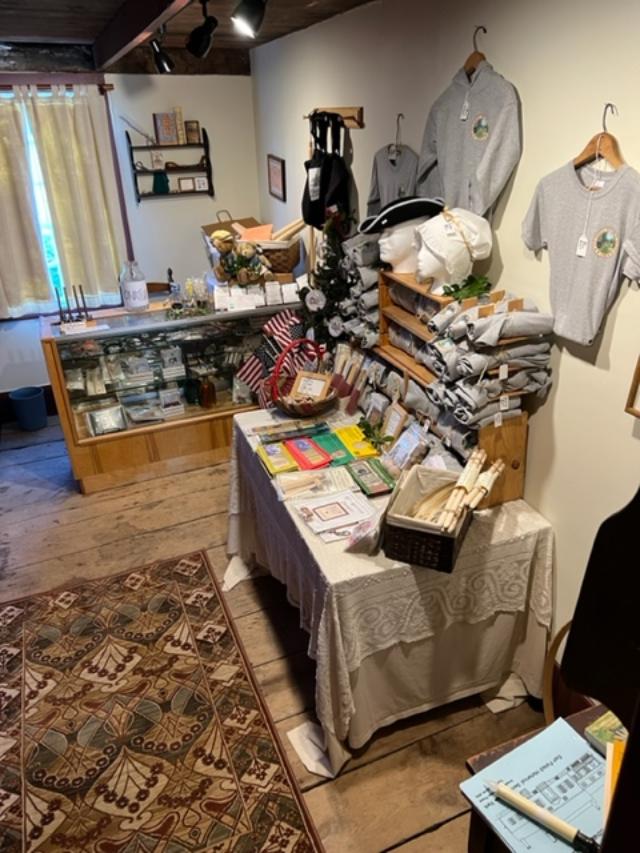
Don’t forget to visit the Brinckerhoff House gift shop at the end of your tour! This helps with the fundraising efforts to support this wonderful home.

The Brinckerhoff Gift Shop

City Island Nautical Museum/City Island Historical Society                                                  190 Fordham Street                                              City Island, NY 10464

City Island Nautical Museum/City Island Historical Society 190 Fordham Street City Island, NY 10464

City Island Nautical Museum/City Island Historical Society

190 Fordham Street

City Island, NY 10464

(718) 885-0008

https://www.cityislandmuseum.org/

https://www.facebook.com/City-Island-Nautical-Museum-120813594596346/

Open: Sunday 1:00pm-4:00pm/Monday-Friday Closed/Saturday 1:00pm-4:00pm

Admission: $8.00 for visitors/Members Free

My review on TripAdvisor:

https://www.tripadvisor.com/Attraction_Review-g47475-d109882-Reviews-City_Island_Nautical_Museum-City_Island_Bronx_New_York.html

The City Island Nautical Museum at 190 Fordham Street

The City Island Nautical Museum

I recently took a trip to City Island, a small community just off the coast off the mainland of The Bronx (which is part of The Bronx) to visit the City Island Nautical Museum. This tiny museum located in the heart of the island is noted for its collection of ship building artifacts and items that are native to a community that once built the vessels for the America’s Cup.

The main hallway at the City Island Nautical Museum dedicated to the America’s Cup

City Island has a rich history in ship building, sail making and fishing it is reflected in the collection of materials in the museum and its archives. The museum really details the growth and history of the boating industry on the island and its importance in the local economy. What I found interesting was the rich history of the creation of the sailing ships for the America’s Cup tournament and how all the winning boats up until the 1980’s were built on the island and the one that lost the cup for us against Australia was the first one not built on the island.

The Nautical Room Gallery

Even Ted Turner’s boat “Courageous” was built on the island. There was a picture of the reunion of the boat winning twice at the museum with the crew’s signatures (The tour guide even said how he ‘freaked out’ members of the New York Yacht Club who did not consider him one of their own). All the sailing vessels lined the walls of the hallway of the museum.

The America’s Cup Race winners

Each room of the museum was dedicated to a different theme. When I toured the Community Room in the back of the museum, it held the records of a lot of old businesses of City Island with pictures and items that were once part of the businesses. There was a small FDNY display, a small WWII display about local residents who fought in the war, wedding garments, maps of the island and a small display of arrowheads.

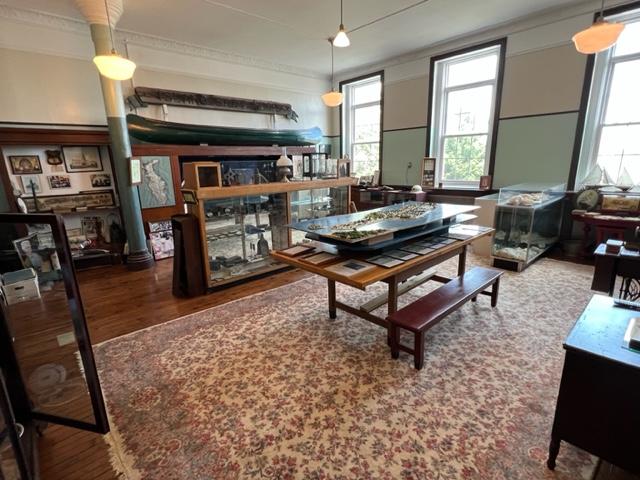
The Community Room Gallery

The Community Room-Map of City Island

The Community Rom-Items from businesses and homes.

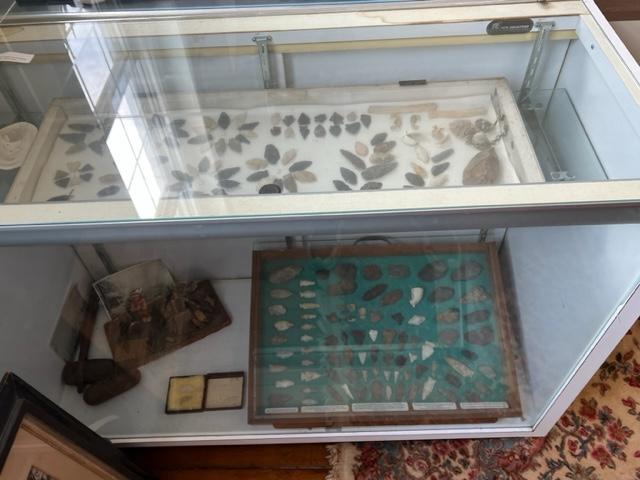
The Community Room-Arrowheads and Native American objects

Baby clothes and household items

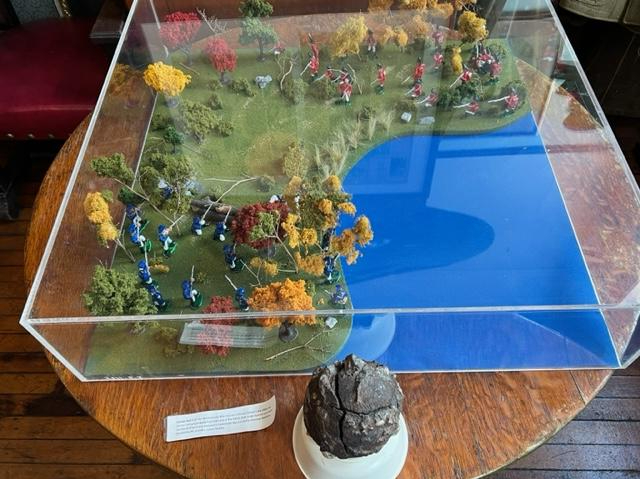
A cannonball from the Revolutionary War battle

Church Chairs in the Community Room

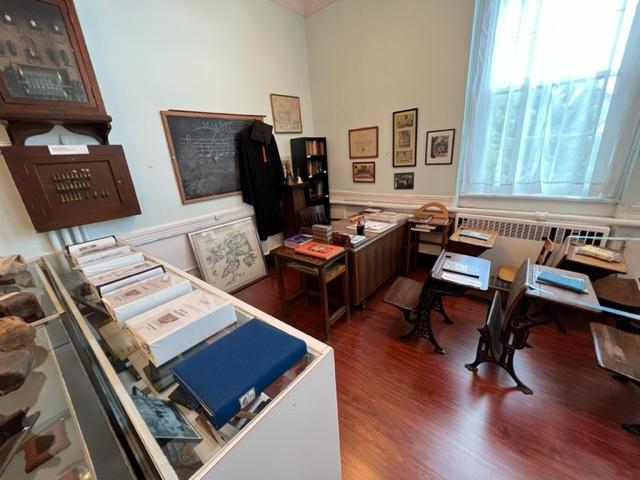
In the School Room, the concentration was on PS 17, which the museum is now housed in and its history with all the classroom group shot pictures, graduation pictures and a small classroom set up. There were more records and event items of the current PS 175, which is the K-8 school that the residents attend. There were also records and pictures of St. Mary, Star of the Sea School, the former Catholic school that used to be on the island as well.

The Schoolroom Gallery

The Schoolroom Gallery

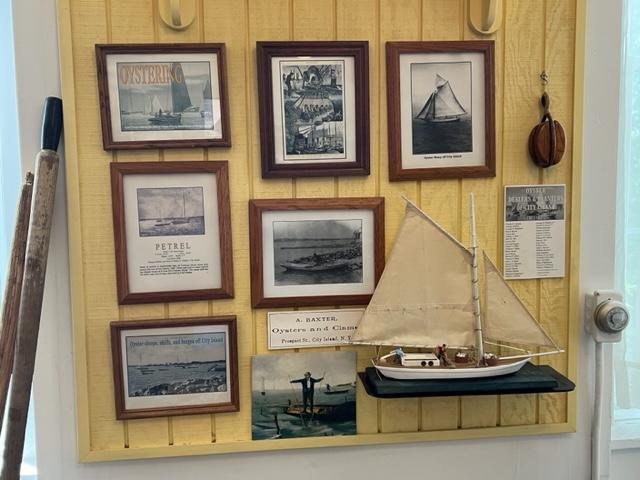
The Nautical Room needed an overall as there was too much going on in the room with pictures all over the walls, equipment for navigation and for fishing and records of the ship building companies that used to dot the island. There were boats in various shapes and sizes on display and the companies that built them like Wood Yacht, Nevins Yacht and Minneford Yacht. There was also the history of shipbuilding and sail making on the island. The tour guide told me there were no more ship builders on the island, but one sail maker left.

The Shipping making equipment

Locally made boats on City Island

The Library where all the research is done on the island and on the families and businesses that were once here was dominated by yachting pictures and nautical photography. It held all the City Island records and even the ship building plans.

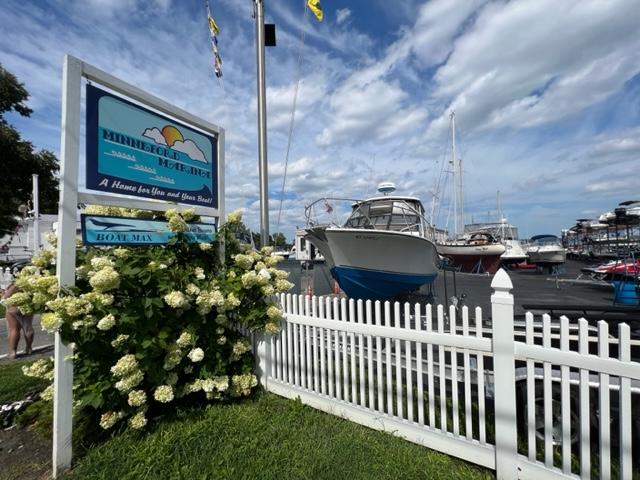
The Minneford Boatyard down the road from the museum is still operation today.

The City Island Nautical Museum Library

The museum has a lot to see but it needs to be a bit more organized to really showcase the collections properly. Still, it is one of the best museums I have seen with a nautical history theme. The best part is that you can see the whole museum in about an hour and this leaves you time to tour the island and see how the museum better explains why the island is the way it is right now.

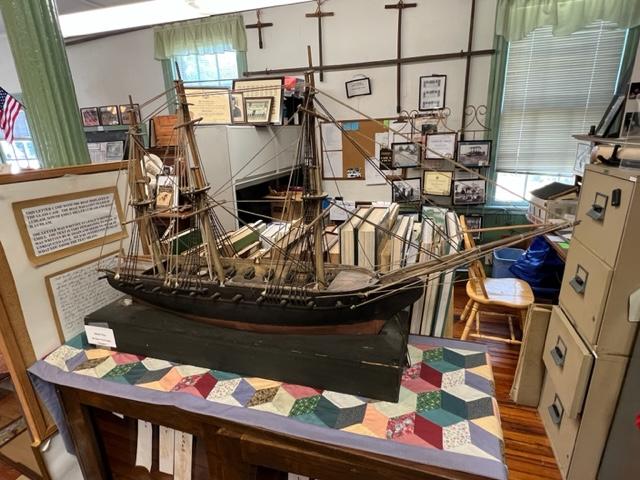
The Ship display in the City Island Nautical Museum Library.

The History and set up of the City Island Nautical Museum:

(From the Museum pamphlet)

History of the Museum:

(From the Museum Pamphlet)

The City Island Nautical Museum is located in one of the island’s most picturesque and historic buildings, the former Public School 17, built in 1897 on one of the highest points on the island. When the residents of City Island voted in 1895 to separate from the town of Pelham in Westchester County and to become part of New York City, the City administration built the school, which continued in use until 1975. When the building was sold in 1986, the City reserved space for use by the City Island Historical Society and the Community Center and several old classrooms now serve as galleries for the museum.

The front main gallery is reserved for revolving exhibits. This exhibit that was being featured in the summer of 2023 was by local artist Liz Alderman.

The Liz Alderman Exhibit in the Front Gallery:

Local City Island Artist Liz Alderman at the City Island Nautical Museum in 2023.

The Liz Alderman Exhibit in 2023 at the museum

The Liz Alderman Exhibit of the local artist’s work.

The Liz Alderman Exhibit at the museum

The Main Hall and Gallery:

The Main Hall is lined with photographic essays featuring maps, the America’s Cup, City Island’s most beautiful boats, the City Island Bridges and historic buildings as well as a history timeline, models of a minesweeper and several rum runners, built during Prohibition and a handsome wooden kayak built in the 1930’s. The foyer contains the museum’s gift shop, featuring articles for sale such as books, t-shirts, photographs, postcards and nautical gifts and the desk where the docents greet visitors.

The Gallery features display cases with antique shipbuilding and sailmaking tools and the walls are covered with photographs of yachts built or serviced here and portraits of legendary City Islanders who contributed so much to the life and work on the island.

The Main hallway at the City Island Nautical Museum

The Walsh Library:

The recently refurbished library features a collection of books devoted to maritime history and many binders and scrapbooks featuring newspaper clippings, postcards and articles about City Island, Pelham Bay Park and Hart Island. There is an extensive selection of nautical magazines, including Yachting, Rudder, Wooden Boat and Classic Yacht, a data base of all boats built on City Island since 1848 and an impressive display of ship models. Special exhibitions regularly mounted in the library feature the work of local artists and photographs documenting aspects of City Island history.

The Library at the City Island Nautical Museum

The Nautical Room:

Shipyards, sail lofts, yachts and the people behind them are all honored here. Historical photographs, memorabilia and artifacts fill the room and tell the story of City Island’s rich nautical past. Also on display are tools used by sailmakers and shipbuilders, several ship models and some vintage outboard motors. Of particular interest in the room are several skiffs, a partially completed boat and a Buchman sailing canoe from the early 1930’s (all built on City Island).

Ship building display on City Island

The Community Room:

Celebrating City Island from its earliest days, the Community Room displays photographs, maps and memorabilia, including Native American arrowheads found in the area. The walls are covered with images of street scenes, stores, restaurants, private houses, and the waterfront then and now. Displays include a large relief map of City Island in about 1867, a diorama of the Battle of Pell’s Point that took place in October 1776, a niche devoted to City Island’s religious institutions and many antique home furnishings, including sewing machines, an ice box, and a 100-year-old typewriter. A large counter from Gilbert’s Pharmacy serves as a display case in the center of the room.

The Community Room at the City Island Nautical Museum

The Native American Collection in the Community Room

The School Room:

Student registers, graduation pictures, autograph books, report cards, the old school bell, and the other artifacts tell the story of City Island’s schools from the first schoolhouse built in 1838 to the present school, P.S. 175, built in 1975 and St. Mary, Star of the Sea RC School, which served the island for over 75 years. A section of the room is set up like a traditional school room, and a unique map of the naval training station that was located in Pelham Bay Park from 1917 to 1918 hangs on the wall.

The classroom set up in The School Room