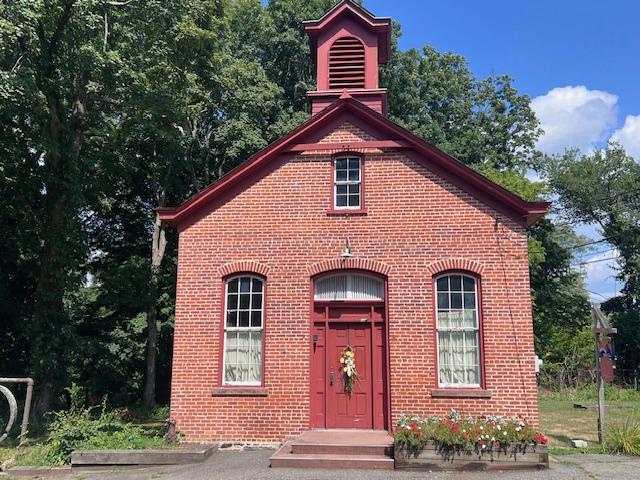
The front of the Montville Township Museum at 6 Taylortown Road
The front sign
I stopped at the Morris Township Museum on a busy Sunday afternoon. The museum, housed in a building that once served the community as a school, post office and a government center.
Each of the cases holds all sorts of artifacts that reflects the towns developments and growth. The first case line is filled with fossils found in the area and small artifacts from the Lenape Indians.
The next case was filled with accessories from Victorian objects from jewelry to household items. Lining the walls are objects from the high school, personal family records for people to search on their loved one’s genealogy. The docents are hand from the Historical Society to answer any questions about the museum.
The History of the Building:
(from the museum website)
The building was originally “Old Schoolhouse #10”. It was built in 1867 and occupies the site of a former 1837 school. One of the early superintendents of Morris Canal, Mr. William Hickson , was its builder.
Located at 6 Taylortown Road just down the street from Route 202 is a red brick building with a sign out front proclaiming it the “Montville Township Historical Museum”. Within its walls are articles, pictures, tapes, and memories that will carry you back through the years to times long past.
The front of the museum
About the Building: The building was constructed following the Civil War, in the year 1867. It was one of the first one-room schools in the area. The land was donated by the eastern district superintendent of the then-thriving Morris Canal, one of the many waterways then in existence to help promote trade and travel in America. William Hixson gave the land to the town for public purposes, with the stipulation that it could be reclaimed if used for a purpose with which his family disagreed.
The historic sign of the school
Reconstruction: The building began serving Montville as a one-room school heated by a potbellied stove. It also served as an auxiliary to the local Methodist Church. It became the gathering place for the local temperance league in the 1890s, and was the scene of many temperance meetings in the town.
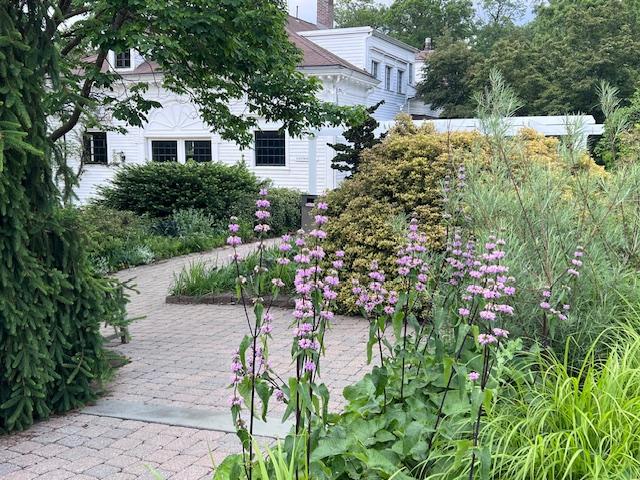
The gardens of the front the museum
The historical collection of the museum
The history of the property:
(from the Museum website)
Entrance: Today, as you enter the museum, you walk into an entrance foyer. Probably once used to hold the boots and coats of school children, it is now an entrance hallway. The door to the main room is straight ahead, and upon entering, you step into history.
Building Uses: Forty-four years after being erected, it changed from a school to the center of political activities as the town hall. It was the town hall until 1939, when it became the town’s post office. It served as such until 1961, when a post office was constructed close by (Taylortown Road and Route 202).
Making it a Museum: After the postmen moved out of the building, the township considered selling the property to a business concern but the original Hixson agreement was recalled, and the building remained unused – until the celebration of New Jersey’s 300th Anniversary.
At that time, a Tercentenary committee was founded in the Township to help celebrate the anniversary and the Committee decided to make the establishment of a museum its main project. Armed with donations from local residents, committee members renovated the building and reopened it in 1963 as a museum.
The inside of the museum
The part of the canal that exists around the museum
Around the corner from the museum is the corner from where the Morris Canal lock was located which was on display at the museum.$
The area around where the Morris Canal was located
I traveled further down the road to see what is left as the canal that has since grown over. Before railroads and cars, the canal system is where goods and services from the interior of the state to the cities such as New York City and Newark.
The sign marking the site of the canal and the lock system
The lock location
The grown over canal system
It is an interesting museum whose artifacts represent the three communities in Montville township.
I had never been to the Frelinghuysen-Ballentine estate before and in the peak of the Spring and after all the rain we have had, the gardens were in full bloom. The gardens were broken down into different sections that surrounded the main mansion and the stables.
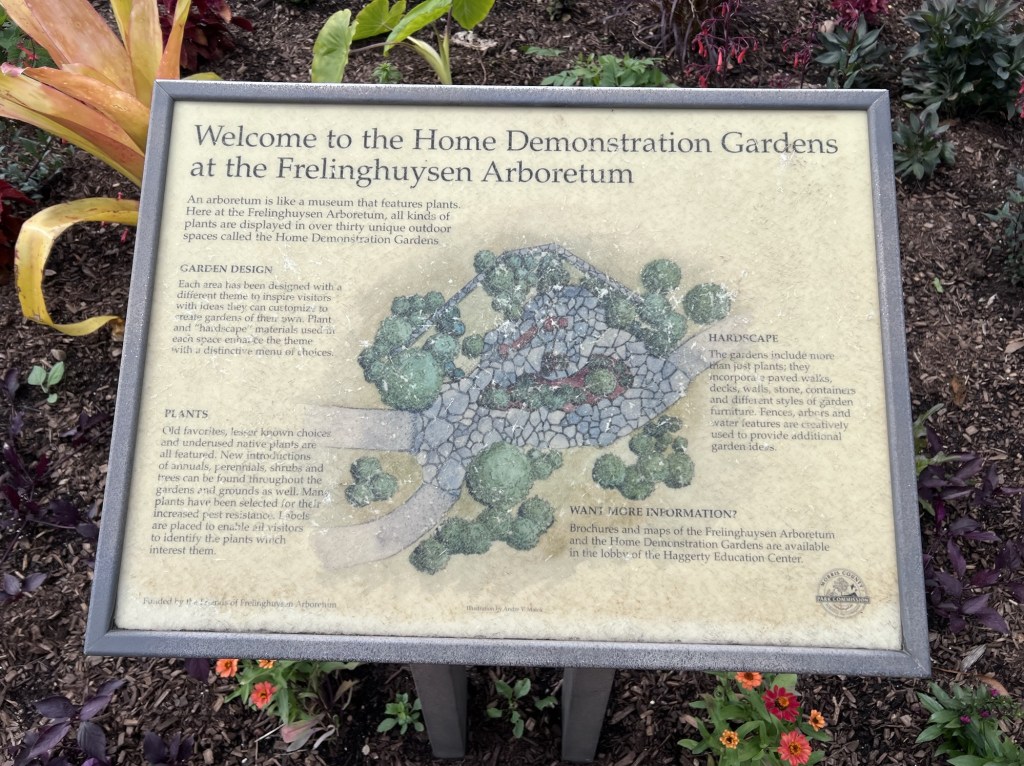
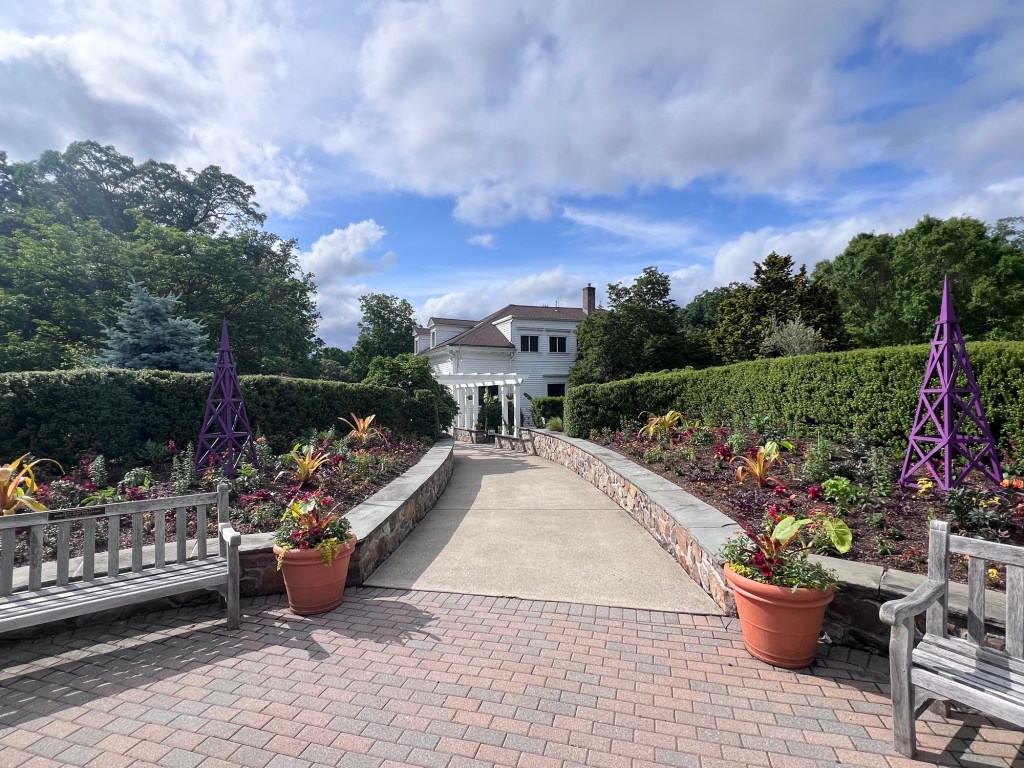
The entrance to Frelinghuysen Arboretum with the Home Demonstration Gardens
The gardens spread out along the edges of the estate. The main gardens sit between the mansion and the stables, which now serves as the Visitors Center. The lawns and the gardens are so beautifully maintained. Many of the flowers were in full bloom and it made a colorful display of Mother Nature.
The entrance to the gardens
The History of the Frelinghuysen Estate:
(from the Friends blog post)
George G. Frelinghuysen, a patent attorney and son of Frederick T. Frelinghuysen, Secretary of State under president Chester A. Arthur, was married in 1881 to Sara Ballantine of Newark. She was the granddaughter of the founder of the P. Ballantine Brewing Company.
In 1891 the couple commissioned the Boston architectural firm of Rotch & Tilden to construct a summer home and carriage house on property they named Whippany Farm for the river nearby. The Colonial Revival style is evident in such details as the Federal urns and swags, Ionic columns on the porte-cochere and the large Palladian window on the second floor landing.
The family only lived here during the summer months. In the winter they resided at 1 Sutton Place in New York City. The property was a working farm. Vegetables and flowers were grown for the family’s consumption and sent to them in New York City via train. There were greenhouses, several barns and some smaller houses on the property. Some servants lived on the property year around.
George Frelinghuysen died in 1936 and Sara Frelinghuysen died in 1940. This property was left to their only daughter, Matilda. Miss Frelinghuysen had an interest in gardening and was a member of the Garden Club of Morristown. In 1964, she began plans for turning the estate into an arboretum. Upon her death the land and house was bequeathed to the people of Morris County for the use as a public arboretum. The Frelinghuysen Arboretum was dedicated in 1971.
The Haggerty Education Center was opened in 1989. It contains a multi-purpose auditorium and two classrooms. Its purpose is to provide continuing horticultural educational programs for the public. It is also home for various regional plant societies.
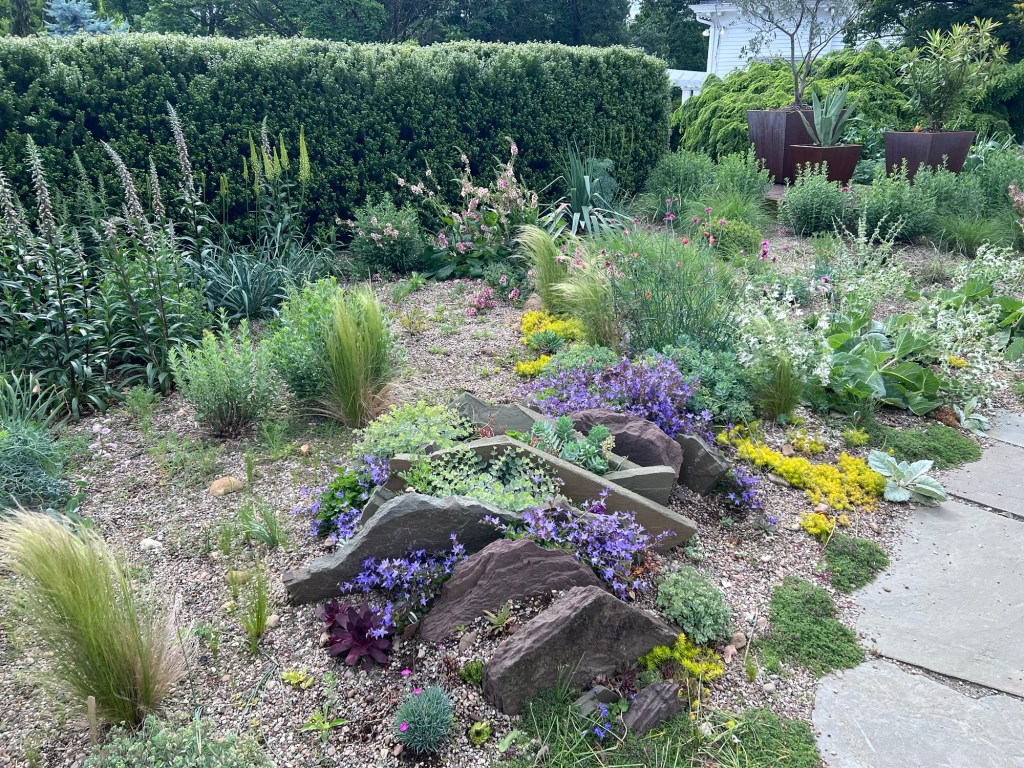
The gardens in bloom in the Spring of 2025
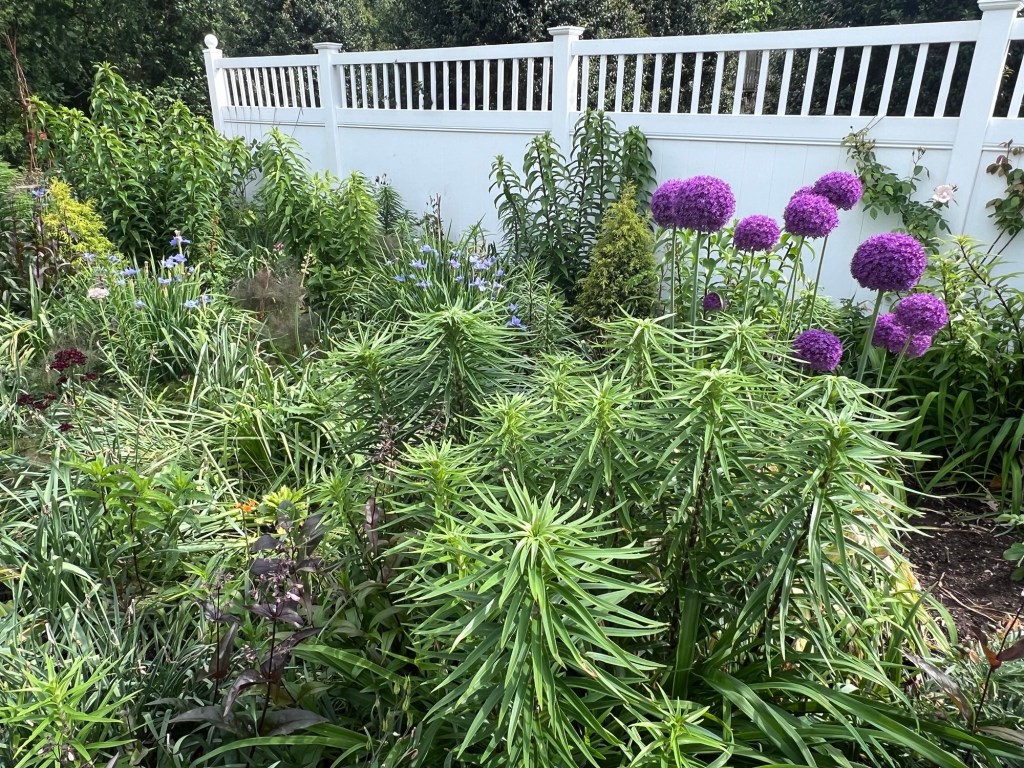
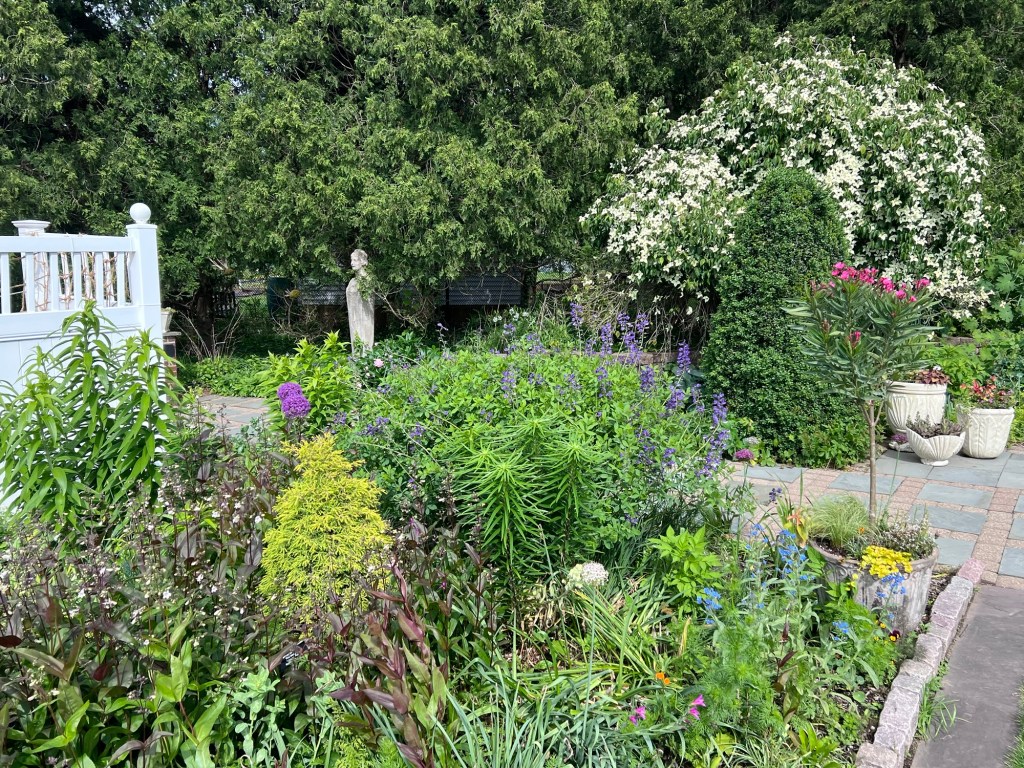
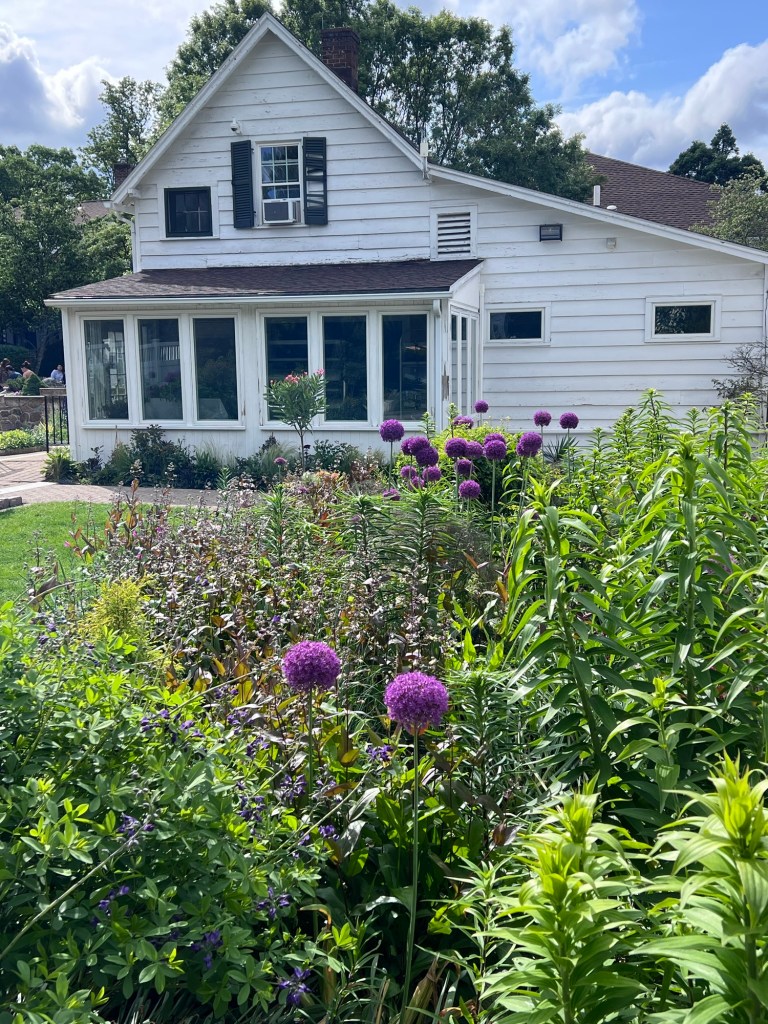
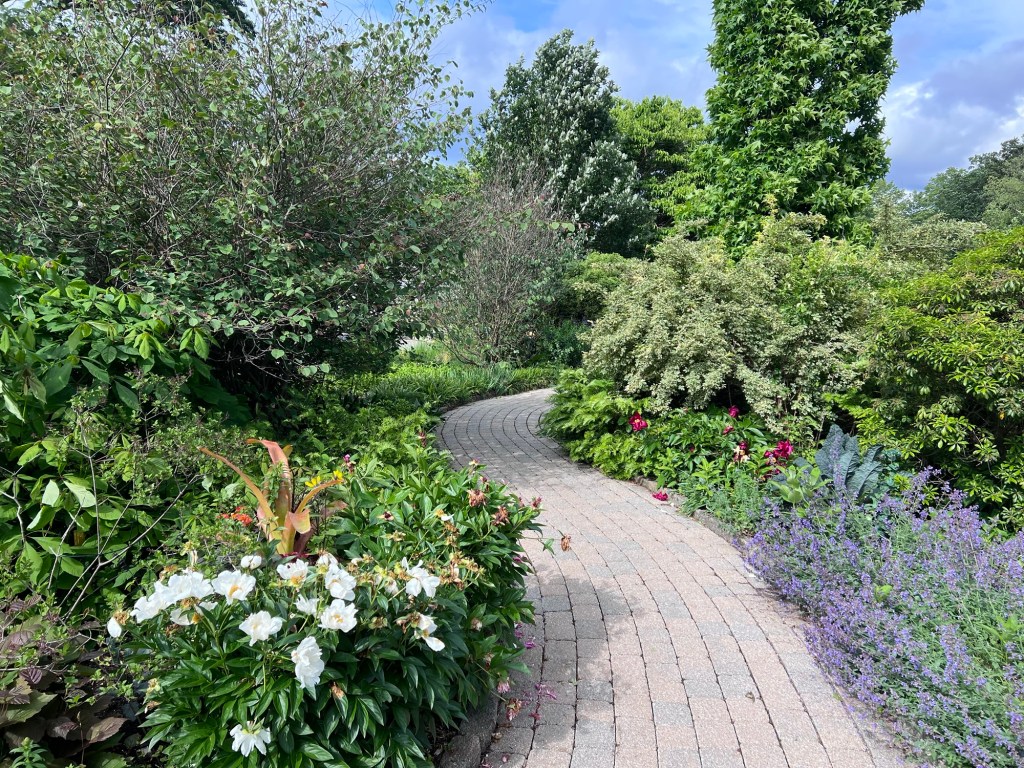
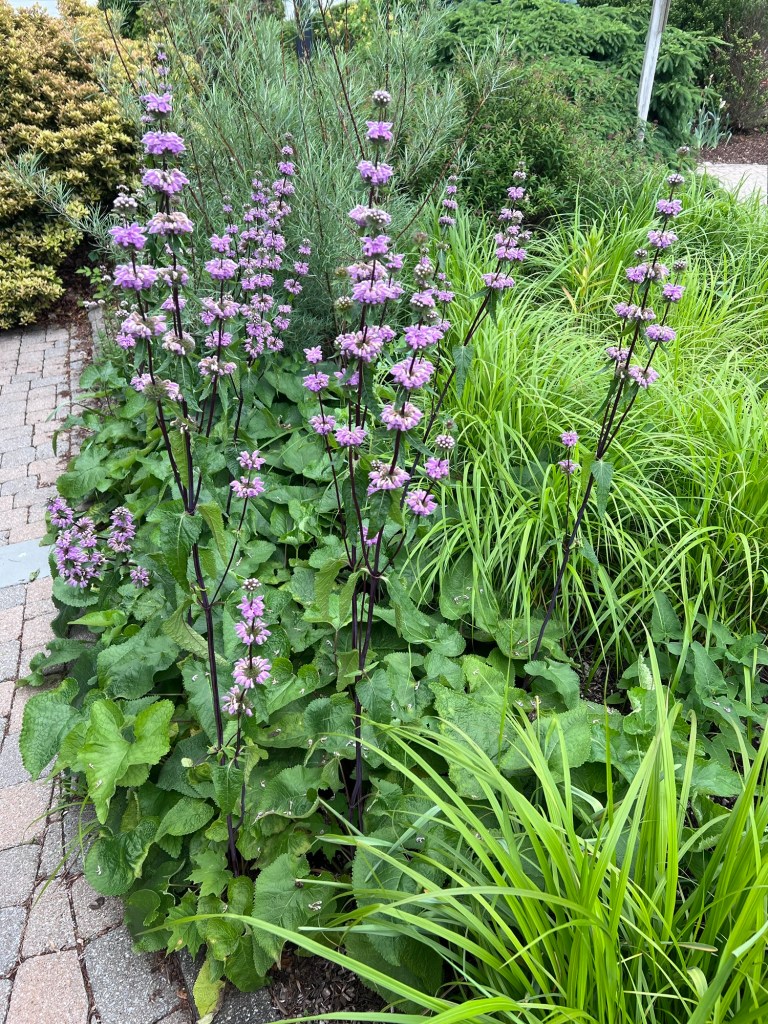
The flowers on the beds in full bloom
The pathways around the gift shop and Education Center.
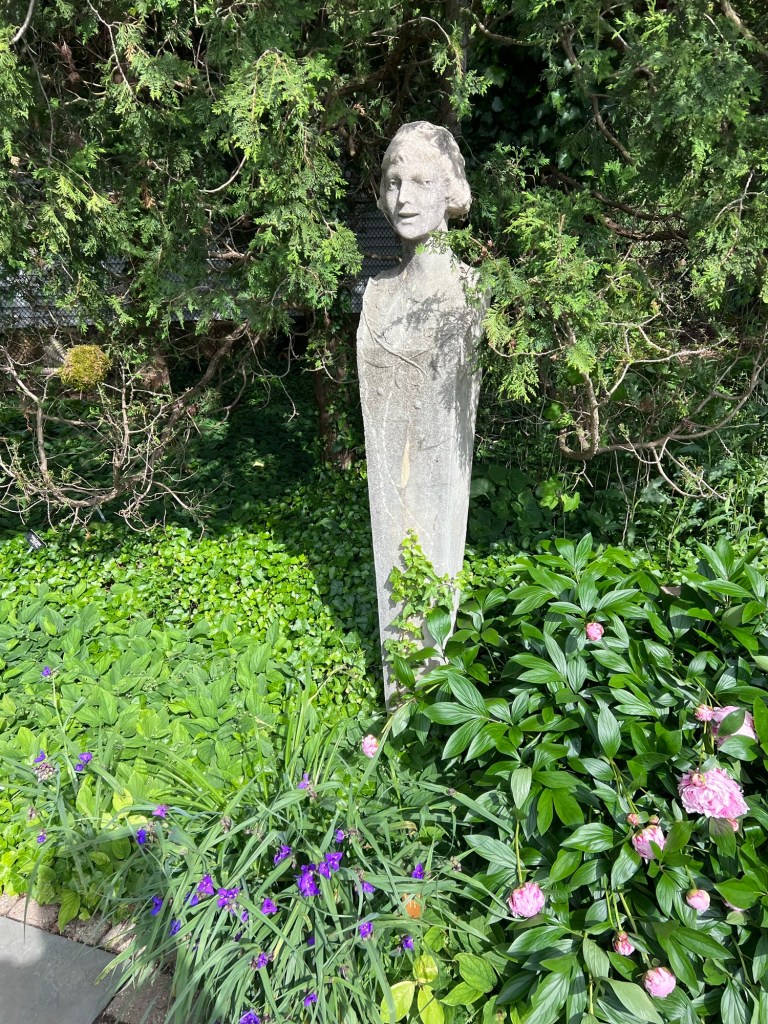
The statuary around the gardens
The flowers around the old stables area
The gardens around the old stables
Walking to the family mansion (which was closed for a wedding)
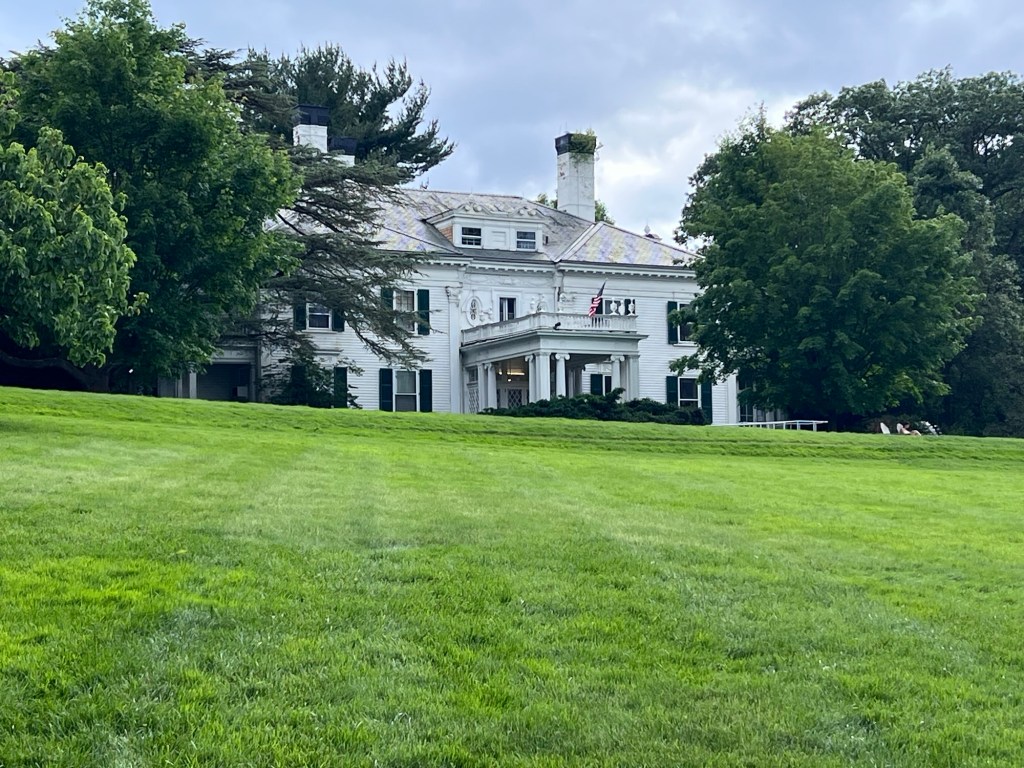
The Frelinghuysen Mansion
The mansion was closed for a wedding but I was able to walk around the front gardens and the extensive lawn. The clouds kept moving in and out of the sky but when the sun peaked out, the gardens showed off their beautiful colors.
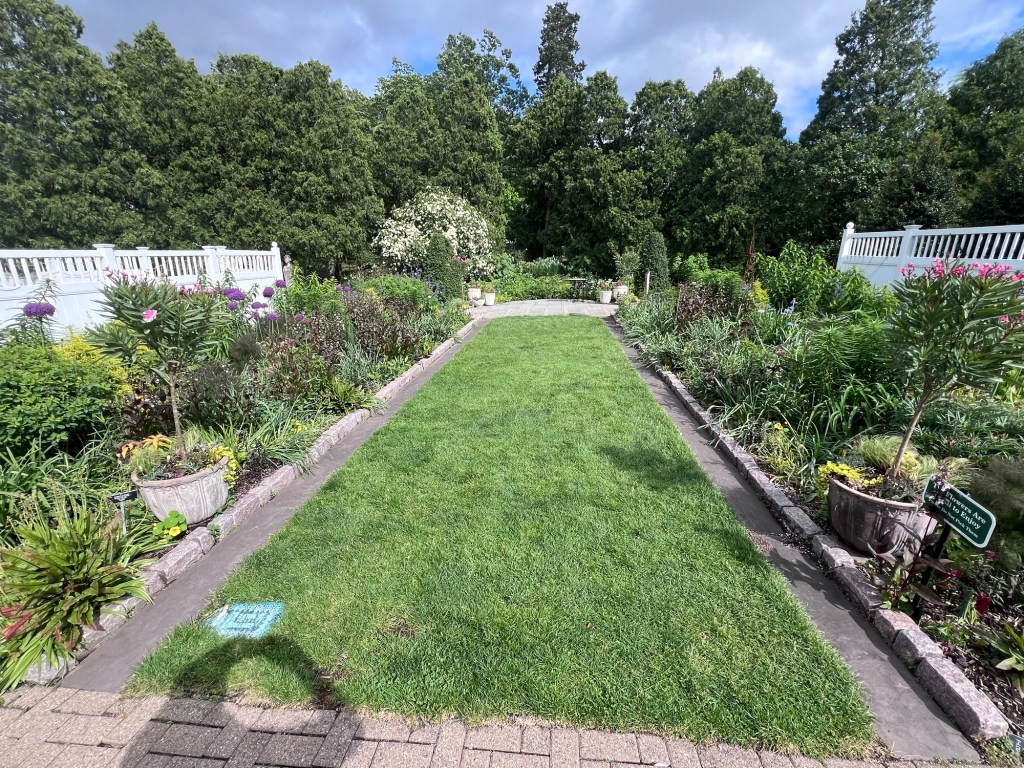
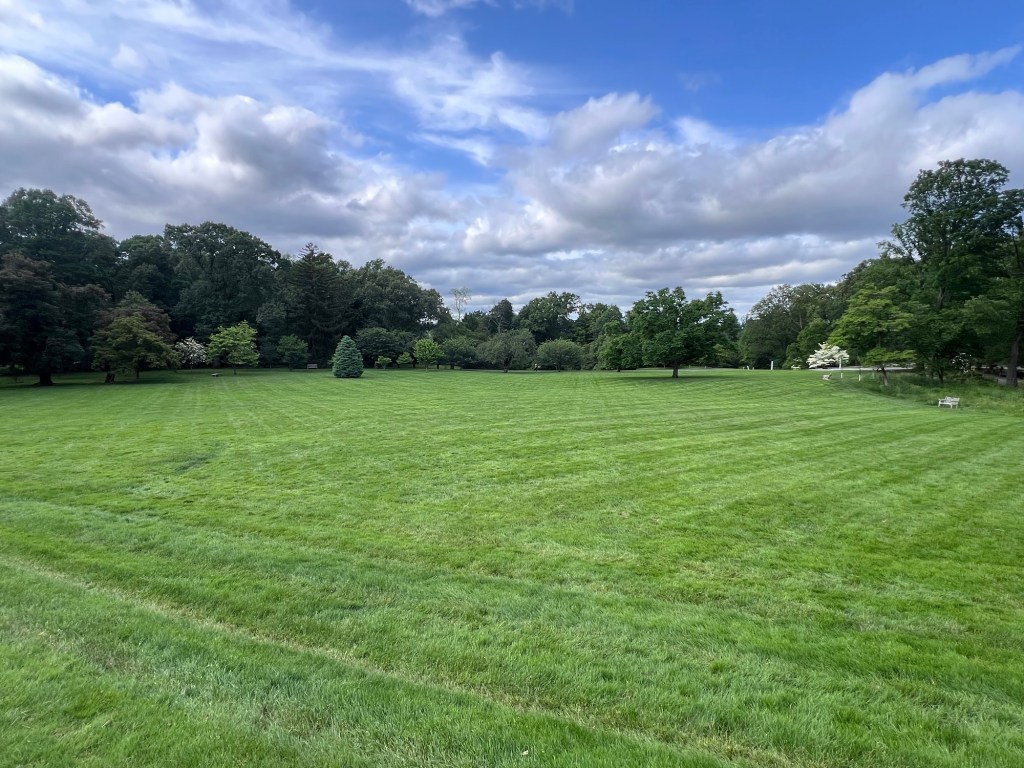
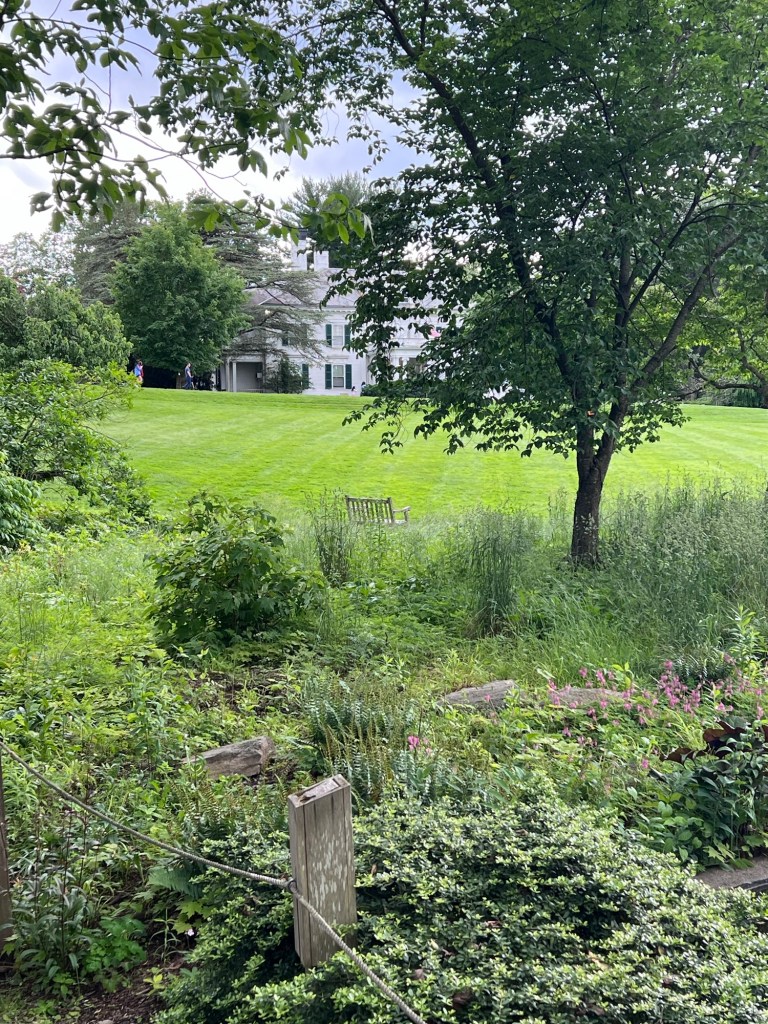
The lawn in front of the mansion
Off to the side of the house between the old stables and the parking lot, there were a series of paths in a natural preserve garden just off the lawn.
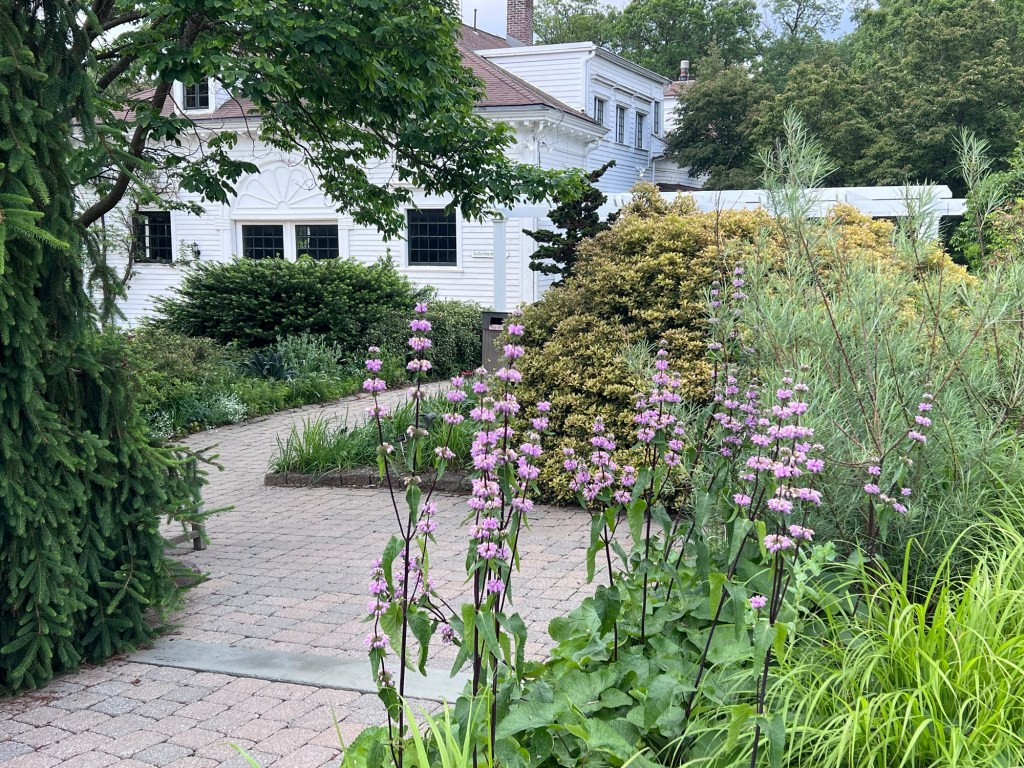
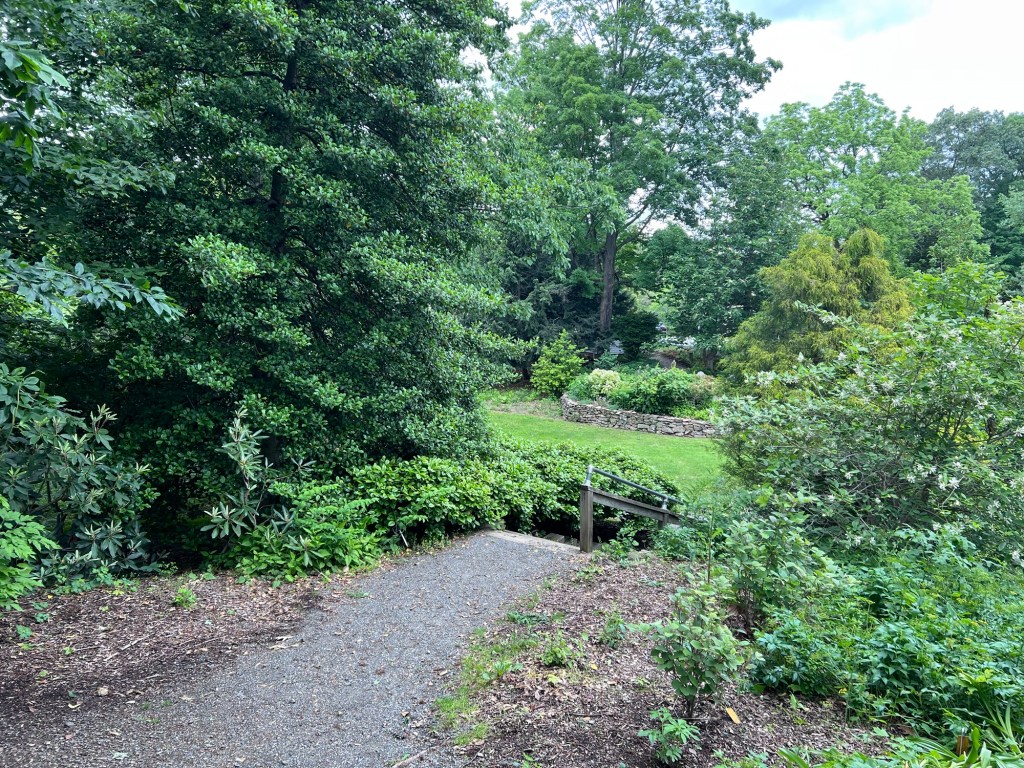
The pathways through the garden
The pathways with landscaping
Walking along the pathways by the stables
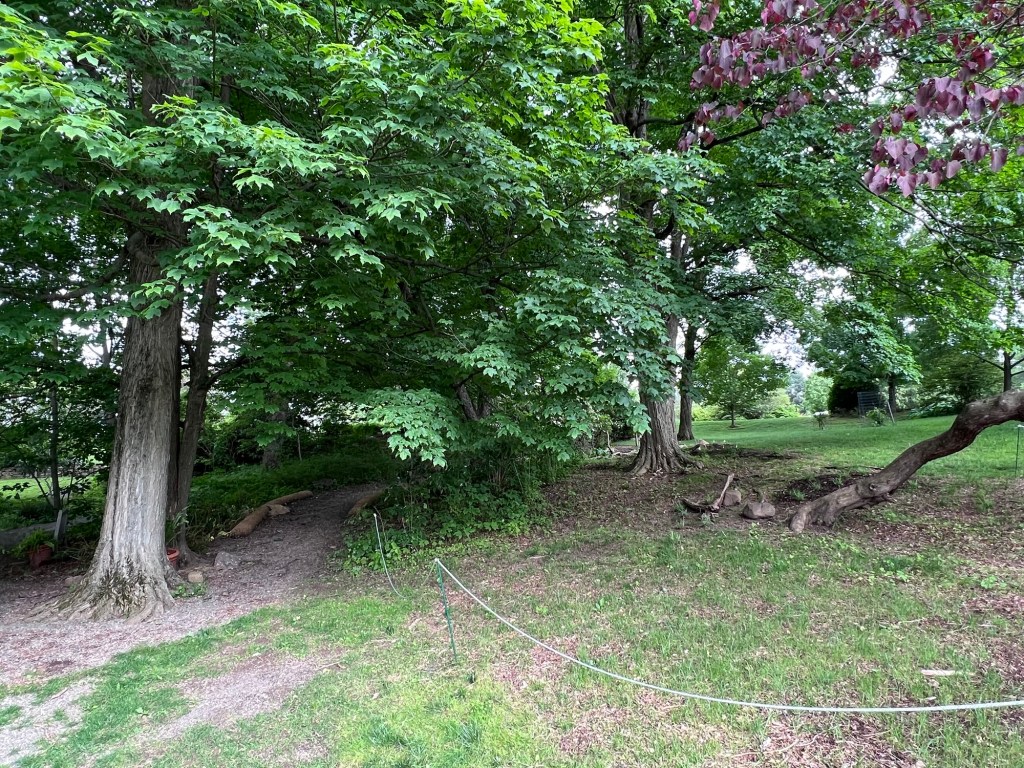
The gardens just south of the house with a pathway into the woods
Walking the pathway into the woods. There was not much to see but it was cooler in the woods
After I had visited the mansion grounds and the gardens that surrounded the house (the mansion was closed for a private wedding), I walked through the parking lot to the gardens to the north of the house. This was the Marsh Meadow Garden.
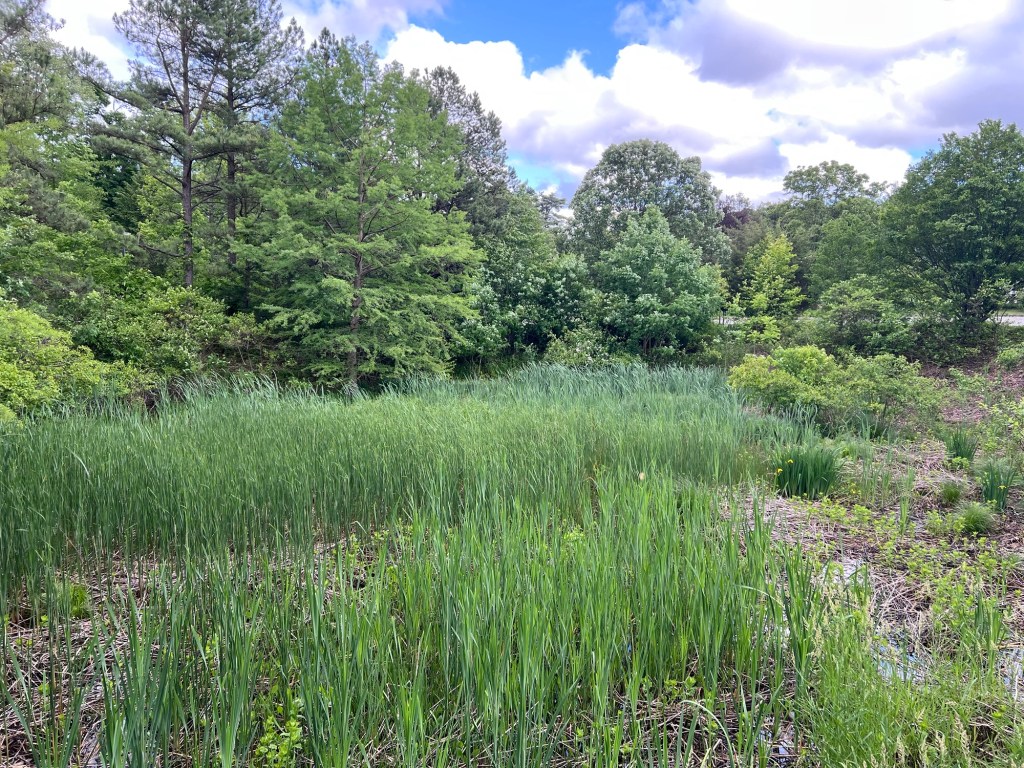
The Marsh Meadow Garden was a catch bastion on the property and with this grows the reeds and water vegetation that makes up the garden.
All the rain had made these gardens very lush
The catch bastion was filled with reeds and flowers
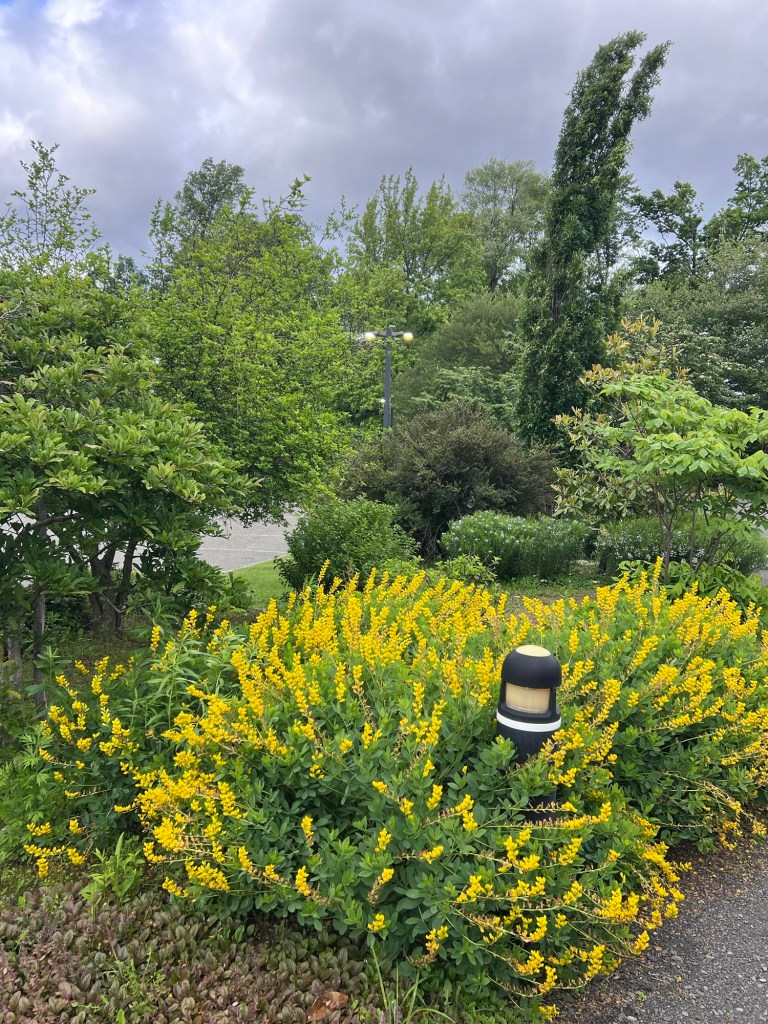
The flowers by the parking lot were in full bloom
I walked all along the pathways admiring the flower beds
The garden tour just east of the mansion
Map of the Gardens of the Four Seasons
Just south of the main off the main lawn in front of the house are the Gardens of the Four Seasons, which is a pathway through a small landscaped woods.
Maybe this was a patch of the woods when the mansion was being built but it was like a natural preserve to just relax and walk around when the family lived here. I could this as a place of refuge after a long day at work just to unwind.
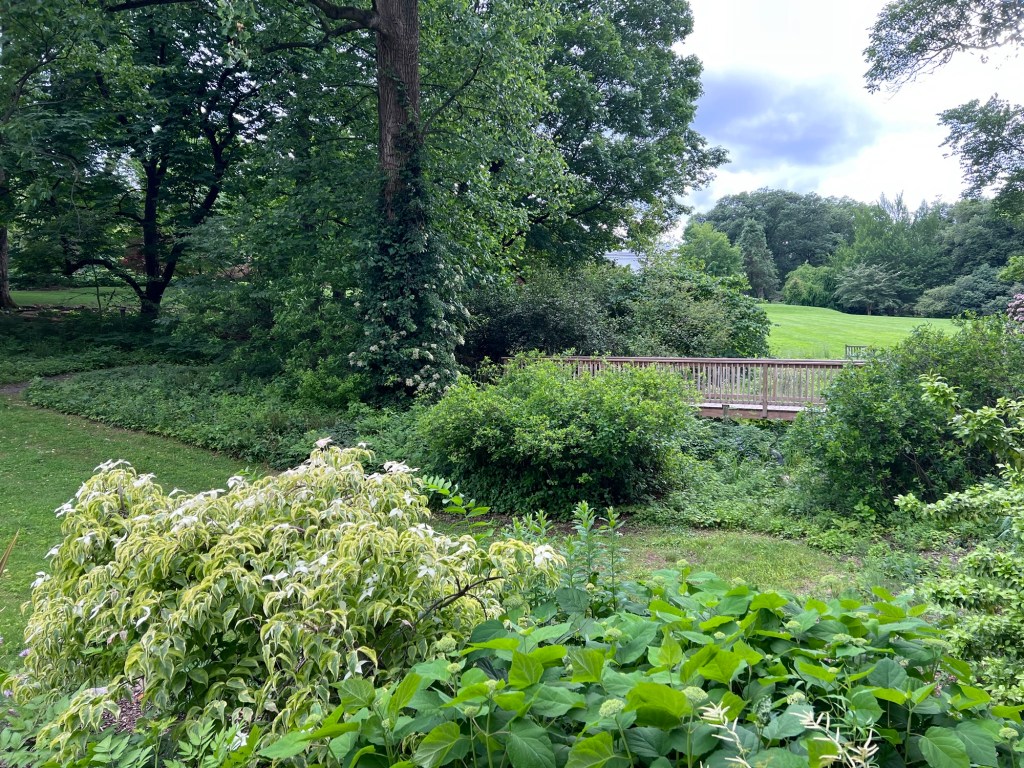
The pathways of the natural garden off the main lawn
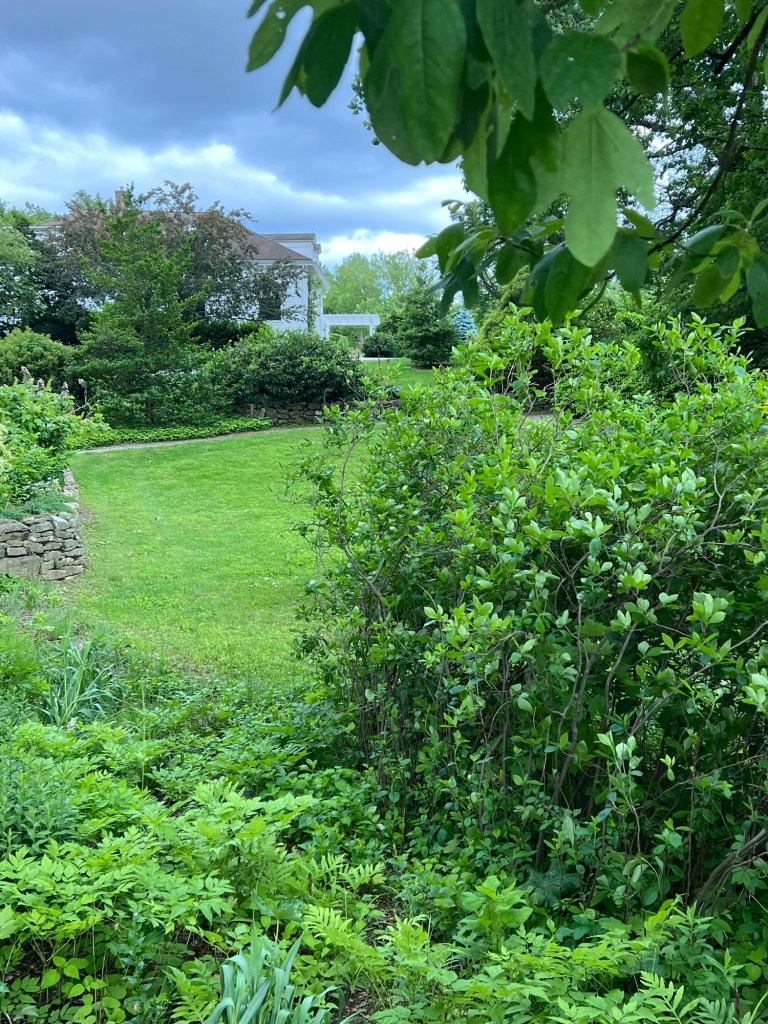
The gardens just south of the mansion just off the main lawn
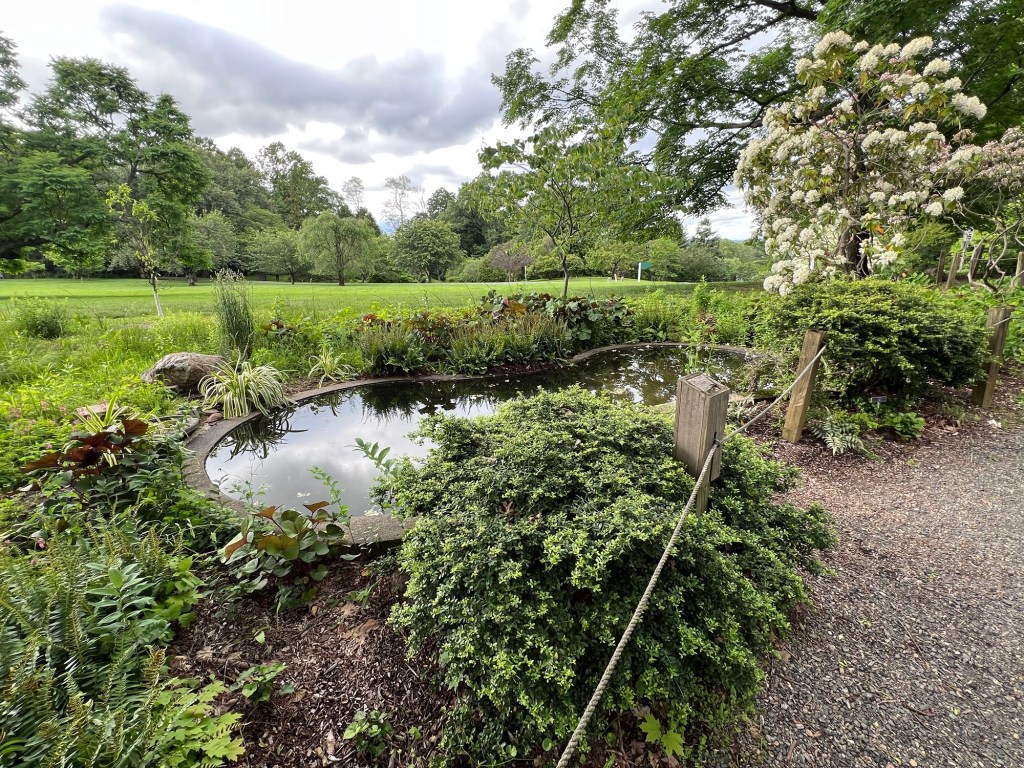
The reflective pool just off the paths
The gardens next to the mansion
The view of the mansion from the gardens south of the home
The end of the pathway through the gardens
It was a nice visit to the gardens and I will have to visit again when the mansion is open and visit the landscaped gardens behind the house.
Walking through the gardens is so relaxing and enjoyable on a sunny afternoon.
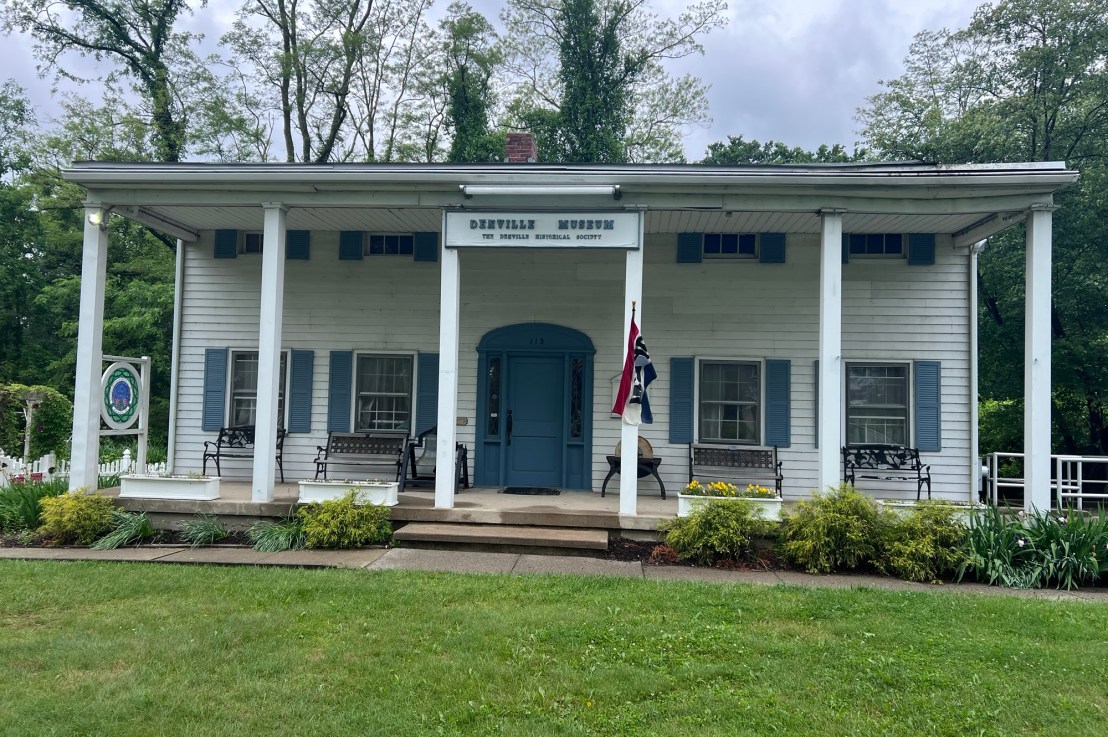
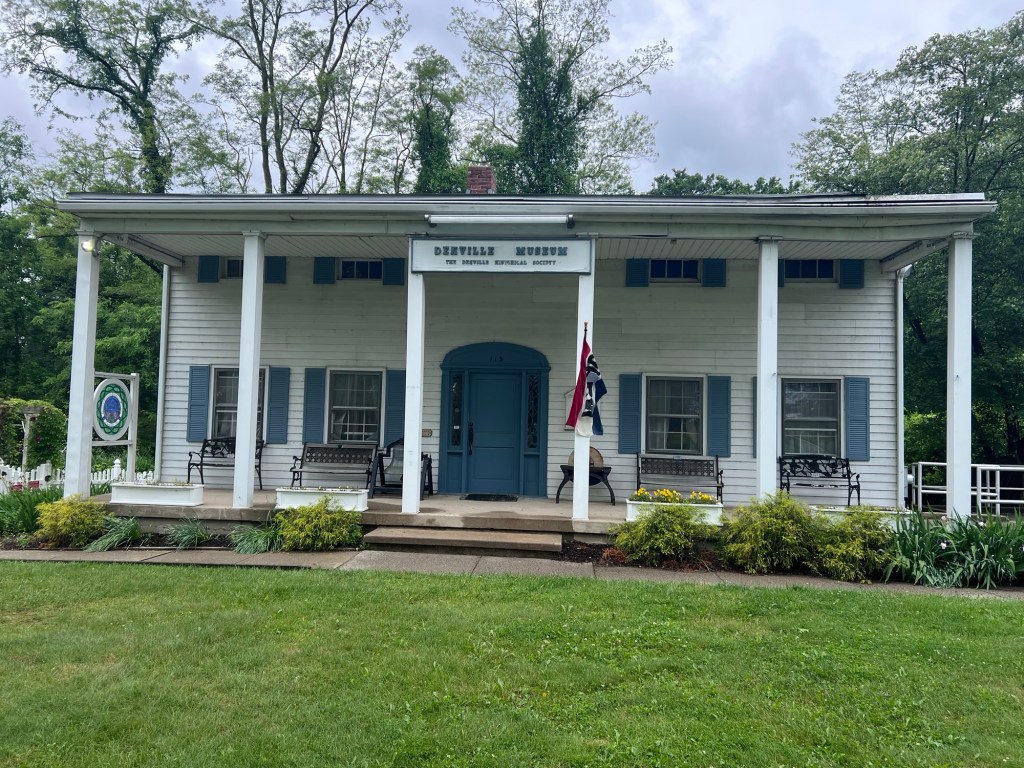
The front of the Denville Museum at Diamond Spring Road
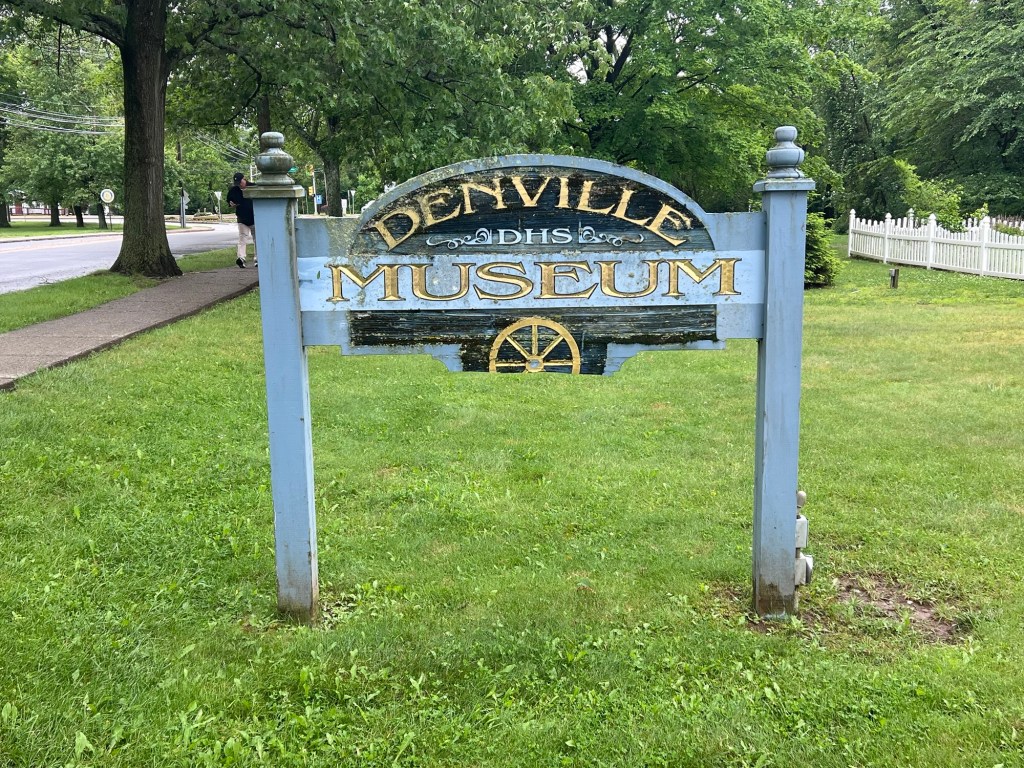
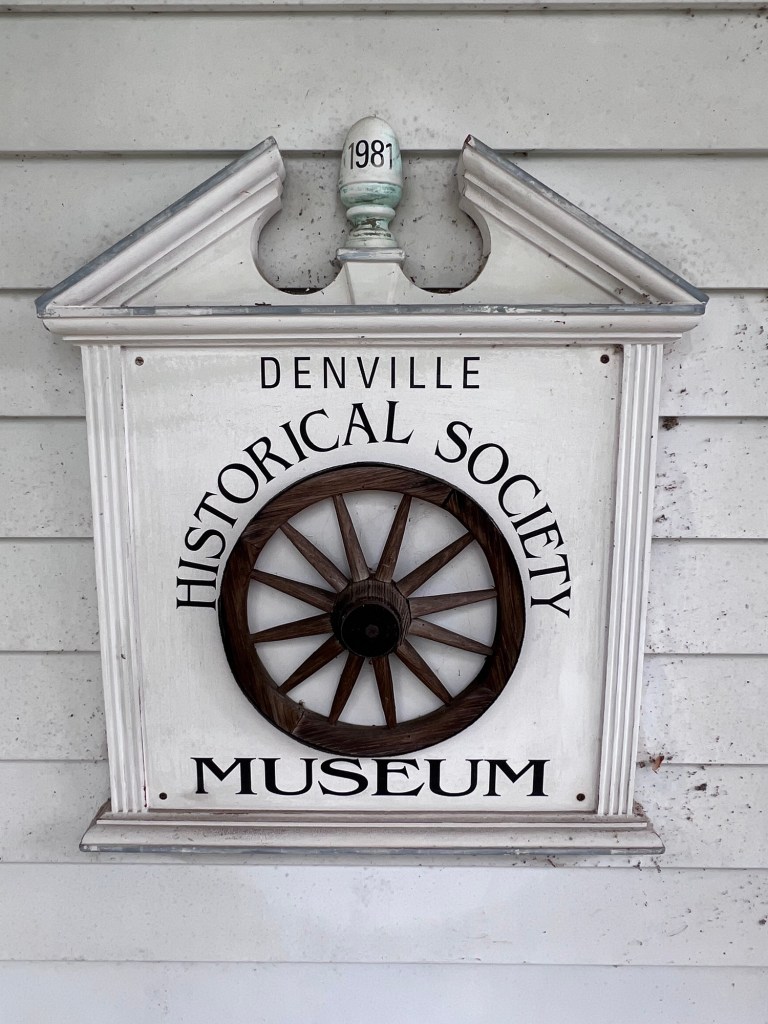
The front sign for the Denville Museum
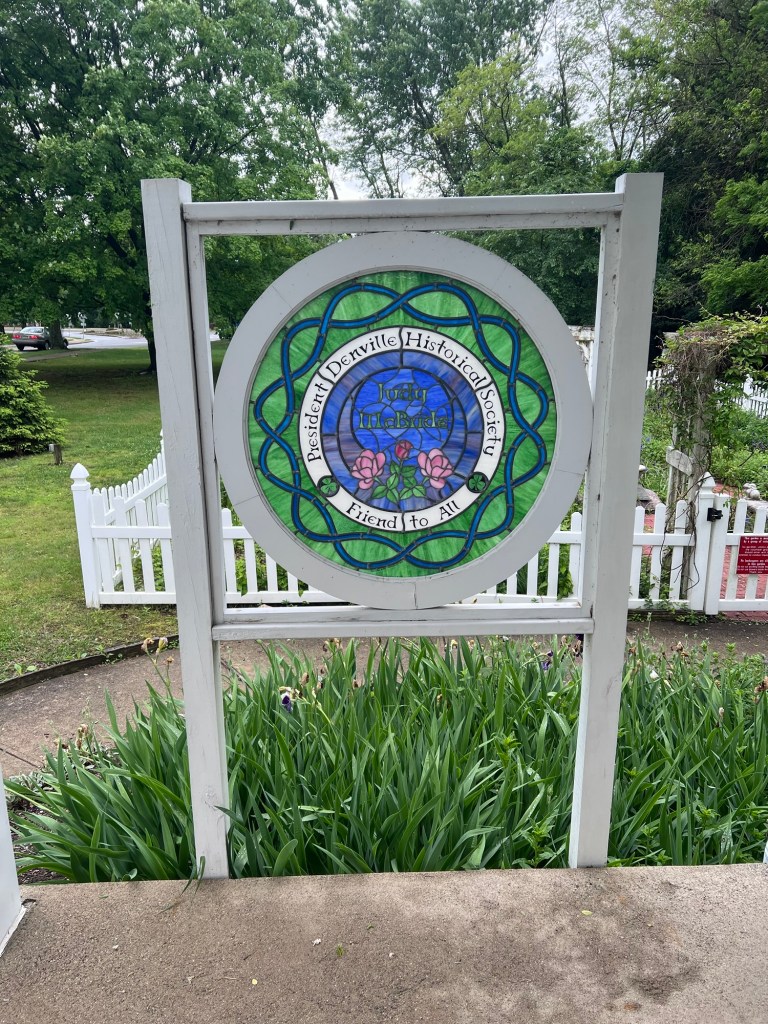
The beautiful stained glass sign outside
The front sign of the museum
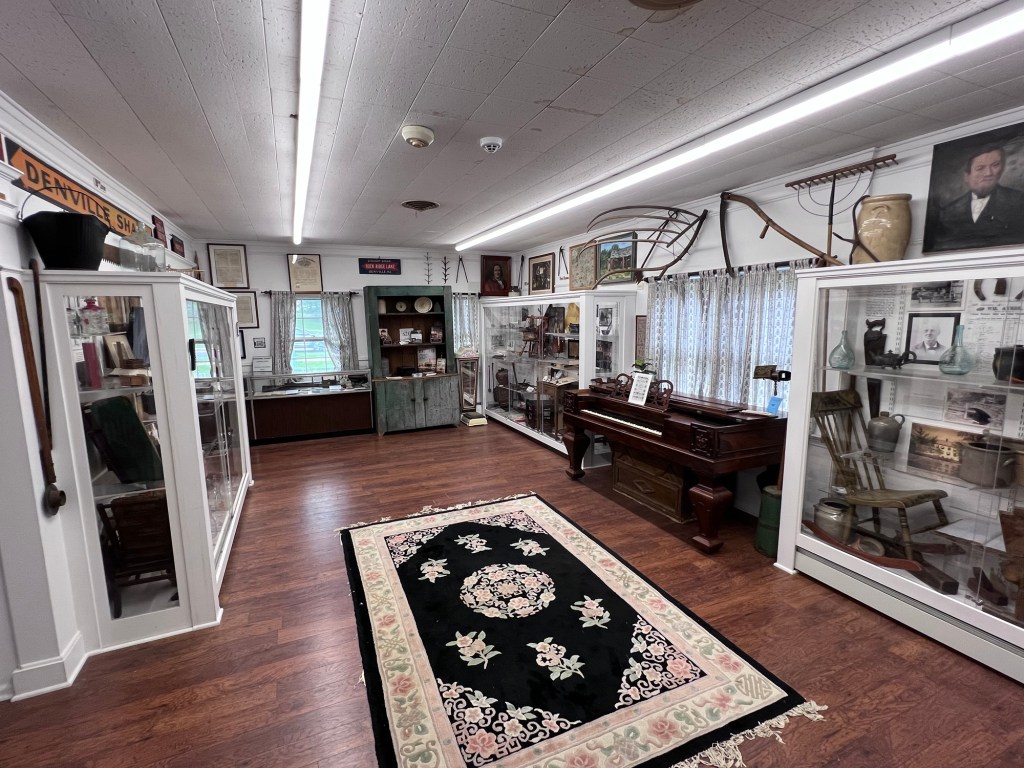
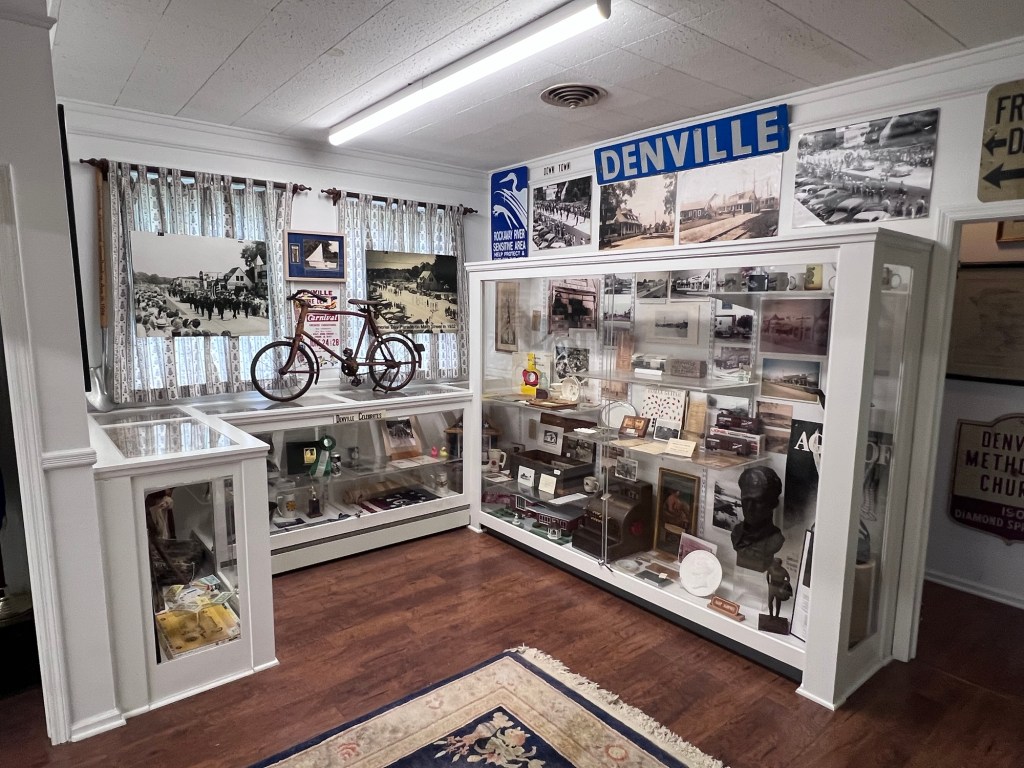
The front gallery of the museum
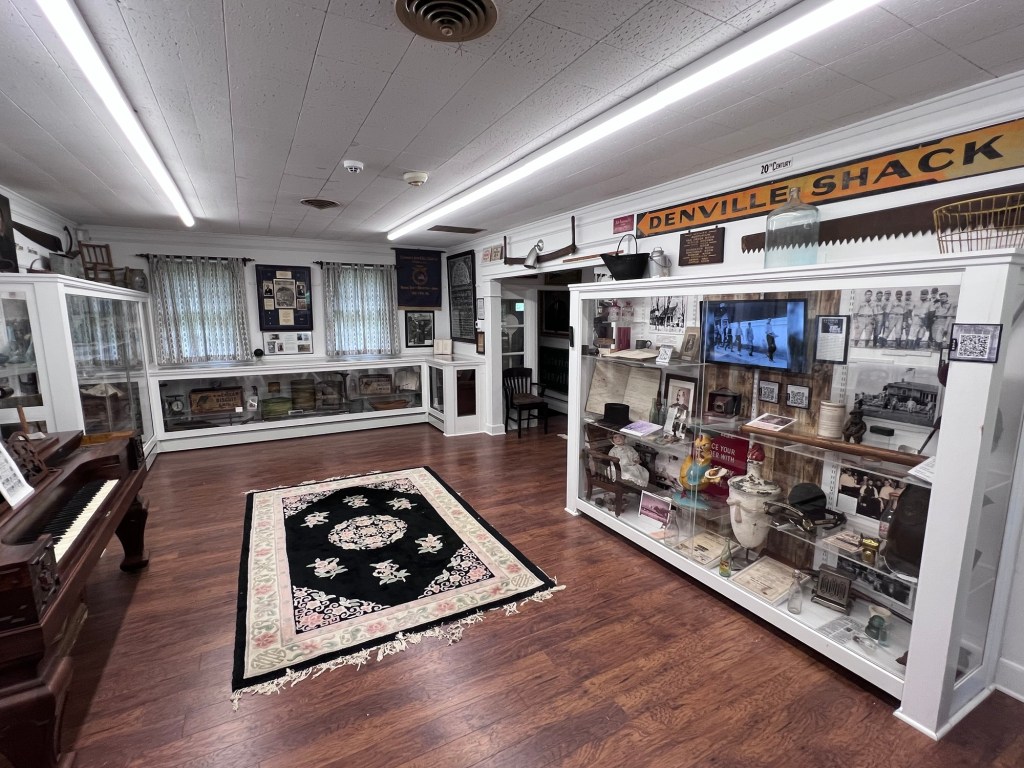
The back part of the front gallery of the museum
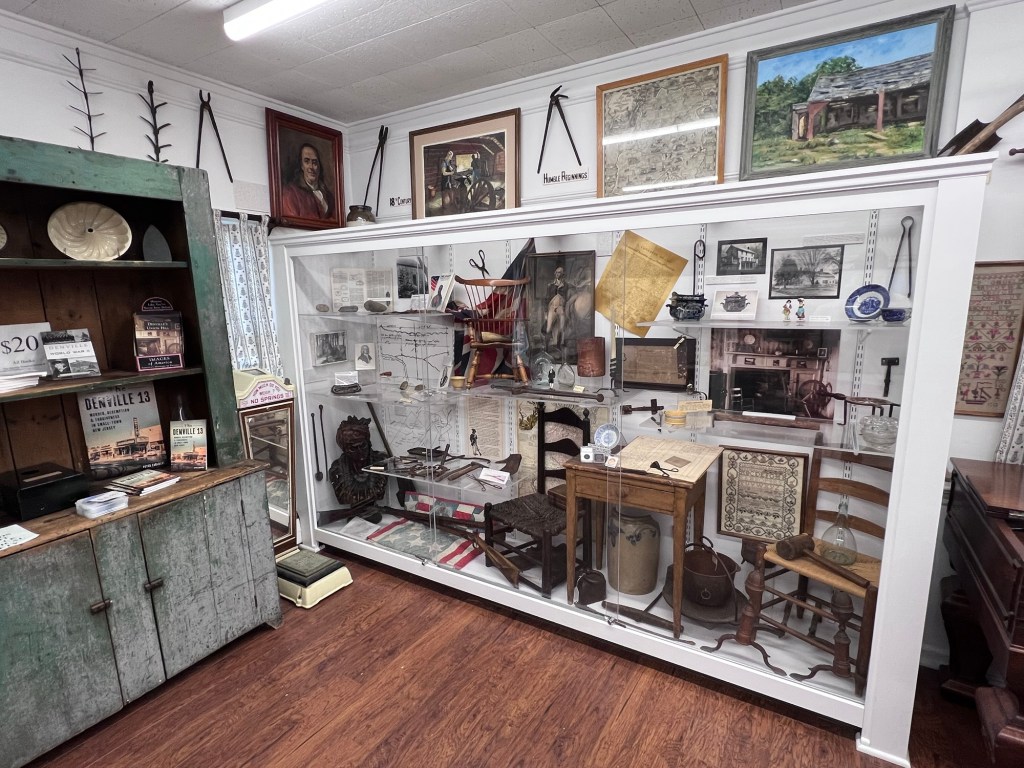
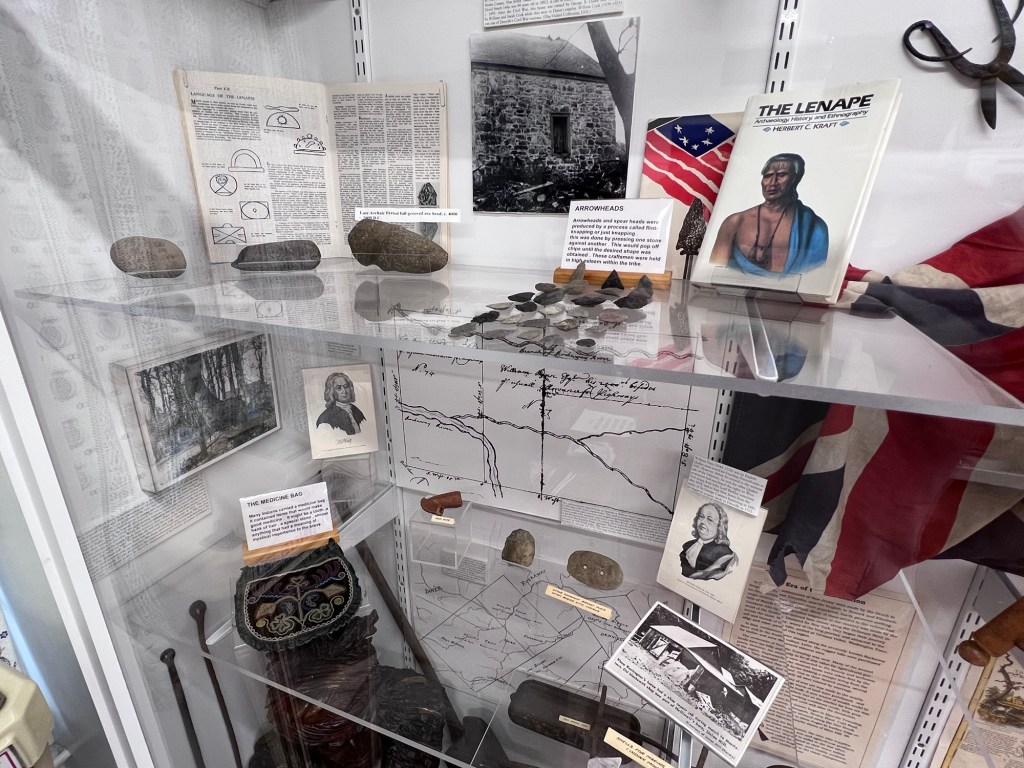
The Denville Museum is an interesting and beautifully organized museum in Downtown Denville, NJ that tells the history of Denville and the surrounding communities. The collection starts with a collection of Native American artifacts and Revolutionary era household objects.
The early foundation of the Denville community is displayed in the front case
The Native American artifacts in the collection
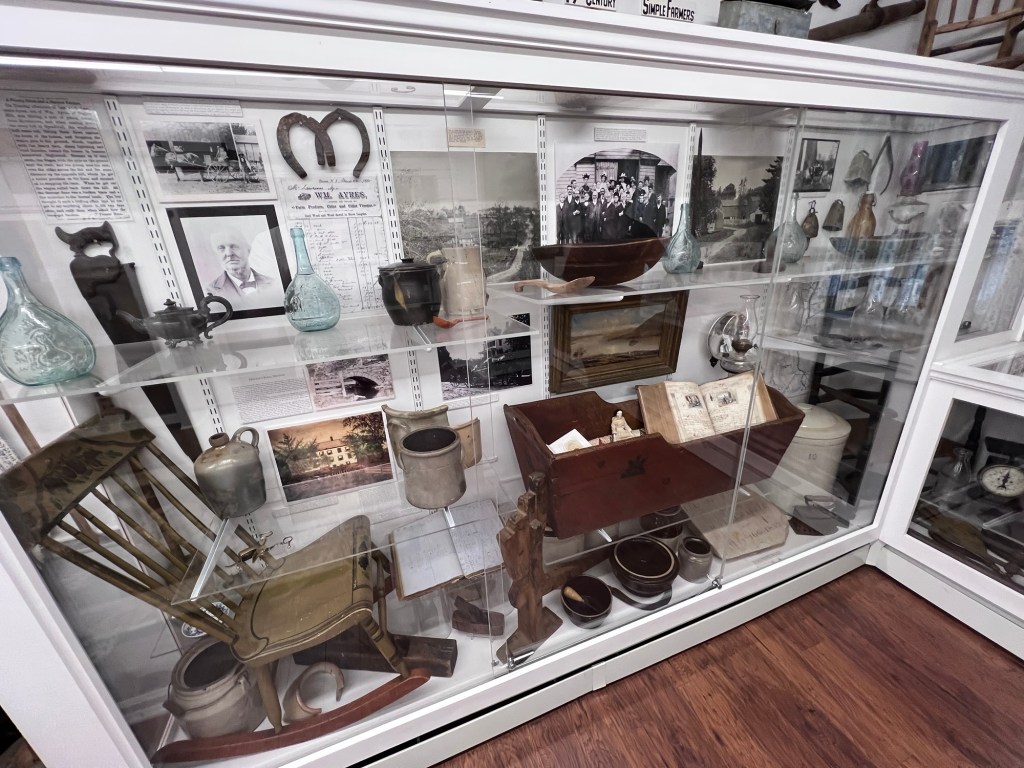
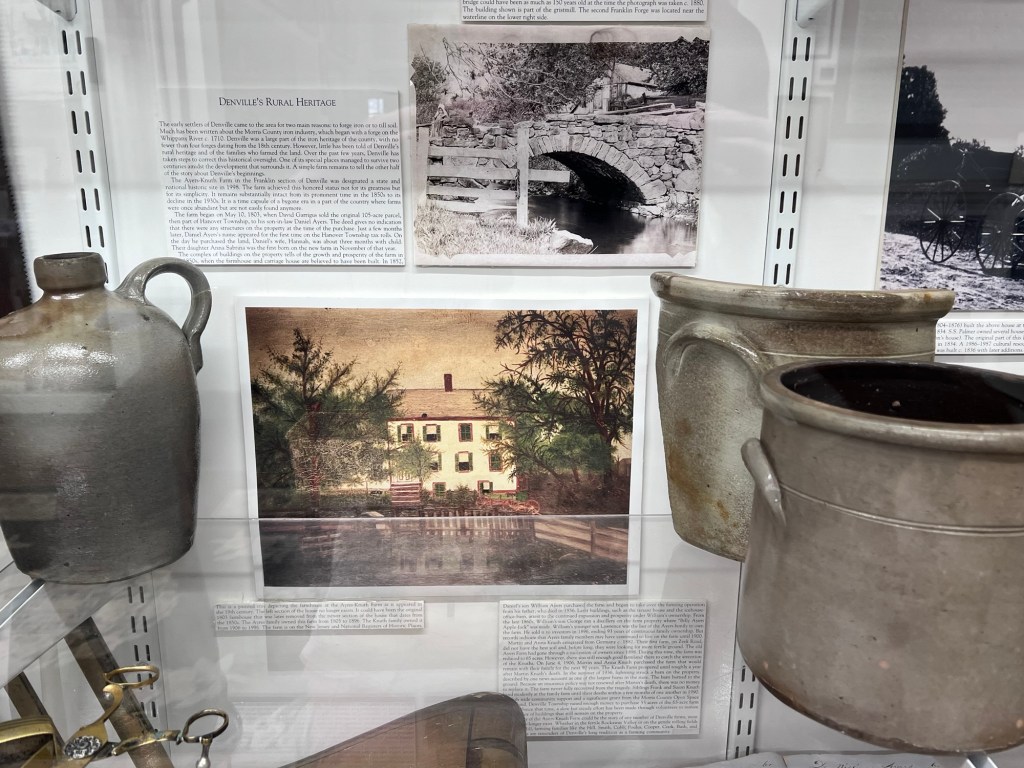
The museum has an extensive amount of artifacts from the progression of the area from the Native Americans to the Dutch settlers who then populated the area leading to the progression of modern farming and commercial trade in the area.
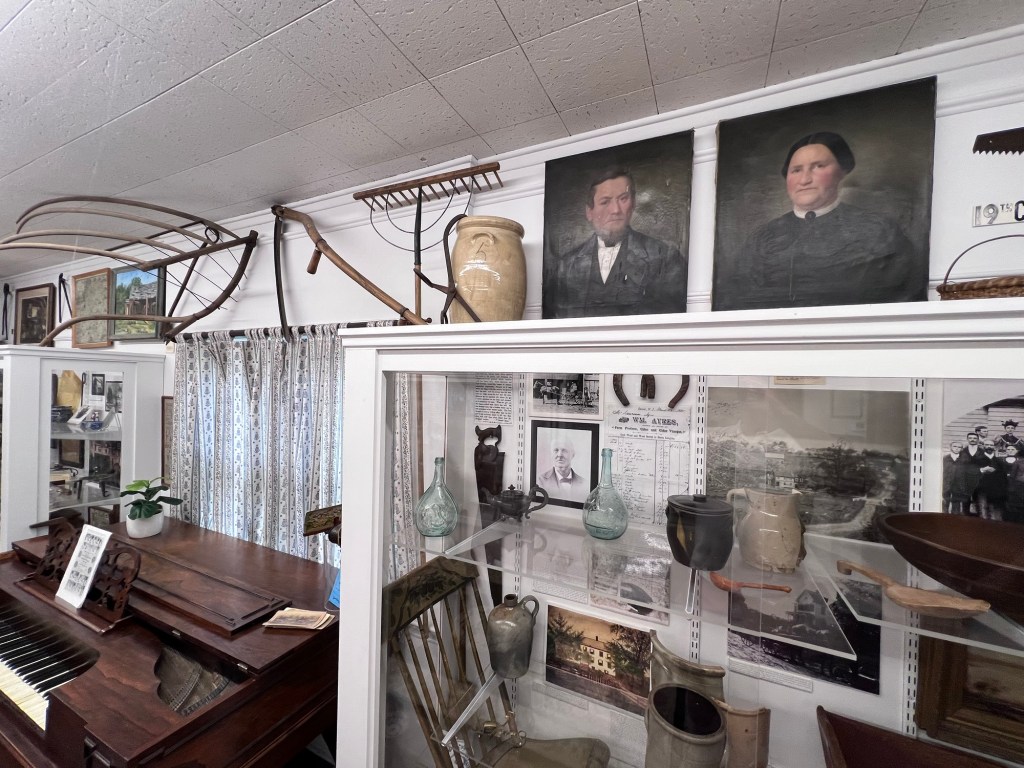
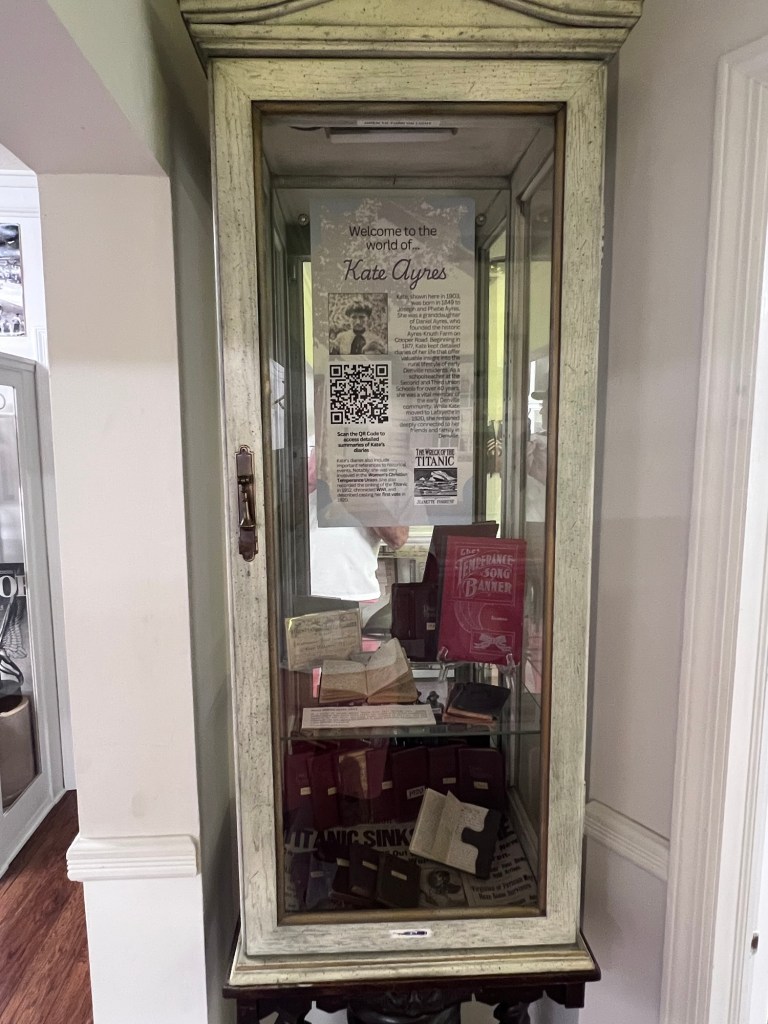
The farming display with many items from the Ayres Farm
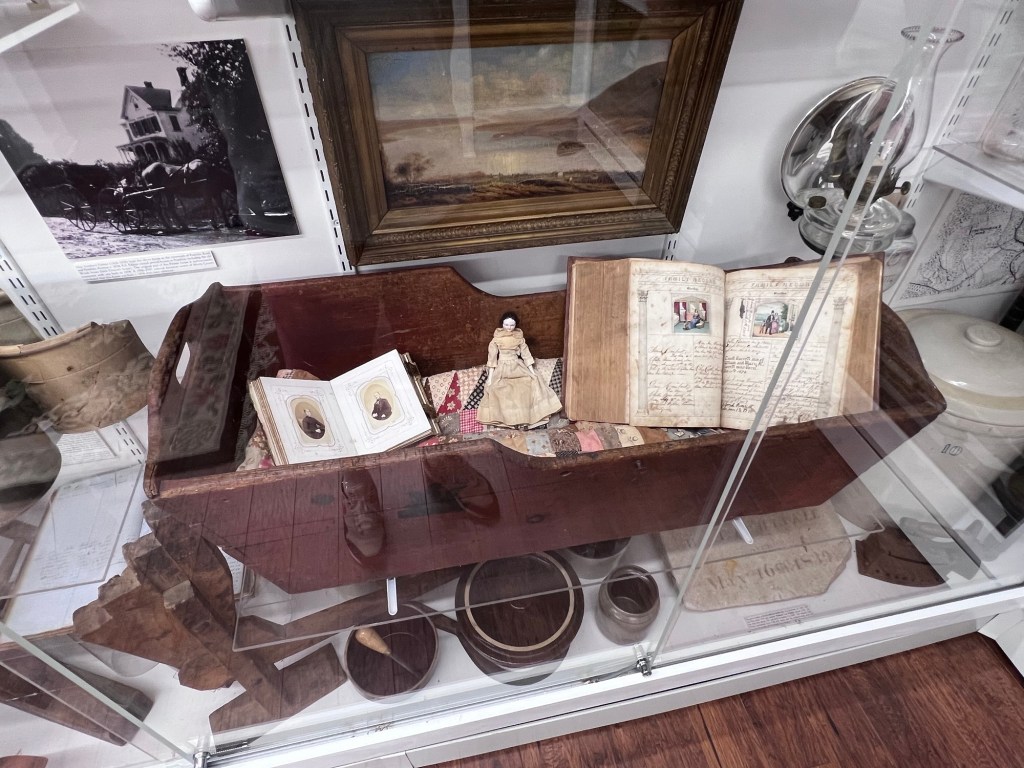
Children’s items from both the Ayres Farm and from the community including a handmade cradle
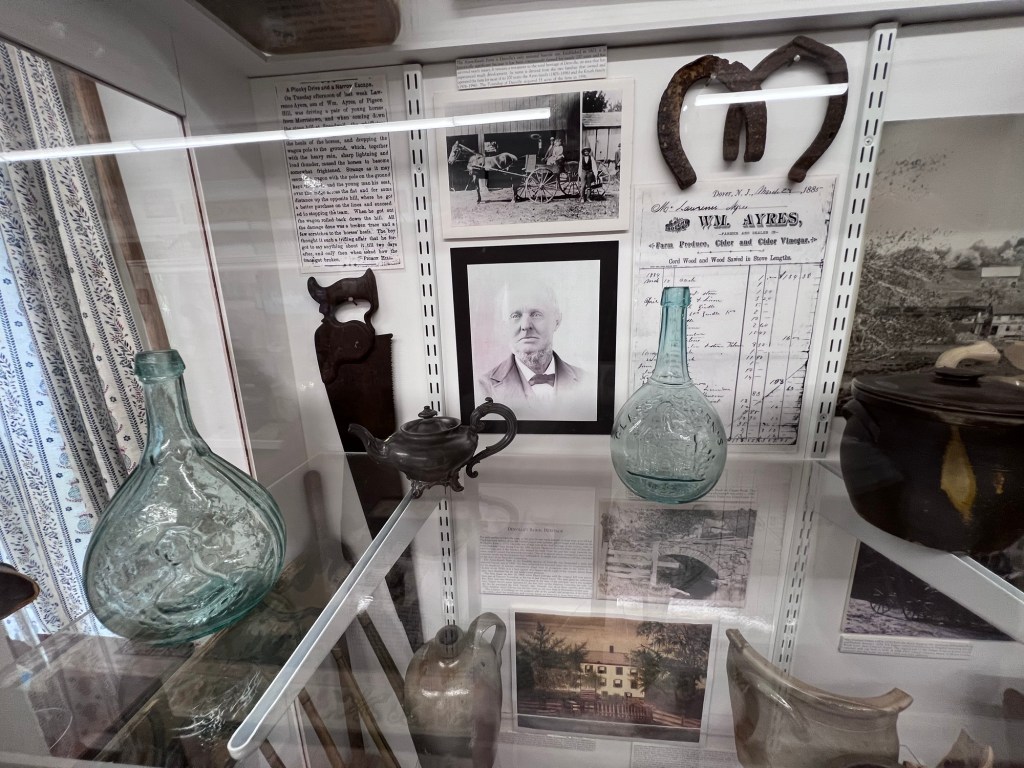
Farm equipment and home furnishings and portraits of Ayres family members
Items from the Ayres Farm
As the community entered the post-Revolutionary War era to the Civil War era, the area entered both its agricultural and industrial boom period.
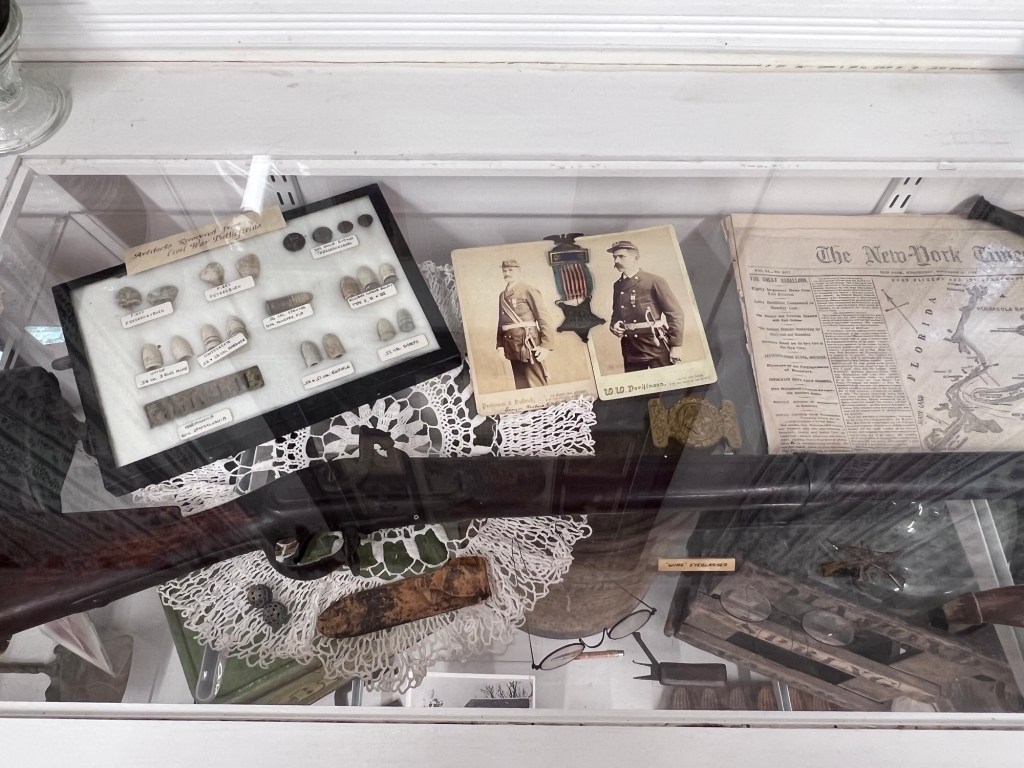
Artifacts from the Civil War and post war commercial era. Many of the artifacts are an early example of companies that still exist today.
Civil War era items of residents of the community
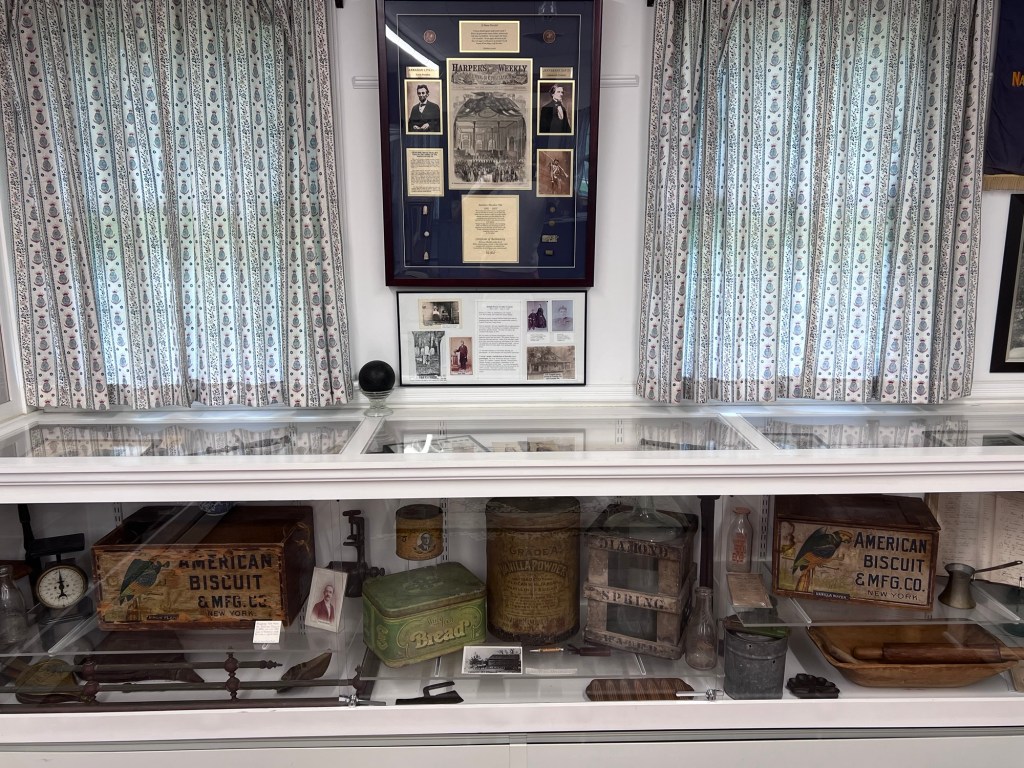
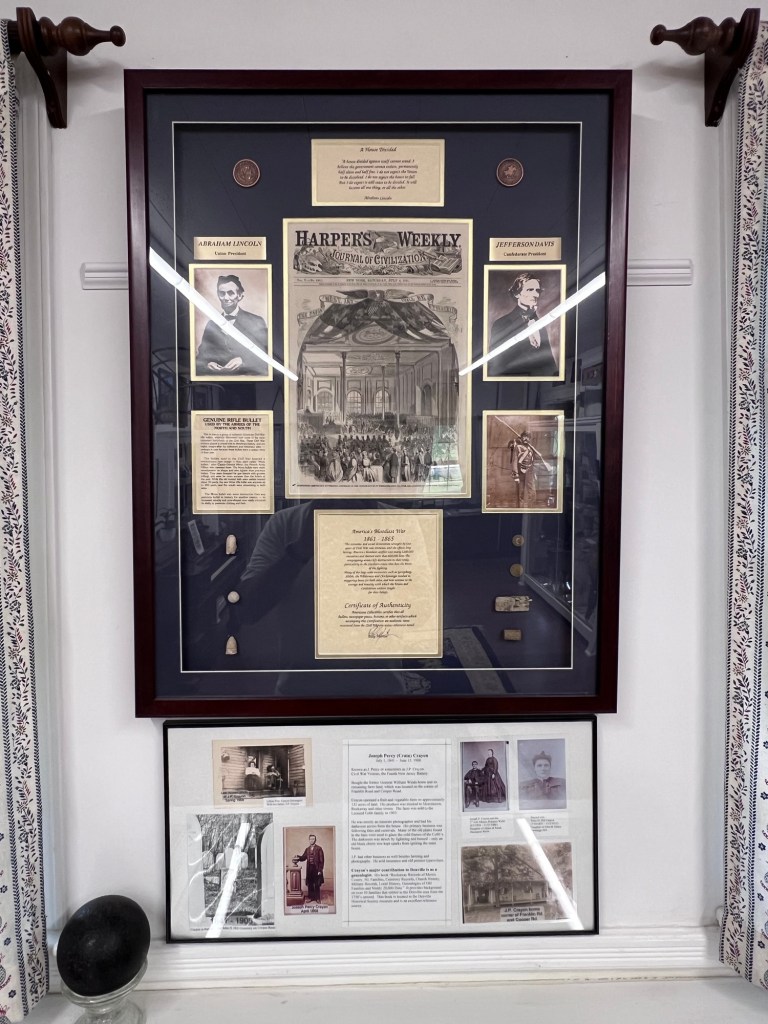
Presidential items from the Civil War period of both President’s Lincoln and Davis
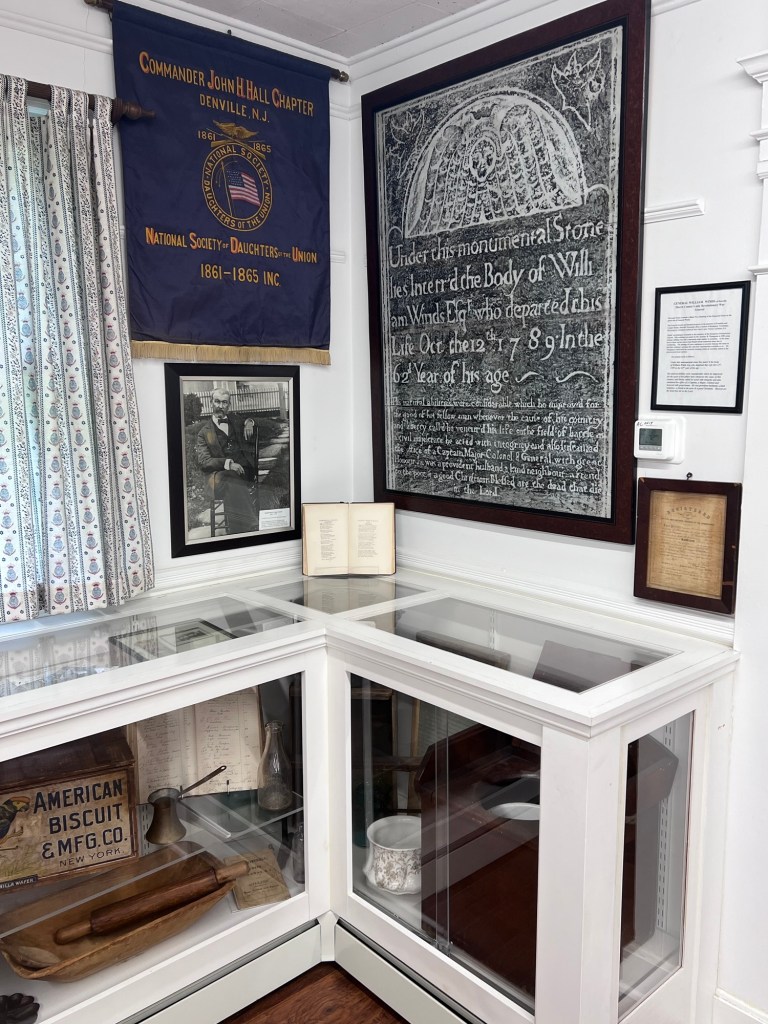
Commercial items and tombstone etchings of the period
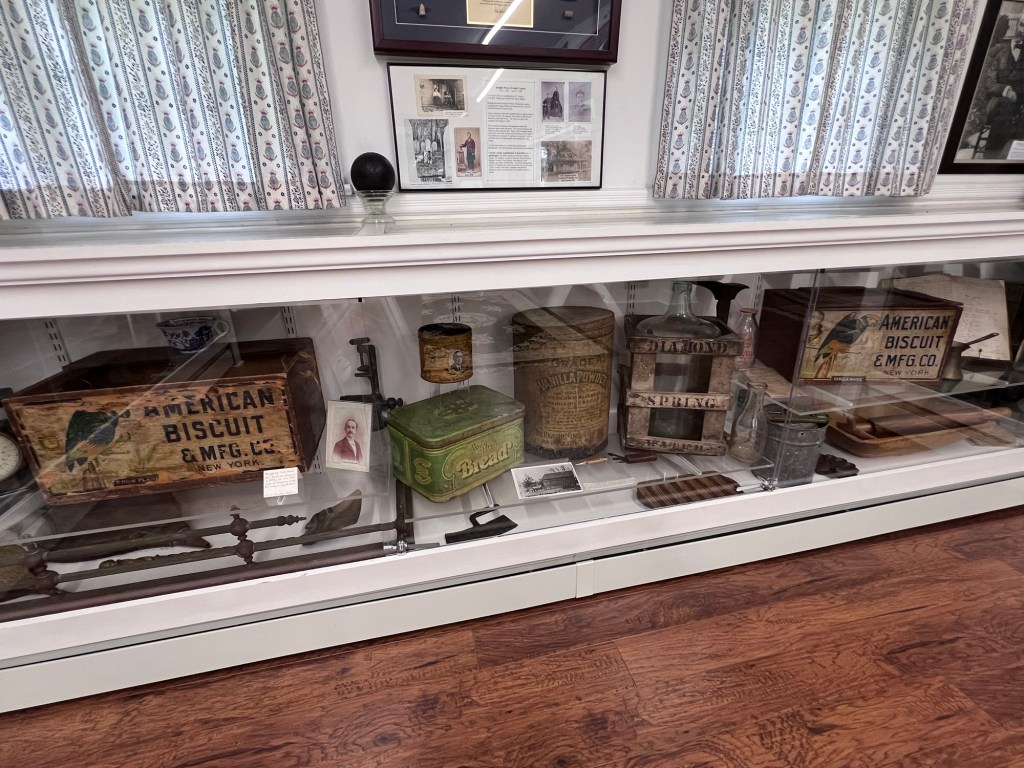
The manufactures of commercial products of that era. Many of these items are early examples from the modern Nabisco company. These were some of the original tea biscuit containers.
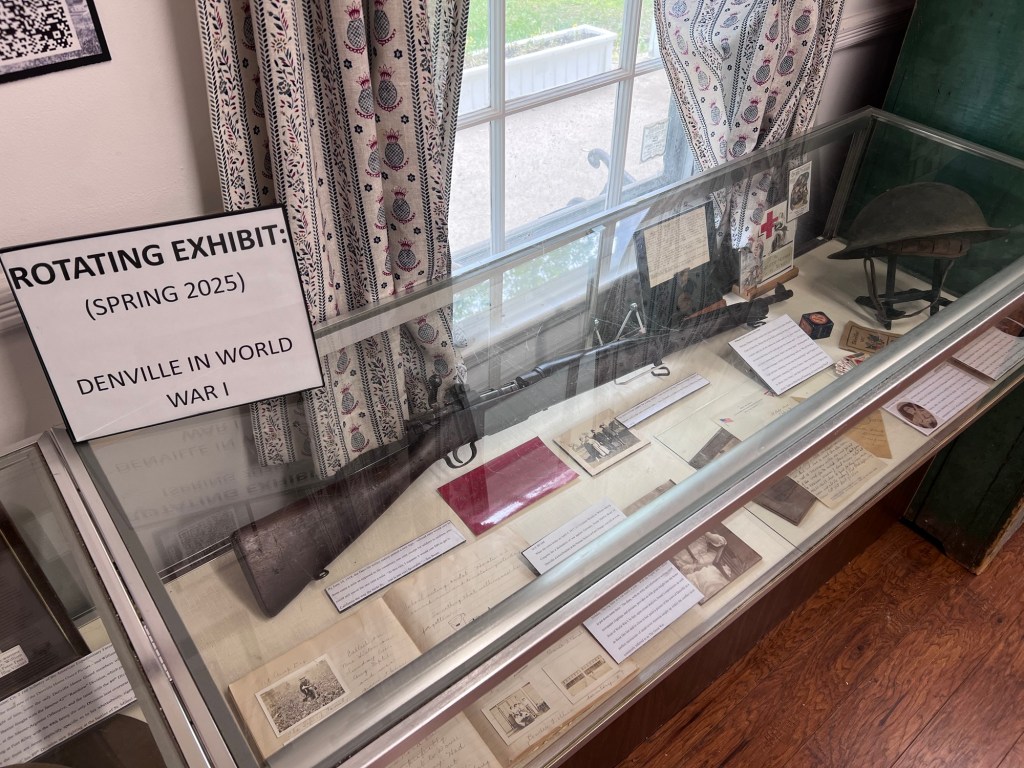
The exhibition of World War One artifacts on display
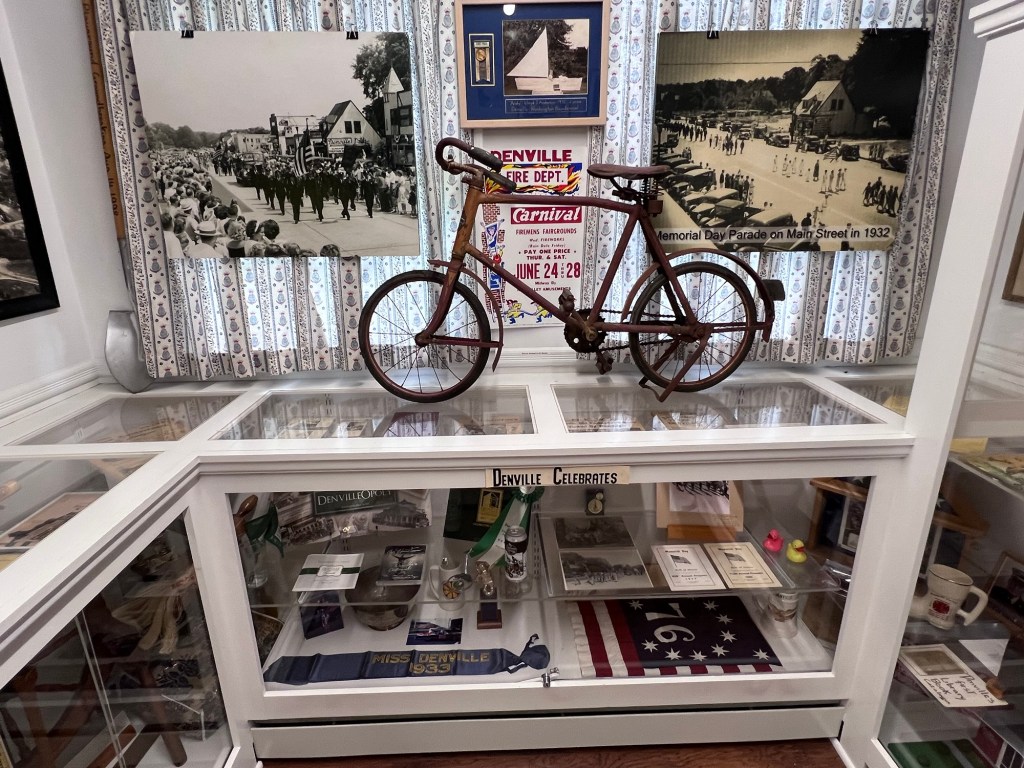
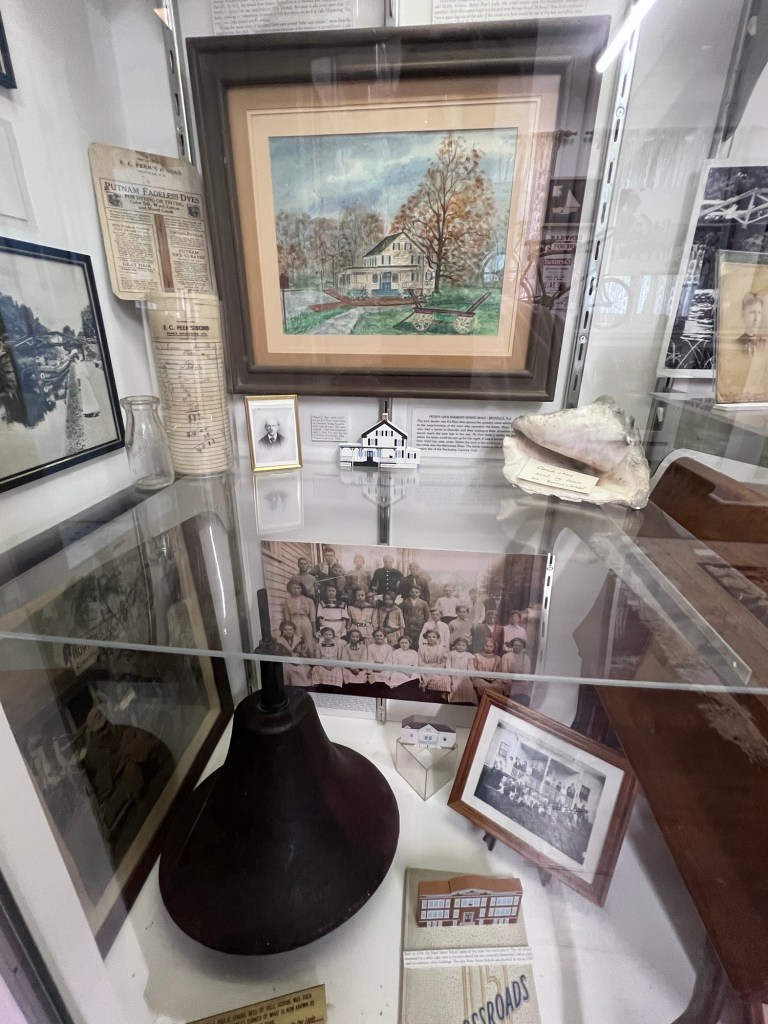
School and town events
The town parades and artifacts from the town
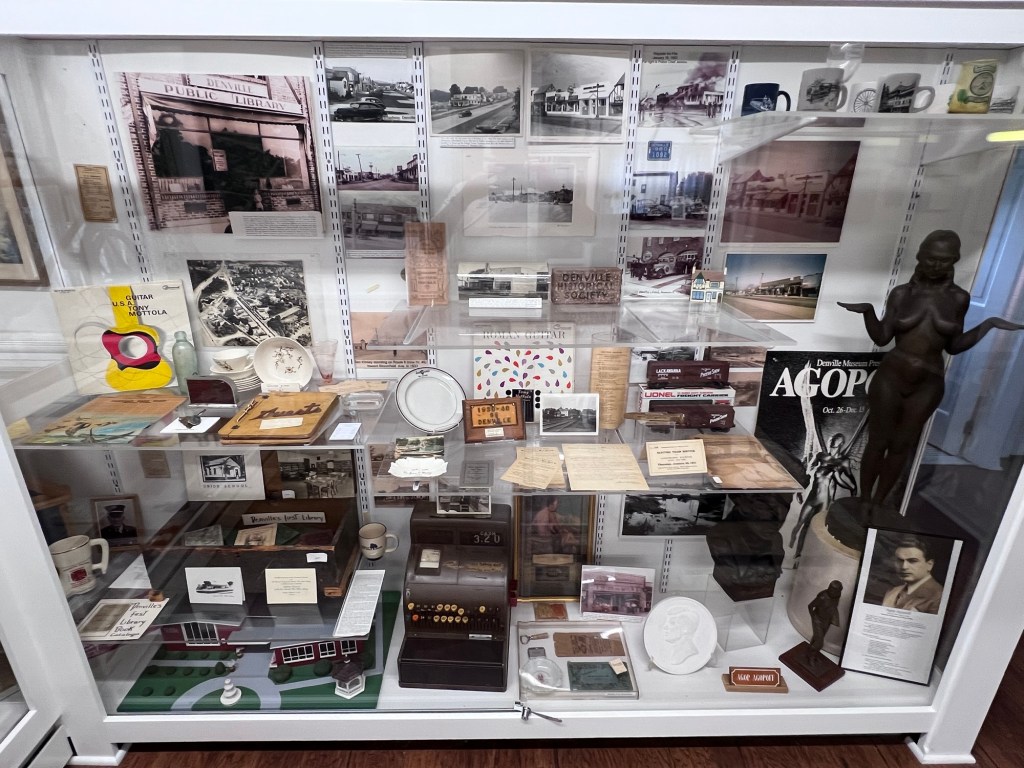
The display of town merchant items
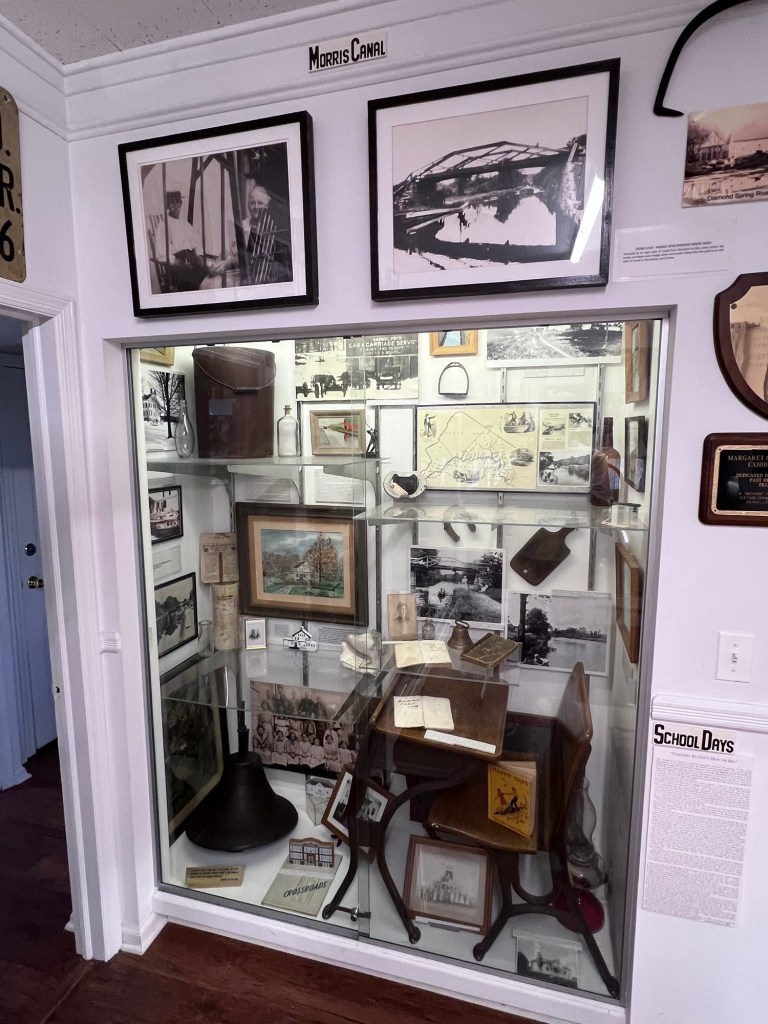
The creation of and growth of trade on the Morris Canal that once ran through the town is on display as well with pictures and artifacts.
The Morris Canal display and some school house artifacts as well
More town artifacts
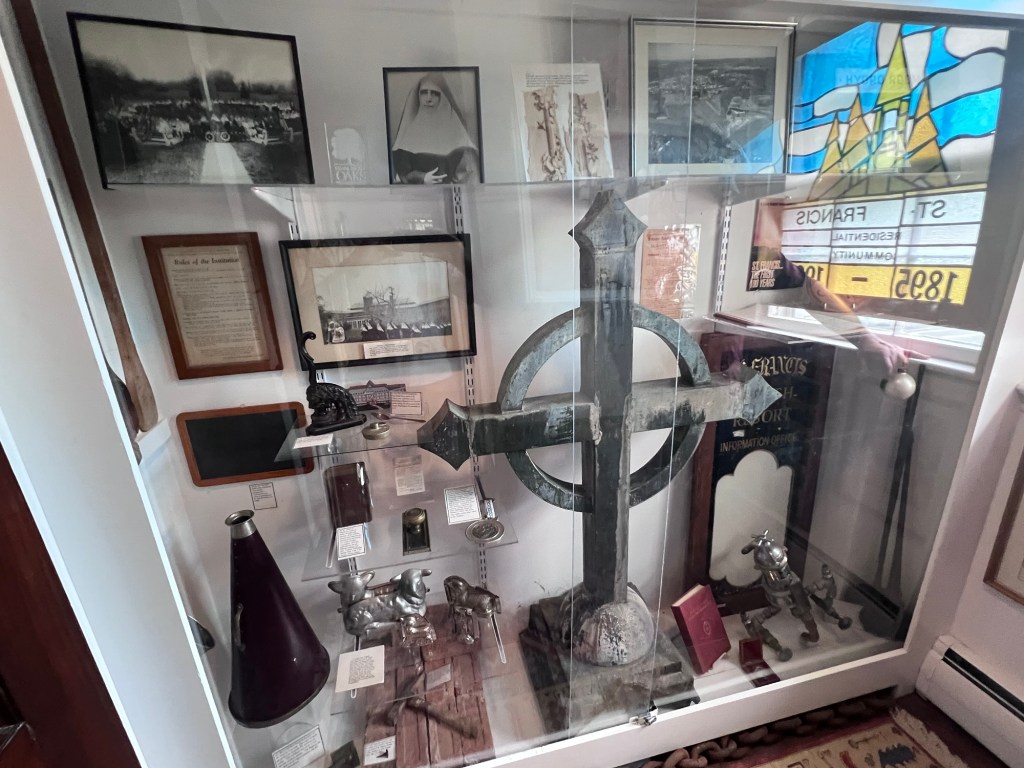
The order of St. Francis once had a building with a school here and as the order died out, they sold the building in town
These are some of the artifacts from that time
Some more of the artifacts from St. Francis
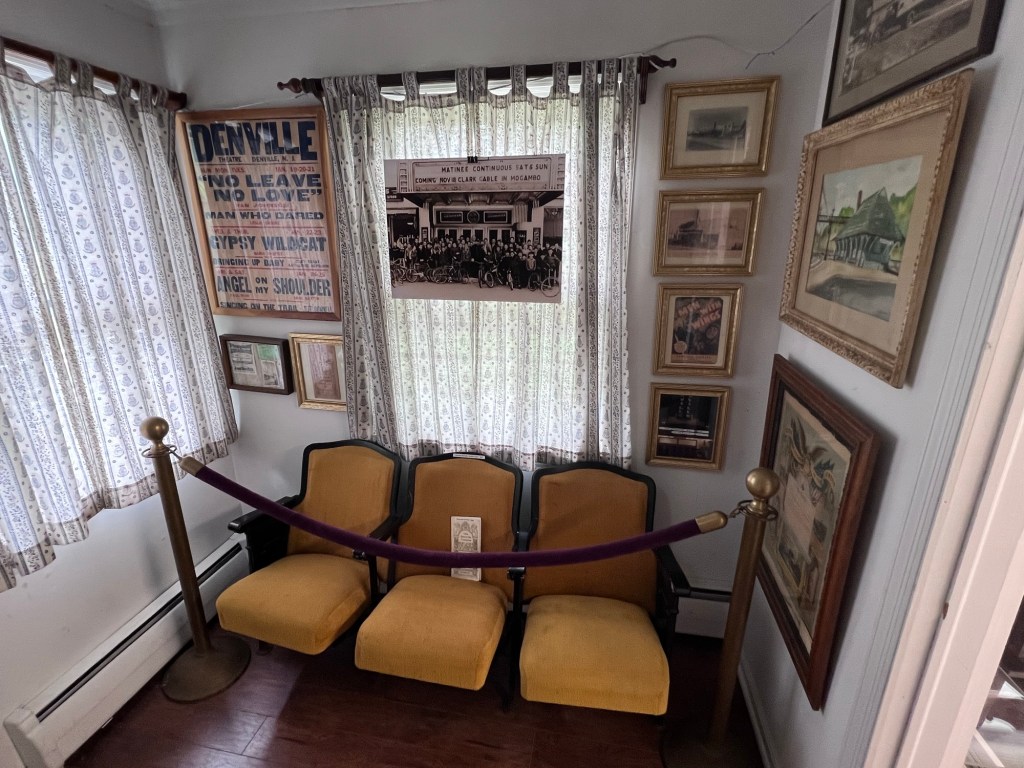
A display on the old Denville Theater
Another Ayres Family display
Historical items from the town
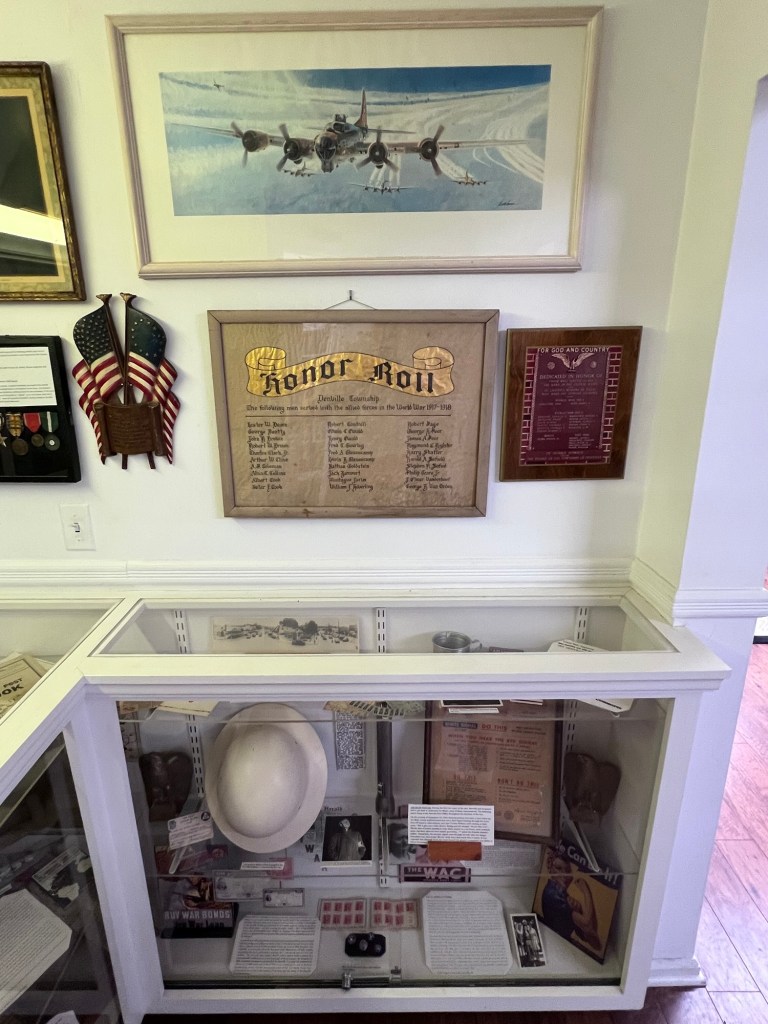
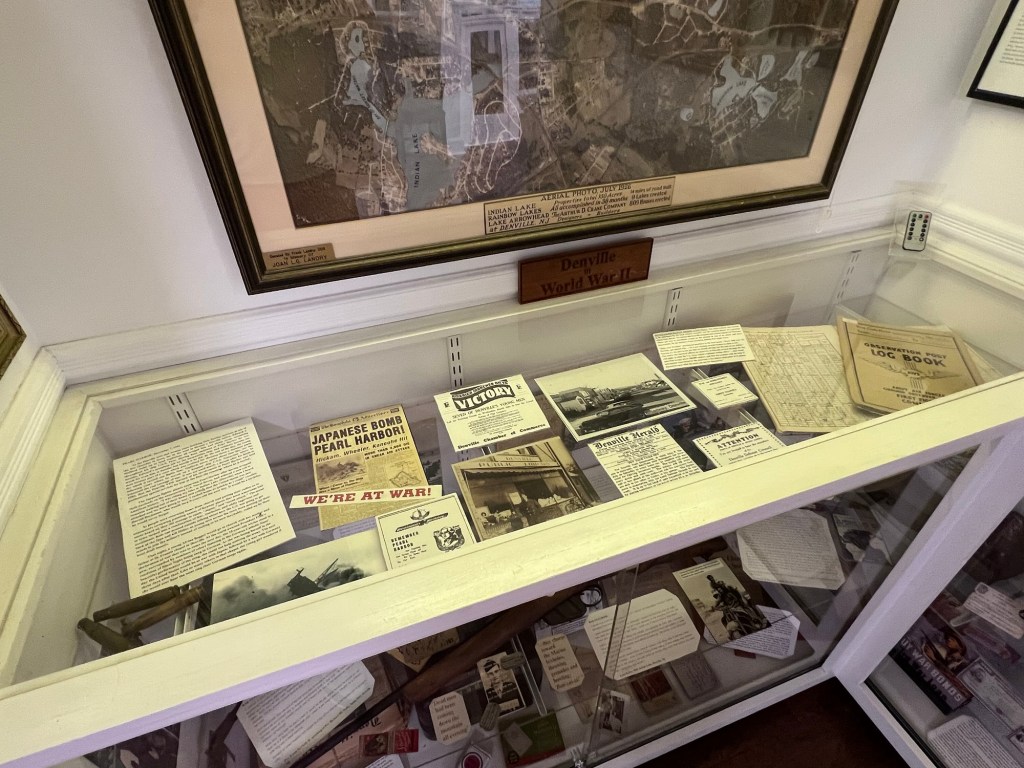
Military items from the community
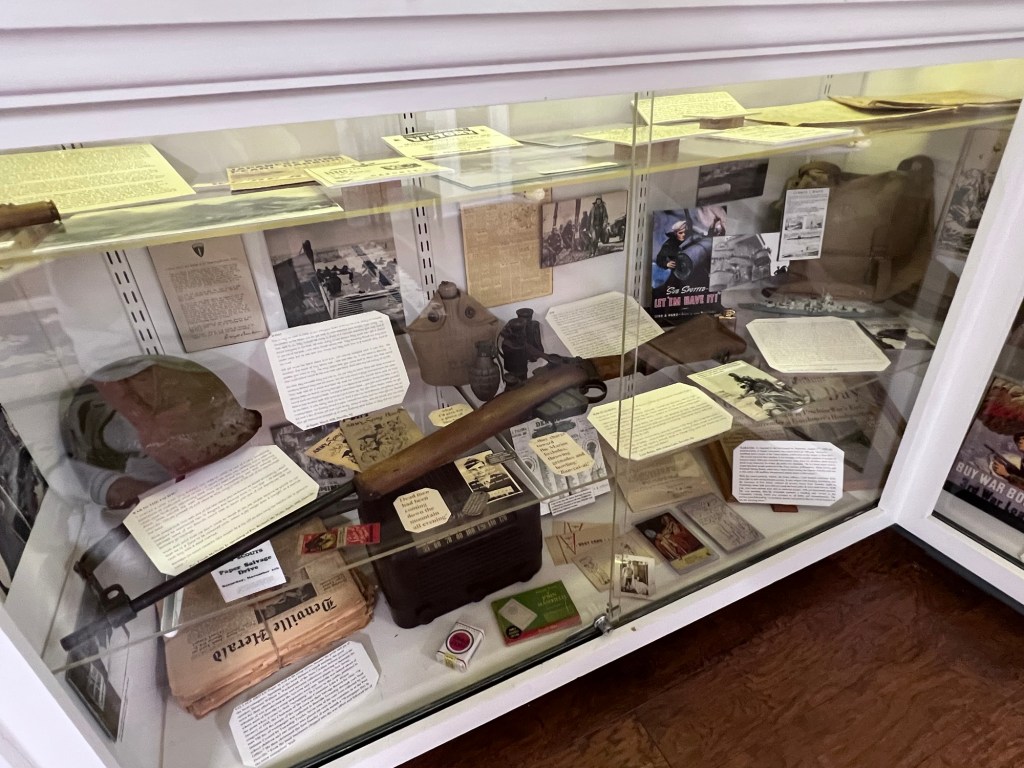
More Military items
More Military items from the War years
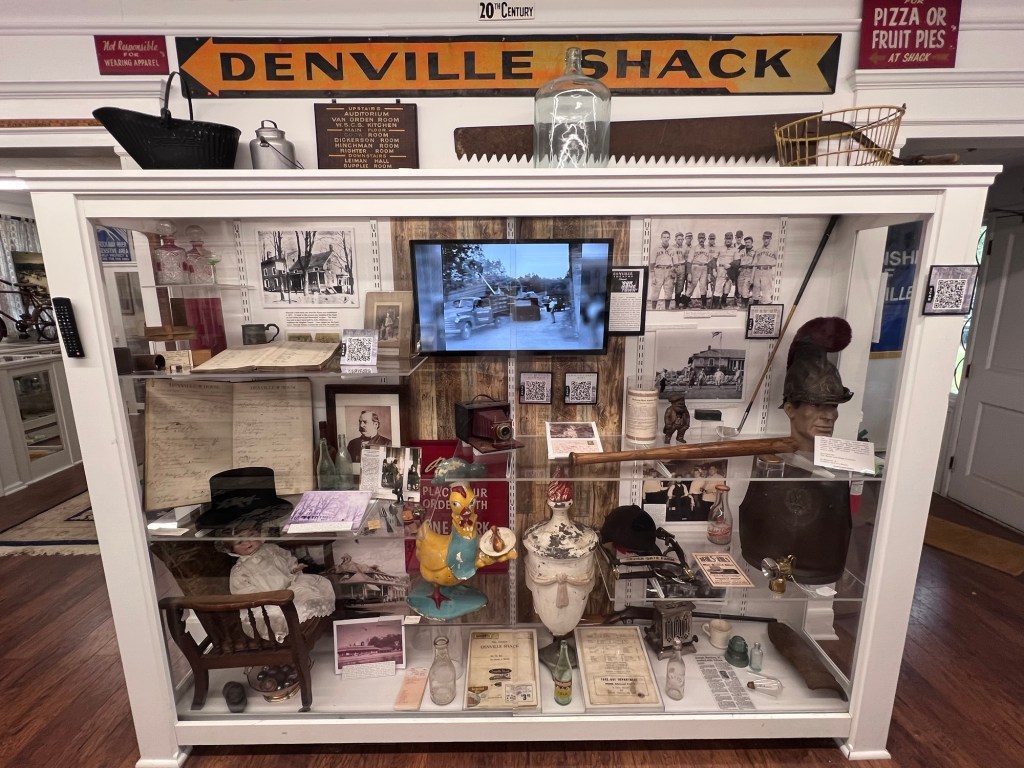
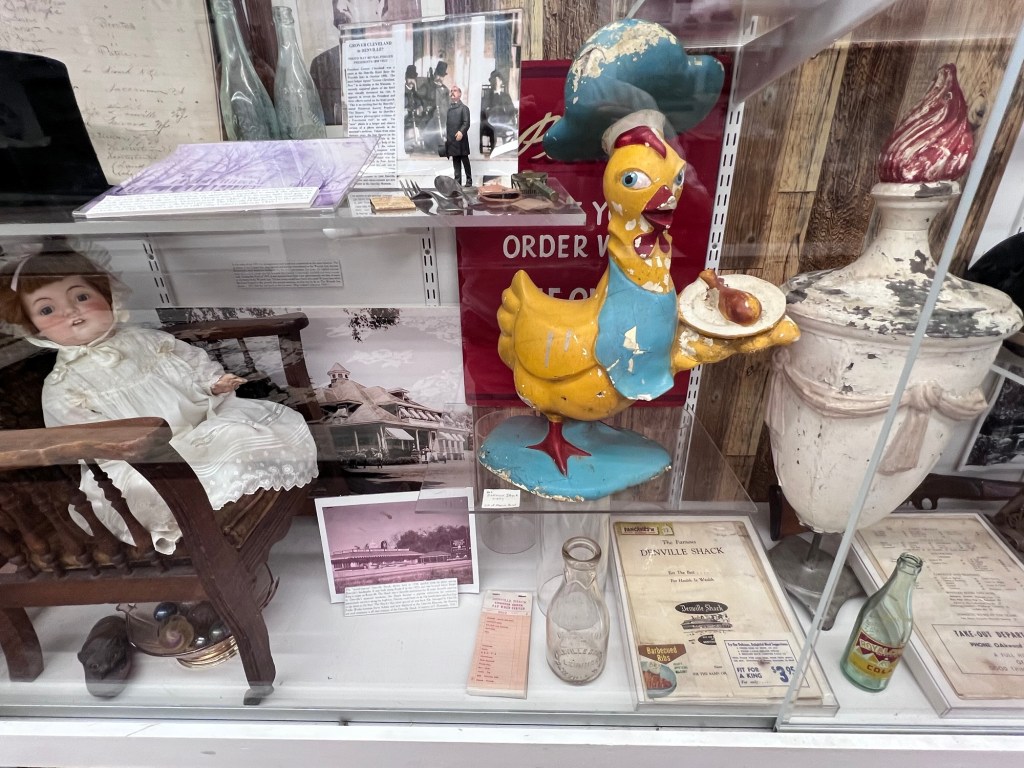
The last display I admired before I left for the afternoon was the Denville Shack display on a popular restaurant that was once in town. These popular restaurants used the dot the sides of local highways from the early 1960’s through the early 1980’s.
The display from the Denville Shack
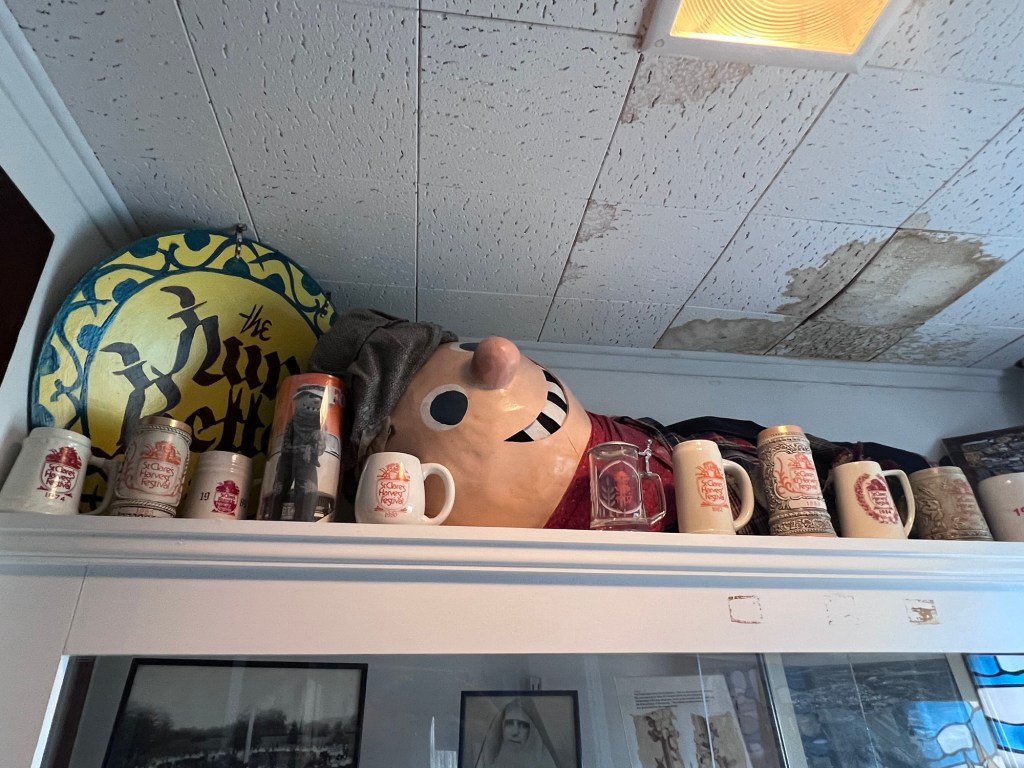
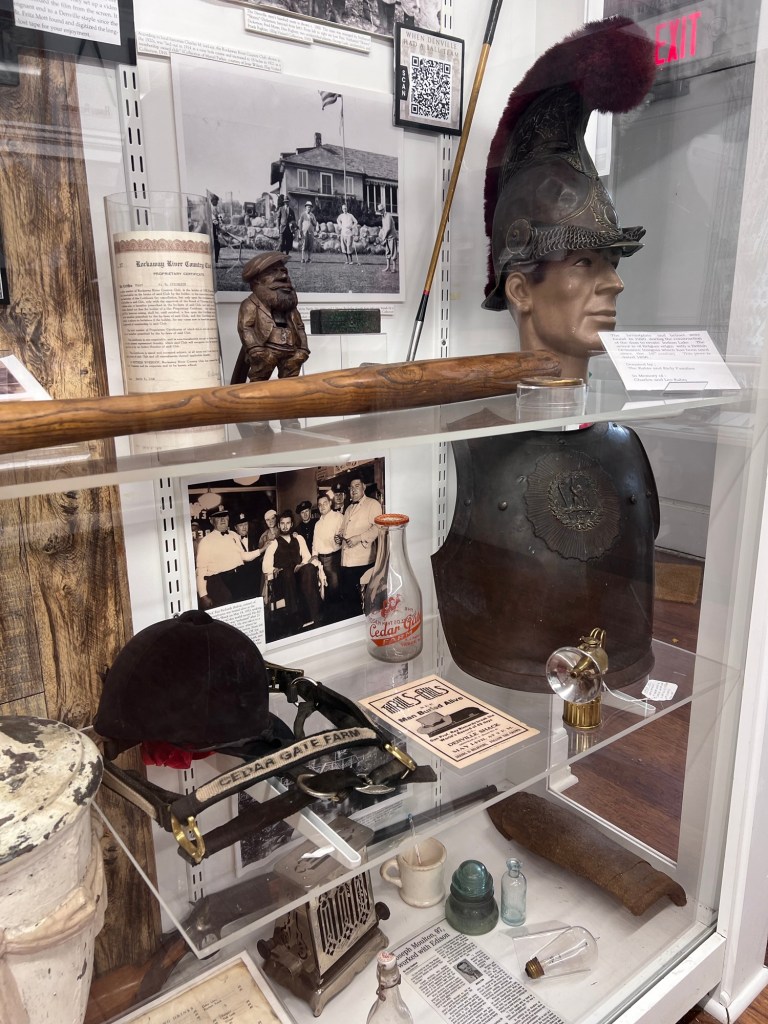
Some of the items from the old restaurant plus other artifacts
Some other town artifacts with a set of armor that was found in town.
The Denville Museum was a delight to visit. It was loaded with interesting displays and town artifacts that not only talk about the founding of the town but how it has come into its own as a modern town and a bedroom community of New York City.
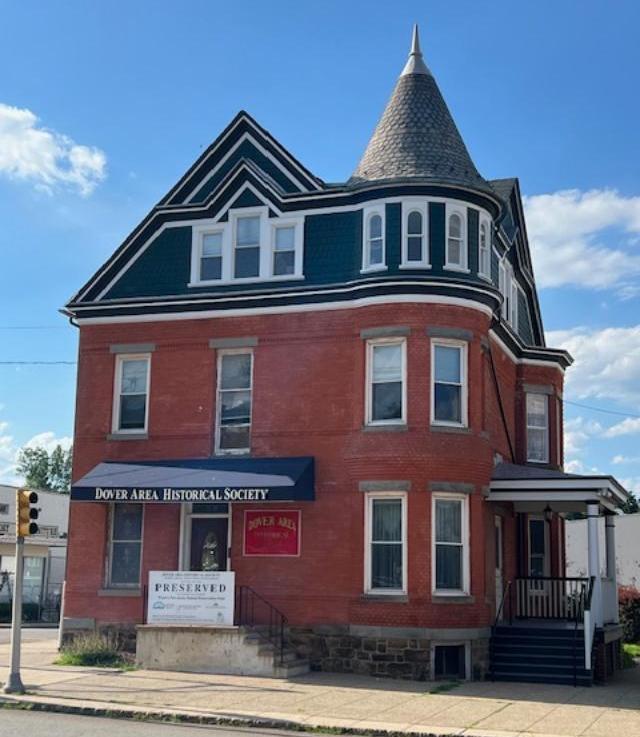
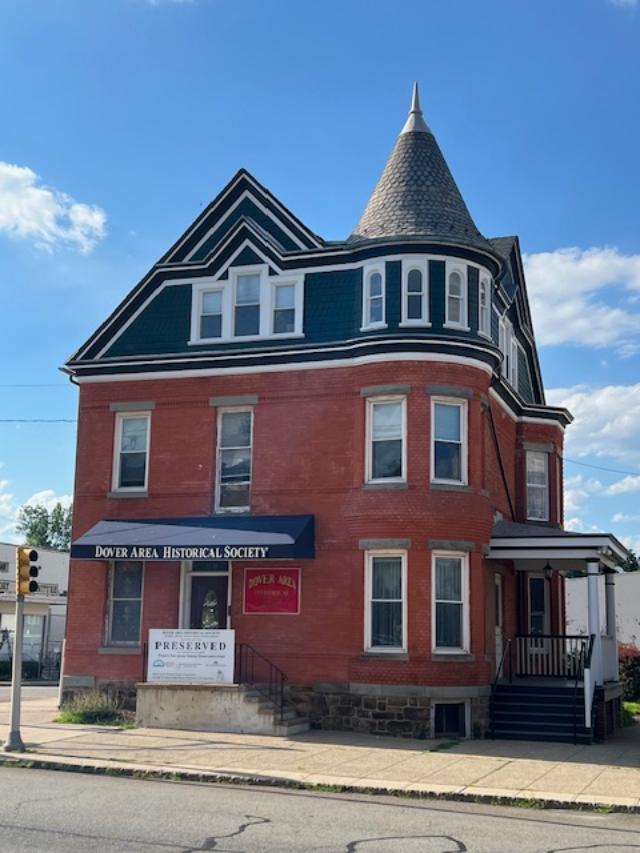
The Dover Area Historical Society at 55 West Blackwell Street
I visited the museum on a private tour during Memorial Day and got to see all three floors of the former doctor’s home, Dr. Condict, whose practice was once on the first floor of the home.
Several rooms in the house on the second and third floors of the old home were going through renovations when I was visiting or exhibitions were going to be remounted, so the museum was in transition when I visited.
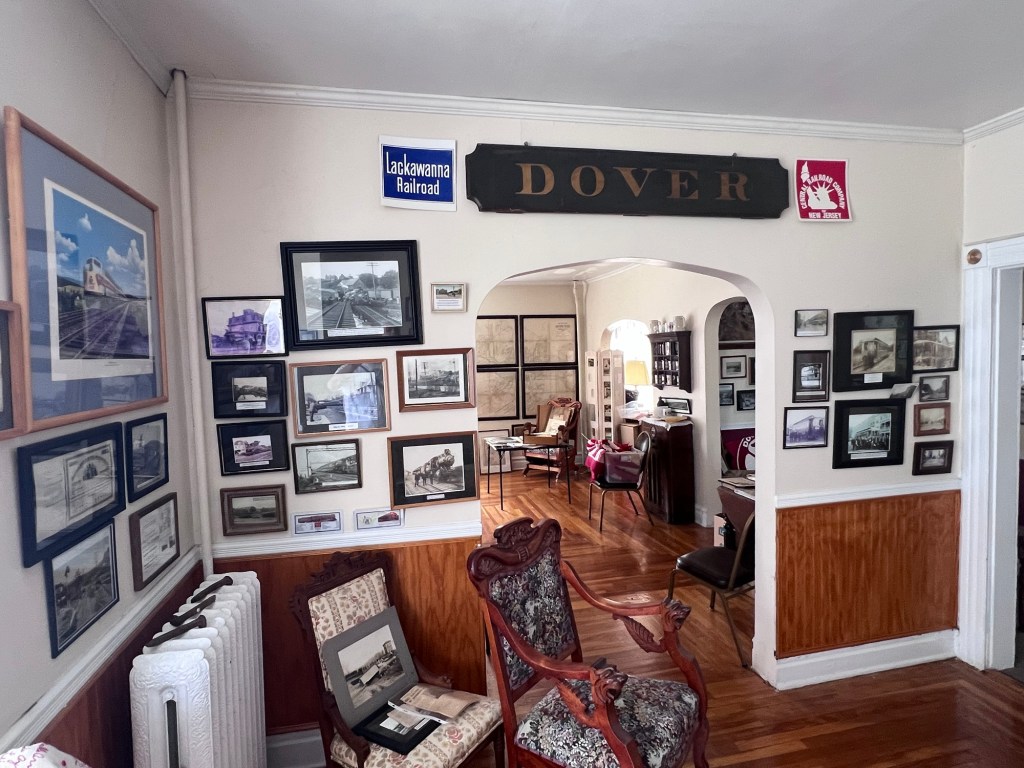
The first floor of the museum was dedicated to the town history with exhibitions of the Army/Navy members of the community for Memorial Day.
There was an exhibit of the historical buildings that line the downtown area and the neighborhood surrounding the downtown.
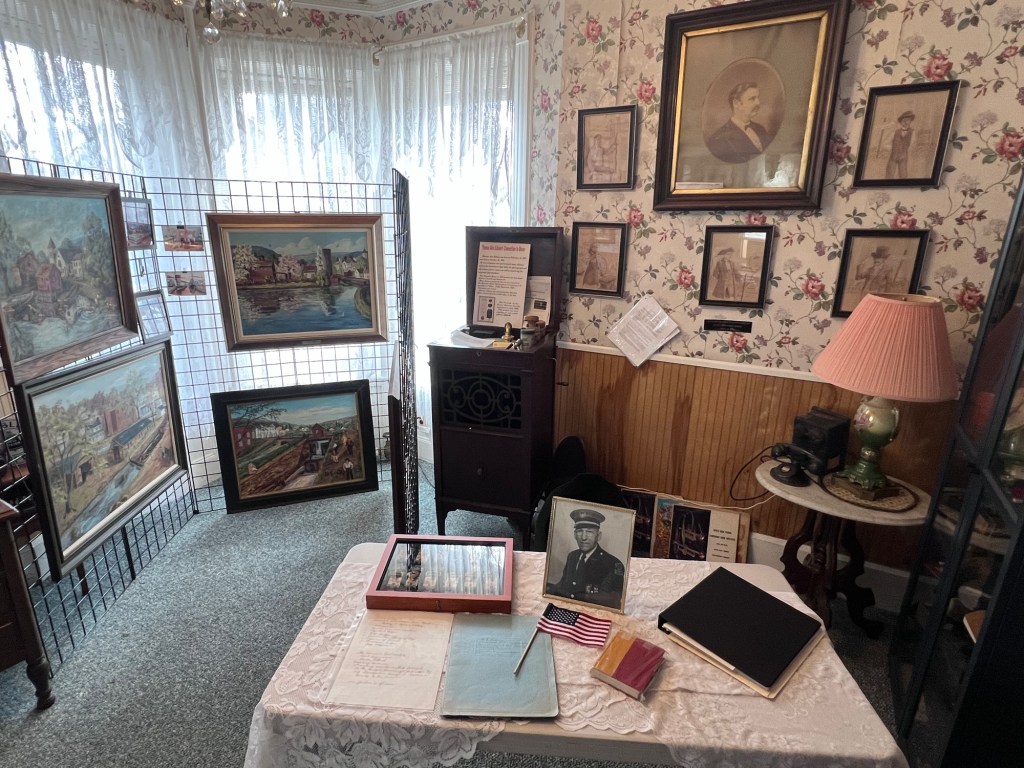
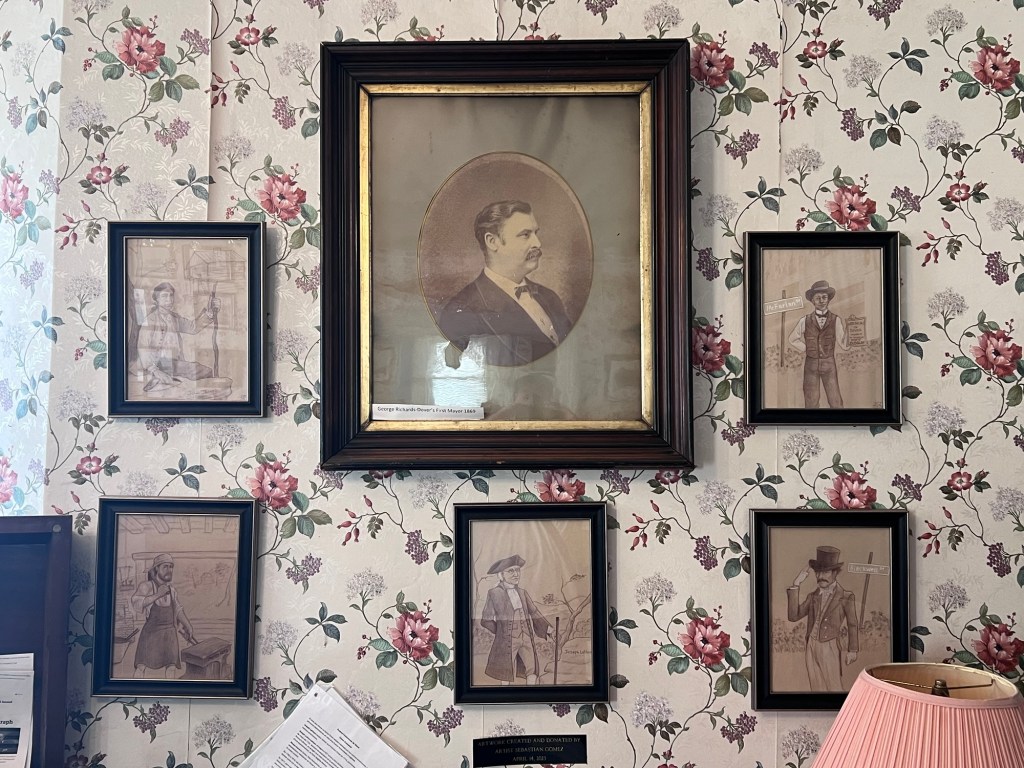
There were pictures of local leaders of the past and an exhibition by local painter, Bea Cook
Artist Bea Cook’s biography
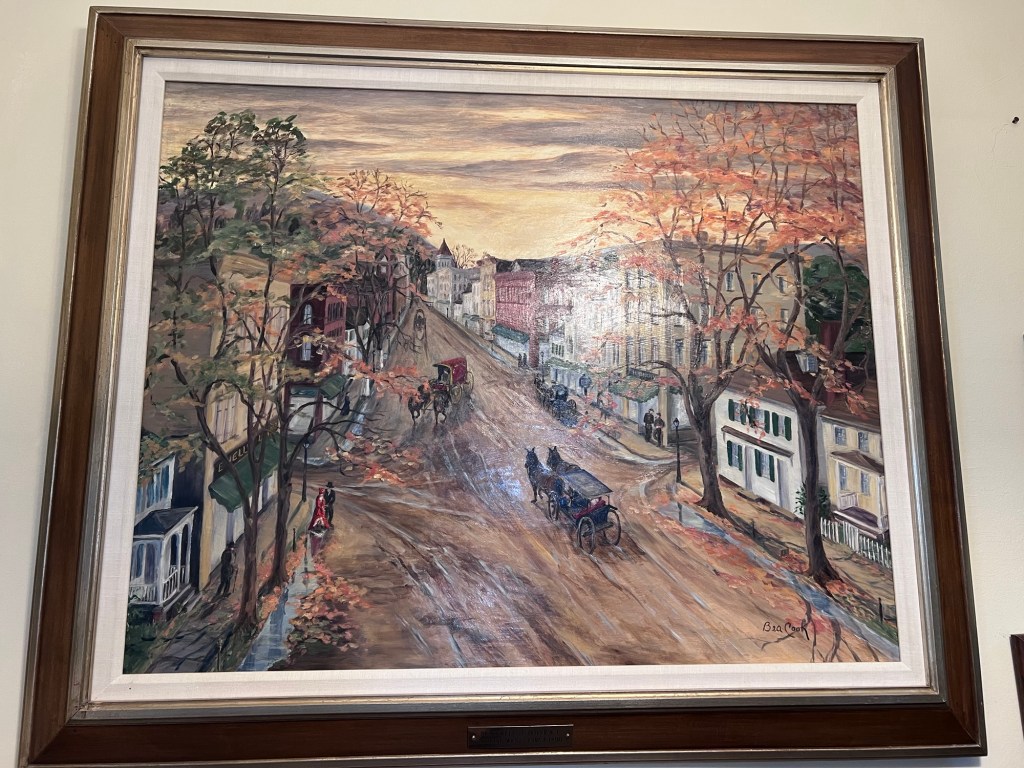
The collection of the art from the artist on what Dover, NJ looked like during the early part of the last century. She gives a creative look at the day to day life of people whose lives started to change after the opening of the Morris Canal and affluence started to take hold in this former farming community.
A painting of Downtown Dover in the 1800’s
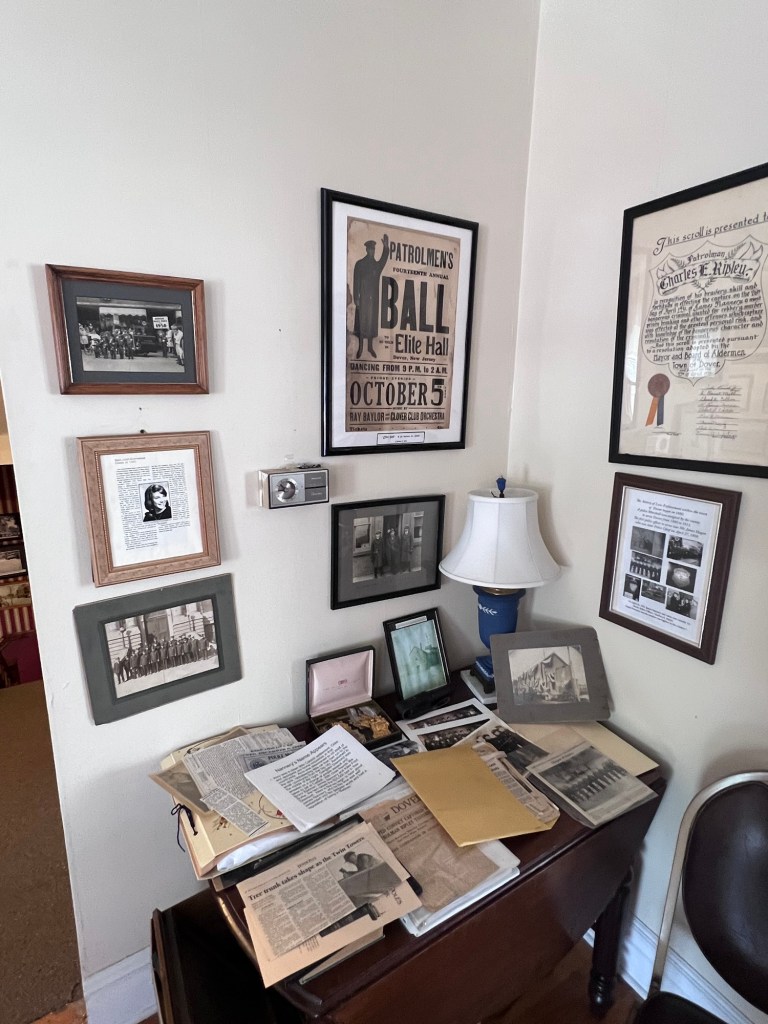
Local leaders and the former Mayor of Dover
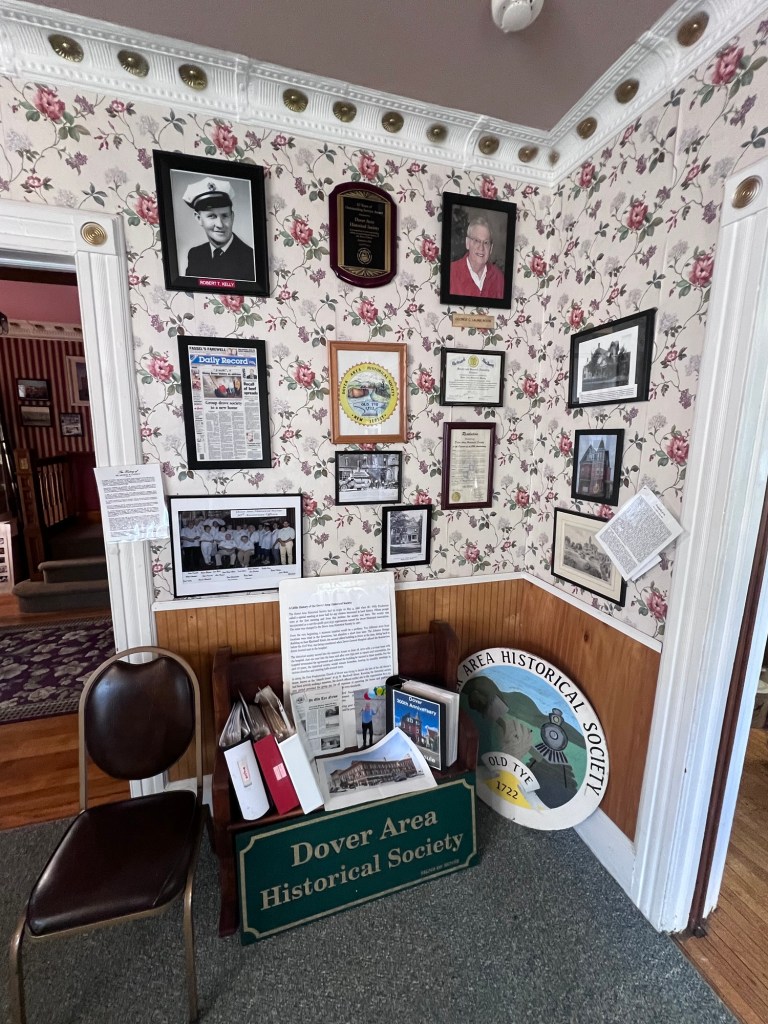
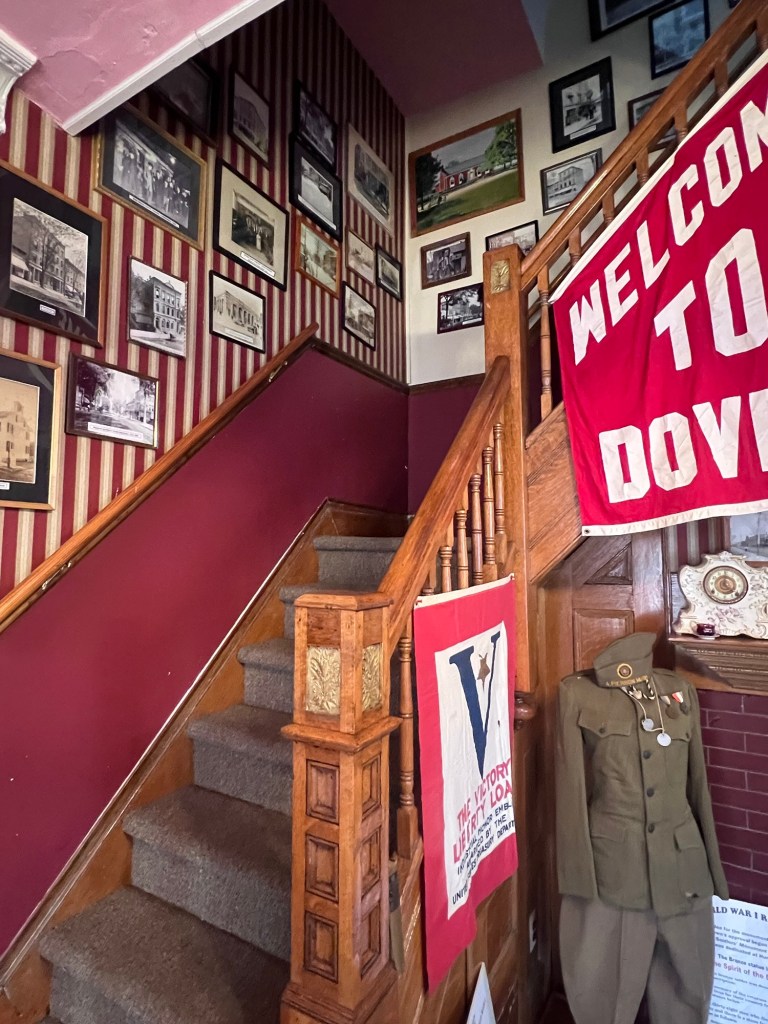
The former foyer by the front door of the house held a local uniform and pictures lines the walls of what the downtown looked like in the late 1800’s to the 1920’s.
The display for Memorial Day Weekend in May 2025
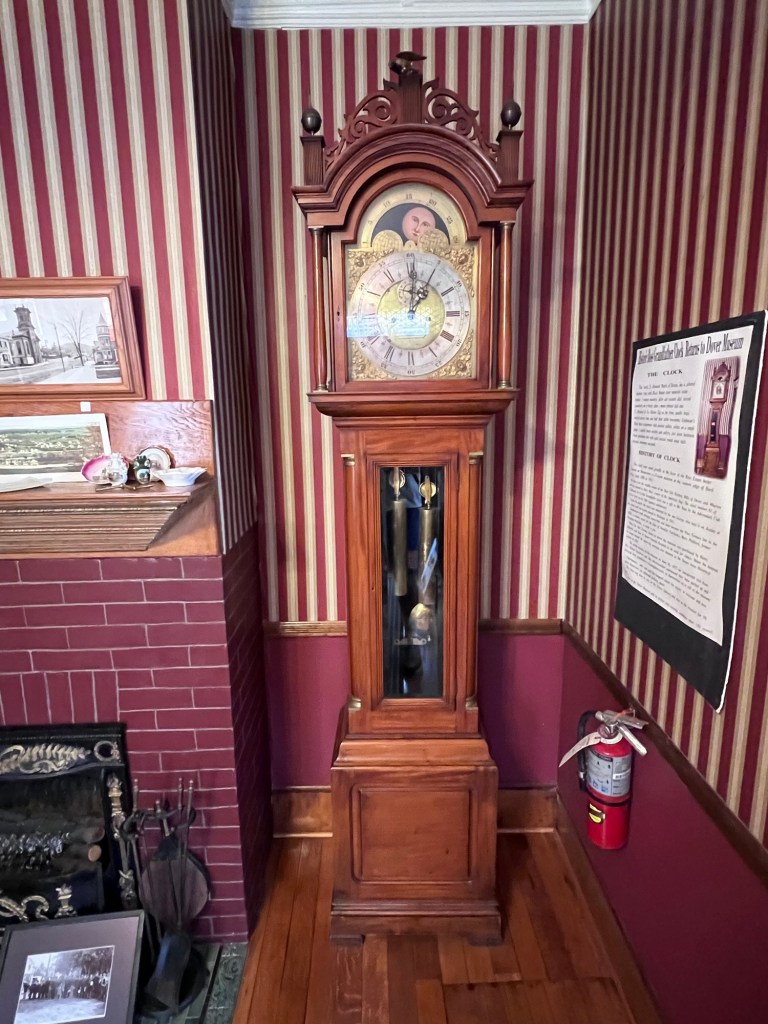
The Grandfather clock in the foyer with its beautiful celestial details.
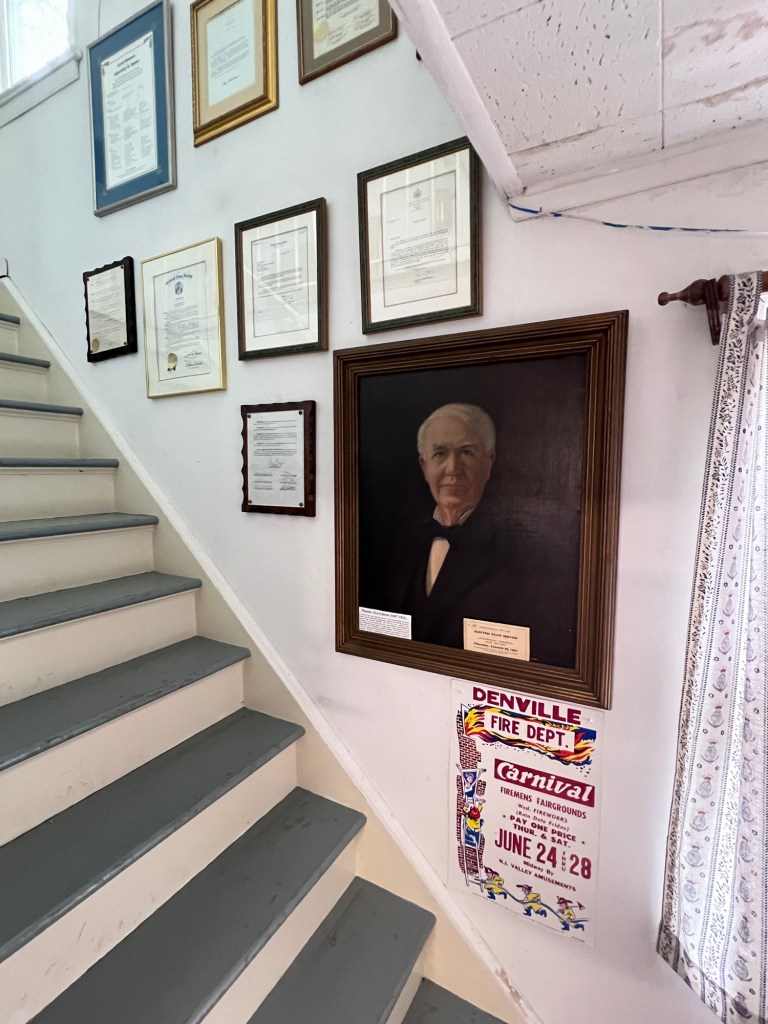
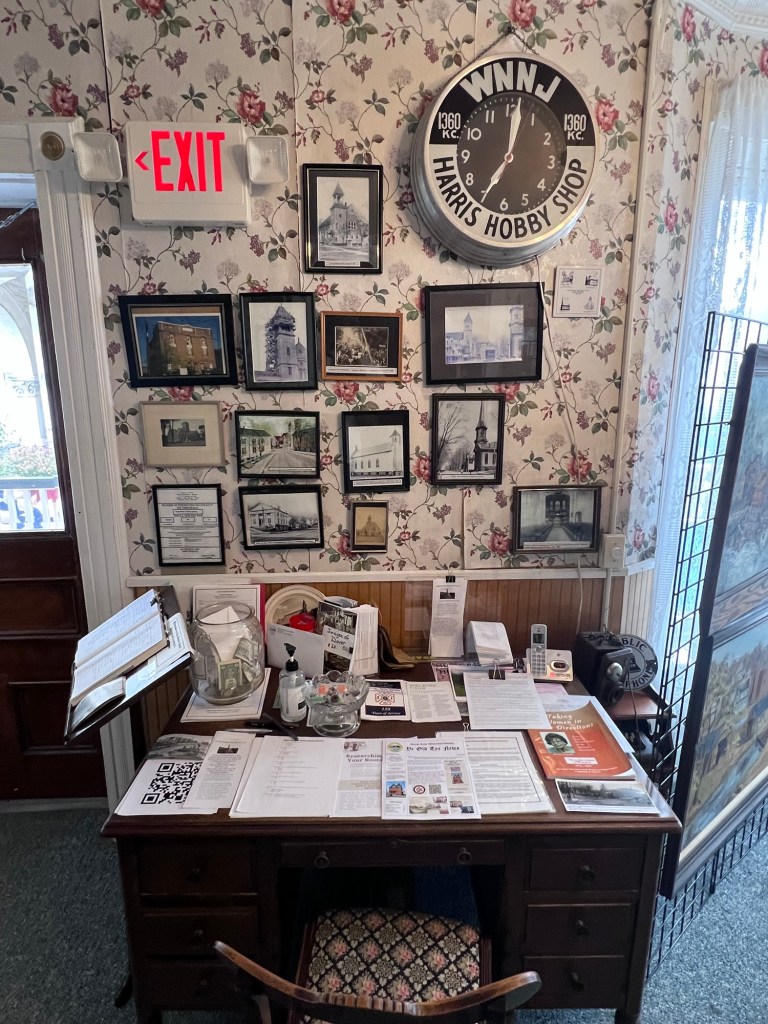
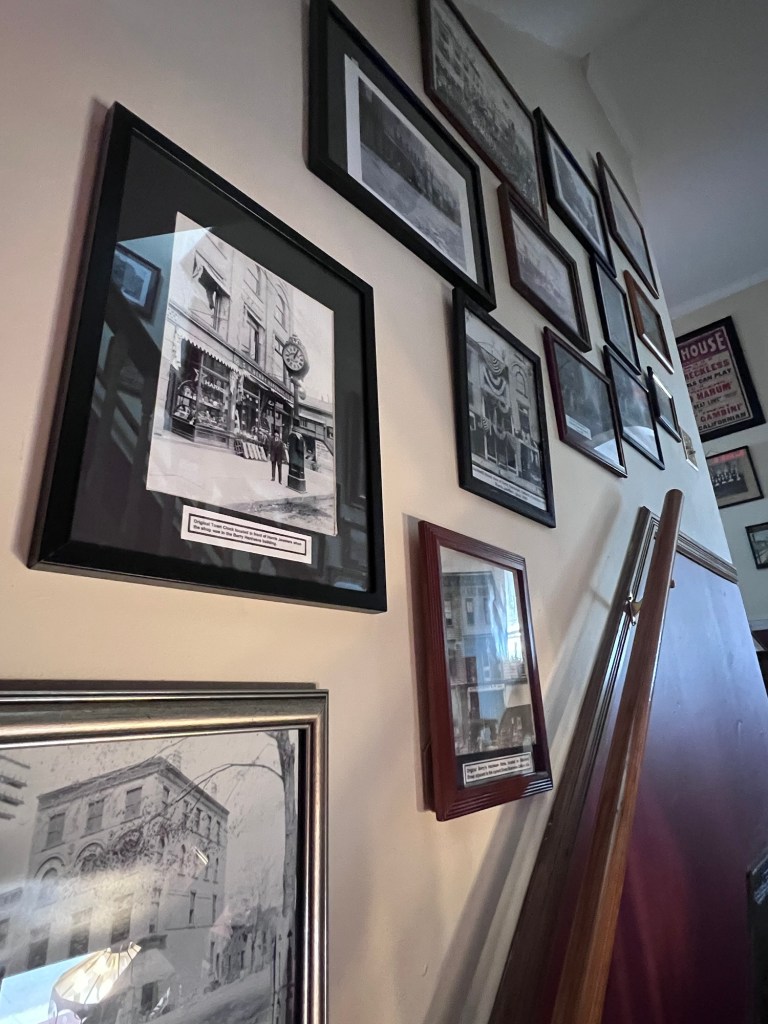
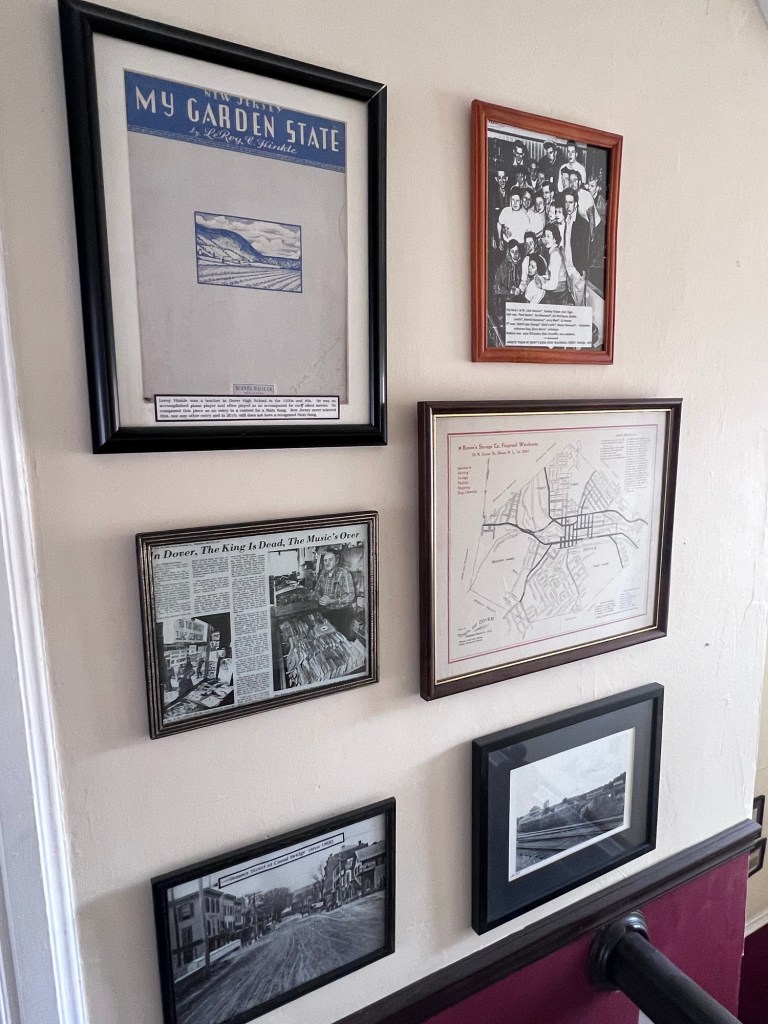
The foyer and the stairs leading to the second floor are lined with photos of Dover through the last 100 years.
Photos of former businesses that once lined the downtown area
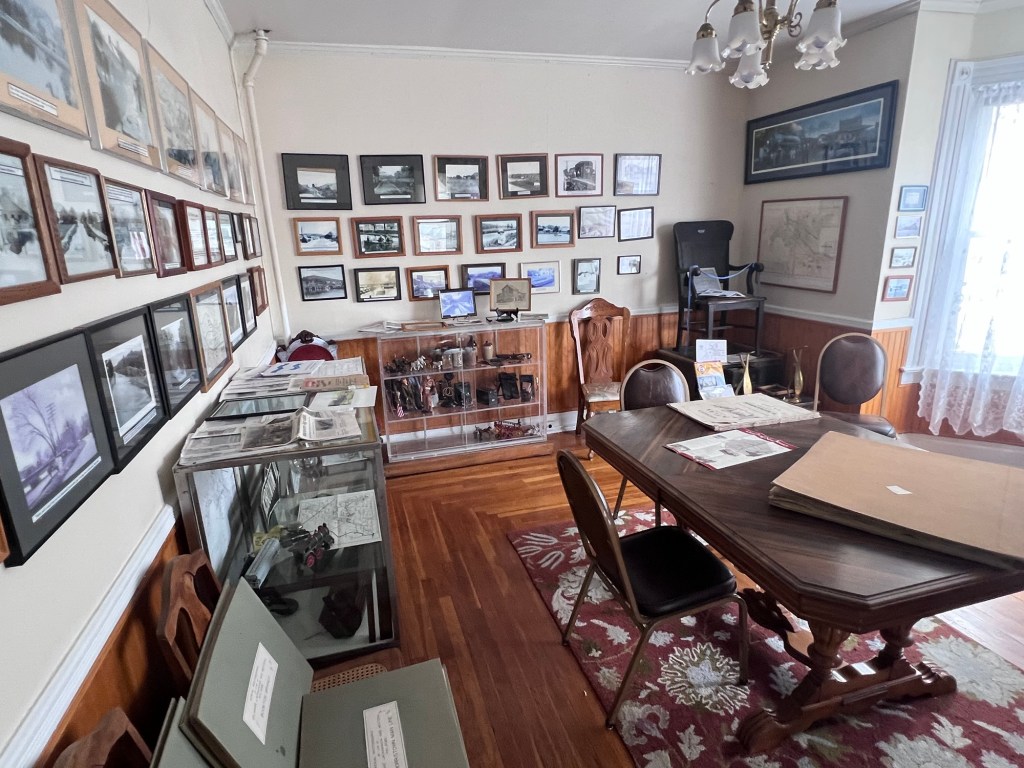
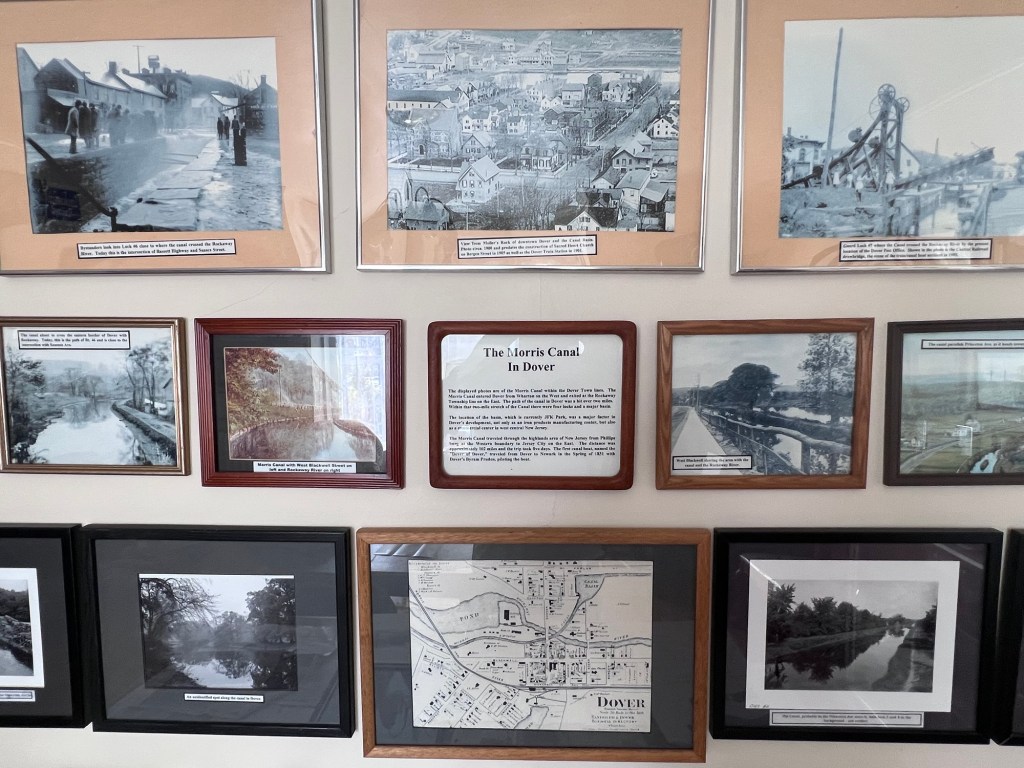
The upstairs galleries are lined with pictures on the growth of the town with the opening of the Morris Canal and the moving of crops and consumer goods from the rural areas to the cities like New York City and Newark.
The main gallery on the second floor of the history of the growth of the community is organized with pictures and artifacts of the era.
The growth of the community with the coming of the canal
The second floor galleries are filled with items displaying the rapidly changing community. As the more products were being sold to the cities, that affluence translated living in this area of the state.
The changes of the town with the opening of the canal and immigration to the area.
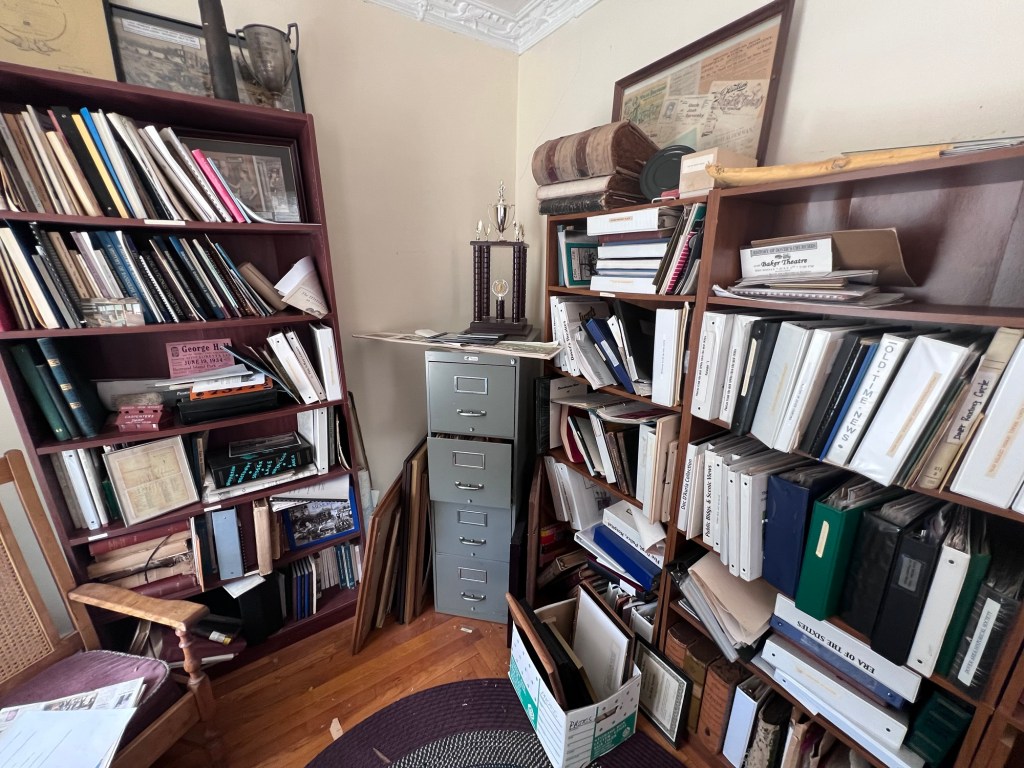
The second floor Library of town records and community information was being organized when I visited.
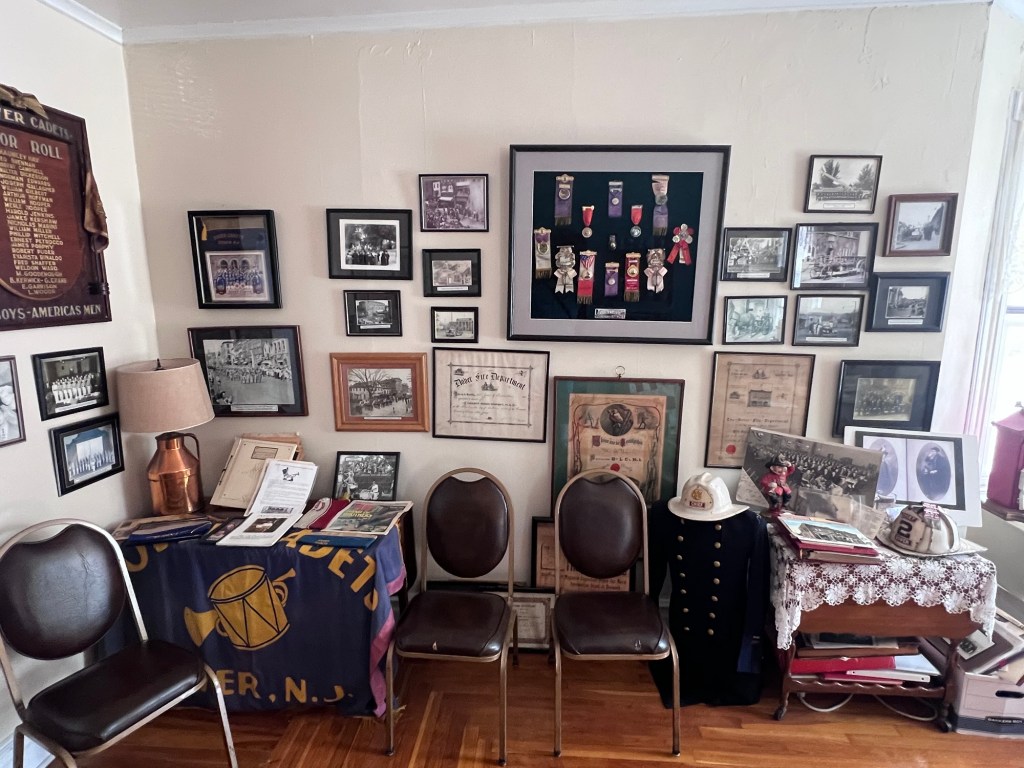
The history of the Dover Fire Department was on display on the second floor
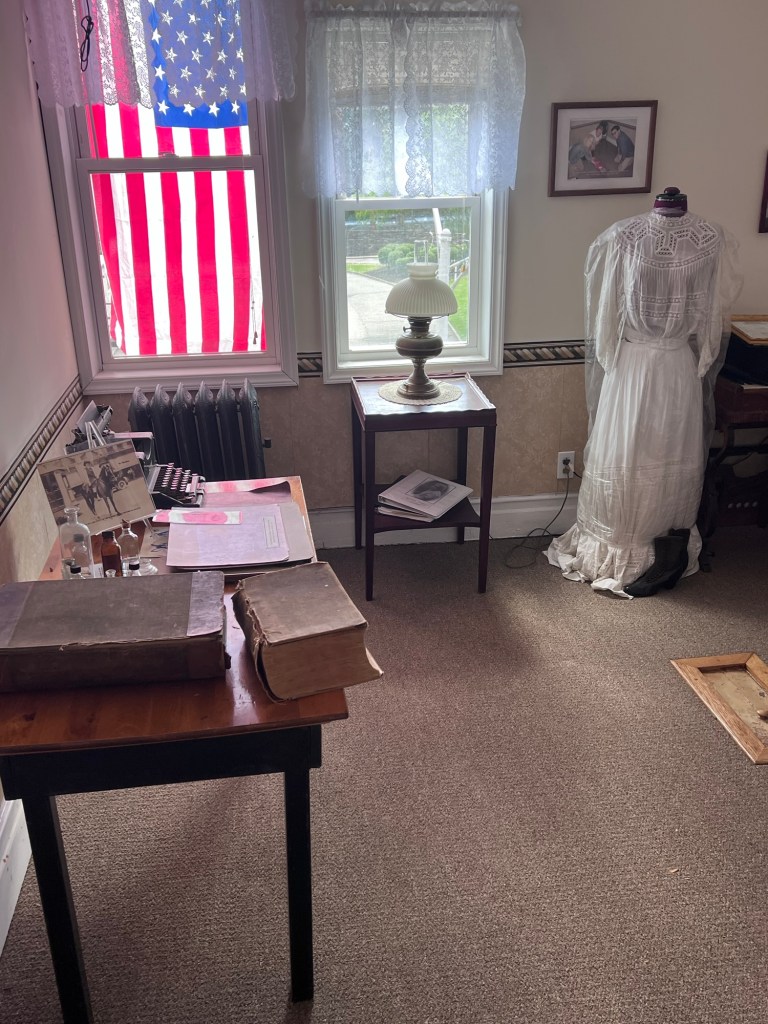
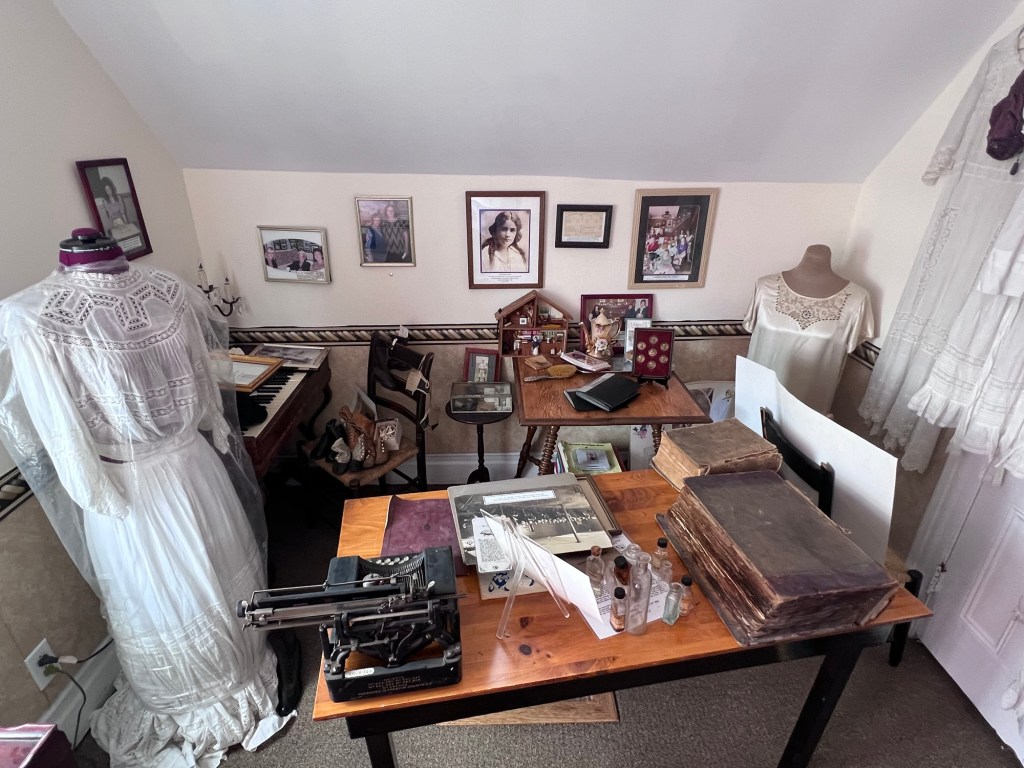
On the third floor of the home, there are two rooms under renovation, one of which will be dedicated to the growing Hispanic population of the current community and their contributions to the town.
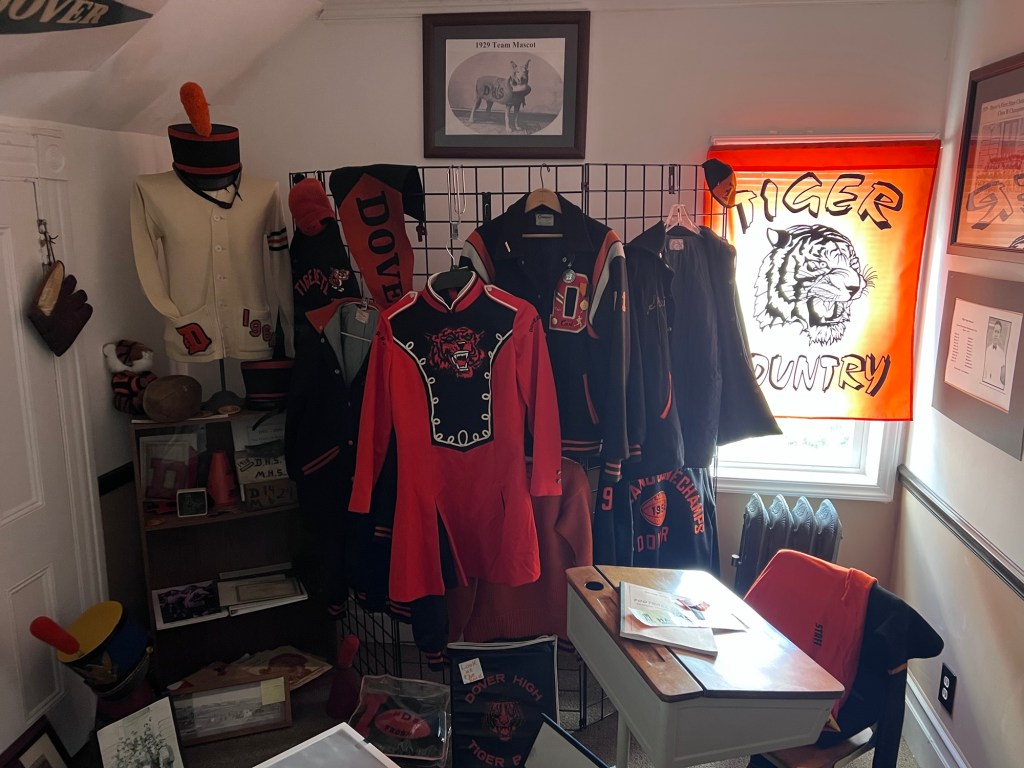
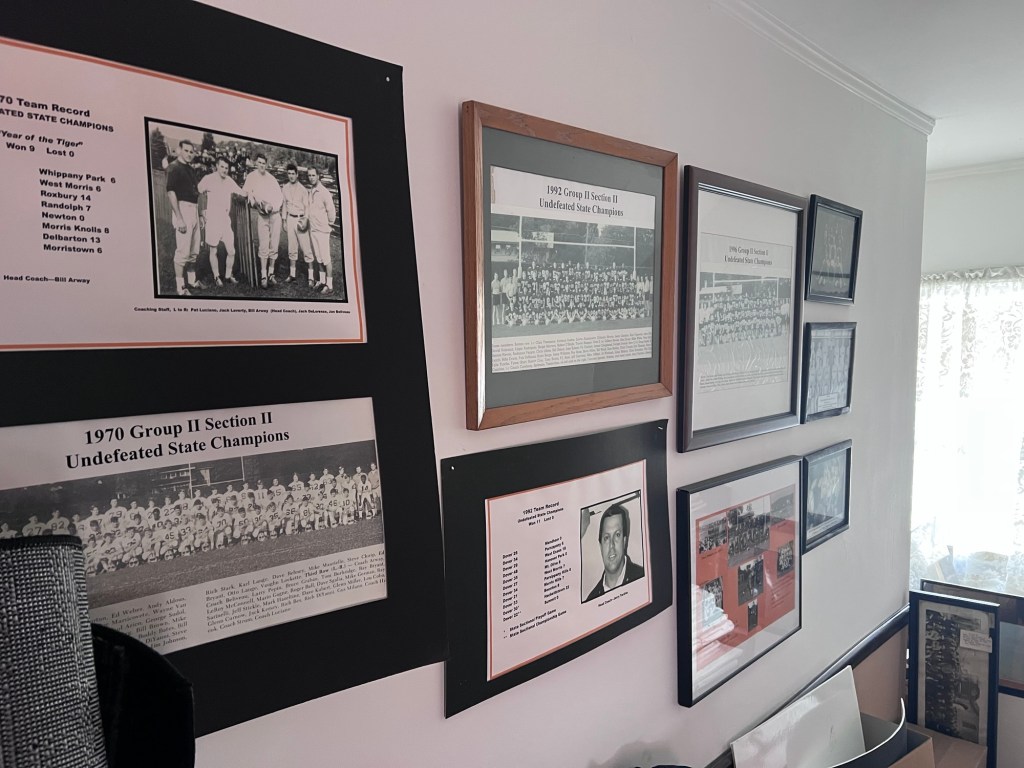
The other room right now is dedicated to the high school marching band and many artifacts from over the years.
High school history and pictures
History of the area
The Dover Area Historical Society:
As I headed back down, I read the history of the town and of the Dover Area Historical Society.
The history of the Society
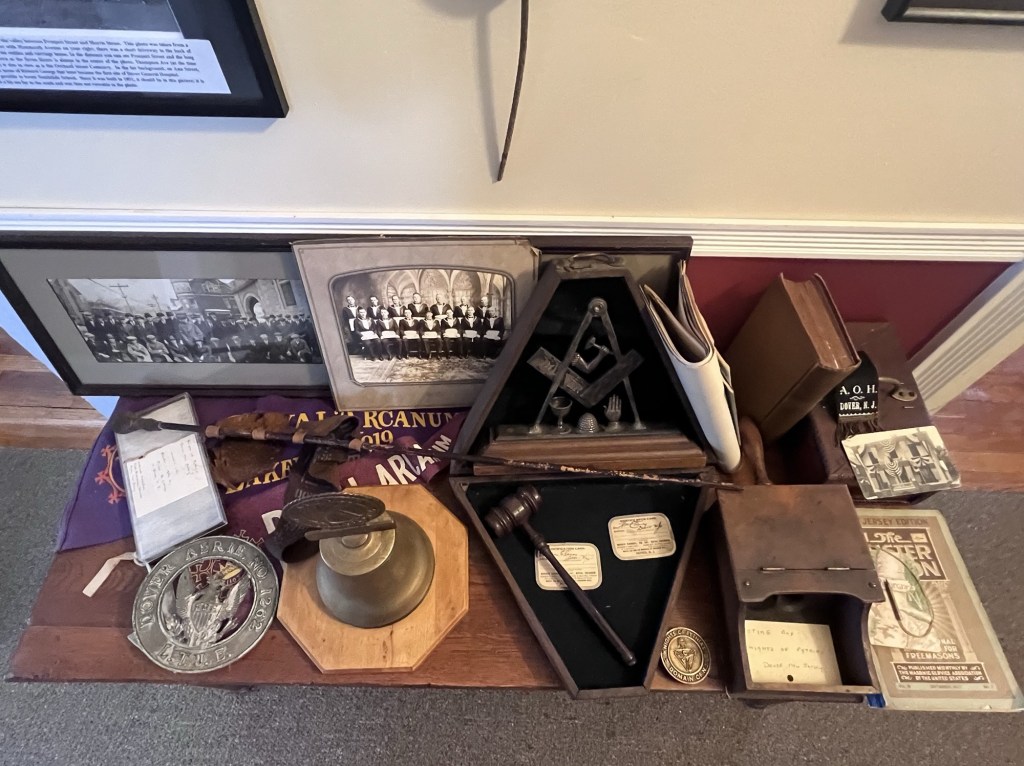
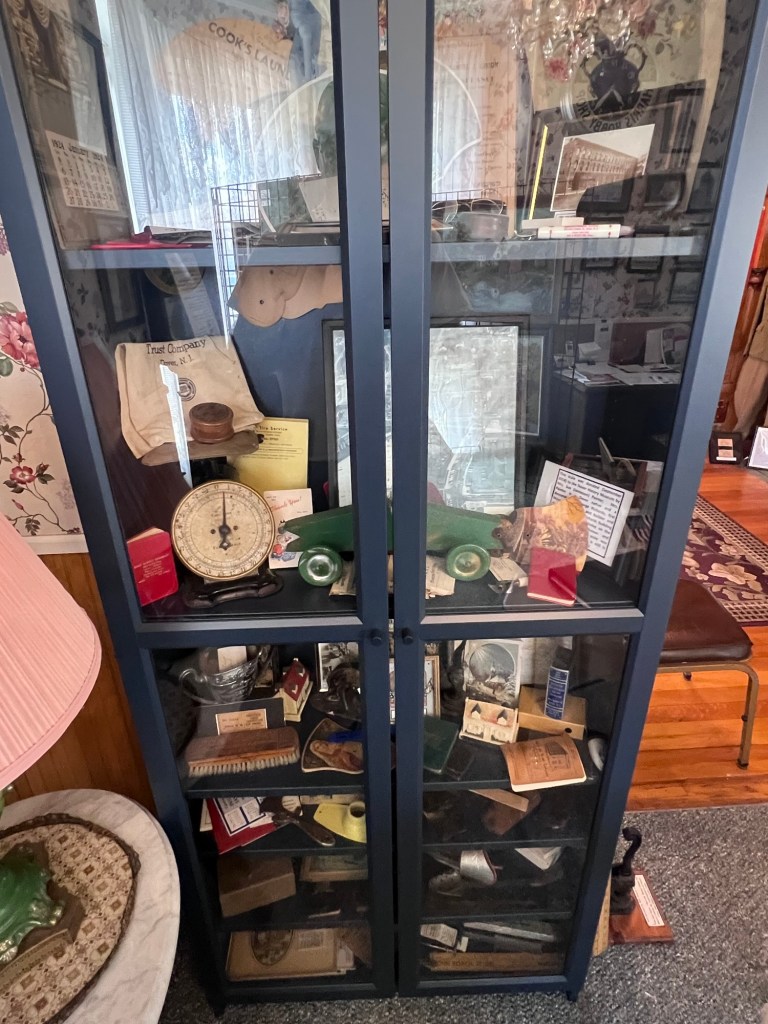
More town artifacts on the first floor
The History of the Dover Area Historical Society:
(From the Dover Area Historical Society website)
The Dover Area Historical Society had its origin on May 4, 1966 when Mr. Willy Pederson called a special meeting at town hall for any citizens interested in local history. Fifteen people were at the first meeting and from this nucleus the society was born. The society was incorporated as a not-for-profit 501(c)(3) organization named the Dover Historical Association. The name was changed to the Dover Area Historical Society in 1967.
From the very beginning, a museum location would be a problem. Two different store front locations were tried in the downtown, but abandon a short time later. The Johnson Storage Building on East Blackwell Street, the second oldest building in Dover at the time, dating back to before the Civil War, was being considered when Dover General Hospital offered the Bonnieview Estate located next to the hospital.
The Bonnieview mansion was built in 1876 for Alpheus Beemer and his wife Margaret. Mr. Beemer established a silk mill and Hurd Park and was the founder of the Nation Union Bank of Dover. Upon his death, the widow sold the property to Edwin Ross in 1885, a descendant of Betsy Ross, designer of the American Flag.
In the early part of the 20th century, Bonnieview becamse the popular Pine Terrance Inn, a gracious country retreat visited by such notables as President Grover Cleveland, Mary Pickford, Douglas Fairbanks and well known personalities of the day. With the onset of Prohibition, the estate was sold to Harry Schwarz who later sold it to Dover General Hospital.
The historical society moved into the mansion house on June 18, 1970 with a 10-year lease with the hospital. Just one year into the lease and after over $30,000 in repairs and renovations, the hospital terminated the agreement and ordered the building be vacated in three months. For the next 27-years, the historical society would remain homeless, hosting its monthly meetings in various churches and meeting halls around town.
In 2004, the First Memorial Presbyterian Church of Dover was trying to decide the fate of the old doctor’s house, known as the “church house” at 55 W. Blackwell Street. Knowing the historical society had been actively seeking a museum, the church offered to site to the organization for a 25-year period provided the group pay for all expenses of operating the house and performed repairs and renovations bringing the house up to town standards.
Today, many of our programs meet at 7:00 pm the museum house the third Tuesday of each month and some programs, including walking tours and other events meet on other days at appropriate times. Our trustees and officers usually hold a business meeting at the museum on the third Wednesday of each month. The museum house is open to the public for self guided tours from 6:30 to 8:00 pm on the evenings when the monthly business meetings are held. Check our calendar for scheduled meetings and events by clicking on “Calendar” in the black strip under the header on this page and follow the links. Anyone wishing to become a member or wanting further information can call the society at 973-361-3525. Please leave a message and we will return your call.
It was an interesting tour of the Society, with each floor covering a different aspect of the history and growth of the town. You can see how the area changed from a sleepy farming community to a bustling town with the coming of the canal system to even more changes with the automobile, the World Wars and immigration to both the country and to the community. Several displays are being worked on so there will be more to experience and see when you visit in the future.
Walking Downtown Dover, NJ:
After touring the museum, I walked Downtown Dover, NJ and got to see all the wonderful stores and restaurants to visit. It really is a beautiful downtown area.
The current downtown with the historical society in the background to the right.
After I toured the museum and the grounds, I walked Downtown Dover. There are a lot of interesting Colombian and Mexican restaurants that line the Main Street of Dover.
I stopped at Pan Pizza Bakery at 27 East Blackwell Street for some lunch. What a wonderful selection of hot and cold items to choose from.
I ordered a Chicken and Potato Empanada, a Mango jelly doughnut and a Papas Rellanes, a Chicken and Potato dumpling. Everything was delicious. There is a wonderful selection of baked items to choose from.
My lunch that afternoon, the Empanada, the Papas Rellanes and the sugary Mango doughnut
The Chicken Empanada
These were really good
The Chicken and Potato Papas Rellenes
These were a meal onto themselves
The Mango doughtnut
The Mango doughnut was sweet and sugary
The selection is excellent and the prices are very fair
After a trip to the Dover Area Historical Society, I highly recommend a trip to the Pan Pizza Bakery for a snack. Then continue your walk around town. There are so many different shops and restaurants to experience in this vibrant and quirky downtown.













 Visiting a Museum: The Unique, Unusual, Obscure and Historical