Category: Exploring Historic Cumberland County, NJ

Vineland Historical Society                                                                    108 South Seventh Street                                                               Vineland, NJ 08360

Vineland Historical Society 108 South Seventh Street Vineland, NJ 08360

Vineland Historical Society

108 South Seventh Street

Vineland, NJ 08360

(856) 691-1111

https://discovervinelandhistory.org

https://www.facebook.com/discovervinelandhistory.org

Open: The third Saturday of each month from 1:00pm-4:00pm

Admission: Free but donations are appreciated

My review on TripAdvisor:

https://www.tripadvisor.com/ShowUserReviews-g46890-d28176052-r1078896843-Vineland_Historical_Society-Vineland_New_Jersey.html?m=19905

a

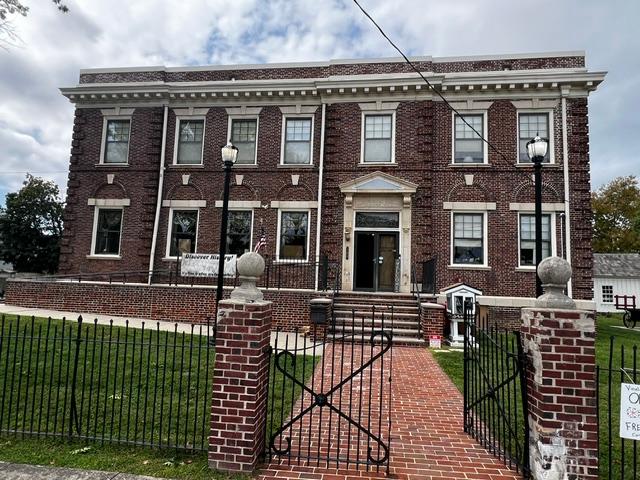
The front of the Vineland Historical Society Museum at 108 South Seventh Street in Downtown Vineland, NJ

On my off time from the Firemen’s Convention after voting, I decided to visit a group of small museums in Cumberland and Glouster Counties in New Jersey. Most of the small ones were closed or had changed their hours online but the Vineland Historical Society was open for touring and was having a speaker that day. I had been invited to come by the President of their Board of Directors about a year earlier so I was glad that I was able to visit this weekend where the schedules matched up.

What an interesting museum with its focus not just on the history of the Town of Vineland but of the surrounding communities and the impact that Vineland had and has on Urban Design, Farming, Manufacturing and Inventions that contribute to the whole country.

The museum had been designed as a Historical Museum for community leaders who wanted to share their love of historical objects and the past history of the community. This is what built the collection over the years. Each section of the museum tells a different part of Vineland’s history from the community events like its “100th Anniversary” of the town, the history of the Police, Fire and Veterans of Foreign Wars, members of the community who contributed to Women’s Suffrage and to the number of everyday products we use like Grape Juice and Marshmallow Fluff that were invented here. Each section of the museum tells an interesting story.

About the Museum:

The museum is a stop on the Woman’s Suffrage Tour

The Mission of the Museum:

The Vineland Historical and Antiquarian Society is the oldest local historical society in New Jersey and its museum is the oldest purpose-built museum in the State of New Jersey. The Society is dedicated to collecting and preserving artifacts and records related to Vineland and the South Jersey region, and to sharing that material with visitors through exhibits, programs and other appropriate venues. Vineland has a rich, culturally-diverse past that is reflected through our collections. To learn more, please contact us or make an appointment to visit. 

The Rain Garden outside the museum

The Rain Water Garden sign

The Rain Water Garden outside the museum was in full bloom at the Summer and you could see that the garden was trying to attract butterflies and other insects that would help pollinize the garden. It must be very colorful during the Spring.

The first floor of the museum is the lecture room, the library and the gift shop along with local artifacts and the Glass Manufactured Gallery

The main gallery was set for a lecture later that afternoon. On all sides of the museum tell the story and the timeline of Vineland and the surrounding communities. There is the City of Vineland and Vineland Borough and Landis Township in 1952. So you see the artifacts of the farming communities and those of the developing City (Wiki).

https://en.wikipedia.org/wiki/Vineland,_New_Jersey

The early views of the museum with the original heating unit and turn of the century shell art

Historical community information

The First floor collection of artifacts

The bust of Charles K. Landis, who founded the town

The display of the early Women’s Suffrage Movement in town, which helped women earn the right to vote. New Jersey was an early pioneer in the Movement.

The photo of Portia Kellogg Chase, an early leader in the Women’s Suffrage Movement in Vineland, NJ

https://en.wikipedia.org/wiki/Portia_Gage

The artifacts on the start of the early creation of a local family business. Putting shovel to the ground.

Early musical instruments that were part of both home and social life

The portraits of early leaders of the community and artifacts related to their families

The portrait of Charles K. Landis

https://en.wikipedia.org/wiki/Charles_K._Landis

https://www.cumberlandcountynj.gov/Charles-K-Landis

https://atlanticcityweekly.com/the-complex-life-of-charles-k-landis/article_ab932703-da12-5ee7-aa26-a1c425eb347d.html

The portrait of Portia Kellogg Chase as a young bride

https://en.wikipedia.org/wiki/Portia_Gage

https://www.findagrave.com/memorial/206936062/portia-gage

The portrait of John Gage

https://en.wikipedia.org/wiki/John_Gage_(19th-century_landowner)

https://www.findagrave.com/memorial/236816796/john-gage

Made in Vineland: A Celebration of Local Inventors and Their Creations:

The exhibition highlights the remarkable people and ideas born right here in Vineland. From everyday household items to groundbreaking innovations in transportation, food, tools, and telecommunications, this special 2026 exhibit tells the stories of local inventors whose creations shaped daily life far beyond our city. Visitors are invited to explore these inventions and the fascinating individuals behind them during our Open House held every third Saturday of the month.

The ‘Made in Vineland’ exhibition:

The inventions of the Flower vase, the Woodruff Train Car and the Self Adjusted Plane

The inventions of Angel Food Cake Marshmallow fluff

The inventions of the Grape Juice industry and Skee-ball game

The post office desk from the turn of the last century

Just off the side of the main room is the Blown Glass Room. The area is known for special sand that is used for glass making. This made the State of New Jersey one of the leading manufacturers of glass in the country at the time.

https://www.beachcombingmagazine.com/blogs/news/new-jersey-the-birthplace-of-the-american-glass-industry?srsltid=AU7gw4VmSsTWgq56VQaUU1IgBpYBhNDyFzMGxARg4JFXY0pb6nKkrDiF

The Blown Glass Room

Each of the cases displays glass for different purposes and for different industries made by different companies. The museum has a very extensive collection of glass.

The Blown Glass Room

The Blown Glass Room

The Blown Glass Room

The Grape Juice industry glass and advertising display

The founding of the Welsh Grape company

https://www.welchs.com/en-us

https://en.wikipedia.org/wiki/Welch%27s

The photo of Thomas Bramwell Welsh, the founder of the company

https://en.wikipedia.org/wiki/Thomas_Bramwell_Welch

https://christianhistoryinstitute.org/magazine/article/raise-a-juice-box

The medical glass display

The Kimble Glass Company display

The display of the artwork of glass ends and tests. These items are made what is left over after production.

The displays on the way to the second floor galleries were the early photography display and the Vineland High School display.

The early photography display

The Vineland High School display of photographs and memorabilia

https://www.vineland.org/o/vshs

https://en.wikipedia.org/wiki/Vineland_High_School

As you walk up the stairs to the second floor, you pass the Portrait Gallery of prominent family members of the community.

The family Portrait display leading to the second floor galleries

The Second floor gallery and glass display

The display on the immigrant contributions to the Vineland Community.

The Italian immigrant contributions to Vineland

The Italian immigrant artifacts

Individual display cases

Farmhouse cooking equipment

Formal wear and accessories

The Vineland Egg industry

The Vineland ‘100th Anniversary’ exhibition

The Vineland’s Veterans display

The Vineland Fire Department display

https://www.facebook.com/vinelandfire

The Military, Vineland Police and Fire Department displays

https://police.vinelandcity.org

https://www.instagram.com/vineland_police/?hl=en

The Charles K. Landis Room:

The Landis family continues to add to the Charles K. Landis Room with family furnishings and heirlooms so there are items from many different eras.

The entrance to Charles Landis Family Room

https://en.wikipedia.org/wiki/Charles_K._Landis

https://www.cumberlandcountynj.gov/Charles-K-Landis

The Landis Room display of Indian Artifacts

The inside of the room of the Landis family mementos and heirlooms donated over the years by family members

At the end of the tour by the first floor entrance were the museum library where researchers and residents can find family records.

The museum Research Room and Library

The Museum Gift shop on the first floor of the museum

Looking at the historic map of Vineland by the door as I was leaving

It was a really interesting visit to the museum and I learned not just about the history of the community but its place in New Jersey as well.

Touring historic Downtown Vineland after the tour

https://www.facebook.com/mainstreetvineland

https://www.instagram.com/mainstreetvineland
Cohanzick Zoo                                                                     Mayor Aitken Drive                                                      Bridgeton, NJ 08302

Cohanzick Zoo Mayor Aitken Drive Bridgeton, NJ 08302

Cohanzick Zoo

Mayor Aitken Drive

Bridgeton, NJ 08302

(856) 453-1658

Open: Sunday-Saturday 9:00am-5:00pm

Admission: Free but donations are accepted

My review on TripAdvisor:

https://www.tripadvisor.com/Attraction_Review-g46324-d1425883-Reviews-Cohanzick_Zoo-Bridgeton_New_Jersey.html

The Cohanzick Zoo is part of the Bridgeton Park system and can be found inside the parks grounds.

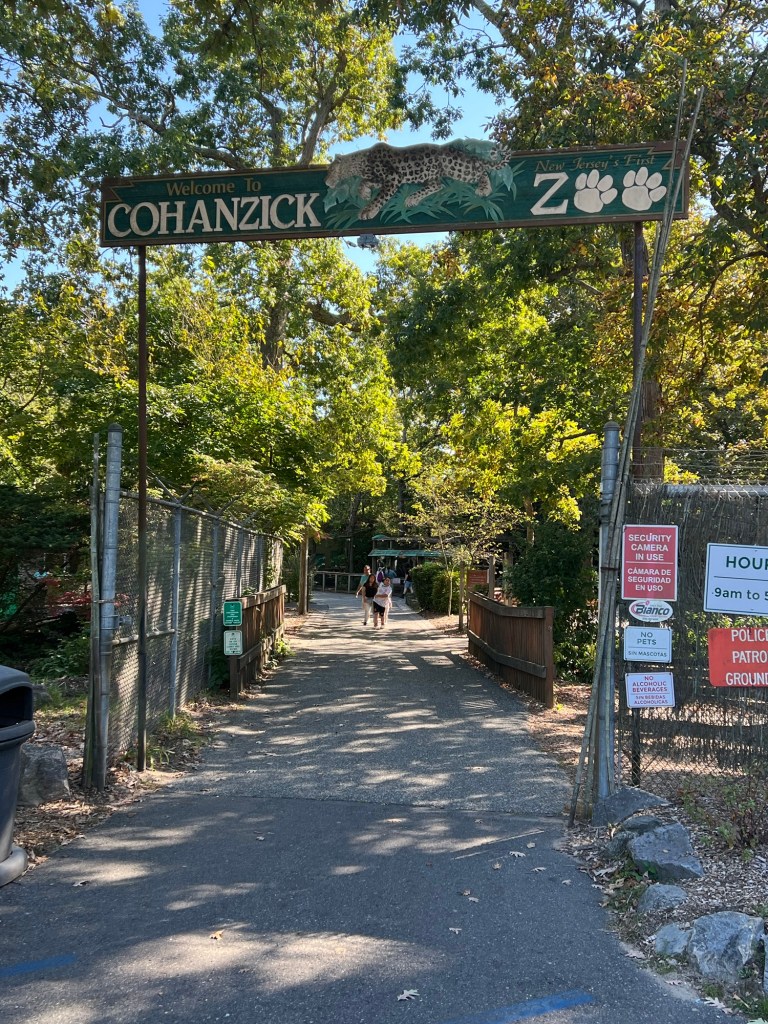
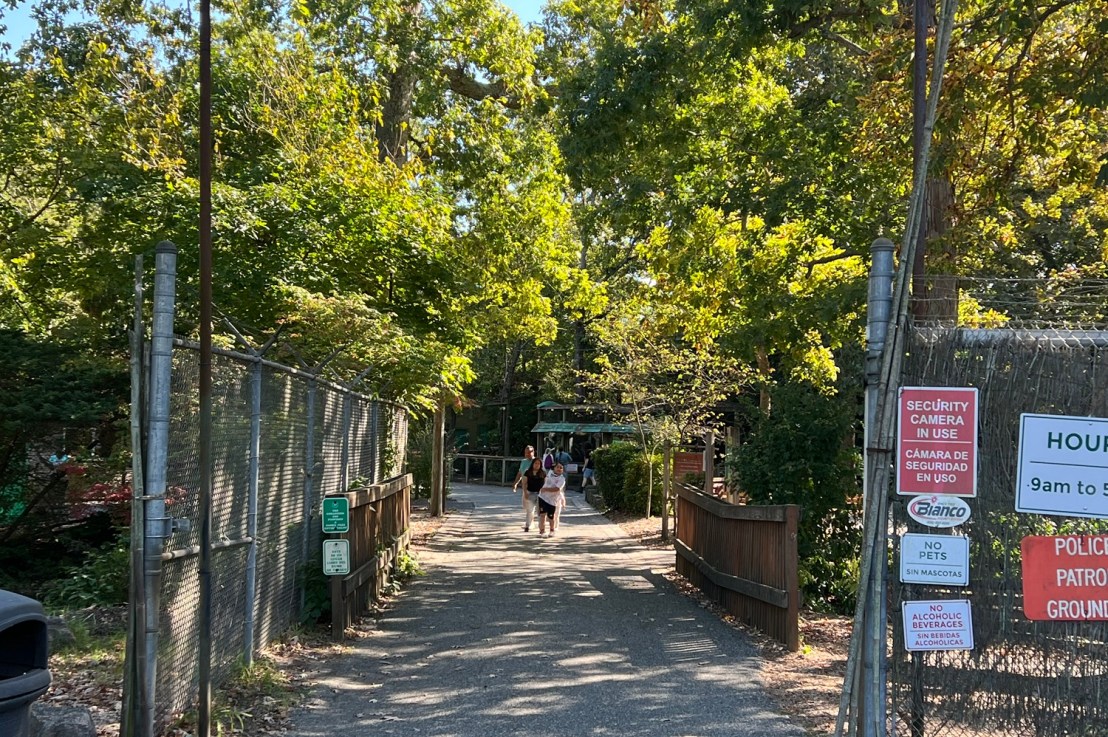
The main entrance to the zoo.

The zoo has an old fashioned feel with smaller rescue animals and equally not too large cages. The zoo is mostly comprised of smaller animals who were rescued from either being poached, illegally transported or had been used as pets, many of them being neglected and abused.
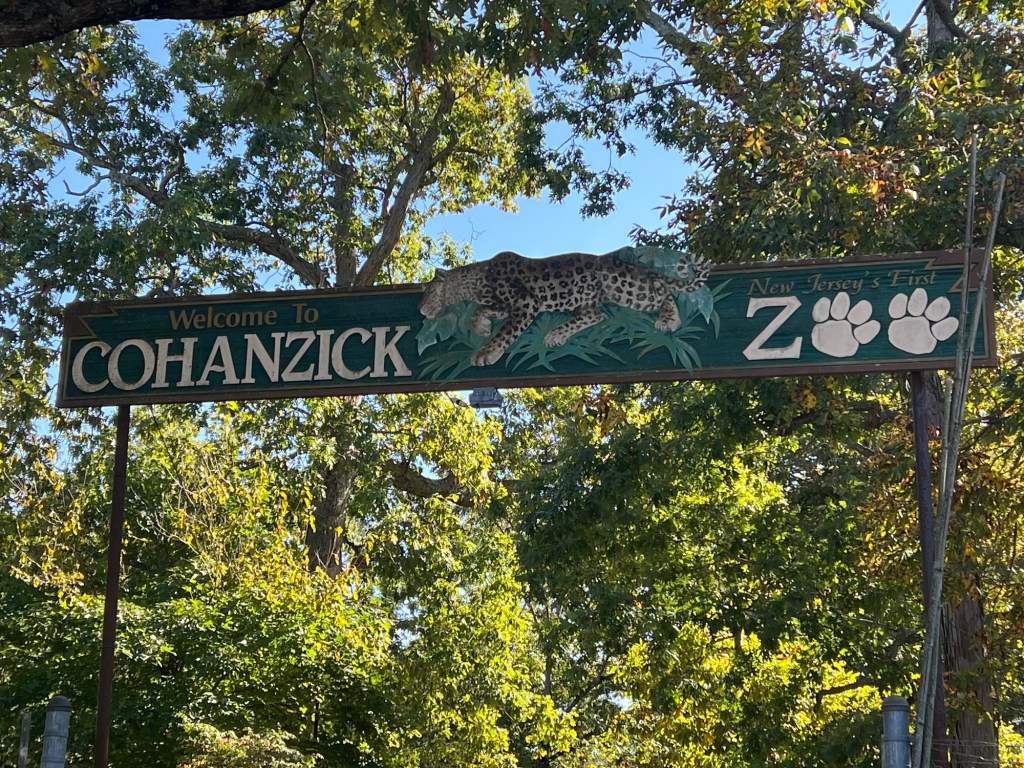
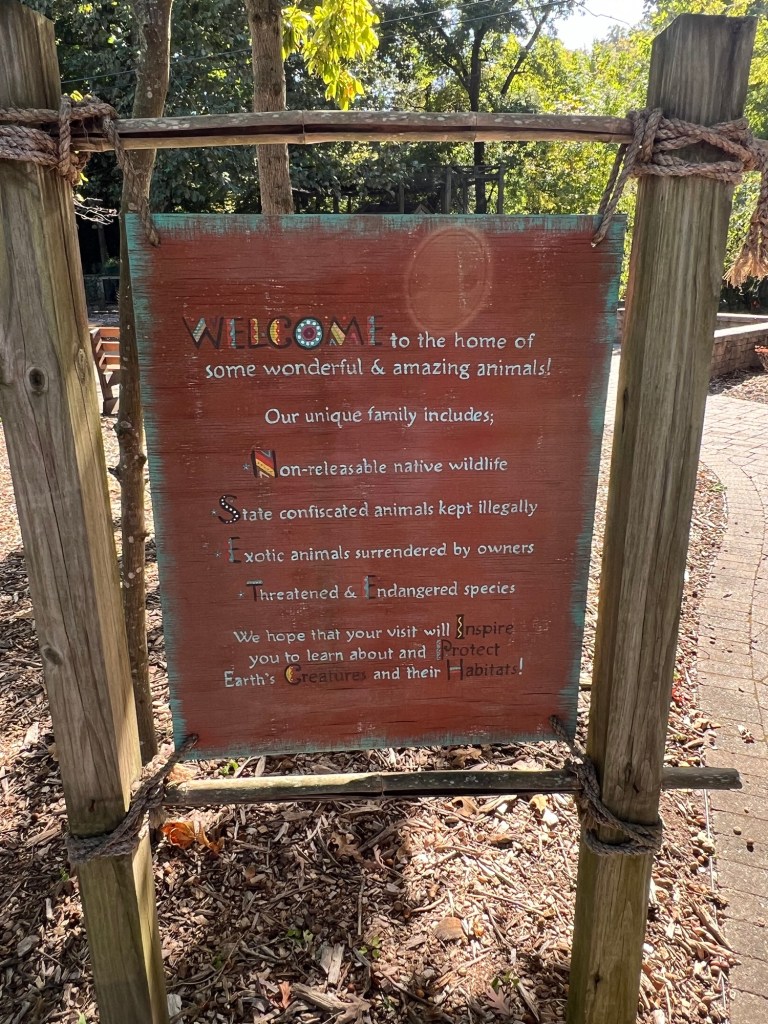
The sign that welcomes you to the park

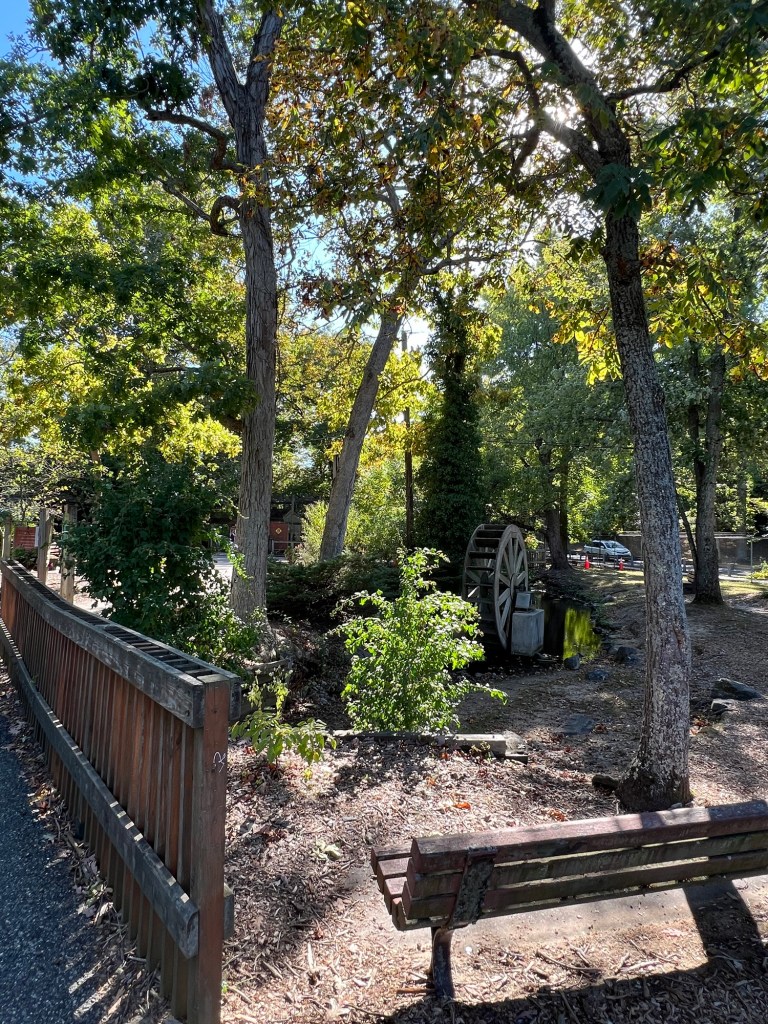
Throughout the park amongst the cages of wildlife are strolling gardens and animal related statuary.

The pathways and gardens were still in bloom the afternoon that I was there and it is a nice way to spend do the afternoon.

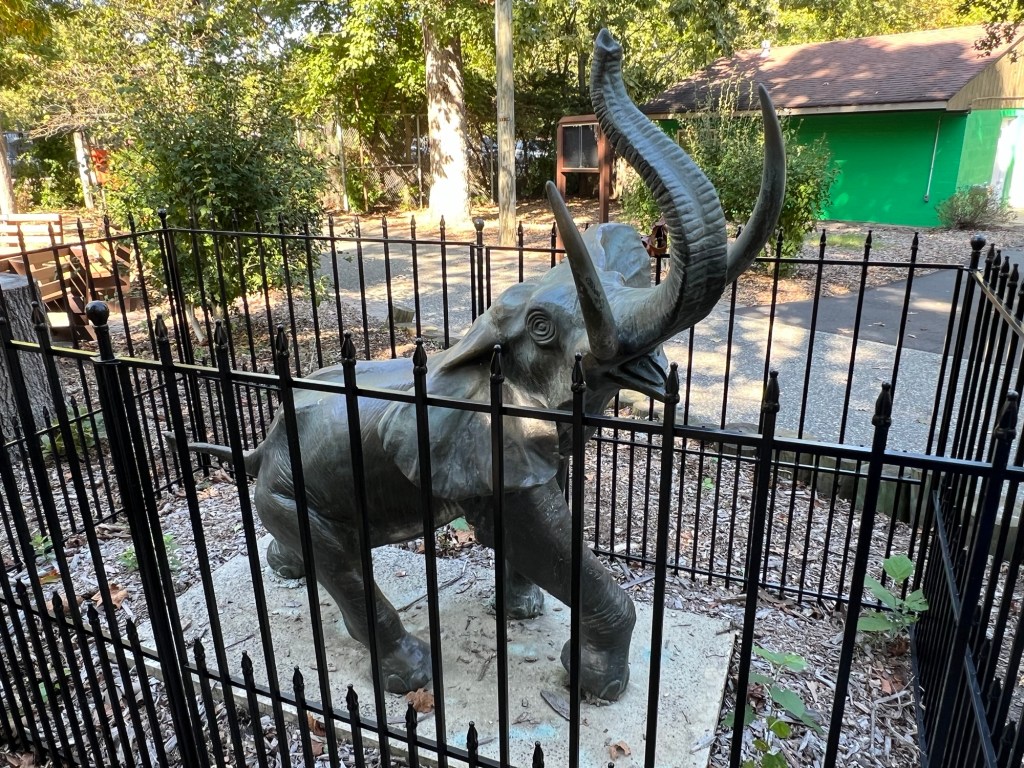
The Elephant statuary at the entrance of the zoo

The status of how some animals found their home here

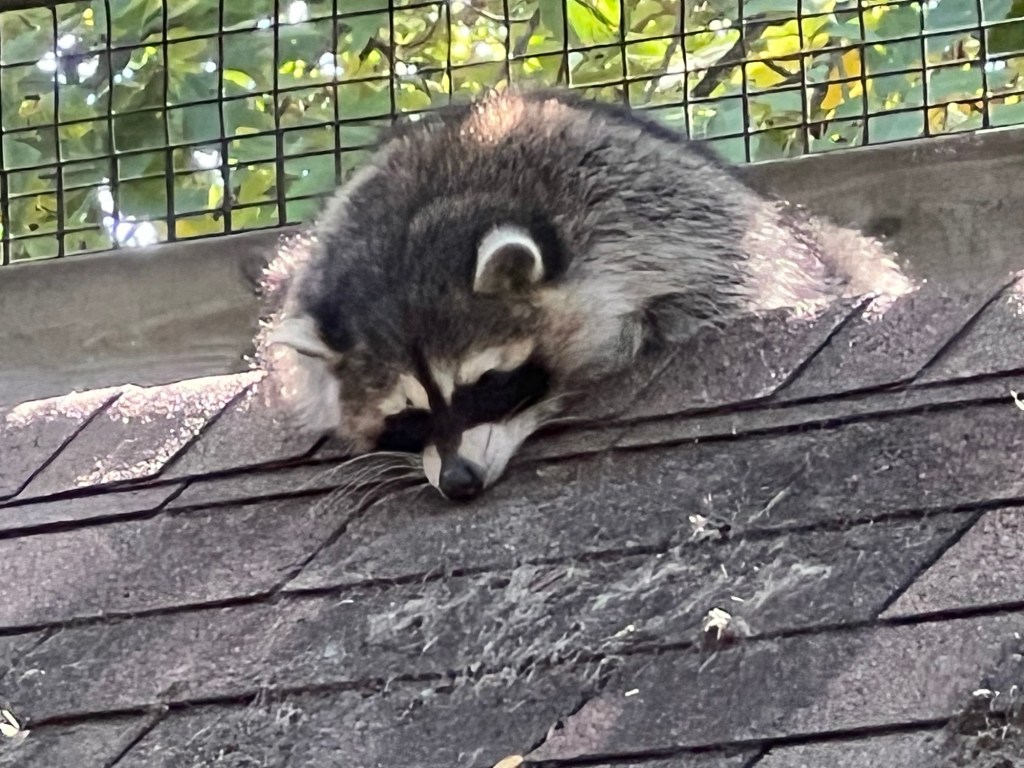
The first resident I finished was the Raccoon House, where it looked like the raccoon was taking a snooze. He really looked out of it when J passed the cage.

The Raccoon House

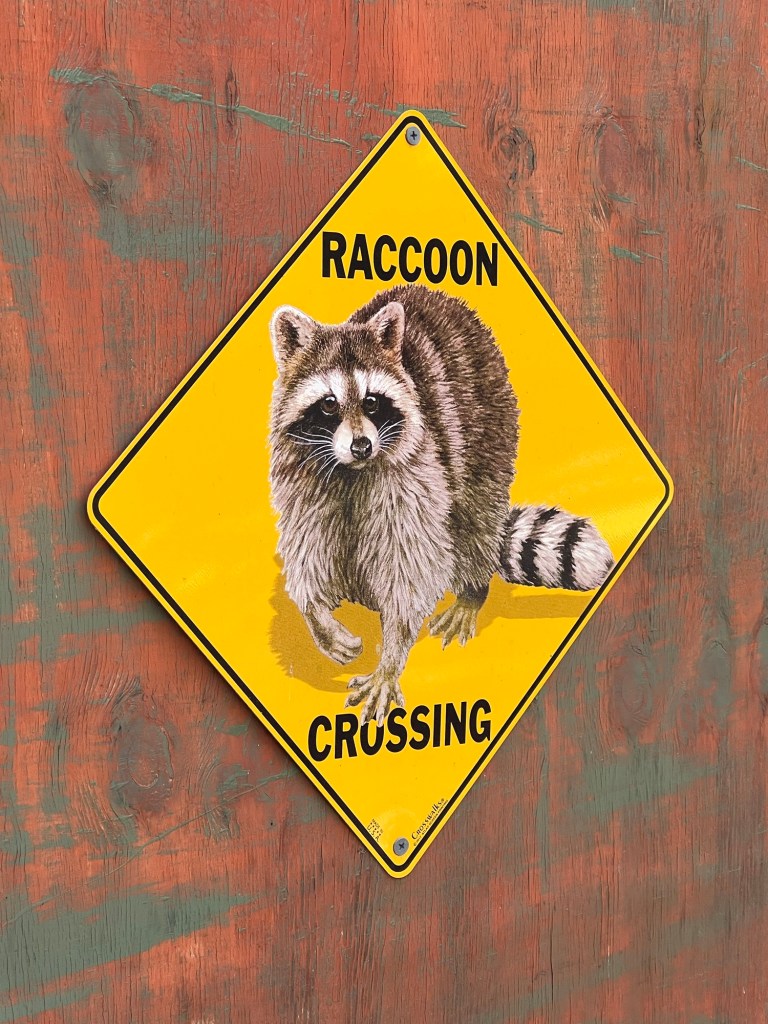
The Raccoon Crossing sign

This poor little guy was out like a light

The zoo is one of the smaller more localized ones that I have visited so you can see the whole zoo in about an hour. Then you can walk leisurely around the paths and revisit the exhibitions again. Some of the animals like the peacock family, just wonder around the park and do their thing.

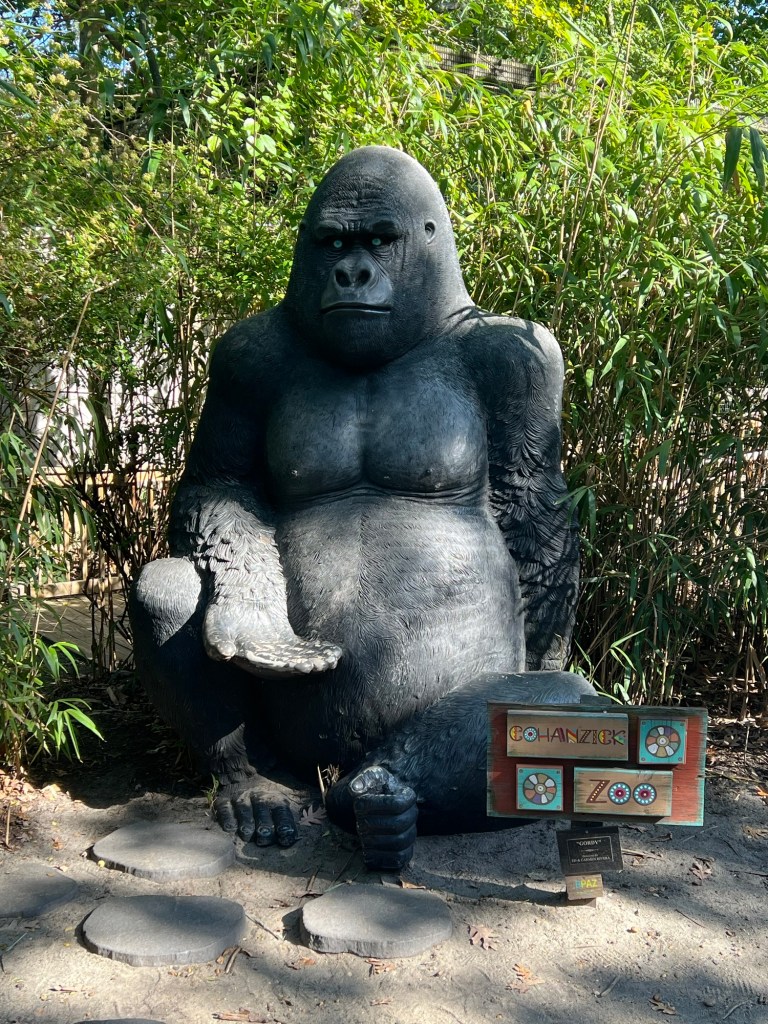
This gorilla sculpture that greets you in the back part of the zoo

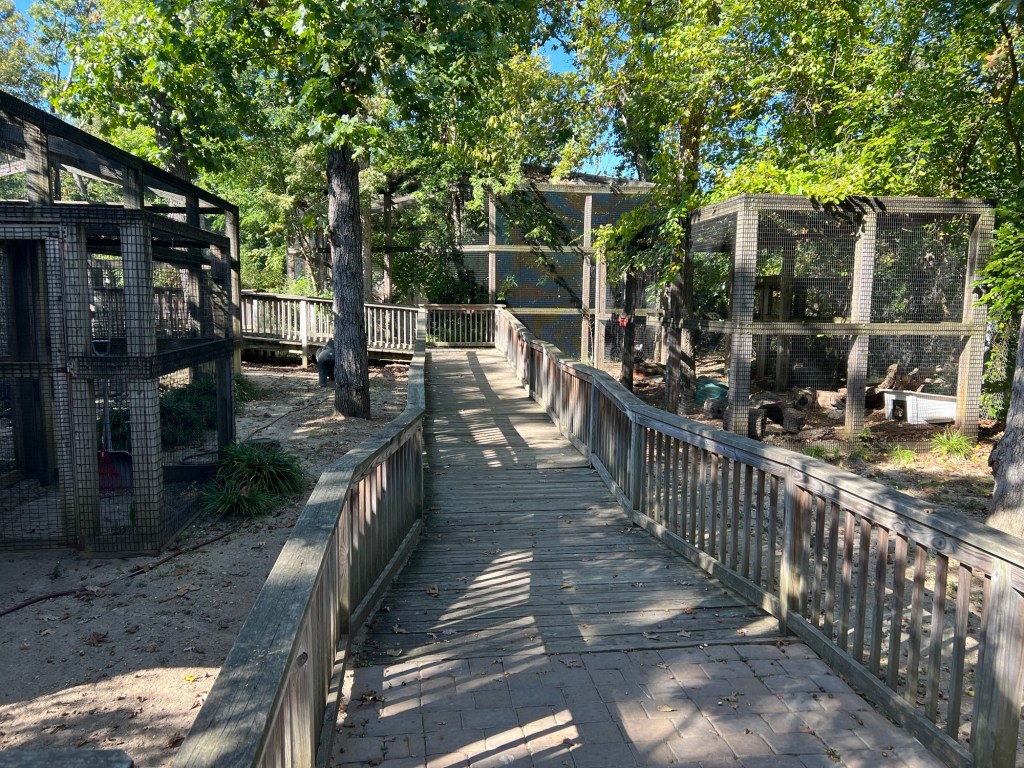
Following the walkway to the back pens where a lot of the small animal and bird displays were located

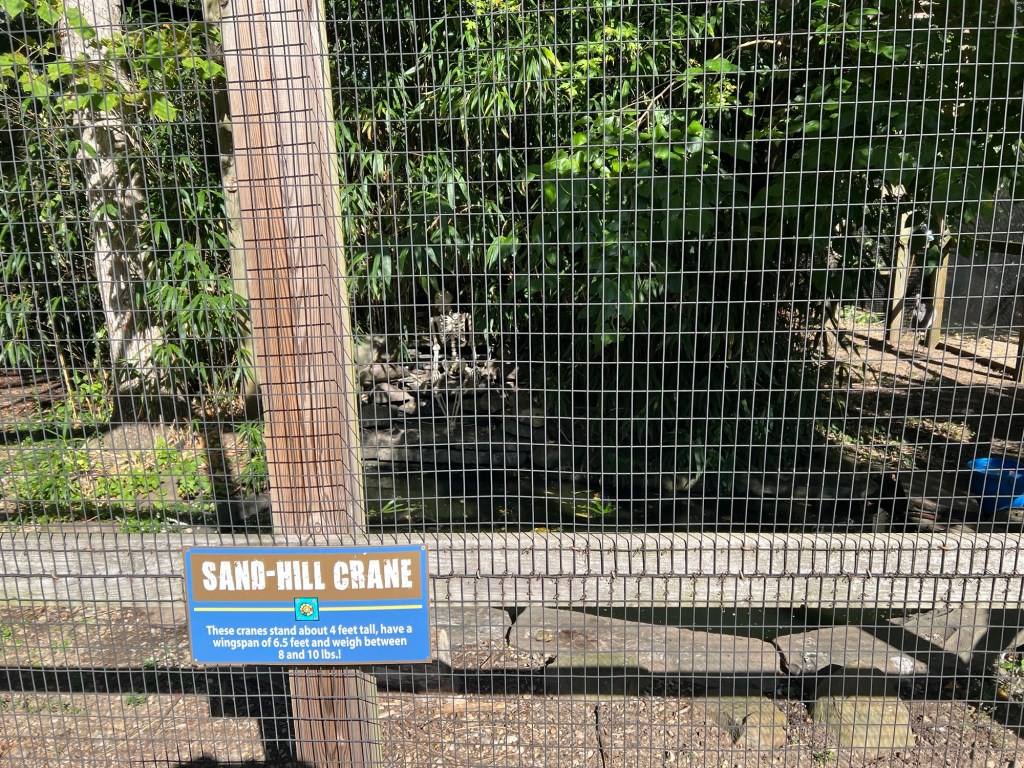
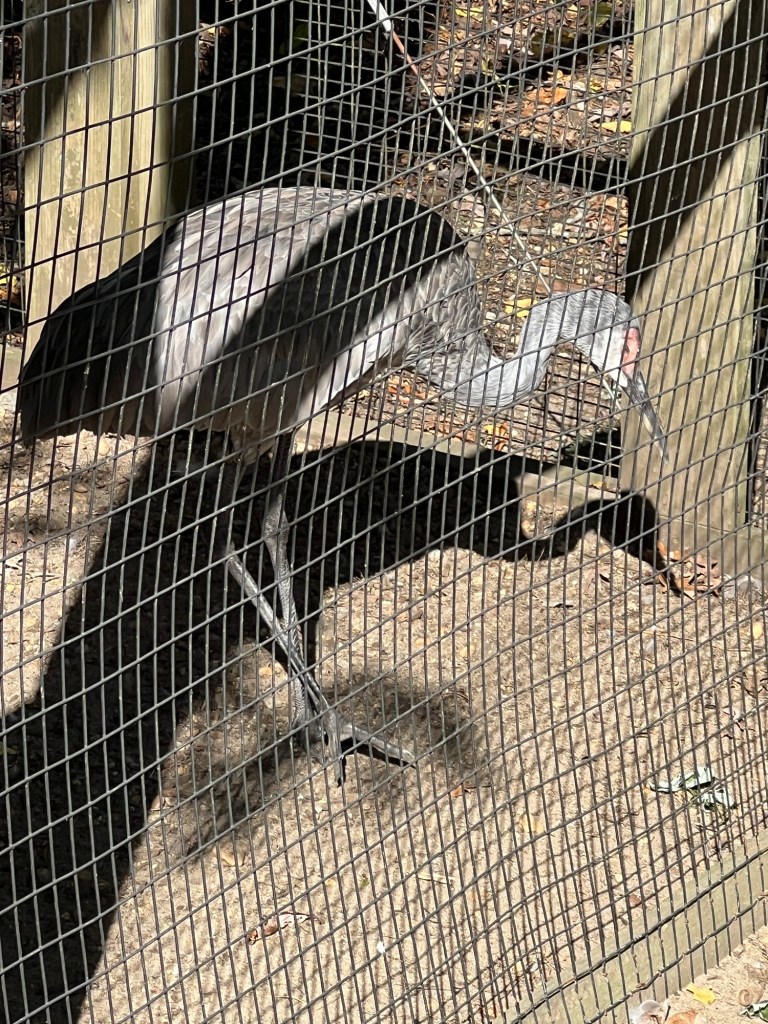
The next exhibition that I visited was the Sand Hill Crane and I read that the poor little guy had been injured. He seemed a bit more optimistic when I passed the cage. I think that the animals just want some attention.

The Sand Hill Crane display

The Crane was watching all of us as we passed his cage

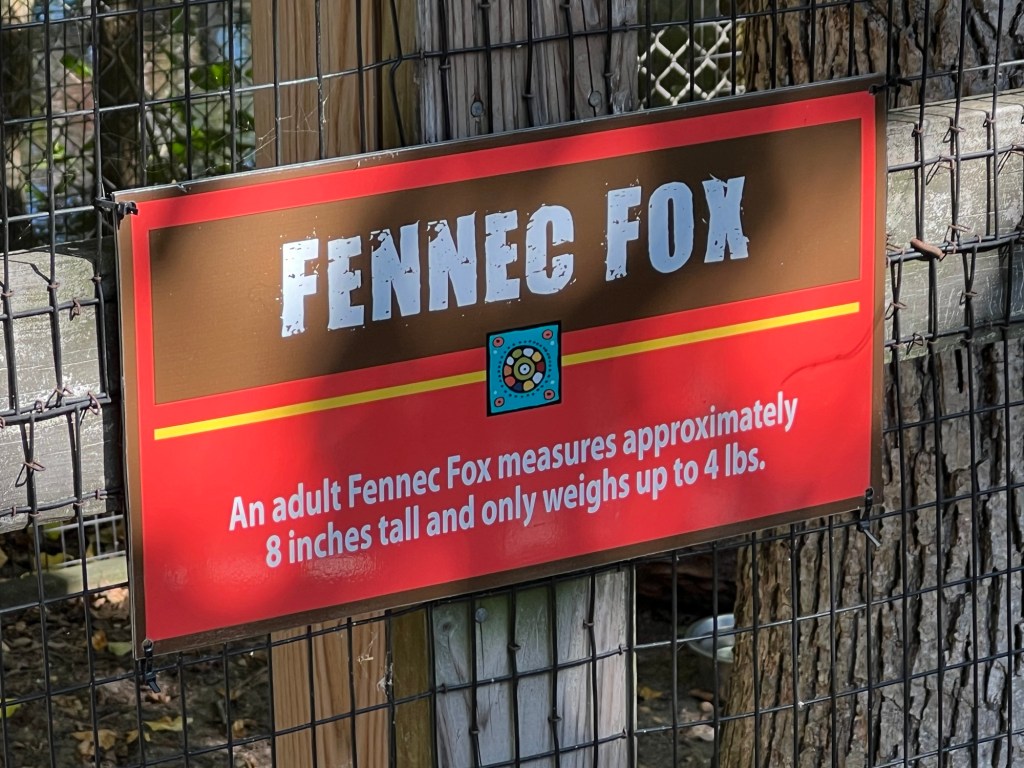
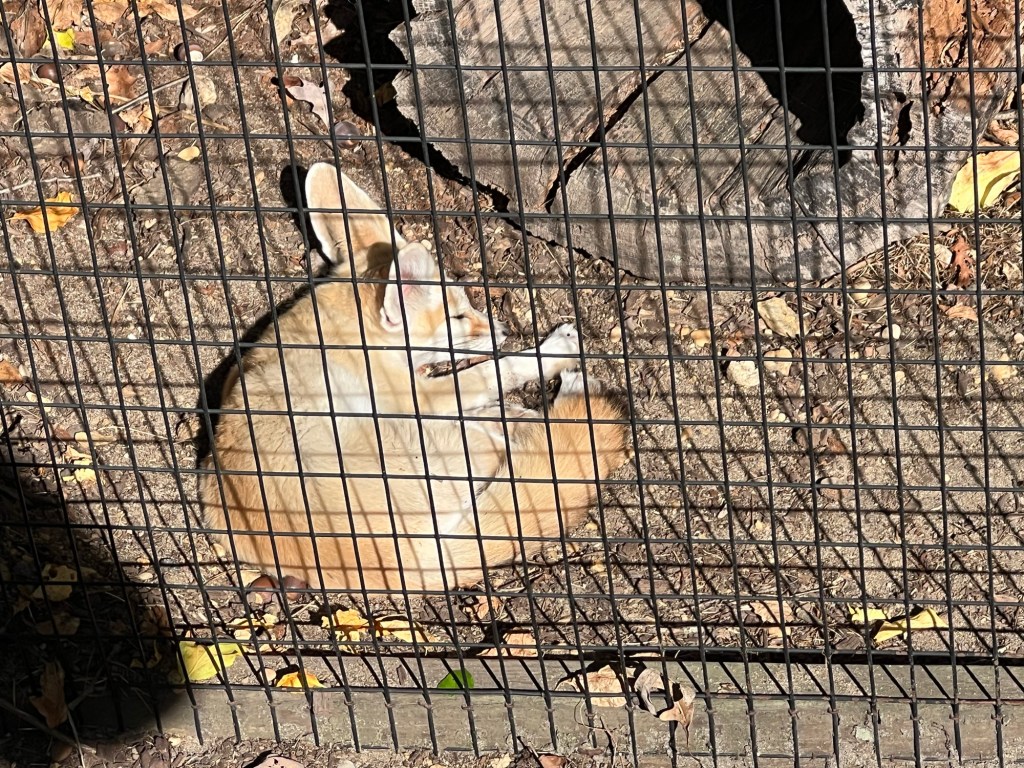
The next small animal that I visited was the Fennec fox and the two that I saw were fast asleep on this warm afternoon. They must have had a busy morning.

The Fennec fox cage

The foxes that I saw that day were fast asleep

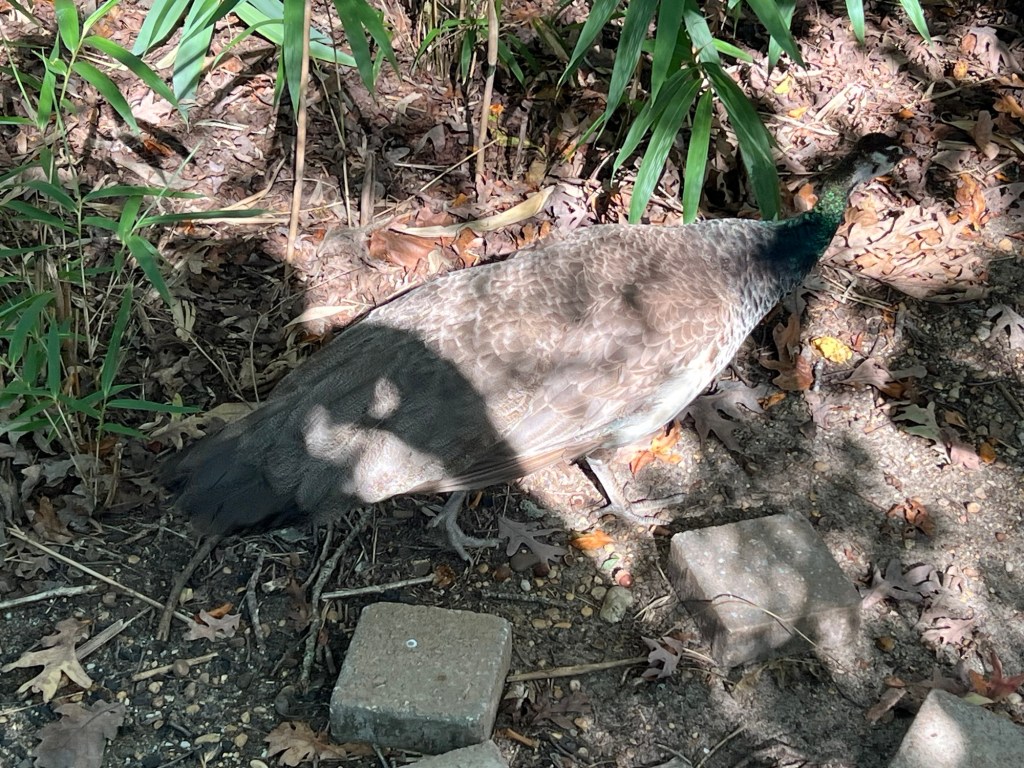
While I was walking around the back part of the zoo, there was a peacock family walking around the cages. The father peacock had two small birds with him and they just meandered amongst the cages.

The male Peacock walking around the zoo with his children. They were allowed to walk around on their own without being locked up. They looked like they were having an adventure as a family.

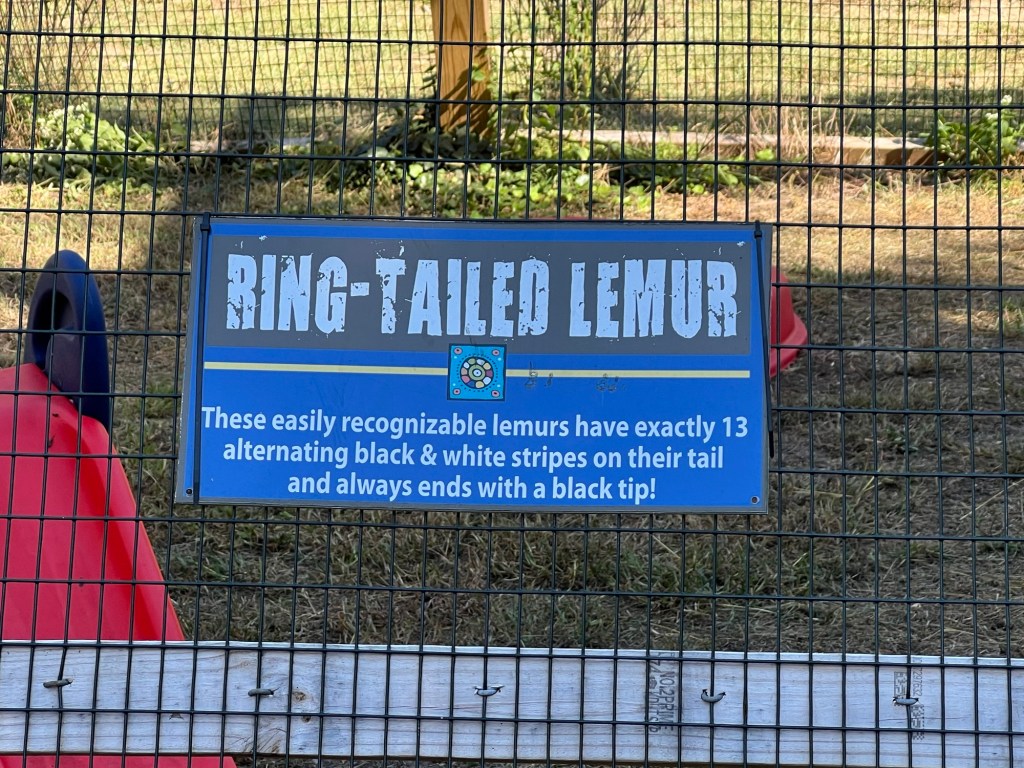
The Ring Tailed Lemur display

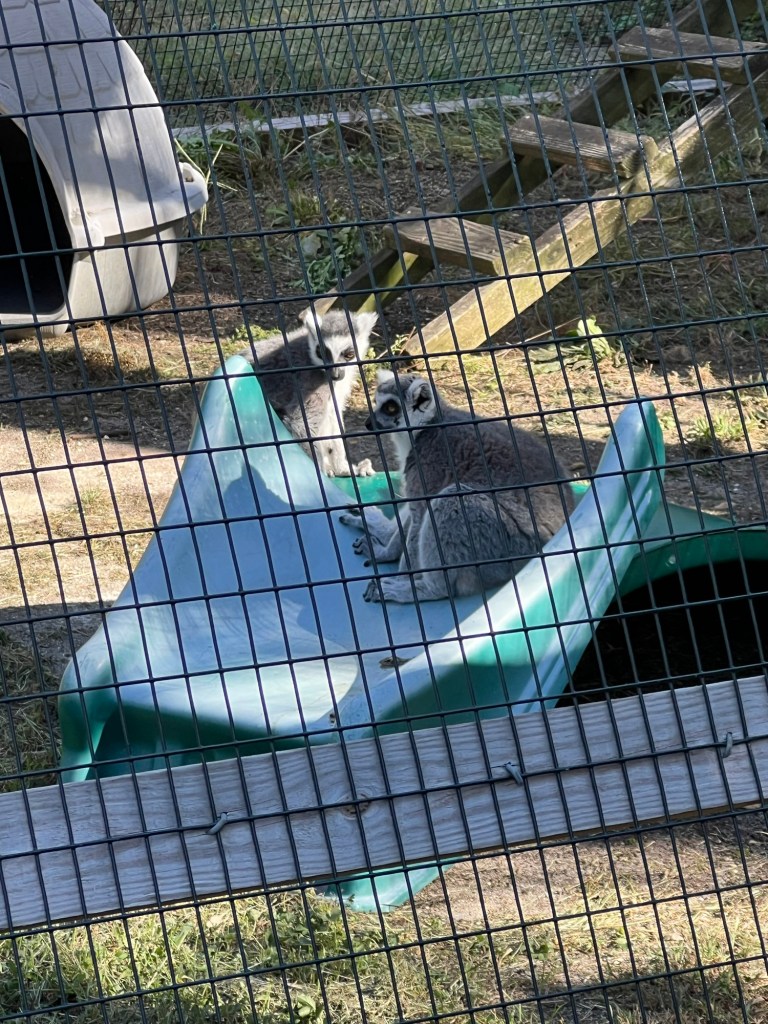
I visited the Ring- Tailed Lemur pens and these little monkeys looked like they were plotting an escape. They stayed in a bunch the whole time I watched them and they just stared.

The lemurs just stared back at me as I watched them

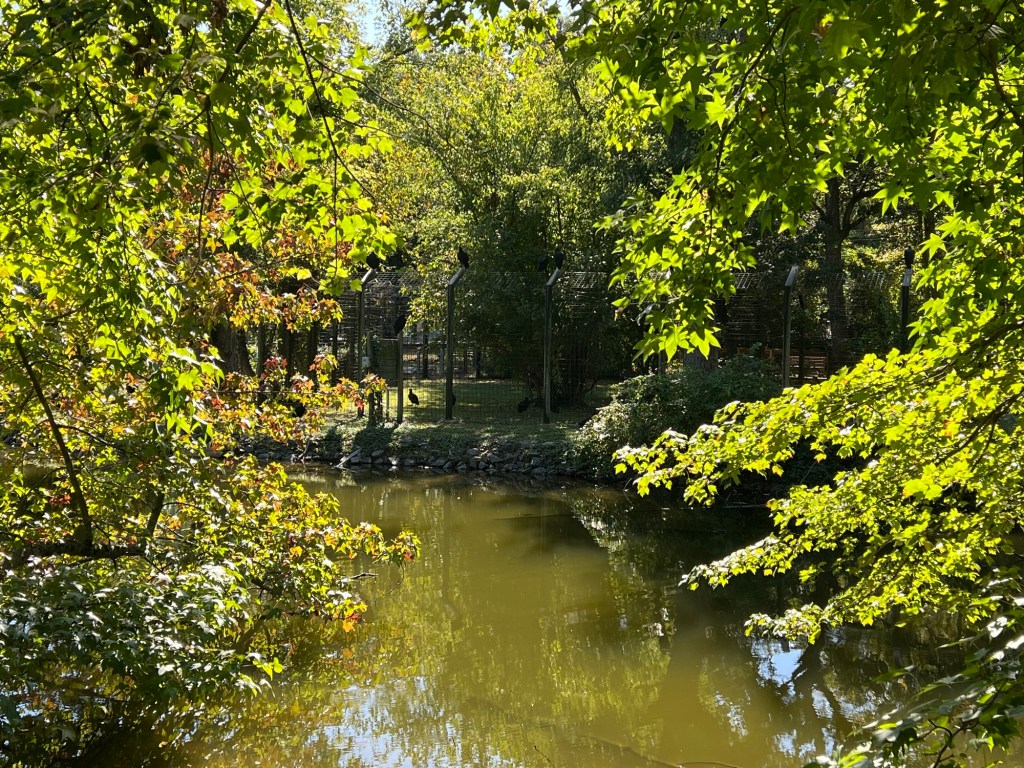
The back part of the museum was beautiful in the early fall

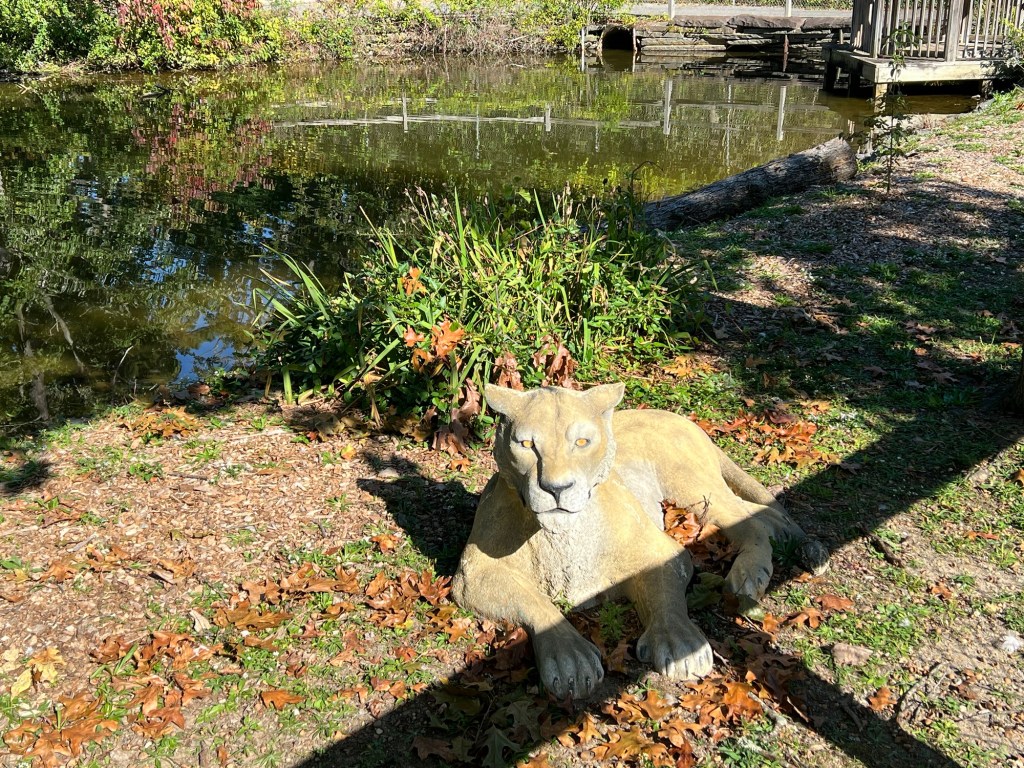
The tiger sculpture along the path at first freaked me out that he had gotten out and just looked at us. He looked real.

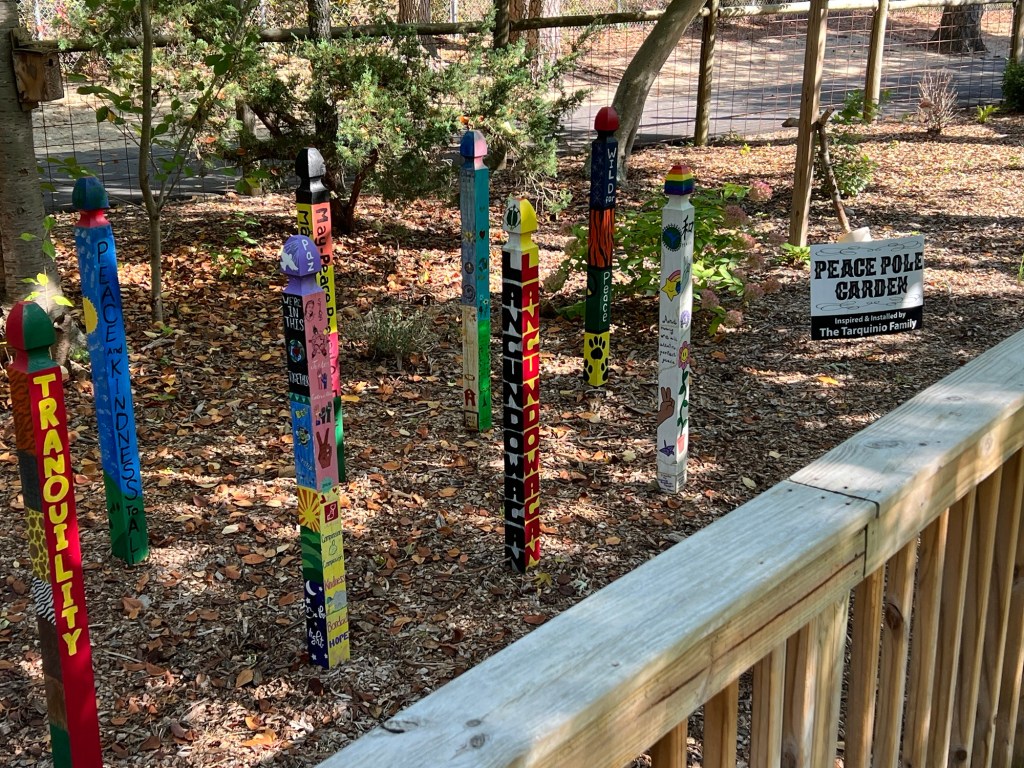
The Totem Pole Garden

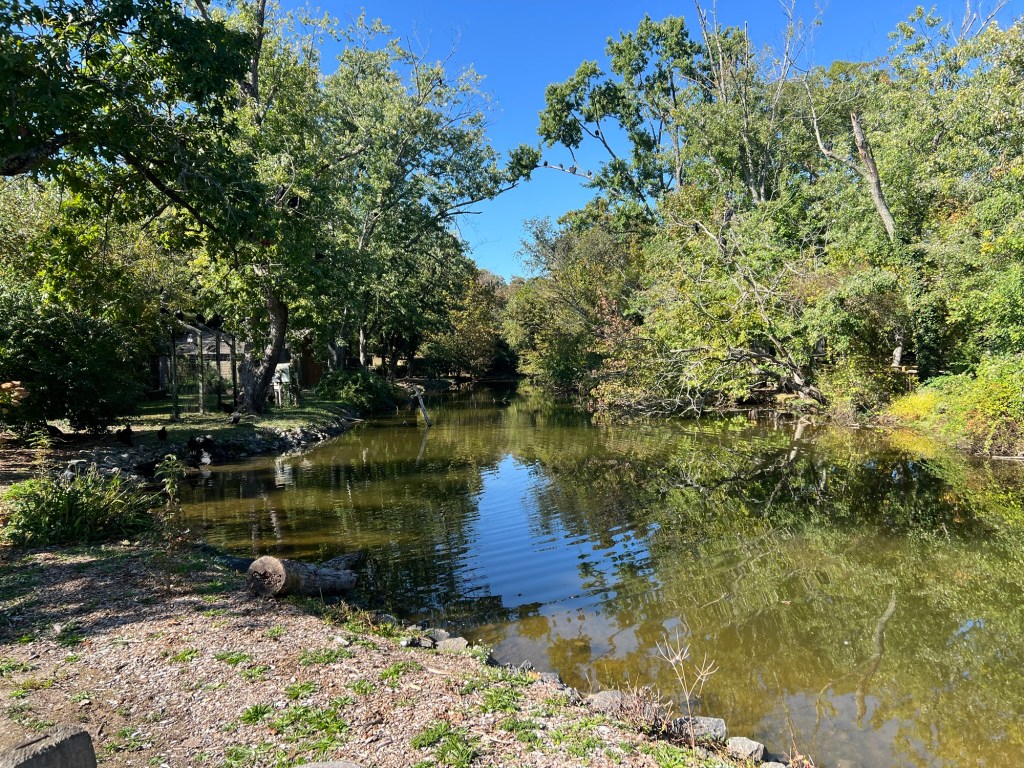
The river running through the gardens in the Fall 2024

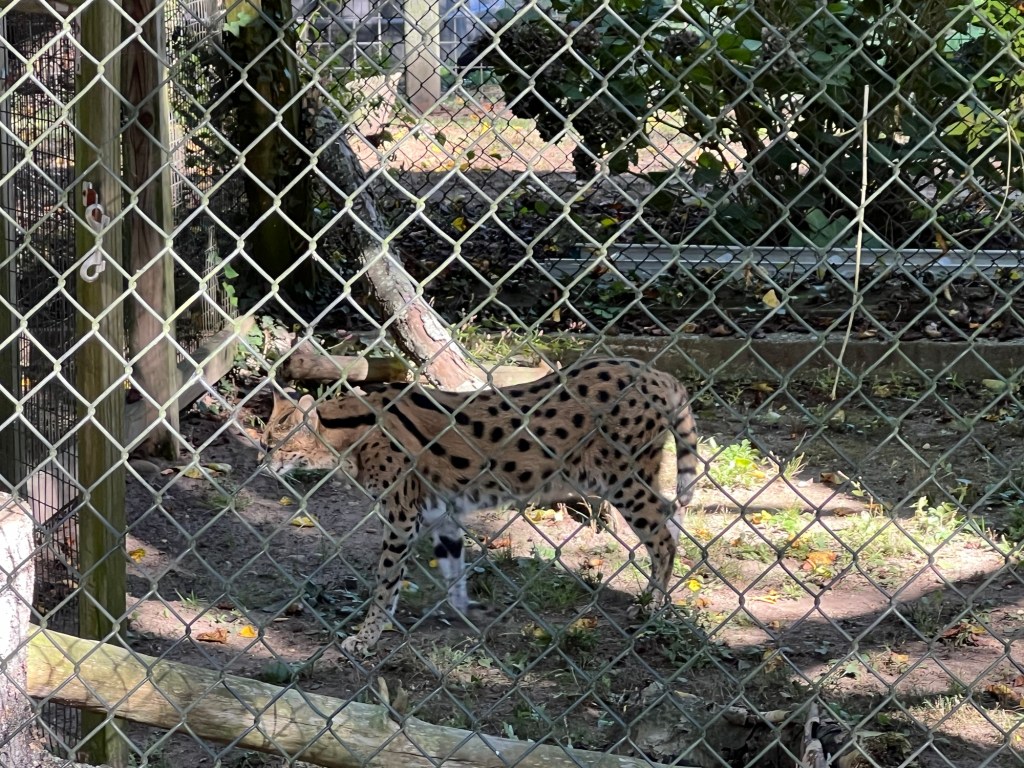
The leopard looked bored in his cage. He justly walked aimless around their cages. They are not being given enough space to move around.

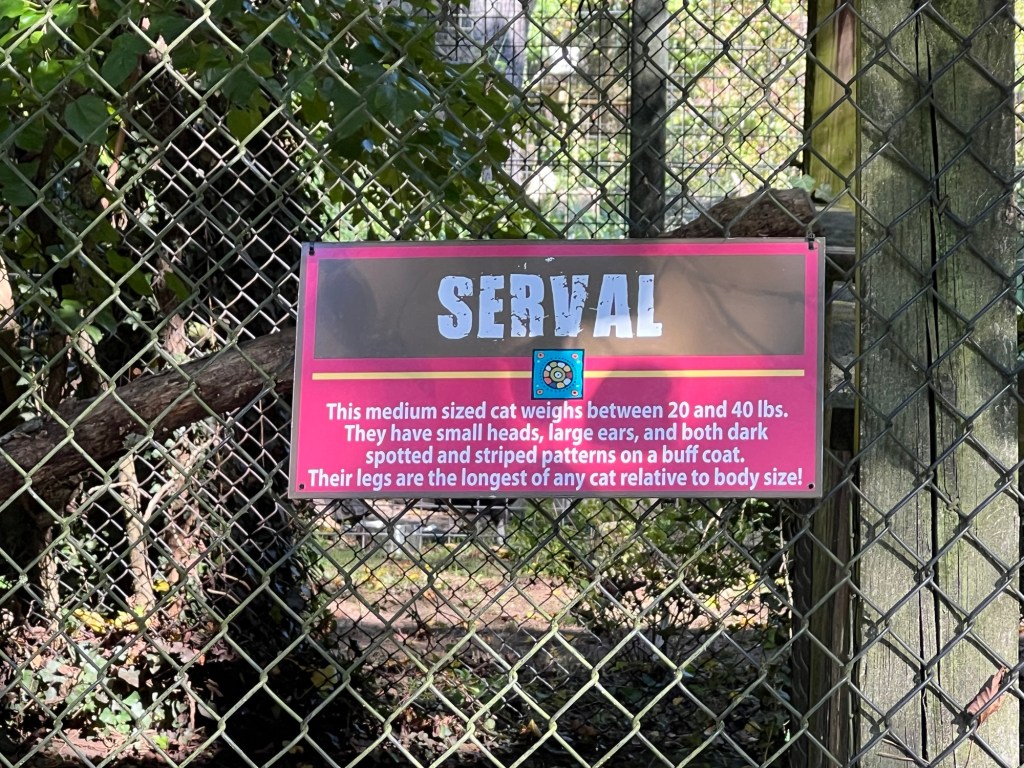
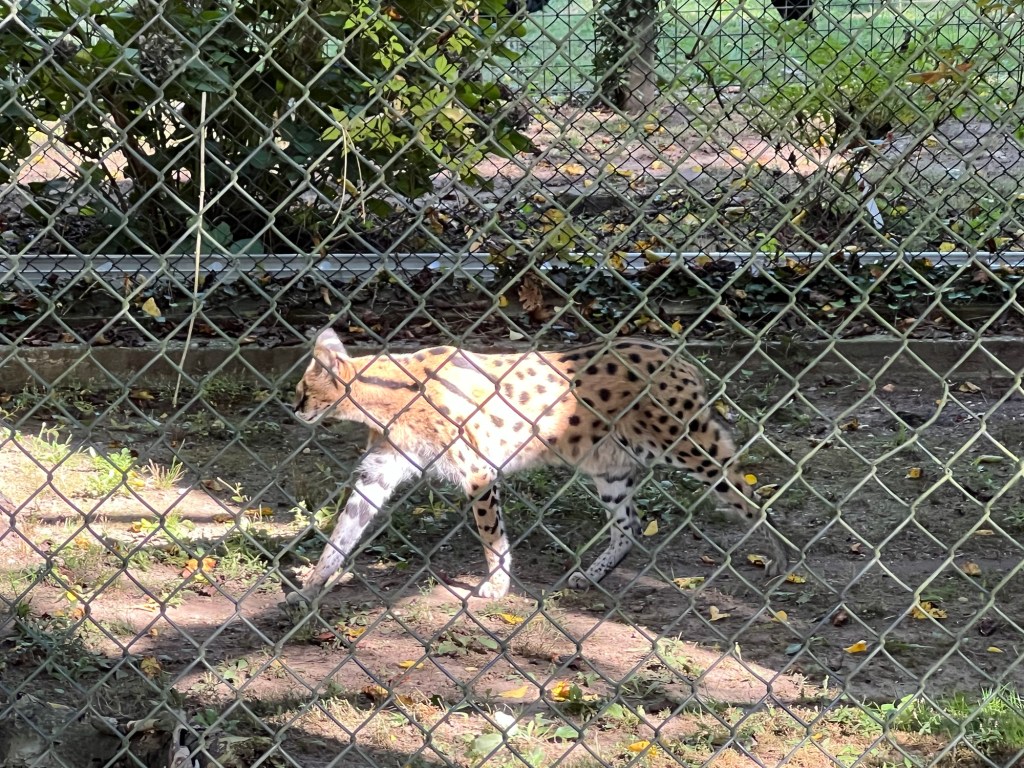
The serval cage

The Serval also looked bored. It just walked in circles around the cage. I was not sure if he was bored or just confused.

The zoo is such a nice way to relax and enjoy a warm afternoon. The animals here are not shy but need to have more space to move around. I think we as humans visiting them amuse them more.

The History of the Cohanzick Zoo:

(from the zoo website)

The Cohanzick Zoo is privileged to hold the title of New Jersey’s first zoo, and to this day remains one of the only municipal-ran zoos in the state. It all began back in 1934 when the City of Bridgeton found itself in possession of a small herd of deer which the citizens thought should be exhibited. And thus… a zoo was created!

The Zoo is part of the Department of Recreation and Public Affairs. Located in Bridgeton’s city park, which spans over 1,100 acres, the zoo is home to over 100 different mammals, birds, and reptiles. Over 45 different species from all around the world are represented here.

The Zoo, originally named the “Bridgeton Zoo”, was later named the Cohanzick Zoo in 1972. “Cohanzick” coming from the band of Lenape Indians who resided in the area alongside the Cohansey River, which resulted in the band of the tribe being named the Cohanzick Indians. This river flows through and around the park, adding a unique water feature.

Up until about 1970 the Zoo was a fairly small operation, running more like a petting zoo than a modern zoological care facility. This change was facilitated by Jerry Alden, who became Director of Parks and Recreation for Bridgeton. Knowing a local with a love and talent for taming wildlife, Henry R. Ricci was offered the position of curator, which he happily accepted. His defining point for change was, “Close it up, or make it a zoological garden and educational center,”.

Between 1970 and 1973 big changes came to the small zoo. Part of this is thanks to a visit to the Governor’s office in Trenton by zoo resident, Maggie, a jaguar. Her visit was rewarded with a $25,000 gift to the Zoo from the state government, per Gov. Cahill. A sanitation program was put in place, proper care and diet programs were developed for the animals, and more natural habitats were built. Dr. Ernest Zirkle, a local veterinarian who up until then had cared for the animals as a public service, was made a formal member of the zoo staff. Another big change, was the formation of the Cohanzick Zoological Society. The Society, which still exists today, comprised of local volunteer citizens, has the mission of supporting the Zoo through driving public awareness and fundraising efforts.

Since then, the Zoo has been on an ever-evolving mission to better its experience for both its animals, and its visitors. Thanks to funding from both local government and public donations, the Zoo is able to provide free admission to visitors, maintain necessary renovations, and keep up appropriate care for the animals.

The Greater Elmer Area Historical Society                               117 Broad Street                                                                   Elmer, NJ 08318

The Greater Elmer Area Historical Society 117 Broad Street Elmer, NJ 08318

The Greater Elmer Area Historical Society

117 Broad Street

Elmer, NJ 08318

(609) 670-0407

https://www.facebook.com/greaterelmerareahistoricalsociety/

http://www.elmerboroughnj.com/GreaterElmerAreaHistoricalSociety.html

Open: Sunday-Friday Closed/Saturday 10:00am-2:00pm (Second Saturday of the Month)

Admission: Free but donations are accepted and encouraged to help fund the museum.

My review on TripAdvisor:

https://www.tripadvisor.com/Attraction_Review-g46415-d28644121-Reviews-Greater_Elmer_Area_Historical_Society-Elmer_New_Jersey.html

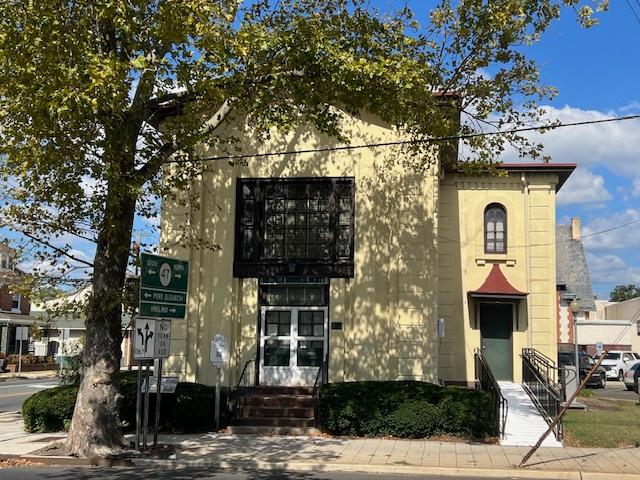
The Greater Elmer Historical Society at 117 Broad Street

The History of The Greater Elmer Area Historical Society:

(from the museum website)

The Greater Elmer Area Historical Society was formed as a committee in 2008. It officially organized as a non-profit Historical Society in 2010.

Our Vision:

(from the museum website)

Serving the Elmer Borough, Pittsgrove Township and Upper Pittsgrove Township, The Greater Elmer Area Historical Society brings together the historical connection of he Borough and two Townships. Our vision is to use that connection to contribute to the understanding and appreciation of the history we share and to promote the cultural growth of our communities.

The entrance of The Great Emler Area Historical Society

Museum & Archives:

The GEAHS Museum & Archives opened in 2018 in the former St. Ann’s Church in Elmer, NJ. It is open to the public on the second Saturday of each month from 10:00am-2:00pm. Stop by and browse our collection of local history including books, photographs, signage, artifacts and much more. The Society meets on the third Thursday of each month at 6:30pm for guest speaker presentations, show and tell and society updates. The public is welcome to attend.

Some the events that the Society runs each year:

Historical Tours: The Curiosity House Tour is usually held in late November featuring houses and churches in the Elmer area. The homes are decorated seasonally and most have a rich historic background. The Historical Cemetery Tour is a guided tour held in late October highlighting the life stories of people buried in local cemeteries.

Elmer Harvest Day: Elmer Harvest Day is a community event that includes live music, crafters, antique car show, children’s activities, fire truck rides, petting zoo, food vendors, special offer from local businesses and lots of fun activities for visitors of all ages. Elmer Harvest Day is held on the first Saturday of October.

Elmer Harvest Day 2024: (I attended the event)

The tractors on display on Elmer Harvest Day October 5th, 2024

The streets were mobbed with residents and visitors on Elmer Harvest Day

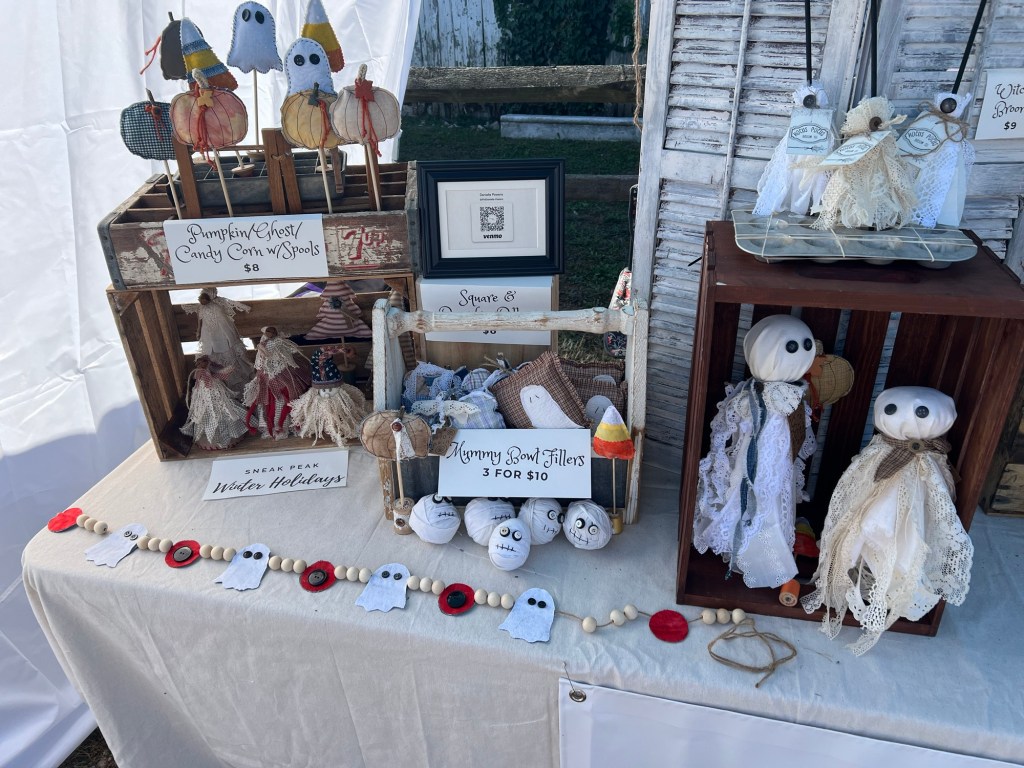
The creativity of the crafts vendors

It was not even Halloween yet and here comes Christmas

These were some of the most unusual crafts at the festival. I loved the Mummy Bowl Fillers. Very clever!

I took a chance on a recent visit to Elmer, New Jersey to see if there Historical Society was open and I lucked out. On a beautiful early October day, they were sponsoring their annual Harvest Festival and the museum was open. What an interesting little museum. The collection reflects life in a small rural community and how it has grown in the modern time.

The outside of the museum on the day of the Harvest Festival

The museum is housed in an old Catholic Church

The building was built in 1894 as St. Ann’s Catholic Church that was organized in 1892. The church was built Adam Kandle at the cost of $1800. The cornerstone was donated by marble cutter Joseph Gibson. In November 2017, the former church building was donated to the Greater Elmer Area Historical Society to be used as their headquarters (Society pamphlet).

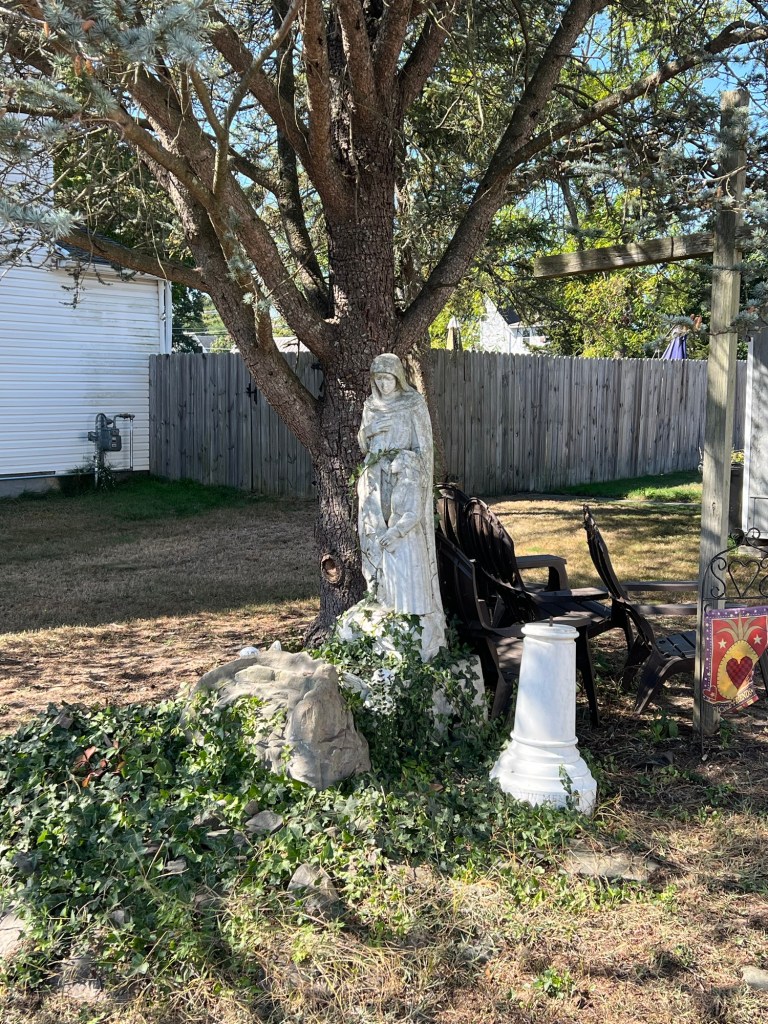
The shine to Saint Ann just outside the door

The inside gallery of the museum still has a feel of the church mixed with the modern era

The town progressed from a sleeping community of hunting and fishing for the Lenape to the coming of the Dutch, French, English and various waves of new immigration to the area.

The Early Settlement sign

The museum may be small but it packed with information on the history of Elmer, the local industries and farms, the Native American population and local population. Each section of the museum has a different theme to it.

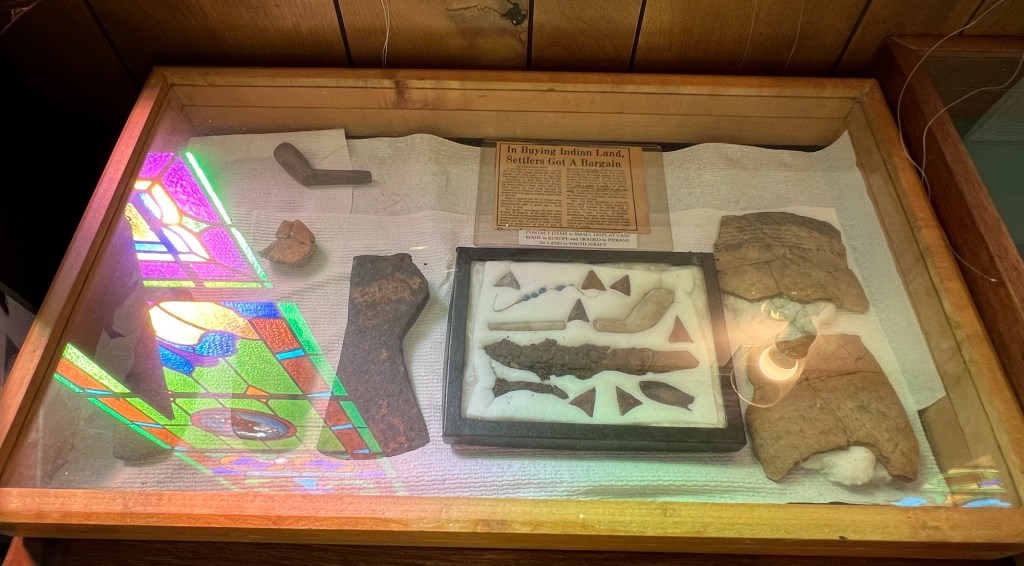
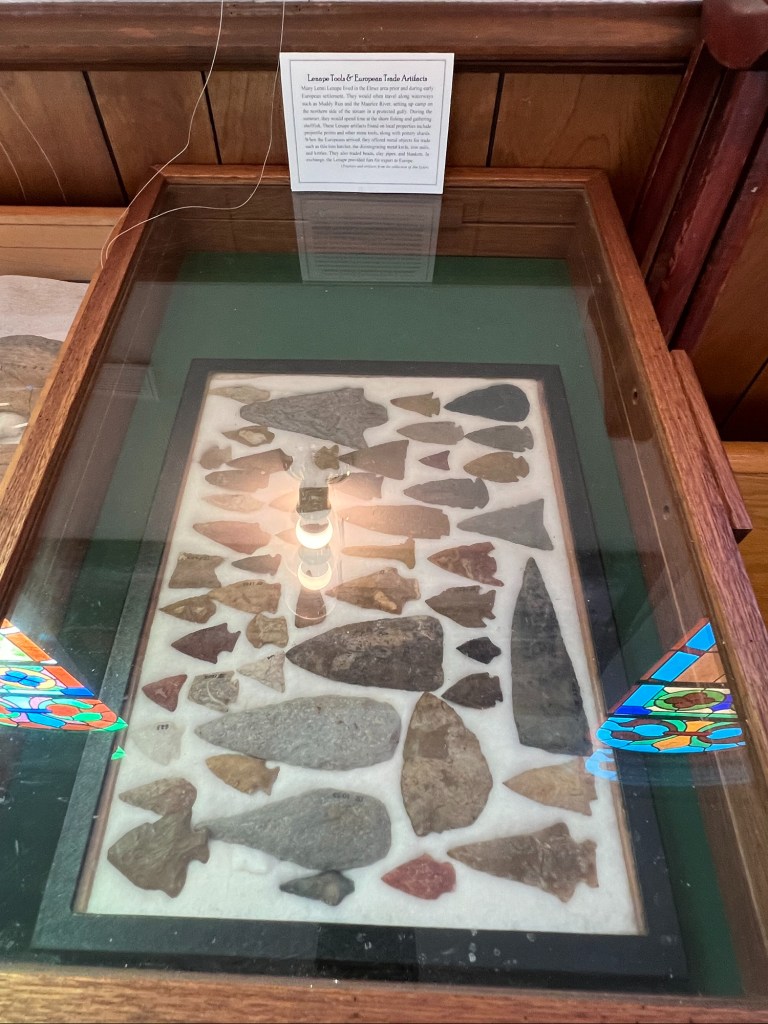
The Native American artifacts

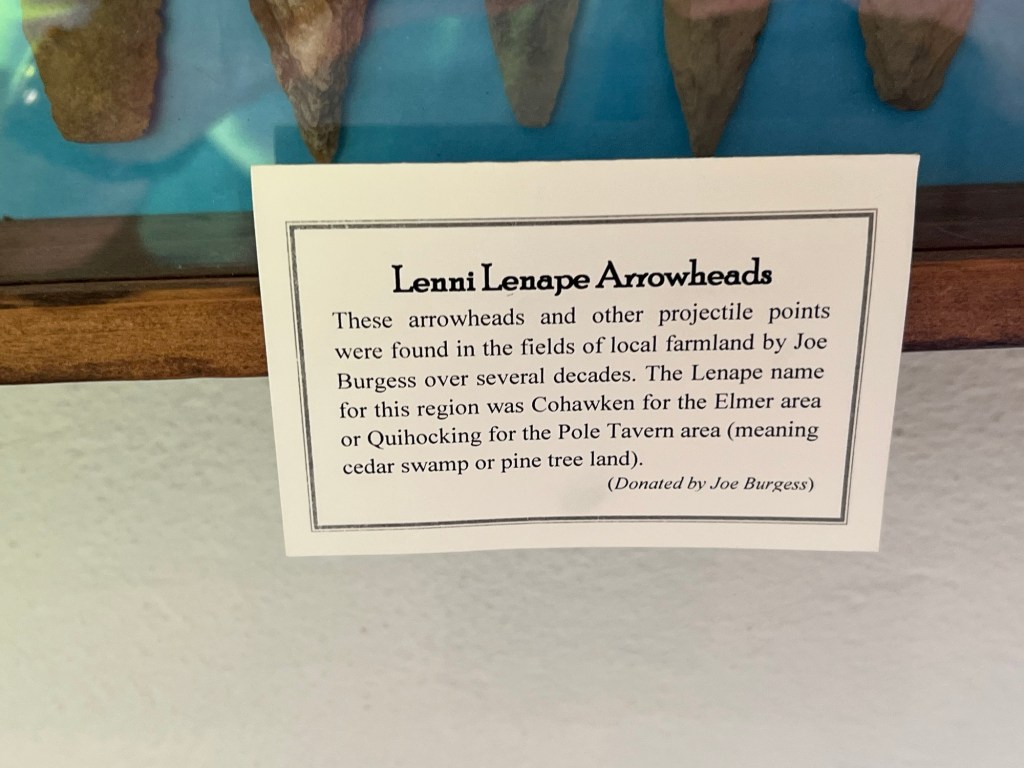
The Arrowhead collection at the museum

It seems that many of these artifacts were found in the local farm fields. The area had been a big settlement for the Lenape tribes, who probably found the same benefits as the settlers.

The Arrowhead Collection

The museum had an interesting collection of artifacts from local businesses from the area.

Artifacts from the Native Americans

With colonization, and the growth of agriculture ( which is still strong today), the business and manufacturing communities grew in the area and prospered even before the railroads came.

Early Industries of Elmer, NJ:

The growth of the area and the progress of a small town

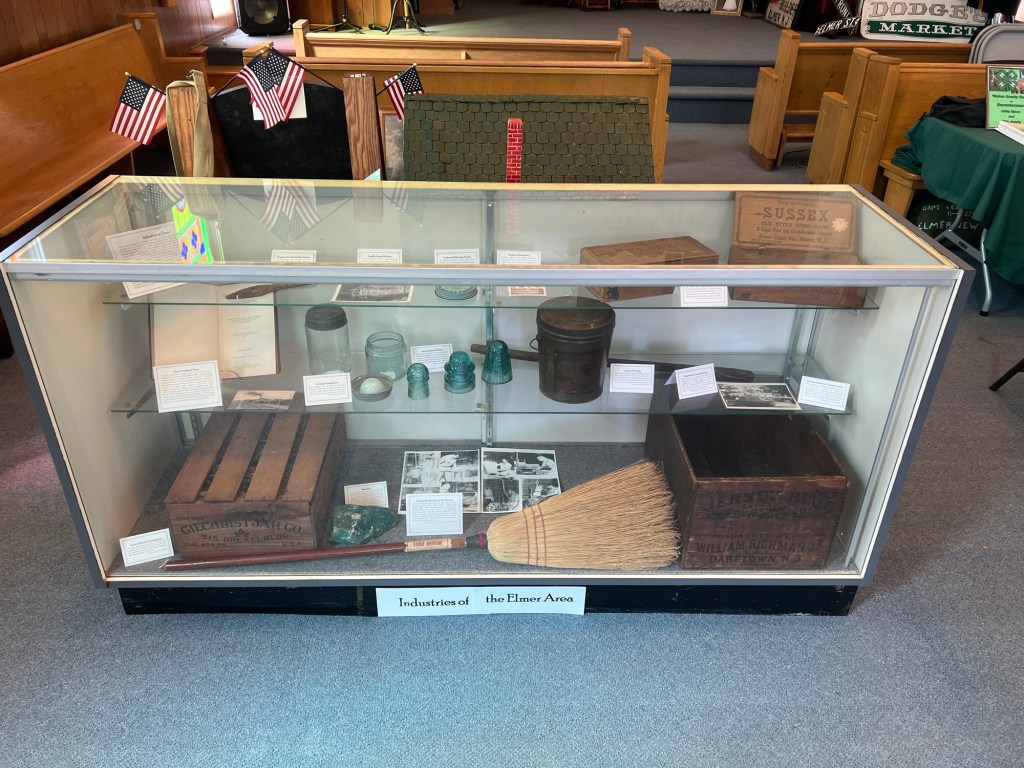
The businesses of early Elmer included glass making, broom manufacturing and agriculture

The artifacts of the past of Elmer, NJ

The Registration Book of the Elmer Lake Hotel shows how the area changed to add leisure as work changed

Roles in the Home and Community:

The museum displays show a woman’s role in both the household and the community.

The roles of women were standardized

The roles of women in rural New Jersey were set in helping on the farm, tending to the house and raising young children until they were ready to work on the farm, cooking, cleaning and dong the domestic chores. With no electricity, what we deem as simple today was much work to the farm house wife. Domestic life and its attributes were noted in the display case,

Domestic items of the home

What needed to be done in the kitchen to feed the family

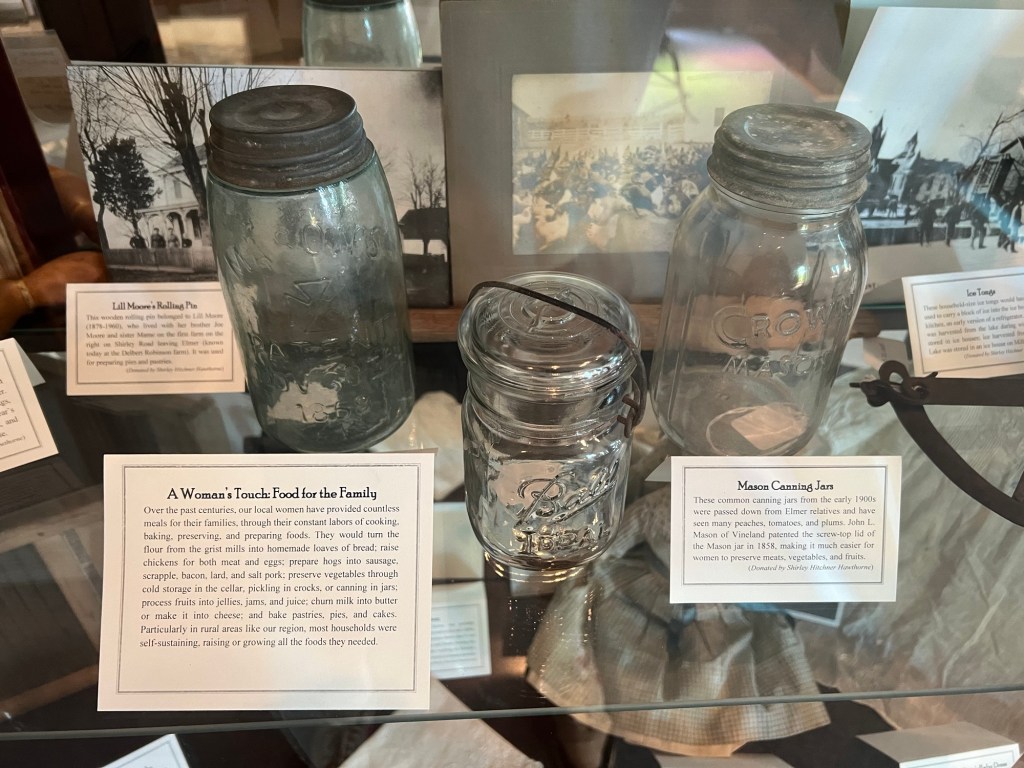
Canning and preserving foods for the winter

Ironing and taking care of clothing

Creating your own playthings, the Mercy Reeve doll. Store bought items were just too expensive for the average person or not available

The Wedding dress

The Hartz wedding dress

The was a nice display of items from the Elmer Fire and EMS departments on display as well. This shows the rich history of both departments.

The Elmer Fire and EMS department display

The museum also covered daily life in Elmer whether it be business or just general living. A rural community things continue to happen. Transportation continually changes from horses and buggies to railroads and then to cars. This has changed the landscape of the town.

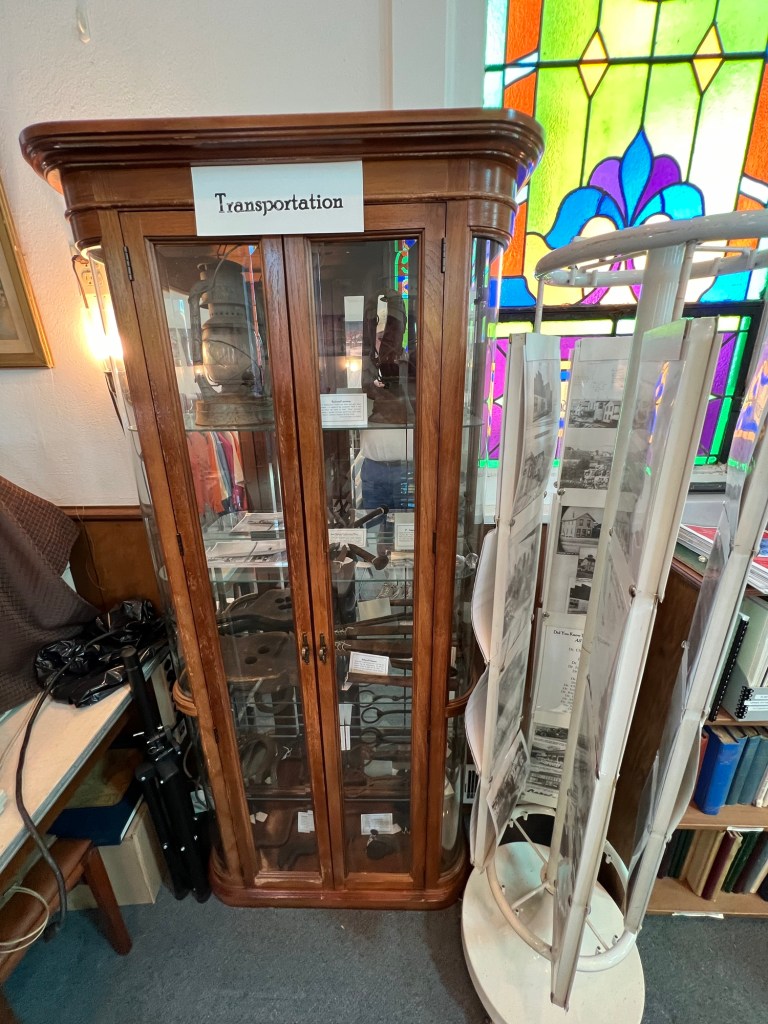
Transportation into Elmer changed life forever

First by horse and buggies

Then by railroad

The daily life included trips into town to buy things for the homestead and visiting merchants and visiting with the doctor.

The Medical life in a rural community

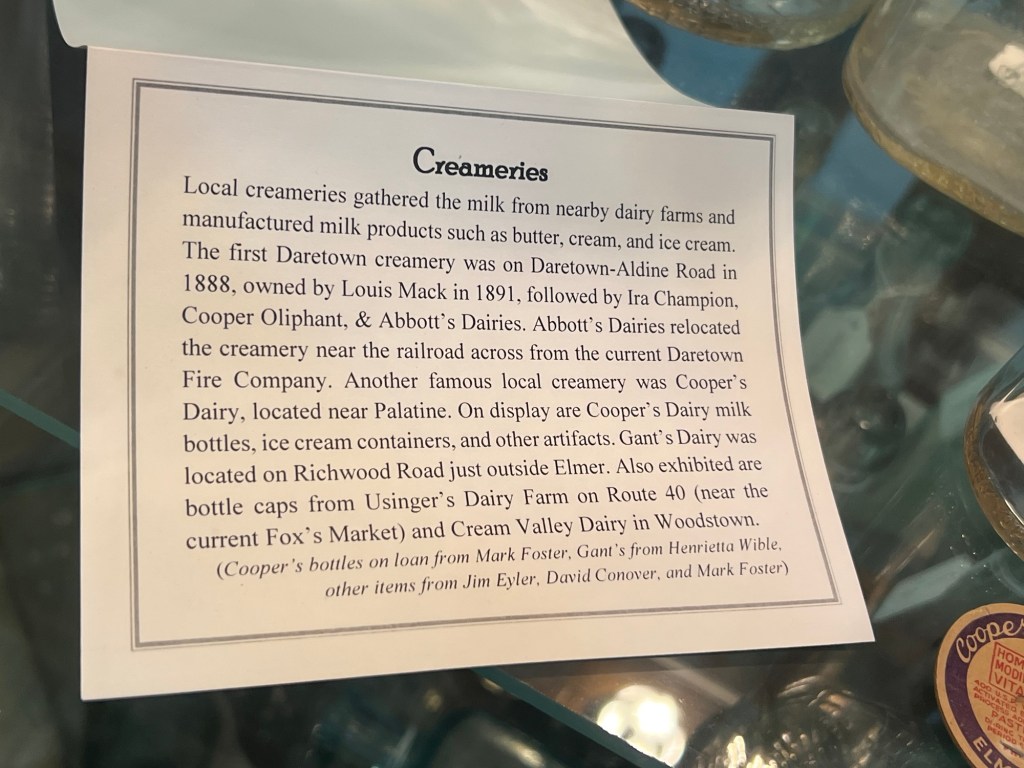
The local dairy business was a big part of the economy

Visiting the creamery and how the dairy business was a big part of the community for work

The glassworks of the various businesses

Daily life in the town and the surrounding area in the beginning was a never ending wave of duties and chores. The household, farms and businesses had to run and everyone knew what needed to be done during the productive warmer months to survive the colder and hasher realities of the Winter. With time and progress each generation progressed to the modern era and this is still changing.

All parts of the everyday lives of people

Bonnet for picking potatoes

Not everything was all work and no play. There were dances, gatherings and socials and later on musical performances then the coming of radio and the movies. Children still had their games and to prepare children for domesticity of the future, there were toys related to the genders with girls playing with dolls and keeping dollhouses and boys with construction games and ready for life on the farm and factories.

The Cain family dollhouse was a cherished family item

The dollhouse with the historical marker

The museum shows the rich history of Elmer and the surrounding community and the spirit of a small town. There are many different displays in the museum to see and experience. Though the town has changed over the years, its progress continues.

Don’t miss their special events as well. I had a wonderful time walking around the downtown for the Harvest Festival. There are all sorts of special events and talks that the museum sponsors so please check out the website above.

Millville Historical Society                                          200 East Main Street                                              Millville, NJ 08332

Millville Historical Society 200 East Main Street Millville, NJ 08332

Millville Historical Society

200 East Main Street

Millville, NJ 08322

(856) 293-1078

http://millhistsoc.org/

https://www.facebook.com/Millvillehs/

Open: Sunday 1:00pm-4:00pm/Monday-Tuesday Closed/Wednesday 1:00pm-4:00pm/Thursday-Saturday Closed

Admission: Free but donations are accepted and recommended to help operate the museum

My review on TripAdvisor:

https://www.tripadvisor.com.au/Attraction_Review-g46627-d27044122-Reviews-Millville_Historical_Society-Millville_New_Jersey.html

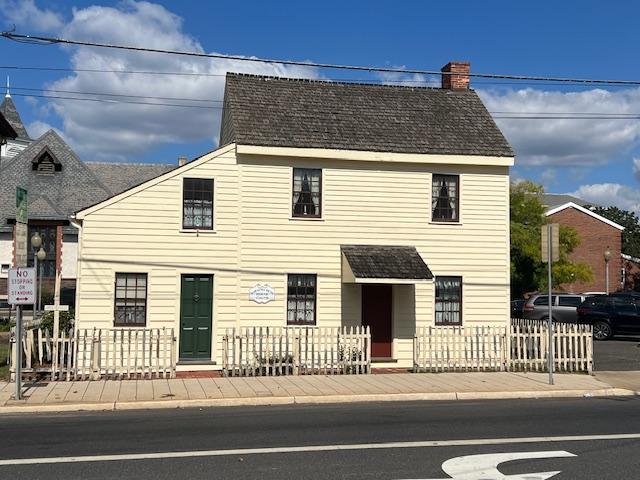
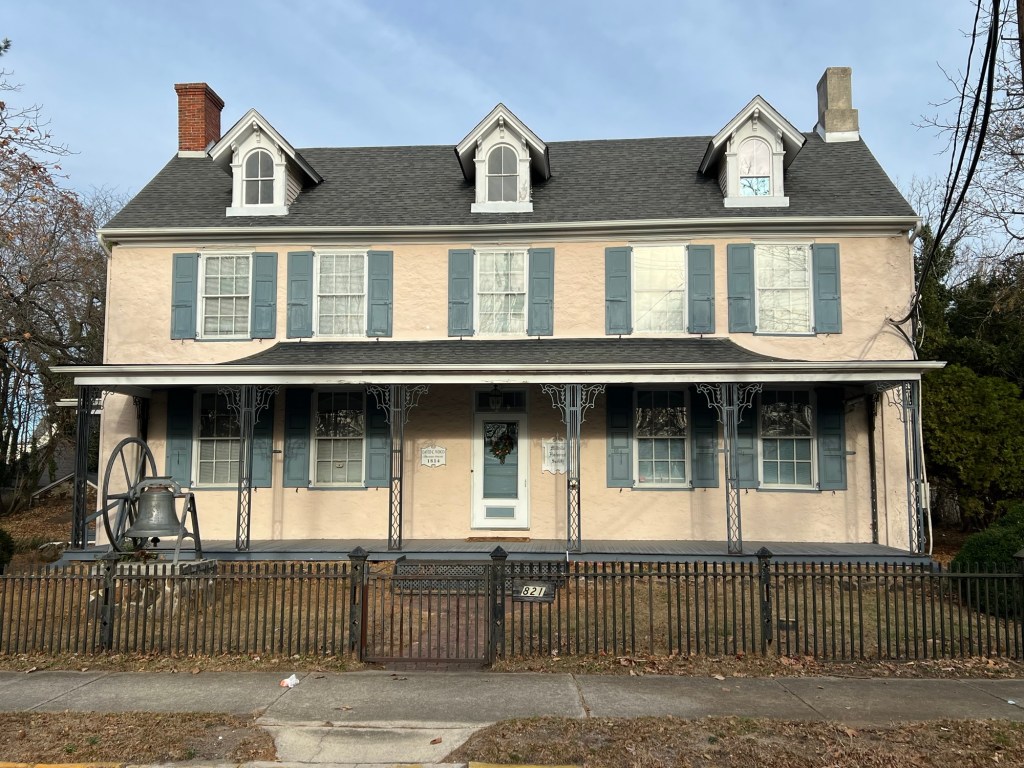
The Millville Historical Society at 200 East in tv Main Street

The Baracha-Dunn House right next door to the Historical Society is open for touring.

History of the museum:

(from the museum’s website)

The Millville Historical Society has been preserving Millville, New Jersey’s past for over nine decades.  Incorporated in 1927, the organization’s headquarters and archives depositary is located in the historic 1857 Millville Bank at 200 E. Main St., Millville.

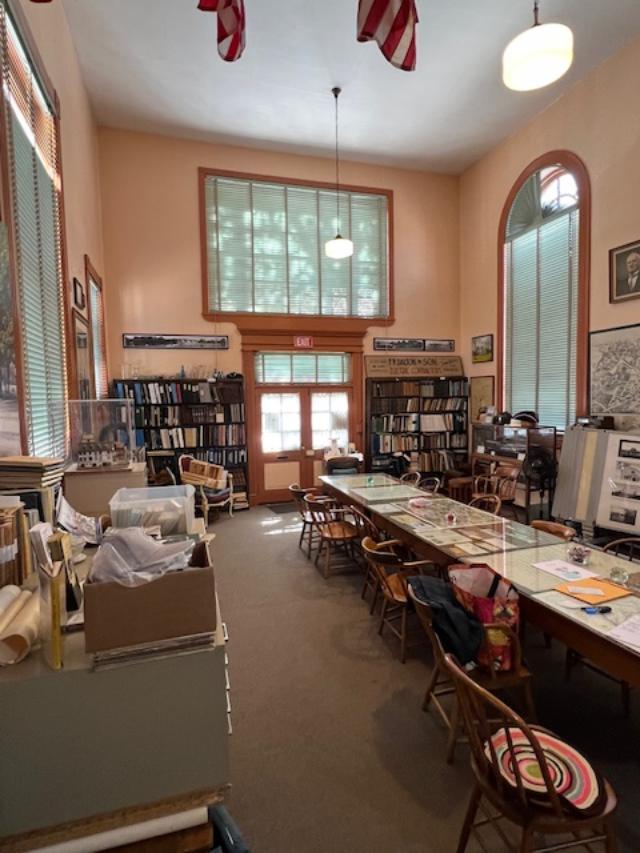
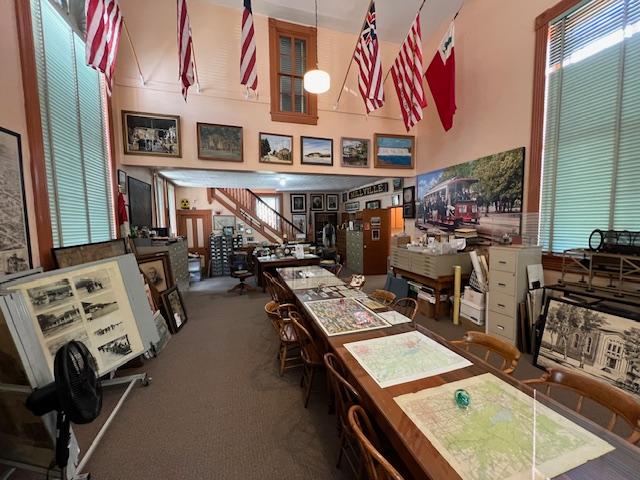
The main gallery of the Millville Historical Society

The Society has been entrusted with the care of three of Millville’s most historic structures: the 1857 Bank building at 200 E. Main Street, the 1798 Baracha Dunn House, and the 1814 Wood Mansion House.  

Admission to all buildings is free.  Donations are gratefully accepted.

The main gallery of the Millville Historical Society from the front door

I recently visited the Millville Historical Society and got to tour the museum and the historical home next door. The main part of the museum is built inside a historic bank that the Society took over in the 1970’s. All the displays are showcased around the museum.

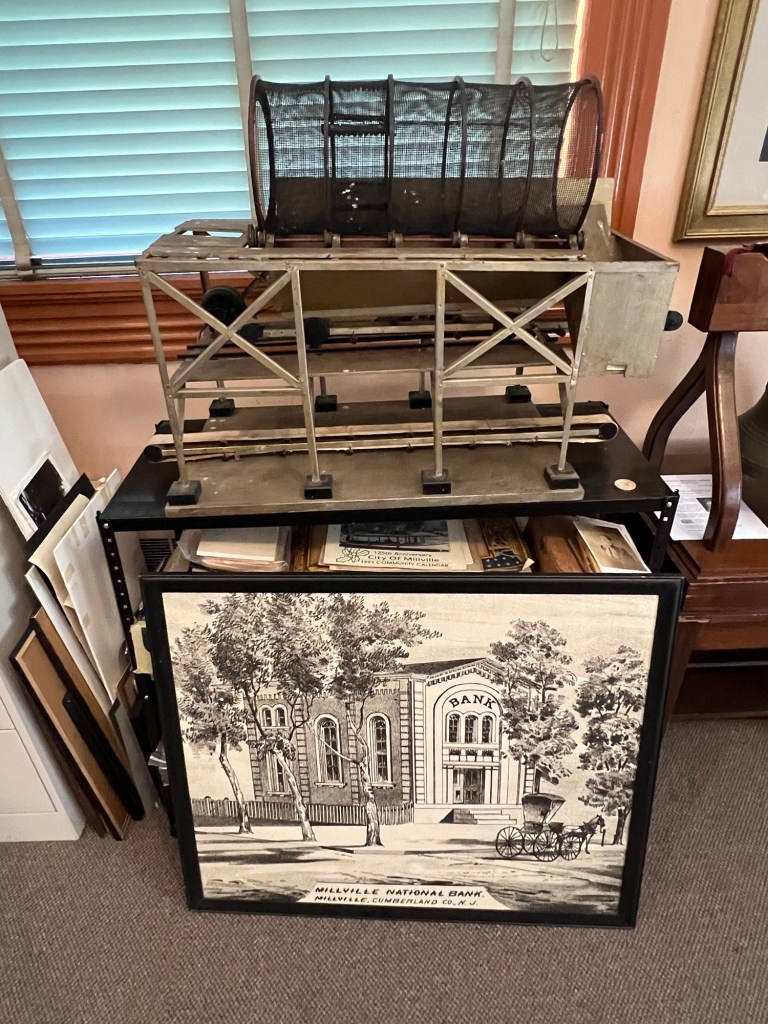
The original picture of the Millville National Bank during the turn of the last century

One of the first displays you will see is the original drawing of the bank. This beautiful historic building sits on the very edge of the downtown as you enter Millville. On the top of the display was a model of a sand separator that was in the creation of glass which the area was known for in the previous century.

The historic map of Downtown Millville, NJ

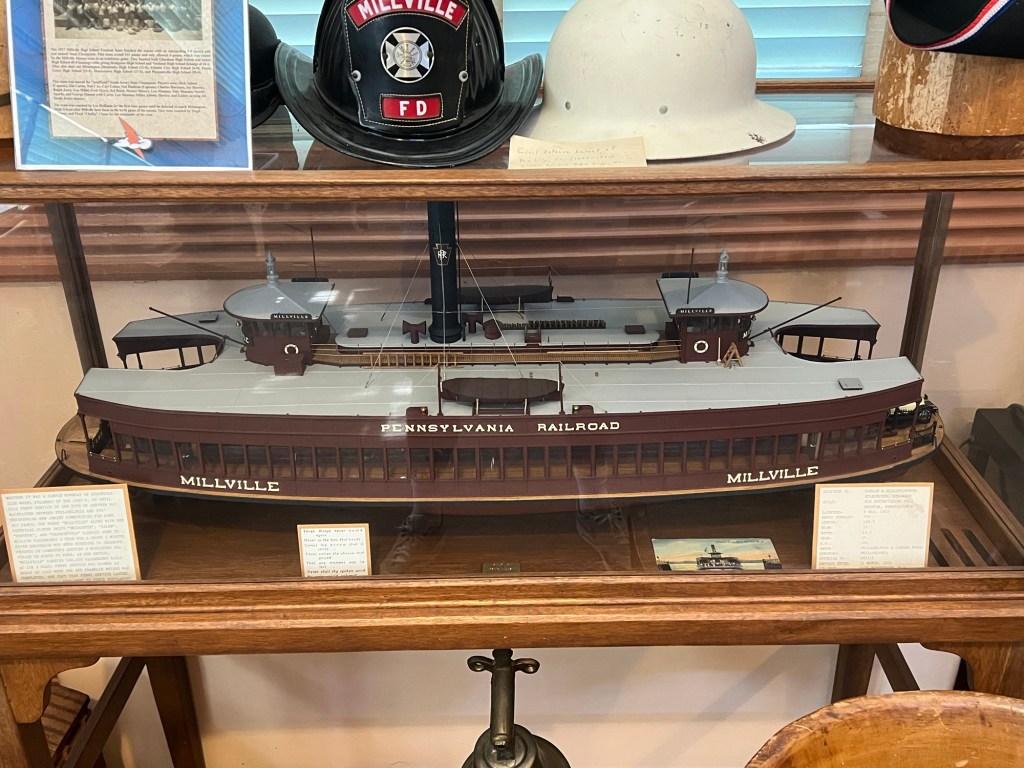
Another display has a model one of the major ferries that once ran in Millville.

The model of the Millville

The ferry that once ran in the area

The pictures of when the boat was christened

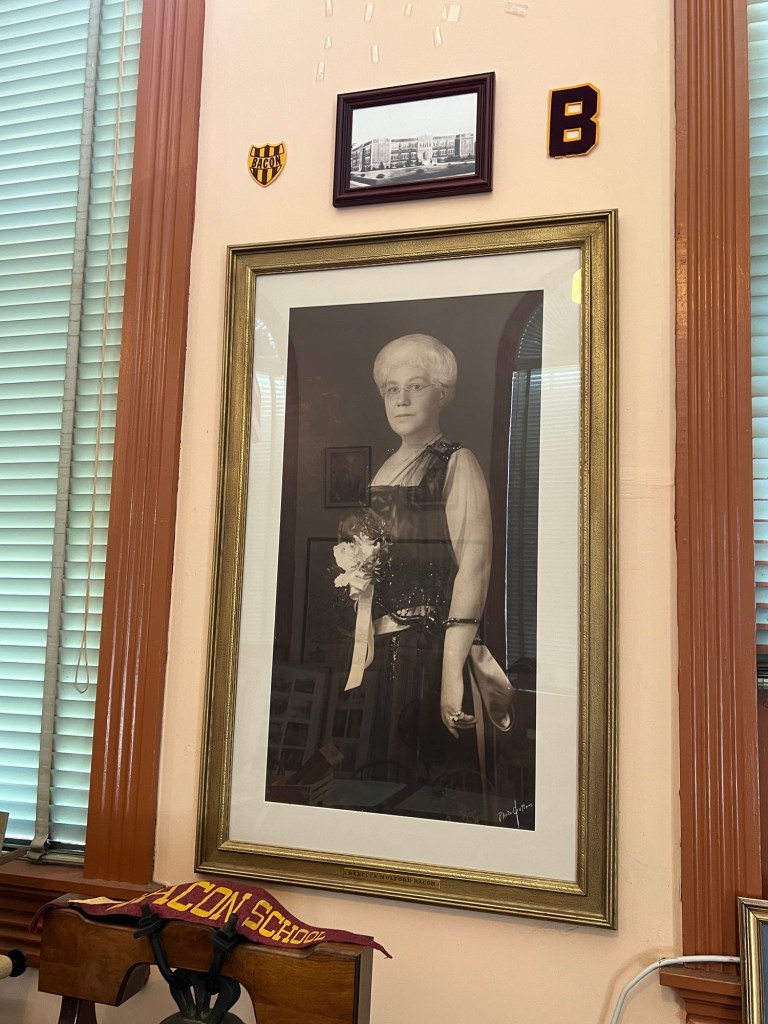
There was school display with one of the old bells of the school’s in Millville and a picture of one of its long serving principles, Rebecca Mulford Bacon.

The bell from the schoolhouse

Principal Rebecca Milford Bacon

The Principal’s plaque

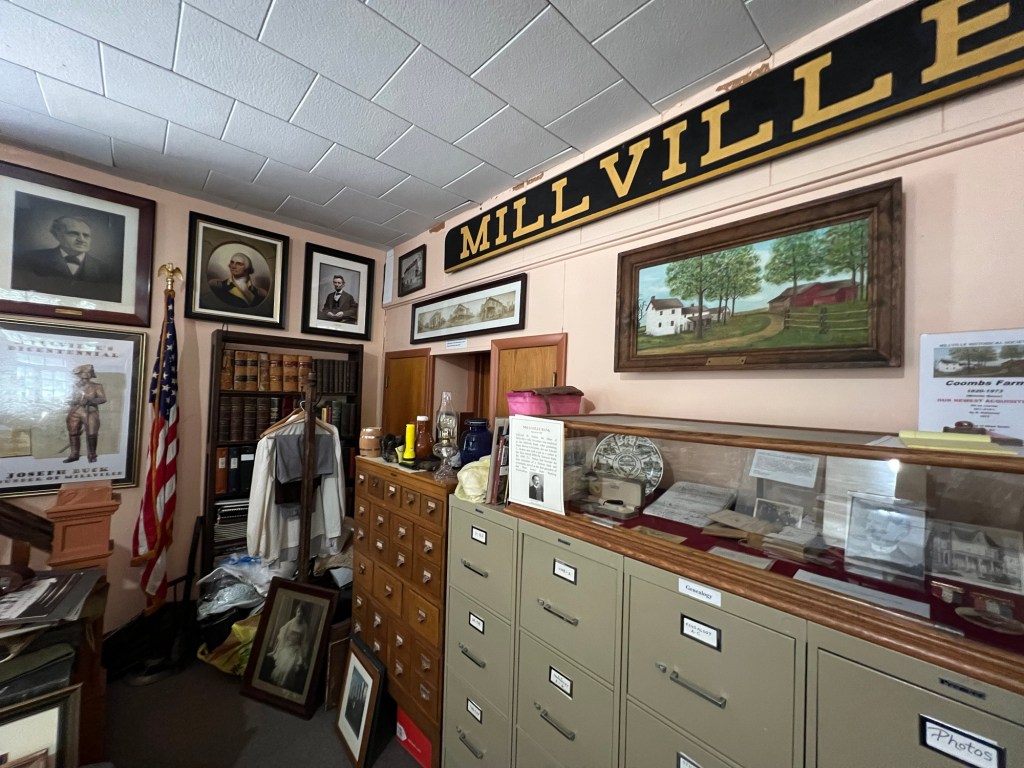
The museum houses the recorded history of the town and the genealogy of the town and its citizens for people to research.

The Research Library along with more artifacts

After I toured the displays along the perimeter of the museum, I had a tour of the Baracha-Dunn House next door which was part of the historical society’s complex. These historic buildings were built in the late 1700’s and the addition in the early 1800’s. The tour takes you through both the main house and the later addition both upstairs and downstairs.

The Barack’s-Dunn house was open for a tour

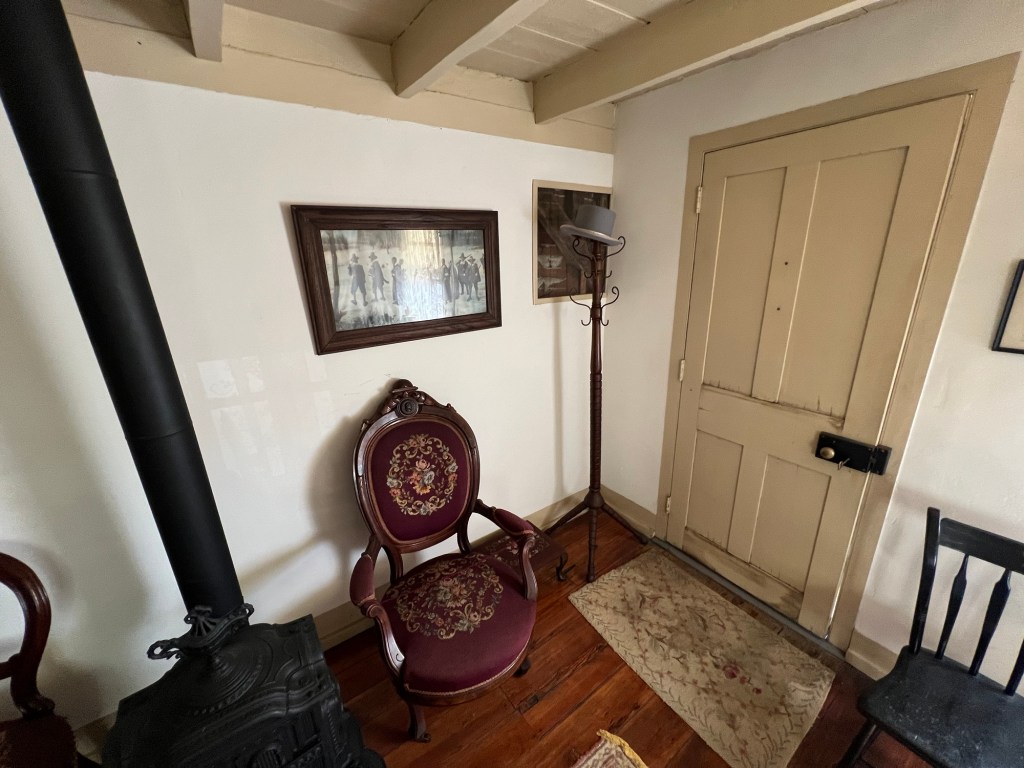
The entrance the house from the street

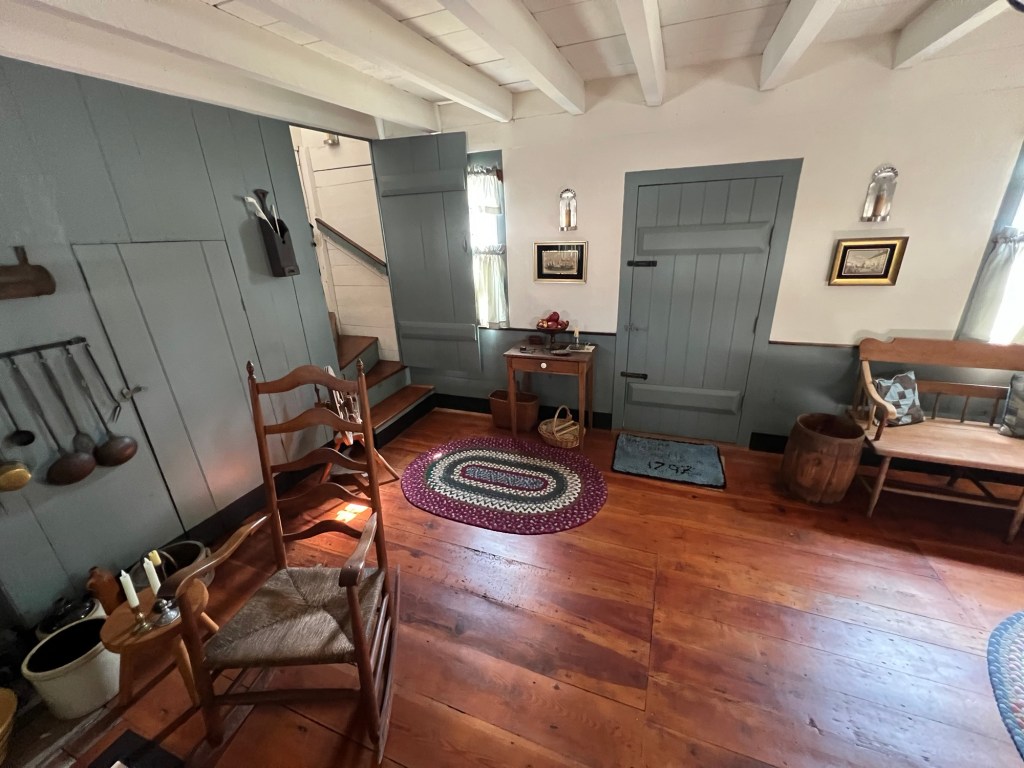
The main room of the original house with the hearth in the main room for cooking and for heat in the house

The hearth is the center of the house

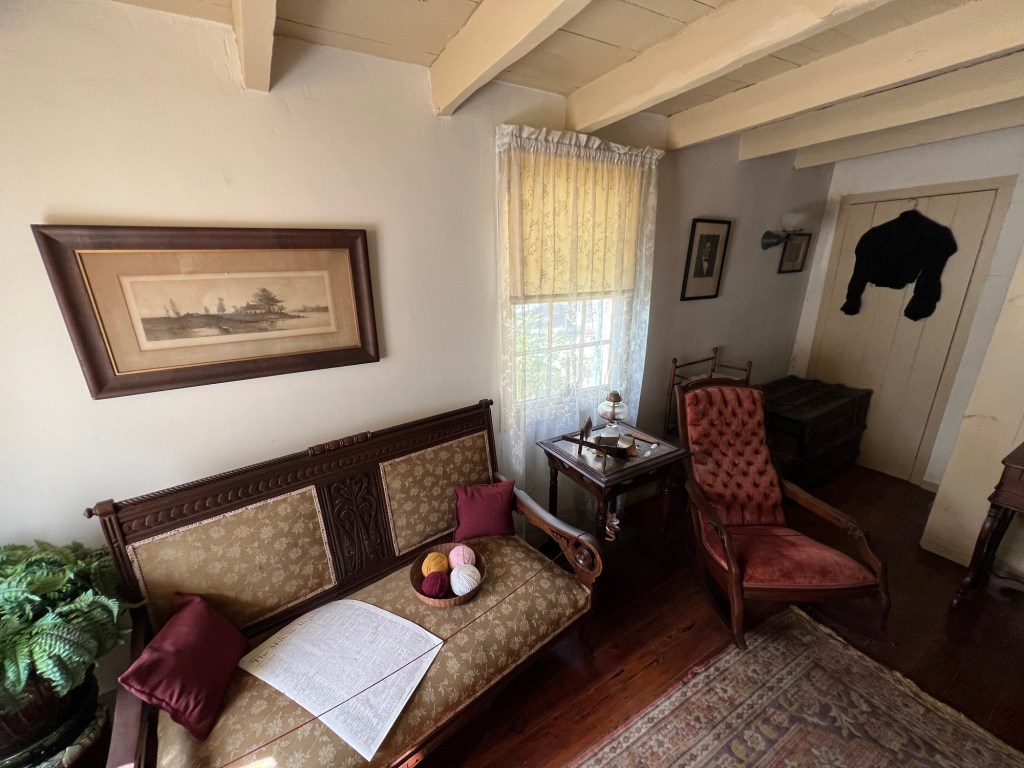
The Living Room of the main home

The Living Room of the home

The Living Room

The other side of the house which was the later addition to the home offered more rooms.

The Living Room from the main door

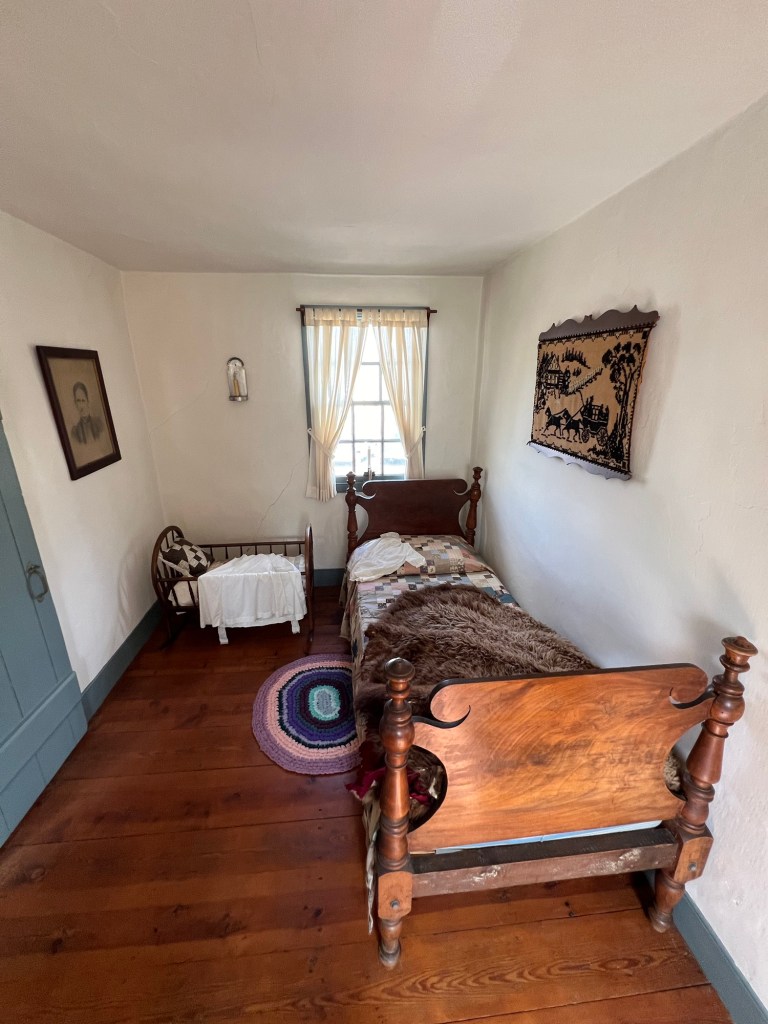
We walked up the narrow stairs to the second floor to the bedrooms. Each small room on the second floor was furnished with period furniture.

The bedroom on one side of the house

The second floor bedroom the leads to the attic

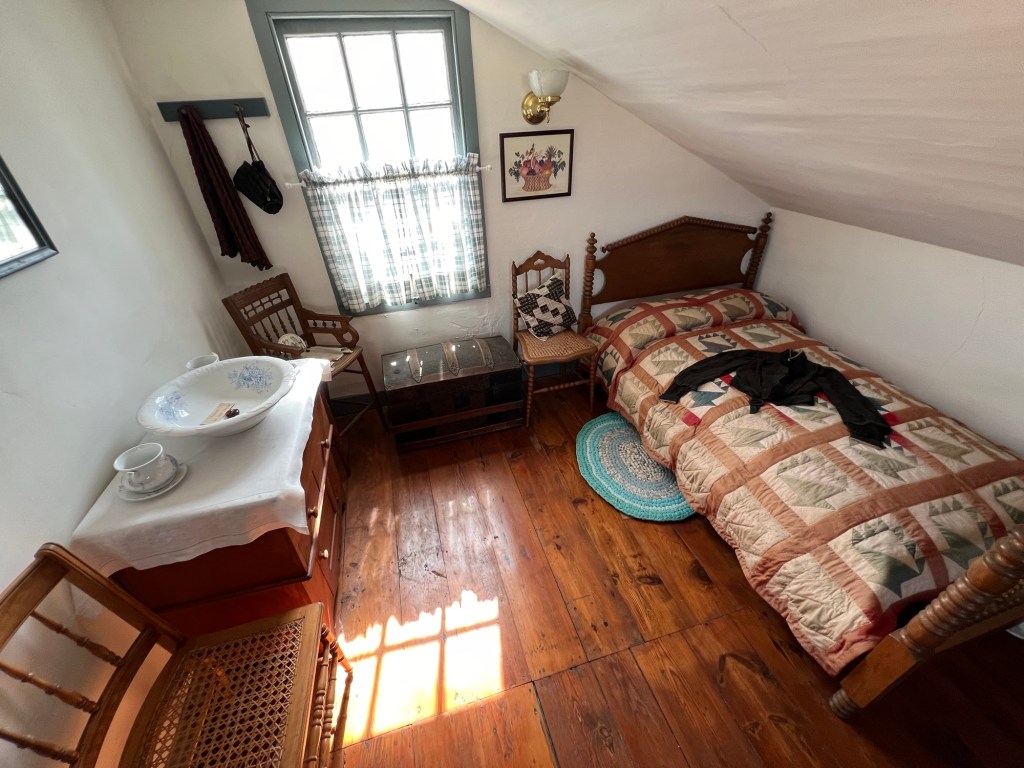
The second floor bedroom

This room led to the connected room on the other side of the floor

The small room on the second floor

The bedroom on the second floor

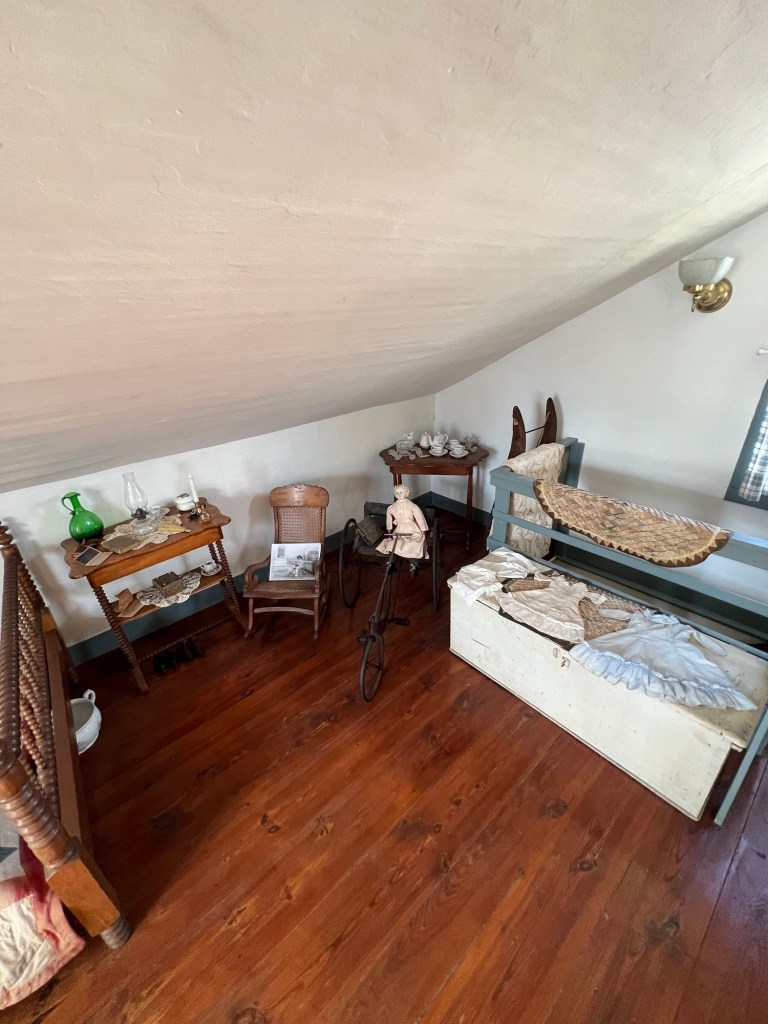
The Children’s room display of toys, furniture and clothing

The display of Children’s item

The house really showed life in the early parts of the 1800. The home’s period furniture decorates all the rooms in this home. The museum has another historical home in the downtown area that was closed that day. The museum offers a glimpse of Millville in its past.

The historical sign outside the museum

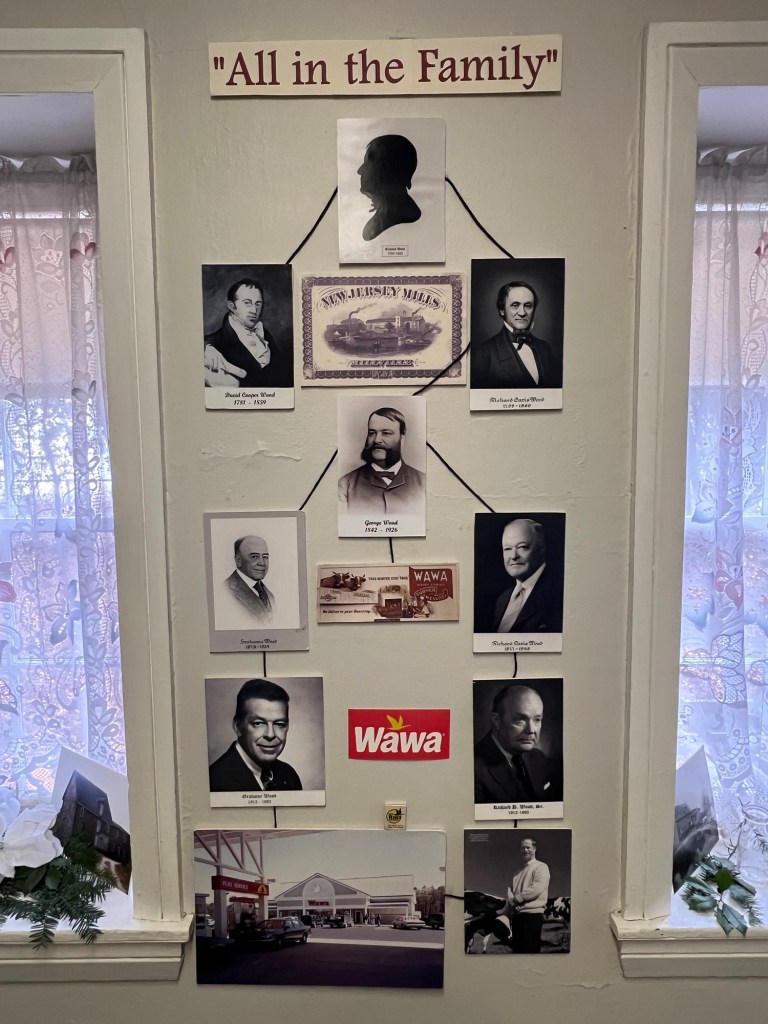
On my second trip to the Millville Historical Society, I was able to visit the Wood Mansion from 1814. The home had been home to generations of the Wood family, the founders of Wawa, among other businesses.

The Wood Family Mansion

The Historical Society Museum sign

The David Wood Historical sign

The Living Room decorated for the holidays

The Victorian Christmas tree in the formal parlo

The Christmas decorations in the Living Room

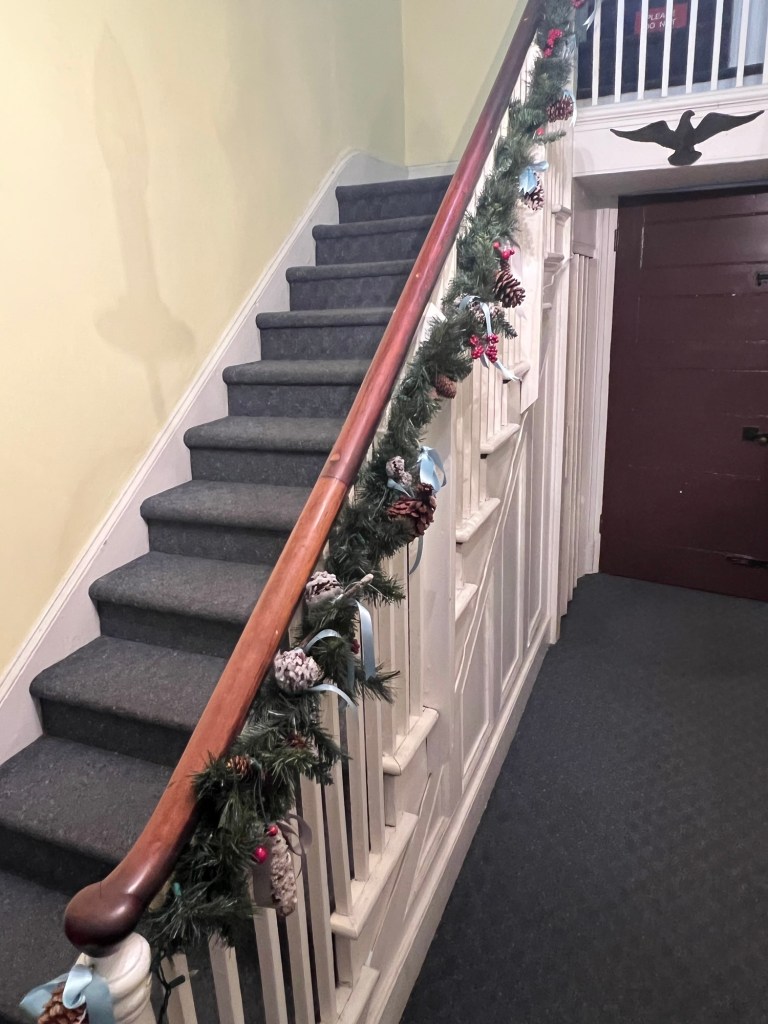
Th bannister decorated for the holidays

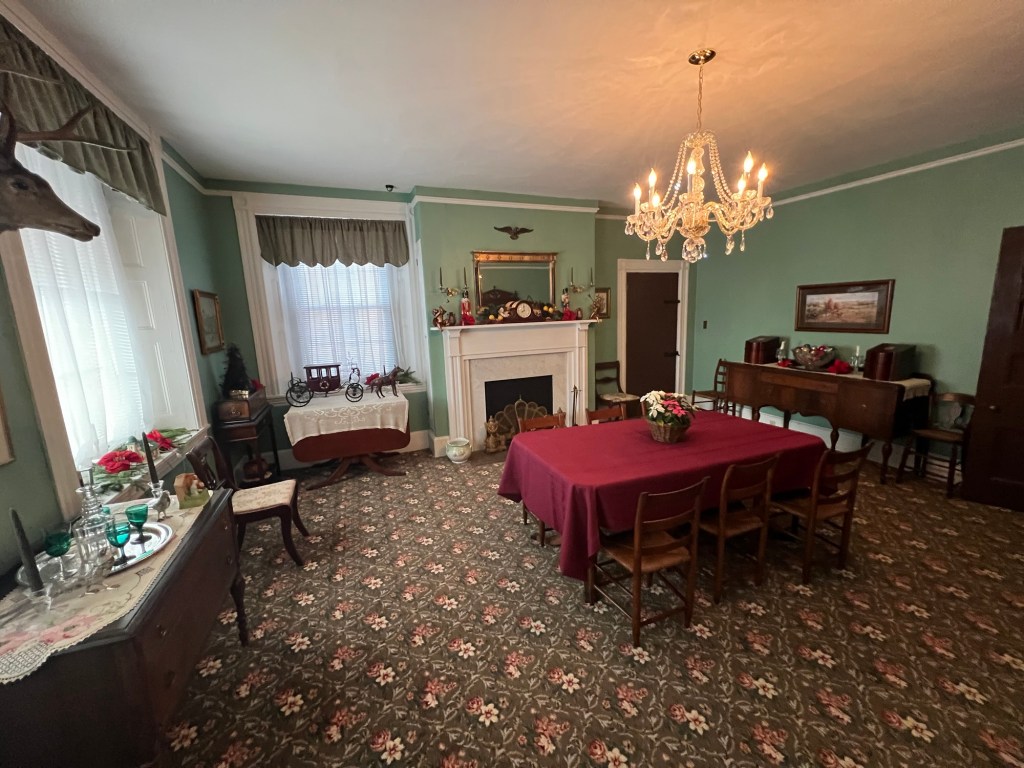
The Dining Room decorated for the holidays

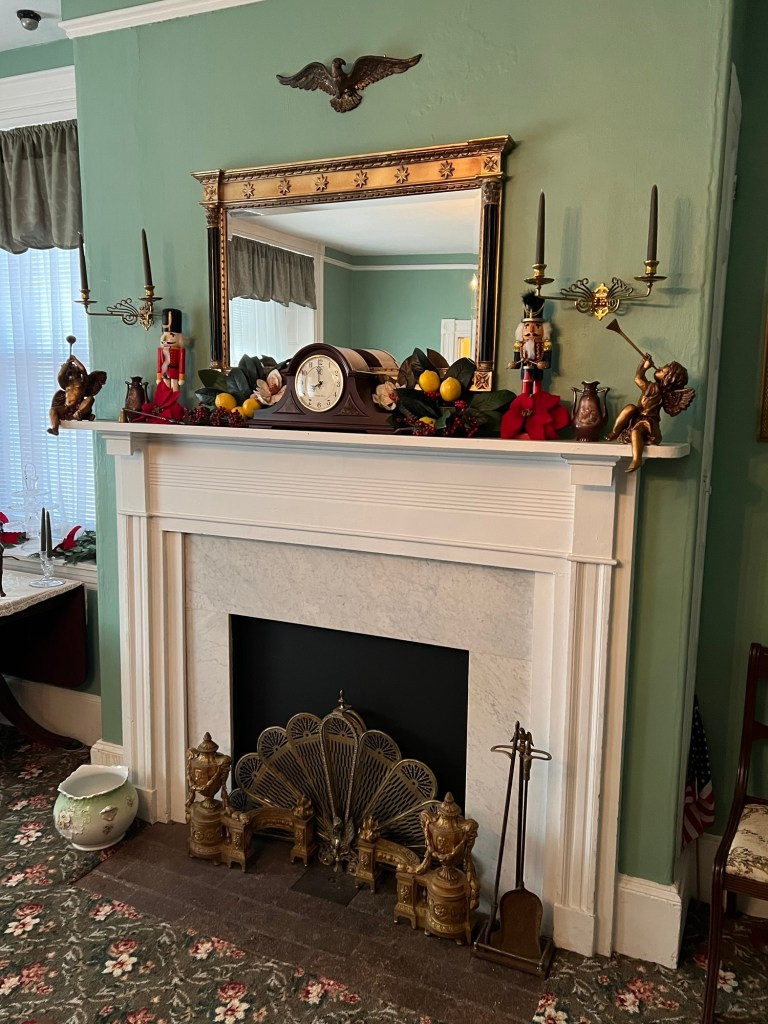
The mantle in the Dining Room decorated for the holidays

The dish-ware area

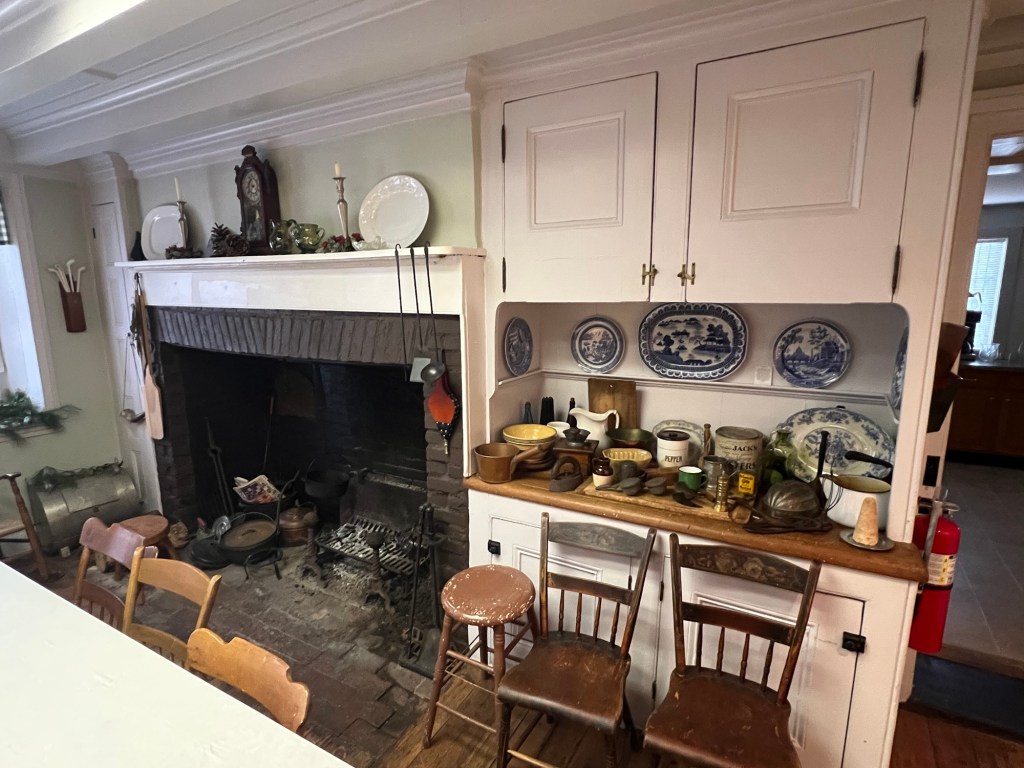
The kitchen fireplace

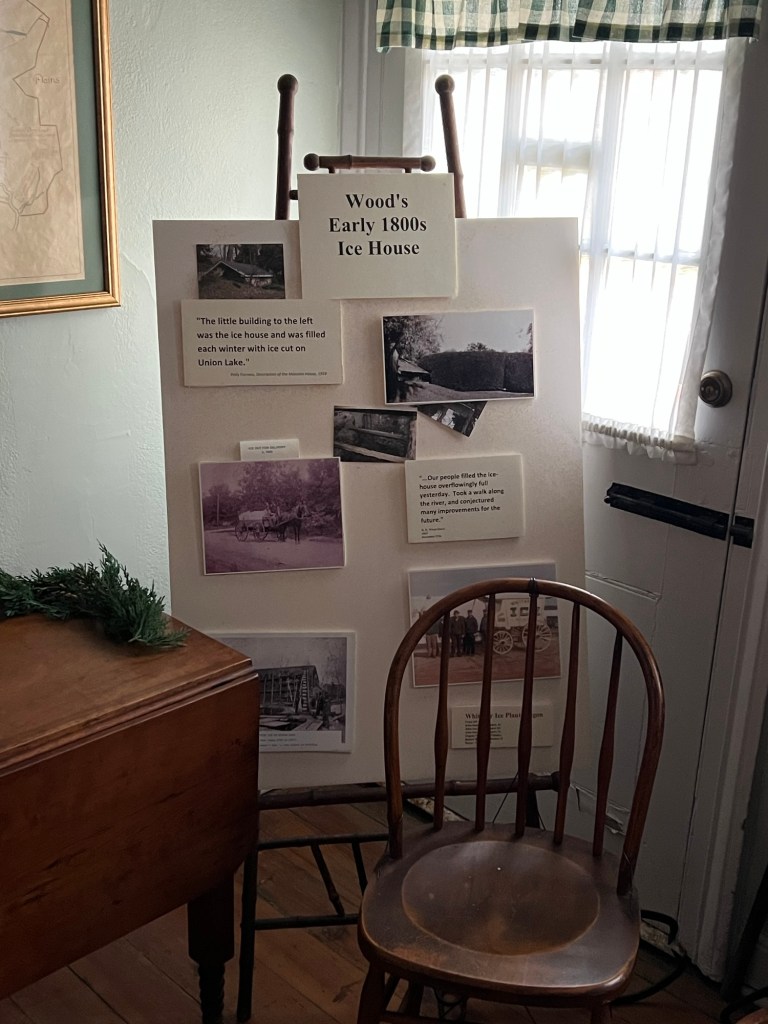
The Ice House display under renovation

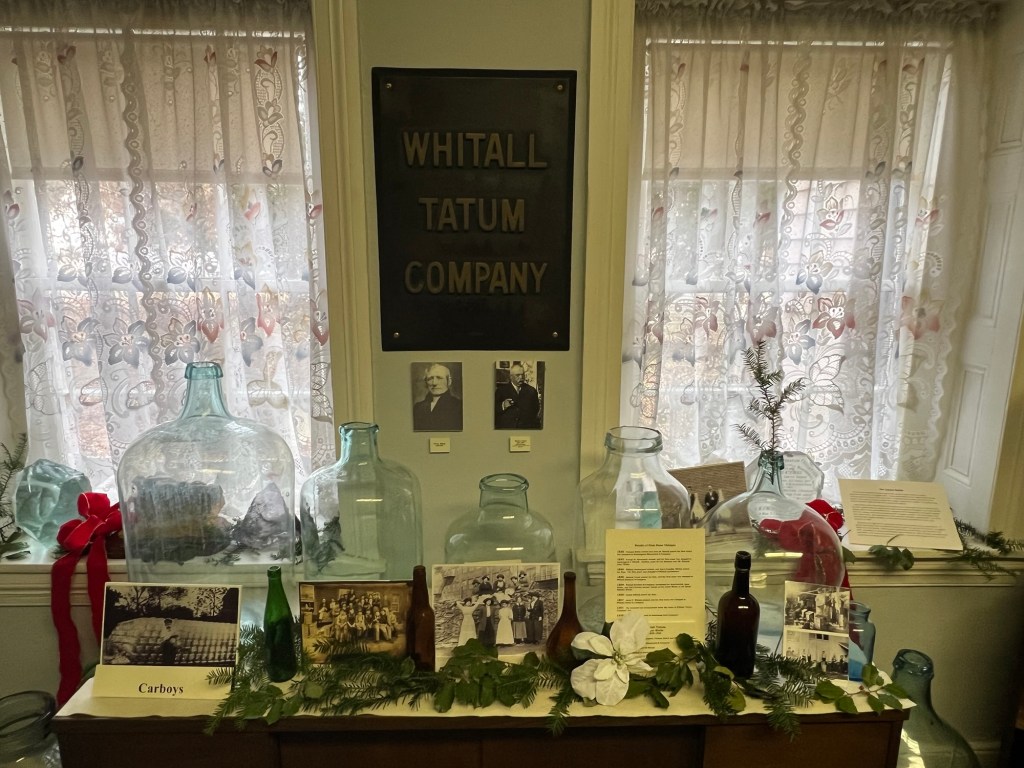
The Whitall Tatum glass display

The Whitall Glass display

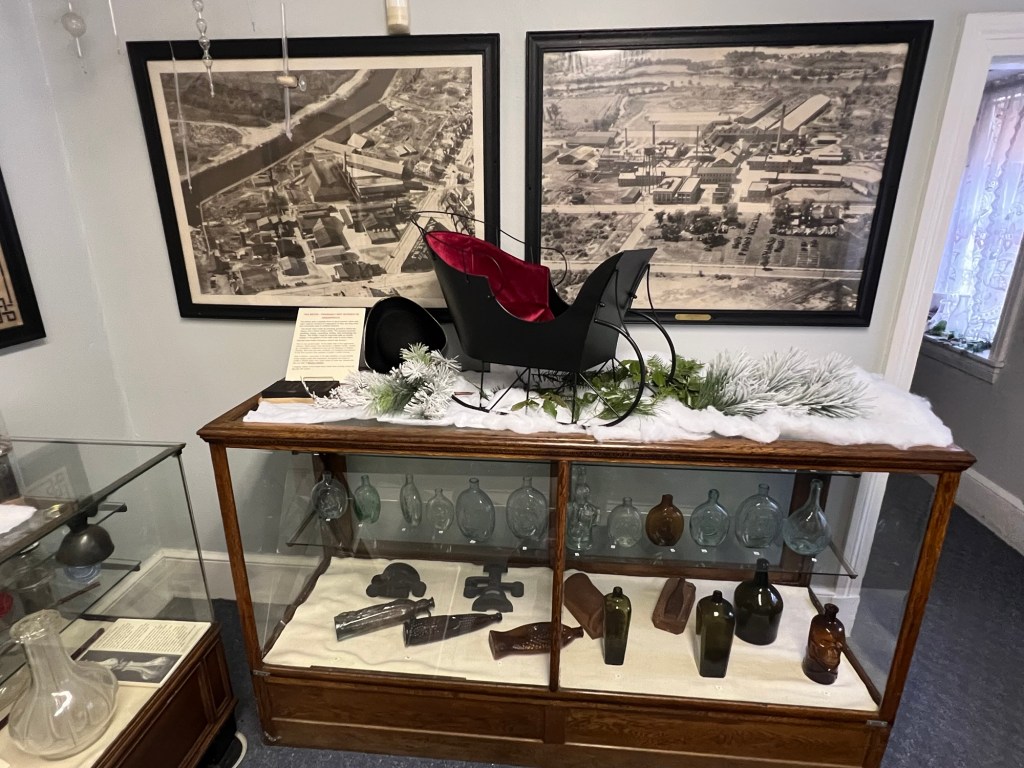
The glass display

The Wood family tree and the progression of the business of the family

The local amusement park display

The local factory display

Pictures of the mansion since 1814

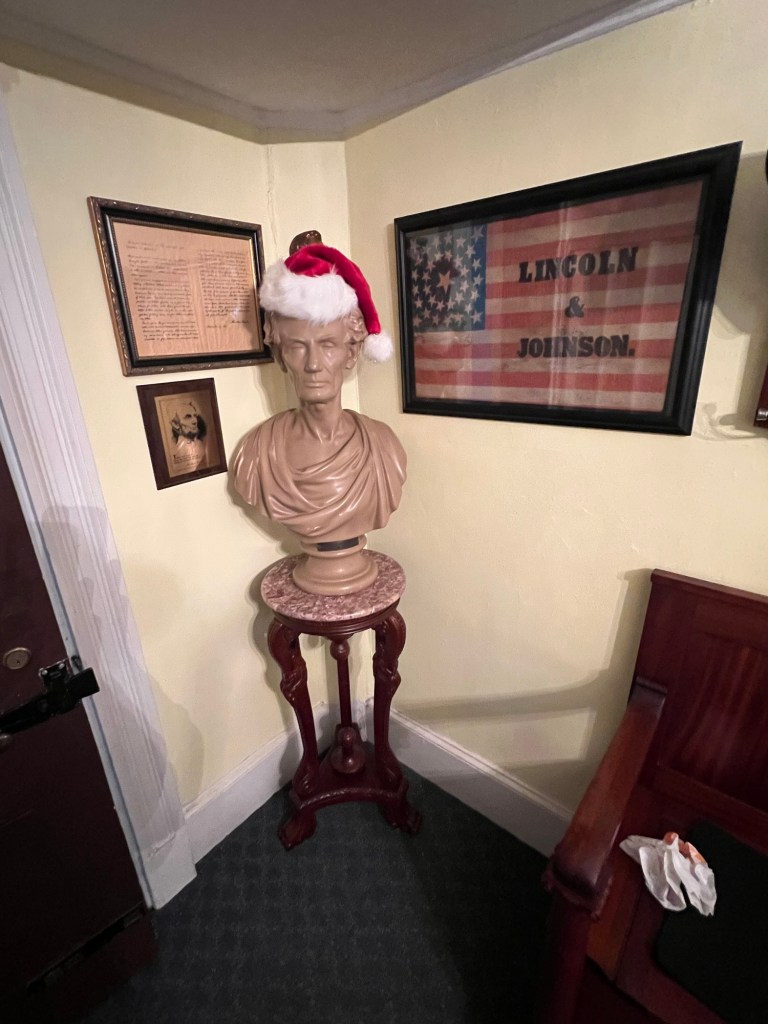
The Lincoln display

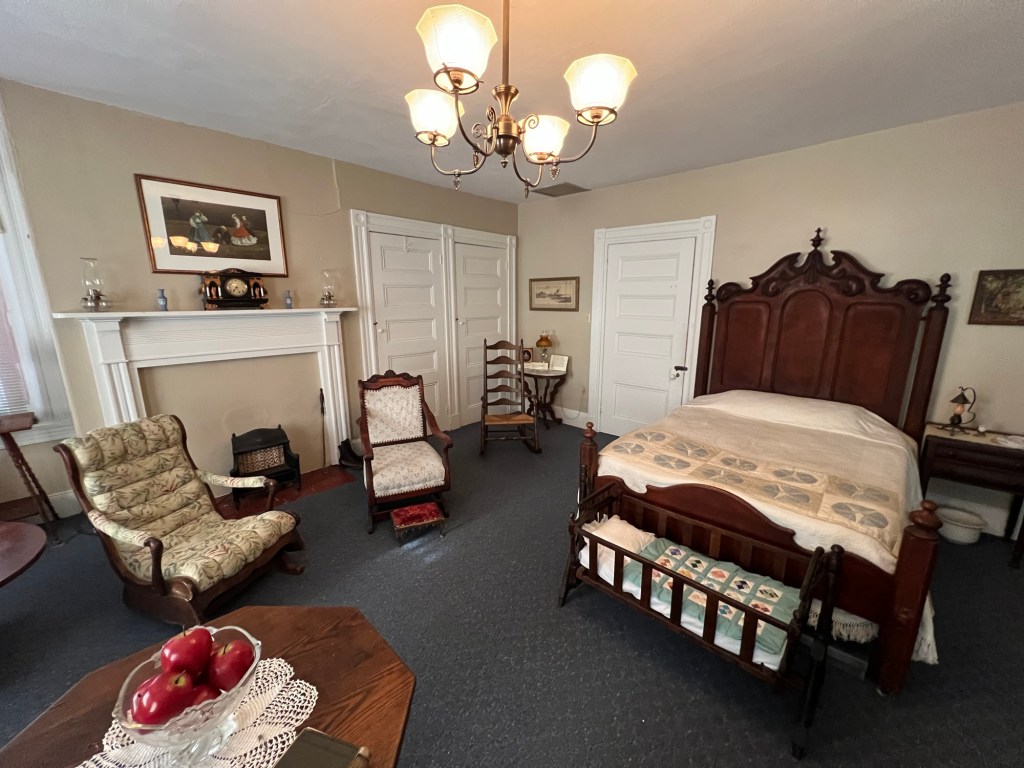
The main bedroom

The main bedroom

The Children’s display

The Children’s Toy Display

The Children’s Toy display

The Trolley display

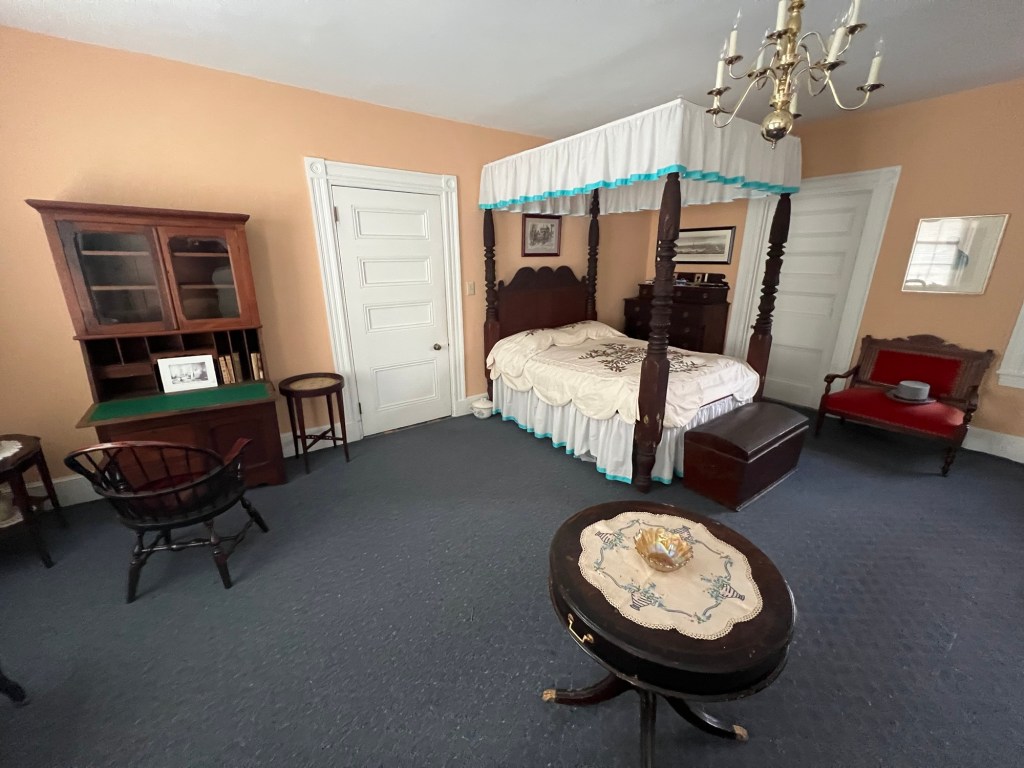
The other Bedroom display

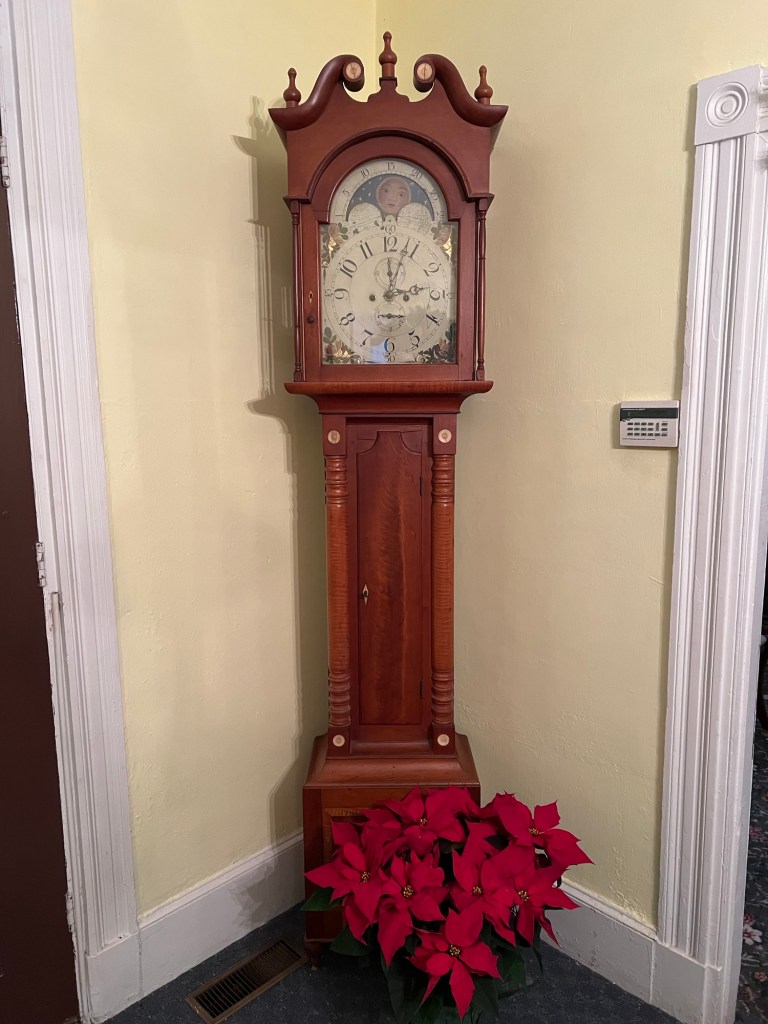
This beautiful Grandfather clock was made Salem, NJ

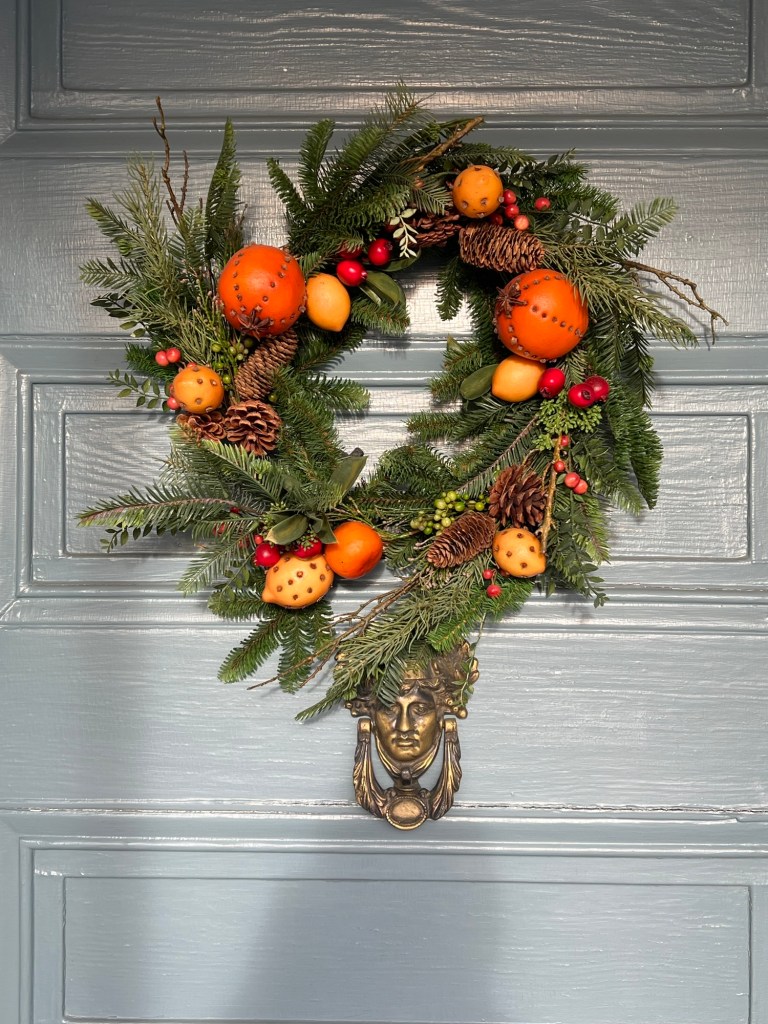
The beautiful display on the front door when you leave the house. Everything had been decorated for the holidays