Category: Exploring Greenwich, NJ

The John DuBois Maritime Museum                   949 Ye Greate Street                                Greenwich, NJ 08323

The John DuBois Maritime Museum 949 Ye Greate Street Greenwich, NJ 08323

The John DuBois Maritime Museum

949 Ye Greate Street

Greenwich, NJ 08323

(609) 444-1774

https://www.americanheritage.com/content/john-dubois-maritime-museum

Open: Sunday 12:00pm-4:00pm/Monday-Friday Closed/Saturday 12:00pm-4:00pm

Admission: Free but donations are accepted.

My review on TripAdvisor:

https://www.tripadvisor.com/Profile/R4960NKjustinw/mediabatch/12221179?m=19905

The Museum:

The John DuBois Maritime Museum at 949 Ye Greate Street in Greenwich, NJ.

I visited the John DuBois Maritime Museum when I was visiting the Gibbon House and the Carman Prehistoric Museum when I was visiting Greenwich, NJ. What a nice little museum explaining the maritime history of not just New Jersey but the local area as well.

The museum is one large gallery broken down into sections of the history of the area. The main gallery is well organized by section to explain the shipping history of the region.

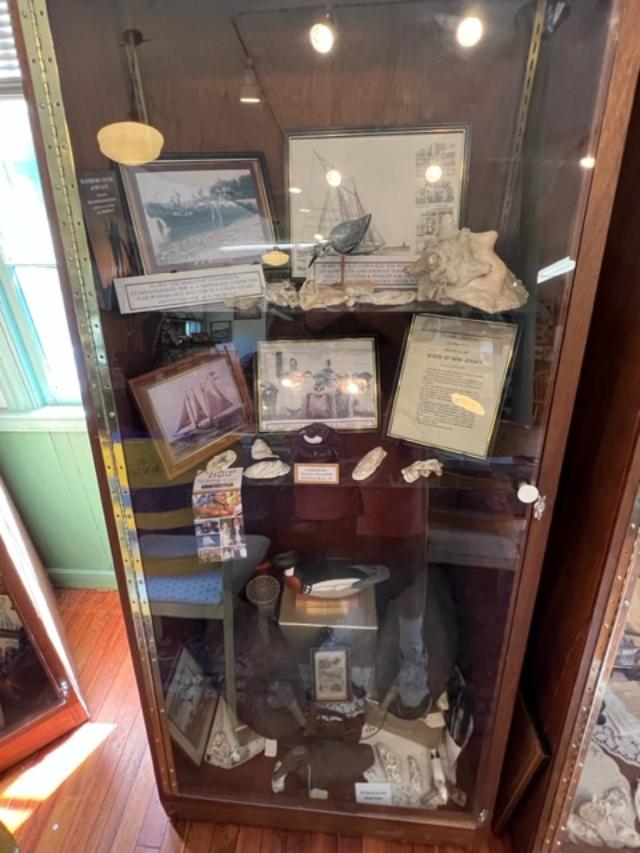
The decoys and rafts that are part of the collection.

The nautical instruments to guide your way through the stars. These were part of the long voyage.

The Shipping display

The sign for the Oyster Dredge display

The Oyster Dredge display

The Oyster Dredge display explores the important of the oyster industry in the area’s waters and what an important source of food they were to the local population. It also showed their role in keeping the waterways clean and the water well circulated.

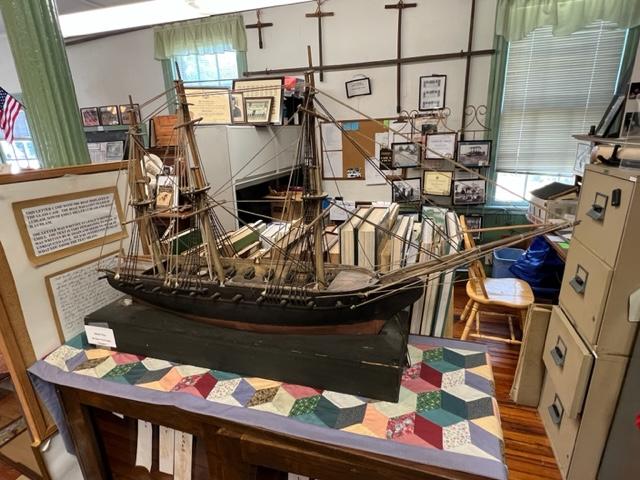
The Ship Building display

Ship building and the creation of the shipping industry’s planning on future boat was another important part of the economy before the Civil War.

The Ship’s Mascot greets all of her guests at the front of the museum.

The History of the Museum:

The John DuBois Maritime Museum houses a large collection of Southern New Jersey Maritime related items from the 19th and early 20th centuries. A large and unique collection of builders models of local craft, show the plans used to build a new ship from the model itself.

The anchor outside the museum

Exhibited are tools used to carve ribs, planking, masts and booms. Also displayed are many blocks, ‘deadlines’ and ‘rigging’. The museum is proud to have one of the largest collections on the East Coast of caulking tools. Videos are available to view by the New Jersey network on oyster schooners including an interview with John DuBois who donated most of the artifacts in the museum.

Also exhibited are early maritime engine parts, most from the Hettinger’s of Bridgeton, one of the first manufacturers in America of marine motors.

The Shipping displays in the heart of the collection.
Dennis Township Old School House Museum                   681 Petersburg Road                                Woodbine, NJ 08270

Dennis Township Old School House Museum 681 Petersburg Road Woodbine, NJ 08270

Dennis Township Old School House Museum

681 Petersburg Road

Woodbine, NJ 08270

(609) 861-1899

http://www.dennismuseumfriends.org/

https://www.facebook.com/people/Friends-of-dennis-township-old-school-house-museum/100066513017935/

Open: Every First and Third Saturday of the Month (Please check with the website on weather conditions)

Admission: Free but donations accepted

My review on TripAdvisor:

https://www.tripadvisor.com/ShowUserReviews-g35374-d25030718-r862673797-Dennis_Township_Old_School_House_Museum-Woodbine_Georgia.html?m=19905

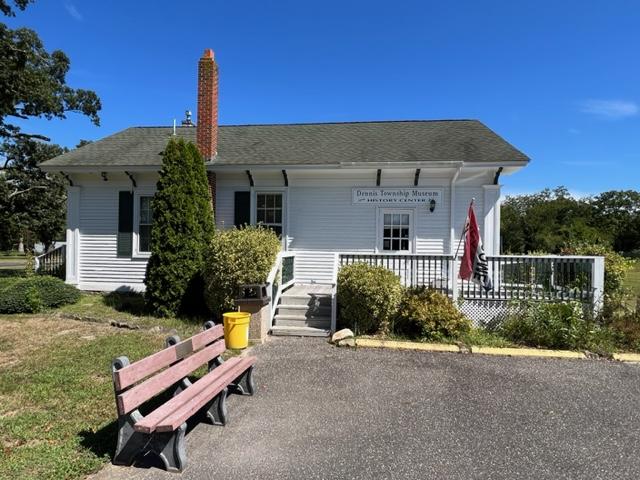
The Dennisville Historical Society at 681 Petersburg Road

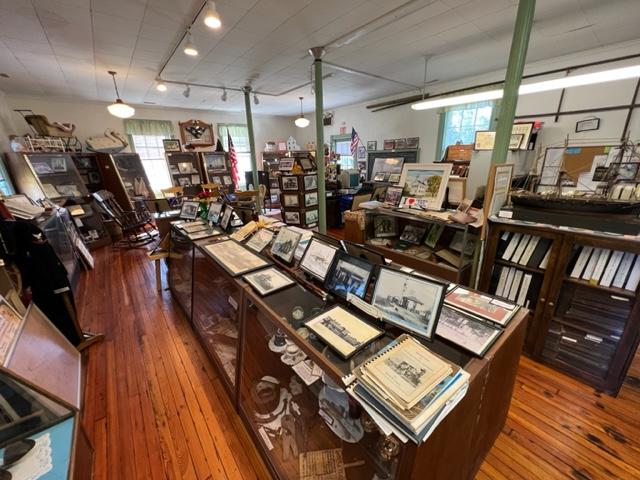
I have been wanting to see this charming little museum for several months. This is one of the featured historical museums in Southern New Jersey. The museum is representing the local farming and manufacturing industries as well as life in a farming community at the turn of the last century.

The Main Gallery at the Dennisville Historical Society.

The museum was started in 1994 in a partnership with the town of Woodbine, NJ and houses the history of Dennis Township. It is an all-volunteer museum, and the docents were really helpful describing all the displays that surround this small former schoolhouse. Their Friends of the Dennis Township Museum group does a nice job walking you around the museum and describing the displays.

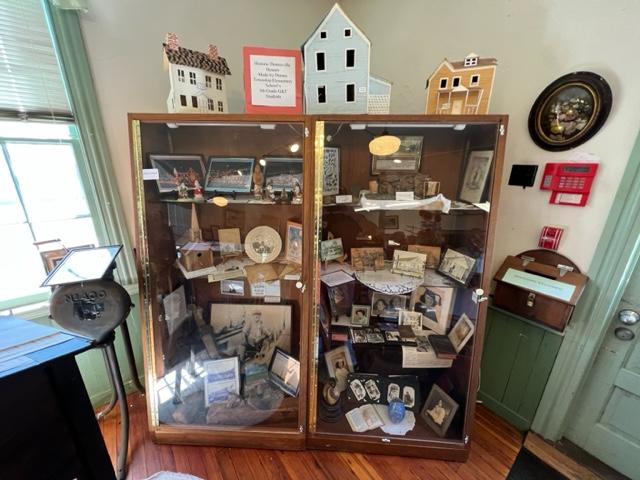
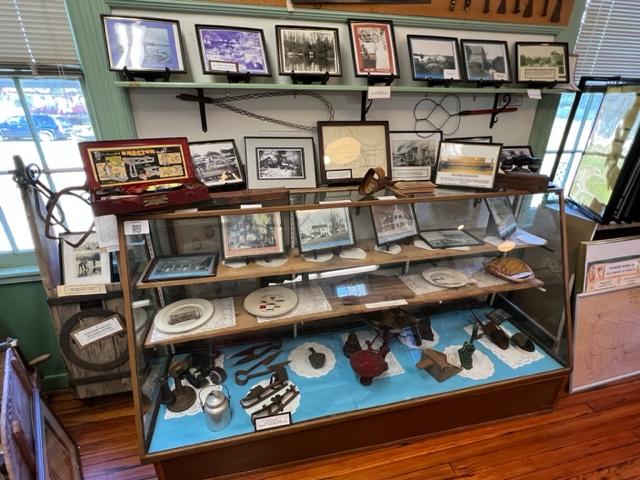
The artifacts that are on display at the museum.

The museum tells the story of a small-town farming community with a history of different local businesses, the Dennisville School district from 1874-1948 and the Methodist colony that was a big part of the community in the early 1800’s. The shipping industry was very important to any small town that used to supply its fruits, vegetables and fish to Philadelphia.

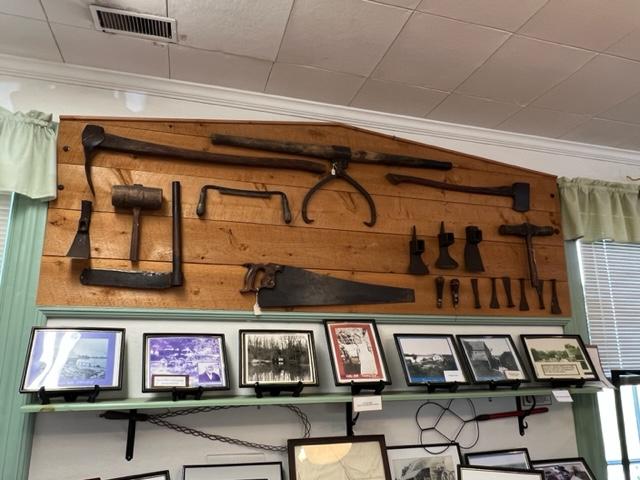
The Farming display at the museum.

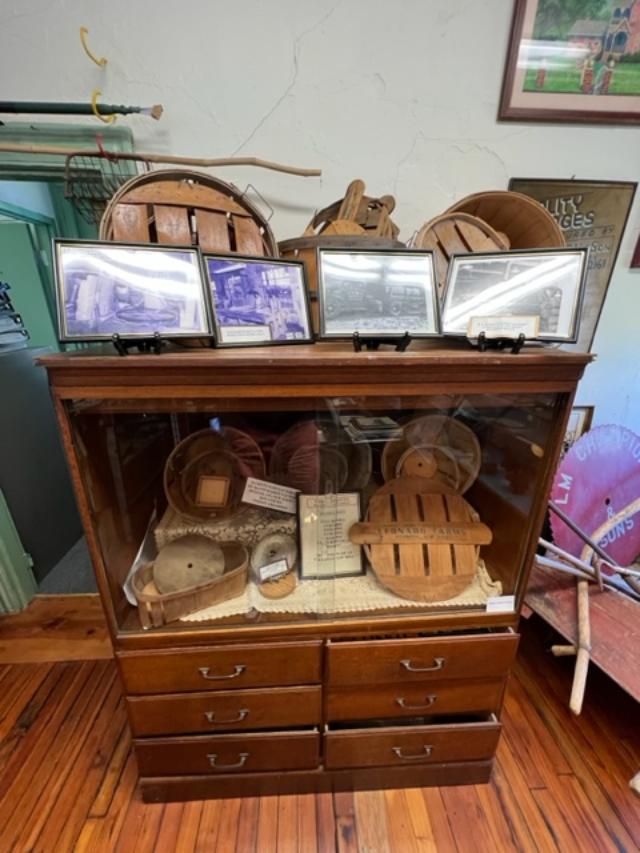
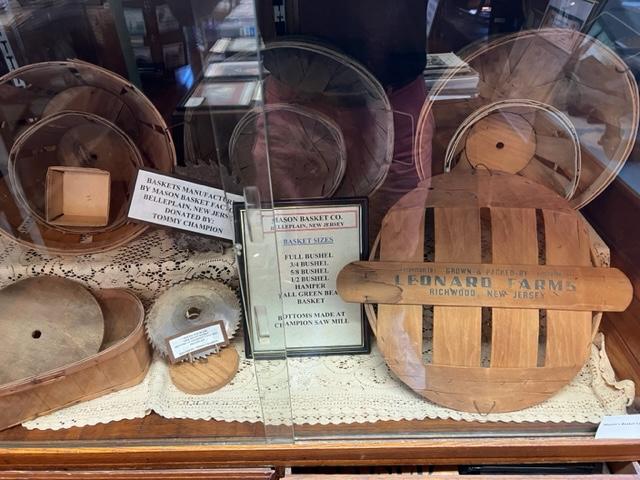
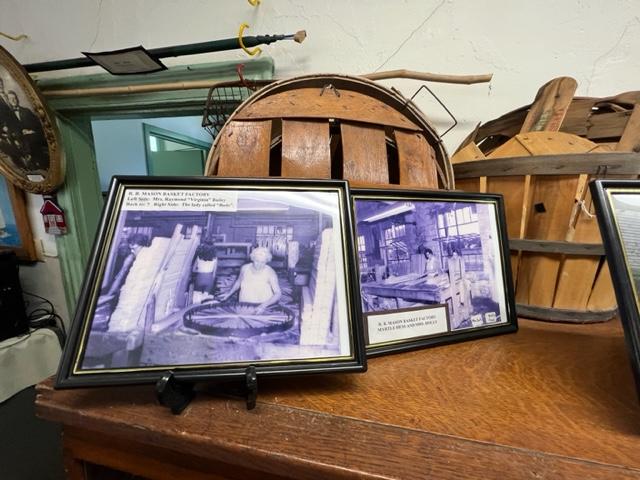
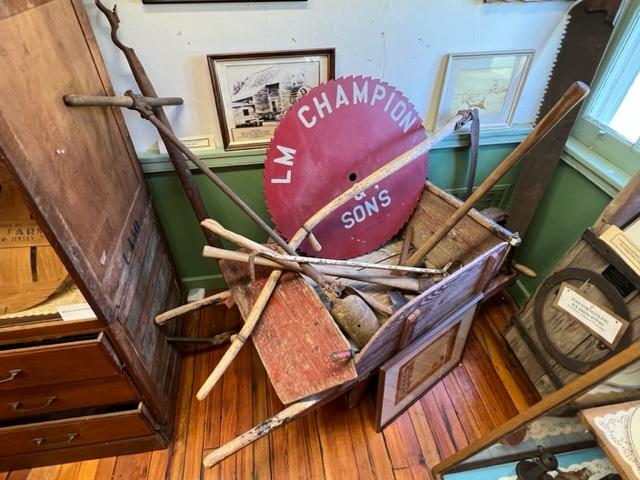
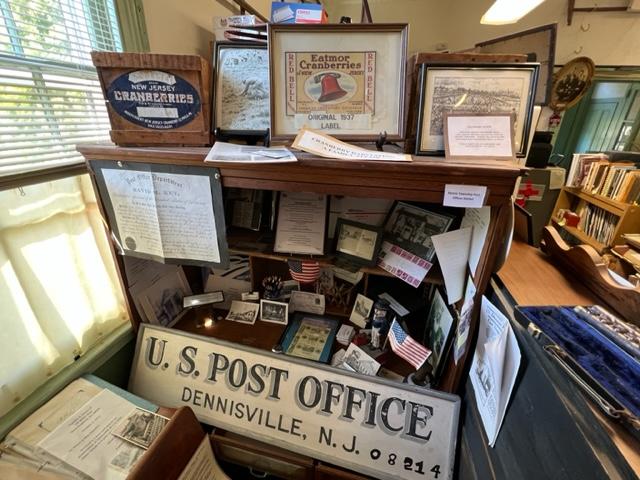
Some of the displays were dedicated to the local family businesses with the small cranberry industry that used to be in the area with equipment and packaging. The Mason Basket Company used to make the small and large wooden baskets for fruits and vegetables used to ship these items to both New York City and Philadelphia. These baskets are a staple at any farmers marker today.

The Basket making business for fruits and vegetables was a big business.

The other big business in town was the shingle making business that prided itself on supplying the shingles for Independence Hall in Philadelphia.

The history of the Basket making business in Dennisville.

The basket and shingle businesses in Dennisville.

The building had been the local one room schoolhouse for the surrounding community from 1874-1948 until the new schools were built in the 1950’s. There was a display on the school’s history as well as lots of pictures of the students at the turn of the last century with their period clothing and proper manners taking pictures with their schoolteachers. There were displays of desks, clothing and items that would have been in the school room.

The school display

The school display.

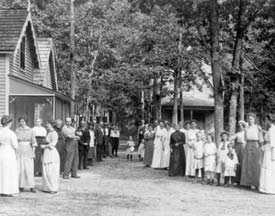
The town had once been a Methodist community with a large meeting house and surrounding homes for parishioners to stay. They showed the meetings and how the group would spend their summers in the area.

The summer community in Dennisville, NJ (from their archives)

The museum showcased live in a small-town farming community with all sorts of farm and farmhouse equipment. There were all sorts of home making items like cooking utensils to make meals from scratch, baking and serving in homes where being a housewife took a lot of strength. The farm equipment included hoes, racks and seeders that kept the farms going.

The Post Office display

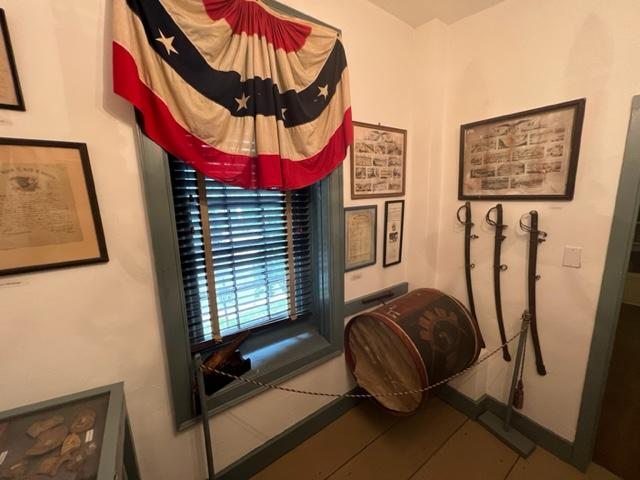
There were pictures of the renovations of the Ludlam family cemetery that had gone through a renovation by the Boy Scouts and showcased it beauty. The members did a nice job renovating the tombstones and landscaping.

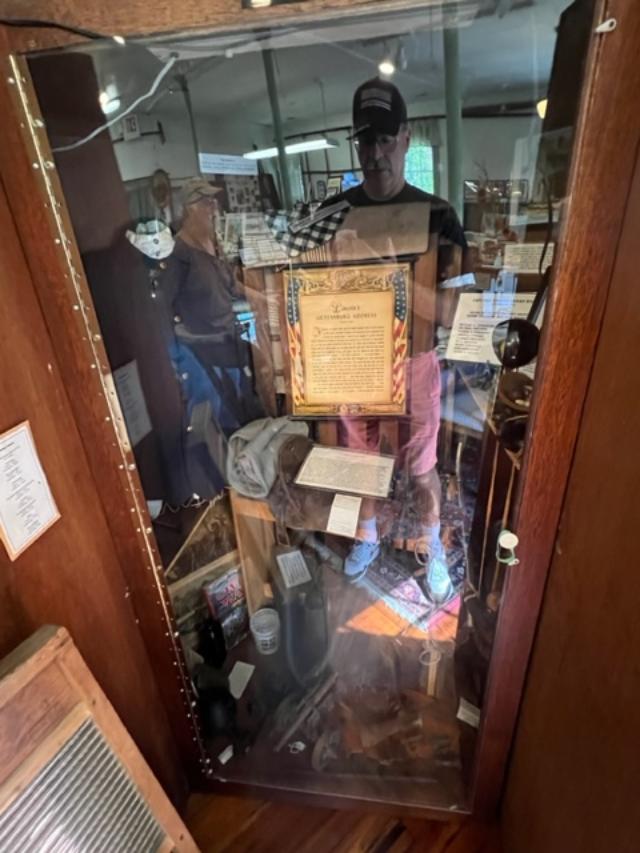
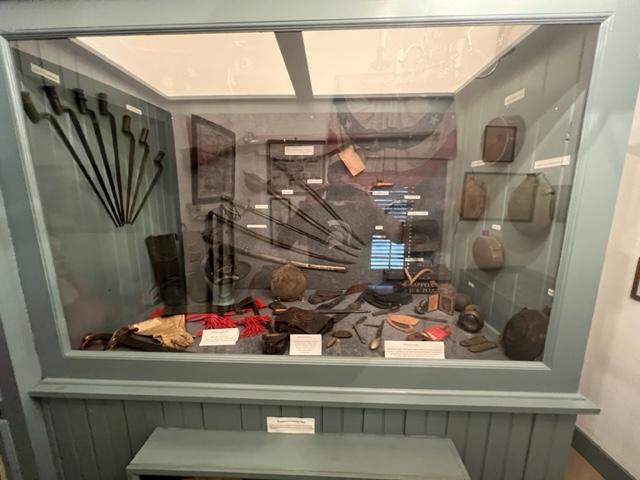
The Civil War display

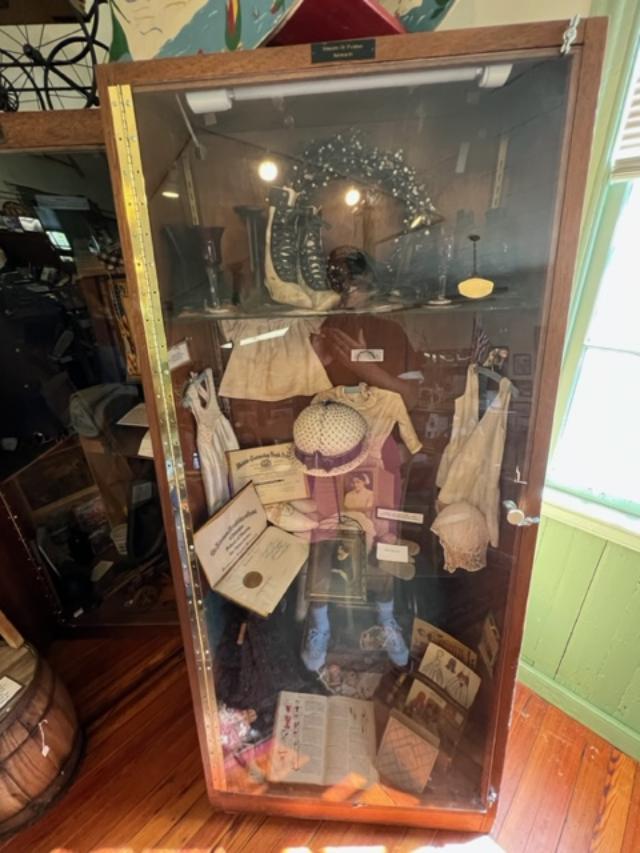
The Clothing display

The Children’s display

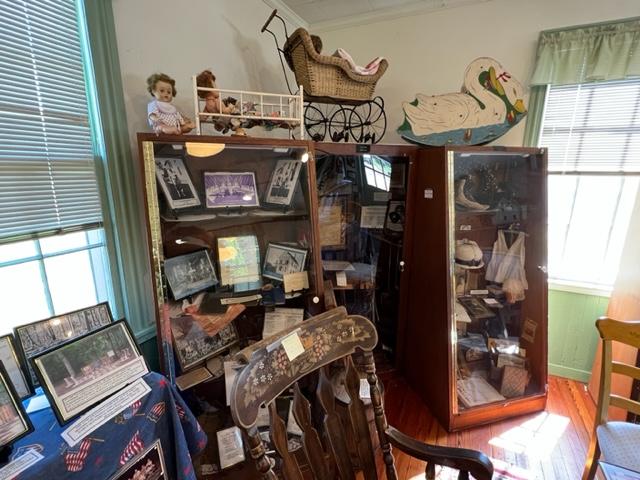
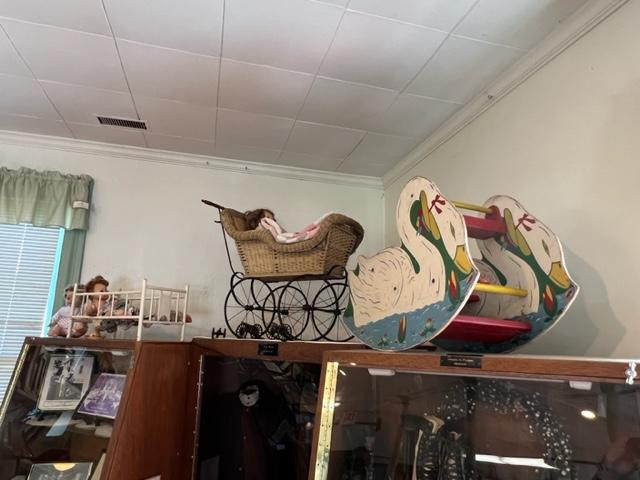
There were lots of interesting items to see in the Children’s display.

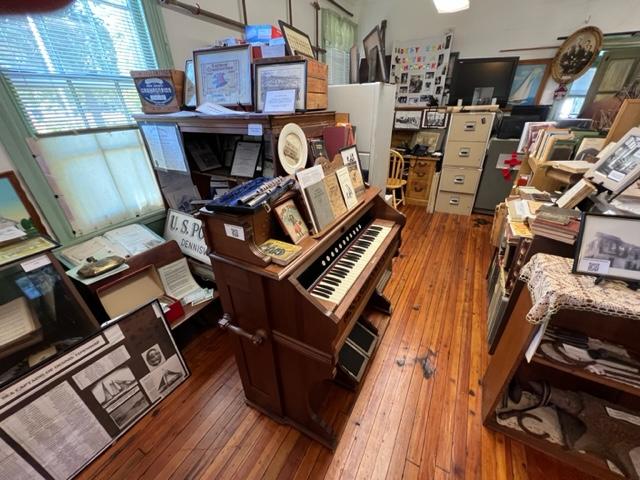
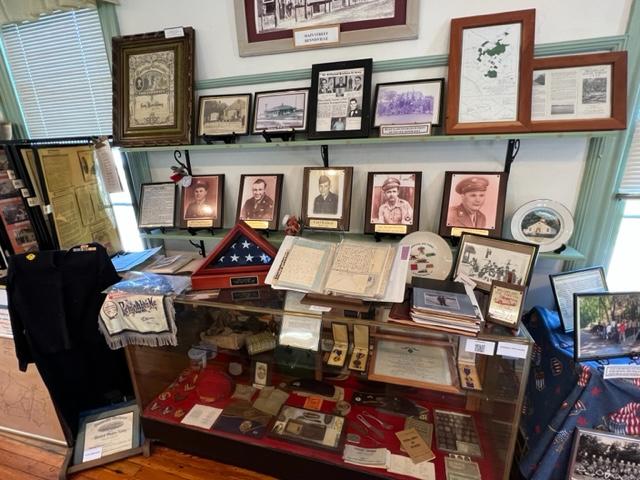
In the corners of the museum, there is period clothing from the Civil War to the 1930’s with hats, gloves and dressing plus accessories. There is a small display to the local veterans of war. Near the entrance there is a working pipe organ and more information about the town from the early 1900’s.

The Household items at the museum.

The docents told me that they have the old town records and that people come to the museum to research their families that used to live in the area. They have had people come from all over the country to find their family roots.

The Shipping Industry

The Ship Building industry

For a small museum, it is chock full of small displays offering a glimpse into a community of time past and how it has grown over the future and changed.

The Military display

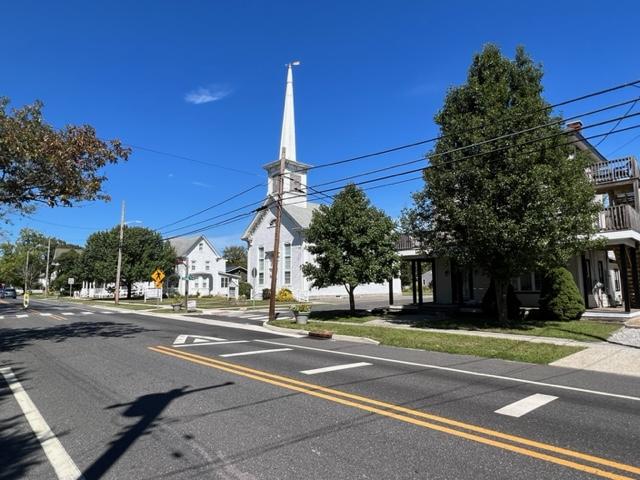
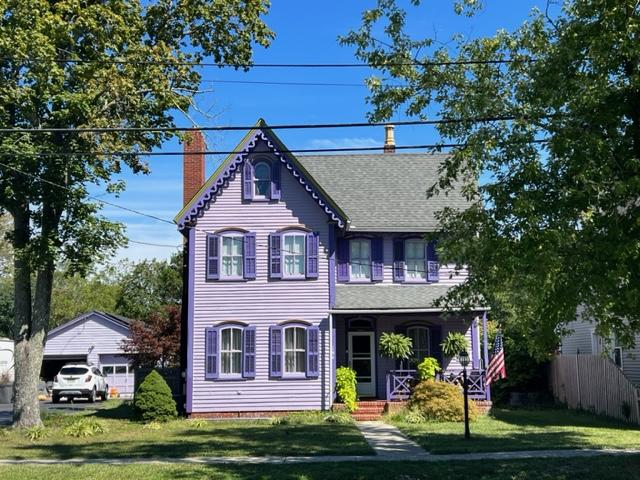
Take time also to drive around this small town loaded with historical homes that have been beautifully maintained and labeled with the year that they were built. Some looked like they had the family names on them. All of the homes are painted bright colors and each has been brought back to life. I was amazed in how in one year how many of these homes had been bought and repaired and painted. The whole town was brought back to life.

Downtown Dennisville has a quaintness to it.

The Purple House in Downtown Dennisville, NJ.

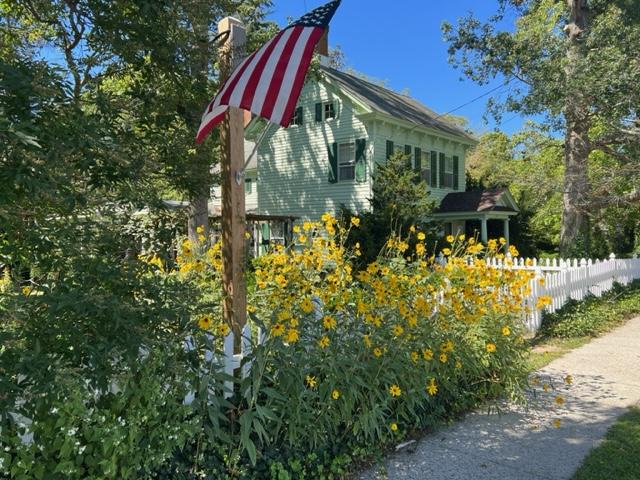
The light Green House in Dennisville, NJ

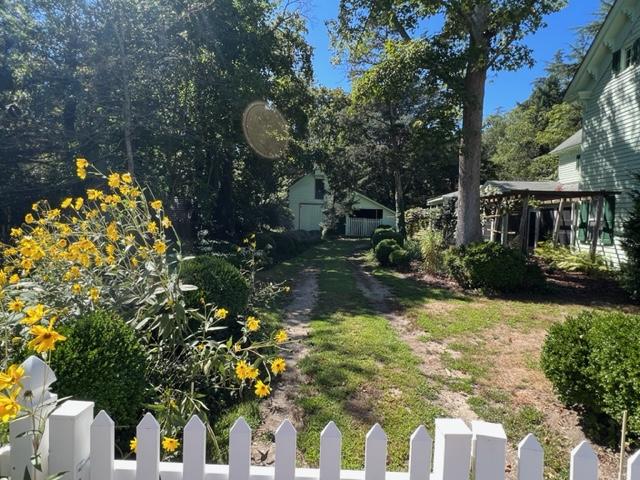
The gardens of the Green House

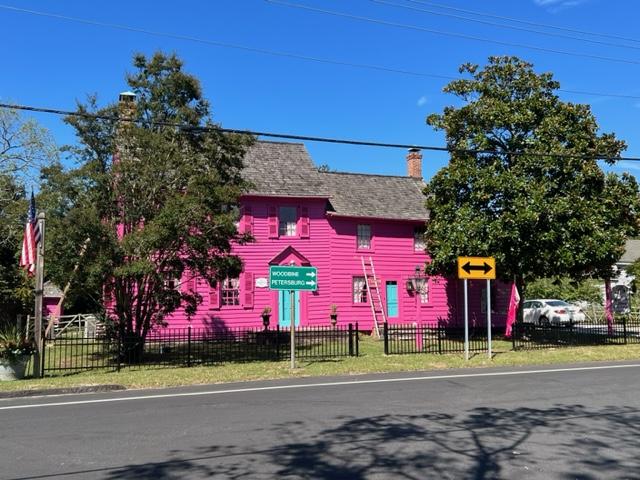
The Pink House is a known landmark to local law enforcement as a marker in the town.

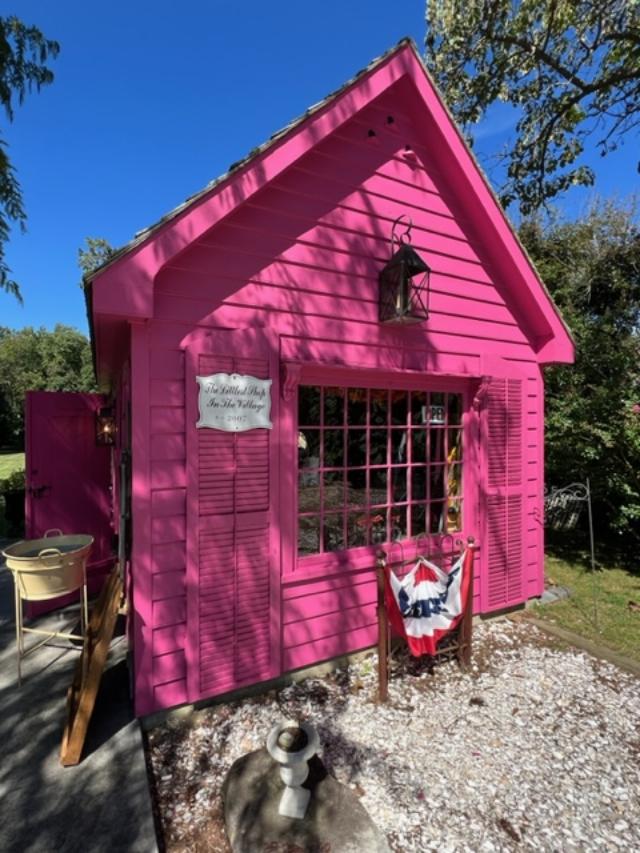
There is a tiny gift shop selling jewelry behind the house which just opened. I thought it would make a nice Tea House.

The Town of Dennisville has it charms to it and it totally being redone. Too bad the only restaurant in the area is a Wawa. Still it is a nice place to visit and drive around in.

Day Two Hundred and Forty Visiting the Historical Sites of Southern New Jersey in Cumberland, Cape May and Salem Counties-A Local Journey on Father’s Day Weekend                                                             June 18th-19th, 2022

Day Two Hundred and Forty Visiting the Historical Sites of Southern New Jersey in Cumberland, Cape May and Salem Counties-A Local Journey on Father’s Day Weekend June 18th-19th, 2022

Grab your tour book and get in the car to visit all these wonderful sites. There is so much to see and do in Historical Southern New Jersey!

The Salem Historical Society

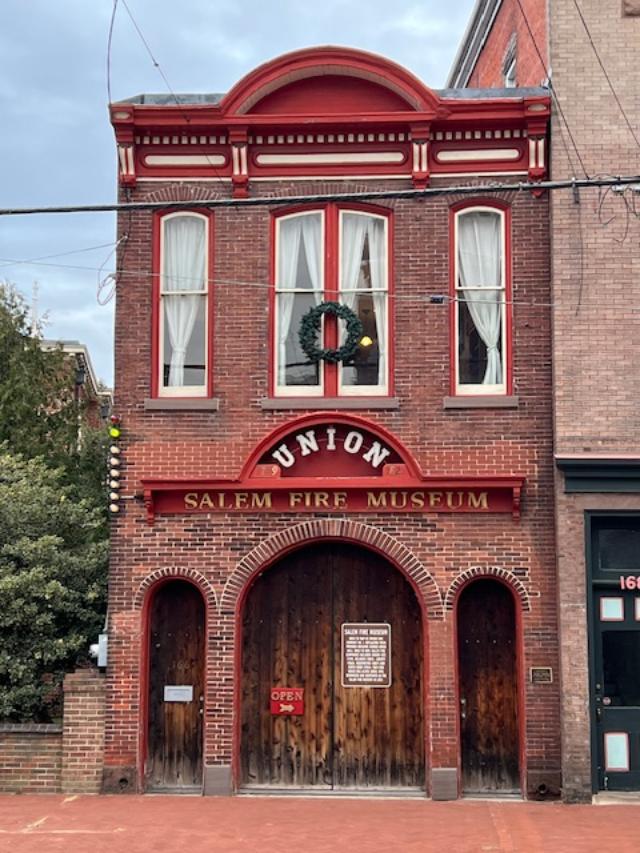
The Salem Fire Museum

jwatrel's avatarmywalkinmanhattan

The one thing I refuse to do on Father’s Day is to spend the day at the cemetery. I know that is some people’s idea of honoring one’s family members but it is not mine. I went on Friday and paid my respects to my father (whom this blog is dedicated to) and spent time remembering some of the good times we had in past. I dropped some cut flowers from our gardens (some of which he planted) and said a small prayer. Then I left.

My idea of honoring my father and spending Father’s Day with him is to do something that we would have shared together. We were always running around somewhere and exploring something new and doing something fun. That is how I wanted to honor him. By being active and giving him a toast at Sunday dinner.

I had gotten a pamphlet on the historical sites…

View original post 8,238 more words

The Nicolas Gibbon House                                   960 Greate Street                                     Greenwich, NJ 08323

The Nicolas Gibbon House 960 Greate Street Greenwich, NJ 08323

The Nicolas Gibbon House

960 Great Street

Greenwich, NJ 08323

(856) 455-4055

Nicholas Gibbon House

http://www.co.cumberland.nj.us/gibbonhouse

Open: Sunday 1:00pm-4:00pm/Monday Closed/Tuesday 1:00pm-4:00pm/Wednesday-Saturday Closed

Admission: Free but a donation suggested

My review on TripAdvisor:

https://www.tripadvisor.com/ShowUserReviews-g46477-d24137202-r844109193-The_Gibbon_House-Greenwich_New_Jersey.html?m=19905

The Nicholas Gibbon House

The historic sign of the Gibbon House

The sign that welcomes you to the home.

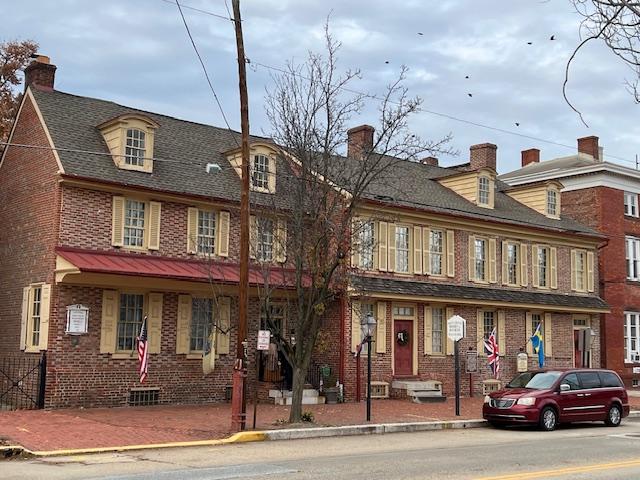
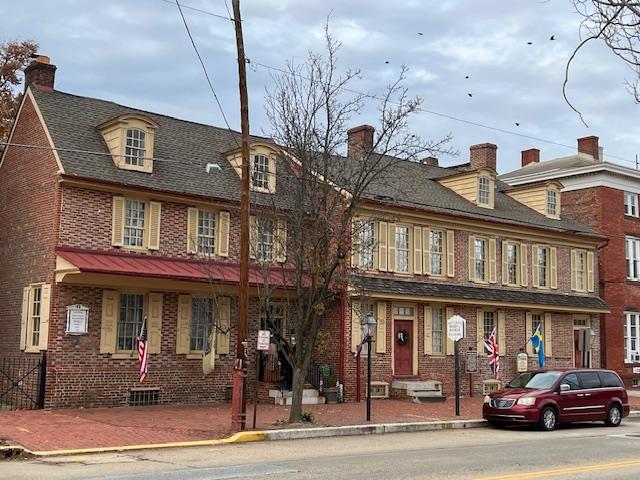
I was very impressed by the Nicholas Gibbon House when I took a tour one Saturday afternoon. There were no large crowds to deal with and the parking is perfect with plenty of room to move around. The grounds are beautifully landscaped with all sorts of seasonal flowers surrounding the house. When I visited, I thought I was mistaken, and it was someone’s home. There was a lot of care put into both the exterior and interior of this home.

The fields around the Gibbon House.

Nicolas Gibbon was a local merchant who moved to Greenwich in 1730 and continued to live here until the 1760’s. The tour guide explained to me that the townspeople would not let him build a church here (it was a Quaker region) so he and his wife decided to move out of the area. Richard Wood and his family moved into the house in 1760 and lived in the house until the 1920’s. Over that time, parts of the house were modernized and rebuilt. The Wood family later in the generations founded the WaWa store chain.

With the exception of the Nicolas Gibbon’s nephew and his wife’s portraits, all of the furnishings are not originally from the house. The downstairs is set up with a formal dining room and parlor area fully furnished in Victorian era furniture, paintings, rugs and silver. The silver collection of the house is very elaborate and some of the pieces came from the Hershey family of Pennsylvania.

The family portraits of the Gibbon nephew and his wife.

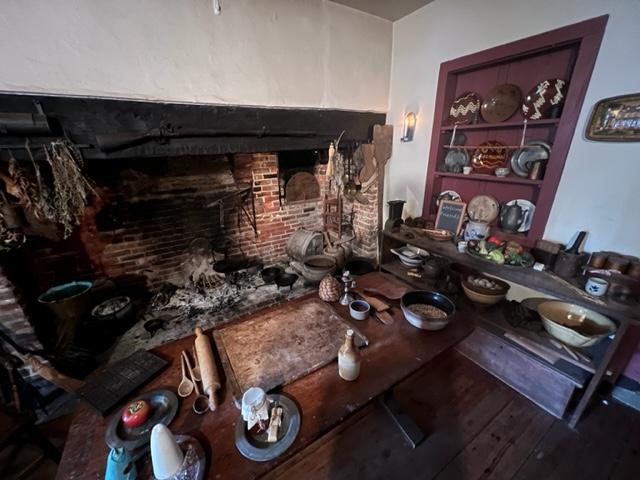
The library and study have rare books that were used for research as well as a working fireplace that was used for both light and heat. Downstairs is the kitchen with a large hearth and all the equipment and serving items for kitchen and dining use for the home.

The Parlor of the Gibbon House.

The Library at the Gibbon House.

The tour guide explained to me that during some of the past fundraisers, the hearth was used to cook foods of the time period that were served for events.

The Kitchen of the Gibbon House was used for cooking fundraisers.

The Kitchen Hearth is quite large.

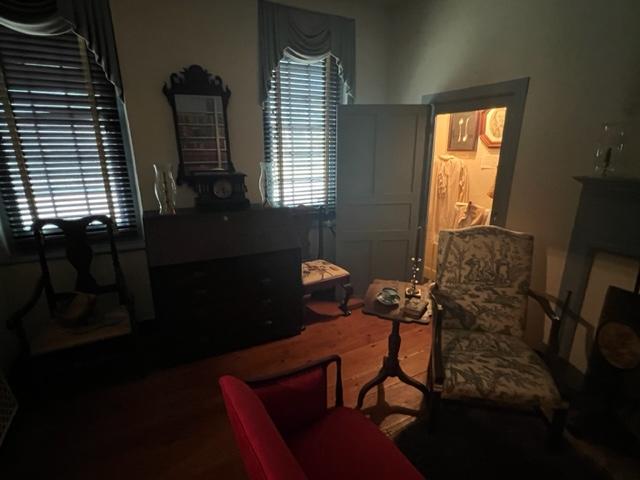
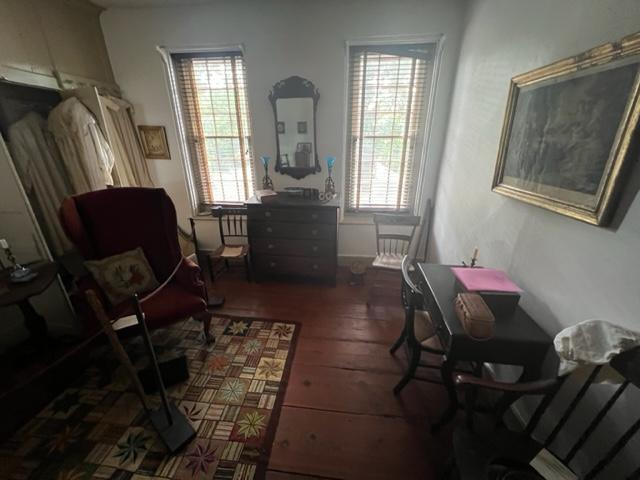
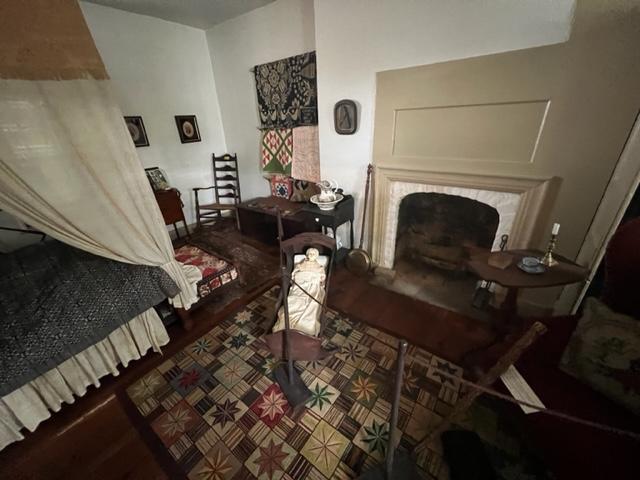
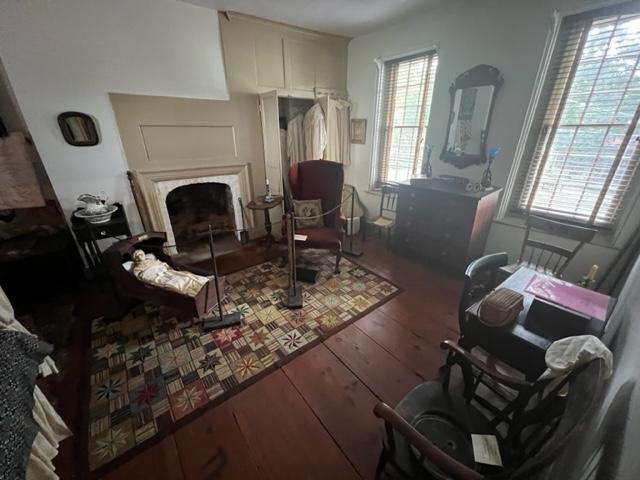
Upstairs you have an elaborate master bedroom with all sorts of formal furnishings for an upper middle-class family living in the area.

The Upstairs bedroom

The Master Bedroom upstairs at the Gibbon House.

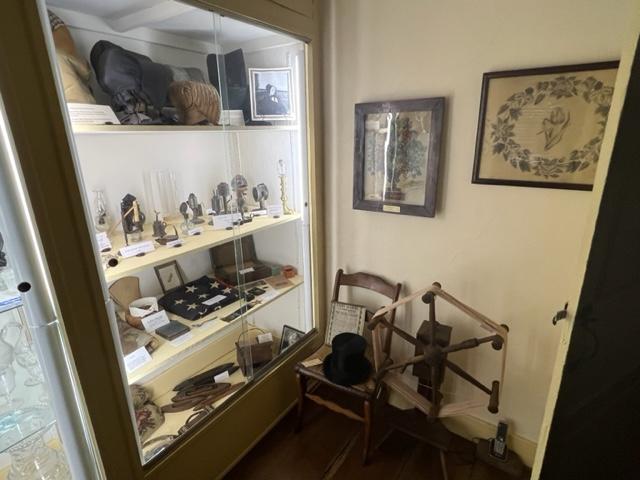
What was the interesting part of the second floor of the home was the “Everything Room”, which contained an extensive collection of toys and dolls, Civil War historic items, period clothing, bonnets, top hats and parasols, an extensive collection of quilts and Hair Art which was a Victorian tradition of making art from the hair of the dead.

The Everything Room at the Gibbon House has all sorts of Victorian artifacts.

There was a collection of ‘Sewing Samplers’, which is how young women learned how to perfect their sewing skills which was part of their domestic training for being a housewife.

The Everything Room on the second floor of the Gibbon House.

The collection of the house really gave a glimpse into the lives of people from the 1840’s until almost WWI. How much life has changed but not too much.

The Everything Room at the Gibbon House.

History of the Gibbon House:

In 1730, Nicholas Gibbon who had inherited more than 3000 acres of land nearby, bought a 16-acre lot in Greenwich on which he built a replica of a London Townhouse he had admired. The brick, fired on the property, was laid in the Flemish Bond pattern brought from Kent, England: this design is achieved by using a red stretcher and blue header producing a definite and attractive pattern. Rubbed brick is a further architectural feature, outlining each door and window opening as well as being used to emphasize the four corners of the house.

The Upstairs bedroom at the Gibbon House

The home, appropriately furnished with products of 18th and 19th century artisans contains a reception hall, a paneled dining room, a formal drawing room and a kitchen dominated by a huge walk-in fireplace in which demonstration of colonial open-fire cooking are conducted.

The walk-in fireplace at the Gibbon House.

There is a small store on the back porch where post cards, gifts and a fine collection of books and pamphlets on the history of the area may be purchased.

The Master Bedroom.

On second floor, in addition to a bedroom, are exhibits of 19th century locally made, rush seated. “Ware” chairs, children’s toys, dolls and clothing as well as Civil War artifacts donated by local families.

Some of the toys in the Children’s Collection.
The Military Collection at the Gibbon House.

The Farming artifacts.