

King Victorian Home & King Canal Store/Roxbury Historic Trust
209 & 211 Main Street
Ledgewood, NJ 07852
(973) 927-7603/(973) 584-7903
http://www.roxburynewjersey.com/trust-home.htm
https://en.wikipedia.org/wiki/King_Store_and_Homestead
Open: Check their website/Seasonal
My review on TripAdvisor:
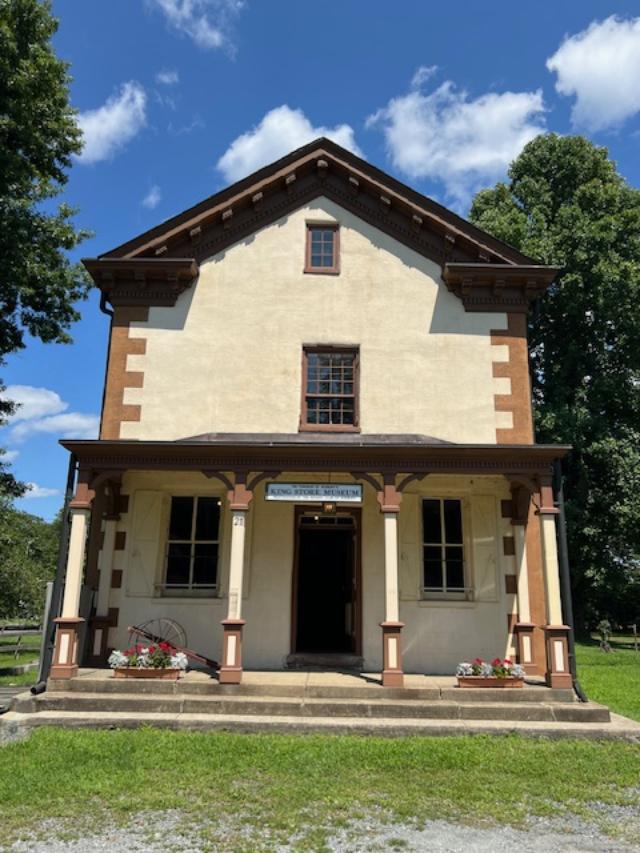
The King Canal Store Museum at 209 Main Street

The Drakesville (what the town was originally called) historic sign
I visited the King Canal Store Museum and the King Homestead during the Morris County “Pathways to History” tour in May of 2022 and again in August 2024. This interesting store was still intact with its merchandise lining the shelves with a pot belly stove in the center of the store which was the center of action when the store was open to the community. All sorts of grocery items and notion items still line the walls.

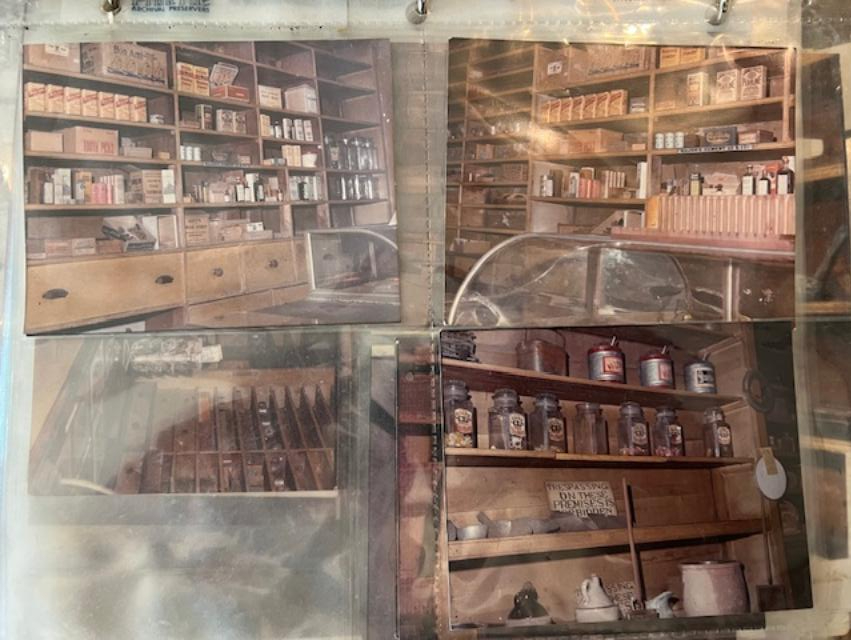
Pictures of the old store when it was open
The guide explained that upon the death of the owner wanted to store closed and sealed. His daughter only opened it in the 1930’s in the depth of the Depression so that residents could buy items at a reasonable price.

The King Store and the King Homestead are historic buildings located in the Ledgewood section of Roxbury Township. The Roxbury Historic Trust acts as curator for these county owned buildings. These buildings represent significance in New Jersey commerce from 1815-1928 and were added to the National Register of Historic Places in 1994 (Wiki).

The notions area of the store
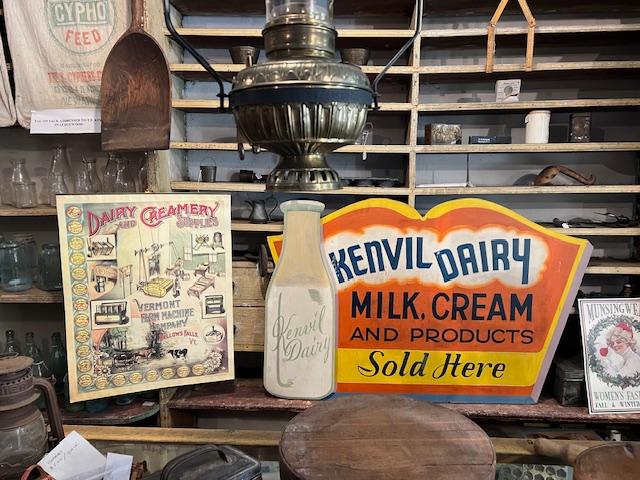
Some of the advertising for items in the store

The items on the shelves of the General Store
The King and Riggs families used to live above the store before they build the house next door. We got to take a tour of the second floor that you do not normally get to see.
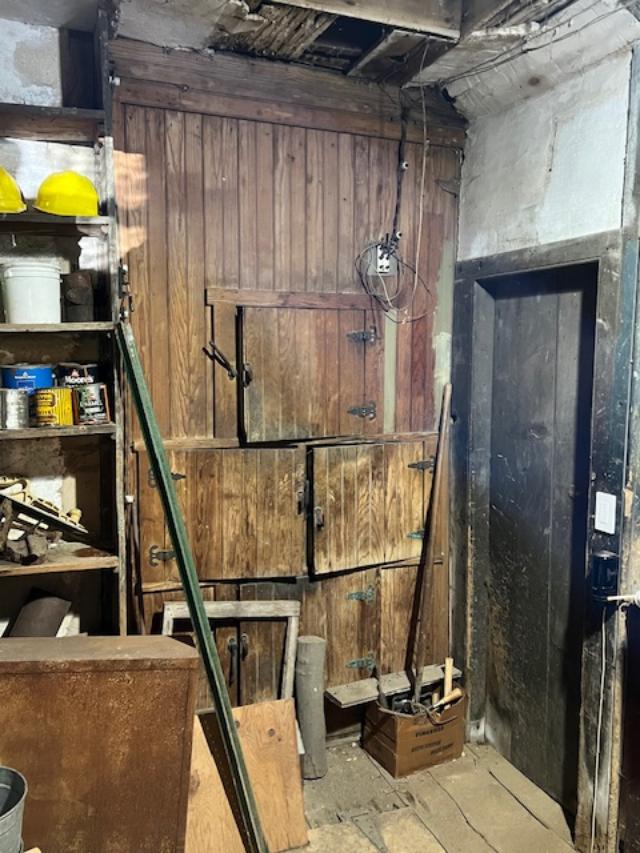
The ice storage doors to the cooler
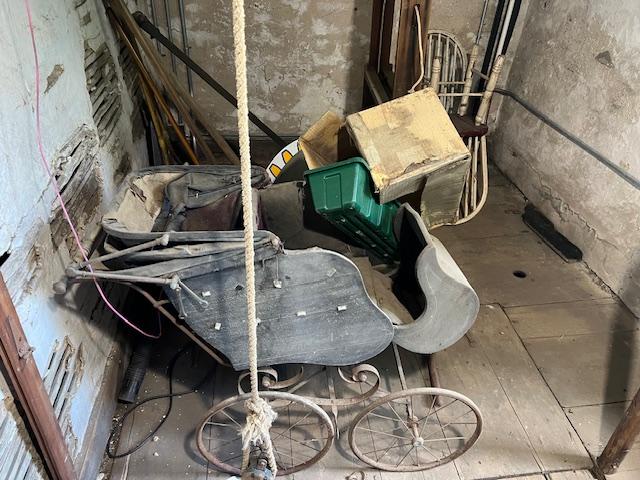
The upstairs rooms in the living area of the store
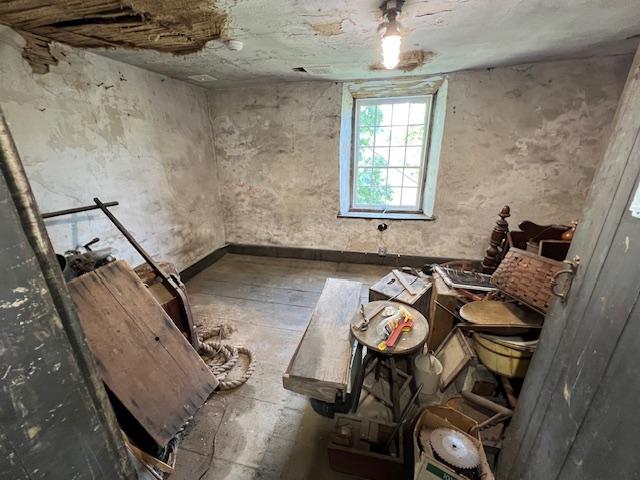
The rooms above the store
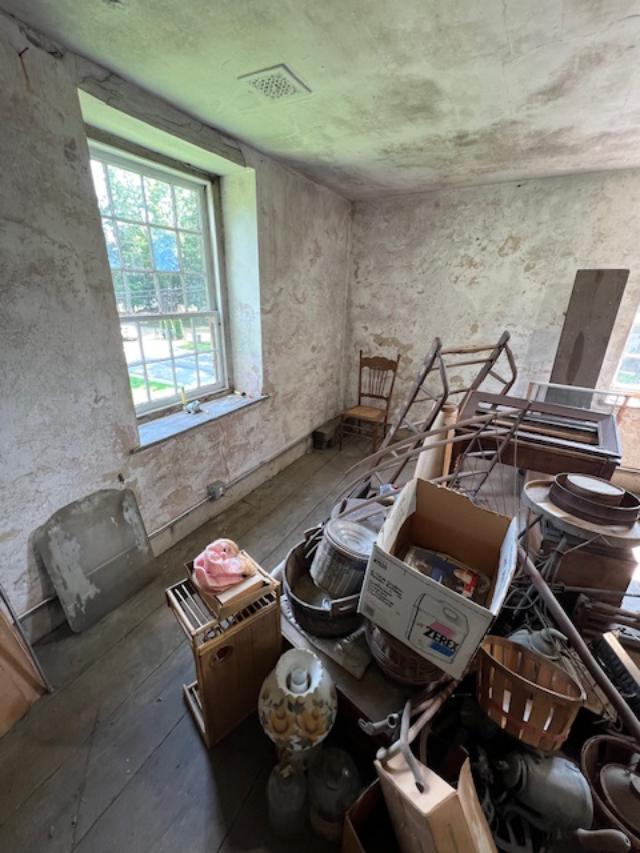
The rooms above the store

The graffiti on the walls upstairs from the turn of the last century
After I visited the King General Store, I walked over to the family home. This Victorian home had been in the family since the late 1880’s until the last family who lived in the house died in 1975.
History of the King Canal Store:
(From the Museum website)
The King Canal Store is a unique, 2 1/2 story building constructed of stone in 1815 by Woodruff and Hopkins. At the ground floor its walls are three feet thick. The Woodruff family operated the store until 1835. It was abandoned for two years and in 1837 Albert Riggs (Son of Silas Riggs, a tanner by trade and owner of several canal boats) acquired the building and reopened it as a general store serving the community and the Morris Canal trade as it was located 150 feet from the Morris Canal basin (Wiki/Museum website).
Theodore King was the son in law of Albert Riggs, took over the store in 1873. He lived on the second floor of the building with his wife, Emma Louise and daughter also named Emma Louise. In 1881, Mr. King built a new residence on adjacent property and then began a renovation of the store, changing the decor to Greek Revival and the color scheme to cream with brown trim. In the process, the exterior was given a smooth coat of stucco which was scored to resemble large blocks. The interior of the store was given an Italianate design with a cream and maroon color scheme (Wiki).
Mr. King died in 1928 and his daughter closed the building, its contents remaining just as they were with a few occasional openings in the 1930’s to help the locals in the depths of the Depression. Emma Louise King maintained the closed-up store and lived in the well cared for home until her death at 92 in 1975. From 1989, the Roxbury Rotary Club has worked with the Roxbury Historic Trust to restore the exterior and the first-floor shop and create the King Store Museum (Museum website/Historic Ledgewood Guide).

The King Canal Store Museum has grocery items lining the walls
The Theodore F. King Homestead:

The King Family Homestead at 211 Main Street was in the family until 1975
The King Homestead, a vernacular frame house to start had several additions with Italianate and Queen Anne influenced detailing. It is possible that the original house may just have consisted of the current parlor, the two exhibition rooms and one or both of the staircases to the second floor. There were two front bedrooms and a smaller bedroom in the rear of the home.


The portrait of Mr. King hangs in the house’s Living Room
The house that was built by Mr. King for his family. They moved out of the second floor of the store.

The Living Room at the King House

The Living Room by the fireplace

The Living Room by the piano

Mr. King’s office to run the store
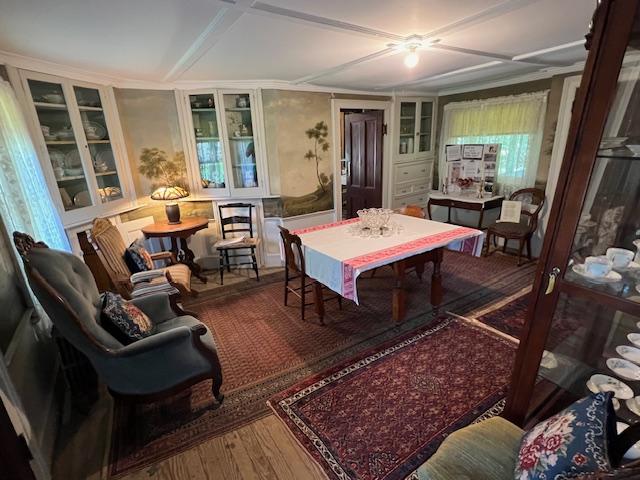
The Dining Room for entertaining

The Dining Room table for entertaining
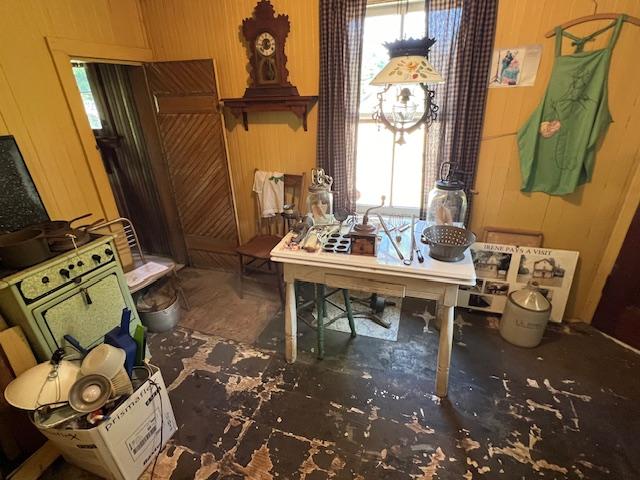
The new Kitchen behind the Dining Room

The landing at top of the second floor

The nook on the second floor of the home
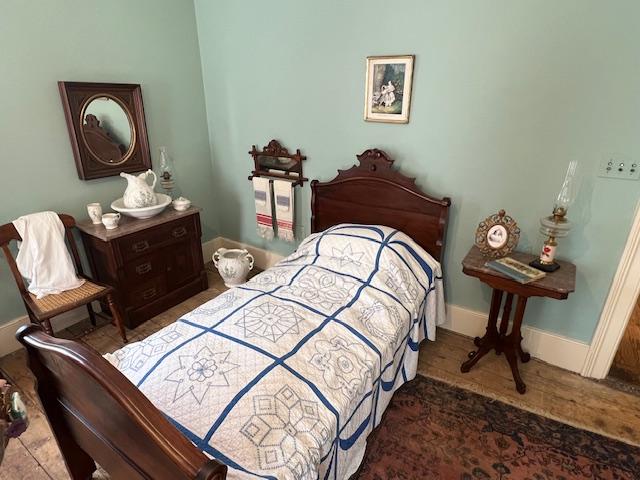
The Victorian Girl’s Room on the second floor
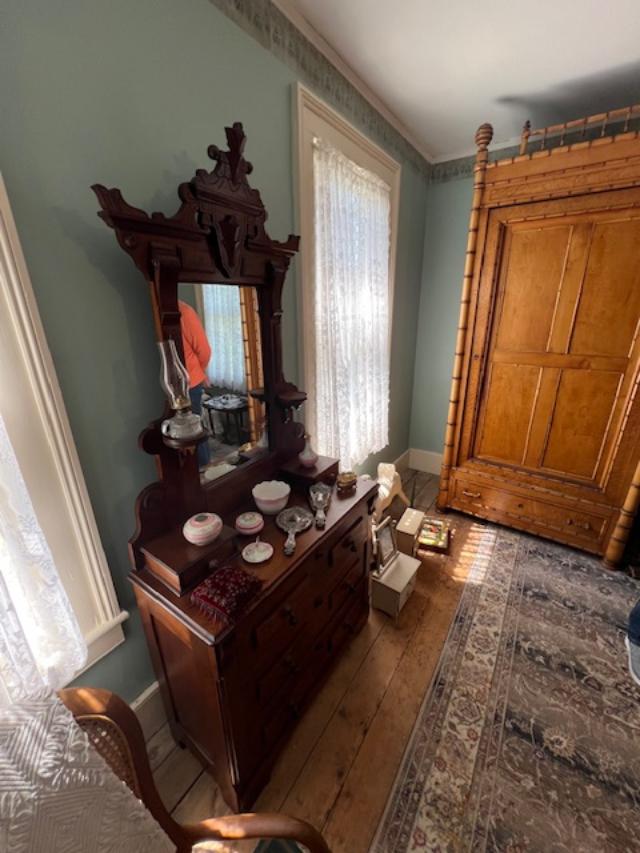
The Victorian Girl’s Room
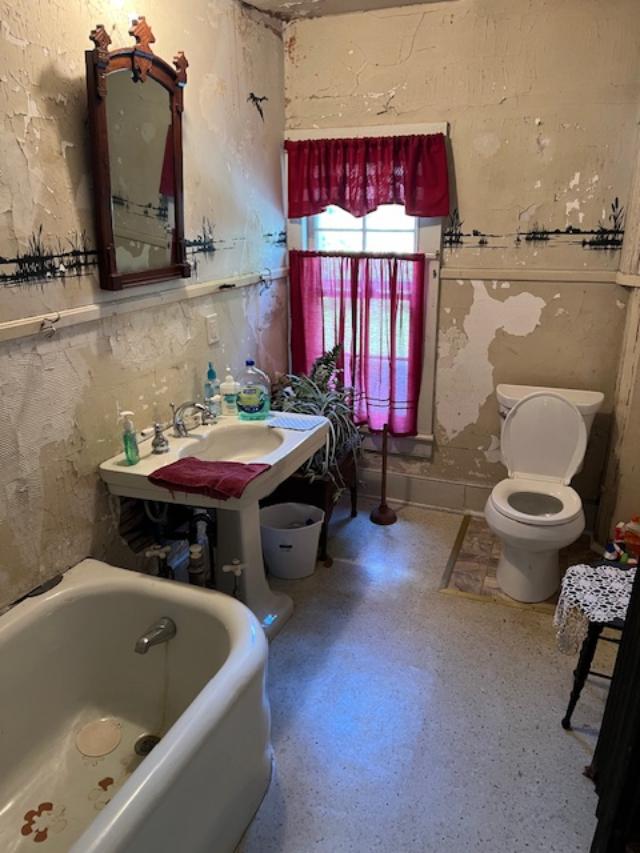
The new bathroom needs some work
The stairs to the basement contained the kitchen (which was a common practice during Victorian times) with a dumbwaiter added to the dining room so that the food could be brought up from the kitchen. Another addition to the home was the first-floor front office used by both Mr. King and his daughter. The mural in the first-floor dining room was by artist James William Marland in 1936 (Wiki).

The King House lawn




 Visiting a Museum: The Unique, Unusual, Obscure and Historical