Category: Decorated Homes at Christmas in the Hudson River Valley

The Armour-Stiner Octagon House                                   45 West Clinton Avenue                                         Irvington, NY 10533

The Armour-Stiner Octagon House 45 West Clinton Avenue Irvington, NY 10533

The Armour-Stiner Octagon House

45 West Clinton Avenue

Irvington, NY 10533

(914) 817-5763

https://en.wikipedia.org/wiki/Armour%E2%80%93Stiner_House

Hours: Sunday-Saturday Seasonal please check their website

Admission: Depends on the Tour/Times of the year-Please check the website

My review on TripAdvisor:

https://www.tripadvisor.com/Attraction_Review-g47953-d15523741-Reviews-The_Armour_stiner_Octagon_House-Irvington_New_York.html

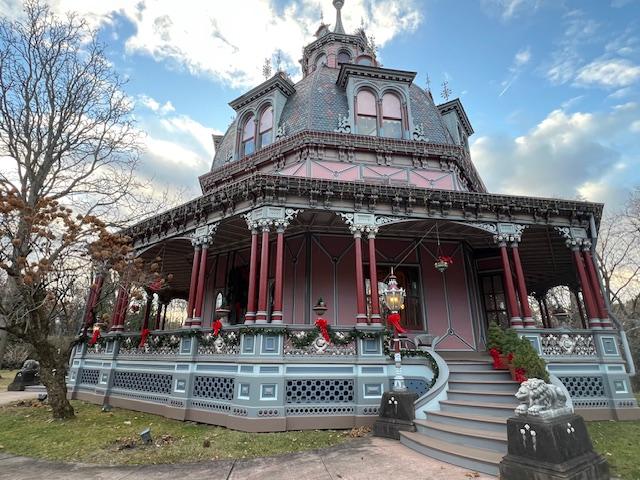
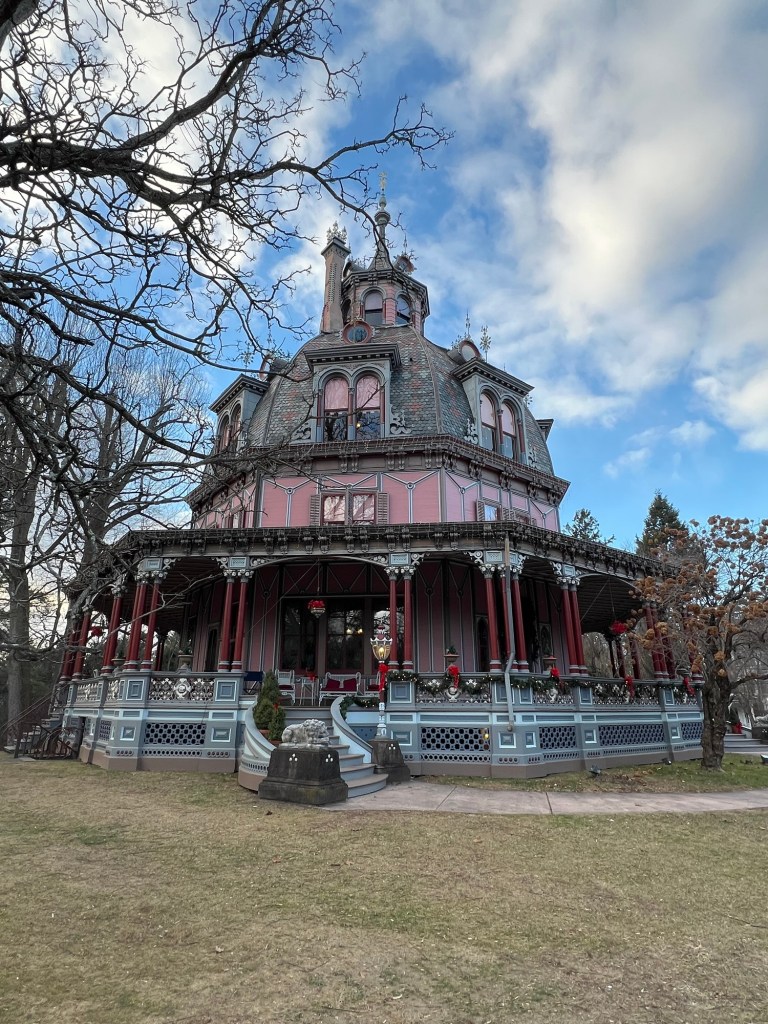
The outside of the house during the Christmas holidays

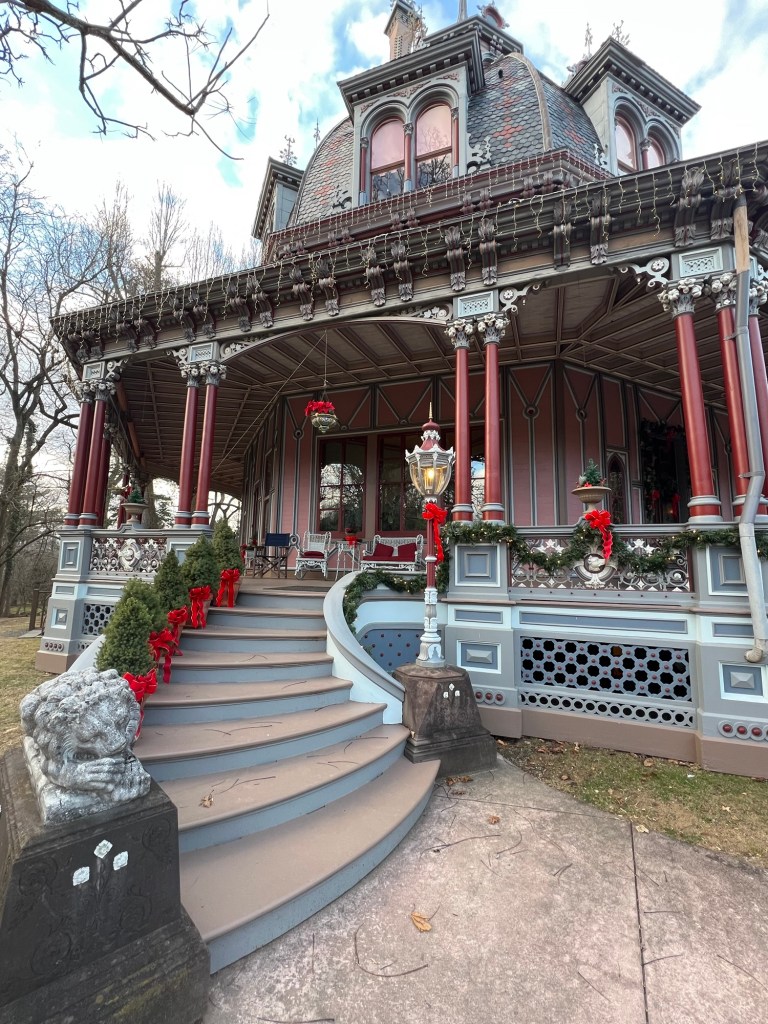
The outside of the house decorated for Christmas

The tour of the Amour-Stiner Octagon House was so amazing. The house was decorated to the hilt for the Christmas holidays but done tastefully and not over the top. All the decorations enhanced the house and its beauty.

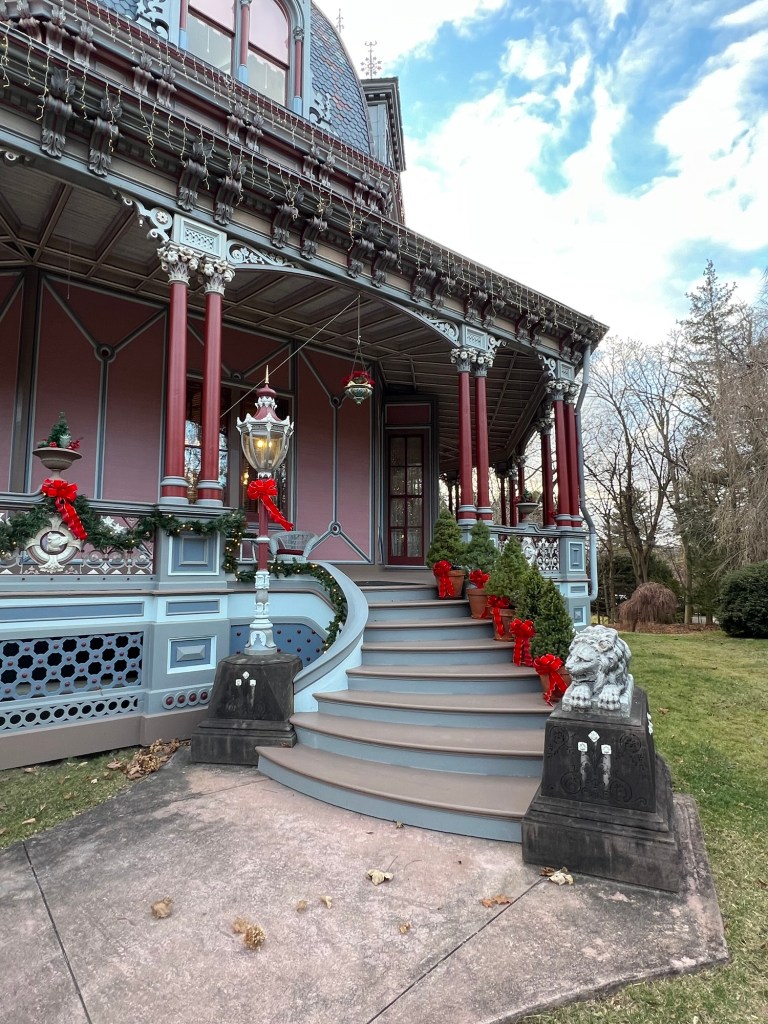
The other side of the porch decorated for Christmas

History of the House:

(From the Visit Westchester County blog):

The Armour-Stiner Octagon House is one of the most visually unique homes in the world. It is the only known residence constructed in the eight-sided, domed colonnaded shape of a classic Roman temple. The Octagon House was originally built in the 1860s following the precepts of Orson Squire Fowler, a phrenologist, sexologist, amateur architect and author of The Octagon House, a Home for All. Fowler advocated octagonal instead of rectangular houses on the supposition that the shape enclosed more space, created rooms which received more sunlight and had greater accessibility to each other (Visit Westchester blog).

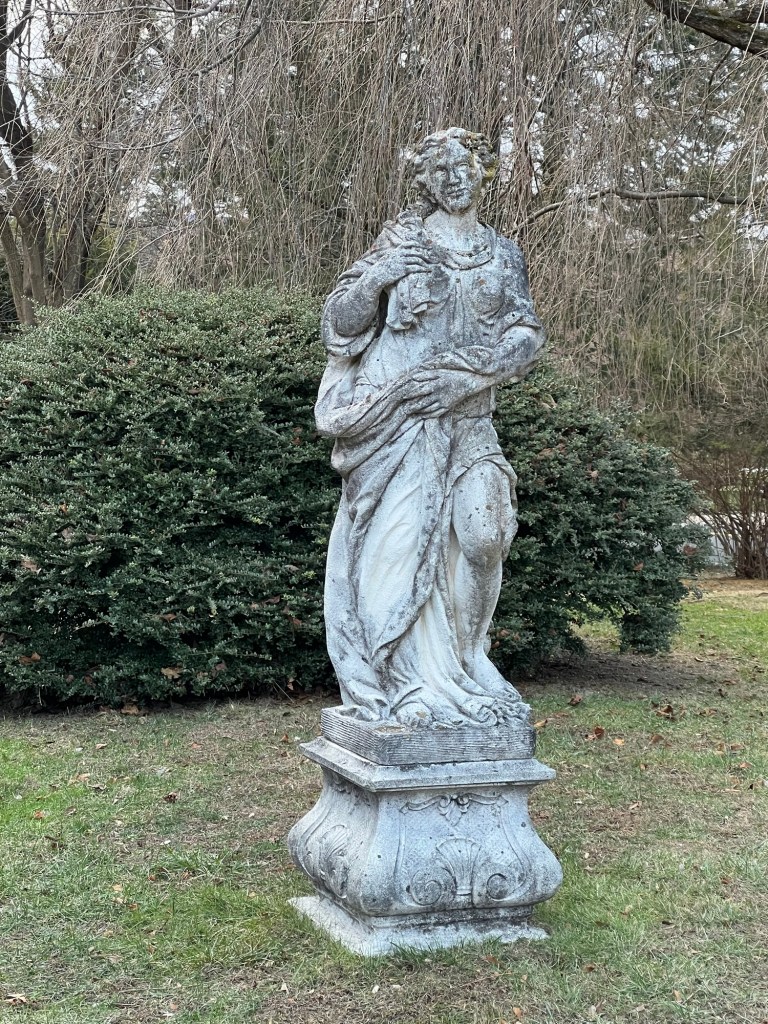
The statuary in the yard

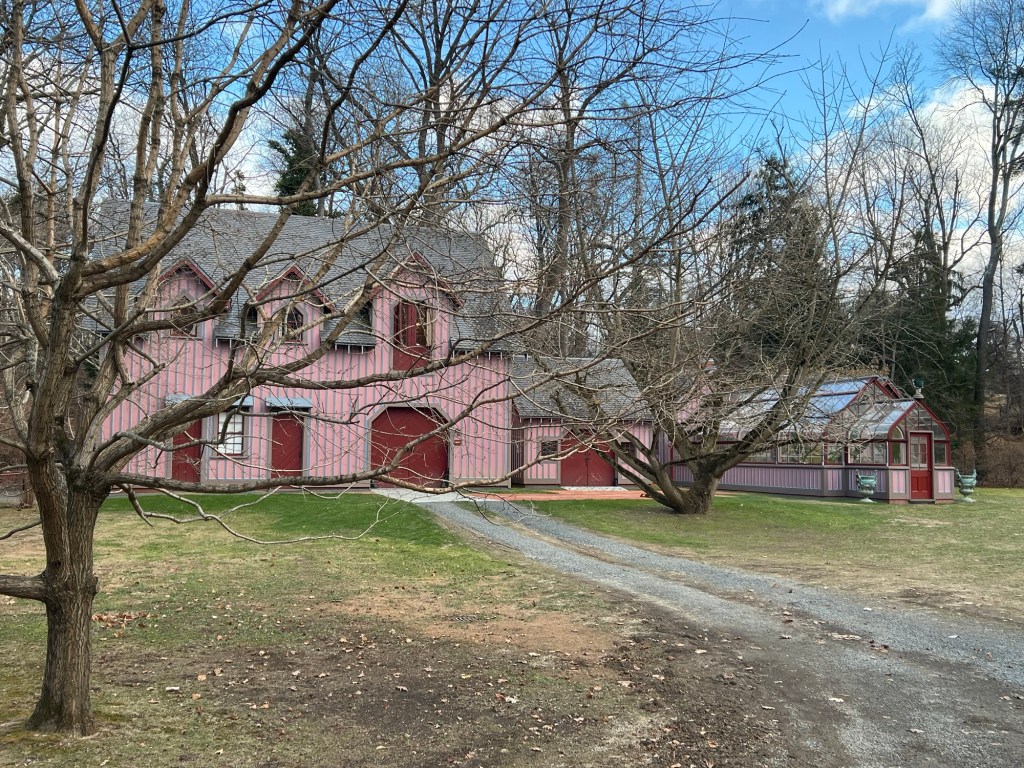
The carriage and greenhouse on the yard

The family currently live in the Carriage House and use the Greenhouse so these were not in the tour.

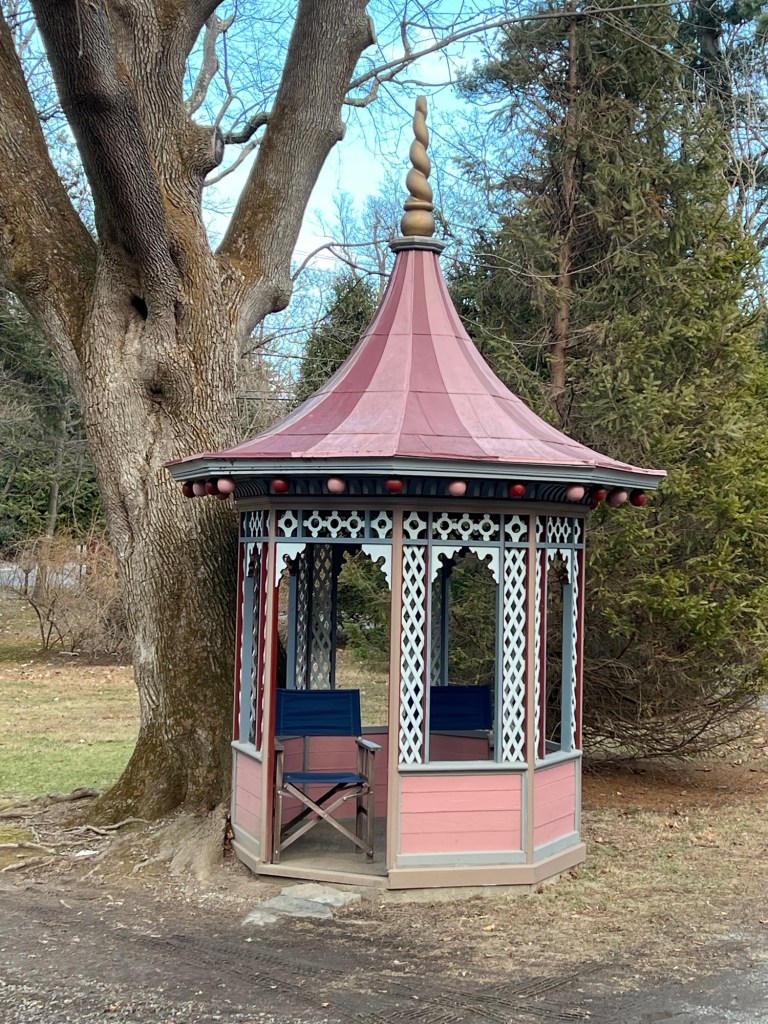
The Gazebo in the front yard

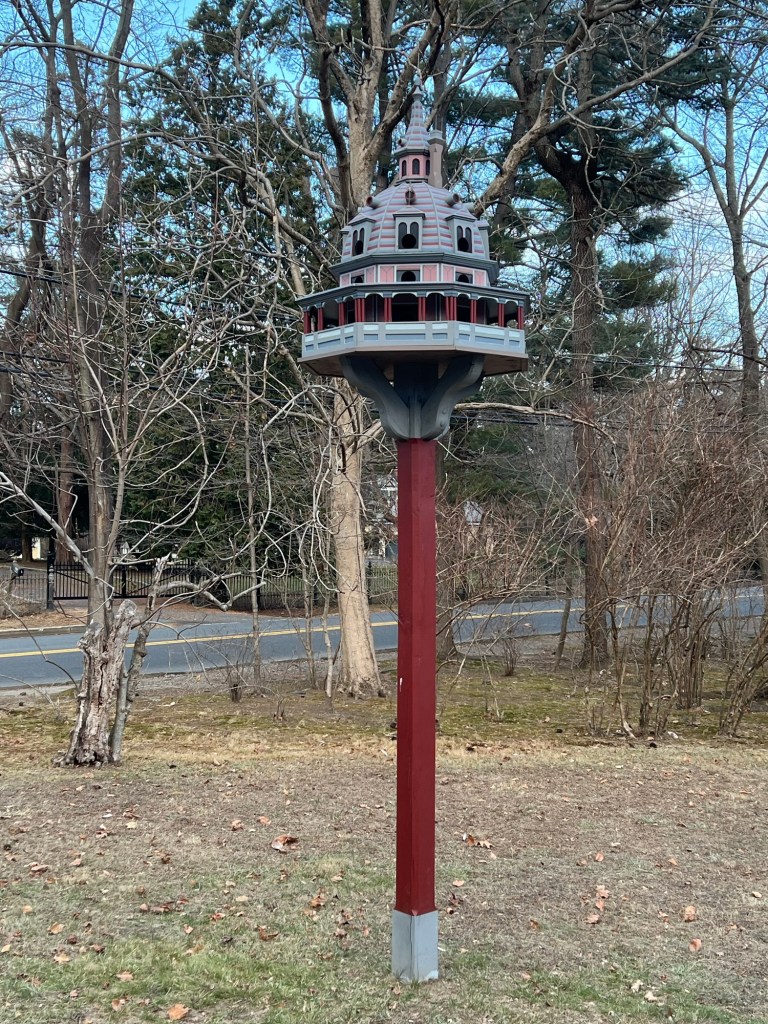
The Birdhouse that looks like the house

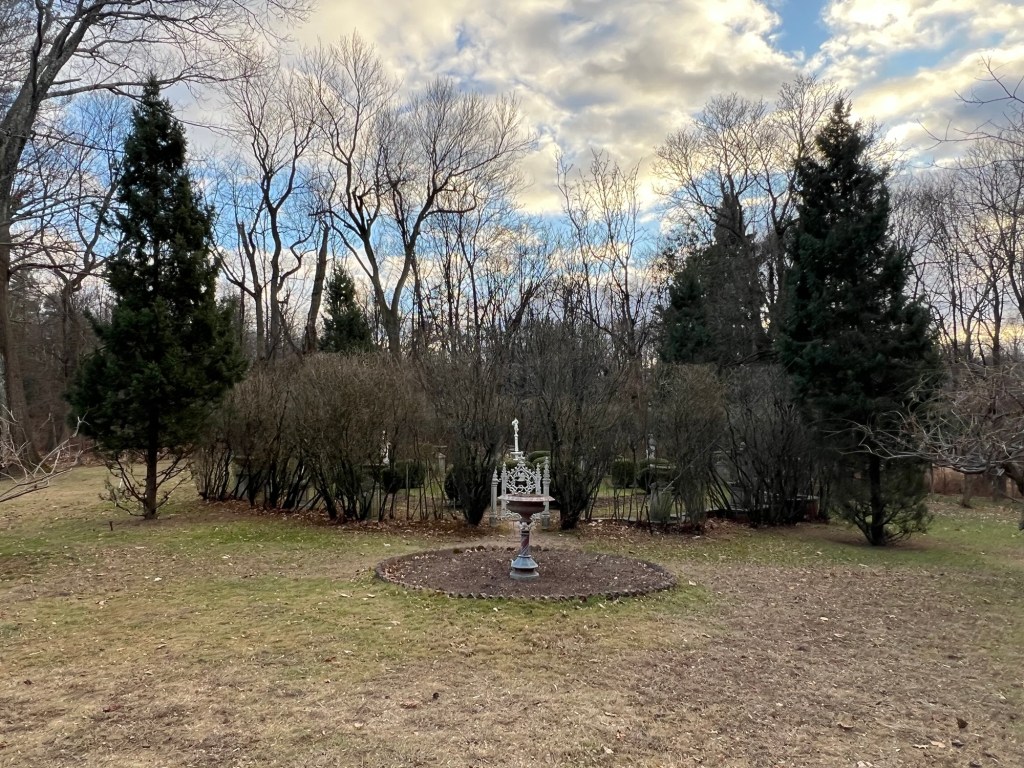
The formal gardens that are dormant this time of year

The grounds will be amazing when the Spring comes and everything is in bloom.

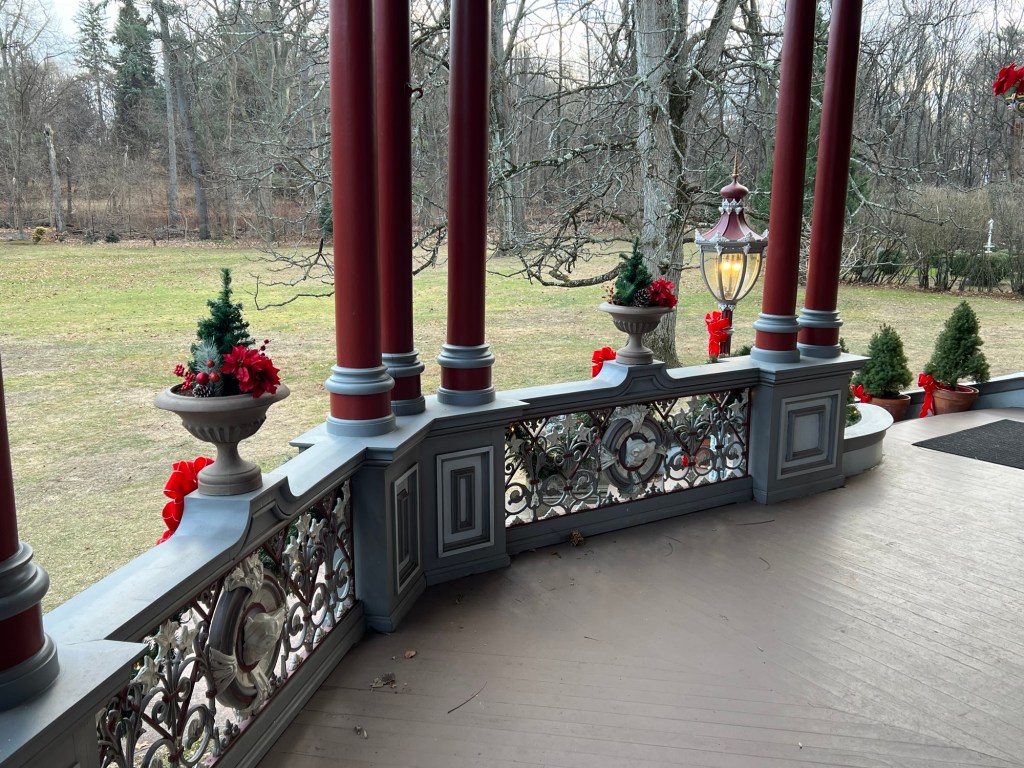
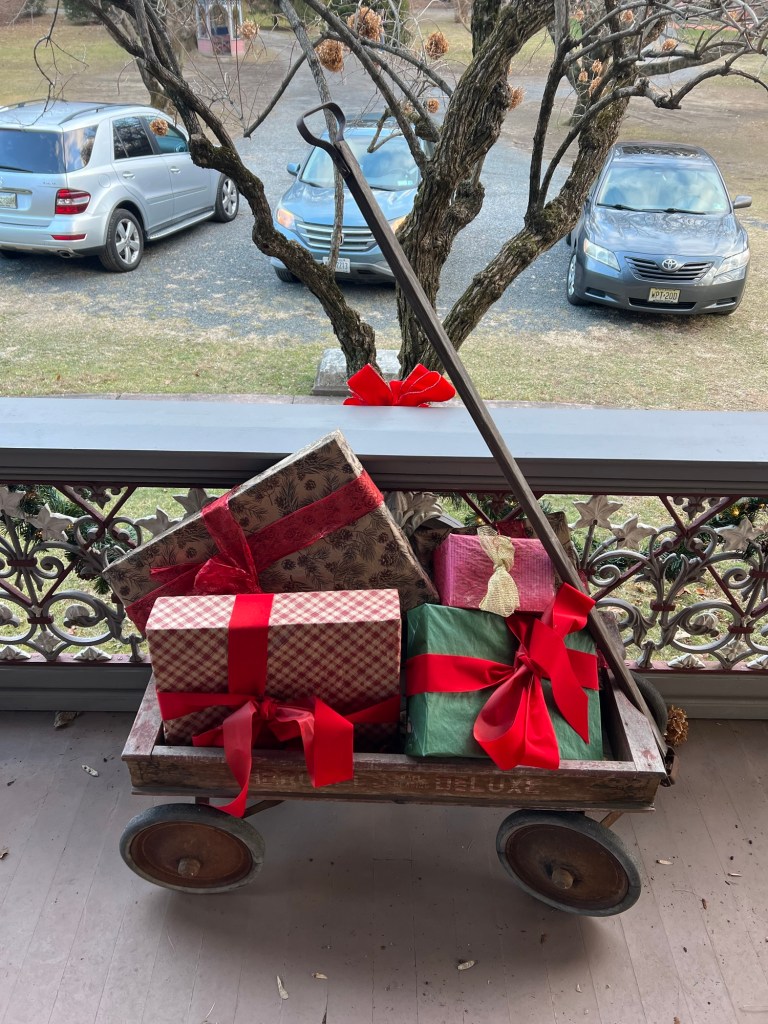
The porch was so beautifully decorated for the holidays

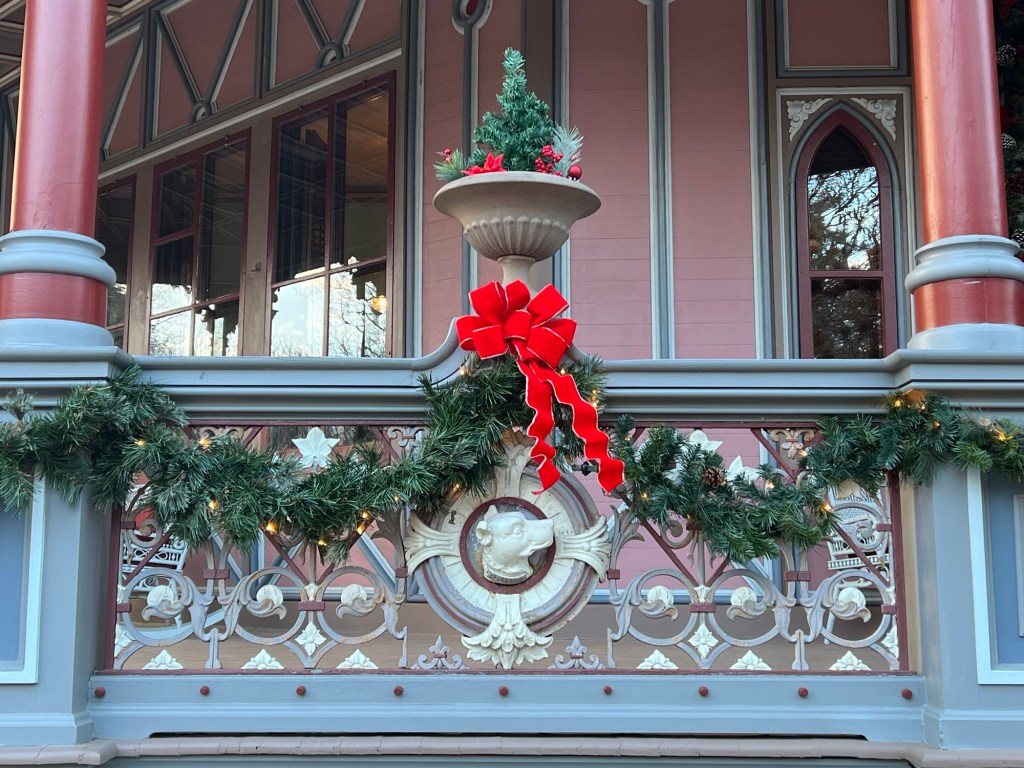
The railing for the porch

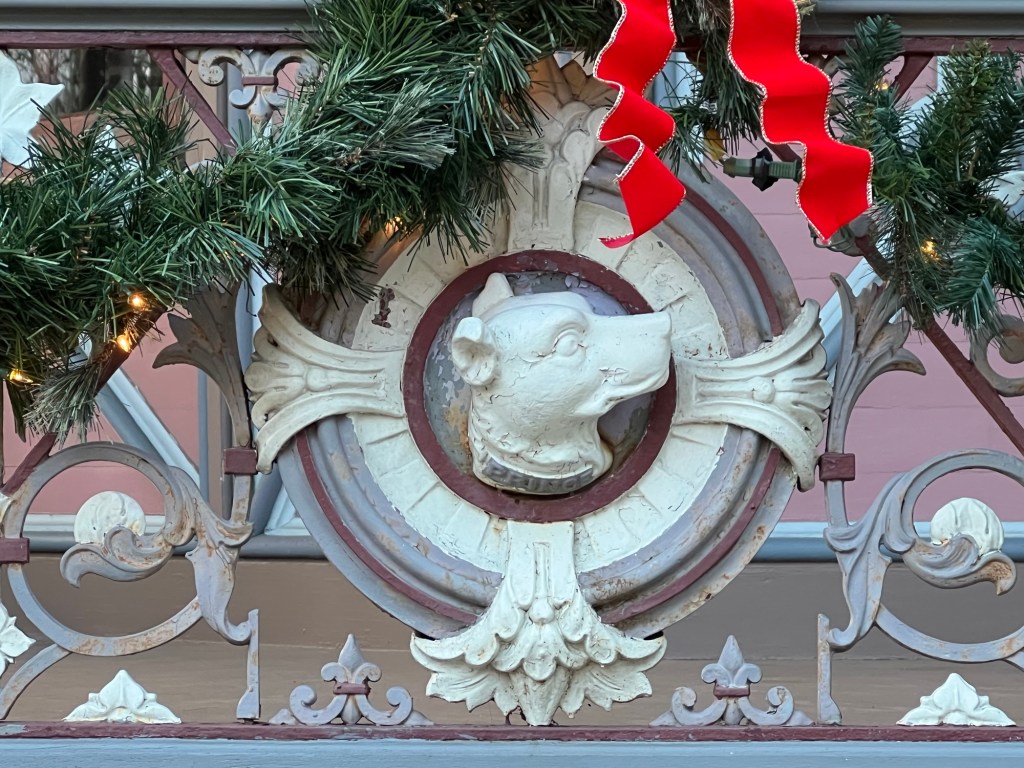
The insignia of the porch

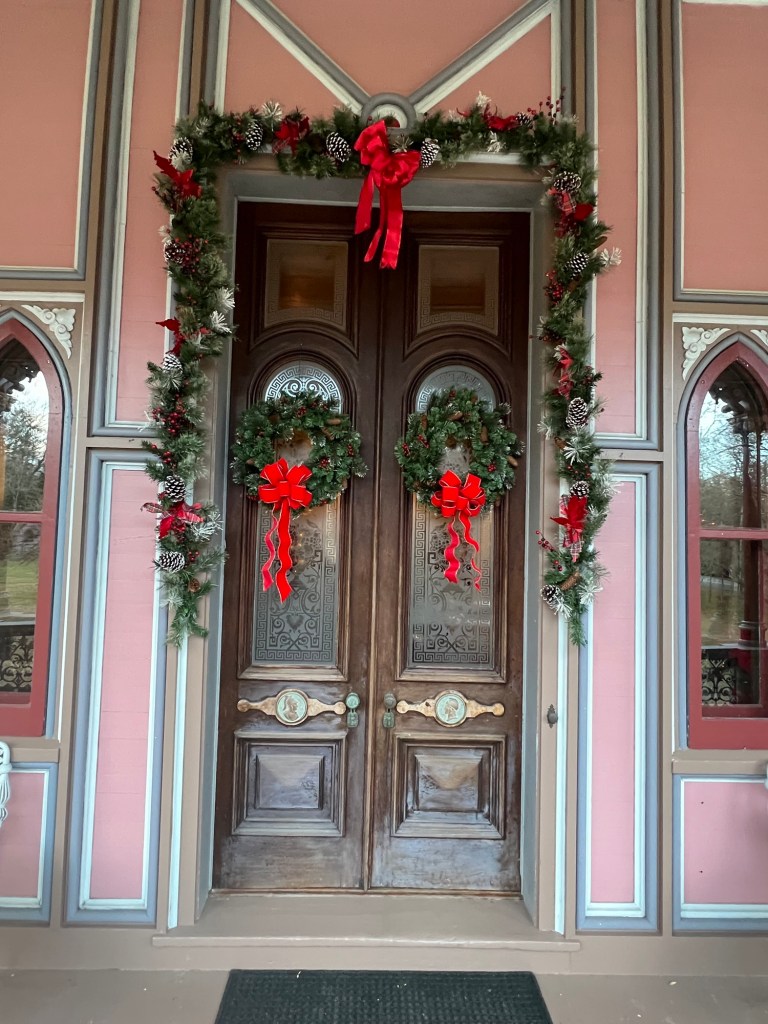
The front door so beautifully decorated for the holidays

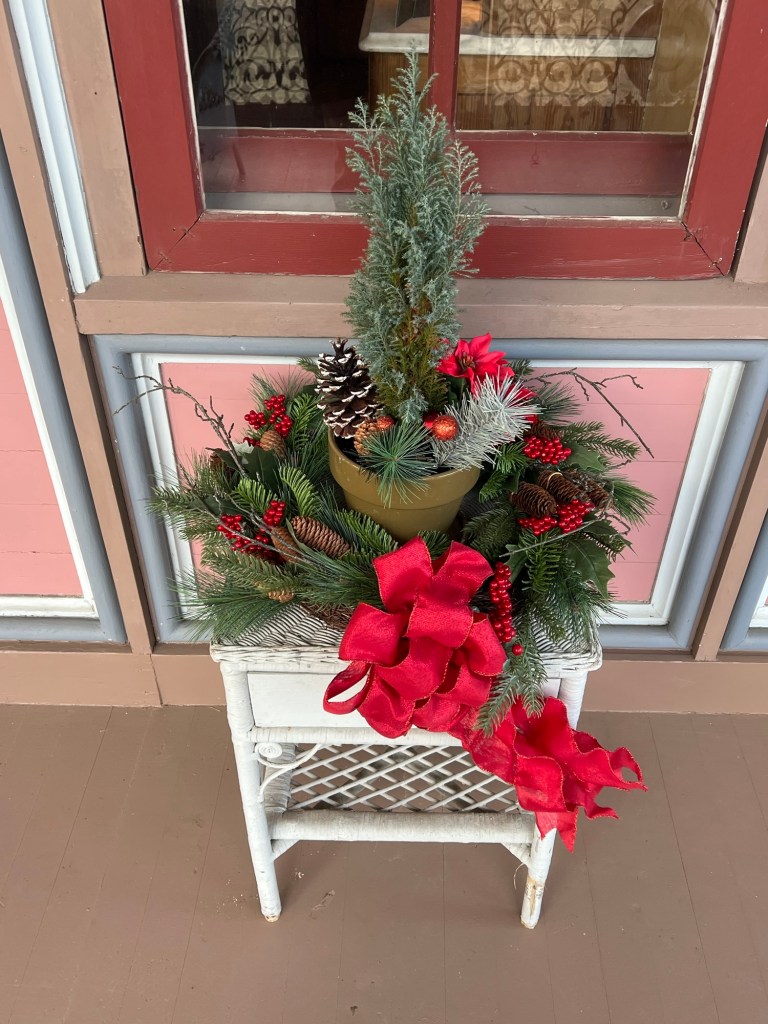
The planter decorations around the porch

The decorations around the porch were really whimsical

History of the House:

(From the Visiting Westchester blog)

In 1872, the house was purchased by Joseph Stiner, a prominent New York City tea merchant. His alterations created the present lyrical structure. The exterior embellishments are extraordinarily festive with floral detailing in the cast iron cresting and railings and elaborately carved wood scrollwork and capitals – all painted in shades of rose, blue, violet and red. The interiors are equally decorative with painted and stenciled ceilings, trim with gold, silver and bronze leaf and unique eight-sided motifs in the plasterwork, woodwork and etched glass (Visiting Westchester blog).

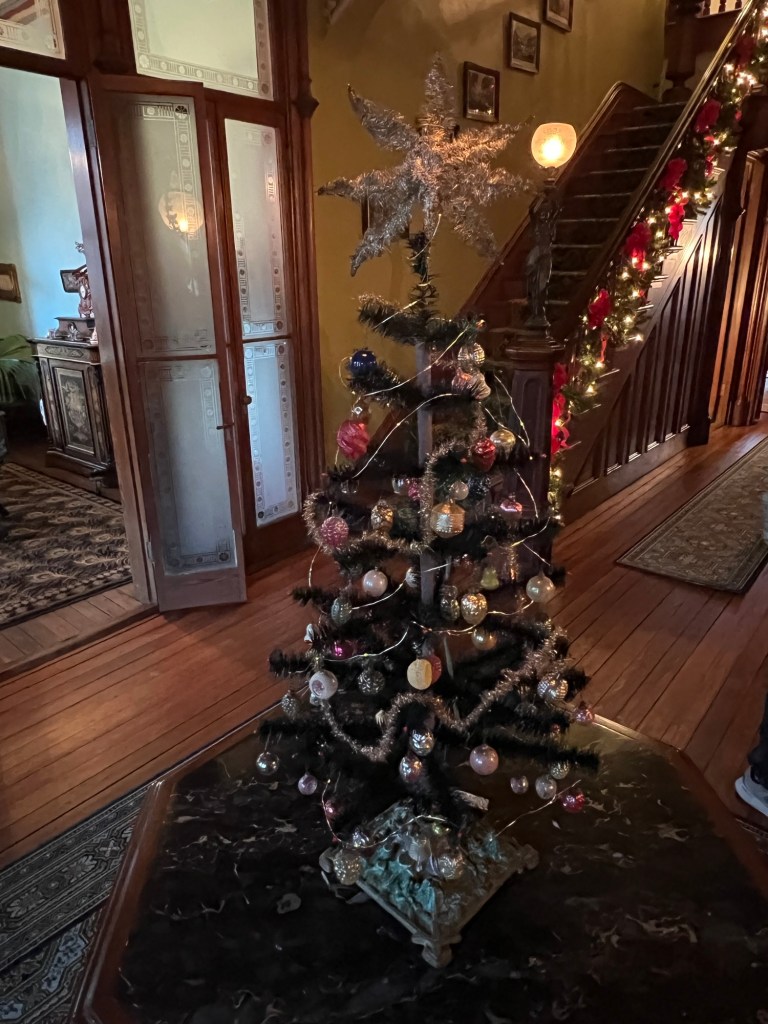
Walking into the entrance foyer to see the Table Tree of the early German period

Each floor was decorated with lights, garland and a series of large and small Christmas trees. The ornaments were all of the period included glass ball, homemade paper ornaments and some flowers and other plantings.

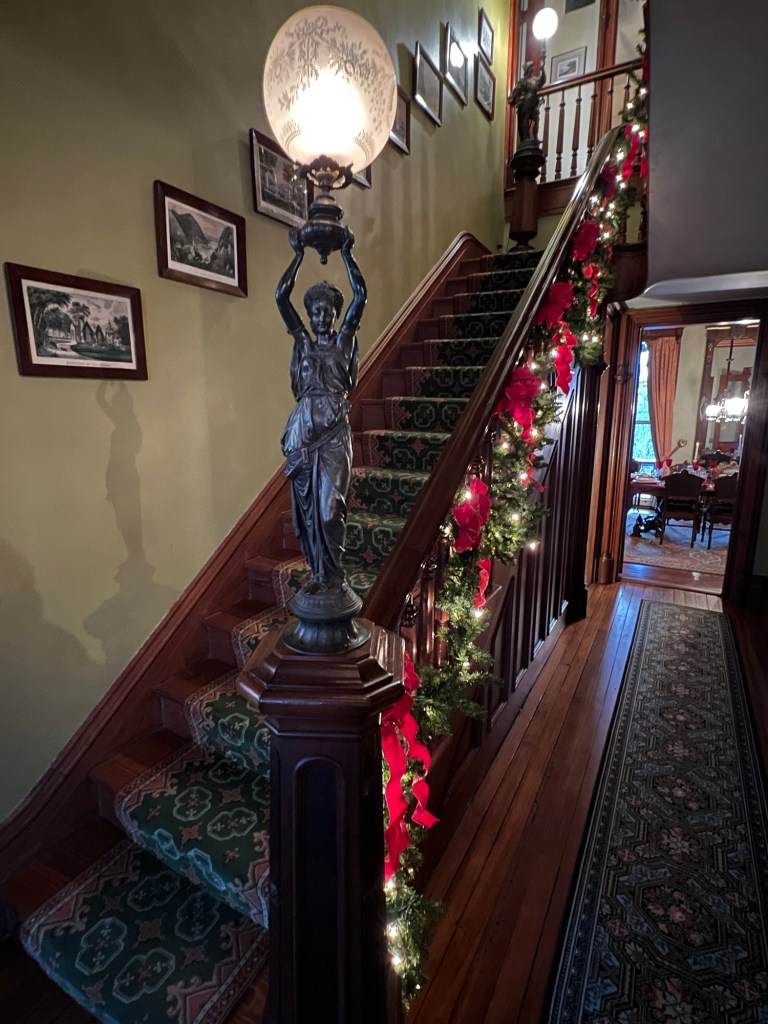
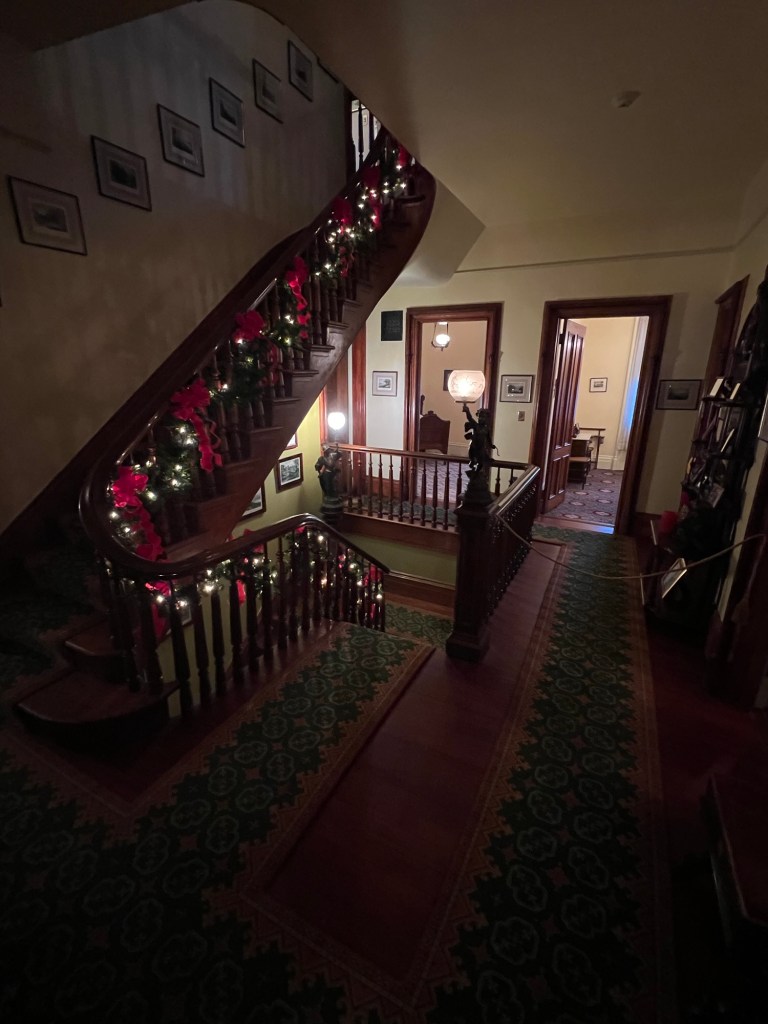
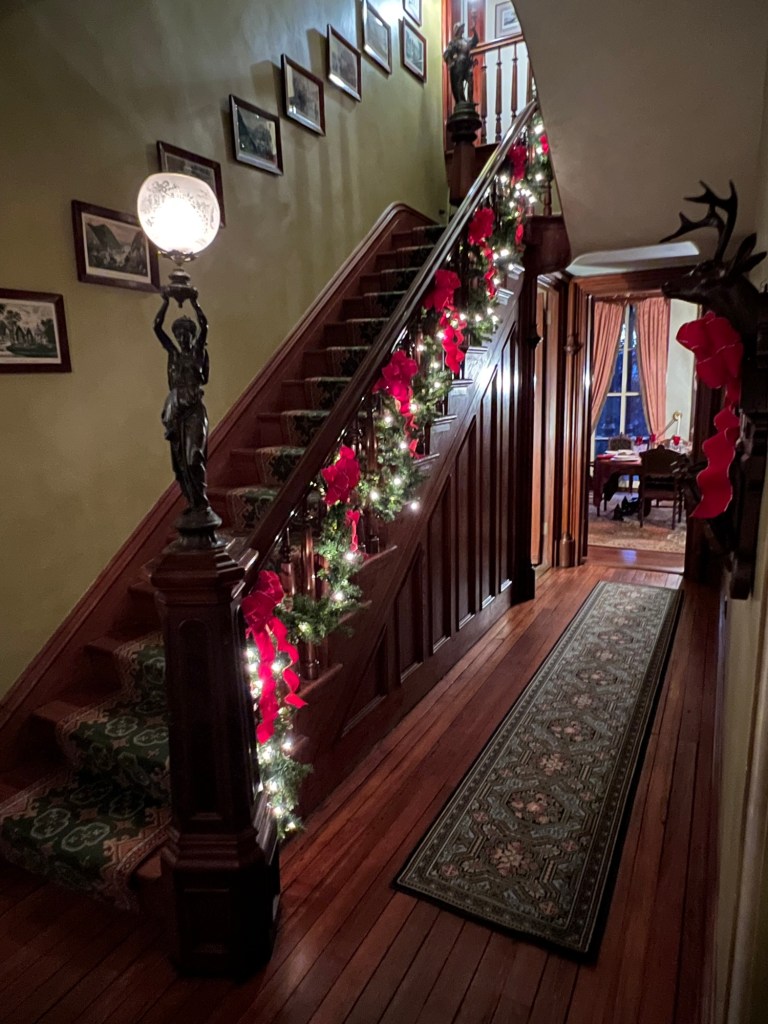
The staircase in the main foyer was decked out either garland and lights

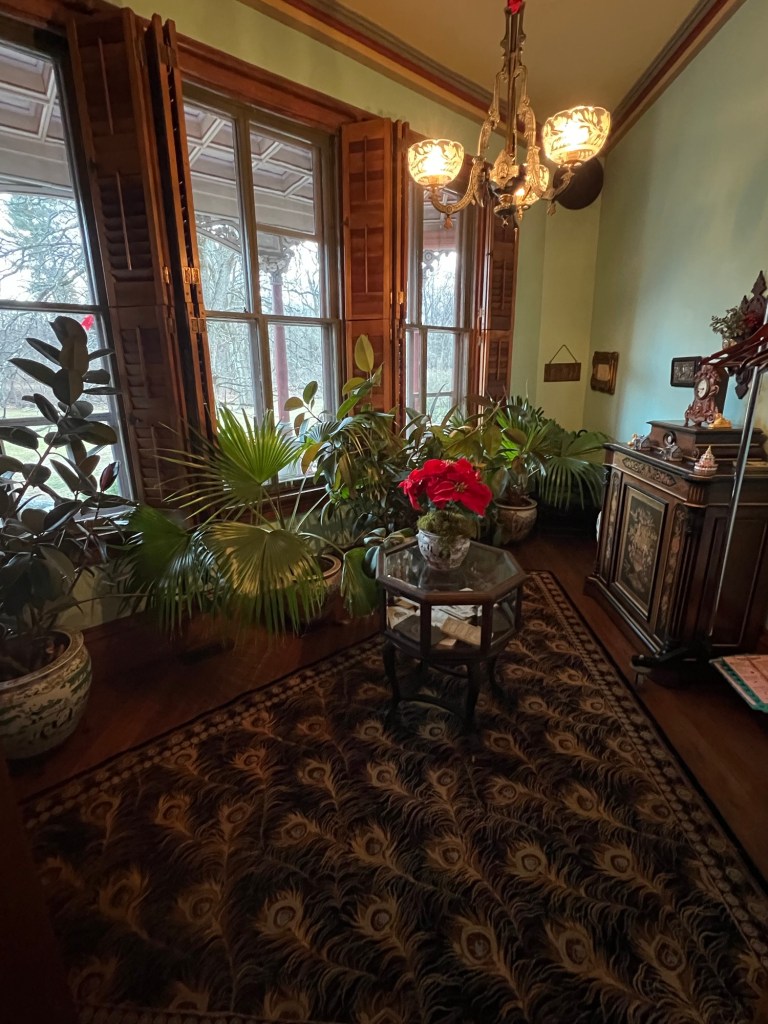
The Arbotorium in one side of the hallway

Normally even in Victorian times a house would not be this decorated but the volunteers did a wonderful job accenting each room.

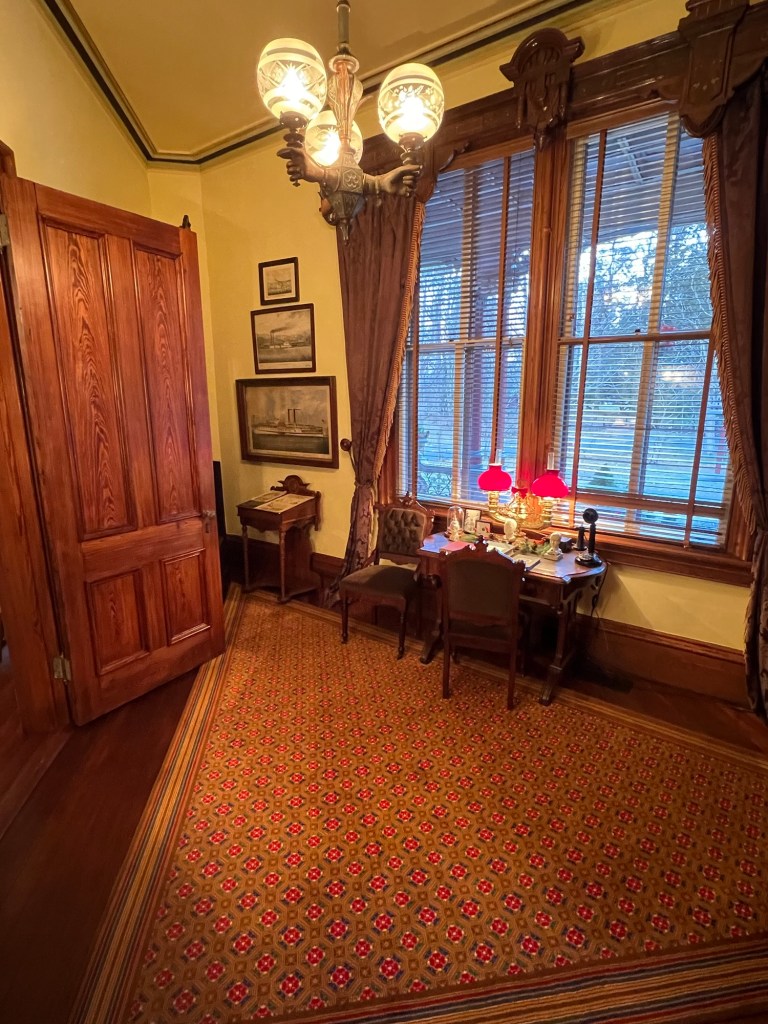
The small office to the other side of the main foyer

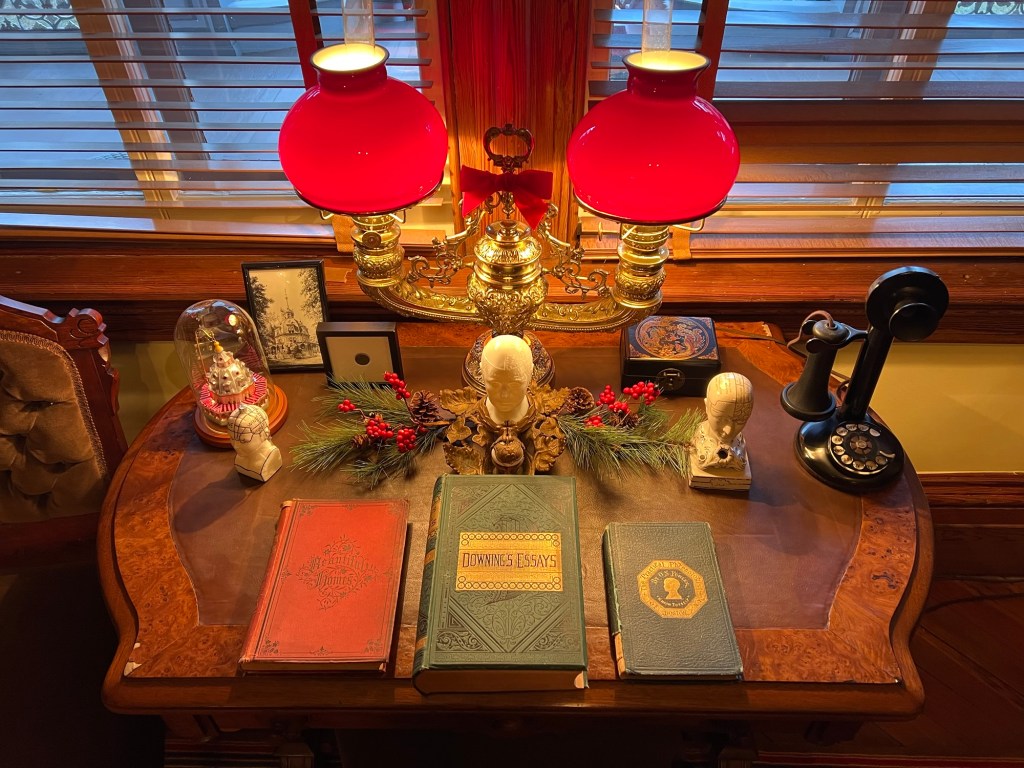
The beautiful details of the office on the first floor

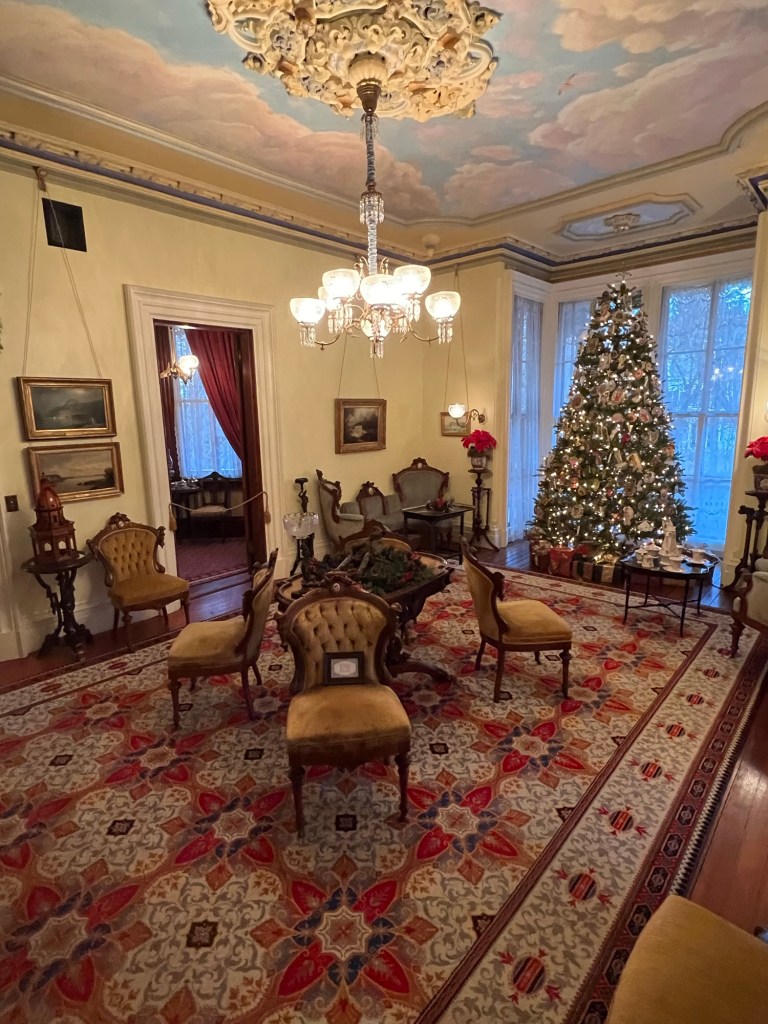
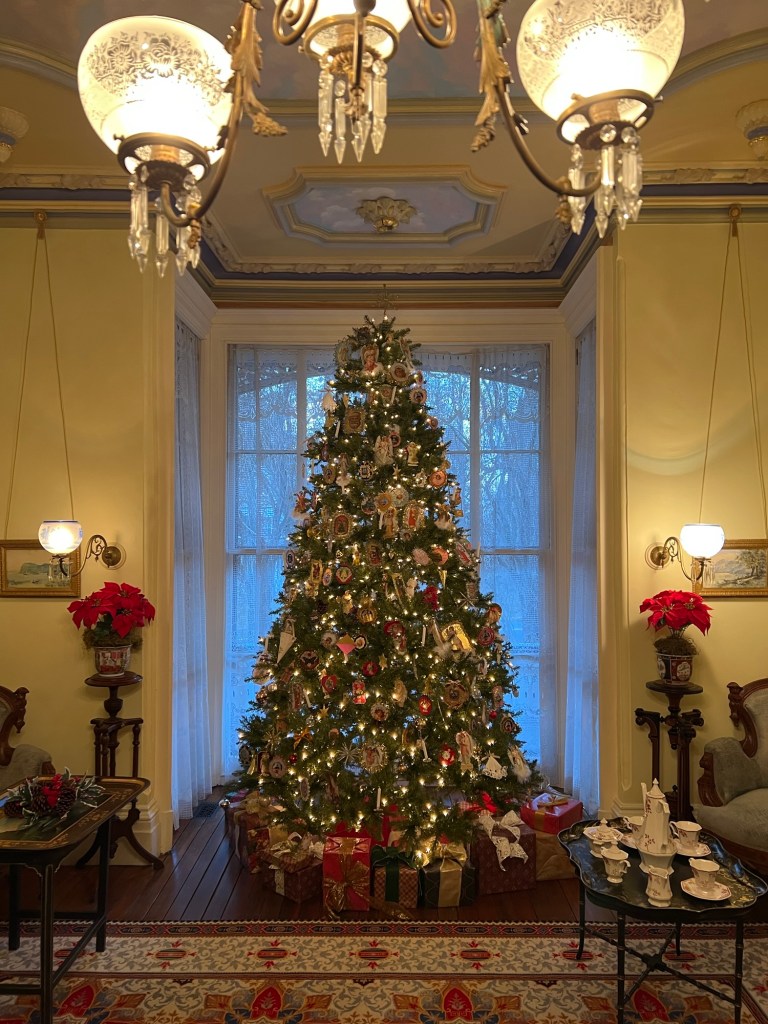
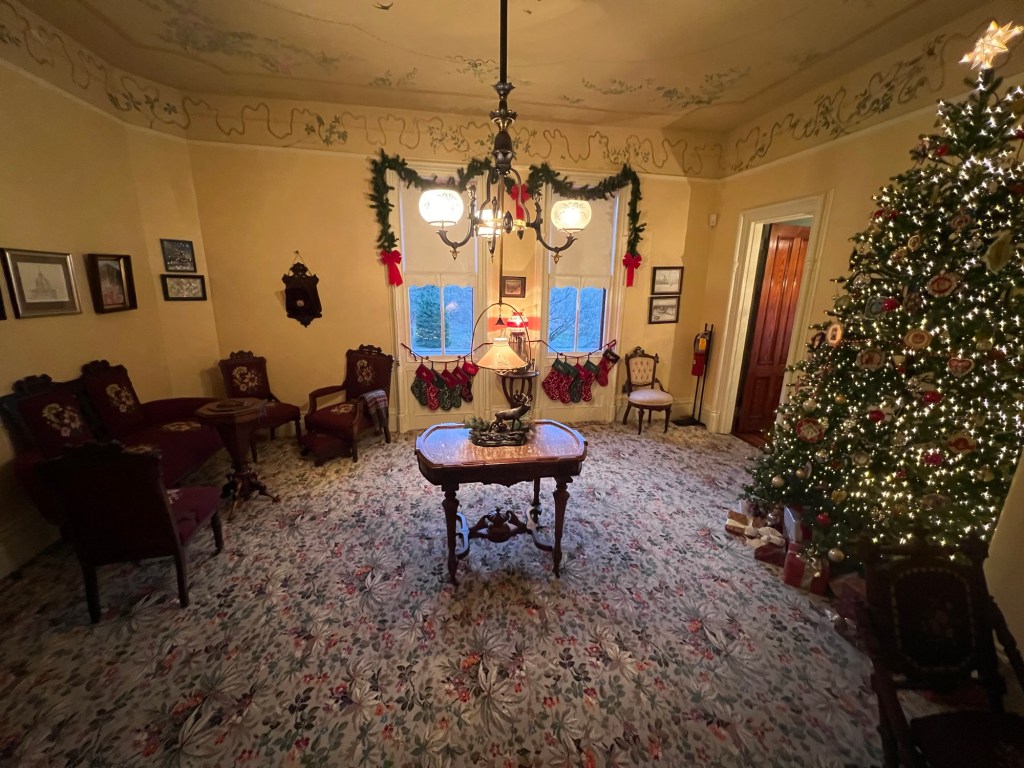
We then moved into the formal parlor where the family would have entertained everyone before dinner. The room was decorated with a beautiful tree and garlands.

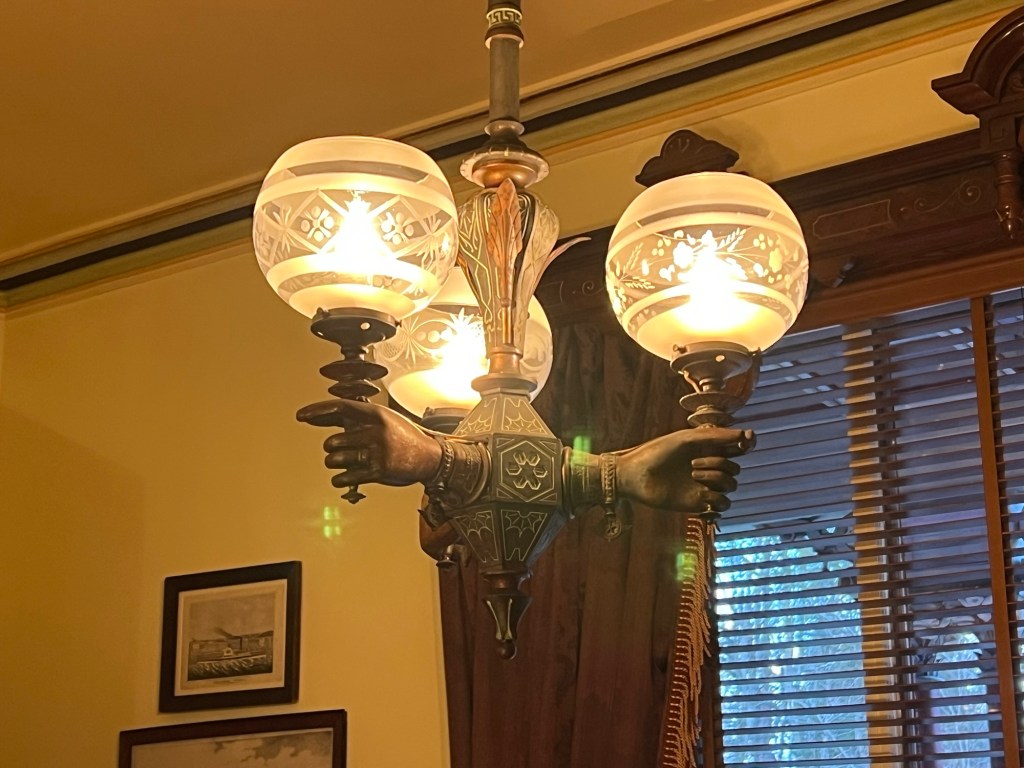
The hand chandelier in the study

The formal Parlor

The Christmas tree in the formal parlor

The formal table decorations of the Parlor

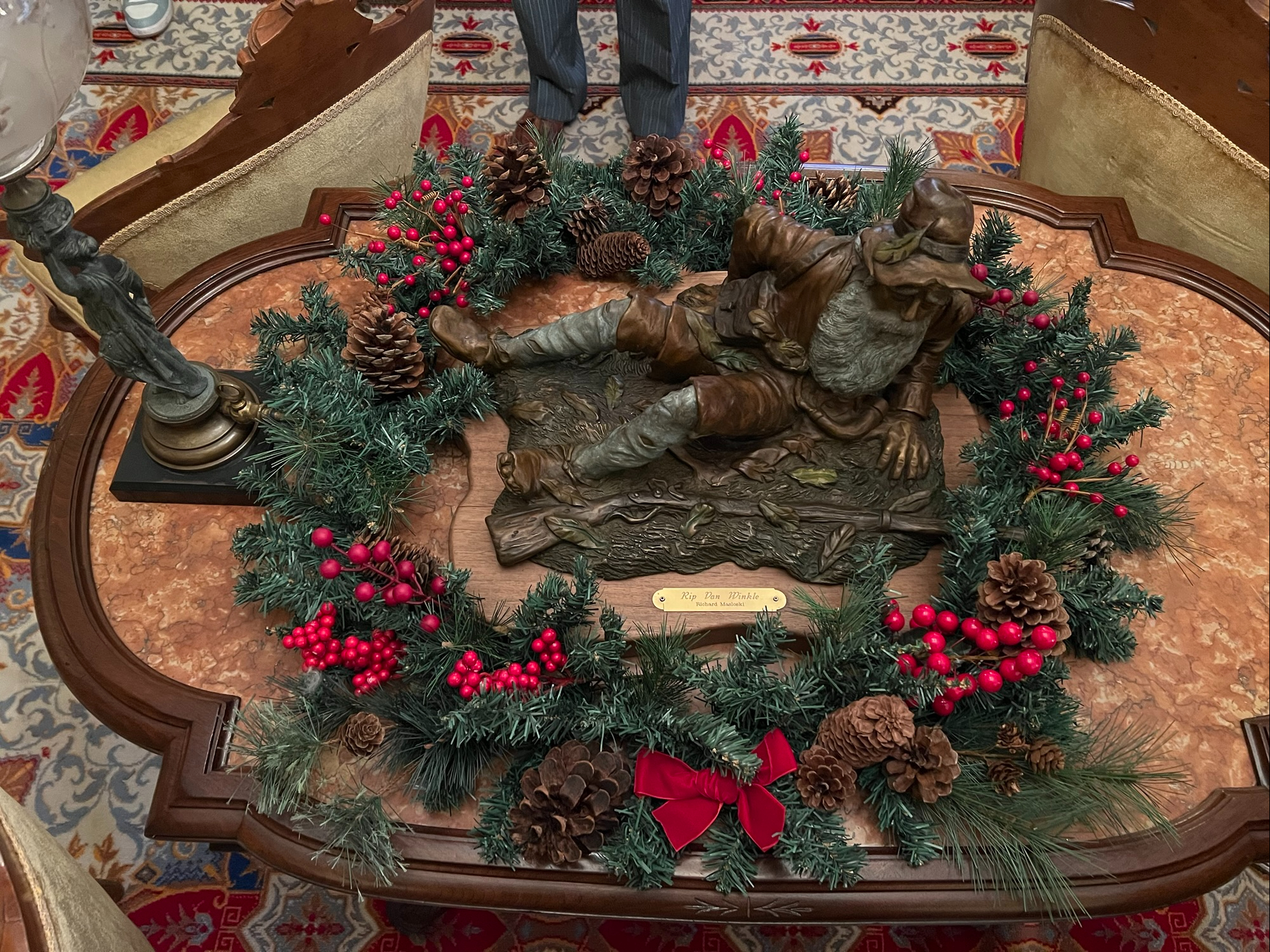
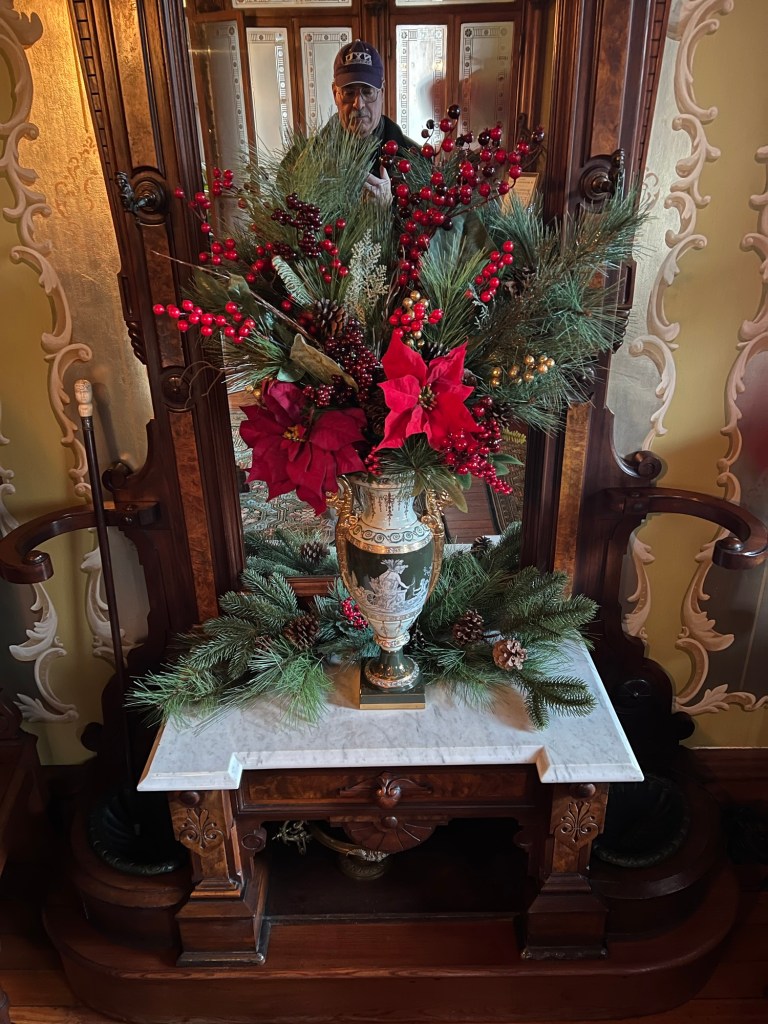
The elaborate decorations on the side table

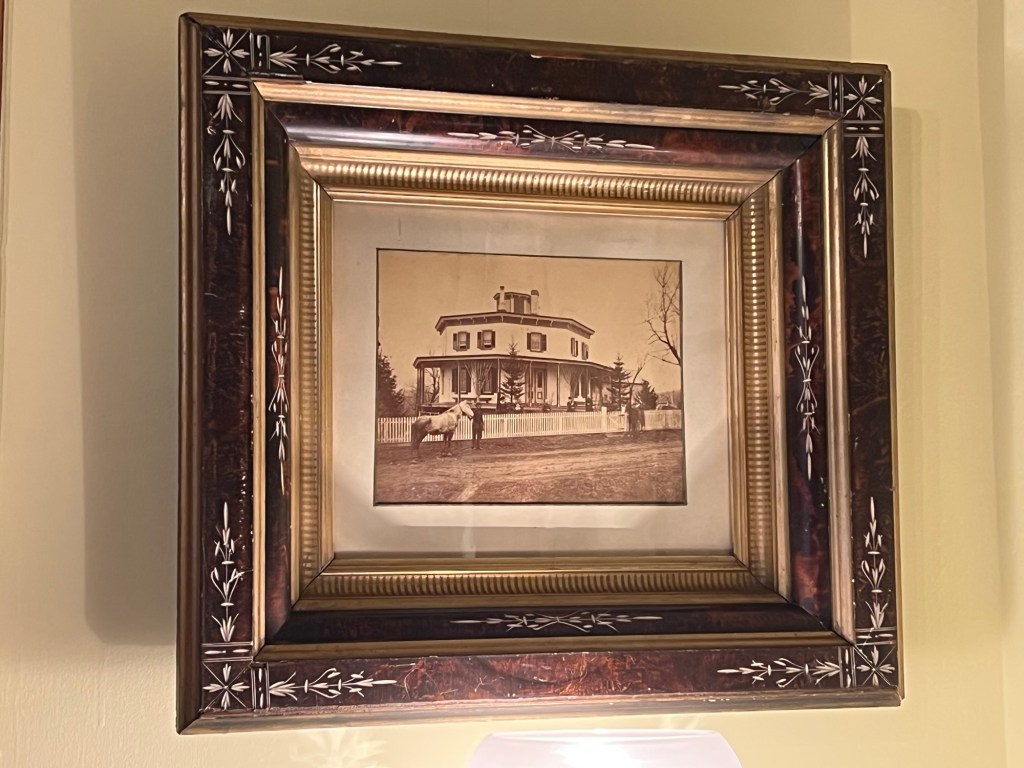
The picture of the original house when it was completed

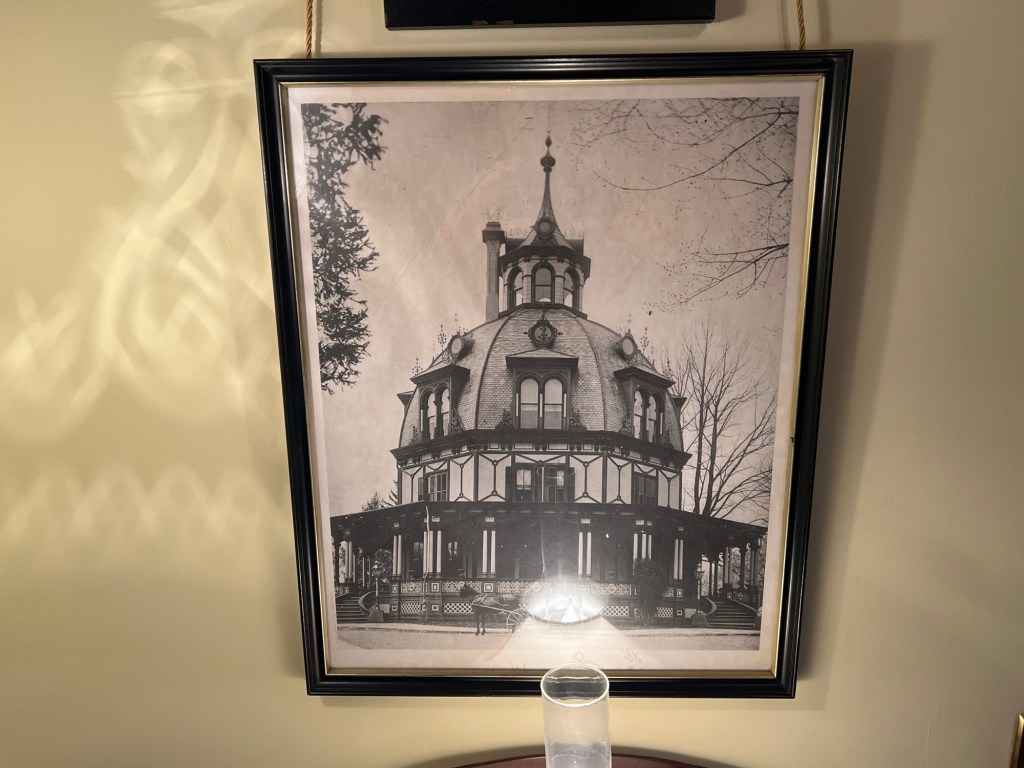
The house when Mr. Stiner bought it and added the dome

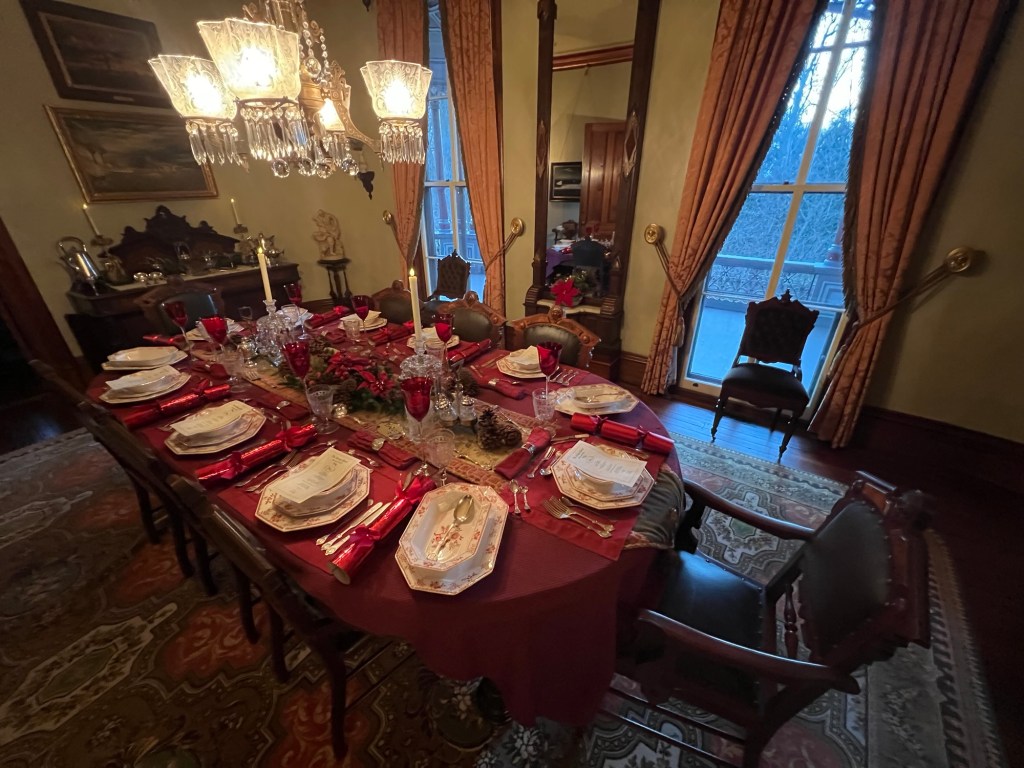
We next moved into the formal Dining Room that was set for Christmas lunch. The Victorians followed a lot of the English traditions of multi-courses and Christmas poppers at the table.

The Dining Room set for Christmas luncheon

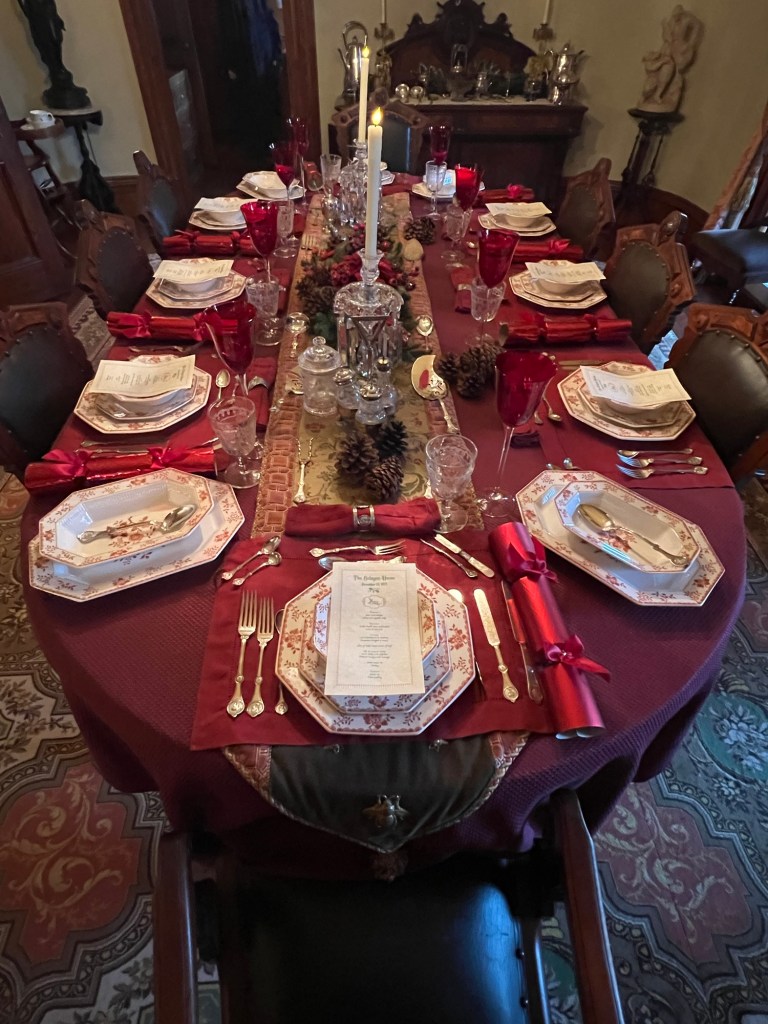
The table beautifully set for the holidays

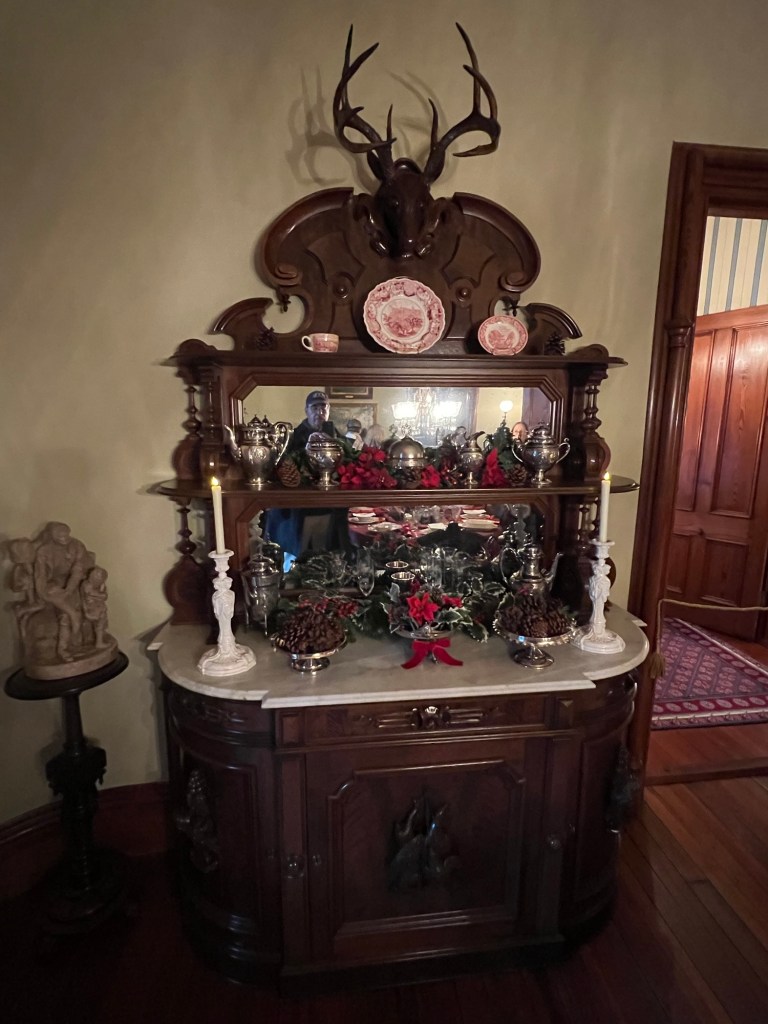
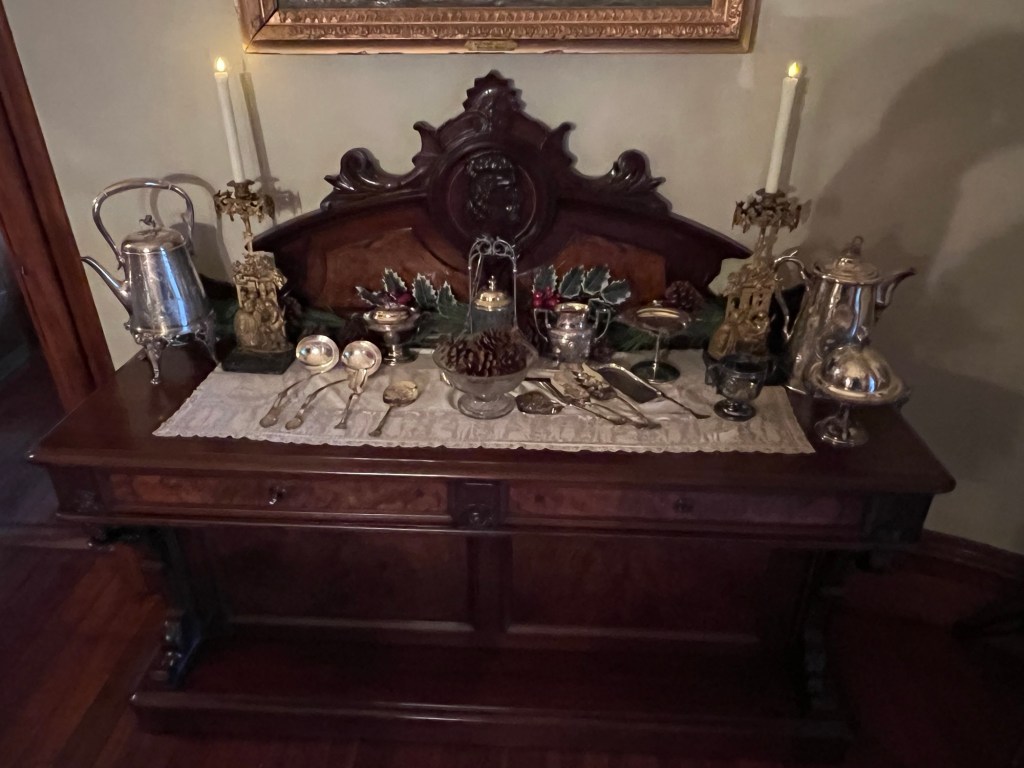
The sideboards decorated and stocked for the holidays

The service silverware ready for use for the Christmas meal

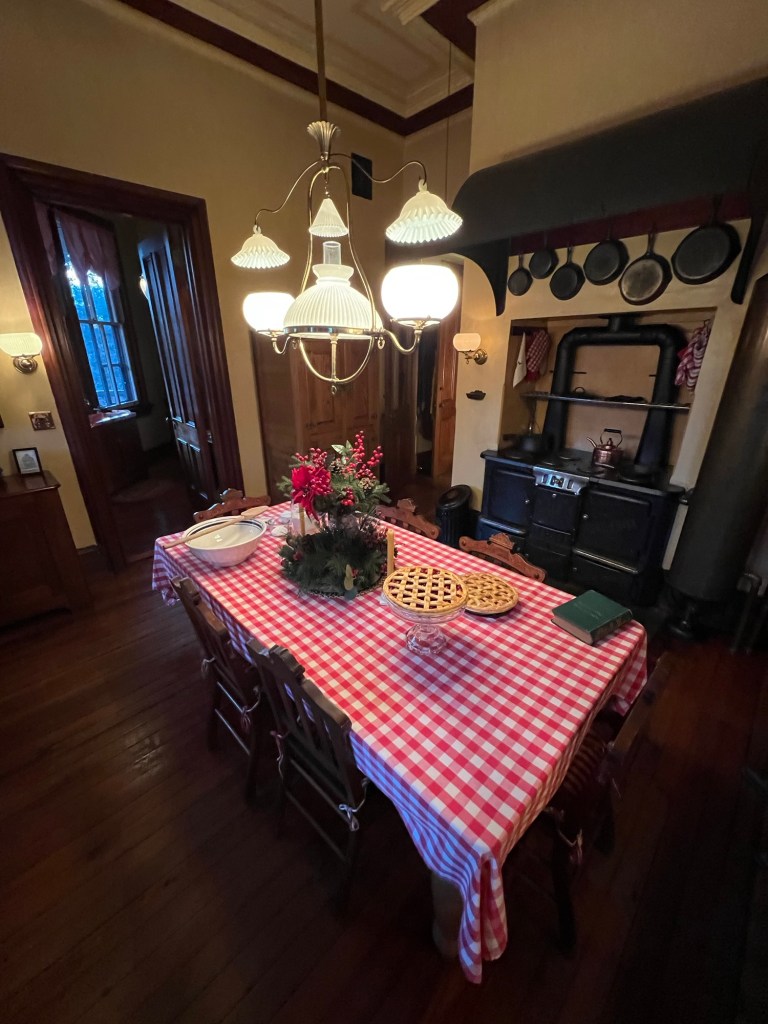
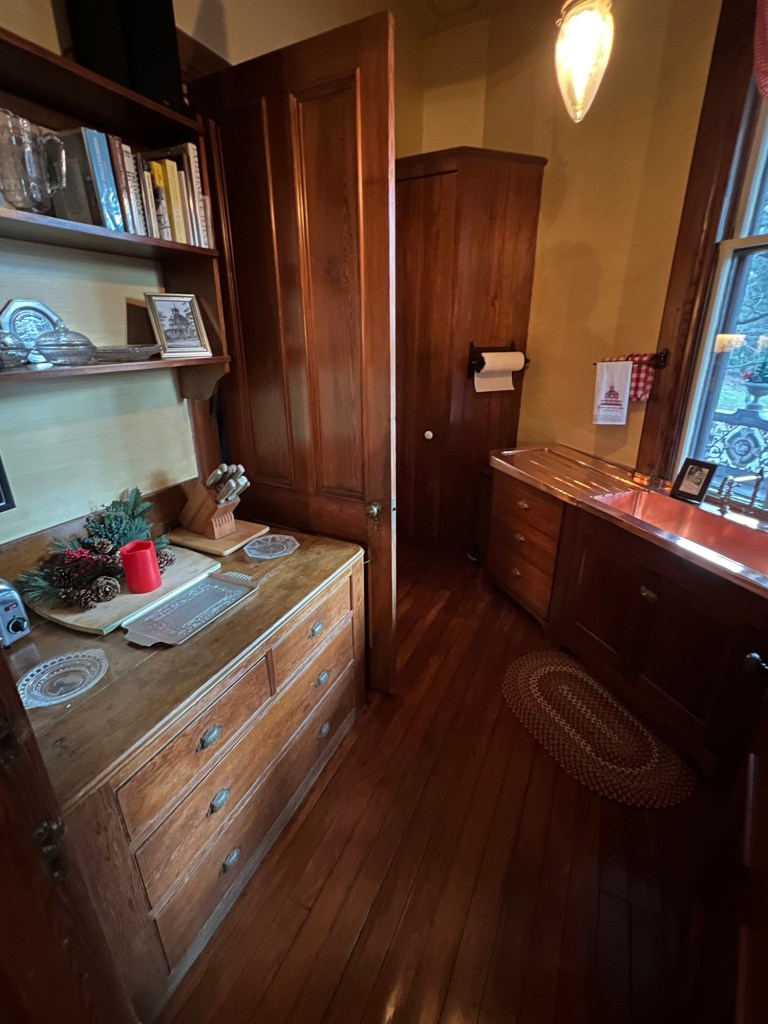
We then moved onto the kitchen where the feast would be prepared

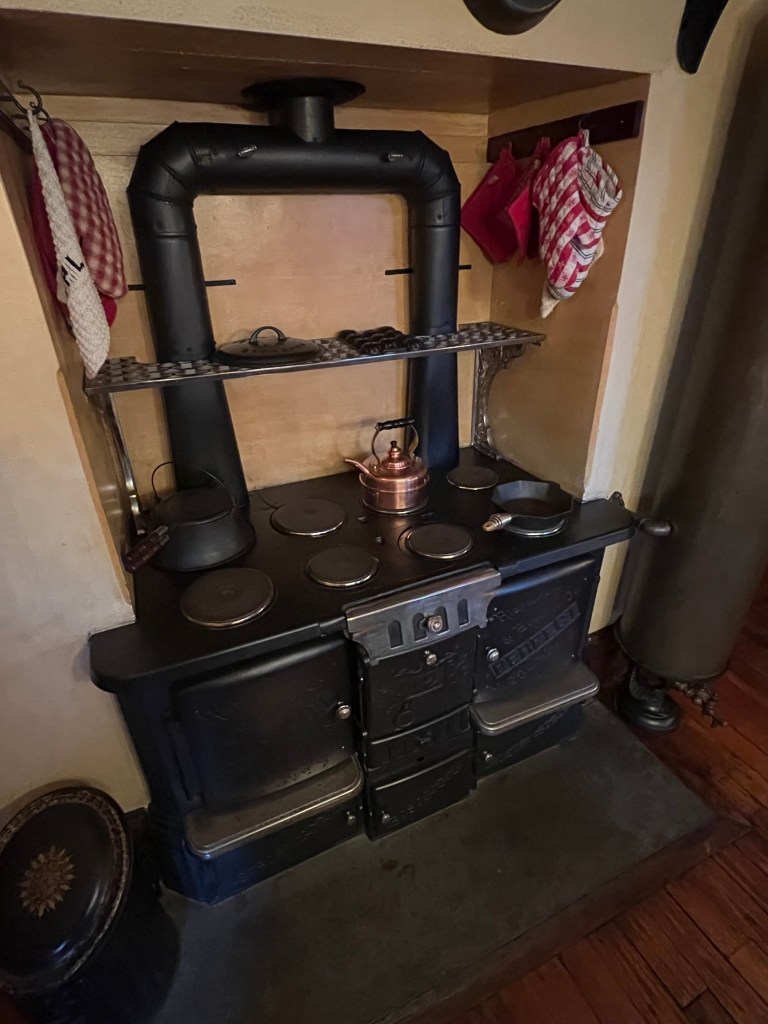
The working stove from the original house

The sink and toilet prep areas

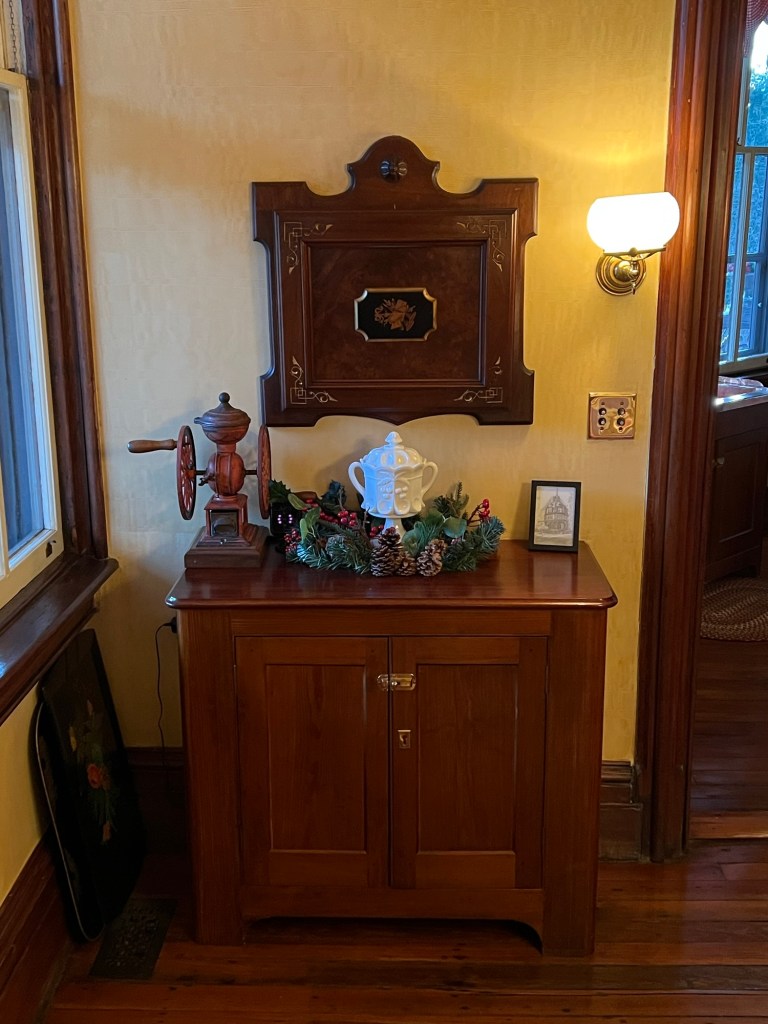
The side board with the coffee grinder

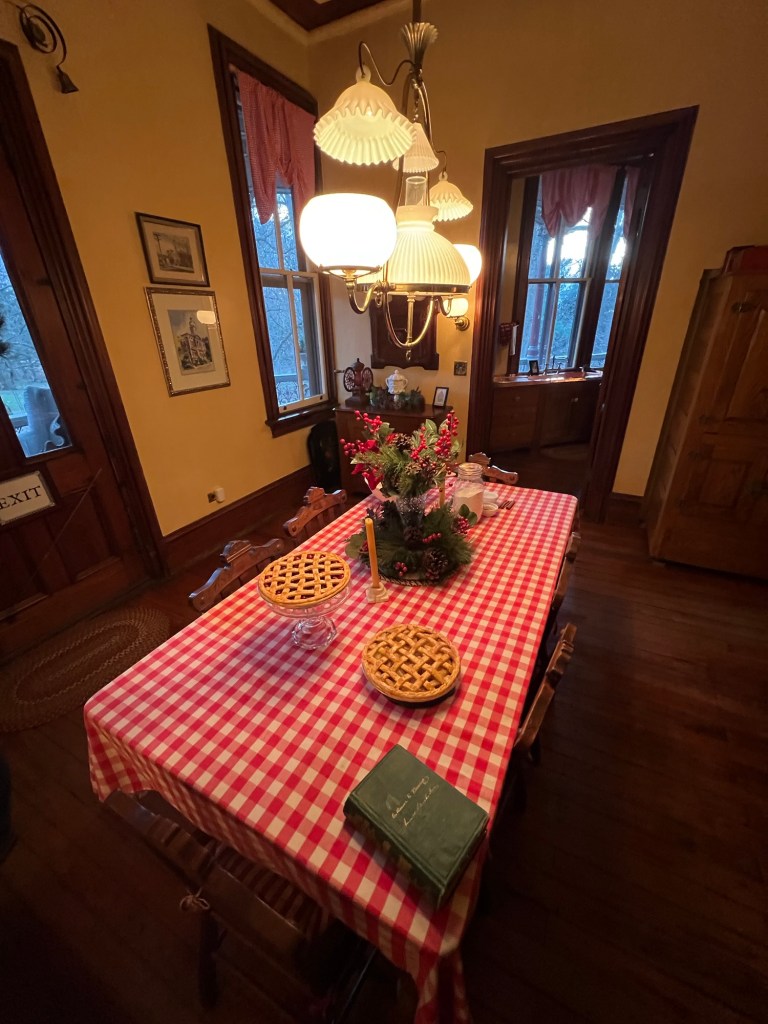
The Kitchen area with cookbook and desserts

We then left the more public areas of the house to the family’s living quarters. This was the experience extreme and not the exception in Victorian times to have this much room.

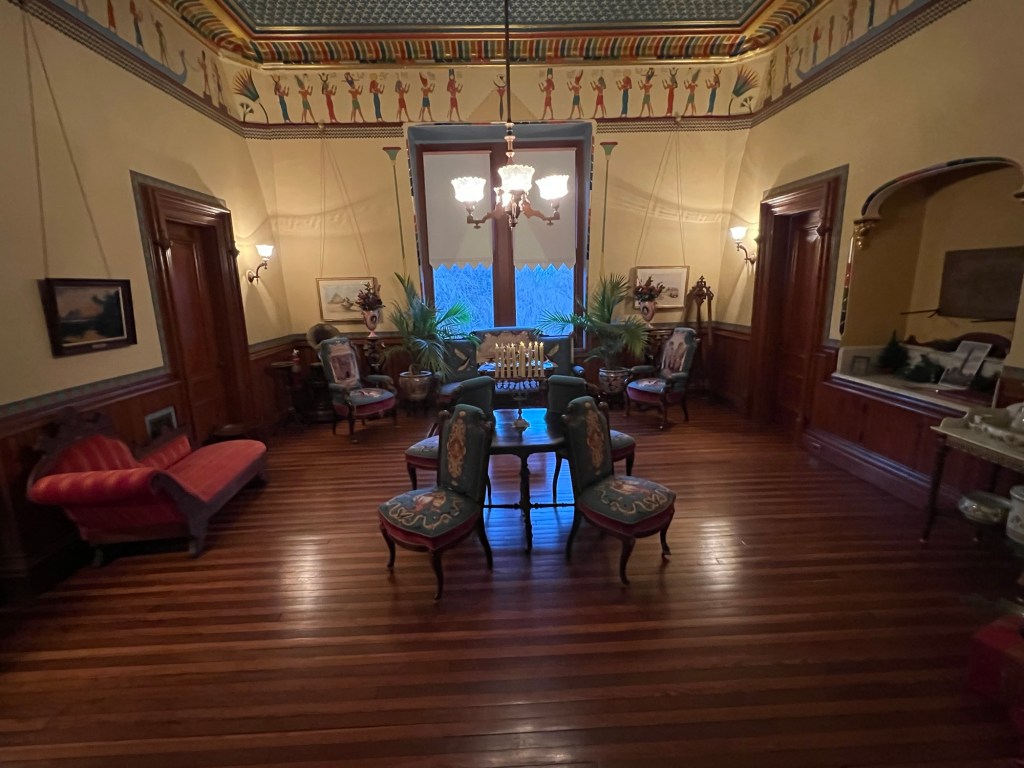
The second floor Reception Room where the family would have gathered for more casual events

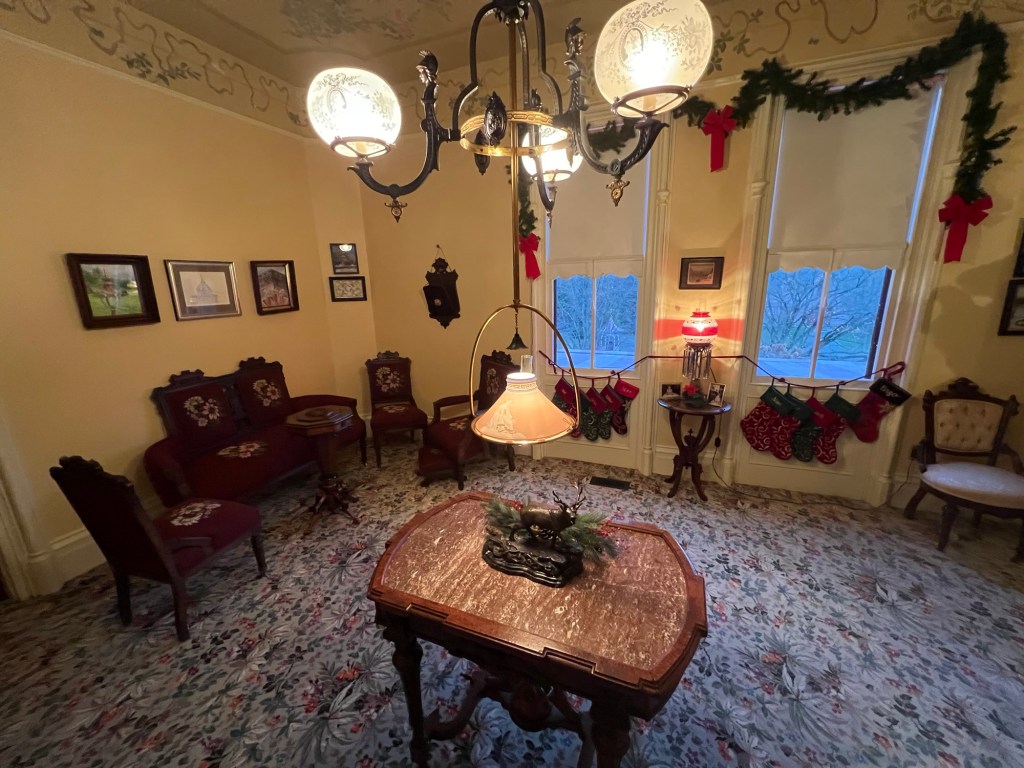
The Second Floor Reception Room

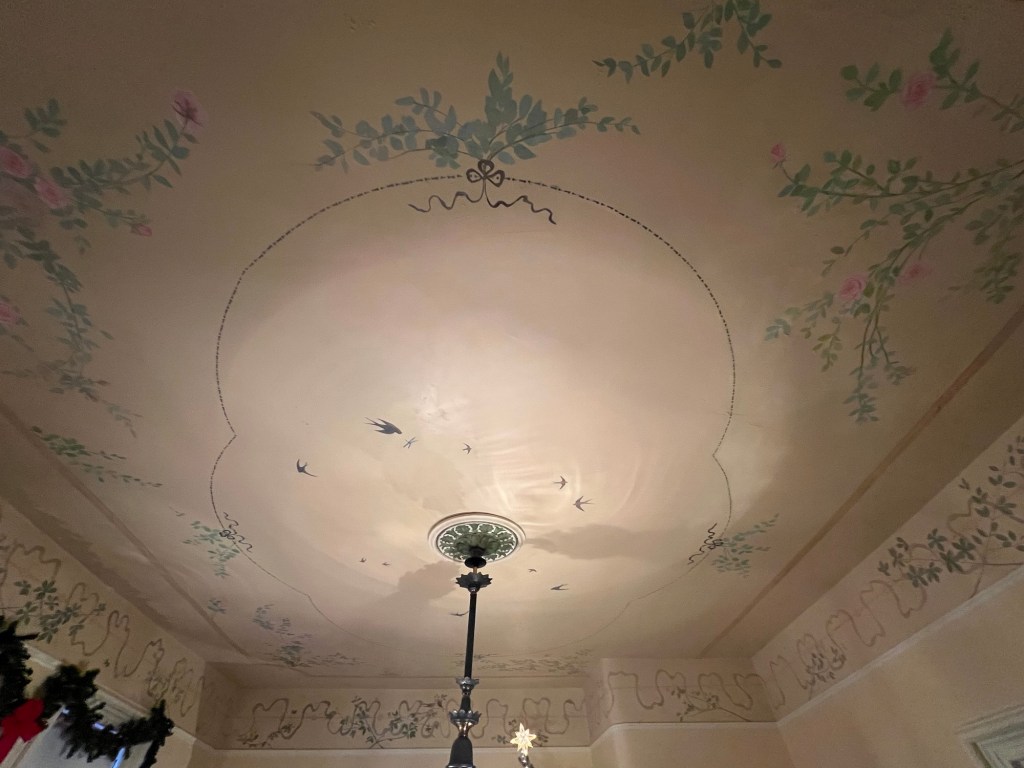
The ceiling is the only original part of the house left intact by each owner. It has been cleaned and restored to its original beauty.

The room beautifully decorated for the holidays

The Egyptian Room which was once a wellness

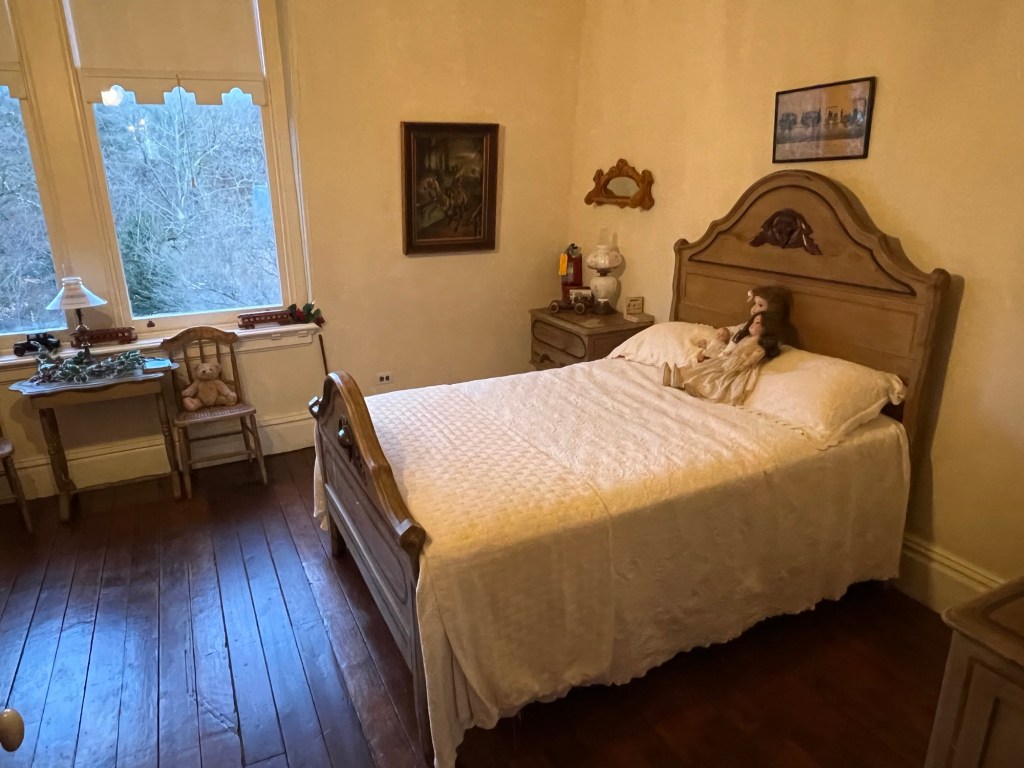
One of the upstairs bedrooms ready for guests

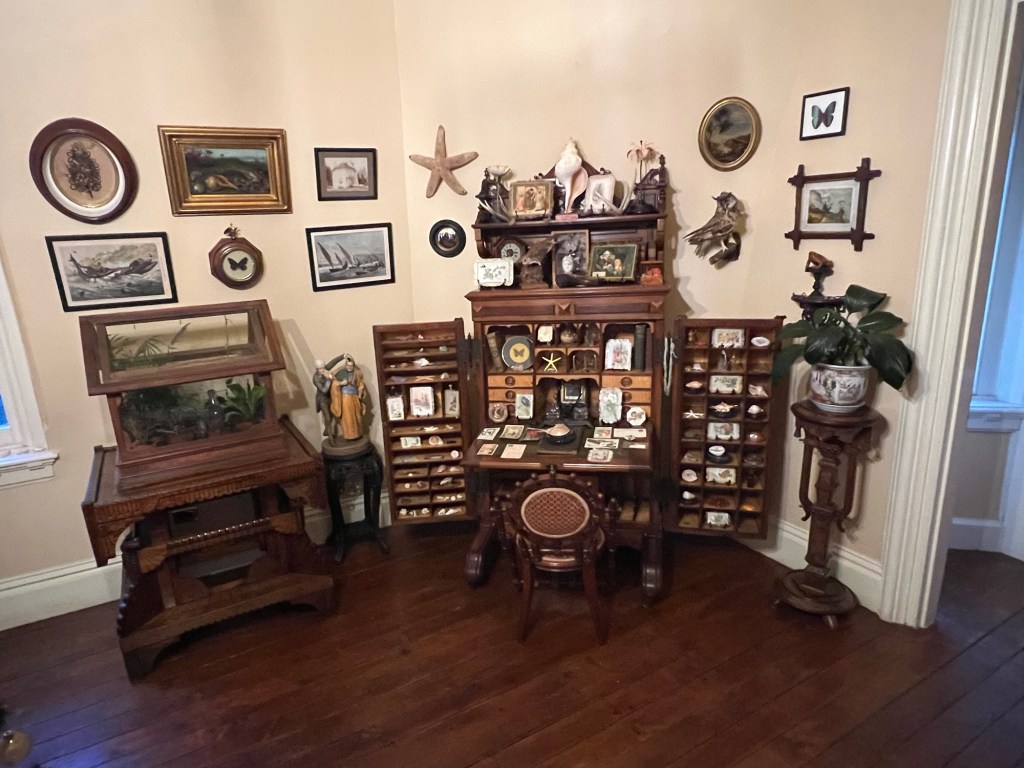
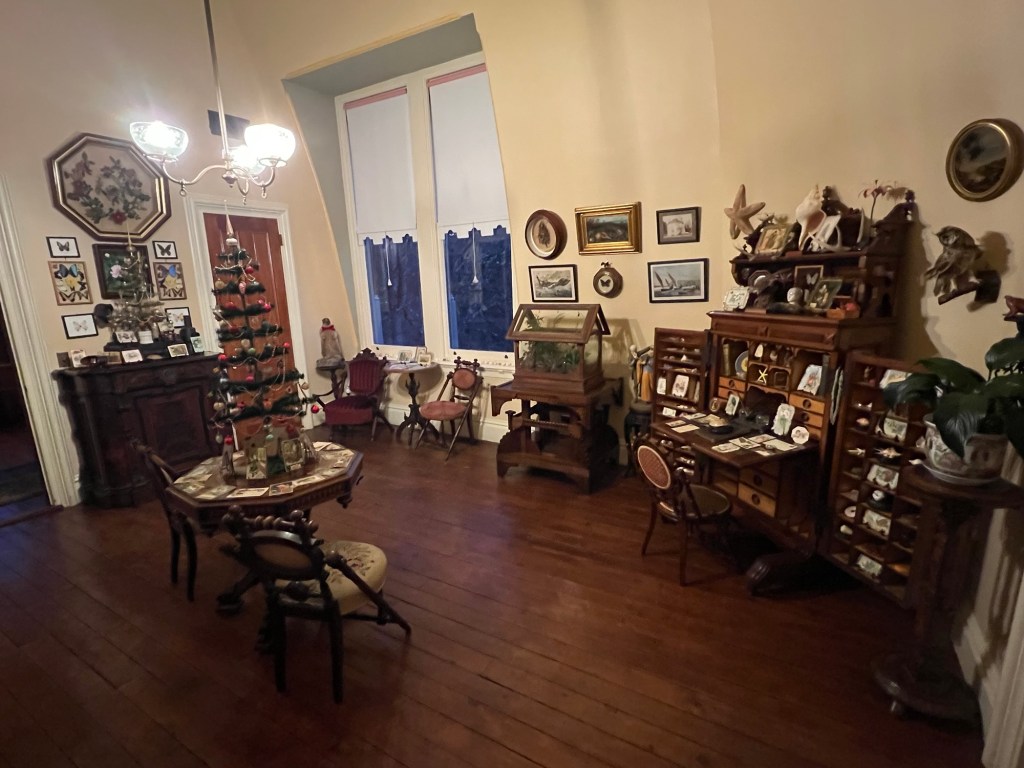
The Curio Room was a place where Victorians showed off their collections from their travels. These small items were displayed to show off the places they had been and some of the collections they were forming along the way.

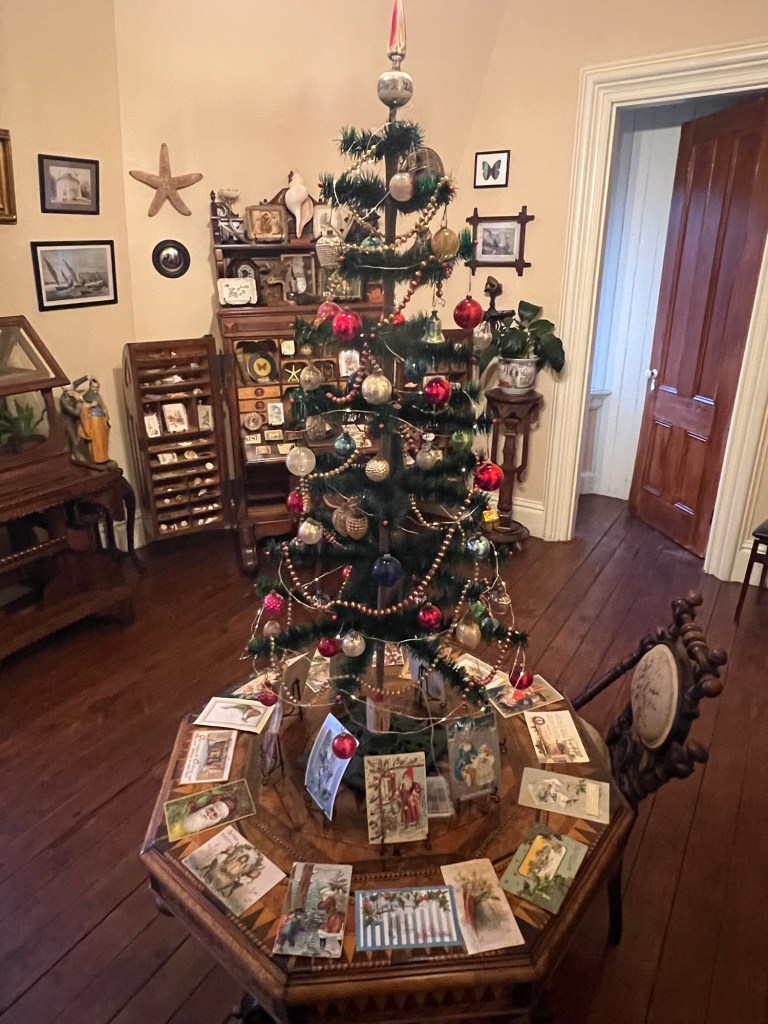
The Table tree in the Curio room

All the interesting collections in the Curio Room

Even the small tree is covered with antique ornaments and old Christmas cards

The third floor landing

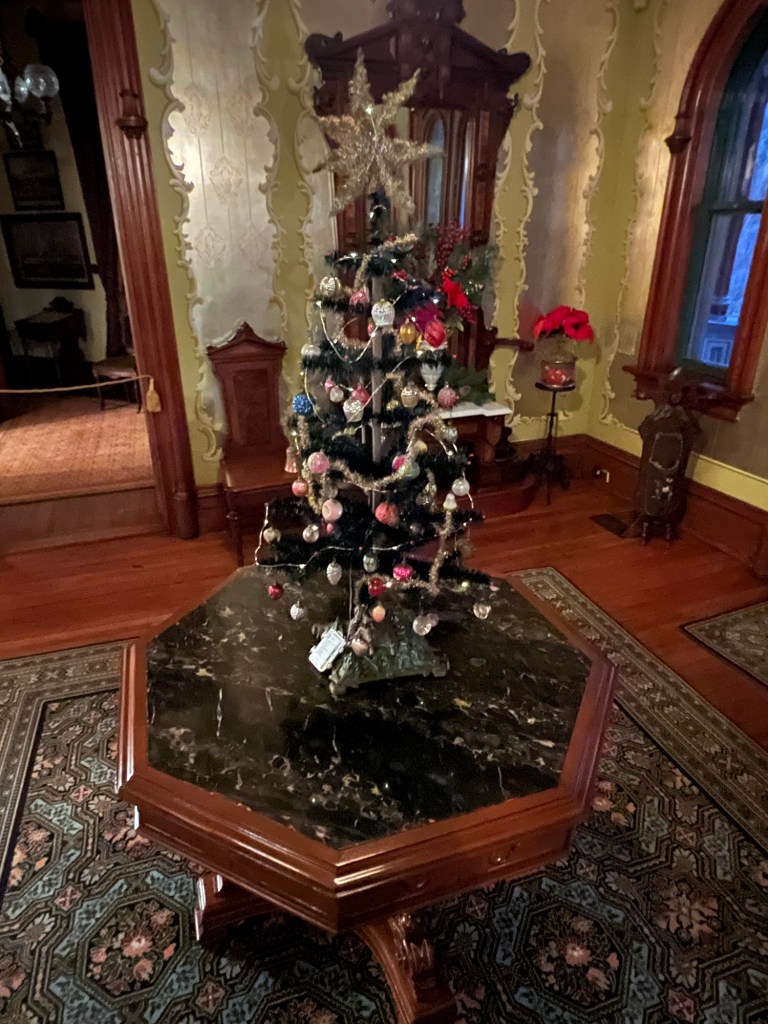
The Table tree in the landing

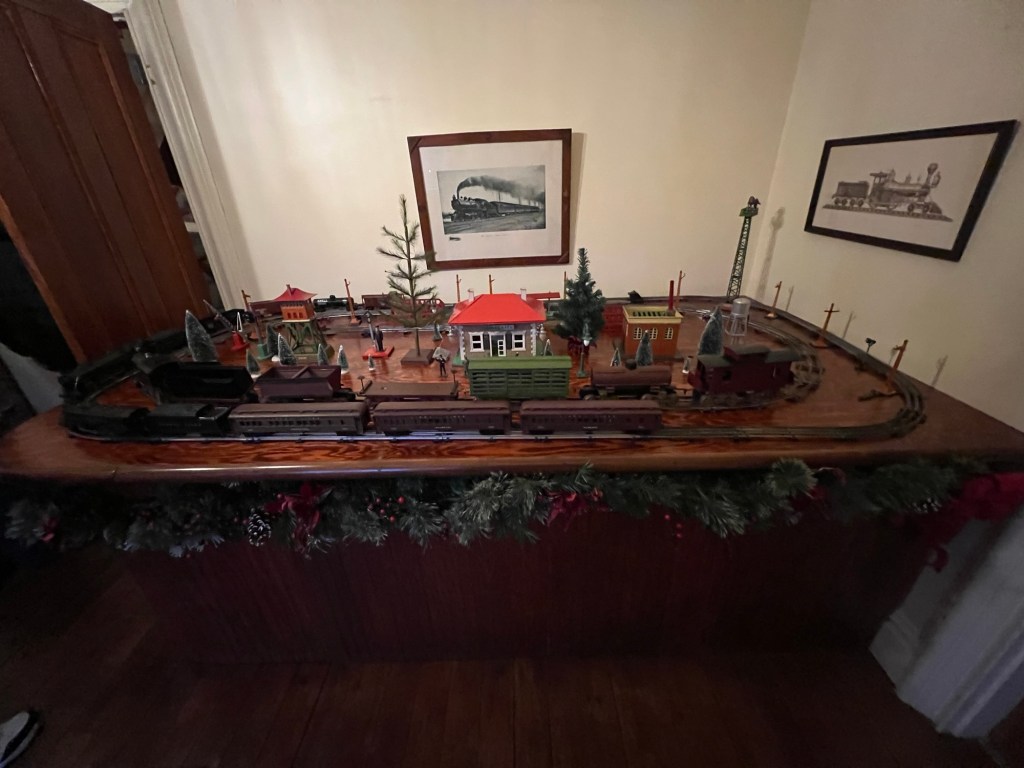
The antique train set

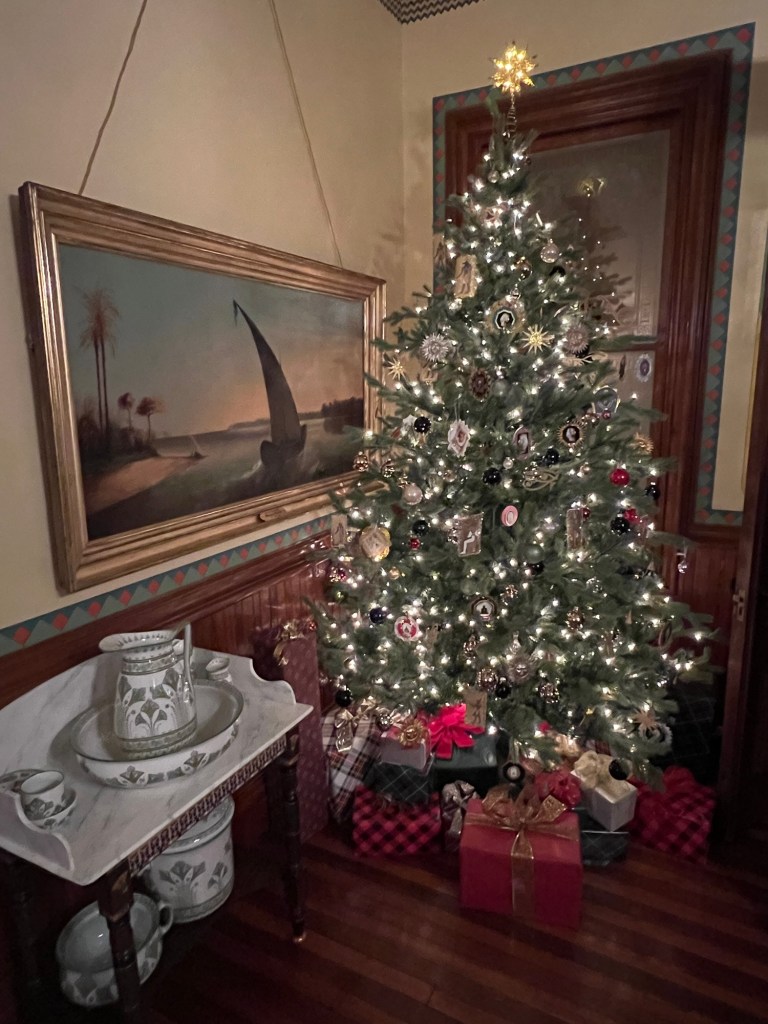
The Christmas tree on the third floor

Above is on the third floor, we could peek upstairs and see the bottom of the dome that had been added by Mr. Stiner. The was interesting. We made our way back downstairs to finish the tour and wrap up our discussion.

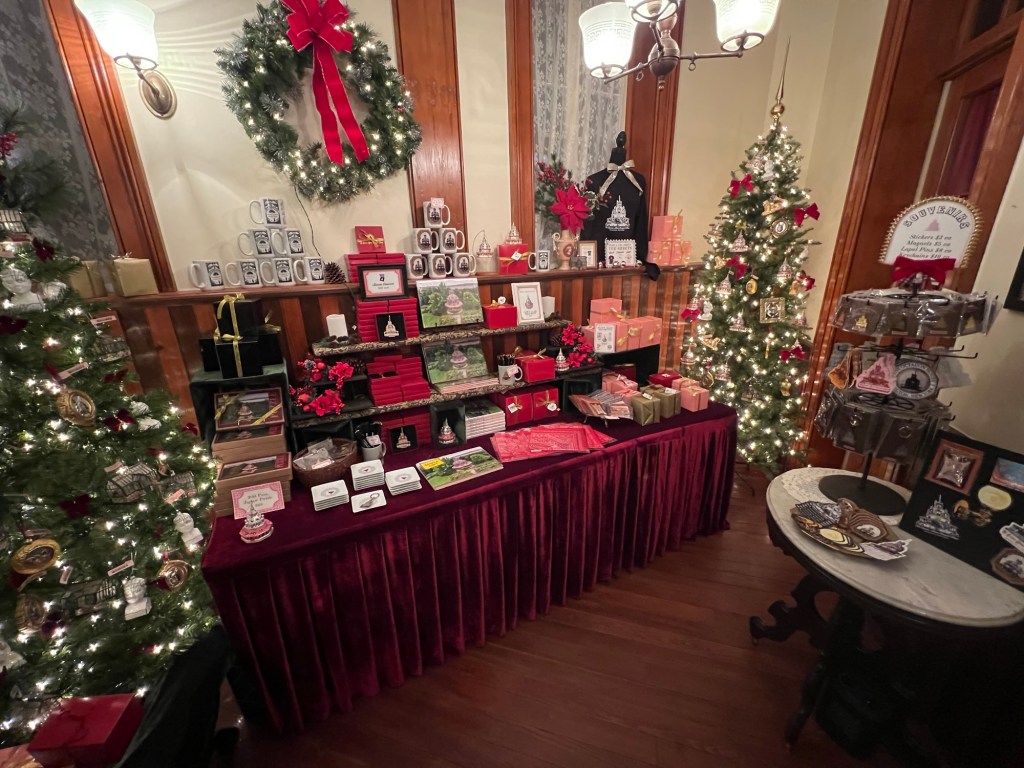
The Gift Shop

As you exit the house, there is an interesting Gift shop stocked with ornaments, toiletries, stationary and other gift items. This is where we concluded our tour.

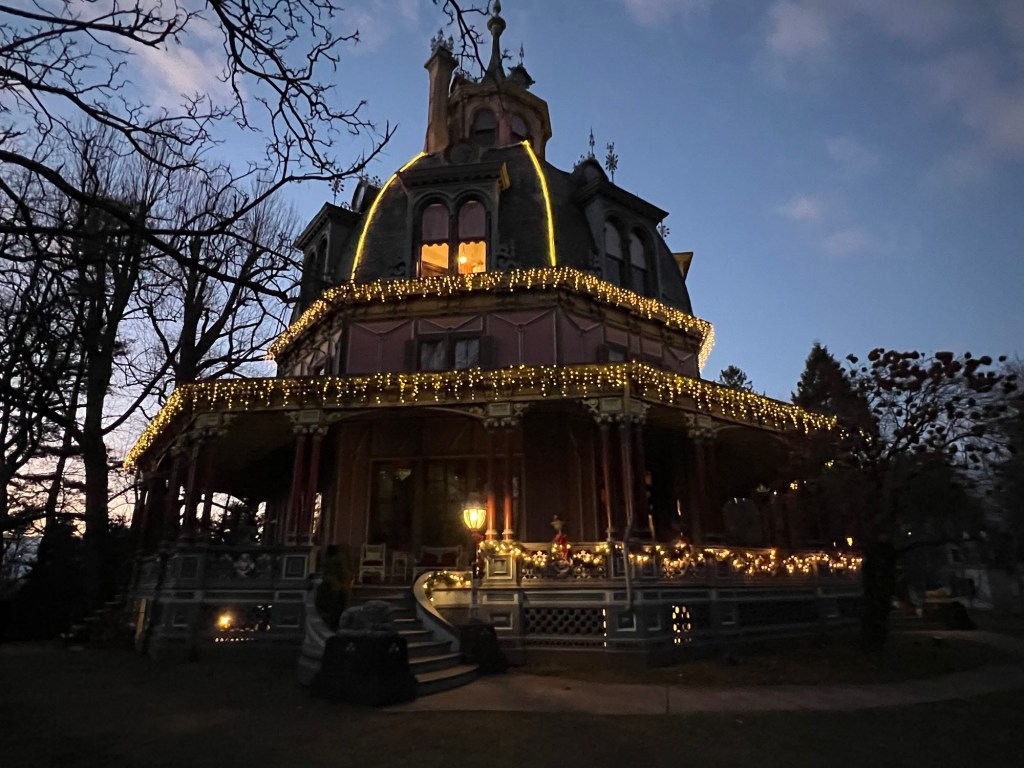
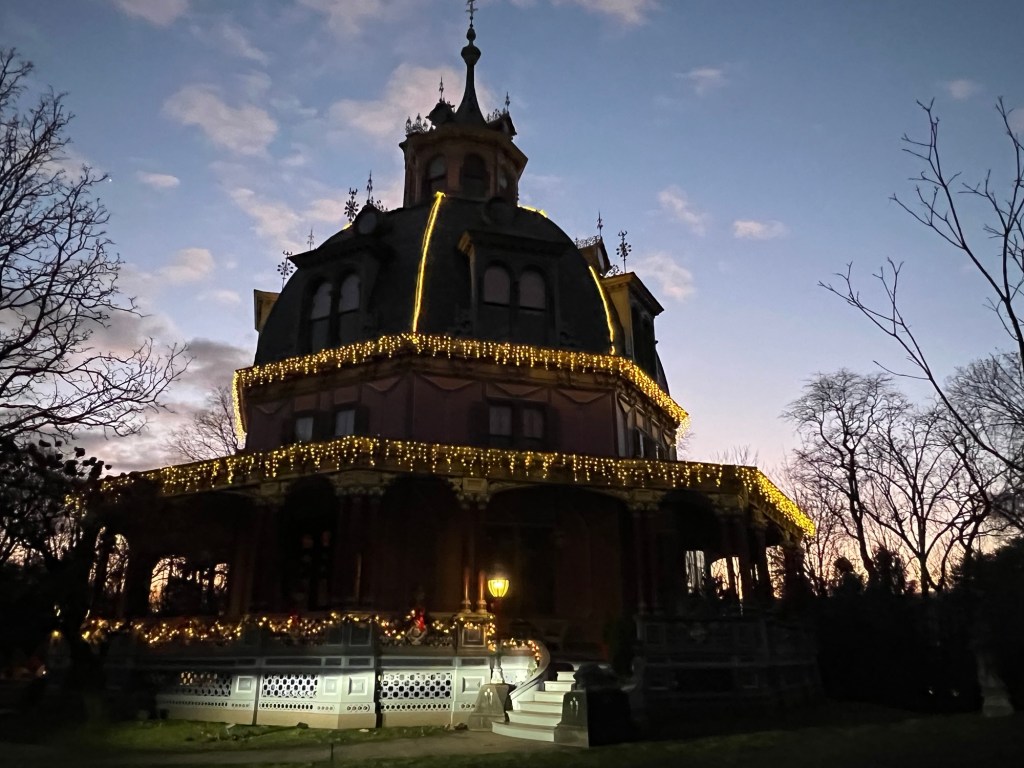
The house and grounds were lit when we left and everything was so nicely decorated for the holidays.

The house fully lit at twilight

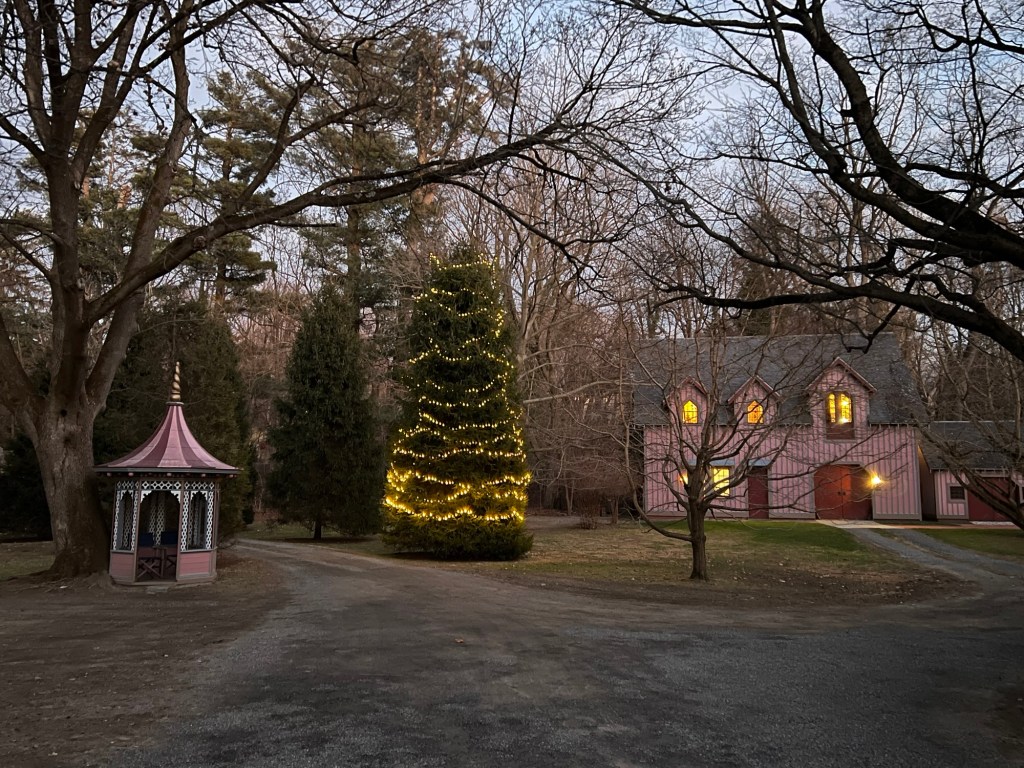
The Carriage House and grounds at twilight

The house at closing time was picturesque

Touring the Amour- Stiner Octagon House is a step back in time to when society was slower and life a bit more gentle. you relished life and slowed down to enjoy it.

The Irvington Historical Society presentation on the Armour-Stiner Octagon House

Knox Headquarters State Historic Site                  289 Old Forge Hill Road                                     Vails Gate, NY 12584

Knox Headquarters State Historic Site 289 Old Forge Hill Road Vails Gate, NY 12584

Knox Headquarters State Historic Site

289 Old Forge Hill Road

Vails Gate, NY 12584

(845) 561-5498

https://parks.ny.gov/historic-sites/5/details.aspx

https://en.wikipedia.org/wiki/Knox%27s_Headquarters_State_Historic_Site

Open: Sunday-Saturday (Seasonal-Please see the website)

Admission: Free but donations are accepted

My review on TripAdvisor:

https://www.tripadvisor.com/Attraction_Review-g48760-d1174661-Reviews-Knox_s_Headquarters_State_Historic_Site-Vails_Gate_New_York.html

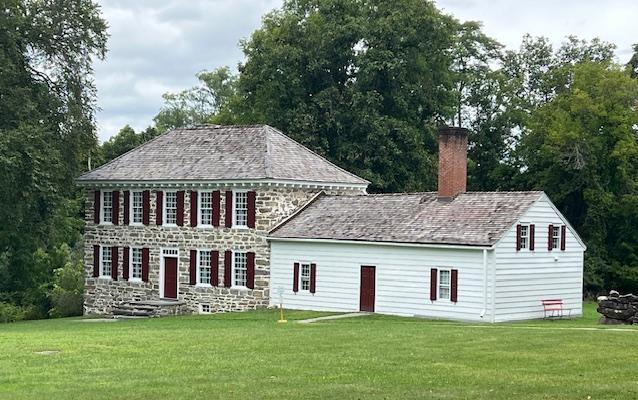
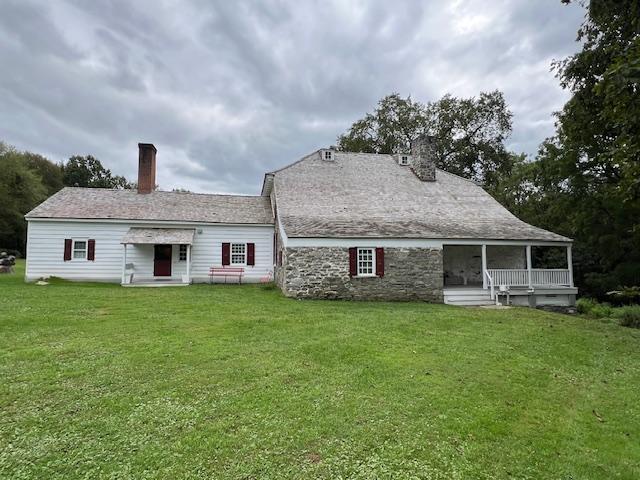
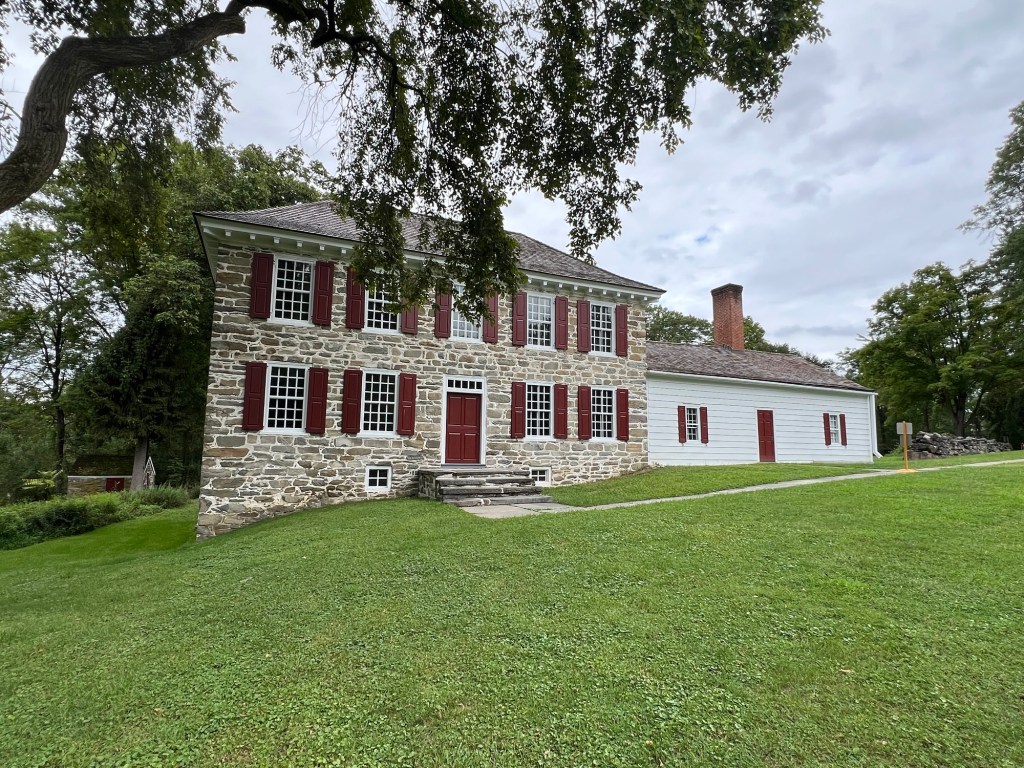
The Georgian side of the Elliott home

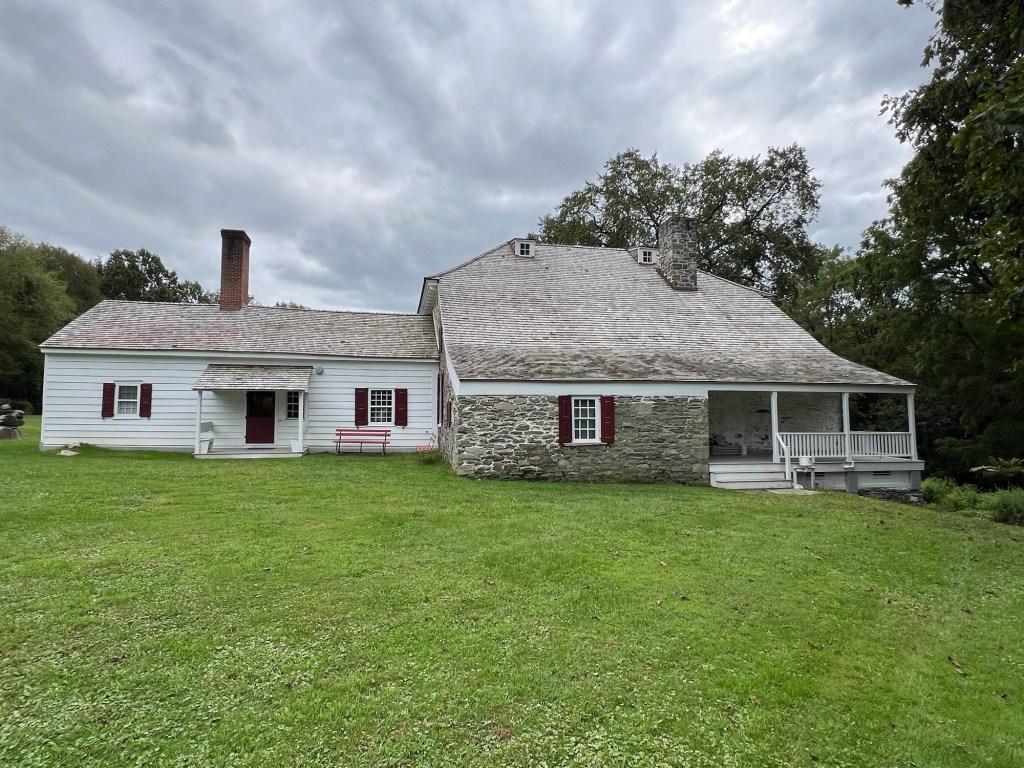
The Dutch style side of the home

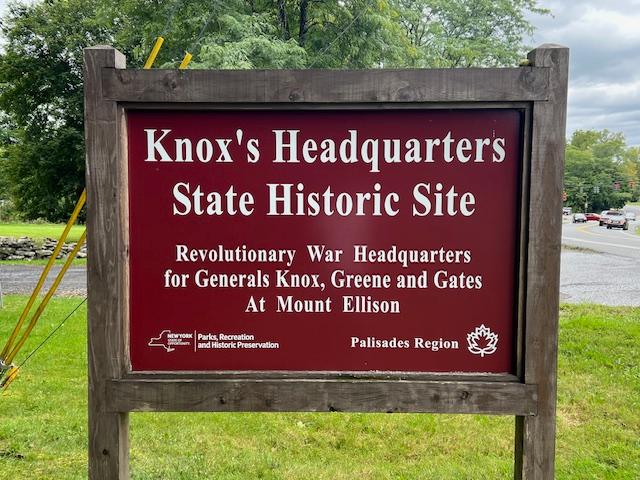
The sign welcoming you

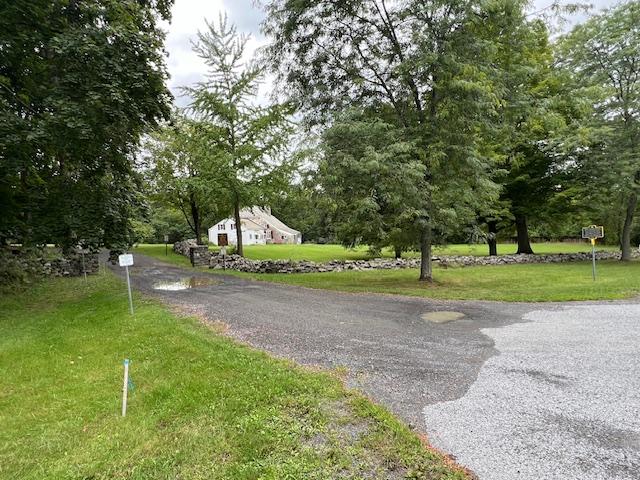
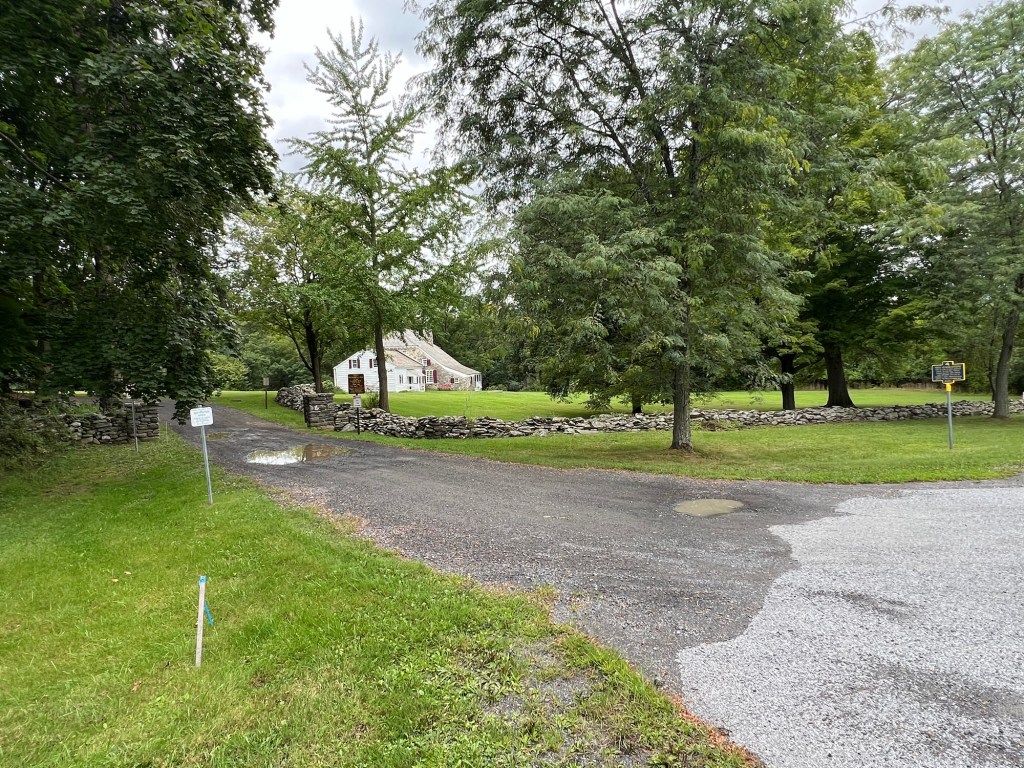
The estate from the road

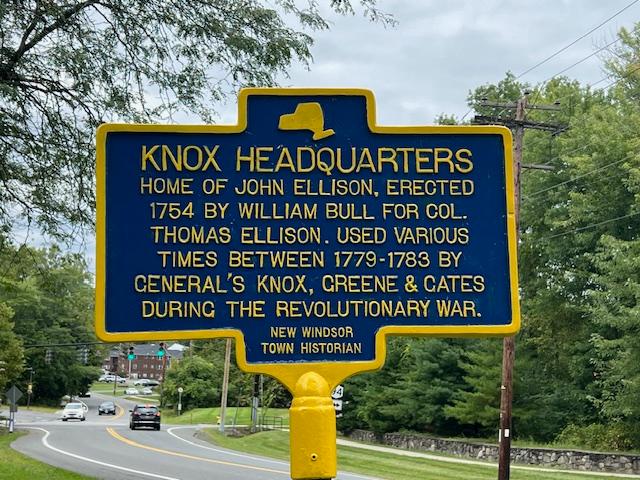
The historic sign outside the home

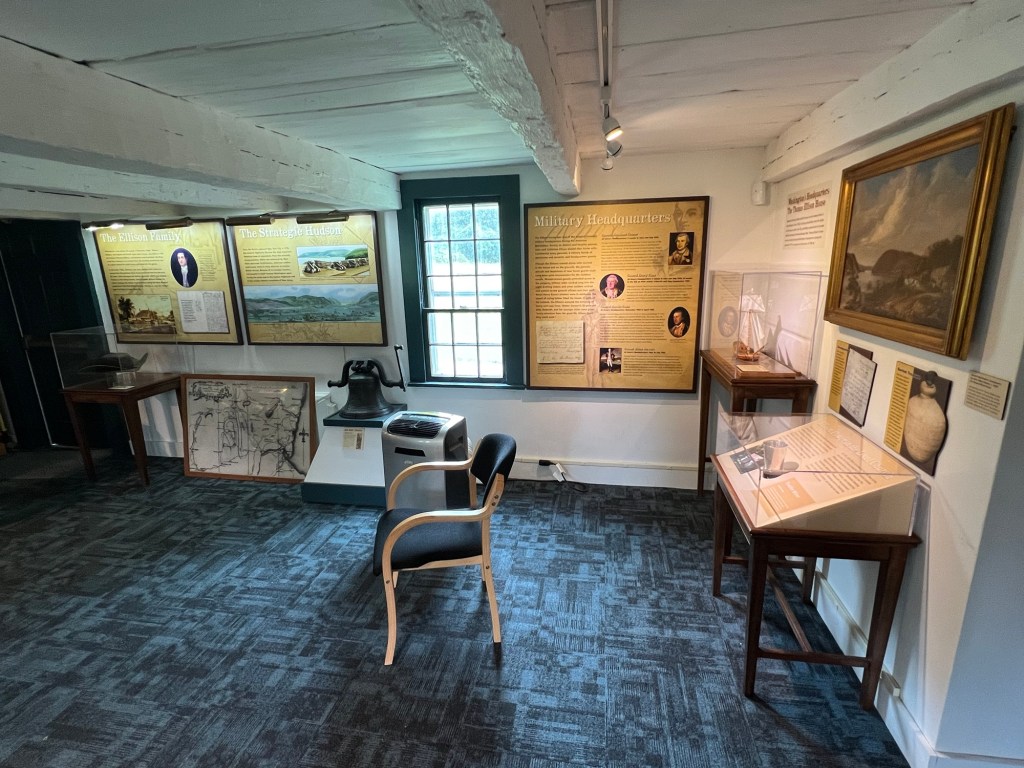
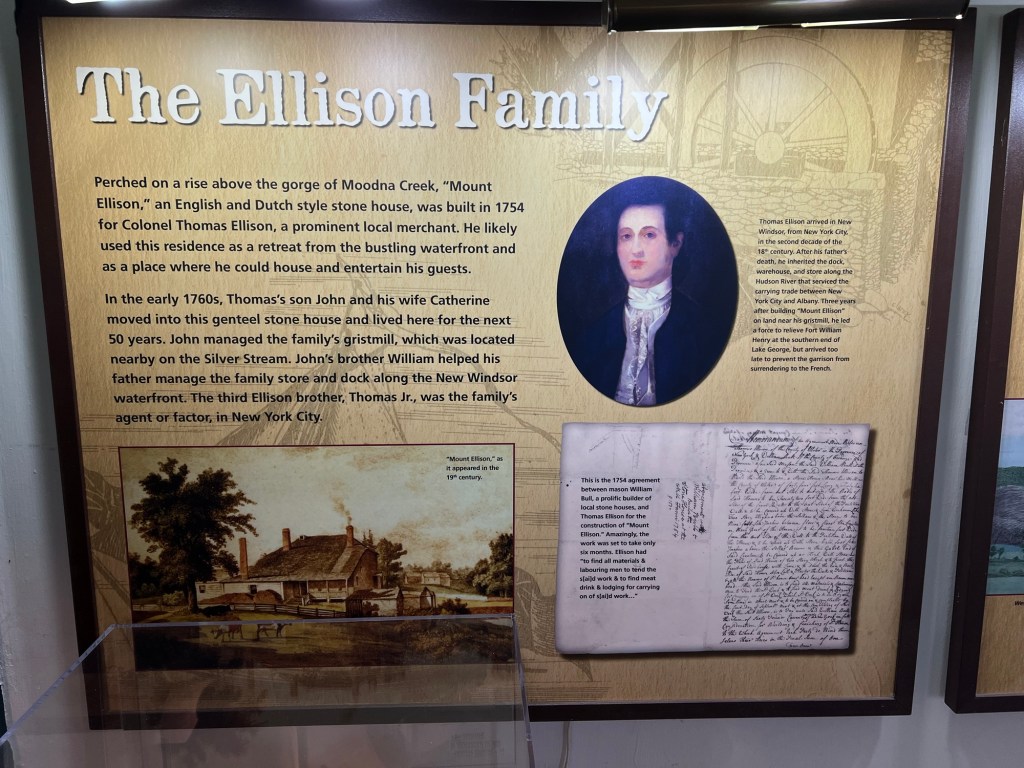
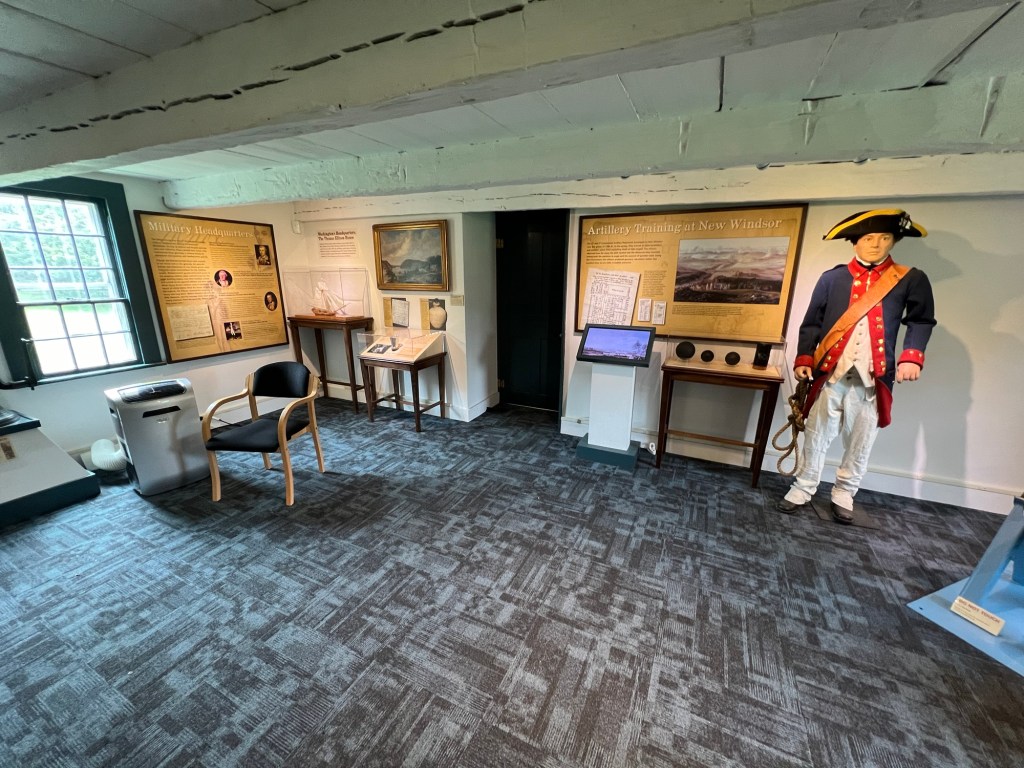
The Welcome Center tells the story of both the Ellison family and their war visitors, the Knox family.

The Ellison family history sign

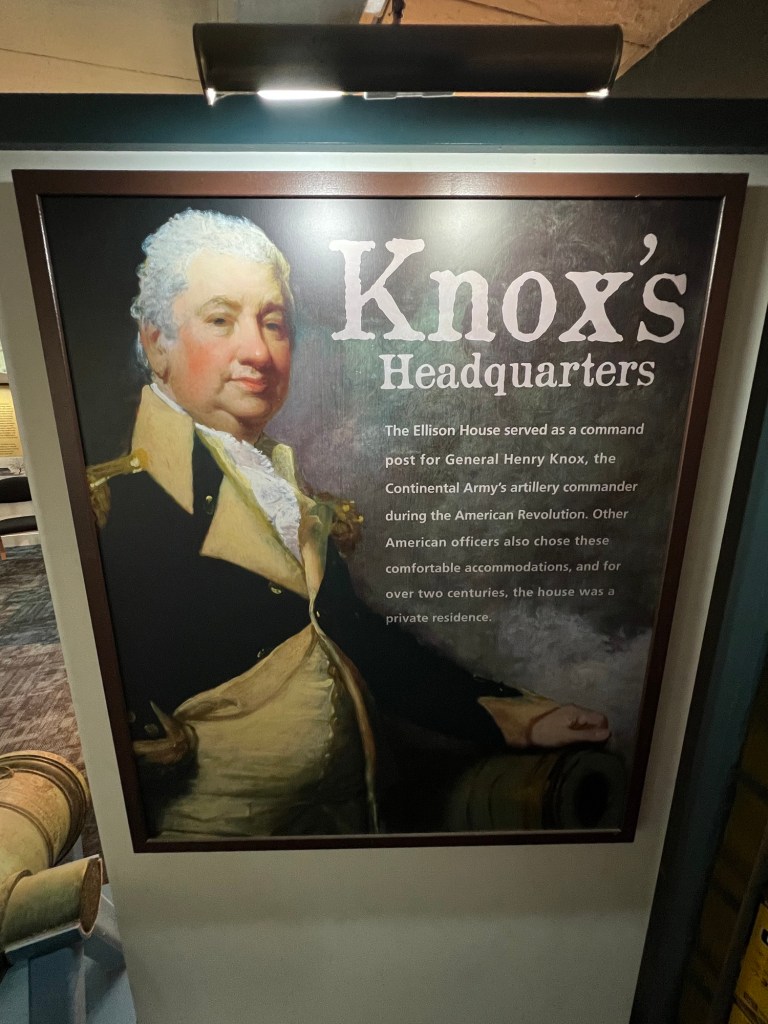
The Knox family history sign

The family history in the Visitor’s Center

The tour of the house was very interesting. The house was built in three stages as the family grew and prospered over the generations. There was the original Dutch house which is the side of the house that faces the current road, the Georgian addition which faces the back of the house, where the original Kings Highway was located and the addition, where the Visitors Center was located.

My tour guide, Tiffany, explained there had been other additions to the home over the years but they had been removed for the historical integrity of the house.

The Georgian addition of the home featured more rooms for socializing

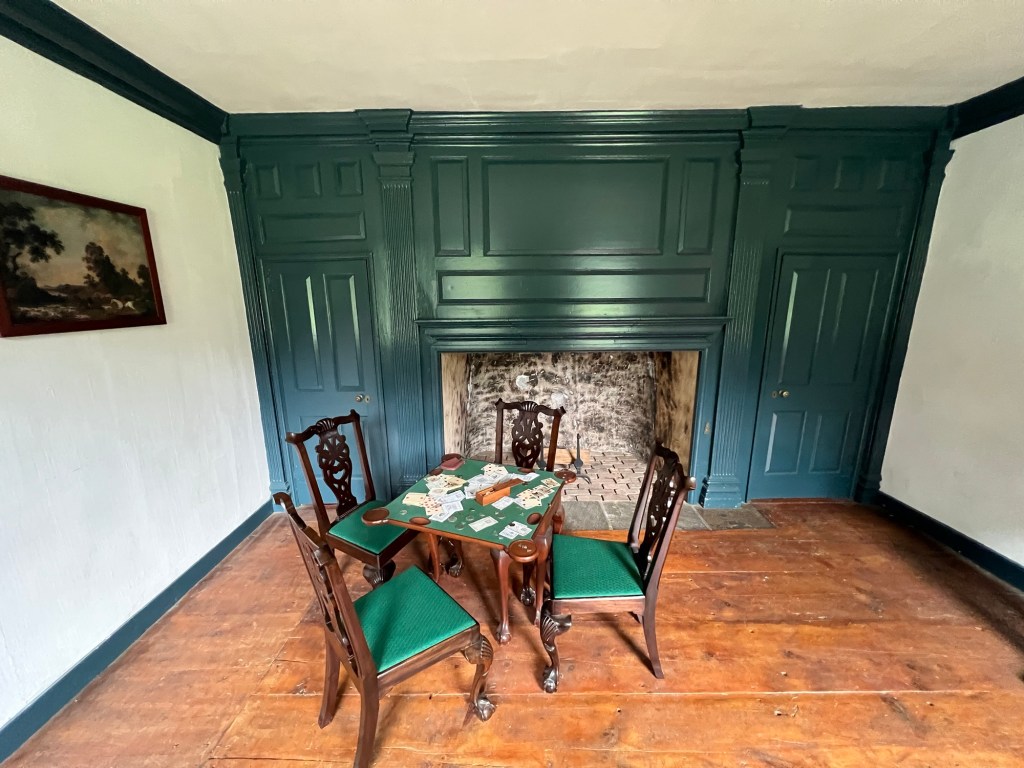
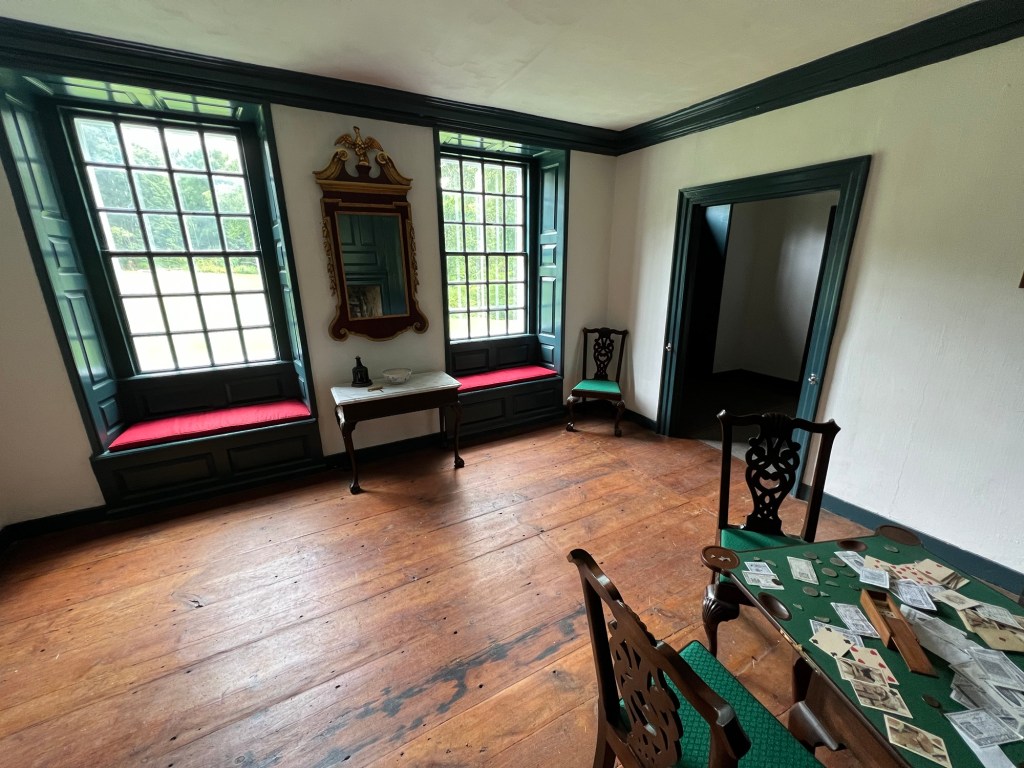
The Georgian addition to the back of the home was built with the family fortunes. This included a spacious formal Parlor, Dining Room both with large window to let in natural light and high ceilings for circulation and to show the families affluence.

The large windows let in the natural light in the warmer months

Much of the furniture in the house was not original to it but was of the period. Here and there though there were pieces donated back to the house and gave it its historical dignity.

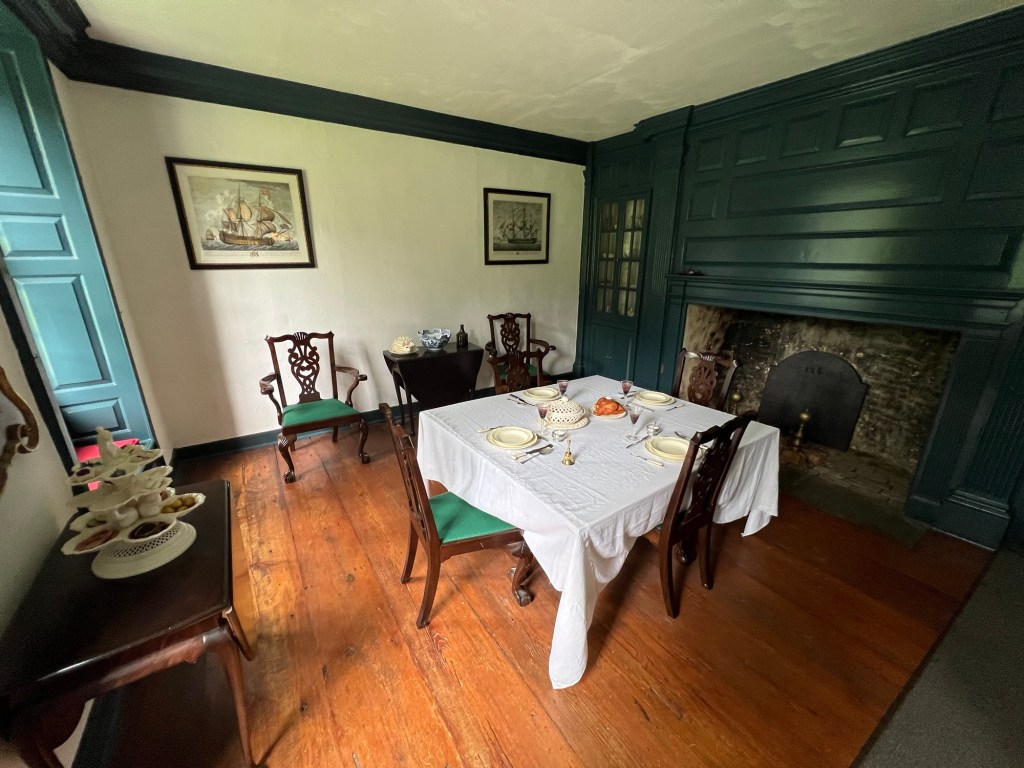
The formal dining room was used to impressi visitors with the large fireplace

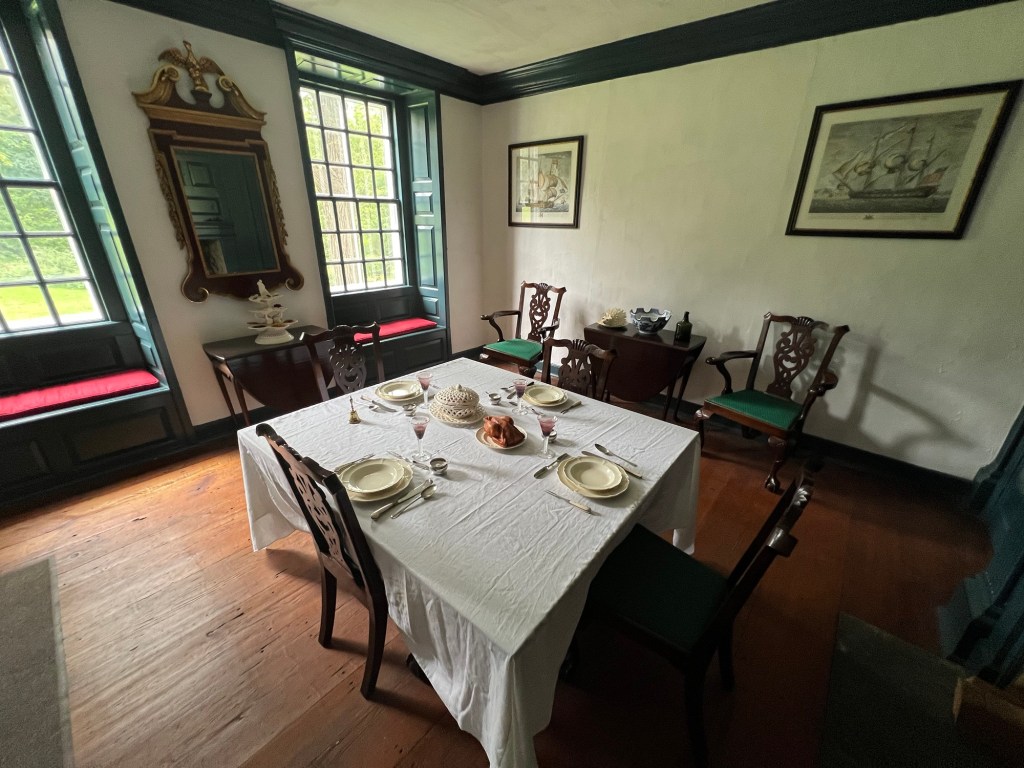
The Dining Room used for meals and formal entertaining was spacious yet cozy. There was room to move around but it was still intimate for conversation.

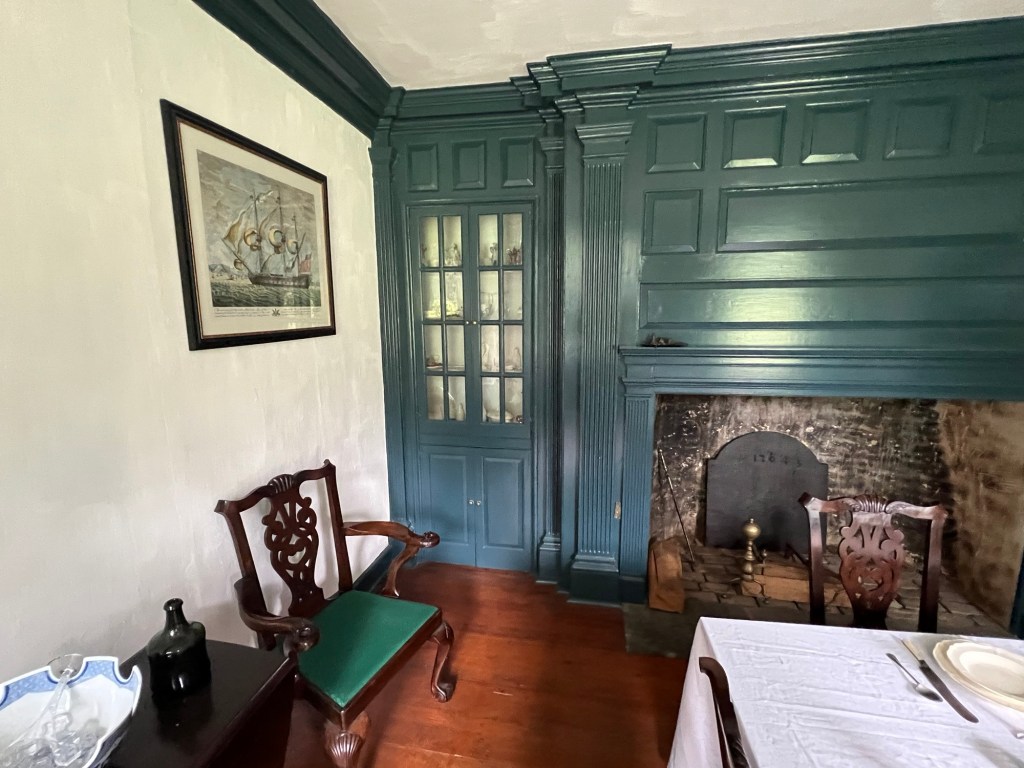
The room had built in China cabinets

The wood work contained china cabinets, storage for silver and family serving pieces. The large metal tombstone looking item in the fireplace was a metal slab meant for retaining heat for the room once the fire went down. This is how the room was kept warm in the colder months.

The natural light was perfect for late afternoon supper

Once you left these rooms for the front hallway, this led to the Dutch front portion of the house, once the living quarters and now was were the business office and storage for the family business was attended to during working hours.

The office of Mr. Ellison was in the front part of the original Dutch portion of the house

The rooms in the front section of the original house were separated from the formal part of the current back of the house. This is where Mr. Ellison and his son attended to business calls and stored their goods for shipping.

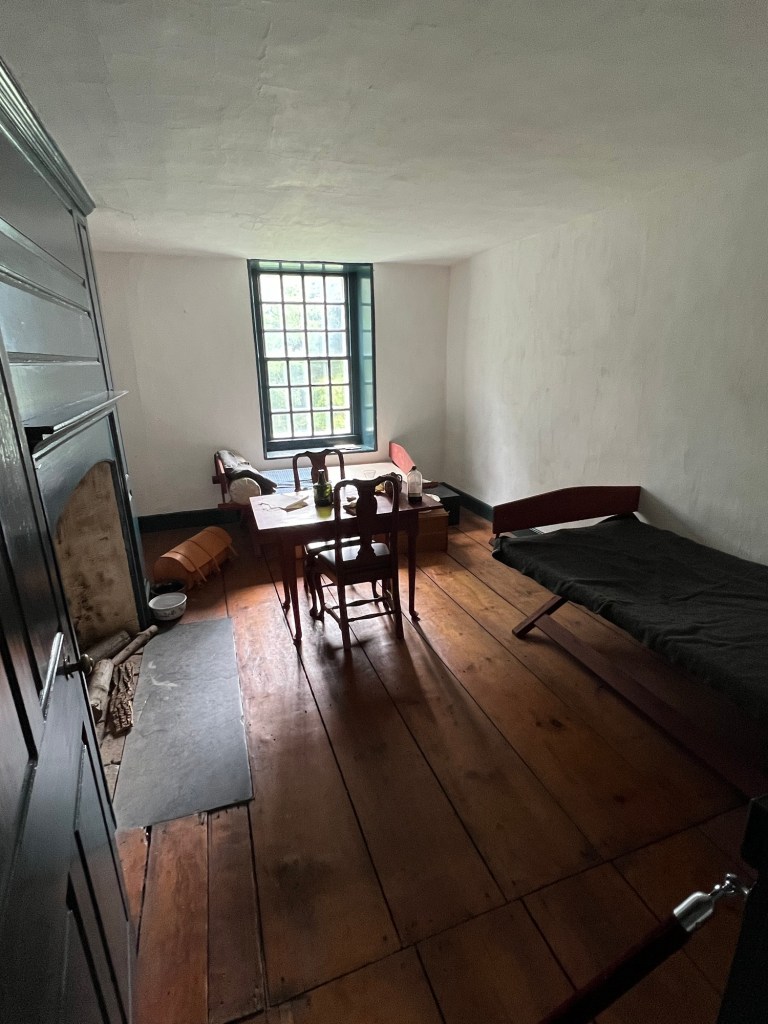
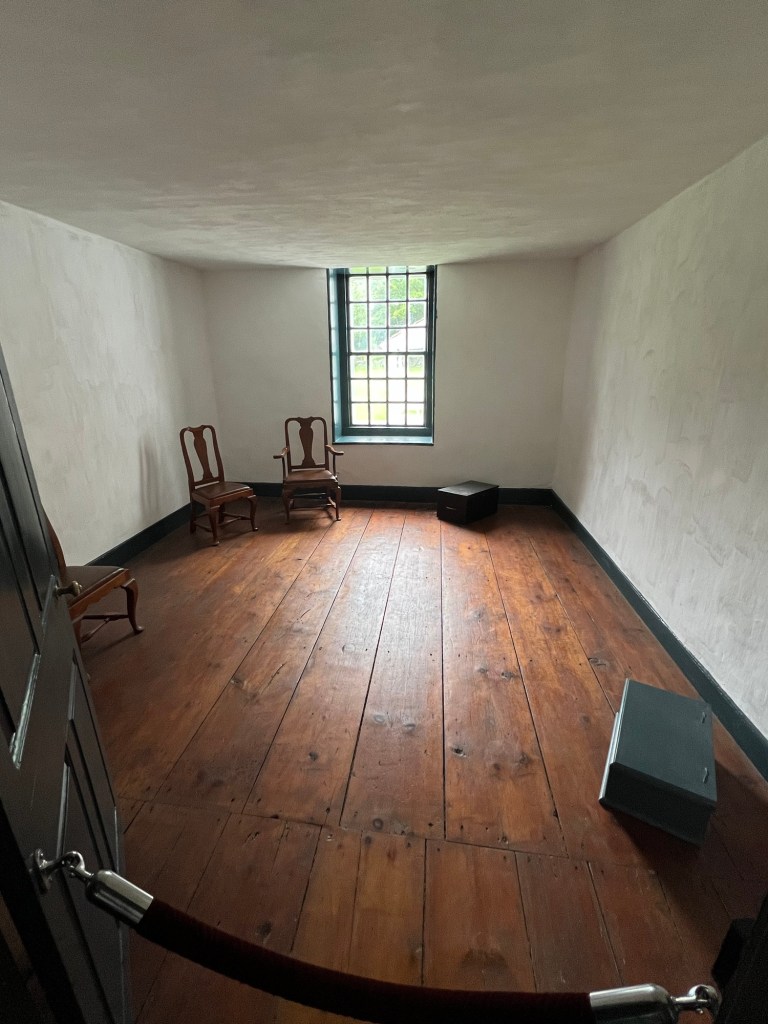
The storage room was probably a family bedroom for the original house

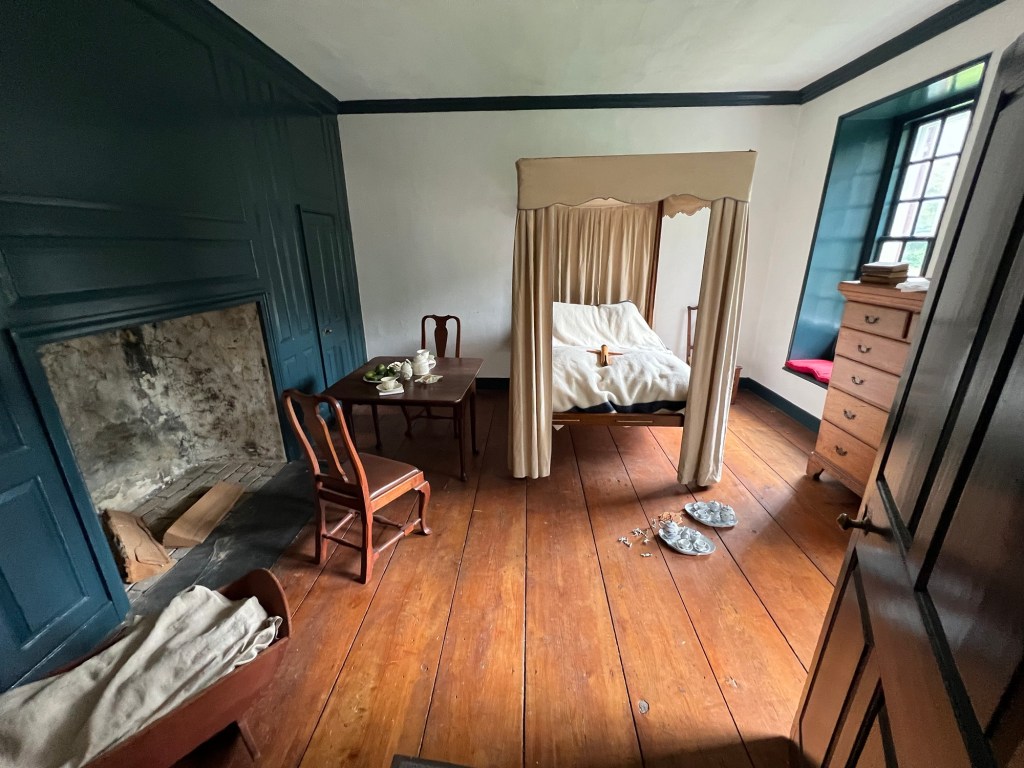
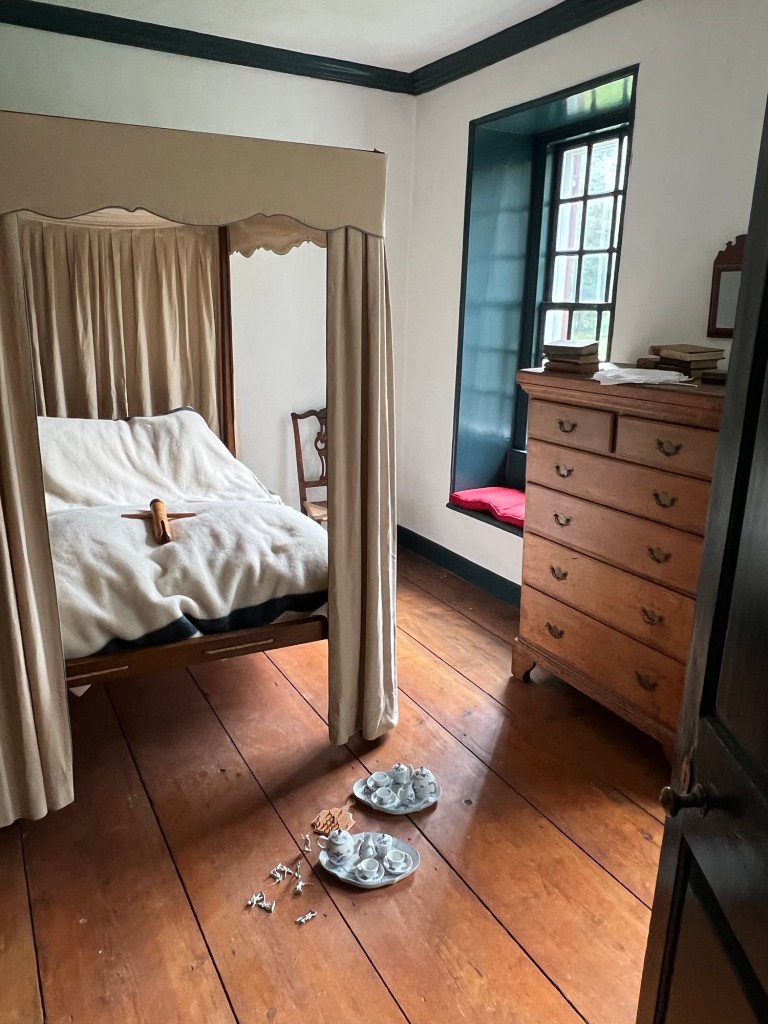
The trip upstairs was part of the addition of the house and contained two spacious bedrooms with high ceilings and large windows. When the Knox family joined the Ellison family during the encampment, each family had one bedroom for use. The Ellison’s did not have any children and the Knox’s had two small children, a small girl and an infant boy. From what the tour guide explained the Ellison’s welcomed them in the home and relations were very good with both couples, who welcomed the children into their home. It brought extra life to the house.

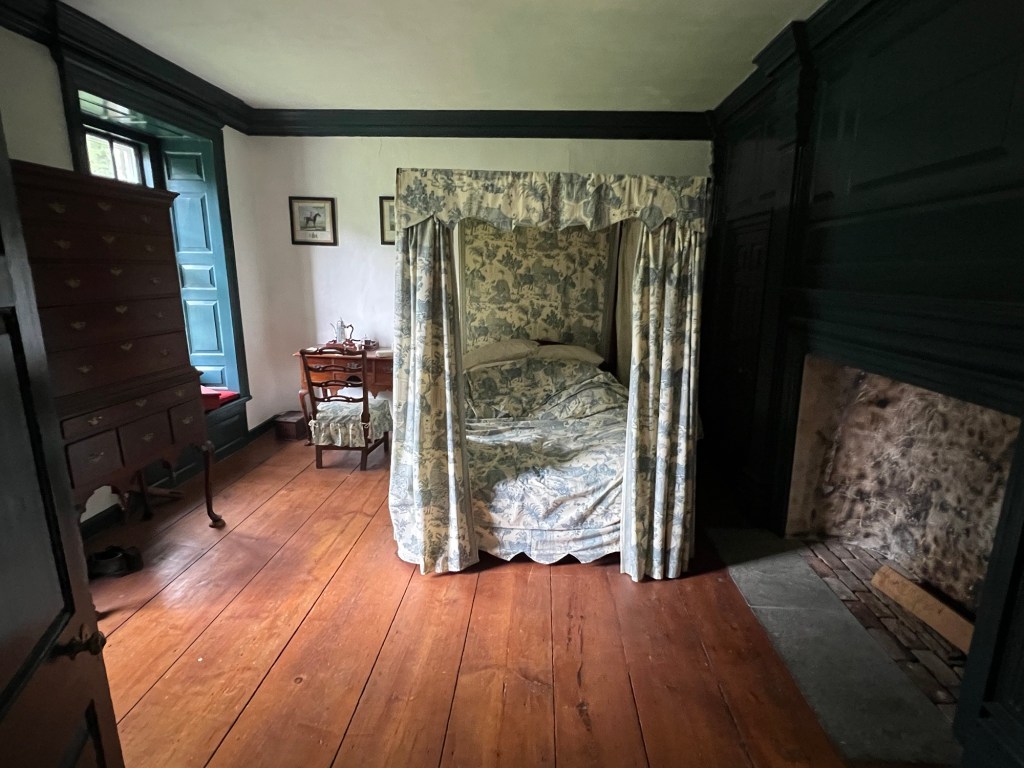
The formal bedroom of the Ellison’s would be the bigger room and more formal

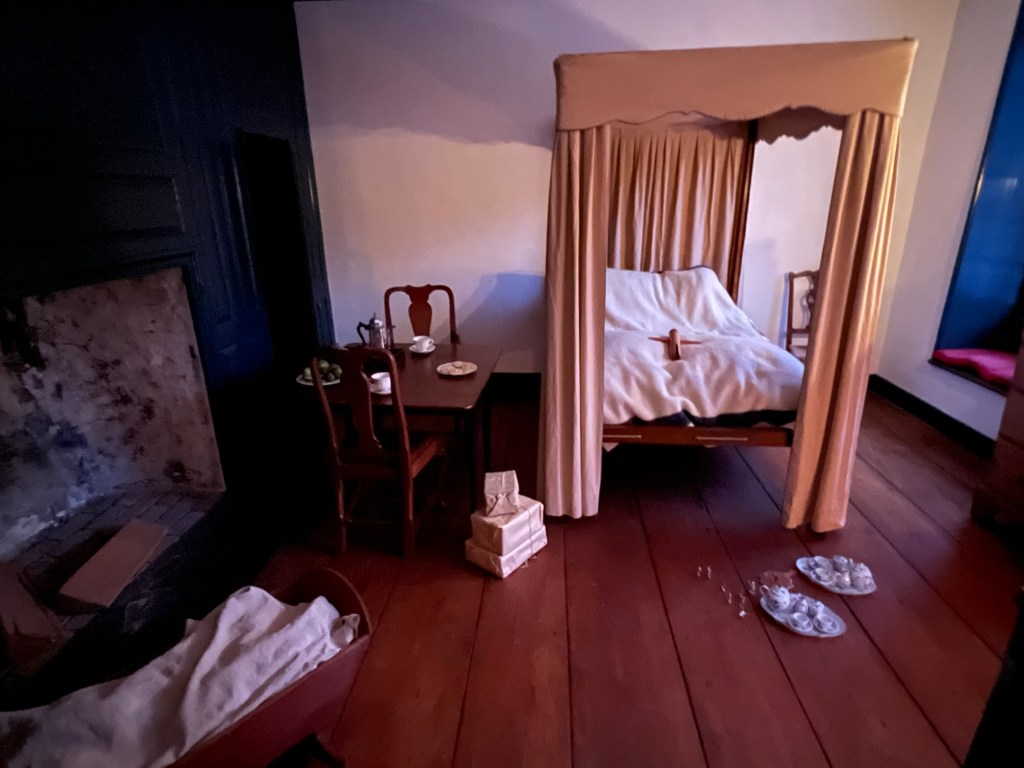
The Knox family bedroom would have been not less elaborate with a small bed and crib for the children

The Knox’s bedroom for the family during the war years

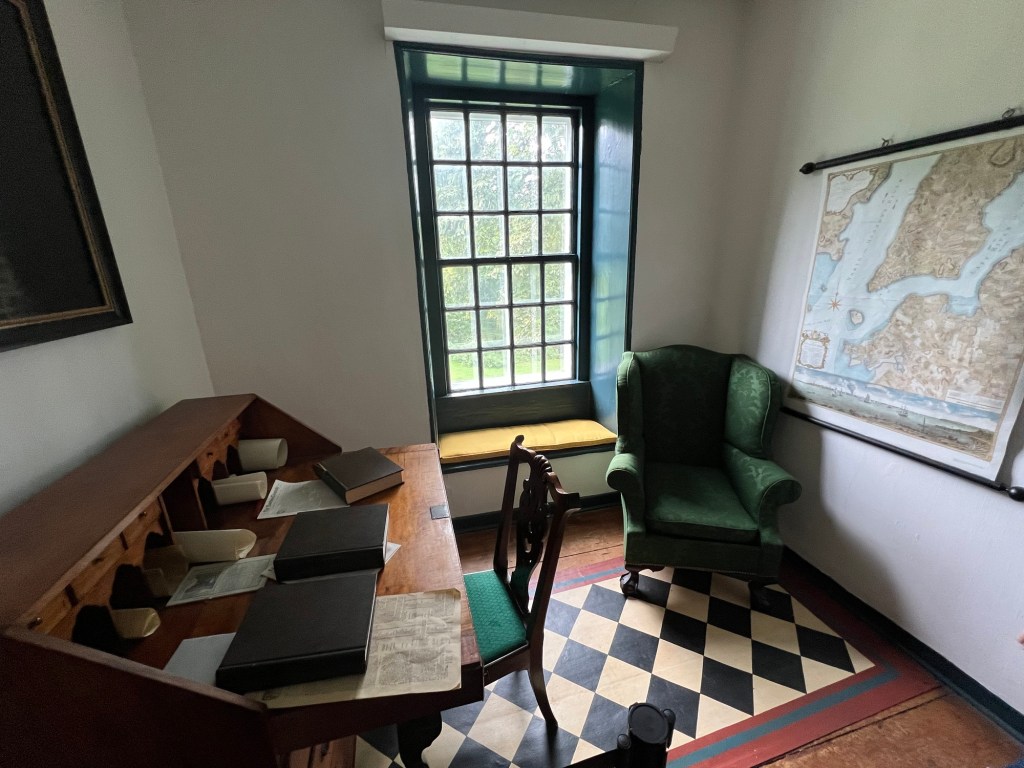
Mrs. Ellison kept her own office at the top of the stairs and this was reflective in the desk and table in the nook at the top of the stairs. The tour guide explained there had been a wall to provide privacy to Mrs. Ellison which had been removed over the years.

The office of Mrs. Ellison to run the household

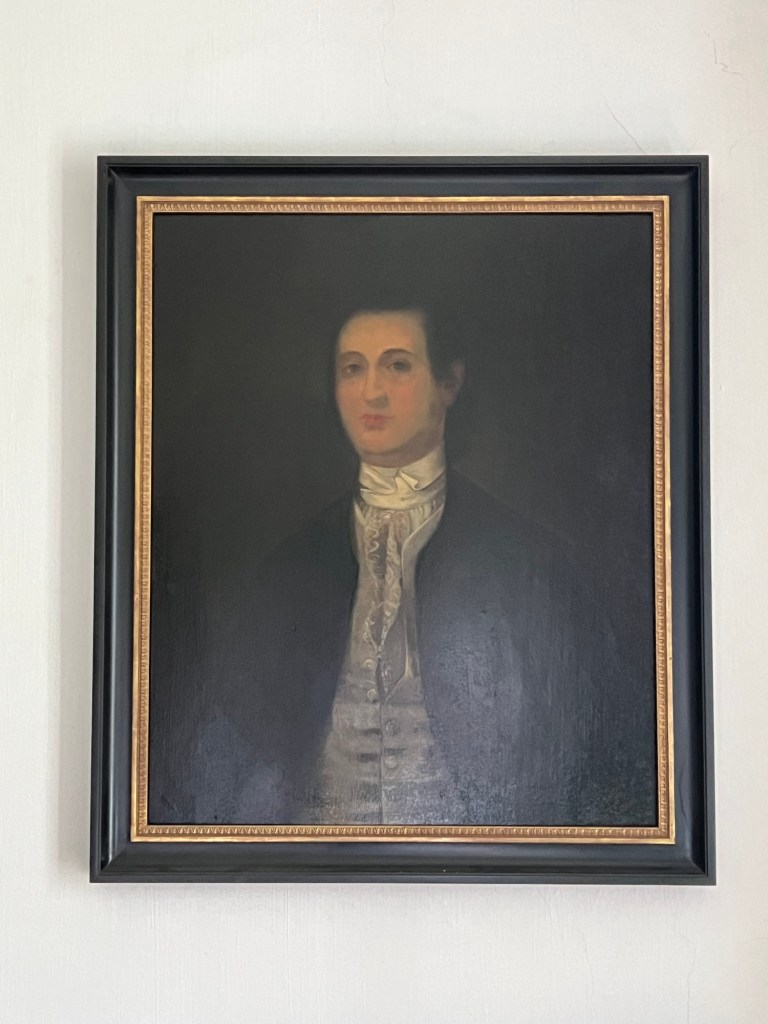
The office contained the family heirloom desk and a portrait of Mr. Ellison’s brother who was a General in the war.

The portrait of General Ellison, Mr. Ellison’s brother

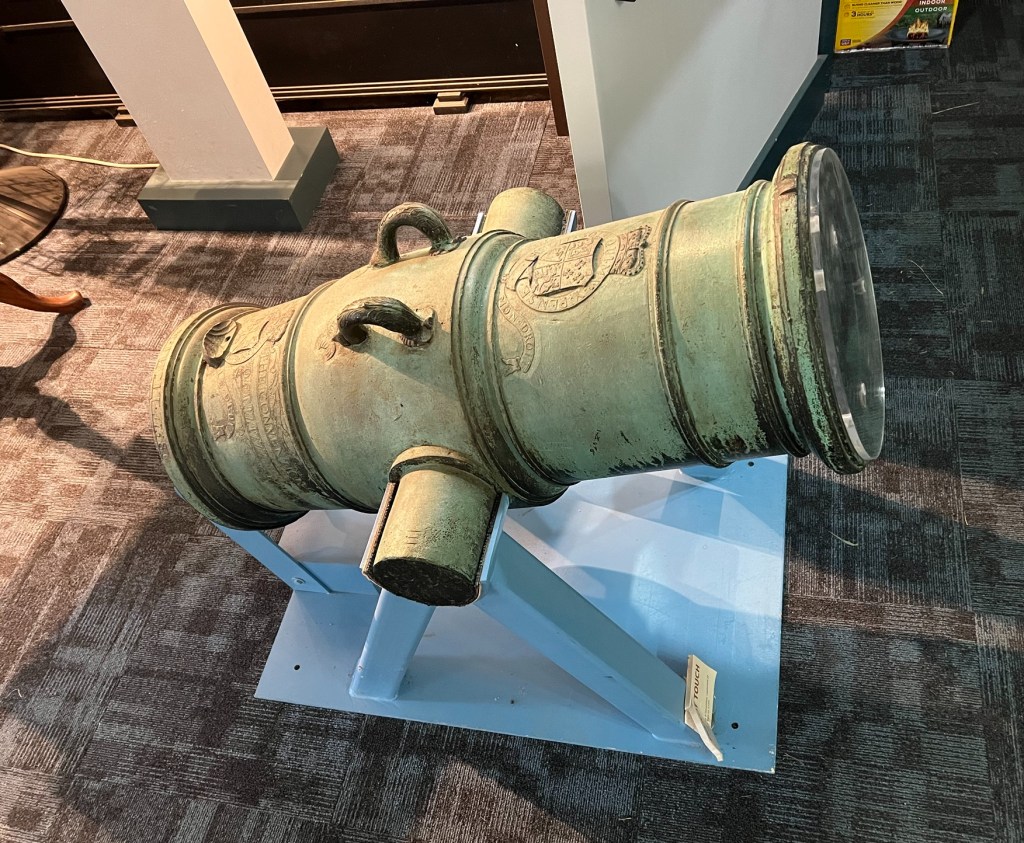
Part of the cannon

When I finished the tour of the house, my tour guide and walked around the Visitor Center room and she showed me some of the artifacts in the room including a small cannon the had been found. My tour guide suggested after we were done in the house a tour of the grounds. The King’s Highway had originally run in a different location that passed the front door of the Georgian side of the house. Also down by the stream were the ruins of the old grist mill.

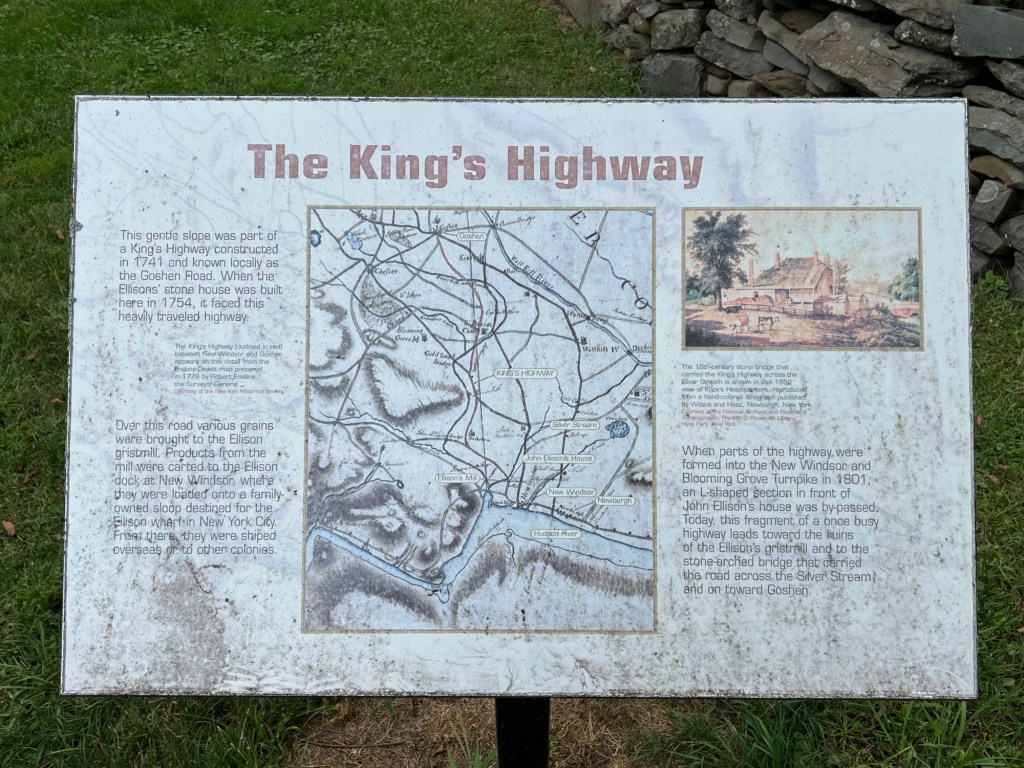
The map of the original King’s Highway when it passed in front of the home

The original front door of the Ellison home where the street was once located

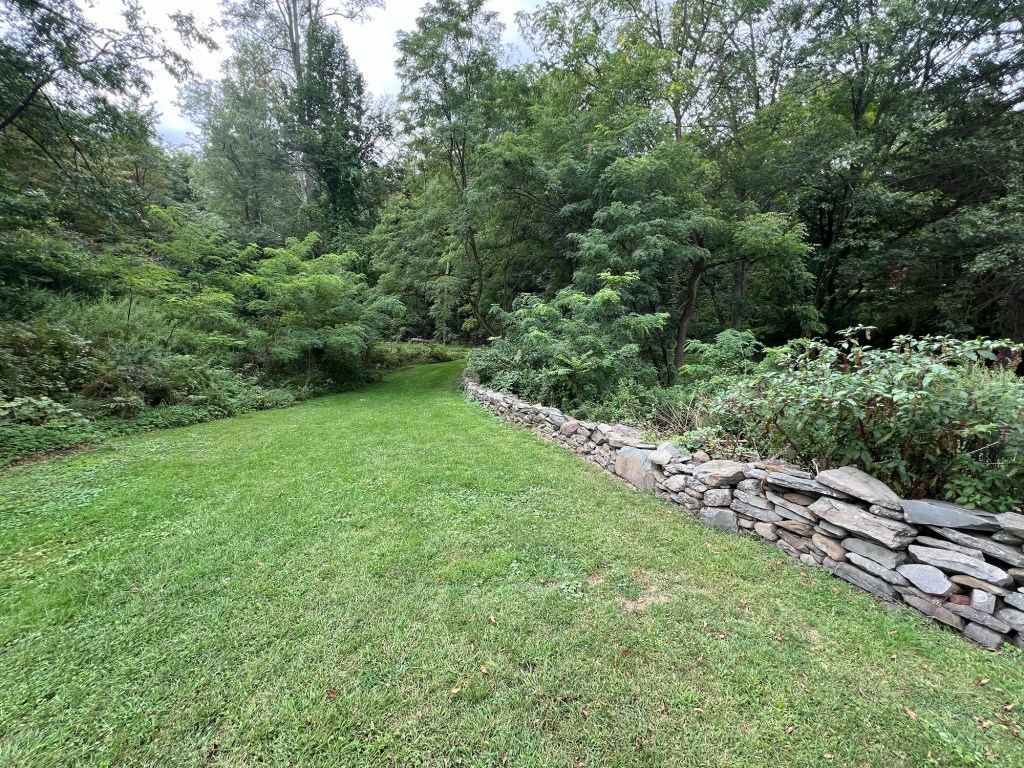
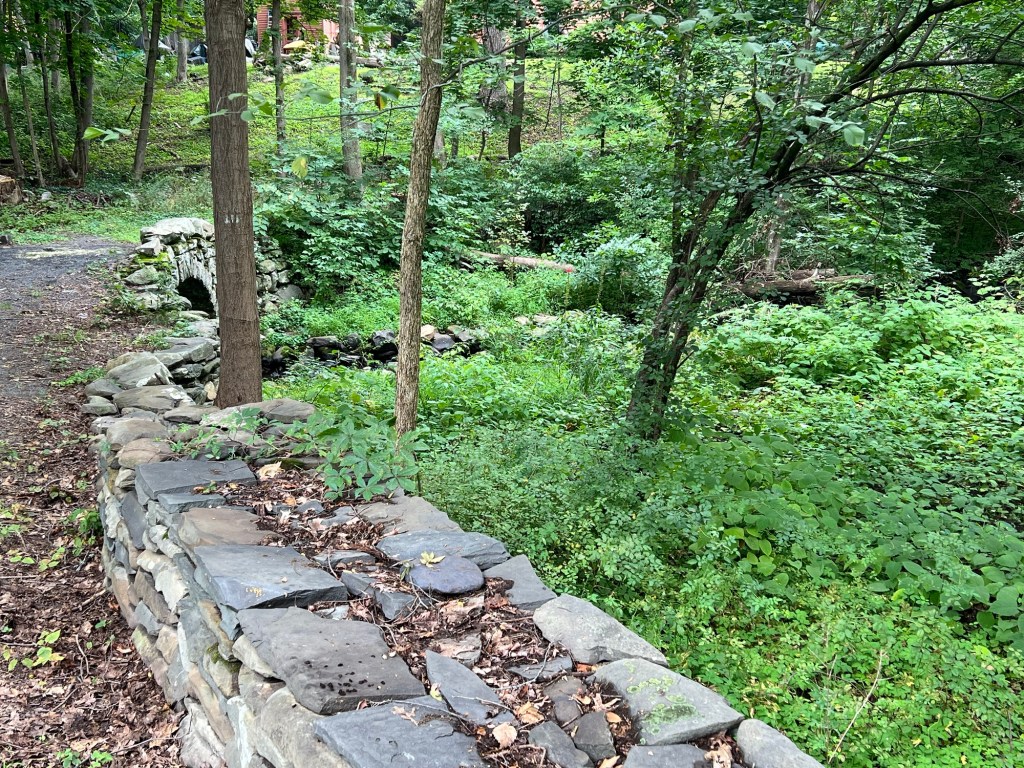
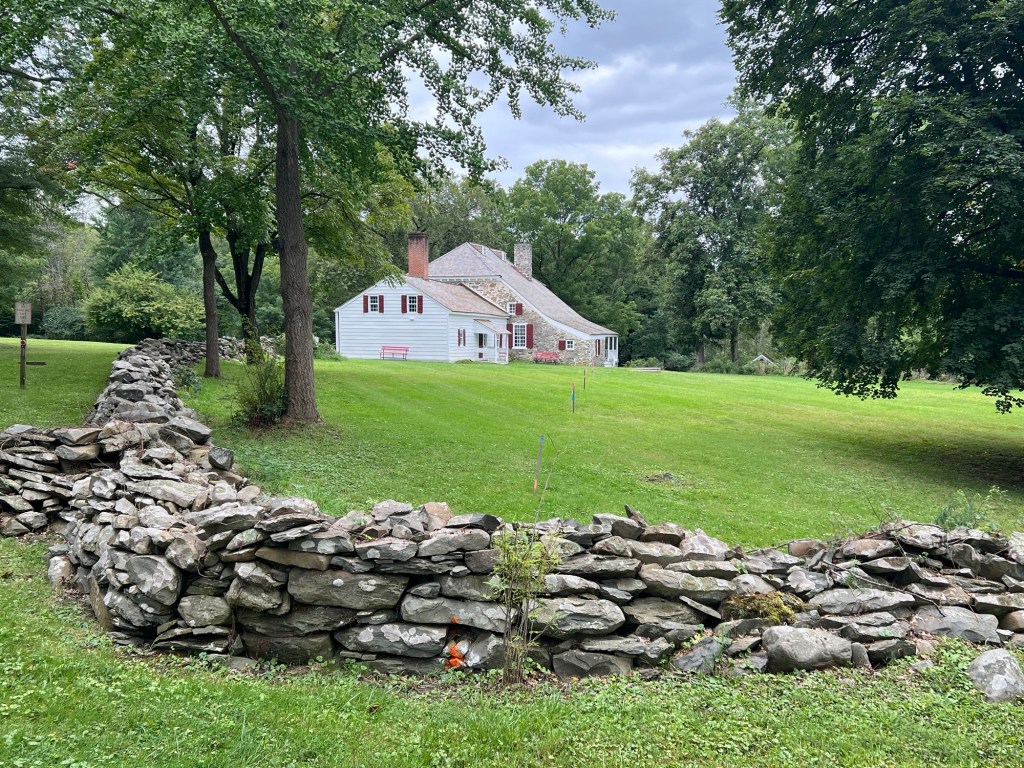
The stone wall is the marker of the original part of the road that passed by the home

The highway path as it passed over the stone bridge

There was not much left of the family mill by the stream but the site did a nice job preserving the path of the highway and up keeping the stone bridge and grounds.

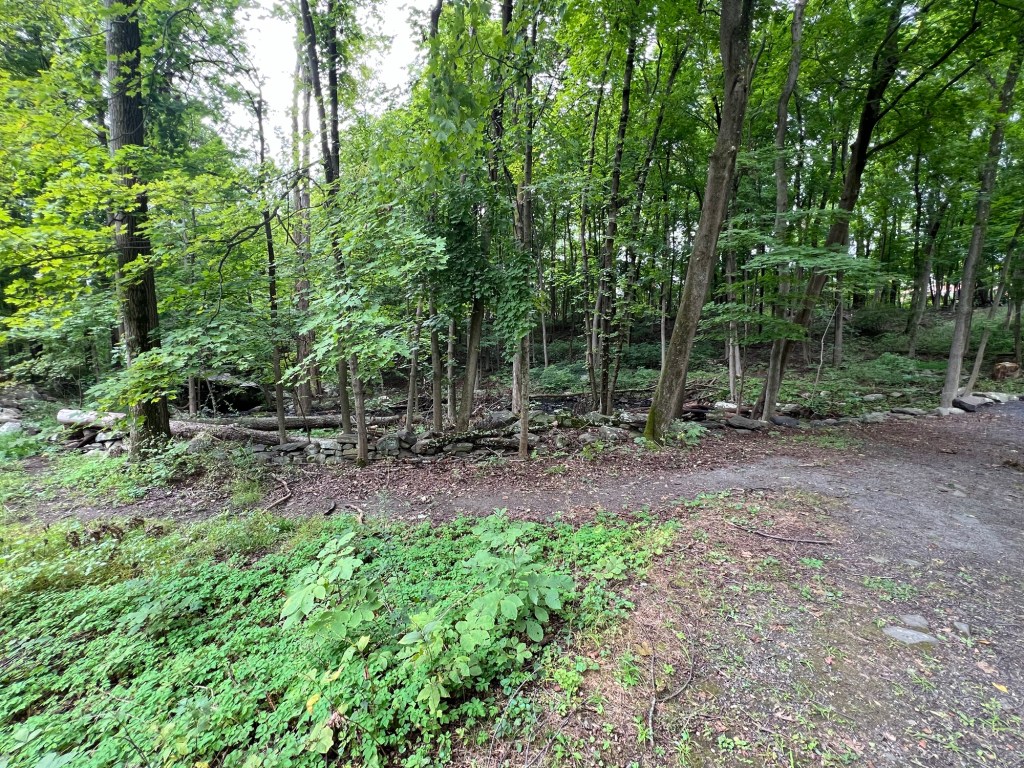
The woods area by the stream where the ruins of the old mill were located

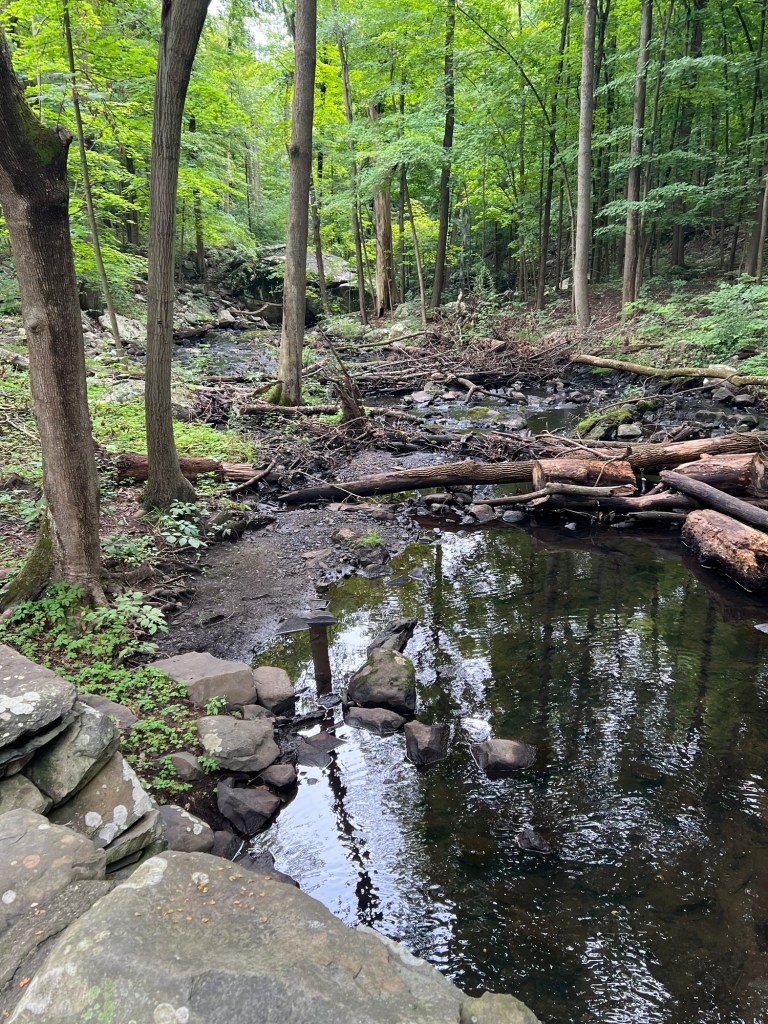
The stream area

The stream area by the old mill

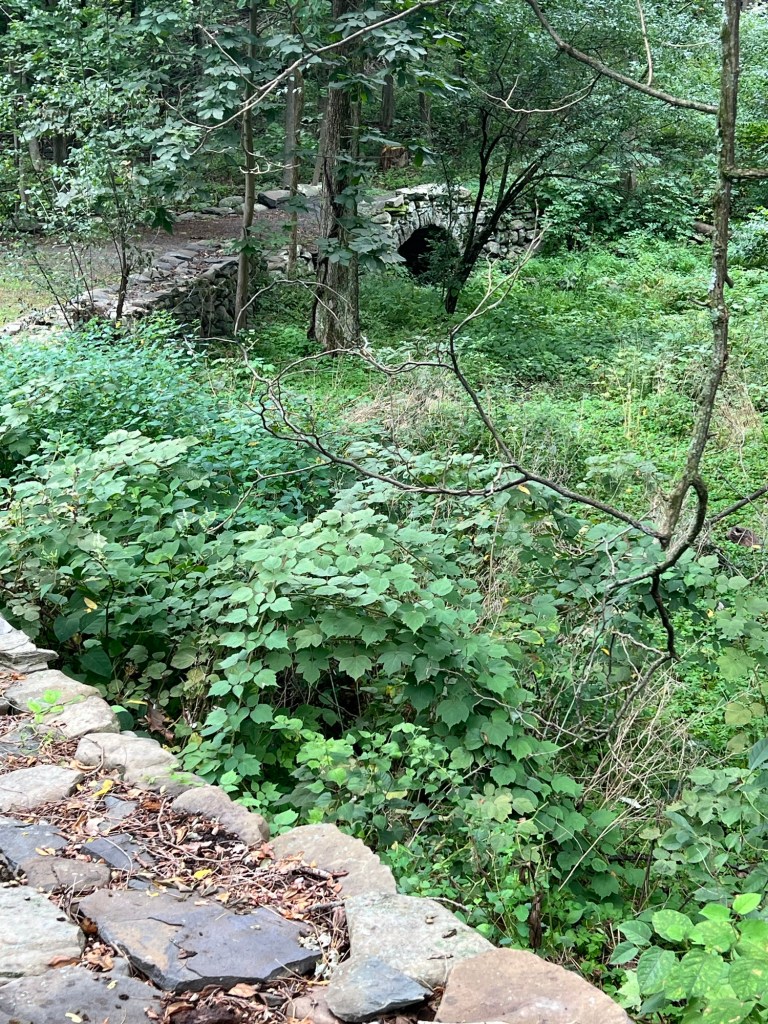
A better view of the old stone bridge

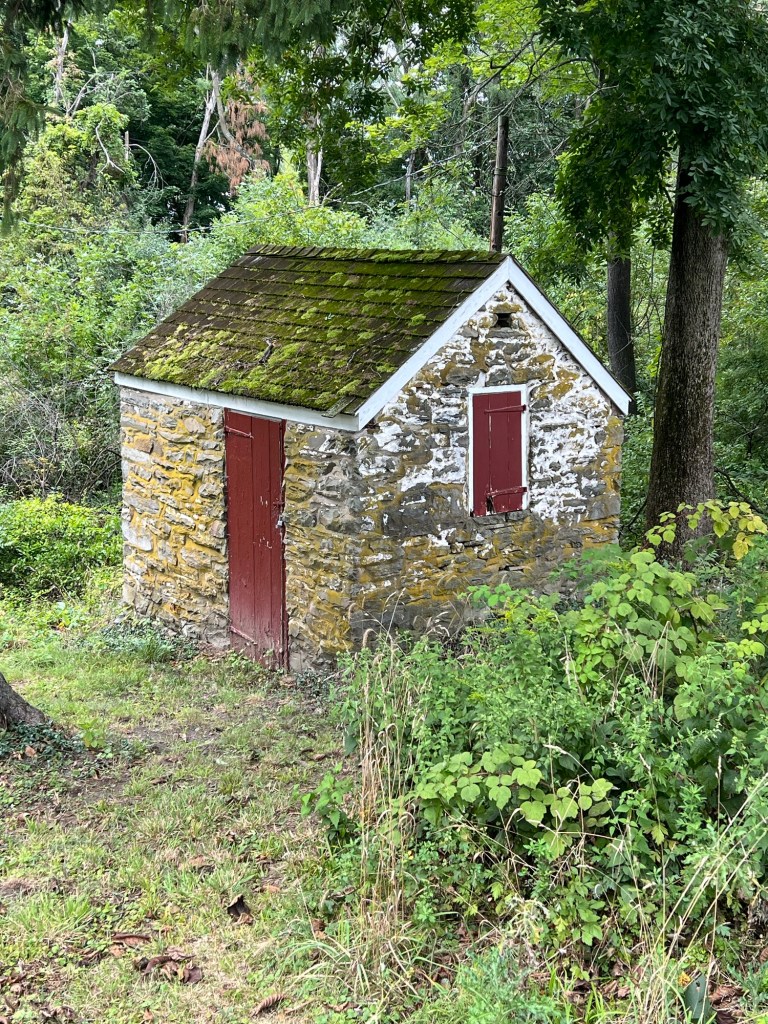
When I returned from the stream area (unfortunately leads to someone’s property on the other side of the stream), I walked the grounds of the home. There was a small smokehouse on the property to the side of the house.

The old smokehouse on the property

What was originally the back side of the house is now the front side of the house on the Dutch side of the home with the addition to the left

The view of the homestead from what is now the front of the street

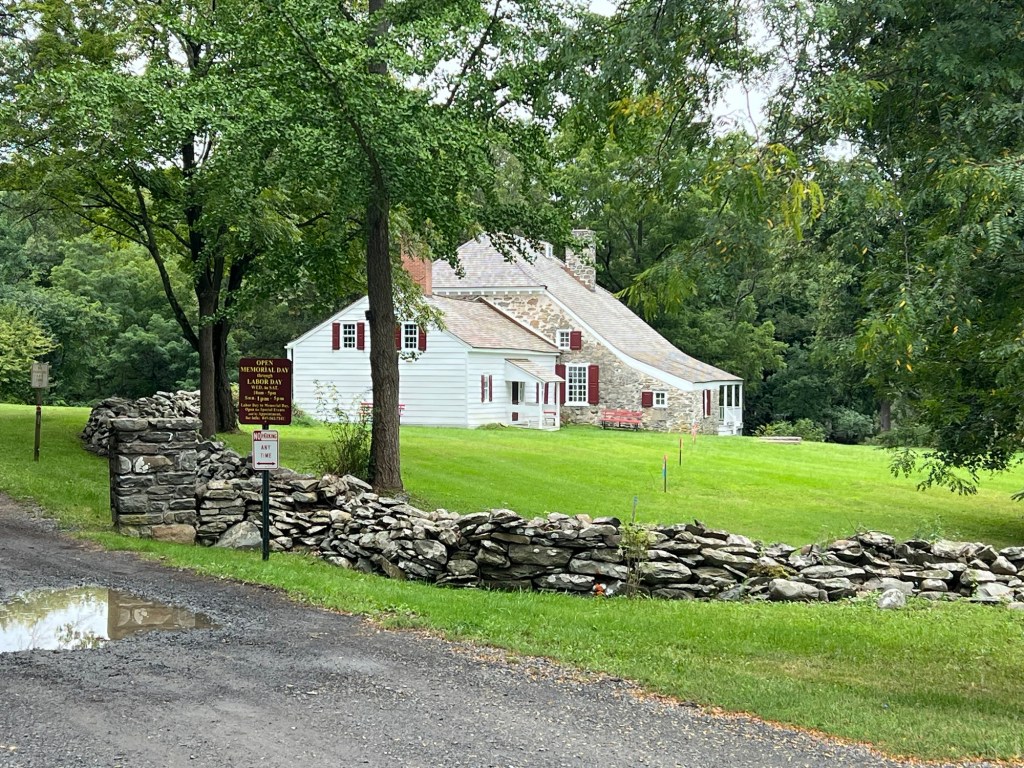
The view of the house from the entrance when I was leaving

The front of the homestead as you enter an exit from the new direction of the home

I found the tour to be very informative and an interesting look on how two families shaped our history during the Revolutionary War.

*A special note that the house is seasonal and is closed from Labor Day until Memorial Day the next year and is only open for special events at Halloween and Christmas.

The Halloween Event:

I attended the Halloween events at the Knox Headquarters when in the spirit of the 18th Century Gothic Literature, an author took us on a tour of treason and tides turning during New Windsor Cantonment and inside the Knox Headquarters. The ghosts of the past tried to find a traitor in the midst of the war.

Meeting the ghosts of the author and her characters on the site of the Knox family estate

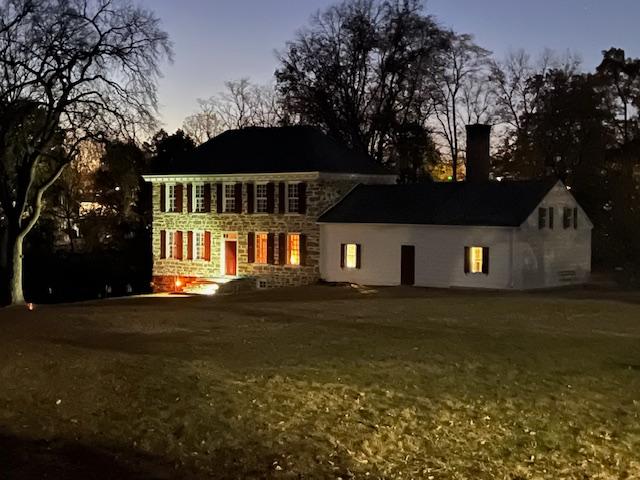
The Knox House lit for the Halloween holidays had a eerie look to it that night

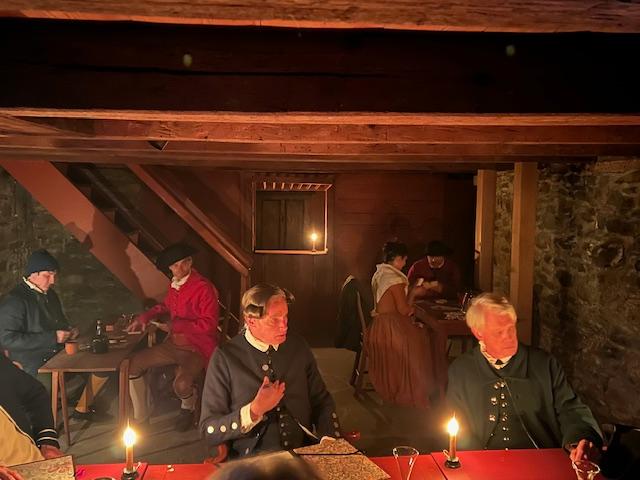
The Ghosts trying to find a traitor in the ranks

The Ghosts of the past trying to find a traitor during the war

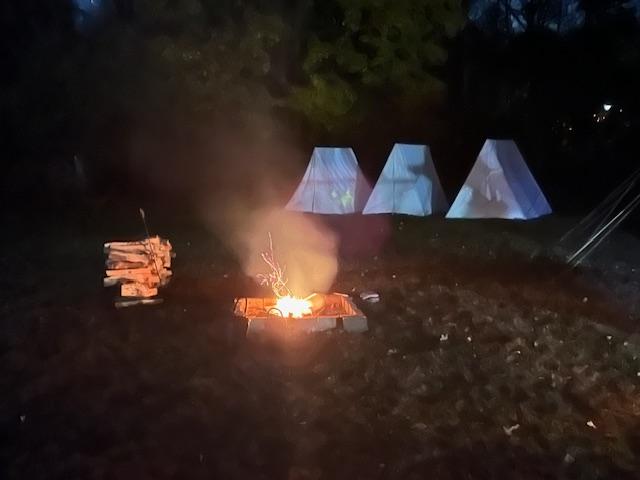
Leaving the Continental Army camp after the performance was over that evening

We walked the estate and followed the storyline with the actors. There were people on both sides of the war who thought they were right. It was an interesting Halloween event.

The History of the Ellison/Knox Site:

(from the New York State Parks, Recreation and Historical site)

On several occasions during the Revolutionary War, Major General Henry Knox, Commander of the America artillery, established his military headquarters at John Ellison’s 1754 Georgian-style house in Vails Gate. From October 1782 until the spring of 1783, as 7,000 soldiers and 500 “camp followers” were establishing winter quarters at the New Windsor Cantonment, and General Washington was lodged at Jonathan Hasbrouck’s house in Newburgh, New York, Major General Horatio Gates occupied the elegant home from which he commanded the cantonment. Here the army awaited the end of the Revolutionary War that became effective when Washington issued the cease fire orders on April 19, 1783.

For most of the 18th and into the 19th century, the Ellison family had important commercial dealings in milling and trade. From their mill, flour was shipped down the Hudson River to New York City and the West Indies. At present, remains of the mill, with traces of the underground raceway may be visited. Explore how the Ellison’s and other families of the mid-Hudson Valley lived 200 years ago.

The Christmas Open House event:

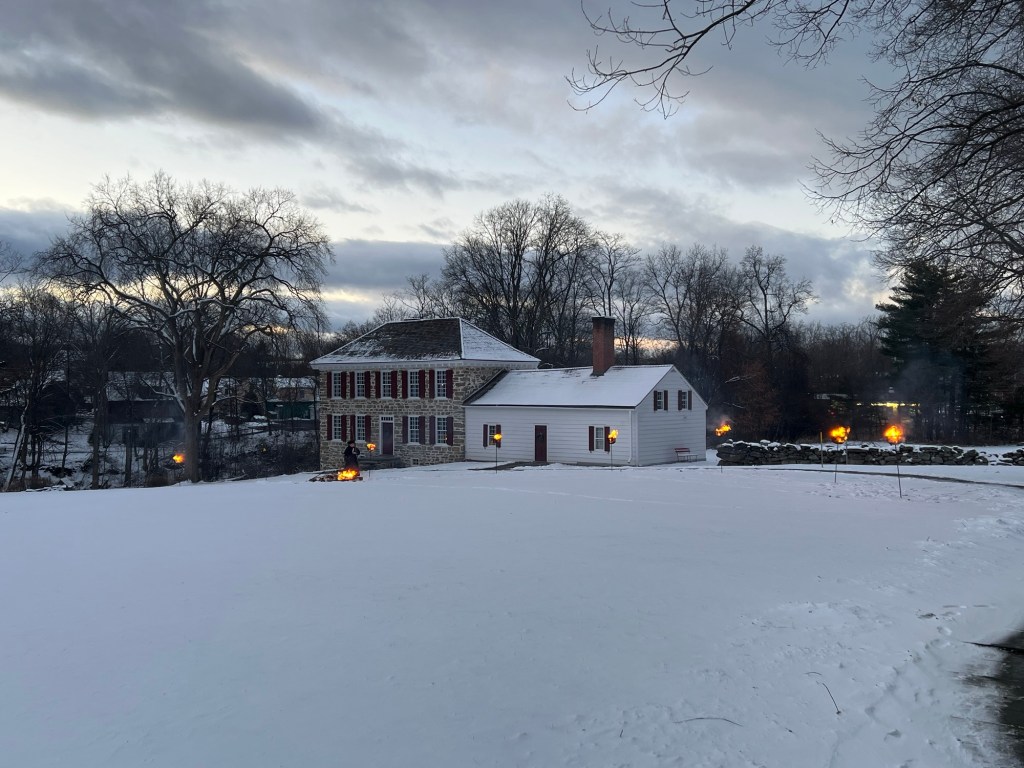
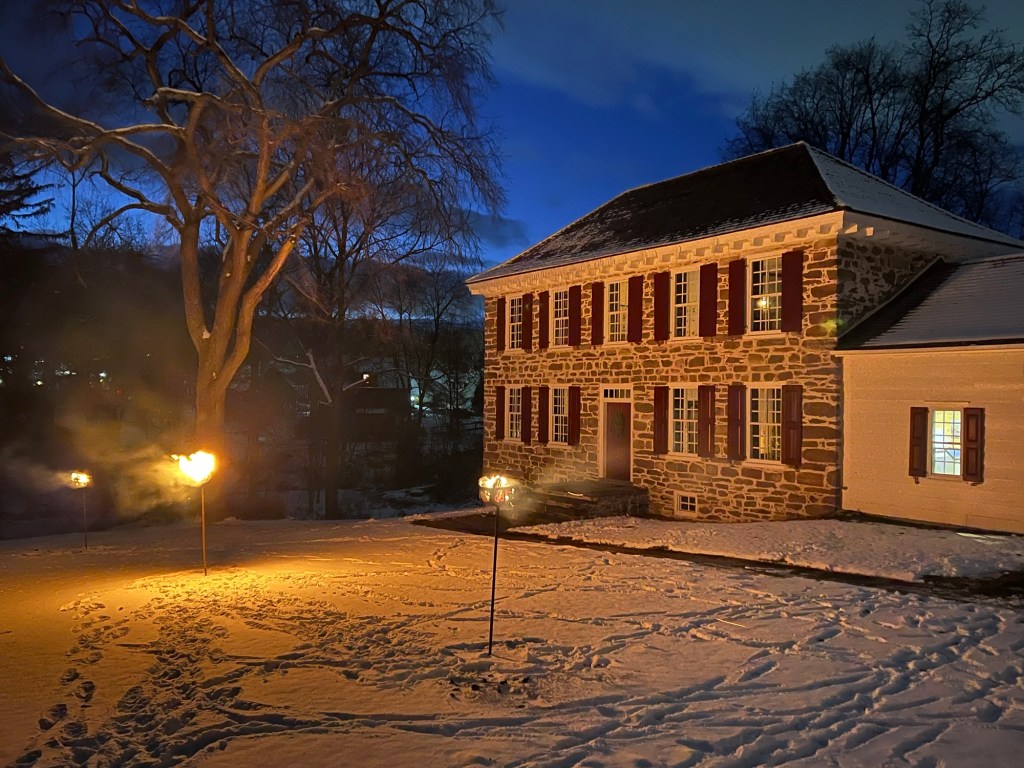
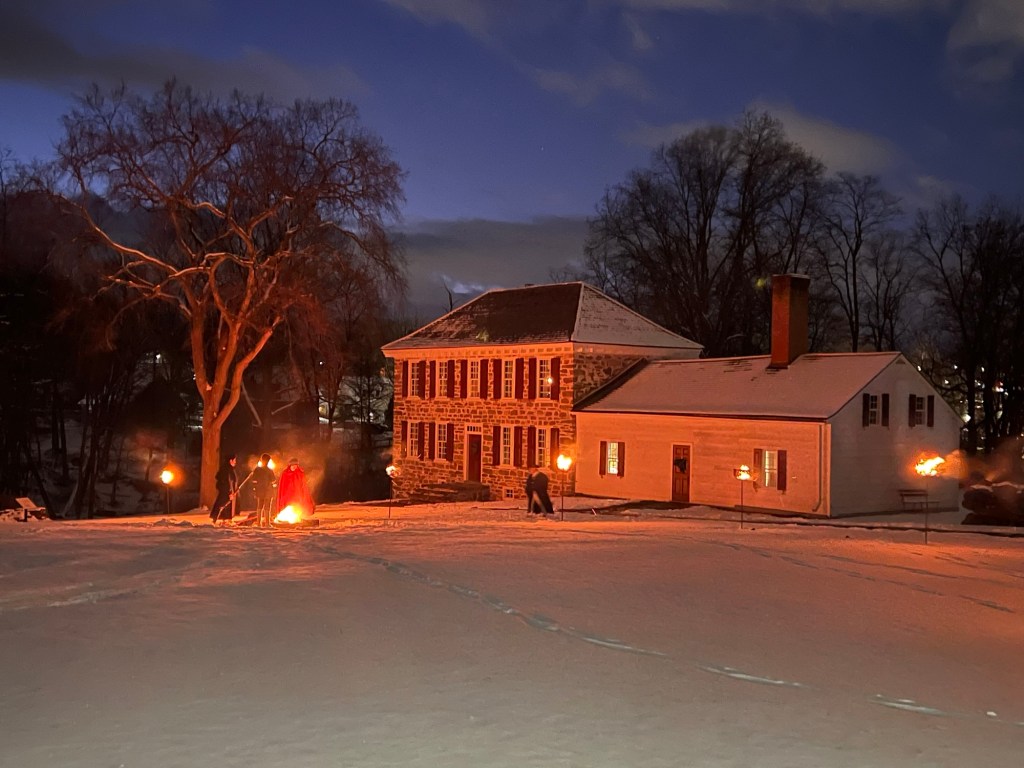
I returned to the Knox Headquarters again for their Colonial Christmas Open House in early December and that was a festive event. The snow had just fallen giving the house a very picturesque look to it.

The Knox/Ellison Home the day of the event

The estate looked so picturesque with the snow

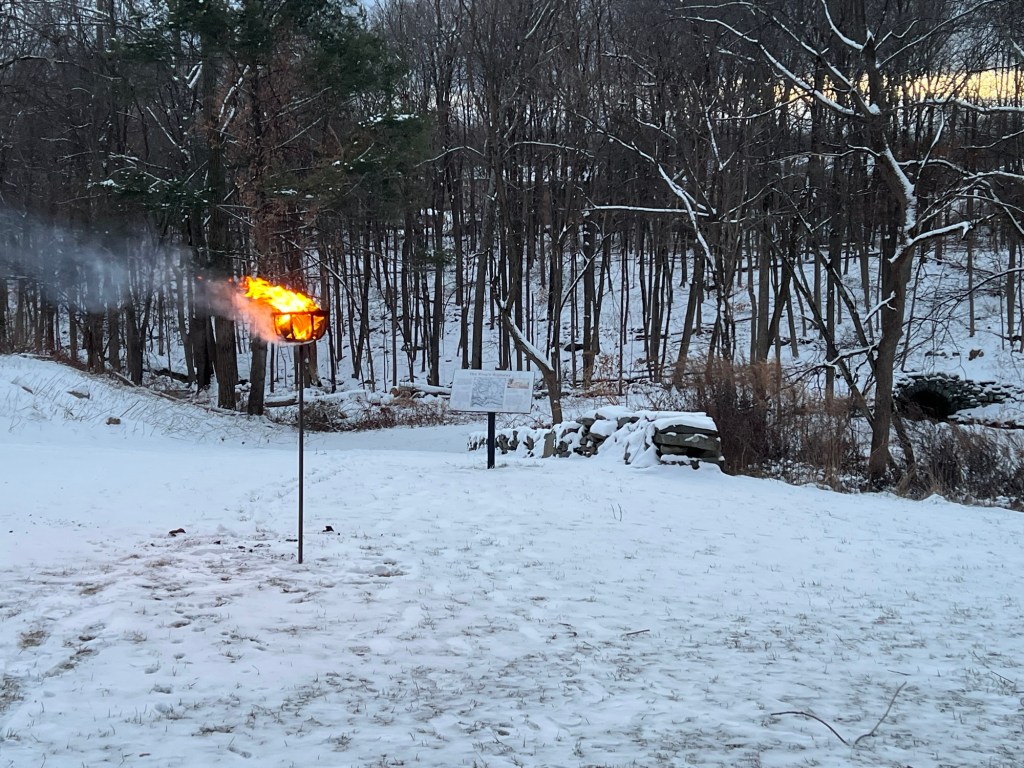
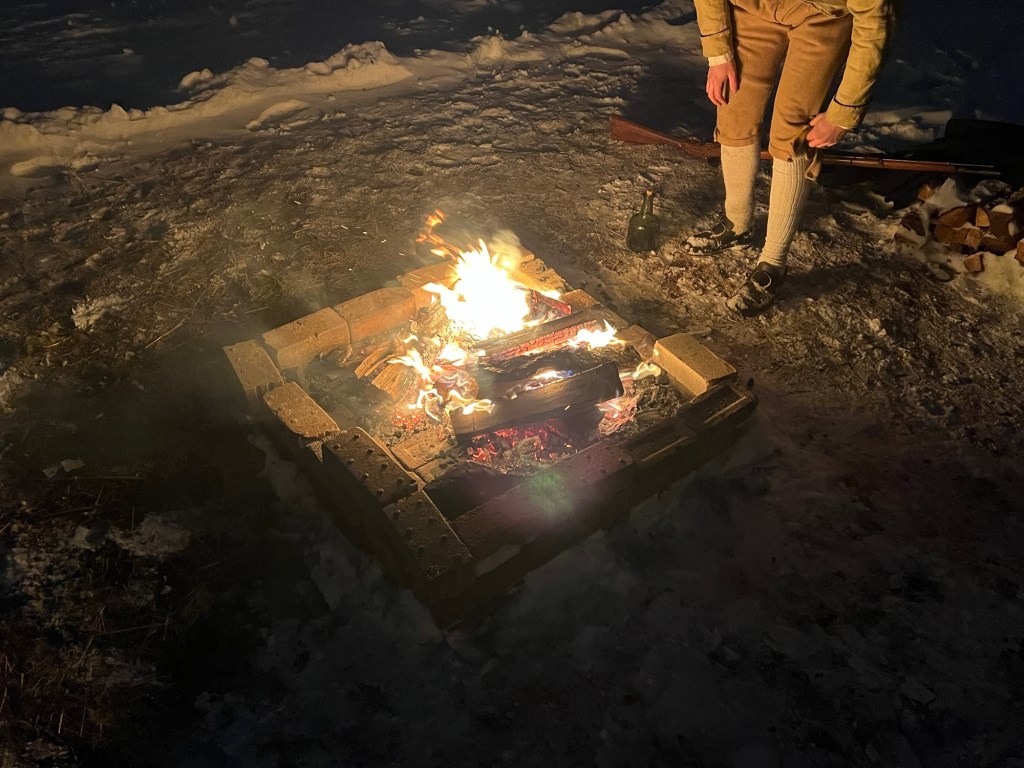
When I first arrived to the estate, it was still light out and they had just lit all the torches in front of the house. It really lit the pathways to the house. By the outside fire, a lone soldier stood guard, and he looked like he was freezing.

The torches that lit the paths

The snow gave the woods a festive early Christmas look

The house was decorated for a Colonial Christmas during the war years

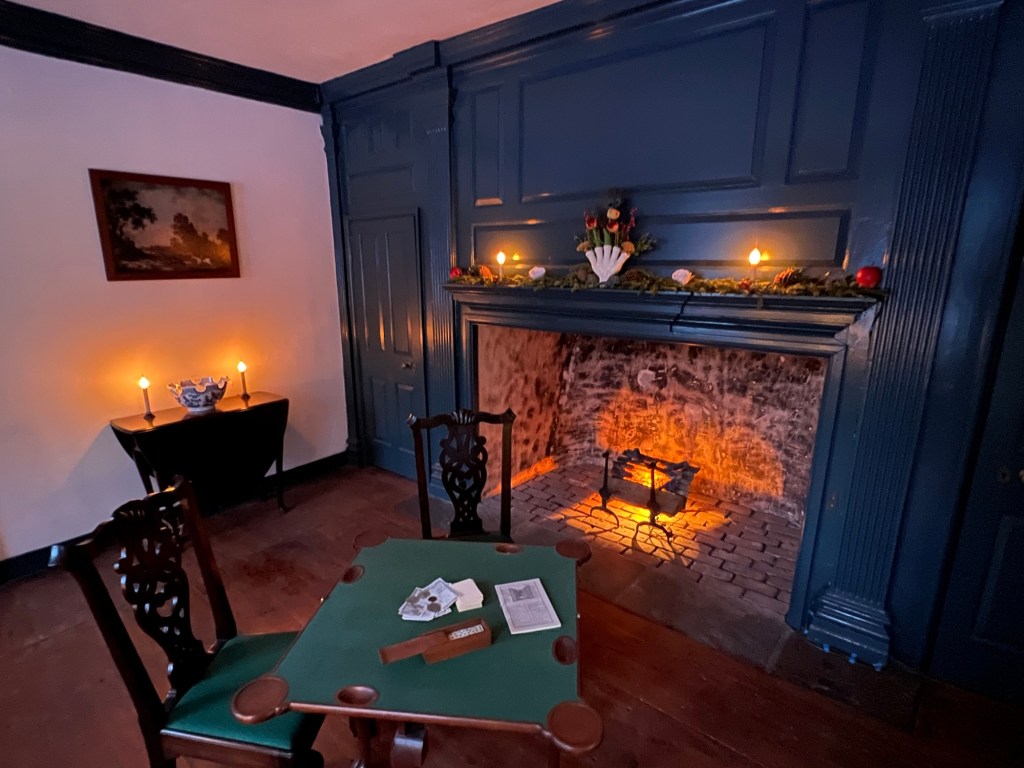
The Officers used the Living Room as an office and for entertainment

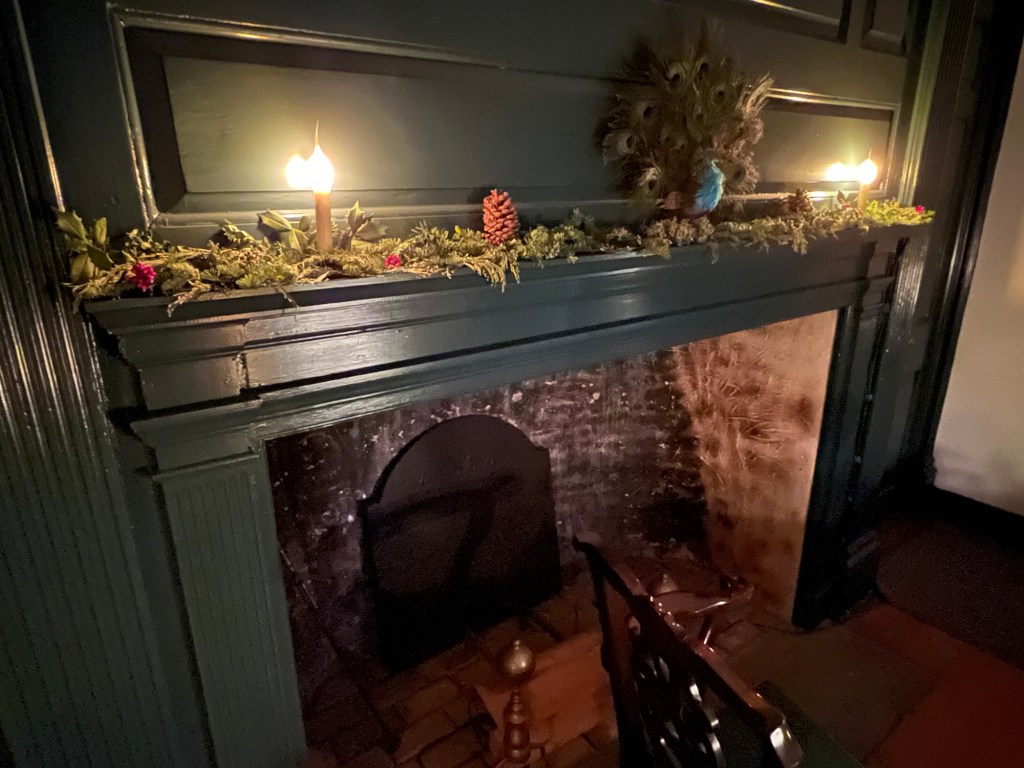
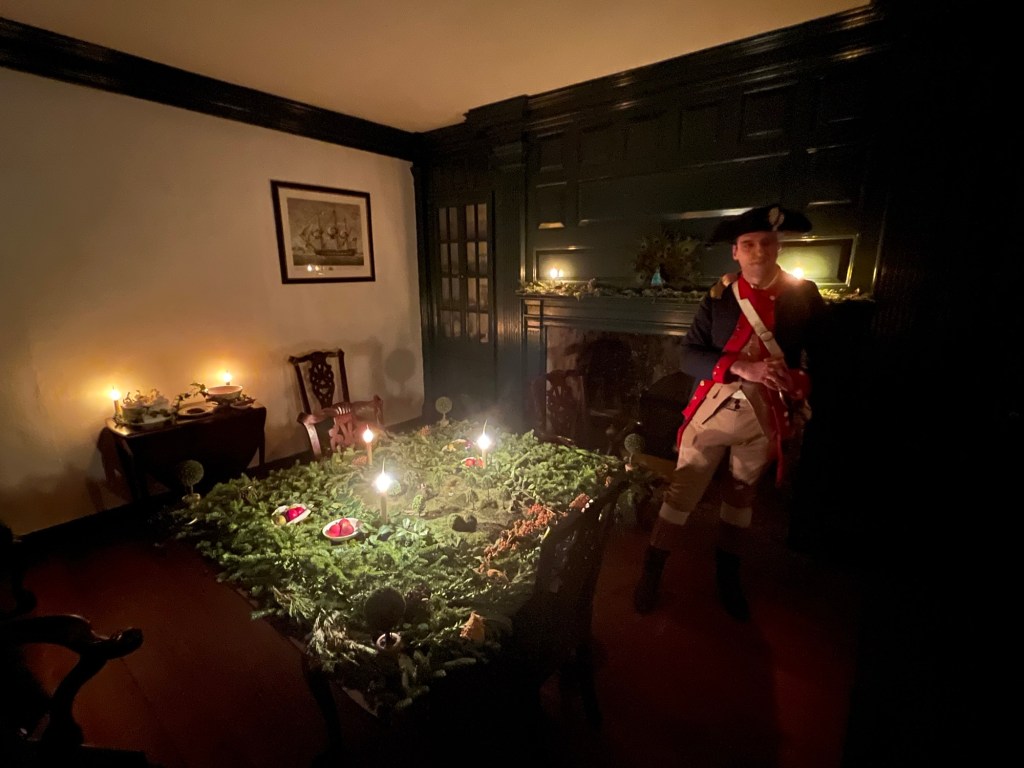
The hearth was beautifully decorated with garland and dried fruits

The mistress of the house talked and entertained me on my visit

The house had an eerie but festive feel about it that evening

The festive garland decorations in the Living Room

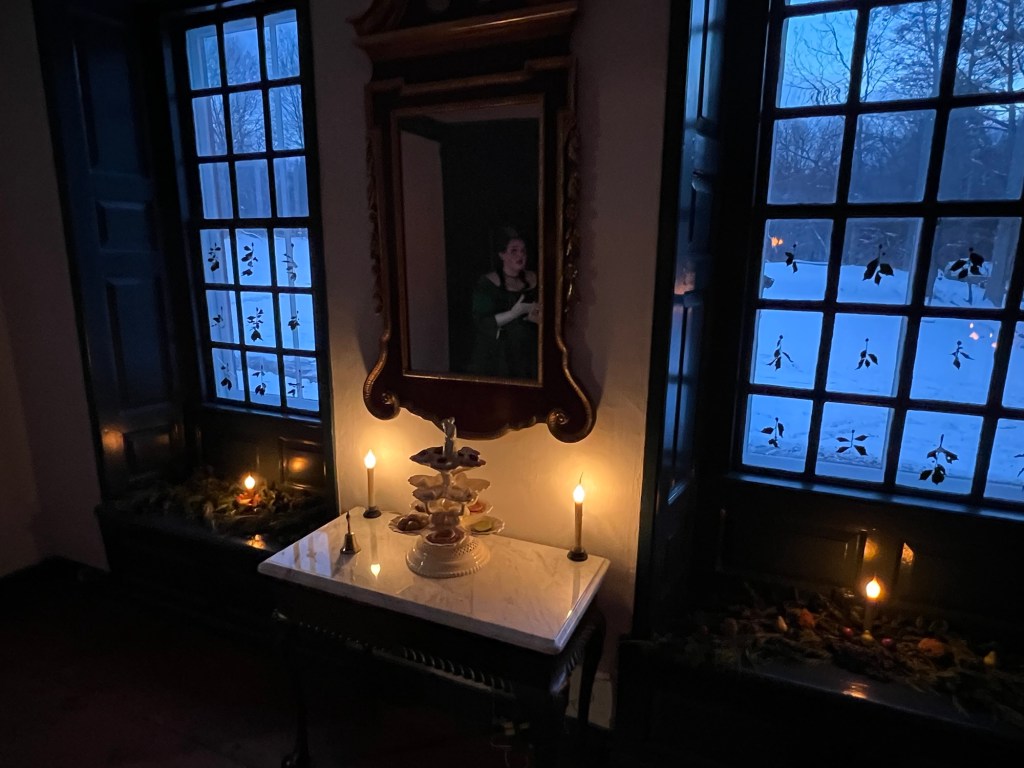
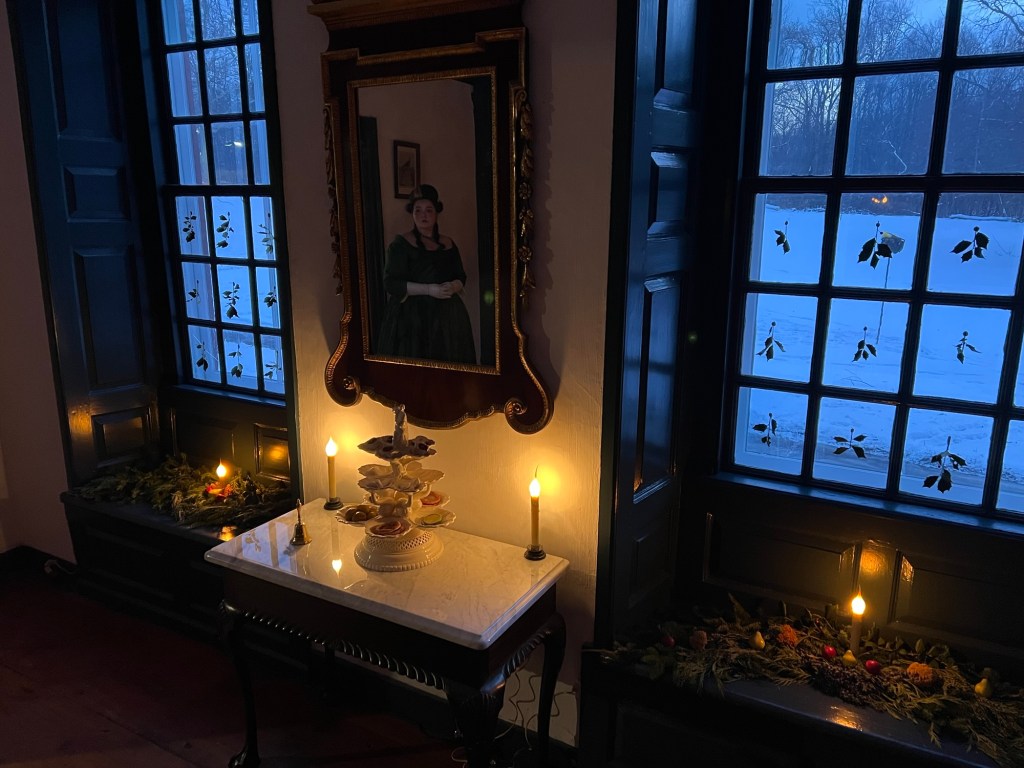
The decorations in both windows

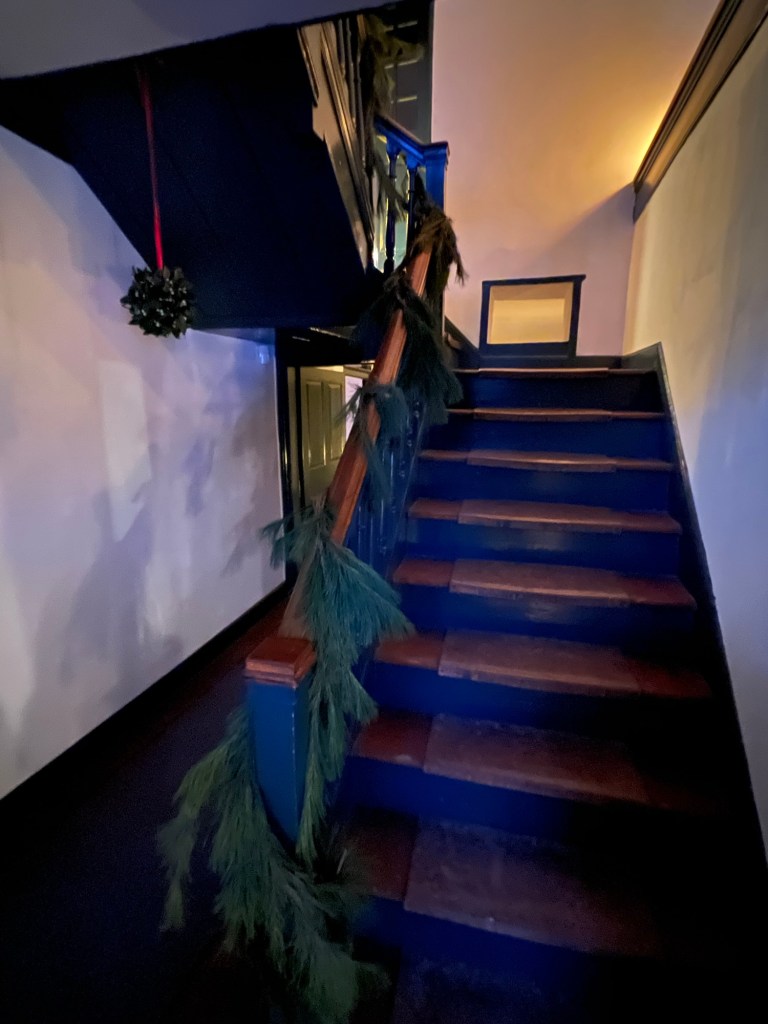
I passed the foyer where garland and misotle decorated the stairs

We were then entertained by visiting officers of the home in Mr. Ellison’s office who told us their stories of General Washington’s visit.

The Officers visit to visit the Generals

The office lit for a late night visit

The holiday decorations in the Office space

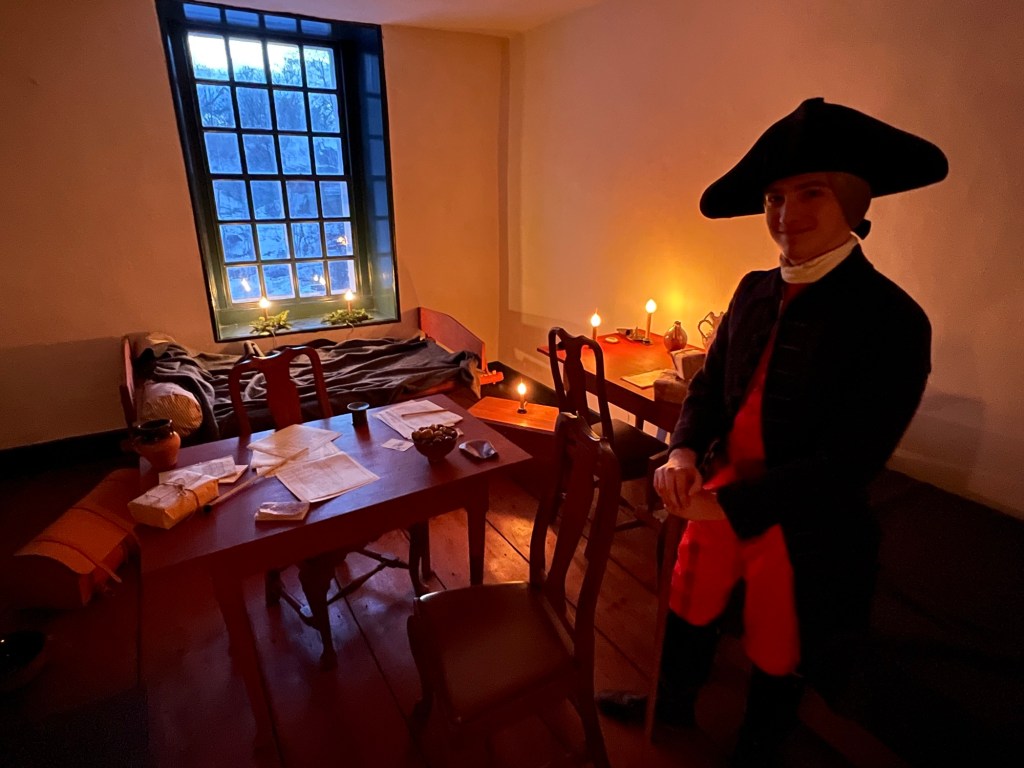
Then I took a trip upstairs where we were met by another officer who described the sleeping arrangements of both the Knox and Ellison families of this time of occupation.

The officers conversation with us

The decorations as we walked up the stairs

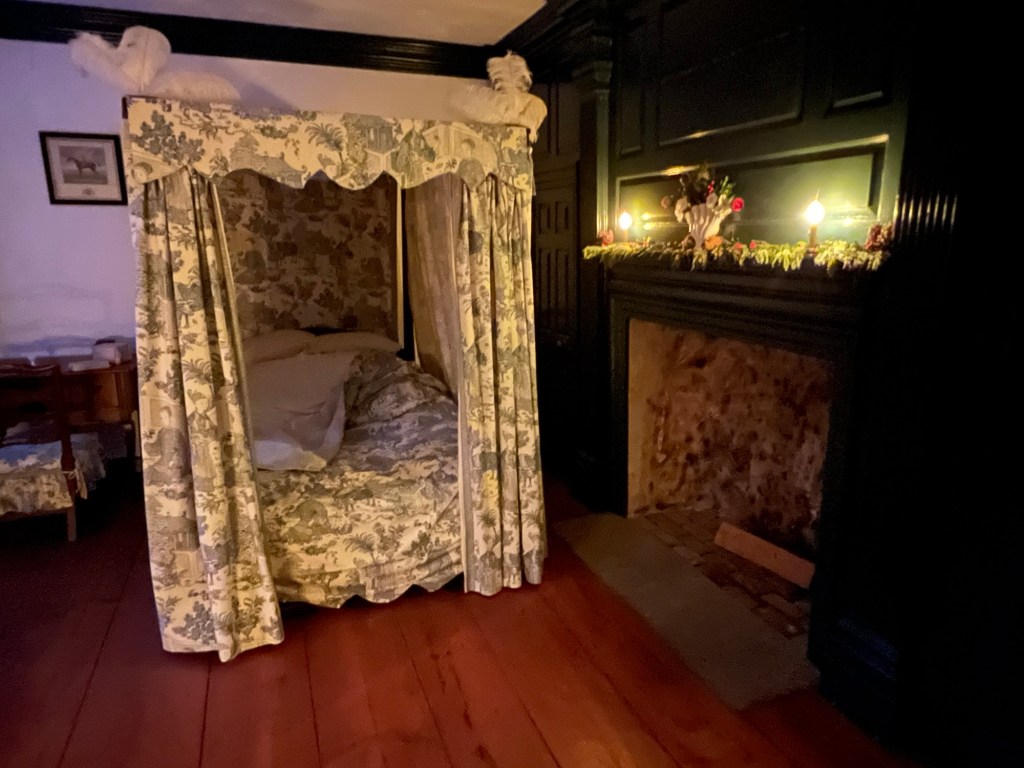
The bedroom decorated for the visit

The opposite bedroom used by the family

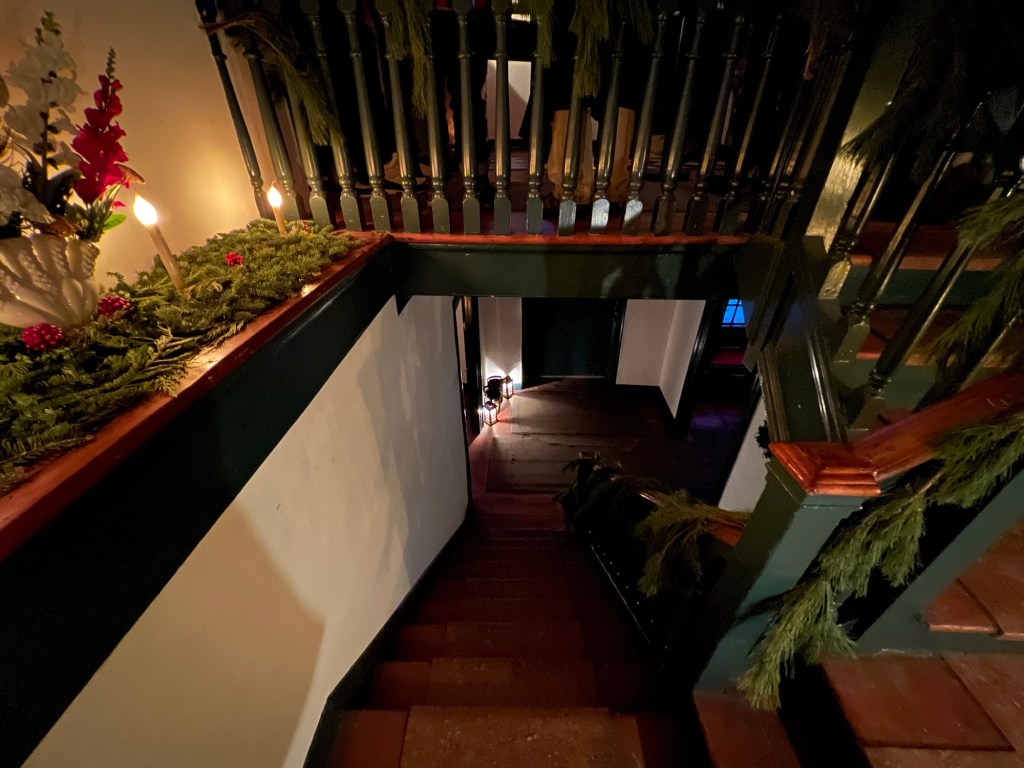
The staircase decorated for the holidays

My last stop on the visit was to the Dining Room, where the last officer on the visit talked of Christmas dinner in the house during the war.

The officer explaining entertainment during the war

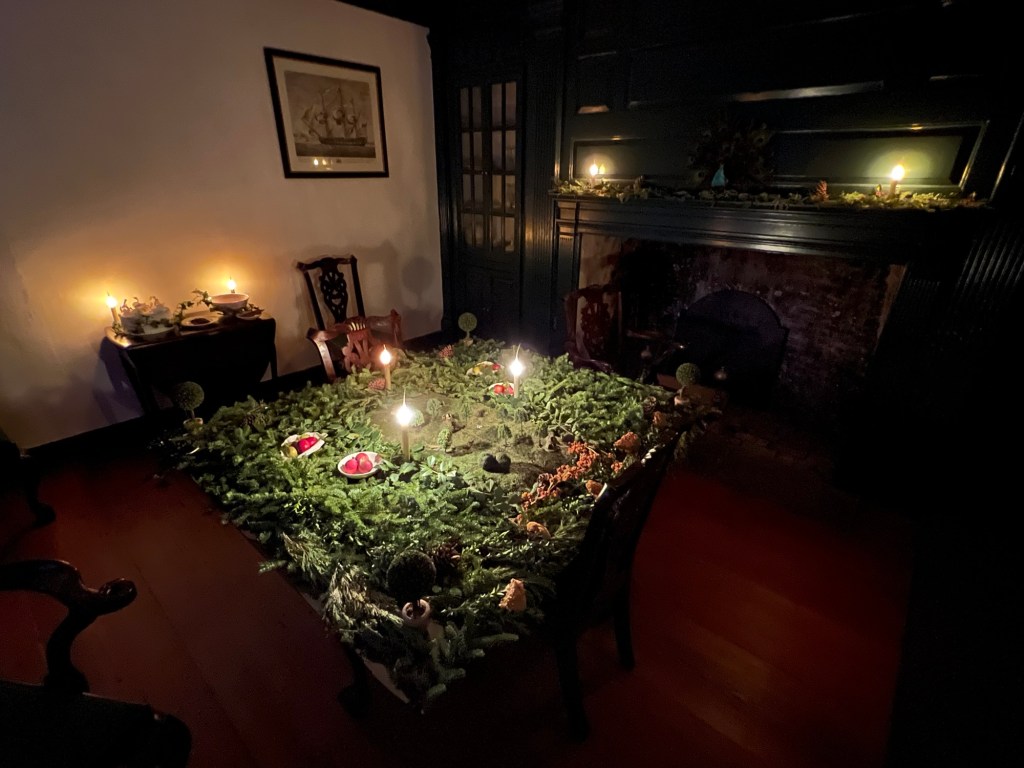
The Dining Room decorated for the Christmas holidays

The elaborate decorations in the room in the war years

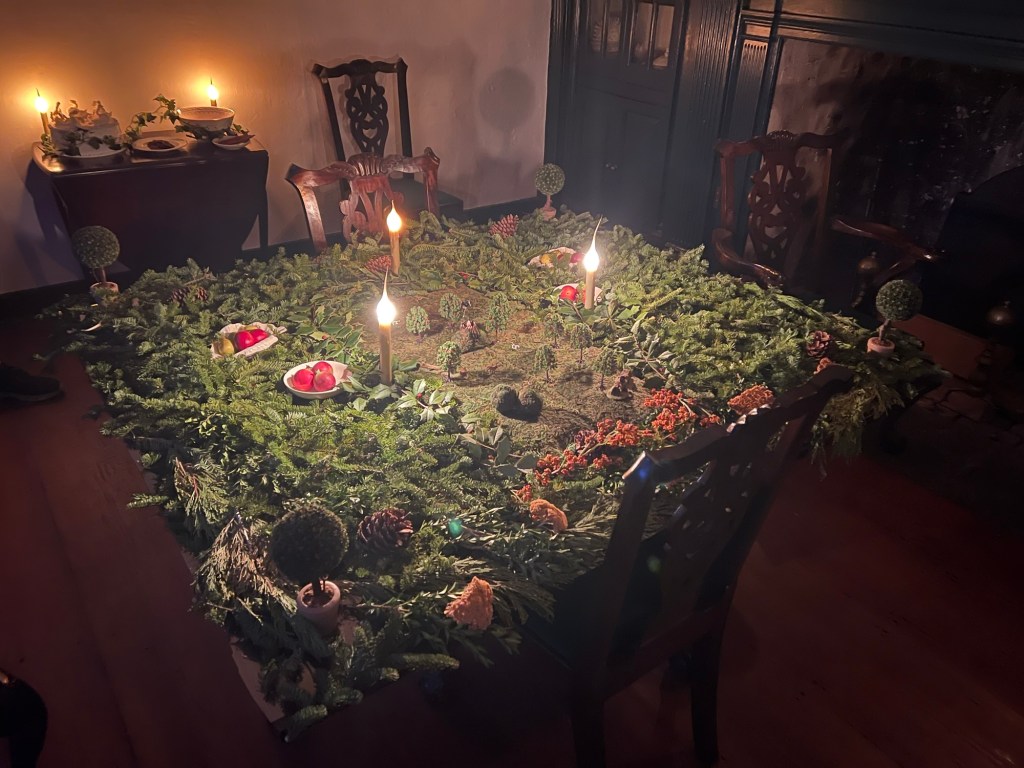
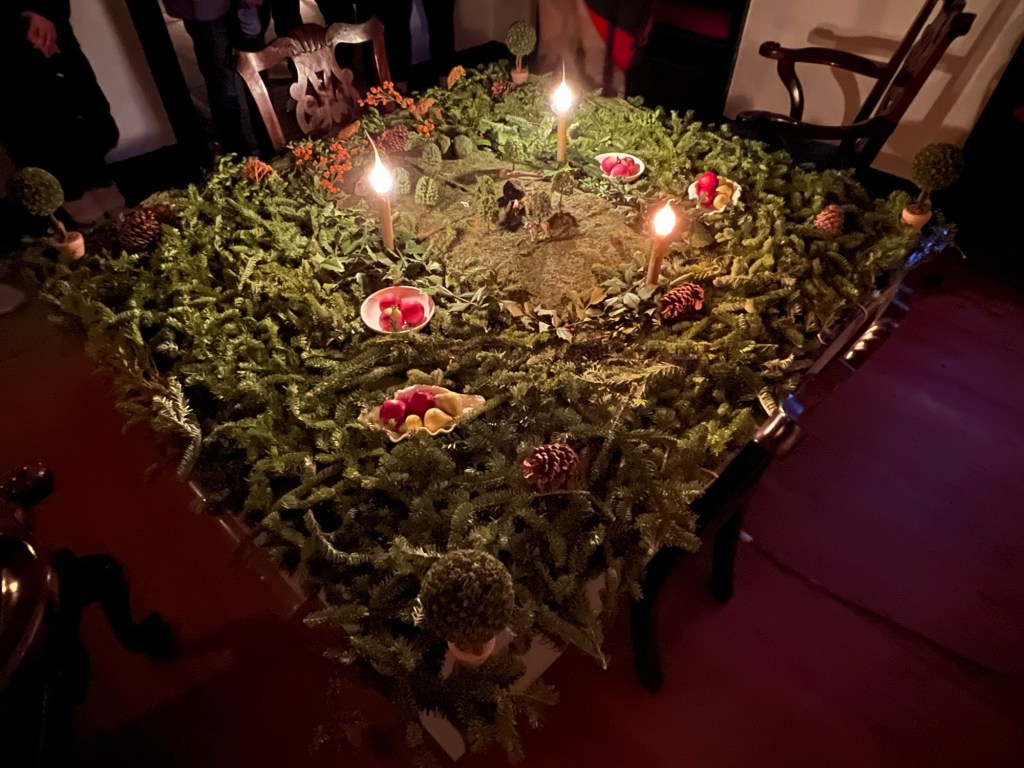
The creativity of the Dining Room table with the creative table decor

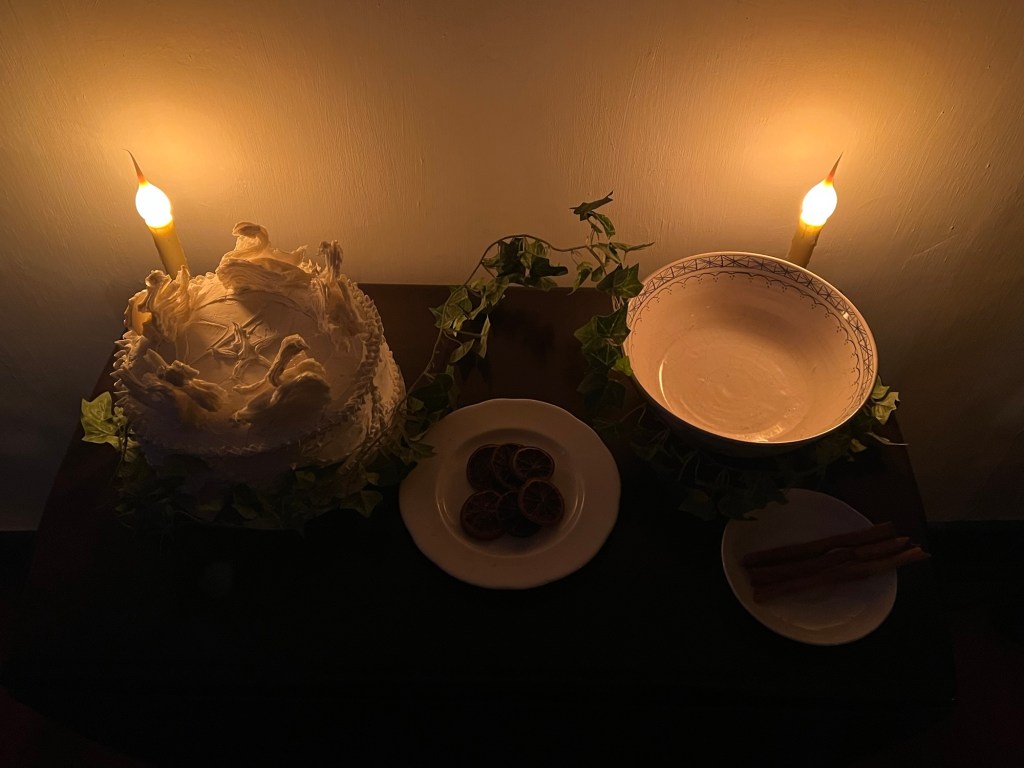
The elaborate holiday desserts

The officer explained entertainments during the war, the use of the elaborate decorations on the table and the foods that would have been eaten at the holidays. Plus, entertainment of a major officer would have been during the war years.

The garland and fruit decorations in the Fining room

The officer finished his talk on the holidays and then I left for the evening

The outside of the house with the torches lit to full extent

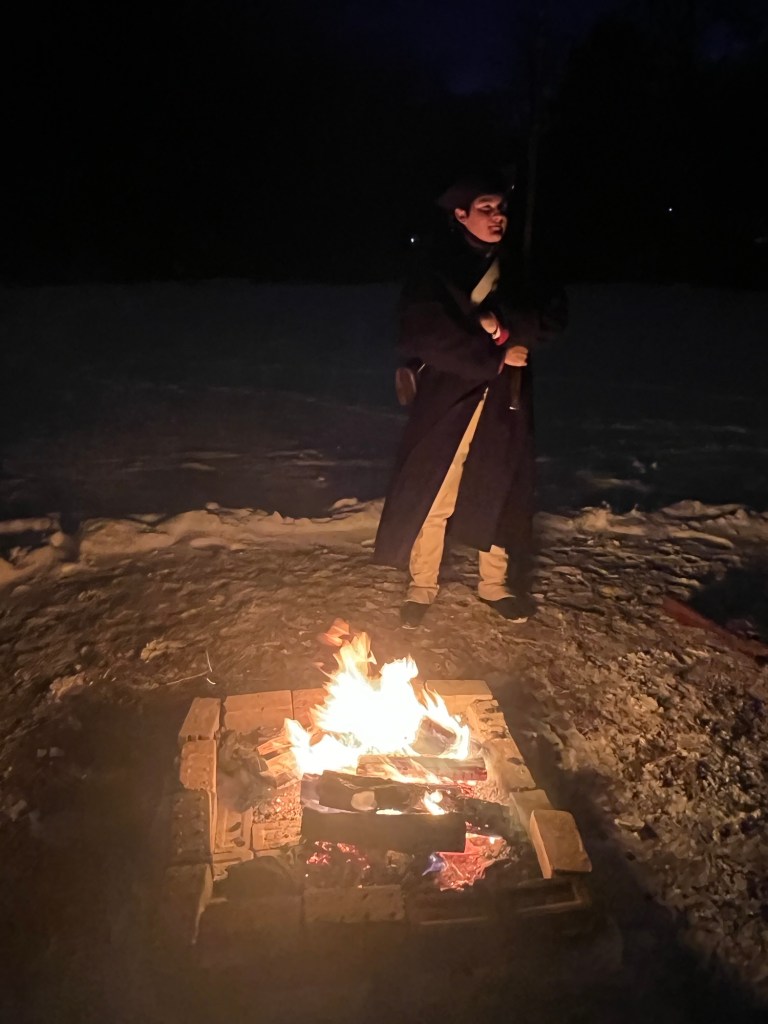
The fire outside to warm up

The officer outside looked so cold. Thank God he kept going inside to warm up

The house as I left for the evening

The torches as I left the property

The house from a distance

The glow of the house at the end of the evening

The event was wonderful and the enactment was fun but it got really cold outside at the end of the evening and by 6:00pm it got to be freezing. I left the estate and headed home . The Knox/ Ellison House closed for the season after this night.

Fred J. Johnson House/The Friends of Historic Kingston Gallery                                                      63 Main Street                                               Kingston, NY 12402

Fred J. Johnson House/The Friends of Historic Kingston Gallery 63 Main Street Kingston, NY 12402

Fred J. Johnson House/The Friends of Historic Kingston Gallery

63 Main Street

Kingston, NY 12402

(845) 339-0720

My review on TripAdvisor:

https://www.tripadvisor.com/Attraction_Review-g48003-d8546539-Reviews-The_Fred_J_Johnston_Museum-Kingston_Catskill_Region_New_York.html

Admission: $10.00/Members are free

Hours: Sunday-Thursday Closed/Friday-Saturday 11:00am-4:00pm (May-October)

The Fredrick J. Johnson Museum and the Friends of Kingston

About Friends of Historic Kingston

We are a not-for-profit organization founded in 1965 whose members share a common mission: preserving and promoting the local history and landmarks of Kingston, New York.
Our Mission

The Friends of Historic Kingston champions our unique architectural, historical and cultural legacy and shares it with residents of all ages of the Kingston community and with visitors to the Hudson Valley.
What We Do

The exhibition at the Fredrick J. Johnson Museum and at the Friends of Kingston Gallery was “Still Standing”. How the Friends have saved many historical buildings in Kingston, NY from destruction. This contribution from the members of the Friends organization have saved many historical sites in the city that make up the character of the City of Kingston. These contributions have helped developed the historical sections of the city and made them the desirable destination they are today (FOHK website).
“Still Standing”

The Louw-Borgardus Ruins that have been saved and preserved by the Friends that are located on the edge of Downtown Kingston in the Stockade section of the city. This is an example of the Friends efforts to restore these treasures that would have otherwise disappeared.

The rest of the exhibition can be seen in the Friends of Kingston Gallery. The walls were lined with homes and businesses that were served by the conservation efforts of the Friends organization.

The Friends of Kingston Gallery to the right and the Fred Johnson Museum is to the left. These are open seasonally.

House & Gallery

The Friends offers changing exhibits, house tours, guided walk tours of the Stockade and Rondout Historic Districts, special events and publications related to the stories of the city of Kingston (FOHK website).

The “Still Standing” exhibition:

“Still Standing” exhibition: The Sharp Burying Ground

“Still Standing” exhibition: The Office of Simeon and William B. Fitch

“Still Standing” exhibition: The Pieter Cornelise Louw House

After walking through the “Still Standing” exhibit and noting the structures that had been saved.

The Fred J. Johnston House

A Treasury of American Decorative Arts

Fred J. Johnston (1911-1993)
Antiquarian and Preservationist

The Fred J. Johnston House located in the heart of the Stockade District, Kingston, New York is a classic Federal style clapboard house. It was built circa 1812 as the residence for John Sudam (1782-1835) and his family. Sudam was a prominent attorney, New York State Senator and New York State Regent. In the 1880’s, the house was acquired by the Van Leuven family. In 1938, the site was to be sold, the building razed and a gas station constructed. Although the home was in a deteriorated condition, Fred J. Johnston, a local antiques dealer bought the house to save it from demolition.

 The front room gallery of the Fredrick J. Johnson Museum

Johnston devoted the remainder of his life to restoring the property for use as his home and antiques shop. Under his care, the house became a visual landmark of uptown Kingston which was listed on the Stockade National Historic District Register in 1975. When Johnston died in 1993, he left the property to the Friends of Historic Kingston.

The Reception Room of the Johnson Museum

In fulfilling our mission, Friends of Historic Kingston maintains the integrity of the property and continues this unique preservation story by displaying the house and its contents as they were left by Fred J. Johnston. A visit to the Johnston House today is very much like the singular experience his clients enjoyed while shopping for antiques. The tour of the house is an immersion in the taste and connoisseurship of antiquarian Fred J. Johnston who celebrated America’s material past (FOHK Website).

Portraits of Mr. and Mrs. Perry who were local residents.

I was lucky enough to get a private tour of the house with a seasoned docent who I toured the house with that afternoon. We went room by room and she told me the story of how the museum came about. Fred Johnson had been an antiques dealer who filled the house with furniture and objects of art for sale and the rooms became his showroom. Both his unmarried sister and his mother moved into the house and helped entertain and run the household. So, the business became a family affair. Both his mother and sister lived with him until they died.

The Johnson Living Room

What I thought was unique about the museum was the whole house was for sale. The docent told me that one day his sister came home and found that her bed had been sold. As we toured the house, I could still see tags on all the furniture. The contents were still marked for sale.

The Johnson family kitchen

The stairs to the upstairs bedrooms

The house still holds much of the Johnson Collection of antiques and upon the death of his sister, the home became a museum to maintain this very unique collection of objects.

Mr. Johnson’s mother’s bedroom

Mr. Johnson’s sister’s bedroom

The Guest Bedroom

Mr. Johnson’s bedroom

After we toured the very tasteful and stylish upstairs, we went back downstairs to tour the outside gardens. The docents did a very nice job with the landscaping of the house and the gardens were beautifully maintained. It was a nice way to get some fresh air and sunshine while admiring the beds.

The back of the Johnson House Museum and the back gardens.

The Johnson Museum Gardens

The back of the Johnson House from the gardens

After the touring the whole house, we were able to take one last look at the first floor and all the beautiful antiques that filled the rooms. The museum gives you the perspective of not just how the Johnson family must have lived but how people had lived in past centuries.

The house is also beautifully decorated and maintained by the staff of docents and members of the Friends and is a wonderful view of the past.

Columbia County Historical Society                       5 Albany Avenue                                   Kinderhook, NY 12106

Columbia County Historical Society 5 Albany Avenue Kinderhook, NY 12106

Columbia County Historical Society

5 Albany Avenue

Kinderhook, NY 12106

(518) 758-9265

Open: Sunday 11:00am-4:00pm/Monday-Friday Closed/Saturday 11:00am-4:00pm

My review on TripAdvisor:

https://www.tripadvisor.com/Attraction_Review-g60899-d12000596-Reviews-Columbia_County_Historical_Society_Museum_Library-Kinderhook_New_York.html

The Columbia County Historical Society Museum

The main building of the Historical Society contains an exhibition on farming. It also contains the society’s library and genealogy center.

The James Vanderpoel House Museum

The afternoon I visited the society, the Vanderpoel House was the only building open but it was interesting to visit. I saw the early American portraits.

History of the House:

One of the finest examples of Federal architecture in Columbia County, the James Vanderpoel House was constructed circa 1819–1820 for prominent Kinderhook lawyer and judge James Vanderpoel. 

Trimmed with marble and built with local brick, the side-gabled structure has two stories, five bays, and rests on a fieldstone foundation. Symmetry and graceful architectural details are found throughout the home. Purchased by the Columbia County Historical Society in 1925, the property is now preserved as an exhibition space showcasing paintings and decorative arts from the CCHS permanent collection and is home to the CCHS Museum Store & Bookshop (CCHS website).

There are two exhibitions going on right now:

New York Portraits from the permanent collection:

Columbia County’s painted portraiture legacy spans more than three centuries of historically significant or artistically important works by self-taught, naïve and itinerant painters, as well as important artists of the time, and including some of the earliest works in America.

In the Portraits of the Permanent Collection shows us how the middle to upper middle class in the early years before photography was created to be remembered. Portraits were the best way to show the families wealth and prestige in the community plus keep families legacies alive. Today many of these families descendants don’t know what to do with them. This is our benefit that we can enjoy these private works of art.

Portraits from the Permanent Collection sign

The Gallery

The Gallery

The New York portraits in the collection

The New York Portrait Collection exhibition

The Portrait Collection-Children’s Portrait

Part of the Portrait and Federal Style exhibitions

Early Hand Tools & Farm Implements: the permanent collection

In the main building, there is also a permanent collection of farming equipment and the development of family farms in New York State. It shows how the agricultural profession has changed from doing everything by hand when farms catered solely to the family to the commercial farms that developed after the Civil War that found new markets for their products. Automation grew the industry but its start with equipment shows how much the process really hasn’t changed that much. It is a very thought provoking exhibit on how industries progress.

The “Early Hand Tools & Farm Implements” exhibitions

The farming equipment galleries

The farming equipment galleries

The farm equipment at the turn of last century that has not changed much to today.

The new exhibition “Dirt Road Life: Images of Rural Community” again shows how life has progressed in this country.

The description of the exhibition and collection of the artwork:

(From the museum website):

In this exhibit an extensive collection of vintage photographs provided by CCHS and Red Rock Historical Society that document what life was like along these dirt roads a century ago are complemented and contrasted with local high school students’ photos of contemporary winter scenes along Chatham’s unpaved network of roads.   The students’ photographs, curated by nationally celebrated photographer Paul Lange, are drawn from a body of work that is the brainchild of Ichabod Crane art teacher Sandy Dwileski.  Dwileski saw an artistic opportunity—winter road scapes rich in subtle hues, shadow contrasts and complex compositions—and set about organizing an outing with her advanced photography class to follow the system of roads mapped by the Chatham Dirt Road Coalition and photograph the journey.

The new exhibition “Dirt Road Life: Images of Rural Community”

The gallery exhibition on “Dirt Road Life”

Pictures from the exhibition

Pictures from the exhibition

The next special exhibition at the museum was the “A Farm, a Family and a Legacy”:

(from the museum website)

Farms have been the heart of Columbia County’s economy and culture throughout its history. One of these was Birge Hill Farm, established in 1785 by Hosea Birge, a Revolutionary War veteran who settled in Chatham, N.Y., in the early years of the republic.

The write up on the exhibition

The deed to the original farm

Here and on other small farms, families and neighbors worked cheek by jowl to sustain their small, tightly woven communities, until vast changes in technology, industry and society forever altered their rural way of life. 

The Birge Family artifacts in this interesting exhibition of family life on a multi generational farm

The farm is currently for sale

This exhibition presents highlights from the Birge Family Collection, donated to the Columbia County Historical Society by Hosea’s fourth great-grandson, Van Calhoun, and Van’s wife, Susan Senecah. The expansive collection comprises more than 200 objects, preserved by family members with remarkable foresight and care over eight generations. In their stories, we see the evolution of farm and family life in Columbia

The family heirloms

The current farmhouse of the family’s

The exhibition was interesting in that it must be hard for a family giving up a way of life and a home that has been in the family for 200 years. It was nice of the family to let us in and see their life in this exhibition.

Federal Style: Refinement, Grace and Symmetry:

America’s newly founded nation beamed with patriotism following its victory in the Revolutionary War. The original foundations of the United States government and culture immediately following its independence is known as the Federal Era (1780–1830).

George Washington and other American icons looked toward the Classical ages of Greece and Rome in forging an identity for the young American Republic through architecture, furniture, textiles, ceramics and works of art. Neoclassical designs and motifs are distinguished through simple lines, a satisfying balance of symmetry and overall elegance that signals strength and democracy. In celebrating 200 years of the James Vanderpoel House, we present its Federal architectural excellence along with diverse material culture representing characteristics of the Federal Style and era in Columbia County and America (CCHS website).

The other buildings that are part of the Society’s museum:

Signage at the Historical Houses

The Crane Schoolhouse

This authentic, circa-1850 one-room schoolhouse served as a public school for the Town of Kinderhook into the 1940s. It replaced an earlier “log cabin-style” single-room school where a man named Jesse Merwin served as school master. Merwin, who was a longtime friend of the writer Washington Irving, is said to have been the “pattern” for Irving’s character of Ichabod Crane in “The Legend of Sleepy Hollow.”

A “Legends & Lore” historic marker, awarded by the New York Folklore Society and William G. Pomeroy Foundation, stands a few yards from the school and commemorates this literary connection. Today, the Ichabod Crane Schoolhouse is a seasonal museum. See exhibitions, period school desks and other objects relating to one-room schoolhouse education in Columbia County.

During the 1950s and ’60s, it was saved from disrepair by a group of local women who retrofitted the space to function as an ad hoc community center. In 1952, former first lady Eleanor Roosevelt visited the schoolhouse to deliver a radio address praising “the work of women” and recognizing their efforts to preserve the historic school.

In 1974, the schoolhouse was moved 200 yards down the road to the Luykas Van Alen House site. That same decade, it was restored to its 1930s appearance. It remains an excellent and intact example of a rural, one-room schoolhouse with a gable roof, clapboard siding and a single pent-roofed entrance. The interior consists of a large classroom with two adjacent cloakrooms — one for boys and one for girls. The building was never modified to have heat or hot water and still retains its original 1929 wood-burning stove, wood flooring, chalkboards and double-hung sash windows(CCHS website).

Luykas Van Alen House

Built circa 1737 and designated a National Historic Landmark in 1967, the Luykas Van Alen house is recognized as one of the best examples of fewer than a dozen historically intact Dutch Colonial houses in the Hudson Valley. 

Located on rural land once used by native Mohican peoples for hunting and seasonal camping, the house was the center of a prosperous farm and home to several generations of the Van Alen family. The last Van Alen descendant to live in the house, Maria Van Alen Herrick, died in 1935. The house was purchased in 1938 by William Van Alen, a descendant of Luykas’ brother, Johannes. In 1964, unable to undertake extensive restorations himself, William generously donated the house to Columbia County Historical Society (CCHS website).

The signage by the Van Alen House