
U.S. Life Saving Station 30 Museum
801 East 4th Street
Ocean City, NJ 08226
(609) 398-5553
https://uslifesavingstation30.com/
https://www.facebook.com/U.S.LifeSavingStation30/
https://www.ocmuseum.org/about-us/museum-history
Open: Sunday 10:00am-4:00pm/Monday-Friday Closed/Saturday 10:00am-4:00pm
My review on TripAdvisor:

The front of the museum

The front sign of the building
Short History of the Museum:
(from the museum website)
Also known as the U.S. Coast Guard Station No. 126, this is the only life-saving station (now museum) of its design in NJ (1 of 6 in the country) still in existence. The designer and architect was James Lake Parkinson in a Carpenter Gothic style. This building is one of 42 stations built in New Jersey. It was also the workplace of the brave surfmen who were the beachfront First Responders of the day.

The anchor outside the building

The historical plaque outside the building
The History of the Building and Museum:
(from the State of NJ Historic website)
The U.S. Life Saving Station in Ocean City is significant as an example of a significant type of life saving station and for its association with the activities of the U.S. Life Saving Service. The building was constructed in 1885 in what was referred to as the “1882 type.” There were 25 life-saving stations constructed in this style. In 1905 the building’s footprint was expanded to nearly twice its original size. The expansion was done in a style unique to New Jersey Life Saving Stations.
In 1915 the U.S. Life Saving Service and the Revenue Cutter Service were combined to form the U.S. Coast Guard. The Coast Guard continued to utilize the building until it was decommissioned during the 1940s and sold. It was used as a private residence until the City purchased it in May 2010.
The first room inside was the formal dining room where guests who visited or who had been rescued had dined. It was a rather formal affair.
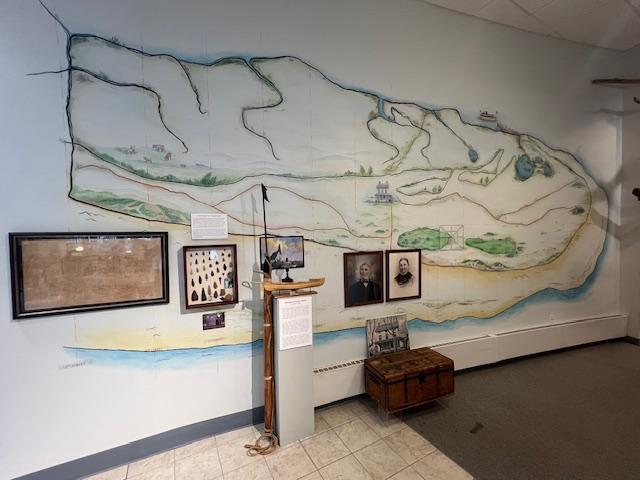
I visited the museum on a weekend day to learn of the rescue procedures and the job these men did on a day to day basis. The first thing I learned was how shifting tides can change an island.
This building which now sits about four blocks inland was once at the shoreline a hundred years ago. Talk about change and Mother Nature’s role in this.
The first room I visited was the formal dining room in the newer extension of the building. This would be where the officers and men would entertain guests and visitors to the building. It could be a casual or formal affair.

The first floor formal dining room

The entertainment for the evening was either board games or a music box

Some of the items salvaged from the sea

The Life Guard officer formal outfit was worn for formal affairs

The officers would be dressed formally to receive guests
The next room over was the Rescue room and door where the boats and other equipment would be held when the alarm sounded.
The docent discussed how the doors were opened and the boats needed to be pulled out on a stormy night. Everything you needed had to be close by, in good shape and ready to go.

The rescue boats and pulleys that would be used in the sea

The ropes and pulleys used to assist in the rescue

The lanterns were used as communication between shore watch and the tower

The equipment used to repair the items used for rescue

The rescue boat and the items used for a water rescue

The additional boats used in rescue

Some boats were used for fishing and collecting shell fish

The Sneak Box was used for duck hunting to camouflage yourself

The sneak box
We then toured the second floor sleeping room for the crew. This offered a great view of the sea when the building was at shore line. These men were given good accommodations for the time.
While not very private, it was comfortable and served its purpose for a job where you might not get a good nights sleep.

The sleeping quarters

The main sleeping room was for a crew of six

The loft lead to the tower where the look out for the evening would sleep (it is not open to tours right now).

The loft area from the window
We then headed back downstairs where we toured the station manager’s room and office.

The station manager’s room off from the kitchen

The station manager’s office where all the monthly paperwork was done and business was conducted.

The kitchen
The Station Manager’s office was right next to the kitchen stove so that the room was kept warm during the winter months and on cool nights.

The kitchen stove
All the meals for the crew and visitors were cooked either by the men or their wives might be allowed to visit and assist in duties in the building.

The kitchen
All the storage of the foodstuffs has to be accounted for because getting them was rough with no cars for transportation and no bridges to cross to the mainland.

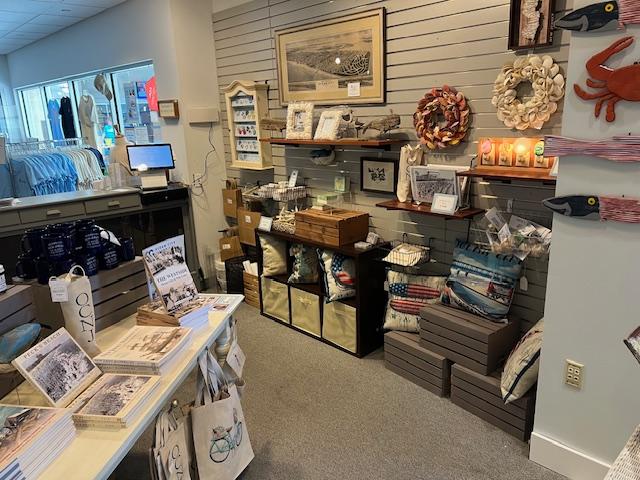
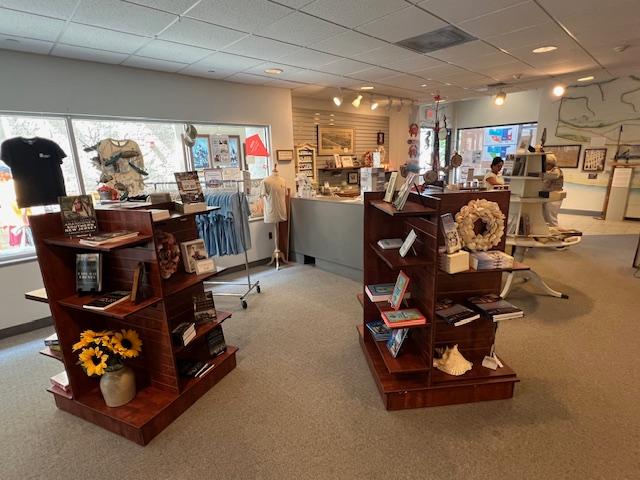
The gift shop

The museum and grounds
The museum offers a glimpse of the everyday life of these brave men who were on call 24/7 and performed such dangerous work. Ocean City has done a wonderful job preserving this legacy.
The museum has docents on hand for more formal tours and are very detailed on their knowledge of the building and its contents. It is a very interesting look at Ocean City’s past.
 Visiting a Museum: The Unique, Unusual, Obscure and Historical