Don’t miss all the historical sites and interesting restaurants of this wonderful NJ beach town.
Somers Point, NJ is such a picturesque and historical town with lots of historical sites and delicious restaurants to visit. It is fun to just get in the car and drive the Historic District and see how the town has grown and developed.
I took time out of my walking project in Manhattan after finishing the Chelsea neighborhoods, walking the 13-mile Broadway walk for the sixth time and preparing to do “The Great Saunter” on my own next week to go ‘down the shore’ as we say in New Jersey (it’s never ‘Down to the Shore”, that takes too long).
I had never been to Somers Point, NJ before. It is a small waterfront community across the bay from Ocean City, NJ, which is a popular resort and recreation town. Somers Point is low key with wonderful restaurants and bars, a popular waterfront and beaches on The Great Egg Harbor Bay and beautiful little turn of the century beach homes and a town steeped in history. I read about three historical spots on Shore Drive in the heart of the Historic District and had wanted to visit them.
The Mauricetown Historical Society at 1229 Front Street
I visited the Mauricetown (pronounced ‘Morristown’ like its northern neighbor) on a trip to visit historical societies in southern New Jersey. Mauricetown comes from the Dutch word ‘Mauritius’ for the Mauritus River that flowed through the town. “Maurice’ is the English version of the word.
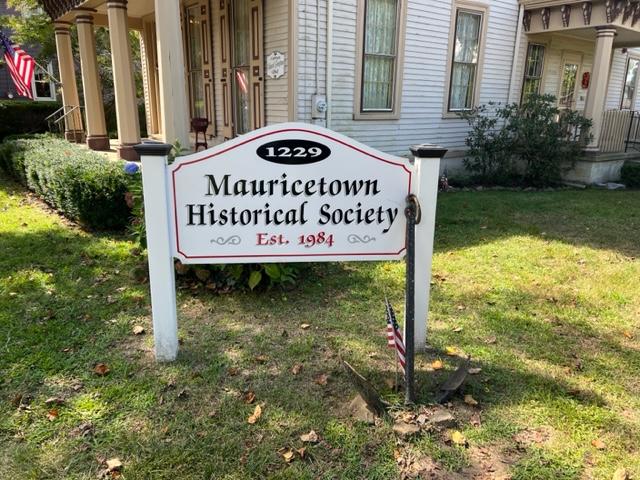
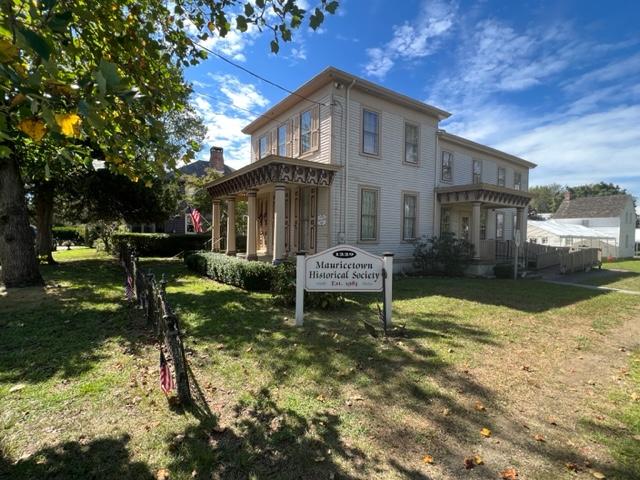
The Society’s welcoming sign
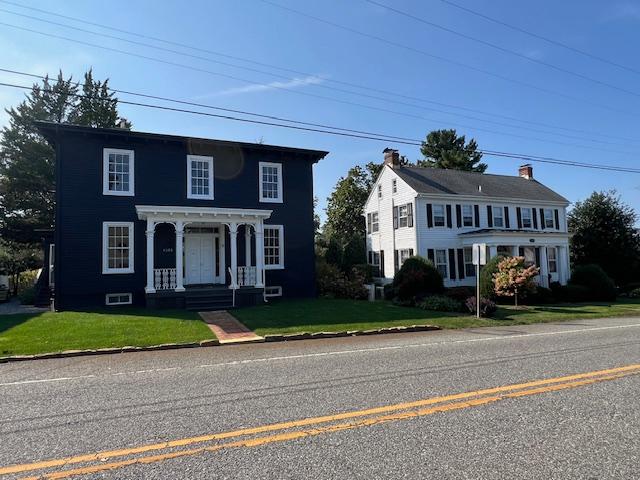
The town itself was used for shipping and trade up and down the East Coast and between 1830 and 1902, 61 ships were built in the boatyard in the village. The town itself is very historic and the walking tour of the early American architecture of the town shows many Federalist and Victorian homes of the former ship captains. Today these homes are in much demand for their beauty and beautiful gardens. The care the homes are getting adds to their beauty. Take time to walk around before you get to the museum.
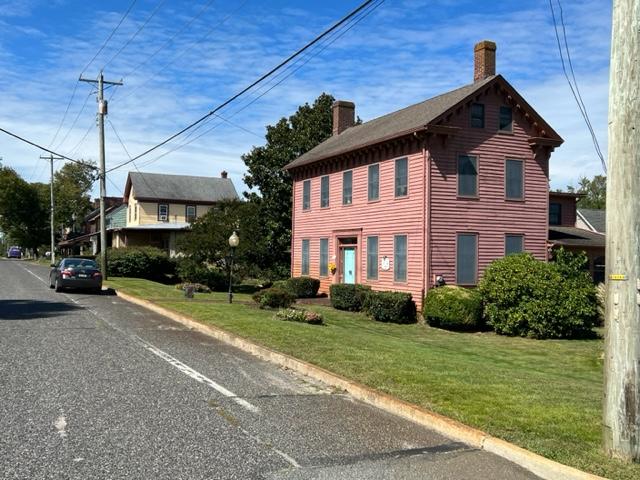
Downtown Mauricetown with the Ship Captain’s homes along the river
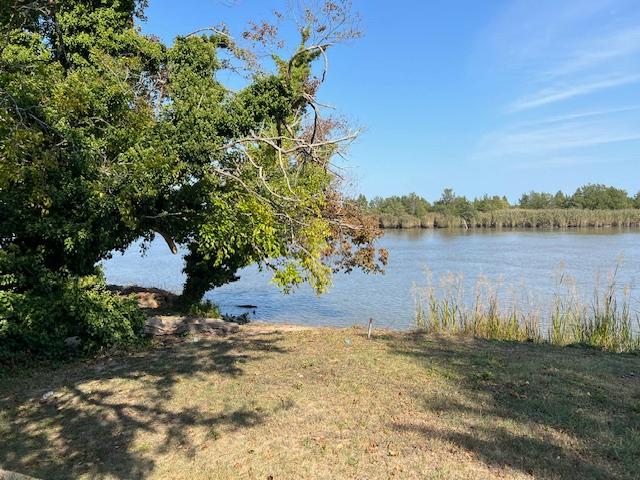
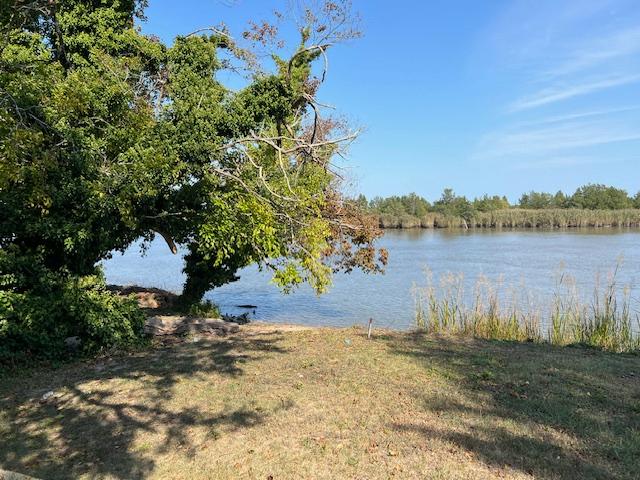
The Mauricetown River in the Summer of 2024
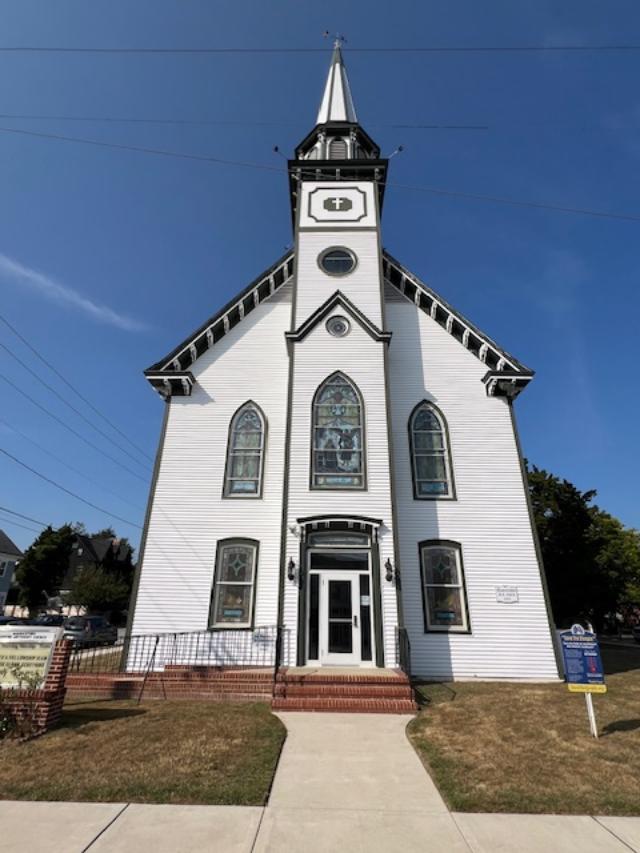
The Mauricetown Historical Methodist Church
The historical homes of Mauricetown, NJ
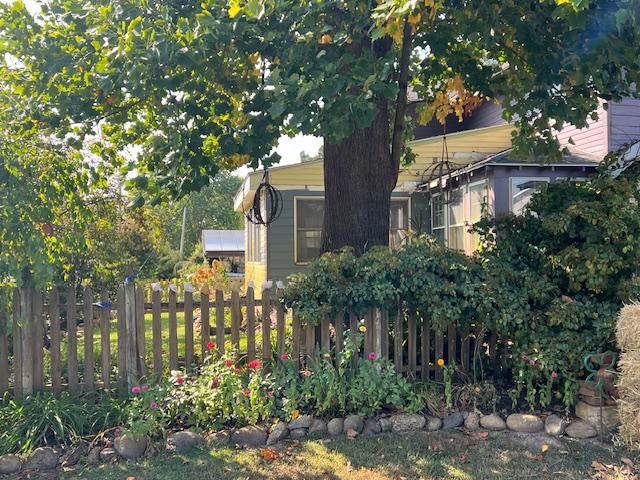
Some of the beautiful gardens in the neighborhood
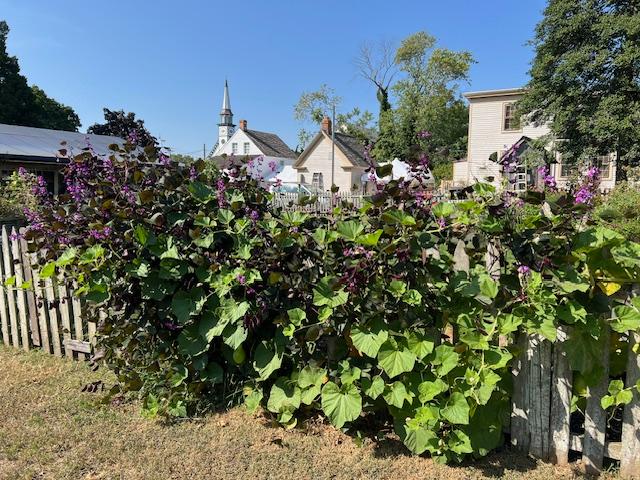
The neighborhoods gardens in the Summer of 2024
The gardens near the Historical Society
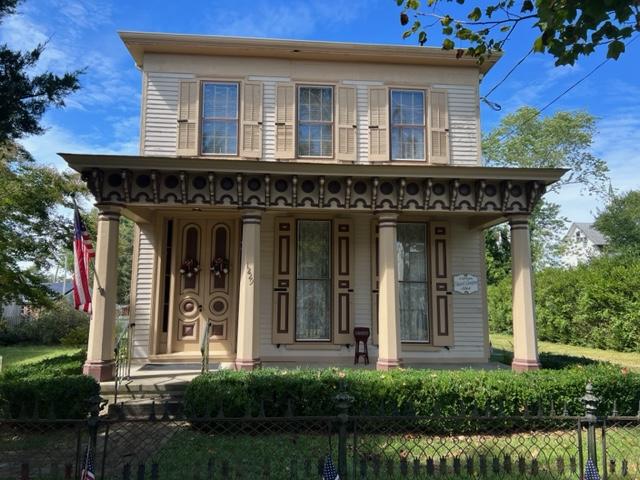
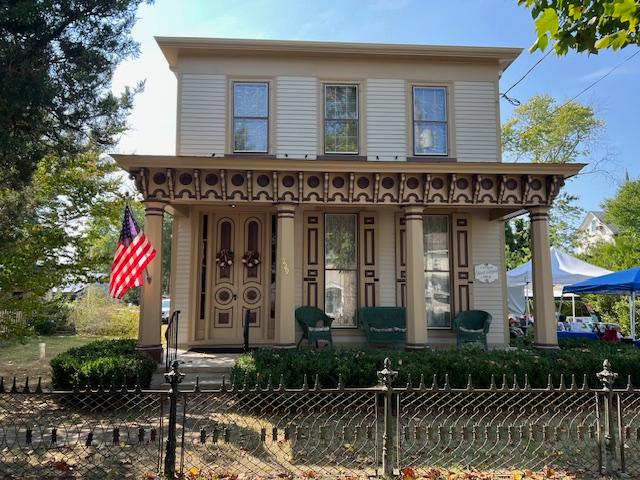
The home that the Society is housed in is one of many ship captains’ homes that was built on this side of town being closer to the river for the other ship captains. Founded in 1984, the Society has taken it upon themselves to start collecting artifacts from the town.
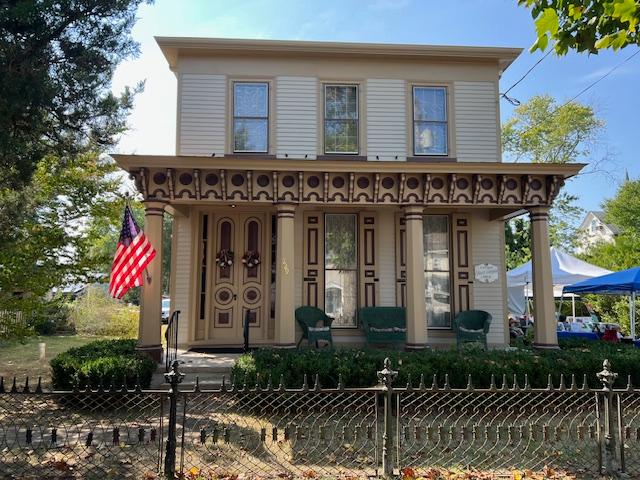
The front of the Historical Society in the Summer of 2024
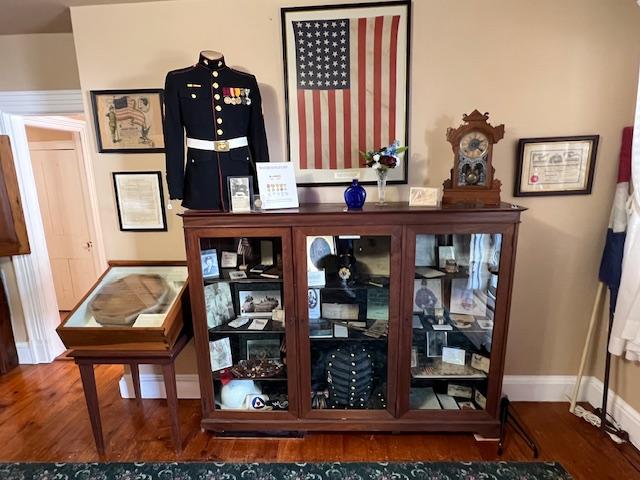
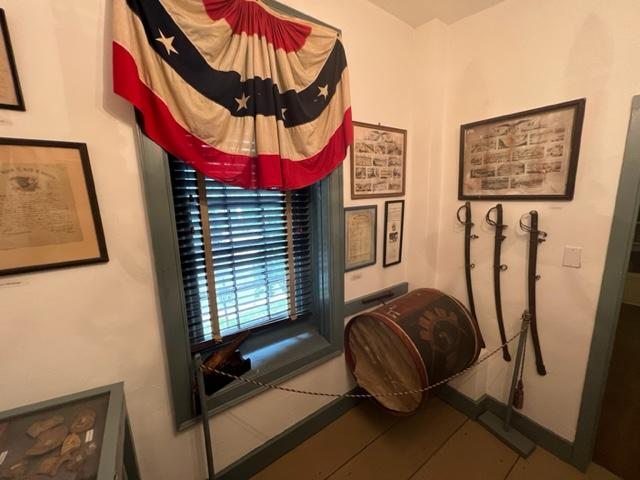
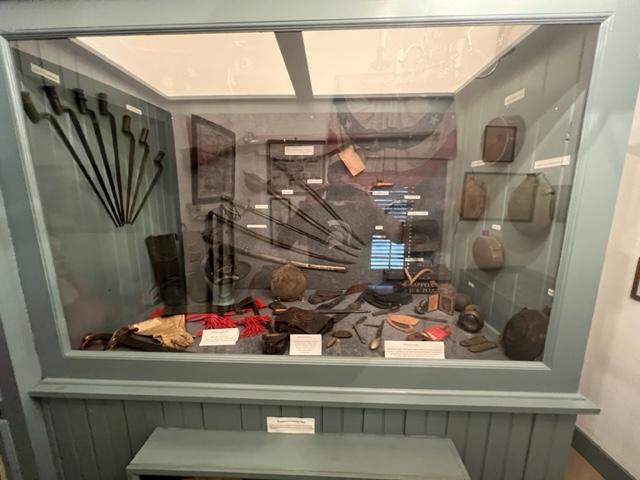
When you first enter the museum to the right, there is an extensive collection of seafaring items and military artifacts. This includes many items from the Civil War and WWI. There was even a rare pair of original sharp shoot glasses.
The Military Collection at the Mauricetown Historical Society (MHS Picture)
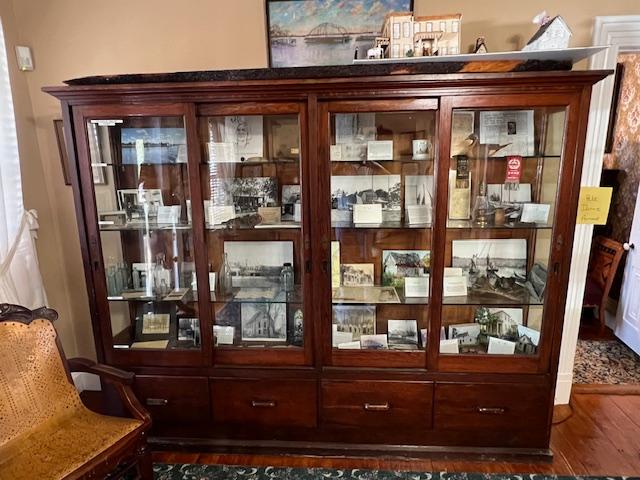
On the other side of the front foyer, is a case line of artifacts from the history of the town from the Lenape Indians to former shipbuilding businesses and local history.
Historical artifacts from the town of Mauricetown, NJ
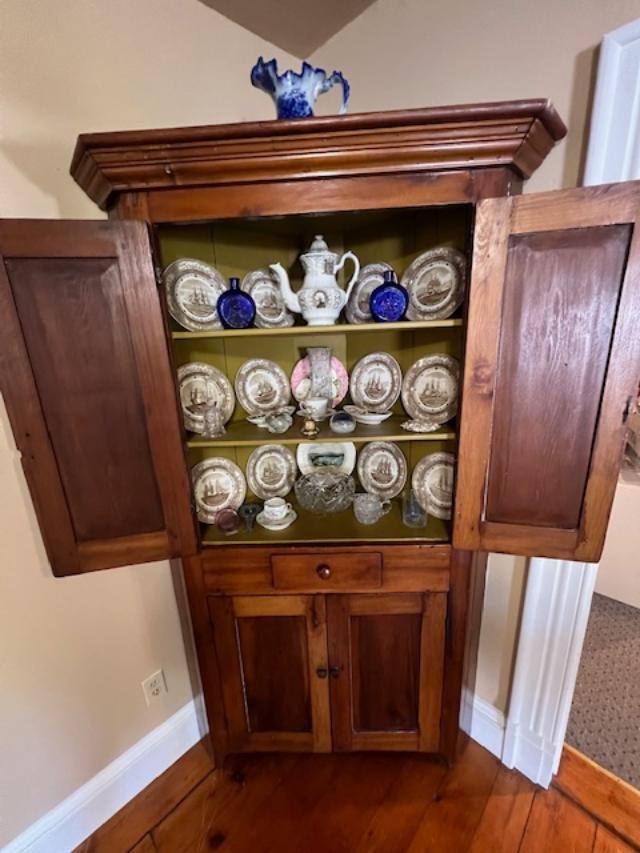
The China Collection in the Main foyer
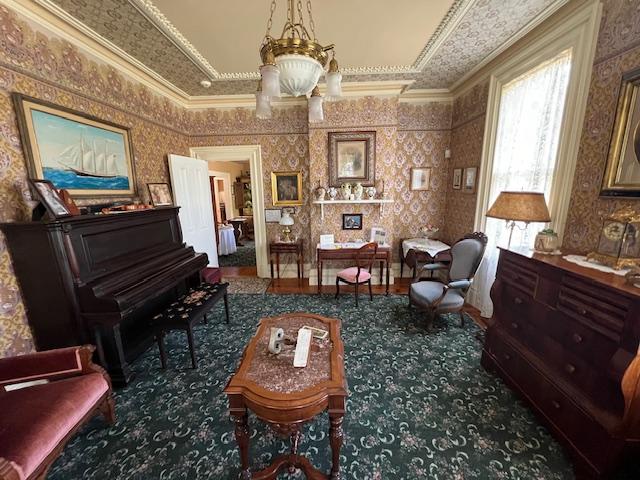
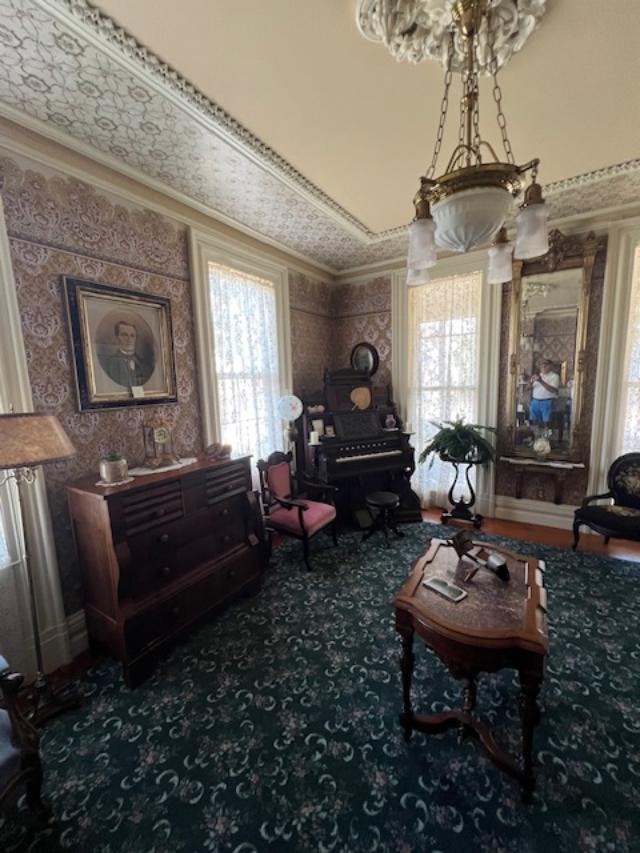
In the Formal Parlor, the room was designed with original molding from decor of the house and a copy of the wallpaper that had been found behind paneling that had been put up in the 1970’s. The room was furnished in period furniture that was a mixture of late 1890’s to the 1920’s.
The Mauricetown Historical Society ‘Parlor Room’ with the original molding and copy of wall paper
The Parlor on the first floor
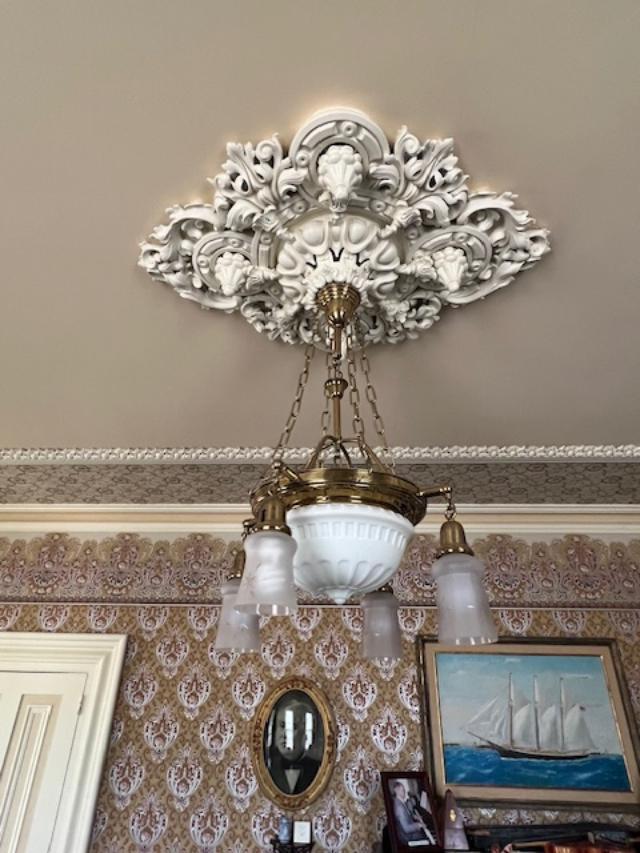
The Chandelier in the Parlor is original to the house
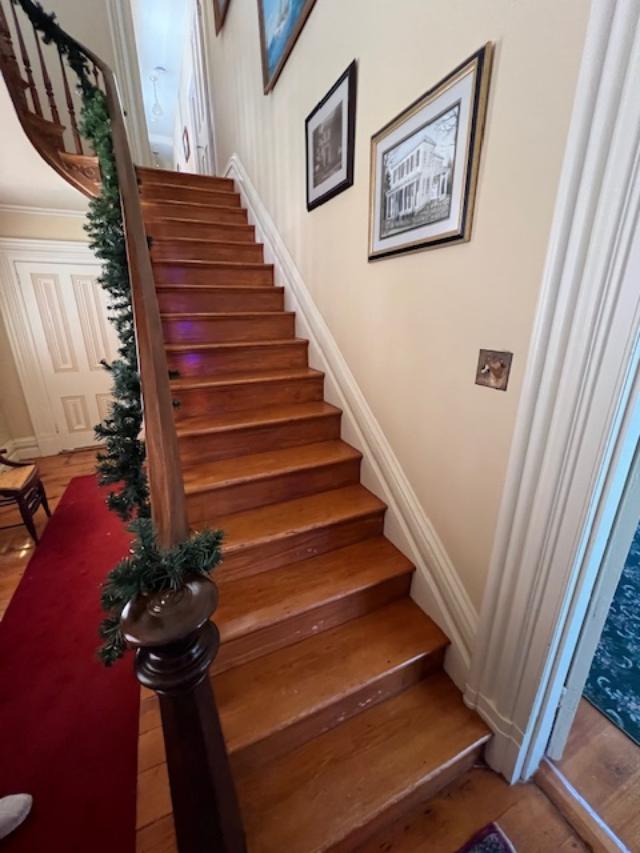
The beautiful back stairs to the second floor
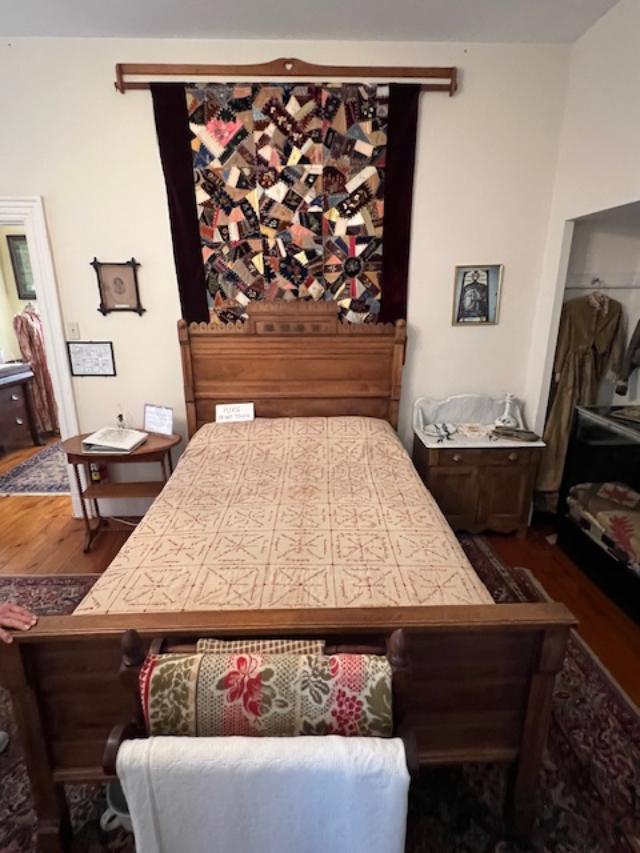
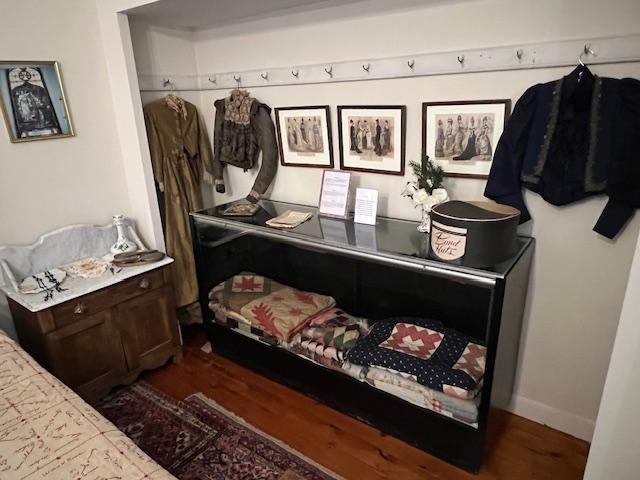
On the second floor, one room was dedicated to a Captain Bacon and his wife, Carolyn, another was full of pictures of the town of Mauricetown through the times, there was a collection of clothing through the ages and a quilt collection that was very impressive.
The beautiful quilt with pieces from everyone in the community
There was one quilt on display that had the names of all the sea captains and their families. Many of the descendants of the town come here to research their families and look at this quilt. There is also another quilt with items native to the area.
The museum’s collection of quilts and clothing on display
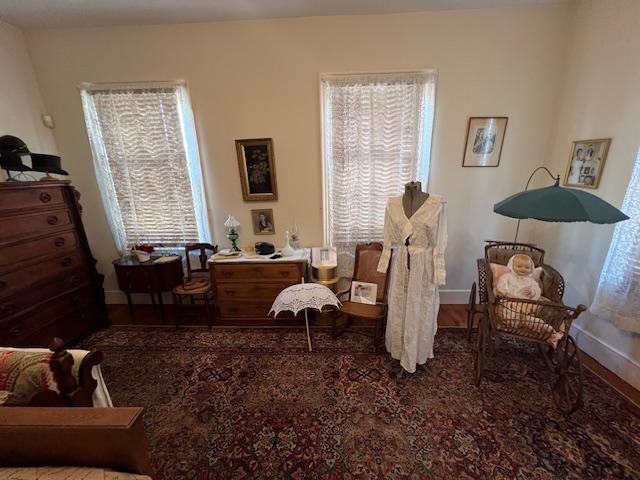
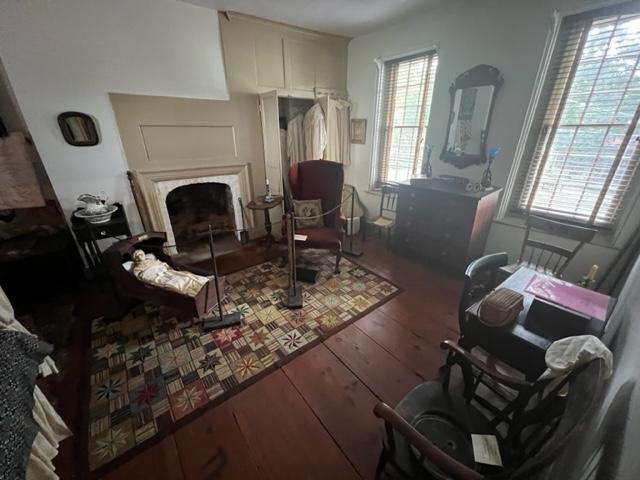
The Second Floor bedroom
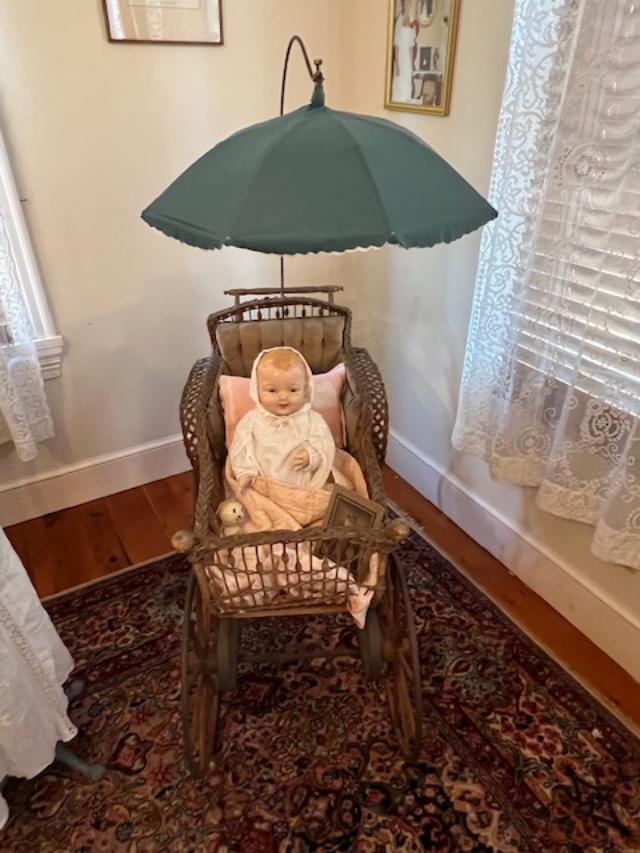
The Emma Hunter Baby Carriage
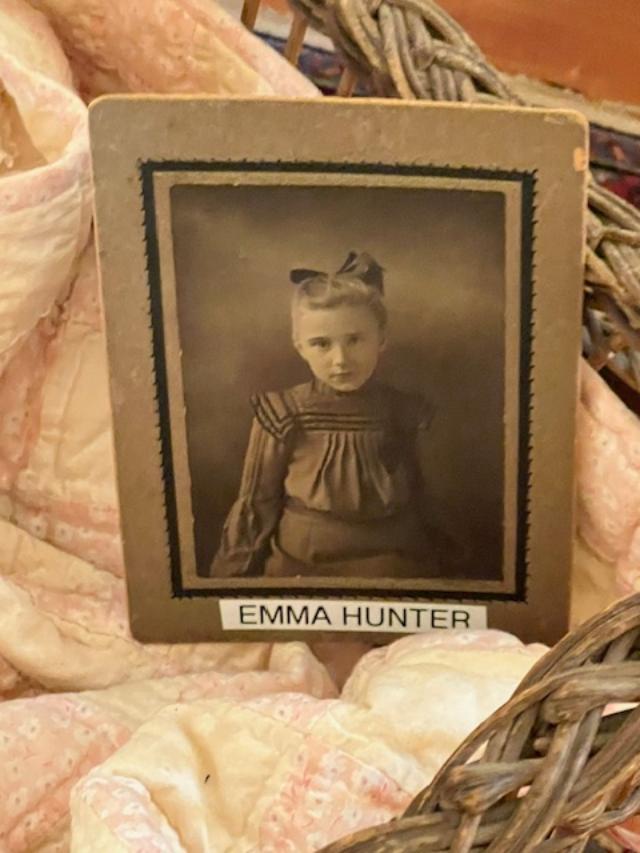
Resident Emma Hunter as a young girl
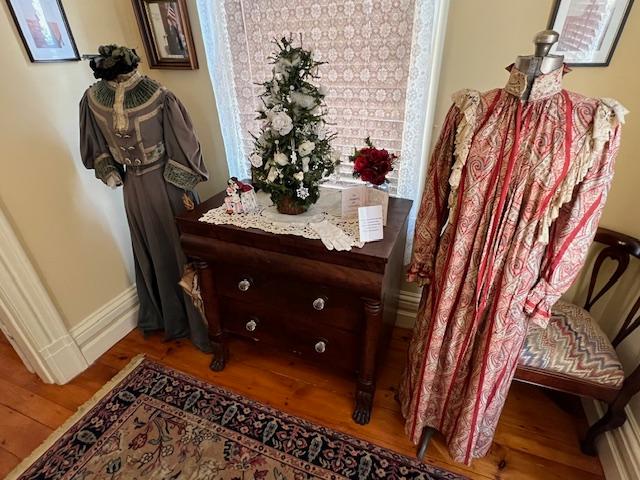
The costumes and clothing of the collection
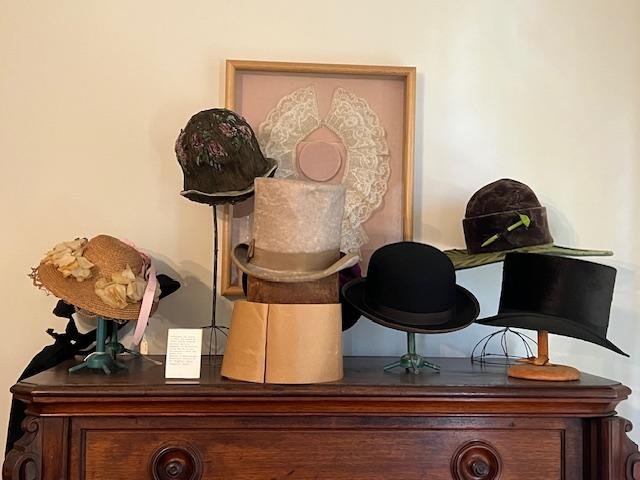
Hats on display
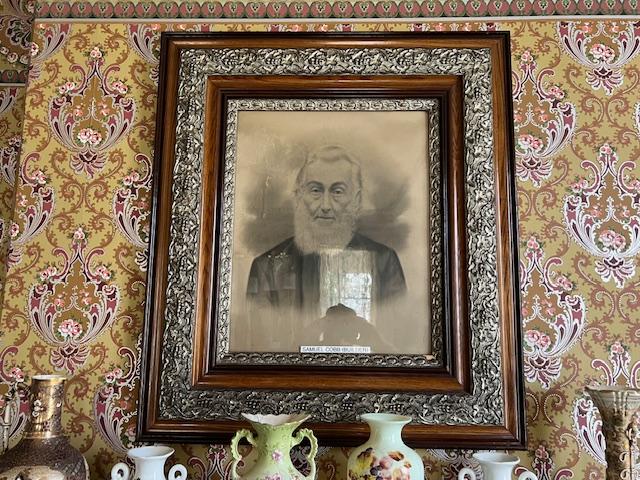
The builder of the house who built many of the homes in Mauricetown, NJ
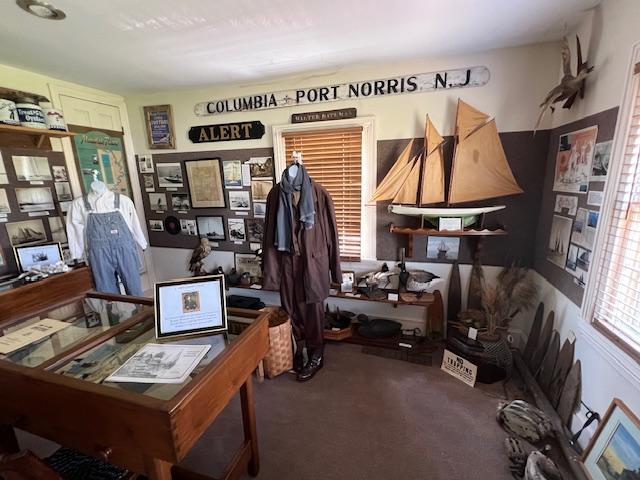
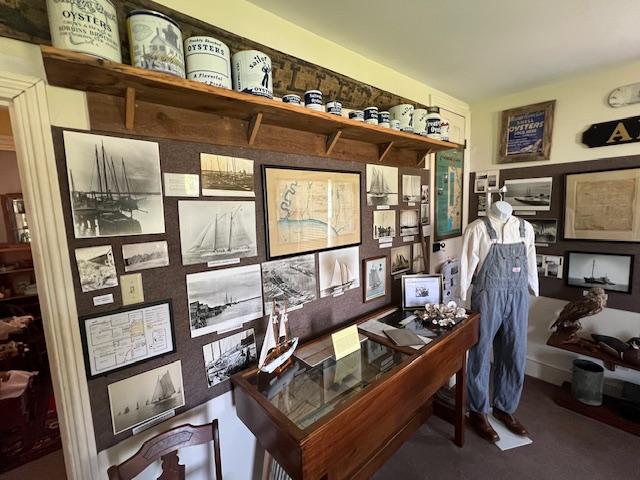
One of the rooms discusses the Mauricetown Shipping and Fishing industry with all sorts of photos and equipment. There was even a display of the ‘Bridge Key’ from the original bridge that lead into town. There was also an interesting display on the town’s Oyster Industry.
The Oyster and Fishing Business in this area of the state
The Fishing and Oyster industry
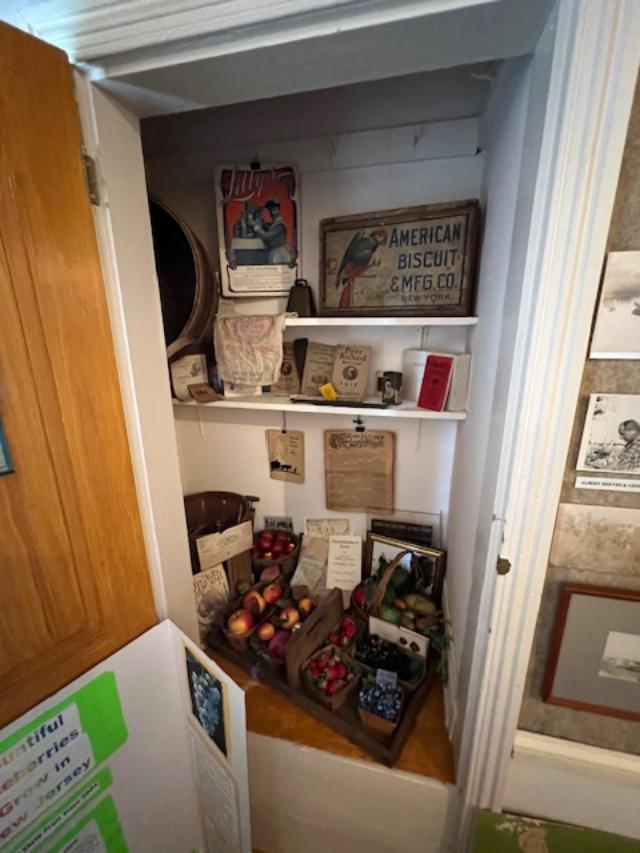
The Grocery industry
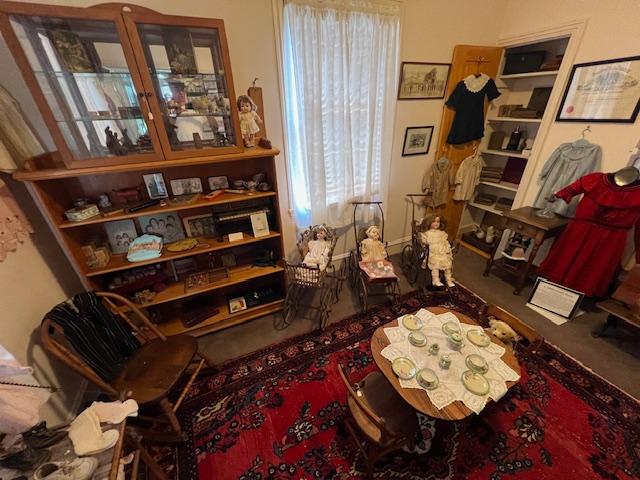
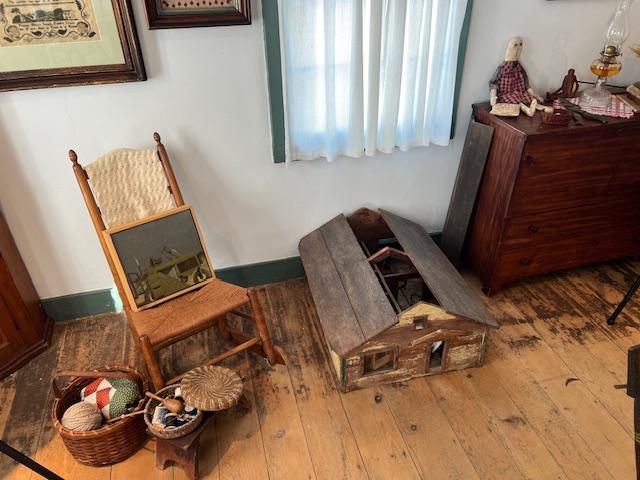
In the Children’s Room, there was an extensive collection of dolls, children’s playthings through the ages, clothing and school pictures of the town through the years.
The Children’s Room is my favorite room in the house. I love the interactive toys that promote imagination. This is lacking in children today.
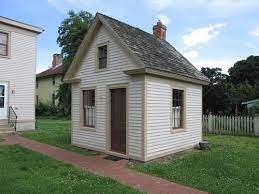
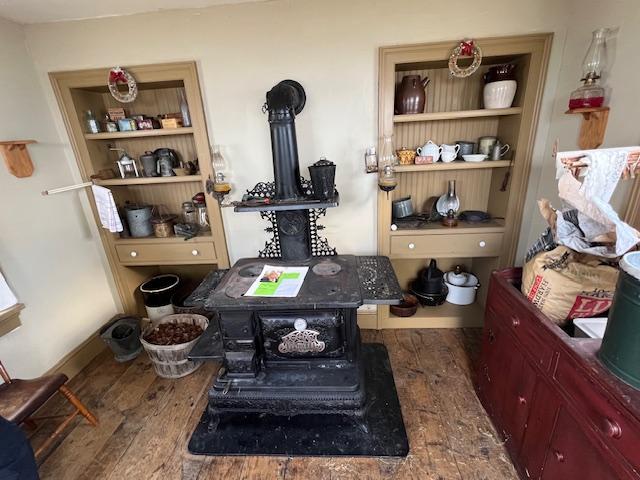
On the outside grounds, there is a Cookhouse that was separate from the main house in the era of when cooking could start a house fire so the rooms were kept separate from the main house. There was a 1880’s cookstove that still works.
The Cookhouse on the grounds of the Mauricetown Historical Society
The inside of the Cookhouse at the museum
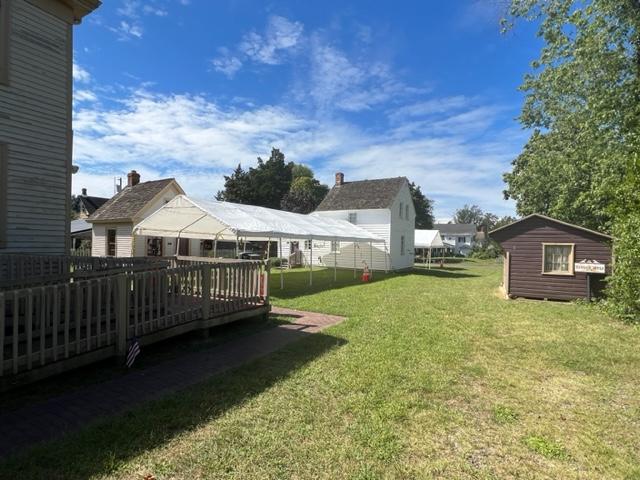
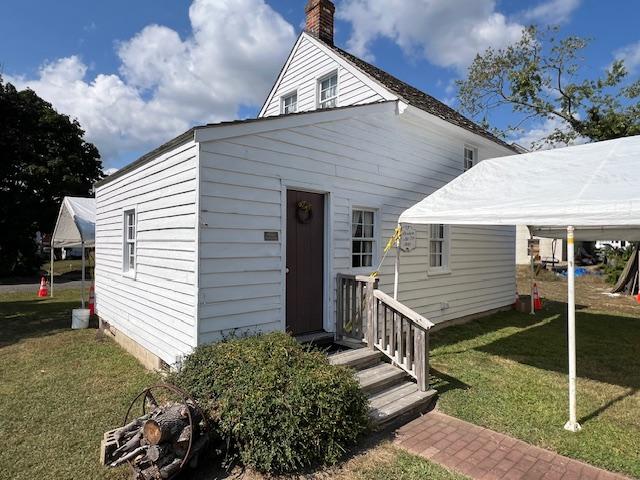
On the back of the ground is the Abraham and Ann Hoy House, a small home from 1840 that had recently been lived in by an elderly couple. The house had two small levels with the main rooms designed around the fireplace and heating unit.
The Mauricetown Historical Society’s backyard of buildings
The Hoy House on the back grounds of the museum
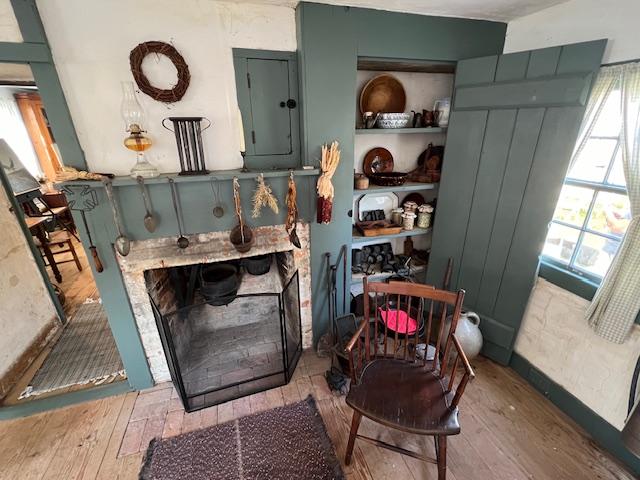
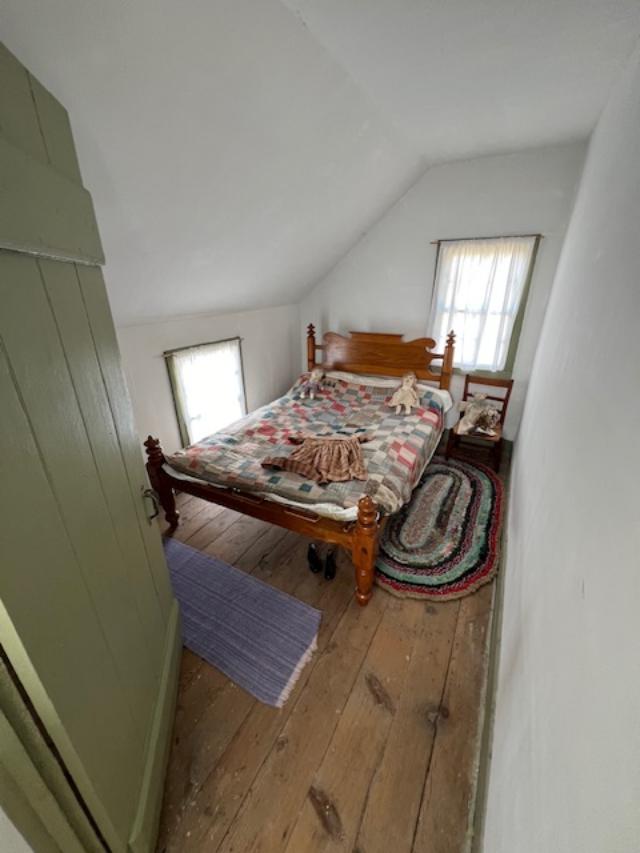
The Hoy House had been stripped of the modern add ons and they Society wanted it to look like it had when it was originally built. The upstairs had two loft bedrooms and even a small loft above the downstairs fireplace where the kids would sleep when it was cold outside.
The kitchen in the Hoy House
The kitchen area
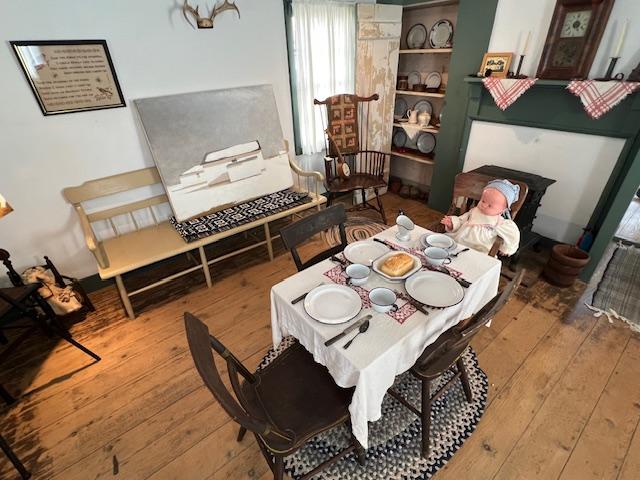
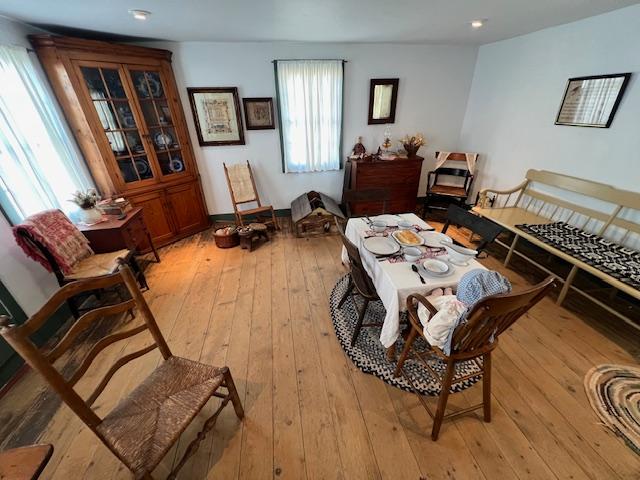
The Living area
The Living area
The main room
The Upstairs
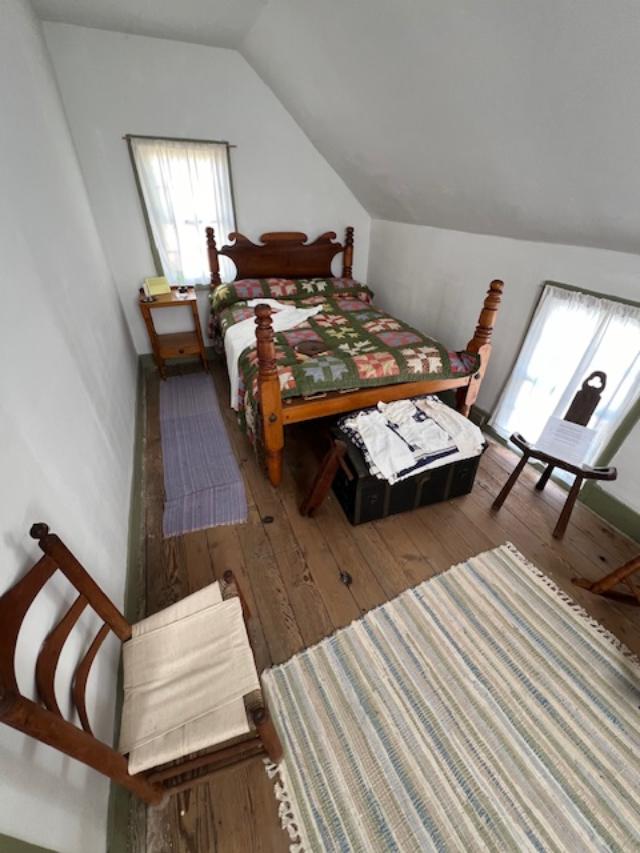
The bedrooms
It really showed how the working people of the town lived in a stark comparison to the sea captains who were running trade for the town. The Society’s members have taken great care in restoring these homes.
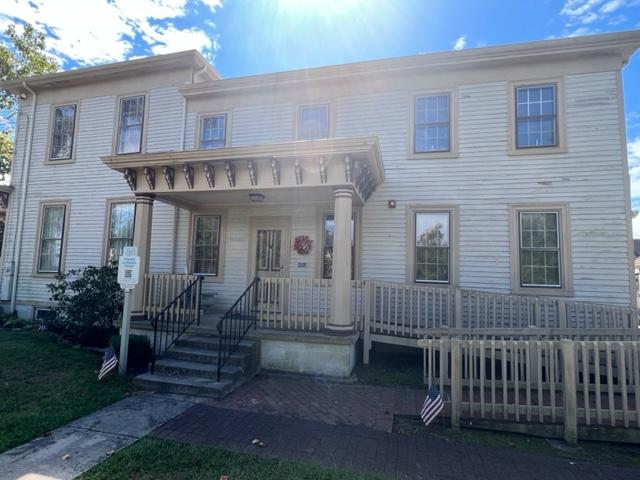
The Mauricetown Historical Society at 1229 Front Street
The History of the Mauricetown Historical Society:
(From the Mauricetown Historical Society website):
The Mission of the Mauricetown Historical Society:
It is the mission of the Mauricetown Historical Society to collect, preserve and exhibit artifacts and documentation significant to Mauricetown and the surrounding communities.
The Mauricetown Historical Society is housed in the former home of Captain Edward Compton, who was a local sea captain. This Italianate Victorian structure was built in 1864 by Mauricetown carpender Griffith Pritchard and Samuel Cobb.
The home was purchased in 1984 by the society. At the time, the property was in poor condition and required work inside and outside. Over the past 25 years it has been carefully restored to its present condition by volunteer efforts of society members and others. The restoration is an on-going project and there are still areas of work that are needing completion.
The side entrance of the home where people enter.
Situated directly across Front Street from the location of the old shipyard where sea-going vessels were built in the 19th and 20th centuries, occupants of this house were able to view the activities of the shipyard and the traffic of the river.
Open: Sunday 1:00pm-4:00pm/ Monday-Saturday Closed/Museum is open from April-December/The Auxiliary buildings are closed when the museum is closed. The community is welcome on Sundays when the museum is open and for community events. Please check the museum website on this.
I got to the Church Landing Farm in plenty of to tour the house and the grounds. What an interesting museum that is full of surprises. When they unlock the auxiliary buildings to show you the displays, they are a real wonder of fascinating artifacts each with its own theme.
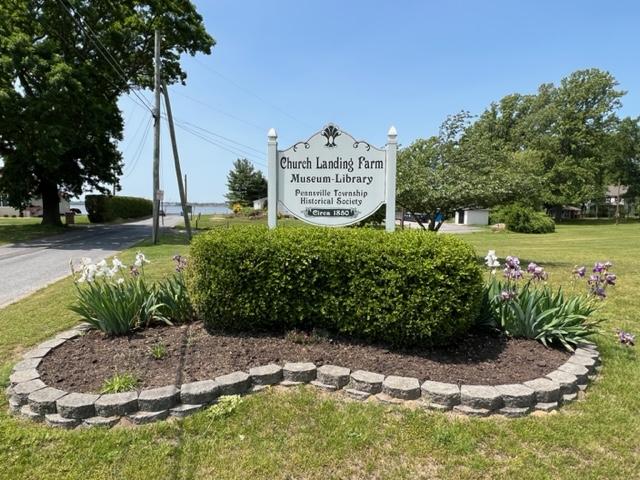
The sign welcoming you to the Church Landing Farm-Pennsville Historical Society
The house was built by Daniel Garrison between 1840-1845 and was the home for five generations of the Garrison family up to 1973 when the last living relative, Anna Locuson died and did not leave an heir. In 1991, Atlantic City Electric worked with the Pennsville Township Historical Society to open this as a museum.
As I toured the floors with the docent, I noticed all the beautiful antiques. These items are all donations to the home. The only items of the Garrison family are portraits and pictures that were donated by the family over the years. On the lower floors are the kitchen, the Living Room and the Dining Room all decorated in a Victorian style. The kitchen looked like it was from the 1920’s with all sorts of kitchen items from a period of the 1880’s to the 1920’s.
When we toured the upstairs bedrooms, one was decorated with children’s furnishings and toys. The other bedroom was decorated for adults and had once served as the Master Bedroom for the home. The house also has a complete Research Library for people to find genealogy about their families who lived in town and of Pennsville, NJ.
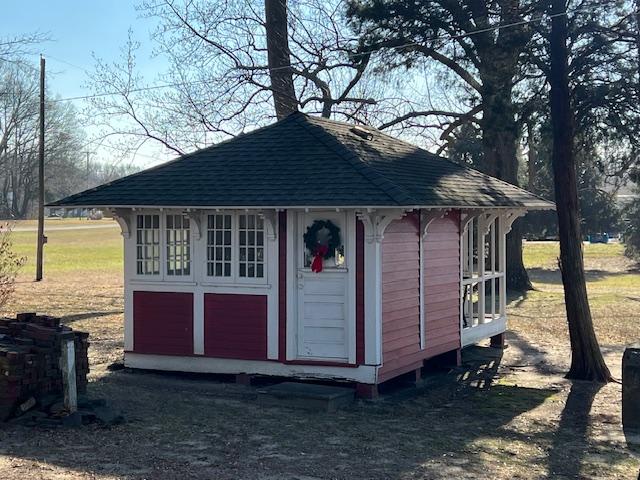
When you tour the outside auxiliary buildings, this is when the museum really shines. When each building on the property is opened for the tour, you get to see the whole collection of artifacts. There is a small one room schoolhouse on the property that served the community from 1837-1919, a period outhouse and a piece of art from the old electrical building that was located on the bay.
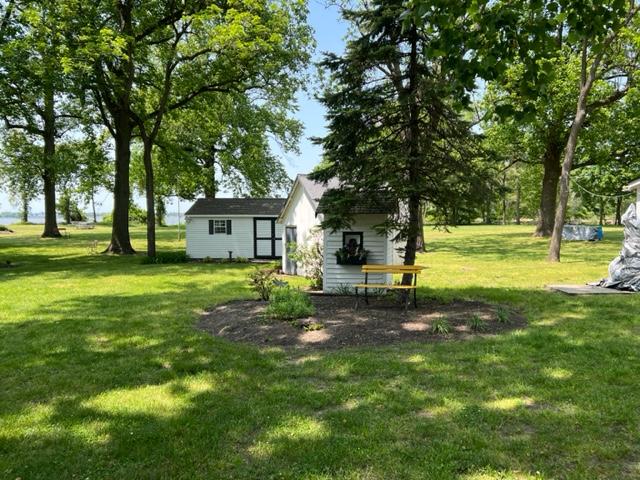
The outdoor buildings that show the displays
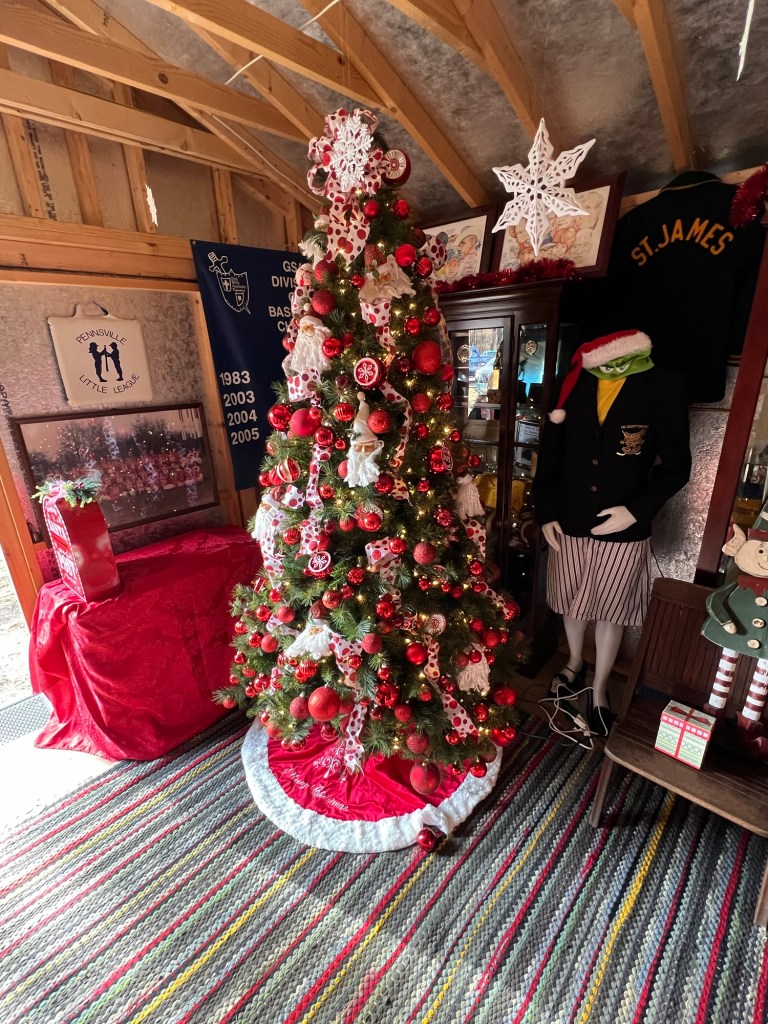
Each of the buildings has its own theme. One of them is dedicated to the high schools with all their uniforms and trophies, yearbooks and pictures of various sports teams. There is all sorts of spirit equipment and high school artifacts.
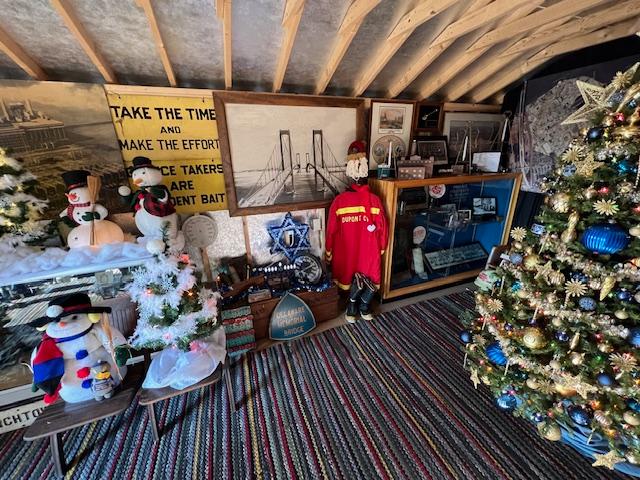
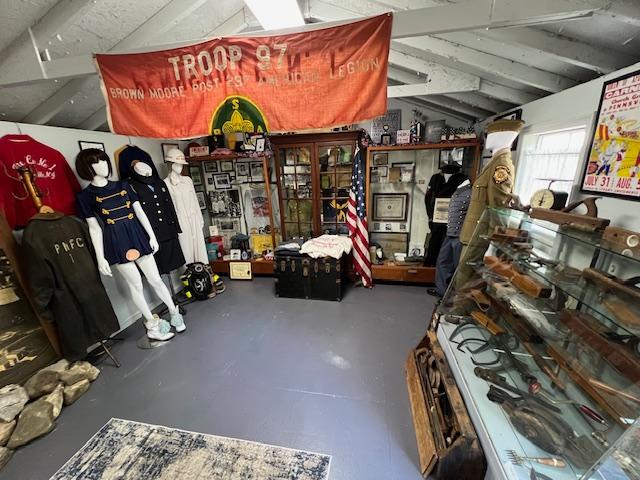
Another is a floating Fishing Cabin that was moved to the ponds and lakes when people wanted to ice fish and all the equipment you needed to perform the task. There was another shed that had all sorts of Military artifacts from various wars along with items from the local fire and police departments as well as the VFW. There was a display on the “Sunbeam”, the local paper of Pennsville and its former editor.
The outdoor sheds
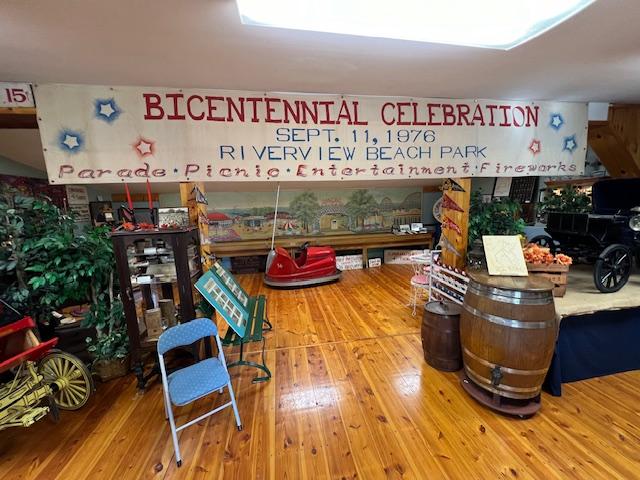
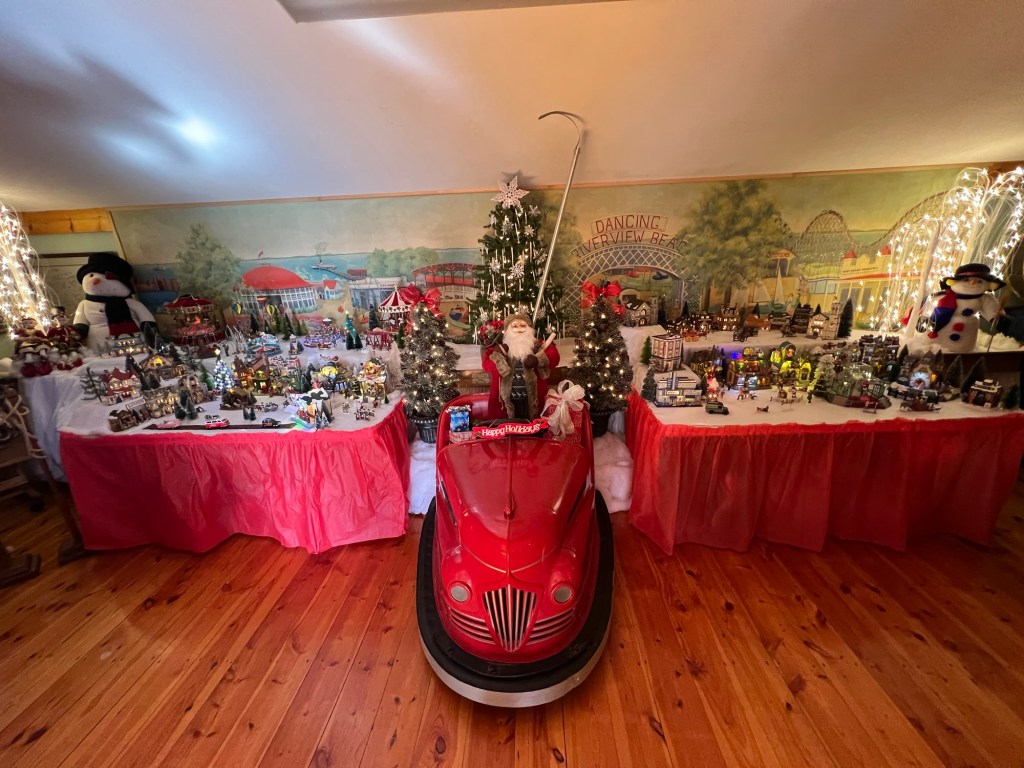
The most impressive building display was of the Riverview Beach Park, a former amusement park that was located in the current park until 1969. The display has all sorts of artifacts that include signs, old ride cars, signs, pictures, maps and items from the games. The are all sorts of items such as prizes that were won, pamphlets and signs from the park. It really brings the old park back to life.
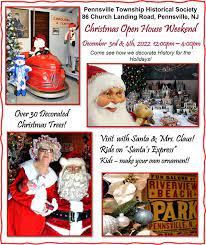
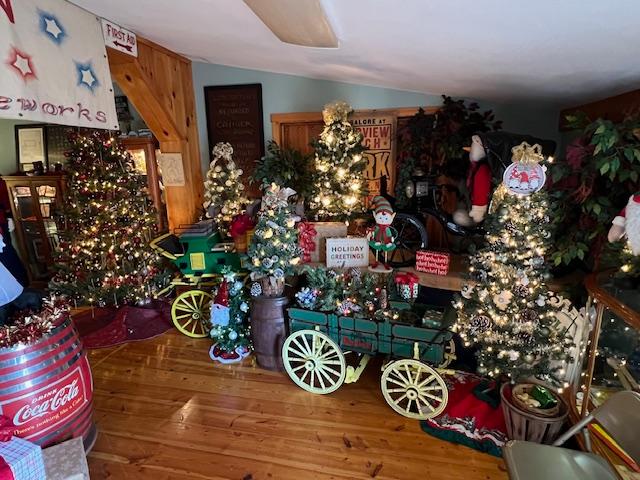
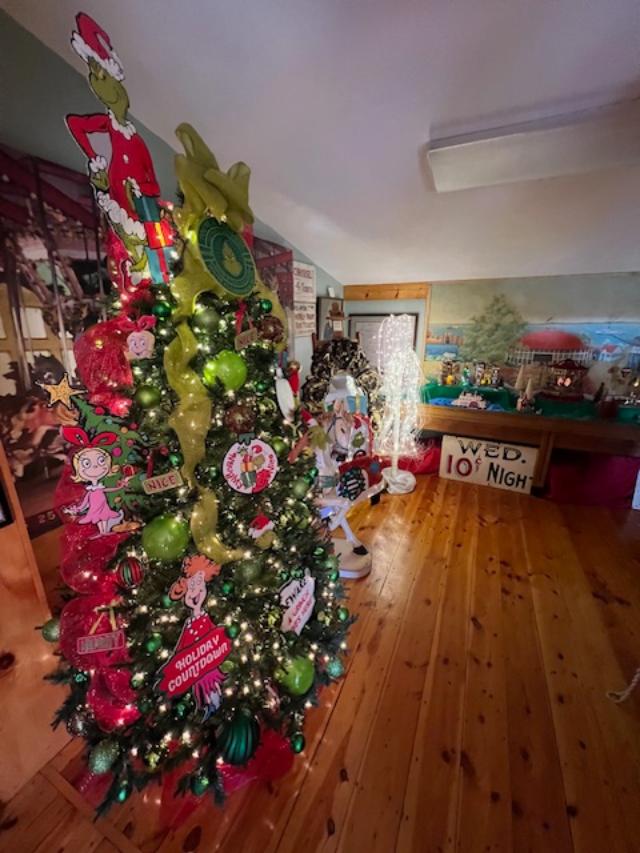
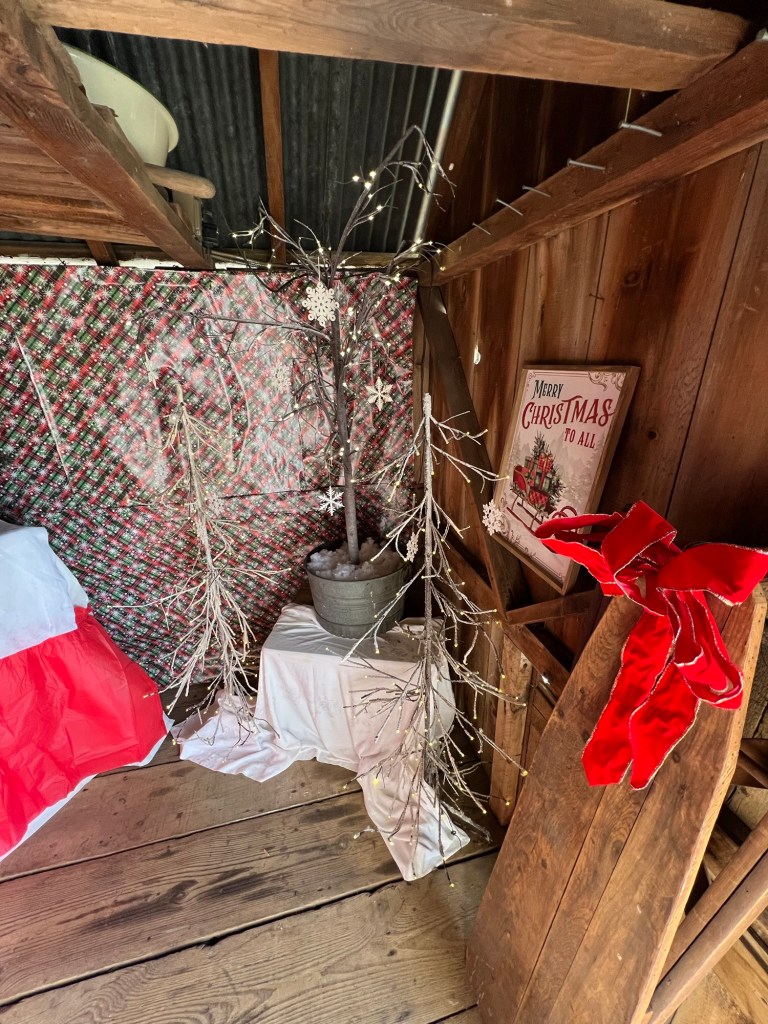
One of the sheds is used as Santa’s House during the holidays as well as the house will be fully decorated for the Christmas holidays. Santa and his wife make an appearance at the busy open house. I was able to visit the decorated home and buildings in 2023 and there is a magical wonder to the museum at the Christmas holidays.
Santa and Mrs. Claus at the Pennsville Historical Society
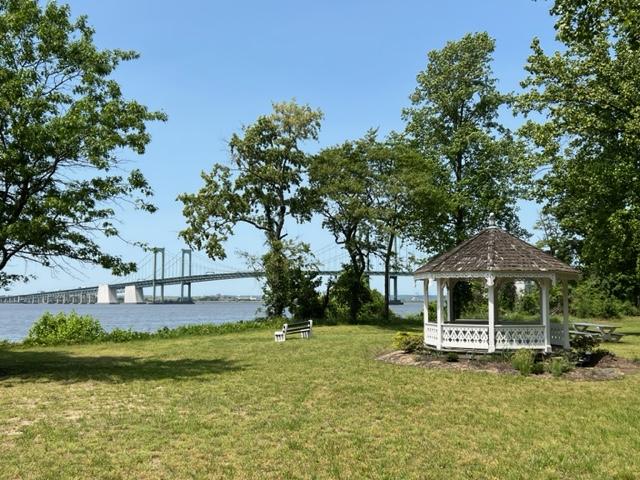
I was able to tour the grounds though and walk through the small gardens. The grounds had the most spectacular views of the Delaware Bay and the Delaware Memorial Bridge. I am sure much of this did not exist in that time frame but still it is the most amazing view especially on a sunny day like I had. The sun has the most amazing shine on the water from this direction.
The Church Landing Farms grounds and view of the Delaware River and the Delaware Memorial Bridge
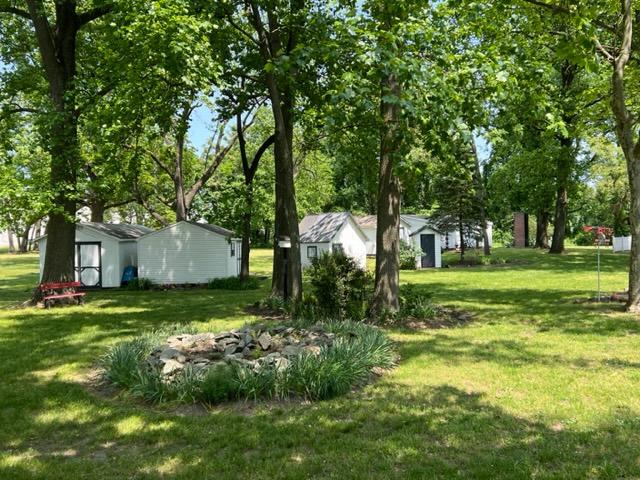
Even when the house is not open, still take time to tour the grounds and visit the outer buildings. It is a nice walk around the property.
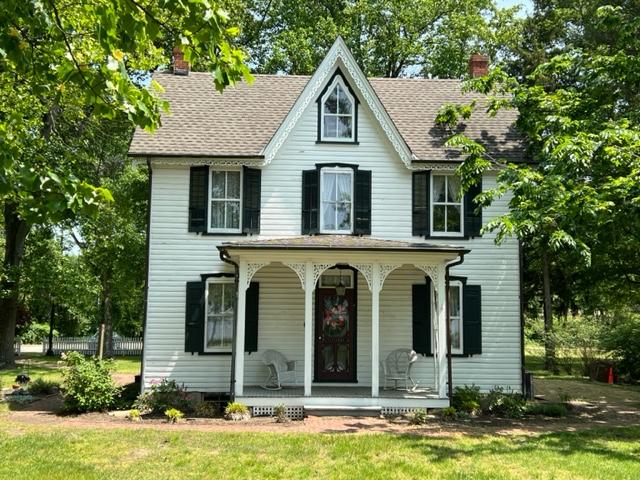
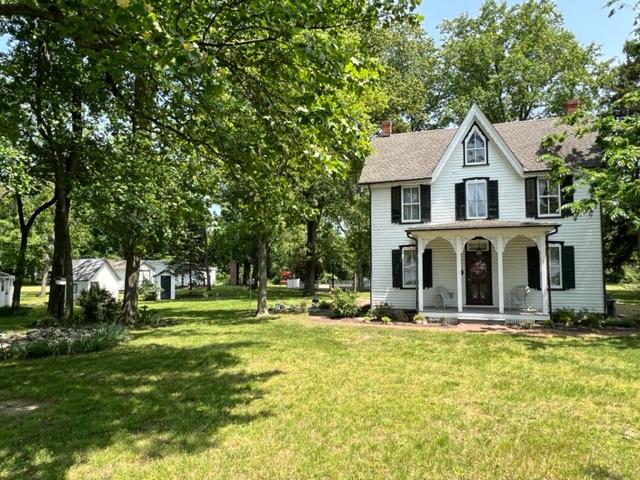
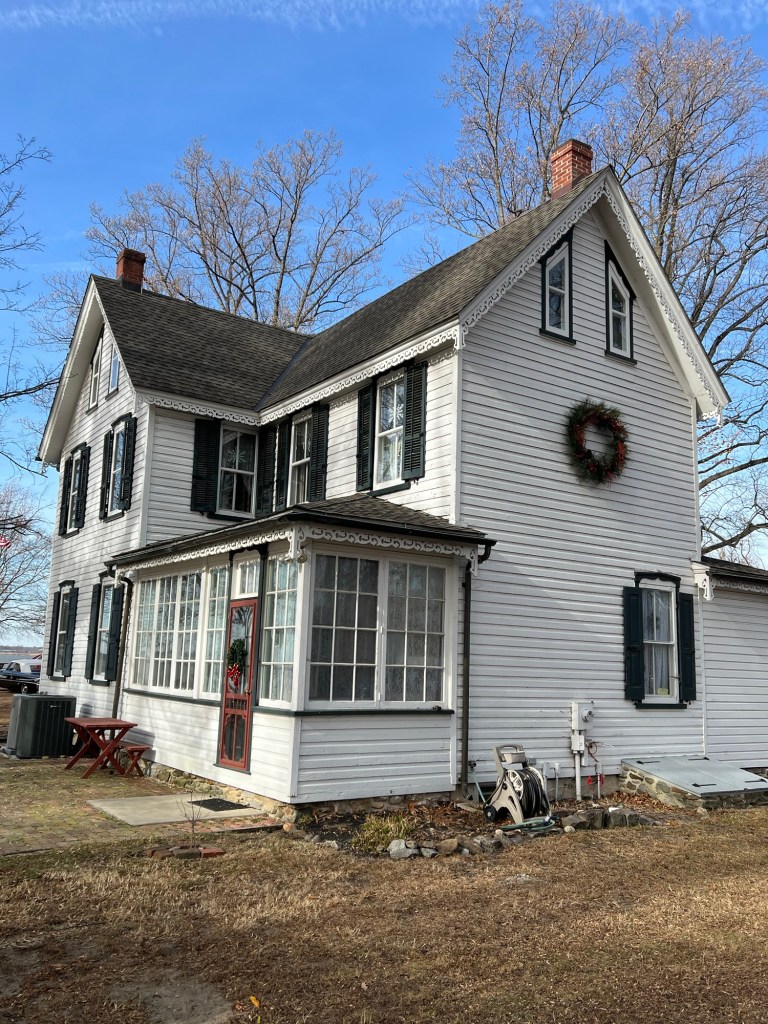
The Church Landing Farmhouse during the summer months.
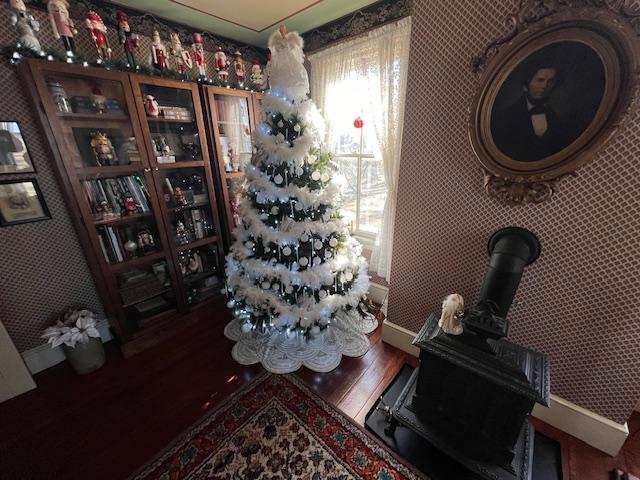
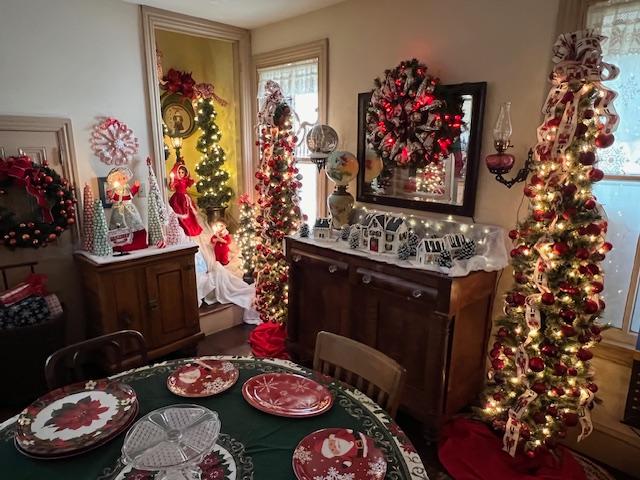
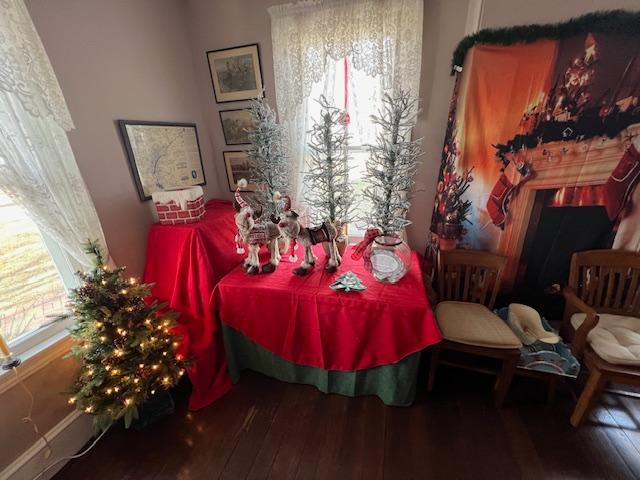
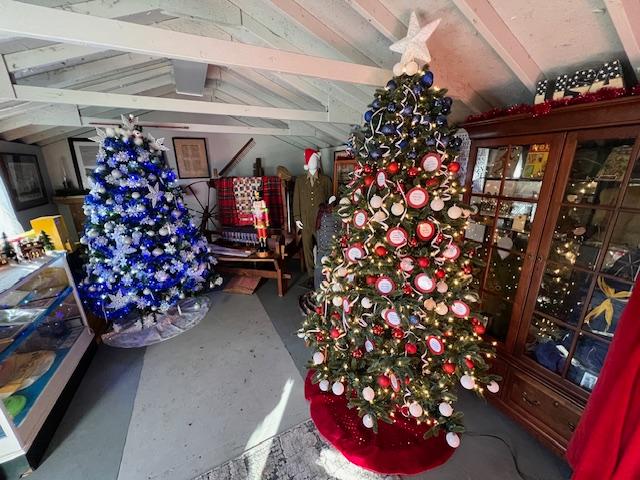
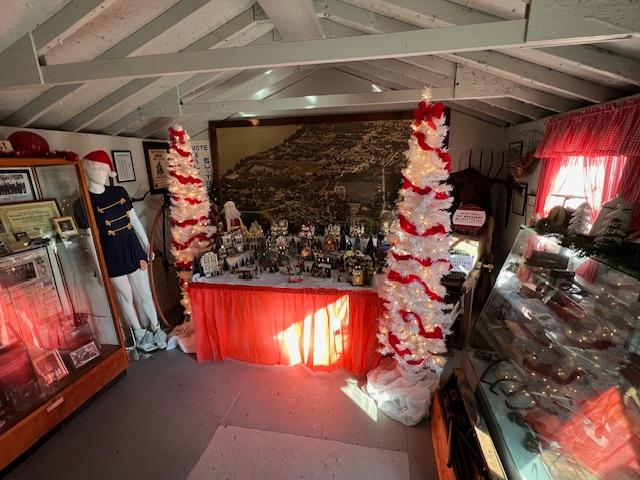
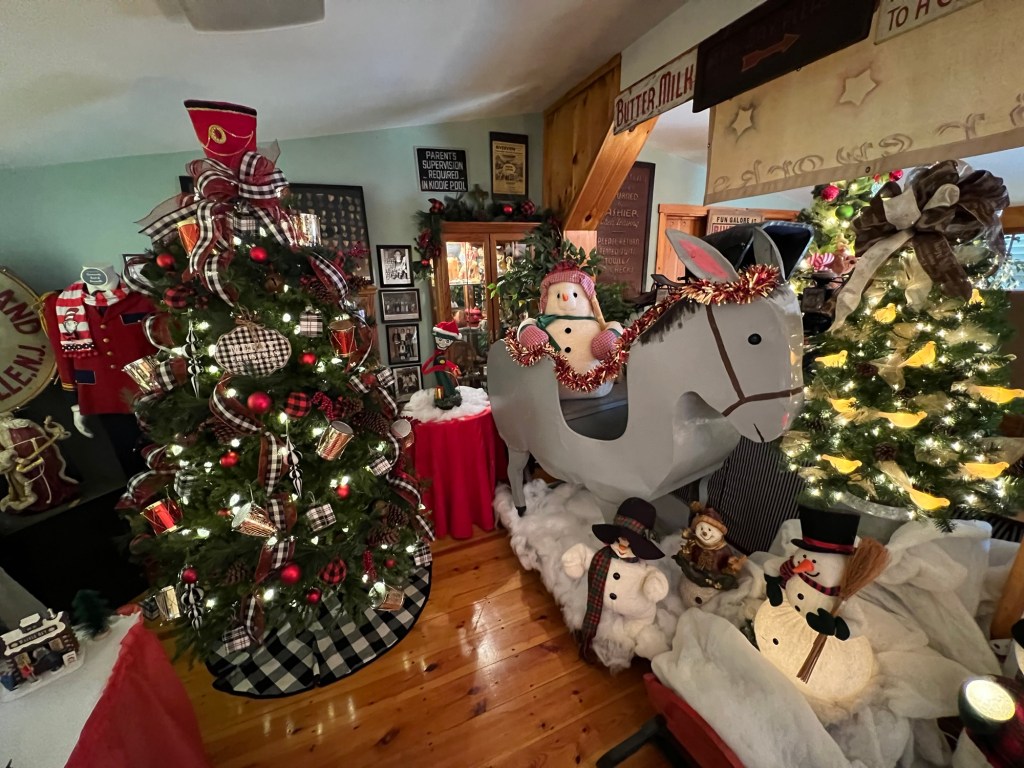
I took an extensive tour of the house in December when it was decorated for the Christmas holiday season. The house, grounds and outer buildings were all decorated for the Christmas holiday season with a hugely successful Open House on the first weekend of December. This is when this museum is highly under-rated with the amount of time and effort put into decorating every inch of this property. The display of Christmas decorations is dazzling! What a tour!
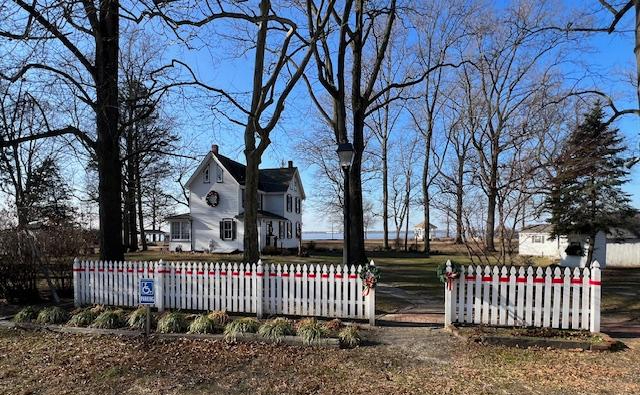
The Church Landing Farmhouse during the Christmas holidays.
The front of the Church Landing Farmhouse.
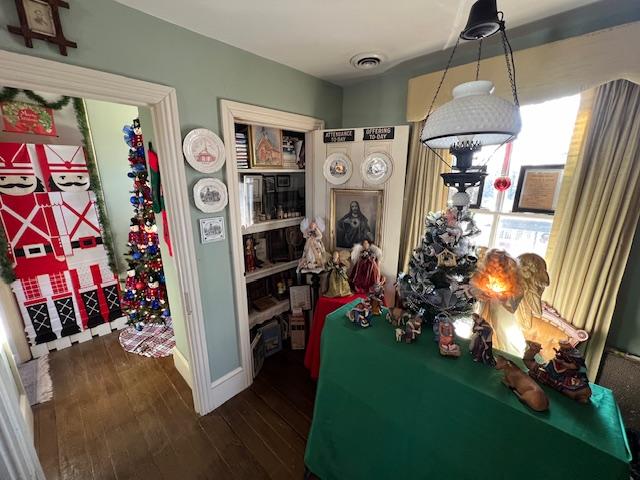
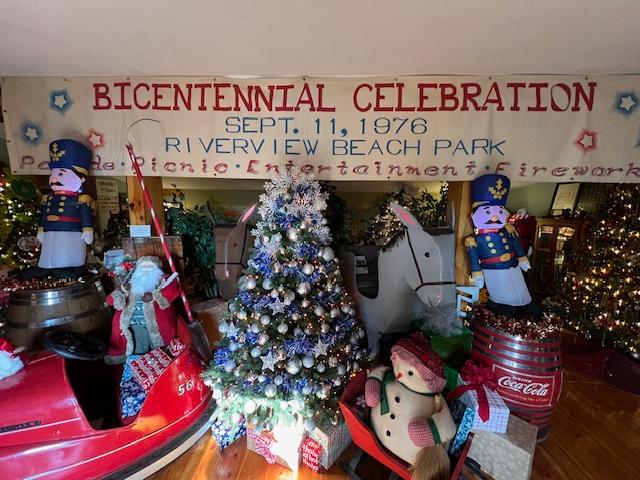
The theme this year is “Toy Soldiers”.
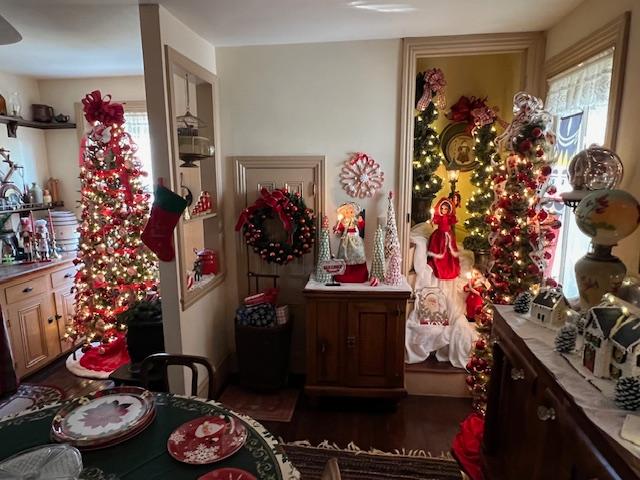
We entered through the kitchen and Gift Shop area of the house towards the back and I have to say that every room was decorated to the hilt with beautiful trees and decorations. There was not one corner of the house that was not decorated beautifully and tastefully.
The museum gift shop just off the kitchen.
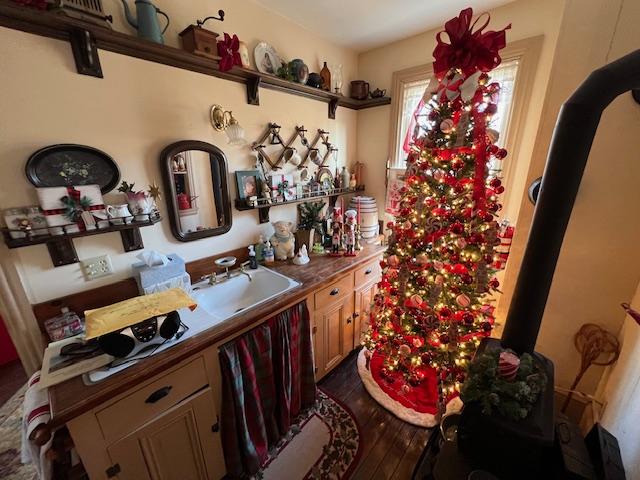
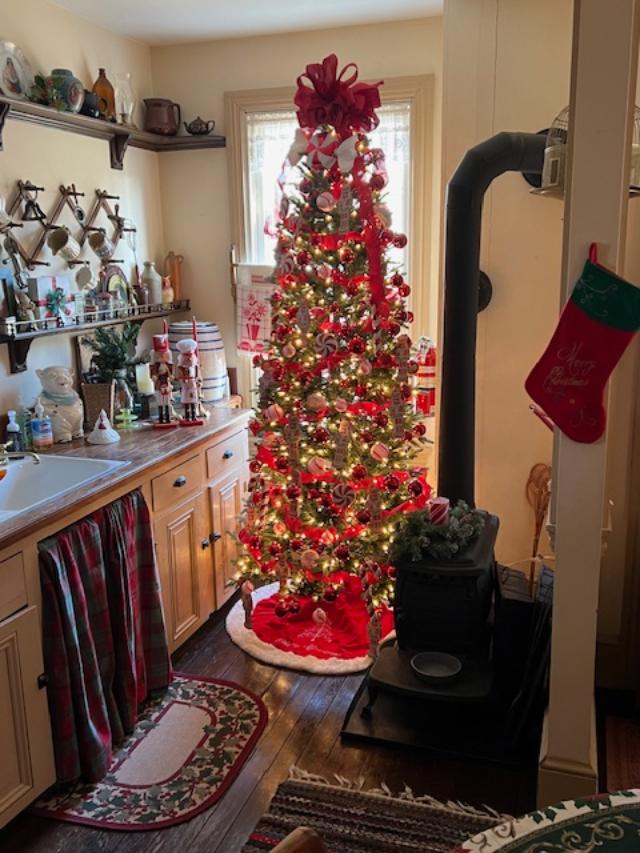
The kitchen in the Church Landing Farmhouse.
The kitchen at the Church Landing Farmhouse.
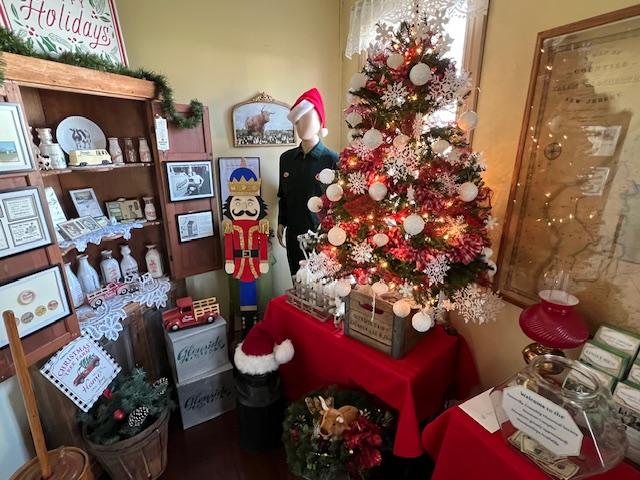
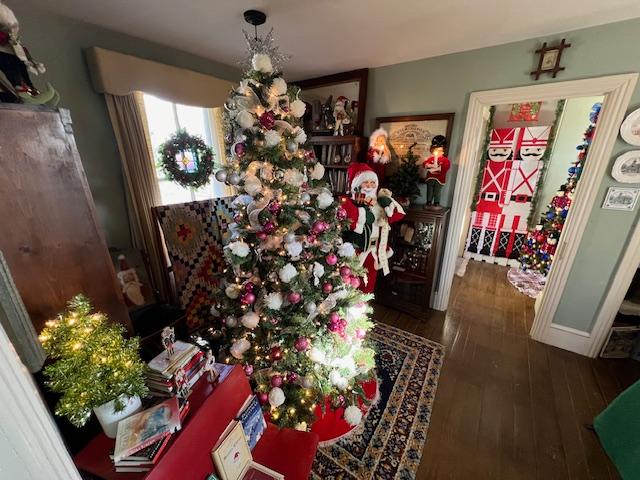
The Christmas tree in the kitchen of the Church Landing Farmhouse.
I was lucky in that I had a personal tour with the President of the Historical Society and she took me room by room explaining who designed and decorated the rooms and the detail work that went into them. We went room by room to see all the decorations.
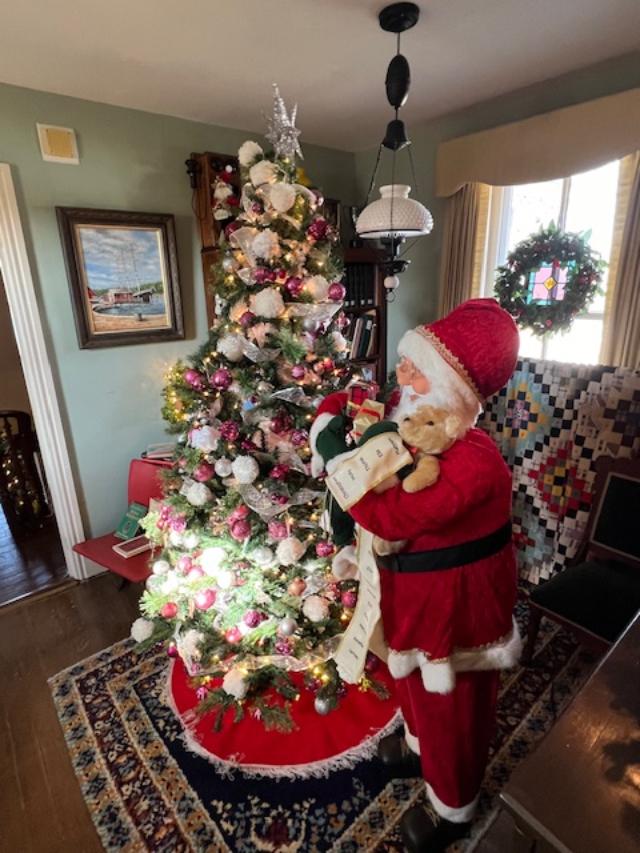
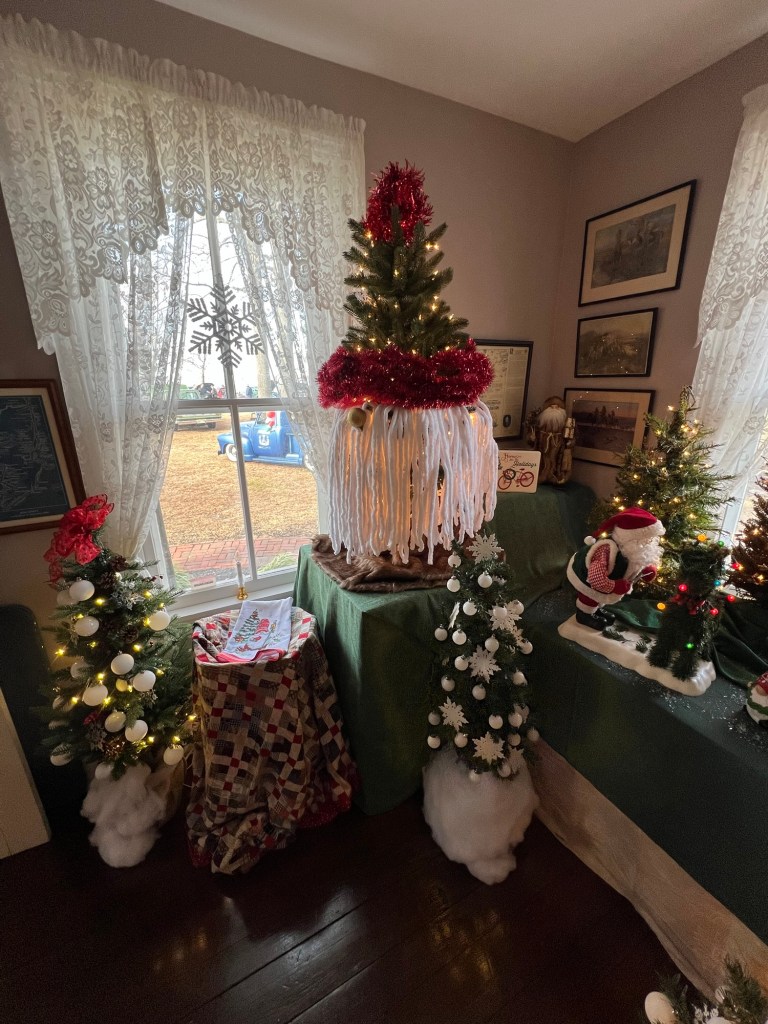
The Living Room was decorated with all sorts of interesting decorations.
The Living Room tree with Santa standing guard.
The Christmas tree in the Living Room
a
The Living Room during the rest of the year
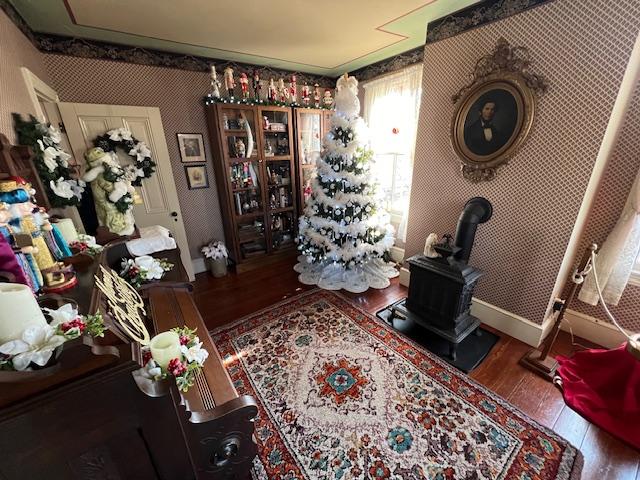
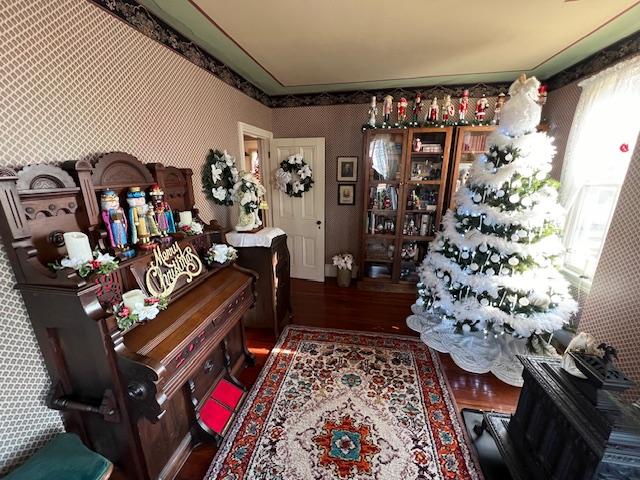
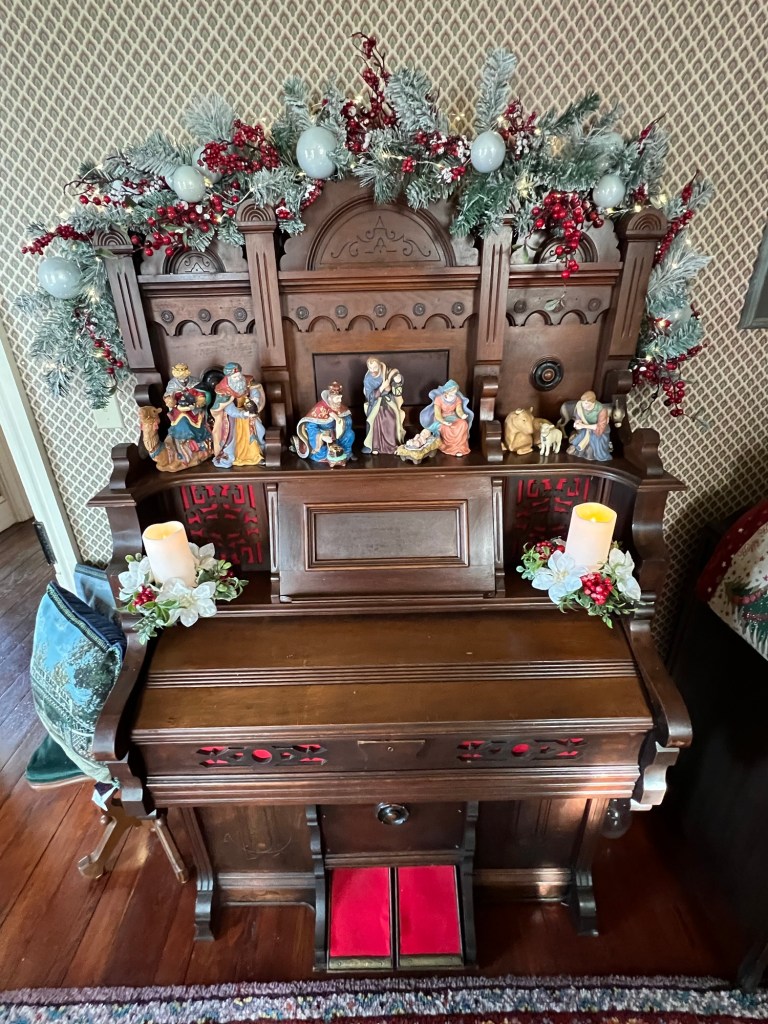
The next room we visited was the Music Room with its piano as the center of the room and a beautiful Christmas tree off to the side of the room.
The Music Room at the Church Landing Farmhouse.
The Music Room Christmas tree
a
The Parlor during the rest of the year
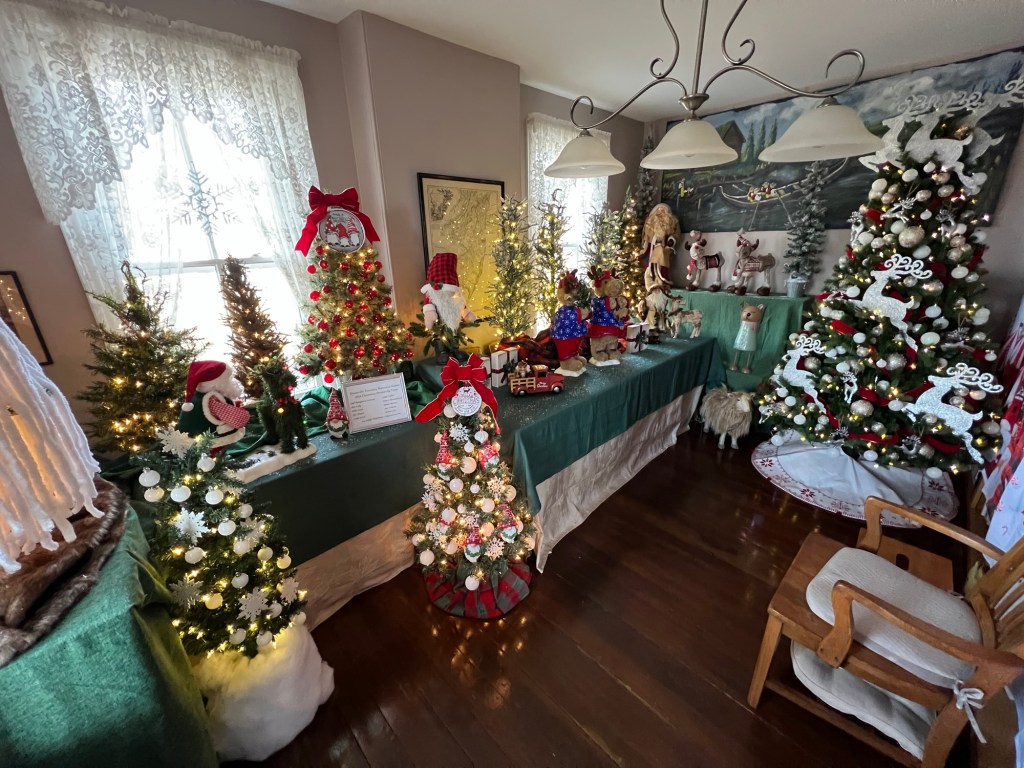
The next room was the Dining Room set for Christmas dinner.
The Dining Room set for Christmas dinner.
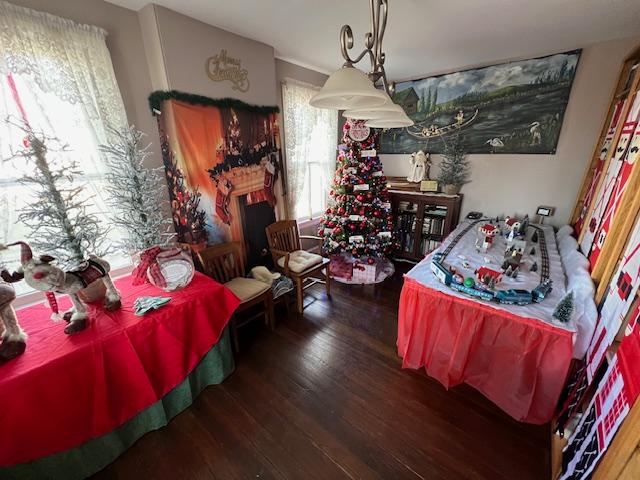
We then entered the room that Santa met all the visitors when they were at the Open House. The area was just off the foyer and was the first room that greeted visitors once they walked through the front door.
The Santa Room with a train set.
Santa and Mrs. Claus seats in the front parlor of the house.
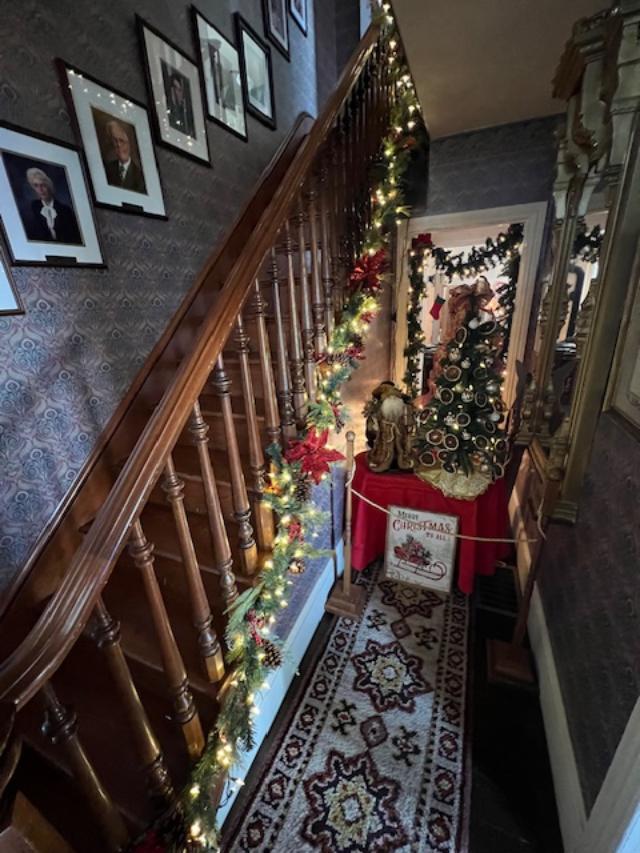
The decorated staircase and hallway of the First Floor.
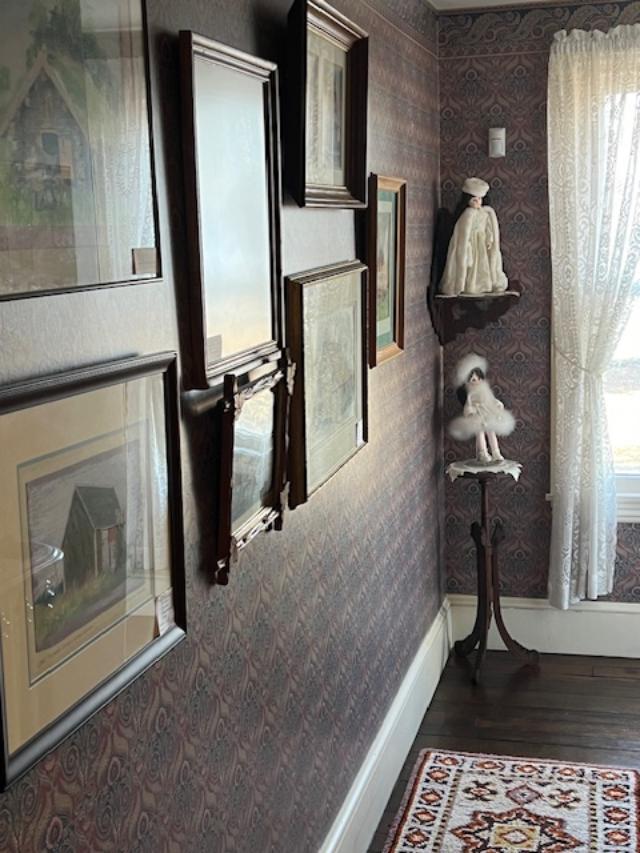
The Upstairs hallway with dolls.
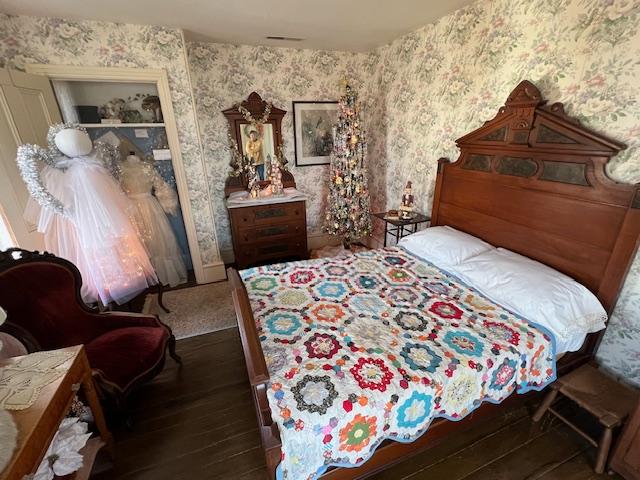
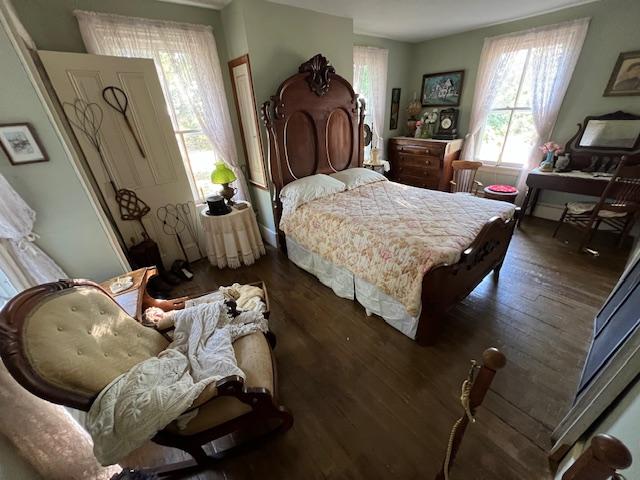
Bedroom One
Bedroom One
The Bedroom during the regular months
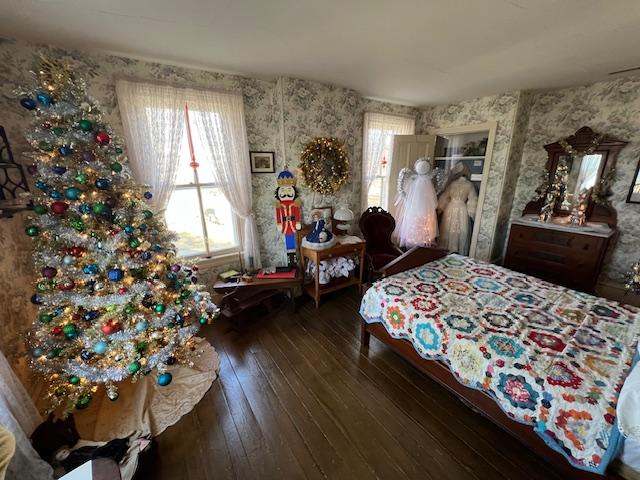
Bedroom Two
The Bedroom during the regular months
The new dollhouse that was donated
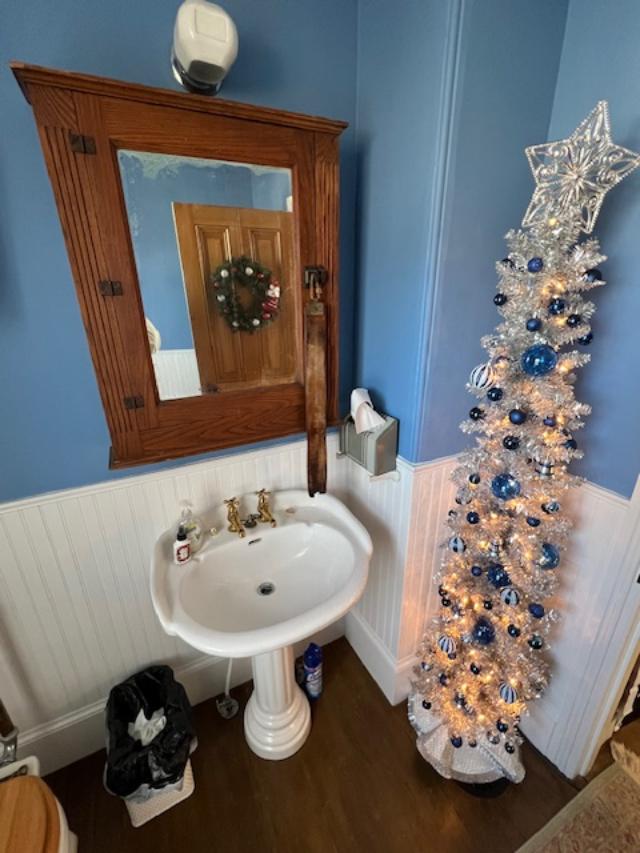
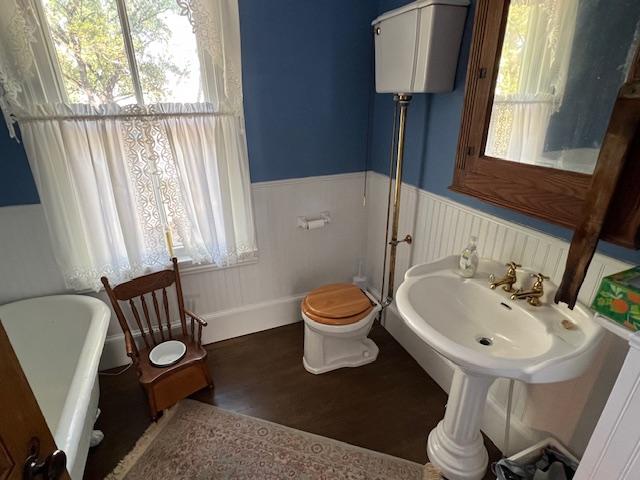
The Upstairs bathroom
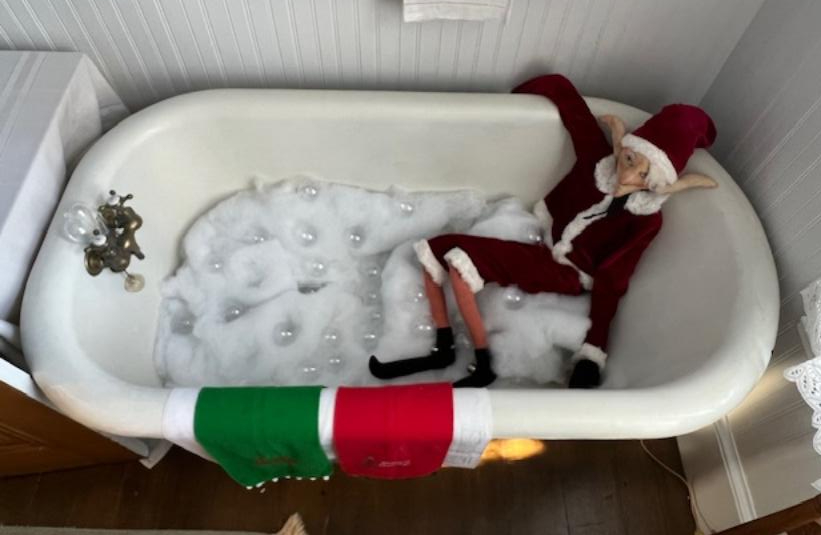
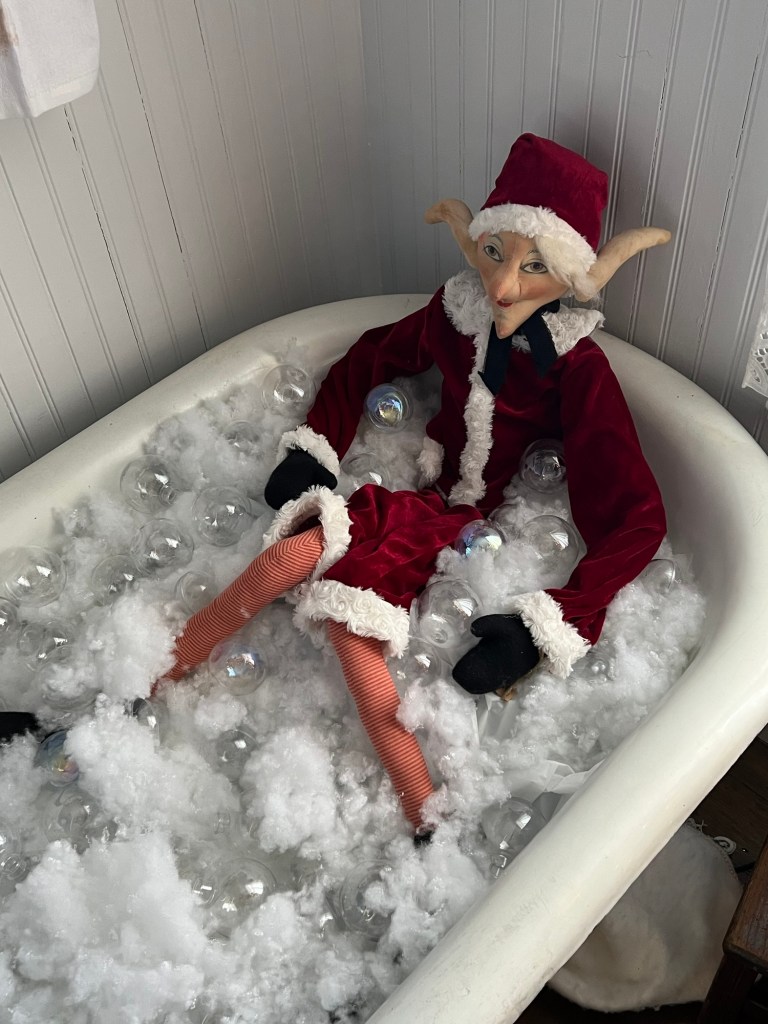
The Elf in the bathtub
a
The bathroom during the year
I thought this was quite unique was to see an elf in the bathtub of the upstairs bathroom. This little guy amused many visitors when he was just laying there in the tub with a smile on his face.
The nutcracker was standing guard when I returned to the first floor.
After I had toured the entire house, the three of us visited the smaller outer buildings that had also been decorated for the holidays. These included the Schoolhouse display, the Amusement Park display, the Military display and the High School displays. Each was decorated with their own them and was unique in its own way.
The Amusement Park display in the Riverview Beach Park building:
The Amusement Park display.
The Amusement Park display
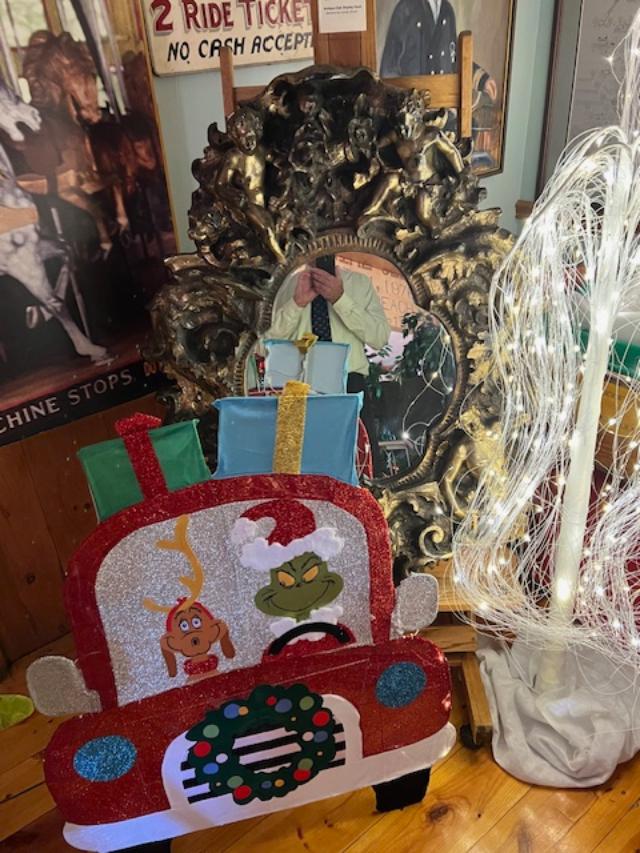
The Amusement Park display with one of the original carousel mirrors.
The Riverview Beach Park Display in the Amusement Building.
The Amusement Park display.
The Amusement Park display.
The display of the original park
The Amusement Park display
The Amusement Park display
The Amusement Park display
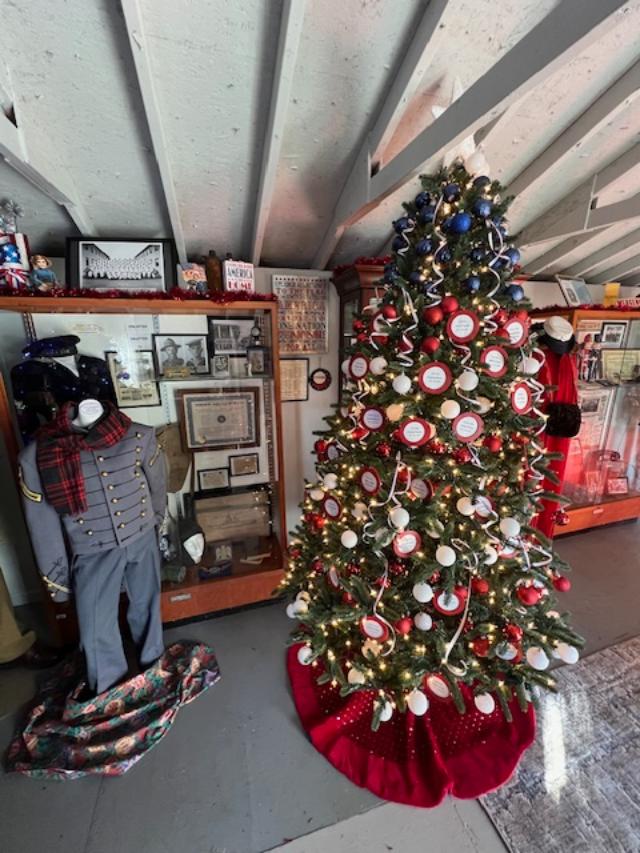
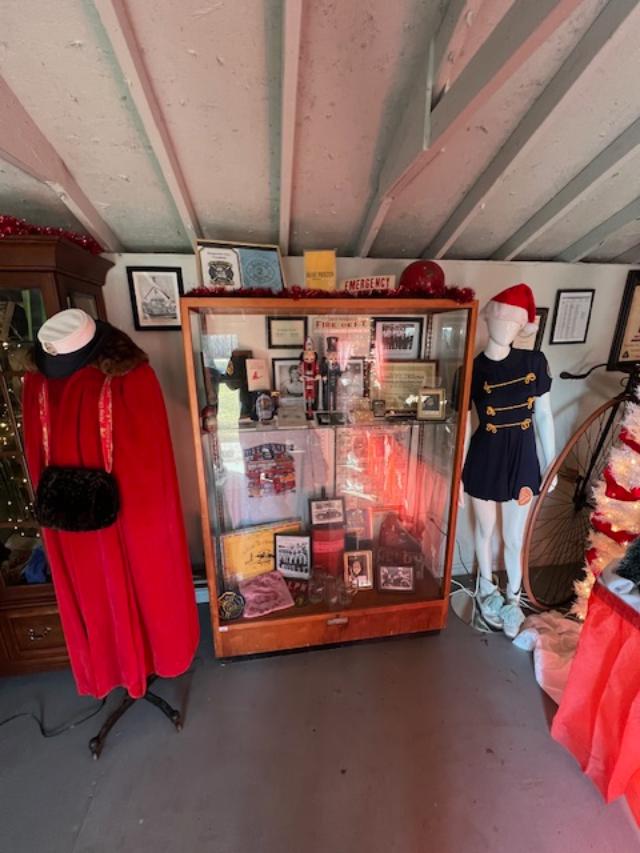
The next building we visited was the Military display in the Veteran’s Building. Every corner of the room was decorated to the hilt and honored local members of the local military.
The Military Building
The Military Building
The Military Building
The town history building
The next building was dedicated to the local schools and bands. When it is not decorated, you can see all the Alumni objects from the local high schools including uniforms, composite pictures and trophies.
Pennsville School display
The High School displays.
The School displays.
The Christmas tree inside the High School building
The Town and High School History building
The High School display
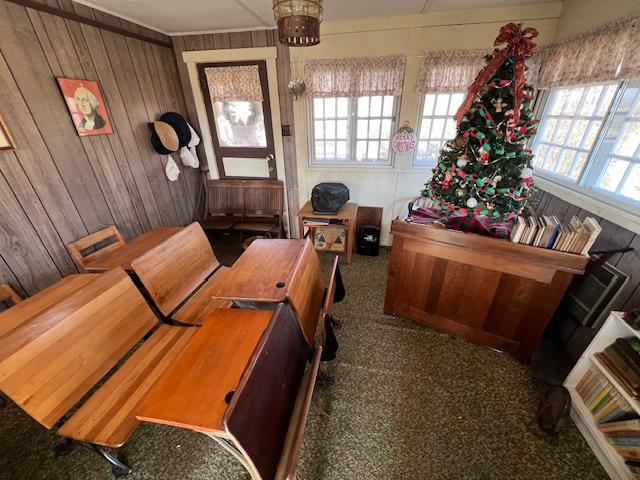
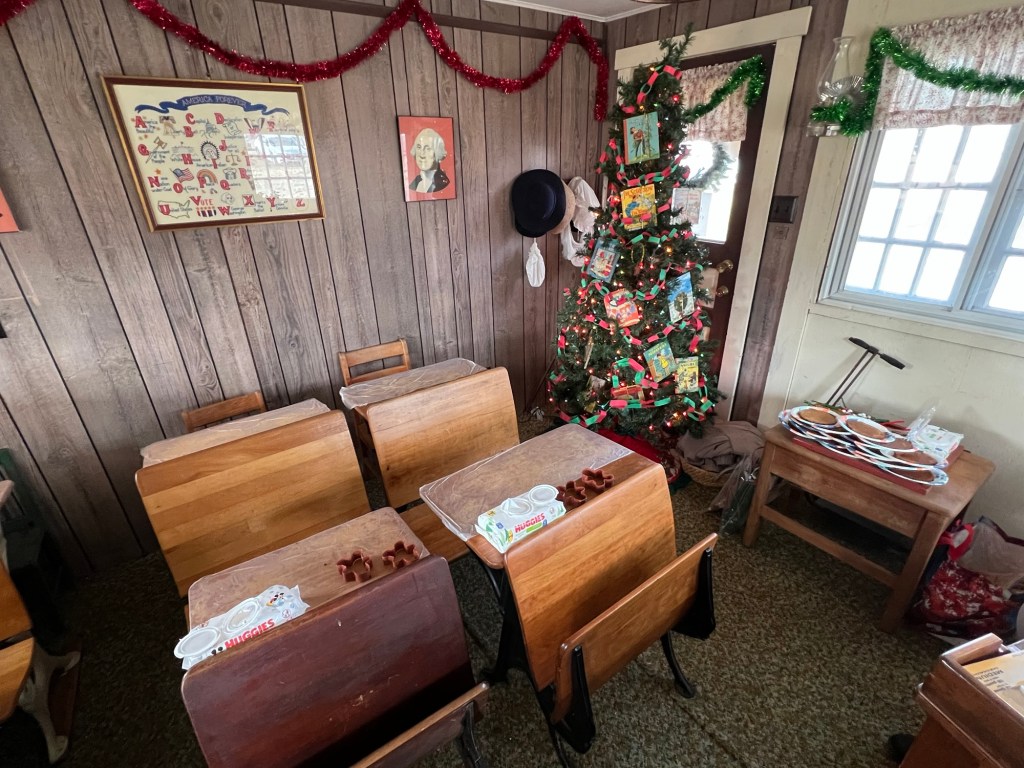
After we left this small set of buildings, we went to the old Schoolhouse display on the other side of the farmhouse. That was set up as a school room circa 1900.
The Schoolhouse by the side of the main farmhouse.
The inside of the School House.
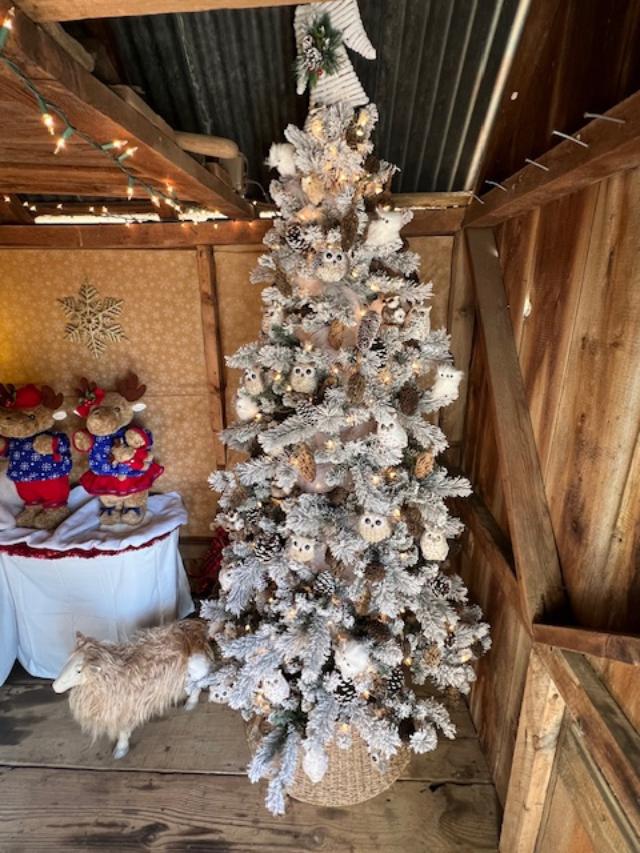
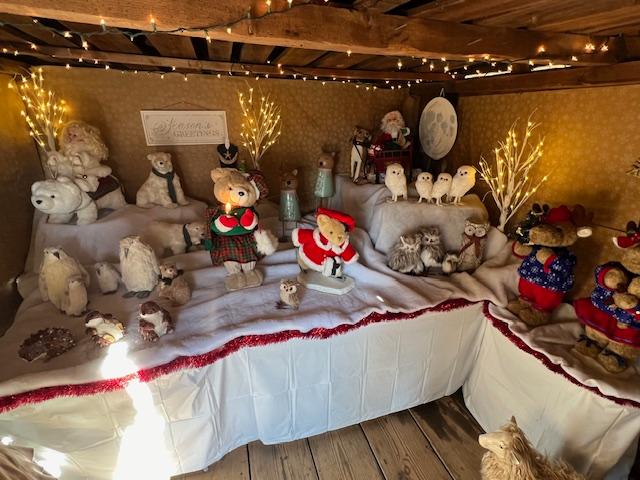
The Stuffed Animal display
After I had finished walking around the buildings with the President and one of the Board Members, we toured the property really quickly. On such a beautiful sunny afternoon, I really had a great view of the Delaware River and the Bridge.
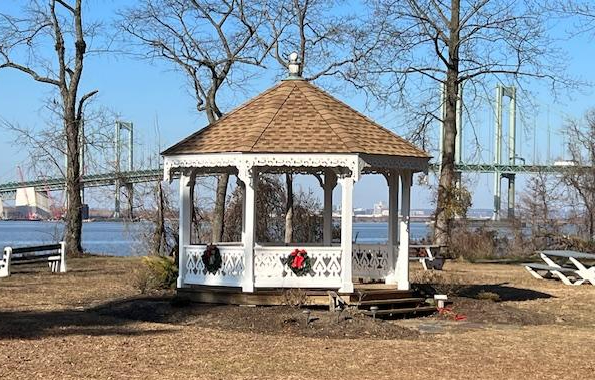
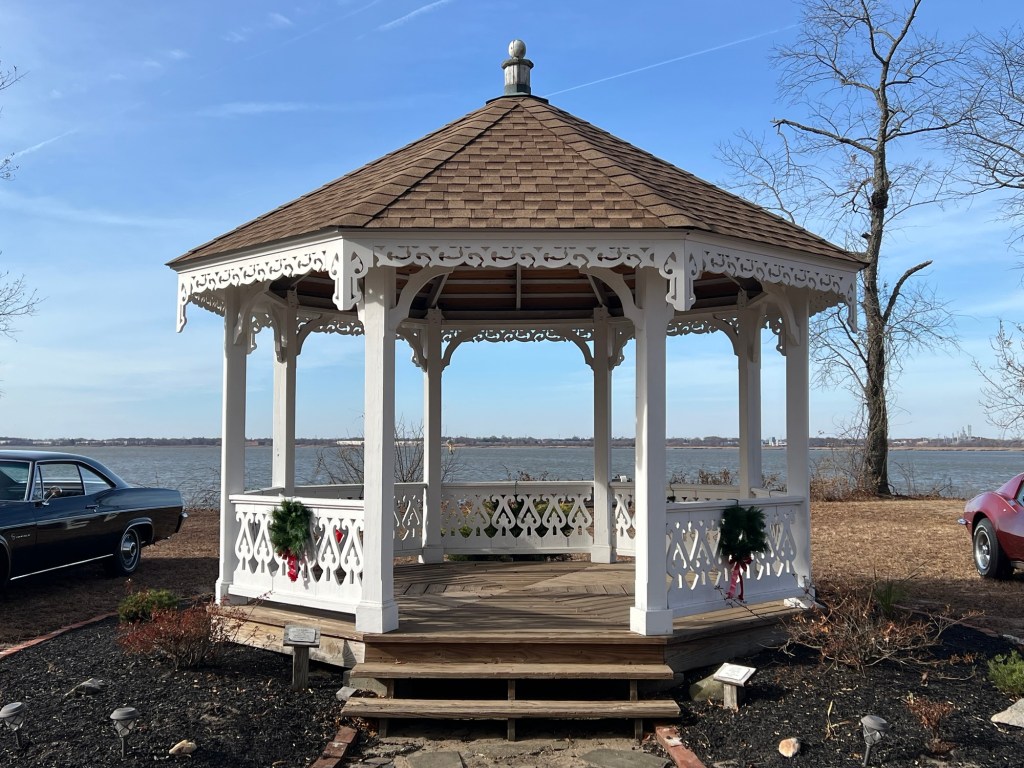
The Gazebo with a view of the Delaware Memorial Bridge in the background.
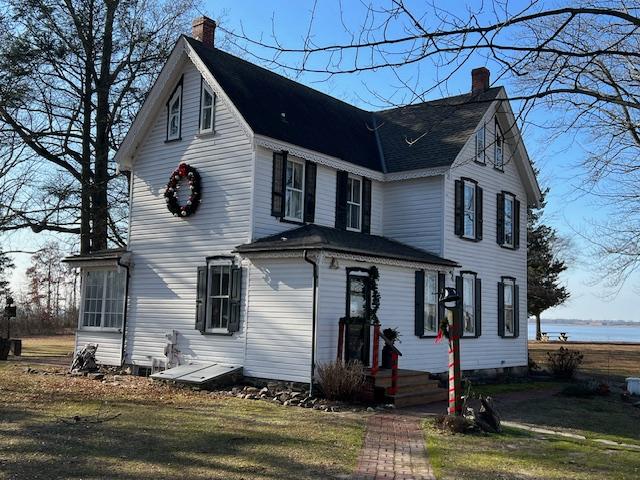
A close up view of the house as I was leaving.
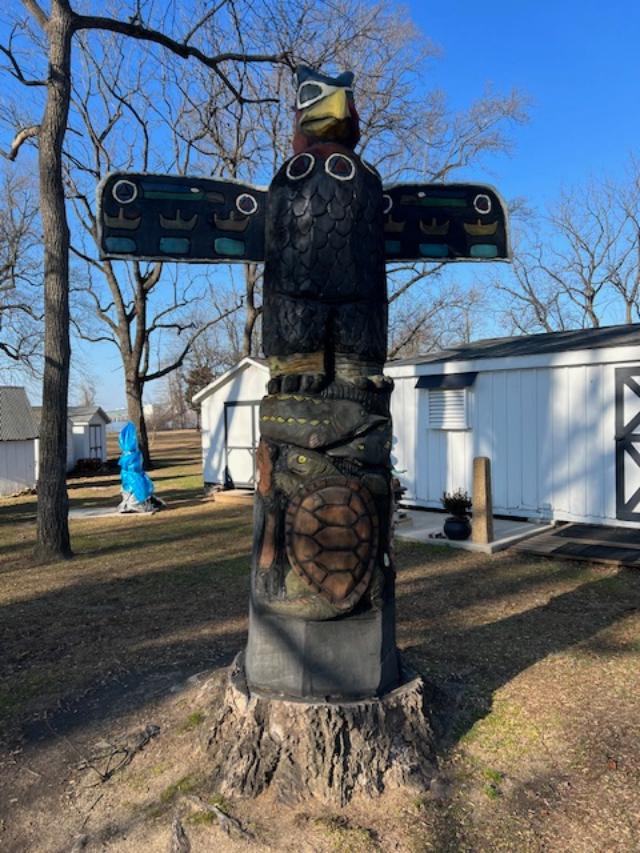
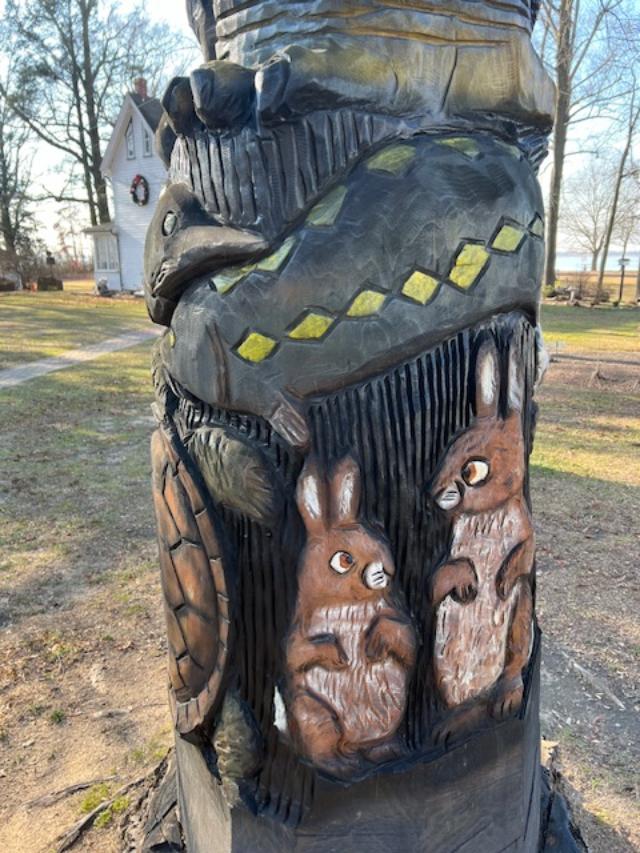
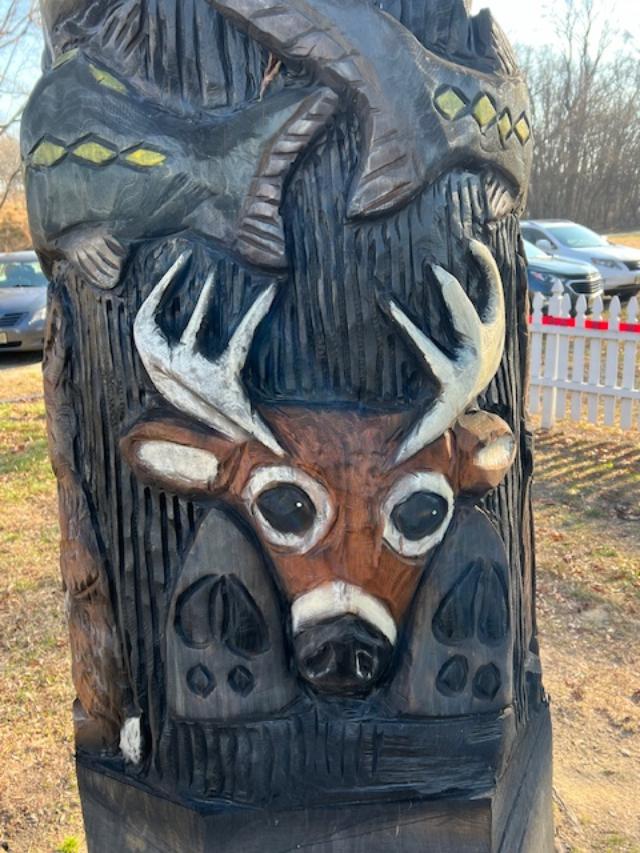
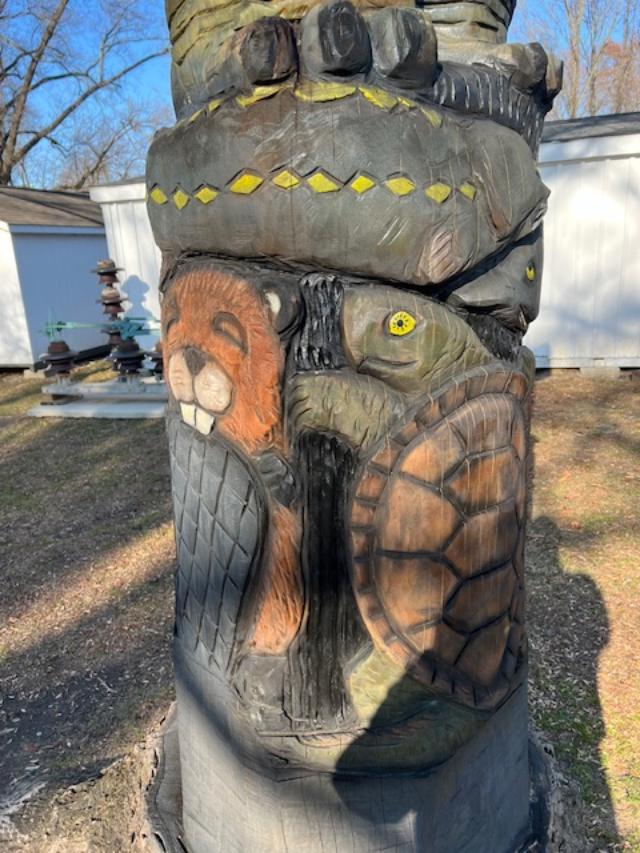
The last thing the ladies showed me was the Totem Pole that they had created for the site. I thought the carvings were really original.
The Totem Pole of the Pennsville Historical Society property.
Carvings on the Totem Pole.
Carvings on the Totem Pole.
Carvings on the Totem Pole.
It was an amazing tour in a very underrated museum that has so much to see and experience during the holiday season. This display closed as of the last week of December before Christmas and if you have not experienced this year, I suggest making a trip starting next December to see this magnificent display of Christmas trees and decorations that dazzle the eyes with their colors, designs and sheer glitter. It was one of the best Christmas displays I have seen in a long time.
The History of the Church Landing Farmhouse/Penn Township Historical Society:
(From the Pennsville Township Historical Society website):
The Church Landing Farmhouse was built in 1840 by Daniel Garrison. In 1991, the Atlantic City Electric Company provided structural renovations to the house and a group of dedicated volunteers from the community restored the farmhouse and grounds to their current glory.
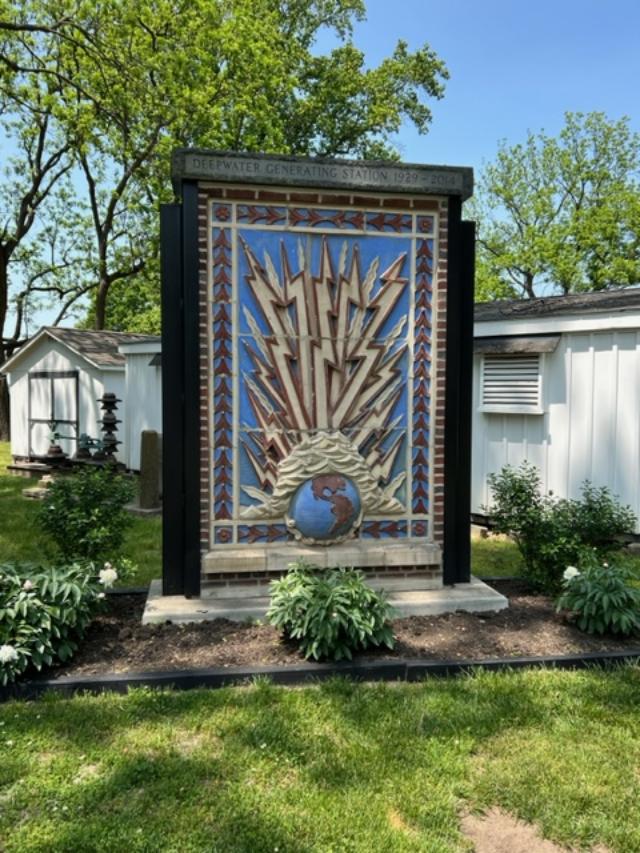
The Church Landing Farmhouse grounds currently house a 130 year old Floating Fishing Cabin, a 100 year old Wash House owned by Pennsville Physician Dr. James, the 100 year old Perry Farm Privy (the farm is located on the Pennsville-Salem Road), the Riverview Beach Park Museum, a 1929 Art Deco Tile from the original Deepwater Generating Station building, a one room Schoolhouse, and the historic records that features PMHA, Salem and SCCS Yearbooks, local genealogy, Township Obituaries (2010-2020), Federal NJ Township Census Records and local history.
The Art Deco Tile from the Deepwater Generating Station Building
The displays at the museum feature newspaper clipping and a section on local newsman Bill Gallo Jr., police, fire and military from the area, high school yearbooks and displays, ferry and excursion ships, antique looms, sewing machines and spinning wheels, antique tools and church records.
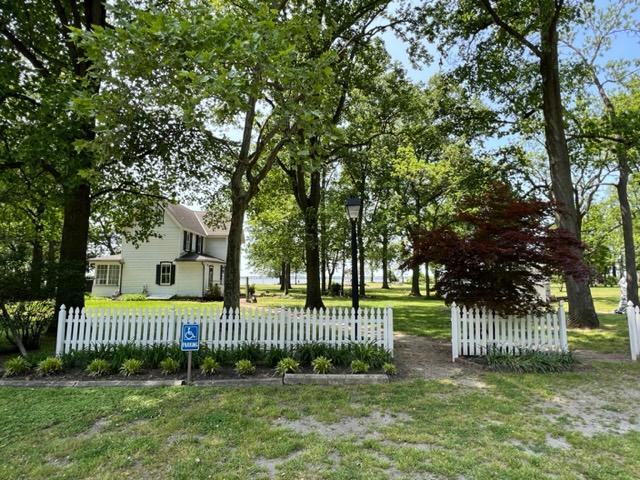
The Church Landing Farm estate from the parking lot
The Bay lawn in the Summer of 2024
Visiting in Christmas 2024:
I returned again for the Christmas Open House in 2024 to see another dazzling array of decorations and Christmas trees.
The Church Landing sign was decorated for the holidays
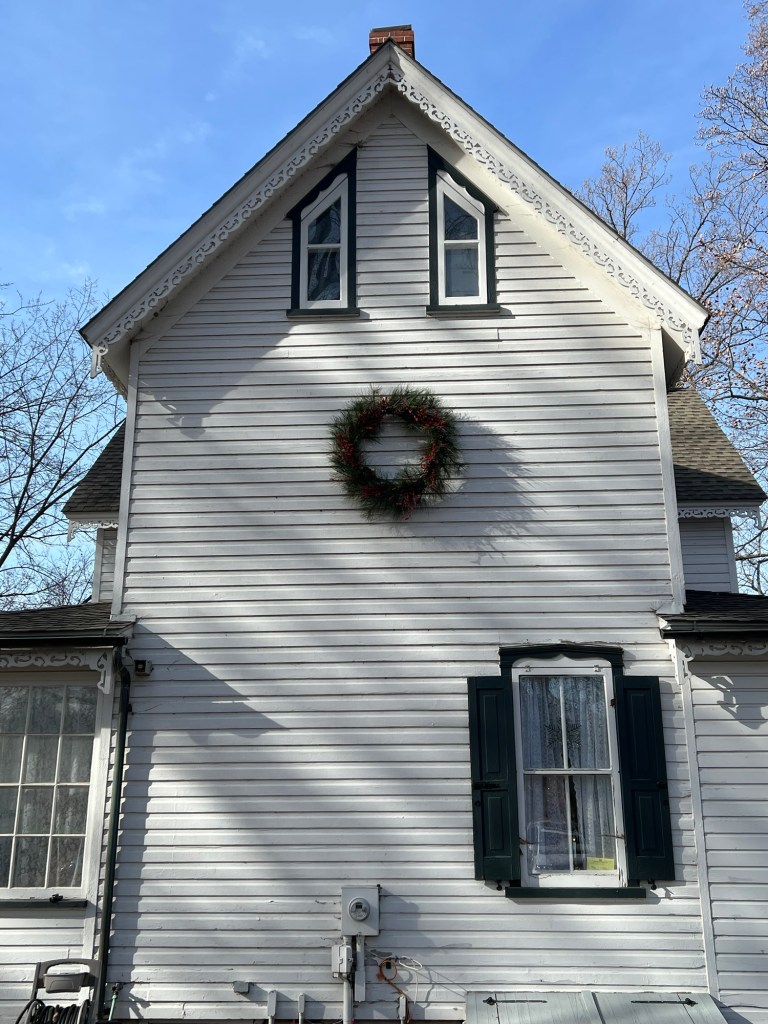
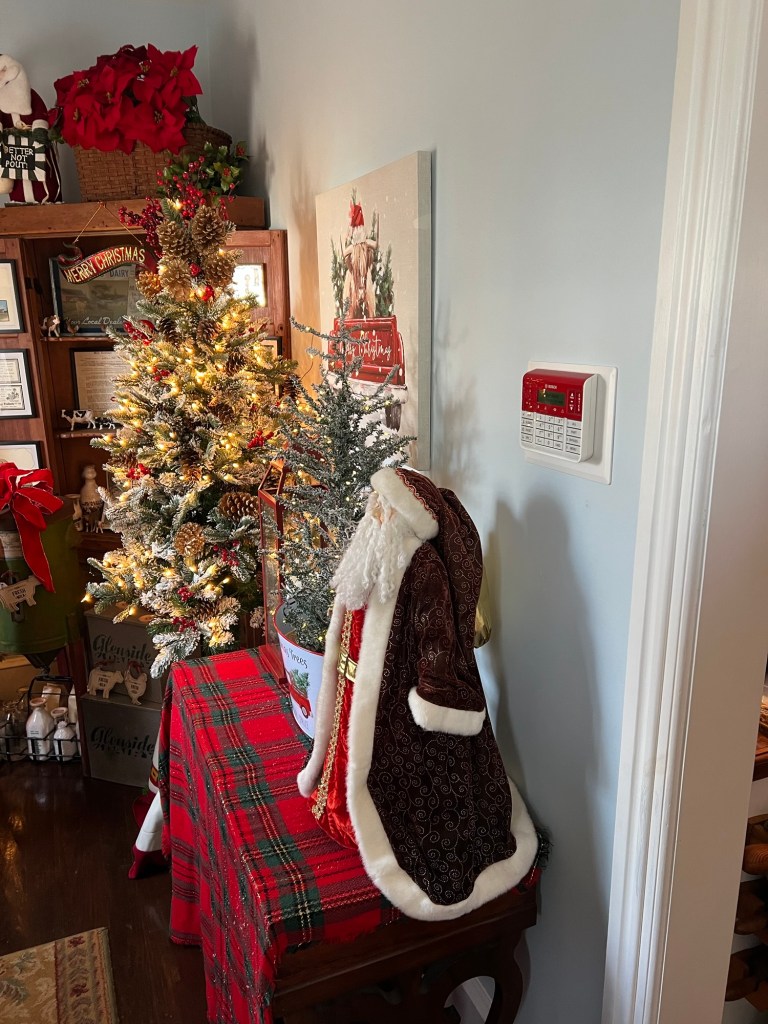
Every inch of the house and grounds was decorated for the holidays
The main house looked very festive for the holiday season
The Gazebo overlooking Delaware Bay
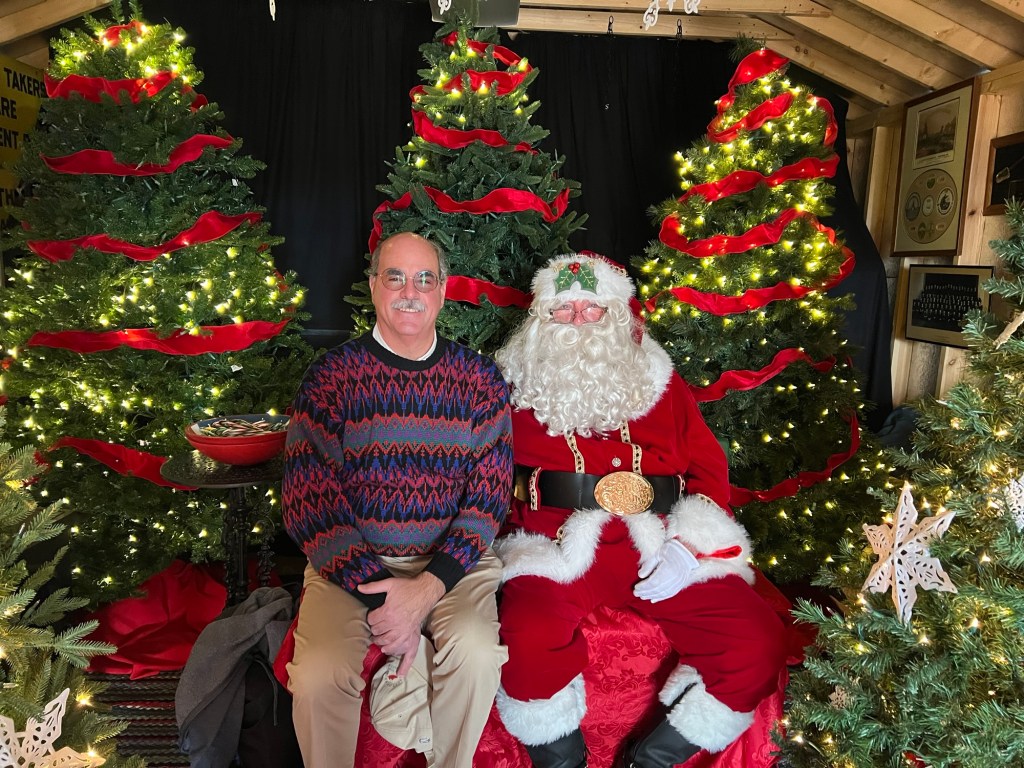
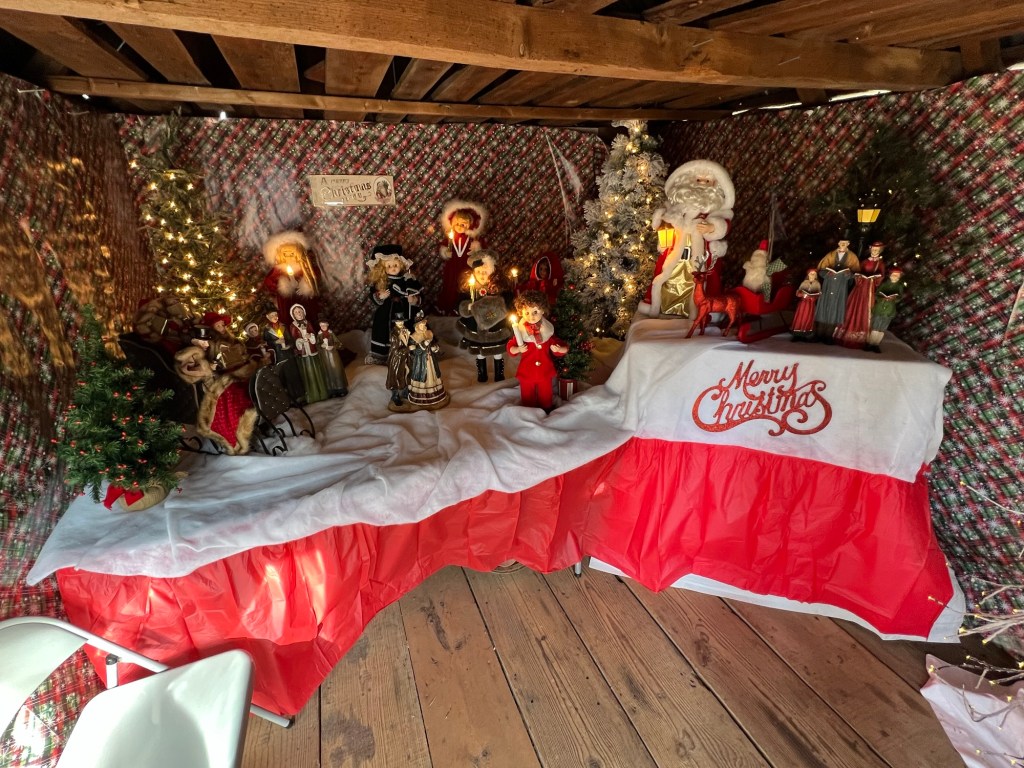
Since I got to the site when the estate first opened, the first thing I did was visit Santa and Mrs. Claus in their Santa shed. What nice, engaging, people they both were, and we were able to have a nice conversation about the care of elders in modern society today. I never realized the Claus’s were so insightful on current issues.
Santa’s Shed at Penns Landing
Santa and Mrs. Claus holding court in the private shed
Me giving Santa my list of wishes and telling him that I was not naughty
The beautiful decorations in the shed
I moved onto the Amusement Shed that I enjoyed touring over the summer. the decorations here were really elaborate.
The Amusement Park shed decorated for the holidays.
The bumper cars decorated for the holidays
The rides and amusement decorated
The rides and amusements decorated
The rides and amusements were nicely decorated
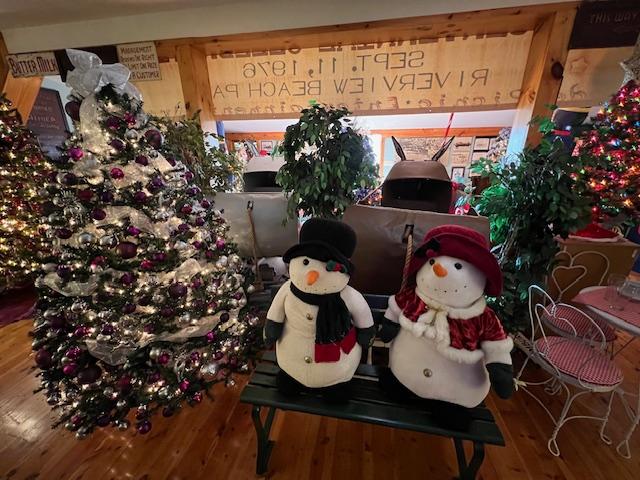
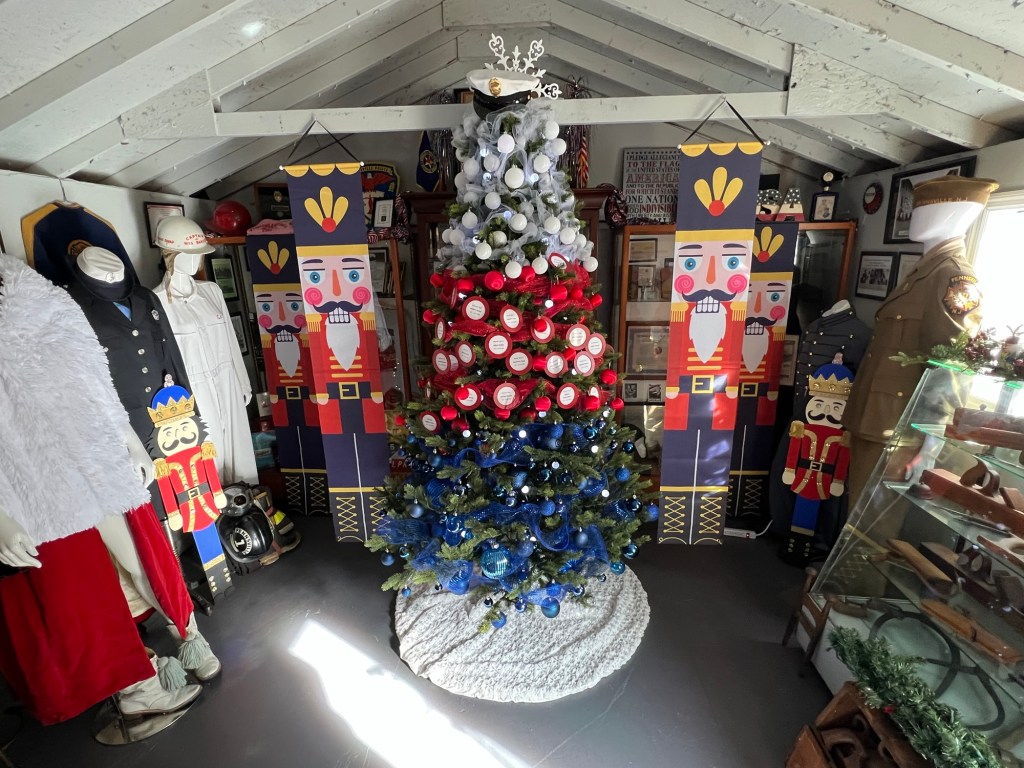
I then moved to the Military Shed which I barely recognized with all the decorations.
The patriotic colors of the holidays
Santa figures bowing and dancing
The unique trees
The Military Christmas
The Marching soldiers in the Military Shed
After touring the sheds, I toured the historic house on the property. Each room was more impressive than the next.
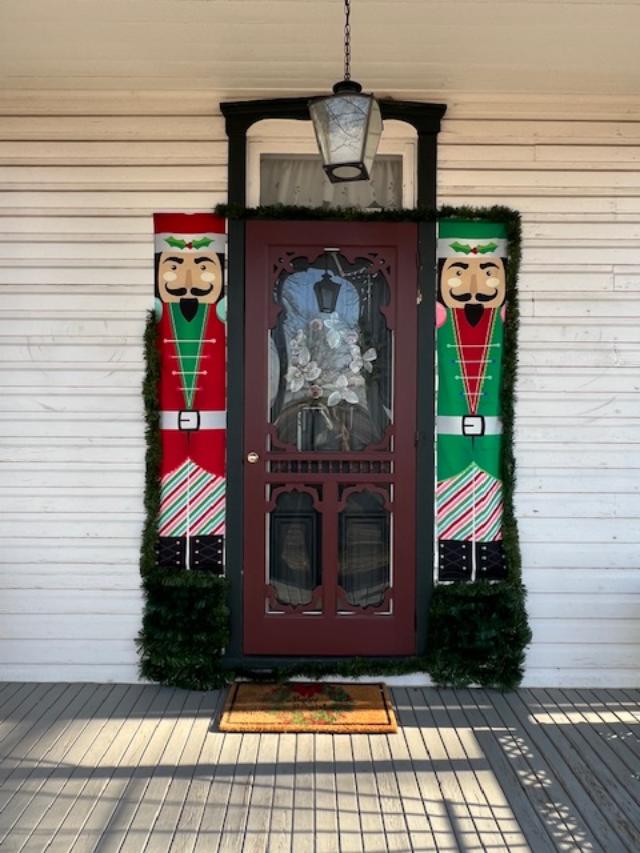
The entrance to the Church Landing Farm Home
The first-floor reception room
Taking pictures in the Reception Room
The Staircase decorated on the first floor
The Living Room piano
The decorations in the Living Room
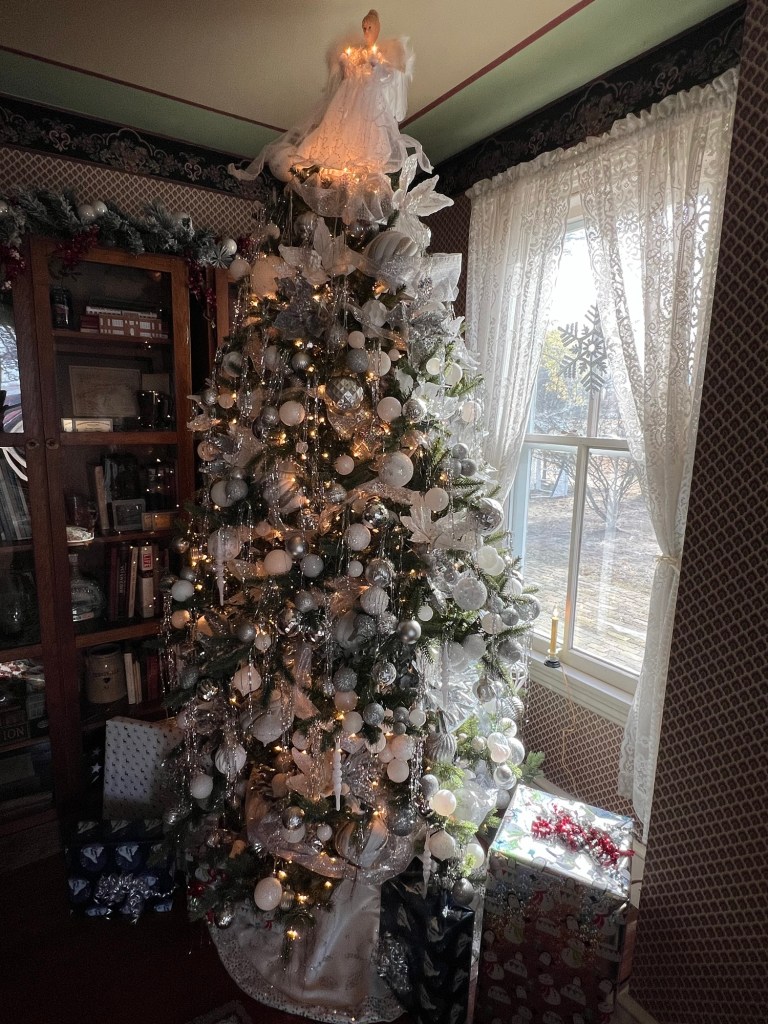
The Christmas Tree in the Living Room
Decorations in the Parlor
Santa’s in the Parlor
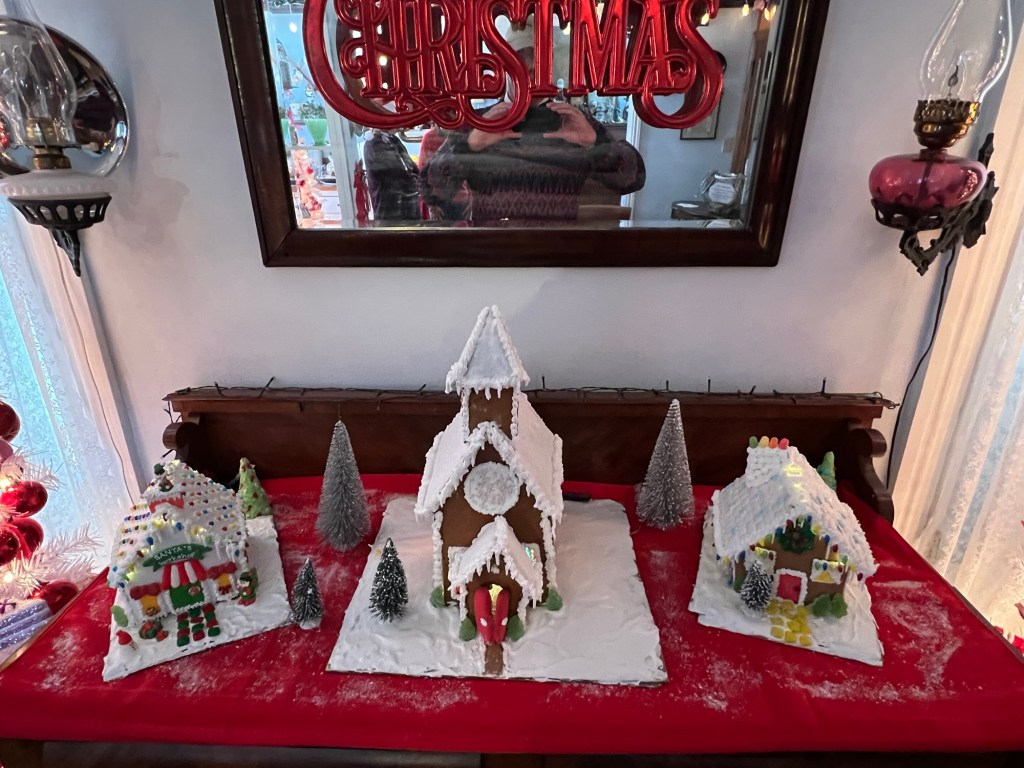
Gingerbread houses in the Parlor
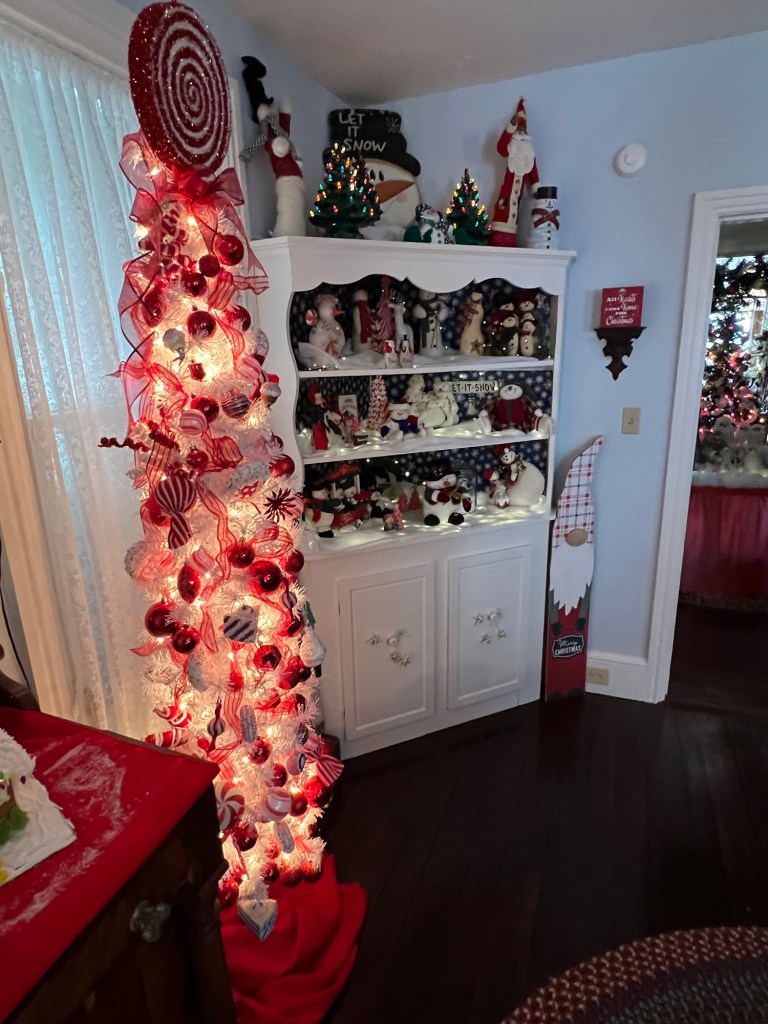
The Parlor decorated with Santa’s and Christmas trees
Decorations in the Kitchen
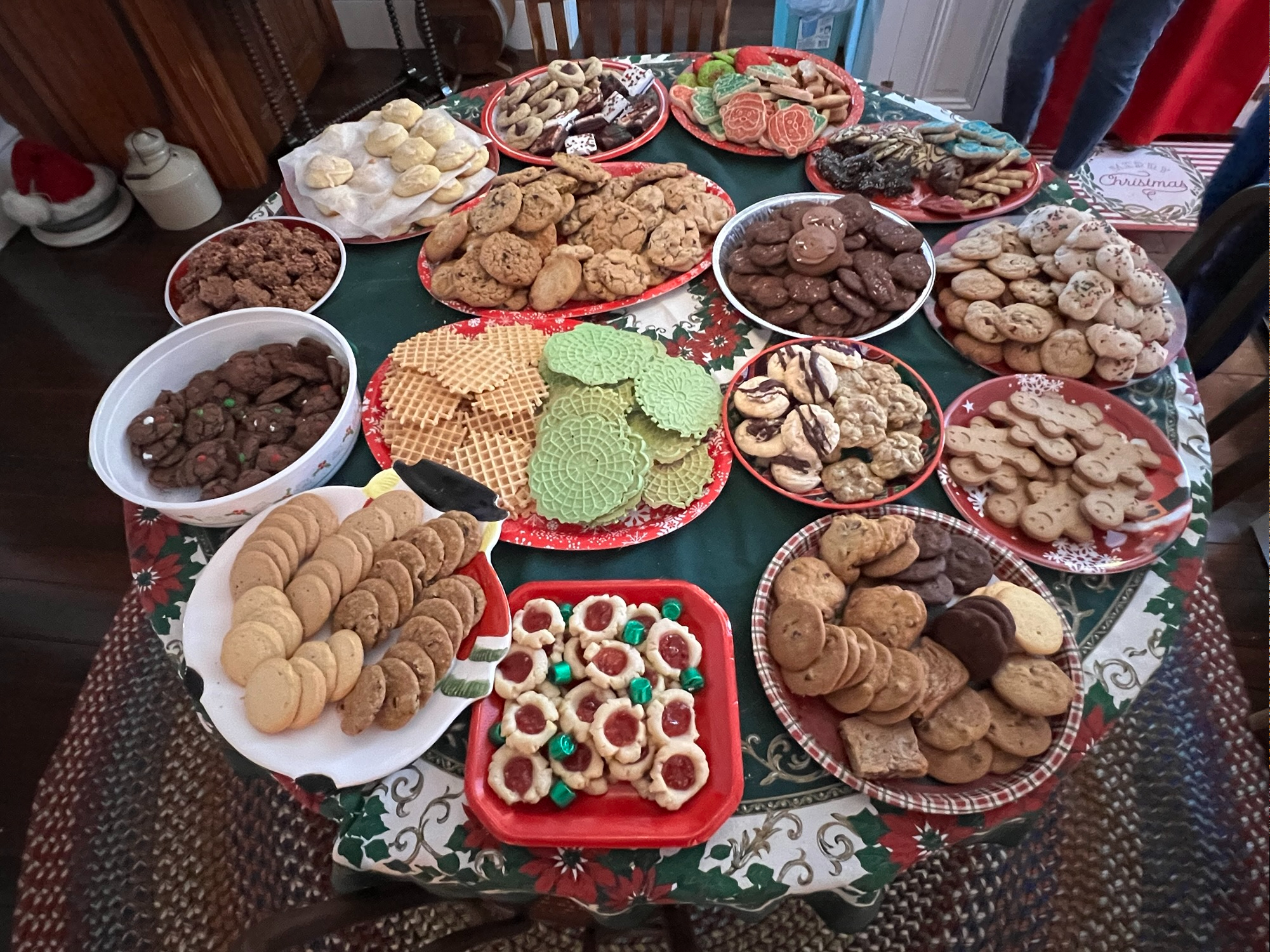
The selection of cookies and refreshments to enjoy the afternoon of the Open House
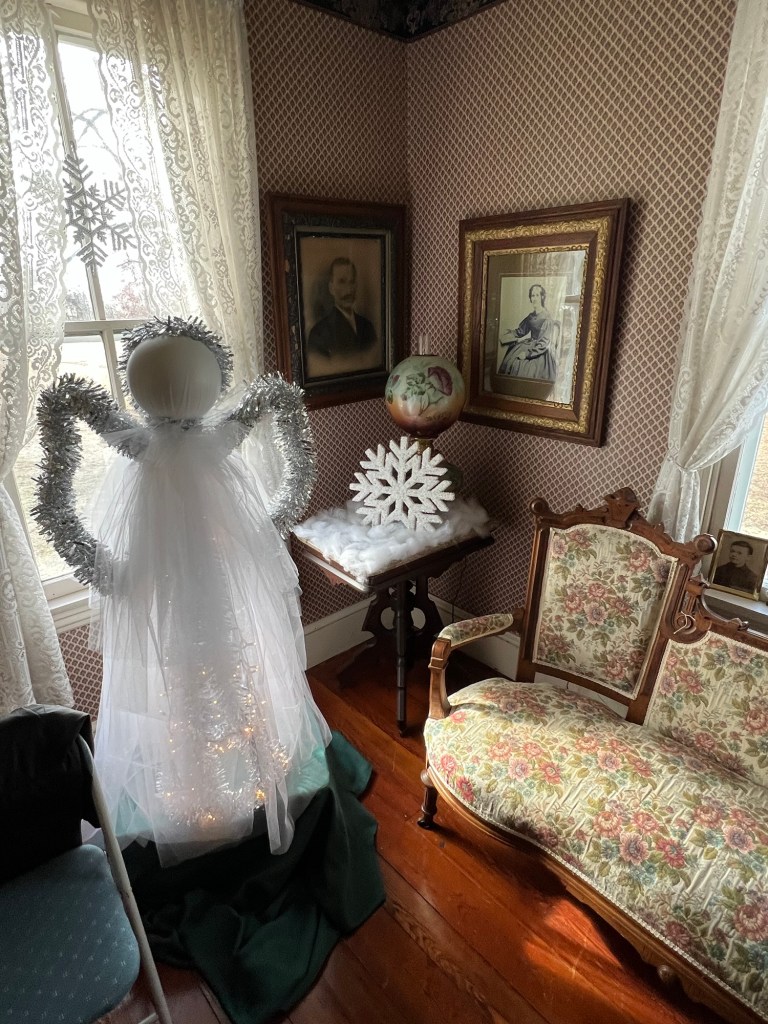
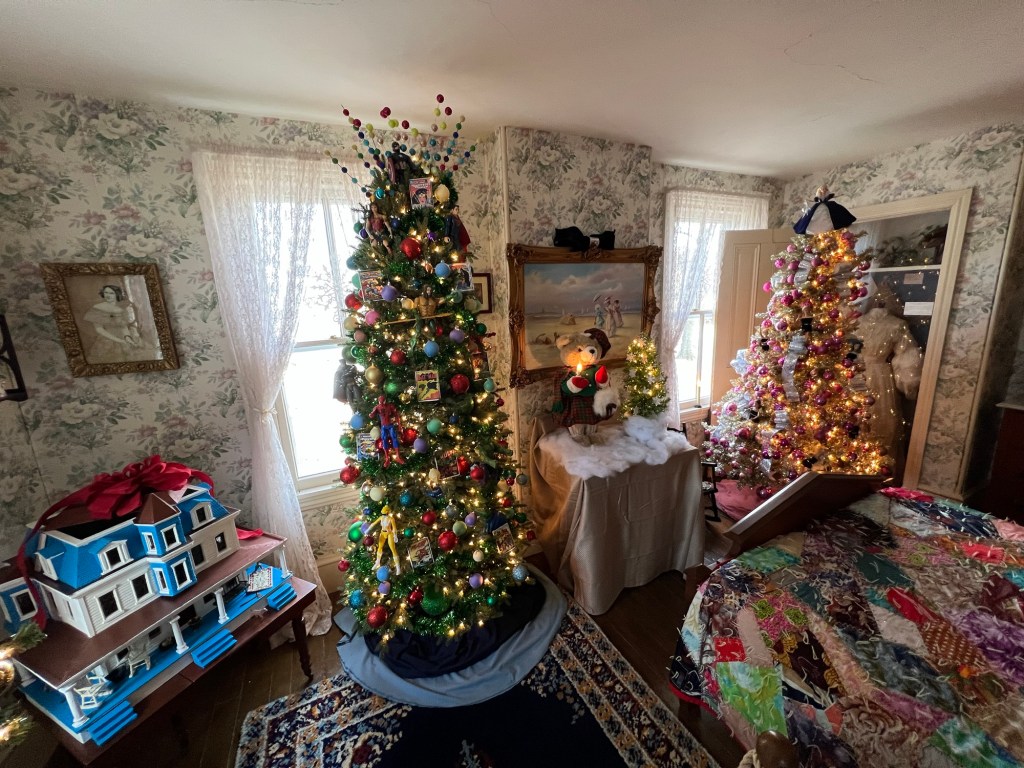
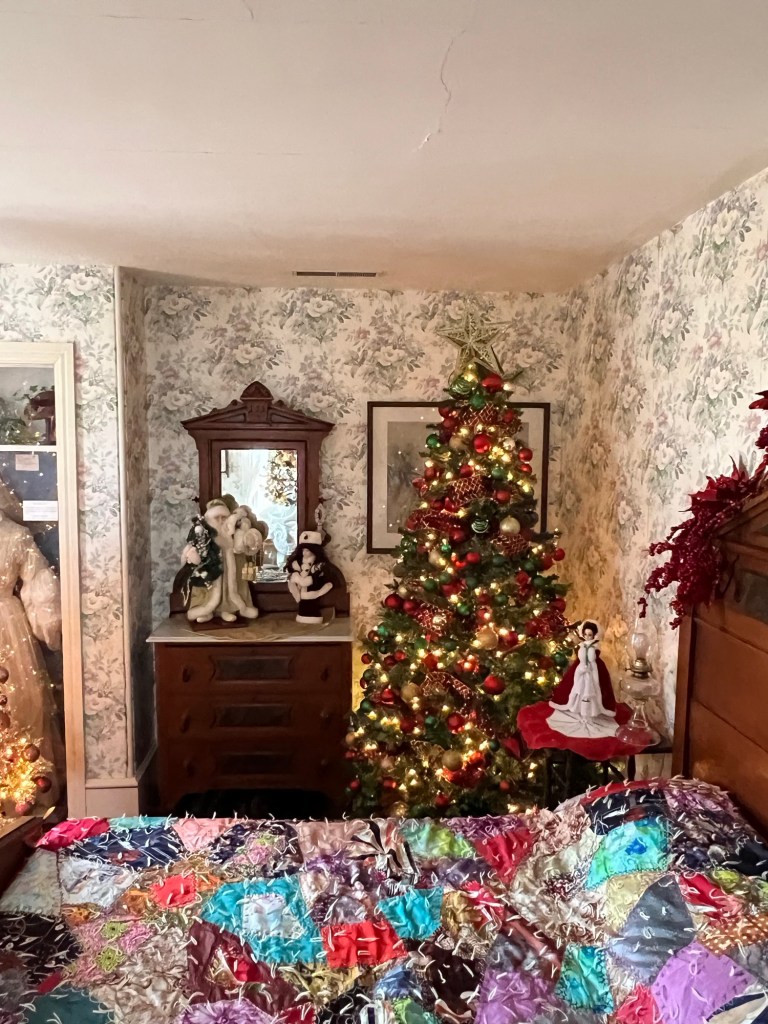
The beautiful trees in upstairs bedroom
The larger tree in the bedroom
The decorations in the second bedroom
The decorations in the second bedroom
The decorations in the third bedroom
The decorations in the third bedroom
A visitor in the decorated bathroom
The little bathing in the bathroom
The Christmas tree on the second floor landing
The Christmas tree on the landing
The Christmas tree on the landing
I finished touring all the beautiful decorations in the main house and then I visited the small schoolhouse in the yard to see its decorations.
These are the delightful decorations in the schoolhouse
The schoolhouse decorated for the school holidays
The Church Land Farmhouse decorated for the holidays
The Church Land Farmhouse decorated during the holidays in 2024.
It was a very nice afternoon and there was a lot going on with a car show, beautiful decorations and wonderful refreshments in the kitchen for people to enjoy. The Pennsville Historical Society always does such a wonderful job with the decorations.
I was very impressed by the Nicholas Gibbon House when I took a tour one Saturday afternoon. There were no large crowds to deal with and the parking is perfect with plenty of room to move around. The grounds are beautifully landscaped with all sorts of seasonal flowers surrounding the house. When I visited, I thought I was mistaken, and it was someone’s home. There was a lot of care put into both the exterior and interior of this home.
The fields around the Gibbon House.
Nicolas Gibbon was a local merchant who moved to Greenwich in 1730 and continued to live here until the 1760’s. The tour guide explained to me that the townspeople would not let him build a church here (it was a Quaker region) so he and his wife decided to move out of the area. Richard Wood and his family moved into the house in 1760 and lived in the house until the 1920’s. Over that time, parts of the house were modernized and rebuilt. The Wood family later in the generations founded the WaWa store chain.
With the exception of the Nicolas Gibbon’s nephew and his wife’s portraits, all of the furnishings are not originally from the house. The downstairs is set up with a formal dining room and parlor area fully furnished in Victorian era furniture, paintings, rugs and silver. The silver collection of the house is very elaborate and some of the pieces came from the Hershey family of Pennsylvania.
The family portraits of the Gibbon nephew and his wife.
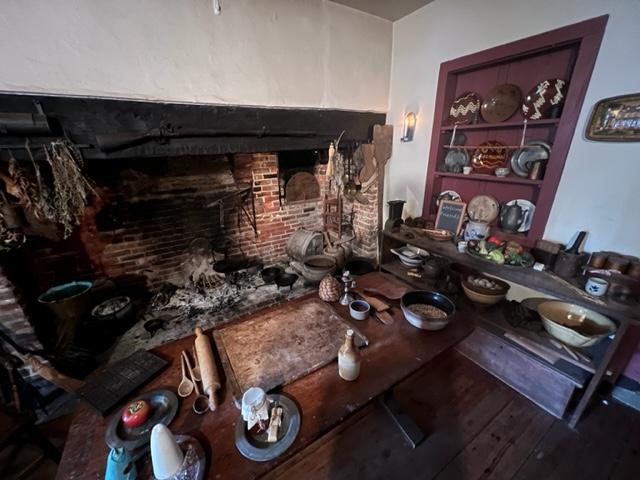
The library and study have rare books that were used for research as well as a working fireplace that was used for both light and heat. Downstairs is the kitchen with a large hearth and all the equipment and serving items for kitchen and dining use for the home.
The Parlor of the Gibbon House.
The Library at the Gibbon House.
The tour guide explained to me that during some of the past fundraisers, the hearth was used to cook foods of the time period that were served for events.
The Kitchen of the Gibbon House was used for cooking fundraisers.
The Kitchen Hearth is quite large.
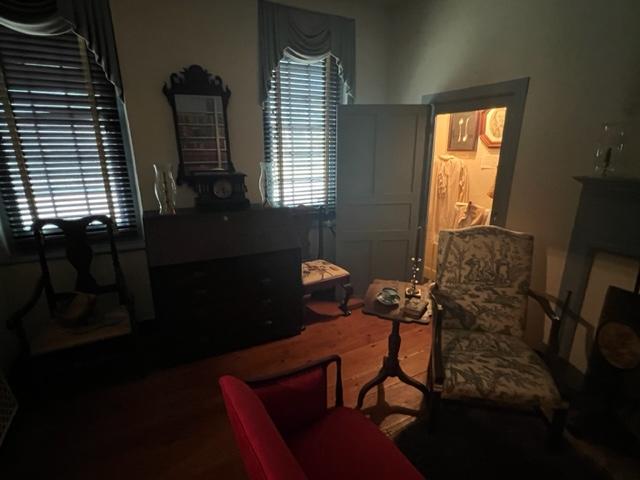
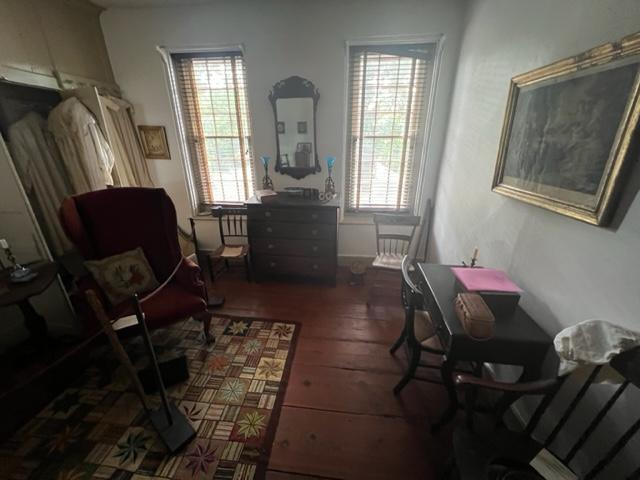
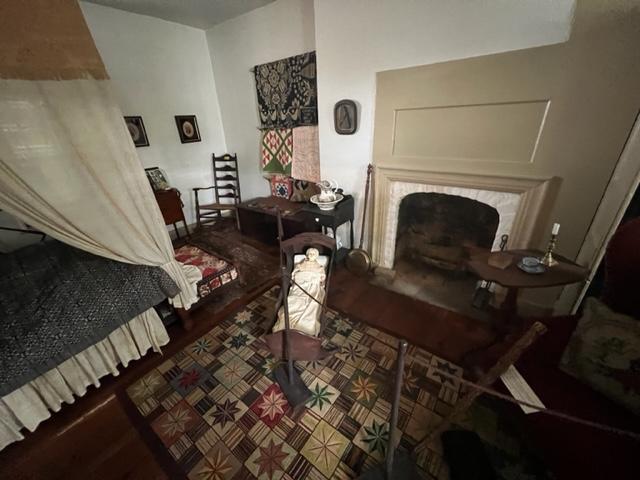
Upstairs you have an elaborate master bedroom with all sorts of formal furnishings for an upper middle-class family living in the area.
The Upstairs bedroom
The Master Bedroom upstairs at the Gibbon House.
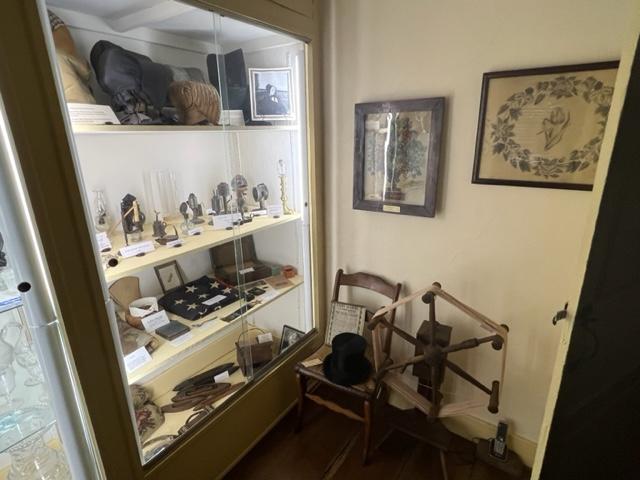
What was the interesting part of the second floor of the home was the “Everything Room”, which contained an extensive collection of toys and dolls, Civil War historic items, period clothing, bonnets, top hats and parasols, an extensive collection of quilts and Hair Art which was a Victorian tradition of making art from the hair of the dead.
The Everything Room at the Gibbon House has all sorts of Victorian artifacts.
There was a collection of ‘Sewing Samplers’, which is how young women learned how to perfect their sewing skills which was part of their domestic training for being a housewife.
The Everything Room on the second floor of the Gibbon House.
The collection of the house really gave a glimpse into the lives of people from the 1840’s until almost WWI. How much life has changed but not too much.
The Everything Room at the Gibbon House.
History of the Gibbon House:
In 1730, Nicholas Gibbon who had inherited more than 3000 acres of land nearby, bought a 16-acre lot in Greenwich on which he built a replica of a London Townhouse he had admired. The brick, fired on the property, was laid in the Flemish Bond pattern brought from Kent, England: this design is achieved by using a red stretcher and blue header producing a definite and attractive pattern. Rubbed brick is a further architectural feature, outlining each door and window opening as well as being used to emphasize the four corners of the house.
The Upstairs bedroom at the Gibbon House
The home, appropriately furnished with products of 18th and 19th century artisans contains a reception hall, a paneled dining room, a formal drawing room and a kitchen dominated by a huge walk-in fireplace in which demonstration of colonial open-fire cooking are conducted.
The walk-in fireplace at the Gibbon House.
There is a small store on the back porch where post cards, gifts and a fine collection of books and pamphlets on the history of the area may be purchased.
The Master Bedroom.
On second floor, in addition to a bedroom, are exhibits of 19th century locally made, rush seated. “Ware” chairs, children’s toys, dolls and clothing as well as Civil War artifacts donated by local families.











































 Visiting a Museum: The Unique, Unusual, Obscure and Historical