Open: Sunday 2:00pm-4:00pm/Monday-Tuesday/Closed/Wednesday 2:00pm-4:00pm/Thursday Closed/Friday 2:00pm-4:00pm/Saturday/Closed (check the website for additional open hours)
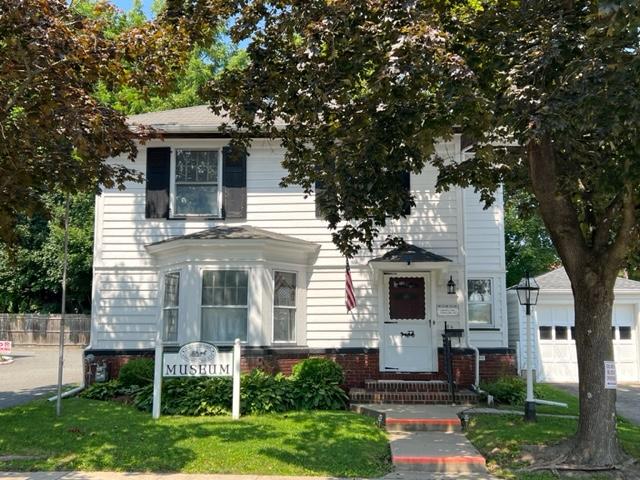
The Hackettstown Historical Society at 106 Church Street.
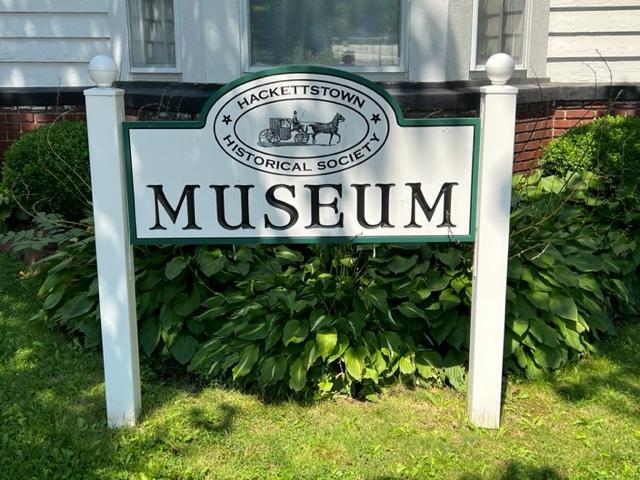
The welcome sign of the Historical Society
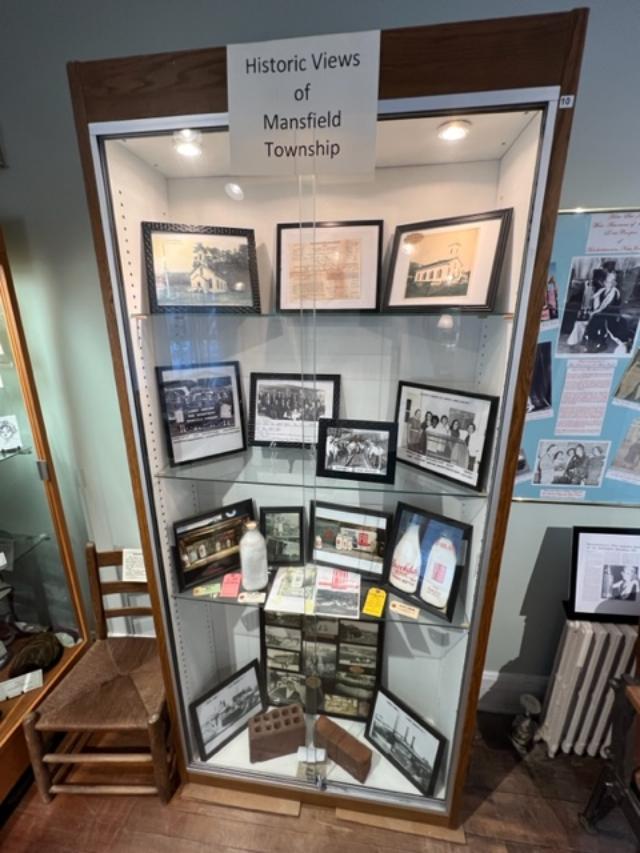
I visited the Hackettstown Historical Society on a recent trip to Downtown Hackettstown and this small historical society is packed with interesting information on the history of the town and the local town of Mansfield, NJ that has more information but they do not have their own building for a society of their own.
The historical information on Mansfield Township, NJ
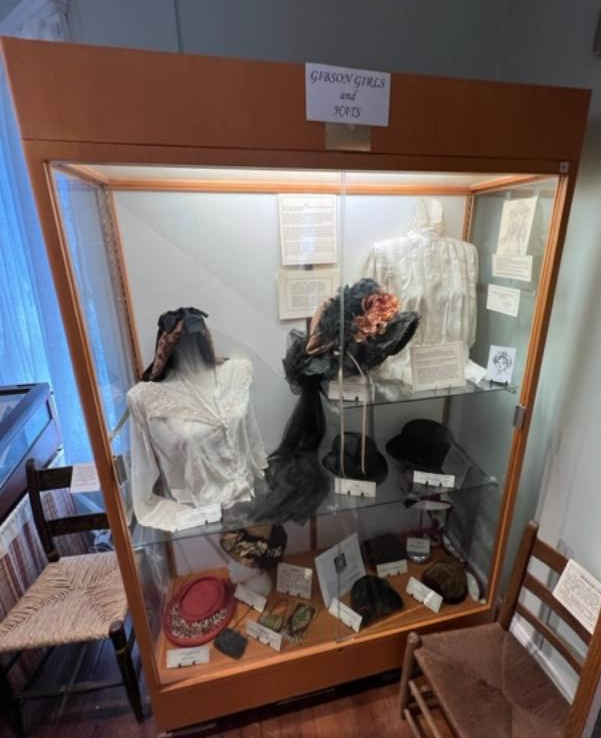
The other exhibits on the first floor are on the history and clothing of the “Gibson Girl”. It shows how women were progressing in society during the late 1800’s after the Civil War. It shows how women gained more independence after the war years and showed it in their clothing, physical activities and schooling.
The “Gibson Girl” exhibit
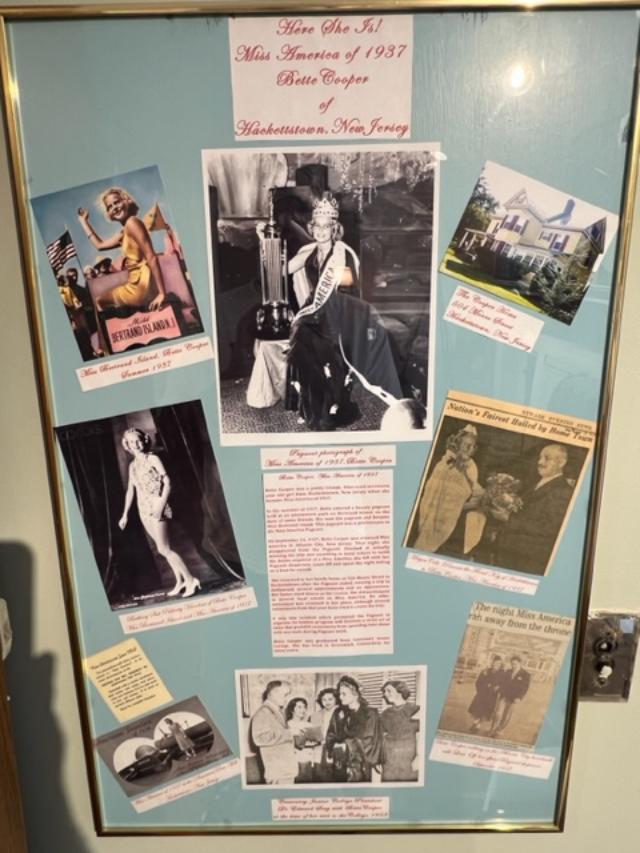
The first-floor exhibition also had a display on the first Miss America from New Jersey, Bette Cooper, who was Miss Bertrand Island. She won the award and then ran away from the award. She never wanted to participate in the Miss America Foundation and because of her, there was a contract put together for future winners to participate in activities for the organizations. The Cooper family resided in Hackettstown, NJ at the time of her being a winner.
Another exhibit explained the transportation for Hackettstown and its influence in the outside community.
The Transportation exhibit in Hackettstown, NJ.
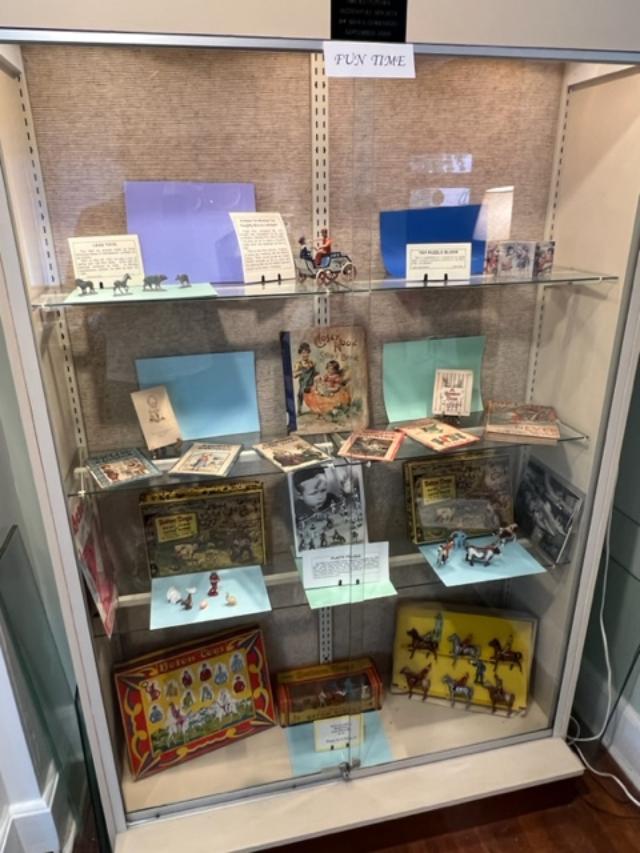
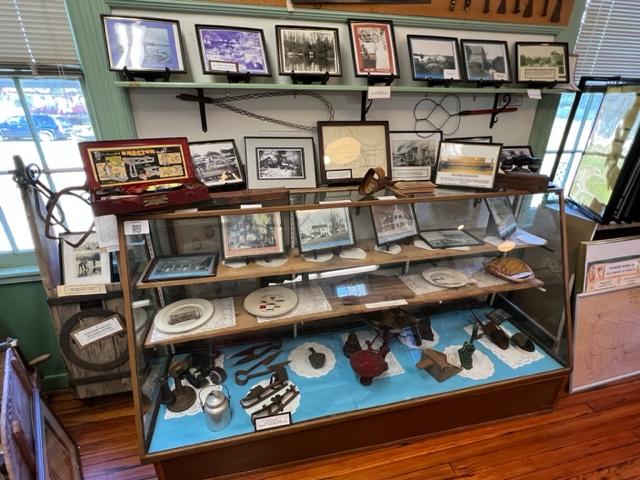
Another popular exhibit especially with the kids is the toy manufacturing displays. Toys were based on careers as girls played with tea sets, dollhouses and dolls while boys played with trucks, cars and sporting goods. This set of displays showed the items that were made in the area of Hackettstown, NJ.
The Toy Company exhibition on the first floor.
The Beton (Bergen Toy and Novelty) Manufacturing Company display. The company manufactured at the turn of the century in Hackettstown, NJ.
On the second floor, the museum has displays on the businesses of the community. There were many manufacturers of items such as carriages, farm equipment and of course the M & M/Mars Company.
The Business display on the second floor.
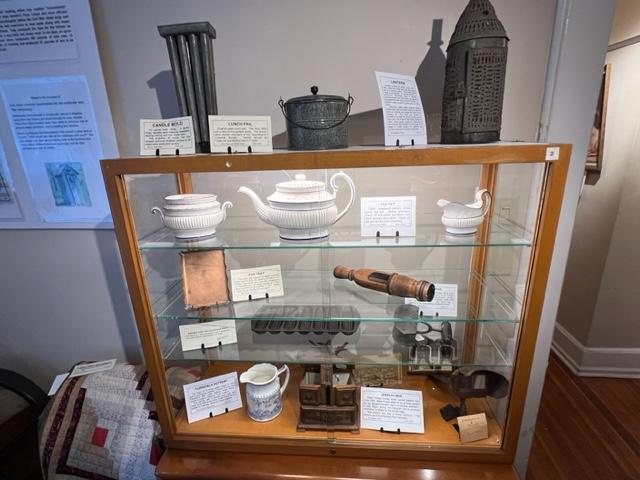
Another exhibit was on how a households were run at the turn of the last century and what went into keeping house in those days. From equipment to clothing you could see how a woman’s time was taken up on a daily basis.
The Household Exhibit on the second floor
The Kitchen exhibit on the second floor.
The attitudes towards children after the Civil War and during the Victorian period changed as well as more affluence and change of attitude wanting children to be in school and out of the workplace. There was also more time for children’s play as we see in the sophistication of playthings. Things have not changed that much in that time.
The Children’s Exhibit on the second floor.
The Children’s display of games, toys and dolls.
Life in Hackettstown was also on display with a Civil War exhibit and the Hackettstown Fire Department. How people added to their communities and supported causes has not changed much to today.
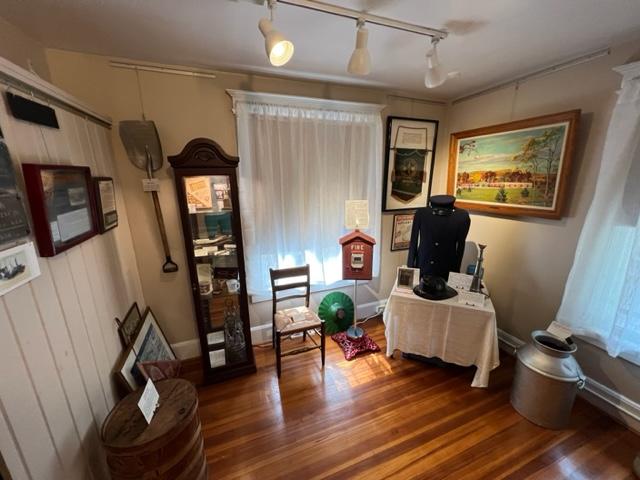
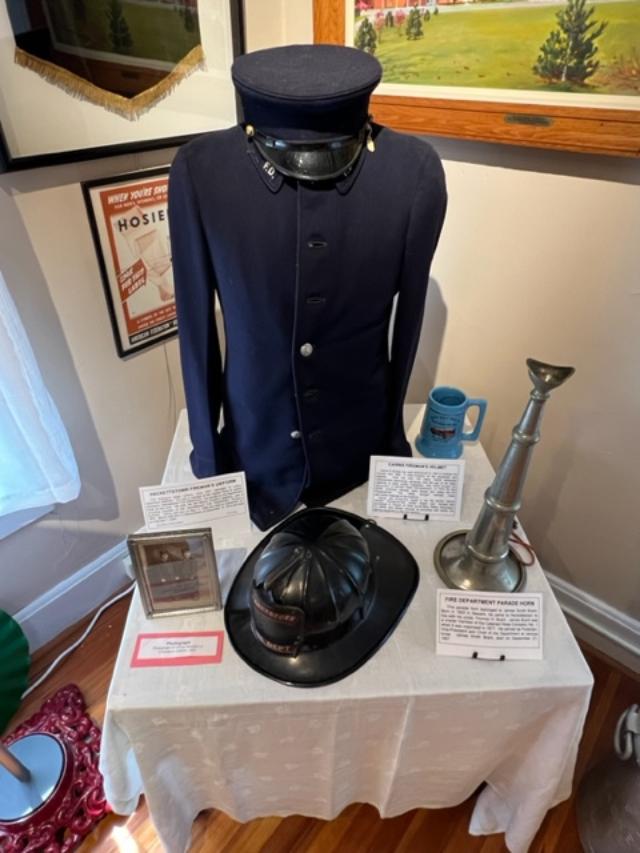
The Hackettstown Fire Department display
The Civil War display on the second floor.
Life was not simpler in the turn of the last century but productive in a different way. People lived and contributed to their communities. Hackettstown citizens took a lot of pride in their community and you can see in the business development and the investment in town activities.
The Hackettstown Historical Society does a nice job telling the story of the town and its progress in building the community over the years.
The History of the Hackettstown Historical Society:
The main gallery of the first floor of the society.
The Hackettstown Historical Society was organized on March 6th, 1975. The chapter members, numbering 72 signed the incorporation papers on September 4th, 1975. In December of 1975, permission to use a vacant town-owned building was procured from Hackettstown Common Council. It is currently leased from the town. This building located at 106 Church Street and built in 1915 for the Theodore G. Plate family is the Society’s museum and headquarters.
The Miss America exhibit of first New Jersey winner, Bette Cooper, who ran away from the crown.
The Hackettstown Historical Society is dedicated to the preservation of this area’s historic heritage. The objectives of the Society are to collect, catalog, preserve and display these artifacts, mementos and memorabilia for present and future generations and to hold meetings and exhibits that will inform members and interested persons of the Hackettstown area’s proud past.
The Centenary University exhibit (the local univerity) at the society.
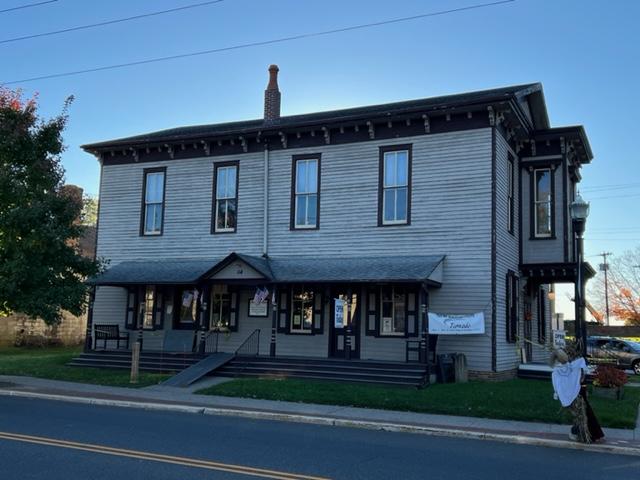
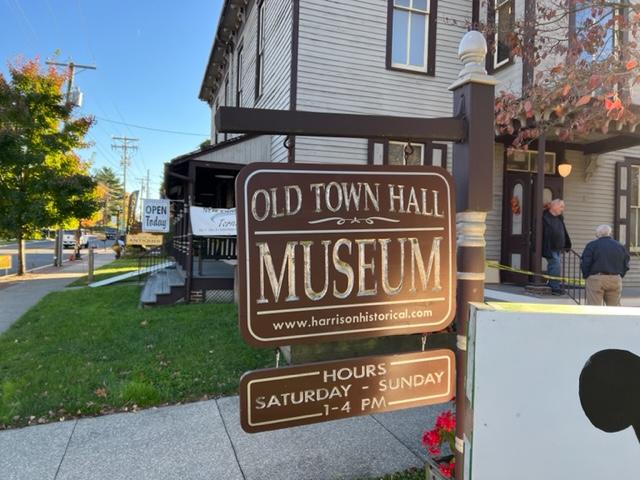
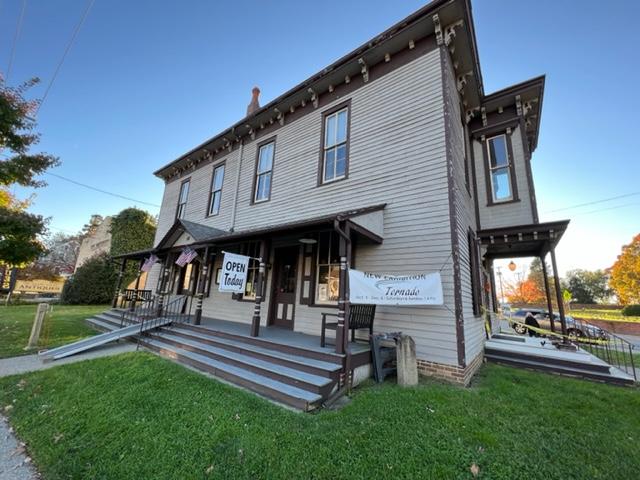
The Old Town Hall Museum/Harrison County Historical Society
The Harrison Township Historical Society/Old Town Hall Museum
Former Exhibition in 2023:
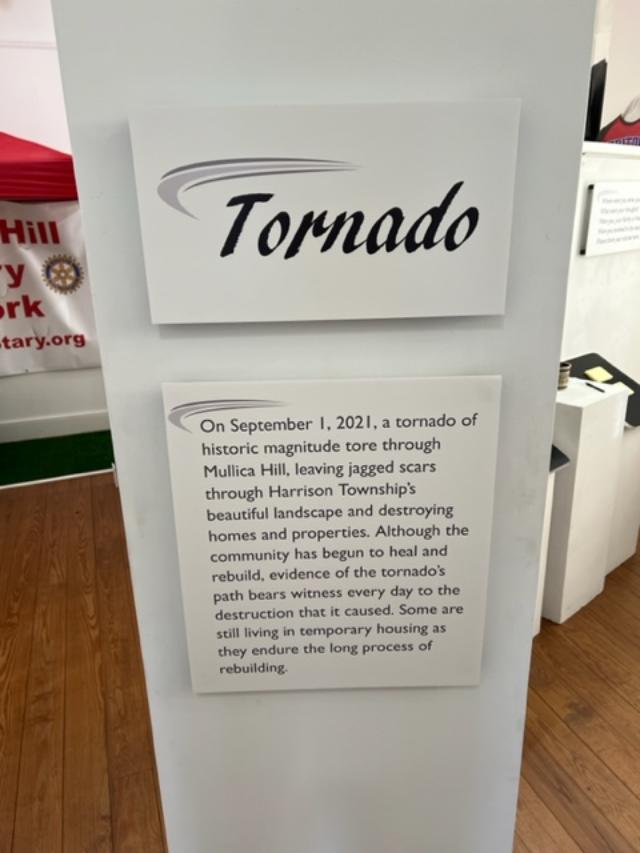
TORNADO
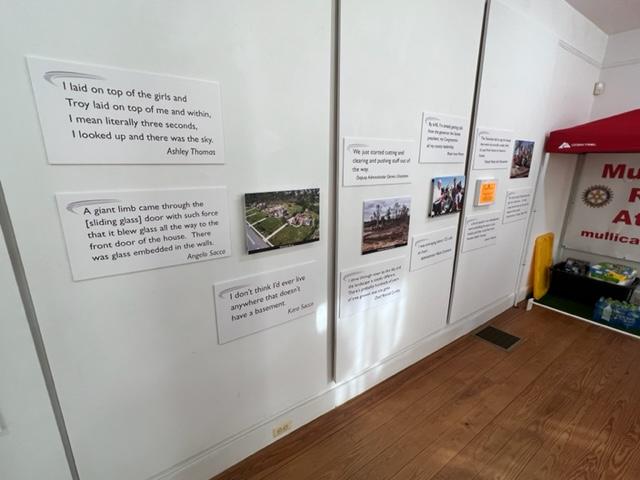
This new exhibition commemorates the 2021 Hurricane Ida Tornado through first-person narratives, artifacts, video and photography.
The Mission of the Old Town Hall Museum/Harrison Township Historical Society Inc.:
(from the Museum pamphlet)
Since its founding in 1971, the Harrison Township Historical Society has presented exhibitions, events, programs and publications focusing on the heritage of South Jersey in Mullica Hill’s Old Town Hall that was built in 1871.
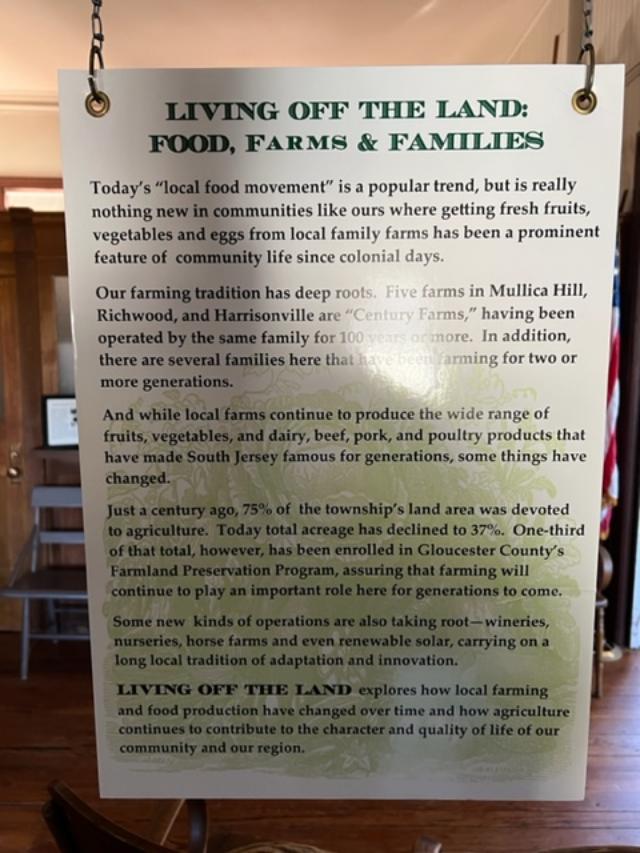
The Stone Age in Harrison Township and Living Off the Land: Food, Farms and Families, explore the region’s Paleo-Indian heritage and our local foodway and farming traditions. The Raccoon Valley General Store and the Harrison Academy Schoolroom recreate two rural institutions.
We also present seasonally changing special exhibitions, student programs and unique special events like the annual Groundhog Dinner (featuring local sausage-“ground” hog!) and the popular Mullica Hill Ghost Walk in October. Visit https://www.harrisonhistorical.com/ for news and information.
Come and experience our Heritage!
Our History:
(from the Museum website)
In 1971 the Township Committee of Harrison Township under the leadership of Mayor Philip J. Reuter, appointed a committee whose purpose was to form a historical society that would lead a community effort to preserve and provide a new purpose for Mullica Hill’s historic Old Town Hall.
Since that time the Harrison Township Historical Society has successfully met this initial charge, not only preserving the building (a key contributing structure in the Mullica Hill National Register Historic District), but also establishing a museum that has won state and national awards for its exhibitions, programs and publications.
The “Living off the Land” exhibition shows life on the farm in Southern New Jersey. This exhibition shows life on a South Jersey farm from the late 1600’s to today with some of the equipment, commercial items and furniture showing the lifestyle on the farm. This first floor exhibition gives us a peek at what life is like in the day of a farming family.
The main room on the first floor of the museum is broken down into sections. In the special gallery space is the exhibition “Tornado” about the tornado that hit the surrounding area during Hurricane Ida in 2021. The exhibition gives first hand accounts of what happened and people’s experiences and the clean up.
In the Main Room when you enter is the Raccoon General Store and the Harrison Academy schoolroom showing what life was like in rural Southern New Jersey.
Raccoon General Store:
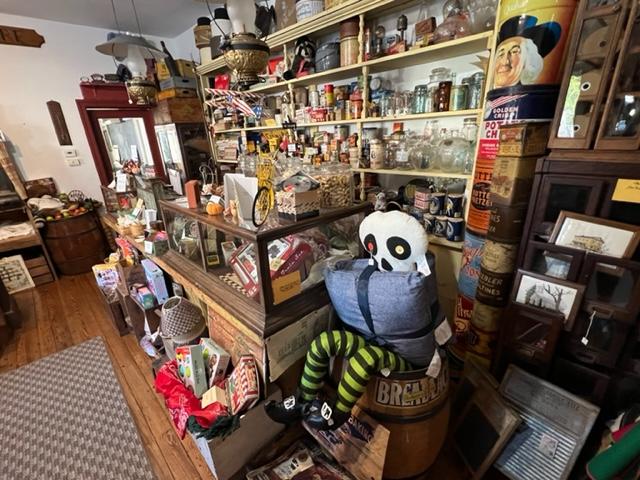
All sorts of everyday items were sold in the General Store which was also a gathering place for the town’s citizens. This is where you would catch up with your neighbors at a time before telephones.
Everyday items would be found in the General Store
Everything could be bought at the General Store for the house with special trips into the City during the holidays or for special occasions
Household items at the General Store
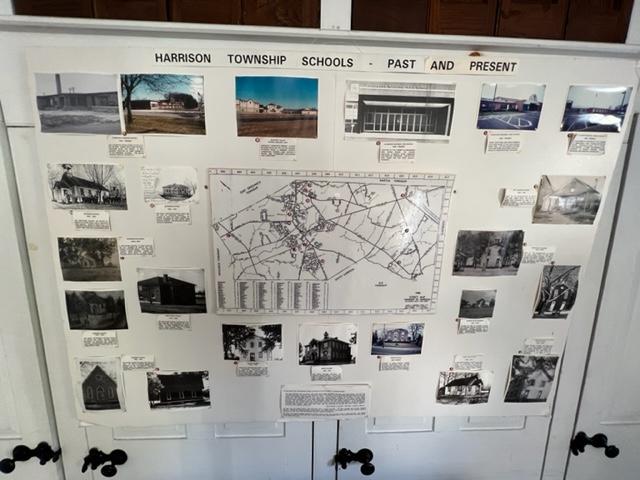
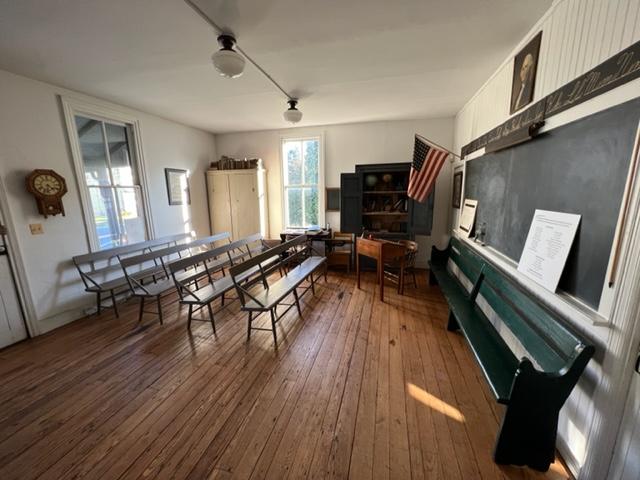
In the back of the General Store is the exhibition of the Harrison Academy Schoolhouse showing teaching in rural New Jersey up until about 60 years ago. These rural communities had the one room school in some cases up until WWII. As the areas developed, the regionalized school system came into play and these small schools became of thing of the past.
The schoolroom set up has not changed much over the last 100 years
The room was still heated by the potbelly stove
The Teacher’s Desk, the globe and picture of the President still exists in the classroom today
In the center room is the old Post Office, another fixture of the town’s social life. This was located in Mullica Hill up until fifty years ago.
The Mullica Hill Post Office
The entrance to the hall with the Post Office and Farm Equipment
The facade of the old Post Office
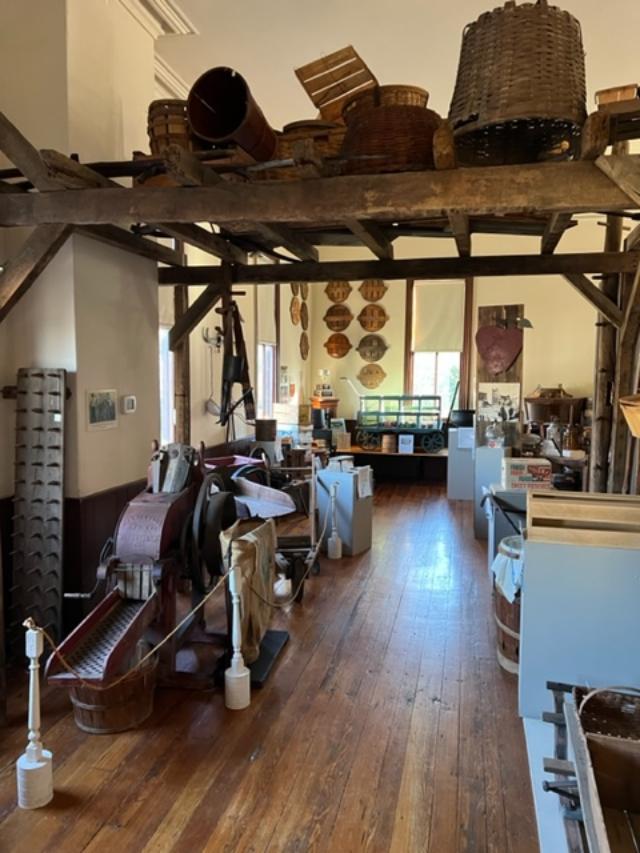
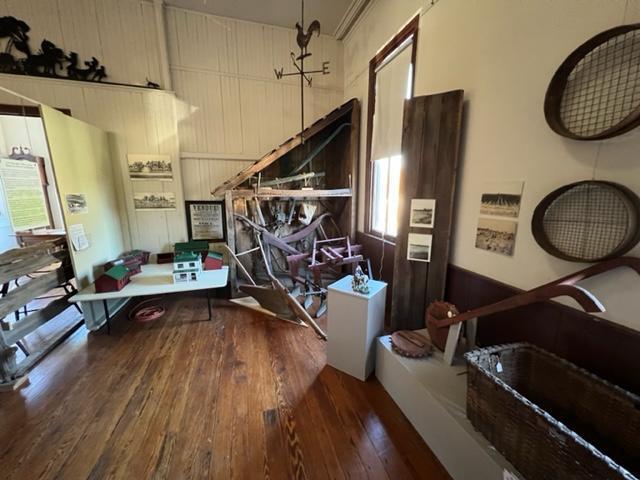
The back part of the exhibition is the farm equipment that would be used in commercial farming. The processing and packaging of fruits and vegetables would have been done when the harvest was being picked and getting ready for markets in New York, Philadelphia and Newark. Fruits and vegetables were packaged on the farm and readied for market.
Life on the farm was not always easy
All sorts of equipment for processing fruits and vegetables is on display
All the bailing and shifting equipment needed on a farm
Business advertising
Packaging fruits and vegetables for the market
Life on the Farm
The second floor also provides not just a look into the life of the farming family but at the Native American’s life in the area before the colonist settlement.
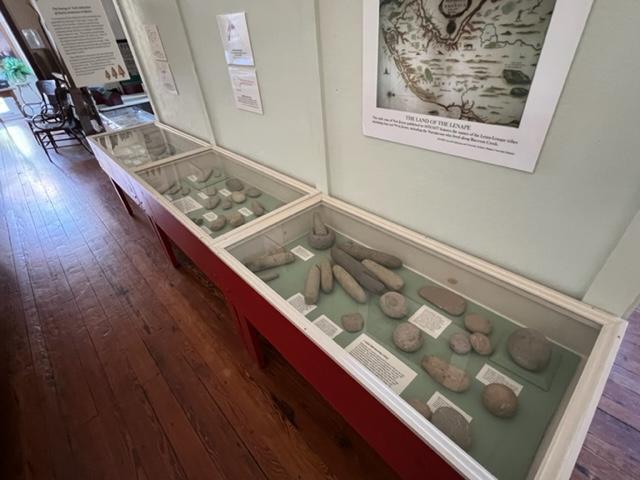
The artifacts of the Native American Lenape Indians
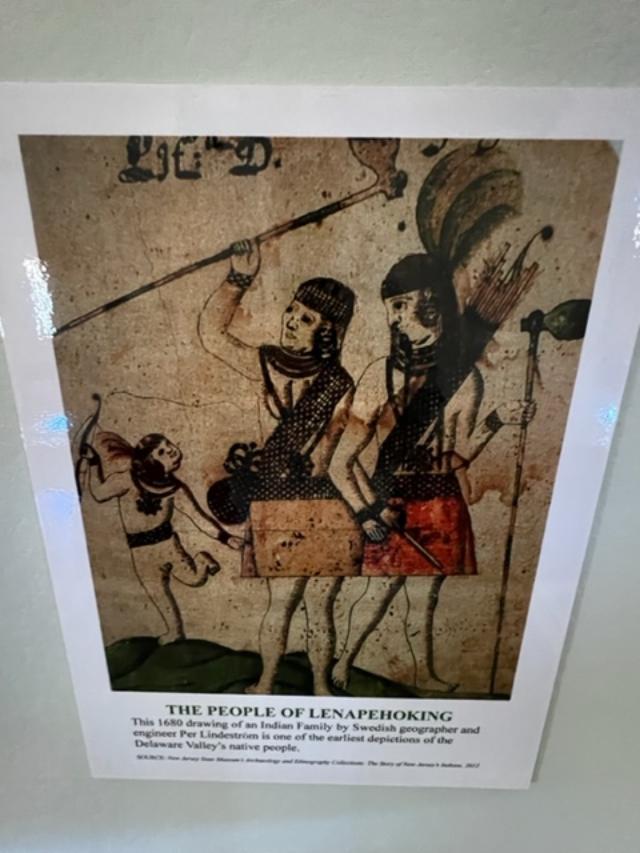
The local Native Americans the Lenapehoking
Day to day equipment and home products of the Native Americans
Arrowheads from New Jersey and beyond
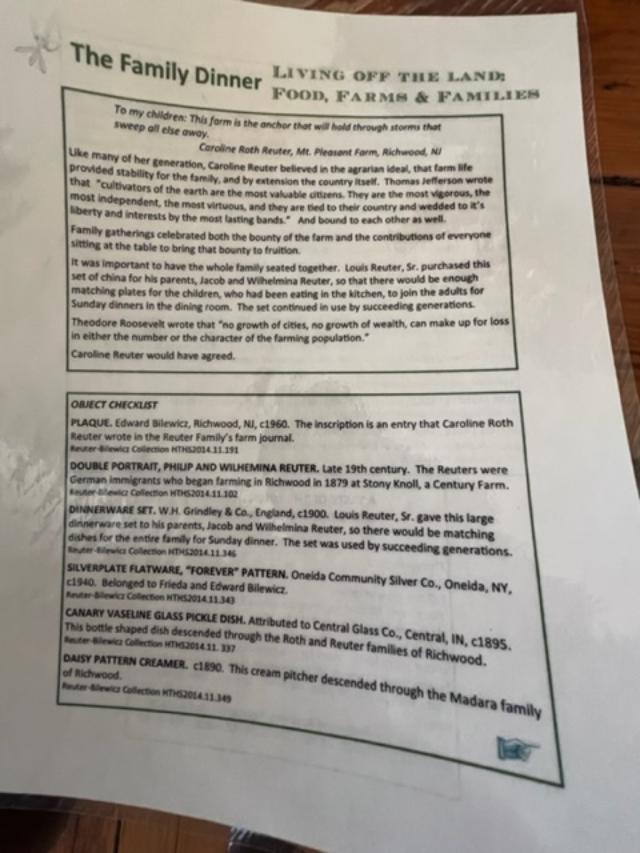
Family life on the farm included the family dinner
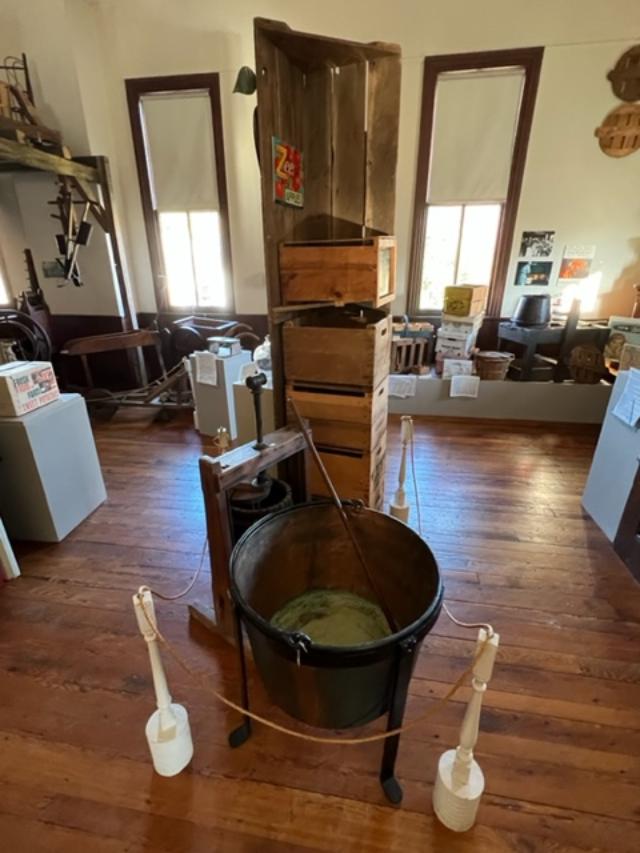
Meals would have included churning butter, gathering eggs, milking cows, processing apples for cider, baking and pickling.
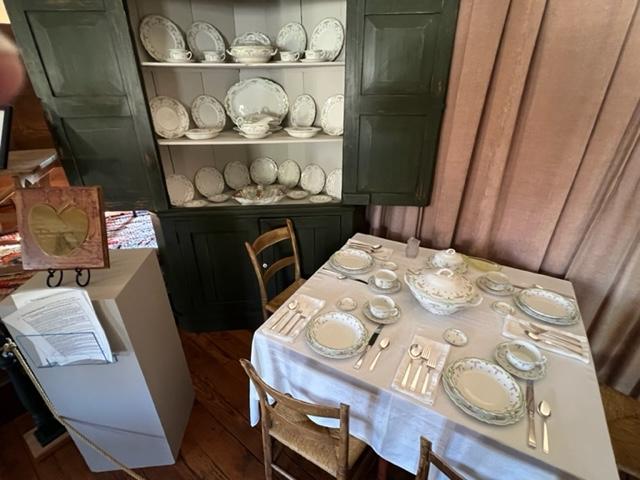
Preparing for a meal would have meant the best linens and china would come out of storage and placed on the table.
Families sat down together on Sundays to eat and enjoy each others company.
More processing of household items
The museum shows that not much has changed over the years but with the advent of modern technology with cars, the telephone and electricity, life on the farm changed but not by much. Traditions and processing crops still had to be done just differently. Life in America was going to change by the beginning of the Twentieth Century and this way of life would be part of the ‘myth’ of small town living. This still does exist in some parts of the rural country.
In early October of 2024, I came across the sign for the Ghost Haunted Walk that the Historical Society was sponsoring in Mullica Hill and decided to take an early holiday break and drive down to South Jersey for this event. I made the day of it visiting other sites around the area. Then I drove into Mullica Hill and joined everyone on a very interesting look back on the community’s past. It seems there’s a lot of haunted spots in town.
Downtown Mullica Hill the night of the walk
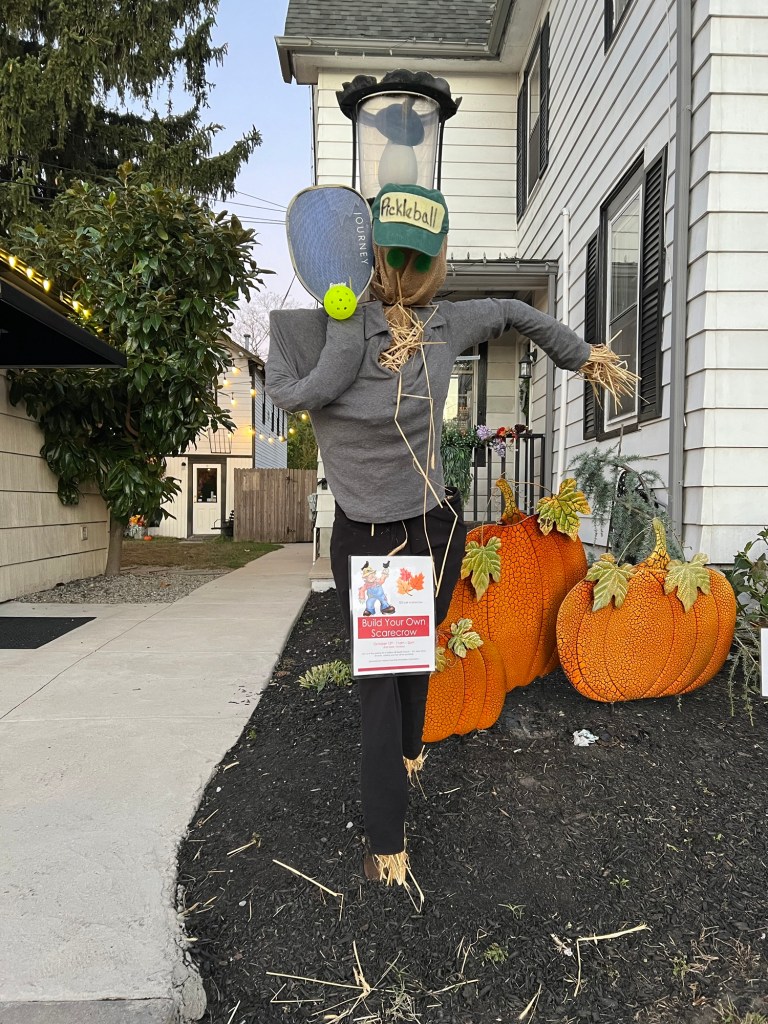
The downtown was dotted with scarecrows
The foliage was just starting to change but like Octobers in the past five years it has been warmer and greener further into the month.
The tee shirts of the event being sold at the start of the tour
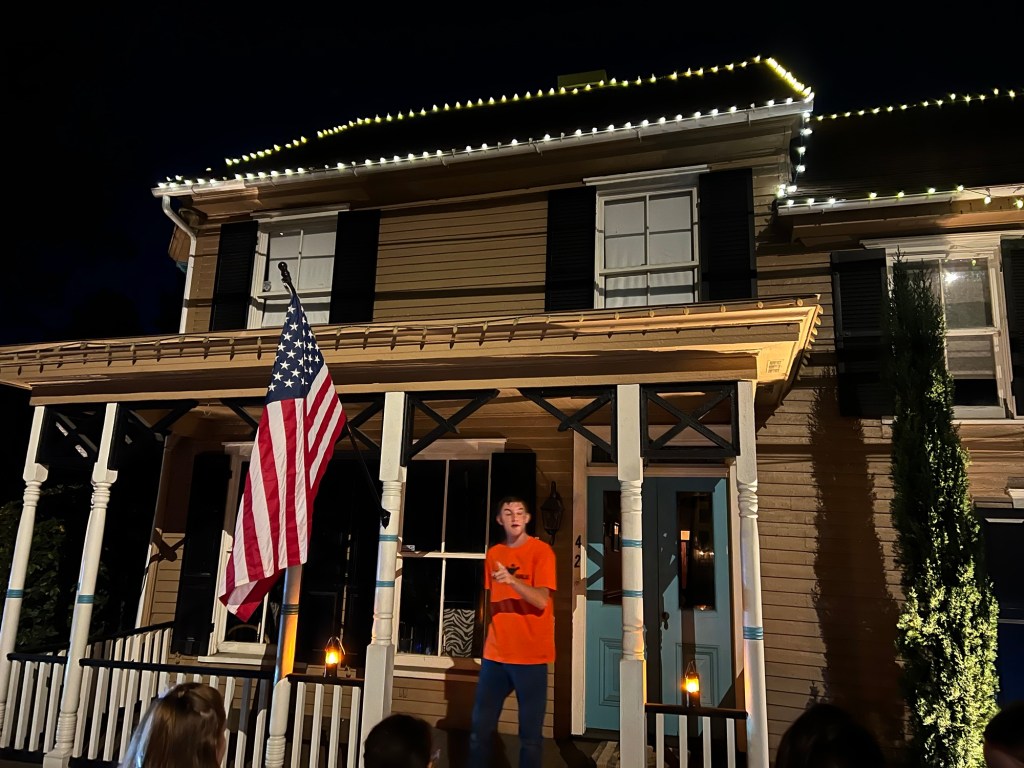
Our tour guide at the start of the tour
The scarecrows on the tour
We walked many stops in the downtown that was steeped in history even before the Revolutionary War.
The Hanging Barn where a worker hung himself
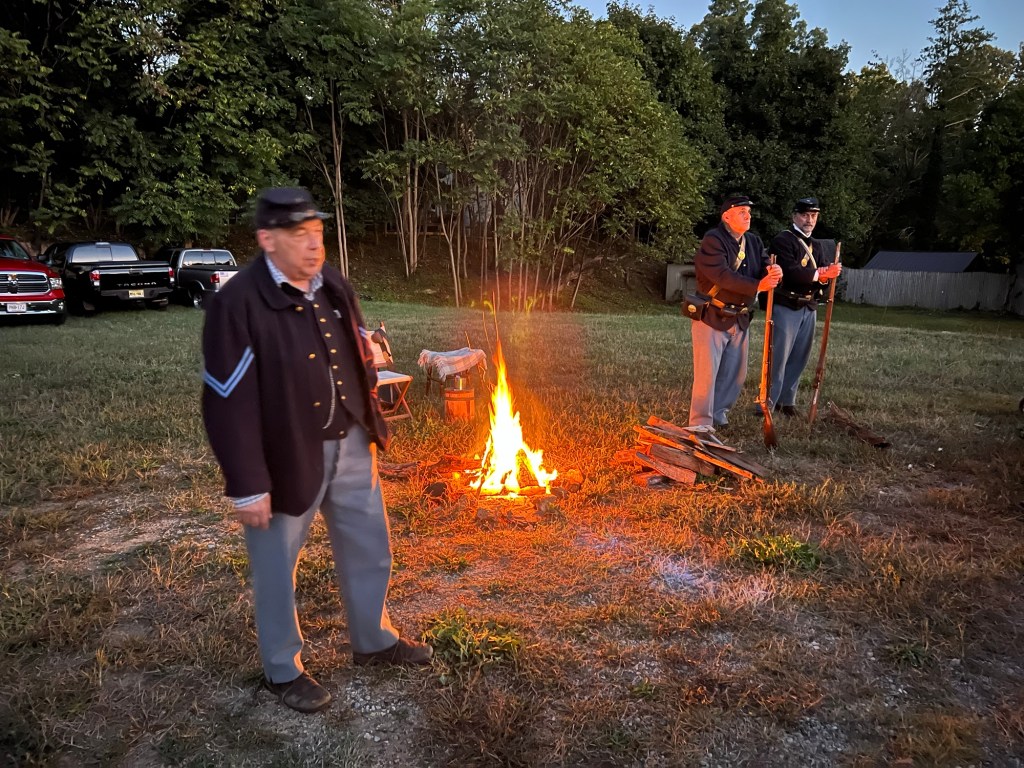
The history of the 12th Infantry some buried in the town
The Haunted St. Stephen’s Church downtown
The inside of the church where angels were seen
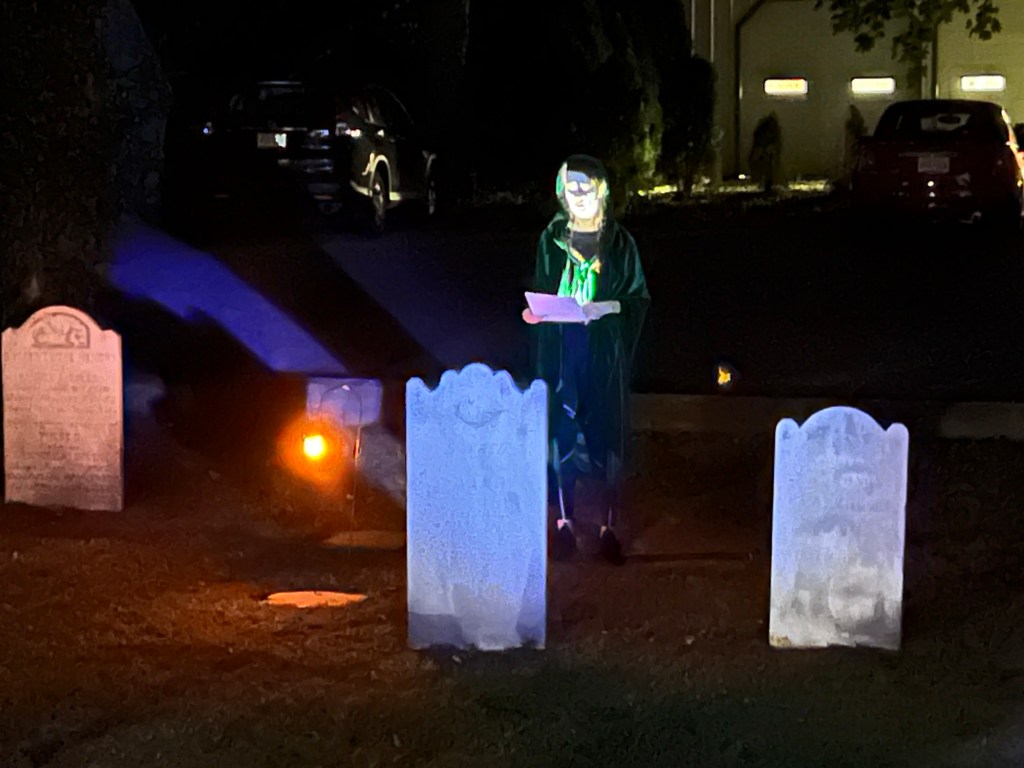
The graveyard talk in the back of the church
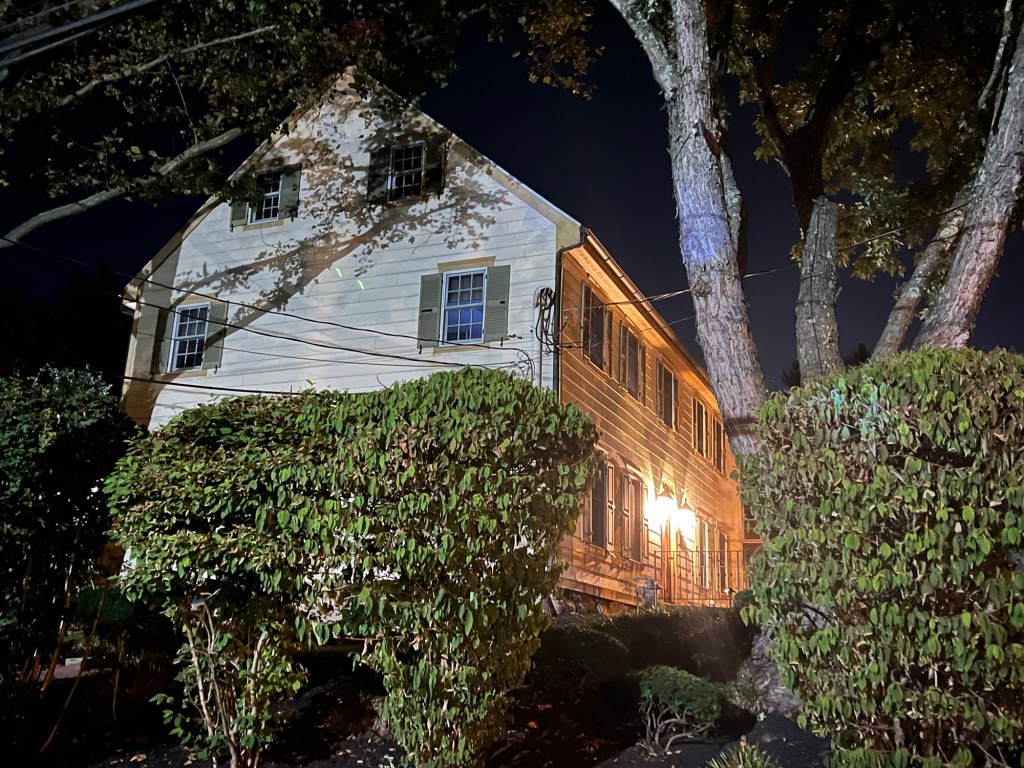
The Haunted House where multiple ghosts have been seen
Another haunted house
The Mullica family home is haunted
Another haunted house in town
After the tour was over, I toured the Mullica Hill Historical Society after the tour to see the new ‘Taverns and Temperance’ exhibition in 2024 on the local watering holes of the 18th and 19th centuries of which only two exist.
The Last Call exhibition
The history of taverns and their purpose
The interesting artifacts from the exhibit
The ‘Last Call’ exhibition was a look on how taverns were such an important part of socialization at a time when there were no movies, internet, phones and newspapers were limited. Still there was a strong resistance to people drinking which still reflects to our Puritan past.
There was nothing wrong with having a drink but there was a sense of taking it too far. Still this attitude is reflected today. It is still interesting though how one or two of these taverns have carried over into the Twenty First century. They are still welcoming guests today and that proves the socialization of these establishments and how important they are in our lives.
After the Haunted Tour:
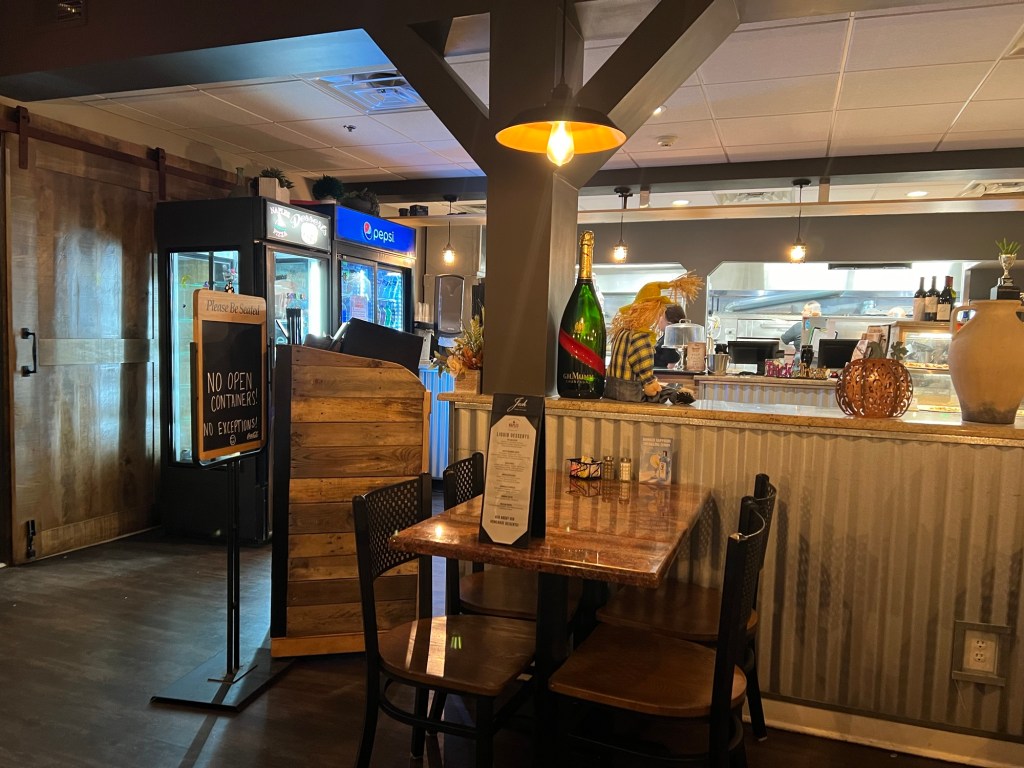
After the tour was over and I had a nice visit with the museum, it was almost 9:00pm and I wanted to eat something. Two small tacos and two doughnuts are hardly a proper lunch for someone. By 9:00pm though, the whole town had rolled up its sleeves. Even the restaurant where the tour started was closing at 9:00pm. I was shocked as there were people inside still ordering. The host said the kitchen was closing and if I knew what I wanted I could sit down.
That was not much of an offer especially at their prices and I made my way down to Naples, the pizzeria and Italian restaurant where I had parked. They were open until a normal 11:00pm on a Friday night (I still do not understand restaurants that close at 9:00pm on a Friday or Saturday night. This part of the COVID scare is over and things are pretty much back to normal).
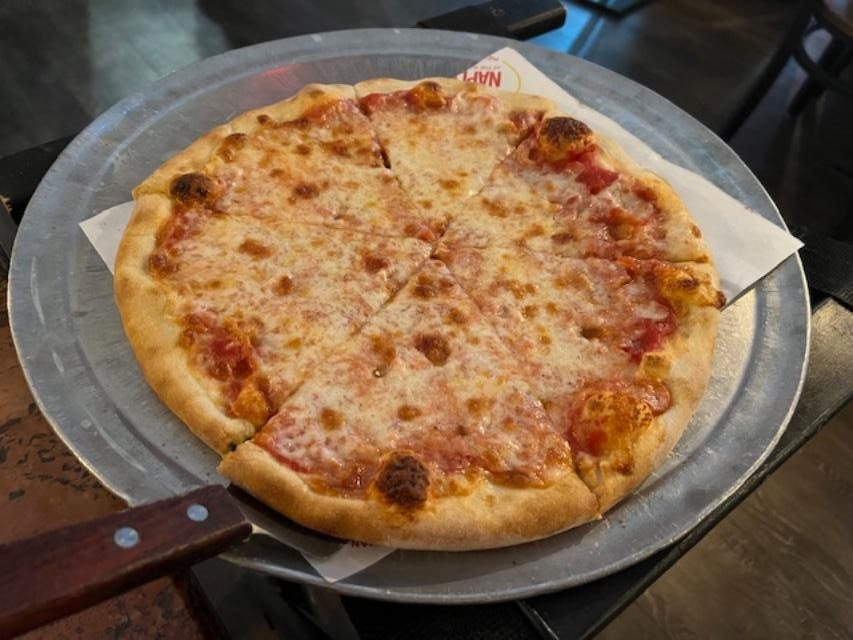
I went to the host stand and they seated me quickly. Tours were still going on and as I ate my dinner, the place really filled up when I finished because there was no place left to eat in town. (Not a good business decision). I really enjoyed Naples. Not only was it a lively environment with the games going on and a very active bar scene but the food was really good as well and very reasonable.
Naples at the Warehouse at 1 South Main Street in Mullica Hill, NJ
Between the Haunted Walk through town and the interesting discussions at each stop to the trip to the museum after the tour, the Haunted Walking Tour of Mullica Hill, NJ was well worth the trip down to South Jersey. It was such an interesting look at the town I would not have known from the many times I have visited the town. The Volunteers did a great job with this event.
It is a great little museum with a lot to see on two floors.
History of the Museum:
Fun Facts:
*People have been living in present day Harrison Township for over 10,000 years.
*Harrison Township originally included South Harrison and the western edge of Elk.
*The Township was named after President William Henry Harrison.
*There is a village called Mullica Hill in Finland.
*The first air shipment of fresh produce in the US took off from here.
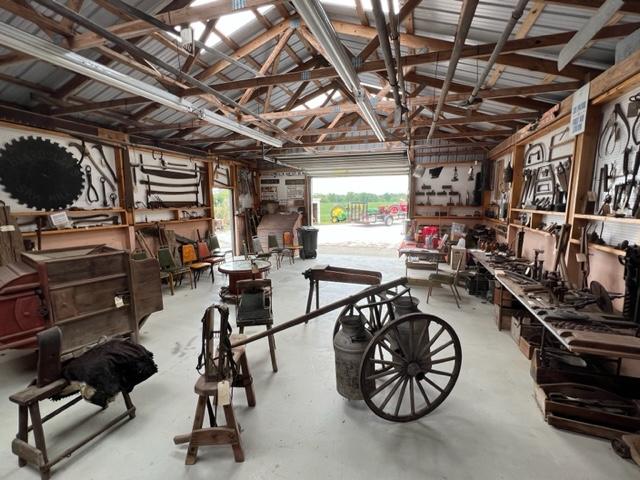
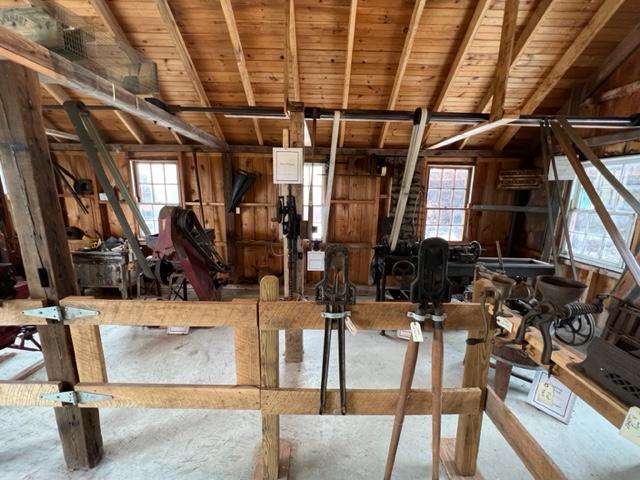
Situated in a beautiful rural setting, the Log Cabin is restored in the same manner as the local Quakers lived in the 1700’s. The site houses a barn full of antique farm implements as well as many items used in the local industries of Lower Alloways Creek.
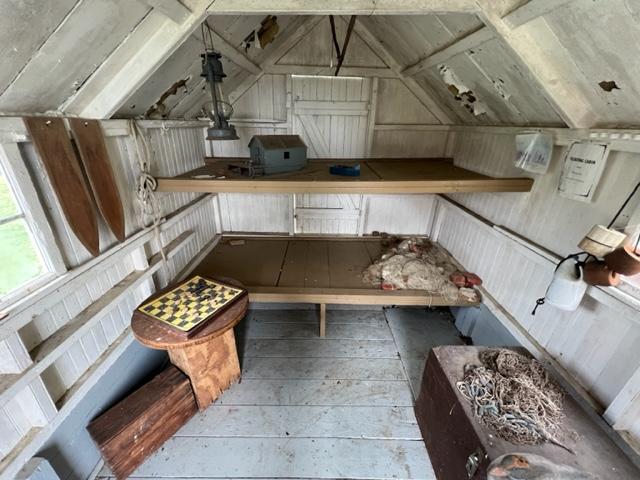
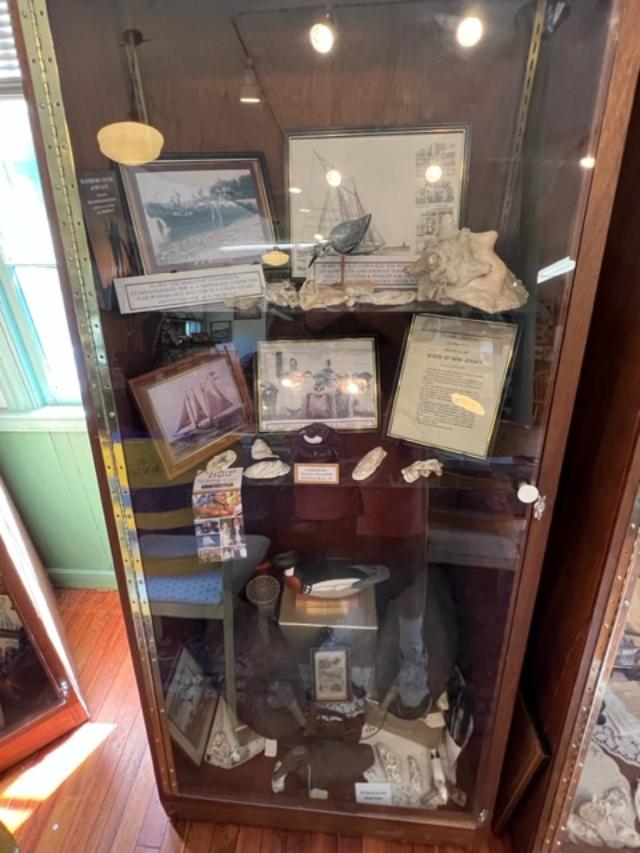
Salem’s County’s maritime history is documented in a unique floating cabin which is complimented with a collection of fishing and trapping memorabilia. The site also features an outhouse, carriage shed and the last canning house that was left in the Township.
The buildings on the grounds and the outhouse
History of the house:
The main house is very unique. The addition to the house was built in the mid 1800’s and is furnished from that time period. This was added to the log cabin that has been reconstructed on the site. The early parts of the log cabin date back to before the Revolutionary War.
The first-floor parlor
The Kitchen in the main house
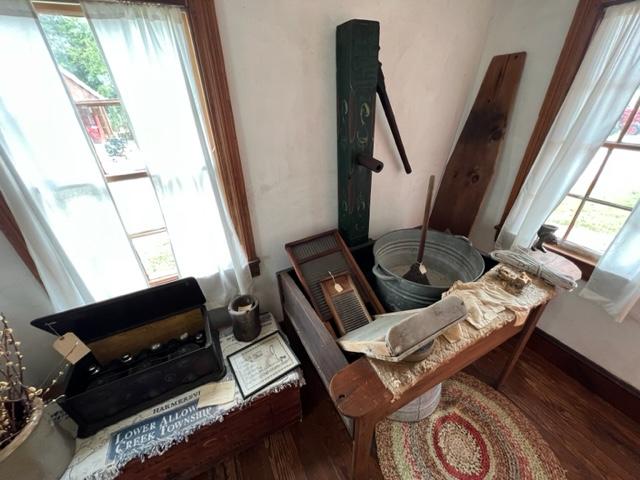
Washing clothes in the house
How to wash clothes until WWII
The second-floor bedroom
The Bonnet collection
The second floor bedroom
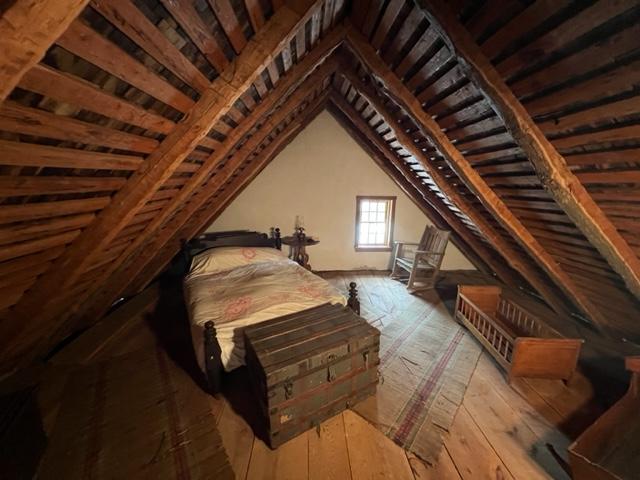
The Attic Room
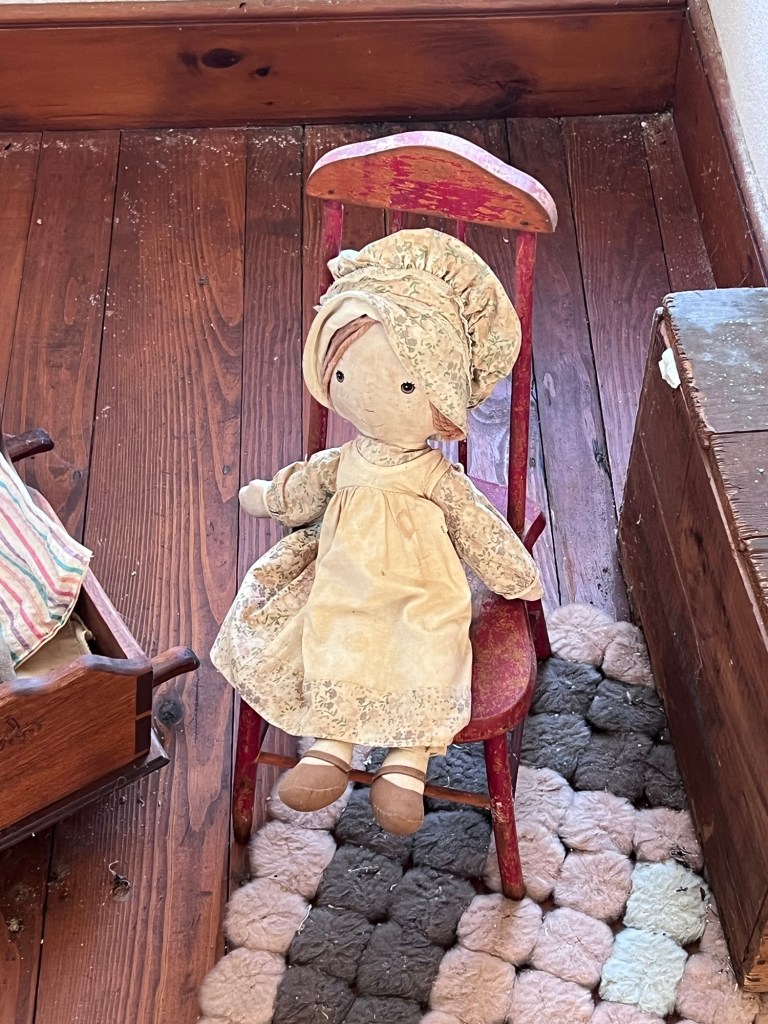
The toys and playthings of the Attic Room
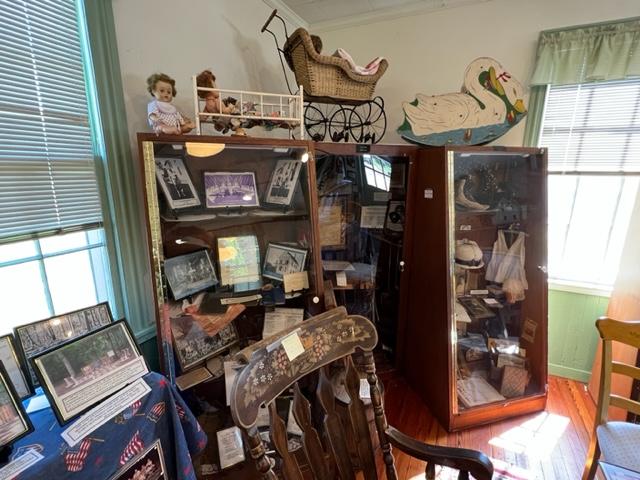
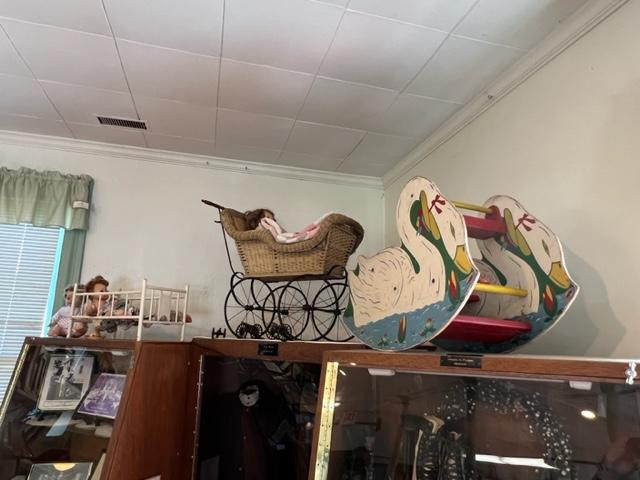
The house has an extensive collection of antique toys and dolls and furniture.
The dolls
The dolls
The Hat collection at the home.
(Information from the museum website):
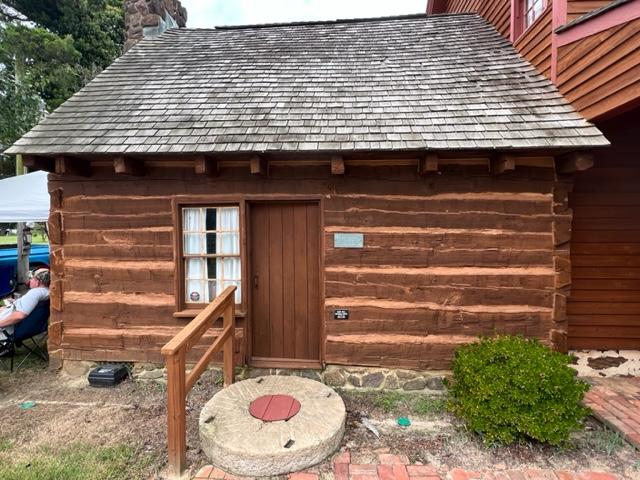
Part of the house is an old log cabin with an addition added on later. Although the date of the original construction is unknown, the cabin has been restored and reconstructed in much the same manner as local Quakers would have lived in the 1700’s. Because the air had deteriorated so many of the logs, it was impossible to save the entire original structure.
The log cabin section of the house.
The log cabin and the later addition.
All the wood used in the reconstruction of this cabin came from the woods in Lower Alloways Creek that are owned by the Township. The hand-hewn logs are white oak. The wide floorboards are pine The fireplace and foundation were built from Jersey sandstone that had been donated by John Hassler.
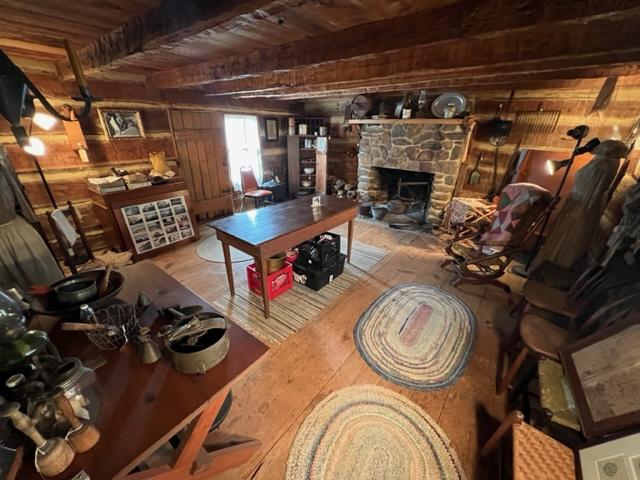
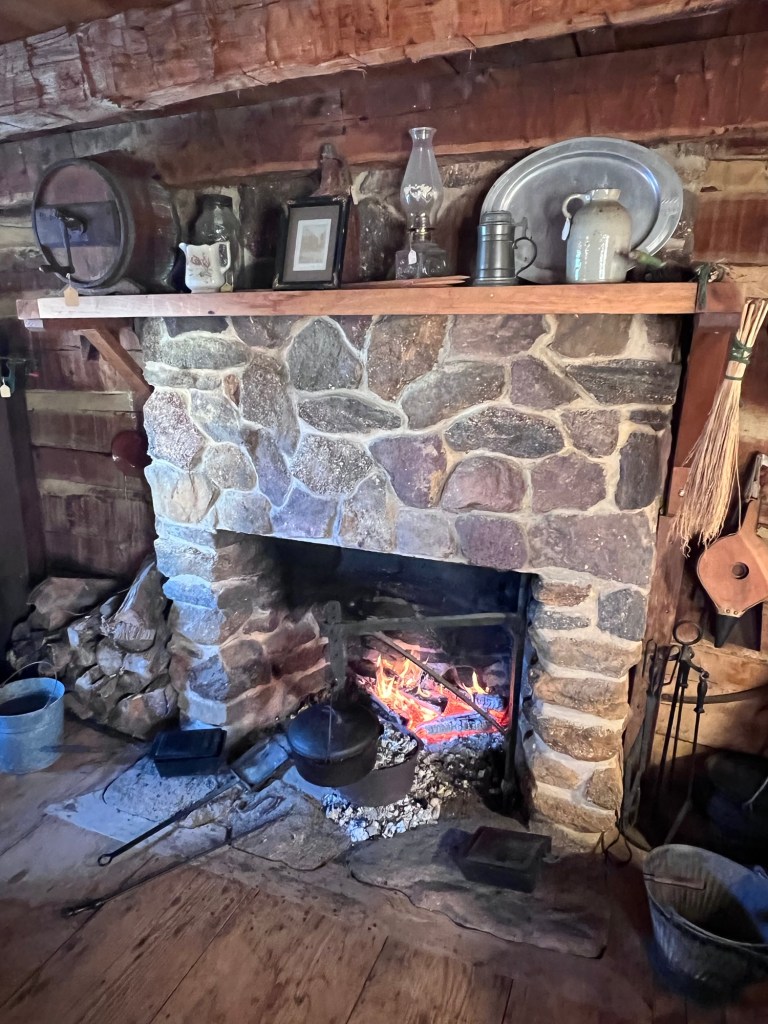
The inside of the log cabin and hearth.
The Hearth during the event
The Historical site also features a log cabin, carriage shed and barn, many antique farm implements, a two-seater “outhouse” and an old fashion hand water pump.
The Outhouse
The hearth of the log cabin
The loft section of the log cabin on the second floor of the home.
There is also an original Can House, with a working line shaft, a floating cabin, both of which were originally built in Lower Alloways Creek.
The historic Can House.
The historic Can House
Some of the interesting programs that the society hosts:
Line Shaft: the historic line shaft in action as it powers a variety of machines.
Outdoor sportsmen: view displays of fishing and trapping, hunting gear, decoys, floating cabins and turkey call demonstrations.
Model Trains: all aboard an exciting display of model trains.
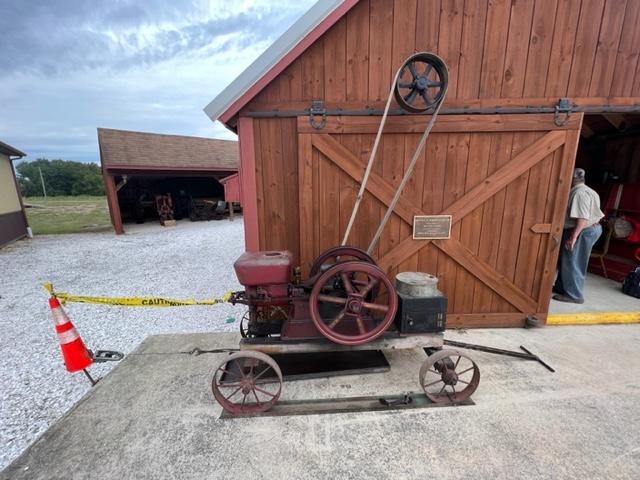
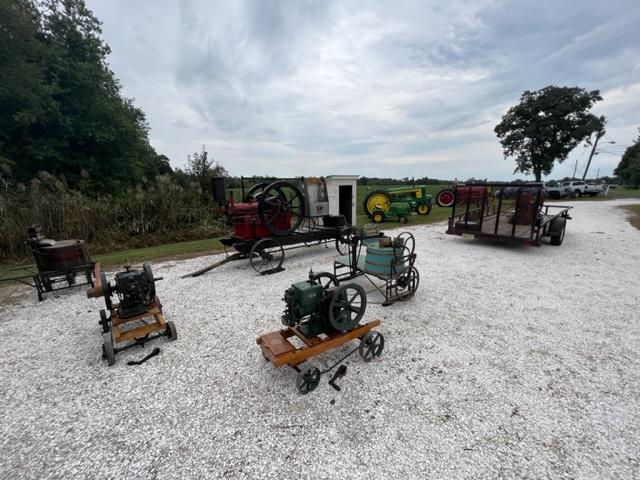
Old time engines: South Jersey Gas Engine Club proudly presents their collection of “Hit or Miss” engines.
The Farm equipment and working engines at the “Old Time Engine Day” in September 2023 was an interesting mix of old farm equipment, household equipment and everyday items run by an engine in the early 1900’s. It was a very interesting display on how we have come in manufacturing and the museum did a nice job on the displays.
The working farm equipment at the Lower Alloways Creek Historical Society
The Farm Engine equipment
The Farm Engine equipment
The Farm Engine equipment
The Farm Engine equipment
Video on the display:
The Farm Engine equipment
Farm Day: Come and see antique tractors and a variety of farm equipment. See the progression of farm equipment throughout the centuries.
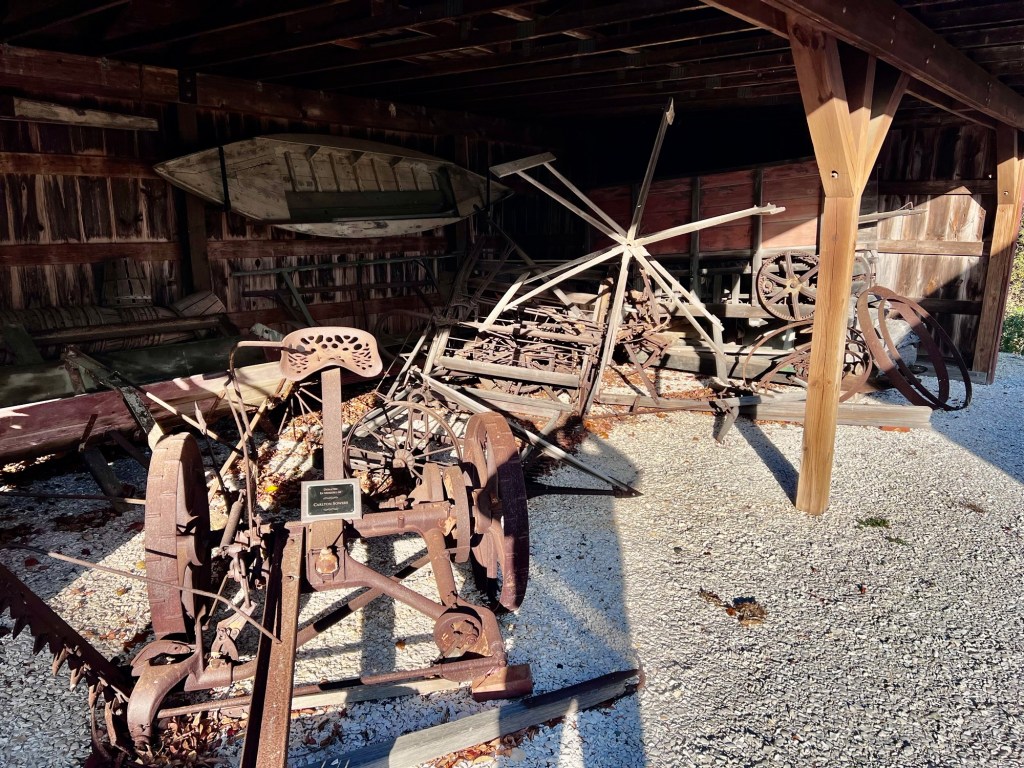
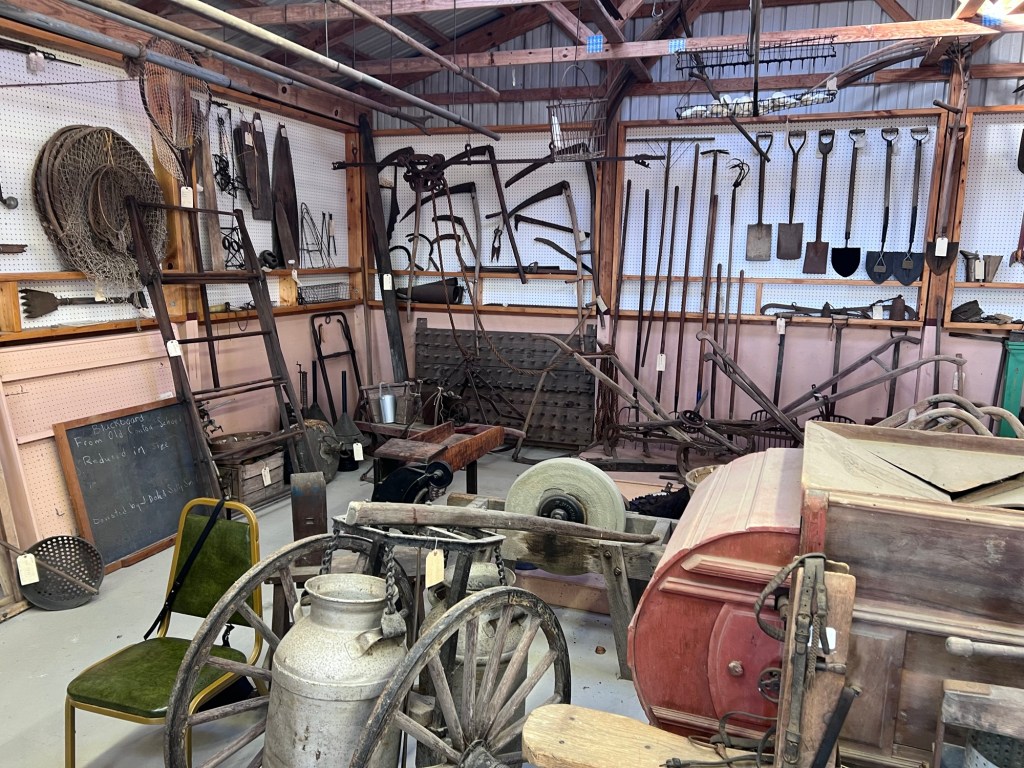
Retired farm equipment in the barn
The barn
Farm Equipment in the barn.
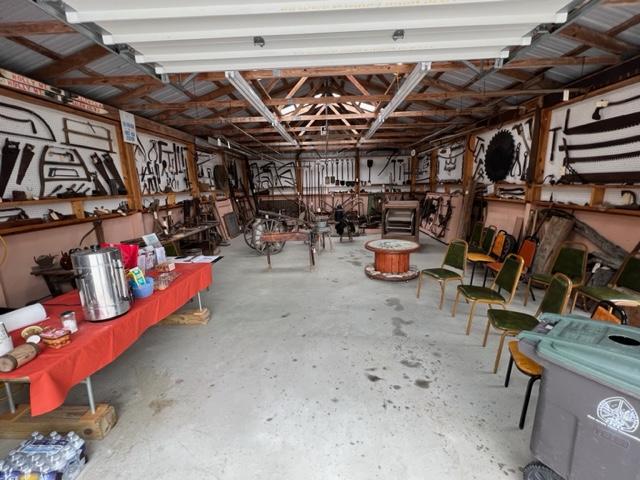
Some of the equipment and refreshments in the barn.
The barn equipment during my visit in 2025
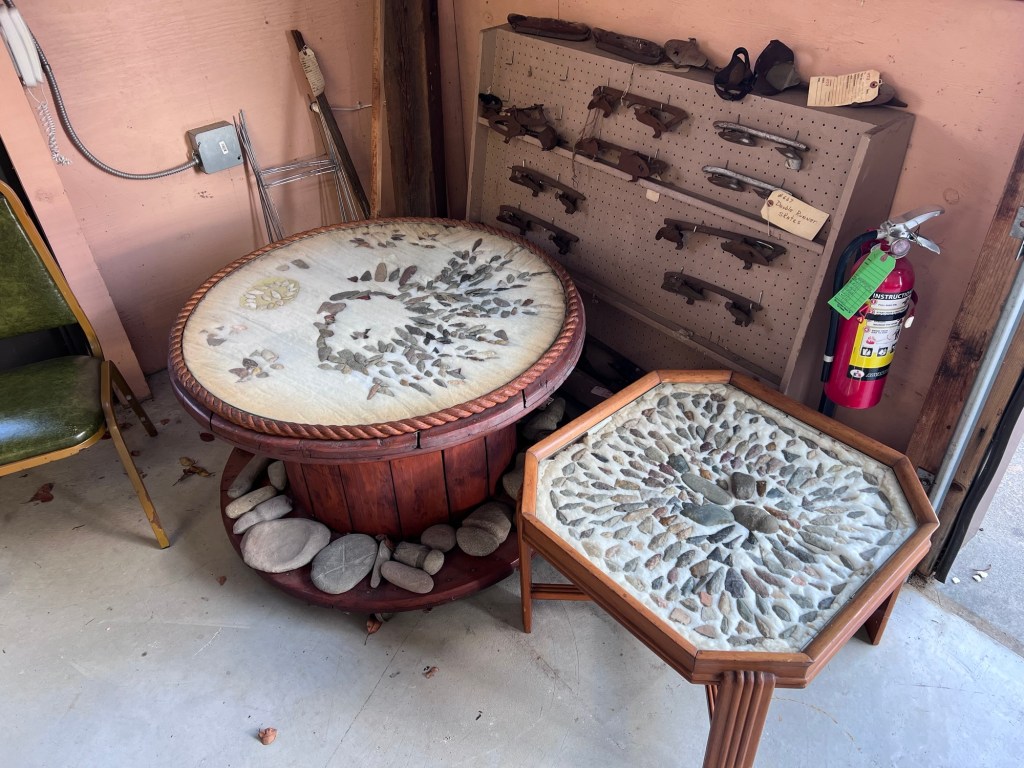
Indian Arrowheads on display in the barn
Cabin Cooked Pie Day:
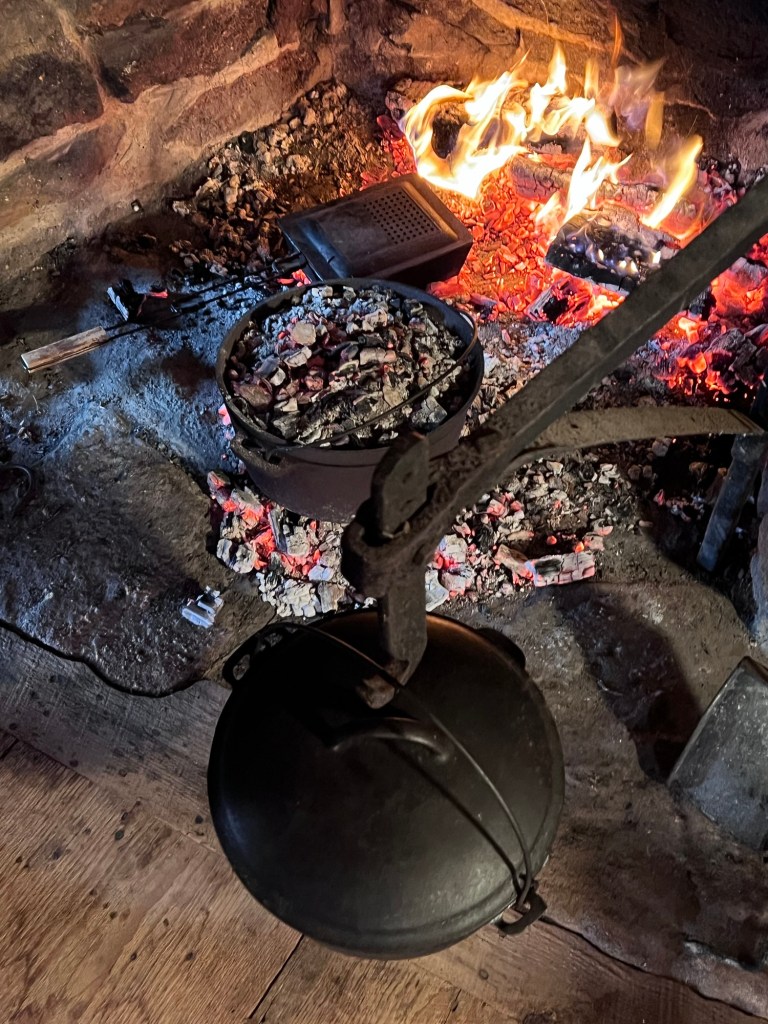
There is nothing better than a freshly baked pie in a fireplace. In November 2025, I returned to the museum for ‘Pie Day’. There were various pies, chestnuts and soup being cooked in the log cabin fire place that afternoon. It was interesting to see cooking procedures from a hundred years ago.
I visited the museum and got to watch the volunteers cook all sorts of goodies in the fire. It is interesting how foods were cooked and tested for doness over a wooden fire. The coordination of cooking times and temperatures.
The Log Cabin goodies that afternoon
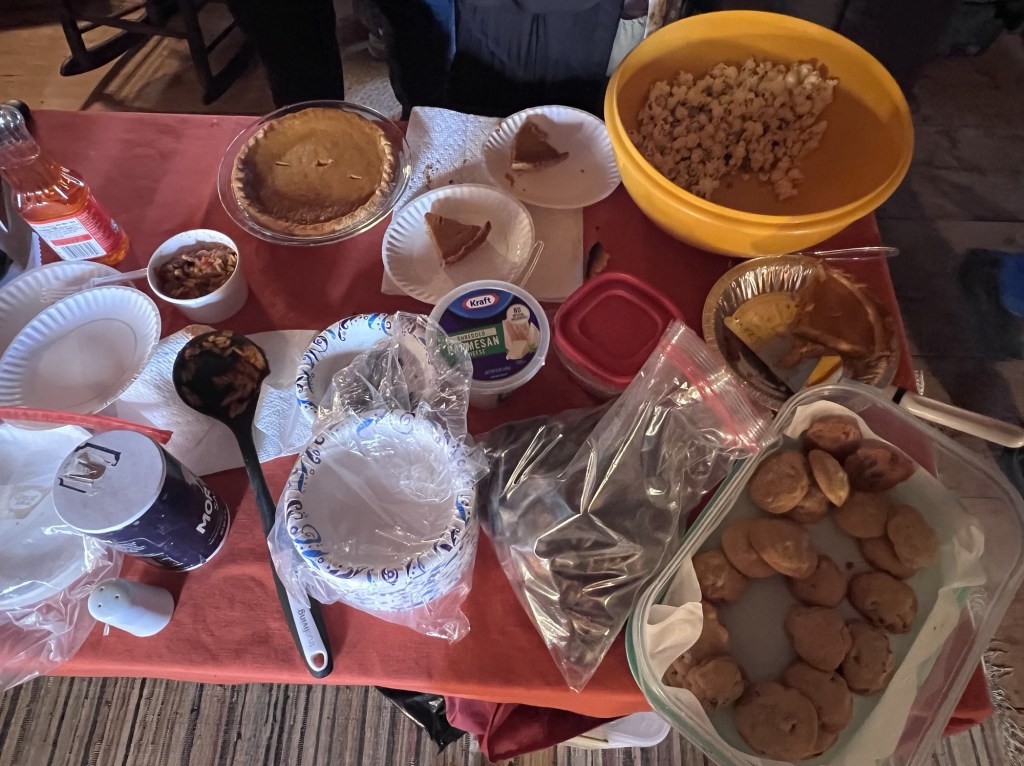
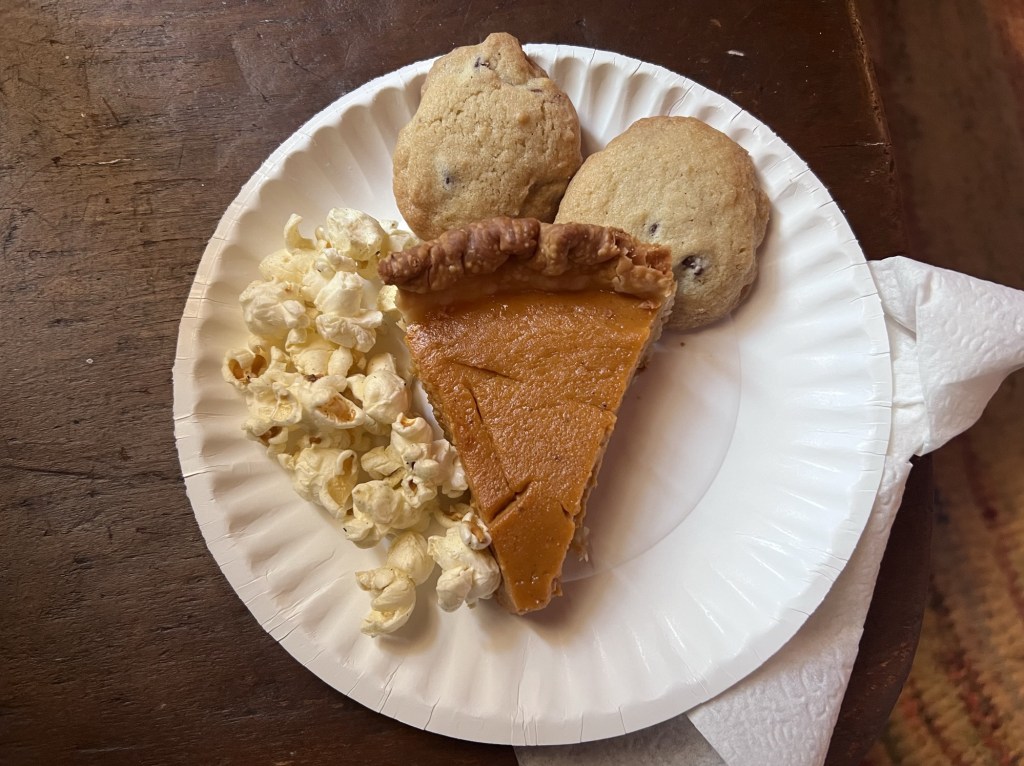
Visitors choose from Apple or Pumpkin pies, Roasted Chestnuts, Buttery Popcorn, Chocolate Chip cookies or Stuffed Cabbage Soup, all cooked fresh in the pots on the open fire hearth which also warmed the house on a cool afternoon. The museum was even selling a cookbook, Down Jersey Cookbook on some of the recipes being used in this part of New Jersey.
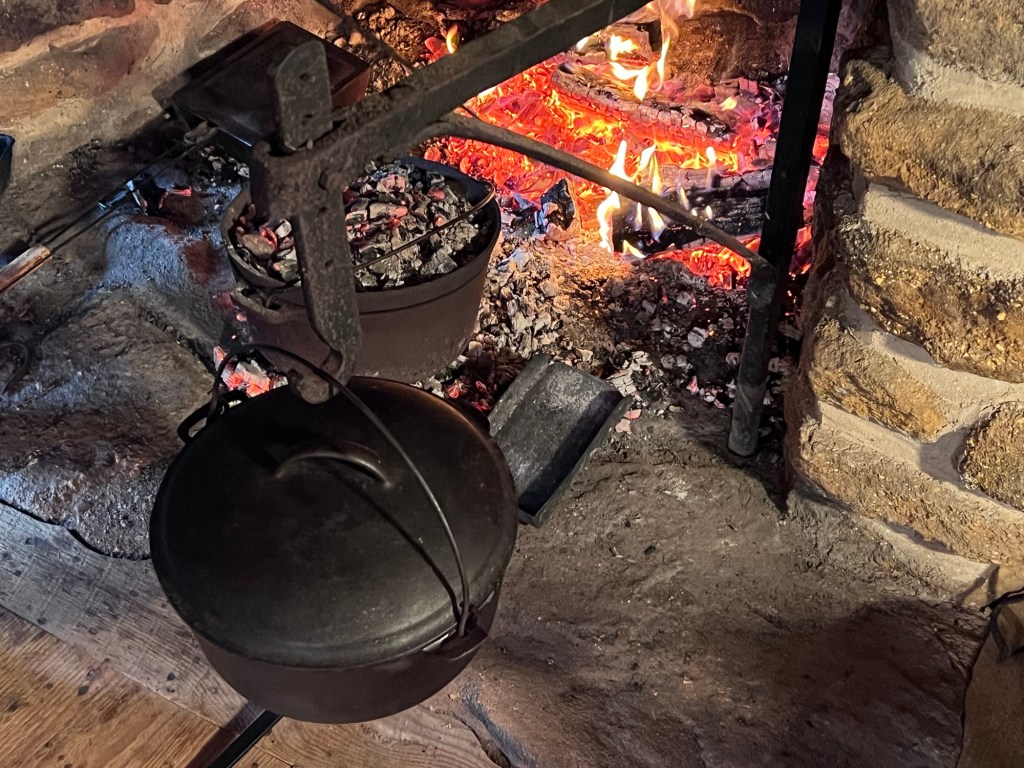
Cooking pies, soup, chestnuts and popcorn in the fireplace
The pies, Chestnuts and soups being cooked in the Open Hearth
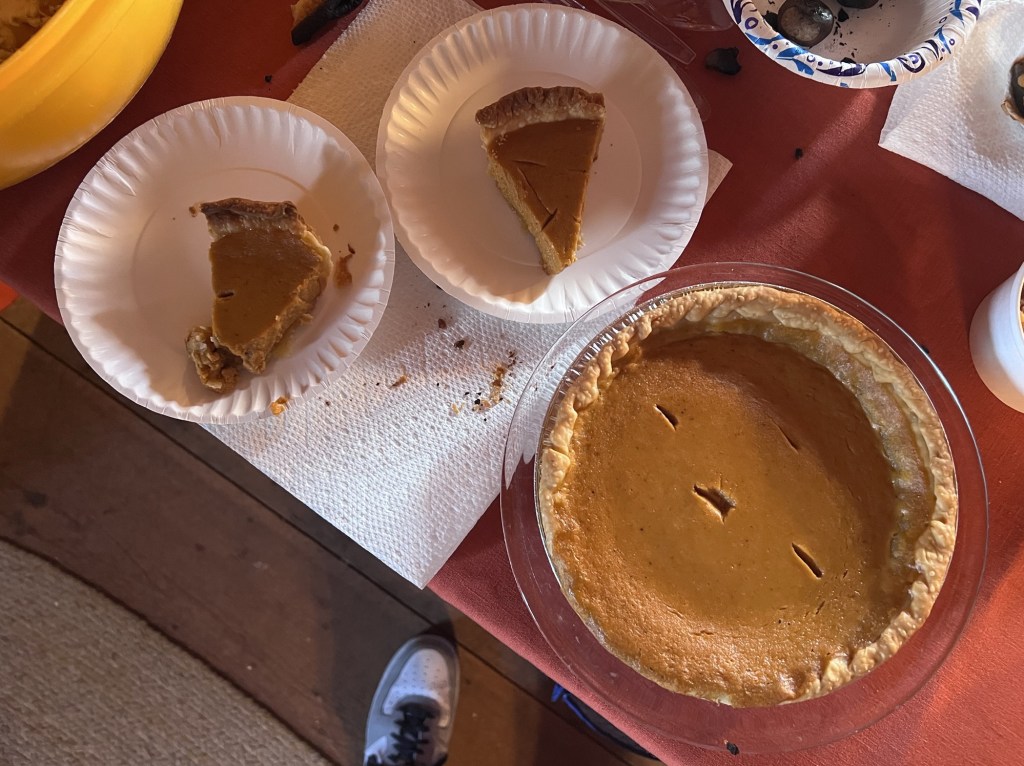
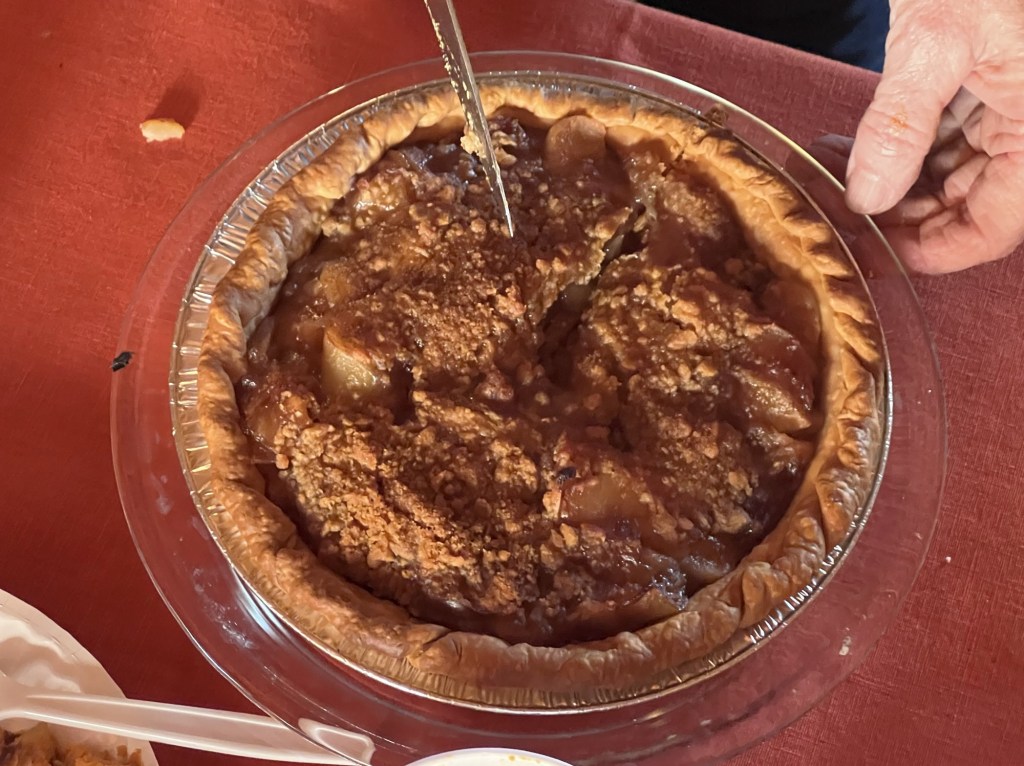
It was interesting how the pies were cooked in the cast iron equipment and then laid out to cool. They came out of the oven steaming hot and sat to cool before being sliced.
The freshly baked Pumpkin pie
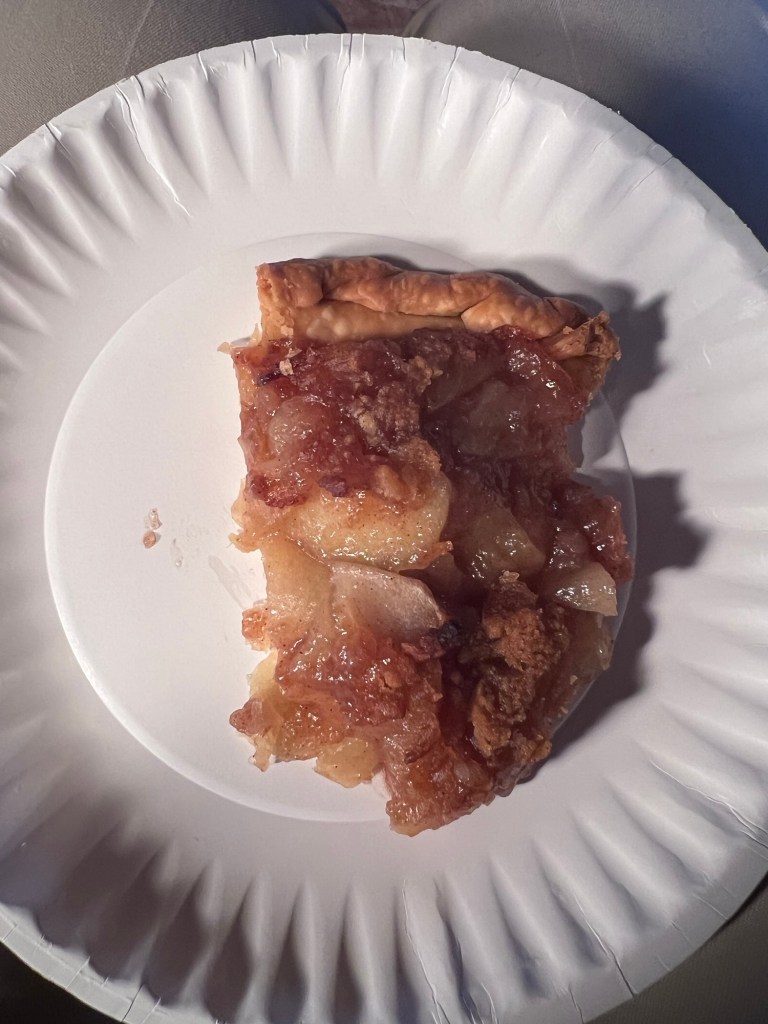
Freshly baked Apple pie
Freshly baked Apple pie. Yum!
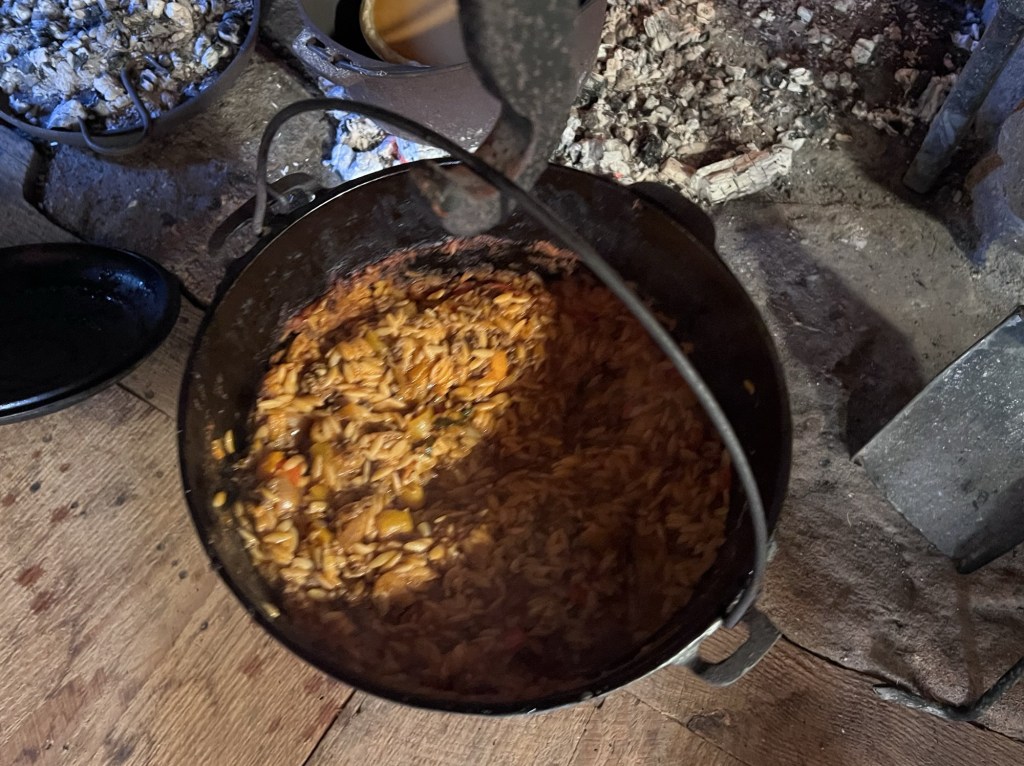
Stuffed Cabbage Soup in a cast iron pot
The thick Stuffed Pepper Soup
Freshly Roasted Chestnuts from the fireplace
The pots and pans in the fire
It was fun watching the foods being cooked right on the spot they way they would have over a hundred years ago. It was even more fun to eat them. I learned a thing or two about the culinary arts this afternoon and it was so nice to sit in a warm kitchen by the fire on a cool November afternoon.
The delicious Fall goodies cooked in the hearth
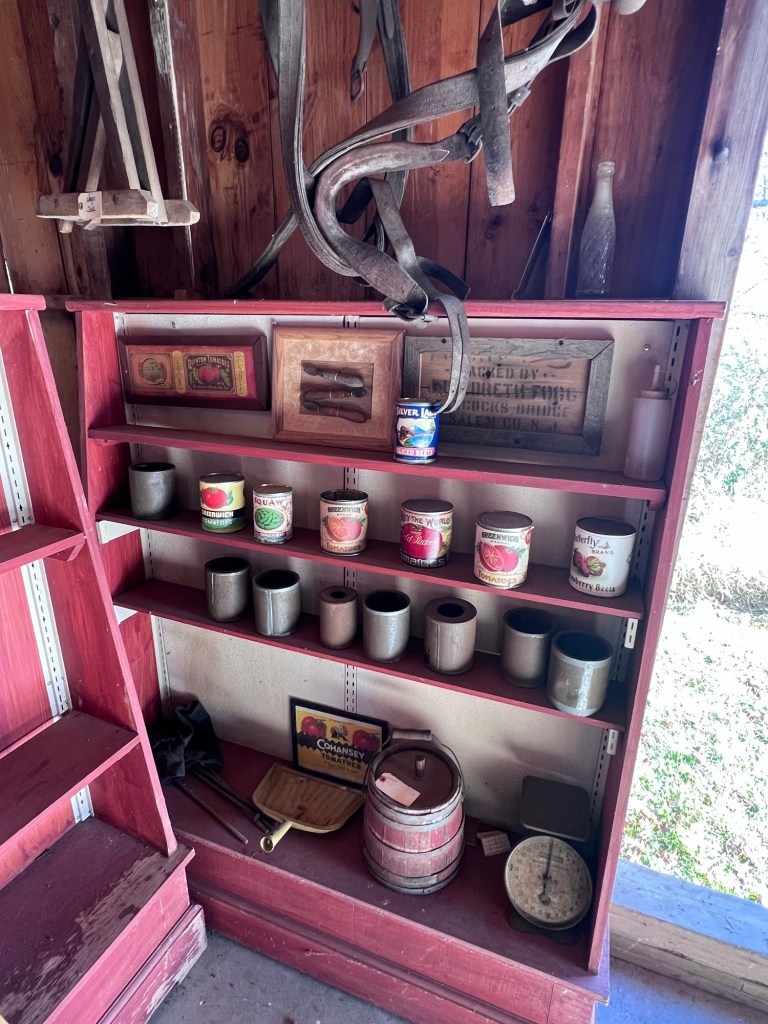
Farm supplies kept cool in the barn
It was really a homey event at the museum, with good food and wonderful conversation with residents of the community. All in a room warmed by a fire in a working fireplace. I love it when museums do such great events and using the historical cooking instruments was very unique.
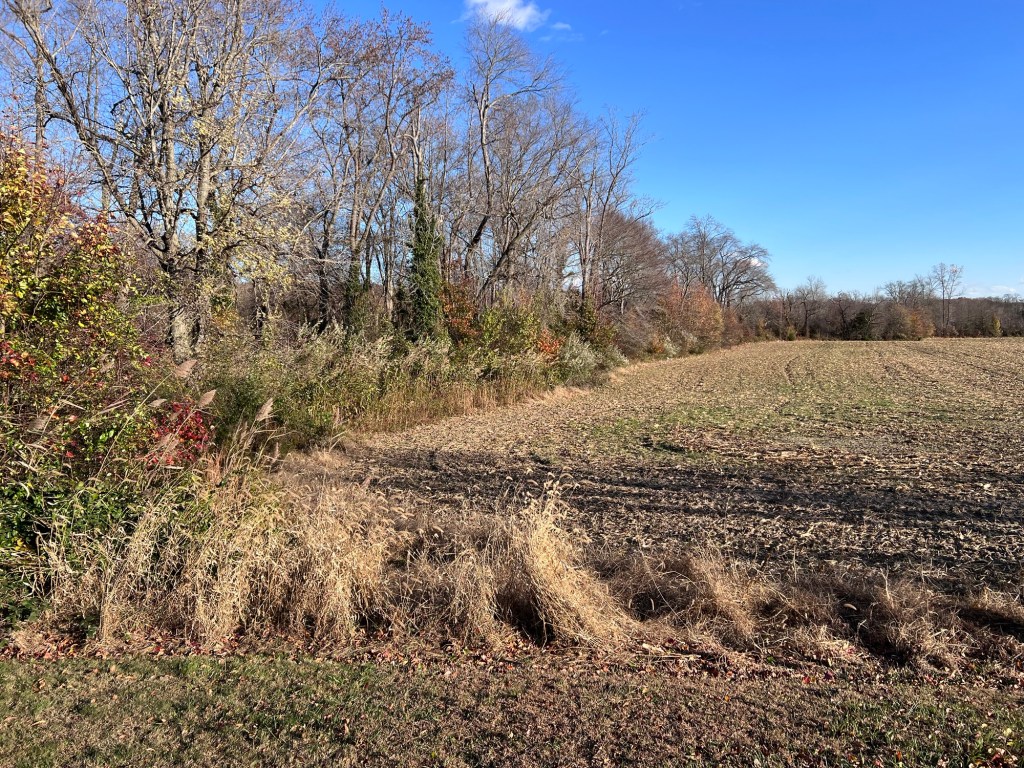
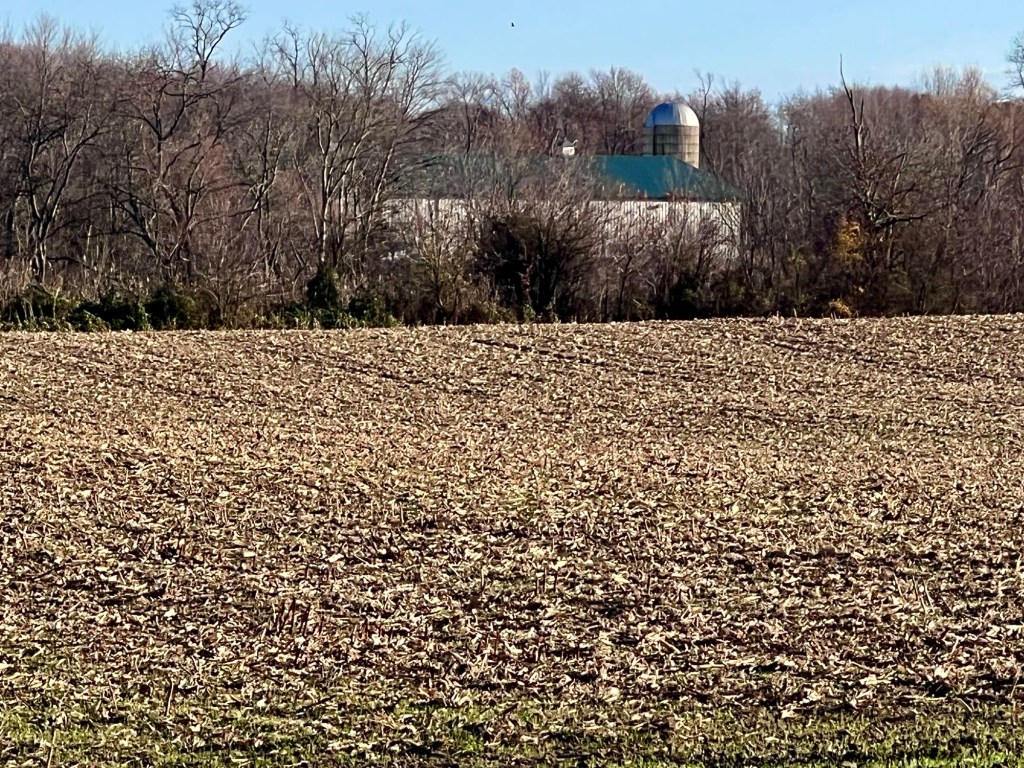
The Museum is in a rural location so the farmland that surrounds the house is really beautiful. The views in the fall were just gorgeous when the leaves were turning colors.
The beautiful farmland that surrounds the historical society.
The view on a late Fall day
The view of the local farm
The fields
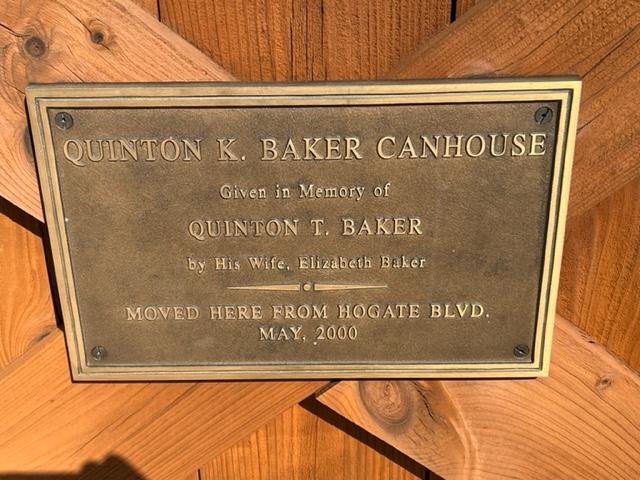
The plaque of the “Quinton K. Baker Canhouse, the last one left.
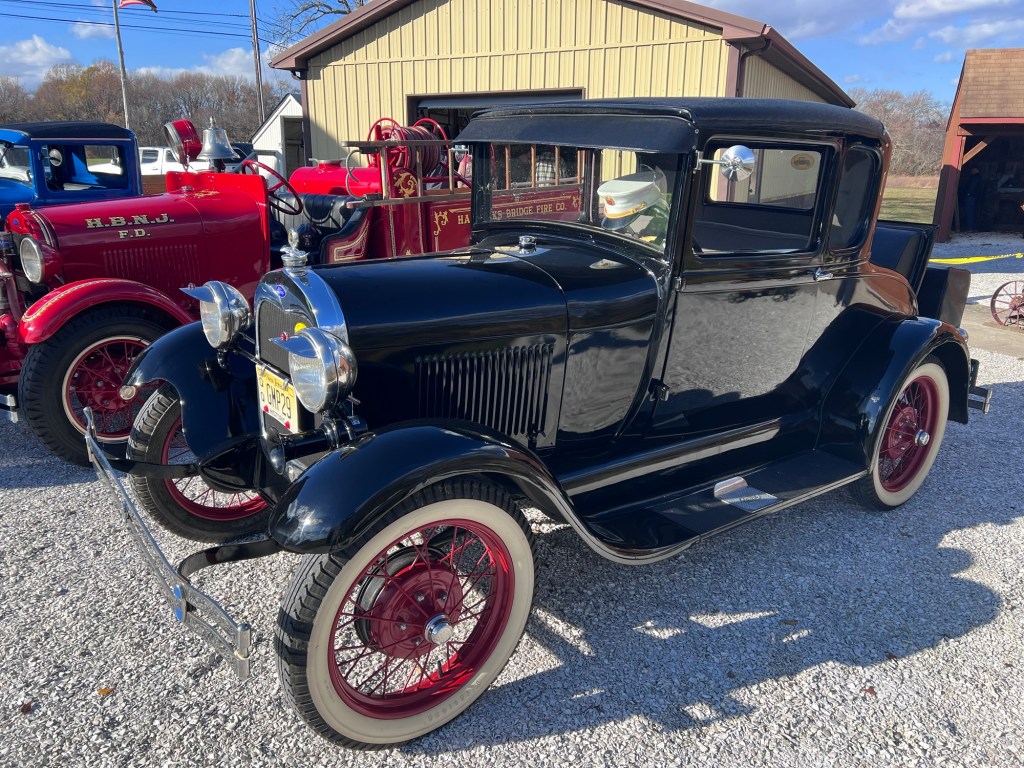
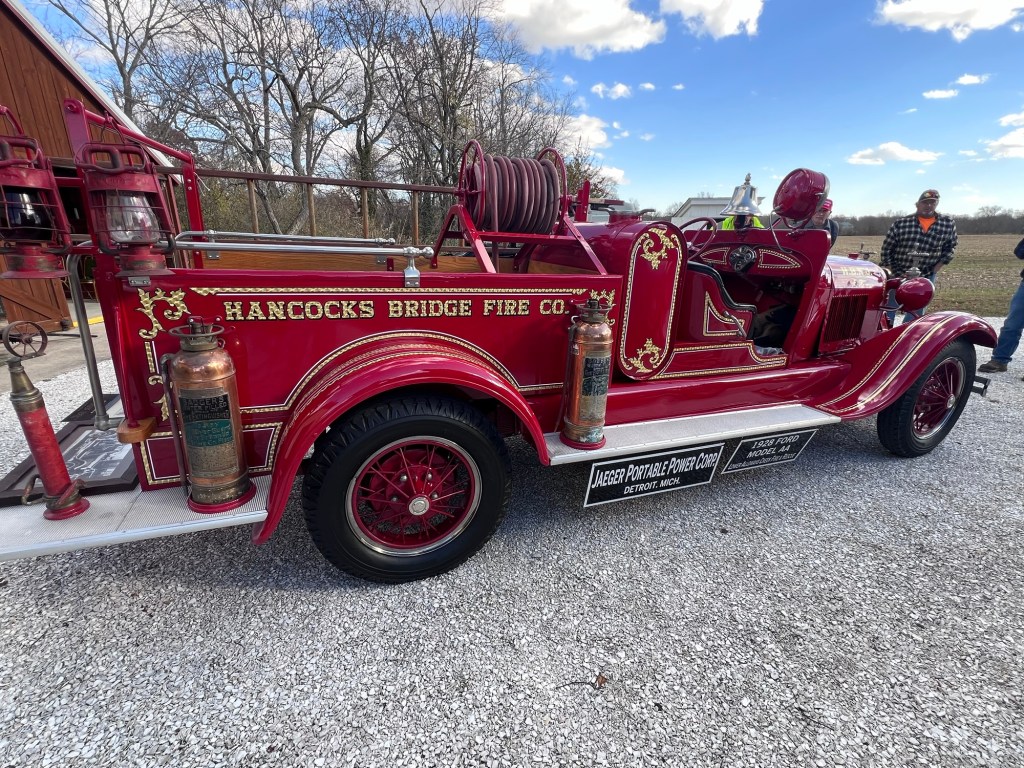
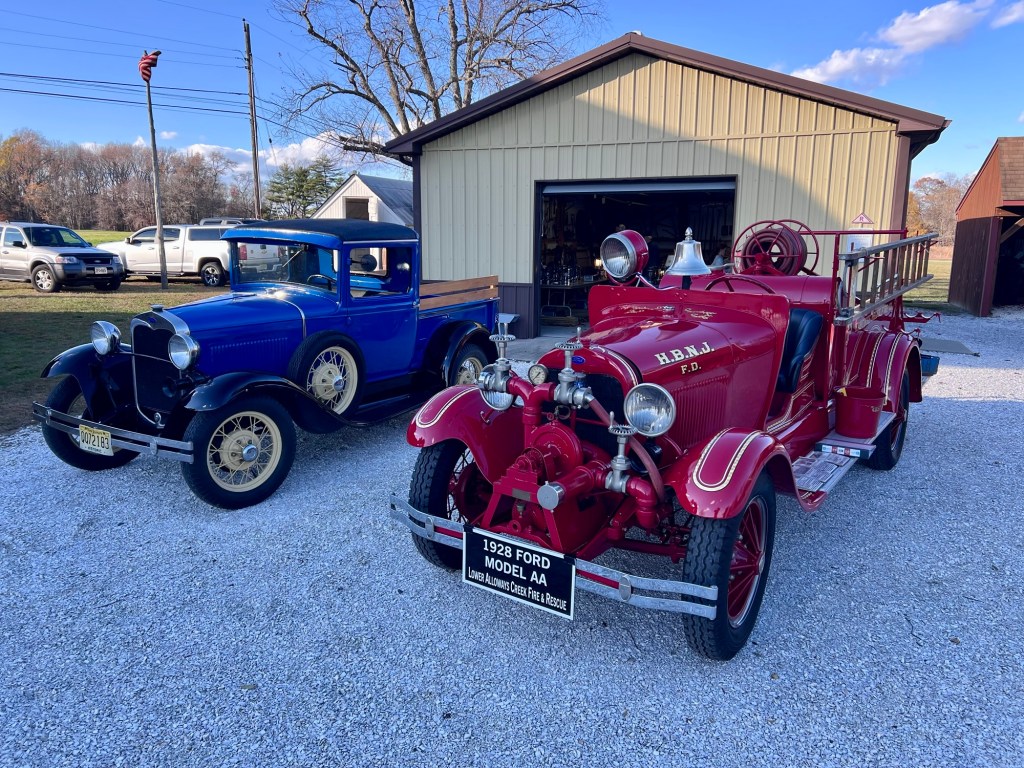
The historic cars and fire trucks on display at the museum that day:
The Model T
The Hancock Bridge’s 1928 Hose truck
The cars on display that day
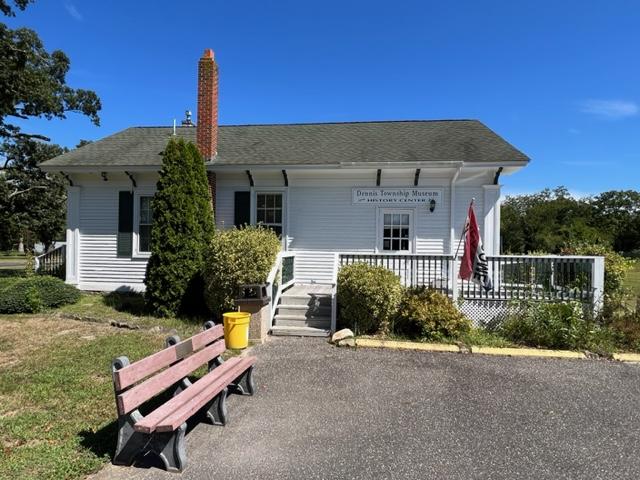
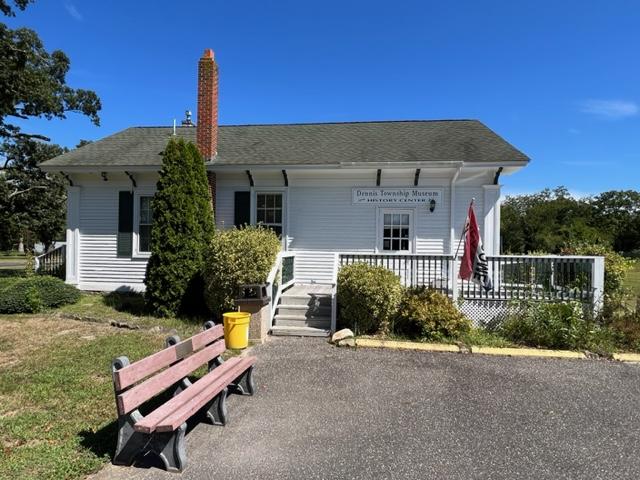
The front of the museum on my visit in November 2025
The back of museum during my visit in November 2025
The museum is open six times a year for special events. Please check out their website and their Facebook page for details. The Pie event was the last event for the season until the Spring.
The Dennisville Historical Society at 681 Petersburg Road
I have been wanting to see this charming little museum for several months. This is one of the featured historical museums in Southern New Jersey. The museum is representing the local farming and manufacturing industries as well as life in a farming community at the turn of the last century.
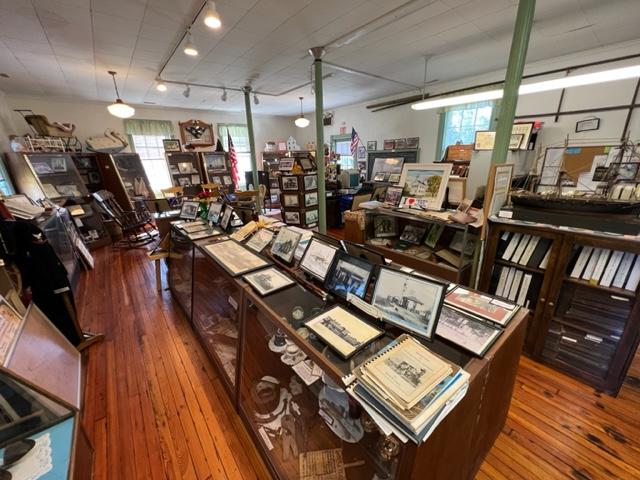
The Main Gallery at the Dennisville Historical Society.
The museum was started in 1994 in a partnership with the town of Woodbine, NJ and houses the history of Dennis Township. It is an all-volunteer museum, and the docents were really helpful describing all the displays that surround this small former schoolhouse. Their Friends of the Dennis Township Museum group does a nice job walking you around the museum and describing the displays.
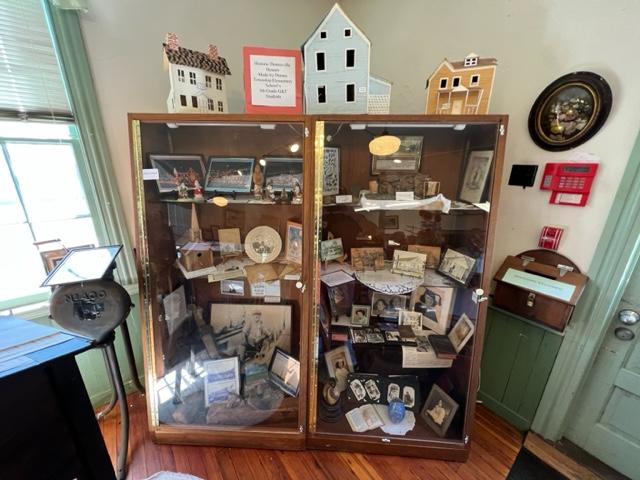
The artifacts that are on display at the museum.
The museum tells the story of a small-town farming community with a history of different local businesses, the Dennisville School district from 1874-1948 and the Methodist colony that was a big part of the community in the early 1800’s. The shipping industry was very important to any small town that used to supply its fruits, vegetables and fish to Philadelphia.
The Farming display at the museum.
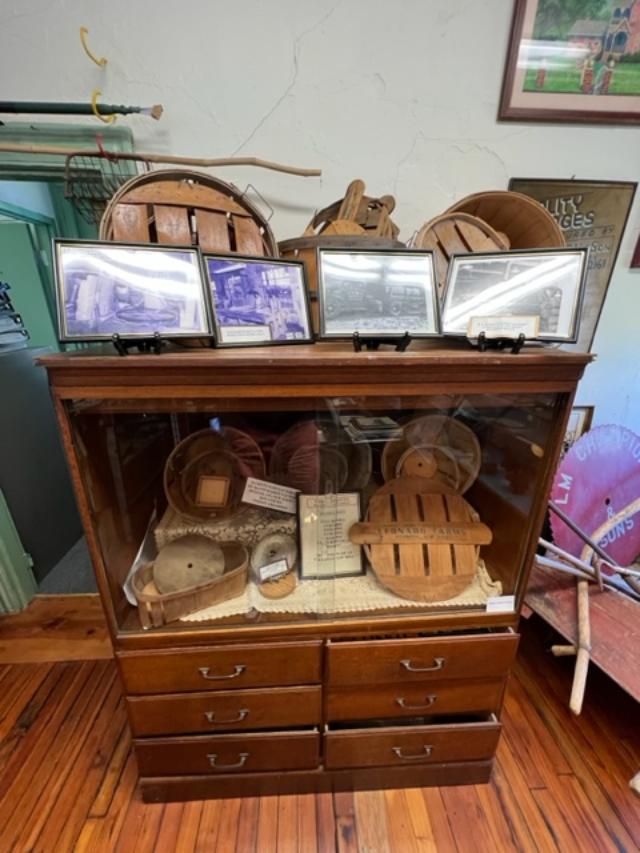
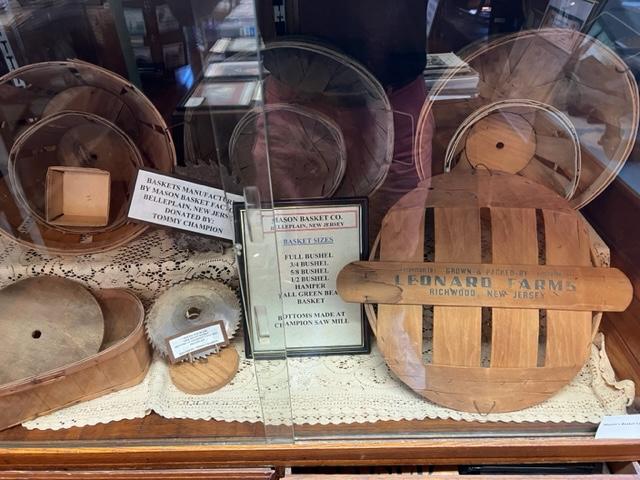
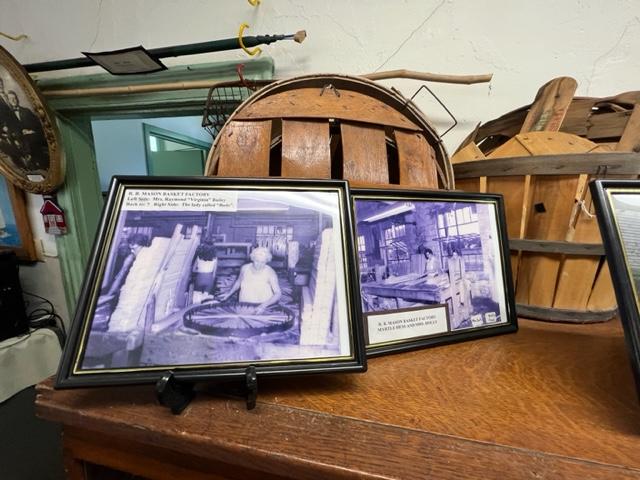
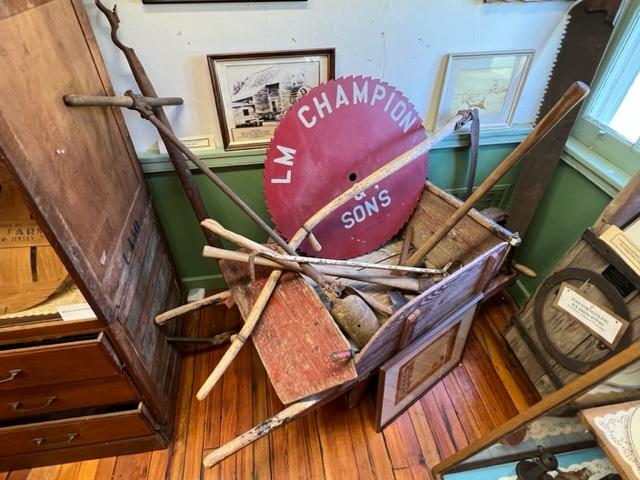
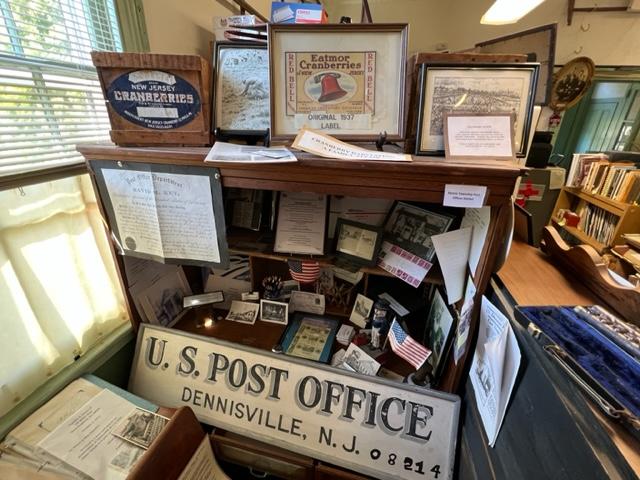
Some of the displays were dedicated to the local family businesses with the small cranberry industry that used to be in the area with equipment and packaging. The Mason Basket Company used to make the small and large wooden baskets for fruits and vegetables used to ship these items to both New York City and Philadelphia. These baskets are a staple at any farmers marker today.
The Basket making business for fruits and vegetables was a big business.
The other big business in town was the shingle making business that prided itself on supplying the shingles for Independence Hall in Philadelphia.
The history of the Basket making business in Dennisville.
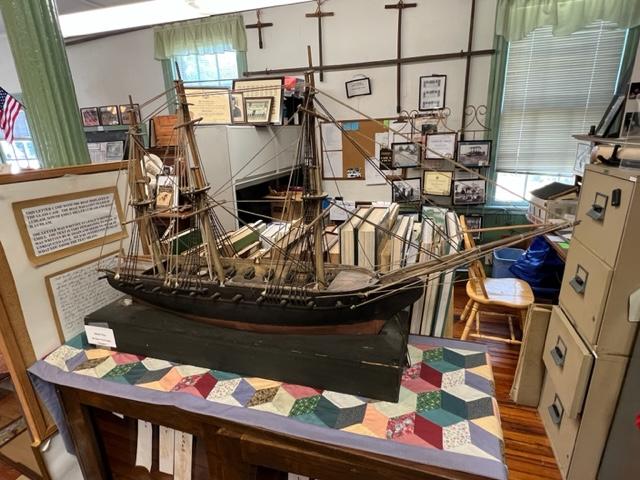
The basket and shingle businesses in Dennisville.
The building had been the local one room schoolhouse for the surrounding community from 1874-1948 until the new schools were built in the 1950’s. There was a display on the school’s history as well as lots of pictures of the students at the turn of the last century with their period clothing and proper manners taking pictures with their schoolteachers. There were displays of desks, clothing and items that would have been in the school room.
The school display
The school display.
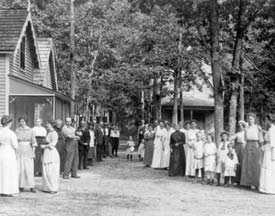
The town had once been a Methodist community with a large meeting house and surrounding homes for parishioners to stay. They showed the meetings and how the group would spend their summers in the area.
The summer community in Dennisville, NJ (from their archives)
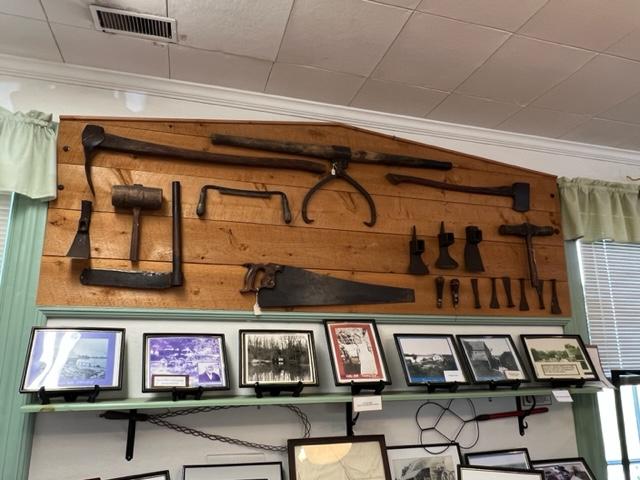
The museum showcased live in a small-town farming community with all sorts of farm and farmhouse equipment. There were all sorts of home making items like cooking utensils to make meals from scratch, baking and serving in homes where being a housewife took a lot of strength. The farm equipment included hoes, racks and seeders that kept the farms going.
The Post Office display
There were pictures of the renovations of the Ludlam family cemetery that had gone through a renovation by the Boy Scouts and showcased it beauty. The members did a nice job renovating the tombstones and landscaping.
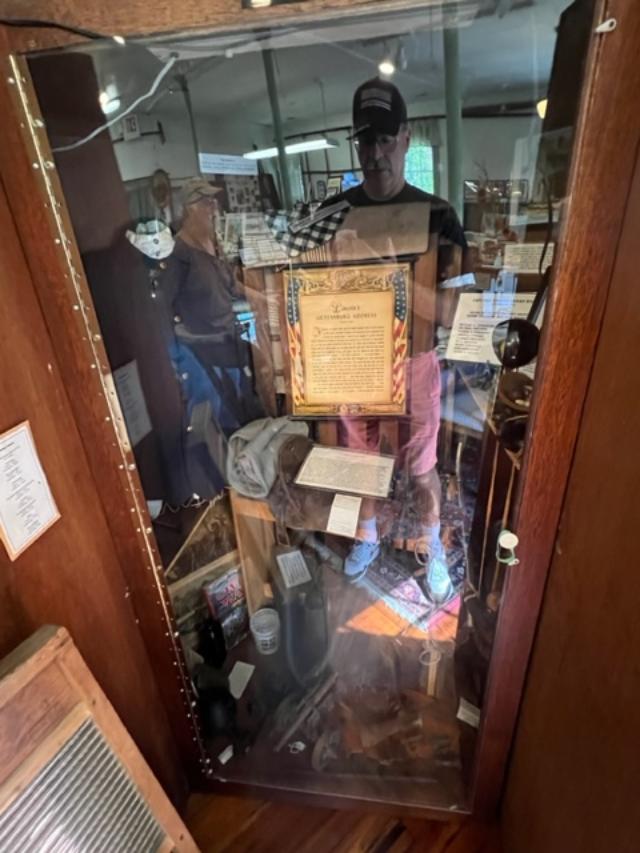
The Civil War display
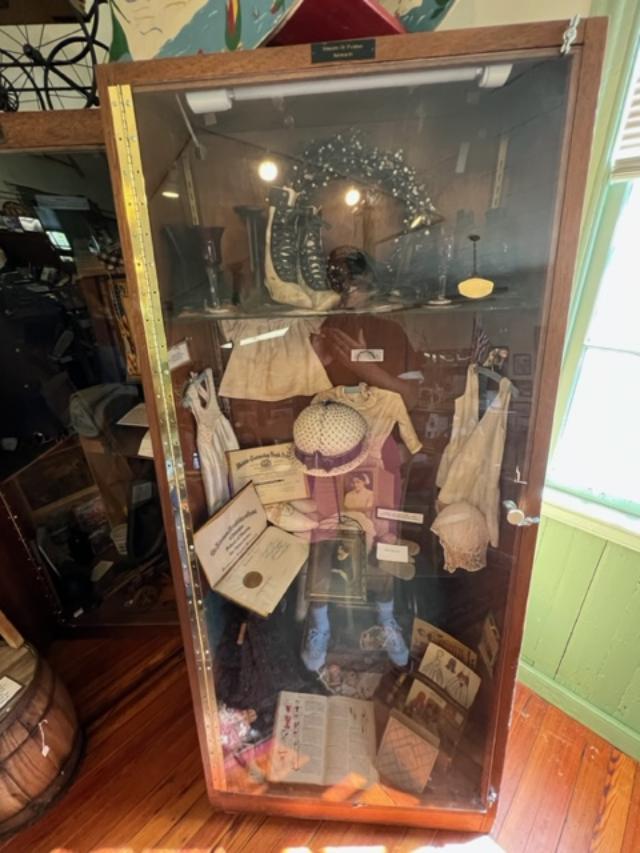
The Clothing display
The Children’s display
There were lots of interesting items to see in the Children’s display.
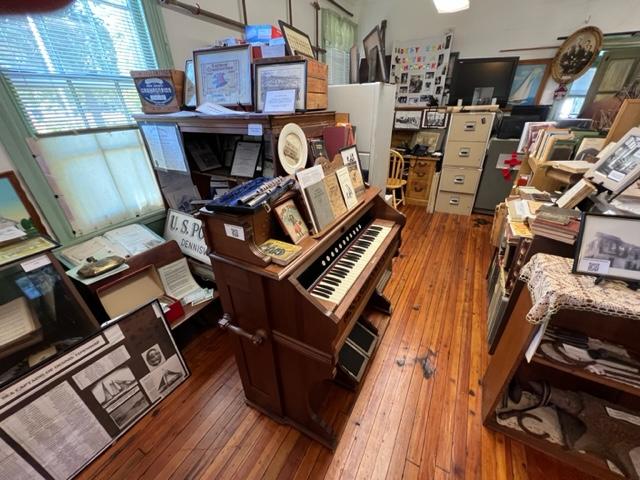
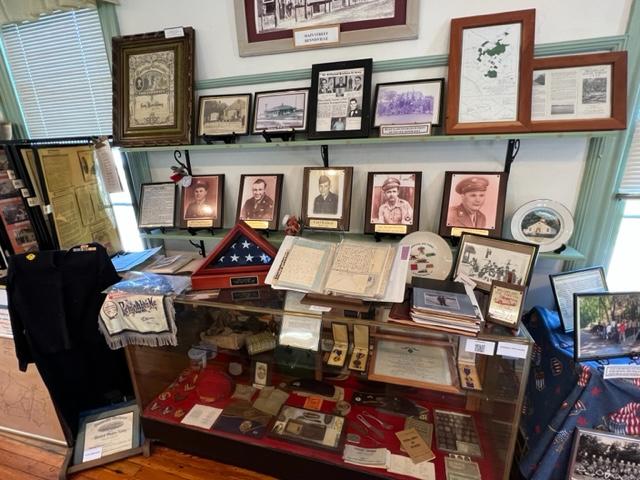
In the corners of the museum, there is period clothing from the Civil War to the 1930’s with hats, gloves and dressing plus accessories. There is a small display to the local veterans of war. Near the entrance there is a working pipe organ and more information about the town from the early 1900’s.
The Household items at the museum.
The docents told me that they have the old town records and that people come to the museum to research their families that used to live in the area. They have had people come from all over the country to find their family roots.
The Shipping Industry
The Ship Building industry
For a small museum, it is chock full of small displays offering a glimpse into a community of time past and how it has grown over the future and changed.
The Military display
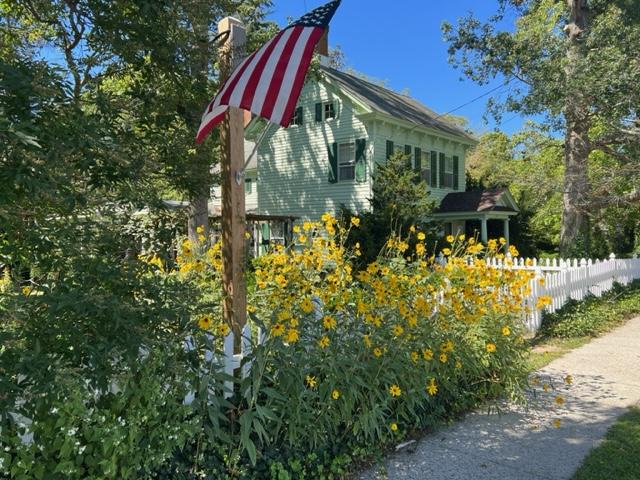
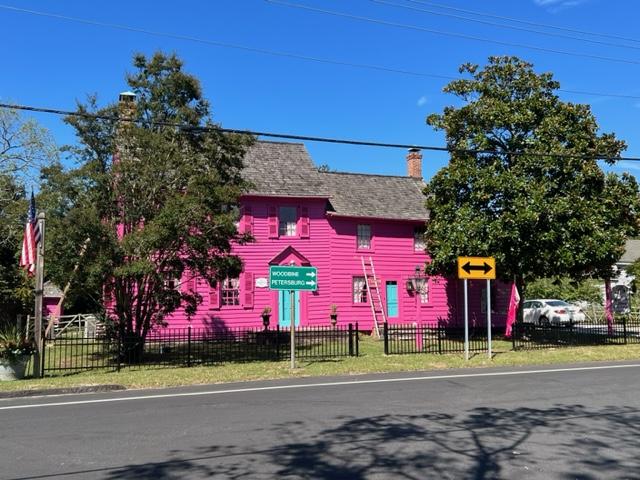
Take time also to drive around this small town loaded with historical homes that have been beautifully maintained and labeled with the year that they were built. Some looked like they had the family names on them. All of the homes are painted bright colors and each has been brought back to life. I was amazed in how in one year how many of these homes had been bought and repaired and painted. The whole town was brought back to life.
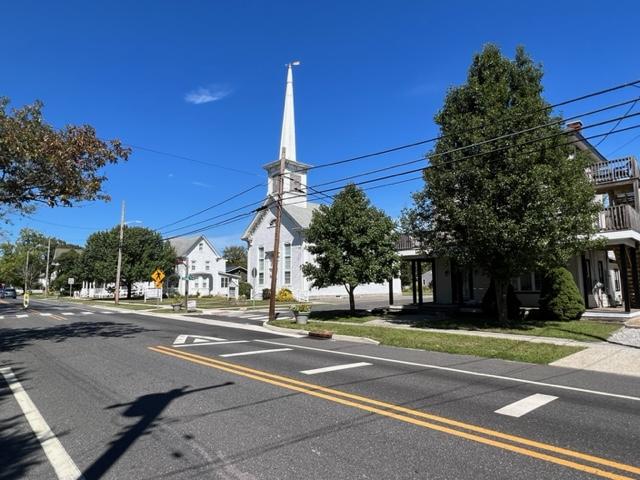
Downtown Dennisville has a quaintness to it.
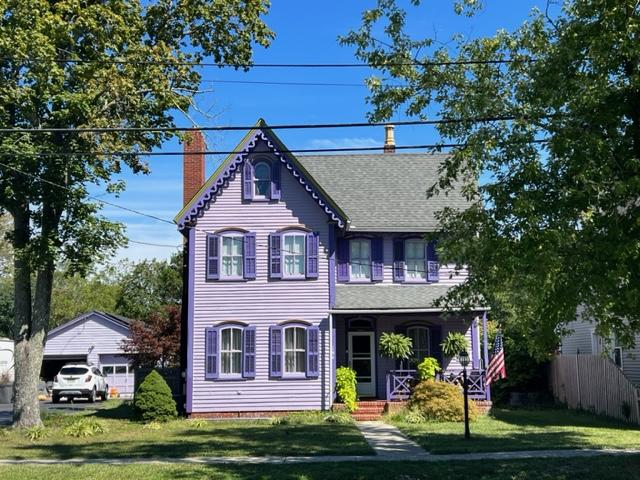
The Purple House in Downtown Dennisville, NJ.
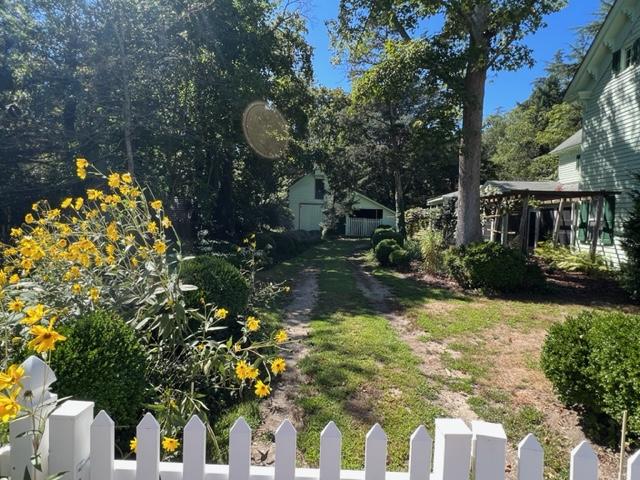
The light Green House in Dennisville, NJ
The gardens of the Green House
The Pink House is a known landmark to local law enforcement as a marker in the town.
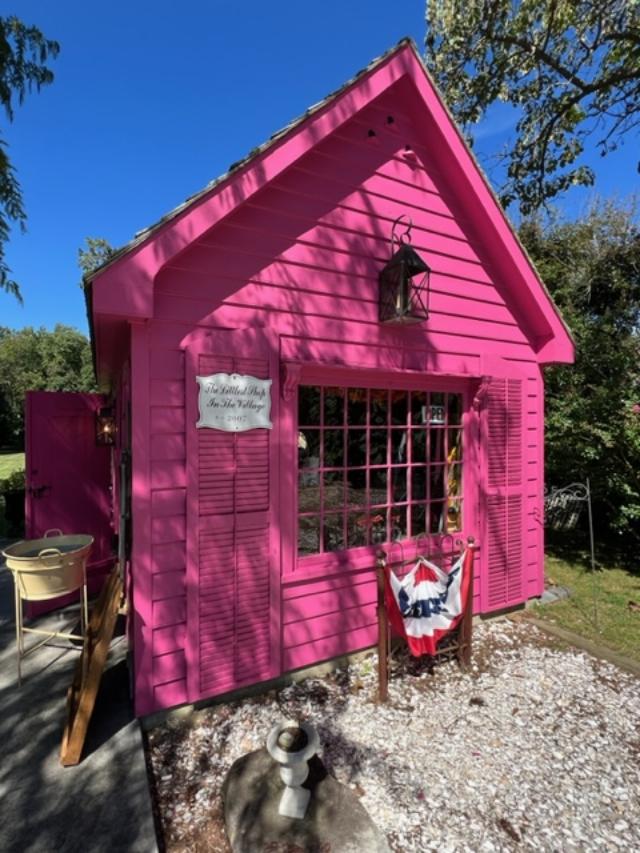
There is a tiny gift shop selling jewelry behind the house which just opened. I thought it would make a nice Tea House.
The Town of Dennisville has it charms to it and it totally being redone. Too bad the only restaurant in the area is a Wawa. Still it is a nice place to visit and drive around in.