Tag: Professor Justin Watrel

Barnegat Light Museum/The Edith Duff Gwinn Gardens                                                                   501 Central Avenue                                                        Barnegat Light, NJ 08006

Barnegat Light Museum/The Edith Duff Gwinn Gardens 501 Central Avenue Barnegat Light, NJ 08006

Barnegat Light Museum/The Edith Duff Gwinn Gardens

501 Central Avenue

Barnegat Light, NJ 08006

(609) 494-8578

Open: July and August Sunday-Saturday 10:00am-4:00pm/June-October 10:00am-4:00pm/Seasonal

Fee: Donation to the museum

https://barnegatlightmuseum.org

My review on TripAdvisor:
https://www.tripadvisor.com/Attraction_Review-g46285-d8548161-Reviews-Barnegat_Light_Museum-Barnegat_Light_Long_Beach_Island_New_Jersey.html?m=19905

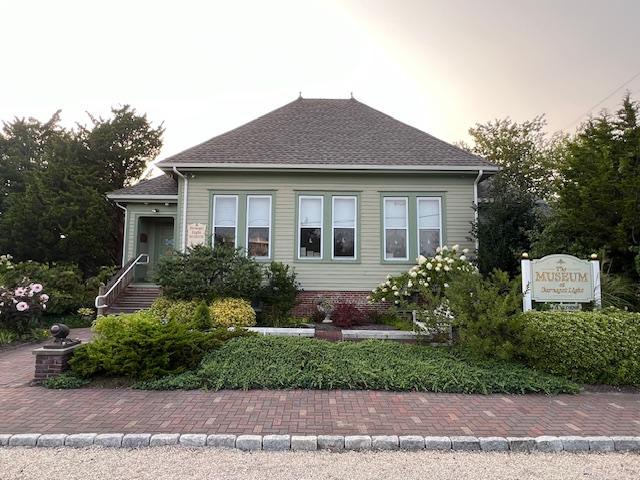
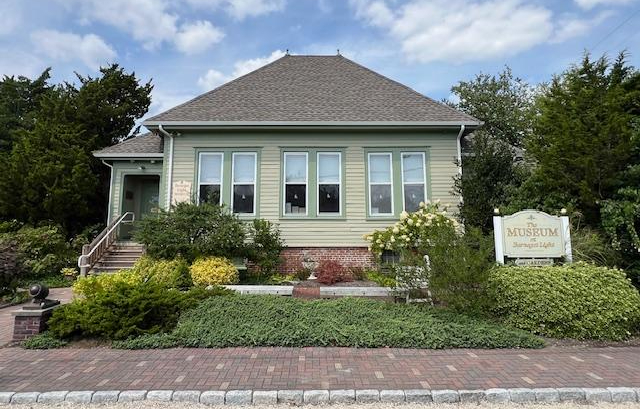
The Barnegat Light Museum at 501 Central Avenue

I was on Long Beach Island for the afternoon and had wanted to visit the Barnegat Light Museum on my last trip to the island but it was closed for the afternoon. When I checked the site to see if it was open this weekend, I found that it was and since I had to be in Beach Haven that afternoon I made it my first trip.
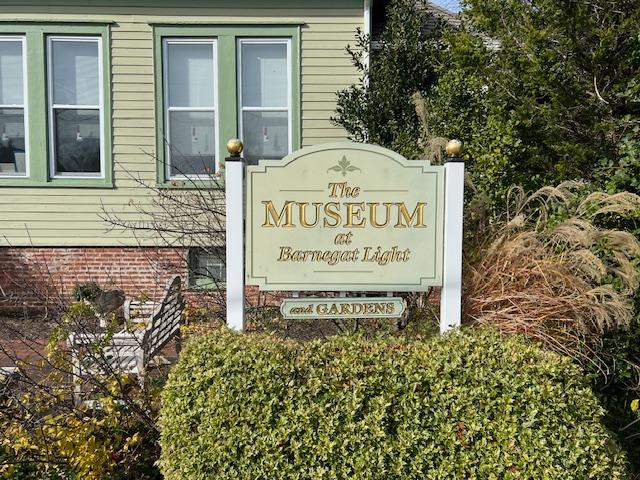
The Barnegat Light Museum sign in the off season.

The museum is now open ‘by appointment only’ in the off season, so I called the number provided and the President of the Museum Board opened the museum up for me and gave me a personal tour. What an interesting little museum packed with information and artifacts.
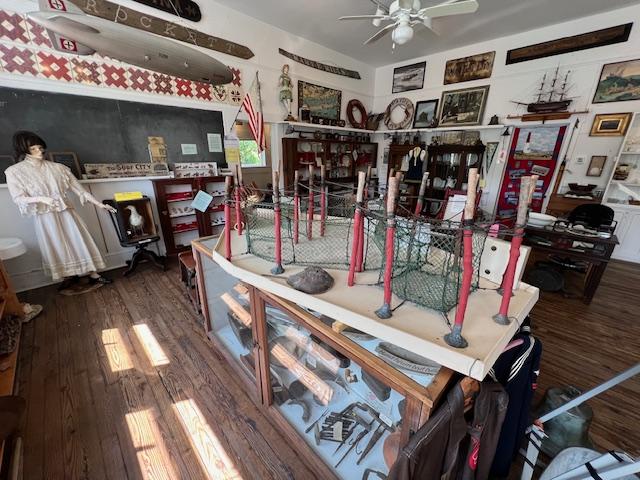
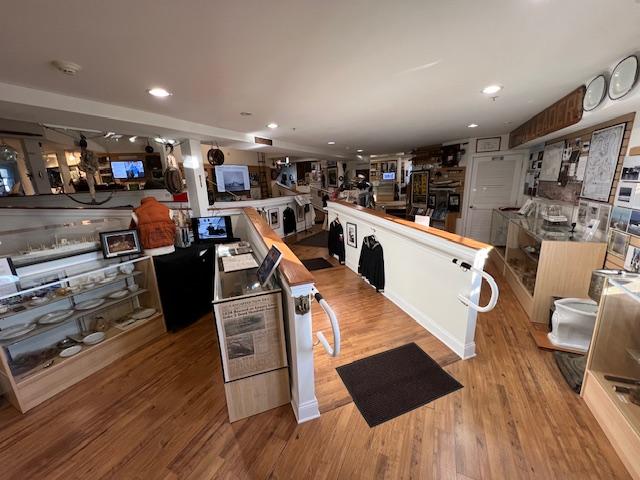
The Barnegat Light Museum main gallery

The museum is a former one room school house that was built in 1903 and used by island school children until 1954. The building still houses the original heating unit, a coal burning furnace and books of the children’s notes from school that had been handwritten (now typed) of current events and school notes.
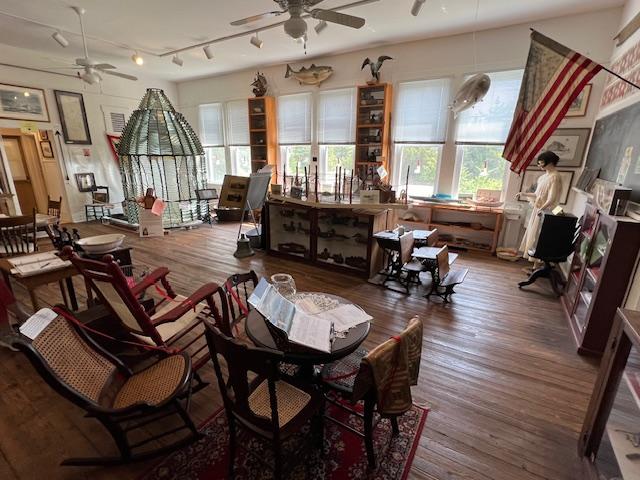
The main gallery of the Barnegat Light Museum
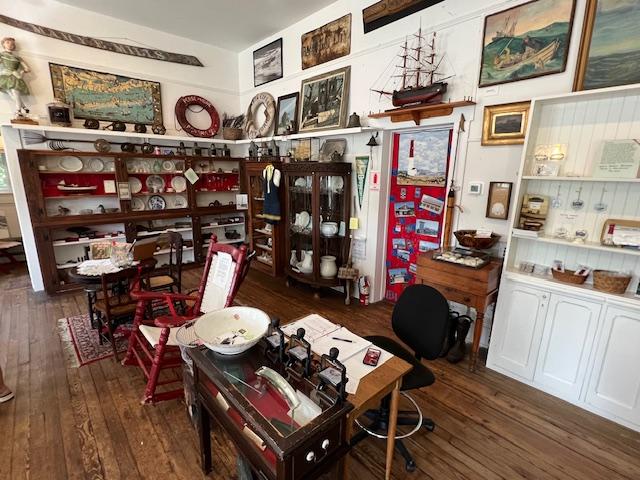
The main gallery of the museum

The main attraction is the original light, a 1052 prism lens, for the Barnegat Lighthouse on display since 1927. The glass panels and sheer size and beauty of light shows how it was once the beacon for ships along the New Jersey coast. It had been brought to museum after moving around to various places over the years.
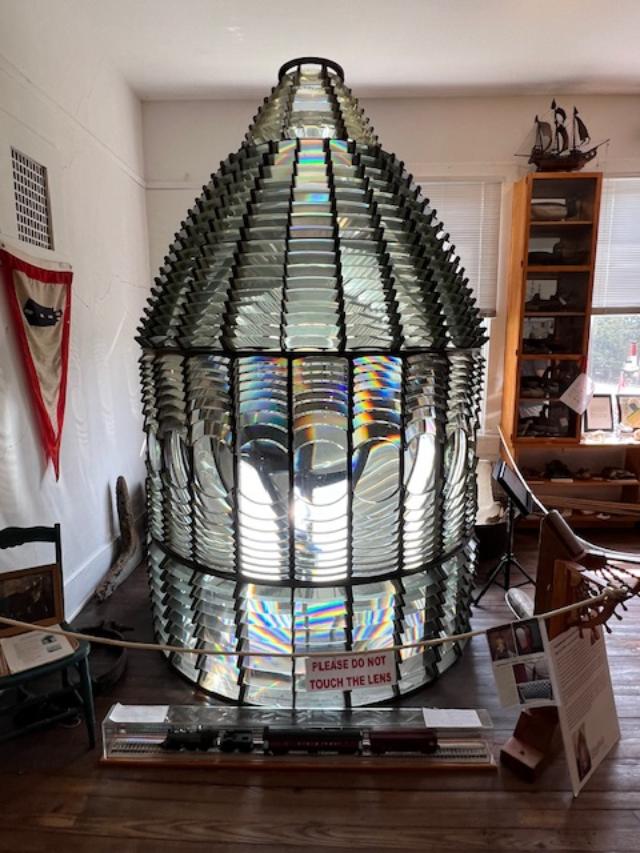
The original Barnegat Light for the Lighthouse
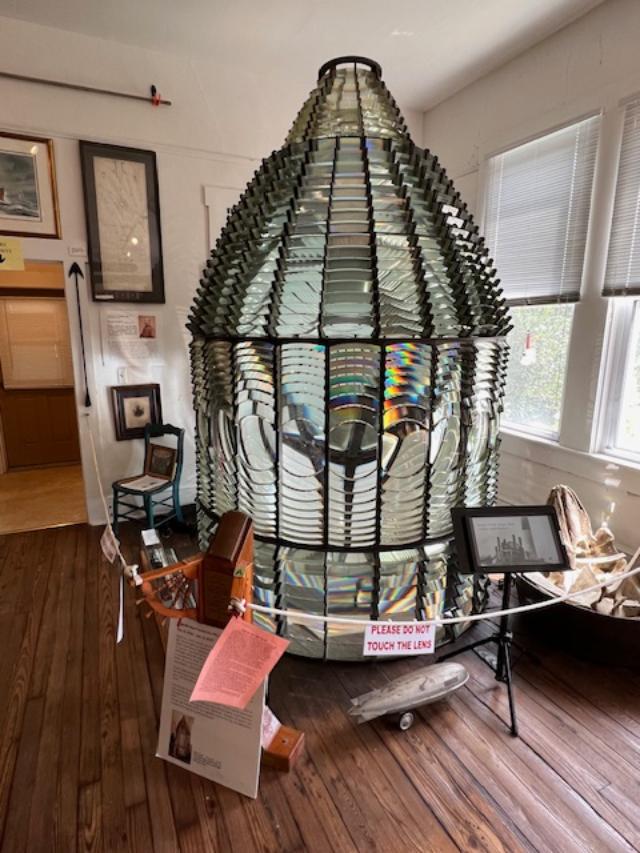
The Lighthouse and light display in the museum

Along the walls are all sorts of local artifacts such as dinosaur bones that had been found in the bay and donated to the museum (the president of the museum said today there are certain laws on this), local housewares from families that lived on the island and various types of fishing equipment.
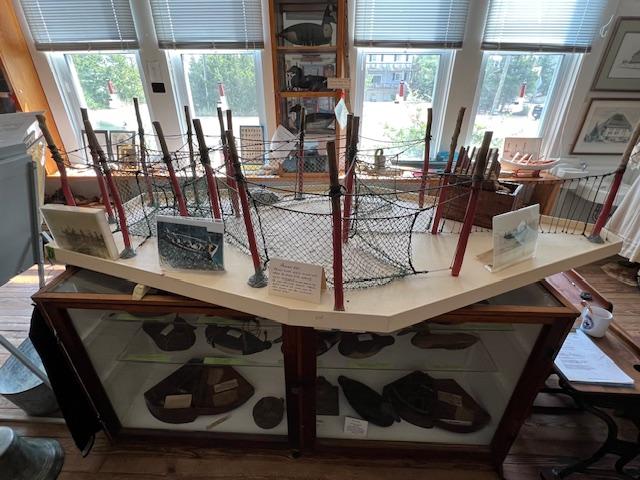
Display cases filled with local fishing artifacts and net configuration for ‘Pound Fishing’
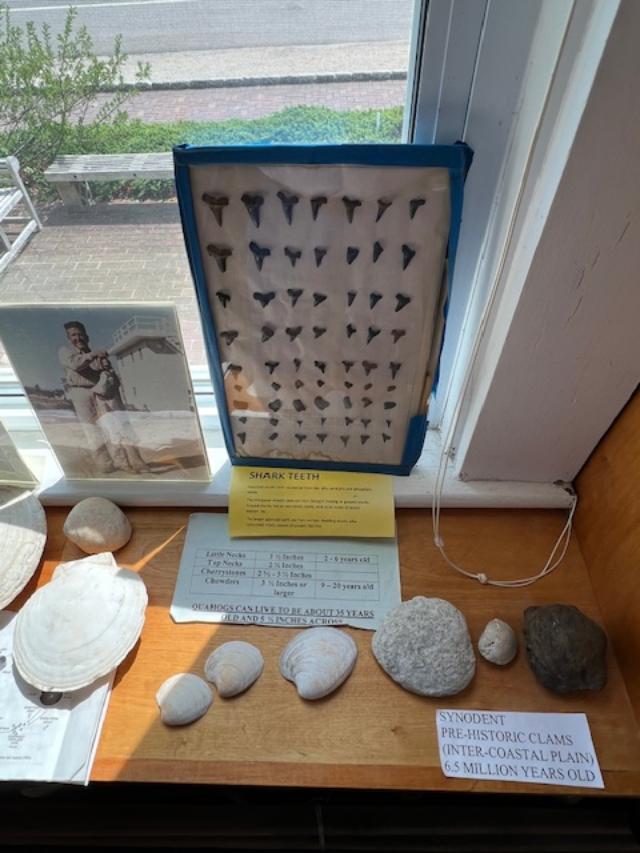
Shark Teeth, Native American Artifacts and prehistoric fossils

There is even a mini display of ‘Pound Fishing”, which is a series of poles and nets are used to catch the fisherman’s prey. This small display shows how it is constructed and used to catch the fish. There is an extensive display of Duck decoys, showing the island’s past and present as a hunting ground for water fowl. The displays come in all colors and types of ducks. There is also an interesting display of whale vertebrae and other fishing displays.
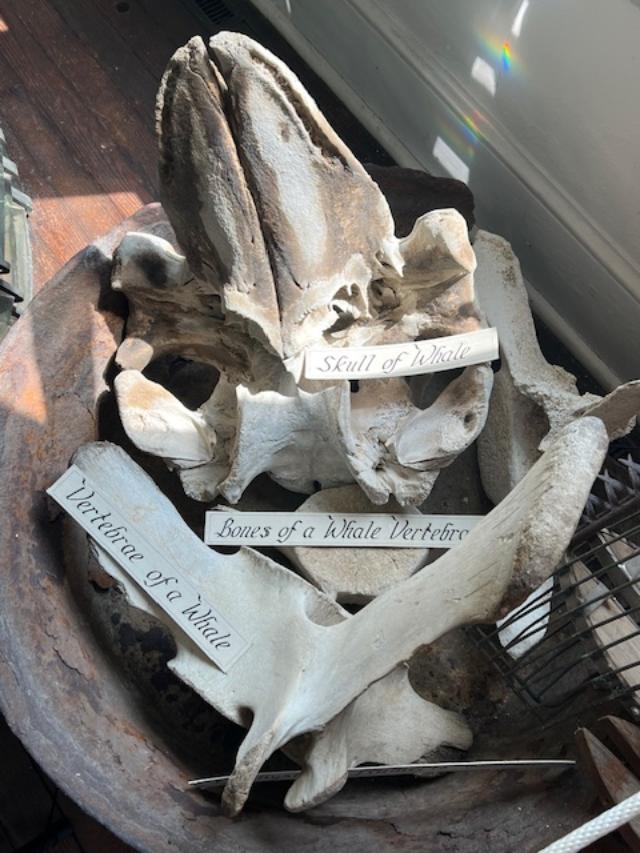
The Whale Vertebrae exhibit

There is an extensive history of the resort hotels that used to be on this part of the island that had been effected by the changing tides of the island. Like the old lighthouse and lighthouse keepers home, one of the hotels just gave way to erosion. This part of the island just keeps shifting.
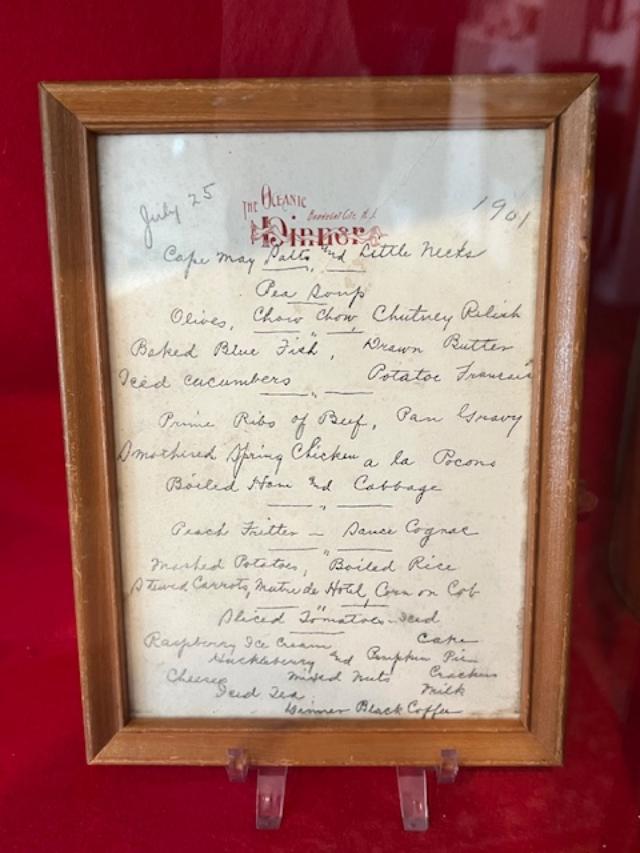
The Resort and Hotels display of menus
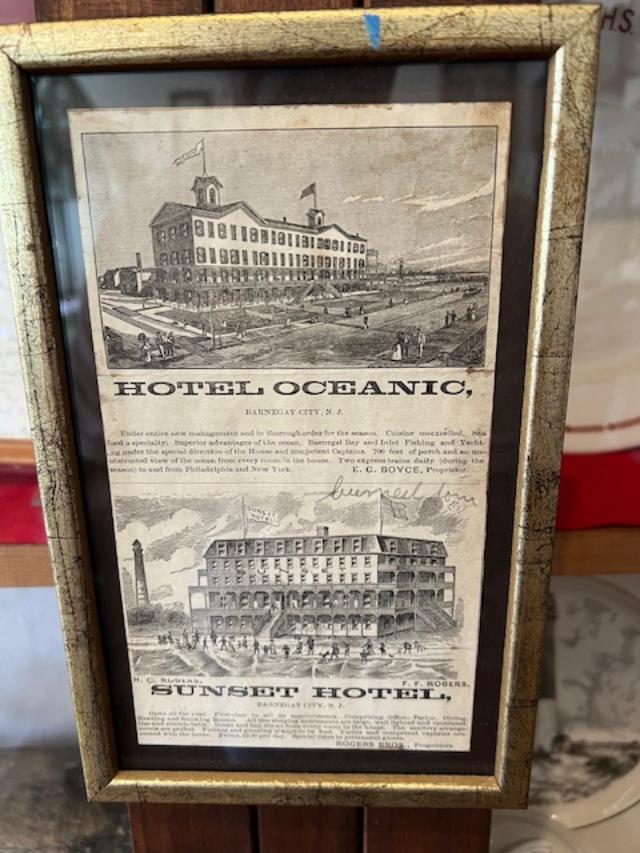
The Resort and Hotels display-The former hotels
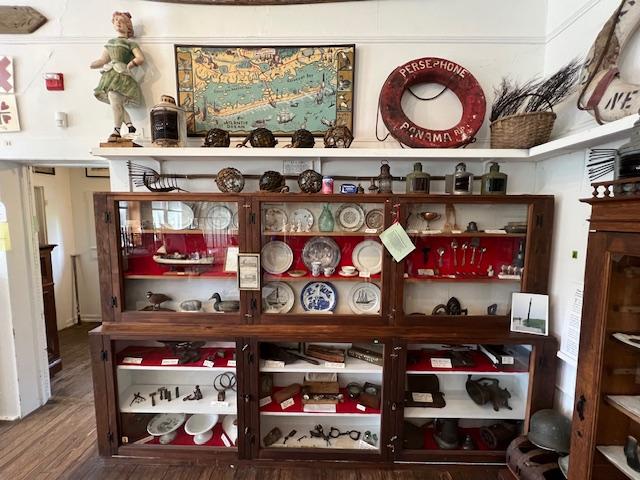
The Resort and Hotels display-Dishware and resort artifacts
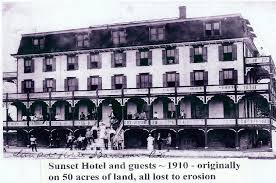
Hotels disappeared because of shifting tides
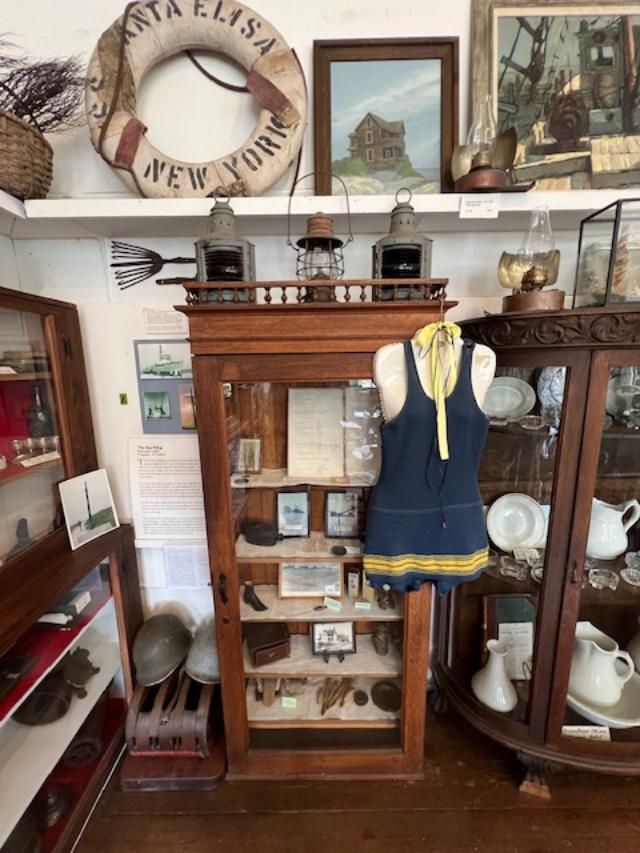
Water sports and fishing displays

Since the building was once home to Barnegat Light’s School house, the original furnace is still in the building along with a display of items from old schools in the area.
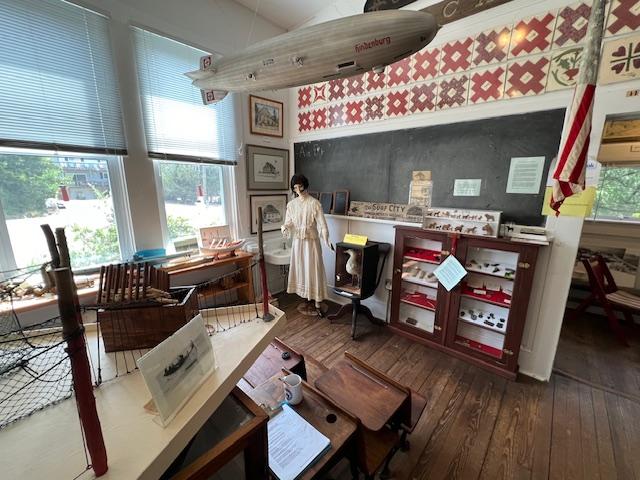
The School gallery
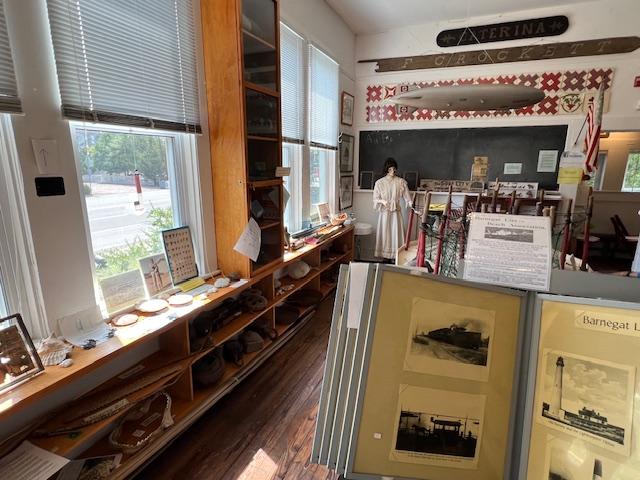
The Schoolhouse Gallery
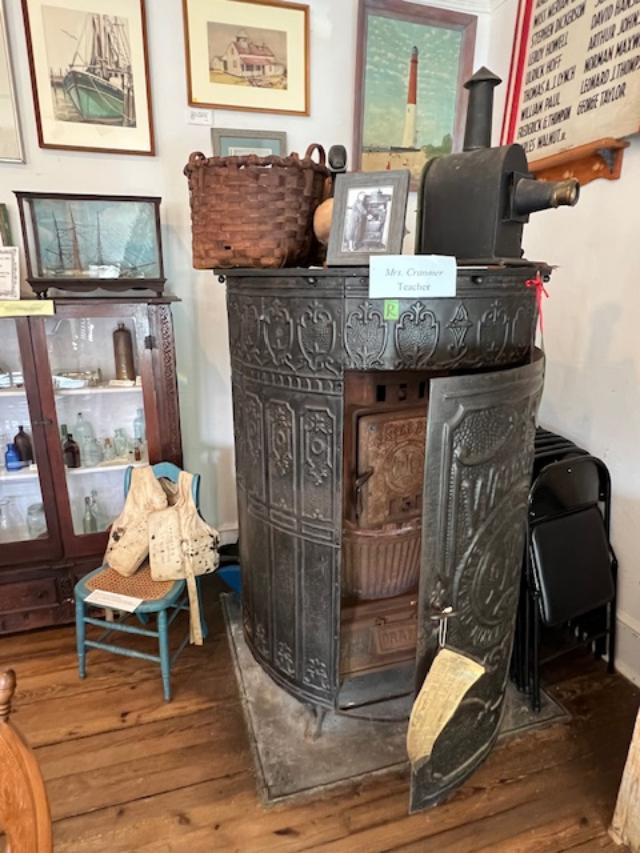
The schoolhouse furnace

The retail trade in the early part of the century leading from the old railroad track to the island was the local General Store. The railroads were a big part of the growth of this area until automobiles to the shore became the preferred mode of transportation.
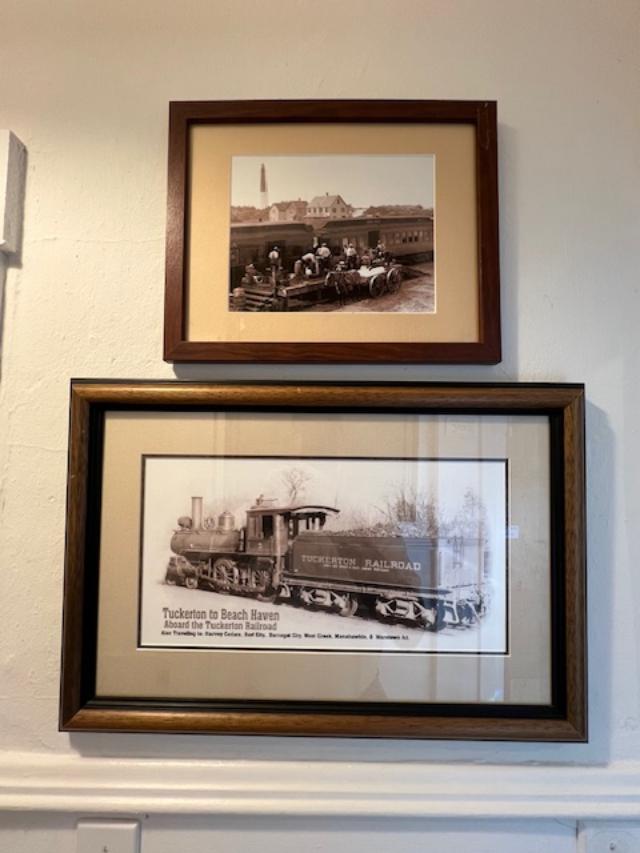
The railroad display
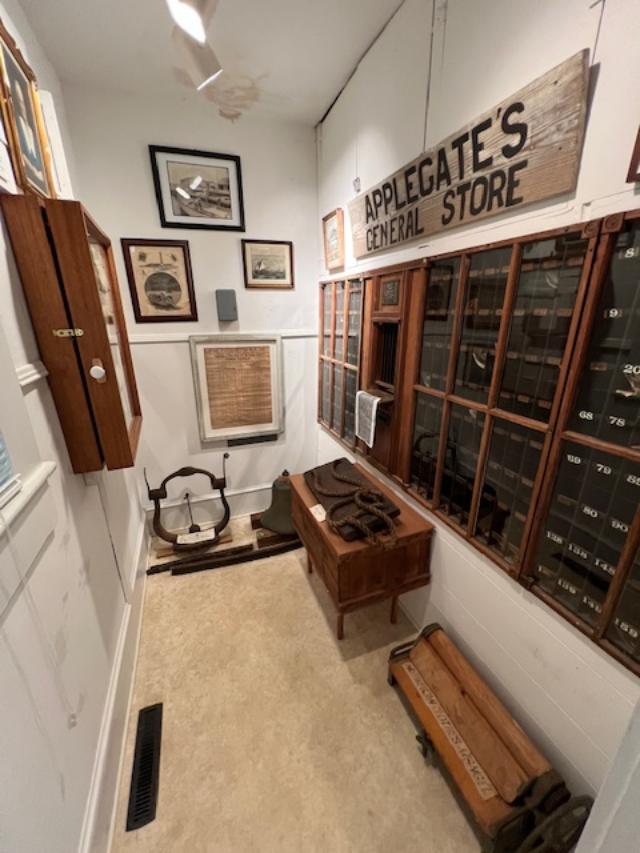
The General Store exhibit
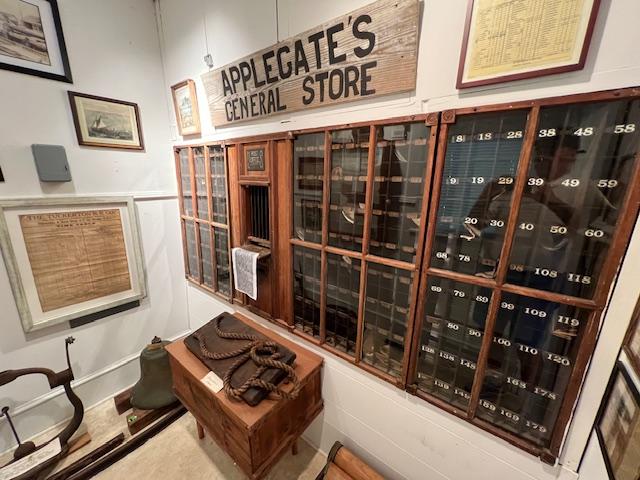
The General Store exhibit

The Edith Duff Gwinn Gardens behind the museum in all seasons:

One beautiful benefit of the museum is the beautiful gardens that surround the museum, The Edith Duff Gwinn Gardens. The pathways are maintained by the Long Beach Island Garden Club. These wondering paths surround the property and especially elegant looking in the back of the building.
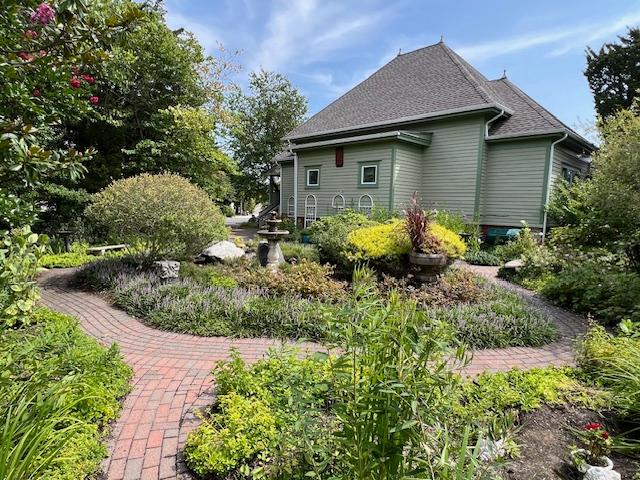
The Gardens from the back of the museum
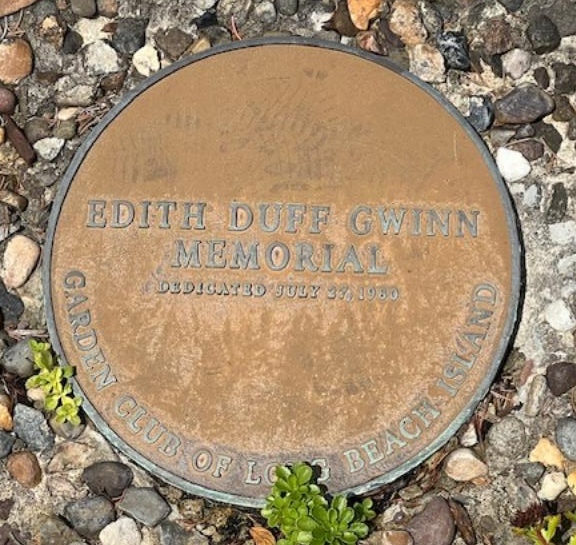
The Garden plaque to Edith Duff Gwinn
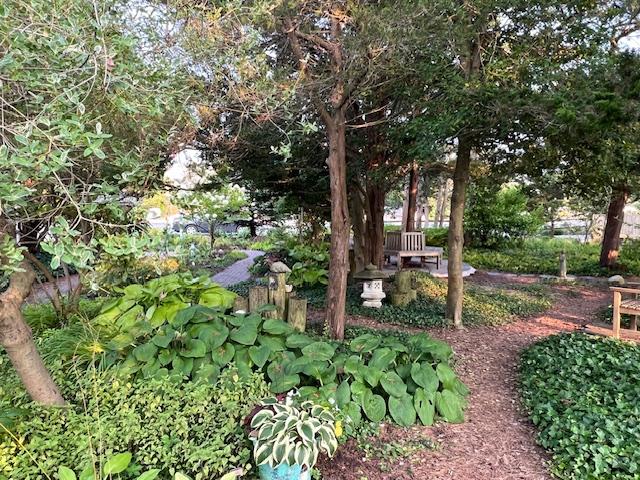
The Edith Duff Gwinn Gardens are on the side and behind the museum

The Edith Duff Gwinn Gardens that surround the museum are maintained by the Long Beach Island Garden Club. The gardens are at their peak in the late Spring and early Summer months. The paths are filled with seasonal flowers and shrubs.
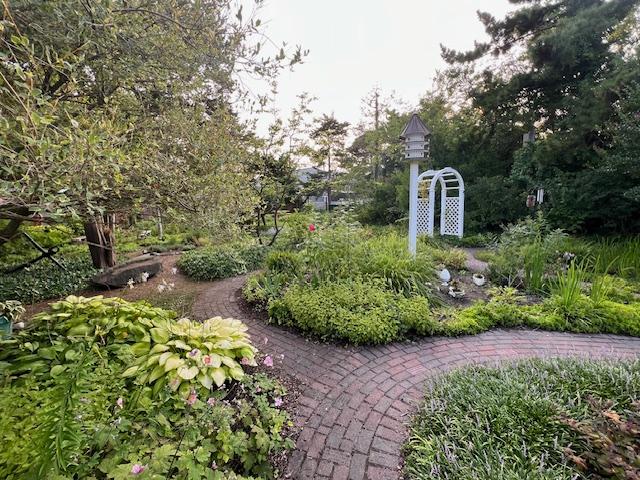
In the off season, you can visit the museum by calling ahead and you can schedule an appointment with the staff of volunteers that work at the museum.
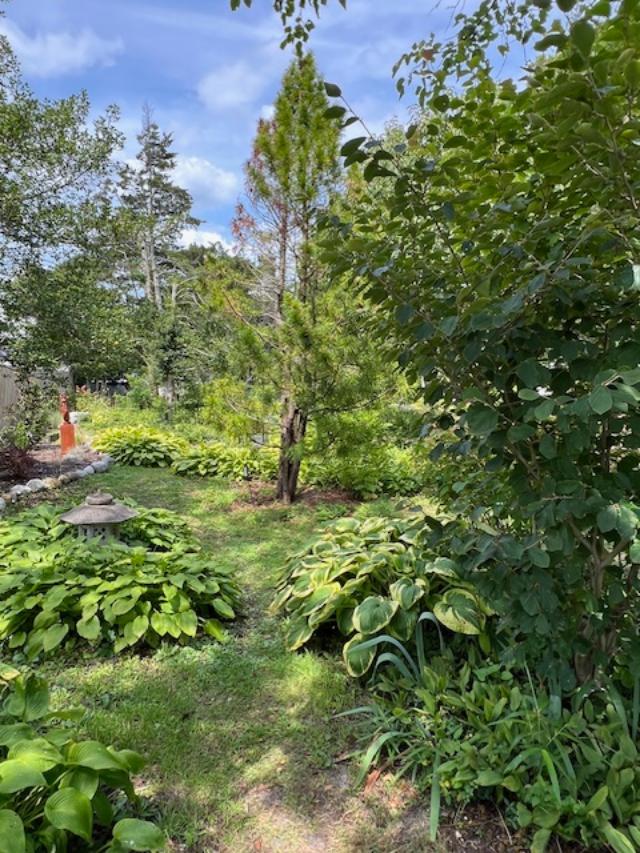
The Gardens in the late Summer of 2024
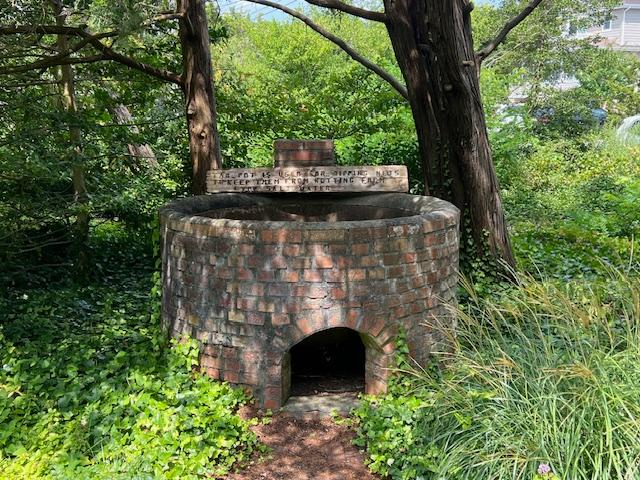
The Beehive
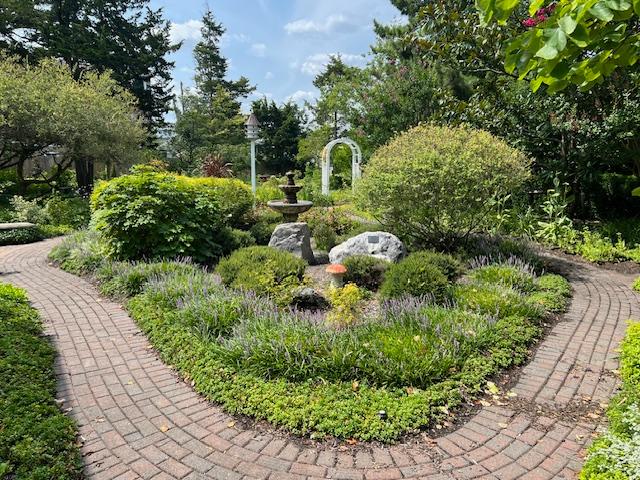
The Gardens in the late Summer of 2024
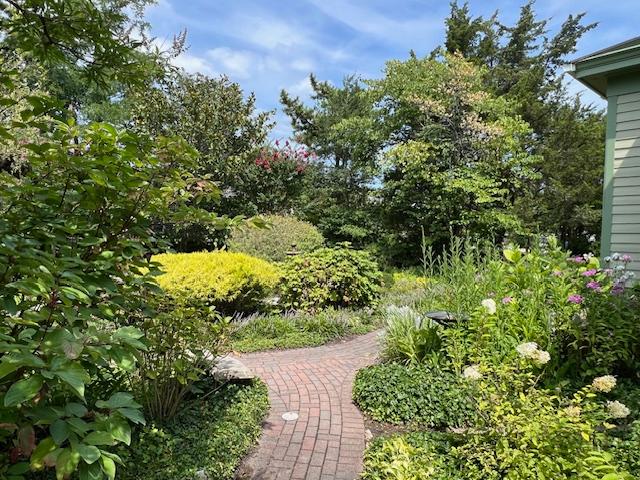
The Gardens in the late Summer
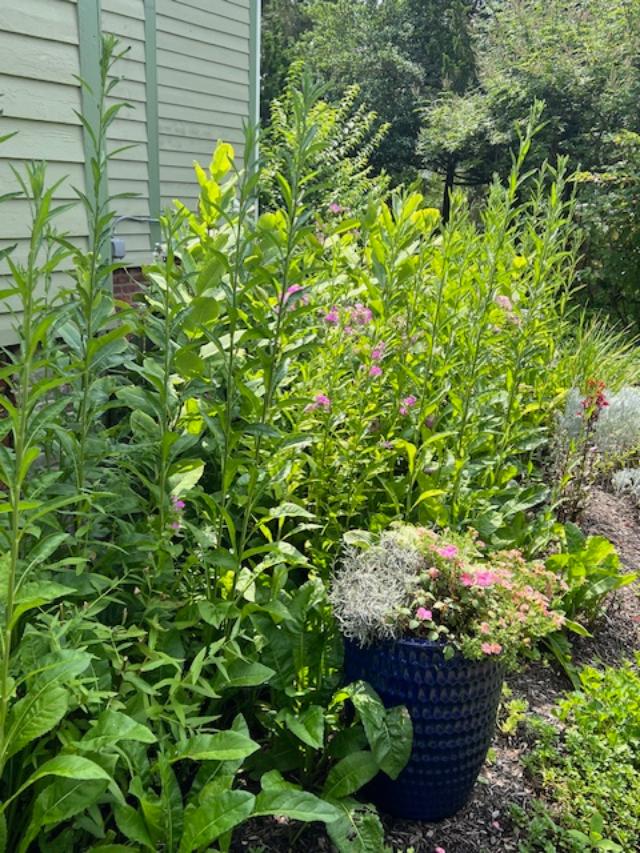
The Gardens in the late summer
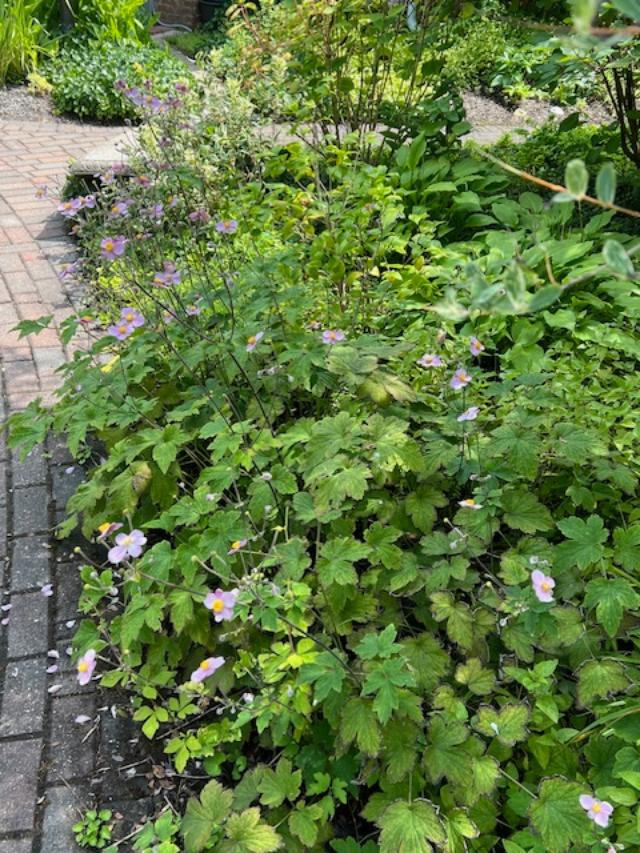
The Garden paths are filled with colorful flowers and plants
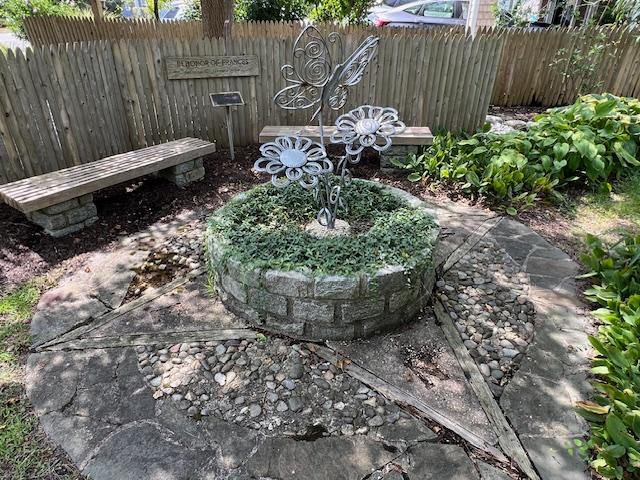
The back of the Gardens and the seating area
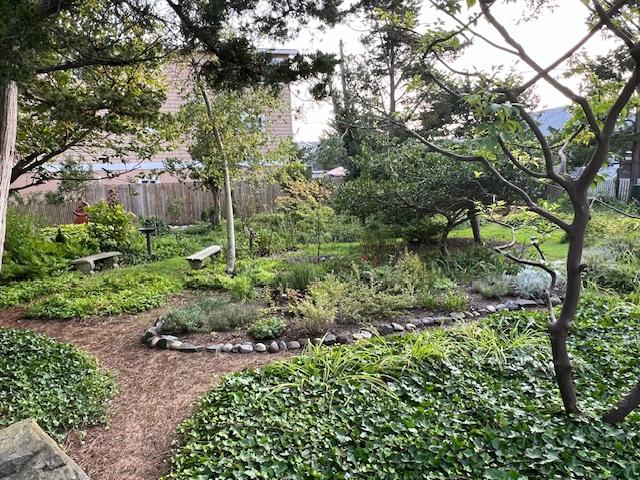
The back of the Gardens

The Gardens also looked beautiful in the late fall when I arrived for the early holiday activities in Viking Village. I was able to walk around when the museum was closed for the season.

The Gardens during the late fall:
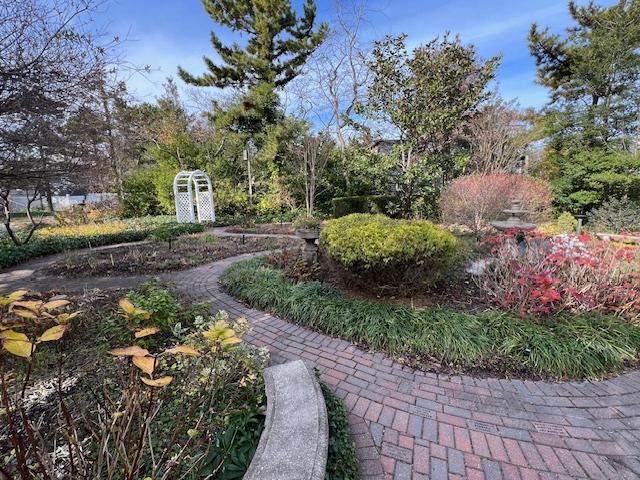
The Gardens during the late fall:
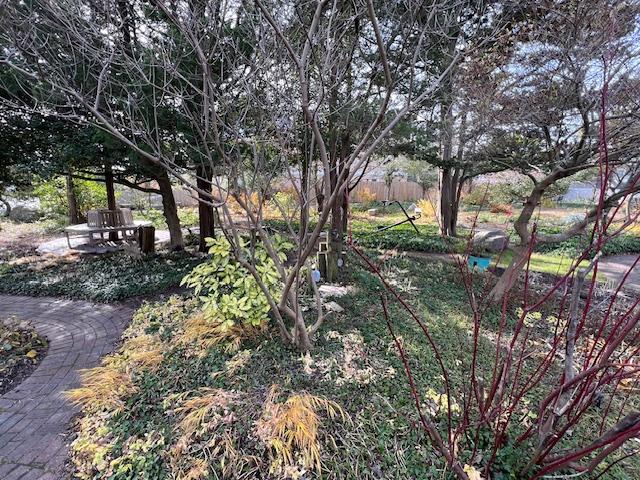
The Gardens during the late fall:
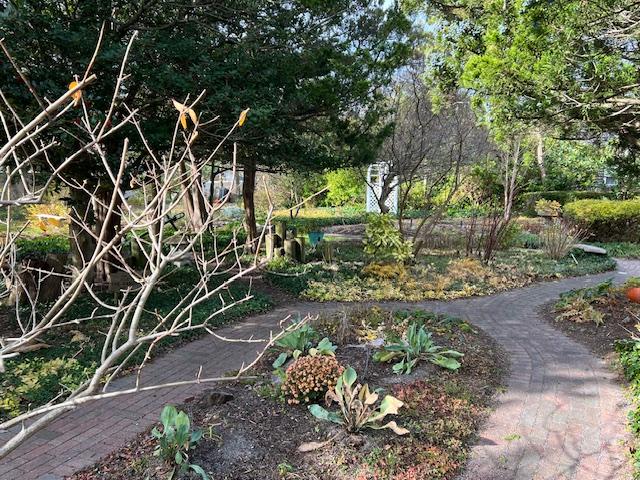
The Gardens during the late fall:
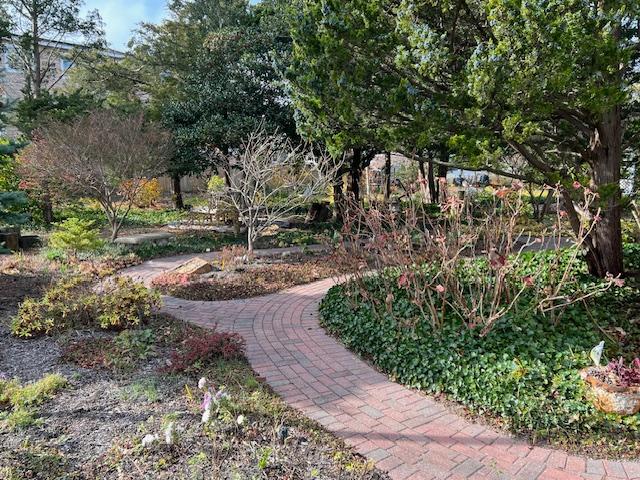
The gardens around Halloween time

The gardens in the Spring and Summer are quite spectacular and the volunteers do a nice job with the landscaping around the museum.
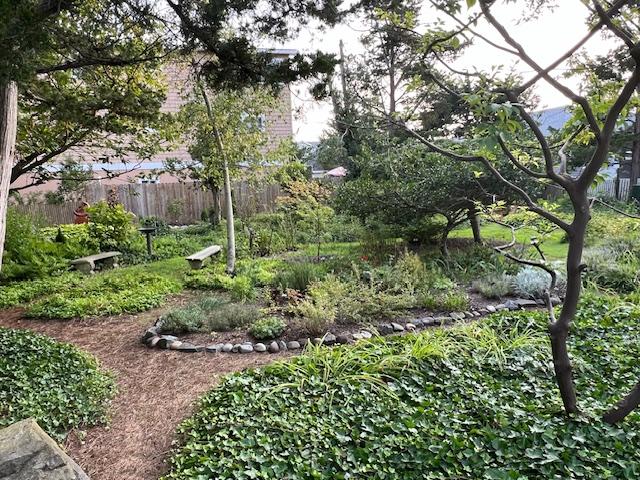
The gardens in the early Summer of 2024
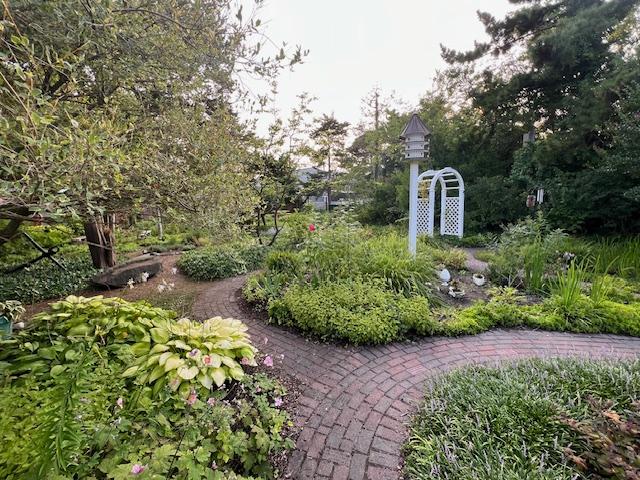
The Gardens in the Summer of 2024
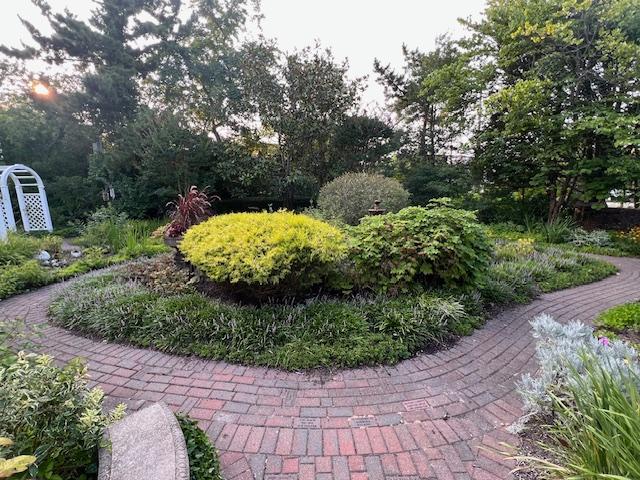
The Gardens in the Summer of 2024
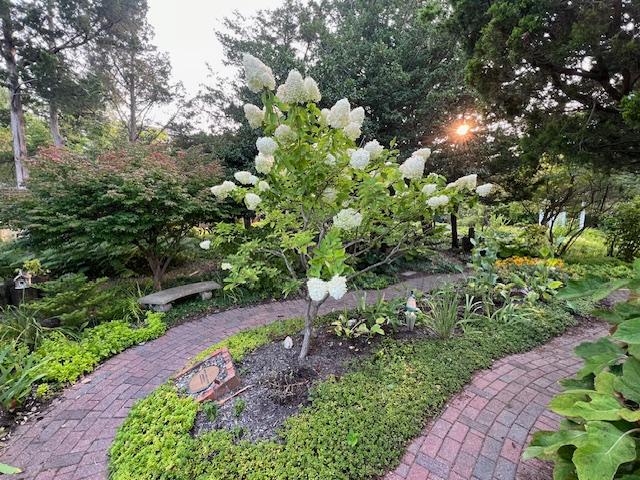
The Gardens in the Summer of 2024
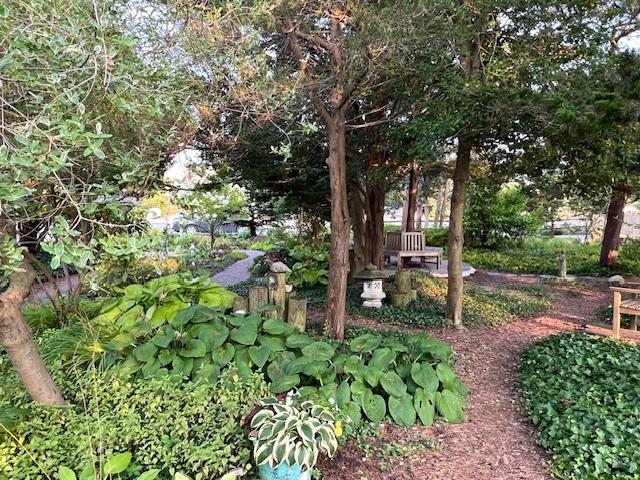
The gardens are really nice in the summer months

Both on the personal tour and when the museum is open during the summer months, the museum is a real treat both inside and out. This small museum is chock full of information not just on Barnegat Light but on the areas development for tourism and business.

It is such an interesting piece of Jersey Shore history.
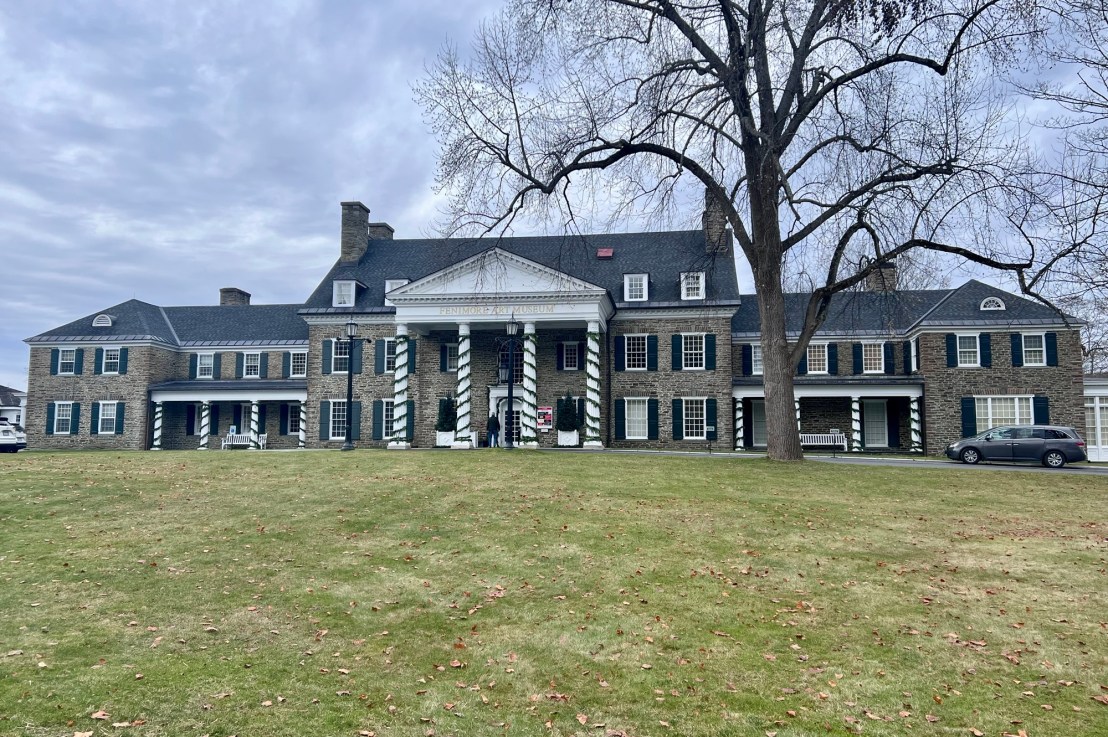
Fenimore Art Museum                                         5798 NY-80                                          Cooperstown, NY 13326

Fenimore Art Museum 5798 NY-80 Cooperstown, NY 13326

Fenimore Museum

5798 NY-80

Cooperstown, NY 13326

(607) 547-1400

Open: Sunday-Saturday 10:00am-5:00pm (check hours during the seasons)

Admission: Adults (13+) $17.50/Children (12 and under) Free

My review on TripAdvisor:

https://www.tripadvisor.com/Attraction_Review-g47529-d103482-Reviews-Fenimore_Art_Museum-Cooperstown_Otsego_New_York.html?m=19905

The Fenimore Museum at 5798 NY-80

The museum at the start of the holiday season

I was in Upstate New York visiting Cooperstown to see the Baseball Hall of Fame and when I finished, I travelled up the road to see the Fenimore Art Museum. What a unique museum packed with interesting art from all aspects of the medium.

The Portrait Collection

The Lady in White

The middle level of the museum specialized in early American works and paintings from the Hudson River School. Across the hall was the history of the Cooper family who once owned all the land in the area, developed it to the town known as Cooperstown as a planned community.

The collection of Folk Art Paintings

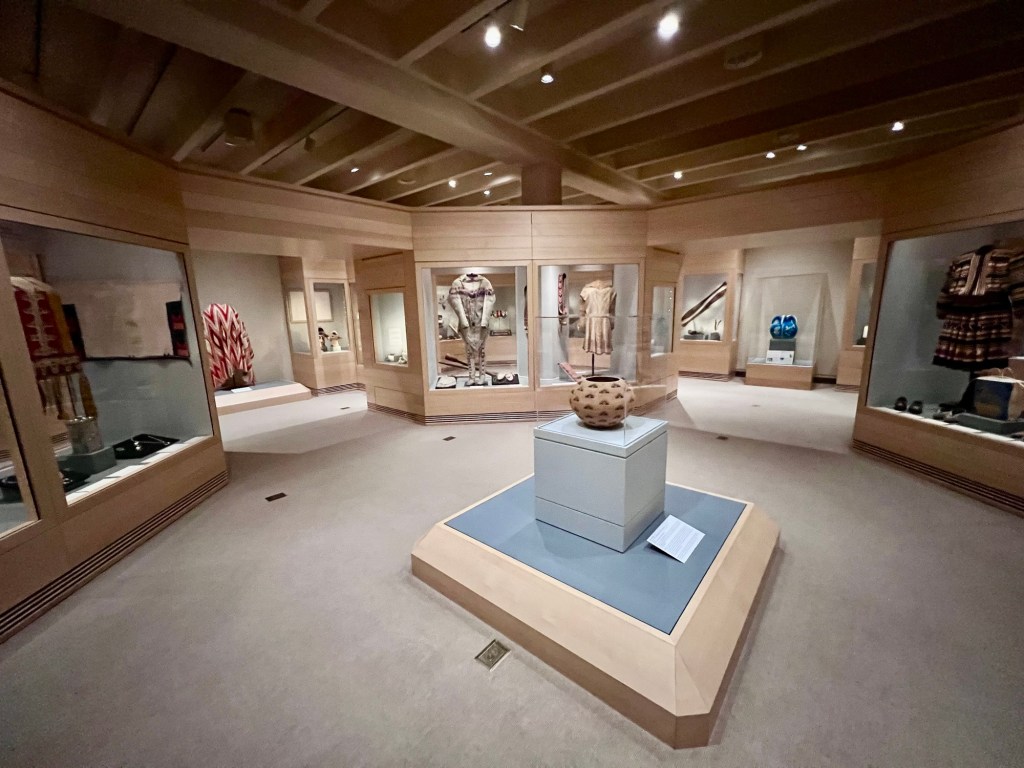
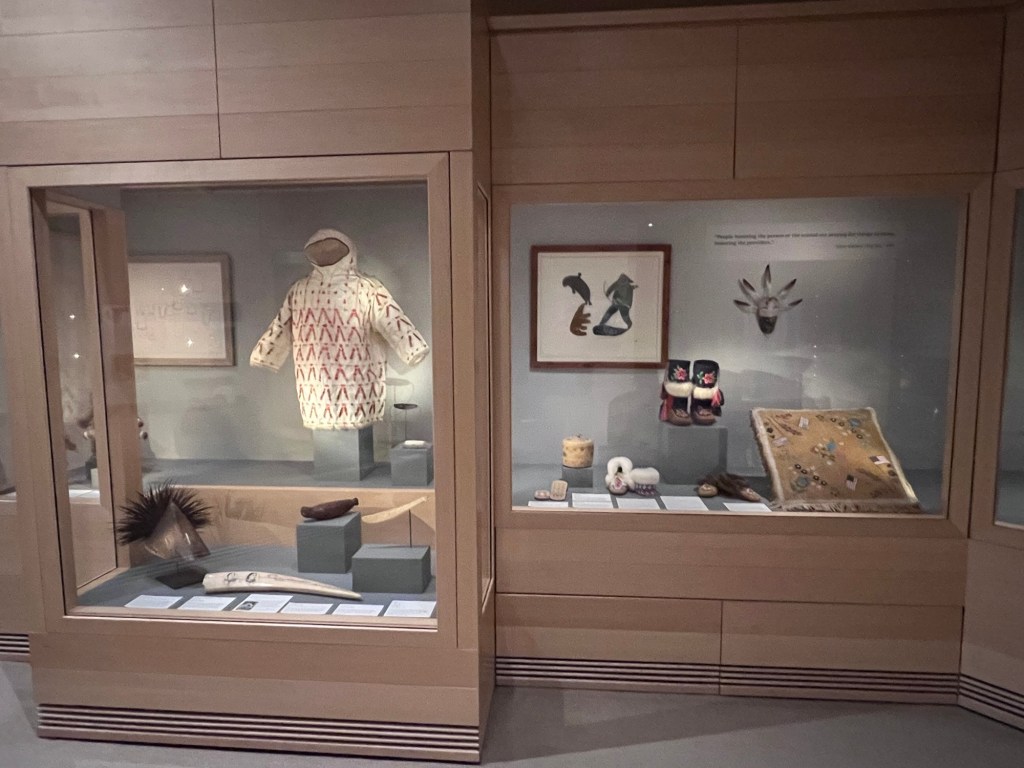
The lower level was dedicated to the Thaw Collection of American Indian Art which was pretty extensive.

The clothing from the Native American display from the Thaw Collection

The Thaw Collection gallery

I liked the collection of spiritual masks that could scare away any evil spirit. The collection of small dolls and icons makes you wonder how they if ever captured any spirits. Their collection of clothing was interesting too.

The Thaw Collection

The Thaw Native American Collection

The ‘Looking Back’ exhibition

The paintings in the exhibit

One of my favorite paintings from this exhibit (note-some of the buildings in this painting from 1860 still exist).

The upper floor in 2025 was the exhibition of the ‘’Calvin and Hobbes’ cartoon. I loved this comic strip when it was out and found myself laughing the whole time.

The opening of the Calvin and Hobbes exhibition in 2025

(From the Fenimore Art Museum website)

Exploring Calvin and Hobbes revisits the beloved comic strip created by Bill Watterson from 1985 to 1995. This exhibit explores his mastery of the comic strip art form through engaging characters, thoughtful writing, and creative layouts.

The exhibition features original Calvin and Hobbes daily and Sunday strips as well as specialty pieces by Watterson from his collection of more than 3,000 originals housed at the Billy Ireland Cartoon Library & Museum at The Ohio State University. Calvin and Hobbes appeared in 2,400 newspapers worldwide at the height of its popularity. Watterson won the National Cartoonists Society’s prestigious Reuben Award for “Outstanding Cartoonist of the Year” in both 1986 and 1988.

The History of the Fenimore Art Museum:

The Fenimore Art Museum originated as the New York State Historical Association, founded in 1899 by New Yorkers who were interested in promoting greater knowledge of the early of the state. They hoped to encourage original research, to educate general audiences by means of lectures and publications to mark places of historic interest with tablets or signs and to start a library and museum to hold manuscripts, paintings and objects associated with the history of the state.

The Fenimore Art Museum in the Fall of 2025

In 1939, Stephen Carlton Clark, offered the organization a new home in the village of Cooperstown, NY. Clark, an avid collector, took an active interest in expanding the holdings of the Association and in 1944 donated Fenimore House, one of his family’s properties, to be used as a new headquarters and museum. The impressive neo-Georgian structure was built in the 1930’s on the site of James Fenimore Cooper’s early 19th century farmhouse on the shore of Otsego Lake, Coopers Glimmerglass.

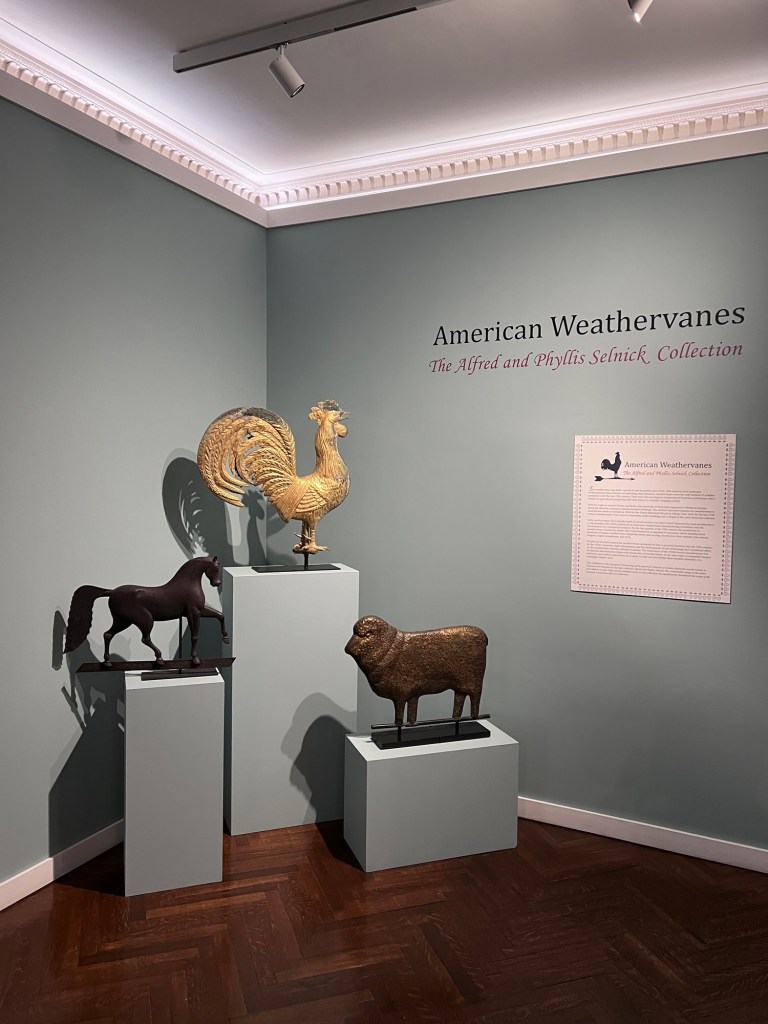
The Weathervane Collection

Fenimore House was large enough to have both extensive galleries as well as an office and library space. The collections and programs continued to expand and a separate library building was constructed in 1968.

The Cigar Store Indian

In 1995, a new 18,000 square foot wing was added to the Fenimore House to accommodate the Eugene and Clare Thaw Collection, which is one of the nation’s premier collections of American Indian Art. In 1999 in recognition of our world class collections, we renamed the Fenimore House to the Fenimore Art Museum.

The Collection includes The Thaw Collection of American Indian Art, Fine Art & Folk Art, Photography and the Research Library.

Early American Portrature

Mission:

Preserving-Engaging-Educating

Fenimore Art Museum is dedicated to welcoming and connecting people to our shared cultural heritage through exhibitions and programs that engage that engage, delight and inspire.

(This information comes from the Fenimore Art Museum’s website and I give them full credit for it)

The ‘Humming Bee’ portrait

This was one of my favorite paintings in the collection when I visited in 2025.

The Thaw Collection gallery

New Jersey Maritime Museum                                   528 Dock Road                                                 Beach Haven, NJ 08008

New Jersey Maritime Museum 528 Dock Road Beach Haven, NJ 08008

New Jersey Maritime Museum

528 Dock Road

Beach Haven, NJ 08008

(609) 492-0202

https://www.facebook.com/NJMaritimeMuseum/

Open: Sunday-Saturday 10:00am-4:00pm (Check by season)

My review on TripAdvisor:

https://www.tripadvisor.com/Attraction_Review-g46292-d1881647-Reviews-Museum_of_NJ_Maritime_History-Beach_Haven_Long_Beach_Island_New_Jersey.html?m=19905

I made a special trip to Beach Haven, NJ recently to visit the NJ Maritime Museum which had gotten some interesting write ups online. The museum covers many aspects of the maritime history of Long Beach Island and the surrounding Jersey Shore and the State of New Jersey.

The NJ Maritime Museum at 528 Dock Road in Beach Haven, NJ.

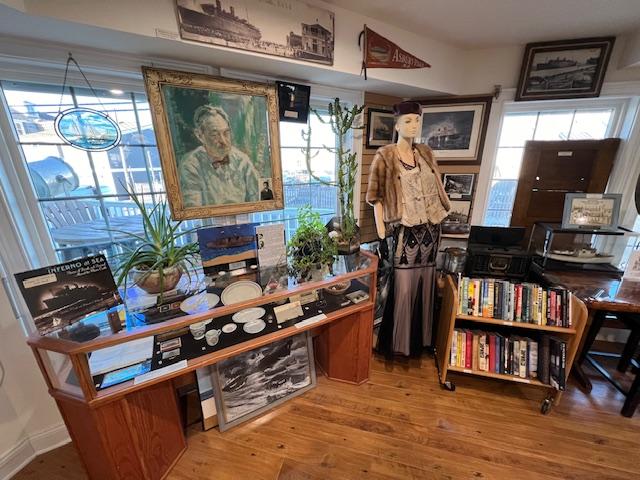
Each of the rooms are packed with pictures, artifacts and explanations of all the events. The front room has a lot of information of ship wrecks, both local and from all over the state.

The Front Galleries of the NJ Maritime Museum.

There is a large story board of the 1916 Shark attacks that inspired the book and movie, “Jaws” including the clippings from the paper and pictures of the cemetery where the victims were buried. It was a very detailed display of the incident.

The front section of the museum has the display of the “Morro Castle” fire.

In the back room of the first floor the room is dedicated to the 1934 “Morro Castle” luxury liner disaster where incompetence from the crew and staff lead to the burning of the ocean liner on its way back from Havana to New York at the height of the Depression and twenty years after the Titanic Disaster. The displays included menus, artifacts from the ship, witness accounts and a movie on the disaster being shown in a loop.

The Morro Castle Fire exhibition.

Natural disasters are covered as well with storms that have reeked havoc to the Jersey Shore over the last hundred years including the recent Hurricane Sandy which was the perfect storm. The pictures show the disaster that have hit Long Beach Island and the rebuilding over the years.

The history of Diving exhibition on the second floor.

There is a lot of local history with pictures of the all the luxury resorts that used to be on the island and its role in the development of the area as an early resort town through the railroads as well as the history of the local “Women’s Surf Fishing Club” and pictures of the club members over the years.

The second floor galleries.

The second floor is dedicated to the local Coast Guard history and rooms full of artifacts from local shipwrecks and the history of the local maritime history and fishing industry.

The Andrea Dora exhibition on the second floor.

The New Jersey Maritime history is in full display here

For such a small museum, the museum is packed with all sorts of interesting information on the New Jersey Shore line.

The History of the NJ Maritime Museum:

On a 1983 episode of the television program “Prime Time”, Jim O’Brien did a segment on New Jersey Shipwreck Diving, interviewing Bob Yates and Deb Whitecraft. During that interview, Deb spoke of her quest for knowledge about different wrecks and New Jersey maritime disasters. She also stated that she had started collecting this information and other items pertaining to New Jersey Maritime History and that she hope to one day have a place to display her collection. On July, 3rd, 2007, Deb’s lifelong ambition came to fruition when the Museum of New Jersey Maritime History opened its doors.

In the years between the program and the museum opening, Deb actively pursued her quest, working with other New Jersey maritime historians and amassing a sizable collection of shipwreck files and artifacts. This collection comprised almost all of the museum’s material when it opened. In the years since it opened, the museum has grown at amazing rate, thanks to the donations and loans from the diving community and the public in general.

The second floor galleries.

Although the museum was built entirely with private funds, it is now a registered non-profit entity and deed restricted to remain so. It operates entirely on donations and is staffed by a small group of dedicated volunteers. The museum is open all year long, Friday through Sunday in the off-season and seven days a week during the summer.

(NJ Maritime Website History)

The NJ Maritime Museum Mission:

The Museum of New Jersey Maritime History Inc. is a museum and research facility organized exclusively for educational purposes within the meaning of Section 501(c)(3) of the Internal Revenue Code. The corporation’s educational purposes include, among other things, providing a facility for the public display of historic maritime artifacts, books and documents. The display of such collections, preserved and exhibited under professional museum standards will encourage maritime research and promote the education of the public about New Jersey’s rich maritime history.

The museum is really interesting.

(NJ Maritime Museum pamphlet)

The Morgan Library & Museum                                                                                                225 Madison Avenue                                           New York, NY 10016

The Morgan Library & Museum 225 Madison Avenue New York, NY 10016

The Morgan Museum & Library

225 Madison Avenue

New York, NY 10016

(212) 685-3484

Open: Sunday 11:00am-6:00pm/Monday Closed/Tuesday-Friday 10:30am-5:00pm/Saturday 10:00am-6:00pm

Fee: Adults $22.00/Seniors (over 65) $14.00/Current Students with ID $13.00/Free to Members and Children under 12 accompanied by a parent. Free on Friday Nights from 7:00pm-9:00pm. Discount for people with disabilities $13.00-Caregiver Free.

https://www.themorgan.org/

My review on TripAdvisor:

https://www.tripadvisor.com/Attraction_Review-g60763-d107356-Reviews-The_Morgan_Library_Museum-New_York_City_New_York.html?m=19905

The Morgan Restaurant:

https://www.tripadvisor.com/Restaurant_Review-g60763-d502683-Reviews-Morgan_Cafe-New_York_City_New_York.html?m=19905

What I love about the Morgan Library & Museum is the level of sophistication and quality of their exhibitions. The museum really makes you think when you tour their galleries and attend their lectures and gallery talks. Their docents and curators bring an exhibition to a whole new level. I always feel like I am taking a college course and will be graded afterwards. They really make you think about the work or what the author or artist is trying to say.

Two of my favorite exhibitions were the “150th Anniversary Celebration of Alice in Wonderland”, which is why I joined the Morgan Library & Museum. I loved the novel and I wanted to get some ideas for our library’s own celebration. They had the original manuscript written by Lewis Carroll, some original prints and memorabilia from various times including posters, books, artwork and decorative items.

The entrance to the “Alice in Wonderland” exhibition

Another wonderful and interesting exhibition was on Mary Shelley’s “Frankenstein” which was a celebration of her life, her works and of the novel through the ages in both context of the novel and in Hollywood. There were various copies of the books in the exhibition as well as the history of the author’s life.

The Frankenstein print

The exhibition showed the clips of the original silent version of the film, the 1931 version with Boris Karloff and the modern version “Young Frankenstein” with Gene Wilder from 1974. I learned from the exhibition that the set used in the 1974 version of the film was from the original 1931 film and it had been in the director’s basement all those years.

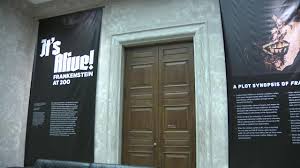
The entrance to “It’s Alive: Frankenstein at 200” exhibition at the museum

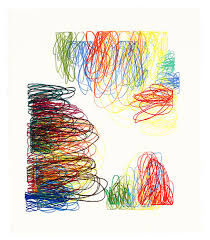
Another exhibition that was very interesting was the recent American artist Al Taylor with an showing of his drawings. The works were unusual but really stood out was his time in Hawaii and the drawings that inspired him.

Duck Bondage Study by Al Taylor

Untitled by Al Taylor

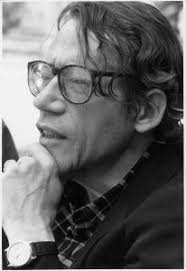
American artist Al Taylor

A YouTube video on the “David Hockney” Exhibition:

The recent David Hockney Exhibition that I missed.

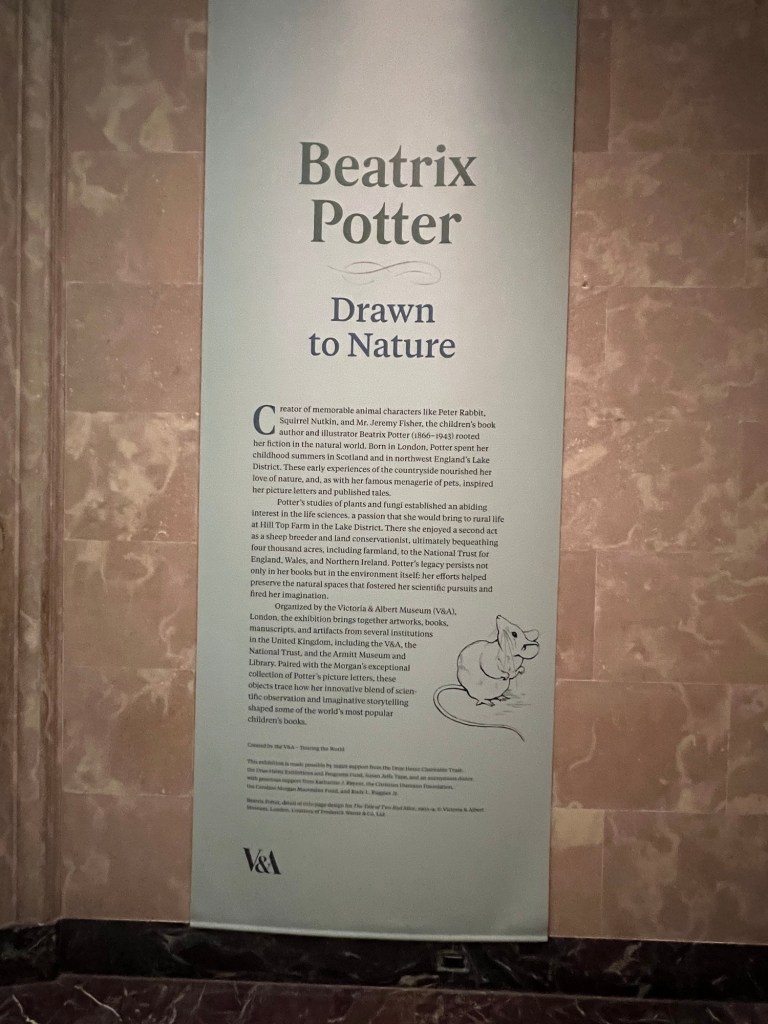
I rejoined the museum after a long COVID absence and the first exhibition that I attended was the “Beatrix Potter” exhibition on her work on Peter Rabbit. It had many of the early drawings of her children’s books as well as some of her merchandising. The exhibition discusses her life before and after her books were published and then her second act as a farmer and conservationist.

The “Beatrix Potter: Drawn to Nature” exhibition in April 2024:

Beatrix Potter: Drawn to Nature

The entrance to the gallery

The gallery opening

Here work included the initial drawings to the actual books.

Her early gift cards
One of her original pieces.
The main part of the exhibition.

The gallery of the exhibition

The exhibition is broken into two parts. The first part is on her early life in London with her family and her personal life as a child and an early adult. The second half of the exhibition is on her early books, manuscripts and letters. Then her later life as a ‘gentle farmer’ who ended up preserving and donation over 4000 acres of Lake District land for later generations to enjoy.

These are the original drawings for the book “The Tale of Peter Rabbit”

The original card
The original card

Other pieces of her works.

Some of the original drawings.

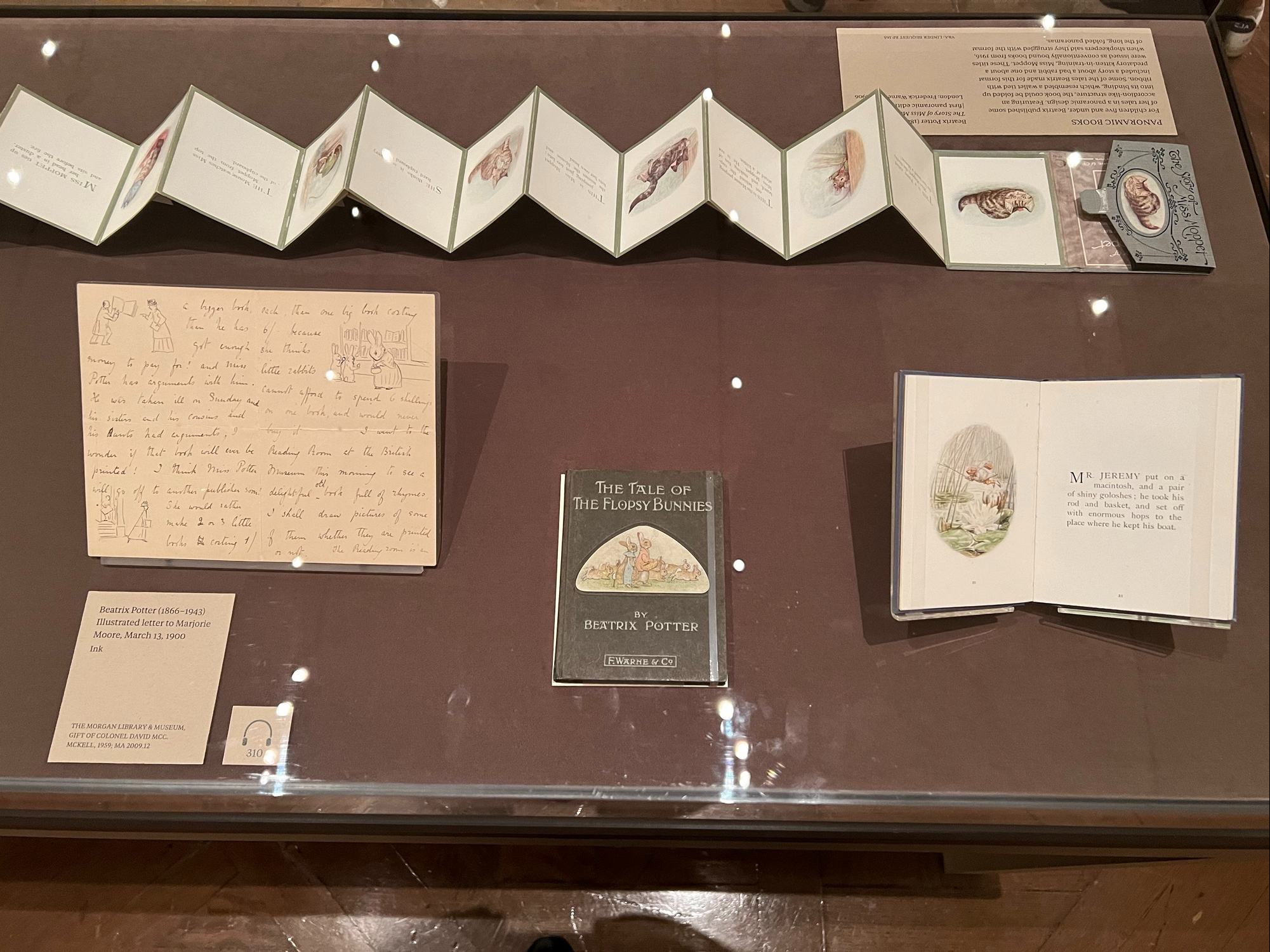
Some letters that she wrote to friends.

All the wonderful novelty items that she helped create. She had a real hand in merchandising way before this became the norm in publishing. She created all the cards, stuffed animals and small books that would become her collection.

Some of her original books.
The original Peter Cottontail book.
The original drawing from the exhibition.

The stuffed animal of Jeremiah Puddle Duck

The sign as you enter the exhibition.

The end of the exhibition with the author holding one of her pets.

https://en.wikipedia.org/wiki/Beatrix_Potter

The other exhibition that I saw that day which will be closing soon is the Walton Ford exhibition. Mr. Ford’s works are a reflection on his relationship with nature with works being influenced by trips to the American Museum of Natural History. His works draw from nature.

The entrance to the exhibition

Artist Walton Ford

https://en.wikipedia.org/wiki/Walton_Ford

https://www.kasmingallery.com/artists/63-walton-ford/

The main gallery of Mr. Ford’s works.

The works with the Black Tiger

It is nice to walk among the permanent collection of prints in the lower level and to visit the former private areas of Mr. Morgan’s home. It adds to who he was as a financier and as a homeowner. The home was not as elaborate as you would have thought.

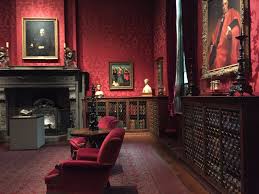
The private part of the museum

I also enjoy the Morgan Cafe on the main level of the museum in the courtyard area of the first floor. The food is a little pricey and a limited menu but the service is wonderful and the quality of the food is very good. You will enjoy the meal and I have heard from other patrons that the Afternoon Tea is very nice as well.

They also have a Dining Room in the Library area that I have heard is very nice as well.

The Morgan Dining Room

They have a nice selection of books, cards and gifts in their Gift Shop just beyond The Morgan Dining Room. I really like their selections at the holidays and their theme books to the exhibitions especially for the “Alice in Wonderland” exhibition.

The Morgan Library giftshop

It is a nice place to take a gallery talk, then a light lunch in the main hall and then a lecture at night. It’s a great way to spend the day.

The History of the Morgan Library & Museum:

(from the Morgan Library & Museum website)

The Museum is a complex of buildings in the heart of New York City and began as the private library of financier Pierpont Morgan, one of the preeminent collectors and cultural benefactors in the United States. As early as 1890, Mr. Morgan had begun to assemble a collection of illuminated, literary and historical manuscripts, early printed books and old master drawings and prints.

Mr. Morgan’s library was built between 1902 and 1906 adjacent to his New York residence at Madison Avenue and 36th Street. Designed by Charles McKim of the architectural firm McKim, Mead & White, the library was intended as something more than a repository of rare materials. Majestic in appearance yet intimate in scale, the structure was to reflect the nature and stature of its holdings.

The side view of the Morgan Library

The result was an Italian Renaissance-style palazzo with three magnificent rooms epitomizing America’s Age of Elegance. Completed three years before McKim’s death, it is considered by many to be his masterpiece. In 1924, eleven years after Mr. Morgan’s passing, his son, J.P. Morgan Jr., known as Jack, realized that the library had become too important to remain in private hands. It what constituted one of the most momentous cultural gifts in the United States history. He fulfilled his father’s dream of making the library and its treasures available to scholars and the public alike by transforming it into a public institution.

Mr. Morgan’s private areas are part of the museum

Over the years, through purchases and generous gifts, The Morgan Library & Museum has continued to acquire rare materials as well as important music manuscripts, early children’s books, Americana and materials from the twentieth century. Without loosing its decidedly domestic feeling, the Morgan also has expanded its physical space considerably.
The Middle Eastern exhibit in the Library.

In 1928, the Annex building was erected on the corner of Madison Avenue and 36th Street, replacing Pierpont Morgan’s residence. The Annex connected to the original McKim library by means of a gallery. In 1988, Jack Morgan’s former residence, a mid-nineteenth century brownstone on Madison Avenue and 37th Street was added to the complex. The 1991 garden court was constructed as a means to unite the various elements of the Morgan campus.

JP Morgan II home which is now part of the Morgan Library.

The largest expansion in the Morgan’s history, adding 75,000 sq ft to the campus was completed in 2006. Designed by Pritzker Prize winning architect Renzo Piano, the project increases exhibition space by more than fifty percent and adds more important visitor amenities, including a new performance hall, a welcoming entrance on Madison Avenue, a new cafe and a new restaurant, a shop, a new reading room and collections storage. Piano’s design integrates the Morgan’s three historical buildings with three new modestly scaled steel and glass pavilions. A soaring central court connects the buildings and serves as a gathering place for visitors in the spirit of an Italian piazza.

The Morgan Library & Museum expansion by Renzo Piano

The Morgan Library & Museum Mission:

The mission of The Morgan Library & Museum is to preserve, build, study, present and interpret a collection of extraordinary quality, in order to stimulate enjoyment, excite the imagination, advance learning and nurture creativity.

The Dorothea Maria Gsell painting “Heron Encircled by a Snake with a worm in his Bill”

A global institution, focused on the European and American traditions, the Morgan houses one of the world’s foremost collections of manuscripts, rare books, music, drawings and ancient and other works of art. These holdings, which represent the legacy of Pierpont Morgan and numerous later benefactors, comprise a unique and dynamic record of civilization as well as an incomparable repository of ideas and of the creative process.

(From the Morgan Library & Museum website and history)