Tag: Historic Sites of New Jersey

Obadiah La Tourette Grist and Sawmill/Washington Township Land Trust                 12 East Mill Road                                               Long Valley, NJ 07853

Obadiah La Tourette Grist and Sawmill/Washington Township Land Trust 12 East Mill Road Long Valley, NJ 07853

Obadiah La Tourette Grist and Sawmill/Washington Township Land Trust

12 East Mill Road

Long Valley, NJ 07853

(908) 876-5986

https://www.njskylands.com/hsmillob

Open: See their website/Seasonal

My review on TripAdvisor:

https://www.tripadvisor.com/ShowUserReviews-g46583-d24070163-r839124039-Obadiah_La_Tourette_Grist_Saw_Mill-Long_Valley_Morris_County_New_Jersey.html?m=19905

Video on the Obadiah La Tourette Grist & Sawmill

I visited the Obadiah La Tourette Grist & Sawmill during a visit to Long Valley, NJ for Morris County’s “Pathway to History” tour and this was one of the most unusual and interesting sites on the tour. The mill was once one of the most active businesses in the area. The Mill processed and packaged flour for the areas farmers making it one of the most profitable businesses in the region. By the end of WWII, the Mill was itself was becoming antiquated and larger producers could make the product for far less money and the business closed.
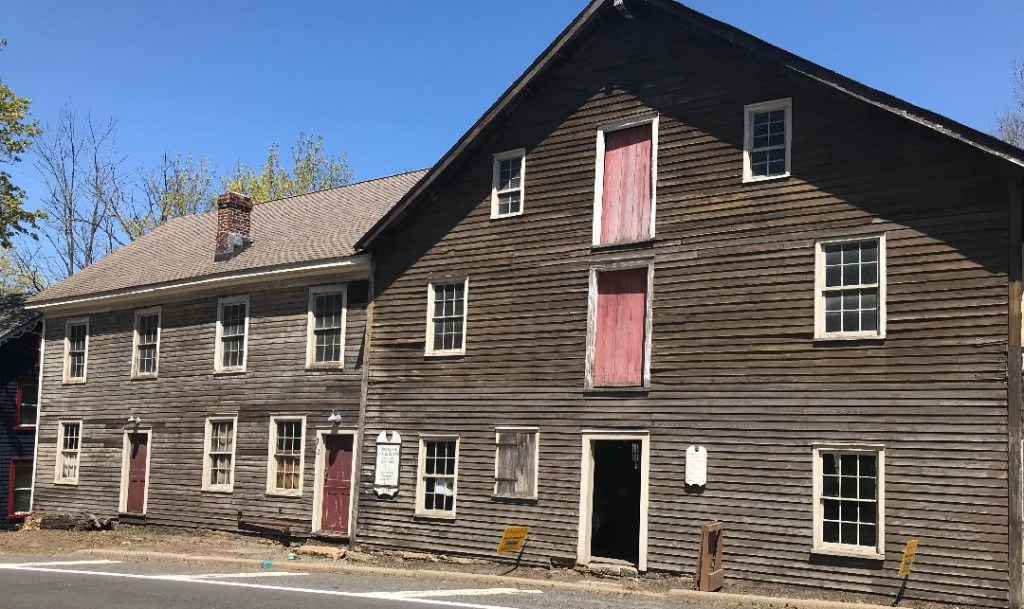
The Obadiah La Tourette Mill

The entrance of the Obadiah La Tourette Grist and Sawmill

The Mill itself it is getting a renovation, and, on the tour, I took, you could visit all three floors of the Mill and see how the product was made. On the first floor is where some of the processing took place.
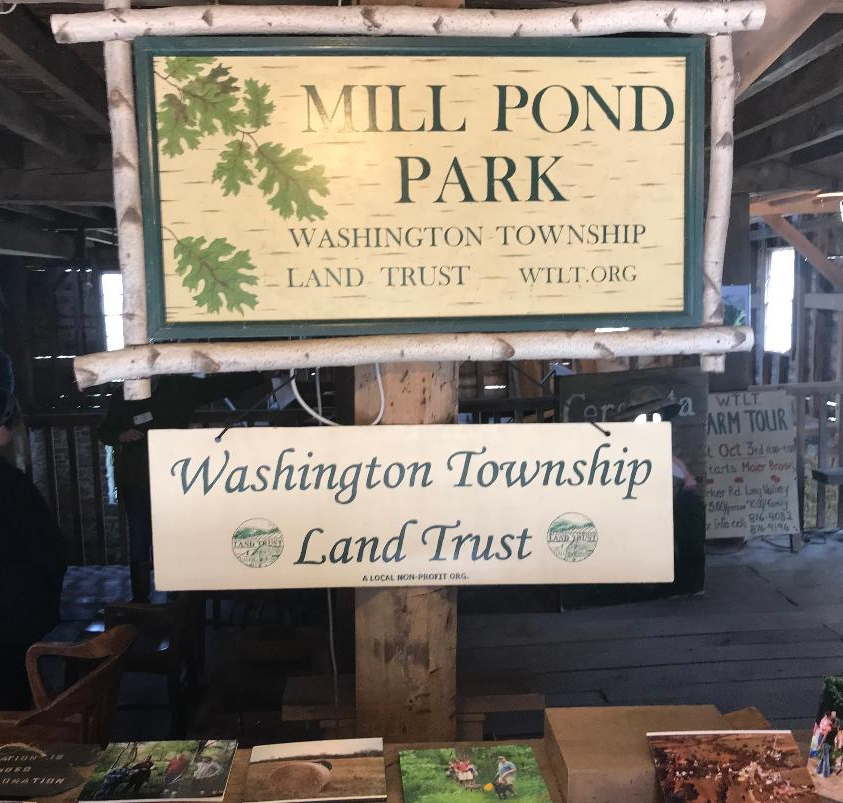
The first floor now greets you where it once served as the Receiving area

The wheat was brought in, processed and milled. One of the machines is still in the building. This is where the raw product was brought in for processing into flour.

Processing the flour

The bottom level is where are all machinery is where the power source of the stream moved all the equipment along.

The power source of the stream below moved the wheels to process the flour

This was really interesting because the stream still lies underneath the mill and you can see the flow of water throughout the bottom of the building as it had over 100 years ago. This is how Mother Nature did her part before electricity.

History of the Obadiah La Tourette Mill Restoration:

(From the Washington Trust Pamphlet)

The Mill was built in circa 1750 and owned by Philip Weise. The Mill was essential to the economy and development of German Valley and the surrounding agricultural community. For much of its history, it was the most successful business in the village, grinding grain and producing flour and animal feed. A sawmill was located behind the grist mill during the 1800’s.

Originally powered by two water wheels, the mill was converted to turbine power by owner Obadiah La Tourette in the 1870’s. Milling operations continued until the early 1940’s. Most of the machinery remains, reflecting the history of milling over 200 years.

The stream is the power source of the Mill

In 1991, the Washington Township Land Trust purchased the condemned building and embarked upon its restoration with the aid of volunteers, grants and generous donations. The current scope of work is being funded by a grant from the Morris County Historic Preservation Trust Fund. It includes the restoration of structural framing, soffit trim, doors and siding of the street facade; restoration of some first-floor beams and joists and restoration of thirteen windows.

The Mill in 1993

The History of the Washington Township Land Trust:

(From the Washington Trust Pamphlet)

The Washington Township Land Trust of Morris County, NJ was organized in 1990 and incorporated in 1991 as a 501 (c) (3) non-profit corporation. It is exclusively for charitable, educational and scientific purposes, to protect and preserve the lands, watercourses, ponds, streams and structures which contribute to the natural beauty and rural character of Washington Township.

To achieve this, the Land Trust acquires interests in land through purchase or donation, manages land uses for the benefit of the public and makes itself available to the Township of Washington to assist in the stewardship of public lands and easements.

In 1991, the Land Trust acquired the Obadiah La Tourette Mill and the surrounding ten acres of land, now preserved as a wetlands park. A portion of the park has been set aside as a memorial garden for Helen Andrews, a longtime resident of Long Valley and wife of Stan Andrews. The Land Trust also administers the issuance of easement markers for Washington Township and may in the future expand its operation to the monitoring of easements.

The Land Trust provides education to the public on various preservation issues such as conservation easements and other topics of value. Lastly, the Land Trust works with other land trusts, open space groups and conservation organizations to provide an organized approach to meet our common goals.

Washington Township Land Trust

P.O. Box 4

Long Valley, NJ 07853-0004

Phone: (908) 876-5986

wtlandtrust@gmail.com

King Victorian Home & King Canal Store/Roxbury Historic Trust                               209 & 211 Main Street                           Ledgewood, NJ 07852

King Victorian Home & King Canal Store/Roxbury Historic Trust 209 & 211 Main Street Ledgewood, NJ 07852

King Victorian Home & King Canal Store/Roxbury Historic Trust

209 & 211 Main Street

Ledgewood, NJ 07852

(973) 927-7603/(973) 584-7903

http://www.roxburynewjersey.com/trust-home.htm

https://en.wikipedia.org/wiki/King_Store_and_Homestead

Open: Check their website/Seasonal

My review on TripAdvisor:

https://www.tripadvisor.com/Attraction_Review-g46563-d15096918-Reviews-King_House_And_Stores_Museum-Ledgewood_Morris_County_New_Jersey.html

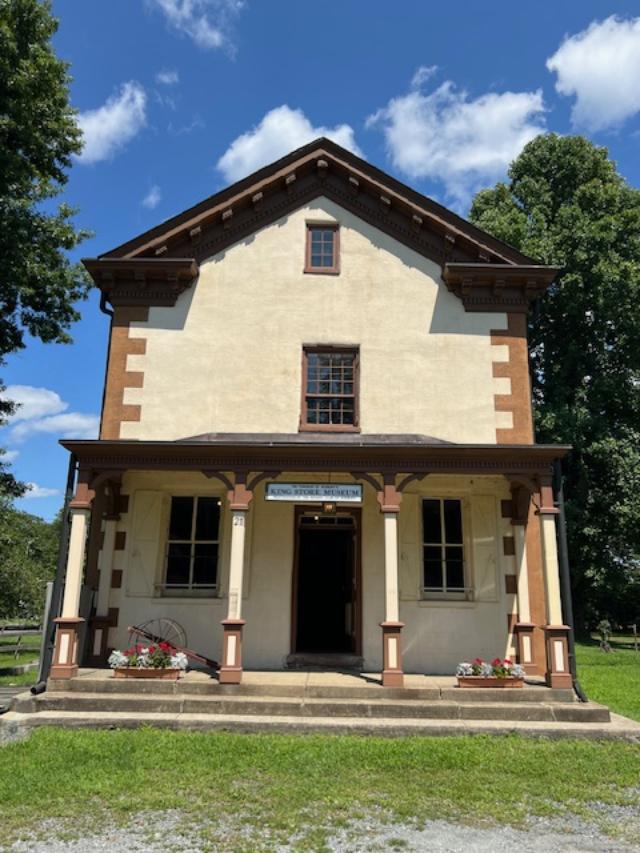
The King Canal Store Museum at 209 Main Street

The Drakesville (what the town was originally called) historic sign

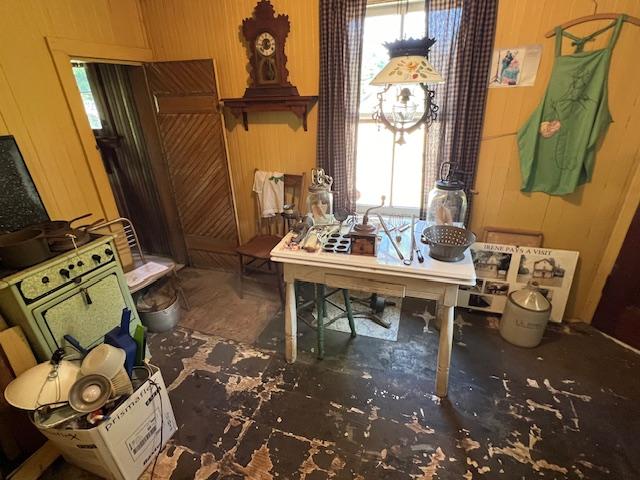
I visited the King Canal Store Museum and the King Homestead during the Morris County “Pathways to History” tour in May of 2022 and again in August 2024. This interesting store was still intact with its merchandise lining the shelves with a pot belly stove in the center of the store which was the center of action when the store was open to the community. All sorts of grocery items and notion items still line the walls.

The inside of the King Canal Store Museum shows the center of the community

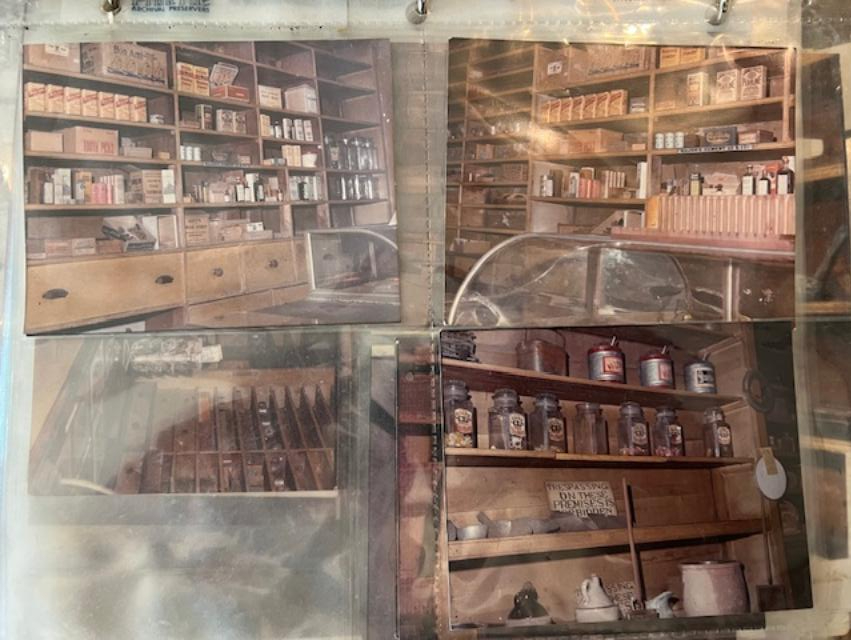
Pictures of the old store when it was open

The guide explained that upon the death of the owner wanted to store closed and sealed. His daughter only opened it in the 1930’s in the depth of the Depression so that residents could buy items at a reasonable price.

The King Canal Store Museum still has items still lining the walls

The King Store and the King Homestead are historic buildings located in the Ledgewood section of Roxbury Township. The Roxbury Historic Trust acts as curator for these county owned buildings. These buildings represent significance in New Jersey commerce from 1815-1928 and were added to the National Register of Historic Places in 1994 (Wiki).
The notions area of the store

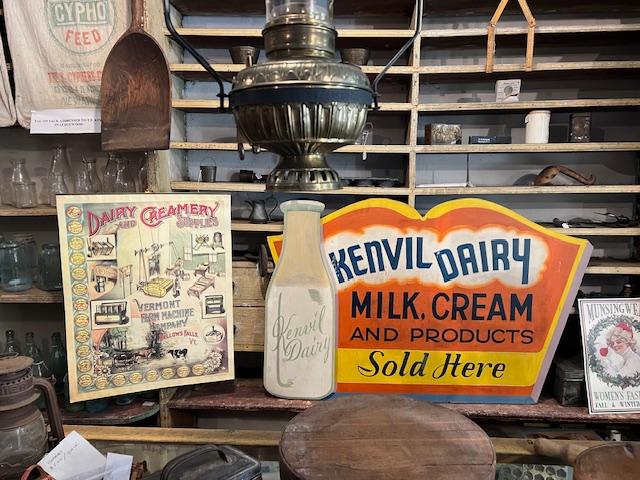
Some of the advertising for items in the store

The items on the shelves of the General Store

The King and Riggs families used to live above the store before they build the house next door. We got to take a tour of the second floor that you do not normally get to see.

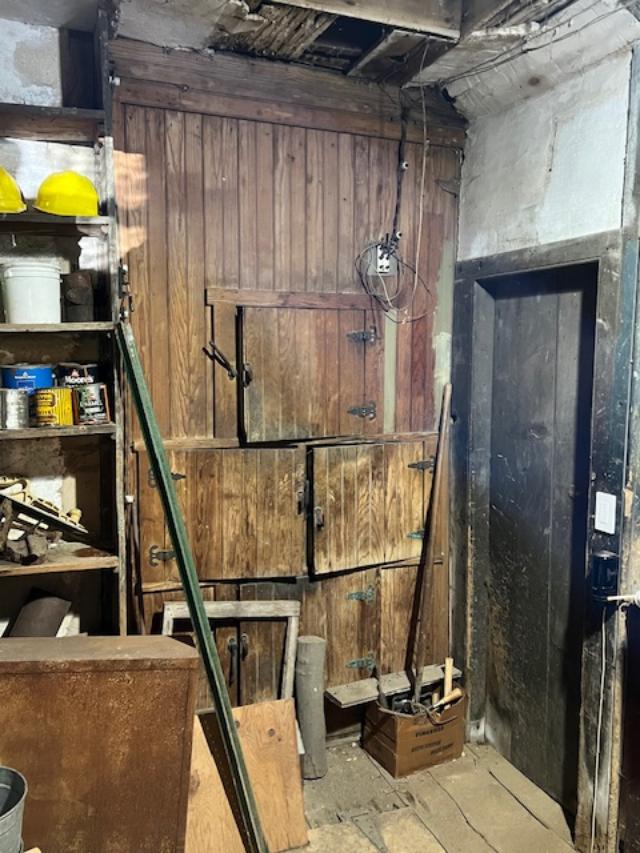
The ice storage doors to the cooler

The upstairs rooms in the living area of the store

The rooms above the store

The rooms above the store

The graffiti on the walls upstairs from the turn of the last century
After I visited the King General Store, I walked over to the family home. This Victorian home had been in the family since the late 1880’s until the last family who lived in the house died in 1975.

History of the King Canal Store:

(From the Museum website)

The King Canal Store is a unique, 2 1/2 story building constructed of stone in 1815 by Woodruff and Hopkins. At the ground floor its walls are three feet thick. The Woodruff family operated the store until 1835. It was abandoned for two years and in 1837 Albert Riggs (Son of Silas Riggs, a tanner by trade and owner of several canal boats) acquired the building and reopened it as a general store serving the community and the Morris Canal trade as it was located 150 feet from the Morris Canal basin (Wiki/Museum website).

Theodore King was the son in law of Albert Riggs, took over the store in 1873. He lived on the second floor of the building with his wife, Emma Louise and daughter also named Emma Louise. In 1881, Mr. King built a new residence on adjacent property and then began a renovation of the store, changing the decor to Greek Revival and the color scheme to cream with brown trim. In the process, the exterior was given a smooth coat of stucco which was scored to resemble large blocks. The interior of the store was given an Italianate design with a cream and maroon color scheme (Wiki).

Mr. King died in 1928 and his daughter closed the building, its contents remaining just as they were with a few occasional openings in the 1930’s to help the locals in the depths of the Depression. Emma Louise King maintained the closed-up store and lived in the well cared for home until her death at 92 in 1975. From 1989, the Roxbury Rotary Club has worked with the Roxbury Historic Trust to restore the exterior and the first-floor shop and create the King Store Museum (Museum website/Historic Ledgewood Guide).

The King Canal Store Museum has grocery items lining the walls

The Theodore F. King Homestead:

The King Family Homestead at 211 Main Street was in the family until 1975

The King Homestead, a vernacular frame house to start had several additions with Italianate and Queen Anne influenced detailing. It is possible that the original house may just have consisted of the current parlor, the two exhibition rooms and one or both of the staircases to the second floor. There were two front bedrooms and a smaller bedroom in the rear of the home.

The King Family Homestead at 211 Main Street

The portrait of Mr. King hangs in the house’s Living Room

The house that was built by Mr. King for his family. They moved out of the second floor of the store.

The Living Room at the King House

The Living Room by the fireplace

The Living Room by the piano

Mr. King’s office to run the store

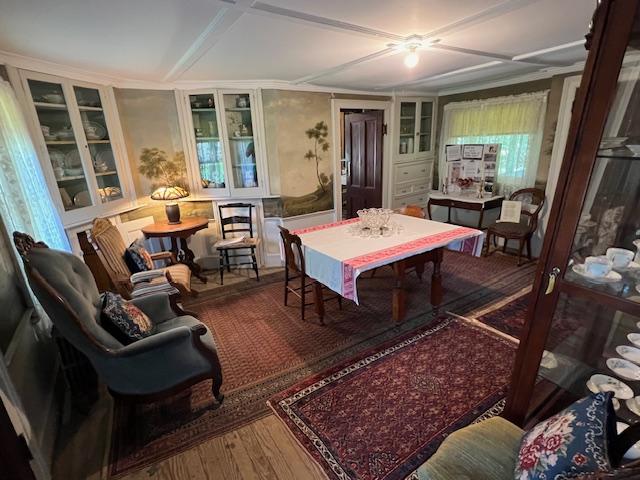
The Dining Room for entertaining

The Dining Room table for entertaining

The new Kitchen behind the Dining Room

The landing at top of the second floor

The nook on the second floor of the home

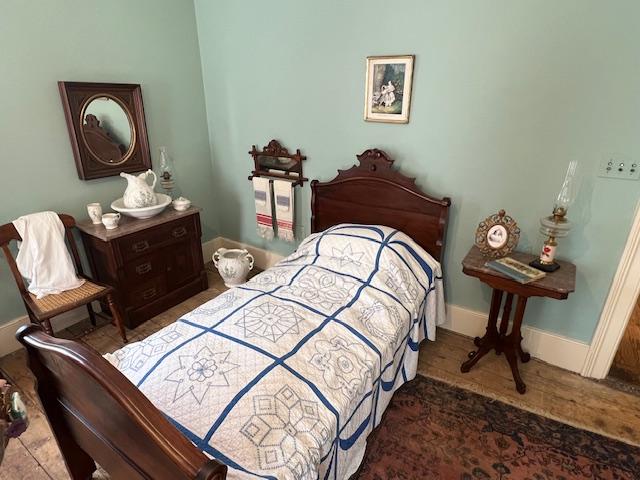
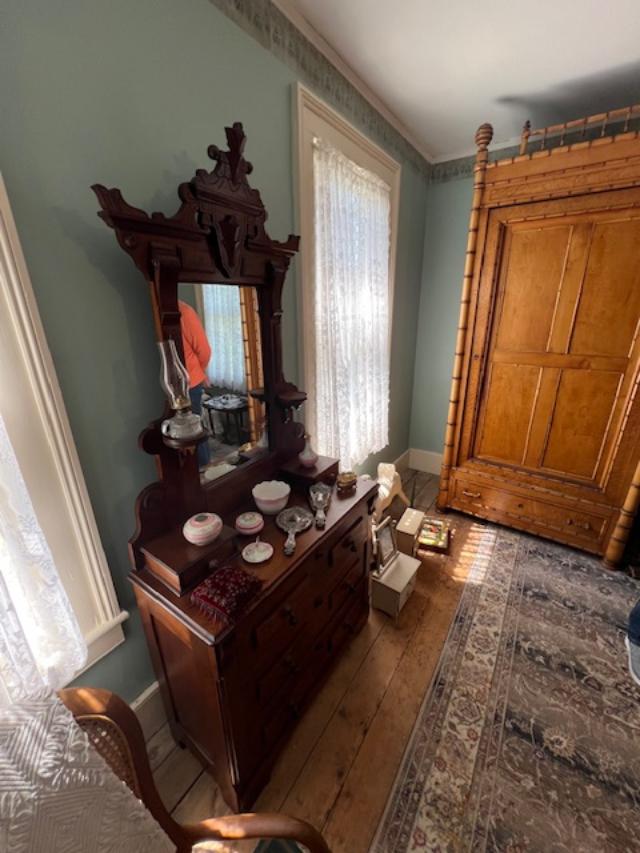
The Victorian Girl’s Room on the second floor

The Victorian Girl’s Room

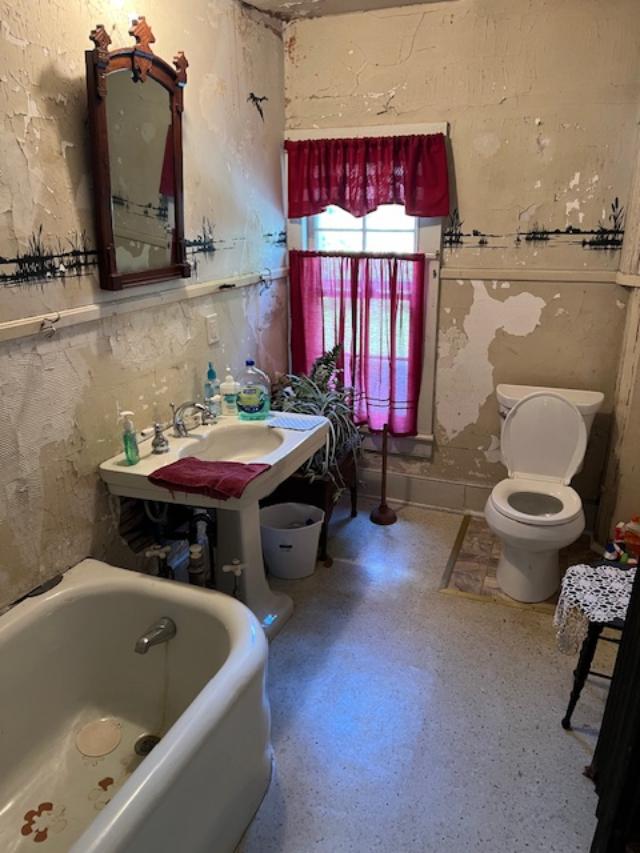
The new bathroom needs some work

The stairs to the basement contained the kitchen (which was a common practice during Victorian times) with a dumbwaiter added to the dining room so that the food could be brought up from the kitchen. Another addition to the home was the first-floor front office used by both Mr. King and his daughter. The mural in the first-floor dining room was by artist James William Marland in 1936 (Wiki).

The King House lawn

Florham Park Historic Preservation Commission/Little Red Schoolhouse & Hancock Cemetery                                                              203 Ridgedale Avenue                                                     Florham Park, NJ 07932

Florham Park Historic Preservation Commission/Little Red Schoolhouse & Hancock Cemetery 203 Ridgedale Avenue Florham Park, NJ 07932

Florham Park Historic Preservation Commission/Little Red Schoolhouse & Hancock Cemetery

203 Ridgedale Avenue

Florham Park, NJ 07932

https://www.facebook.com/pages/category/Community-Organization/Little-Red-Schoolhouse-438800069660078/

Open: See Website/Seasonal

My review on TripAdvisor:

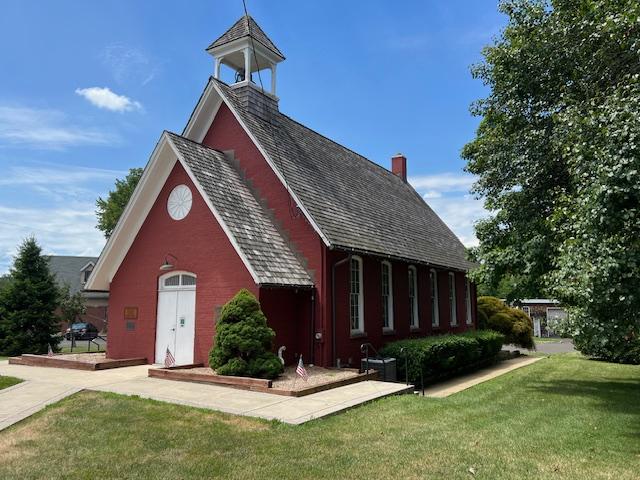
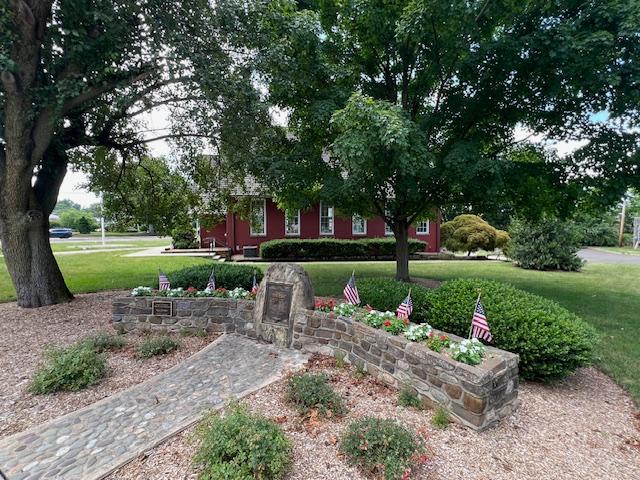
The Little Red Schoolhouse Museum

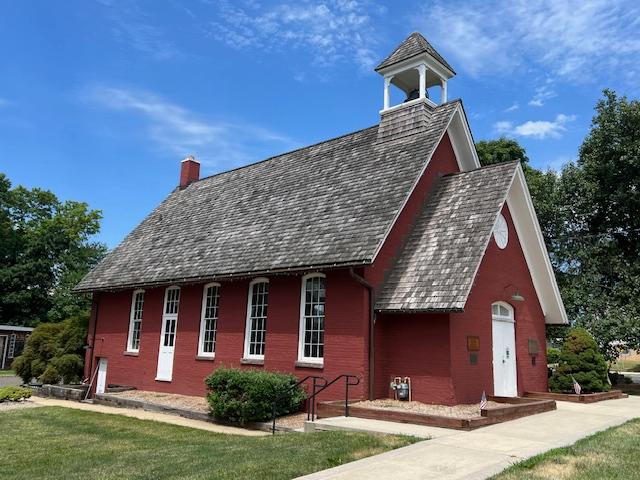
I visited the “Little Red Schoolhouse” Museum in Florham Park as part of the Morris County’s “Pathways to History” event that is held every May. This interesting little museum showcases the town’s historical collection of items from the 1800’s and 1900’s dealing with all aspects of town life.

In the back there is a small classroom set up keeping with the theme of the building. This lets students who are visiting the building of their counterpart’s early education with desks, ink wells and chalk boards that have not changed that much over the years.

Not much has changed in the modern classroom over the years

There is early century clothing, farming equipment from the town’s farming past and event Native American objects found in the town and in private collections. Other items included decorative items from the home including dishware, home products and furnishings. Each section of the museum is divided up by lifestyle.

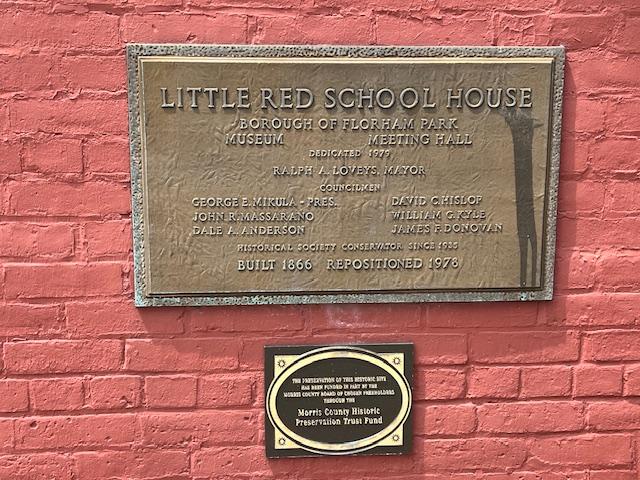
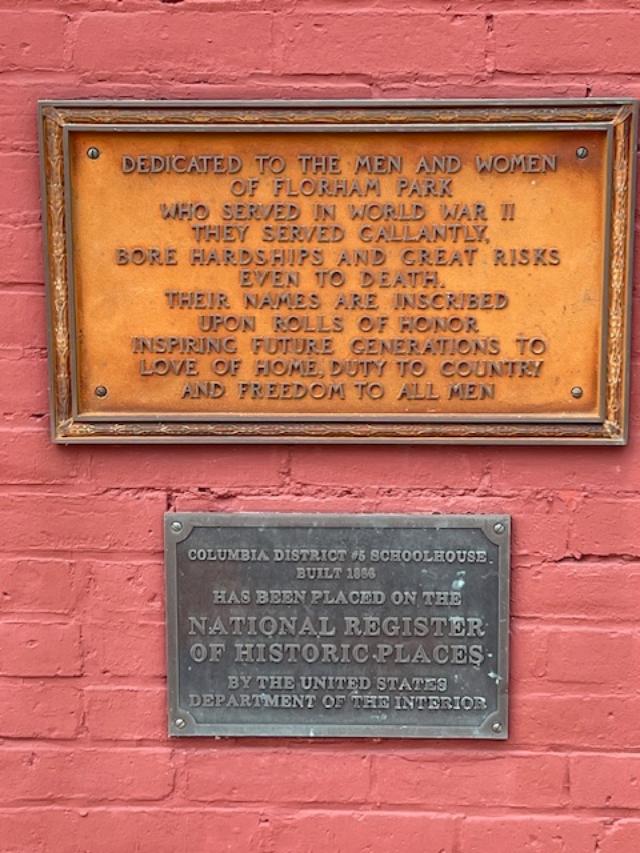
The museum’s historic plaque

The docents that day explained that the items were reflect the town’s past and some came from families that have been in town for years. The museum reflects the community spirit of town’s past. It explains that times have progressed but not changed too much over the years.

The Veteran’s Monument outside the museum

History of the Little Red Schoolhouse Museum:

(From the Museum Website)

By Kat Kurylko, Research Assistant

In 1830, the residents of Columbia, now Florham Park, sought to improve their thriving farming and broom-making community by establishing a public school for the local children. Therefore, a small schoolhouse, Columbia School #5, was built on the corner of Columbia Turnpike and Ridgedale Avenue and dedicated it on February 17th, 1831. Schooling at the “little red frame building” prospered and so by the 1850’s, the building was “in condition of dilapidation rendering it unfit to be occupied” due to overcrowding.

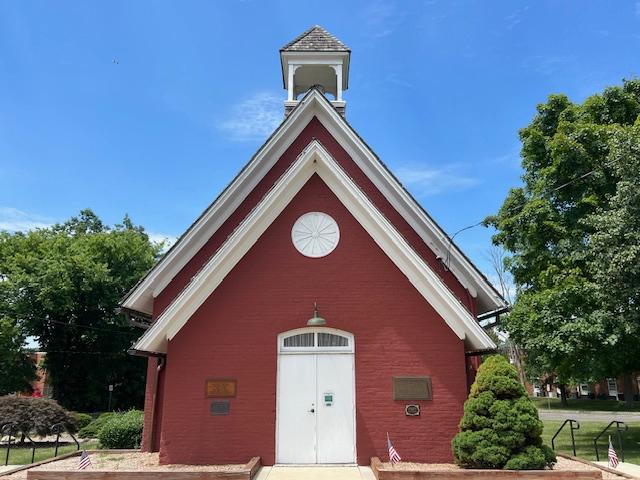
The schoolhouse from the front

On March 1st, 1867, nearly 50 children attended their first class in a new one-room brick schoolhouse. The use of brick added prestige but great expense to the project, accounting for nearly half of the budget. The new building was designed based on principles found in Henry Barnard’s book, “School House Architecture. Much like Thomas Kirkbride’s progressive hospital designs (illustrated locally at Greystone Park Psychiatric Hospital), Barnard’s method School attendance continued to grow and by 1914, a four-room annex building, which could accommodate 78 students was built on the school’s property and the earlier brick building served as an auditorium. Eventually, the community outgrew both buildings and in 1934, the borough’s current middle school was constructed.

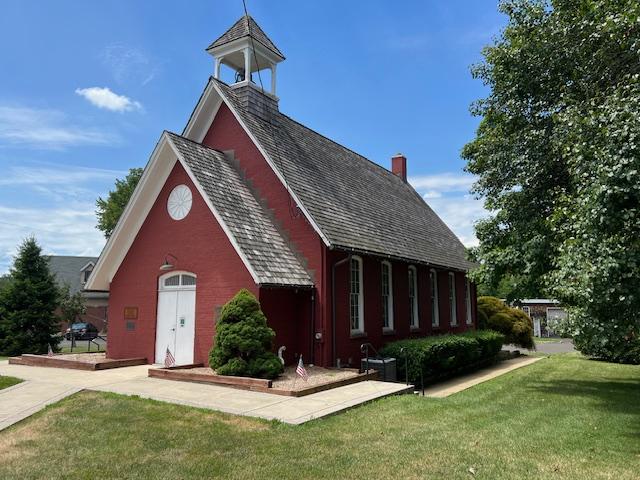
The schoolhouse from the side view

Founded in the 1930’s to preserve the “Little Red Schoolhouse”, the Historical Society of Florham Park now operates the building as a museum. A source of great pride for the local community, the building stands in nearly the same location on the corner of Columbia Turnpike and Ridgedale Avenue, although moved back to accommodate the expansion of Columbia Turnpike. Listed on the NJ and National Registers of Historic Places since the early 1970’s, today the building serves as a reminder of the community’s rural roots.

The “Little Red Schoolhouse” Museum historic plaques

(From the Morris County site):

The Little Red Schoolhouse & Museum:

Florham’s Park’s iconic Little Red Schoolhouse was built in 1866 at a cost $2,250. Its open belfry and gable-end entrance instantly identify it as a typical 19th century one-room schoolhouse. The Italianate one-story narrow red brick masonry building is an architectural marvel with its steep roof, tall windows and elaborate arches.

Inside, part of the museum is set up as a 19th century classroom, where small groups can enjoy a lecture. The museum has a variety of artifacts from the 1800’s and 1900’s, vintage school desks and broom-making equipment. Its location at the historic crossroads of Florham Park has remained a key reminder of the borough’s rural origins. The schoolhouse is a stop each fall on the free “Pathways of History” event (which I was on that day I visited).

Of Special Note:

*In 1978, the schoolhouse was moved back several yards to accommodate the expanded Columbia Turnpike.

*The schoolhouse is also known as Columbia School District Number 5 Schoolhouse.

*The schoolhouse is the borough’s icon, appearing on the town flag, letter head, website and public works and first responder vehicles.

Day One Hundred and Sixty-Five: Bergecco-Parc Consulting Inc. presents “From Revolution to Renewal-Exploring Historic Bergen County, NJ”          Essentials of Marketing Class Project-Bergen Community College                                           April 27th, 2020

Day One Hundred and Sixty-Five: Bergecco-Parc Consulting Inc. presents “From Revolution to Renewal-Exploring Historic Bergen County, NJ” Essentials of Marketing Class Project-Bergen Community College April 27th, 2020

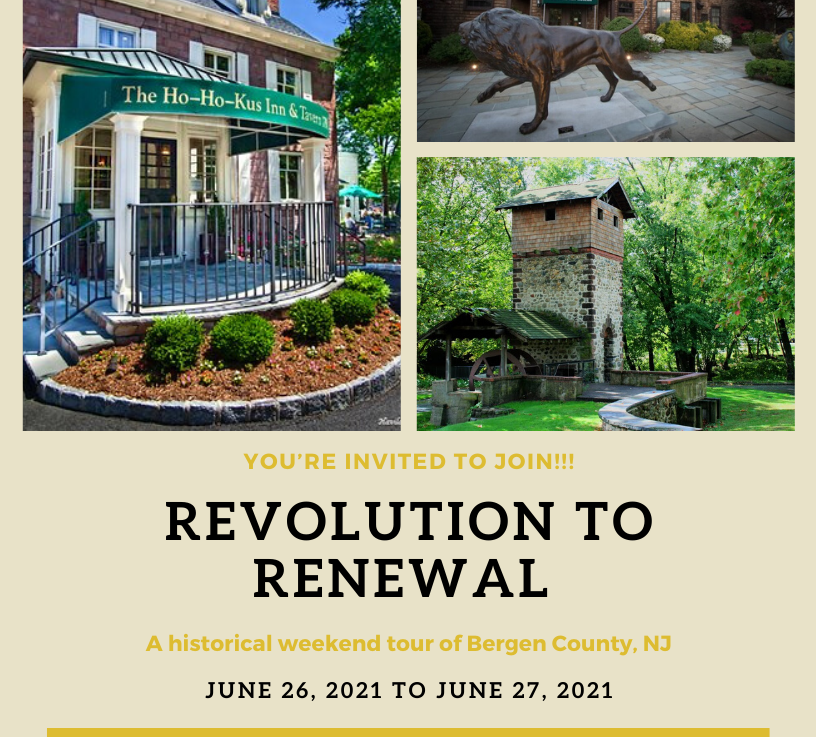
To all your history buffs, please visit Bergen County, NJ for interesting experience of visiting our historical sites and restaurants. Check out our Team Project from Bergecco-Parc Consulting Inc. “From Revolution to Renewal-A Historical Tour of Bergen County”.

Professor Justin Watrel, CEO & Co-Founder Bergecco-Parc Consulting Inc.

jwatrel's avatarmywalkinmanhattan

I had the most interesting semester for Spring Term at the college where I work. Everything started off fine. We had classes in the the afternoon, good discussions on Marketing and had a very successful Team Project marketing the Lyndhurst Snack Shop, the new Bulldog Cafe, for business (See Day One Hundred and Fifty-Nine in MywalkinManhattan.com):

https://wordpress.com/post/mywalkinmanhattan.com/12969

BCC Bulldogs

The Bulldog Cafe on the Third Floor of the Bergen Community College Campus

https://www.facebook.com/gdsbulldogcafe/

My review on TripAdvisor:

https://www.tripadvisor.com/Restaurant_Review-g46586-d20210133-Reviews-Bulldog_Cafe-Lyndhurst_New_Jersey.html?m=19905

The Project I gave the students:

BCC-Bergecco-Parc Consulting Inc. Snack Shop Project 2020

I had just handed out the next Team Project, “From Revolution to Renewal: Exploring the  Historic Bergen County”, a major tourism project I wanted to the students to work on for the remainder of the semester the week before the break. I had the students to break up into groups and get to know one another and get their game plans…

View original post 3,084 more words