Tag: Historic Sites of New Jersey

Atlantic County Historical Society                       907 Shore Road                                              Somers Point, NJ 08294

Atlantic County Historical Society 907 Shore Road Somers Point, NJ 08294

Atlantic County Historical Society

907 Shore Road

Somers Point, NJ 08294

(609) 927-5218

https://www.atlanticcountyhistoricalsocietynj.org/

https://www.facebook.com/AtlanticCountyHistoricalSociety/

Open: Sunday-Tuesday Closed/Wednesday-Saturday 10:00am-3:30pm

Admission: Free

My review on TripAdvisor:

https://www.tripadvisor.com/Attraction_Review-g46825-d24142996-Reviews-Atlantic_County_Historical_Society-Somers_Point_New_Jersey.html

The Atlantic County Historical Society at 907 Shore Avenue

The Atlantic County Historical Society

I recently visited the historical sites of Somers Point and took my time to tour the Atlantic County Historical Society, which tells the story of life in Atlantic County from the beginnings to today with a major concentration the early history of the County with the Native American Lenape Indians and into the late 1700’s and 1800’s with the founding of the town, the Revolutionary and Civil Wars, shipbuilding, fishing and the start of the Victorian Age. Each floor has interesting displays that sometimes have been over-decorated with too many objects.

When you walk in the door, you enter the library where people study the history of the town and their geneology. There are stacks of books, periodicals and town records with people to help you research your work.

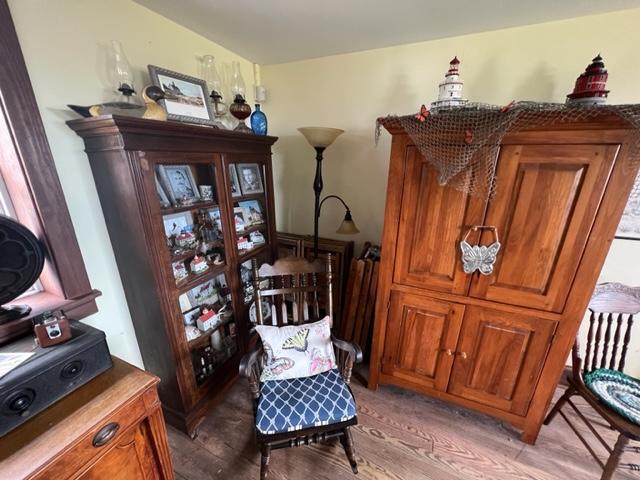
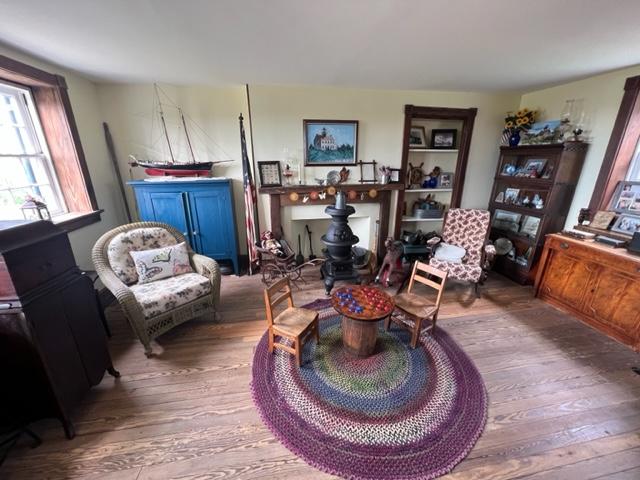
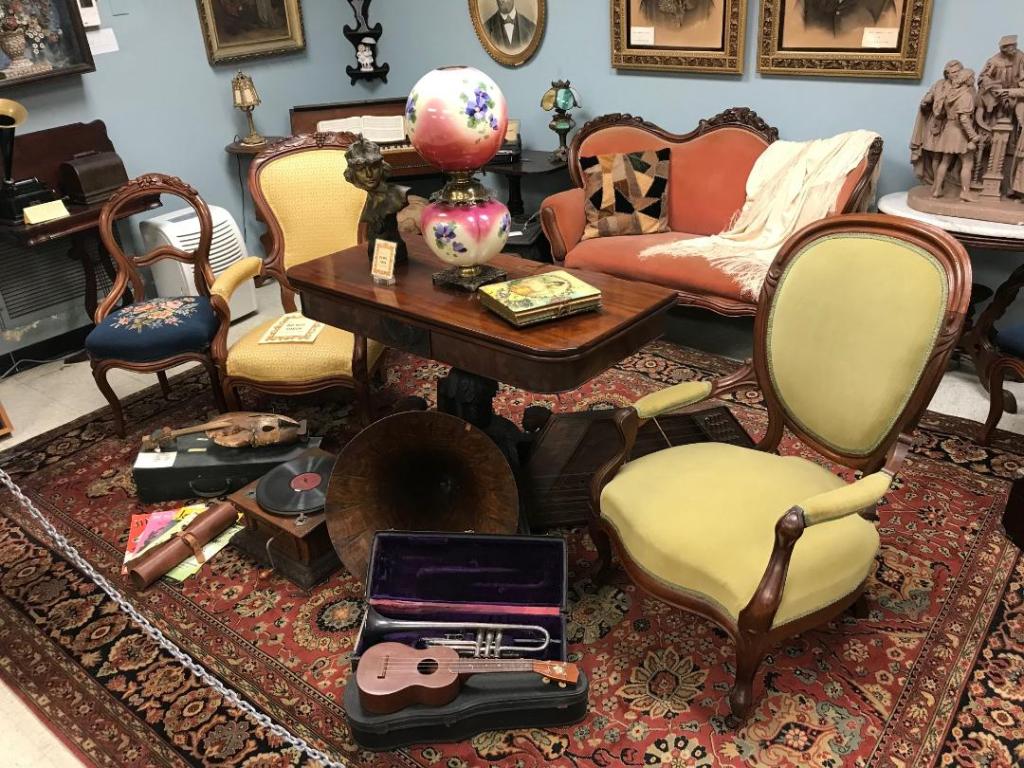
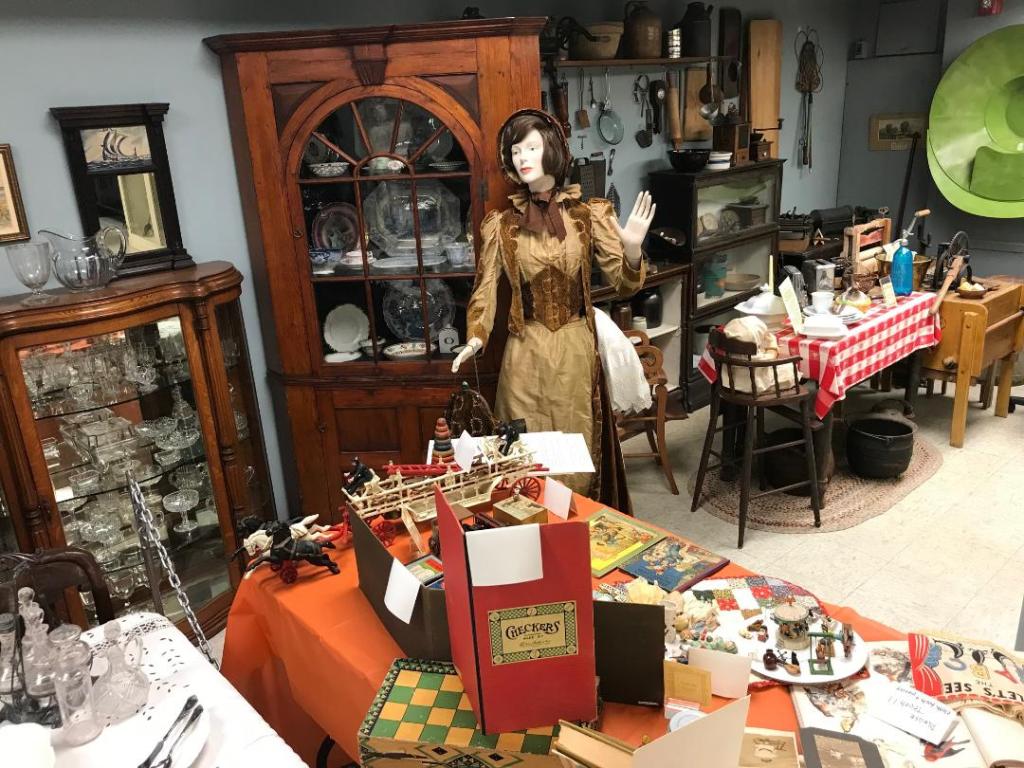
As you head downstairs, you will see the various displays that have been set up on life in Atlantic County through the ages. Most of the artifacts in the displays are from the late 1800’s to the early 1930’s. The displays represent the home life of middle to upper middle class Americans at the time. There are parlor sets with musical intruments for entertainment, family portraits, writing sets and living and dining room bric-a-brac. The museum portrays the life of properious residents of the area.

The Middle to Upper Middle Class parlor of Americans in the late 1800’s

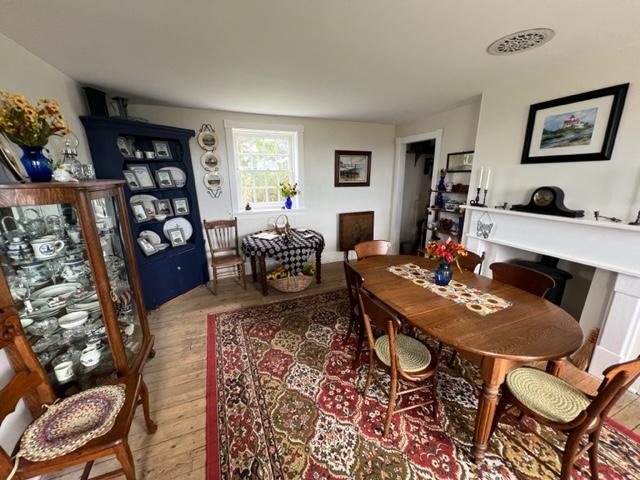
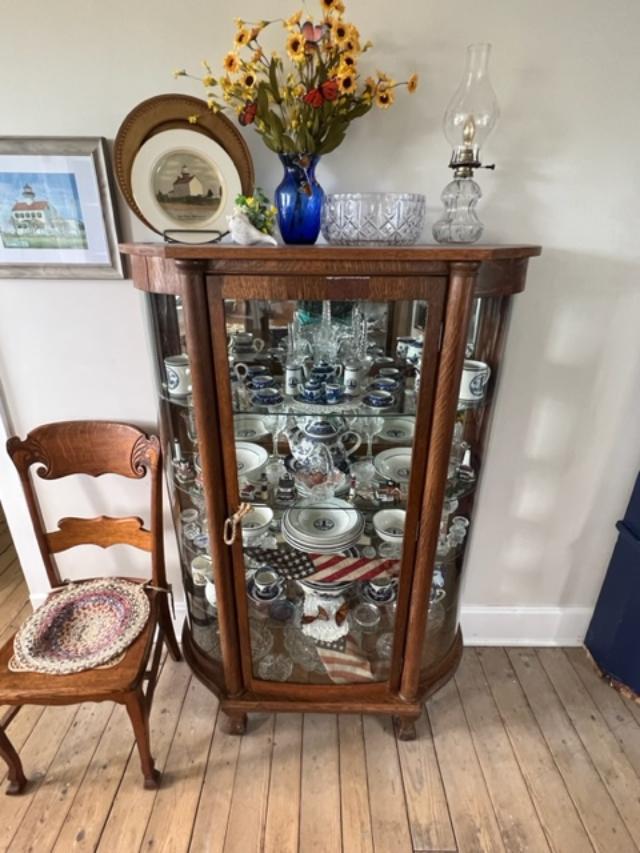
The Dining Room set and dishes of a 1920’s Atlantic County family with all sorts of kitchen and play items for engagement for the family through the years.

The display really shows that entertaining since those times has not changed over the years except that today that things are less formal. China, crystal and silver were your way of showing your status in the community. Today’s generation is not so apt to do this.

Early phonographs, lightbulbs and inkwells for writing

Lifestyle was a big part of people’s lives during these time periods so the way you dressed and presented yourself was a big part of who you were. With the advent of ocean swimming, outdoor recreation and weekend activities that came with the push of the unions. You can see that leisure became a big part of the Victorian’s lifestyle.

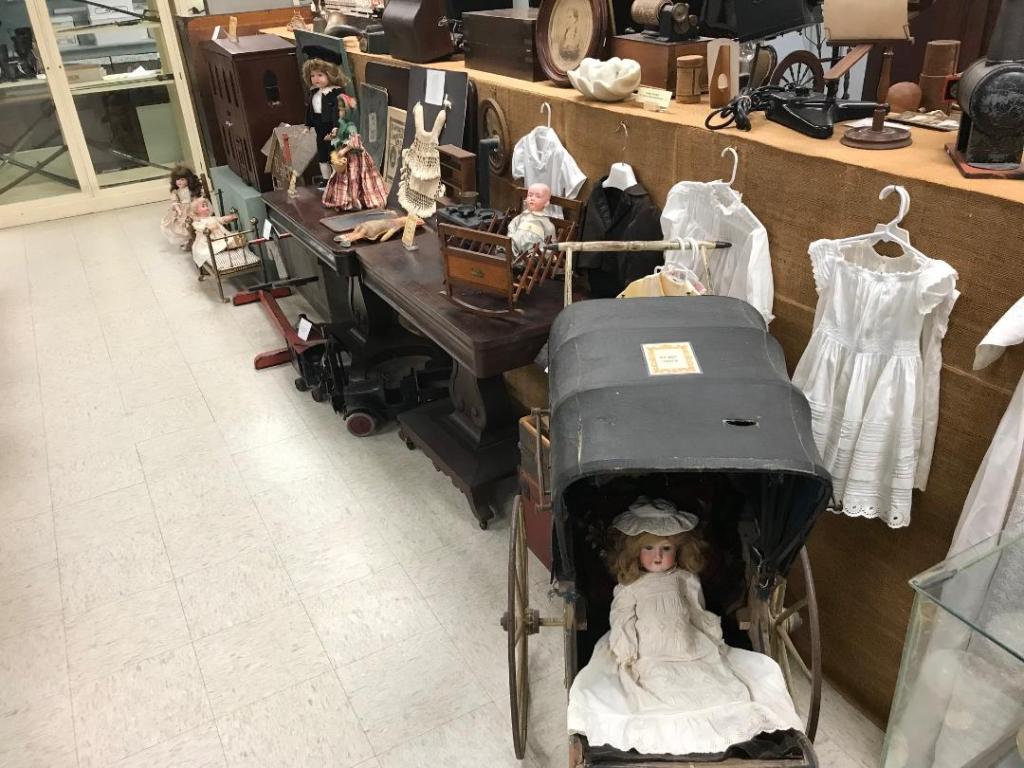
One thing that emphisis was put on was children and their well-being. We see the start of children’s education, their health and livelihoods and their playthings. The Victorians especially worked hard to give children a better life than the workhouses and factories that children had been subjected to in the previous century. There was a push to make children well-behaved ‘little adults’.

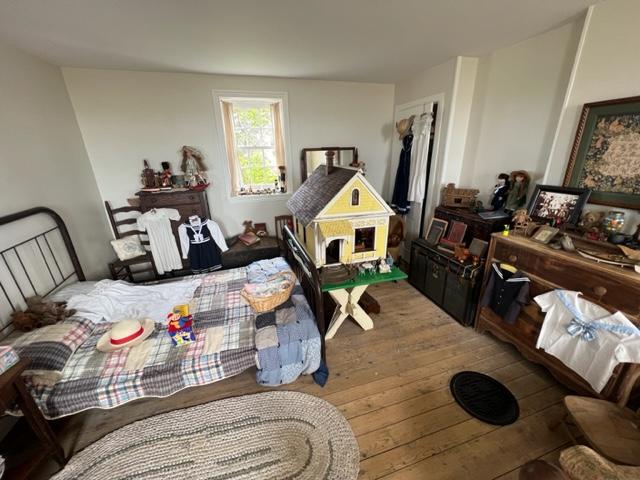
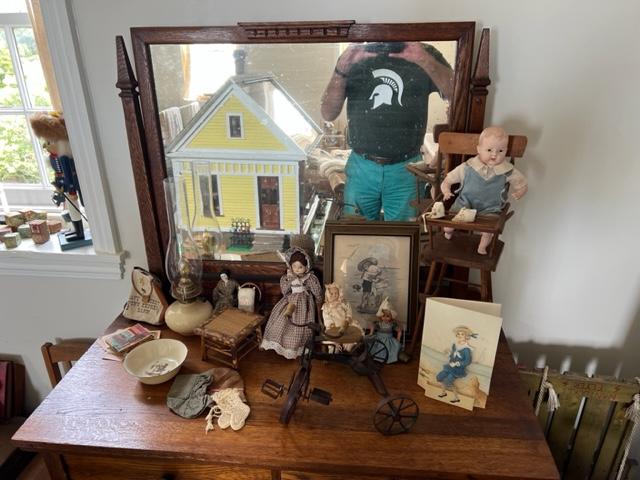
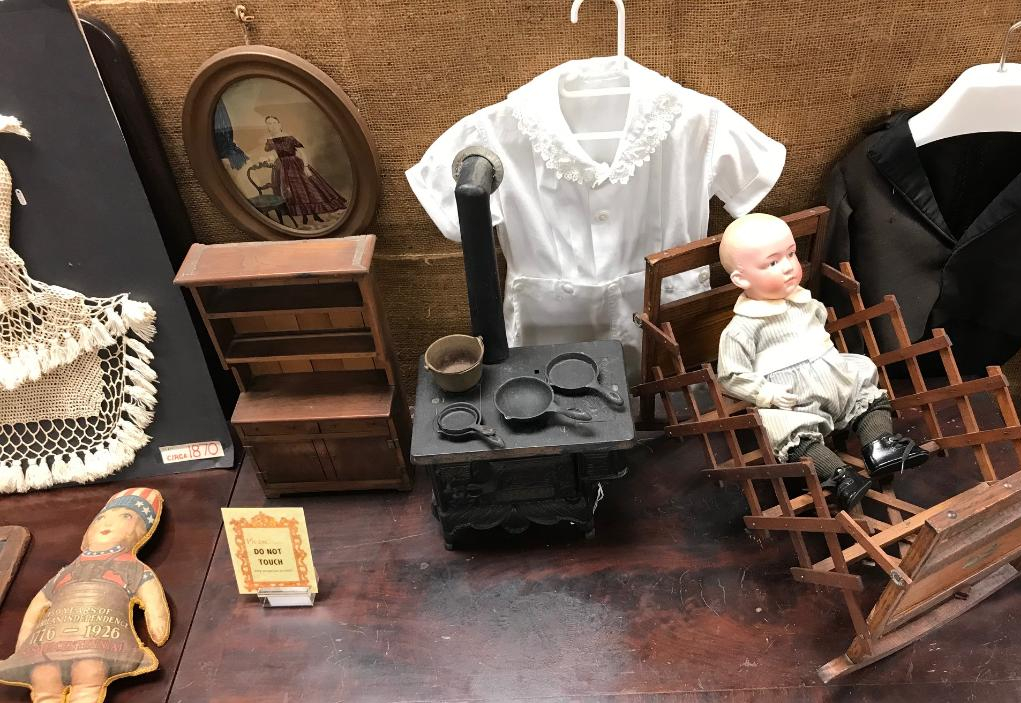
Children’s playthings and clothes were a big part of Victorian children’s lives

Children’s Playthings

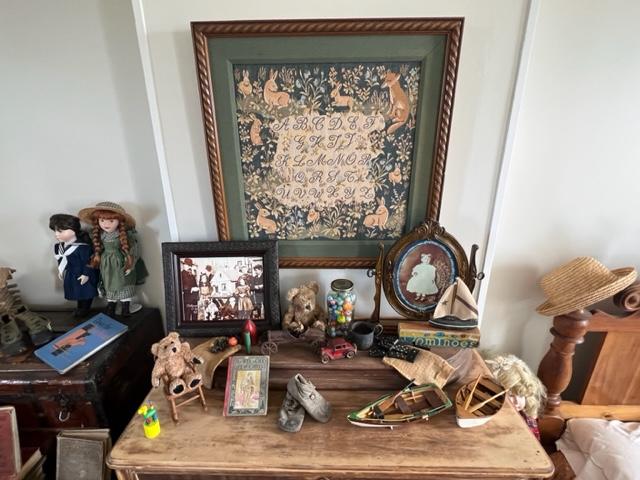
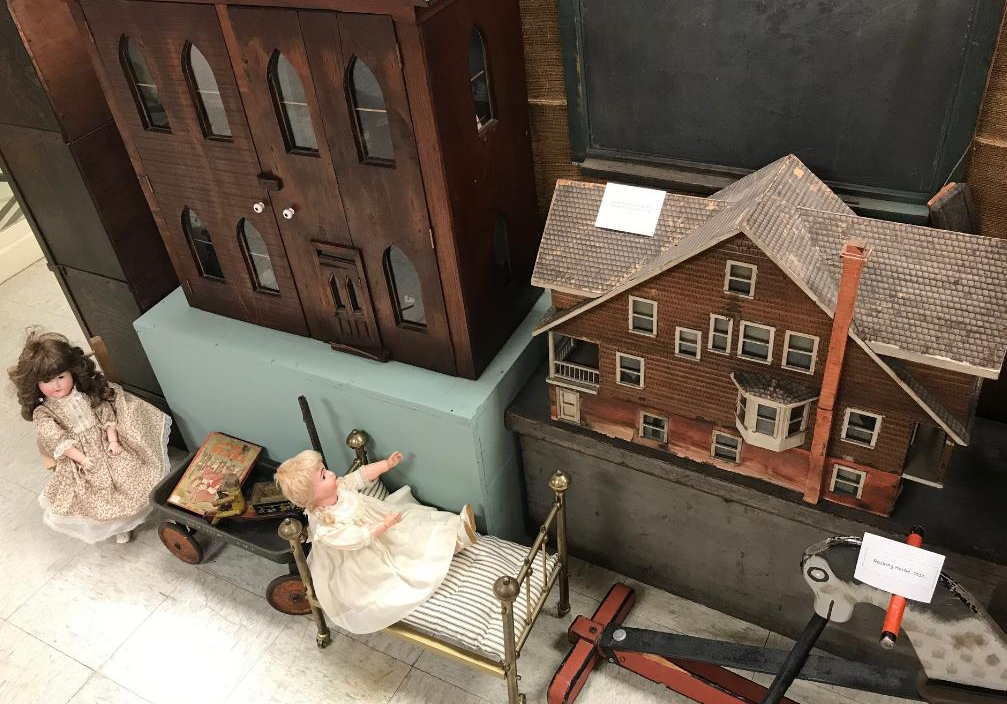
Children’s dolls and playthings represented the house and to prepare for household responsibilities

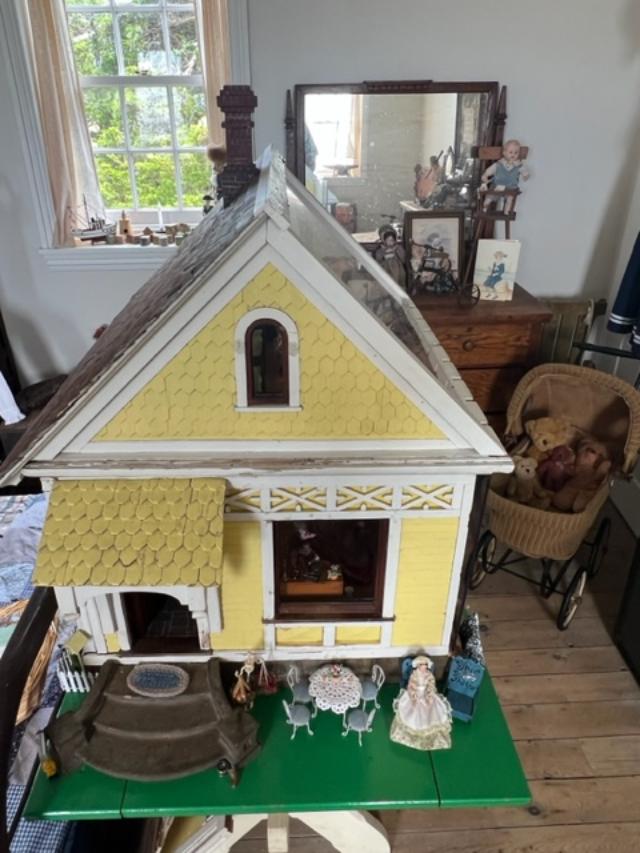
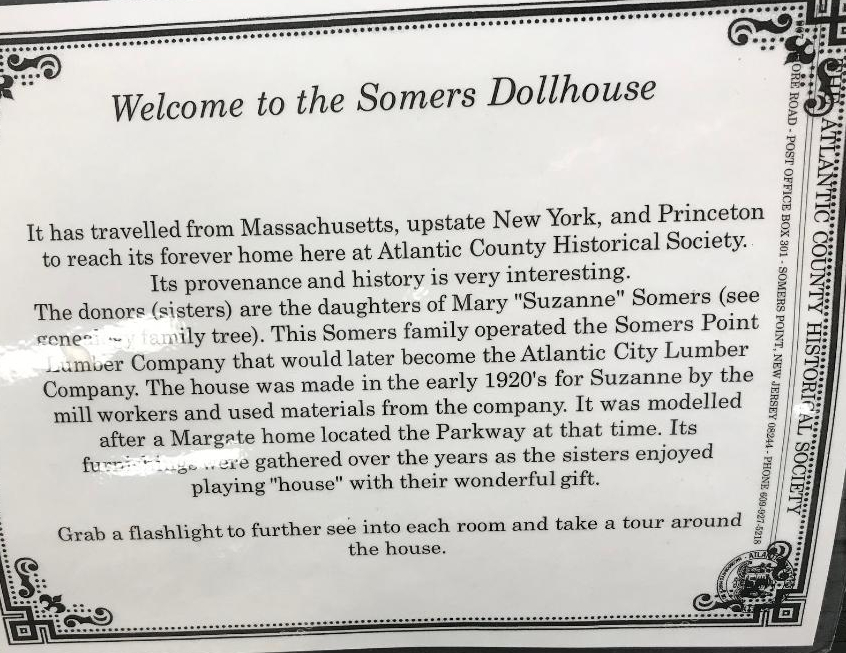
The Somers Family dollhouse that was built for the Somers family’s daughters
The Somers Dollhouse was a special gift to two young girls of the noted family who played with this their entire childhoods. Notice the detail to the this wonderful dollhouse.

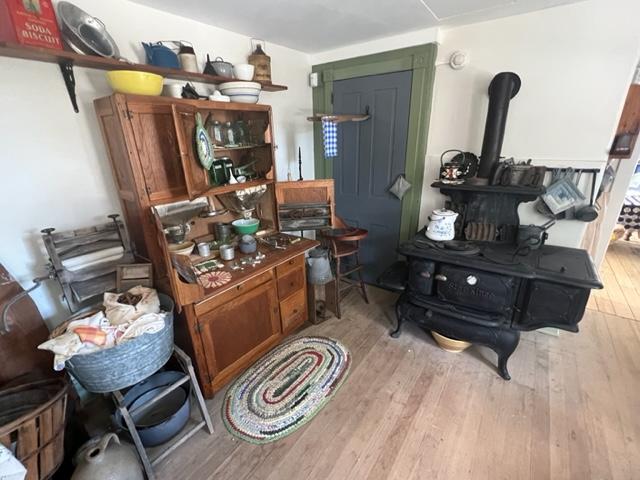
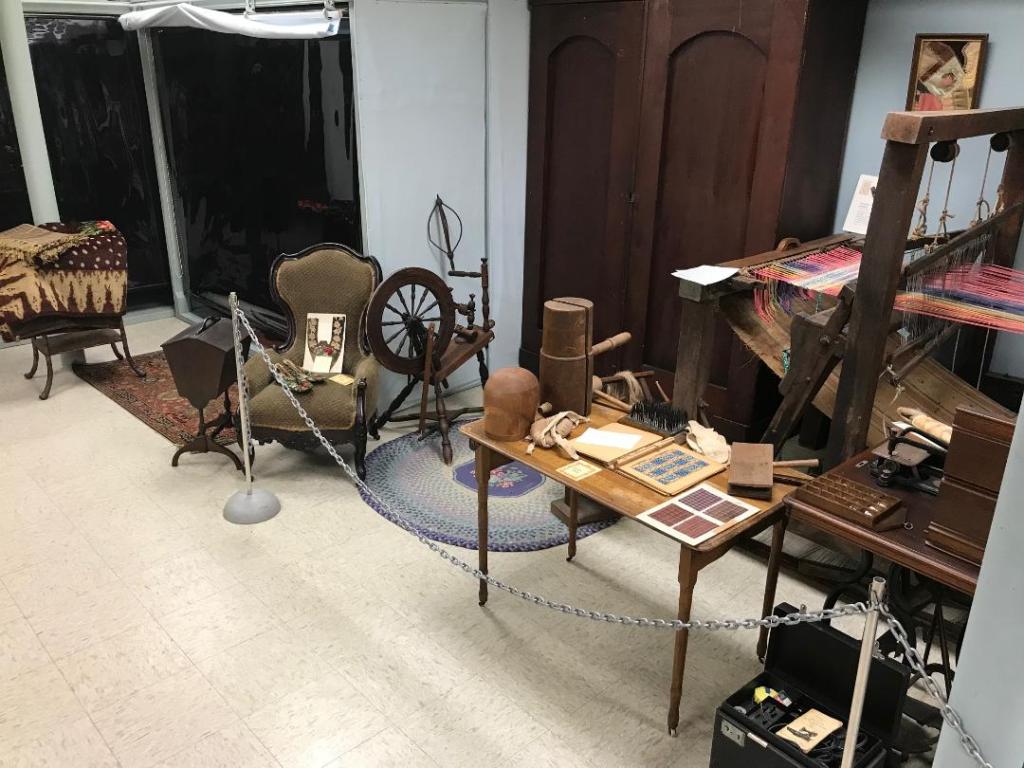
People were expected to do their chores at home such as cooking, washing, dressmaking and taking care of the house. Before electricity this was not an easy task made even more difficult by the Victorian expectations of propriety and cleanliness.

The spinning wheels represented cloth and clothes making of the late 1700’s and the loom of rug making for home decoration before the advent of the department stores. Butter churning and ice cream making were all day chores.

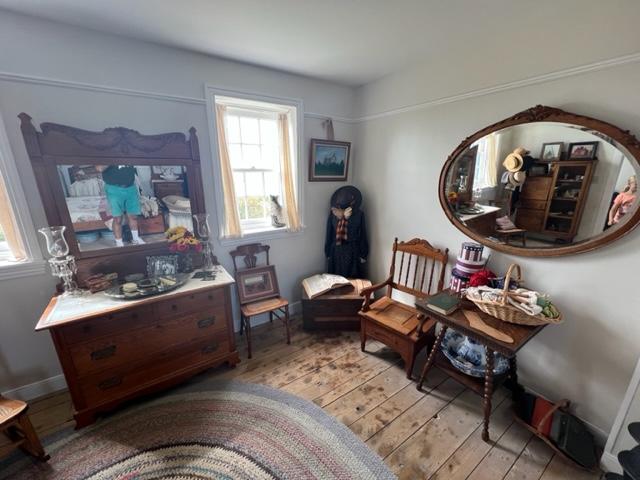
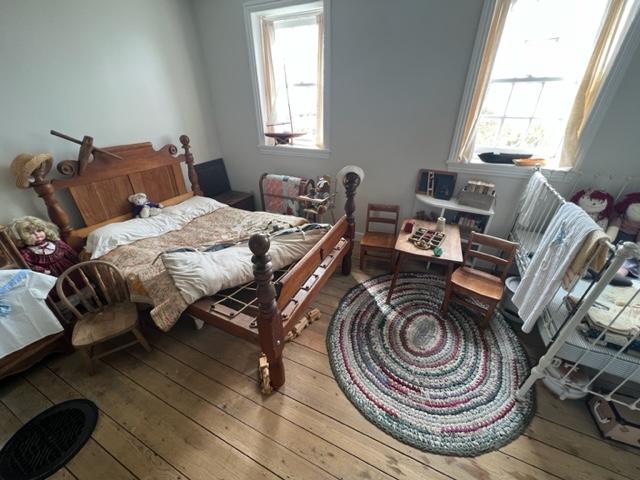
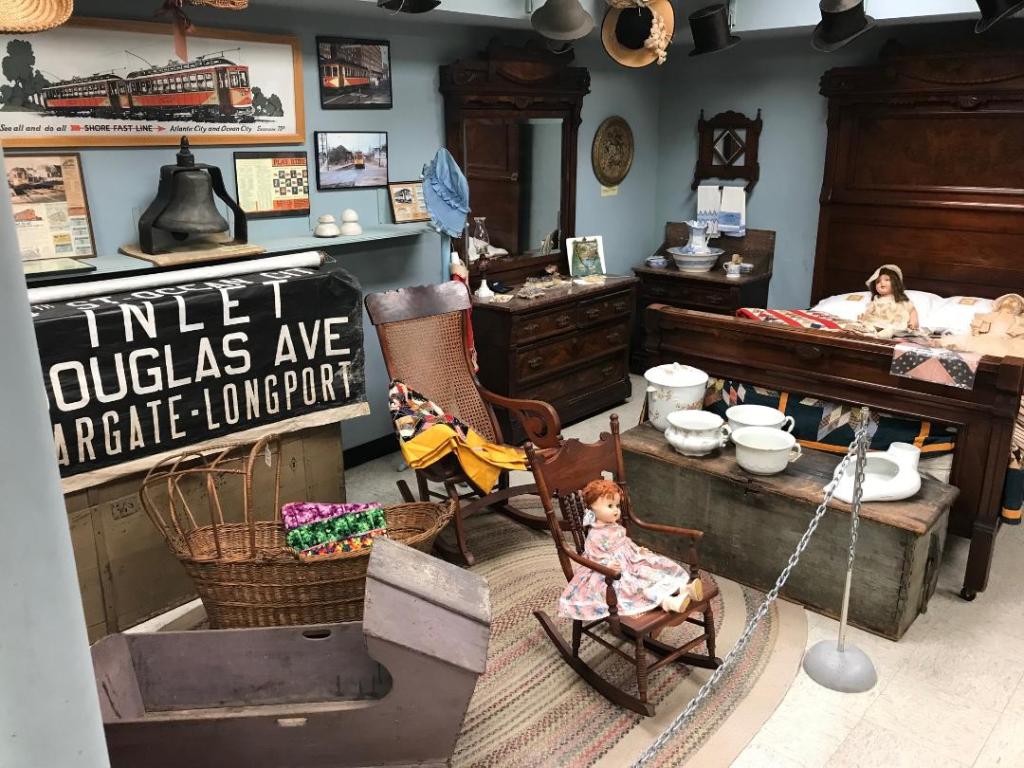
Home decoration was a big part of home life. The house was where the family spent their time and Victorians especially liked to room for everything including the bedrooms. This is where privacy was king if you could afford it. In the era of ‘children were seen and not heard’, if family members could have their own rooms that was paramount.

The kitchen was king and entertainment was taken seriously. Things had to look and seem a certain way.

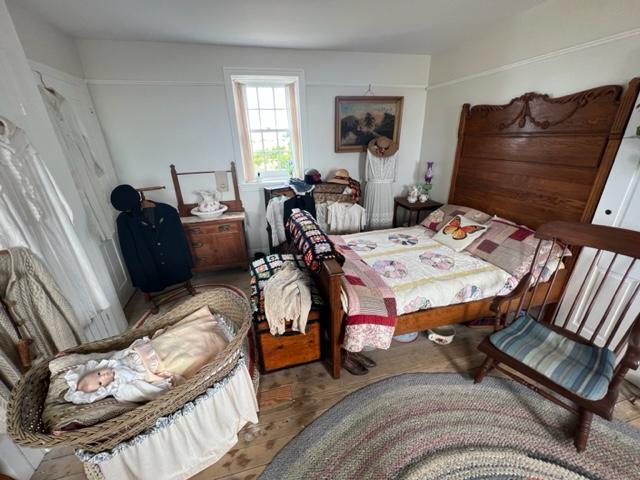
The Victorian Bedroom was a place of rest and leisure for the married couple
Victorians believed in grooming and good manners

There was also a large collection of vintage clothing, quilts and bedding, hats and gloves and walking sticks to show the dressing the middle and upper middle class citizens.

Manufacturing was also a big part of the community and shipbuilding was one of the businesses by any waterfront community that was important.

The shipbuilding and fishing displays on the third floor

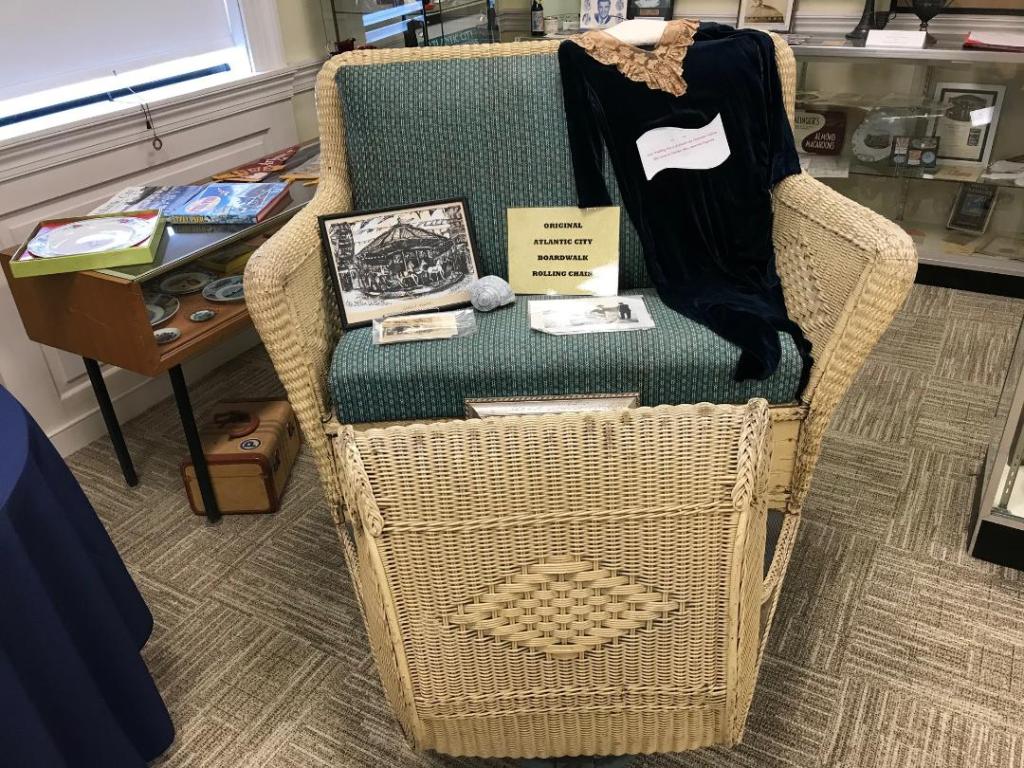
The Third floor is dedicated to industry of the area with fishing and shipbuilding a very important part of any waterfront community. Tourism which was a new thing in the industrial age and people having weekends off to enjoy themselves discovered these new shore communities for swimming, sunning, staying at hotels and ocean dining.

Resort ware and a rolling chair from Atlantic City’s boardwalk

The last display on the third floor was the office set up of Senator Frank “Hap” Farley, whose innovations and protections of the shore and transportation to various parts of the state opened it up for development and tourism.

Senator Frank “Hap” Farley

https://en.wikipedia.org/wiki/Frank_S._Farley

The office of Frank S. “Hap” Farley was a testiment to a well spent time in government

The upstairs galleries is also a place where groups meet and discussions and lectures are held. There really is something for everyone at the Society.

There is more to see and do here and take your time to visit all the displays and take a tour of everything. It is also an enjoyable rainy or hot sunny day alternative to the beach. You will learn a lot about Atlantic County and the history of New Jersey here.

The History and Mission Statement of the Atlantic County Historical Society:

(From the Society website)

Mission:

The mission of the Atlantic County Historical Society is to encourage the study of local history and genealogy and to disseminate this information to our members and the general public.

To fulfill our mission, the Society publishers an annual journal of local history and genealogy as well as a quarterly newsletter. Other means include programs, lectures, field trips, partnerships with local libraries and school districts, library and museum interpretative exhibitis and guided tours of the circa 1790 oysterman’s farmhouse, the Risley Homestead, in Northfield, New Jersey.

History of the organization:

The Atlantic County Historical Society is an independent, non-profit, tax-exempt membership organization. Originally founded in 1913 to collect and preserve the history of Atlantic County and southern New Jersey, the organization was incorporated as the Atlantic County Historical Society in 1915. In 2006, the Society was briefly renamed the Atlantic Heritage Center, but the original name was restored in 2011.

The Society opened its library and museum at the current location in 1968. In 2017, an extensive renovation project added additional space for the museum and to provide handicapped accessibility. The Risley Homestead site was bequeathed to the Society in 1989 by Virginia Risley Stout. She and her husband were the last to live in this historic building, of which portions date back to 1790. The building is listed on the State and National Registers of Historic Places.

Atlantic County Historical Society and Risley Homestead are registered trade names of Atlantic County Historical Society.

The Greenwich Tea Burning Monument               Ye Greate Street and Market Lane          Greenwich, NJ 08323

The Greenwich Tea Burning Monument Ye Greate Street and Market Lane Greenwich, NJ 08323

The Greenwich Tea Burning Monument

Ye Greate Street and Market Lane

Greenwich, NJ 08323

http://www.co.cumberland.nj.us/greenwich-tea-burning

Open: 24 Hours/Outdoor Monument

Admission: Free

My review on TripAdvisor:

https://www.tripadvisor.com/ShowUserReviews-g46477-d24137215-r844112153-The_Greenwich_Tea_Burning_Monument-Greenwich_New_Jersey.html?m=19905

The Greenwich Tea Burning Monument in Greenwich, NJ

I am a firm believer in that you learn something new everyday and on a recent trip to visit historical sites of Southern New Jersey I came across this one in a guide book. I never even knew this monument existed let alone that we had our own version of the Boston Tea Party right here in New Jersey. It really showed me the significance of the Revolutionary War and how people from the past fought for the freedoms that we have today.

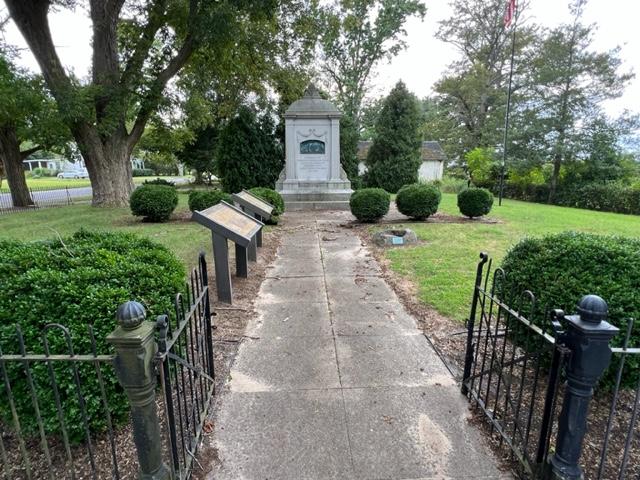
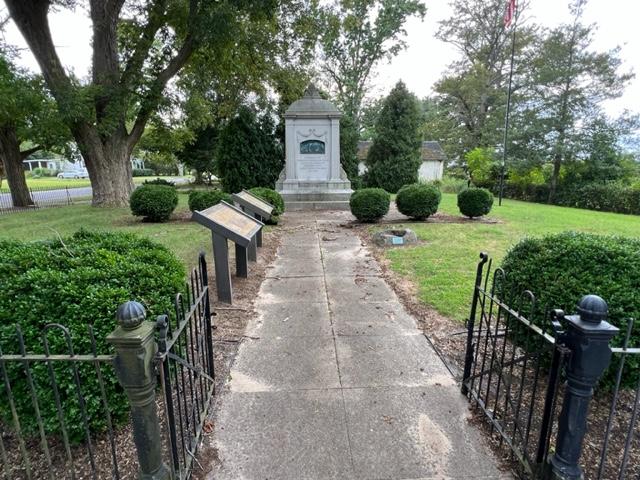
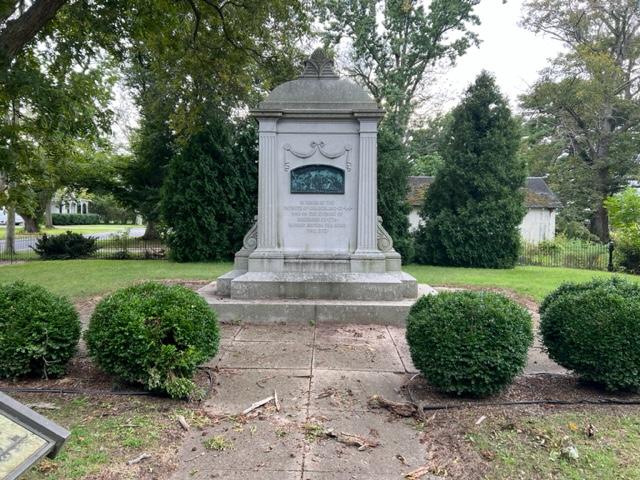
The monument in its glory.

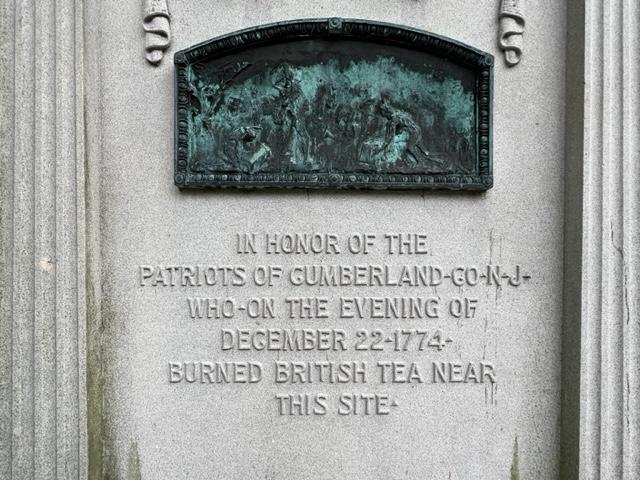
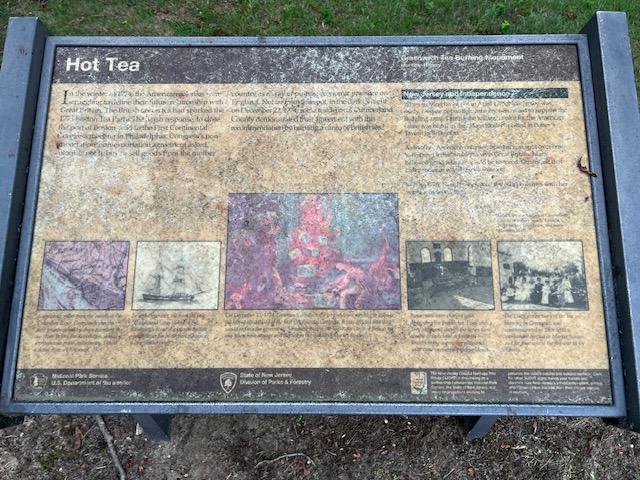
On the night of December 22nd, 1774 forty people from the community took possession of tea chests and piling them together burnt them in protest of the Tea Tax that had been imposed on the residents of New Jersey. This act of defiance was a reaction to the actions of the British Rule.

The monument honorarium.

This beautiful and graceful monument lies now at the end of a sleepy country road in Greenwich, NJ which is still surrounded by farmland. It is hard to miss the monument in its location in the middle of a small park surrounded by a small fence. The monument was dedicated in 1908 and then again in 2008 there was a second ceremony to honor the 100th anniversary of the monument (Wiki).

The moument sits down the road from the Museum of Prehistoric History and from the Gibbon House so there are many things to see in Greenwich, NJ on this quiet country road.

The History of the Greenwich Tea Burning in 1774:

(From the Cumberland County, NJ website):

Liberty was not cradled in Philadelphia alone. The spirit was also alive in the inhabitants of Cumberland County when they destroyed a cargo of tea in 1774.

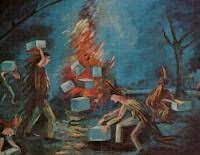
On the evening of Thursday, December 22nd, 1774, a company of about forty young Whigs, disguised as Indians, entered the cellar of Bowen’s house. They took possession of the whole cargo, conveyed the tea chests from the cellar into an adjoining field and piling them together, burnt them in one general conflagration. Forty miles from Philadelphia, was (and still is) the little town of Greenwich, the principal settlement of Cumberland County in 1774.

The Greenwich Tea Burning of 1774 (NJ Historical Society)

It was founded in 1675 by John Fenwick and is older than Philadelphia, which was not founded until 1682. The hand of time has hardly touched Greenwich. It is much the same today as it was three hundred years ago, when the British flag flew high over it. Today you will still find a wide street, which they still call “Ye Greate Street.” It was laid out in 1684 and its course has never been changed.

The storyboard on the event.

The Cohansey Creek is a navigable stream of some size running through the county of Cumberland and emptying into the Delaware Bay. In the autumn of 1774, the quiet inhabitants along the banks of the creek were startled by the appearance of a British brig called called the “Greyhound.” Sailing about four miles up the Cohansey, the brig stopped at the village of Greenwich, which was the first landing from its mouth.

She was laden with a cargo of tea sent out by the East India Tea Company, which was undoubtedly under the impression that the conservative feelings and principals of the people of New Jersey would induce them to submit quietly to a small tax. The result showed that the temper of the people was little understood by the East India Tea Company (Similar to the Toilet Paper Tax of the Governor Florio in the 1990’s).

The storyboard on the event.

Having found an English sympathizer, a Tory, as they were called, one Daniel Bowen, the Greyhound’s crew secretly stored the cargo of tea in the cellar of his house. However, this unusual procedure was noted by the citizens who immediately appointed a temporary committee of five to look after the matter until a county committee might be appointed.

A general committee of thirty-five was later appointed with representatives from Greenwich, Deerfield, Jericho, Shiloh, Bridgeton, Fairfield and perhaps other places.

Greenwich Tea Burning Monument News of the Boston Tea Party had already reached Greenwich and the defiant example was regarded by many of the local settlers as worthy of their own contempt for the British. Fate now presented them with a ready-made opportunity to duplicate the act.

On the evening of Thursday, December 22nd, 1774, a company of about forty young Whigs, disguised as Indians, entered the cellar of Bowen’s house. They took possession of the whole cargo, conveyed the tea chests from the cellar into an adjoining field and piling them together, burnt them in one general conflagration.

Thus, the patriots of Cumberland County living in Greenwich expressed their discontent by reacting to oppressive governmental measures. They had clearly taken a stand for independence and democracy.

Greenwich has been granted the distinction of being one of the five tea-party towns in America, the others being Charlestown, Annapolis, Princeton and Boston. In 1908, the monument seen above was erected in the old market place on Ye Greate Street to commorate the burning of a cargo of British tea on December 22nd, 1774.

Quinton’s Bridge at Alloways Creek                                     Route 49 at Quinton-Alloway Road                                   Salem, NJ 08079

Quinton’s Bridge at Alloways Creek Route 49 at Quinton-Alloway Road Salem, NJ 08079

Quinton’s Bridge at Alloways Creek

Route 49 at Quinton-Alloway Road

Salem, NJ 08079

No Phone Number

https://www.revolutionarywarnewjersey.com/new_jersey_revolutionary_war_sites/towns/quinton_nj_revolutionary_war_sites.htm

https://www.hmdb.org/m.asp?m=88443

Open: Sunday-Saturday 24 hours

My review on TripAdvisor:

https://www.tripadvisor.com/ShowUserReviews-g46799-d24137890-r844180359-Quinton_s_Bridge_At_Alloways_Creek-Salem_New_Jersey.html?m=19905

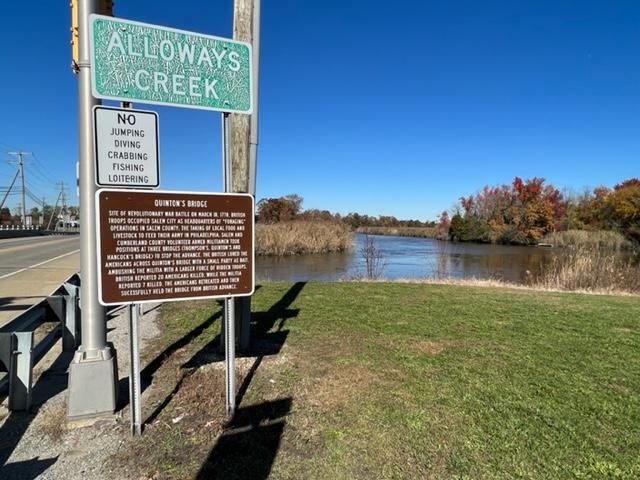
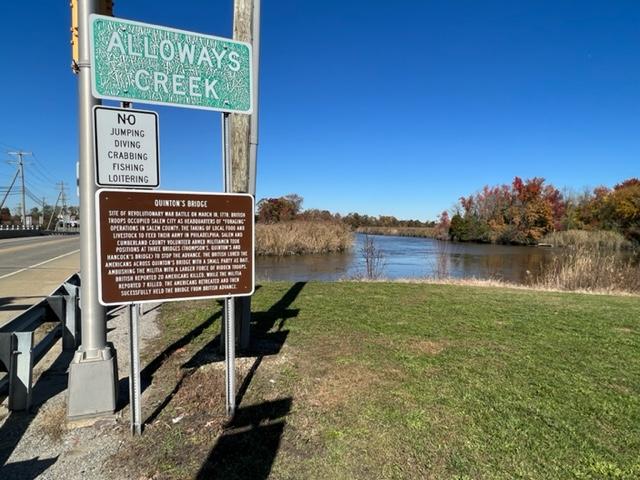
If you blink your eye, you will pass this bridge along the Alloway Creek just outside of Alloway, NJ, a sleepy little town just outside the County seat of Salem, NJ. What may seem like just a bridge with an historical marker once held a big place in the history of the Revolutionary War for this part of New Jersey. This was once a major travel and transport point during the area’s heyday of the farming industry in the early part of the country’s history, supplying food for the Philadelphia and lower New Jersey area.

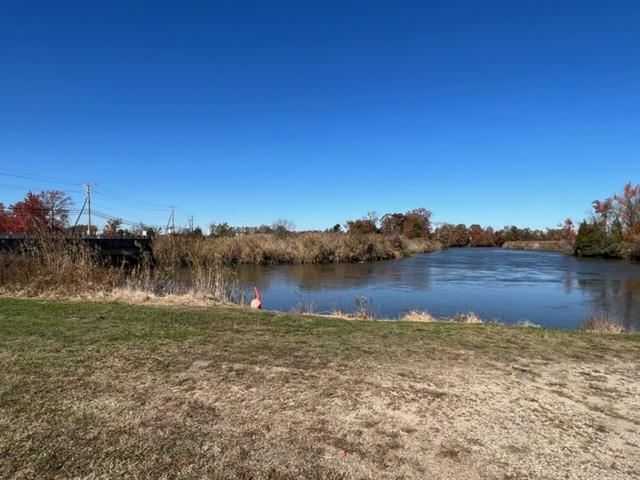
Today the Alloway Creek is used more for fishing and recreation from I saw the afternoon I visited the site but once upon a time, this was a busy throughfare for travel. The creek was used for transport and the road was a crossways between all the small communities in the area.

Take time to stop in the parking lot next to the bridge and take a look at the significance of this area and what this meant in the context of the war years.

Alloway Creek today in 2022

History of Quinton’s Bridge at Alloway Creek:

(From Revolutionary War New Jersey.com):

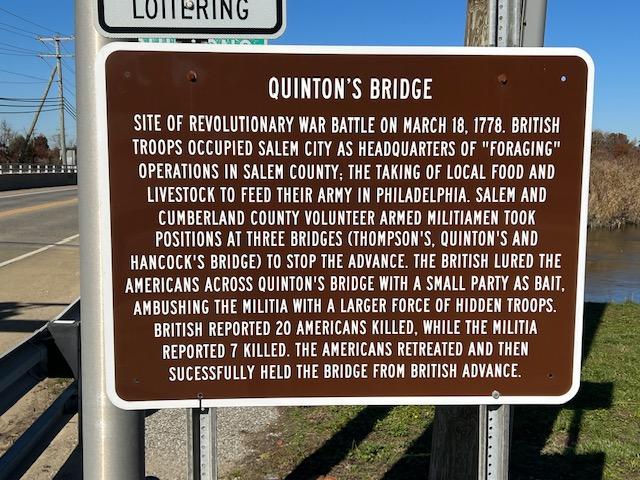
In March of 1778, a group of about 1500 British troops under the command of Charles Mawhood occupied the town of Salem. Their objective was to confiscate cattle, hay and corn to bring across the Delaware River to Philadelphia, which was then controlled by the British.

Local citizen had moved some of the cattle south of Salem, past Alloways Creek to keep it from the British. Alloways Creek extends abou thirty miles inland from the Delaware River, creating a natural southern boundary that could only be crossed at three bridges in the area; Quinton’s Bridge, Hancock’s Bridge about four miles east of here and Thompson’s Bridge about five miles to the west. Salem and Cumberland County militiamen took positions at the bridges to stop the British from moving past them.

The British made an attack on Quinton’s Bridge on March 18th. During the attack, the British lured about 200-300 of the militamen across the bridge into an ambush feigning a retreat. The British had actually hidden some of their soldiers in a house near the creek and when the militiamen moved past them, the soldiers rushed out of the house to cut off the militiamen’s retreat to the bridge. Militiamen were captured or killed but their defense of the bridge held and the British were not able to cross Alloways Creak at Quinton’s Bridge.

Three days later an attack was made on the militiamen at Hancock’s Bridge in which militiamen were bayoneted to death in their sleep in a nearby house.

Hancock House State Historic Site                                              3 Front Street                                                                 Hancocks Bridge, NJ 08038

Hancock House State Historic Site 3 Front Street Hancocks Bridge, NJ 08038

Hancock House State Historic Site

3 Front Street

Hancocks Bridge, NJ 08038

(856) 935-4373

https://nj.gov/dep/parksandforests/historic/hancockhouse.html

https://www.facebook.com/FOHHNJ/

https://en.wikipedia.org/wiki/Hancock_House_(Lower_Alloways_Creek_Township,_New_Jersey)

Open: Sunday 1:00pm-4:00pm/Monday-Tuesday Closed/Wednesday-Saturday 10:00am-12:00pm/1:00pm-4:00pm

Admission: Free but donation suggested

My review on TripAdvisor:

https://www.tripadvisor.com/Attraction_Review-g46491-d14113448-Reviews-Hancock_House-Hancocks_Bridge_New_Jersey.html

The Hancock House

I took an extensive tour one weekend of historical sites of southern New Jersey to see how the lower part of the state was impacted by the Revolutionary War and one of the most important sites was the Hancock House. The family was extremely prominent not just in Salem, NJ but in New Jersey politics as well.

The Hancock House and grounds during the early Fall 2022

The house once stood on an very busy road between Salem and Bridgeton and where most commerce passed by. When I was taking the tour, you could see that the house was built in two parts. When I was listening to the lecture I found that the side of the house that faced the road had once been a leased space for a tavern.

The tavern section of the house that faces the road

This commercial enterprise brought in income for the family. Later on when the Hancock family sold the house in the early 1800’s, they sold it to the tavern keeper. After he and his family sold the house, it went on to various owners before the State of New Jersey bought it in the 1930’s.

Recreation of the Tavern section of the house

A copy of the old menu at the Tavern

There are no family heirlooms in the house and while some of the rooms have period pieces and are decorated to show how the family might have lived at the time as well as how the tavern functioned, many rooms in the house needed some direction on what they wanted to say about living at the time. There needed to be more artifacts to complete the look of the room.

The Downstairs at the Hancock House:

The example of the main bedroom downstairs was used for business as well. The room was furnished with period furniture.

The downstairs bedroom at the Hancock House. The built in shelves are the only thing from the Hancock family

The Kitchen area was set for dinner and functioned as the Dining Room as well,

The kitchen set for lunch

The kitchen area for entertaining

The old kitchen at the Hancock House

The Dining Room at the Hancock House:

The Living Room

The Living Room at the Hancock House

The Gallery at the Hancock House with artifacts from the era.

The Gallery at the Hancock House

The Upstairs at the Hancock House:

The upstairs bedrooms were an example of that. One of the rooms was fully furnished to look like a period bedroom while the other had a mish-mosh of decorations and furniture. There needed to be more to capture the time period of the house.

The upstairs bedroom is the only one furnished upstairs

Still, the house was steeped in history and it was fascinating to hear what the tour guide said about the goings on during the war years to the family. Many of the rooms also could have used a good plastering and painting to bring them back to life.

When I visited the Hancock House in October of 2022, they were having a Halloween festival with pumpkin patches, face painting, watching the film “The Legend of Sleepy Hallow” by Disney films. The kids were engaged with all sorts of activities and there would be Trick or Treating on Halloween day.

Halloween festivities at the Hancock House

The pumpkin patch at the Hancock House for Halloween

Halloween festivities at the Hancock House

History of The Hancock House:

(from The Hancock House Pamphlet)

The story of the Hancock House begins in 1675 when John Fenwick, a lawyer and Quaker from England, arrived in West Jersey (now Salem Country), With land purchased two years earlier, he established the first permanent English Settlement here, called “Fenwick’s Colony,” and founded the town of Salem. Eager to populate the area with skilled, industrious individuals, he advertised the area’s assets by stating, “if there be any terrestrial “Canaan” ’tis surely here, where the Land floweth with Milk and Honey.”

The Hancock House sits on property that was purchased from John Fenwick in 1675 by William Hancock, an English showmaker. Upon his death, the property passed to his wife and then to his nephew, John Hancock.

John’s inheritance of approximately 500 acres made him a major landholder in Fenwick’s Colony. he contributed to the development of the area by building a bridge across Alloways Creek in 1708. Now known as “Hancocks Bridge,” it permitted passage on an important highway between Salem and Greenwich and gave the settlement its name.

The site of the Hancock Bridge

When John Hancock died in 1709, he left his property to his son William. William became a Justice of the Peace for Salem County and served in the Colonial Assembly for 20 years.

The site of the historic Hancock Bridge

In 1734, William and his wife, Sarah built the Hancock House. Their initials (WHS) and the construction date (1734) can be seen in the brickwork on the house’s west elevation.

Upon his death in 1762, William left his house to his son, William who succeeded him in the Assembly and became His Majesty’s Judge of the County Court for the County of Salem. It was this William who figured in the massacre of March 1778.

The Hancock House remained in the family until 1931, although the extent to which the house was used as a private residence and the property farmed is uncertain. There is evidence to suggest a section of the house was leased for a tavern during the 18th & 19th centuries.

A recreation of the old Tavern section of the home

The State of New Jersey acquired the Hancock House for $4,000 in 1931 and opened it as a museum in 1932.

The Smoke House at the Hancock House property:

The Historic Significance of the house:

Historic Marker at the Hancock House

The Architectural Significance:

The Hancock House earned a place in history on the fateful day in March 1778.

The Hancock House

Yet the story of its architecture also is important. With its distinctive patterned and wall brickwork, simple lines and little ornamentation, it reflects the building traditions of the Quaker’s English Homeland.

The land around the Hancock House

Other elements of this architectural style include Flemish bond brickwork; a pent-roof that wraps around the front and back of the house; simple entrance steps; interior paneling and the use of such local materials as Wistarburg glass.

The Hancock House

The Hancock House property: