Tag: Exploring Historic Dutchess County NY

Beacon Historical Society                                                  61 Leonard Street                                                                 Beacon, NY 12508

Beacon Historical Society 61 Leonard Street Beacon, NY 12508

Beacon Historical Society

61 Leonard Street

Beacon, NY 12508

(845) 831-0514

https://www.beaconhistorical.org/

https://www.facebook.com/BeaconHistoricalSociety/

Open: Sunday- Wednesday Closed/ Thursday 10:00am-12:00pm/Friday Closed/Saturday 1:00pm-3:00pm

Admission: Free but donations are accepted

My review on TripAdvisor:
https://www.tripadvisor.com/Attraction_Review-g47291-d15772700-Reviews-Beacon_Historical_Society-Beacon_New_York.html

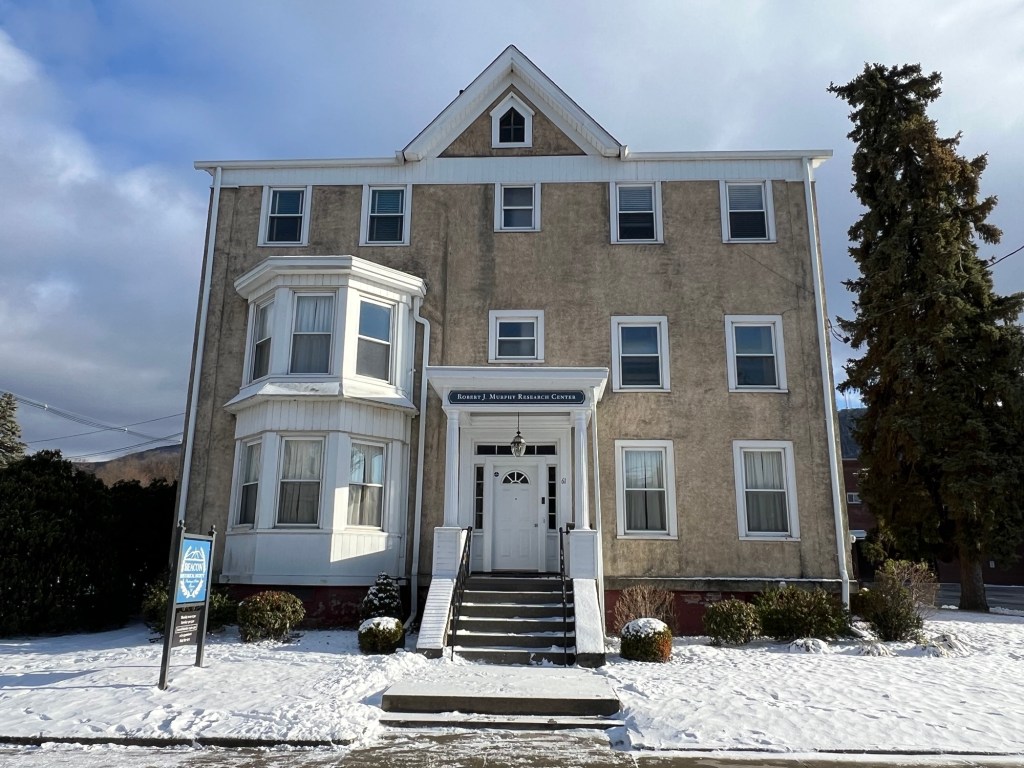
The Beacon Historical Society at 61 Leonard Street at Christmas time

The outside of the building in the Summer
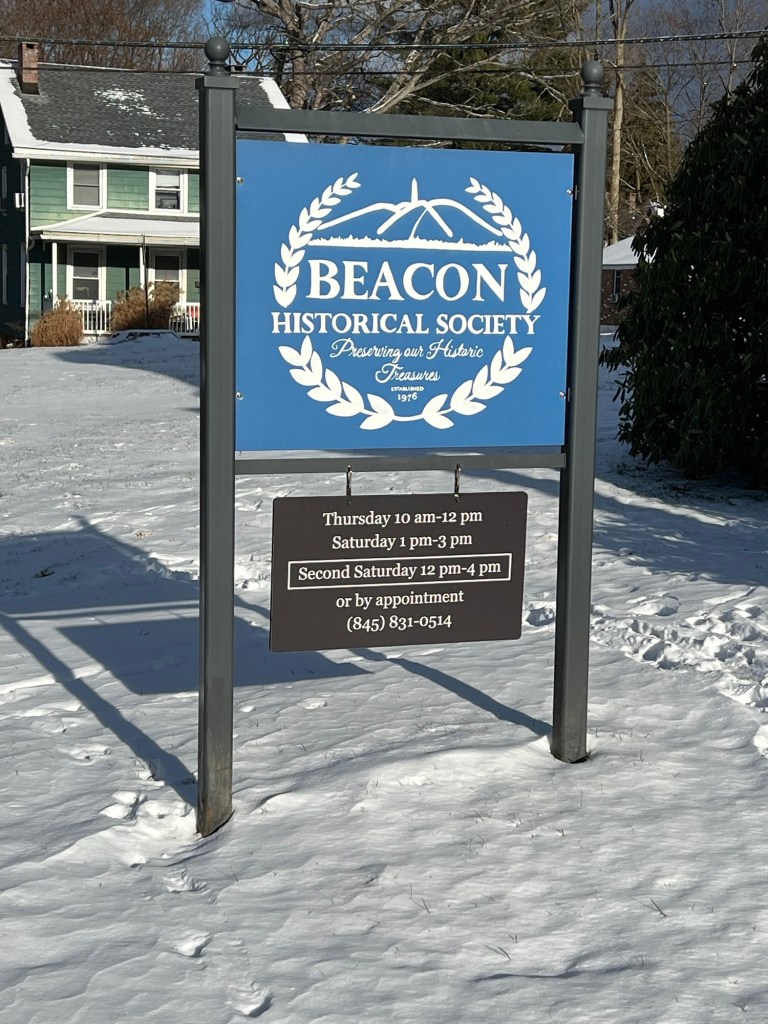
The sign for the Beacon Historical Society at Christmas time

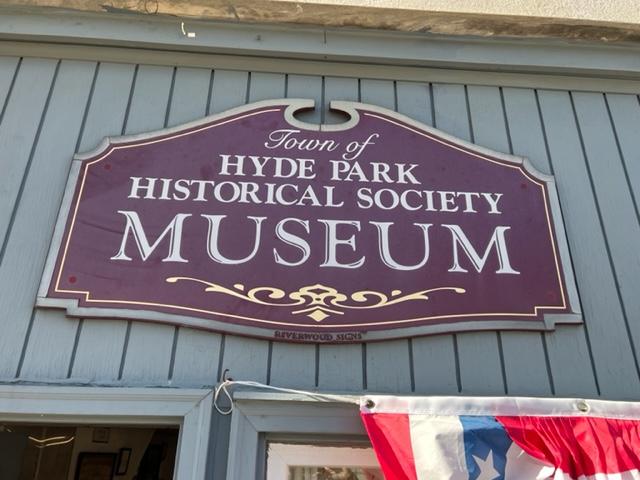
The outside sign in the Summer

The Mission of the Society:

(From the Society pamphlet

The Beacon Historical Society was founded in 1976 to preserve, collect and interpret the rich history of the City of Beacon and its predecessor Villages of Fishkill Landing and Matteawan.

History of the Society:

(From the Museum website)

Established in 1976, the Beacon Historical Society showcases Beacon’s history through exhibitions, collections, programs, books and an informative monthly newsletter. The Beacon Historical Society is proud to serve as Beacon’s repository of rare photographs, paintings and prints, Hudson River ship models, objects and ephemera from local factories and Main Street businesses, records of local cemeteries and Civil War veterans, maps of Beacon, Fishkill Landing and Matteawan.

I recently did a walking tour of Downtown Beacon, NY and was impressed by the numbers of restaurants, bars and stores in the downtown area. It is an impressive downtown with very few empty stores and impressive and lively street life. On my first trip to the Beacon Historical Society I learned this was not always the case.

I recently visited this small historical society packed with information on the history not just of the City of Beacon but the surrounding Hudson River area. The museum gives an in depth view of the industrial history of the area and the highs and lows of many of the river communities. These small communities have seen a renaissance over the last decade especially during COVID and many of the older towns have seen new life being breathed into them.

The first exhibition I looked at was the Photographer Patrick Prosser exhibition (being shared with the Howland Cultural Center) ‘Work in Decay: The City of Beacon NY’.

Artist Patrick Prosser

https://www.facebook.com/groups/Beaconphotogroup/posts/30007658412154532

Photographer Patrick Prossner was born and raised in Beacon and a graduate of Beacon High School and SUNY New Paltz with BFA. His work on this project started in 1982 photographing the decay of his home town (Author’s Bio on BHS website).

The photographer moved to the area in the early 1980’s during a time when Beacon’s mills and factories were closing and the downtown was boarded up. It shows what the downtown business district looked like and the changes that were made to shape it today.

The sign for the exhibition

Pictures of the former industrial zone

The pictures showed a once vibrant industrial community and the changes once these factories closed.

The changes in the surrounding area

The exhibition really shows the transformation of these towns from the once industrial hubs to the artsy communities filled with galleries and bars that many of them have become.

Downtown Beacon today filled with art galleries, shops and small restaurants

The former mill is now a luxury hotel and restaurant overlooking the same waterfall that used to power the mill

These small communities factories have now become hotels, lofts and in some cases new cottage industries have moved in. Time transforms areas and what is old becomes new again.

The first floor gallery

The second exhibition that I walked through was the ‘From Haverstraw to Beacon: Inside the Brickyards the built New York City’, an extensive look at the brickyards and the clay deposits that once lined the Hudson River that build most buildings in the City in the end of the Eighteenth, Nineteenth and early Twentieth centuries.

The exhibition sign

The map of the location of the brickyards along the Hudson River. This depended on the location of the clay deposits.

Transportation of freight and people for both recreation and business was described in this display of different boats down the Hudson River.

The display of understanding the brick business

Display of the different companies and processes of making bricks

The display of people that make up the industry

The process of mining, making, drying and creating the bricks that would end up in New York City

Some of the bricks and the companies from the New York market that were created in the region

Another display on the companies

More of the companies and processes to making bricks

The exhibition was a very interesting look at what was once a dominant industry in the area but like any industry as the clay ran out and building materials changed, the industry diminished in the area and that way of life changed. With it as well was the transformation of the area.

The former brick factories

The Brockway Brick Company that built Macy’s original building in Manhattan

There were smaller exhibitions as well all over the two floors of displays. First there was a handmade dollhouse on the first floor that is a favorite of the elementary school students.

The handmade dollhouse on the first floor

On the seconded floor is a display is the socially prominent Van Nydeck family. The family donated their family tree and many family heirlooms and portraits.

Part of the Schenck Van Nydeck family tree

The Van Nydeck family heirlooms

There was also artwork and artifacts from the surrounding community on display all over the museum.

The painting is by a local artist and the pottery is locally made

The window is a Tiffany window from a local church that the Historical Society saved for the museum

The first floor gallery

The docent told me after I toured the exhibition that there are more exhibitions being planned for the future.

Touring Downtown Beacon, NY:

After the trip through the Historical Society, I ventured and walked Downtown Beacon. The neighborhood has certainly changed since the early eighties.

Downtown Beacon today

Downtown Beacon today with Mount Beacon in the distance

The beautiful floral arrangements in the downtown today
Dutchess County Historical Society                  6282 Route US 9                                                             Rhinebeck, NY 12572

Dutchess County Historical Society 6282 Route US 9 Rhinebeck, NY 12572

Dutchess County Historical Society

6282 US-Route 9

Rhinebeck, NY 12572

(845) 471-1630

https://www.facebook.com/DCHSNY/

Open: Sunday-Monday Closed/Tuesday-Thursday 10:00am-3:00pm/Friday-Saturday Closed

Admission: Free but donations are accepted

My review on TripAdvisor:

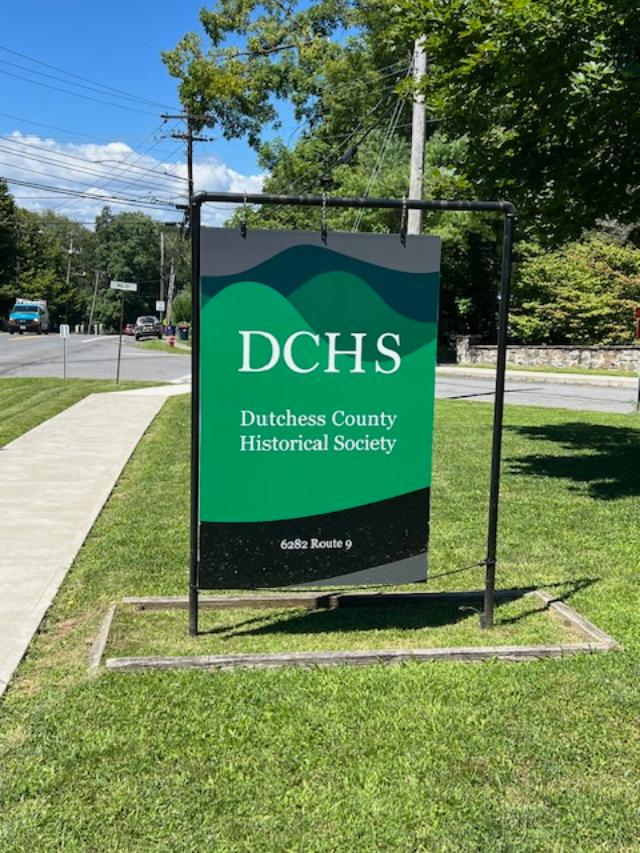
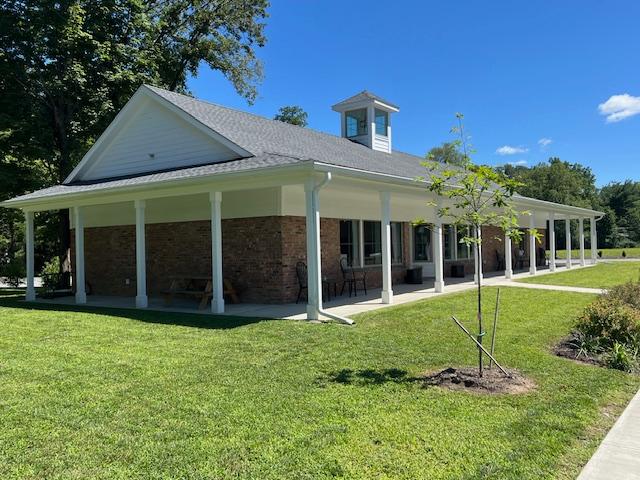
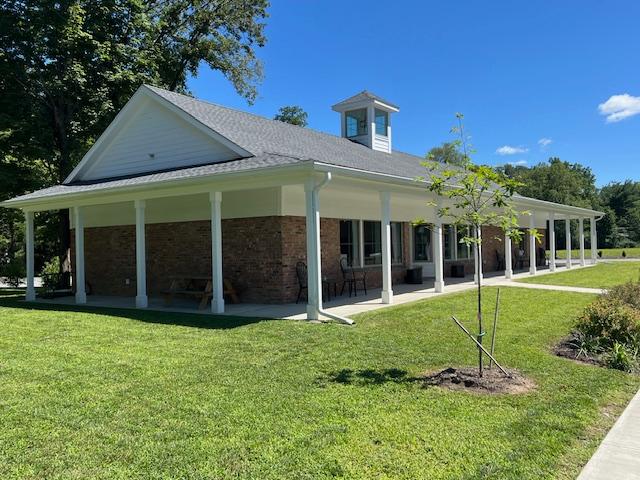
The Dutchess County Historical Society at 6282 Route US 9 in Rhinebeck, NY

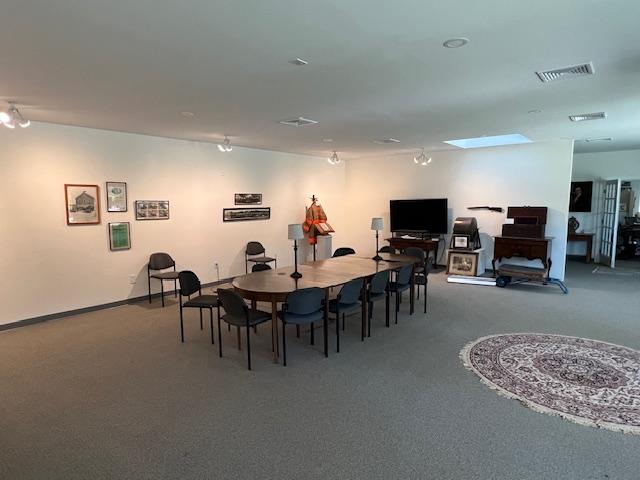
I recently visited the new Dutchess County Historical Society in Rhinebeck from its old home in Downtown Poughkeepsie. The new museum has a light and airy feel about it with new exhibitions being mounted and a new library being set up for research. The museum just opened for viewing so it is still in its early stages for displaying artifacts.

The Dutchess County Historical Society

The Main Gallery at the museum

The Mission of the Dutchess County Historical Society:

The Dutchess County Historical Society is committed to being the most meaningful source of Dutchess County history, a commitment in place since its 1914 founding.

We do this through the responsible archival stewardship of tangible objects and the energetic interpretation and presentation of local history to the public.

We are proud to be known for our community outreach through a wide range of publications, awards, exhibits, programs, talks, writings, videos and oral histories.

Online and traditional exhibitions, lectures, awards, conferences and special presentations round out Dutchess County Historical Society programming for members and our local communities.

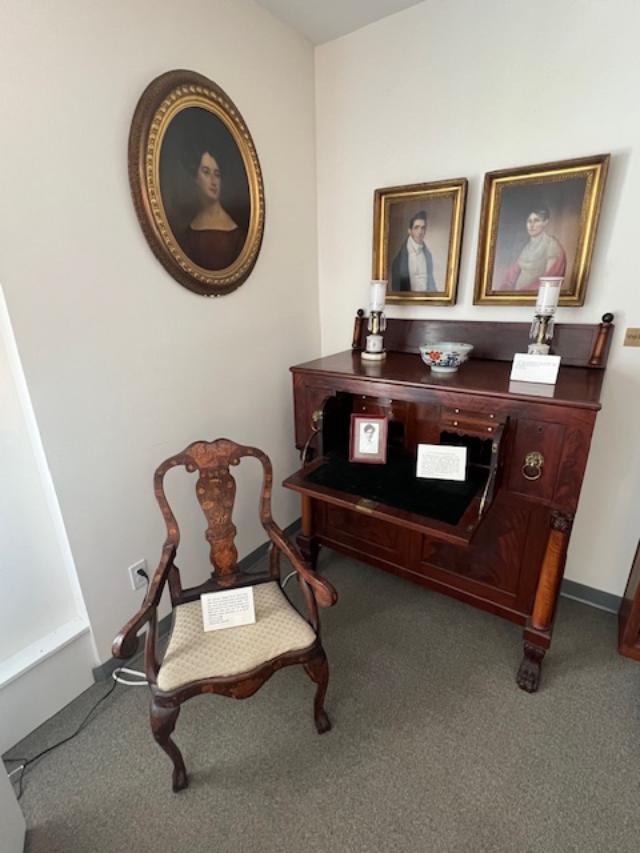
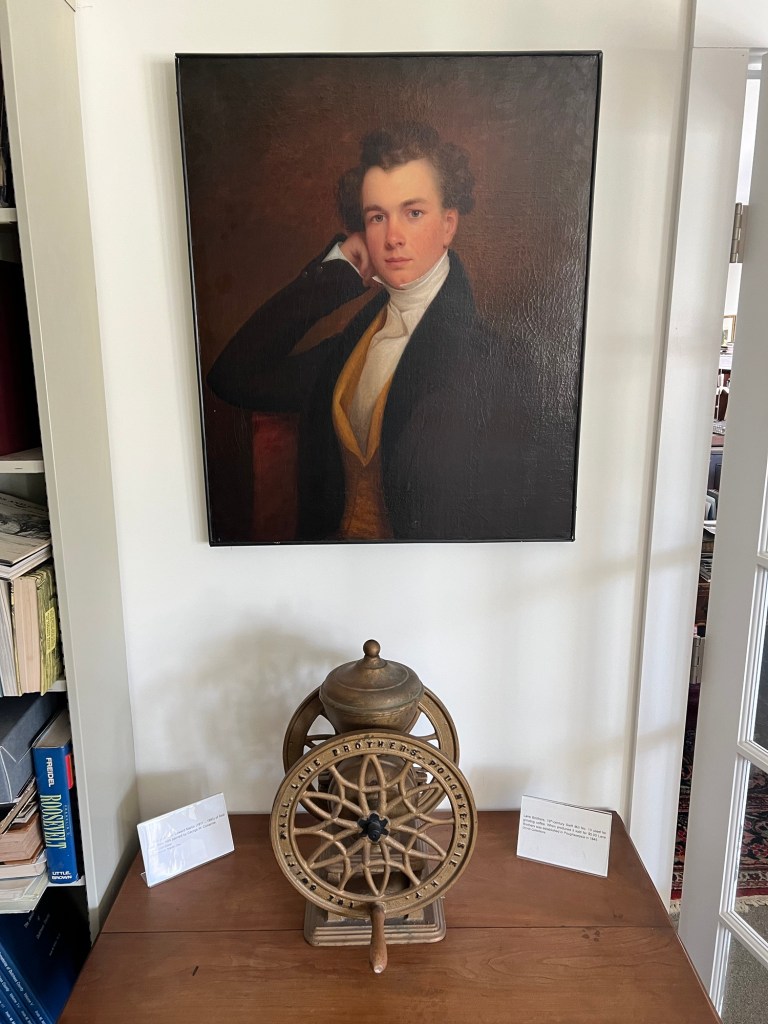
Portraits of local residents and antique furniture

Some of the new permanent collection on display are family portraits, antique furniture, historic documents and local artifacts from towns all over Dutchess County. Much of these items were donated by the families that live in the area.

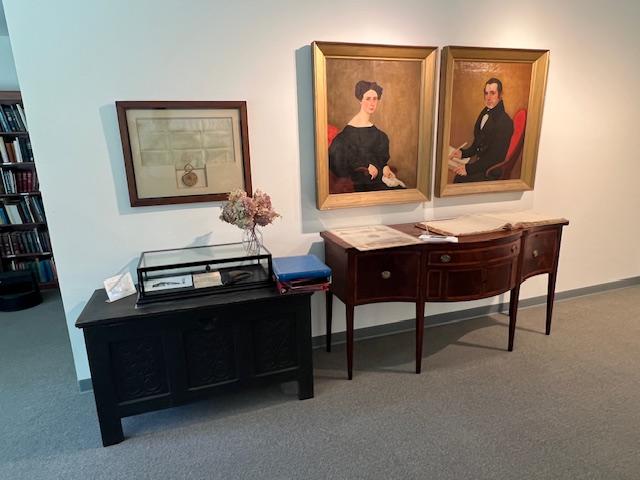
The portraits of local residents and historical documents in the collection

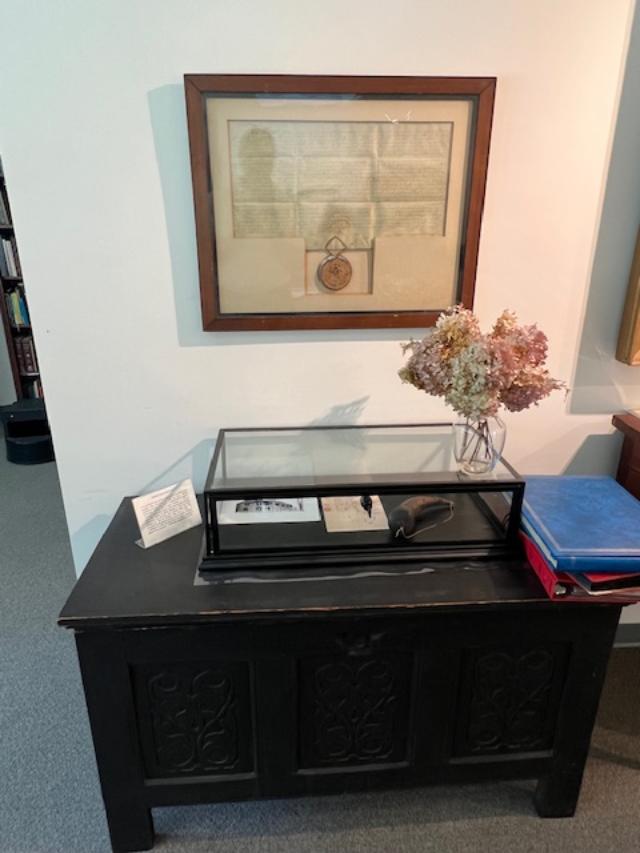
Historical Documents of Dutchess County with the original seals

The first exhibition that is being mounted in partnership with the Rhinebeck Fire Department is the history of the fire service in Dutchess County. Since part of the exhibition was being moved to the new fire museum at the Dutchess County Fair Grounds for the upcoming Dutchess County Fair, I got to see only a portion of it at the museum.

The exhibition “The History of the Dutchess County Fire Service”:

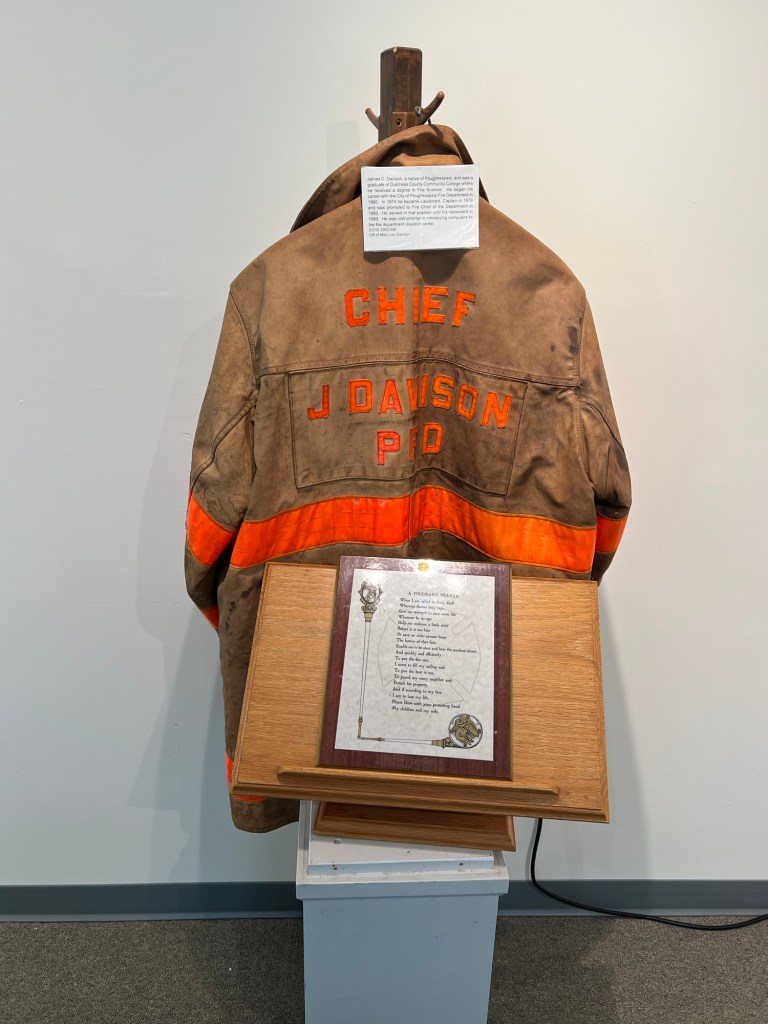
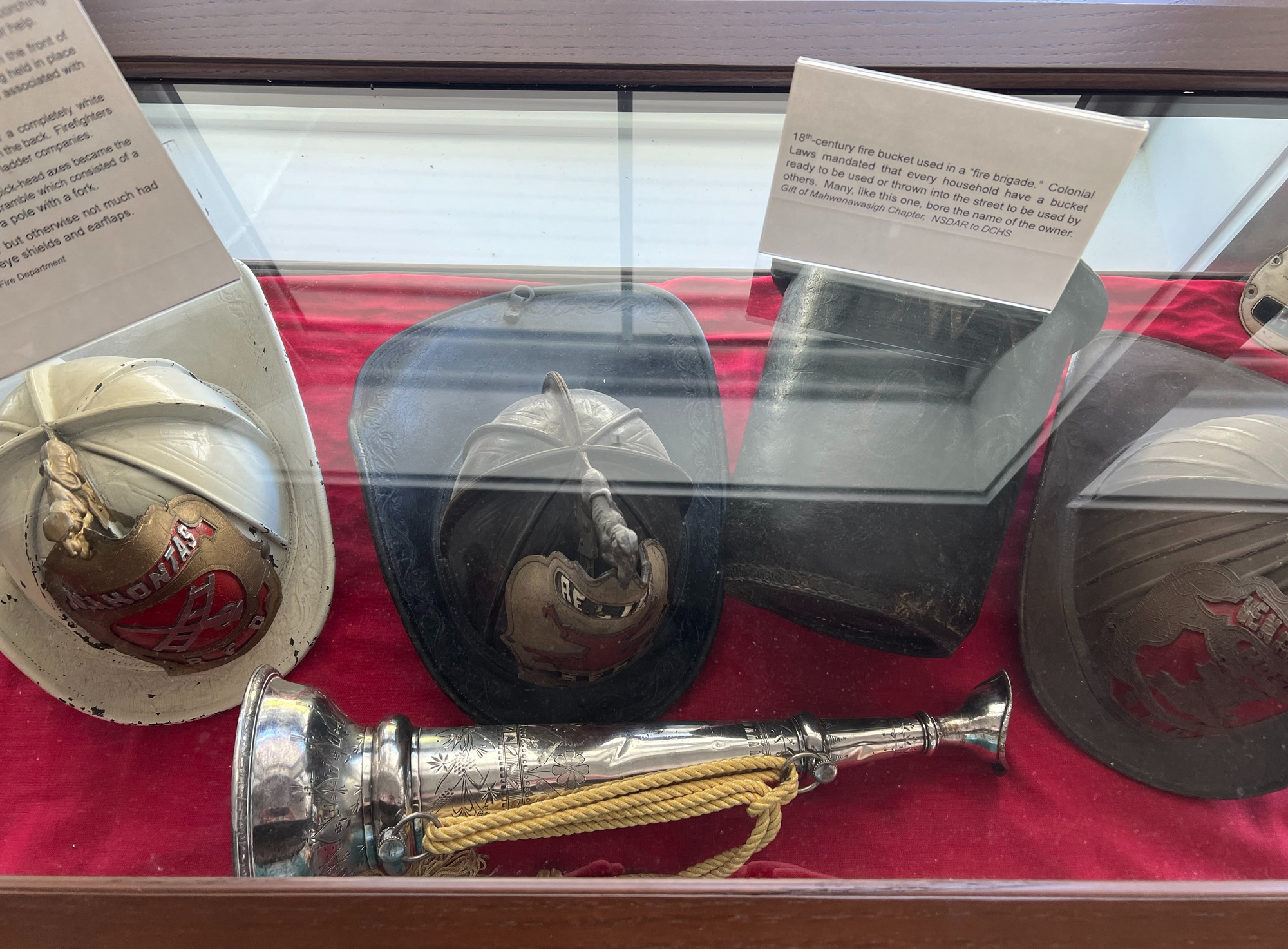
The exhibition shows the progression and growth of the fire service in Dutchess County since the time the Dutch lived in this region. The collection reflects the direction of these departments since the end of the Civil War and how much and how little the equipment has changed.

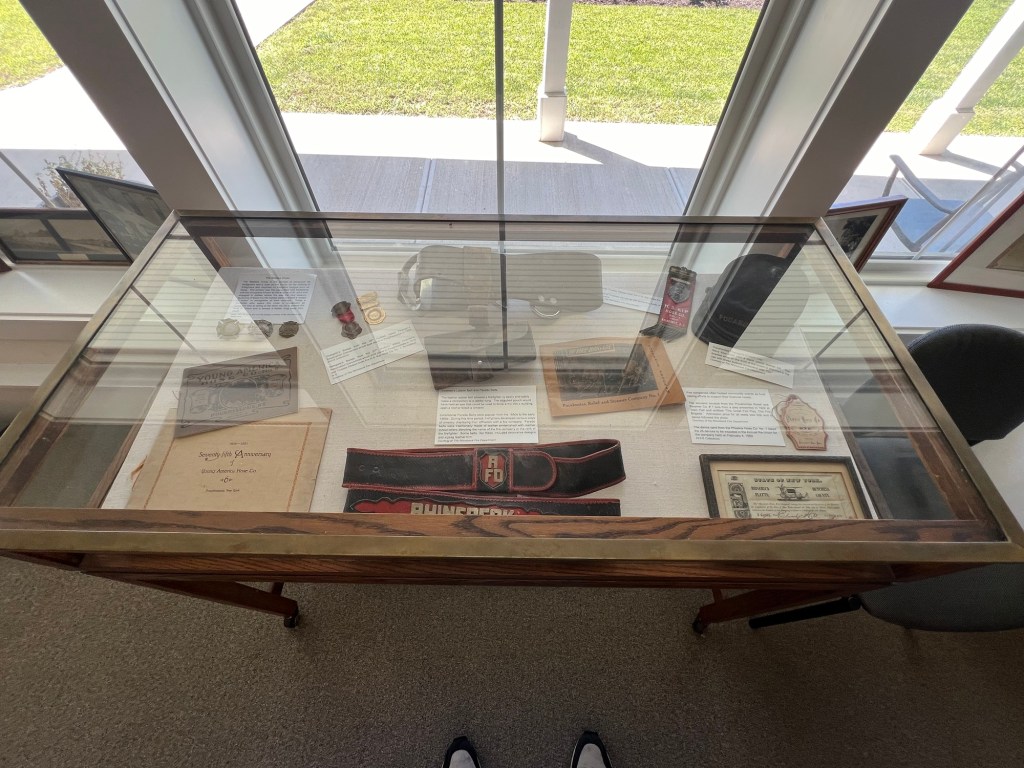
Fire department artifacts including documents and equipment

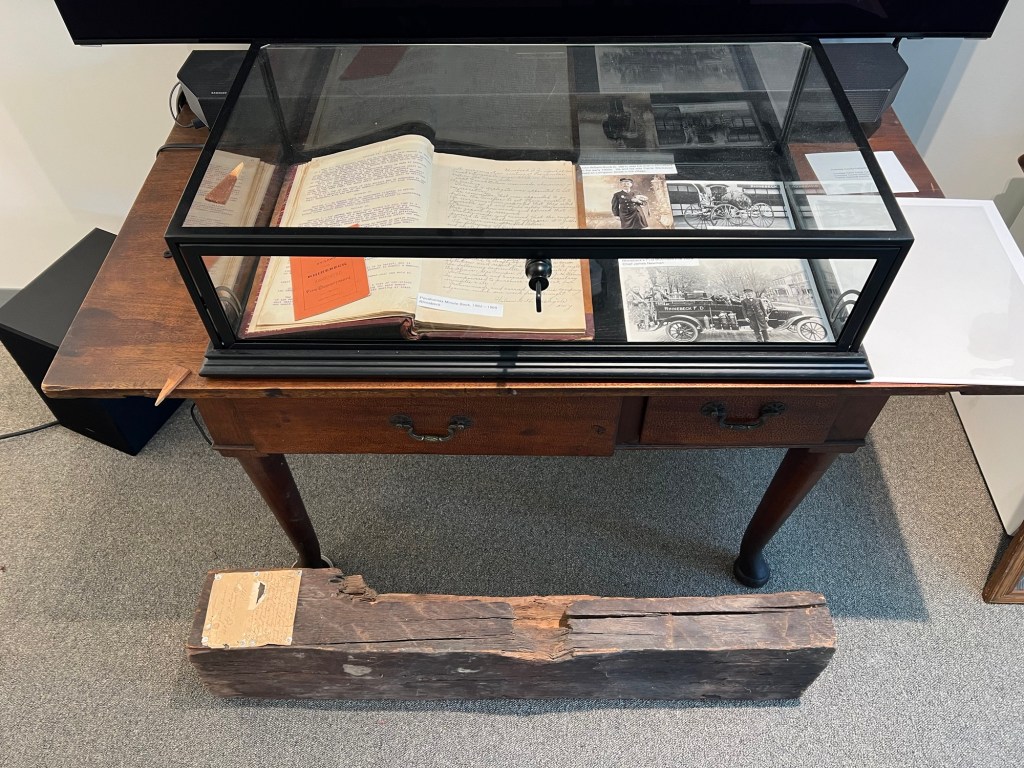
Fire service pictures and documents and a beam from Henry Livingston’s mansion that got shelled by the British (this sits below the display case)
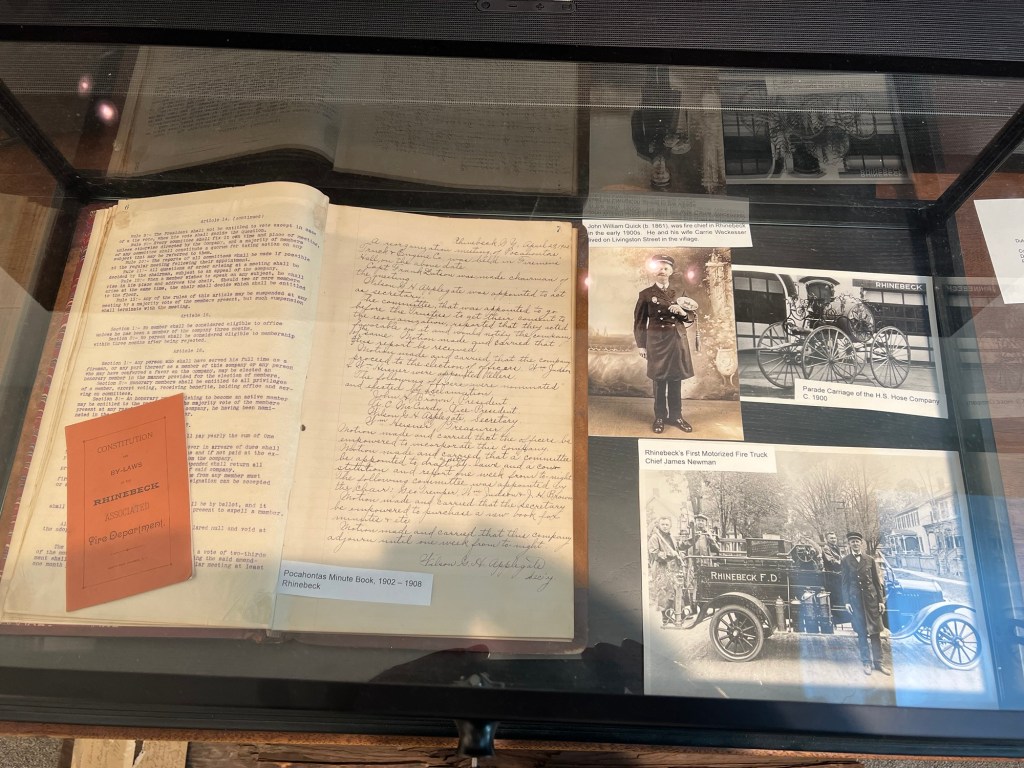
The pictures and documents on display

Fire Department jacket

Helmets and trumpets used by fire departments in the past

What was interesting about the exhibit was the depth of items of the past that each firefighting and the story they tell.

The Permanent Collection:

The remaining displays along the walls of the museum as set up continues tell the story of Dutchess Counties past and the families that lived here.

Family heirlooms

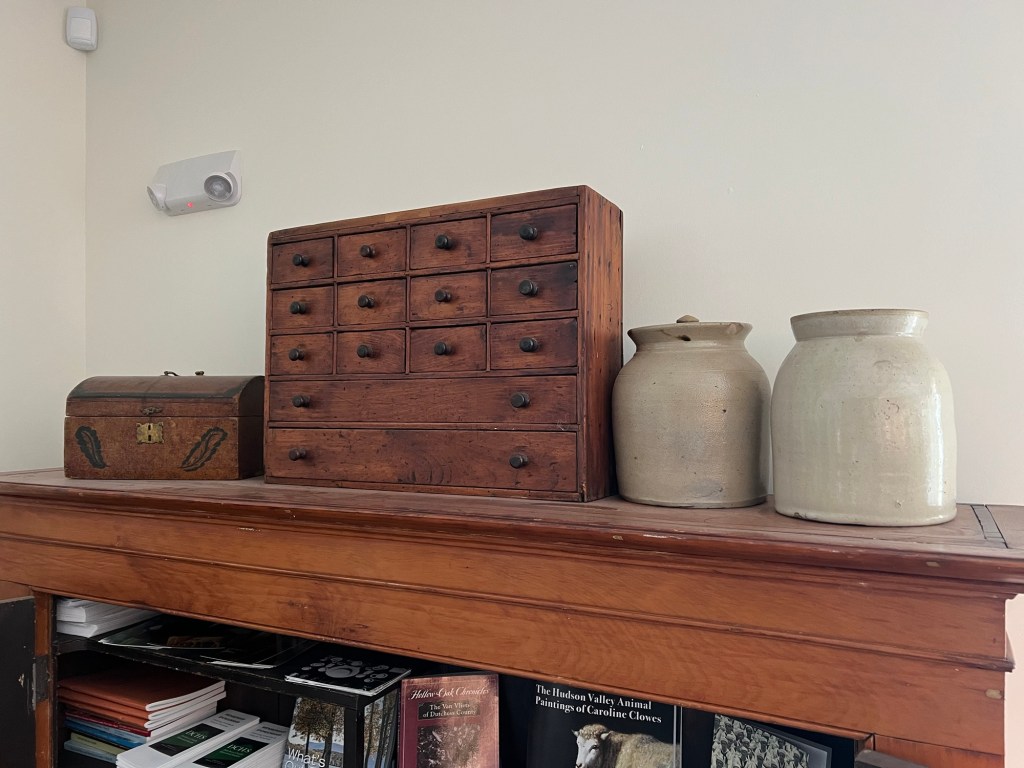
Household and Business items

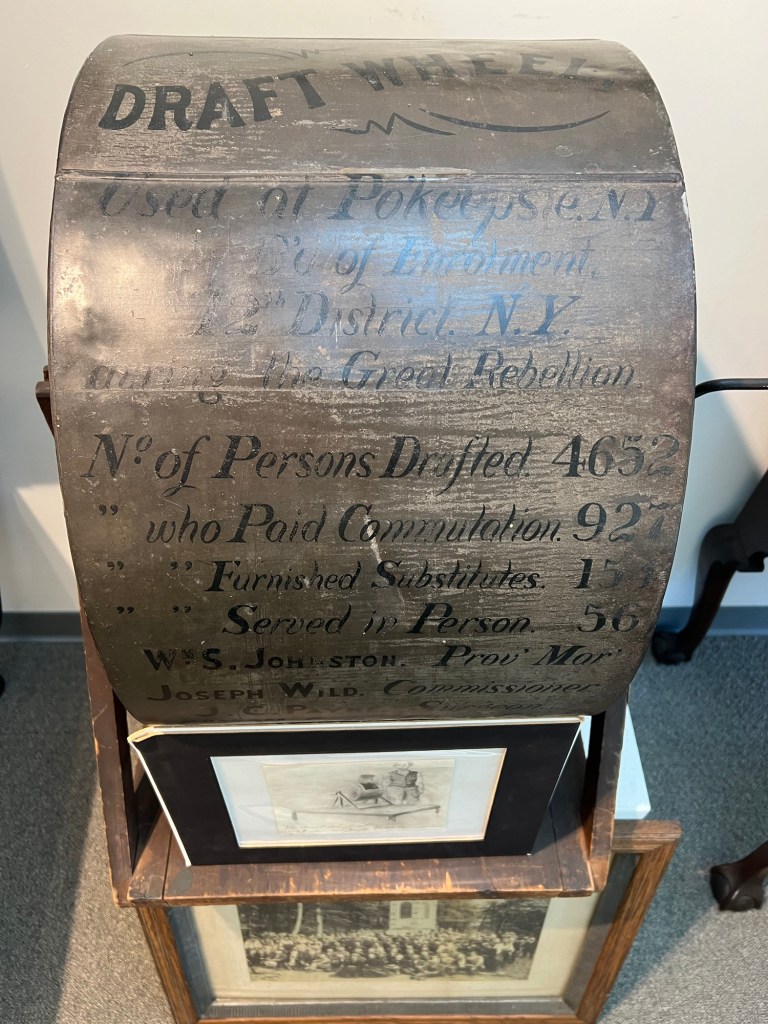
An old Draft card machine

There will be more displayed of the treasure trove of items in the museum’s collection, so it gives people a chance to see the past of the County on display and how it differs from current life to playing its part in the County’s future. There will be a lot more to do and see in the museum going forward.

The Century Museum and Collectors Association         Dutchess County Fairgrounds                                               6636 Route 9                                                                Rhinebeck, NY 12572

The Century Museum and Collectors Association Dutchess County Fairgrounds 6636 Route 9 Rhinebeck, NY 12572

The Century Museum and Collectors Association Dutchess County Fairgrounds 6636 Route 9 Rhinebeck, NY 12572

(845) 876-4000

https://centurymuseum.wixsite.com/home

Dutchess Fair Features

Open: When the fairgrounds are open Spring, Summer and Fall for events

Admission: Free

My review on TripAdvisor:

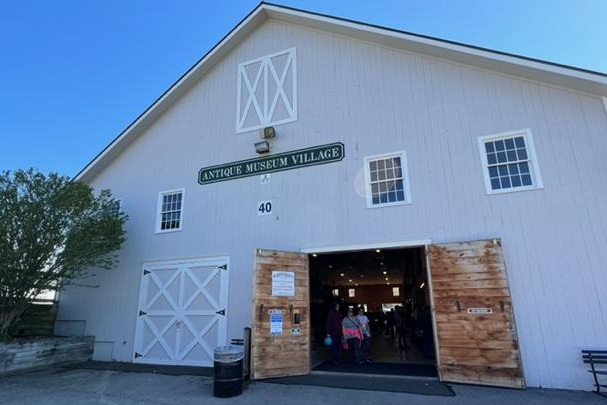
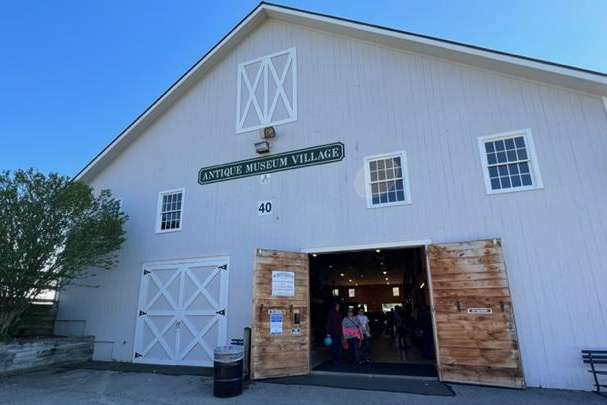
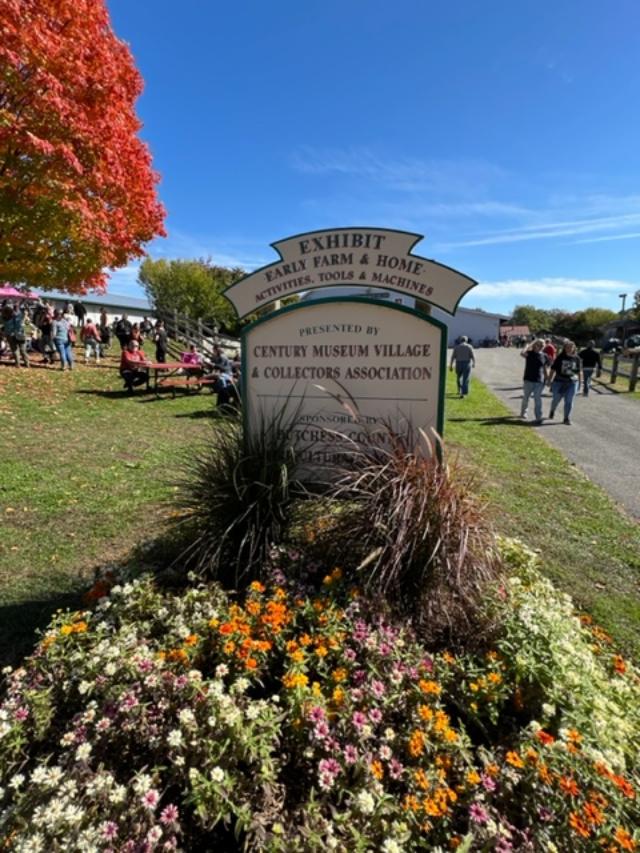
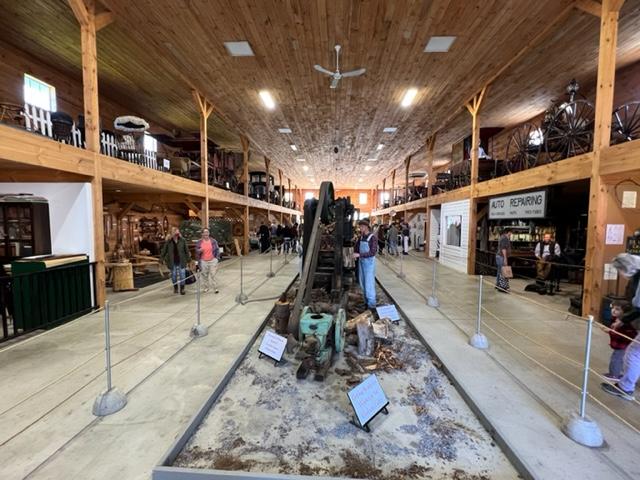
The Century Museum Village inside the Dutchess County Fairgrounds

When the Dutchess County Fairgrounds are open for the season for big events in the Spring, Summer and Fall, the fairgrounds open their historical museums that are located on the property. These include the School House Museum and the Train Station Museum and the when the volunteers are there the Dutchess County Volunteer Firemen’s Museum. The main museum is the Century Museum Village, a look at rural life in Dutchess County at the turn of the last century.

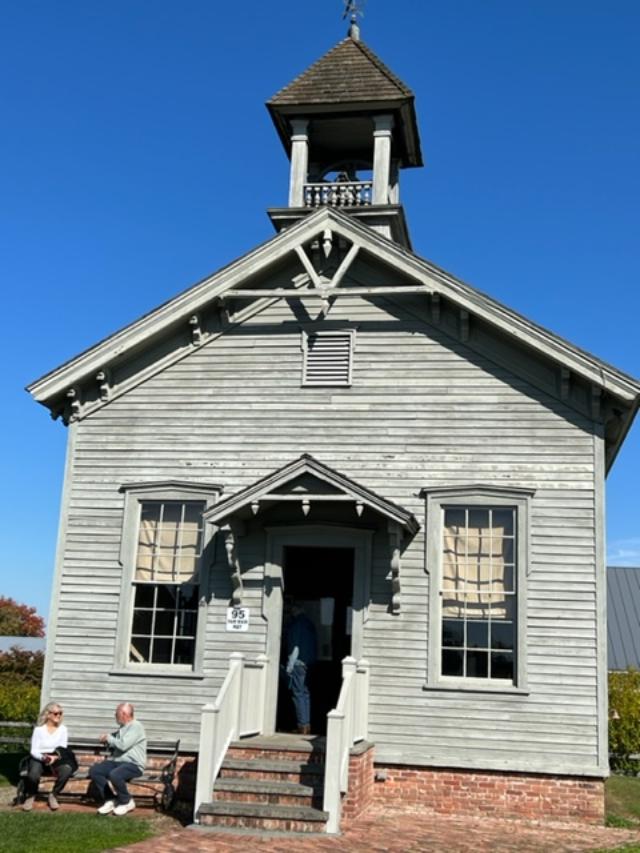
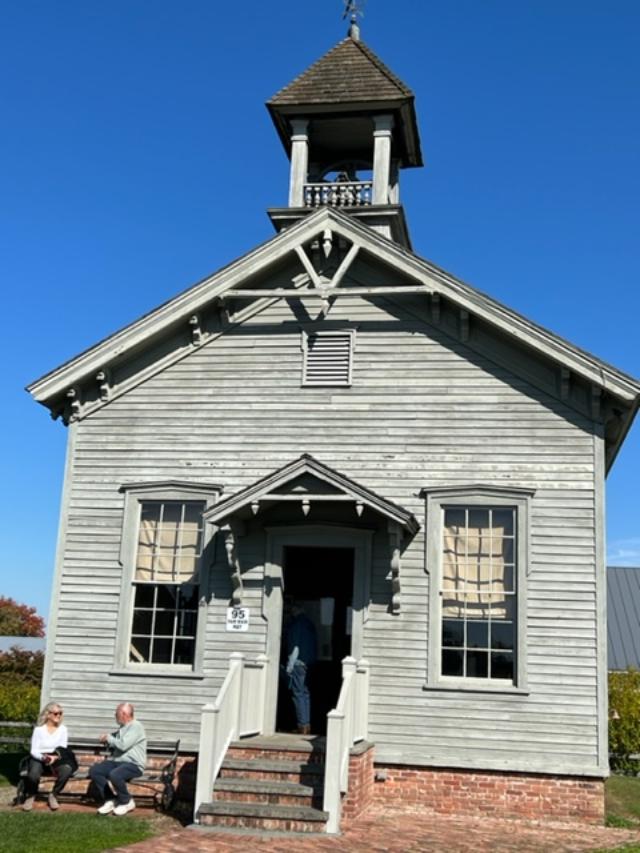
The Schoolhouse Museum in the Century Museum Village

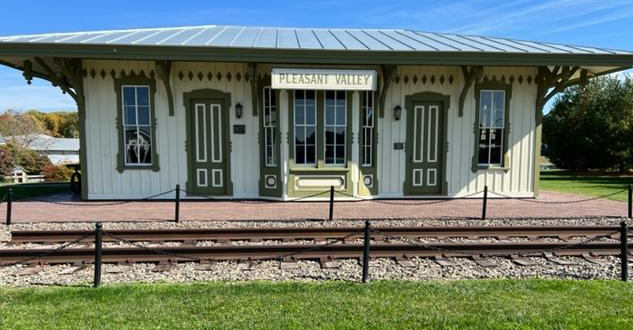
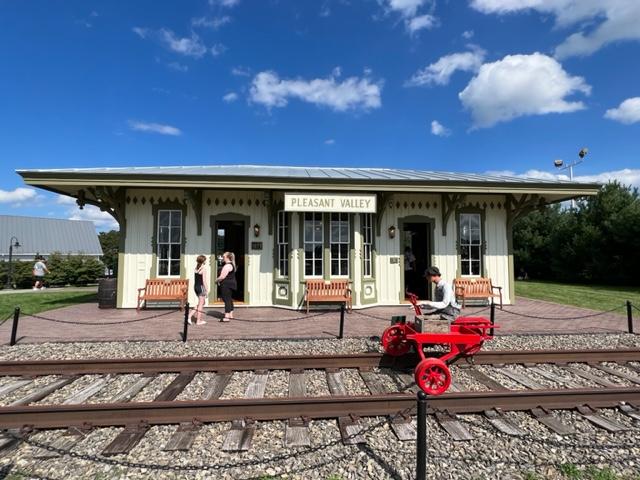
The Train Station Museum at the Century Museum Village

The Century Museum Village gives an interesting look of the changes in life in rural communities all over the United States until the start of WWII. Farming communities had their own way of life, their own clubs and organizations and traditions that were different from City residents. Life on the farm was productive but hard work. As time rolled on, modern conveniences found their way to these communities but as we see by all the machinery, there was still a lot of work to done.

As you progress through the different displays and dioramas, you can see how life improved over time. Progress swept through these communities between WWI and WWII and with the spread of the second industrial revolution after WWII and the change of the consumer market. The advent of the modern highways, the newly built suburbs and movement out of the cities changed these regions even more.

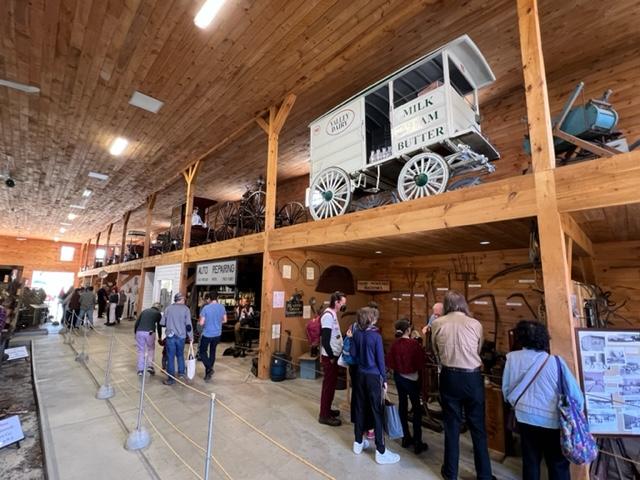
The entrance of the museum and the various dioramas

The museum is lined with different displays of life in the rural community and the advancements made in these communities between about 1880-1930.

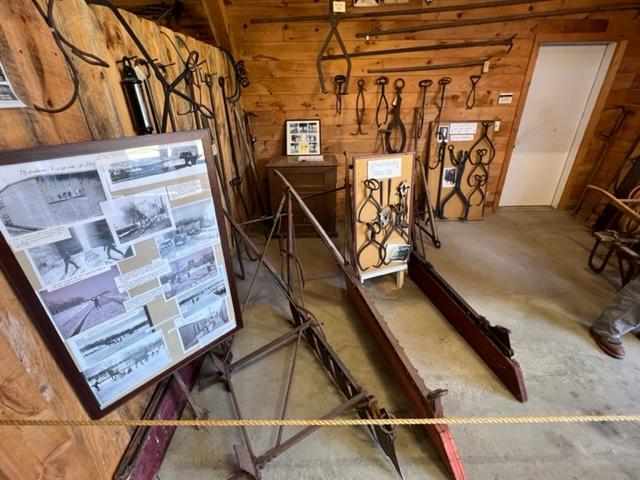
The Advancement in farming practices and equipment

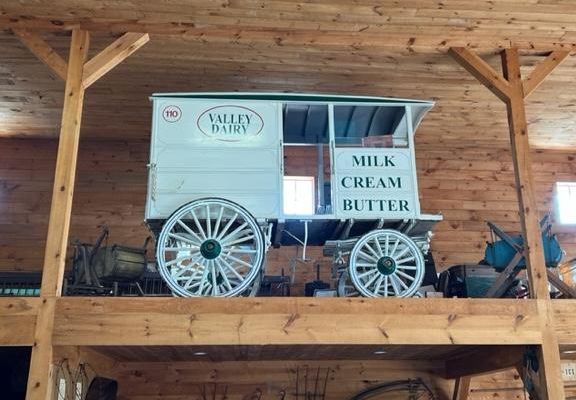
The Milk Man buggy

Ice block industry for refrigeration

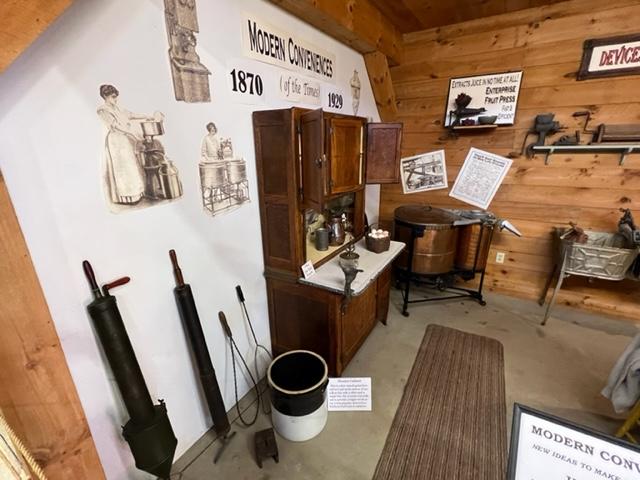
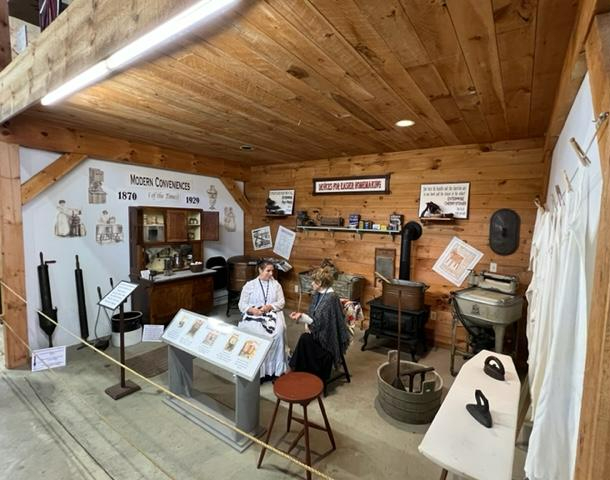
The household for the farmhouse wife started to become easier with new machinery to help around the house. Modern ways of washing clothes, cooking food and cleaning the house started to make life a bit easier in the household. This left time for a social life and to tend to other things around the house.

The Modern Conveniences of the home

The modern household items to make life easier from 1870-1929

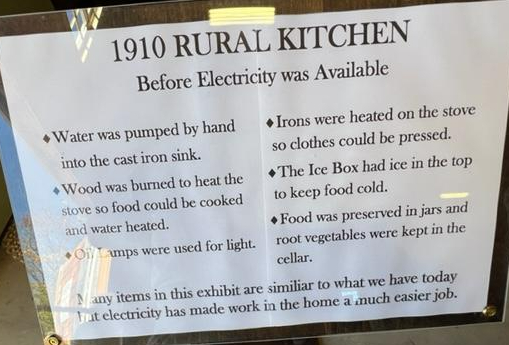
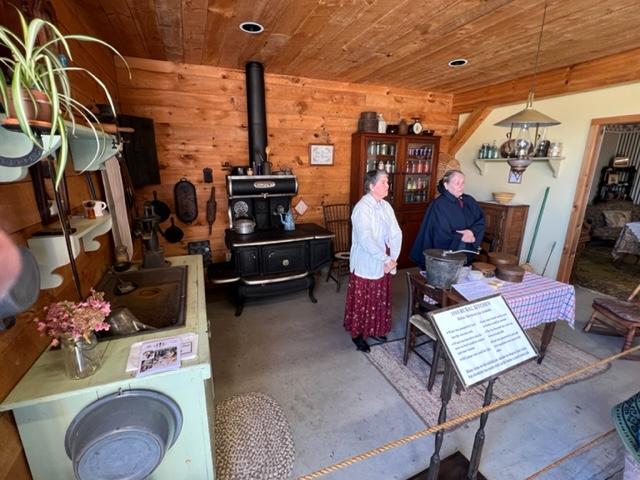
The modern kitchen before electricity came out to the country was still run by coal and wood. Modern electricity would not start until after WWI and even then was not available to everyone. Cooking and washing had gotten easier but still required some work on a everyday basis.

The Kitchen in the Country

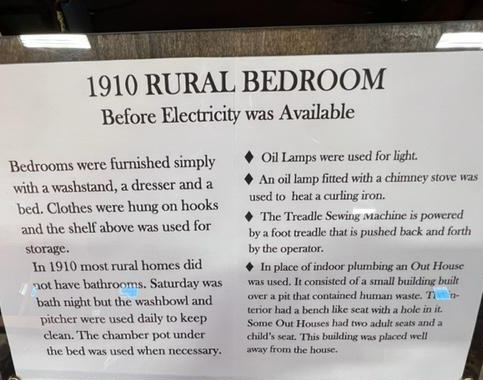
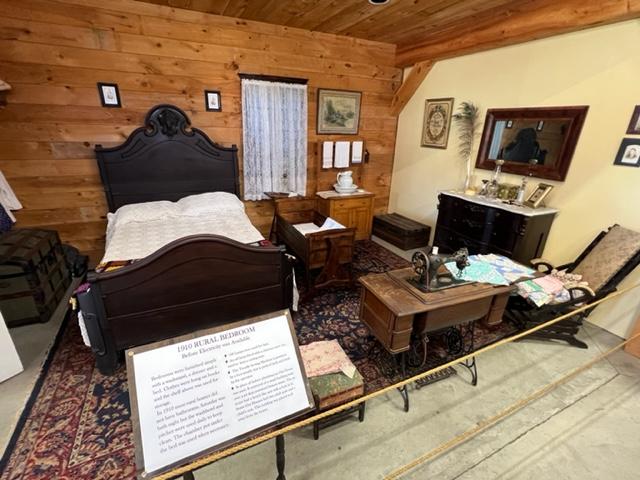
The home decor had changed after the Civil War to WWI with the changes in mass production and industrialization. Furniture, rugs, lamps and pictures had become available in all makes and sizes for sale both through catalogs and General stores or maybe a trip to the City to a Department store. People were able to furnish their homes nicer due to mass production and changes in quality of home furnishings.

The Rural Bedroom

Bedrooms have not changed much since then

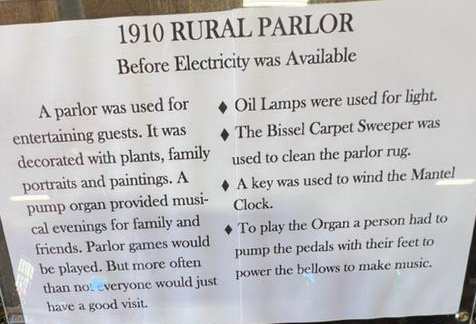
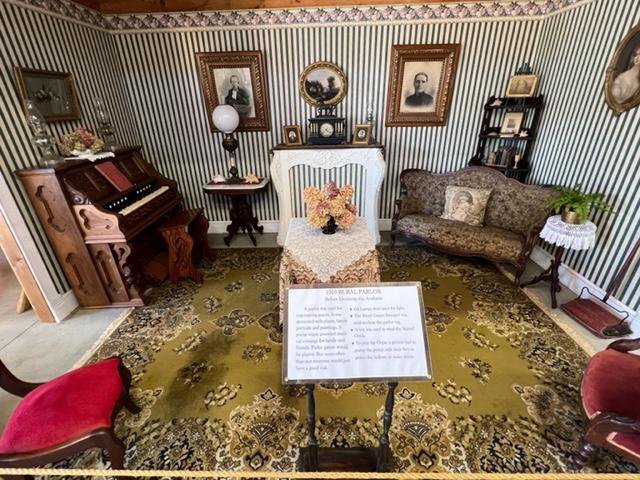
The idea of the Parlor is equivalent to our modern Living Room. It is usually the room that all socializing is done in, where the family’s best furniture and knick-knacks were placed. It was the nicest room in the house.

The Rural Parlor

The finest home furnishes and the pride of the home was displayed in the parlor.

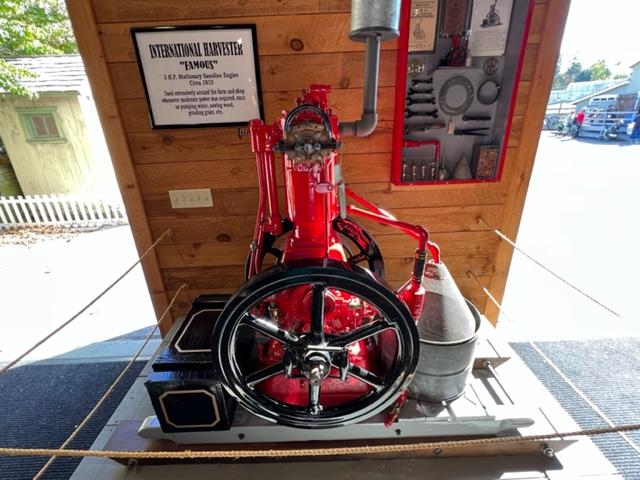
Both inside and outside the home there would be changes in the way people lived over a fifty year period. There would be changes in plumbing, carpentry and printing. Modernization would change the way people did their jobs and the way they interacted with their customers.

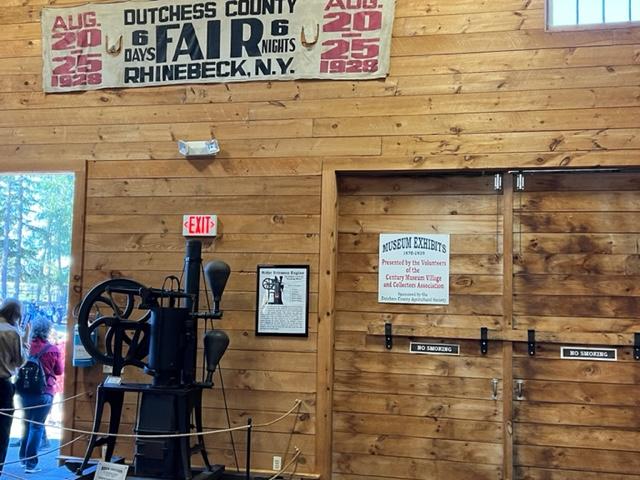
Modern Machinery

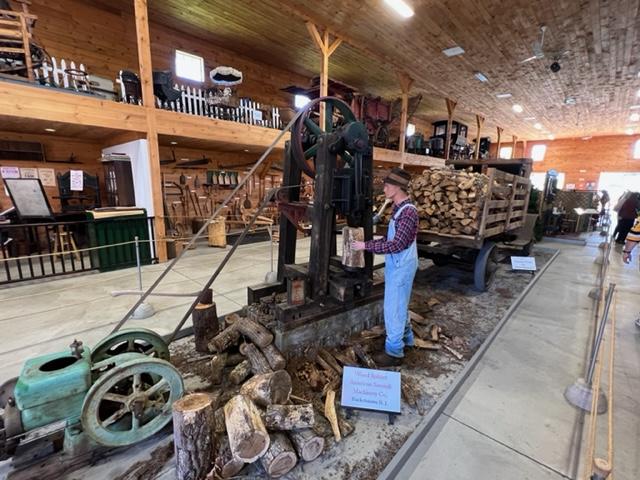
A better way to chop wood

Modern pump processes

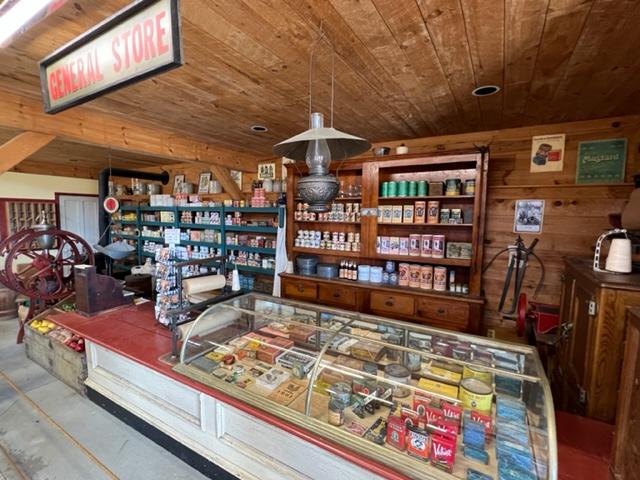
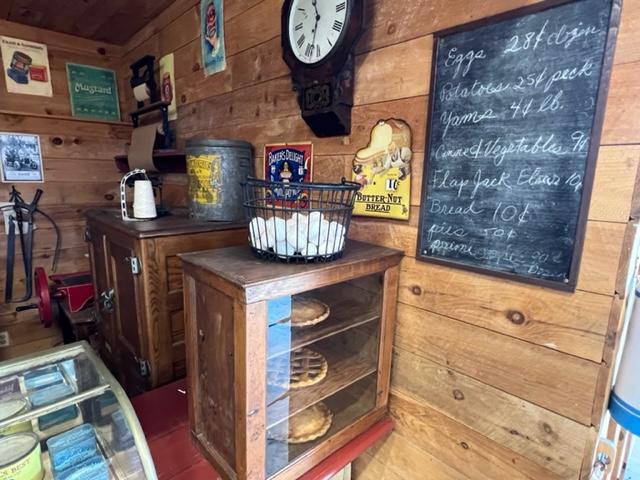
Shopping was beginning to change after the Civil War as well. The days of people making everything at home was not longer necessary as more and more consumer items became available. Clothing, dishes, toys and hardware could be bought at the General store along with prepared and bakery items. It made life for the rural housewife easier.

The General Store

Prepared items in the General Store

The bakery items and things for sale at the General Store

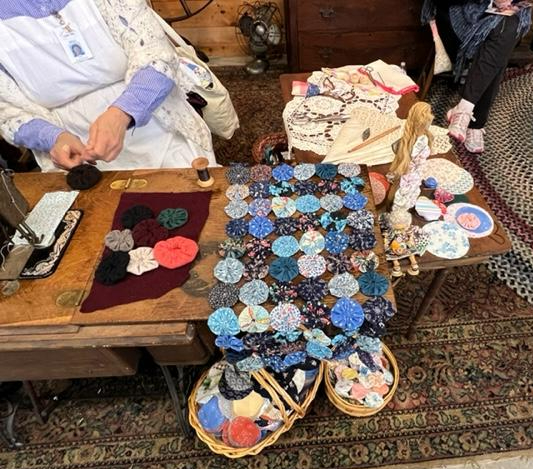
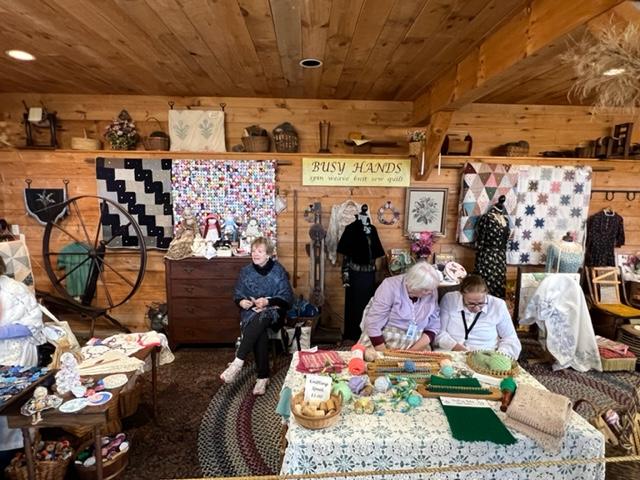
Quilting has always been a social affair with women meeting and gossiping while working on projects on their own or one big project for the home.

Women working together making quilts and sewn items for the home.

Crocheting for the home

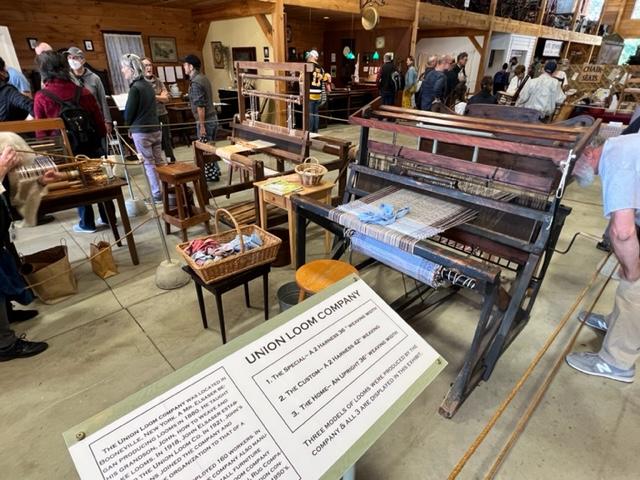
Use of Looms for clothing and rugs

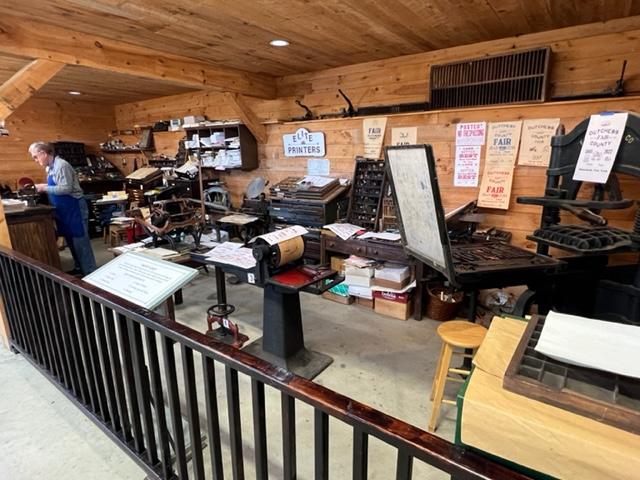
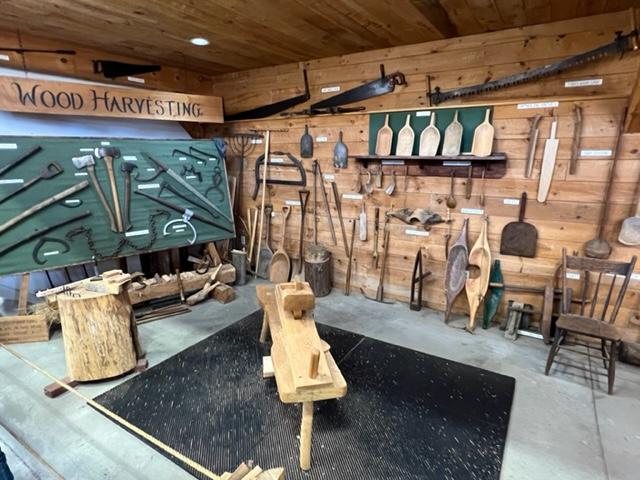
Modern printing took a turn as more modern machines made it easier to produce printing items for playbills, newspapers and magazines. The end of the WWI our modern magazines were being created. The way trades were changing more modern equipment was being used in every industry.

The Printing Press as things start to automat

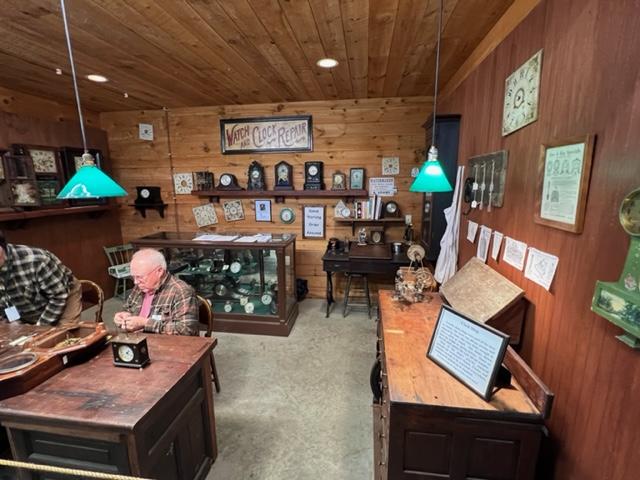
The Clock Maker

Wood Harvesting

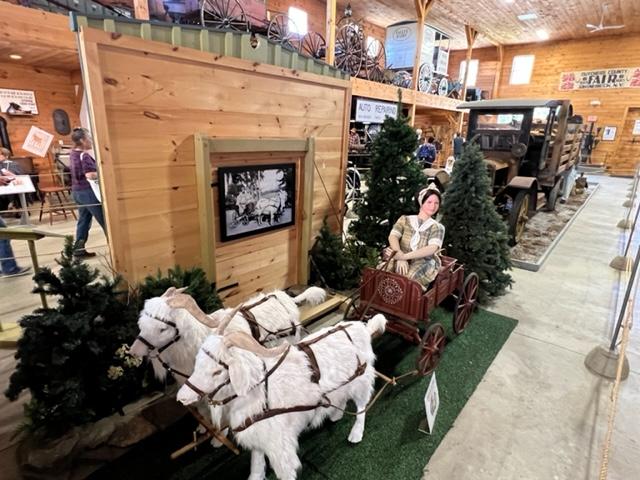
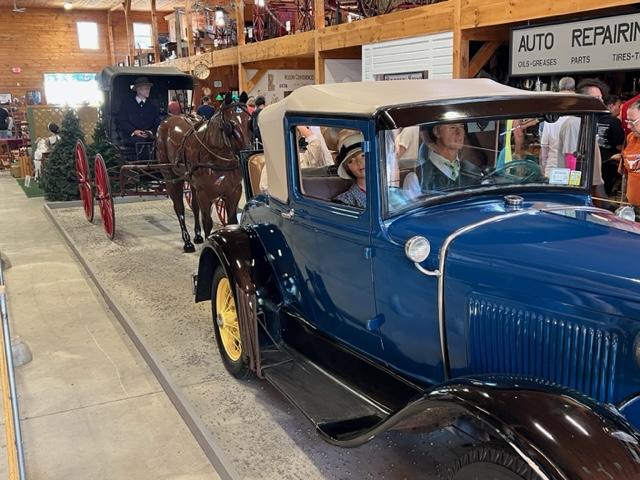
Transportation continued to improve as we moved from the horse and buggy to the modern carriage to the automobile. Improvements continued when mass production started with the Model T Ford and just kept improving. Still even today we like the idea of horse drawn carriages and sleigh rides as a traditional part of our past that we like to maintain especially during the holidays.
Horse Drawn carriages and Model T’s

The Modern modes of transportation

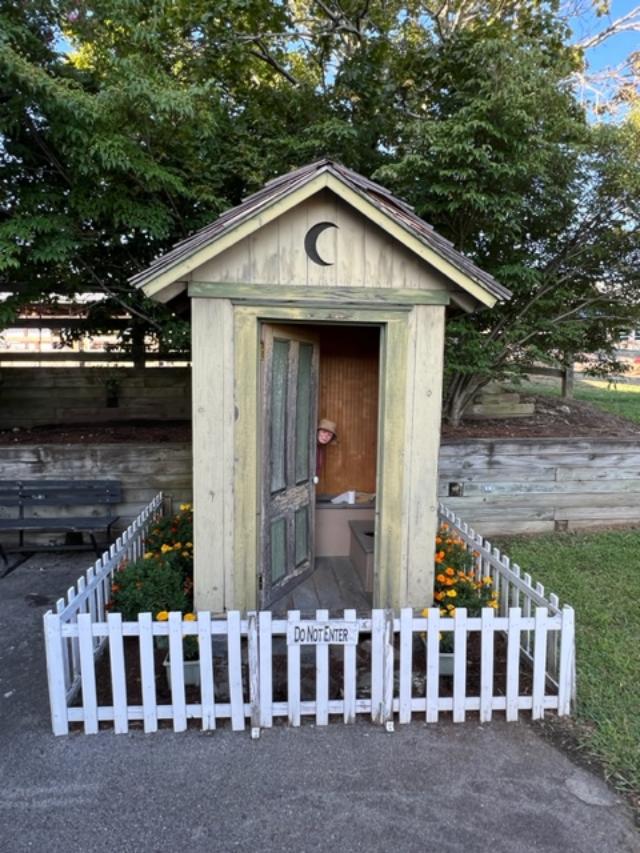
The Outhouse

The School House Museum:

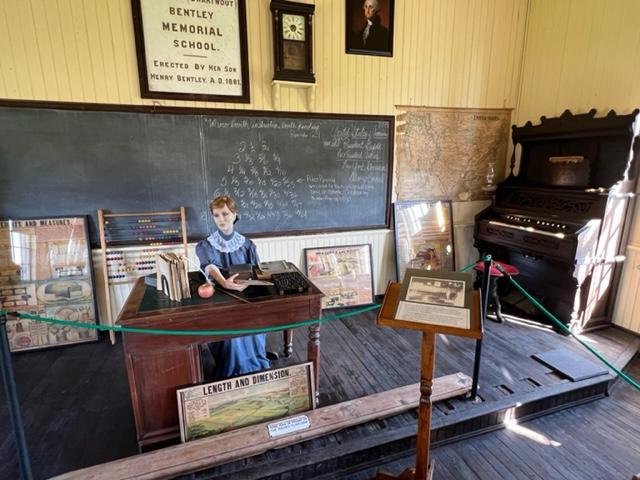
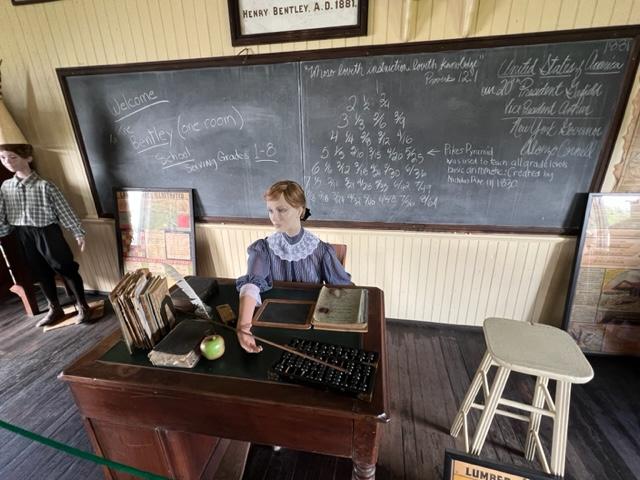
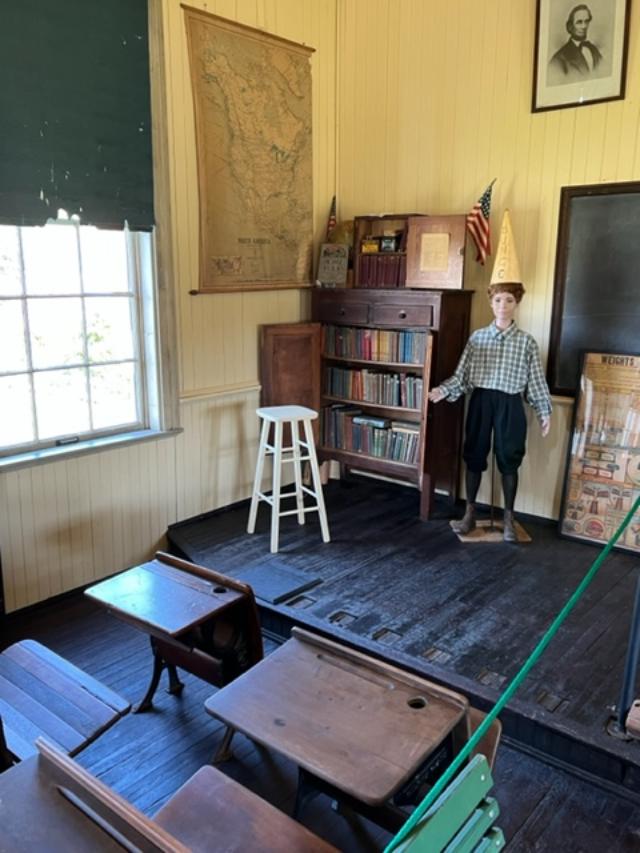
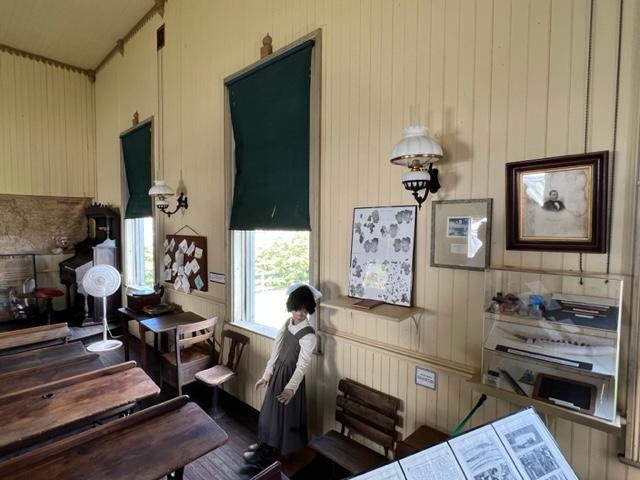
The Modern School has not changed much since its rural past. I just think you can’t hit a student with a ruler anymore and I could not see a student with a Dunce cap in today’s politically correct world. The blackboard has not gone out of style as well as a teacher teaching the next generation.

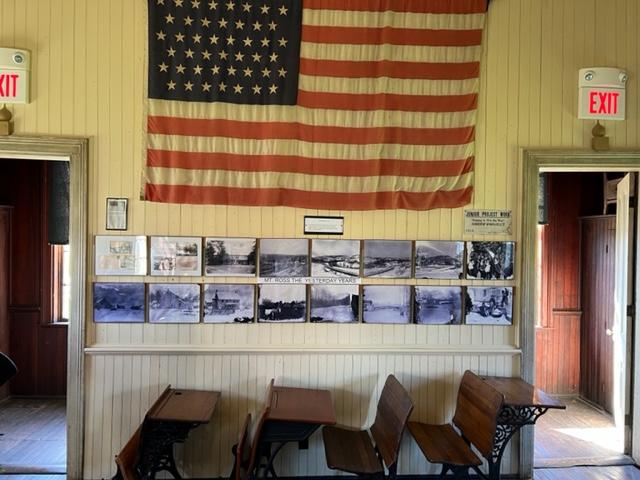
The One Room School House Museum

The school room set up still remains the same to a certain point.

The Teacher still leads the class

I don’t think would happen to the modern student

The One Room School House set up.

The Schoolhouse Museum

As the museum shows us, somethings have changed and some things remain the same. At some point, we did things right.

The Train Museum

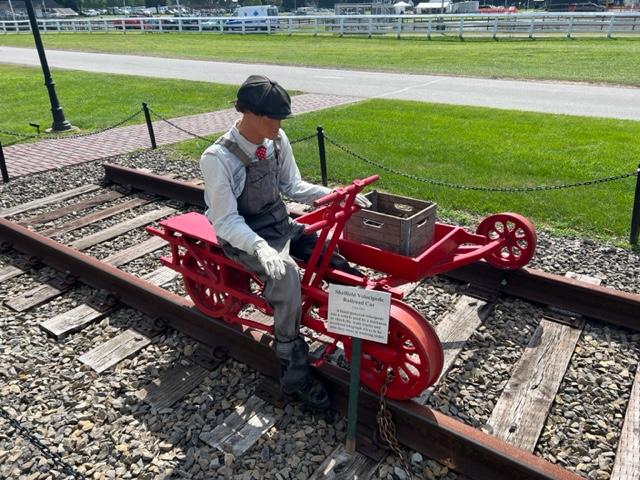
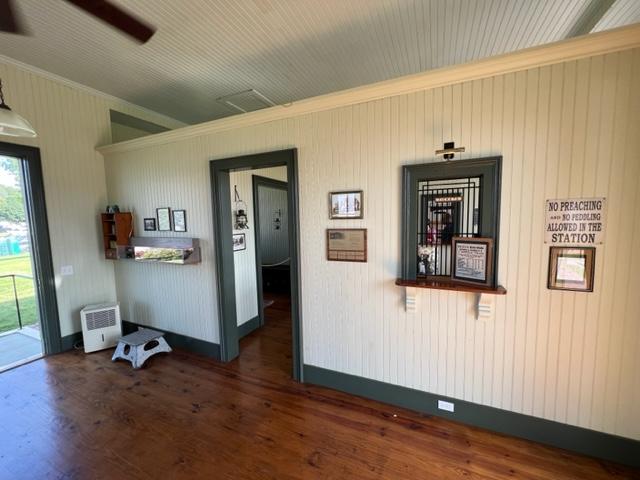
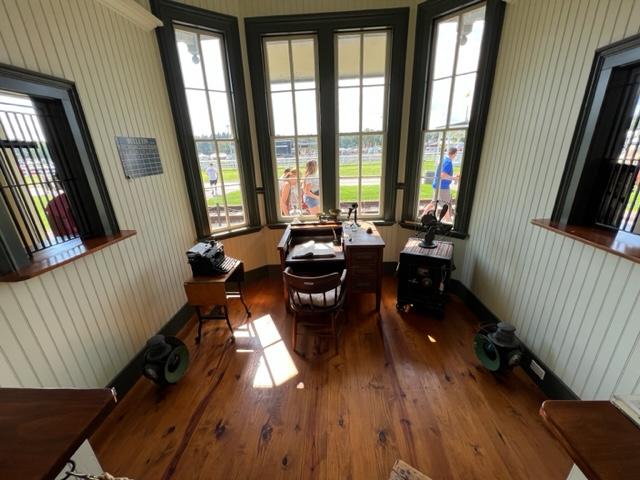
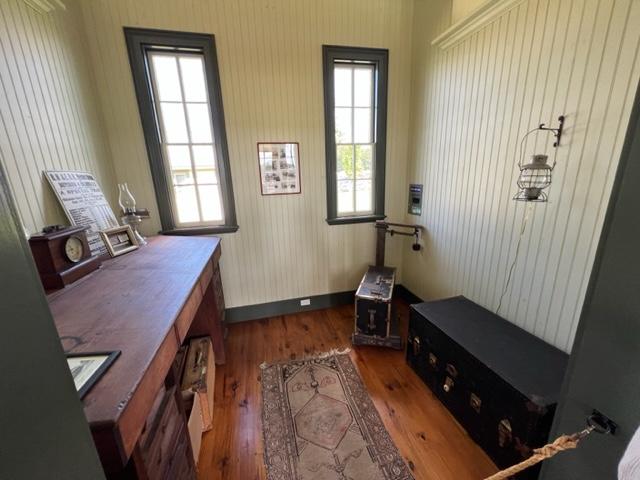
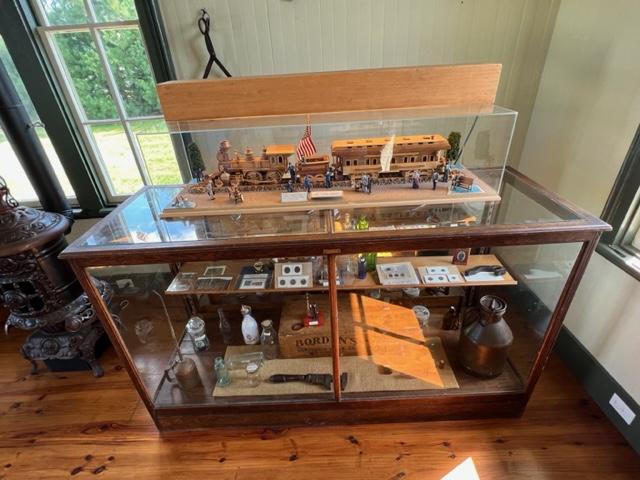
The Pleasant Valley Train Museum at the fairgrounds is a simulated train station that was moved here from the old site. Inside it has been renovated to reflex train travel at the turn of the last century with artifacts from the time period from the late 1800’s to the early 1900’s. You get to see what life was like for the station manager and passengers at that time.

The Pleasantville Train Museum at the Dutchess County Fairgrounds

The hand cart at the turn of the last century.

The inside of the train station.

The train manager’s office at the Train Museum.

The Luggage Room at the Train Museum.

Artifacts at the Train Museum.

Artifacts from the train lines at the Train Museum

Hyde Park Historical Society                                                 4389 Albany Post Road                                                         Hyde Park, NY 12538

Hyde Park Historical Society 4389 Albany Post Road Hyde Park, NY 12538

Hyde Park Historical Society

4389 Albany Post Road

Hyde Park, NY 12538

(845) 229-2559

https://hydeparkhistoricalsociety1821.org/

https://www.hydeparkny.us/669/Hyde-Park-Historical-Society

Open: Sunday 11:00am-3:00pm/Monday-Friday Closed/Saturday 10:00am-3:00pm
Fee: Free

My review on TripAdvisor:

https://www.tripadvisor.com/Attraction_Review-g60801-d3426818-Reviews-Hyde_Park_Historical_Society_Museum-Hyde_Park_New_York.html

The Hyde Park Historical Society at 4389 Albany Post Road

The Hyde Park Historical Society is going through a type of rebirth as it has reopened with a fresh approach towards not just the history of Hyde Park, NY but the area in general and life here over the last two hundred years. The society is taking a new direction and revamping their efforts on the displays and on the history and activities of the museum. The museum is housed in what was once the Hyde Park, NY Fire Department building.

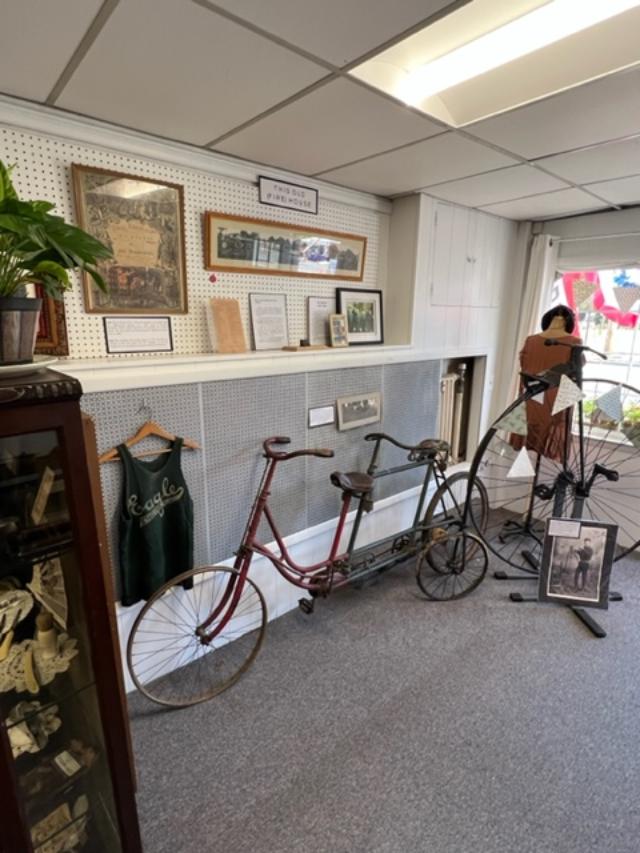
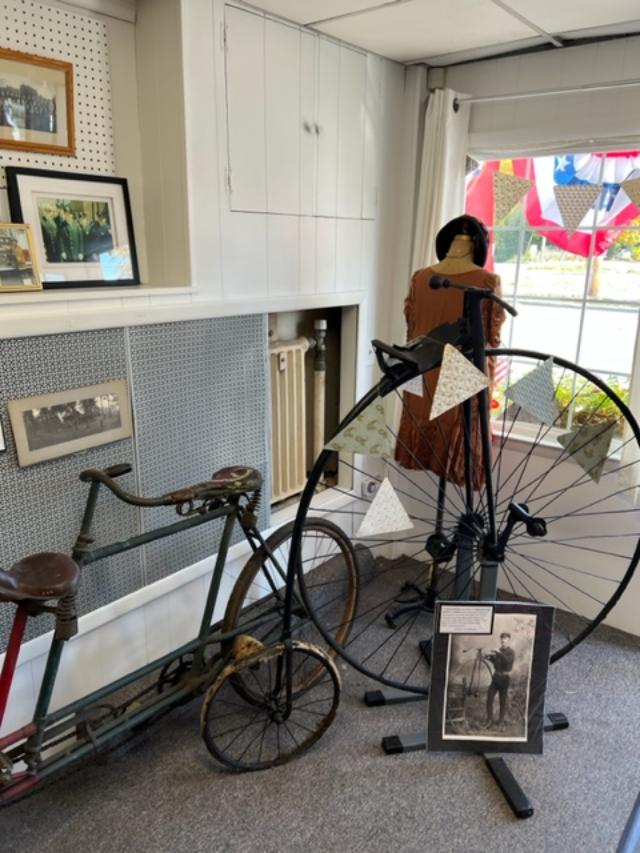
The museum is broken down into sections by displays. When you enter the museum there is an display of bicycles and recreation items that would have been used over the years. This activity changed the social life of both men and women of that era.

Bicycle display:

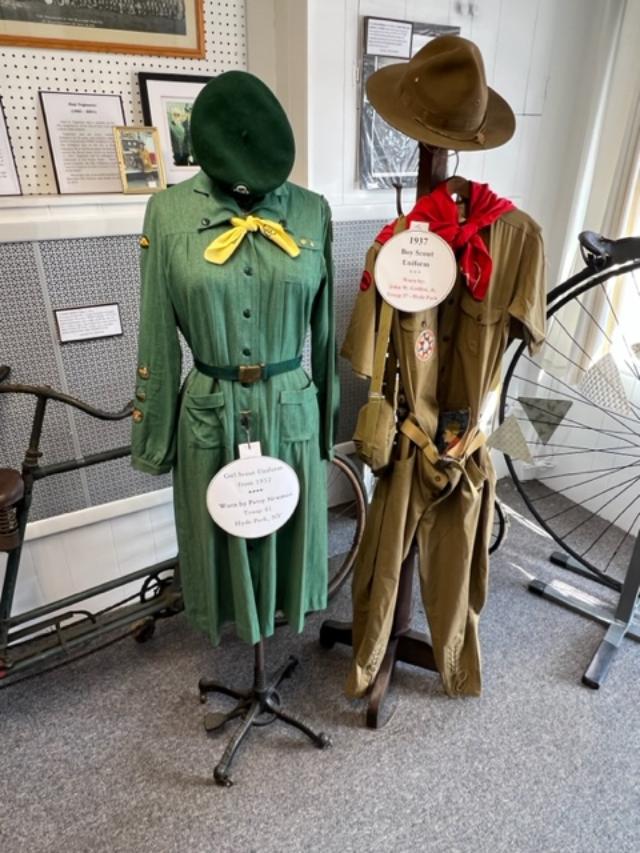
Some of the newest donations are from members of the organization who have recently passed away. They donationed their Boy Scout and Girl Scout uniforms to the museum which were from the past century. This shows how the unforms have progressed over the years.

Uniforms from the early Twentieth Century

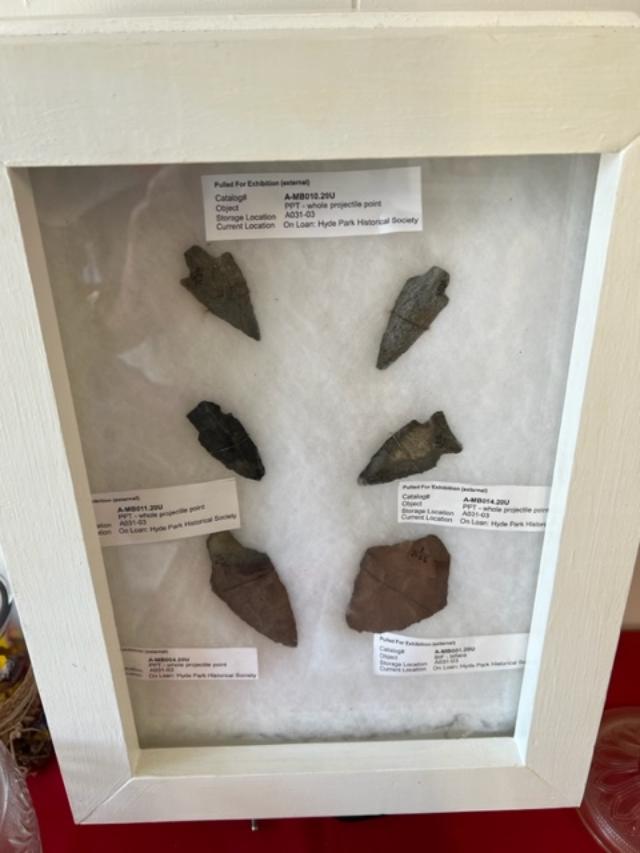
Another donation that was added to the collection from the State Museum is a collection of Native American arrowheads that were found locally. These show that the area was once the hunting and gathering grounds for the Lenape Indians before colonialization.

The donation of Native American Arrowheads.

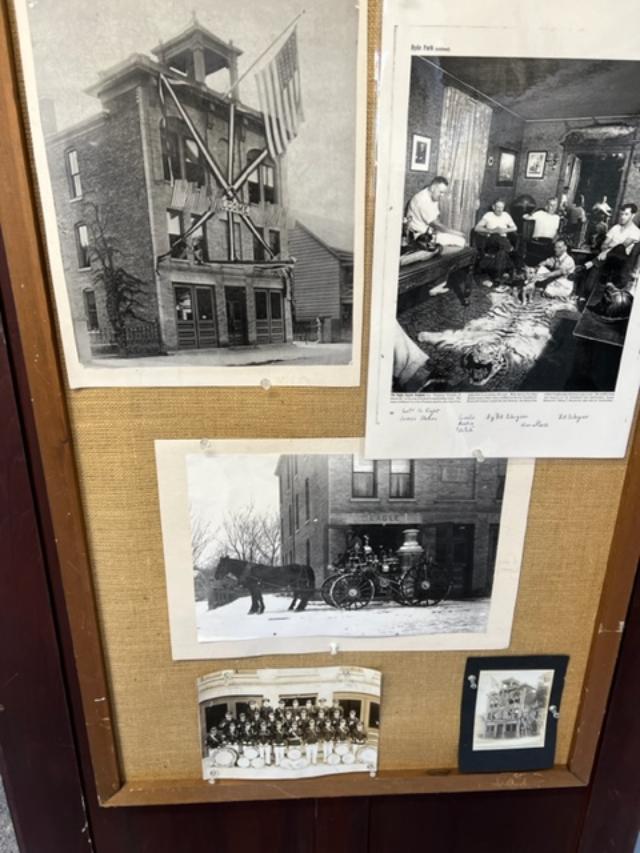
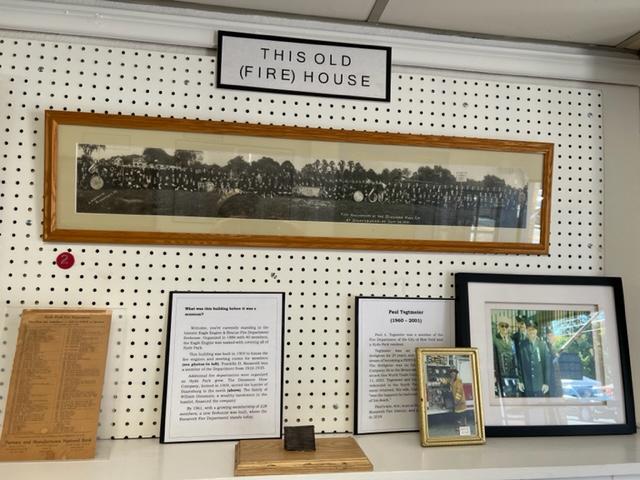
Next to it was the history of the Hyde Park Fire Department with pictures of companies of fire fighters and all sorts of memorabilia. There are pictures of former fire companies including the ones that were once housed in the museum building.

The Hyde Park Fire Department:

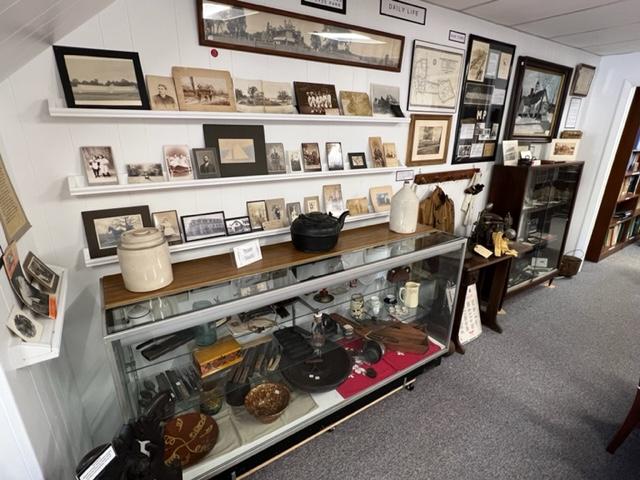
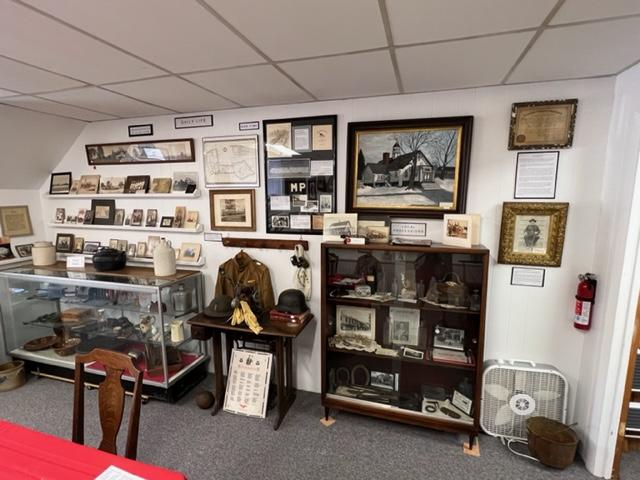
Across from that, there is a display called “Daily Life” which was the history of the town with homes and businesses in the area at that time. There were all sorts of pictures of prominent families and their day to day activities.

Daily life in Hyde Park, NY for the Middle class members of the community

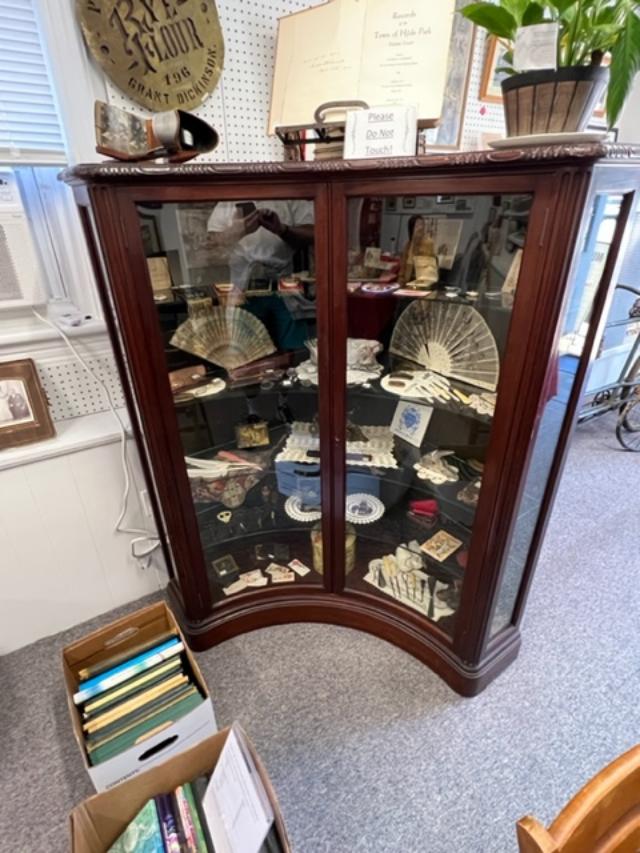
Luxury items of the Gilded Age

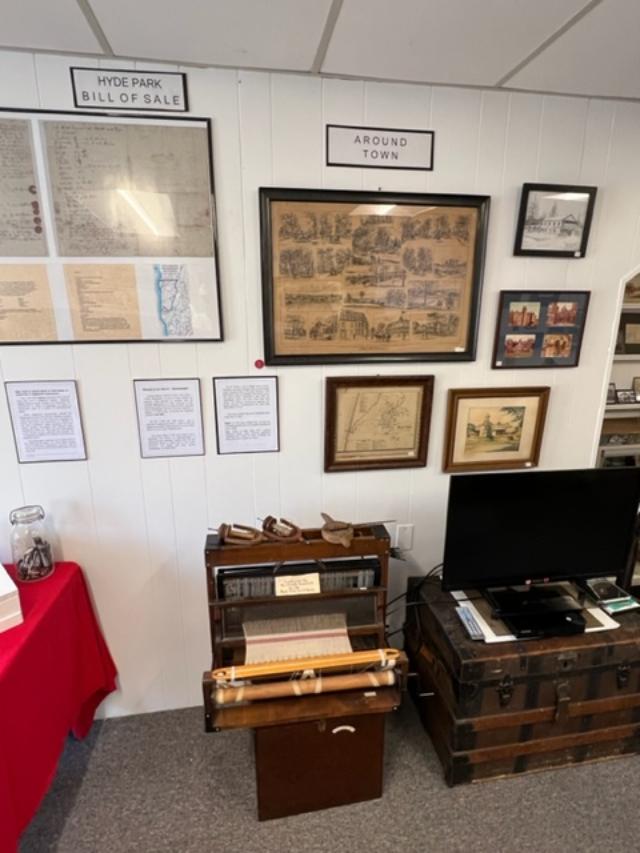
There was all sorts of objects from the bills of sale of homes, household items and there is an wonderful display of accessories from the Victorian era.

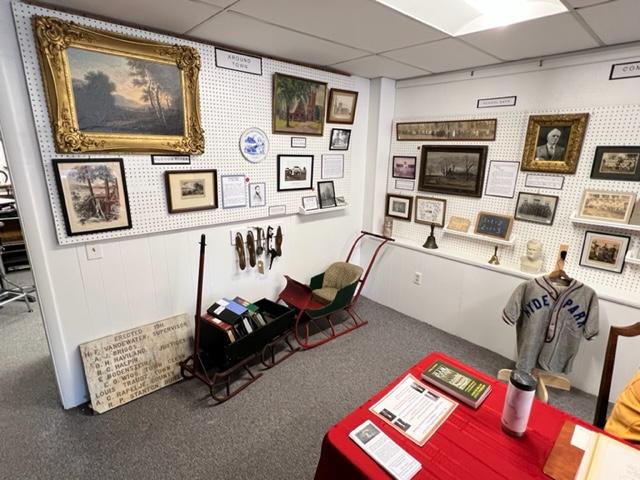
The front room of the museum is dedicated to life of the middle to upper-middle class of Hyde Park around the turn of the last century. There is all sorts of clothing, pictures and artifacts from schools, the boy scouts, area schools and there are even sleds and skates from winter recreation sports played on the Hudson River. There are all sorts of athletic equipment, clothing based on sporting or activity event and accessories that were used and worn when participating in all seasonal activities.

Life in Hyde Park, NY

Every day life in Hyde Park, NY

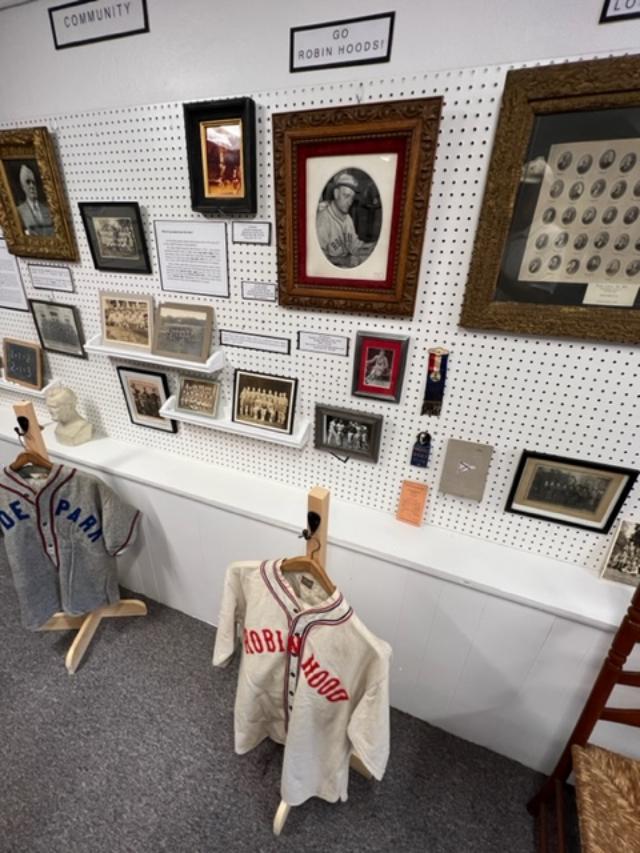
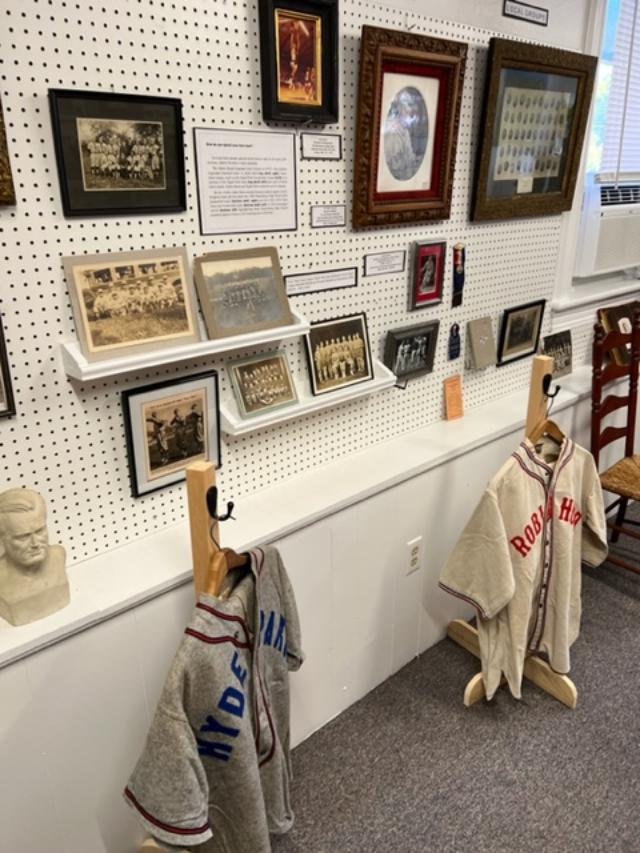
There is a small display from the semi-professional baseball team that used to be located in Hyde Park with pictures, equipment and uniforms. It seemed that semi-professional baseball was a big entertainment and community event in years past in Hyde Park, NY.

The Hyde Park baseball team

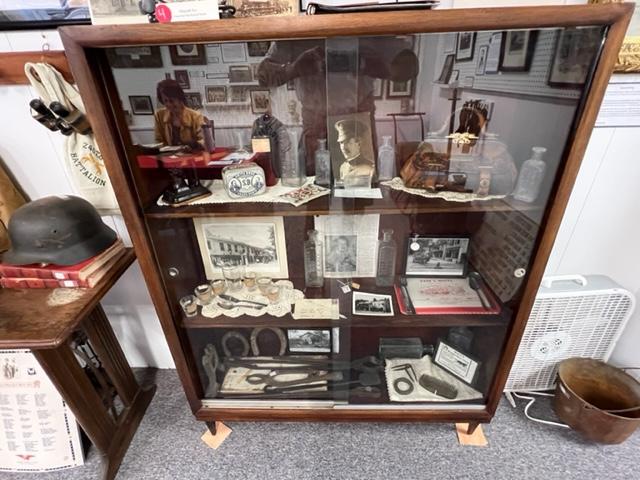
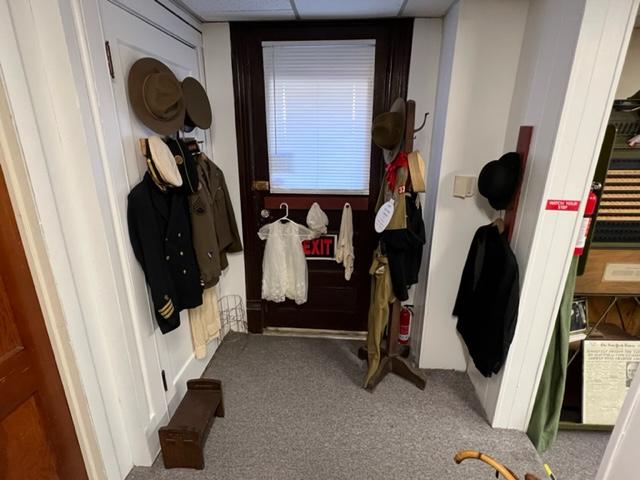
There are also items in a small war display that is circa WWI. Many artifacts were donated by families whose members fought in the war.

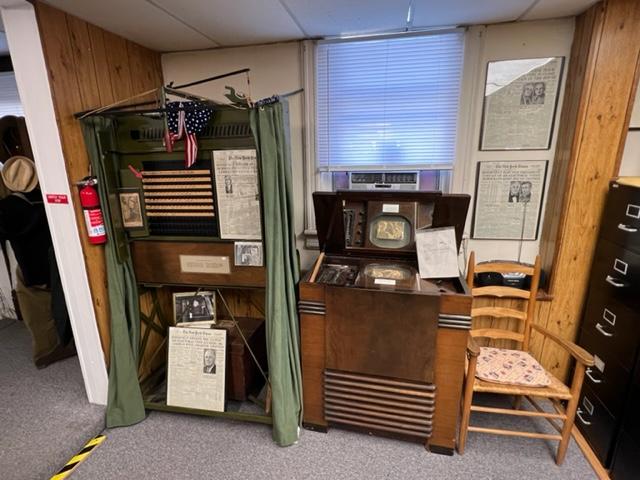
The second small room in the back is dedicated to communication equipment from WWII and pictures of Franklin Delano Roosevelt who was the President at the time as well as a prominent member of the community. The Roosevelts had lived in the Hudson River Valley for generations.

There are several important pieces of war time equipment located here.

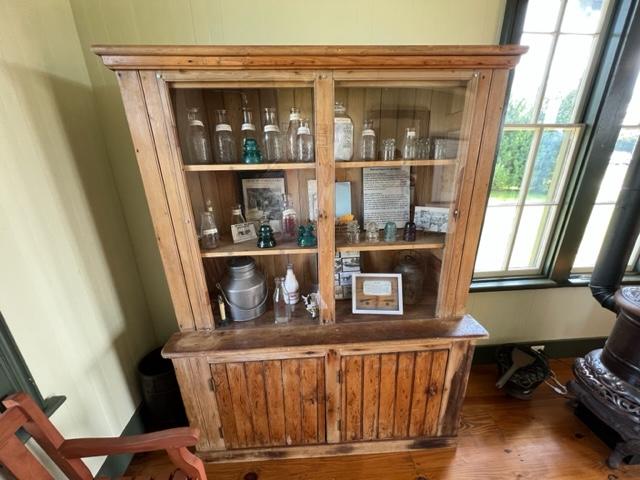
There is also a display of farm equipment showing off the areas agricultural past and present. This is still a major farming area as you head north of Rhinebeck, NY.

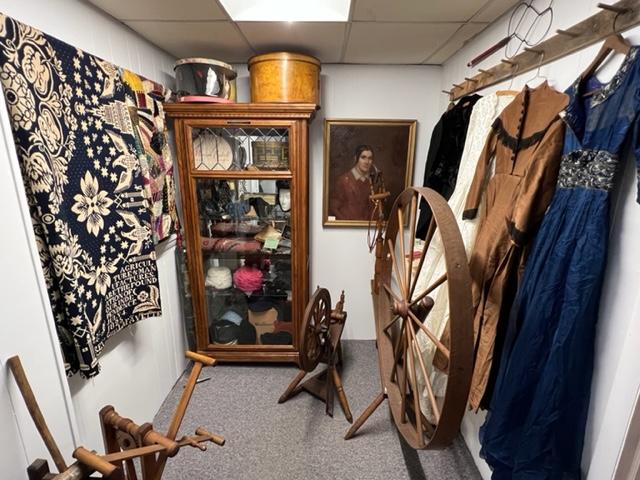
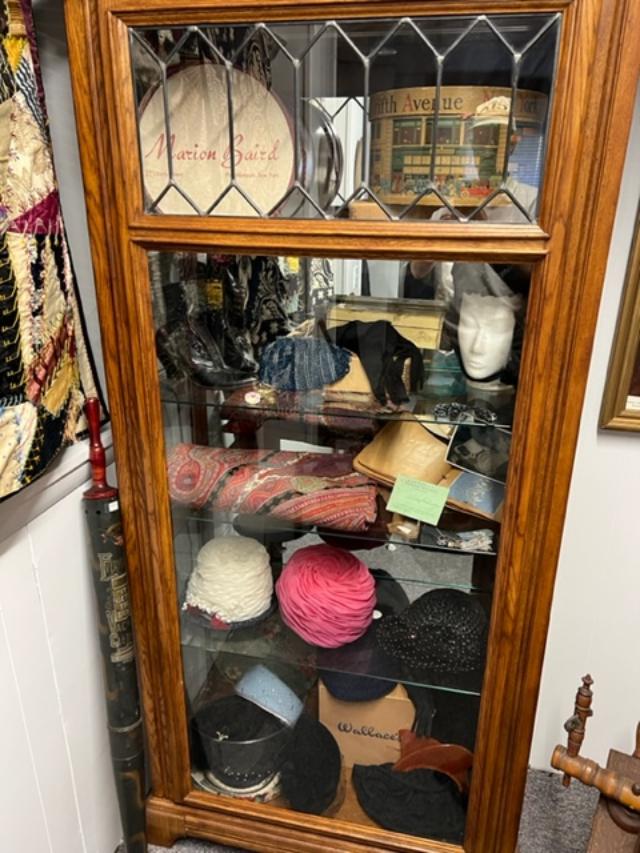
The back room is dedicated to clothing and wardrobe items like dresses, hats and spinning items.

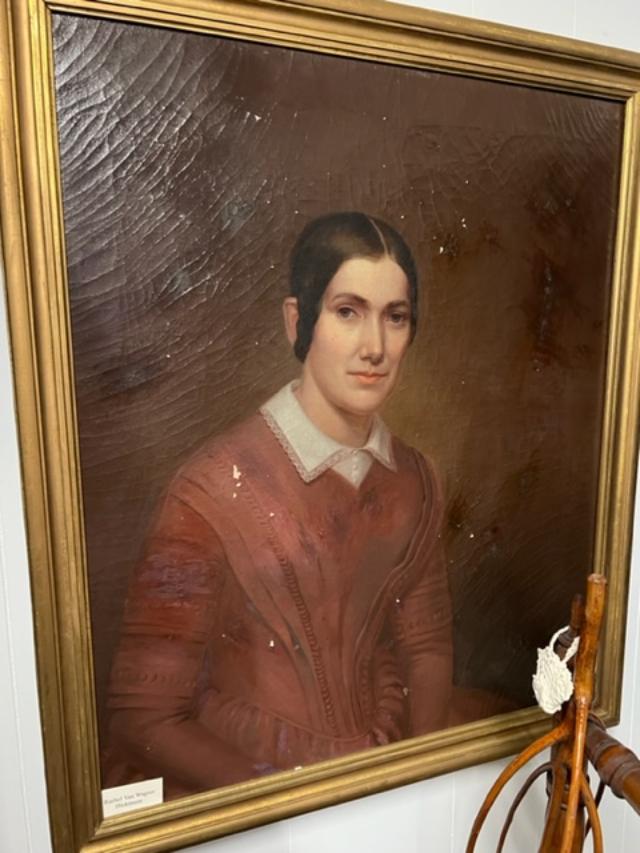
There are a few portraits of local residents as well.

This shows the change of clothing from when Dutch women would spin their wool for clothing to buying ready to wear items in the local department and specialty stores that dotted towns like Rhinebeck and Poughkeepsie.

The display also shows the manner of dress went from the Victorian era to the Jazz Age and the changes in just ten years.

Hats from various ages

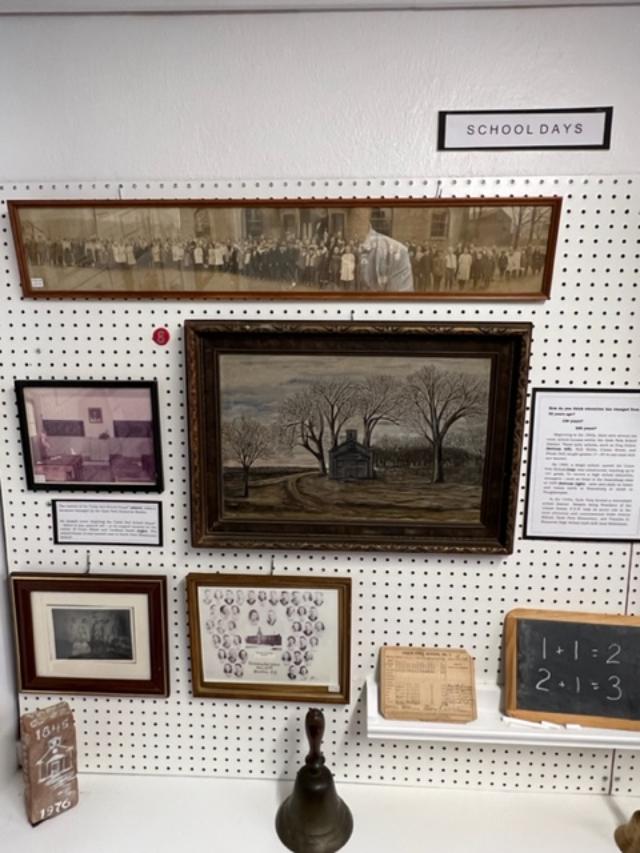
Here and there are other items that relate to daily living and a prosperous life in Hyde Park, NY. The museum is well lit and very well organized and signed so it makes viewing the displays a pleasure. It is a treasure trove of artifacts and information and insights to the life of Rhinebeck NY at that time. This display was on the Hype Park School System.

Everyday life in the schools in Hyde Park and Rhinebeck, NY

The History of the Hyde Park Historical Society:

(From the museum’s pamphlet):

The Hyde Park Firehouse:

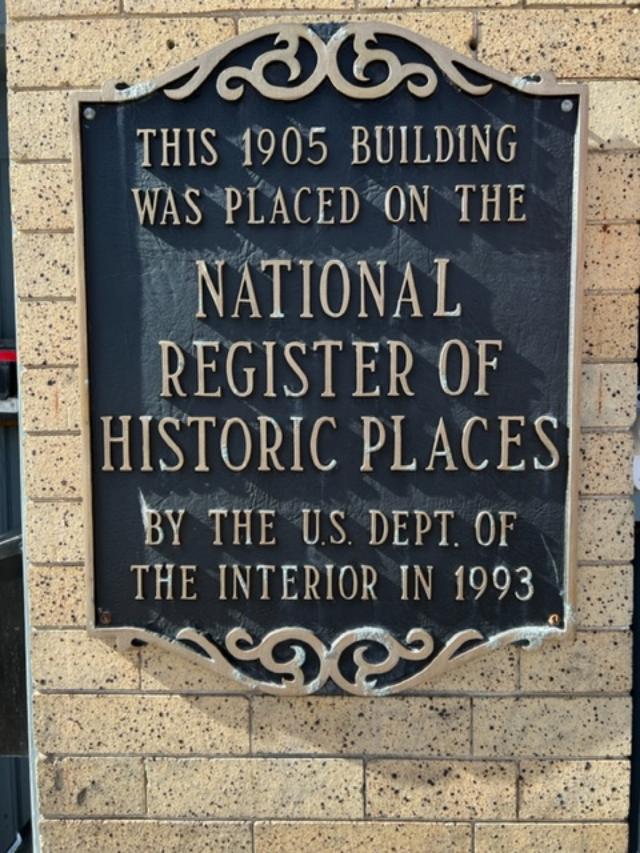
As indicated by the engraved stone lintels over the engine bays, the firehouse that the museum is housed in was built in 1905 for the Eagle Engine Company founded in 1845 and the Rescue Hook & Ladder Company (1866), separate companies whose volunteer members included Franklin D. Roosevelt.

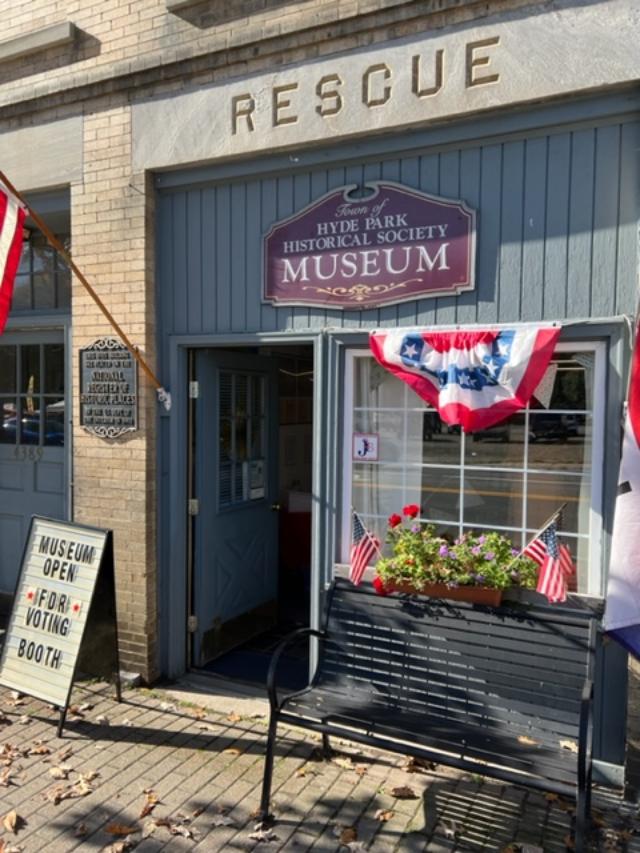
The old Hyde Park Firehouse serves as the museum

Designed by Poughkeepsie architect William Beardsley, the Renaissance Revival style brick building features a cast iron cornice and a bas relief decoration above the third story windows.

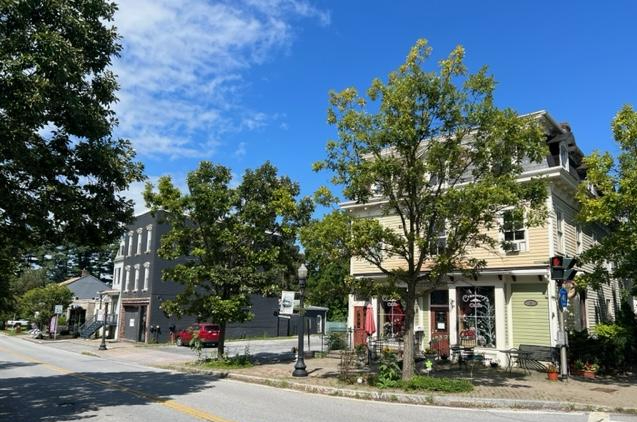
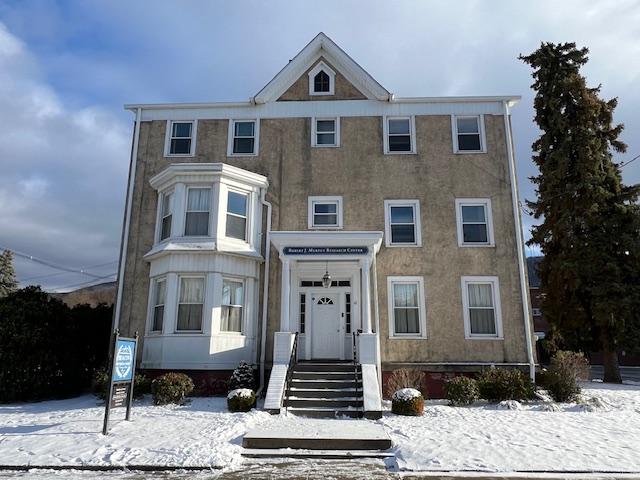
Downtown Hyde Park in the summer of 2023.

You can find all sorts of items at the museum. It contains lots of local pictures and artifacts. In the Textile Room, you can find a hat box labeled Mrs. James Roosevelt, a spinning wheel and period apparel.

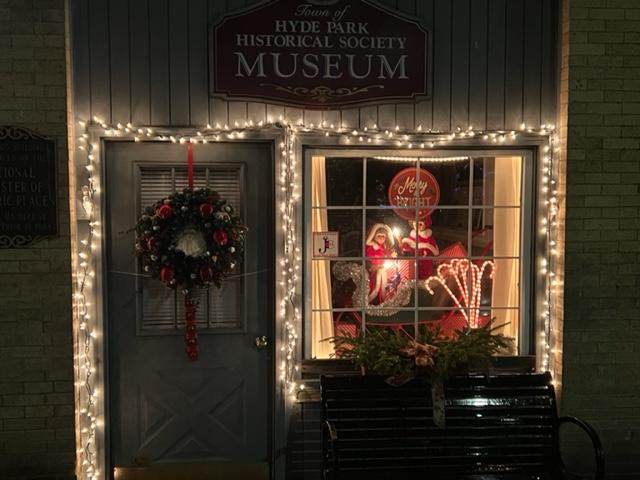
The Hyde Park Historical Society at Christmas 2022

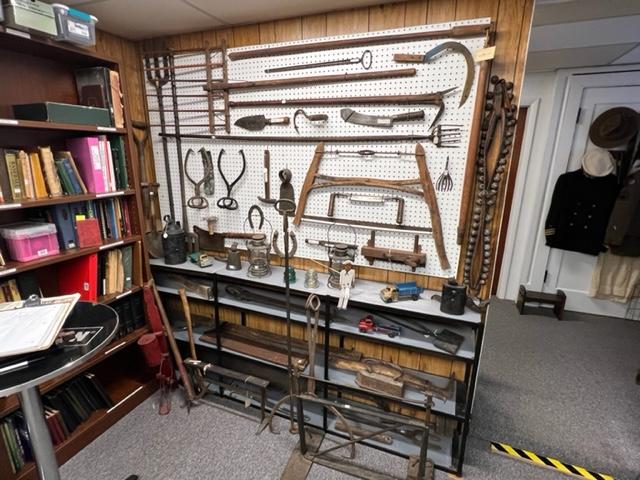
In the Research Room, you can search your family and friends’ history, look at local tools of trade and maps of Dutchess County in the 1700’s.

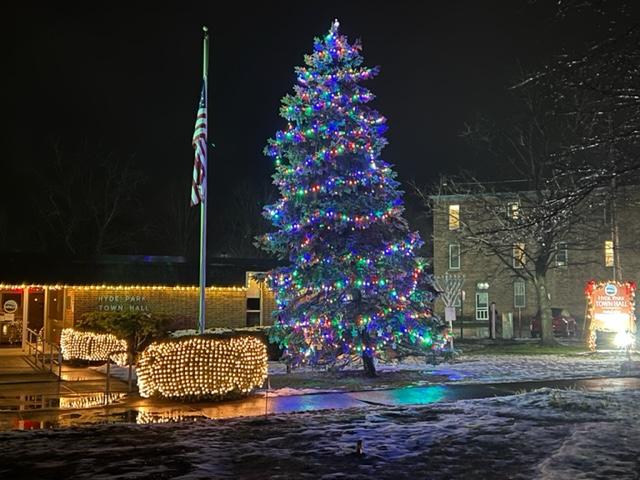
The beautiful Hyde Park Christmas tree December 2022

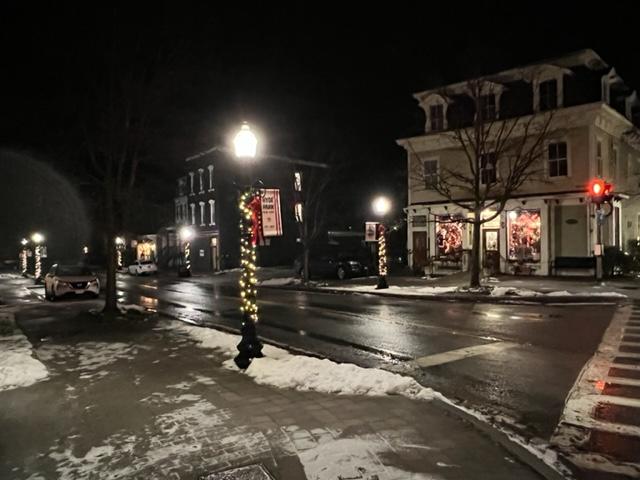
Downtown Hyde Park at Christmas time