Tag: DiningonaShoeStringinNYC@Wordpress.com

Jefferson Township Museum                                            315 Dover-Milton Road                                                       Oak Ridge, NJ 07438

Jefferson Township Museum 315 Dover-Milton Road Oak Ridge, NJ 07438

Jefferson Township Museum

315 Dover-Milton Road

Oak Ridge, NJ 07438

https://www.jeffersontownship.net/476/Township-Museum

Open: Please check their website for special hours

Admission: Free but donations accepted

My review on TripAdvisor:

https://www.tripadvisor.com/Attraction_Review-g46691-d33122250-Reviews-Jefferson_Township_Historical_Society-Oak_Ridge_New_Jersey.html

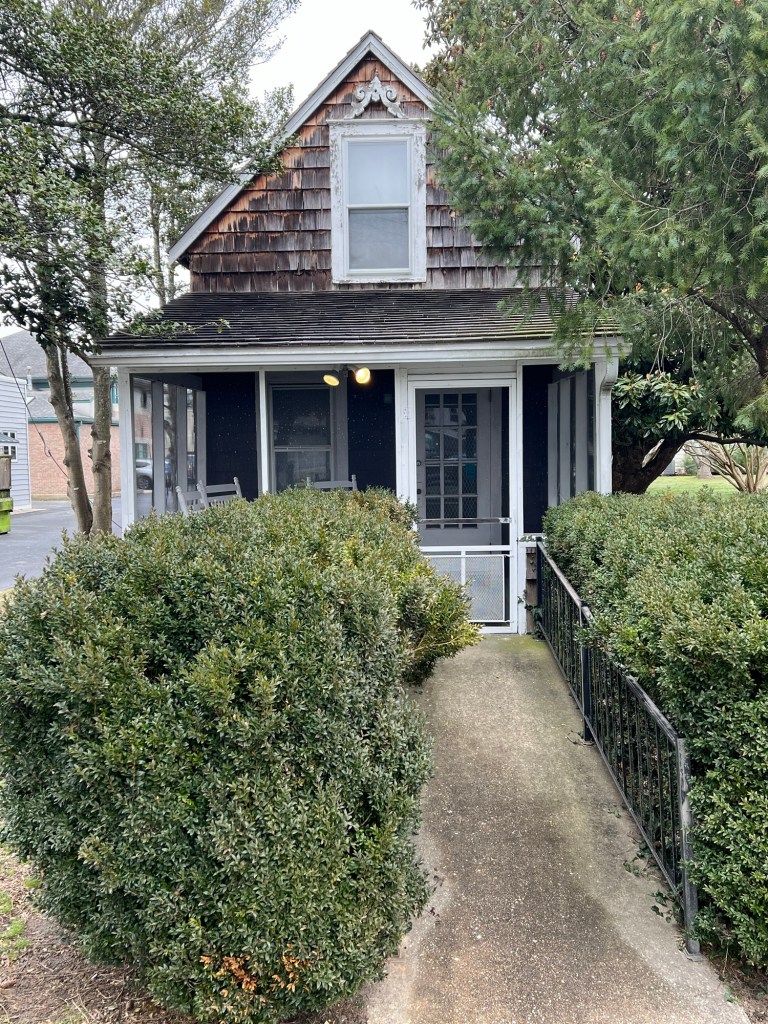
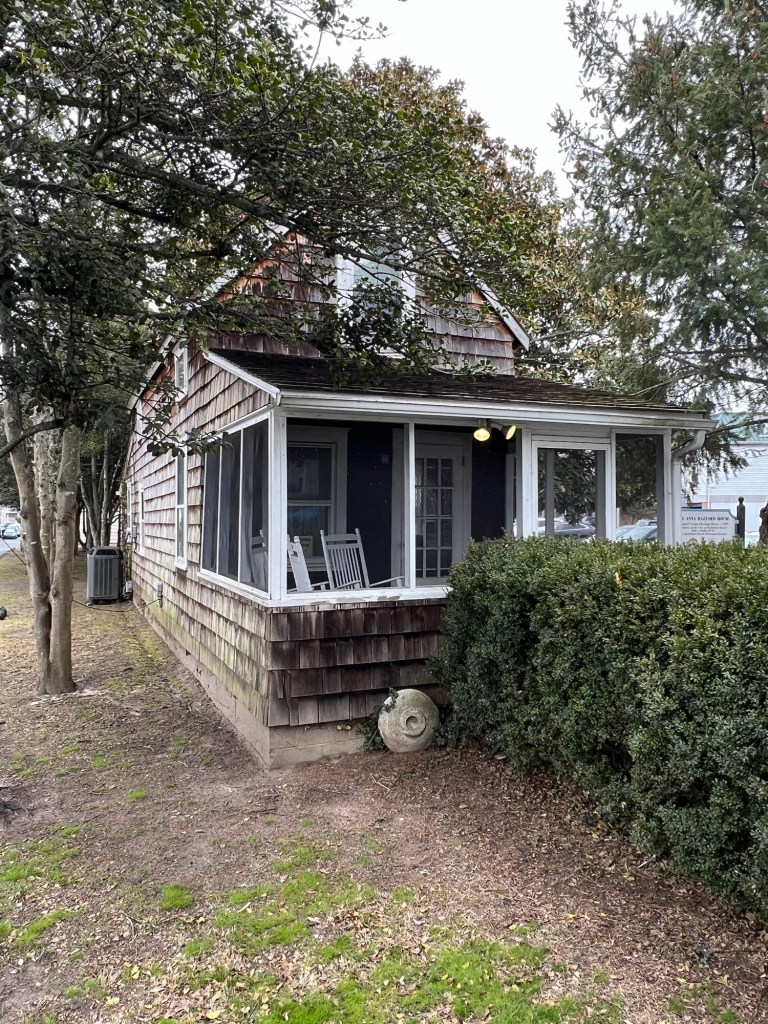
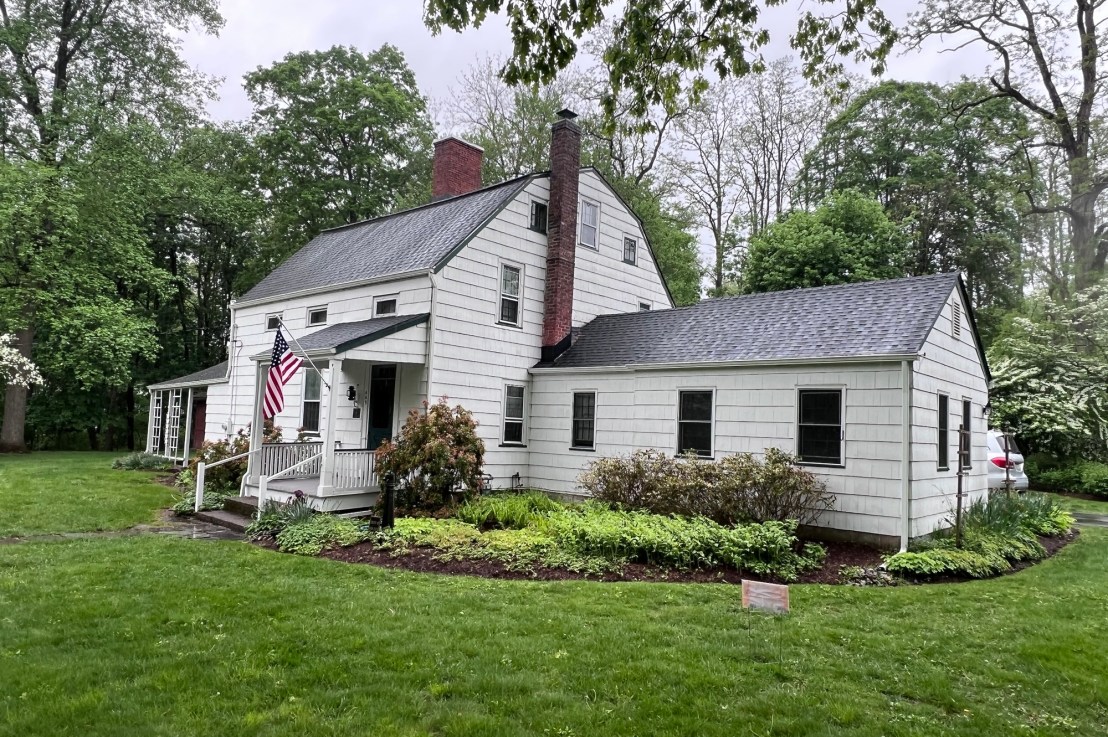
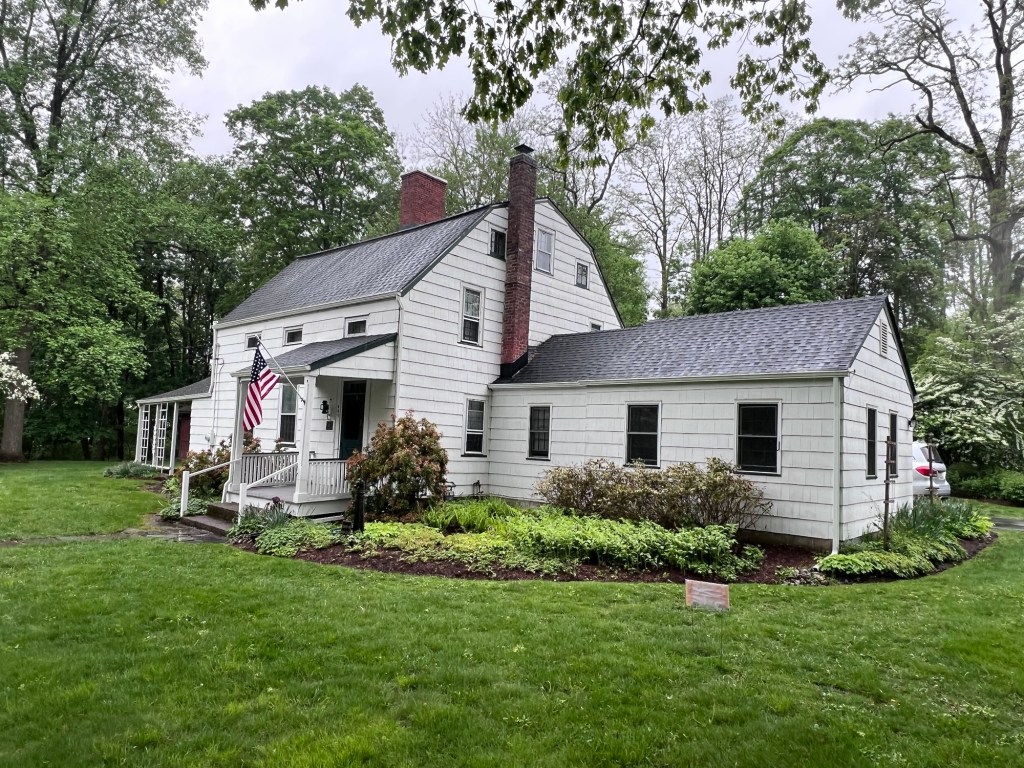
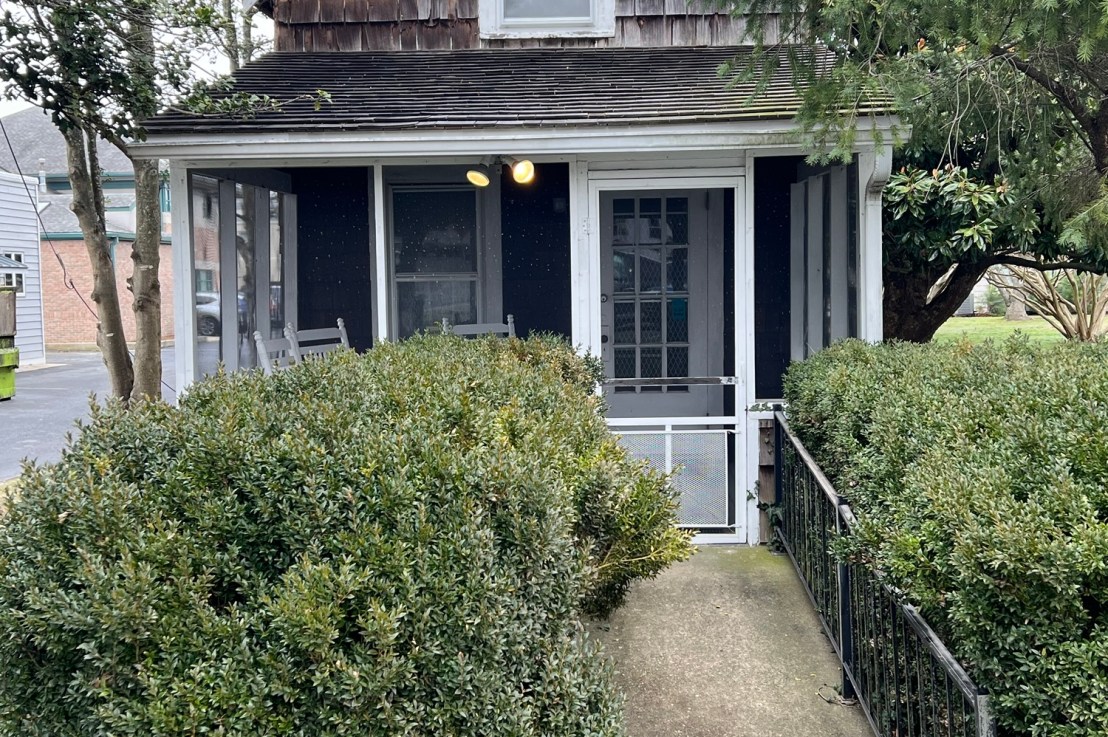
The front of the Jefferson Township Museum at 315 Dover Milton Road

The Mission Statement for the Museum:

(from the Museum website)

The George Chamberlain House, known as the Jefferson Township Museum is designed as an interpretation of life in the last quarter of the 1800s. Each room reflects how the Chamberlains, the original family might have lived during that period of time.

The historic sign of the George Chamberlain House

The History of the Museum and of the George Chamberlain House:

(from the museum website)

In the 1870s, Amos Chamberlain, a resident of Milton Village built a second house. His son, George, married Ruth Elizabeth Speaker in 1874 and moved into the new house on Dover-Milton Road. Two children, Raymond and Archie were raised in the house and attended school in the Milton Village. The family was in residence until the 1890’s. For many years afterwards, the house was home to various families who rented from the Chamberlain family.

In 1960 the Chamberlain house was purchased by the Friends of the Library. They began the task of refurbishing the building into a library. For the next nineteen years it functioned as the Violet Riker Library. When the new Jefferson Library was built, the township acquired the building and under the supervision of local resident, Emily Panek renovation began.

With a $15,000 grant and $27,000 raised from the township the renovation began in 1982. Much of the labor was donated. Walls were sandblasted and the chestnut floors were repaired. A large hole in the front door was repaired. The windows were all repaired by hand. The rear left liter broke and water came in through the back wall. After two years of work, the building became the Jefferson Township Museum and home to the Jefferson Township Historical Society. It remained as such with little interior or exterior change until 2005.

The front door of the house

The museum sign

The back of the museum by the stream

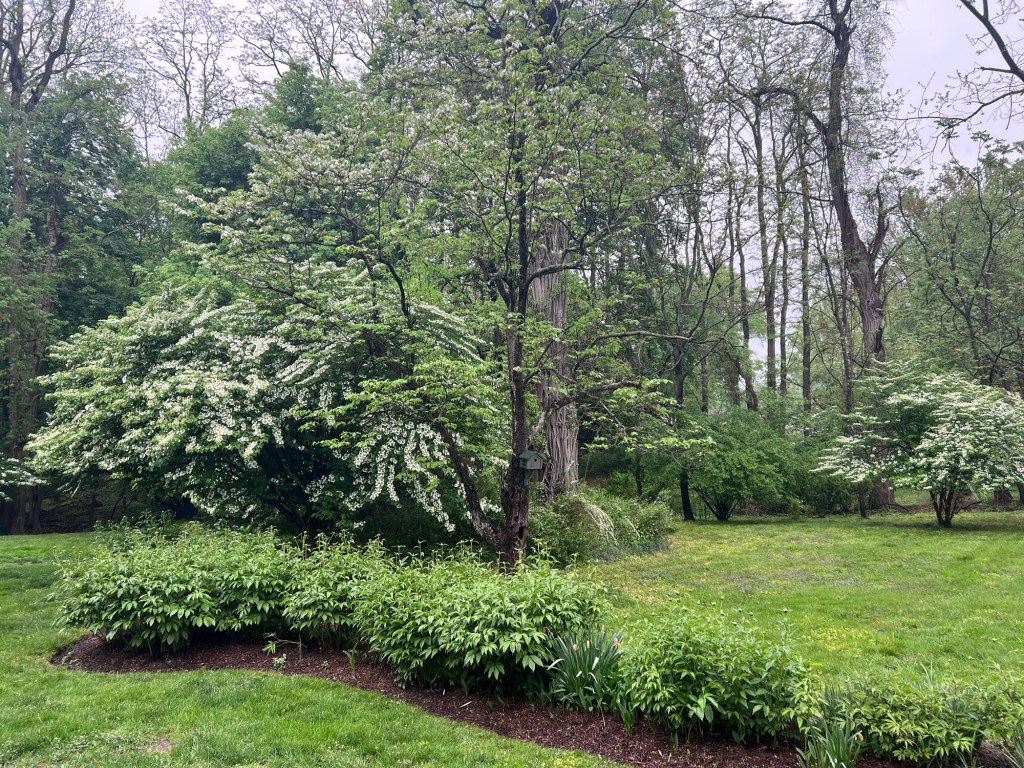
The house faces a beautiful woods and stream and has the most amazing views. It must be even nicer when everything is in bloom.

The house gardens in the early Spring

The historic home museum front the street

The historic Milton Village sign

The area that surrounds the house is very small and the original village is mostly gone.

The Dress Collection on display at the museum.

The collection of dresses on display

The day of the Pathways tour for Morris County, the house had members in costume walking around the house explaining the history of the house and family. Each room had its own series of decorations and exhibits. There was garment display all around the house with different types of dresses, hats and jewelry. One member displayed his antique camera collection.

The Clothing Collection with a display of jewelry

The Jewelry and Pocket watch collection

The had a wonderful display of antique costumes jewelry and cameos on display in the case.

Collection of Cameras through the past century

One member displayed his extensive set of cameras and antique photography equipment and was on hand to talk to people about it.

Collections of Antique China and textiles at the museum

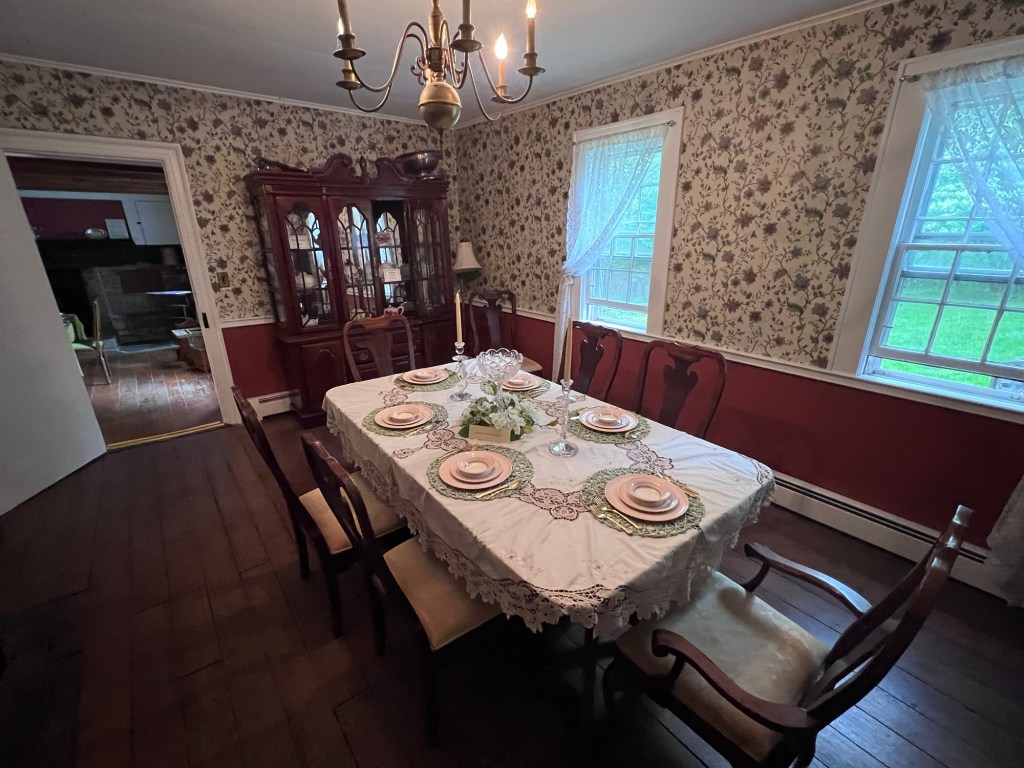
Collection of Vintage China and Teapots in the Dining Room of the home

The upstairs bedrooms had a collection of textiles and Millinery

The three upstairs bedrooms had the continued collection of dresses and hats on display.

The antique sewing machine in the upstairs bedrooms

The Collections of Textiles upstairs

Collection of weapons in the bedroom

The collection of Costumes and Millenary

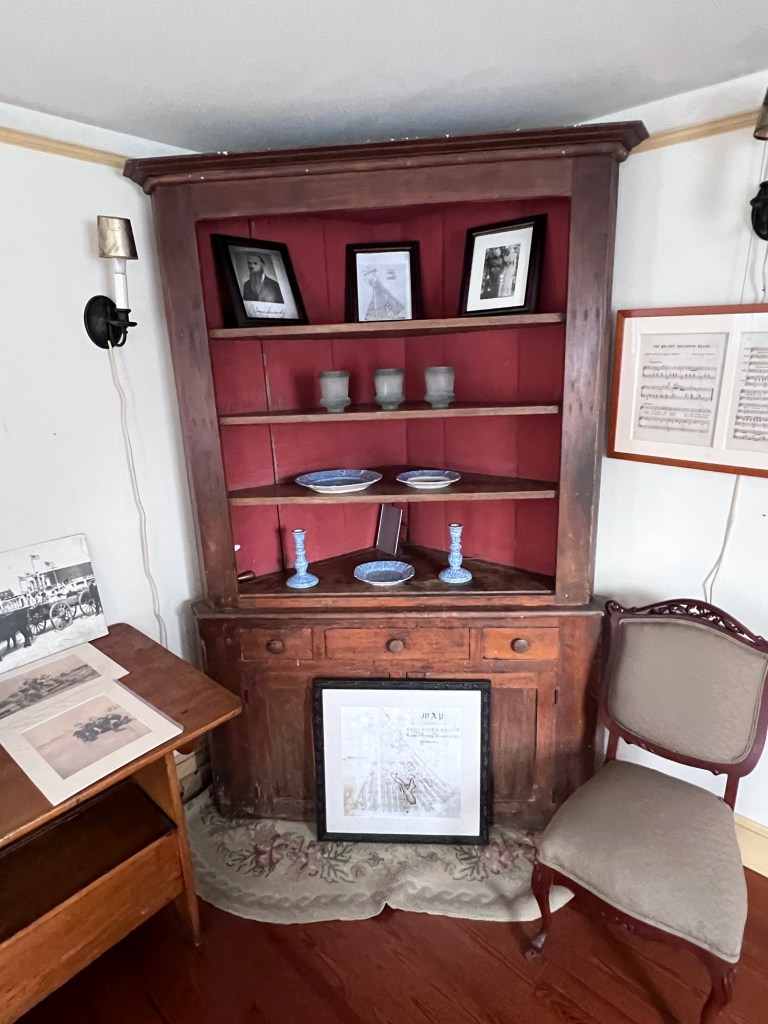
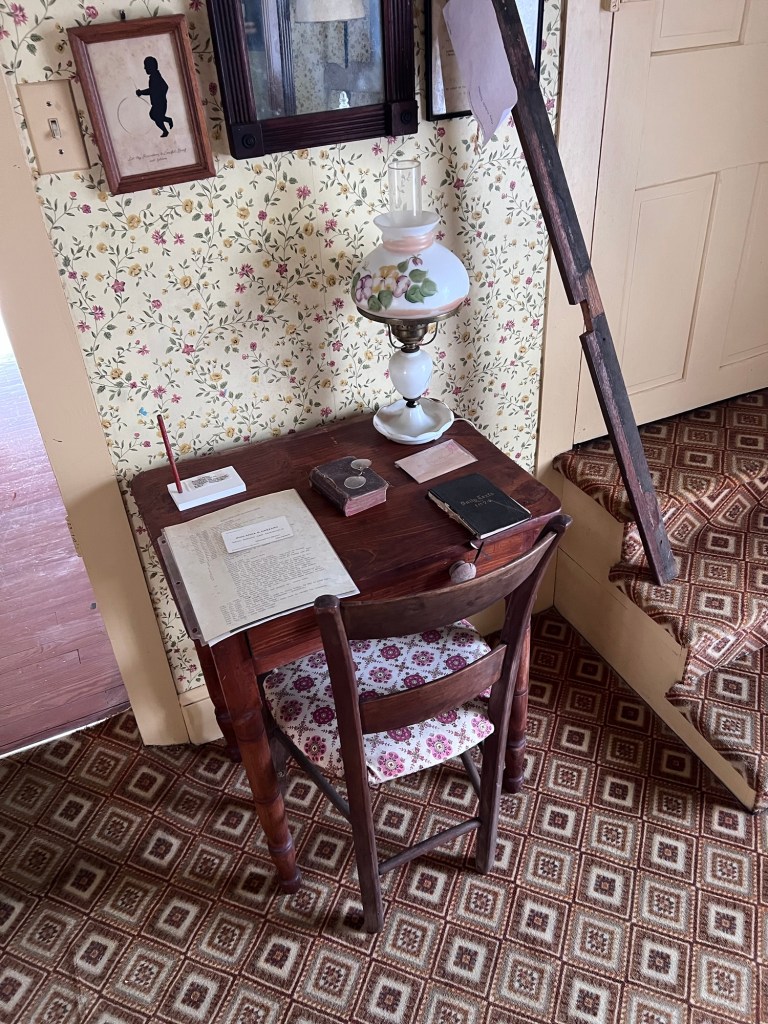
The wonderful little museum was packed with all sorts of wonderful things to see. Each of the rooms are decorated with vintage furniture and period decorations on top of the displays of clothing and textiles so there is a lot to see in the house.

The docents could not have been nicer or more welcoming that afternoon. The museum is only open at certain times of the month so you need to watch their social media to see when the museum is open.

Parsippany Historical and Preservation Society/Bowlsby-DeGelleke House                             320 Baldwin Road                                                Parsippany, NJ 07054

Parsippany Historical and Preservation Society/Bowlsby-DeGelleke House 320 Baldwin Road Parsippany, NJ 07054

Parsippany Historical and Preservation Society/Bowlsby-DeGelleke House

320 Baldwin Road

Parsippany, NJ 07054

My review on TripAdvisor:

The Bowlsby/DeGelleke House at 320 Baldwin Avenue

The History of the Parsippany Historical and Preservation Society:

(from the Society website)

The Bowlsby / DeGelleke House is a one and a half story, clapboard-sided farmhouse set on a stone foundation. The house was built by George Bowlsby, Jr., c.1790. Originally constructed as a 3-bay façade, an 1819 2-bay addition to the right of the door resulted in a central entrance appearance. The porch was constructed in the Greek Revival style in the 1850 renovation.

A center hallway runs from the front door to the rear door of the house and contains a mid- Victorian open staircase to the second floor and stairs to the basement. On either side of the hallway are two interconnecting rooms. The left (west) side contains a front parlor with a simplified Greek Revival fireplace and a small back room. The right (east) side of the house contains a dining room and a kitchen. Original floorboards remain, with a replacement floor in the kitchen.

Three second floor bedrooms were added when enlarged in 1819. In c.1920, walls were added to create two more bedrooms. An existing front bedroom was changed to a bathroom. The kitchen was also modernized, but still utilized a hand water pump from a cistern in the cellar.

In 1977, the house was purchased by the Township from the estate of Alethea DeGelleke, to be used as The Parsippany Historical Museum. In 1978, the building was added to the State and National Historic Registers. Restoration was completed in 2008 with grants from the Morris County Historic Preservation Trust and the Township’s Open Space Program.

The historic marker for the house

Mission Statement

(from the Society website)

The purposes of the Parsippany-Troy Hills Historical and Preservation Society are to:

*Encourage an appreciation for, and an understanding of, the history of the Township of Parsippany-Troy Hills by holding meetings at which historical lectures, entertainments, discussions, and other programs are scheduled; by marking historical sites, roads, trails, and building; by publishing work concerned with historical research; by working with school administrators and teachers to encourage the study of local history, and by engaging in other appropriate activities;
*to seek out, to collect, and to collate material which may help to reveal and illustrate the history of the Township of Parsippany-Troy Hills in terms of exploration, settlement, and development;
* to cooperate with public and private agencies in providing for the preservation and for the display of historic sites and materials;
* to conduct or encourage archaeological investigations in the Township of Parsippany-Troy Hills;
* to hold title to real and personal property of historical interest of significance that the Society may acquire;
* to hold title to moneys or instruments acquired for the purpose of furthering and/or maintaining the Society’s properties.
History of the Society

The Society was incorporated on June 8, 1998. Since that time the Society has worked toward the mission of preserving and interpreting the Township’s history and historic structures. The Society works with the Township to open the Township’s historic sites, including the Parsippany Museum, also known as the Bolwsby / DeGelleke House, the Smith / Baldwin House, Old Littleton Schoolhouse and the Forge Pond and Dam property. The Society also sponsors programs that highlight the history of the Township and are held at one of the Townships historic properties.

The Society is a 501(c)(3) non-profit organization.

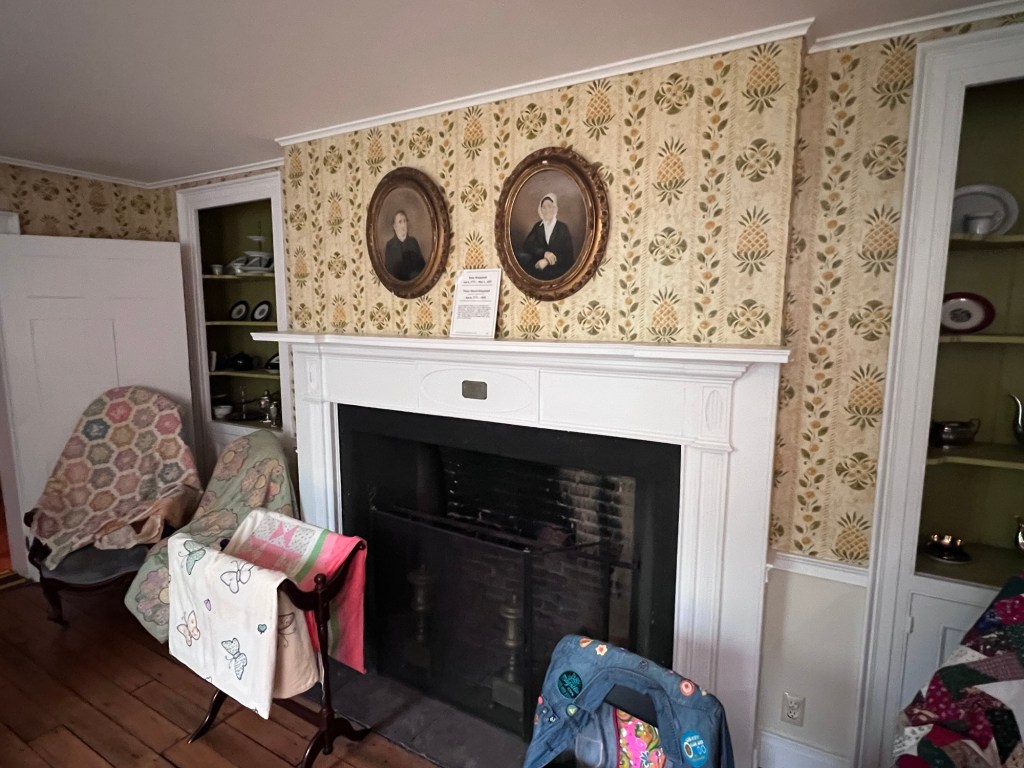
The Living Room of the house

I visited the Bowlsby-DeGelleke home during Morris County’s Pathways tour recently and discovered an interesting historic home that had been in the Bowlsby family for many generations while farming hundreds of acres of land in this area. The tour guide explained that while the house may have been small, the influence of this family was felt around the community.

The front sitting area

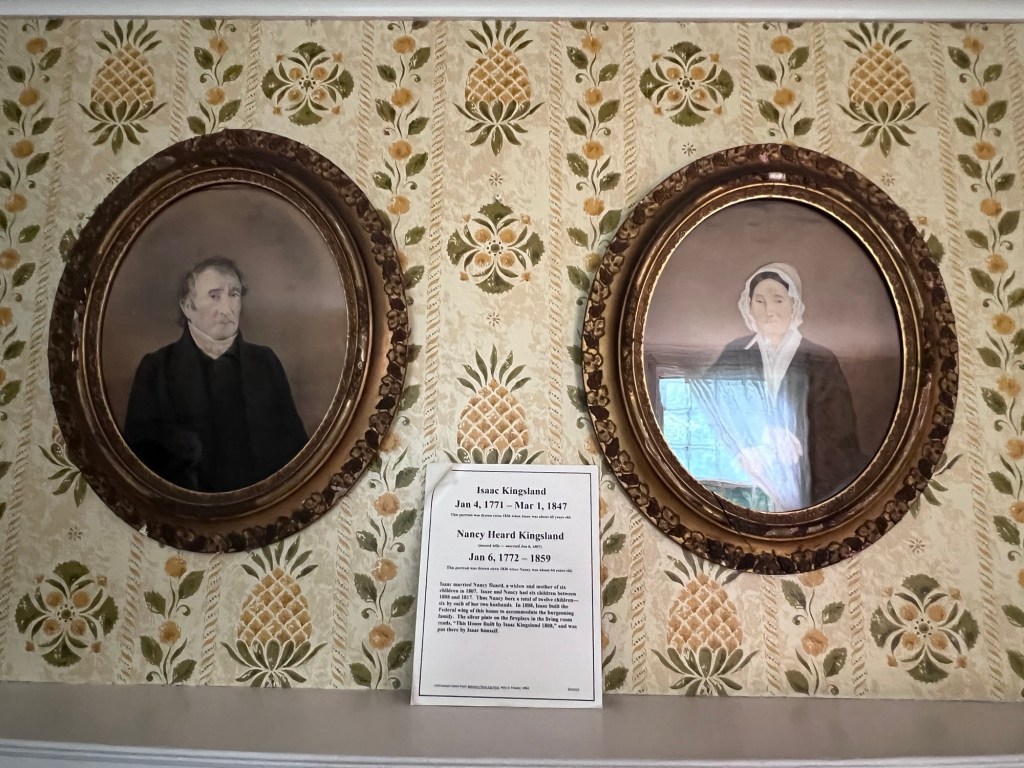
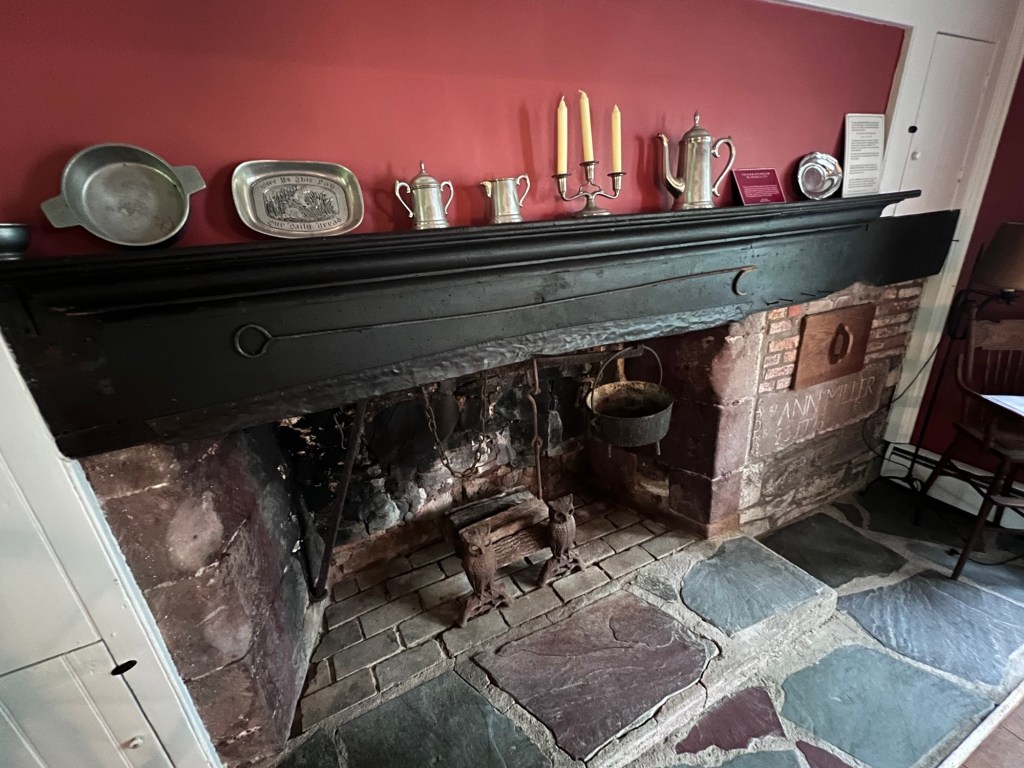
The fireplace in the room with silver collection and the family tree

The Bowlsby Family tree

You could see by the family tree that house and land stayed in the family from the mid 1700’s to 1910, with the farmland being broken up with each generation inheriting a piece of the overall farm.

The back bedroom and nursery

The back bedroom on the first floor behind the Living Room

The kitchen in the back of the first floor

I thought they did a wonderful job decorating the kitchen to reflect different time periods.

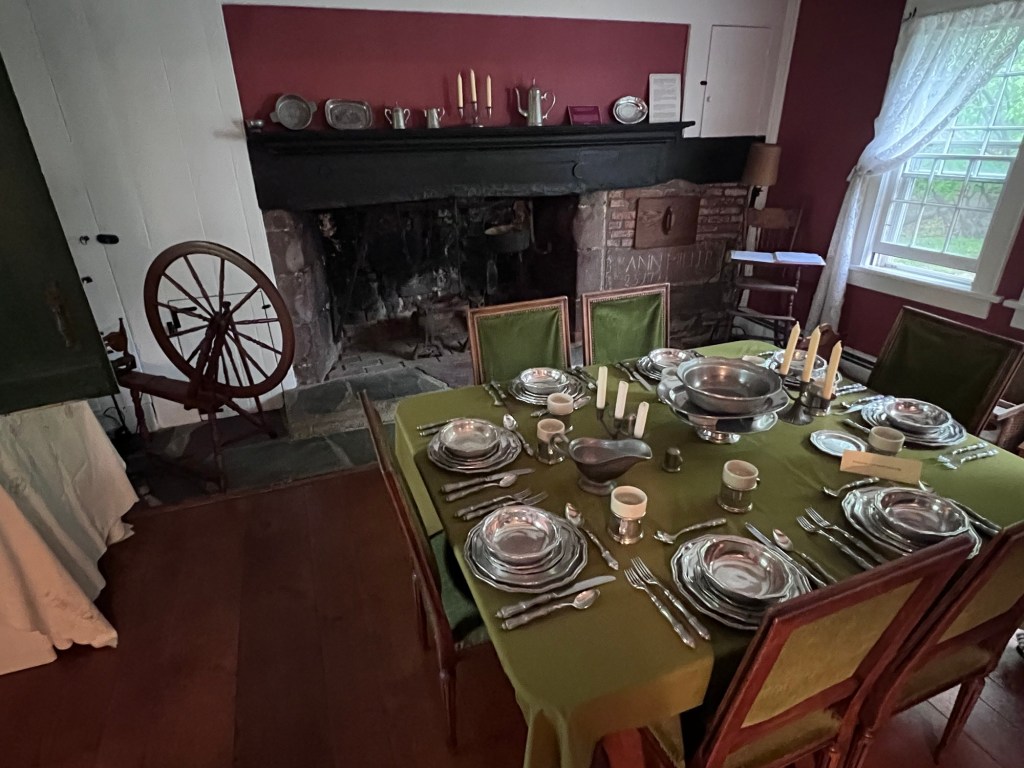
The kitchen wares and items needed for everyday life

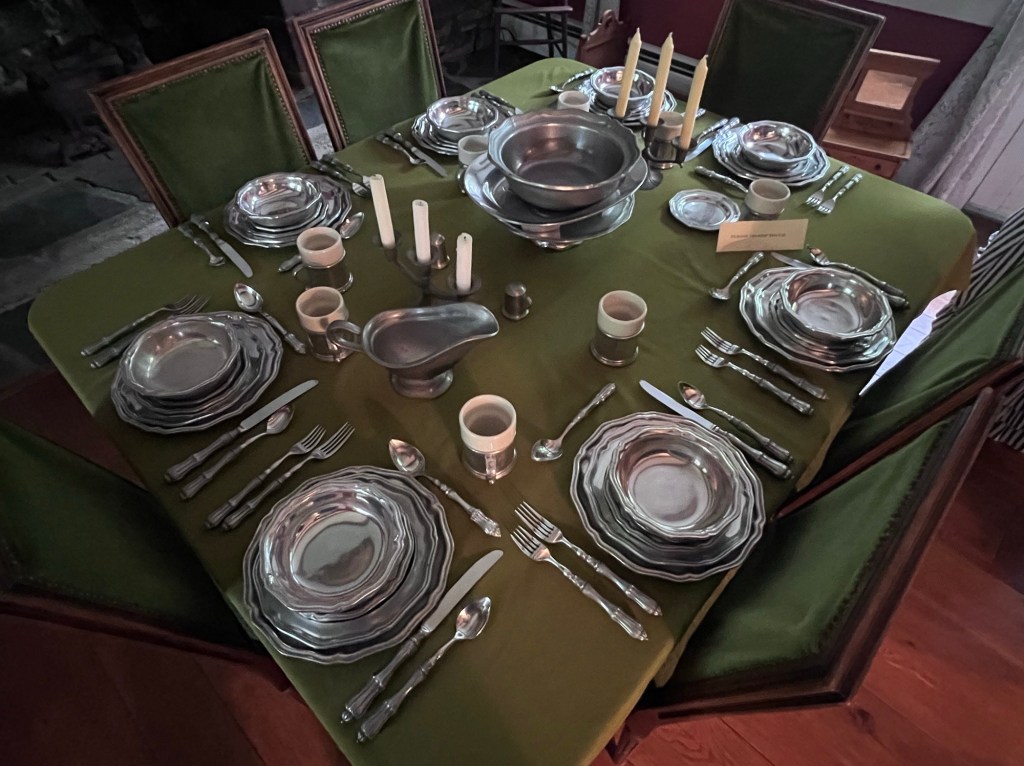
Family China and crockery in the kitchen

The China pattern shown here was not the family’s but close to what the family would have owned and entertained with for meals.

Artifacts found on property and at a dig site at an old mansion in town

Native American artifacts and weaved baskets from the local area

Information on the local area and items from the dig

The second floor Children’s room display

I loved the Children’s Room with the vintage toys and furniture. This interpretation would have been for a wealthy or upper middle class child. I loved the selection of dolls and games throughout the room.

The toys and doll display in the second floor room

The toys on display in the second floor room

The second floor bathroom

The second floor farm items of baskets and pots. Item used on the farm.

The baskets and crockery used on a farm

This display reminds visitors that this was still a working farm until up to about a hundred years ago.

Paintings and artwork on display in the house

Artifacts in the hallway from the first to the second floor

The display of local historical homes and their history

Local historical homes

Artifacts at the bottom of the stairs in the foyer as I left

The house had been in the family for almost five generations until it had been sold to another family who in turn owned it for another set of generations. The memory of this family still lives on in this wonderful museum.

Molly Maguire Historical Park                                    West Centre Street                                             Mahanoy City, PA 17948

Molly Maguire Historical Park West Centre Street Mahanoy City, PA 17948

Molly Maguire Historical Park

West Centre Street

Mahanoy City, PA. 17948

(No phone at the park)

https://www.hmdb.org/m.asp?m=236538

https://mahanoyhistory.org/mollymaguires.html

Open: Sunday-Saturday 24 hours

Admission: Free

My review on TripAdvisor:

https://www.tripadvisor.com/Profile/R4960NKjustinw/mediabatch/13493199?m=19905

The Molly Maguire Historical Park at West Centre Street

The historical sign

The inside of the park

The History of the Molly Maguires in Mahanoy City:

(from the Mahanoy Area Historical Society website: (Terry Rang/Paul Coombe):


The Mahanoy City area’s first anthracite mine opened in 1861. As mining flourished in the area, so did the population, as many Irish families and other immigrants came to find work. Mahanoy City was incorporated as a borough in 1863, and by 1870, its population had grown to 5,500. The borough’s population hit its peak of about 16,000 in 1910. While the burgeoning anthracite industry made the coal barons rich, the workers toiled for low wages and in dangerous conditions. In the 1870s, tensions mounted between mine bosses and the labor force. Violence erupted between the Irish Catholics and the Protestant English. Mahanoy City became one of Schuylkill County’s sites of alleged Molly Maguire activity.


The Molly Maguires were considered an off-shoot of violent Irish secret societies, such as the Ribbonmen, who rebelled against landlords who treated them harshly and kept them in poverty. In Schuylkill County, Irish miners faced similar hardships. They eventually joined the Workingmen’s Benevolent Association, which had some success in winning better wages and working conditions.


But Franklin B. Gowen, president of Philadelphia & Reading Railroad and its coal land subsidiary, feared the power the union held and believed the Irish controlled it through the secret Molly Maguire society. Determined to break the union, he began accusing Irish miners, who he claimed were Molly Maguires, of murdering mine bosses and other violence.


In 1873, Gowen, a former Schuylkill County district attorney, hired Pinkerton undercover detective James McParlan, using the alias James McKenna, to destroy the Ancient Order of Hibernians. Gowen claimed the AOH was a cover for the Molly Maguires. In 1875, Gowen cut county miners’ wages by 20 percent, triggering “The Long Strike” that lasted five months, devastating the miners and their families. Gowen won that battle as he did his war against the AOH. Gowen and McParlan’s efforts sent 20 men accused of murder as Mollies to the gallows in Schuylkill and Carbon counties. Many of the convictions came on little evidence and McParlan’s testimony.


Alleged Molly events in Mahanoy City included the assassination of Chief Burgess George Major, a St. Patrick’s Day parade led by Kehoe against the Catholic Church’s orders, and the alleged plotting to kill “Bully Bill” Thomas and the Major brothers at Mickey Clarke’s saloon. A monument memorializing the tragic era stands at Centre and Catawissa streets. More than 150 years later, the debate continues whether the men considered Mollies were murderers or martyred heroes. While an incomplete history of the Molly Maguire era in Schuylkill County, this presentation highlights the people, places and events in the Mahanoy City area. We extend a special thank you to Mark T. Major, who granted the Mahanoy Area Historical Society permission to use content from “A Guide to the Molly Maguires,” which he co-wrote with H.T. Crown.

The inside of this quiet park tells the timeline of happenings in Mahanoy City at the time.

The historic plaques tell the story of who the Molly Maguire were and their lasting effects on the changing of mining conditions.

The park story

Who they were

The story and time line

The fate of these men in the end

The park is a reminder for the freedoms that were fought to make things better for future generations and for the stop of oppression in society. There will be different ways to interpret the story in the future but this is a reminder of a better way of life that we now enjoy.

Greater Shenandoah Area Historical Society Museum 201 South Main Street                   Shenandoah, PA 17976

Greater Shenandoah Area Historical Society Museum 201 South Main Street Shenandoah, PA 17976

Greater Shenandoah Area Historical Society Museum

201 South Main Street

Shenandoah, PA 17976

(570) 985-3337

https://www.facebook.com/shenandoahhistory/

https://www.schuylkill.org/listing/greater-shenandoah-area-historical-society/114/

Open: Sunday

Admission: Free but donations are accepted

My review on TripAdvisor:

https://www.tripadvisor.com/Profile/R4960NKjustinw/mediabatch/13476665?m=19905

The entrance to the museum at 201 south Main Street

The sign in the front of the old museum

The Mission Statement of the Museum:

(from the museum website)

The mission of the Greater Shenandoah Area Historical Society is to recognize and preserve the unique history of Shenandoah; the heritage of its people, its coal mining history, the architectural design of downtown buildings, and other aspects of what makes this community a unique, valuable and thriving part of Schuylkill County. 

The main gallery of the museum and upcoming Tricky-tray fundraiser

The back part of the museum was set up for a lecture

The Greater Shenandoah Area Historical Society History:

We promote the history and culture of Shenandoah, Pennsylvania through the preservation, presentation, and interpretation of historic objects, documents, and photographs. By focusing on the values, customs, and traditions of our diverse community, we hope to bring an understanding of the past and strengthen the connection for future generations

Then back part of the museum with the local hospital and miners displays

The Greater Shenandoah Area Historical Society Description:

We preserve the robust history of  Shenandoah, as well as the surrounding vicinity in Schuylkill County. Almost all artifacts on display throughout the museum were personal property, donated by members of our community and their descendants in order to help others remember and honor our past. Through these photographs, documents, and heirlooms, the history of the town inspires us.  
Explore the exhibit of our town’s coal mining industry, observe the richness of our cultural heritage, scan thousands of images, recognize the heroism and sacrifices of our armed forces, reminisce over school spirit, immerse yourself into the character of a small town, search family genealogy, and discover how history influences us today. Whether touring the museum or attending a presentation from one of our guest speakers, enjoy learning of the character of our people as they braved the challenges of the past.
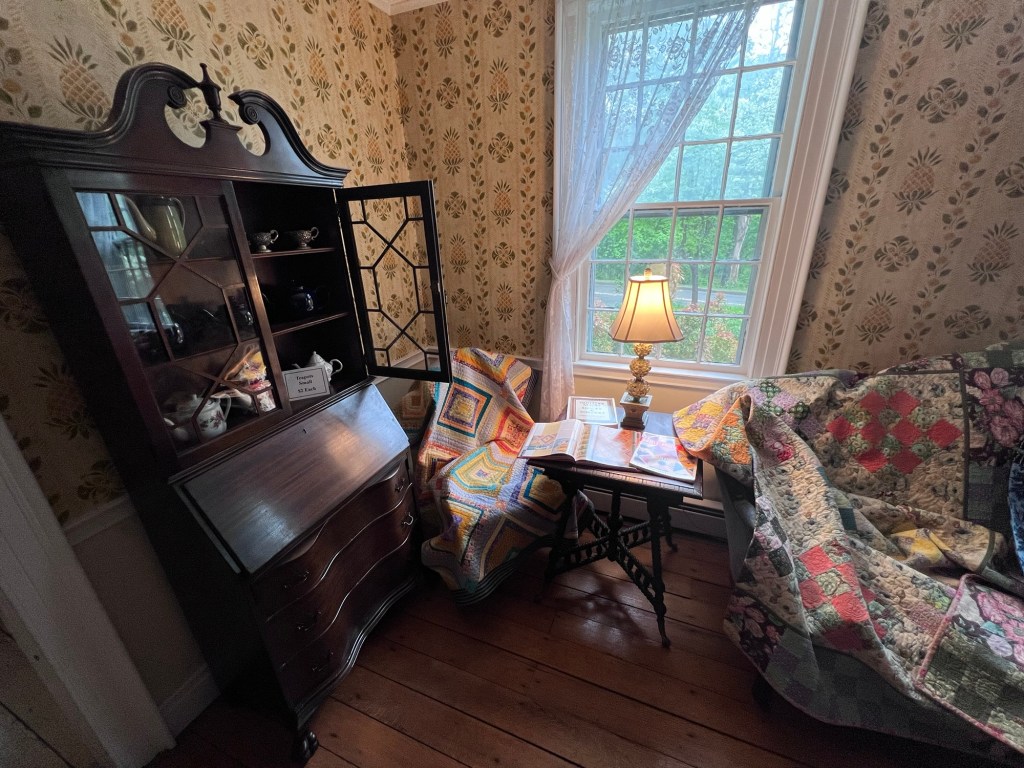
The front gallery when you walk in

The costume dress collection

The ‘Shenandoah Centennial 1966’ event sign

Dresses from the Centennial event and the Town VIP

The display of dresses from the Centennial event

Local resident Darryl Ponicsan, a famous writer and screen writer had an interesting exhibition of books, scripts and posters in a separate room in the museum dedicated to his work.

The Darryl Ponicsan exhibition at the museum

https://en.wikipedia.org/wiki/Darryl_Ponicsan

The collection of scripts and posters in the museum

Literature and pictures in the collection

The town was much different in the boom years of the mines. There were blocks of stores, groceries, clothing and jewelry stores catering to a population that was more than double the current population. Items from these retail establishments were on display in and on the case lines.

Displays of business once located in Shenandoah’s downtown

Jewelry display from some of the twenty or more jewelry stores that lined the Main Street at one time

Items from merchants that once lined the downtown

Items from downtown merchants

Some of the local breweries in the area

What Shenandoah looked like at the time of the height of Mining success

The Mining exhibit and display of items used

The artifacts from the Shenandoah mines

The artifacts used in the mines

The bottling industry was a big part of the local economy

The next display was on the local hospital and its importance in the community.

Display on the hospital on the local economy

The items used in the hospitals

The models of the railroads, the mining industry and the working environment.

The models of the local industry

Models of the Mining Industry

Models of the Mining industry

The back part of the gallery shows how the engine of the economy of Shenandoah grew and prospered during the time when the mines were in full operation and the population grew.

The industrial economy of the past

The artifacts in the front part of the gallery

The local high school, Shenandoah High School Alumni donated a lot of memorabilia from both the past and the present, showing the changes in clothing and manner of dress.

The series of uniforms and spirit wear plus old school yearbooks and awards

Old school uniform and clothing

Shenandoah awards and pictures display from Alumni

The museum had an extensive collection of Military items both from members families and from the community. The display shows the pride in the armed forces in this community.

The Military exhibition

The main gallery set up for a lecture

One of the most impressive rooms in the museum was the Religious Room dedicated to the many churches that used to cater to the growing immigrant population in Shenandoah.

With its population once being double to the current population and groups not wanting to worship together, each ethnic group had their own church. Assimilation and time have since closed these churches and today only a handful still exist. As this trend continues, these artifacts have been donated to the museum and the collection has been beautifully been preserved and presented by the museum.

The Religion exhibition is extensive and very detailed

Pageantry costumes are a big part of the exhibition as old world traditions were brought to this country before WWI

Each piece is labeled so that it can be researched and admired

The costumes used in church services

The detailed outfits and religious items from church services

Items from St. Stephen’s Polish Catholic Church

Artifacts from the First Greek Catholic Church

Items from the former Greek Catholic Church

Costumes from the Greek Catholic Church

The display from the former Our Lady of Carmel church

The Religious/Church exhibition room is one of the most impressive displays of religious items outside some of the major city museums and really does tell an interesting story story of not just the religious faith of these residents of this community but of their traditions and pride they brought to this country.

Another look into the past is the museum’s display of life in the Mining community from the perspective of the Mining household and that of the Miners wives and daughters who ran the operation at home while the men worked in the mines. It was a rough life for everyone in these communities. As one of the curators explained to me is that “they may not have had a lot of money but there was an immense pride on how their houses looked and how they maintained their lifestyle. These women worked hard to make sure they had what they needed.”

The life of a housewife before indoor plumbing and electrical appliances made housework tedious in those years before WWII

The house included wash bastions, bathing items and all the kitchen supplies to keep the home running

As it was explained to me, these woman did not have that much money but these was still a lot of pride in their households and keeping things cleaned and well organized. They made a lot out of a little.

The wash basin men had to clean up in after coming out of the mines and before they entered the house to get the dust off

The handmade dollhouse shows the craftsmenship of the residents when catalog toys were out of reach for most people. This beautiful dollhouse was crafted by a local resident as well as all the furniture and accessories.

Tommy and Jimmy Dorsey were some of the famous residents to come out of Shenandoah and are the pride of the immigrant success of this community.

The Dorsey Brothers were born in this community and the exhibition shows the success of the brothers in the music industry

https://en.wikipedia.org/wiki/Tommy_Dorsey

Tommy Dorsey and his band

Jimmy Dorsey and his band

https://en.wikipedia.org/wiki/Jimmy_Dorsey

All the recordings, pamphlets and printed publicity over the years

The Dorsey Brothers historic marker in Downtown Shenandoah

As the mines closed or were downsized, women went to work in the clothing factories that were once a big part of manufacturing. The Union label and workforce meant something in this community.

The Ladies Garment Union and factories in the area

When local leaders went out and residents dressed for church and evenings out, there was a pride in appearance that seems to be lost today. When people went to dinner or to dinner or out with friends or for the holidays there was a formality to looking your best.

The ‘Flapper’ silk dress from the 1920’s

The furs, dresses and hats for a night on the town

The collection of formal wear and furs was very impressive for a small museum. The collection was so beautifully displayed.

For a small museum, it holds many treasures as the collection here is extensive and deep. The artifacts are so nicely displayed and beautifully curated.

The museum galleries

The museum galleries

Each section of the museum shows the pride of the past and the glimpse of the future of this community with innovation and creativity at its core. It is a museum that tells a fascinating story of the past.
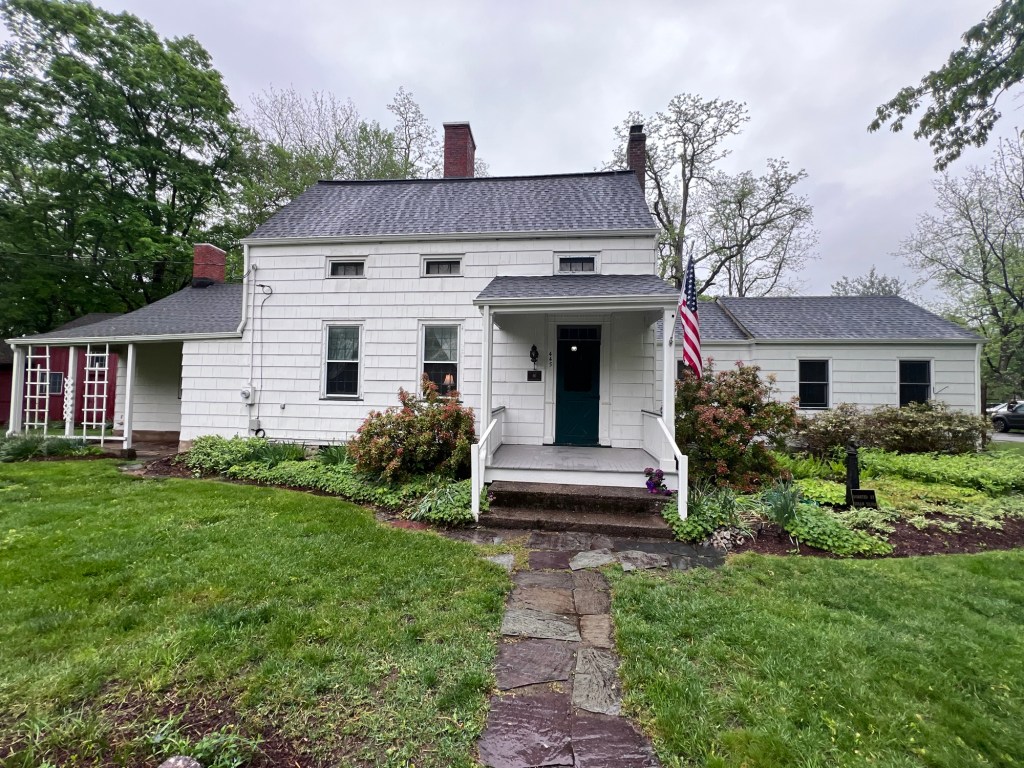
When you leave the museum, you can see traces of a community in flux as buildings are finding new life and traces of that innovative past are returning. The town is in another state of transition.

The gentrifying downtown district that surrounds the museum

The welcoming sign of the town

The potential once again for a flourishing downtown

There is much potential in the downtown

After our visit to the museum, I took the gentleman who arranged all the tours of the cultural sites of the area for lunch at Francesca’s Ristorante and Gourmet Pizzeria at 10 North Main Street. He highly recommended it and the pizza and fried pierogis were excellent (see review on TripAdvisor).
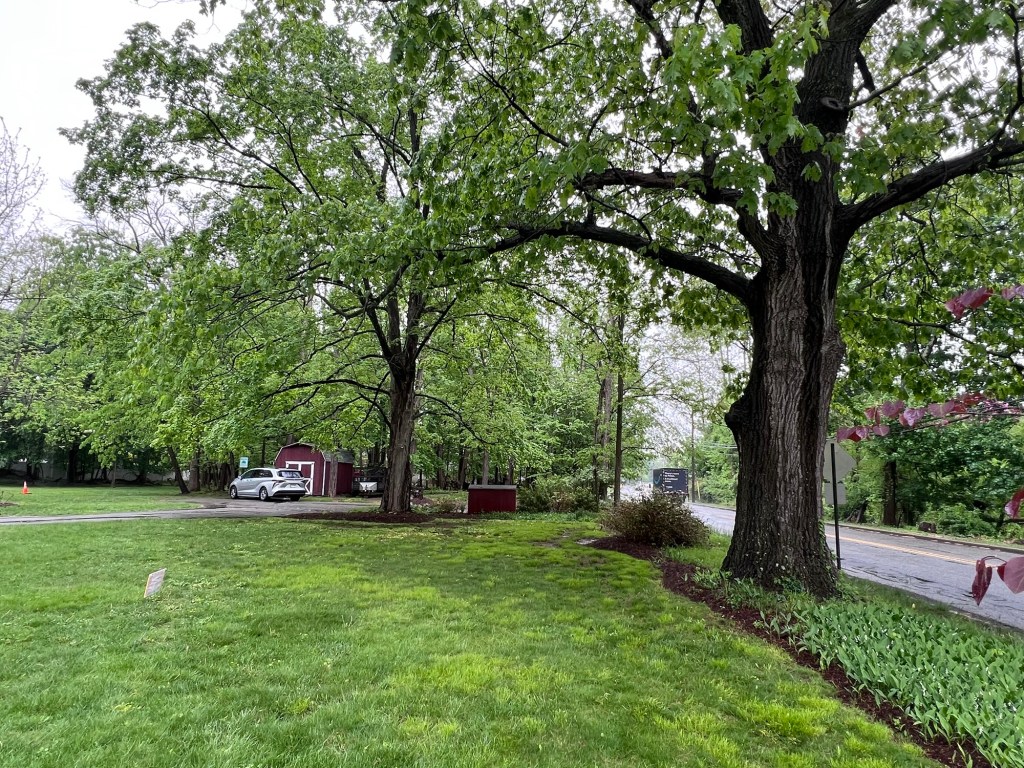
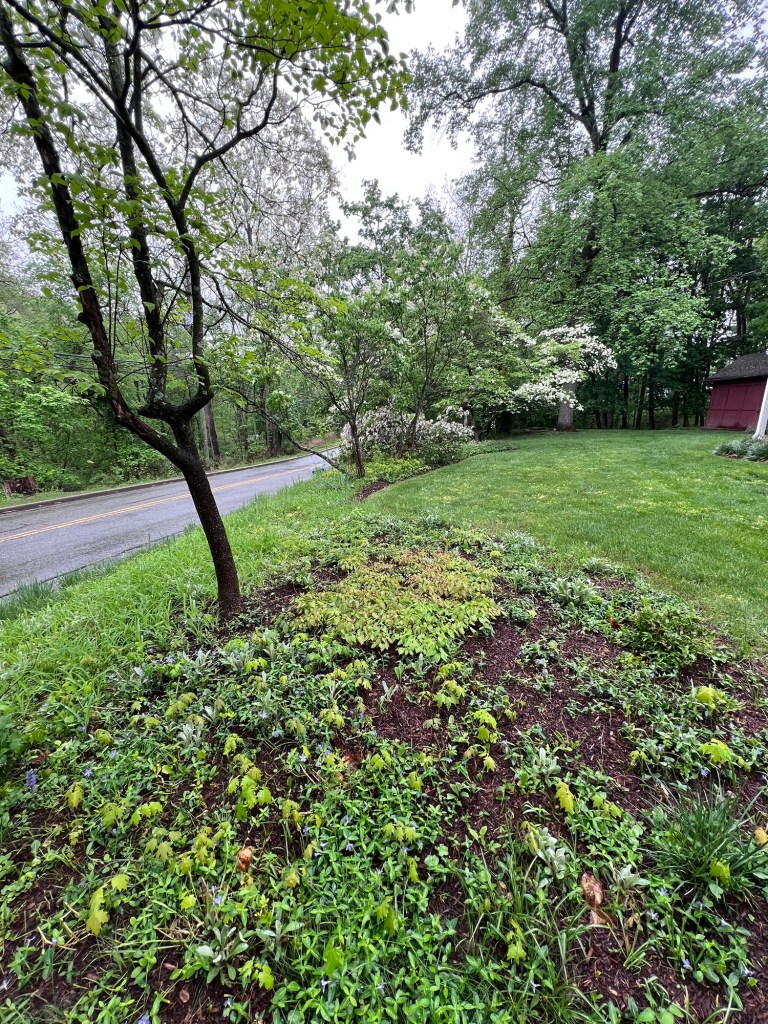
The front of Francesco’s at 10 North Main Street in Downtown Shenandoah, PA

My review on TripAdvisor:

https://www.tripadvisor.com/ShowUserReviews-g53667-d870184-r1003259625-Francesco_s_Restaurant_Pizza-Shenandoah_Pennsylvania.html?m=19905

We had slices of their wonderful Cheese pizza for lunch and shared the Fried Pierogi that was from the Mrs. T’s company down the road. Their red sauce is amazing and spiced so well. I highly recommend lunch here after your visit to the museum.

The Cheese pizza and Fried Pierogi

The excellent Cheese pizza

The Fried Pierogi with red sauce were outstanding

After lunch, we headed back to Mahanoy City to visit the Mahanoy Area Historical Society museum. I took one last drive around and admired the museum building one more time. There is so much potential for an Arts District in this town.

The Shenandoah Area Historical Society Museum from across the street

What a hidden gem!