Tag: College Museums

The Donald & Barbara Tober Exhibit Room/Conrad N. Hilton Library-The Culinary Institute of America Campus 1946 Campus Drive                                                               Hyde Park, NY 12538

The Donald & Barbara Tober Exhibit Room/Conrad N. Hilton Library-The Culinary Institute of America Campus 1946 Campus Drive Hyde Park, NY 12538

The Donald & Barbara Tober Exhibition Room/Conrad N. Hilton Library-The Culinary Institute of America Campus

1946 Campus Drive

Hyde Park, NY 12538

(845) 452-9600

https://library.culinary.edu/ciaexhibits

Open: When the library is open. Please check the website.

Admission: Free
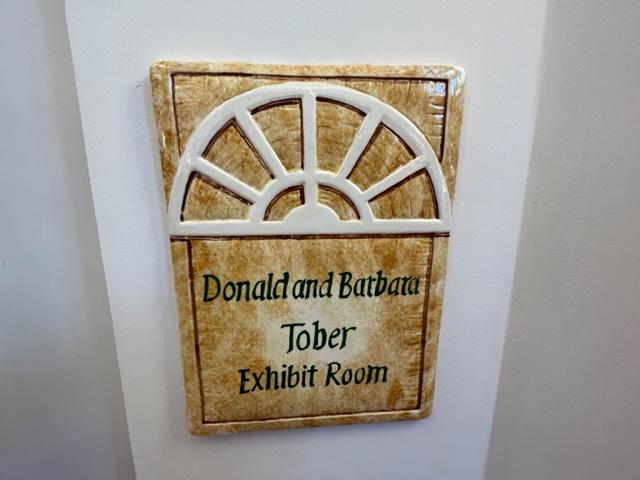
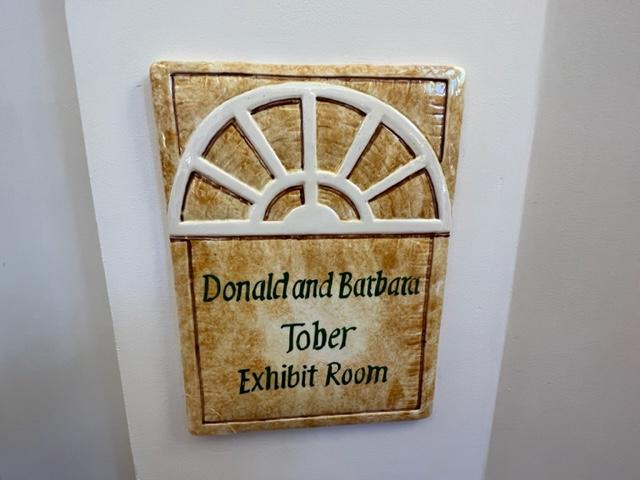
The Donald & Barbara Tober Exhibit Room plaque inside the Conrad N. Hilton Library hallway

The Donald and Barbara Tober Exhibit Room is on the main floor of the Conrad N. Hilton Library. The exhibit room is open to the CIA community and to the public. The exhibition room has ongoing displays of culinary themed exhibits that cover topics involving the culinary world and food service. This is run by both the college and by students. It is not quite a museum but more of a display room of artifacts that are held by the Conrad N. Hilton Library and its archives.
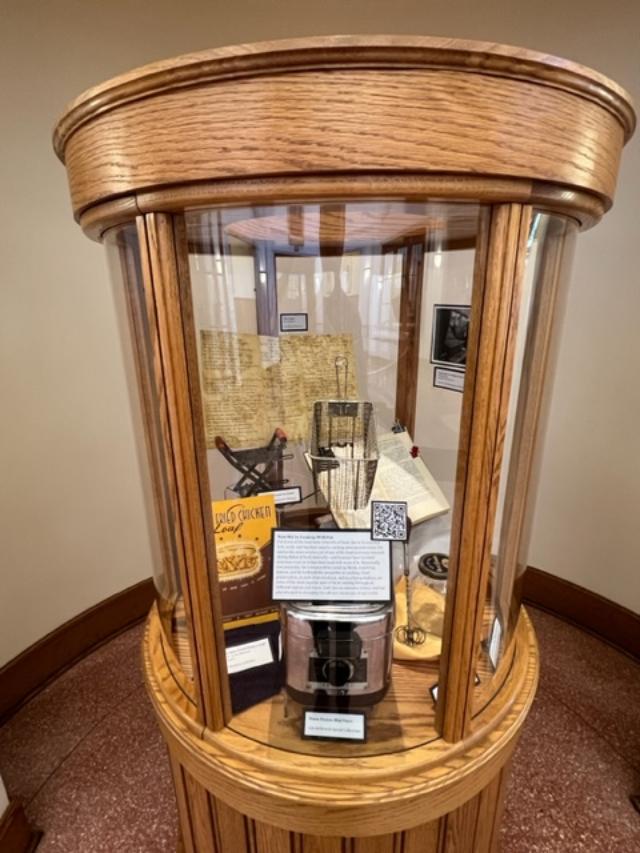
The Hallway exhibition
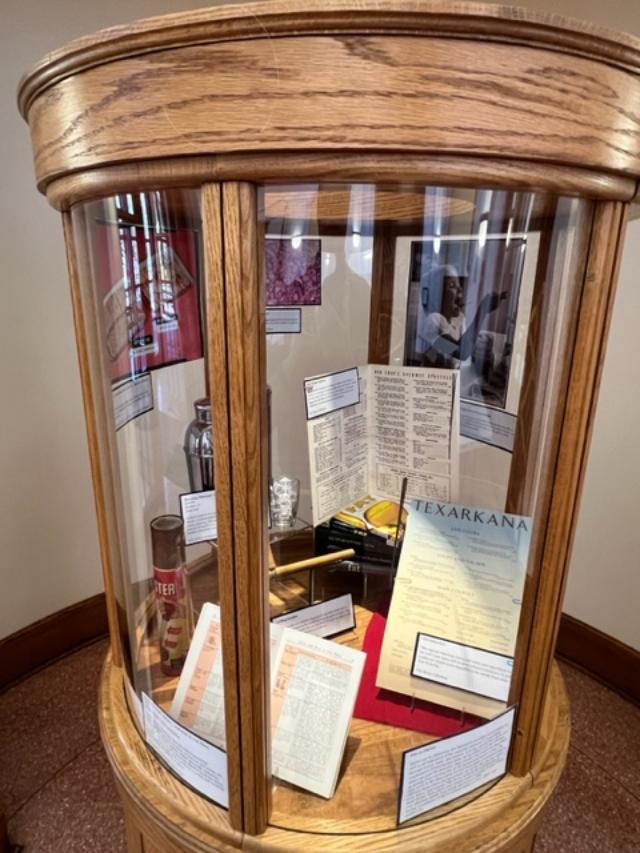
The Hallway exhibition

The two display cases are in the main entrance of the Conrad N. Hilton Library and hold more of the exhibition. These are displays of industry pamphlets and flyers plus menus and equipment.
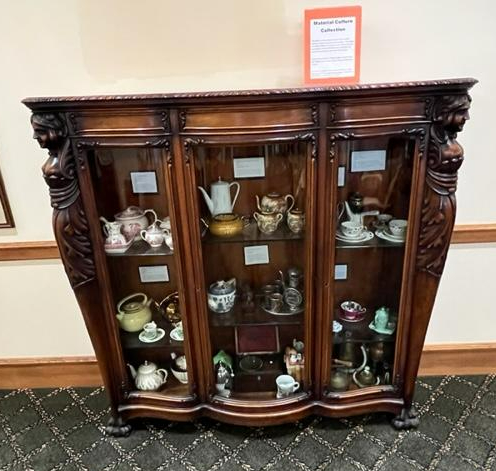
The library exhibition of China pieces

The Menu Collection:
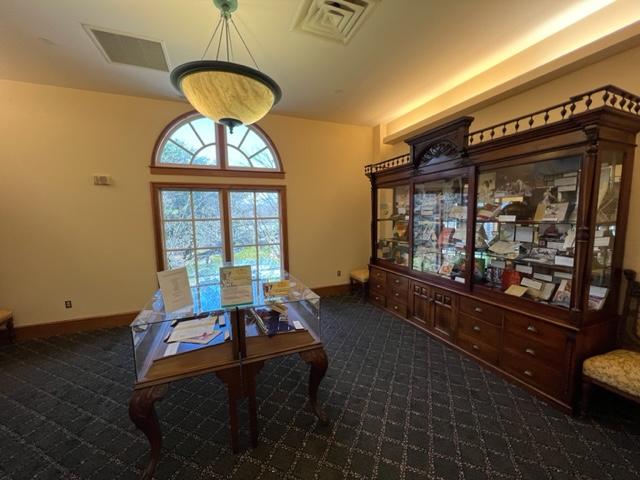
The Tober Room Exhibition space

The CIA’s menu collection began in the small library at the New Haven campus and was used as a reference tool by the culinary students.  By 1978, then in Hyde Park, the library had amassed a file of over 3,000 menus which were openly available to students and used regularly in their studies.  These menus still remain in the collection and are known as the “Original CIA Menu Collection.” They provided the foundation for the growing menu collection that was later added to by many prominent menu collectors and friends of the CIA.

Seth Bradford and Edward S. Dewey Menu Collection

Roland Chenus Menu Collection

Craig Claiborne Menu Collection

Roy Andries de Groot Menu Collection

This collection of nearly 800 menus, acquired by the CIA in 1984, were collected by the culinary writer and critic, Baron Roy Andries de Groot (1910-1983), during the course of editing his column, “A Moveable Feast,” for Esquire Magazine. The menus date primarily from the 1960s and 1970s and are from major U.S. cities (many from New York City), as well as Canada, France, Belgium, Spain, Puerto Rico, Hong Kong, and Thailand. Some menus include supplemental materials, as well as annotations by de Groot or his staff noting the date of visit, names of other guests, the chef’s name, and his evaluations and/or ratings.

Herbert Ernest Menu Collection

In 1987, Herbert Ernest donated to the CIA over 300 menus collected by his father, Semy Ernest. The menus date from 1889-1977 and include menus from restaurants and clubs in New York City, Boston, Indianapolis, Los Angeles, and San Francisco; international menus from France and Germany; and several menus from on board the Santa Magdalena ocean liner. This collection is rich in pre-1920 menus.

Greenebaum Menu Collection

The Greenebaum Menu Collection was donated to the CIA by Henry Greenebaum in 1989.  Greenebaum’s father, Michael H. Greenebaum, started the collection and it was continued by his two sons, Henry and Richard. It includes menus from 1905-1988, many international and many from railroads and ships.  Several menus are signed by the chef or proprietor.

Auguste Guyet Menu Collection

Donated to the CIA in 1989, this personal menu collection from Chef Auguste Guyet includes over 200 menus, mostly from France. The earliest are a Restaurant Julien special event menu and a Waldorf-Astoria wine list for the 27th annual banquet of the Hotel Association of New York City, both from 1906.

Bruce P. Jeffer Menu Collection

Bruce P. Jeffer donated his collection of 2,500 menus to the CIA in 2013. Jeffer, a California lawyer and wine connoisseur, began collecting menus during his travels as a child. The menus date from 1950s-1990s. Much of the collection is international menus from over 70 countries on 6 continents. A selection of these were featured in an exhibit in the Conrad N. Hilton Library in August 2013.

George Lang Menu Collection

George Lang, restaurateur and author, donated his personal collection of over 3,000 menus to the CIA in 1989. Many of these menus are international, including often under-represented countries such as Australia, Cuba, Hong Kong, Hungary and the Philippines. Although most menus date from 1950s-1970s, the earliest two menus are from Hotel Knickerbocker in New York City, 1907.

Vinnie Oakes Menu Collection

In 2000, Vinne Oakes donated his collection of over 200 menus to the CIA. The collection is strong in menus from restaurants in Nevada, as well as ship menus from the 1960s.

John Edward Oxley Menu Collection

Chapman S. Root Menu Collection

The Chapman S. Root Menu Collection of nearly 10,000 menus was donated by The Root Company in 2000. The largest collection recieved so far, it includes menus from almost every state (strongest in California, Florida and Nevada), and several foreign countries. The bulk of the menus date from 1960s-1980s, although the earliest are from 1878. Over 3,000 U.S. Railroad menus are an important highlight of the collection.

Chapman S. Root’s grandfather, Chapman J. Root, designed the classic green, ridged Coca-Cola bottle in 1915. At his grandfather’s death in 1945, Chapman S. Root inherited Associated Coca-Cola Bottling Plants, Inc. He traveled a great deal, mostly by car or train, and amassed an enormous menu collection. Friends, knowing of his interest, also contributed to his collection.

Jacob Rosenthal Menu Collection

Jacob Rosenthal, former president of the Culinary Institute of America, donated nearly 500 menus to the CIA menu collection. The bulk of these menus are from food and wine societies in the 1960s-1970s, including Confrerie des Chevaliers du Tastevin, Confrerie de la Chaine des Rotisseurs, and the International Food & Wine Society.  Also of note are several international menus from the 1930s-1950s.

Smiley Family Menu Collection

The Smiley Family Menu Collection was donated to the CIA in 1982 and 1993, a gift of Mohonk Mountain House. (The Smiley family are the founders and proprieters of the Mohonk Mountain House in upstate New York.) Three generations of Smileys traveled the world, by land and by sea, and collected menus along the way. This collection is rich in pre-1920 menus; menus from historically world-renowned resorts including Laurel-in-the-Pines (Lakewood, N.J.), Haverford Court (Pennsylvania) and Hotel Colonial and Royal Vicotoria Hotel (Nassau, Bahamas); beautifully-illustrated ship menus; and a selection of early menus from Mohonk Mountain House.

Lois Westfall Menu Collection

The display case in the main library showcases the collection of China and Silverware and decorative objects that are in the collection.
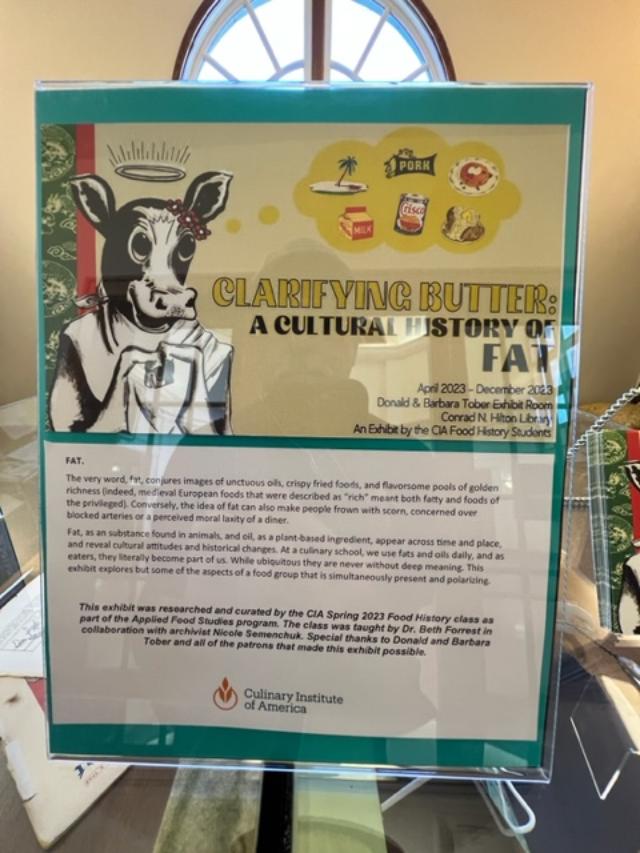
The Tober Room exhibition on “Fat” at the Conrad N. Hilton Library on the CIA campus

The exhibition that they were showing when I came up to visit was “Clarifying Butter: A Cultural History of Fat”. There were a lot of recipes, objects and equipment to make butter, understand the use of fats in cooking, recipes, menus and corporate information.

The description of the exhibition:

FAT. The very word, fat, conjures images of unctuous oils, crispy fried foods and flavorsome pools of golden richness (indeed, medieval European foods that were described as “rich” meant both fatty and foods of the privileged). Conversely, the idea of fat can also make people frown with scorn, concerned over blocked arteries or a perceived moral laxity of a diner.

Fat. as an substance found in animals and oil, as a plant based ingredient, appear across time and place and reveal cultural attitudes and historical changes. At a culinary school, we use fats and oils daily and as eaters, they literally become part of us. While ubiquitous they are never without deep meaning. This exhibit explores but some of the aspects of a food group that is simultaneously present and polarizing.

Both the two display cases and the middle display case were set with all sorts of information through the ages of the subject of fat, fried foods and items used to produce and make them.
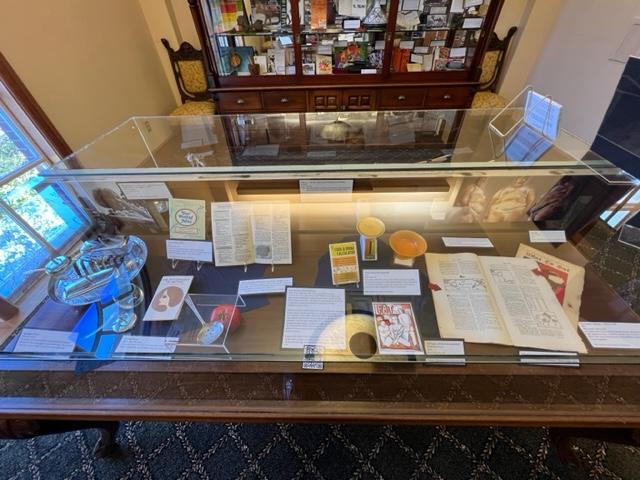
The Display Cases in the Tober Room
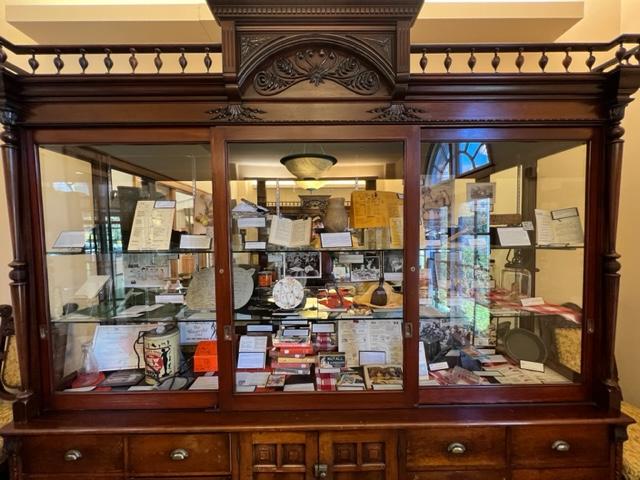
The Display Cases in the Tober Room
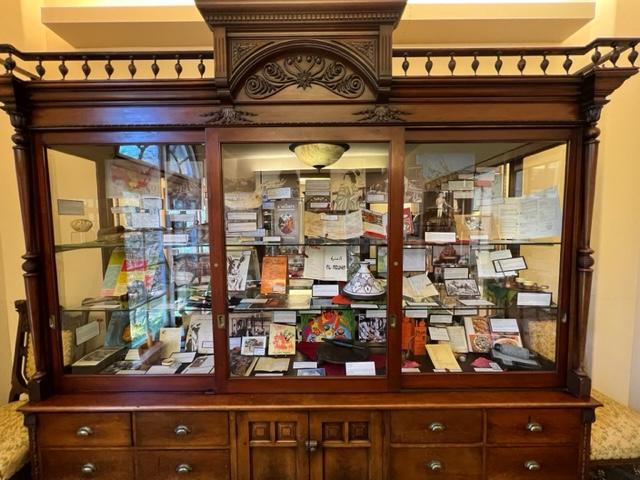
The exhibitions here are very detailed and display over a hundred years of culinary arts research. The displays are revolving every quarter. The room is off to the right of the entrance to the library and is open for free to the public. It is a wonderful way to learn the aspects of food than in one of the best culinary libraries in the world.
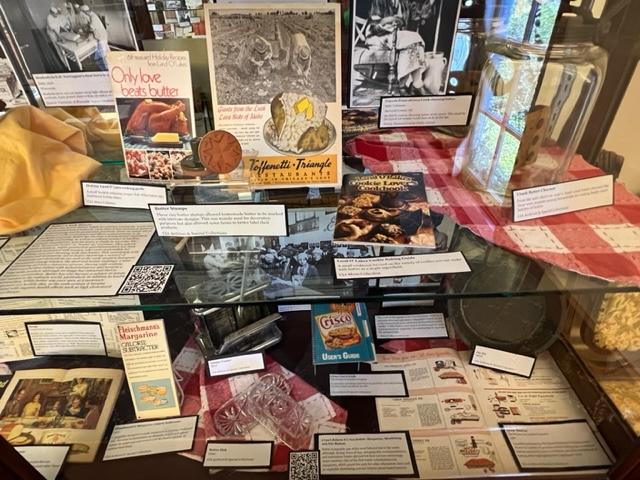
A close up shot of the display case.

The Penn Museum, The University of Pennsylvania Museum of Archaeology & Anthropology                                                      3260 South Street                                  Philadelphia, PA 19104

The Penn Museum, The University of Pennsylvania Museum of Archaeology & Anthropology 3260 South Street Philadelphia, PA 19104

The Penn Museum, The University of Pennsylvania of Archaeology & Anthropology

3260 South Street

Philadelphia, PA  19104

(215) 898-4000

https://www.penn.museum/

Phone: General Information: (215) 898-4000/Membership & Membership Events: (215) 898-5093/Public Programs: (215) 898-2680/Group Sales (adult, senior and college admission): (215) 746-6774/Education/K-12 Tours: (215) 746-6774/Museum Shop: (215) 898-4046.Facility Rentals: (215) 898-3024

Open: Sunday 10:00am-5:00pm/Monday Closed/Tuesday 10:00am-5:00pm/Wednesday 10:00am-8:00pm (first Wednesday of the month otherwise 5:00pm)/Thursday-Saturday 10:00am-5:00pm

Museum Library Hours:

Tuesday, Wednesday, Thursday: 9:00am-9:00pm/Monday, Friday, Saturday: 9:00am-5:00pm/Sunday: 1:00pm-5:00pm/Closed holidays

Pepper Mill Café Hours:

Monday: 10:00am-1:00pm/Tuesday through Friday: 8:30am-4:30pm/Saturday and Sunday: 10:00am-4:30p

Fee: Adults $18.00/Seniors $16.00 (over 65)/Children 17-5 $13.00/Military and Children under 5 and Members Free/Penn Museum Members/Penn Card Holders/HUP/CHOP Employees: Free

TripAdvisor Review:

https://www.tripadvisor.com/Attraction_Review-g60795-d138271-Reviews-Penn_Museum-Philadelphia_Pennsylvania.html?m=19905

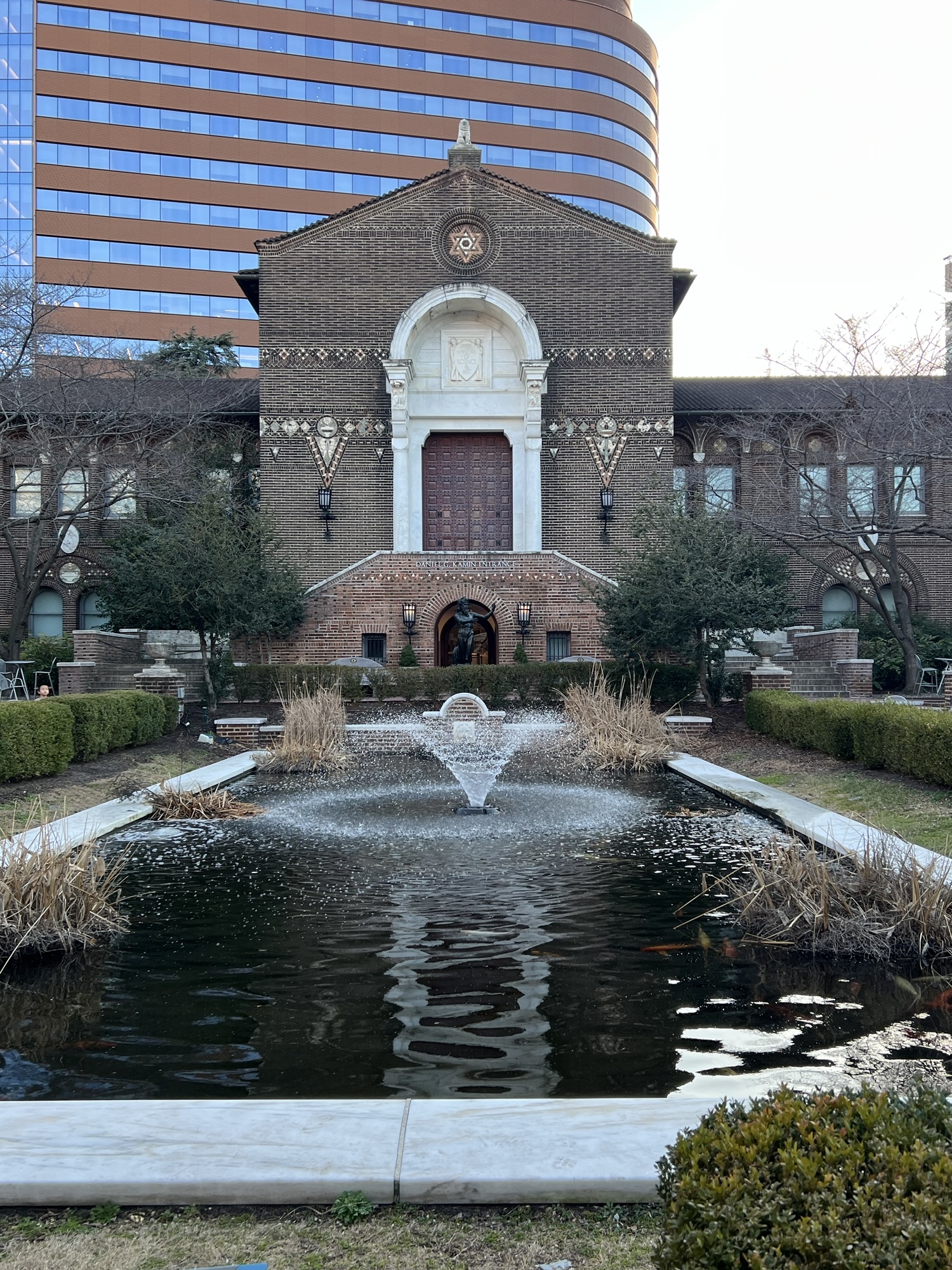
The entrance to the Penn Museum at 2360 South Street

Looking for a tranquil place to study or relax? Try the Museum’s garden’s and galleries or the Museum Library. For a bite to eat, stop by the Pepper Mill Café. Come by during Reading Days and Exams for free coffee and tea and extra study space on campus (from the Penn website).

The University of Pennsylvania Museum and Gardens

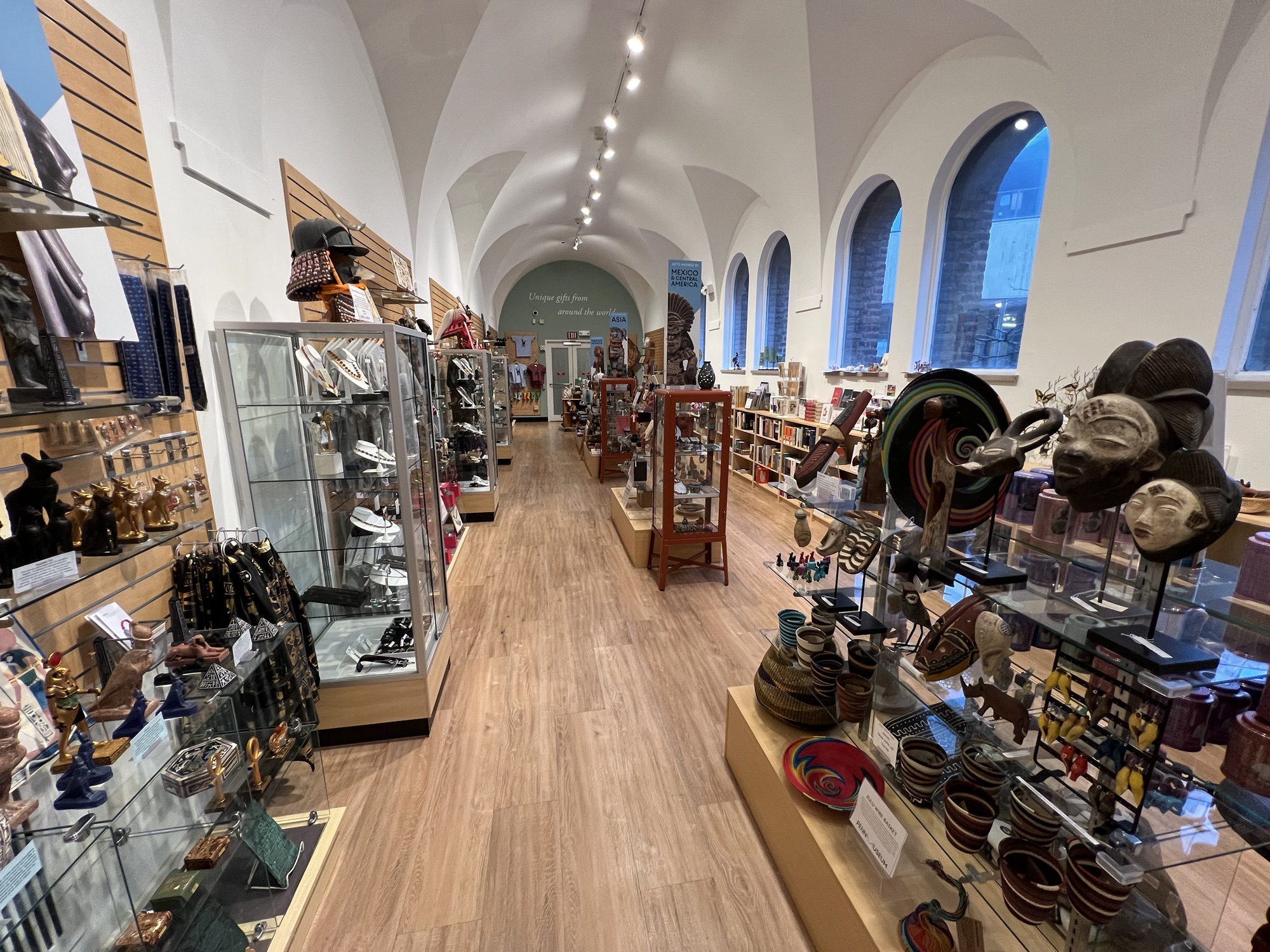
Museum Shop: A wide selection of books, games, fine jewelry and crafts from around the world can be purchased at the Museum Shop. Open during Museum hours.

The museum gift shop

I visited the Penn Museum on days I have come to Philly for the Penn versus Cornell games and for the Christmas holidays (the museum is across the street from the football stadium.

When I visited Philadelphia recently, I was able to visit the museum at more length rather before and after a football game. I really got a chance to see all the displays and look at all the artwork. It is a fascinating museum with many artifacts found on digs conducted by the university. It takes a lot of time to explore each culture.

The museum has three floors of exhibition space which is broken into different centuries. The museum has a lot of artifacts from their digs over the last two hundred years. Many of the artifacts are on display have the background of where the artifacts were found and how they researched. Each room has a different area of the world they are coming from.

On the Upper floors is the Asian, Egyptian and Roman exhibitions on artifacts, the Mid-level is the Middle Eastern, African, Egyptian, Mexican and North American/Native American Galleries.

The History of the University of Pennsylvania Museum:

(from the College website)

The Penn Museum is one of the premier international museums of archaeology and anthropology right here on the University of Pennsylvania campus. An active research and teaching center, the Penn Museum has teams engaged in more than 50 expeditions and research projects worldwide. Three floors of public galleries feature art, artifacts and remarkable stories from every inhabited continent on earth.Here is a selection of the interesting artifacts and art that I saw at the museum:

The Eastern Mediterranean Gallery:

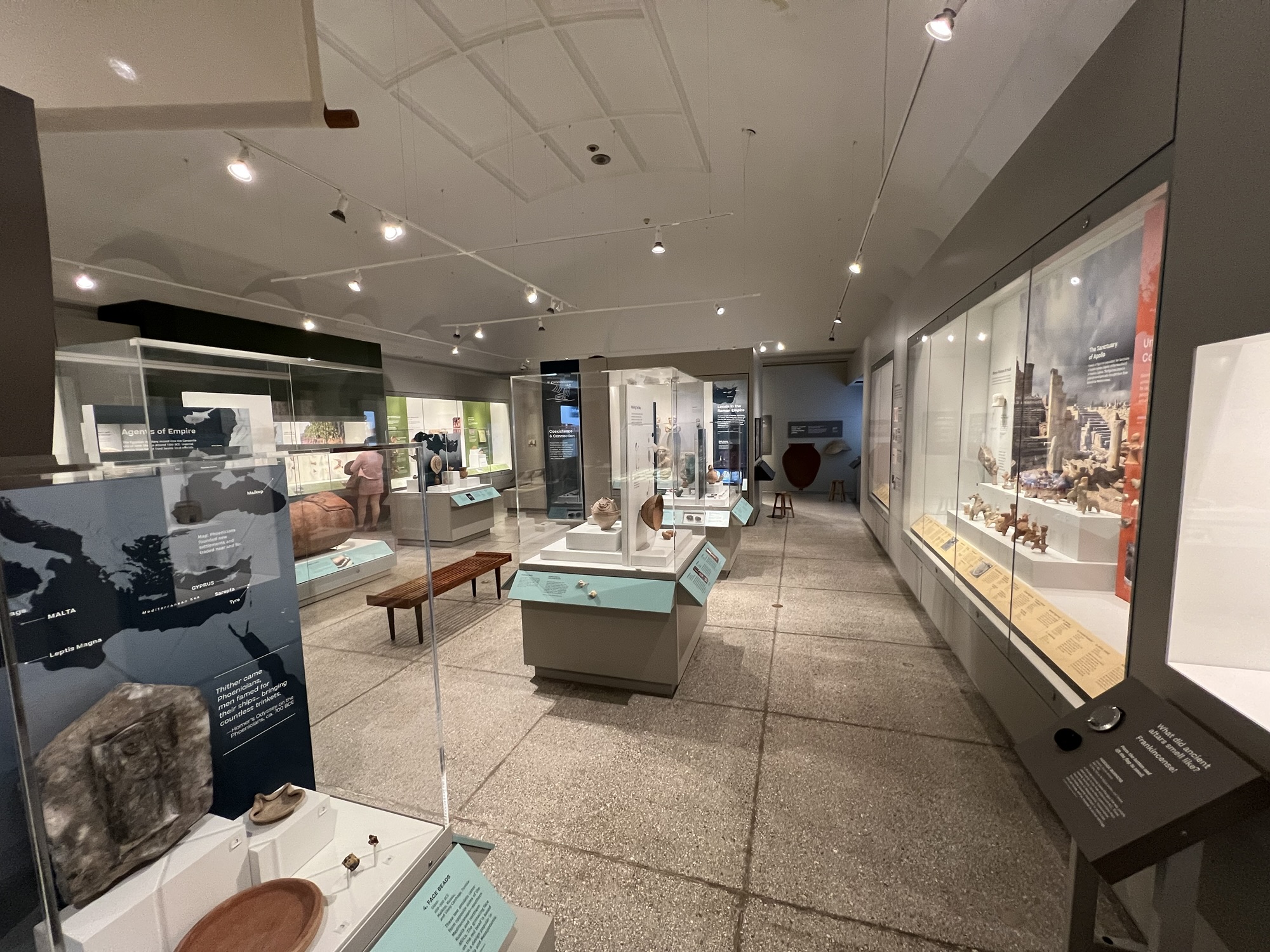
The Eastern Mediterranean Galleries of Roman and Greek art

Transforming understanding of the human experience. Home to over a million extraordinary artifacts and archaeological finds from Africa, Asia, the Americas and the Mediterranean, the Penn Museum has been uncovering our shared humanity across continents and millennia since 1887.

The Greek Galleries

The Roman/Italian Galleries:

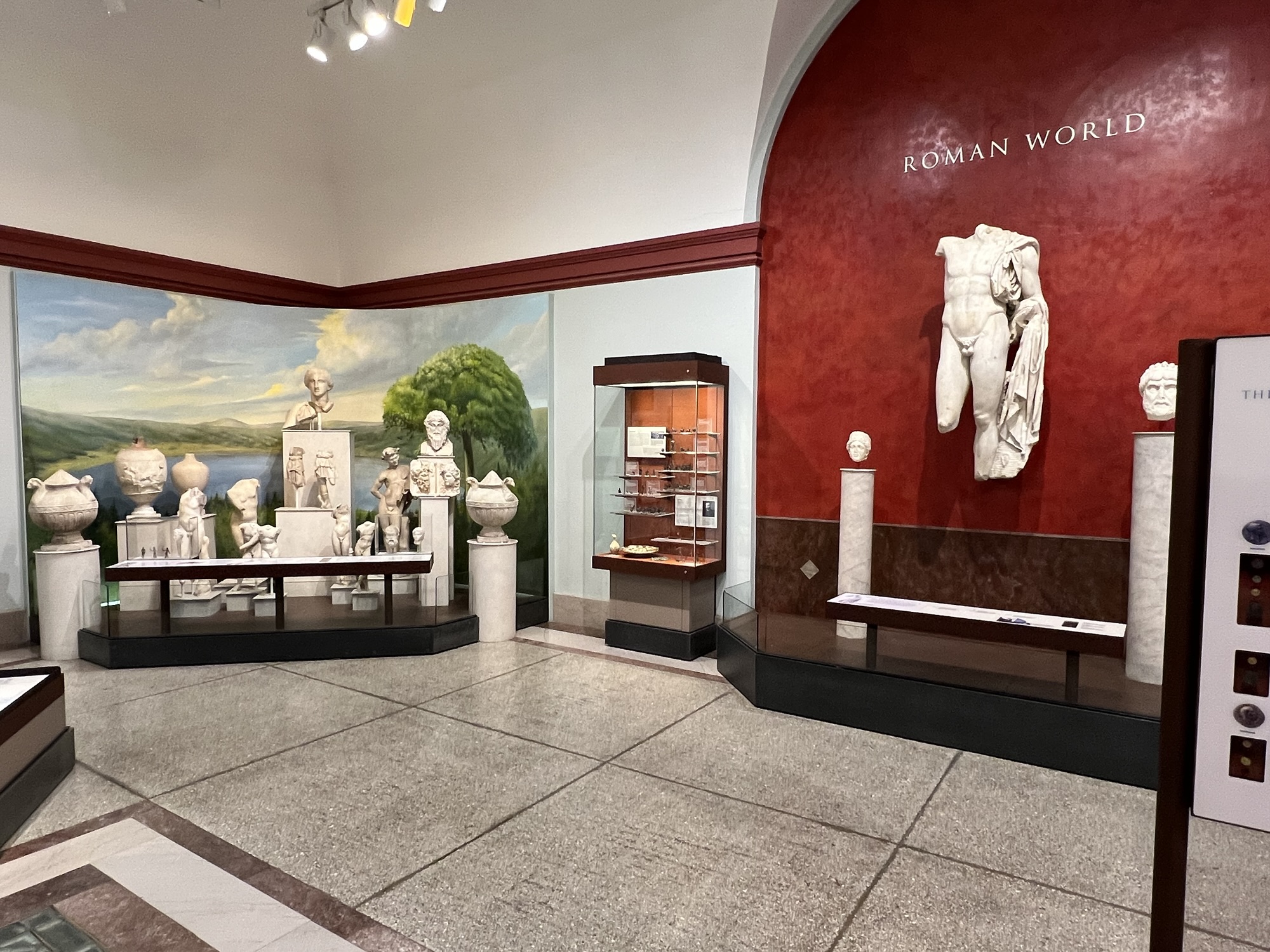
The entrance to The Roman Galleries

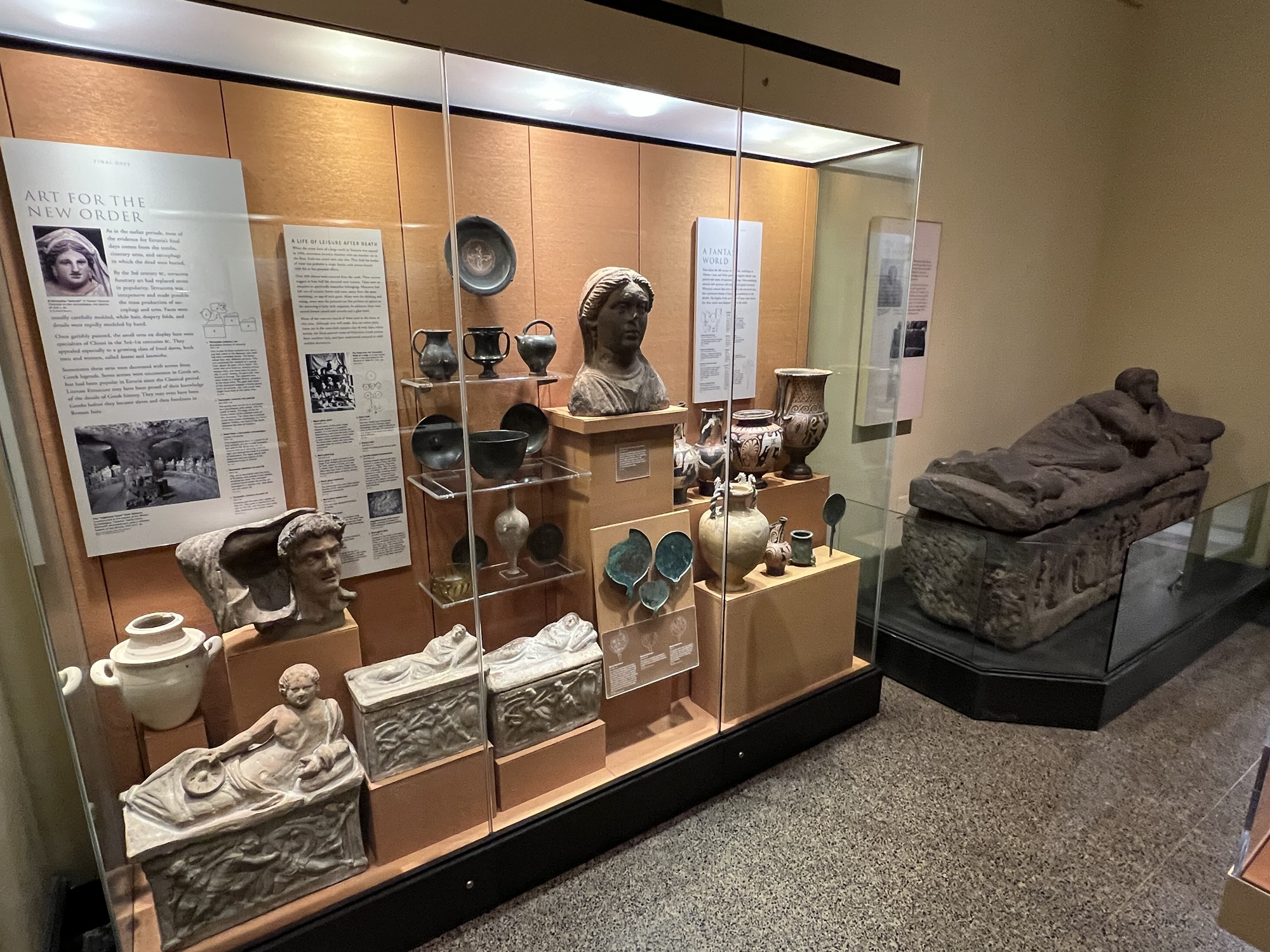
The Roman Galleries

The Roman Galleries

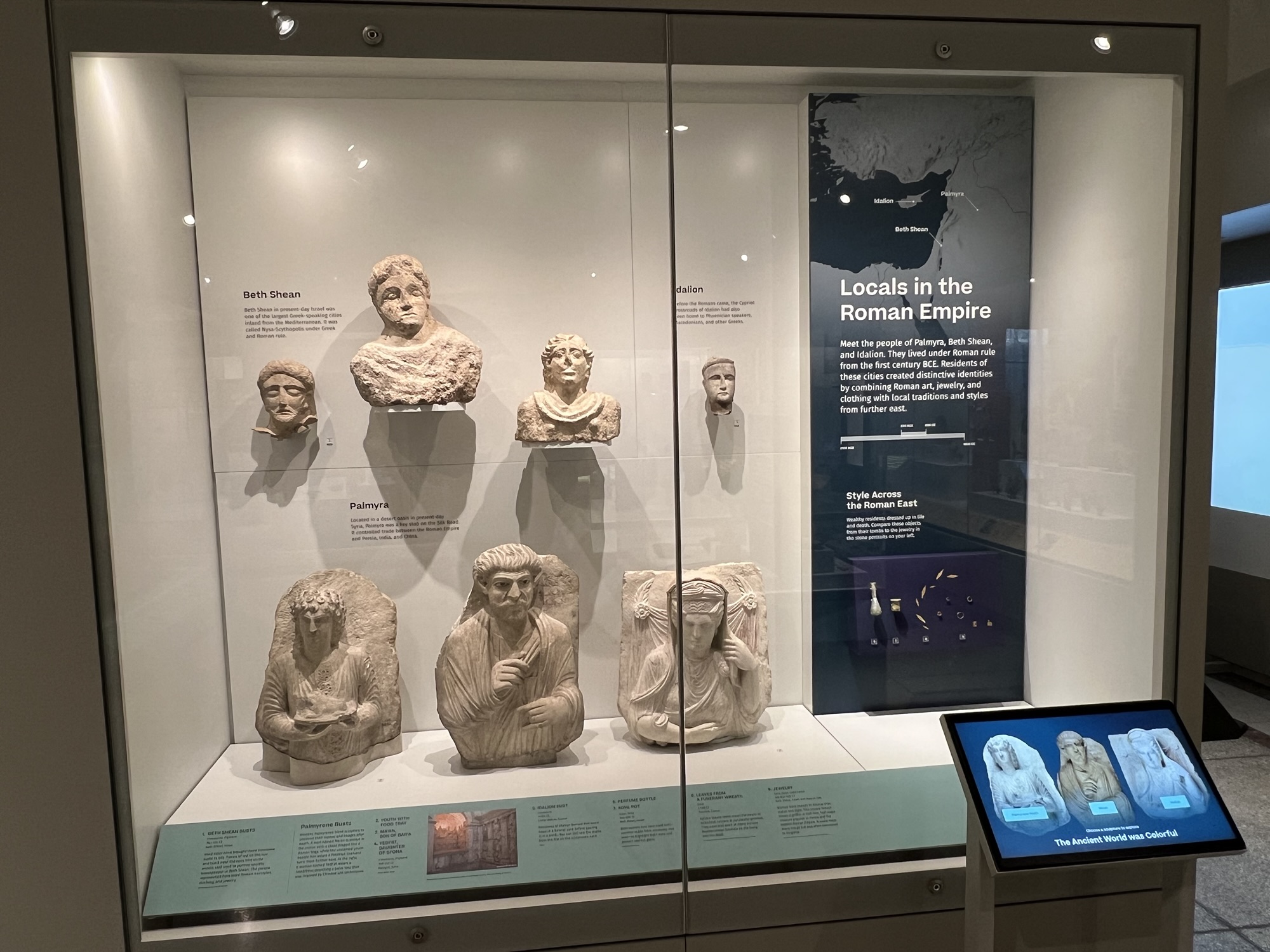
The Roman Galleries tell the story of the influence of Ancient Roman on the Mediterranean Sea. trade routes to the the Middle East and Asia and the influence of the Roman Empire on the world at the time.

The Pre-Columbian Gallery:

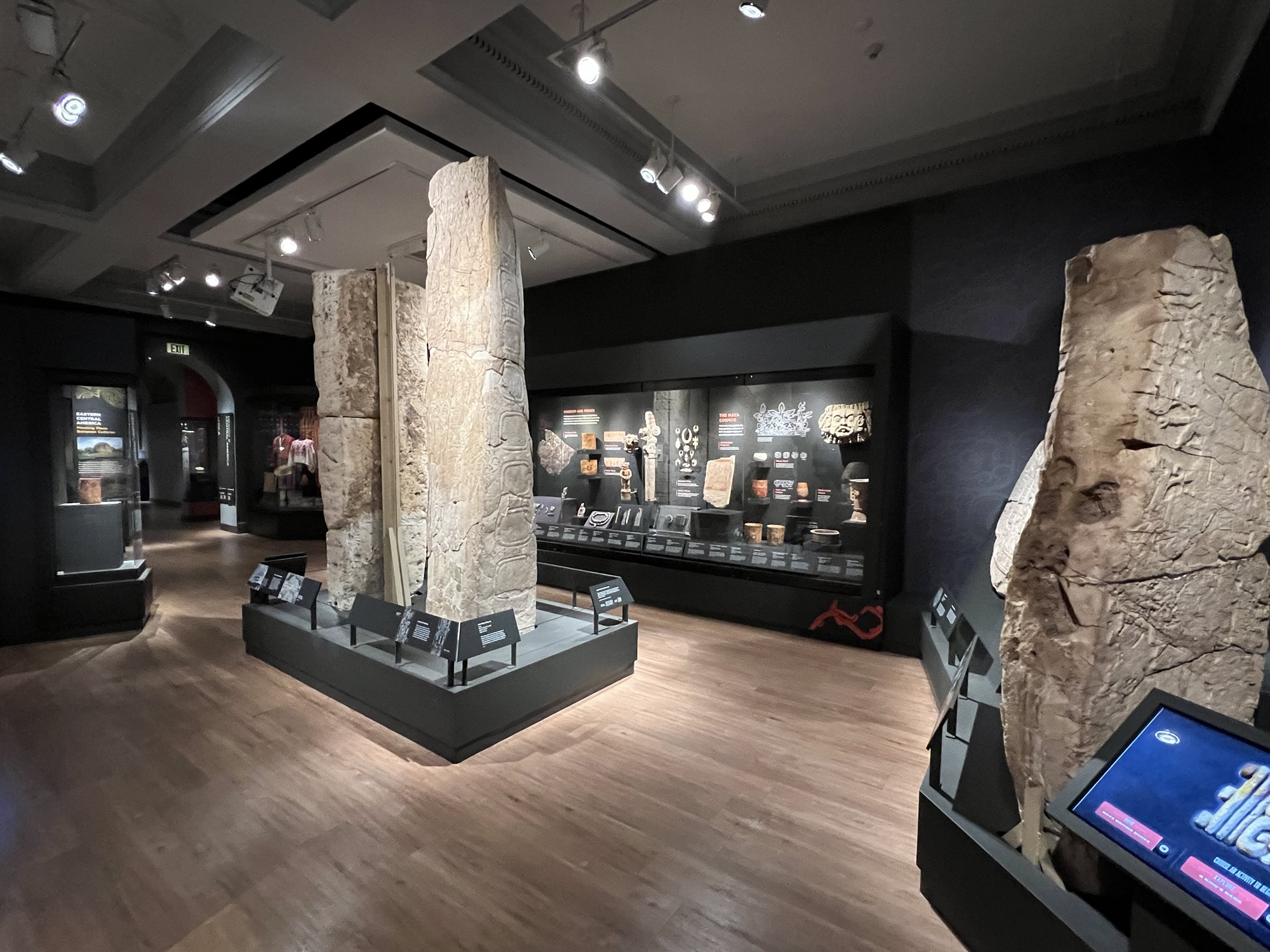
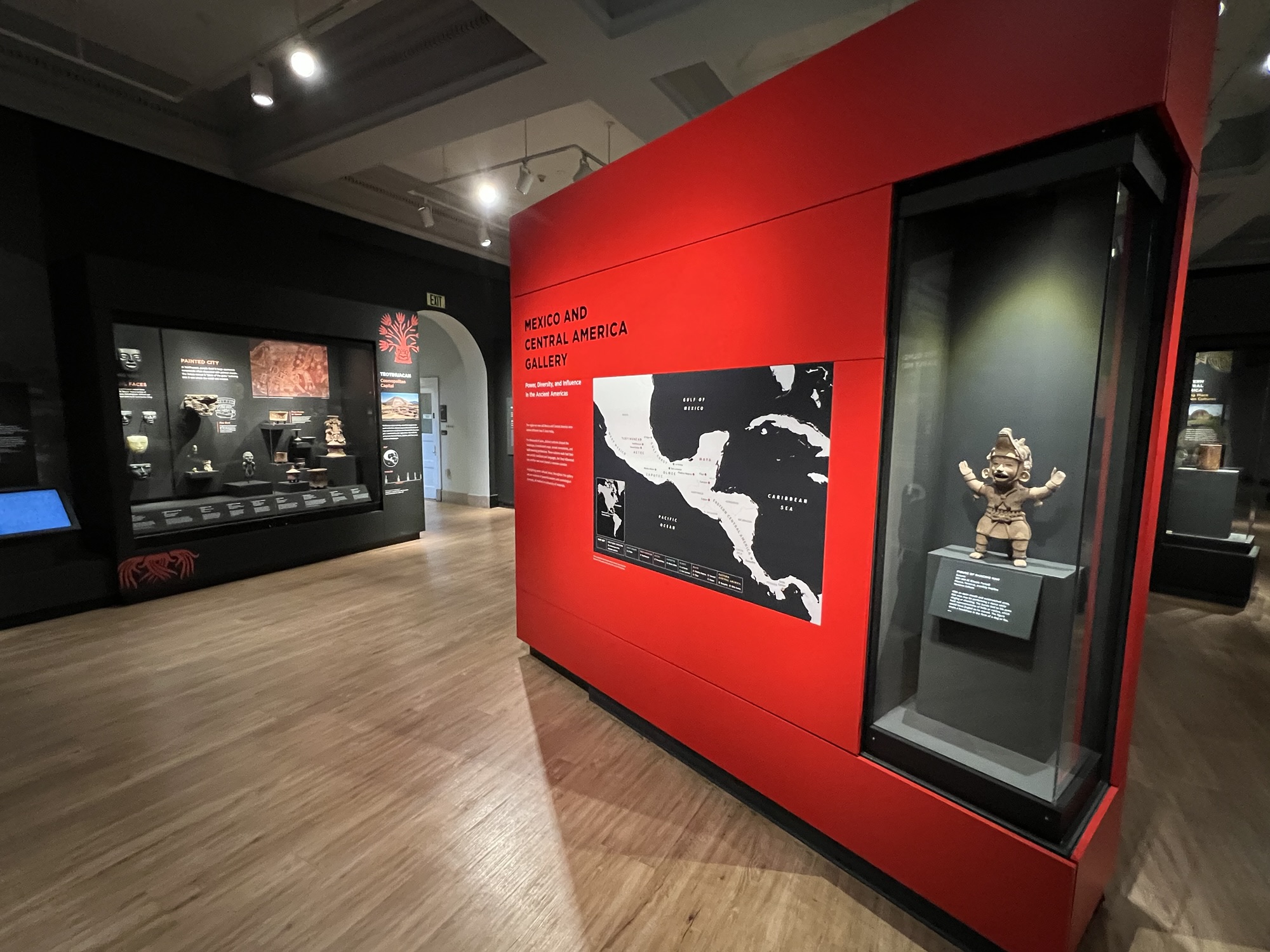
The Pre-Columbian exhibition is based on artifacts from the Mayan, Aztec and Incan civilizations. The artifacts show very advanced societies in both education, science and art.

The entrance to the Pre-Columbian galleries

The Pre-Columbia room

The Pre-Columbian galleries

The ‘Margarita’ panel

The ‘Margarita’ panel

I also got a quick tour of the  Sphinx Gallery on my way out. On my most recent trip to the museum, I only had about an hour so I concentrated on the Egyptian Galleries and the special exhibition “The Stories We Wear”.

The Egyptian Galleries:

For a small museum, the Egyptian Galleries were pretty extensive. Much of the artifacts had come from Penn digs in Egypt back in the last century when museums used to sponsor and then fill their museums with artifacts. 

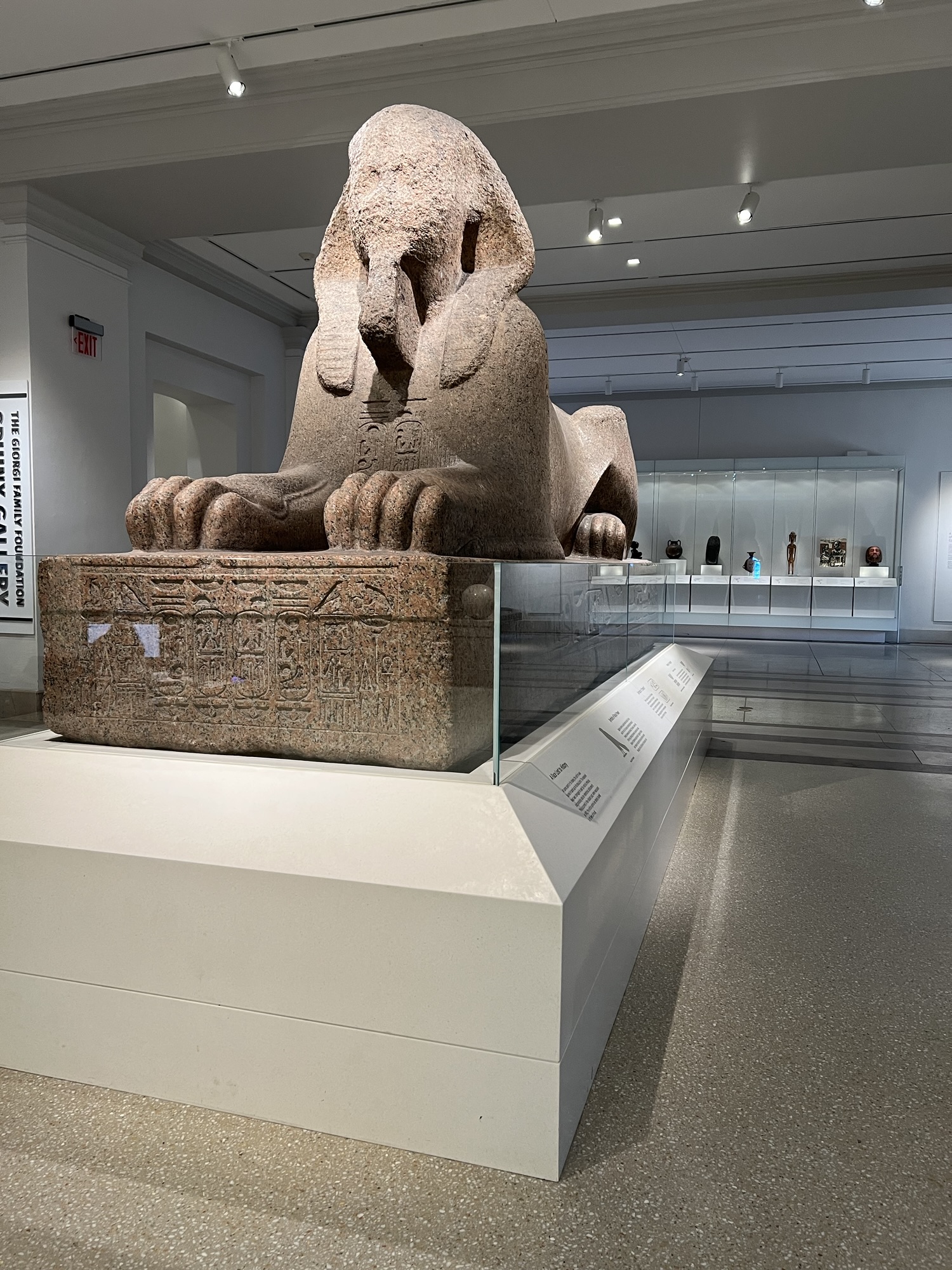
There is a selection of small statuary, jewelry and decorative objects. Some of the collection highlights are the Sphinx of Ramesses the Great from Memphis, Egypt 1293-1185 BC located in the Egypt (Sphinx) Gallery.

The Sphinx Gallery is very interesting

The Sphinx guards the Gallery

Egyptian Gallery artifacts

The main Egyptian Gallery

On my first trip to the museum as well as my most recent, I was able to quickly tour the Mexican Galleries with the statues of the Sun and Water gods and the stone calendars. The Standing Figure located in the Mexico and Central America Gallery from Veracruz, Mexico from 500-700 CE. The Gallery has one of the largest collections of Mayan Stone statues in the world.

In the Special Exhibition Gallery, “The Stories We Wear”:

The exhibition was based on how what we wear and change into transforms us into someone new. The exhibition featured sports uniforms, Chinese Opera gowns, Princess Grace Kelly’s formal dress, drag performers costume as well as an array of accessories that adorn people.

“The Stories We Wear” exhibition

https://www.penn.museum/on-view/galleries-exhibitions/the-stories-we-wear

More of the interesting galleries that I visited:

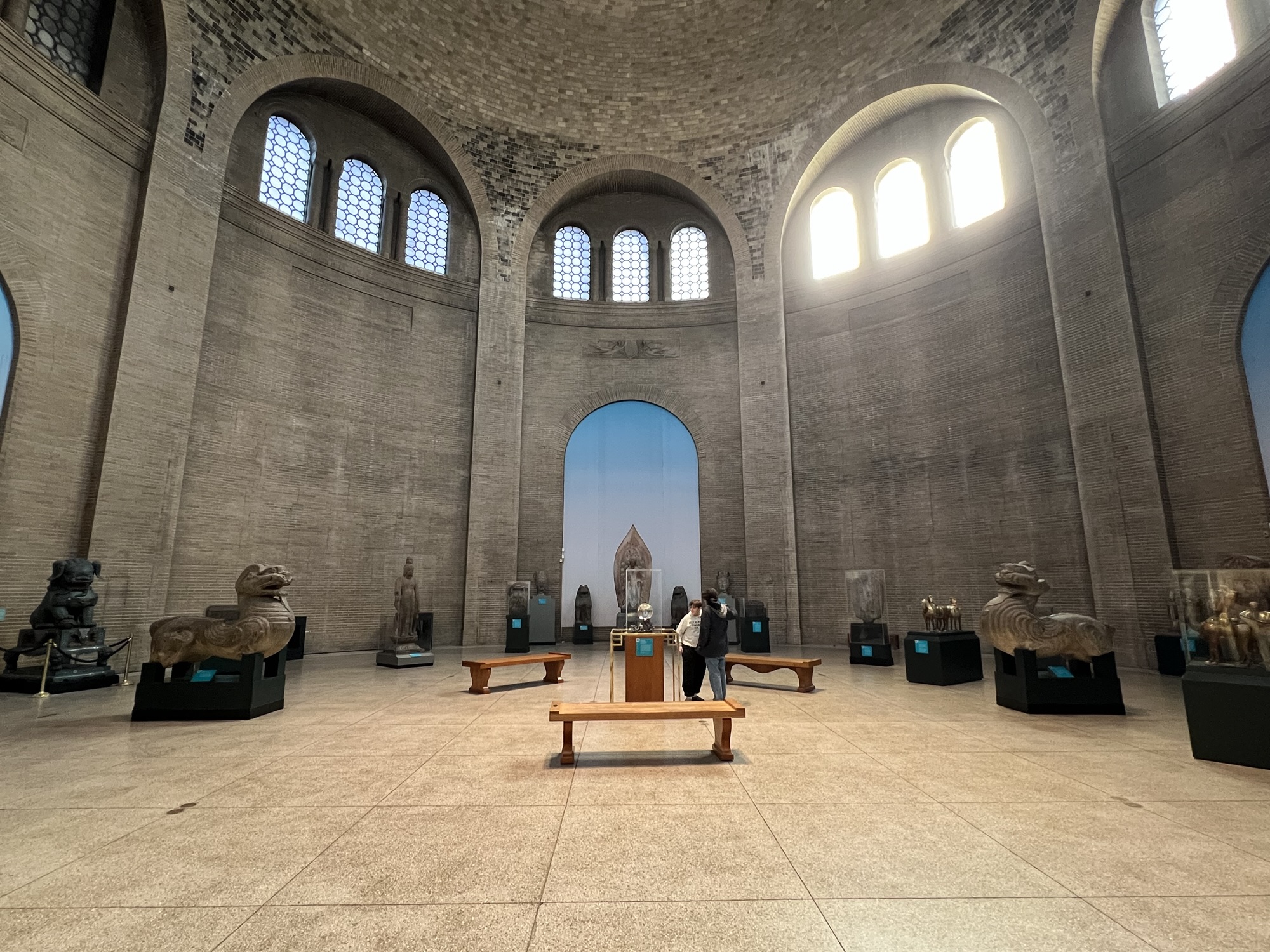
The galleries at the Penn Museum

The Middle Eastern Galleries

From Groundbreaking excavations to ongoing innovation. Our journey as an institution began with an excavation of the ancient Mesopotamian city of Nippur, the first American excavation in the Middle East and a groundbreaking undertaking in the history of archaeological research.

Ancient works of art

Since that time, over 300 field excavations and anthropological research projects around the world have set us apart as an active research and educational institution. Today, our mission is fulfilled by 22 curators, 5 teaching specialists and over 150 affiliated consulting scholars.

The Mesopotamians Galleries

We are stewards of our remarkable history and humanity. Out vast and varied collection of archaeological finds and ethnographic objects is organized in eleven curatorial sections documenting the peoples of Africa, Asia, Oceania and the Americas.

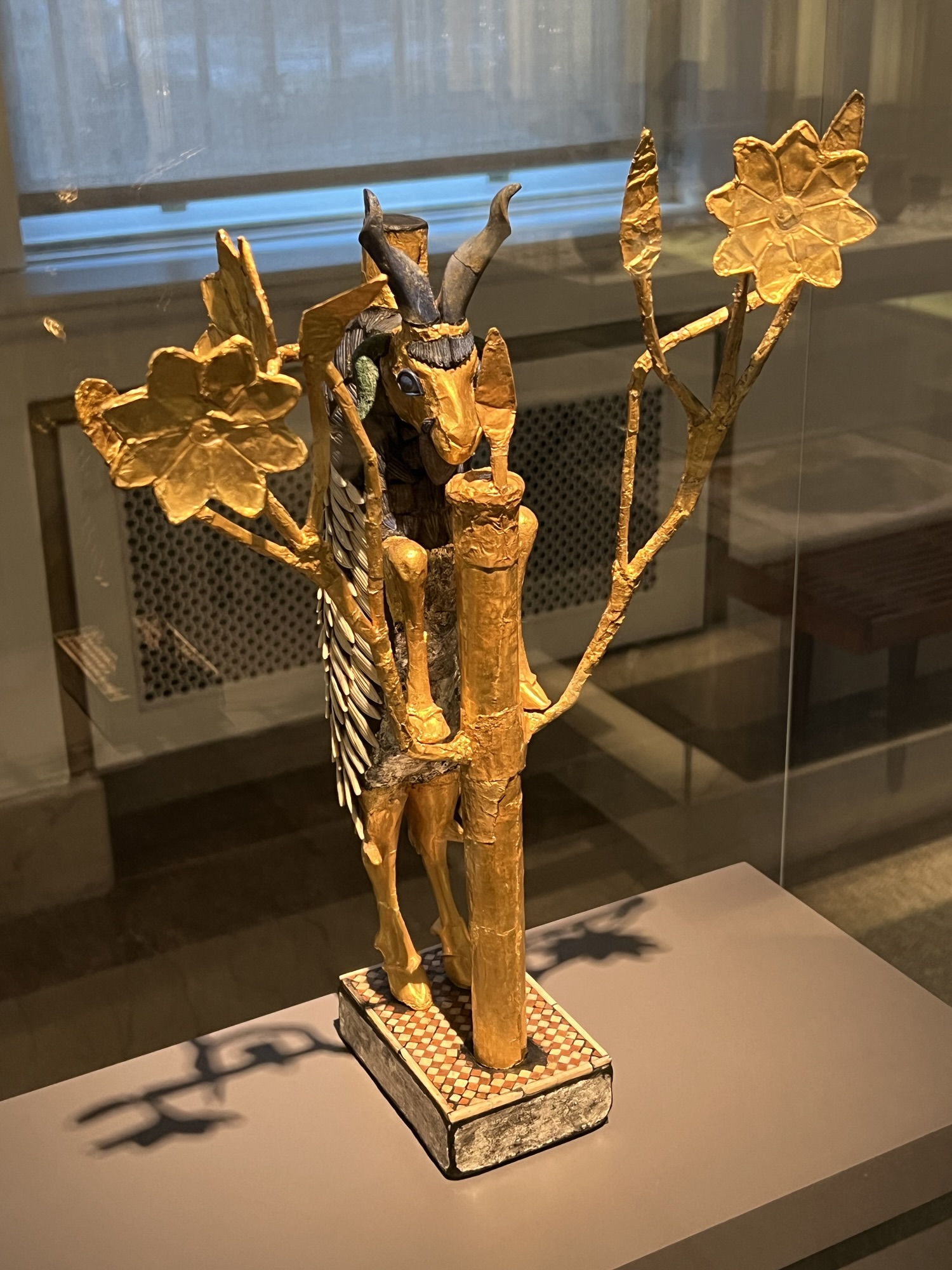
The art from Ur

Harp from the City of Ur

Ram hiding in the thicket from the City of Ur

The Queen Puabi display

These holdings as well as the Museum Archives of excavation and research projects, are used by researchers and borrowing institutions worldwide. And our curators and interpretive planners draw on these rich resources to provide compelling context to our galleries, where visitors can travel the globe in a day.

Middle Eastern works with a Roman influences

The Penn Museum Mission:

In bridging archaeology, the study of objects made by humans, with anthropology, the science of humanity, we chart a course for finding one’s own place in the arc of human history.

We are dedicated to telling powerful stories that emerge from excavations and research across the world. And nowhere else in the Western hemisphere will you be greeted by a 3000 year old, 15 ton Egyptian sphinx!

If there is one thing that 10,000 years of human history have taught us, it is that we have more in common than we think. In the canon of human existence, our past, present and future paths are inextricably intertwined.

What does the Code of Hammurabi have to do with the U.S. constitution? How can archaeology help to predict climate change? And what radical social changes accelerated by ancient plagues could be replicated in a post-COVID world?

Information about the museum:

Group Tours: Discounts are available for groups of 10 or more. Private tours and lectures are offered. Call (215) 746-8183 or email grouptickets@pennmuseum.org for information and reservations.

Public Gallery Tours: Penn Museum docents offer tours most Saturdays and Sundays at 1:30pm and Wednesdays at 6:30pm. Please check our website, http://www.penn.museum, for topics (Tour topics are subject to change; cancellation of tours may occur).

Accessibility: The Museum is wheelchair accessible and provides other accommodations. http://www.penn.museum/visit/accessibility.

Parking & Transit: Visit http://www.penn.museum/directions-and-parking for parking information. Parking meters and lots are nearby. The Museum is near SEPTA bus routes 21, 30, 40 and 42 and the SEPTA University City Station (Regional Rail trains).

Rent the Penn Museum: Hold your next special event in our beautiful historic building. http://www.penn.museum/rentals.

The Penn Museum sparks curiosity, wonder and endless exploration. We invite everyone to join our incredible journey of discovery and dig deeper. The museum is also a nice place to relax at after the games were over and walking all over the Penn Campus. The front of the museum has nice gardens and seating area right near the museum’s fountains and pool. There is a lot more I want to explore at the museum but that is for my next trip to Philadelphia.

The front of the Penn Museum on the Penn Campus