Tag: Author Justin Watral

Lewes History Museum                                                            101 Adams Avenue                                                                      Lewes, DE 19958

Lewes History Museum 101 Adams Avenue Lewes, DE 19958

Lewes History Museum

101 Adams Avenue

Lewes, DE 19958

(302) 645-7670

Homepage

Open: Sunday Closed/Monday-Saturday 10:00am-4:00pm

Admission: $5.00 plus entrance to the Cannonball House Museum in addition

My review on TripAdvisor:

https://www.tripadvisor.com/Attraction_Review-g34028-d17640472-Reviews-Lewes_History_Museum-Lewes_Delaware.html

Lewes Historical Society:

https://www.tripadvisor.com/Attraction_Review-g34028-d552705-Reviews-Lewes_Historical_Society-Lewes_Delaware.html

The Lewes History Museum at 101 Adams Street

A video on “Historic Lewes, DE”

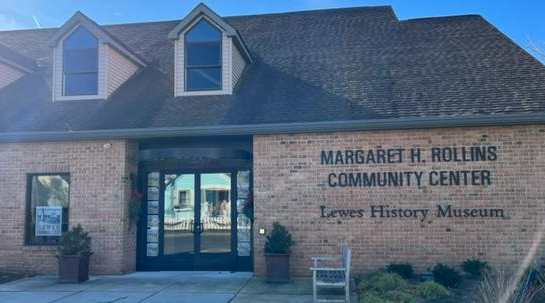
When I was visiting Rehoboth Beach, DE recently the museum I had wanted to visit in Rehoboth was closed for the day, so I remembered that there were a few museums in Lewes, DE, a small town right down the highway so I headed there and found the Lewes History Museum at 101 Adams Avenue. The museum was the old library which has since moved across the street.
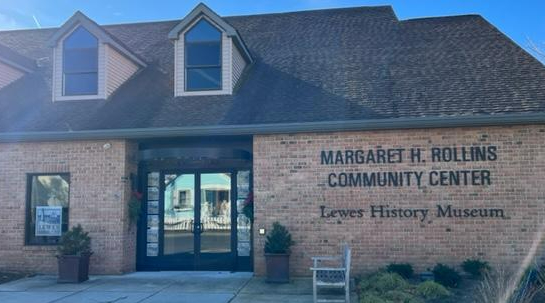
The entrance to the museum

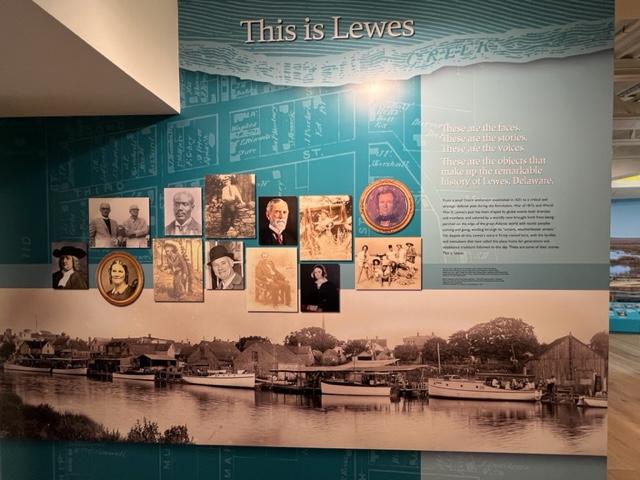
The museum is very interesting and well set up. The museum is one big room that is broken down in different sections which helps explain the history of the town. Each display moves you through the museum in a chorological order of how the town developed.

The museum starts with a display on early Native American history which then moves to the colonization of the Dutch and British in the area. There are all sorts of interesting artifacts that tell the story of the Revolutionary War by way of the residents.
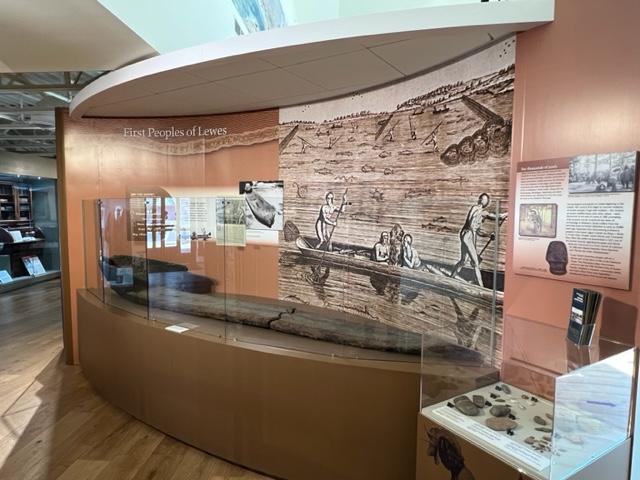
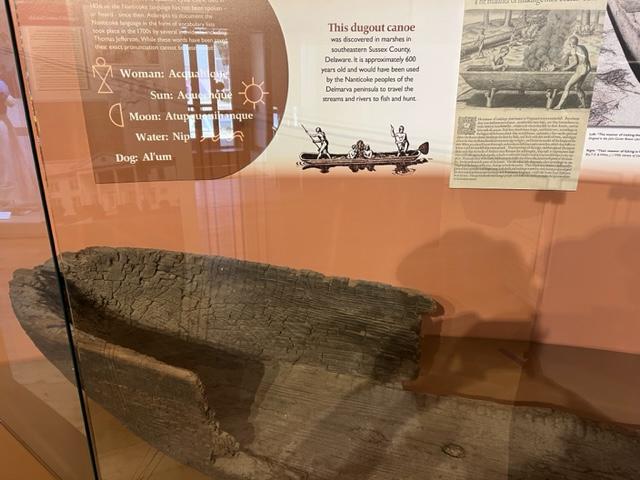
There are displays on the way homes were designed and decorated as well as the role that Lewes played during the war. There have been a lot of soldiers who had died in the war with their stories being told by the museum. There are also discussions about the interaction between the Native population with the colonists. The Native American collections featured the lives of the tribes that lived in the area of Lewes. They had found this canoe when dredging the area.
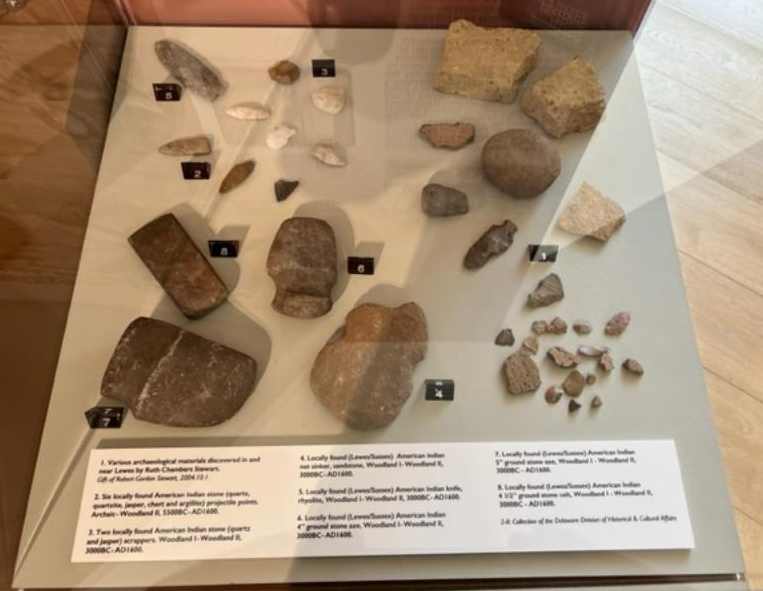
The Lewes History Museum’s displays are informative
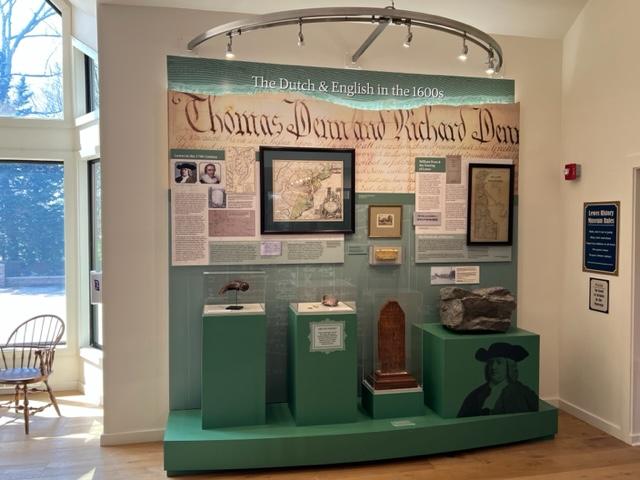
Life in the Dutch colony was featured after the Native American display as the next group took over this area from the Native Americans. Delaware had been part of the original Dutch colony. When we were taking a tour and the guide said that technically Delaware was part of Maryland but the Dutch stood strong against the British at that time, the area stayed independent but not for long.
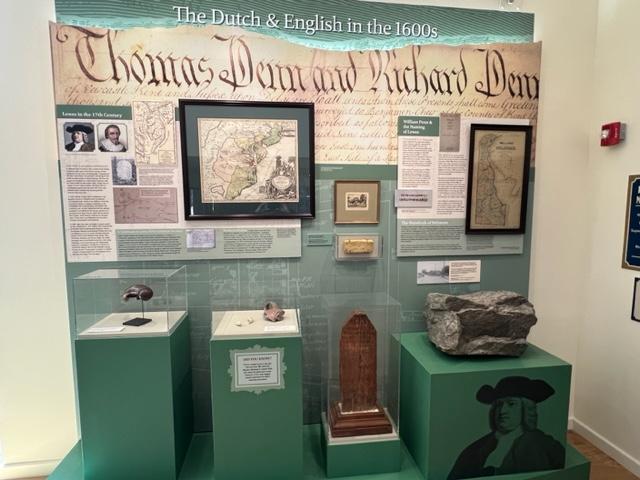
The Dutch Colony
The Revolutionary War came to Delaware but it never saw the fighting that the other colonies saw. Still the state had to be on guard at all times and there were British War ships off the coast of Lewes that did do some damage.
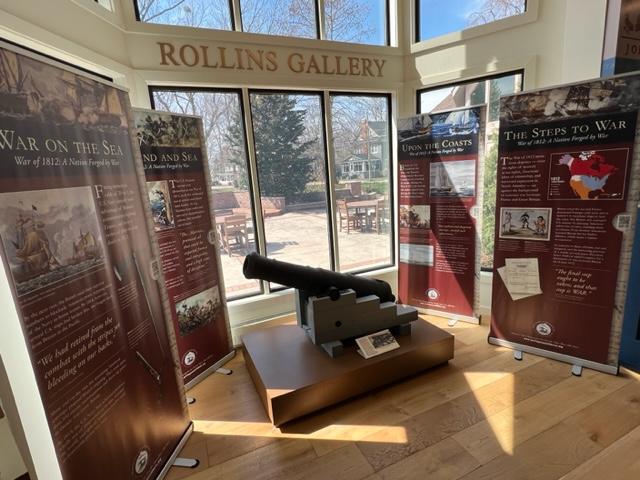
Revolutionary War display
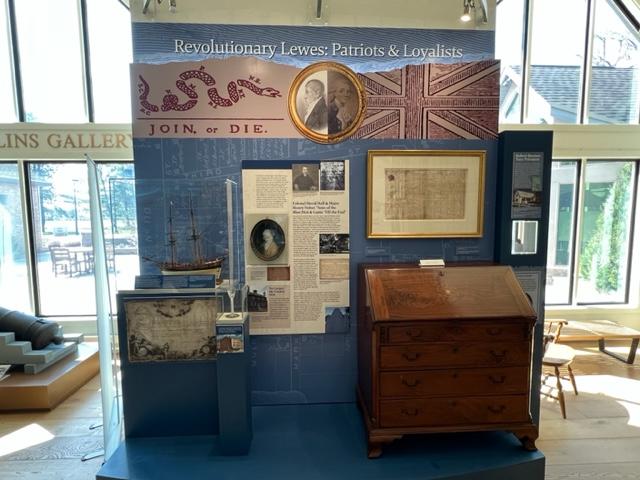
The displays held some interesting artifacts including a ‘toasting glass’ from the evening in Fraunces Tavern where George Washington said farewell to his troops. The docent said that he had kept the glass all those years and it was passed down from generation to generation until it made its way to the museum as a donation.

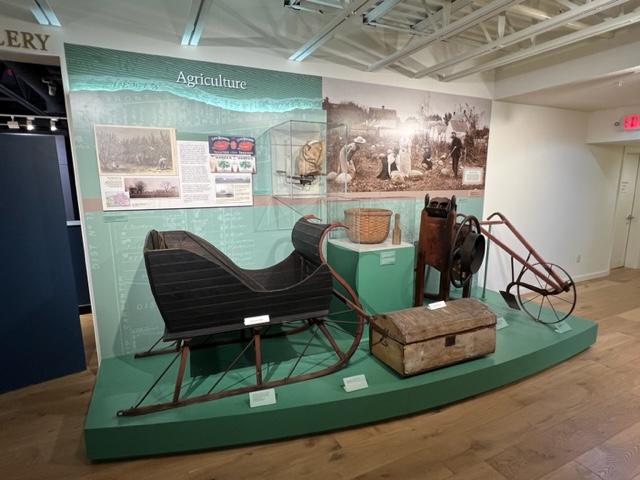
The Farming and Dairy industries played a role in Delaware’s history but because of the type of soil that Lewes had it was not meant for many crops. Wheat, some vegetables and the dairy industry played a role in the business of Lewes.
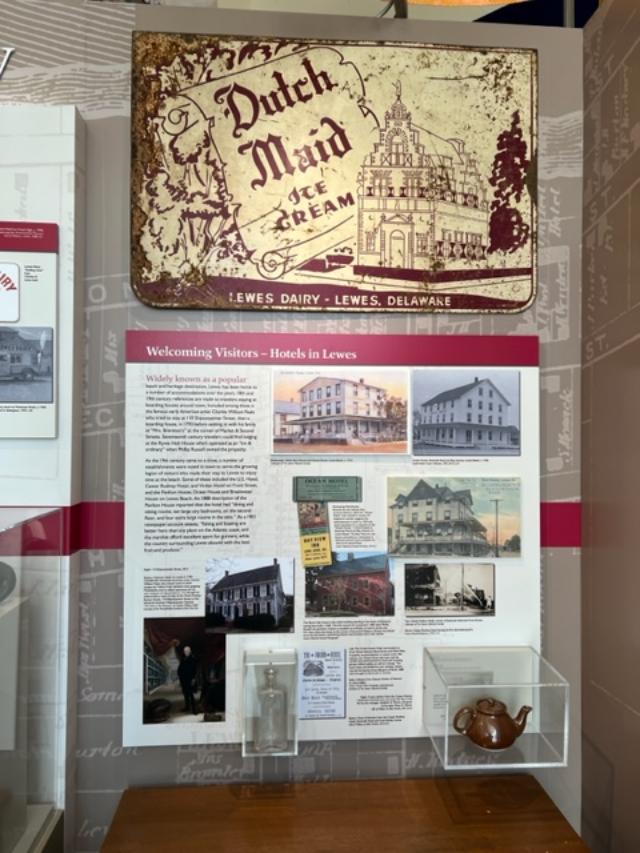
The Dairy and Agriculture industries of Lewes
There is a section on the development of businesses and Lewes as a resort town. The section on Lewes developing as a resort town was interesting with the advent of ocean swimming, boating and beach recreation. There is also a section on 19th and 20th century business in Lewes that kept up with the times.
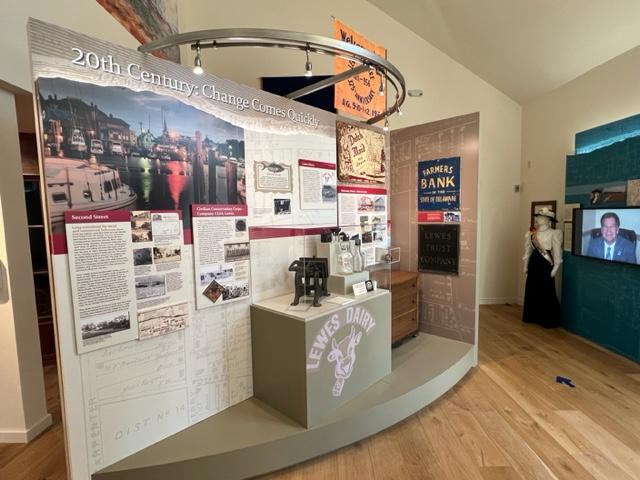
20th Century Business
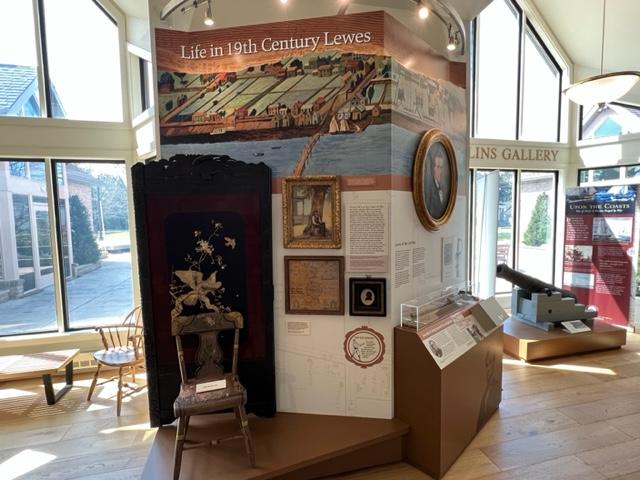
19th Century Business

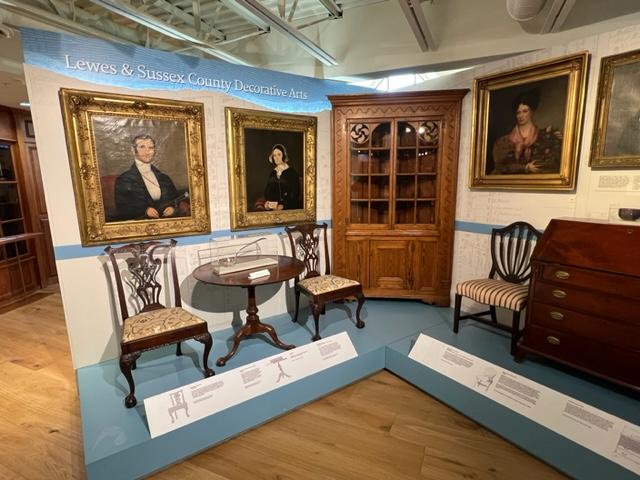
There was an interesting display on Victorian furniture and decorating for the home. The decorative arts section showed how Victorian families set up their homes and how status symbols like fine furniture and family portraits played an important role in society.
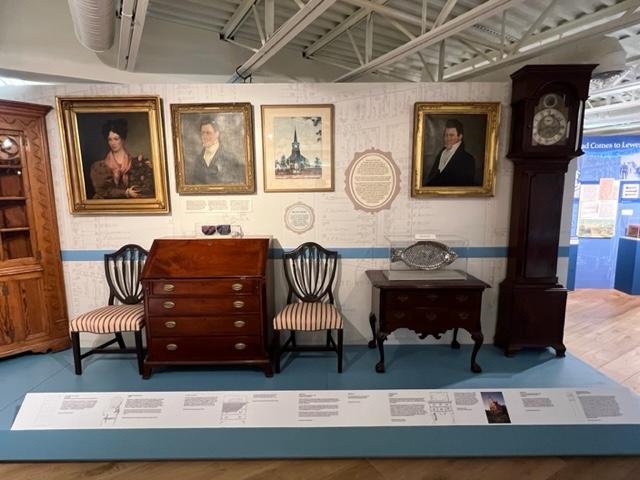
Display on Decorative Arts of the Home
There was a detailed display on the Beebe family and the growth of their well-known hospital. The family started with three beds in a home to the giant hospital that it is today. You can read about the family members contributions both to the hospital and the community.
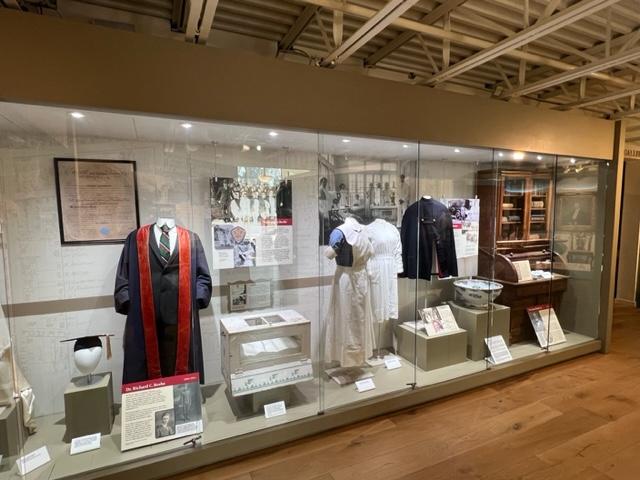
The history of the Beebe Hospital Family and the growth of the hospital

The area developed and entered the modern era with displays on Public Service, The shipping industry and the growth of the railroads in the area that helped open Lewes up as a resort. As the modes of transportation changed so did Lewes with each step.
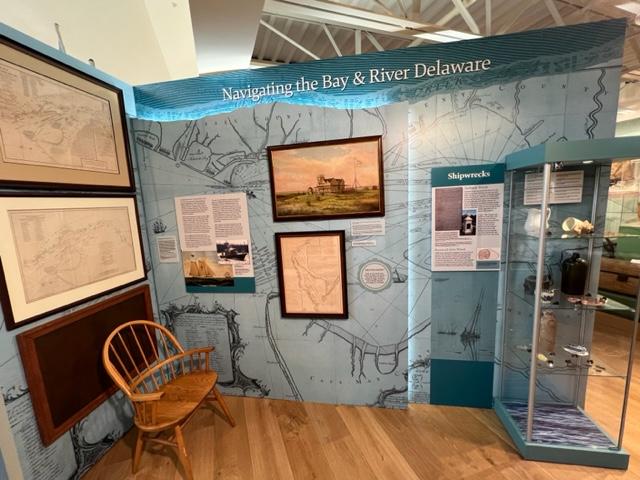
The Shipping Industry
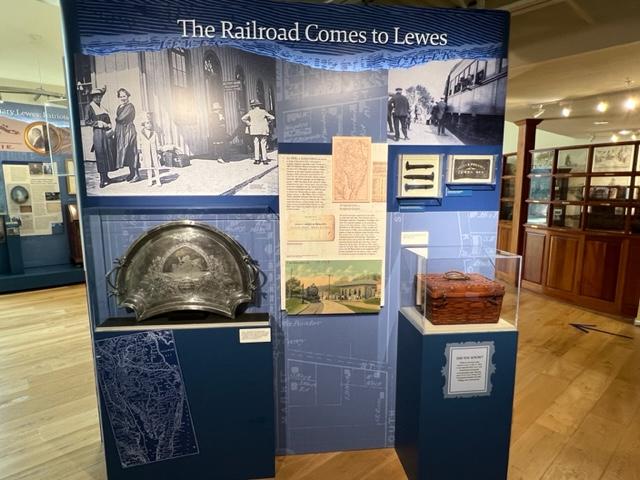
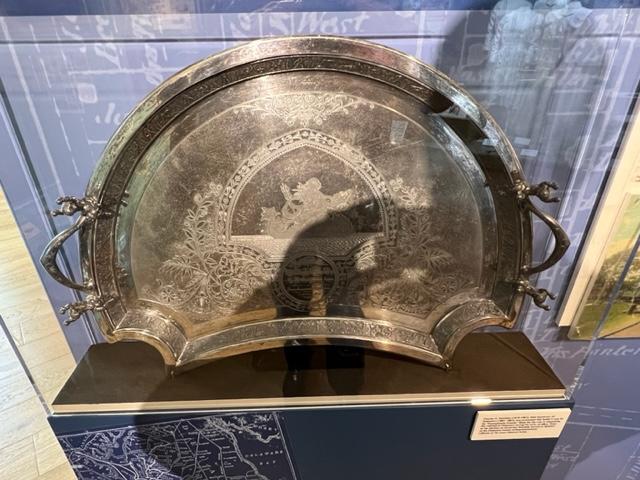
The presentation plate as part of the railroad display
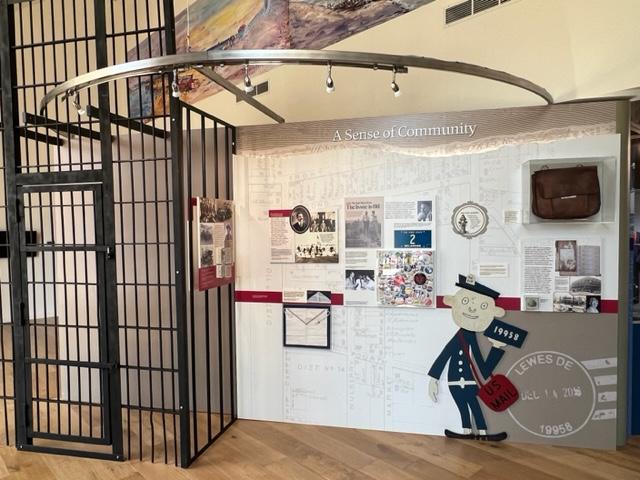
Public Service and a sense of community
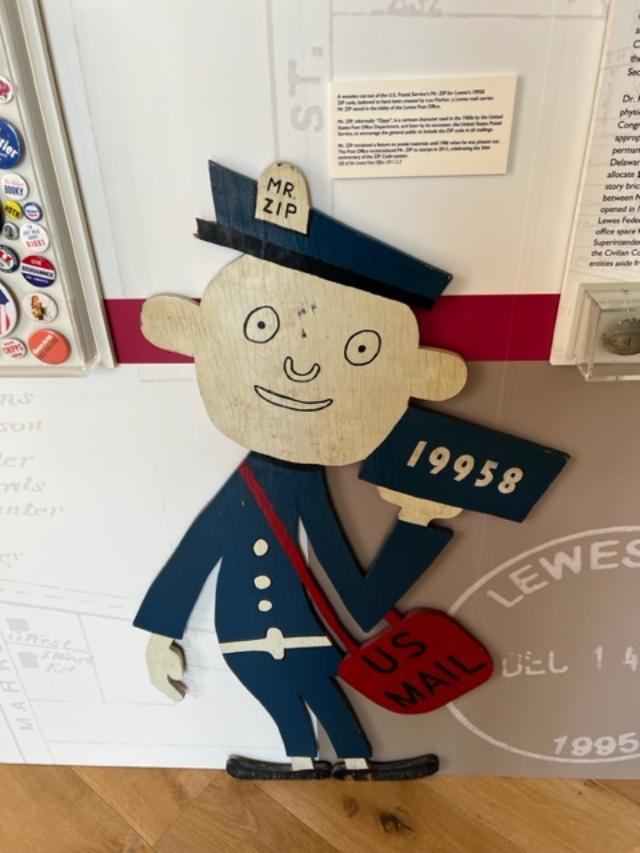
Zippy
The museum will take about an hour to comfortably walk through. It is a interesting and fun way to know the history of Lewes, De. The detail and interesting artifacts makes it a very engaging museum. The docents are really nice and helpful in explaining the displays.
The History of the Lewes History Museum:

(From the Museum website):

The Lewes History Museum is located in the Margarat H. Rollins Community Center at 101 Adams Avenue in Lewes, DE. For 54 years, The Lewes Historical Society has collected and preserved tens of thousands of historic artifacts, artwork, documents, maps and photos. Now it the support from the City of Lewes, a gift of $500,000 from the Ma-Ran Foundation and generous donations, this incredible collection is on continuous display at the Lewes History Museum.

The museum serves as the primary source of information about Lewes for visitors, researchers, students and residents. Enjoy ongoing exhibits featuring Lewe’ maritime history, decorative arts and artists, famous families of Lewes and how our region is seen through environmental change. The museum provides ongoing seminars, symposia and presentations along with a wing for community non-profit gatherings.

The popular Children’s Discovery Center is house inside the museum and is currently closed at this time. The Discovery Center offers an interactive, fun and educational experience for children of all ages. At the Center, children can experience 19th century Delaware by interacting in a replica general store and post office, playing around a scaled model of Cape Henlopen Lighthouse with a Morse code station, foghorn and reflecting lights. The Center also houses a Delaware River Pilots’ simulation module, a electronic table-top boat-building area and a lighthouse “keepers cottage”.

The community center is the centerpiece of the cultural campus in Lewes, including 18 miles of trails, a concert stage, parks, a children’s garden and the Lewes Public Library.
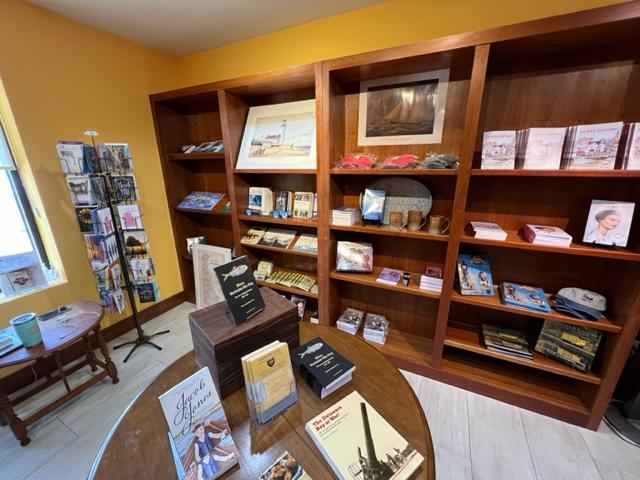
The Lewes History Museum Gift Shop

Day Two Hundred and Thirty-Five Exploring the Historical sites of Morris County, NJ for “The Pathways of History” event April 30th-May 1st, 2022

Day Two Hundred and Thirty-Five Exploring the Historical sites of Morris County, NJ for “The Pathways of History” event April 30th-May 1st, 2022

Don’t miss this two-day event in the first weekend in May when Morris County, NJ showcases all the ‘hidden gems’ that it has to offer. It was a great weekend!

http://pathwaysofhistorynj.net/

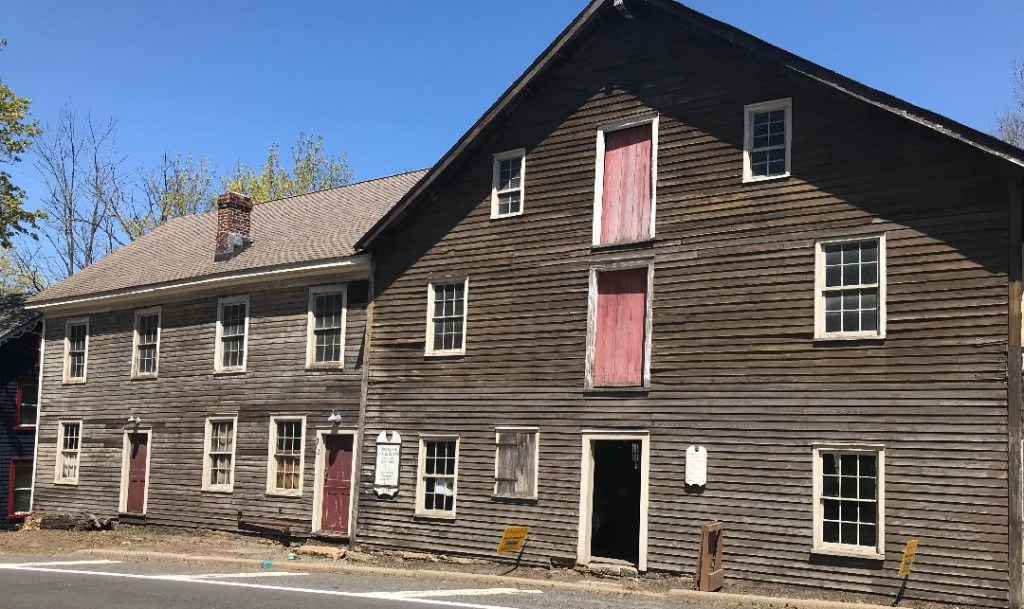
The Obadiah La Tourette Grist & Sawmill

Don’t miss this wonderful weekend tour of Historic Morris County, NJ

jwatrel's avatarmywalkinmanhattan

I had been sent the notice that the County of Morris, New Jersey was having a two-day Open House of many of their historical sites for touring and for special events for a program entitled “The Pathways of History: Museum and Site Tours of Morris County, NJ”.

The “Pathways to History” event takes place every May

http://pathwaysofhistorynj.net/

The weekend event spread to small museums, historical homes and cemeteries all over the County with walking tours and lectures at various sites. Having never been or even heard of many of these sites, I was interested in visiting as many as I could for my blog, “VisitingaMuseum.com” which is here on WordPress.com as well.

I plotted my two days of the event and tried to organize the trip so that we could see as many sites as we could. The event asked the sites to open one of the two days as…

View original post 6,327 more words

Hanover Heritage Association/Whippany Burying Yard                                                                        325 Route 10 East                                     Whippany, NJ 07054

Hanover Heritage Association/Whippany Burying Yard 325 Route 10 East Whippany, NJ 07054

Hanover Heritage Association/Whippany Burying Yard

325 Route 10 East

Whippany, NJ 07054

https://www.hanovertownship.com/1396/Whippany-Burying-Yard

https://whippany.net/whippany-burying-yard

(973) 539-5355

Open: Check the website/Cemetery Hours

Admission: Check the website

My review on TripAdvisor:

https://www.tripadvisor.com/Attraction_Review-g46925-d23534409-Reviews-The_Whippany_Burying_Yard-Whippany_Morris_County_New_Jersey.html

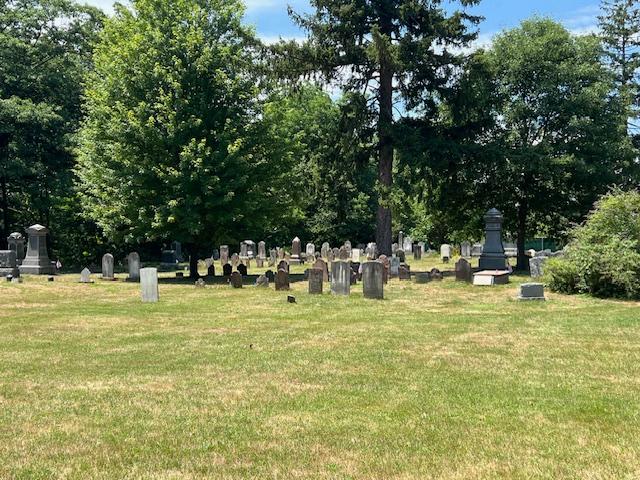
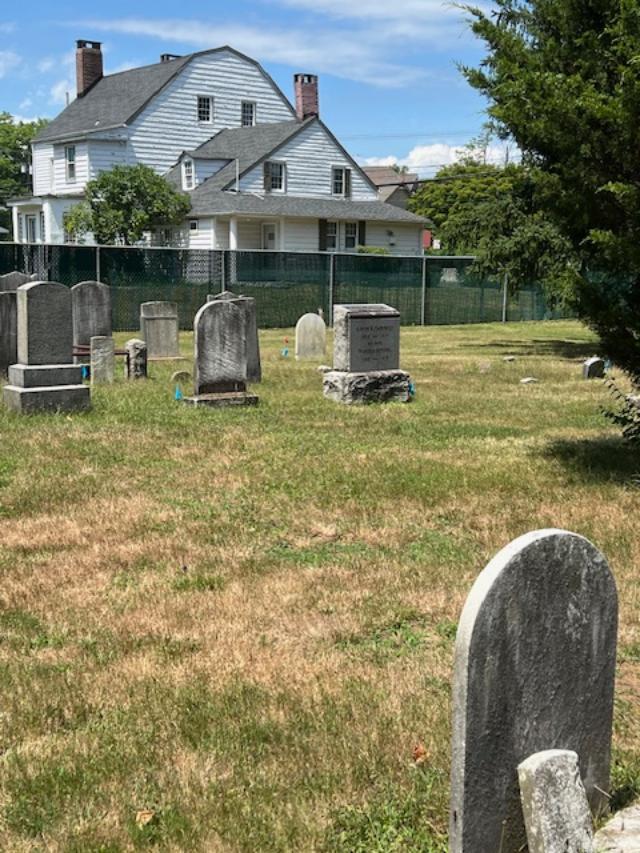
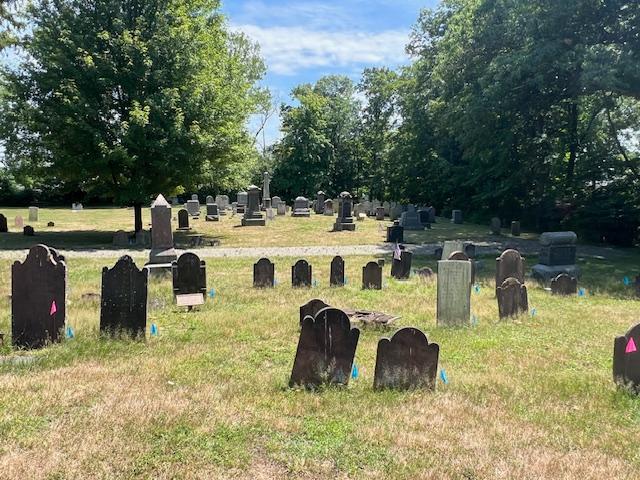
The burial ground from a distance

On my last stop of touring Historic Morris County for the “Pathways for History ” event, I visited the Whippany Burial Yard at 325 Route 10 in Whippany.

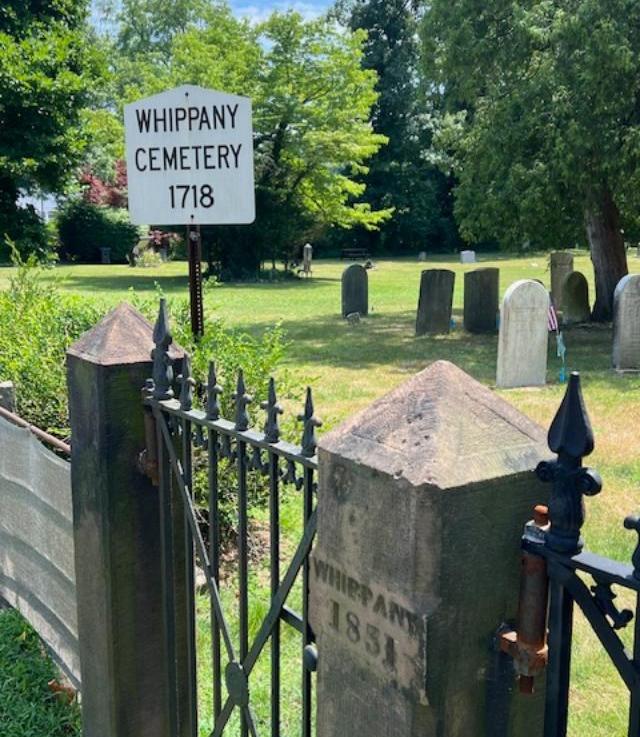
The entrance to the burial grounds

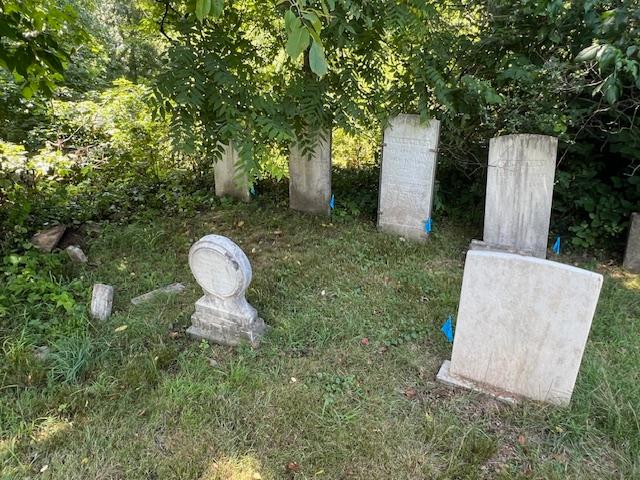
The old cemetery is steeped in history as one of the oldest cemeteries in New Jersey and home to many Revolutionary and Civil War veterans. As we learned on the tour later on, the only people that can be buried there now are former Mayors of the Town of Whippany who have died.

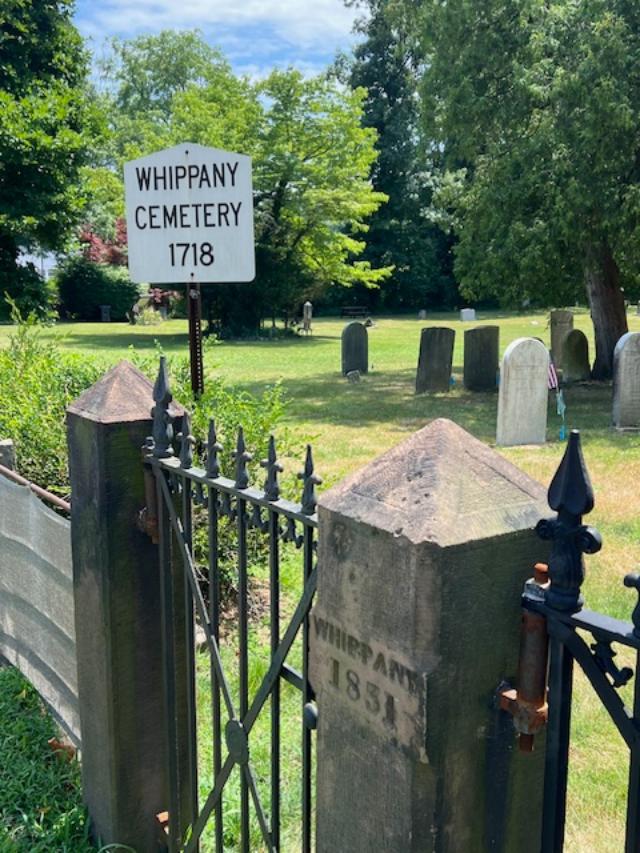
The sign of the historical burials

The historical marker

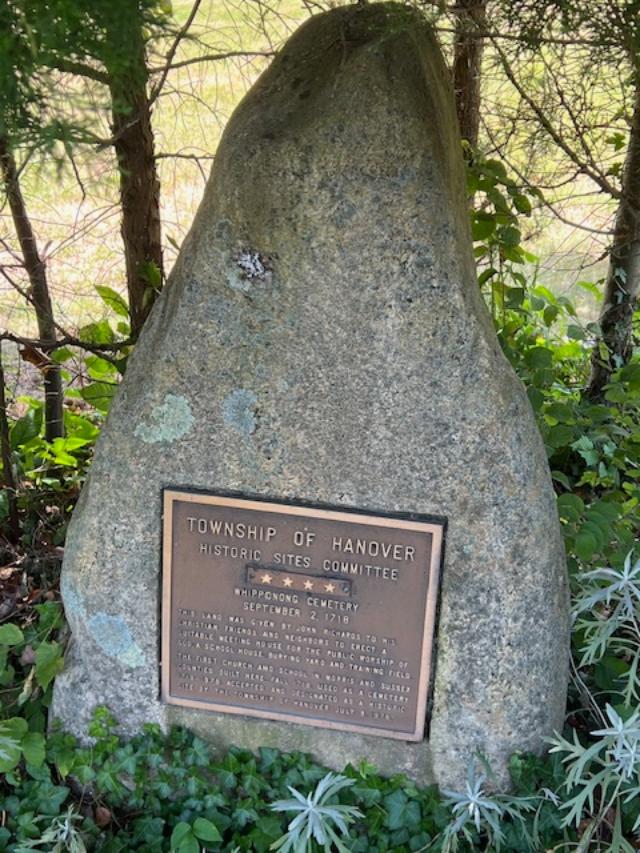
The town historical plaque

Two of the founding families of the town have many family members buried here, the Tuttle’s who still have relatives living in the area and the Kitchel’s. The guide for the afternoon took us on an hour tour of the cemetery, pointing out prominent members of the war years including Timothy Tuttle (died 1754), a founding judge of Morris County, Keturah Tuttle Platt (died 1850), who was a Charter member of the First Presbyterian Church, Captain Timothy Tuttle (II of III-died in 1816), who was a member of George Washington’s First Regiment in the Continental Army, Samuel Tuttle (died in 1762) and Colonel Joseph Tuttle, a blacksmith and Deacon at the Presbyterian Church who served in the French & Indian War.

Joseph Tuttle’s gravesite

Joseph Tuttle’s grave

The historic marker

Joseph Tuttle Jr.’s gravesite

The Tuttle family plot from before and after the Revolutionary War

The Tuttle family plot after the Revolutionary War

The Kitchel family was prominently represented as well with Abraham Kitchel (died in 1741), who was one of the six original judges of Morris County and his wife Sarah, whose family was claimed to date back to Charlemagne, Emperor of France, Abigal Kitchel (died in 1768), Uzal Kitchel (died in 1813), a Militiaman in the American Revolution and his wife, Anna (died in 1815). Many of these people as well as their ancestors made major contributions to the growth of the surrounding community.

The graves by the old entrance

We were also given a lesson in the construction and care of the old tombstones, some of which were beyond repair. Some of the original grave sites were made from sandstone, marble and granite with granite becoming the popular choice later on. Here and there some of the tombstones were decorated with winged skulls or cherubs. These show morality images of the dead (Whippany Burial Yard pamphlet).

The Post family plot

We were also walking by the river that the graveyard sits on and were told that current erosion is affecting some of the grave sites. These might have to be moved in the future and the tour guide was not sure if any have been lost over the years. The old Presbyterian Church that sat on the site (built in 1718 and removed in 1755) has since disappeared and there is no trace of it now.

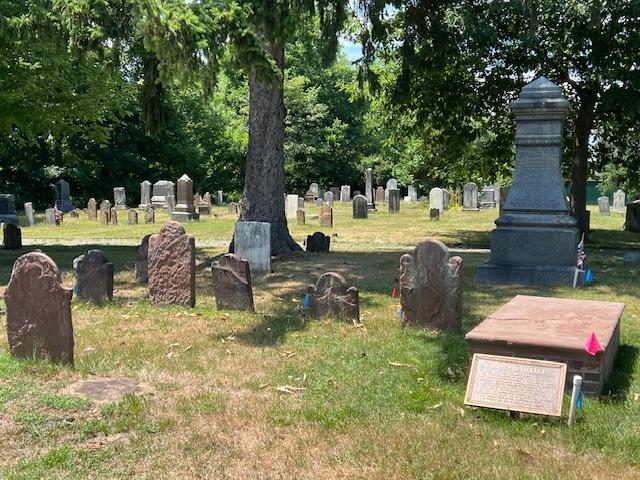
The Whippany Burial Yard has many different types of tombstones. This part of the cemetery faces the old Tuttle homestead

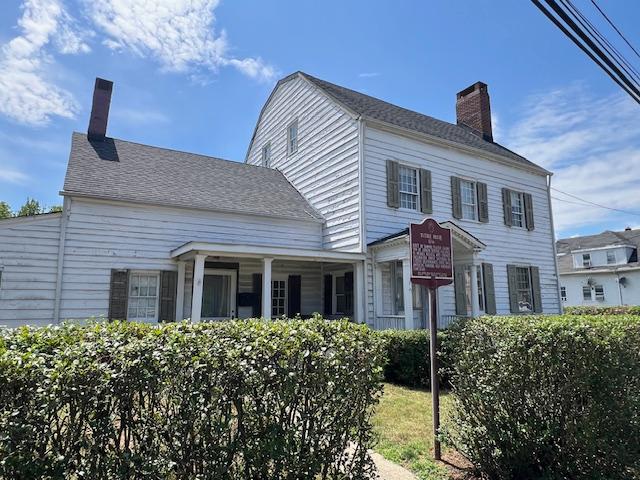
At the end of the tour, the guide explained to us that the old Tuttle House, dating back from the late 18th Century was just left to the town by its last owner to be preserved as a museum for the community. The Tuttle house will need a lot of work in the future.

The back of the cemetery facing the Tuttle Homestead

I ended my tour of the cemetery here as the graveyard was closing for the evening but planned on coming back in the future. There are more interesting things to see amongst the tombstones.

The Tuttle Homestead on Route 10 will be a museum in the future

The Tuttle House historical marker

History of the Whippany Burying Yard:

(From the Township of Whippany website/The Township of Hanover Landmark Commission):

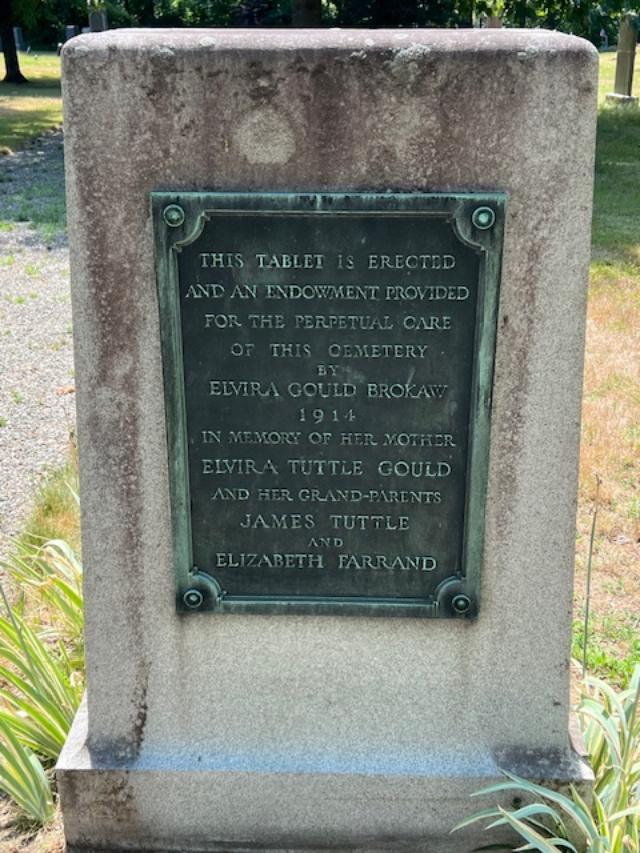
The Brokaw Family tablet for care to this cemetery

The Whippany Burying Yard is the oldest graveyard in North Central New Jersey. It contains the oldest dated colonial artifacts in Morris County. It was established in 1718 before the United States was conceived before New Jersey was a state and before Morris County was founded. Two of Morris County’s first governing judges and many Revolutionary War soldiers are buried here.

The Tuttle family homestead

The three and a half acres of land was donated by John Richards for a “meeting house, schoolhouse, burying ground, training field and for public use. Mr. Richards was the first one buried here when he died in 1718. His grave is the oldest in Morris County, NJ.

The Mary Sheldron historical burial site

For the next 200 years, the burying yard was maintained by the members of the Presbyterian Church with which it was closely associated. In 1914, the Presbyterian Church elected trustees for a group that would be known as The Whippany Cemetery Association. They maintained the yard for the next sixty-one years.

The burial ground marker in the cemetery

The graveyard is legally, publicly owned but no particular entity or institution in named in the deed. The grantee is interpreted to be the “Christian friends and neighbors in Whippanong”. It was formally maintained and administered by the Whippany Cemetery Association until its maintenance and administration was transferred to the Township of Hanover in 1976 as an historical site. The Township gave the responsibility for the Burying Yard to its Landmark Commission, where it remains.

The back part of the Whippany Cemetery

The Burying Yard holds about 450 graves that include 11 veterans of the American Revolution, nine Civil War veterans. In 2011, the Burying Yard was listed on both the State and the National Register of Historic Places. When visiting the Yard, you can see that the gravestones are made out of three different materials: sandstone, marble and granite. Visitors can see a 300-year time span of various commemorative styles. The Burying Yard is also home to two prominent families in the area: The Tuttle’s and the Kitchel’s.

The family plots at the Whippany Cemetery

Some of the prominent members buried here are John Richards who was the schoolmaster who donated this land for public use, Abraham Kitchel who was an early settler from Newark, NJ and one of the six original judges of Morris County. Joseph Tuttle Sr., who was a blacksmith, had served as a Colonel of Morris County militia in the French and Indian War and Timothy Tuttle who was a Sergeant of the First Company under Captain Joseph Morris in Lord Sterling’s First Battalion of New Jersey’s First Regiment in Washington’s Continental Army.

The Tuttle House at 341 Route 10:

https://www.hmdb.org/m.asp?m=91152

The Tuttle House will be the future museum for Whippany, NJ

This 1796 National Register site is the house of Samuel Tuttle, the grandson of Joseph Tuttle, a Colonel in the Morris Militia. The Tuttle’s were among the first to setting in Hanover and they played an important role in its development.

The historic marker for the Tuttle Homestead

The Ayres/Knuth Farm Foundation                       25 Cooper Street                                           Denville, NJ 07834

The Ayres/Knuth Farm Foundation 25 Cooper Street Denville, NJ 07834

The Ayres/Knuth Farm Foundation Inc.

25 Cooper Street

Denville, NJ 07834

(973) 625-9345

https://www.ayresknuth.org/

https://www.facebook.com/AyresKnuthFarm/

Open: See website on hours/Seasonal

My review on TripAdvisor:

https://www.tripadvisor.com/ShowUserReviews-g46392-d24065367-r838840100-Ayres_knuth_Farm-Denville_Morris_County_New_Jersey.html?m=19905

Video on the Ayres/Knuth Farm

On the second day of the Morris County, NJ “Pathways to History’ tour, I was on my way back to Morris County for a second day of adventure. My first stop on the tour was the Ayres/Knuth Farm (The Ayres/Knuth Farm Foundation Inc.), a former working farm just off Route 10.

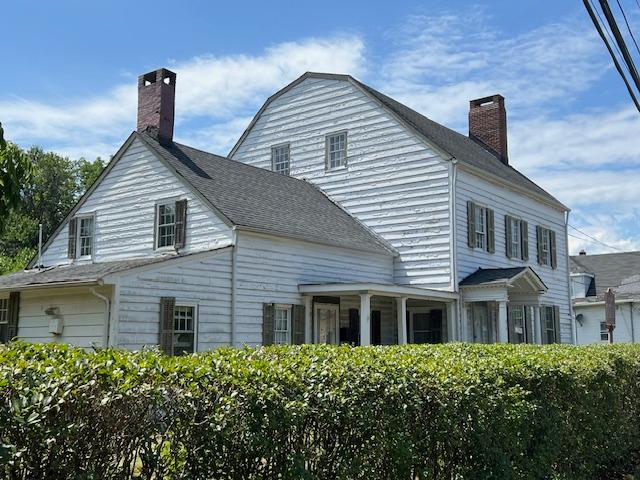
The main farmhouse on the Ayres/Knuth Farm

Not only was the site open for touring but they also had a mini car show with antique cars and fire trucks owned by some of the members. Seeing some of these Model T Ford’s and Steam Engine Fire Trucks in perfect condition shows American quality motorship at its finest.

What I liked about the farm is that it had been a working farm up until the last fifty years and showed the progression that the farm took in its almost 100 years in the county. The farm itself dates back to pre-Revolutionary War days with the farm being purchase in either 1735 or maybe 1759 by Obadiah Lum. The property itself was settled and developed by Daniel Ayres, who was born in New Jersey in 1778 (The Ayres/Knuth Farm Foundation).

The Ayres-Knuth Farm and the outer buildings

105 acres of land was given to him by his father-in-law, David Garrigus upon the marriage of his daughter, Hanna in 1803. His son, William took over the farm in 1856 upon the death of his father in 1856, changing the farm to add husbandry and fruit cultivation. When William retired in 1896, none of his children wanted the farm and it was sold. Changing hands many times, it was bought by Martin and Anna Knuth in 1906. The farm was taken over by two of their children and it remained in the family until the 1990’s upon both of their passings. In 1996, the Township of Denville purchased 52 acres of the original farm and it is now managed by the Ayres/Knuth Foundation Inc. (The Ayres/Knuth Farm Foundation).

On this clear and sunny Sunday morning, it was fun to walk around the former working farm to see how it developed. Both families learned to modernize and add to the operation. I was able to tour the smaller tenet farmhouse (built in 1895), the barn (built in 1895 (and the various outer buildings like the chicken coops (built in 1895), outhouse (built in 1930) and the Smokehouse (built in 1825). The small well was built in 1797 and was the oldest structure left on the property.

What I found interesting is that there still are tenant farmers on another tract on the property still working the land and the property is protected by grants from Morris County. So, it still is technically a working farm. A lot of care was taken to preserve the farm as is and the volunteers told me that there were plans to fix up the other buildings. The Tenant House needed a lot of work and was run down but the main Farmhouse had been renovated and was closed that day.

Most of the farm has either been sold off or is being utilized but the core of the farm buildings can be toured, and it is interesting to see a working farm in New Jersey that dates back to the 1700’s and was still active until the mid-1990’s. That is longevity. Still is a step back into the past to see how a working farm once thrived along with the changes that came with the development of Morris County in the late 20th century. The area still has the rural feel, and the well-maintained property is a glimpse into our rural past.

The History of the Ayres/Knuth Farm:

(From the Ayres/Knuth Farm Foundation Inc. site):

The Ayres/Knuth Farm has a long history not just in the County or State level but in the country. It is believed that the farm was formed around 1759 but could be as early as 1735. It was located in the Franklin section of Denville. Obadiah Lum purchased 180 acres and built the first forge and sawmill on the Den Brook. Lum purchased the property from Thomas and Richard Penn, the sons of proprietor, William Penn with financing from Colonel Jacob Ford, who owned extensive land including mines in Morris County. Franklin developed into one of the primary agricultural hubs of Denville due to the high quality of soil of the area and proximity to numerous towns with markets where the crops could be sold.

The historic marker on the farm

The Ayres Farm was first settled by Daniel Ayres who was born in Middlesex County in 1778. His mother was Anna Jackson, who was the daughter of General Joseph Jackson, who was known as the founder of Rockaway. Daniel married Hanna Garrigus, the daughter of David Garrigus, who was a prominent landowner in Franklin and owner of the Franklin iron forge. In 1803, David Garrigus conveyed 105 acres to his son in law.

Daniel died in 1856 and his son, William Ayres took over the farm. In 1860, he expanded the farm to 300 acres and practiced a mixture of husbandry and a cultivation of different grains. They also raised sheep for wool and cows for butter. He built the existing farmhouse in 1855 and in the 1860’s built the Tenant House for hired hands in the expanding farm. Over time the farm grew to 500 acres.

During the economic depression between 1873-1879, William Ayres adopted to the changes in the market and shifted the focus of the farm to dairying, poultry and vegetable farming. He also sold lumber to the railroads and expanded into fruit cultivation particularly apples, peaches and pears.

The Ayres/Knuth Farm today

William Ayres retired from the farm in 1896 and since none of his children wanted to take over the operation, the property changed hands several times until 1906, when Martin and Anna Knuth purchased the farm and moved in with their five children. They kept the tradition of husbandry and fruit cultivation and a mix of vegetables as a truck farming operation.

The farm faced a lot of tragedies in the 20th Century with the death of Martin Knuth in 1935. Between a destructive fire in 1936 and a lapse of insurance, the barn was not rebuilt. With an economic Depression going on in the 1930’s, the farm was largely reduced to a subsistence-level truck farm operation. Anna Knuth died in 1950 and her two children, Frank and Sue took over the operation. Both remained on the farm until their deaths in the 1990’s. They grew a variety of crops and produced eggs that were sold locally.

The farmhouse was not electrified until the 1960’s and indoor plumbing was never installed. In 1996, a few years after the deaths of Frank and Sue Knuth, the Township of Denville purchased the nearly 52 acres of the original Ayres/Knuth Farm and the property is now managed by the non-profit Ayres/Knuth Farm Foundation Inc. The site now houses a series of historical buildings that is maintained by the foundation that are part of the original farm.