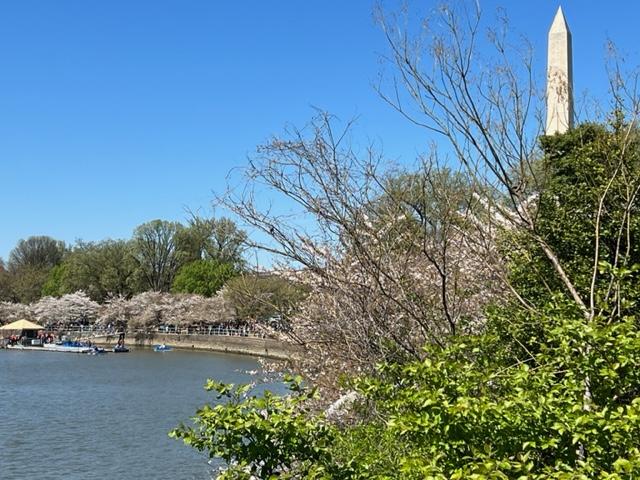
Well after seven years of trying to get to DC for the Cherry Blossom Festival I finally got down to the city to get to the tidal basin to see the display. It looks like it will be eight years as almost all the cherry blossoms disappeared almost two weeks earlier. All the leaves were long gone and as I overheard another tourist say to a friend that she was disappointed that she had not known and most of the trees were bare.
The Tidal Basin in April 2023
The festival was in its second week and most of the trees had gone green. I found out later from the Internet that they peaked on March 21st and right after that we had all that rain. It probably knocked the petals off after that.
The festival ran through April 16th, 2022 (the peak of the blooms was March 21st)
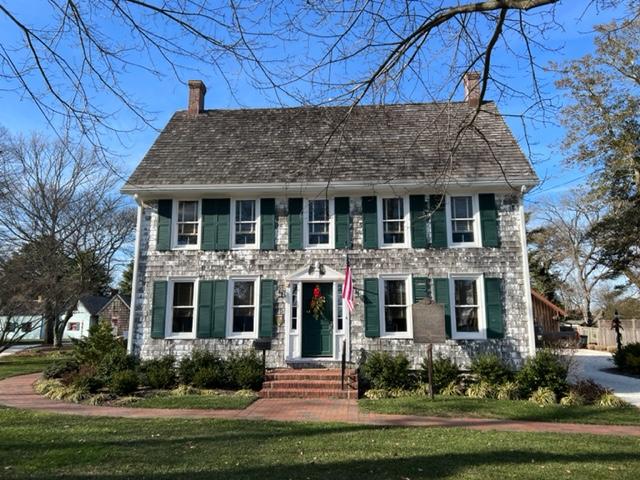
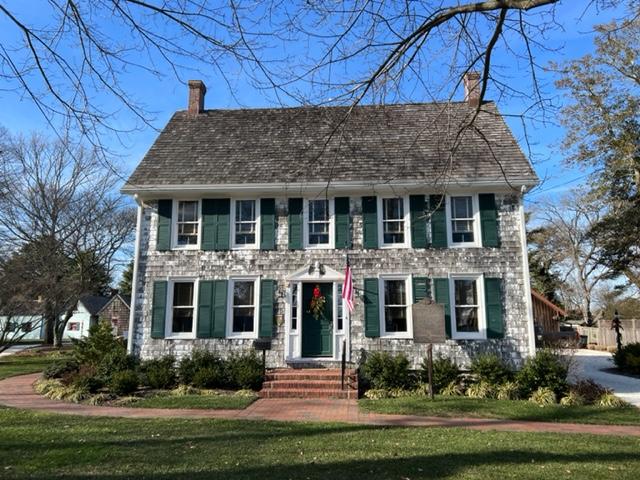
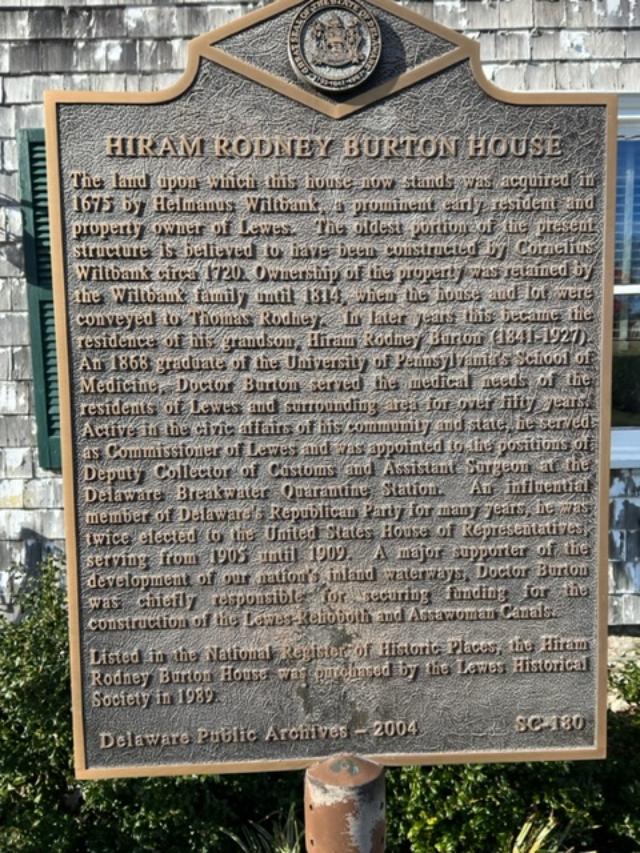
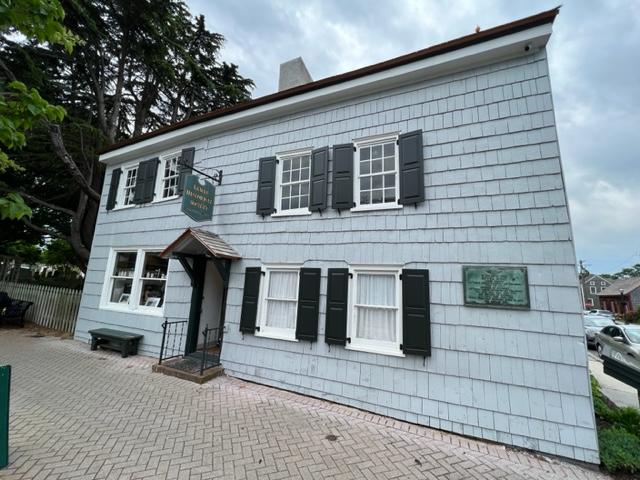
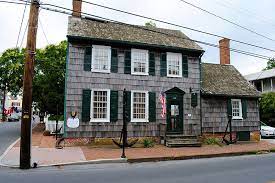
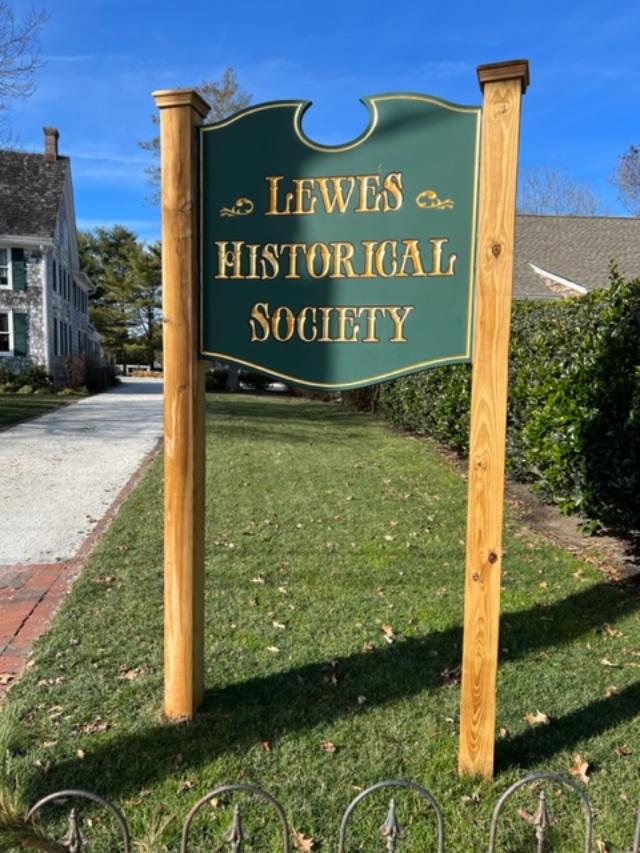
The Lewes Historical Society at 110 Shipcarpenter Street (Hiram Rodney Burton House-History below)
The Mission Statement of the Lewes Historical Society
(From the Lewes Historical Society Website)
Our Mission:
The Lewes Historical Society promotes and advocates the preservation, interpretation, and cultural enrichment of the Lewes region, through museum exhibits, educational programs, historical research, and publications.
The Society:
(From the Lewes Historical Society Website)
The Lewes Historical Society can trace its roots to a small group of concerned citizens who joined forces to establish the organization in 1962. Troubled by the loss of significant local structures and the deterioration of historic buildings, the group invited like-minded Lewes residents to join as members, a group that continues to grow each year.
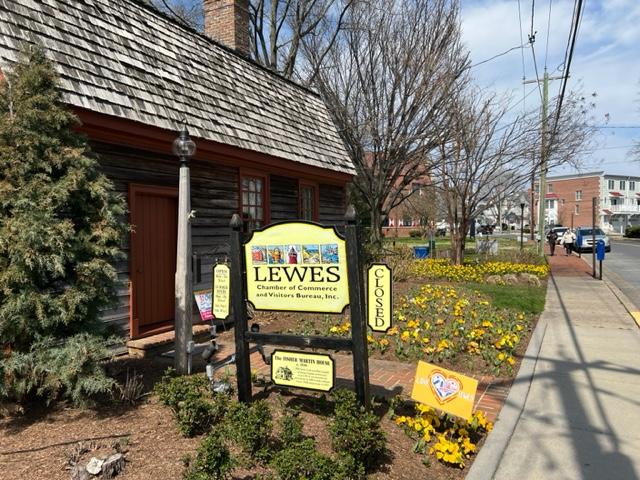
The Visitor’s Center
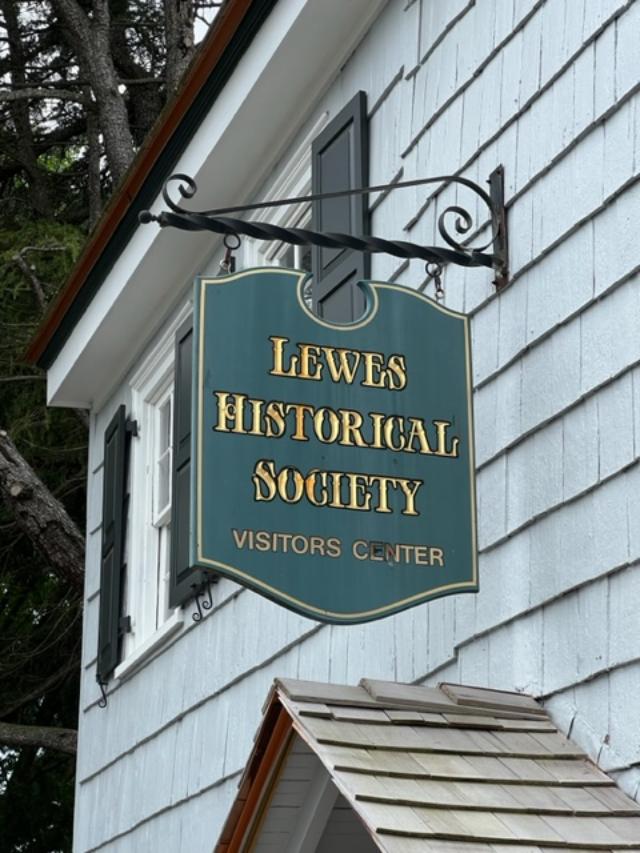
The Visitor’s Center sign
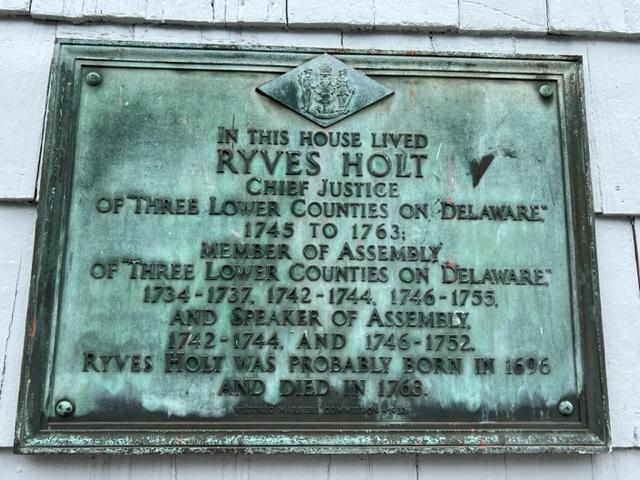
The Visitor’s Center-The Historical sign of the Ryves-Holt House, the oldest home on its own foundation in Delaware and one of the few left in the United States of America
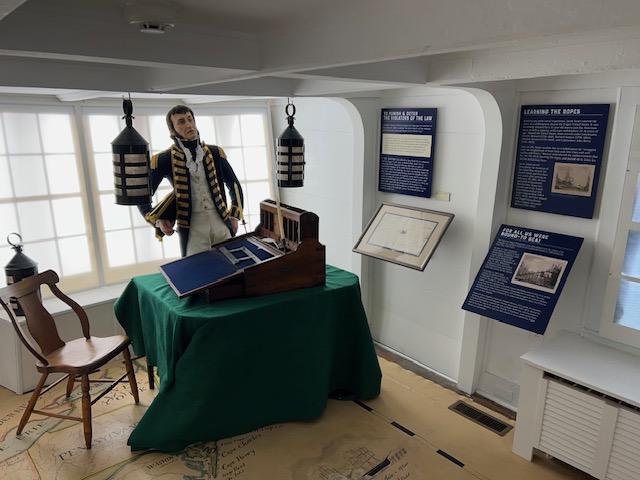
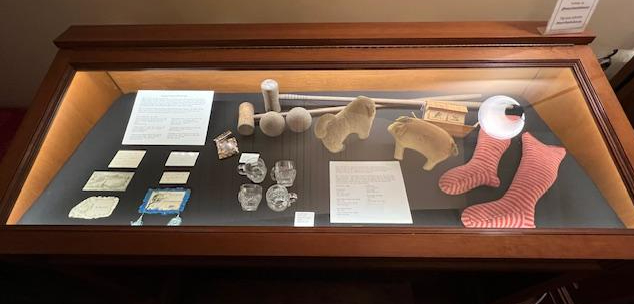
The Jacob Rudd display at the Visitor’s Center
Starting with the purchase of a lot at Third and Shipcarpenter Street, the campus of the Lewes Historical Society was gradually assembled as buildings threatened with destruction or abandonment were moved to the property. Today, there are a dozen buildings that tell the history of Lewes through the display of artifacts, artwork, decorative arts, and furnishings.
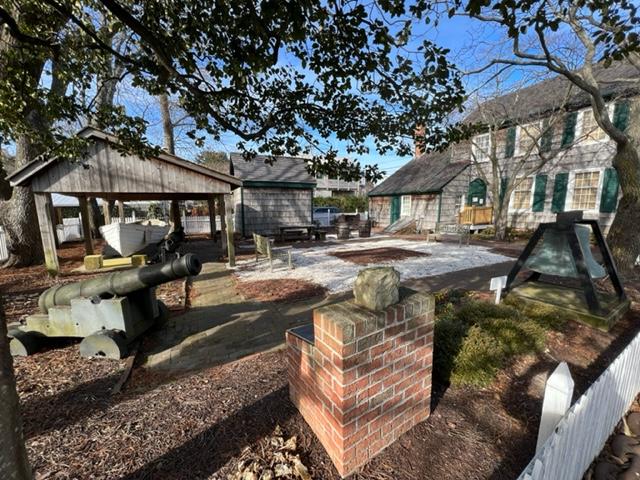
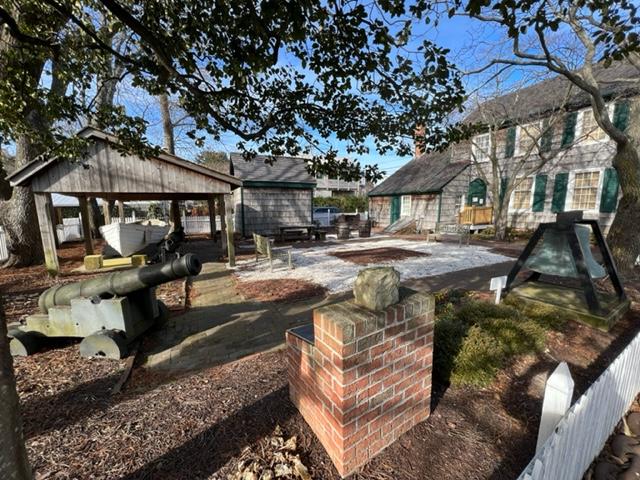
The Cannonball Museum courtyard
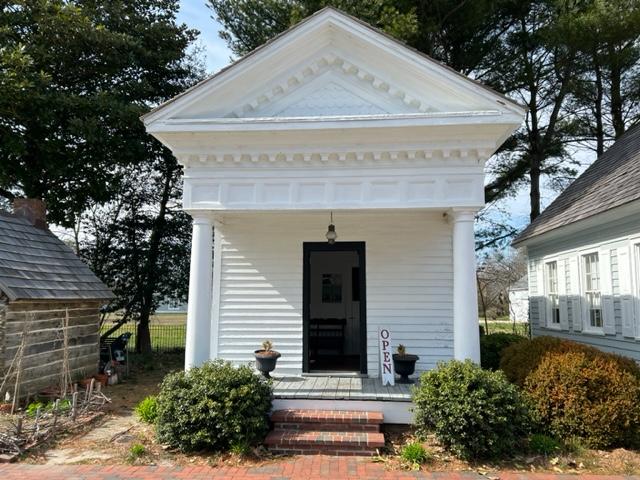
Three buildings are located in the heart of town, the Ryves Holt House (c. 1631), the Cannonball House (c 1760) and the Museum Store (c. 1898). On the canal, you will find the Lewes Life-Saving Station (c. 1884).
I recently visited the Lewes Historical Society in Lewes, DE. Part of the grounds were open that afternoon for what looked like a special event. I saw costumed actors walking around the grounds but the main building was closed so I figured it was for a private event. Still they opened all the outer buildings on the grounds so I was able to visit the School House, the Doctor’s Office, the General Store and some of the historical homes. The grounds were just coming into bloom with the first day of Spring just a couple of days earlier.
The grounds are very well signed so that you can take the tour on your own. The exhibits are very well detailed and have lots of artifacts that make them interesting to visit. You get a grasp of what life was like at the turn of the last century. The grounds were nicely landscaped so it will be something to see in the late Spring and early Summer. Most of the special events and meetings don’t start until April when it starts to get busy again. There is a lot planned so look at their website for events and when they are scheduled.
I toured most of the grounds that were open that afternoon and also toured the Lewes History Museum in another part of the downtown a few blocks away. The museum tells the history of Lewes and also has a nice collection of artifacts. The Cannonball House on Front Street is closed for now for renovations but I was able to tour it last September. It has a nice collection of shipping, fishing and Revolutionary War pictures and artifacts. The grounds of that museum are open and there is a lot to see in their courtyard. The Cannonball House will be open in May of 2023. I will be revisiting all three again closer to the summer.
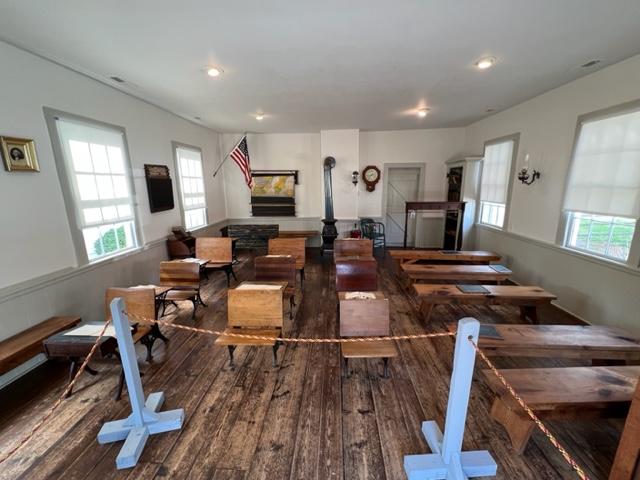
Each of the open buildings were filled with artifacts that represented the building. The School House was prepared for the first day of school circa 1890-1920. It is amazing how much a school has not really changed that much in setup since that time. The board is still up front and the desks lined up perfectly.
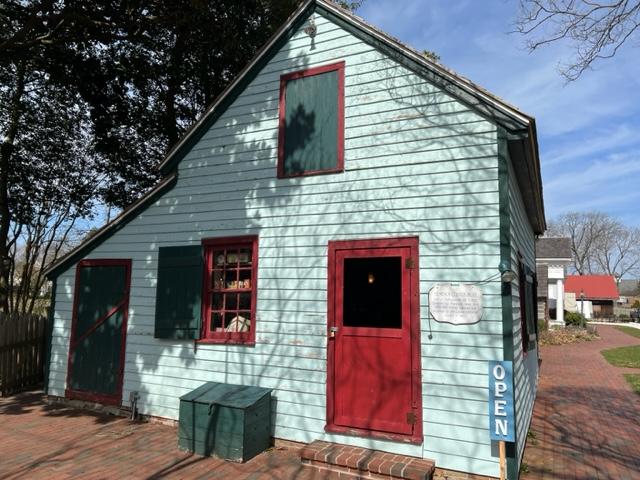
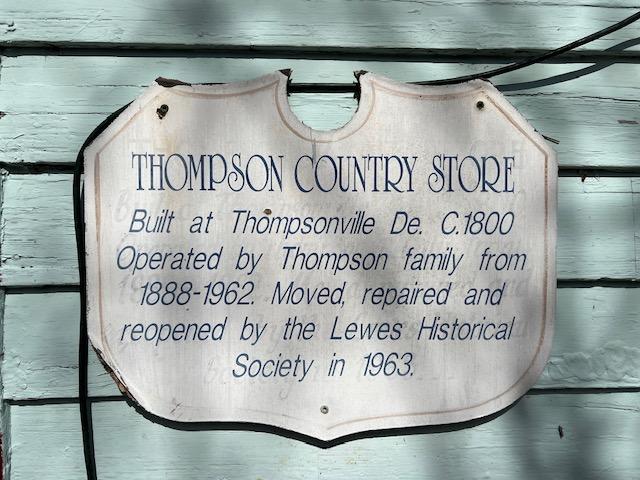
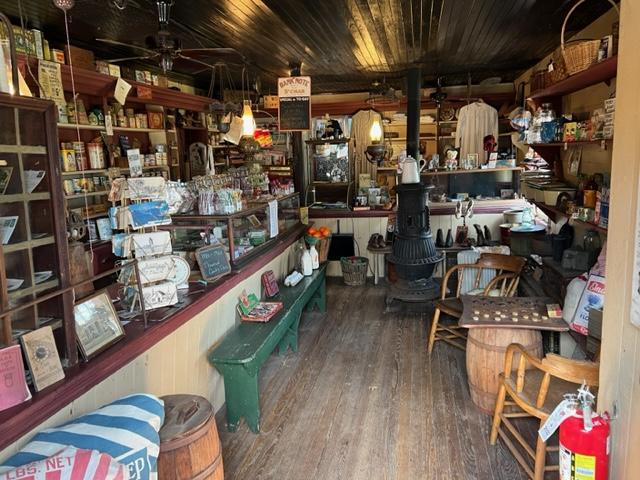
The Doctor’s Office is nearly the same as a current one with different equipment. Still you would think that the doctor just stepped out for a moment. The room was filled with medical equipment of that time period. The Thompson Country Store was the most interesting in that the store was opened in the late 1880’s and closed in 1962. The attached house is intact with the connections to other parts of the home and the store was fully stocked with merchandise.
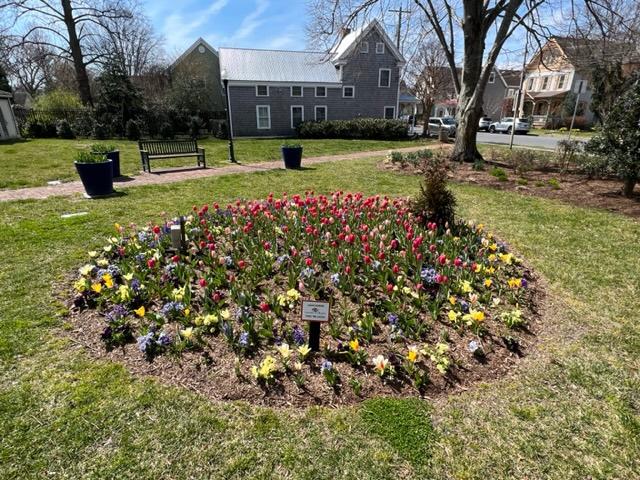
With the seasons just changing to Spring, the grounds were filled with daffodils, crocuses and Tulips that were all peeking out of their Winter slumber. Everything was coming back to life and it was a very nice, mild Spring afternoon of walking around the grounds and visiting the buildings that were open.
It will be fun to see the whole Society grounds when everything is open and ready to go for the season.
The Cannonball House grounds during Christmas time
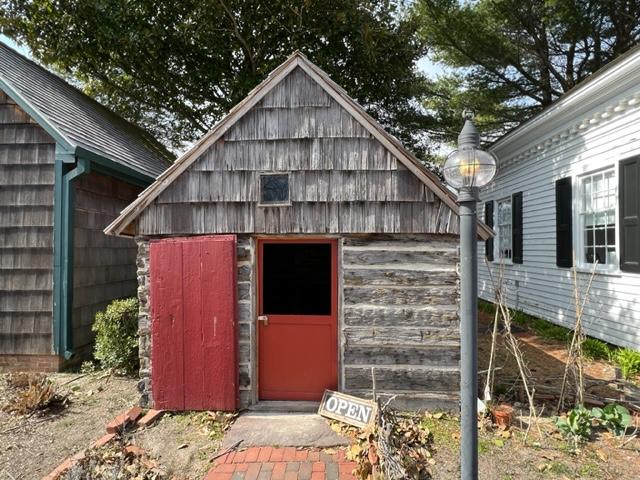
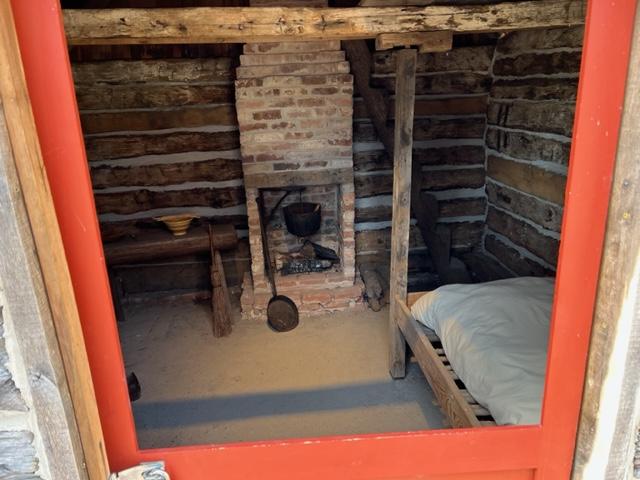
Situated on the Campus is a range of examples of Lewes architecture: the early plank house (c. 1690), Hiram Rodney Burton House (c. 1720), the Rabbits’ Ferry House (c. 1740), the Burton-Ingram House (c. 1785), the Ellegood House and Blacksmith Shop (c. 1790), Thompson Country Store (c 1800), the Doctor’s Office (c. 1850) and the Midway School (c. 1898).
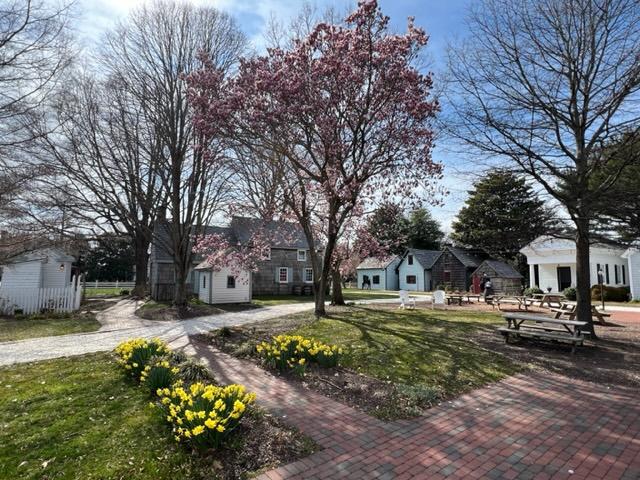
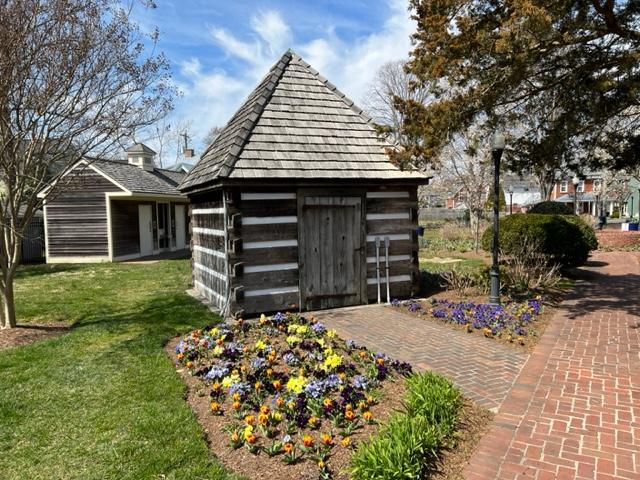
Lewes Historical Society’s grounds in the early Spring
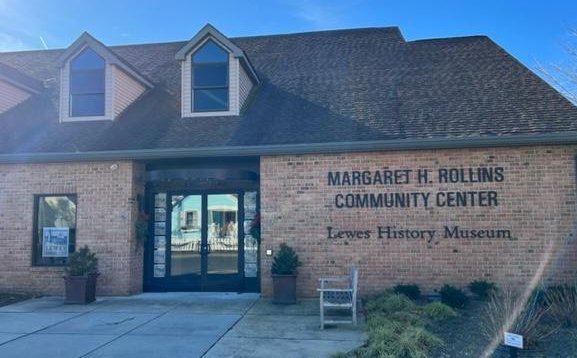
The most recent addition is the Lewes History Museum, located in the Margaret H. Rollins Community Center on 101 Adams Avenue. Here you will find permanent and changing exhibits that offer insights into the complex and colorful history of Lewes and the surrounding area. This building is also the repository of the Archives of the Lewes Historical Society, which are available to the public, by appointment.
Lewes History Museum at 101 Adams Avenue is part of the Lewes Historical Society
As you browse the LHS website, you will discover a robust calendar of annual events, including the Mid Atlantic Sea Glass & Coastal Arts Festival, Craft Fairs, Maritime Festival & Antique Show, Speaker Series, Living History Tavern Talk, Artist as Historian, camps and other programs for children. Join us for one of these programs and consider becoming a member of this vibrant arts and cultural organization.
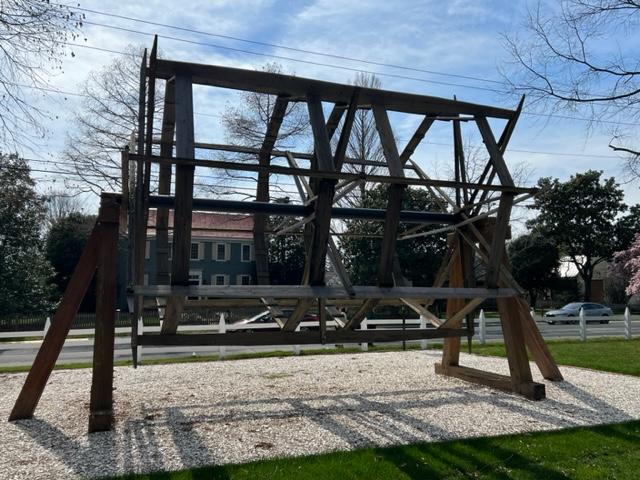
The Drying Machine at the Lewes Historical Society’s grounds
The History of the Society:
(From the Lewes Historical Society website):
Around 1960, a local newspaper columnist named Marjorie Virden wrote several articles for the local papers lamenting the fact that many of Lewes’ fine eighteenth-century buildings were rapidly disappearing. Particular attention was called to the plight of the David Rowland House on Front Street, which carries in its foundation a cannonball memento of the War of 1812 and the Bombardment of Lewes in April of 1813. Over the years, the house had been so neglected that the interior brick nogging was visible through missing shingles.
Historical Home on the grounds of the Lewes Historical Society
The inside of the historical house
One day in 1961, a group of concerned citizens including Robert Orr, Ginnie Orr, and Sarah Chambers were sailing down the canal towards Roosevelt Inlet. As they passed the Rowland House, someone remarked that no action had been taken to save Lewes’s historic architecture despite much talk. That same evening, Mrs. Orr held a meeting for dozens of concerned citizens at her house. Soon after, a general meeting was held to organize The Lewes Historical Society. Temporary officers were selected, invitations sent – with excellent results – to prospective members, and The Lewes Historical Society was officially founded on January 19, 1962.
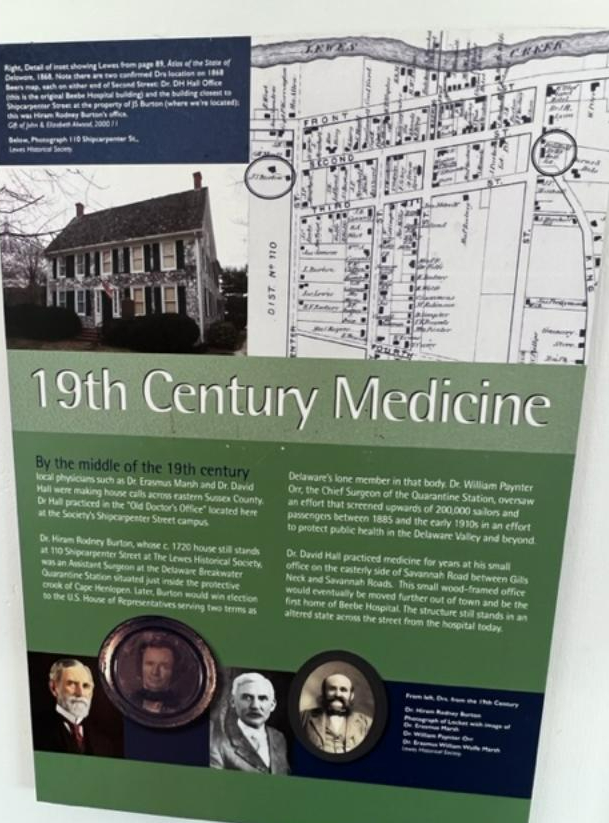
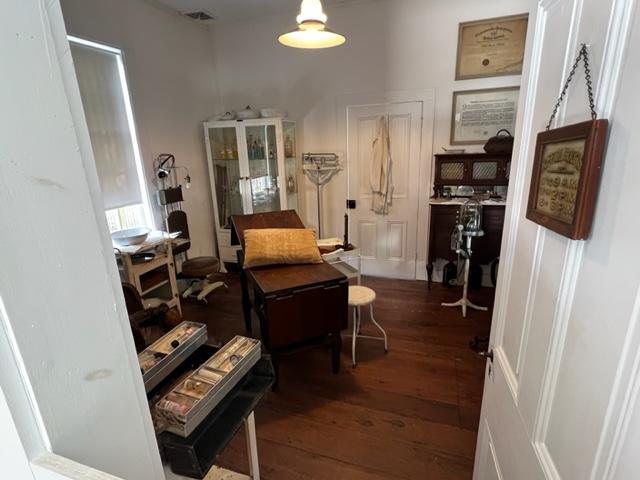
The Doctor’s Office
19th Century Medicine
The inside of the Doctor’s office of the 19th Century
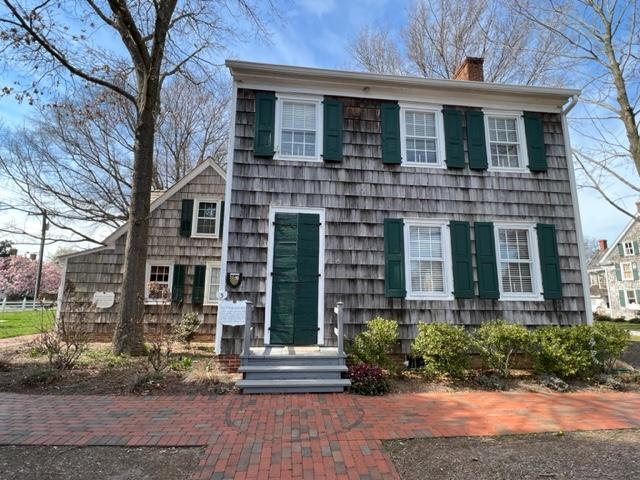
Later that year, a lot at the corner of Third and Shipcarpenter Streets was purchased and named the Lewes Historic Complex. The Burton-Ingram House, Thompson Country Store, Rabbits’ Ferry House, Creamery, Necessary, Early Plank House, Blacksmith Shop, and Ellegood House were gradually moved to the Complex and restored. Conservation efforts continue today. The neglected house of David Rowland was eventually bought by the Society and restored. Today it sits on its original site at the corner of Front and Bank Streets and serves as the popular Cannonball House Maritime Museum.
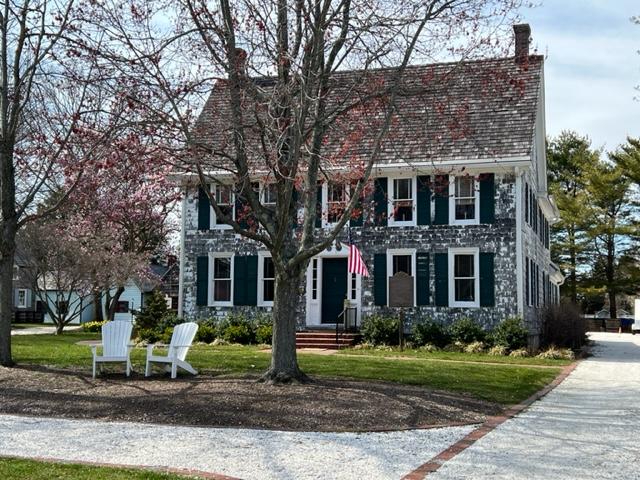
The front grounds of the Lewes Historical Society-The Hiram Rodney Burton House
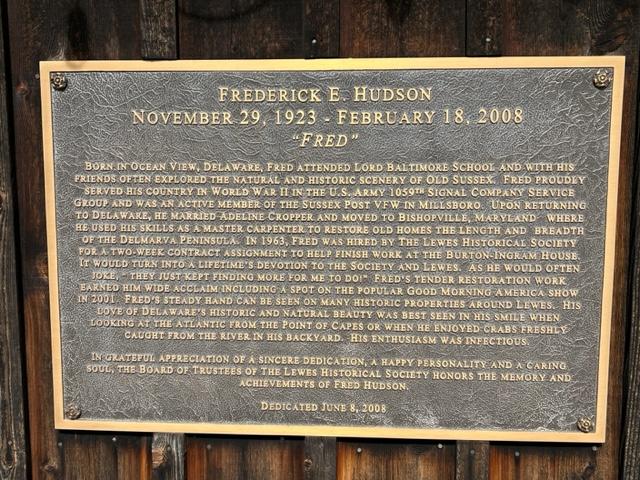
In 1989, the John Farrace Bequest enabled the Society to purchase 110 Shipcarpenter Street, then known as the Watts property, and renamed as the Hiram Rodney Burton House to honor a local physician and Delaware’s Congressman from 1901-to 1904. This structure houses the Society’s administrative offices. In 1991, Freddie’s Barn, the Society’s maintenance facility, was built to honor long-time historic preservationist and restoration specialist, Fred Hudson, who has worked for the Society since the summer of 1962. The Doctor’s Office, previously located on Second Street, was moved to the Complex to consolidate Society properties and in 2000, it was joined by Midway School #178.
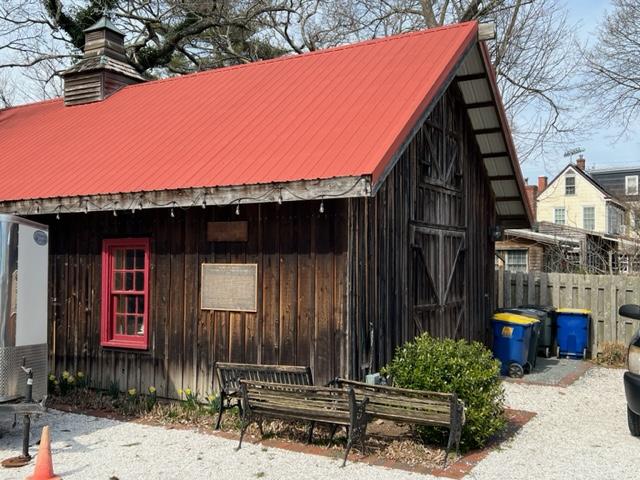
Freddie’s Barn on the Lewes Historical Society property
The plaque dedicated to Fredrick E. Hudson for Freddie’s Barn
With the cooperation of the City of Lewes, the Society received a lease to the waterfront property on the canal at the foot of Shipcarpenter Street, where the boathouse of the Lewes Life Saving Station sits. Since 1997, the Society has leased the Ryves Holt House at the corner of Second and Mulberry Streets from the Episcopal Diocese of Delaware. Located in the heart of Lewes’s thriving business district, the Ryves Holt House serves as the Society’s Visitors Center, gift shop, and the permanent Jacob Jones Exhibition.
The Ryves Holt House is the Lewes Information office
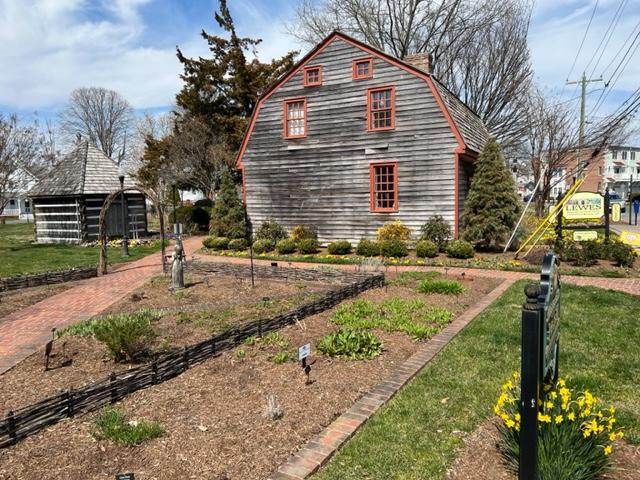
The Lewes Information office gardens in the early Spring
The Zwaanendael Park in the Spring. This is just behind the Information building
Zwaanendael Park in the Spring
The entrance of the Lewes Historical Society
The Society continues to offer a rich and exciting array of activities that engage our visitors and promote Lewes’ unique heritage to an ever-increasing number of seasonal guests and year-round residents of the area. From our interpretive programs such as Tavern Talks to the Mid-Atlantic Sea Glass Festivals, Antique Shows, and Craft Fairs the Society offers annual programs that have become signature events.
The Thompson Country Store
The inside of the Thompson Country Store
The Society has sponsored several conferences on Lewes and Delaware History, has invited numerous local, national, and international scholars and dignitaries to speak at its events, and promotes the arts and cultural exploration and appreciation in Southern Delaware. As Lewes continues to grow, the Society will strive to maintain a record of the past of this special and ancient town by the sea.
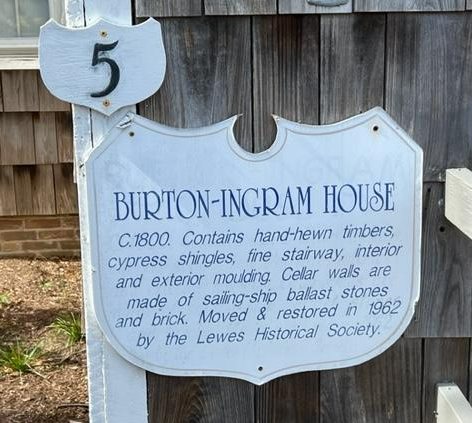
The Society Home-The Burton-Ingram House
The sign of the Burton-Ingram House
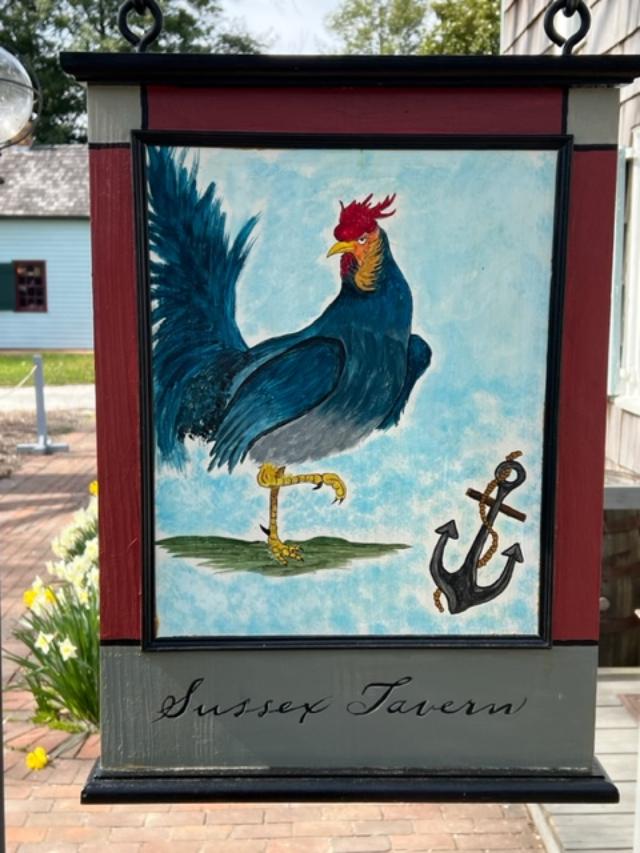
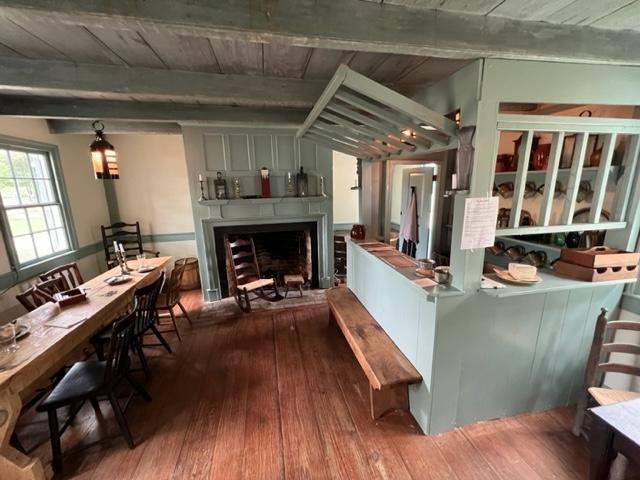
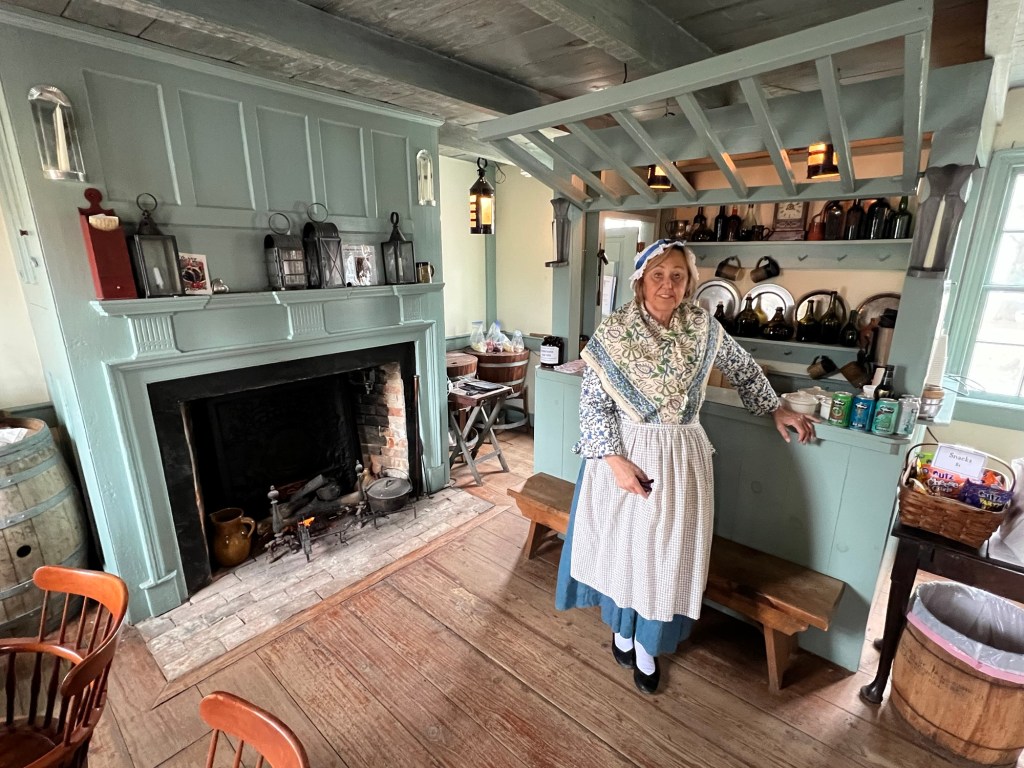
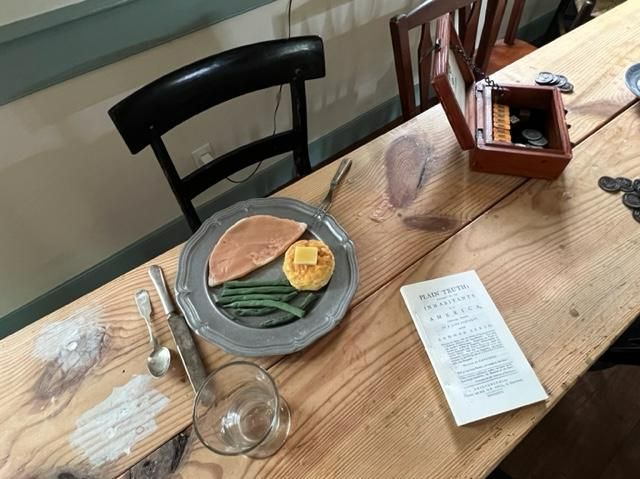
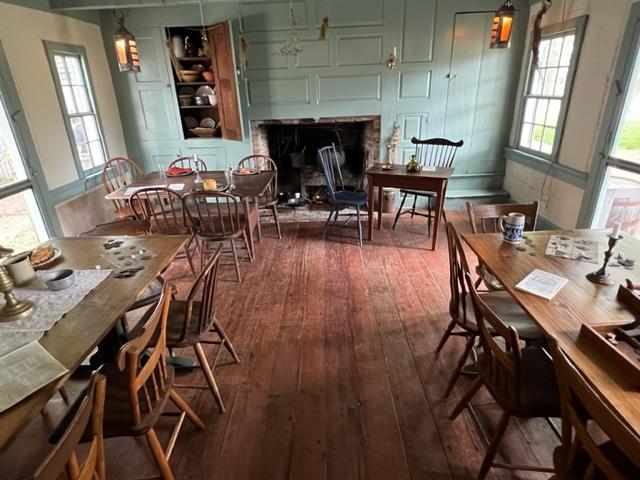
The Sussex Tavern is a recreation of a tavern in the 1700’s complete with a bar area, dining tables with food and menus of the items that could be ordered. The tavern was the focal point for travelers and locals alike to share a meal, ideas and politics. It was the center point for most communities.
The Sussex Tavern is open once a month for special events
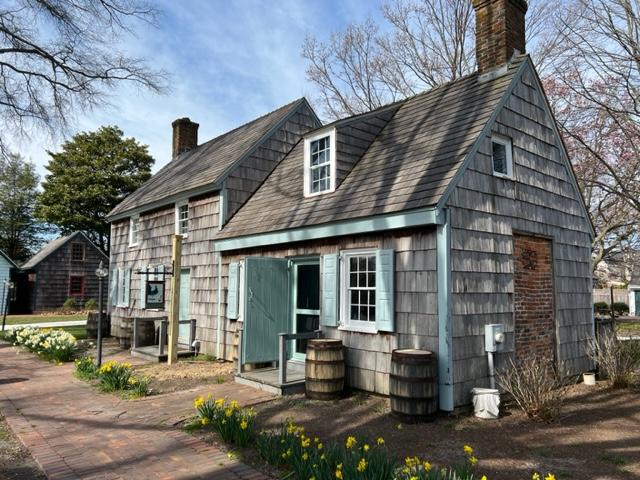
The Sussex Tavern on the Lewes Historical Society grounds
The inside of the Sussex Tavern
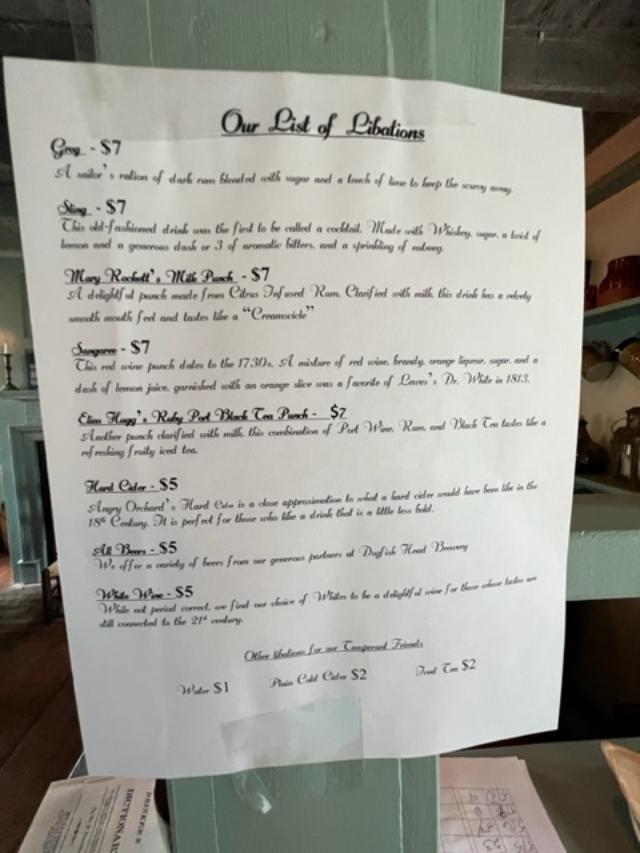
The Tavern Menu
The Tavern is open in season for drinks snacks
A meal inside of the Sussex Tavern
The inside of the Sussex Tavern
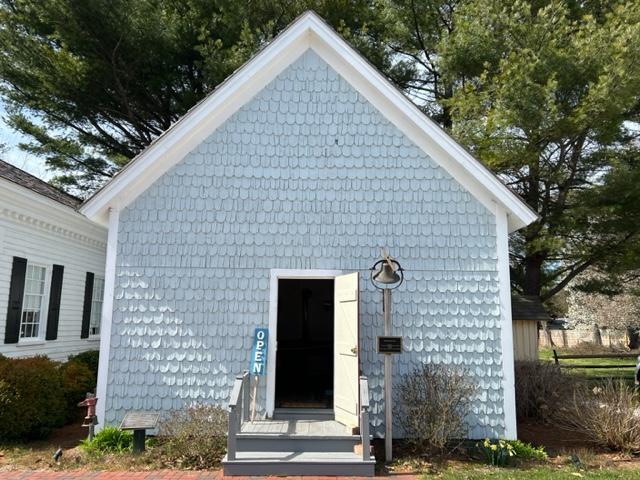
The School House on the grounds of the Lewes Historical Society
The inside of the School House
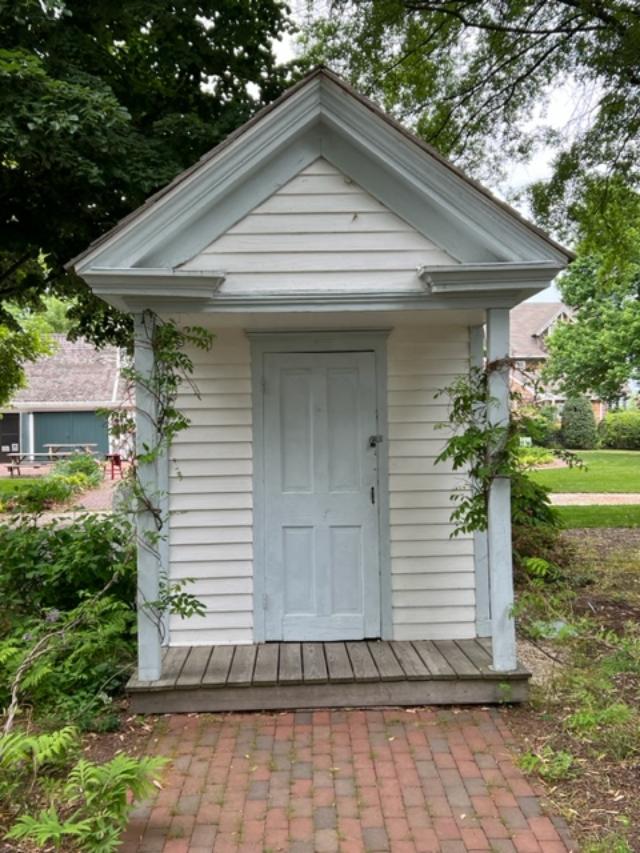
The Outhouse
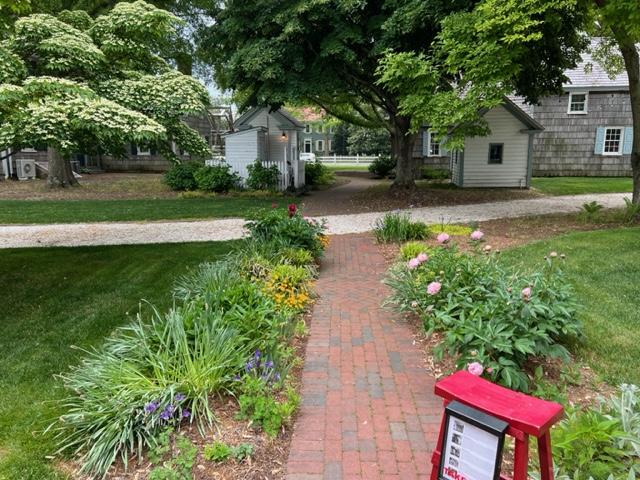
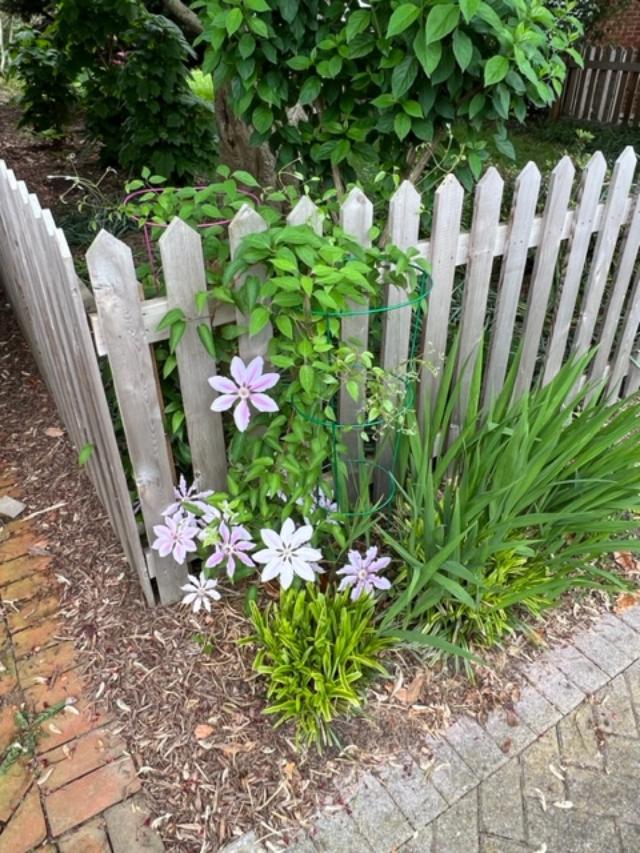
The gardens and grounds in the Spring 2023
The grounds in 2023
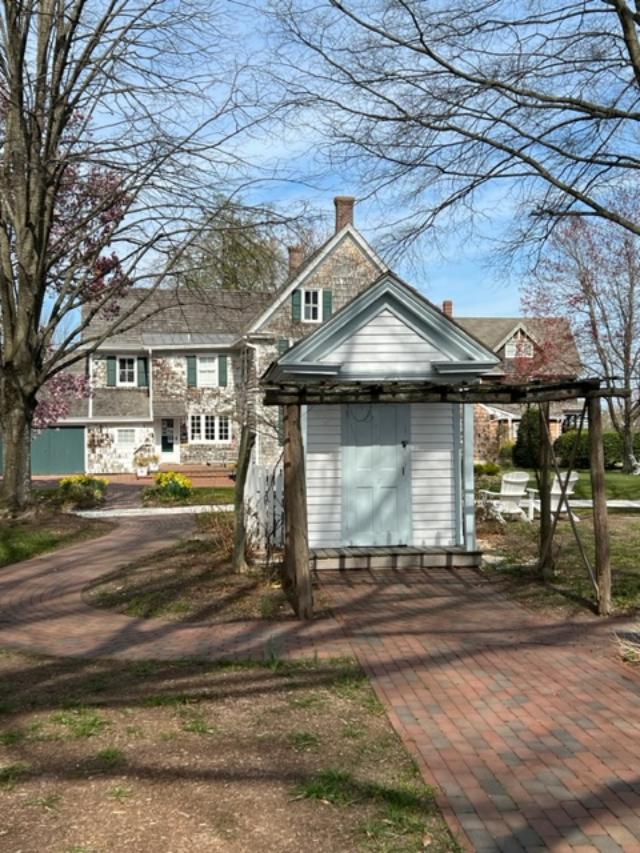
The Outhouse in the Spring 2023
Don’t miss this wonderful self-guided tour of the Lewes Historical Society.
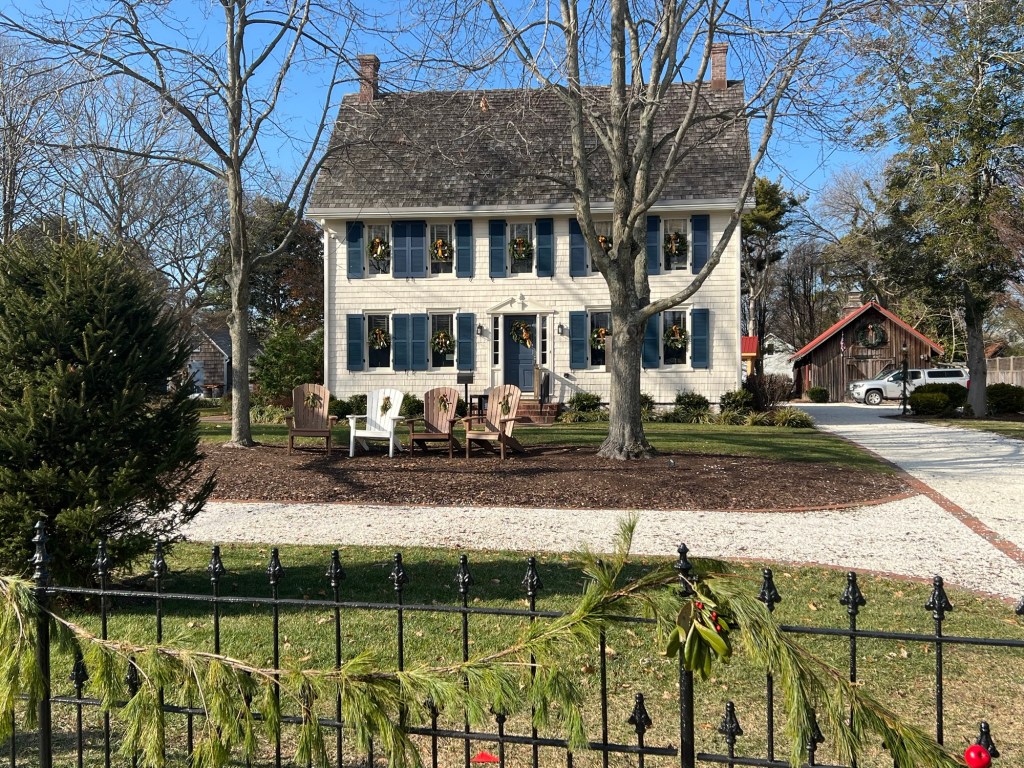
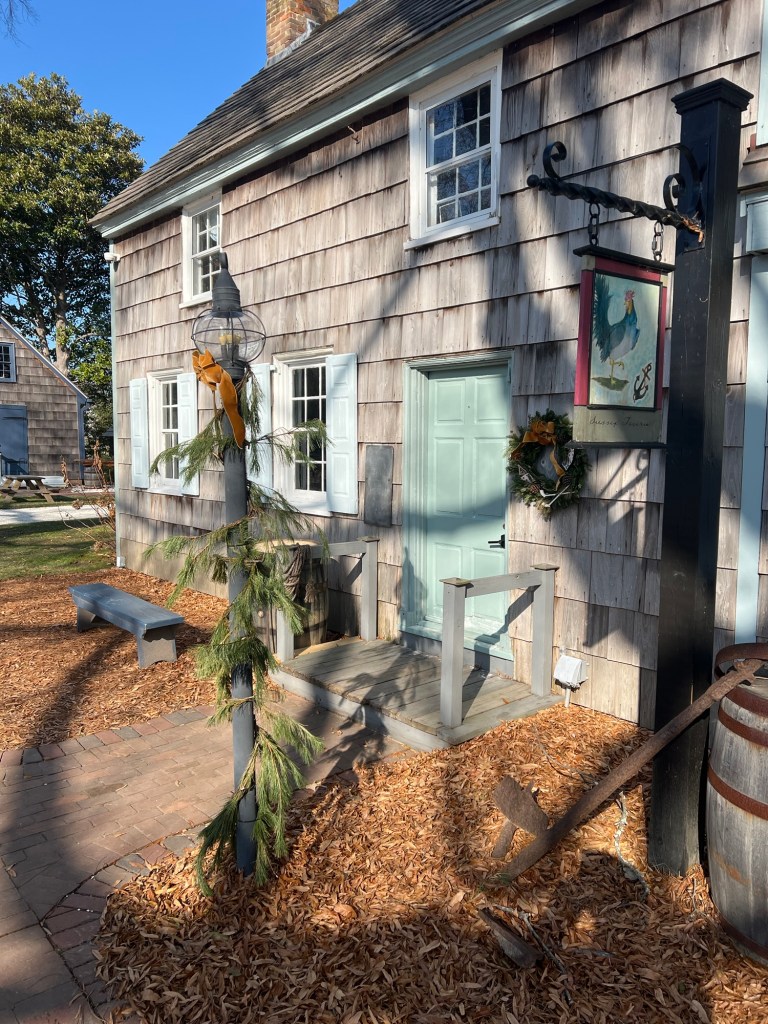
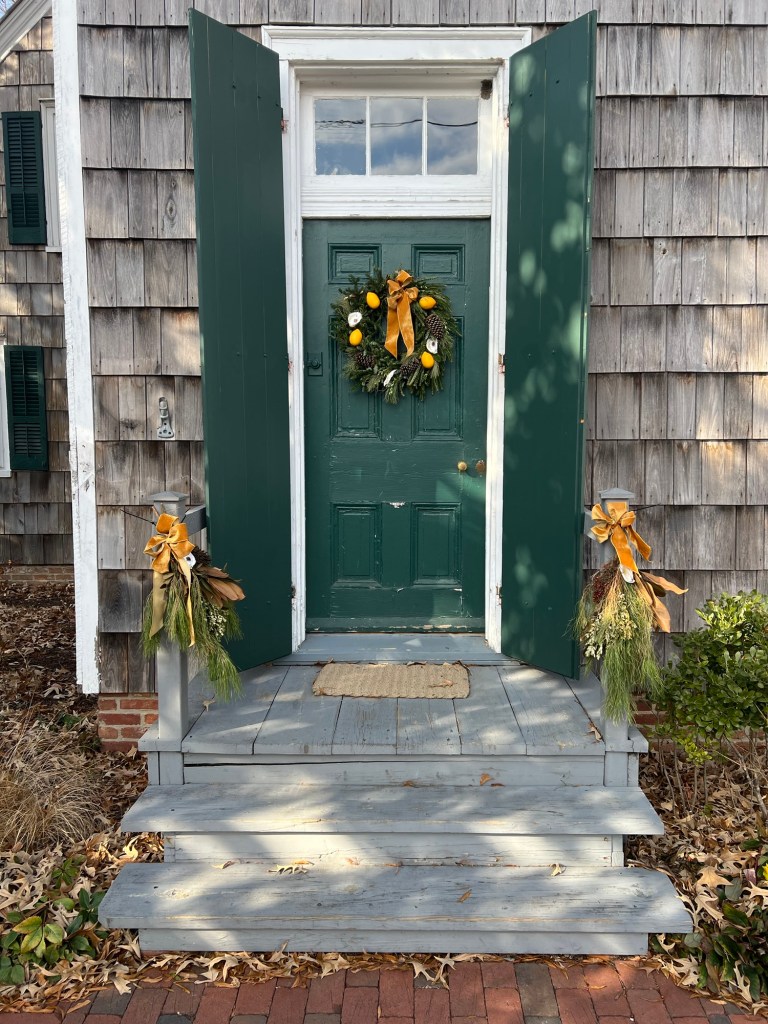
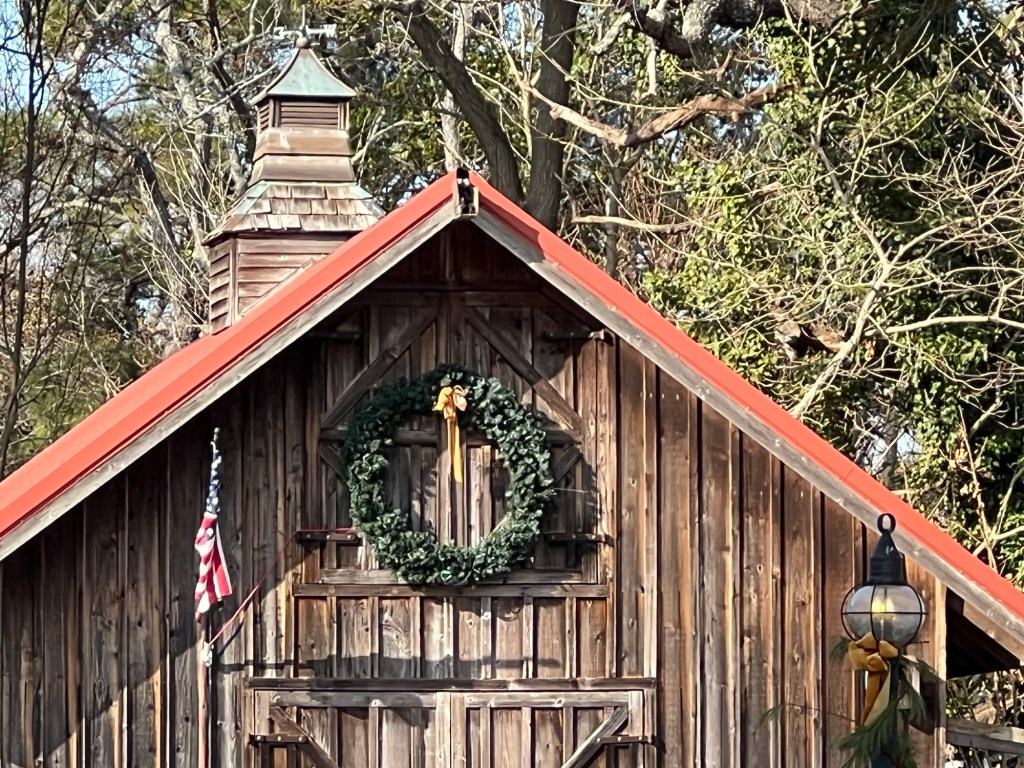
During Christmas of 2024, I came to the Society site for the Christmas holidays and it was closed for the day but I could still enjoy the buildings decorations. It was nicely decorated with wreaths and garland. Very nice at this time of the year.
The historical society decorated for the holidays
The Inn decorated for the family
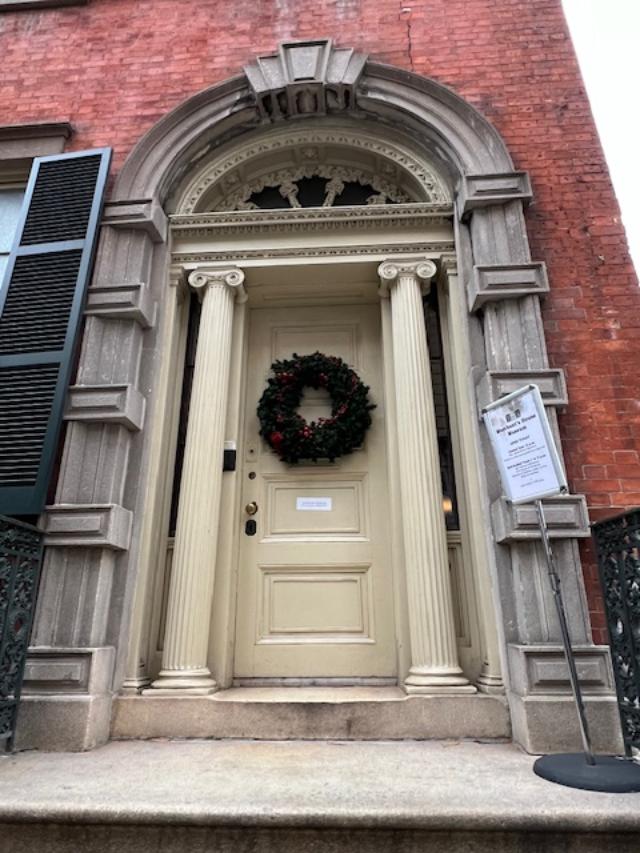
The doorways decorated for the holidays with wreaths and garland
The barn decorated for the holidays
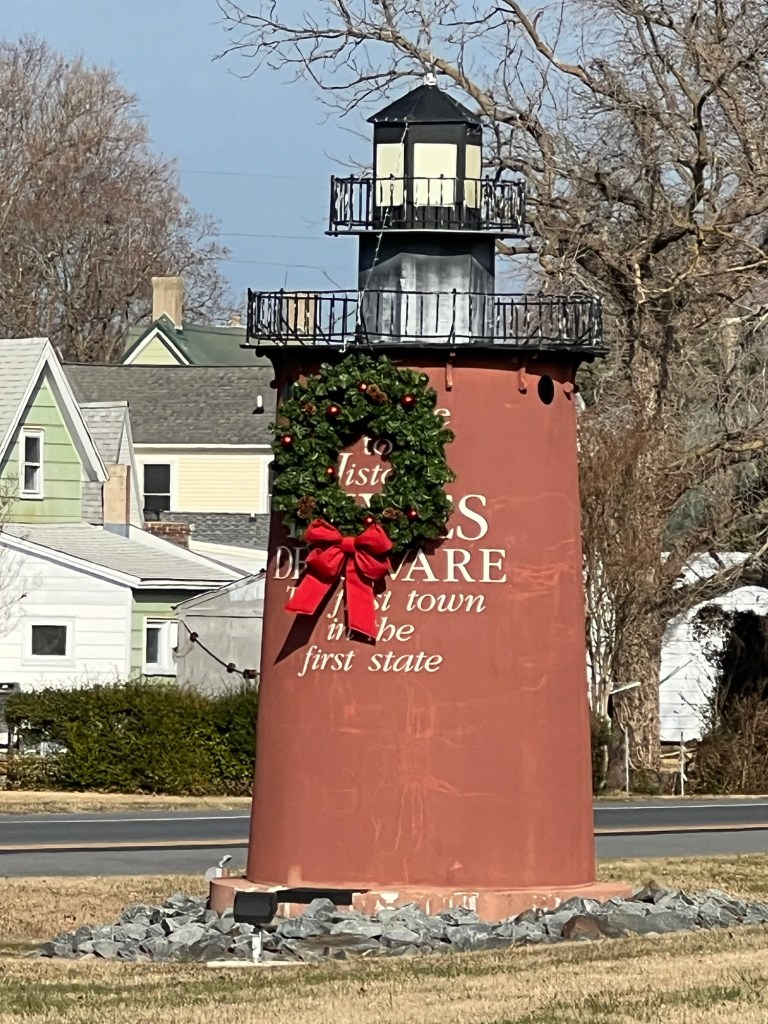
Even entering and leaving Lewes is very festive. It puts you in the holiday spirit.
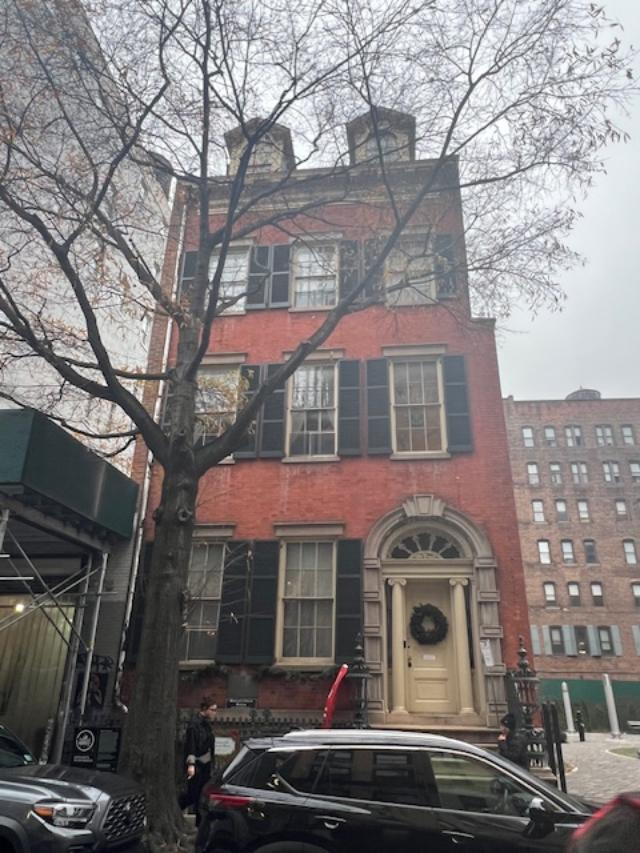
The Merchant House Museum, the former home to four generations of the Treadwell family, was built in 1832 and is designed in the late Federal style of brick and marble. When the house was built, elegant Greek Revival style rowhouses of red brick and white marble flanked the tree lined streets of this fashionable residential enclave, known then as the Bond Street Area.
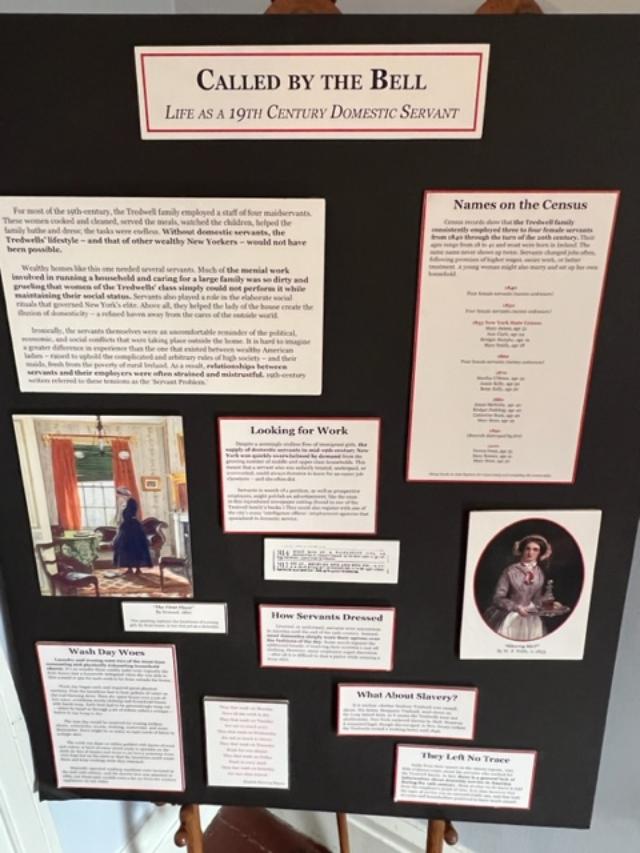
The house was the home of wealthy merchant, Seabury Tredwell, his family and their four servants. Over the next 98 years, the family lived there and saw the neighborhood and the city grow, change and prosper. In 1936, after the death of the last living relative, the house opened as a museum, complete with Tredwell family’s original furnishings and personal possessions.
At the Midcentury, cast iron made its first appearance and commercial buildings and factories came to dominate the area. By the century’s end, it would be a commercial district with the Tredwell’s being the last holdouts of the area. The house was saved by the last relative’s grand nephew who bought the home to preserve it as a museum.
The home is now part of the NoHo Historic District that includes about 160 buildings, 11 of which are distinguished as individual NYC landmarks
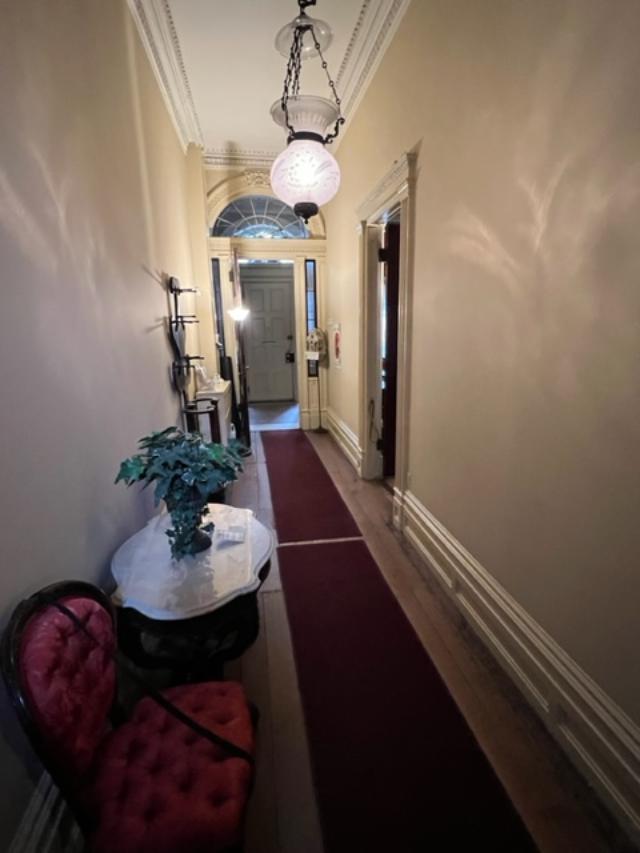
The Entrance Hallway where you would be greeted when you enter the house
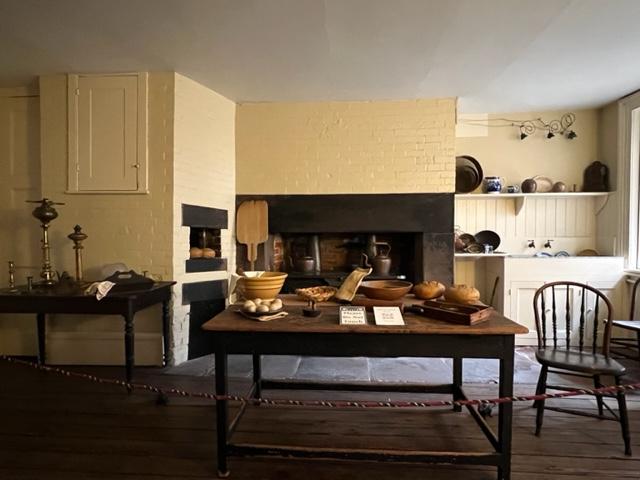
The Merchant House Kitchen ready for dinner to be prepared
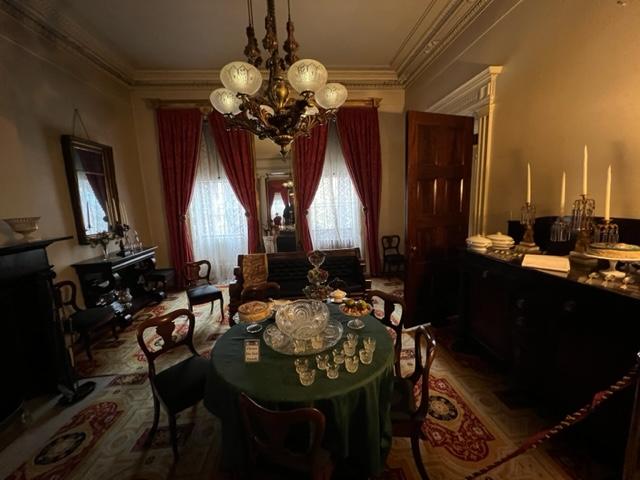
the Dining Room was set for the Dutch New Year gathering
The Christmas holidays were not a big tradition in the early 1830’s when the house was built. The Dutch tradition of visiting on New Year’s Day and making calls to your friends was what many fashionable families would do to socialize with their neighbors. Tea, Coffee and punch would be served along with cakes, sweets and savories. These calls would only last about ten to fifteen minutes before you would move onto the next house. This tradition continued until Victorian times when homes were spread further apart and the family Christmas celebrations with gift giving and a Christmas tree came into fashion due to Queen Victoria and the spread of English and German traditions.
The punchbowl ready for guests on New Year’s Day
Refreshments ready for the New Year’s Day gathering
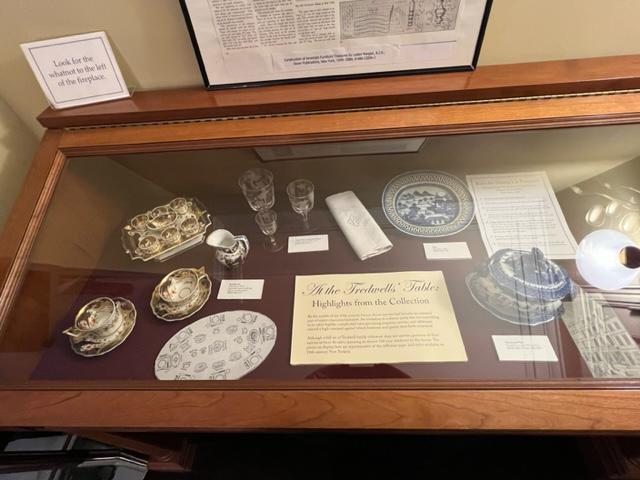
The broken pieces of the china collection of the Treadwell family. There is not a full collection of china that the family had to entertain with for formal affairs. They also did not have any china or silver of the family’s. I think that this might have been passed down to the heirs.
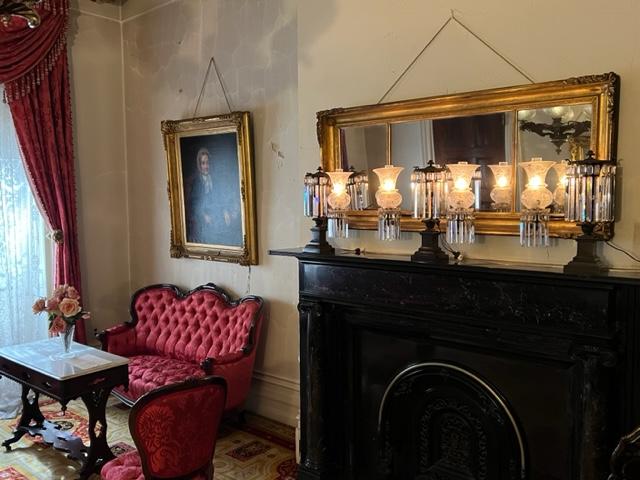
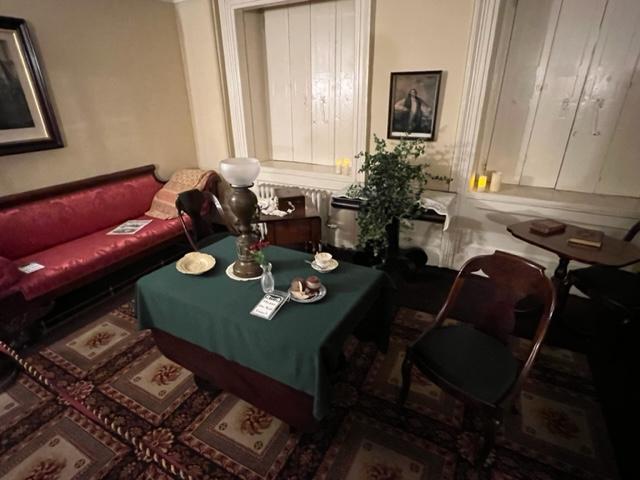
The Parlor of the Merchant House Museum
The piano in the Parlor of the home
The fireplace in the Parlor
The Parlor is where the family would gather after meals for entertainment and to converse with guests. This would be the main part of the house for socializing as the formal dining room and living rooms would be used for more formal affairs.
The Living Room in the Merchant House
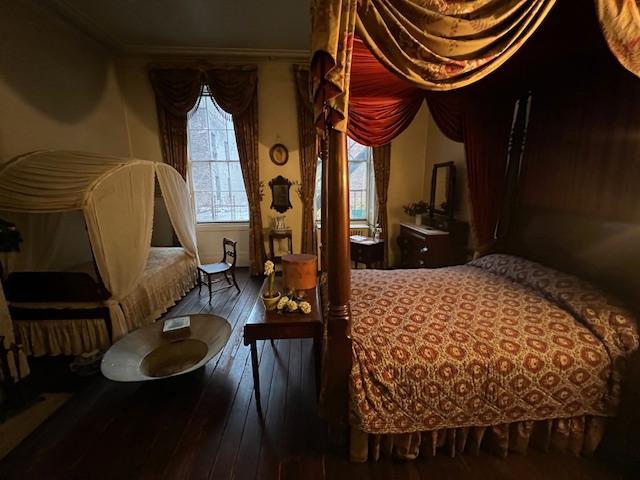
The stairs are rather narrow and steep when you are heading upstairs to the bedrooms so you have to hold on to the rails. The bedrooms are normal size by today’s standards but back then they were pretty big plus people had their own rooms. They were nicely furnished with family heirlooms and antiques.
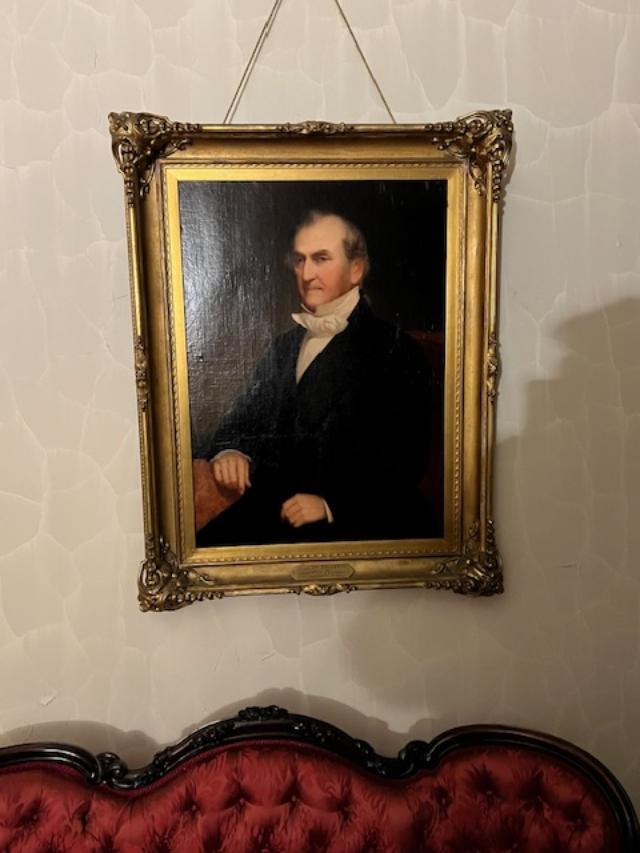
Mr. Treadwell’s bedroom
The portrait of Mr. Treadwell in his bedroom
Mrs. Treadwell’s bedroom
In Victorian times, the wealthy would have separate bedrooms for the husband and wife. Bedrooms would not just be a place to sleep but they were also a place of business where the family members would do their paperwork, write correspondence and arrange social events. Also, in the case of birthing, the child would be in the bedroom with their mother.
The “Valentine’s Day Card” exhibition “19th Century Valentines: Confections of Affection” on the second floor is part of the house’s extensive collection. ‘Delicate and lacy, these expressions of love celebrate the whimsy and romance of the Golden Age of Valentines’ (from the pamphlet).
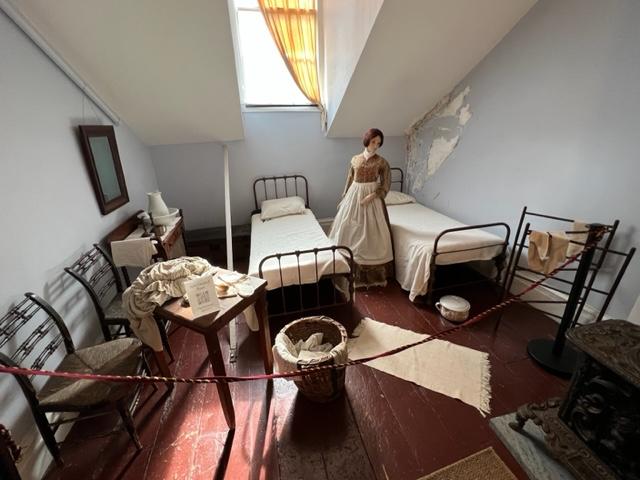
The Children’s bedrooms on the third floor were closed off and used as offices for the staff so I made my way up to the Servant’s Quarters on the top floor. These people really got their exercise climbing those stairs up and down every day. The stairs seemed to get more narrow as you headed higher and God forbid there ever be a fire. You would be trapped up there with no way out.
The Servants Room on the fourth floor
The Servants Room on the fourth floor was pretty spare
Looking for the paranormal
Looking for a ghost on the fourth floor
During October, the museum hosts “Gaslight Ghost Tours”, where you tour the home by candlelight. There have been strange noises in the house ever since Gertrude Tredwell passed in 1934. She had been born in the house in 1840 and lived here until she was 93. She had never married and now it is said that her spirit is still part of the home (museum pamphlet).
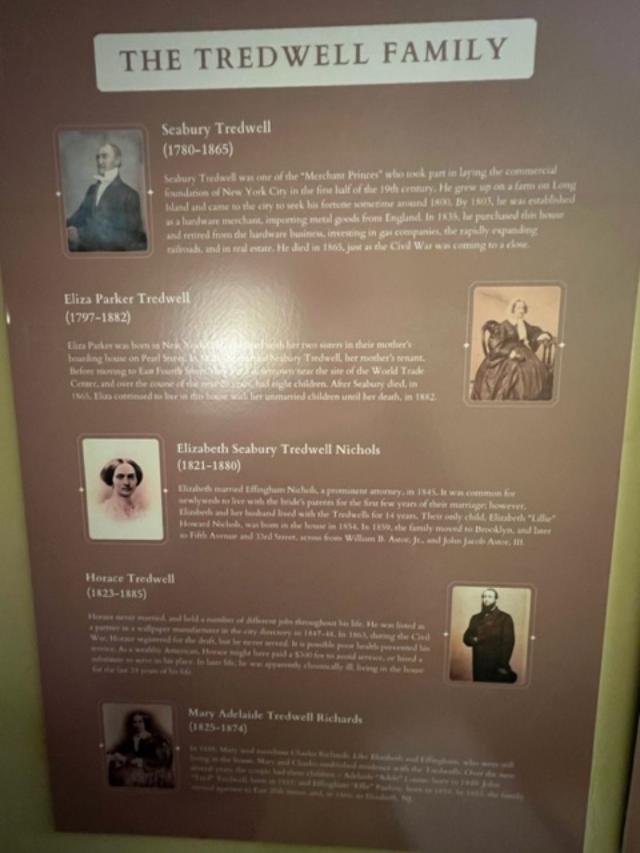
After viewing the Servants Quarters and not finding any ghosts, I headed back downstairs to the main hallway leading into the house. There I saw the timeline of the family and all the family members that had lived in the house. It seemed that the last living relative, Gertrude, died in the house in 1934 and her grand-nephew bought the house and all its debts at the height of the Depression to preserve the home as a museum. Talk about insight! The nephew knew how important this home would be one day.
The Treadwell family tree in the hallway downstairs
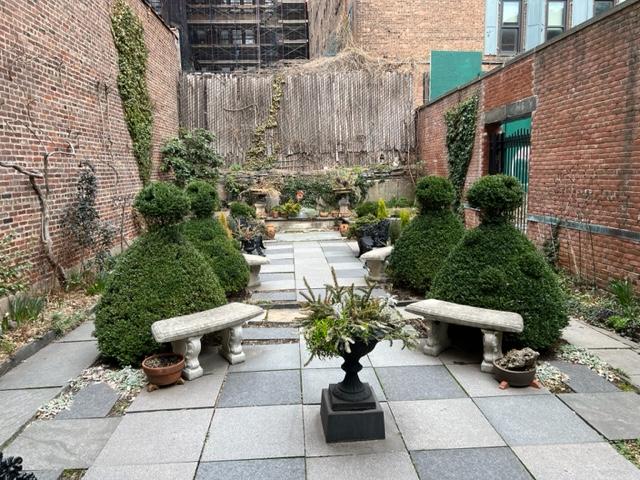
The last part of the tour was the gardens in the back of the home. It was not a formal yard but a well landscaped walled in garden with a small fountain in the back of the gardens. The flowers were just starting to come up and there were crocuses and daffodils One of the curators was the Master Gardener for the property and did a nice job landscaping the property.
The back of the Merchant House Museum in the late Winter in the Gardens
The Gardens of the Treadwell house in the late Winter
The fountain at the gardens was off but now means to come back in the late Spring
There is a more formal tour a couple of times a day of the home but that is by reservation only and there is a separate fee. The holidays offer more themed tours on Halloween and Christmas. The Candlelight tour of the hour for Halloween is really intriguing.
The Merchant House Museum at night before Halloween
I recently went on the Haunted House tour at the Merchants House for Halloween in 2023 and that was interesting. We walked the first two floors of the house in the dark by candlelight hearing stories about the family.
Costumed characters greeted us in every room but none of us saw a ghost. Still the house had a creepy feeling to it as we walked room by room discussing the lives and deaths of the Treadwell family. We started off in the Parlor on the first floor with displays of seances and ghost pictures dotting the displays.
The display of seances and ghost pictures.
It can be a bit spooky walking through a house by flashlight, but the docents made the conversation interesting and fun. We got to hear about all the haunted tales of the house. A highly suggestive tour around Halloween.
The Parlor at night on the Candlelight tour of the house on Halloween.
The home is very engaging at Christmas time as well as you are welcomed into the Treadwell Home for the Christmas holidays with their annual Christmas Eve Reception and preparations for Christmas lunch. The house was decked out in garland and bows with several Christmas trees in the room. The house was very festive for the holidays and you were welcomed into the world of 19th century New York City at the holidays.
The Merchant House at the Christmas Holidays.
The outside of the house decked out for the holidays.
You are welcomed to the home at Christmas time.
We started our tour in the gardens which had gone dormant for the season but still you could see the greens in the bushes and the pine trees. It had been a warm morning in the low 50’s with a treat of rain but later that afternoon. For now, it had just been gloomy. We had a nice conversation about the house and its history even though we could barely hear the tour guide as he talked so softly.
We next toured the kitchen where the cooks were busy cooking and baking for the Christmas holidays. The 19th Century was all about manners, traditions mostly Dutch and entertaining. The Treadwell’s were people who both entertained the neighbors and their family as well. So there would be teas, receptions, open houses and then the formal Christmas Eve festivities and then Christmas lunch after church service the next day.
The holiday meal being cooked in the downstairs kitchen.
Christmas dinner with the Treadwell’s must have been special.
We moved next to the upstairs parlor that was set for receiving guests from the neighborhood. The Treadwell’s like most families at that time received guests for New Year’s Day punch and refreshments as the men of the neighborhood made their social calls during the holiday season. This tradition stopped around the time of the Civil War when families during the Industrial Revolution acquired money and people did not want to ‘entertain just anyone’.
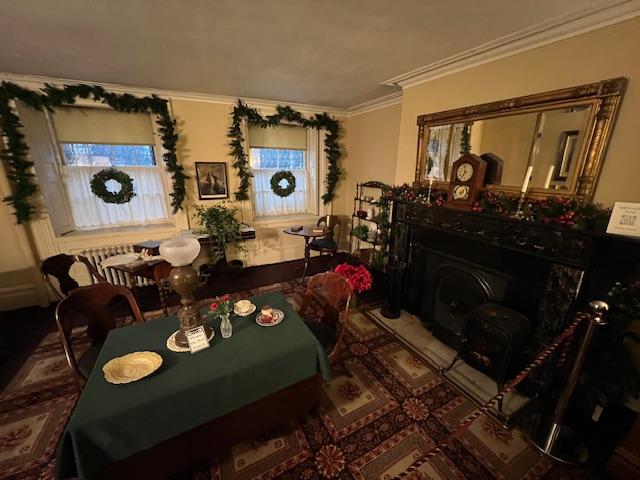
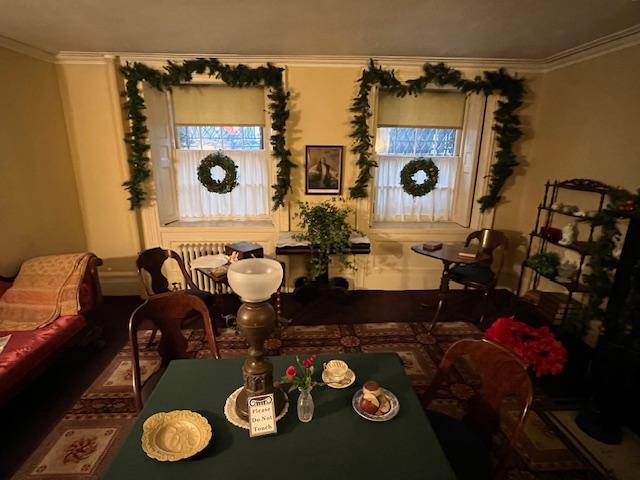
The Parlor by the front door ready to received guests for the holiday season.
The Parlor on the first floor receiving guests for New Year’s Day.
The mantle was beautifully decorated for the holidays.
We next toured the formal Dining Room and Living Room on the second level where the family entertained relatives and friends for the holidays. It must have been some celebration as the Dutch traditions disappeared and the Victorian rules and elaborate traditions started some still practiced today. Now we call it the “Norman Rockwell” and “Martha Stewart” standards.
The formal Living Room with the Table Tree decorated for the holidays. The Table Tree was the precursor for the modern Christmas tree.
The tree is the focal part of the room.
The fireplace was decked out for the holidays as well.
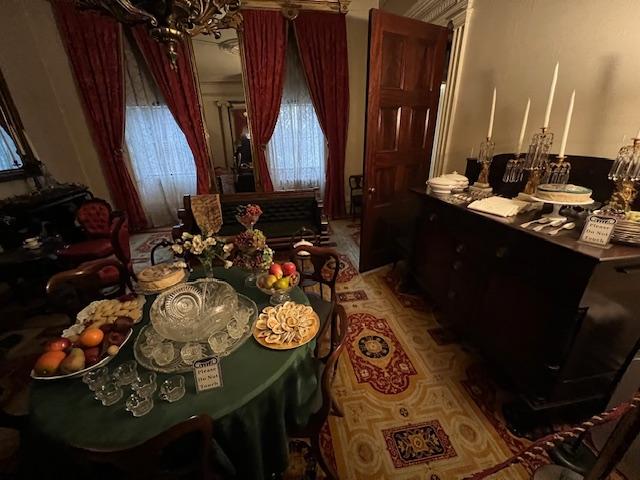
The Dining Room was set for the Christmas Eve Open House and in preparation for receiving guests in the formal room. The finest silver, china and crystal would have been used to show off the family position in the neighborhood and was meant to impress.
The Dining Room was set for receiving guests for the Open House.
The Dining Room set for a feast.
The family would receive guests all day, replenishing foods so that there was plenty for everyone who visited. Women would be busy all day entertaining neighborhood men who would be calling all day long.
The bannisters were beautifully decorated with garland.
During the Victorian Age gift giving during the holidays became very important.
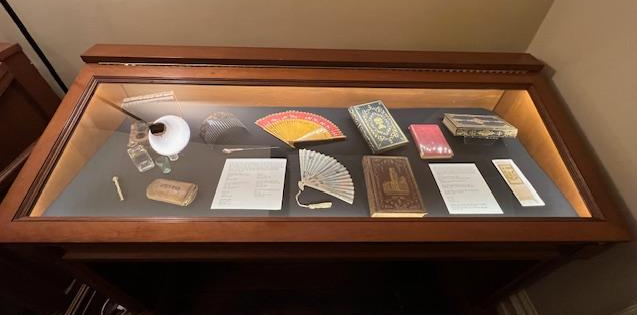
Christmas presents of the Victorian Age.
Gifts of the Victorian Age.
We then toured the upstairs bedrooms and saw how they decorated. The rooms were nicely decorated for Christmas. I have never seen rooms decorated like this for the holidays.
Mrs. Treadwell’s bedroom
Mrs. Treadwell’s Bedroom
Mr. Treadwell’s bedroom
Mr. Treadwell’s portrait in the bedroom standing guard.
It was an interesting look at both Edwardian and Victorian times in New York City.
The New Year video on celebrations on the “New Year’s Day Visiting” day
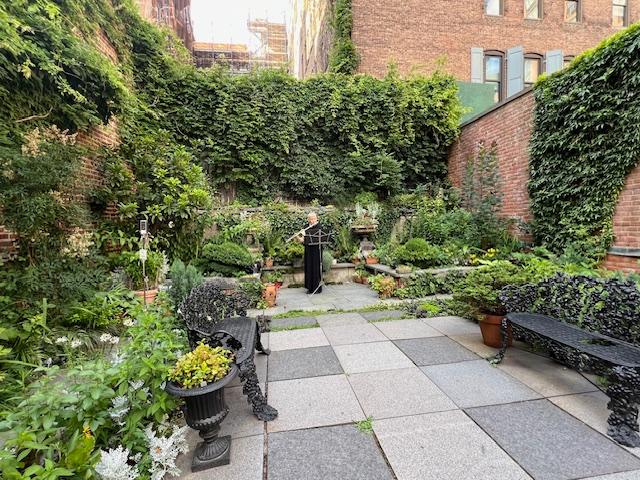
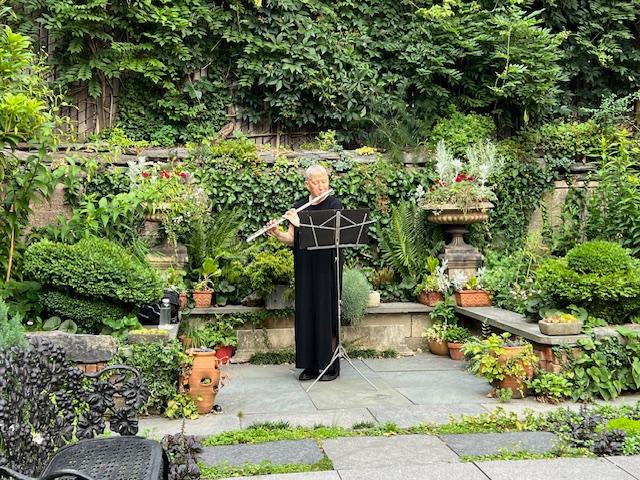
During the Summer months, the Merchant House Museum is hosting a series of “Music in the Garden” concerts. The first one I attended was in June 2024 with Flutist Cheryl Pyle. What a nice relaxing evening in the gardens that were all in bloom.
The gardens were in full bloom that June evening
Flutist Cheryl Pyle performing in the gardens that evening
The Concert that evening for everyone to enjoy too!
The gardens are this hidden gem in the neighborhood. The volunteers have done such a beautiful job taking care of this marvelous historic site.
The gardens looking at the back of the house with the wine and snacks and information table
The gardens closer to the back entrance of the house
The left side of the back garden
The right side of the gardens
The entrance to the gardens from the park next door
The fountain staring back at us in the gardens
This little bird even joined us in the garden for the concert and stayed and listened contently
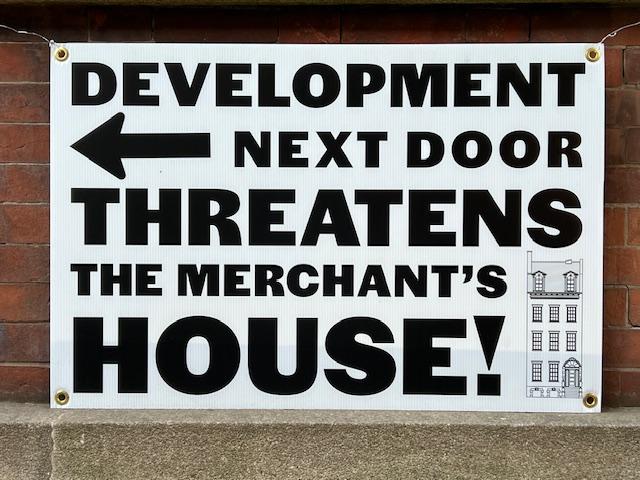
The museum is currently having a fight to keep construction away from the home. The ten-year battle to keep a hotel from being built has been a problem for the museum. The foundation and structure of the home are in danger due to the fragile state of the building. The Landmark Preservation Commission of New York is researching and looking over the proposal.
The museum now has to defend itself from building next door
The museum is a perfect way to see how residents of a Upper Middle Class family lived in Pre-Victorian times and show the last vestiges of the neighborhood when it was a fashionable section of the City.
The Theodore Roosevelt Birthplace National Historic Site at 28 East 20th Street
History of the Theodore Roosevelt Birthplace National Historic Site:
From Wiki/National Park Service Pamphlet):
The house is a replica of the birthplace and childhood home of the 26th President of the United States. The house originally stood on the site was built in 1848 and was bought by the Roosevelts in 1854. Theodore Roosevelt was born there on October 27th, 1858 and lived in the house with his family until 1872, when the neighborhood began to become more commercial, and the family moved uptown to 57th Street.
The plaque of the original house
The original home was demolished in 1916 to make way for retail space but upon the death of the President in 1919, the lot was purchased, and the house rebuilt by the Women’s Roosevelt Memorial Association, which eventually merged with the Roosevelt Memorial Association in 1953 to form the Theodore Roosevelt Association. Noted female American architect Theodate Pope Riddle was given the task of reconstructing a replica of the house, as well as designing the museum, situated next door, that serves to complete the site.
Theodore Roosevelt Sr.
Mrs.Alice Roosevelt, Theodore’s mother
The row house next door at number 26, which was the twin to the Roosevelts, was used as a model and some architectural elements from it were incorporated into the replica. The twin house was demolished to make space for the museum. The restoration recreated the house as it was in 1865.
The house is furnished in a mixture of period pieces that would have decorated the house at that time period along with Roosevelt family heirlooms. The was decorated as best as the family at that time could remember. This includes the Living Room, Dining Room, Parlor, the two bedrooms along with the children’s wing. The house had changed over the years so things are not exactly the way they would have been.
The recreation of the Roosevelt Living Room
The Roosevelt Parlor Room
The Roosevelt Dining Room
The Roosevelt Bedroom
The Roosevelt Library/Office in the bedroom area
The Roosevelt Bedroom
The house was rededicated in 1923 and was subsequently refurbished with many furnishings from the original house by the President’s widow, Edith and his two sisters. The widow and sisters also supplied information about the interior’s appearance during Roosevelt’s residency. The Theodore Roosevelt Association donated the birthplace to the National Park Service in 1963.
The lower level of the house is where the gift shop is located and the gallery room with pictures of President Roosevelt and his family and in government events. They also have the original “Teddy Bear” created for the President and the shirt that the President wore when there was an attempt on his life. There is also a series of family portraits as well.
The “Teddy Bear” is located in the display gallery in the first floor
The shirt the President was wearing when there was an attempt on his life
Try to get to the site during one of the tours and the rangers will give you a detailed talk both on the house and on the family. It is also self-guided so you can take your time to walk the house before it closes for the evening.