When I was visiting Kingston, NY again for my blog, “MywalkinManhattan.com”, I came across the Trolley Museum that was down the road from the NY Maritime Museum and the harbor for the ‘Hudson River Cruises”. This unique museum has a lot of interactive things for a family to do including riding a trolley through the harbor of the Kingston Roundout to Kingston Point Park right on the Hudson River. On a beautiful sunny day there is nothing like it.
The first part of the trip took us to the Kingston Roundout
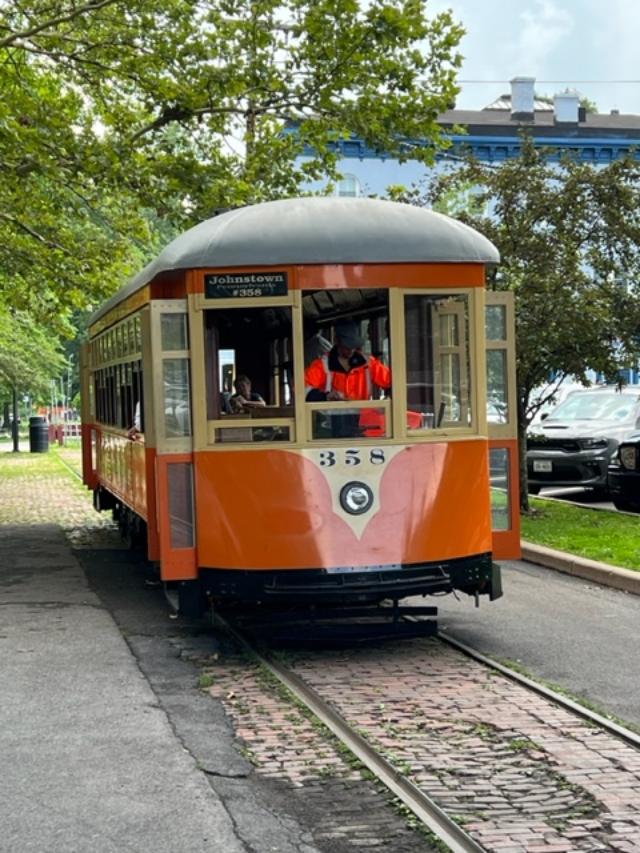
I just made the first trip on the trolley. You start at the front of the museum and then you take a short trip to the downtown and we picked up other passengers. It was then off for a short trolley trip following the river up to Kingston Point Park and the picnic grounds there.
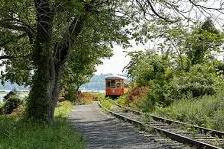
The Trolley arriving at Kingston Point Park
The foliage was amazing at the park with hues of gold and red and the trees were just coming into their peak. We only had about a half hour to stay at the park and look around but it was a real delight of colors and the views of the river just shined in the sun. It was very picturesque especially with sailboats passing by.
The Trolley stops at Kingston Point Park
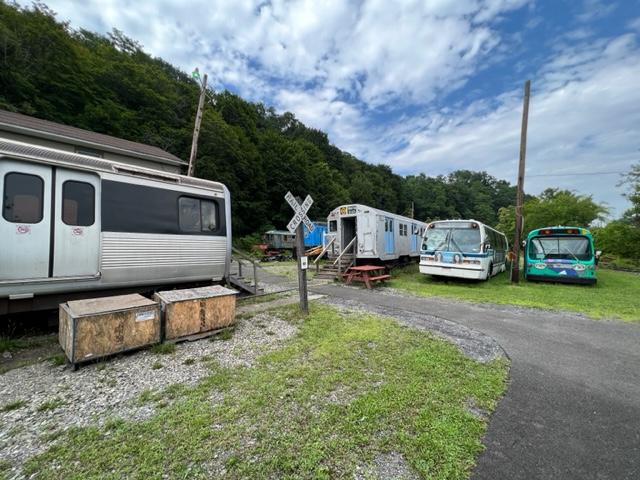
On our way back to the museum, you could see the lighthouse from its perch at the mouth of the inlet. People were starting to take the Hudson River Cruise in the distance which I had made two weeks earlier. When I got back to the museum, I toured all the buses, subway cars and the Path train that they had in the parking lot. I could see this live in Manhattan so I went to visit the museum. The nice part about the museum is how interactive it is and how you can pace yourself through all the displays.
You can tour old subway cars, buses and an old Path Train
There were small exhibits on the history of the trolley cars in cities, the development of the cars as a mode of transportation starting with horses to the electrical age.
Old New York City subway car
There was also a small display on glass fixtures used in the electrical lines before the new cabling systems came in and another hats and uniforms used on the trolley cars over the years. There are also displays of signs and posters for the different lines.
The inside of the Kingston Maritime Museum
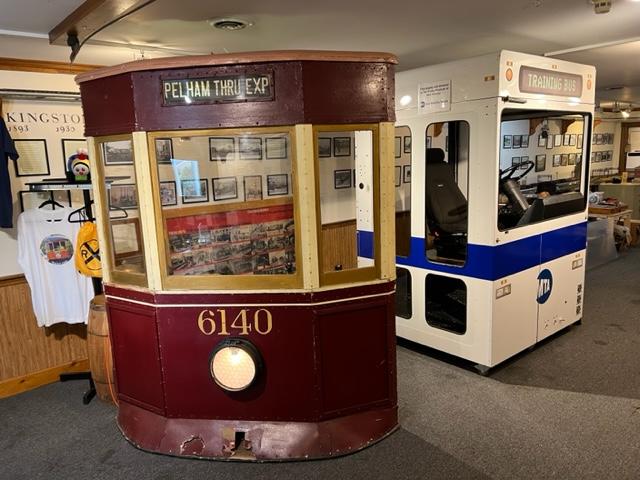
The Subway display at the Kingston Trolley Museum
It is a small museum but for families, there is a lot to climb through and tour around and just taking the trolley up to the park is worth the price of the ticket.
The conductor operations room display at the Kingston Trolley Museum
History of The Trolley Museum of New York:
The Trolley Museum of New York is a non-profit educational museum founded in 1955. The goals of the museum are to offer rides to the public, exhibits and educational programs sharing the rich history of rail transportation and the role it played in the development of the Hudson Valley region. In addition to static displays of trolley, subway and rapid transit cars from the United States and Europe, a trolley ride runs 1 1/2 miles from Gallo Park at the foot of Broadway in downtown Kingston, NY to Kingston Point Park on the shore of the Hudson River, using a renovated 1925 trolley. Along the way, we stop at the Museum grounds.
The inside of the Kingston Trolley Museum
The Museum is on the original site of the Ulster and Delaware Railroad yards at Milepost 1. Our shop building is built on the foundation of the U & D engine building house which existed at the turn of the century. The upper level includes a Visitor’s Center featuring seasonal and permanent displays, a video viewing area and large windows overlooking the restoration shop. Visitors can see up to eight trolleys being housed and restored below.
The outside of the Kingston Trolley Museum
One of the cars in the restoration shop is our 1897 wooden trolley car from Olso, Norway. This car is one of four cars that we have on display that are 100 plus years old.
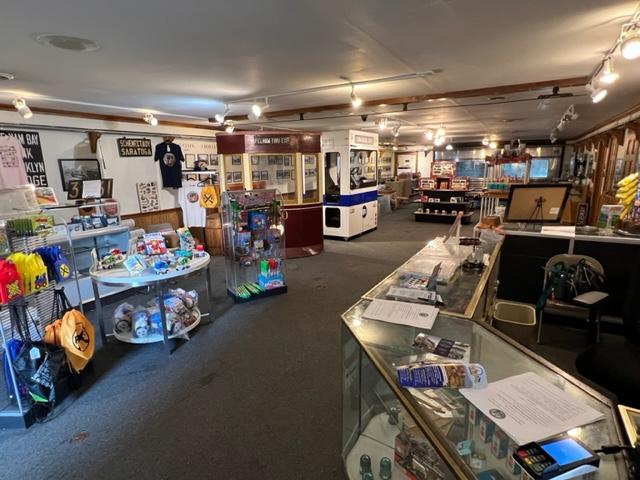
The public transport display inside the Kingston Trolley Museum
Your Donations:
All of the Museum staff are volunteers. There are many projects, both large and small, all of which require funding to complete. Chief among these are the installation of overhead electric wire, trolley restoration and the expansion and rehabilitation of track. Your donations will help to provide vital support for these projects and others.
Inside the Kingston Trolley Museum
(This information comes from The Trolley Museum of New York’s pamphlet and I give them full credit for it).
The Kingston Hudson River Maritime Museum 50 Roundout Landing
I recently visited the Hudson River Maritime Museum after a boat cruise around the Hudson River and I found this wonderful little under-rated museum to packed with information not just about the history of the Hudson River Valley but the rich history of boating and boat building, the economic impact of the area in mining, brick building, ice manufacturing and cement development.
The Tug Boat display
It was interesting to see how the natural wonders of the area have given the rise to so much development in not just building the area but its long lasting contribution to New York City. This was not just in industry but in the pleasure and shipping boat industries as well.
The Ferry display
One part of the museum is dedicated to transportation up and down the river with sailing and steamboats in the forefront especially how the luxury steamboat industry went full force until about 60 years ago. It was considered the nicest form of transportation to and from New York City. It was interesting how the modern train and car lead to the demise of something that today would be embraced as unique and fun. The pleasure steamboat industry continued on until 1971.
The leisure ferry industry down the Hudson River
Another part of the museum was dedicated to the history and development of the area from the Native American tribes living along the shore and the Dutch settlements to the rise of modern development of manufacturing along the shores to its after effects and clean up in the 1960’s and 70’s. These included fishing, ice manufacturing and brick making.
The Ice Industry on the Hudson River
There were really nice displays on the ship building, sail companies and maritime industries that supported them. The manufacture of raw materials and building supplies because of the natural resources of the Hudson River Valley show how rich in minerals, clay, cement and stone from the cliffs built New York City and how they nearly destroyed nature.
The Brick industry in the Hudson River Valley
The displays tell the stories of activists who saved the area, Robber Barons that exploited it and the everyday people who contributed to making the valley the interesting place that it is today. It showed how protests and free speech saved the Valley from devastating development.
The Alexander Hamilton Ferry ride down the Hudson River
With each room at the museum, there is a story to tell and pictures to explain why the Hudson River Valley and the Kingston Roundout is such an interesting place to see. Outside you can find an example of the Tug Boat industry
The Tug Boat “Mathilda” on the museum grounds
The tugboat display by the riverfront
Take time to guide through the rooms and read the signs and stories. There is a lot to see and do here and make sure to leave plenty of time to walk the grounds and see the tug boat and sailing displays and walk the river front. There is even a display of ships models to explore. It makes for an interesting afternoon.
The ‘Ship Models’ display
History of the Hudson River Maritime Museum
(This information was taken from the Museum’s website and pamphlet)
Hudson River Maritime Museum
The Hudson River Maritime is dedicated to the preservation and interpretation of the maritime history of the Hudson River, its tributaries and related industries.
Ship building was very important in the region
The Hudson River Maritime Museum was founded in 1980 to preserve the history and maritime heritage of the Hudson River. Our collections range from steamboats, tugboats and sailboats to the canal system and waterfront industries, dating back to the early 19th Century.
The ferry display
The museum has a library and archives open to researches by appointment. Some of our collections have been digitized and are available online at http://www.hrvh.org/hrmmkingston.
Passenger steam boats, Hudson River rowing, ferries, ecology and conservation, ice boats, tugboats, fishing, ice harvesting, brick making, early exploration, cement production, lighthouses and more. HRMM features a new temporary exhibit every year. Information on exhibits, including online exhibits is available at hrmm.org.
The ‘Cabin Room’ display
Some of the attributes of the museum:
Wooden Boat School:
The Wooden Boat School was opened by the Hudson River Maritime Museum to preserve the rich boat building heritage of the Hudson River Valley. Wooden boat building occurred on Roundout Creek in particular throughout the 19th and 20th centuries including World War I & II and the Korean War.
The ‘Hudson River Weather’ display
Today, the Wooden Boat School offers adult classes, Youth boat program for teens and serves as the headquarters for the Sailing & Rowing School, Sea Scouts Ship 609 and the Kingston Sailing Club.
Kingston Home Port:
A timber framed carbon neutral structure, the Kingston Home Port and Education Center was completed in 2012 to serve as the winter home port and maintenance center for HHRM partner the Hudson River Sloop Clearwater during the winter season. During the summer months, the Home Port serves as an event, lecture and educational space for the museum.
The ‘Steamboat Captain’ display
The Kingston Home Port also functions as the main operational headquarters for the Roundout Rowing Club and the Kingston High School Crew Team.
The ‘Erie Canal’ display
The ‘Erie Canal’ display
The Hudson River Maritime Museum (HRMM) features a variety of programs and events throughout the year including:
*Lighthouse Tours
*Local History tours, including guided walking and car tours.
*Woodworking, maritime art and boat building classes at the Wooden Boat School
*Sailing, boating and rowing classes at the Sailing & Rowing School
Fee: Adults $22.00/Seniors (over 65) $14.00/Current Students with ID $13.00/Free to Members and Children under 12 accompanied by a parent. Free on Friday Nights from 7:00pm-9:00pm. Discount for people with disabilities $13.00-Caregiver Free.
What I love about the Morgan Library & Museum is the level of sophistication and quality of their exhibitions. The museum really makes you think when you tour their galleries and attend their lectures and gallery talks. Their docents and curators bring an exhibition to a whole new level. I always feel like I am taking a college course and will be graded afterwards. They really make you think about the work or what the author or artist is trying to say.
Two of my favorite exhibitions were the “150th Anniversary Celebration of Alice in Wonderland”, which is why I joined the Morgan Library & Museum. I loved the novel and I wanted to get some ideas for our library’s own celebration. They had the original manuscript written by Lewis Carroll, some original prints and memorabilia from various times including posters, books, artwork and decorative items.
The entrance to the “Alice in Wonderland” exhibition
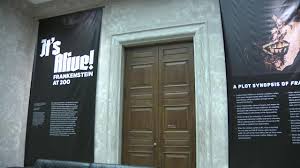
Another wonderful and interesting exhibition was on Mary Shelley’s “Frankenstein” which was a celebration of her life, her works and of the novel through the ages in both context of the novel and in Hollywood. There were various copies of the books in the exhibition as well as the history of the author’s life.
The Frankenstein print
The exhibition showed the clips of the original silent version of the film, the 1931 version with Boris Karloff and the modern version “Young Frankenstein” with Gene Wilder from 1974. I learned from the exhibition that the set used in the 1974 version of the film was from the original 1931 film and it had been in the director’s basement all those years.
The entrance to “It’s Alive: Frankenstein at 200” exhibition at the museum
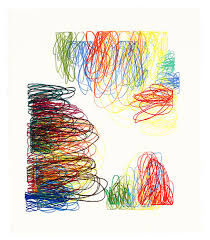
Another exhibition that was very interesting was the recent American artist Al Taylor with an showing of his drawings. The works were unusual but really stood out was his time in Hawaii and the drawings that inspired him.
Duck Bondage Study by Al Taylor
Untitled by Al Taylor
American artist Al Taylor
A YouTube video on the “David Hockney” Exhibition:
The recent David Hockney Exhibition that I missed.
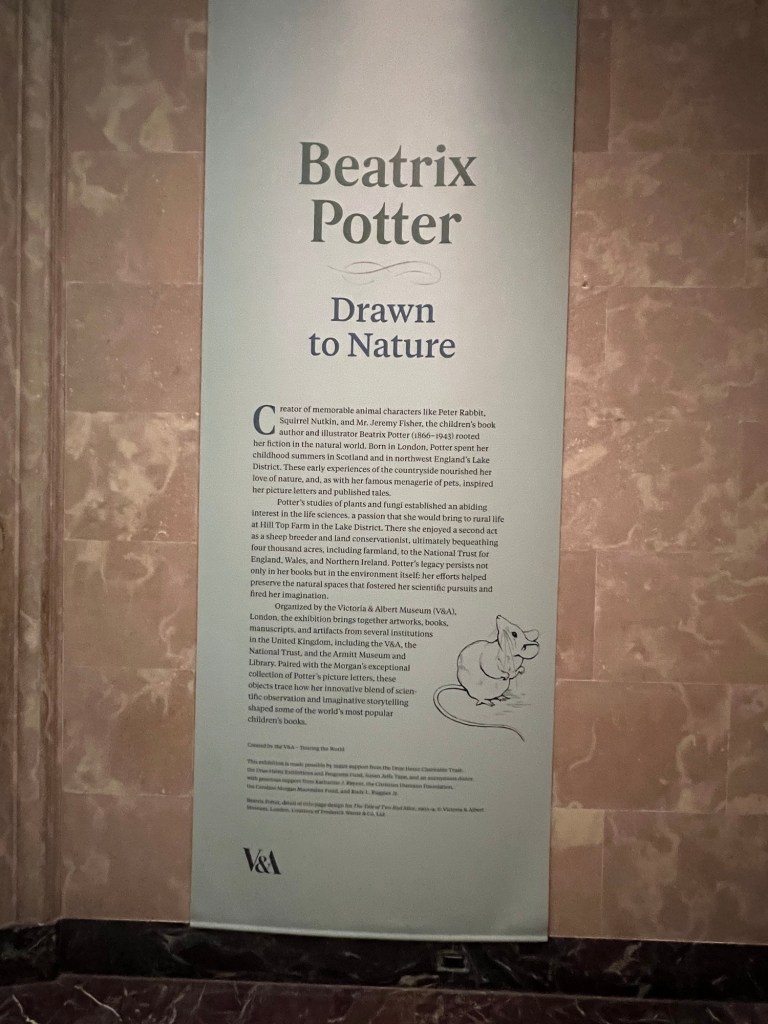
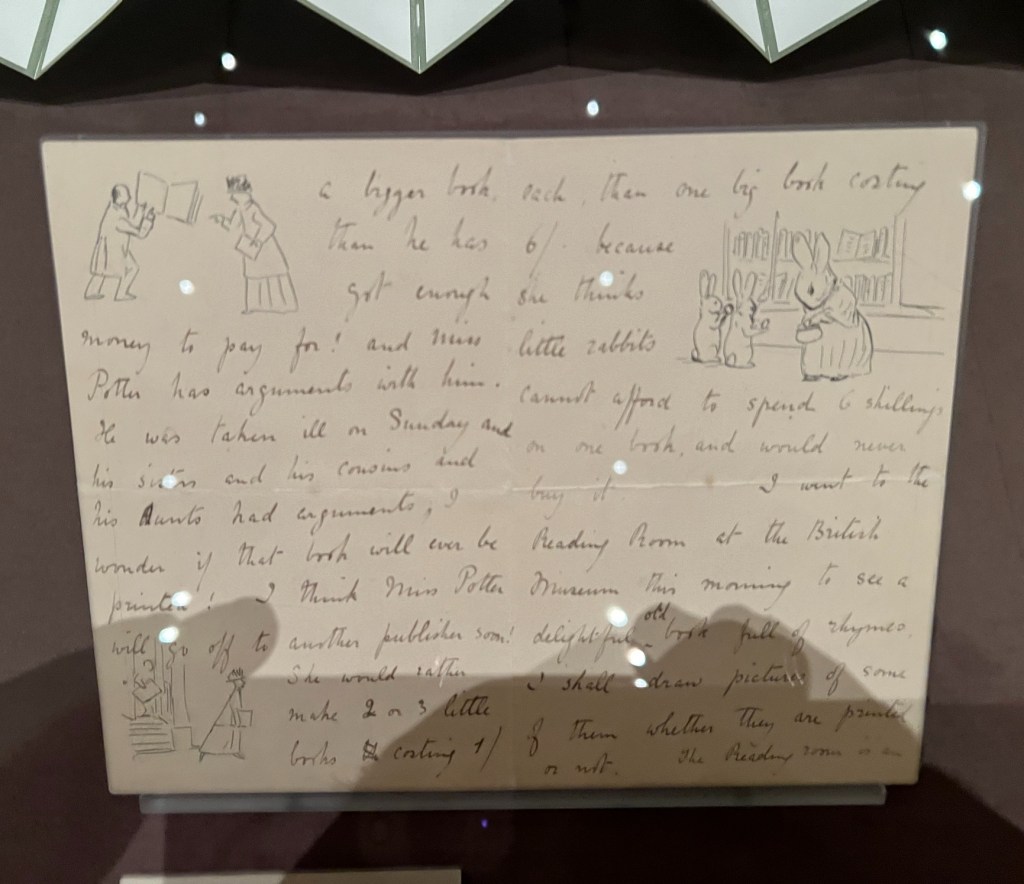
I rejoined the museum after a long COVID absence and the first exhibition that I attended was the “Beatrix Potter” exhibition on her work on Peter Rabbit. It had many of the early drawings of her children’s books as well as some of her merchandising. The exhibition discusses her life before and after her books were published and then her second act as a farmer and conservationist.
The “Beatrix Potter: Drawn to Nature” exhibition in April 2024:
Beatrix Potter: Drawn to Nature
The entrance to the gallery
The gallery opening
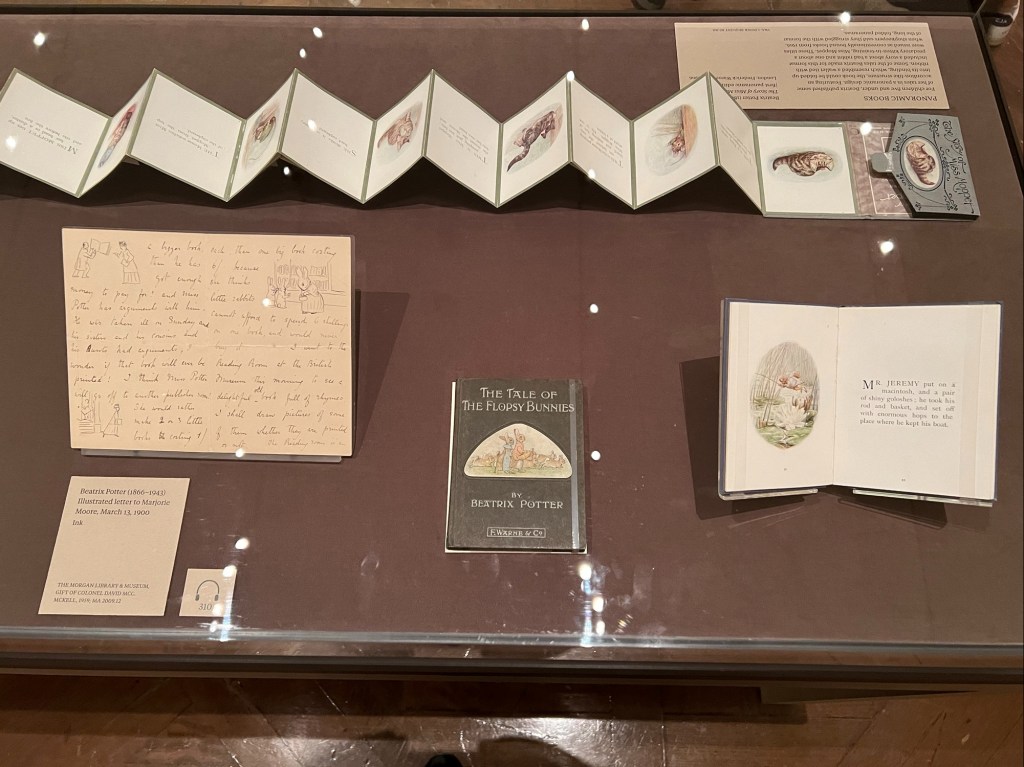
Here work included the initial drawings to the actual books.
Her early gift cards One of her original pieces.The main part of the exhibition.
The gallery of the exhibition
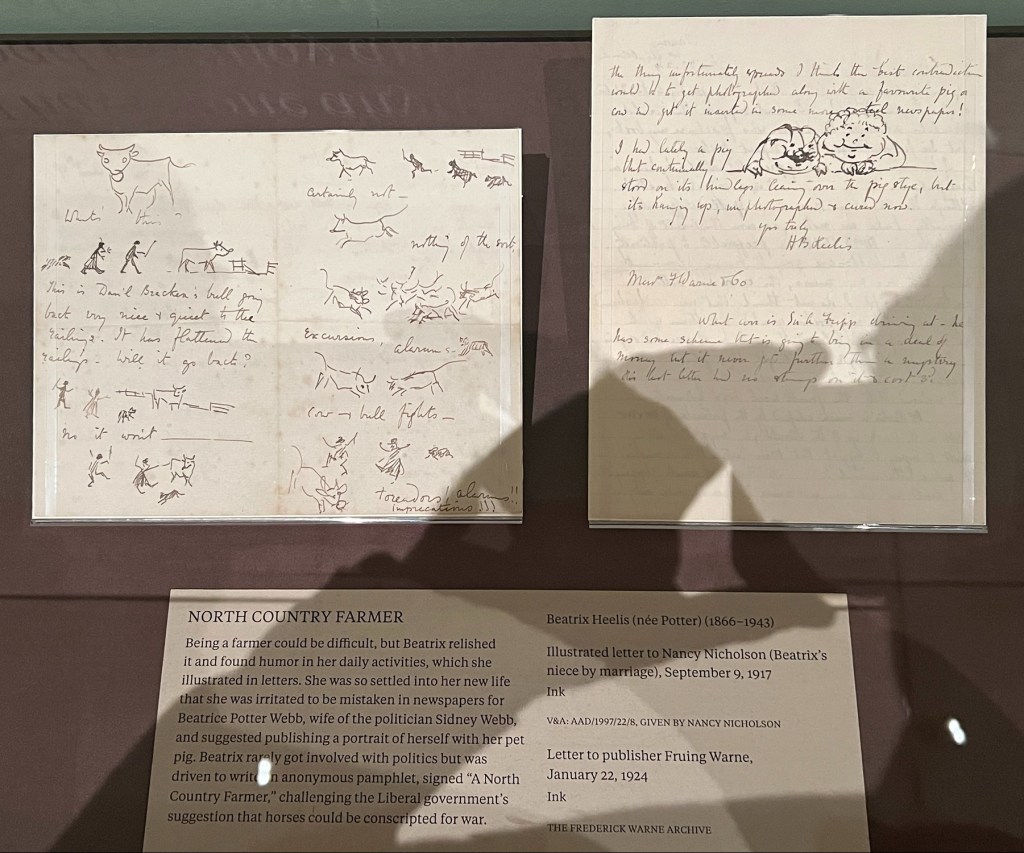
The exhibition is broken into two parts. The first part is on her early life in London with her family and her personal life as a child and an early adult. The second half of the exhibition is on her early books, manuscripts and letters. Then her later life as a ‘gentle farmer’ who ended up preserving and donation over 4000 acres of Lake District land for later generations to enjoy.
These are the original drawings for the book “The Tale of Peter Rabbit”
The original cardThe original card
Other pieces of her works.
Some of the original drawings.
Some letters that she wrote to friends.
All the wonderful novelty items that she helped create. She had a real hand in merchandising way before this became the norm in publishing. She created all the cards, stuffed animals and small books that would become her collection.
Some of her original books.The original Peter Cottontail book.The original drawing from the exhibition.
The stuffed animal of Jeremiah Puddle Duck
The sign as you enter the exhibition.
The end of the exhibition with the author holding one of her pets.
The other exhibition that I saw that day which will be closing soon is the Walton Ford exhibition. Mr. Ford’s works are a reflection on his relationship with nature with works being influenced by trips to the American Museum of Natural History. His works draw from nature.
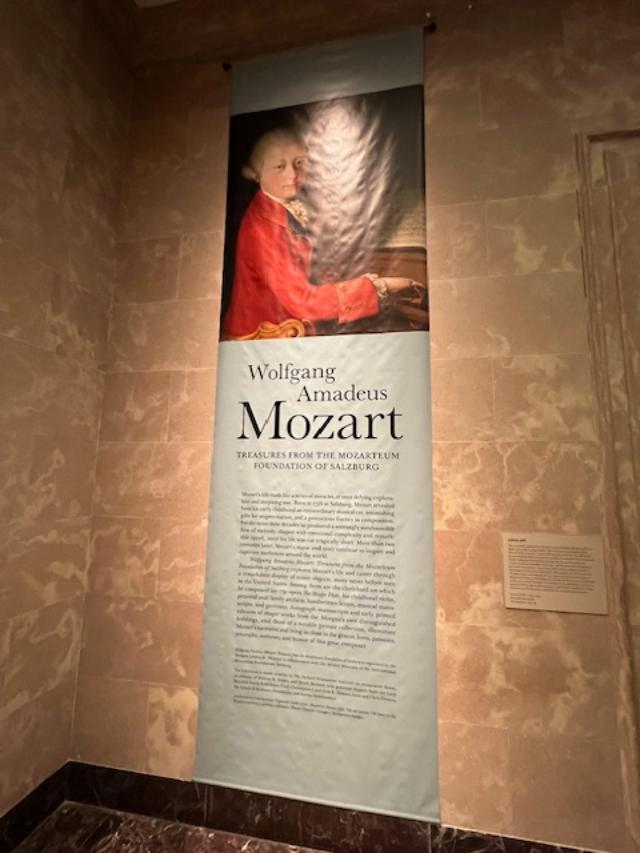
I recently visited for the “Wolfgang Amadeus Mozart: Treasures from the Mozarteum Foundation of Salzburg” exhibition on a private Members Night and it was an interesting look at his life and how his career progressed until his untimely death at an early age.
The entrance to the exhibition in March of 2026
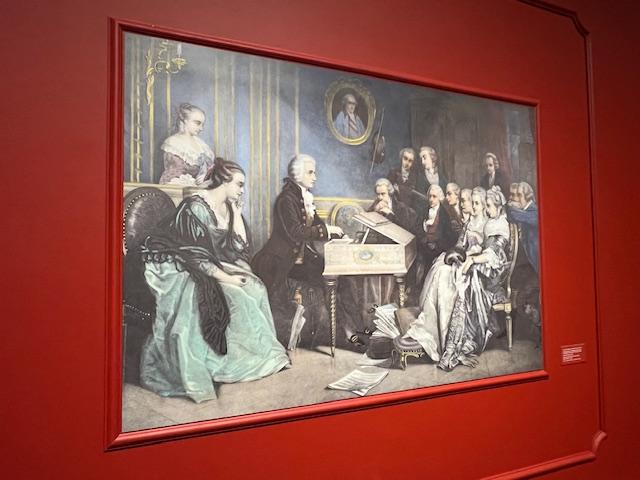
The Mozart family picture in the exhibition of the artist’s work
(From the Morgan Museum website):
The exhibition focuses on the two family chapters of Mozart’s life: his youth with his father, Leopold, and sister Nannerl in Salzburg, and his adult life with his wife, Constanze, in Vienna. After Mozart’s death in 1791, Nannerl and Constanze returned to Salzburg, where they, with the composer’s two sons, preserved and built his legacy. Their collection became the foundation of the modern-day Mozarteum (Morgan Library).
The sign for ‘Tarot Renaissance Symbols’
The exhibition sign
Video on the exhibition:
The exhibition description
Medieval era Tarot cards
Tarot card sign
The Rosenwald Tarot Card Sheet
The Rosenwald Tarot sign
Tarot Art work
Tarot Card inspired art
Evoking the cities, homes, and people that shaped the composer, the exhibition highlights Mozart’s many travels, continual quest for employment and renown, family tensions, and constant creative output amid frequent illness and other challenges. It also illustrates Mozart’s existence under aristocratic patronage, a context both foreign and familiar to modern viewers (Morgan Library).
It is nice to walk among the permanent collection of prints in the lower level and to visit the former private areas of Mr. Morgan’s home. It adds to who he was as a financier and as a homeowner. The home was not as elaborate as you would have thought.
The private part of the museum
I also enjoy the Morgan Cafe on the main level of the museum in the courtyard area of the first floor. The food is a little pricey and a limited menu but the service is wonderful and the quality of the food is very good. You will enjoy the meal and I have heard from other patrons that the Afternoon Tea is very nice as well.
They also have a Dining Room in the Library area that I have heard is very nice as well.
The Morgan Dining Room
They have a nice selection of books, cards and gifts in their Gift Shop just beyond The Morgan Dining Room. I really like their selections at the holidays and their theme books to the exhibitions especially for the “Alice in Wonderland” exhibition.
The Morgan Library giftshop
It is a nice place to take a gallery talk, then a light lunch in the main hall and then a lecture at night. It’s a great way to spend the day.
The History of the Morgan Library & Museum:
(from the Morgan Library & Museum website)
The Museum is a complex of buildings in the heart of New York City and began as the private library of financier Pierpont Morgan, one of the preeminent collectors and cultural benefactors in the United States. As early as 1890, Mr. Morgan had begun to assemble a collection of illuminated, literary and historical manuscripts, early printed books and old master drawings and prints.
Mr. Morgan’s library was built between 1902 and 1906 adjacent to his New York residence at Madison Avenue and 36th Street. Designed by Charles McKim of the architectural firm McKim, Mead & White, the library was intended as something more than a repository of rare materials. Majestic in appearance yet intimate in scale, the structure was to reflect the nature and stature of its holdings.
The side view of the Morgan Library
The result was an Italian Renaissance-style palazzo with three magnificent rooms epitomizing America’s Age of Elegance. Completed three years before McKim’s death, it is considered by many to be his masterpiece. In 1924, eleven years after Mr. Morgan’s passing, his son, J.P. Morgan Jr., known as Jack, realized that the library had become too important to remain in private hands. It what constituted one of the most momentous cultural gifts in the United States history. He fulfilled his father’s dream of making the library and its treasures available to scholars and the public alike by transforming it into a public institution.
Mr. Morgan’s private areas are part of the museum
Over the years, through purchases and generous gifts, The Morgan Library & Museum has continued to acquire rare materials as well as important music manuscripts, early children’s books, Americana and materials from the twentieth century. Without loosing its decidedly domestic feeling, the Morgan also has expanded its physical space considerably.
The Middle Eastern exhibit in the Library.
In 1928, the Annex building was erected on the corner of Madison Avenue and 36th Street, replacing Pierpont Morgan’s residence. The Annex connected to the original McKim library by means of a gallery. In 1988, Jack Morgan’s former residence, a mid-nineteenth century brownstone on Madison Avenue and 37th Street was added to the complex. The 1991 garden court was constructed as a means to unite the various elements of the Morgan campus.
JP Morgan II home which is now part of the Morgan Library.
The largest expansion in the Morgan’s history, adding 75,000 sq ft to the campus was completed in 2006. Designed by Pritzker Prize winning architect Renzo Piano, the project increases exhibition space by more than fifty percent and adds more important visitor amenities, including a new performance hall, a welcoming entrance on Madison Avenue, a new cafe and a new restaurant, a shop, a new reading room and collections storage. Piano’s design integrates the Morgan’s three historical buildings with three new modestly scaled steel and glass pavilions. A soaring central court connects the buildings and serves as a gathering place for visitors in the spirit of an Italian piazza.
The Morgan Library & Museum expansion by Renzo Piano
The Morgan Library & Museum Mission:
The mission of The Morgan Library & Museum is to preserve, build, study, present and interpret a collection of extraordinary quality, in order to stimulate enjoyment, excite the imagination, advance learning and nurture creativity.
The Dorothea Maria Gsell painting “Heron Encircled by a Snake with a worm in his Bill”
A global institution, focused on the European and American traditions, the Morgan houses one of the world’s foremost collections of manuscripts, rare books, music, drawings and ancient and other works of art. These holdings, which represent the legacy of Pierpont Morgan and numerous later benefactors, comprise a unique and dynamic record of civilization as well as an incomparable repository of ideas and of the creative process.
(From the Morgan Library & Museum website and history)
Open: To Groups on Fridays and Saturdays and to individuals on Saturdays 10:00am/12:00pm/2:00pm
Fee: Free to Individuals/Donations welcome-Groups tours are $100.00 for up to five people with an additional $15.00 fee per person. There is also an administration fee of $25.00 for groups over 20 people.
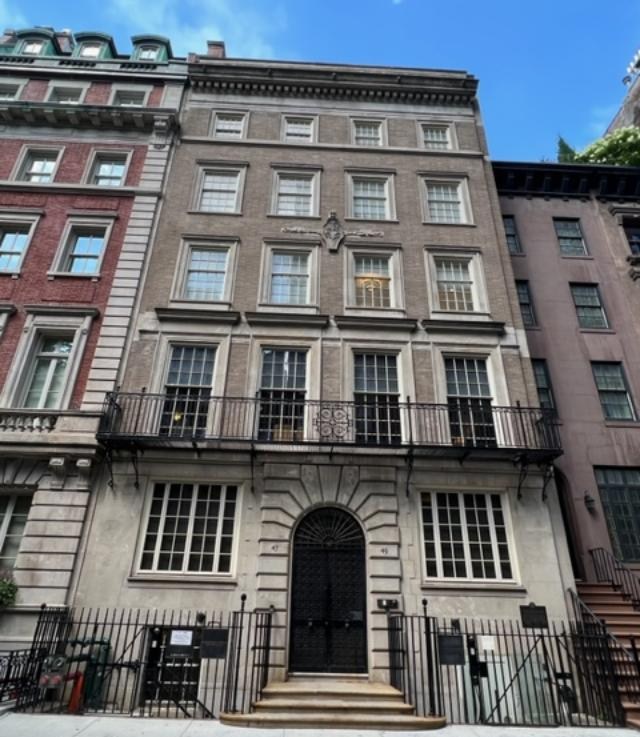
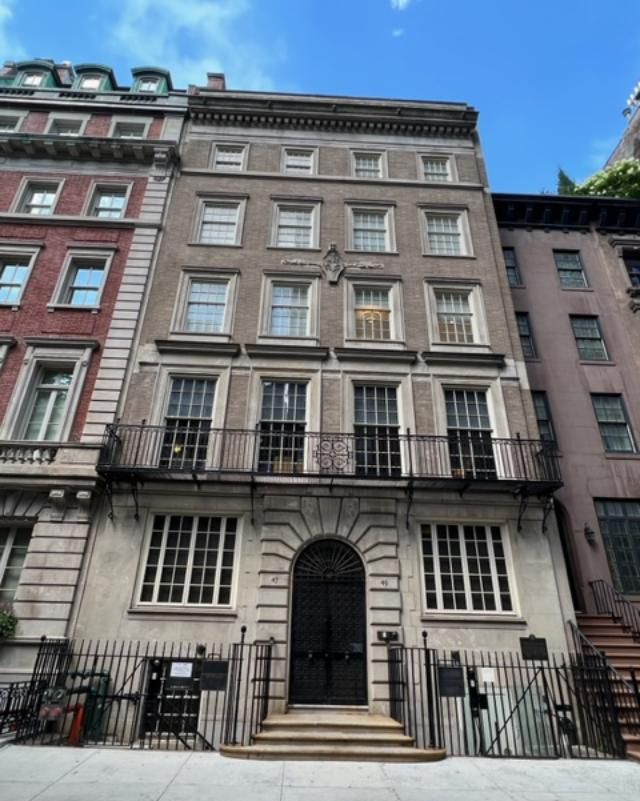
The Sara Delano Roosevelt Home at 47-49 East 65th Street
It is amazing what you discover when you are walking around the Upper East Side of Manhattan. I was exploring the Streets of the Upper East Side for my blog, ‘MywalkinManhattan’ and when walking around the Hunter College Campus came across the Sara Delano Roosevelt Memorial House at 47-49 East 65th Street.
This beautiful brownstone was built as a wedding present to Franklin Delano Roosevelt and his wife, Eleanor and their future family by his mother Sara Delano Roosevelt. It was their New York City residence until they moved to the White House. His mother continued to use the house until her death in 1941 when the home was sold to Hunter College.
Tours are available when the building is open (Hunter College is currently closed) and you can tour the whole house. The home was listed on the National Register of Historic Places in 1980.
History of the Sara Delano Roosevelt Memorial House:
The Neo-Georgian townhouse was designed by architect Charles A. Platt for Sara Ann Delano Roosevelt in 1907. It originally held “two mirror-image residences with a single facade and entrance. Each floor had its own front reception room with a welcoming fireplace. Rear parlous could be combined through sliding doors
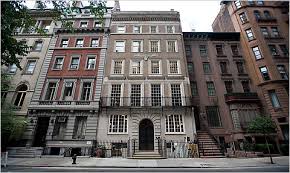
The mansion at 47-49 East 65th Street on the Upper East Side
The house was given to the Roosevelt’s by Franklin’s mother as a wedding gift for them. The house originally two homes and Franklin’s mother had doors put in place so she could enter their part of the home whenever she wanted. The house was used by Sara Ann Delano Roosevelt from its completion in 1908 to her death in 1941 and intermittently by the Roosevelts until the sale to Hunter College in 1943.
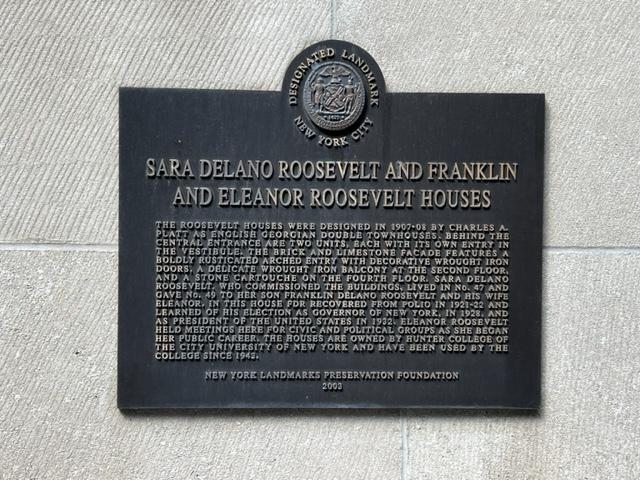
The house historical marker
After his mother’s death in 1941, President Roosevelt and his wife placed the house up for sale and a non-profit consortium was organized to purchase the house on behalf of Hunter College.
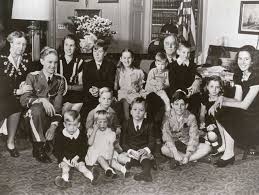
The Extended Roosevelt family
The house was closed in 1992 and reopened in 2010 after an $18 million renovation. Leslie E Robertson Associates was the structural engineers on this renovation. The building is currently used by Hunter College as the Roosevelt House Public Policy Institute at Hunter College or just known as the Roosevelt House.
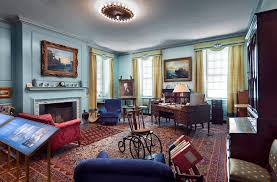
The inside of the house’s museum
(Disclaimer: This information was from Wiki and I give them full credit for the History of the Roosevelt House).