Category: Walking Ocean City, NJ

Stone Harbor Museum                                                           9410 Second Avenue                                                              Stone Harbor, NJ 08247

Stone Harbor Museum 9410 Second Avenue Stone Harbor, NJ 08247

Stone Harbor Museum

9410 Second Avenue

Stone Harbor, NJ 08247

(609) 368-7500

Home

https://www.facebook.com/stoneharbormuseum/

My review on TripAdvisor”
https://www.tripadvisor.com/Attraction_Review-g46850-d12832764-Reviews-Stone_Harbor_Museum-Stone_Harbor_Cape_May_County_New_Jersey.html

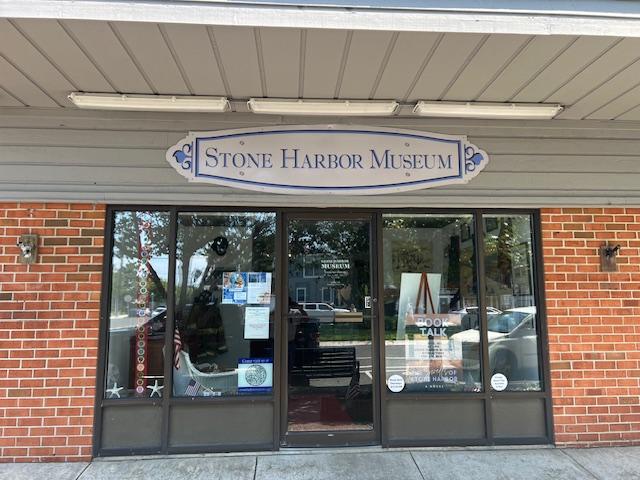
The entrance to the Stone Harbor Museum at 9410 Second Avenue

On a recent trip to the Jersey Shore, I took an long drive down the coastline visiting small historical museums of the shore towns and they gave me an interesting perspective of how these towns were developed from the time of Native American fishing and hunting villages to the advent of railroads and Victorian hotels to the modern development of the town today. Stone Harbor, NJ has had an interesting path since its development in the late 1800’s.
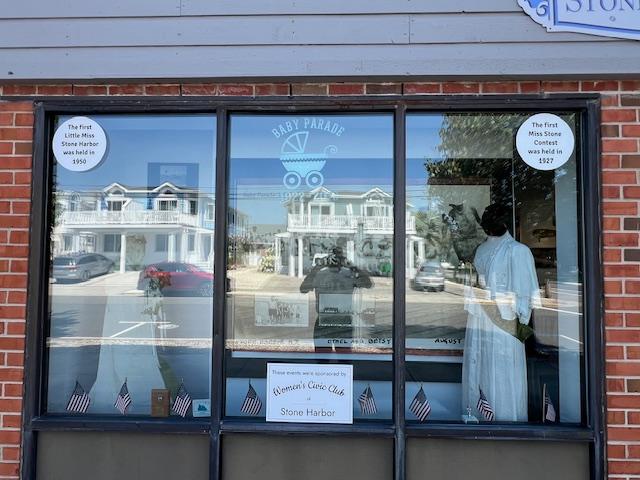
The Stone Harbor Museum display from the Women’s Civic Club of Stone Harbor

The Stone Harbor Museum was founded in 1996 by a group of involved residents who wanted to showcase their town’s history. The current museum was opened in 2016 and has many different exhibitions going on, some permanent and others are seasonal and keep rotating within the museum. When you walk in, the museum is divided by sections and displays of their museum.
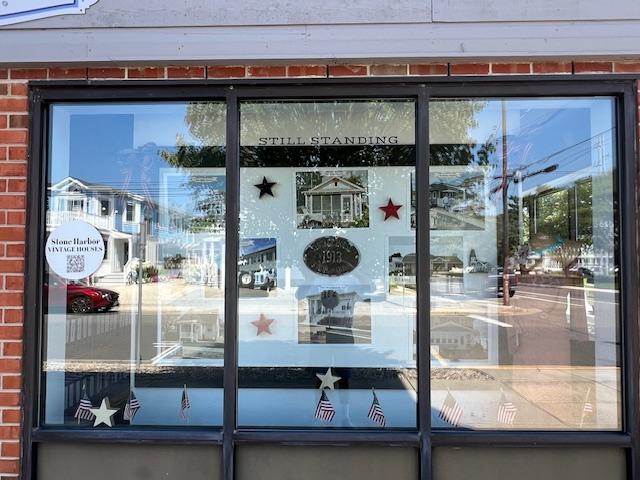
The Stone Harbor Museum Historical Window

Leading into the entrance, there was a very interesting exhibit on “9/11” for the Twentieth Anniversary of the event by a Chief from the Stone Harbor Fire Department. It was a series of articles from local and national papers, some artifacts and information on the fire service. It was a very touching reminder of what fire fighters did that horrible day.
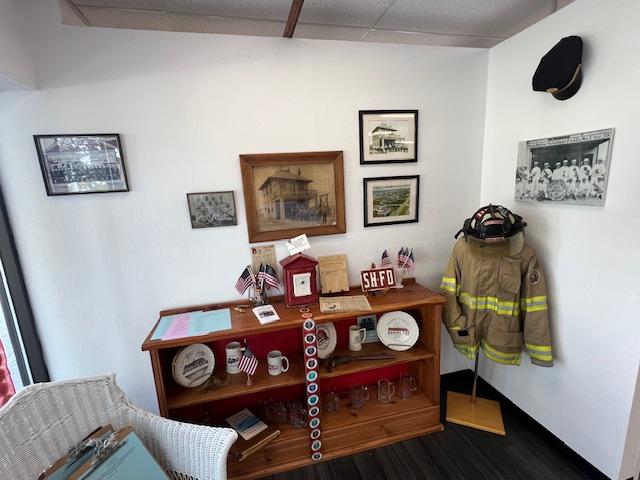
The Stone Harbor Fire Department display in 2024 (the 9/11 exhibit closed a year later)

There were many displays on the history of Stone Harbor with the Stone Harbor School System and the Borough of Stone Harbor exhibiting artifacts. Interesting pictures and items of the Stone Harbor Beach Patrol were proudly displayed which I noticed from my many stops at various historical societies on the Jersey Shore is very much a part of the town culture. These teams take their competitions amongst the towns very seriously with events like boating and swimming.
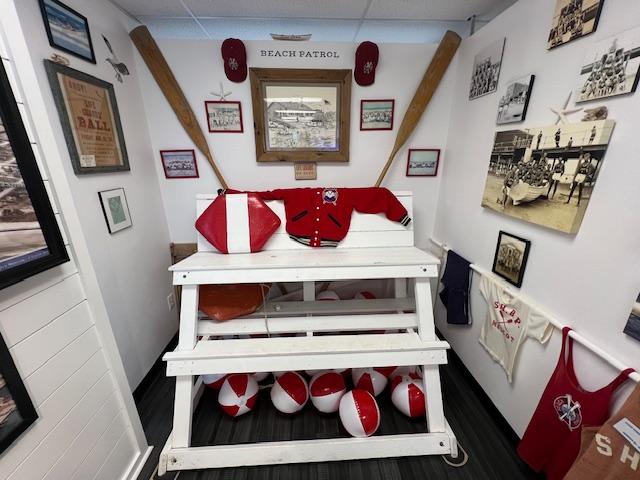
The Stone Harbor Beach Patrol display

There were many pictures of old homes at a time when the town was a Victorian beach resort and people came to the Jersey shore for extended vacations. You could see the progression of the town over a century from a seaside resort to a permanent residential town. The architecture has significantly changed over the years to slightly smaller homes but no less impressive all over the town.
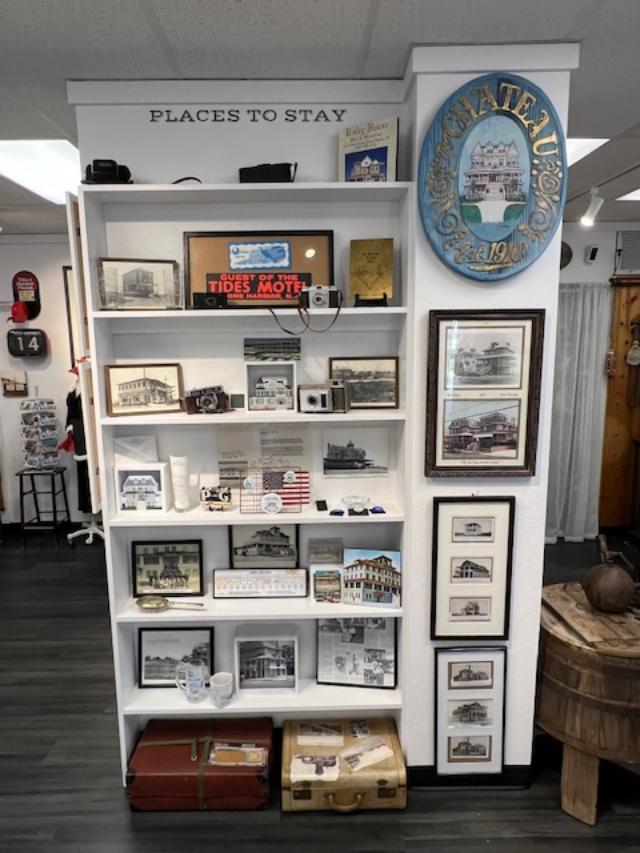
The Stone Harbor Hotels
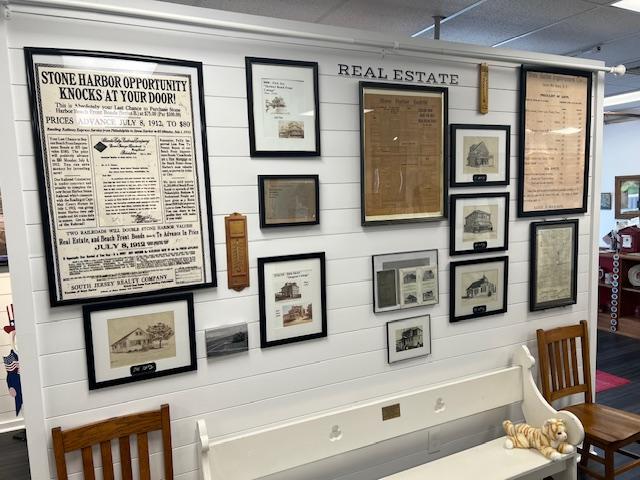
There were extensive pictures and displays of the importance of the rail system and the role it played in the growth of the area and to all shore communities. Its history pretty much ended with the advent of the Model T and the growth of cars to the Jersey shore. Soon the modern highways made the rail system obsolete.
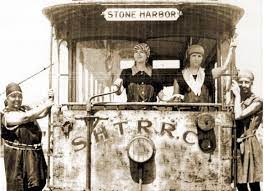
Ladies at the shore enjoying a ride

Still there are many displays of ‘fun in the sun’ and the growth of beach activities and recreation with the growth of sun bathing, swimming, boating and fishing. People’s leisure time was growing and the Jersey shore filled their time with sun bathing and swimming. The changes of attitude in swimwear have been tremendous especially from the one piece and hats to the modern bikini in just 80 years.
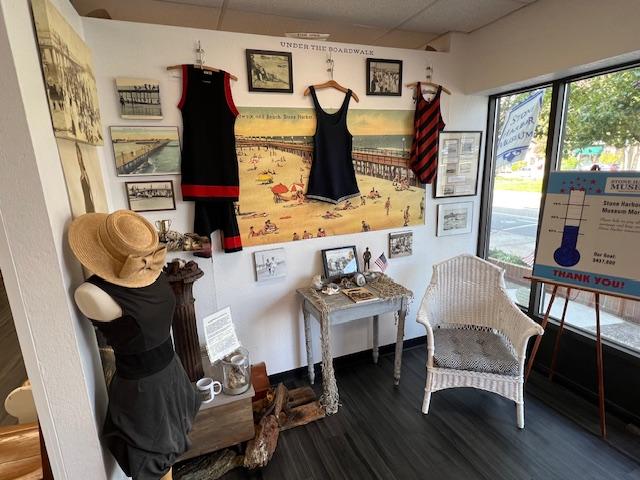
Swimwear at the turn of the last century

There were pictures and artifacts from various shipwrecks off the coast of the town. It showcased the maritime history of the town and of the Jersey shore in general. It showed the importance of the town in a era of trade that is long gone. This shipping lines too became obsolete as rail service replaced them.
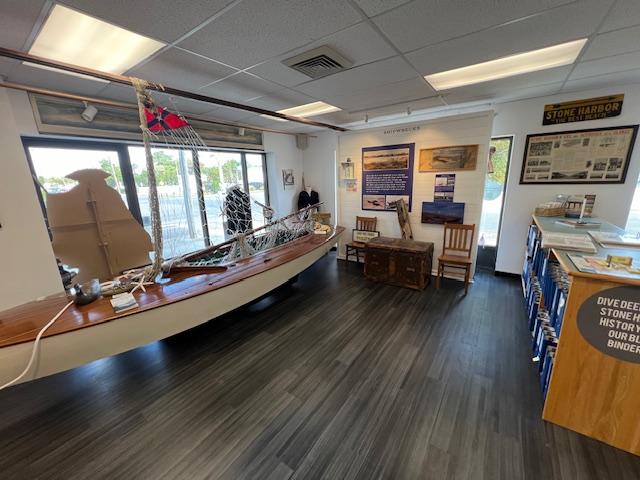
The main gallery of the museum

There was a interesting collection of items entitled Church and Faith of all the churches in the town that played such a important role in the social life of the turn of the last century. This was a time before TV, radio, the advent of movies and especially the Internet. This was at time when people’s social life revolved the social life of places of worship.
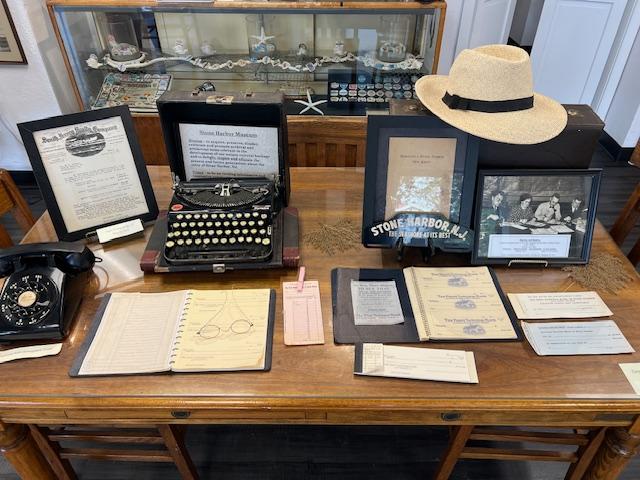
The Office Display

In the center of the museum there is an extensive library with shelves lined with notebooks full of pictures and historical details neatly bound. This is the records of the town and the citizens who have lived here over the years.
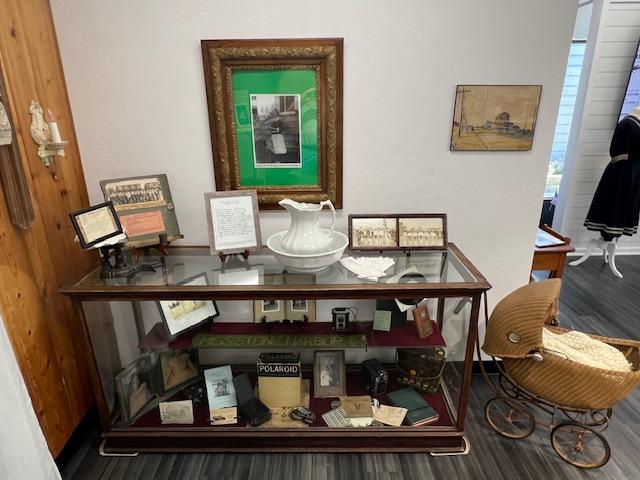
Artifacts from the town

The two big displays right now for kids has been the Taylor Swift, the famous singer, display of items that her family donated to the museum. It seems that she summered here as a child and played in the local clubs. The other was the dinosaur bone display of items found locally in the area and around New Jersey. The museum has a popular scavenger hunt for the kids where they have to find items on display.
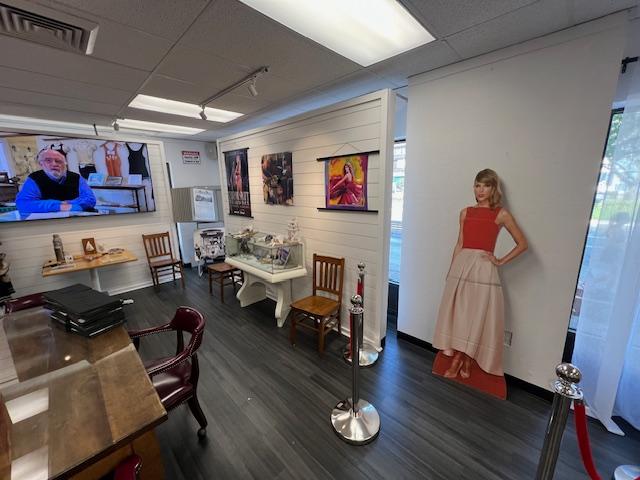
The new Taylor Swift display on the years she vacationed here
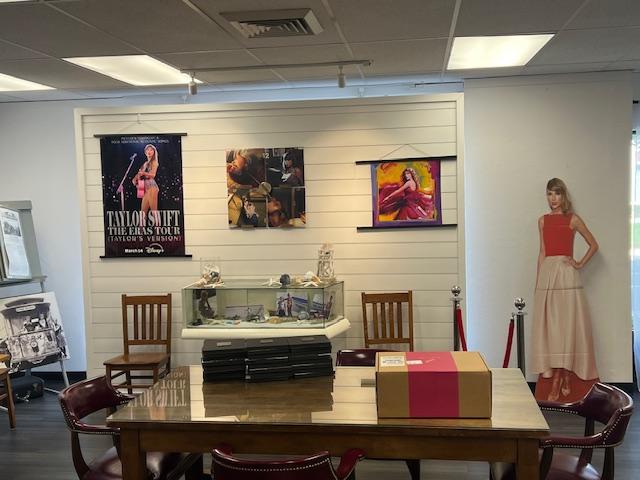
The Taylor Swift exhibition
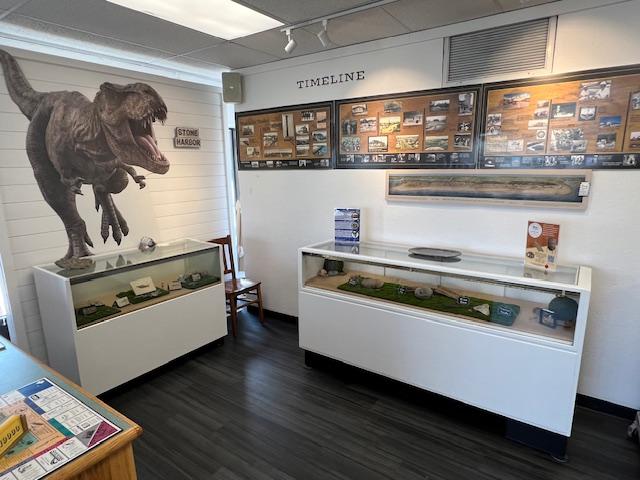
The Dinosaur Display
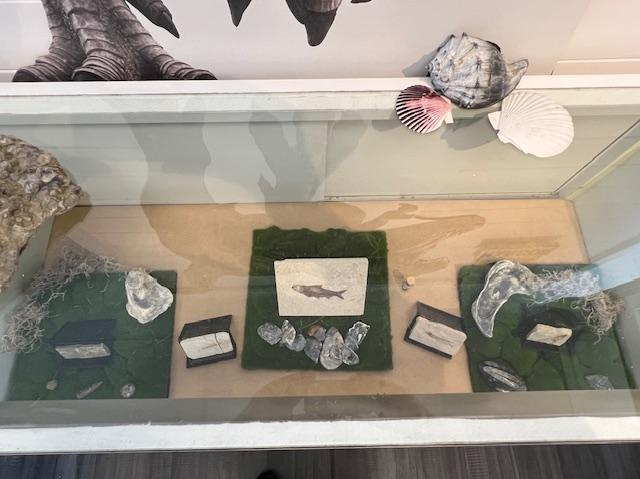
The Dinosaur display
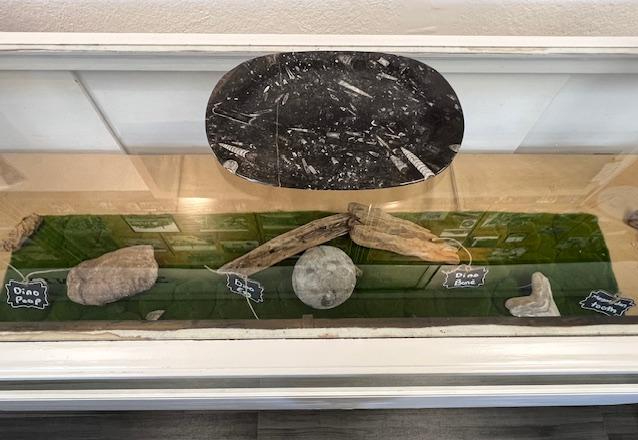
The Dinosaur display

The one thing I liked about the museum is that it does not overwhelm you when you are visiting. The exhibits are detailed but compact. You learn a lot about the town with enough information and artifacts but you can still enjoy the display in about twenty minutes to about a half hour. The whole museum takes about an hour to two hours to visit maybe more if you are really enjoying yourself.
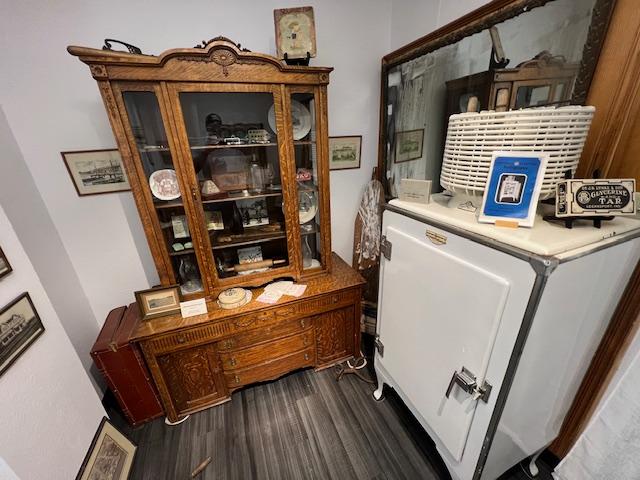
The staff could not have been nicer and take such pride in the museum. The afternoon I visited the museum one of the long time residents who volunteers at the museum was able to share her knowledge of the town. For a small town, it is chockful of interesting history.
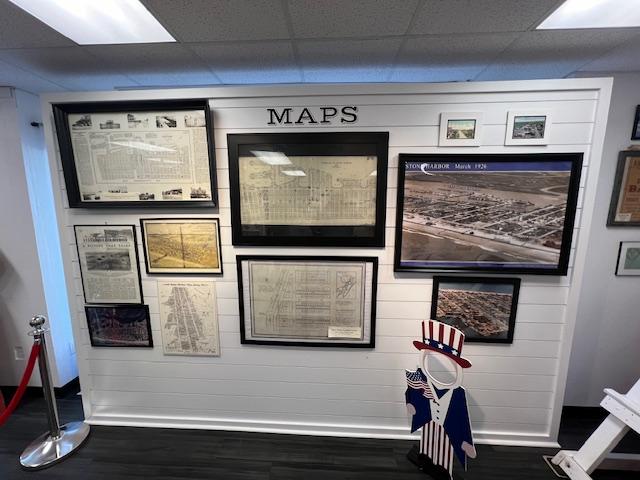
The Maps display

The Stone Harbor Museum History:

(from their website and pamphlets)

The Mission:

To acquire, preserve, display, celebrate and promote archival and artifact items relevant to the development of our unique cultural heritage and to delight, inspire and educate the present and future generations about the story of Stone Harbor, NJ.
The Vision:

To be inviting, informative and innovative community resource that is recognized and respected as the place for exploring and celebrating rich cultural heritage of Stone Harbor, NJ.
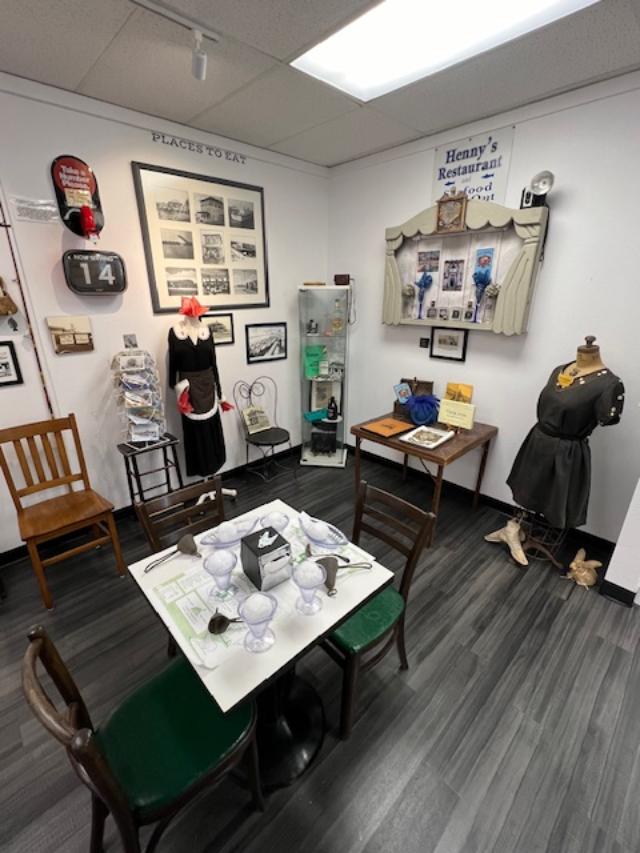
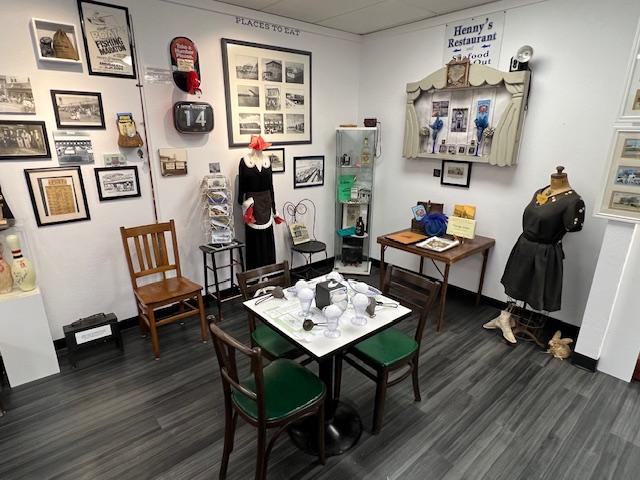
The Restaurant display

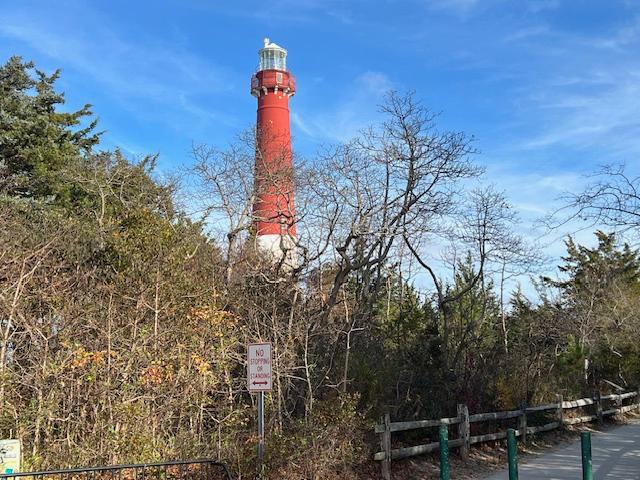
Barnegat Lighthouse State Park                                           208 Broadway                                             Barnegat, NJ 08006

Barnegat Lighthouse State Park 208 Broadway Barnegat, NJ 08006

Barnegat Lighthouse State Park

208 Broadway

Barnegat, NJ 08006

(609) 494-2016

https://www.state.nj.us/dep/parksandforests/parks/barnlig.html

Open: Sunday-Saturday 8:00am-8:00pm

Fee: Free off season/ Check Website

My review on TripAdvisor:

https://www.tripadvisor.com/Attraction_Review-g46285-d286497-Reviews-Barnegat_Lighthouse_State_Park-Barnegat_Light_Long_Beach_Island_New_Jersey.html?m=19905

I was able to visit the Barnegat Lighthouse State Park on a recent trip to Long Beach and what a beautiful park with wonderful views of the inlet and of the Atlantic Ocean.

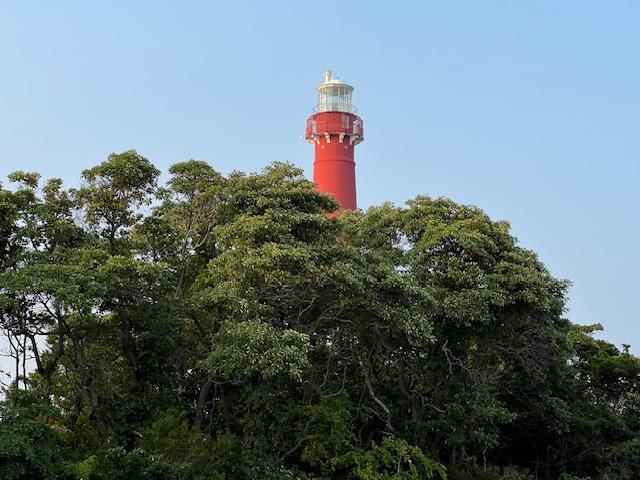
The Barnegat Lighthouse in the fall 2023.

The view of the lighthouse from the parking lot in the summer months

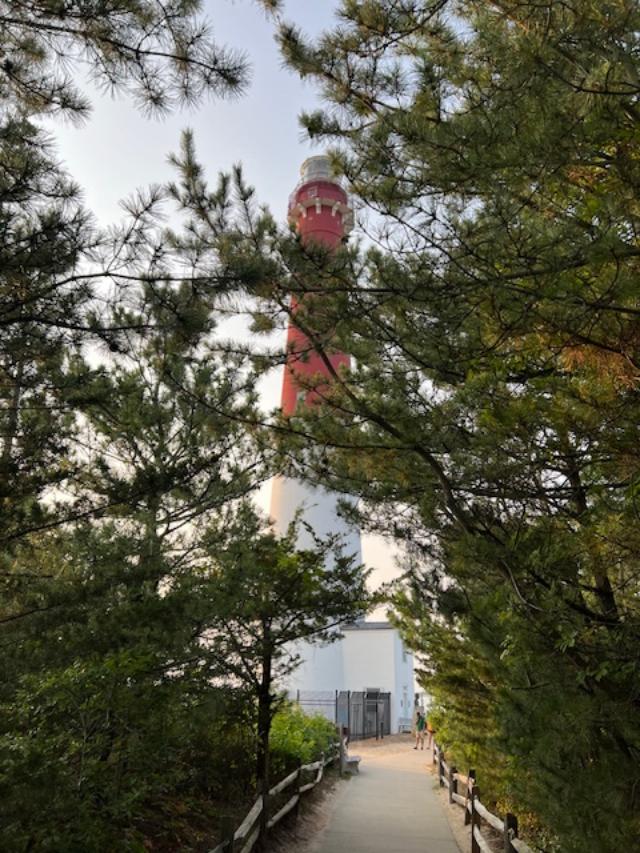
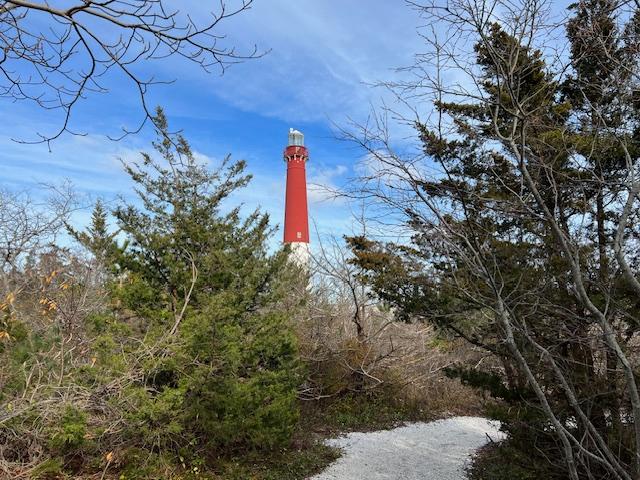
The lighthouse through the woods in the Summer of 2024

In 2020, the lighthouse was closed because of COVID so I had to wait in the future to climb the stairs which is noted for people who like to explore lighthouses but still you are able to admire the building from the outside. In the fall of 2023, the lighthouse was opened for limited hours during the fall after Labor Day weekend and I was able to climb all 216 stairs in ten minutes.

The Barnegat Lighthouse on the inlet side of the park

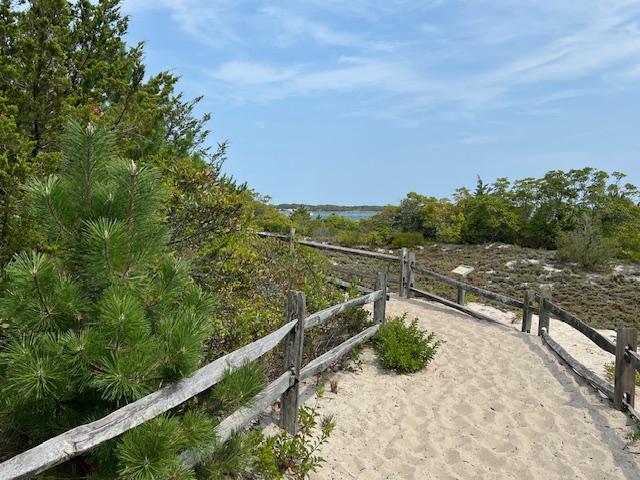
The paths around the dunes in the summer months

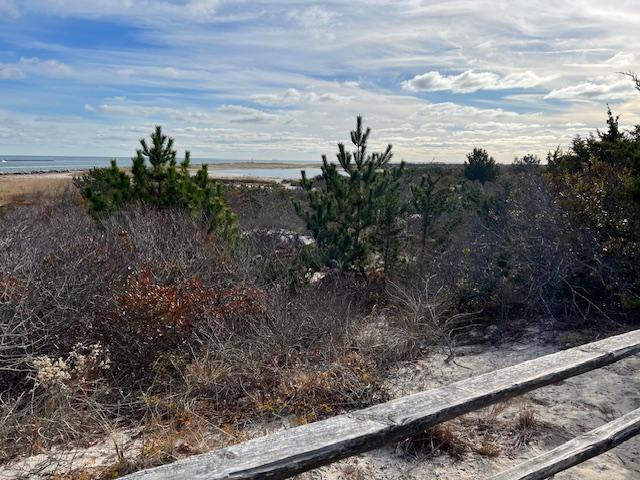
The beginning of the dunes in the winter months

The dunes in the summer months

The dunes in the fall

The beginning of the dunes path as you leave the lighthouse.

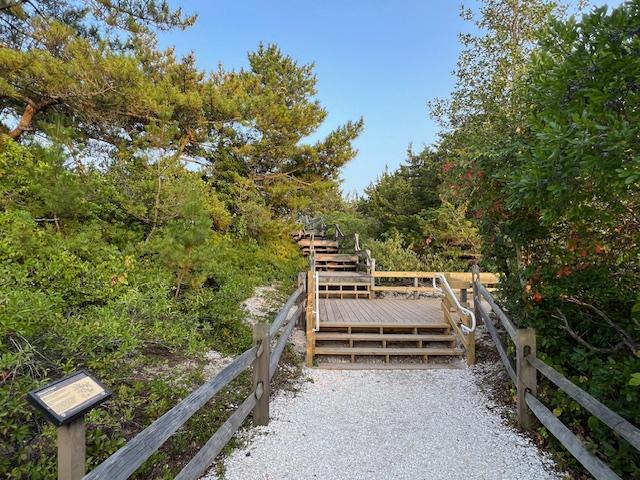
The start of the path in the summer months

The start of the path in the Summer of 2024

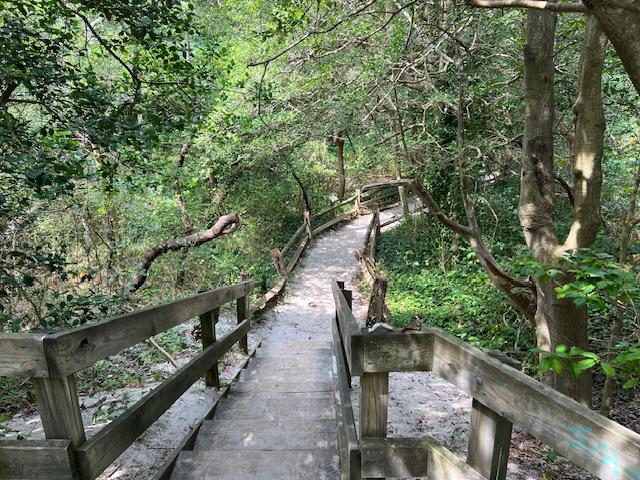
The pathway through the dunes

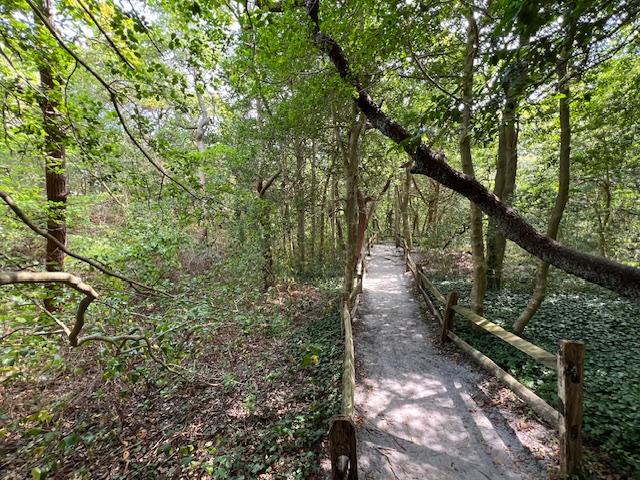
There is a walking path through the bush areas of dunes. In all season, you can admire the trees and what is left at this point of the season of flowering plants. It was interesting to read how these species survive the ocean and salt air. It is amazing how these plants can survive the storms and how they keep the beach from eroding.

The pathway through the Dunes

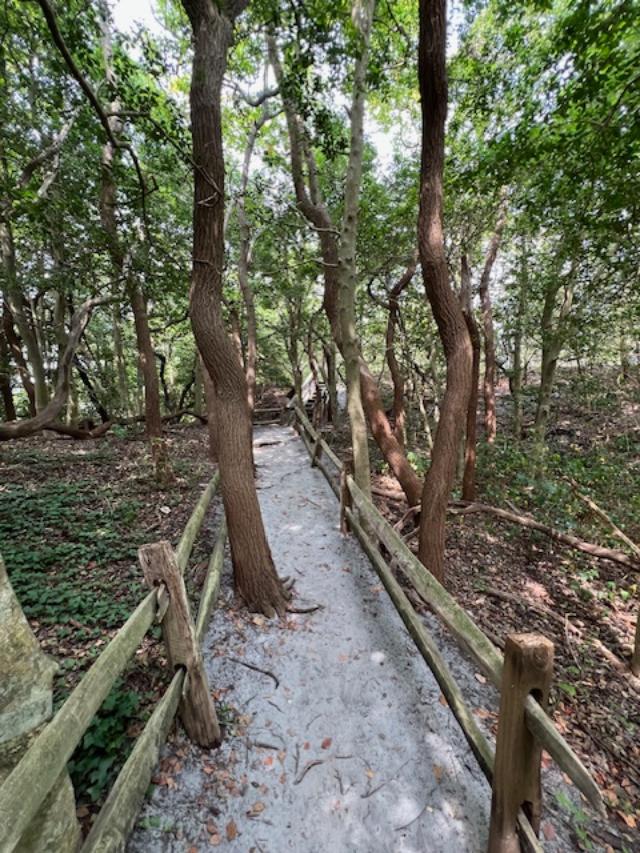
Path through the Dunes woods

The turn by the beaches

The Maritime Forest Trail is a 1/5 mile long, self-guided loop through one of the last remnants of maritime forest in New Jersey. The forest, which is dominated by black cherry, sassafras, eastern red cedar and American Holly, which is an important resting and feeding area for migratory birds on their long journey to and from their breeding areas (Park Literature).

The pathway through the dunes

The path in the summer months

Walking through the pathway

It is also the home for migrating birds. There were all sorts of ducks swimming around and there a a bird that looked like a crane who looked like it was getting vain from all the pictures that people were taking of it.

The pathway leading back to the lighthouse.

Walking through the pathways

The pathway from a distance

The Dunes woods at its thickest point

The Inlet Movement sign on the pathway

Exiting the woods

Exiting the woods near the entrance of the light house path

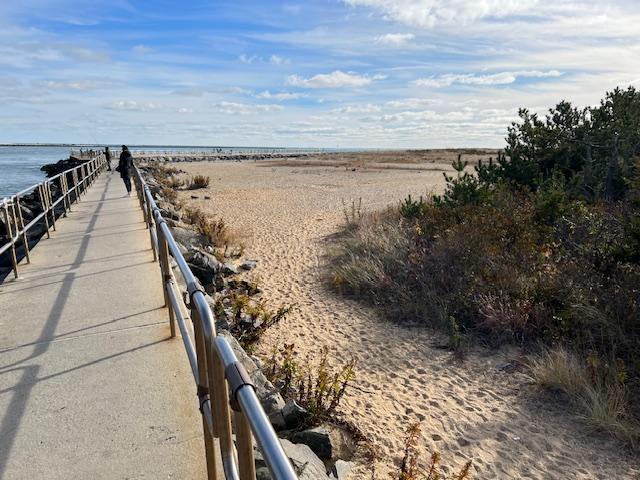
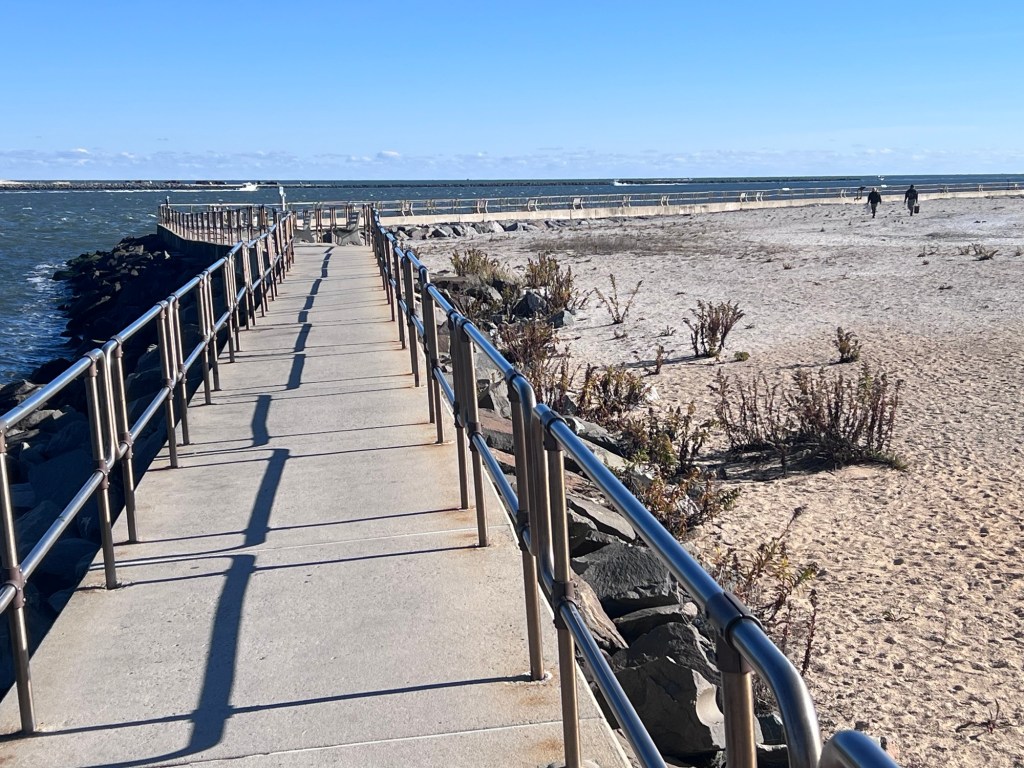
The park has a 1033 foot concrete walkway that the fisherman use and people were sitting along the benches watching people fish and boaters come and go from the inlet. The walkway was a nice place to see the waves crash along the sides of the park.

The lighthouse and the walkway.

The pathway out to the bunker

The pathway during the Summer of 2024

The bunker that protects the shoreline and the lighthouse.

The bunker and the lighthouse

Following the pathway to the bunker head

I just saw a lot of dumb people walking along the wet rocks with waves crashing by which is not smart. Still you got great views of Seaside Park and the Atlantic Ocean from this part of the park. It is fun watching the fisherman casting lines, sharing stories and the fishing boats in the distance go out to sea close to the beach.

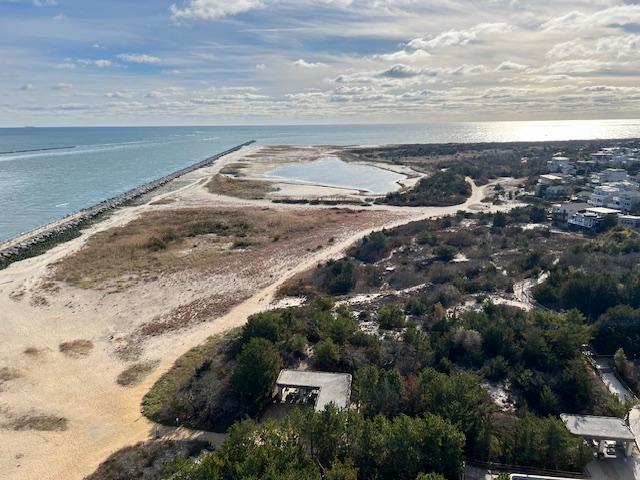
The view of the Barnegat inlet from the top of the lighthouse.

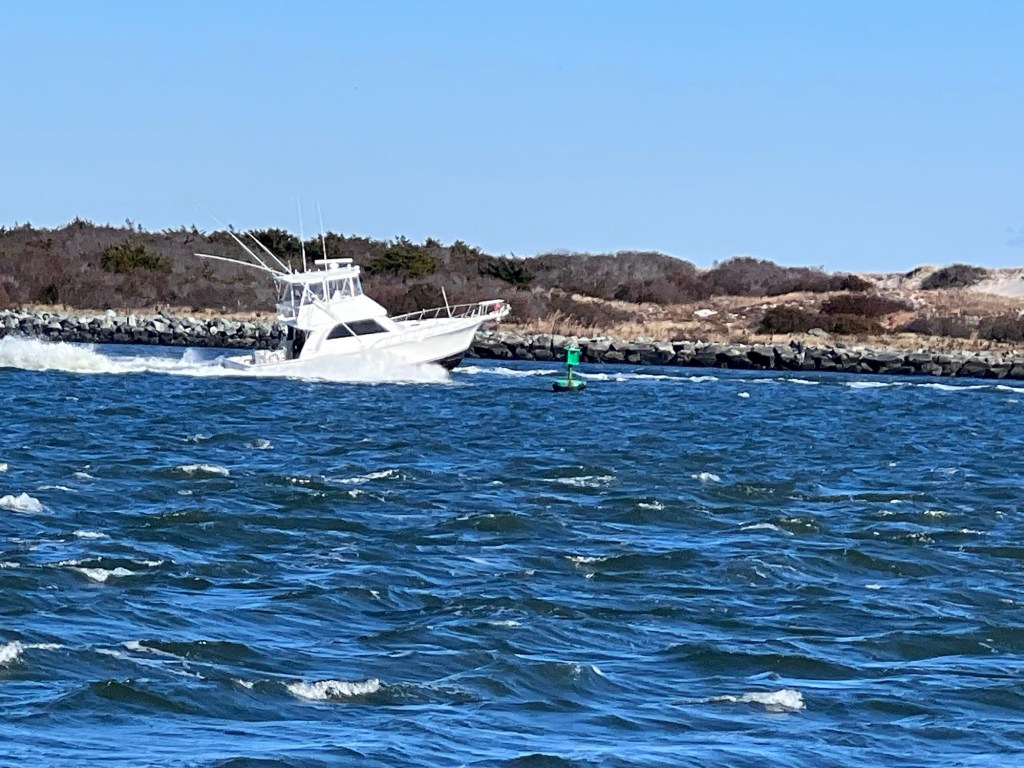
The boats on the inlet on a cool December day

The boats passing by

On a nice day take the time to walk through the nature trails and the dunes that face the ocean. It is a small but interesting trail with all sorts of native plants and a very nice description that the park gives you about each and their place at the shore. Each has a place with the wild life and the migration patterns for birds on their way to their next home. It shows what an important place that New Jersey serves for wildlife.

The inlet and dunes from the top of the lighthouse.

I revisited the park in November of 2021 and on a very windy day, the lighthouse was open and I finally made my way to the top. It was quite a hike up those narrow stairs on a extremely windy day but I made it to the top in about fifteen minutes. Along the way, there was small landings with sweeping views of the ocean.

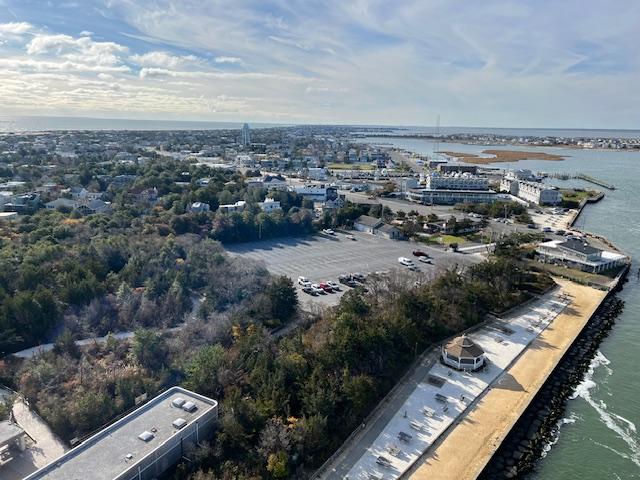
The view of Barnegat Light from the Barnegat lighthouse in 2023.

Once to the top, there was a landing that surrounded the top of the lighthouse with views of the park and lagoon areas and the surrounding tip of the island. The strong winds prevented me from staying there too long plus there was not much space to move around and you felt like you were caged in but the views were spectacular. I made it down in ten minutes since there were only six other people there.

The view of all of Long Beach Island from the Barnegat Lighthouse in November 2023.

I finally got back to Long Beach Island in November of 2023 and was able to tour the lighthouse and the grounds again with time on my hands. The COVID restrictions had been long lifted and even in the off season the lighthouse was busy with people climbing to the top of it and taking pictures and then admiring the grounds.

The Barnegat Lighthouse from the approach.

It gave me a chance to really spend time inside the lighthouse, walking through the dunes pathway, exploring the bunker and the surrounding park. I also took time to admire the statuary and read the signs. During COVID when the lighthouse was open, you felt rushed not to be around anyone. Now I was able to converse with people as I walked up and down the stairs and in the park. Walking through the dunes you can just relax and enjoy nature in the quiet sense. It was nice of them to finally open the lighthouse where we could just enjoy it again.

The History of Barnegat Lighthouse State Park:

Barnegat Lighthouse State Park, located on the northern tip of Long Beach Island along the New Jersey Atlantic coastline, is one of New Jersey’s most recognized landmarks and a veteran of service to seafarers for 68 years. The park is easily accessible from the Garden State Parkway by taking exit 63 and following Route 72 east to Long Beach Boulevard northbound.

The Barnegat Lighthouse in the fall of 2023.

Park visitors can picnic, sunbathe, fish, bird watch, climb the historic lighthouse (post COVID), walk the Interpretive Center (post COVID) and enjoy the seashore. Swimming, however is not permitted. Barnegat Lighthouse is included as a maritime site on the New Jersey Heritage Trail Route (Barnegat Lighthouse State Park Pamphlet).

The Massacre of Long Beach during the Revolutionary War.

Barnegat Lighthouse stands on the south side of Barnegat Inlet, The inlet was named “Barendegat” or “Breakers Inlet” by early Dutch explorers because of the large cresting waves that made navigation difficult. The site of the lighthouse was considered on of the most important “change of course” points along the eastern seacoast for vessels sailing to New York from Europe. Sailors depended on Barnegat Lighthouse as a navigational aide to assist them in reaching their posts and to avoid the dangerous shoals that extended from the shore.

The historic marker at the lighthouse.

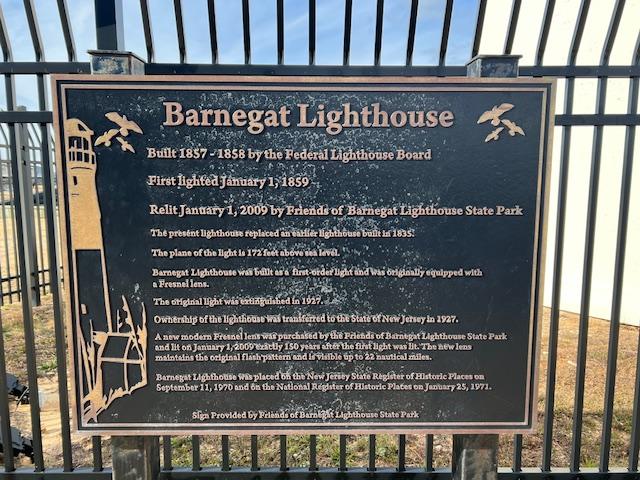
In 1834, the U.S. Congress appropriated $6,000 to establish a lighthouse as Barnegat Inlet. The lighthouse was completed and placed into service in July of 1835. At only 40 feet tall with a non-blinking light, the first lighthouse at Barnegat Inlet was a miserable failure doing little to reduce the number of shipwrecks. In 1856, guided by recommendations from then Lieutenant George G. Meade of the U.S. Army Bureau of Topographical Engineers, Congress appropriated another $60,000 to construct a “first class light” at Barnegat Inlet.

The Lieutenant George Meade statue outside the lighthouse.

Lieutenant Meade drew up the plans and Lieutenant W.S. Raynolds supervised the construction of the new lighthouse. On the night of January 1, 1859, the majestic new Barnegat Lighthouse was lit for the first time. Its first order Fresnel lens, at 175 feet above sea level was so powerful that it could be seen for 19 nautical miles.

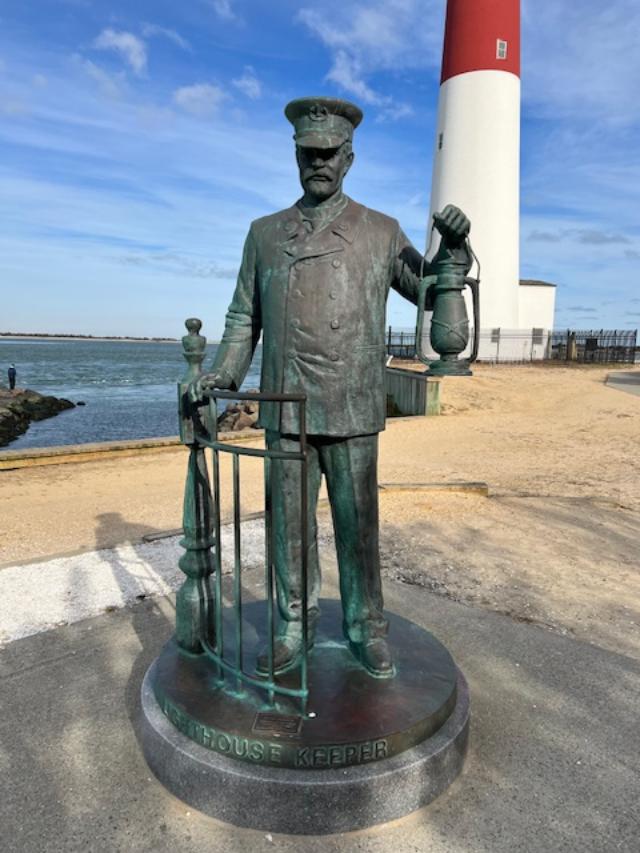
The Lighthouse keeper statute.

The Lighthouse keeper listing

The maritime plaque outside the pathways

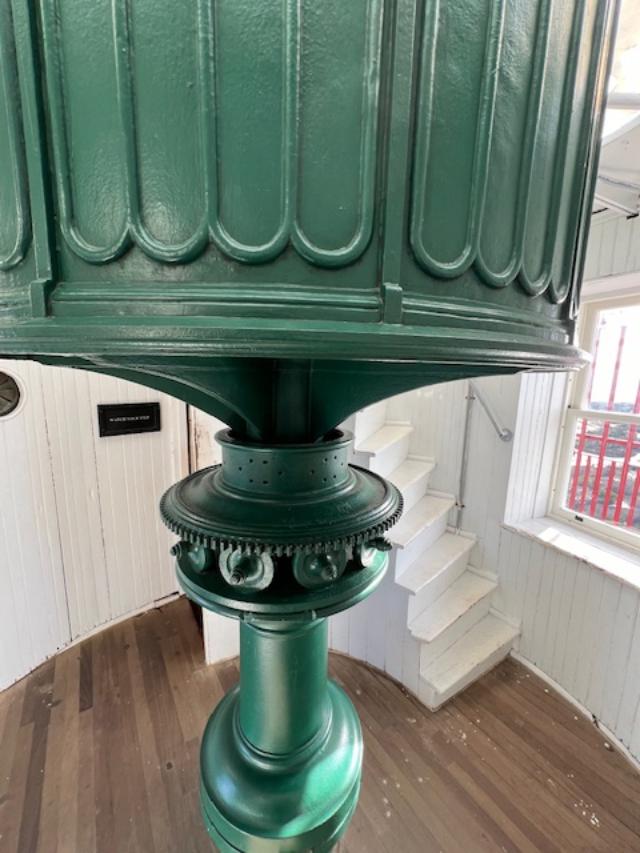
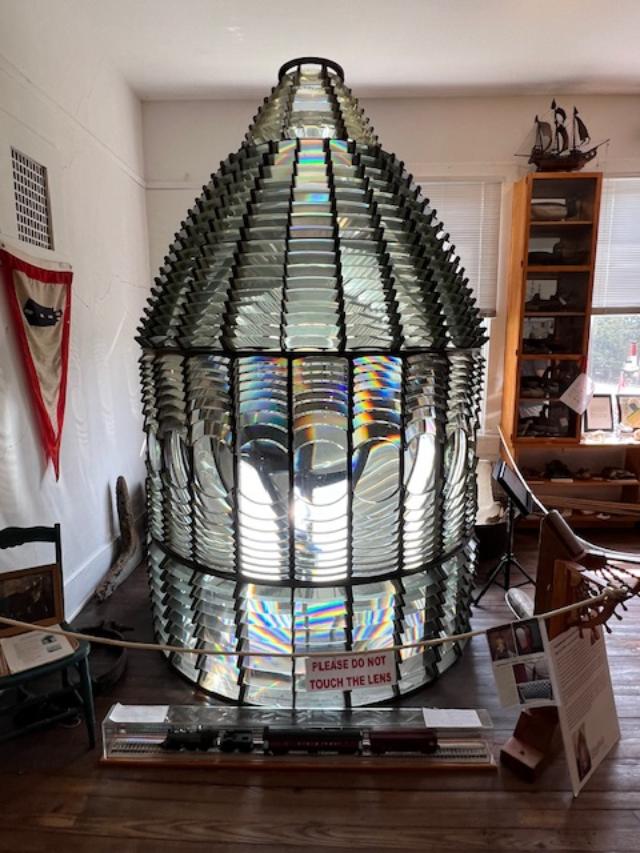
The lens was made in 1856 by Henri Le Paute of Paris, France from glass produced at the famous furnace at St. Gobian. The beehive-shaped Fresnel lens is six feet in diameter, ten feet high and is formed from over 1,000 separate glass prisms and twenty four bull’s eye lenses mounted in a brass frame.

The lens frame at the top of the lighthouse.

It weighs nearly five tons. Today the lens is on display in the Barnegat Light Historical Museum on Central Avenue and 5th Street in Barnegat Light, New Jersey. For hours of operation, please call the museum at (609) 494-8578.
The lens at the Barnegat Light Museum around the corner from the lighthouse.

Turned by a clockwork mechanism, the lens rotated once every four minutes. The speed of the rotation and the 24 individual beams of light from the 24 bull’s eye lens gave Barnegat Lighthouse it’s characteristic” of one flash every ten seconds.

The old light is on display at the Barnegat Light Museum down the road

At the turn of the century, due to the encroaching sea and seemingly inevitable collapse, the Lighthouse Board considered abandoning Barnegat Lighthouse and replacing it with a lightship anchored off the coast. The popularity of the lighthouse as a landmark caused the Lighthouse Board to reconsider their plan and to erect temporary measures to hold back the sea. Later, local residents raised two thousand dollars to construct permanent jetties to protect the lighthouse.

In 1926, Barnegat Lighthouse and surrounding property were transferred from the Federal government to the State of New Jersey… to maintain this reservation for historical purposes and for the preservation of the lighthouse tower. The lighthouse was decommissioned and replaced by the Barnegat Lightship in 1927. Barnegat Lighthouse State Park opened to the public in 1957.

A bust of General George G. Meade was unveiled at the dedication ceremony in honor of his distinguished service during the Civil War as the Commanding General of Federal troops at the Battle of Gettysburg and for his role at Barnegat Lighthouse.

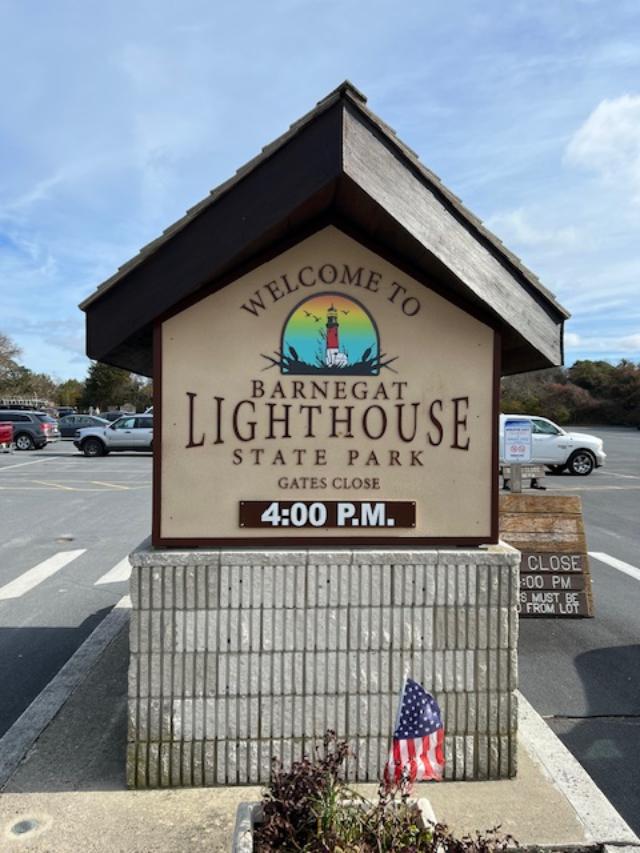
The sign that welcomes you to the park all year round.

Today, the beloved Barnegat Lighthouse is shining again thanks to the Friends of Barnegat Lighthouse State Park who purchased a new lens that casts a single beam visible up to 22 nautical miles. The new light was illuminated at a ceremony on January 1, 2009 exactly 150 years to the day that it was originally lit in 1859 with over 1200 people witnessing the lighthouse becoming an official aid to navigation once again.

The lighthouse and the park in its glory

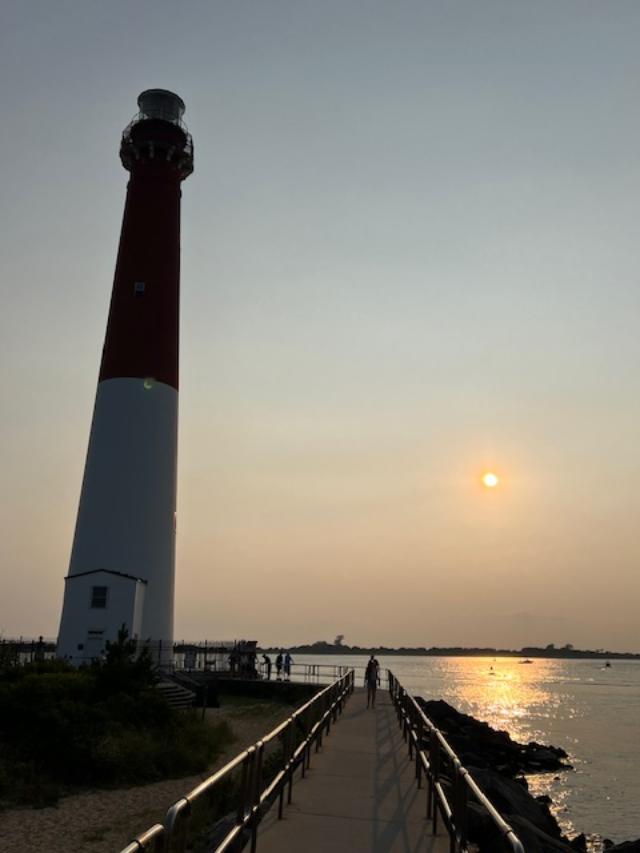
Sunset at the lighthouse

Sunset at the lighthouse

(This information comes from a combination of the Barnegat Lighthouse State Park pamphlet and website/Wiki-I give them full credit for the information provided).

Doo Wop Preservation League Museum          4500 Ocean Avenue                                 Wildwood, NJ 08260

Doo Wop Preservation League Museum 4500 Ocean Avenue Wildwood, NJ 08260

Doo Wop Preservation League Museum

4500 Ocean Avenue

Wildwood, NJ  08260

(609) 523-1975

https://www.facebook.com/Doo-Wop-Preservation-League-The-Wildwoods-NJ-128130849267/

Open: Friday-Saturday 10:00am-2:00pm/ Closed Sunday-Thursday

Fee: Free but they ask for a donation

My review on TripAdvisor:

https://www.tripadvisor.com/Attraction_Review-g46931-d283304-Reviews-The_Doo_Wop_Preservation_League_Museum-Wildwood_Cape_May_County_New_Jersey.html?m=19905

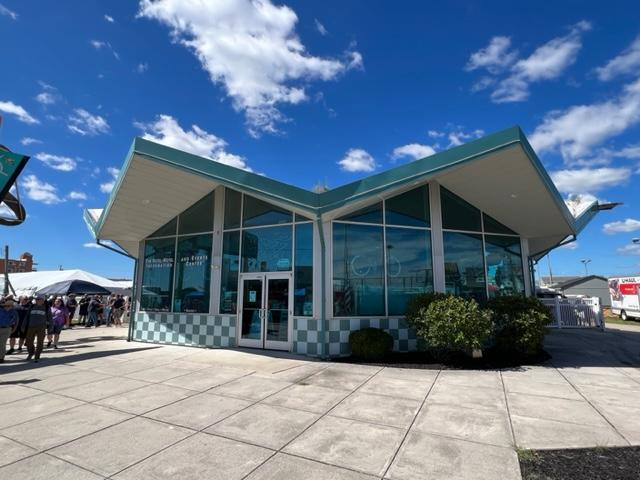
The Doo Wop Preservation League Museum at 4500 Ocean Avenue.

I visited the Doo Wop Preservation League Museum when I was visiting Wildwood, NJ for the Firemen’s Convention. They were sponsoring the DJ on the stage behind the museum. It was easy to miss the museum with all the fire equipment around it and hundreds of firemen milling around.

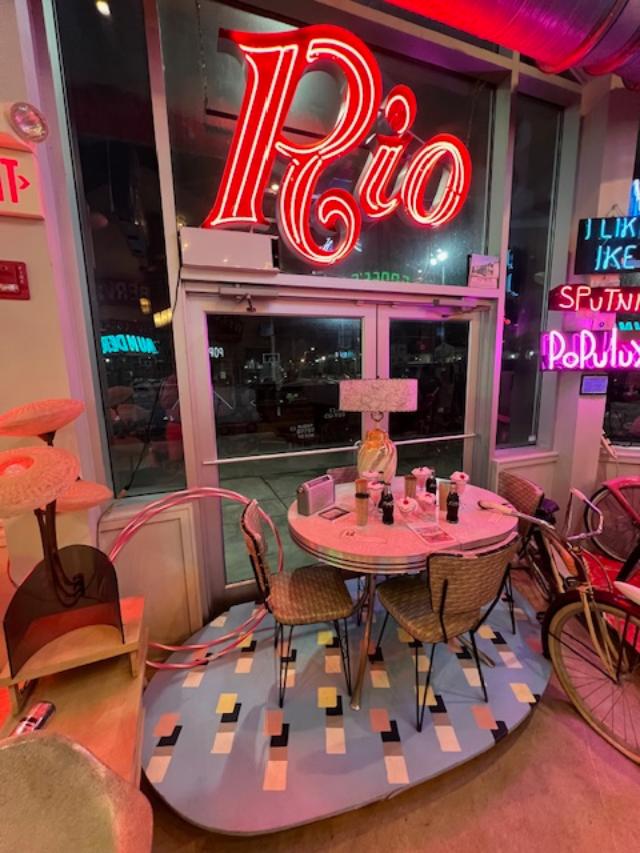
The neon signs in front of the Doo Wop Museum.

The old neon hotel signs outside the museum

Once inside, this small museum is a treasure trove of history of the resort motels that once lined the beaches of Wildwood, Wildwood Crest and North Wildwood. As time rolls on, many of these old motels, hotels and restaurants are giving way to condos, newer homes and new chain hotels changing the landscape of Wildwood. It is bringing it into modern times with newer looks.

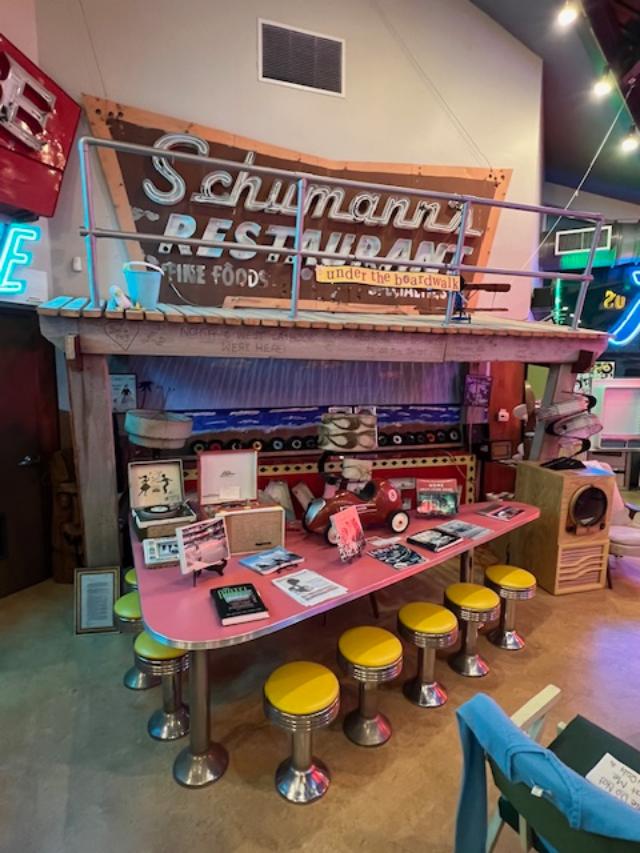
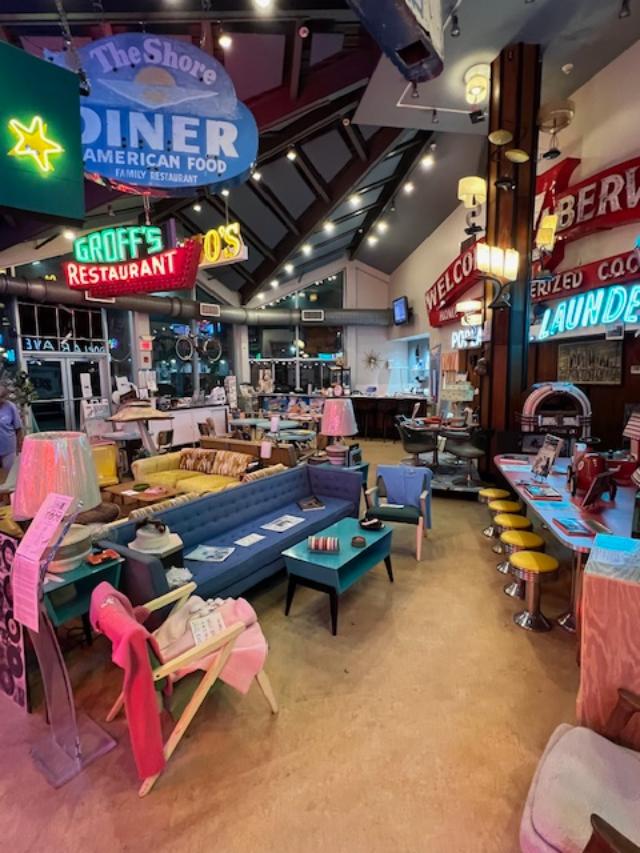
The restaurant section of the Doo Wop Museum

When many of these motels are torn down, the establishments donate old furnishes, decorative objects and signs from the outside to the museum. The outside of the museum is decorated with signs of businesses that are now closed, there neon lights still shining but for a different purpose. These somewhat gaudy and over-grandised signs and looks were of a time of great optimism and travel. Since the middle and working class families did not have the money to travel to these exotic places, something similar was created for them in the Wildwoods bringing that look to the Jersey shore.

The restaurant section of the Doo Wop Museum

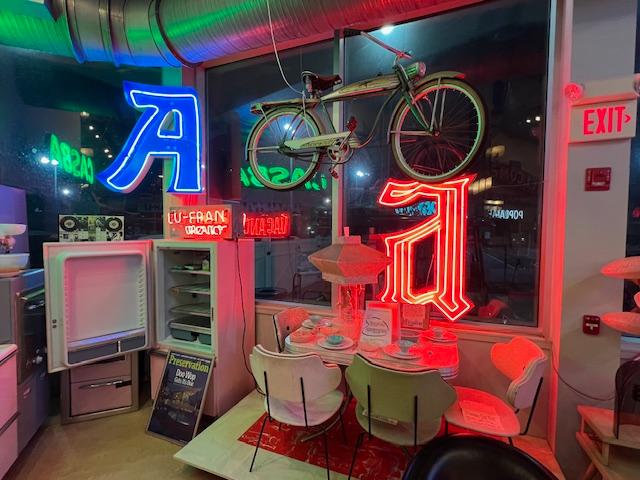
The neon room of the 1950’s

When talking to the curators , a couple that ran the museum said that the museum represents the change in décor used after WWII when they used the neon lights and steel from the war into the signs and lighting of the new resorts. It was a unique style of the late 1950’s and 60’s, when these materials were plentiful and motel owners were getting creative to bring in the rising middle class tourists that could not afford the trips to Hawaii and Miami Beach. These owners brought these themes to Wildwood with a creative twist. Check out the signing and furniture that lines the walls and dining set ups of the museum.

The old neon signs of the hotels in Wildwood, NJ.

The museum is small and takes only about an hour to walk through. Each of the vignettes are designed as its own room with furnishings from old hotels and motels like tables, chairs, lamps and ashtrays in one corner, in another are stools, a jukebox and menus from a 50’s or 60’s style restaurant or items used at the time like bicycles or scooters.

The interesting preservation by the museum shows all over

The History of the Doo Wop Museum:

The Doo Wop Preservation League was founded in 1997 as a 501C3 to preserve  the 1950’s and 60’s architectural styles of the Wildwood’s. Doo Wop style is a combination of Space Age dreams of the late 60’s and the exotic seaside tropics of recently opened South Seas Islands  like Hawaii which became out 50th State in 1959.  The Polynesian look was very ‘in’ at this time as most people could not afford to go but wanted to replicated for them.

The signs of the museum beacon visitors.

The museum is housed in the 1960’s ‘Space Age’ restaurant “The Surfside” that was saved from the wrecking ball and moved to this spot right across the Convention Center and the Boardwalk. On Tuesdays and Thursdays when in season (i.e. Warmer Months), there are bus tours offered by the museum. The museum’s goal is catalogue the remaining businesses in town that still keep their look of the era (Museum website and The Wildwooder Newspaper).

Don’t miss the museum tours:

The best part is that the museum is free (donation suggested) and you can take your time for a self-guided tour of the museum.

YouTube videos on the museum

What a great little museum!

World War II Lookout Tower Museum & Memorial  Sunset Boulevard Lower Township near Cape May Point, NJ 08204

World War II Lookout Tower Museum & Memorial Sunset Boulevard Lower Township near Cape May Point, NJ 08204

World War II Lookout Tower Museum & Memorial

Sunset Boulevard

(609) 884-5404/(800) 275-4278

http://www.capemaymac.org

Open: Sunday-Saturday 10:00am-4:00pm

Fee:  Adults $6.00, the first child free with paying adult and the next child $3.00 (3-12)/Veterans $3.00/Active Military Free

My review on TripAdvisor:

https://www.tripadvisor.com/Attraction_Review-g46341-d2256593-Reviews-World_War_II_Lookout_Tower-Cape_May_Cape_May_County_New_Jersey.html?m=19905

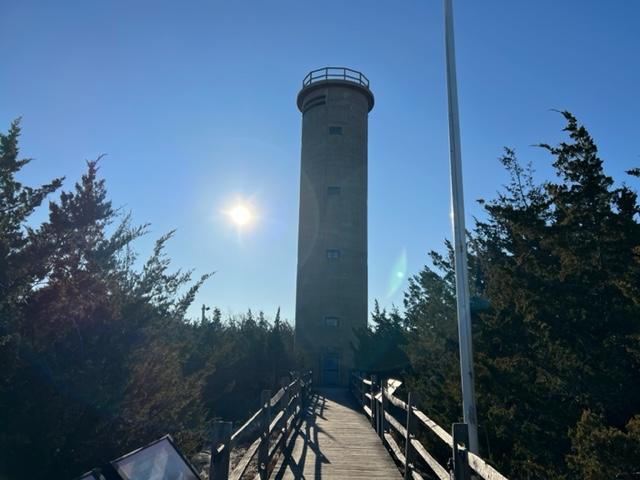
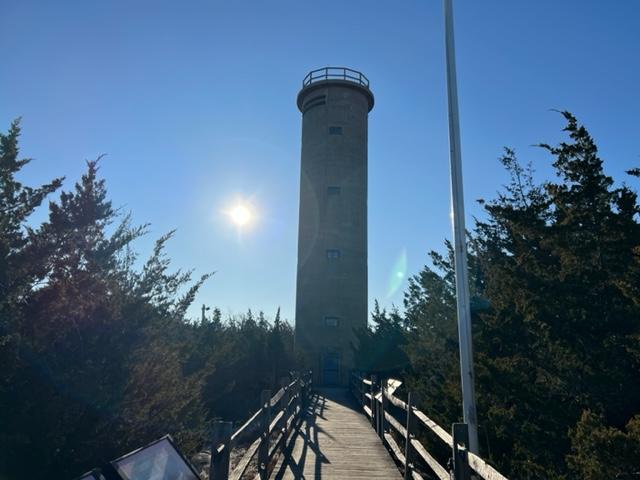
The Lookout Tower from Sunset Beach

The World War II Lookout Tower Museum & Memorial is an interesting look of how our armed forces used these towers to watch the coastlines for U-boats and enemy ships during the war. Several German submarines were spotted along the coasts of New York and New Jersey during the war and the threat of attack was uncertain. As the war progressed on though, we found that this was a war being fought in the air and these towers were actually obsolete by the end of the war.

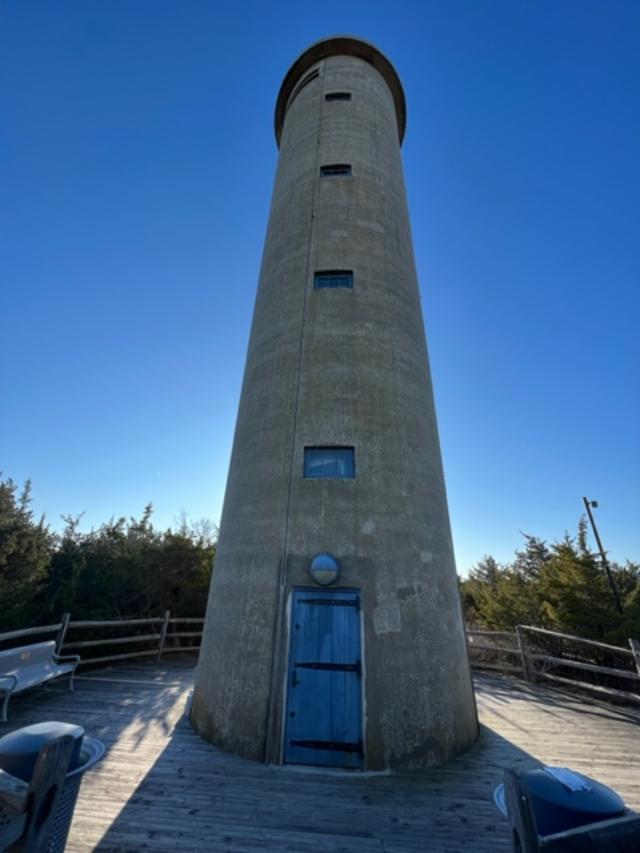
The World War II Tower

The tower is very interesting and very easy to climb. Don’t let the height fool you, there are only about a 100 stairs with landings on all three levels with displays on them. 

The bottom level has a gift shop and display pictures of the history of the tower. The second level has shots of veterans of the wars before when the were enlisted and today (when they were much older). There were a lot of local veterans to the Cape May area.
World War II Tower

World War II Tower pictures

The top level was manned by a docent who talked about the history of the tower, provided pictures of the area before and after World War II and the role it played during the war. She discussed the only ship attack since Pearl Harbor was right off the coast of New Jersey as well as the ‘Blackouts’ that were conducted in town to stymie any attacks.

World War II Tower

Take time to look over all the displays and pictures and the role Cape May had in the war to help protect the East Coast.

History of the World War II Lookout Tower Museum & Memorial:

Why is Fire Control Tower No. 23 administered by the Mid-Atlantic Center for the Arts & Humanities (MAC):

Like the Cape May Lighthouse, Fire Control Tower No. 23 is owned by the State of New Jersey (specifically the Department of Environmental Protection Division of Parks). As was the case with the Lighthouse, the State lacks the funds to restore and operate these historic structures. Instead it has leased them to the area’s leading cultural and historic preservation organization, the Mid-Atlantic Center for the Arts & Humanities (MAC). Founded in 1970, MAC saved and restored the 1879 Emlen Physick Estate and operates it as Cape May’s only Victorian house museum. Starting in 1986, MAC spent 15 years (and some $2 million) on the restoration of the Cape May Lighthouse.

In 2004, MAC signed a 20 year lease for Fire Control Tower No. 23. After raising one million dollars (from the New Jersey Historic Trust, the Casino Reinvestment Development Authority, a Small Cities Block Grant administered by the New Jersey Department of Community Affairs and Lower Township and a Save America’s Treasures Grant administered by the U.S. Department of the Interior), MAC restored the Tower in 2008-09 and opened it to the public in April 2009. MAC is also mounting permanent Memorial Plaques in the Tower that will allow family members to honor veterans of any war or engagement.

(This information was taken from the World War II Lookout Tower pamphlet proved by the Mid-Atlantic Center for the Arts & Humanities)

Was Fire Control Tower No. 23 used for spotting fires?

No, it was used for spotting enemy ships during World War II and aiming guns to fire on them.

This Fire Tower was part of Fort Miles. So, where was Fort Miles anyway?

Fort Miles was never a building. It was a number of fire control towers, gun batteries plus barracks and support buildings on both sides of Delaware Bay. By World War II, the military used a spread-out series of towers and batteries, whose firing ranges overlapped to protect a large territory. Its largest guns and headquarters were located on the Delaware side (in what is now Cape Henlopen State Park), since the shipping channel hugs the Southern shore of Delaware Bay.

Were there any other Fire Control Towers?

Yes, there were originally 15 concrete fire control towers, 11 on the Delaware side and four here in New Jersey. Of the four in New Jersey, the ones in North Wildwood and Wildwood Crest have been destroyed, while the one on Beach Avenue in Cape May has been engulfed by the Grand Hotel (with only its top visible, sticking above the roof). One of the towers in Cape Henlopen State Park in Delaware has been restored and opened to the public.

Were there any naval battles in the Delaware Bay?

No. German submarines sank many merchant vessels off the coast of Cape May but no German ships ever got up the Delaware River to attack the Philadelphia Navy Yard, Philadelphia or Camden.

Was Fire Control Tower No 23 built here or prefabricated?

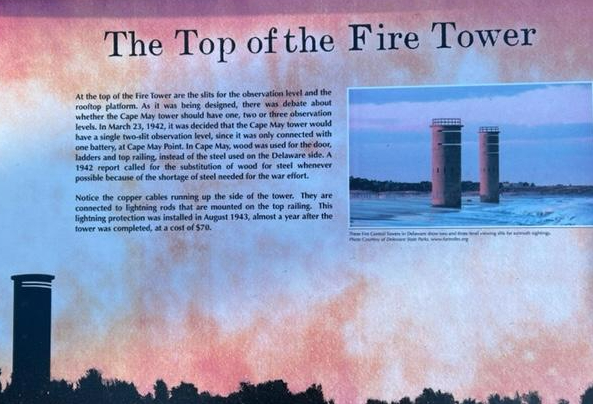
The Fire Control was built here in June, 1942 by using a sliding tube shaped form.  A ring of reinforced concrete was poured. When that solidified, the form was slid up and more concrete was poured. The whole Tower was formed this way except for the top, which required a form of its own. The whole process took only two and a half days.

Was the Cape May area important during World War II?

Yes, the Cape May area was a beehive of military activity during World War II. Cape May harbor had a Naval Air Station, a Coast Guard base and an airport. Naval Air Station Wildwood (where the County Airport is now) trained aircraft carrier pilots. Cape May Shipbuilders on Wilson Drive, where the Cape May Whale Watcher is now, built Navy tugboats and dredges. The Northwest Magnesite plant, which made an ingredient used in firebricks for steel mills, was located across Sunset Boulevard from Fire Control Tower No. 23.

(This information was taken from the World War II Tower pamphlet and I give them full credit for it.)