Category: Walking in Chester, NJ

Nathan Cooper Gristmill                                                                       66 Route 24                                                                                    Chester, NJ 07930

Nathan Cooper Gristmill 66 Route 24 Chester, NJ 07930

Nathan Cooper Gristmill

66 Route 24

Chester, NJ 07930

(908) 879-5463

https://en.wikipedia.org/wiki/Nathan_Cooper_Gristmill

https://www.facebook.com/pages/Nathan%20Cooper%20Gristmill/495480777136425/#

Open: Sunday 10:00am-3:00pm/Monday-Thursday Closed/Friday 10:00am-4:00pm/Saturday Closed

Admission: $5.00 for everyone for everyone taking the tour; For special events it might be a different fee. Walking around the grounds is free.

My review on TripAdvisor:

https://www.tripadvisor.com/ShowUserReviews-g46355-d10355549-r1076722884-Nathan_Cooper_Gristmill-Chester_Morris_County_New_Jersey.html?m=19905

The location of the Cooper Gristmill:

(from the Cooper Gristmill website)

Located on 14 acres along the Black River, the Gristmill is the only restored water-powered mill in New Jersey and is listed on the State and National Registers of Historic Places. It’s a living example of the state’s transition from an agricultural to an industrial economy. Costumed staff lead guided tours of the mill, running restored machinery to harness the power of the Black River to grind grains, using two sets of massive 2,000-pound mills

The Nathan Cooper Gristmill

The sign welcoming you to the site

I spent an afternoon walking the grounds of the Nathan Cooper Gristmill after a trip to Hacklebarney Park and was able to tour the outside of the mill and the pathways around the property.

The historic sign welcoming you to the site

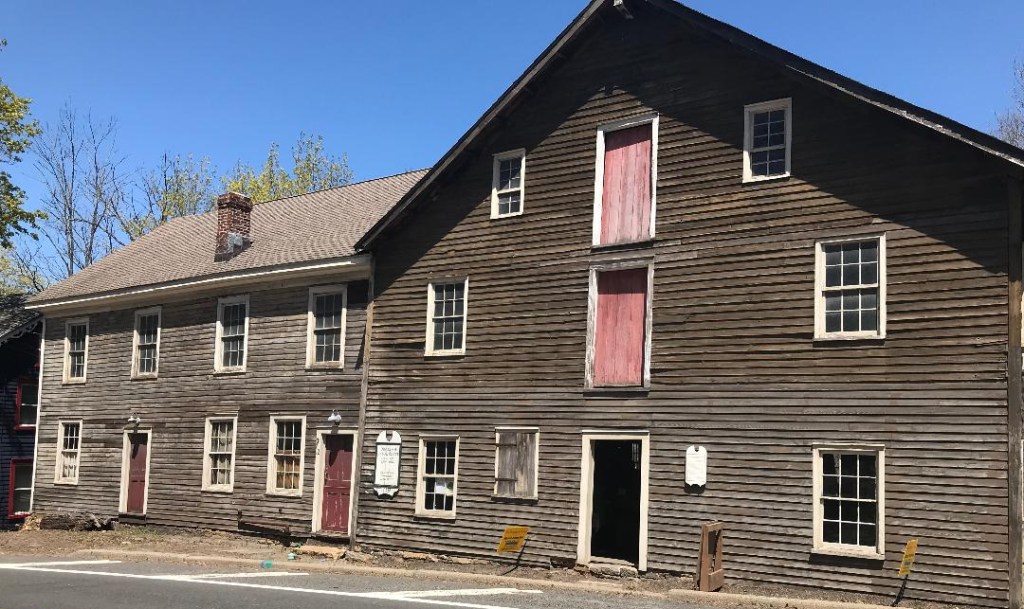
The front of the mill building

The front of the old mill had been decorated for the “250th Anniversary” of the nation and the grounds were really beautiful. The mill lined the Black River in the back of it and the lawns were filled with lush trees. The mill was not open for the day but you could walk around the grounds.

The Washington Turnpike historic sign

The front grounds and the water pump

The water pump marker in the front of the building

The water pumps at the front of the mills were closed off at this point but must have been used as a water source for the people working there at the time.

The stairway to the back of the mill

The pump by the front of the stairs

The back of the building is where the water wheel is located by the Black River water source. When I took the tour later the next month, the tour guide showed me how it worked. The mill is still a functioning mill and they still do produce flour for sale but on a limited basis.

The waterwheel that moved all the equipment inside

The Waterwheel and the water source to power it

The waterwheel

The history of the Water Wheel:

The Fitz water wheel was made in 1927 for a mill in Pennsylvania that burned down before it could be installed. It was then purchased for a mill in Pottersville, NJ in 1935 and powered until 1955. In 1974, the wheel was donated to the Morris County Park Commission and moved to the Cooper Gristmill (Cooper Gristmill pamphlet).

The video of the waterwheel working:

The historic sign on the waterwheel and the water source

The pathway to the Black River and the trails

The back trails of the gristmill have the most beautiful views of the river and the steams around the property. At the end of the Summer of 2026, it offers the most amazing views of the grounds. All the trees were still in bloom and the trails take you far back into the park. I just walked to the river stream and looked at the small waterfalls. This was the water source that powered the mill.

The historic sign on the Black River

The grounds and paths along the river are really picturesque but watch the paths when the paths are wet. It can be a muddy experience.

The Black River from the trails

The Black River water source

Video of my walk along the river:

The history of the Cooper Gristmill:

(from the site pamphlet)

A gristmill was apparently built at this site in the early 1700’s by the first Europeans to settle the Chester area. Records show that is was offered for sale in 1761. Later in the 18th century, it was owned by Ellis Howell. The property was purchased by Nathan Cooper in 1825 and then Cooper rebuilt the mill in 1826, since the original structure had been damaged by an earlier fire. This is the mill building that remains standing.

Following the death of Nathan Cooper in 1826, the mill was passed to his nephew, Nathan A. Cooper. The younger Cooper, who became one of Chester’s wealthiest and most important citizens, owned the mill property until his death in 1879.

Mills were built at close intervals. In 1832, the town of Chester reported five sawmills and three gristmills. Surrounding these mills were small settlements that developed followed by good roads so that the farmers could haul their grain to the site. Soon it was followed by a blacksmith shop and a general store. This was the beginning of the town of Milltown, later called “Milldale”.

Once in the forefront of technology and economic progress, village gristmills had become largely obsolete by the end of the 19th century. By then, milling had become a vast factory enterprise and the dynamic railroad system made it possible to ship grain and flour over great distances. No longer the bustling centers of activity, mills like the Cooper Gristmill came to be viewed as relics of a bucolic past.

In modern times and now restored, the mill once again hums with activity. The water wheel has been replaced and some of the mill’s mechanical equipment has been put back into place and now operates. In the place of farmers with wagon loads of grain, busses filled with school children arrive to see the millstones once again grinding flour. Cooper Gristmill and the Village of Milltown are good examples of the many small agricultural and industrial communities that once dotted the landscape of Morris County, NJ.

The back pathway to the front of the site

The first floor:

When I toured the facility a week later when the museum was open, I got a glimpse inside the mill’s past and how it was the economic engine of the area during Colonial times. The inside of the mill was in working shape and was still being used to produce flour when in season.

The first floor of the mill

The inside entrance to the mill on the first floor with the fireplace to the left and the millstones to the right. The stairs led to three floors of the workings of the mills from grinding to bagging and shipping of the flour produced by local wheat.

The inside framework of the mill in the process of milling wheat

The large gears that made these rocks special waterwheel work that harnessed the Black River power source. The river and lake that have been dammed are across the street.

The millstones for the grinding of wheat

The millstones on the first floor of the mill

The millstones used to process flour

The second floor:

The second floor of the mill displays contain the office of the manage of the mill, the flour separating area for the grades of flour and the old bagging area of the flour product for shipping.

The recreation of the manager’s office

The milling and bagging area

The flour processing machine

The flour grade sorting machine is off to the left. The machine would sort the grades of flour based on the weight and bulk.

The machines processing and sorting the milled wheat

Pieces of millstones

Pieces of the millstones used in the production. The pieces would be shipped individually and then assembled when they arrived at the mills because of their sheer weight.

The attic room

The Attic:

The attic was the last part of the tour and where a lot of the inner workings of the mill were located. Just watch your head.

The Visitors Center:

When I finished the inside tour of the mill museum, I returned to the Visitors Center with the tour guide where a small museum on historic Morris County and the county’s rural past and development was displayed.

The small museum inside the Visitors Center

The inside of the museum tells the story of the development of Morris County, NJ

The small gift shop inside the museum

After the tour of the inside of the mill and museum was over, I explored the grounds of the property and admired the foliage. I decided to explore the power source of the mill on the advice of the tour guide who was preparing to close up for the day.

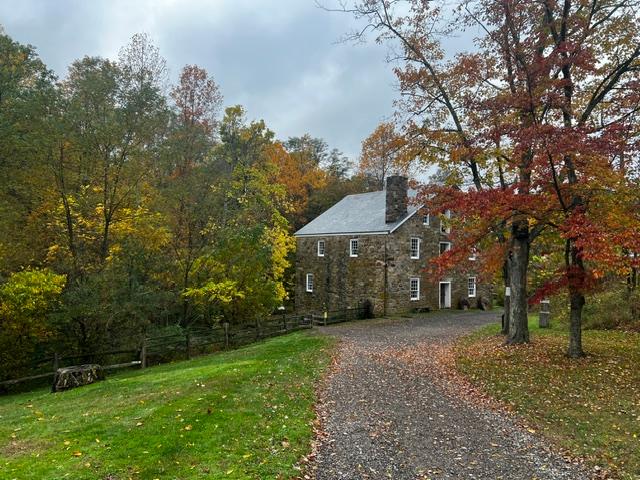
The grounds of the mill building and the beautiful surrounding foliage

The tunnel under the road taking you to the damned river and the lake on the other side of the road.

The video of the walk through the tunnel:

The path underneath the tunnel lead to the lake that was the original and still the power source to the mill. It still makes the water wheel run and is its source of power.

The lake and the waterfall are the source of power for the mill

The Water source of the Cooper Gristmill:

(from the Cooper Gristmill site pamphlet)

Unlike the electric machinery of today. the water powered gristmill drew upon the natural environment for its power. The miller chose a location close to a water course that has a drop in elevation. A dam was built to form a pond that would store the water needed to power the mill even in the dry summer months.

A sturdy building was required to support the water wheel and its associated machinery. The water was brought from the pond in a wooden trough, headrace or flume. The height from which the water would fall when it reached the mill was called the ‘head’. It determined the amount of power that could be generated. A tailrace carried the water away from the wheel and returned it to the stream. The turning shaft of the water wheel transferred its mechanical power into the mill. The gears and belts then transmitted the power throughout the building. The four sets of millstones at the Cooper Gristmill originally required two water wheels to operate.

The mill was often the social center of an agricultural community and the miller was a community leader. The miller lived nearby in order to attend to the constant stream of customers and keep his machinery in good order.

The beautiful foliage on this side of the road

I walked through the pathway and looked into the pond to see the small waterfalls in the distance. The foliage colors on the background of the water was quite spectacular.

The Visitors Center and the mill complex from the other side of the road

It was a very interesting visit to see part of New Jersey’s manufacturing past and how it was still being utilized in the present. The tour guide explained that at certain times of the year, they still mill flour and sell it to the public.

So it is still a working mill in production and you can still see that production in the warmer months. You can also buy the finished product on premise.

Not only is it an interesting tour but the surrounding foliage in the Fall is breathtaking. It really was a fascinating tour of New Jersey’s past.

Take you time and enjoy the paths and trails around the mill building

In the whole time I toured the gristmill did the tour guide say the place was haunted. I never saw or felt anything but according to many videos, the place is haunted.

The Ghost Investigation

Day Two Hundred and Thirty-Five Exploring the Historical sites of Morris County, NJ for “The Pathways of History” event April 30th-May 1st, 2022

Day Two Hundred and Thirty-Five Exploring the Historical sites of Morris County, NJ for “The Pathways of History” event April 30th-May 1st, 2022

Don’t miss this two-day event in the first weekend in May when Morris County, NJ showcases all the ‘hidden gems’ that it has to offer. It was a great weekend!

https://visitingamuseum.com/wp-content/uploads/2022/05/pathways-to-history-morris-county-2.jpg?w=275

http://pathwaysofhistorynj.net/

https://visitingamuseum.com/wp-content/uploads/2022/05/water-mill-v-e1653016283462.jpg?w=1024

The Obadiah La Tourette Grist & Sawmill

Don’t miss this wonderful weekend tour of Historic Morris County, NJ

jwatrel's avatarmywalkinmanhattan

I had been sent the notice that the County of Morris, New Jersey was having a two-day Open House of many of their historical sites for touring and for special events for a program entitled “The Pathways of History: Museum and Site Tours of Morris County, NJ”.

The “Pathways to History” event takes place every May

http://pathwaysofhistorynj.net/

The weekend event spread to small museums, historical homes and cemeteries all over the County with walking tours and lectures at various sites. Having never been or even heard of many of these sites, I was interested in visiting as many as I could for my blog, “VisitingaMuseum.com” which is here on WordPress.com as well.

I plotted my two days of the event and tried to organize the trip so that we could see as many sites as we could. The event asked the sites to open one of the two days as…

View original post 6,327 more words

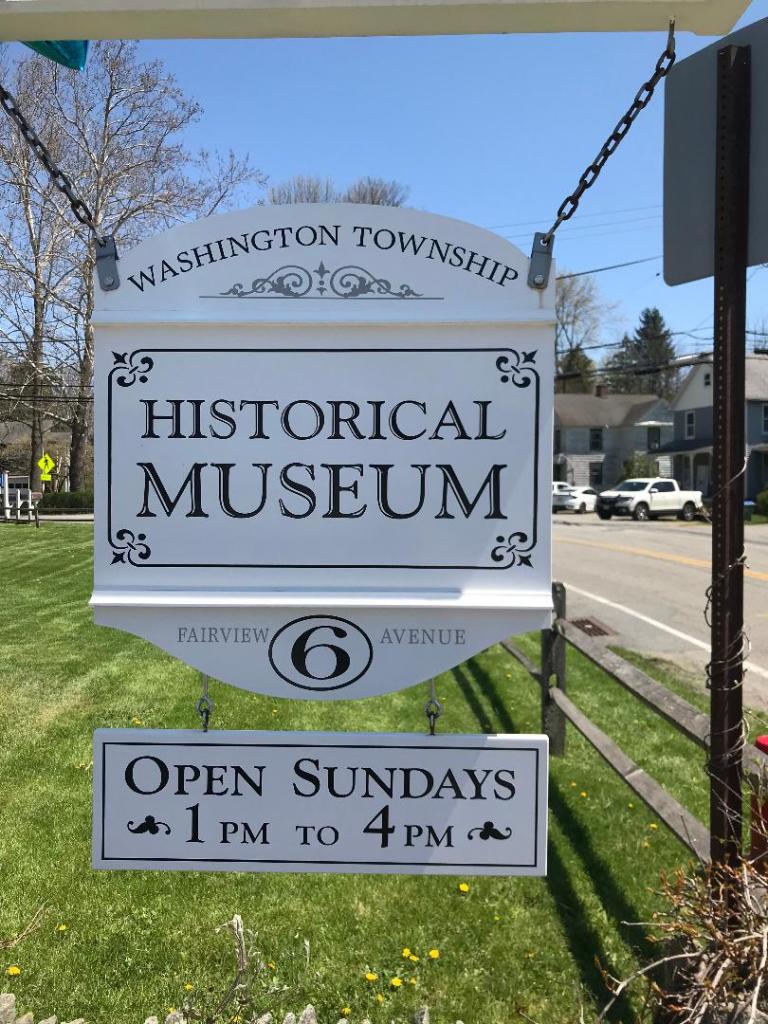
Union Schoolhouse & Union Church and Burial Ground/Washington Township Historical Society                               6 Fairview Avenue                                                                          Long Valley, NJ 07853

Union Schoolhouse & Union Church and Burial Ground/Washington Township Historical Society 6 Fairview Avenue Long Valley, NJ 07853

Union Schoolhouse & Union Church and Burial Ground/

Washington Township Historical Society

6 Fairview Avenue

Long Valley, NJ 07853

(908) 876-9696

Home

https://br-fr.facebook.com/wthsnj

http://www.pathwaysofhistorynj.net/19.html

Open: Sunday 2:00pm-4:00pm/Monday-Saturday Closed

Admission: please call site

My review on TripAdvisor:

https://www.tripadvisor.com/Attraction_Review-g46583-d24075223-Reviews-Union_Schoolhouse_Union_Church_And_Burial_Ground-Long_Valley_Morris_County_New_Je.html

A Video on the Washington Township Historical Society

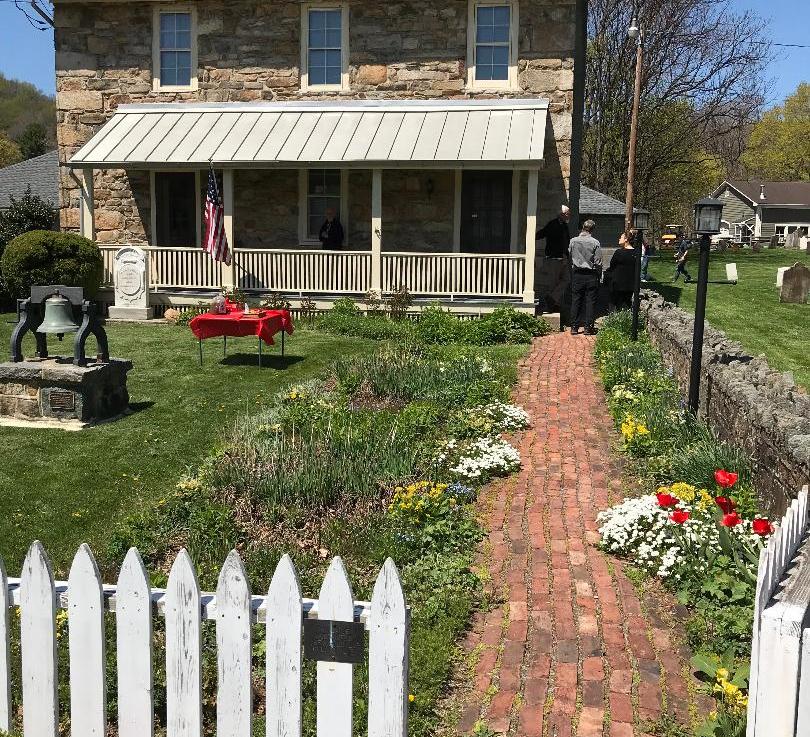
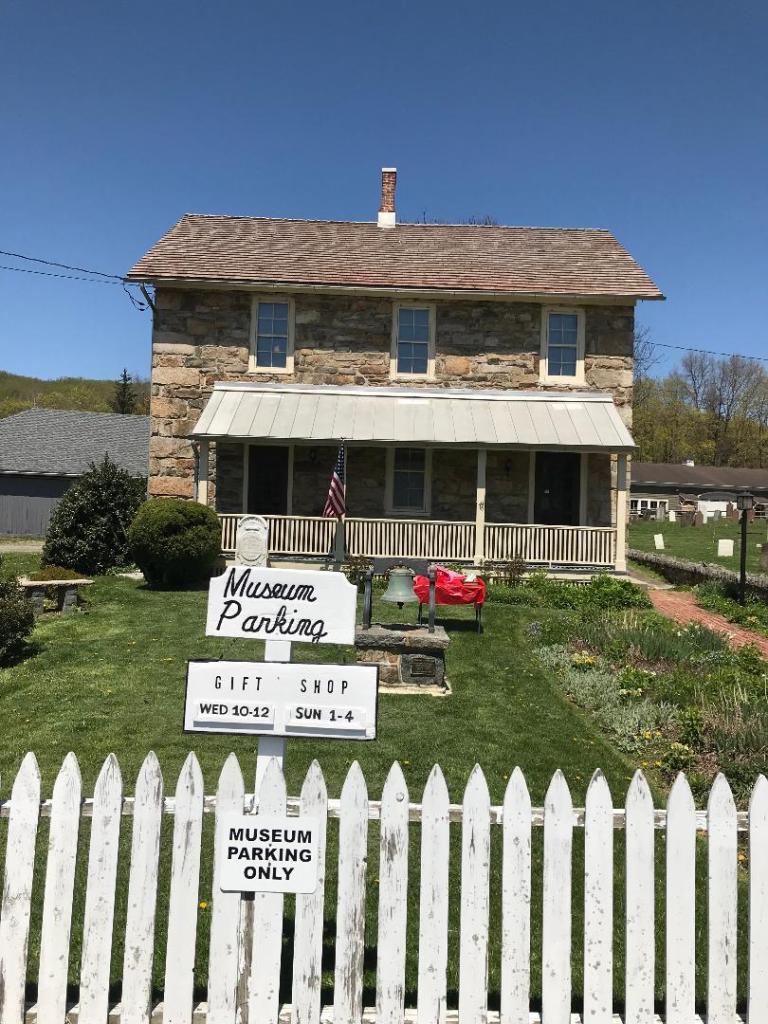
I came to the Washington Township Historical Site as part of Morris County’s “Pathways of History” tour and visited the Union Schoolhouse Museum and then the Union Church and Burial Ground that is located right next door on the same property. This sleepy little town was once a bustling manufacturing site with the sawmill and Ghrist around the corner and the Welsh Farms Ice Cream factory up the street from the site.

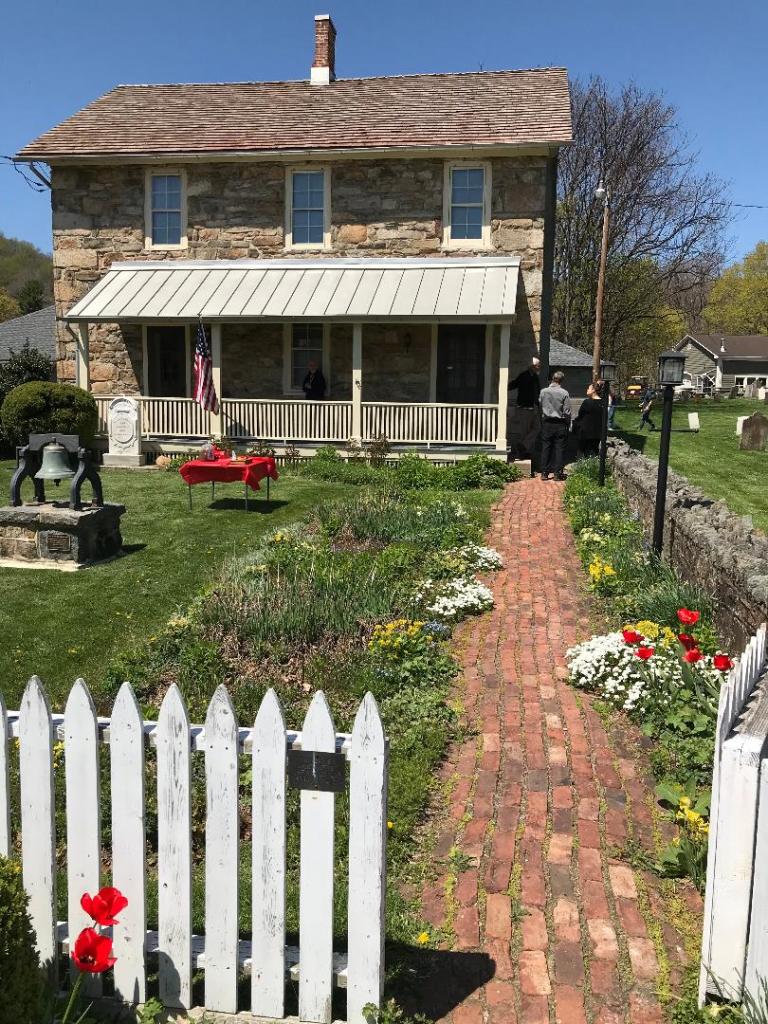
The Union Schoolhouse Museum at 6 Fairview Avenue

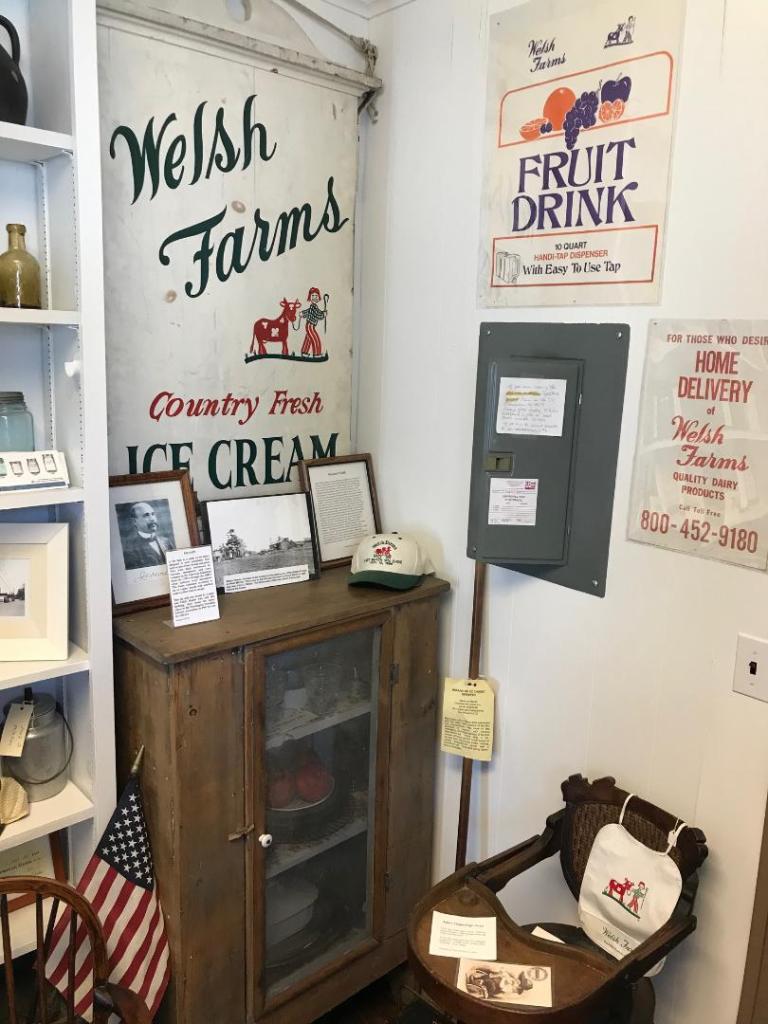
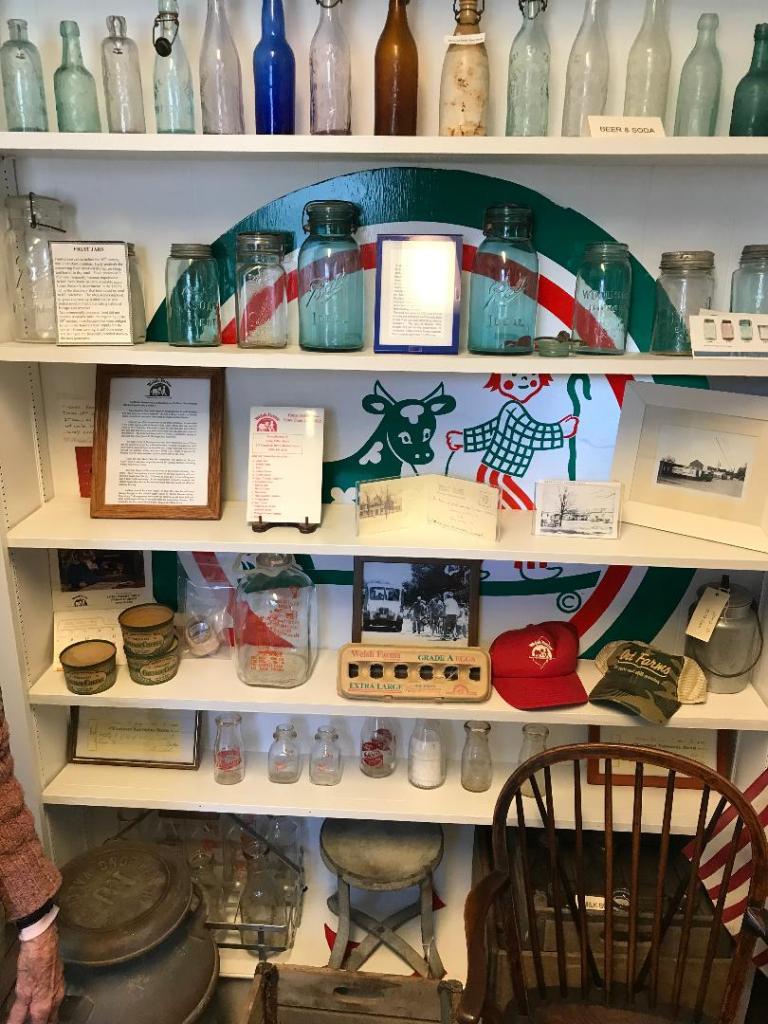
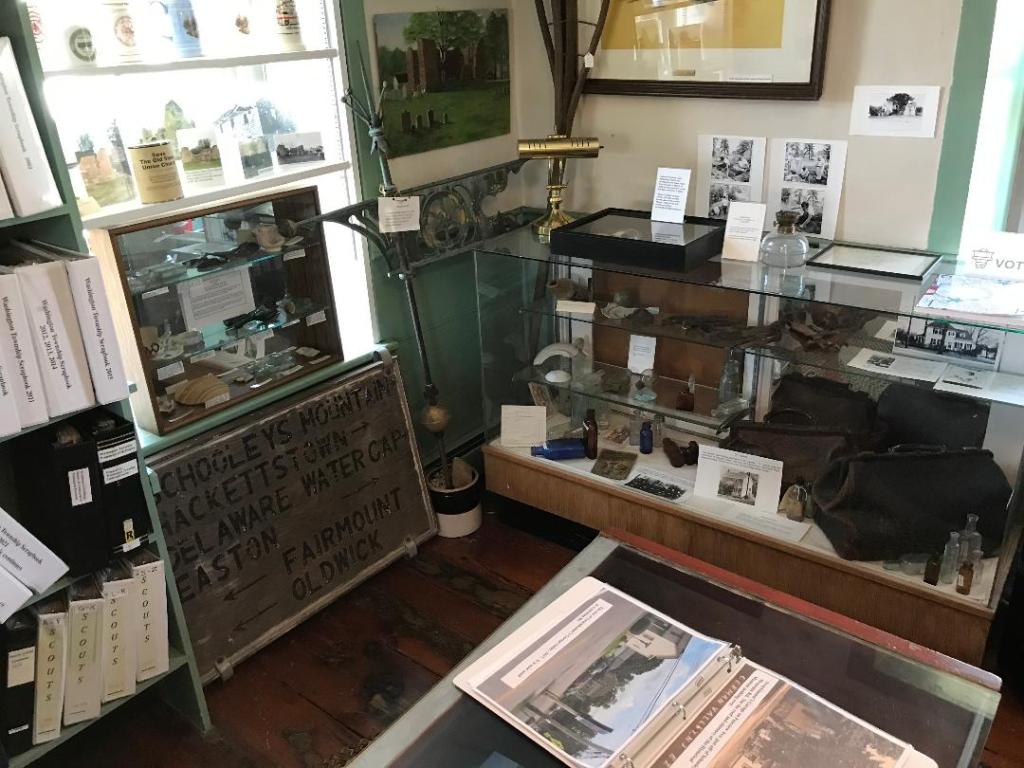
The museum, which was once the town’s schoolhouse, is an engaging site that showcases how the town developed over the last two hundred years. On the bottom floor, the society has Native American artifacts, period furniture and clothing and in the back of the museum is a full display of the original Welsh Farms Ice Cream factory. The Welsh’s were a very prominent family from the area.

The Welsh Farms Ice Cream Factory display

Some of the old bottles and equipment from the factory

The second floor of the museum has a display of town memorabilia from different businesses, farming equipment from the area’s agricultural past and pictures of businesspeople and prominent citizens of the town. It shows how the commercial past of the community kept evolving.

Display of the town memorabilia

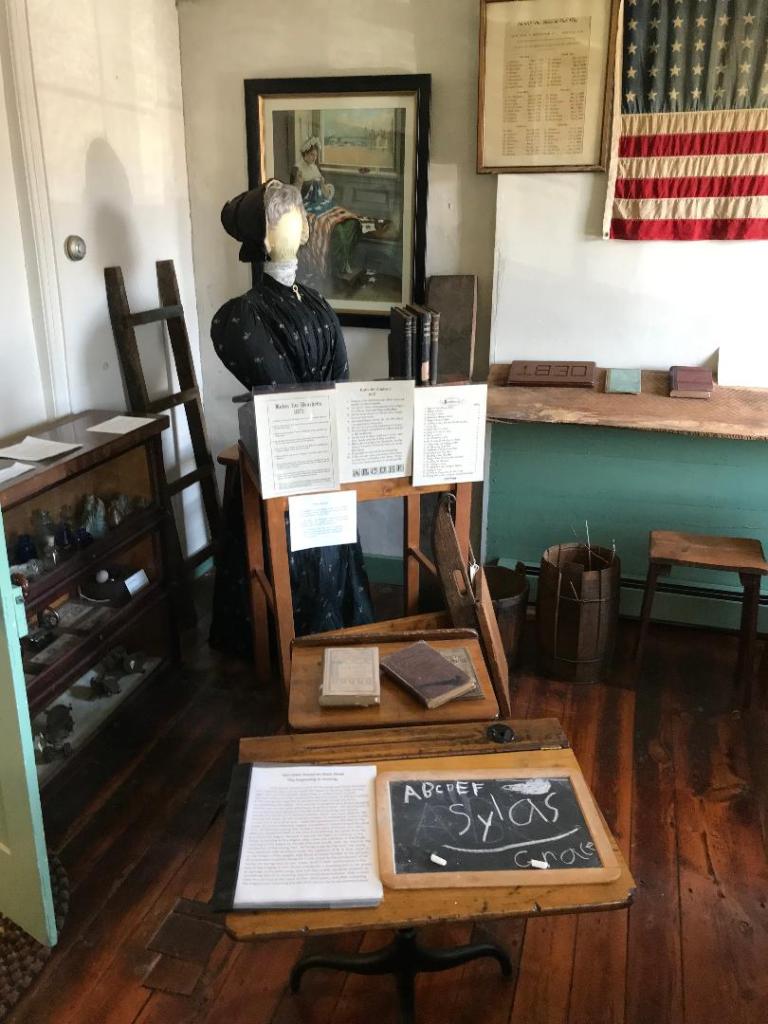
To the side of the second floor is a display of a period schoolroom from the time that the building served as a school of the local population. You can see that not much has changed over the years.

School rooms of the past are not too different from today

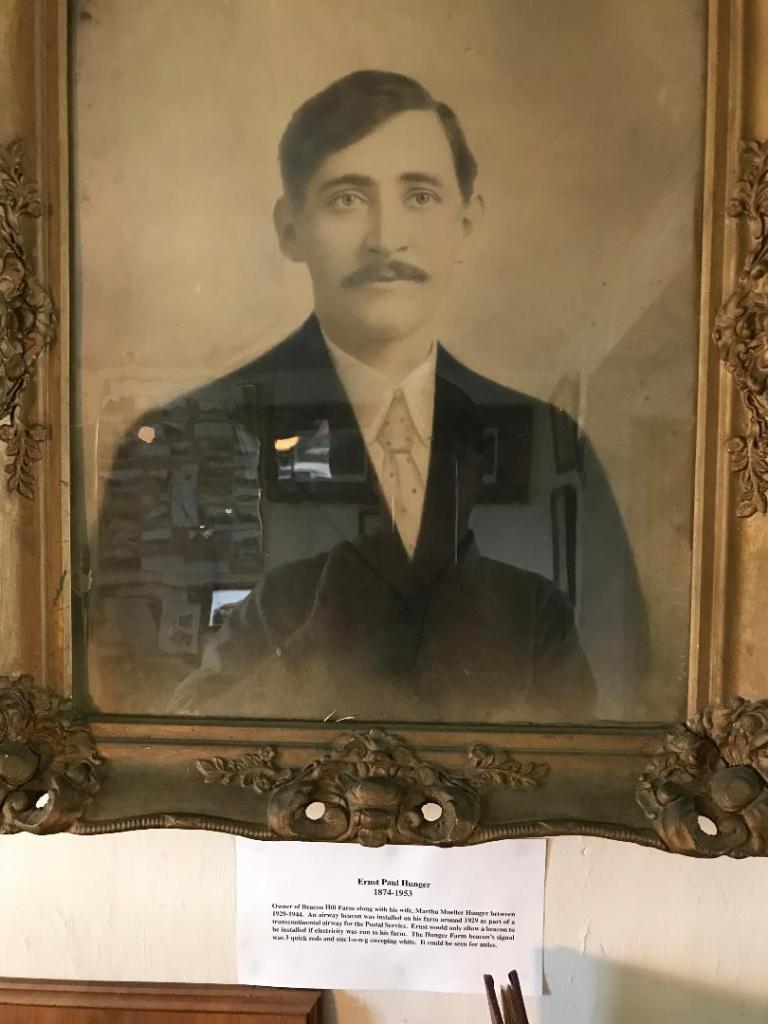
The one thing that creeped me out was a picture of a local businessman from the 1800’s who looked exactly like the actor, Blake Ritson, who plays “Oscar Van Rijin” in the TV show “The Gilded Age”. These men are almost 100 years apart and he looks like the actor from that exact time period.

The picture is of local businessman Ernest Paul Hunger

This picture is of actor Blake Ritson who plays “Oscar Van Rijin” in “The Gilded Age”

I had to take this picture because everyone says you have a twin from the past and I can tell that these two men look exactly alike in the same clothing. What is really interesting is that they are the same age at the same time period. Like that picture of the gentleman from the 1880’s that looks exactly like actor Nicolas Cage, I think there is some weird time travel here. It is almost like the film “Time after Time”.

After touring the whole museum, I went next door to visit the church and the cemetery for a tour. When I exited the museum, I had not really noticed the beauty of the gardens that surrounded the museum. The local garden club had done a great job in landscaping and planting the walled garden around the museum. In the early Spring, it was a colorful display of flowers.

The walled garden was so colorful in the early spring

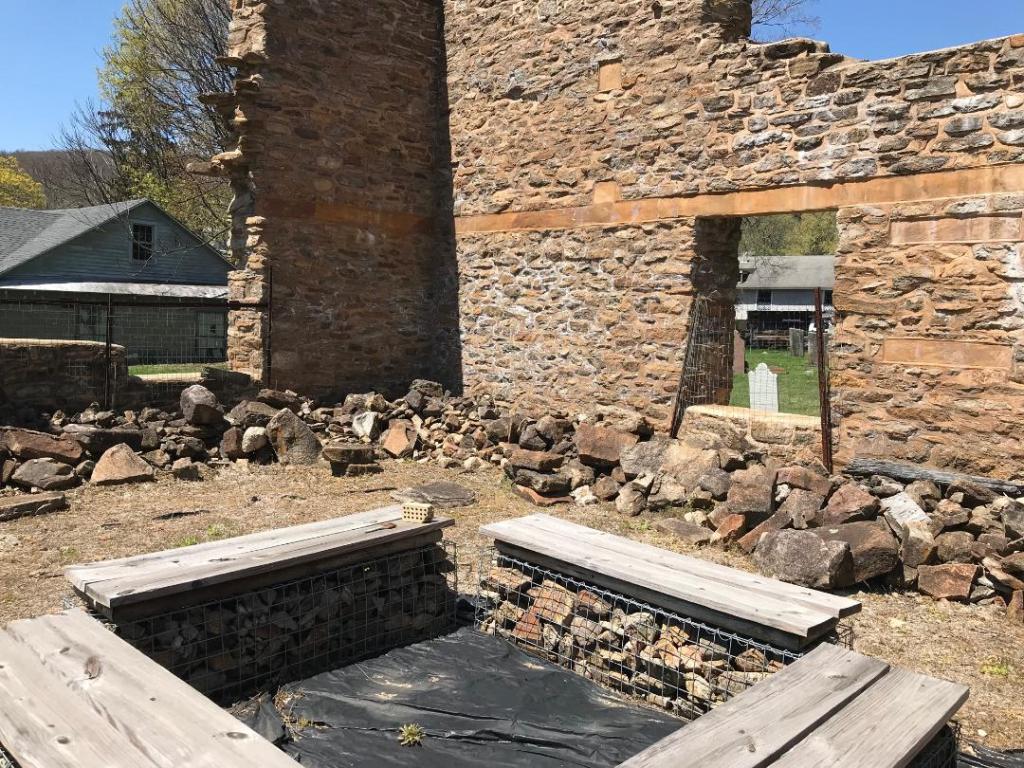
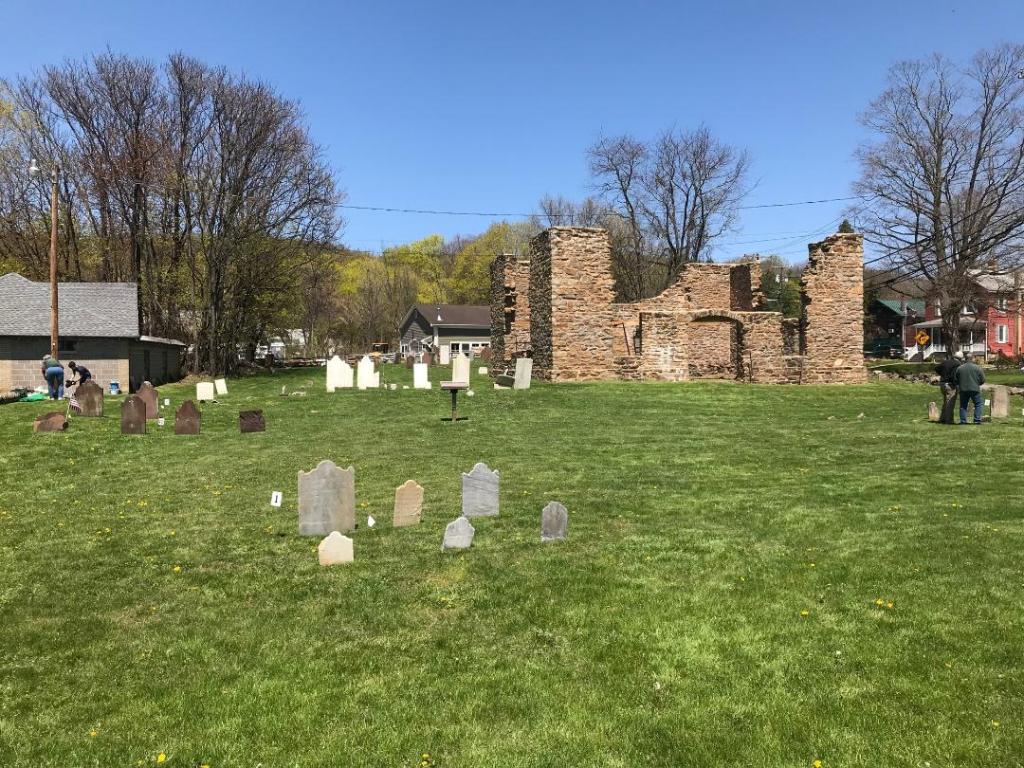
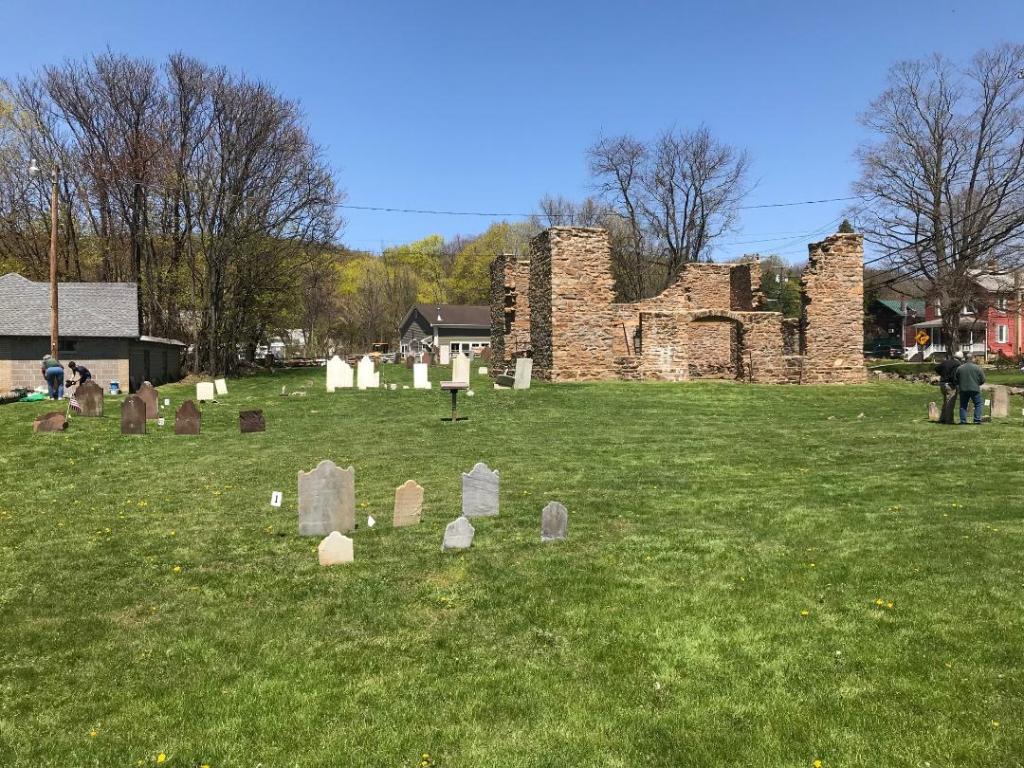
The cemetery walk was intriguing in that you got to walk through the ruins of the old church and get to see how it was once constructed. It gave me insight of how big these churches were at one time and building construction was in early colonial New Jersey.

The ruins of the old Union Church

The Union Church surrounded by the cemetery

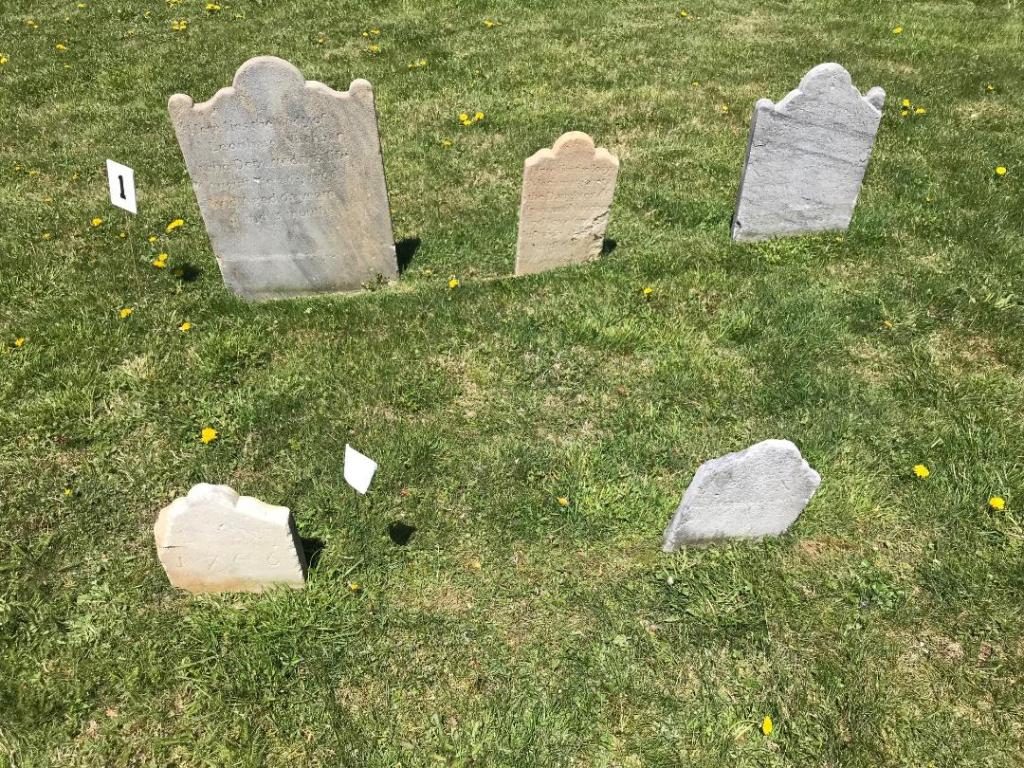
When we visited each family’s plot, there was a discussion about what contributions that everyone made to the town and their place in society. What was interesting was that the volunteers were cleaning the tombstones with tombstone cleaner, and I had wondered when we were taking the tour why they looked so new. There is a lot of care of the people of this cemetery.

The Welsh Farm Family plot at the Union Church was just cleaned

The whole site is an interesting look into the community’s past by a group of volunteers who give it their all to make the site interesting, historical, visually engaging to the visitor and offer a surprise or two into history that you may not know of New Jersey. One the warm, sunny day that we visited the site, it made it even nicer to walk around and have the time to soak it all in.

When you visit the Union Schoolhouse and Union Church and Burial Ground take the time out to take the formal tour of the site. It is very informative to a past that is not so different from today. It offers a lot of insight of people’s lives of this community.

The history of the Union Church and Cemetery Site:

(From the Washington Township Historical Society pamphlet)

Mission: To bring together people interested in the history of Washington Township, Morris County, NJ and promote a better appreciation of our American heritage.

The history of the site:

European settlement had begun in Long Valley by 1730. The early settlers, primarily from Germany and Holland, came fleeing religious persecution, an oppressive tax burden and hoping for a better life in America.

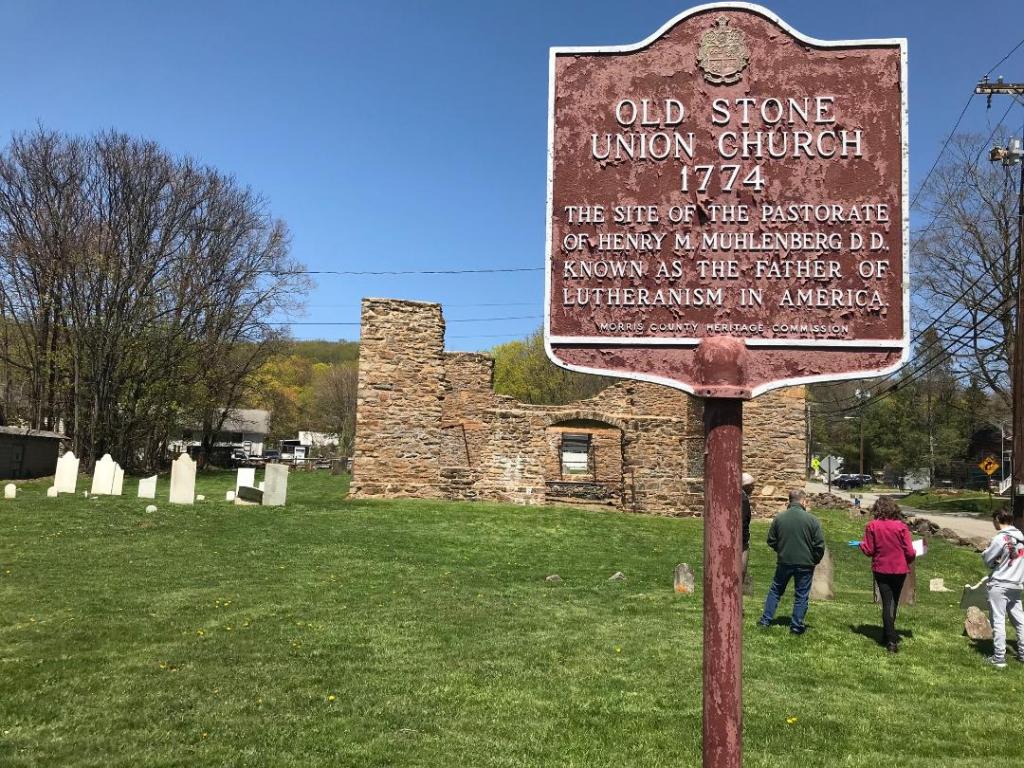
In 1749, a joint log meeting house had been built near the site of the Stone Church by the Zion Lutherans and Dutch Reformed Congregations. During these early times the congregations were served either by preachers from these churches or by laymen. One of the ministers of the time was Henry M. Muhlenberg, who has been called the Father of the Lutheran Church in America. His son, John Peter also ministered to the Raritan Valley before 1772. In 1776, John left his church in Virginia to raise and lead a regiment in the American Revolution, serving with distinction and retiring as a brevet major general.

On February 4th, 1774, the Dutch Reformed and German Lutheran congregations drew up articles and agreements that provided for the building of a joint meetinghouse. “Whereas we the members of the Evangelical Reformed Congregation and we, the members of the Evangelical Lutheran Congregation are willing to build a meeting house jointly, “Acted the 4th day of February 1774, which is testified to by: Henry Muhlenberg Jr., deputy director of Zion’s Welsch; Diedric Strubel; Conrad Rorick; Casper Eick; Anthon Waldorf; Adam Lorenz; Philip Weis; Christopher Karn; Leonard Neighbour; Roulof Roulofsen; John Schwackhammer; Andrew Flock.”

Let the Building Begin:

According to local tradition, the stone used to construct the building of the meetinghouse, the people of the two congregations turned out in a body to cart the stone. It had been a previous agreement, that whoever on the day appointed, should bring the first load, should receive the honor of having his horse decorated with flags and ribbons. The story goes that Judge David Welsch, then 17, secretly loaded his wagon and hid it that night. The next day, wagons came like thunder from all parts of the valley. Although David Welsch was confident of winning, he was almost beaten. Before he could unload his wagon, all of German Valley was on the ground.”

A Stately and well built structure:

A description of the Stone Church was given during a sermon by Reverend Alfred Hiller in July 1876. He said, “it was a heavy gallery on the one side and across each end; the entrance on one side (south), under the gallery and on the opposite side (north) was the pulpit, one of the Jack in the Pulpit style, with sounding board suspended above. There is no chimney on the church, in the center of the church, a space about eight feet square was made with a dirt floor and on the square a great mass of charcoal was burned, the congregation getting for their share at least the smell of the fire.”

The Old Stone Church today

Historic photographs indicate the building had a clipped-gable or jerkin-head roof with roof ridge parallel to the longer north and south walls. The two-story church, three bays wide and two bays deep, featured a wide and two bays deep, featured a wide central entry surmounted by a segmental arch, as were the windows. The walls were of coursed rubble stone construction, pointed with a white lime-rich mortar, except on the south or front elevation which was stuccoed and “penciled” with white pointing to replicate regular ashlar stone. However, this may have been a later 19th century embellishment.

Decline:

In 1832, both congregations decided to separate houses of worship. Since that time the Old Stone Church has stood abandoned and surrounded by the graves of the early congregants. Despite efforts at stabilization between the 1960’s and the 1980’s, the deterioration continued until recent efforts spearheaded by the members of the Washington Township Historical Society with permission of The Zion Lutheran and Long Valley Presbyterian Churches have improved this.

The Old Stone Church with the cemetery surrounding it

Chester Historical Society/Chester’s Rockefeller Center                                                                    137 Main Street                                                                           Chester, NJ 07630

Chester Historical Society/Chester’s Rockefeller Center 137 Main Street Chester, NJ 07630

Chester Historical Society/Chester’s Rockefeller Center

137 Main Street

Chester, NJ 07630

(973) 829-8120/(908) 879-2761

http://www.historicchesternj.com/

Open: Check their website/Seasonal

Admission:

My review on TripAdvisor:

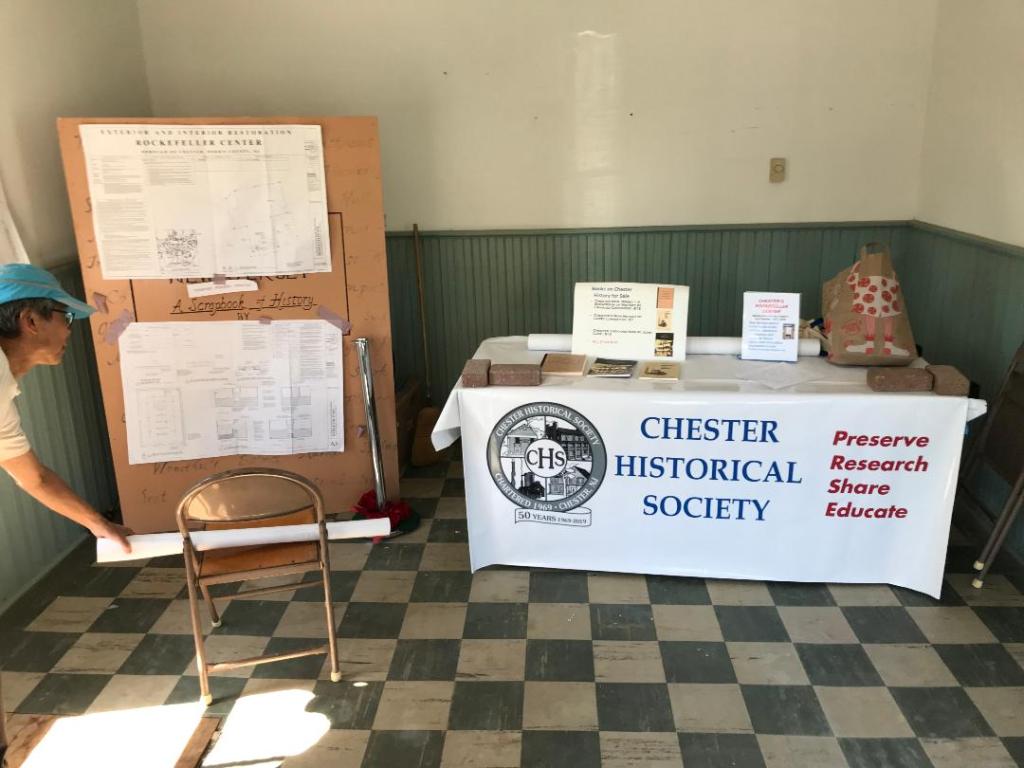
*Bloggers Note: the museum is still being renovated. Both the inside and outside looked finished in the Summer of 2026 but the displays are still not up inside. The one below was temporary for the Pathways Open House in 2022.

The Chester Historical Society/Chester Rockefeller Center has just been moved to Downtown Chester and is currently being renovated. Their collection is in storage right now while the building is being renovated. When I went to visit the museum, they were displaying their plans for the museum in the future outside the building.

The Chester Historical Society is currently open only at certain times and the collection is in storage while renovating. They are telling the town’s story on both a story board outside and on tables outside the building while it is being set up. Please check out their website for upcoming events and openings.

The new building in the Summer of 2026

The game plan for the museum.

The History of the Building of the Chester Historical Society:

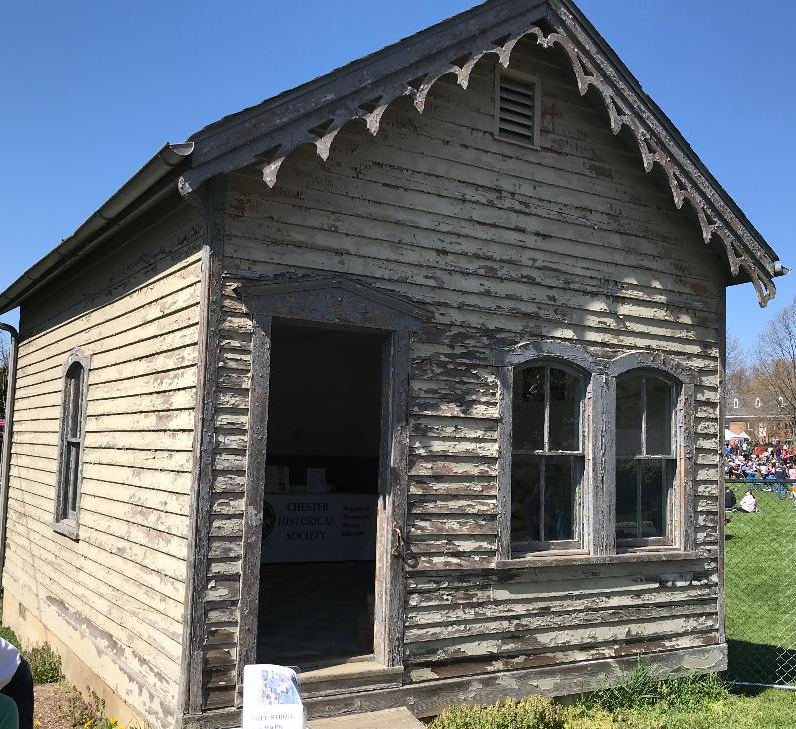
The original Chester, NJ Rockefeller Center

The History of the Building:

(From the Chester Historical Society’s website)

Chester’s Little “Rockefeller Center” building has seen many unique tenants in its day! In 1897, Mr. W. J. Litzenberger was reported to be doing a located behind the building. This is where he carved gravestones for the locals and used the building as his sales office and display area.

Also in the late 1800’s, the Post Office was located in Alonzo P. Green’s Pharmacy across from the firehouse. “Lawyer” Smith (postmaster), who was the son in law of General Cooper, was soon to move the Post Office across the road to Yawger’s store and later to the “Rockefeller Center” building, which was just east of the firehouse.

When Chester’s Iron “Hey-Day” waned out, fortunate were those who could return to farming. They could put their efforts into raising peaches, apples and garden produce and often used it as barter for “store-bought necessities” to provide for their families. Horses and cattle were important to the farmer and also to the townsmen. From earliest days drovers had driven horses and other livestock through Chester on their way to and from Susses County. From the mid-1800’s horses and mules were brought from as far as the Midwest to be sold.

During the late 1920’s and into the 30’s and 40’s, Abraham Meyer, who boarded with Austin Thompson, bought and sold cattle and had them located at the present Lowensteiner farm on North Road. During that time, he had an office for his cattle dealer’s business in the “Rockefeller Center” building.

After that, the Rockefeller family rented not only the cottage for them to live in but also the little building next to it from George E. Conover. The cottage was ordered and built from the Sears & Roebuck Company and was located to the left of the “Rockefeller Center” building. At this time, Carlos “Rocky” Rockefeller used the building for a bicycle shop where you could not only purchase a bike but also get one fixed! He would also sharpen the local children’s ice skates there.

Video on the museum from YouTube