Category: Walking Downtown Beacon, NY

Beacon Historical Society                                                  61 Leonard Street                                                                 Beacon, NY 12508

Beacon Historical Society 61 Leonard Street Beacon, NY 12508

Beacon Historical Society

61 Leonard Street

Beacon, NY 12508

(845) 831-0514

https://www.beaconhistorical.org/

https://www.facebook.com/BeaconHistoricalSociety/

Open: Sunday- Wednesday Closed/ Thursday 10:00am-12:00pm/Friday Closed/Saturday 1:00pm-3:00pm

Admission: Free but donations are accepted

My review on TripAdvisor:
https://www.tripadvisor.com/Attraction_Review-g47291-d15772700-Reviews-Beacon_Historical_Society-Beacon_New_York.html

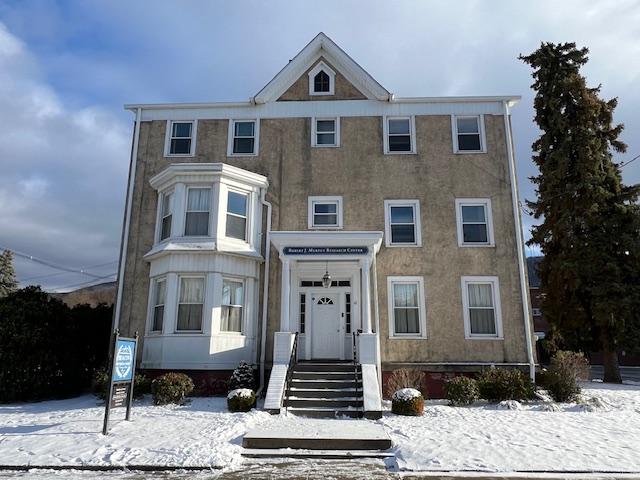
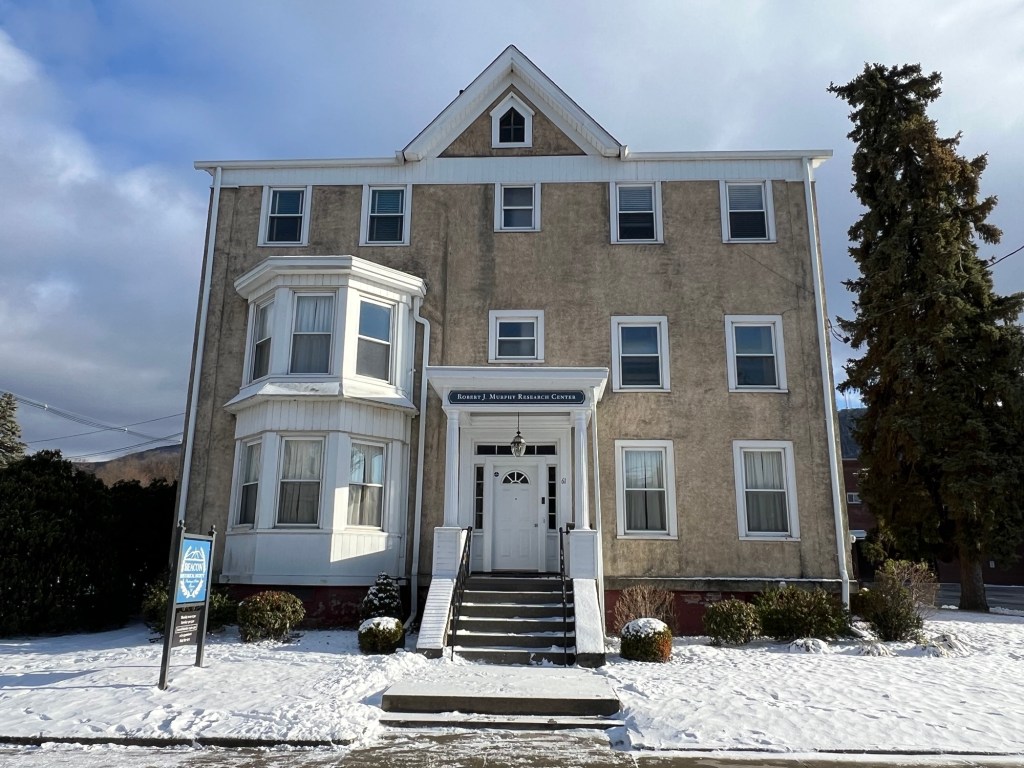
The Beacon Historical Society at 61 Leonard Street at Christmas time

The outside of the building in the Summer
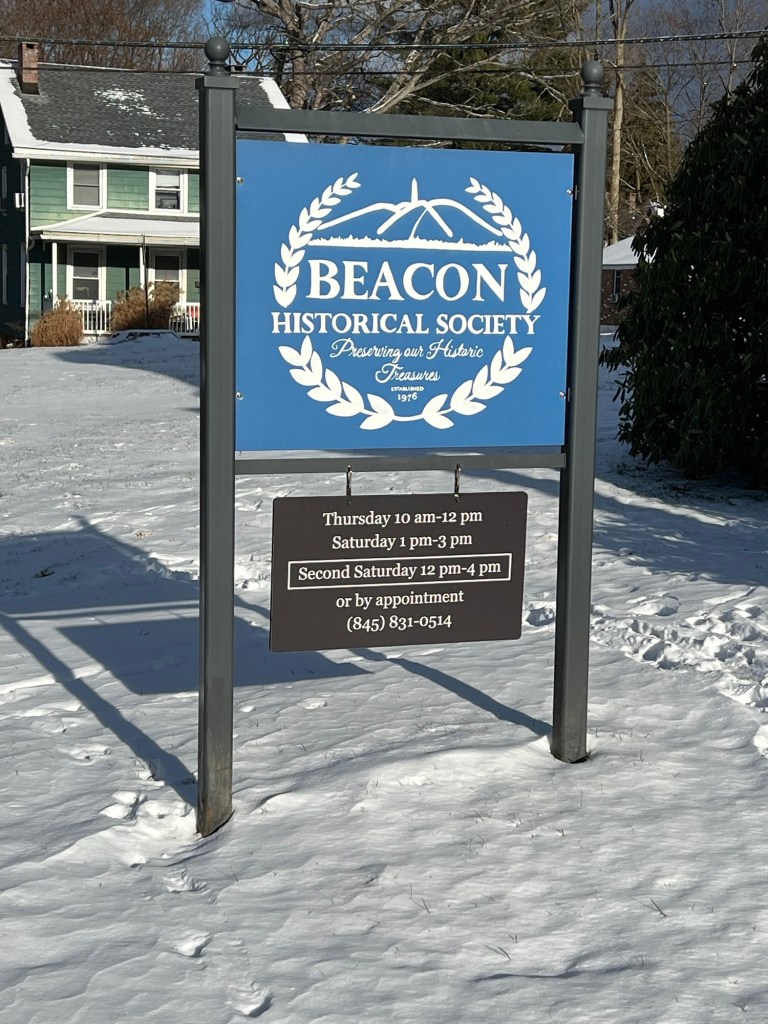
The sign for the Beacon Historical Society at Christmas time

The outside sign in the Summer

The Mission of the Society:

(From the Society pamphlet

The Beacon Historical Society was founded in 1976 to preserve, collect and interpret the rich history of the City of Beacon and its predecessor Villages of Fishkill Landing and Matteawan.

History of the Society:

(From the Museum website)

Established in 1976, the Beacon Historical Society showcases Beacon’s history through exhibitions, collections, programs, books and an informative monthly newsletter. The Beacon Historical Society is proud to serve as Beacon’s repository of rare photographs, paintings and prints, Hudson River ship models, objects and ephemera from local factories and Main Street businesses, records of local cemeteries and Civil War veterans, maps of Beacon, Fishkill Landing and Matteawan.

I recently did a walking tour of Downtown Beacon, NY and was impressed by the numbers of restaurants, bars and stores in the downtown area. It is an impressive downtown with very few empty stores and impressive and lively street life. On my first trip to the Beacon Historical Society I learned this was not always the case.

I recently visited this small historical society packed with information on the history not just of the City of Beacon but the surrounding Hudson River area. The museum gives an in depth view of the industrial history of the area and the highs and lows of many of the river communities. These small communities have seen a renaissance over the last decade especially during COVID and many of the older towns have seen new life being breathed into them.

The first exhibition I looked at was the Photographer Patrick Prosser exhibition (being shared with the Howland Cultural Center) ‘Work in Decay: The City of Beacon NY’.

Artist Patrick Prosser

https://www.facebook.com/groups/Beaconphotogroup/posts/30007658412154532

Photographer Patrick Prossner was born and raised in Beacon and a graduate of Beacon High School and SUNY New Paltz with BFA. His work on this project started in 1982 photographing the decay of his home town (Author’s Bio on BHS website).

The photographer moved to the area in the early 1980’s during a time when Beacon’s mills and factories were closing and the downtown was boarded up. It shows what the downtown business district looked like and the changes that were made to shape it today.

The sign for the exhibition

Pictures of the former industrial zone

The pictures showed a once vibrant industrial community and the changes once these factories closed.

The changes in the surrounding area

The exhibition really shows the transformation of these towns from the once industrial hubs to the artsy communities filled with galleries and bars that many of them have become.

Downtown Beacon today filled with art galleries, shops and small restaurants

The former mill is now a luxury hotel and restaurant overlooking the same waterfall that used to power the mill

These small communities factories have now become hotels, lofts and in some cases new cottage industries have moved in. Time transforms areas and what is old becomes new again.

The first floor gallery

The second exhibition that I walked through was the ‘From Haverstraw to Beacon: Inside the Brickyards the built New York City’, an extensive look at the brickyards and the clay deposits that once lined the Hudson River that build most buildings in the City in the end of the Eighteenth, Nineteenth and early Twentieth centuries.

The exhibition sign

The map of the location of the brickyards along the Hudson River. This depended on the location of the clay deposits.

Transportation of freight and people for both recreation and business was described in this display of different boats down the Hudson River.

The display of understanding the brick business

Display of the different companies and processes of making bricks

The display of people that make up the industry

The process of mining, making, drying and creating the bricks that would end up in New York City

Some of the bricks and the companies from the New York market that were created in the region

Another display on the companies

More of the companies and processes to making bricks

The exhibition was a very interesting look at what was once a dominant industry in the area but like any industry as the clay ran out and building materials changed, the industry diminished in the area and that way of life changed. With it as well was the transformation of the area.

The former brick factories

The Brockway Brick Company that built Macy’s original building in Manhattan

There were smaller exhibitions as well all over the two floors of displays. First there was a handmade dollhouse on the first floor that is a favorite of the elementary school students.

The handmade dollhouse on the first floor

On the seconded floor is a display is the socially prominent Van Nydeck family. The family donated their family tree and many family heirlooms and portraits.

Part of the Schenck Van Nydeck family tree

The Van Nydeck family heirlooms

There was also artwork and artifacts from the surrounding community on display all over the museum.

The painting is by a local artist and the pottery is locally made

The window is a Tiffany window from a local church that the Historical Society saved for the museum

The first floor gallery

The docent told me after I toured the exhibition that there are more exhibitions being planned for the future.

Touring Downtown Beacon, NY:

After the trip through the Historical Society, I ventured and walked Downtown Beacon. The neighborhood has certainly changed since the early eighties.

Downtown Beacon today

Downtown Beacon today with Mount Beacon in the distance

The beautiful floral arrangements in the downtown today

Bannerman Island Castle                                     POB 843                                                       Glenham, NY 12527

Bannerman Island Castle POB 843 Glenham, NY 12527

Bannerman Island Castle

POB 843

Glenham, NY 12527

(845) 831-1001

https://en.wikipedia.org/wiki/Pollepel_Island

Open: Please check the website as this is a seasonal location

Admission: Adults and Children 11 and Up $45.00/Children 11 and under $35.00

My review on TripAdvisor:

https://www.tripadvisor.com/ShowUserReviews-g47508-d2252346-r967185184-Bannerman_Castle-Cold_Spring_New_York.html?m=19905

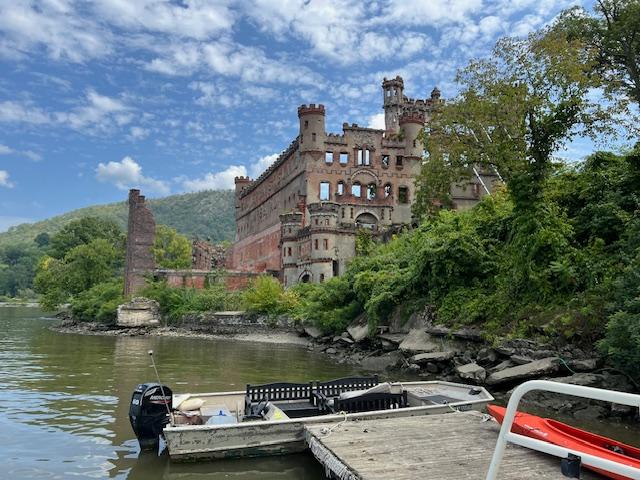
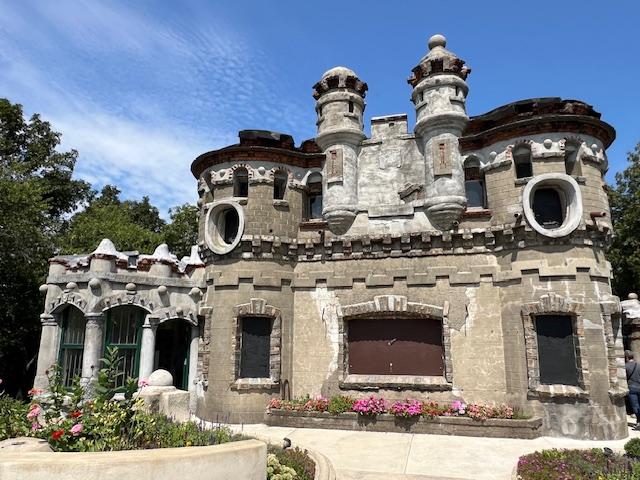
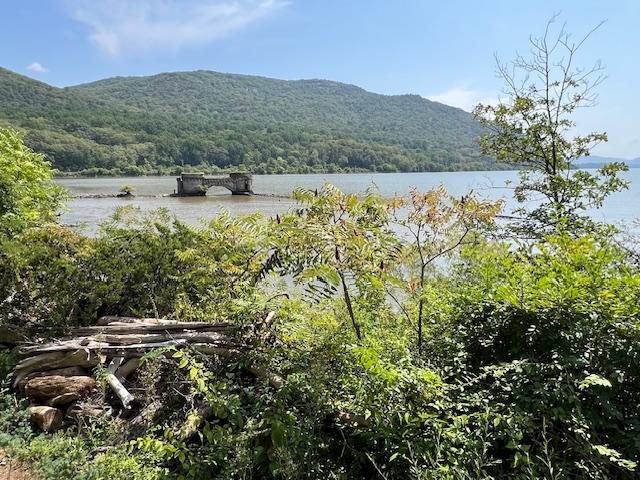
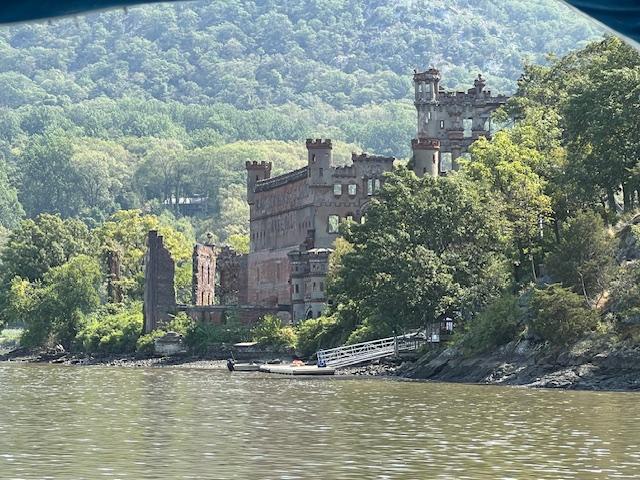
The mysterious Bannerman Castle sits on an island in the middle of the Hudson River

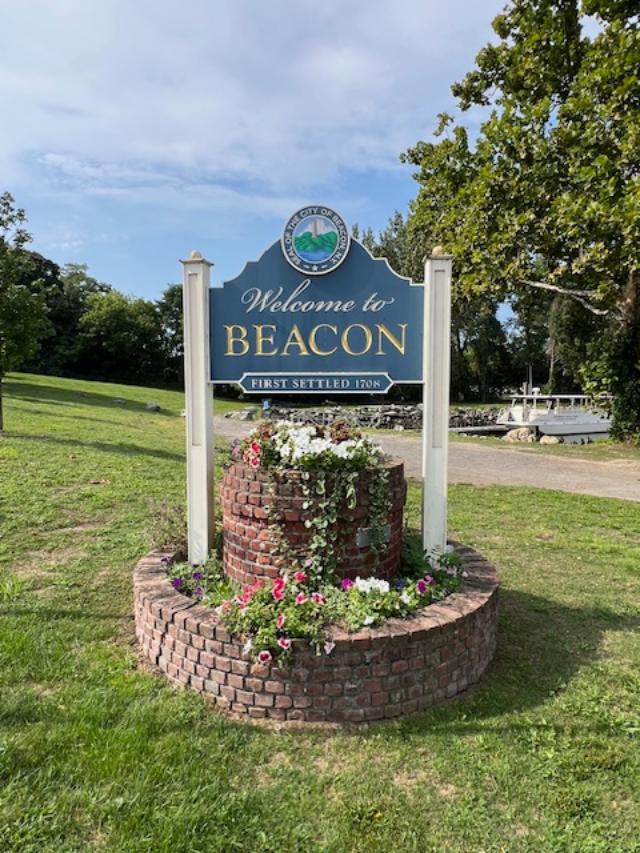
The welcoming sign by the riverfront

I recently visited Bannerman Island (Pollepel Island) just outside of Beacon, New York on a cool cloudy day and I highly recommend the twenty minute boat trip to this mysterious and scenic island. The only way to visit the island is by boat or kayak and the ride is very quick depending on the weather and the waves on the Hudson River.
The dock at the Beacon Railroad station at the beginning of the tour

The dockside and park at the Beacon park

The view of the docks before the tour

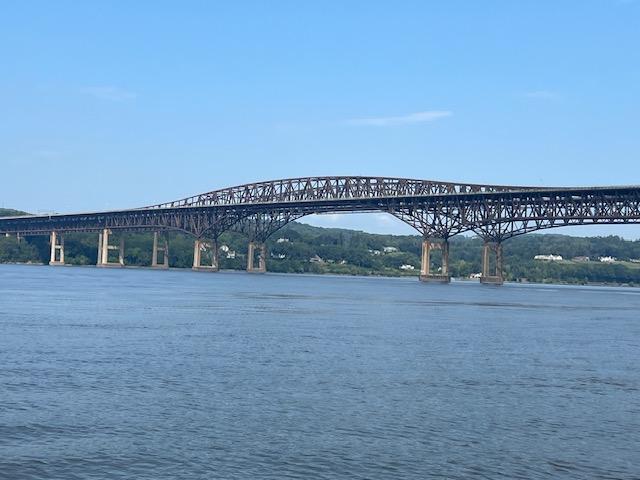
The view of the bridge near the park and part of the boat tour

Video of the boat ride out to the island:

Video of the boat ride out to the island:

Video of the boat ride out to the island:

Video of the boat ride out to the island:

Video of the boat ride out to the island:

Arriving at the dock on Bannerman Island after your boat ride

The historic sign of General Lafayette’s landing at this site in 1824

Once you get to the island, you are greeted by the tour guide and then have to walk up 74 steps from the harbor to the ridge of the island so this is NOT ADA compliant.  At the top of the stairs starts the path around the island. Our tour guide that lead the tour had been there since the tours started in 2004 and gave us many insights on the history of the island and its purpose to the Bannerman family.

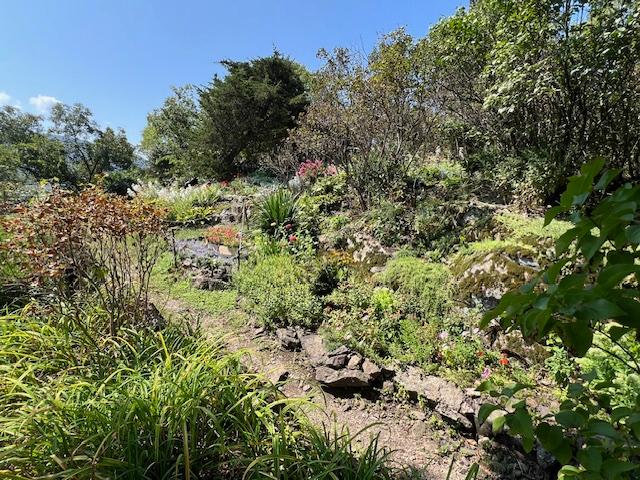
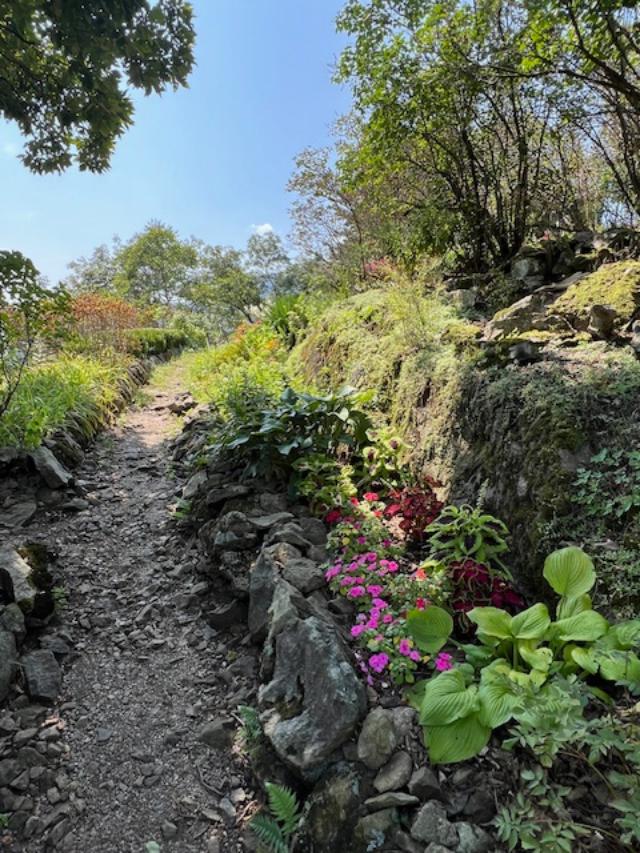
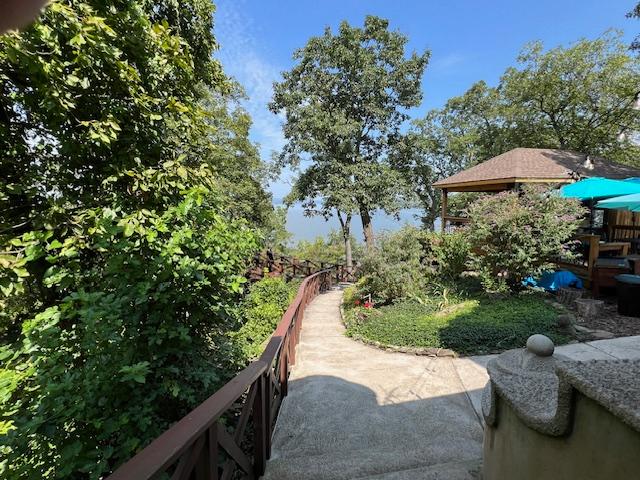
The gardens at the hillside as you walk up the stairs at Bannerman Island in the Summer of 2024

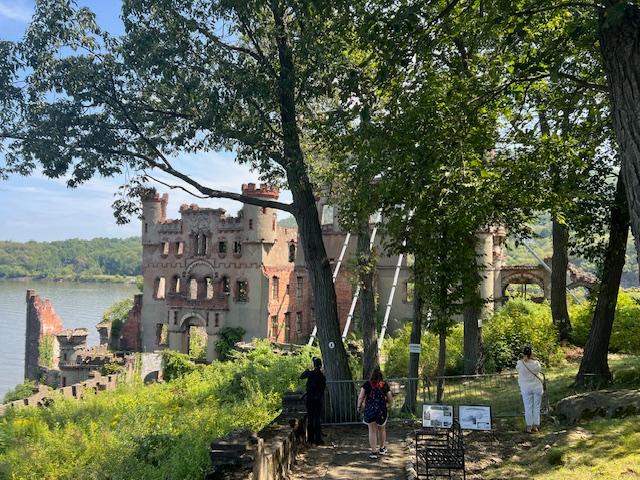
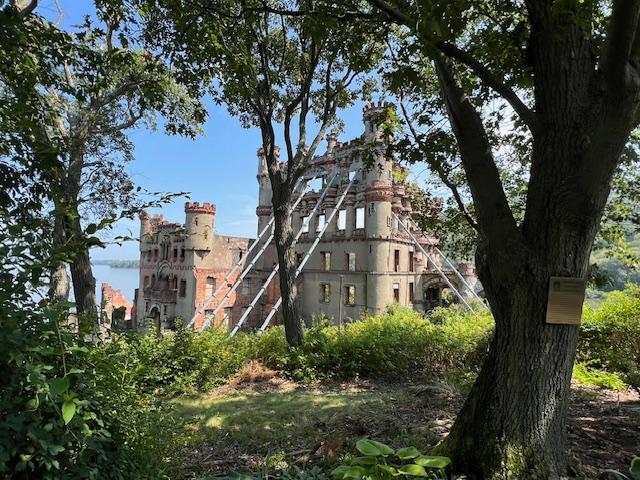
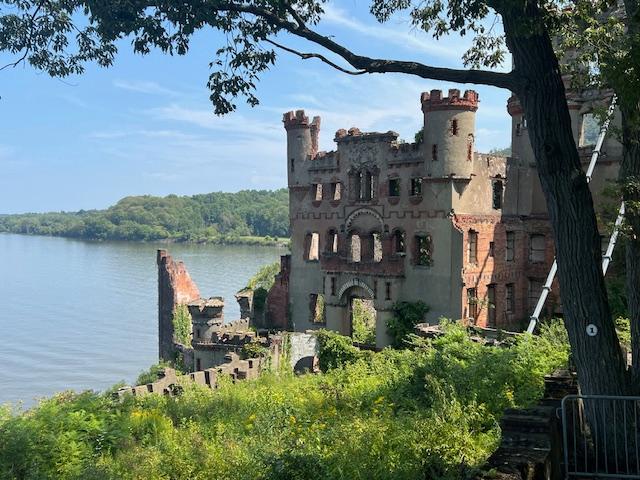
The first stop on the tour is the view of the ruins of the old Munitions Storage building

Our first stop was the Bannerman Munitions Storage facilities that were in the form of a castle that can be seen from the rail system up to Poughkeepsie, NY. For years I thought (as most people do) that this was a home but it was the Bannerman Munitions Warehouse for all the Army surplus items that Mr. Bannerman had brought up here from New York City. All the Military items were stored up here and the orders were fulfilled from this island.

Walking by the ruins of the old castle

Walking by the castle on the pathway

The pathway by the river

Walking the pathway by the river

The company has not been in business since the early 60’s and when the children of the founder closed the company after the laws in the Federal Government changed to where private citizens could not sell explosive, it put a damper into operations. In 1967, the storage buildings were destroyed by fire and the compound was a shell of the former factory. The home was also abandoned at the top of the ridge when the family sold the island.

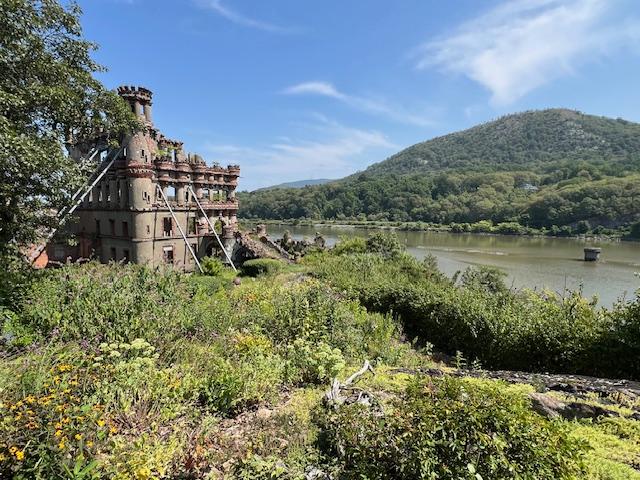
The Bannerman Island Munitions Storage Facility

Once you leave the former storage facility which is now being held up by stilts because the structure is so weak, you will proceed up the path past the formal gardens that are planted along the trail. The local garden clubs now come to the island to replant Mrs. Bannerman’s formal gardens and beautify the island.

The gardens on the pathway to the house

The gardens along the pathway

The gardens

The gardens along the pathway to the house

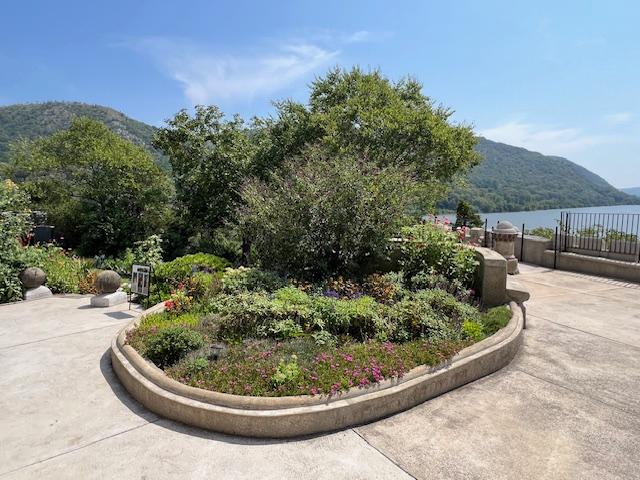
The gardens by the front of the house

The gardens by the front door of the Bannerman Mansion

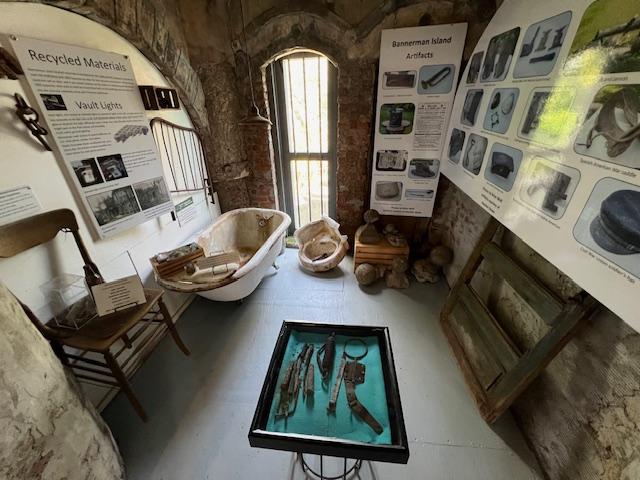
At the top of the point, there is the former home of the Bannerman family that is currently under renovation. It houses a quick tour of the family and there is a small gift shop inside. The porch area has the most amazing views of the Hudson River and the surrounding mountains. Here the Friends of Bannerman Island show movies in the warmer months and hold plays just outside the home. The last movie had been “Abbott and Costello Meet the Frankenstein”, which had been sold out according to the tour guide.

The Bannerman House and Gardens

The main room in the house

The old kitchen in the Bannerman home

The restoration of the house

The house restoration

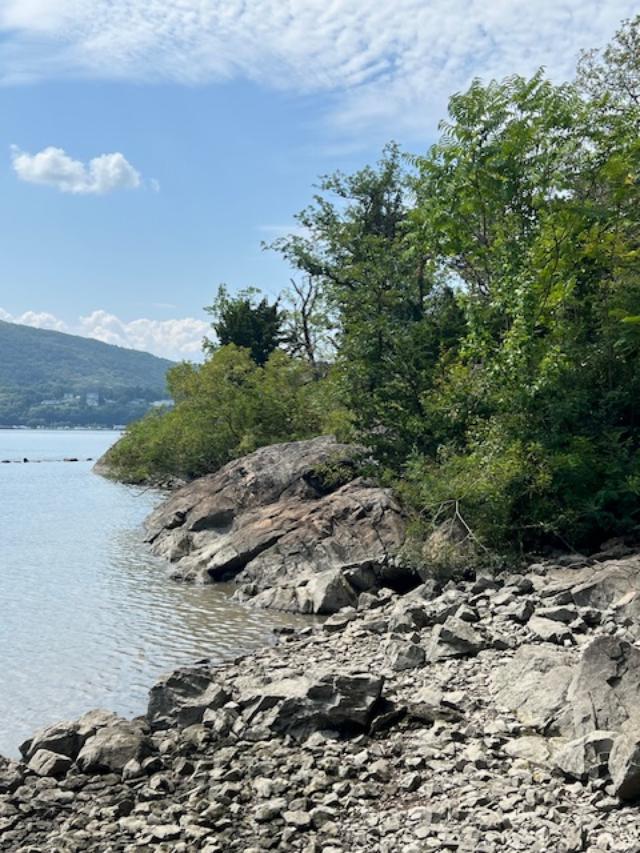
When you leave the house, there are two paths that you can follow around, one to Wee Bay at the bottom of the hill where you can see the beach and some of the river buildings. The other is the Red Trail around the hill of the island that takes you to the top of the hill to see spectacular views and back to the dock where you will pick up the boat. I suggest good walking shoes and patience. The Wee Bay trail is past the gardens. You take the trail down to the beach.

The pathway to the beach

The Bannerman sign before you head down the hill

The signs to Wee Bay Beach

The Wee Bay path tour

The Wee Bay path tour

The Wee Bay path tour

The views of the river from the Wee Path tour

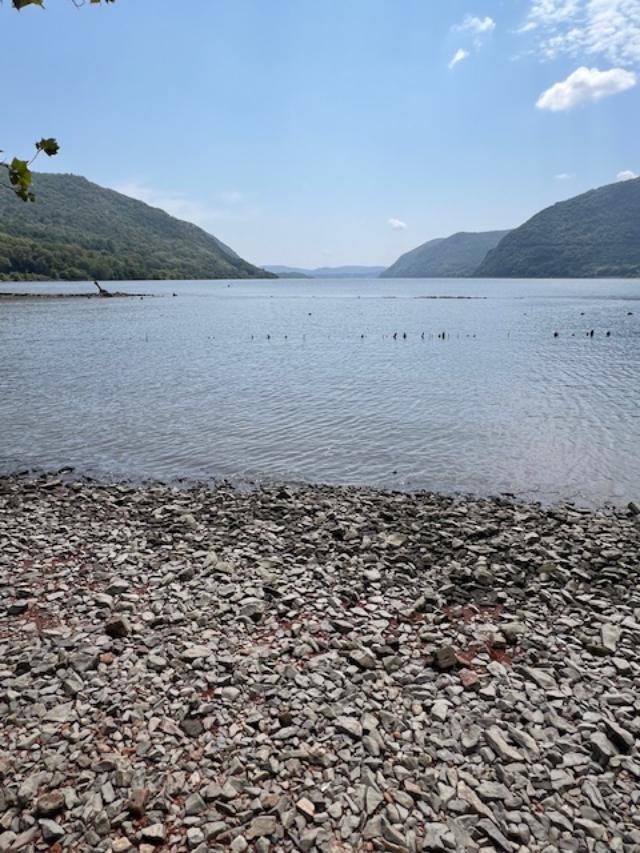
The Wee Bay beach at the bottom of the trail

The beauty of the beach at the bottom of the hill

The docking buildings by the beach

Wee Bay Beach

The view from the beach

The view of the River buildings

I headed back to the top of the trail by the house and continued the walk around the house to walk the Red Trail on the other side of the house. I have to admit this is not for the faint hearted and you had better like hiking because it is not easy.

The beginning of the trails by the main house

The Red Trail gardens

The Red Trail by the house

The trail at the highest point on the Red Trail

The end of the Red Trail

The end of the trail by the castle

As you exit the tour, you will be heading down another flight of stairs to go back to the harbor. Please watch out for poison ivy! It is all over the place. Then it is back on the boat to the Beacon harbor. The tour guide gives you plenty of time to take pictures.

The view of Mount Beacon on the Hudson River

Finishing the tour and back to the boat

The tours are finished at the end of October and will reopen again in the Spring. You must book on line for the tours through the State website and the boats only hold 44 people so be sure to book in advance of when you want to go.

In 2019, I had lucked out in that three people did not show up for the 2:00pm tour and I was able to pay cash for the trip. In 2024 I booked online which is what I suggest.

For the views alone it is well worth the trip

 The view of Downtown Beacon when you return to the dock

The boat awaited the next group who were at the dock when we returned

The view of the parks when you return

History of Bannerman Castle on Pollepel Island:

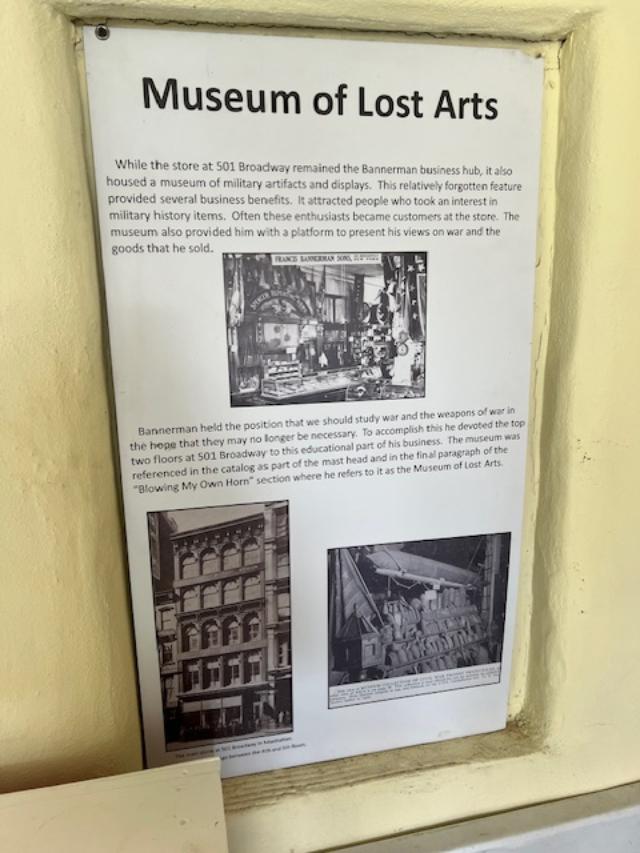
Bannerman Castle was built from 1901-1918 by Frank Bannerman IV as a warehouse to store his collection of antique military equipment from the Spanish American and Civil Wars. Bannerman was the father of the Army Navy Store. His  world famous catalogue of military equipment became the “go to” source for collectors.

The ruins of the Bannerman Castle

The island housed seven structures that formed the Scottish baronial castle, including workers apartments, a summer residence and beautiful trails and gardens. A great fire in 1969 destroyed the interiors and left the shells you see today. Bannerman island opened for tours in 2004.


History of Francis Bannerman VI:

(from the parks website)

Francis Bannerman VI was born on March 24th, 1851 in Northern Ireland and emigrated to the United States in 1854. The family moved to Brooklyn, NY and began a military surplus business by the Brooklyn Navy Yard purchasing army surplus after the Civil War. The family continued to grow the business by buying weapons directly from the Spanish Government before it evacuated Cuba and then purchased 90% of the munitions auctioned off by the Federal Government that had been capture by American forces at the close of the Spanish-American War.

The family bought the island in 1900 to store the surplus items to their growing business. The warehouse in New York was too small and too dangerous to keep in the City anymore and they could keep their inventory isolated on the island.

Frank Bannerman IV

https://www.electricscotland.com/history/descendants/chap36.htm

https://www.findagrave.com/memorial/8048322/francis-bannerman

The castle was visible from the water and had a giant advertisement sign right on the arsenal “Bannerman’s Island Arsenal” created into the wall of the building. With the change in federal and state laws on selling military weapons and the sinking of the ferryboat that served the island by 1950, the island was abandoned. The island and its buildings were bought by New York State in 1967 and is now run by the New York State Office of Parks, Recreation and Historic Preservation.

(This information is a combination from Wiki and the island pamphlet)

I visited Downtown Beacon, NY when I was finished with the tour. I highly recommend the town to shop and eat lunch or dinner. Maybe just a drink by the river. It is really a nice town.

 Downtown Beacon in Summer 2024

Downtown Beacon, NY in the Summer of 2024

Downtown Beacon by the falls in the Summer of 2024

Dia: Beacon                                                               3 Beekman Street                                           Beacon, NY 12508

Dia: Beacon 3 Beekman Street Beacon, NY 12508

Dia: Beacon

3 Beekman Street

Beacon, NY  12508

(845) 440-0100

https://www.diaart.org/visit/visit/diabeacon-beacon-united-states

https://www.diaart.org/visit/visit

Open: Sunday & Monday 11:00am-6:00pm/ Closed Tuesday & Wednesday/Thursday-Saturday 11:00am-6:00pm

Fee: General Admission $20.00/Seniors $18.00/Students $12.00/Children 11-5 $5.00/Free to Children under 12

My review on TripAdvisor:

https://www.tripadvisor.com/Attraction_Review-g47291-d273538-Reviews-Dia_Beacon-Beacon_New_York.html?m=19905

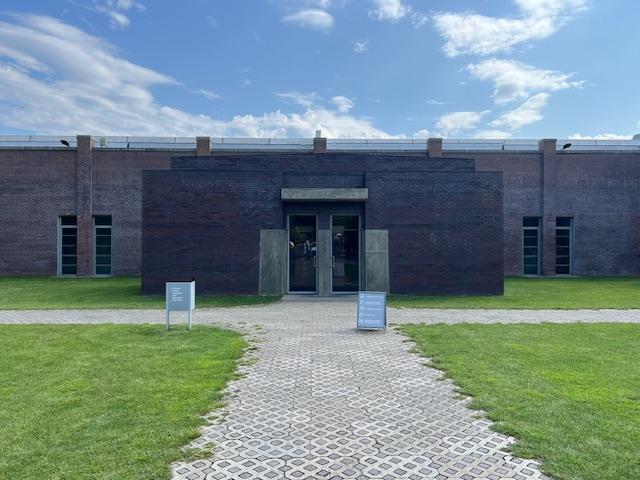
 The front of the Dia: Beacon

I visited the Dia: Beacon in Beacon, NY many times and I have to say that is an interesting space to display art and the pieces themselves make a statement. The museum is sited on thirty-one acres on the banks of the Hudson River and is adjacent to ninety acres of riverfront parkland. The museum is located in a former printing plant built in 1929 by Nabisco (National Biscuit Company) (Wiki). The space square footage gives the museum the opportunity to display larger statement pieces of well known artists.

The history of the Dia: Beacon:

(from the museum website)

The Dia: Beacon presents Dia Art Foundation’s collection of art from the 1960’s to the present as well as special exhibitions, performances and public programs. The Dia invited artist Robert Irwin to conceive the master plan for a twenty-century museum that retained the original character of the factory’s interior spaces, Irwin also designed seasonally changing garden throughout the surrounding landscape. Following the renovation, the Dia: Beacon was added to the National Register of Historic Places (Dia: Beacon Museum).

Dia Art Foundation:

(from the museum website)

Founded in 1974, Dia Art Foundation is committed to advancing, realizing and preserving the vision of artists. In addition to Dia: Beacon, Dia maintains a constellation of iconic, permanent artworks and installations in New York City, the American West and Germany (Dia Museum). 

Each of the galleries are devoted one artist’s work and these galleries make their own statements. There is also a really nice bookstore and gift shop on the extension of the museum and small restaurant.

It is nice to just walk around in your own time and visit each of the galleries. Plan about two hours to see the whole museum. It is an interesting place to see contemporary art in a gallery that is devoted to one artist at a time. The outside grounds of the museum and the parking lot makes it own statement. There is not much parking so plan on getting there early or later in the afternoon.

The museum has clean lines and big halls and a minimalist landscaping

The one thing about the Dia is that the works are quite large and pack a bold statement.  The museum uses a combination of both American and Foreign artists and their works make a bold statement. The museums galleries are large and airy and can show larger works of art. The museum shows many of the artists largest pieces of work.

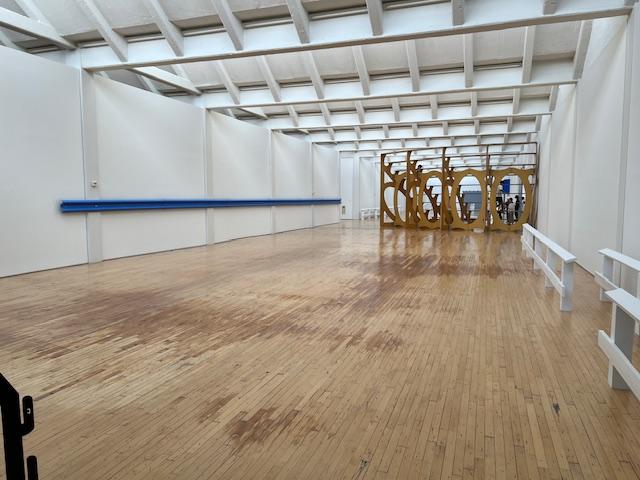
The inside of the Dia: Beacon’s large galleries

These larger pieces were interactive

Inside the museum, many contemporary artists are featured each season. Many of their larger works were featured in their galleries. While the shows rotate collections of many artists, these were the pieces that stood out to me on my visits to the museum over the years.

The Artists I most admired and their works that most stood out to me:

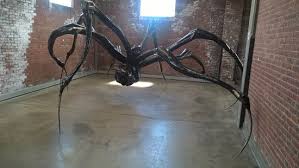
Artist Louise Bourgeois has displayed some interesting sculptures that dominate the upper floors. One of the most fascinating pieces was that of a large spider that dominates the corner of the floor.

Dia Beacon II

This Louise Bourgeois work is a rather creepy piece of art like something out of the movie “It”.

https://en.wikipedia.org/wiki/Louise_Bourgeois

https://diaart.org/collection/collection/bourgeois-louise-crouching-spider-2003-l-2007-012

In Bourgeois’s works on view in these galleries, organic formations fuse with the inorganic materiality of the media in which they are rendered, be it marble, wood, or bronze. The artist’s repertoire of materials spans traditional media and new textures, such as latex and synthetic resin. In her work, representation often entails the creation of a surrogate for the body and its suffering organs (Dia: Beacon museum website).

Artist Dan Flavin has some interesting light sculptures on display along the walls and floors of the gallery. Things are made of long fluorescent lights of various colors.

Dia IV

Artist Dan Flavin’s light sculptures

https://en.wikipedia.org/wiki/Dan_Flavin

After 1963 Flavin’s work was composed almost entirely of light, in the form of commercially available fluorescent tubes in ten colors (blue, green, pink, red, yellow, ultraviolet, and four whites) and five shapes (one circular and four straight fixtures of different lengths). Initially arranging these fixtures in varying autonomous configurations, Flavin increasingly made work in relation to architecture, such as his monumental barriers that physically block a passageway or segment of a space with light (The Dia: Beacon museum website).

In the main gallery as you walk in are the large geometric shapes of artist Charlotte Posenenske who created these pieces in various colors and shapes. These pieces line the floors and walls.

Dia III

The geometric shapes of Artist Charlotte Posenenske

https://en.wikipedia.org/wiki/Charlotte_Posenenske

https://www.diaart.org/exhibition/exhibitions-projects/charlotte-posenenske-exhibition

Embracing reductive geometry, repetition, and industrial fabrication, she developed a form of mass-produced sculptural Minimalism that addressed the pressing socioeconomic concerns of the decade by circumventing the art market and rejecting established formal and cultural hierarchies. Posenenske employed playful conceptual devices to oppose compositional hierarchy and invite the collaborative engagement of the public in the continual reconfiguration of her variable sculptures (The Dia: Beacon website).

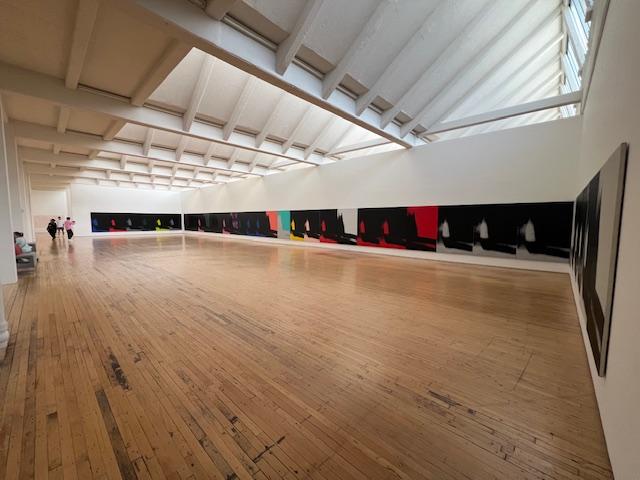
Artist Andy Warhol has one of his largest works displayed in the main gallery on the first floor.

The artist Andy Warhol gallery

https://en.wikipedia.org/wiki/Andy_Warhol

The large Andy Warhol piece

What I loved about the work by Warhol was the continuous colorful pattern of the work and the way it wrapped around the room. The pattern took form in many colors and showed consistency and balance.

A single painting in multiple parts, Shadows is one of Warhol’s most abstract works, yet one that cohesively synthesizes key elements of his practice, including film, painting, photography, and screen-printing. Originally commissioned by Dia and acquired in 1979 for a solo exhibition at 393 West Broadway in New York, Shadows includes a total of 102 canvases; the final number of canvases on view in each installation is determined by the dimensions of an existing exhibition space (The Dia: Beacon museum website).

Artist Senga Nengudi Gallery

https://www.sengasenga.com/

American artist Senga Nengudi had a some interesting works on display, one resembling melted ‘freeze pops’, which I thought was rather clever. Her large works took liquid forms and were colorful and spontaneous. These large works had lots of color and looked whimsical and fun.

One of Artist Senga Nengudi works

I thought this was a large ‘freeze pop’

One of her non-liquid works

Made of everyday materials such as vinyl, water, nylon, sand, dry-cleaning bags, lint, paper, and tape, Nengudi’s installations are at once proxies for bodies and sites for performance. The works accommodate a variety of cultural references from African, Japanese, and South Asian rites to Western avant-garde art. Characteristic of her openness to multiplicity, the artist, born Sue Ellen Irons, has assumed pseudonyms that inflect her creative identities as sculptor (Senga Nengudi), painter (Harriet Chin), photographer (Propecia Leigh), and writer (Lily Bea Moor) (The Dia: Beacon museum website).

Some of the other works that I liked as I walked around the museum:

Displayed on the first floor of the Dia: Beacon

Another interesting work on the first floor

The large galleries and open air space give patrons a chance to walk around the works and really get a feel for what the artists are trying to express. You really get to see the art up close and that is why I like the way they display their art. We can engage with each piece and develop our own meaning from it.

The grounds and the proximity to the river gives the museum a picturesque spot. It is nice to walk around the lawn on a warm day and enjoy the paths around the museum. The museum also has a very interesting gift shop featuring many books and gifts. The small restaurant can be pricey but offers a place for a light lunch or a quick snack.