Category: VisitingaMuseum.com

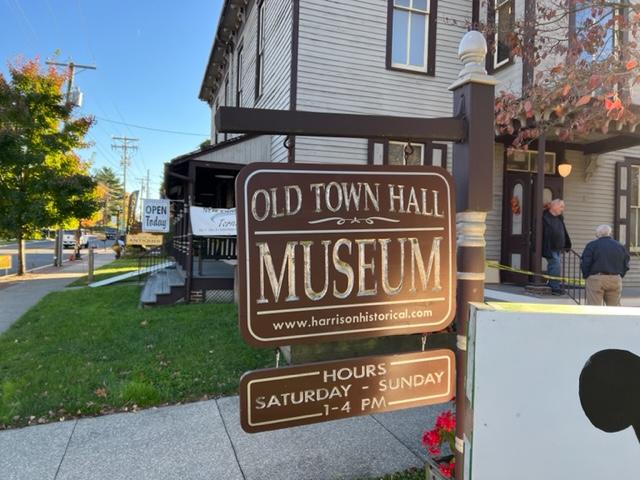
Old Town Hall Museum/Harrison Township Historical Society Inc.                                                                                      P.O. Box 4                                                                              Mullica Hill, NJ 08062

Old Town Hall Museum/Harrison Township Historical Society Inc. P.O. Box 4 Mullica Hill, NJ 08062

Old Town Hall Museum/Harrison Township Historical Society Inc.

P.O. Box

Mullica Hill, NJ. 08062

(856) 478-4949

https://www.harrisonhistorical.com/

https://m.facebook.com/Harrison-Township-Historical-Society-310499278053/

Open: Sunday 1:00pm-4:00pm/Monday-Friday Closed/Saturday 1:00pm-4:00pm

Admission: Free but a donation would be appreciated.

My review on TripAdvisor:

https://www.tripadvisor.com/ShowUserReviews-g46655-d25105321-r866773005-Harrison_Township_Historical_Society-Mullica_Hill_New_Jersey.html?m=19905

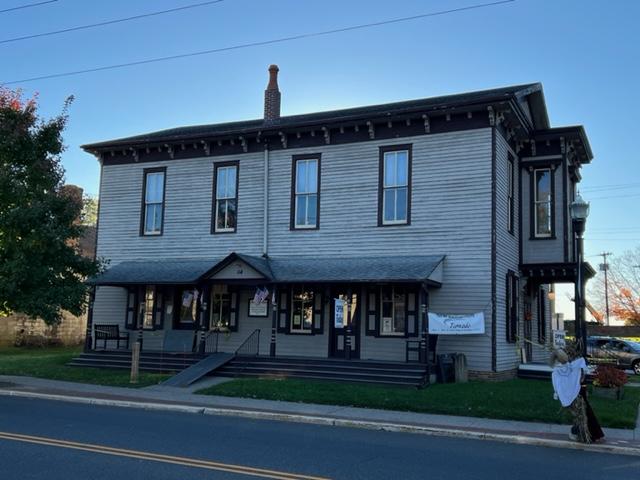
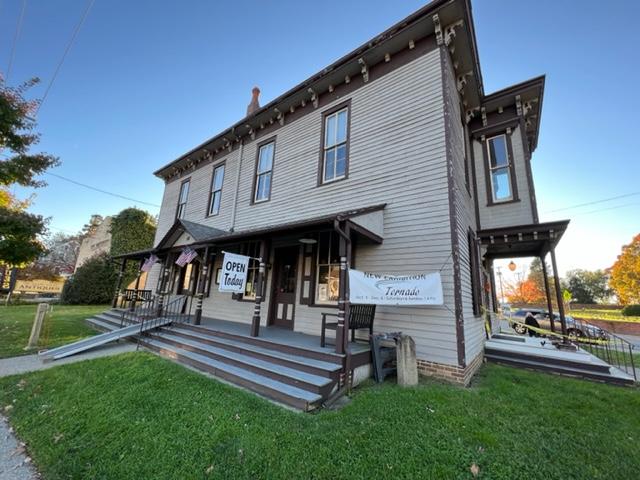
The Old Town Hall Museum/Harrison County Historical Society

The Harrison Township Historical Society/Old Town Hall Museum
Former Exhibition in 2023:

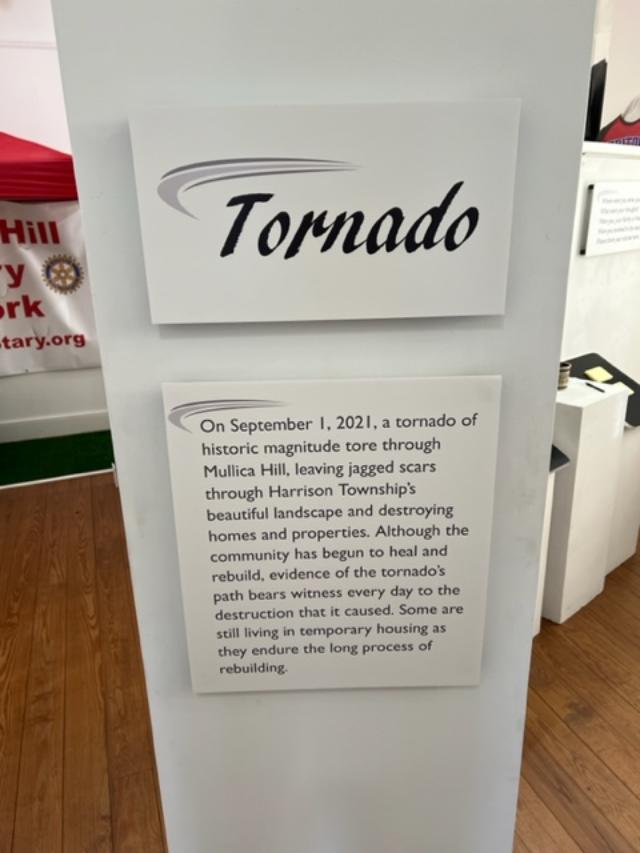
TORNADO 

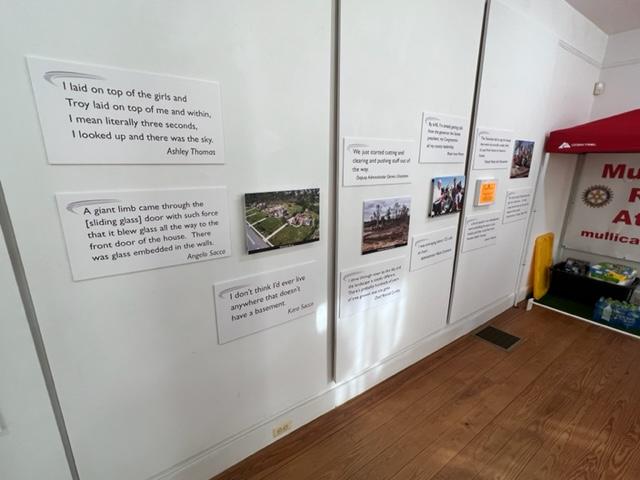
This new exhibition commemorates the 2021 Hurricane Ida Tornado through first-person narratives, artifacts, video and photography. 

The Mission of the Old Town Hall Museum/Harrison Township Historical Society Inc.:

(from the Museum pamphlet)
Since its founding in 1971, the Harrison Township Historical Society has presented exhibitions, events, programs and publications focusing on the heritage of South Jersey in Mullica Hill’s Old Town Hall that was built in 1871.

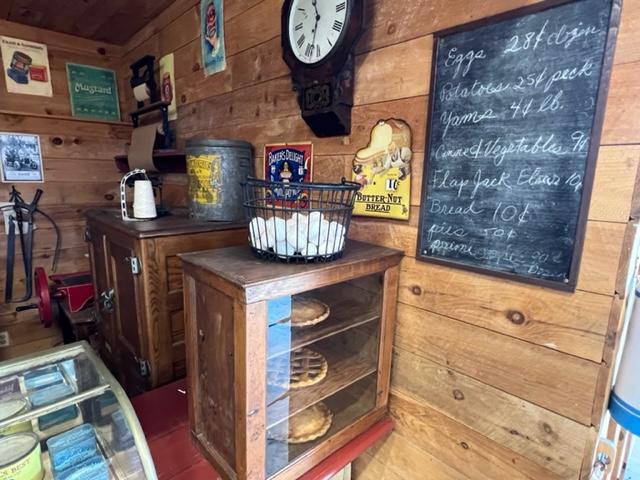
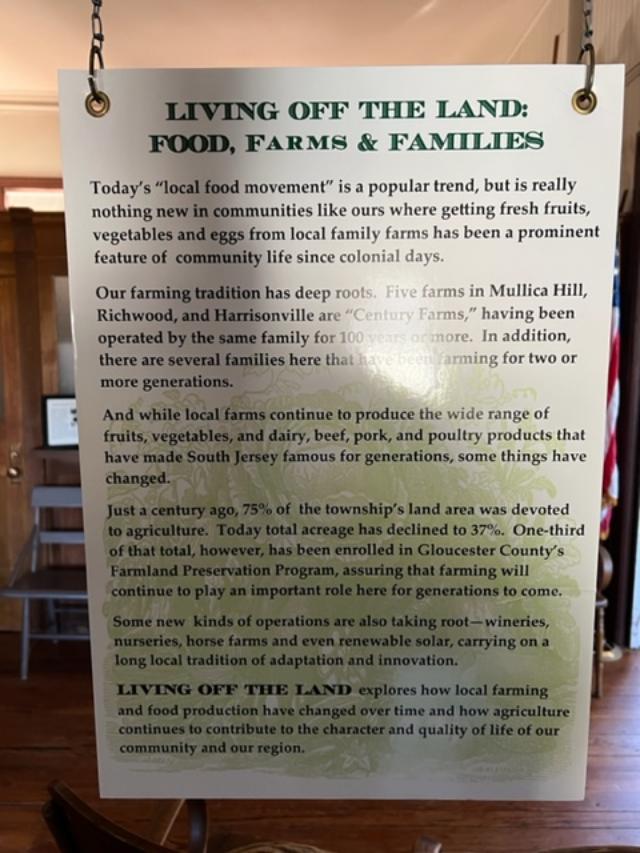
The Stone Age in Harrison Township and Living Off the Land: Food, Farms and Families, explore the region’s Paleo-Indian heritage and our local foodway and farming traditions. The Raccoon Valley General Store and the Harrison Academy Schoolroom recreate two rural institutions.

We also present seasonally changing special exhibitions, student programs and unique special events like the annual Groundhog Dinner (featuring local sausage-“ground” hog!) and the popular Mullica Hill Ghost Walk in October. Visit https://www.harrisonhistorical.com/ for news and information.

Come and experience our Heritage!

Our History:

(from the Museum website)

In 1971 the Township Committee of Harrison Township under the leadership of Mayor Philip J. Reuter, appointed a committee whose purpose was to form a historical society that would lead a community effort to preserve and provide a new purpose for Mullica Hill’s historic Old Town Hall.

Since that time the Harrison Township Historical Society has successfully met this initial charge, not only preserving the building (a key contributing structure in the Mullica Hill National Register Historic District), but also establishing a museum that has won state and national awards for its exhibitions, programs and publications.

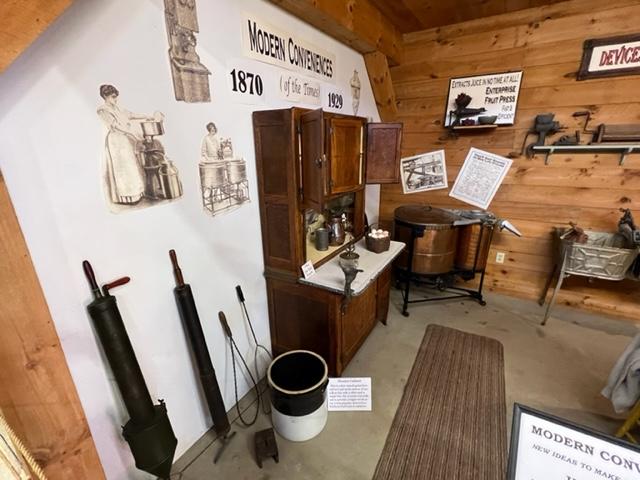
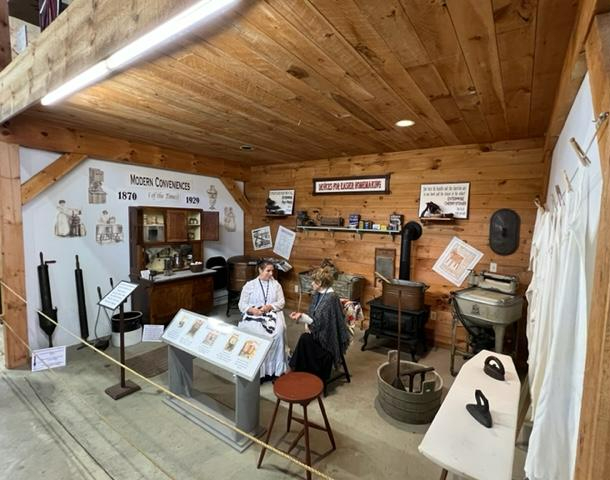
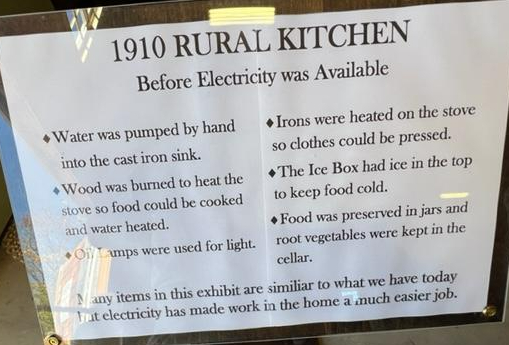
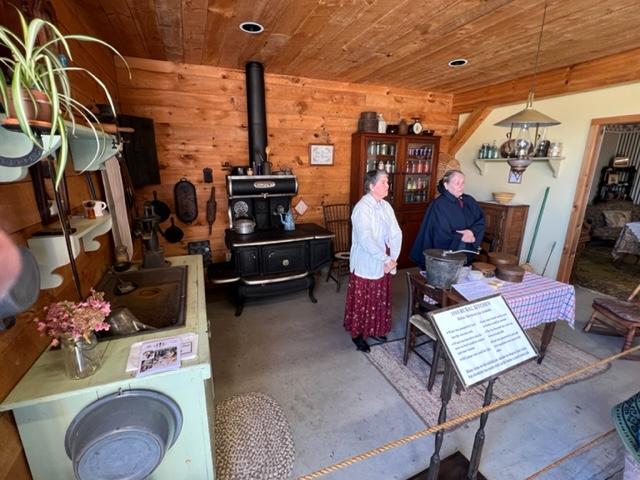
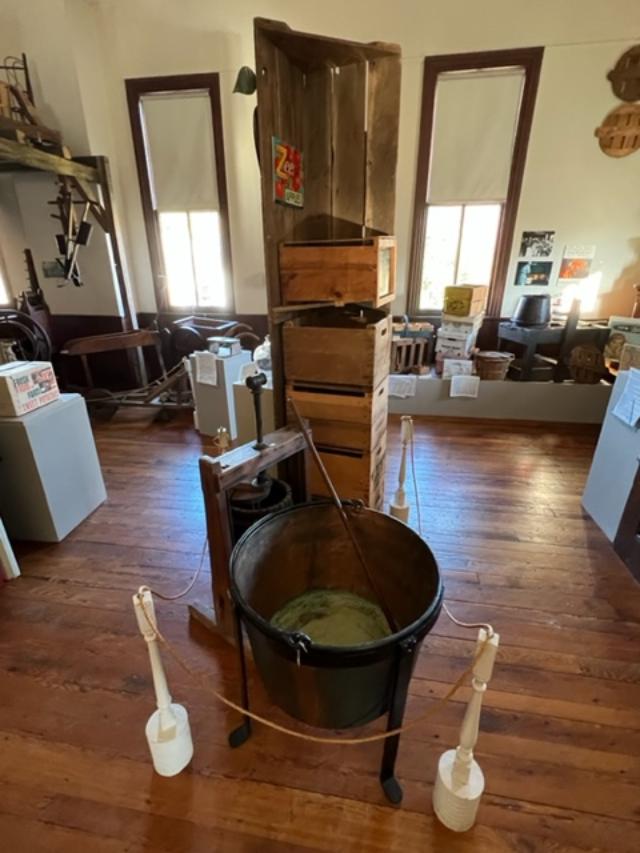
The “Living off the Land” exhibition shows life on the farm in Southern New Jersey. This exhibition shows life on a South Jersey farm from the late 1600’s to today with some of the equipment, commercial items and furniture showing the lifestyle on the farm. This first floor exhibition gives us a peek at what life is like in the day of a farming family.

The main room on the first floor of the museum is broken down into sections. In the special gallery space is the exhibition “Tornado” about the tornado that hit the surrounding area during Hurricane Ida in 2021. The exhibition gives first hand accounts of what happened and people’s experiences and the clean up.

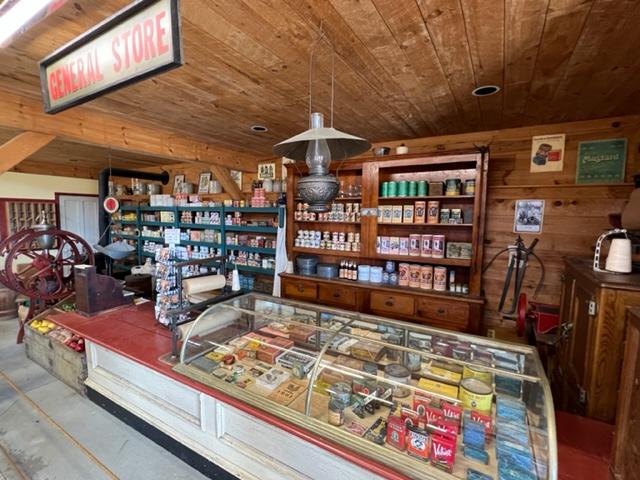
In the Main Room when you enter is the Raccoon General Store and the Harrison Academy schoolroom showing what life was like in rural Southern New Jersey.

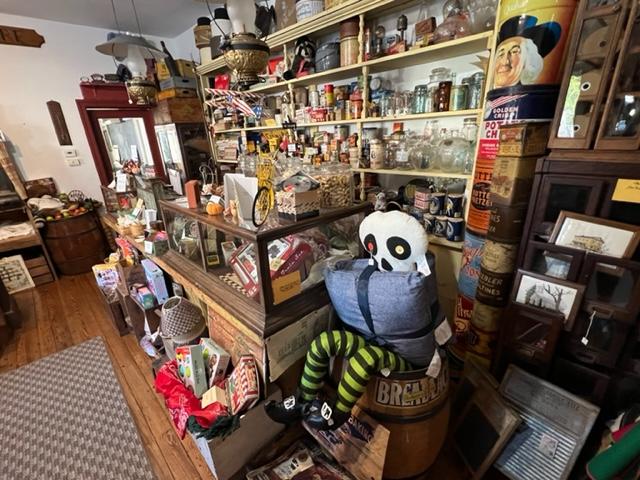
Raccoon General Store:

All sorts of everyday items were sold in the General Store which was also a gathering place for the town’s citizens. This is where you would catch up with your neighbors at a time before telephones.

Everyday items would be found in the General Store

Everything could be bought at the General Store for the house with special trips into the City during the holidays or for special occasions

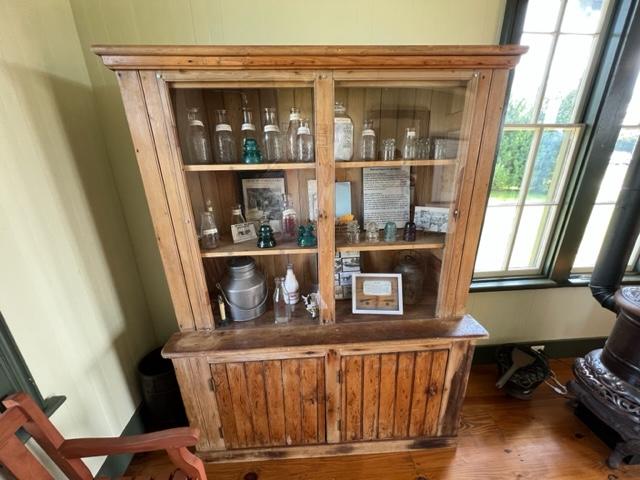
Household items at the General Store

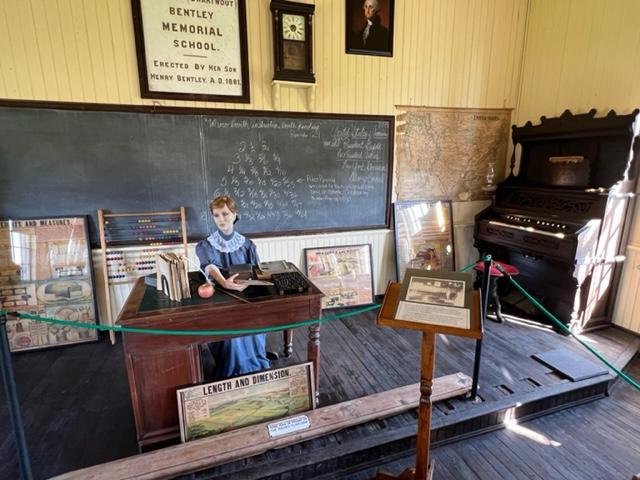
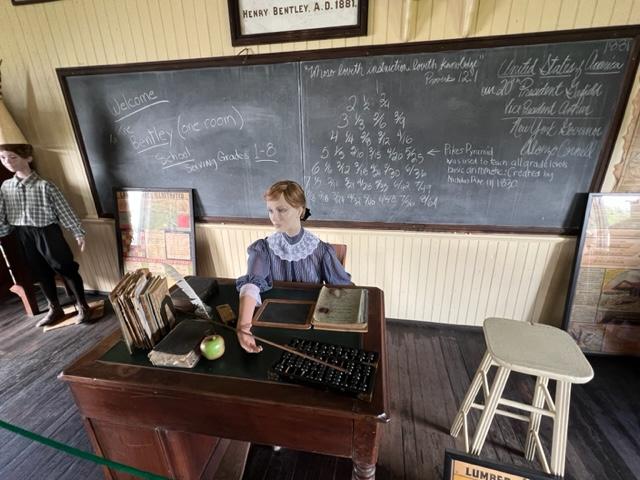
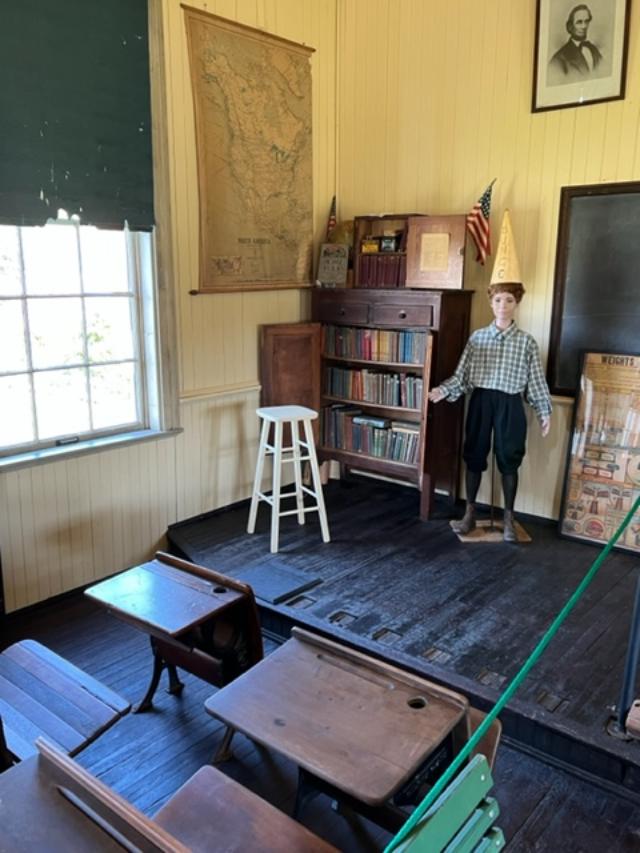
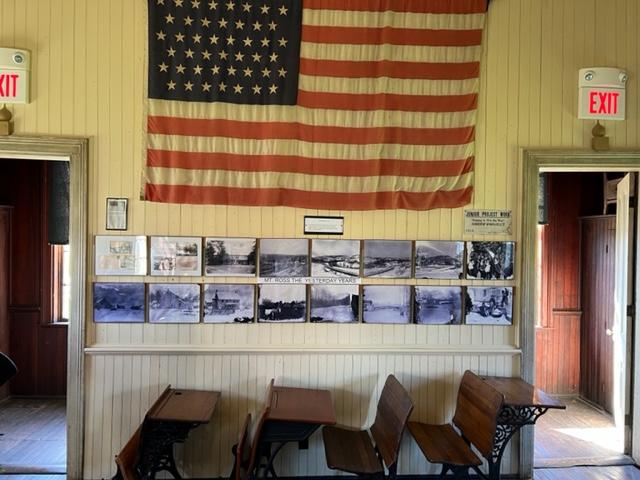
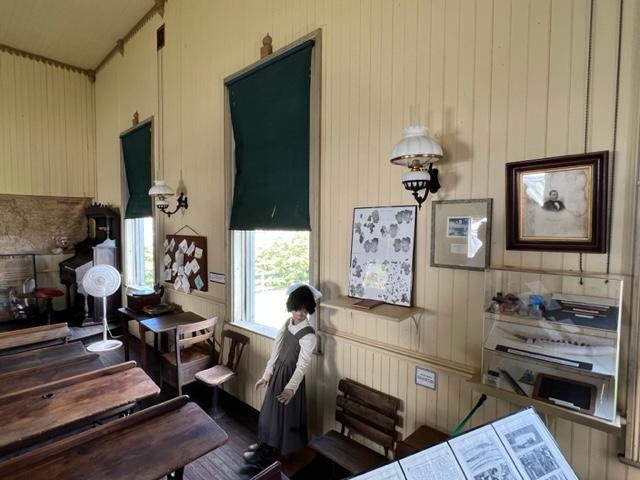
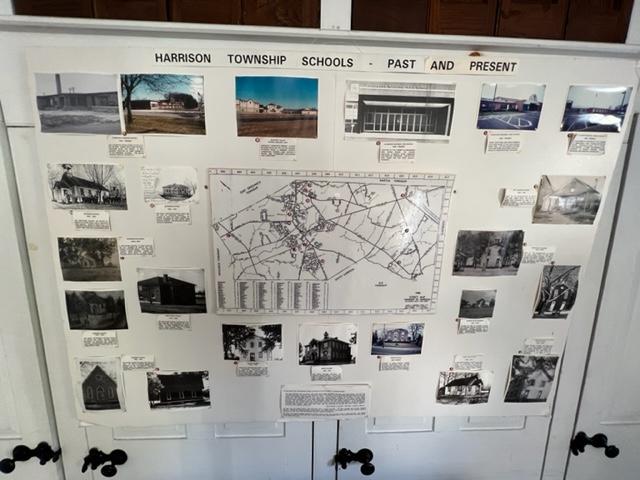
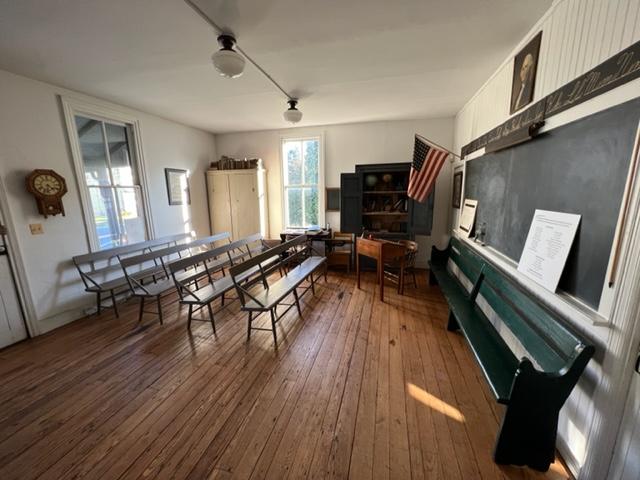
In the back of the General Store is the exhibition of the Harrison Academy Schoolhouse showing teaching in rural New Jersey up until about 60 years ago. These rural communities had the one room school in some cases up until WWII. As the areas developed, the regionalized school system came into play and these small schools became of thing of the past.

The schoolroom set up has not changed much over the last 100 years

The room was still heated by the potbelly stove

The Teacher’s Desk, the globe and picture of the President still exists in the classroom today

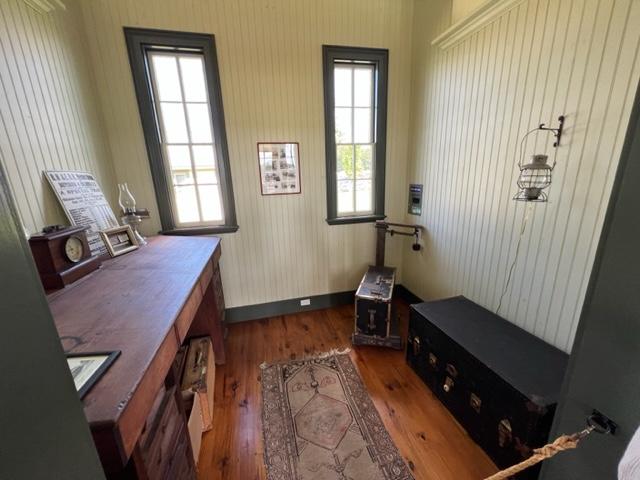
In the center room is the old Post Office, another fixture of the town’s social life. This was located in Mullica Hill up until fifty years ago.

The Mullica Hill Post Office

The entrance to the hall with the Post Office and Farm Equipment

The facade of the old Post Office

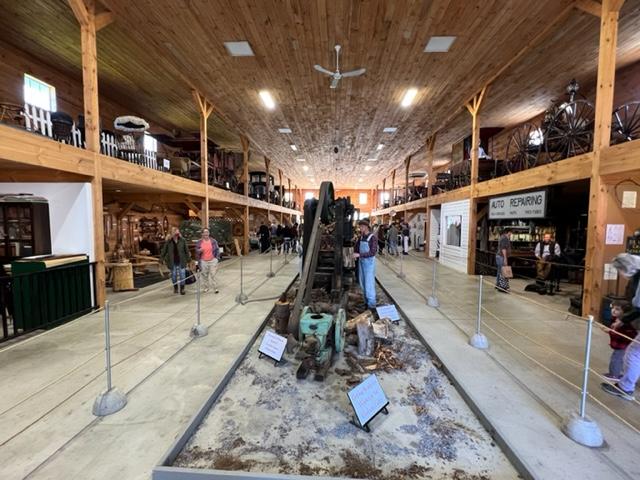
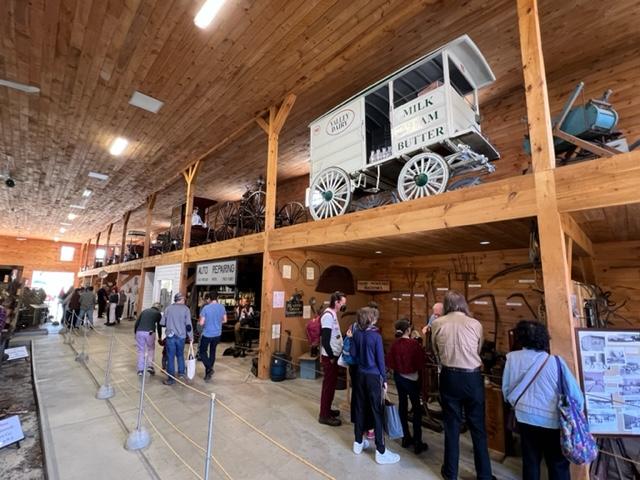
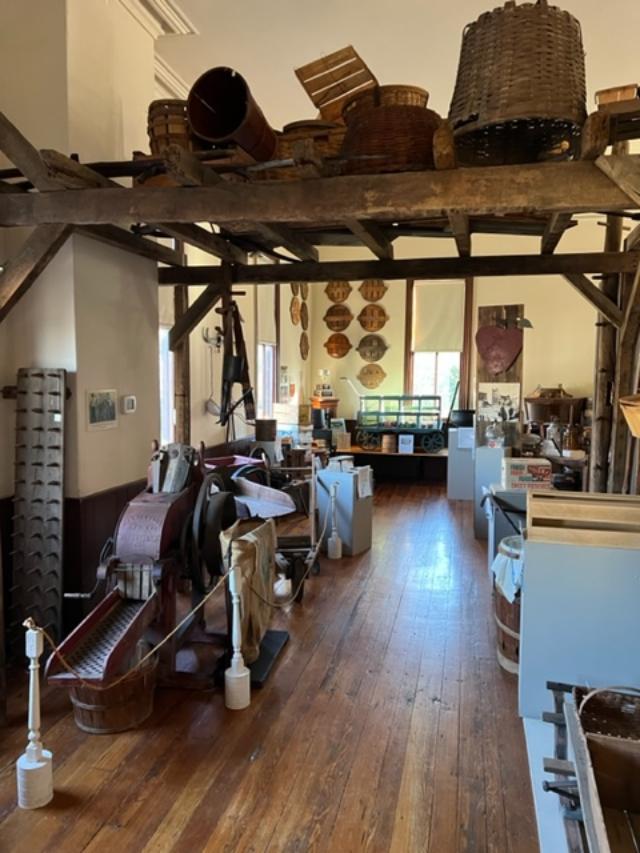
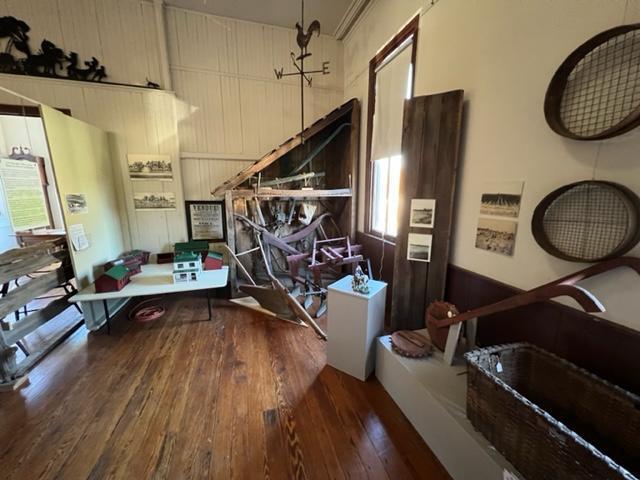
The back part of the exhibition is the farm equipment that would be used in commercial farming. The processing and packaging of fruits and vegetables would have been done when the harvest was being picked and getting ready for markets in New York, Philadelphia and Newark. Fruits and vegetables were packaged on the farm and readied for market.

Life on the farm was not always easy

All sorts of equipment for processing fruits and vegetables is on display

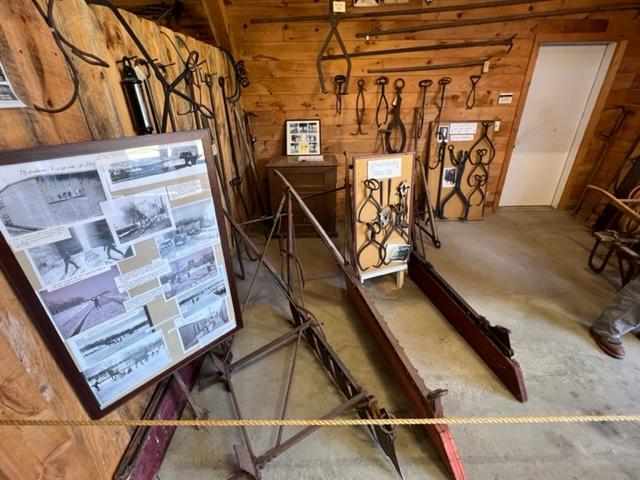
All the bailing and shifting equipment needed on a farm

Business advertising

Packaging fruits and vegetables for the market

Life on the Farm

The second floor also provides not just a look into the life of the farming family but at the Native American’s life in the area before the colonist settlement.

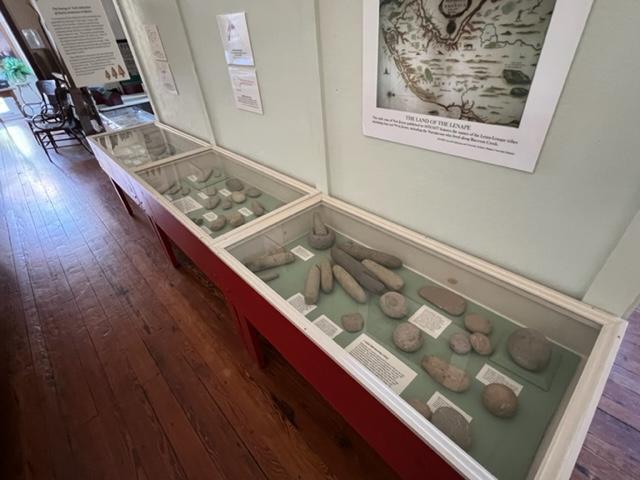
The artifacts of the Native American Lenape Indians

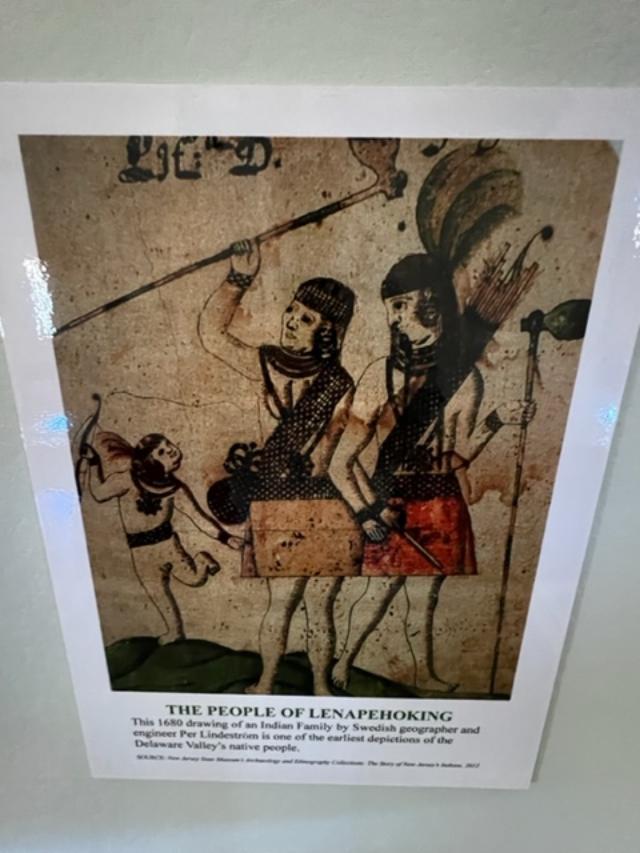
The local Native Americans the Lenapehoking

Day to day equipment and home products of the Native Americans

Arrowheads from New Jersey and beyond

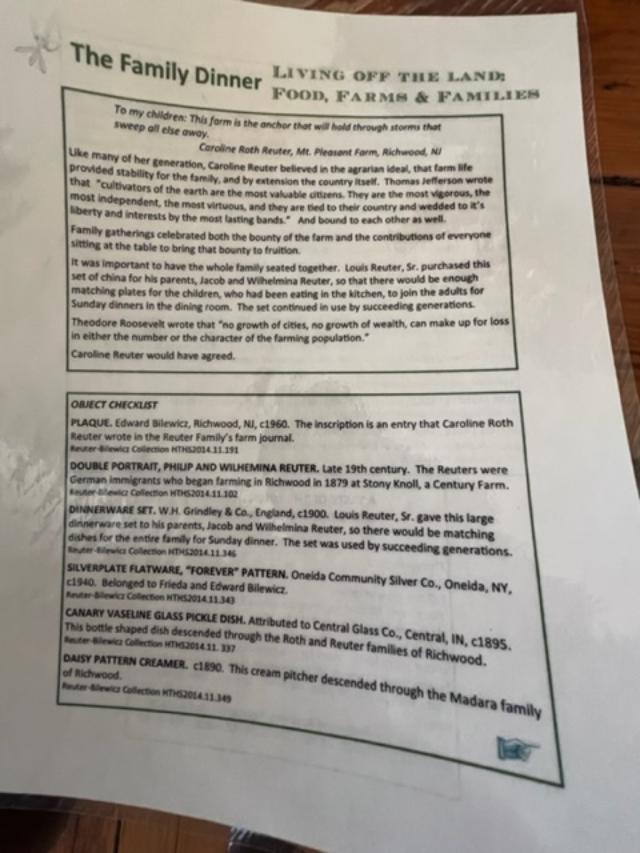
Family life on the farm included the family dinner

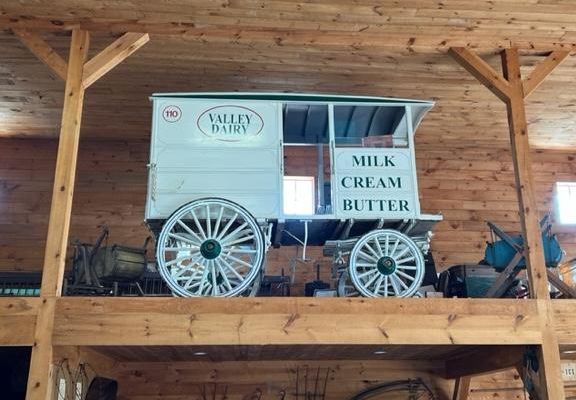
Meals would have included churning butter, gathering eggs, milking cows, processing apples for cider, baking and pickling.

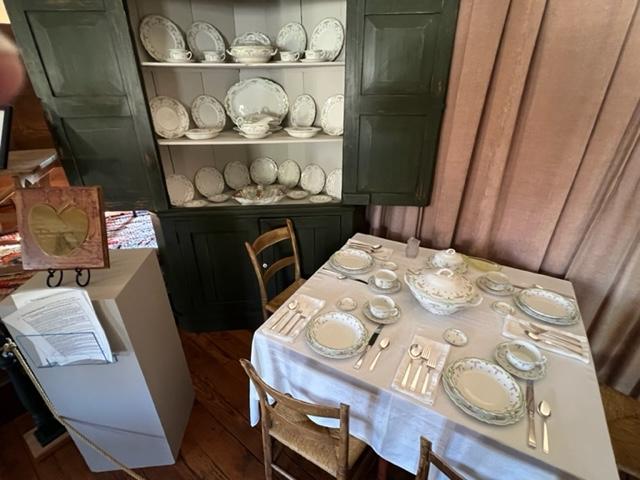
Preparing for a meal would have meant the best linens and china would come out of storage and placed on the table.

Families sat down together on Sundays to eat and enjoy each others company.

More processing of household items

The museum shows that not much has changed over the years but with the advent of modern technology with cars, the telephone and electricity, life on the farm changed but not by much. Traditions and processing crops still had to be done just differently. Life in America was going to change by the beginning of the Twentieth Century and this way of life would be part of the ‘myth’ of small town living. This still does exist in some parts of the rural country.
In early October of 2024, I came across the sign for the Ghost Haunted Walk that the Historical Society was sponsoring in Mullica Hill and decided to take an early holiday break and drive down to South Jersey for this event. I made the day of it visiting other sites around the area. Then I drove into Mullica Hill and joined everyone on a very interesting look back on the community’s past. It seems there’s a lot of haunted spots in town.

Downtown Mullica Hill the night of the walk

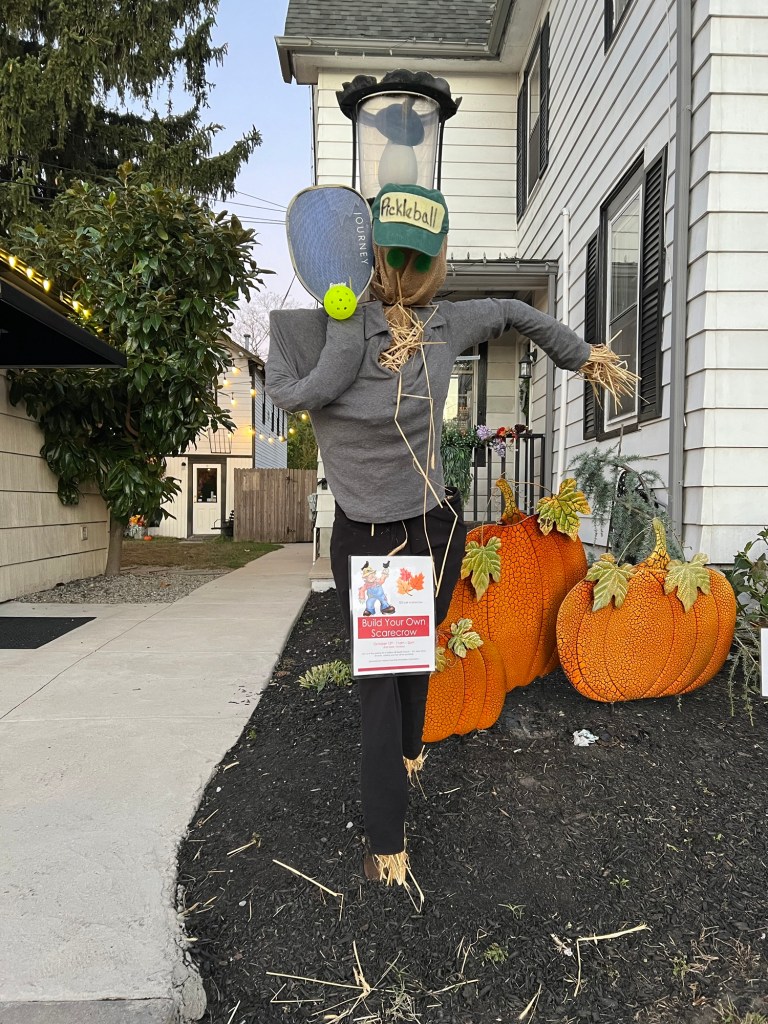
The downtown was dotted with scarecrows

The foliage was just starting to change but like Octobers in the past five years it has been warmer and greener further into the month.

The tee shirts of the event being sold at the start of the tour

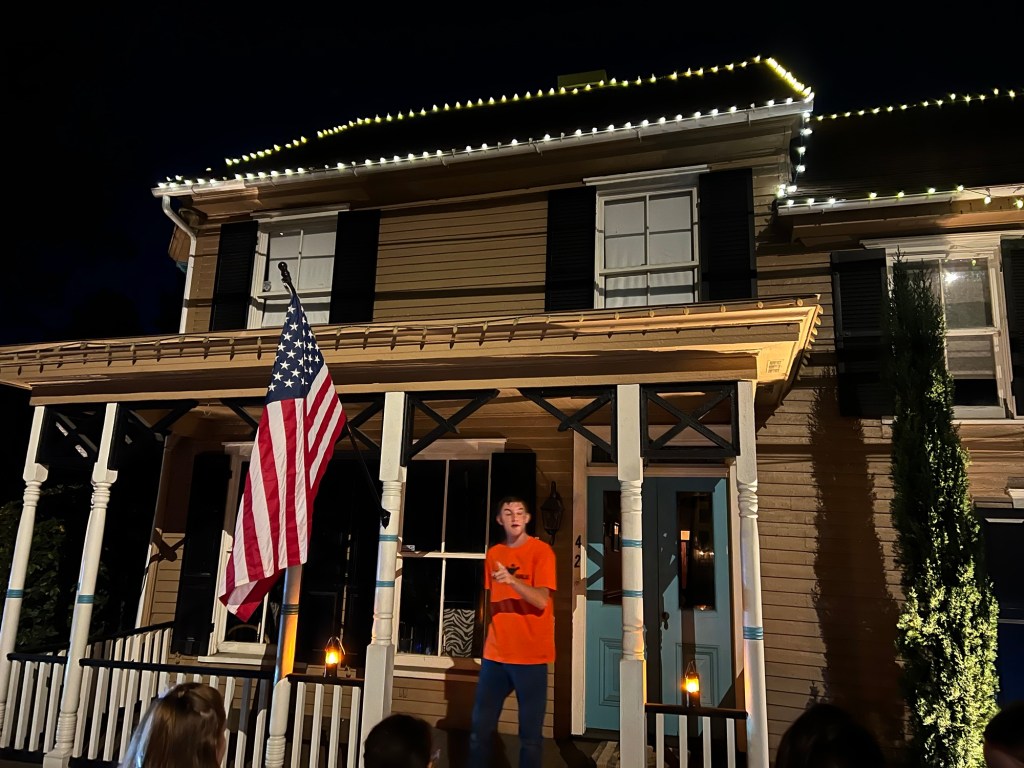
Our tour guide at the start of the tour

The scarecrows on the tour

We walked many stops in the downtown that was steeped in history even before the Revolutionary War.

The Hanging Barn where a worker hung himself

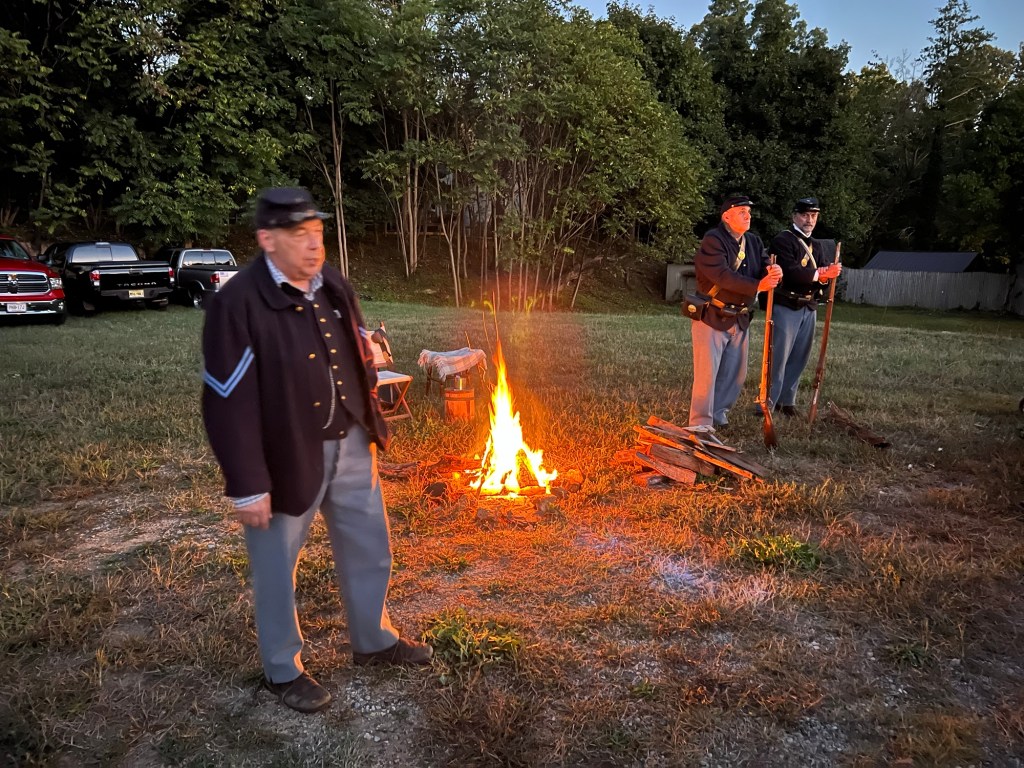
The history of the 12th Infantry some buried in the town

The Haunted St. Stephen’s Church downtown

The inside of the church where angels were seen

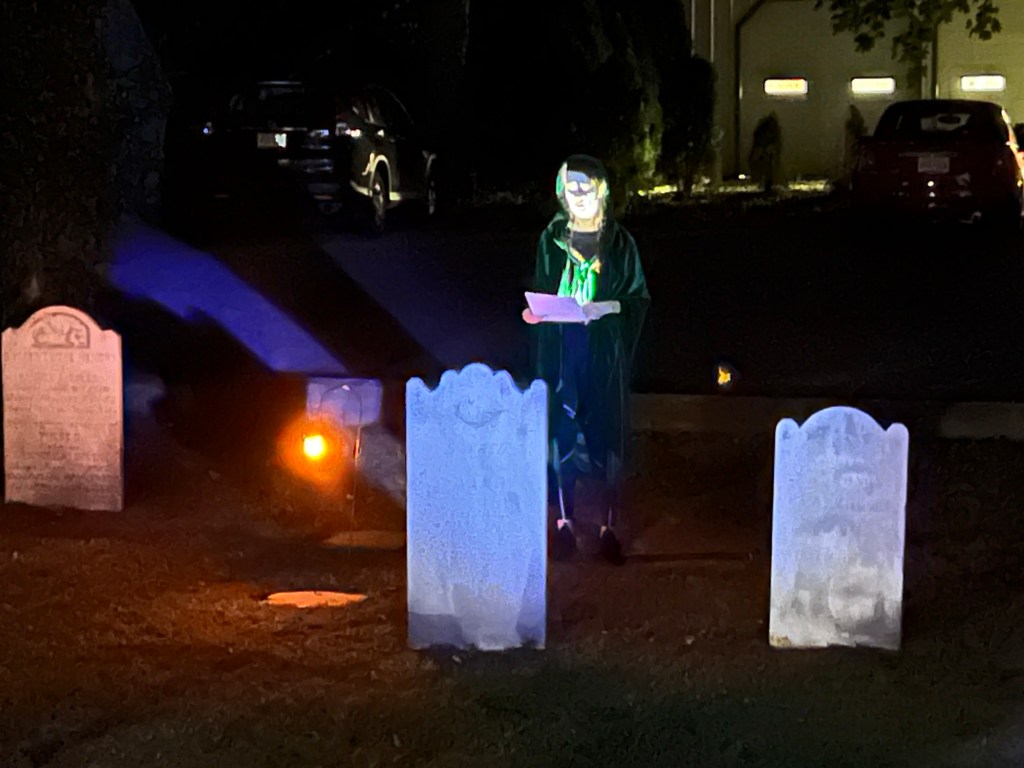
The graveyard talk in the back of the church

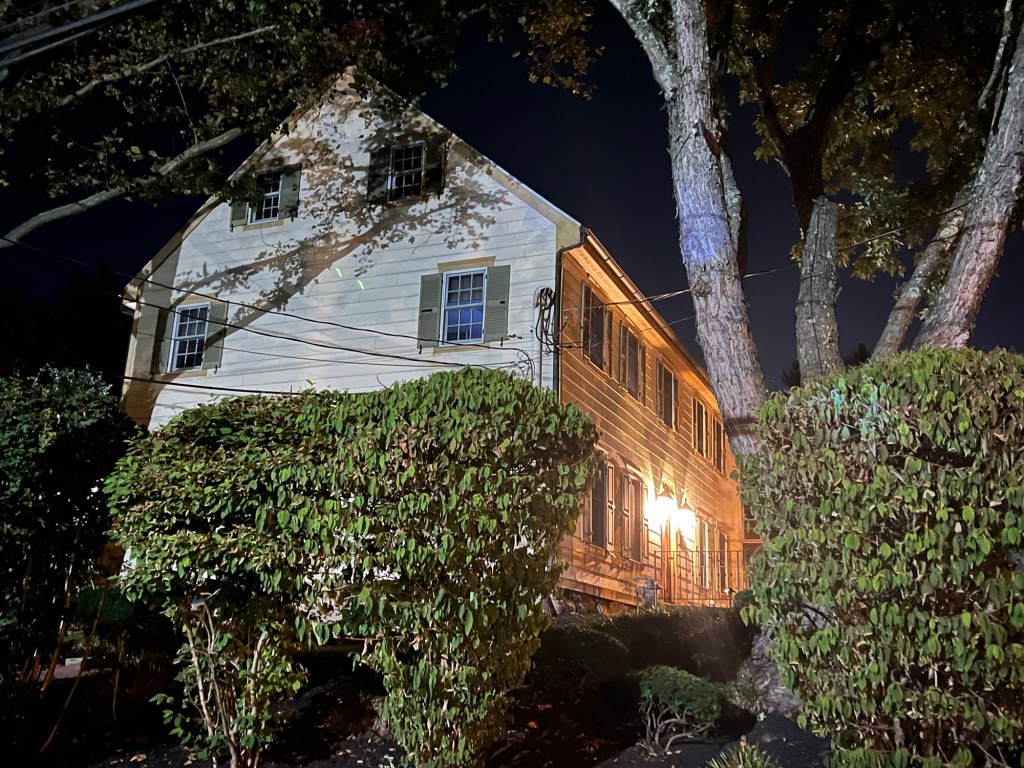
The Haunted House where multiple ghosts have been seen

Another haunted house

The Mullica family home is haunted

Another haunted house in town

After the tour was over, I toured the Mullica Hill Historical Society after the tour to see the new ‘Taverns and Temperance’ exhibition in 2024 on the local watering holes of the 18th and 19th centuries of which only two exist.

The Last Call exhibition

The history of taverns and their purpose

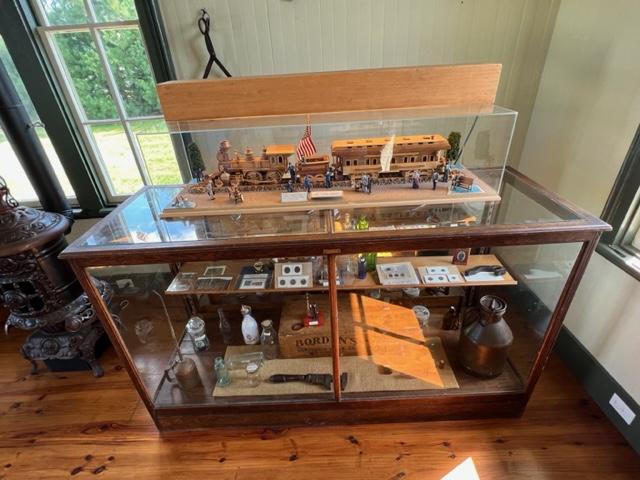
The interesting artifacts from the exhibit

The ‘Last Call’ exhibition was a look on how taverns were such an important part of socialization at a time when there were no movies, internet, phones and newspapers were limited. Still there was a strong resistance to people drinking which still reflects to our Puritan past.

There was nothing wrong with having a drink but there was a sense of taking it too far. Still this attitude is reflected today. It is still interesting though how one or two of these taverns have carried over into the Twenty First century. They are still welcoming guests today and that proves the socialization of these establishments and how important they are in our lives.

After the Haunted Tour:

After the tour was over and I had a nice visit with the museum, it was almost 9:00pm and I wanted to eat something. Two small tacos and two doughnuts are hardly a proper lunch for someone. By 9:00pm though, the whole town had rolled up its sleeves. Even the restaurant where the tour started was closing at 9:00pm. I was shocked as there were people inside still ordering. The host said the kitchen was closing and if I knew what I wanted I could sit down.

That was not much of an offer especially at their prices and I made my way down to Naples, the pizzeria and Italian restaurant where I had parked. They were open until a normal 11:00pm on a Friday night (I still do not understand restaurants that close at 9:00pm on a Friday or Saturday night. This part of the COVID scare is over and things are pretty much back to normal).

I went to the host stand and they seated me quickly. Tours were still going on and as I ate my dinner, the place really filled up when I finished because there was no place left to eat in town. (Not a good business decision). I really enjoyed Naples. Not only was it a lively environment with the games going on and a very active bar scene but the food was really good as well and very reasonable.

Naples at the Warehouse at 1 South Main Street in Mullica Hill, NJ

https://www.nj.com/dining/2014/05/dining_out_naples_pizza_in_mul.html

My review on TripAdvisor:

https://www.tripadvisor.com/Restaurant_Review-g46655-d421347-Reviews-Naples_Pizza-Mullica_Hill_New_Jersey.html?m=19905

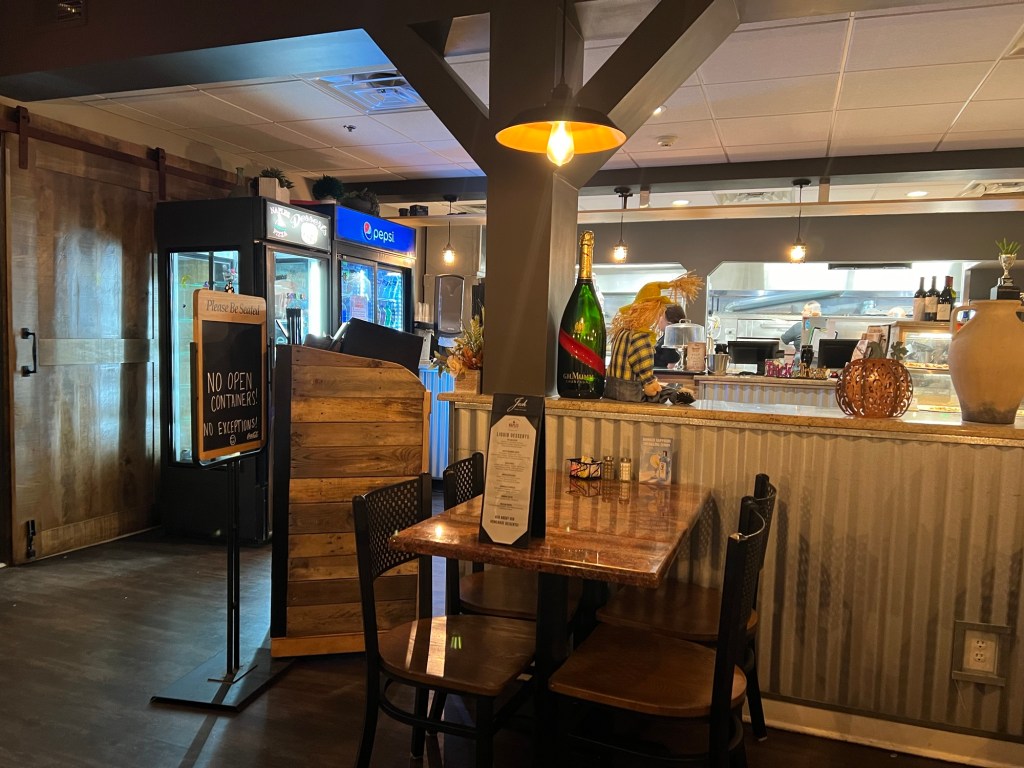
The inside of Naples the night of the walk

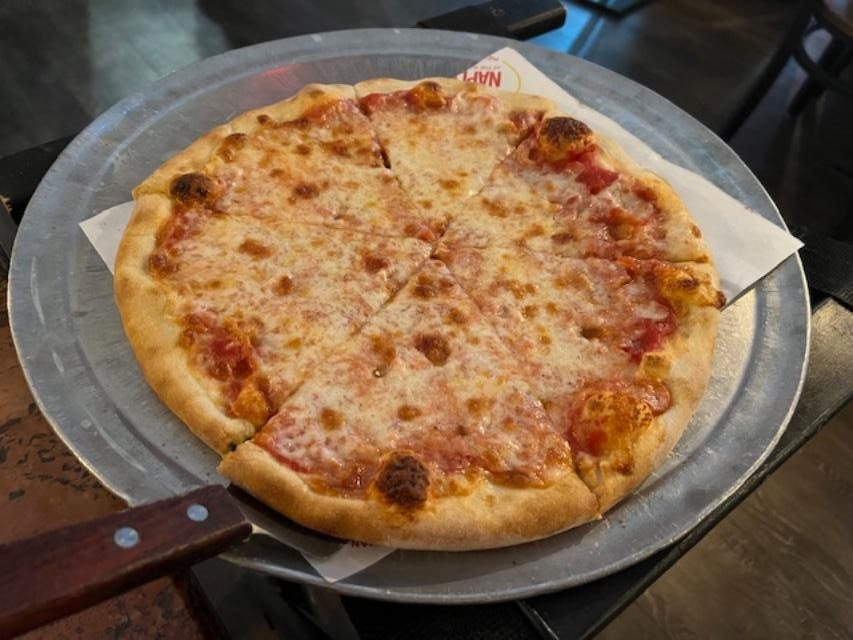
The pizza was so good that night

Between the Haunted Walk through town and the interesting discussions at each stop to the trip to the museum after the tour, the Haunted Walking Tour of Mullica Hill, NJ was well worth the trip down to South Jersey. It was such an interesting look at the town I would not have known from the many times I have visited the town. The Volunteers did a great job with this event.

It is a great little museum with a lot to see on two floors.

History of the Museum:

Fun Facts:

*People have been living in present day Harrison Township for over 10,000 years.

*Harrison Township originally included South Harrison and the western edge of Elk.

*The Township was named after President William Henry Harrison.

*There is a village called Mullica Hill in Finland.

*The first air shipment of fresh produce in the US took off from here.

Art & Design Gallery at FIT                                                    227 West 27th Street                                                               New York City, NY 10001

Art & Design Gallery at FIT 227 West 27th Street New York City, NY 10001

Art & Design Gallery at FIT

227 West 27th Street

New York City, NY 10001

(212) 217-4683/4570

https://www.fitnyc.edu/life-at-fit/campus/gallery/index.php

https://www.fitnyc.edu/academics/academic-divisions/art-and-design/index.php

Open: Sunday-Saturday 9:00am-5:00pm

Admission: Free Donations Accepted

My review on TripAdvisor:

The entrance to the Art & Design Gallery at FIT at 227 West 27th Street

The exhibition space showcases the work of students, faculty, and distinguished alumni, as well as invited guest artists. This new gallery space is located at the entrance of the Pomerantz main building and the back room exhibition space. This features smallers theme shows and showcases the talents of the FIT professors, professionals and Alumni. The shows are constantly rotating offering a fresh approach to contemporary art.

The Current Exhibition:

Creative Industry: 
The Alumni Journey
Lobby and Gallery

Diverse in medium, this exhibition spotlights the career trajectories of several illustrious FIT alumni, highlighting their innovations and interesting journeys through the creative industries. Co-curated by Troy Richards, dean for the School of Art and Design, and Alumni Relations’ Kseniya Baranova, the work on display features photography, fashion, video, weaving, wallpaper, graphic design, and painting.

“Unconventional Minds at Work: 15 Years of HUE, The FIT Alumni Magazine

The showcased art designs

Artwork “Matter 2008” by artist Susanne Tick

The sign of artist Susanne Tick’s work

Artwork from “Unconventional Minds at Work”

Artwork from “Unconventional Minds at Work”

Artwork from “Unconventional Minds at Work”

Resurgence: 
The Ingenuity of Artisan Work and 
Hand-crafted Objects
Lobby and Gallery

‘Resurgence’ showcases the ingenuity of artisan work and hand-crafted objects from textiles, jewelry, and decorative accessories. Contributors to this show include FIT alumni, faculty, and students, as well as finalists from the 2022 Global Eco Artisan Awards, a recognition given by the AGAATI Foundation.

Artwork of “Resurgence”

The Gallery at FIT during one of the current exhibitions

The latest exhibition is on the A. Beller & Company clothing line. The designs on display are from 1900-1930 and many of the designs are from the ‘flapper’ era.

The A. Beller & Company exhibition

The A. Beller & Company designs.

The Bio on the manufacturer

The A. Beller & Company designs from 1910-1930.

The A. Beller & Company designs from 1910-1930.

The A. Beller & Company designs from 1910-1930.

The A. Beller & Company designs from 1910-1930.

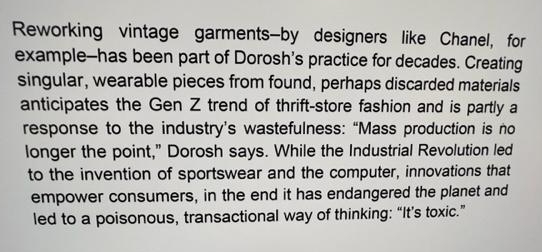
The museum also did a piece on how Generation Z is reworking vintage clothing designs and reworking them into modern clothing.

The Generation Z gallery of designs.

The write up on reworking of vintage clothing.

Some of the clothing designs.

The new exhibition in September 2023 was “The Unwearable Art” exhibition:

With the tag line “A fashion line no one would dare wear.”

The fashions were very unusual to say the least but unique in every way.

The entrance to the gallery.

“Today-I’m Wearing Uncertainty”

the “Today-I’m Wearing Uncertainty” design sign.

“Today-I’m Wearing Flare Intensity”

The “Today-I’m Wearing Flare Intensity” sign.

“Today-I’m Wearing Something Life Threatening.”

The sign “Today-I’m Wearing Something Life Threatening”

“Today-I’m Wearing Physical Pain”

The sign for “Today-I’m Wearing Physical Pain”

The “Wearing Uncertainty” exhibition offers a different look at fashion, and it’s influences on costumes.

The new “Squishables” exhibition at the Gallery at FIT focuses on therapeutic stuffed animals with themes that the students created as teams. Each one has several colorful soft animals and figures with it. It is a colorful and whimsical display. The exhibition shows how plush toys become an essential tool in coping with anxiety, stress, grief and isolation a person might feel at a time of their lives. This exhibition opened in May of 2024.

The sign on the new exhibition “Squishable”.

The “Unicorn Cafe” display.

The “Under the Sea” display.

The “Graveyard” Halloween display.

The “Alchemy Lab” display.

The “Farm” display.

The “Squishables” Gallery exhibition.

The new exhibition “Squishables” is based on a therapeutic stuffed animal that is created by the students.

The “Denim Devine” exhibition is the Senior Project of the graduates.

The “Denim Devine” exhibition in 2024. This exhibition was created by graduating students to design a wardrobe that was made of entirely of denim. These are their original designs and creations.

The “Denim Devine” entrance.

The winners of the “Denim Devine” exhibition.

The “Denim Devine” display.

The back gallery of “Denim Devine”.

I loved this Disney inspired dress in the exhibition.

One of my favorite dresses from the exhibition.

Another very original design in the exhibition.

Another original design that I liked in the exhibition.

The picture boards for the exhibition and other exhibitions.

The Gallery is free and open to the public.

The Museum of Fine Arts & Popular Culture                       507 Washington Street Unit 104                                            Cape May, NJ 08204

The Museum of Fine Arts & Popular Culture 507 Washington Street Unit 104 Cape May, NJ 08204

The Museum of Fine Arts & Popular Culture

507 Washington Street Unit 104

Cape May, NJ 08204

(609) 334-8592

https://museum-of-fine-arts-popular-culture.business.site/

https://www.capemay.com/play/category/museums-and-galleries/

Open: Sunday-Tuesday 10:00am-4:00pm/Wednesday Closed/Thursday-Saturday 10:00am-4:00pm

My review on TripAdvisor:

https://www.tripadvisor.com/Attraction_Review-g46341-d23745752-Reviews-Museum_Of_Fine_Arts_Popular_Culture-Cape_May_Cape_May_County_New_Jersey.html

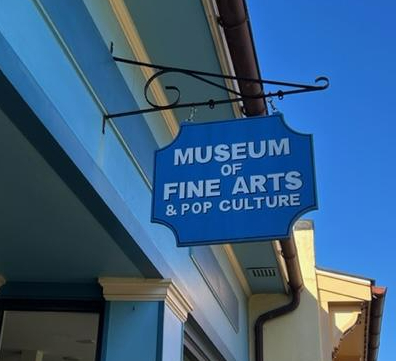
The Museum of the Fine Arts & Pop Culture at 507 Washington Street Unit 104

The Museum of Fine Arts & Pop Culture

The Museum features unusual takes on traditional art and shows it from a Surrealist viewpoint. The owner of the museum says that he wants the museum to engage the visitor. The works makes you think about what the artist is trying to say and how to interpret their work. The art is very unusual.

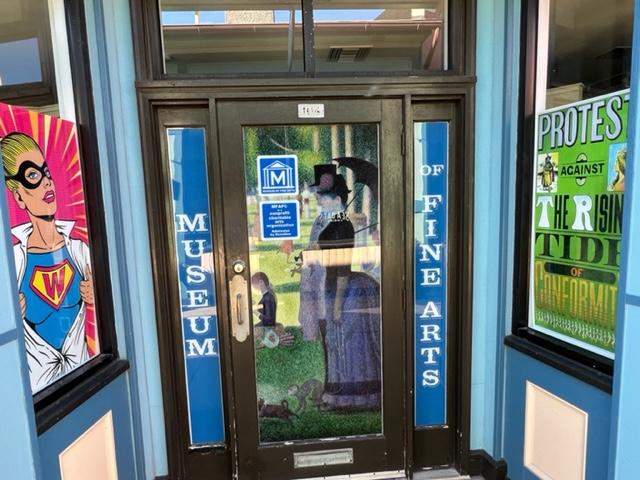
The entrance to the museum and posters in the windows.

The entrance of the museum and the posters that line the windows.

The sign that welcomes you to the museum.

What makes the museum interesting is that all the art is made by the collective that the museum is part of and the works are all original interpretations of what the artist feels and what they are trying to portray.

Some pieces are interpretations on famous artworks and others are original ideas and thought of what the artist is trying to interpret. I thought some the works strange until I got some idea of what it was all about. Some of the work just stands on its own. You really have to look each work a second time.

The Gallery of the Museum of Fine Art & Popular Culture.

The museum is in one gallery and looks more like an Art Gallery than a museum. The works are not sale but should be. You can see the whole museum in about an hour. When visiting the Washington Mall in Cape May it is worth the visit to be challenged by the art at the museum.

Hyde Park Historical Society                                                 4389 Albany Post Road                                                         Hyde Park, NY 12538

Hyde Park Historical Society 4389 Albany Post Road Hyde Park, NY 12538

Hyde Park Historical Society

4389 Albany Post Road

Hyde Park, NY 12538

(845) 229-2559

https://hydeparkhistoricalsociety1821.org/

https://www.hydeparkny.us/669/Hyde-Park-Historical-Society

Open: Sunday 11:00am-3:00pm/Monday-Friday Closed/Saturday 10:00am-3:00pm

Fee: Free

My review on TripAdvisor:

https://www.tripadvisor.com/Attraction_Review-g60801-d3426818-Reviews-Hyde_Park_Historical_Society_Museum-Hyde_Park_New_York.html

The Hyde Park Historical Society at 4389 Albany Post Road

The Hyde Park Historical Society is going through a type of rebirth as it has reopened with a fresh approach towards not just the history of Hyde Park, NY but the area in general and life here over the last two hundred years. The society is taking a new direction and revamping their efforts on the displays and on the history and activities of the museum. The museum is housed in what was once the Hyde Park, NY Fire Department building.

The museum is broken down into sections by displays. When you enter the museum there is an display of bicycles and recreation items that would have been used over the years. This activity changed the social life of both men and women of that era.

Bicycle display:

Some of the newest donations are from members of the organization who have recently passed away. They donationed their Boy Scout and Girl Scout uniforms to the museum which were from the past century. This shows how the unforms have progressed over the years.

Uniforms from the early Twentieth Century

Another donation that was added to the collection from the State Museum is a collection of Native American arrowheads that were found locally. These show that the area was once the hunting and gathering grounds for the Lenape Indians before colonialization.

The donation of Native American Arrowheads.

Next to it was the history of the Hyde Park Fire Department with pictures of companies of fire fighters and all sorts of memorabilia. There are pictures of former fire companies including the ones that were once housed in the museum building.

The Hyde Park Fire Department:

Across from that, there is a display called “Daily Life” which was the history of the town with homes and businesses in the area at that time. There were all sorts of pictures of prominent families and their day to day activities.

Daily life in Hyde Park, NY for the Middle class members of the community

Luxury items of the Gilded Age

There was all sorts of objects from the bills of sale of homes, household items and there is an wonderful display of accessories from the Victorian era.

The front room of the museum is dedicated to life of the middle to upper-middle class of Hyde Park around the turn of the last century. There is all sorts of clothing, pictures and artifacts from schools, the boy scouts, area schools and there are even sleds and skates from winter recreation sports played on the Hudson River. There are all sorts of athletic equipment, clothing based on sporting or activity event and accessories that were used and worn when participating in all seasonal activities.

Life in Hyde Park, NY

Every day life in Hyde Park, NY

There is a small display from the semi-professional baseball team that used to be located in Hyde Park with pictures, equipment and uniforms. It seemed that semi-professional baseball was a big entertainment and community event in years past in Hyde Park, NY.

The Hyde Park baseball team

There are also items in a small war display that is circa WWI. Many artifacts were donated by families whose members fought in the war.

The second small room in the back is dedicated to communication equipment from WWII and pictures of Franklin Delano Roosevelt who was the President at the time as well as a prominent member of the community. The Roosevelts had lived in the Hudson River Valley for generations.

There are several important pieces of war time equipment located here.

There is also a display of farm equipment showing off the areas agricultural past and present. This is still a major farming area as you head north of Rhinebeck, NY.

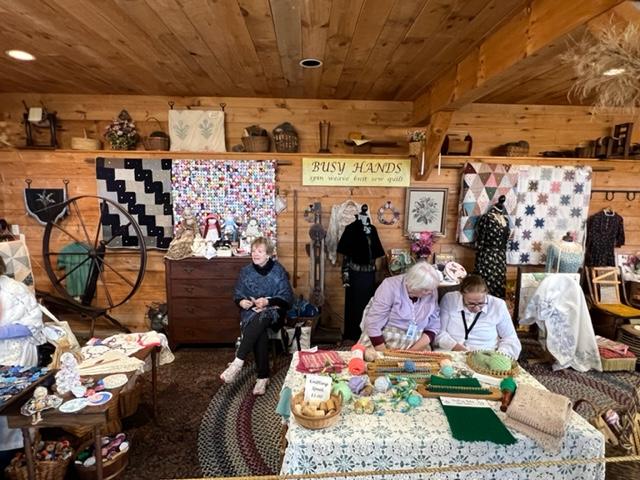
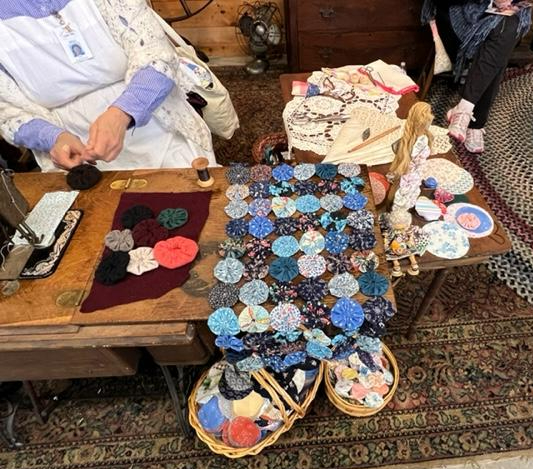
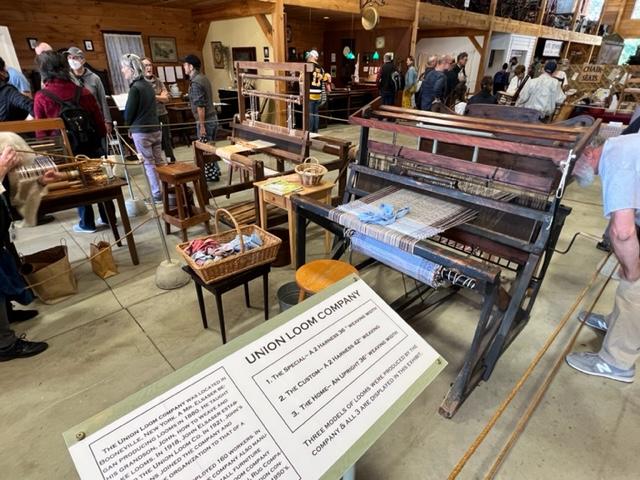
The back room is dedicated to clothing and wardrobe items like dresses, hats and spinning items.

There are a few portraits of local residents as well.

This shows the change of clothing from when Dutch women would spin their wool for clothing to buying ready to wear items in the local department and specialty stores that dotted towns like Rhinebeck and Poughkeepsie.

The display also shows the manner of dress went from the Victorian era to the Jazz Age and the changes in just ten years.

Hats from various ages

Here and there are other items that relate to daily living and a prosperous life in Hyde Park, NY. The museum is well lit and very well organized and signed so it makes viewing the displays a pleasure. It is a treasure trove of artifacts and information and insights to the life of Rhinebeck NY at that time. This display was on the Hype Park School System.

Everyday life in the schools in Hyde Park and Rhinebeck, NY

The History of the Hyde Park Historical Society:

(From the museum’s pamphlet):

The Hyde Park Firehouse:

As indicated by the engraved stone lintels over the engine bays, the firehouse that the museum is housed in was built in 1905 for the Eagle Engine Company founded in 1845 and the Rescue Hook & Ladder Company (1866), separate companies whose volunteer members included Franklin D. Roosevelt.

The old Hyde Park Firehouse serves as the museum

Designed by Poughkeepsie architect William Beardsley, the Renaissance Revival style brick building features a cast iron cornice and a bas relief decoration above the third story windows.

Downtown Hyde Park in the summer of 2023.

You can find all sorts of items at the museum. It contains lots of local pictures and artifacts. In the Textile Room, you can find a hat box labeled Mrs. James Roosevelt, a spinning wheel and period apparel.

The Hyde Park Historical Society at Christmas 2022

In the Research Room, you can search your family and friends’ history, look at local tools of trade and maps of Dutchess County in the 1700’s.

The beautiful Hyde Park Christmas tree December 2022

Downtown Hyde Park at Christmas time