Category: VisitingaMuseum.com

Kearny Museum at the Kearny Library                                   318 Kearny Avenue                                                   Kearny, NJ 07032

Kearny Museum at the Kearny Library 318 Kearny Avenue Kearny, NJ 07032

Kearny Museum at the Kearny Library

318 Kearny Avenue

Kearny, NJ 07032

(201) 998-2666

Open: Sunday-Tuesday Closed/Wednesday 5:00pm-6:30pm/Thursday-Friday Closed/Saturday 10:00am-12:30pm

My review on TripAdvisor:

https://www.tripadvisor.com/ShowUserReviews-g46536-d33058185-r1001224452-Kearny_Museum_At_The_Kearny_Library-Kearny_New_Jersey.html?m=19905

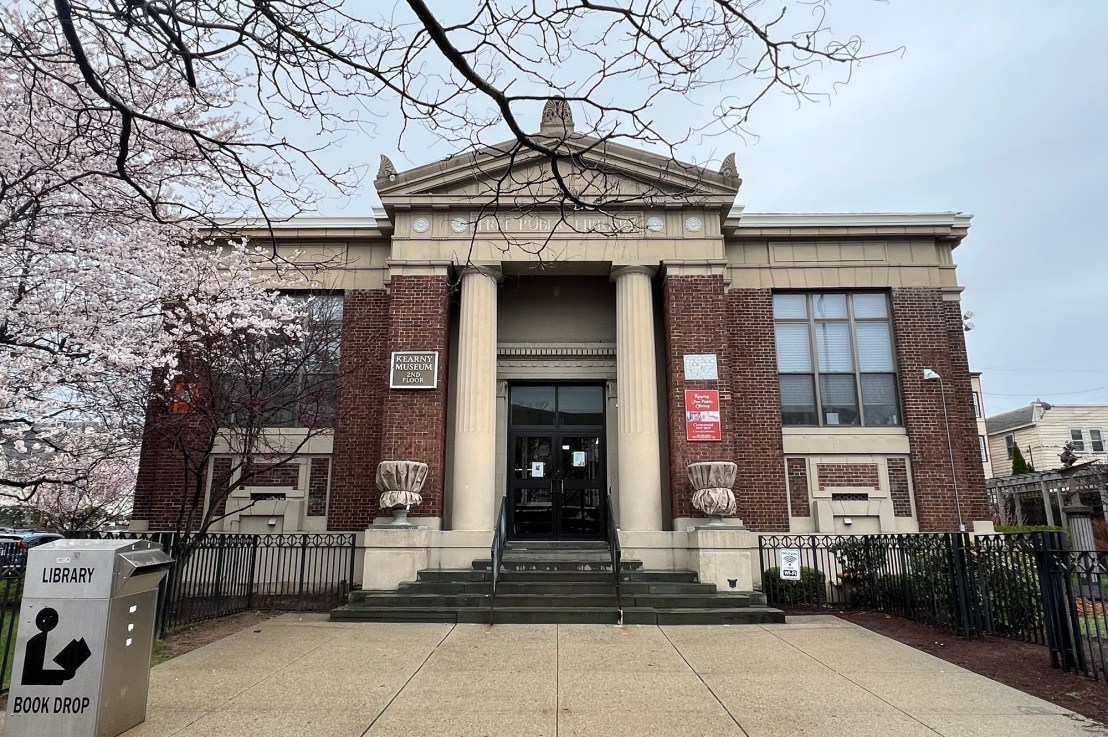
The front of the Kearny Library at 318 Kearny Avenue

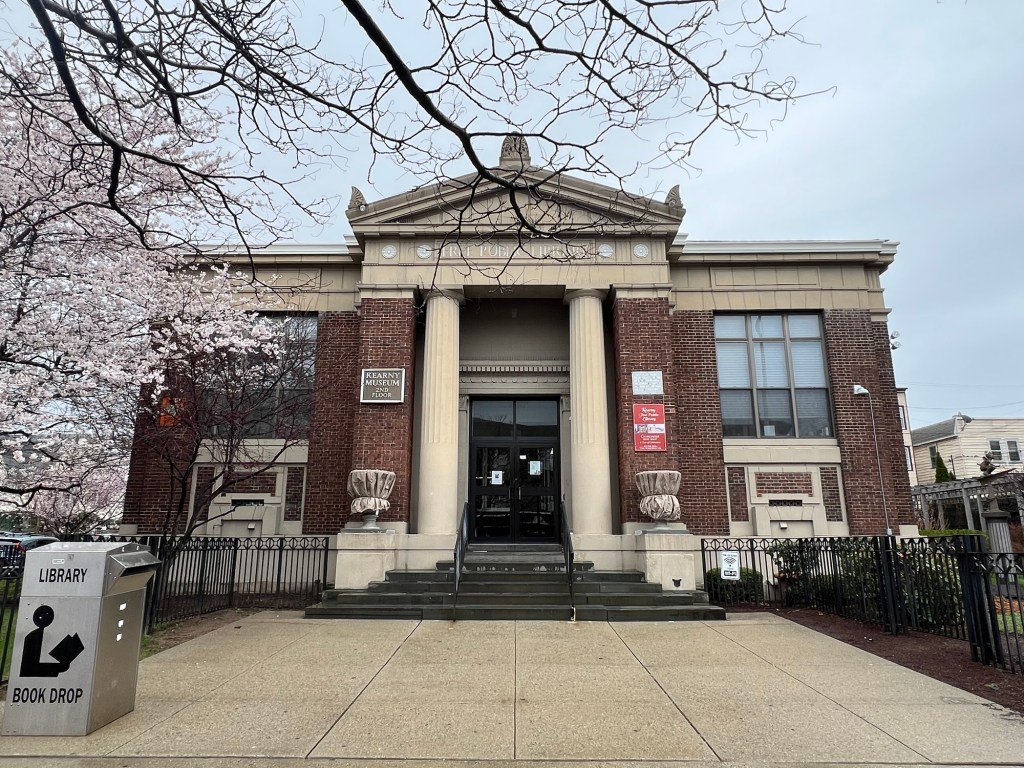
The library during the early spring

The historic marker of the library

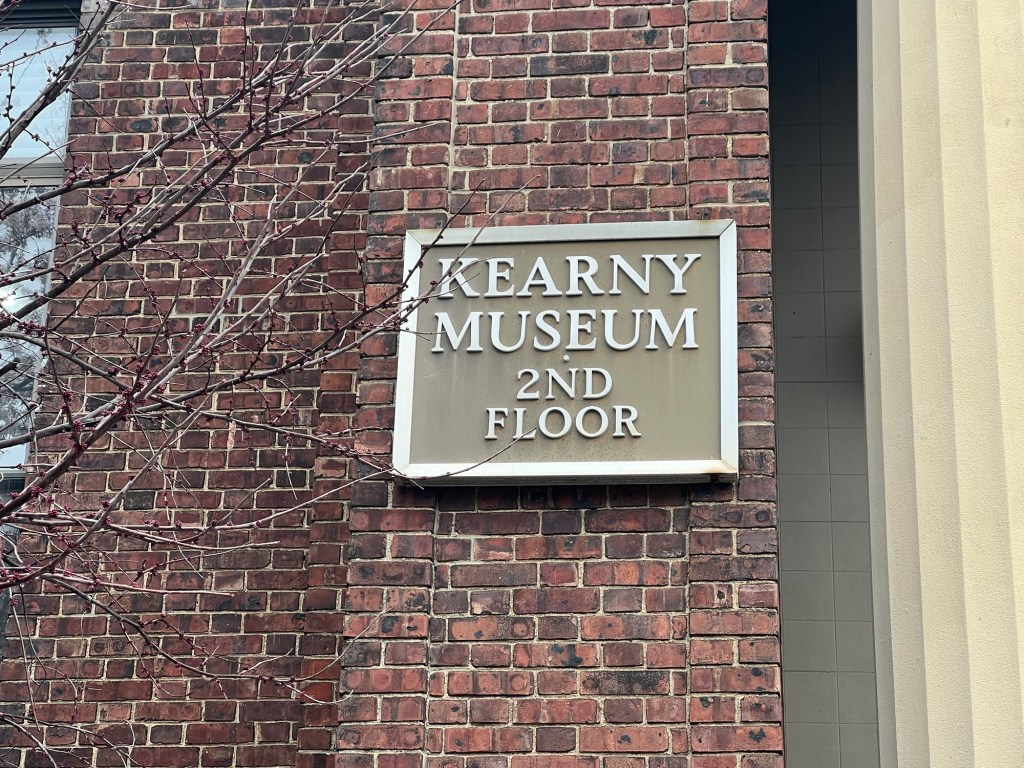
The outside sign of the museum

The History of the Museum and Mission:

(from the museum website)

The Kearny Museum, on the upper floor of the Kearny Public Library, is a history museum that houses local displays about the town. The collection includes photographs, articles of clothing, and war memorabilia from the town’s history.

Special attention is given to Civil War hero Major General Philip Kearny Jr. for whom the town is named.  This includes a display of furniture from his Belle Grove home, donated by his granddaughter and second wife. The museum also includes a full collection of Kearny High School yearbooks.

The museum has a collection of antique clothes and accessories, representing town life between 1850 and 1960, which were donated or are on loan by townspeople.

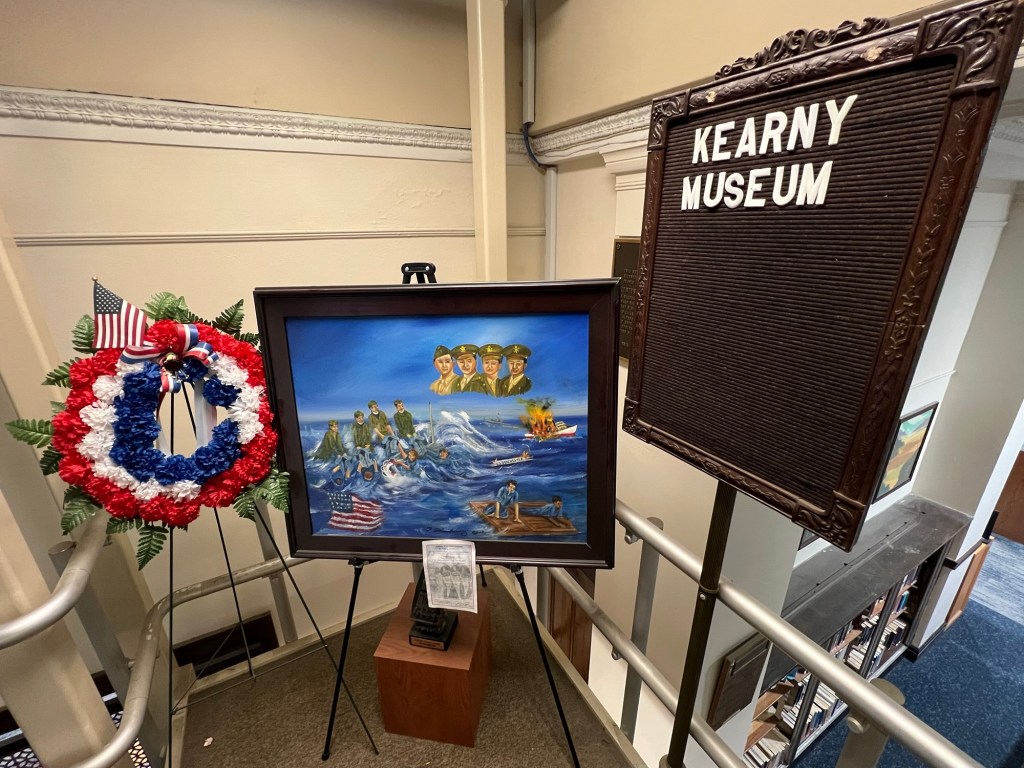
The entrance of the Kearny Museum on the second floor of the Kearny Library

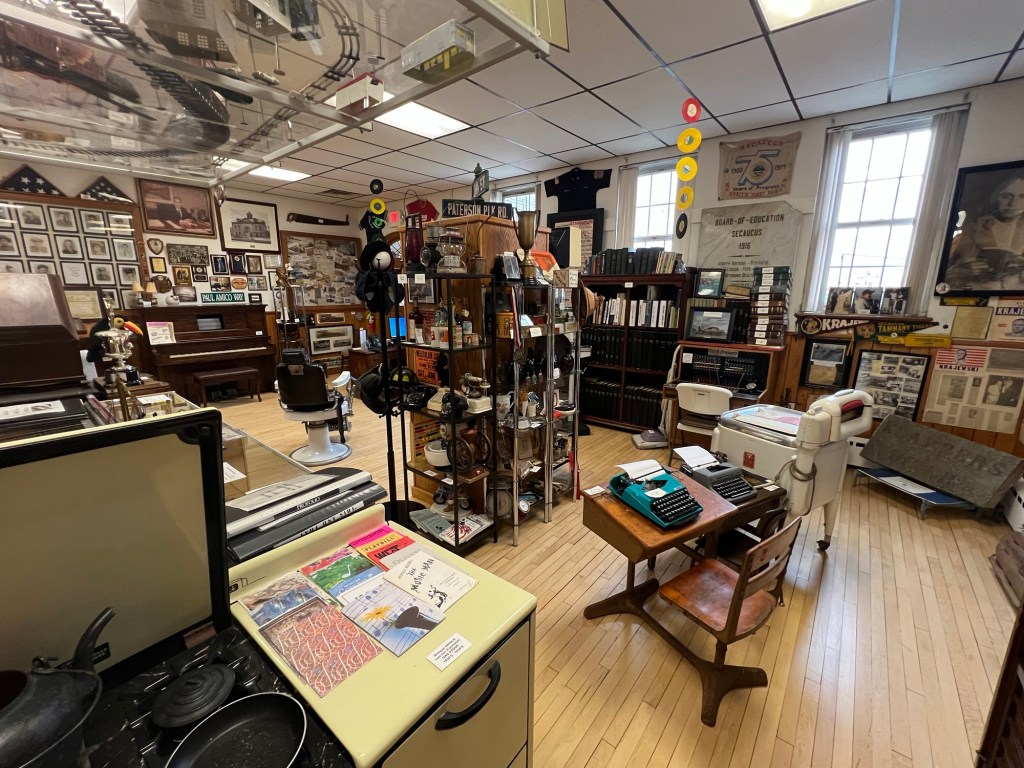
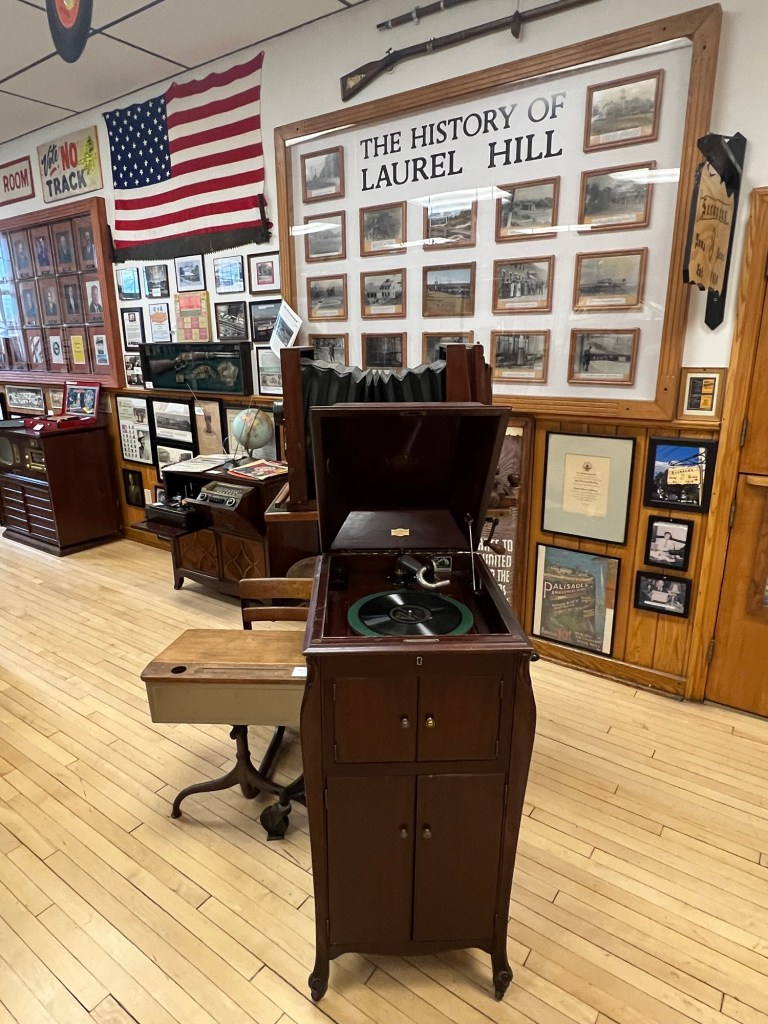
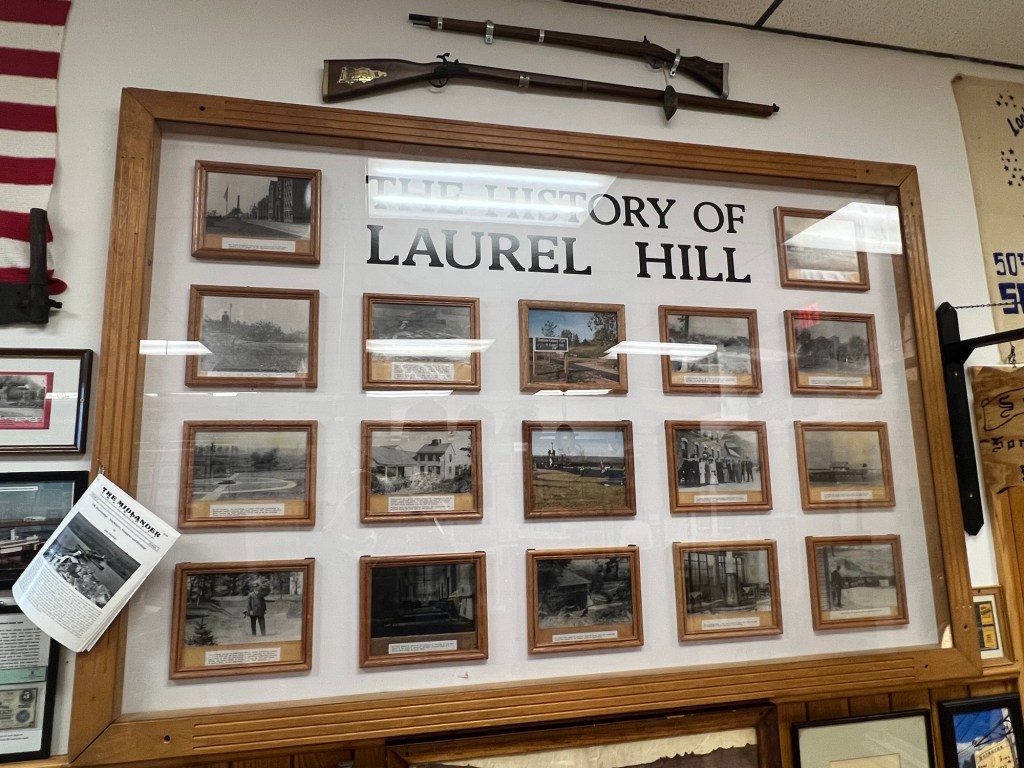
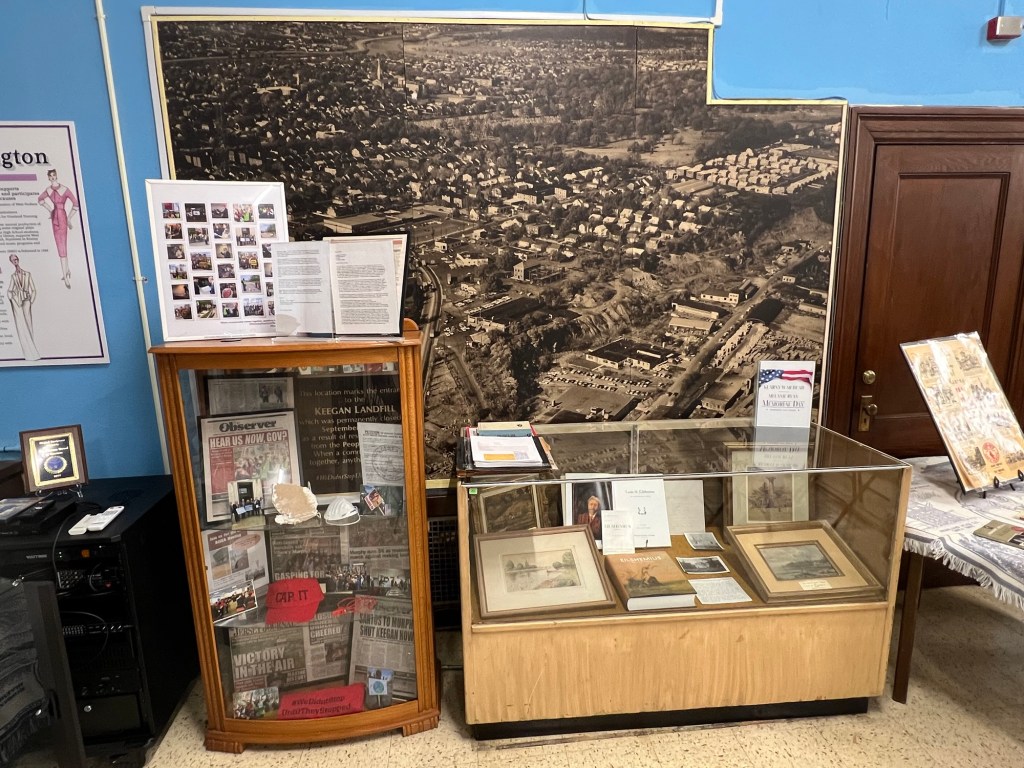
The main gallery of the museum with historical pictures of the town

The history of the community of businesses and organizations

The history of St. Cecilia School

The library docent explained that this statue of a soldier had been boxed up and hidden for years

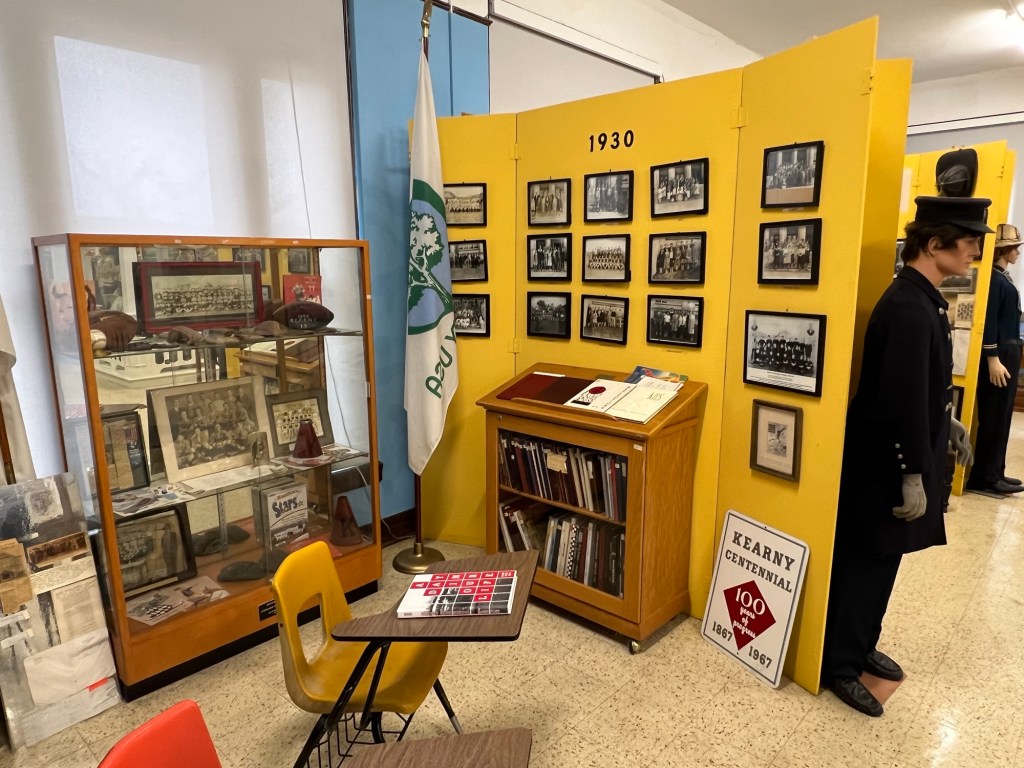
Town artifacts from the schools and town organizations

Memorabilia from town organizations

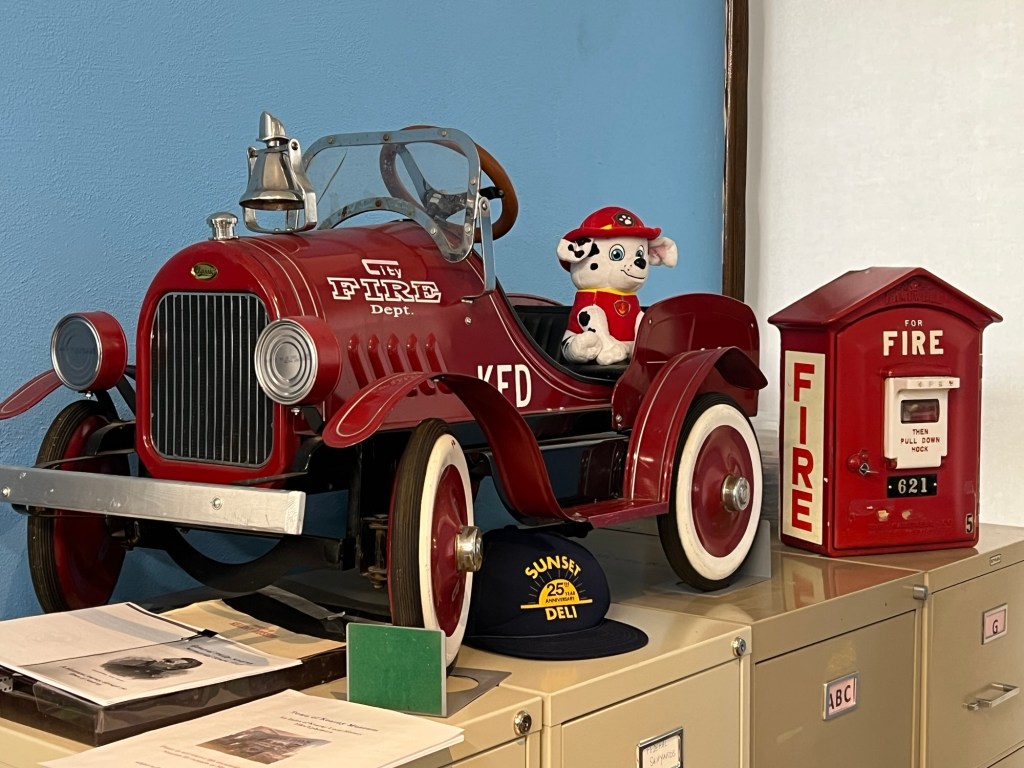
Display of firematic items

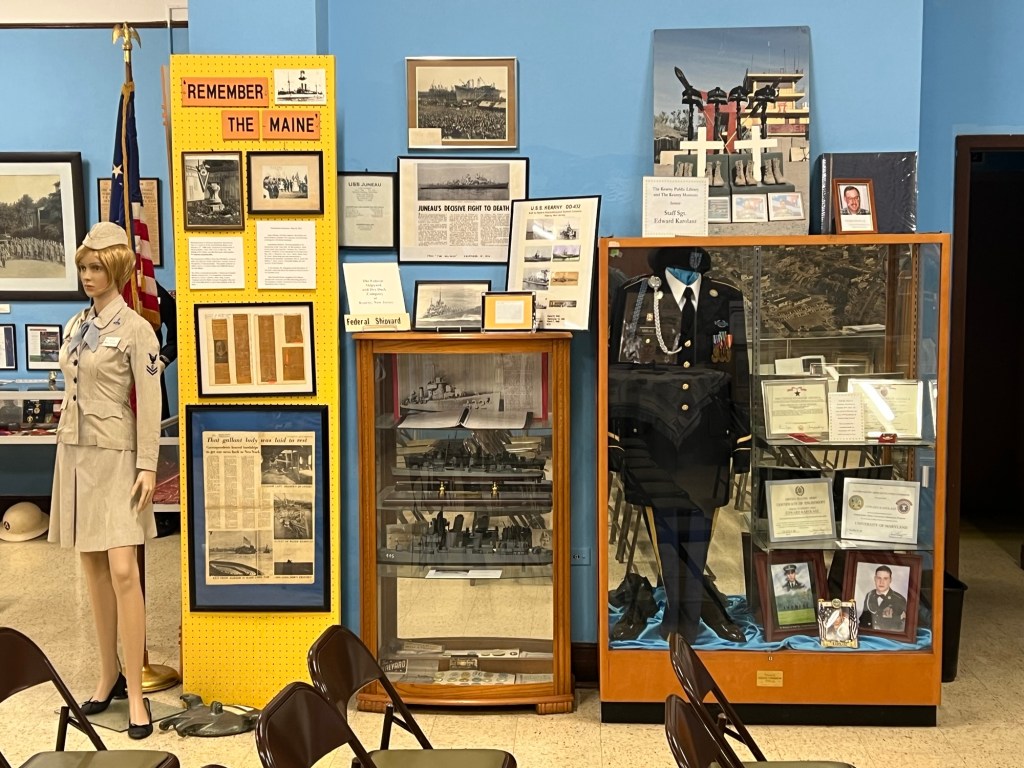
The displays included a large exhibit of military items, uniforms, artifacts donated from local veterans and newspaper clippings

The display covered all branches of the military

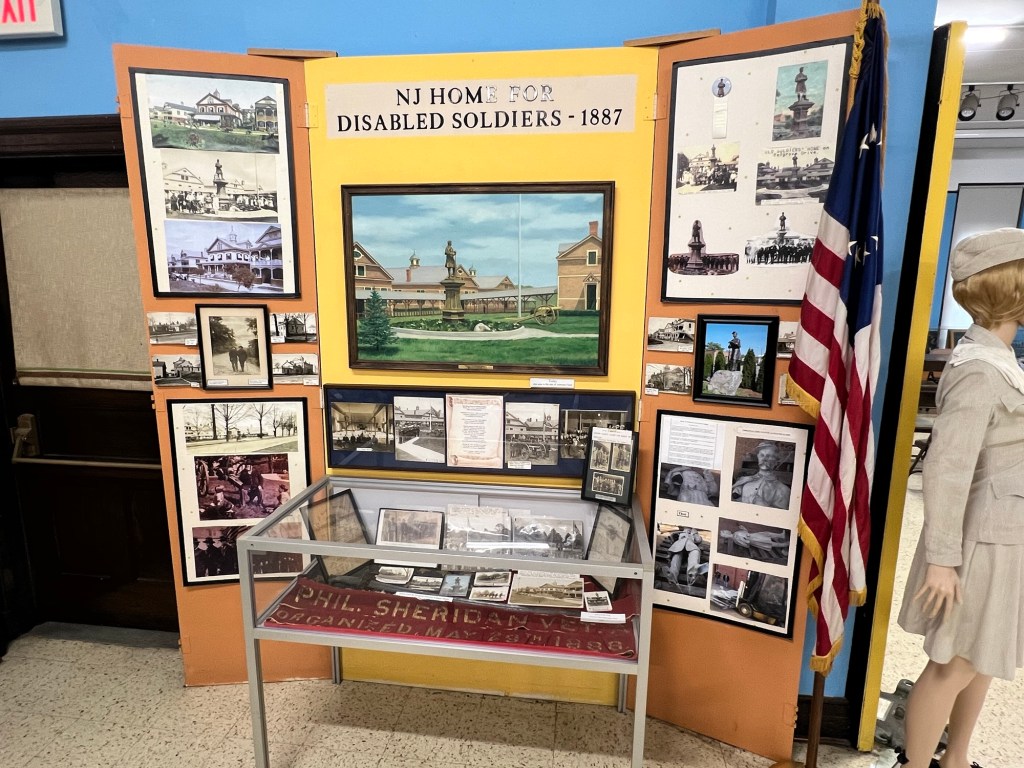
This exhibit was interesting of the old New Jersey home for Disabled Soldiers that no longer exists. This home for VFW was once located in the town.

The Library Directors video on the Disabled Home for Soldiers:

(from the museum website)

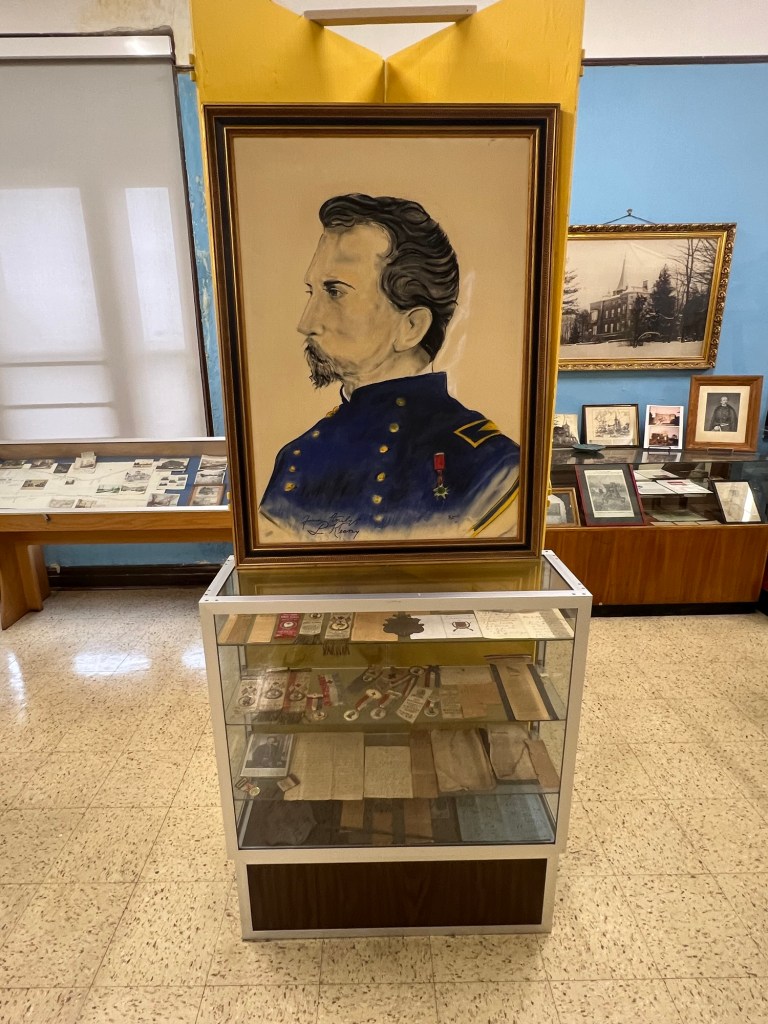
The next display on Major General Philip Kearny whom the town is named after

The General’s information

Major General Philip Kearny

https://en.wikipedia.org/wiki/Philip_Kearny

https://www.battlefields.org/learn/biographies/philip-kearny

The display on Major General Kearny was quite extensive and had many artifacts of his accomplishments including pictures and press clippings.

Library Director’s Video on the General:

(from the museum website)

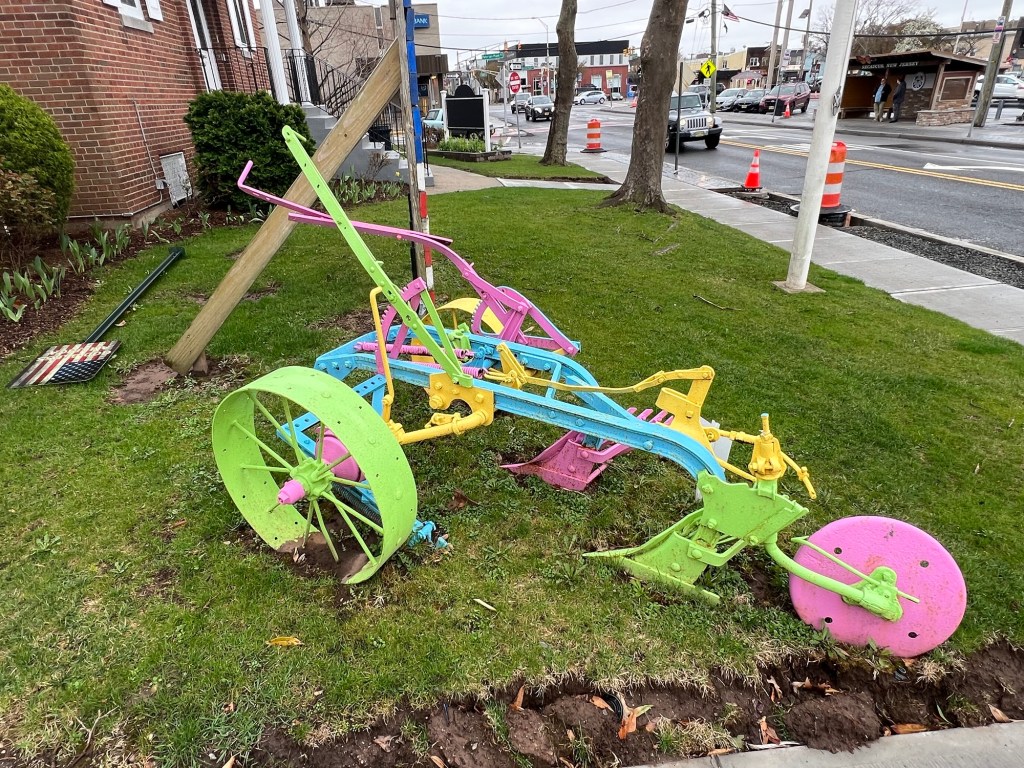
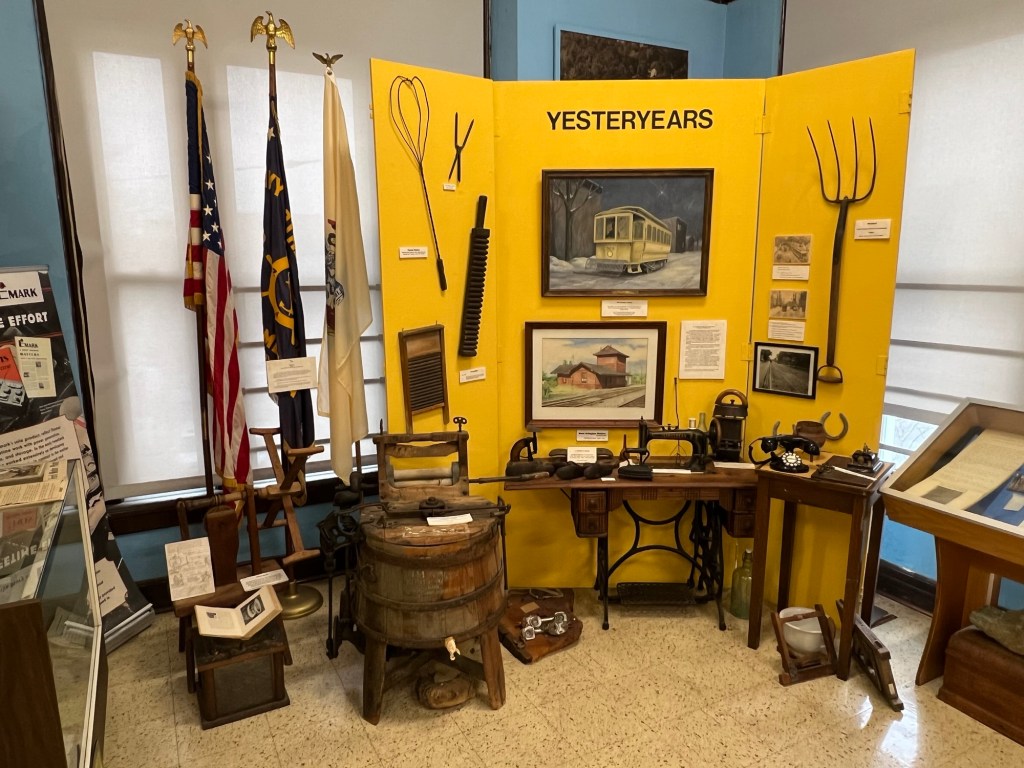
The next exhibit describes Kearny’s past as a rural farming community. This included farm equipment and household items found in a home in the turn of the last century.

Kearny’s past

A closer look at our rural past and how things have changed in the past 100 years

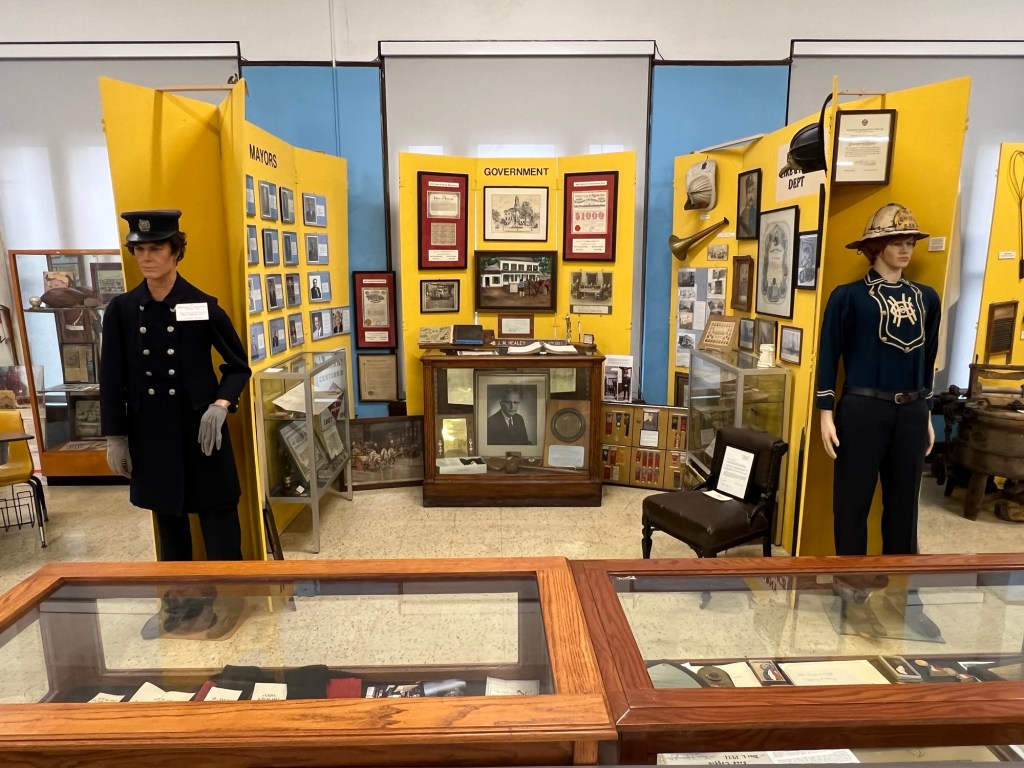
The town has a rich history in the fire and police services and the exhibits show the progress that these departments have made over the last several decades.

The display on the Kearny Fire and Police Departments

The artifacts in the Kearny Police and Fire exhibitio

The display of old Class A uniform

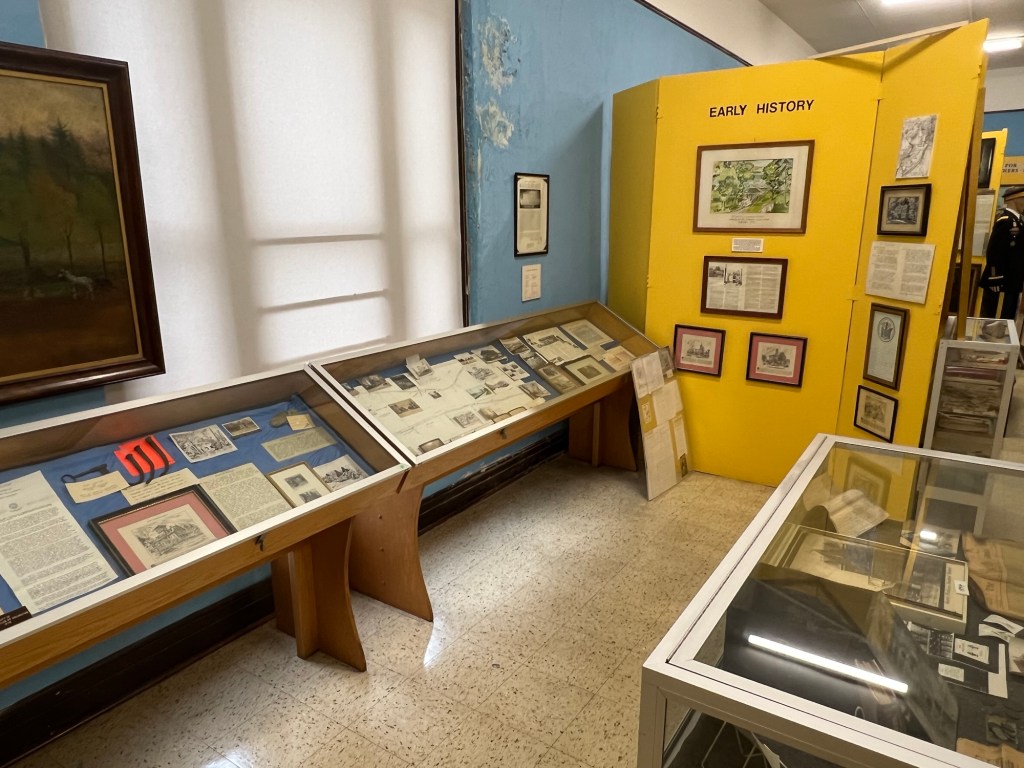
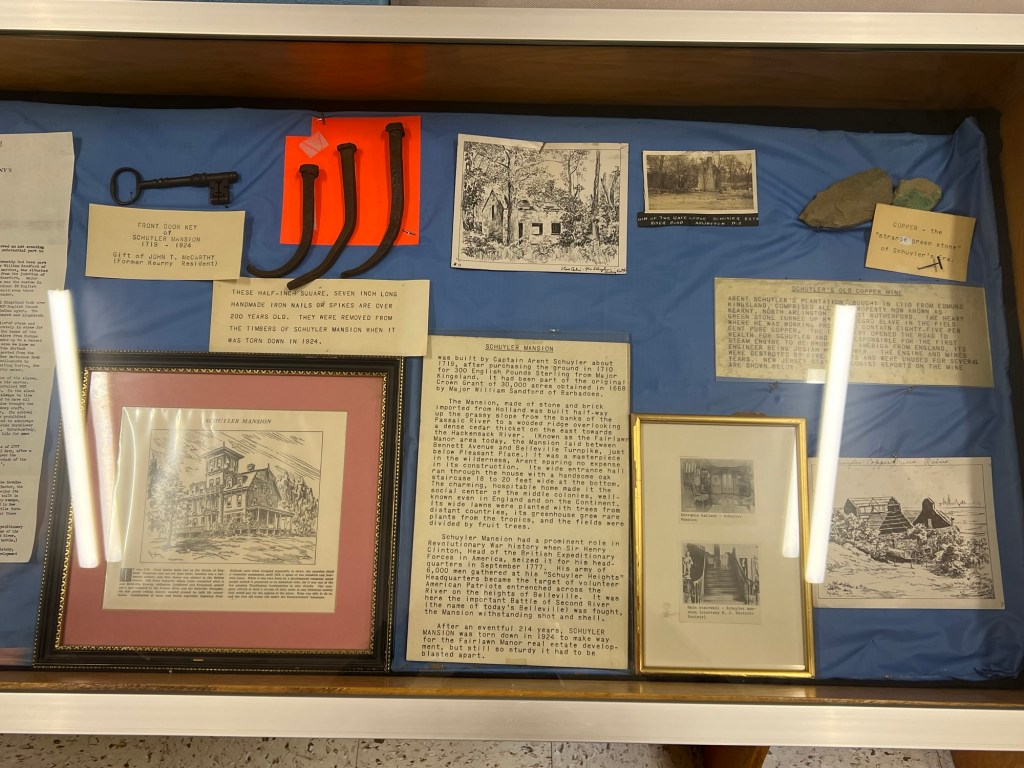
The early founding of the town was displayed in the next exhibit with artifacts and items from the early history before Kearny’s founding.

The Early History of the region

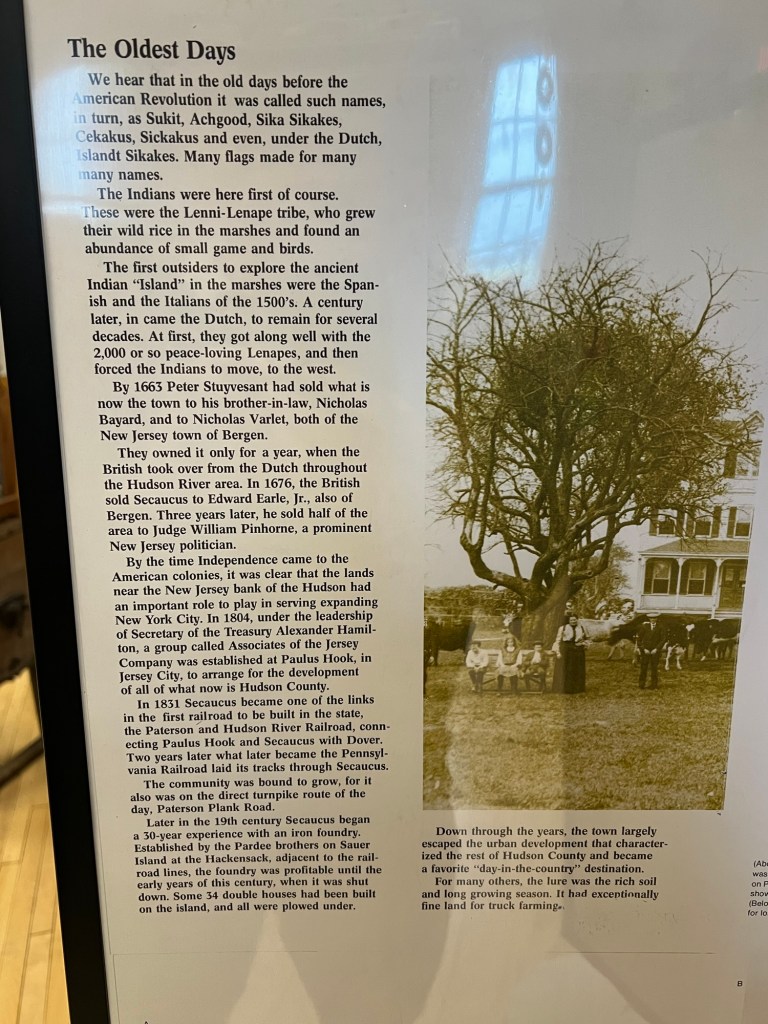
Items from early Lenape tribes to the founding of the railroads in the region

The role of the development of the early government to modern times was nicely displayed along with the history of each Mayor in the town’s history.

The history of the local government in Kearny, NJ

This lead back to the General’s role as a local hero and the founding name of the current town of Kearny, NJ.

A closer look at the General’s history

More history on General Kearny

The museum has a collection of items from local residents and town ‘hero’s’ whose collections are now part of the museum.

Stanley ‘Buck’ Brookes sports collection

There is also a collection of ‘old’ families of the Kearny region before the town was founded. This display is for early resident, William Sanford.

The artifacts from the William Sanford estate

The museum has an extensive display on the town’s school system and the changes it gone through over the past hundred years.

The school system in the 1920’s and 1930’s

The history of the town’s schools with band uniforms and graduation dresses

The Library Director’s video on the Kearny School System:

(from the museum website)

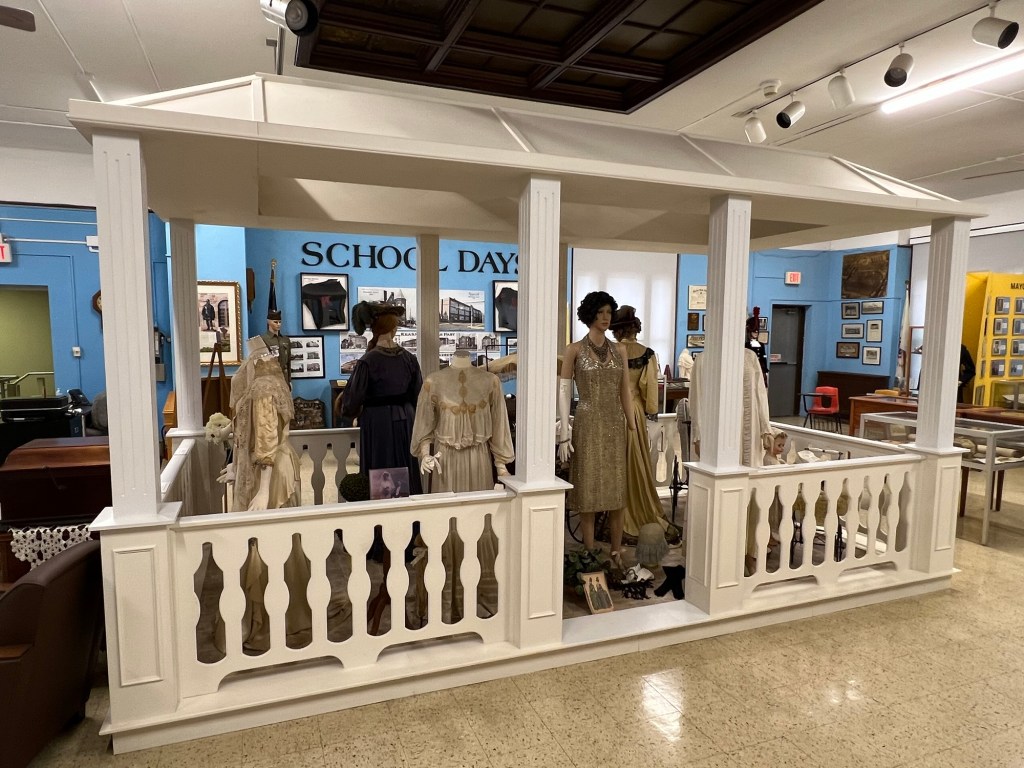
Artifacts from ‘School Days’ at the Kearny Public Schools

With the formation of the town schools and department, the town’s role in the growth of this part of New Jersey led to new industries being developed.

The history and development of industry in town

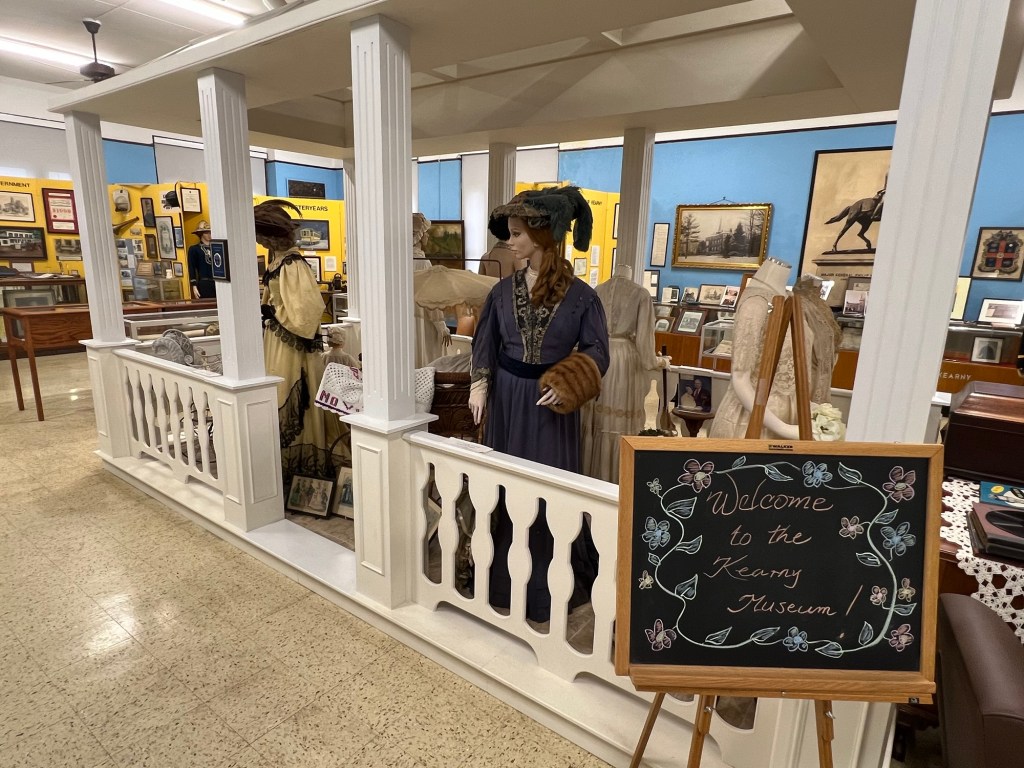
The center of the museum was reserved for a display of ‘Fashion’ through the ages. The display contains all sorts of gowns and wedding dresses through the last hundred and fifty years.

The ‘History of Fashion’ display

The various gowns, coats and tea dresses on display

Gowns from the 1920’s and 1930’s

Gowns from the 1920’s

Gowns from the turn of the last century

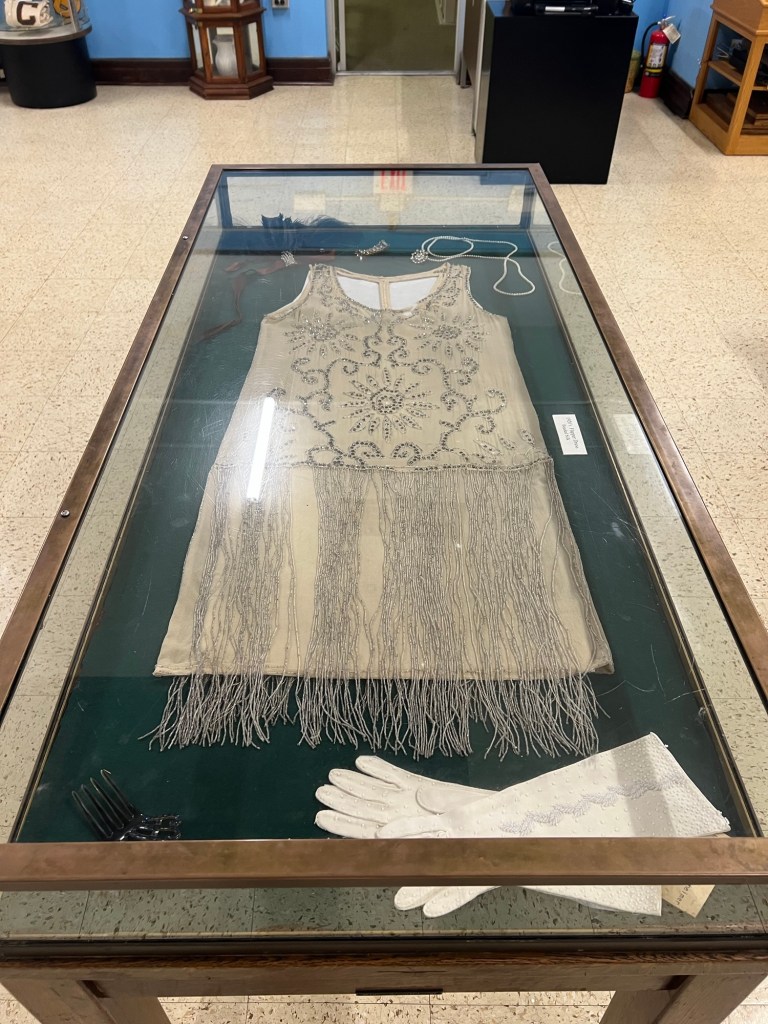
Flapper gown and accessories from the 1920’s

The museum has an extensive display of items that not just cover the history of the town and of its founding and development but of every day life of its citizens. This is all tucked away on the second floor of their local branch of the Kearny Library.

The Kearny Library is the home of the Kearny Museum

What is nice about the Kearny Library is that it sits in the middle of a very vibrant downtown filled with an array of restaurants and bakeries. I walked the downtown after my visit to the museum.

I came across O Pao Quente D’Avenida at 244 Kearny Avenue. This wonderful bakery had an assortment of Spanish and Italian pastries at very reasonable prices.

The bakery ‘O Pao Quente D’Avenida’ (Avenue of Warm Bread) at 244 Kearny Avenue

https://www.facebook.com/pages/O-Pao-Quente-D-Avenida/118731094806654

My review on TripAdvisor:

https://www.tripadvisor.com/ShowUserReviews-g46536-d33058168-r1001223975-O_Pao_Quente_D_avenida-Kearny_New_Jersey.html?m=19905

The selection of pastries were extensive and looked so delicious that I could barely choose between them.

The selection of pastries at the bakery included cakes, cream pastries and cream filled flips.

It was a tough choice but I chose the flip filled with Dulce Leche filling. Talk about delicious. I munched on it while exploring several blocks of the downtown.

The pastry flip with Dulce Leche filling and a sugary topping

It was a nice way to spend the afternoon. You have to explore the rest of the library and its beautiful historical building.

Haring Farm Cemetery                                                 Old Haring Farm Court                                                 River Vale, NJ 07675

Haring Farm Cemetery Old Haring Farm Court River Vale, NJ 07675

Haring Farm Cemetery

Old Haring Farm Court

River Vale, NJ 07675

https://www.northjersey.com/story/news/bergen/river-vale/2020/10/08/river-vale-nj-cemetery-refurbished-teen/5898284002/

https://www.findagrave.com/cemetery/1974293/haring-family-cemetery

http://files.usgwarchives.net/nj/bergen/cemeteries/haring.txt

My review on TripAdvisor:

https://www.tripadvisor.com/Attraction_Review-g46777-d33055554-Reviews-Haring_Farm_Cemetery-River_Vale_New_Jersey.html

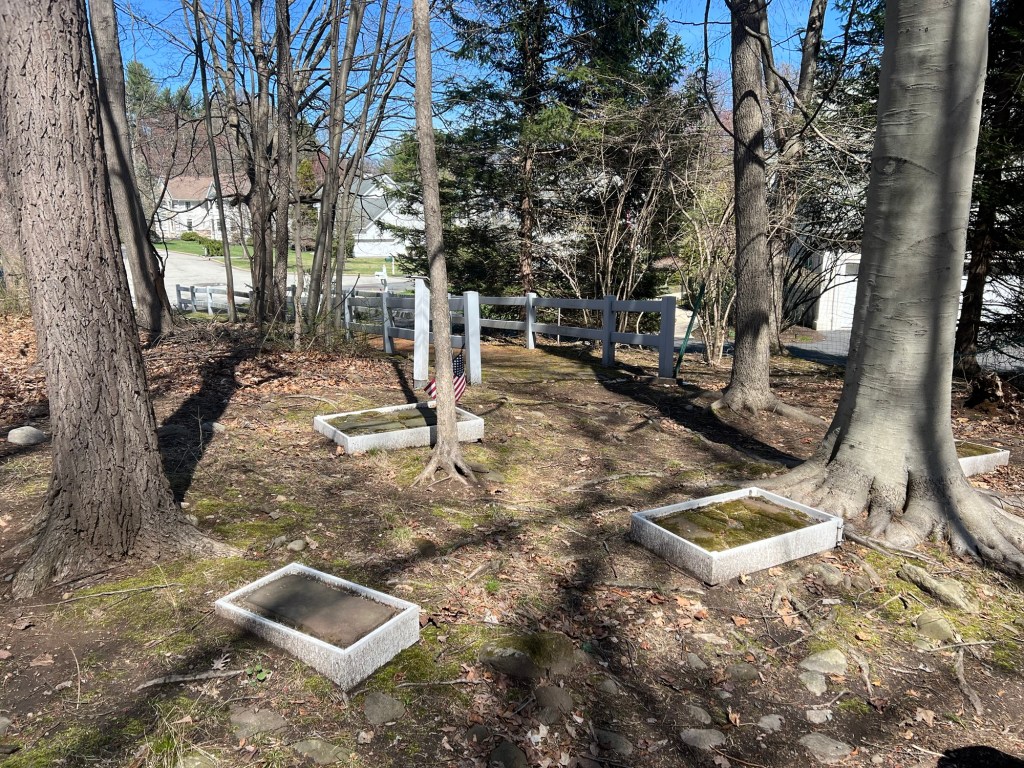
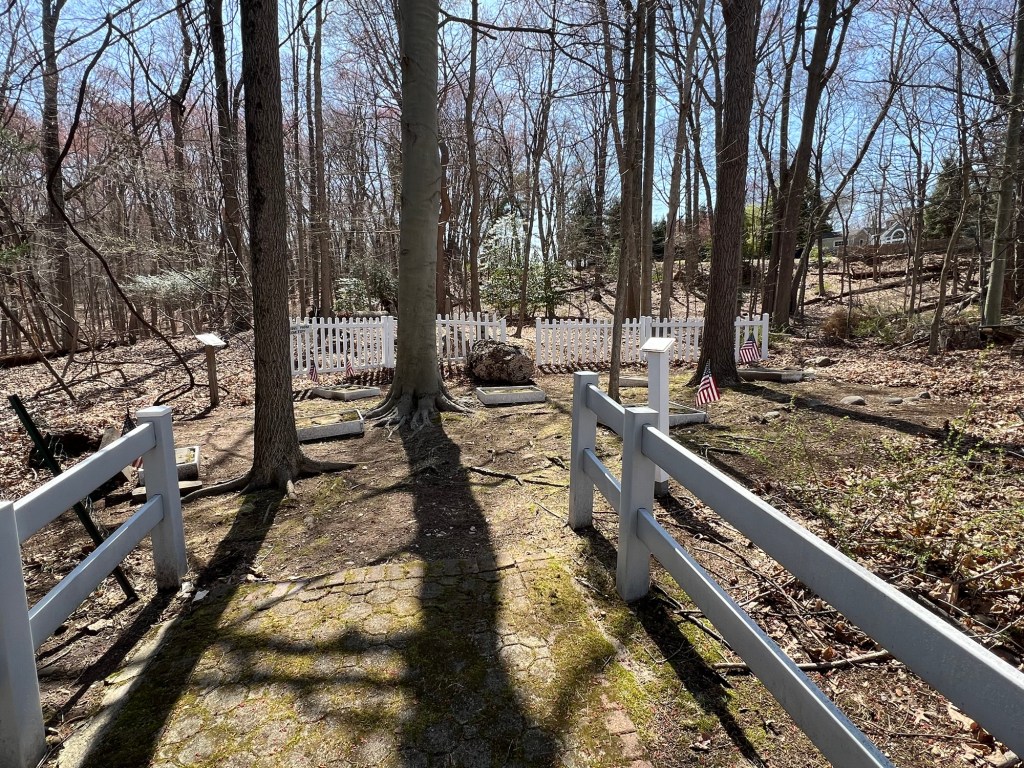
The entrance to the Haring Farm Cemetery

One afternoon I took a trip into my very distant past. I visited the tiny Haring family Farm Cemetery, which is the resting place of Cornelius Haring and his family. The cemetery is what is left of what was once a several hundred acre farm owned by the extensive Haring family of Bergen County, NJ.

The burial site had been hidden for years and the site neglected until restored by Eagle Scout, Anakin Rybacki in 2020

https://www.northjersey.com/story/news/bergen/river-vale/2020/10/08/river-vale-nj-cemetery-refurbished-teen/5898284002/

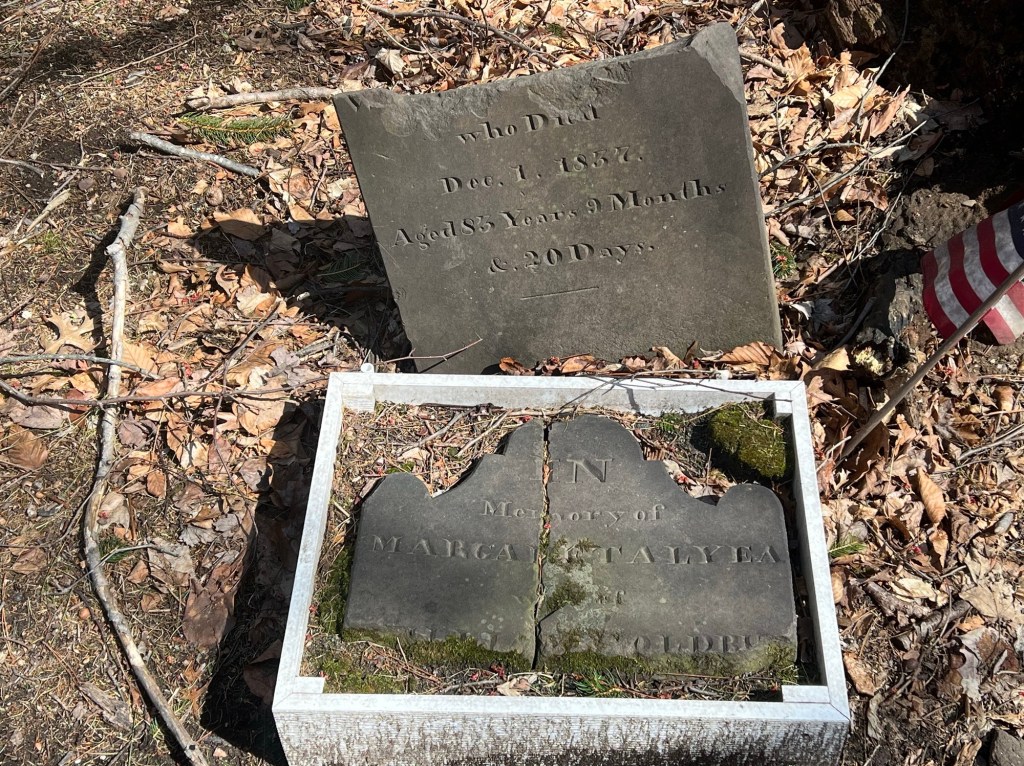
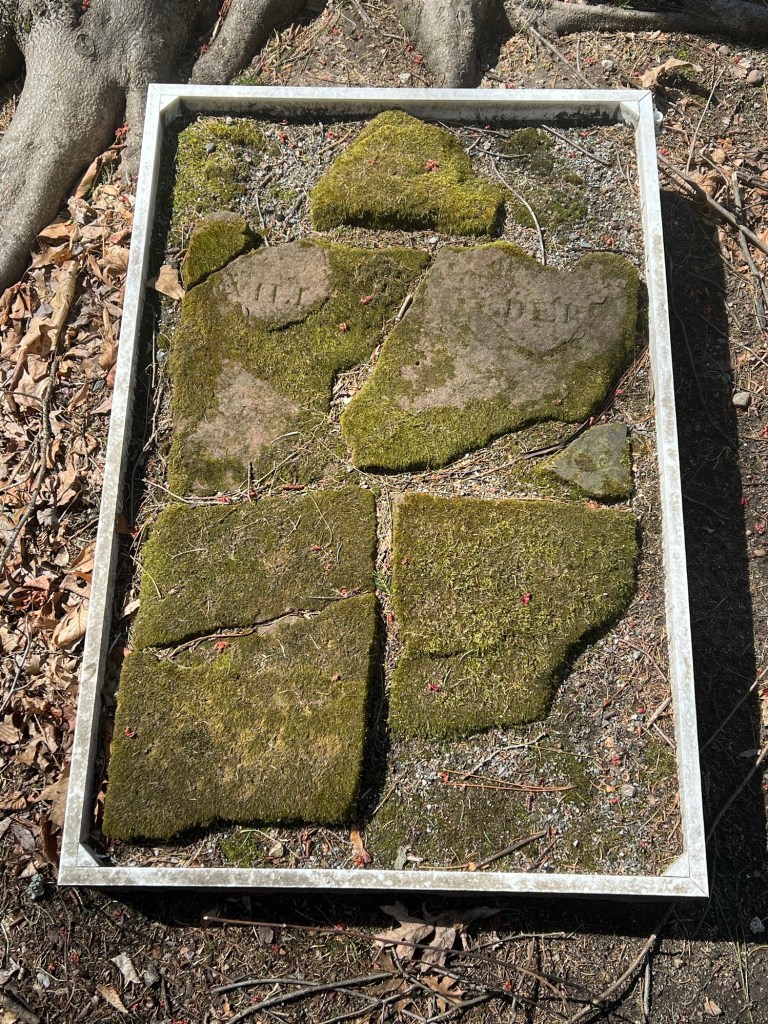
The broken and delicate tombstones

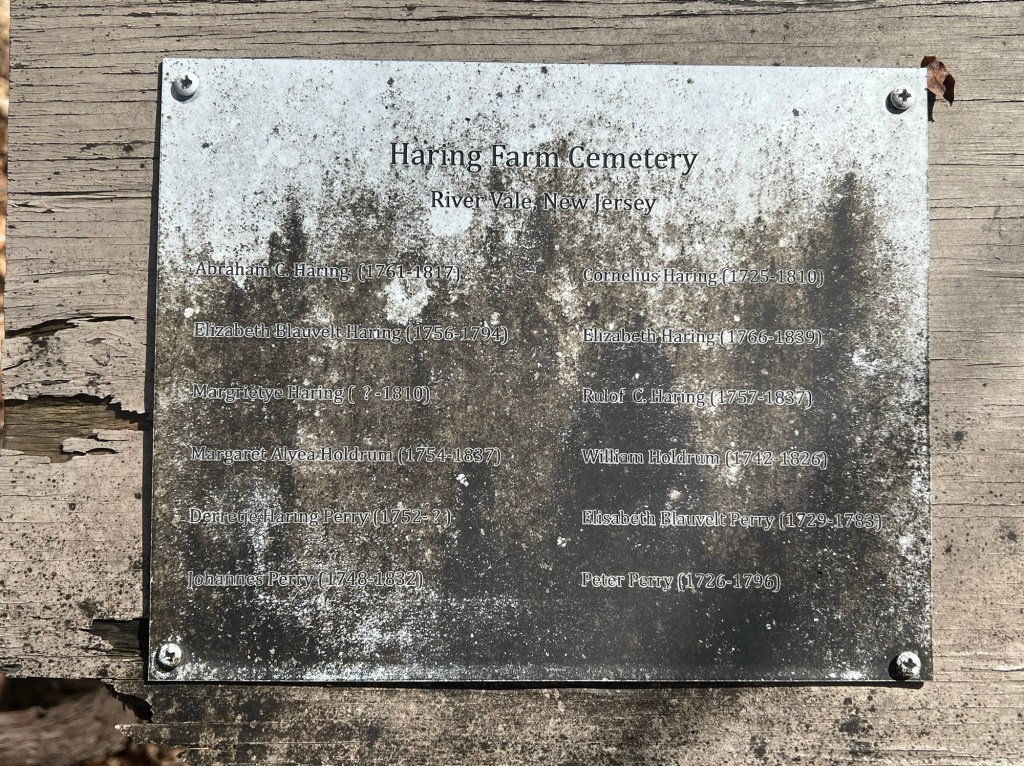
The members of the family who are buried here

The History of the Cemetery:

(Shayla Brown article)

The history of the site extends back to the 17th century. “The immigrant ancestor was Jan Pieter Haring, who came from the Netherlands in the early 1660s. He was the leader of a group that purchased 16,000 acres in the Bergen/Rockland area, after living first in New Netherlands, now Manhattan,” said family descendant Regina Haring (Brown, NorthJersey.com).

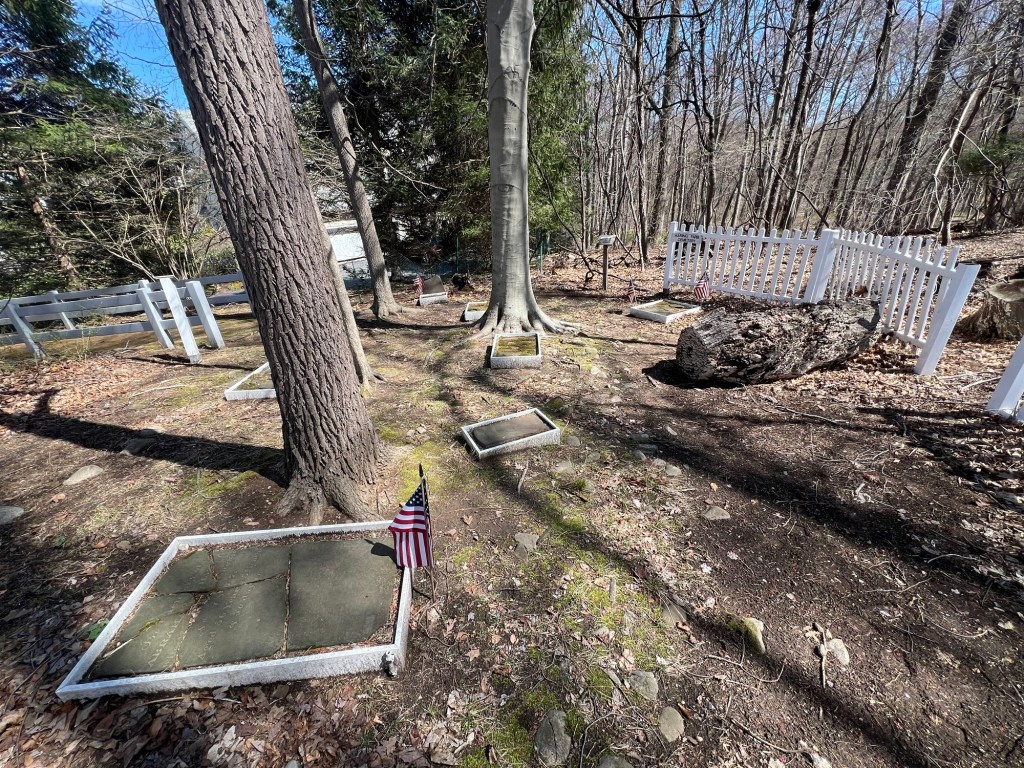
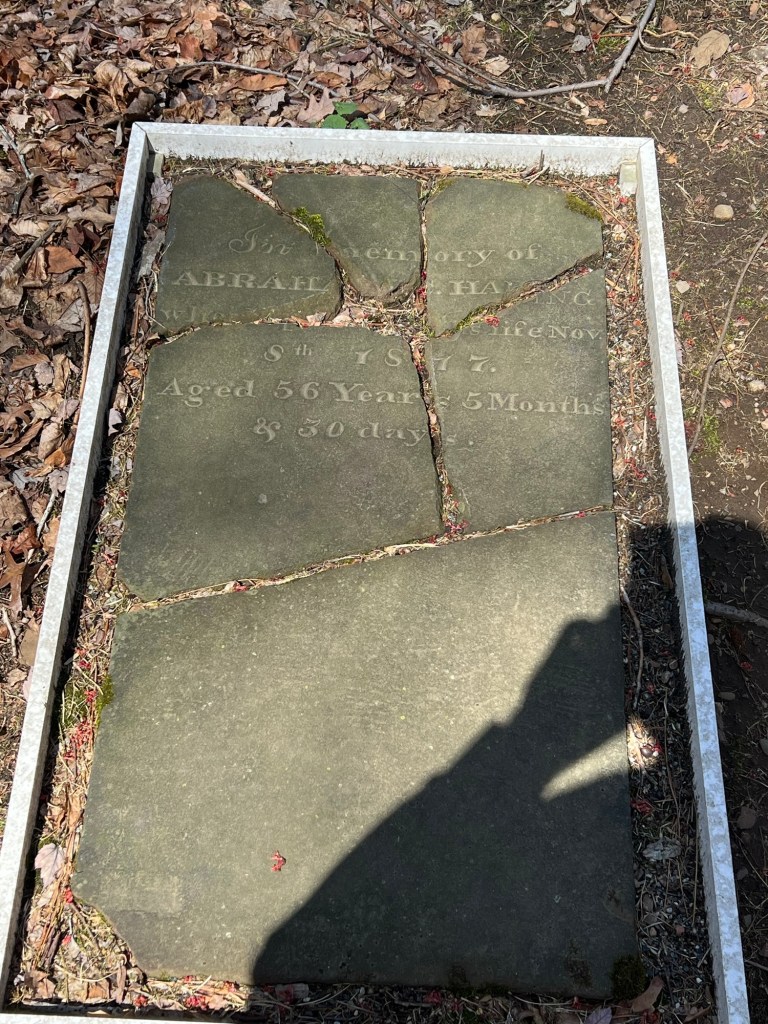
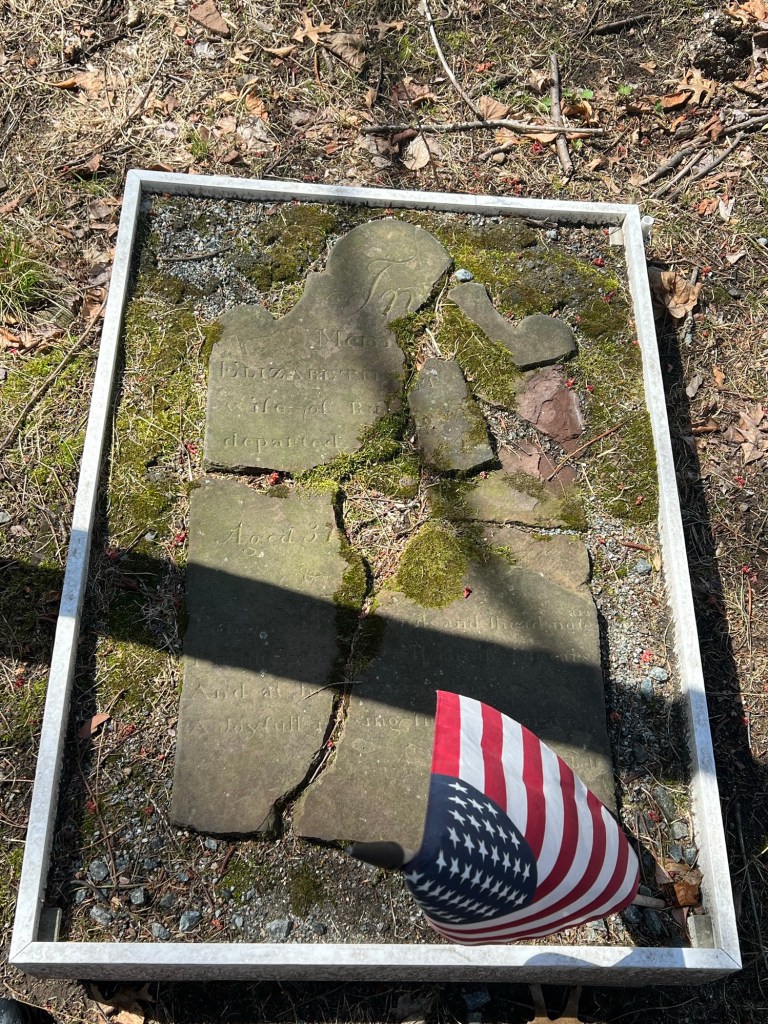
Each of the historic tombstones are encased in a plastic box

The teen who renovated this cemetery encased each of the tombstones to preserve the place and history of each person buried on the site. Most of the tombstones were left in pieces by the time the renovation had started. This small cemetery is dedicated to the people who once lived here and passed away at the farm.

The grave site of Margaret Alyea

The grave of William Holdrum

The grave of Abraham Haring

Another simple tombstone of Elizabeth Haring

Some of the tombstones needed a serious cleaning

The grave of Elizabeth Blauvelt Haring

The cemetery from the entrance of the site

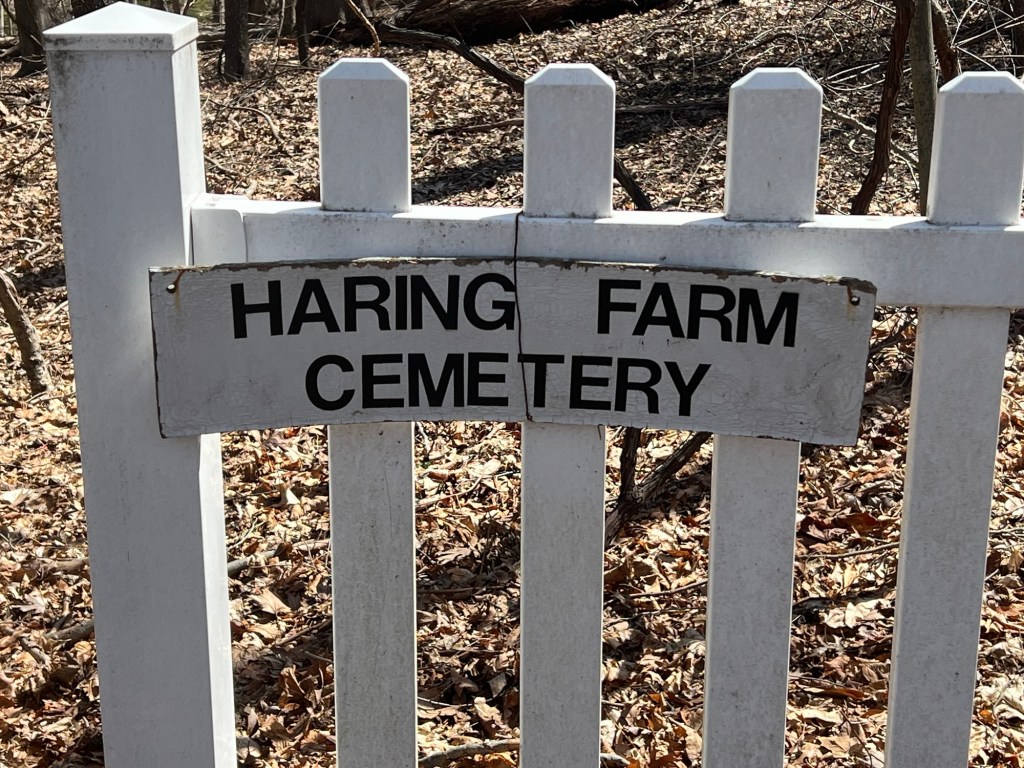
The sign on the site marking the fencing for the Haring Farm Cemetery

The cemetery is an interesting example of rural life in Bergen County when these early Dutch families would bury their loved ones on the family property rather than in the local churches.

My Class visit:

I stopped in at the Haring Farm Cemetery for a tour for their class project on Historical Cemeteries for the ‘Bergen 250’. This is for another Bergecco-Parc Consulting Inc. project.

So I got there early, raked the cemetery and tidied up the tombstones and cleaned and organized the signs. It looked so much better.

The Haring Farm Cemetery the morning of the tour. Much more respectable looking.

The class tour

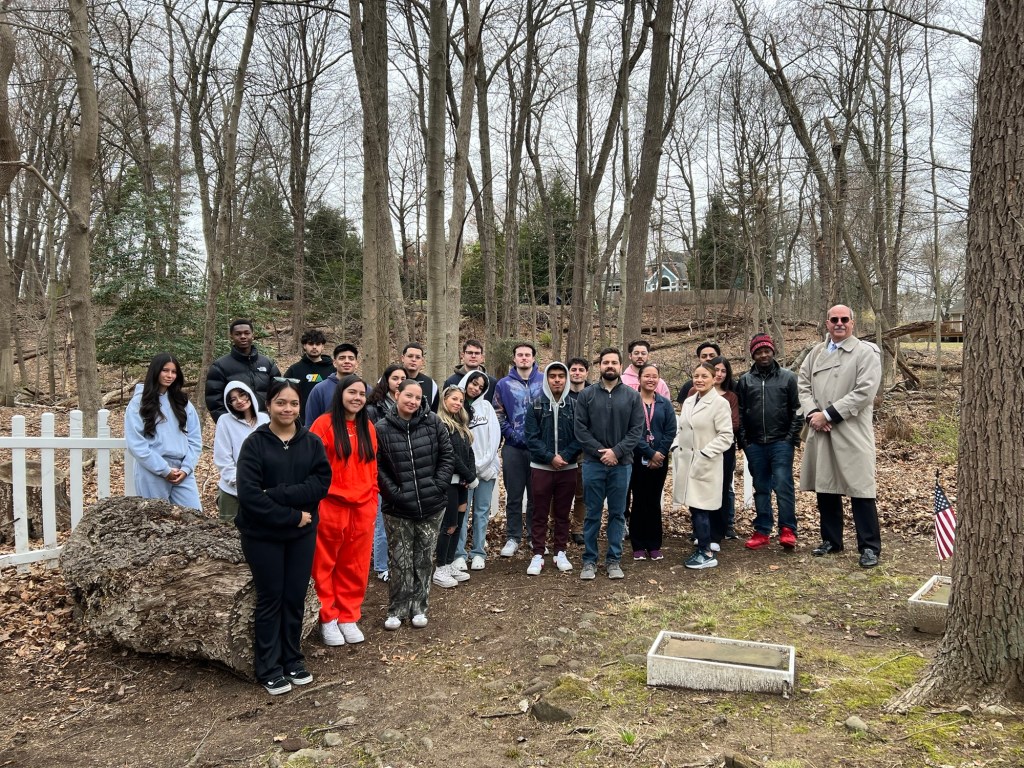
The class group picture at the site

Day Three Hundred and Thirty-Four Private Members Night at the Museum of Modern Art ‘Abstraction Unbound’ (MoMA)                            March 25th, 2025

Day Three Hundred and Thirty-Four Private Members Night at the Museum of Modern Art ‘Abstraction Unbound’ (MoMA) March 25th, 2025

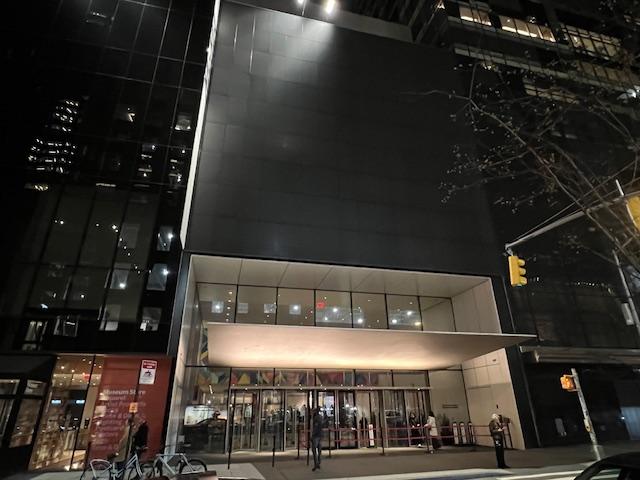
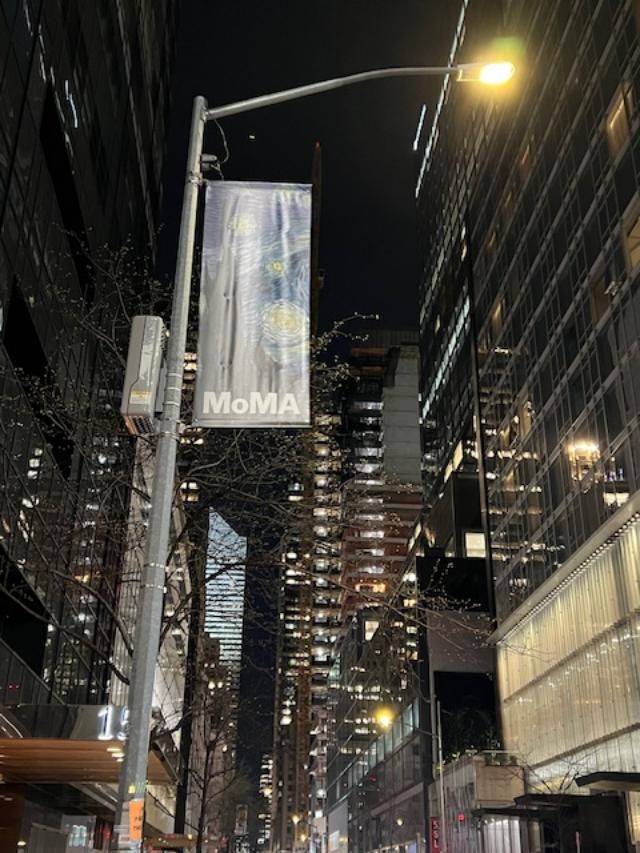
The Museum of Modern Art at 11 West 53rd Street

The entrance of the museum on West 53rd Street

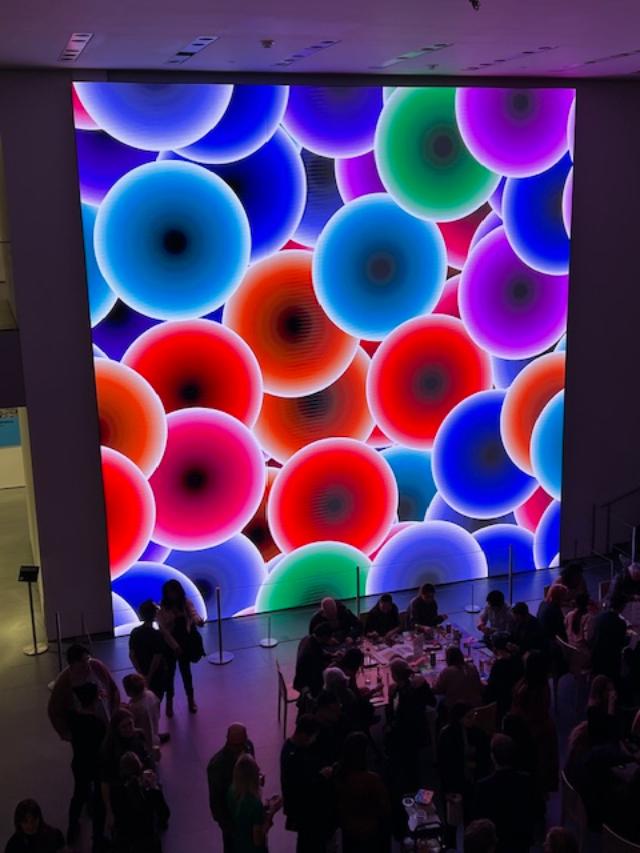
The dazzling works inside its doors

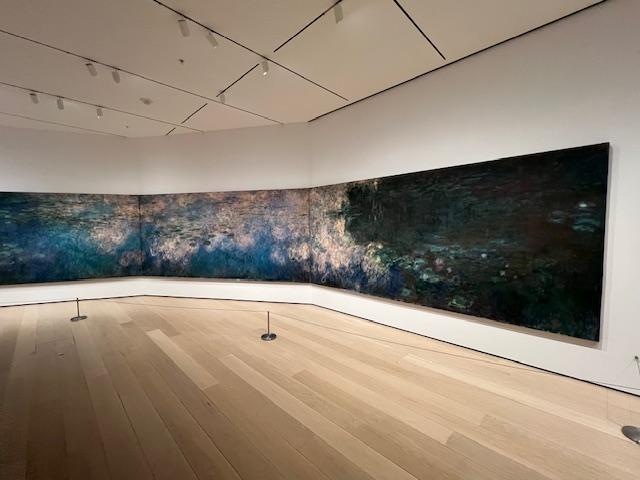
Claude Monet’s “Water Lilies”

Boro of Lakehurst Historical Society Museum                         300 Center Street                                                    Lakehurst, NJ 08733

Boro of Lakehurst Historical Society Museum 300 Center Street Lakehurst, NJ 08733

Boro of Lakehurst Historical Society Museum

300 Center Street

Lakehurst, NJ 08733

(732) 657-8864

https://lakehurstmuseum.org/

Open: Sunday 12:30pm-3:00pm/Monday-Tuesday Closed/Wednesday 12:30pm-3:00pm/Friday-Saturday Closed

Admission: Free but donations are accepted

My review on TripAdvisor:

https://www.tripadvisor.com/Attraction_Review-g46549-d23615473-Reviews-Lakehurst_Historical_Society_Museum-Lakehurst_New_Jersey.html

The Lakehurst Historical Society at 300 Center Street

I visited the Lakehurst Historical Society Museum on a trip to South Jersey and was taken by the depth and stories that the displays told of this community, its historical background, the influence on shore communities and the nearby site of the 1937 Hindenburg disaster. They even had artifacts that people collected and saved from the disaster.

The former decommissioned Catholic Church houses the collection of the history of the community

The History of the Church as a Museum:

When the Borough of Lakehurst faced increasing population, Manchester Township started construction of the new church in 1972. The members of the Lakehurst Historical Society met with the head of the church and discussed plans to convert the church into a small museum. The request was granted through the Trenton Diocese. The grand opening was on July 18th, 1993 (Museum pamphlet).

The building is surrounded by the resting place of many citizens of the community

The surrounding cemetery of prominent families

The history of St. John’s Church:

William Torrey, the founder of Lakehurst, donated land to the Irish immigrants to build the first Roman Catholic Church in Ocean County, New Jersey. The first mass was observed in 1874 in St. John’s Church. Today this little white gem is the popular museum of the Boro of Lakehurst Historical Society (Museum pamphlet). The museum was established in 1993.

The Mission of the Museum:

Our objective is to preserve the history of Lakehurst, NJ.

The main gallery of the old church tells the different stories of this community

The beautiful and historical stained glass windows decorate the sides of the museum

The history of the air travel through blimps and how this type of travel changed transportation between Europe and the United States

A docking ladder to leave the air ship

The history of this type of air travel

The types of blimps docking in the area

The docking stations at the air field in Lakehurst, NJ

The Hindenburg disaster which happened nearby ending our international travel on the zeppelins

Some of the artifacts saved from the wreckage of the Hindenburg disaster

Another form of transportation in the region was the now defunct Blue Comet Train, which was a major form of transportation from urban areas to the shore communities.

A model of the ‘Blue Comet Train’

The model of ‘The Blue Model Train’

The History of the ‘Blue Comet’:

The Blue Comet was the dream and the folly of R.B. White, the President of the Central Railroad of New Jersey. He developed the train line with such luxury and distinction that for the classier set, there would be no other way to come to the Jersey shore. The color blue would permeate through the whole line.

The line operated like a luxury hotel and never turned a profit. At the start of the Depression, the cost of the trip became prohibitive and the shore destinations it catered to fell out of favor to the wealthy. The last run was on September 28th, 1941 (Museum pamphlet).

Community activities through the years such as the Lakehurst Baseball team are displayed in the museum.

The Lakehurst Baseball Team display

The back of the museum displays life in Lakehurst over the last century with many artifacts donated from clothes, household items and personal artifacts from many families who have lived in the community.

The every day items of a Lakehurst daily living in clothing and furnishings over the last century

One of the standout items was this beautiful Civil War era Swiss music box that was played for me

The video of the music box:

The antique music box

Many other household and personal items have been donated by community members tell the day to day life of members of all classes of the community

Clothing, toys and decorative items

Decorative items for the home, clothing and personal items

Antique toys from the turn of the last century

A display of school items used in the classroom. Not much has changed

The mapping and history of Lakehurst’s agricultural past

The farm and construction building equipment of the past

Community social routines of every day life were on display in the museum.

Local shopping and dress making in the early 1900’s. There was even old advertising from Bambergers on display

More household artifacts

The progressive history of the town over the last century

Mr. & Mrs. Torrey, the founders of Lakehurst, NJ whose land the town grew upon

The History of the Torrey family:

Samuel Whittemore turned over a mile square tract of land (640 acres) as a wedding gift to his daughter, Adeline and her husband, William Torrey in 1821. Torrey mapped out the land (now known as Lakehurst). Adeline Torrey named most of streets after trees and flowers and William lined Union Avenue with Elm trees.

William Torrey was a devout Presbyterian but donated the land in 1869 to build the old St. John’s Church. The first Mass was in 1874 (Museum pamphlet).

Artifacts from Lakehurst’s manufacturing past of Brickmaking

Telephone operators station

Artifacts from the town’s Military past

WWI military helmets

Domestic life changed when people returned from battle. Many of these items created during the war years are still with us.

Domestic items through the years

The glass bottle collection

The glass bottle collection

Artifacts from the transportation and rail industry

The jail cell from the old police station

Blogger Justin Watrel in the display

The home life of the residents of Lakehurst

The most unusual artifact in the collection, the stuffed dog, ‘Stuffy’ who used to welcome residents to the local hardware store.

The sign for the Lakehurst Hardware store

The stuffed dog, ‘Stuffy’ from the Lakehurst Hardware store

The museum does a nice job telling the story of this small Southern New Jersey community and the growth of shore towns locally.