Category: Small Museums and Galleries in New York State

Brinckerhoff House Historic Site/East Fishkill Historical Society                                                                                          68 North Kensington Drive                                            Hopewell Junction, NY 12524

Brinckerhoff House Historic Site/East Fishkill Historical Society 68 North Kensington Drive Hopewell Junction, NY 12524

Brinckerhoff House Historic Site/East Fishkill Historical Society

68 North Kensington Drive

Hopewell Junction, NY 12524

(845) 227-4136

https://www.facebook.com/profile.php?id=100057186982344

Admission: Free

Open: Sundays 1:00pm-4:00pm/Monday-Saturday Closed/June-August

My review on TripAdvisor:
https://www.tripadvisor.com/Attraction_Review-g47922-d24829233-Reviews-Brinckerhoff_House_Historical_Site-Hopewell_Junction_New_York.html

The Brinckerhoff House Historical Site

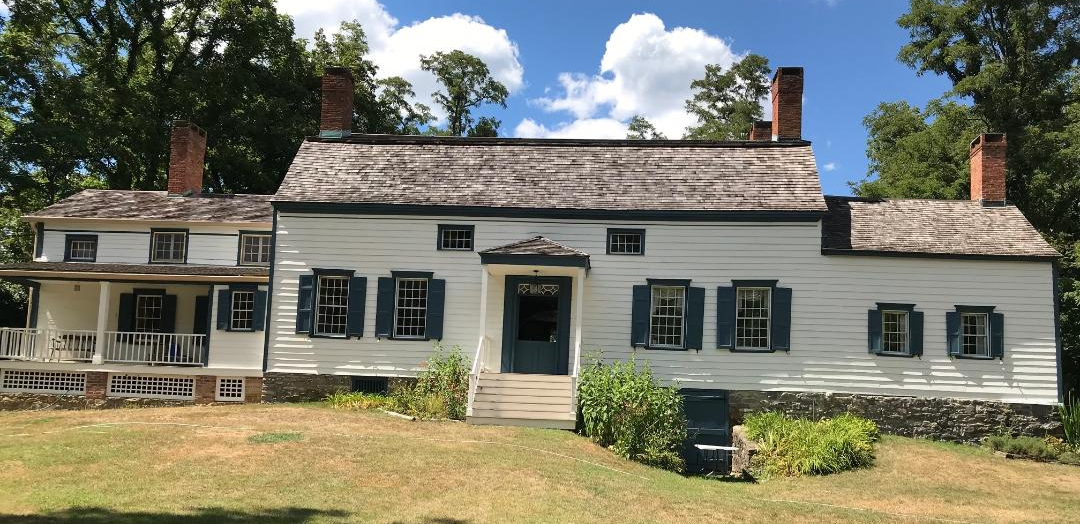
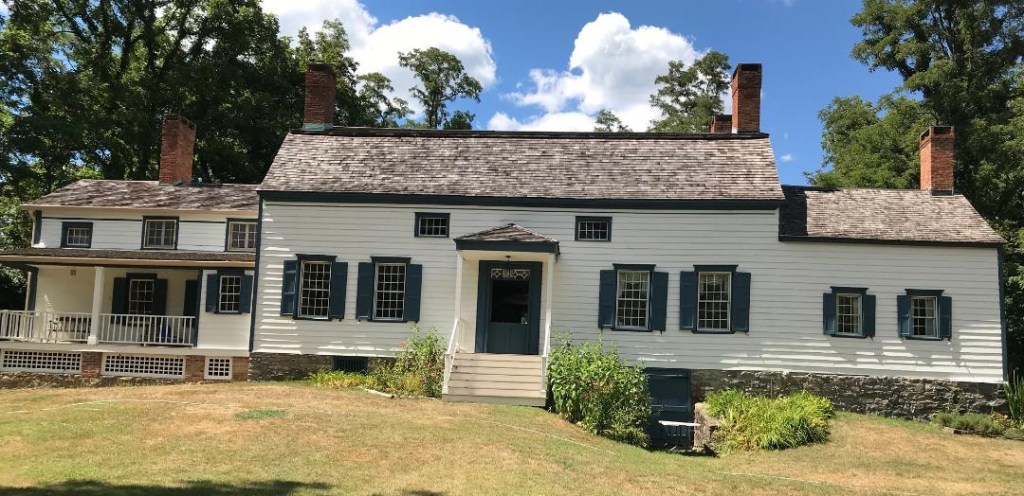
The Brinckerhoff House Historical Site was built in three different time periods with the oldest part of the house to the right, the main part of the house was built second and the Sun Room and porch to the left was built last. The house opens up in all parts but you can see the distinct different in the style of the design.
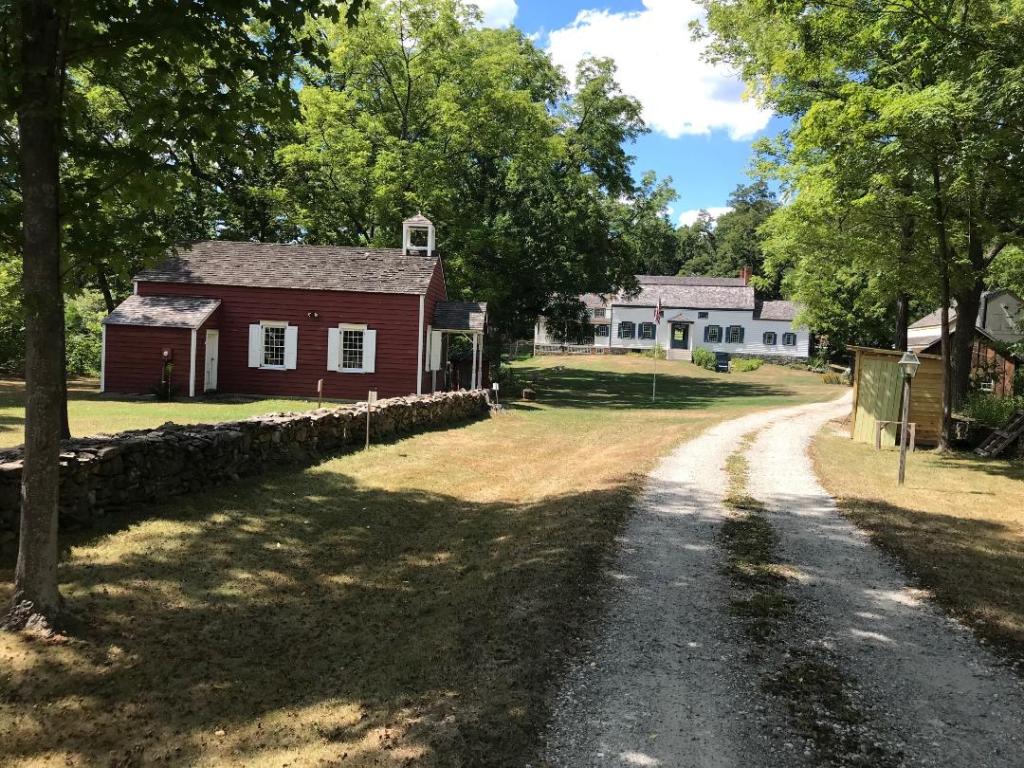
The entrance of the original homestead

The entrance of the Homestead has the schoolhouse and icehouse to the left of the entrance and the blacksmith shop and the carriage house to the right. The Blacksmith shop has a real blacksmith on duty working when the house is open for tours.

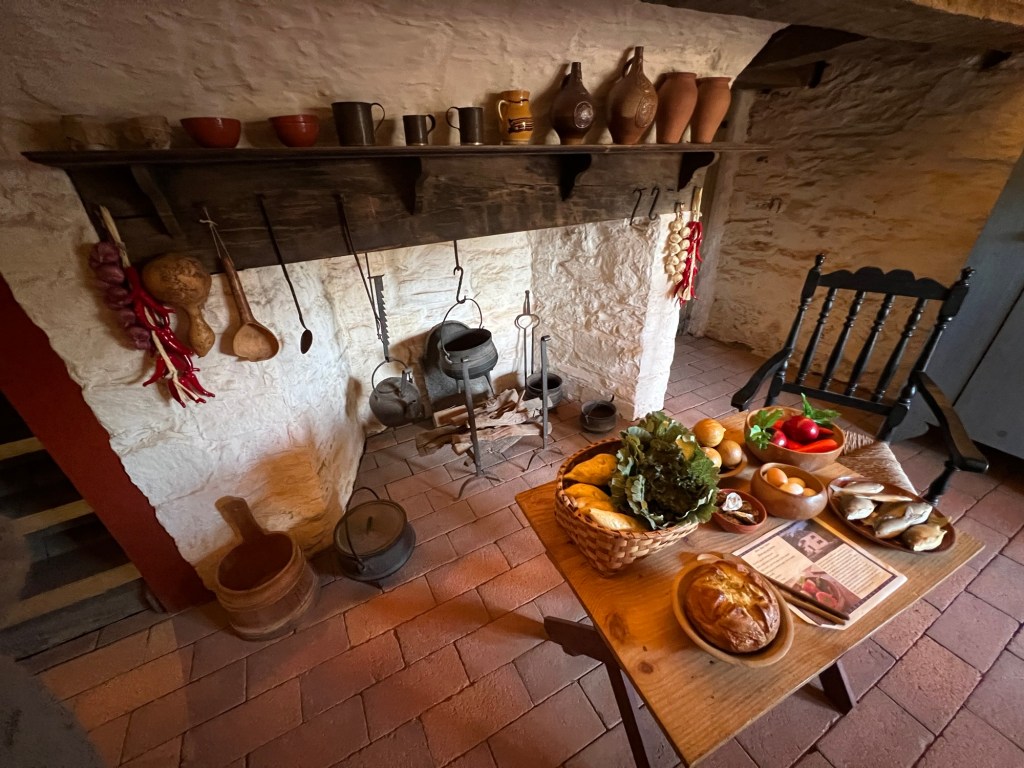
The original section of the house in the “Everything Room” where cooking, dining and socializing took place for the first generation of the family. This is the original part of the home that was built around 1755 by John G. Brinckerhoff and his bride, Marie Terboss for their family. There was a single upper room for the family as well. The main room is where all the cooking, eating, socializing and work was done by the family.
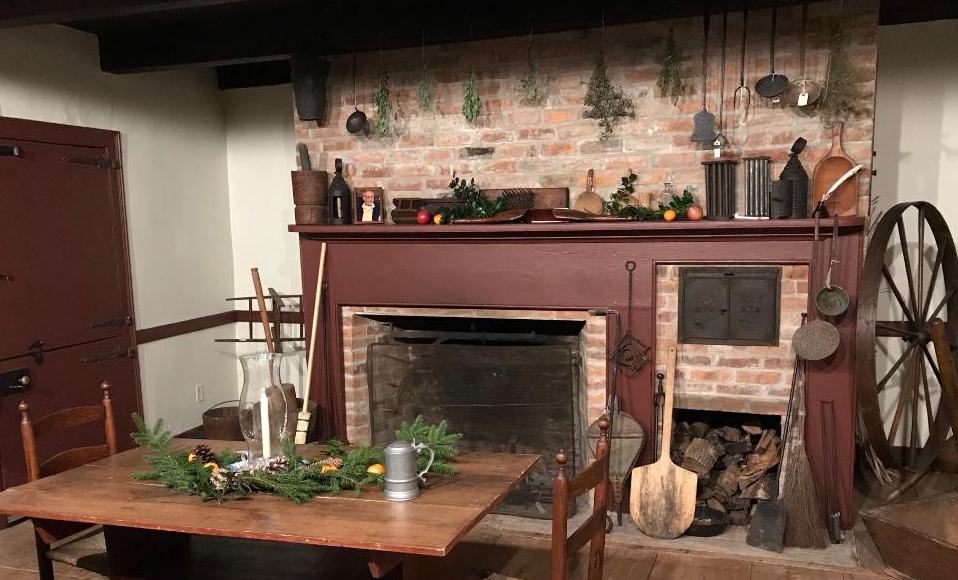
The original Brinckerhoff Kitchen in the first section of the home

When their family grew, the moved out and John’s brother, George G. and his wife, Elizabeth Wilcox moved into the house. After the Revolutionary War was over (both brothers were captains in the local militia), George G. added the main addition to the house with four additional rooms in the eastern wing of the house.

The addition showed the affluence of the family in that they could have separate rooms for socializing and higher ceilings meaning that they could heat the house properly.
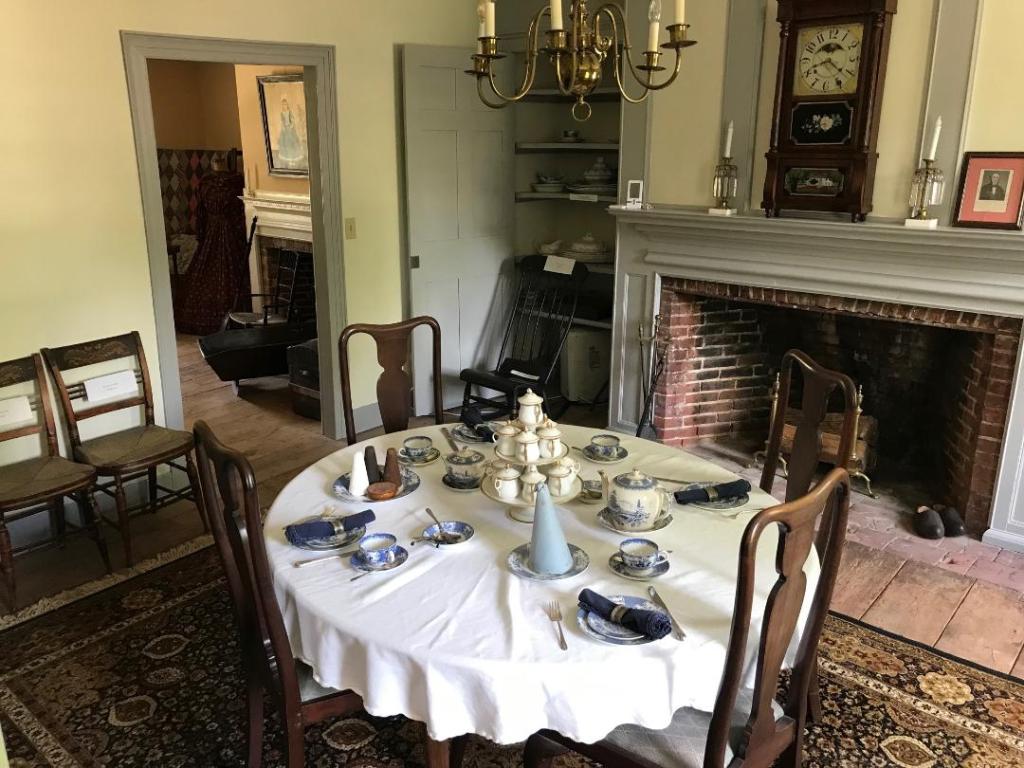
The formal Dining Room in the Victorian times set for entertaining. A hot chocolate service is on the table which was a luxury at the time.

The formal Living Room is where socializing and work was done. Spinning and needlepoint as well as dressmaking where done by the ladies here.
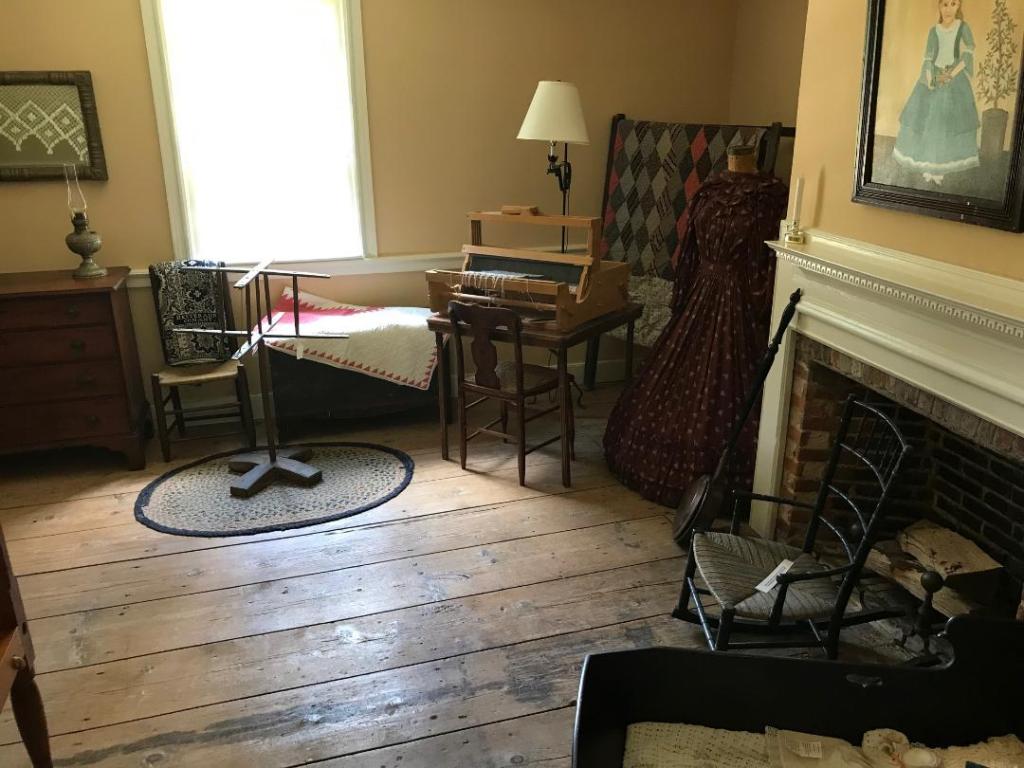
The Living Room at the Brinckerhoff House

In the main hallway of the addition to the home services as a display area for all sorts of artifacts that deal with the different time periods of the home. These items are from the Revolutionary War.
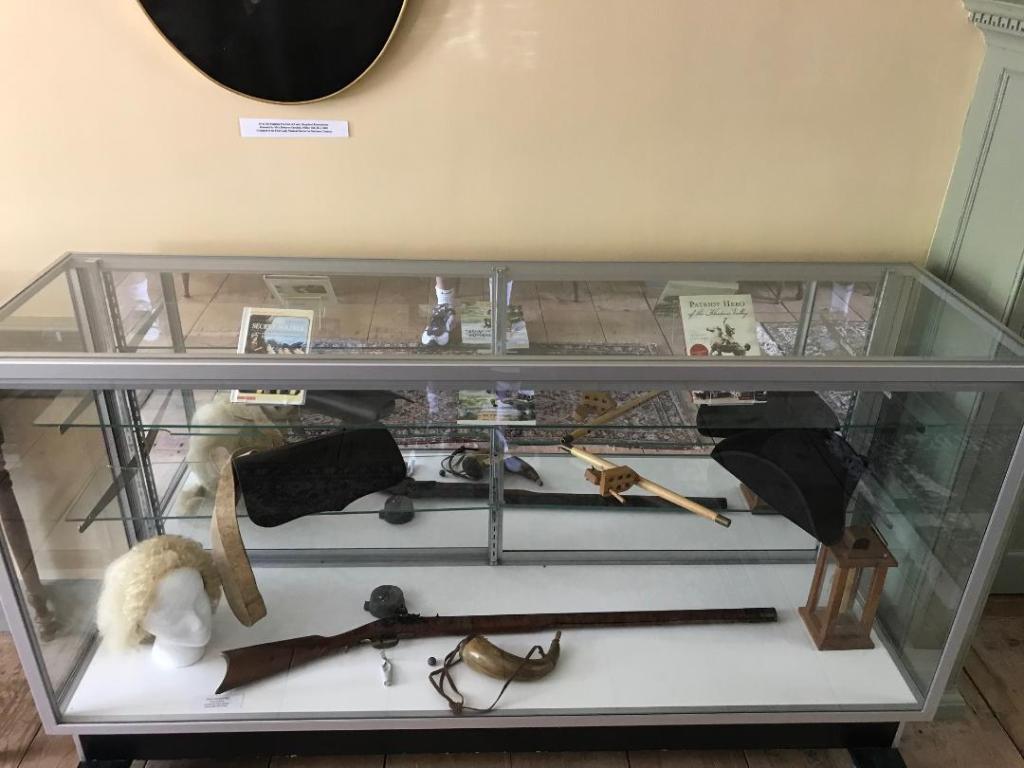
Display cases in the main hall

Visiting the Historical Society at Christmas time and for the their Afternoon Tea:
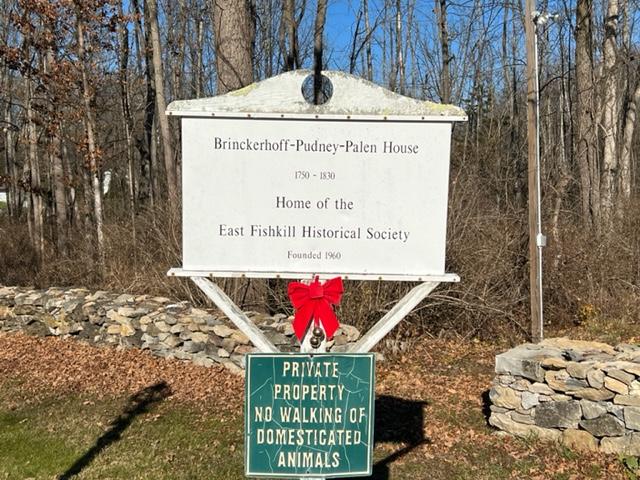
Arriving at the Brinckerhoff House for the holidays on a beautiful sunny day

During a recent Christmas event held at the house in December of 2022, the house was decked out for the holidays. The Brinckerhoff house held its annual Holiday Tea, which it not held since 2019 due to COVID. This popular fundraising event was sold out that day.
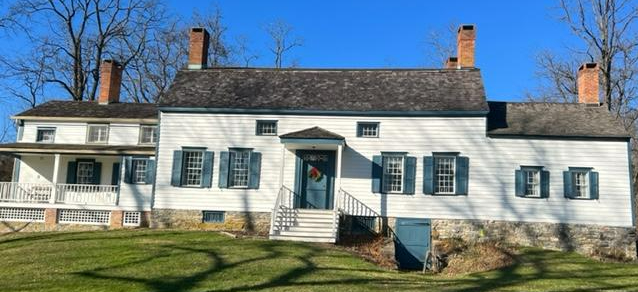
The Brinckerhoff House ready for the holidays in December 2022
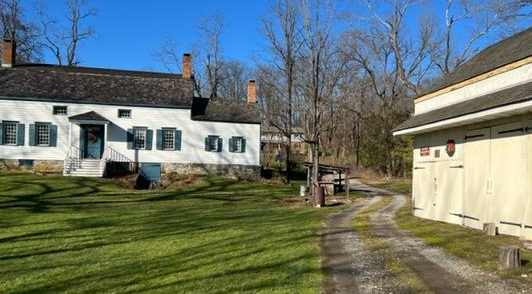
Approaching the house on the estate. The Van Wyck Barn is to the right.

Santa’s Sleigh for when Santa comes to visit the Brinkerhoff House

This sold out event really showcased the beauty of the house during a Revolutionary Christmas. Homes would be decorated in natural garlands and fruits of the season and the house would be decorated with candles. There was a Christmas tree in the home but that would not be seen until the Victorian era.
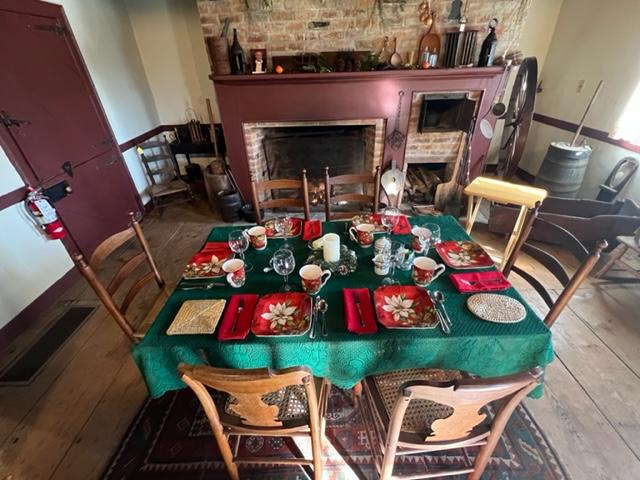
The Keeping Room decked out for the Afternoon Tea at the Brinkerhoff House
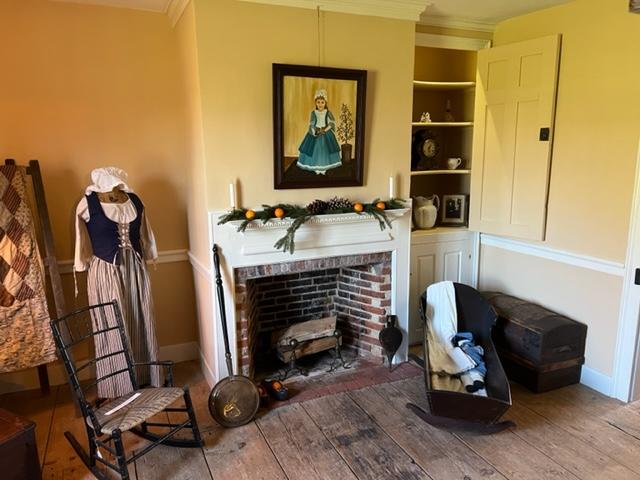
The Family Room at the Brinkerhoff House for the holiday in 2022
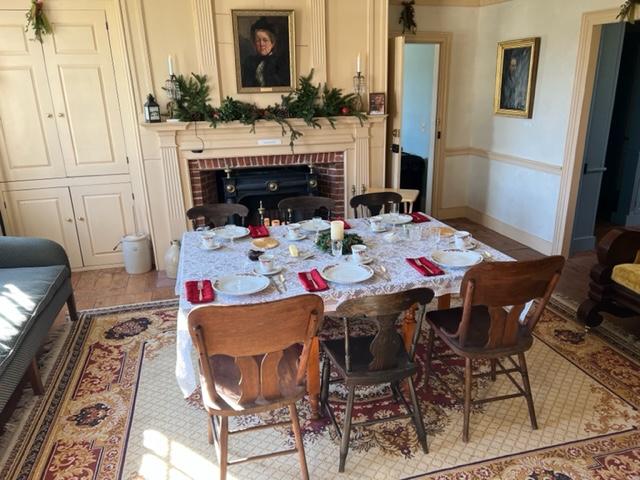
The Living Room decorated for the Afternoon Tea
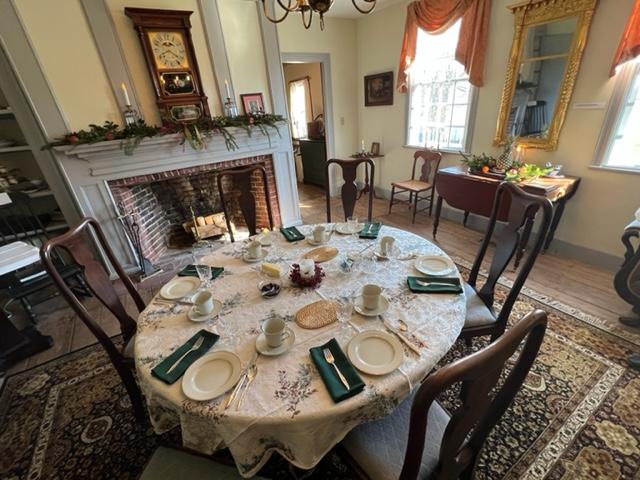
The Living Room decorated for the Afternoon Tea at Christmas 2022
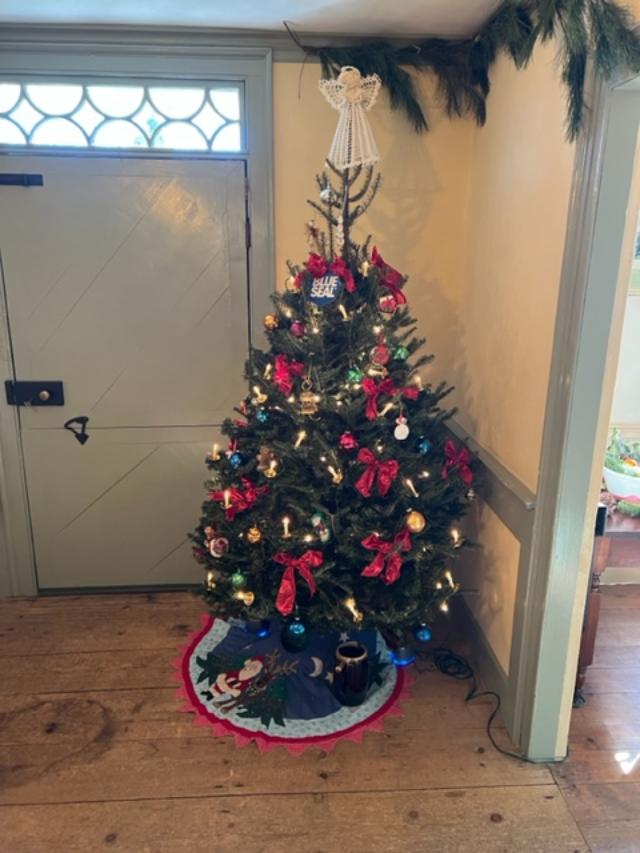
The family Christmas tree would not have been part of a Revolutionary Christmas but a Victorian era decoration in the late 1800’s
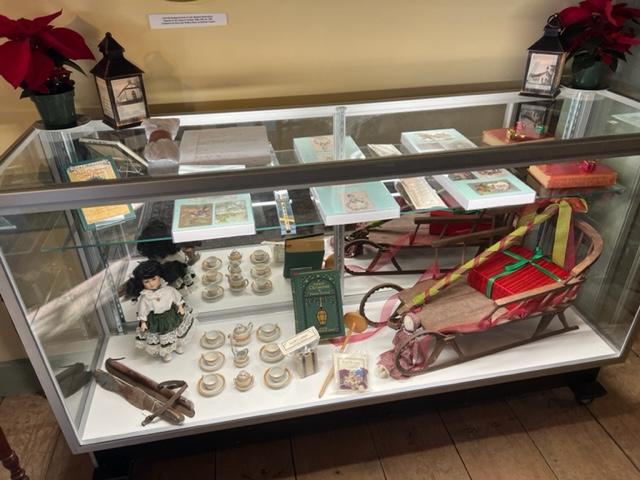
A Children’s wish list for Santa during the Victorian era with all sorts of playthings; dolls, sleighs, tea sets and books

The Strawberry Festival in Spring 2025:

Please read my entire blog on “Attending the Strawberry Festival at the Brinckerhoff House”:

The Brinckerhoff farm and estate. This used to cover hundreds of acres

The entrance to the property before the festival began

The Brinckerhoff House before the start of the Strawberry Festival

https://eastfishkillhistoricalsociety.org/

https://destinationdutchess.com/listingsv/the-brinckerhoff-house-east-fishkill-historical-society

https://www.facebook.com/p/Brinckerhoff-House-Historic-SiteHome-of-East-Fishkill-Historical-Society-100057186982344/

My review on TripAdvisor:

https://www.tripadvisor.com/Attraction_Review-g47922-d24829233-Reviews-Brinckerhoff_House_Historical_Site-Hopewell_Junction_New_York.html

My review on VistitingaMuseum.com:

https://visitingamuseum.com/tag/east-fishkill-historical-society/

When the festival began and before the Strawberry Shortcakes came out that afternoon, there were all sorts of activities and docent led tours. The first one that I went to was the 1820 Schoolhouse.

The historic sign for the 1820 One Room Schoolhouse of Upper Hopewell

The entrance to the schoolhouse

Even though the schoolhouse is from the early part of the 1800’s, it is amazing how it still relates to classrooms of today. I am still convinced it is the connection that students have with their teachers establishes the fundamentals of a good education and learning.

The schoolhouse from the back of the building

The inside of the classroom has not changed in two hundred years

The schoolhouse classroom is similar to today

I will be quite honest in saying that outside the potbelly stove, the classroom here is pretty much the same as the lecture halls that I see at our college campus.

Games and books of the past are similar to those of today

The items of the classroom of the 1800’s. I am not too sure the use of the Apple press but the children may have had chores to do outside the classroom.

A discipline system that should be brought back

After the tour and talk at the schoolhouse and a talk with other educators on the status of the modern classroom (we all had a lot to say on this), I went over to tour the barn.

The Van Wyck Barn

The historic sign of the mid-1800’s barn

The historic marker of the 1845 barn

The actor who was working at the barn told us about wood making and about saws and how to maintain them for work on the farm.

Next to the barn, there was a small blacksmith building where the volunteer was demonstrating items that would have to been made or maintained to keep work on the farm going. Never a dull moment on the farm.

Keeping the fires going and a certain amount of heat is needed to fix these items and create the objects needed on the farm.

The objects and items made at the blacksmith

I know that these tours may seem hokey to some but the volunteers who were at both the barn and the blacksmith were really interesting in their demonstrations. There was a lot of time, talent and creativity needed to keep these aspects of the farm in working conditions.

The rains had really made the grounds lush and all the flowers and trees were in full bloom. The gardens were really well maintained and it was really pretty to walk arounds the grounds of the house.

The gardens by the schoolhouse

In the little pen by the Ice House, they set up a small petting zoo with little goats who looked terrified of us. If we had something to feed them, trust me they would have been less shy.

These little lambs were so cute

I was trying to wave them down but they huddled together

Walking around the grounds

The Icehouse was closed that day

The crowds were starting to get bigger around 1:30pm because that was when the Strawberry Shortcakes were being served.

Since they were a little behind as the high school students were inside preparing the Strawberry Shortcakes, I decided to tour the Brinckerhoff House again. They had a Butter Making class going on in the old kitchen section of the home and there were early American displays in all the cases. All the first floor rooms were open and I got a chance to see some of the new artifact donations.

There were all sorts of displays of clothing, furnishings and assorted dish ware on display in the Living Room and Dining Room.

Early American display of women’s clothing

Early American display of Men’s clothing

The Dining Room on the first floor was all set for tea

The Dining Room led to the bedrooms and the old kitchen

The old Main Bedroom on the first floor

Some the artifacts in the second floor bedroom

Some of the paperwork and artifacts in the main foyer

As I exited the house, I passed the door to the roof cellar. I did not think they would put this on the tour. Only the first floor of the house is open to the public.

The door to the root cellar

I took a tour around the grounds and passed the old outhouse

As soon as I finished the tour of the house and grounds the first trays of Strawberry Shortcakes started to come out and I never saw such a mad dash to get something.

The tent set up to sit and relax and eat

As I went to reach for a Strawberry Shortcakes on one of trays. I swear this woman grabbed two off the tray and practically barreled into me. I know they looked good but I could not believe the way some people behave. These were plenty of trays coming outside.

After I avoided the collusion, I was able to get one of the shortcakes off the tray and sit down. The Historical Society had plenty of seating under the tent and what was nice was they had ice cold lemonade as well. It made the perfect afternoon snack and the reason why everyone was here. When I had taken the initial tour of the property three years earlier, the tour guide told me that they went through 600 of these. I could believe it.

The Strawberry Shortcake with homemade whipped cream

I hate to say this but I waited almost four years to finally try this shortcake and admittingly it was well worth the wait.

The strawberries were so juicy and fresh. I was not sure if they were from a local farm but by the sweetness and juiciness these were not imported.

Yum!

The family remained in the house until the death of George G. in 1812 when his brother moved back in and then it was sold to Thorn Purdy in 1814. The Purdy family added the west wing of the house in 1830 that houses a small summer kitchen with a fireplace, crane and small brick oven.

The house was donated to the East Fishkill Historical Society by developer Gustav Fink in 1974 along with three acres when he could not sell it for redevelopment.

History of the Brinckerhoff-Pudney-Palen House:

(From Museum Pamphlet)
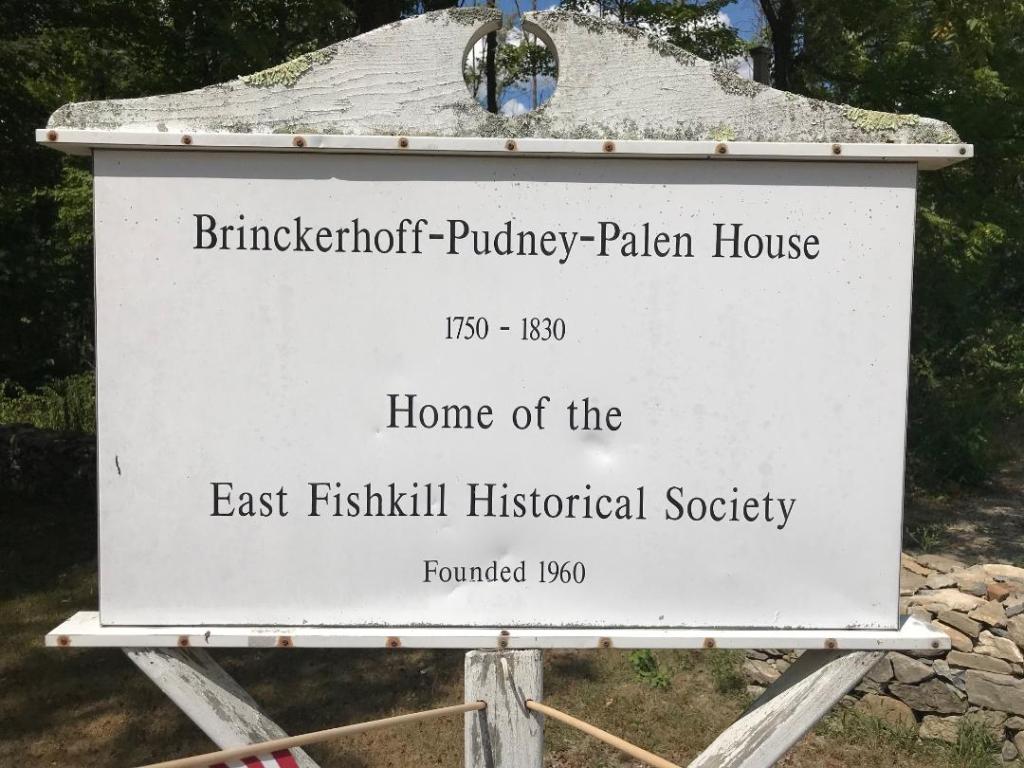
Around 1755, John G. Brinckerhoff and his bride, Marie Terboss purchased the land that the home sits on today. The original structure consisted of one room that included a kitchen with a large fireplace and beehive oven and a single upper room.

When their family their family grew, the house and farmed were conveyed to John. G.’s brother, George G. Brinckerhoff and his wife, Elizabeth Wilcox. In 1755, John G. and George G. were given commissions as Lieutenants in the Dutchess County Militia. Both men were promoted to Captain and were active with the Committee of Safety of the Rombout Precinct.

After the war in 1785, George G. built a four-room addition to the original east wing of the house. This is the largest section of the house and contains a spacious center hall, graced by elegant architectural features. The small paned windows, enclosed staircases, Dutch doors and wrought iron “HI” hinges were characteristics of the 18th century. A small shed was added around the same time.

When Captain George G. Brinckerhoff died in 1812, Captain John G. Brinckerhoff took possession of the farm again and in 1814 sold it to Thorn Pudney who christened it “ARCADIA”. The Pudney family would remain at “ARCADIA” for the next 60 years. In 1830, the family added the western wing of the house featuring a small summer kitchen complete with a fireplace, crane and a brick oven with an iron door cast at Fishkill Landing. It also contains an indoor stone cistern in the basement to collect rainwater for cooking, washing and drinking.

In 1875, Edward Palen purchased “ARCADIA” from Thorn Pudney’s son Jacob and changed the character of the farm by focusing on dairy production. It was very convenient to ship their milk to marker in New York City via the rail line two miles away at Hopewell Junction.

Edward Palen’s son, James H. would eventually take over the farm. The Palen farm produced their own lumber from the trees grown on the farm. As James Palen’s health began to fail, the farm was sold to Banton Moore in 1926, who rented it to Gene Satterlee. Gene continued dairy farming for many years until a fire burned the cow barn in 1970.

The house and the farm were sold one last time in 1974 to local developer Gustav Fink, who after many unsuccessful attempts to sell the house to be restored gave the house and three acres to the East Fishkill Historical Society. At this time, the old farmhouse was in a poor state of repair.
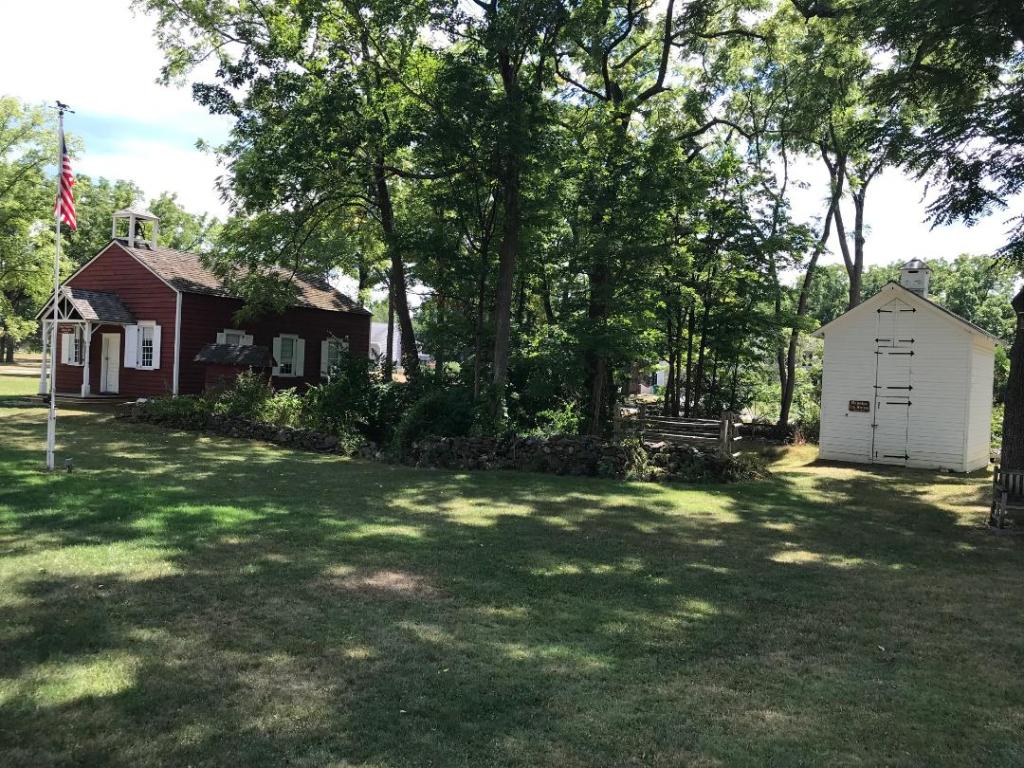
The Brinckerhoff Historical Sites Schoolhouse and Icehouse on the estate

Through the continuing efforts of the East Fishkill Historical Society’s members and many years of fundraising and restoration, the Brinckerhoff-Pudney-Palen House has once again been resurrected to its original condition and stands as a fine example of an original Hudson River Valley Dutch farmhouse.

On the grounds are also the 1870 Icehouse, the 1826 Schoolhouse, the 1880 John Hyatt Blacksmith Shop and the 1845 Carriage Barn from the Van Wyck family.
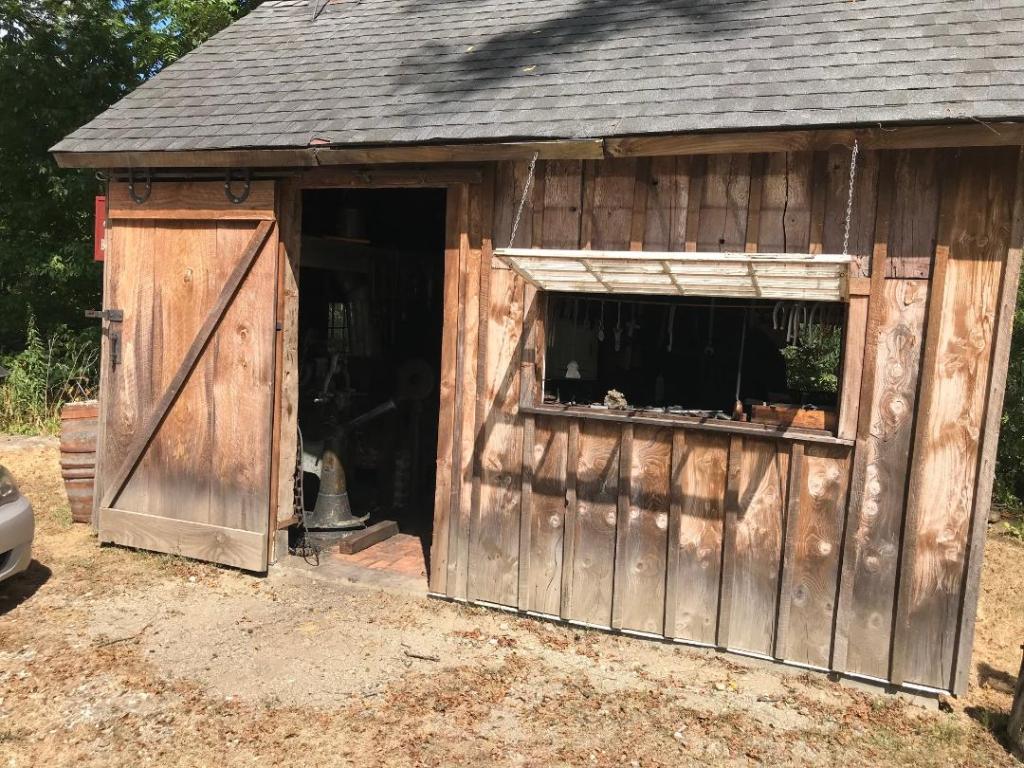
The 1880 John Hyatt Blacksmith Shop
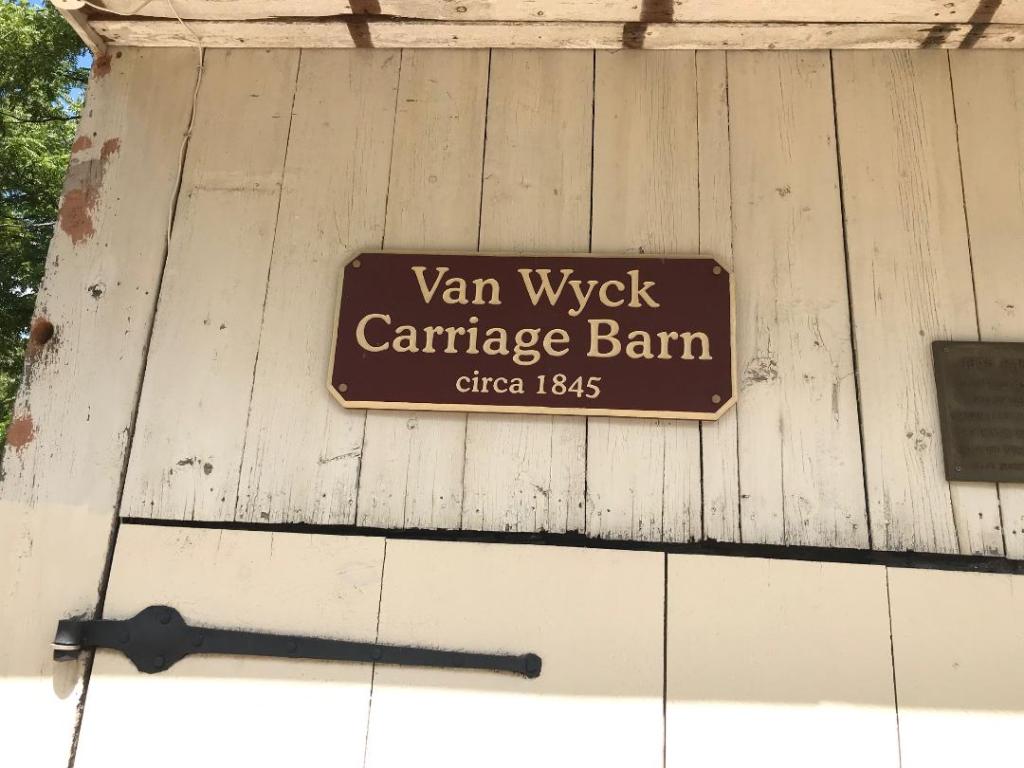
The Van Wyck Carriage Barn from 1845
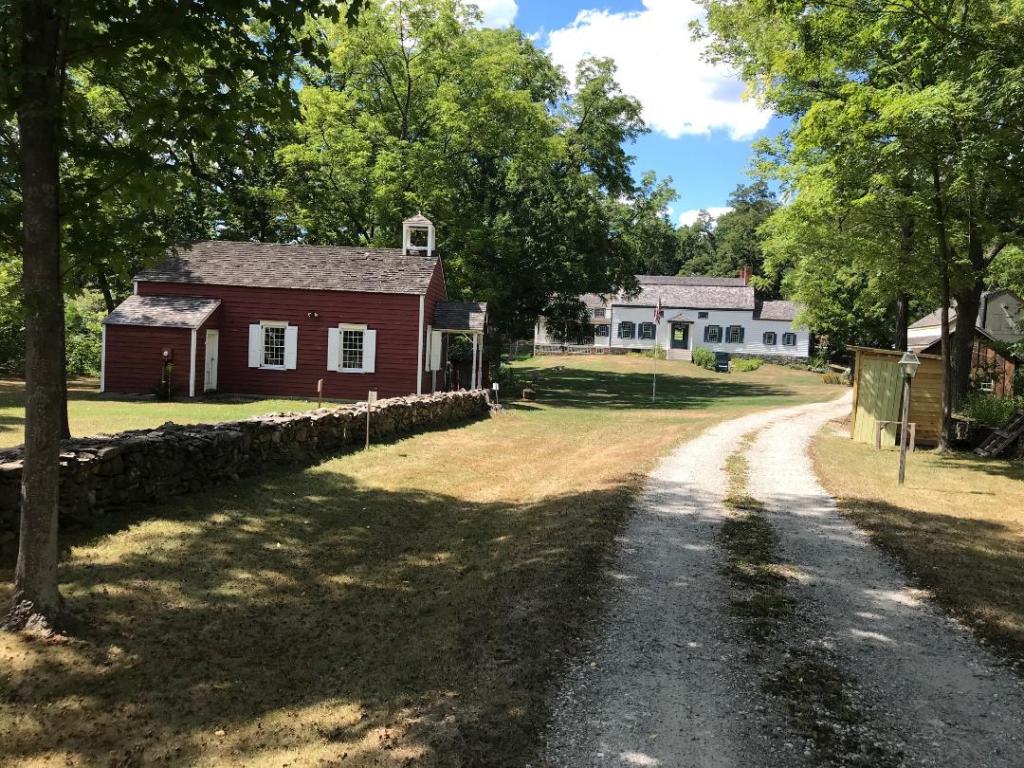
The entrance to the Brinckerhoff home with the Schoolhouse from 1826 to the left and the Blacksmith Shop to the right and the main homestead of the estate.

Don’t forget to visit the Brinckerhoff House gift shop at the end of your tour! This helps with the fundraising efforts to support this wonderful home.
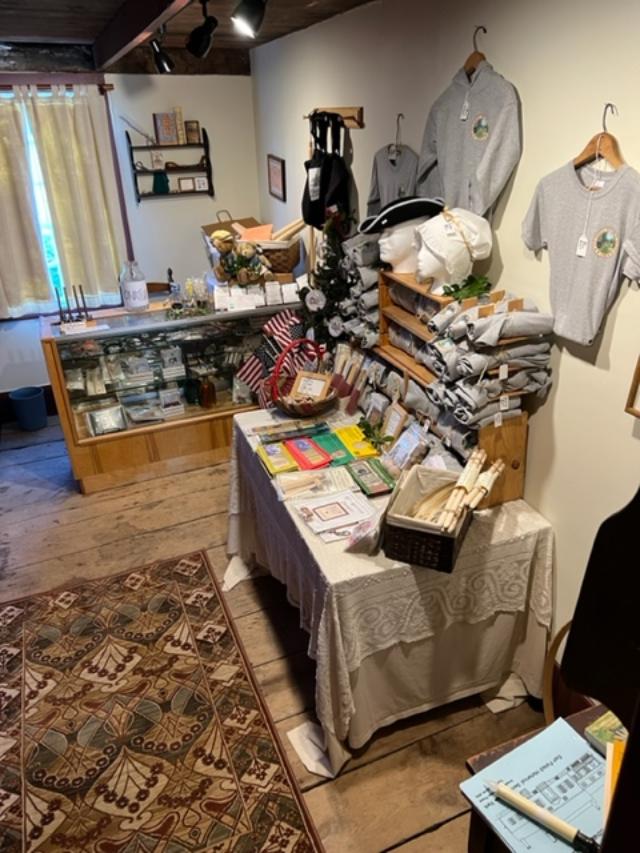
The Brinckerhoff Gift Shop

Hessel Museum of Art-Bard College Campus                         33 Garden Road                                                                  Annandale-On-Hudson, NY 12504

Hessel Museum of Art-Bard College Campus 33 Garden Road Annandale-On-Hudson, NY 12504

Hessel Museum of Art-Bard College Campus

33 Garden Road

Annandale-On-Hudson, NY 12504

https://ccs.bard.edu/museum

Open: Sunday 11:00am-5:00pm/Monday-Tuesday Closed/Wednesday-Saturday 11:00am-5:00pm

My review on TripAdvisor:

https://www.tripadvisor.com/Attraction_Review-g29820-d1069234-Reviews-Hessel_Museum_of_Art_at_Bard_College-Annandale_on_Hudson_New_York.html

The Hessel Museum on the Bard Campus

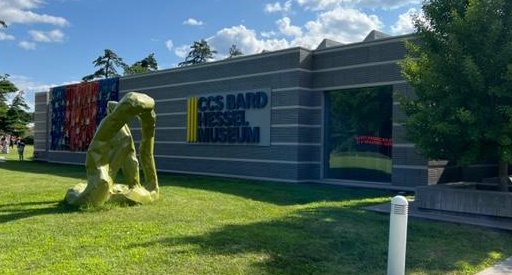
When I was visiting Rhinebeck for the recent Sheep and Wool Festival (See day One Hundred and Forty-Nine on “MywalkinManhattan.com), I decided to visit Bard College and their contemporary art museum, the Hessel Museum. When approaching the museum, it almost appears to be a fortress with several large pieces of contemporary sculpture on the grounds outside the building.

Day One Hundred and Forty-Nine:

https://wordpress.com/post/mywalkinmanhattan.com/10723

Once upon entering the museum, you are greeted by many welcoming volunteers who will check your vaccination card and ID and your mask and then you can enter the museum for viewing. At the time I was there, NY State still had a lot of their mandates.

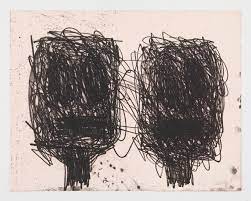
There were a couple of interesting exhibitions going on when I visited. The first one I visited that afternoon was “Closer to Life: Drawings and Works on Paper in the Marieluise Hessel Collection”, which was many of the works of the founder of Bard’s private collection that had been donated to the school. I have to admit that the works were very contemporary with lots of squiggles and political themes.

The show piece from the exhibition

Many of the works you had to look at a second time to try to find the meaning in them. I was having a tough time relating the titles to the works. Reading the exhibits press release, the exhibition said “Hessel’s dedication to the depiction of the human figure as an essential act of examining the self and social relations. The exhibit focuses, with a few exceptions, on drawing as a discrete, stand-alone practice and preoccupation of artists rather than as a tool to create studies for works in other mediums. Drawing is a way of thinking and the intimacy of the act is echoed in much of the subject matter depicted in the exhibition (Museum website).

Ms. Hessel traveled extensively and had relationships with many artists along the way, who touched on the themes of the day. She traveled from Germany to Mexico City and then onto New York City at different phases of her life and it shows in the collection that she amassed. The collection twists and turns in its theme from room to room.

The opening exhibition room of the “Closer to Life” exhibition

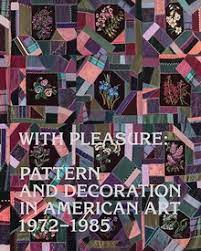
The other exhibition I toured was the current “With Pleasure: Pattern and Decoration in American Art 1972-1985” which was an interesting exhibition of design of the home and space which seemed to be an art movement in the early to mid 1980’s that I never noticed when I was in high school and college. It seemed that home design went from the home furnishings to a form of art.

The “With Pleasure: Pattern and Decoration in American Art 1972-1985” logo

This I had seen the artist’s starting to design things like dishware and placemats for everyday use and in things like wallpaper from the dining room. There was a cross over in home design as artists became more commercialized and their work showed up on walls and floors. It is not too different today with people like Martha Stewart and her paint and home furnishing collections or Halston designing for JC Penny with the Halston II Collection.

Some of the art was quite colorful

The art in those galleries really looked something you would find in the average person’s home in the era. Some of the ‘over the top’ really looked like it belonged on a rug or on wallpaper. As the exhibition’s literature stated, “the exhibition examines the Pattern and Decorative movement’s defiant embrace of forms traditionally coded as feminine, domestic, ornamental or craft based and thought to be patterns and arranging them in intricate, almost dizzying and sometimes purposefully gaudy designs” (Exhibition literature).

I returned to the Hessel Museum in the summer of 2023 and they were having some performance art out on the lawn when I got there (I was wondering why there were not parking spaces). One guy walked up to me complaining how lousy it was and it did not make sense. I told him that that was contemporary art for you. It’s not supposed to make sense. He just smiled.

I toured the two new exhibitions that were being shown at the museum.

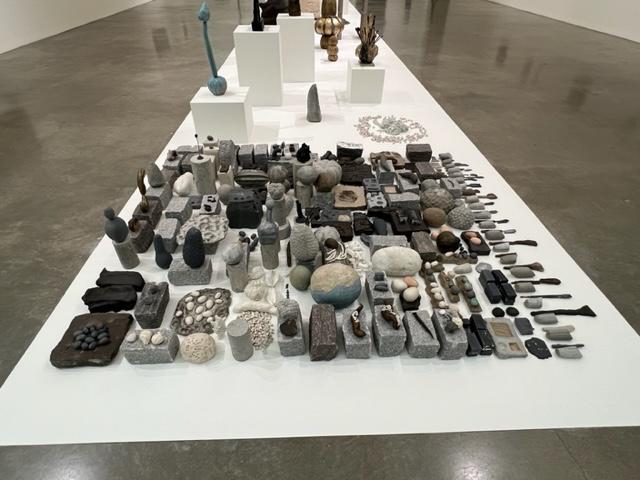
Artist Erika Verzutti had her “New Moons” exhibition

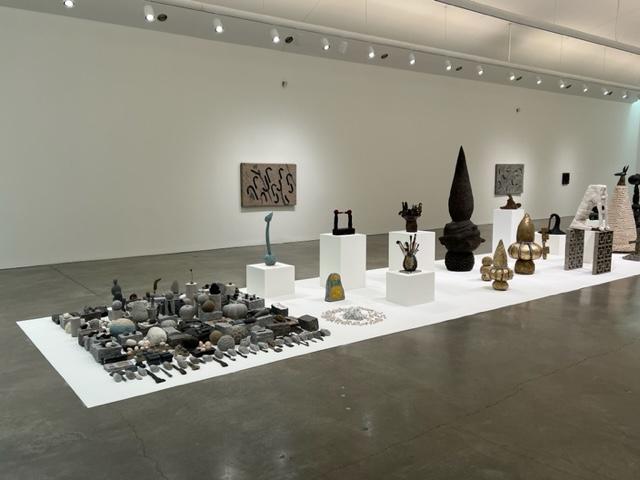
The first exhibition was by Artist Erika Verzutti with her “New Moons” exhibit. Frankly, I did not get here work. It made no sense to me. I was not sure what she was going after. I read her exhibit work and did not see any planetary connections. There were a few pieces that I thought were colorful and pretty creative in the works of the exhibition but the rest of it I just did not understand. I could tell the security guards were bored because no one was coming into this part of the museum.

“New Moons” exhibition piece

The main gallery of the “New Moons” exhibition

I thought this piece was very interesting

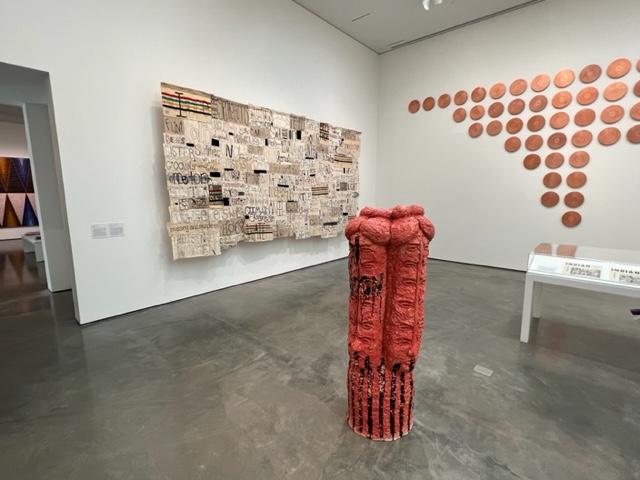
The “Indian Theater: Native Performance, Art and Self-Determination since 1969”

The other exhibition was the “Indian Theater: Native Performance, Art and Self-Determination since 1969”. Outside the museum they were showing the performance from the exhibition (the one that the patron was complaining about) and inside, the works were very contemporary and again some of the works did not make much sense to me. There were a few standouts though that I thought made a statement.

One of the galleries from the “Indian Performance” exhibition

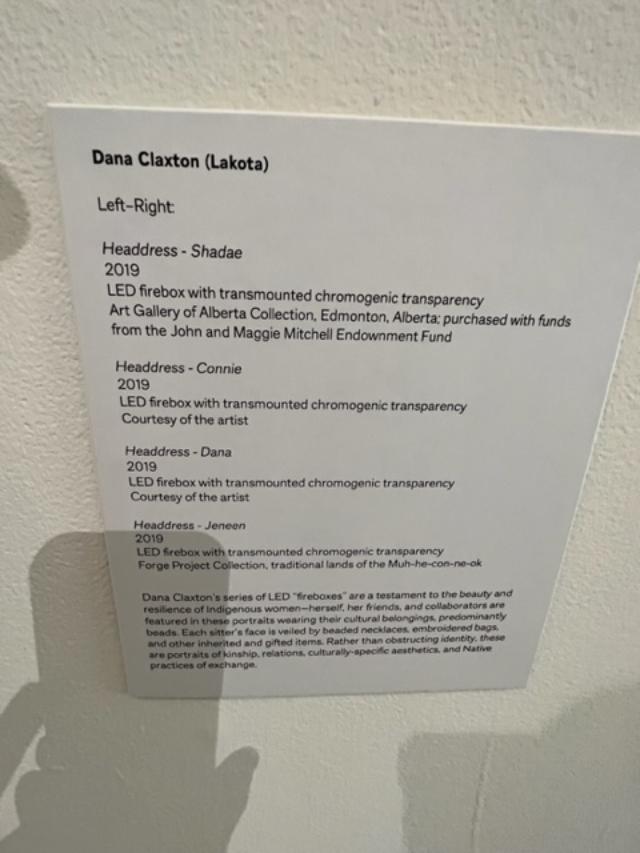
“Indian Headdress” by artist Dan Claxton (Lakota)

Artist Dan Claxton (Lakota)

“Counterblaste” by artist Gabrielle L’Hirondelle Hill (Metis) was interesting

Artist Gabrielle L’Hirondelle Hill (Metis)

Both exhibitions in the summer of 2023 were a little far reaching even for me who likes contemporary works. I think it is in the eye of the beholder but I like the fact that the Hessel Museum brings these works to the public. They do make you think.

The Hessel Museum doesn’t offer just interesting art but it approaches it in a thought-provoking way, asking the patrons to see beyond not just what is on the walls but think about the exhibit from the era in which the art is from and ask ‘does this still ring true today’. The Hessel asks us to think ‘out of the box’ and look at their works from different perspectives.

Some I understood and some I didn’t but I still enjoyed wondering the galleries and exploring the art on its terms. I think that’s what contemporary or just art in general does. We need to think about it. The museum also has a nice little gift shop to explore.
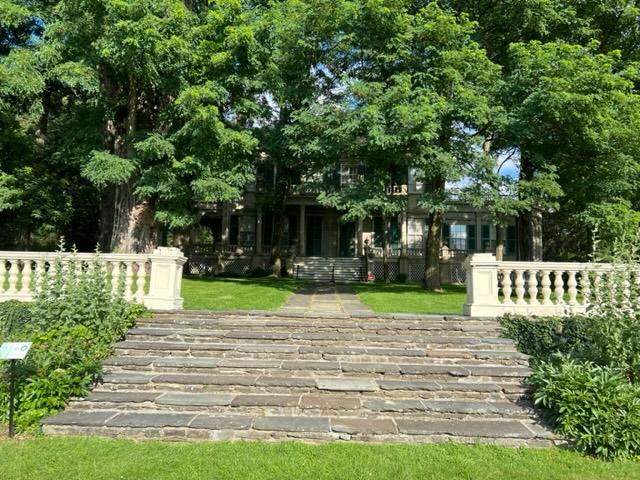
The History of the Hessel Museum:

About CCS Bard:

Established in 1990, the Center for Curatorial Studies (CCS Bard) is an incubator for experimentation in exhibition-making and the leading institution dedicated exclusively to curatorial studies-a discipline exploring the historical, intellectual and social conditions that inform curatorial practice.

The Center for Curatorial Studies has several interconnected parts:

The Hessel Museum of Art, built in 2006, presents experimental group exhibitions and monographic shows and also draws from the Marieluise Hessel Collection of Contemporary Art, comprised of more than 3,000 objects collected contemporaneously from the 1960’s to the present day. The Hessel Museum is open and free to the public. Public sculptures by Franz West, Cosima von Bonin and other artists surround the Museum. Please see the museum page for more details.

CCS Bard hosts a range of public events throughout the year. All events are free and open to the public. Please see upcoming events on the website.

The CCS Bard Archive provides access to a wide range of primary materials documenting the history of the contemporary visuals arts and the institutions and practices of exhibition-making since the 1960’s. Please see our research center page for further details.

The Graduate program in Curatorial Studies is an intensive course of study in the history of contemporary art, the institutions and practices of exhibition making and the theory and criticism of contemporary art since the 1960’s. Throughout its over thirty-year history, the program has actively recruited perspectives underrepresented in contemporary art and cultivated a student body representing a diverse spectrum of backgrounds in a board effort to transform the curatorial field. Please see the school page for further details.

The Center for Curatorial Studies is part of Bard College and located on their Annandale-on-Hudson campus. Bard acts at the intersection of education and civil society, extending liberal arts and sciences education to communities in which it has been undeveloped, inaccessible or absent. Through its undergraduate college, distinctive graduate programs, commitment to the fine and performing arts, civic and public engagement programs and network of international dual-degree partnerships, early colleges and prison education initiatives, Bard offers unique opportunities for students and faculty to study, experience and realize the principle that higher-education institutions can and should operate in the public interest. For more details on the Bard College, please see their website.

Montgomery Place-Bard College                                                26 Gardener Way & River Road                                            Red Hook, NY 12571

Montgomery Place-Bard College 26 Gardener Way & River Road Red Hook, NY 12571

Montgomery Place-Bard College

26 Gardener Way & River Road

Red Hook, NY 12571

https://www.bard.edu/montgomeryplace/

Open: Sunday-Saturday From Dawn to Dusk/Mansion is closed

My review on TripAdvisor:

https://www.tripadvisor.com/Attraction_Review-g29820-d209648-Reviews-Montgomery_Place-Annandale_on_Hudson_New_York.html

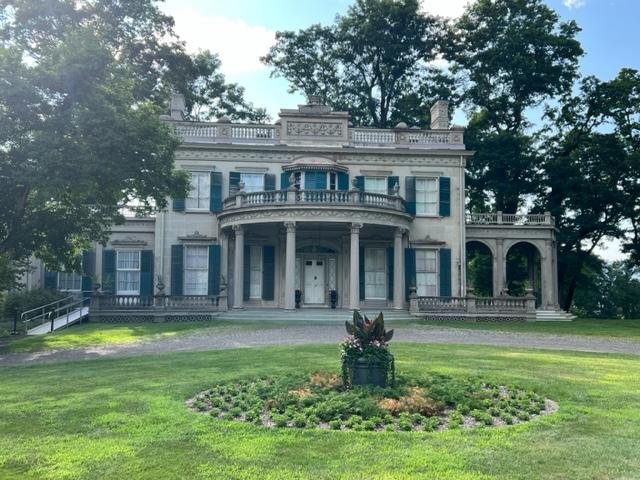
The front of Montgomery Place in the summer of 2023

On a recent trip to the Hudson River Valley for Fall events I took a tour of Bard Campus to visit their campus and tour Montgomery Place which the college bought from the Hudson River Historical Society in 2016. It is now part of the campus and you can tour the grounds but not the inside of the house.

The back of Montgomery Place

Montgomery Place on the Bard College Campus

Before 2016 when the house was owned by the Historic Hudson Valley Society, who used to have tours of the mansion. When the family sold the mansion and all its contents to the Society, they left the house untouched when they moved out you got to see how the Livingston family lived not just in current times but with all the historical furniture that came with the house.

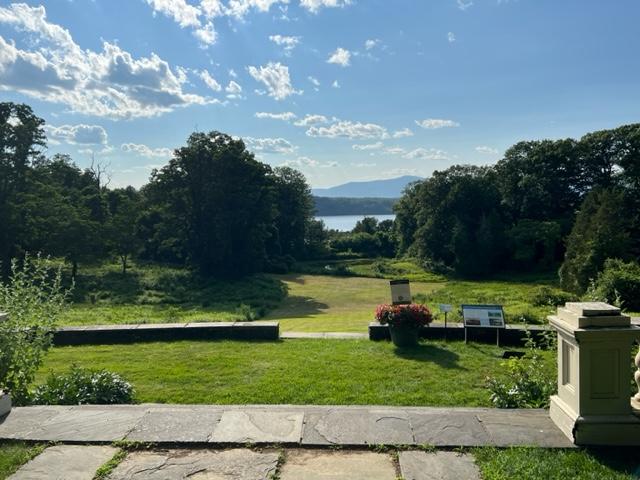
The view from the house to the Hudson River

The gardens from the back of the house

The former tour used to take you through each room that had antique furniture and decorations but much of the house had been modernized over the years. Older furnishings had either been conserved or slipcovered because of age. Since the house has been sold to Bard College, you can only tour the house by appointment only through the college.

The mansion’s portico overlooking the Hudson River

The grounds are still impressive. During the Spring, the formal gardens next to the house are in full bloom and the last time I had taken a tour there, the gardens were being maintained by a local garden club.

The entrance to the Montgomery Place gardens

There were flower beds, herb gardens and cutting gardens on top of the flowing lawns from the house to the river. The gardens are broken into three different sections: the Eclipse Gardens, the Wilderness Gardens and the Walled Gardens. Each of them connects to the other and some have returned to their natural state over time and care of them.
The Montgomery Place Gardens are changing from Summer to Fall

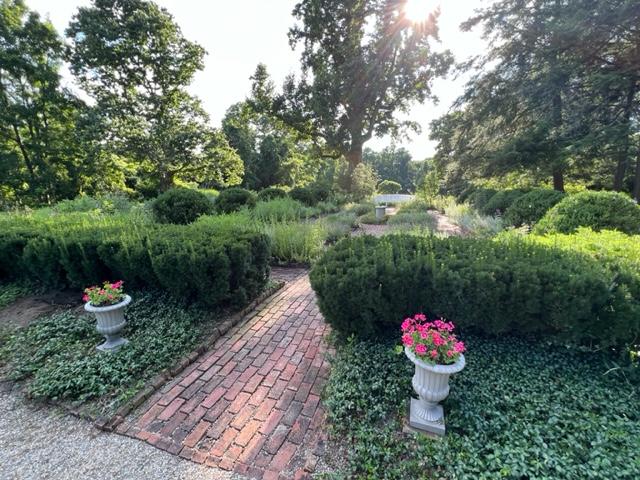
Pathways through the gardens

The gardens were developed over time from Louise Livingston’s day to her daughter, Clara Livingston Barton and her husband building on them the to Delafield family, who were the last owners of the house maintaining and adding to them.

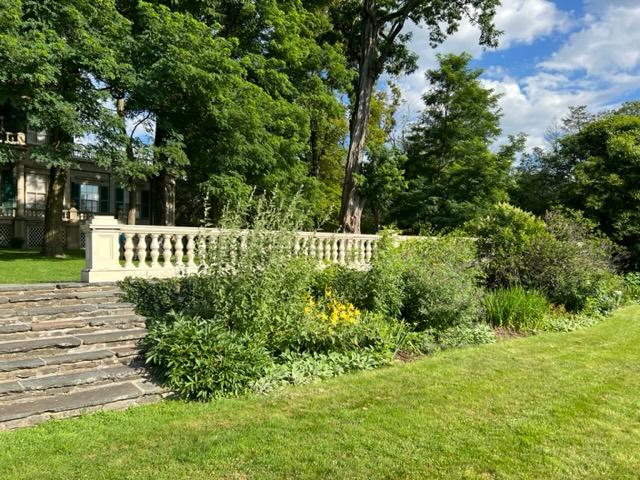
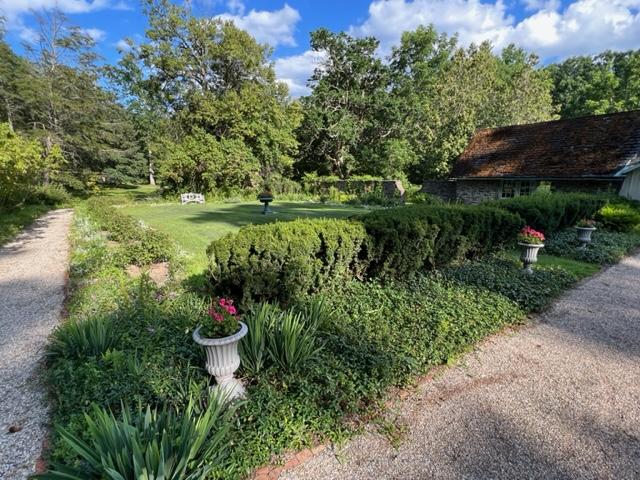
The formal gardens

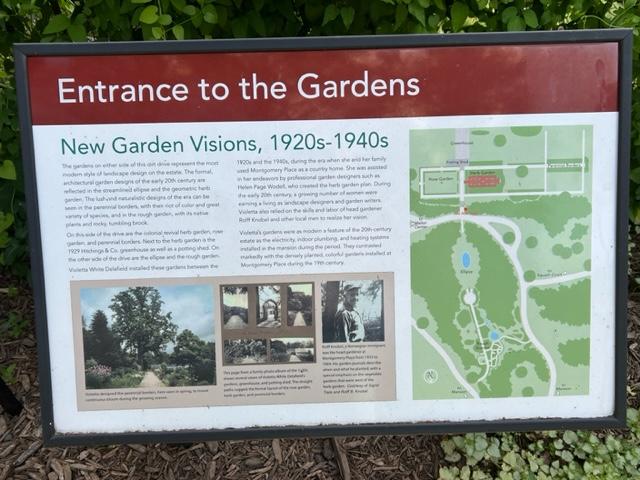
The Garden Sign of the Ellipse and Rough Gardens

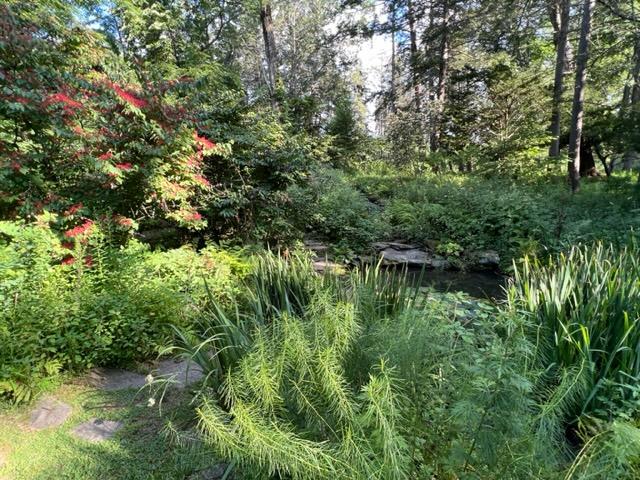
The Rough Garden

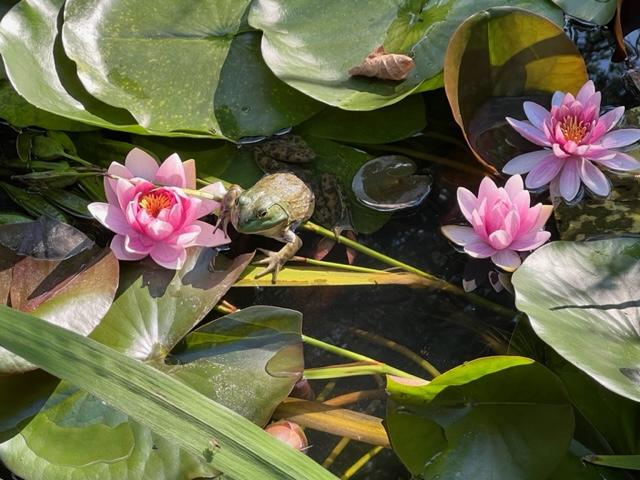
The Rough Garden was in full bloom with lotus and frogs all over the pond

The Ecllipse Garden has gone back to nature in comparison to the garden’s original plans

In the Fall on a recent visit, most of the gardens had been cut back with a few seasonal flowering bushes still showing color. The trees surrounding the house were turning a gold hue while the lawn that had been freshly cut was still emerald green. The house while a little worn from the outside still looked like it was ready to receive guests for the Fall season in the Hudson River Valley. The views from the back of the house are breathtaking from the window views of the Hudson River and the paths leading to it.

The Garden sign

In the Summer of 2023, the mansion grounds are open until dusk for people to walk around the estate and visit the gardens. The gardens were in bloom with summer flowers and plantings. The Rough Garden with it ponds were full of frogs who were making all sorts of noise. I had not seen a frog in the wild in many years and you just don’t see those and turtles anymore in the woods. The mansion is still not open except by appointment through the college.

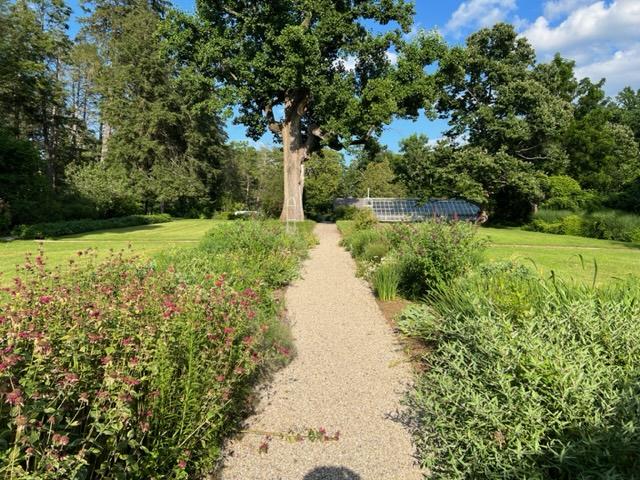
The formal gardens in the summer of 2023

The grounds are well maintained but there is more detail in the maintenance of the gardens that are needed. They could use some weeding with all the crabgrass coming into the beds. Still the gardens are breathtaking on a warm sunny day and make quite an impression. They must have been something when the family maintained them with their gardeners.

the beauty of the formal gardens

There are all sorts of hiking trails to the Sawkill River and through the forests, a trail down to the Hudson River and tours of the property. The grounds are open from dawn to dusk and there is plenty of parking by the Visitor’s Center along with a history of the estate.

The History of the Estate:

(Taken from Wiki)

https://en.wikipedia.org/wiki/Montgomery_Place

The property had been home Native Americans for at least 5,000 years as a seasonal hunting ground. The Dutch settled in the area in the late 18th century using the Saw Kill River for various mills.

In the late 1770’s, Janet Livingston Montgomery purchased from Abraham Van Benthuysen 242 acres of land on the Hudson River after the death of her husband General Richard Montgomery at the Battle of Quebec. She moved into the home they built after the Revolutionary War. She later had plans made for a Federal style mansion on the riverfront property she bought and moved into her new home, Chateau de Montgomery, in 1805. She established a working farm with the help of friends who gave her tree samples (Wiki).
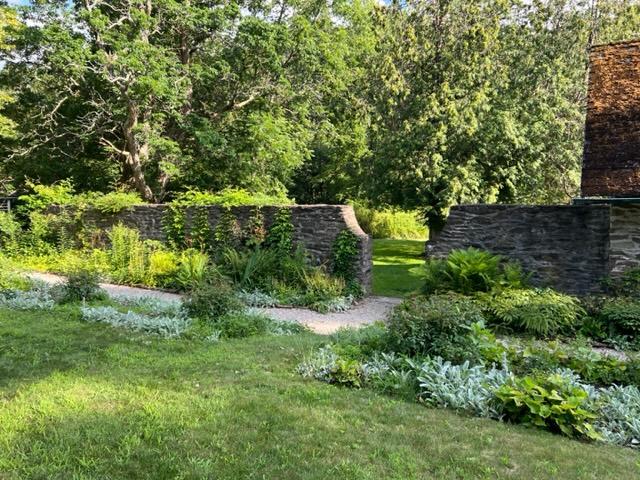
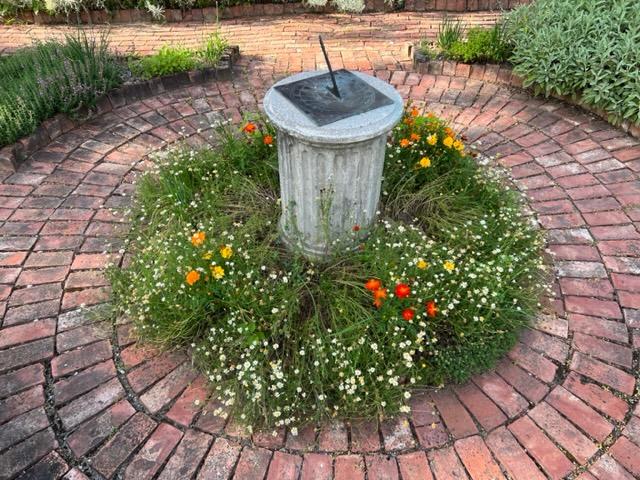
The Sun Dial in the Walled Garden during the summer of 2023.

Upon her death in 1828, the mansion was inherited by her brother, Edward Livingston. He had spent his summers vacationing here with his wife, Louise. They renamed the estate ‘Montgomery Place’. He died the next year and his wife, Louise hired Alexander Jackson Davis to convert the mansion into a more ornate villa. Two wings and exterior decoration were added at this time of the renovation. With the help of Andrew Jackson Downing, a friend of Louise’s and mentor to Davis, she developing the landscapes. Her daughter, Cora Barton worked with the architect on designing garden and conservatory (Wiki).

The front of the mansion

The back of the mansion from the grassy gardens facing the Hudson River

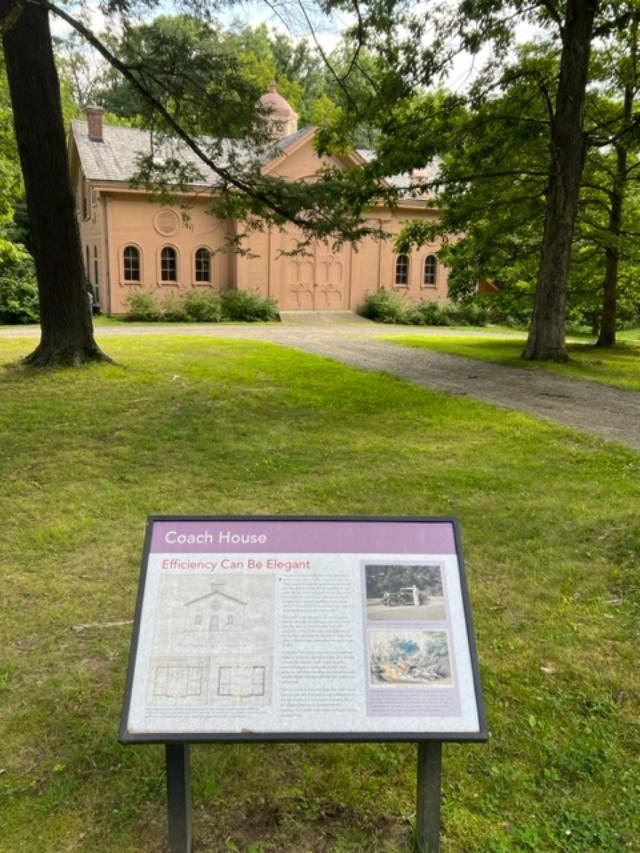
Upon Louise’s death in 1860, Cora and her husband hired Davis again to build some the earlier outbuildings including Coach House, Swiss Cottage and farmhouse and then extended the landscaping to turn the estate into more ‘pleasure grounds’ and have a separation from the farming operations.

The Coach House for Carriages and then cars

The house then passed on to another relative in 1921, John Ross Delafield who added heating and modern plumbing to the house. He and his wife also extended the gardens on the estate as well (Wiki). The gardens had more ornate features to them.

The “Walled Gardens” to the right of the mansion

Upon his death, his son John White Delafield inherited the house and they opened two corporations to own and operate the property.

The expansion of the gardens

In 1981, the estate was sold to the Historic Hudson Valley, the historical society. After an extensive renovation, the house was designated a National Historic Landmark in 1992 and it was bought by Bard College in 2016 who is its current owner (Wiki).

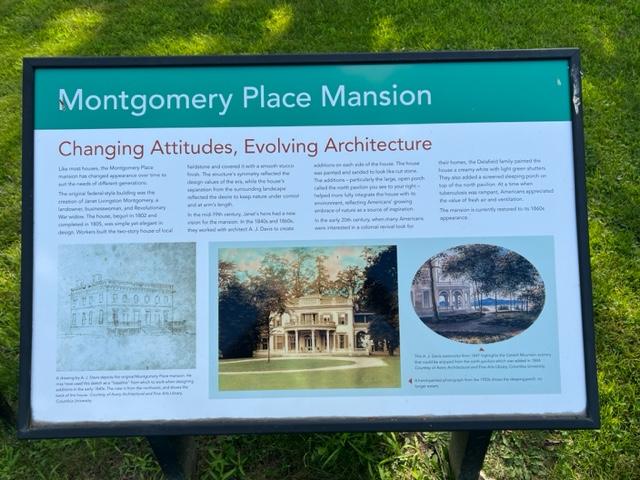
The Montgomery Place Mansion sign and the evolution of the home.

Philipsburg Manor House                                                        381 North Broadway                                                            Sleepy Hollow, NY 10591

Philipsburg Manor House 381 North Broadway Sleepy Hollow, NY 10591

Philipsburg Manor House

381 North Broadway

Sleepy Hollow, NY 10591

(914) 336-6900

Open: Please check the website for COVID updates

Fee: Please check the website for the COVID updates

My review on TripAdvisor:

https://www.tripadvisor.com/Attraction_Review-g48622-d299069-Reviews-Philipsburg_Manor-Sleepy_Hollow_New_York.html

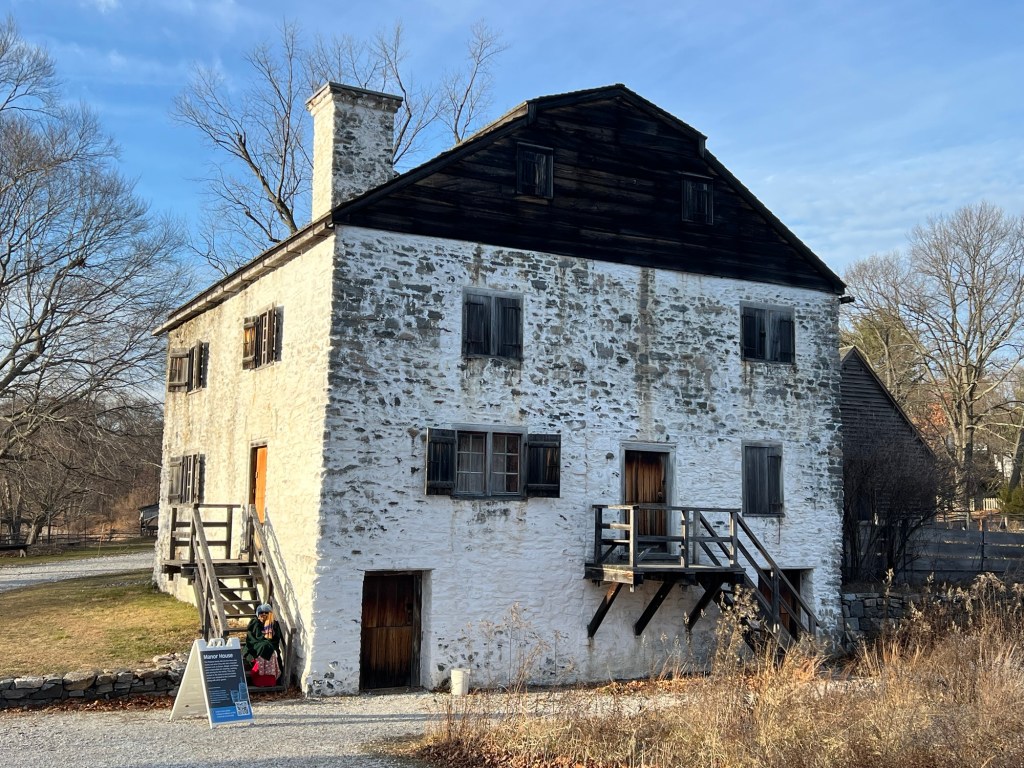
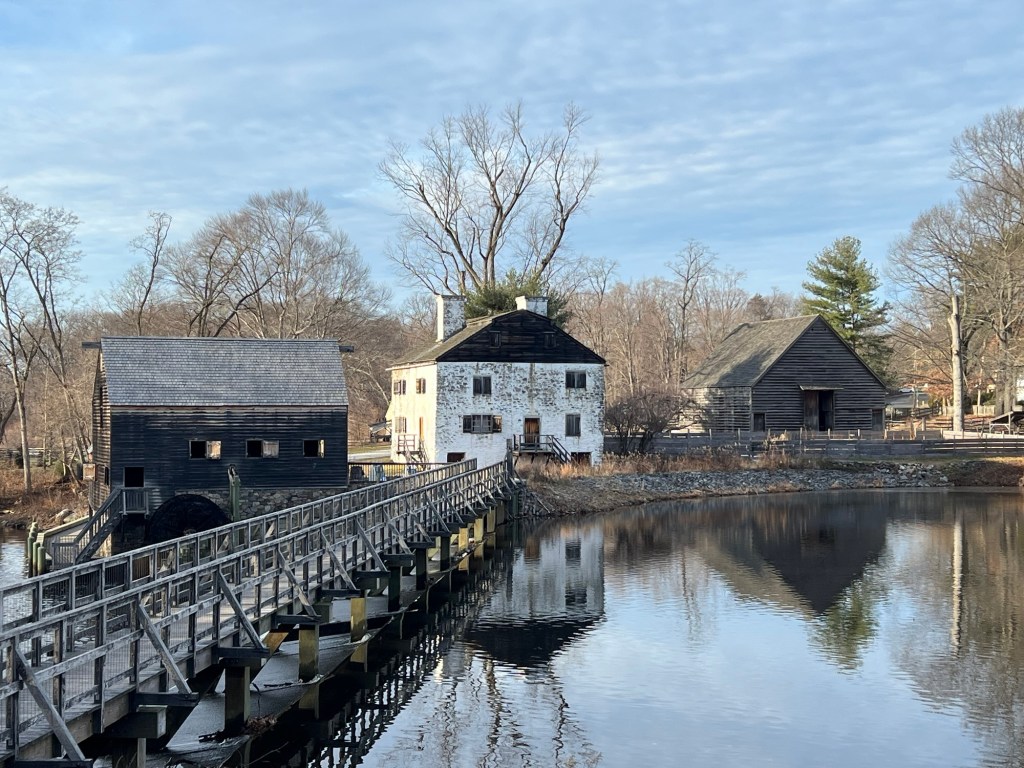
The Philipsburg Manor House from the back

I have visited the Philipsburg Manor House and Estate many times over the years. During the “Headless Horseman” Halloween activities, the house is open for tours. You are able to tour the rooms and see the home in a spooky environment. The house was lit by candles and the tour guides lead you through the house.

The Manor House from the bridge over the creek

During a special event at the holidays, the house had seasonal decorations, lit by a combination candles and open hearth fires in the fireplace and tour guides explained a Colonial holiday season.

The estate during the day

The Manor House as it was explained to me was a place where the Philipse family stayed when they were away from the main family mansion and was doing business on the estate. So the home was comfortable and workable and functional but not luxurious as the main manor house where the family lived.

The back gardens are used during the Spring and Summer to grow fruits and vegetables

The kitchen, common room and bedrooms were nicely furnished at the time for the owners visits but was not elegant in the form of the main manor house.

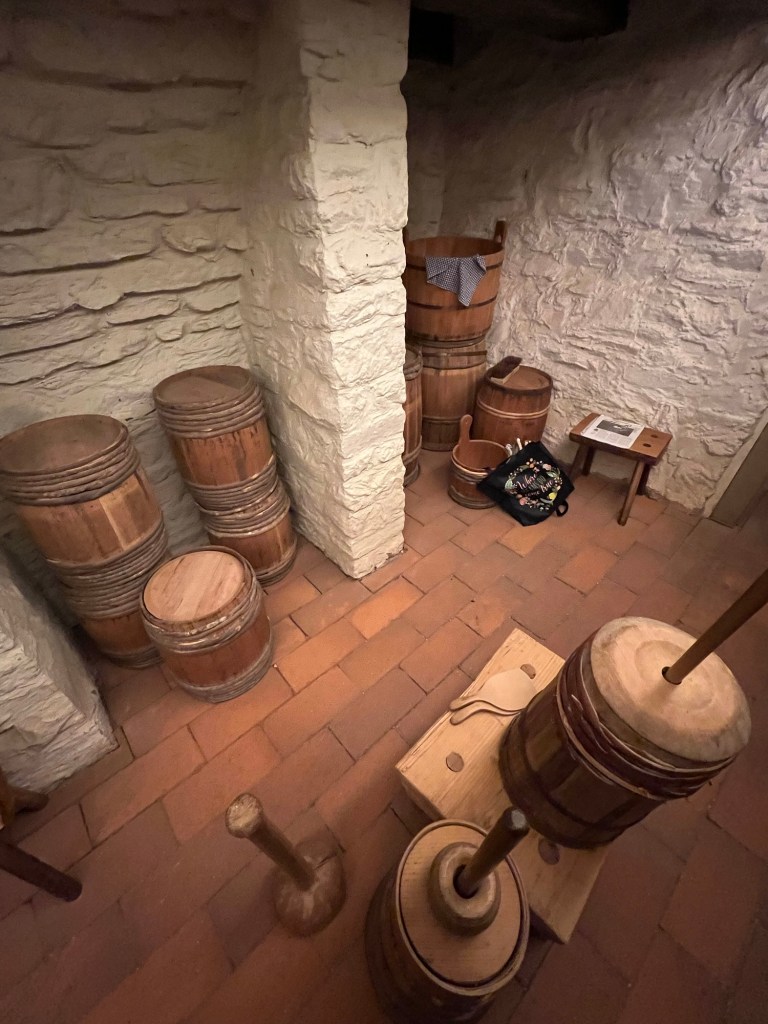
The butter-churning work area

This was full working estate at all times. The Mill is located near the manor house and their are walking paths around the house.

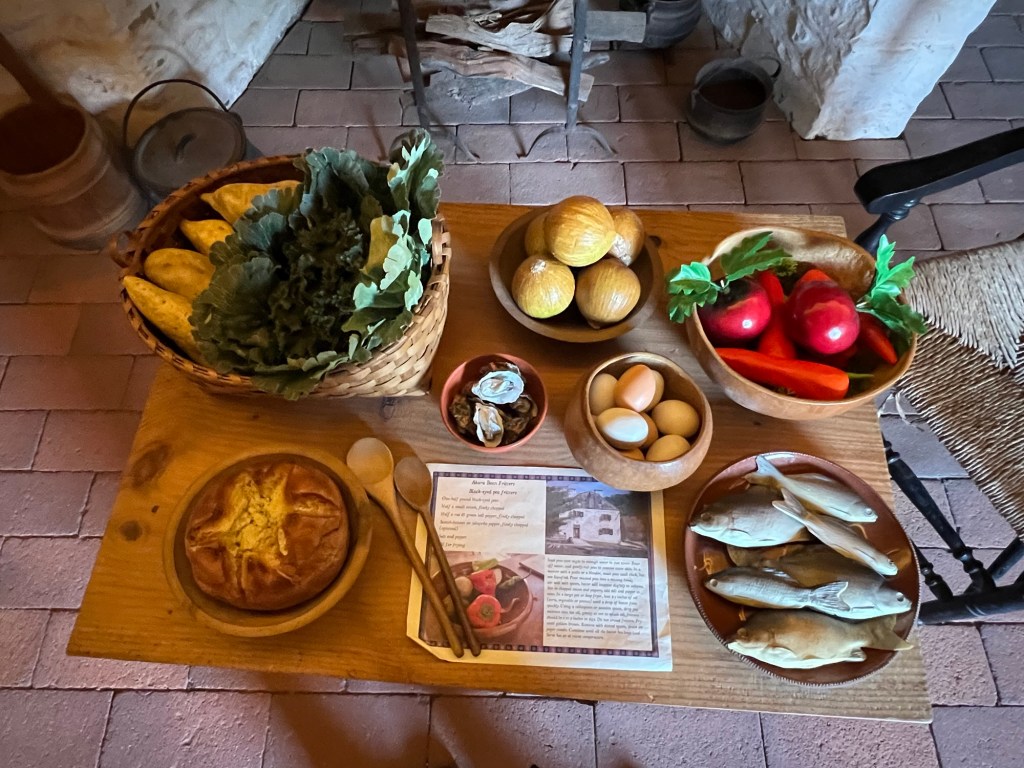
The downstairs kitchen at the manor house was functional but not elaborate

The farm bounty was plentiful during the seasons

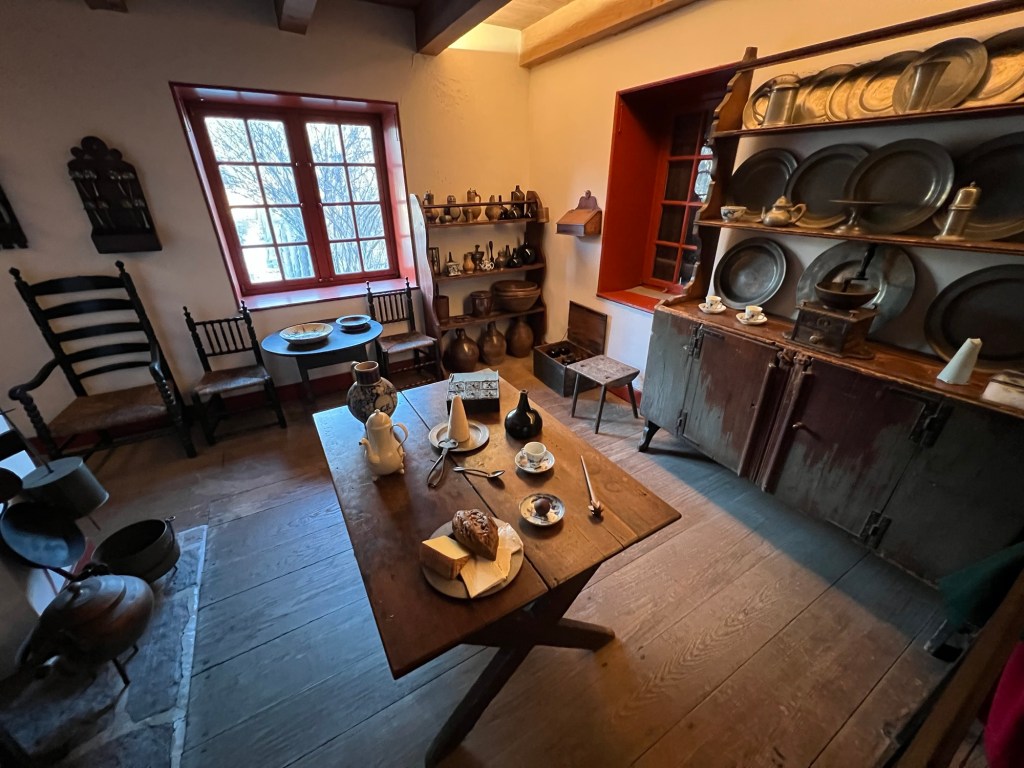
The upstairs kitchen is where all the owners meals were prepared along with all the dish ware and crockery.

The upstairs kitchen

The items of a wealthy Dutch kitchen

During the Halloween season, both Tarrytown and Sleepy Hollow are busy with activities with readings, cemetery tours, ‘haunted events’ and other activities. Please check out the Historic Hudson Valley website for the roster of events. Things have changed since the era of COVID.

A recreation of the owners bedroom at the Philipsburg Manor

During the Christmas holidays, the house in the past was decorated for Christmas but in the post-COVID time, the house was just open for tours. In December 2022, I got to visit the house the week before Christmas before it closed for the season. Like most older historical homes and sites will be closed until the Spring so this was the last opportunity to see the house and grounds. Unlike the past, the house was kept in regular touring state.

The guest bed chamber

When I revisited the estate in 2025, it was the last weekend it was open for touring and the house had no decorations for the holidays as again this was not their primary residence.

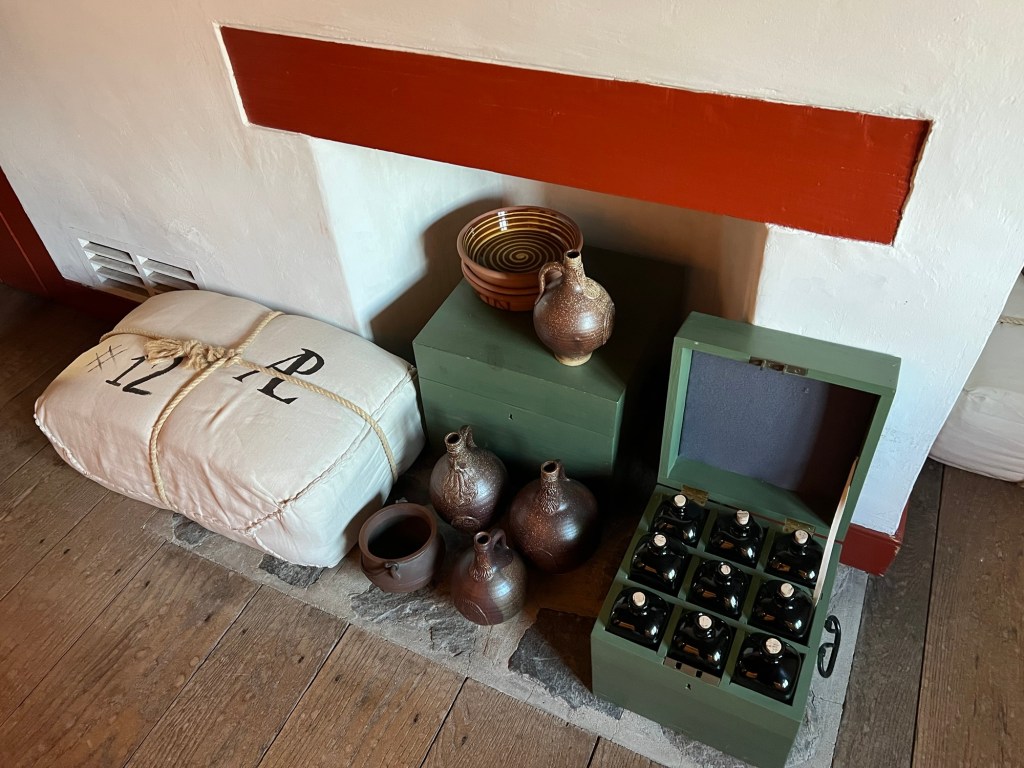
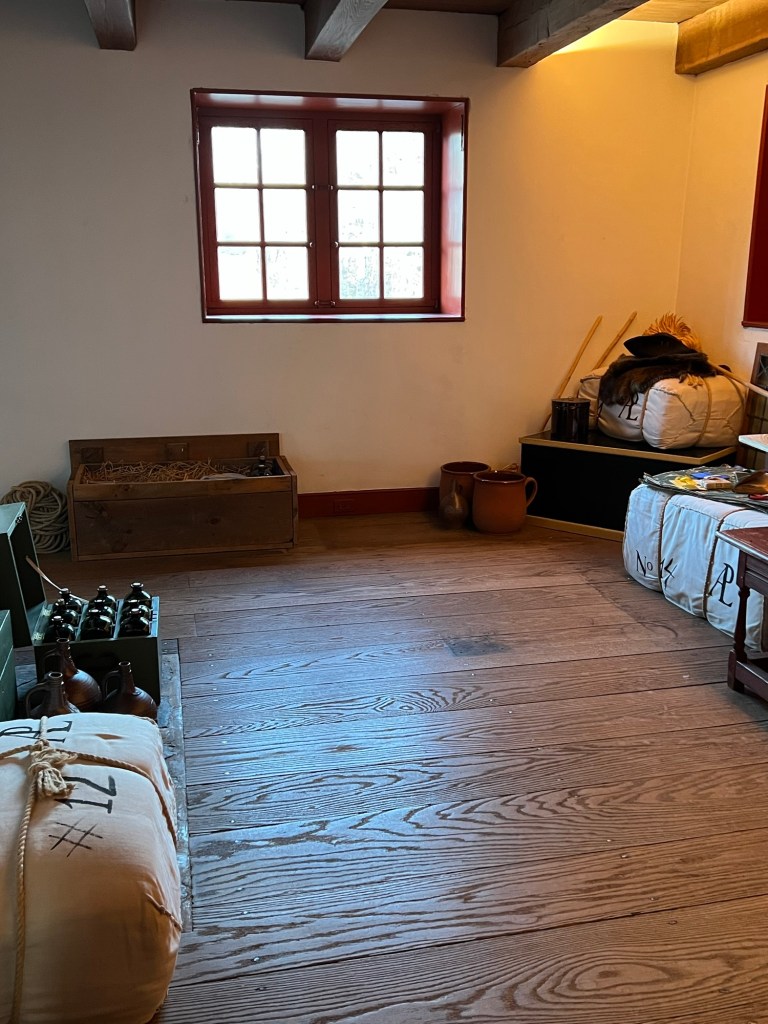
We got to tour the kitchens and bedrooms of the home and heard a talk on how the how was run when Mr. Philispe was not in residence. There was also a market within the house where tenant farmers could buy their wares for their homes.

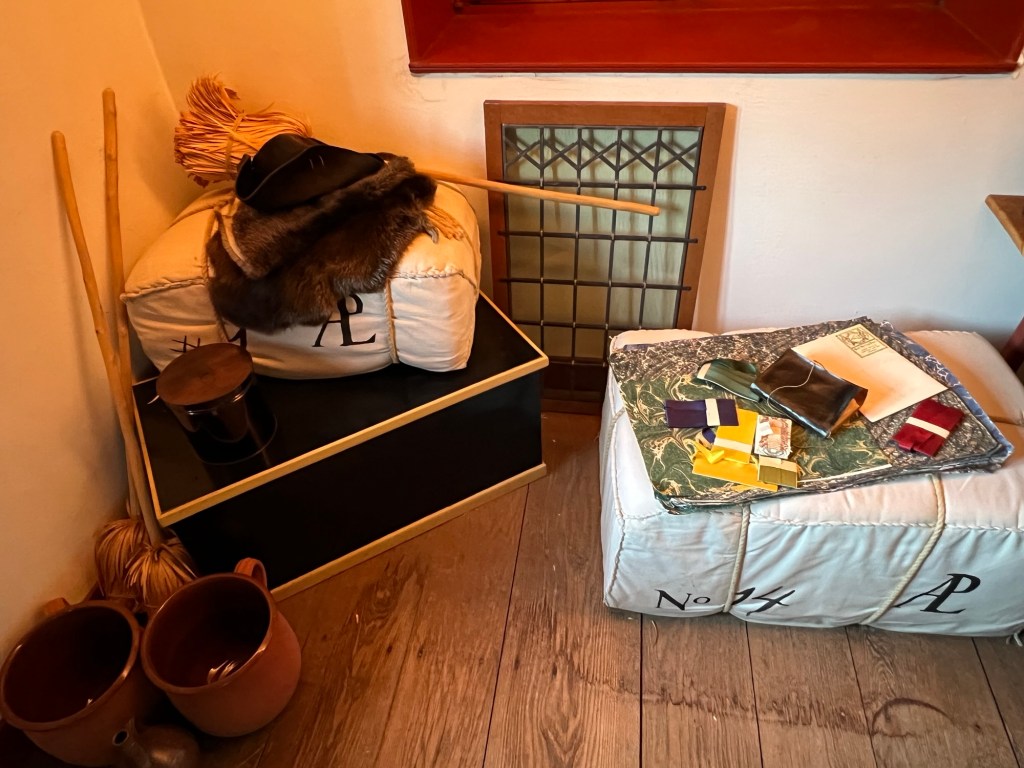
The tenant farmer shop

The tenant farmer shop

This was strictly a working farm and mill for the family with the main residence being closer to the City.

The difference in 2025, we were finally able to take pictures indoors and that helped give mug readers a clear view of what to expect they come to visit.

The estate at the close of winter

Most of the action was outdoors with tours of the mill, the outside ovens used for the family’s bakery business and outdoor gardens that were cleared out for the winter months.

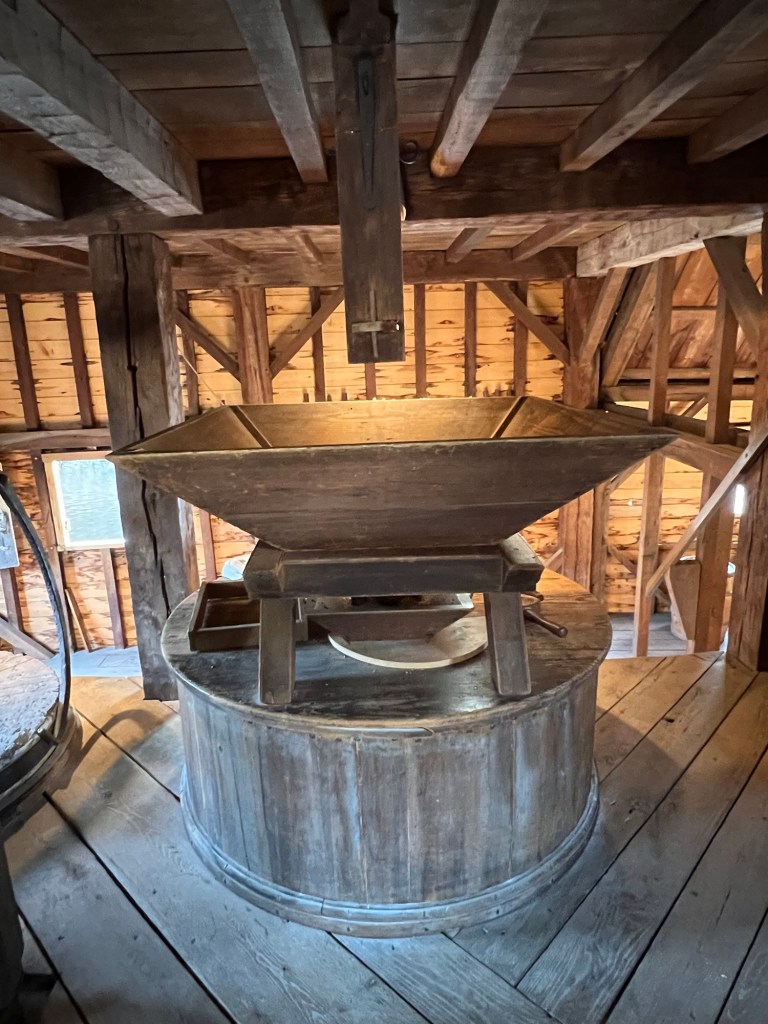
The wheat processing area

The processing area

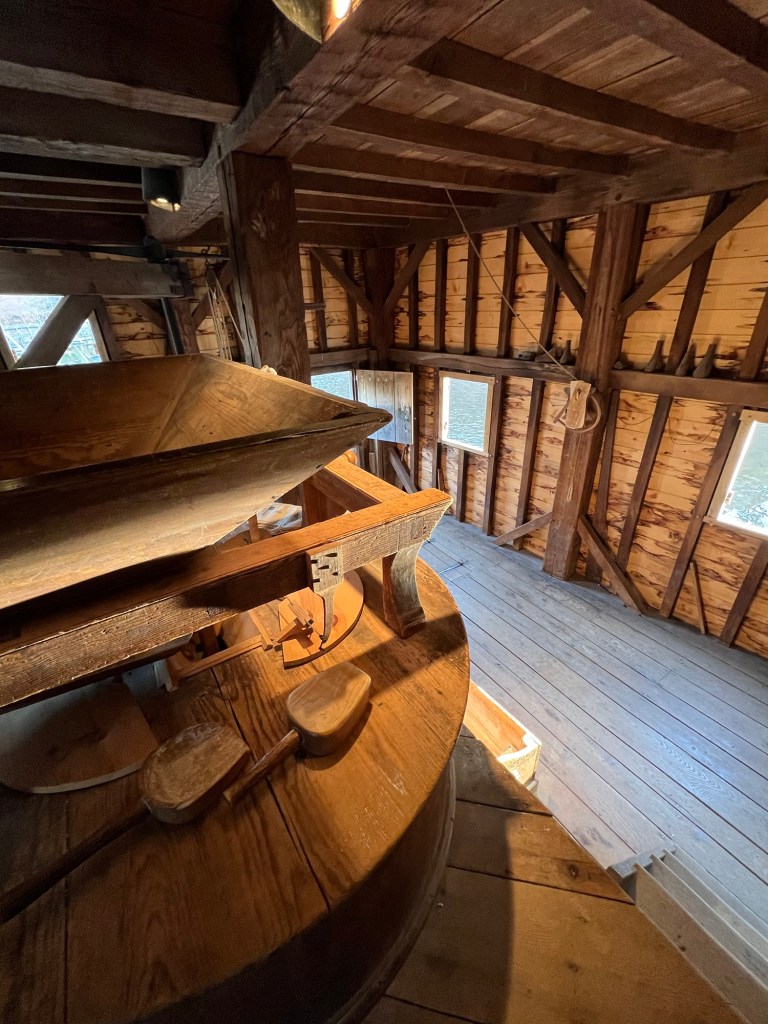
The Mill is where the process of converting wheat grown on the estate was made into flour for the New York market.

The Milling wheel to process wheat to flour

The system of wheat processing

The History of the Philipsburg Manor House:

(WIKI/Historic Hudson River Valley Society)

The manor house in the Fall of 2024

The grounds around the park

The sunset over the estate in the Fall of 2025

The Philipsburg Manor House is an historic house in the Upper Mills Section of the former sprawling Colonial-era estate known as Philipsburg Manor. Together with the water mill and the trading site the house is operated bas a non-profit museum by the Historical Hudson River Valley. It is located on US 9 in the Village of Sleepy Hollow, NY. (Wiki)

The Philipsburg Manor House and Mill area of the estate

The Manor House dates from 1693 when wealthy Province of New York merchant Frederick Philipse was granted a charter for 52,00 acres along the Hudson River by the British Crown. He built this facility at the meeting of the Pocantico and Hudson Rivers as a provisioning depot for the family Atlantic sea trade and as headquarters for a worldwide shipping operation.

For more than thirty years, Frederick and his wife, Margaret and later his son Adolph shipped hundreds of African men, women and children as slaves across the Atlantic. The manor was tenanted by farmers of various European backgrounds and operated by enslaved Africans (Wiki).

Recreation of the baking operations on the estate

The baking oven

Baking hardtack at the ovens. This would have been used for shipping voyages.

(From the museum website)

At the outbreak of the American Revolutionary War, the Philipses supported the British Crown and their landholdings were seized and auctioned off. The manor house was used during the war, most notably by British General Sir Henry Clinton during the militaries in 1779.

It was there that he wrote what is known as the Philipsburg Proclamation, which declared all Patriot-owned slaves to be freed and that blacks taken prisoner while serving in Patriot forces would be sold in slavery (Wiki/Hudson River Valley History).

Touring the Dutch barns for wheat seed processing

The processing of wheat and straw

A National Historic Landmark in 1961, the farm features a stone manor house filled with a collection of 17th and 18th Century period furnishings, a working water-powered grist mill and millpond, an 18 century barn, a slave garden and reconstructed tenant farm house (Wiki/Hudson River Valley History).

Philipsburg Manor in the Fall of 2024

During the season when the estate is open for visitors, there are costumed interpreters who reenact life in pre-Revolutionary War times doing various chores around the estate. During the Halloween season, the home is open for haunted tours of the manor during the “Headless Horseman” event. During the Christmas holiday season, the home is open for seasonal activities. Please check the website during COVID for activities (Historic Hudson River Valley).

The Philipsburg Manor and grounds in the Fall of 2024

The manor house in the Fall of 2025