Category: Small Historical Societies in New York State

The Senate House                                                                      296 Fair Street                                                                Kingston, NY 12401

The Senate House 296 Fair Street Kingston, NY 12401

The Senate House

296 Fair Street

Kingston, NY  12401

(845) 338-2786

http://www.palisadeparksconservancy.org

http://senatehousekingston.org/

Open: Sunday 1:00pm-5:00pm/Wednesday-Saturday 10:00am-5:00pm (April 15-October 31). Open by Appointment only (November 1-April 14)

Fee: Adults $4.00/Seniors (62+) $3.00/Children under 12 and under Free

My review on TripAdvisor:

https://www.tripadvisor.com/Attraction_Review-g48003-d3225491-Reviews-Senate_House_State_Historic_Site-Kingston_Catskill_Region_New_York.html

The recently reopened Senate House in 2023

I recently spent my afternoon at the Senate House and Museum in Kingston, NY taking a tour of the museum and the House next door. The Senate House itself had just finished its renovation and the gardens were in full bloom in 2023. It was a quiet afternoon, and I was the only patron for most of the afternoon. The grounds were full of beautiful foliage and flowers, so it was nice to walk around the grounds.

The Senate House story board

The Senate House had just reopened in 2023 after almost a four year renovation and because of the closure during COVID. The grounds are very pretty and well-landscaped and the outside has had a lot done to the gardens. The house was built for merchant Abraham Van Gaasbeek and his family. It stayed in the family for generations.

The Senate House at 296 Fair Street

We were able to tour the inside of the house and see the renovations that the State of New York made on this important structure. The home has been renovated by the state but the tour guide told us not with the historical integrity it should have had. It was not to the total interpretation of the life in the house. Still, it told the story about the people that lived there.
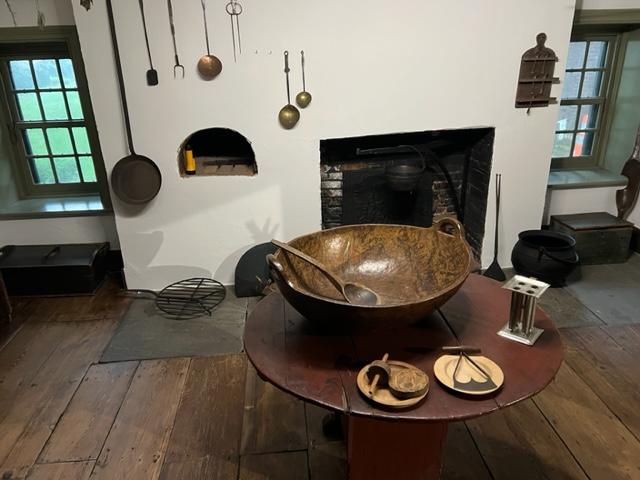
The Senate House Kitchen

Here you see the beehive oven, the working fireplace and many household items including waffle makers, cookie molds and candle making tools. The daily household tasks would be time consuming.
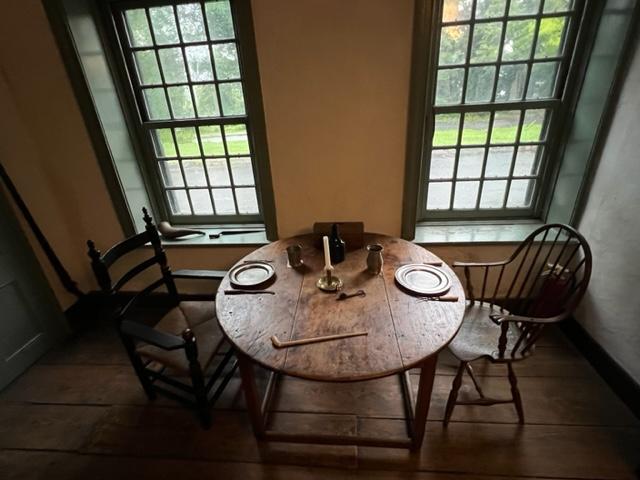
The Dining Space

The bedroom

In the original part of the house, the dining space and bedroom would be in a one room section of the home and as the family got larger, the house was added on to on both sides.

The Parlor

The Parlor was the fanciest room in the house with the best furnishings, decorations and a place of social interactions with guests. This rooms was for adult use at that time.

The Meeting Room for the leaders in change.

This was the room where plans by the patriots were made that changed the course of New York and the rest of the country. Now that the Senate House home is open again, you get a feel for what these people must have went through in developing the country during the Revolutionary War years.

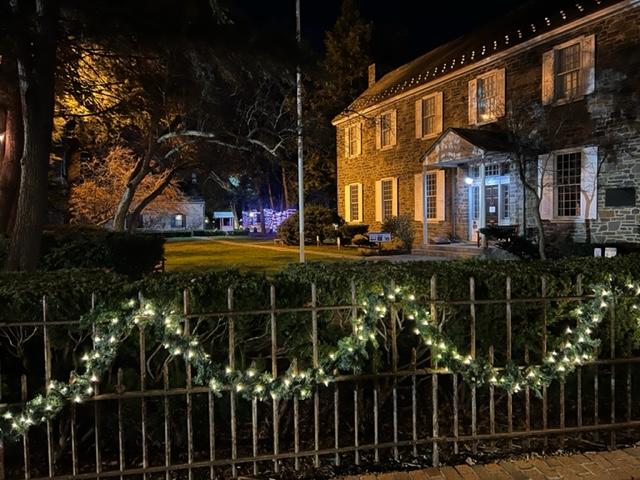
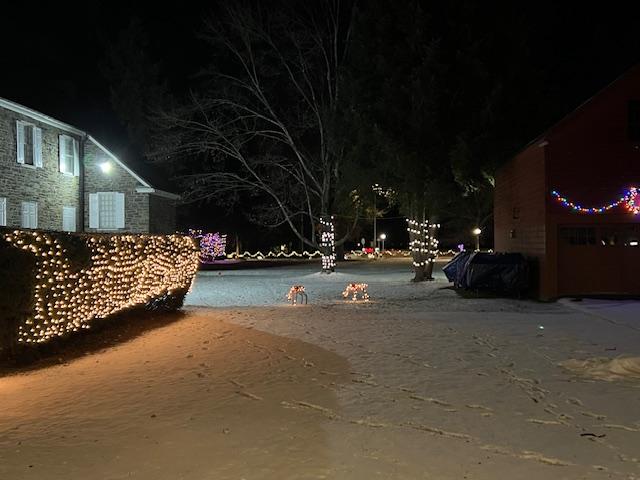
When I visited the Senate House at the holidays for the “Snowflake Festival”, it was still closed for renovation but the grounds were open for touring, music and for a visit with Santa. It was a magical night on the grounds of the historical site and people had a nice time that evening. The grounds and the other buildings were decked out for the holidays.
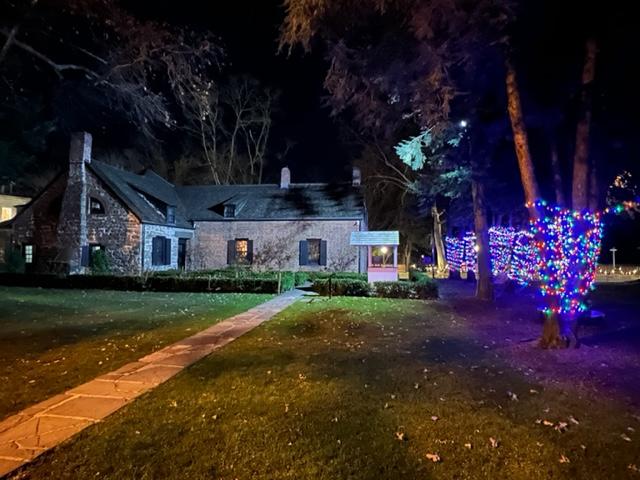
The Senate House decked out for the Christmas holidays at the “Kingston Snowflake Festival” in 2022

The Senate House property decorated for the Kingston Snowflake Festival in 2022
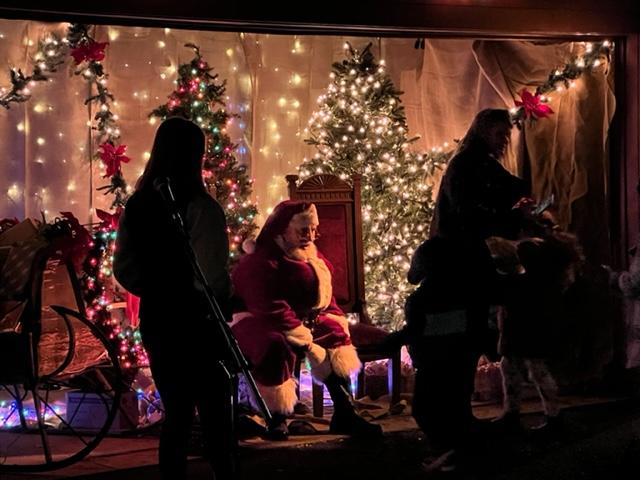
Santa’s visit at the Senate House property in 2022

The history of the Kingston Stockade section of the city.

The main part of the park is the Senate House Museum, which is broken into three sections. The right side of the museum is the history of the City of Kingston and the matching artifacts. There is a description of manufacturing, merchant class and its military prominence. Here I learned about the growth of Kingston and its founding, its strategic spot on the Hudson River in the early colony, its role as diplomats to the Native Americans, which was not so pleasant and its growth after the war.
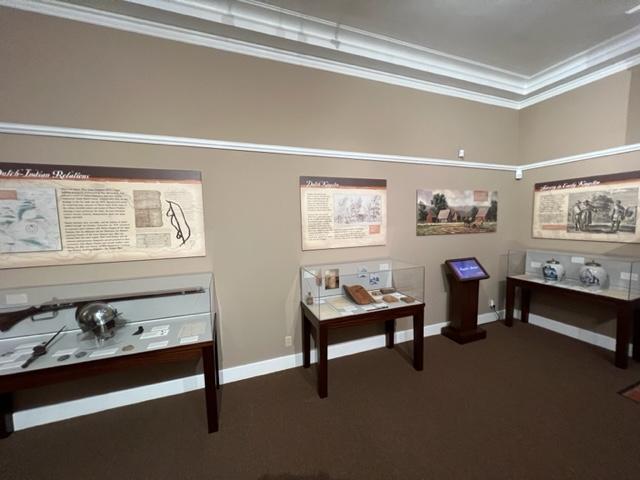
The first floor exhibitions on early life in Kingston

The history of the City of Kingston is described with the Native American settlements and the trade with the Dutch, the unsettling relationships that the two groups had with each other, the War years, the growth of industry and trade in early New York and manufacturing in the area.

The Native American exhibition

Early manufacturing and life in Kingston

The Artist’s sign

The Vanderlyn Exhibition of artist John Vanderlyn’s art

Artist John Vanderlyn’s works are featured on this part of the museum.

The left side of the museum is dedicated to the locally born artist, John Vanderlyn. His paintings line the walls of the museum of the artist at different stages of his career. His work was ahead of its time for the area, and it was noted in the collection that he forced himself to commission portraits to survive. His works advanced for the time because of his studying abroad now line the walls of the best museums in the country.

The exhibition of John Vanderlyn’s portraits

Artist John Vanderlyn’s bio in the museum

Members of the extended Vanderlyn family portraits

The second floor holds the furniture that is not historically correct with the Senate House and comes from different time periods. There is furniture, beds and chairs, spinning wheels, chamber pots and all sorts of accessories for the home and their uses in everyday life. Vintage furnishings with explanations on their use are a big part of the exhibit.
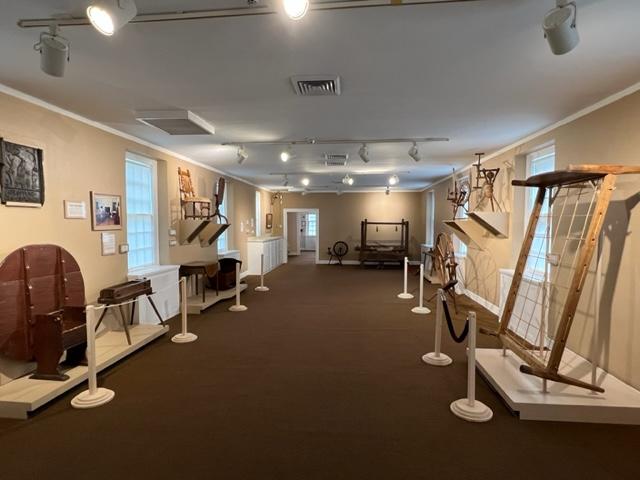
Artifacts from the past are displayed here

The everyday items used to spin material and create clothing

The Loughran House next door houses more of the furniture of the house and has a new exhibition “Back to the Future: The Evolution of Senate House”. This houses artifacts from the house.
The Senate House property during the “Kingston Snowflake Festival” in 2022

The Senate House property during Christmas 2024
The Senate House property during Christmas 2024

History of the Senate House:

(From Wiki/Office of Parks, Recreation and Historic Preservation pamphlet)

Amidst the turmoil of a British military invasion in the fall of 1777, the elected representations of rebellious New Yorkers met in Kingston to form a new state government. While convened in Kingston in September and October, New York’s first Senate met in the simple stone house of merchant Abraham Van Gaasbeek.

Here they adopted a system comprising of a senate, assembly, governor and judiciary that still exists today. Every one of the assembled delegates risked his life and property by being so openly disloyal to the Crown. Indeed, all were forced to flee for their lives when the British attacked and burned Kingston on October 16th.

While convened in Kingston in September and October, New York’s first Senate met in the simple stone house of Abraham Van Gaasbeek, a prosperous merchant trader who had suffered financial losses as a result of the war and personal losses in the recent deaths of his wife, Sara, his daughter and infant granddaughter. It was Sara’s grandfather, Wessel Ten Broeck, who built the original section of the house in 1676.

At first called Wiltwyck, Kingston was the third “city” established in the Dutch Colony of New Netherland. Planned and developed by the Dutch Governor Peter Stuyvesant in 1656, the town was renamed Kingston after the colony was seized by the English in 1664.

Wessel Ten Broeck’s one room Dutch style house was enlarged by succeeding owners in the 18th century. Each change reflected the increasing fortunes of the Ten Broeck/Van Gaasbeek family and demonstrated a gradual acceptance of English styles and customs over the persistent influence of the early Dutch. Kingston at the time of the American Revolution was still a noticeably “Dutch” town and most of its citizens supported the American cause. British Major General John Vaughan justified his destruction of the city because it was a “nursery for almost every villain in the country.”

In 1887, to recognize Senate House’s role in the formation of New York State, New York State acquired the property, which quickly became a vital community museum. A two-story Museum Building was constructed in 1927 to house and display the site’s burgeoning collection. Among its treasures are: major works by John Vanderlyn and other members of the Vanderlyn family of Kingston. The museum also includes the site’s popular new exhibit: “Kingston Stockage: New Netherlands’ Third City,” discussing Kingston’s early history.

(New York State Park History)

Senate House V

The Kingston Stockade: The City’s formation from the beginning

Bannerman Island Castle                                     POB 843                                                       Glenham, NY 12527

Bannerman Island Castle POB 843 Glenham, NY 12527

Bannerman Island Castle

POB 843

Glenham, NY 12527

(845) 831-1001

https://en.wikipedia.org/wiki/Pollepel_Island

Open: Please check the website as this is a seasonal location

Admission: Adults and Children 11 and Up $45.00/Children 11 and under $35.00

My review on TripAdvisor:

https://www.tripadvisor.com/ShowUserReviews-g47508-d2252346-r967185184-Bannerman_Castle-Cold_Spring_New_York.html?m=19905

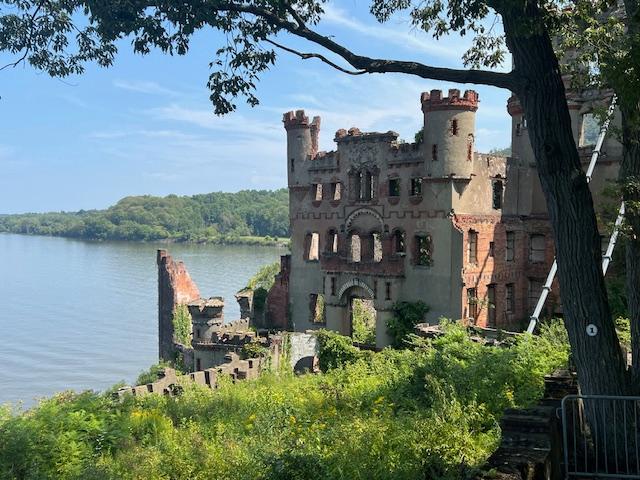
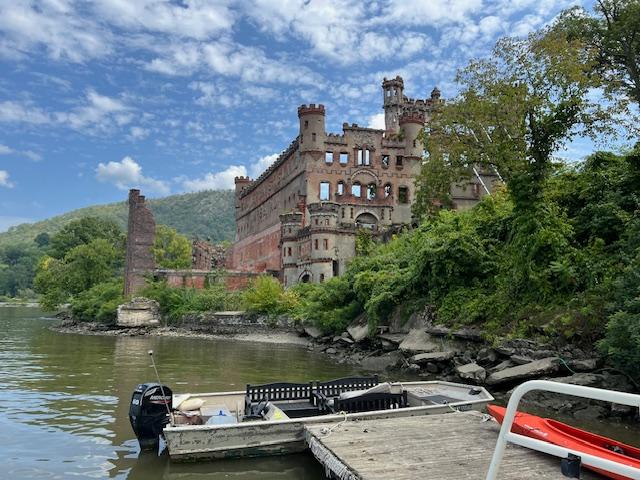
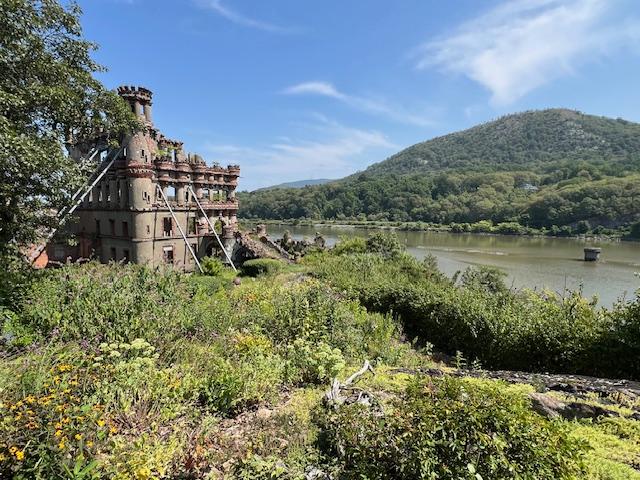
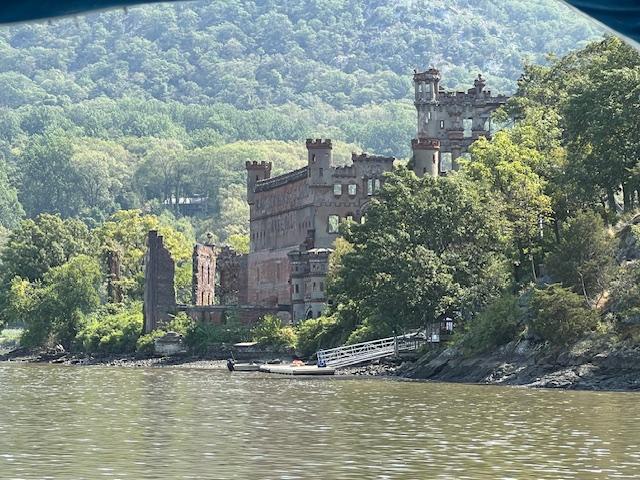
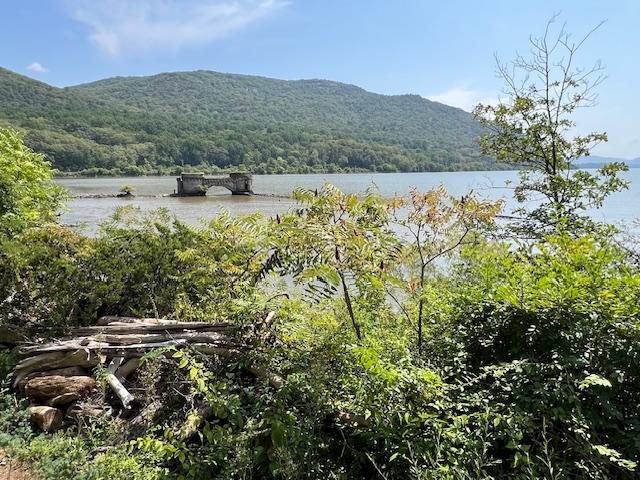
The mysterious Bannerman Castle sits on an island in the middle of the Hudson River

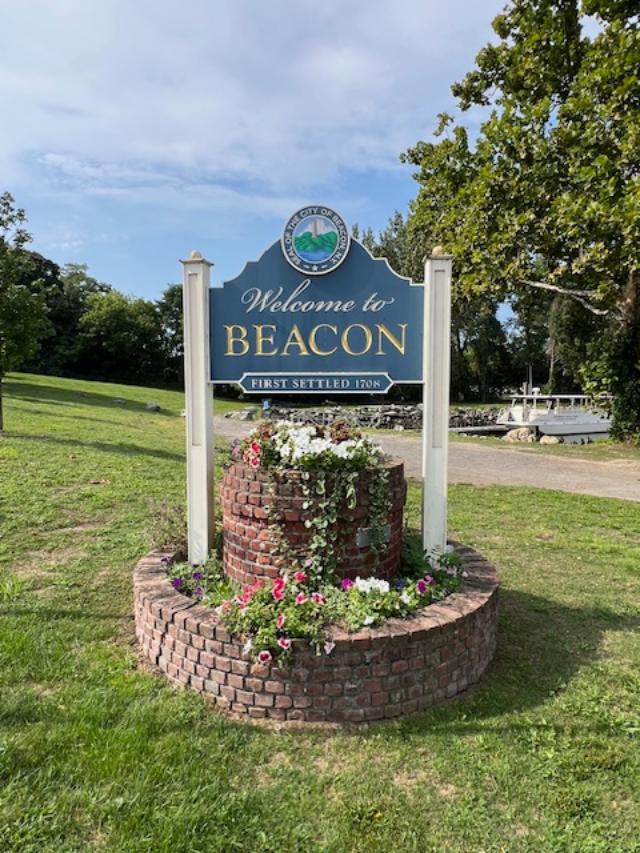
The welcoming sign by the riverfront

I recently visited Bannerman Island (Pollepel Island) just outside of Beacon, New York on a cool cloudy day and I highly recommend the twenty minute boat trip to this mysterious and scenic island. The only way to visit the island is by boat or kayak and the ride is very quick depending on the weather and the waves on the Hudson River.

The dock at the Beacon Railroad station at the beginning of the tour
The dockside and park at the Beacon park

The view of the docks before the tour

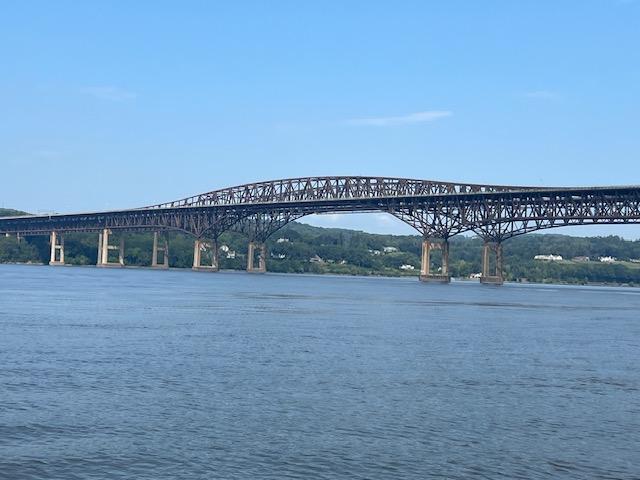
The view of the bridge near the park and part of the boat tour

Video of the boat ride out to the island:

Video of the boat ride out to the island:

Video of the boat ride out to the island:

Video of the boat ride out to the island:

Video of the boat ride out to the island:

Arriving at the dock on Bannerman Island after your boat ride

The historic sign of General Lafayette’s landing at this site in 1824

Once you get to the island, you are greeted by the tour guide and then have to walk up 74 steps from the harbor to the ridge of the island so this is NOT ADA compliant.  At the top of the stairs starts the path around the island. Our tour guide that lead the tour had been there since the tours started in 2004 and gave us many insights on the history of the island and its purpose to the Bannerman family.

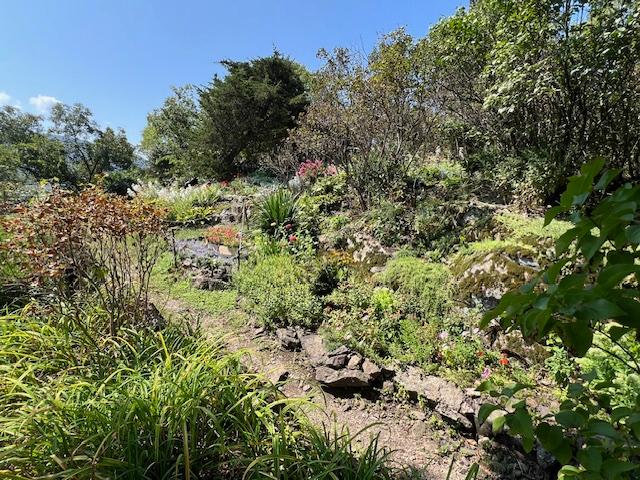
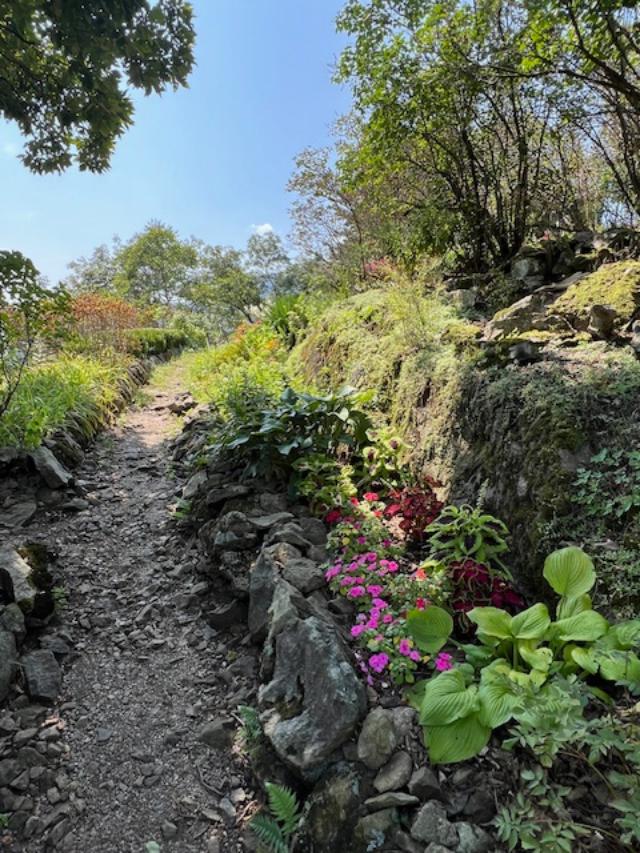
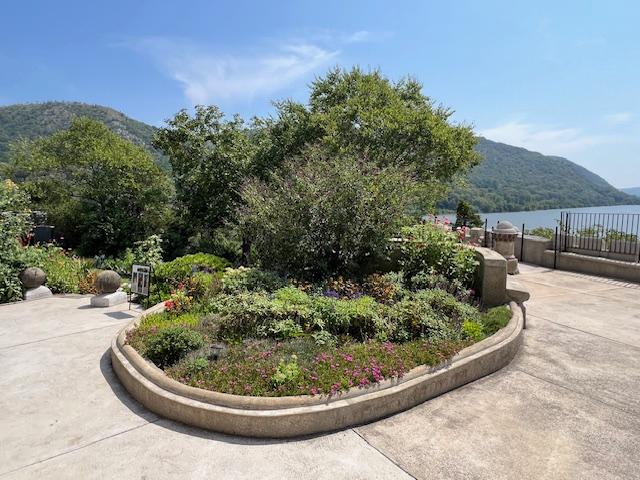
The gardens at the hillside as you walk up the stairs at Bannerman Island in the Summer of 2024

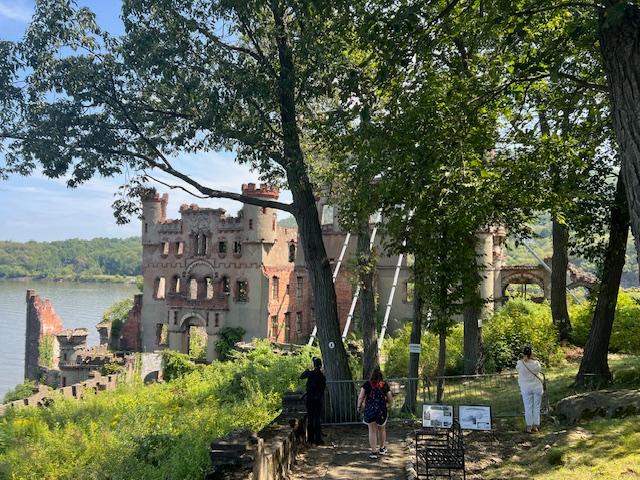
The first stop on the tour is the view of the ruins of the old Munitions Storage building

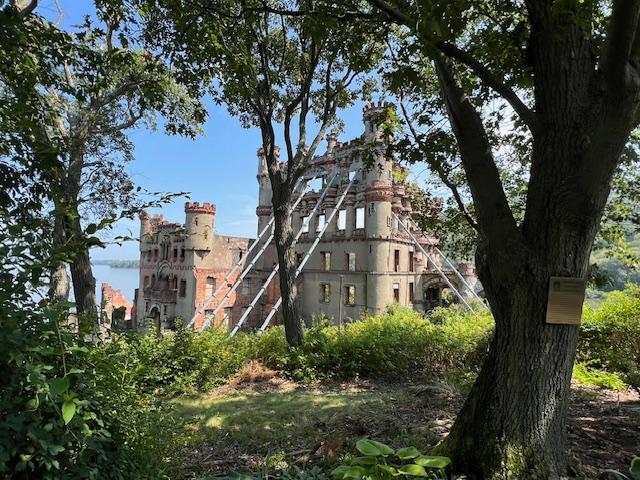
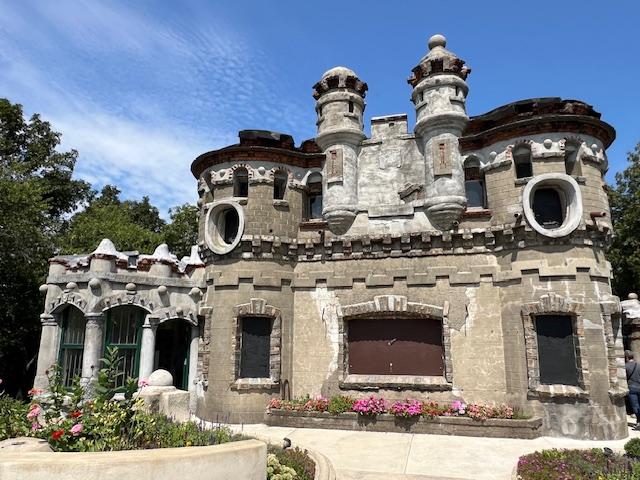
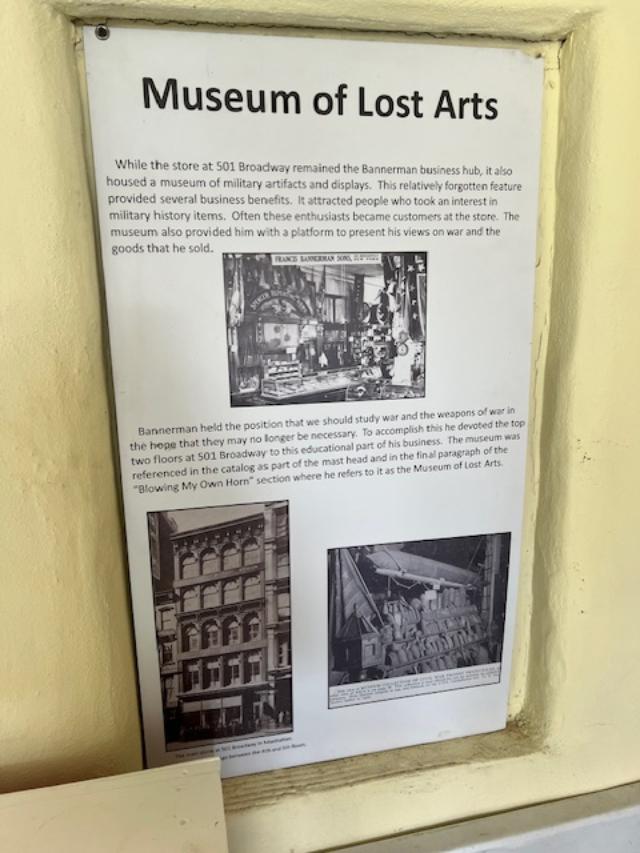
Our first stop was the Bannerman Munitions Storage facilities that were in the form of a castle that can be seen from the rail system up to Poughkeepsie, NY. For years I thought (as most people do) that this was a home but it was the Bannerman Munitions Warehouse for all the Army surplus items that Mr. Bannerman had brought up here from New York City. All the Military items were stored up here and the orders were fulfilled from this island.

Walking by the ruins of the old castle

Walking by the castle on the pathway

The pathway by the river

Walking the pathway by the river

The company has not been in business since the early 60’s and when the children of the founder closed the company after the laws in the Federal Government changed to where private citizens could not sell explosive, it put a damper into operations. In 1967, the storage buildings were destroyed by fire and the compound was a shell of the former factory. The home was also abandoned at the top of the ridge when the family sold the island.

The Bannerman Island Munitions Storage Facility

Once you leave the former storage facility which is now being held up by stilts because the structure is so weak, you will proceed up the path past the formal gardens that are planted along the trail. The local garden clubs now come to the island to replant Mrs. Bannerman’s formal gardens and beautify the island.

The gardens on the pathway to the house

The gardens along the pathway

The gardens

The gardens along the pathway to the house

The gardens by the front of the house

The gardens by the front door of the Bannerman Mansion

At the top of the point, there is the former home of the Bannerman family that is currently under renovation. It houses a quick tour of the family and there is a small gift shop inside. The porch area has the most amazing views of the Hudson River and the surrounding mountains. Here the Friends of Bannerman Island show movies in the warmer months and hold plays just outside the home. The last movie had been “Abbott and Costello Meet the Frankenstein”, which had been sold out according to the tour guide.

The Bannerman House and Gardens

The main room in the house

The old kitchen in the Bannerman home

The restoration of the house

The house restoration

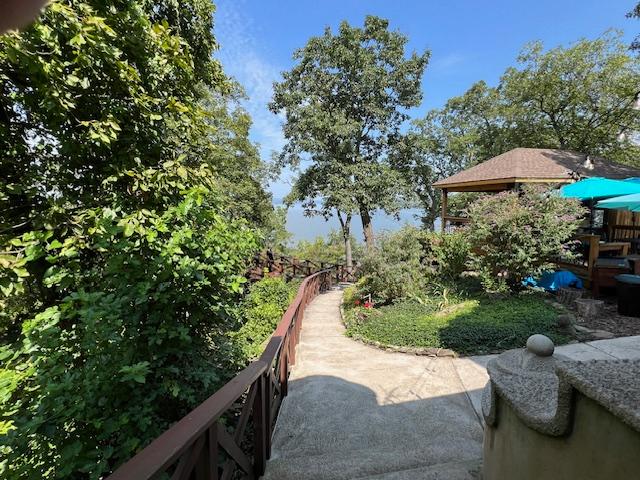
When you leave the house, there are two paths that you can follow around, one to Wee Bay at the bottom of the hill where you can see the beach and some of the river buildings. The other is the Red Trail around the hill of the island that takes you to the top of the hill to see spectacular views and back to the dock where you will pick up the boat. I suggest good walking shoes and patience. The Wee Bay trail is past the gardens. You take the trail down to the beach.

The pathway to the beach

The Bannerman sign before you head down the hill

The signs to Wee Bay Beach

The Wee Bay path tour

The Wee Bay path tour

The Wee Bay path tour

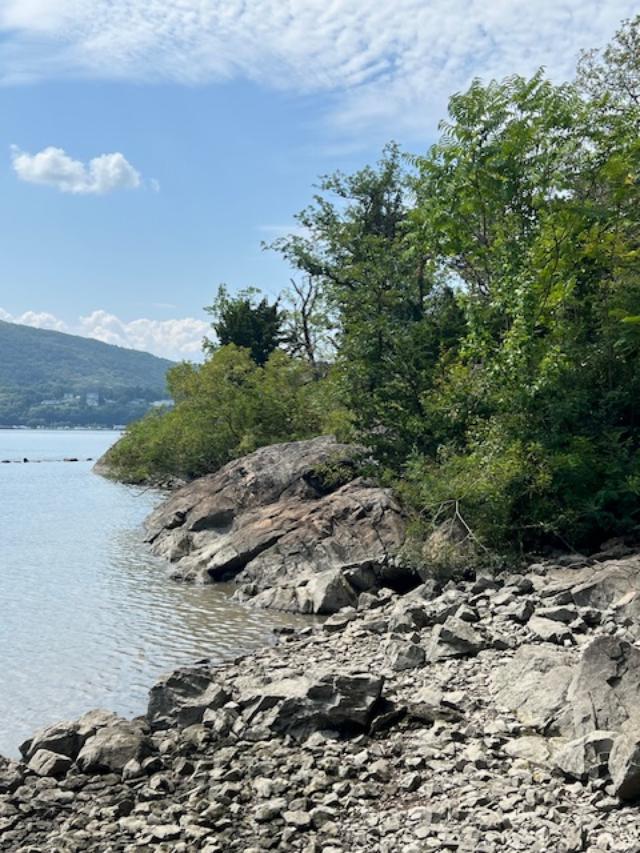
The views of the river from the Wee Path tour

The Wee Bay beach at the bottom of the trail

The beauty of the beach at the bottom of the hill

The docking buildings by the beach

Wee Bay Beach

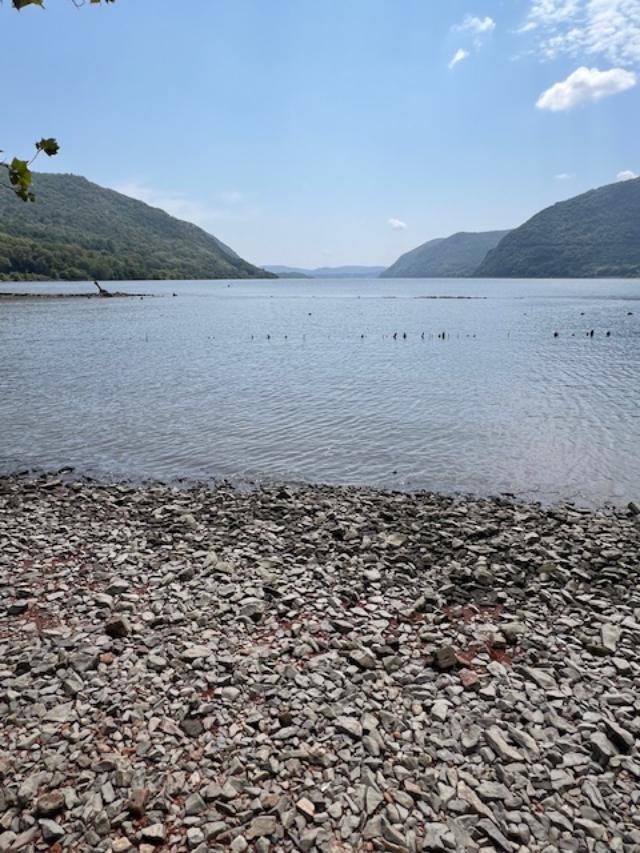
The view from the beach

The view of the River buildings

I headed back to the top of the trail by the house and continued the walk around the house to walk the Red Trail on the other side of the house. I have to admit this is not for the faint hearted and you had better like hiking because it is not easy.

The beginning of the trails by the main house

The Red Trail gardens

The Red Trail by the house

The trail at the highest point on the Red Trail

The end of the Red Trail

The end of the trail by the castle

As you exit the tour, you will be heading down another flight of stairs to go back to the harbor. Please watch out for poison ivy! It is all over the place. Then it is back on the boat to the Beacon harbor. The tour guide gives you plenty of time to take pictures.

The view of Mount Beacon on the Hudson River

Finishing the tour and back to the boat

The tours are finished at the end of October and will reopen again in the Spring. You must book on line for the tours through the State website and the boats only hold 44 people so be sure to book in advance of when you want to go.

In 2019, I had lucked out in that three people did not show up for the 2:00pm tour and I was able to pay cash for the trip. In 2024 I booked online which is what I suggest.

For the views alone it is well worth the trip

 The view of Downtown Beacon when you return to the dock

The boat awaited the next group who were at the dock when we returned

The view of the parks when you return

History of Bannerman Castle on Pollepel Island:

Bannerman Castle was built from 1901-1918 by Frank Bannerman IV as a warehouse to store his collection of antique military equipment from the Spanish American and Civil Wars. Bannerman was the father of the Army Navy Store. His  world famous catalogue of military equipment became the “go to” source for collectors.

The ruins of the Bannerman Castle

The island housed seven structures that formed the Scottish baronial castle, including workers apartments, a summer residence and beautiful trails and gardens. A great fire in 1969 destroyed the interiors and left the shells you see today. Bannerman island opened for tours in 2004.


History of Francis Bannerman VI:

(from the parks website)

Francis Bannerman VI was born on March 24th, 1851 in Northern Ireland and emigrated to the United States in 1854. The family moved to Brooklyn, NY and began a military surplus business by the Brooklyn Navy Yard purchasing army surplus after the Civil War. The family continued to grow the business by buying weapons directly from the Spanish Government before it evacuated Cuba and then purchased 90% of the munitions auctioned off by the Federal Government that had been capture by American forces at the close of the Spanish-American War.

The family bought the island in 1900 to store the surplus items to their growing business. The warehouse in New York was too small and too dangerous to keep in the City anymore and they could keep their inventory isolated on the island.

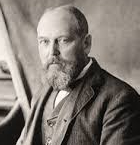
Frank Bannerman IV

https://www.electricscotland.com/history/descendants/chap36.htm

https://www.findagrave.com/memorial/8048322/francis-bannerman

The castle was visible from the water and had a giant advertisement sign right on the arsenal “Bannerman’s Island Arsenal” created into the wall of the building. With the change in federal and state laws on selling military weapons and the sinking of the ferryboat that served the island by 1950, the island was abandoned. The island and its buildings were bought by New York State in 1967 and is now run by the New York State Office of Parks, Recreation and Historic Preservation.

(This information is a combination from Wiki and the island pamphlet)

I visited Downtown Beacon, NY when I was finished with the tour. I highly recommend the town to shop and eat lunch or dinner. Maybe just a drink by the river. It is really a nice town.

 Downtown Beacon in Summer 2024

Downtown Beacon, NY in the Summer of 2024

Downtown Beacon by the falls in the Summer of 2024

Fort Delaware                                                      5516 NY Route 97                               Narrowsburg, NY 12764

Fort Delaware 5516 NY Route 97 Narrowsburg, NY 12764

Fort Delaware

5516 NY Route 97

Narrowsburg, NY  12764

(845) 252-6660

http://sullivanny.us/Departments/ParksRecreation/FortDelaware

Open: Last Weekend in June until Labor Day Weekend (repairs will be made on the facility after that until next year) Friday-Sunday 10:00am-5:00pm (last tour at 4:00pm) and Monday (Labor Day) 10:00am-5:00pm

Fee: Adults $7.00/ Seniors (62+) $5.00/ Children 4-12 $4.00/Veterans with ID and Children under 5 with adults Free. Special rates for school groups and group tours

My review on TripAdvisor:

https://www.tripadvisor.com/Attraction_Review-g48227-d3386995-Reviews-Fort_Delaware_Museum-Narrowsburg_Catskill_Region_New_York.html?m=19905

 The front of the recreation of Fort Delaware

Fort Delaware is a recreation of an old fort that used to be located on the Pennsylvania side of the Delaware River. It is a great place to take children who like to learn from ‘hands on history’ and watch Blacksmiths, Candle makers and farmers wives perform chores and show the way of life at a time before the Revolutionary War.

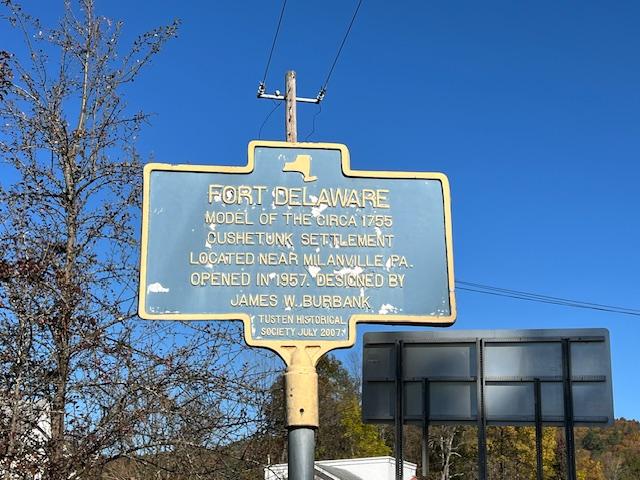
Fort Delaware historic sign

According to one of the actors I was talking to who was the Blacksmith, this type of fort would not be one people would have lived in full time. It was meant more for when the Native Americans would have attacked the settlement, which he said only happened once and for the most part the settlers and the Native Americans got along well.

As you tour the fort, you will see all the things that were done to support the settlement from  raising poultry and cows, candle stick making, the process to weave wool and flax from the raw materials, to weaving and spinning yarn to the process of making clothes and the work of the Blacksmith in making nails, axes and shoeing for horses.
The historic marker of the fort

Inside each of the little cabins, it will show the life inside and outside the fort at that time period including living quarters, a small school, workman’s shops and where the members of the fort did their business for trade. You can also walk the outside  decks that overlook the river to see how the gunneries worked and where the munitions were held.

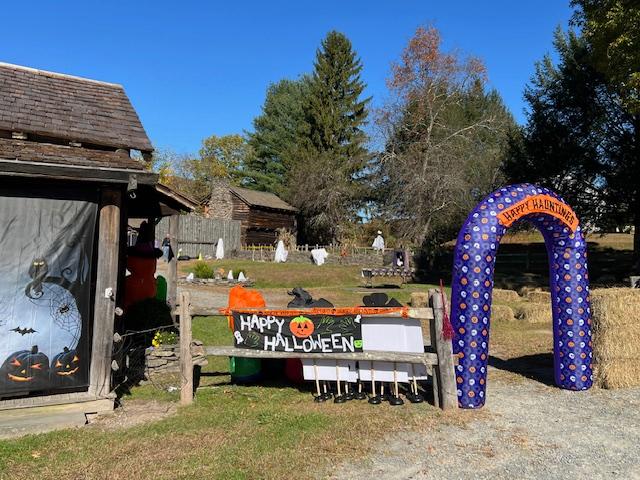
The front of the fort being decorated for Halloween

You can see the entire fort in about an hour and for small children, I think they would find it fascinating. For teenagers, unless they like history, I don’t think they would find it that interesting.  Leave yourself about an hour for touring.

Fort Delaware III

The inside living quarters


History of the Museum:

The Fort Delaware Museum is a recreation of the original fort and was built in 1957 by James W. Burbank, the second Sullivan County historian. Burbank was fascinated with the history of the settlement which at the time was called Cushetunk. He was influenced by the Davy Crockett craze at the time in the 50’s and wanted the fort to be a money making venture. He added things like pillories and stocks which were popular at the time. He ran Fort Delaware from 1957 to 1970 when he sold it to the County. The County of Sullivan runs it under the Department of Parks, Recreation and Beautification (History of Fort Delaware-RecordonLine.com).

The sign that welcomes you to the fort

History of the Fort:

(From the County of Sullivan Parks & Recreation Department)

Much attention is paid to the people who settled the main cities of New York but those who decided to take on the wilderness are often forgotten. At Fort Delaware, the daily life of the wilderness settler is explored through exhibits, crafts, demonstrations and tours. The Fort is a reconstruction of the original frontier settlement of the Cushetunk settlement on the Delaware River, with its stockades and stout log homes, which offered the only protection from hostile Native Americans and later English troops. The Fort consists of a small settlement entirely surrounded by high log walls or stockades. During your visit, you will see the blockhouse (where arms and ammunition were stored), settlers cabins, a spinning, weaving and barn loom area, blacksmith shop, candle-making shed and much more. Period-dressed interpreters demonstrate 18th century life skills, including: cooking, baking bread, animal care, dipping candles and the firing of a 1/2 pound British swivel cannon.

Background of the Fort:

Fort Delaware is a representation of the first white settlement on the Upper Delaware River called Cushetunk. Today’s Fort represents the development of the settlement over a thirty year period. The original settlers were farmers who came primarily from Central Connecticut and were of English descent. They were searching for more land because it had become too crowded in Connecticut to suit colonial farming techniques. A group of Connecticut men formed “The Delaware Company” and became proprietors. In the traditional New England way of land distribution they owned the land and either sold or leased it to farmers moving into this frontier, these proprietors moved their families to the frontier and never sold their land. The Delaware Company purchased land from the Lenape Indians, with the first deed signed in 1754.

The land purchased was a 10 mile long strip along both sides of the Delaware River (situate in modern day New York and Pennsylvania). Procedures for filing land claims were very different in the 18th Century. Also at that time, the States of Pennsylvania and New York were engaged in a boundary dispute , disputes of other colonies really didn’t matter much to those early Connecticut farmers, so they claimed the land for Connecticut! They called their community “Cushetunk”. To those white settlers, it sounded like what the Lenapes were calling the place. KASH-ET-Unk or “a place of red stone hills”.

By 1760, there were thirty cabins, a gristmill and a sawmill. Each spring saw the arrival of more people willing to hack a new life out of the frontier. These people faced hardships they probably never conceived of in Connecticut. Indian attacks, the remote wilderness, rough winters and the possibly that farming this land would not sustain them. They came into the area during the French and Indian Wars (1755-1763). In 1761, a stockade was erected around three homes to serve as protection for the entire settlement against attack. In 1763, the settlement was attacked by a Lenape war party. The lower part of the settlement was destroyed with no known survivors. By the time the war party moved up the settlement, people had gathered into the Fort for protection. The attackers were held off with two casualties among the settlers.

It is this Fort, which is represented today at Fort Delaware even though it was known as “the lower fort” during the 18th Century. Another Fort was situated in the upper part of the settlement. The Fort was never used as a Military post, only for civilian protection. In 1764, a rafting business was introduced into the community and became very successful. It brought cash into the community on a steady basis and Cushetunk experienced a lot of development. In the years between the French and Indian Wars and the American Revolution, the fort was abandoned as the threat of Indian attack decreased and people began building what they called “fair houses”. The period of the American Revolution (1775-1783) was a turbulent time for the people of Cushetunk. Generally, the inhabitants were “Tories” (or those who were loyal to the Crown). However, there were also a handful of patriots or Whigs as well.

As time went on neighbors became hated enemies. Many residents of Cushetunk took up arms for the British and Continental armies. Some fought with local militias. In some instances families were torn, brothers fighting on opposing armies. There were many occurrences in the settlement of neighbors (who once depended on each other for survival) fighting, looting and even murdering each other. Some of the Patriots from the settlement fought not far from their homes at the Battle of Minisink on July 21, 1779. After the Revolution, the Patriots returned victorious to reclaim their land and many loyalists left to settle in Canada. Today the descendants of these early settlers can still be in the area.

The fort being decorated for a Halloween event

(This information on the history of Fort Delaware and the settlement was taken from the County of Sullivan Department of Parks and Recreation and I give them full credit on the information. Please see the attached website for more information on the Fort).


Firefighting Museum of Dutchess County                             P.O. Box 2435                                                                      Poughkeepsie, NY 12601

Firefighting Museum of Dutchess County P.O. Box 2435 Poughkeepsie, NY 12601

Firefighting Museum of Dutchess County

(Antique Firehouse & Firefighting Museum)

P.O. Box 2435

Poughkeepsie, NY  12601

https://dchsny.org/firemuseum/

https://www.facebook.com/DutchessCountyFirefightingMuseum/

My review on TripAdvisor:

The new home of the Dutchess Firefighting Museum at the Dutchess County Fairgrounds

I recently visited the Dutchess County Fair in August of 2024 and discovered that they finally built the new Firefighting Museum of Dutchess County in the Century Village complex of the fairgrounds. This will only be open when the fairgrounds are open. It replaced the tent display that had been part of the fair since 2022.

The old tent museum that was a temporary display

The Firefighting Museum of Dutchess County (Dutchess County Firefighting Museum) is finally open and houses all the memorabilia and artifacts for fire companies all over Dutchess County. I met fire fighters from companies all over Dutchess County who are dedicated in showing the history of their departments and of fire fighting over the years. The museum had just opened in August 2024 so all the displays have not been mounted yet. They should be ready for future events at the fairgrounds.

The firefighting equipment of the museum visited by many firefighters from the area and their families

The Dutchess County Fairgrounds Management had proposed to build them a new building on the Fair Grounds with the stipulation that it remain open when the fair grounds are being used and closed when they are not being used. It will be part of the Century Museum Village & Collectors Association to include a reproduction of a late 19th Century firehouse and museum of firefighting memorabilia.

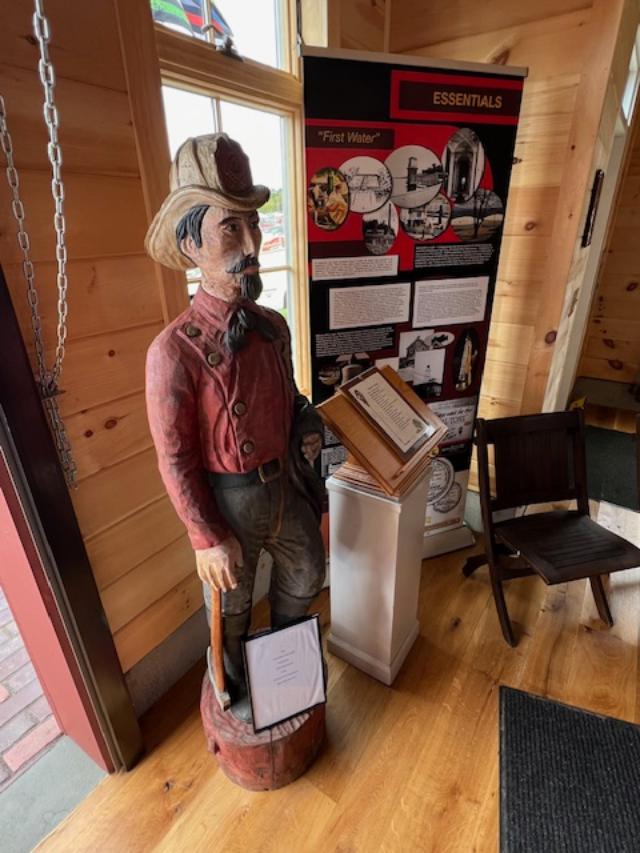
Firefighting artifacts at the front of the museum

The Parade Celebration cart with uniform for parades.

Firefighting artifacts at the new museum

The antique firehouse will join the Pleasant Valley Railroad Station, the Mount Ross Schoolhouse, the Washington Hollow Fair Judging Gazebo and the Century Museum.

Dutchess County Firefighter Museum II

Dutchess County Firefighters Museum logo

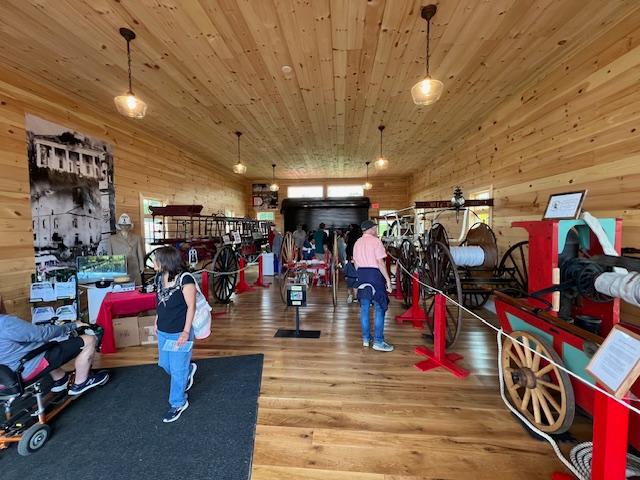
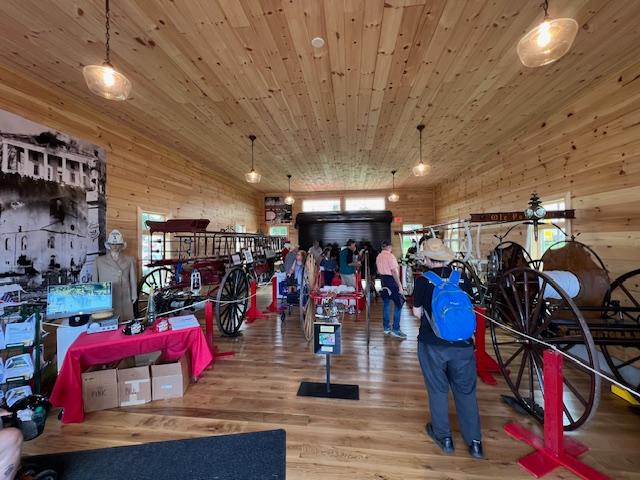
The new museum has an interesting combination of equipment, medals, horns and firefighting objects from the 1800 and 1900’s. It really is an interesting way to see how firefighting from the past relates to today and how much really has not changed. There were three different pieces of equipment on display: an old Ladder Truck from the 1890’s, a pumper from 1902 and an old hose bed that must have been around 1896.

The Pine Plains FD Ladder Truck

The old pumper on display

The handheld hose bed

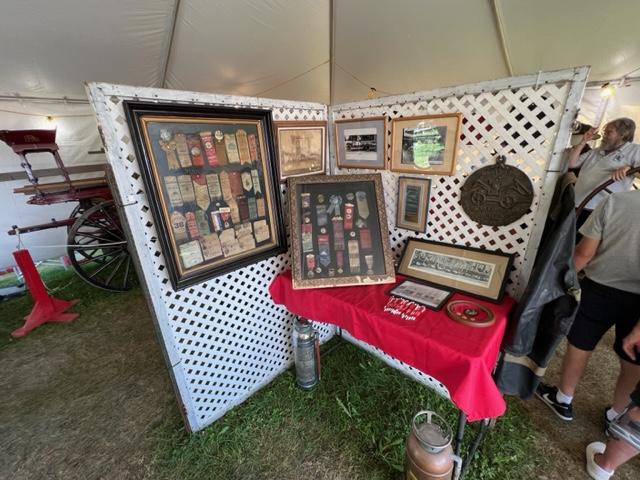
There were old fire horns used long before traditional fire whistles and modern pagers, firefighting ribbons and awards, old buckets and hoses for moving water and lots of pictures of old fires. The members were explaining to me that they take the objects out at all sorts of town and county functions to promote the museum.
Old Fire Medallions from the old fire insurance days when these were placed on the houses

The roll call of fire fighting in Poughkeepsie, NY

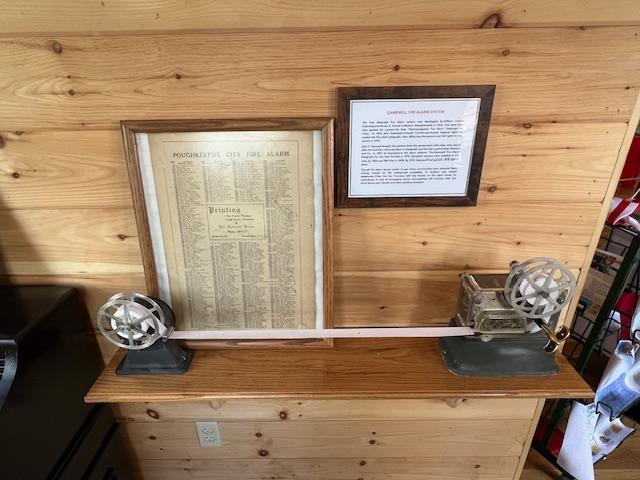
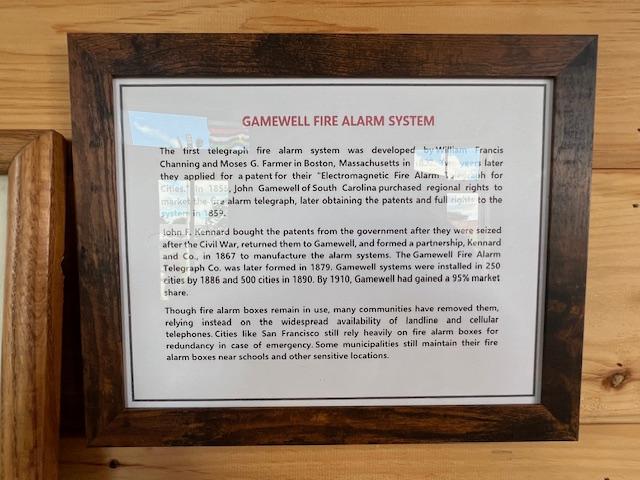
The Gamewell Fire Alarm System

History of the Dutchess County Firefighting Museum:

(from the museum pamphlet)

The Dutchess County Agricultural Society Inc. (DCAS) and the Century Museum Village & Collectors Association will be growing The Antique Village, located on the Dutchess County Fairgrounds which will include a reproduction of a late 19th Century Firehouse and museum of Firefighting memorabilia.
Firehouse artifacts in the museum

The Antique Firehouse will join the Pleasant Valley Railroad Station, the Mt. Ross Schoolhouse, Washington Hollow Fair Judging Gazebo and the Century Museum.

This grouping of special buildings on the Fairgrounds has been dedicated to preserving life in the late 1800’s in Dutchess County and sharing it with the over 500,000 visitors to the Dutchess County Fairgrounds over the course of the year.

The awards of the fire service from the old museum that will be displayed at the new museum soon

The Firehouse Project Research and artifact collection is underway, and the Fairgrounds is committed to adding to Dutchess County’s Fire Service history.

The project cost is $300,000 and was raised from funds all over Dutchess County, NY. This year’s fair the association was proud to open this museum as part of the Century Village on the fairgrounds.

The history of the Dutchess County Fire Service on video.

Special Firefighting “Coins” have been minted commemorating different fire stations, historic Dutchess County firefighting events and the dream of the Antique Fire Station and Museum. You can be a part of this exciting project by purchasing coins or making a tax-deductible donation.

The fire truck in front of the museum at the Dutchess County Fairgrounds

Disclaimer: This information is taken directly from the Antique Firehouse & Firefighting Museum of the Dutchess County Fair Grounds, and I give them full credit for it. The above picture is of the original proposed design for the museum and will be changed once the new building is built.

The new museum will house many more exhibitions in the future