Category: Parks and Historical Sites

Old Burying Ground-Blauvelt Cemetery-Harrington Park Historical Society                                Tappan Road                                                           Harrington Park, NJ 07640

Old Burying Ground-Blauvelt Cemetery-Harrington Park Historical Society Tappan Road Harrington Park, NJ 07640

Old Burying Ground/Blauvelt Cemetery-Harrington Park Historical Society

Tappan Road

Harrington Park, NJ 07640

(201). 768-2615

https://www.findagrave.com/cemetery/1653309/harrington-park-old-burial-ground

http://www.harringtonparkhistoricalsociety.com/

Open: Dawn to Dusk

Admission: Free

My review on TripAdvisor:

https://www.tripadvisor.com/Attraction_Review-g46493-d33215617-Reviews-Old_Burying_Ground-Harrington_Park_New_Jersey.html

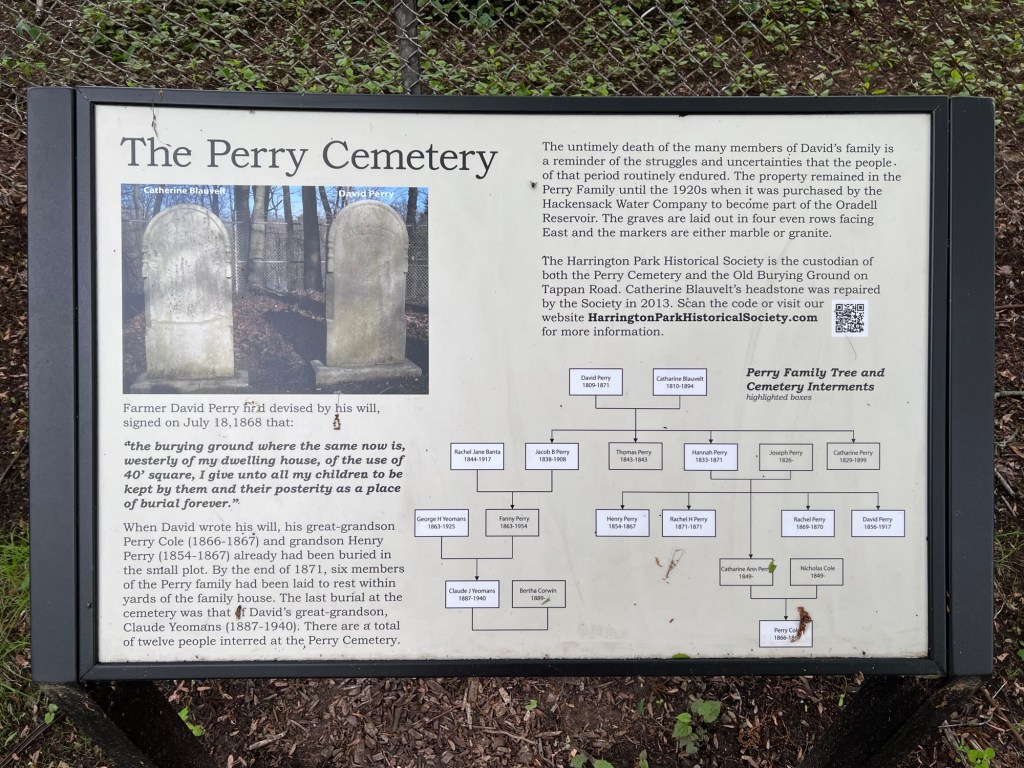
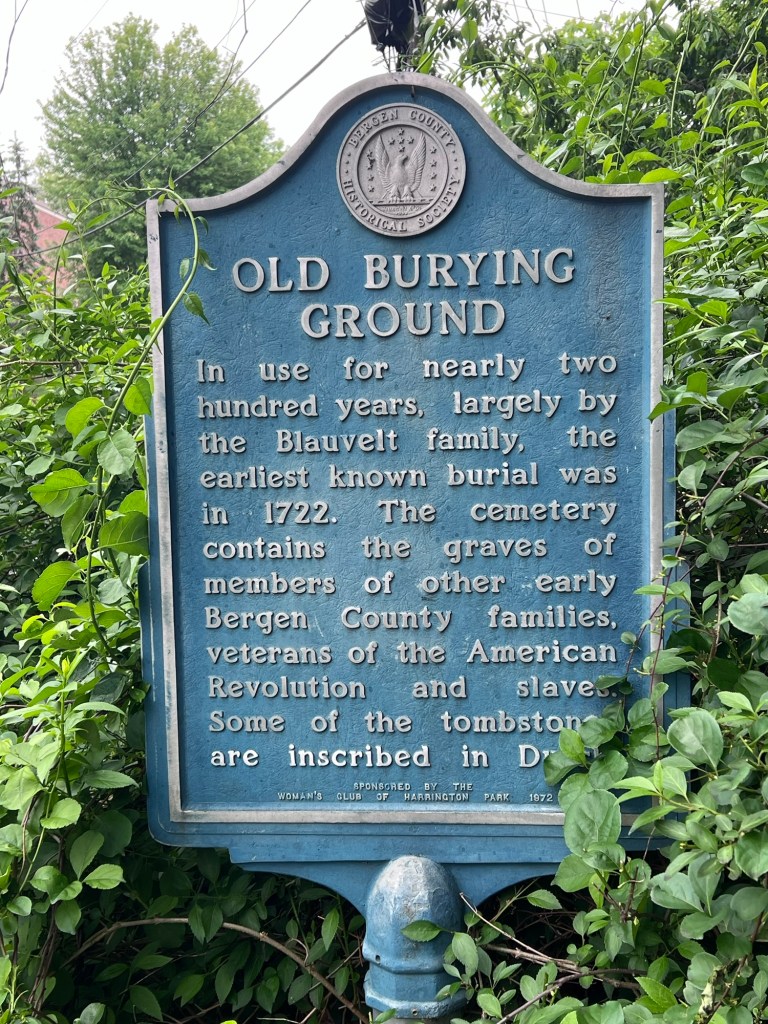
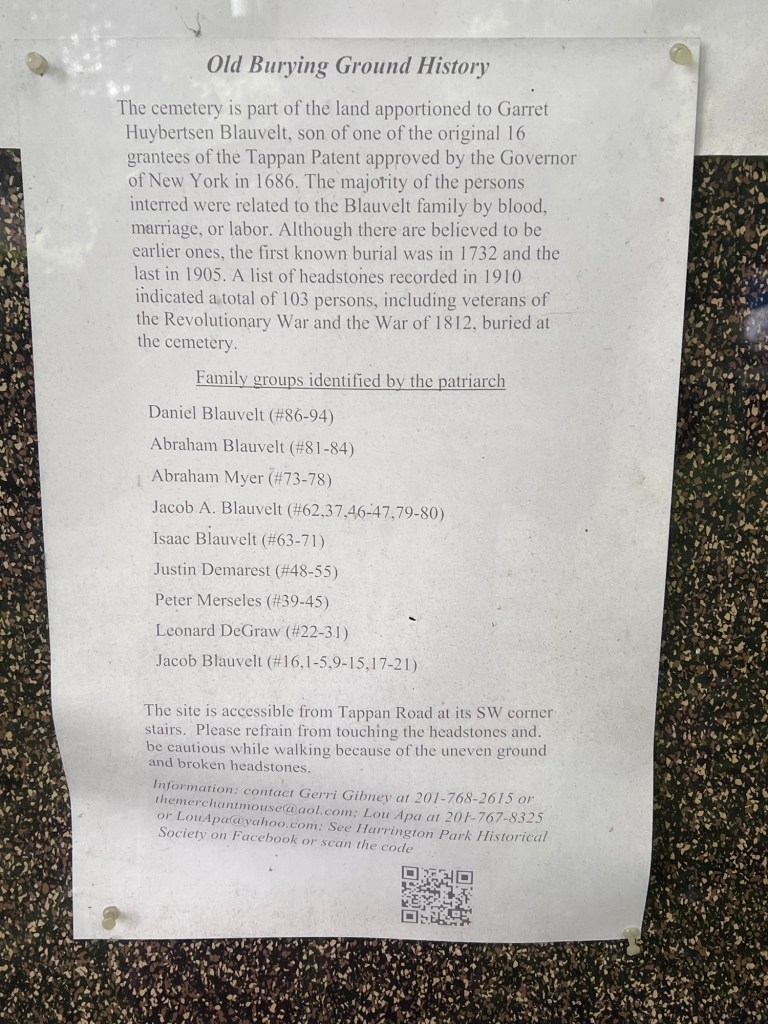
The historical marker for the Old Burying Ground

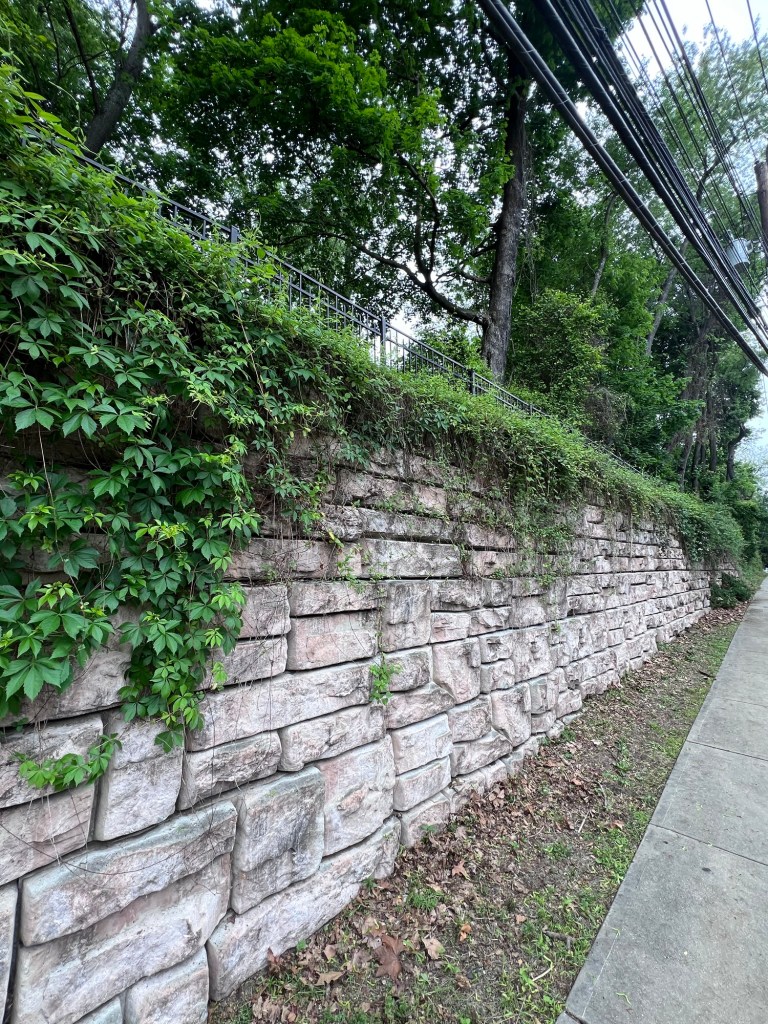
The wall outside the cemetery

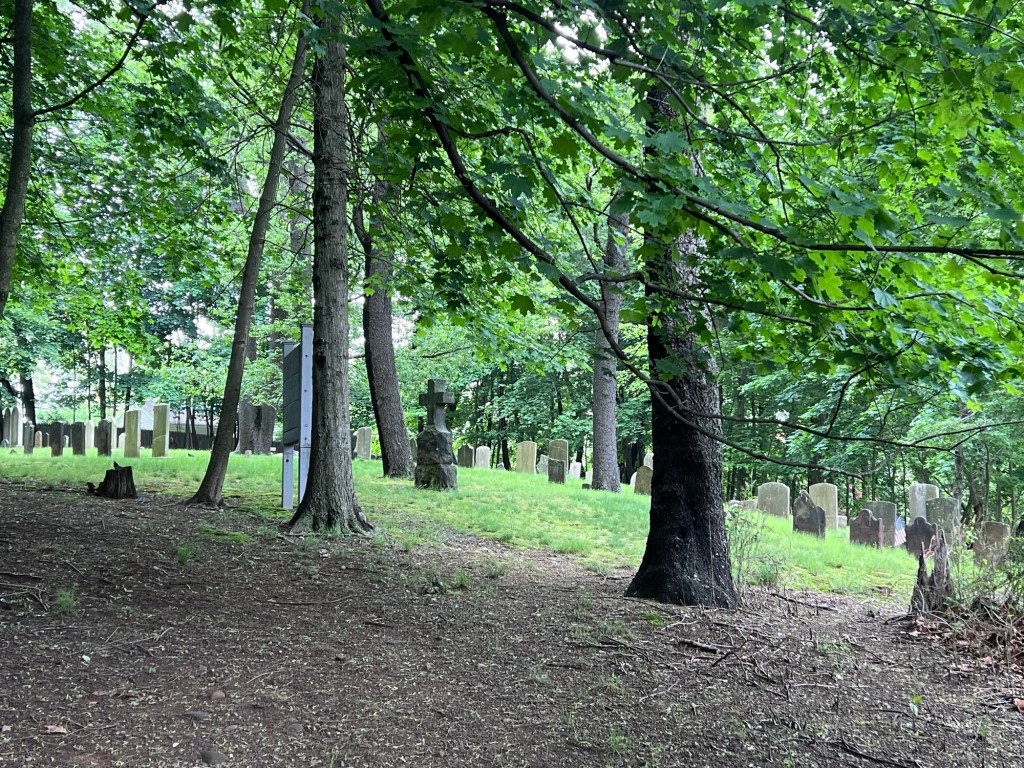
The Old Burying Ground known also as the Blauvelt Cemetery, is an interesting look at the burial rights of prominent farming families of early Bergen County and their forgotten legacy of their contributions to building not just the County to our Country as well.

Many of these families intermarried over time combining properties and farms that over time since the turn of that last century, have become lost corners of our county’s history due to growth after WWII of suburban communities.

It is interesting to see who the movers and shakers of these communities of the past whose descendants were still live in Bergen County. The sad part is that these distant family members may not know their own family history enough to visit these tiny pieces of history that hold members who fought in the Revolutionary War and contributions to the growth of businesses with names that have been reduced to well known street addresses. A lot of history lies in these tiny plots that dot Bergen County. Here you can see the ‘ghosts’ of the past and walk past their graves to hear their stories.

The entrance to the cemetery

The History of Burying Ground:

(from the Harrington Park Historical Society)

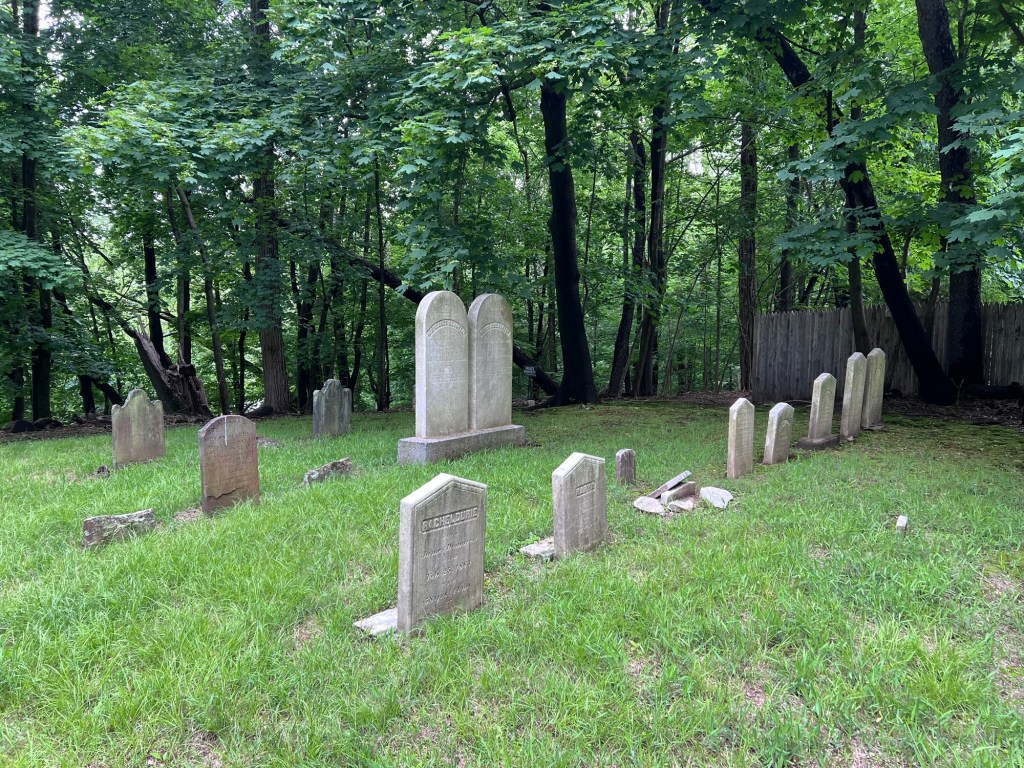
In use for nearly two hundred years, largely by the Blauvelt family, the earliest known burial was in 1722. The cemetery contains the graves of members of other early Bergen County families, veterans of the American Revolution and slaves. Some of the tombstones are inscribed in Dutch.

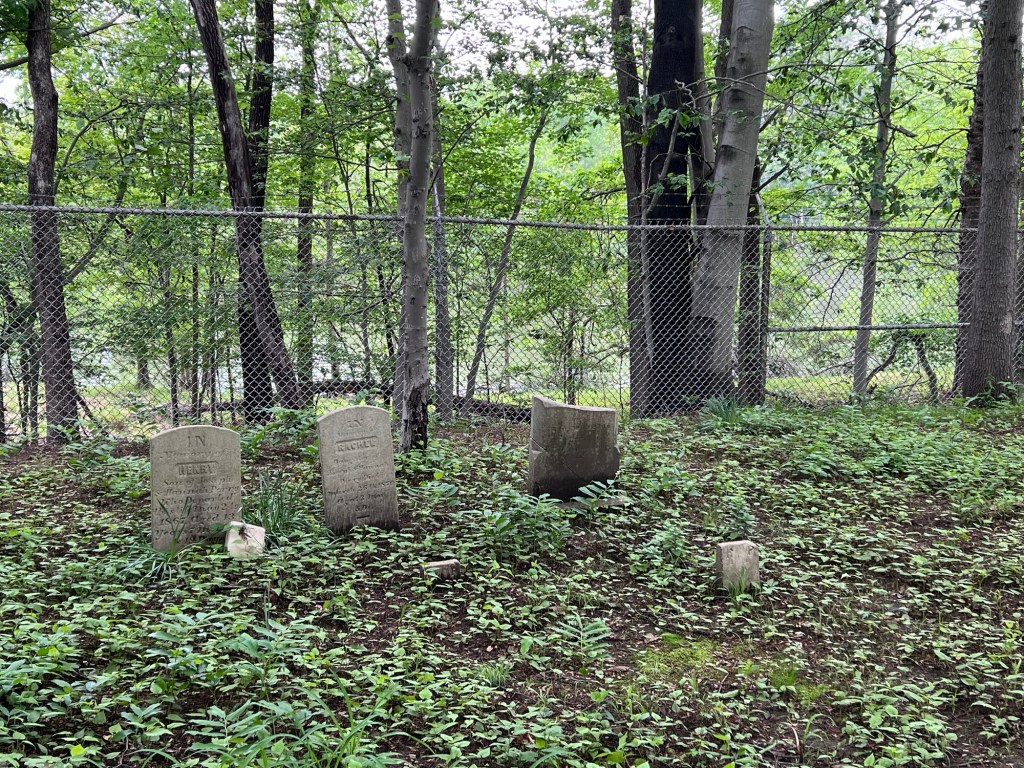
The description of the family plots

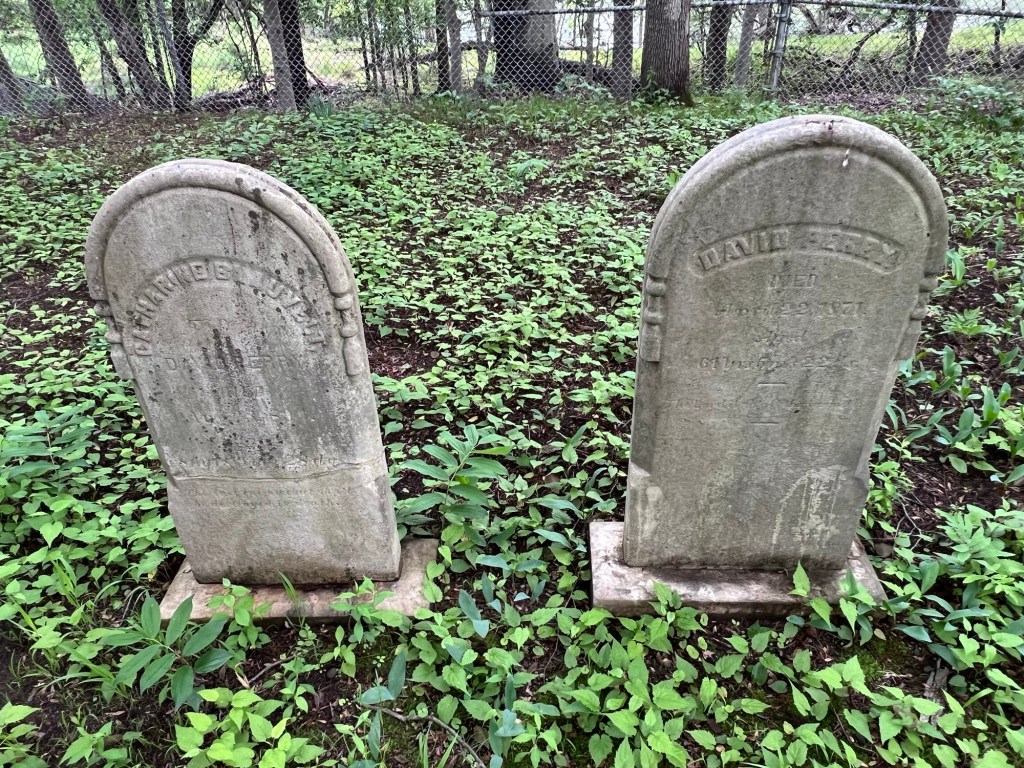
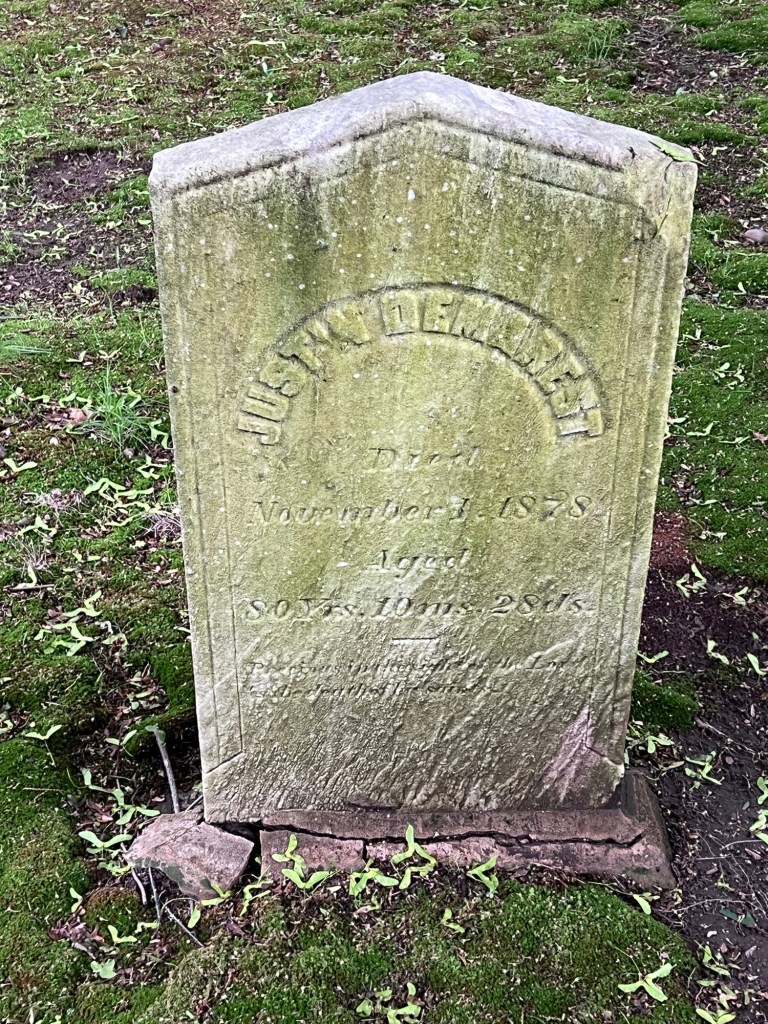
The grave of Patriarch Justin Demarest

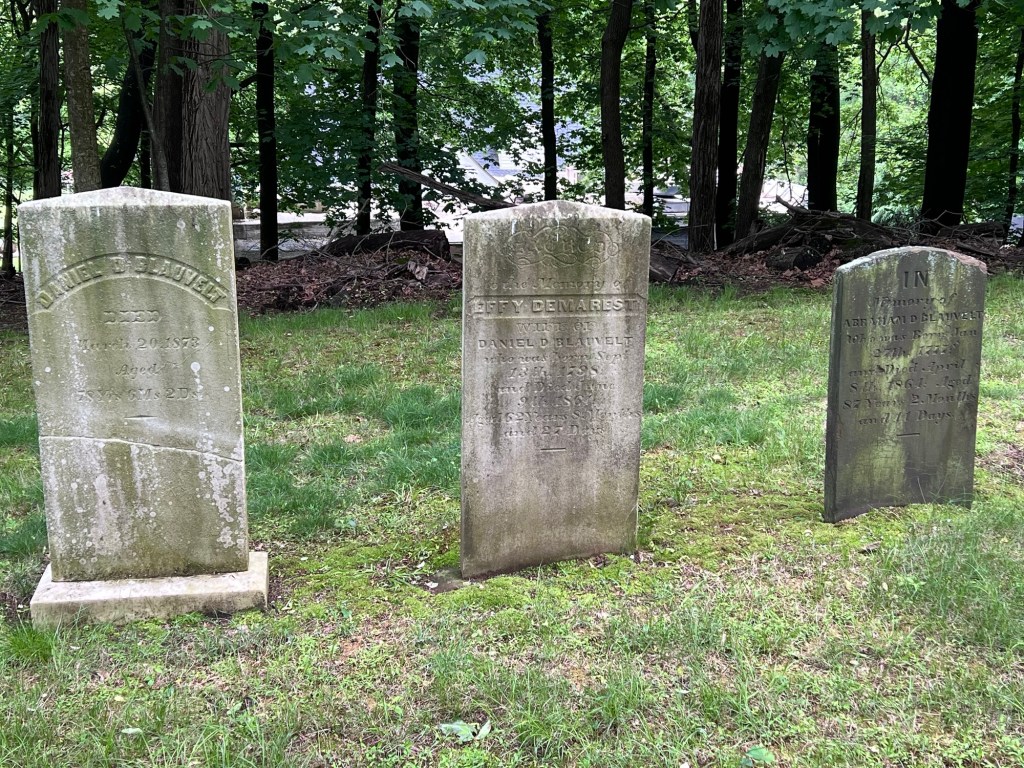
The Blauvelt family plot of Patriarch Daniel Blauvelt

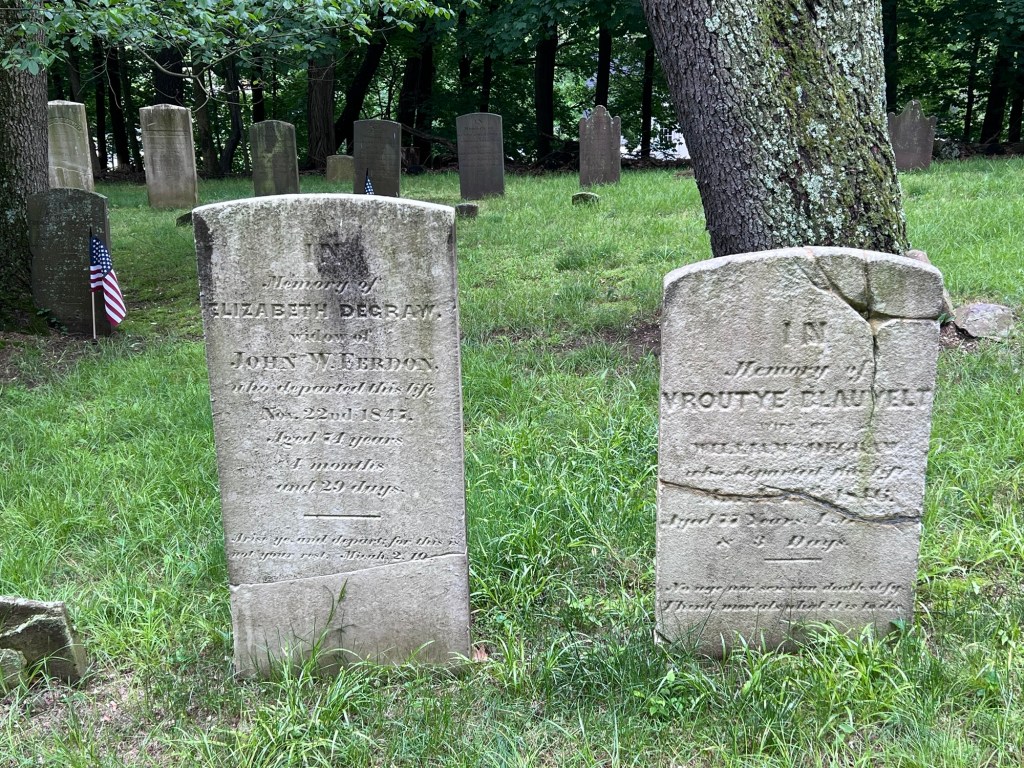
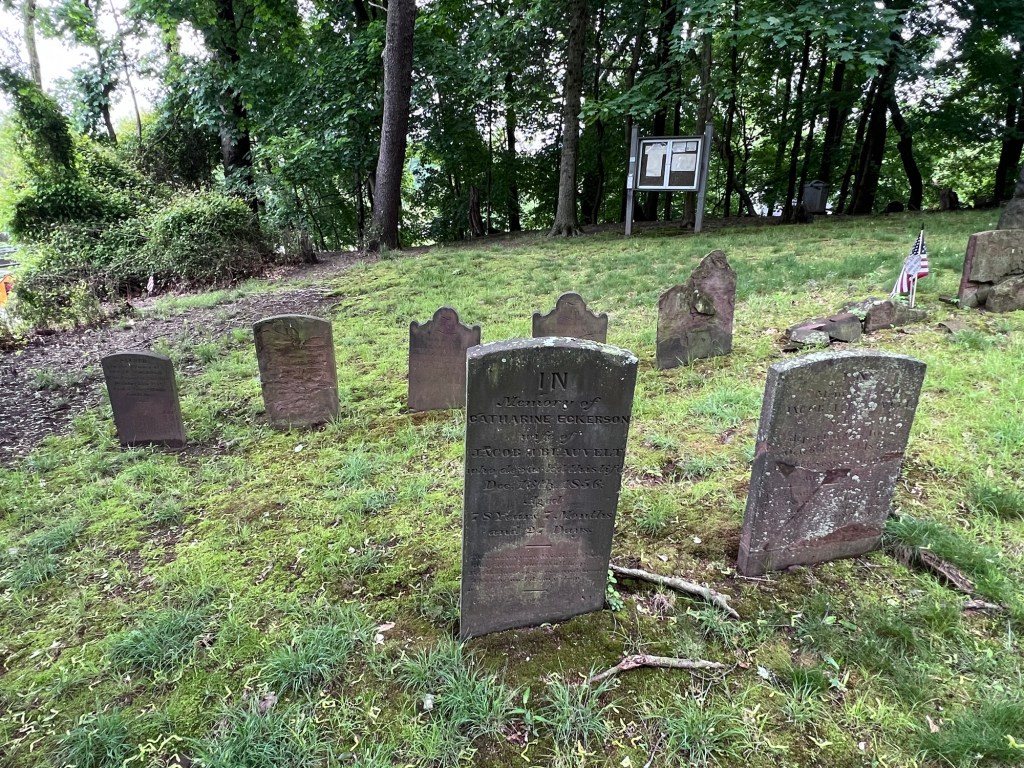
The graves of members of the Blauvelt and DeGraw families

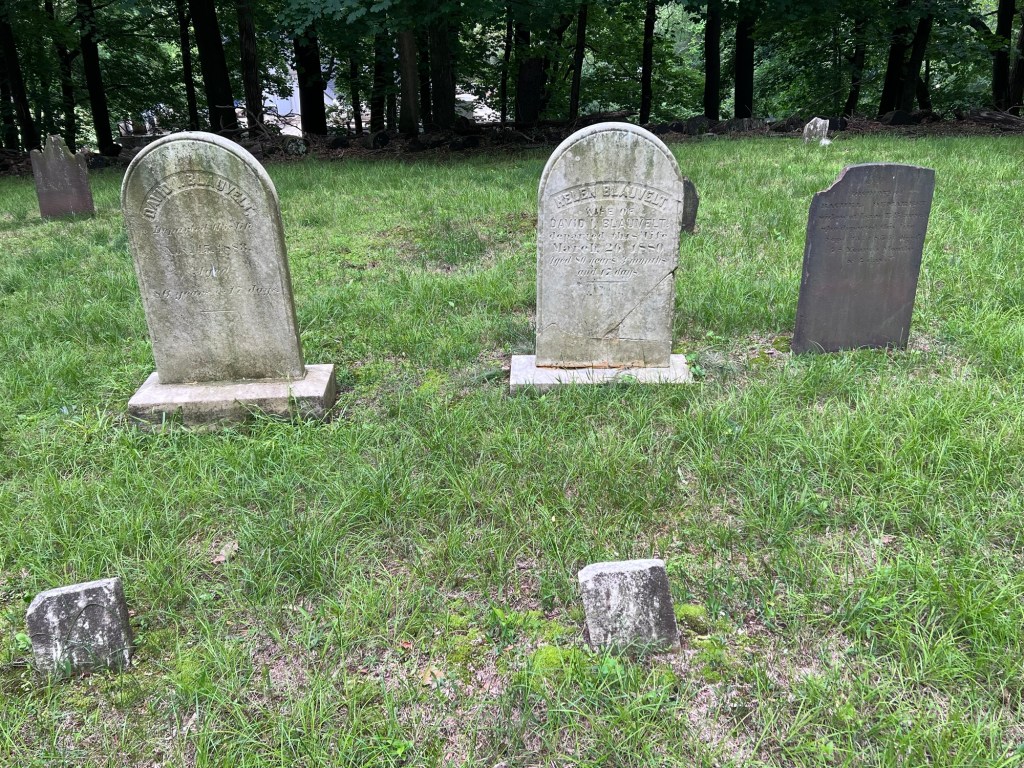
The graves of David and Helen Blauvelt

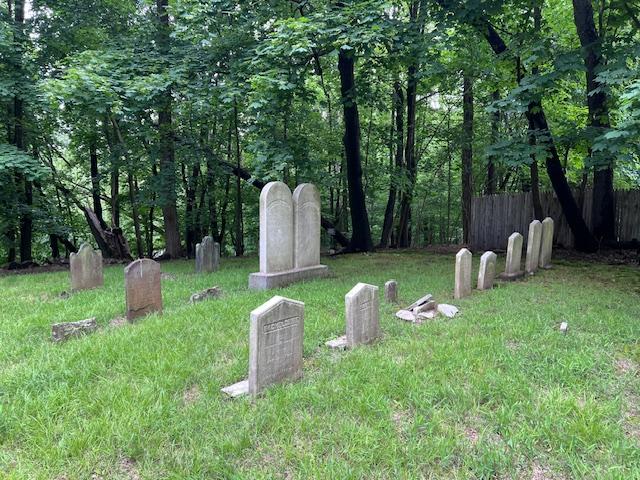
The middle of the Blauvelt family plot

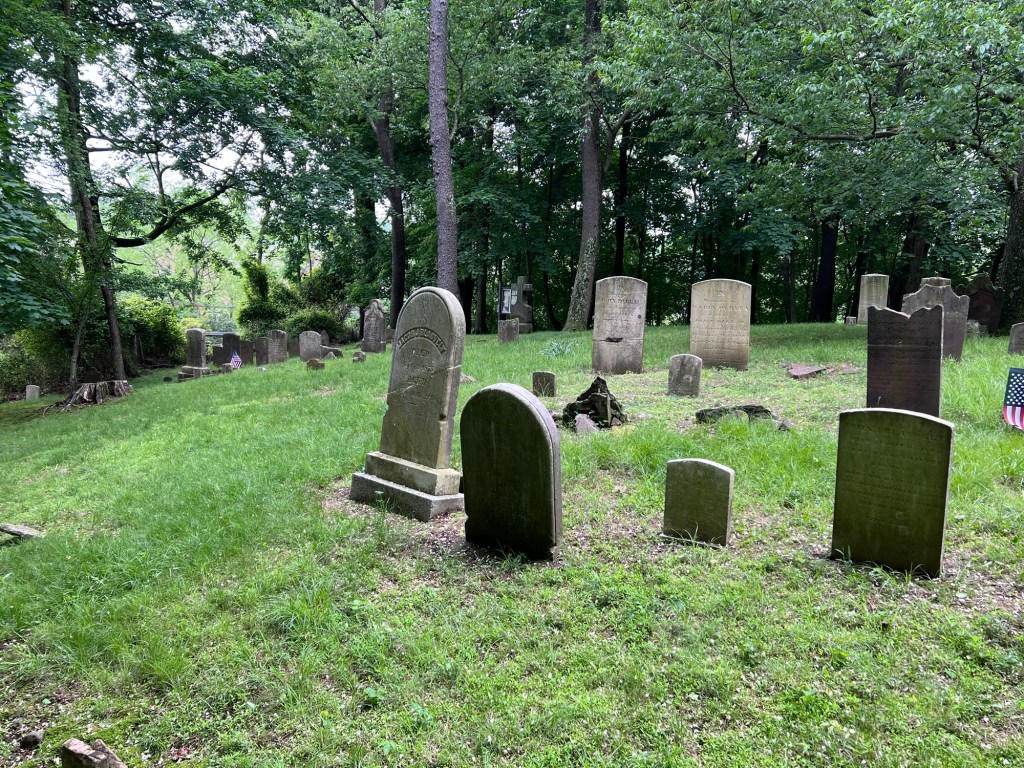
The cemetery from the other side of the Blauvelt family plot

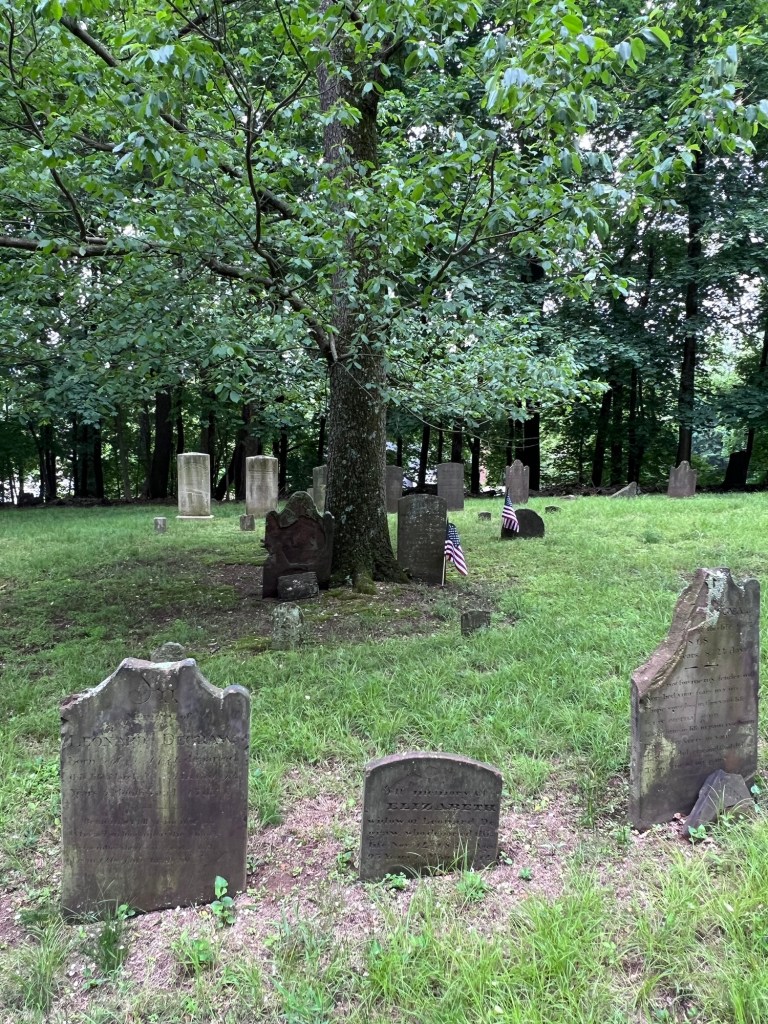
The Blauvelt and Demarest family plots (damaged tombstones)

(From the Harrington Park Historical Society)

Abraham Quackenbush (1768-1854) and his wife, Elizabeth Myers (1770-1807)) are part of the Abraham Myers family burial plot at the Old Burying Ground. In the middle of the 18th century, Abraham Myers received a royal charter from King George III to build a grist mill on the Hackensack River which his grandson John Bogert later operated, and it thereby became known as “Bogert’s Mill.”

The Myers family members interred in the plot are Abraham Myers, his wife Cathrena Nederman, daughter Cathrena, daughter Elizabeth and Abraham Quackenbush, son John Myers and wife Rebecca Durie. 

The Blauvelt-Eckerson-DeGraw family graves

Patriarchs David and Helen Blauvelt family plot

Video on the Cemetery from the Harrington Park Historical Society

The 1740 Miller-Kingsland House-Boonton Historical Society                                                         445 Vreeland Avenue                                               Boonton, NJ 07005

The 1740 Miller-Kingsland House-Boonton Historical Society 445 Vreeland Avenue Boonton, NJ 07005

The 1740 Miller-Kingsland House-Boonton Historical Society

445 Vreeland Avenue

Boonton, NJ 07005

Open: For special events and the Pathways Tours-Contact Boonton Historical Society

My review on TripAdvisor:

The Miller-Kingsland Homestead at 445 Vreeland Avenue

I went to visit the Miller-Kingsland Homestead, which is part of the Boonton Historical Society, during the Morris County’s Pathway’s tour and discovered a beautiful little historical home situated on picturesque piece of property. I saw by the signs that the grounds were maintained by the local Garden Club, who did a wonderful job landscaping the grounds.

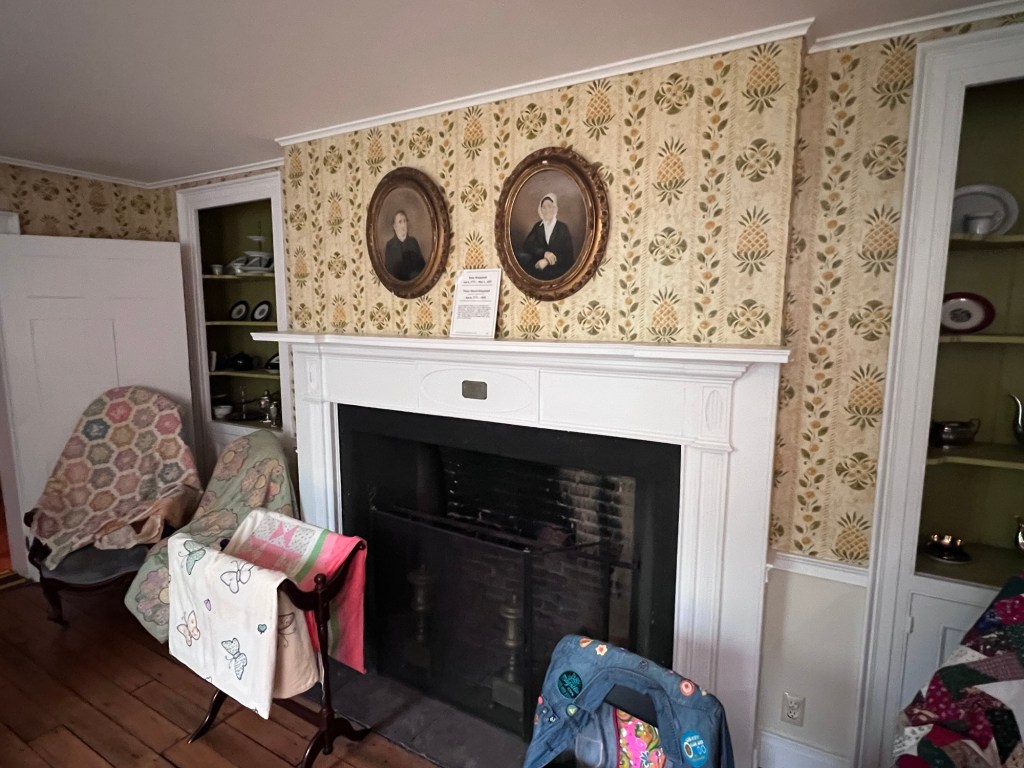
The Living Room in the extension on the house

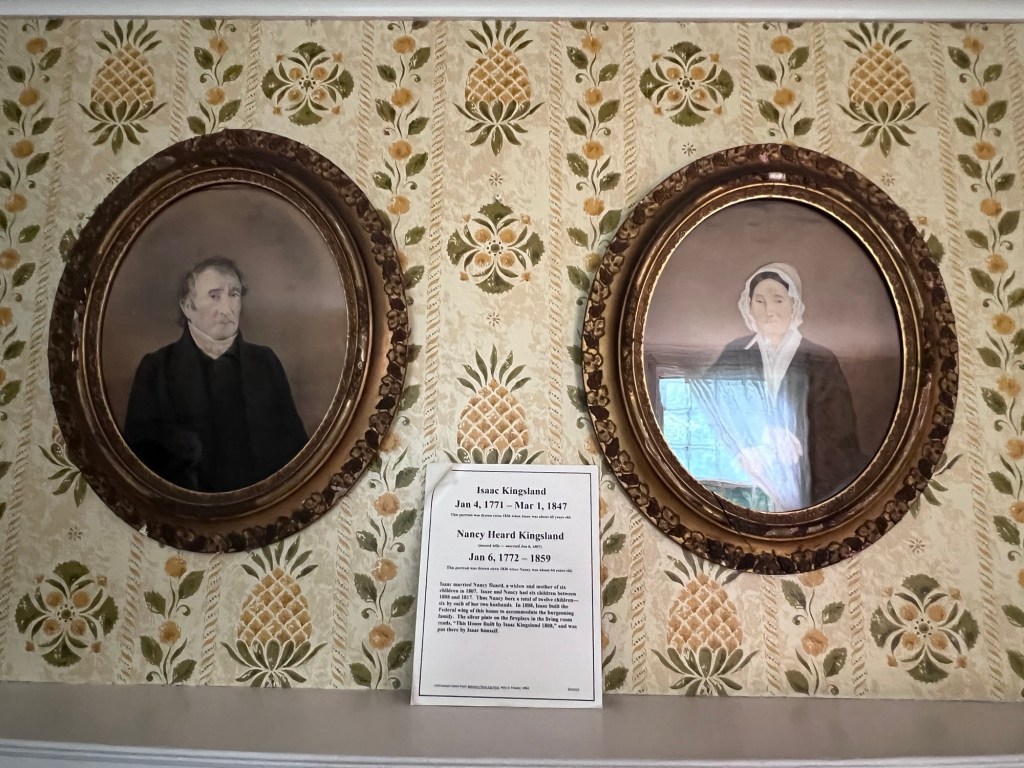
The portraits of Mr. & Mrs. Kingsland

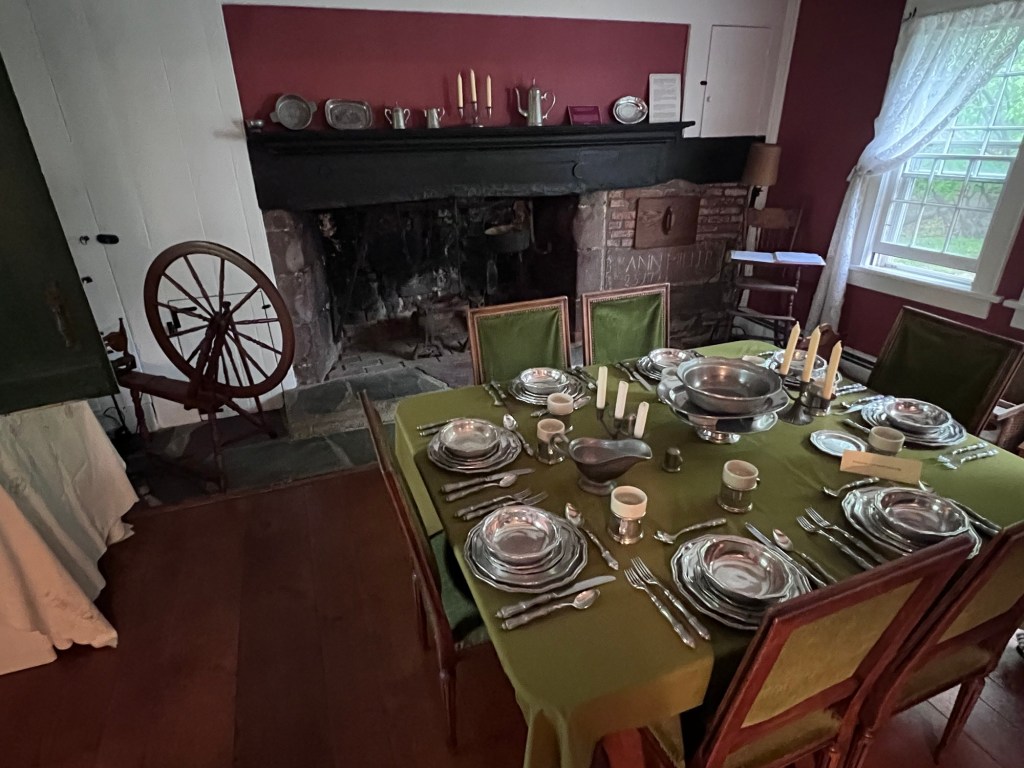
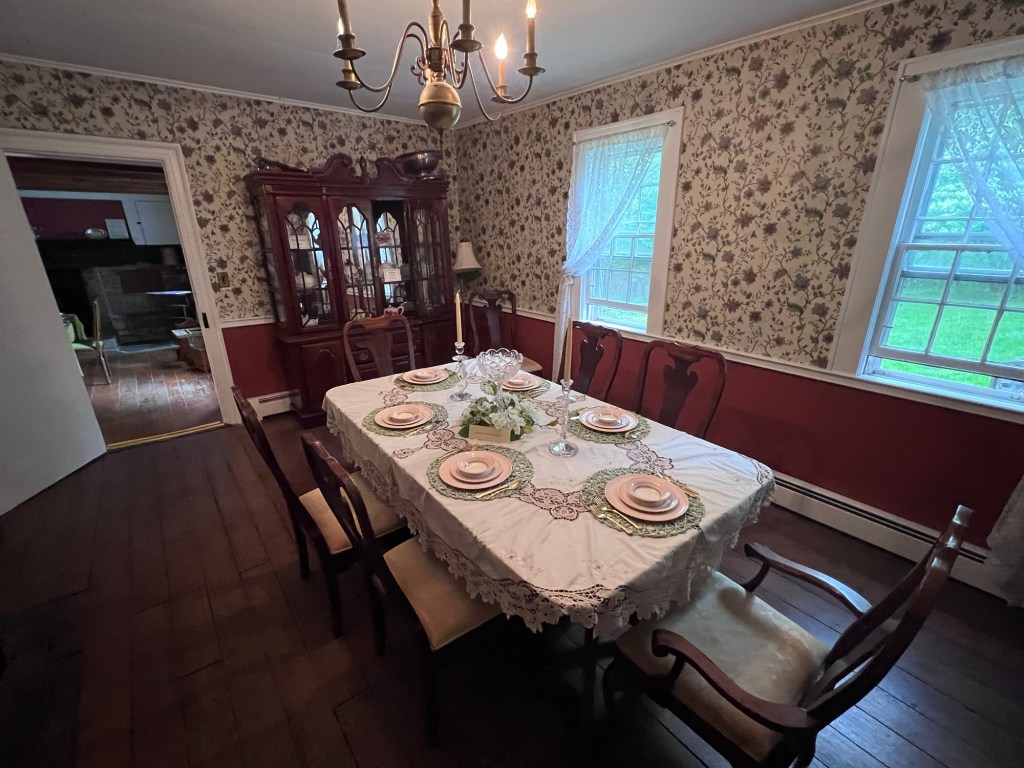
The Dining Room in the old section of the home

The historic home is filled with period furnishings and decorations, none it seems local to the home. Still you can see how the home has changed over the years with additions and renovations. The older part of the home is now part of the Dining Room.

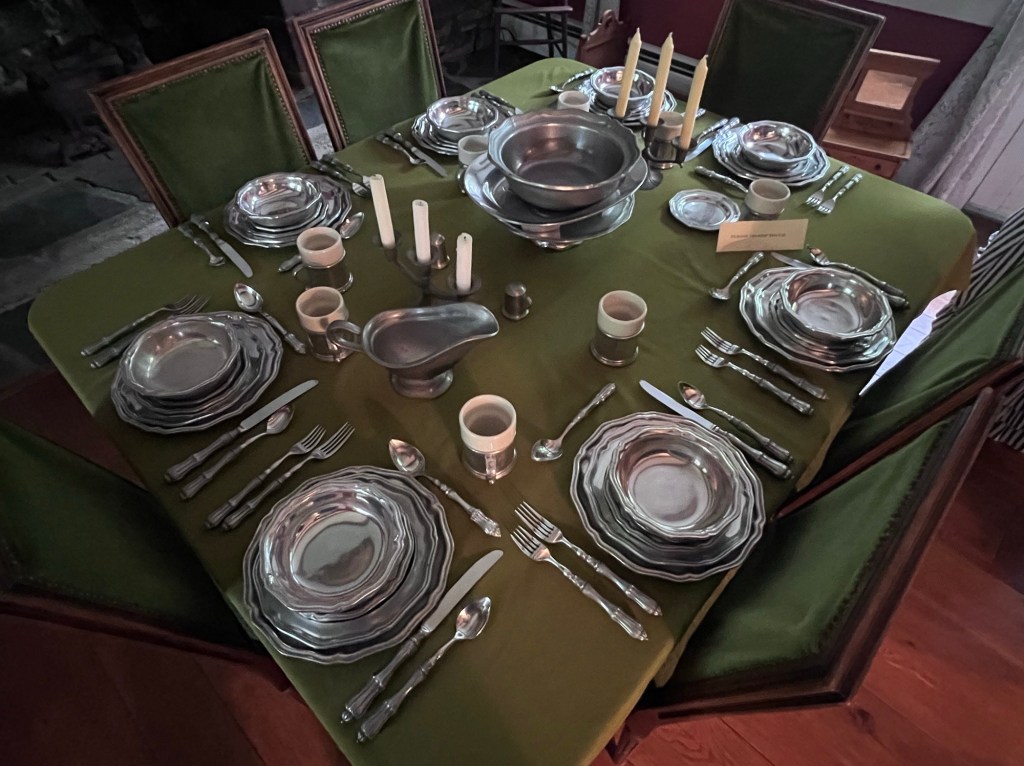
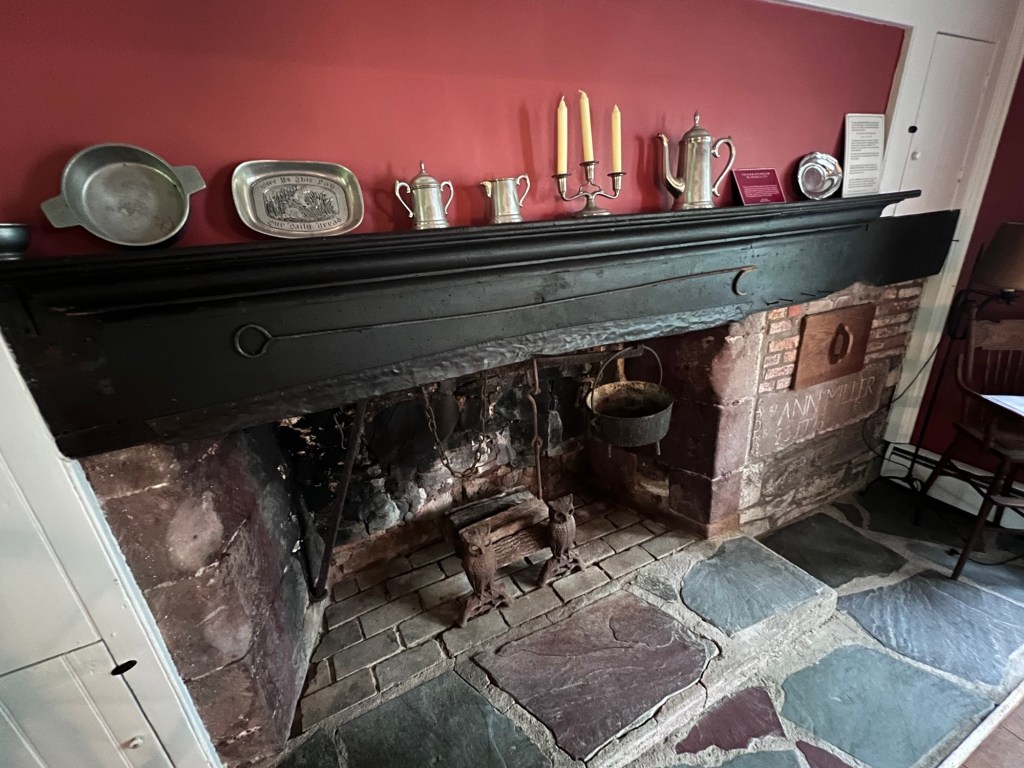
The Pewter ware collection on the Dining Room table

The fireplace in the original house kitchen now in the Dining Room

The formal Dining Room in the extension of the house

The formal Dining Room in the newer section of the home

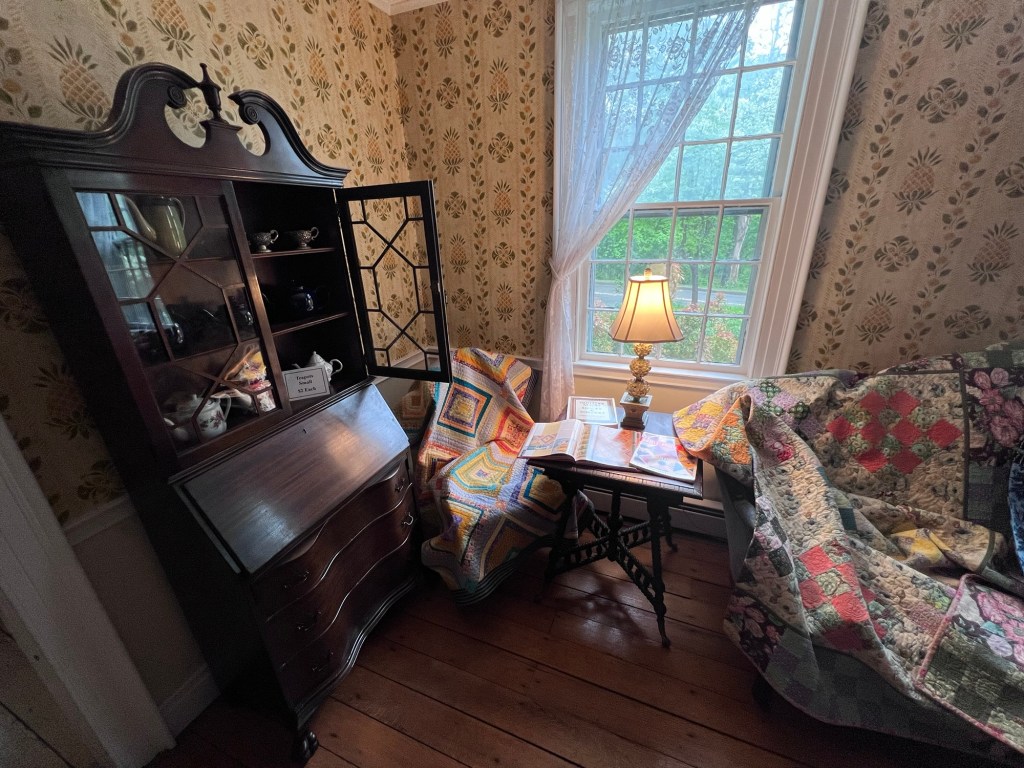
The antique China Closet with Teapots

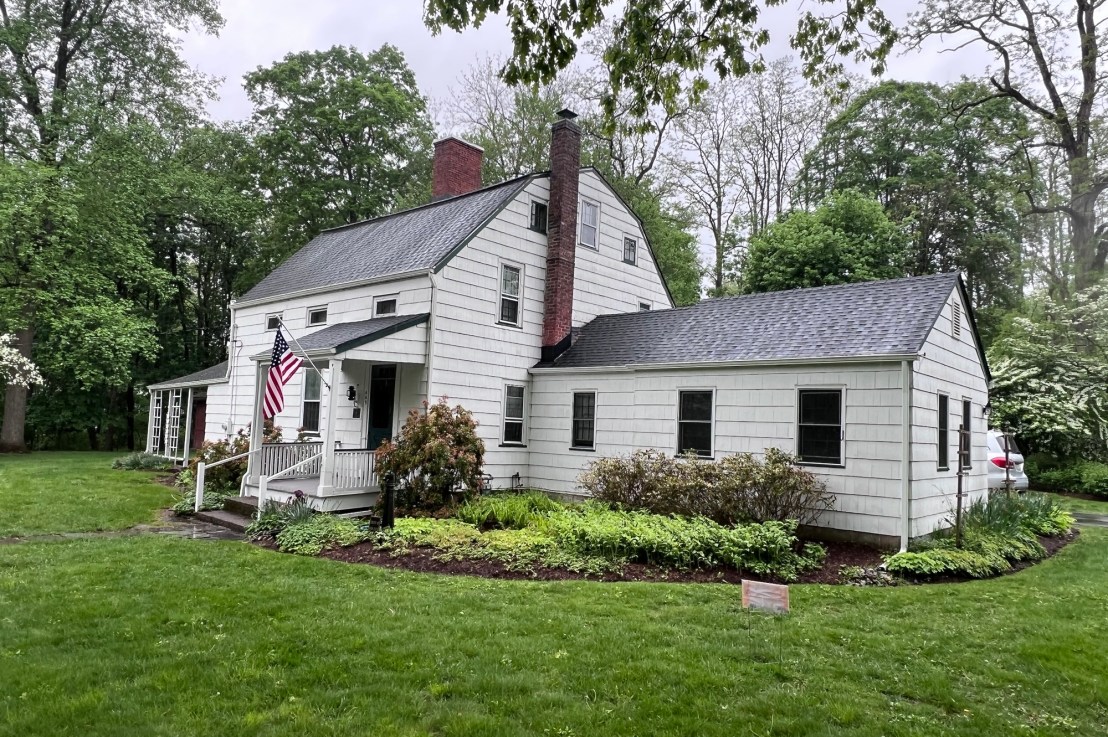
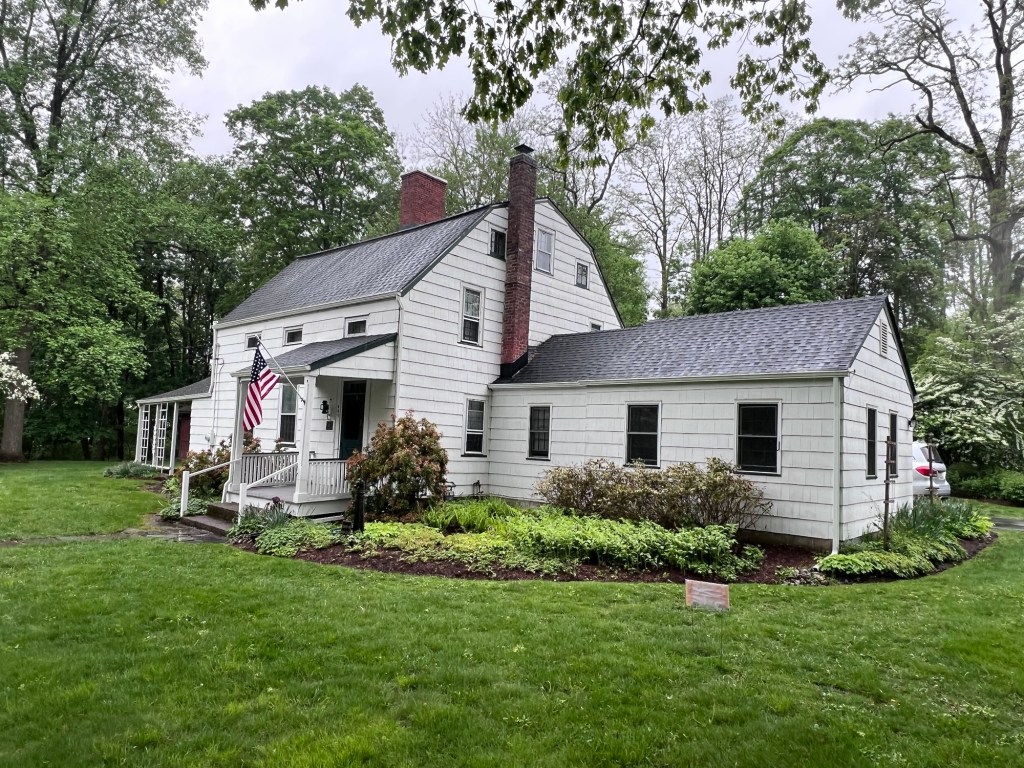
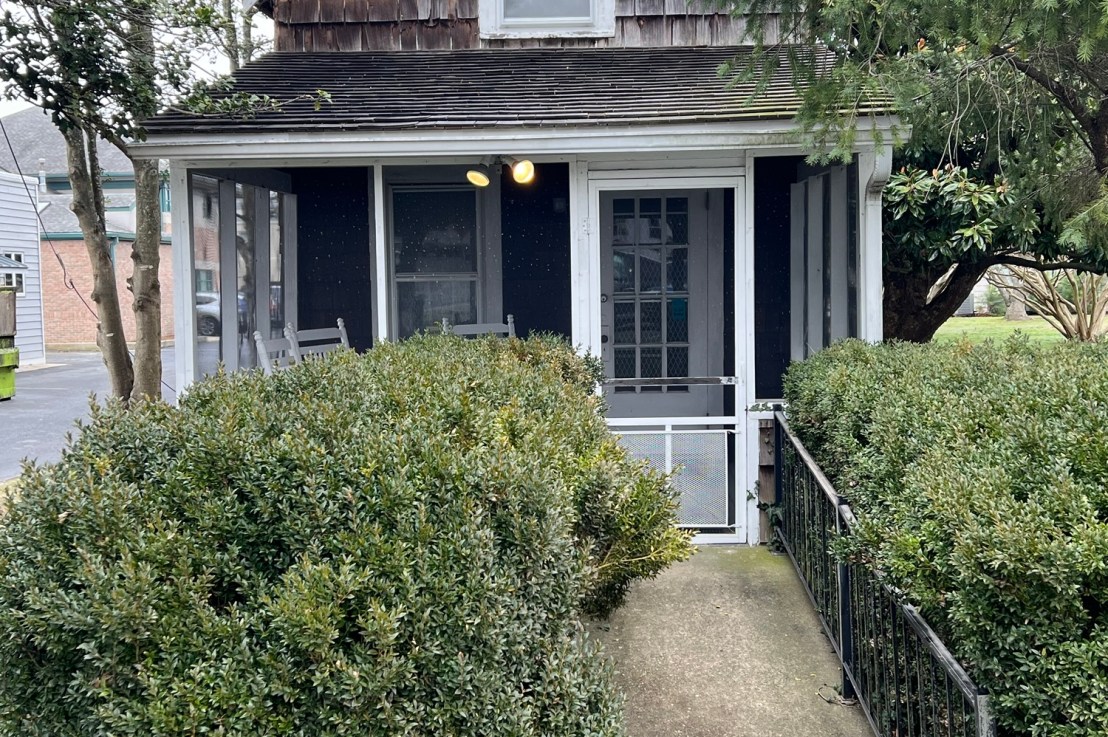
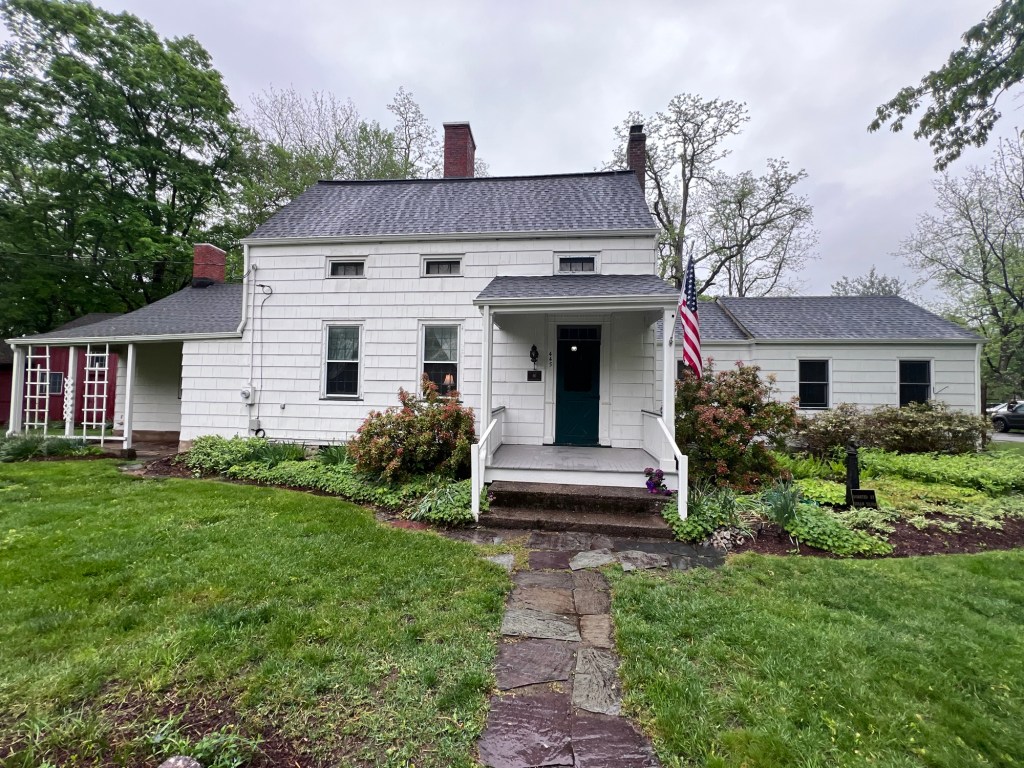
The outside of the house

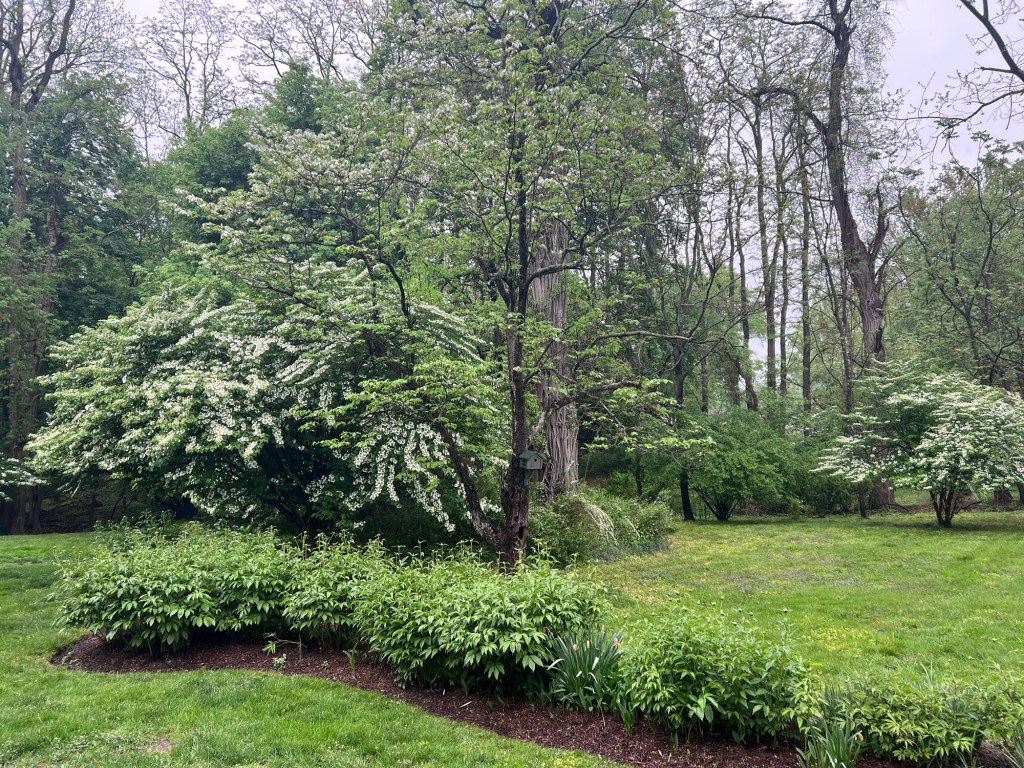
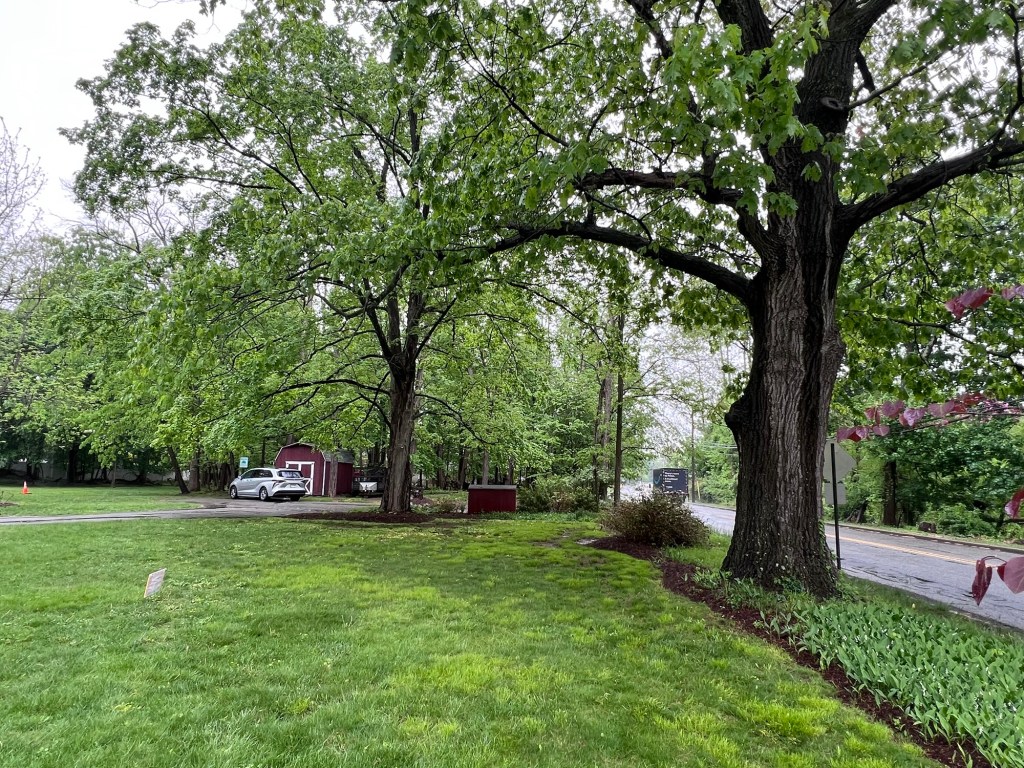
The grounds of the home

The house sits on a quiet bend in the road and the properties landscaping was just beautiful. Even on this gloomy, rainy day, it was nice to walk around quickly and admire the flower beds and the lawn.

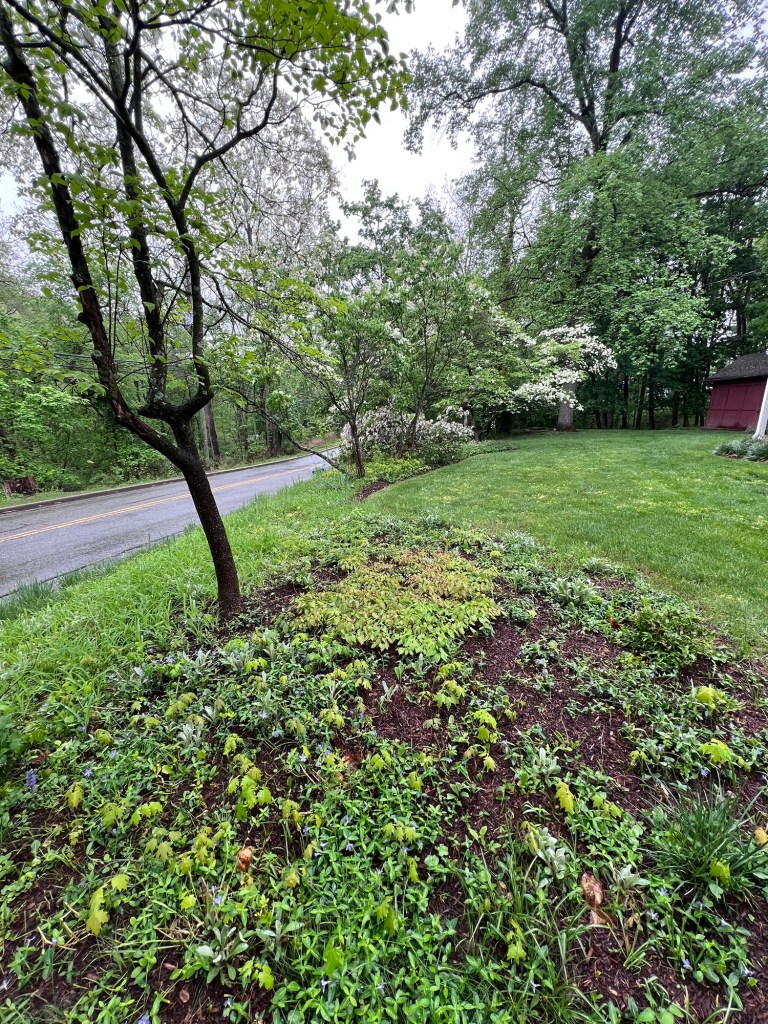
The grounds of the home

The outside gardens of the home in the Spring

The History of the home:

(From the Boonton Historical Society Pathways Tour Book and Wiki):

When Isaac Kingsland purchased the property on Vreeland Avenue from Jacob Miller c 1798, he began a dynasty that would include four New York City lawyers, a comptroller of the City of New York, a Civil War aide to General Benjamin Butler, a college president, three nuns, and a troupe of nationally known marionettes. Similarly, the property itself went from small to large to small again, from the home of farmers, a carpenter and a blacksmith, to a boarding home for horses and the headquarters and studio premises for a company of touring entertainers (Boonton Historical Society).

The Miller-Kingsland House is the oldest recorded home in Boonton. The original Dutch house was one-room with a sleeping attic, built by Johannes Miller around 1740. This room, which is complete with a large cooking fireplace and beehive oven, makes up the west wing of the current structure. The property was sold to Isaac Kingsland in 1798. He added the two and one-half story main section in 1808. It features Dutch style and a gambrel roof (Wiki).

The Miller-Kingsland house sits on a beautiful wooded landscape with a stream flowing through it. The property today comprises some 2.5 acres including the historic frame house and a barn. It is the oldest recorded house in Boonton and is listed on the NJ and National Registers of Historic Places (Boonton Historical Society).

Molly Maguire Historical Park                                    West Centre Street                                             Mahanoy City, PA 17948

Molly Maguire Historical Park West Centre Street Mahanoy City, PA 17948

Molly Maguire Historical Park

West Centre Street

Mahanoy City, PA. 17948

(No phone at the park)

https://www.hmdb.org/m.asp?m=236538

https://mahanoyhistory.org/mollymaguires.html

Open: Sunday-Saturday 24 hours

Admission: Free

My review on TripAdvisor:

https://www.tripadvisor.com/Profile/R4960NKjustinw/mediabatch/13493199?m=19905

The Molly Maguire Historical Park at West Centre Street

The historical sign

The inside of the park

The History of the Molly Maguires in Mahanoy City:

(from the Mahanoy Area Historical Society website: (Terry Rang/Paul Coombe):


The Mahanoy City area’s first anthracite mine opened in 1861. As mining flourished in the area, so did the population, as many Irish families and other immigrants came to find work. Mahanoy City was incorporated as a borough in 1863, and by 1870, its population had grown to 5,500. The borough’s population hit its peak of about 16,000 in 1910. While the burgeoning anthracite industry made the coal barons rich, the workers toiled for low wages and in dangerous conditions. In the 1870s, tensions mounted between mine bosses and the labor force. Violence erupted between the Irish Catholics and the Protestant English. Mahanoy City became one of Schuylkill County’s sites of alleged Molly Maguire activity.


The Molly Maguires were considered an off-shoot of violent Irish secret societies, such as the Ribbonmen, who rebelled against landlords who treated them harshly and kept them in poverty. In Schuylkill County, Irish miners faced similar hardships. They eventually joined the Workingmen’s Benevolent Association, which had some success in winning better wages and working conditions.


But Franklin B. Gowen, president of Philadelphia & Reading Railroad and its coal land subsidiary, feared the power the union held and believed the Irish controlled it through the secret Molly Maguire society. Determined to break the union, he began accusing Irish miners, who he claimed were Molly Maguires, of murdering mine bosses and other violence.


In 1873, Gowen, a former Schuylkill County district attorney, hired Pinkerton undercover detective James McParlan, using the alias James McKenna, to destroy the Ancient Order of Hibernians. Gowen claimed the AOH was a cover for the Molly Maguires. In 1875, Gowen cut county miners’ wages by 20 percent, triggering “The Long Strike” that lasted five months, devastating the miners and their families. Gowen won that battle as he did his war against the AOH. Gowen and McParlan’s efforts sent 20 men accused of murder as Mollies to the gallows in Schuylkill and Carbon counties. Many of the convictions came on little evidence and McParlan’s testimony.


Alleged Molly events in Mahanoy City included the assassination of Chief Burgess George Major, a St. Patrick’s Day parade led by Kehoe against the Catholic Church’s orders, and the alleged plotting to kill “Bully Bill” Thomas and the Major brothers at Mickey Clarke’s saloon. A monument memorializing the tragic era stands at Centre and Catawissa streets. More than 150 years later, the debate continues whether the men considered Mollies were murderers or martyred heroes. While an incomplete history of the Molly Maguire era in Schuylkill County, this presentation highlights the people, places and events in the Mahanoy City area. We extend a special thank you to Mark T. Major, who granted the Mahanoy Area Historical Society permission to use content from “A Guide to the Molly Maguires,” which he co-wrote with H.T. Crown.

The inside of this quiet park tells the timeline of happenings in Mahanoy City at the time.

The historic plaques tell the story of who the Molly Maguire were and their lasting effects on the changing of mining conditions.

The park story

Who they were

The story and time line

The fate of these men in the end

The park is a reminder for the freedoms that were fought to make things better for future generations and for the stop of oppression in society. There will be different ways to interpret the story in the future but this is a reminder of a better way of life that we now enjoy.

Greater Shenandoah Area Historical Society Museum 201 South Main Street                   Shenandoah, PA 17976

Greater Shenandoah Area Historical Society Museum 201 South Main Street Shenandoah, PA 17976

Greater Shenandoah Area Historical Society Museum

201 South Main Street

Shenandoah, PA 17976

(570) 985-3337

https://www.facebook.com/shenandoahhistory/

https://www.schuylkill.org/listing/greater-shenandoah-area-historical-society/114/

Open: Sunday

Admission: Free but donations are accepted

My review on TripAdvisor:

https://www.tripadvisor.com/Profile/R4960NKjustinw/mediabatch/13476665?m=19905

The entrance to the museum at 201 south Main Street

The sign in the front of the old museum

The Mission Statement of the Museum:

(from the museum website)

The mission of the Greater Shenandoah Area Historical Society is to recognize and preserve the unique history of Shenandoah; the heritage of its people, its coal mining history, the architectural design of downtown buildings, and other aspects of what makes this community a unique, valuable and thriving part of Schuylkill County. 

The main gallery of the museum and upcoming Tricky-tray fundraiser

The back part of the museum was set up for a lecture

The Greater Shenandoah Area Historical Society History:

We promote the history and culture of Shenandoah, Pennsylvania through the preservation, presentation, and interpretation of historic objects, documents, and photographs. By focusing on the values, customs, and traditions of our diverse community, we hope to bring an understanding of the past and strengthen the connection for future generations

Then back part of the museum with the local hospital and miners displays

The Greater Shenandoah Area Historical Society Description:

We preserve the robust history of  Shenandoah, as well as the surrounding vicinity in Schuylkill County. Almost all artifacts on display throughout the museum were personal property, donated by members of our community and their descendants in order to help others remember and honor our past. Through these photographs, documents, and heirlooms, the history of the town inspires us.  
Explore the exhibit of our town’s coal mining industry, observe the richness of our cultural heritage, scan thousands of images, recognize the heroism and sacrifices of our armed forces, reminisce over school spirit, immerse yourself into the character of a small town, search family genealogy, and discover how history influences us today. Whether touring the museum or attending a presentation from one of our guest speakers, enjoy learning of the character of our people as they braved the challenges of the past.
The front gallery when you walk in

The costume dress collection

The ‘Shenandoah Centennial 1966’ event sign

Dresses from the Centennial event and the Town VIP

The display of dresses from the Centennial event

Local resident Darryl Ponicsan, a famous writer and screen writer had an interesting exhibition of books, scripts and posters in a separate room in the museum dedicated to his work.

The Darryl Ponicsan exhibition at the museum

https://en.wikipedia.org/wiki/Darryl_Ponicsan

The collection of scripts and posters in the museum

Literature and pictures in the collection

The town was much different in the boom years of the mines. There were blocks of stores, groceries, clothing and jewelry stores catering to a population that was more than double the current population. Items from these retail establishments were on display in and on the case lines.

Displays of business once located in Shenandoah’s downtown

Jewelry display from some of the twenty or more jewelry stores that lined the Main Street at one time

Items from merchants that once lined the downtown

Items from downtown merchants

Some of the local breweries in the area

What Shenandoah looked like at the time of the height of Mining success

The Mining exhibit and display of items used

The artifacts from the Shenandoah mines

The artifacts used in the mines

The bottling industry was a big part of the local economy

The next display was on the local hospital and its importance in the community.

Display on the hospital on the local economy

The items used in the hospitals

The models of the railroads, the mining industry and the working environment.

The models of the local industry

Models of the Mining Industry

Models of the Mining industry

The back part of the gallery shows how the engine of the economy of Shenandoah grew and prospered during the time when the mines were in full operation and the population grew.

The industrial economy of the past

The artifacts in the front part of the gallery

The local high school, Shenandoah High School Alumni donated a lot of memorabilia from both the past and the present, showing the changes in clothing and manner of dress.

The series of uniforms and spirit wear plus old school yearbooks and awards

Old school uniform and clothing

Shenandoah awards and pictures display from Alumni

The museum had an extensive collection of Military items both from members families and from the community. The display shows the pride in the armed forces in this community.

The Military exhibition

The main gallery set up for a lecture

One of the most impressive rooms in the museum was the Religious Room dedicated to the many churches that used to cater to the growing immigrant population in Shenandoah.

With its population once being double to the current population and groups not wanting to worship together, each ethnic group had their own church. Assimilation and time have since closed these churches and today only a handful still exist. As this trend continues, these artifacts have been donated to the museum and the collection has been beautifully been preserved and presented by the museum.

The Religion exhibition is extensive and very detailed

Pageantry costumes are a big part of the exhibition as old world traditions were brought to this country before WWI

Each piece is labeled so that it can be researched and admired

The costumes used in church services

The detailed outfits and religious items from church services

Items from St. Stephen’s Polish Catholic Church

Artifacts from the First Greek Catholic Church

Items from the former Greek Catholic Church

Costumes from the Greek Catholic Church

The display from the former Our Lady of Carmel church

The Religious/Church exhibition room is one of the most impressive displays of religious items outside some of the major city museums and really does tell an interesting story story of not just the religious faith of these residents of this community but of their traditions and pride they brought to this country.

Another look into the past is the museum’s display of life in the Mining community from the perspective of the Mining household and that of the Miners wives and daughters who ran the operation at home while the men worked in the mines. It was a rough life for everyone in these communities. As one of the curators explained to me is that “they may not have had a lot of money but there was an immense pride on how their houses looked and how they maintained their lifestyle. These women worked hard to make sure they had what they needed.”

The life of a housewife before indoor plumbing and electrical appliances made housework tedious in those years before WWII

The house included wash bastions, bathing items and all the kitchen supplies to keep the home running

As it was explained to me, these woman did not have that much money but these was still a lot of pride in their households and keeping things cleaned and well organized. They made a lot out of a little.

The wash basin men had to clean up in after coming out of the mines and before they entered the house to get the dust off

The handmade dollhouse shows the craftsmenship of the residents when catalog toys were out of reach for most people. This beautiful dollhouse was crafted by a local resident as well as all the furniture and accessories.

Tommy and Jimmy Dorsey were some of the famous residents to come out of Shenandoah and are the pride of the immigrant success of this community.

The Dorsey Brothers were born in this community and the exhibition shows the success of the brothers in the music industry

https://en.wikipedia.org/wiki/Tommy_Dorsey

Tommy Dorsey and his band

Jimmy Dorsey and his band

https://en.wikipedia.org/wiki/Jimmy_Dorsey

All the recordings, pamphlets and printed publicity over the years

The Dorsey Brothers historic marker in Downtown Shenandoah

As the mines closed or were downsized, women went to work in the clothing factories that were once a big part of manufacturing. The Union label and workforce meant something in this community.

The Ladies Garment Union and factories in the area

When local leaders went out and residents dressed for church and evenings out, there was a pride in appearance that seems to be lost today. When people went to dinner or to dinner or out with friends or for the holidays there was a formality to looking your best.

The ‘Flapper’ silk dress from the 1920’s

The furs, dresses and hats for a night on the town

The collection of formal wear and furs was very impressive for a small museum. The collection was so beautifully displayed.

For a small museum, it holds many treasures as the collection here is extensive and deep. The artifacts are so nicely displayed and beautifully curated.

The museum galleries

The museum galleries

Each section of the museum shows the pride of the past and the glimpse of the future of this community with innovation and creativity at its core. It is a museum that tells a fascinating story of the past.
When you leave the museum, you can see traces of a community in flux as buildings are finding new life and traces of that innovative past are returning. The town is in another state of transition.

The gentrifying downtown district that surrounds the museum

The welcoming sign of the town

The potential once again for a flourishing downtown

There is much potential in the downtown

After our visit to the museum, I took the gentleman who arranged all the tours of the cultural sites of the area for lunch at Francesca’s Ristorante and Gourmet Pizzeria at 10 North Main Street. He highly recommended it and the pizza and fried pierogis were excellent (see review on TripAdvisor).
The front of Francesco’s at 10 North Main Street in Downtown Shenandoah, PA

My review on TripAdvisor:

https://www.tripadvisor.com/ShowUserReviews-g53667-d870184-r1003259625-Francesco_s_Restaurant_Pizza-Shenandoah_Pennsylvania.html?m=19905

We had slices of their wonderful Cheese pizza for lunch and shared the Fried Pierogi that was from the Mrs. T’s company down the road. Their red sauce is amazing and spiced so well. I highly recommend lunch here after your visit to the museum.

The Cheese pizza and Fried Pierogi

The excellent Cheese pizza

The Fried Pierogi with red sauce were outstanding

After lunch, we headed back to Mahanoy City to visit the Mahanoy Area Historical Society museum. I took one last drive around and admired the museum building one more time. There is so much potential for an Arts District in this town.

The Shenandoah Area Historical Society Museum from across the street

What a hidden gem!