Category: Historic Sites in New Jersey

Franklin Mineral Museum                                       32 Evans Street                                              Franklin, NJ 07416

Franklin Mineral Museum 32 Evans Street Franklin, NJ 07416

Franklin Mineral Museum

32 Evans Street

Franklin, NJ  07416

(973) 827-3481

franklinmineralmuseum.com

Open: Sunday 11:00am-5:00pm/Monday-Friday 10:00am-4:00pm/Saturday 10:00am-5:00pm

Fee:  Combination Rock Collecting & Museum: Adults $15.00/Children 3-16 $10.00/Seniors (65+) and Veterans $12.00; Museum Only: Adults $10.00/Children 3-16 $8.00/Seniors & Veterans $9.00. See packages on the website.

My review on TripAdvisor:
https://www.tripadvisor.com/Attraction_Review-g46449-d2172670-Reviews-Franklin_Mineral_Museum-Franklin_New_Jersey.html?m=19905

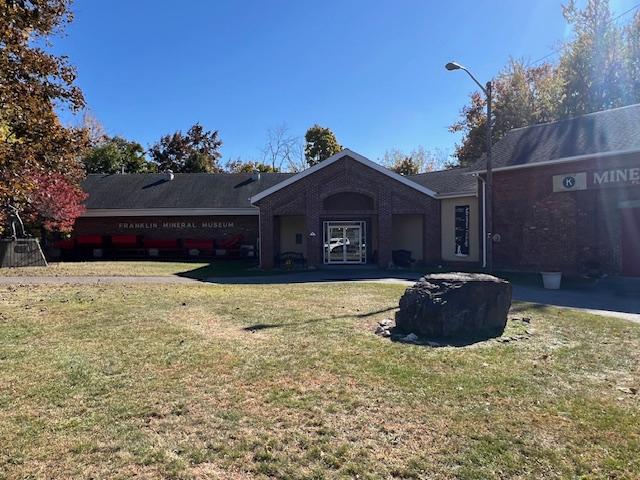
 The front of the Franklin Mineral Museum
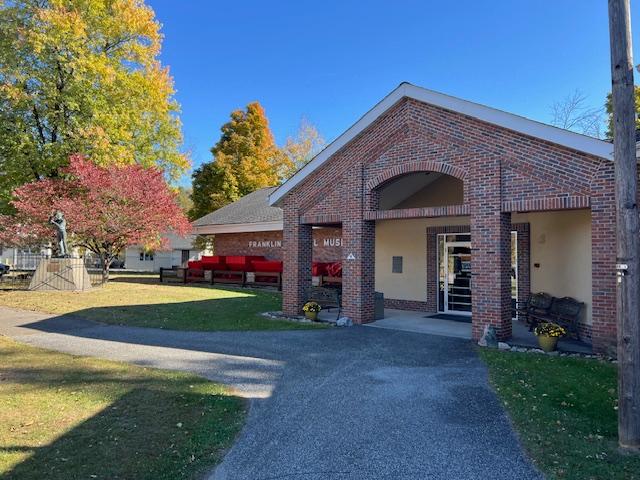
The front of the Franklin Mineral Museum

I recently visited the Franklin Mineral Museum on a trip to Sussex County wanting to learn more of the mining history of New Jersey. I never realized that the mines were so close to my home in Bergen County. I have to admit though that the museum is a little dated with the typed signs and no video information on the exhibits. What is lacks in modern QR codes and Virtual Reality it makes up in depth of collection and historical artifacts.

The historical sign outside the museum

Where the museum shines though is in its depth of display, the interesting artifacts that the museum contains with both fossils and Native American pieces. It really shows the extent of Paleontology in the State of New Jersey and how the make up of the Earth and its history is shown in the displays. Many of the fossils have been found all over the State. The Native American pieces were from both North and South American with a impressive selection of Pre-Columbian art.
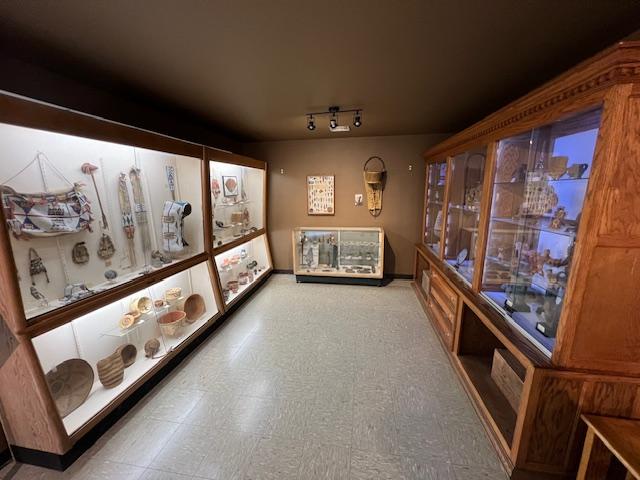
The Native American Gallery with pieces from all over the Americas
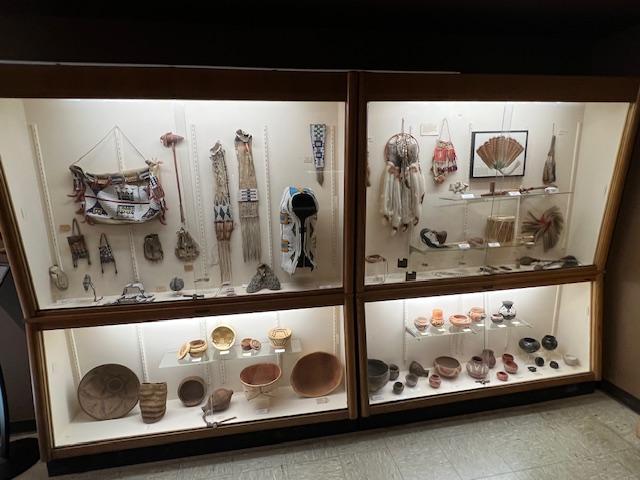
The Native American collection
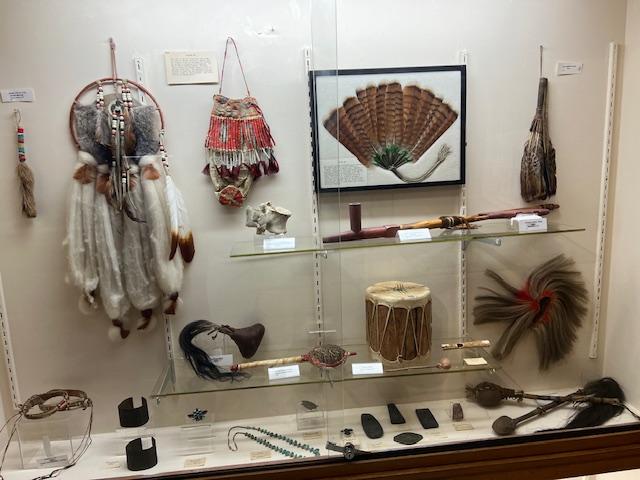
The beauty of some of the artifacts
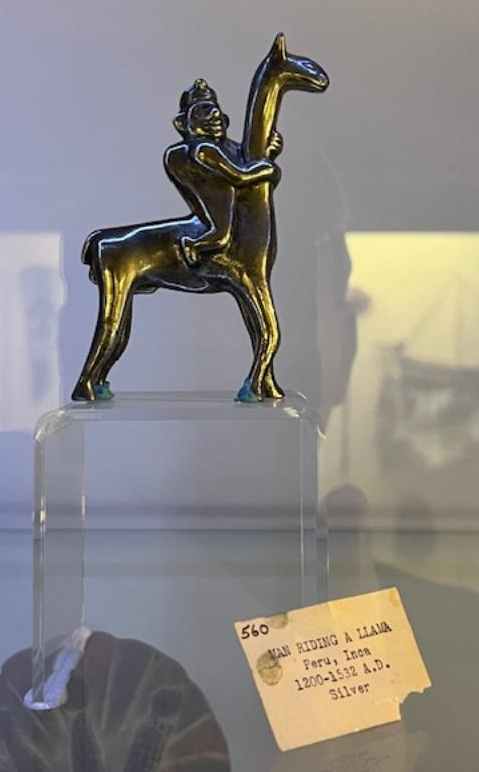
This piece of Inca silver impressed me as most of these artifacts were melted down for the minerals by the Spanish

Two of the exhibits that I thought stood out that you must see is the “Fluorescent Room”, which when left alone when the lights go out is an illumination of colors due to the fluorescent make up of the minerals in the rocks. It displays all the colors of the rainbow. When the lights go back on they just look like ordinary rocks. Take time when the lights are out to really look at the colors of the stones. I was told that the blue or violet ones are the rarest.

The Fluorescent Room before the lights got out
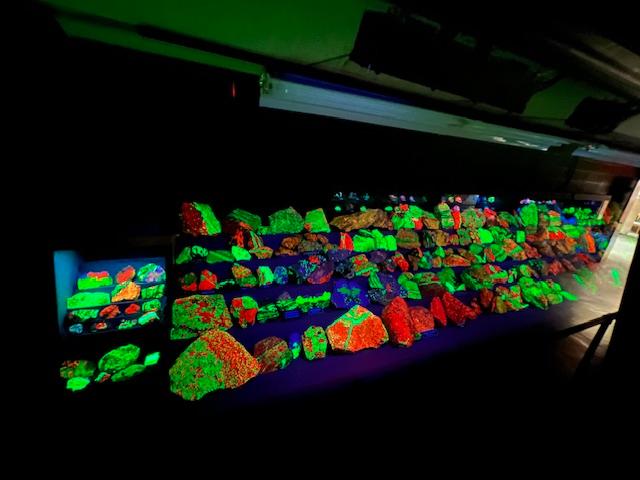
The gallery with the lights off when the magic happens
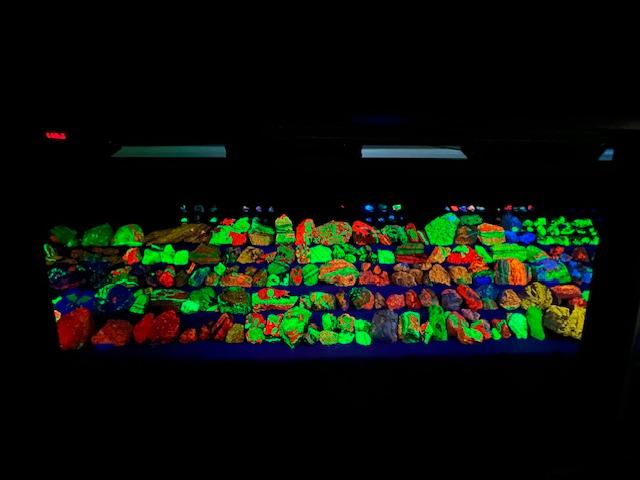
The Collection in full view
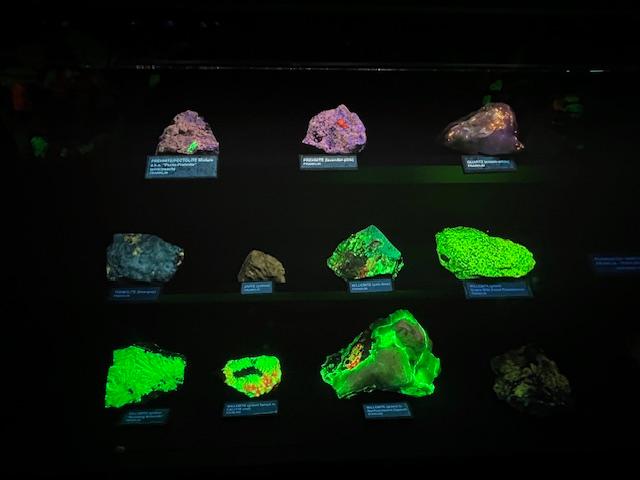
Samples of the mineral’s as they glow

Another stand out display is the simulated “Mine Replica” that takes you in a tunnel and then maze of the make up of working in a mine complete with ladders down the lower tunnels, a working office of the foreman, the mine car tracts and displays on how miners went about there business. It shows how hard and dangerous the mining industry is and was back then to today. Try to see this display first as it takes time to tour.
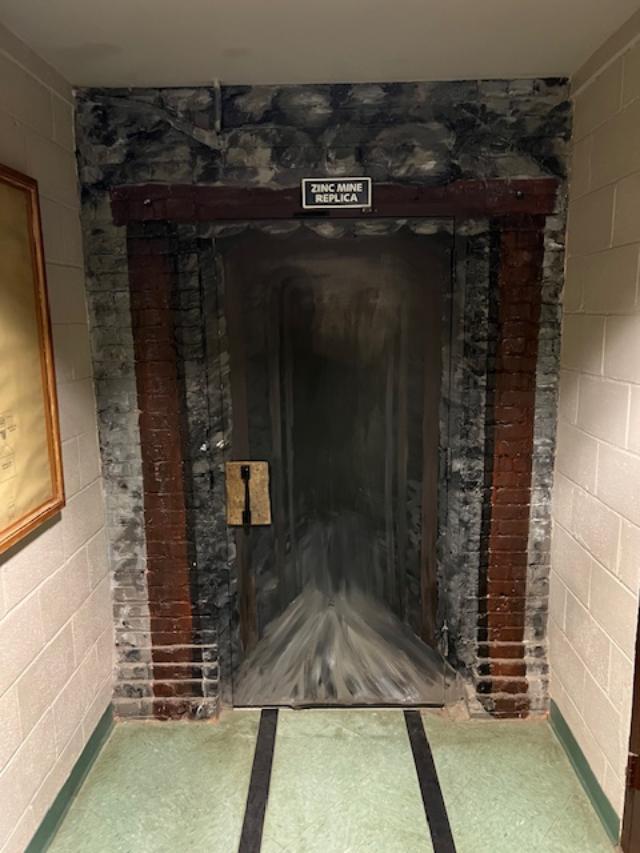
The Mine entrance
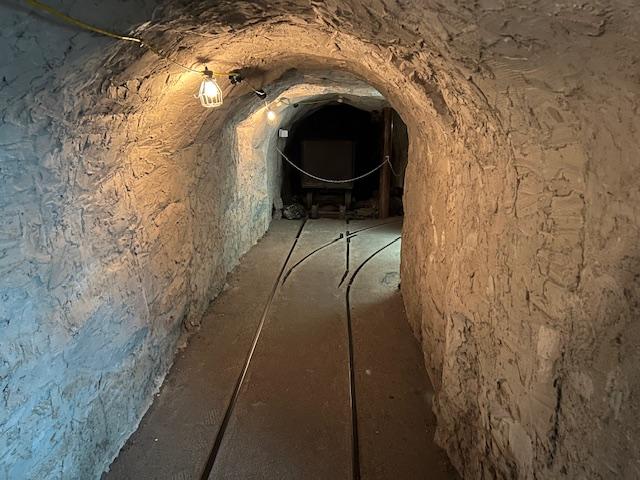
The simulated mine walk through
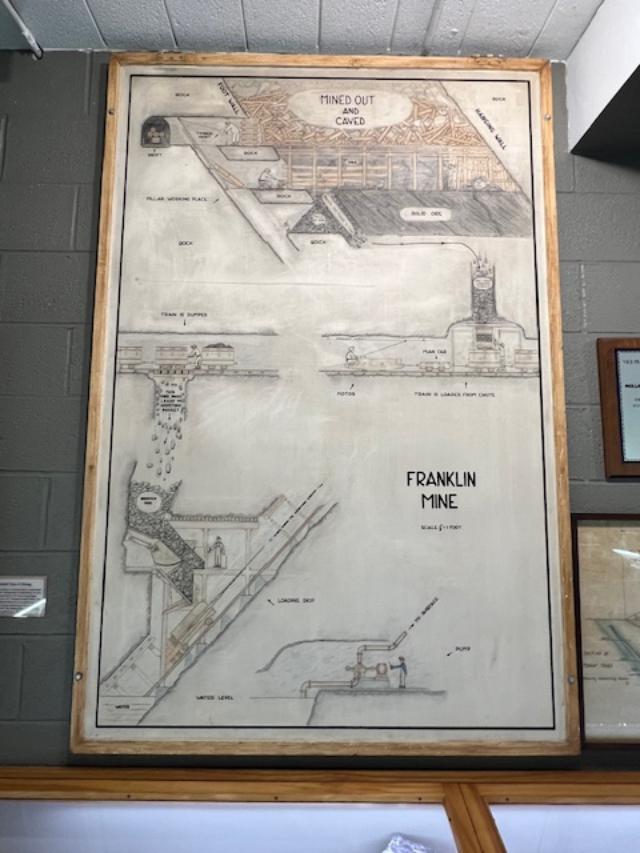
The Franklin Mine sign
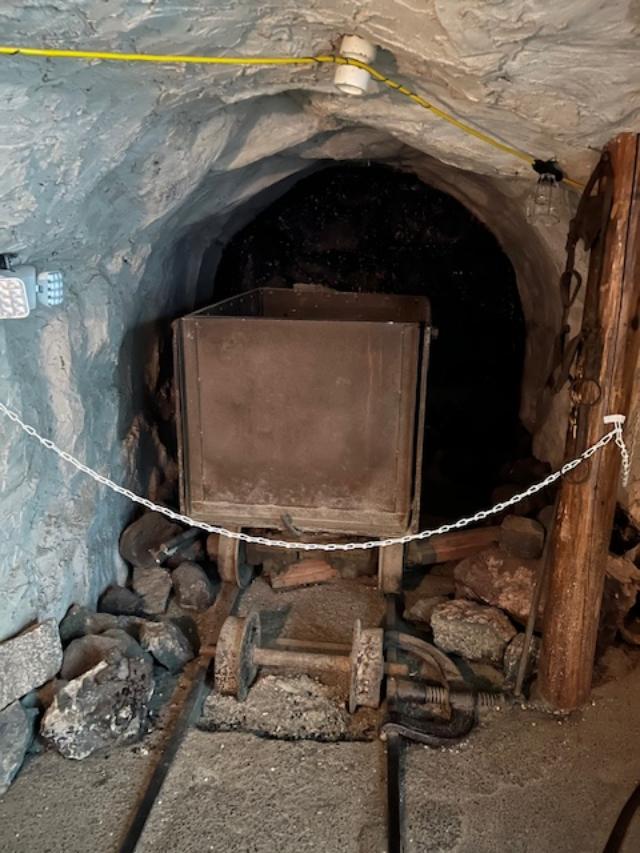
The simulated mine walk
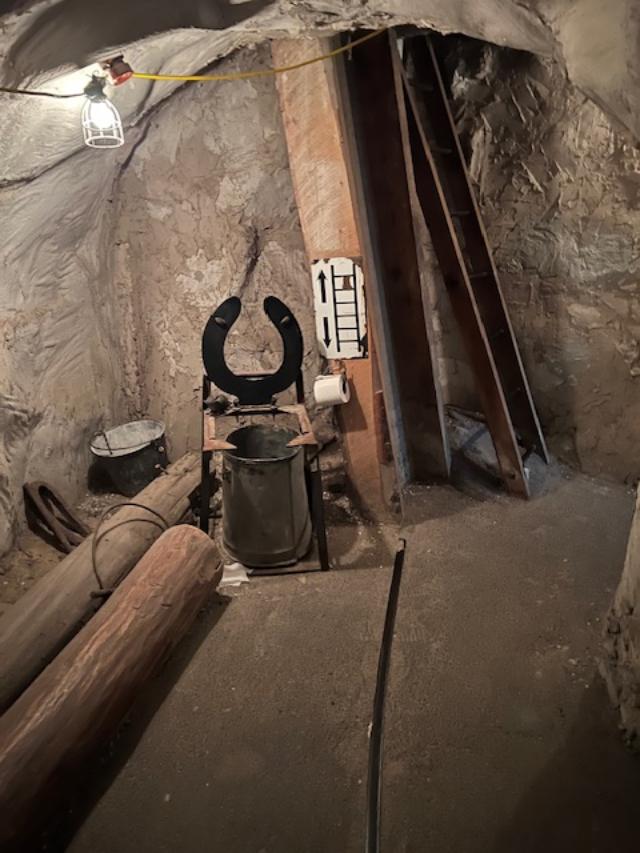
The toilet area of the mine
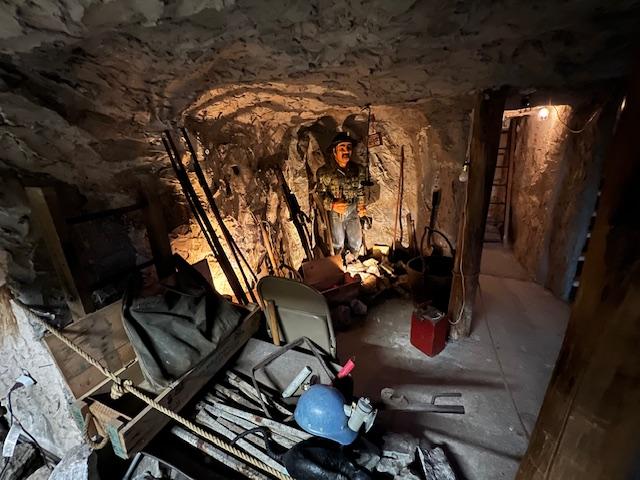
The miners at work in the mine simulation

Before you go inside to the museum, take some time to look through the quarry for rocks and minerals. You are given a bag to keep your specimens and there is a fluorescence light to check if you found anything. At first I thought this was just for little kids but later discovered that I found some ‘glowing rocks’ that I could take home and I found this fascinating. I never knew these types of rocks existed in New Jersey.
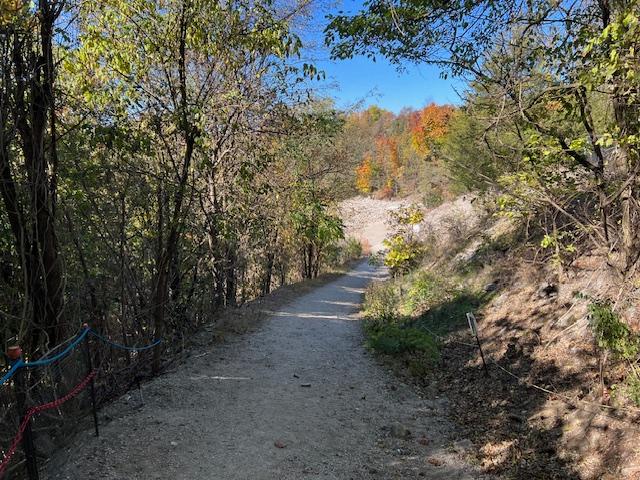
The Path to the Quarry area where the minerals were located
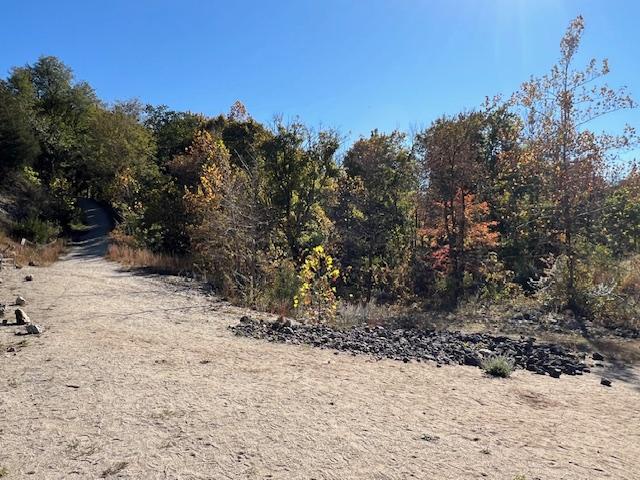
The path to the quarry area
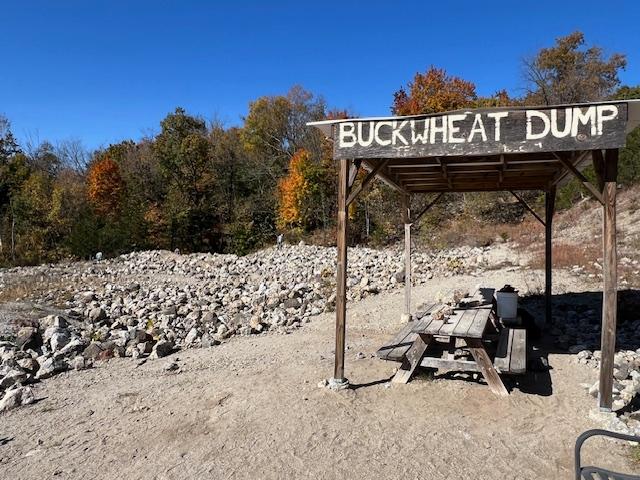
The quarry area where you can collect specimens of minerals
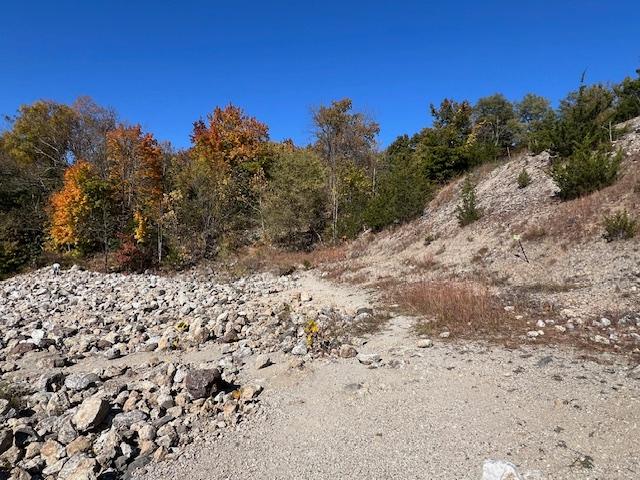
The quarry was busy in the afternoon
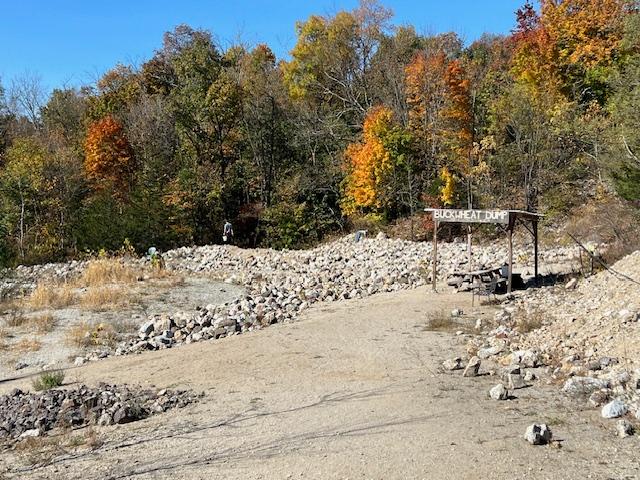
The beauty of the quarry in the Fall of 2024

Give yourself about three hours to really explore these rooms and it will give you a clear indication of how New Jersey formed as a State and its role in the evolution of the Earth. There are some really interesting displays to see and read about. 

History of the Museum & Mines:

(This information was provided by the Franklin Mineral Museum pamphlet)

Due to the depletion of zinc and other ores the Franklin Mine closed operations in 1954. In preservation of the mining heritage the local Kiwanis Club started an annual mineral show donating the funds to charitable causes. Popularity of the show lead to the formation of the Franklin Mineral Museum, a non-profit educational museum, incorporated July 1, 1963, which is governed by a board of trustees and powered by a dedicated staff. Of note: Although the Kiwanis Club is no longer involved with the museum, the original sign still hangs over the outside door to the mine replica.

The former Buckwheat engine house, thought to be the hoist house that supplied the power to lift the mined ore from the Buckwheat open pit was donated to the museum in 1963. The mine replica was installed and made a permanent display inside the hoist house. Of note: Around 1940, the original replica was a modular unit displayed at the local community center “Neighborhood House” and was used to show the miners’ families how they worked inside the mine. Prior to being reconstructed inside the engine house the modular replica was used at the NJ Zinc Company for the purpose of training mine rescue workers.

A mineral repository was also added in 1963 to the museum. The first mineral exhibit was donated by the NJ Zinc Company to the Kiwanis Club for display in the then permanent mine replica. The collection consisted of 71 specimens and mill samplings, including 11 fluorescents. The first mineral exhibit was later used as a traveling exhibit is displayed in the “Local Mining District Mineral” room of the museum. (Of note: The collection was originally on display in 1920 at the local high school and then moved around to several other locations, then the Neighborhood House in 1940.

On October 9, 1965, the Franklin Mineral Museum opened to the public. On June 20, 1968, the State of New Jersey declared the Borough of Franklin, NJ “The Fluorescent Mineral Capital of the World”. The discovery of more than 200 varieties of minerals from the working mines brought forth the great phenomena of mineral wonders from this area, particularly brilliant fluorescent minerals. On September 24, 1971, the State of New Jersey declared the Franklin Mineral Museum an Historic Site. Today this museum houses the most comprehensive display of local fluorescent minerals in the world.

The Museum is broken down into several rooms and displays: 

World Minerals “Welsh Hall”:

*There are approximately 6000 world-wide specimens and some from outer space.

*The three rock types are displayed. Igneous, metamorphic and sedimentary.

*Displays include meteorites, solidified lava, a volcanic bomb, pumice the floating rock, gold and birthstones in natural and gem forms.
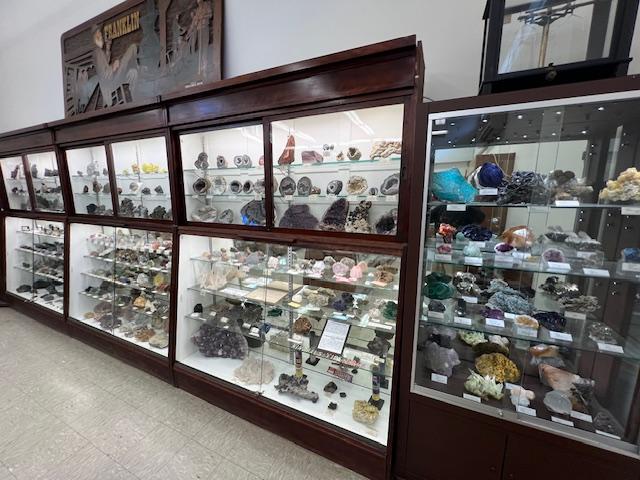
The Mineral Room
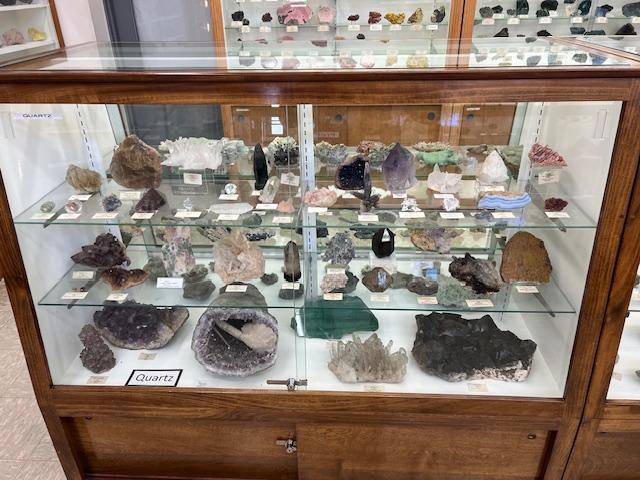
The Mineral Room

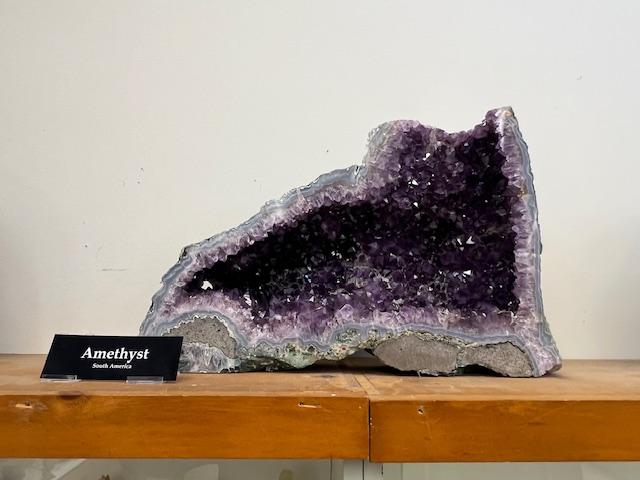
*The hollow rocks called geodes are formed from air bubbles in lava and often contain crystals. (Wilfred Welsh, a former teacher from Saddle River, NJ and his wife, Mary, collected and donated the majority of specimens in this room. This collection represents the passion they had for minerals. New specimens are continually added to this exhibit).
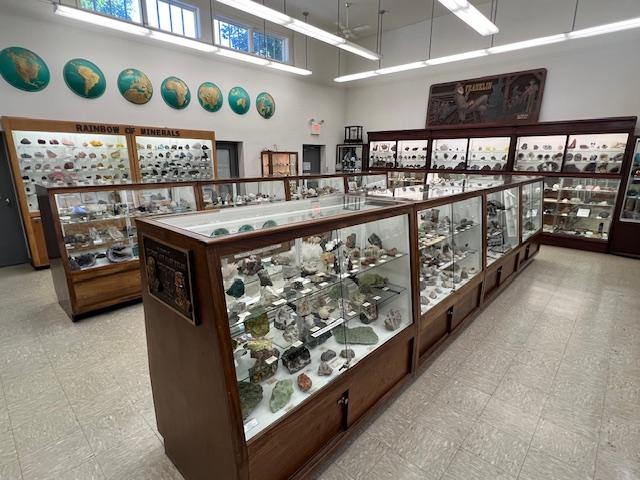
The Mineral Room

“Mine Replica”:

*In the lower level, left tunnel, the can in the alcove represents the miners’ “bathroom”. If a miner showed up late for work it was his job to carry the cans at the end of the shift (Where the expression “Going to the Can” comes from).

‘Hitting the can’

*This area contains the “Wall of Zinc”. The exhibit demonstrates the layers of various zinc ores that may have been visible in the mine.

*The original ore cars were pulled by mules.

*The miners of the 1800’s used candles & oil wick lamps on top of their helmets. Later in the 1900’s the carbide light was used to do away with candles. Water dripping on carbide produced acetylene gas which provided better light.

*Rats were prevalent in the mines. They stole lunches out of the metal lunch boxes if not locked. Most importantly they were very good indicators of cave-ins and provided early warning signs.

*The office exhibit represents that of a NJ Zinc scientist. This exhibit and open display area with “Sam” show mining artifacts. “Sam” is the original miner statue that stood outside of the museum, now replaced by a bronze statue sculptured by Carey Boone Nelson.

*Upstairs show the stope and pillar mining used in the 1900’s

*The large drill weighed 300 pounds and took two men to operate.

*The man cage (mine elevator) delivered men to their work levels inside the mine. A signal bell was rung to alert the operator.


Artifacts:

The artifacts of Native American, Artic & Aztec tribes, representing various regions are displaying in this exhibit.

“Fossils & Artifacts”:

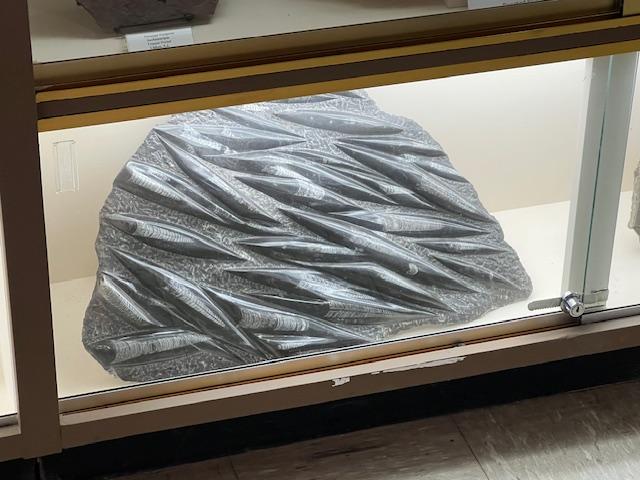
*Petrified wood, the large circles along the wall are slices of fossilized tree trunk. The wood has been replaced with mineral over a long period of time. The tree rounds are estimated to date back to the Triassic Age 230 million years ago.

*The dinosaur footprint is from a Grallator, that roamed NJ. Grallator means “stilt walker”. This was a herding dinosaur known only from its fossilized footprints. Grallator-type footprints have been found in formations dating from the late Triassic through to the early Cretaceous periods. It is said to have up to five toes.

*The large bone is from a Mastodon.  Mastodons are an extinct group of mammal; species related to elephants. They inhabited North and Central America during the late Miocene or late Pliocene up to their extinction at the end of the Pleistocene  10,000 to 11,000 years ago. Their genus name is Mammut and they are members of the order Proboscidea. They lived in herds and were predominately forest dwelling animals.

*Coprolite is fossilized dinosaur dung.

*The giant shark tooth is from the Megalodon one of the largest most powerful predators. It is an extinct species of shark that lived approximately 28 to 1.5 million years ago, during the Cenozoic Era. Fossil remains suggest that this giant shark reached a maximum length of 46-59 feet. Some believe that the Megalodon still swims in the deep waters today and are larger in size than originally thought.
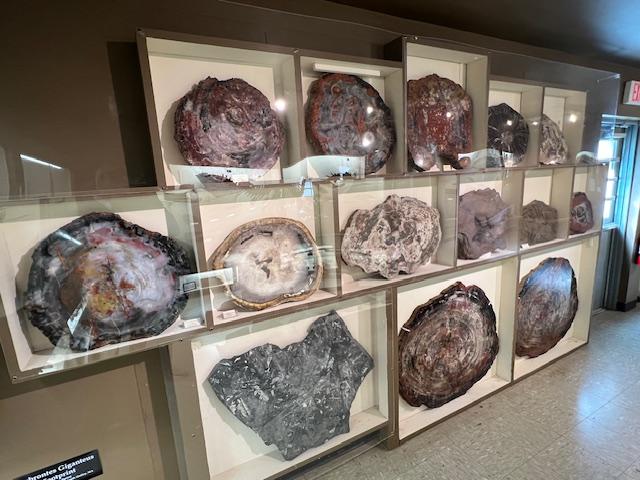
The Fossil Room

The Fossil Room

The Fossil Room

The Fossil Room
The Fossil Room
The Fossil Room

*Trilobites are extinct arthropods, distant relatives of modern lobsters, horseshoe crabs and spiders. Trilobites existed for approximately 300 million years. They lived from the Lower Cambrian Period (521 million years ago) to the end of the Permian (240 million years ago). Trilobites were probably the first life forms with complex eyes with some species having hundreds of individual lenses per eye. 

“Fluorescent Room”:

The Fluorescence of the Franklin ores was discovered accidentally in the early 1900’s. Sparks from primitive electrical equipment in the mines caused the rocks to glow. Sparking equipment in the mines caused the rocks to glow. Sparking equipment was built and the fluorescents were used to follow ore zones and to monitor the quality of mill concentrates. Later, fluorescence was used to determine if exploratory drill holes were close to the ore body. If the holes would glow red. Calcite further from the holes had no fluorescence.

The Fluorescent Room

The reason why some minerals fluoresce is because of the impurities in the mineral. The ultraviolet light rays dislodge and excite electrons from their orbits in a molecular structure of the mineral and in their efforts to get back in the orbit, the electrons give off energy in the form of light.

Fluorescence refers to the emission of visible light from a substance being irradiated by ultraviolet light which the human eye can not see.

In the displays:

The large exhibit displays some of the finest fluorescent minerals from the local mining district, shown under shortwave ultraviolet light. Most local fluorescent minerals look fairly ordinary in natural light and only fluoresce under shortwave ultraviolet light. The exhibit on the opposite wall identifies local specimens in alphabetical order under shortwave ultraviolet light. Only a few local minerals fluoresce under long wave ultraviolet light, some of which are displayed in the first case you enter.

“Local Mining District Mineral Room”:

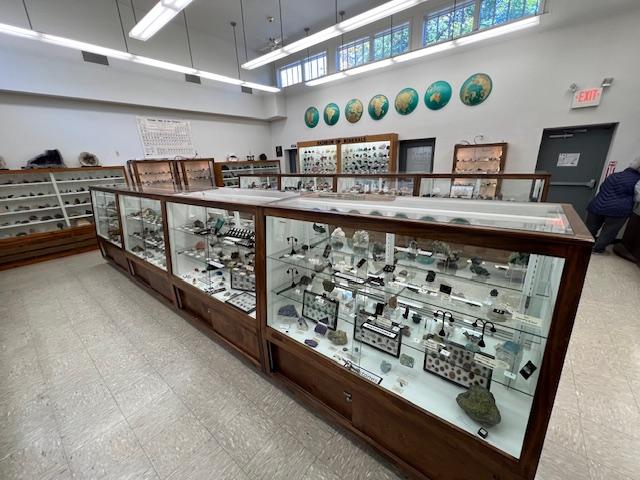
*Every mineral on display is from the local mining district of Franklin or Sterling-Hill.

*Several geological events produced the wealth of mineral species found in this area.

*The first one mined in Franklin was magnetite iron ore. Searching for more magnetite, zinc was discovered.
The Mineral Room

The discovery of zinc in the minerals franklinite, willemite and zincite brought on a new era of mining. Between 1848 and 1897 several small companies began underground zinc mining and continued to do so until the great consolidation of 1897.

In 1897, these smaller companies consolidate to from the New Jersey Zinc Company which operated in Franklin until 1954 and then closed after exhausting the mineral resources available.

The Franklin open cut “surface mining” with an underground opening to the mine is across the street and currently under water. The open cut was originally named the “Buckwheat Mine”. The “buckwheat dump” is the collecting area of the museum, comprised of discarded rock from that mine.

*The mine produced 22 million tons of ore worth 500 million dollars.

*Many uses for Zinc include sunscreen, pennies, paint, batteries…

*Solid zinc bars are on display in this room.

In this exhibits:

*The left side of the room as you walk in, displays various species of local minerals. The primary economic ores mined were willemite, franklinite and zincite. See a sample that contains all of these minerals in “High Grade Franklin Ore” located on the floor next to the Franklinite Crystal model.

Willemite: Colorless to white, gray, flesh-red, dark brown, honey-yellow, apple-green, blue, Fluorescent (green) under shortwave ultraviolet light.

Franklinite: is an oxide mineral. Commonly occurs with willemite, calcite and red zincite forming small black octahedral crystals. Franklinite was only found here in the local mining district until recently.

Zincite: A mineral form of zinc oxide. Its crystal form is rare in nature except at the Franklin and Sterling Hill Mines. The hexagonal crystal is red-colored (mostly due to iron and manganese) and associated with willemite and franklinite. Some zincite fluoresces yellow under long wave light.

*You can collect for these mineral species on the “buckwheat dump” located on the property of the museum.
Amethyst on display

*On display are small amounts of gold found here.

*The corner floor display consists of local common rocks and minerals some of which contain iron. There was an iron furnace located at the now Police station at the edge of the Franklin pond. Most of the iron mined here was called magnetite. Magnetite is highly magnetic.

Some minerals on display are on loan from various institutions and major universities. We have out minerals on display in museums all over the world. The majority of the specimens are acquired through donations or purchased for the betterment of the museum.

The Mineral Room

As of this publication, the Franklin-Sterling ore deposits have produced 359 different mineral species about 10% of all those known to man. More mineral species than anywhere else on earth, 19 of these are unique to the area, 92 of which are fluorescent.

(This information on the museum and on their displays is taken from the Franklin Mineral Museum pamphlet and I give the museum full credit for the information. Please check the website for more information about programs at the museum.)


World War II Lookout Tower Museum & Memorial  Sunset Boulevard Lower Township near Cape May Point, NJ 08204

World War II Lookout Tower Museum & Memorial Sunset Boulevard Lower Township near Cape May Point, NJ 08204

World War II Lookout Tower Museum & Memorial

Sunset Boulevard

(609) 884-5404/(800) 275-4278

http://www.capemaymac.org

Open: Sunday-Saturday 10:00am-4:00pm

Fee:  Adults $6.00, the first child free with paying adult and the next child $3.00 (3-12)/Veterans $3.00/Active Military Free

My review on TripAdvisor:

https://www.tripadvisor.com/Attraction_Review-g46341-d2256593-Reviews-World_War_II_Lookout_Tower-Cape_May_Cape_May_County_New_Jersey.html?m=19905

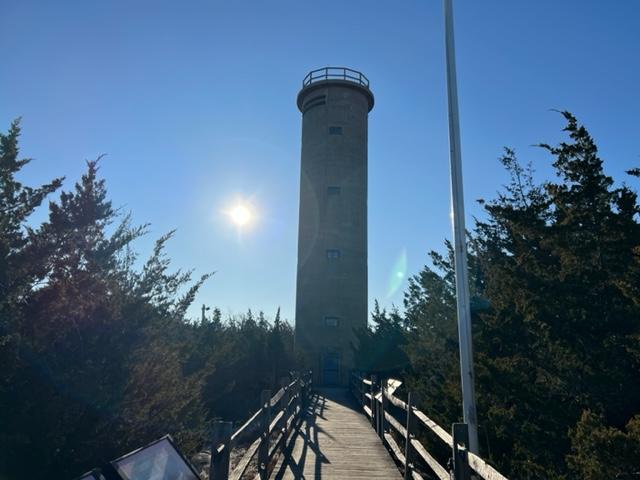
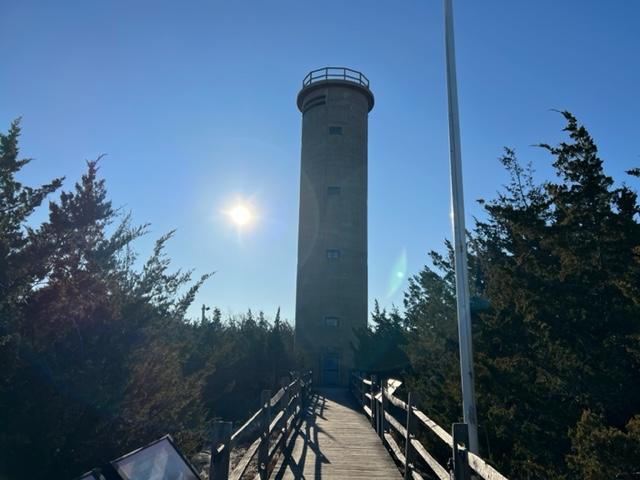
The Lookout Tower from Sunset Beach

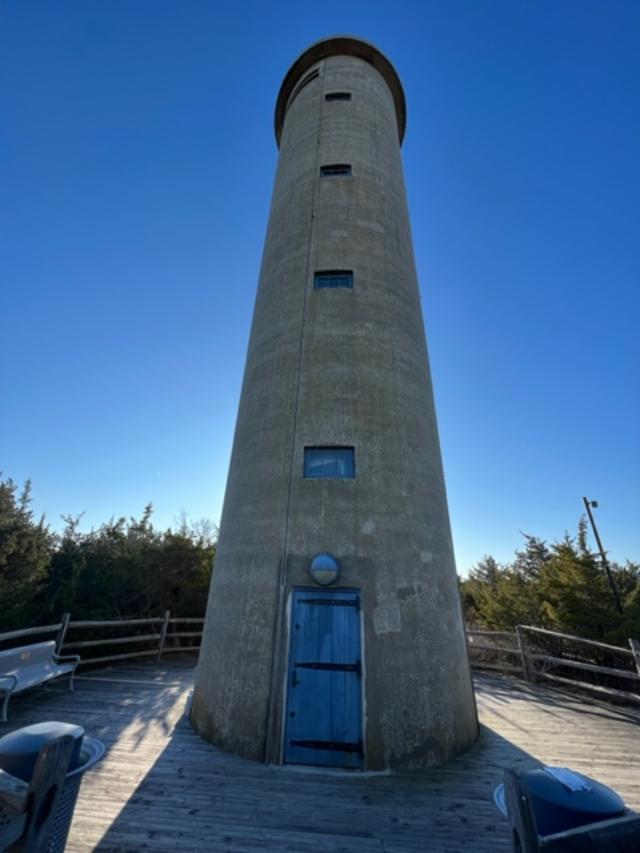
The World War II Lookout Tower Museum & Memorial is an interesting look of how our armed forces used these towers to watch the coastlines for U-boats and enemy ships during the war. Several German submarines were spotted along the coasts of New York and New Jersey during the war and the threat of attack was uncertain. As the war progressed on though, we found that this was a war being fought in the air and these towers were actually obsolete by the end of the war.

The World War II Tower

The tower is very interesting and very easy to climb. Don’t let the height fool you, there are only about a 100 stairs with landings on all three levels with displays on them. 

The bottom level has a gift shop and display pictures of the history of the tower. The second level has shots of veterans of the wars before when the were enlisted and today (when they were much older). There were a lot of local veterans to the Cape May area.

World War II Tower

World War II Tower pictures

The top level was manned by a docent who talked about the history of the tower, provided pictures of the area before and after World War II and the role it played during the war. She discussed the only ship attack since Pearl Harbor was right off the coast of New Jersey as well as the ‘Blackouts’ that were conducted in town to stymie any attacks.

World War II Tower

Take time to look over all the displays and pictures and the role Cape May had in the war to help protect the East Coast.

History of the World War II Lookout Tower Museum & Memorial:

Why is Fire Control Tower No. 23 administered by the Mid-Atlantic Center for the Arts & Humanities (MAC):

Like the Cape May Lighthouse, Fire Control Tower No. 23 is owned by the State of New Jersey (specifically the Department of Environmental Protection Division of Parks). As was the case with the Lighthouse, the State lacks the funds to restore and operate these historic structures. Instead it has leased them to the area’s leading cultural and historic preservation organization, the Mid-Atlantic Center for the Arts & Humanities (MAC). Founded in 1970, MAC saved and restored the 1879 Emlen Physick Estate and operates it as Cape May’s only Victorian house museum. Starting in 1986, MAC spent 15 years (and some $2 million) on the restoration of the Cape May Lighthouse.

In 2004, MAC signed a 20 year lease for Fire Control Tower No. 23. After raising one million dollars (from the New Jersey Historic Trust, the Casino Reinvestment Development Authority, a Small Cities Block Grant administered by the New Jersey Department of Community Affairs and Lower Township and a Save America’s Treasures Grant administered by the U.S. Department of the Interior), MAC restored the Tower in 2008-09 and opened it to the public in April 2009. MAC is also mounting permanent Memorial Plaques in the Tower that will allow family members to honor veterans of any war or engagement.

(This information was taken from the World War II Lookout Tower pamphlet proved by the Mid-Atlantic Center for the Arts & Humanities)

Was Fire Control Tower No. 23 used for spotting fires?

No, it was used for spotting enemy ships during World War II and aiming guns to fire on them.

This Fire Tower was part of Fort Miles. So, where was Fort Miles anyway?

Fort Miles was never a building. It was a number of fire control towers, gun batteries plus barracks and support buildings on both sides of Delaware Bay. By World War II, the military used a spread-out series of towers and batteries, whose firing ranges overlapped to protect a large territory. Its largest guns and headquarters were located on the Delaware side (in what is now Cape Henlopen State Park), since the shipping channel hugs the Southern shore of Delaware Bay.

Were there any other Fire Control Towers?

Yes, there were originally 15 concrete fire control towers, 11 on the Delaware side and four here in New Jersey. Of the four in New Jersey, the ones in North Wildwood and Wildwood Crest have been destroyed, while the one on Beach Avenue in Cape May has been engulfed by the Grand Hotel (with only its top visible, sticking above the roof). One of the towers in Cape Henlopen State Park in Delaware has been restored and opened to the public.

Were there any naval battles in the Delaware Bay?

No. German submarines sank many merchant vessels off the coast of Cape May but no German ships ever got up the Delaware River to attack the Philadelphia Navy Yard, Philadelphia or Camden.

Was Fire Control Tower No 23 built here or prefabricated?

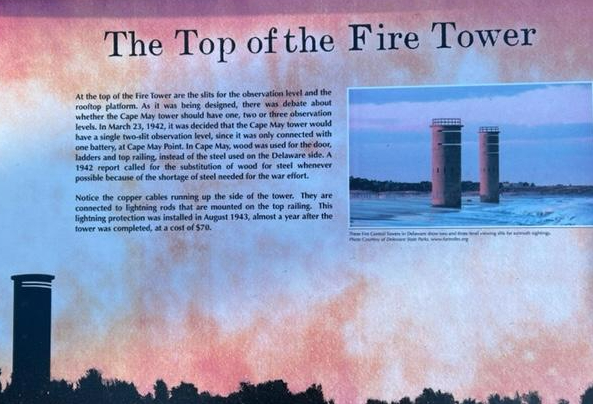
The Fire Control was built here in June, 1942 by using a sliding tube shaped form.  A ring of reinforced concrete was poured. When that solidified, the form was slid up and more concrete was poured. The whole Tower was formed this way except for the top, which required a form of its own. The whole process took only two and a half days.

Was the Cape May area important during World War II?

Yes, the Cape May area was a beehive of military activity during World War II. Cape May harbor had a Naval Air Station, a Coast Guard base and an airport. Naval Air Station Wildwood (where the County Airport is now) trained aircraft carrier pilots. Cape May Shipbuilders on Wilson Drive, where the Cape May Whale Watcher is now, built Navy tugboats and dredges. The Northwest Magnesite plant, which made an ingredient used in firebricks for steel mills, was located across Sunset Boulevard from Fire Control Tower No. 23.

(This information was taken from the World War II Tower pamphlet and I give them full credit for it.)

Long Beach Island Historical Association Museum            129 Engleside Avenue                                      Beach Haven, NJ 08008

Long Beach Island Historical Association Museum 129 Engleside Avenue Beach Haven, NJ 08008

Long Beach Island Historical Association Museum

129 Engleside Avenue

Beach Haven, NJ  08008

(609) 492-0700
http://www.lbimuseum.com/

Open: July and August Sunday-Saturday 10:00am-4:00pm/June & September Saturday & Sunday 12:00pm-4:00pm. Special Appointments can be made at other times of the year and the museum is open for special events held by the town and for the holidays.

Fee: Adults: $5.00 donation/Children under 12 years old Free

My review on TripAdvisor:

https://www.tripadvisor.com/Attraction_Review-g46292-d11444615-Reviews-Long_Beach_Island_Historical_Museum-Beach_Haven_Long_Beach_Island_New_Jersey.html?m=19905

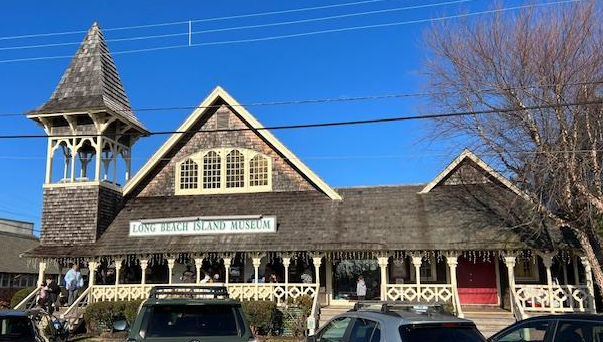
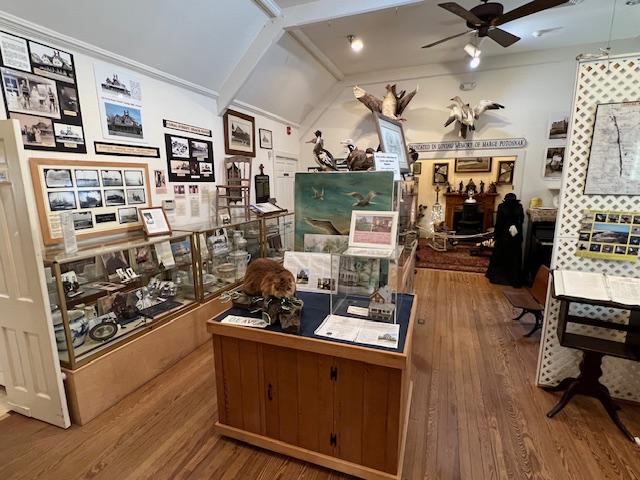
This seasonal museum is a ‘must see’ on Long Beach Island when visiting the town of Beach Haven. It is the perfect rainy day place to visit. The museum covers all aspects of the history of the island from its time when the Native Americans lived and fished here to the coming of the English. The museum shows in pictures and artifacts how the island was developed into a Summer resort retreat catering to middle class and wealthy tourist mostly from Philadelphia.

The Long Beach Island Historical Society at 129 Engleside Avenue.

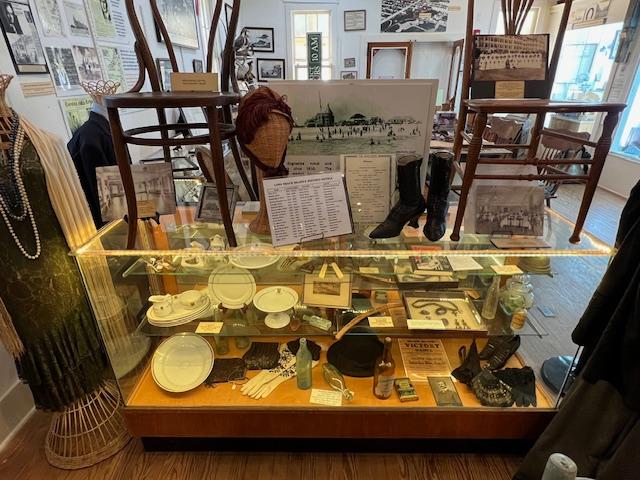
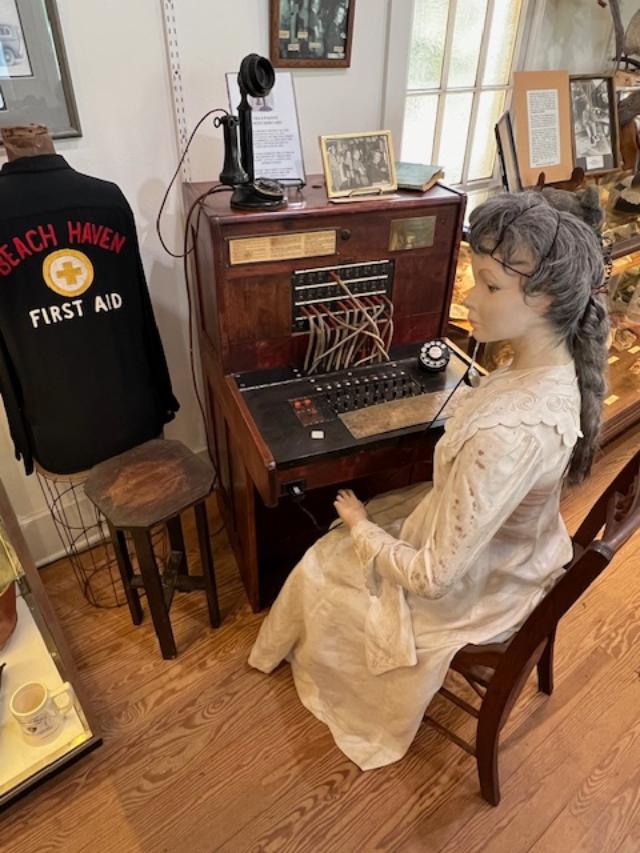
The artifacts range from arrowheads and fishing equipment that the Native Americans left behind to a recent discovery of an old wooden boat created by the Leni-Lenape  tribe. The museum describes in detail life in the Victorian Age on the island with a series of pictures of the old resort hotels, most of which have burned down over the last 100 years, to artifacts that from this time including china, silver and menus from the hotels. There is also a creation of a Victorian room, a telephone operator office, rail office and a children’s toy display from that time.

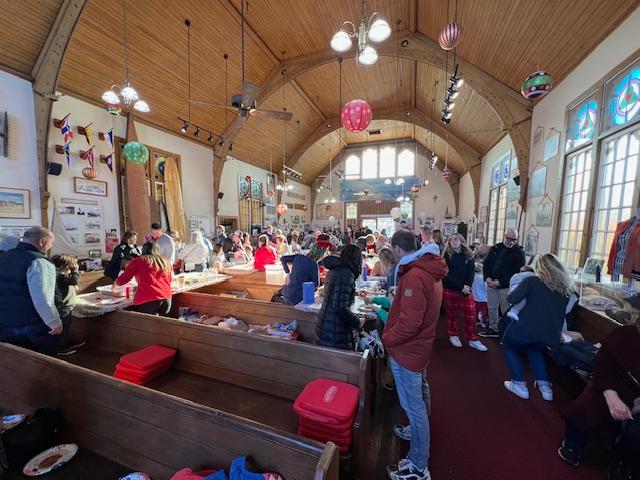
The Front Room of the museum during the Elf Workshop in 2023.

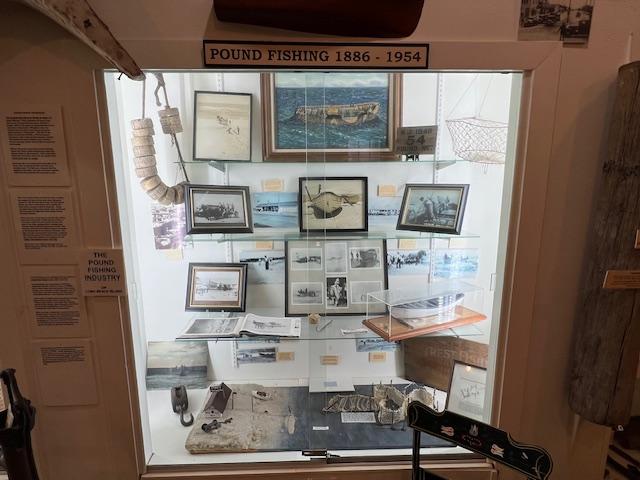
This is an interesting display of the fishing industry on the island as well. There is all sorts of equipment that has been used over the last 100 years and the progress that has been made in the industry. There are exhibits on the whaling industry and its lasting affects on the island.

The nautical display at the Long Beach Historical Society.

There is also the story of the shifting of the tides and the disappearance of Tucker’s Island, a small island to the south of Long Beach Island that has since disappeared underwater due to the shift in the currents. Each area of the museum contains interesting pieces of the island’s past and you should take the time to look at each section carefully.

The disappearance of Tuckerton Island and the rise of the railroads in the area.

For such a small museum, it is packed with interesting facts and a fascinating story of the development of the New Jersey shoreline and the role it is playing in our ever changing life down the shore.

The Lucy Evelyn exhibition.

Pound Fishing at the museum.

The back room display with the history of the community.

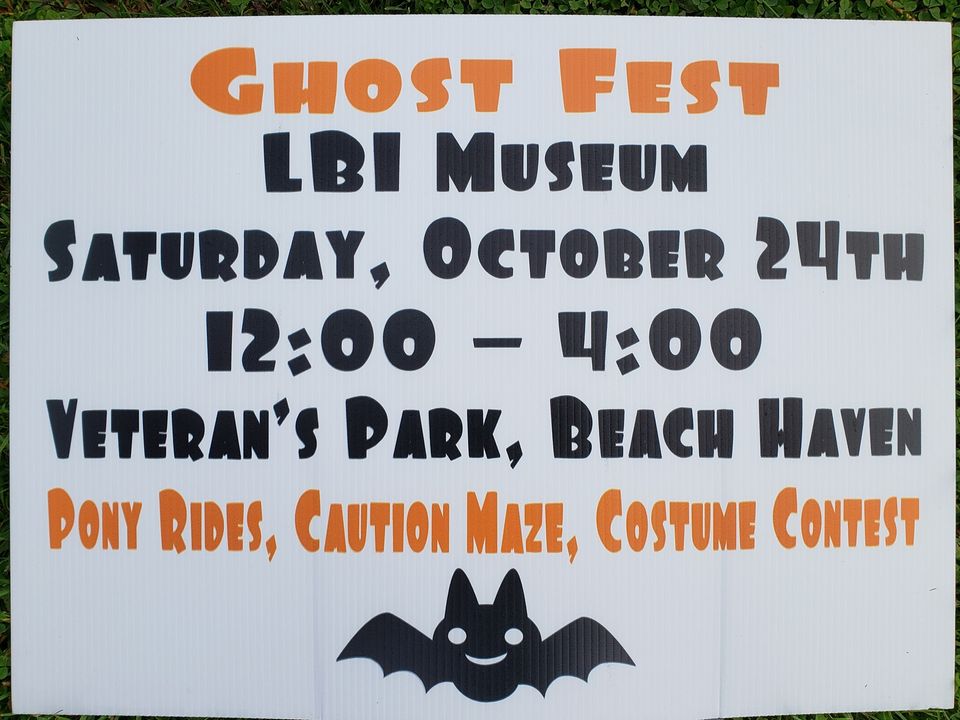
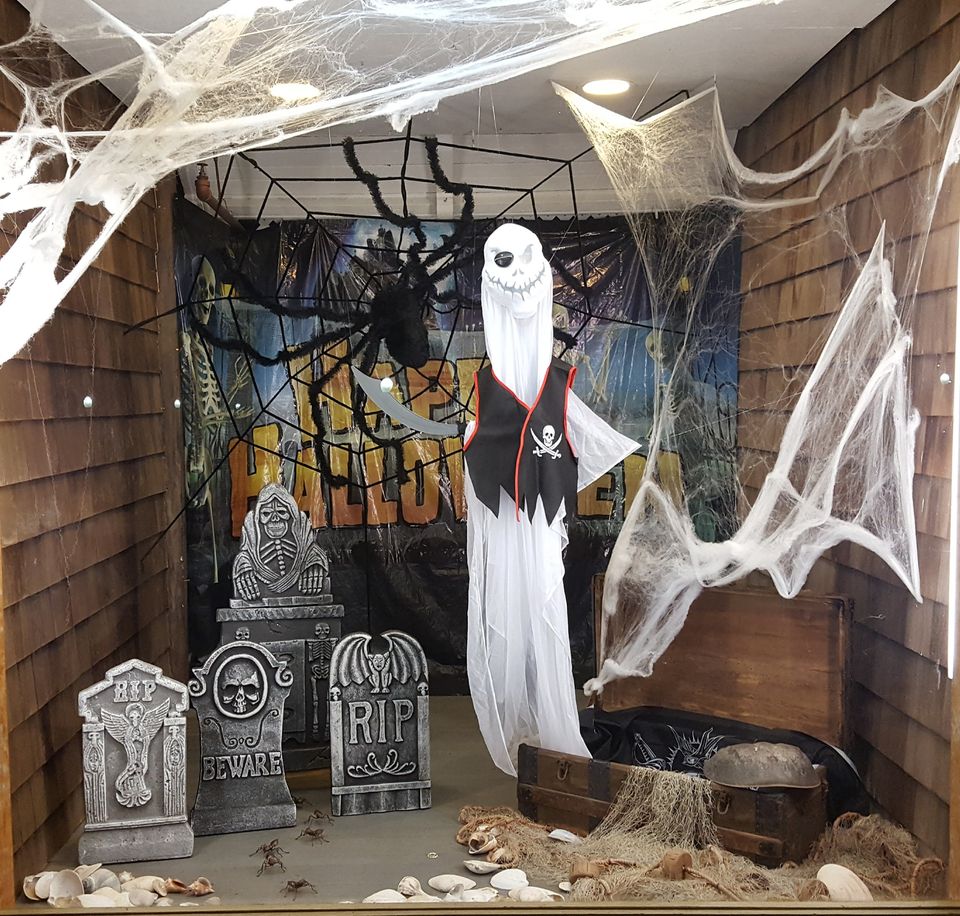
I stopped in for a recent special event that the Society was having to celebrate Halloween. The museum was having an ‘Ghost Fest-Open House” event for families and what a nice program they had for the kids and their family members that was socially distanced and safe.

The ‘Ghost Fest’ Halloween Festival at the museum.

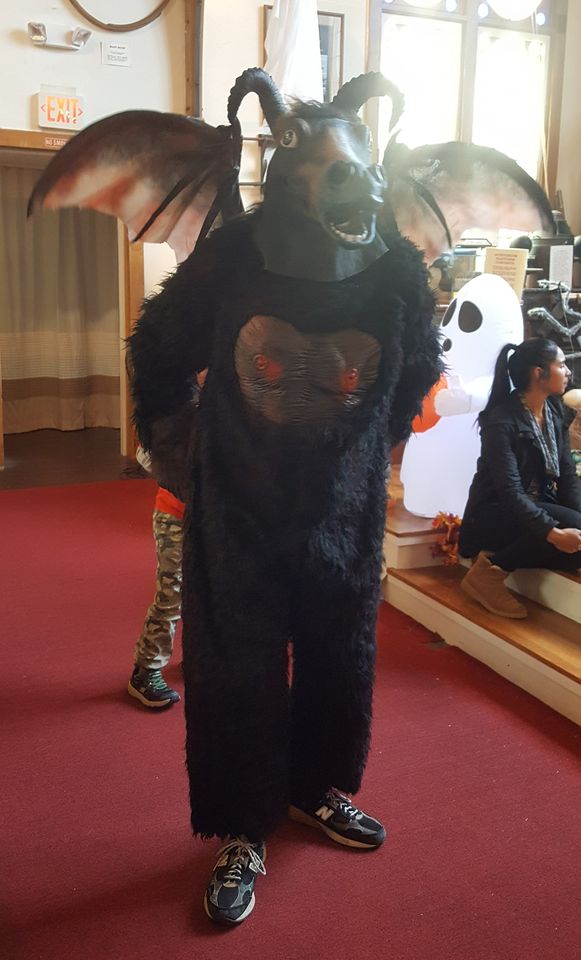
There were pony rides, a maze to explore, marshmallow toasting by the fire to make smores, corn hole tossing, games of chance, a gift store for the kids and even a costume parade with the “Jersey Devil” which the kids seemed to get a kick out of when he came out.

The Jersey Devil lead the Halloween Parade

There were also self-guided tours of the museum which were a lot of fun as well as people were coming in and out looking at the holiday displays. It was a nice that the museum had a safe program for the patrons and members of the community.

The Museum was decked out for Halloween

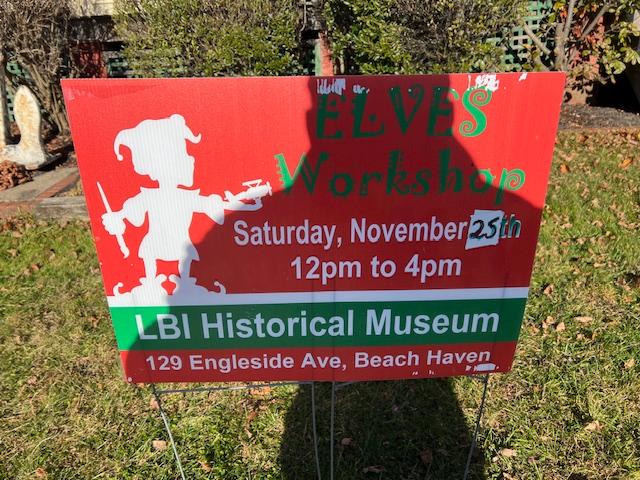
In November of 2021, the museum had the nicest little Christmas festival. They had tables around the front hall of the museum called “The Elves Workshop” with stations that the kids could create arts and crafts for the Christmas holidays with cookie decorating, gingerbread house creating and making a jewel covered Christmas tree among other things. The museum was decorated for the upcoming holidays.

Santa is on his way to Long Beach Island is the front display of the museum

The community involved in the Christmas activities.

From 4:00pm to 6:00pm that evening, the participants went the park across the street to roast marshmallows and Smores over open fire pits while Christmas music played in the background and the gazebo was lit with Christmas lights as it got dark. It was quite a site.

The Museum really puts you in the Christmas spirit with events like these.

It really put you in the holiday spirit.

The Christmas window at the Historical Society.

Mission Statement:

The Long Beach Island Historical Association collects, preserves and interprets the history of Long Beach Island through its educational programs, guest lecturers, walking tours, special events and an ever growing research center. The museum, situated at the center of Beach Haven’s Historic District, showcases 24 exhibits which include over 450 photographs and hundreds of artifacts for the sole purpose of encouraging the public to not only understand out island’s rich history but also to appreciate the people and events who helped in shaping its character (Museum Website).

The front section of the historical society.

History of the Museum and Town:

Before the colonial period the native Lenape tribes in the local area travelled in wooden dugout canoes to the island seasonally, to escape the heat, fish, gather clams to eat and shells for jewelry and trade. The early local colonists used the barrier islands much the same, seasonally to fish, whale (semi-permanent campus were established as early as 1690), gather salt hay, bayberry & beach plum and make sea salt.

The Victorian Room display.

The Victorian Room display.

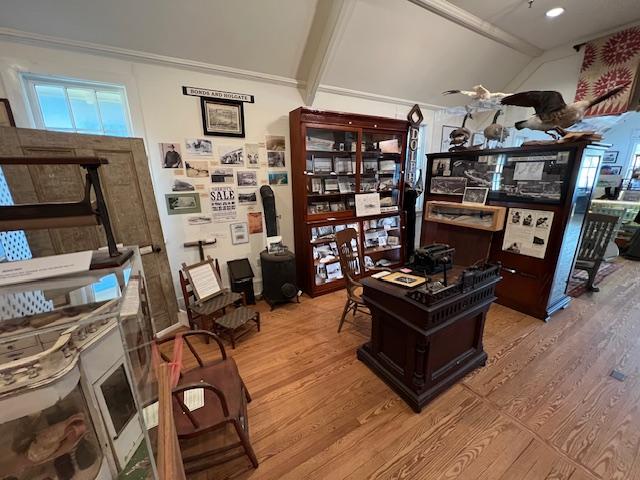
As the settlers became more established, ports such as Clamtown (later Tuckerton) were established about 1700 on the mainland and roads improved. Cattle were grazed on Tucker’s Island by 1735. Permanent seasonal accommodations were built on the island for men coming to fish and hunt; such as the Philadelphia Company House (started as Horners in 1815, became Bonds from 1851-1909) near Tuckers Island just south of what is now called Holgate and the Mansions of Health in Surf City (1822-1850). There was a “boarding hotel” at Barnegat inlet from about 1820 and the first manned lighthouse was built at the inlet in 1834. A manned lighthouse was built on Tucker’s Island in 1848, where a community, later called Sea Haven was springing up.

The hotel display and the office displays.

The island’s “modern” history begins as the railroads reached south to Toms River and Barnegat; with the Tuckerton Railroad reaching Manahawkin and Tuckerton by 1872. The railroad allowed visitors (and goods needed for comfortable living) to reach the shore quickly and also allowed for shore products to be shipped to Philadelphia & New York all year. The first year-round life-saving stations were were established in 1871. Land Development companies laid out Beach Haven in 1872 and Barnegat City (now Barnegat Light) in 1878, with sailboats and steam launches begin used to transfer visitors and goods from mainland railroad to the island. The Parry House, Engleside and later the Baldwin hotels. were built in Beach Haven and the Oceanic & Sunset in Barnegat City.

The Tuckerton & Long Beach Land & Improvement Co. principals were also major stockholders in the Baldwin Locomotive Co., the Tuckerton Railroad and the Pennsylvania Railroad. After they and their wealthy Philadelphia friends built houses in Beach Haven, the PRR was convinced to build a railroad trestle to LBI which opened in 1886 (abandoned 1935) leading to an extended property boom from the 1880’s-1920’s, especially in Beach Haven. Other smaller communities such as: Spray Beach (1889), Beach Haven Terrace, Brant Beach, Surf City (Inc. in 1899) and Harvey Cedars (Inc. in 1894) were established along the railroad.

The hotel display of objects.

Although most of the houses built were still seasonal, the presence of the railroad (and later the 1914 automobile bridge) made permanent business & year round living on the island feasible. Census records show that the island’s permanent population was 33 people in 1880, increasing to 522 in 1910 and 1827 in 1930.

The Toy display at the museum.

After the Depression of the 1930’s and the Second World War, development resumed in the “Cape Cod” period 1846-1962; assisted by the completion of the Garden State Parkway to Manahawkin in 1954 and the opening of the four-lane causeway (to replace the old two-lane wooden bridge) in 1956. The 1962 storm and early 70’s economic problems temporarily delayed development. By the late 70’s, the island was essentially “built out”. Most recent building boom of the period 1980-2007 consists of teardown/replacement of existing homes.

The telephone operator.

Because of early erosion in Barnegat City, Surf City and elsewhere and the extensive tear-downs of the 1980’s and 1990’s, the majority of the surviving 19th century and early 20th century structures on LBI are in Beach Haven. The Beach Haven Historic District (running from 5th to Chatsworth, east of Bay Avenue/LBI Boulevard) was created in 1983 in response to the increasing loss of historic structures and conflicting building styles. As of 2012, it is the only historic district on LBI.

The Shark Attack in 1916.

(From the Museum website: I give full credit to the Long Beach Island Historical Association Museum for this information)

The Greater Cape May Historical Society                         6531/2 Washington Street                                                      Cape May, NJ 08204

The Greater Cape May Historical Society 6531/2 Washington Street Cape May, NJ 08204

The Greater Cape May Historical Society

6531/2 Washington Street

Cape May, NJ  08204

(609) 884-9100

http://www.capemayhistory.org/

http://www.capemayhistory.org/about-us.html

Open: Colonial House Museum hours:

Wednesday-Saturday, 1:00pm-4:00pm June 15th-September 15th

Open during Victorian Weekend in October. Special exhibits at Halloween and Christmas.

My review on TripAdvisor:

https://www.tripadvisor.com/Attraction_Review-g46341-d286395-Reviews-The_Colonial_House-Cape_May_Cape_May_County_New_Jersey.html?m=19905

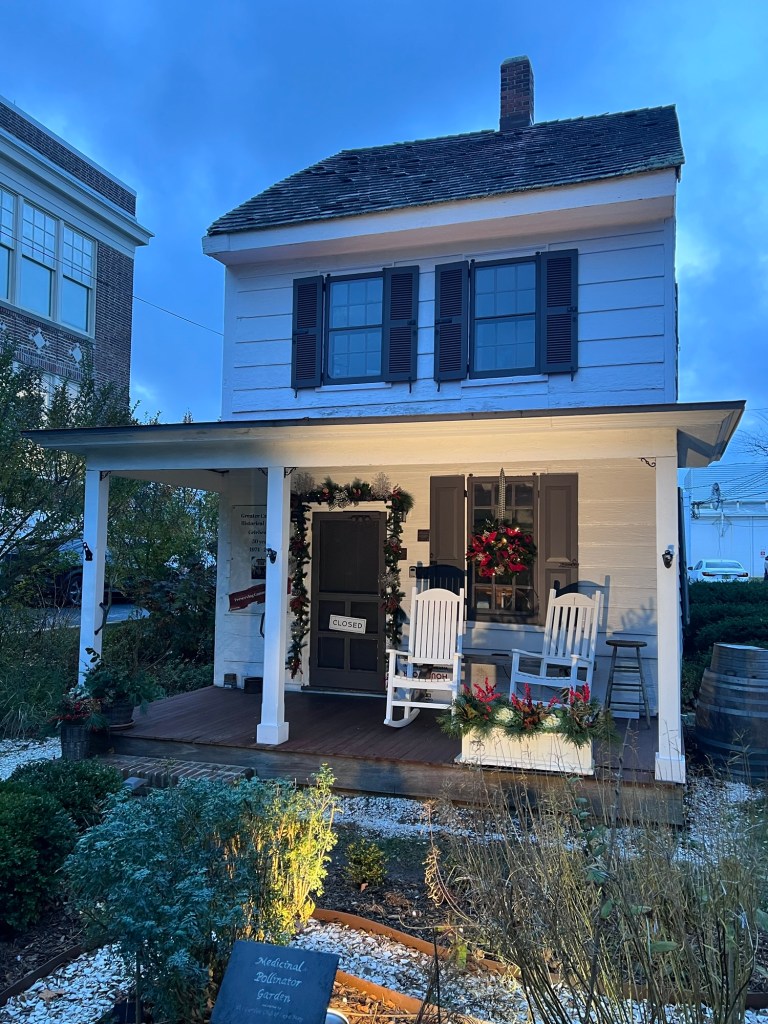
The Historical Society at Christmas time.

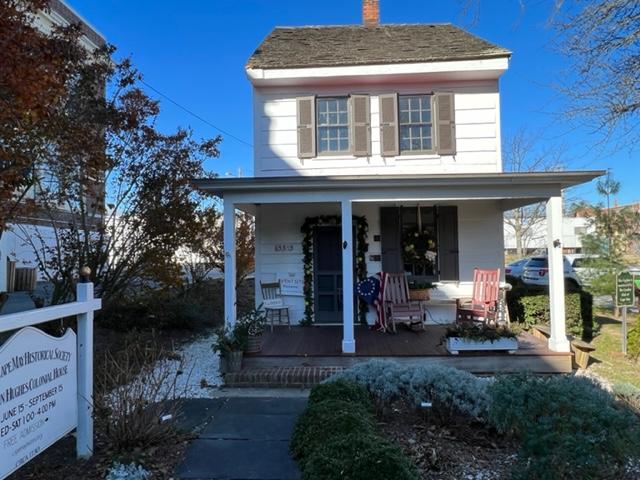
The Cape May Historical Society in the summer of 2023.

What an interesting visit I had to the Cape May Historical Society’s Memucan Hughes Colonial House. This tiny museum is only open between June 15th-September 15th and after that only for special events.

It is an fascinating little home that was built somewhere between 1730 to 1760. The original house no one is too sure if it had been built for the original owner or had been there and added on to as the records for the age of the house are unclear.

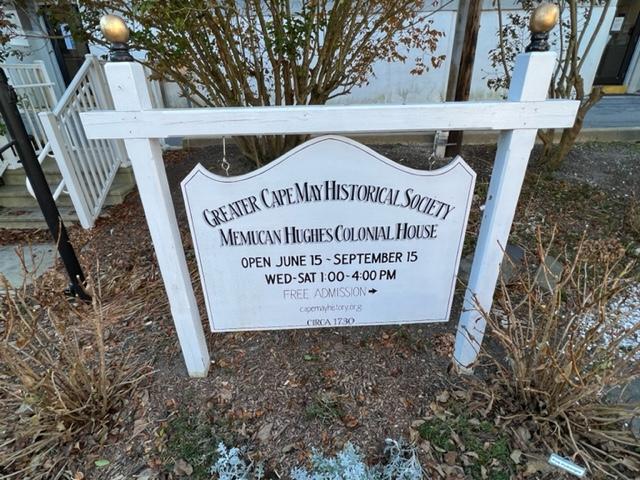
The welcoming sign at Christmas

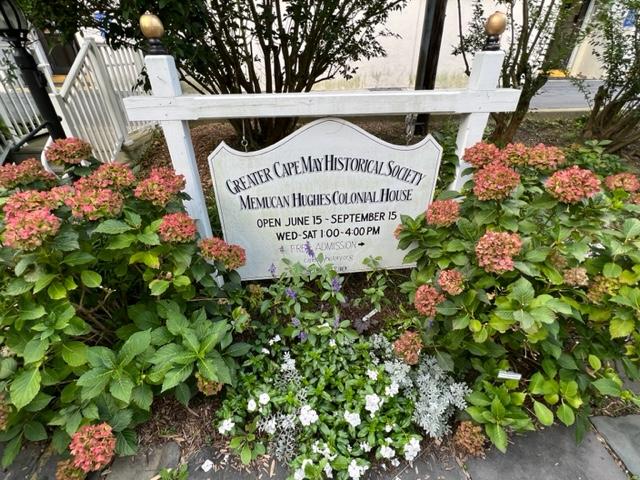
The sign in the summer of 2023.

The home consists of two small downstairs room filled with period furniture and decorations and there is an upstairs with three small rooms that have just opened up to the public. The front room Mr. Hughes used as a tavern that he kept open until almost the 1800’s. He had catered to a growing whaling industry that needed some form of entertainment in this quiet town that was isolated from the rest of the state.

The Pub in the front room of the house for meals and conversation.

The Front Room of the house served as a pub for visiting travelers.

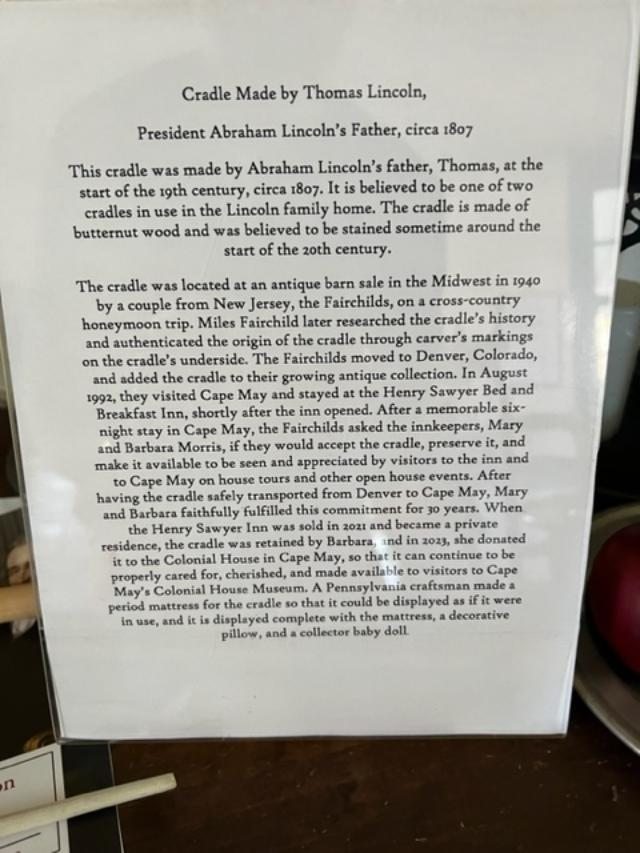
The room was set up for dining and amusements. The Lincoln Crib is in the background.

The Lincoln crib was built by Abraham Lincoln’s father.

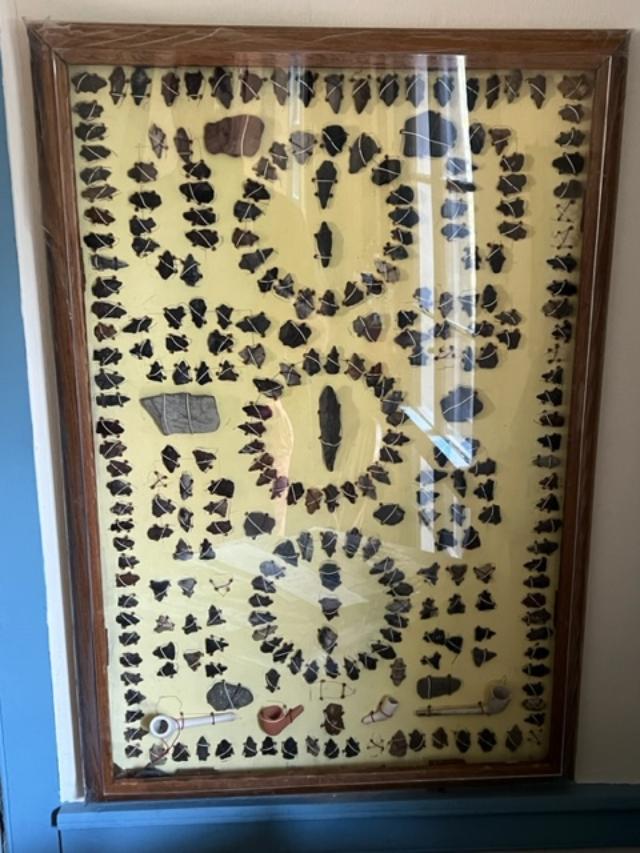
The Arrowhead and Pipe collection in the Pub Room.

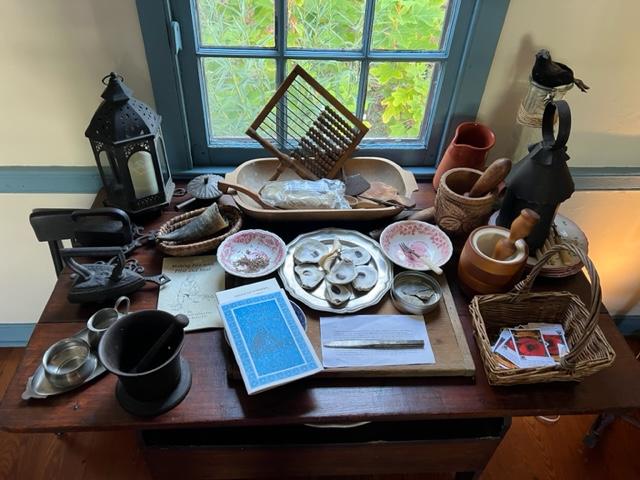
The front of the house is decorated as tavern to greet guests. There were tables filled with games and items that would have catered to the trade but still you knew you were in someone’s home. There are vintage card tables, board games and some household items.

The Living room at the Cape May Historical Society

The back room is a closed off kitchen with a fireplace and spinning wheels and wash tubs, all the things to run a household. There were also children’s toys, kitchen and garden gadgets and family items to personalize the house.

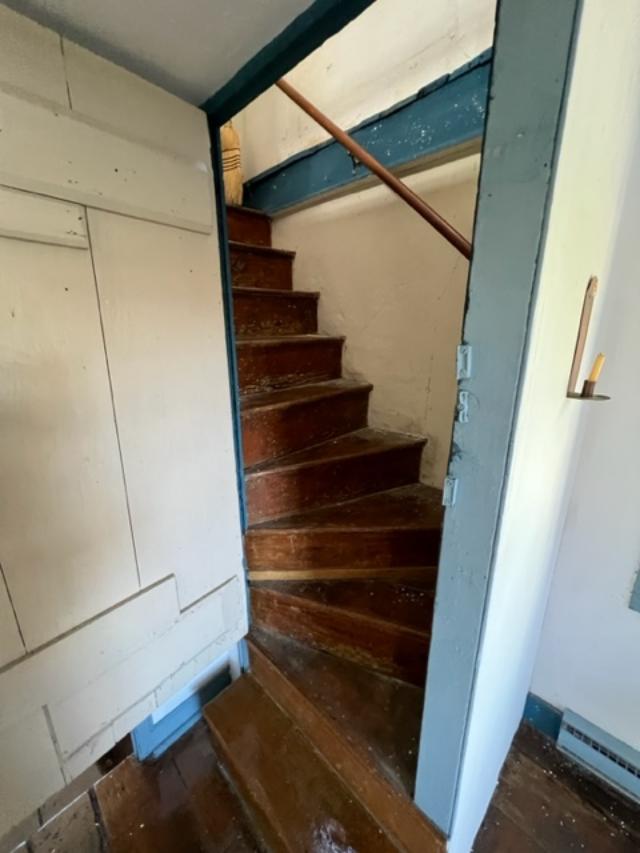
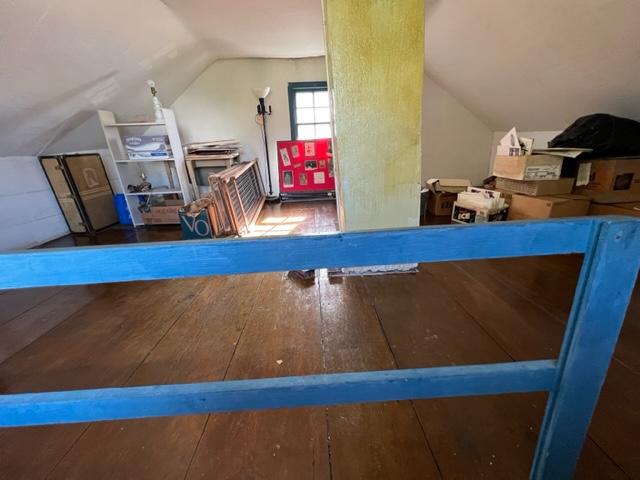
The narrow stairs lead to the upper bedrooms and the attic loft.

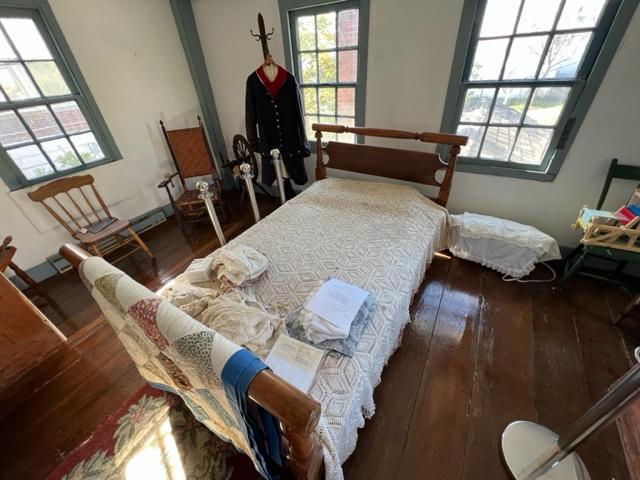
The upstairs bedrooms and the attic room were open in the summer of 2023, and I got to see the whole house. The upstairs is supposedly haunted, but I did not see anything. What I did see was how large the house really was and why the family of eight were able to live in this small house.

The upstairs bedroom

The upstairs bedroom

The attic loft room was supposed to be haunted but I saw nothing.

During the Victorian Age, the family came into a more prosperous life and built the big house in the front of the home.

The Hughes mansion in the Victorian times sits right in front of the old house and is now a B & B

The Hughes family lived in the house until the Victorian age and then they built the house on the front of the property and moved the smaller house to the back of the grounds. The house had been moved three times since its original location on the main road a few blocks away.

The tour itself is only about a half hour long and the guides do a nice job explaining the history of the house. On the gloomy day I visited, the museum was very busy with people visiting the house and with its connection to colonial history and the popularity of the musical, “Hamilton”, it is making it a popular destination when visiting Cape May.

History of the Museum:

The sign outside the house

The mission of the Greater Cape May Historical Society is to collect, preserve, document, interpret and share the history of Greater Cape May and to enhance the appreciation of that history through the Society’s historic site, The Colonial House Museum, collections, research, exhibitions, educational programs and publications.

The Hughes family home during the Christmas Holiday season 2022

All are invited to visit the Colonial House Museum, a 1700’s era house. The house was moved to its present site next to City Hall when the Hughes Family built the grand Victorian that is now a Bed & Breakfast.

The Hughes family home of the 1700’s at Christmas time.

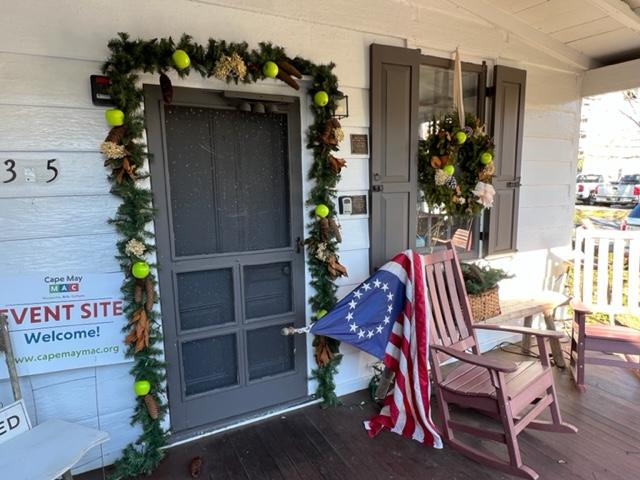
The house decorated for the holidays in 2025

Th Ed front of the house decorated for the holidays

Come visit us and see the House as it was with a Tavern Room and a Common Room when it was owned by Memucan Hughes. On display are period furnishings and other period household items.

The Hughes family home of the late 1800’s

The Society presents an annual exhibit dedicated to an unique chapter of Greater Cape May History along with special events for Halloween and Christmas.

Disclaimer: This information was taken directly from the Greater Cape May Historical Society’s pamphlet, and I give them full credit for it. Please call the above number for more information and selected openings.

The Cape May Historical Society in the summer of 2023.