Category: Historic Homes in New York

John Burrough’s Slabsides and Nature Sanctuary                                          500 Burroughs Drive                                                           West Park, NY 12493

John Burrough’s Slabsides and Nature Sanctuary 500 Burroughs Drive West Park, NY 12493

John Burrough’s Slabsides and Nature Sanctuary

500 Burroughs Drive

West Park, NY 12493

(845)384-6320

https://www.hudsonrivervalley.com/sites/John-Burroughs-Slabsides-/details

https://johnburroughsassociation.org/

Open: The Second and Forth Saturday of the month when in season. Please visit the website for the days open. The cabin is open from 12:00pm-4:00pm when in season.

My review on TripAdvisor:

The entrance to John Burroughs ‘Slabsides’

The entrance to Slabsides is located on a local country road off another local country road off Route 9. Use your Google Map carefully when visiting or you will miss the turn off. The parking lot is really small and holds only about eight cars so please make the turn around on the road above and park facing down from the parking lot (word of advice on parking).

The pathway from parking lot to the house is really beautiful and lush in the summer. It seemed more desolate in the cooler months and just empty. Still it is only about a five minute walk from the parking lot to the cabin.

The original cabin “Slabsides” from the pathway. This one room cabin was used by Naturalist John Burroughs as a home away from home to write and to think.

The lawn outside the cabin

The historic sign outside the cabin

The porch of Slabsides in the summer

John Burroughs work area inside the cabin and his kitchen

John Burroughs work station overlooked the woods and rock formations

The fireplace and resting area

The kitchen area in the back of the cabin

The bedroom and sleeping area of the cabin

The bedroom of the cabin

The pictures of Walt Whitman and John Burroughs in the bedroom

https://www.britannica.com/biography/John-Burroughs

https://exhibits.archives.marist.edu/s/marist-heritage-project/page/Esopus-Community-John-Burroughs

John Burroughs as a young man

https://johnburroughsassociation.org/about/about-john-burroughs

(From the John Burroughs website)

John Burroughs was one of the most popular authors of his day and is credited with creating the modern nature essay. Using easily understood prose, he described nature that was familiar and local, bringing the natural world to his readers. He encouraged them in the art of observation by sharing a sense of place and purpose in the land. Burroughs wrote more than three hundred articles published in leading magazines and in twenty-seven books over sixty years. Through his writings and friendships with influential leaders he had a profound impact on the emerging conservation movements.   

Born in the Catskill Mountains in 1837 he settled on a nine-acre fruit farm on the west bank of the Hudson River north of Poughkeepsie that he named “Riverby.” Poet Walt Whitman and Burroughs tramped through its surrounding woods during Whitman’s several visits, moving Burroughs to call these woods “Whitman Land.” In 1895 he purchased a nearby tract of land and built a two-story cabin as a place to write and entertain, calling it “Slabsides.”  

Though Burroughs was a writer particular to the Hudson Valley region, his travels were widely known and celebrated. In 1899 he joined the Harriman Expedition to Alaska and wrote the “Narrative” of the expedition. He accompanied Roosevelt into the wilderness of Yellowstone, telling the story in Camping & Tramping with Roosevelt, which provided the narrative for a segment of Ken Burns’s The National Parks. Burroughs also traveled to the Grand Canyon and Yosemite with John Muir and went on elaborate camping trips with his industrialist friends Henry Ford, Thomas Edison and Harvey Firestone. Accounts of these events are in Burroughs’ journal archived at Vassar College. 

Burroughs received honorary doctorates from Yale, Colgate, and the University of Georgia, and the Gold Medal of the American Academy of Arts and Letters.  

The ceiling of the cabin

The stairs to the upstairs loft

The cabin was small and is pretty much one full room with one or two walls partitioning the rooms. This seems more like a summer cabin. Still it had its charm.

We then finished the tour outside along the trails outside the cabin.

I admired the outside woods from the patio

(From the John Burroughs Association website)

The land around Slabsides informed many of his essays in which he described nature close at hand. Through works written here, John Burroughs inspired national leaders to preserve land and its wildlife and generations of readers to head out-of-doors. For nearly three decades Slabsides drew devoted readers and prominent friends. There are nearly seven thousand signatures in his Slabsides guest books. Among the early signers were ornithologists Frank Chapman and William Brewster, conservationist John Muir, leader of the Arts and Crafts movement Gustav Stickley, and his friends Theodore Roosevelt and Henry Ford, who gave him a series of three Ford cars. The young journalist Theodore Dreiser interviewed Burroughs at Slabsides.

The trail outside the cabin which Aldo served as the lawn when it is not full of vegetation from all the recent rain.

The trail signs

Looking down the trails outside the cabin

The rock formations outside the cabin on the trails

One last look back at the cabin before I left that morning

Walking along the trails outside back to the car

Walking along the trails bank to the car

Walking along the trails

Walking along the trails

The parking lot before I left that day

It was a wonderful private tour with Joan, who is the President of the organization. She explained who John Burroughs was, his significance in writing and his life. It was a very interesting tour.

The pathways were so beautiful and there is a full series of trails to follow throughout the property to explore.

Saugerties Historical Society                                119 Main Street                                        Saugerties, NY 12477

Saugerties Historical Society 119 Main Street Saugerties, NY 12477

Saugerties Historical Society

119 Main Street

Saugerties, NY 12477

(845) 246-9529

https://www.saugertieshistoricalsociety.com/

Open: (May – October) Sundays 1:00pm – 4:00pm/Monday-Friday Closed/Saturdays 11:00am – 2:00pm,

Admission: Free

My review on TripAdvisor:

https://www.tripadvisor.com/ShowUserReviews-g48564-d27065896-r960657174-Saugerties_Historical_Society-Saugerties_Catskill_Region_New_York.html?m=19905

I finally got a chance to visit the Saugerties Historical Society and see the inside of this historical home. The Society has done a nice job displaying their historical artifacts and carefully decorating the house to reflex the period.
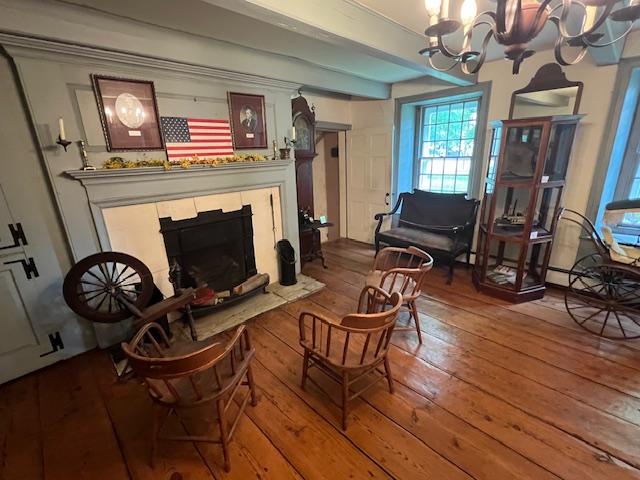
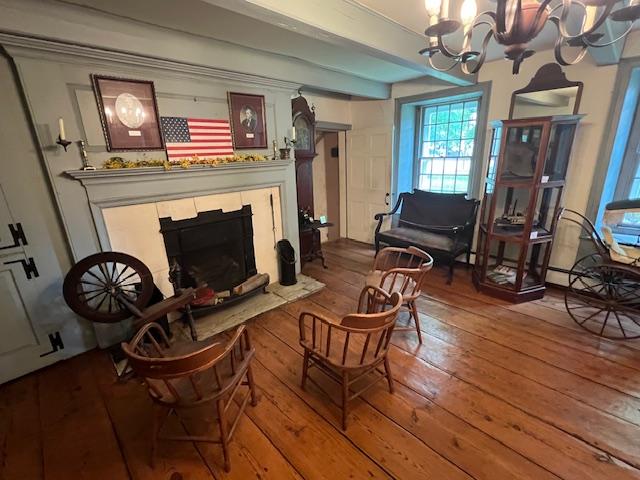
The Living Room of the Kierstad Homestead

In the first room in the main part of the house, there is a display of family China from descendants of the original family who owned the house, local business artifacts and family heirlooms. In the original sections of the house, summer kitchen had has been displayed. This is a depiction of how a Dutch farming family may live in the 1700’s.

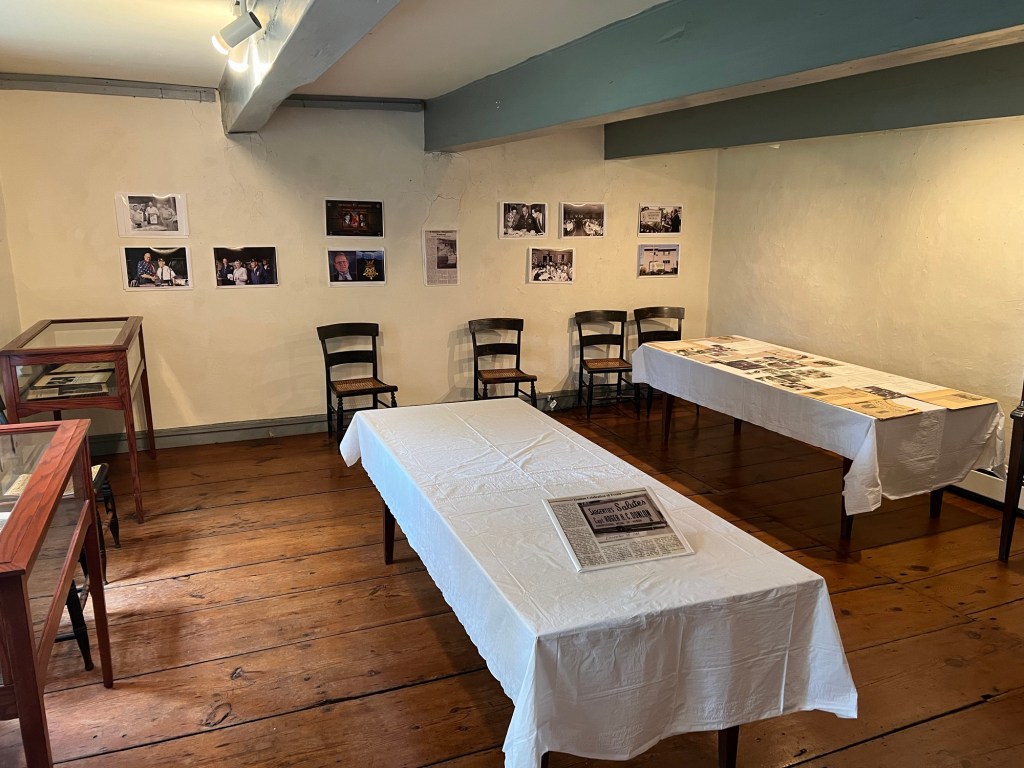
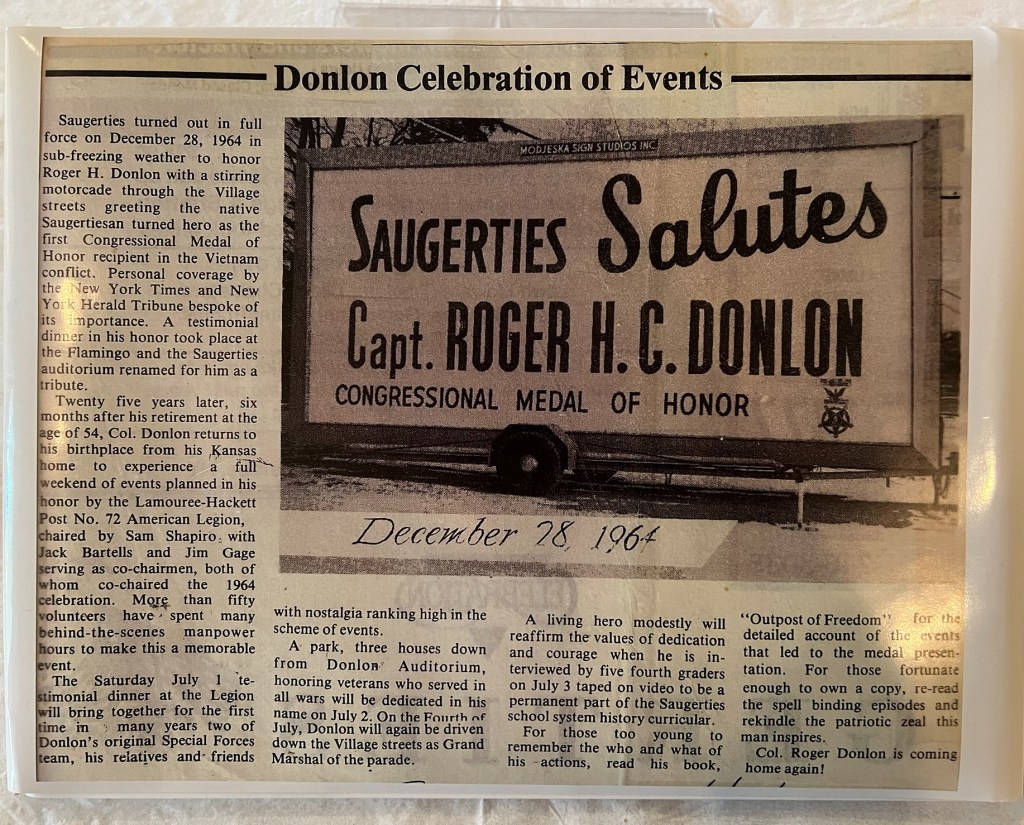
In the other room in the main part of the house was an exhibition of local hero, Captain Roger Donlon, who was a decorated officer in the Vietnam War. The exhibition had all the news clipping from the award ceremony and his hometown welcome. One of the volunteers told me that this exhibition will be taken down soon so that they can mount the thirtieth anniversary of Woodstock.

The rest of the house is used for archives space. The house is in two sections, the original section which contains the Summer Kitchen and loft space above (that is closed to the public) and the addition to the house in the late 1700’s. Descendants of the home lived in the house until the 1950’s. The grounds are nice to walk around on and take in the cool shade on a hot day.

The museum is an interesting look at early life in Saugerties, NY.

The Mission Statement:

The mission of the Saugerties Historical Society shall be to provide coordination of all things historical in Saugerties; to be involved in the research, collection, preservation, dissemination of information about, and productive re-use of the historical archives and material culture of the community; to make the historical resources of the community available to the public through education, exhibition and interpretation; and to secure the safe management and protection of such resources that may come under its jurisdiction.

The welcome sign in front of the house.

History of the Society:

(from the Historical Society website/pamphlet)

The Saugerties Historical Society is a source of local information, art, and memorabilia. Exhibitions of colonial and recent history include Saugerties themes as well as those of regional interest such as History Day each October and authentic Hudson Valley colonial militia reenactment.

The Saugerties Historical Society partners with local schools in the education of American and local history. Hands-on activities such as scrubbing clothes on a washboard, spinning wool and writing with a quill pen encourage students to experience colonial life. The Saugerties Historical Society aims to bring pride and knowledge of community through education and preservation.

The earliest recorded owner of the stone house was Hiskia Dubois (c 1727) and Dr. Kiersted purchased the house from Hiskia’s son, Daniel. The Kiersted House was saved from demolition in 1955 by Charles and Inez Steele. Through the generous efforts of volunteers in cooperation with the Town and Village of Saugerties the Saugerties Historical Society acquired the house in 1998.

The Kiersted House is a community center. Each summer, concerts, such as those with the Saugerties Community Band are presented on the beautiful lawn and gardens of the house. The Saugerties Historical Society regularly hosts various community clubs and organizations. The Kiersted House and grounds are available to suitable organizations for special events. The Saugerties Historical Society welcomes all to experience history while visiting the Kiersted House. The Kiersted-DuBois House is listed on the National and New York State Register of Historic Places.

The inside of the Historical Society

History of the Building:

(from the Historical Society website)

The Kiersted House was saved from demolition in 1955 by Charles and Inez Steele. Through the generous efforts of volunteers in cooperation with the Town and Village of Saugerties, the Saugerties Historical Society acquired the house in 1998.

The Historical Marker

The earliest recorded owner of the stone house was Hiskia DuBois, c. 1727. The home which was originally located on  approximately 40 acres was sold upon his death by his son David DuBois to Dr. Christopher Kiersted who was married to Leah DuBois.

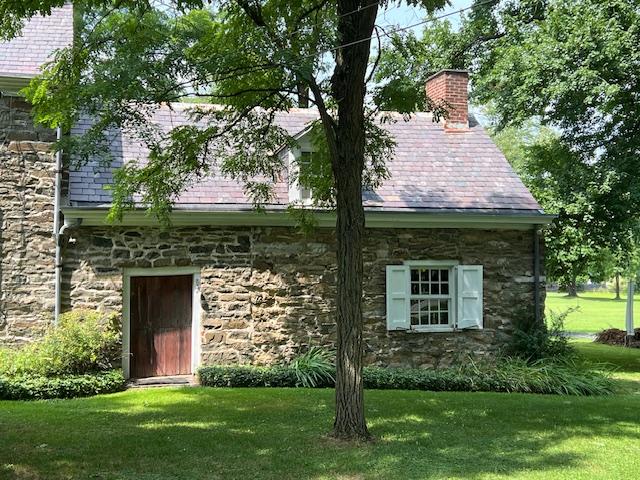
The stone house was built in sections with the east wing being the earliest, c. 1727. Subsequent additions to the west end included the parlor and the joining of a stone outbuilding to the main house in 1800. Preservation of the interior of the Kiersted House is evident in the original wide plank floors, 18th century glass-paned windows (some bearing family inscriptions), much original iron hardware and century old concrete floors with inlaid design. 

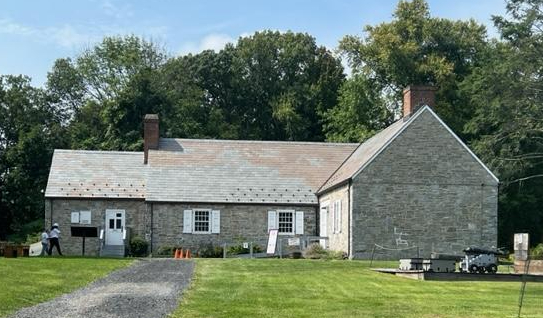
The original section of the home from the early 1700’s with the Summer kitchen

The later addition to the house

In early 2003, during a planned restoration the house was spruced up with great care to respect the historic elements. The wooden doors and frames were carefully cleaned to expose their original grain and features. The floor planks were also cleaned and patched aesthetically. The stone work in the fireplace required additional care and some of the original stones had to be replaced. An antique pro carpet cleaning NYC service was enlisted to clean and restore the rugs and carpets, many of which were the originals and some of the more worn items were moved away from highly trafficked areas. The drapery and linen items were also restored or replaced with replicas.

The Saugerties Historical Society in the summer of 2023.

The Society has given visitors a chance to see what life was like for early Dutch and English settlers from a prestigious family from the area. It shows that life was understated and productive. It was not an idle existence but one from hard work and determination to build on something. The house is a window for us to look at the families who lived here and how their families grew and progressed.

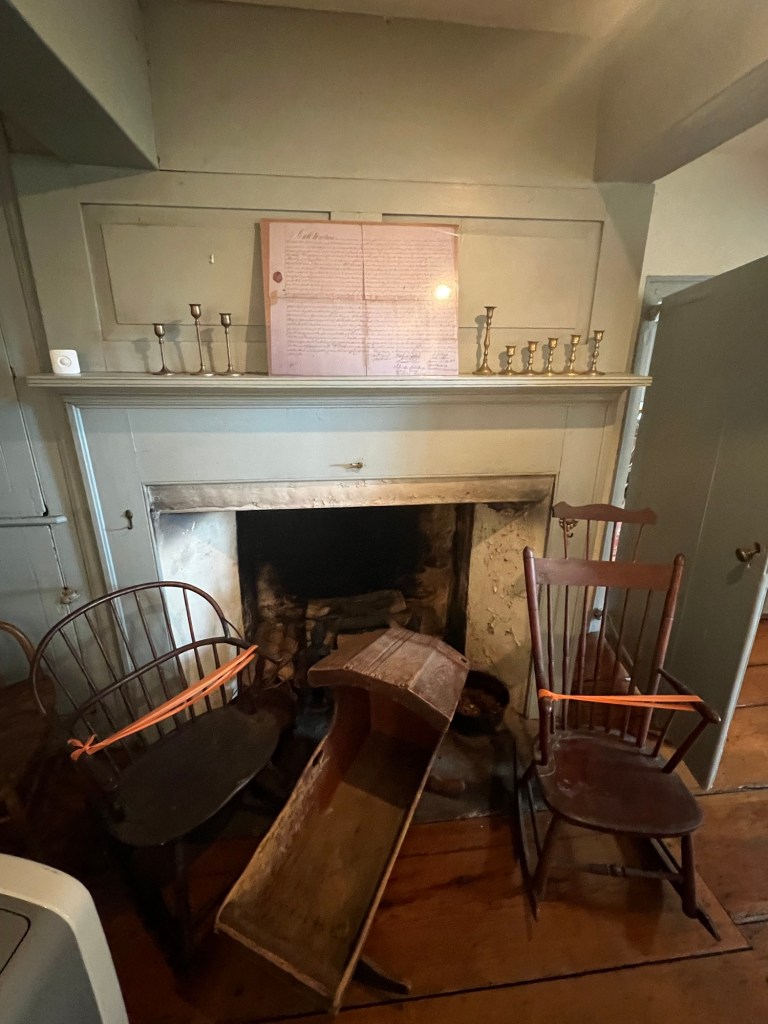
The fireplace and family crib of the Kiersten’s family

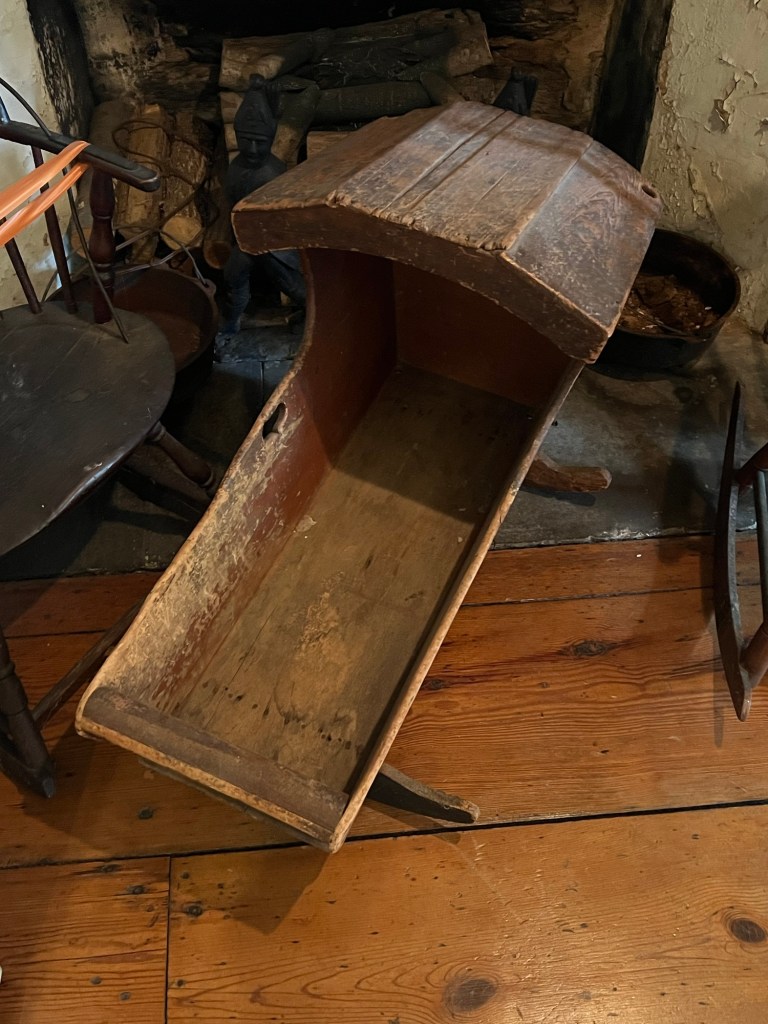
The Kierstad family crib from Dutch times

The Living Room set up

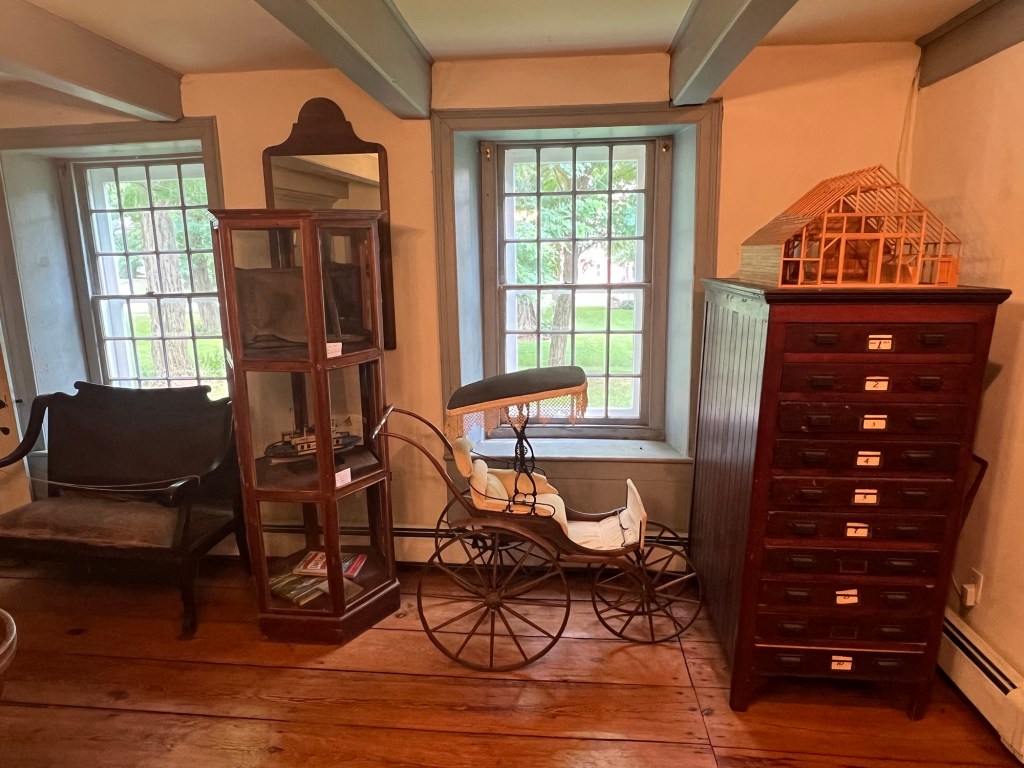
Artifacts in the Living Room including antique furniture and a stroller from the Civil War

The ‘Old Summer Kitchen’

The Summer Kitchen was the original part of the house

The table lined with items from harvest and for cooking the main meal

The kitchen being the focal point of the house was always warm so children and babies could be watched

In the main room were many of the artifacts in the collection:

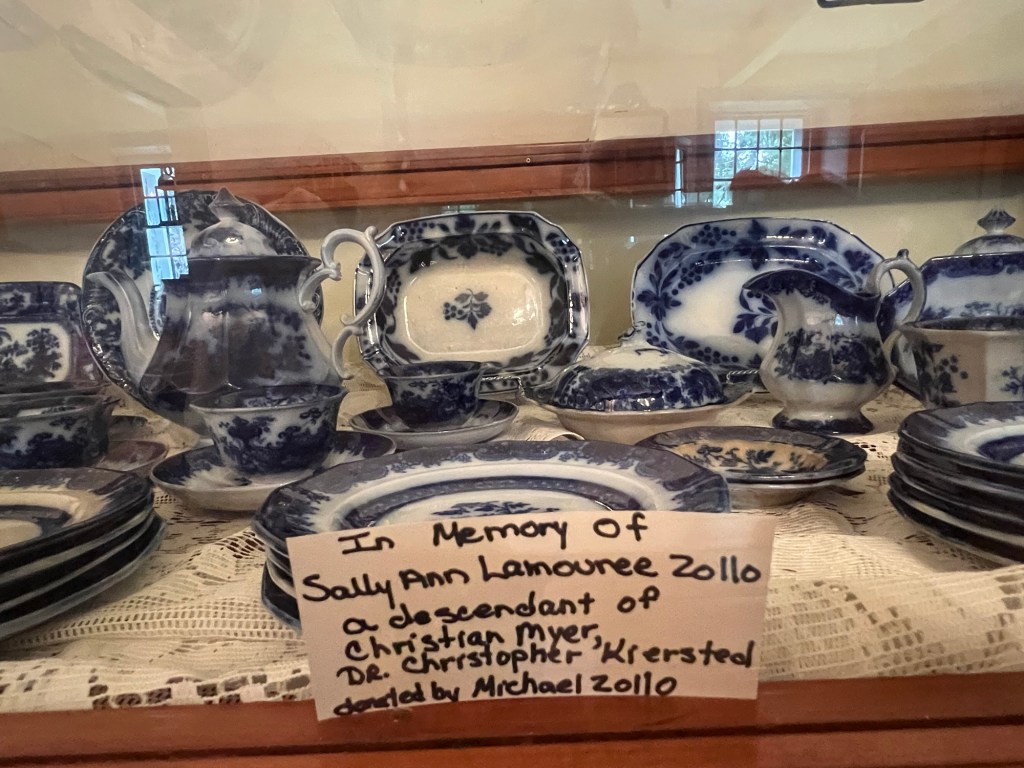
The family China of Sally Ann Lamouree Zillow, a descendent of the Kierstad family

From the Town of Saugerties, the award of a commode

The Captain Roger Dobson exhibition:

In the other part of the house was exhibit of Captain Roger Dobson, a local hero of the Vietnam War. The decorated Captain’s store was a local boy makes good. The exhibition contains all sorts of clippings and articles from the event and of the Captain’s accomplishments.

The entrance to the Roger Donlon exhibition

The Roger Donlon exhibition on his career in the armed forces during the Vietnam War

The display of Captain Donlon’s accomplishment

The last artifact I saw at the museum was a replica of the original map of Saugerties. This map shows the farms and estates of the original families of the Town of Saugerties.

The replica of the map of Saugerties, NY

The Outside Gardens:

After my tour of the museum, I walked around the grounds of the property and enjoyed the sunny day.

The gardens outside the entrance to the Kierstad Homestead and Gardens

The lawn outside the museum

Stony Point Battlefield State Historic Park            44 Battlefield Road                                           Stony Point, NY 10980

Stony Point Battlefield State Historic Park 44 Battlefield Road Stony Point, NY 10980

Stony Point Battlefield State Historic Park

44 Battlefield Road

Stony Point, NY 10980

(845) 786-2521

https://parks.ny.gov/historic-sites/stonypointbattlefield/maps.aspx

https://en.wikipedia.org/wiki/Stony_Point_Battlefield

Open: Sunday (Grounds) 12:00pm-5:00pm (Museum) 12:00pm-4:30pm /Monday-Tuesday Closed/Wednesday-Saturday (Grounds) 9:00am-5:00pm/(Museum) 10:00am-4:30pm

Admission: Free but donations are accepted. Groups, Scouts and Organizations are $5.00 individuals per person and $7.00 for special events per person. Please call to make arrangements on this.

My review on TripAdvisor:

https://www.tripadvisor.com/Attraction_Review-g48694-d263715-Reviews-The_Stony_Point_Battlefield_Lighthouse-Stony_Point_New_York.html

The Stony Point Battlefield Museum

The General’s tent on the battlefield.

We visited the Stony Point Battlefield one afternoon and it is a very interesting and historical fort in the Hudson River Valley. We were able to tour the battle site and explore the grounds of this historical site. Then we toured the museum which gave us a view of the battle and what happened that night through a series of displays of the artifacts.

The Gallery

The Gallery

The gallery was filled with all sorts of weaponry and items needed by the troops for battle.

The battlefield site.

The museum has displays of the weapons used, the structure of the fort, utensils used the time that the troops were defending this area and what life was like on a day-to-day basis. The museum also offers a glimpse of artifacts of both the fort and of the battle with docents assisting you in telling the story of what happened at that time and after the battle and the war were over.

The Stoney Point Battlefield tent set up.

Outside the fort, there was a set-up of tents to show what the troops life was like in battle as well as General Wallace’s tent that he lived in and used during the battle. At the end of the day, the park does a demonstration of lighting the cannon that would have been used in battle. That was interesting. It was a lot more work than people think.

The cannon set up.

There is lot to do and see along the pathways of the fort and its grounds with amazing views of the Hudson River.

The story of the battle.

The History of the park and battlegrounds:

(from the NYS Parks Division website)

Visit the site of the Battle of Stony Point, one of the last Revolutionary War battles in the northeastern colonies. This is where Brigadier General Anthony Wayne led his corps of Continental Light Infantry in a daring midnight attack on the British, seizing the site’s fortifications and taking the soldiers and camp followers at the British garrison as prisoners on July 16, 1779.

The map of the fort at Stony Point, NY.

By May 1779 the war had been raging for four years and both sides were eager for a conclusion. Sir Henry Clinton, Commander-In-Chief of the British forces in America, attempted to coerce General George Washington into one decisive battle to control the Hudson River. As part of his strategy, Clinton fortified Stony Point. Washington devised a plan for Wayne to lead an attack on the garrison. Armed with bayonets only, the infantry captured the fort in short order, ending British control of the river.

The weapons of battle on display at the museum.

The Stony Point Lighthouse, built in 1826, is the oldest lighthouse on the Hudson River. De-commissioned in 1925, it now stands as a historical reminder of the importance of lighthouses to commerce on the Hudson River. The opening of the Erie Canal in 1825 unleashed a surge of commercial navigation along the Hudson River, by linking New York city to America’s heartland.

Within a year, the first of the Hudson’s fourteen lights shone at Stony Point and others soon followed, designed to safely guide maritime travel along the river. Many light keepers, including several remarkable women such as Nancy and Melinda Rose at Stony Point, made their homes in the lighthouse complexes, and ensured that these important navigational signals never failed to shine.

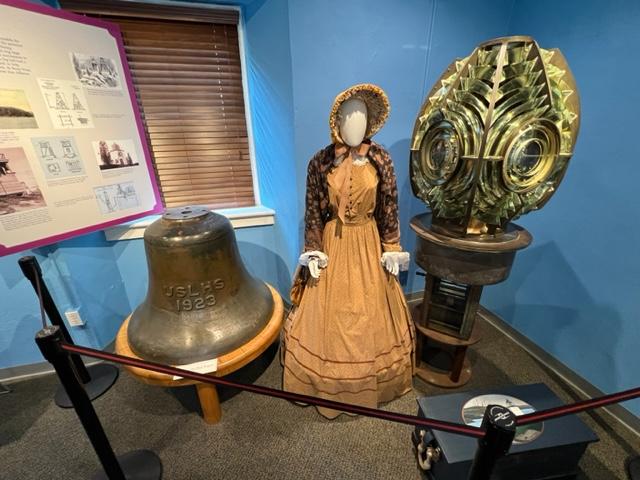
The lighthouse light on display at the museum.

The site features a museum, which offers exhibits on the battle and the Stony Point Lighthouse, as well as interpretive programs, such as reenactments highlighting 18th century military life, cannon and musket firings, cooking demonstrations, and children’s activities and blacksmith demonstrations.

The cannon demonstration that we saw at the end of our visit to the battlefields.

Ulster County Historical Society                        2682 Route 209                                           Kingston, NY 12401

Ulster County Historical Society 2682 Route 209 Kingston, NY 12401

Ulster County Historical Society

2682 Route 209

Kingston, NY 12401

(845) 377-1040

Open: Sunday 10:00am-4:00pm/Monday-Thursday Closed/Friday-Saturday 10:00am-4:00pm

Admission: Adults $15.00/Seniors and Students $10.00/Members Free

My review on TripAdvisor:

https://www.tripadvisor.com/ShowUserReviews-g48003-d26612748-r915068372-Ulster_County_Historical_Society-Kingston_Catskill_Region_New_York.html?m=19905

The Ulster County Historical Society at 2683 Route 209

I visited the Ulster County Historical Society in Kingston, New York recently and found it to be a very interesting packed with information on both county and New York State history. The historical Bevier House was set up into different galleries.

In the main gallery which must have served as the family’s living room and parlor room was the “Leaving Bishop Falls” exhibit by artist Kate McGloughlin, who shared the story of how her family either sold out or were forced off their land when New York State used the area as a reservoir for drinking water for New York City. Her art told the story of her family’s love/hate relationship with the situation and how some of the family still deal with the incident. I thought it was interesting that she was a 12th Generation New Yorker.

The Main Gallery

What was once the Dining Room is now the Portrait Room, with many family portraits and of local citizens from the Museum’s collection. This room is also used for lectures.

The Portrait Gallery and lecture space

The Portrait Gallery

The Portrait Gallery has period pieces to them with various tables, armours and pottery and china pieces of the time period. The portraits reflect that time period as well.

The back part of the house is the period Dutch Kitchen which was remodeled from the more modern kitchen it had become over time as the family moved into modern times back to the original kitchen. The fireplace is filled with tea kettles, pots and pans that would have been used for cooking, a bedwarmer and various items that cooks and housewives would have used to make the family meals. There is even a bed in the kitchen which I took as something that was needed in the colder months.

The Dutch Kitchen

The pewter and pottery in the Dutch Kitchen.

A folding bed in the kitchen.

The room to the back displayed farm equipment and materials needed in the Blacksmithing and Blue Stoning industries that were once part of Ulster County. The farm equipment reflects the rural past of the farm land that used to surround the house. This is where the family made their money.

The farm tools display

The Farm tool display

The Blacksmithing Display

The Blue Stoning tools for mine blue stone for homes.

Then to the back of the house are the stone gardens loaded with all sorts of wild flowers and colorful flowering plants. This path leads to the old family barn that is now on private property. The gardens are a nice place to relax and unwind on a sunny afternoon.

The Stone Gardens in the summer months.

The side of the house with the stone gardens.

The gardens on the side of the house.

The home is an example of life on a farm at that time period and the family who put a lot of care in their home for generations. The care that the historical society has brought to this house is reflected in the displays and exhibits. The volunteers do a good job telling this story.

The Special Exhibition at the museum:

LEAVING BISHOP FALLS — AN ASHOKAN STORY
MAY 13 – OCT 29, 2023

The entrance of the exhibition “Leaving Bishop Falls”

Construction of the Ashokan Reservoir, part of New York City’s water system, flooded communities long established in the Esopus Valley. That action reverberates in our community today. 

Artist Kate McGloughlin shares her family’s history in the area.

https://www.katemcgloughlin.com/

The newspaper coverage of the event.

The work of artist Kate McGloughlin, a 12th– generation county resident, captures the sense
of loss her family still carries from the seizure of Bishop Falls. Her kin, and many like them, were forcibly removed from their land at Bishop Falls.

The artist’s descendants

Kate’s painting and printmaking tell the story of her people, acknowledging their loss and finding solace in the beauty of the Ashokan landscape.

The main gallery with her works.

The exhibition asks us to reflect on our own family stories and how they resonate in our lives today.

The works of Kate McGloughlin

Map of the location of the family land and community lands taken away.

The History of the Ulster County Historical Society:

(from the museum’s website)

The Ulster County Historical Society is the oldest historical society in New York State. It was established in 1859, largely through the efforts of State Senator George C. Pratt, Commanding Colonel of the 20th Regiment, New York State Militia (80th NYSV). Col. Pratt was mortally wounded 1862 at the Second Battle of Bull Run. With his death, the Society became dormant until 1898, when an enthusiastic group led by Judge G.V.D. Hasbrouck revived it.

The Bevier House plaque

Throughout the history of the UCHS, the mission has been twofold. The society’s primary responsibility has been to act as curator and collector of significant Hudson Valley artifacts, documents, and cultural items. The donation of the Bevier House as museum space helped the UCHS to achieve this goal, and we currently house several fine collections of artwork, furniture, and culturally significant documents. Additionally, our library within the museum allows for researchers to access documents, land records, maps, town histories, letters, and diaries of interest to this area of the Hudson Valley. Please contact info@ulstercountyhs.org with any research queries.

The Bevier Family tree and patent

The second goal of the UCHS is to educate our community and the public on the very important role that the Hudson Valley, and particularly Ulster County, has played in the formation of our great nation. Through a variety of programs centered around our current exhibits, we encourage participants to engage with and explore their local and personal histories.

A copy of the permit to maintain and run the local highway.

The rate of the tolls on the road that the family collected.

The History of the Van Leuven/Bevier Homestead:

(from the museum website)

The sign that welcomes you.

The Ulster County Historical Society is proud to have the Bevier House as its headquarters. The Bevier Family donated the building in 1935 to serve as a meeting space and to house the collections of local historical artifacts stewarded by the UCHS.

The Bevier House in the summer of 2023.

The home site was first settled in the 1680s and began as a one room structure, constructed by Andries Van Leuven. It may have reflected the Dutch tradition of positioning the gable end toward the street. In 1715, Louis Bevier of the New Paltz Patent purchased the property for his third son Louis and wife Maria Hasbrouck.

The family barn (which is not part of the Historical Society property)

The site remained in the Bevier Family for the next 223 years and provided a successful income from farming. The home grew and was improved with most changes occurring between 1840 and 1890, when much of the U.S. was experiencing rebuilding and reconstruction after many years of turmoil.

The stone garden on the side of the house.

The house gardens and well in the summer of 2023.

The final major change that occurred in the house was the Dutch kitchen remodel in the 1970s, in conjunction with the Bicentennial.

The Dutch kitchen brought back to its original form.

The Ulster County Historical Society is a perfect way to understanding Dutch farming life at that time period in Ulster County, NY.