Category: Historic Farms of New Jersey

Historical Society of Old Randolph                     630 Millbrook Avenue                                    Randolph, NJ 07869

Historical Society of Old Randolph 630 Millbrook Avenue Randolph, NJ 07869

Historical Society of Old Randolph

630 Millbrook Avenue

Randolph, NJ 07869

(973) 989-7095

https://www.randolphnj.org/499/Randolph-Museum

https://www.facebook.com/RandolphMuseumNJ/?_rdr

Open: Sunday 1:00pm-4:00pm/Monday-Saturday Closed

Admission: Free but donations accepted

My review on TripAdvisor:
https://www.tripadvisor.com/ShowUserReviews-g46764-d27020831-r965541611-Randolph_Museum-Randolph_Morris_County_New_Jersey.html?m=19905

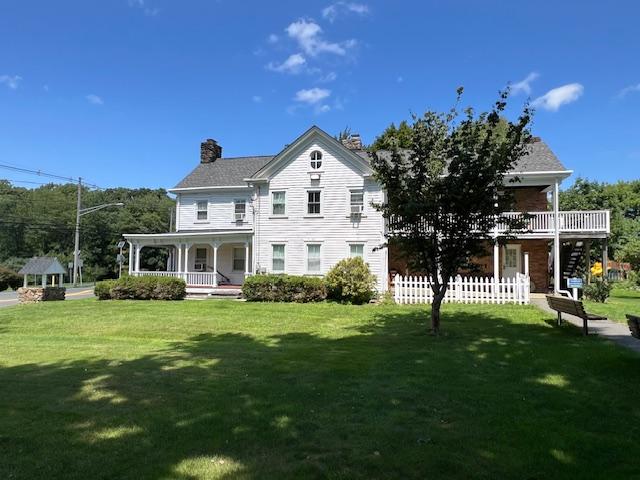
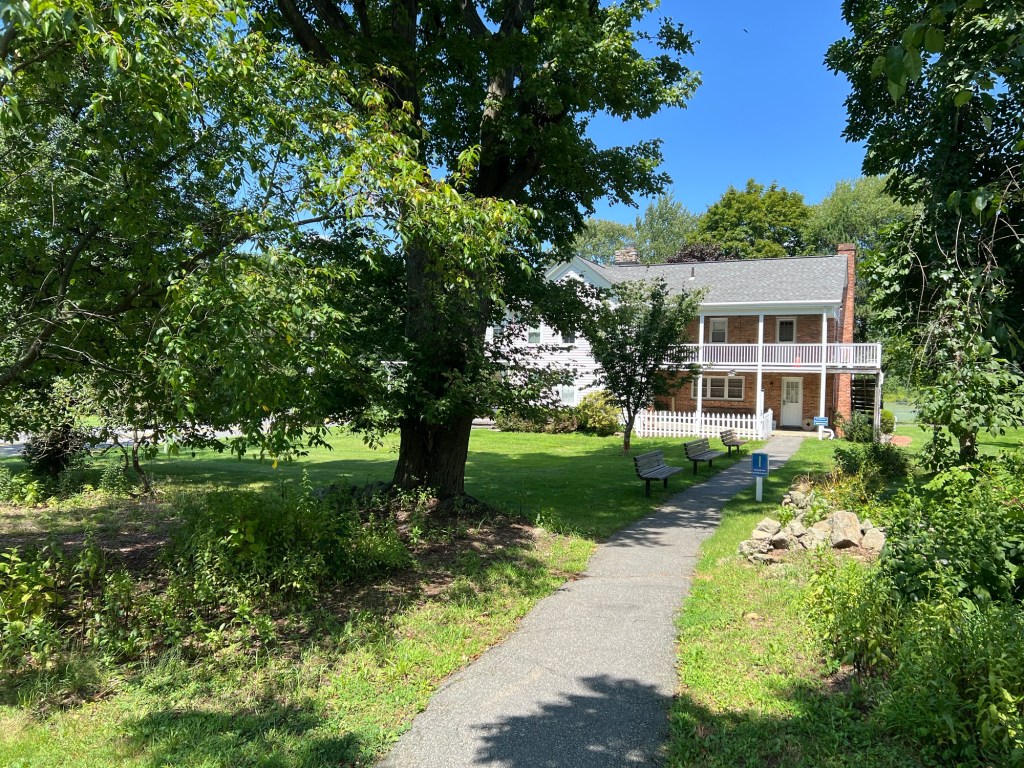
The museum and the grounds of the Randolph Museum, home to the Randolph Historical Society in Randolph, NJ

The sign that welcomes you to the park

The Randolph Museum is the old farmhouse of this once hundred acre farm

The museum’s gardens just outside the door

The side view of the museum from the street

I visited the Randolph Museum for the museum’s ‘Peach Festival’, where they had a very nice Open House and a series of tours around the house. We were greeted with a dish of fresh Jersey peaches, peach ice cream and pound cake. They also had peach punch for us as well with a warm welcome. The clouds broke and the sun came out so it started a very nice day at the museum.

The delicious Peach Shortcake we were served when we walked into the museum for the “Peach Festival”

Each room in the museum tells a story of rural life in Randolph, New Jersey from the era of the Dutch and English farmers through the era of farms developing into resorts and the growth of rural towns in New Jersey after WWII, automobile transportation and the rise of middle class suburban living.
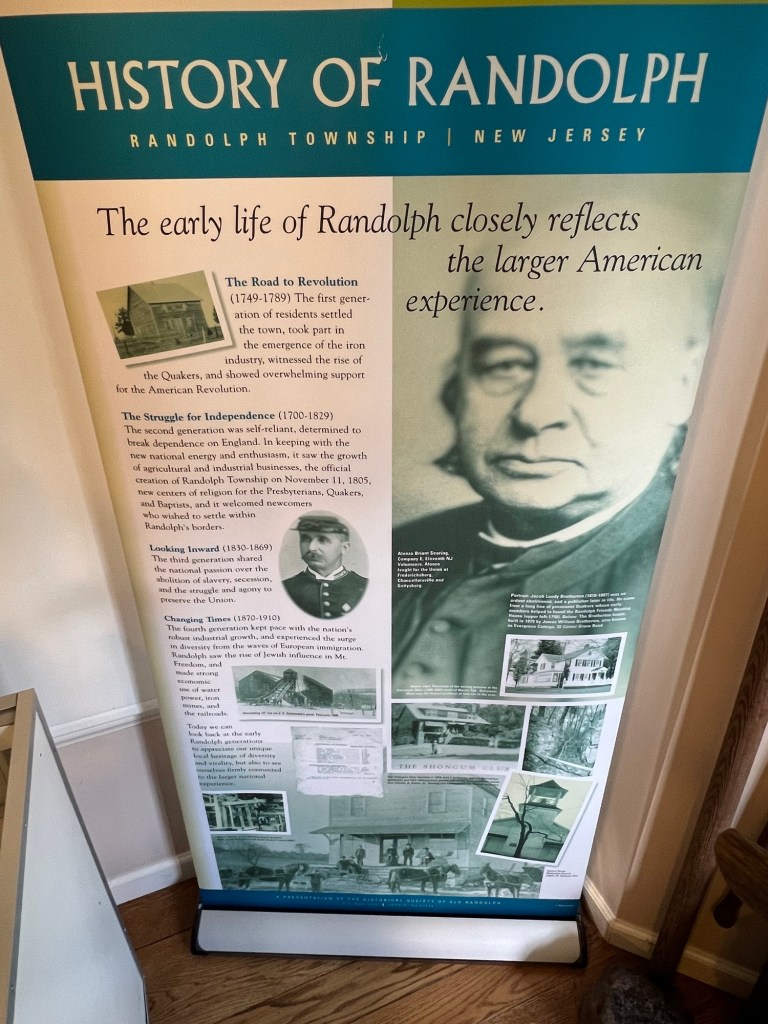
This description of life in Randolph, New Jersey is a reflection of life all over the rural United States

The museum is broken down in different themed rooms. When you first enter the house, you can see the history of Randolph as a resort town. The growth of the farms as boarding houses developed in resorts catering to Jewish patrons who were banned from the Catskills and Hamptons. These resorts continued until after the war until transportation and religious laws changed after WWII.
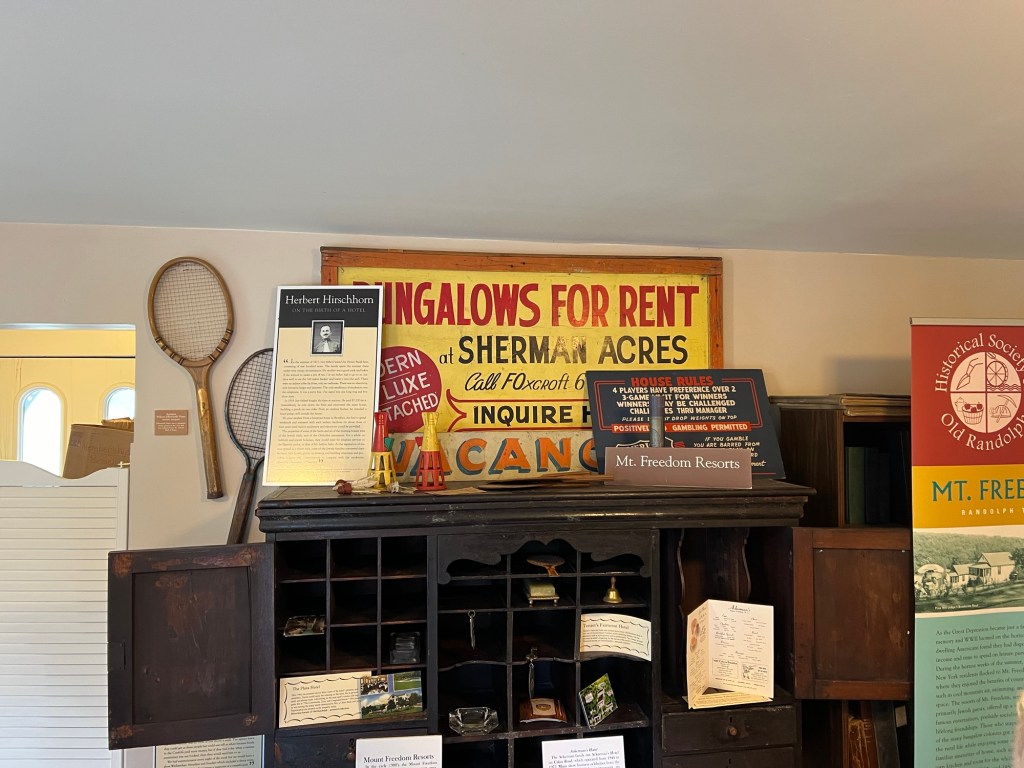
The resort artifacts from the old hotels
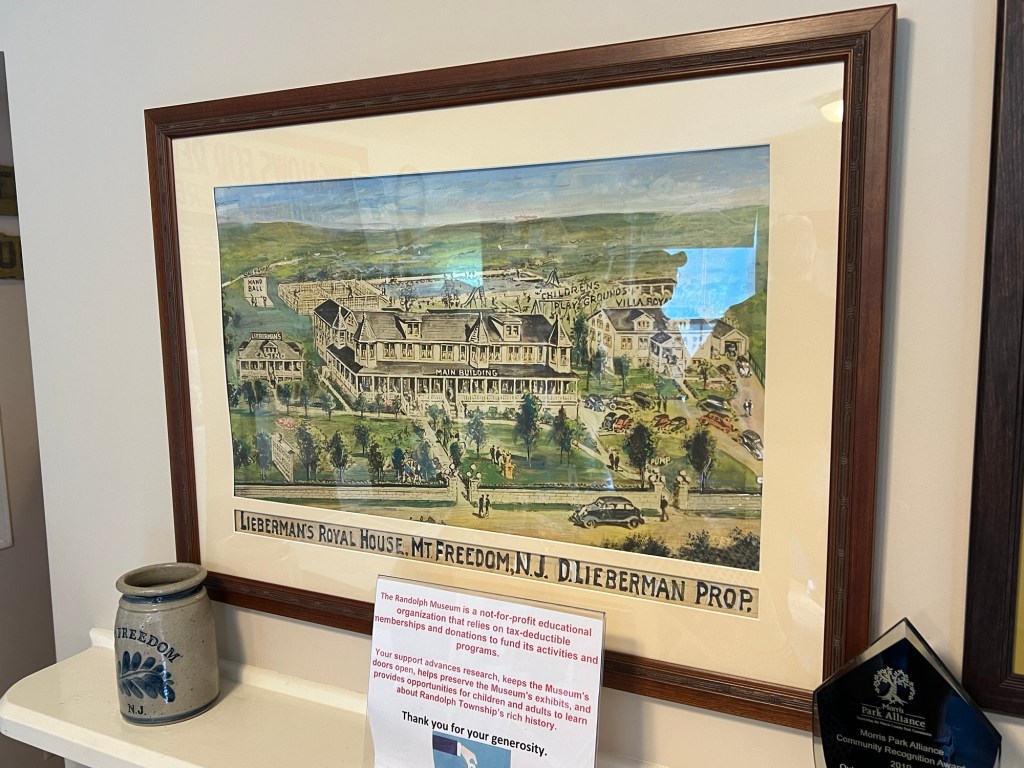
The old Lieberman’s Hotel once catered to a large Jewish crowd from Newark, Jersey City and New York City

Items from the old hotels

The hotel industry flourished here until just after WWII when air travel opened other options and racial and religious barriers broke down after the war. All of these hotels have since been torn down and have now been replaced by other town buildings. The town is more suburban with the opening of the Garden State Parkway and Route 287.

The Brundage House history

The museum’s history in the Brundage Farmhouse started in the late 1700’s when the Trowbridge moved to this area from England and started farming here. Generations farmed this land and the house stayed in the family until the 1920’s. The museum moved here in 2005 when the last member of the family moved out and the farmland was donated to the town. The farmhouse became home to the Historical Society.

The museum’s rooms in the old farmhouse have different aspects of life in Randolph and New Jersey in general and each tells a story of the town’s history. The first room was dedicated to education and the growth of the school system in this part of Randolph.
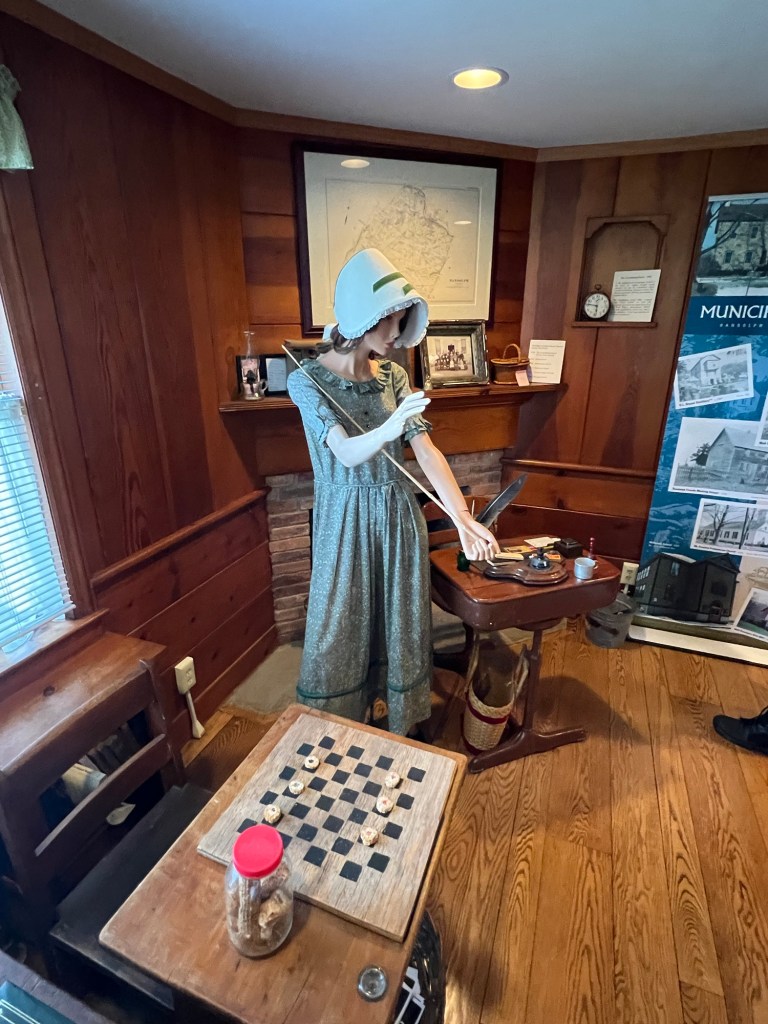
The displays show how a classroom was set up and how the one room school houses of that period of time operated.
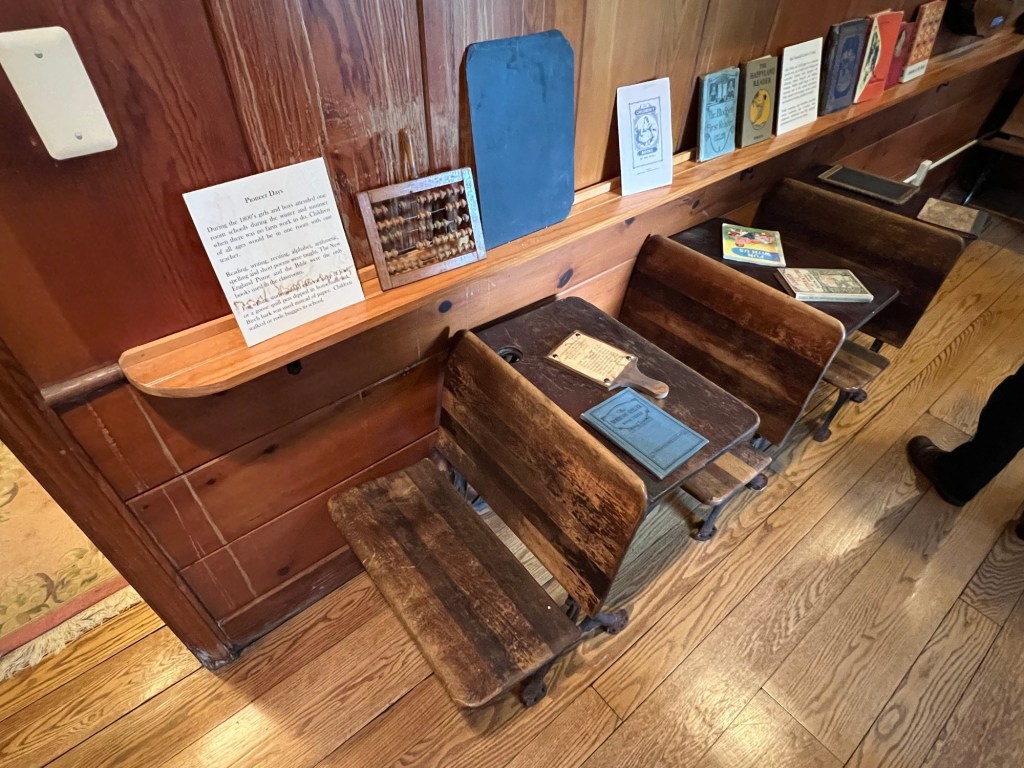
The old schoolrooms have not changed much from today’s classrooms

The exhibition showed that education in New Jersey has not changed that much from the years as a farming community. From the classroom set up to the way summer break works, which was created because of the crops being attended to in the summer and fall months. Children of all ages were expected to work on the farm and education did not go as far as it does today.
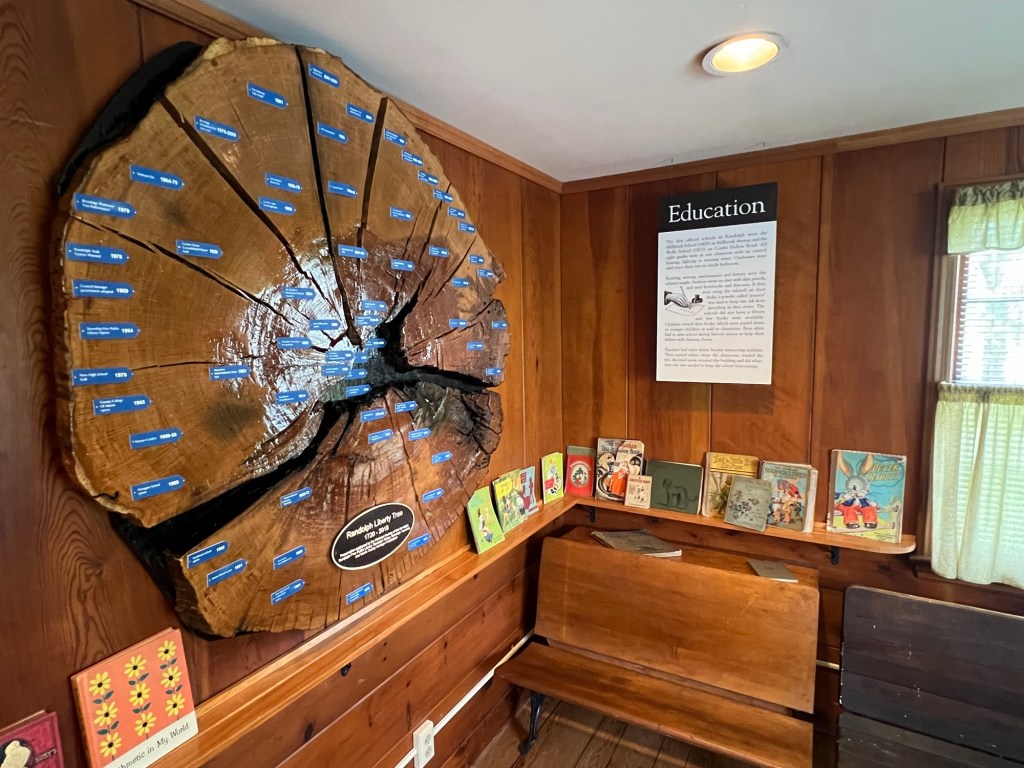
The timeline tree of important dates in the town is in the schoolroom exhibit

In the next room was the history of the farming community in Randolph, New Jersey. From fruits to dairy everything was farmed in Randolph and the farms were sustainable communities.

The Apple industry in this part of the State’s crops and still is today but not like back then
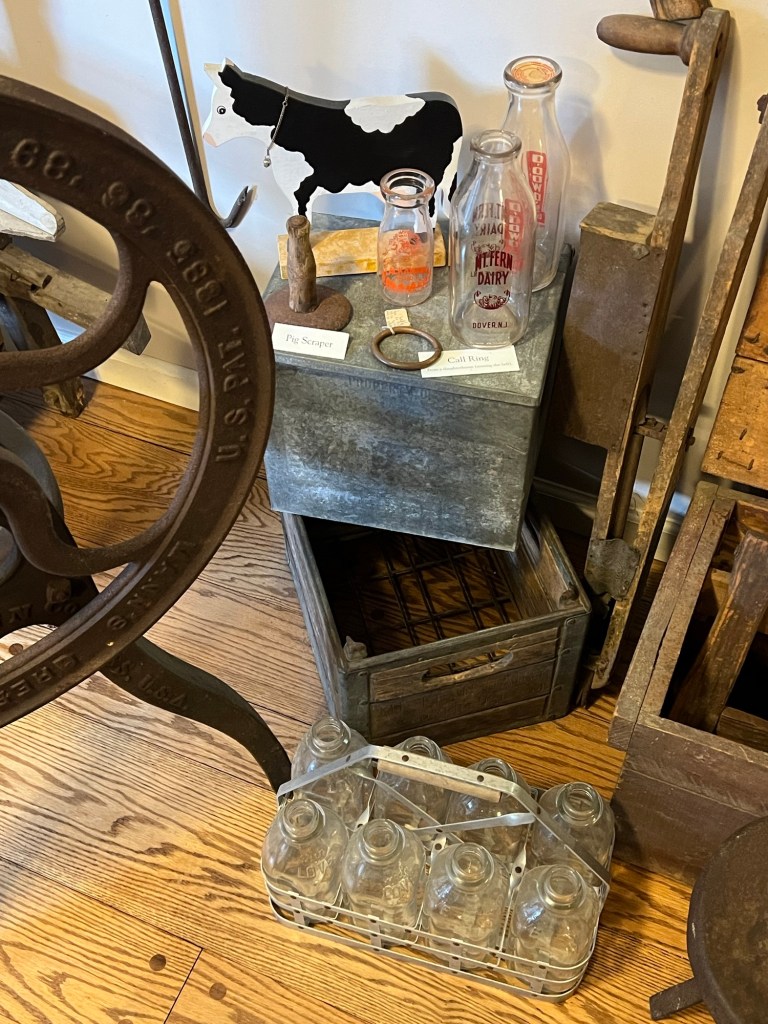
The Dairy industry flourished in rural New Jersey as it does today. Milking cows and creating butter, cream and milk were the whole family’s responsibility.
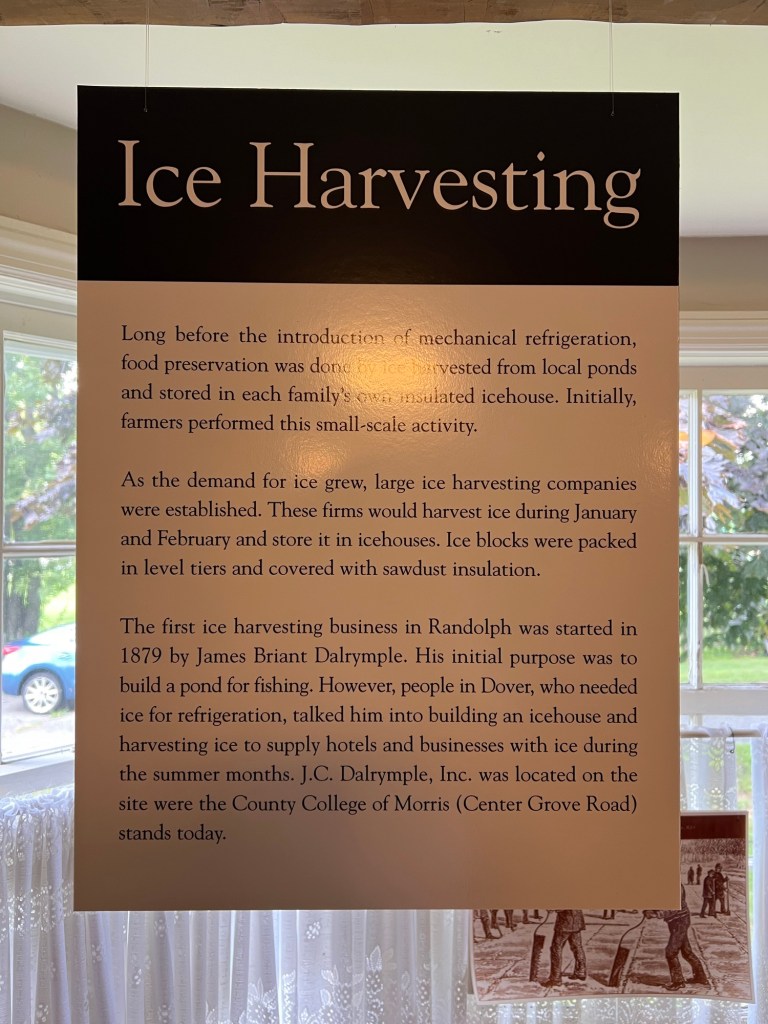
The Ice Industry flourished because of the lakes in the area

The Ice Industry was also very important in the area. Ice from the lakes was tested for thickness and then measured and cut for use of ice boxes. The ice would have to be planned for smoothness and then covered and stored for sale. The advent of modern electric refrigeration after WWII made this obsolete.

The Ice Industry and the equipment used for the business

The equipment used on the farm

Farm equipment in the early years was used by hand until more updated equipment with horses as crop processes went from supplying just the family to selling it on the open market and more production was needed. These crops were sold in Newark, NJ and New York City.

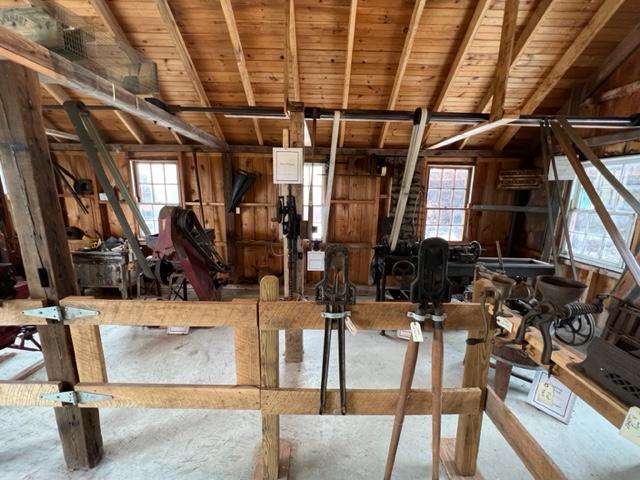
The Blacksmith shop equipment

The Blacksmiths role was from everything from shoeing horses and donkeys to producing equipment for the farms. To this day some form of this is still being done.

The Blacksmith shop

This exhibition was on the Blacksmith shop and the making of early farm equipment.
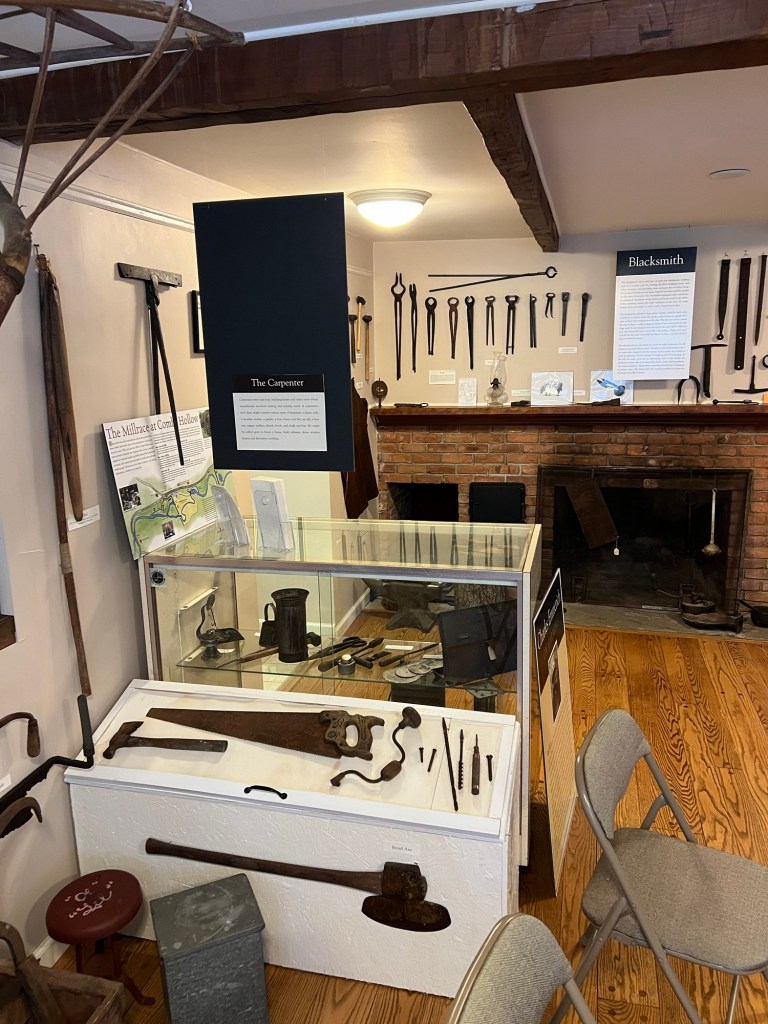
Early farm and Blacksmith equipment

Early equipment for the mines
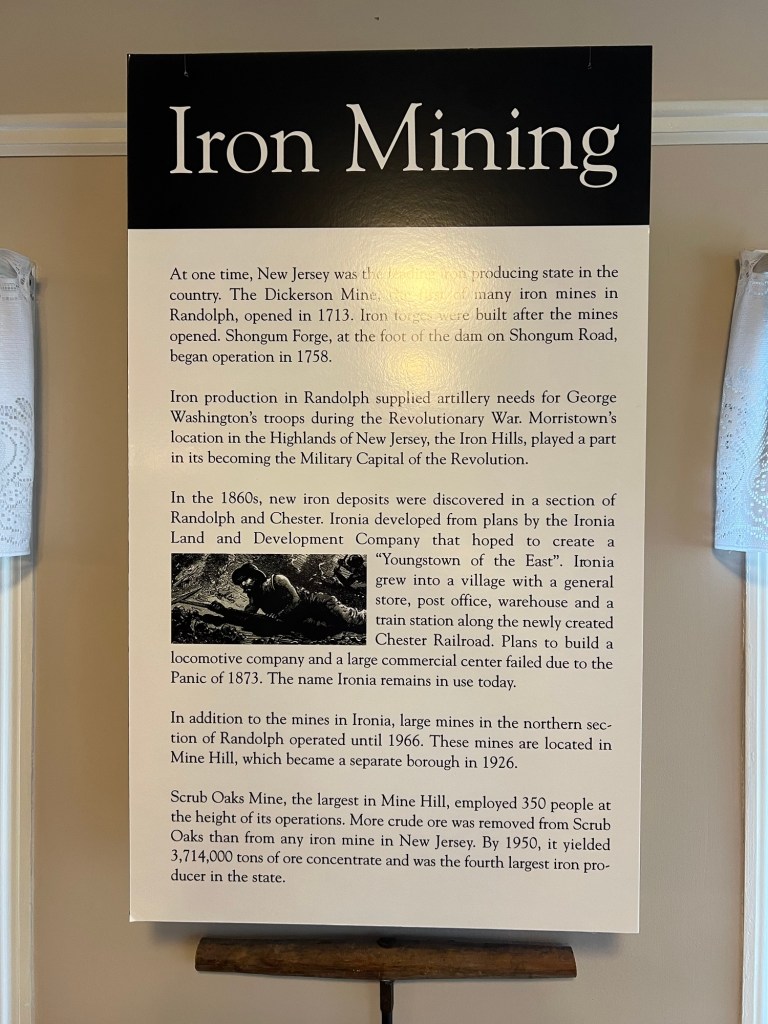
The Iron Mining industry was also part of the development of this area

Large deposits of iron ore and coal were discovered in this area. This led to the development of New Jersey’s place in the Mining industry. This supplied our war efforts and the manufacturing industries in New Jersey. As the mines emptied of ore, it became cost prohibited to continue and the last of the mines closed after WWI.

The equipment from the blacksmiths operation used in the mines
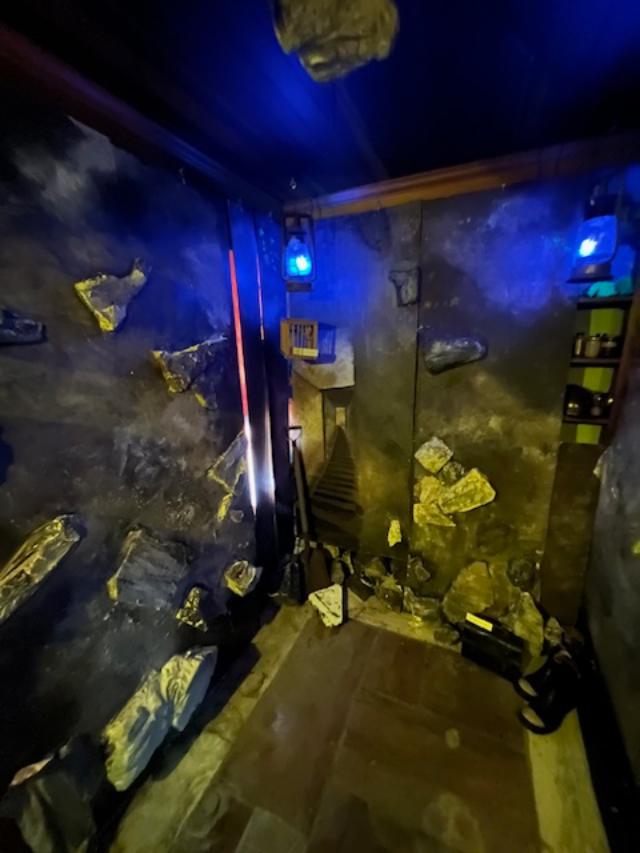
The Mining Display in the museum you can enter by way of a curtain

Home life for families in New Jersey between the mines and the farms was hard as well. The farms needed tending to which was everyone’s job including children aged five and up. All hands were needed and this is how the modern summer vacation from school was developed. It coordinated with the tending of the crops.

The main gallery of the museum and the former Living Room of the farmhouse:

The former Living Room of the old farmhouse shows life on the farm

Home life in rural New Jersey was not easy before Industrialization
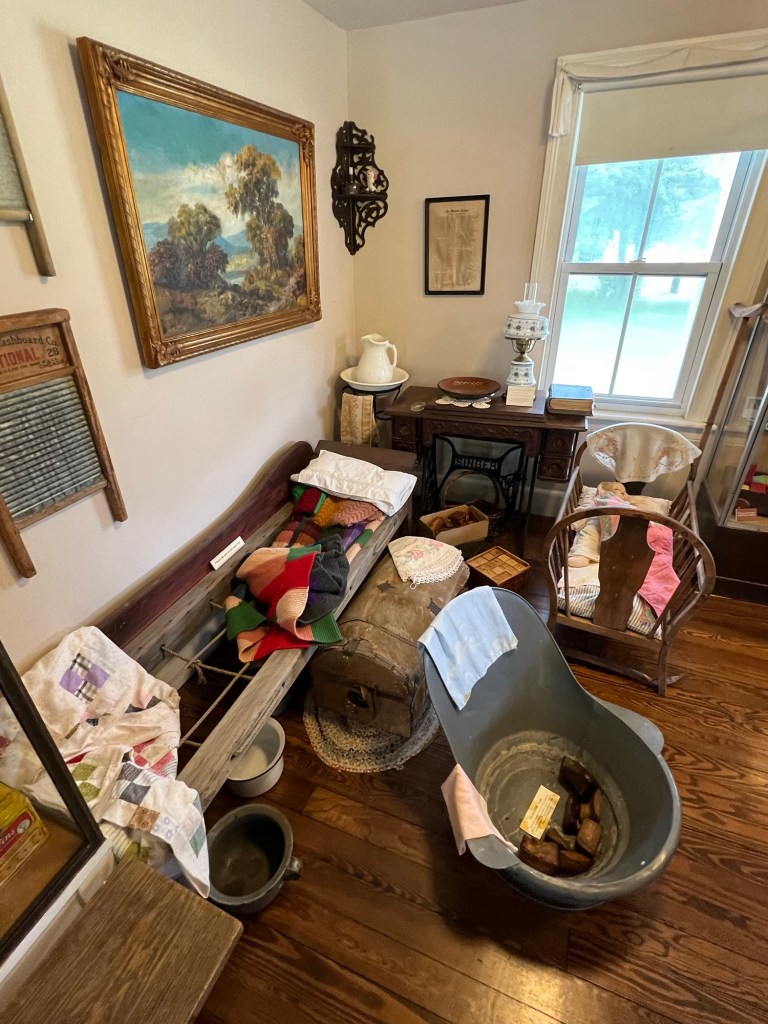
Household items and furnishings

Beds, sewing machines and bathing items in the farm home

Items used in the home to everything from making clothes and shoes to home remedies

The kitchen was the center of family life as it was the warmest room in the house during cooler months
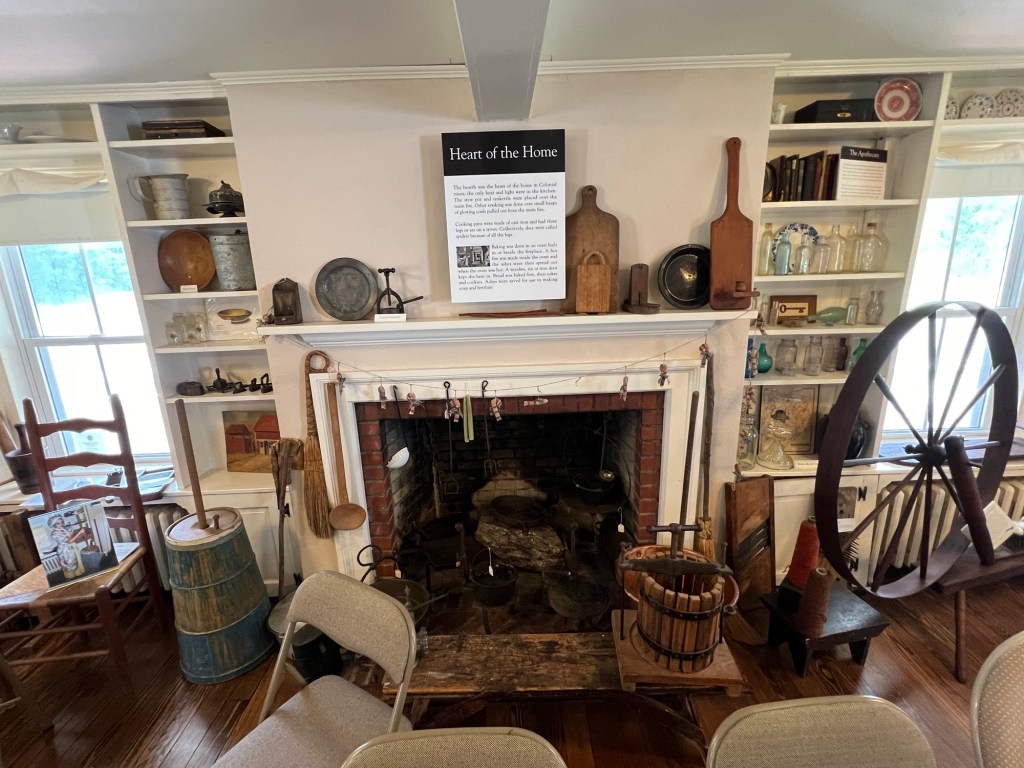
The kitchen and household equipment on the farm
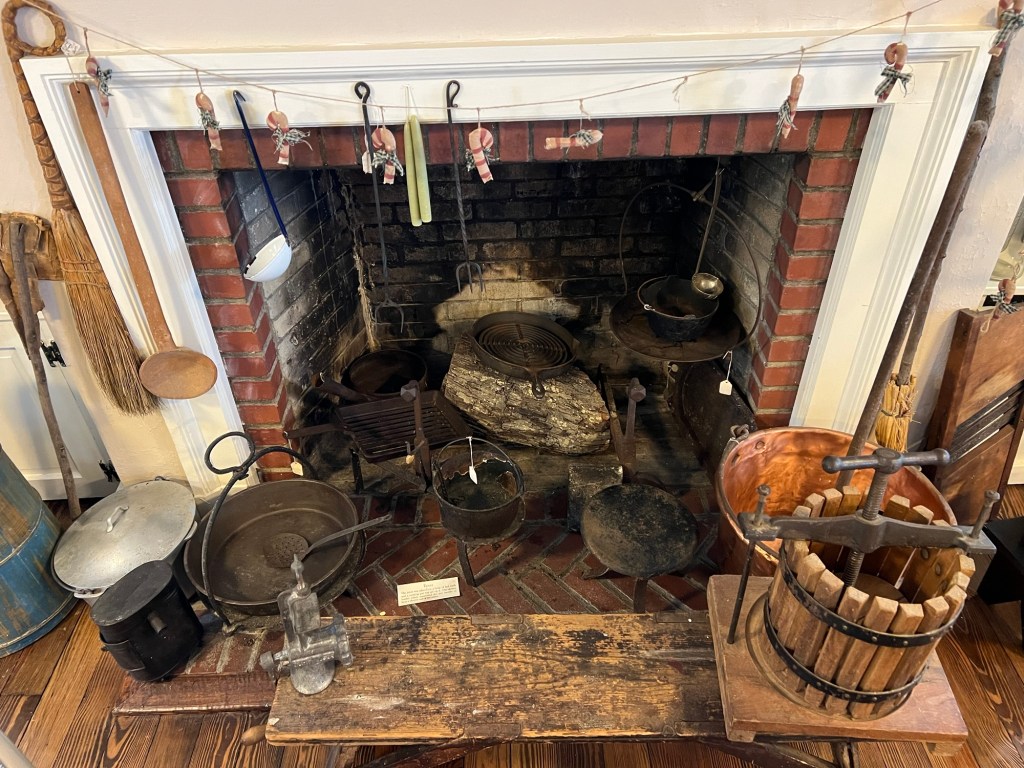
The hearth was the center of cooking and socialization on the farm

Life on the farm was not all work as there was down time for parents to socialize and children to play. Since transportation was limited and time was of the essence with everything that needed to be done on the farm things like trips to the general store, church services and town meetings were the biggest part of socialization. Meals were eaten as a family and family conversation was at the dinner table.
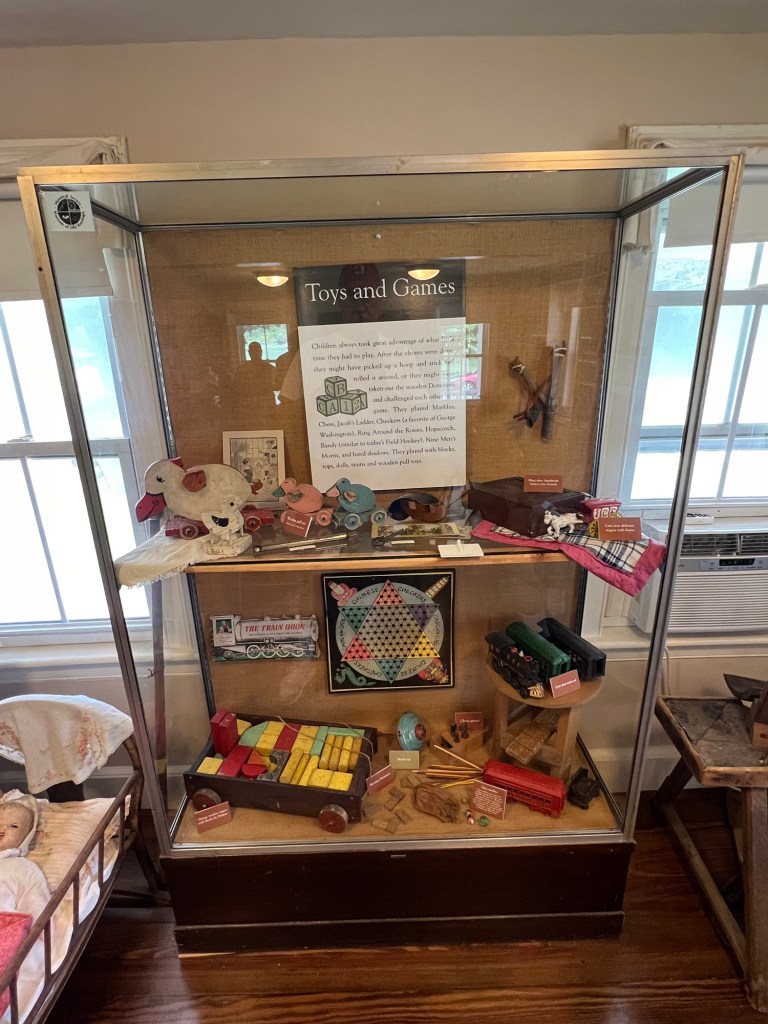
Toys and games used in rural New Jersey

Toys of this era have not changed much to today except they are not made of wood or handmade

A trip to the General Store was a chance to shop, pick up mail and socialize with your neighbors

Church was an important part of rural life before WWI
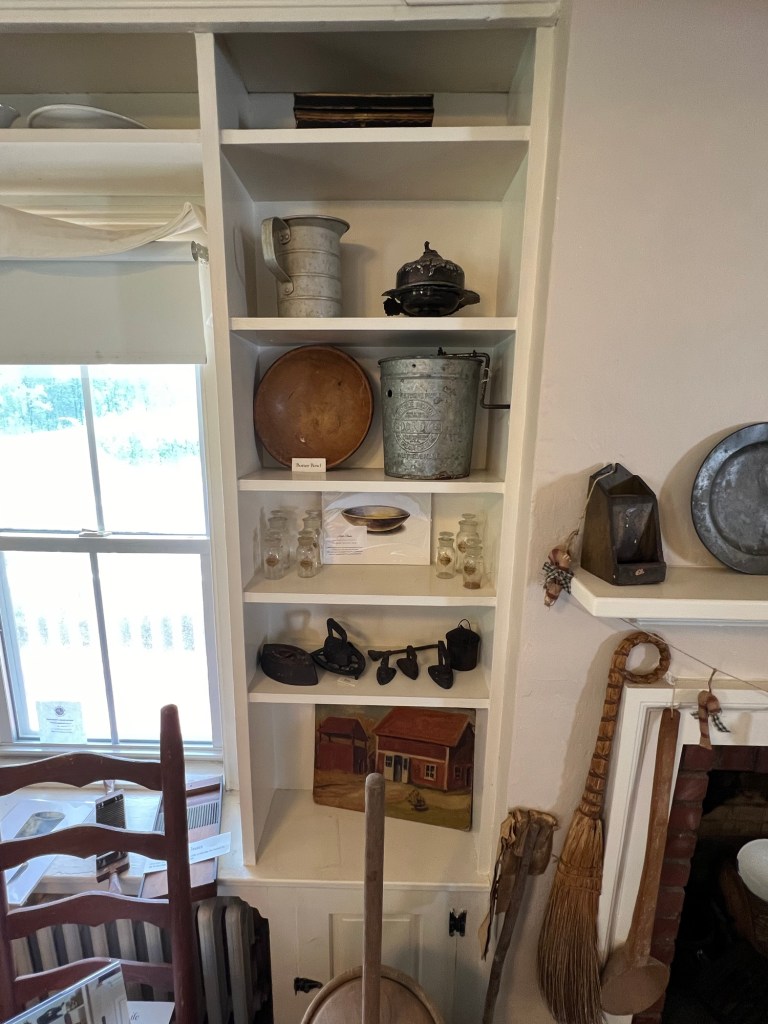
Kitchen items for tending the home

The museum did a nice job not just explaining the development of the Town of Randolph, NJ but society as a whole and how the American lifestyle was developed. In our modern times, we still refer back to references of these times with habits, quotes and sayings like ‘sleep tight and don’t let the bedbugs bite’ and ‘pop goes the weasel’ and ‘throwing the baby out with the bathwater’. These hark back to our rural past.

In someway, we have progressed with modern equipment and machines (think of how our I Phones have changed everything in the last sixteen years) to others where we still bake and preserve food, cook ‘farm to table’ meals and attend our gardens. The museum shows us how life has progressed but habits and methods that worked then still work now. We have not changed that much but more adapted to modern times. This wonderful little museum gives us this glimpse into our past.

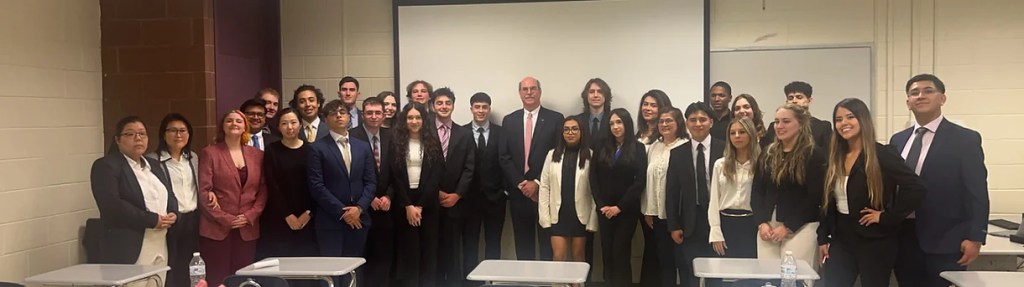
Bergecco-Parc Consulting Inc. presents: “The Bergen 250: Visiting the Garretson Forge & Farm in Fairlawn, NJ-A Historical Walking Tour”

Bergecco-Parc Consulting Inc. presents: “The Bergen 250: Visiting the Garretson Forge & Farm in Fairlawn, NJ-A Historical Walking Tour”

The Bergecco-Parc Consulting Inc. Paramus Team: “Bergen 250: Visiting the Garretson Forge & Farm” 2024.

The Garretson Forge & Farm at 4-02 River Road in Fair Lawn, NJ.

https://www.facebook.com/GarretsonFarm

Every semester I challenge my Business 101-Introduction to Business students to a project. This year we promoted the Garretson Forge & Farm for the “Bergen 250”, the 250th Anniversary of the Revolutionary War in Bergen County, NJ. Our concentration was on the historical Garretson Forge & Farm in Fair Lawn, NJ. The students had to create a series of events to promote the site and they did an excellent job with the project!
“Friday the 13th” in both Blairstown, NJ and Hope, NJ-Visiting Historic Sites and Museums related to this iconic film from 1980-A Local Journey                                                                  October 13th, 2023.

“Friday the 13th” in both Blairstown, NJ and Hope, NJ-Visiting Historic Sites and Museums related to this iconic film from 1980-A Local Journey October 13th, 2023.

The famous sign at the Moravian cemetery in Hope, NJ where Annie gets dropped off.

Lower Alloways Creek Historical Society                              736 Smick Road                                                                     Salem, NJ 08079

Lower Alloways Creek Historical Society 736 Smick Road Salem, NJ 08079

Lower Alloways Creek Historical Society

736 Smick Road

Hancocks Bridge, NJ. 08079

(856) 935-3666

https://www.facebook.com/LacHistoricalMuseum/

https://www.lowerallowayscreek-nj.gov/about/pages/historic-log-cabin

Open: Sunday 1:00pm-4:00pm (Third Sunday of the Month)/Monday-Saturday Closed-Open Six times a year for special events

Admission: Free but donations are accepted

My review on TripAdvisor:

https://www.tripadvisor.com/Profile/R4960NKjustinw/mediabatch/12228970?m=19905

The Historical Society:

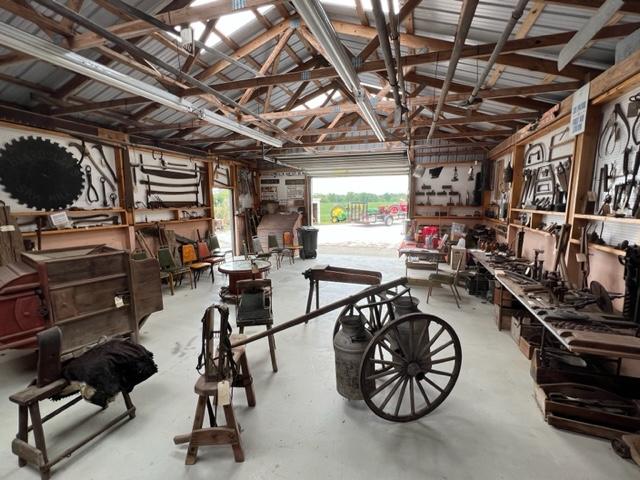
Situated in a beautiful rural setting, the Log Cabin is restored in the same manner as the local Quakers lived in the 1700’s. The site houses a barn full of antique farm implements as well as many items used in the local industries of Lower Alloways Creek.

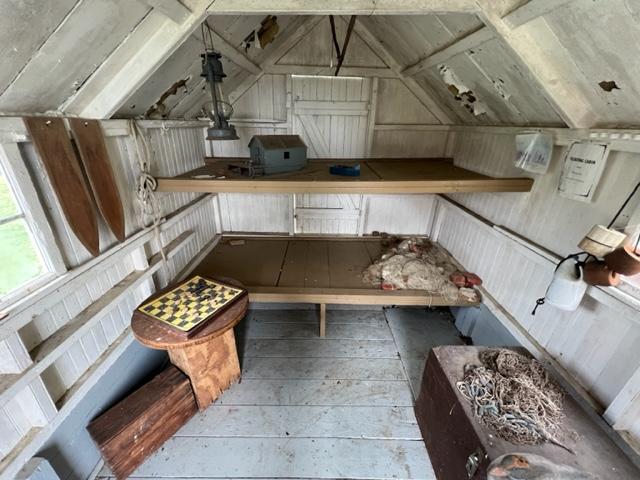
Salem’s County’s maritime history is documented in a unique floating cabin which is complimented with a collection of fishing and trapping memorabilia. The site also features an outhouse, carriage shed and the last canning house that was left in the Township.

The buildings on the grounds and the outhouse

History of the house:

The main house is very unique. The addition to the house was built in the mid 1800’s and is furnished from that time period. This was added to the log cabin that has been reconstructed on the site. The early parts of the log cabin date back to before the Revolutionary War.

The first-floor parlor

The Kitchen in the main house

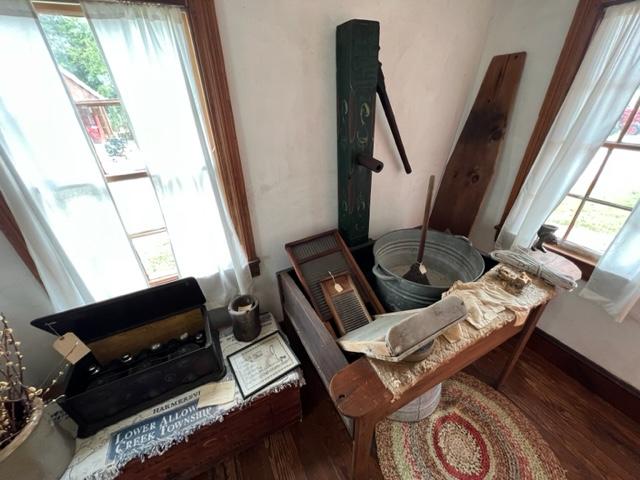
Washing clothes in the house

How to wash clothes until WWII

The second-floor bedroom

The Bonnet collection

The second floor bedroom

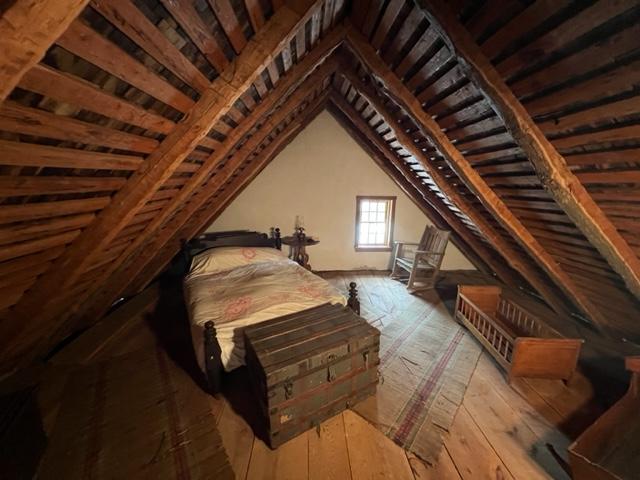
The Attic Room

The toys and playthings of the Attic Room

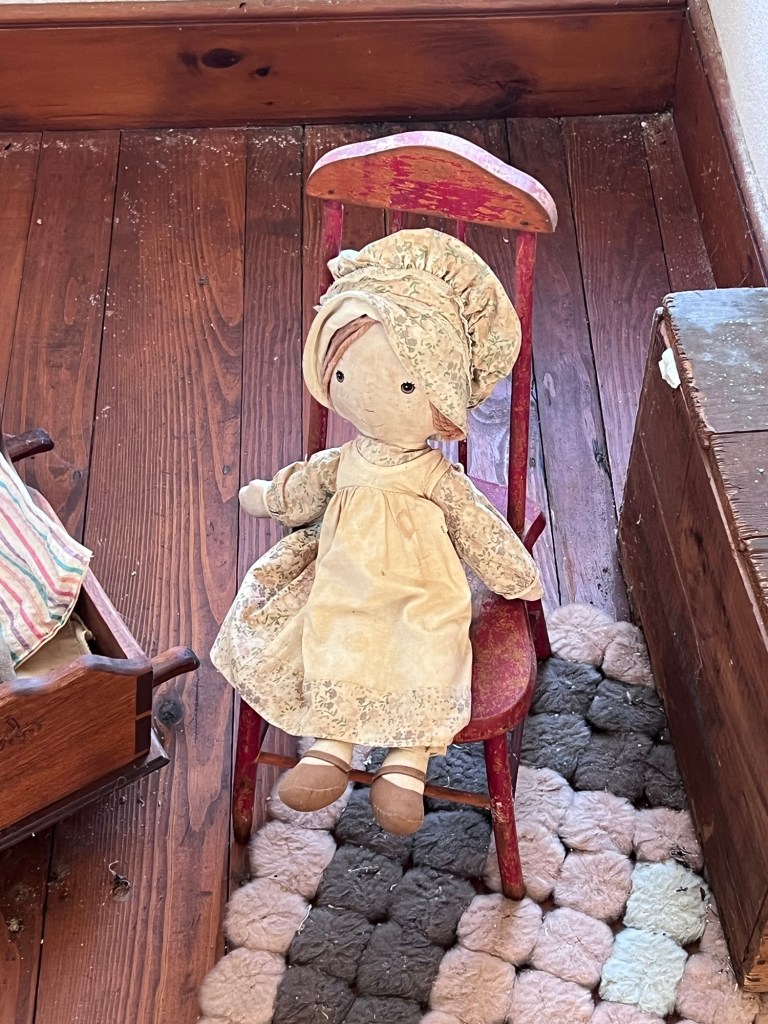
The house has an extensive collection of antique toys and dolls and furniture.

The dolls

The dolls

The Hat collection at the home.

(Information from the museum website):

Part of the house is an old log cabin with an addition added on later. Although the date of the original construction is unknown, the cabin has been restored and reconstructed in much the same manner as local Quakers would have lived in the 1700’s. Because the air had deteriorated so many of the logs, it was impossible to save the entire original structure.

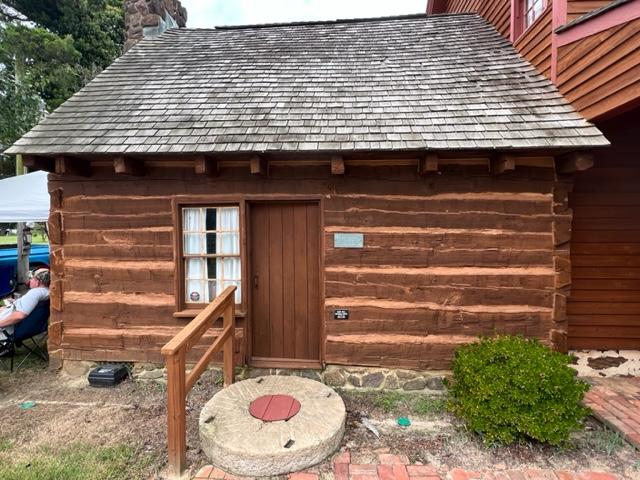
The log cabin section of the house.

The log cabin and the later addition.

All the wood used in the reconstruction of this cabin came from the woods in Lower Alloways Creek that are owned by the Township. The hand-hewn logs are white oak. The wide floorboards are pine The fireplace and foundation were built from Jersey sandstone that had been donated by John Hassler.

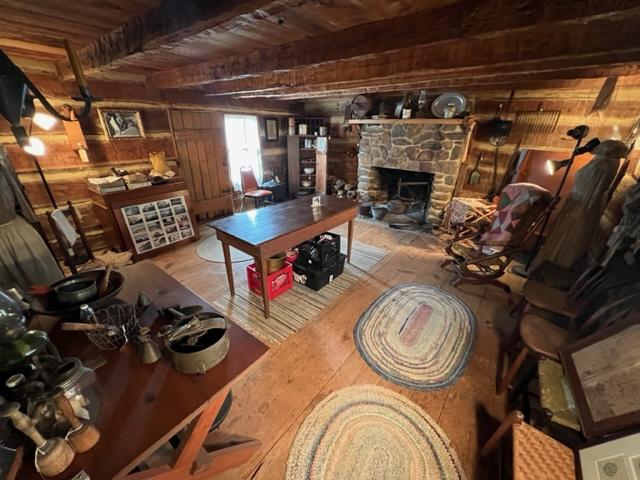
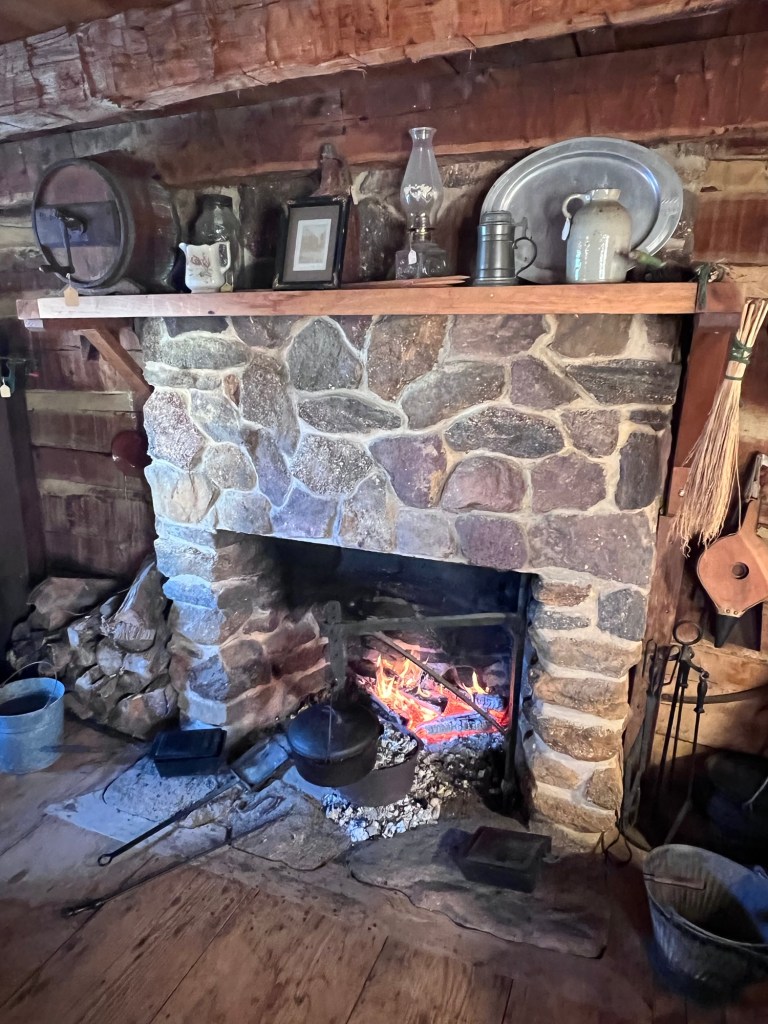
The inside of the log cabin and hearth.

The Hearth during the event

The Historical site also features a log cabin, carriage shed and barn, many antique farm implements, a two-seater “outhouse” and an old fashion hand water pump.

The Outhouse

The hearth of the log cabin

The loft section of the log cabin on the second floor of the home.

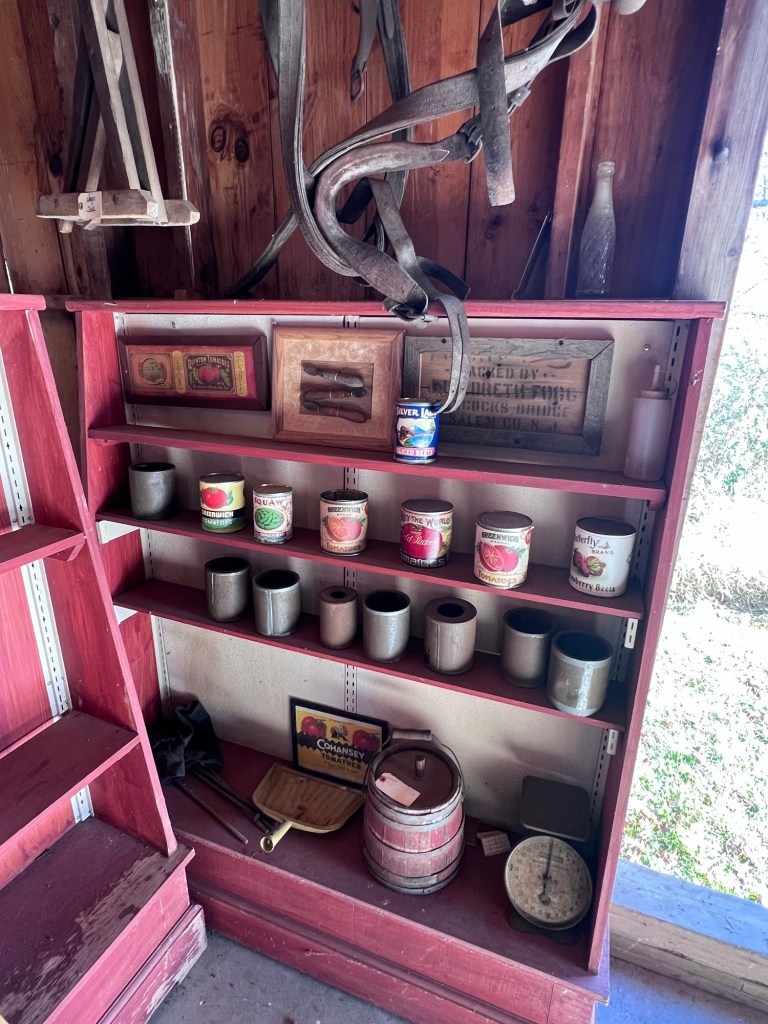
There is also an original Can House, with a working line shaft, a floating cabin, both of which were originally built in Lower Alloways Creek.

The historic Can House.

The historic Can House

Some of the interesting programs that the society hosts:

Line Shaft: the historic line shaft in action as it powers a variety of machines.

Outdoor sportsmen: view displays of fishing and trapping, hunting gear, decoys, floating cabins and turkey call demonstrations.

Model Trains: all aboard an exciting display of model trains.

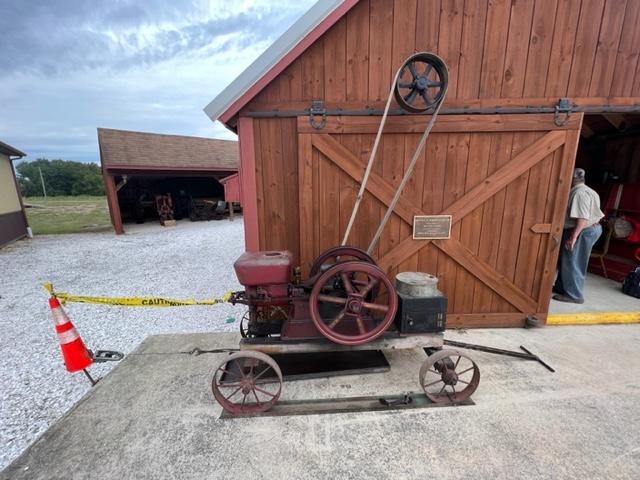
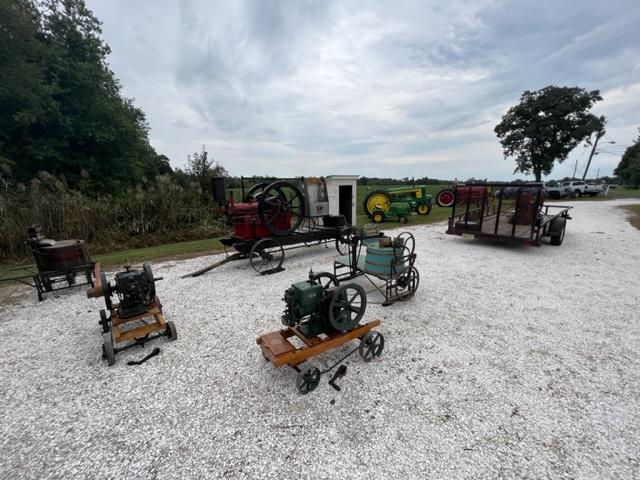
Old time engines: South Jersey Gas Engine Club proudly presents their collection of “Hit or Miss” engines.

The Farm equipment and working engines at the “Old Time Engine Day” in September 2023 was an interesting mix of old farm equipment, household equipment and everyday items run by an engine in the early 1900’s. It was a very interesting display on how we have come in manufacturing and the museum did a nice job on the displays.

The working farm equipment at the Lower Alloways Creek Historical Society

The Farm Engine equipment

The Farm Engine equipment

The Farm Engine equipment

The Farm Engine equipment

Video on the display:

The Farm Engine equipment

Farm Day: Come and see antique tractors and a variety of farm equipment. See the progression of farm equipment throughout the centuries.

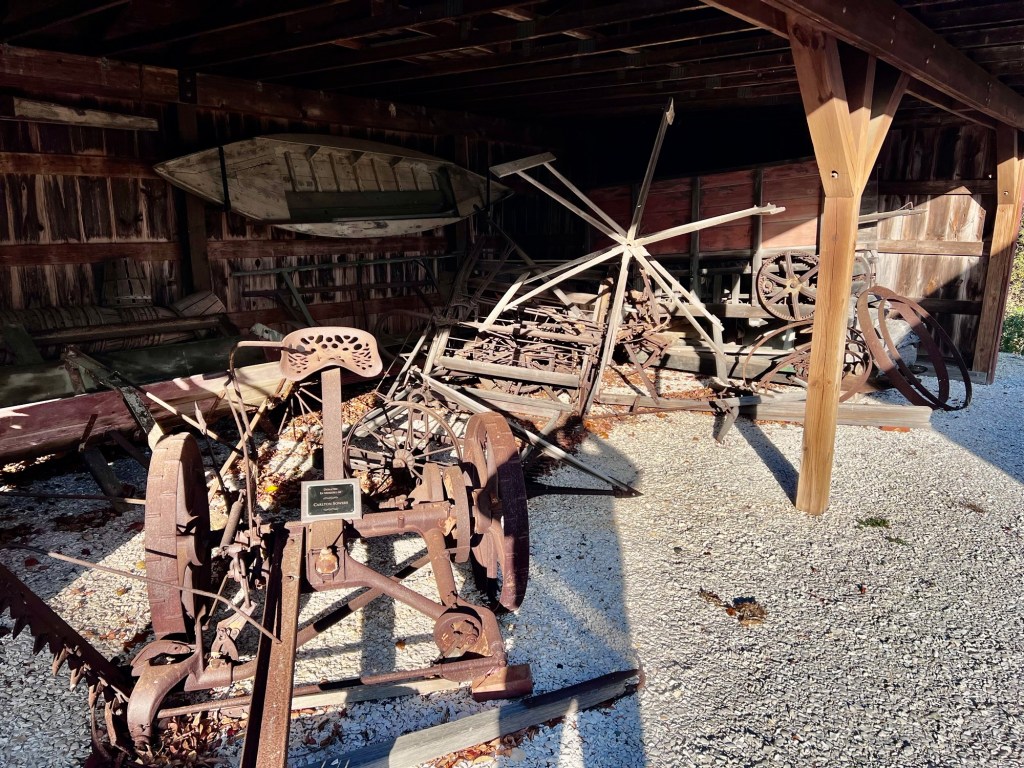
Retired farm equipment in the barn

The barn

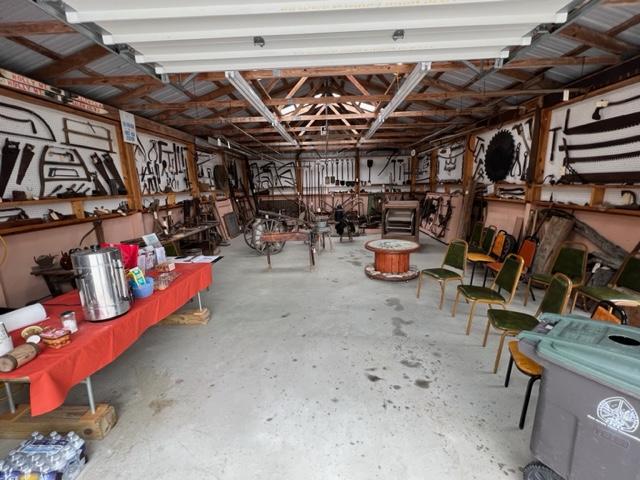
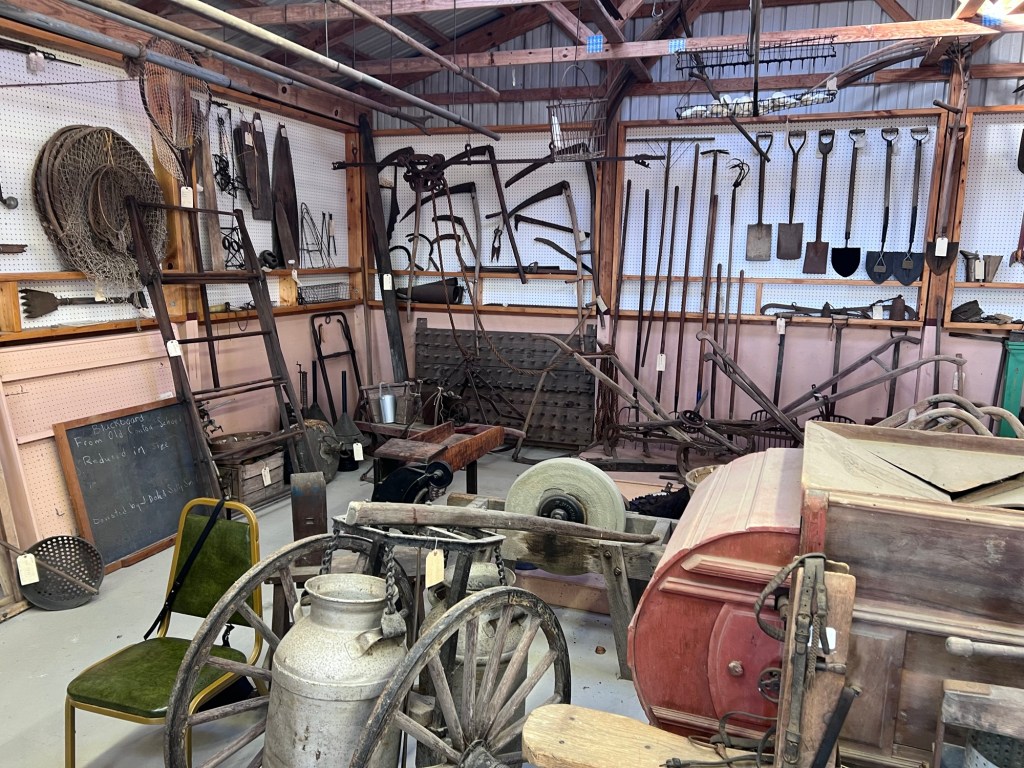
Farm Equipment in the barn.

Some of the equipment and refreshments in the barn.

The barn equipment during my visit in 2025

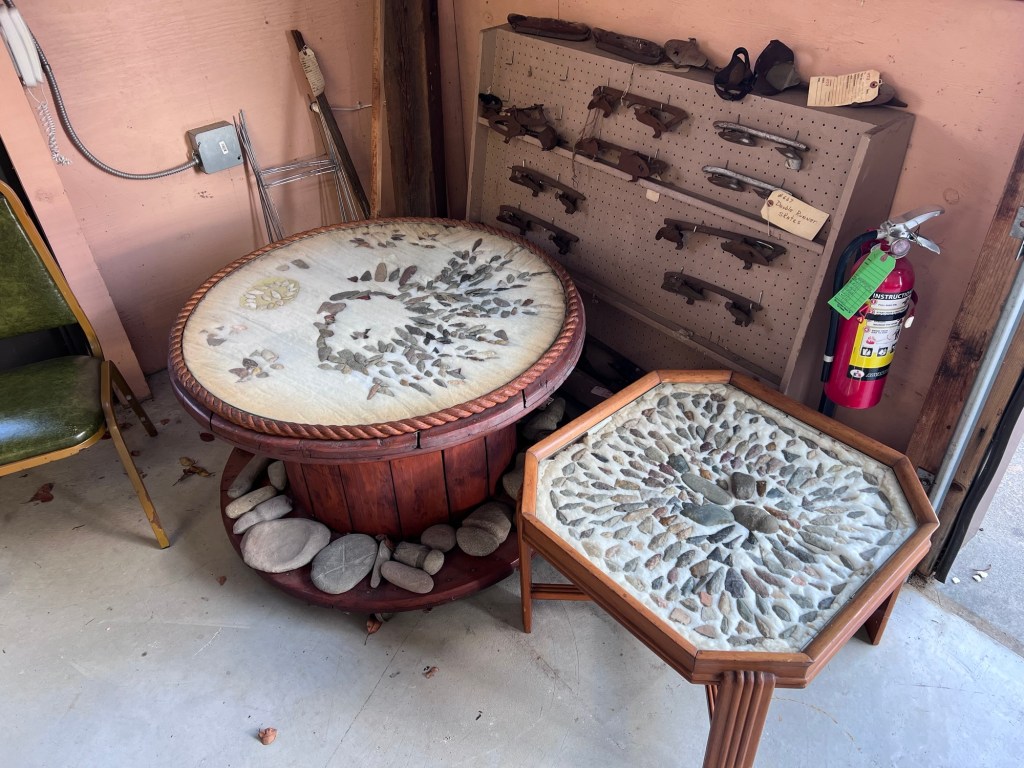
Indian Arrowheads on display in the barn

Cabin Cooked Pie Day:

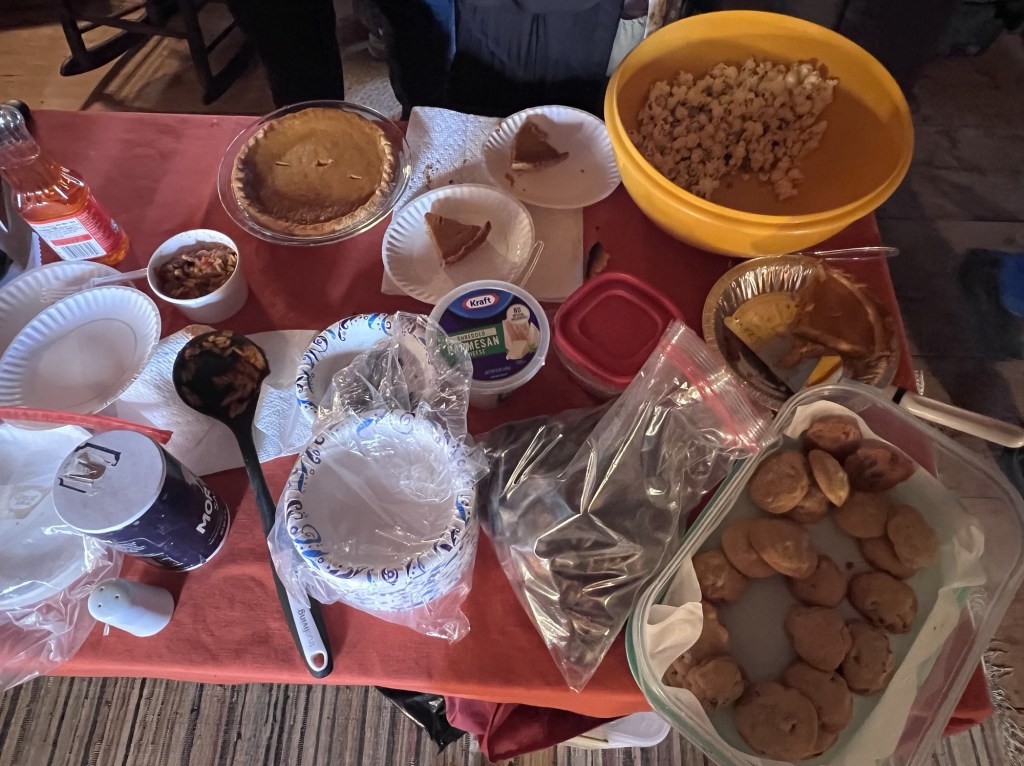
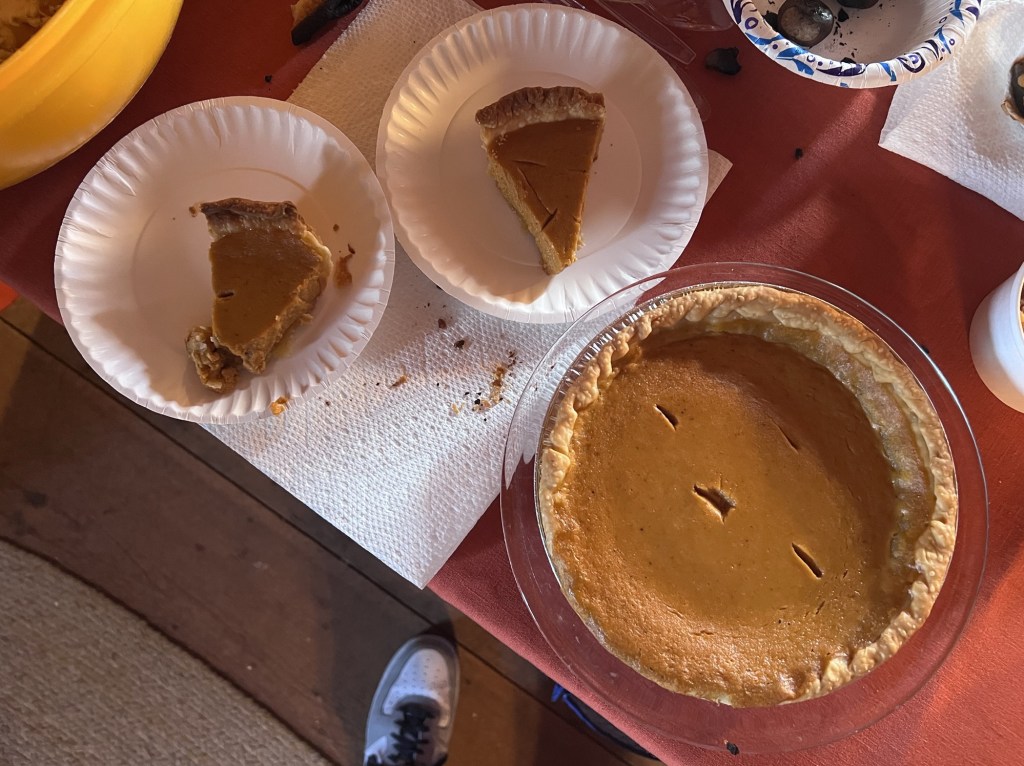
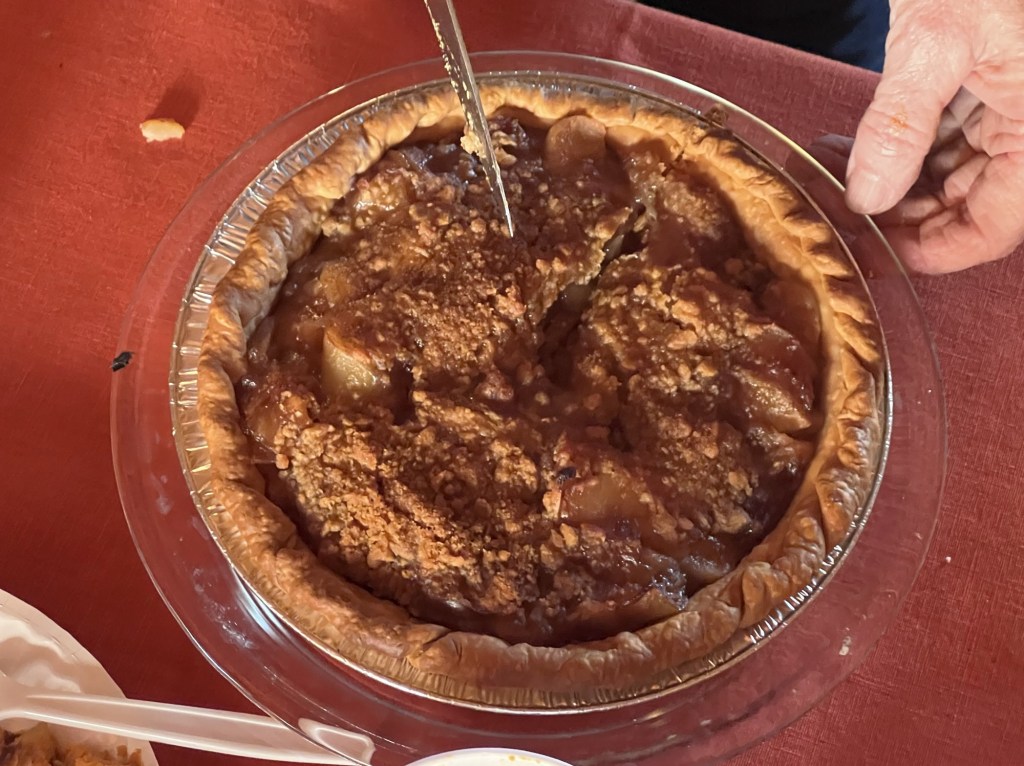
There is nothing better than a freshly baked pie in a fireplace. In November 2025, I returned to the museum for ‘Pie Day’. There were various pies, chestnuts and soup being cooked in the log cabin fire place that afternoon. It was interesting to see cooking procedures from a hundred years ago.

I visited the museum and got to watch the volunteers cook all sorts of goodies in the fire. It is interesting how foods were cooked and tested for doness over a wooden fire. The coordination of cooking times and temperatures.

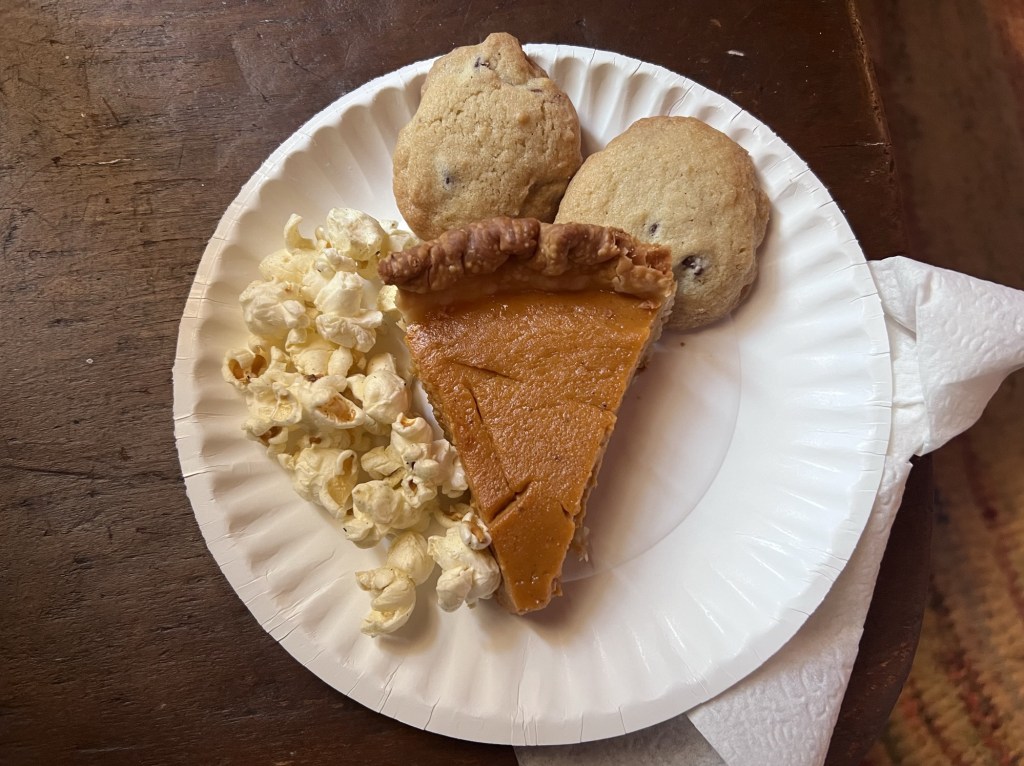
The Log Cabin goodies that afternoon

Visitors choose from Apple or Pumpkin pies, Roasted Chestnuts, Buttery Popcorn, Chocolate Chip cookies or Stuffed Cabbage Soup, all cooked fresh in the pots on the open fire hearth which also warmed the house on a cool afternoon. The museum was even selling a cookbook, Down Jersey Cookbook on some of the recipes being used in this part of New Jersey.

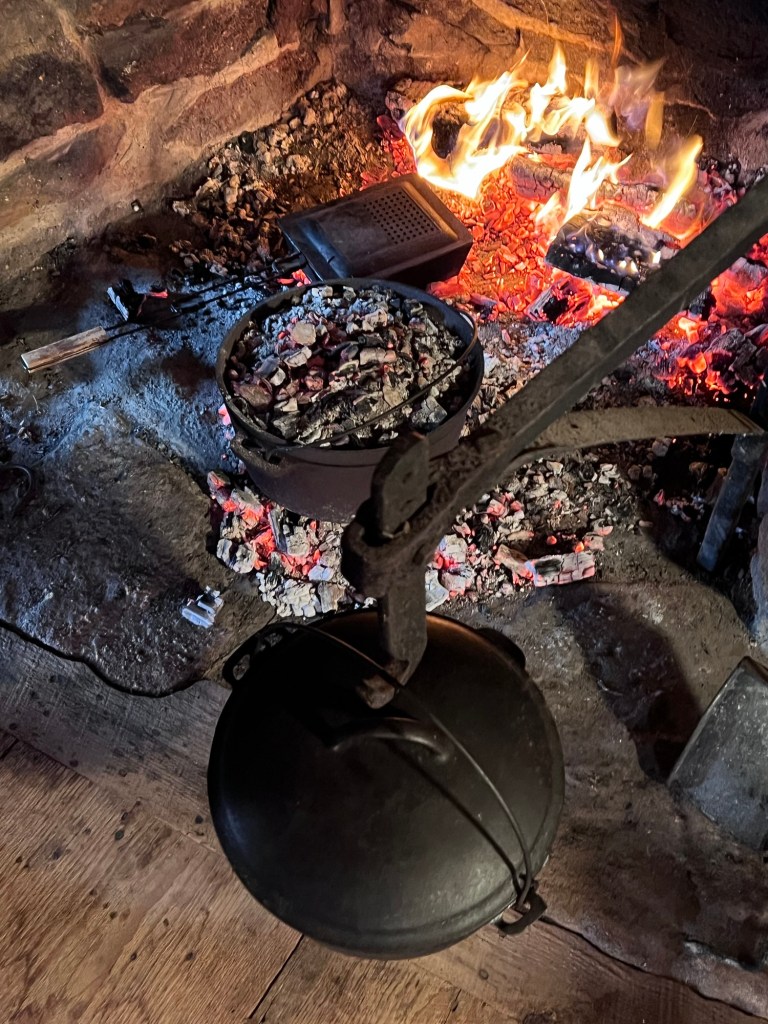
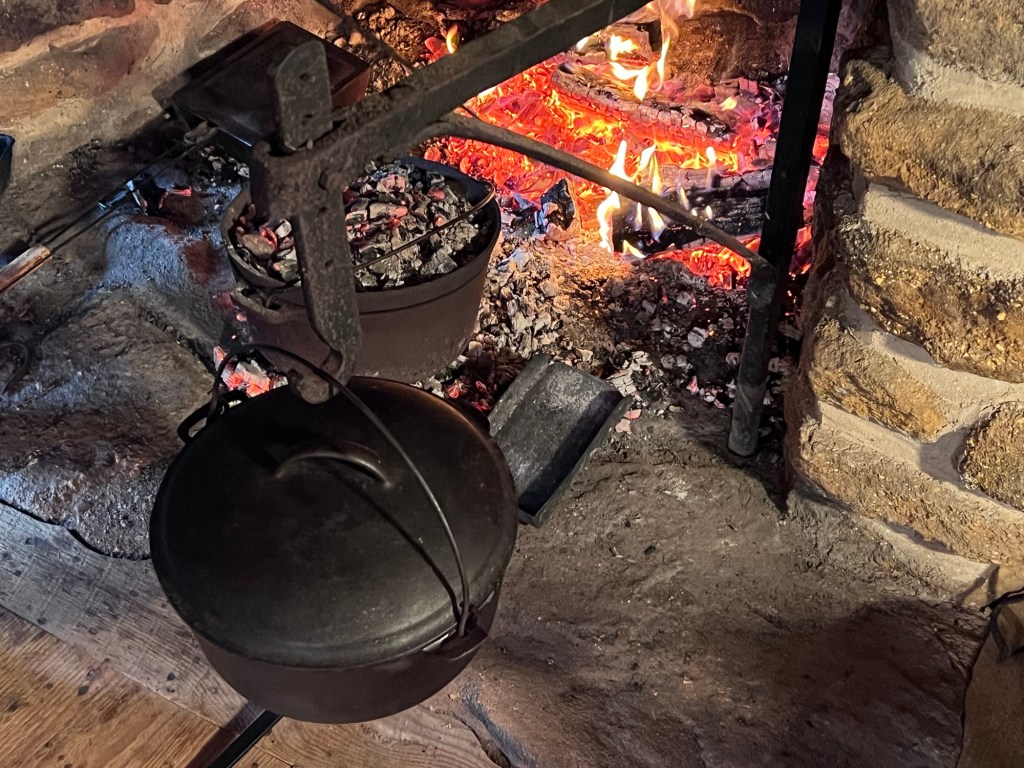
Cooking pies, soup, chestnuts and popcorn in the fireplace

The pies, Chestnuts and soups being cooked in the Open Hearth

It was interesting how the pies were cooked in the cast iron equipment and then laid out to cool. They came out of the oven steaming hot and sat to cool before being sliced.

The freshly baked Pumpkin pie

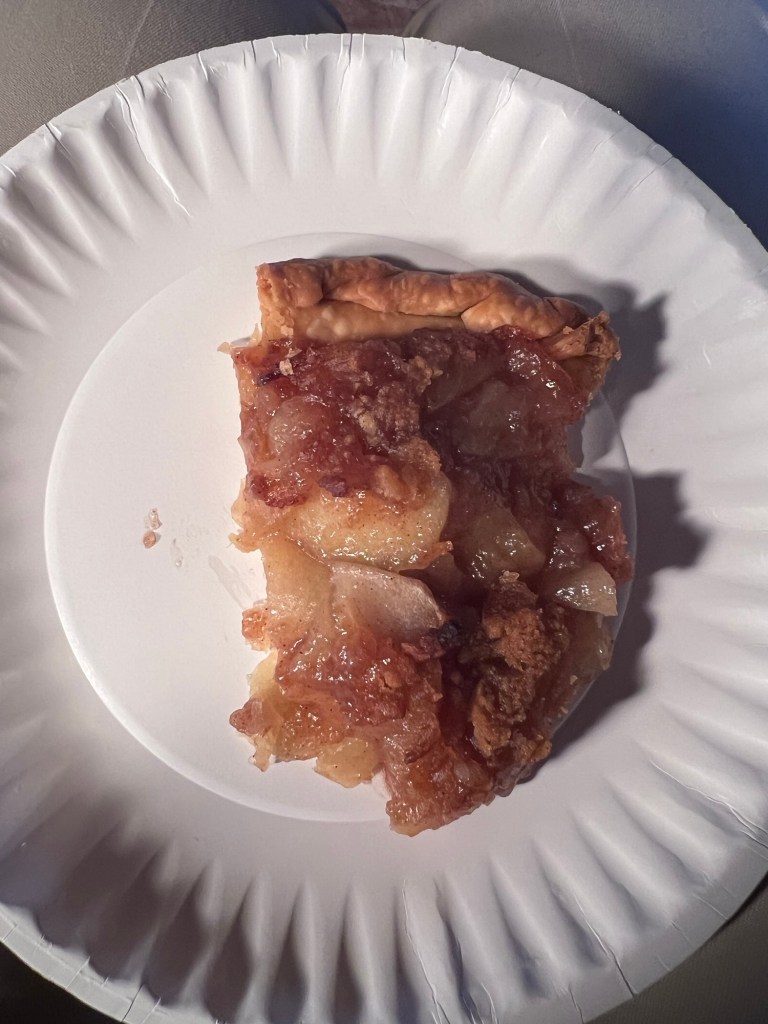
Freshly baked Apple pie

Freshly baked Apple pie. Yum!

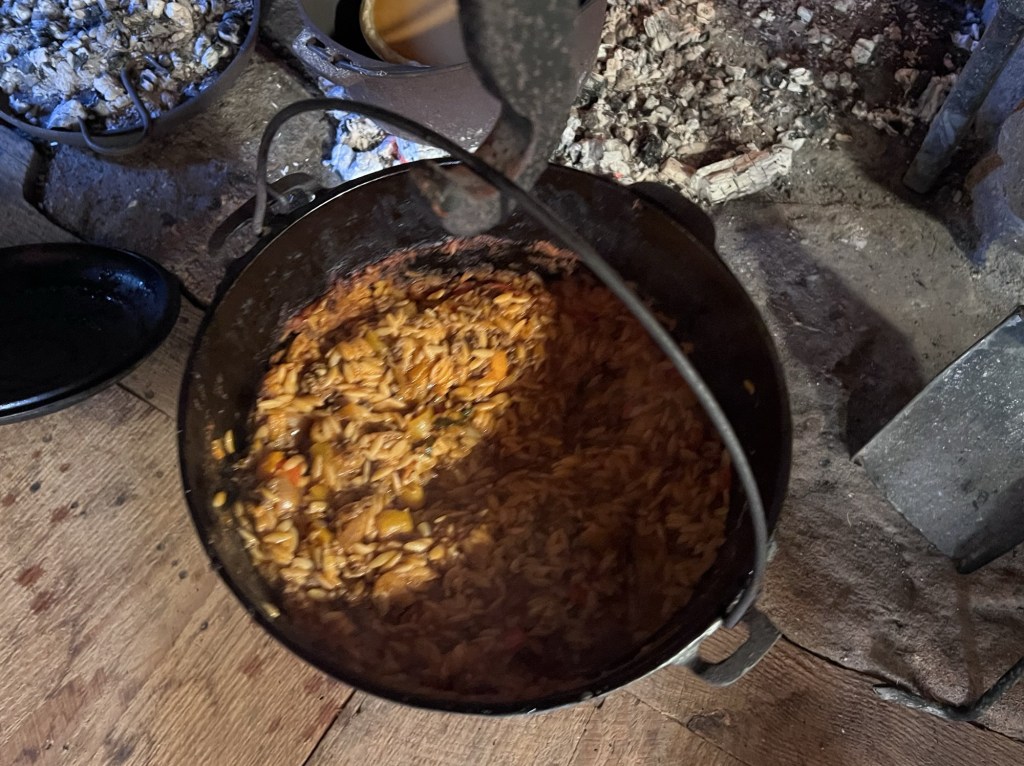
Stuffed Cabbage Soup in a cast iron pot

The thick Stuffed Pepper Soup

Freshly Roasted Chestnuts from the fireplace

The pots and pans in the fire

It was fun watching the foods being cooked right on the spot they way they would have over a hundred years ago. It was even more fun to eat them. I learned a thing or two about the culinary arts this afternoon and it was so nice to sit in a warm kitchen by the fire on a cool November afternoon.

The delicious Fall goodies cooked in the hearth

Farm supplies kept cool in the barn

It was really a homey event at the museum, with good food and wonderful conversation with residents of the community. All in a room warmed by a fire in a working fireplace. I love it when museums do such great events and using the historical cooking instruments was very unique.

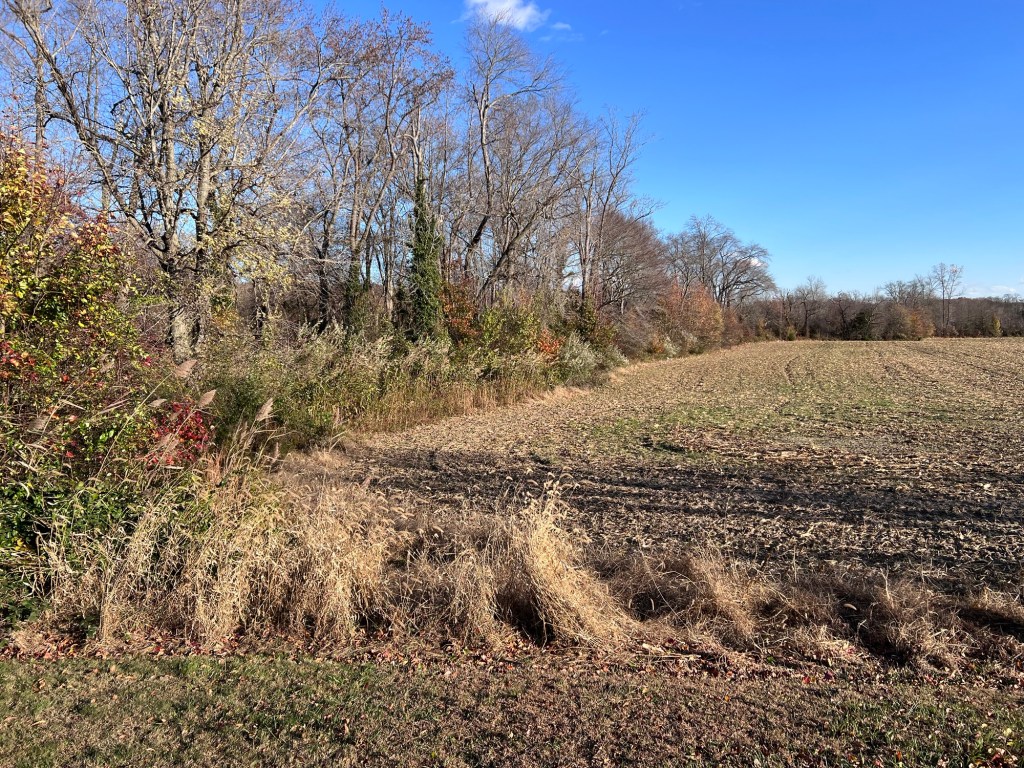
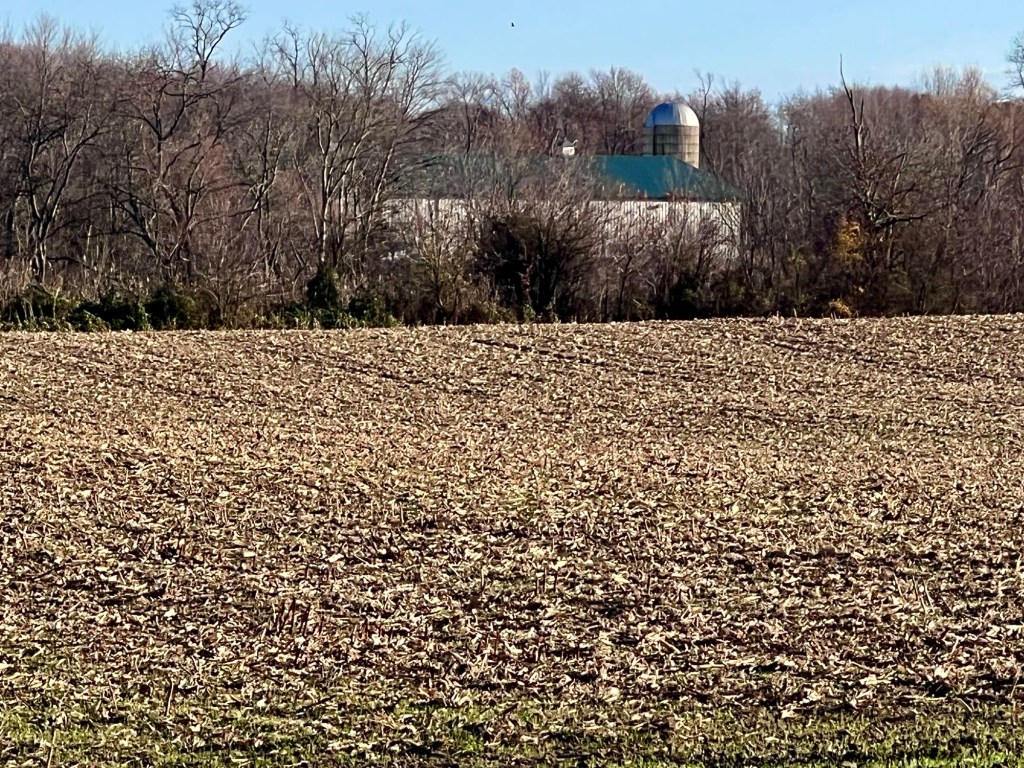
The Museum is in a rural location so the farmland that surrounds the house is really beautiful. The views in the fall were just gorgeous when the leaves were turning colors.

The beautiful farmland that surrounds the historical society.

The view on a late Fall day

The view of the local farm

The fields

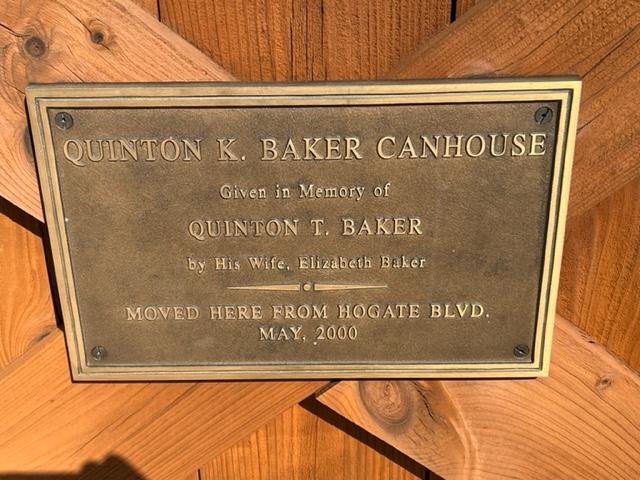
The plaque of the “Quinton K. Baker Canhouse, the last one left.

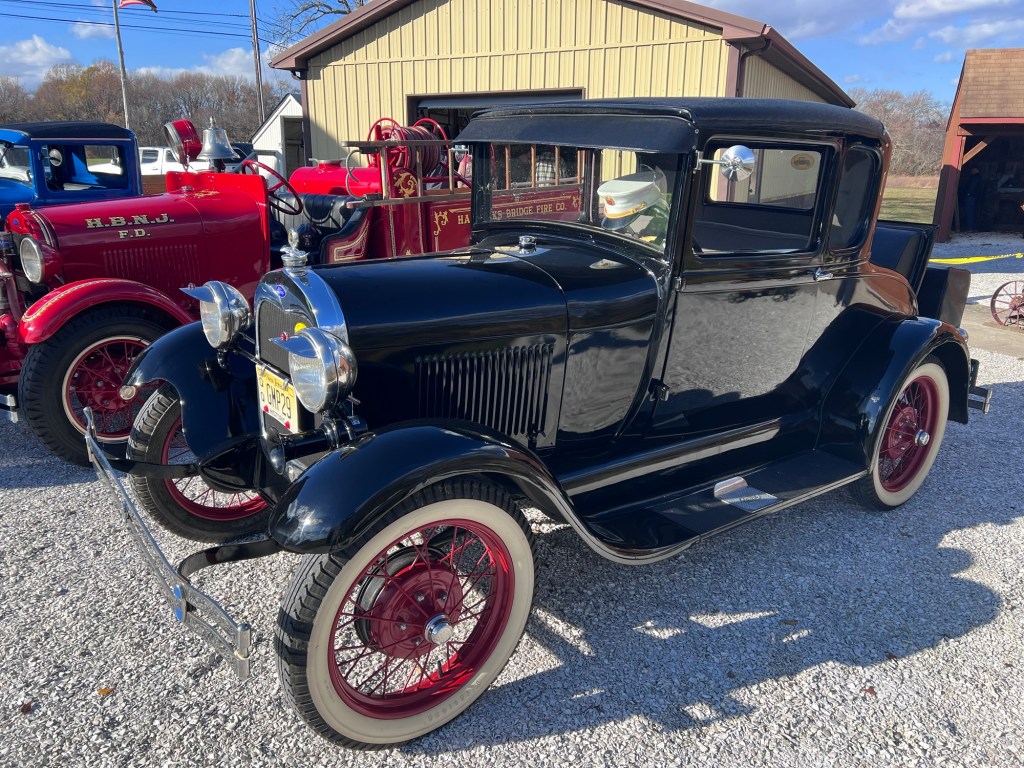
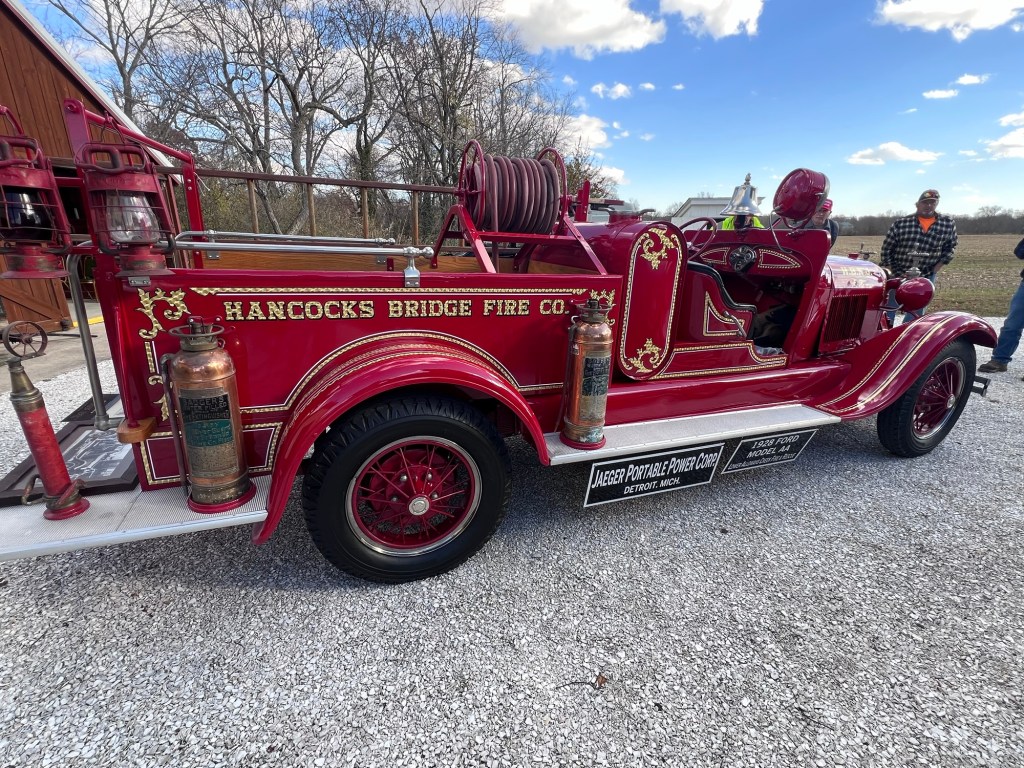
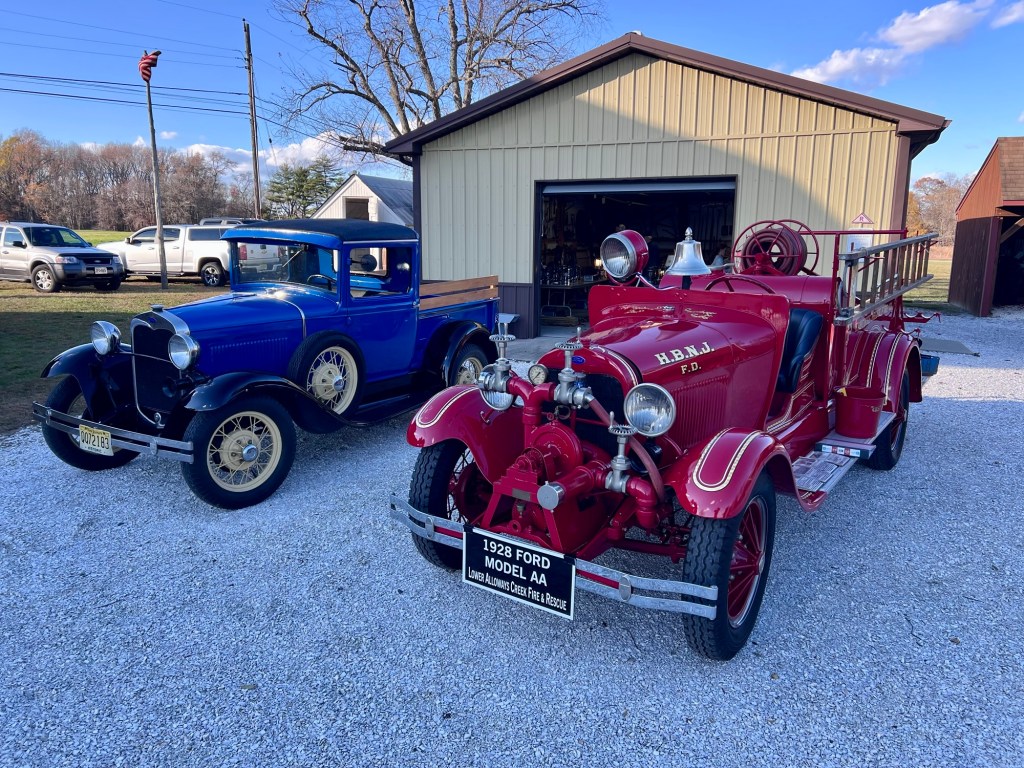
The historic cars and fire trucks on display at the museum that day:

The Model T

The Hancock Bridge’s 1928 Hose truck

The cars on display that day

The front of the museum on my visit in November 2025

The back of museum during my visit in November 2025

The museum is open six times a year for special events. Please check out their website and their Facebook page for details. The Pie event was the last event for the season until the Spring.