Category: Fire Fighting Museums

U.S. Life Saving Station 30                                            801 East 4th Street                                                       Ocean City, NJ 08226

U.S. Life Saving Station 30 801 East 4th Street Ocean City, NJ 08226

U.S. Life Saving Station 30 Museum

801 East 4th Street

Ocean City, NJ 08226

(609) 398-5553

https://uslifesavingstation30.com/

https://www.facebook.com/U.S.LifeSavingStation30/

https://www.ocmuseum.org/about-us/museum-history

Open: Sunday 10:00am-4:00pm/Monday-Friday Closed/Saturday 10:00am-4:00pm

My review on TripAdvisor:

https://www.tripadvisor.com/ShowUserReviews-g46696-d14961805-r1033640492-U_S_Life_Saving_Station_30-Ocean_City_Cape_May_County_New_Jersey.html?m=19905

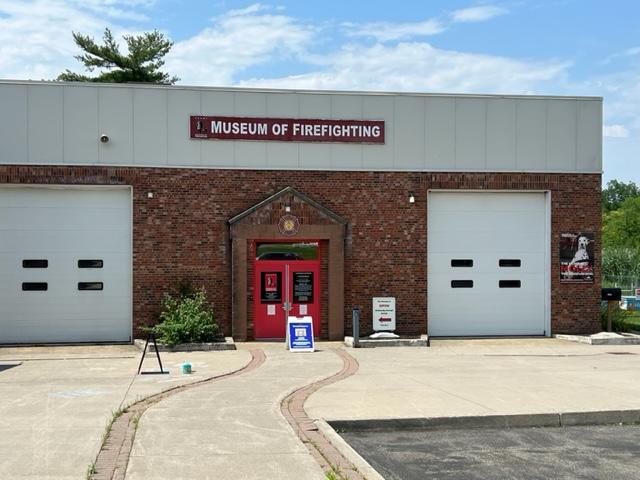
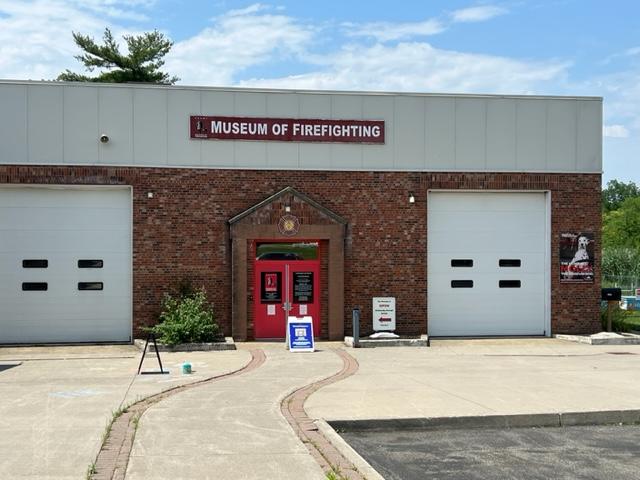
The front of the museum

The front sign of the building

Short History of the Museum:

(from the museum website)

Also known as the U.S. Coast Guard Station No. 126, this is the only life-saving station (now museum) of its design in NJ (1 of 6 in the country) still in existence. The designer and architect was James Lake Parkinson in a Carpenter Gothic style. This building is one of 42 stations built in New Jersey. It was also the workplace of the brave surfmen who were the beachfront First Responders of the day.

The anchor outside the building

The historical plaque outside the building

The History of the Building and Museum:

(from the State of NJ Historic website)

The U.S. Life Saving Station in Ocean City is significant as an example of a significant type of life saving station and for its association with the activities of the U.S. Life Saving Service. The building was constructed in 1885 in what was referred to as the “1882 type.” There were 25 life-saving stations constructed in this style. In 1905 the building’s footprint was expanded to nearly twice its original size. The expansion was done in a style unique to New Jersey Life Saving Stations.

In 1915 the U.S. Life Saving Service and the Revenue Cutter Service were combined to form the U.S. Coast Guard. The Coast Guard continued to utilize the building until it was decommissioned during the 1940s and sold. It was used as a private residence until the City purchased it in May 2010.

The first room inside was the formal dining room where guests who visited or who had been rescued had dined. It was a rather formal affair.

I visited the museum on a weekend day to learn of the rescue procedures and the job these men did on a day to day basis. The first thing I learned was how shifting tides can change an island.

This building which now sits about four blocks inland was once at the shoreline a hundred years ago. Talk about change and Mother Nature’s role in this.

The first room I visited was the formal dining room in the newer extension of the building. This would be where the officers and men would entertain guests and visitors to the building. It could be a casual or formal affair.

The first floor formal dining room

The entertainment for the evening was either board games or a music box

Some of the items salvaged from the sea

The Life Guard officer formal outfit was worn for formal affairs

The officers would be dressed formally to receive guests

The next room over was the Rescue room and door where the boats and other equipment would be held when the alarm sounded.

The docent discussed how the doors were opened and the boats needed to be pulled out on a stormy night. Everything you needed had to be close by, in good shape and ready to go.

The rescue boats and pulleys that would be used in the sea

The ropes and pulleys used to assist in the rescue

The lanterns were used as communication between shore watch and the tower

The equipment used to repair the items used for rescue

The rescue boat and the items used for a water rescue

The additional boats used in rescue

Some boats were used for fishing and collecting shell fish

The Sneak Box was used for duck hunting to camouflage yourself

The sneak box

We then toured the second floor sleeping room for the crew. This offered a great view of the sea when the building was at shore line. These men were given good accommodations for the time.

While not very private, it was comfortable and served its purpose for a job where you might not get a good nights sleep.

The sleeping quarters

The main sleeping room was for a crew of six

The loft lead to the tower where the look out for the evening would sleep (it is not open to tours right now).

The loft area from the window

We then headed back downstairs where we toured the station manager’s room and office.

The station manager’s room off from the kitchen

The station manager’s office where all the monthly paperwork was done and business was conducted.

The kitchen

The Station Manager’s office was right next to the kitchen stove so that the room was kept warm during the winter months and on cool nights.

The kitchen stove

All the meals for the crew and visitors were cooked either by the men or their wives might be allowed to visit and assist in duties in the building.

The kitchen

All the storage of the foodstuffs has to be accounted for because getting them was rough with no cars for transportation and no bridges to cross to the mainland.

The gift shop

The museum and grounds

The museum offers a glimpse of the everyday life of these brave men who were on call 24/7 and performed such dangerous work. Ocean City has done a wonderful job preserving this legacy.

The museum has docents on hand for more formal tours and are very detailed on their knowledge of the building and its contents. It is a very interesting look at Ocean City’s past.
Millville Army Air Field Museum                              1 Leddon Street Millville Airport                      Millville, NJ 08832

Millville Army Air Field Museum 1 Leddon Street Millville Airport Millville, NJ 08832

Millville Army Air Field Museum

1 Leddon Street

Millville Airport

Millville, NJ 08832

(856) 327-2347

Open: Sunday 10:00am-4:00pm/Monday By Appointment Only/Tuesday-Saturday 10:00am-4:00pm

Admission: Donation Suggested Adults $10.00/Children 5.00

My review on TripAdvisor:

https://www.tripadvisor.com/ShowUserReviews-g46627-d2647289-r971146426-Millville_Army_Airfield_Museum-Millville_New_Jersey.html?m=19905

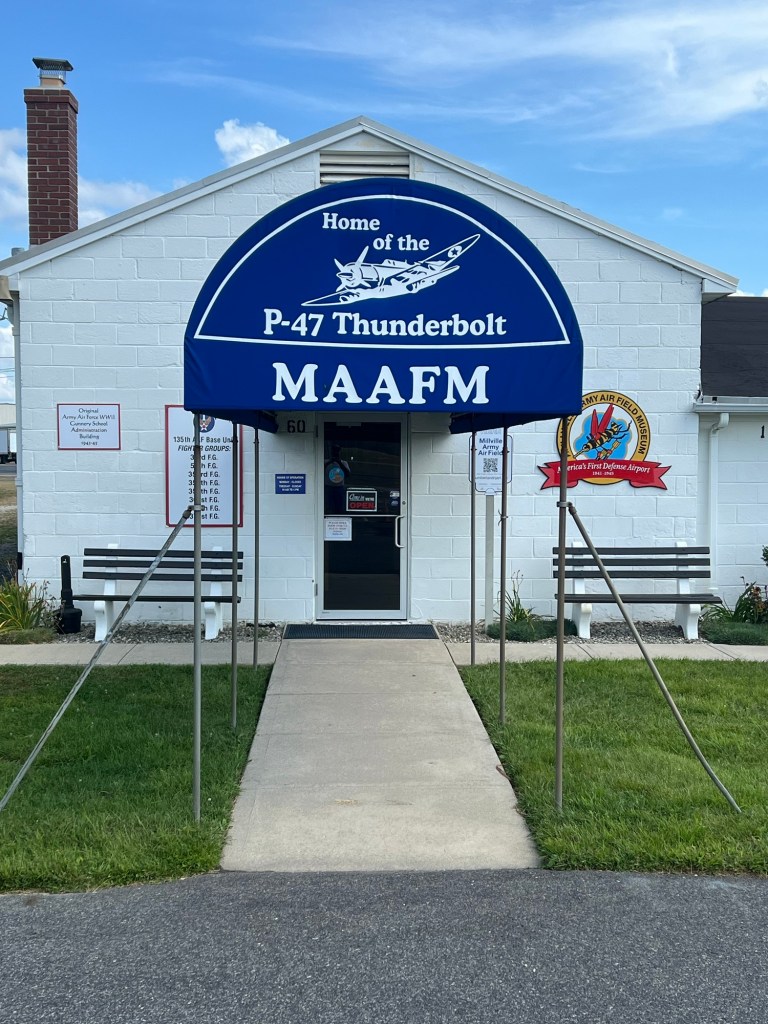
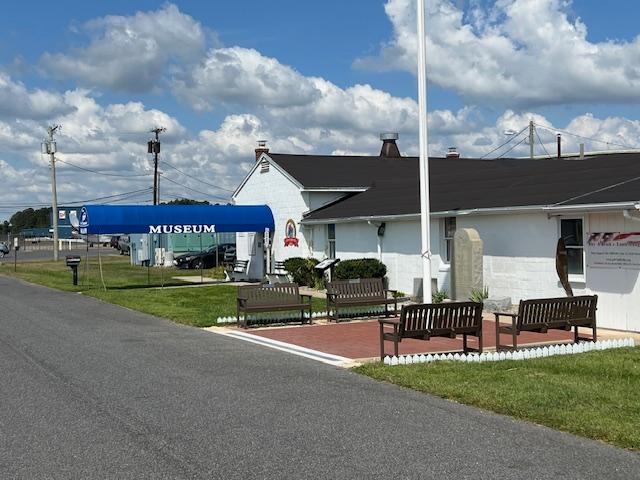
The Millville Army Air Field Museum at 1 Leddon Street

The entrance to the museum

The history of the Millville Army Field Museum:

(from the museum website)

The roots of the Millville Army Air Field Museum go back to the early 1970s. Millville Airport manager Lewis B. Finch had just completed eliminating the last apartments in former base buildings and looked forward to major industrial development at the airport. Most people in the community were aware the airport had been an army base, but knew no details of its history. This was Millville Airport when teenager Michael T. Stowe learned of some underground bunkers just south of the airport.
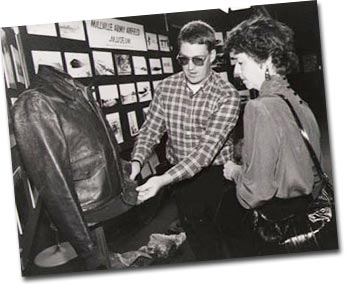
Museum founder, Michael T. Stowe and Frances Burt, examine her father’s leather “A-2” flying jacket. Her father, Second Lieutenant Lee L. Pryor Jr, died in an P-47 accident near Cedarville on May 2, 1945.

Stowe explored those bunkers and surrounding areas and later began to find related artifacts. For nearly ten years, he continued to collect artifacts and information, and in 1983 he approached city officials about a permanent place at the Millville Airport to display his collection. Stowe’s original collection of artifacts and airfield data remains the cornerstone of the Millville Army Air Field Museum (museum website).

The museum’s collection has grown through donations of time, effort, and artifacts from surrounding community and the community of veterans who served at the Millville Army Air Field. Today, both the museum and Millville Airport continue to grow and prosper through the Delaware River & Bay Authority’s management of the airport and the museum gaining recognition as a leader in World War II and post war aviation history.

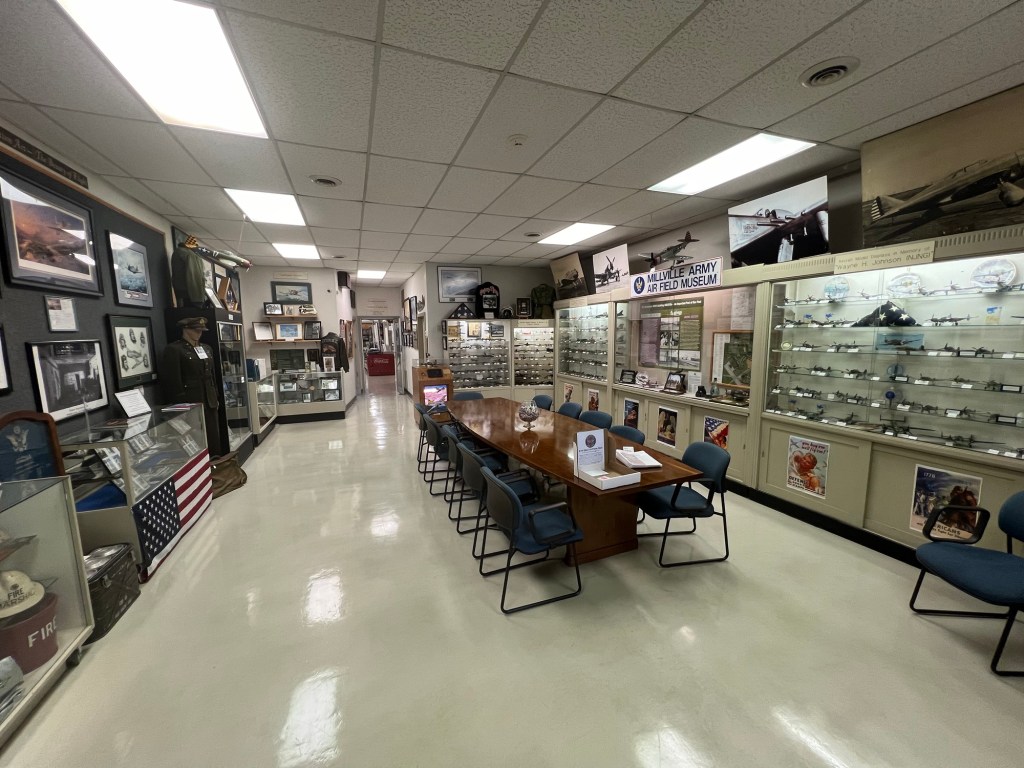
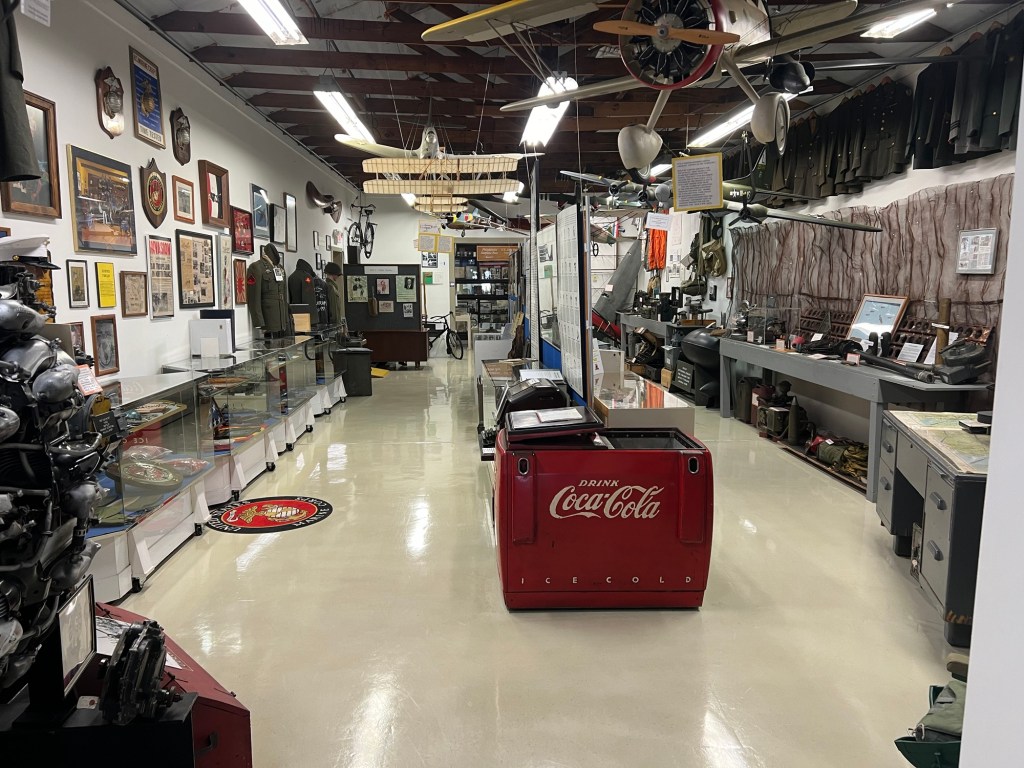
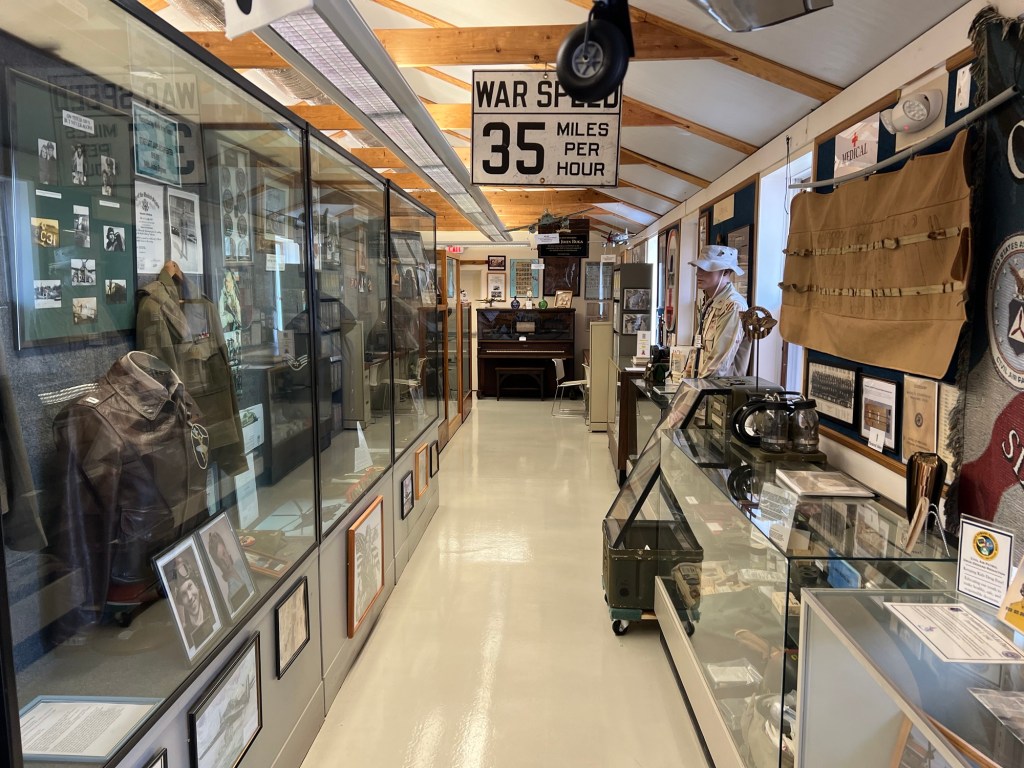
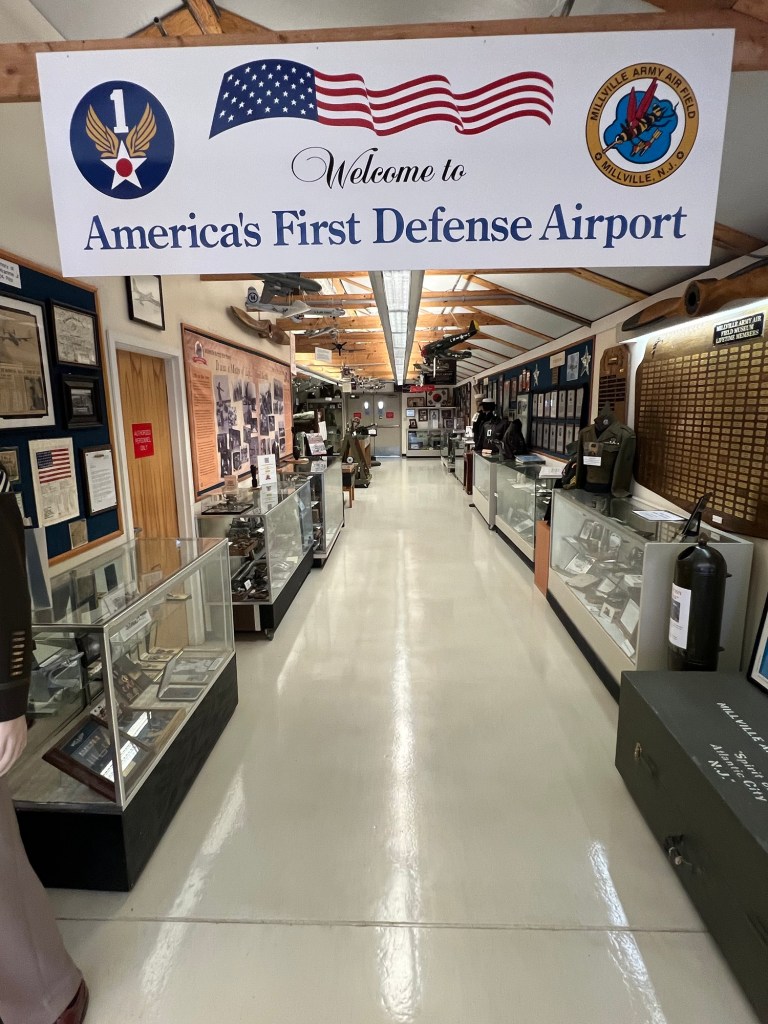
The main gallery of the front part of the museum

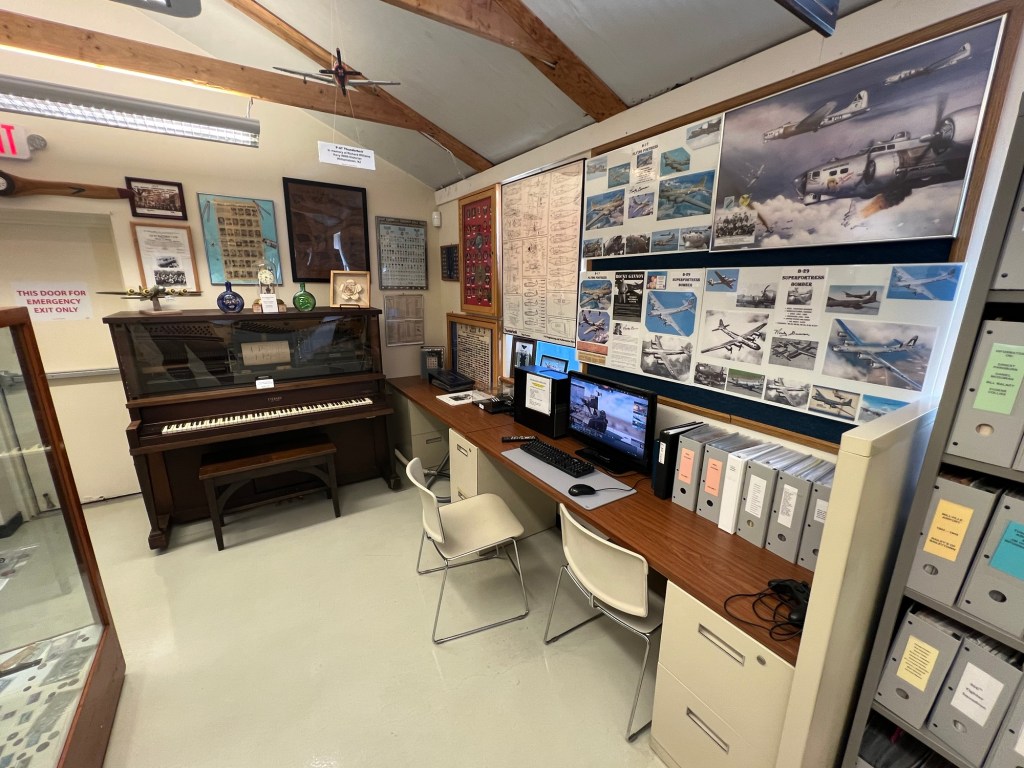
Models of all the aircraft during the wars

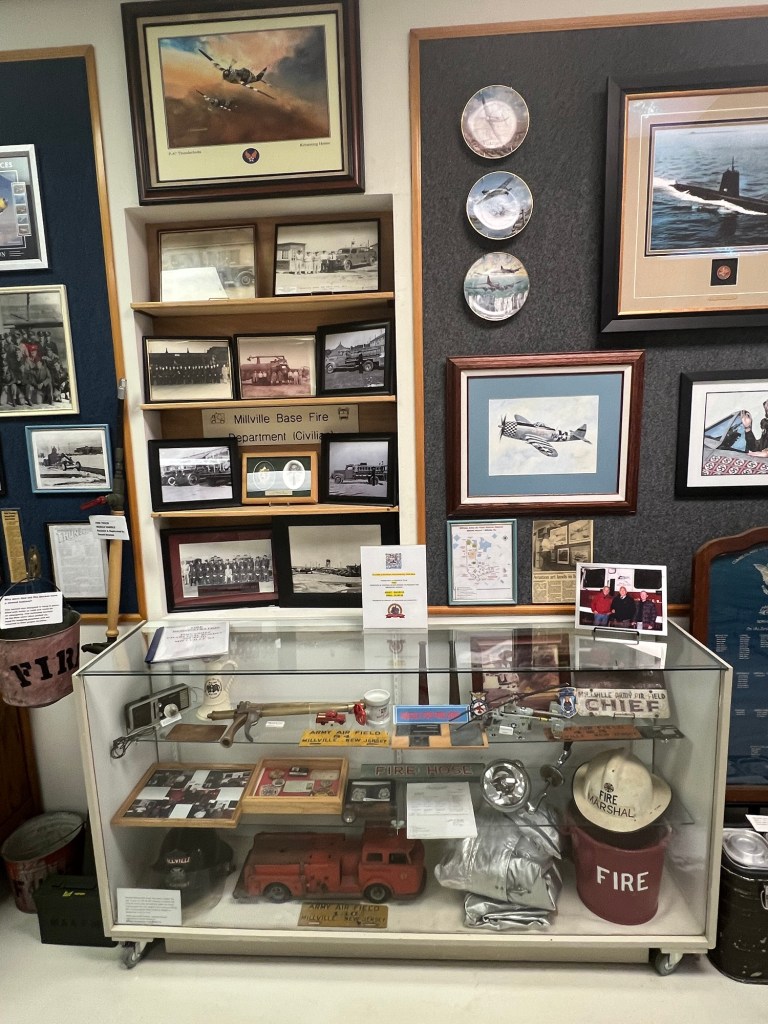
The fire department brigade that protected the airport

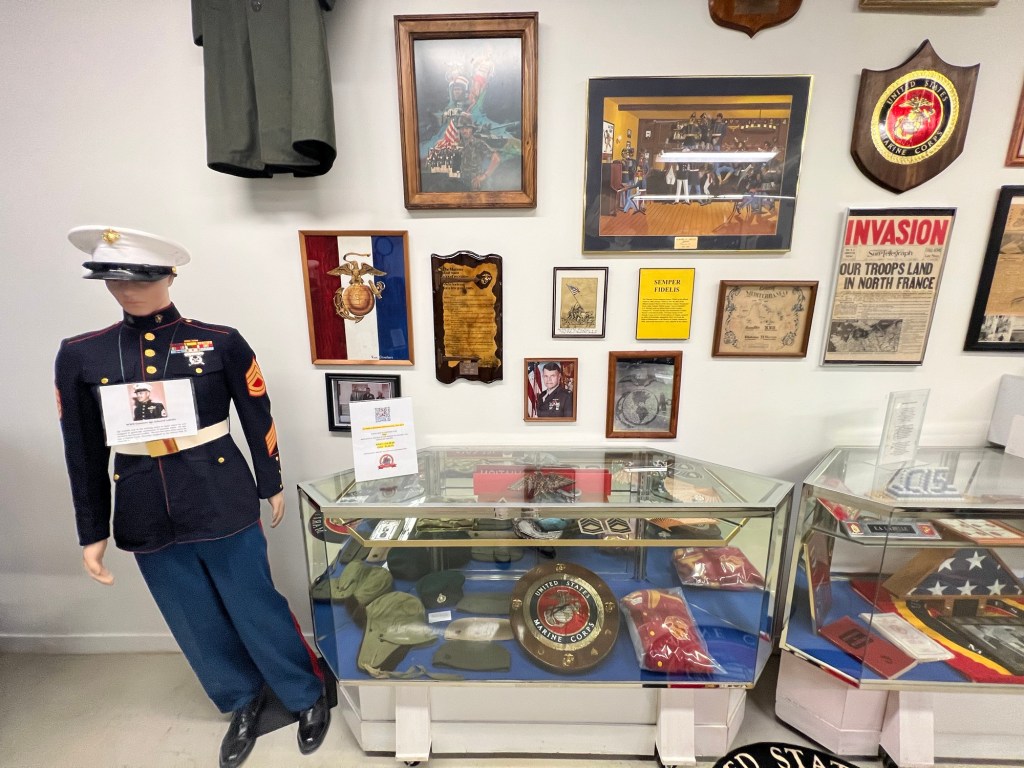
Uniform gallery and objects from modern warfare

Artifacts from the beginning of WWII

Navajo Code Talkers: no one could break the code during WWII

The Radio Headquarters during WWII

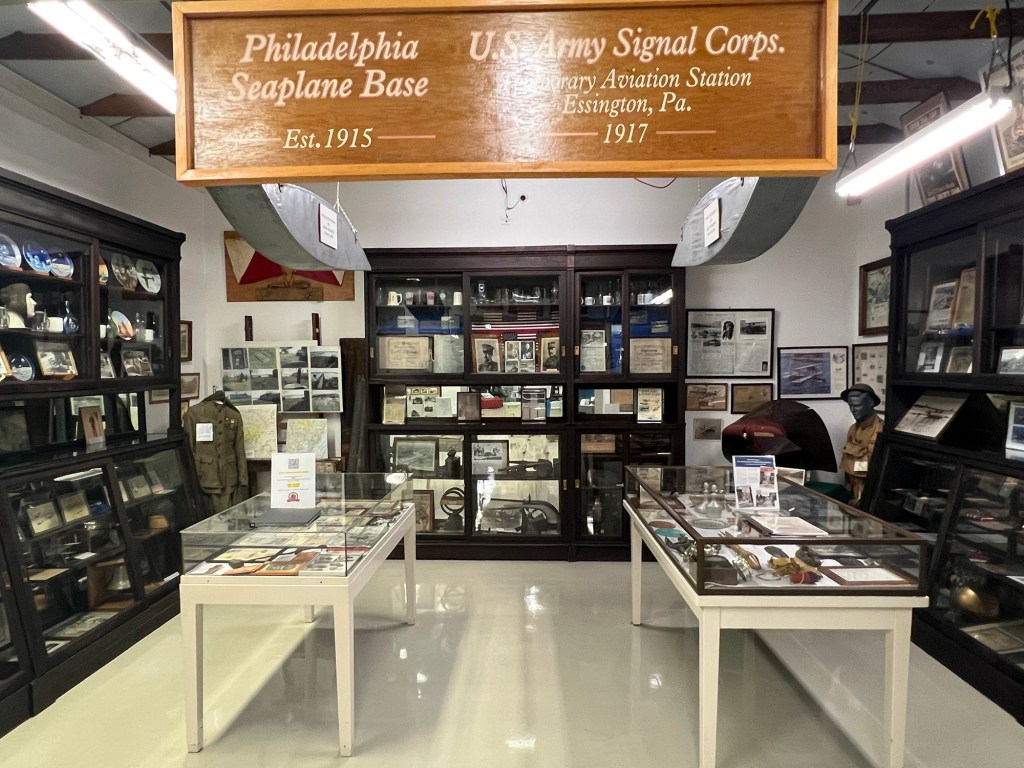
The Philadelphia Seaplane Base/U.S. Army Signal Corps. Display

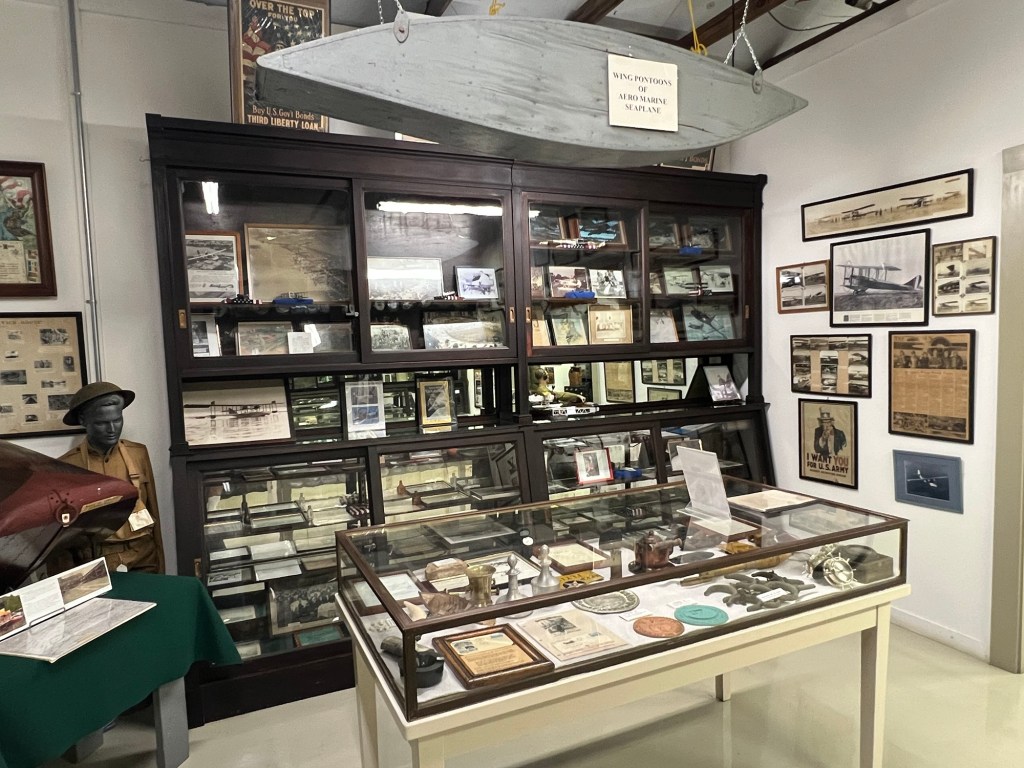
Artifacts from the Philadelphia Seaplane Base

Uniforms and plane display

The second gallery was broken down into themes and each display told its own story.

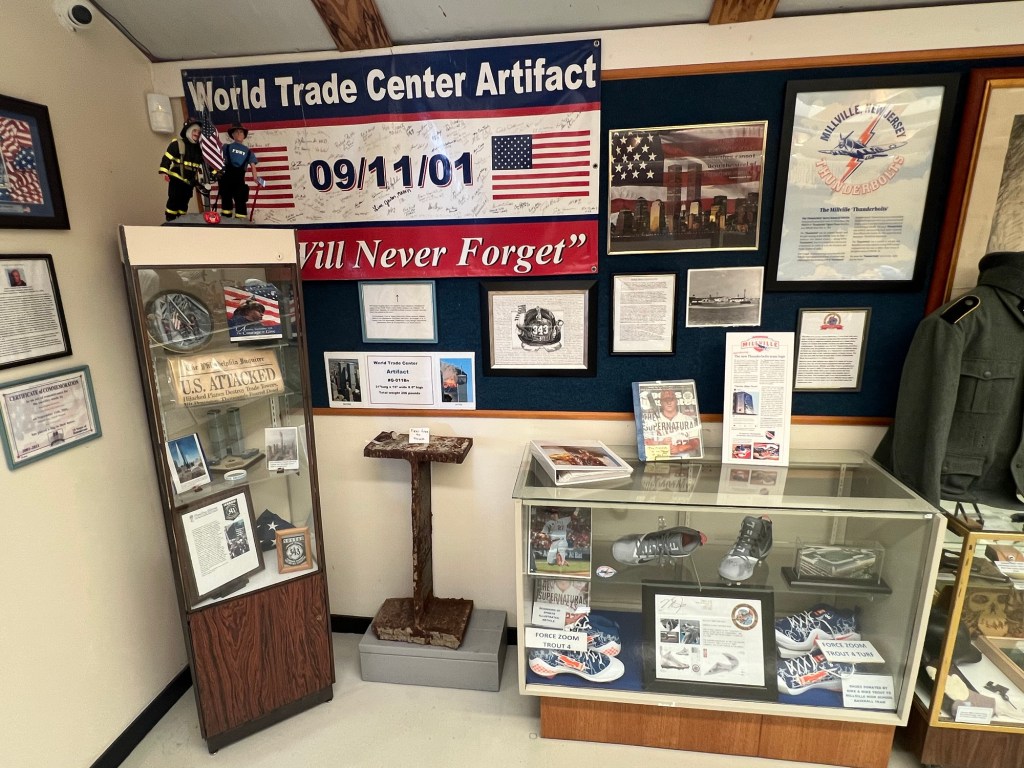
The 9/11 display dedicated to the events on September 11th, 2001 in New York City

This display also contains artifacts from the Towers on that tragic day.

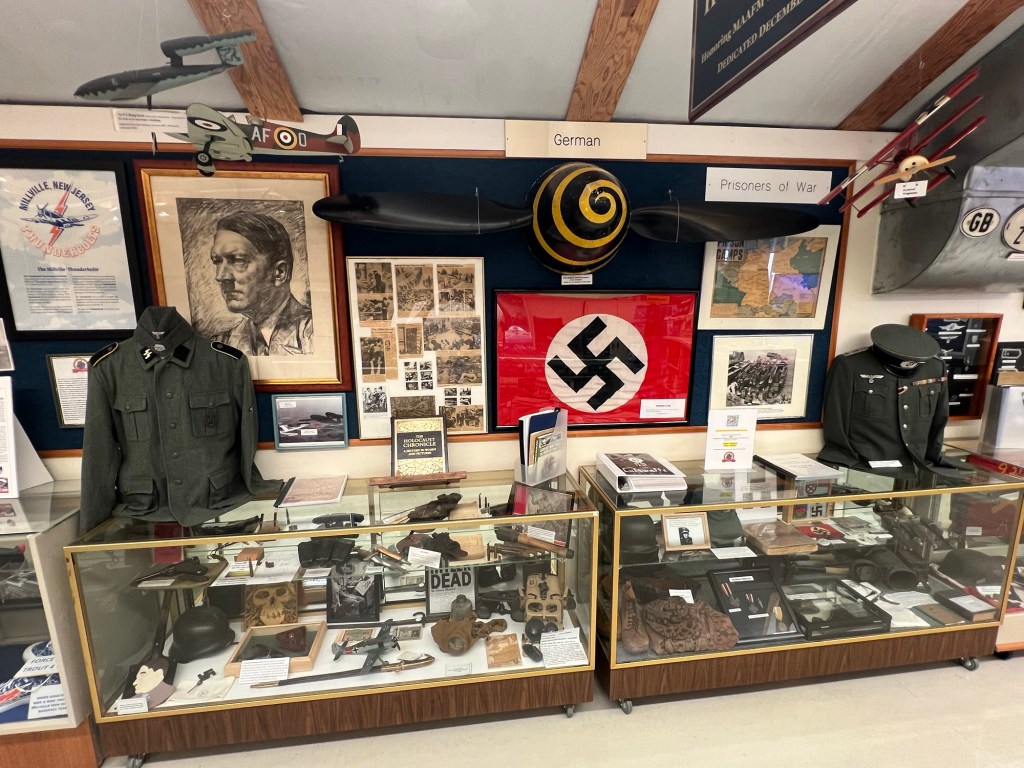
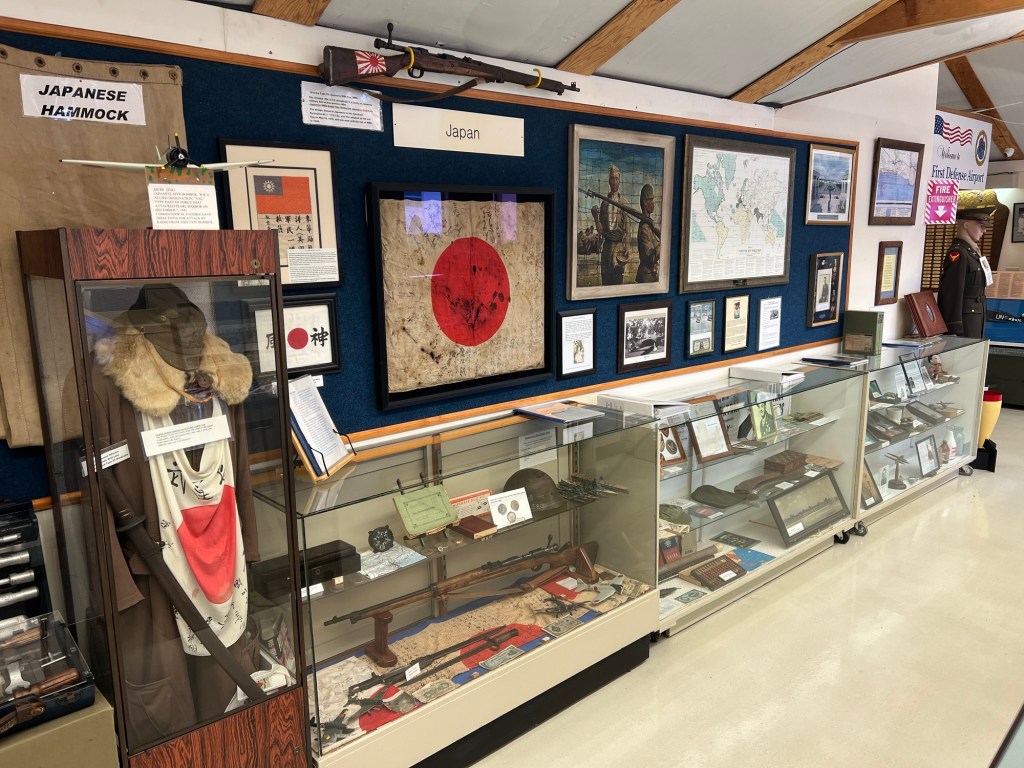
The displays contain propaganda and spoils of war from both the Japanese and the Germans. These donations remind us of a time not too long ago when our now Allies were our enemies.

Display on German memorabilia during WWII

Display of Japanese memorabilia during WWII

The back gallery on Veterans backgrounds and personal life

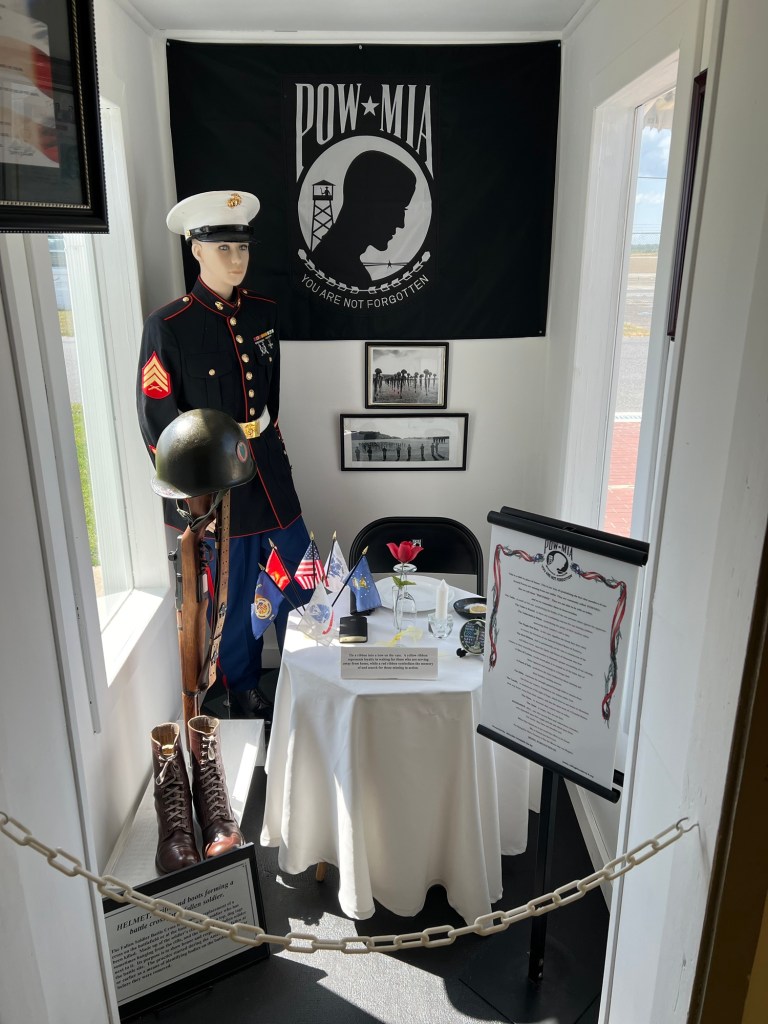
The POW display

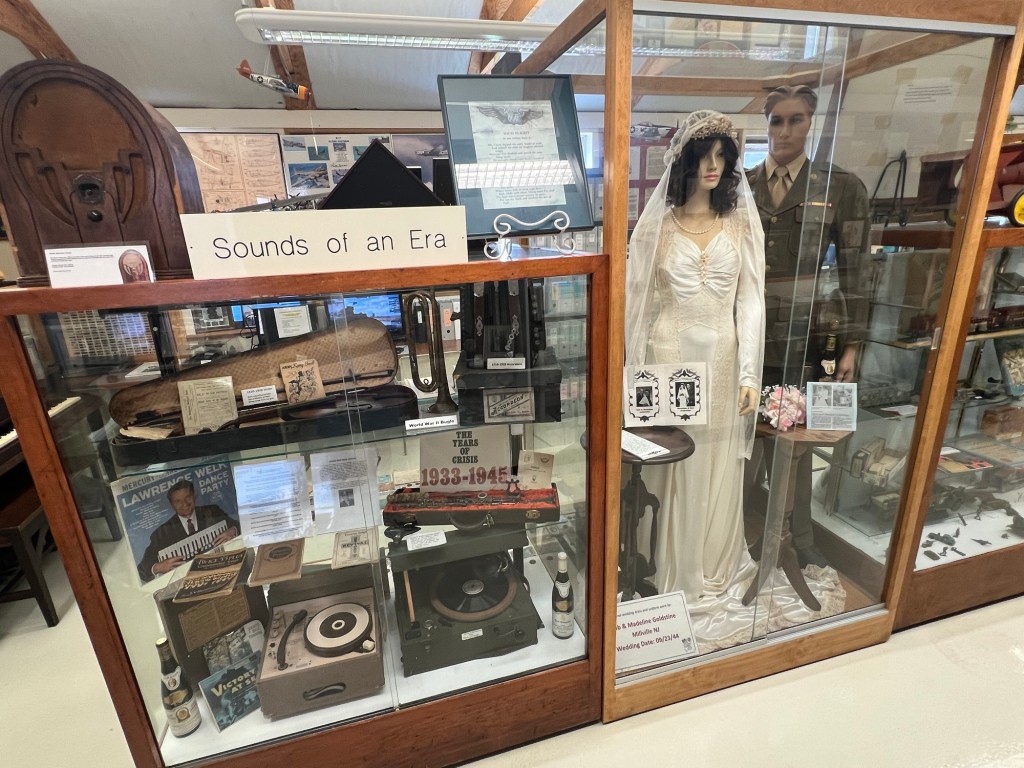
War Marriages displays

During and after the WWII, the number of marriages that took place started the “Baby Boom” Men and women waited for one another. The family unit was tight because emotions still rung high after the war years. People were eager to start their families.

The War Marriages

Toys of the war years

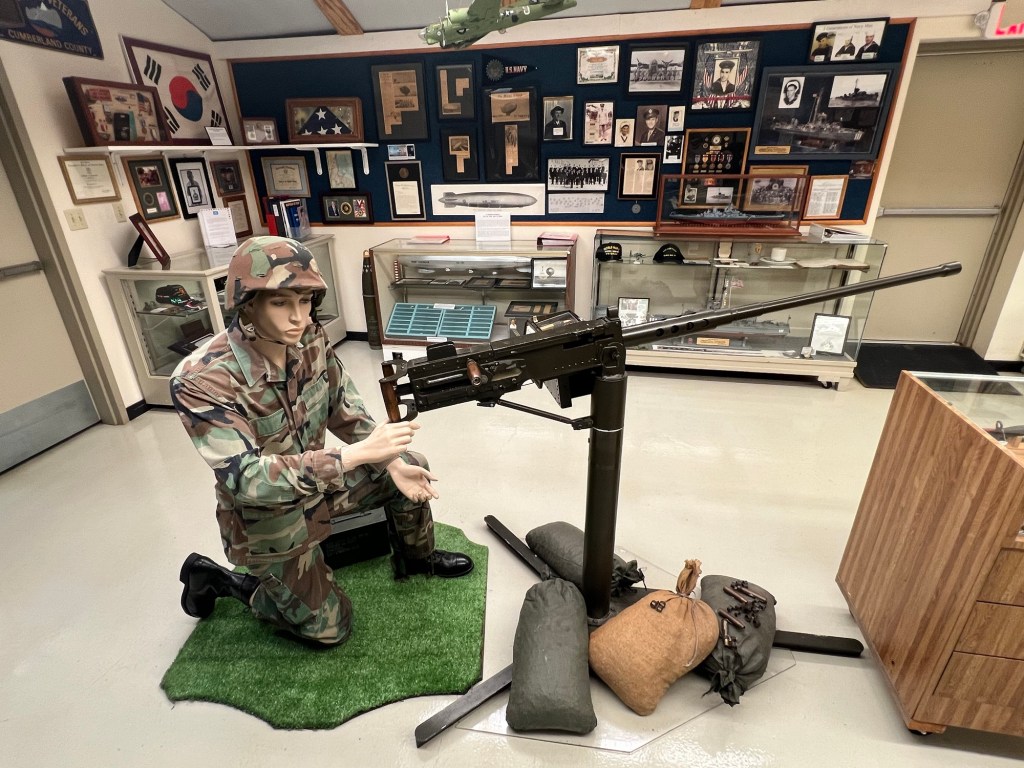
The last gallery was dedicated to each of the wars after WWII from Korea, to Vietnam, to Desert Storm, to Middle East Crisis each having their own display and artifacts showing that the tactics of war may change as well as the equipment.

The gallery dedicated to those who have served in the various wars

Women pilots

Behind the scenes and in front of them women played a big role in the war effort as pilots, engineers, teachers, factory workers, nurses and doctors and in all aspects of business for making the system work. This is their story.

Communications in the war

Military nurses display

Every war effort has been given a display in the museum with artifacts and spoils of war to represent that time. In each display, it tells another story in the protection of the country. We thank all those military personal, men and women, who helped in the war efforts to protect our country.

History of the wars

Army display

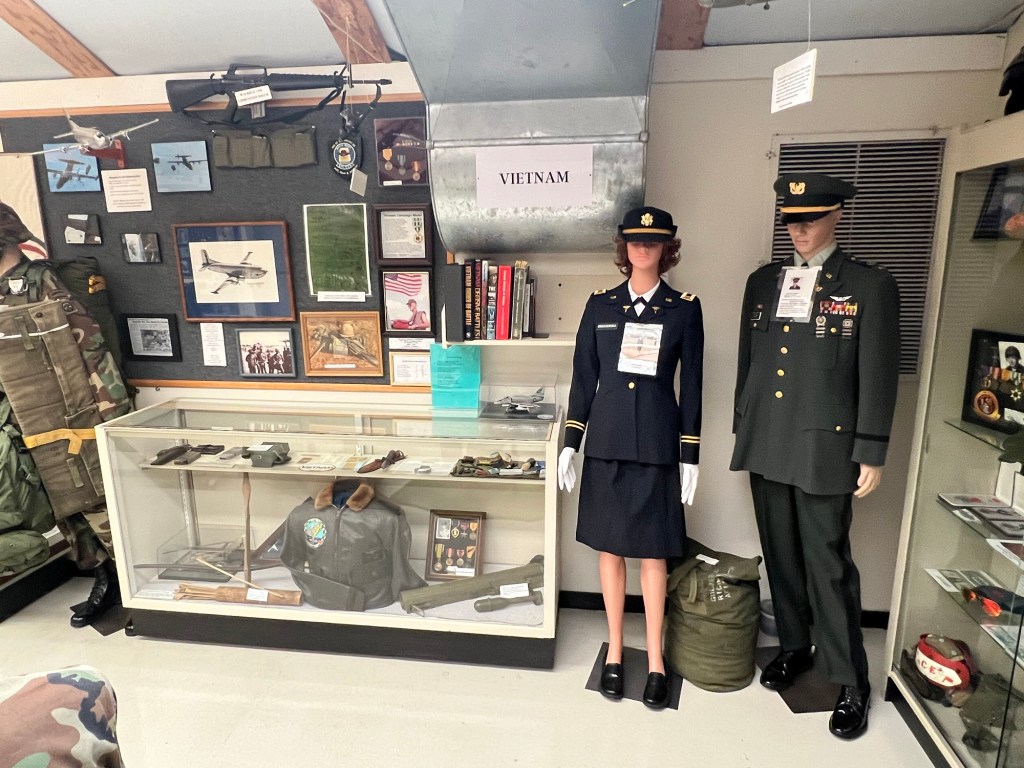
Vietnam War display

The Iraq War/Middle East conflict

Desert Storm Conflict

Vietnam War

Gunning/Sharp shooter display

The museum continues outside with all sorts of interest equipment on display. Take time walk around the property and look at the displays.

The Creation of the museum:

(from the Millville Army Air Field Museum website):

The Millville Airport was dedicated “America’s First Defense Airport” on August 2, 1941 by local, state, and federal officials. In less than a year, construction of military base facilities began, and in January 1943, the Millville Army Air Field opened as a gunnery school for fighter pilots. Gunnery training began with Curtiss P-40F “Warhawk” aircraft, but after a few weeks, the P-40s were gone, and the Republic P-47 “Thunderbolt” ruled the skies over Cumberland County. During its three year existence, thousands of soldiers and civilians served here, with about 1,500 pilots receiving advanced fighter training in the Thunderbolt.

Following the War, the airfield was declared excess to the governments needs, and returned to the City of Millville. Most of the airport buildings were converted to apartments for the many veterans returning from the war. The last of the apartments vanished in the early 1970s, and the airport soon became a hub of industry and aviation for Southern New Jersey (from the museum website).

Military equipment on display

Military equipment on display

The outside of the museum

FASNY Museum of Firefighting                          117 Harry Howard Avenue                           Hudson, NY 12534

FASNY Museum of Firefighting 117 Harry Howard Avenue Hudson, NY 12534

FASNY Museum of Firefighting

117 Harry Howard Avenue

Hudson, NY 12534

(518) 822-1875/1-877-347-3687

Admission: Adults (18 and above) $12.00/Children under 18 $8.00/FASNY Members Free

Open: Sunday 10:00am-4:30pm/Monday & Tuesday Closed/Wednesday-Saturday 10:00am-4:30pm

My review on TripAdvisor:

https://www.tripadvisor.com/Attraction_Review-g47931-d263732-Reviews-FASNY_Museum_of_Firefighting-Hudson_New_York.html

The FASNY Museum of Firefighting at 117 Harry Howard Avenue

The FASNY Museum of Fire Fighting is America’s interactive museum of firefighting. It is also the home of the premiere collection of American firefighting objects in the world.

When I visited the museum recently, I found that the museum is not just a treasure trove of information and artifacts but an extensive study on modern firefighting from its creation in the time of the Romans and Greeks, the beginnings of the fire service in America lead by people like Peter Stuyvesant and Benjamin Franklin. These men brought their ideas and innovations by working alongside people doing the work and the modernization of equipment that makes the modern firefighter both safer and smarter.

The progression of the equipment and the way it is used has not changed much but the way we use it, and its design has changed from the days of the bucket brigades to the horse drawn carriages to the modern automobile. The job has not changed as we put the fire out and try to save lives and property.

There is so much to see and do at the museum and for a firefighter, a very humbling experience in that we continue to learn on the job and learn the changes in the fire service around us. This is one of the most extensive museums of firefighting that I have ever seen. The exhibitions are very detailed and easy to follow with lots of interesting artifacts. It is a perfect place for a family to visit.

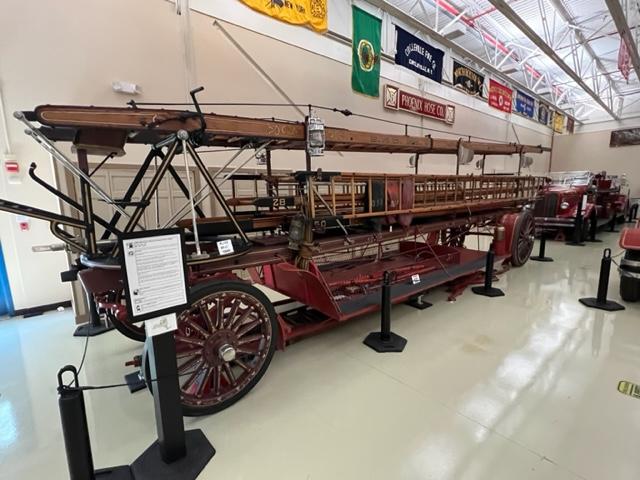
A ladder truck from the early 20th Century

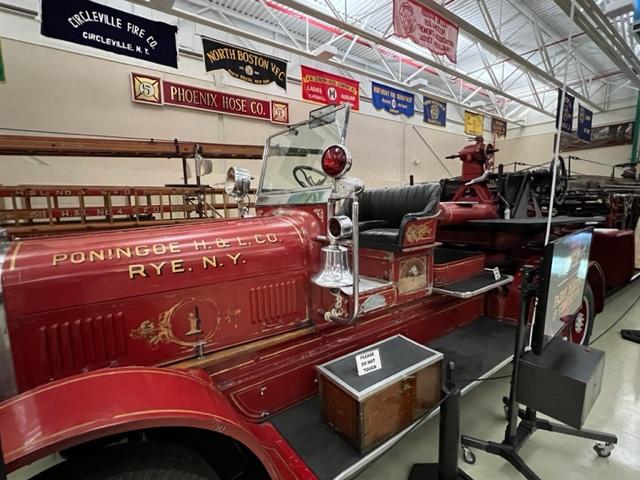
Ladder Truck from Rye, NY that was part of the Bush family history.

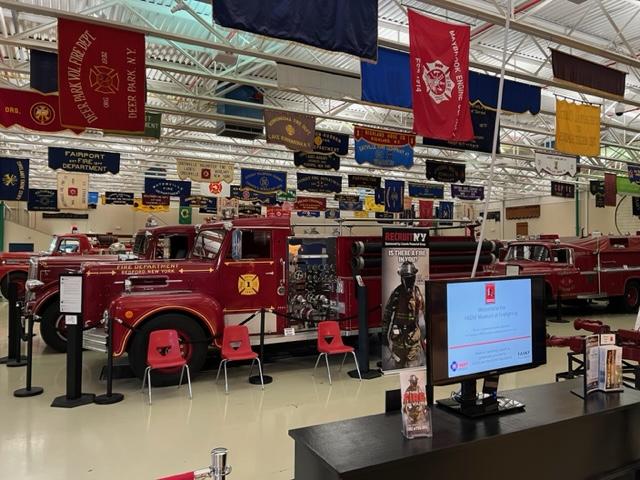
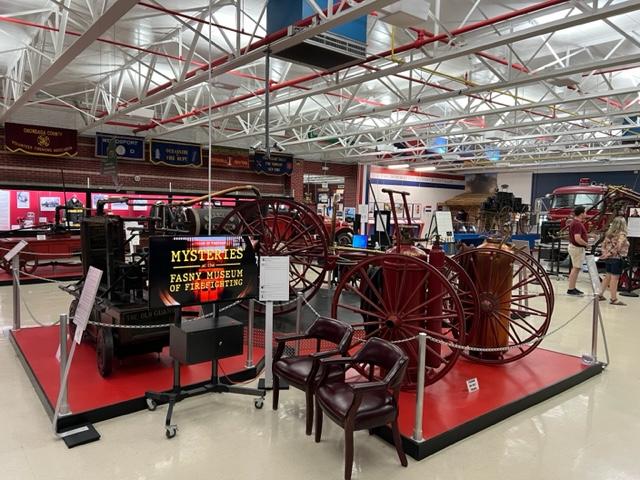
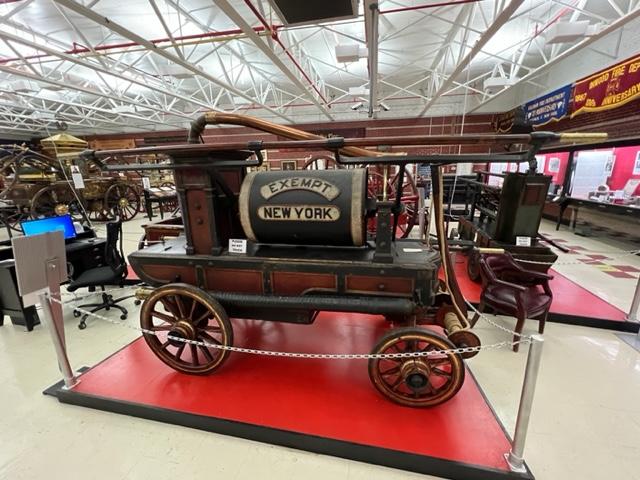
The massive museum has over 60 fire engines on exhibit, as well as numerous examples of firefighting gear, equipment and art depicting the heroic history of firefighting in America.

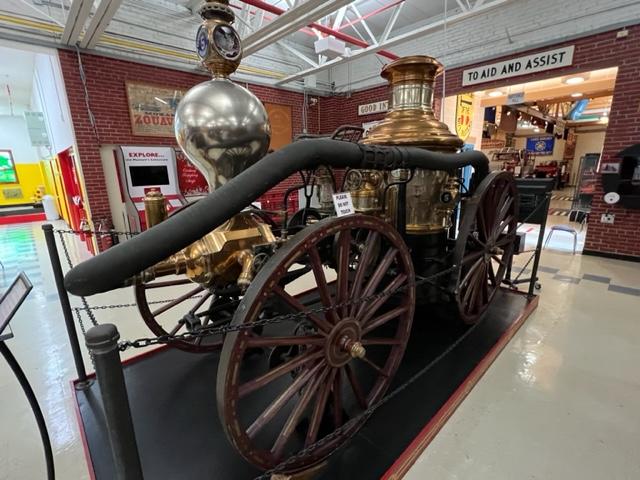
Early 20th Century Steam Engine

The main equipment room with all sorts of trucks and engines spanning over 100 years

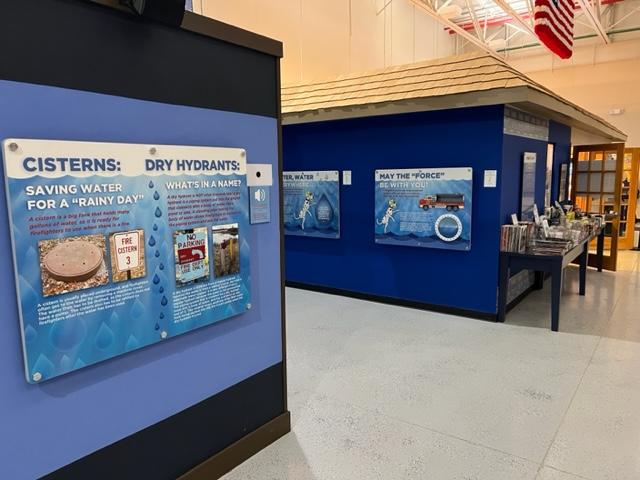
Activities for families include the popular bucket brigade activity, the amazing Jr. Firefighter Challenge course, the incredible first responder virtual ride to the fire experience and the Cabot/McCadam Fire Safety Discovery Room (FASNY Website).

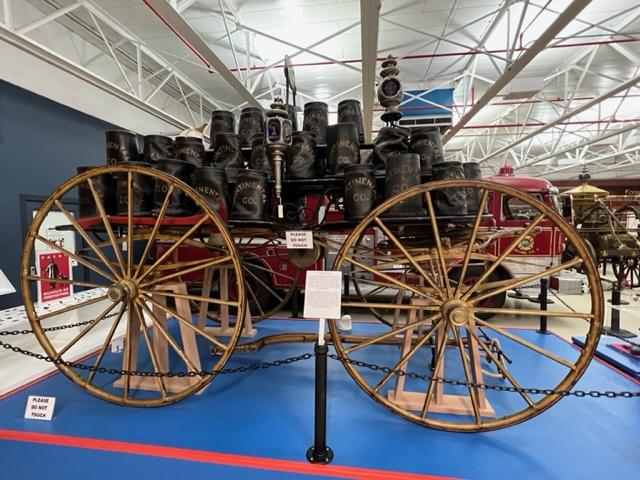
Turn of the Century Bucket Truck

Whether you are a family, a firefighter, an apparatus buff or a student of history, you will be amazed at the depth and variety of the Museum’s vast collection.

Turn of the Century hose beds.

An early steam engine

The 9/11 Exhibit: Remembering the 20th Anniversary:

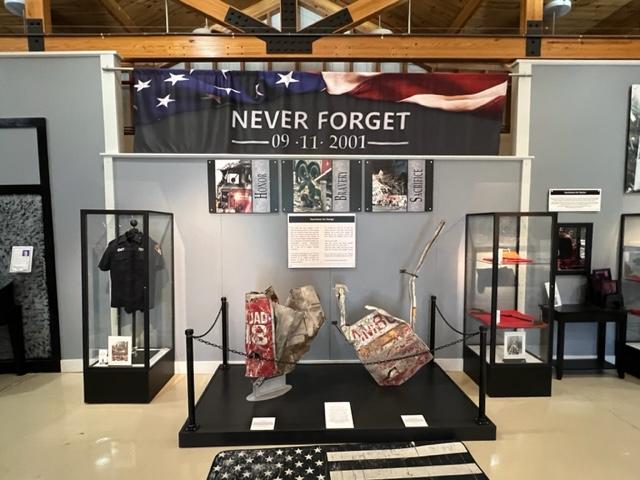
In partnership with the New York State Museum in Albany, the FASNY Museum of Firefighting is honored to present the exhibit: Touchstone: Remembering the 20th Anniversary of 9-11. The majority of the objects in this exhibit are on loan from the NY State Museum. They were found during the recovery efforts that took place at Fresh Kills Landfill on Staten Island, when hundreds of NYPD and FBI forensic experts sifted through the debris from the World Trade Center tragedy site, between September 2001 and July 2002 (FASNY website).

The 20th Anniversary of 9/11 on September 11th, 2021

We encourage visitors to compare how they feel today, 20 years after this touchstone moment in our nation’s history, to how they felt on September 11, 2001. We also invite the visitor to remember that not every action taken after 9-11 was heroic.

After 9-11, there were many cases of violence against those who were, or who were perceived to be, Muslims, Sikhs or persons of Arab or South-Asian descent. Through an interactive, we ask visitors to consider this racism and why it occurred (FASNY Museum Website).

The 20th Anniversary of 9/11 on September 11th, 2021

The 9/11 Exhibit will be very emotional for any firefighter and their family whether they experienced it or not. It could be the twist equipment, the pictures depicting that morning and the rescue plans and the artifacts that were used during that time, take your time to really study and appreciate the heroism of that morning.

Then, Now & Always: Firefighting from the Cradle of Rome Through the 1900s

Trace the evolution and development of firefighting from its ancient origins to the modern era of mechanization.

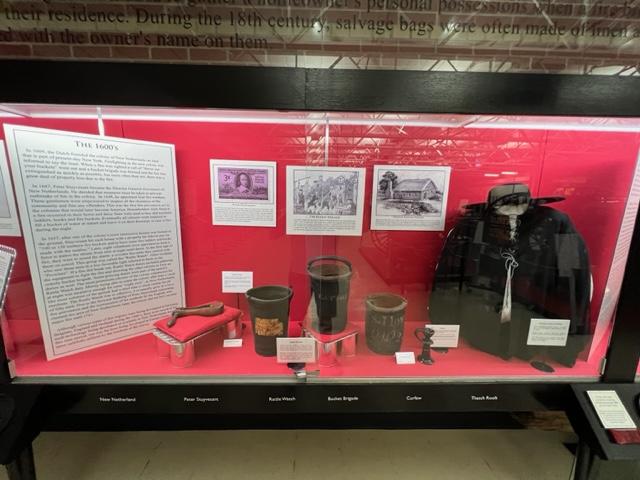
The Dutch Bucket Brigade system of early America

This informative and fascinating exhibit uses objects in the Museum’s collection as historical touchstones. Complemented by interpretive graphic panels and object cards, the exhibit chronicles the progression of organized firefighting and its social and technological implications. Here, you will discover some of the oldest and rarest objects in the Museum’s collection. Adjacent to the exhibit cases are the Museum’s earliest examples of fire apparatus dating as far back as 1731 (FASNY website).

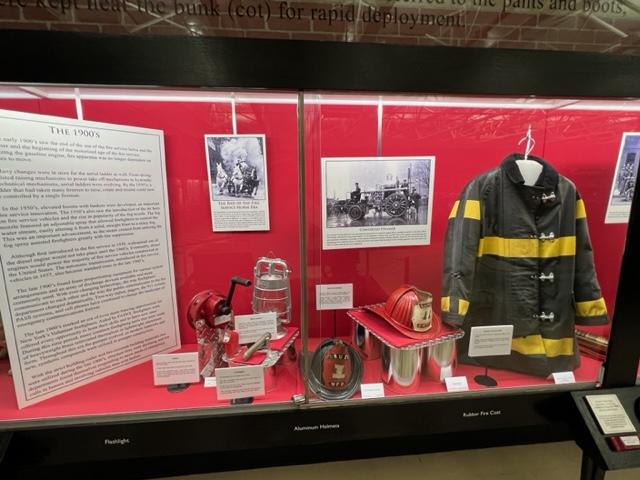
The change of equipment in the early 1900’s to the modern era

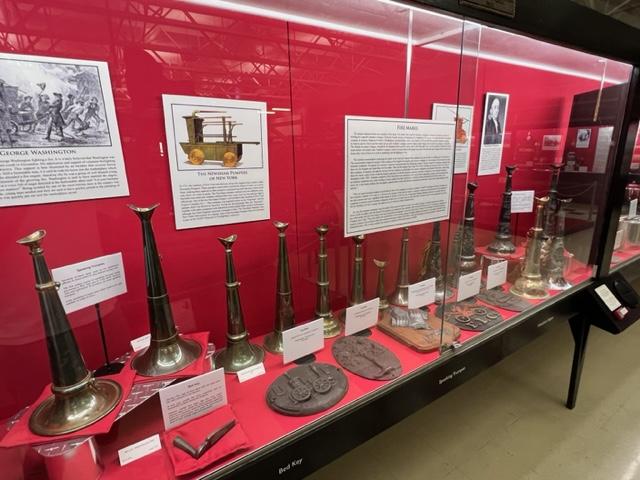
Before radio communication became available, we sounded the trumpets.

The museum showed the progression of firefighting and how many aspects of it have changed over the years and how it modernized old ideas. The concept of ‘putting water on the fire’ has progressed in knowing why we should do it, when we should do it and what the effects of it will be when we do it. The equipment being used was the latest technology of the that time.

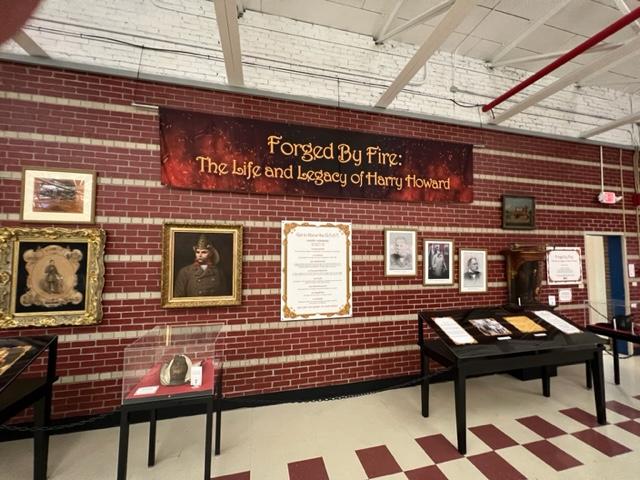
Forged by Fire: The Life and Legacy of Harry Howard

Who was Harry Howard and why do we consider him the GOAT? This exhibit explores Chief Howard’s life and many accomplishments and explains why we are still talking about him today, 200 years after his birth! (FASNY website).

The “Forged by Fire” exhibition on Harry Howard

Harry Howard was one of the most celebrated firemen of the 19th century.  He rose from very humble beginnings to Chief Engineer of the Volunteer Fire Department.  His association with the fire department began while a young teen, as a runner for the Peterson Engine Company No.15, located on Christie Street.  In 1841 he became a full-fledged member of the company. Later, in 1850, Howard joined Atlantic Hose 14.  The following year he was elected Assistant Engineer.  He reached the top in 1857 serving as Chief Engineer for three years, with a salary of five thousand dollars a year.  Chief Engineer was the highest rank in the NYC’s Volunteer Department in 1857 with many of the same duties as today’s Fire Commissioner.  The Chief and his 18 assistants were elected by ballet by the members of the department (NYFD.com website). 

At the time of Howard’s leadership this comprised of about 4000 men.  One of his major acts as Chief was to establish bunk rooms in all the firehouses in the city.  Chief engineer Harry Howard suffered an attack of paralysis on a way to a fire in July 1857.  The attack left him permanently disabled and somewhat embittered.  It was officially deemed the consequence of severe fire duty.  After his retirement from the Volunteer Fire Department, he held an office in the Department of Public Works (NYFD.com website).

I cannot begin to explain how innovative Chief Engineer Howard was in the fire service. Bringing about many safety measures, analyzing the fire service the way he did and work to better the lives of firefighters not just in New York but set a standard in the industry. He brought his experience that he learned on the job and worked to better it so that other firefighters could learn to be better at their jobs.

Ready, Willing & Able: FASNY’s First 150 Years

Did you know that over 90% of all firefighters in New York State are VOLUNTEERS! Did you know that FASNY (the Firefighters Association of New York State) has been the leading voice for volunteer firefighters for over 150 years? Discover more facts about FASNY and the brave firefighters who protect our communities in this fascinating exhibit (FASNY website).

Firefighting in the modern age

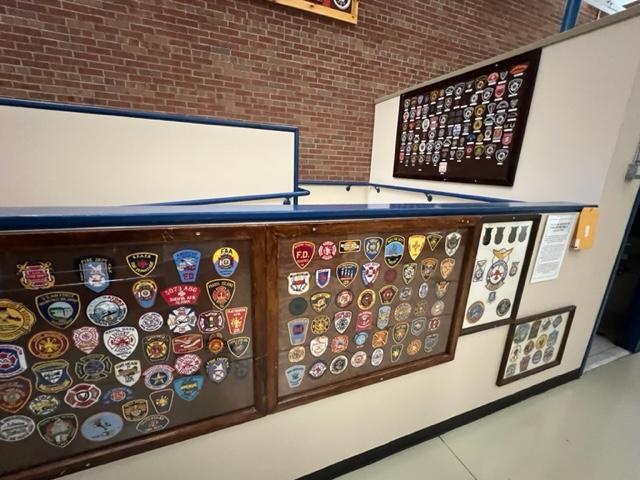
The Firefighting Patch Wall display

The experience of exploring this museum is a must for any firefighter or firefighting family.

Fort Mott State Park                                                                454 Fort Mott Road                                                                Pennsville, NJ 08070

Fort Mott State Park 454 Fort Mott Road Pennsville, NJ 08070

Fort Mott State Park

454 Fort Mott Road

Pennsville, NJ 08070

(856) 935-3218

https://www.nj.gov/dep/parksandforests/parks/fortmottstatepark.html

https://www.facebook.com/FortMott

Open: Sunday-Saturday 8:00am-7:30pm/Please see their website for seasonal hours

Admission: Free

My review on TripAdvisor:

https://www.tripadvisor.com/Attraction_Review-g46726-d6775079-Reviews-Fort_Mott_State_Park-Pennsville_New_Jersey.html

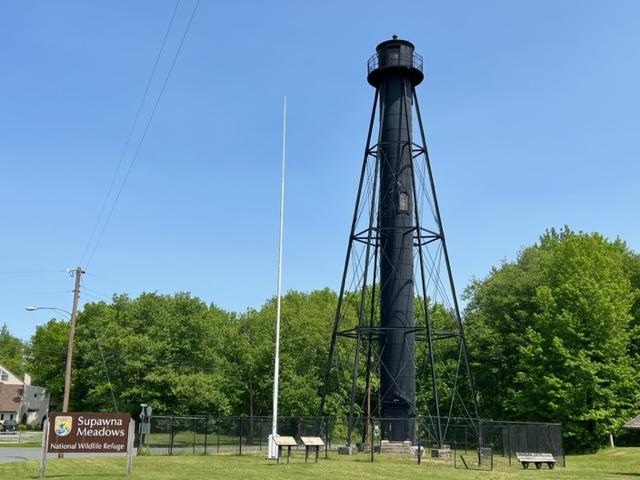
After touring Finns Point Lighthouse in the front of the park, I drove to the back of Fort Mott State Park to tour the rest of the park and explore the old fort. Talk about a real surprise and a a real treat. Talk about views of the Delaware River. On a sunny afternoon, the sun really reflects off the water and makes the most amazing light show.

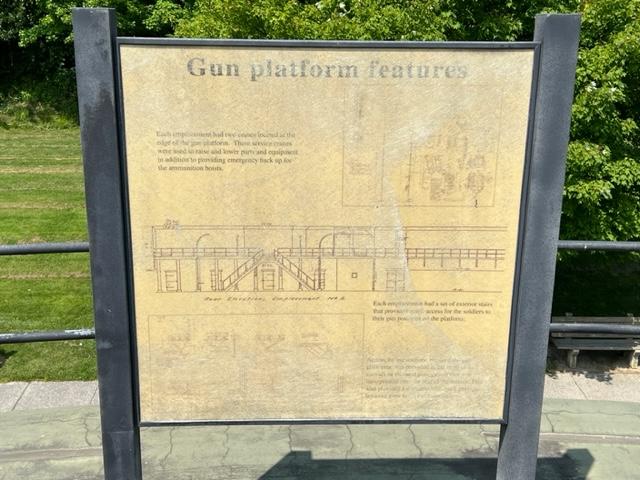
I walked up the Parapet, the massive concrete wall that used conceal the guns that protected the bay and the river. It was a impressive piece of construction and you could see where the guns had been mounted. You could climb up and down the stairs to get from one part to the other and enjoy the views.

The gunnery

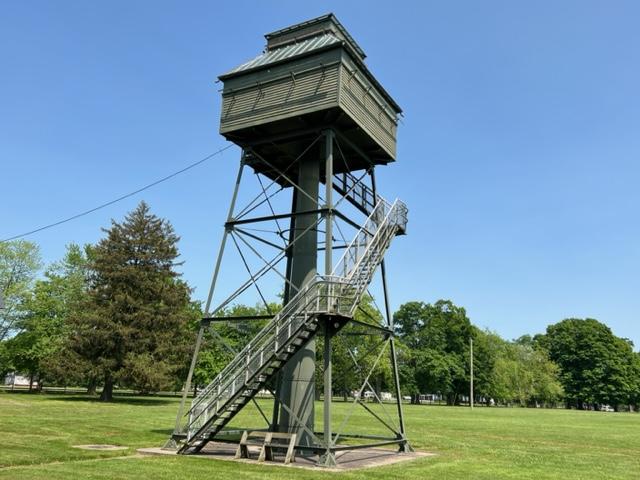
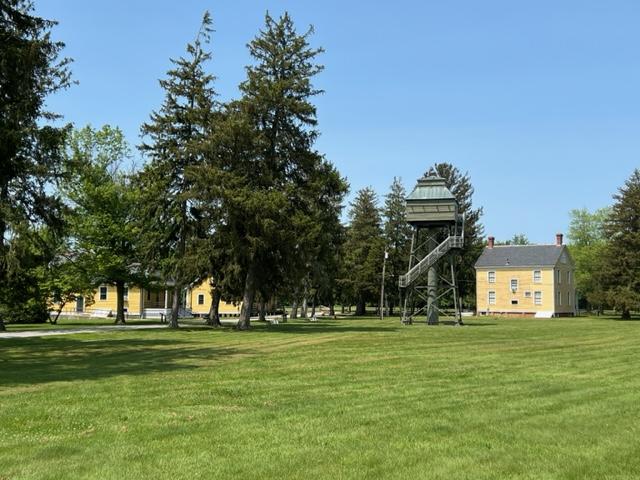
I passed the old Western Fire Control tower that was closed for the day and open by appointment only. That must have offered some spectacular views.

The Western Fire Control Tower

I then toured the Visitors Center and saw all the artifacts from the war, a timeline of the Fort and the history of the fort. Take time to look at each case and you will see how the fort developed, the types of things used at the fort and the people who were stationed here and their stories. It also offers bathrooms.

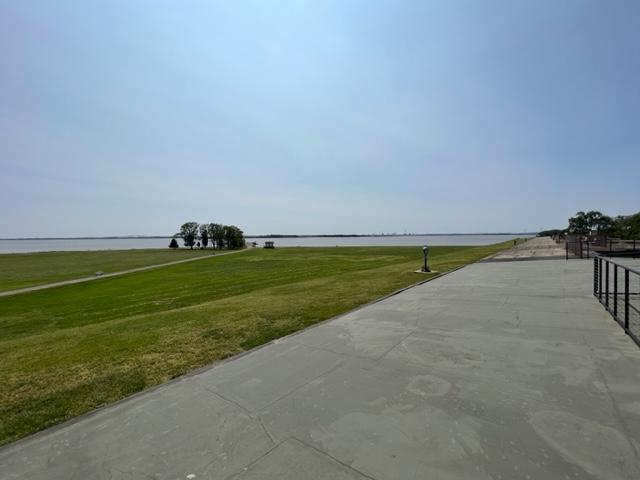
The best part of the Fort Mott State Park is just walking around the lawn and enjoying the sunshine and river breezes on a hot day. The blue skies with the sunshine gives you a sense that it was not just a place of protection but Mother Nature lending her hand to offer a spectacular location to just stop and wonder what would it been like if something happened here during the war. Would it withstood the assault?

The best part of the park is just to walk around the lawns and enjoy the river views.

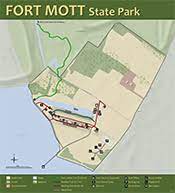
Map of Fort Mott State Park (NJ State Parks.org)

The History of Fort Mott:

(From the Fort Mott State Park Pamphlet-New Jersey Division of Parks and Forestry State Park Division)

Fort Mott, an Endicott-era fortification was built as part of the federal government’s late 19th century plan to defend the Delaware River. Today it serves as a state park where visitors can tour the remains of the historic fort. The cultural and historic features of this park and its recreational facilities provide a unique blend of activities for the park visitors.

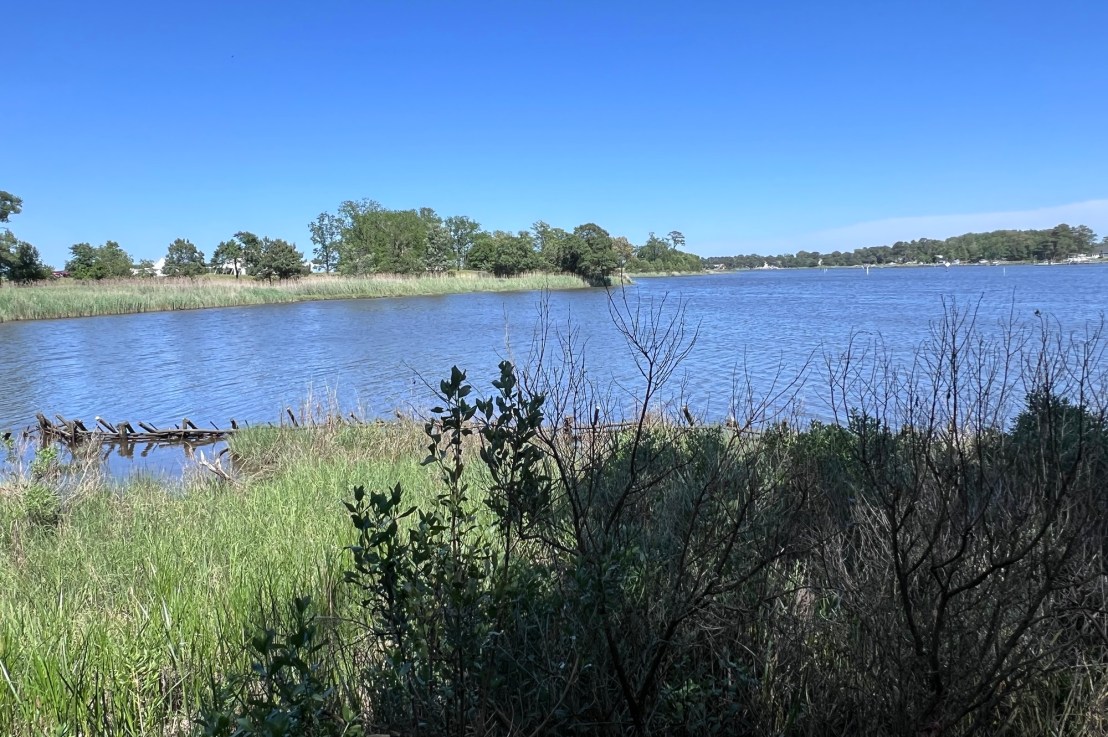
The views from Fort Mott of the Delaware River

Fort Mott State Park is included as a point of interest on the New Jersey Coastal Heritage Trail. A Welcome Center for the trail accommodates displays defining Fort Mott’s place in history and the maritime environment. Fort Mott State Park is on the Delaware River at Finn’s Point in Salem County, New Jersey. This 104-acre park is six miles south of the Delaware River Memorial Bridge, off New Jersey Route 49.

The Finn’s Point Reservation was purchased by the United States Government in the late 1830’s. Originally called “The Battery At Finn’s Point”, the proposed fortification was one of a three-fort plan to protect growing industries and shipping along the Delaware River. Plans for Finn’s Pint specified eleven-gun emplacements with twenty guns and a mortar battery with six complacements. With Fort Delaware on Pea Patch Island in operation since the early 1820’s and the nation involved in the Civil War, the construction of the Battery at Finn’s Point was delayed until 1872. At that time, only two-gun emplacements and five magazines in the mortar battery were completed before construction was halted due to budgetary constraints.

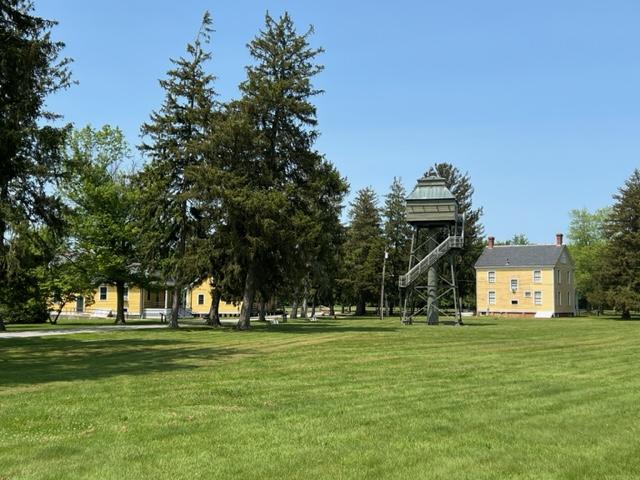
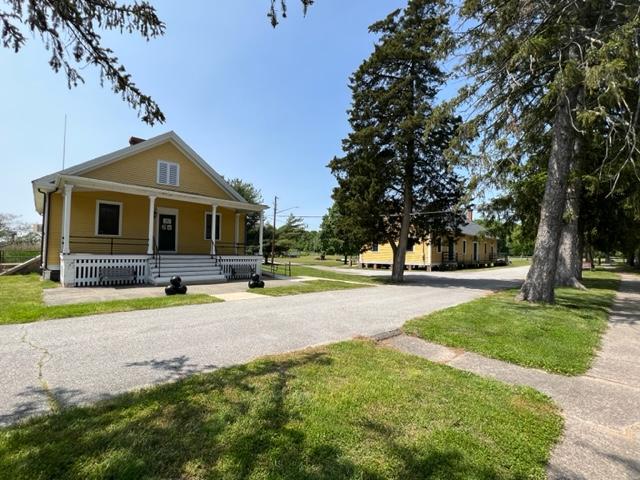
The headquarters buildings

With advancements in military technology made during and after the Civil War, the United States defenses were dangerously inadequate. In 1885, President Grover Cleveland, at the request of Congress, appointed the Endicott Board, named after its Chairman William Endicott, the Secretary of War. The board, which consisted of both military men and private citizens, studied the existing coastal defenses and developed a coastal defense plan for the United States. This plan determined where defenses and developed a coastal defense plan for the United States. This plan determined where defenses should be built or improved, the order in which the work would proceed, the quantity and type of guns that would be placed at each fort and other considerations.

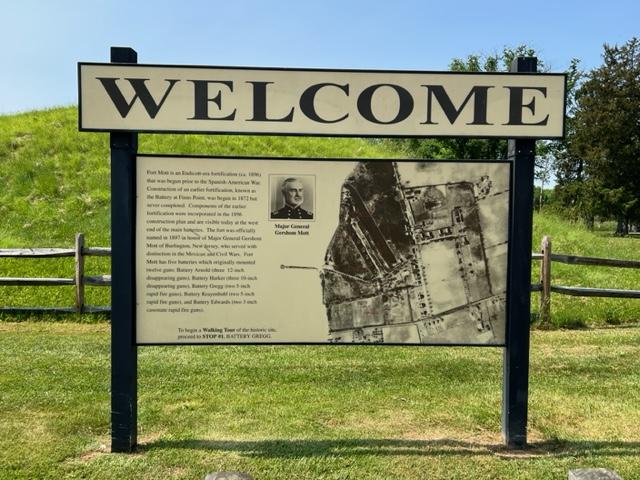
The signage

The main defense concept of the Delaware River was dispersion of armaments into three separate fortifications. The original plan for the Battery at Finn’s Point was abandoned and construction of new fortifications began in 1896 in anticipation of war with Spain, the Spanish-American War. This fortification was officially renamed Fort Mott on December 16th, 1897, to honor Major General Gershom Mott. Mott, a native of Bordentown, NJ was a decorated veteran of the Mexican American and Civil Wars. Fort Delaware was upgraded, and construction of Fort DuPont began during this same time period.

The signage

At Fort Mott, large caliber weapons, three 10 inch and three 12-inch guns were installed on disappearing carriages. The gun emplacements were located behind a 750 foot long and 35-foot-thick concrete and earthen embankment, which was sloped to form the ‘parapet’ wall. These guns had an effective range of seven to eight miles and shot projectiles that weighed 617 and 1000 pounds respectively. Beneath the six-gun platforms were powder and shell magazines, ammunition hoists, a telecommunications system and an electric generating station. Two batteries each with 5-inch rapid fire guns and one battery with two 3-inch rapid fire guns were also part of the defenses, designed to counter fast moving smaller warships which might evade the large caliber guns. They also protected the fort from potential land attack. Fort Mott was a completely modern installation for its time period.

The Fort Mott headquarters

Two steel control towers were later built to improve aiming of the guns. Observers stationed in the towers, in conjunction with plotting room personnel, directed the gunfire of the 10 inch and 12 inch guns. The tower near the river on the northern end of the emplacement was built in 1902 and was used to aim the 12 inch guns of Battery Arnold. The tower near the park office was built in 1903 to help aim the 10 inch guns of Battery Harker.

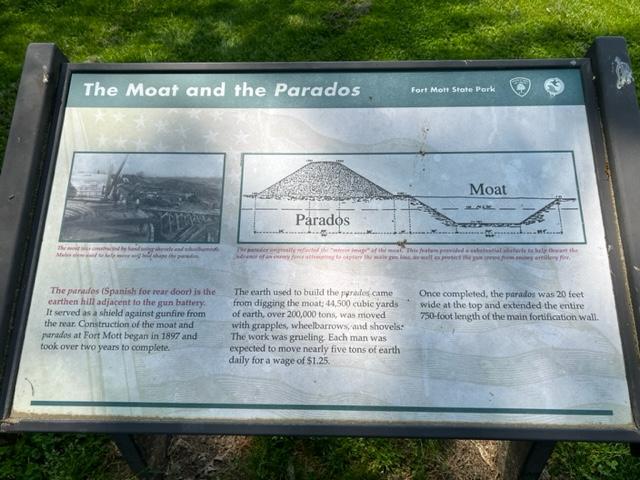
Behind the main emplacement are the parados and the moat. ‘Parados’ is Spanish for rear door. These provided the rear defenses for the fort. The parados was constructed using the fill from the moat. Landscaping around the military reservation helped camouflage Fort Mott from attack by potential enemy ships.

Fort Mott was self-contained military community. The post had over 30 buildings, including two large barracks, non-commissioned and officer’s housing, a hospital, a post exchange, a library, a guard house, a stable, YMCA and a school for the soldier’s children. The Delaware River was the main transporation infrastructure for Fort Mott; munitions, supplies and construction materials arrived at the fort by barge.

WIth the construction of Fort Salisbury near Milford, Delaware shortly before WWI, Fort Mott, Fort Delaware and Fort DuPont became obsolete. The three forts remained active defense installations until after WWII, when they were phased out. Troops were regularly stationed at Fort Mott from 1897 to 1922. The federal government maintained a caretaking detrachment at the fort from 1922 to 1943. During this time, Fort Mott’s guns were dismantled and sent to various locations.

Visiting Fort Mott

Fort Mott was declared “surplus property” in 1943. Finn’s Point National Cemetery (dedicated a National Cemetery on October 3rd, 1873 because of the Confederate prisoners of war buried there) was separated from Fort Mott at that time. In 1947, the State of New Jersey purchased Fort Mott, as a historic site from the federal government. On June 24th, 1951, it was opened to the public as Fort Mott State Park.