The one thing I refuse to do on Father’s Day is to spend the day at the cemetery. I know that is some people’s idea of honoring one’s family members but it is not mine. I went on Friday and paid my respects to my father (whom this blog is dedicated to) and spent time remembering some of the good times we had in past. I dropped some cut flowers from our gardens (some of which he planted) and said a small prayer. Then I left.
My idea of honoring my father and spending Father’s Day with him is to do something that we would have shared together. We were always running around somewhere and exploring something new and doing something fun. That is how I wanted to honor him. By being active and giving him a toast at Sunday dinner.
Don’t miss all the historical sites and interesting restaurants of this wonderful NJ beach town.
Somers Point, NJ is such a picturesque and historical town with lots of historical sites and delicious restaurants to visit. It is fun to just get in the car and drive the Historic District and see how the town has grown and developed.
I took time out of my walking project in Manhattan after finishing the Chelsea neighborhoods, walking the 13-mile Broadway walk for the sixth time and preparing to do “The Great Saunter” on my own next week to go ‘down the shore’ as we say in New Jersey (it’s never ‘Down to the Shore”, that takes too long).
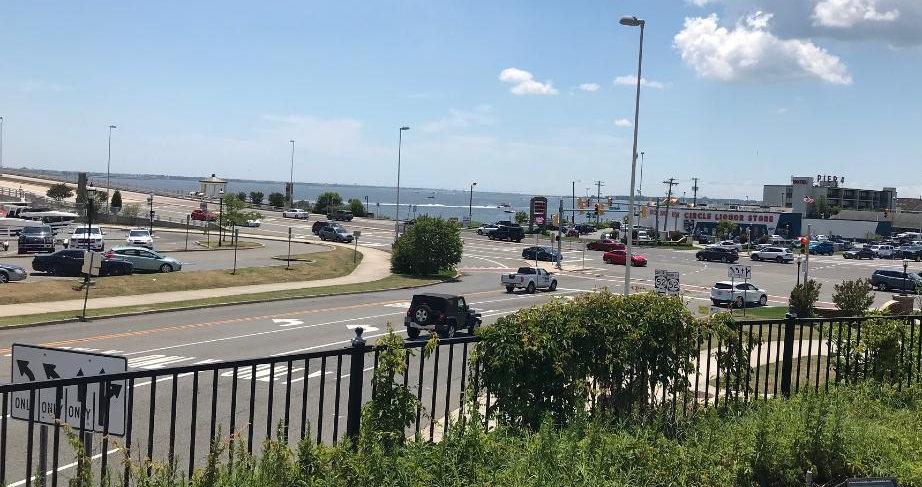
I had never been to Somers Point, NJ before. It is a small waterfront community across the bay from Ocean City, NJ, which is a popular resort and recreation town. Somers Point is low key with wonderful restaurants and bars, a popular waterfront and beaches on The Great Egg Harbor Bay and beautiful little turn of the century beach homes and a town steeped in history. I read about three historical spots on Shore Drive in the heart of the Historic District and had wanted to visit them.
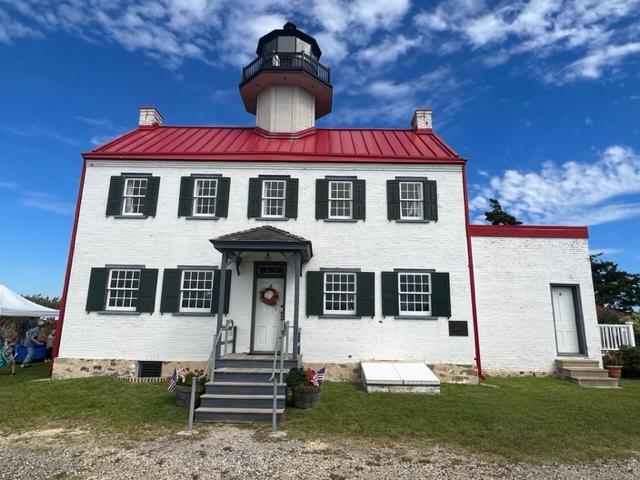
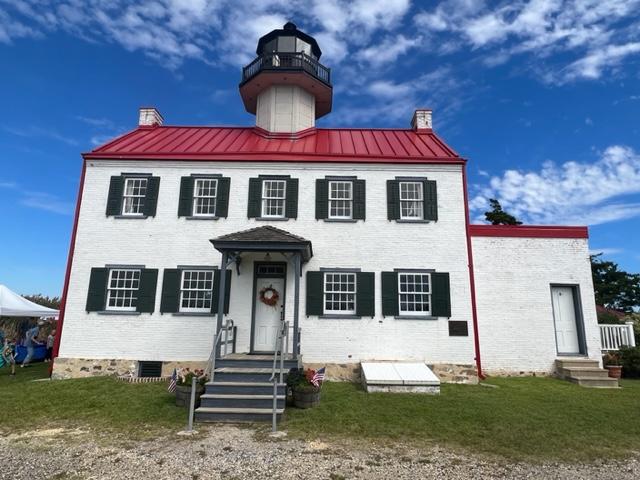
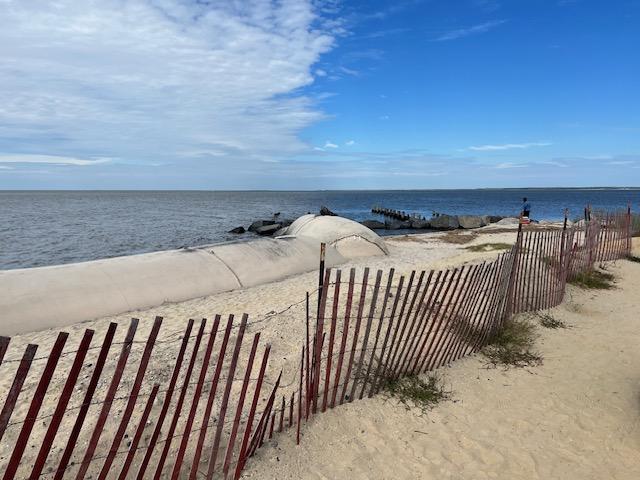
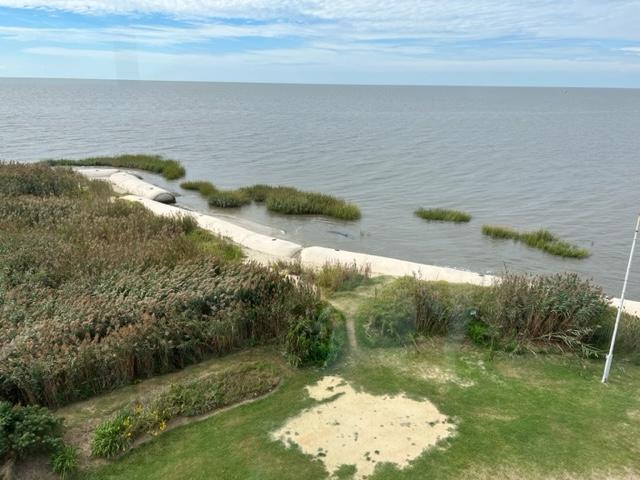
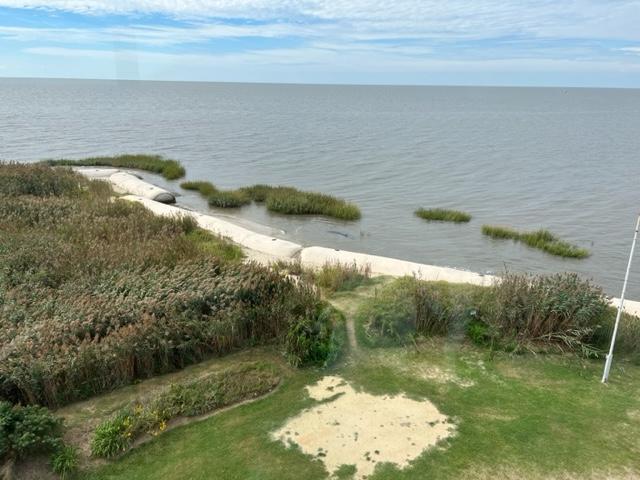
I visited the East Point Lighthouse on a glorious sunny day when there was no wind in the forecast, and it made for an excellent visit to this lighthouse right by the sea. I noticed that on almost all sides, there were man-made barriers to protect the lighthouse grounds from erosion.
The bunker that surrounds the lighthouse.
The grounds were a combination of dunes with beach grass, rocks and tiger Lillys all over the property to give it a colorful look. There were misty breezes from the water that felt so good as it got hotter that day. The property is pretty contained and there is parking all around the building, but the lots are small.
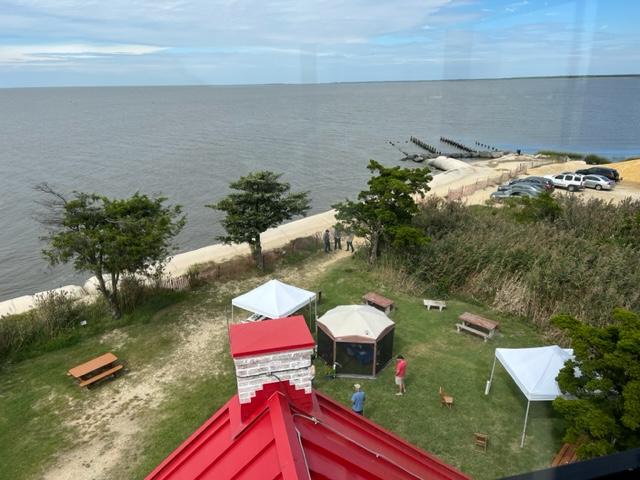
The view from the top of the lighthouse that surrounds it.
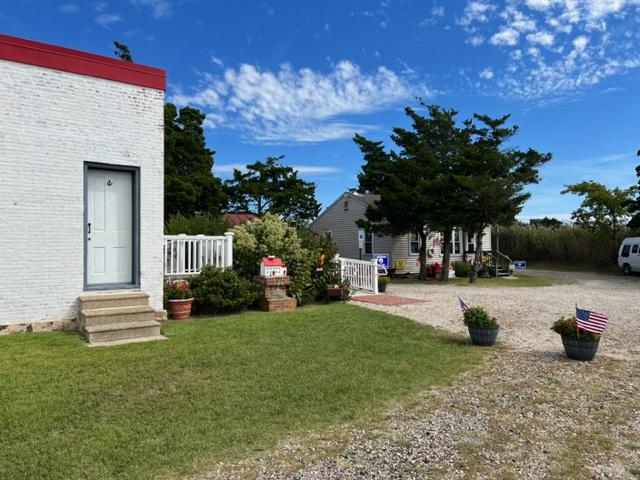
I bought my tickets in the gift shop ($8.00), was able to look around at the well-stocked shop with its nautical books and tee-shirts and hats with the lighthouse logo on it. You are also able to go to the bathroom.
The entrance to the lighthouse and the gift shop.
The tour of the lighthouse is a self-guided tour, and you are able to climb the stairs and visit each room of the lighthouse as if the lighthouse keeper and his family still lived there. When I was talking with one of the volunteers that morning on the first floor, he told me as they were renovating the lighthouse after the fire and completing it, they put the word out to the community for donations to furnish the lighthouse with items that may have come from the period that the lighthouse was in operations. The donations poured in with family heirlooms that filled each room up.
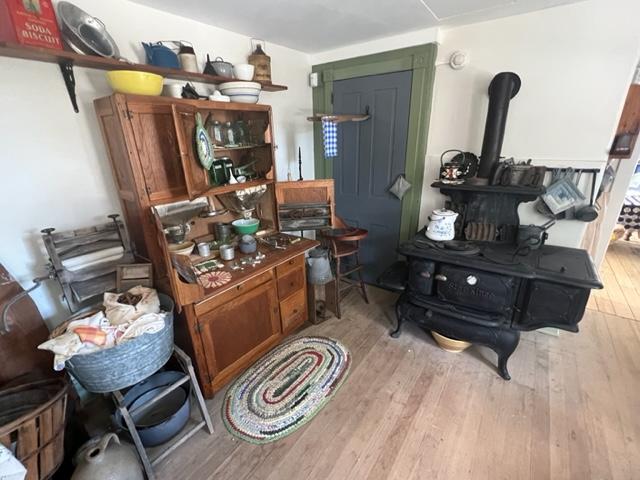
The first floor kitchen.
On the first floor is the kitchen with its time period ice box and coal stove which shows what life was life for a housewife before WWII. I am sure that electricity was tough getting to lighthouse especially during storms. You had washboards and basins for wash day and all the equipment to clean the house.
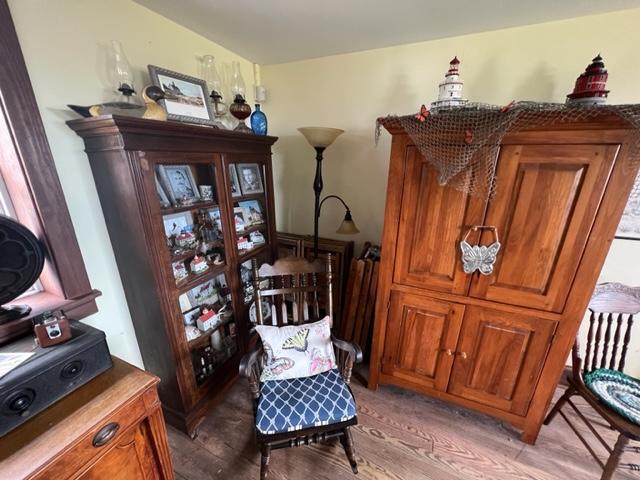
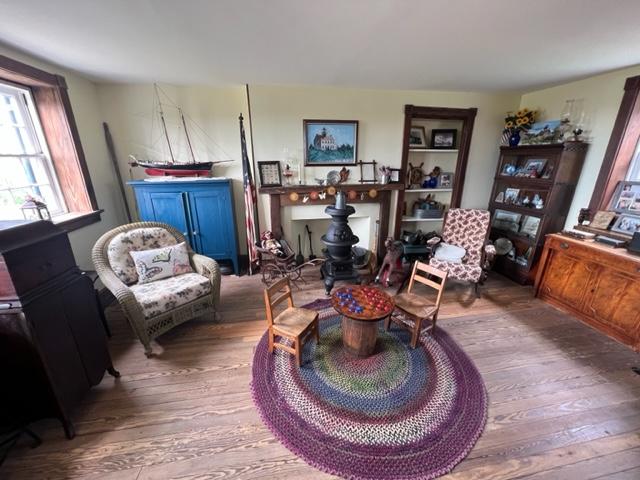
The Parlor at the Lighthouse
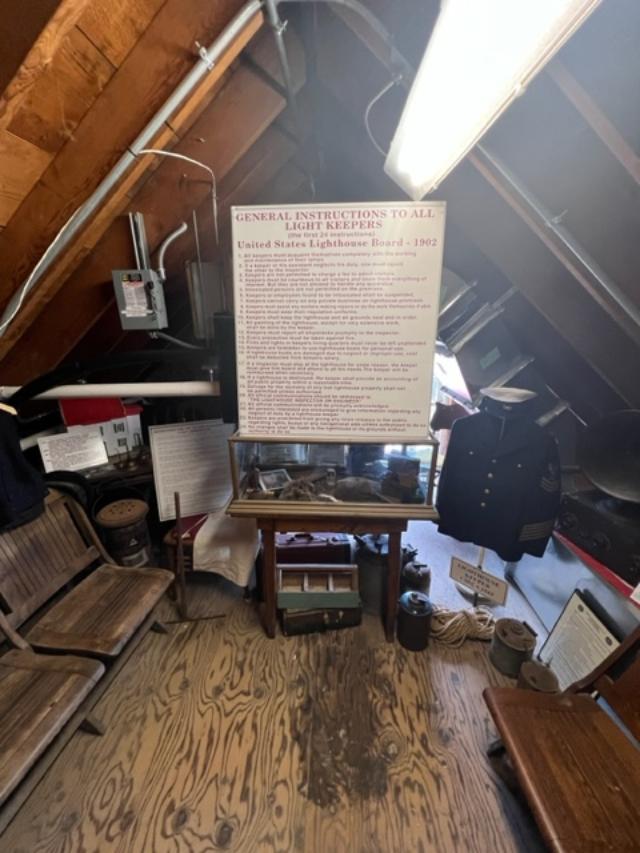
The lighthouse office of the lighthouse keeper was equipped with all things that are needed to keep the place running from maps to communication equipment to a fully stocked desk. There were no days off in this job. There was even a picture of Clara Noon, who as a little girl was the last child to live in the lighthouse. She visited again as a senior in the early 1990’s.
The Parlor in the lighthouse.
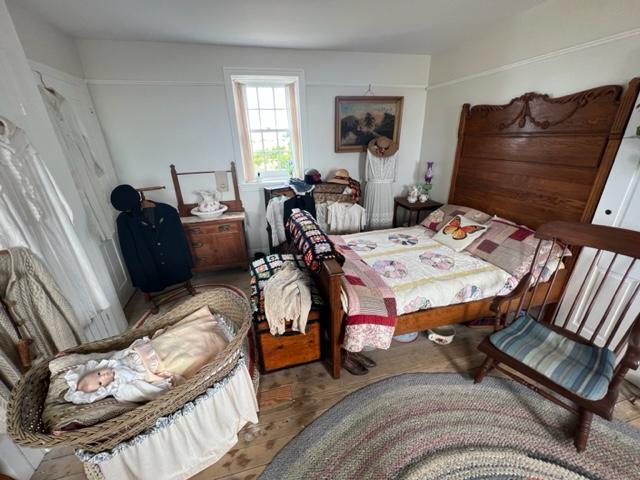
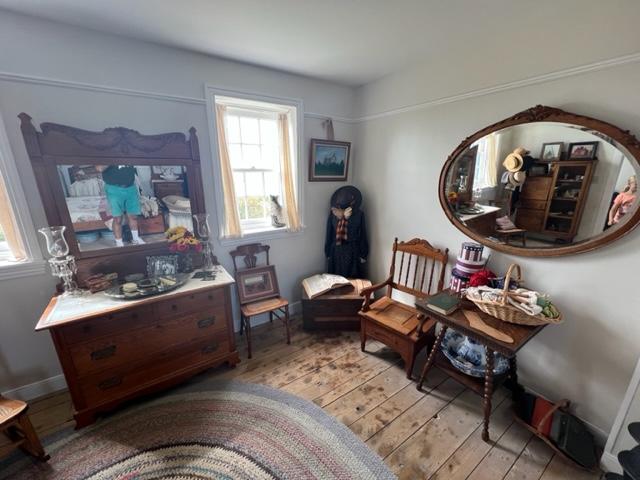
The upstairs had a fully furnished adults’ bedroom with period clothes of the early 1900’s to WWII and the furnishings were of various periods of living in the lighthouse.
The Adult’s bedroom
The Adult’s bedroom
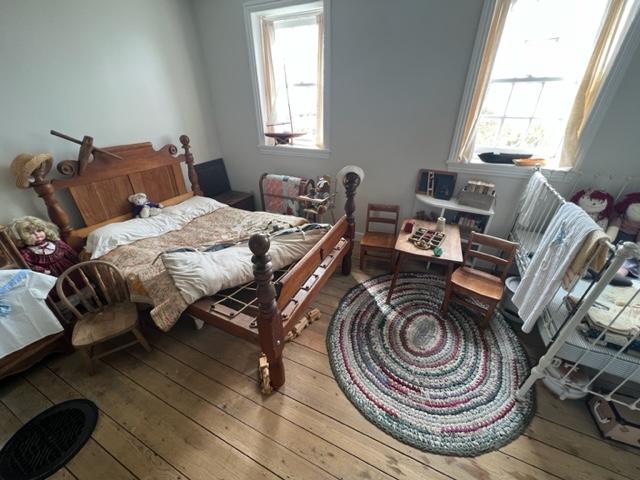
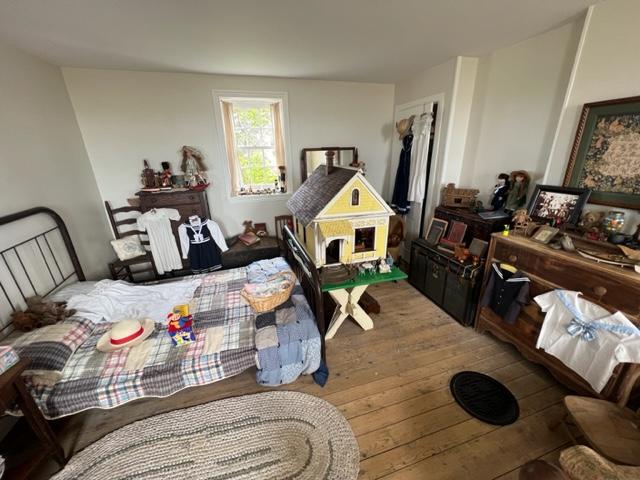
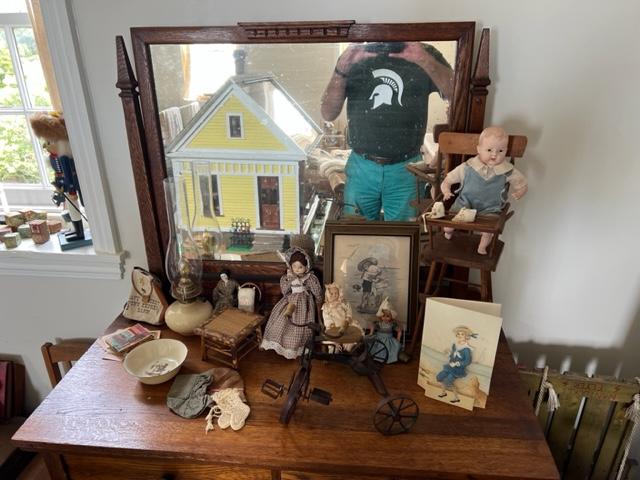
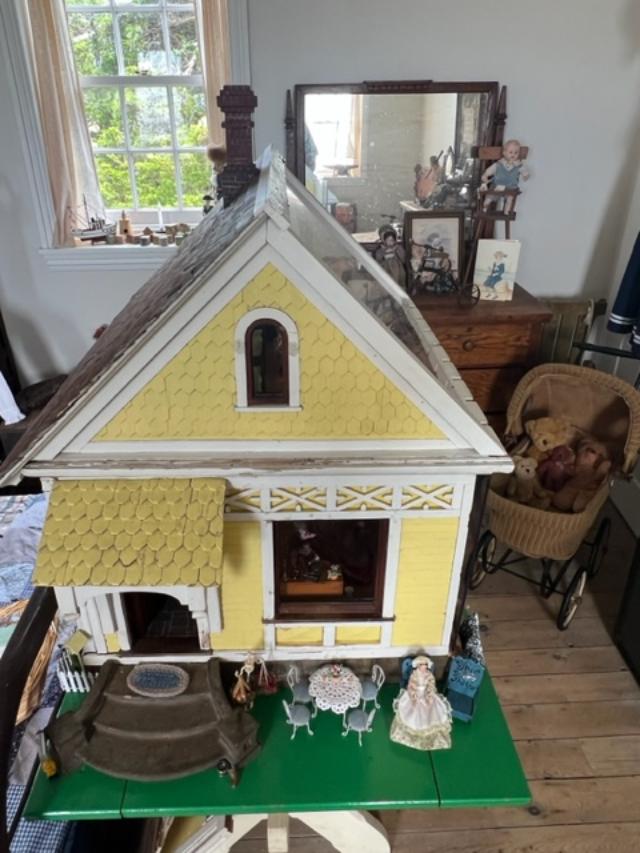
The children’s bedroom was really elaborate with rope beds, children’s furniture, lots of toys from the 1890’s to the 1930’s and a great doll collection. There was even a handmade dollhouse complete with elaborate furniture that was handmade by a local resident. It was very impressive.
The Nursery and Children’s Room
The Children’s Room
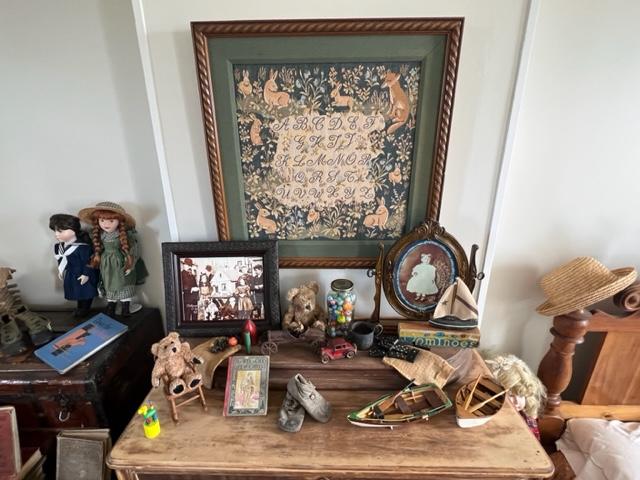
Children’s toys in the Children’s room
The Children’s toys and the Sampler
The Dollhouse that is well known in the lighthouse
There were also all sorts of maps and rare books to look at and a complete radio room and then the last set of stairs took you up to the light where you could see the views of the ocean. In fact, the views from all the floors were pretty impressive.
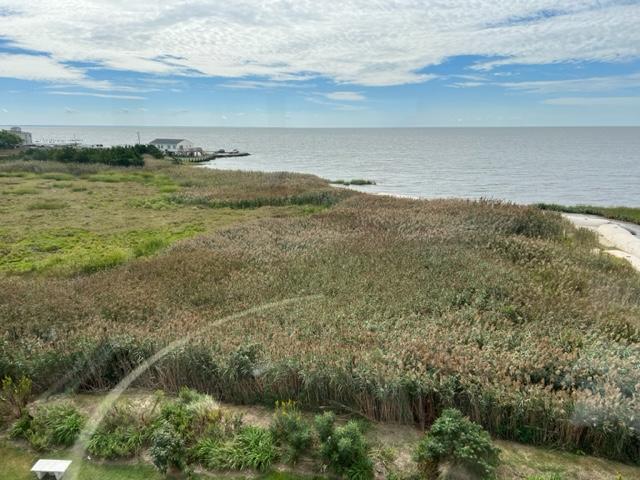
The views from the top of the lighthouse.
It is an amazing self-guided tour that gives you a glimpse into the life of the families that lived here. It may not have been this elaborate as all the items inside the lighthouse, but it gives you a clue on what life must have been like by using your imagination.
The views from the top of the lighthouse.
What was interesting is that the lighthouse opened in 1849 and then became fully automated in 1911 so its use of a lighthouse keeper was pretty much over before WWI. Still over a period of time you can see how the job changed with automation and advancement of technology.
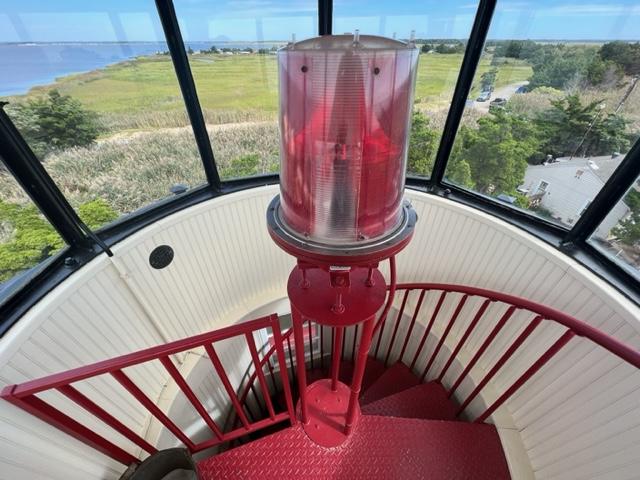
The signal light of the lighthouse.
The top of the lighthouse.
I took time to walk the grounds. The landscaping and the beach dunes gave it a very attractive backdrop.
A wonderful video on the ligthouse tour from YouTube
The History of the East Point Lighthouse:
(From the Cumberland County Historical Division/NJ Lighthouse.com/East Point Tourism Pamphlet):
The East Point Lighthouse is an active lighthouse that was built in 1849, situated on the southern bayshore in Cumberland County, NJ. The ligthhouse originally had a lighthouse keeper to maintain the lights. In exchange for doing this work, they were allowed to live here rent free and were paid the sum of $1.00 per year for their services. It was fully automated by 1911.
The lighthouse was blacked out in WWII and then after the war, the Coast Guard decided the lighthouse was not longer necessary and decommissioned it in 1941. Over the years it deteriorated quickly over time.
In 1955, the Federal Government decided to sell the lighthouse and the property as surplus, and it was purchased by a Long Island construction company but before the sale was consummated it was found that proper disposal procedures were not followed in that the lighthouse was not first offered to the State of New Jersey. The state was interested in the property not because of the lighthouse but because the site was surrounded by the Heisersville Wildlife Refuge and would provide a place for boats to be launched.
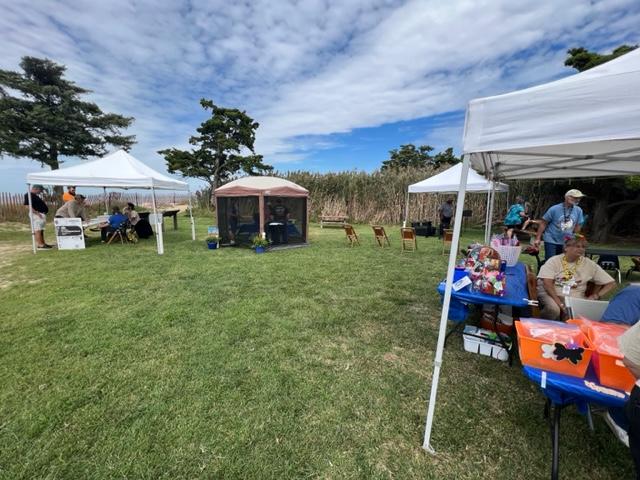
The Annual Monarch Butterfly Festival.
Local residents became concerned with the condition of the lighthouse and in February of 1971, the Maurice River Historical Society was founded with the goal of restoring the lighthouse. In July of 1971 before negotiations were complete, the lighthouse was set on fire. Through a series of grants over the years and a lot of dedication from the volunteers, the lighthouse has been reconstructed.
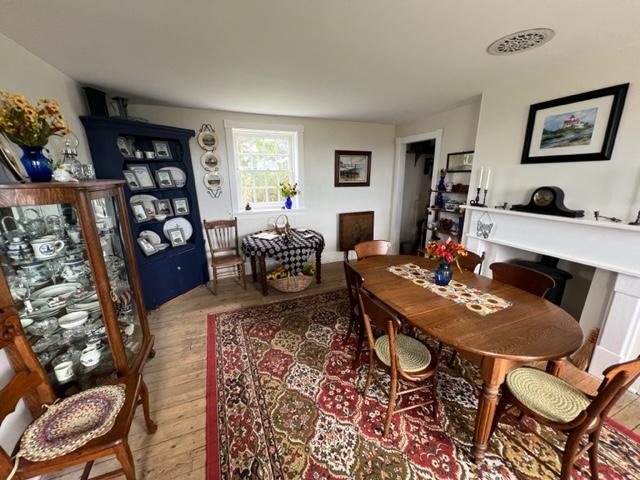
The Dining Room at the ligthouse.
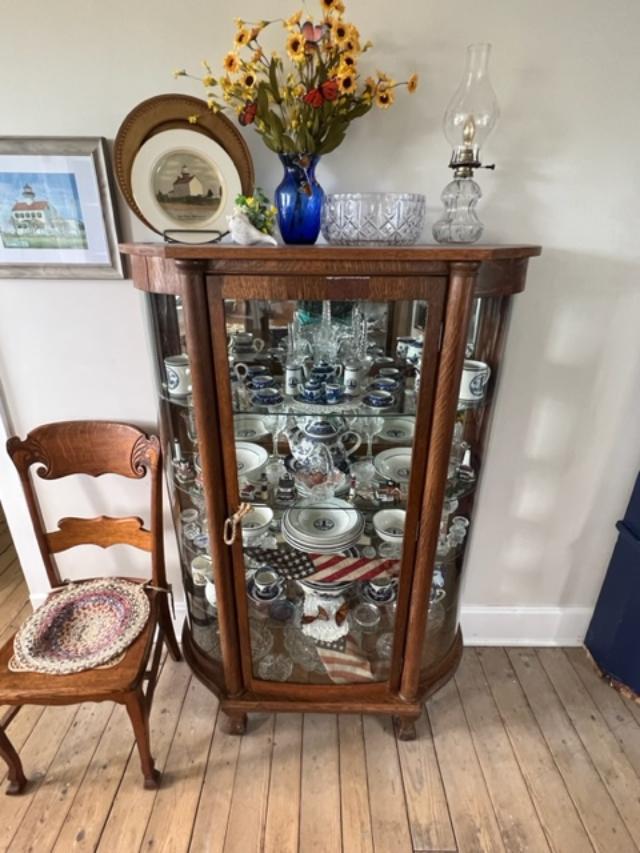
The Lighthouse China
This fully restored and furnished lighthouse with its beacon on each night serves as both an active navigational aid serviced by the United States Coast Guard as well as a year round museum, thanks to the work of the Maurice River Historical Society that manages this historical site.
East Point Lighthouse logo
Through the work of the non-profit historical society that over saw the full restoration, fully furnished, maintains and manages the lighthouse, it’s open to the public to climb/tour and for specials events year round. Both the lighthouse and grounds surrounding the lighthouse are on the National Historic Registry. East Point is the second oldest lighthouse in New Jersey (behind the Sandy Hook Lighthouse) and the only remaining New Jersey land based lighthouse on the Delaware Bay.
The two story Cape Cod style lighthouse with its distinctive red roof by day and blinking red beacon by night, marks the mouth of the Maurice River on the Delaware Bay. East Point is known for its rich maritime history, spectacular views, wide variety of wildlife and beautiful sunsets, making it a popular destination for tourist, artists, photographers, wildlife and history enthusiasts alike.
The Atlantic County Historical Society at 907 Shore Avenue
The Atlantic County Historical Society
I recently visited the historical sites of Somers Point and took my time to tour the Atlantic County Historical Society, which tells the story of life in Atlantic County from the beginnings to today with a major concentration the early history of the County with the Native American Lenape Indians and into the late 1700’s and 1800’s with the founding of the town, the Revolutionary and Civil Wars, shipbuilding, fishing and the start of the Victorian Age. Each floor has interesting displays that sometimes have been over-decorated with too many objects.
When you walk in the door, you enter the library where people study the history of the town and their geneology. There are stacks of books, periodicals and town records with people to help you research your work.
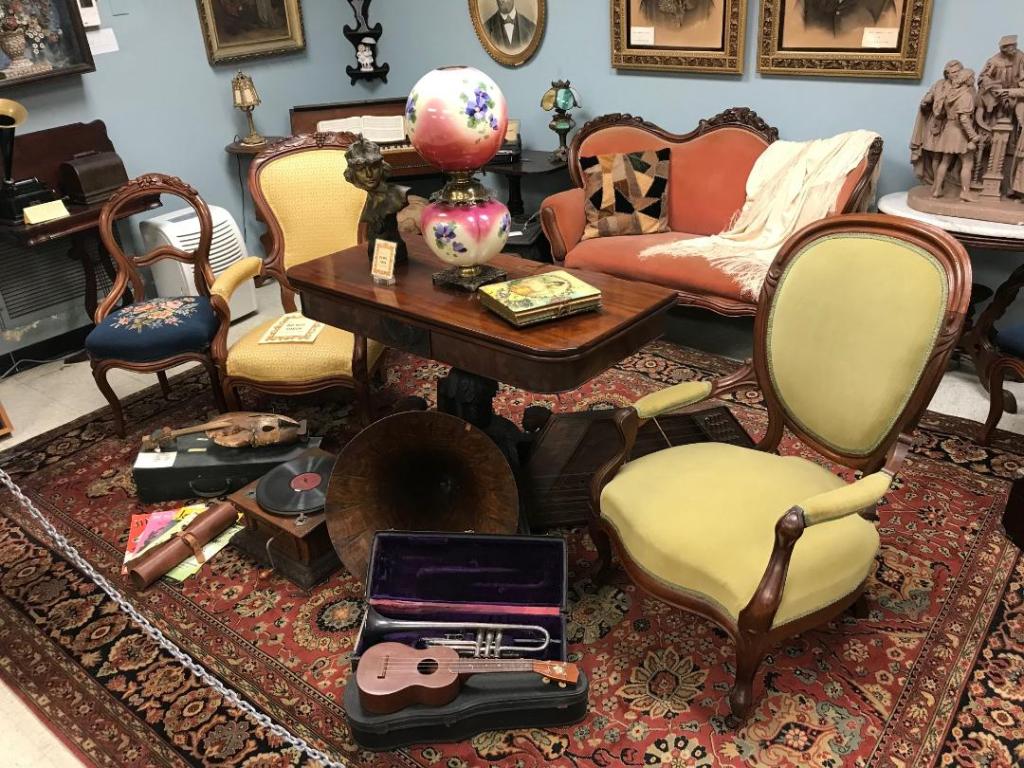
As you head downstairs, you will see the various displays that have been set up on life in Atlantic County through the ages. Most of the artifacts in the displays are from the late 1800’s to the early 1930’s. The displays represent the home life of middle to upper middle class Americans at the time. There are parlor sets with musical intruments for entertainment, family portraits, writing sets and living and dining room bric-a-brac. The museum portrays the life of properious residents of the area.
The Middle to Upper Middle Class parlor of Americans in the late 1800’s
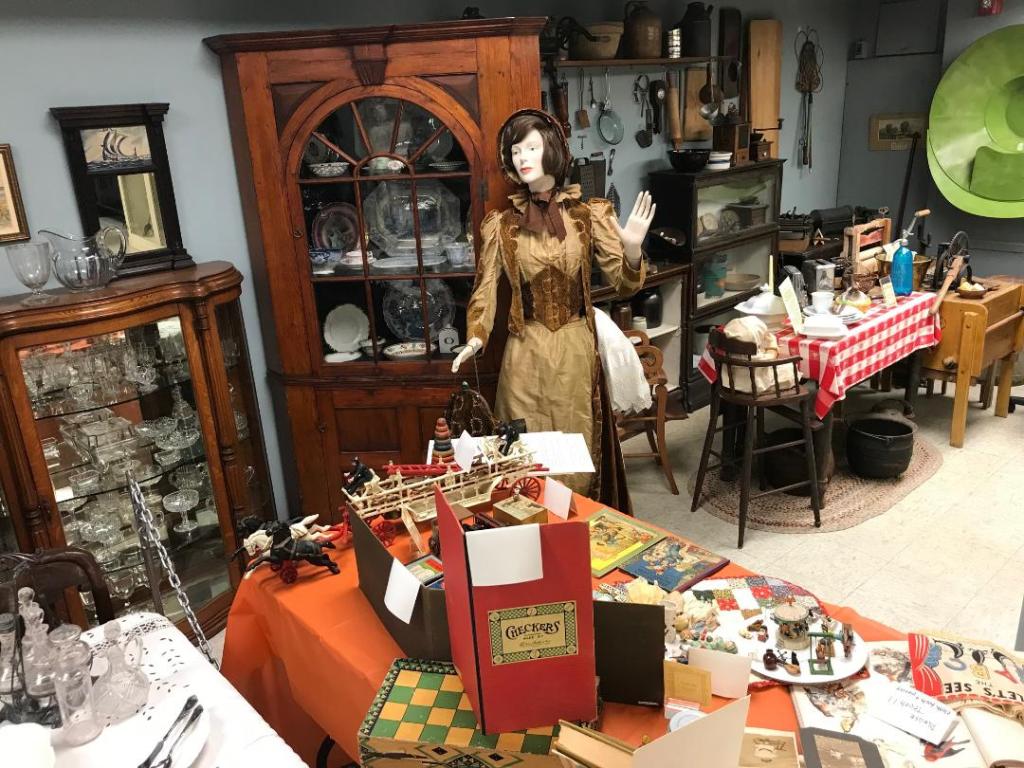
The Dining Room set and dishes of a 1920’s Atlantic County family with all sorts of kitchen and play items for engagement for the family through the years.
The display really shows that entertaining since those times has not changed over the years except that today that things are less formal. China, crystal and silver were your way of showing your status in the community. Today’s generation is not so apt to do this.
Early phonographs, lightbulbs and inkwells for writing
Lifestyle was a big part of people’s lives during these time periods so the way you dressed and presented yourself was a big part of who you were. With the advent of ocean swimming, outdoor recreation and weekend activities that came with the push of the unions. You can see that leisure became a big part of the Victorian’s lifestyle.
One thing that emphisis was put on was children and their well-being. We see the start of children’s education, their health and livelihoods and their playthings. The Victorians especially worked hard to give children a better life than the workhouses and factories that children had been subjected to in the previous century. There was a push to make children well-behaved ‘little adults’.
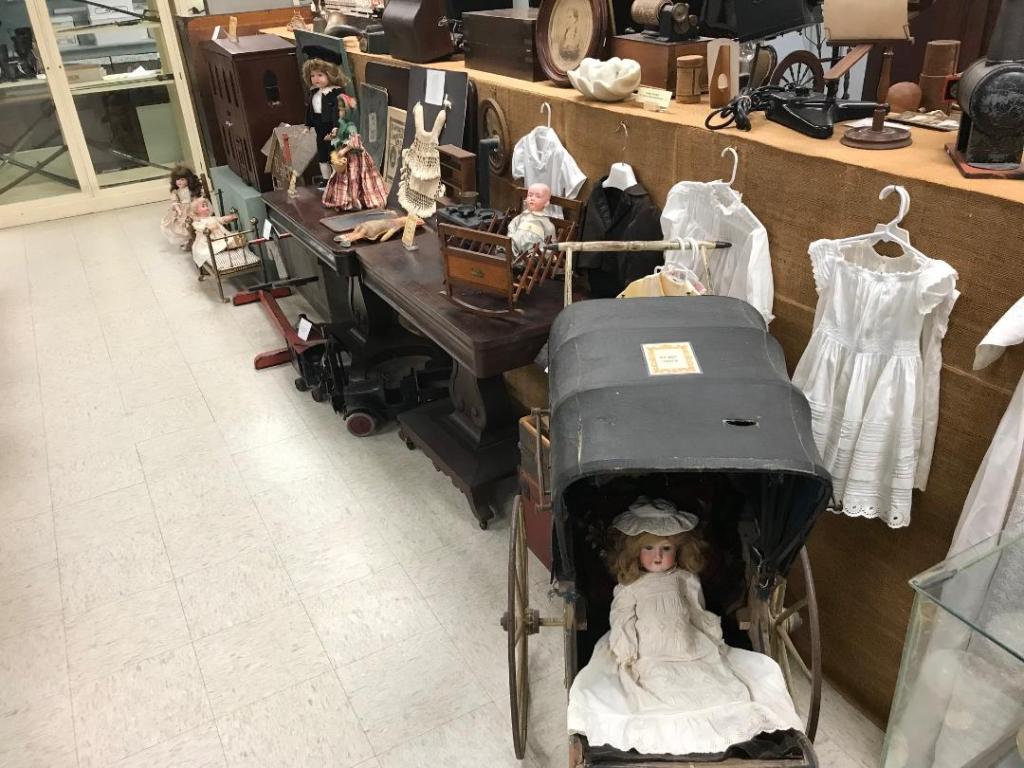
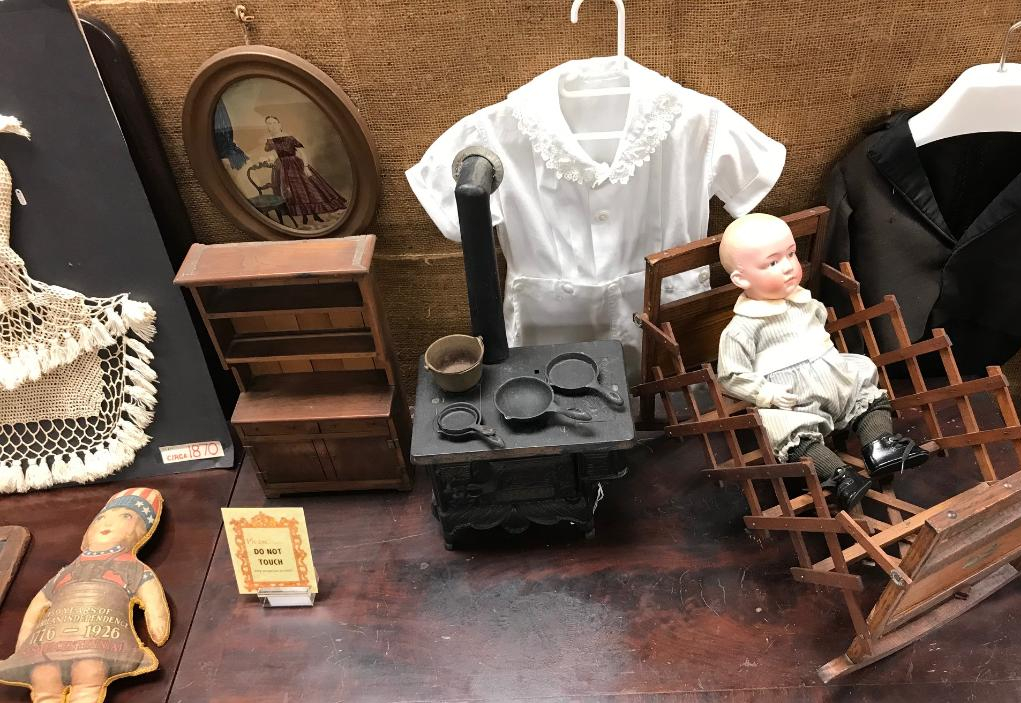
Children’s playthings and clothes were a big part of Victorian children’s lives
Children’s Playthings
Children’s dolls and playthings represented the house and to prepare for household responsibilities
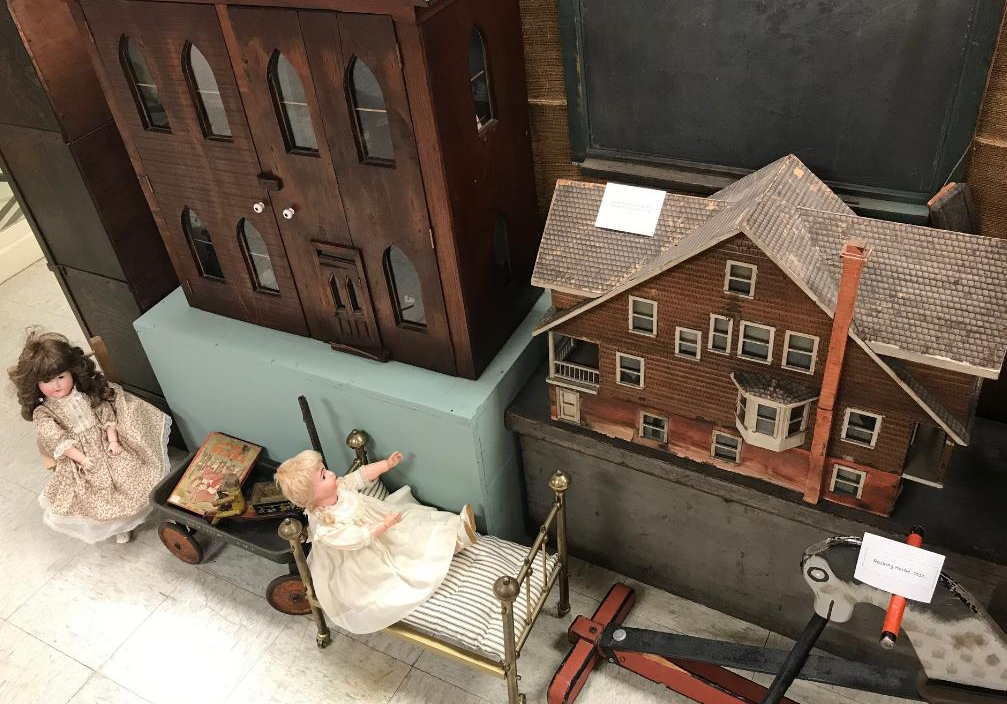
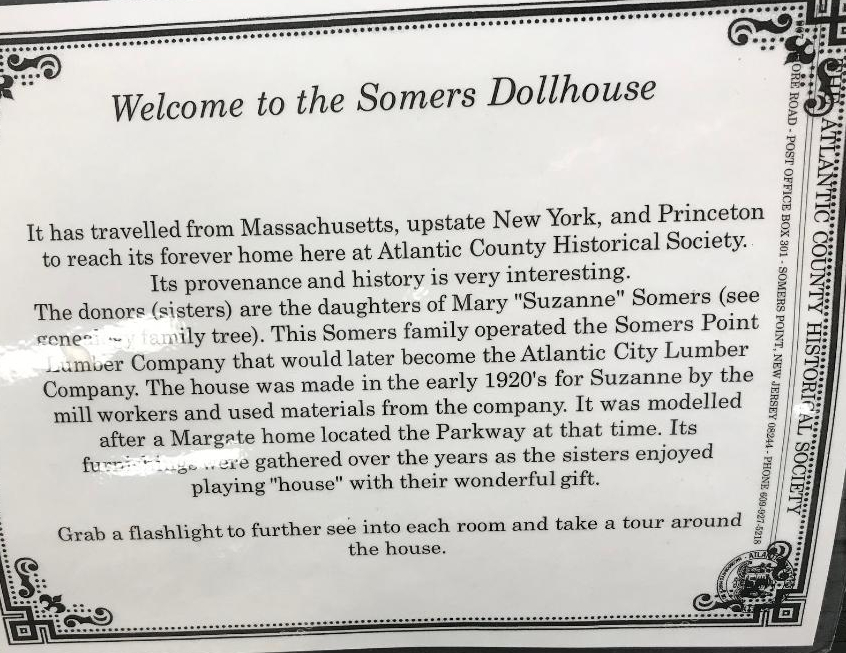
The Somers Family dollhouse that was built for the Somers family’s daughtersThe Somers Dollhouse was a special gift to two young girls of the noted family who played with this their entire childhoods. Notice the detail to the this wonderful dollhouse.
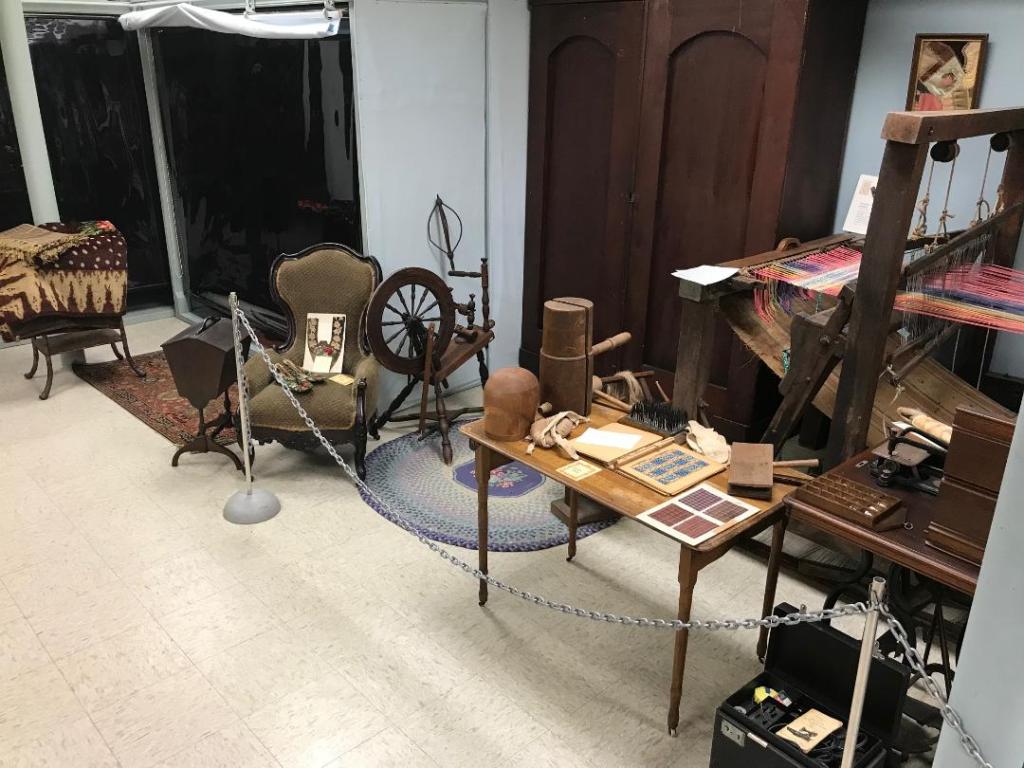
People were expected to do their chores at home such as cooking, washing, dressmaking and taking care of the house. Before electricity this was not an easy task made even more difficult by the Victorian expectations of propriety and cleanliness.
The spinning wheels represented cloth and clothes making of the late 1700’s and the loom of rug making for home decoration before the advent of the department stores. Butter churning and ice cream making were all day chores.
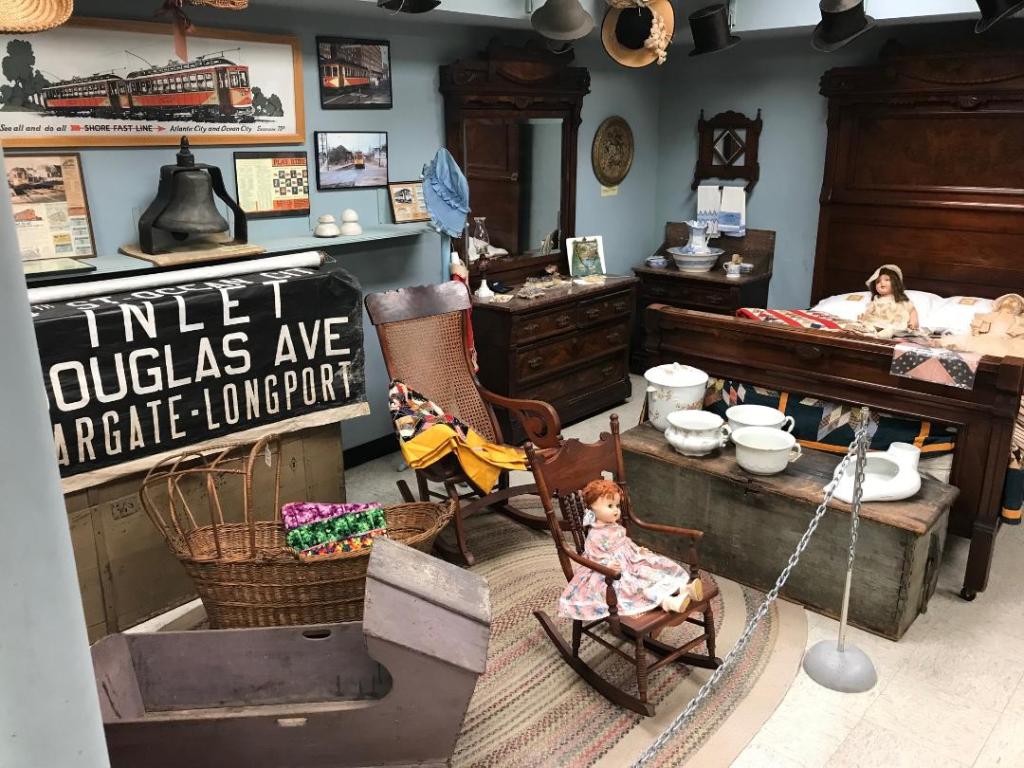
Home decoration was a big part of home life. The house was where the family spent their time and Victorians especially liked to room for everything including the bedrooms. This is where privacy was king if you could afford it. In the era of ‘children were seen and not heard’, if family members could have their own rooms that was paramount.
The kitchen was king and entertainment was taken seriously. Things had to look and seem a certain way.The Victorian Bedroom was a place of rest and leisure for the married coupleVictorians believed in grooming and good manners
There was also a large collection of vintage clothing, quilts and bedding, hats and gloves and walking sticks to show the dressing the middle and upper middle class citizens.
Manufacturing was also a big part of the community and shipbuilding was one of the businesses by any waterfront community that was important.
The shipbuilding and fishing displays on the third floor
The Third floor is dedicated to industry of the area with fishing and shipbuilding a very important part of any waterfront community. Tourism which was a new thing in the industrial age and people having weekends off to enjoy themselves discovered these new shore communities for swimming, sunning, staying at hotels and ocean dining.
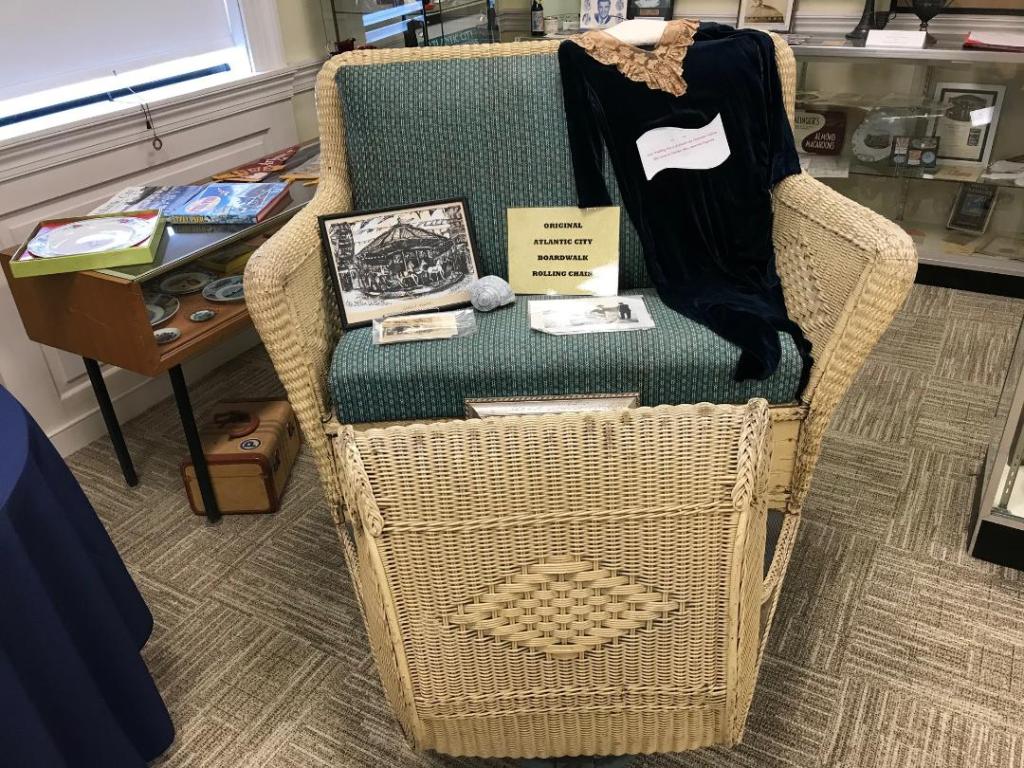
Resort ware and a rolling chair from Atlantic City’s boardwalk
The last display on the third floor was the office set up of Senator Frank “Hap” Farley, whose innovations and protections of the shore and transportation to various parts of the state opened it up for development and tourism.
The office of Frank S. “Hap” Farley was a testiment to a well spent time in government
The upstairs galleries is also a place where groups meet and discussions and lectures are held. There really is something for everyone at the Society.
There is more to see and do here and take your time to visit all the displays and take a tour of everything. It is also an enjoyable rainy or hot sunny day alternative to the beach. You will learn a lot about Atlantic County and the history of New Jersey here.
The History and Mission Statement of the Atlantic County Historical Society:
(From the Society website)
Mission:
The mission of the Atlantic County Historical Society is to encourage the study of local history and genealogy and to disseminate this information to our members and the general public.
To fulfill our mission, the Society publishers an annual journal of local history and genealogy as well as a quarterly newsletter. Other means include programs, lectures, field trips, partnerships with local libraries and school districts, library and museum interpretative exhibitis and guided tours of the circa 1790 oysterman’s farmhouse, the Risley Homestead, in Northfield, New Jersey.
History of the organization:
The Atlantic County Historical Society is an independent, non-profit, tax-exempt membership organization. Originally founded in 1913 to collect and preserve the history of Atlantic County and southern New Jersey, the organization was incorporated as the Atlantic County Historical Society in 1915. In 2006, the Society was briefly renamed the Atlantic Heritage Center, but the original name was restored in 2011.
The Society opened its library and museum at the current location in 1968. In 2017, an extensive renovation project added additional space for the museum and to provide handicapped accessibility. The Risley Homestead site was bequeathed to the Society in 1989 by Virginia Risley Stout. She and her husband were the last to live in this historic building, of which portions date back to 1790. The building is listed on the State and National Registers of Historic Places.
Atlantic County Historical Society and Risley Homestead are registered trade names of Atlantic County Historical Society.













 Visiting a Museum: The Unique, Unusual, Obscure and Historical