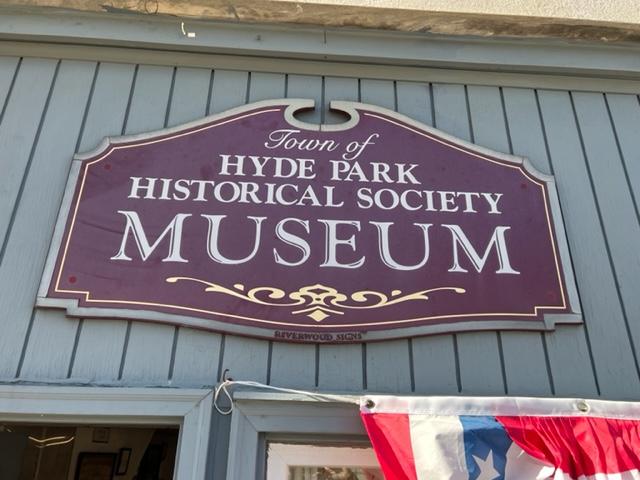
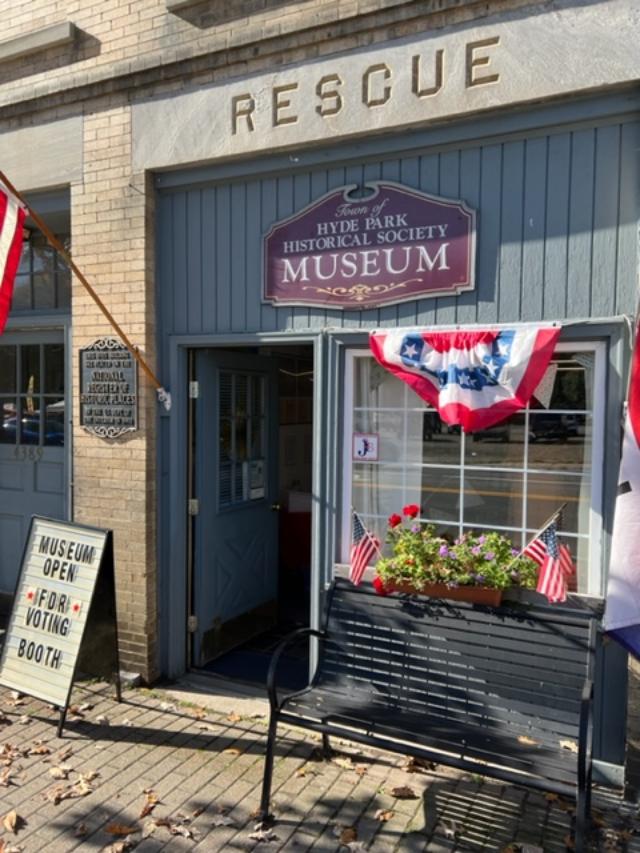
The Hyde Park Historical Society at 4389 Albany Post Road
The Hyde Park Historical Society is going through a type of rebirth as it has reopened with a fresh approach towards not just the history of Hyde Park, NY but the area in general and life here over the last two hundred years. The society is taking a new direction and revamping their efforts on the displays and on the history and activities of the museum. The museum is housed in what was once the Hyde Park, NY Fire Department building.
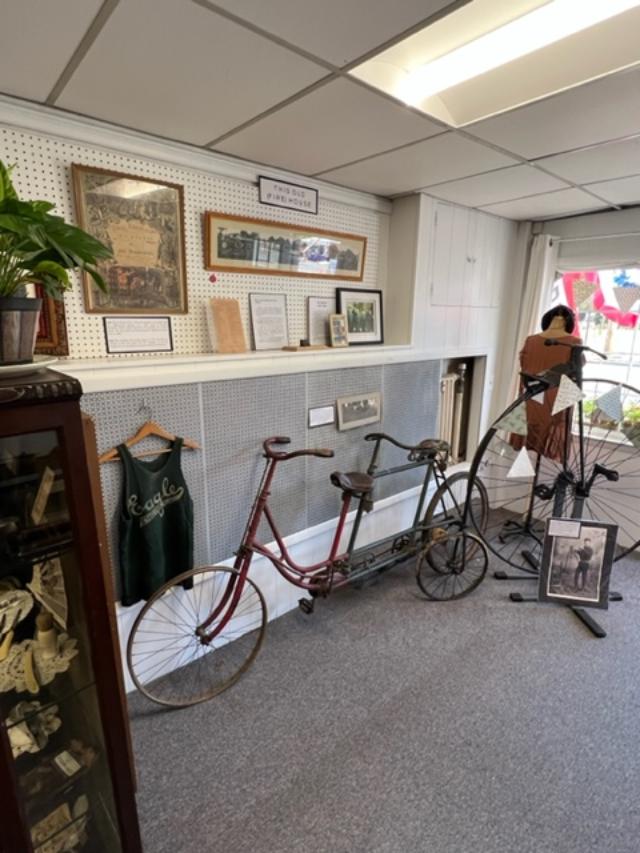
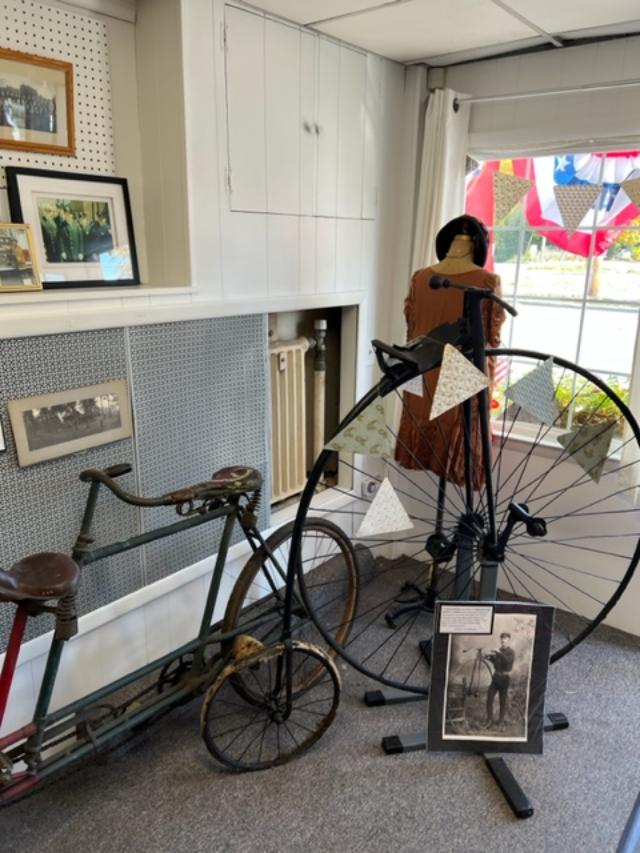
The museum is broken down into sections by displays. When you enter the museum there is an display of bicycles and recreation items that would have been used over the years. This activity changed the social life of both men and women of that era.
Bicycle display:
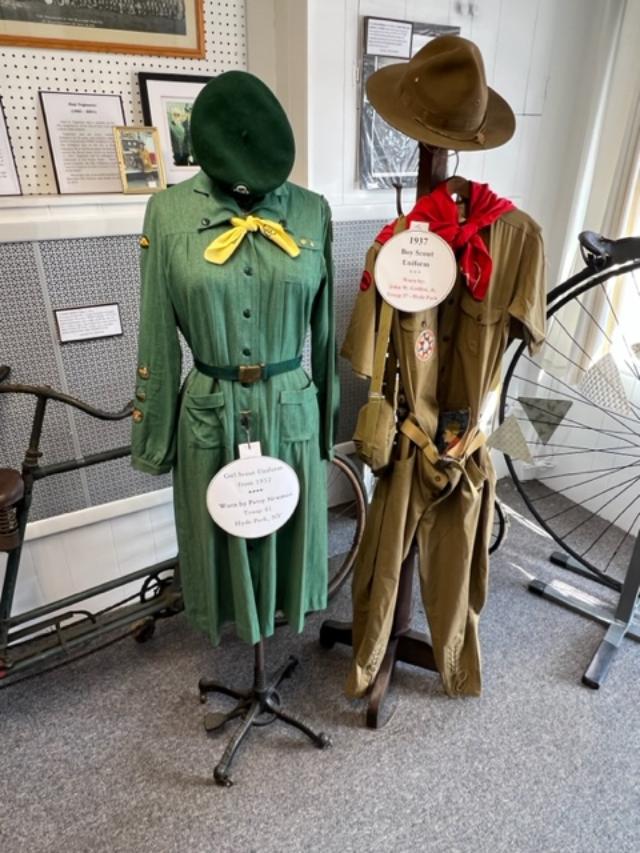
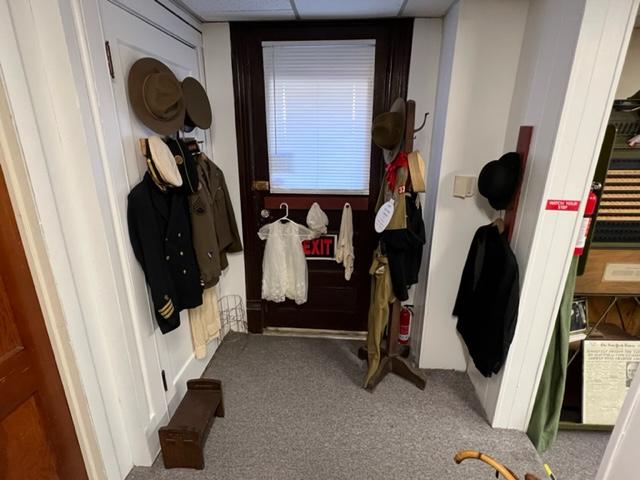
Some of the newest donations are from members of the organization who have recently passed away. They donationed their Boy Scout and Girl Scout uniforms to the museum which were from the past century. This shows how the unforms have progressed over the years.
Uniforms from the early Twentieth Century
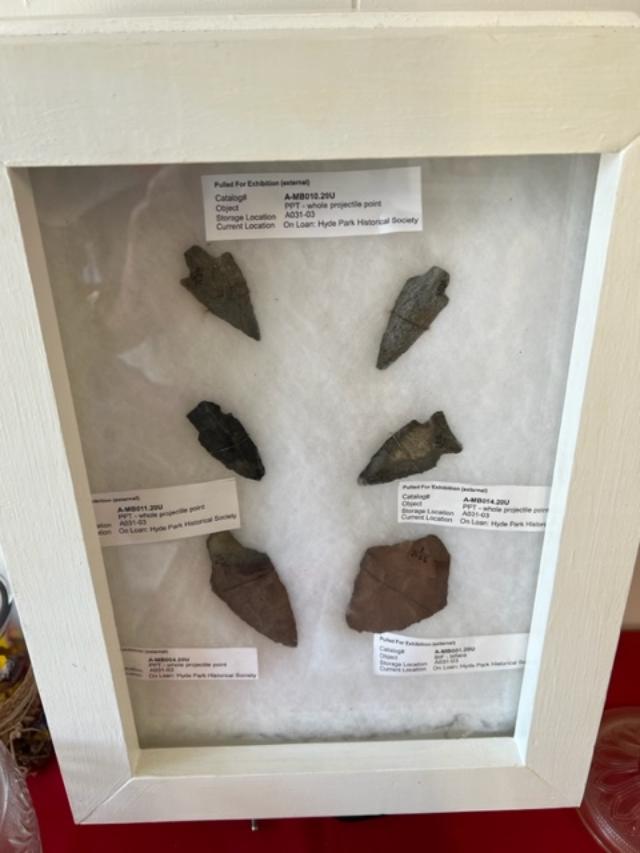
Another donation that was added to the collection from the State Museum is a collection of Native American arrowheads that were found locally. These show that the area was once the hunting and gathering grounds for the Lenape Indians before colonialization.
The donation of Native American Arrowheads.
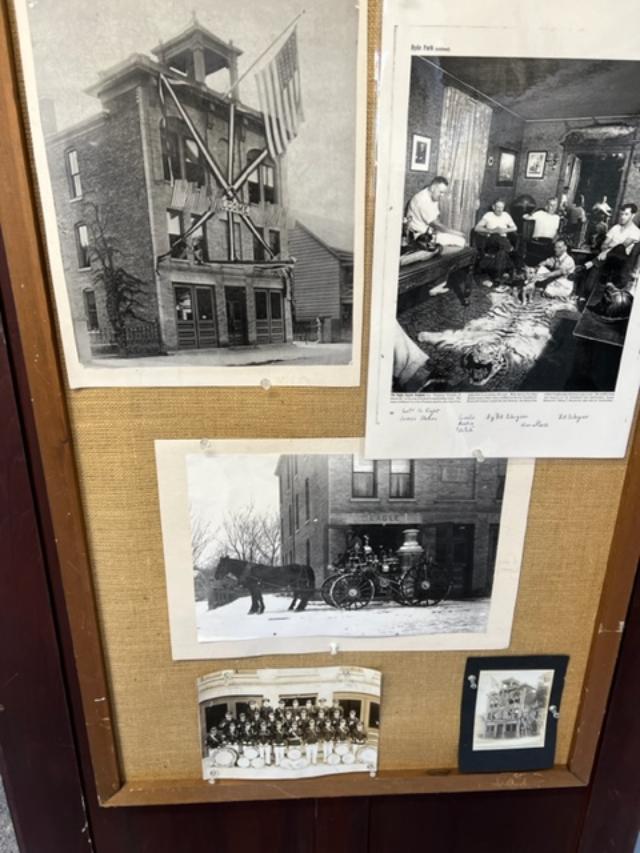
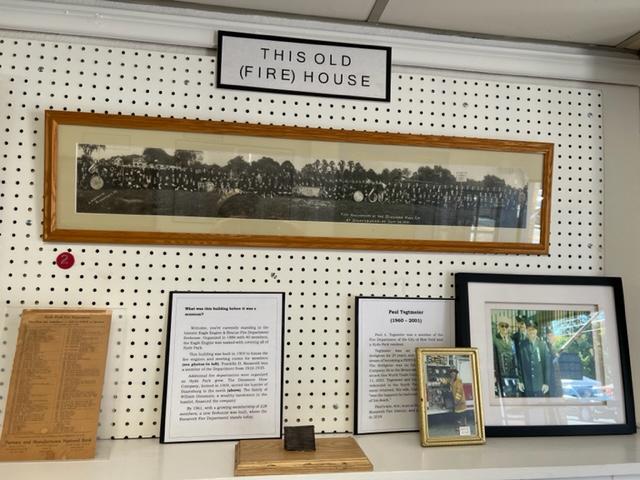
Next to it was the history of the Hyde Park Fire Department with pictures of companies of fire fighters and all sorts of memorabilia. There are pictures of former fire companies including the ones that were once housed in the museum building.
The Hyde Park Fire Department:
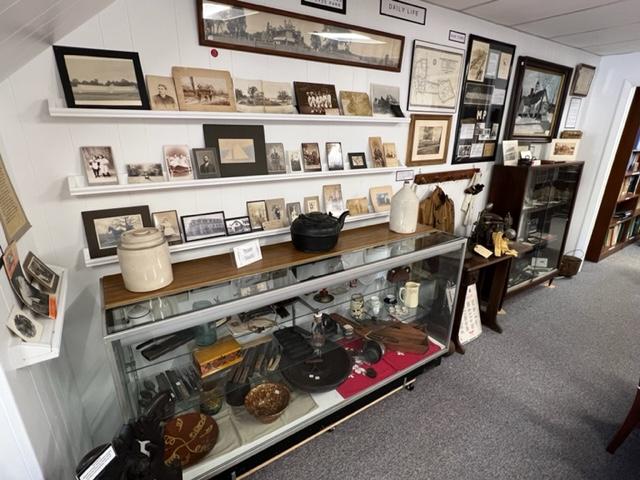
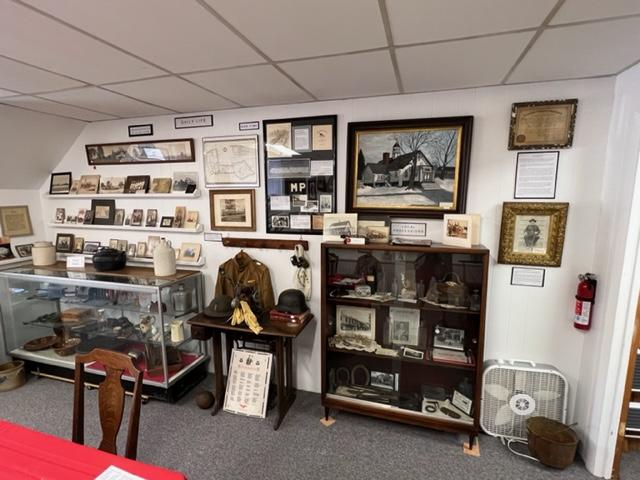
Across from that, there is a display called “Daily Life” which was the history of the town with homes and businesses in the area at that time. There were all sorts of pictures of prominent families and their day to day activities.
Daily life in Hyde Park, NY for the Middle class members of the community
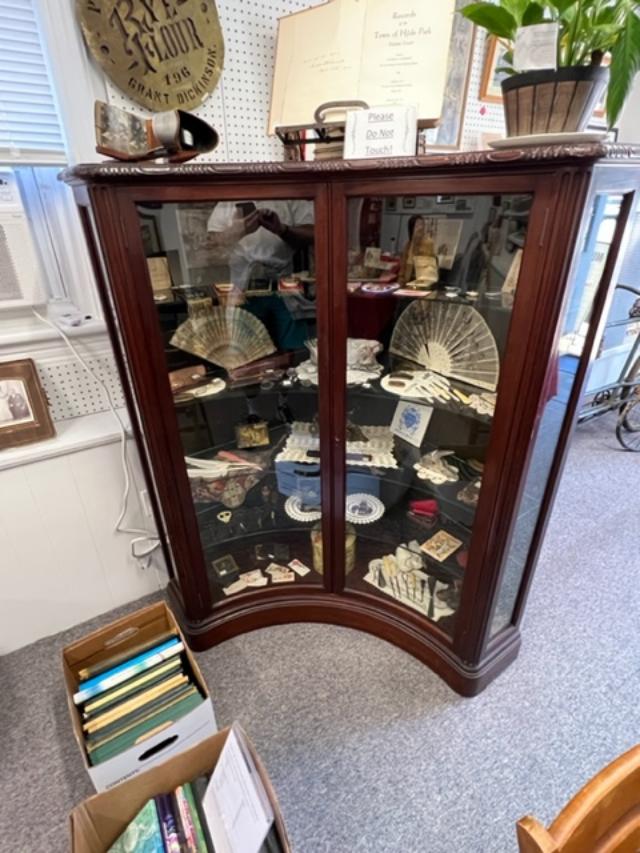
Luxury items of the Gilded Age
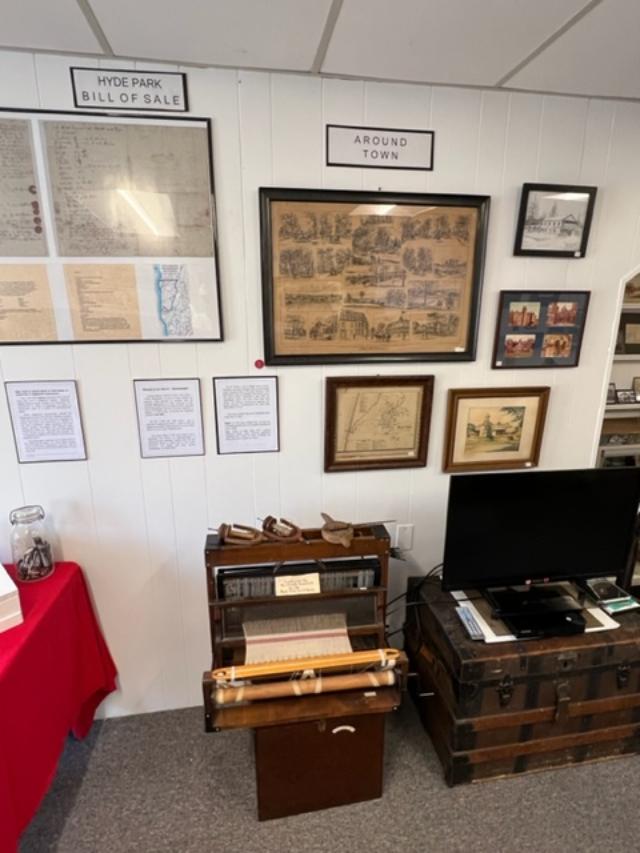
There was all sorts of objects from the bills of sale of homes, household items and there is an wonderful display of accessories from the Victorian era.
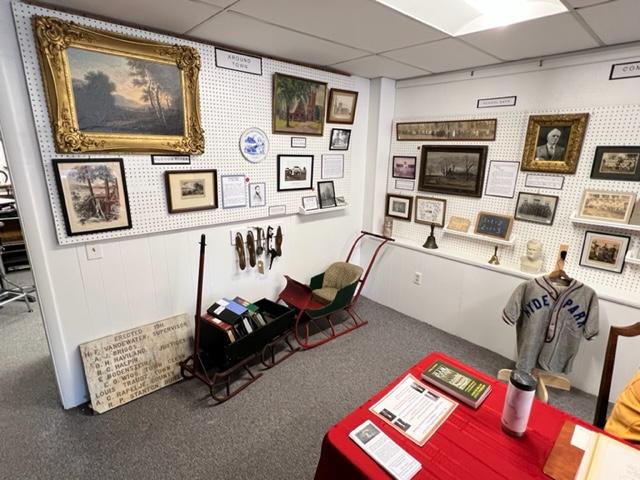
The front room of the museum is dedicated to life of the middle to upper-middle class of Hyde Park around the turn of the last century. There is all sorts of clothing, pictures and artifacts from schools, the boy scouts, area schools and there are even sleds and skates from winter recreation sports played on the Hudson River. There are all sorts of athletic equipment, clothing based on sporting or activity event and accessories that were used and worn when participating in all seasonal activities.
Life in Hyde Park, NY
Every day life in Hyde Park, NY
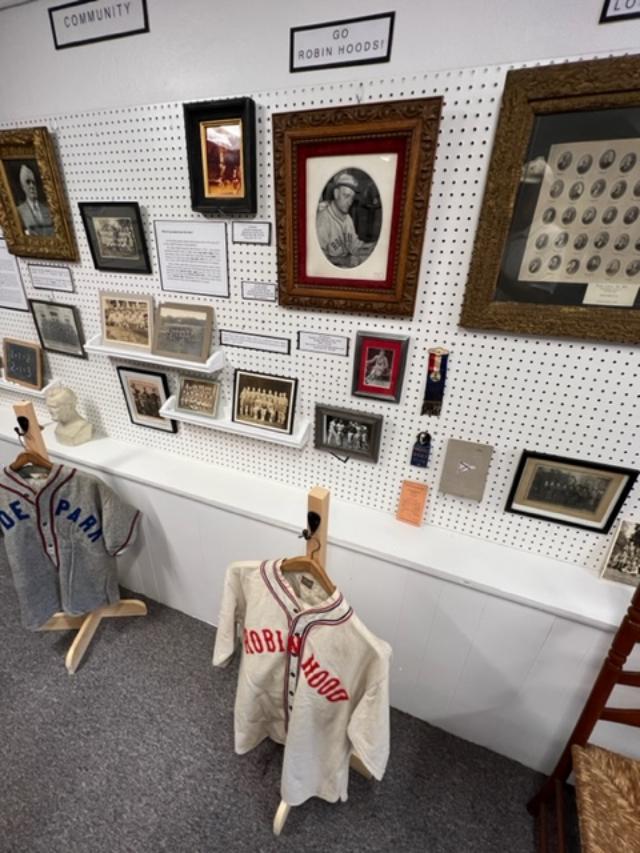
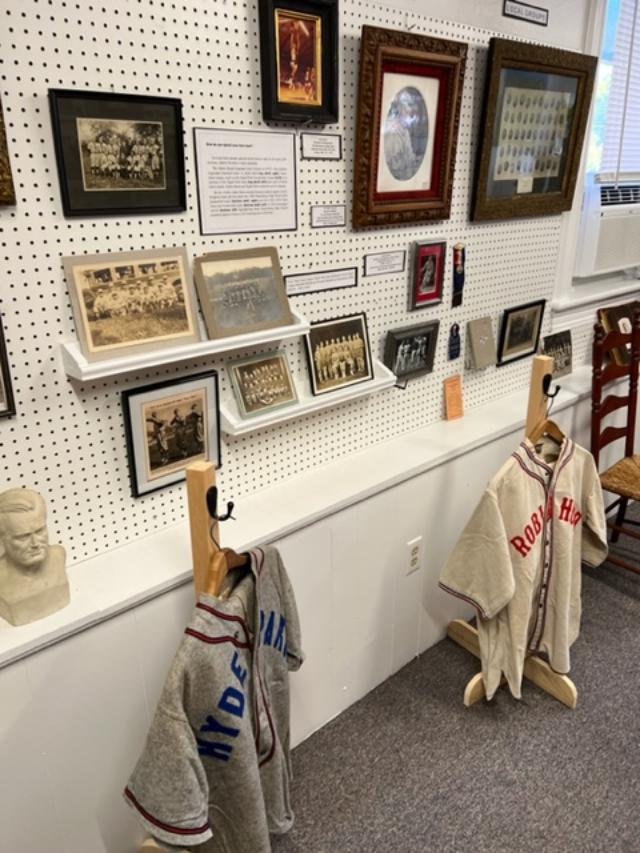
There is a small display from the semi-professional baseball team that used to be located in Hyde Park with pictures, equipment and uniforms. It seemed that semi-professional baseball was a big entertainment and community event in years past in Hyde Park, NY.
The Hyde Park baseball team
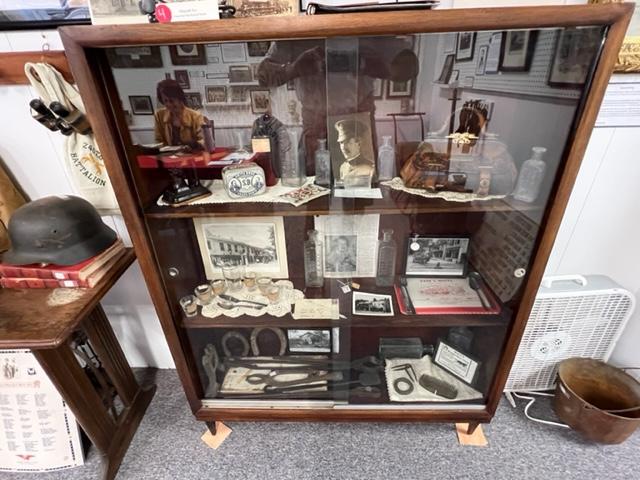
There are also items in a small war display that is circa WWI. Many artifacts were donated by families whose members fought in the war.
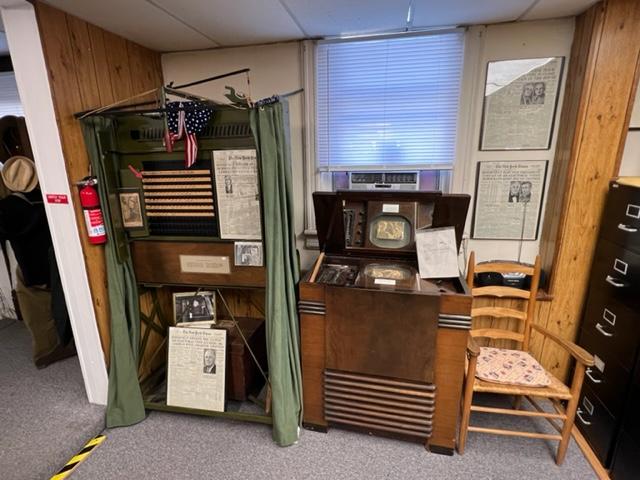
The second small room in the back is dedicated to communication equipment from WWII and pictures of Franklin Delano Roosevelt who was the President at the time as well as a prominent member of the community. The Roosevelts had lived in the Hudson River Valley for generations.
There are several important pieces of war time equipment located here.
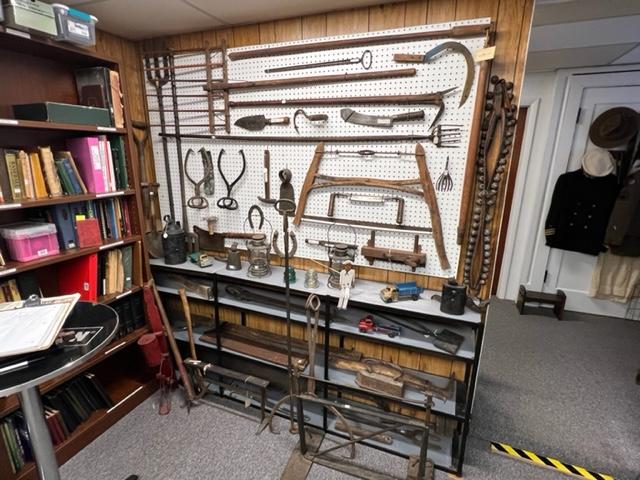
There is also a display of farm equipment showing off the areas agricultural past and present. This is still a major farming area as you head north of Rhinebeck, NY.
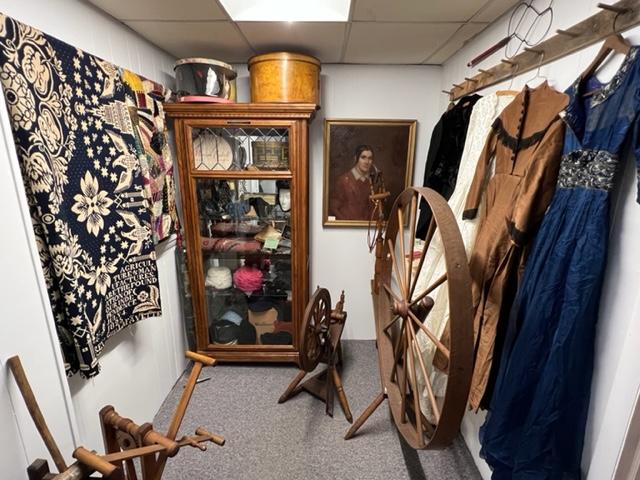
The back room is dedicated to clothing and wardrobe items like dresses, hats and spinning items.
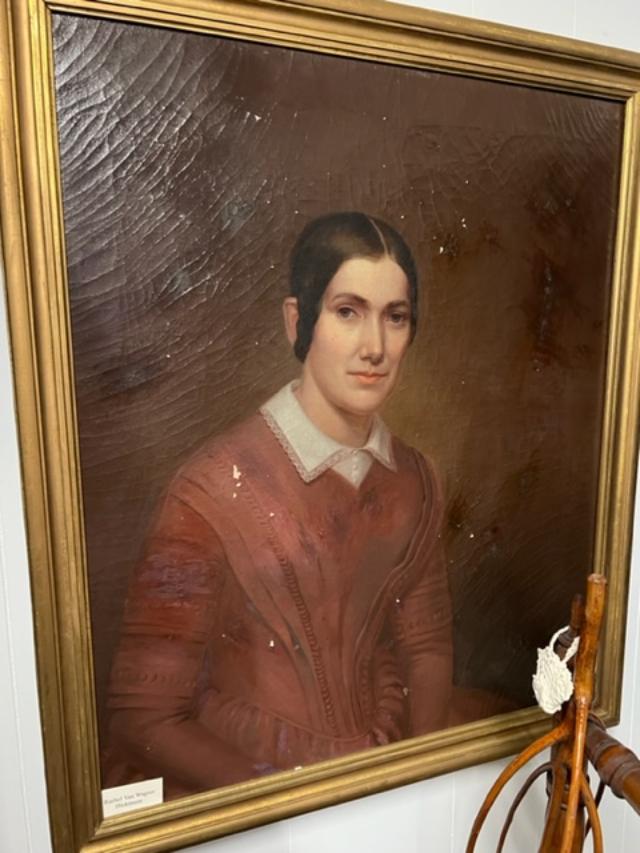
There are a few portraits of local residents as well.
This shows the change of clothing from when Dutch women would spin their wool for clothing to buying ready to wear items in the local department and specialty stores that dotted towns like Rhinebeck and Poughkeepsie.
The display also shows the manner of dress went from the Victorian era to the Jazz Age and the changes in just ten years.
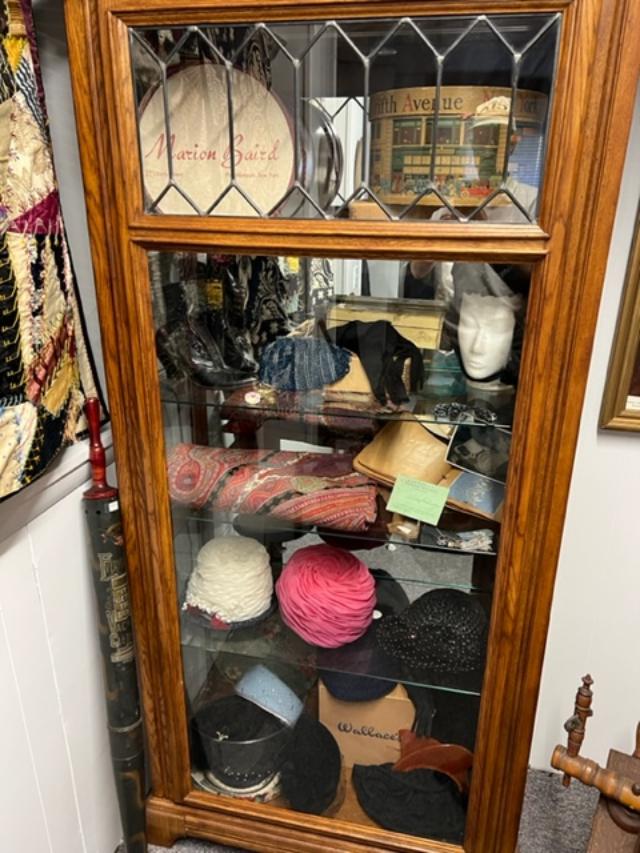
Hats from various ages
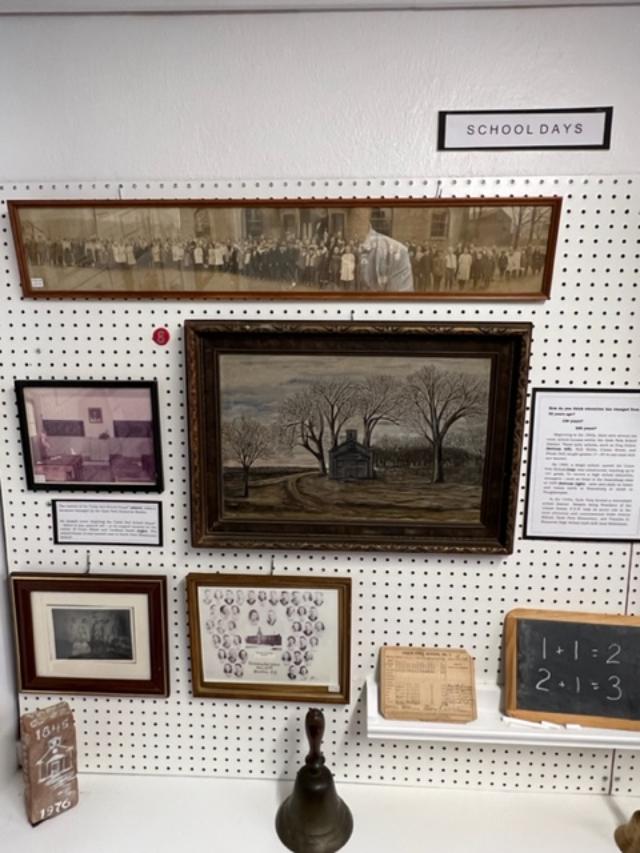
Here and there are other items that relate to daily living and a prosperous life in Hyde Park, NY. The museum is well lit and very well organized and signed so it makes viewing the displays a pleasure. It is a treasure trove of artifacts and information and insights to the life of Rhinebeck NY at that time. This display was on the Hype Park School System.
Everyday life in the schools in Hyde Park and Rhinebeck, NY
The History of the Hyde Park Historical Society:
(From the museum’s pamphlet):
The Hyde Park Firehouse:
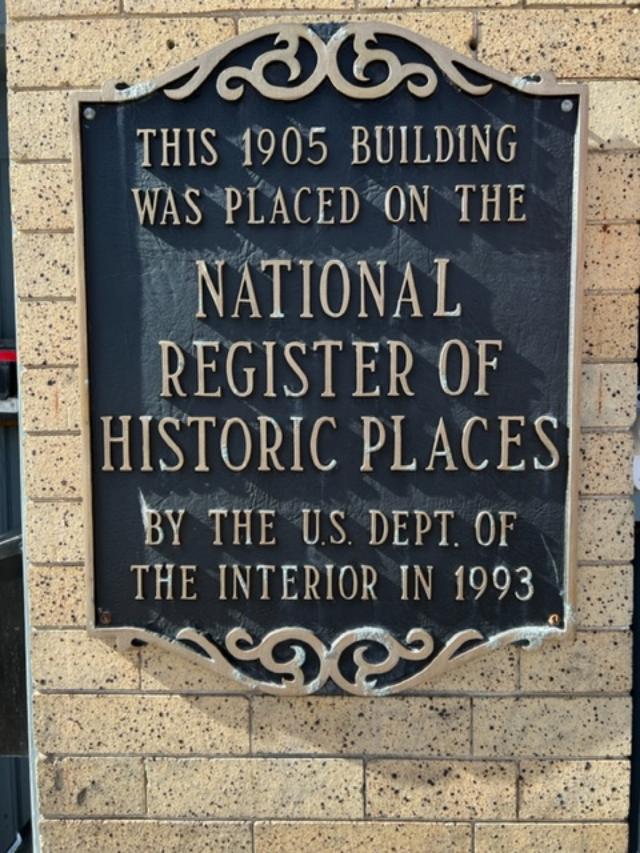
As indicated by the engraved stone lintels over the engine bays, the firehouse that the museum is housed in was built in 1905 for the Eagle Engine Company founded in 1845 and the Rescue Hook & Ladder Company (1866), separate companies whose volunteer members included Franklin D. Roosevelt.
The old Hyde Park Firehouse serves as the museum
Designed by Poughkeepsie architect William Beardsley, the Renaissance Revival style brick building features a cast iron cornice and a bas relief decoration above the third story windows.
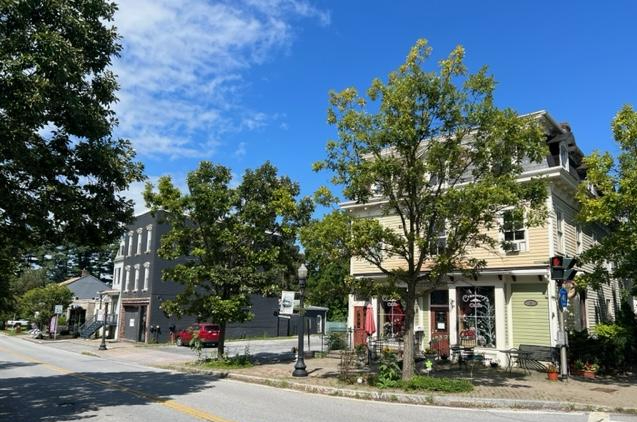
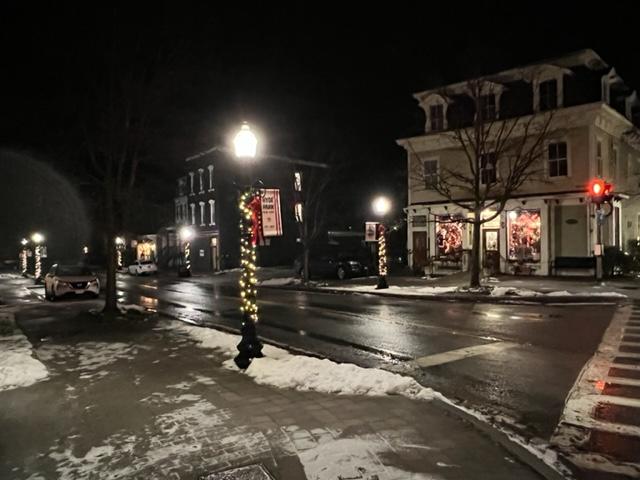
Downtown Hyde Park in the summer of 2023.
You can find all sorts of items at the museum. It contains lots of local pictures and artifacts. In the Textile Room, you can find a hat box labeled Mrs. James Roosevelt, a spinning wheel and period apparel.
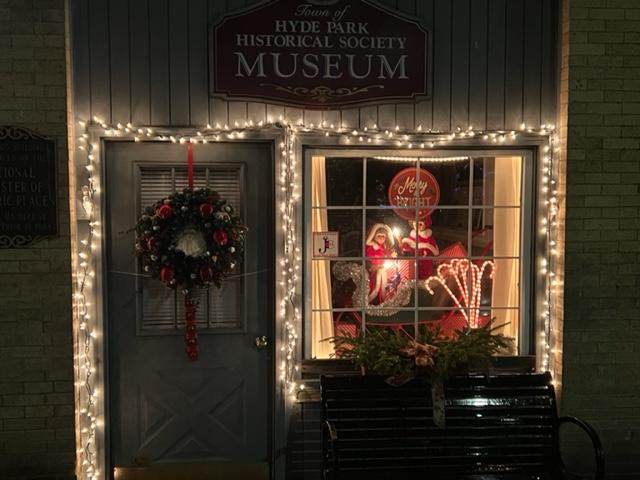
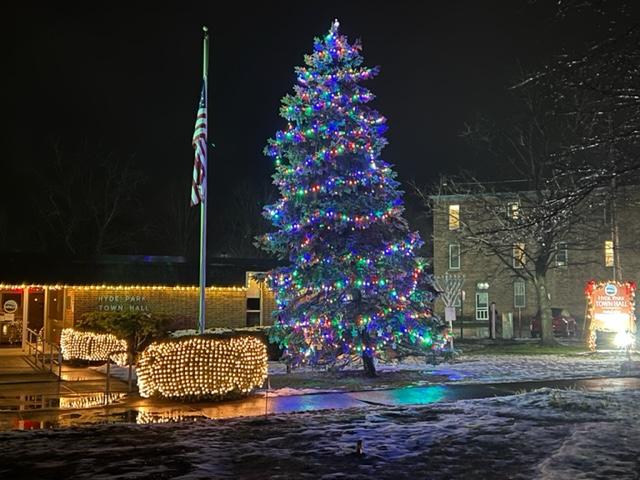
The Hyde Park Historical Society at Christmas 2022
In the Research Room, you can search your family and friends’ history, look at local tools of trade and maps of Dutchess County in the 1700’s.
The beautiful Hyde Park Christmas tree December 2022
I visited the Bergenfield Museum recently, a museum that I have to admit I never knew existed and I know almost all the museum in Bergen County and was surprised what an informative museum it was not just showcasing the history of Bergenfield but of Bergen County. Room by room the museum is filled with displays on the history of the town, and it has progressed through the last two hundred years.
The Bergenfield Museum at 100 Cooper Street
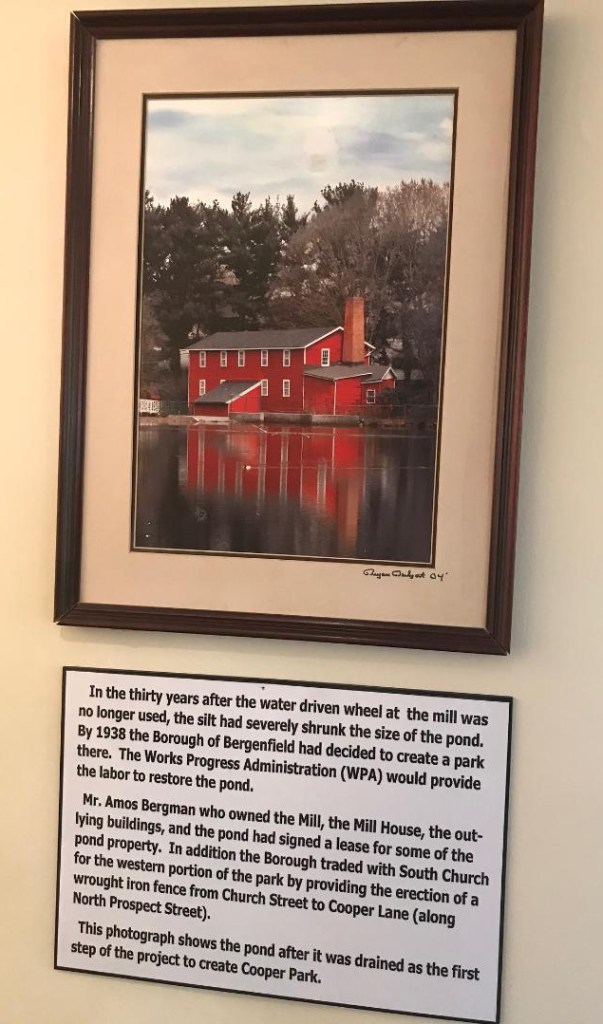
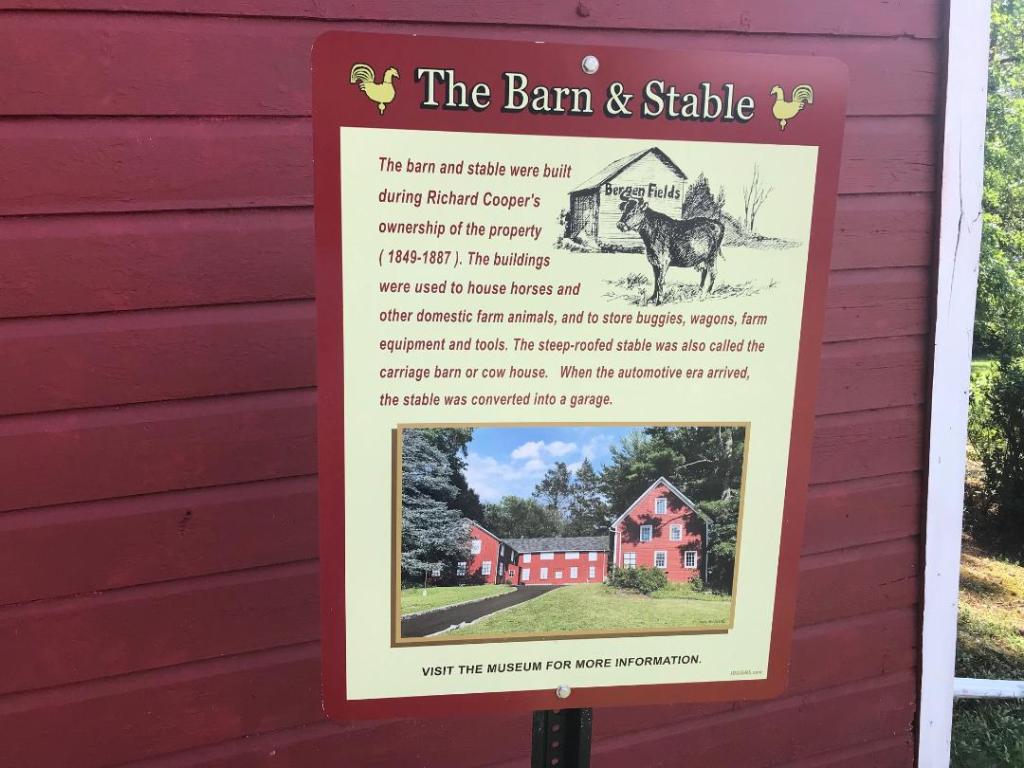
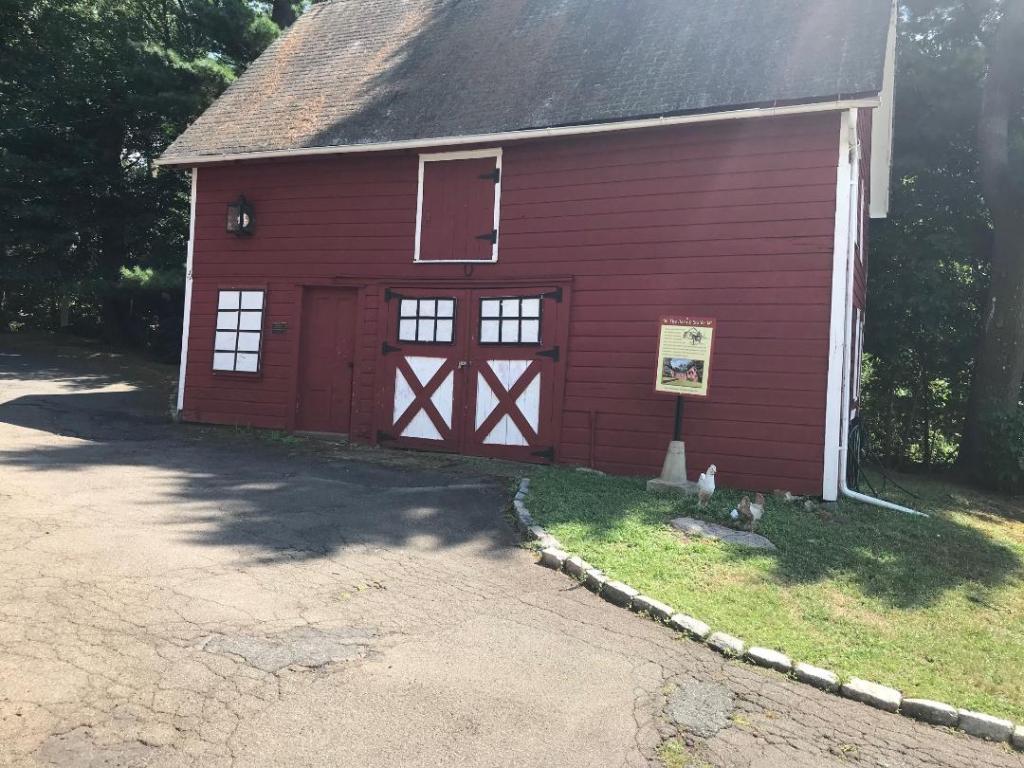
The museum is located in the back of Cooper Park towards the back of the pond. The museum is part of a complex of barns that were once small manufacturing companies owned by the families that owned the house. The grounds have the three barns that are not in use now and the home that overlooks the pond. This beautiful park was created during the Great Depression and is a wonderful place to just walk around in and relax from everyday life.
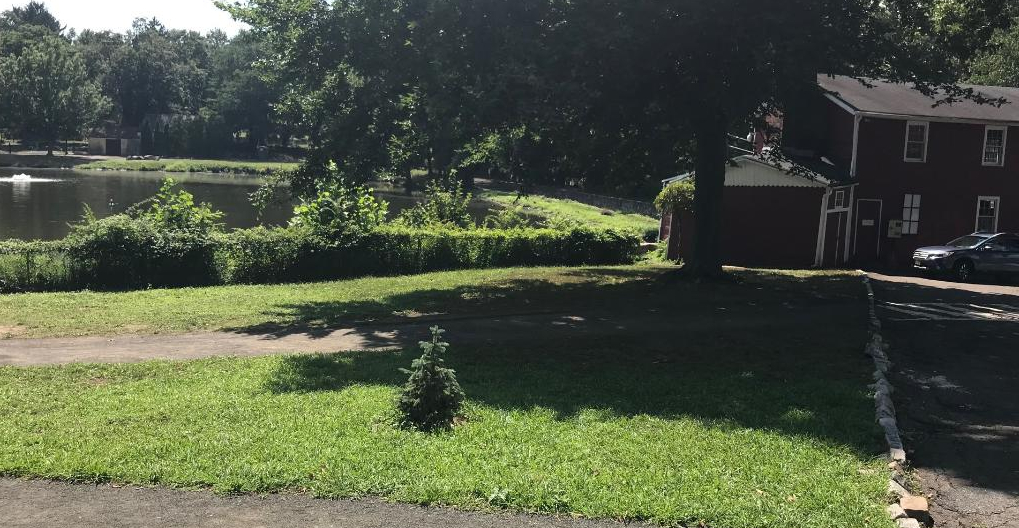
The view of Coopers Park and Pond from the museum front porch
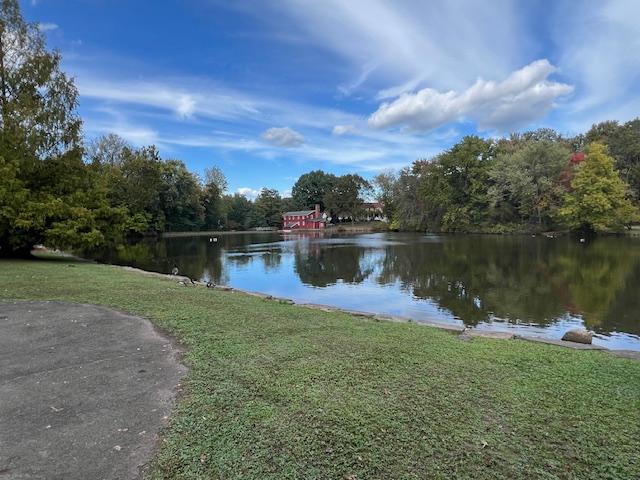
Coopers Pond Park and the museum from the other side of the park
The history of the house and grounds of the Bergenfield Museum
Please note getting to the museum can be confusing as Google Maps and the museum diagram to get there are wrong. You will need to go down Ralph Road and then park before entering the complex. It is hard with the turnaround in the site to drive out with your car.
The entrance to the Bergenfield Museum at 100 Cooper Street
The entrance to the museum off Ralph Street. Please follow the signs.
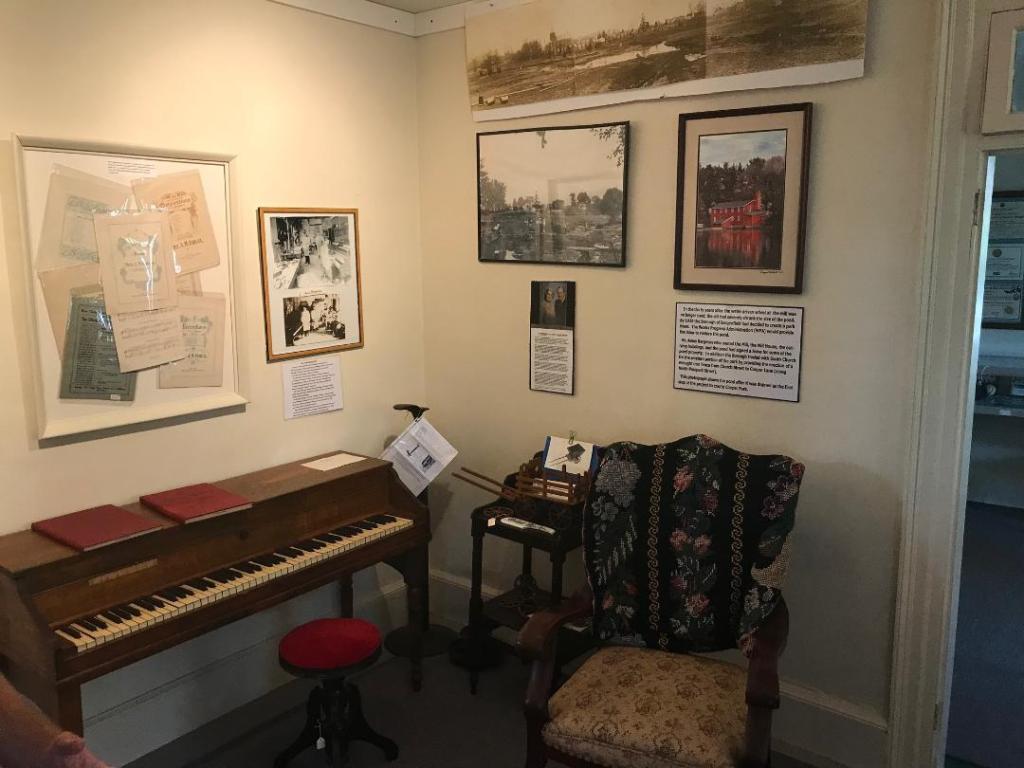
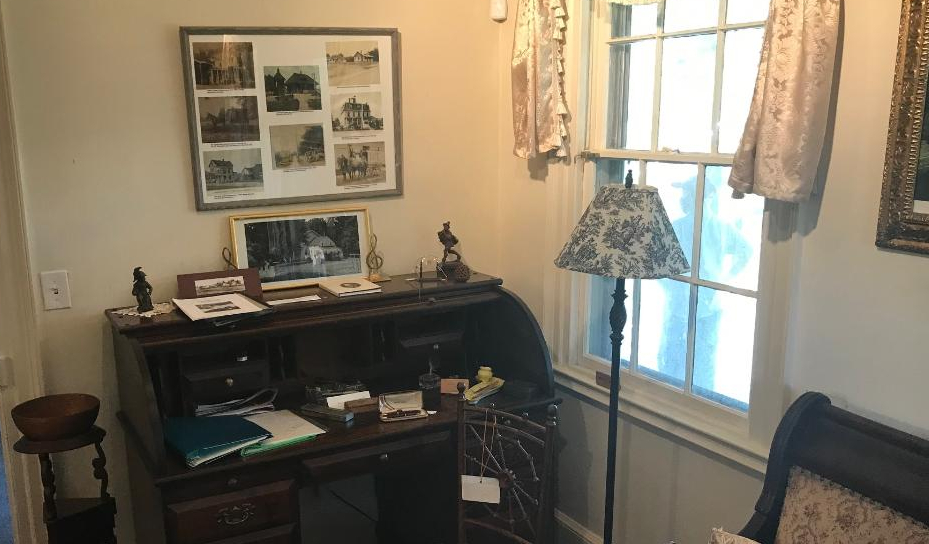
I was met with a very enthusiastic group of volunteers who are so proud of the house and the way it is presented to the public. When you enter the house, you are met in the foyer of the home which is filled with pictures and small displays and then led to what was the parlor room where the family would have all their entertainment and socializing. Inside the room there is a very interesting portrait of a mysterious woman, who even the museum docents do not who she is, located above the fireplace.
The woman of mystery who holds a prominent place over the fireplace mantle
The room is decorated in period furnishings and even has one of the original phonographs. My docent, David, showed me how it worked and how you were able to get the volume up on the record player by opening one of the small doors in the cabinet.
The ‘starter’ organ in the Living Room
The home was once a working farm/business
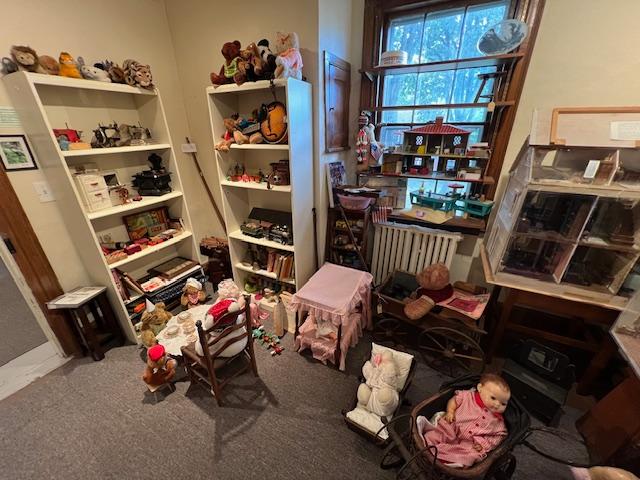
The room towards the back has an extensive collection of toys from the last one hundred years. There were several toys such a china dolls and metal ovens that were popular in the late 1800’s and early 1900’s to modern Fisher Price toys of the 1970’s that I remember growing up with as a kid. The site had once been a toy factory before the turn of the last century and these displays honor that history.
The Toy Room at the Bergenfield Museum is quite extensive
The museum is very much dedicated to the history of the Borough of Bergenfield, NJ. There are nice displays of the town’s school district and its history. The old school system pictures feature items from elementary school to high school and items that students would have used at the school. The elementary school featured in many of the pictures is still used by the town today according to my tour guide, David that afternoon. He told me he had attended the school growing up.
There was a small display of both the Bergenfield Fire and Police Departments and their progression through the years in the town. It is funny how much has changed cosmetically about the look of the job but the job itself is still the same. Helping people and keeping the town safe.
The Fire and Police Department display at the Bergenfield Museum
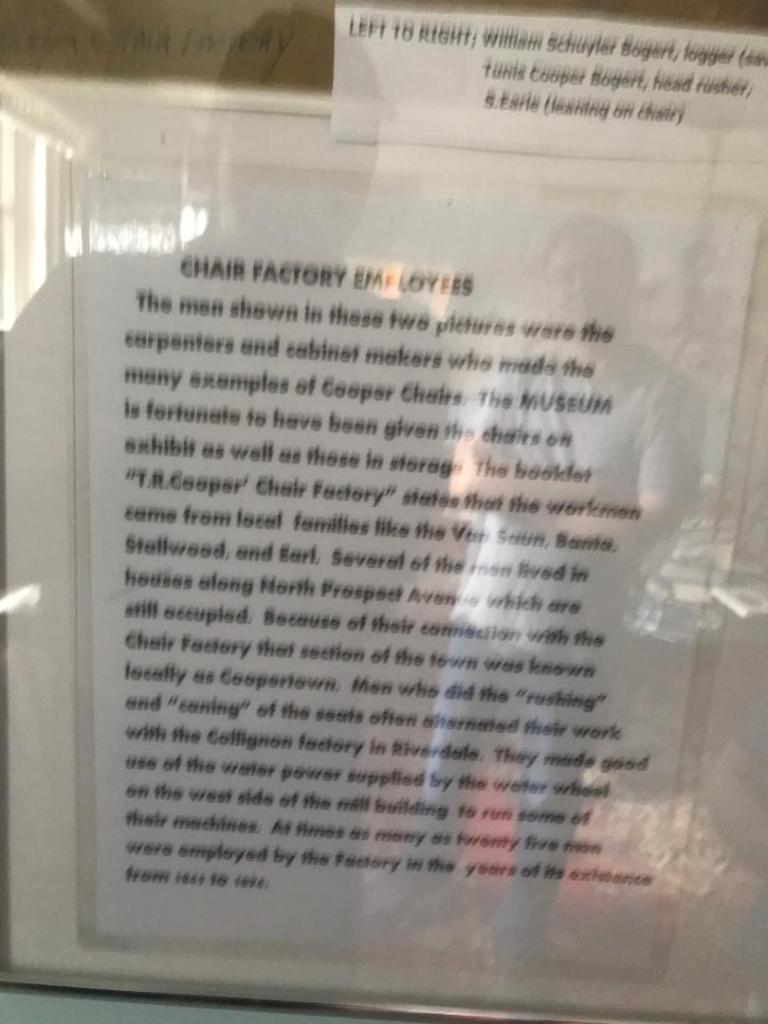
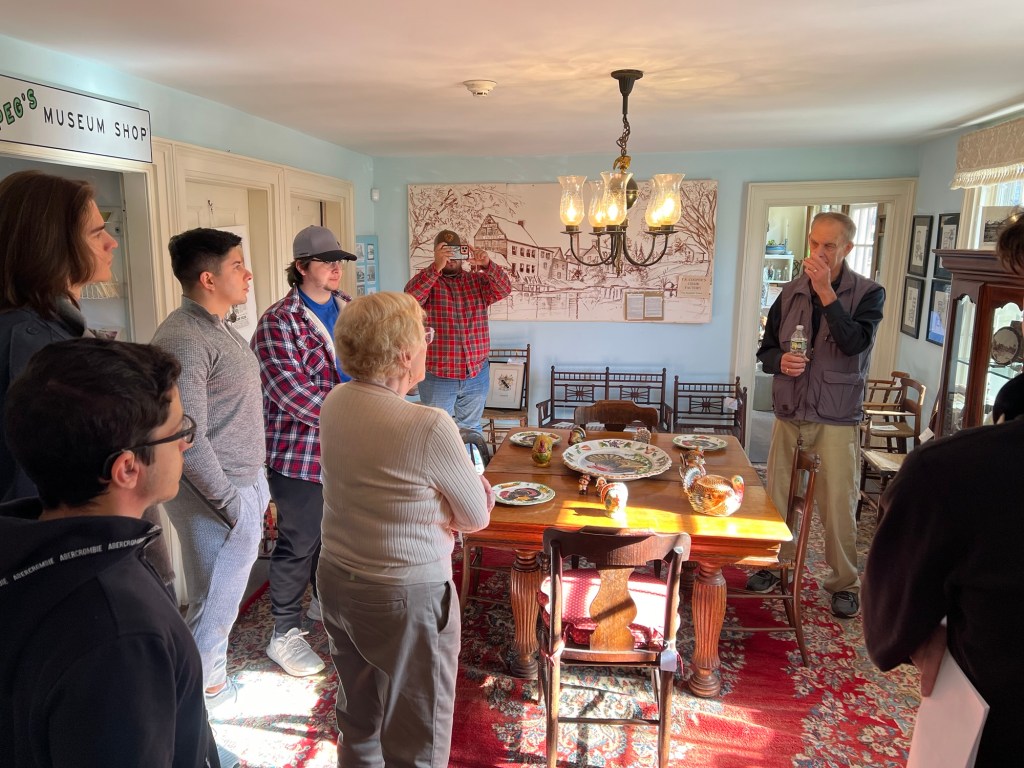
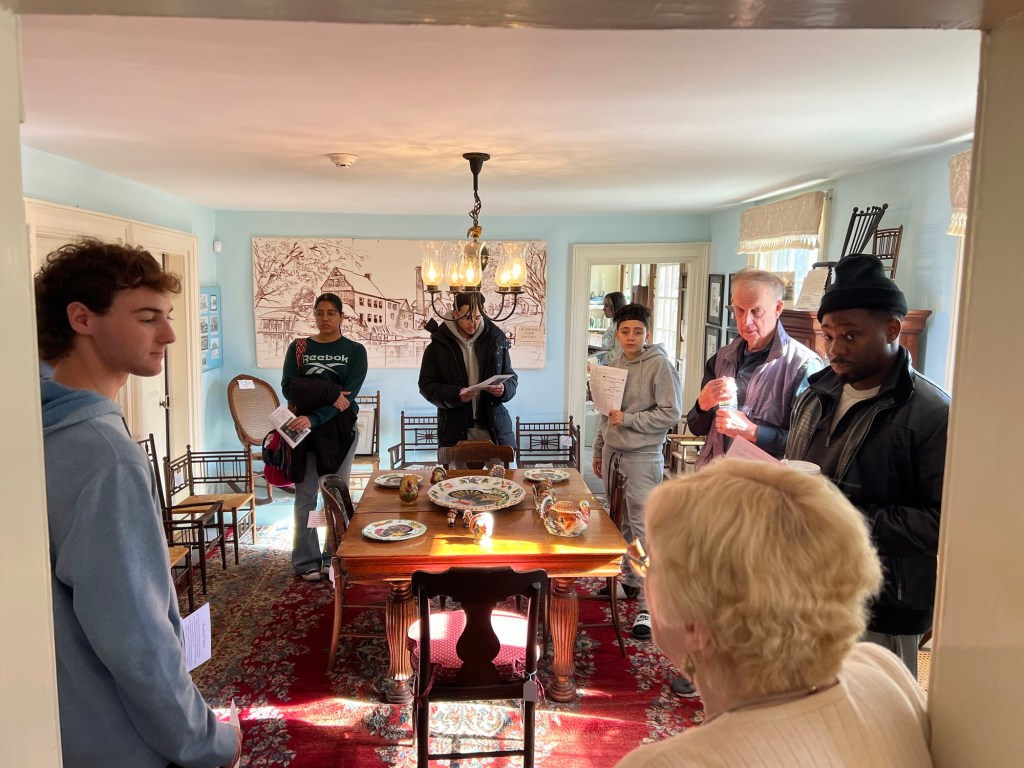
When you enter what was once the dining room, is the Chair Collection of Tunis Richard Cooper, whose factory was one of the barns on the property.
The Chair Factory rules
Some of the samples of the chairs manufactured at the barn factory
There were all sorts of makes and kinds of chairs throughout the room as well as many decorative pieces. The museum has an extensive collection of all the decorative furnishings that were made on the property including what the factory looked like and the rules and conduct of the employees working there.
The working mill building on the property
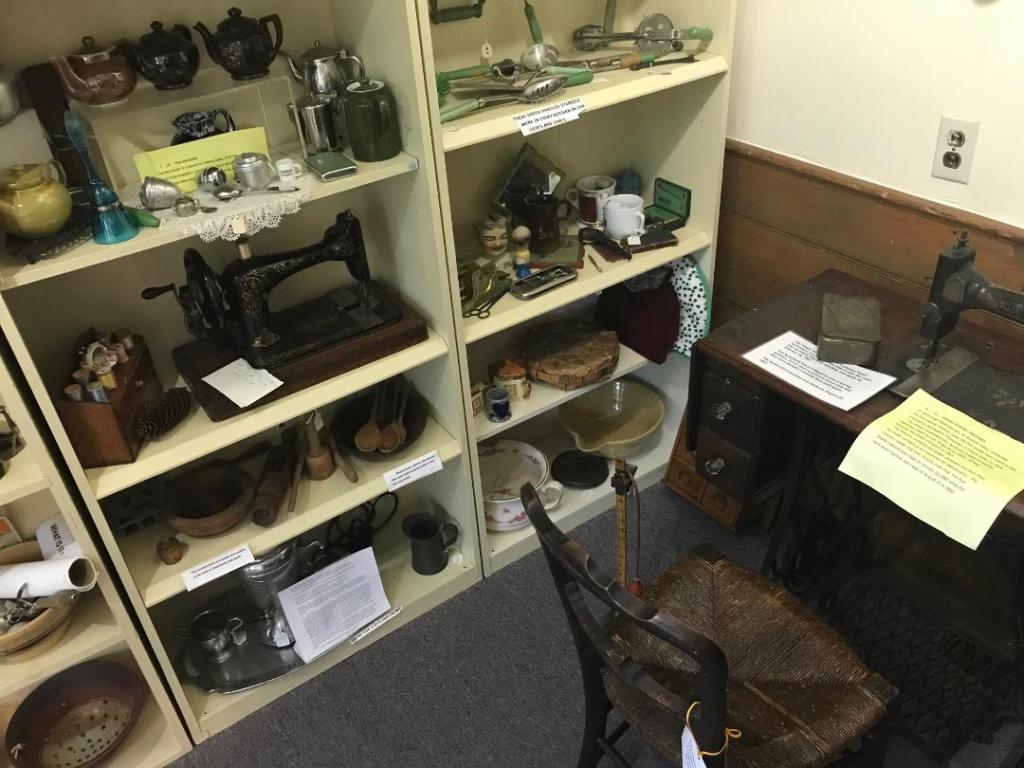
The next room is the working kitchen of the original house with all sorts of kitchen equipment through the ages including a collection of toasters. There is also a working heart where the volunteers do some cooking.
Everything to keep a kitchen running
The hearth of the kitchen is where all the action was in the kitchen
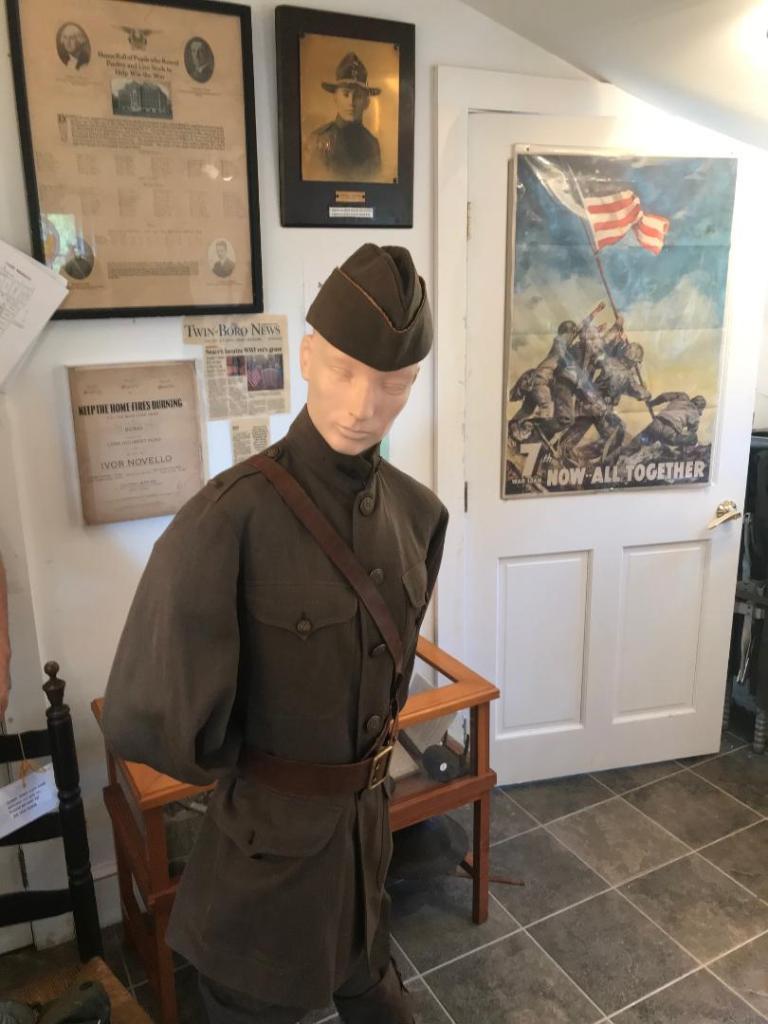
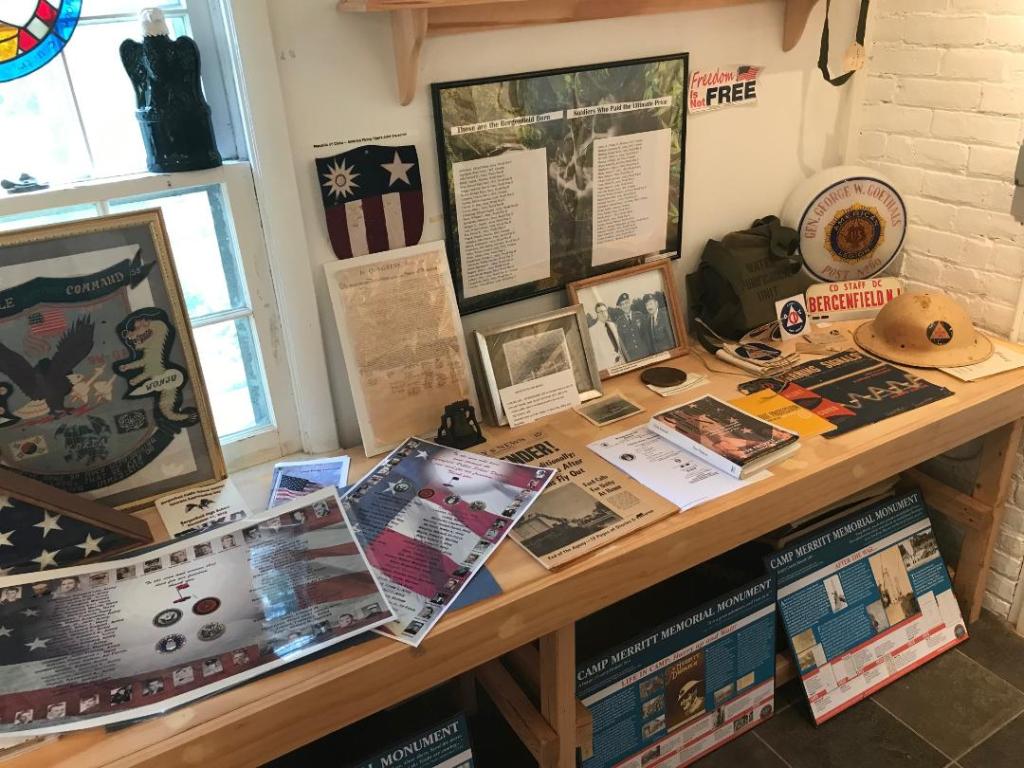
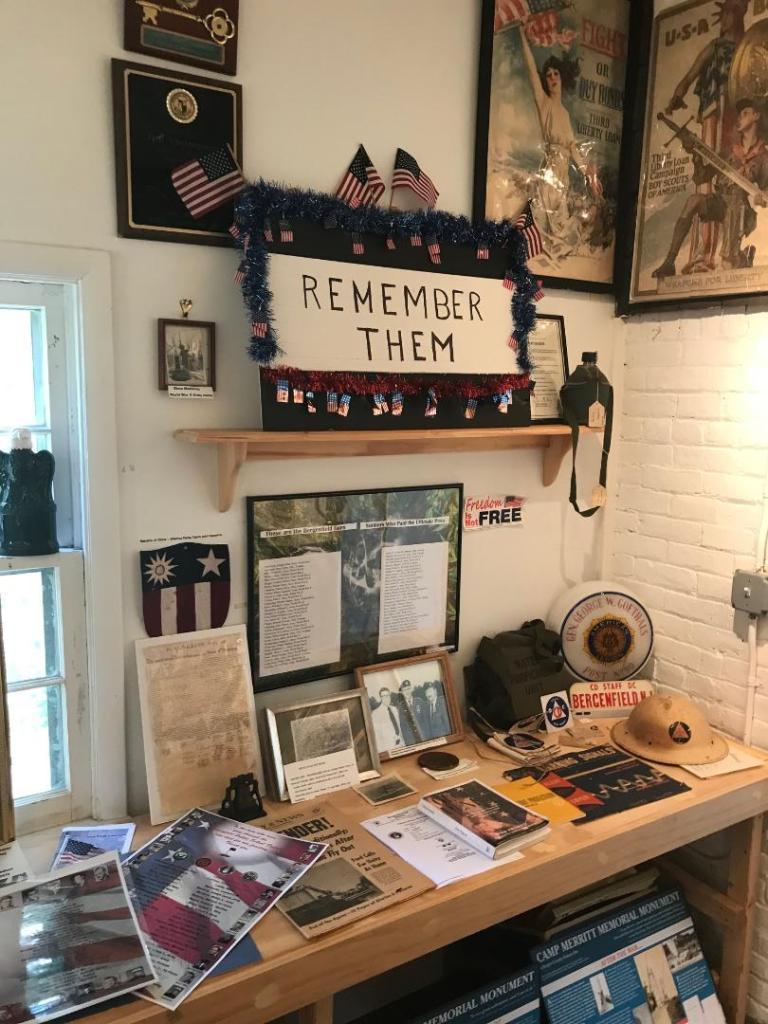
The back room of the house has a large military display that includes local heroes of the Revolutionary War, Civil War, WWI and the Vietnam War. There are all sorts of memorabilia from the soldiers and their families.
The Military display describes Bergenfield’s contribution to military battle from the Revolutionary War to Vietnam
The Military Room showcases our contributions on freedom
The patriotic duties of the town of Bergenfield, NJ
The museum has a 9/11 Memorial to the town and its contributions to that horrible day
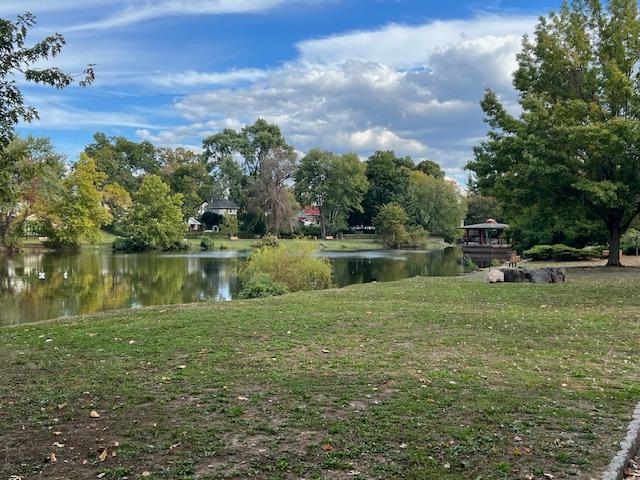
Take time to walk the grounds and admire the park. This beautiful green space was built by the WPA during the Depression and the landscaped park includes Cooper’s pond, extensive gardens and paths of green lawn.
The grounds of the museum were once a farm and a working factory environment
The factory/barn on the Bergenfield Museum property
The grounds of the Bergenfield Museum in Cooper’s Pond Park
The park from the museum site in the early fall months of 2024
Cooper’s Pond Park is a quiet and very green oasis from the distractions of today. It is a nice patch of nature to just walk around in and relax and enjoy the beautiful sunny weather.
The History of the Bergenfield Museum:
(from the museum website)
Two Hundred years after the founding of the United States, local historian, Betty Schmelz began collecting artifacts that were essential for telling Bergenfield’s story. By 1988, her small collection had blossomed into full museum displays comprised of a century’s worth of wedding dresses, Camp Merritt and WWI memorabilia and testaments to the Bergenfield Music Department.
The Bergenfield Music Department display
From 2002 to 2014, the museum closed, and the collection was moved to storage until negotiations were settled with the Borough of Bergenfield. In July of 2013, volunteers reassembled the items for public viewing and began rehabilitation efforts.
The Museum House Timeline:
(From the museum’s pamphlet)
The tools to create those wonderful and decorative chairs
The Tunis R. Cooper property was originally owned by French Huguenot immigrants, the Demarest family. After years of changed ownership and purpose, the legacy of the property is now protected by the Bergenfield Museum Society:
The timeline of the town and its development:
*1677-1693: The Demarest family negotiates a deed for the Cooper Property with local Native Americans and settles throughout Schraalenburgh (now known as Bergen County).
*1840: Richard Tunis Cooper purchases the property and begins hiring local farmers to manufacture chairs.
*1849-1890’s: Richard’s son, Tunis Richard Cooper, purchases the property and establishes a successful chair factory. A major warehouse is opened in New York City.
*1897-1997: Ownership of the estate changes several more times:
-1897: Toymaker Oskar Martin, purchased the property.
-1908: Amos Bergman holds ownership until his death.
-1949: Bergman housekeeper, Daisy Coringrato, sells the property to wool importers, Alec and Catherine Marchbank.
*1997: Marchbank family initiates efforts to preserve the remaining Cooper Chair Factory and surrounding land.
*2004: The Borough of Bergenfield purchases the property with the four remaining buildings and solidifies preservation efforts.
*2013: The Bergenfield Museum successfully opens with a collection of authentic Bergen County artifacts.
My Team Project with my Marketing students at Bergen Community College promoting the Bergenfield Museum for Destination Tourism in November 2024:
This is when I got the idea of doing the same project in a larger form. I saw the Bergenfield Museum, a small gem on the other side of Coopers Pond Park, that did not much traffic considering the museum is open both during the week and the weekend. The building was an original Demarest homestead and the family had their family plot in the South Church which is located right next to the park. So I approached both the museum and the church to partner with me in creating a project to promote this corner of Bergenfield, NJ for tourism.
Cooper’s Pond Park during the Summer months
So I set up the next series of tours for my students that encompassed the Bergenfield Museum, Coopers Pond Park and the historical South Church graveyard where the Demarest family plot was located. The Bergenfield Museum building is the original Demarest family homestead so it tied in nicely to the project.
Walking through Coopers Pond Park inspired this fascinating project
Two weeks after the Behnke Museum project, I introduced this project and the next week we took a walking tour of all three sites starting with walking through Cooper Pond Park, a WPA project and one of the most beautiful and underrated parks in Bergen County.
We met with the Bergenfield Volunteer Board at the museum to start the tour
The Bergenfield Museum at 100 Cooper Street in Bergenfield, NJ
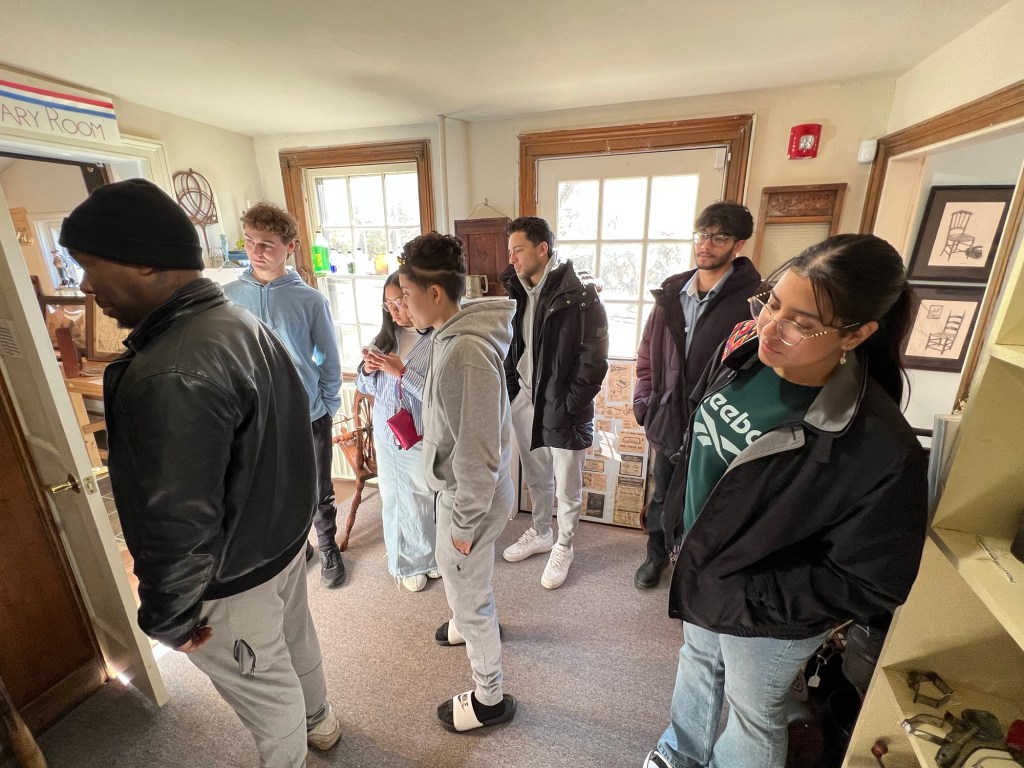
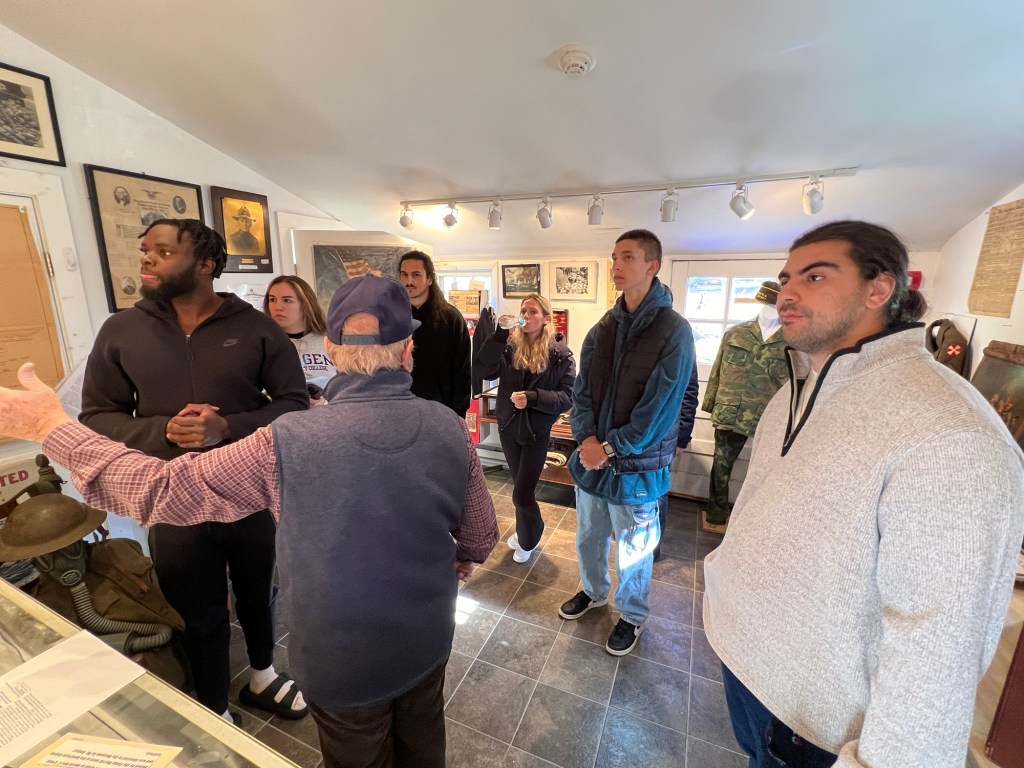
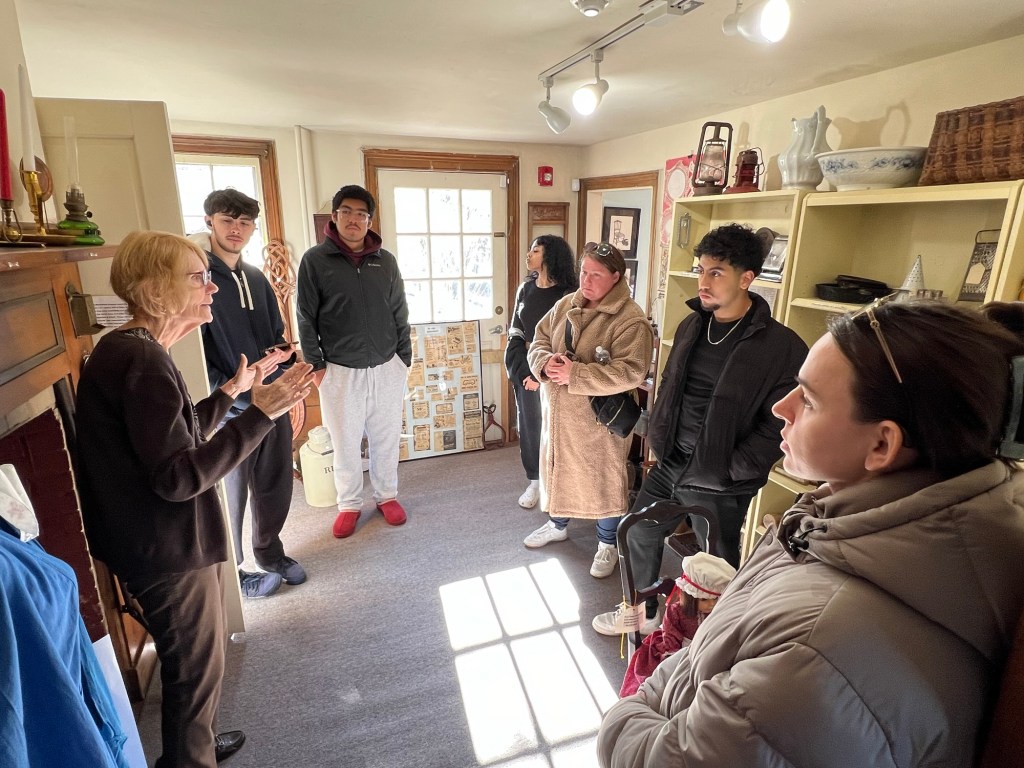
The President of the Bergenfield Museum Board, Joanne, helped me organize the Team Field Trip of the museum. She had four other docents from the Board helping in four different rooms so each Team would follow each other through the rooms. Each Team had about ten minutes in each room for the docent to explain the collection to them. The Student Consultants got to visit the museum on their own time as well.
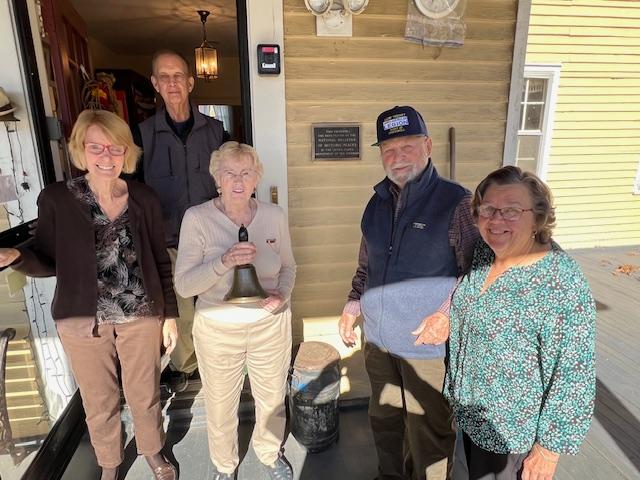
Our class being greeted by the President of the Bergenfield Museum, Joanne
Touring the Living Room of the old Demarest Homestead
Touring the old Dining Room and the Chair Factory display in the museum
Touring the Kitchen area of the old homestead
Touring the Military Room of the museum
Discussions of the function of the kitchen on the farm
Discussing the Chair manufacturing in Bergenfield, NJ
The Student Consultants touring the Living Room
The Teams taking notes during the tour
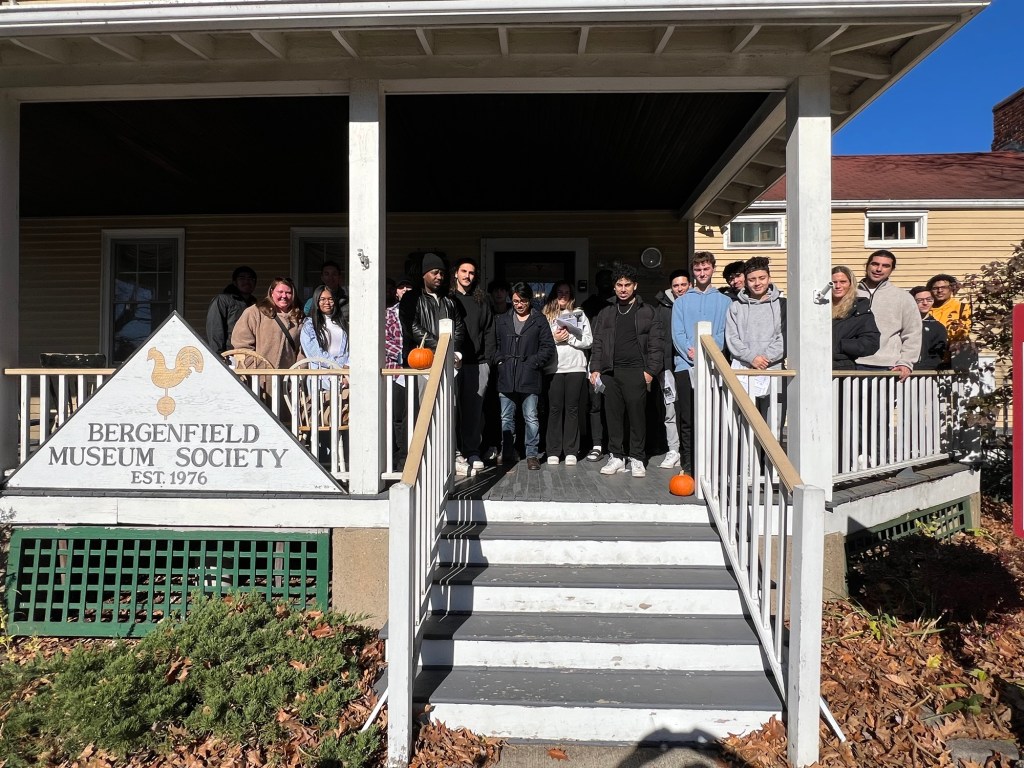
After our tour of the museum was over, we took a group picture outside of the museum with the Board of the museum.
The Student Consultants from Bergecco-Parc Consultants Inc. visiting the Bergenfield museum
Here is the Presentation and Commercials:
The whole idea of the Bergenfield Project was not just to promote the museums, parks and historic churches but to create Destination Marketing Project to promote the Town of Bergenfield as a place to visit for both domestic and foreign tourism. This is the project that promotes that vision:
The Bergenfield Team website for Bergecco-Parc Consulting Inc:
The day of the presentation the students had to be in professional dress with men expected to be in Jacket and tie or a suit and the ladies in blouses, slacks, suits and dresses. We presented this project to the Board and members of the Bergenfield Museum and to the Communications director of Bergenfield, NJ, which really gave the students a stamp of approval.
I thought the commercials the students came up with were very clever.
The Commercials of the Bergenfield Museum:
Team One:
Team Two:
Team Three:
Team Four:
The Children’s Walking Tour of the Bergenfield Museum:
Team One:
Team Two:
Team Three:
Team Four:
It was a great Marketing project and the students did an excellent job helping the museum with their Digital Marketing. They also created pamphlets in English and Spanish, a new webpage and a Instagram account for them.
It was a very successful project and the students did an excellent job on it.
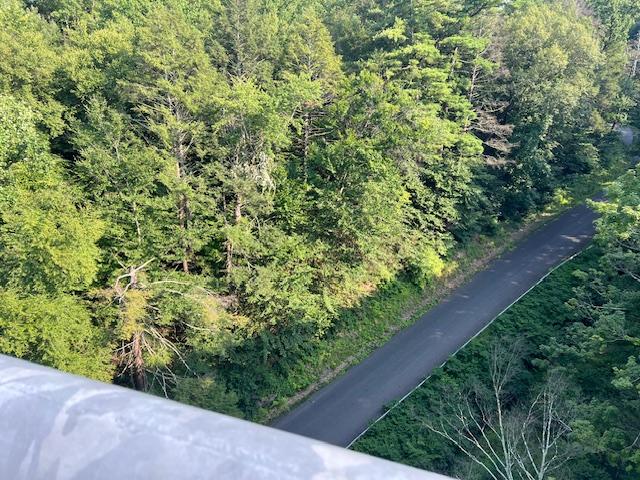
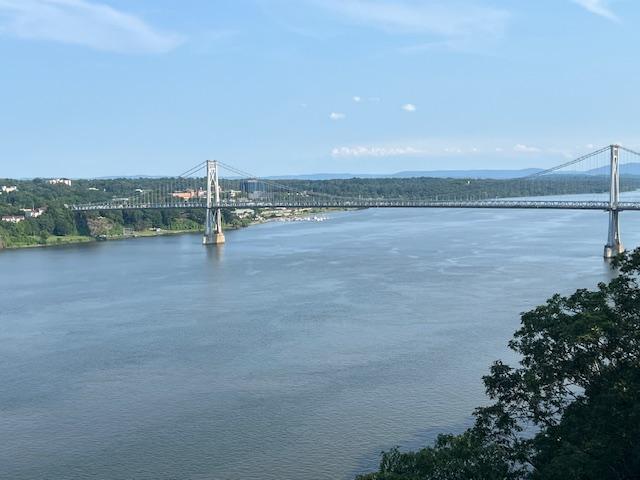
This is the best way to experience seeing the Hudson River by walking on top of it. It is especially nice on a beautiful day.
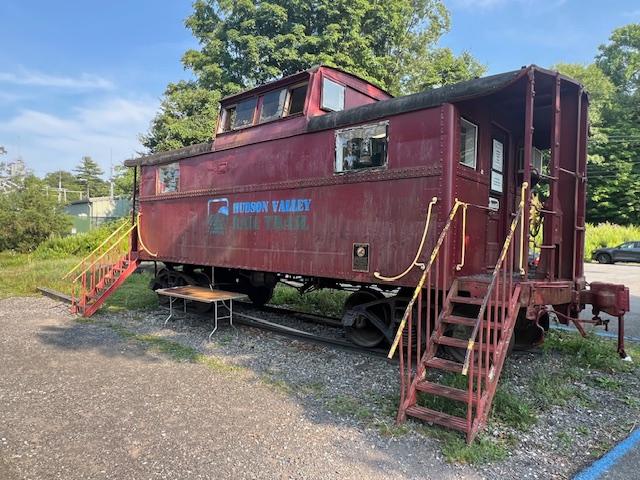
The rail car from the entrance to the Walkway by the Highland Park side of the walk
The day I walked over the “Walkway over the Hudson” it was a rather cool September day in the last days of the summer but still it was a spectacular day to see the river with blue skies and sunshine. I also revisited the Walkway in July of 2024 and the views are just as amazing when everything in full bloom.
The history of the bridge that crosses the Hudson River
The start of the walk by the Highland NY side of the bridge
The views from the bridge on the Highland NY side
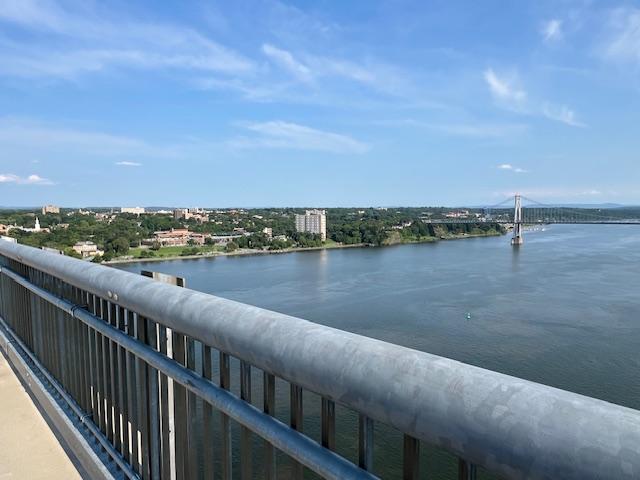
The views of the Mid Hudson Bridge
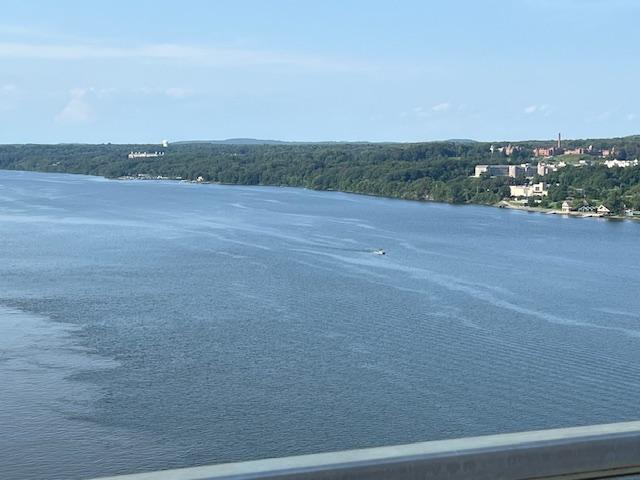
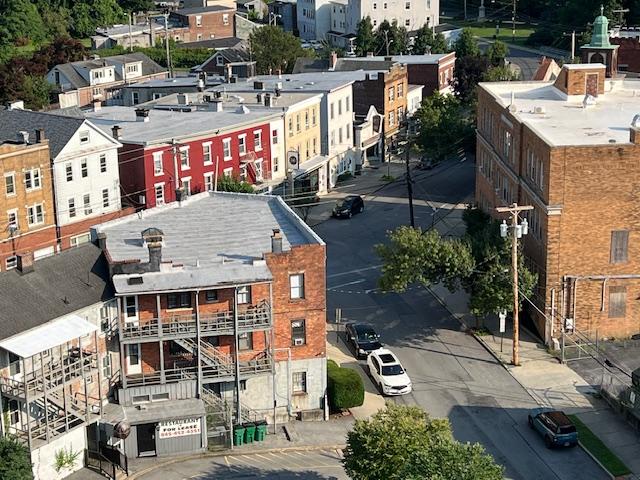
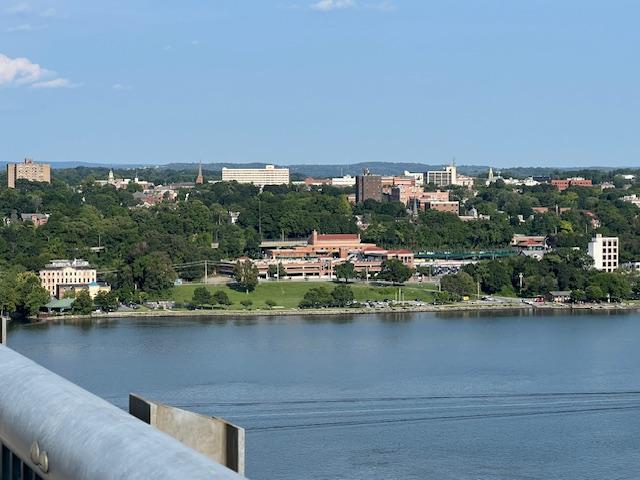
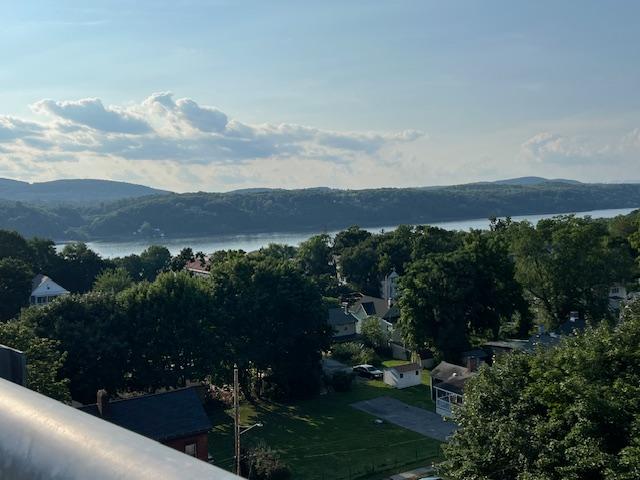
The views of Poughkeepsie and Hyde Park
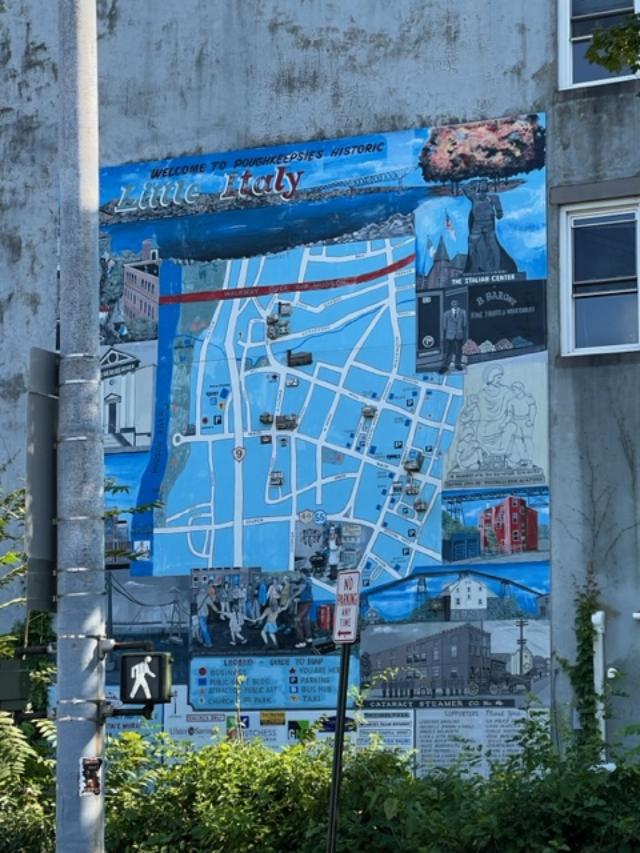
On both sides of the bridge, there are small parks to sit and relax. There are signs all over the bridge to tell the story of the bridge and the people who helped save it. The best part is to just sit around the rails and see the views of the Hudson River. On the Poughkeepsie side of the river, you have the entrance to the Little Italy section of city right near the riverfront. Since my initial walk, three of the restaurants have closed since COVID.
The historic sign at the halfway point
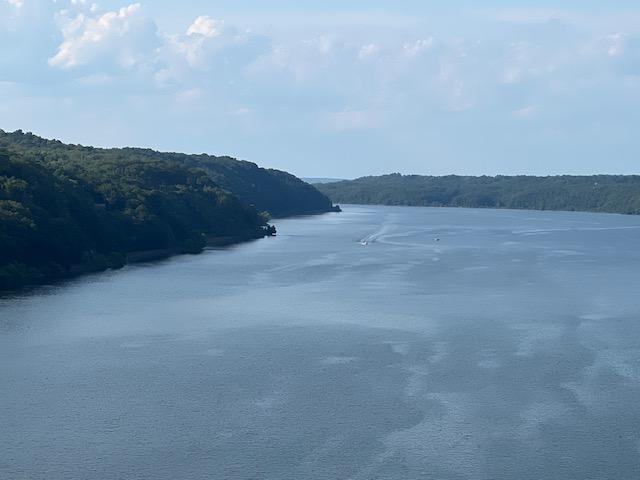
Looking up the Hudson River to the north of the bridge
Looking north to Hyde Park, NY
Looking south down the Hudson River
What is nice too is when you are leaving the Walkway is that you can tour Little Italy and Downtown Poughkeepsie. The Riverfront area of the City is changing quickly and new bars and restaurants are opening.
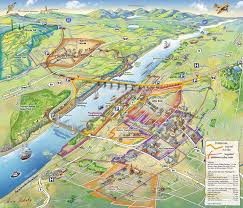
The towns and neighborhoods to visit after leaving the Walkway in Poughkeepsie and Highland NY
The Little Italy section of Poughkeepsie from the Walkway over the Hudson
The sign in Little Italy in Poughkeepsie
The history of the ‘Walkway Across the Hudson’:
The bridge now known as the Walkway Over the Hudson opened in 1889 as the Poughkeepsie-Highland Railroad Bridge to transport western raw materials to eastern industrial centers. Rosendale cement was used in the original construction of the piers. At the same time of its opening, it was the longest bridge in the world.
Downtown Poughkeepsie in front of me
In addition to freight trains, the bridge hosted passenger trains connecting Boston, New York, Harrisburg, Philadelphia, Baltimore and Washington as early as 1890. Trolley cars termed “rapid transit” were modified to run on both trolley and railroad tracks and served tourists, students and shoppers (from New Paltz to Lucky Platt’s). Special West Point Football trains ran from 1921-1930. Circus trains, milk trains, trains for hogs and cattle-the uses were varied and the impact was huge. At its peak as many as 3,500 rail cars crossed the bridge each day.
The waterfront of Poughkeepsie
There were two sets of tracks until 1918 when gauntlet track, also called interleaved track, was installed to handle the weight of diesel locomotives. It was removed in 1958.
Looking south down the Hudson River
During World War II the bridge was painted black to make it less visible in the event of an attack. Painting continued until the 1960’s. The high quality of the steel used in the original construction does not need to be painted. Metal experts during reconstruction stated that the absence of paint in fact helped keep the steel in the good condition it is in today.
The Poughkeepsie waterfront
The fire that destroyed the tracks in 1974 was probably started by a spark from a train’s brakes. From Carleton Mabee’s ‘Bridging the Hudson’, page 247: “An hour after a Penn Central train with 100 cars crossed the bridge on May 8, 1974, a thick cloud of black smoke hung over the bridge. Wooden ties were smoldering and wooden walkways were burning, fanned by a moderate breeze. Because Penn Central had no guards or maintenance men on the bridge at the time, the fire was not quickly reported. When firemen arrived at the site, they found they could not easily pump water up to the top of such a high bridge.
Downtown Poughkeepsie from the bridge near the waterfront
When firemen arrived arrived at the site, they found they could not easily pump water up to the top of such a high bridge. When they tried turning on the water to flow into the bridge. When they tried turning on the water to flow into the steel pipe which ran the length of the bridge, a line meant to help fight fires, they found that because it had not been drained the previous winter, it had burst at several points-Penn Central had known it but had not repaired it.”
View from the bridge on the Poughkeepsie side right near Little Italy
It was rebuilt and re-opened in October 2009 as the Walkway Over the Hudson State Historic Park thanks to the efforts of a dedicated friends group, the Dyson Foundation, many donors and New York State.
The Highland Park side of the bridge at dusk
At 212 feet above the Hudson River, this 1.28 mile linear park boasts scenic views north to the Catskills and south to the Hudson Highlands.
The Walkway is amazing on a sunny day
The Walkway is part of the Hudson Valley Rail Trail Network and was inducted into the Rail-Train of Fame in 2016, it connects Ulster County’s Hudson Valley Rail Train to the William R. Steinhaus Dutchess Rail Trail.
The ADA compliant 21 story glass elevator provides seasonal access from Poughkeepsie waterfront at Upper Landing Park a short walk from the Metro North train station.
The Walkway welcomes more than 500,000 visitors annually from all over the world who enjoy walking, cycling and running amidst its scenic beauty.
Today, the Walkway is operated and owned by NYS Office of Parks, Recreation and Historic Preservation and the NYS Bridge Authority it is open year round, offering programs, events and tours made possible through membership and donations to the Walkway organization.
(This information was taken from the Walkway over the Hudson website and pamphlet and I give them full credit for all of this information).
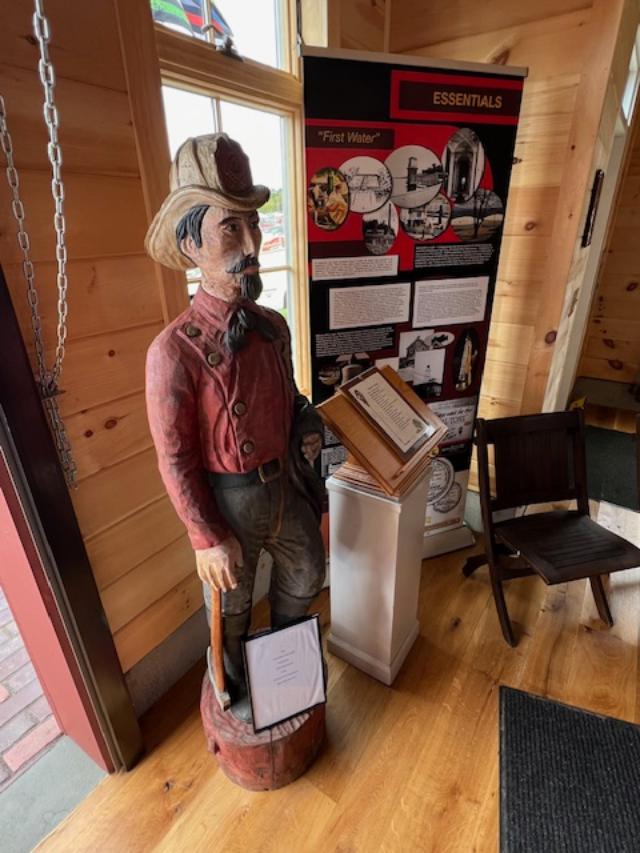
The new home of the Dutchess Firefighting Museum at the Dutchess County Fairgrounds
I recently visited the Dutchess County Fair in August of 2024 and discovered that they finally built the new Firefighting Museum of Dutchess County in the Century Village complex of the fairgrounds. This will only be open when the fairgrounds are open. It replaced the tent display that had been part of the fair since 2022.
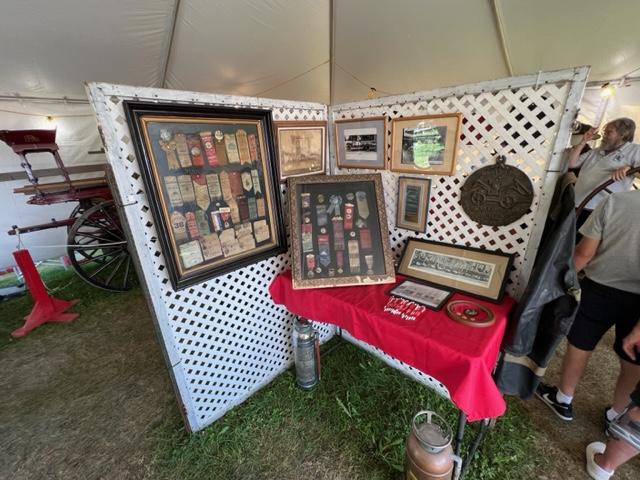
The old tent museum that was a temporary display
The Firefighting Museum of Dutchess County (Dutchess County Firefighting Museum) is finally open and houses all the memorabilia and artifacts for fire companies all over Dutchess County. I met fire fighters from companies all over Dutchess County who are dedicated in showing the history of their departments and of fire fighting over the years. The museum had just opened in August 2024 so all the displays have not been mounted yet. They should be ready for future events at the fairgrounds.
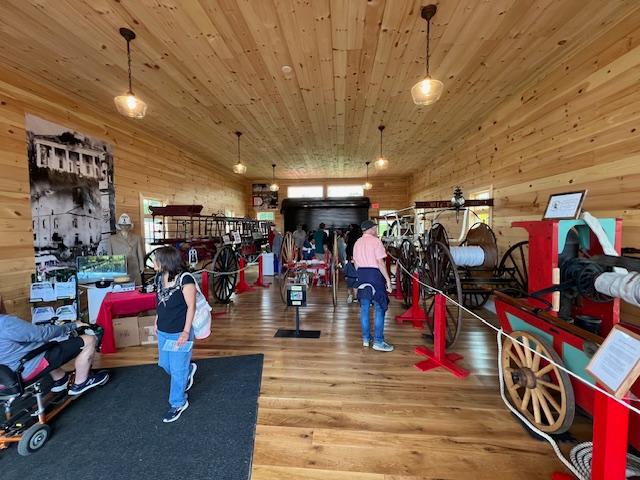
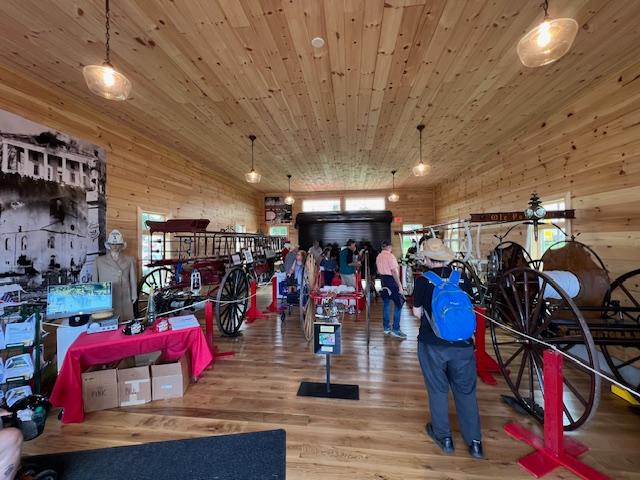
The firefighting equipment of the museum visited by many firefighters from the area and their families
The Dutchess County Fairgrounds Management had proposed to build them a new building on the Fair Grounds with the stipulation that it remain open when the fair grounds are being used and closed when they are not being used. It will be part of the Century Museum Village & Collectors Association to include a reproduction of a late 19th Century firehouse and museum of firefighting memorabilia.
Firefighting artifacts at the front of the museum
The Parade Celebration cart with uniform for parades.
Firefighting artifacts at the new museum
The antique firehouse will join the Pleasant Valley Railroad Station, the Mount Ross Schoolhouse, the Washington Hollow Fair Judging Gazebo and the Century Museum.
Dutchess County Firefighters Museum logo
The new museum has an interesting combination of equipment, medals, horns and firefighting objects from the 1800 and 1900’s. It really is an interesting way to see how firefighting from the past relates to today and how much really has not changed. There were three different pieces of equipment on display: an old Ladder Truck from the 1890’s, a pumper from 1902 and an old hose bed that must have been around 1896.
The Pine Plains FD Ladder Truck
The old pumper on display
The handheld hose bed
There were old fire horns used long before traditional fire whistles and modern pagers, firefighting ribbons and awards, old buckets and hoses for moving water and lots of pictures of old fires. The members were explaining to me that they take the objects out at all sorts of town and county functions to promote the museum.
Old Fire Medallions from the old fire insurance days when these were placed on the houses
The roll call of fire fighting in Poughkeepsie, NY
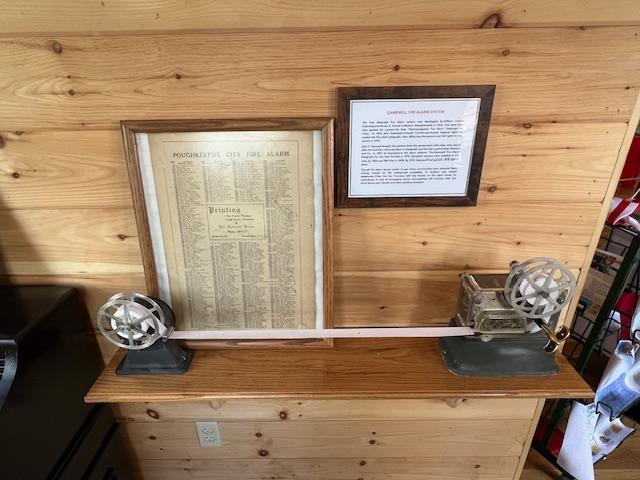
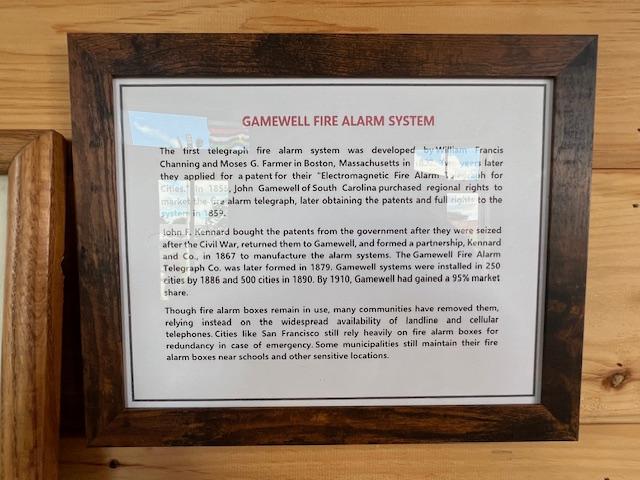
The Gamewell Fire Alarm System
History of the Dutchess County Firefighting Museum:
(from the museum pamphlet)
The Dutchess County Agricultural Society Inc. (DCAS) and the Century Museum Village & Collectors Association will be growing The Antique Village, located on the Dutchess County Fairgrounds which will include a reproduction of a late 19th Century Firehouse and museum of Firefighting memorabilia.
Firehouse artifacts in the museum
The Antique Firehouse will join the Pleasant Valley Railroad Station, the Mt. Ross Schoolhouse, Washington Hollow Fair Judging Gazebo and the Century Museum.
This grouping of special buildings on the Fairgrounds has been dedicated to preserving life in the late 1800’s in Dutchess County and sharing it with the over 500,000 visitors to the Dutchess County Fairgrounds over the course of the year.
The awards of the fire service from the old museum that will be displayed at the new museum soon
The Firehouse Project Research and artifact collection is underway, and the Fairgrounds is committed to adding to Dutchess County’s Fire Service history.
The project cost is $300,000 and was raised from funds all over Dutchess County, NY. This year’s fair the association was proud to open this museum as part of the Century Village on the fairgrounds.
The history of the Dutchess County Fire Service on video.
Special Firefighting “Coins” have been minted commemorating different fire stations, historic Dutchess County firefighting events and the dream of the Antique Fire Station and Museum. You can be a part of this exciting project by purchasing coins or making a tax-deductible donation.
The fire truck in front of the museum at the Dutchess County Fairgrounds
Disclaimer: This information is taken directly from the Antique Firehouse & Firefighting Museum of the Dutchess County Fair Grounds, and I give them full credit for it. The above picture is of the original proposed design for the museum and will be changed once the new building is built.
The new museum will house many more exhibitions in the future



































 Visiting a Museum: The Unique, Unusual, Obscure and Historical