Category: Exploring Manhattan Block by Block

Whippany Railway Museum                                    1 Railroad Plaza                                         Whippany, NJ 07981

Whippany Railway Museum 1 Railroad Plaza Whippany, NJ 07981

Whippany Railway Museum

1 Railroad Plaza

Whippany, NJ 07981

(973) 887-8177

Front Page

https://www.facebook.com/WhippanyRailwayMuseum/

Open: Sunday 12:00pm-4:00pm/Monday-Saturday Closed/Seasonal

Admission: Please check the website for seasonality

My review on TripAdvisor:
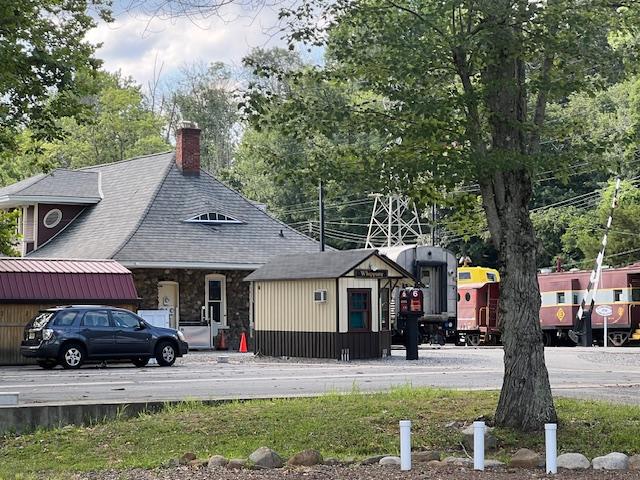
https://www.tripadvisor.com/Attraction_Review-g46925-d3395271-Reviews-Whippany_Railway_Museum-Whippany_Morris_County_New_Jersey.html

The Whippany Railway Museum

I have to say that I was very impressed by the Whippany Railway Museum. It was not one of those usual train museums with bric-a-brac and posters and a uniform here and there. The museum building itself is a highly organized history of the rail system not just in New Jersey but all over the country. It showcases how New Jersey played a big role in the growth of the rail system and how transportation has changed over the last 100 years.

The museum welcoming you to the museum

The museum displays were highly organized and well documented with all sorts of equipment of how a train functions, lighting equipment for the outdoors, and indoor dining, menus and manners for a time when rail was a form of luxury travel. It shows the progression from just transportation for the movement of product to a sleek way to travel from destination to destination.

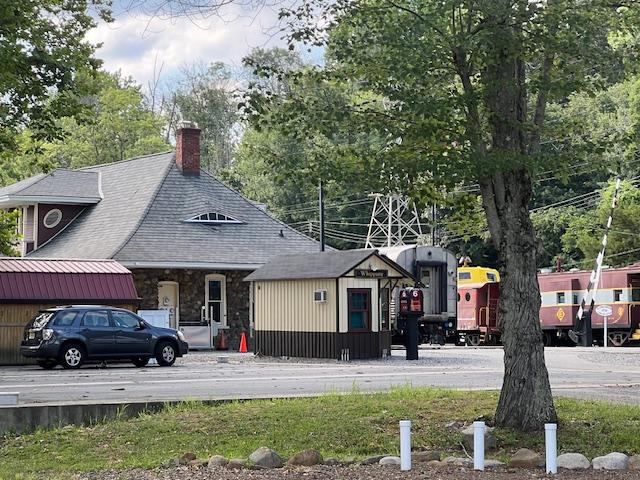
The Whippany Railway Museum at 1 Railroad Plaza

There are all sorts of everyday items that show how maintenance of the trains have changed over the years and the modernization of the railcars. They have a display on lighting that has changed over the years and the way that communication was done between the trains and the staff. Even the uniforms have not really changed too much over the years.

Race is touched on with the advancement of Blacks in the Pullman coaches as porters and later supervisors. There was even a discussion on the strikes for better pay and working conditions. I thought it was interesting about the discussion of being called a “George”, which was a term for George Pullman, the owner and developer of the luxury cars. It might have been meant as a compliment but came off as a slur. It showed a progression in the field that in some ways has not changed.

The historic railyard with all the cars you can visit

The museum also showed that rail life could be lonely and not the best in working conditions for anyone which is why the unions became so powerful in later years. It also showed the ingenuity of how the rails conquered the West and opened the country up for development. With each stop, towns developed, and populations have changed. You see how this has been affected even today as rail is not as popular as it once was, and these small towns are dying off.

The entrance to the museum

Where the museum really shines and where I saw the most pride is in the rail cars that have come to the yard over the years and have been carefully restored. The Southern Railway No. 385 built in 1907 for faster freight service, the Texaco Fireless Cooker No. 7240 built in 1937 for industrial switching duty and one of the newest steam locomotives still surviving, the U.S. Army No. 4039 built in 1942 for WWII service are just some of the cars on display (Whippany Railway Museum pamphlet).

The inside of the luxury car

The railcar that most impressed me was the Lackawanna Railroad Subscription Club Car No. 2454 that was once known as the “Millionaires Express” (Whippany Railway Museum). The mahogany paneled car carried businessmen from New York City through towns in the middle of New Jersey. What I thought was interesting was the people who rode it (Christie Todd Whitman’s father was a member) and the fact that you had to ‘buy’ the seat, which meant that no one could ever sit in ‘your chair’ if you were not there. This car ran for 72 years finally retiring out in 1984 (probably due to the recession and changing times).

The inside of the museum

I ended up spending about three hours at the museum due to a very detailed tour by one of the volunteers named Mike. He gave the most interesting hour-long tour of each car and how they were renovating it and carefully restoring each one to its historical integrity. He was so detailed and when the other volunteers chimed in with their stories as well, made it a fascinating tour of the whole yard.

When you are visiting the museum, allow time to take this every intensive and detailed tour of the museum grounds and just don’t concentrate on what’s inside the building. The museum spreads out all over the yards and take the time to explore each car and learn its history. It is an educating and fascinating way to spend the afternoon.

The museum modernizes:

The Whippany Museum under new directions

The History of the Whippany Museum:

(From the museum website)

The story of the Whippany Railway Museum began many years ago when the Morris County Central Railroad (MCC) first opened to the public on May 9th, 1965, at Whippany, NJ. On that exciting day a half-century ago, former Southern Railway steam locomotive No. 385 departed Whippany for Morristown, NJ with the MCC’s first trainload of over 400 passengers. At the end of the day over 1,500 people had traveled on a nostalgic trip into railroading’s colorful past. For the next 15 years until it ceased operations in 1980, the MCC would carry on this excellent tradition, leaving memories for untold hundreds of thousands of visitors that would last a lifetime.

The Morris County Central was founded by a New Jersey aerospace technician, the late Earle H. Gil, Sr. of Parsippany. His idea of running steam excursion trains was formed in the late 1950’s when conventional steam railroad operations were fading fast. Gil hoped that a financially successful heritage railroad would justify the great expense involved in keeping one of these magnificent machines alive.

Having acquired No. 385 in 1963 from the 16-mile-long Virginia Blue Ridge Railway (VBR) in rural Piney River, VA, the MCC ran an outstanding operation through the woodlands of suburban New Jersey. In 1966, Gil acquired another VBR steam locomotive, No. 4039 a former US Army 0-6-0 switcher that was soon added to the MCC’s roster of vintage steam-era equipment.

Threatened by development of the property alongside the Whippany Station, the Morris County Central RR saved the Whippany Freight House from demolition in June 1967 by having it moved across four sets of tracks to a site opposite the station building. Originally used by our predecessor organization, Morris County Central Railroad Museum, this classic railroad freight house is now the headquarters of the Whippany Railway Museum.

The Morris County Central was a fine example of what a conscientious group was able to accomplish, with moderate resources and good taste in the preservation of operating steam. It proved that trains, steam locomotives and haunting whistles continue to linger in the minds of the American public.

Fifty years on, the Whippany Railway Museum continues the tradition and proves that it is indeed possible to have a quality operation through much hard work by its dedicated group of volunteers and the tremendous support of the visiting public.

(From the Museum Pamphlet):

Here you can visit the restored, 1904 freight house with its outstanding collection of rail and transportation artifacts and memorabilia. There are dozens of historic railcars and exhibits on view. We are proud to feature the largest collection of American-built standard gauge steam locomotives displayed in New Jersey.

Marvel at one of the oldest steam locomotives in America, the Southern Railway No. 385 built in 1907 for fast freight service, Texaco Fireless Cooker No. 7240, built in 1937 for industrial switching duty and one of the newest stream locomotives still surviving, the U.S. Army No. 4039, built in 1942 for World War II service.

King Victorian Home & King Canal Store/Roxbury Historic Trust                               209 & 211 Main Street                           Ledgewood, NJ 07852

King Victorian Home & King Canal Store/Roxbury Historic Trust 209 & 211 Main Street Ledgewood, NJ 07852

King Victorian Home & King Canal Store/Roxbury Historic Trust

209 & 211 Main Street

Ledgewood, NJ 07852

(973) 927-7603/(973) 584-7903

http://www.roxburynewjersey.com/trust-home.htm

https://en.wikipedia.org/wiki/King_Store_and_Homestead

Open: Check their website/Seasonal

My review on TripAdvisor:

https://www.tripadvisor.com/Attraction_Review-g46563-d15096918-Reviews-King_House_And_Stores_Museum-Ledgewood_Morris_County_New_Jersey.html

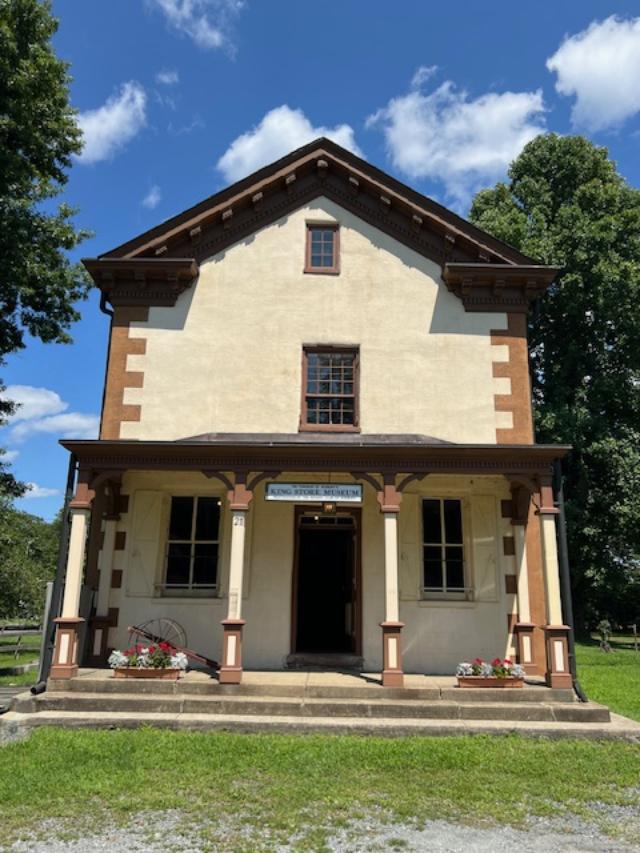
The King Canal Store Museum at 209 Main Street

The Drakesville (what the town was originally called) historic sign

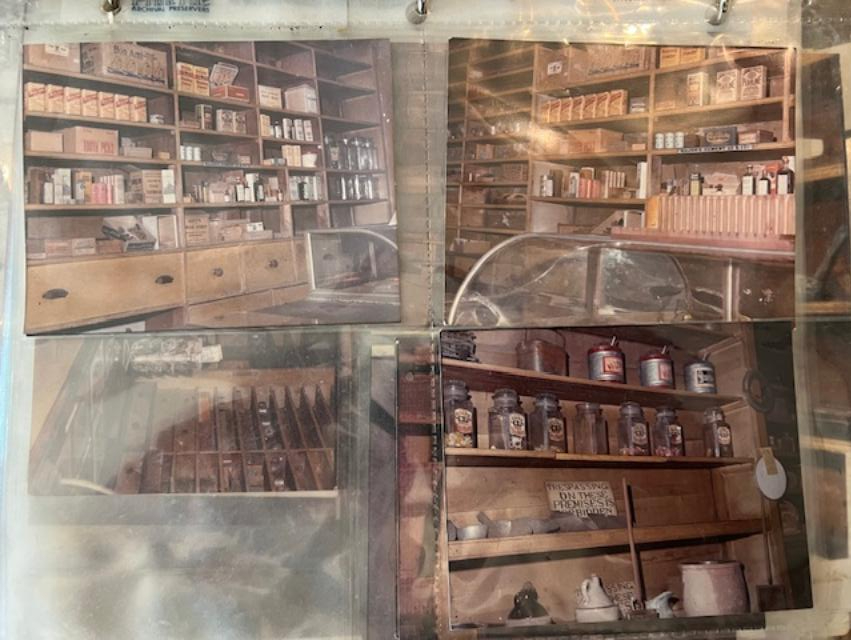
I visited the King Canal Store Museum and the King Homestead during the Morris County “Pathways to History” tour in May of 2022 and again in August 2024. This interesting store was still intact with its merchandise lining the shelves with a pot belly stove in the center of the store which was the center of action when the store was open to the community. All sorts of grocery items and notion items still line the walls.

The inside of the King Canal Store Museum shows the center of the community

Pictures of the old store when it was open

The guide explained that upon the death of the owner wanted to store closed and sealed. His daughter only opened it in the 1930’s in the depth of the Depression so that residents could buy items at a reasonable price.
The King Canal Store Museum still has items still lining the walls

The King Store and the King Homestead are historic buildings located in the Ledgewood section of Roxbury Township. The Roxbury Historic Trust acts as curator for these county owned buildings. These buildings represent significance in New Jersey commerce from 1815-1928 and were added to the National Register of Historic Places in 1994 (Wiki).

The notions area of the store

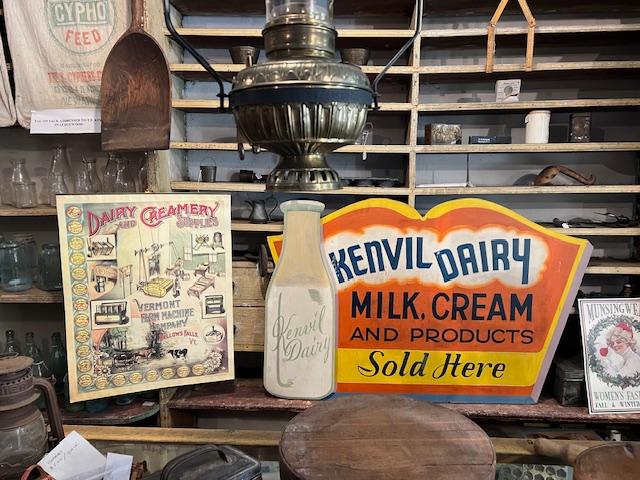
Some of the advertising for items in the store

The items on the shelves of the General Store

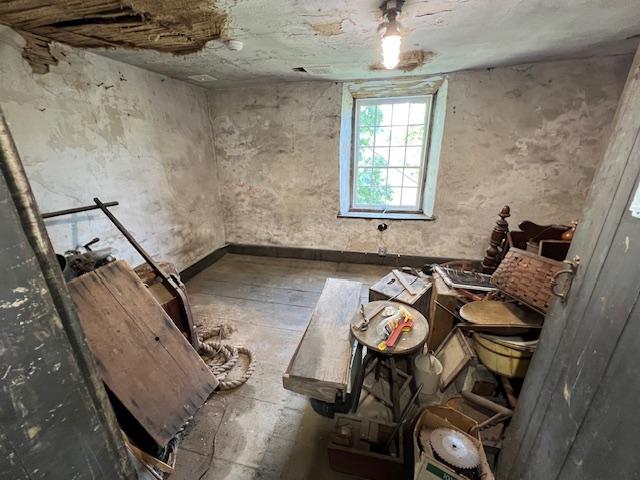
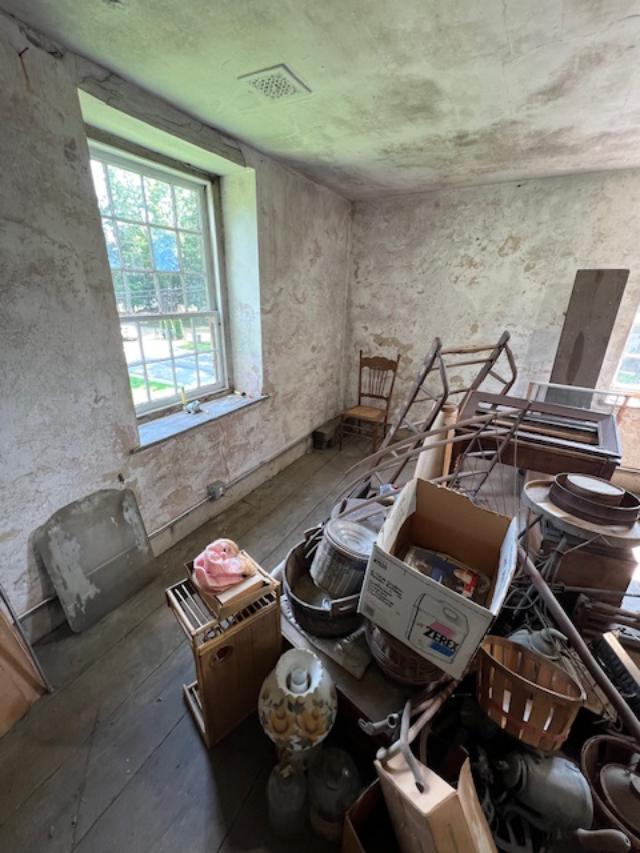
The King and Riggs families used to live above the store before they build the house next door. We got to take a tour of the second floor that you do not normally get to see.
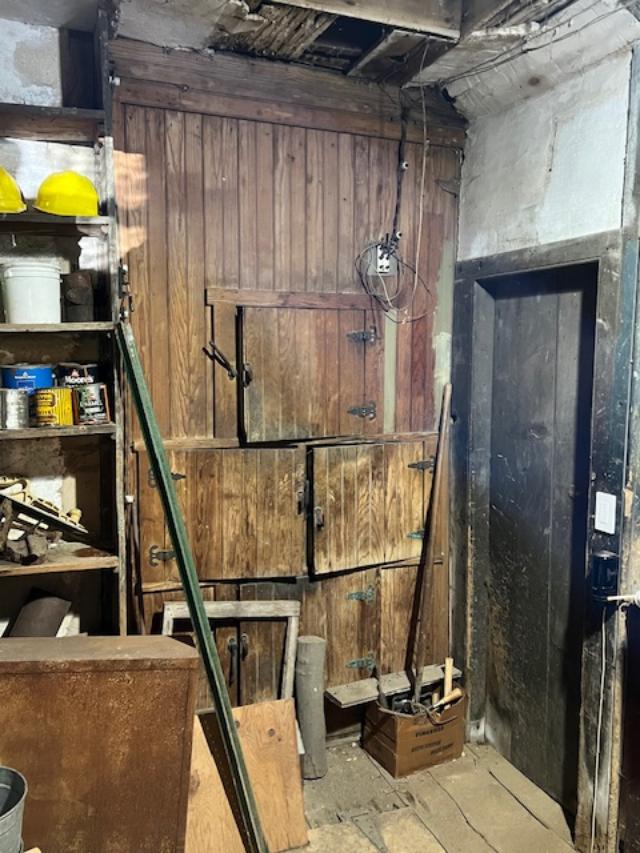
The ice storage doors to the cooler

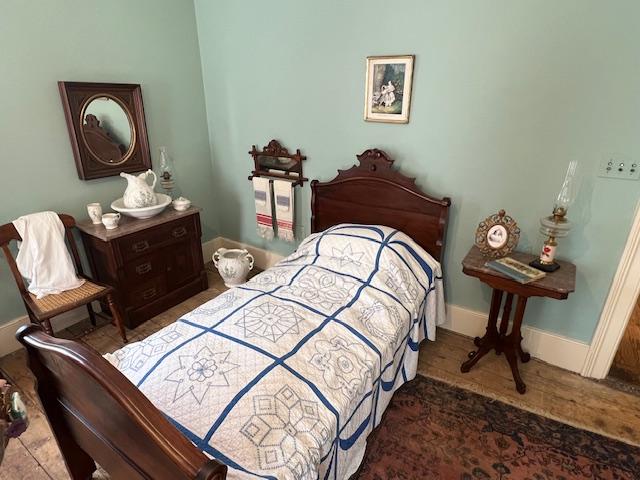
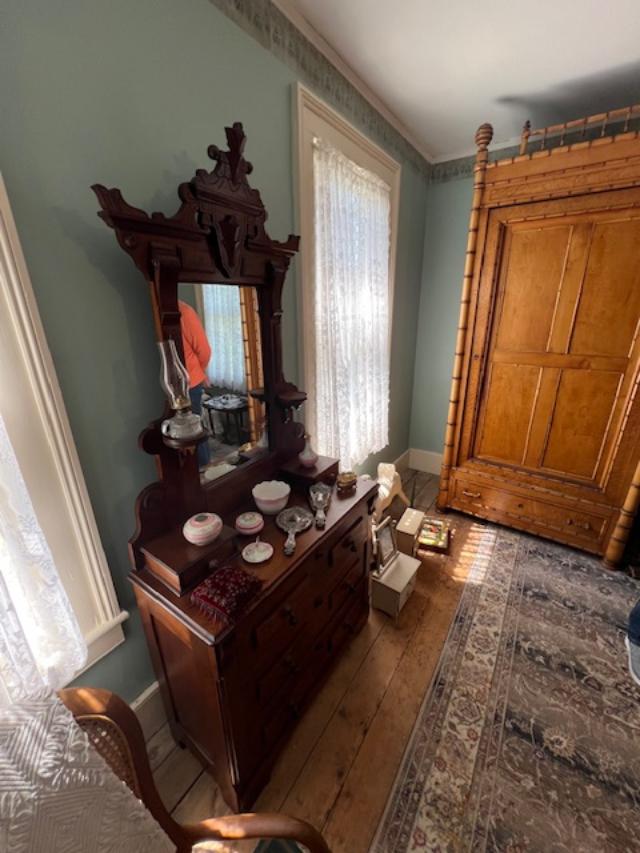
The upstairs rooms in the living area of the store

The rooms above the store

The rooms above the store

The graffiti on the walls upstairs from the turn of the last century

After I visited the King General Store, I walked over to the family home. This Victorian home had been in the family since the late 1880’s until the last family who lived in the house died in 1975.
History of the King Canal Store:

(From the Museum website)

The King Canal Store is a unique, 2 1/2 story building constructed of stone in 1815 by Woodruff and Hopkins. At the ground floor its walls are three feet thick. The Woodruff family operated the store until 1835. It was abandoned for two years and in 1837 Albert Riggs (Son of Silas Riggs, a tanner by trade and owner of several canal boats) acquired the building and reopened it as a general store serving the community and the Morris Canal trade as it was located 150 feet from the Morris Canal basin (Wiki/Museum website).

Theodore King was the son in law of Albert Riggs, took over the store in 1873. He lived on the second floor of the building with his wife, Emma Louise and daughter also named Emma Louise. In 1881, Mr. King built a new residence on adjacent property and then began a renovation of the store, changing the decor to Greek Revival and the color scheme to cream with brown trim. In the process, the exterior was given a smooth coat of stucco which was scored to resemble large blocks. The interior of the store was given an Italianate design with a cream and maroon color scheme (Wiki).

Mr. King died in 1928 and his daughter closed the building, its contents remaining just as they were with a few occasional openings in the 1930’s to help the locals in the depths of the Depression. Emma Louise King maintained the closed-up store and lived in the well cared for home until her death at 92 in 1975. From 1989, the Roxbury Rotary Club has worked with the Roxbury Historic Trust to restore the exterior and the first-floor shop and create the King Store Museum (Museum website/Historic Ledgewood Guide).

The King Canal Store Museum has grocery items lining the walls

The Theodore F. King Homestead:

The King Family Homestead at 211 Main Street was in the family until 1975

The King Homestead, a vernacular frame house to start had several additions with Italianate and Queen Anne influenced detailing. It is possible that the original house may just have consisted of the current parlor, the two exhibition rooms and one or both of the staircases to the second floor. There were two front bedrooms and a smaller bedroom in the rear of the home.

The King Family Homestead at 211 Main Street

The portrait of Mr. King hangs in the house’s Living Room

The house that was built by Mr. King for his family. They moved out of the second floor of the store.

The Living Room at the King House

The Living Room by the fireplace

The Living Room by the piano

Mr. King’s office to run the store

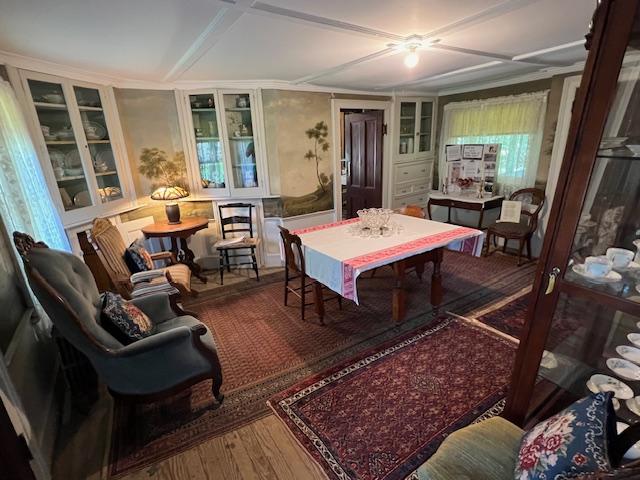
The Dining Room for entertaining

The Dining Room table for entertaining

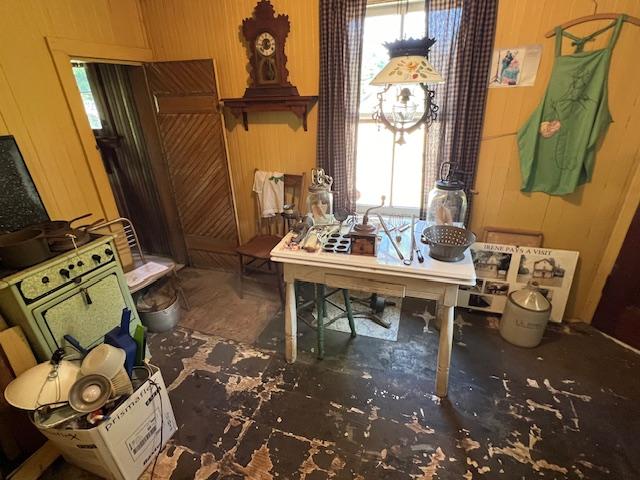
The new Kitchen behind the Dining Room

The landing at top of the second floor

The nook on the second floor of the home

The Victorian Girl’s Room on the second floor

The Victorian Girl’s Room

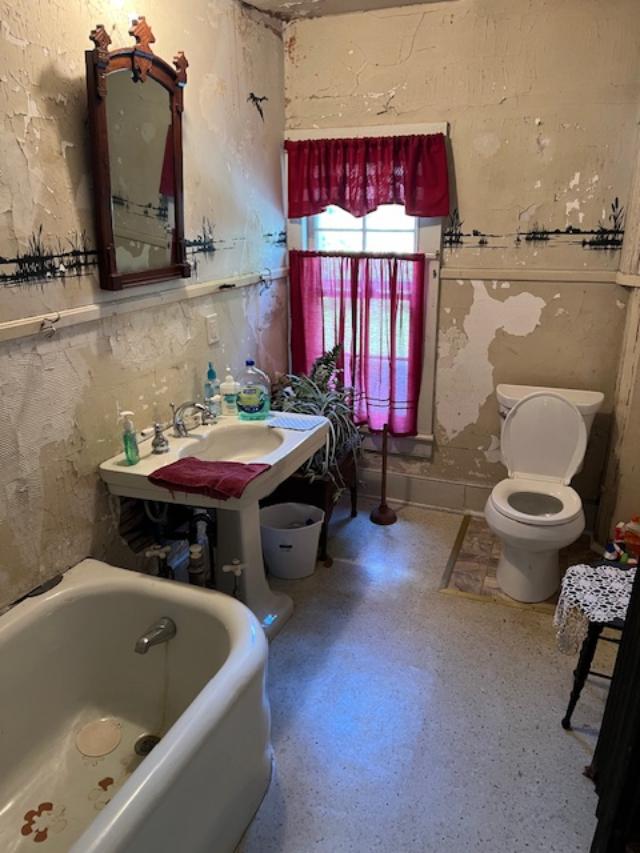
The new bathroom needs some work

The stairs to the basement contained the kitchen (which was a common practice during Victorian times) with a dumbwaiter added to the dining room so that the food could be brought up from the kitchen. Another addition to the home was the first-floor front office used by both Mr. King and his daughter. The mural in the first-floor dining room was by artist James William Marland in 1936 (Wiki).

The King House lawn

Florham Park Historic Preservation Commission/Little Red Schoolhouse & Hancock Cemetery                                                              203 Ridgedale Avenue                                                     Florham Park, NJ 07932

Florham Park Historic Preservation Commission/Little Red Schoolhouse & Hancock Cemetery 203 Ridgedale Avenue Florham Park, NJ 07932

Florham Park Historic Preservation Commission/Little Red Schoolhouse & Hancock Cemetery

203 Ridgedale Avenue

Florham Park, NJ 07932

https://www.facebook.com/pages/category/Community-Organization/Little-Red-Schoolhouse-438800069660078/

Open: See Website/Seasonal

My review on TripAdvisor:

The Little Red Schoolhouse Museum

I visited the “Little Red Schoolhouse” Museum in Florham Park as part of the Morris County’s “Pathways to History” event that is held every May. This interesting little museum showcases the town’s historical collection of items from the 1800’s and 1900’s dealing with all aspects of town life.

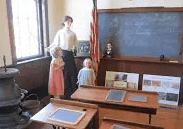
In the back there is a small classroom set up keeping with the theme of the building. This lets students who are visiting the building of their counterpart’s early education with desks, ink wells and chalk boards that have not changed that much over the years.

Not much has changed in the modern classroom over the years

There is early century clothing, farming equipment from the town’s farming past and event Native American objects found in the town and in private collections. Other items included decorative items from the home including dishware, home products and furnishings. Each section of the museum is divided up by lifestyle.

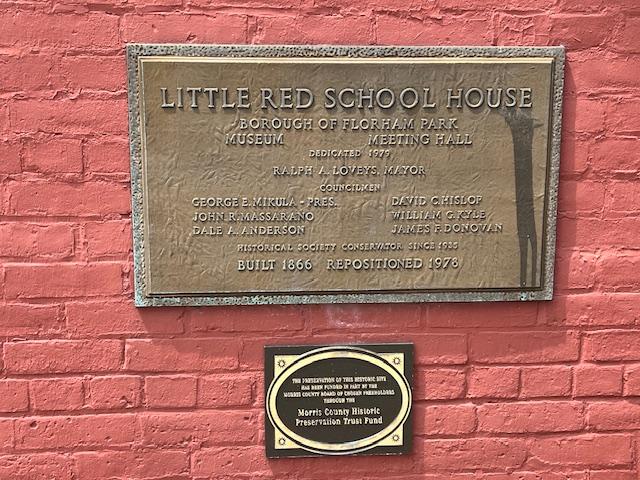
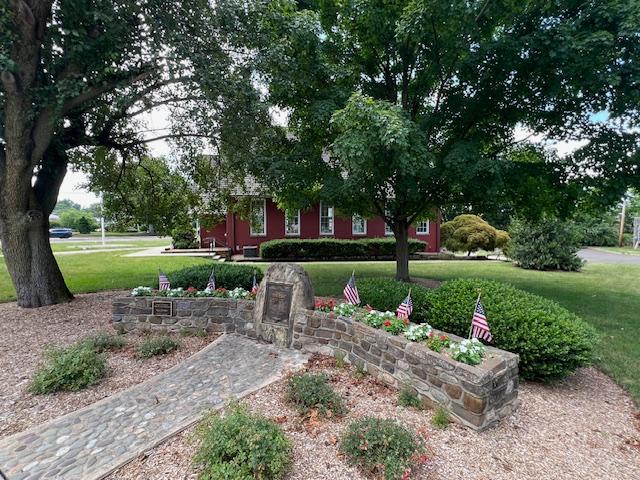
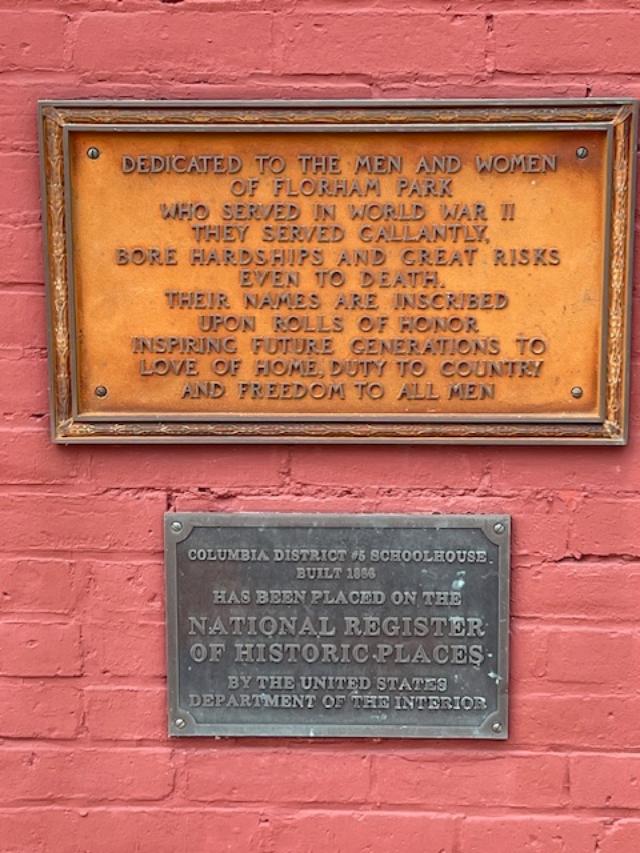
The museum’s historic plaque

The docents that day explained that the items were reflect the town’s past and some came from families that have been in town for years. The museum reflects the community spirit of town’s past. It explains that times have progressed but not changed too much over the years.

The Veteran’s Monument outside the museum

History of the Little Red Schoolhouse Museum:

(From the Museum Website)

By Kat Kurylko, Research Assistant

In 1830, the residents of Columbia, now Florham Park, sought to improve their thriving farming and broom-making community by establishing a public school for the local children. Therefore, a small schoolhouse, Columbia School #5, was built on the corner of Columbia Turnpike and Ridgedale Avenue and dedicated it on February 17th, 1831. Schooling at the “little red frame building” prospered and so by the 1850’s, the building was “in condition of dilapidation rendering it unfit to be occupied” due to overcrowding.

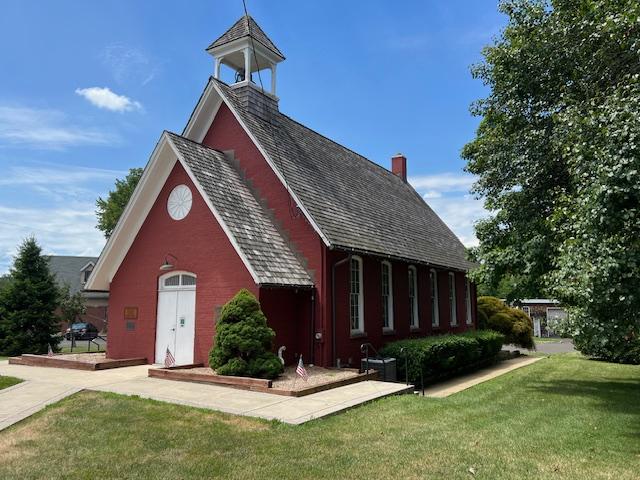
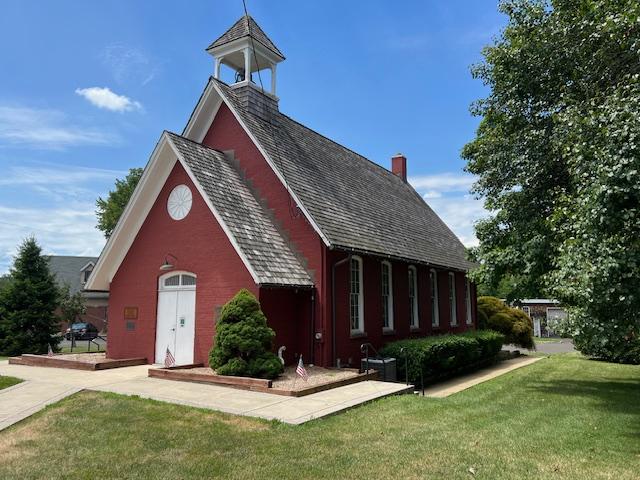
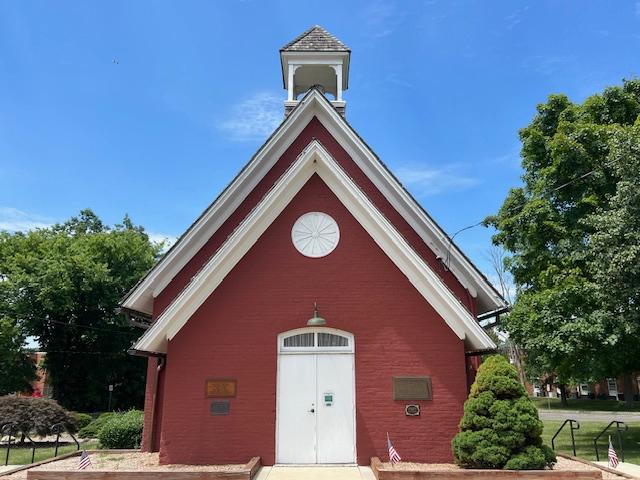
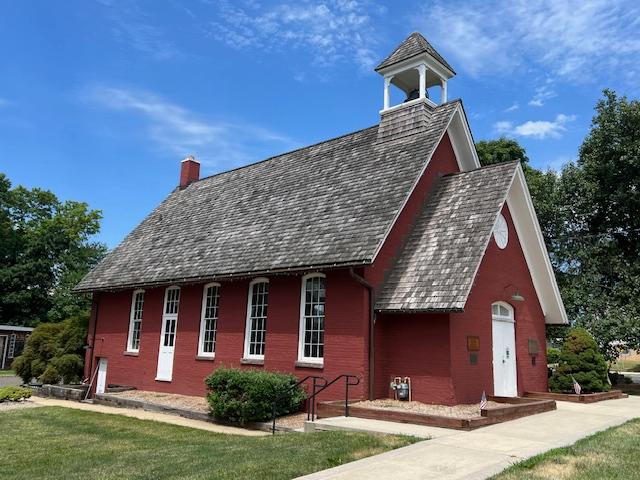
The schoolhouse from the front

On March 1st, 1867, nearly 50 children attended their first class in a new one-room brick schoolhouse. The use of brick added prestige but great expense to the project, accounting for nearly half of the budget. The new building was designed based on principles found in Henry Barnard’s book, “School House Architecture. Much like Thomas Kirkbride’s progressive hospital designs (illustrated locally at Greystone Park Psychiatric Hospital), Barnard’s method School attendance continued to grow and by 1914, a four-room annex building, which could accommodate 78 students was built on the school’s property and the earlier brick building served as an auditorium. Eventually, the community outgrew both buildings and in 1934, the borough’s current middle school was constructed.

The schoolhouse from the side view

Founded in the 1930’s to preserve the “Little Red Schoolhouse”, the Historical Society of Florham Park now operates the building as a museum. A source of great pride for the local community, the building stands in nearly the same location on the corner of Columbia Turnpike and Ridgedale Avenue, although moved back to accommodate the expansion of Columbia Turnpike. Listed on the NJ and National Registers of Historic Places since the early 1970’s, today the building serves as a reminder of the community’s rural roots.

The “Little Red Schoolhouse” Museum historic plaques

(From the Morris County site):

The Little Red Schoolhouse & Museum:

Florham’s Park’s iconic Little Red Schoolhouse was built in 1866 at a cost $2,250. Its open belfry and gable-end entrance instantly identify it as a typical 19th century one-room schoolhouse. The Italianate one-story narrow red brick masonry building is an architectural marvel with its steep roof, tall windows and elaborate arches.

Inside, part of the museum is set up as a 19th century classroom, where small groups can enjoy a lecture. The museum has a variety of artifacts from the 1800’s and 1900’s, vintage school desks and broom-making equipment. Its location at the historic crossroads of Florham Park has remained a key reminder of the borough’s rural origins. The schoolhouse is a stop each fall on the free “Pathways of History” event (which I was on that day I visited).

Of Special Note:

*In 1978, the schoolhouse was moved back several yards to accommodate the expanded Columbia Turnpike.

*The schoolhouse is also known as Columbia School District Number 5 Schoolhouse.

*The schoolhouse is the borough’s icon, appearing on the town flag, letter head, website and public works and first responder vehicles.

Society of Illustrators Museum/Museum of Comic and Cartoon Art                                                   128 East 63rd Street                                            New York, NY 10065

Society of Illustrators Museum/Museum of Comic and Cartoon Art 128 East 63rd Street New York, NY 10065

Society of Illustrators Museum/Museum of Comic and Cartoon Art

128 East 63rd Street

New York, NY 10065

(212) 838-2560

https://en.wikipedia.org/wiki/Society_of_Illustrators

Open: Sunday-Tuesday Closed/Wednesday-Saturday 11:00am-5:00pm

Admission: Adults $15.00/Seniors and Students $10.00/Members and Children under 10 free/US Veterans with Disability Free

My review on TripAdvisor:

https://www.tripadvisor.com/Attraction_Review-g60763-d136147-Reviews-Society_of_Illustrators-New_York_City_New_York.html

The entrance to the Society of Illustrators at 128 East 63rd Street

It is always nice when you discover a new museum. In all my years of walking around the Upper East Side, I had never noticed the Society of Illustrators, nor had I heard of it, but I am glad I have now. The museum is home in a stylish brownstone on a residential block away from the traditional “Museum Row” on Fifth Avenue.

The exhibits were on the main and lower floors of the main building with the special exhibitions on the third and fourth floors. The museum also had a very nice restaurant with an open terrace when it got warmer on the fourth floor. The restaurant has been closed since COVID closed the museum, but the bar is open for a drink.

The front door of the museum

On the first floor and lower level, the exhibition “Illustrators 64: Advertising, Institutional, Uncommissioned, Surface/Product Design categories”. The exhibition is a presentation of outstanding works of the year by leading contemporary illustrators worldwide. This exhibit had all sorts of interesting pieces ranging from advertising art to pastels and drawings of all sorts of subject matter. There was everything from animals skateboarding to commercial portraits. There were also unique works based on national brand companies and New York City themed works.

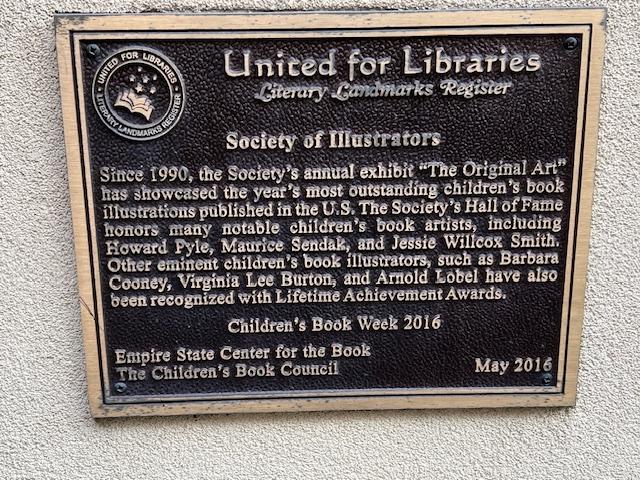
Society of Illustrators plaque

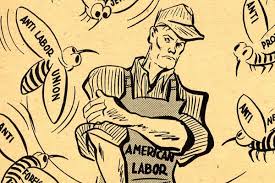
The second floor was the “Eric Godal: A Cartoonist’s Fight for Human Rights” exhibition that had cartoons that are still prevalent to today. As I read and admired the works by the illustrator, I can safely say that his works are just as contemporary now as they were then dealing with antisemitism during WWII in Europe. His works ridiculed the party and the Third Reich’s power over people who they deem “unsatisfactory”. He also showed the rise of the labor movement and big businesses reaction to it.

Artist Eric Godal’s works on social justice

In the fourth-floor restaurant, was the “Kent State: 4 Dead in Ohio” exhibition on the May 4th, 1970, incident on the Kent State campus. The college students there like college students all over the country were protesting the war and there had been many incidents over the months leading to the shooting.

The illustrated story boards tell the whole story of the four people who had been killed and how the whole incident had happened. It was fascinating to see how each of the people involved how their lives came about during that time and how it led them to that horrible day.

The book and exhibition by Derf Backderf’s book “Kent State”

The “128 Bar & Bistro” is currently only open at certain hours and the bistro part of the restaurant is currently closed and according to the bartender being revamped. It has not been that busy before the pandemic, so they have the bar section open only.

The outdoor terrace with its breathtaking views and planted edges will make for a nice place for a cocktail in the warmer months. The space is a nice place to relax after a long afternoon of touring the museum.

This is one of those rare museums in New York City that is fun to find and explore.

The Dining Room/Lounge that is a bar area for now

The History of the Society of Illustrators:

(From the Museum Website)

The Society of Illustrators’ mission is to promote the art of illustration, to appreciate its history and evolving nature through exhibitions, lectures and education and to contribute the service of its members to the welfare of the community at large.

The Society of Illustrators is the oldest nonprofit organization dedicated to the art of illustration in America. Notable Society members have been N.C. Wyeth, Rube Goldberg and Norman Rockwell among many others.

On February 1st, 1901, nine artists and one businessman founded the Society of Illustrators with the following credo: “The object of the Society shall be to promote generally the art of illustration and to hold exhibitions from time to time.” This simple dictum has held true for over a century.

At the time when illustration was in what has been called its Golden Age, the first monthly dinners were attended by prominent artists including Howard Pyle, Maxfield Parish, N.C. Wyeth, Charles Dana Gibson, Frederic Remington, James Montgomery Flagg, Howard Chandler Christy and special guests such as Mark Twain and Andrew Carnegie.

Our museum of Illustration was established in 1981 under the stewardship of them president John Witt. We offer year round themed exhibitions, art education programs and annual juried competitions. Our Permanent Collection houses 2,500 pieces that are cataloged for scholarly use and displayed periodically. In 2012, we created the MoCCA Gallery with a focus on curated exhibitions of comic and cartoon art.

The Society of Illustrators is an organization of many layers, one which provides illustrators a center to discuss, demonstrate and exhibit their work, contributes to future artists and to the community at large, honors its preeminent practitioners, takes a stand on legal and ethical issues affecting the profession-and has a great dining room to boot!

As it faces the challenges of a swiftly changing future, the Society will continue to “promote generally the art of illustration,” as its founders dictated.