Category: Exploring Historic Salem County, NJ

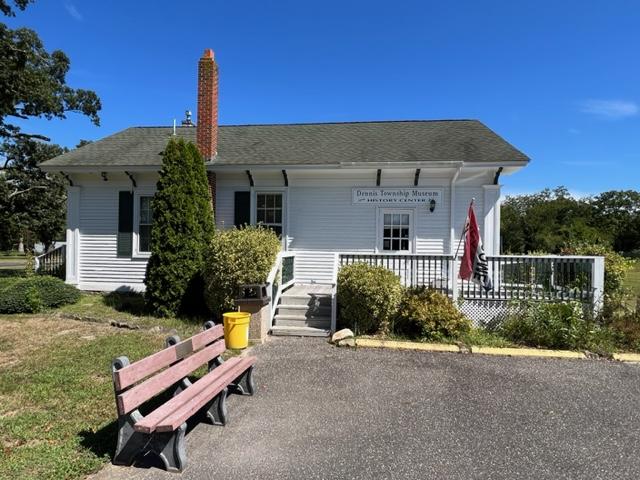
Dennis Township Old School House Museum                   681 Petersburg Road                                Woodbine, NJ 08270

Dennis Township Old School House Museum 681 Petersburg Road Woodbine, NJ 08270

Dennis Township Old School House Museum

681 Petersburg Road

Woodbine, NJ 08270

(609) 861-1899

http://www.dennismuseumfriends.org/

https://www.facebook.com/people/Friends-of-dennis-township-old-school-house-museum/100066513017935/

Open: Every First and Third Saturday of the Month (Please check with the website on weather conditions)

Admission: Free but donations accepted

My review on TripAdvisor:
https://www.tripadvisor.com/ShowUserReviews-g35374-d25030718-r862673797-Dennis_Township_Old_School_House_Museum-Woodbine_Georgia.html?m=19905

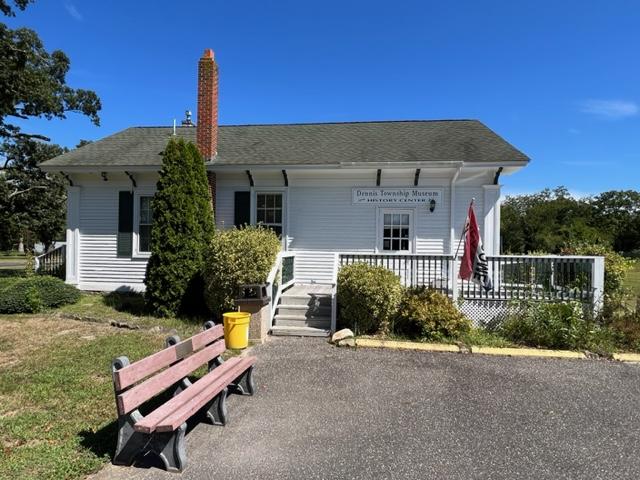
The Dennisville Historical Society at 681 Petersburg Road

I have been wanting to see this charming little museum for several months. This is one of the featured historical museums in Southern New Jersey. The museum is representing the local farming and manufacturing industries as well as life in a farming community at the turn of the last century.
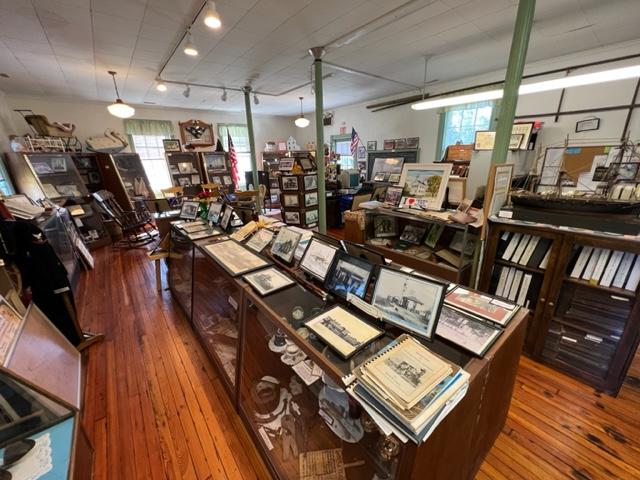
The Main Gallery at the Dennisville Historical Society.

The museum was started in 1994 in a partnership with the town of Woodbine, NJ and houses the history of Dennis Township. It is an all-volunteer museum, and the docents were really helpful describing all the displays that surround this small former schoolhouse. Their Friends of the Dennis Township Museum group does a nice job walking you around the museum and describing the displays.
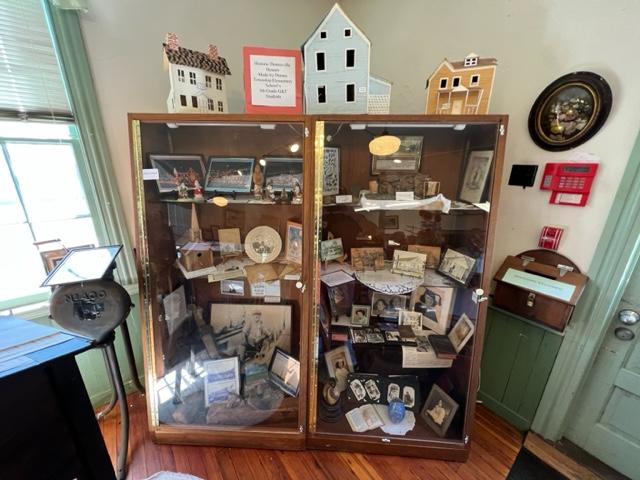
The artifacts that are on display at the museum.

The museum tells the story of a small-town farming community with a history of different local businesses, the Dennisville School district from 1874-1948 and the Methodist colony that was a big part of the community in the early 1800’s. The shipping industry was very important to any small town that used to supply its fruits, vegetables and fish to Philadelphia.
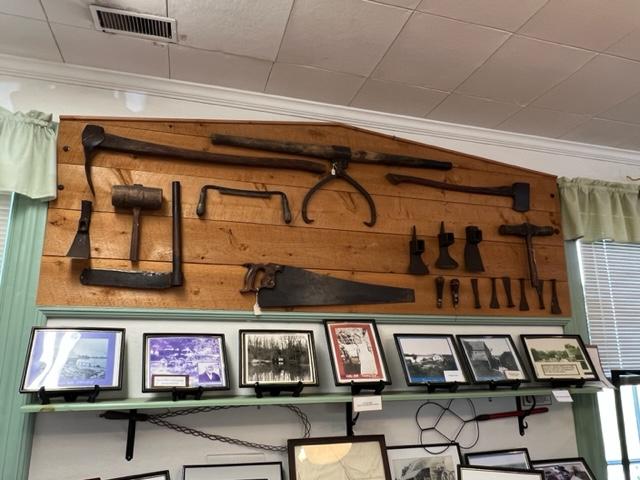
The Farming display at the museum.

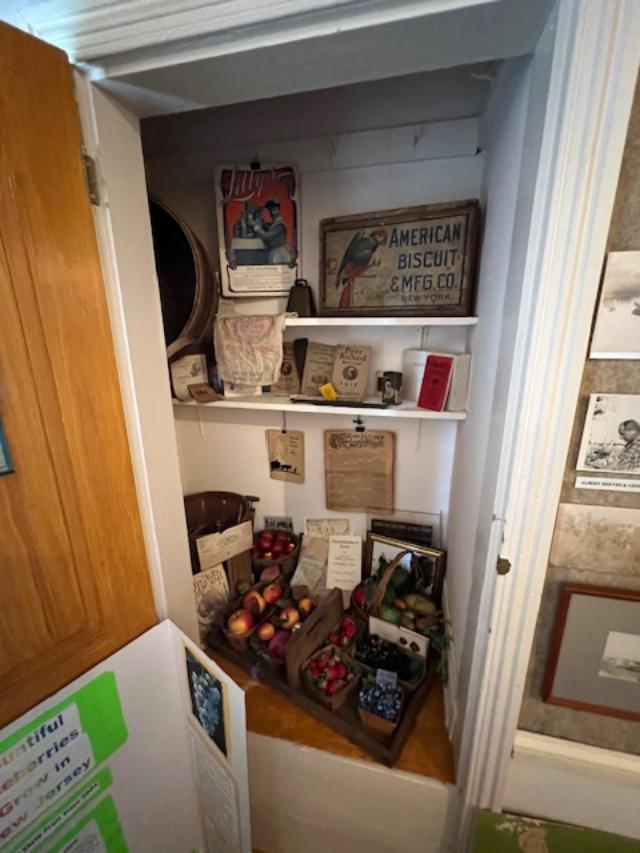
Some of the displays were dedicated to the local family businesses with the small cranberry industry that used to be in the area with equipment and packaging. The Mason Basket Company used to make the small and large wooden baskets for fruits and vegetables used to ship these items to both New York City and Philadelphia. These baskets are a staple at any farmers marker today.
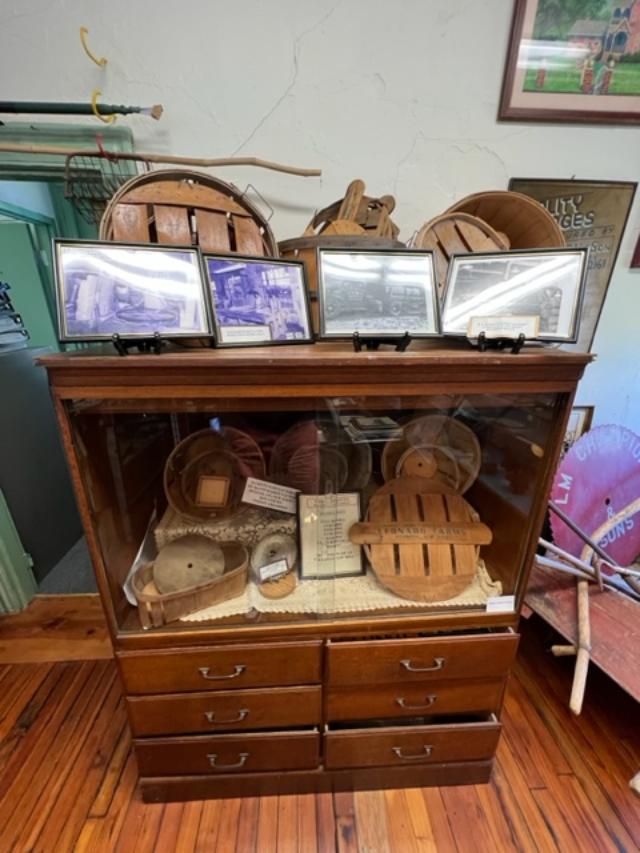
The Basket making business for fruits and vegetables was a big business.
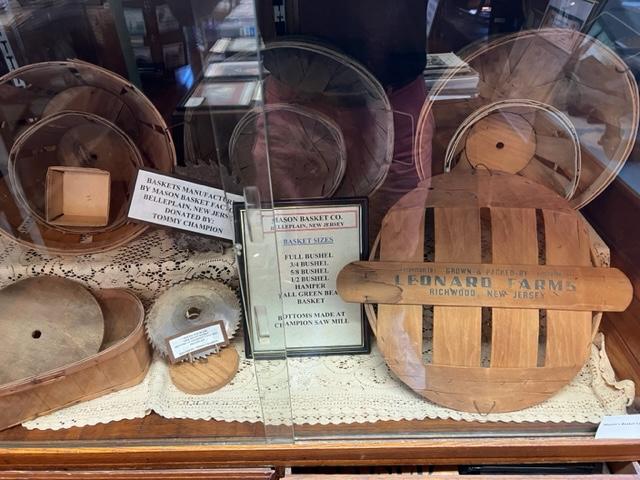
The other big business in town was the shingle making business that prided itself on supplying the shingles for Independence Hall in Philadelphia.
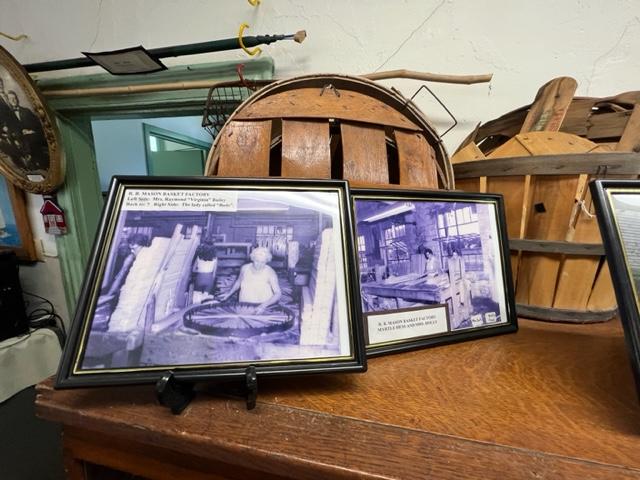
The history of the Basket making business in Dennisville.
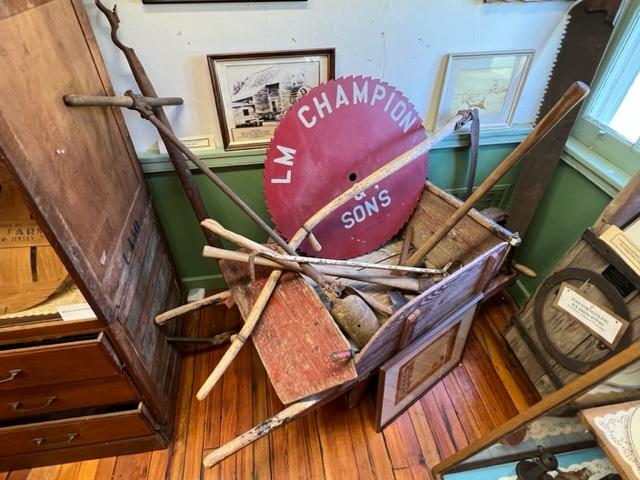
The basket and shingle businesses in Dennisville.

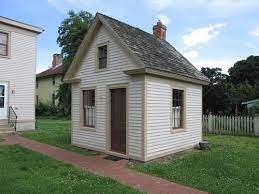
The building had been the local one room schoolhouse for the surrounding community from 1874-1948 until the new schools were built in the 1950’s. There was a display on the school’s history as well as lots of pictures of the students at the turn of the last century with their period clothing and proper manners taking pictures with their schoolteachers. There were displays of desks, clothing and items that would have been in the school room.

The school display
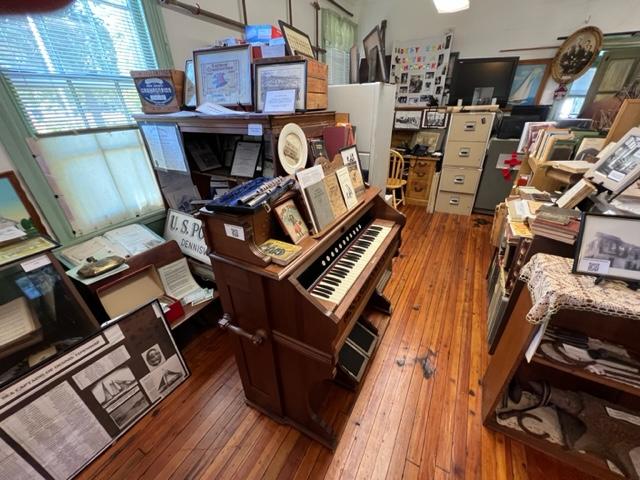
The school display.

The town had once been a Methodist community with a large meeting house and surrounding homes for parishioners to stay. They showed the meetings and how the group would spend their summers in the area.
The summer community in Dennisville, NJ (from their archives)

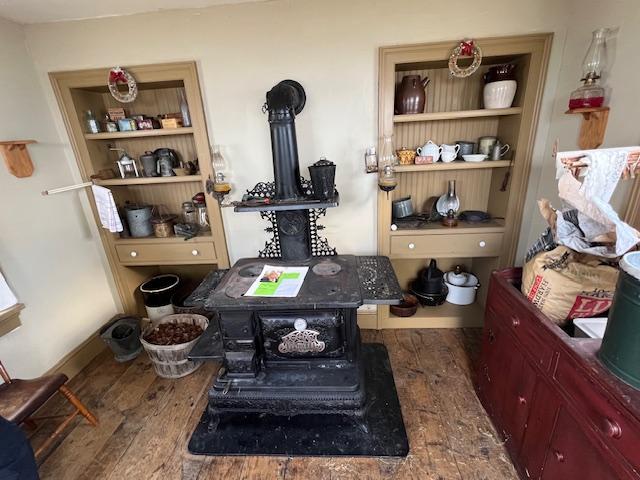
The museum showcased live in a small-town farming community with all sorts of farm and farmhouse equipment. There were all sorts of home making items like cooking utensils to make meals from scratch, baking and serving in homes where being a housewife took a lot of strength. The farm equipment included hoes, racks and seeders that kept the farms going.
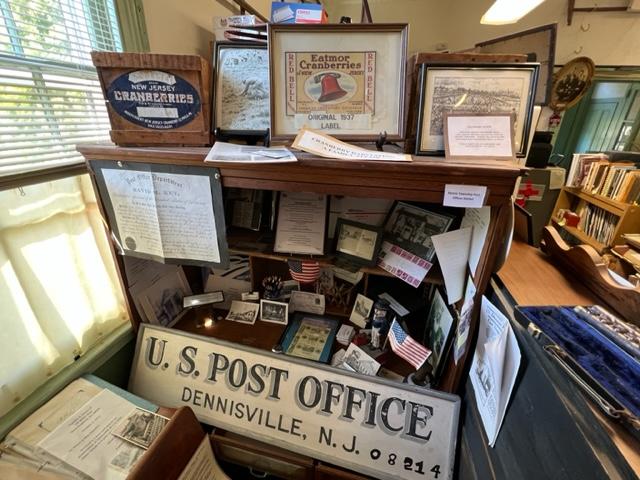
The Post Office display

There were pictures of the renovations of the Ludlam family cemetery that had gone through a renovation by the Boy Scouts and showcased it beauty. The members did a nice job renovating the tombstones and landscaping.
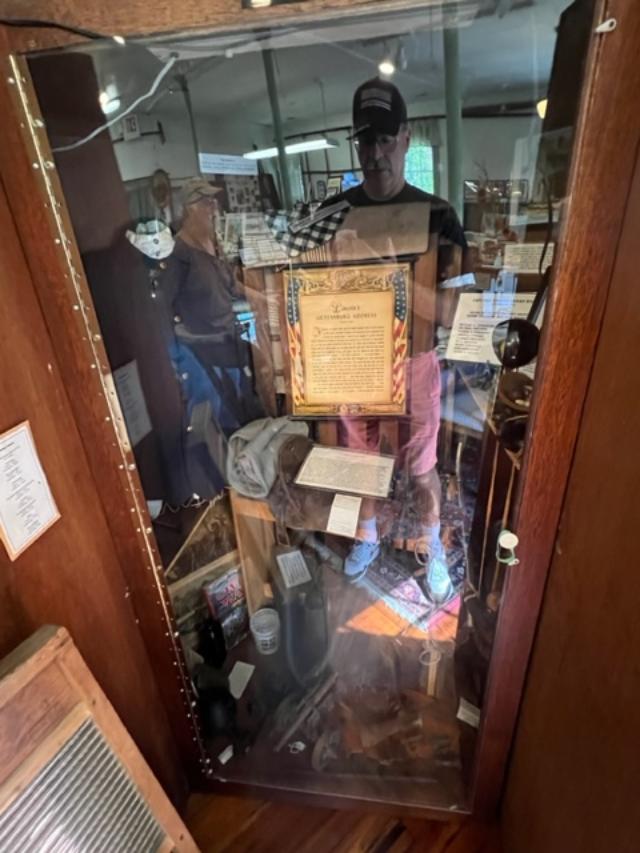
The Civil War display
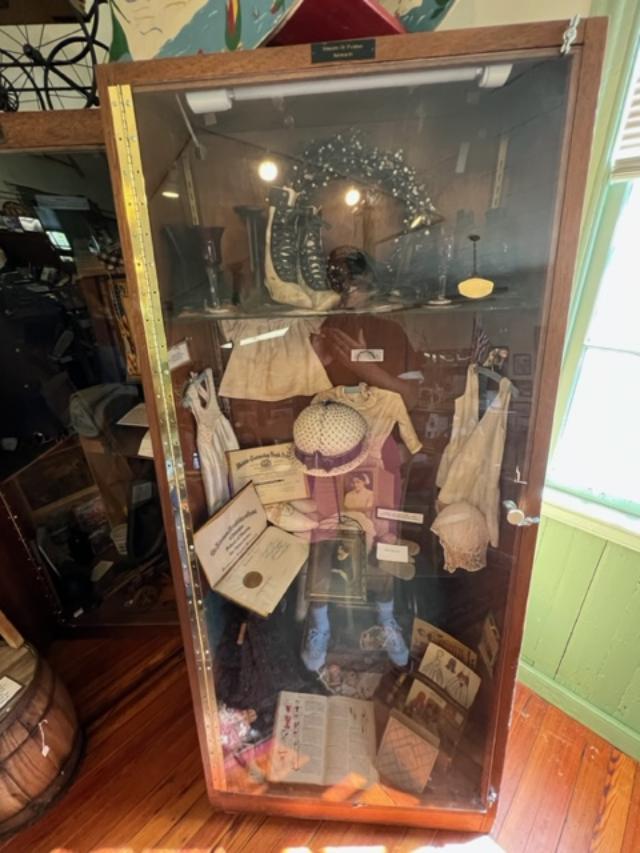
The Clothing display
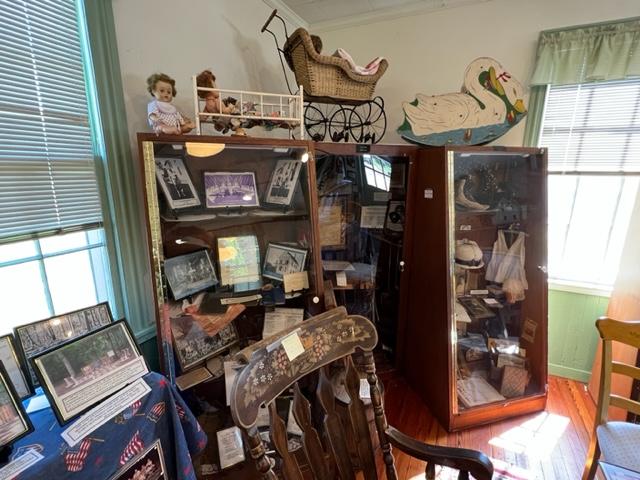
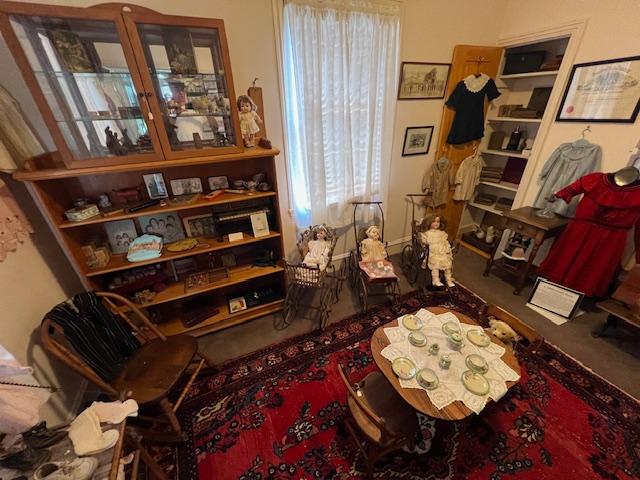
The Children’s display
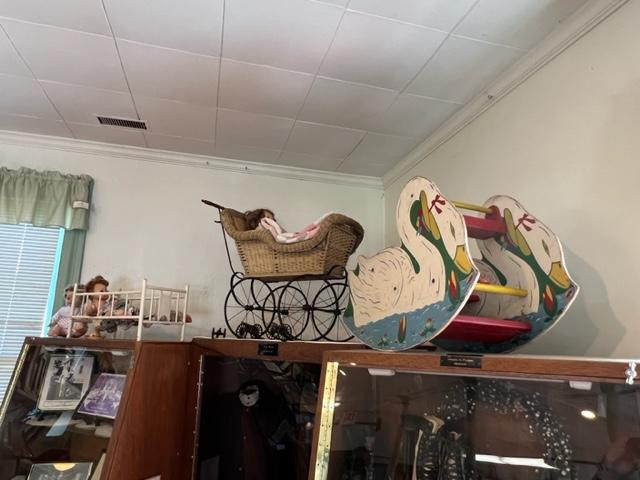
There were lots of interesting items to see in the Children’s display.

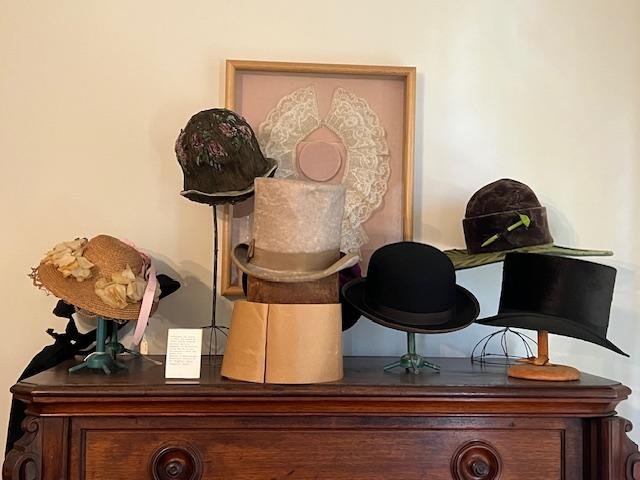
In the corners of the museum, there is period clothing from the Civil War to the 1930’s with hats, gloves and dressing plus accessories. There is a small display to the local veterans of war. Near the entrance there is a working pipe organ and more information about the town from the early 1900’s.
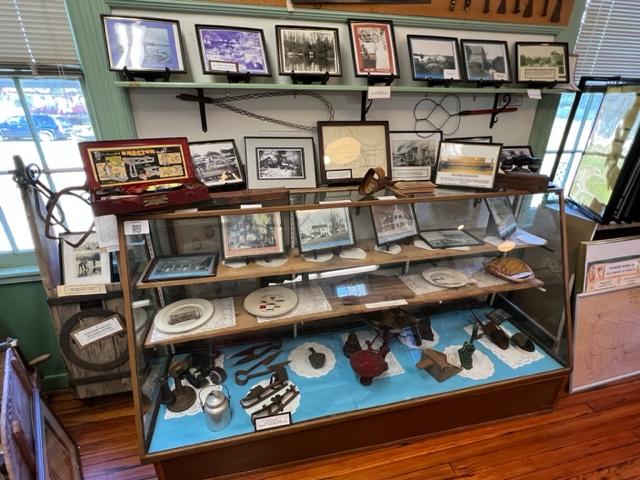
The Household items at the museum.

The docents told me that they have the old town records and that people come to the museum to research their families that used to live in the area. They have had people come from all over the country to find their family roots.
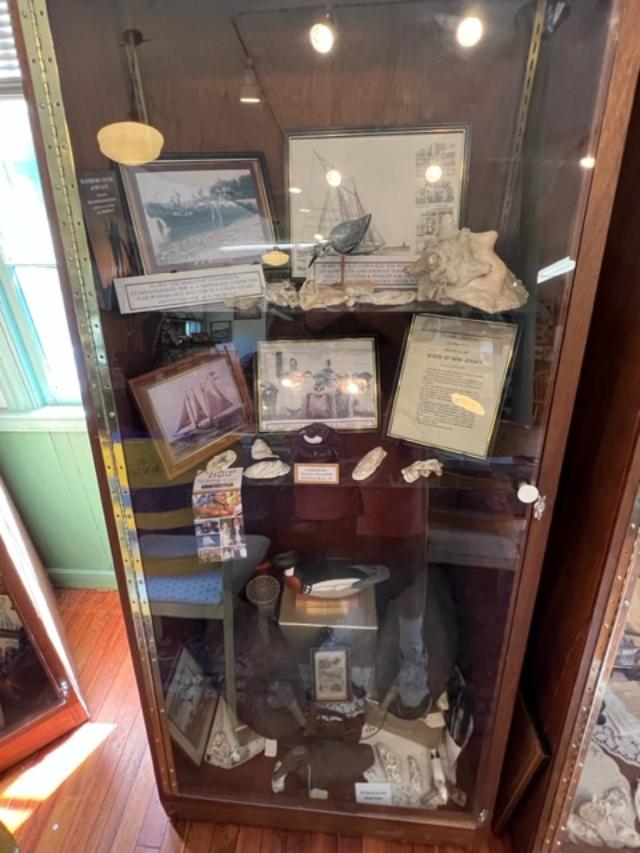
The Shipping Industry
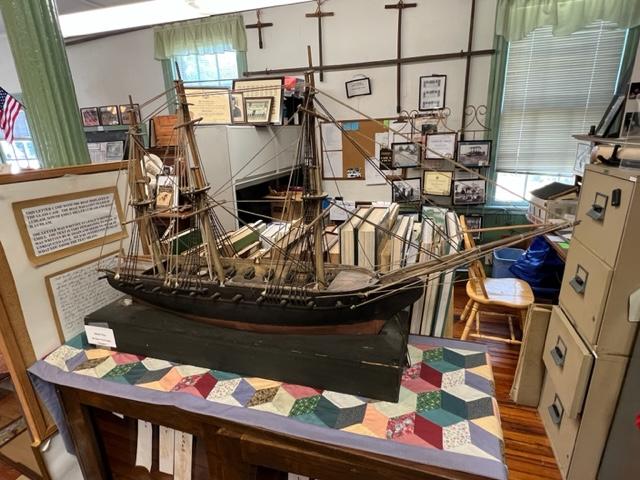
The Ship Building industry

For a small museum, it is chock full of small displays offering a glimpse into a community of time past and how it has grown over the future and changed.
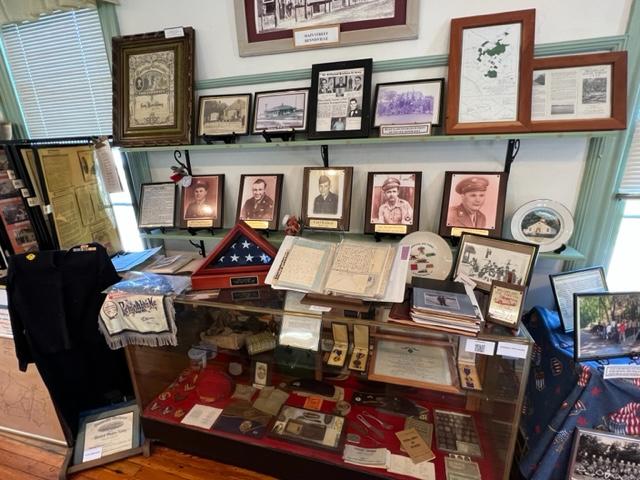
The Military display

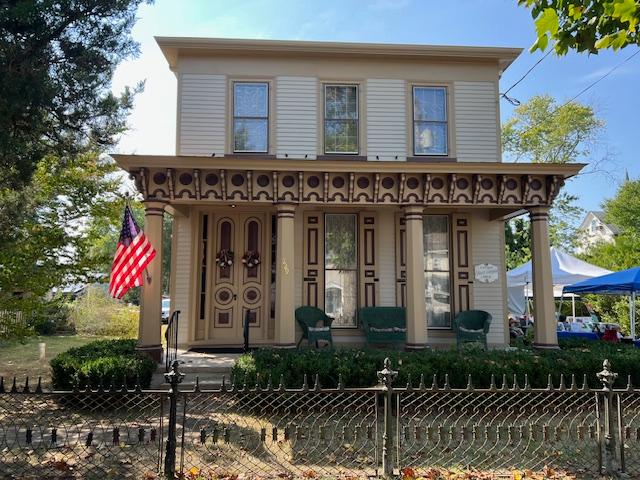
Take time also to drive around this small town loaded with historical homes that have been beautifully maintained and labeled with the year that they were built. Some looked like they had the family names on them. All of the homes are painted bright colors and each has been brought back to life. I was amazed in how in one year how many of these homes had been bought and repaired and painted. The whole town was brought back to life.
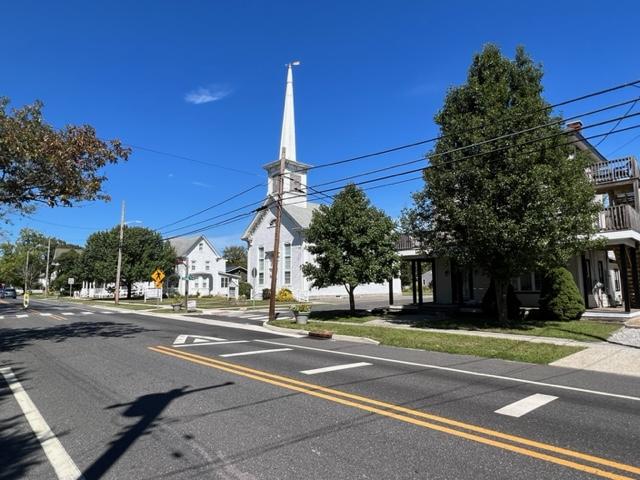
Downtown Dennisville has a quaintness to it.
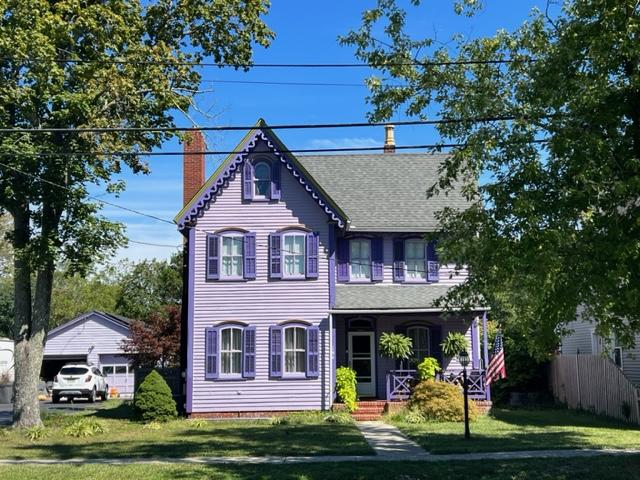
The Purple House in Downtown Dennisville, NJ.
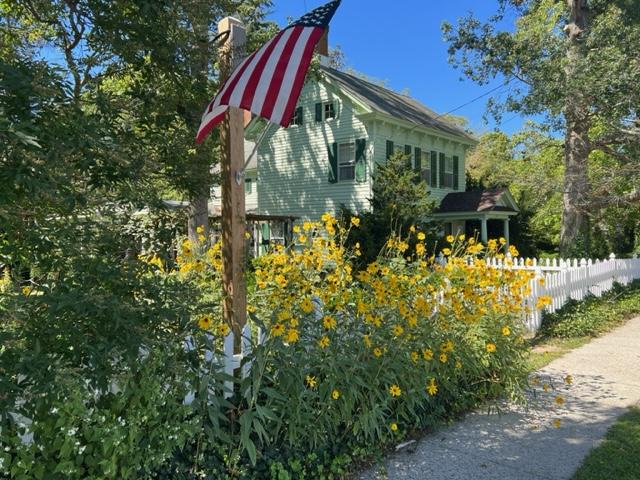
The light Green House in Dennisville, NJ
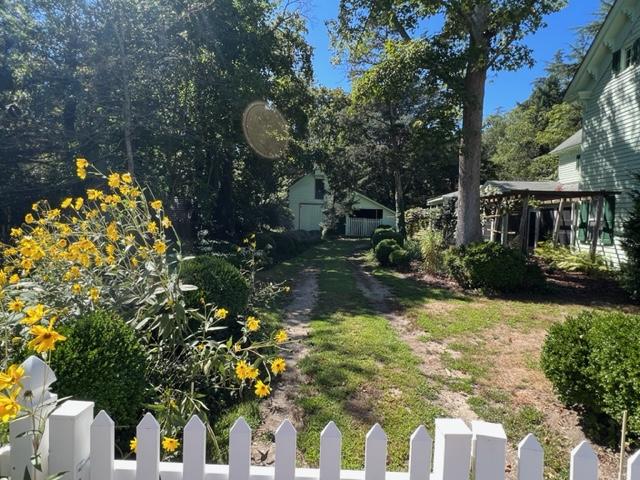
The gardens of the Green House
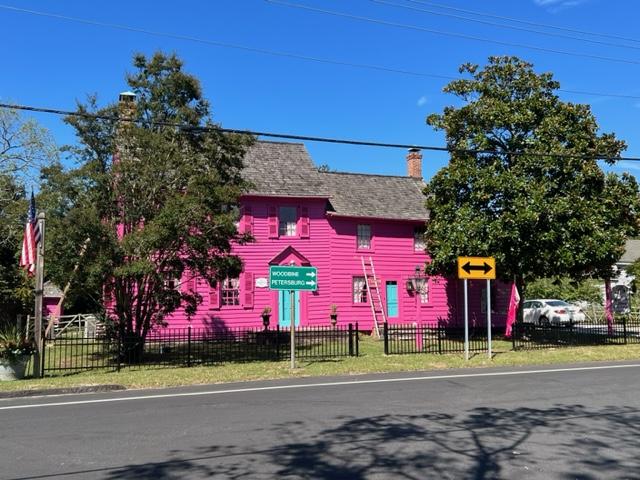
The Pink House is a known landmark to local law enforcement as a marker in the town.
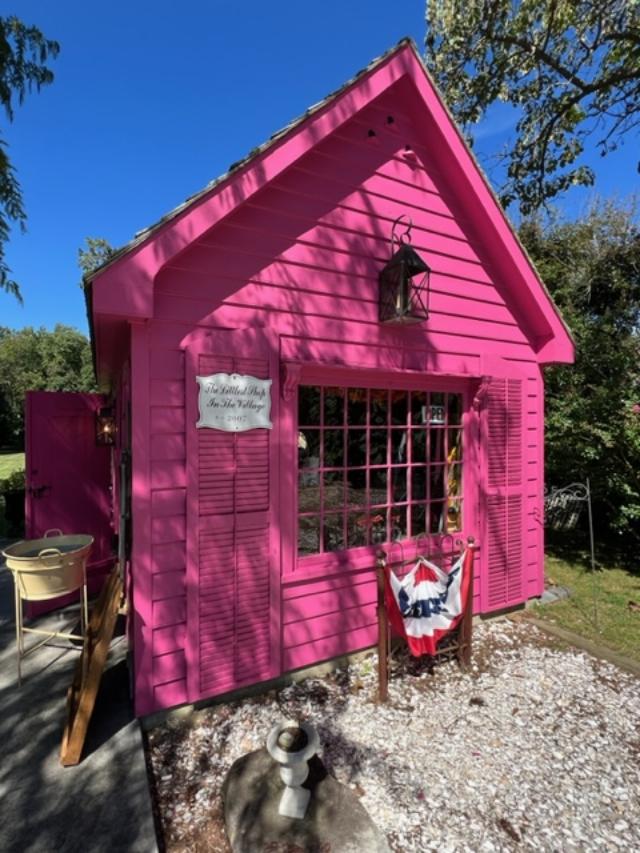
There is a tiny gift shop selling jewelry behind the house which just opened. I thought it would make a nice Tea House.

The Town of Dennisville has it charms to it and it totally being redone. Too bad the only restaurant in the area is a Wawa. Still it is a nice place to visit and drive around in.
Day Two Hundred and Forty Visiting the Historical Sites of Southern New Jersey in Cumberland, Cape May and Salem Counties-A Local Journey on Father’s Day Weekend                                                             June 18th-19th, 2022

Day Two Hundred and Forty Visiting the Historical Sites of Southern New Jersey in Cumberland, Cape May and Salem Counties-A Local Journey on Father’s Day Weekend June 18th-19th, 2022

Grab your tour book and get in the car to visit all these wonderful sites. There is so much to see and do in Historical Southern New Jersey!

The Salem Historical Society

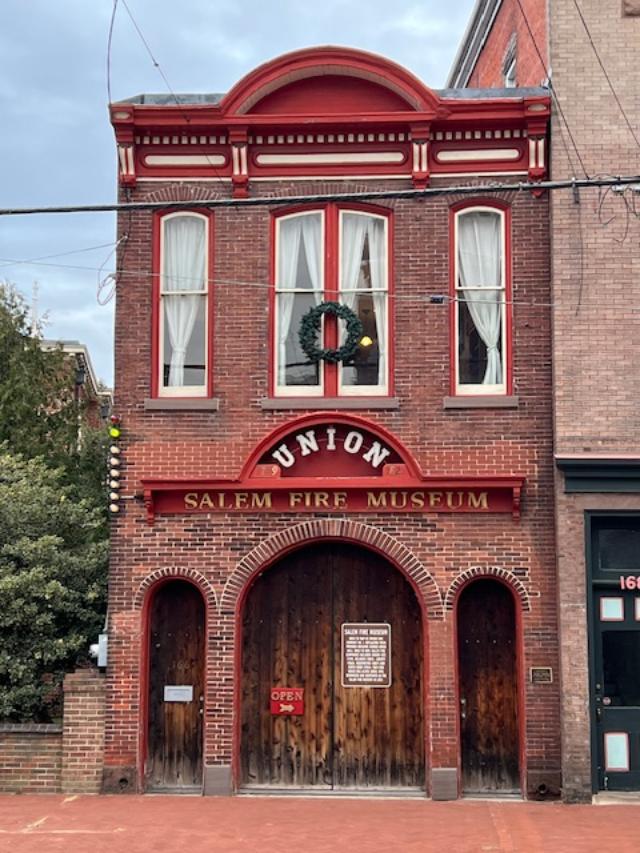
The Salem Fire Museum

jwatrel's avatarmywalkinmanhattan

The one thing I refuse to do on Father’s Day is to spend the day at the cemetery. I know that is some people’s idea of honoring one’s family members but it is not mine. I went on Friday and paid my respects to my father (whom this blog is dedicated to) and spent time remembering some of the good times we had in past. I dropped some cut flowers from our gardens (some of which he planted) and said a small prayer. Then I left.

My idea of honoring my father and spending Father’s Day with him is to do something that we would have shared together. We were always running around somewhere and exploring something new and doing something fun. That is how I wanted to honor him. By being active and giving him a toast at Sunday dinner.

I had gotten a pamphlet on the historical sites…

View original post 8,238 more words

Fort Mott State Park                                                                454 Fort Mott Road                                                                Pennsville, NJ 08070

Fort Mott State Park 454 Fort Mott Road Pennsville, NJ 08070

Fort Mott State Park

454 Fort Mott Road

Pennsville, NJ 08070

(856) 935-3218

https://www.nj.gov/dep/parksandforests/parks/fortmottstatepark.html

https://www.facebook.com/FortMott

Open: Sunday-Saturday 8:00am-7:30pm/Please see their website for seasonal hours

Admission: Free

My review on TripAdvisor:

https://www.tripadvisor.com/Attraction_Review-g46726-d6775079-Reviews-Fort_Mott_State_Park-Pennsville_New_Jersey.html

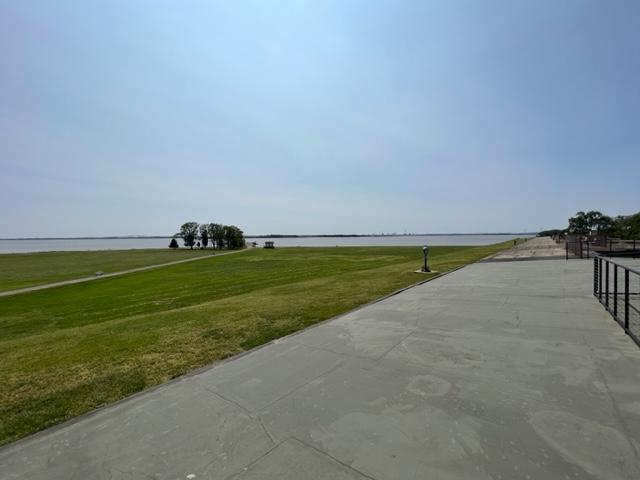
After touring Finns Point Lighthouse in the front of the park, I drove to the back of Fort Mott State Park to tour the rest of the park and explore the old fort. Talk about a real surprise and a a real treat. Talk about views of the Delaware River. On a sunny afternoon, the sun really reflects off the water and makes the most amazing light show.

I walked up the Parapet, the massive concrete wall that used conceal the guns that protected the bay and the river. It was a impressive piece of construction and you could see where the guns had been mounted. You could climb up and down the stairs to get from one part to the other and enjoy the views.

The gunnery

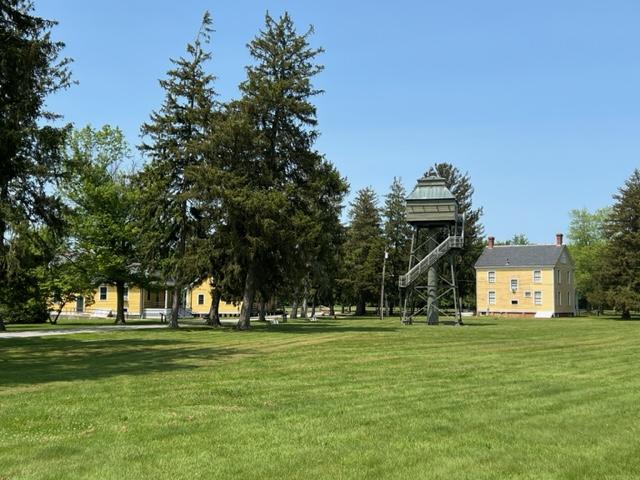
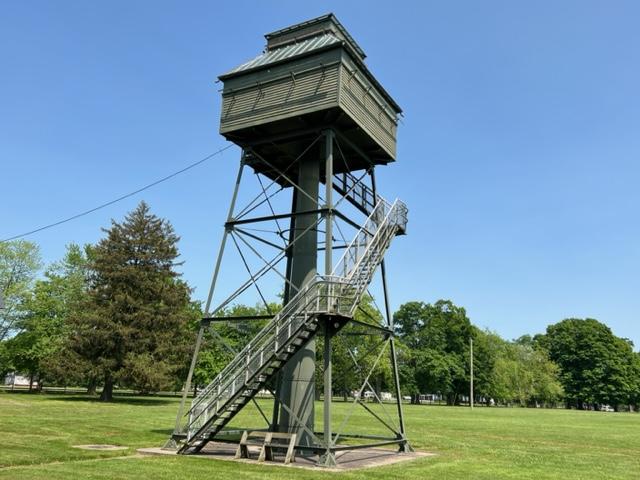
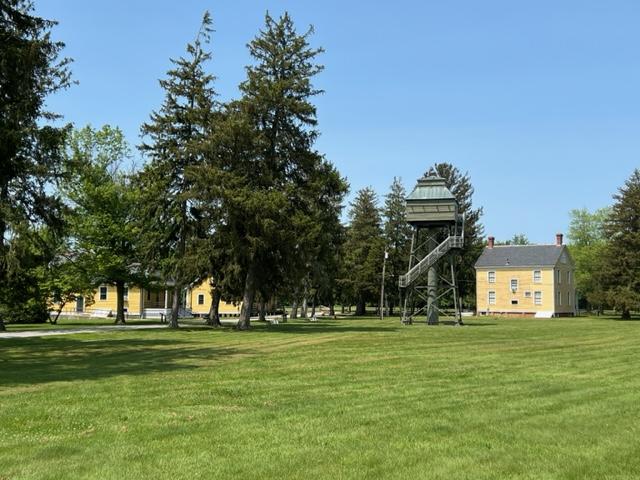
I passed the old Western Fire Control tower that was closed for the day and open by appointment only. That must have offered some spectacular views.

The Western Fire Control Tower

I then toured the Visitors Center and saw all the artifacts from the war, a timeline of the Fort and the history of the fort. Take time to look at each case and you will see how the fort developed, the types of things used at the fort and the people who were stationed here and their stories. It also offers bathrooms.

The best part of the Fort Mott State Park is just walking around the lawn and enjoying the sunshine and river breezes on a hot day. The blue skies with the sunshine gives you a sense that it was not just a place of protection but Mother Nature lending her hand to offer a spectacular location to just stop and wonder what would it been like if something happened here during the war. Would it withstood the assault?

The best part of the park is just to walk around the lawns and enjoy the river views.

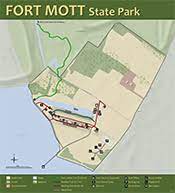
Map of Fort Mott State Park (NJ State Parks.org)

The History of Fort Mott:

(From the Fort Mott State Park Pamphlet-New Jersey Division of Parks and Forestry State Park Division)

Fort Mott, an Endicott-era fortification was built as part of the federal government’s late 19th century plan to defend the Delaware River. Today it serves as a state park where visitors can tour the remains of the historic fort. The cultural and historic features of this park and its recreational facilities provide a unique blend of activities for the park visitors.

The views from Fort Mott of the Delaware River

Fort Mott State Park is included as a point of interest on the New Jersey Coastal Heritage Trail. A Welcome Center for the trail accommodates displays defining Fort Mott’s place in history and the maritime environment. Fort Mott State Park is on the Delaware River at Finn’s Point in Salem County, New Jersey. This 104-acre park is six miles south of the Delaware River Memorial Bridge, off New Jersey Route 49.

The Finn’s Point Reservation was purchased by the United States Government in the late 1830’s. Originally called “The Battery At Finn’s Point”, the proposed fortification was one of a three-fort plan to protect growing industries and shipping along the Delaware River. Plans for Finn’s Pint specified eleven-gun emplacements with twenty guns and a mortar battery with six complacements. With Fort Delaware on Pea Patch Island in operation since the early 1820’s and the nation involved in the Civil War, the construction of the Battery at Finn’s Point was delayed until 1872. At that time, only two-gun emplacements and five magazines in the mortar battery were completed before construction was halted due to budgetary constraints.

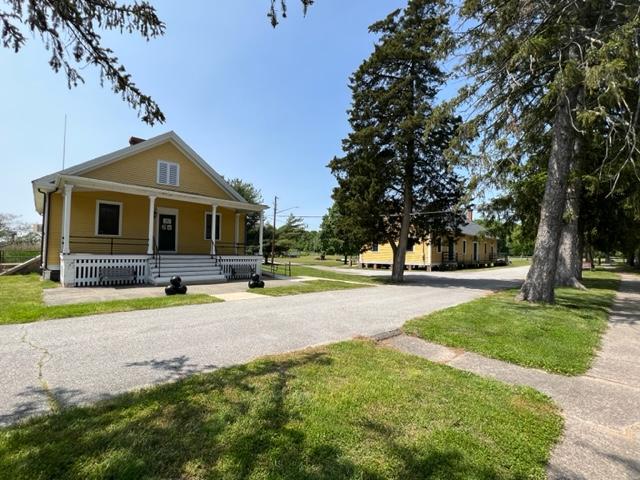
The headquarters buildings

With advancements in military technology made during and after the Civil War, the United States defenses were dangerously inadequate. In 1885, President Grover Cleveland, at the request of Congress, appointed the Endicott Board, named after its Chairman William Endicott, the Secretary of War. The board, which consisted of both military men and private citizens, studied the existing coastal defenses and developed a coastal defense plan for the United States. This plan determined where defenses and developed a coastal defense plan for the United States. This plan determined where defenses should be built or improved, the order in which the work would proceed, the quantity and type of guns that would be placed at each fort and other considerations.

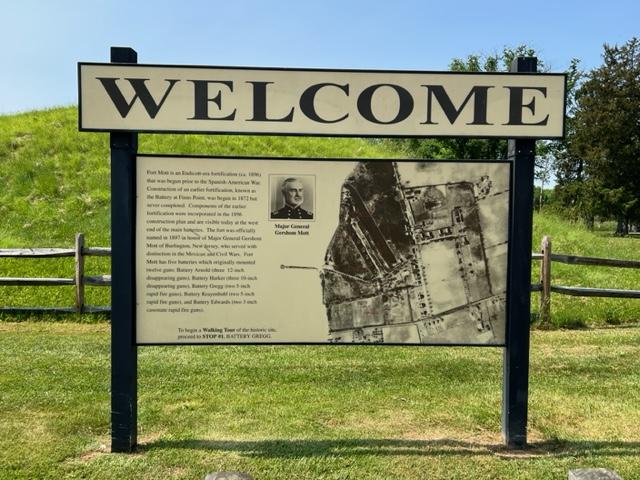
The signage

The main defense concept of the Delaware River was dispersion of armaments into three separate fortifications. The original plan for the Battery at Finn’s Point was abandoned and construction of new fortifications began in 1896 in anticipation of war with Spain, the Spanish-American War. This fortification was officially renamed Fort Mott on December 16th, 1897, to honor Major General Gershom Mott. Mott, a native of Bordentown, NJ was a decorated veteran of the Mexican American and Civil Wars. Fort Delaware was upgraded, and construction of Fort DuPont began during this same time period.

The signage

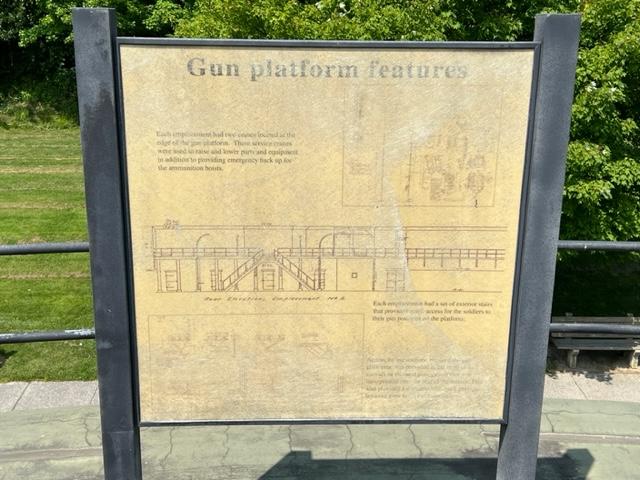
At Fort Mott, large caliber weapons, three 10 inch and three 12-inch guns were installed on disappearing carriages. The gun emplacements were located behind a 750 foot long and 35-foot-thick concrete and earthen embankment, which was sloped to form the ‘parapet’ wall. These guns had an effective range of seven to eight miles and shot projectiles that weighed 617 and 1000 pounds respectively. Beneath the six-gun platforms were powder and shell magazines, ammunition hoists, a telecommunications system and an electric generating station. Two batteries each with 5-inch rapid fire guns and one battery with two 3-inch rapid fire guns were also part of the defenses, designed to counter fast moving smaller warships which might evade the large caliber guns. They also protected the fort from potential land attack. Fort Mott was a completely modern installation for its time period.

The Fort Mott headquarters

Two steel control towers were later built to improve aiming of the guns. Observers stationed in the towers, in conjunction with plotting room personnel, directed the gunfire of the 10 inch and 12 inch guns. The tower near the river on the northern end of the emplacement was built in 1902 and was used to aim the 12 inch guns of Battery Arnold. The tower near the park office was built in 1903 to help aim the 10 inch guns of Battery Harker.

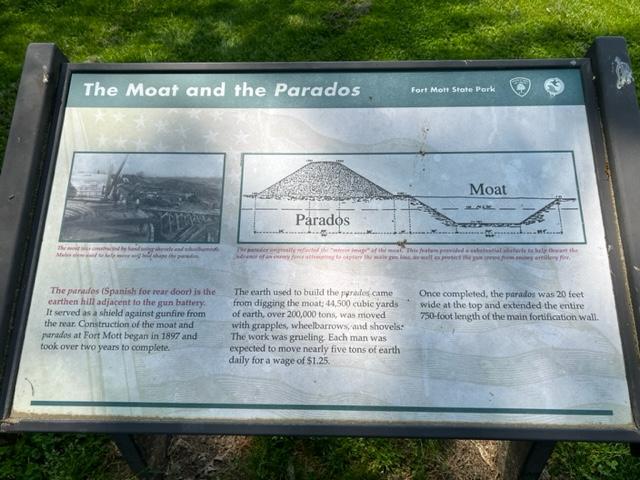
Behind the main emplacement are the parados and the moat. ‘Parados’ is Spanish for rear door. These provided the rear defenses for the fort. The parados was constructed using the fill from the moat. Landscaping around the military reservation helped camouflage Fort Mott from attack by potential enemy ships.

Fort Mott was self-contained military community. The post had over 30 buildings, including two large barracks, non-commissioned and officer’s housing, a hospital, a post exchange, a library, a guard house, a stable, YMCA and a school for the soldier’s children. The Delaware River was the main transporation infrastructure for Fort Mott; munitions, supplies and construction materials arrived at the fort by barge.

WIth the construction of Fort Salisbury near Milford, Delaware shortly before WWI, Fort Mott, Fort Delaware and Fort DuPont became obsolete. The three forts remained active defense installations until after WWII, when they were phased out. Troops were regularly stationed at Fort Mott from 1897 to 1922. The federal government maintained a caretaking detrachment at the fort from 1922 to 1943. During this time, Fort Mott’s guns were dismantled and sent to various locations.

Visiting Fort Mott

Fort Mott was declared “surplus property” in 1943. Finn’s Point National Cemetery (dedicated a National Cemetery on October 3rd, 1873 because of the Confederate prisoners of war buried there) was separated from Fort Mott at that time. In 1947, the State of New Jersey purchased Fort Mott, as a historic site from the federal government. On June 24th, 1951, it was opened to the public as Fort Mott State Park.

Mauricetown Historical Society                         1229 Front Street                                Mauricetown, NJ 08329

Mauricetown Historical Society 1229 Front Street Mauricetown, NJ 08329

Mauricetown Historical Society

1229 Front Street

Mauricetown, NJ 08329

(859) 785-0457

http://mauricetownhistoricalsociety.org/

https://www.facebook.com/pages/category/History-Museum/Mauricetown-Historical-Society-178475328895206/

Open: The first and third Sunday’s of each month/Check their website 1:00pm-4:00pm

Admission: Free but donation suggested. See website

My review on TripAdvisor:

https://www.tripadvisor.com/ShowUserReviews-g46606-d24137792-r844173042-Mauricetown_Historical_Society-Mauricetown_New_Jersey.html?m=19905

Mauricetown Historical Society

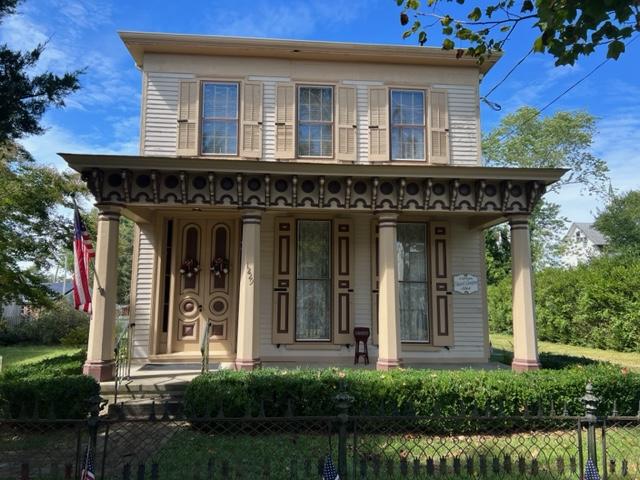
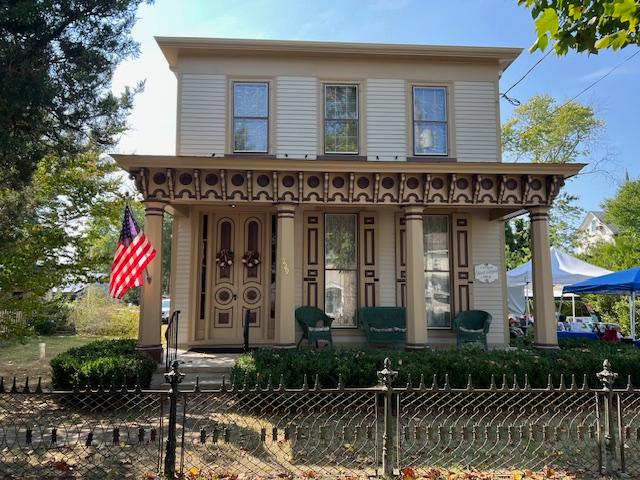
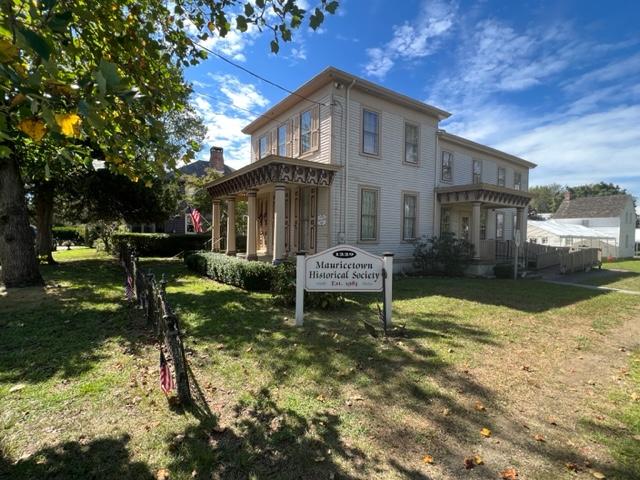
The Mauricetown Historical Society at 1229 Front Street

I visited the Mauricetown (pronounced ‘Morristown’ like its northern neighbor) on a trip to visit historical societies in southern New Jersey. Mauricetown comes from the Dutch word ‘Mauritius’ for the Mauritus River that flowed through the town. “Maurice’ is the English version of the word.

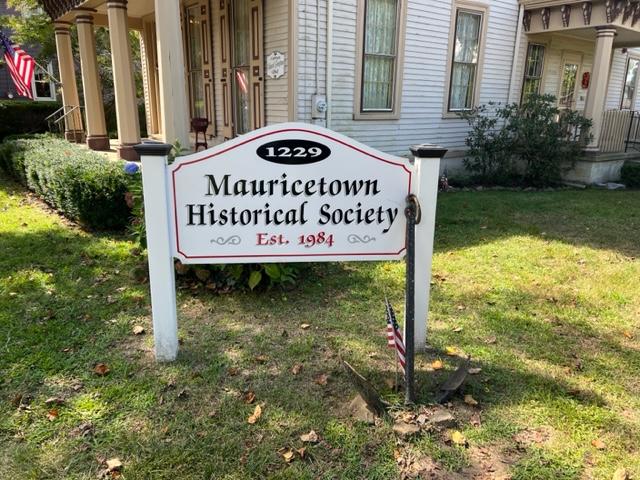
The Society’s welcoming sign

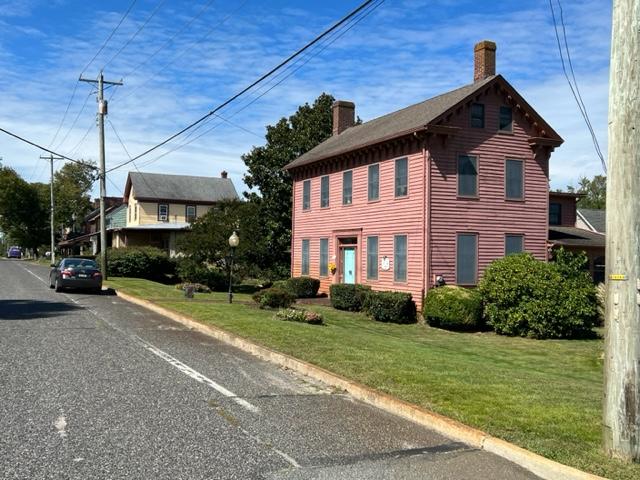
The town itself was used for shipping and trade up and down the East Coast and between 1830 and 1902, 61 ships were built in the boatyard in the village. The town itself is very historic and the walking tour of the early American architecture of the town shows many Federalist and Victorian homes of the former ship captains. Today these homes are in much demand for their beauty and beautiful gardens. The care the homes are getting adds to their beauty. Take time to walk around before you get to the museum.

Downtown Mauricetown with the Ship Captain’s homes along the river

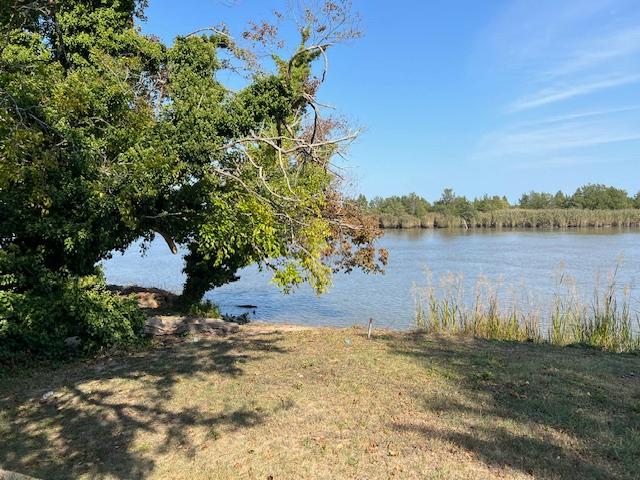
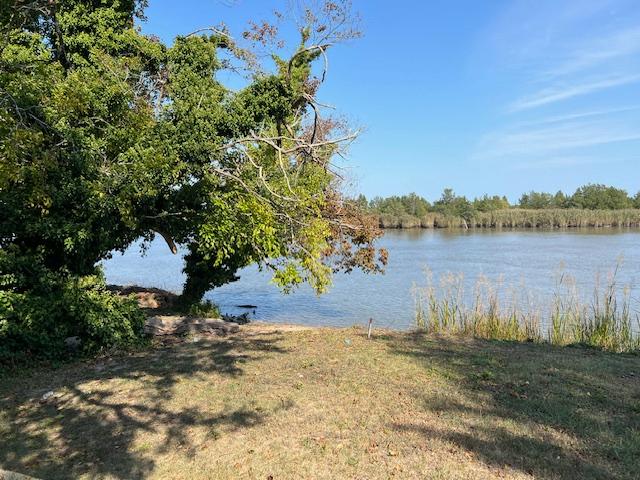
The Mauricetown River in the Summer of 2024

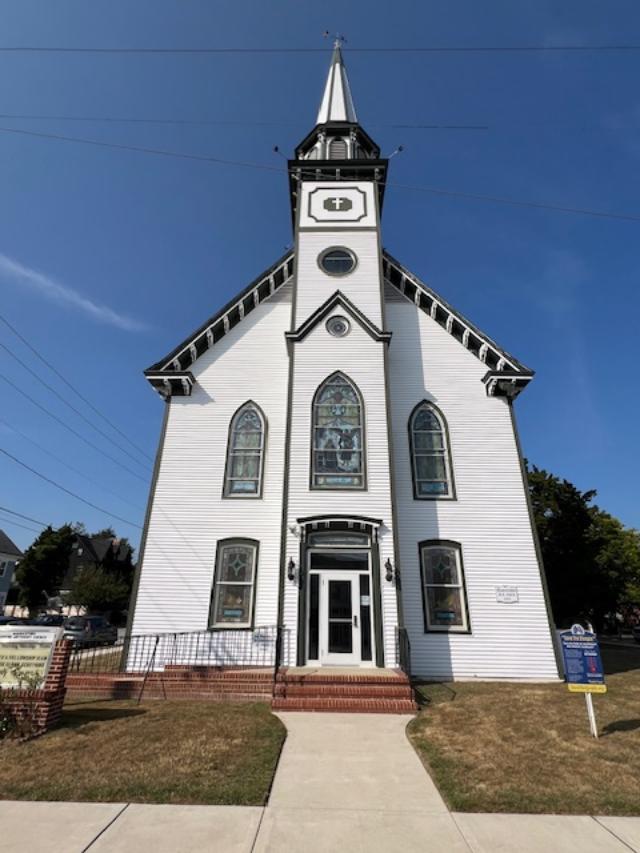
The Mauricetown Historical Methodist Church

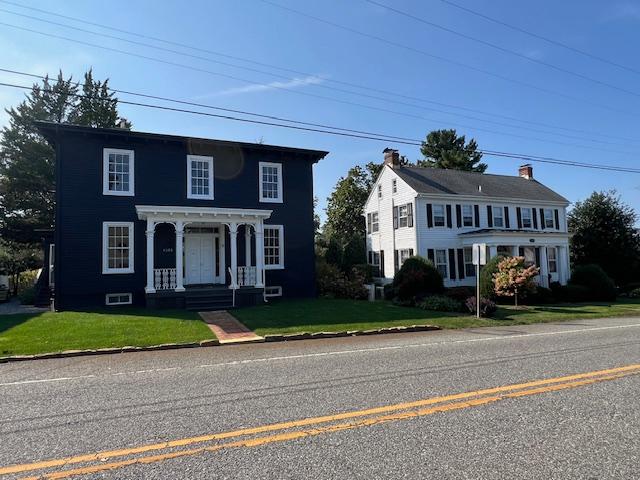
The historical homes of Mauricetown, NJ

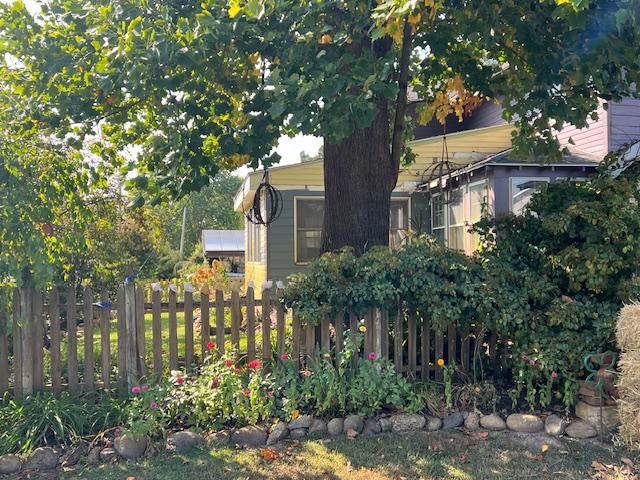
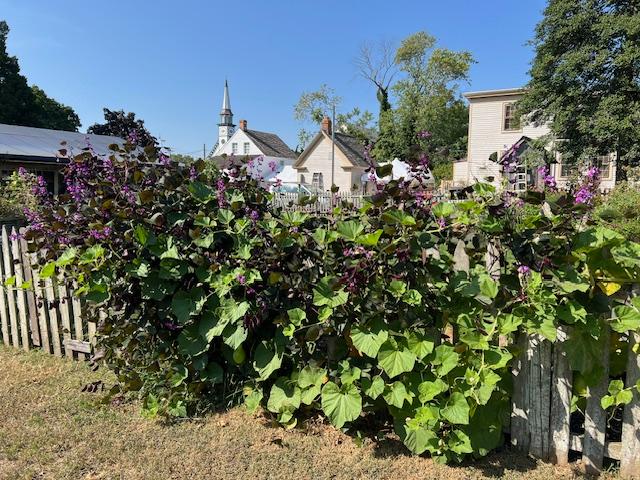
Some of the beautiful gardens in the neighborhood

The neighborhoods gardens in the Summer of 2024

The gardens near the Historical Society

The home that the Society is housed in is one of many ship captains’ homes that was built on this side of town being closer to the river for the other ship captains. Founded in 1984, the Society has taken it upon themselves to start collecting artifacts from the town.

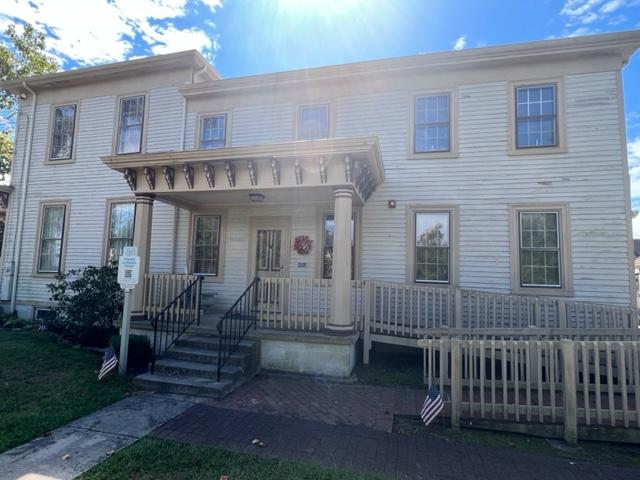
The front of the Historical Society in the Summer of 2024

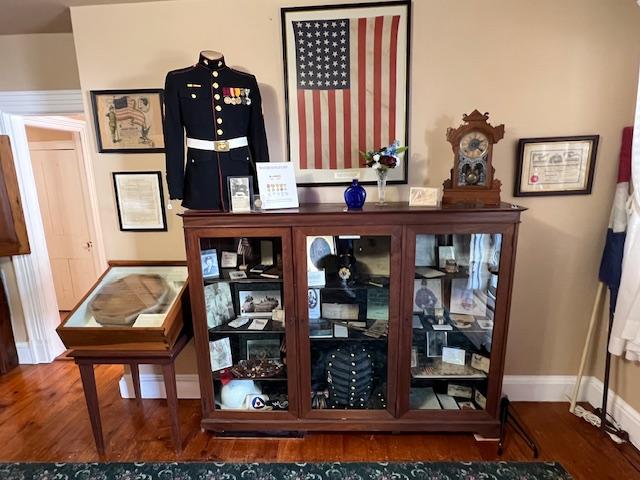
When you first enter the museum to the right, there is an extensive collection of seafaring items and military artifacts. This includes many items from the Civil War and WWI. There was even a rare pair of original sharp shoot glasses.

The Military Collection at the Mauricetown Historical Society (MHS Picture)

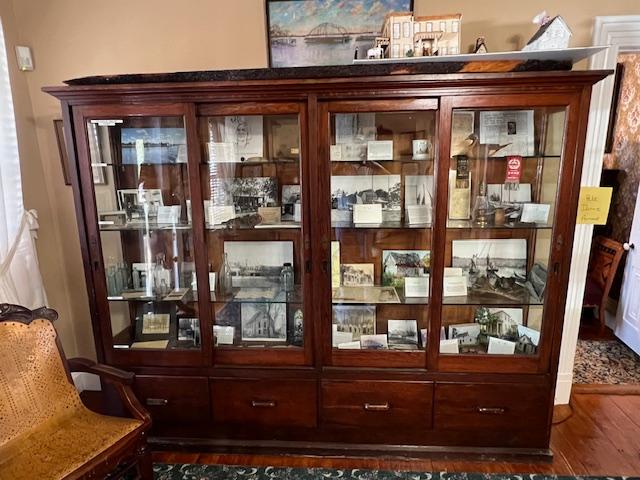
On the other side of the front foyer, is a case line of artifacts from the history of the town from the Lenape Indians to former shipbuilding businesses and local history.

Historical artifacts from the town of Mauricetown, NJ

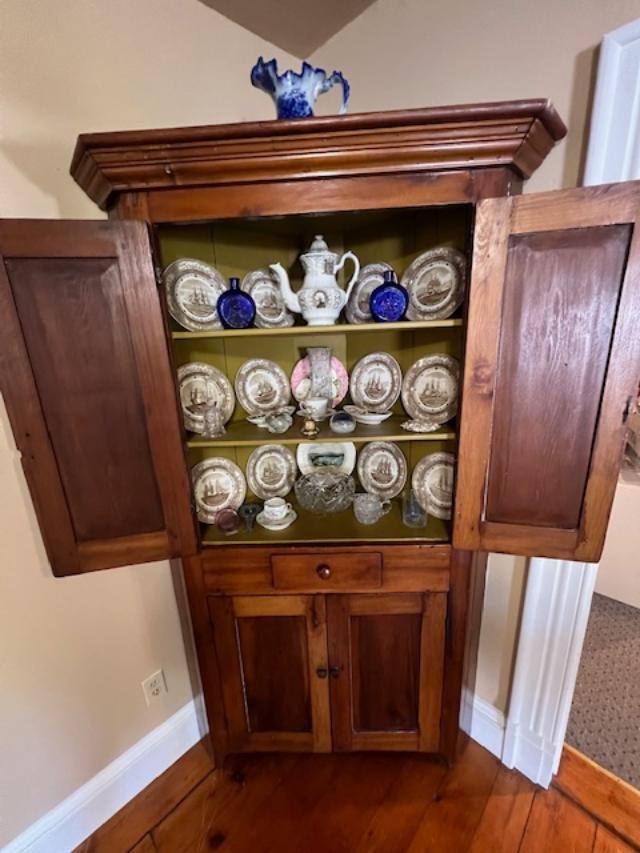
The China Collection in the Main foyer

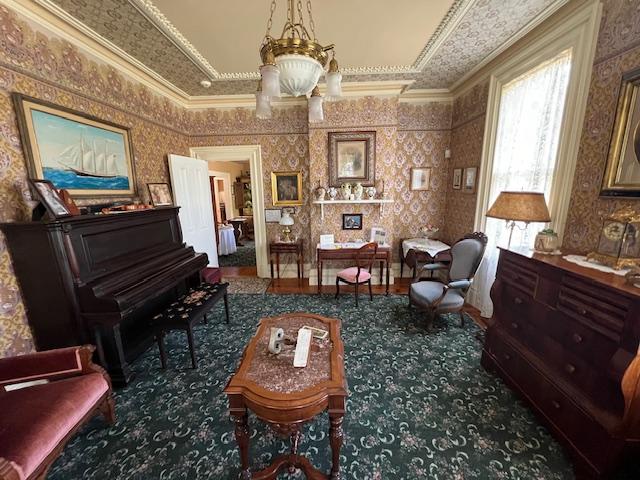
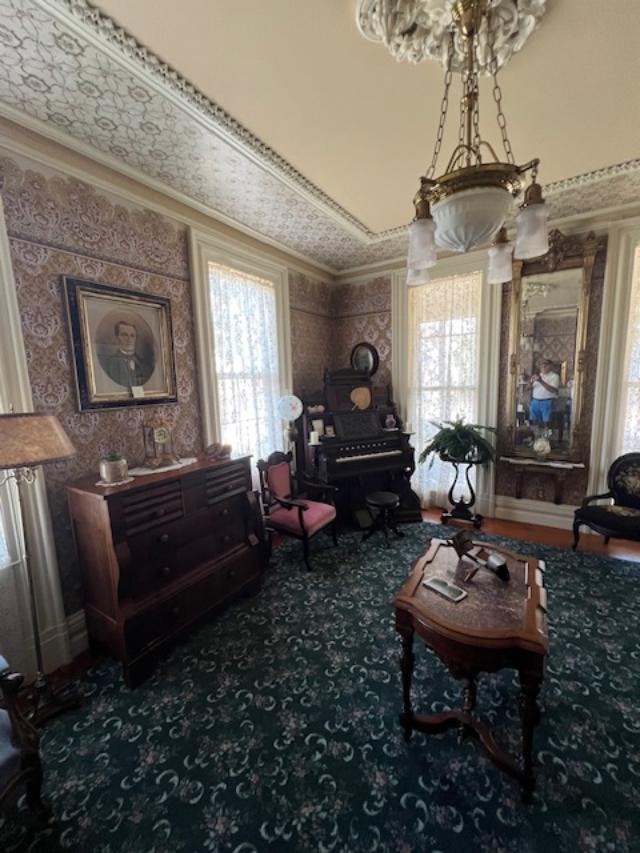
In the Formal Parlor, the room was designed with original molding from decor of the house and a copy of the wallpaper that had been found behind paneling that had been put up in the 1970’s. The room was furnished in period furniture that was a mixture of late 1890’s to the 1920’s.

The Mauricetown Historical Society ‘Parlor Room’ with the original molding and copy of wall paper

The Parlor on the first floor

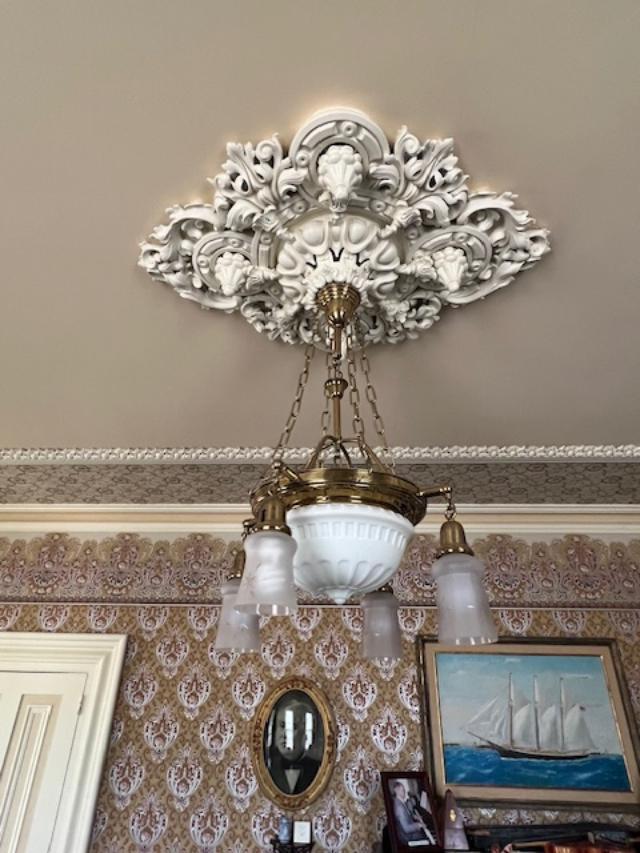
The Chandelier in the Parlor is original to the house

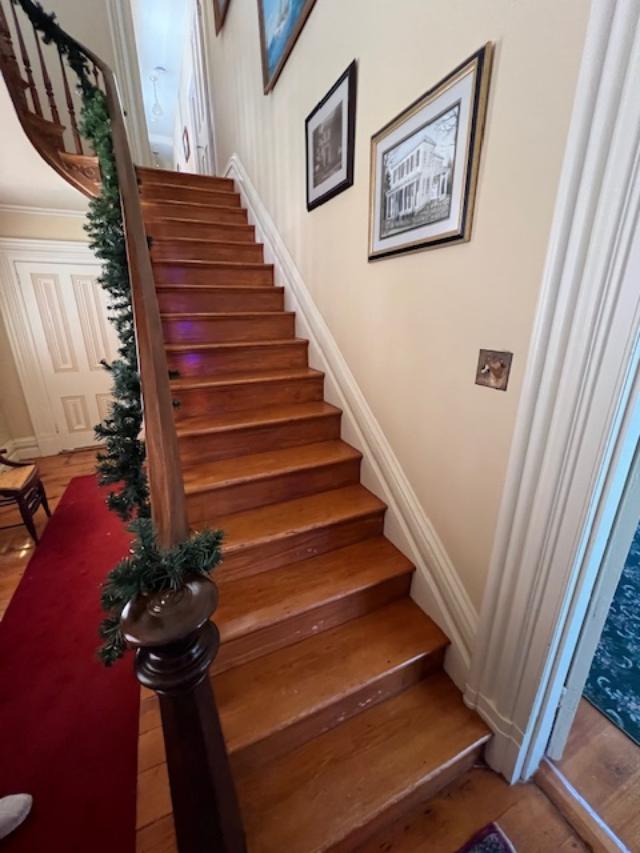
The beautiful back stairs to the second floor

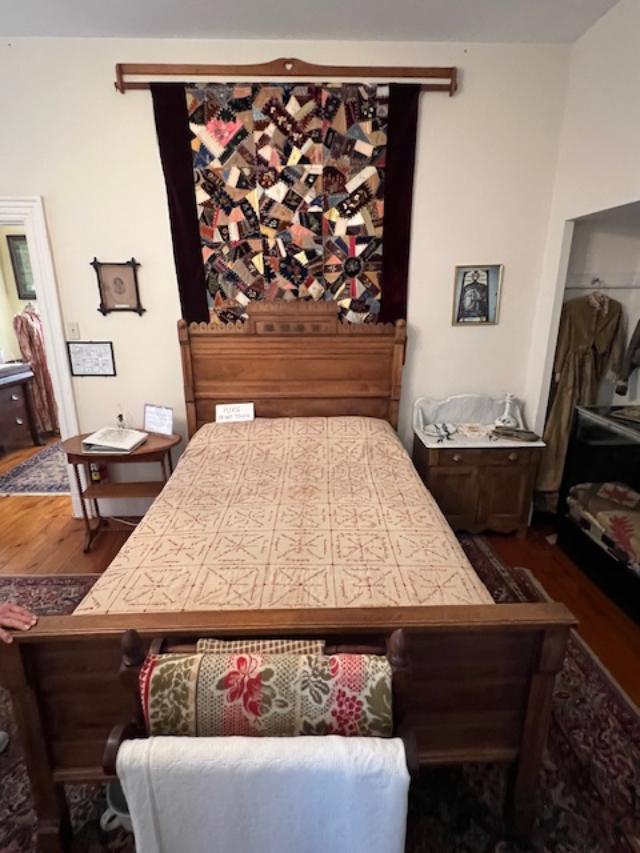
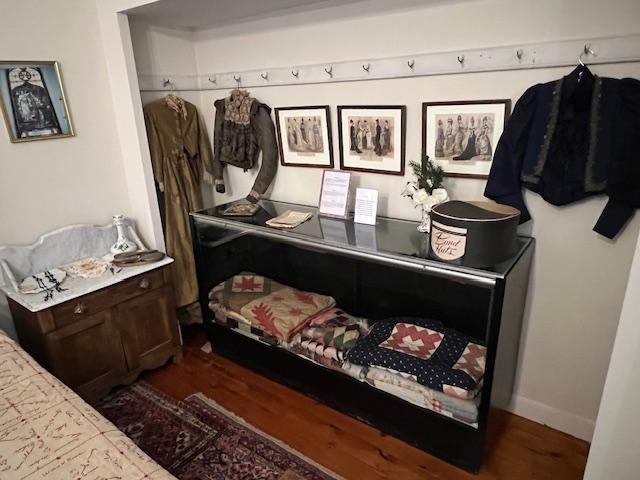
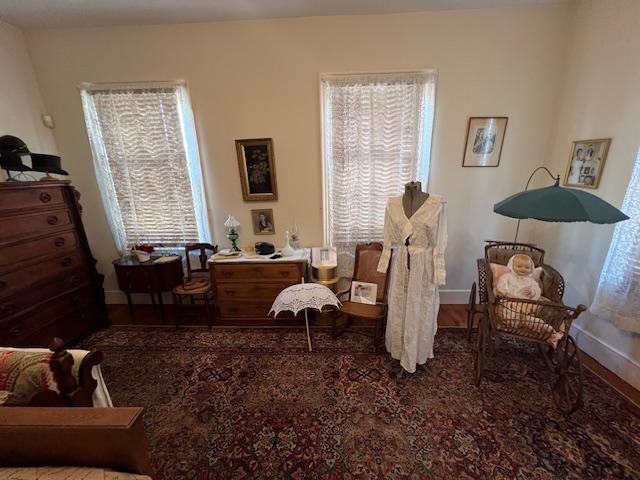
On the second floor, one room was dedicated to a Captain Bacon and his wife, Carolyn, another was full of pictures of the town of Mauricetown through the times, there was a collection of clothing through the ages and a quilt collection that was very impressive.

The beautiful quilt with pieces from everyone in the community

There was one quilt on display that had the names of all the sea captains and their families. Many of the descendants of the town come here to research their families and look at this quilt. There is also another quilt with items native to the area.

The museum’s collection of quilts and clothing on display

The Second Floor bedroom

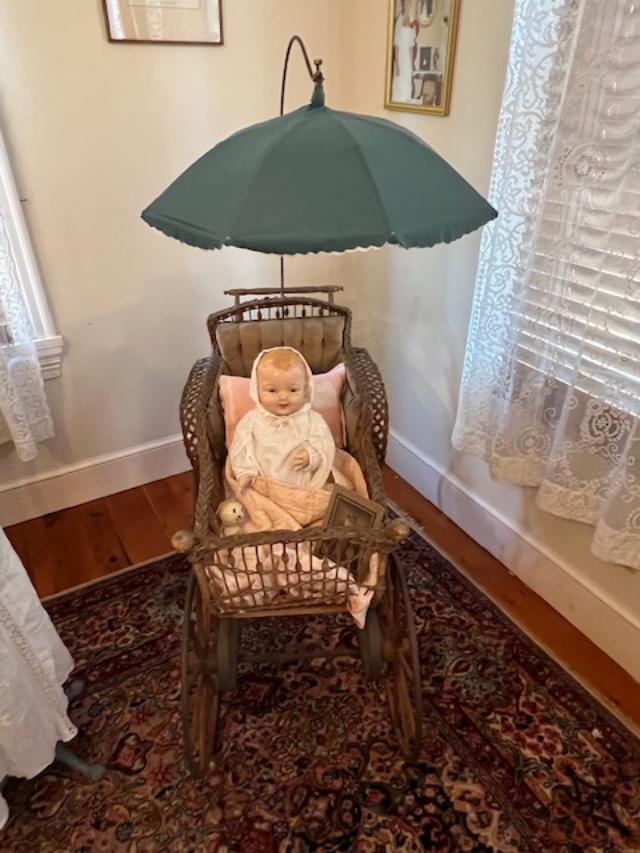
The Emma Hunter Baby Carriage

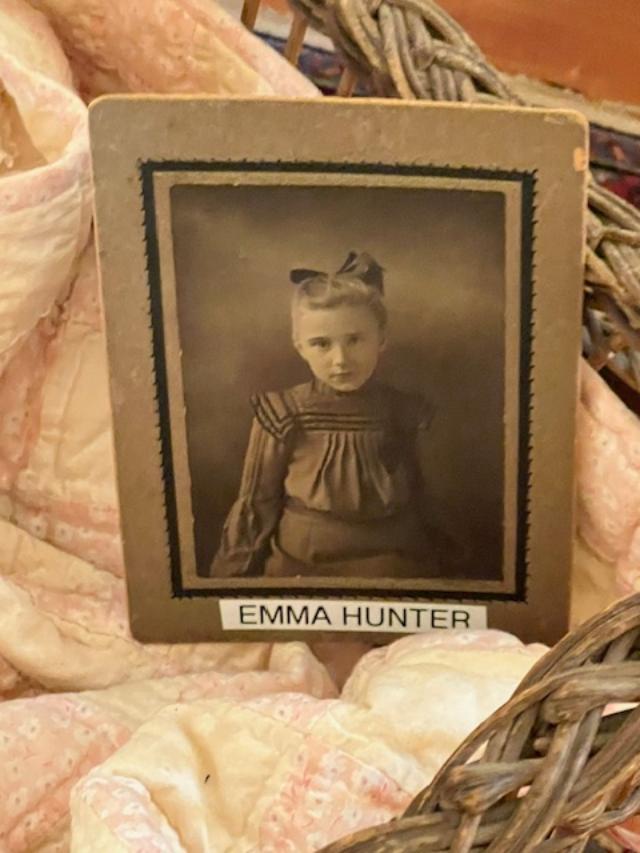
Resident Emma Hunter as a young girl

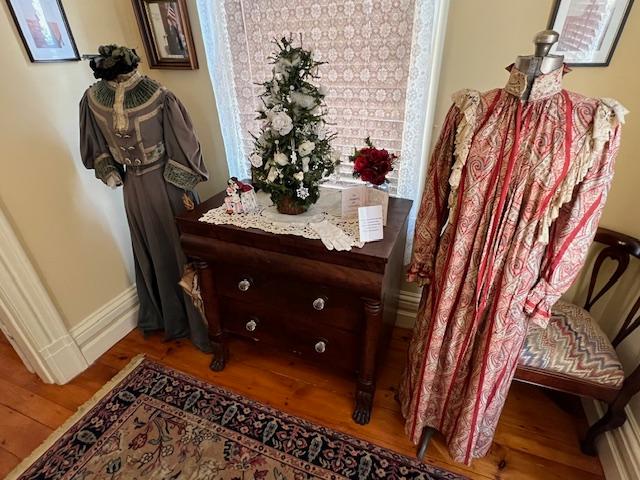
The costumes and clothing of the collection

Hats on display

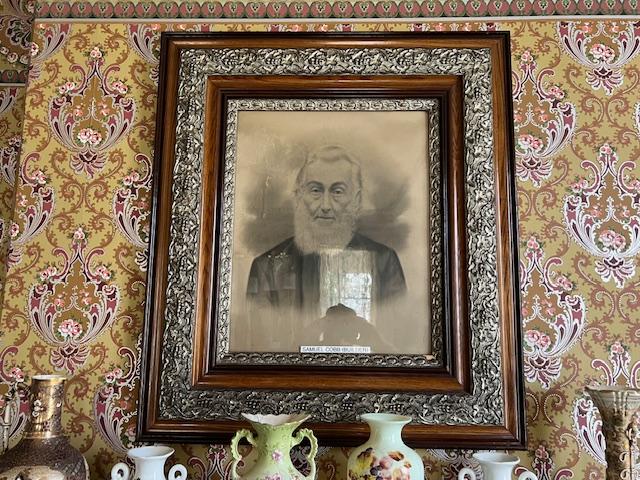
The builder of the house who built many of the homes in Mauricetown, NJ

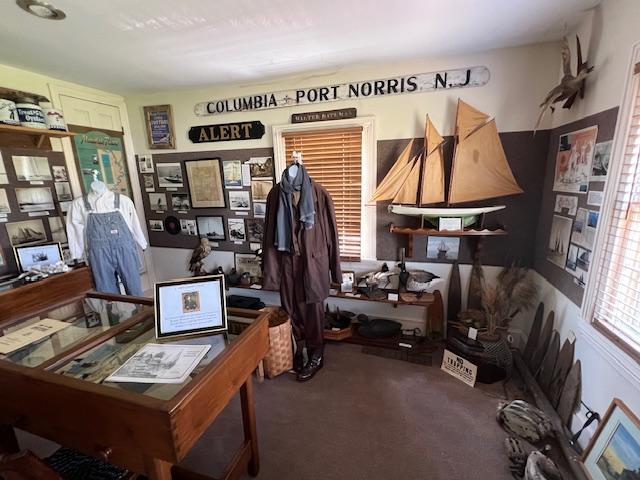
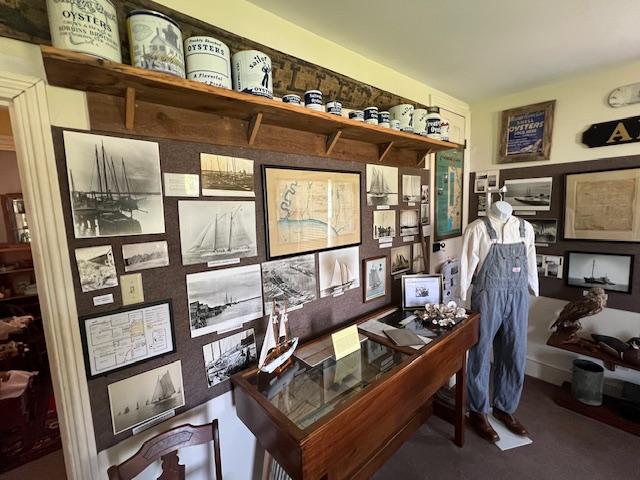
One of the rooms discusses the Mauricetown Shipping and Fishing industry with all sorts of photos and equipment. There was even a display of the ‘Bridge Key’ from the original bridge that lead into town. There was also an interesting display on the town’s Oyster Industry.

The Oyster and Fishing Business in this area of the state

The Fishing and Oyster industry

The Grocery industry

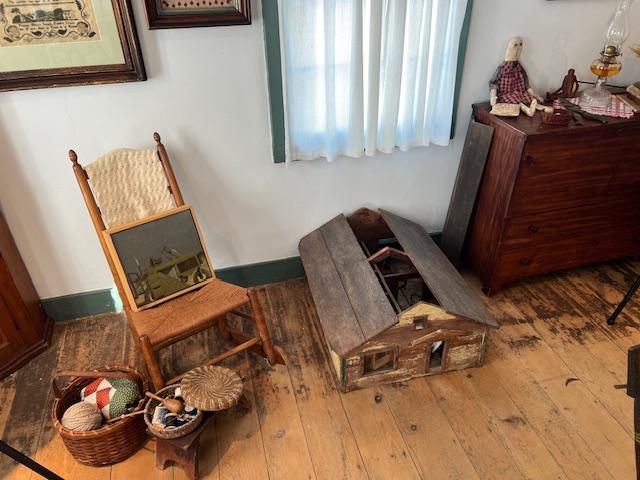
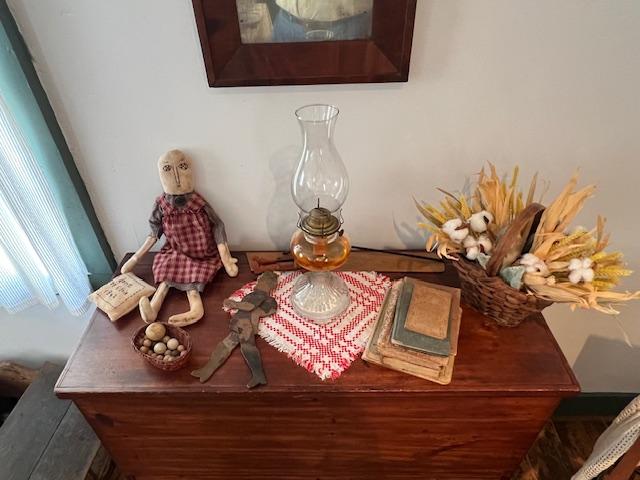
In the Children’s Room, there was an extensive collection of dolls, children’s playthings through the ages, clothing and school pictures of the town through the years.

The Children’s Room is my favorite room in the house. I love the interactive toys that promote imagination. This is lacking in children today.

On the outside grounds, there is a Cookhouse that was separate from the main house in the era of when cooking could start a house fire so the rooms were kept separate from the main house. There was a 1880’s cookstove that still works.

The Cookhouse on the grounds of the Mauricetown Historical Society

The inside of the Cookhouse at the museum

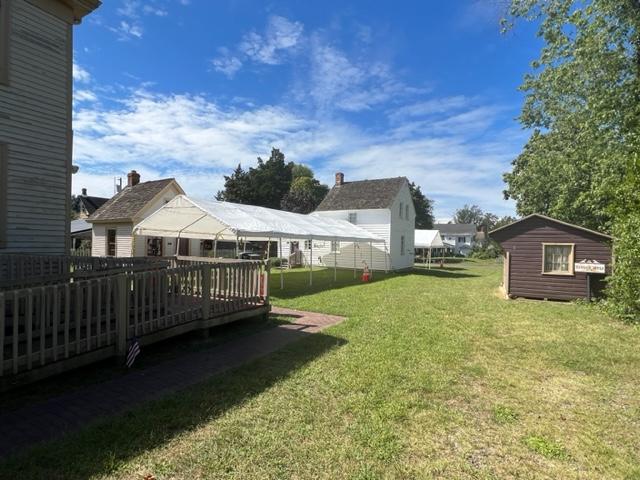
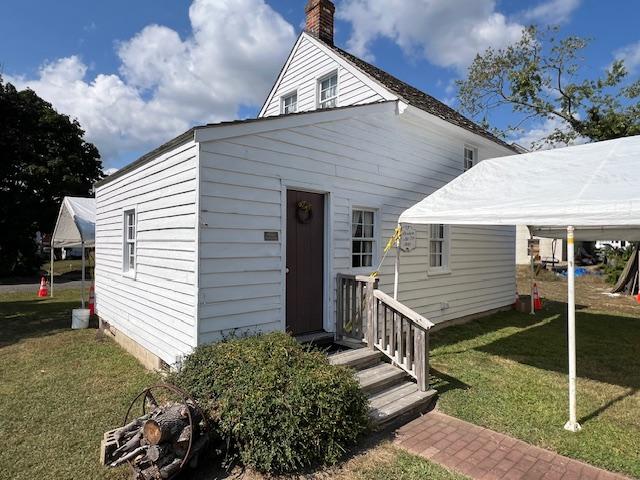
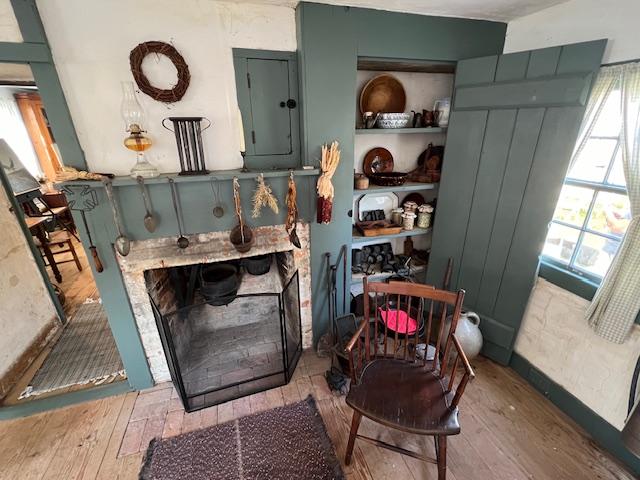
On the back of the ground is the Abraham and Ann Hoy House, a small home from 1840 that had recently been lived in by an elderly couple. The house had two small levels with the main rooms designed around the fireplace and heating unit.

The Mauricetown Historical Society’s backyard of buildings

The Hoy House on the back grounds of the museum

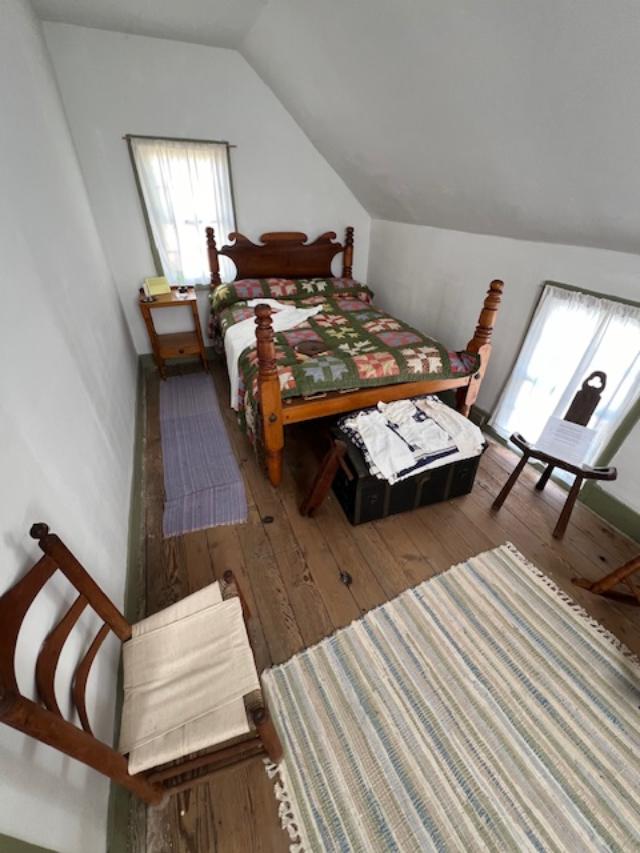
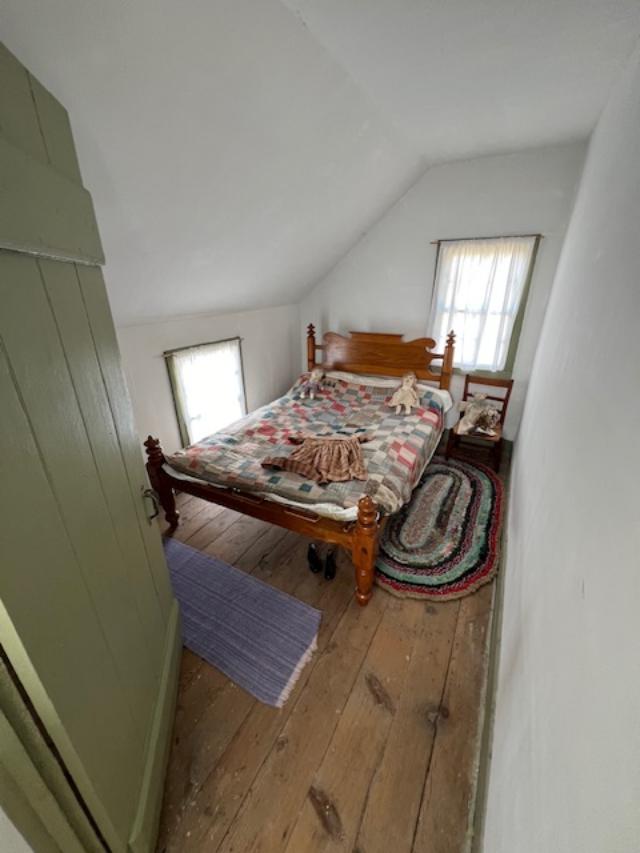
The Hoy House had been stripped of the modern add ons and they Society wanted it to look like it had when it was originally built. The upstairs had two loft bedrooms and even a small loft above the downstairs fireplace where the kids would sleep when it was cold outside.

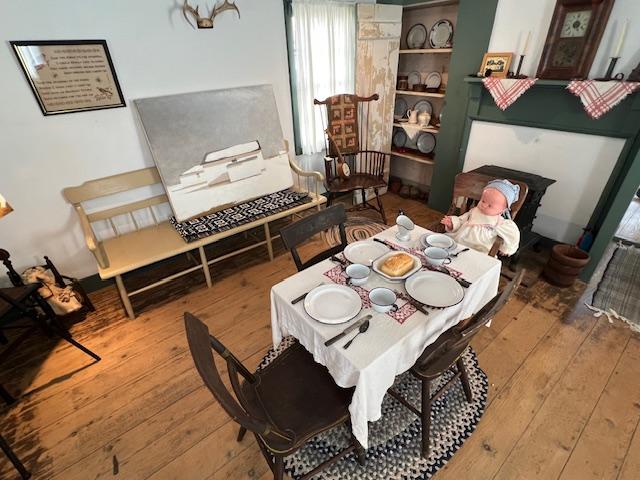
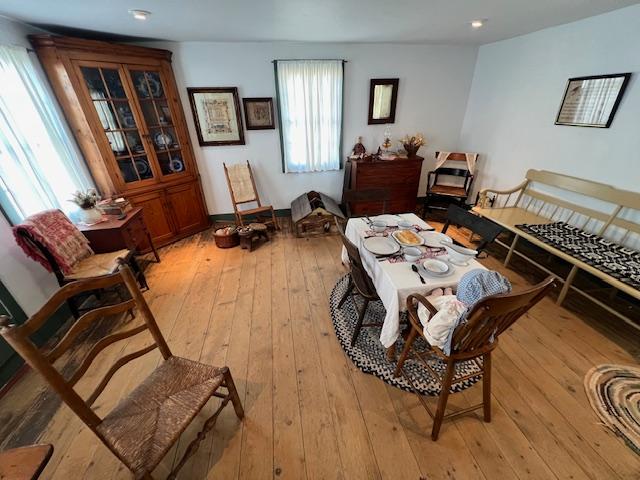
The kitchen in the Hoy House

The kitchen area

The Living area

The Living area

The main room

The Upstairs

The bedrooms

It really showed how the working people of the town lived in a stark comparison to the sea captains who were running trade for the town. The Society’s members have taken great care in restoring these homes.

The Mauricetown Historical Society at 1229 Front Street

The History of the Mauricetown Historical Society:

(From the Mauricetown Historical Society website):

The Mission of the Mauricetown Historical Society:

It is the mission of the Mauricetown Historical Society to collect, preserve and exhibit artifacts and documentation significant to Mauricetown and the surrounding communities.

The Mauricetown Historical Society is housed in the former home of Captain Edward Compton, who was a local sea captain. This Italianate Victorian structure was built in 1864 by Mauricetown carpender Griffith Pritchard and Samuel Cobb.
The home was purchased in 1984 by the society. At the time, the property was in poor condition and required work inside and outside. Over the past 25 years it has been carefully restored to its present condition by volunteer efforts of society members and others. The restoration is an on-going project and there are still areas of work that are needing completion.
The side entrance of the home where people enter.
Situated directly across Front Street from the location of the old shipyard where sea-going vessels were built in the 19th and 20th centuries, occupants of this house were able to view the activities of the shipyard and the traffic of the river.

The Mauricetown River