Category: Exploring Historic Salem County, NJ

Shivers House Museum/Sign of Key Tavern                           68 North Main Street                                                 Woodstown, NJ 08098

Shivers House Museum/Sign of Key Tavern 68 North Main Street Woodstown, NJ 08098

Shivers House Museum/Sign of Key Tavern

68 North Main Street

Woodstown, NJ 08098

(609) 216-8815

http://www.salemcountyclocks.com/the-big-red-house

Open: By Appointment Only-Please call/Special Events

My review on TripAdvisor:
https://www.tripadvisor.com/ShowUserReviews-g46943-d34027431-r1039569744-Shrivers_House_Museum-Woodstown_New_Jersey.html?m=19905

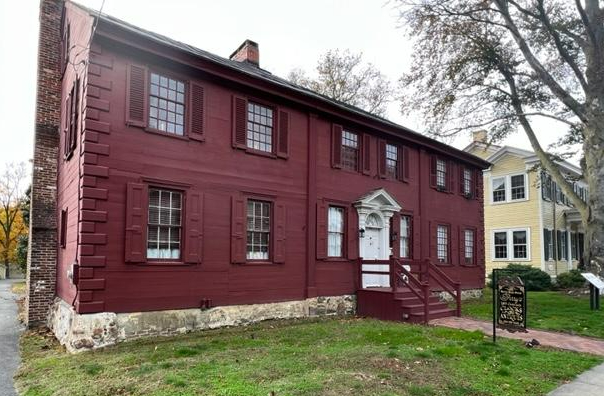
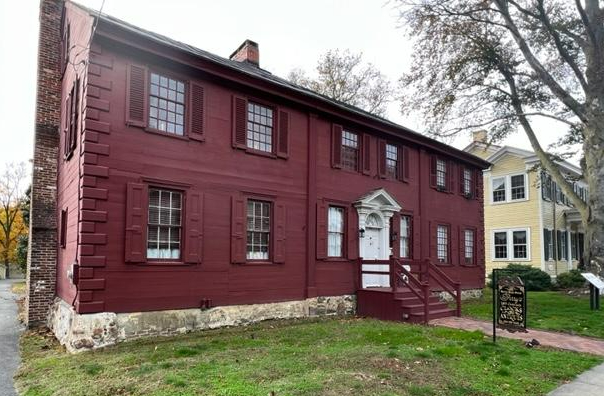
The Shivers House at 68 North Main Street in Woodstown, NJ
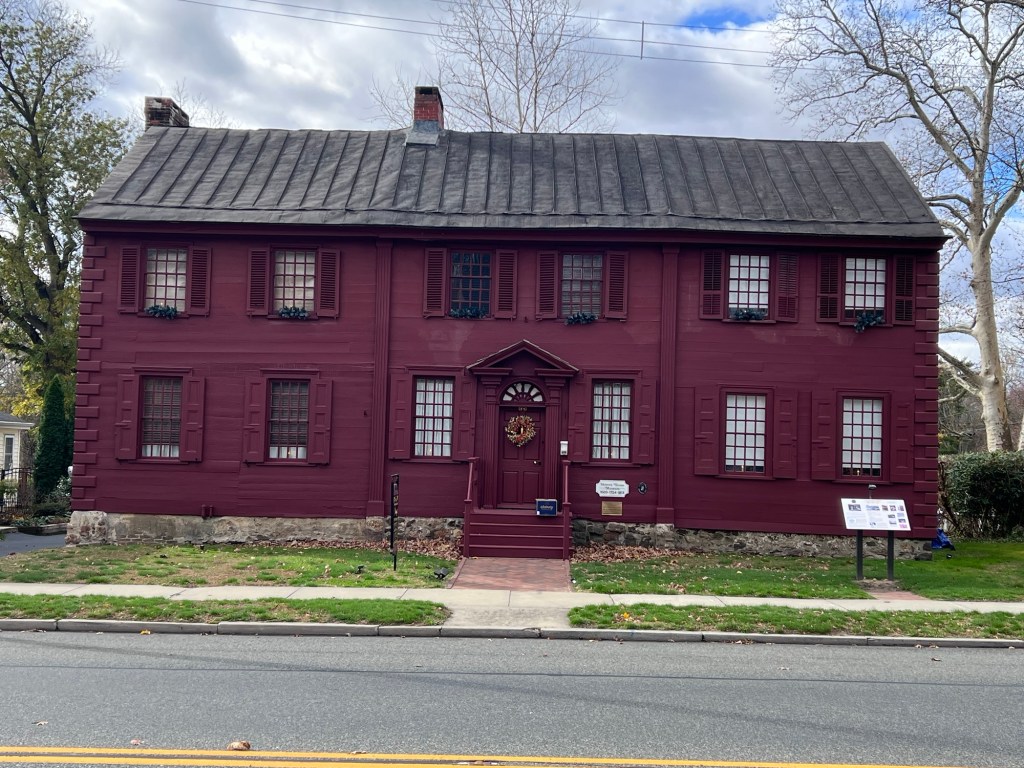
The front of the Shivers House Museum at 68 Main Street from across the street

I got a personal tour of the Shivers House Museum and the Sign of Key Tavern, which is attached to the main house of the Shivers Family. The first part of the tour was of the Sign of Key Tavern, which consisted of The Hearth Room, where all the cooking took place and the Cage Bar room, where meals would be eaten and used for socialization.

I could see that the family business was very popular at the time when transportation was slower and these areas in the early 1700’s were barely populated. So this became the focal point of the communities. These taverns were part of the communication and transport systems of the country up until the Revolutionary War.

Later, family members built the the main house of which the tavern would be attached and thus began the home’s transformation to modern times. The house from the outside has a more symmetrical appearance but these changes on the outside altered the historic inside.

The History of the Shivers House:

In 1668, John Shivers at the bequest of King William of England was given thousands of acres to promote the hamlet development with what was then known as West Jersey.

Upon arrival, Shivers constructed on the property, utilizing Native American labor, a dam and saw mill on what would become Woodstown Lake. From here he milled the timber for his tavern. The tavern, The Sign of the Key, operated for 65 years on the corner of what is today Routes 40 and 45. Travelers could sleep, eat meals, communicate and trade furs from the area. After Shivers death, it was moved to its present location by his son, Samuel, as an addition to the current house.

The Shivers family owned the house through marriage through the Nineteen century.
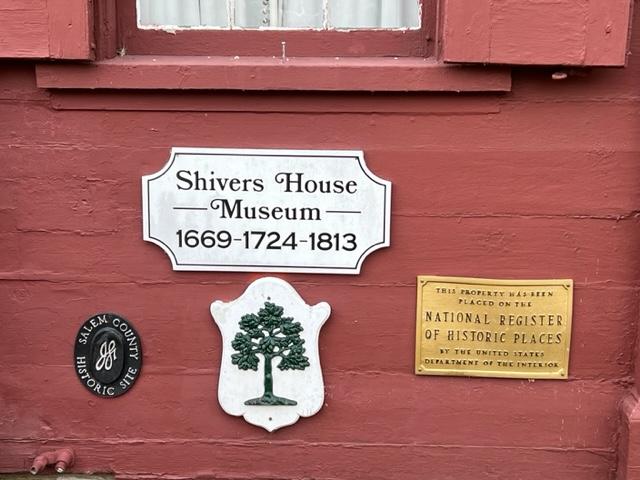
The outside sign of the house
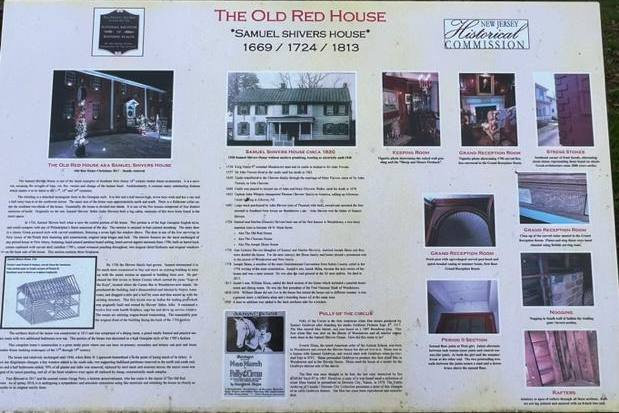
The informational sign on the history of the home and construction
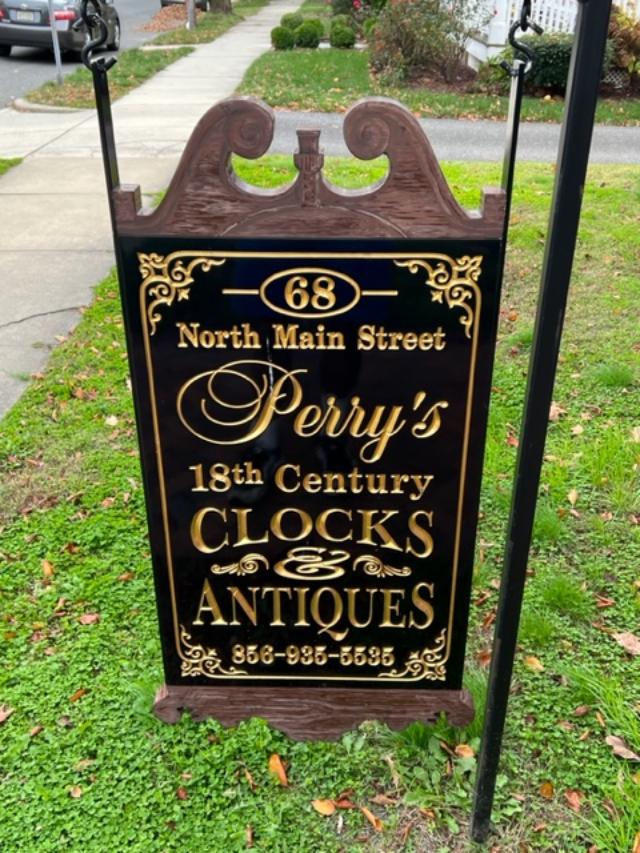
The sign of the clock repair and antique shop business inside the house

(Much of the following research comes from owner Gregg Perry’s personal research on the house and family and from the personal tour Mr. Perry gave me of the house and grounds).

The first part of the house tour I took was of the old tavern section of the house. This had once been in a different area and moved here by the family and connected to the newly built house around 1726 when Tavern owner, John Shivers died.
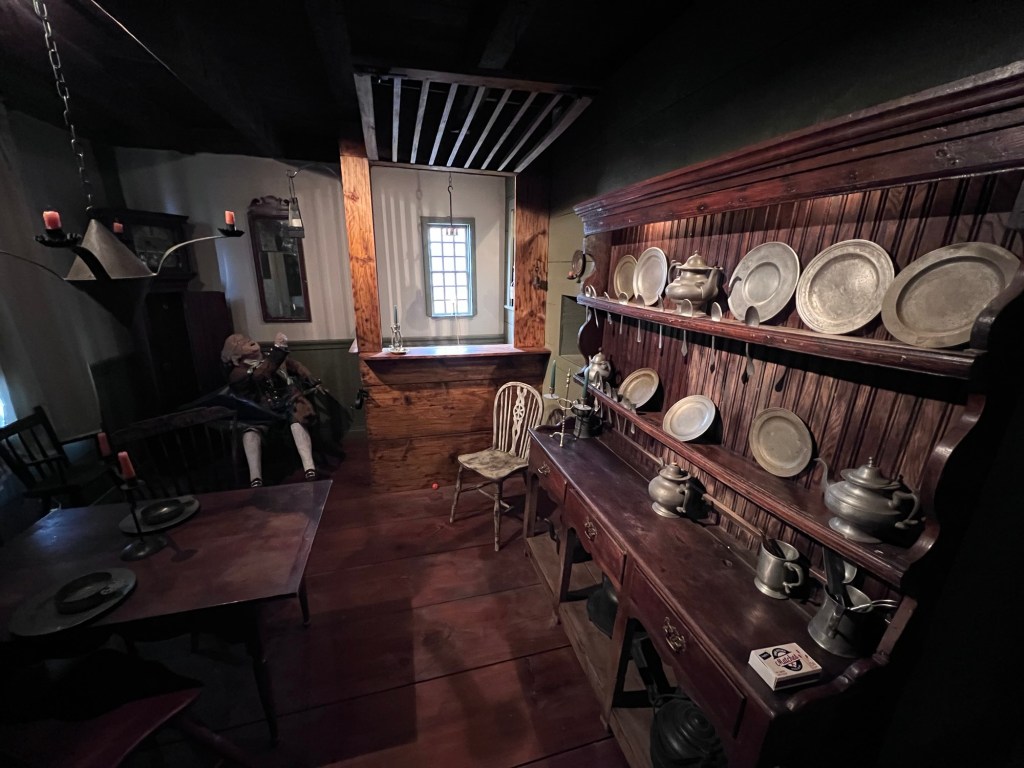
The Cage Bar/ Dining room
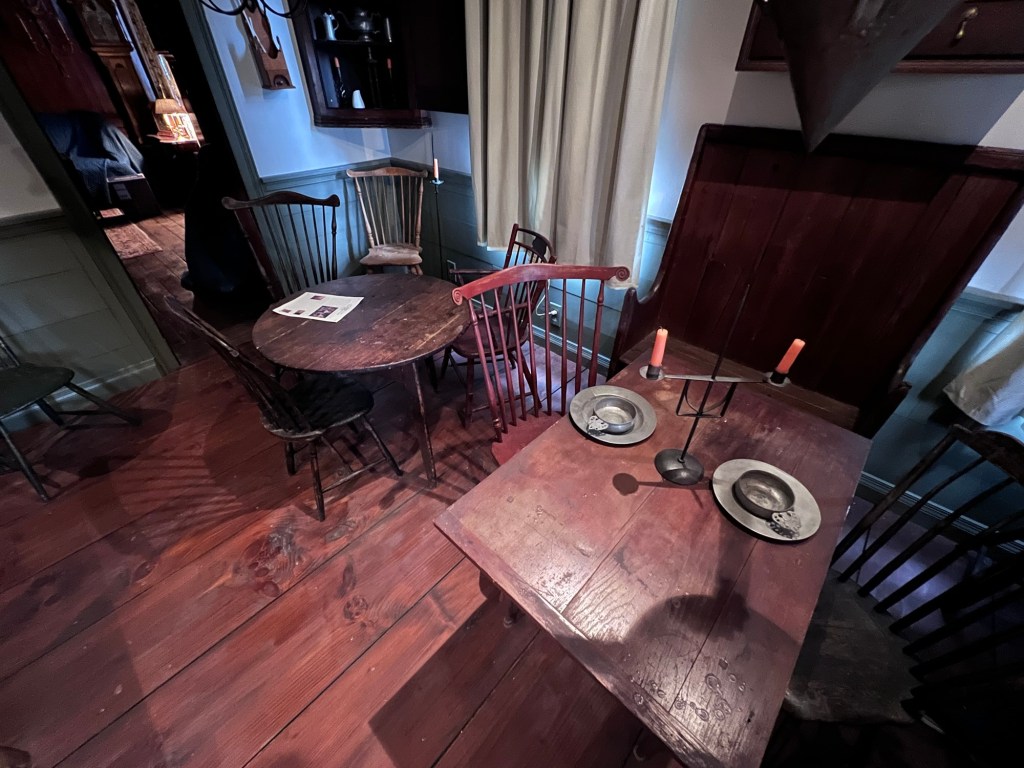
The Dining Room area
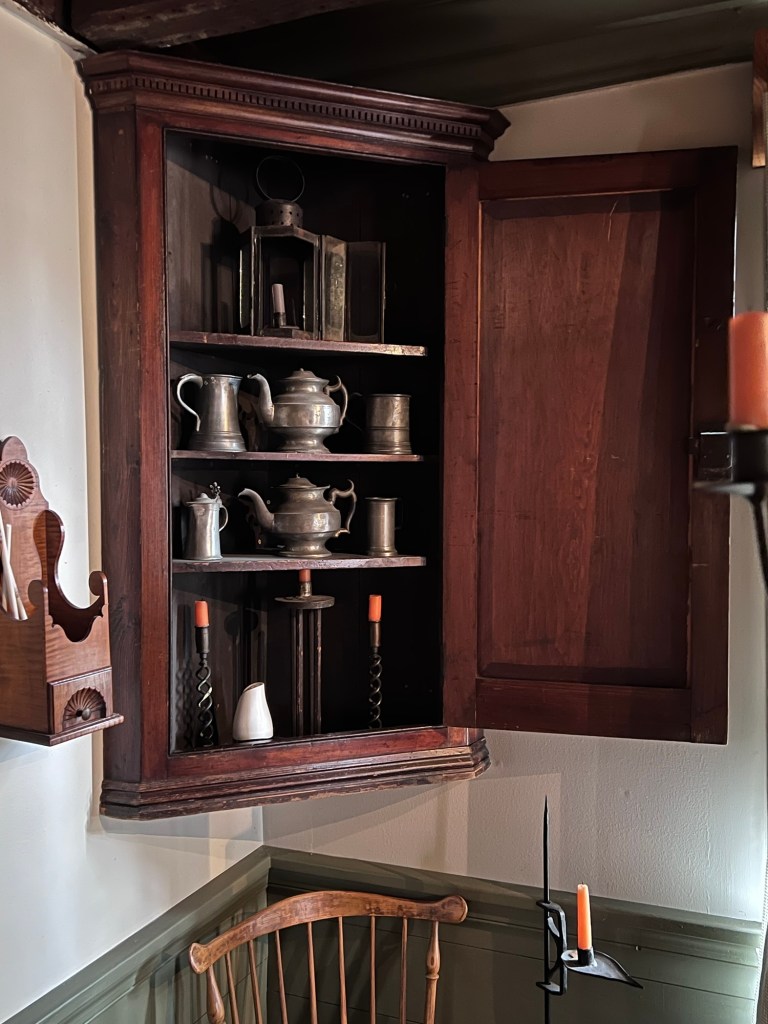
The pewter materials in the Dining Room

The tavern was open in 1669 for business. The tavern has been here open for business from 1669 to 1720 until John Shivers died. The first part of the building served as the Kitchen area with an open hearth for cooking and serving. Meals were prepared here as well as keeping the building warm for guests who might stay overnight upstairs.

The second part of the building served as the Dining Room for the old Tavern. Visitors would have their meals served here and converse and socialize in this room. There is a rebuilt Cage Bar for serving alcohol. The old Tavern section of house has since been restored and has period furnishings and decorations.
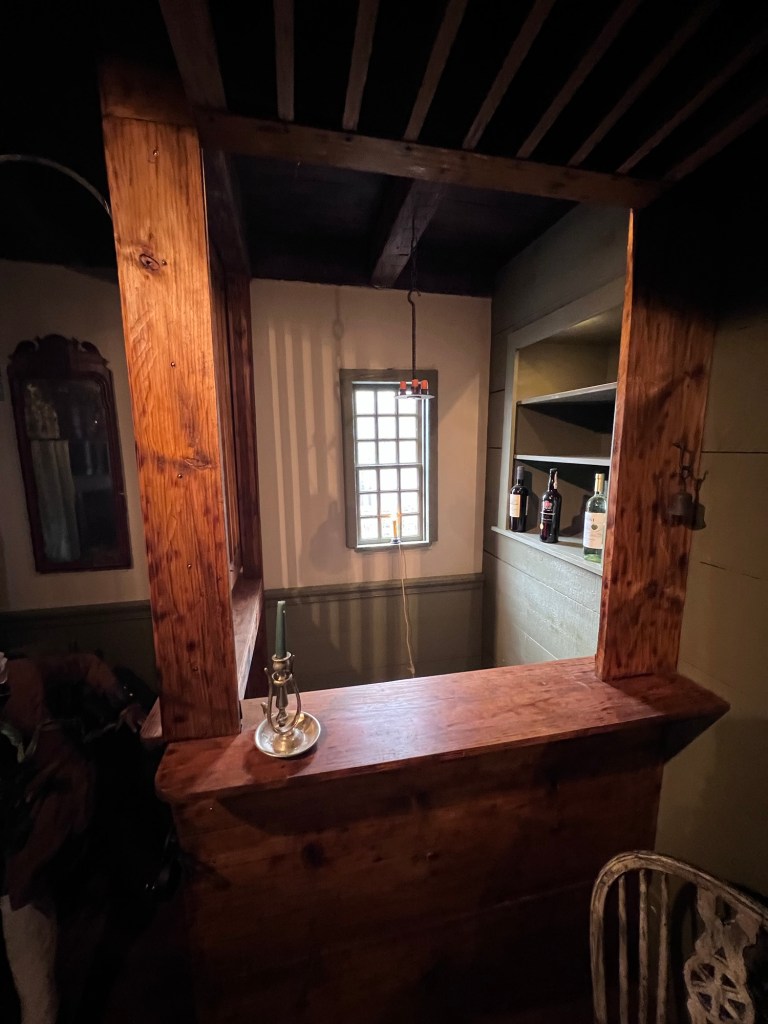
The Cage Bar in the Tavern Room
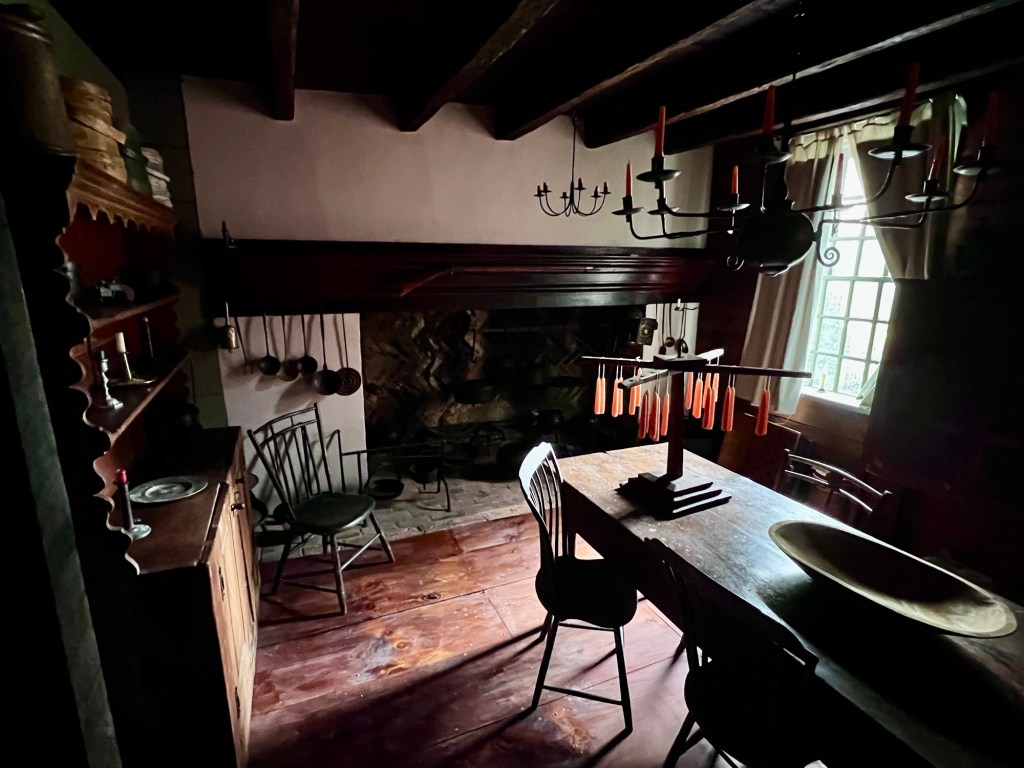
The Tavern kitchen

The Hearth of the Kitchen is eleven feet wide by three feet deep by five feet high in opening containing two mobile cranes. The back firebox bricks are laid in a herringbone style pattern. A tavern hearth of this dimension would have allowed the cook to have multiple fires going in the firebox (Gregg Perry research).
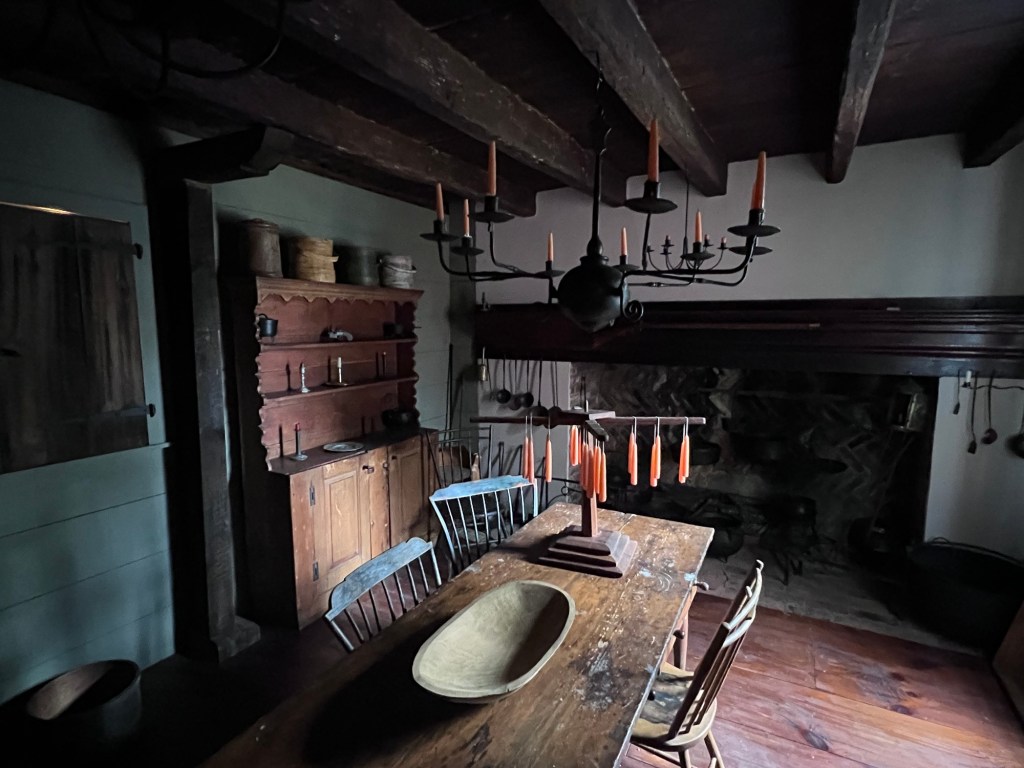
The Kitchen of the Tavern

This is the room where all meals were prepared and served. It was also used as the central heating for the tavern in colder weather. It is decorated in period furnishings and pewter ware decorates the walls. This would have been used in serving at that period in the 1700’s.
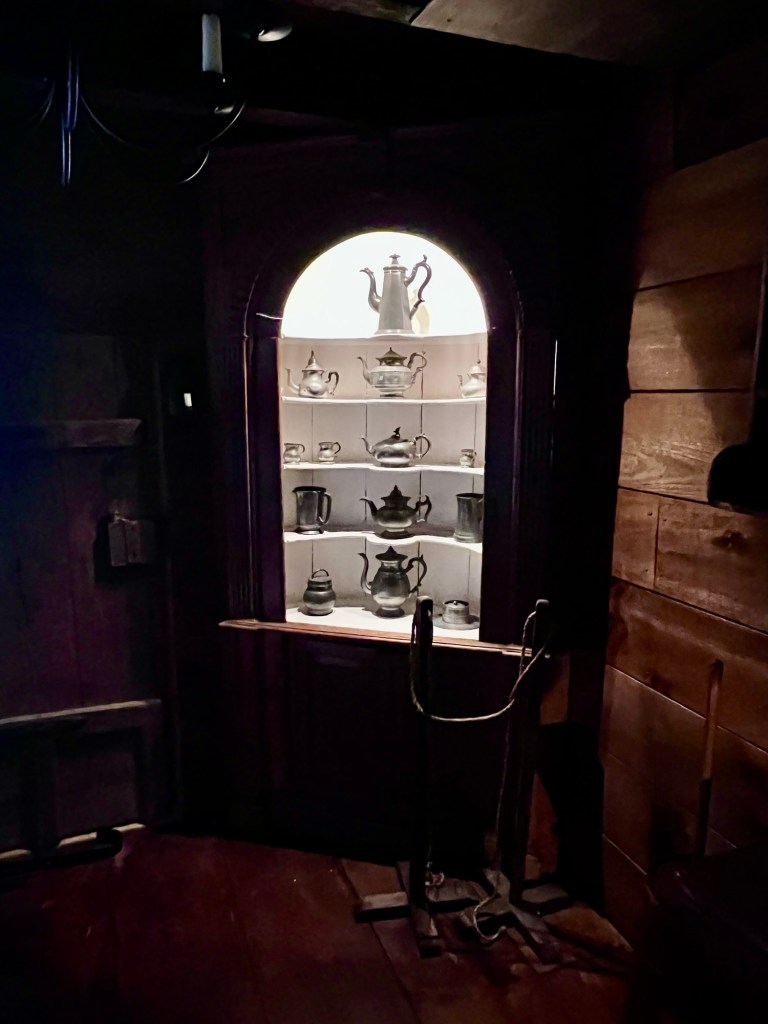
The pewter materials

For the price of a penny today, a patron could have his choice of a tankard of ale or hard cider and a plate of whatever the entree was of the day as well as have the option to spend the night on the floor of the second floor with a burlap blanket. They could also have the horse fed and boarded if needed. The tavern had been in business in one form or another until the 1930’s when it closed for business during the Great Depression (Gregg Perry research).

The Main Part of the house was build 1723. This section of the home was built by John Shivers, whose portrait sits above the mantle.
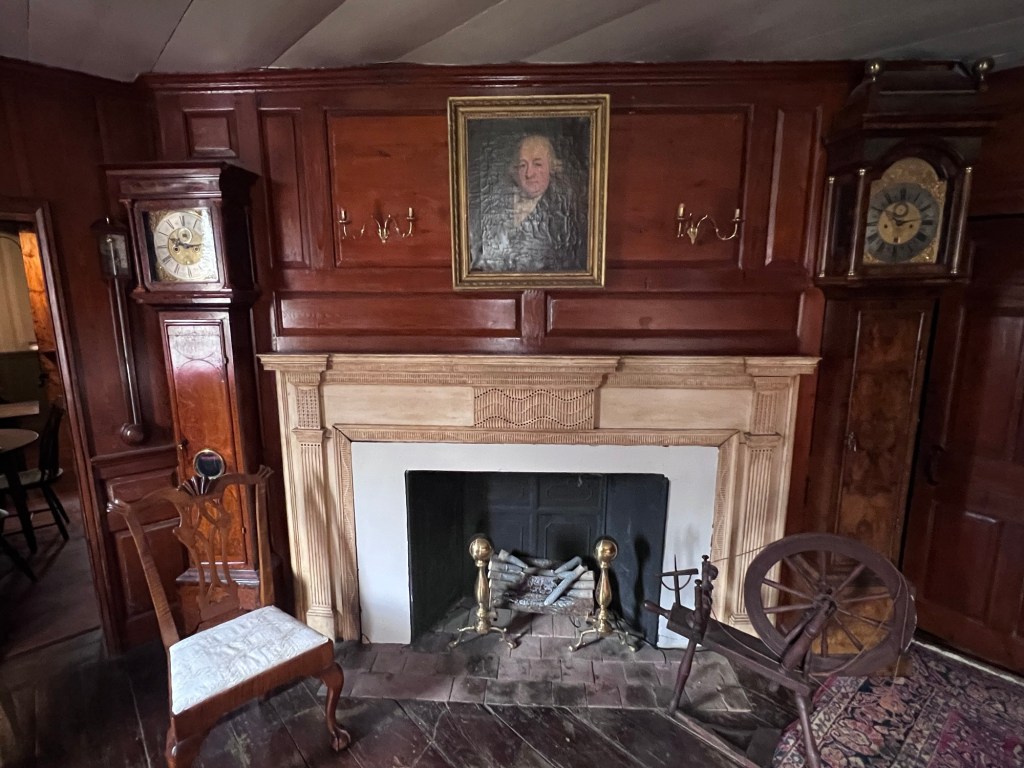
The Grand Reception Room

The Grand Reception Room was built to impress visitors to the house and for entertaining for this prominent family. As the family accumulated wealth and social prominence in the area, the house was meant to impress people with its large fireplaces and tall ceilings.
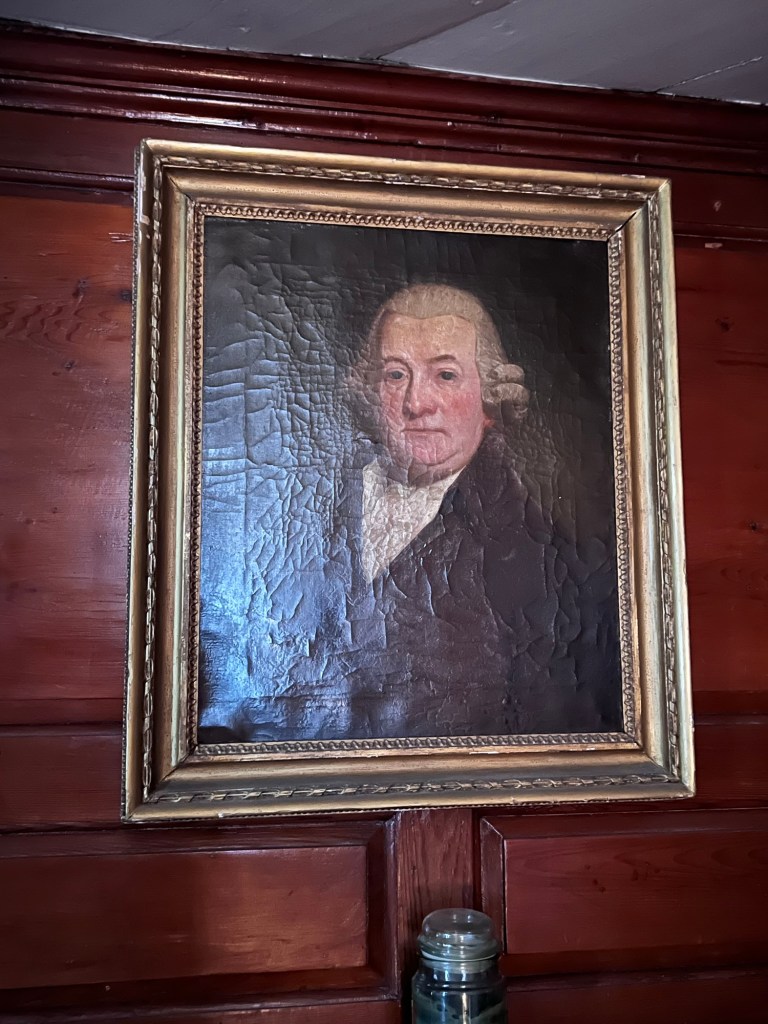
The Portrait of John Shivers in the Grand Reception Room
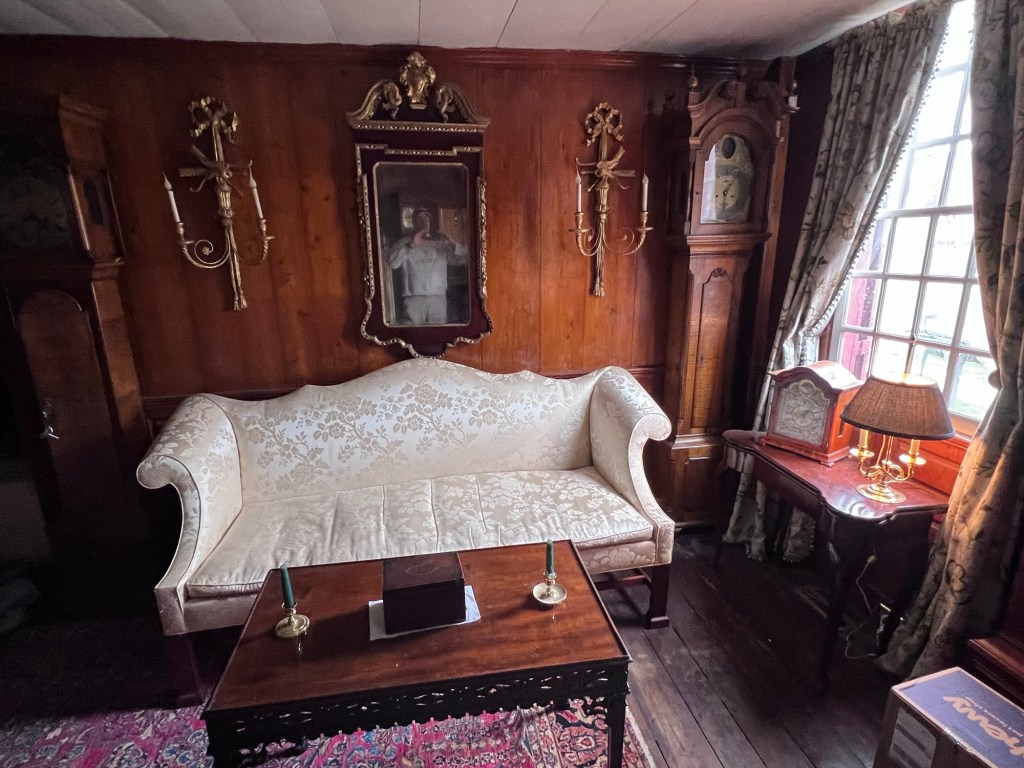
The Grand Room

Much of the period furniture of the room has been restored back to its original form and the woodwork to the room is from the original house. Period clocks and decorations are from that period and part of the owners collection.
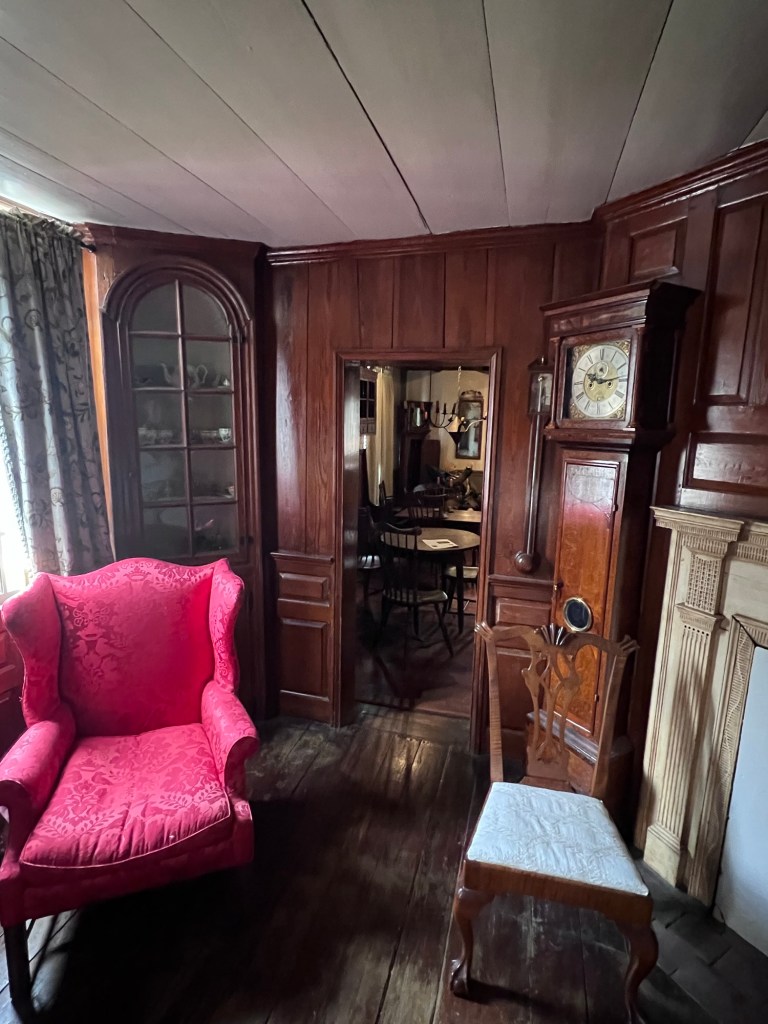
The Grand Room looking into the old Tavern

In the back of the Grand Reception room is the Keeping of Family Room where things were less formal. The room had been set up for Christmas. In the Keeping Room is the portrait of Samuel Shivers, John Shivers son above the fireplace.
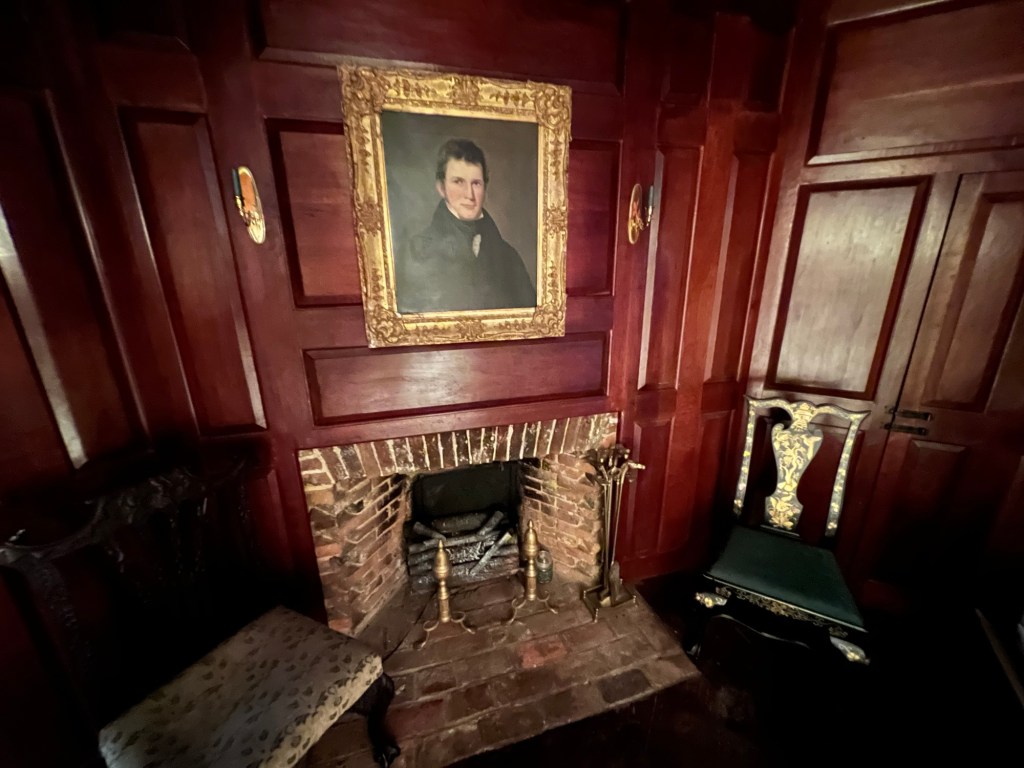
The Keeping Room

This cosy room was set up and lit for the holidays. The lights put a nice glow on the original woodwork.
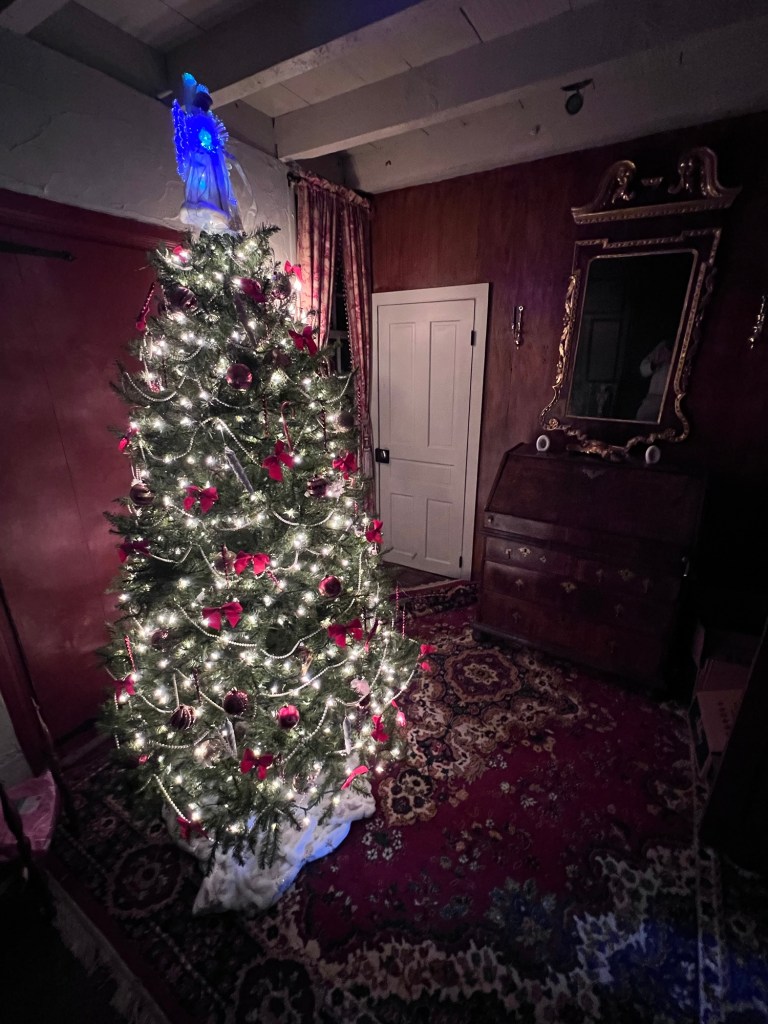
The Keeping Room at Christmas
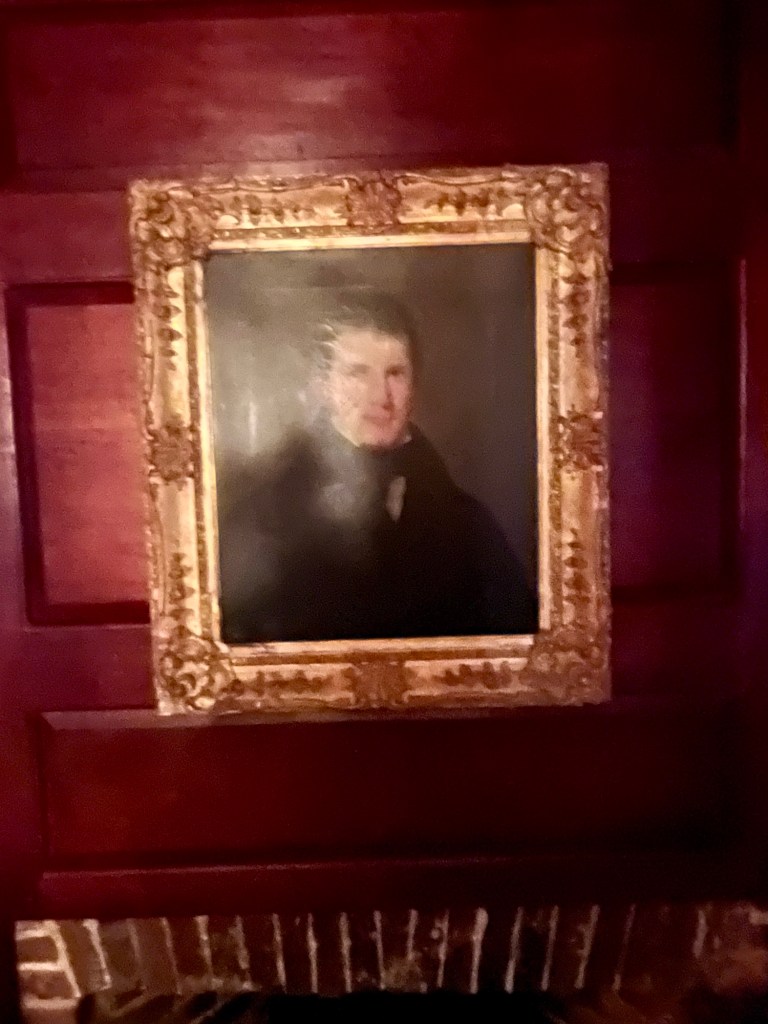
Samuel Shivers painting in the Keeping Room
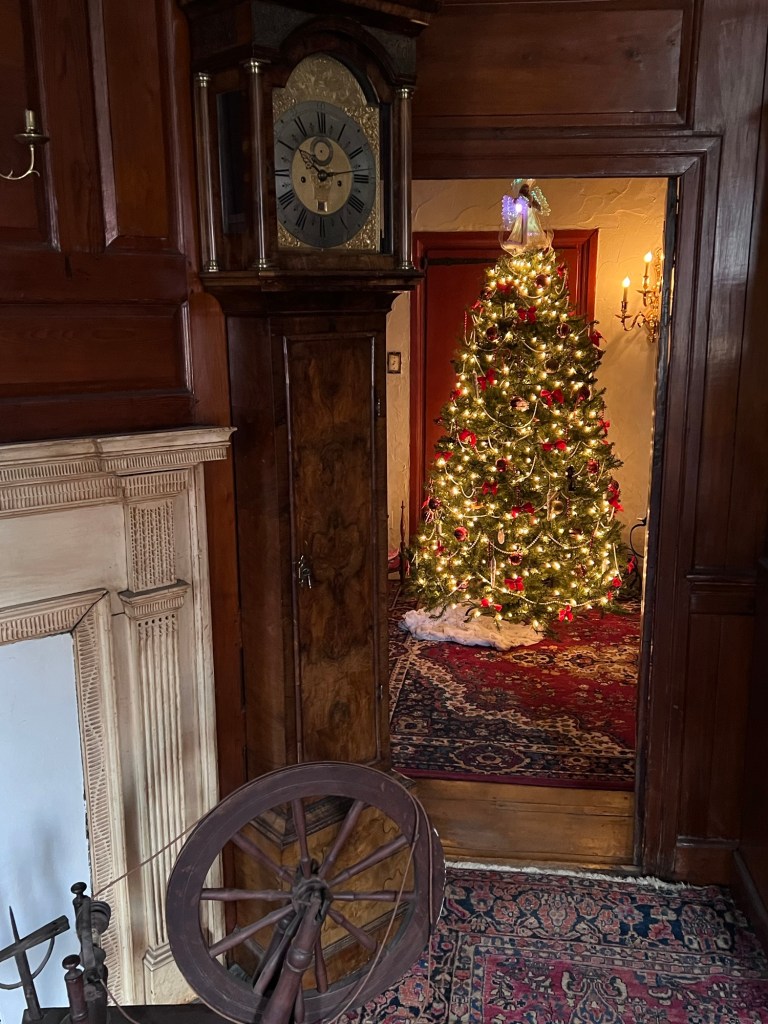
The house decorated for the Christmas holiday season

The Social Media for the house:

Video on the tour of the Tavern

Part Two:
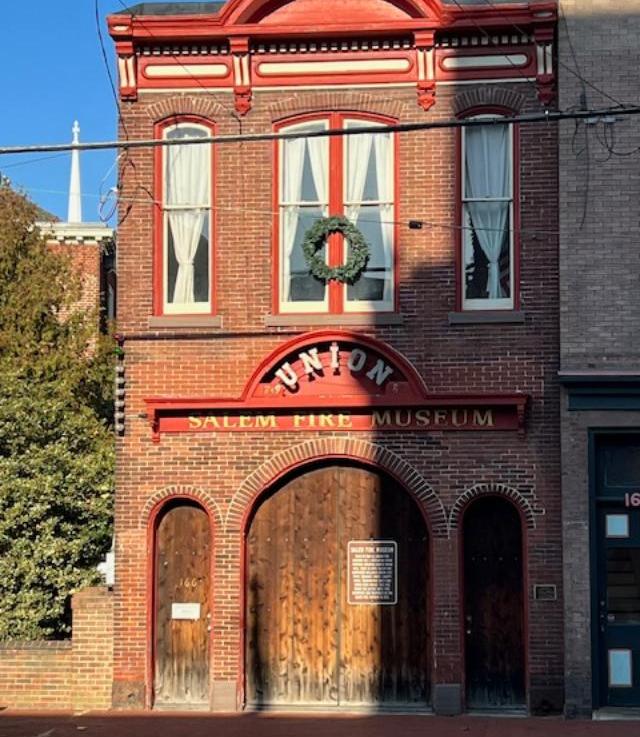
Salem Fire Museum                                              166 East Broadway                                                 Salem, NJ 08079

Salem Fire Museum 166 East Broadway Salem, NJ 08079

Salem Fire Museum

166 East Broadway

Salem, NJ 08079

(856) 935-0354

https://www.facebook.com/SalemFireMuseum/

My review on TripAdvisor:

https://www.tripadvisor.com/ShowUserReviews-g46799-d32732888-r984946763-Salem_Fire_Museum-Salem_New_Jersey.html?m=19905

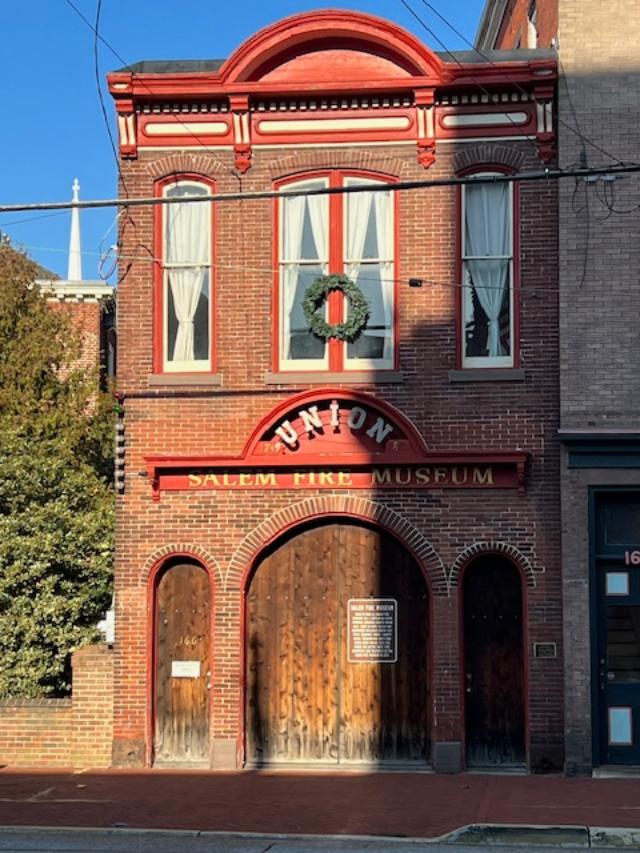
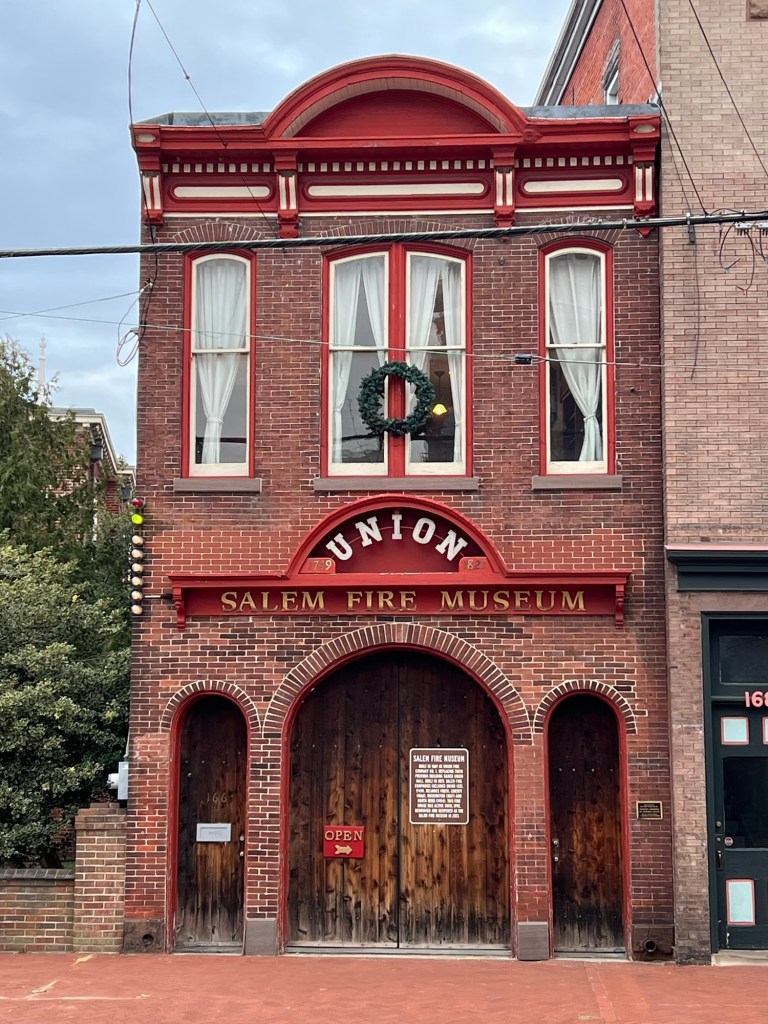
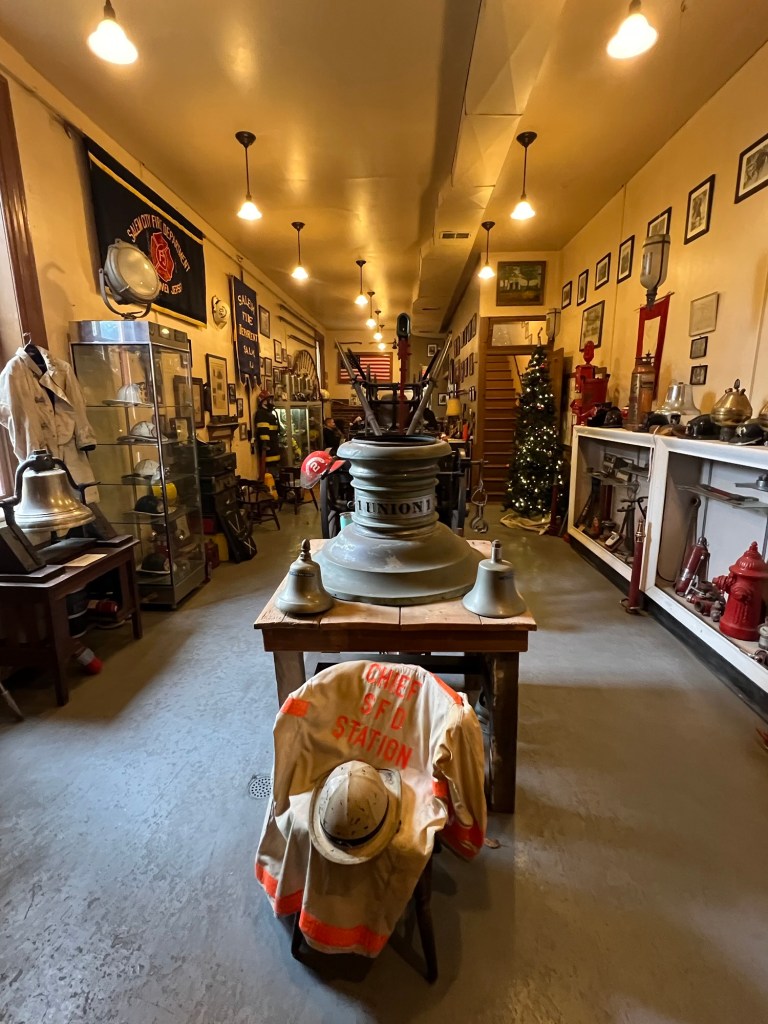
Salem Fire Museum at Christmas time

(From the Salem Fire Museum Facebook page):

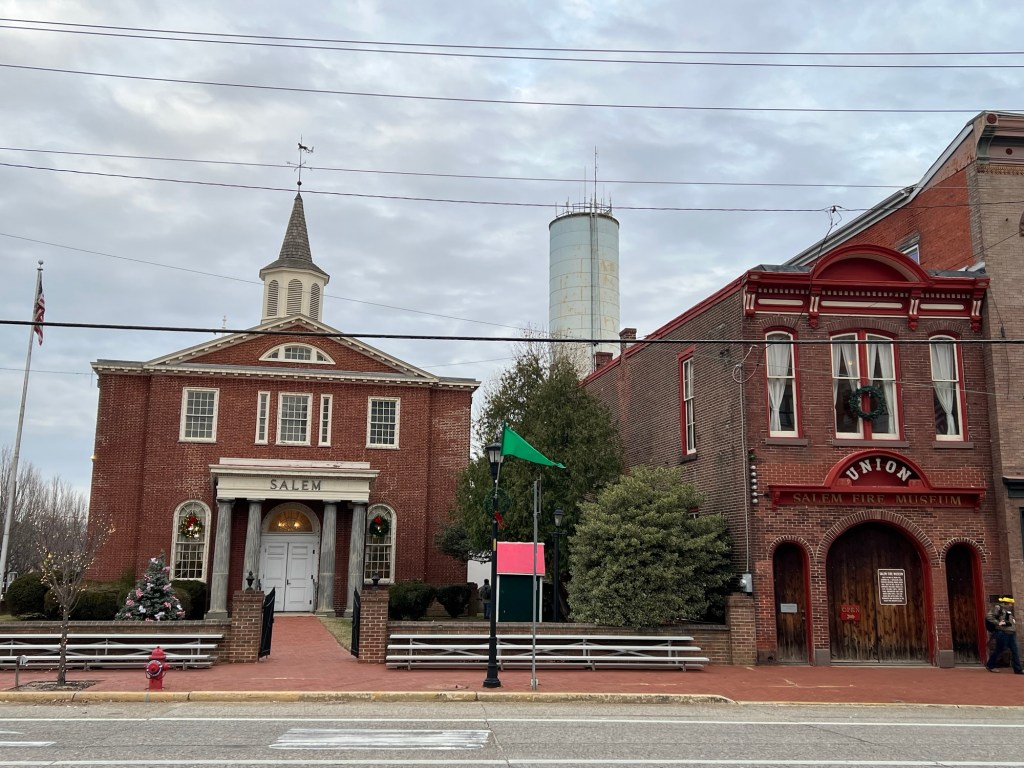
Union Steam Engine Company first formed in 1749 and operated from a modest firehouse at the corner of Market Street and Broadway. That site is currently occupied by the Old Court House. The Salem Fire Museum is in the fire company’s second fire station, built in 1869, and served actively until 1992 when the Union Steam Engine Company No. 1 moved into a commodious engine house on Walnut Street.

The outside of the museum decorated for Christmas

The firehouse right by the old Boro hall

The front of the firehouse was altered in the early 1930’s to accommodate the 1935 Ahrens Fox pumper, which would not fit in the narrow arched truck door. In the mid-1970’s, a concrete foundation was poured to hold the weight of the 1978 Mack pumper. Size of modern fire apparatus was the motivating factor that drove the fire company out of this firehouse in 1992. The dignified old fire station sat vacant until 2002 when a group of volunteers began the restoration efforts. They were met with a staunch task of crumbling walls, no heat, no electric, no water, and very little money.

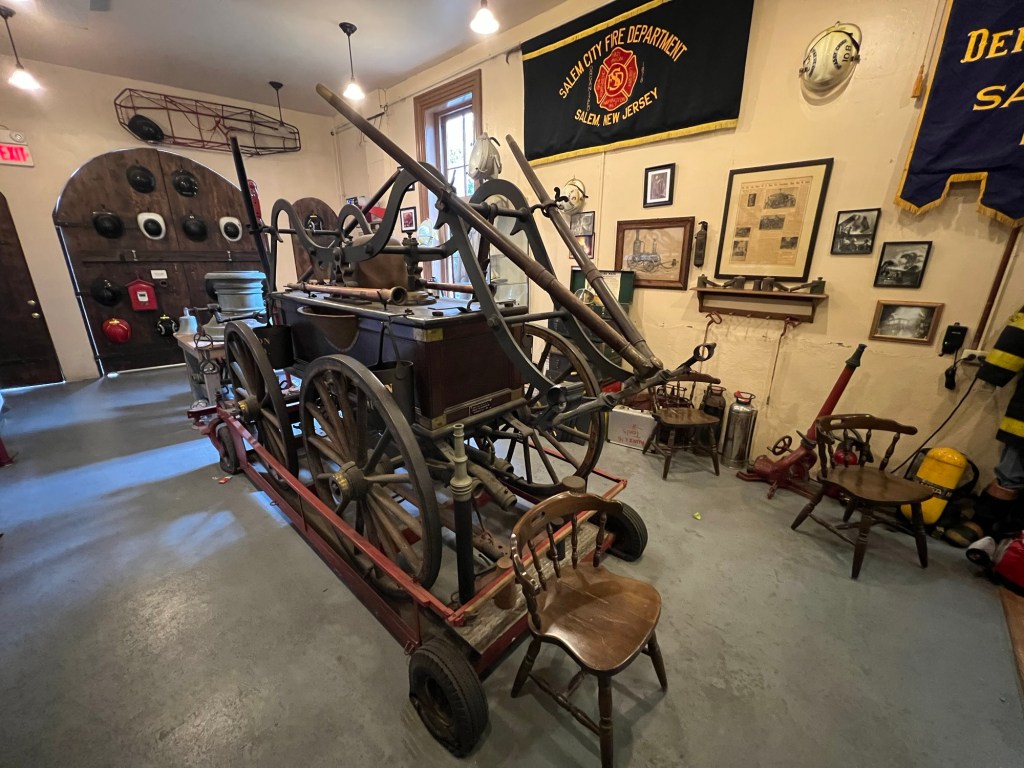
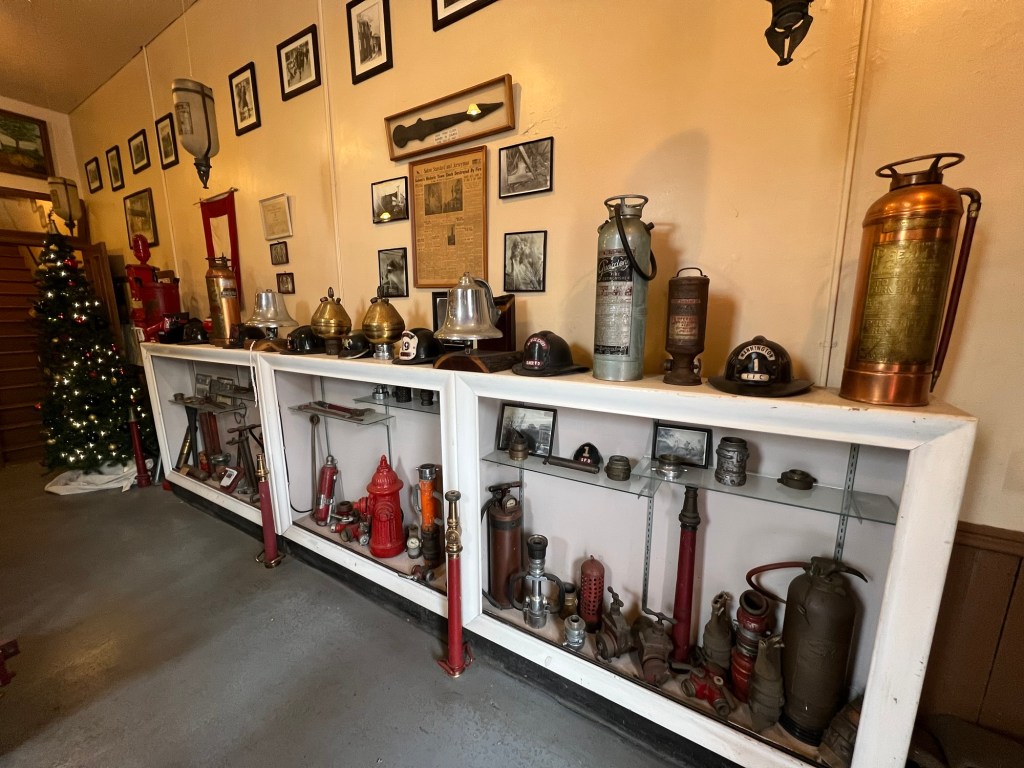
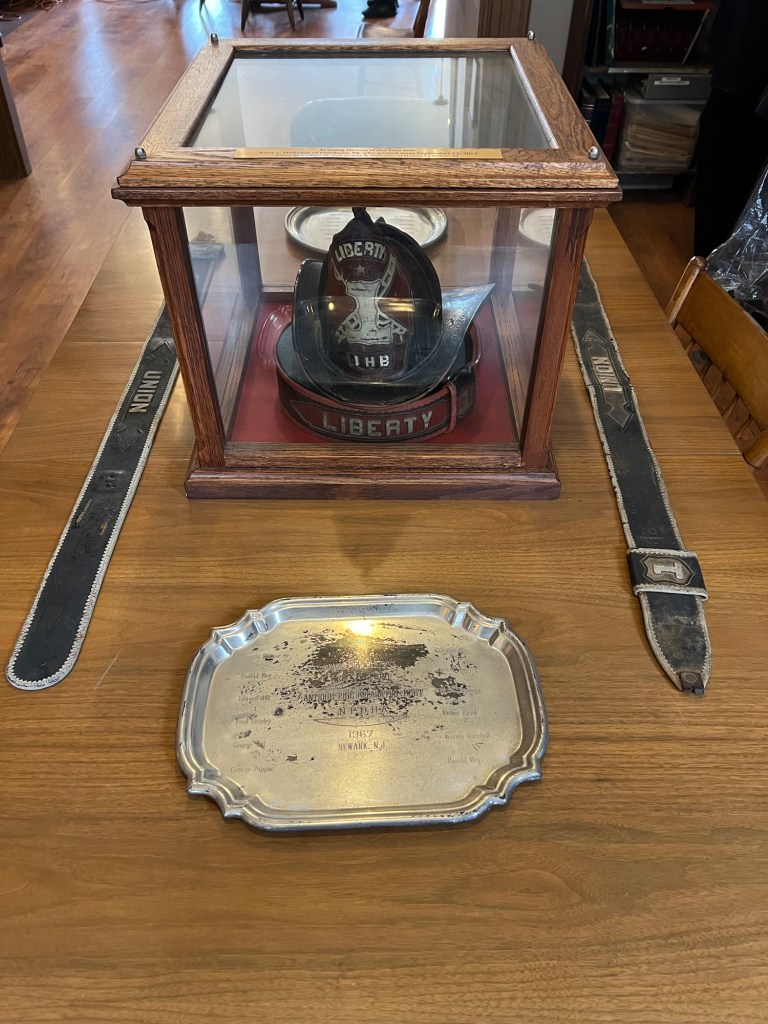
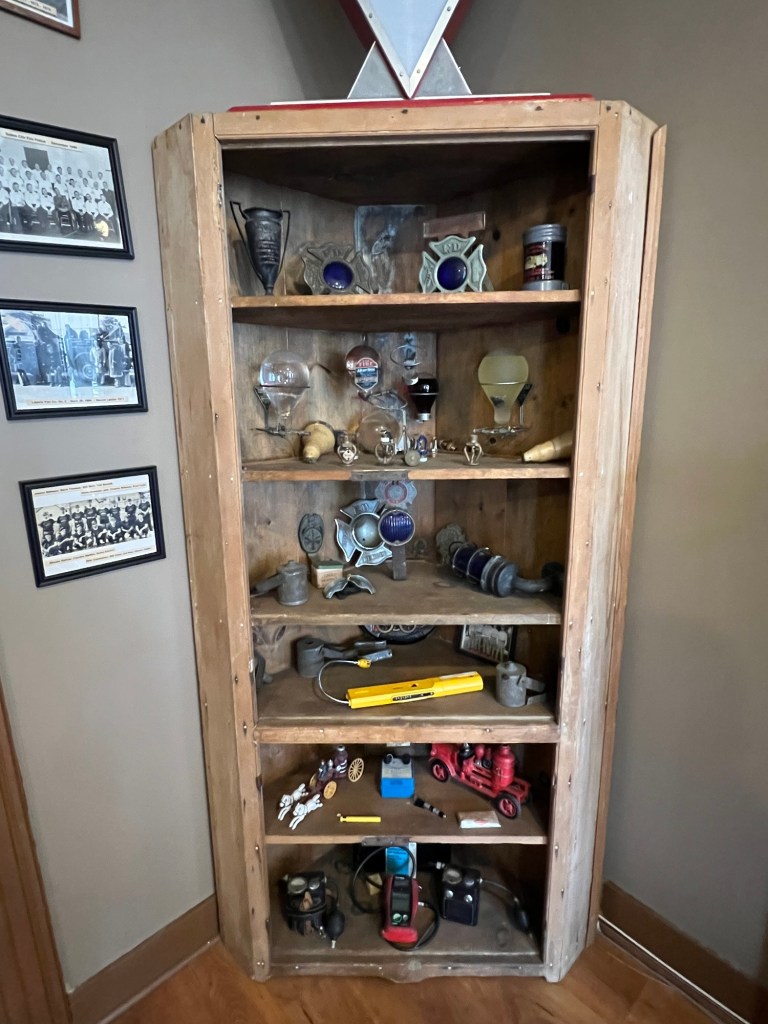
Since the project started, the volunteers have restored the front façade to its’ original 3-arched-door configuration, replaced the frieze, installed HVAC, replaced the electric and water service, and collected, organized, and displayed artifacts from over 200 years of fire service in Salem City and surrounding communities. You can view items like the 1847 John Agnew Columbian Hand Pumper, the ornate boiler exhaust from the 1878 Silsby Steamer, old helmets, uniforms, speaking trumpets, nozzles and the like.

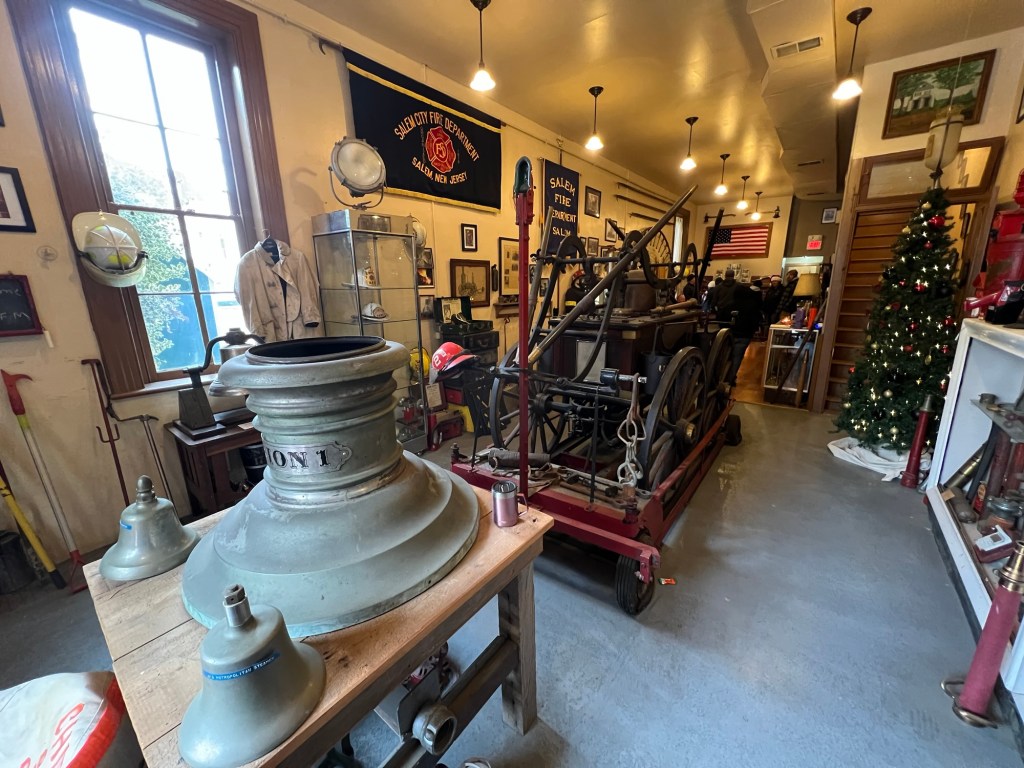
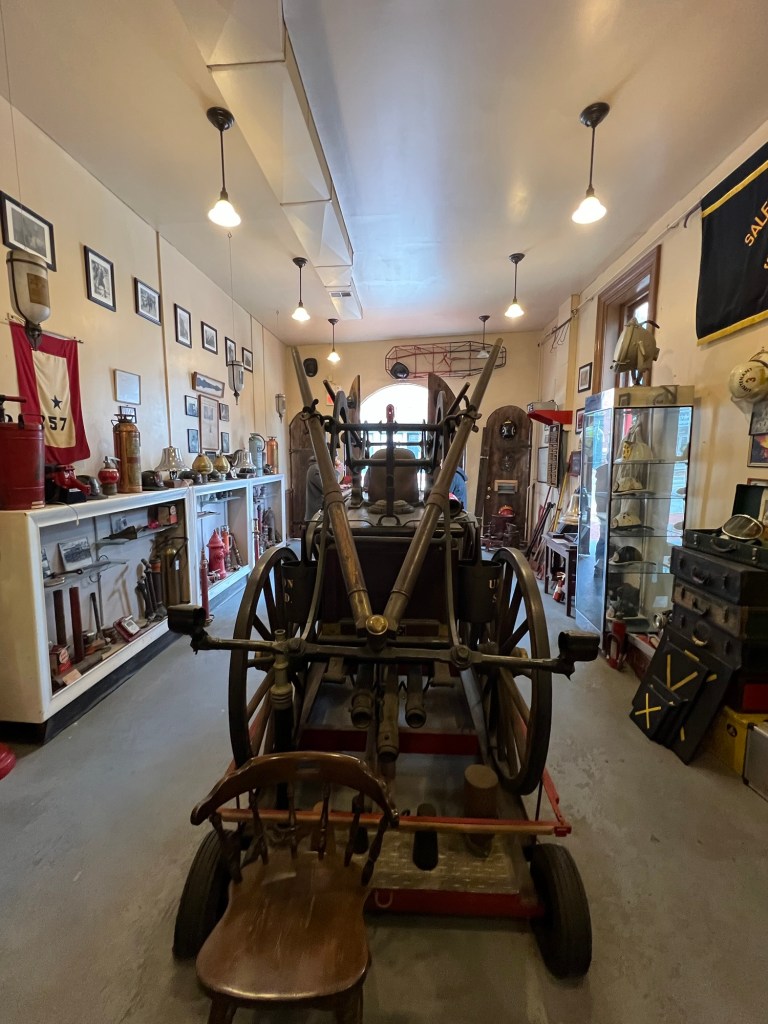
The pumper at the museum

The side view of the pumper on the first floor

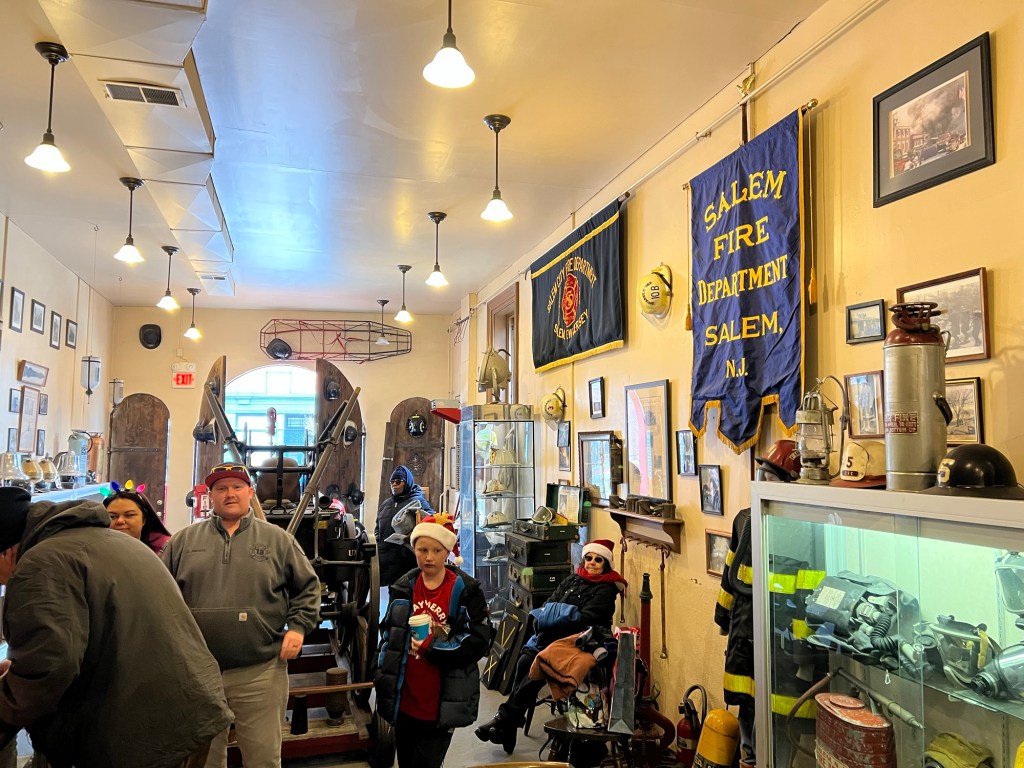
The antique equipment on the first floor of the museum

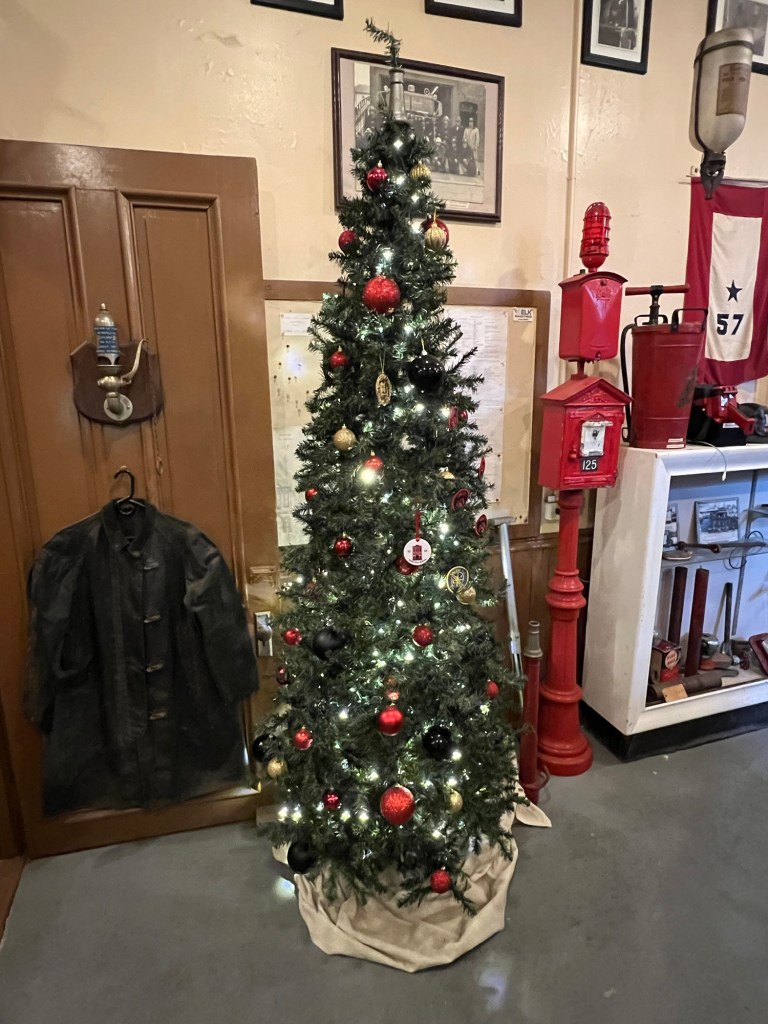
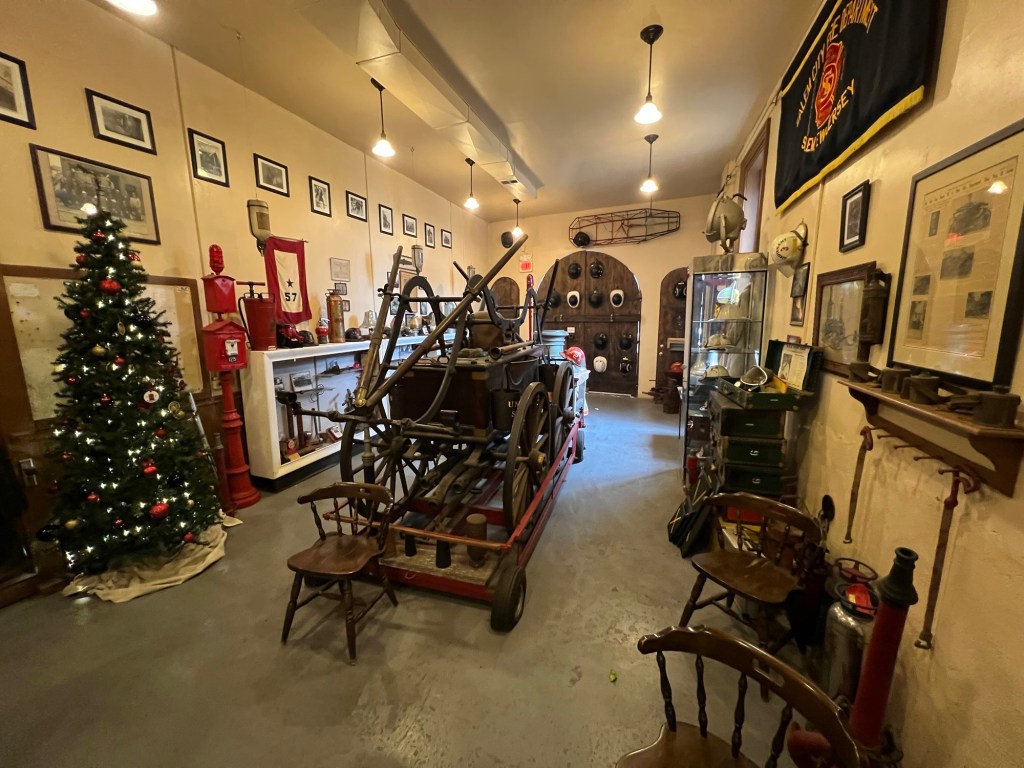
The first floor of the firehouse decorated for Christmas

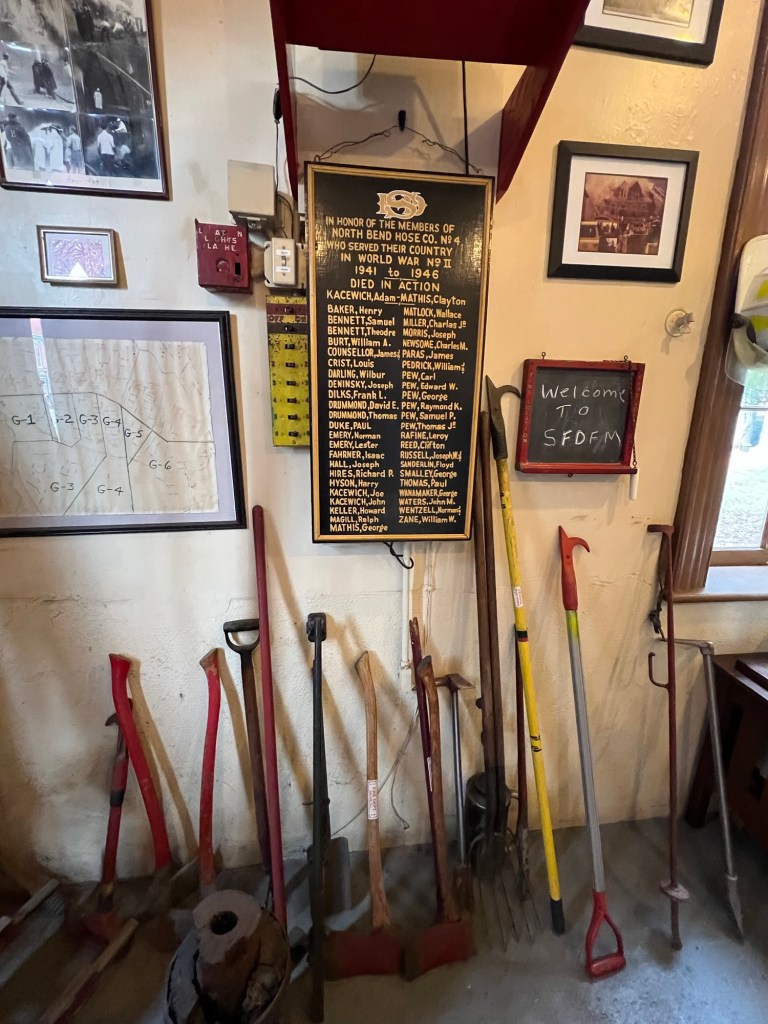
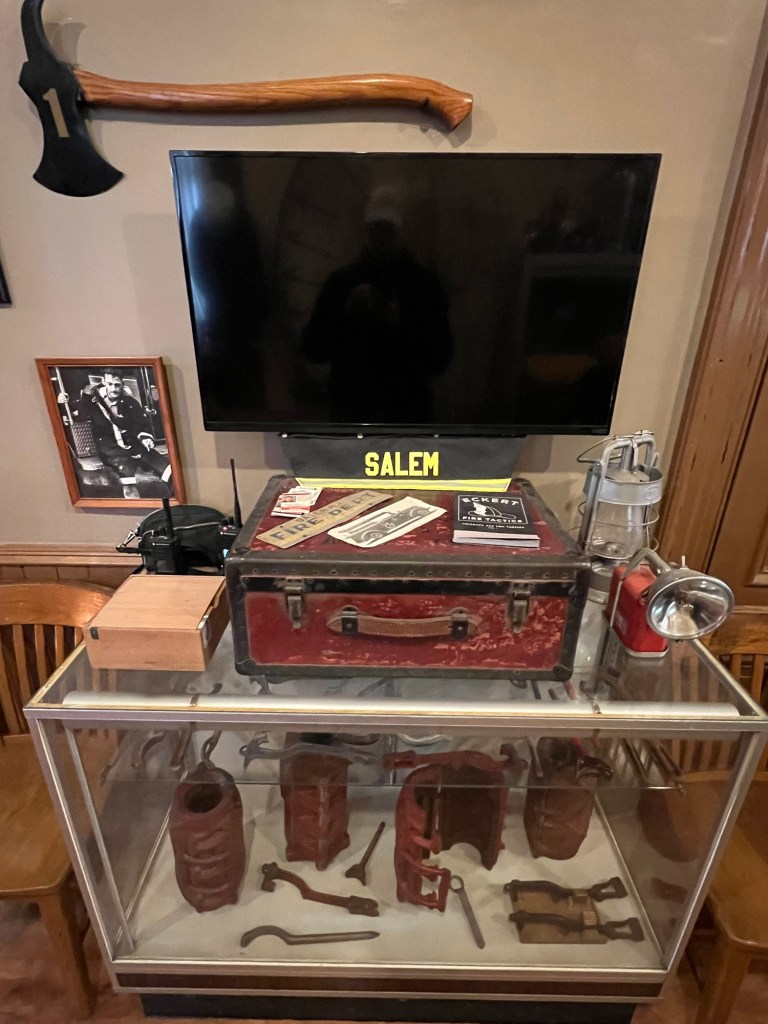
The ‘irons’ at the fire house

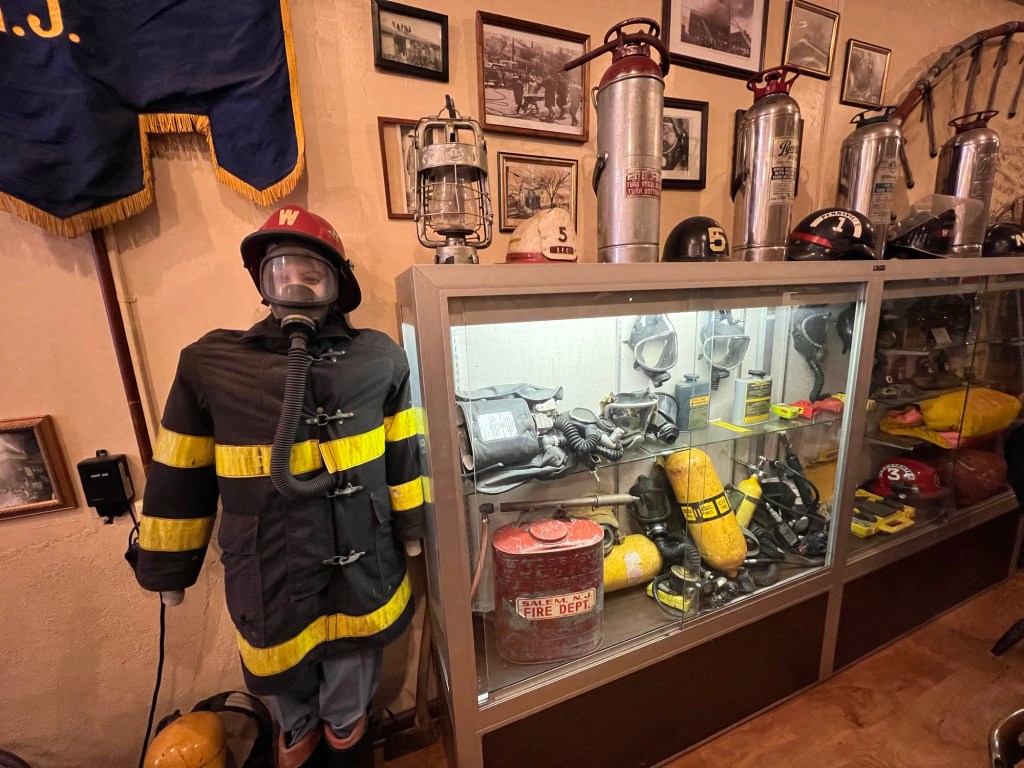
The old and new SCBA equipment

People visiting the museum during the parade

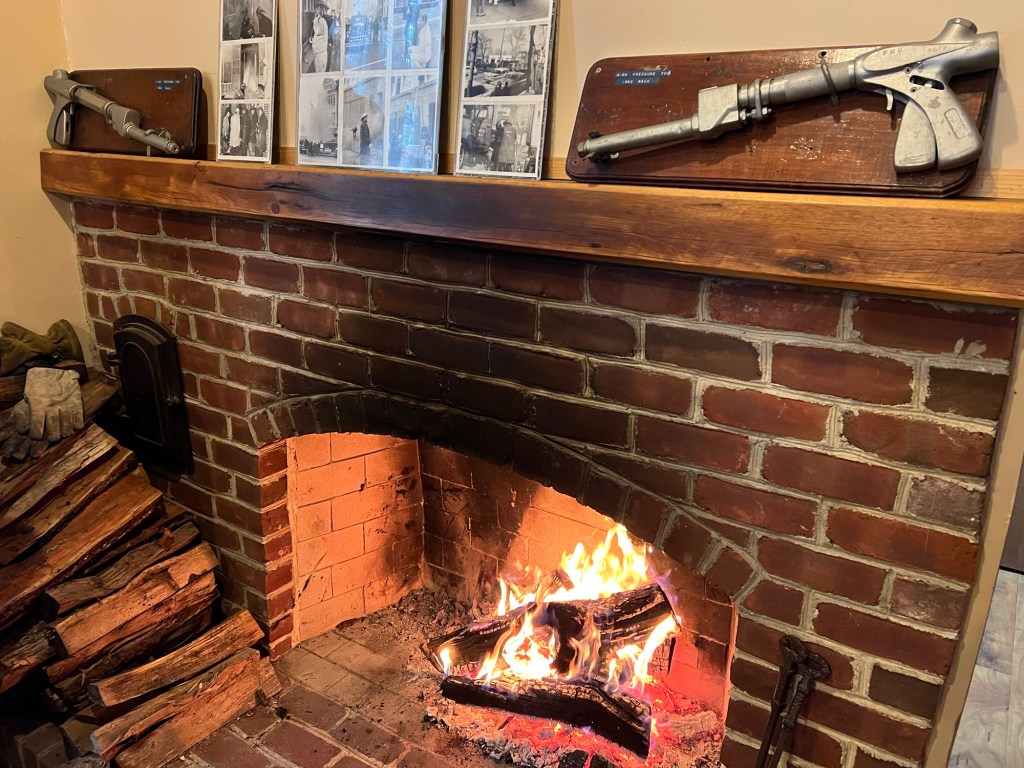
The fire place going on a cold morning during the parade

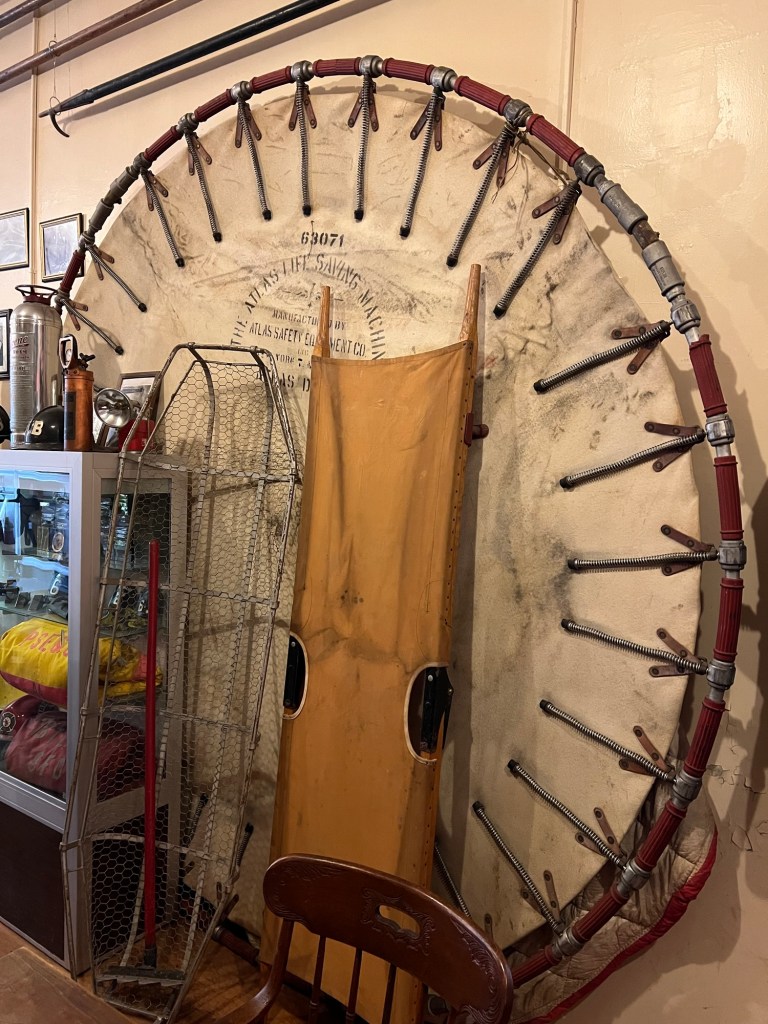
Safety equipment for rescue at the museum

Equipment used on the fire truck

A full view of the firehouse museum first floor

The firehouse Christmas tree

A full view of the first floor of the museum decorated for Christmas

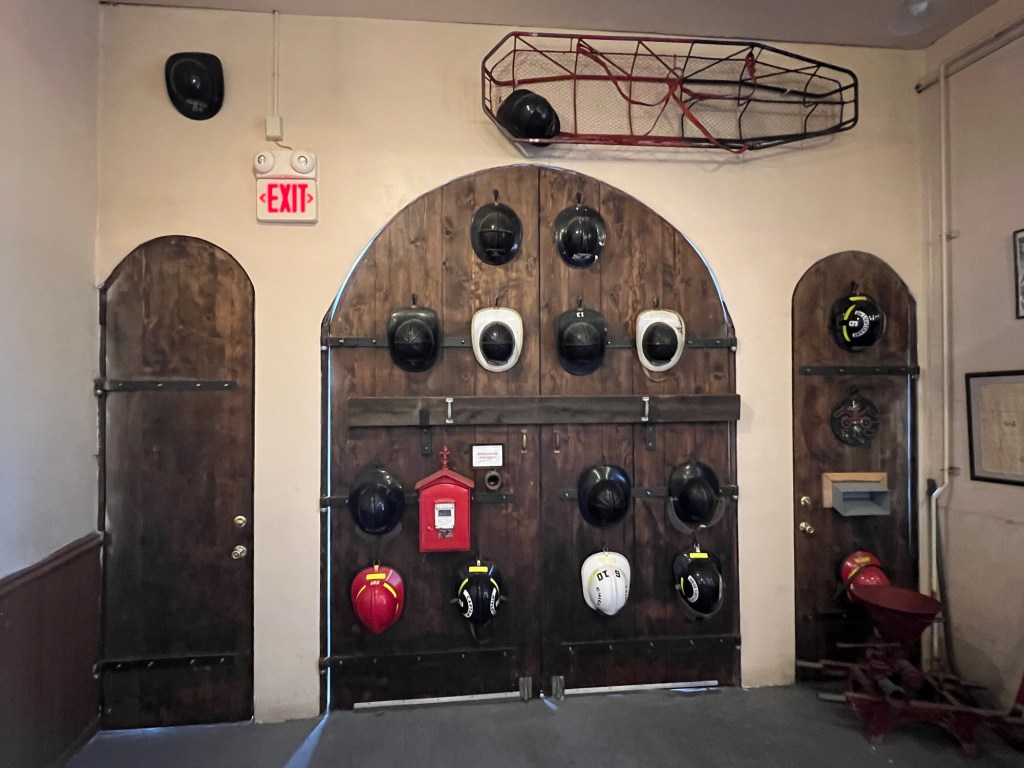
The firehouse door decorated with helmets

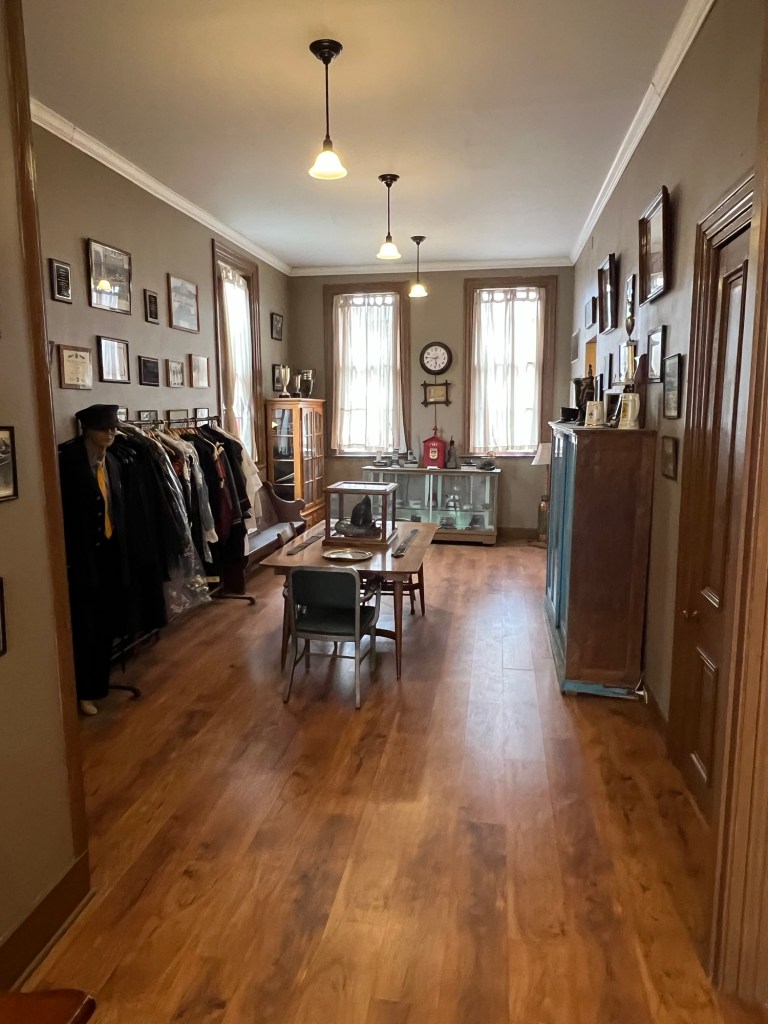
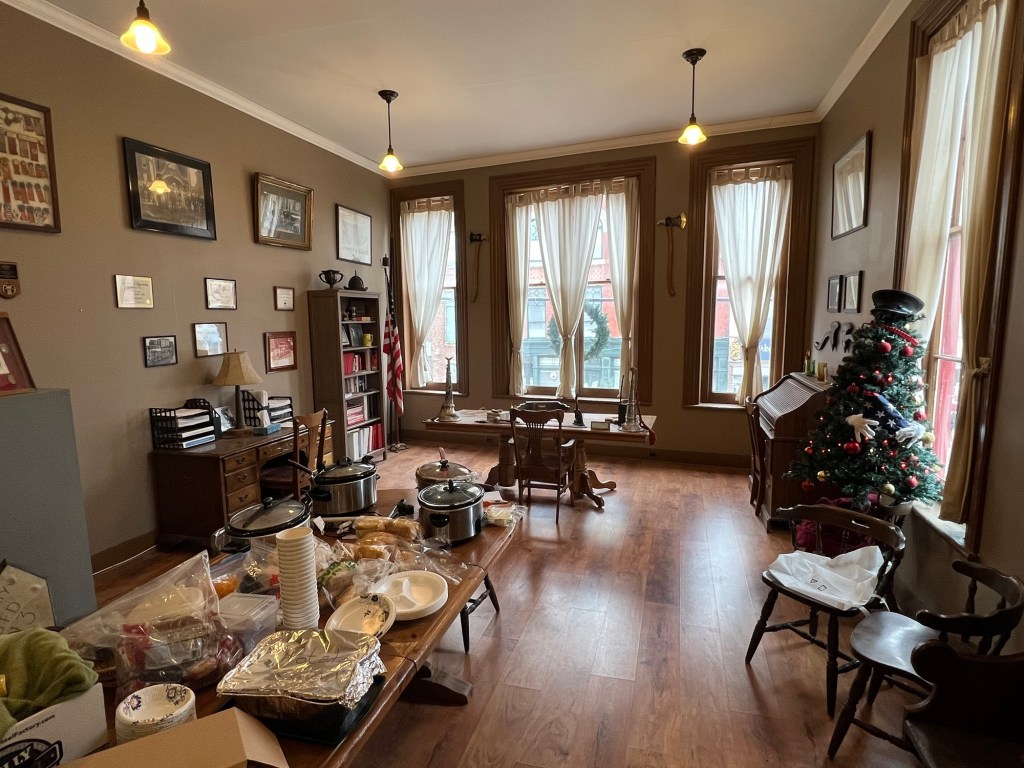
The second floor of the museum was set up for the office and operation base of the fire department. The displays are set up with fire operations in mind as well as where the fire fighters were living when on duty for their shifts.

The second floor of the museum

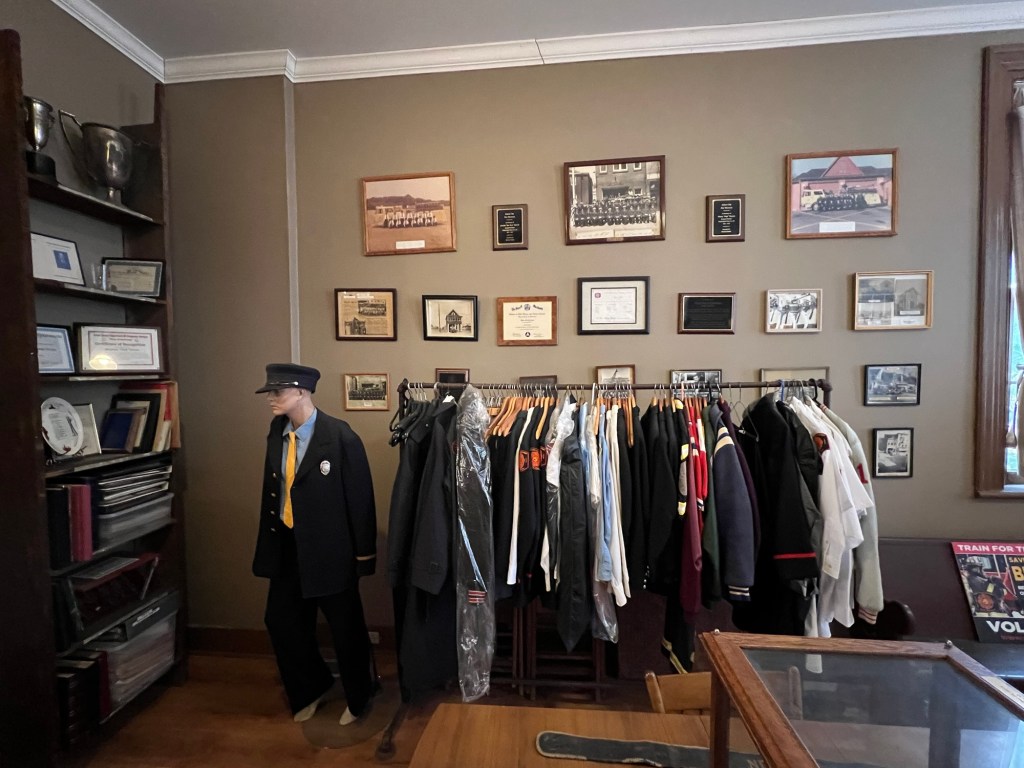
Fire department ‘Class A’ and fire department clothing

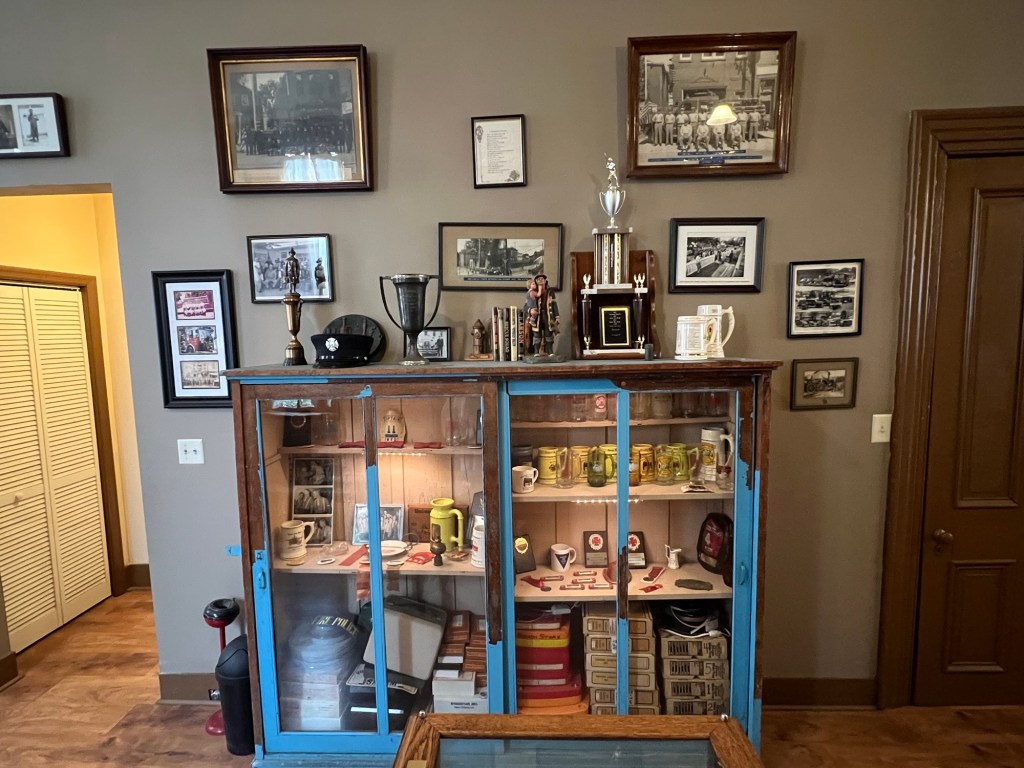
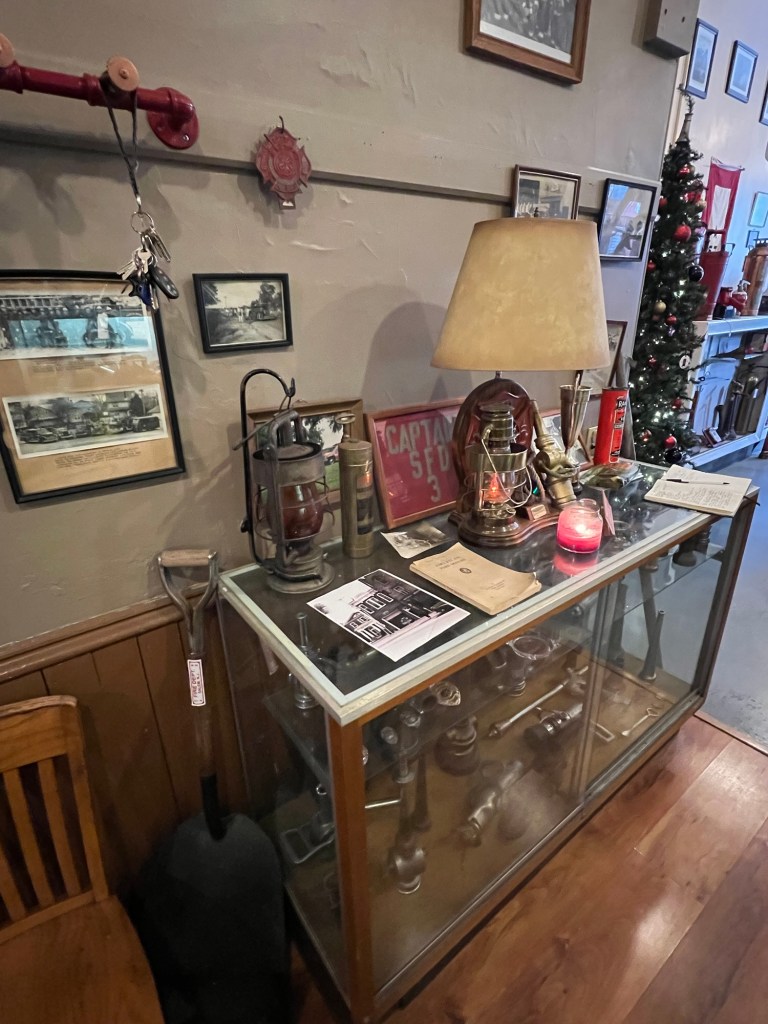
Fire department awards and memorabilia

Fire department artifacts

More fire department artifacts

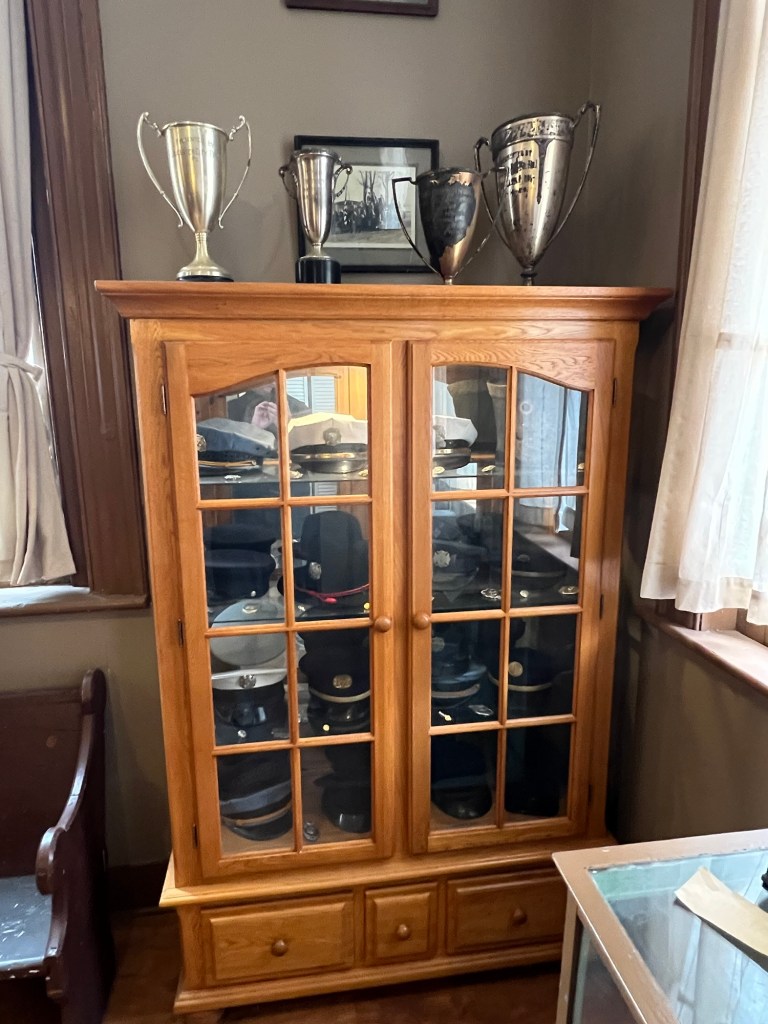
The years of Chief’s hats

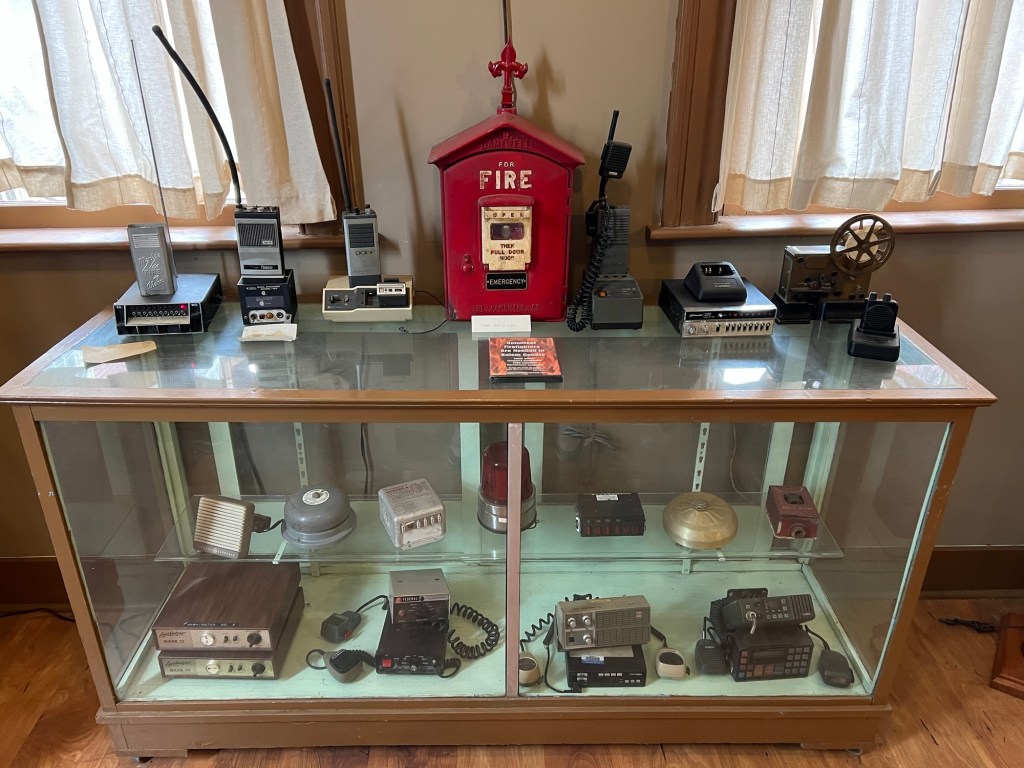
Years of emergency communication equipment

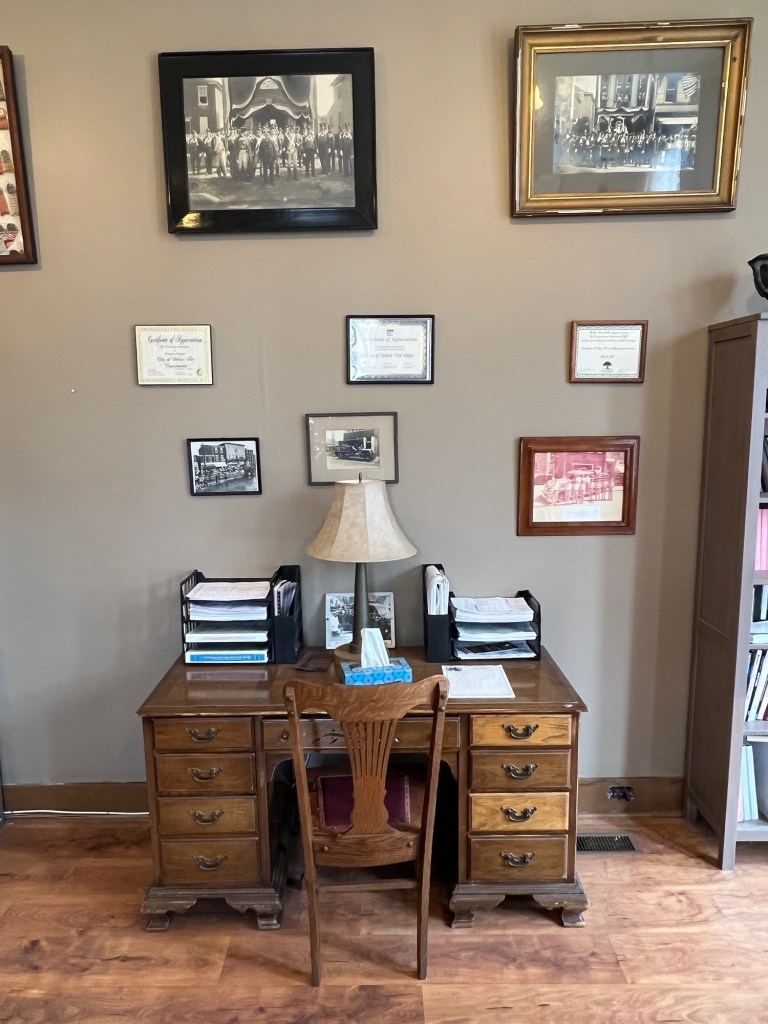
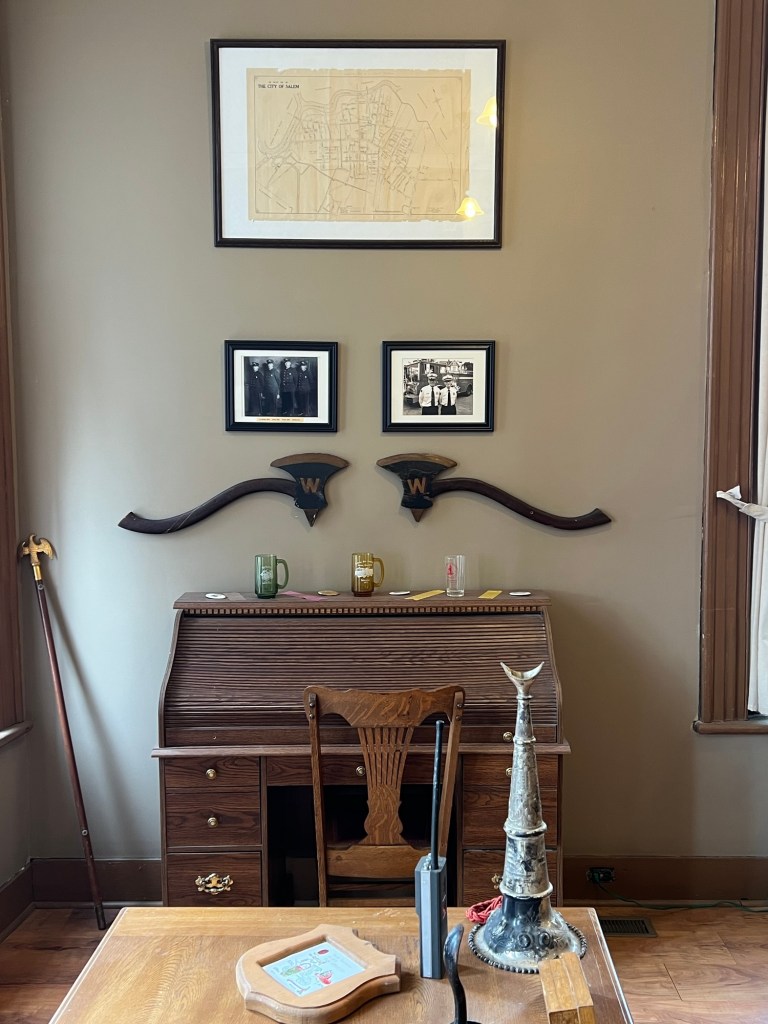
The operation desk at the firehouse

Desk operations and Chief’s horn

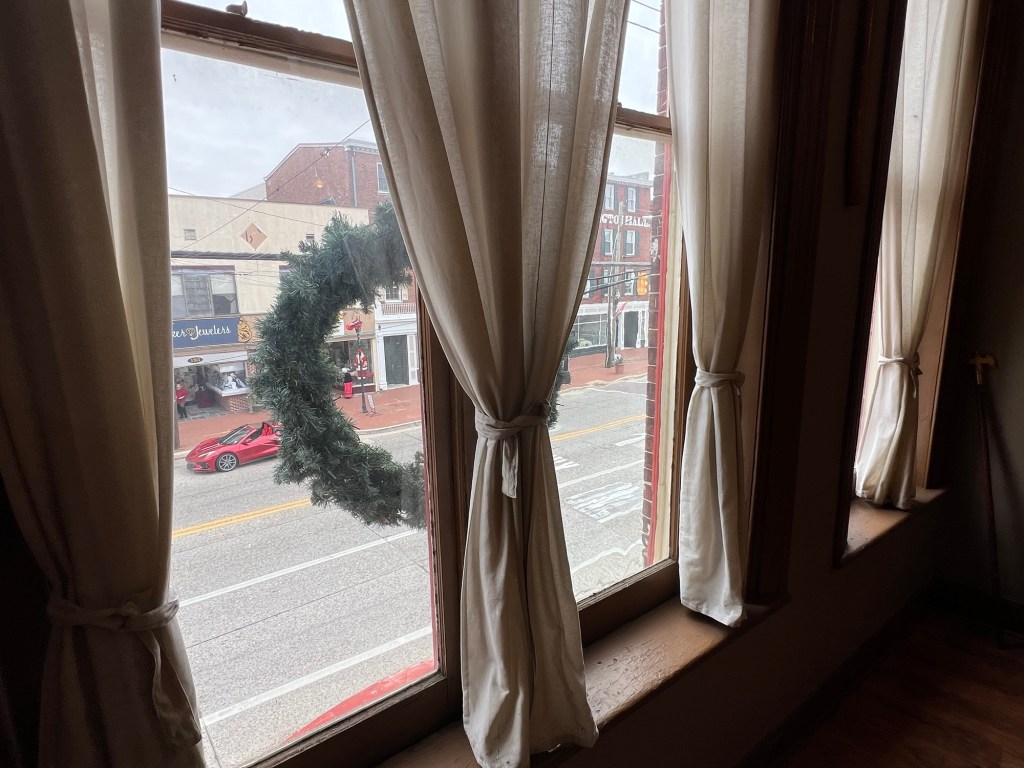
View from the second floor of the fire house

The second floor set up for a party for the firefighters and their families

The illumination equipment on the first floor

The full first floor of the museum

The Salem Fire Museum gives an interesting look of life in the fire service both at the turn of The last century and today. I just wish it were open more often for the public to see.

Alloway Township History Museum                                         49 Greenwich Street (Room 216)                                    Alloway, NJ. 08001

Alloway Township History Museum 49 Greenwich Street (Room 216) Alloway, NJ. 08001

Alloway Township History Museum

49 Greenwich Street (Room 216)

Alloway, NJ 08001

(856) 981-9388

Open: Sunday-Friday Closed/Saturday 9:00am-12:00pm (Last Saturday of the Month)

Admission: Free

My review on TripAdvisor:

https://www.tripadvisor.com/ShowUserReviews-g29741-d32722951-r984660264-Alloway_Township_History_Museum-Alloway_New_Jersey.html?m=19905

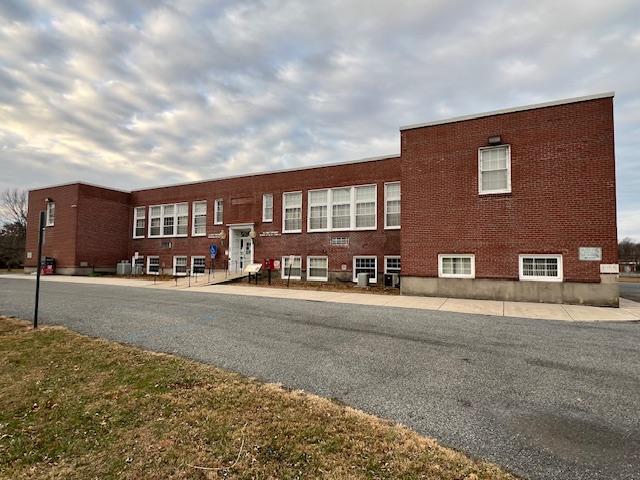
The front of the museum building. The museum is located on the second floor

History of Alloway Township History Museum:

(from the museum website)

Dating back to our origins in 1767, Alloway Township is rich in history and heritage. Ocean going vessels were built in our shipyards. The Wistarburg Glassworks’ was the first successful glassworks of the early colonies. Patterned brick houses can still be spotted around town.

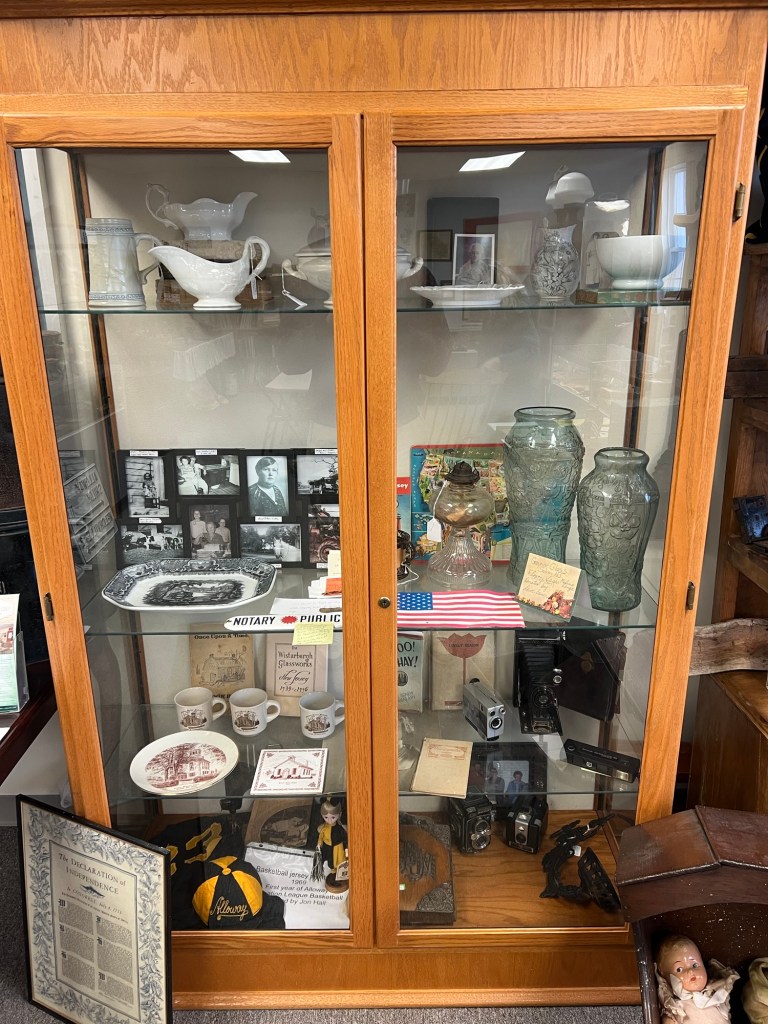
Our museum is filled with a collection of interesting artifacts from our past including: class plaques, the original bell from Alloway High School, early glass, a miniature recreation of the area back in the 1700’s Lenni Lenape Indian Arrowheads and much more. Everything in the museum has been donated by visitors also interested in preserving Alloways history. Our latest project is recreating an early classroom including a collection of historic school desks.

The Alloway Township Senior Building at 49 South Greenwich Street

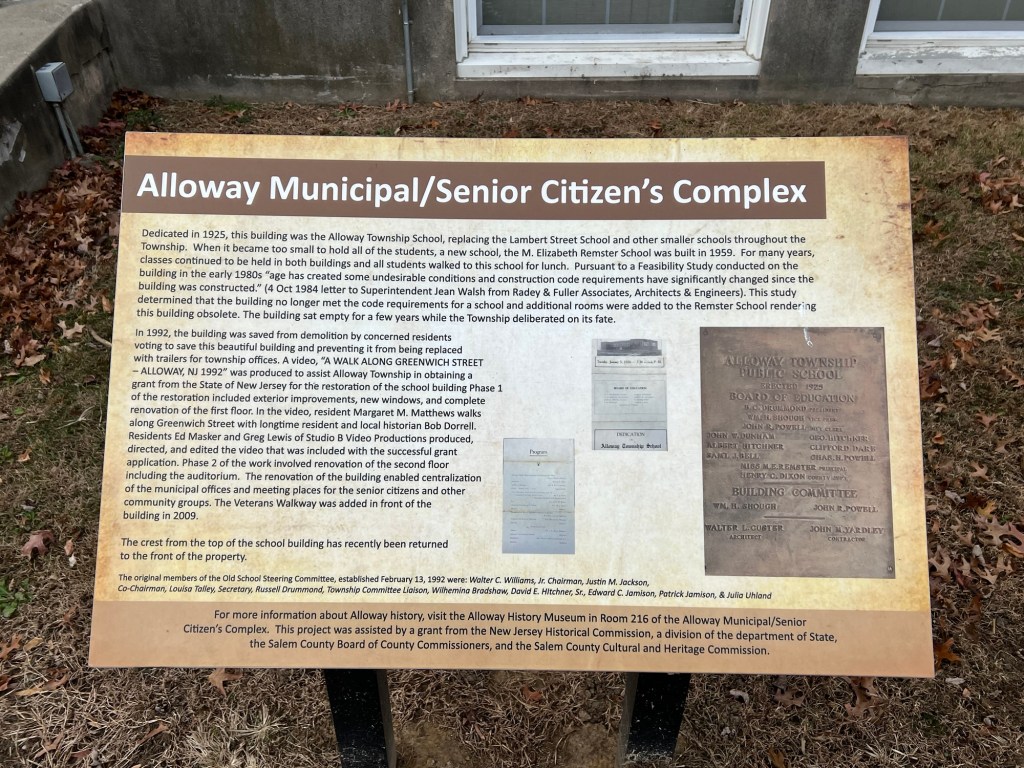
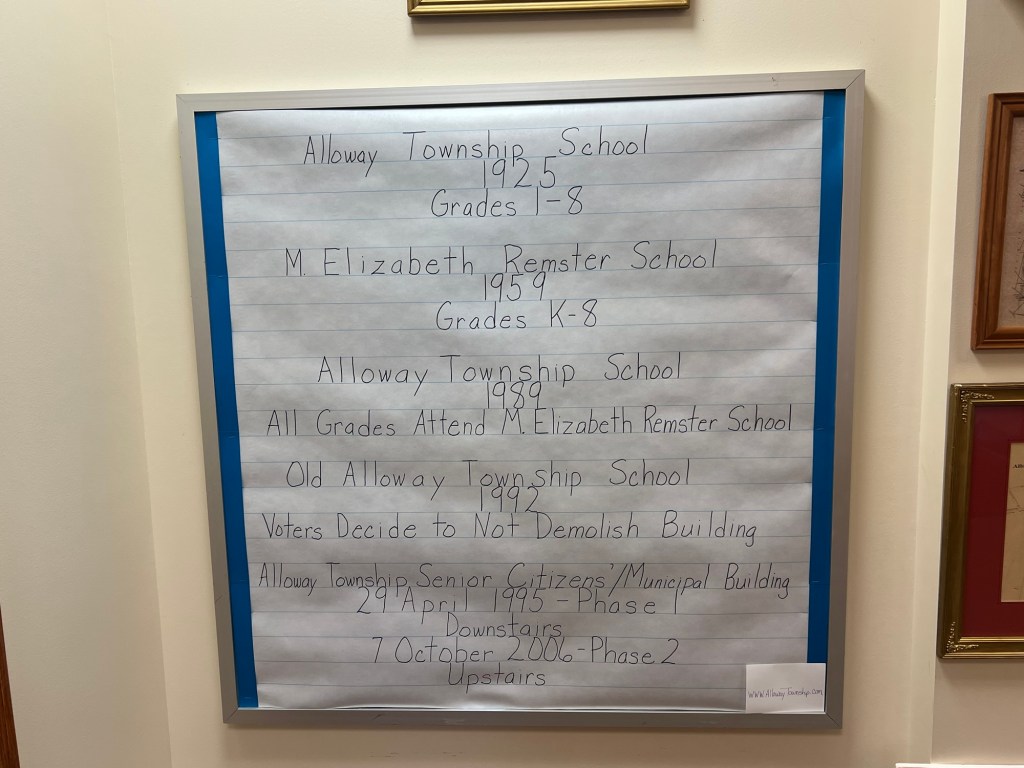
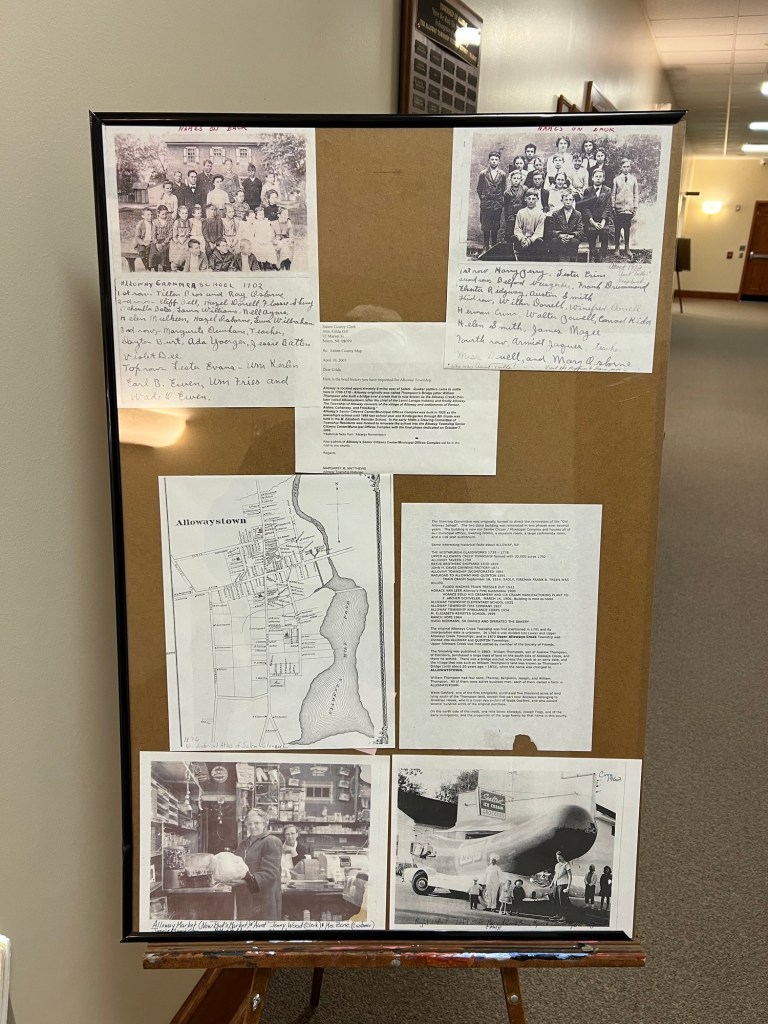
The history of the Alloway Municipal Building

The town Christmas tree in the front yard

Our Mission:

(from the museum website)

The Alloway Township History Museum’s mission is to preserve the history and memories of Alloway, NJ. What is now Alloway was originally inhabited by Lenni Lenape Native Americans and its name is thought to be derived from Allowas, a local Lenni Lenape Chief. Located in Salem County, NJ, Alloway Township was formally incorporated as Upper Alloways Creek Township by a Royal Charter granted on June 1767.

The public is invited to come in and enjoy or collections, share your stories, photos, objects and ephemera to help maintain the history of Alloway. We welcome researchers and provide them with any available material.

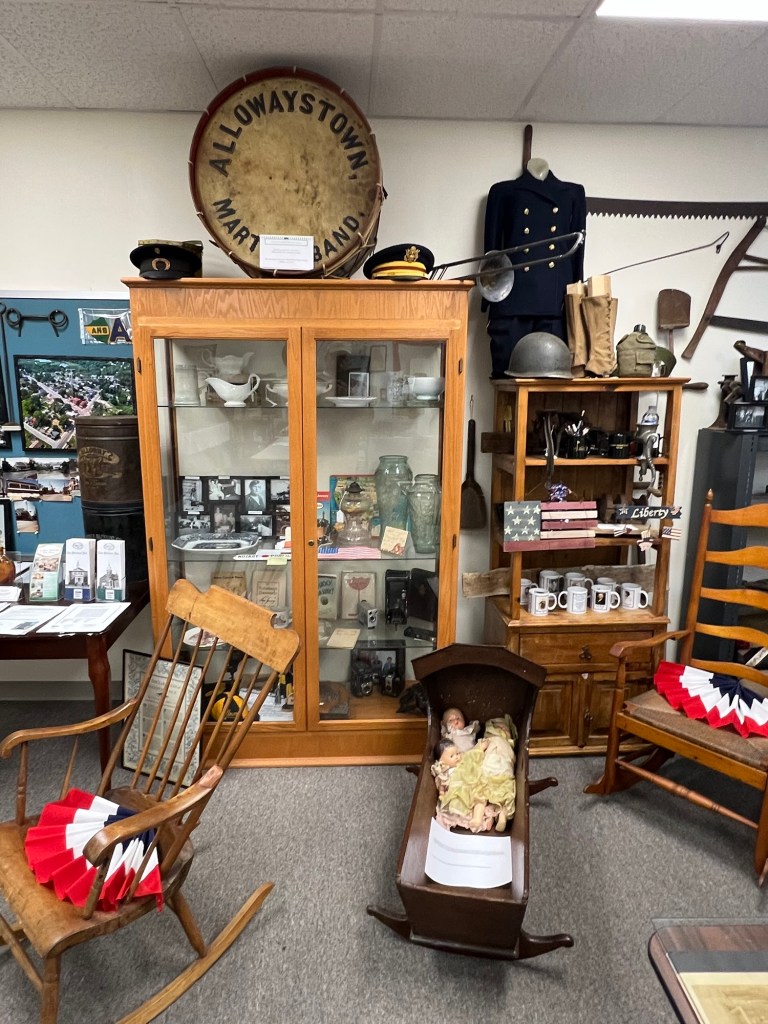
The main gallery of the museum

The main gallery of the museum

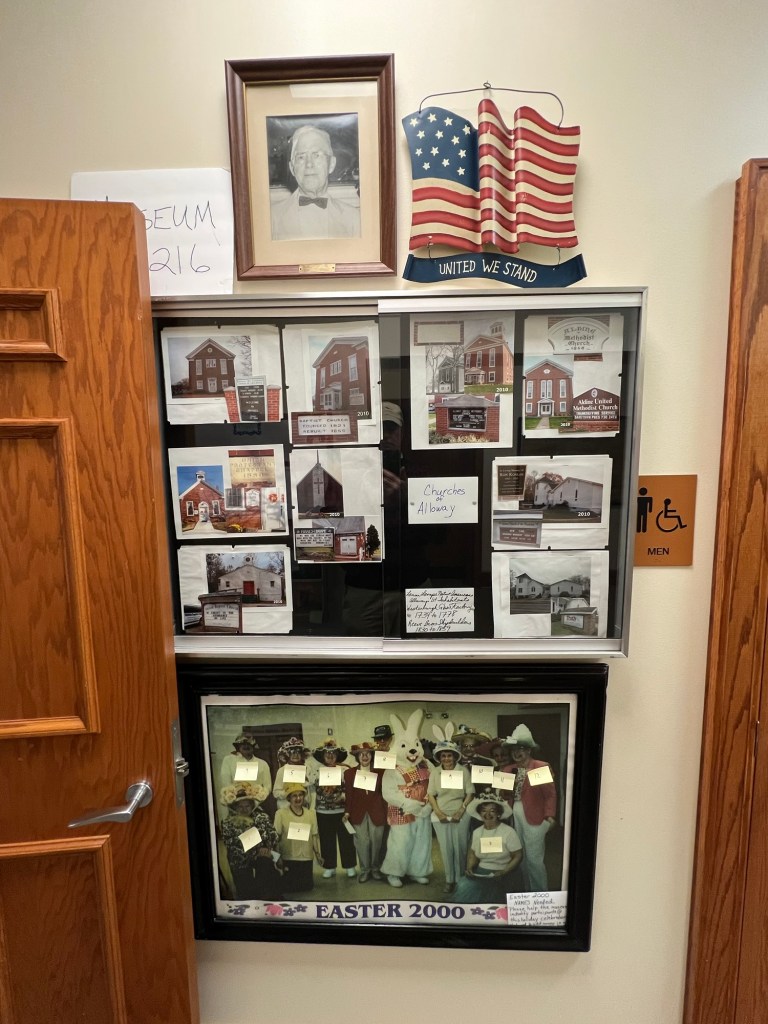
When you enter the museum, it showcases the rich history of this small community. Each of the show cases tell the story of the small New Jersey community.

As you enter the museum, the displays describe the rich history of the building

The local businesses of the town are emphized

The museum displays many aspects from the community from its Native American past to its prominence in ship building, farming and agriculture and then localized manufacturing and glassworks.

Some of the businesses noted in the community

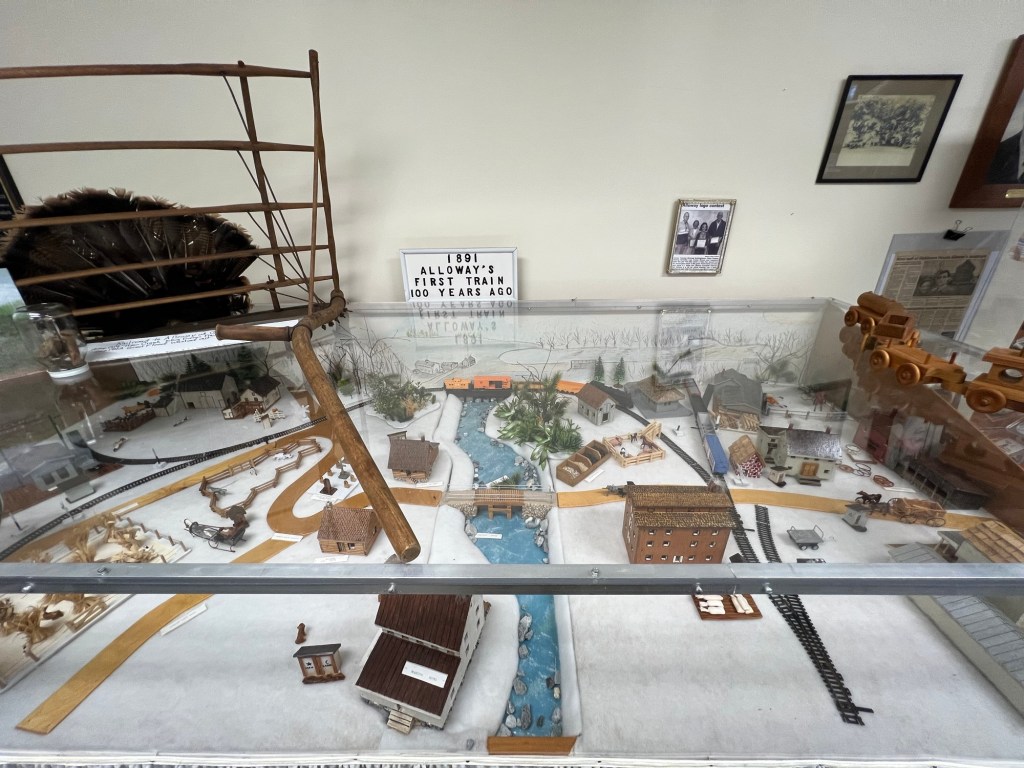
The Train display and the advent of changes this community saw with the rail system in New Jersey

The Train display

The museum displays lots of interesting artifacts from the community past from Military items to school related artifacts

The contributions of the communities Military past. The case offers so many interesting items to see

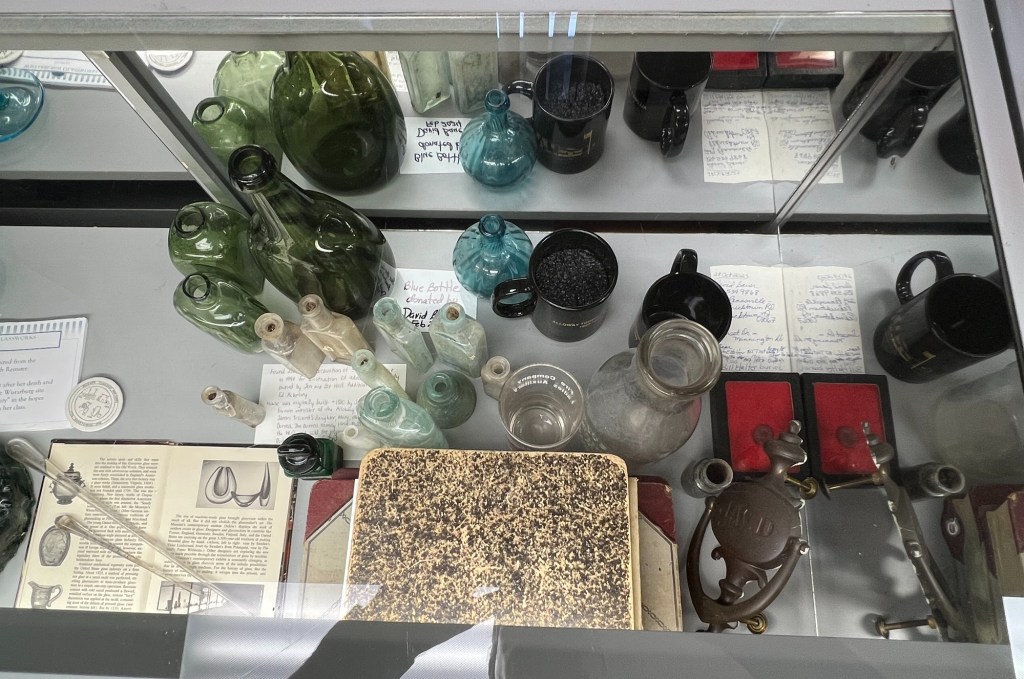
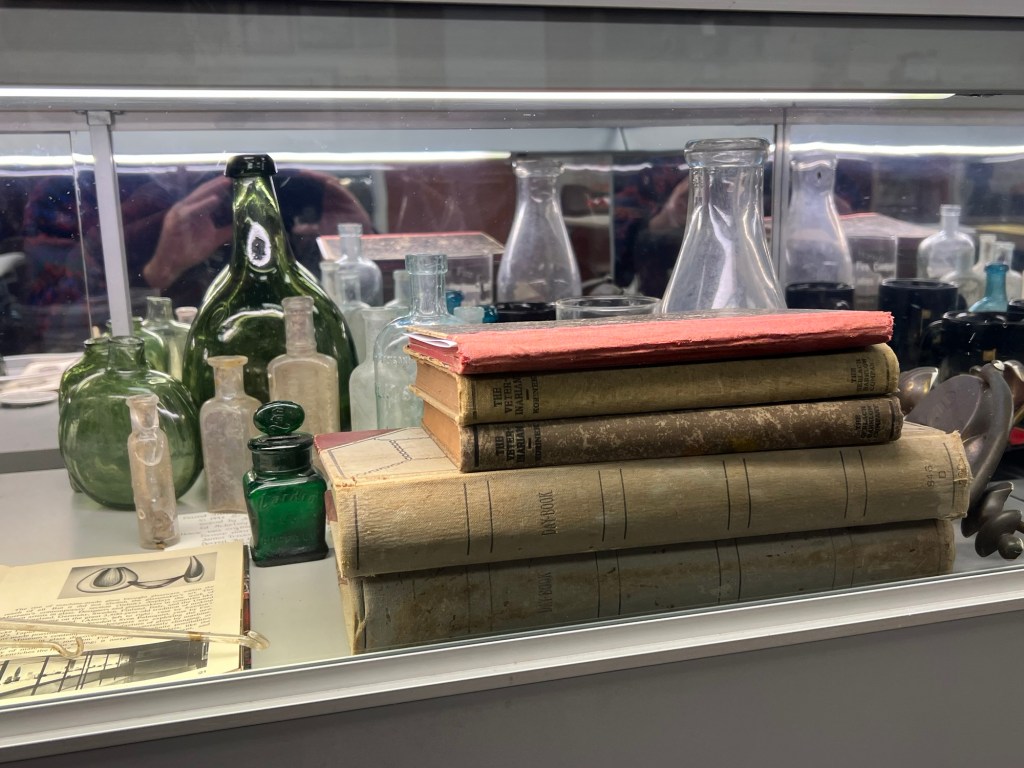
The local glass works display with glass and dish ware items

Glass works items

The Military drum

The interesting collection of toys that the museum displays

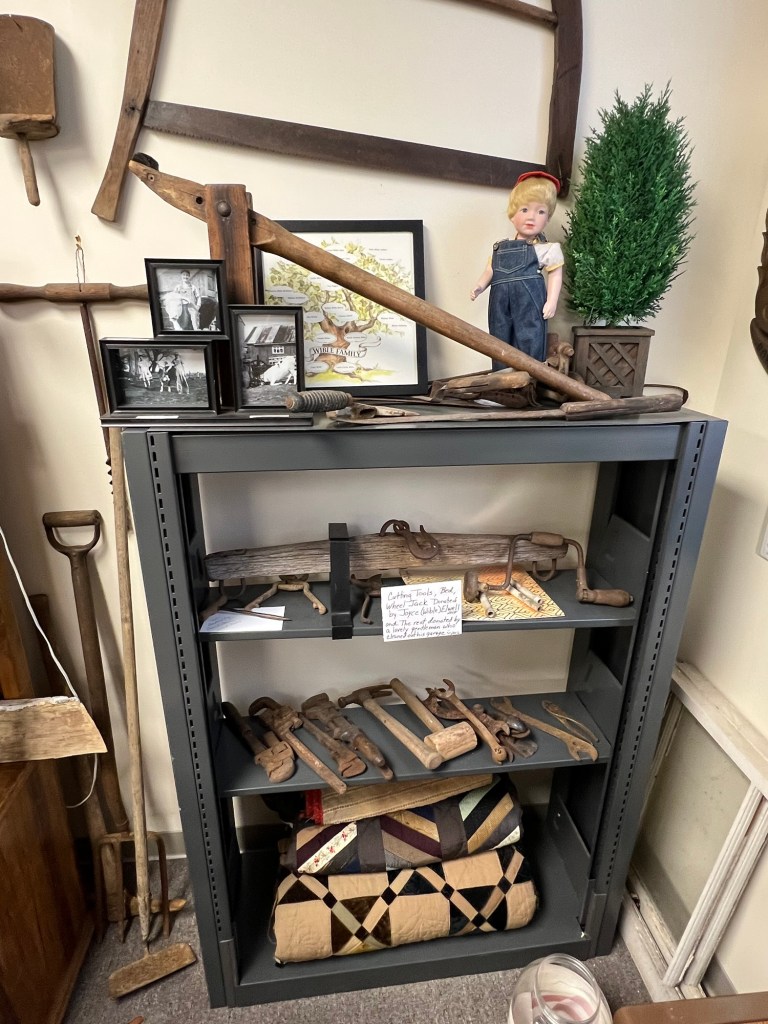
Tools and equipment from the communities agrarian past where farming made up a big part of the economy

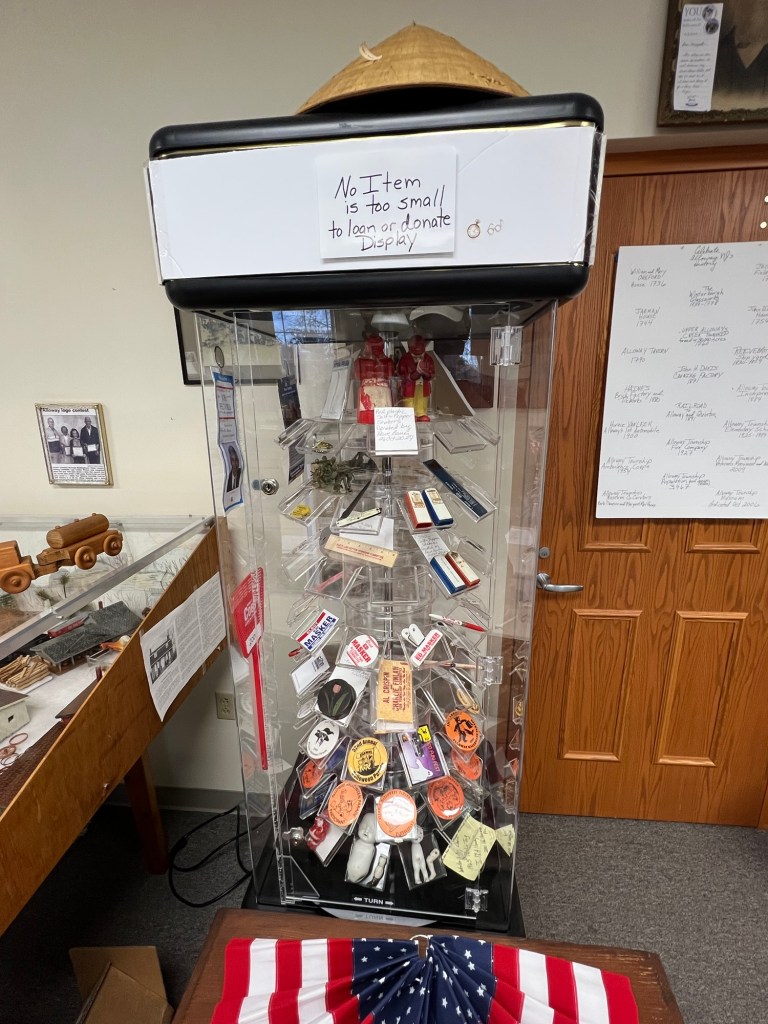
The museum has an extensive collection of buttons, pins, pens and other artifacts from local business and community functions

The Glass works and dish ware display at the museum

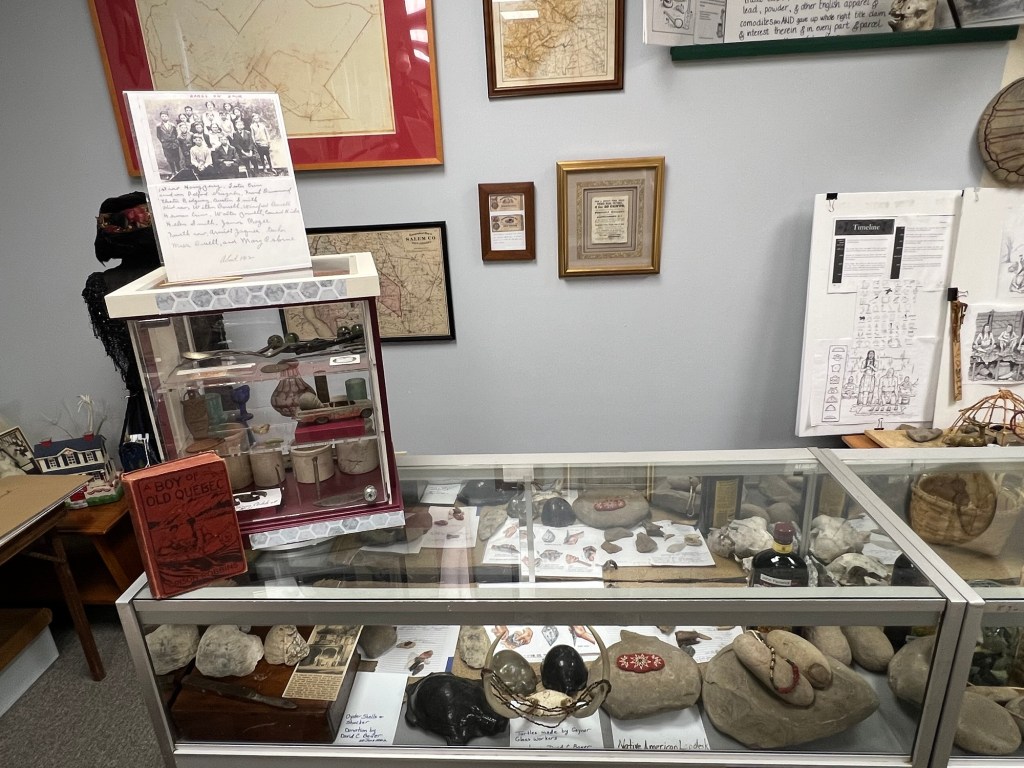
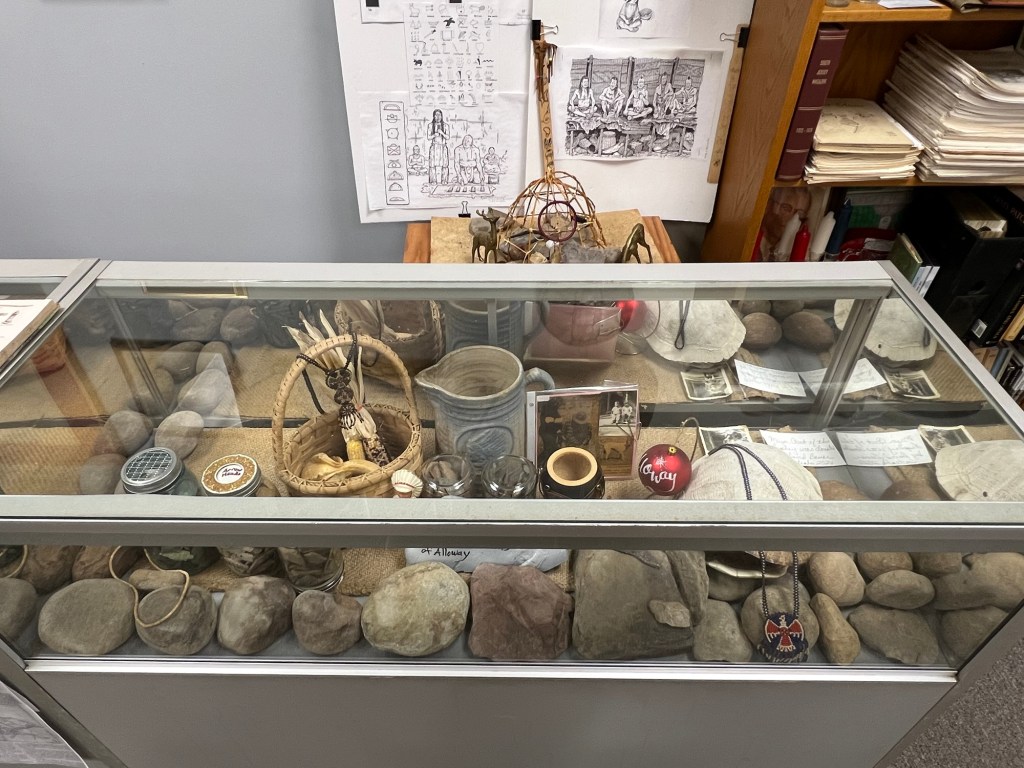
The museum has an extensive collection of the first residents of Alloway which is the Native American Lenape tribe who farming and ship building set the tone for the first community. They trained those who came after them and built a system of trading and business.

The display case of Native American artifacts

The Native American past of the Lenape Indians

A closer look at the artifacts of local tribes

A closer look at the artifact

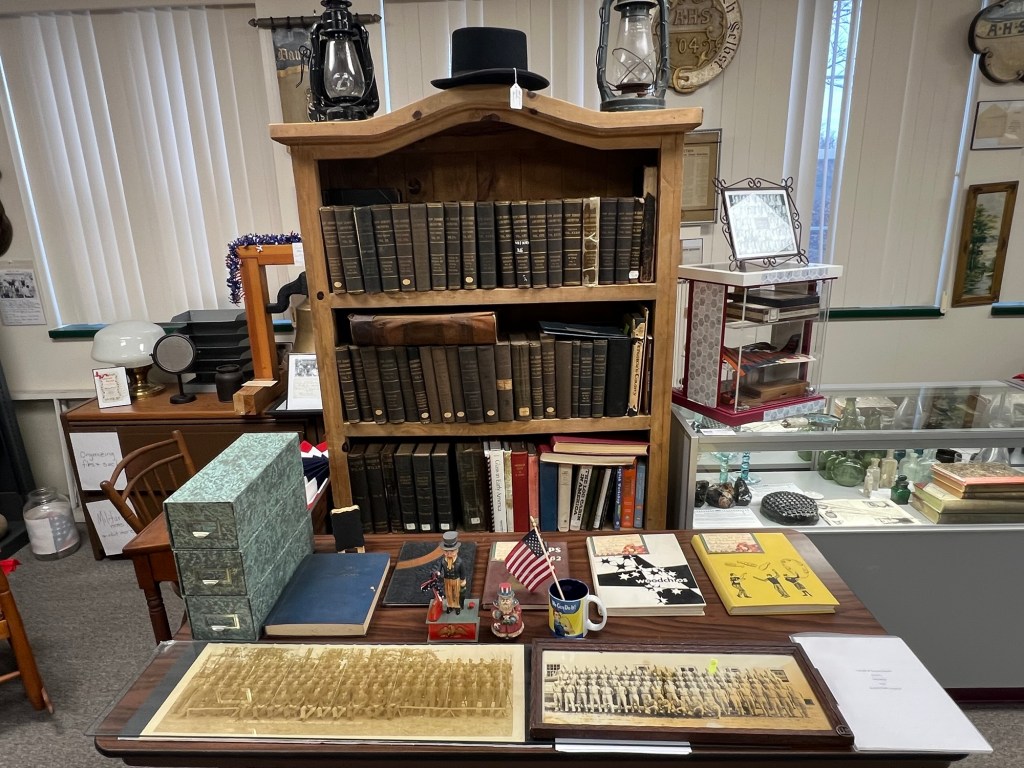
The Educational and Town display

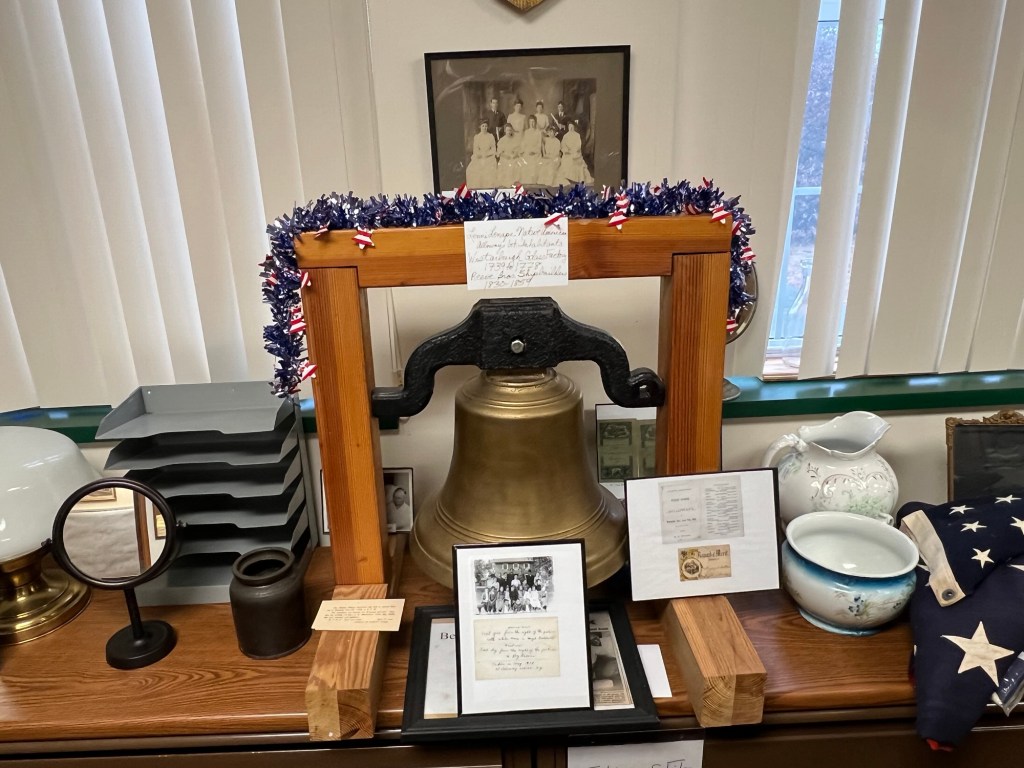
An old bell surrounded by town artifacts

Artifacts from around the town

ld lard containers manufactured in town

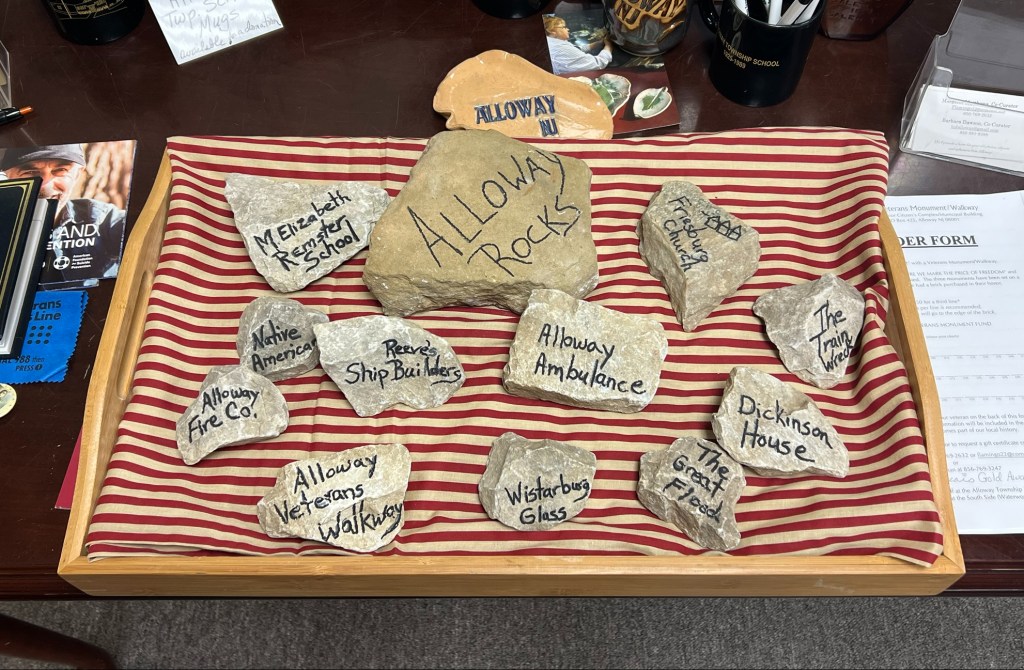
Painted rocks in the museum

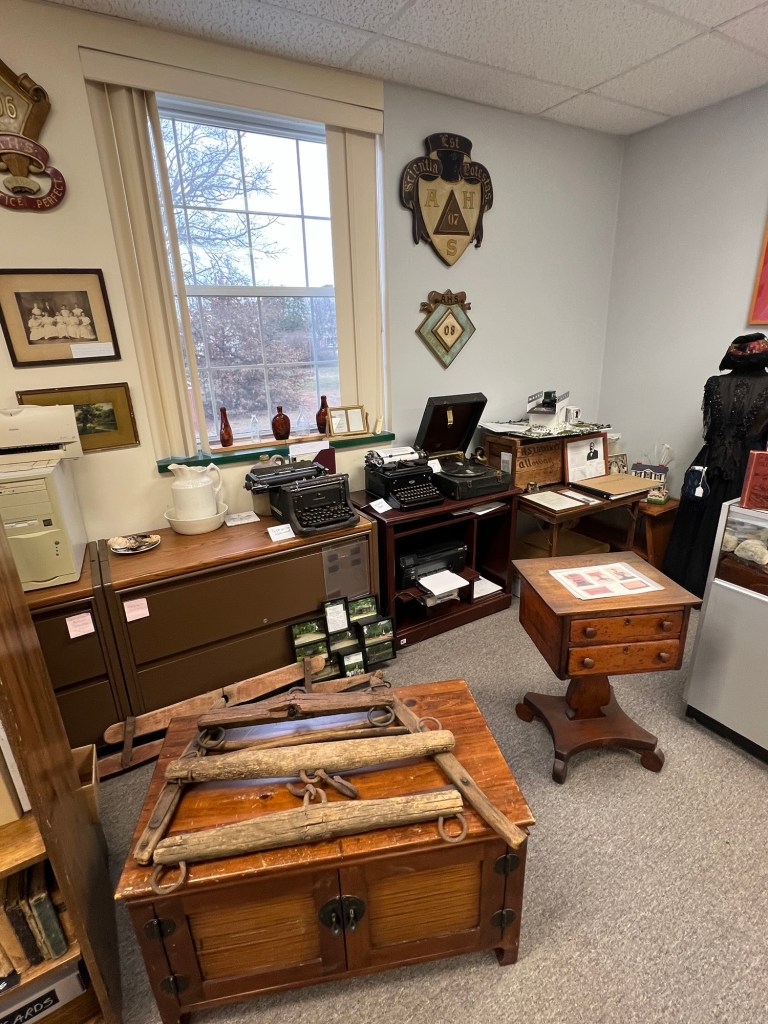
Office equipment and old signs from the town buildings

Funeral dress from the past

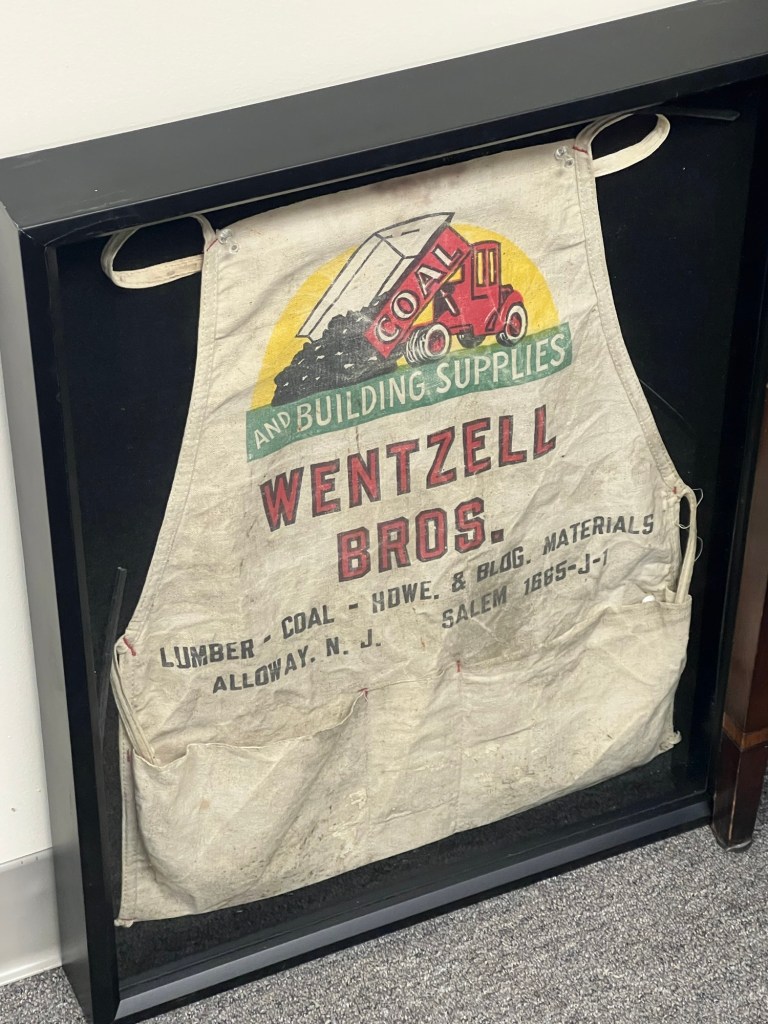
An old smock from a local company

Military items that were donated to the museum

Glass works and other artifacts

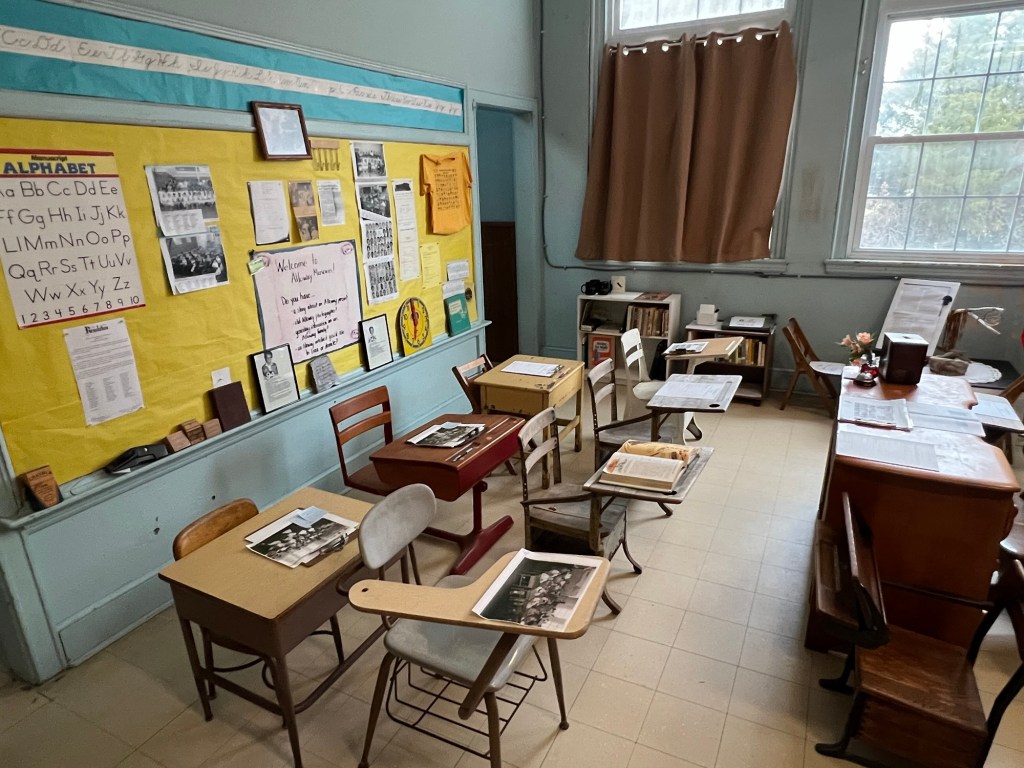
The other room of the museum across the hall was geared to education and the classroom with artifacts used in schools over the last 100 years. It shows the progression of the school system in Alloway, NJ and for the rest of the State of New Jersey from an agricultural community to a cosmopolitan community.

The history of the building over the years was on displa

The sign of the schools of the area

The class room set up with desks used in schools from the past

The classroom display with lessons from the past and present

Examples of desks used in the classroom over the years

Lunch boxes from the 1970’s

Pictures of the classroom over the years

A map of the region from the past

After the museum, I explored around Alloway and you realize what a small community it is. Most of the businesses in the small downtown have been shuttered but you can see have lots of potential. Alloway, NJ is such a pretty community and so beautifully decorated for the holidays, both Halloween and Christmas.

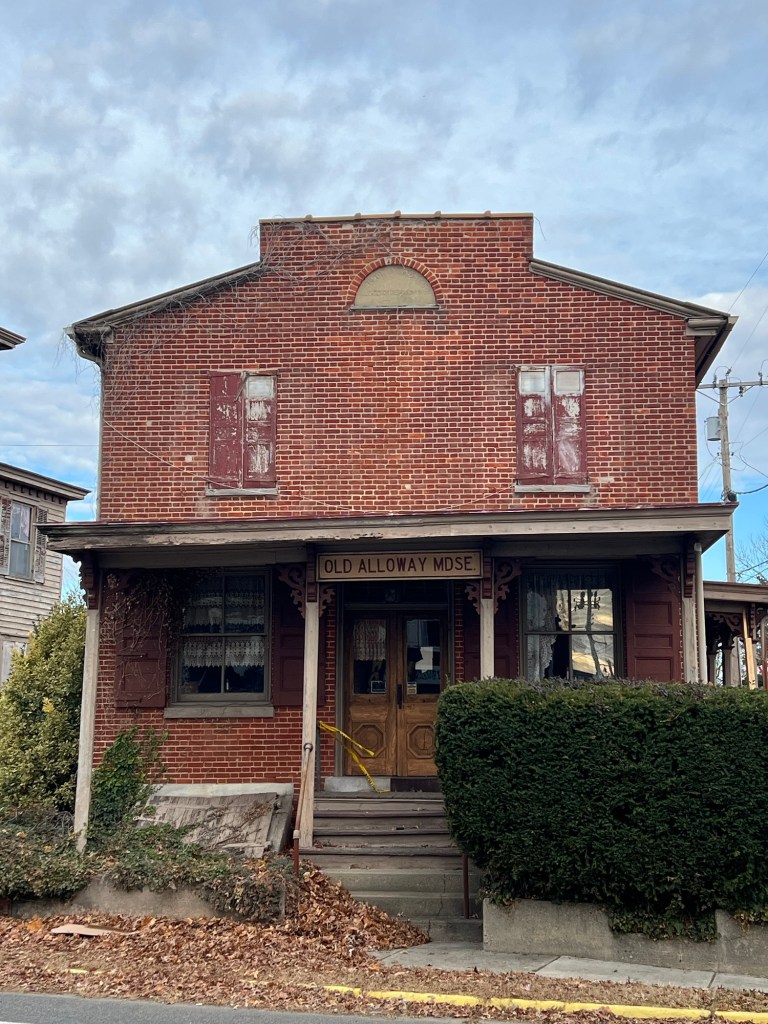
The old General Store that closed in the 1990’s

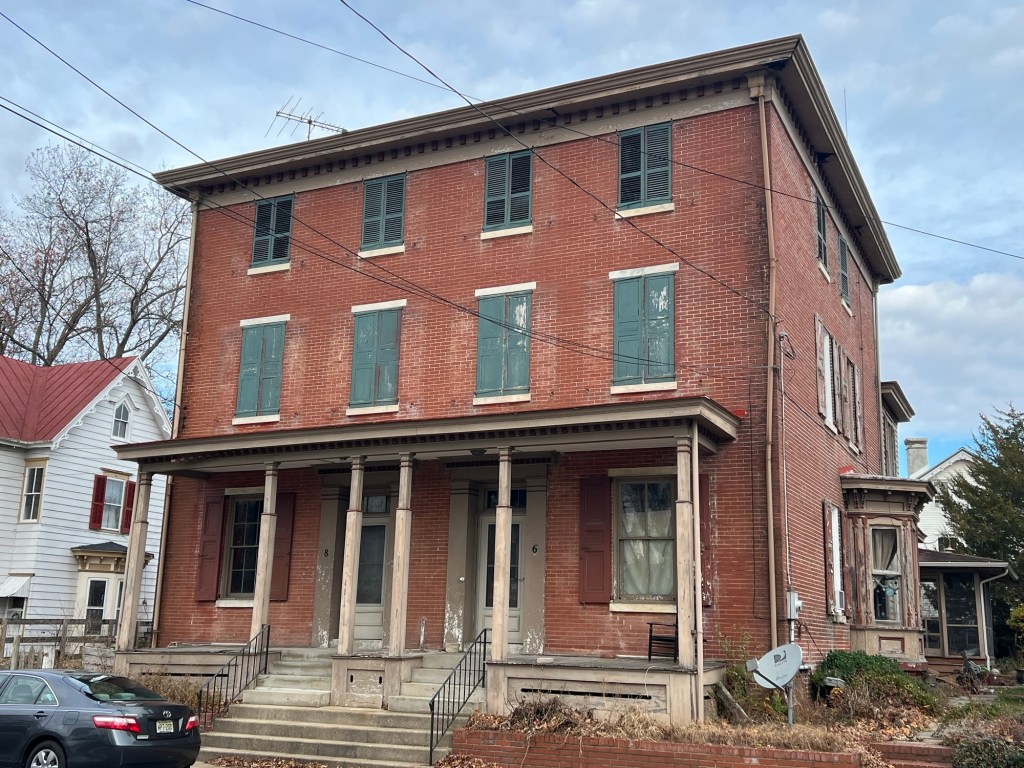
What looked like an old hotel in the area

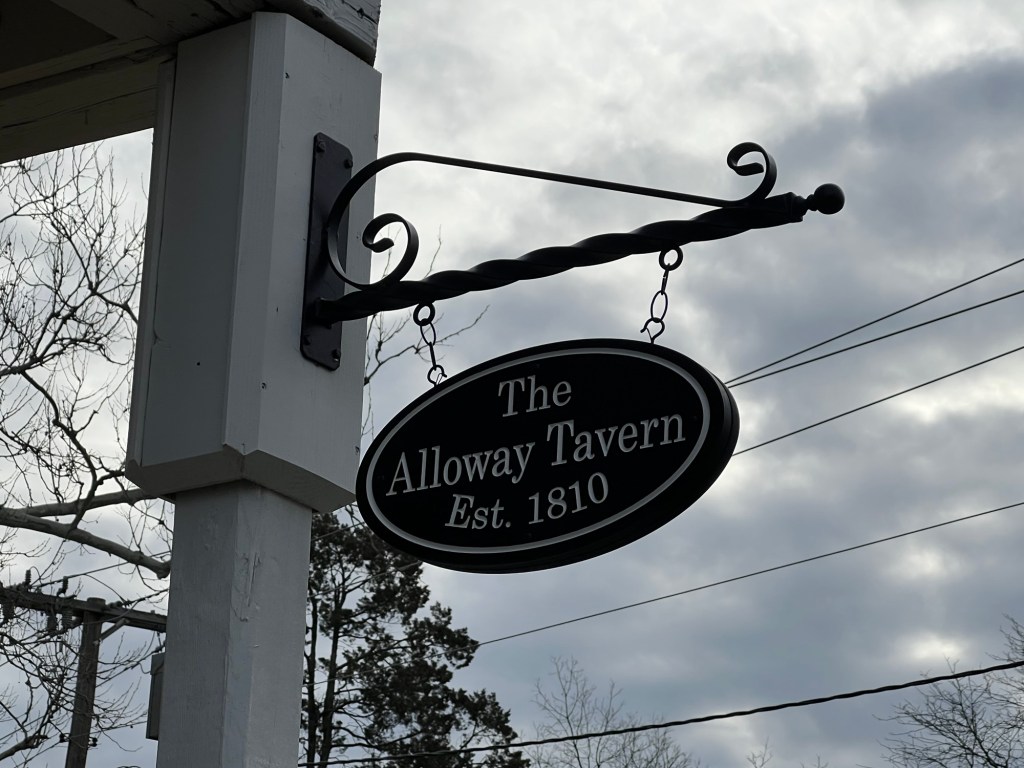
The sign for the old Alloway Tavern

The old Alloway Tavern

The make up of Downtown Alloway, NJ

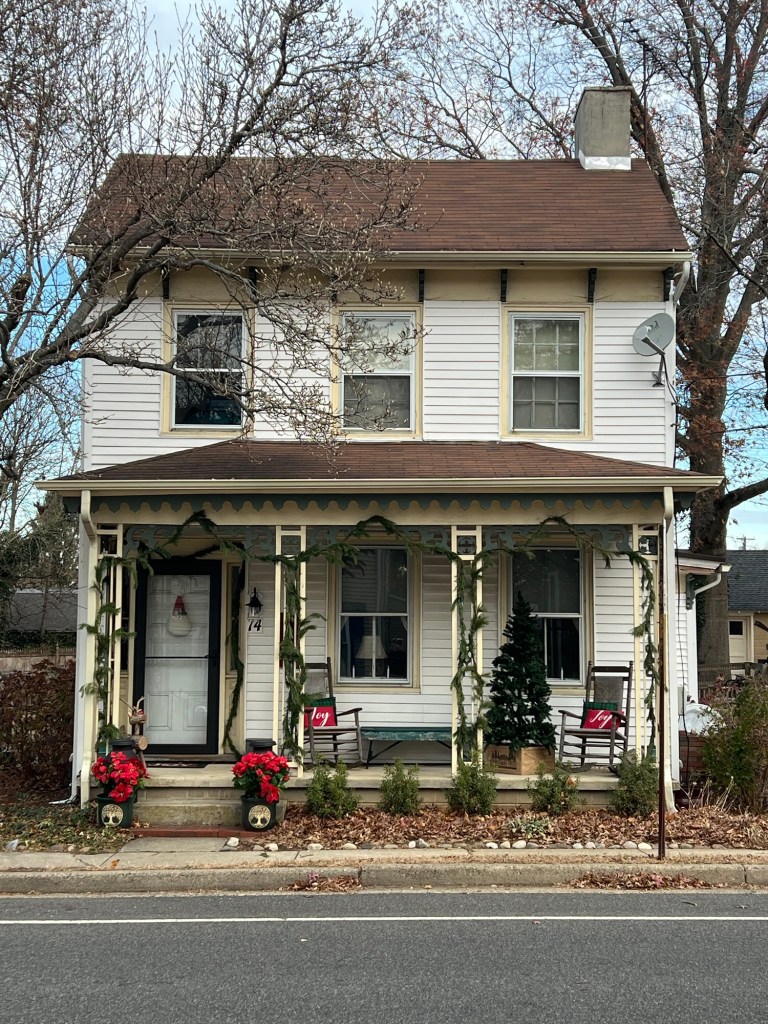
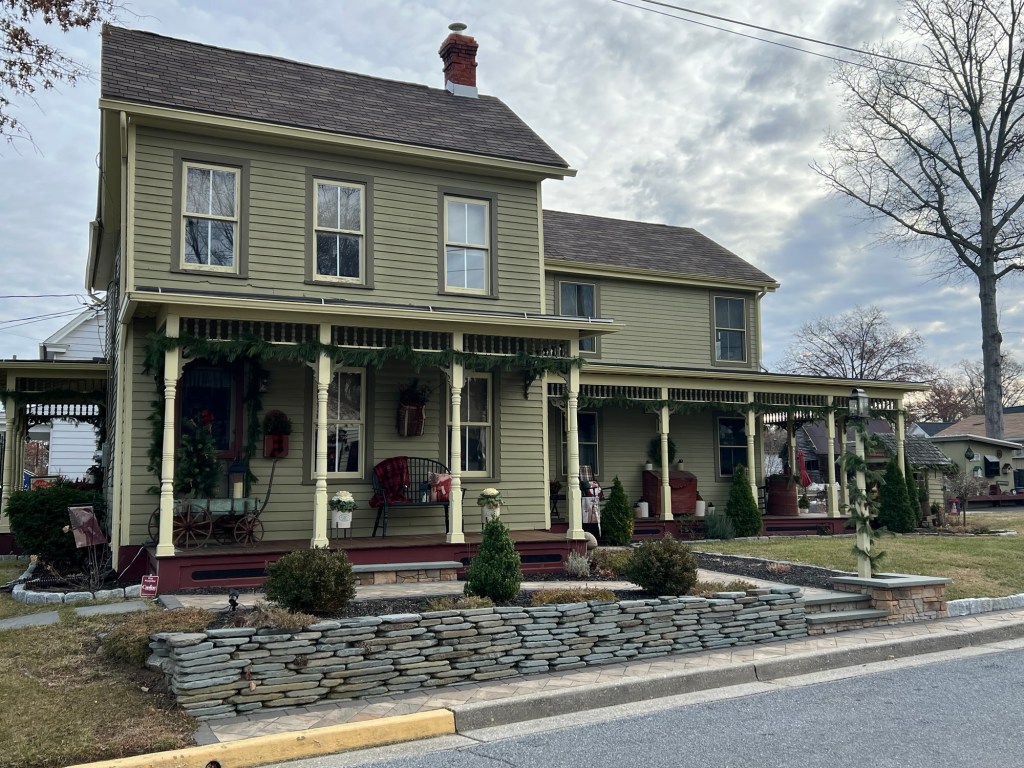
Homes decorated for Christmas in Downtown Alloway

A house the was on the Salem Christmas walking tour

There is a lot of potential for cottage industries in this small town for restaurants and retail. The are such unique buildings dotting this small farming town rich in history. I saw this when touring the town the after visiting the museum.

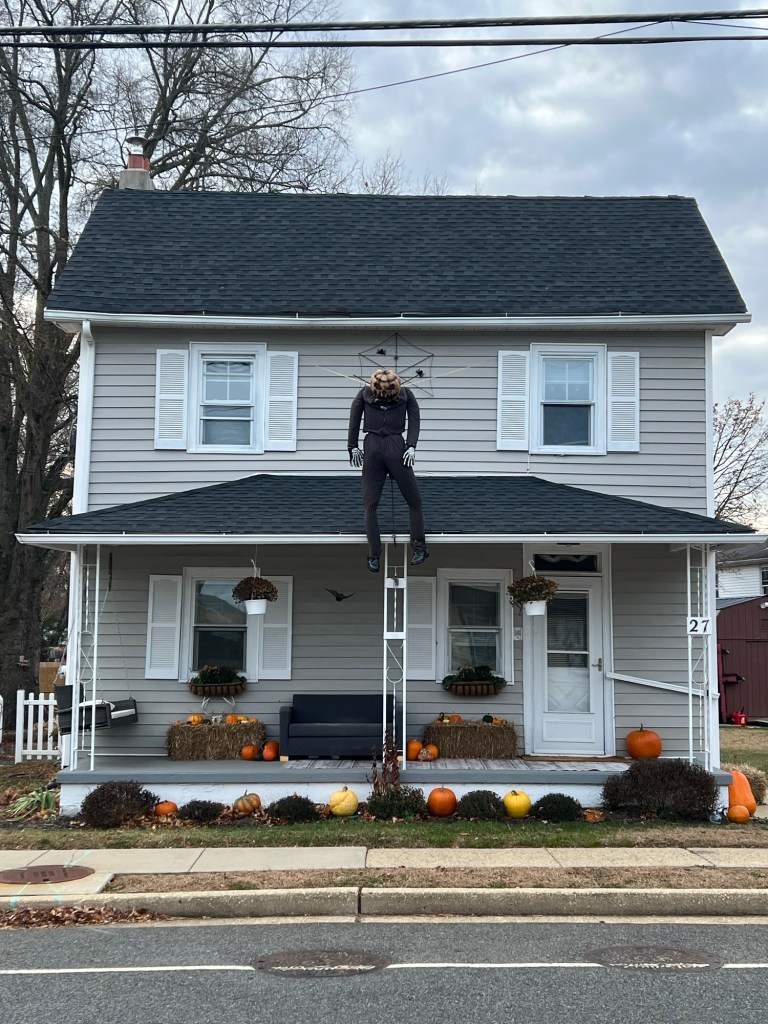
House decorated for Halloween

House decorated for Halloween in Alloway, NJ

Cohanzick Zoo                                                            Mayor Aitken Drive                                                  Bridgeton, NJ 08302

Cohanzick Zoo Mayor Aitken Drive Bridgeton, NJ 08302

Cohanzick Zoo

Mayor Aitken Drive

Bridgeton, NJ 08302

(856) 453-1658

Open: Sunday-Saturday 9:00am-5:00pm

Admission: Free but donations are accepted

My review on TripAdvisor:

https://www.tripadvisor.com/Attraction_Review-g46324-d1425883-Reviews-Cohanzick_Zoo-Bridgeton_New_Jersey.html

The Cohanzick Zoo is part of the Bridgeton Park system and can be found inside the parks grounds.

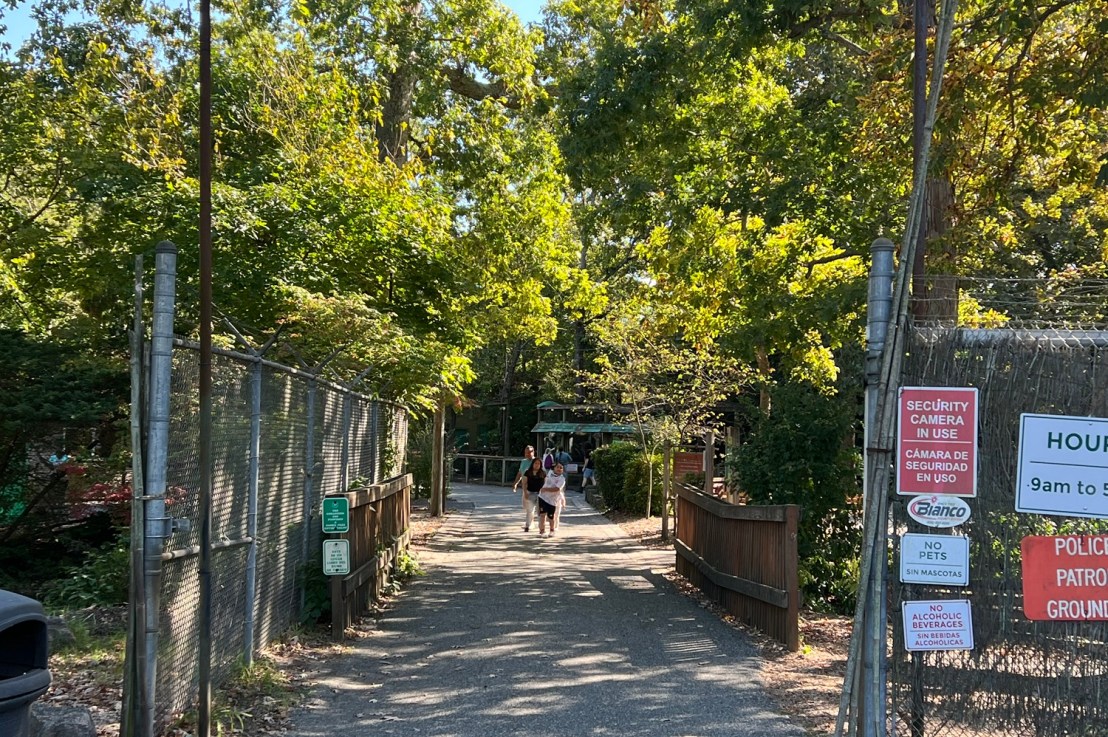
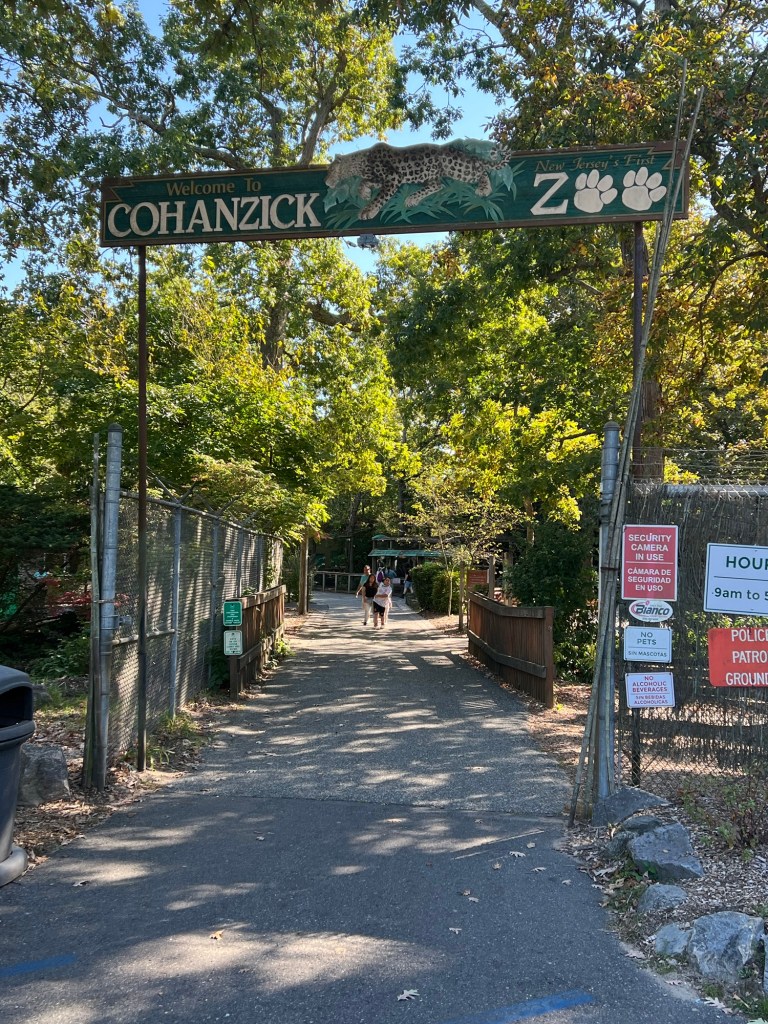
The main entrance to the zoo.

The zoo has an old fashioned feel with smaller rescue animals and equally not too large cages. The zoo is mostly comprised of smaller animals who were rescued from either being poached, illegally transported or had been used as pets, many of them being neglected and abused.

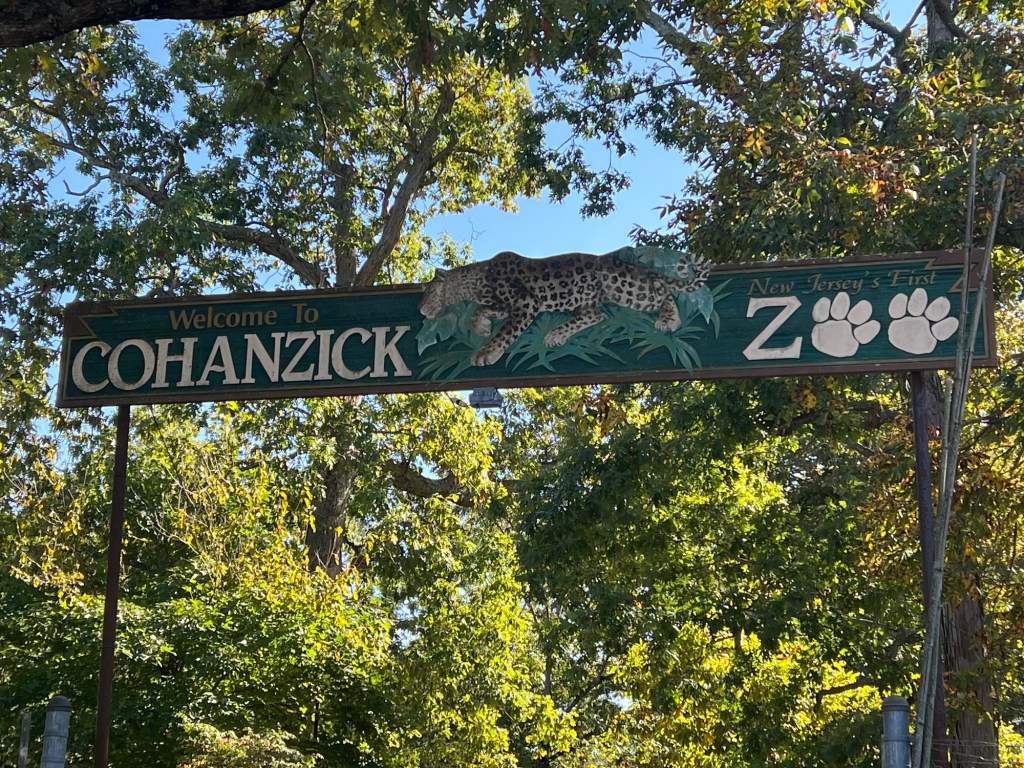
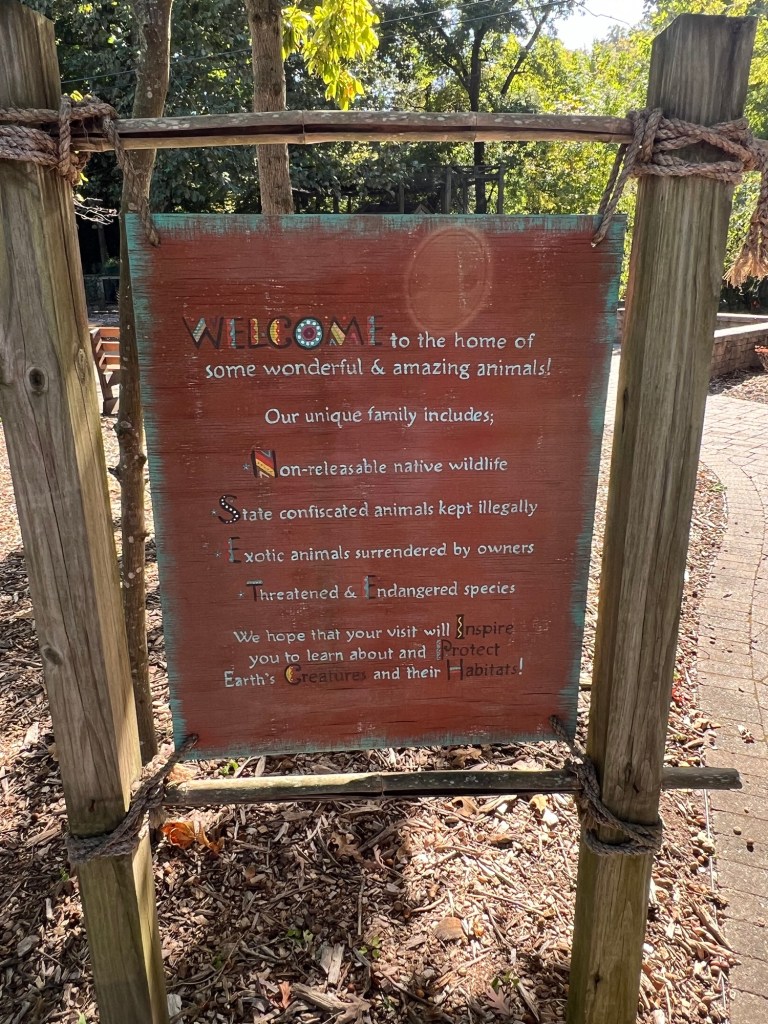
The sign that welcomes you to the park

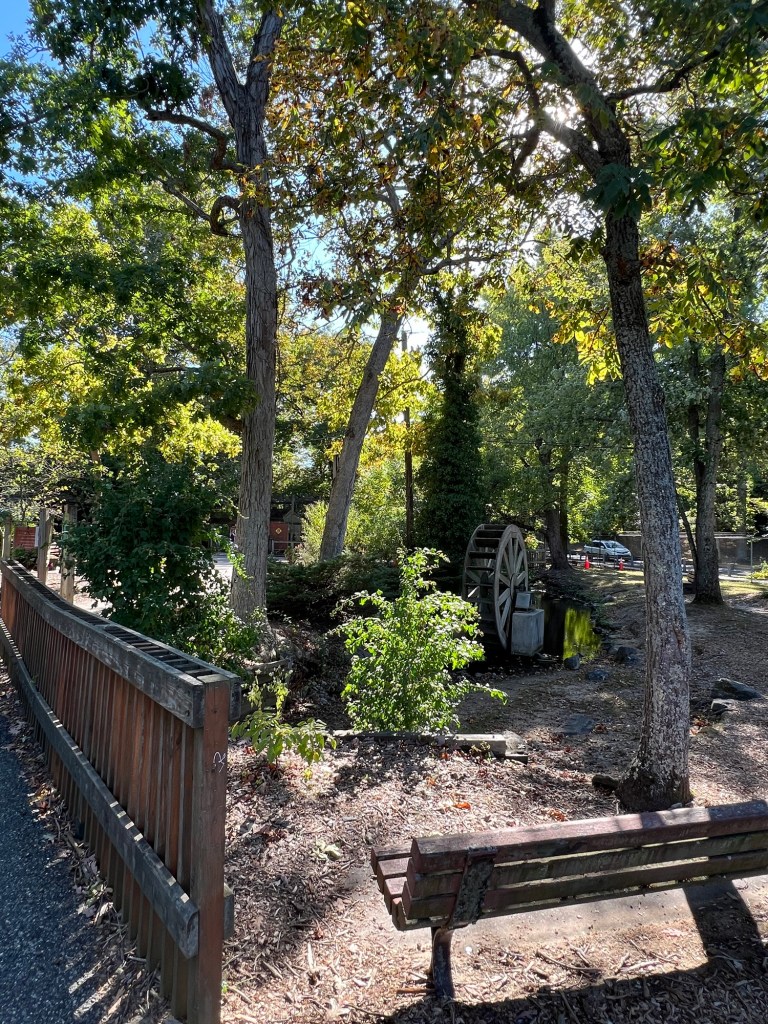
Throughout the park amongst the cages of wildlife are strolling gardens and animal related statuary.

The pathways and gardens were still in bloom the afternoon that I was there and it is a nice way to spend do the afternoon.

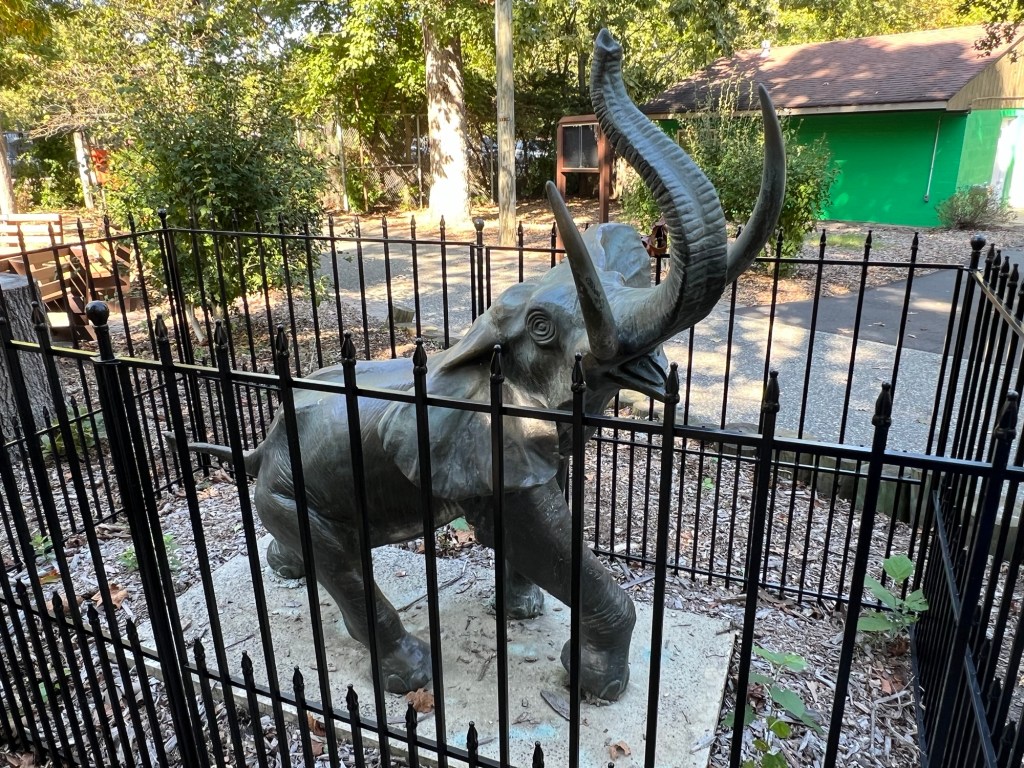
The Elephant statuary at the entrance of the zoo

The status of how some animals found their home here

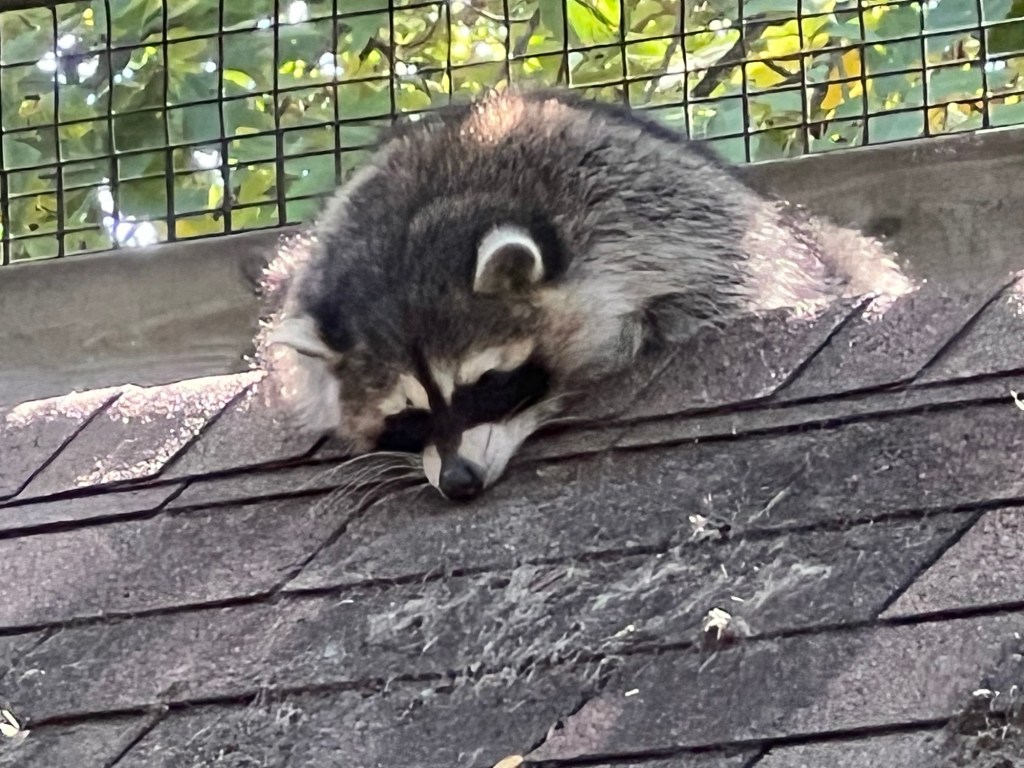
The first resident I finished was the Raccoon House, where it looked like the raccoon was taking a snooze. He really looked out of it when J passed the cage.

The Raccoon House

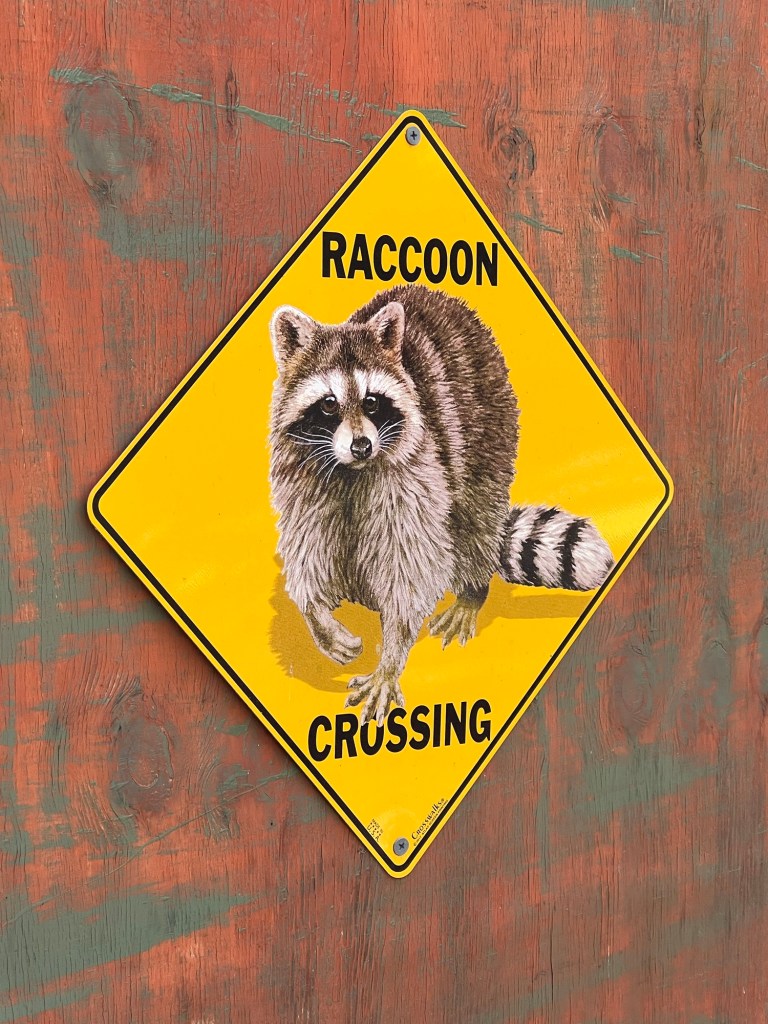
The Raccoon Crossing sign

This poor little guy was out like a light

The zoo is one of the smaller more localized ones that I have visited so you can see the whole zoo in about an hour. Then you can walk leisurely around the paths and revisit the exhibitions again. Some of the animals like the peacock family, just wonder around the park and do their thing.

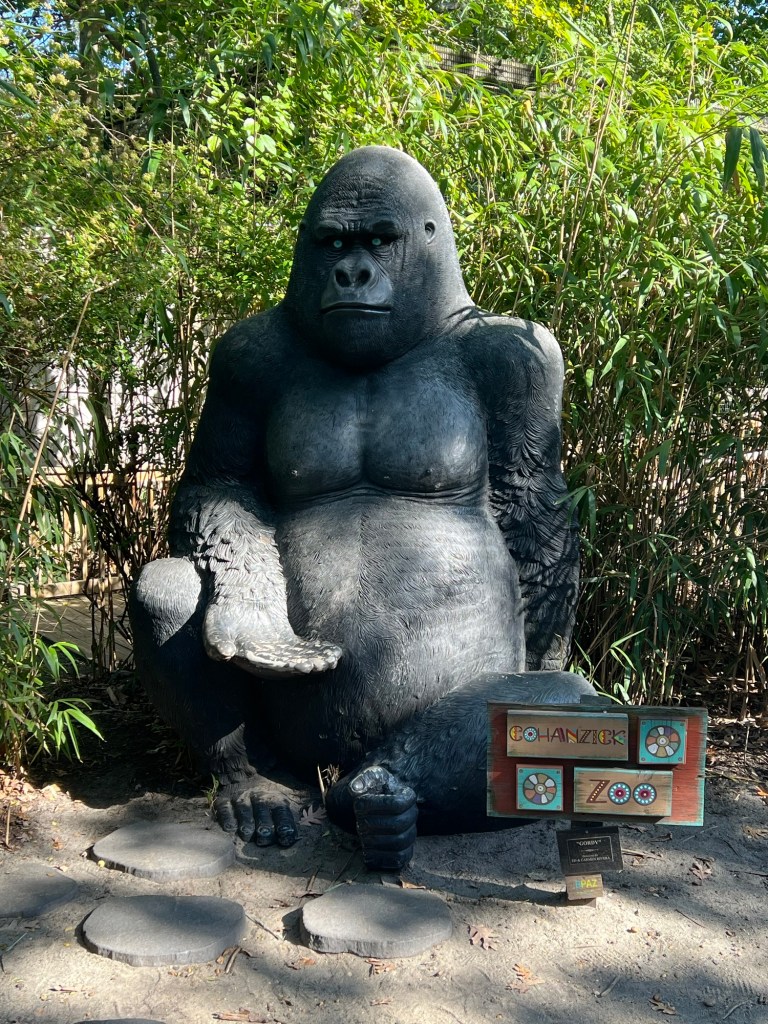
This gorilla sculpture that greets you in the back part of the zoo

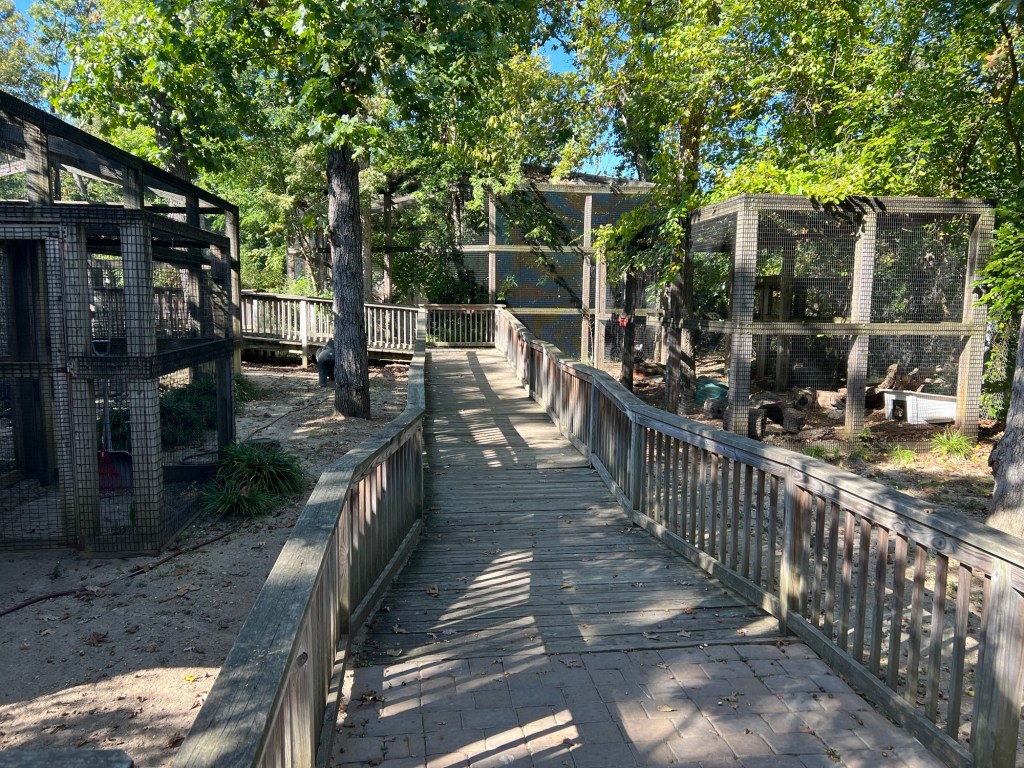
Following the walkway to the back pens where a lot of the small animal and bird displays were located

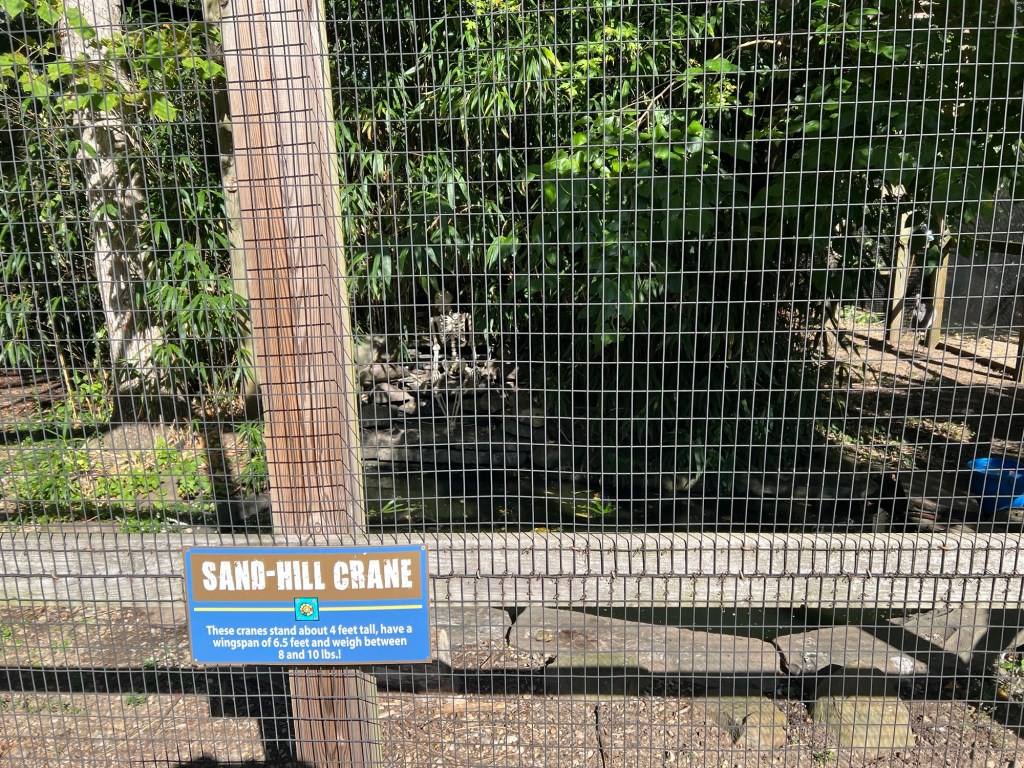
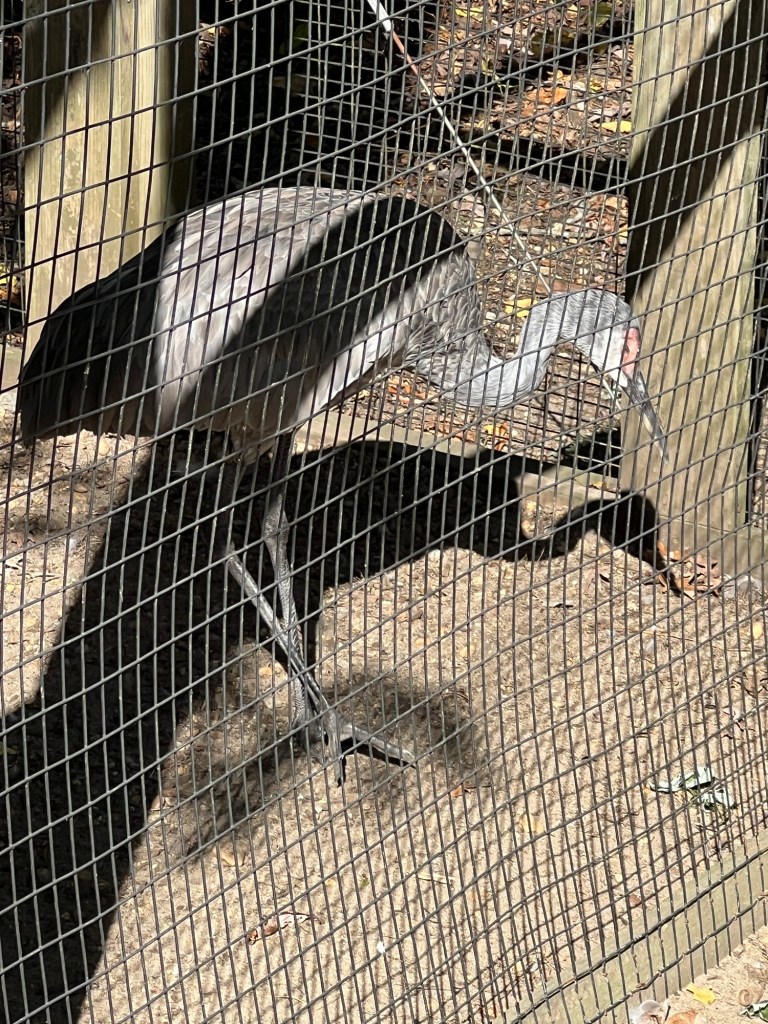
The next exhibition that I visited was the Sand Hill Crane and I read that the poor little guy had been injured. He seemed a bit more optimistic when I passed the cage. I think that the animals just want some attention.

The Sand Hill Crane display

The Crane was watching all of us as we passed his cage

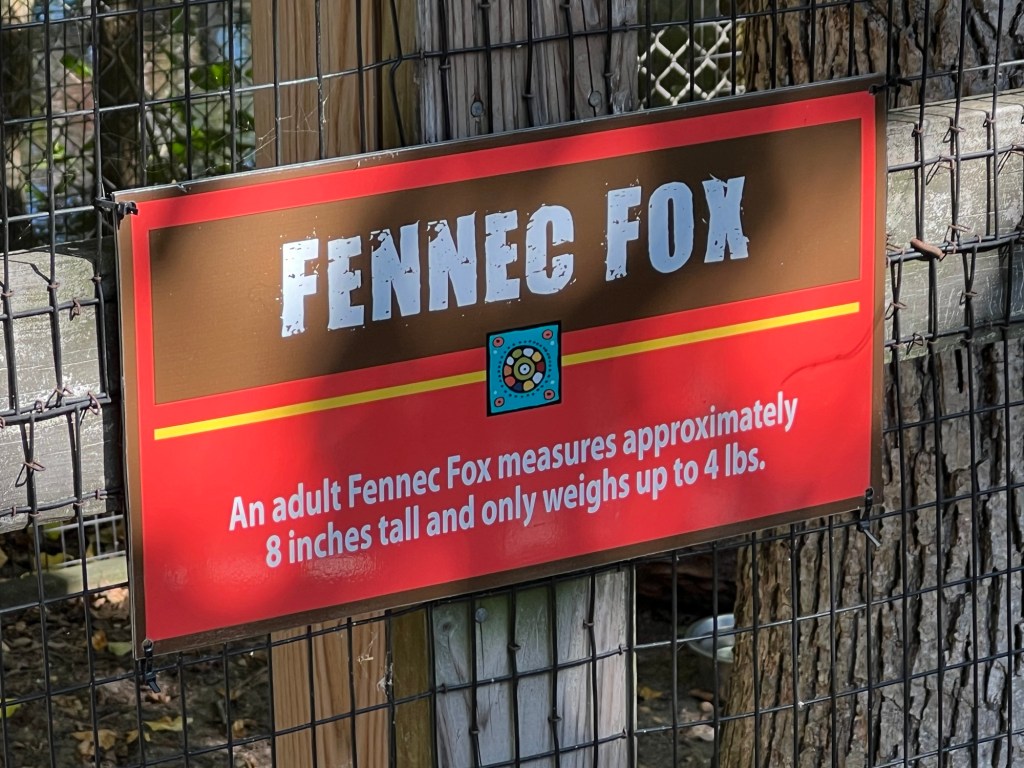
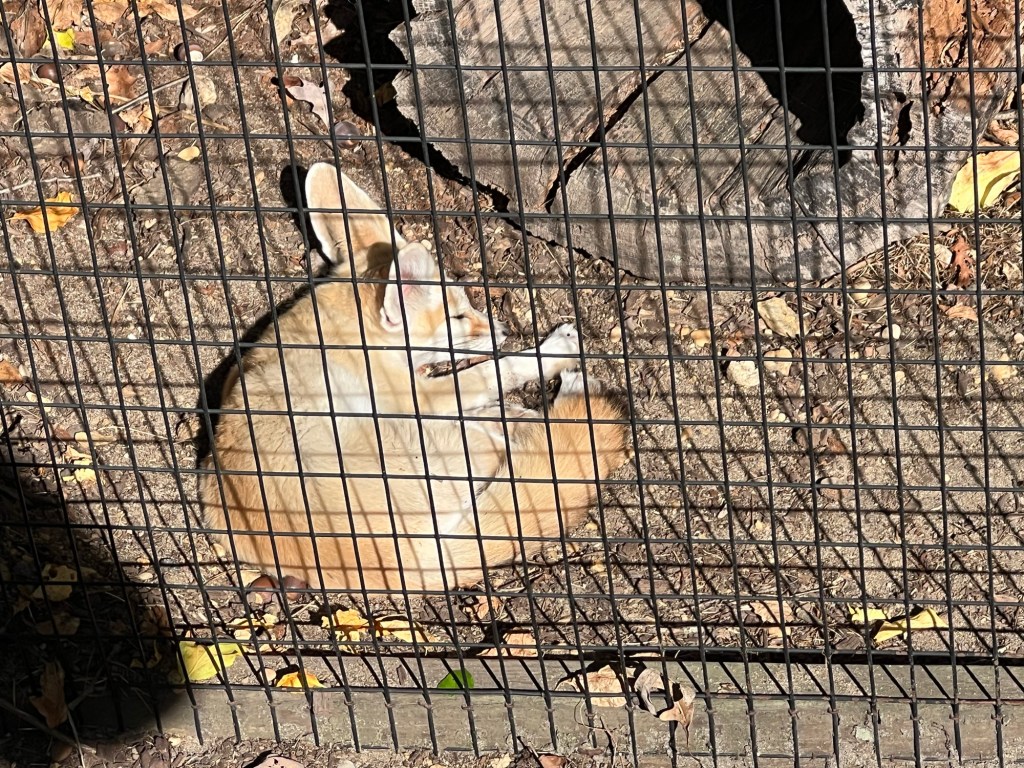
The next small animal that I visited was the Fennec fox and the two that I saw were fast asleep on this warm afternoon. They must have had a busy morning.

The Fennec fox cage

The foxes that I saw that day were fast asleep

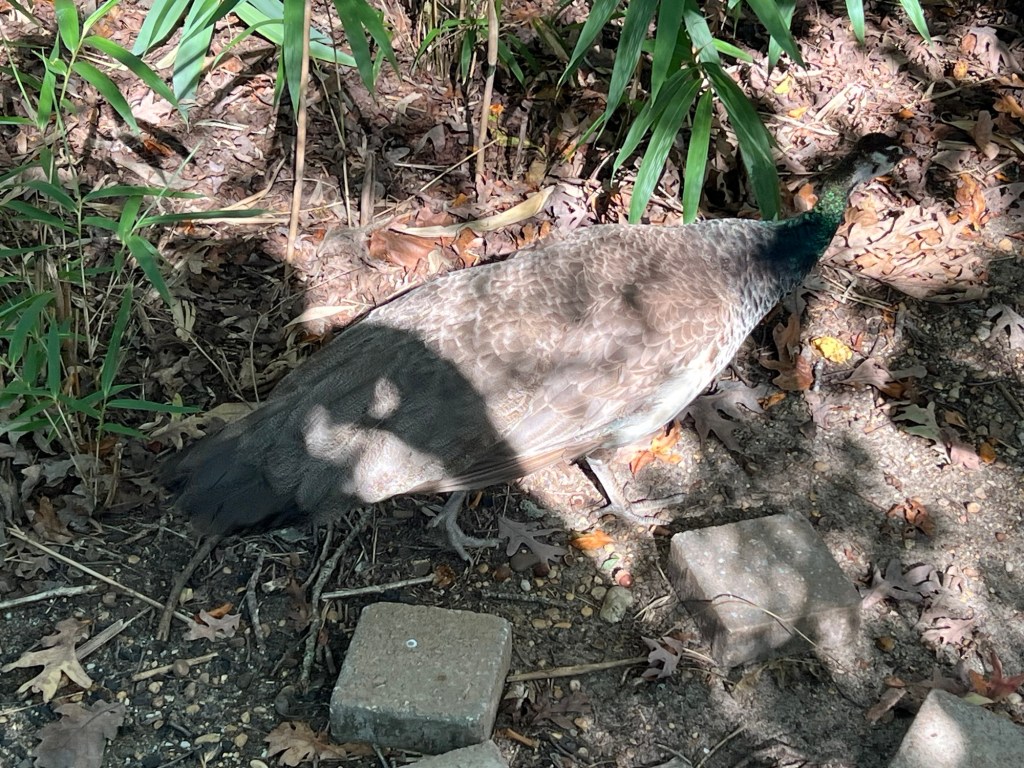
While I was walking around the back part of the zoo, there was a peacock family walking around the cages. The father peacock had two small birds with him and they just meandered amongst the cages.

The male Peacock walking around the zoo with his children. They were allowed to walk around on their own without being locked up. They looked like they were having an adventure as a family.

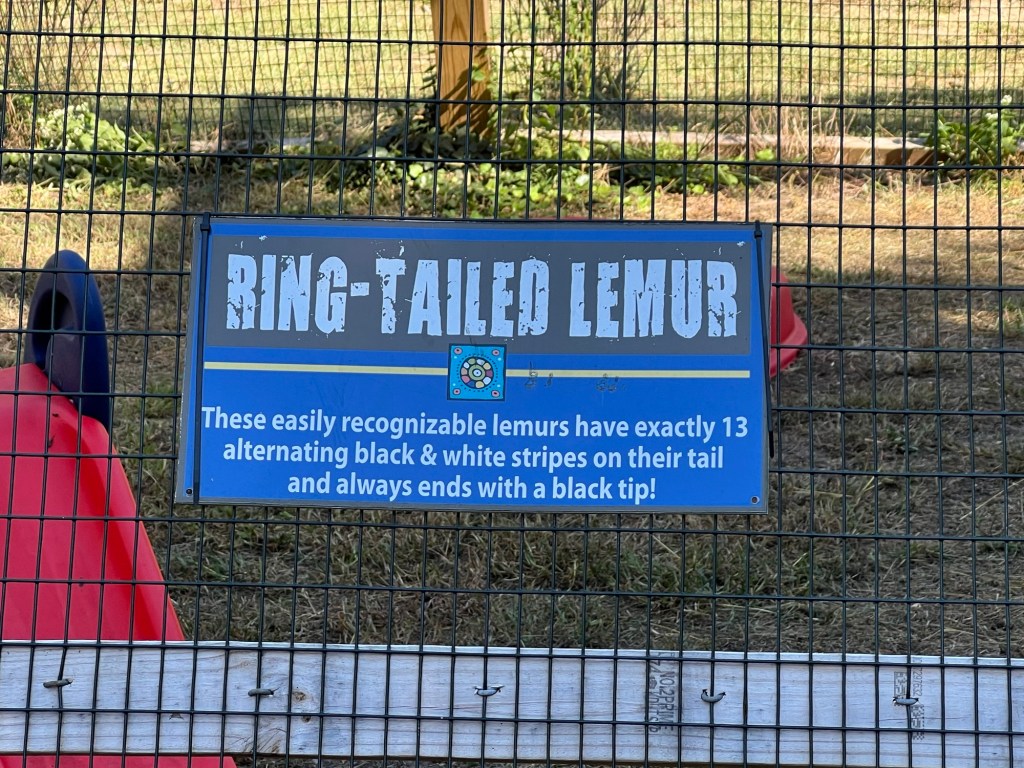
The Ring Tailed Lemur display

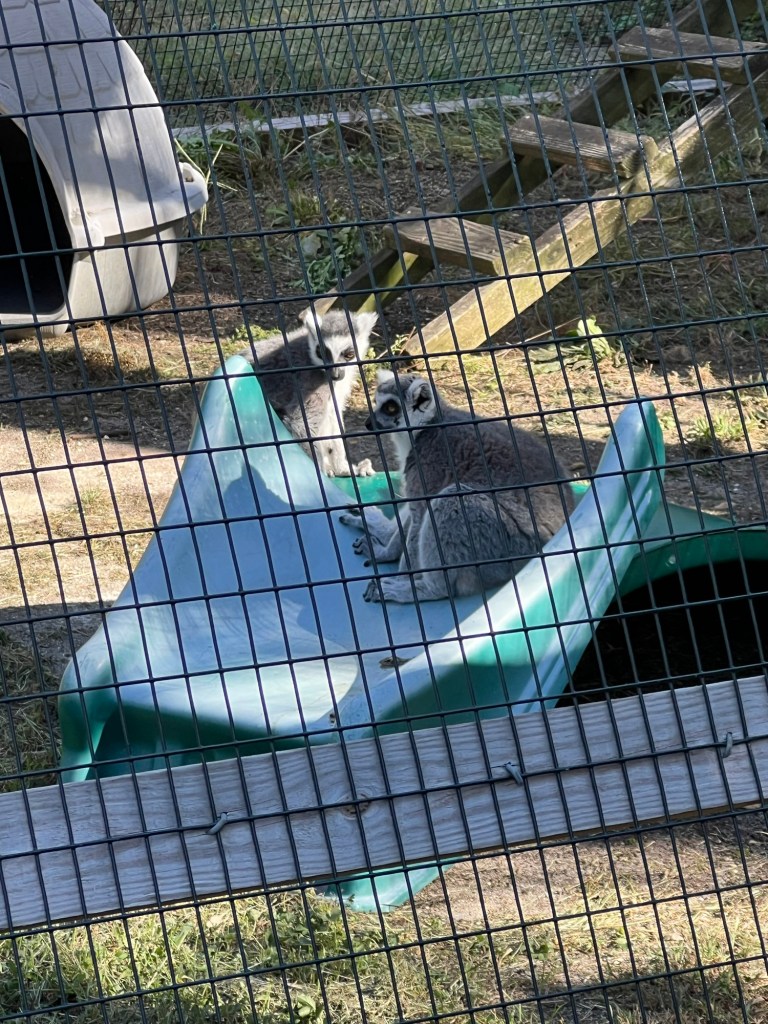
I visited the Ring- Tailed Lemur pens and these little monkeys looked like they were plotting an escape. They stayed in a bunch the whole time I watched them and they just stared.

The lemurs just stared back at me as I watched them

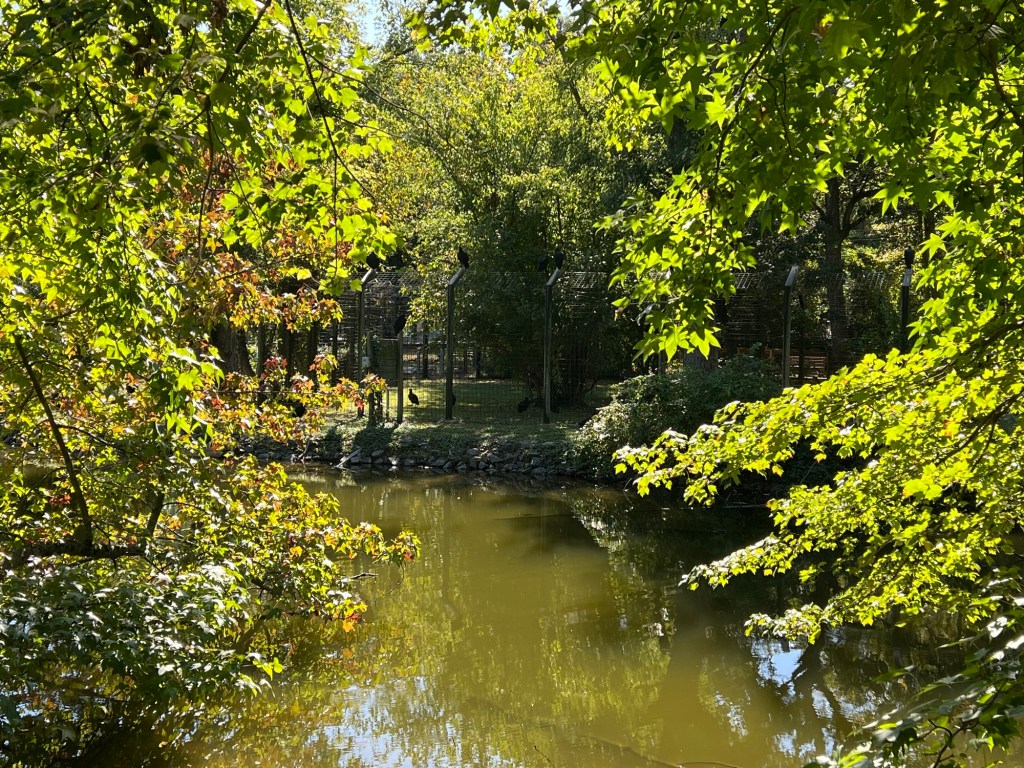
The back part of the museum was beautiful in the early fall

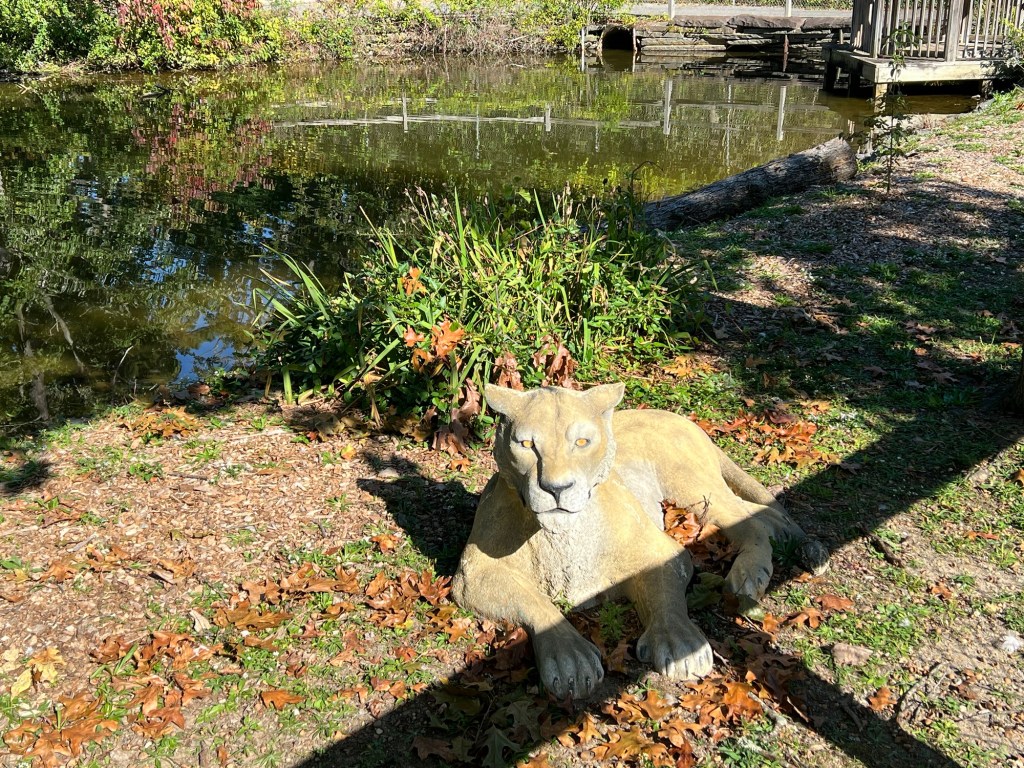
The tiger sculpture along the path at first freaked me out that he had gotten out and just looked at us. He looked real.

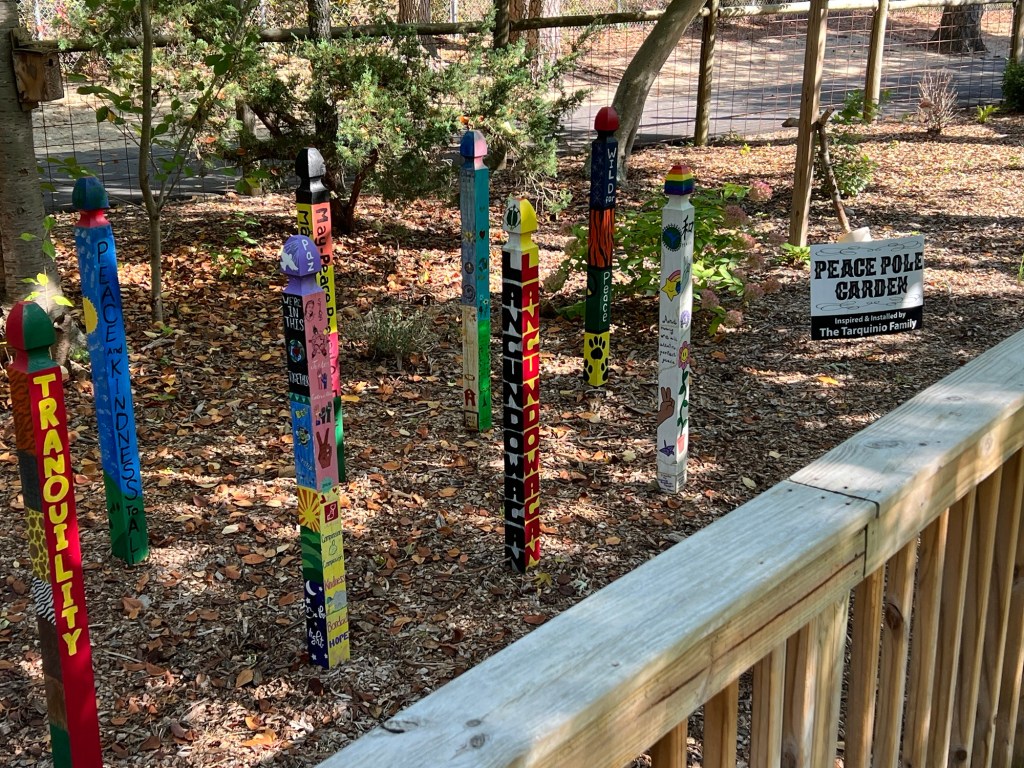
The Totem Pole Garden

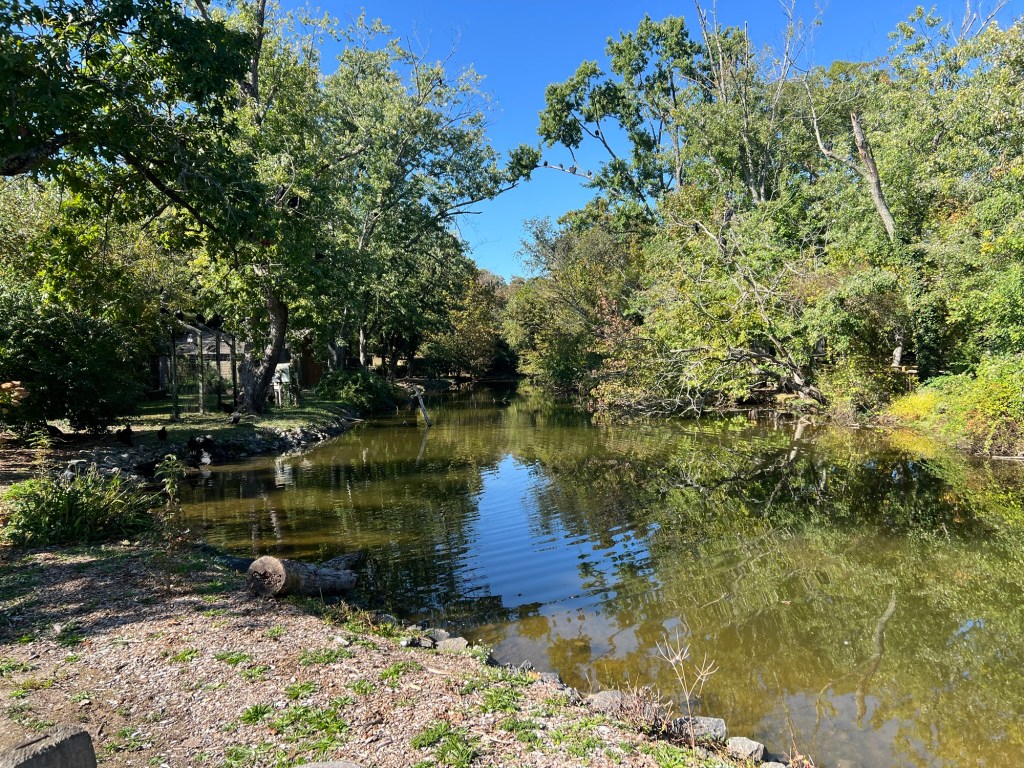
The river running through the gardens in the Fall 2024

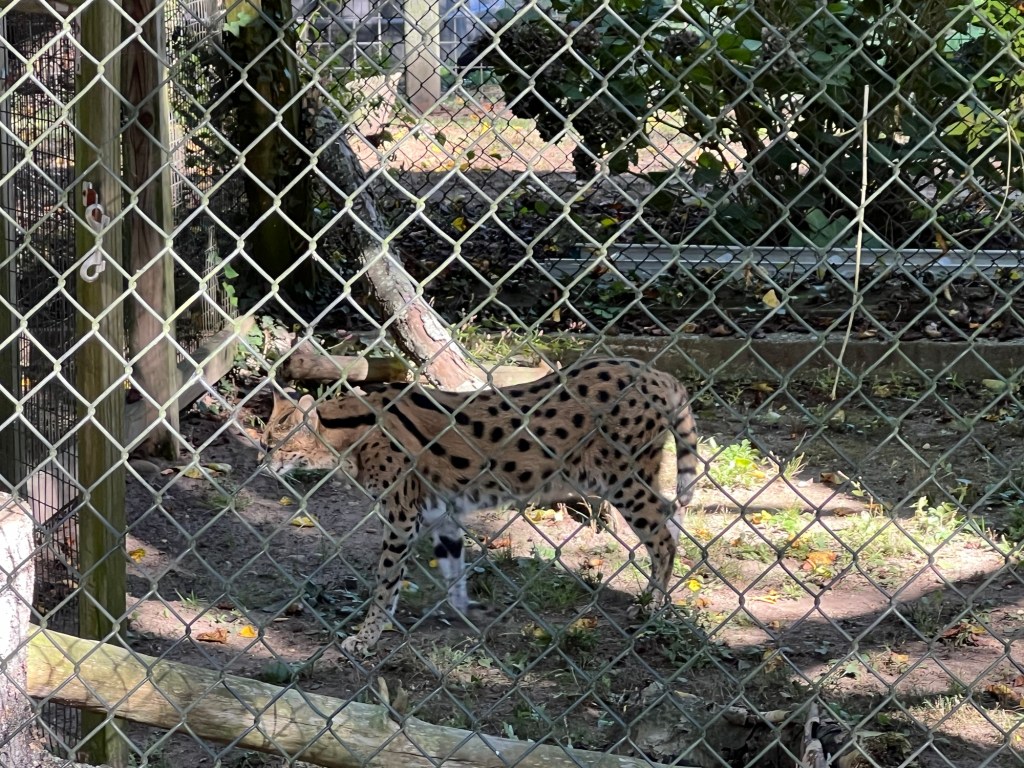
The leopard looked bored in his cage. He justly walked aimless around their cages. They are not being given enough space to move around.

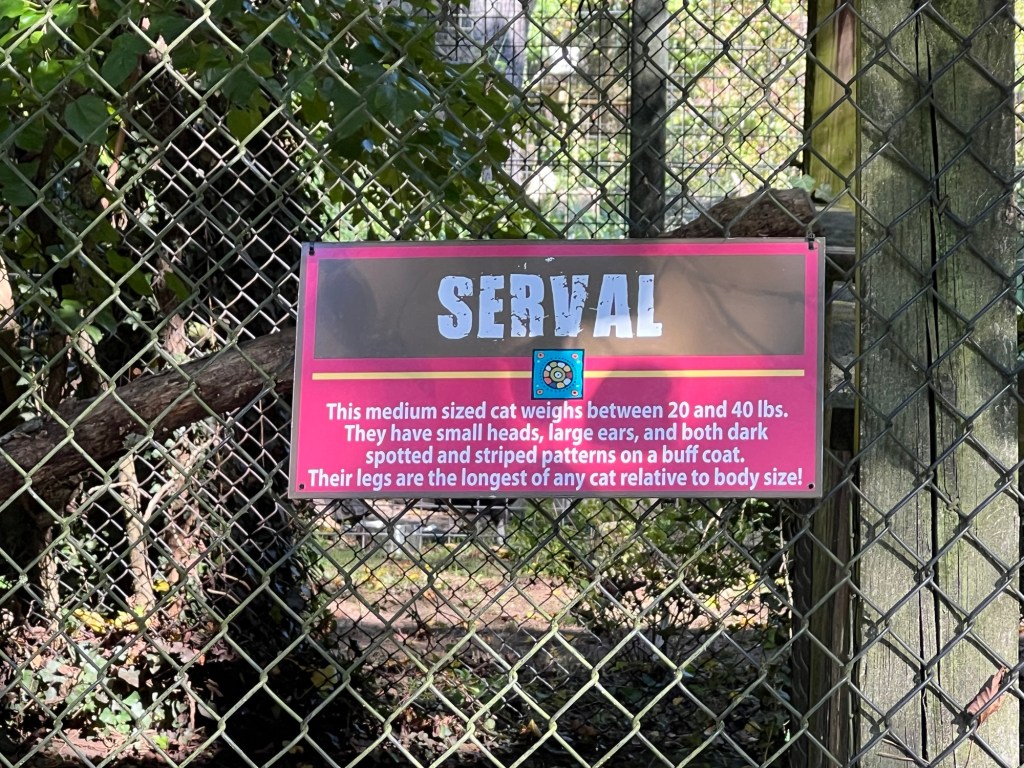
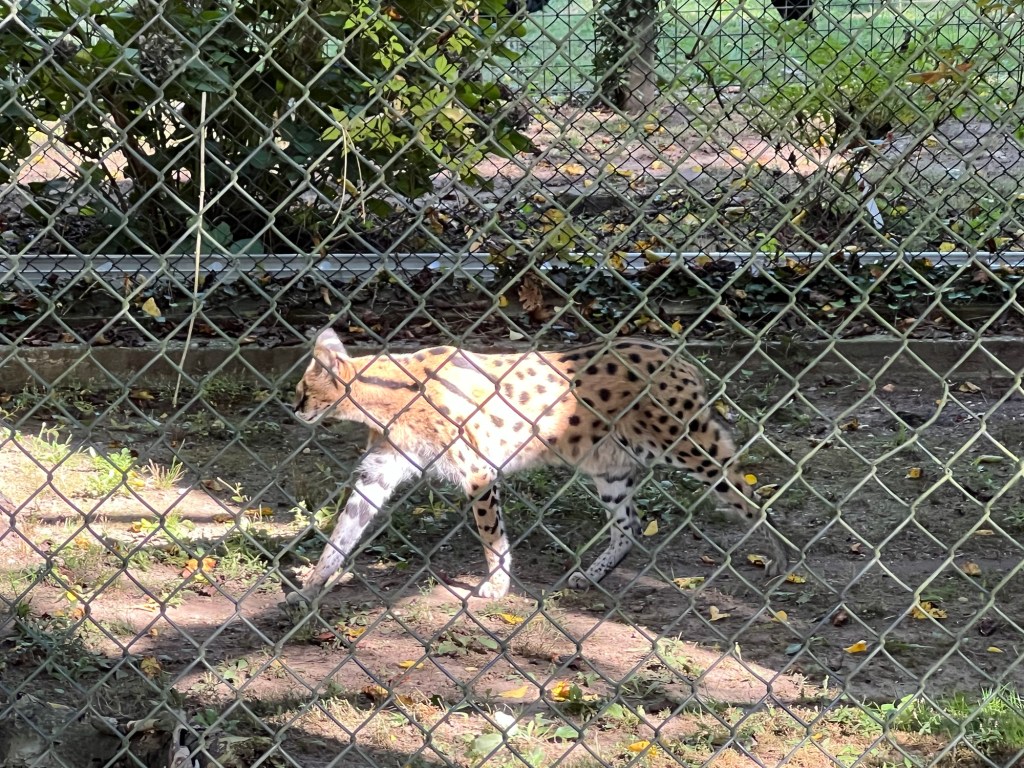
The serval cage

The Serval also looked bored. It just walked in circles around the cage. I was not sure if he was bored or just confused.

The zoo is such a nice way to relax and enjoy a warm afternoon. The animals here are not shy but need to have more space to move around. I think we as humans visiting them amuse them more.

The History of the Cohanzick Zoo:

(from the zoo website)

The Cohanzick Zoo is privileged to hold the title of New Jersey’s first zoo, and to this day remains one of the only municipal-ran zoos in the state. It all began back in 1934 when the City of Bridgeton found itself in possession of a small herd of deer which the citizens thought should be exhibited. And thus… a zoo was created!

The Zoo is part of the Department of Recreation and Public Affairs. Located in Bridgeton’s city park, which spans over 1,100 acres, the zoo is home to over 100 different mammals, birds, and reptiles. Over 45 different species from all around the world are represented here.

The Zoo, originally named the “Bridgeton Zoo”, was later named the Cohanzick Zoo in 1972. “Cohanzick” coming from the band of Lenape Indians who resided in the area alongside the Cohansey River, which resulted in the band of the tribe being named the Cohanzick Indians. This river flows through and around the park, adding a unique water feature.

Up until about 1970 the Zoo was a fairly small operation, running more like a petting zoo than a modern zoological care facility. This change was facilitated by Jerry Alden, who became Director of Parks and Recreation for Bridgeton. Knowing a local with a love and talent for taming wildlife, Henry R. Ricci was offered the position of curator, which he happily accepted. His defining point for change was, “Close it up, or make it a zoological garden and educational center,”.

Between 1970 and 1973 big changes came to the small zoo. Part of this is thanks to a visit to the Governor’s office in Trenton by zoo resident, Maggie, a jaguar. Her visit was rewarded with a $25,000 gift to the Zoo from the state government, per Gov. Cahill. A sanitation program was put in place, proper care and diet programs were developed for the animals, and more natural habitats were built. Dr. Ernest Zirkle, a local veterinarian who up until then had cared for the animals as a public service, was made a formal member of the zoo staff. Another big change, was the formation of the Cohanzick Zoological Society. The Society, which still exists today, comprised of local volunteer citizens, has the mission of supporting the Zoo through driving public awareness and fundraising efforts.

Since then, the Zoo has been on an ever-evolving mission to better its experience for both its animals, and its visitors. Thanks to funding from both local government and public donations, the Zoo is able to provide free admission to visitors, maintain necessary renovations, and keep up appropriate care for the animals.