Category: Educational Museums

Columbia County Historical Society                       5 Albany Avenue                                   Kinderhook, NY 12106

Columbia County Historical Society 5 Albany Avenue Kinderhook, NY 12106

Columbia County Historical Society

5 Albany Avenue

Kinderhook, NY 12106

(518) 758-9265

Open: Sunday 11:00am-4:00pm/Monday-Friday Closed/Saturday 11:00am-4:00pm

My review on TripAdvisor:

https://www.tripadvisor.com/Attraction_Review-g60899-d12000596-Reviews-Columbia_County_Historical_Society_Museum_Library-Kinderhook_New_York.html

The Columbia County Historical Society Museum

The main building of the Historical Society contains an exhibition on farming. It also contains the society’s library and genealogy center.

The James Vanderpoel House Museum

The afternoon I visited the society, the Vanderpoel House was the only building open but it was interesting to visit. I saw the early American portraits.

History of the House:

One of the finest examples of Federal architecture in Columbia County, the James Vanderpoel House was constructed circa 1819–1820 for prominent Kinderhook lawyer and judge James Vanderpoel. 

Trimmed with marble and built with local brick, the side-gabled structure has two stories, five bays, and rests on a fieldstone foundation. Symmetry and graceful architectural details are found throughout the home. Purchased by the Columbia County Historical Society in 1925, the property is now preserved as an exhibition space showcasing paintings and decorative arts from the CCHS permanent collection and is home to the CCHS Museum Store & Bookshop (CCHS website).

There are two exhibitions going on right now:

New York Portraits from the permanent collection:

Columbia County’s painted portraiture legacy spans more than three centuries of historically significant or artistically important works by self-taught, naïve and itinerant painters, as well as important artists of the time, and including some of the earliest works in America.

In the Portraits of the Permanent Collection shows us how the middle to upper middle class in the early years before photography was created to be remembered. Portraits were the best way to show the families wealth and prestige in the community plus keep families legacies alive. Today many of these families descendants don’t know what to do with them. This is our benefit that we can enjoy these private works of art.

Portraits from the Permanent Collection sign
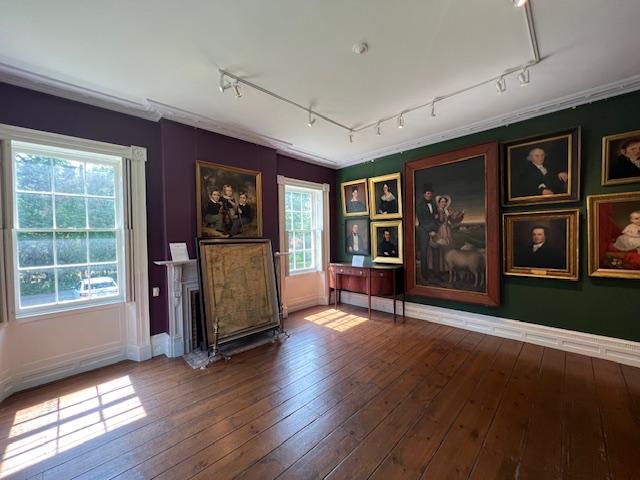
The Gallery
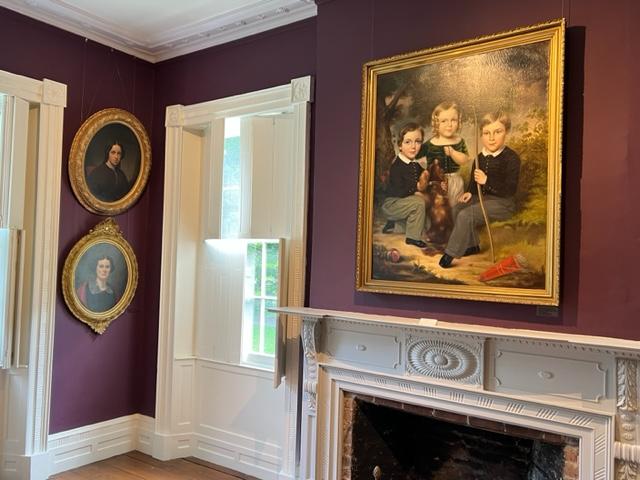
The Gallery

The New York portraits in the collection

The New York Portrait Collection exhibition
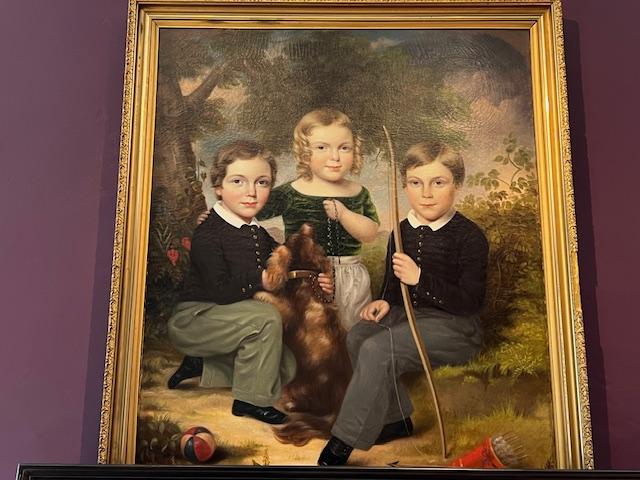
The Portrait Collection-Children’s Portrait

Part of the Portrait and Federal Style exhibitions

Early Hand Tools & Farm Implements: the permanent collection

In the main building, there is also a permanent collection of farming equipment and the development of family farms in New York State. It shows how the agricultural profession has changed from doing everything by hand when farms catered solely to the family to the commercial farms that developed after the Civil War that found new markets for their products. Automation grew the industry but its start with equipment shows how much the process really hasn’t changed that much. It is a very thought provoking exhibit on how industries progress.
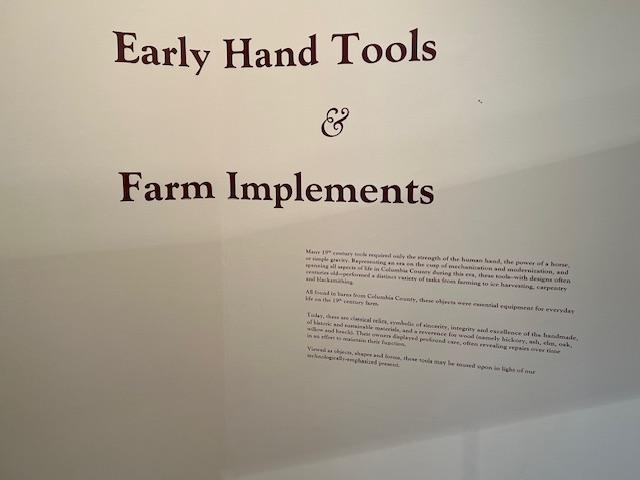
The “Early Hand Tools & Farm Implements” exhibitions
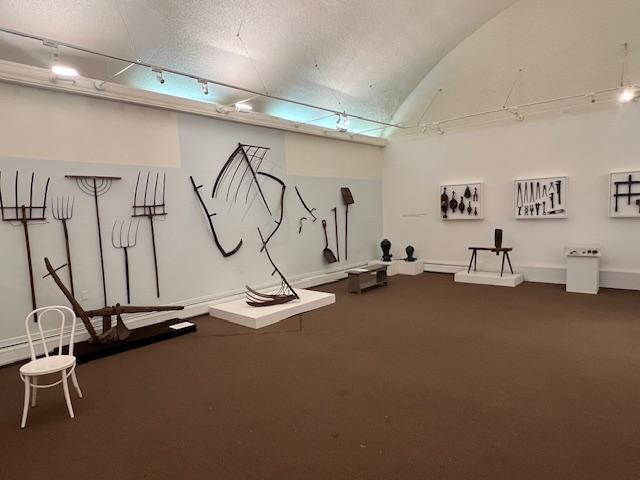
The farming equipment galleries
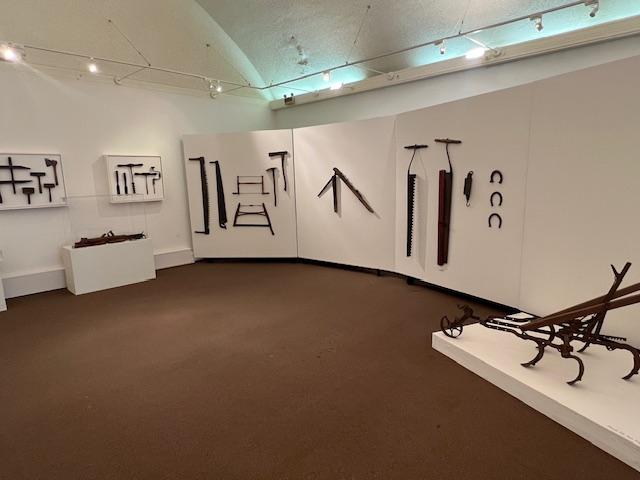
The farming equipment galleries
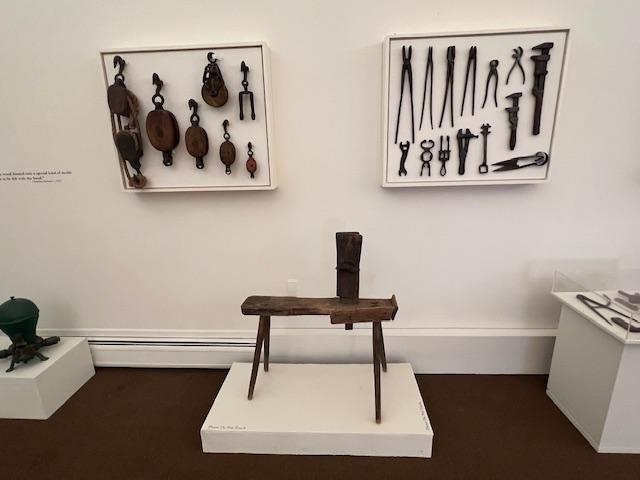
The farm equipment at the turn of last century that has not changed much to today.

The new exhibition “Dirt Road Life: Images of Rural Community” again shows how life has progressed in this country.

The description of the exhibition and collection of the artwork:

(From the museum website):

In this exhibit an extensive collection of vintage photographs provided by CCHS and Red Rock Historical Society that document what life was like along these dirt roads a century ago are complemented and contrasted with local high school students’ photos of contemporary winter scenes along Chatham’s unpaved network of roads.   The students’ photographs, curated by nationally celebrated photographer Paul Lange, are drawn from a body of work that is the brainchild of Ichabod Crane art teacher Sandy Dwileski.  Dwileski saw an artistic opportunity—winter road scapes rich in subtle hues, shadow contrasts and complex compositions—and set about organizing an outing with her advanced photography class to follow the system of roads mapped by the Chatham Dirt Road Coalition and photograph the journey.
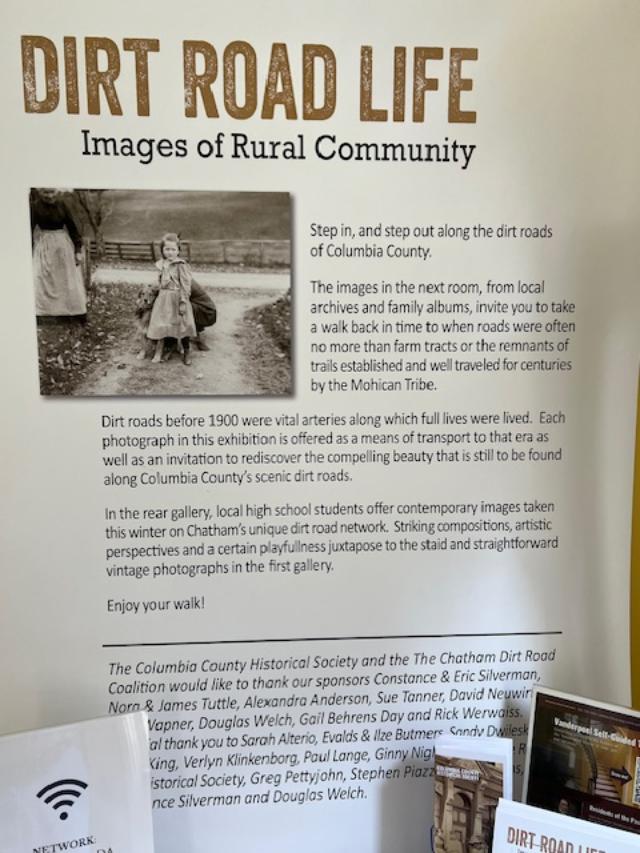
The new exhibition “Dirt Road Life: Images of Rural Community”
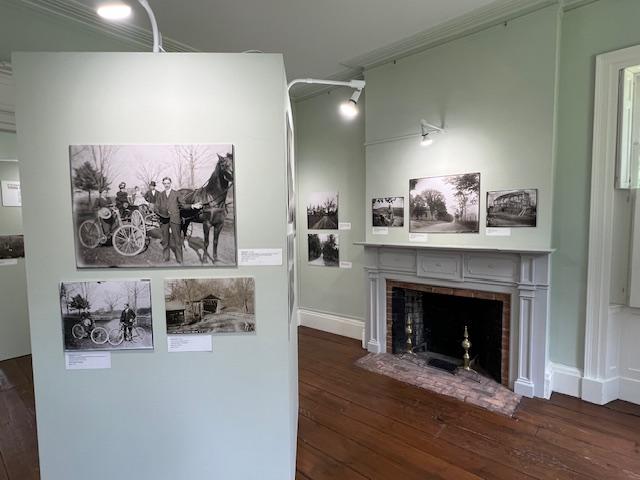
The gallery exhibition on “Dirt Road Life”
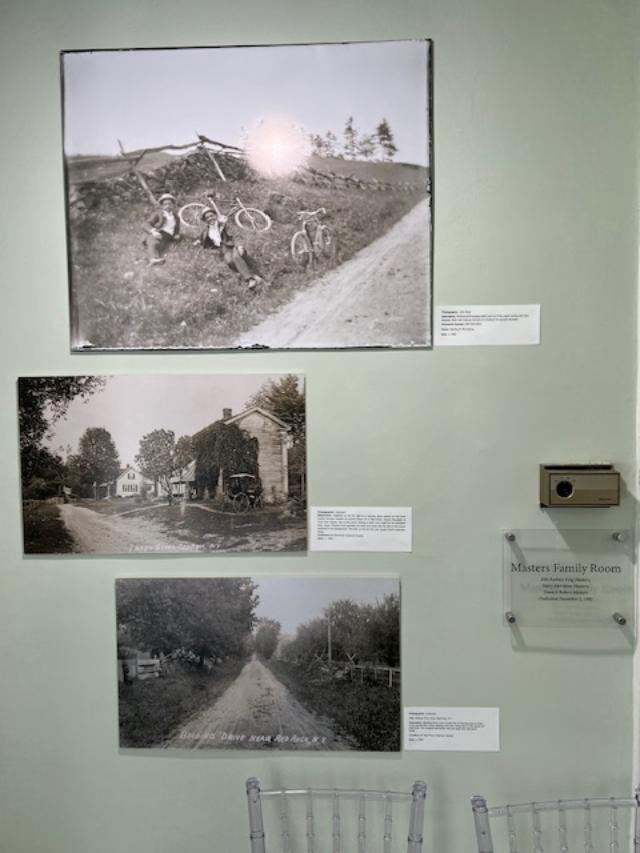
Pictures from the exhibition
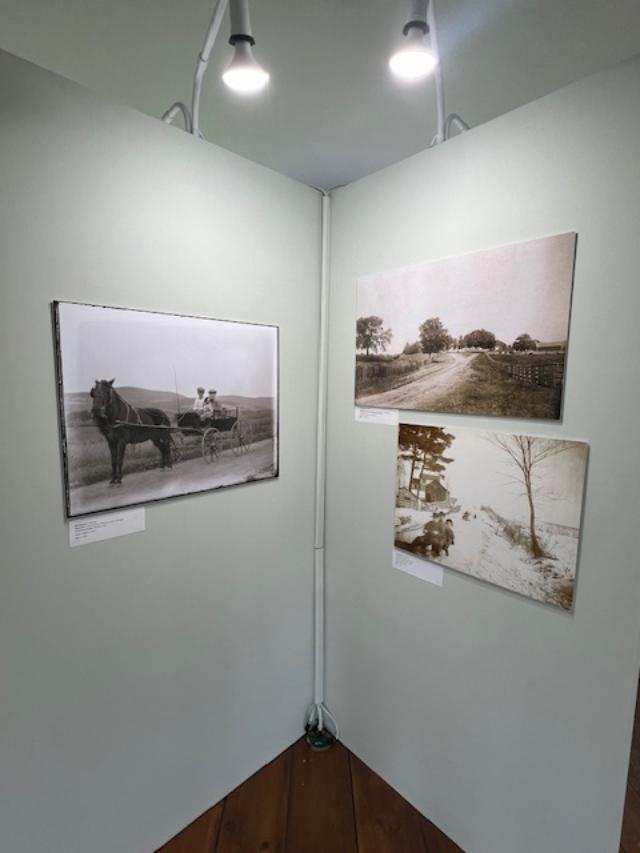
Pictures from the exhibition

The next special exhibition at the museum was the “A Farm, a Family and a Legacy”:

(from the museum website)

Farms have been the heart of Columbia County’s economy and culture throughout its history. One of these was Birge Hill Farm, established in 1785 by Hosea Birge, a Revolutionary War veteran who settled in Chatham, N.Y., in the early years of the republic.
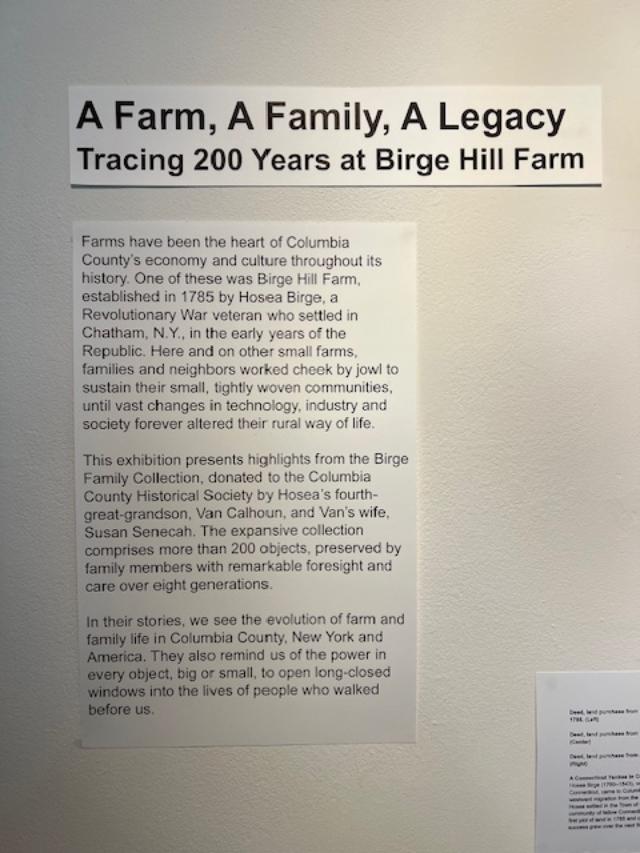
The write up on the exhibition
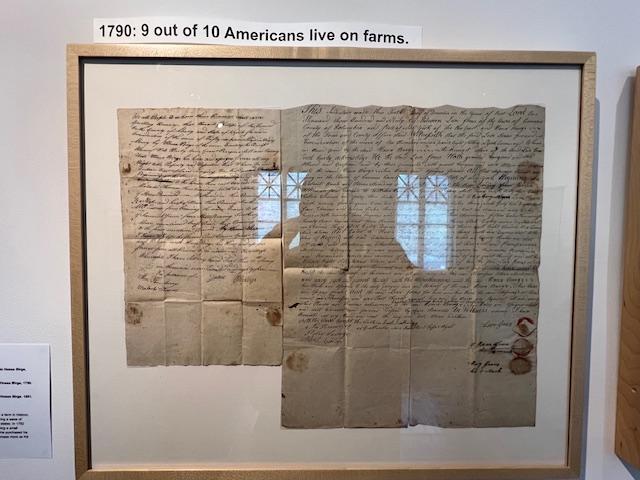
The deed to the original farm

Here and on other small farms, families and neighbors worked cheek by jowl to sustain their small, tightly woven communities, until vast changes in technology, industry and society forever altered their rural way of life. 
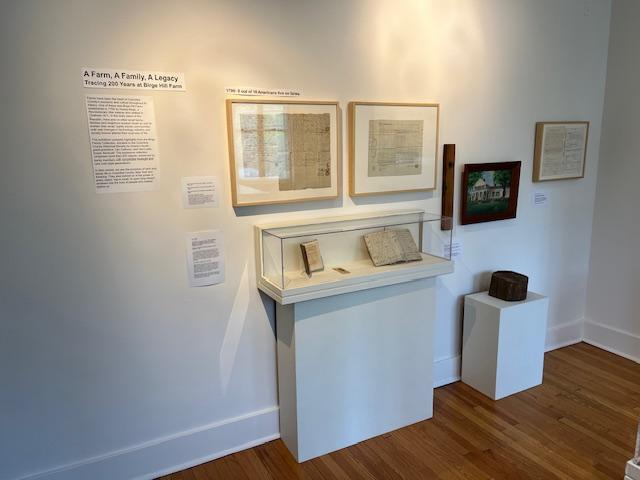
The Birge Family artifacts in this interesting exhibition of family life on a multi generational farm
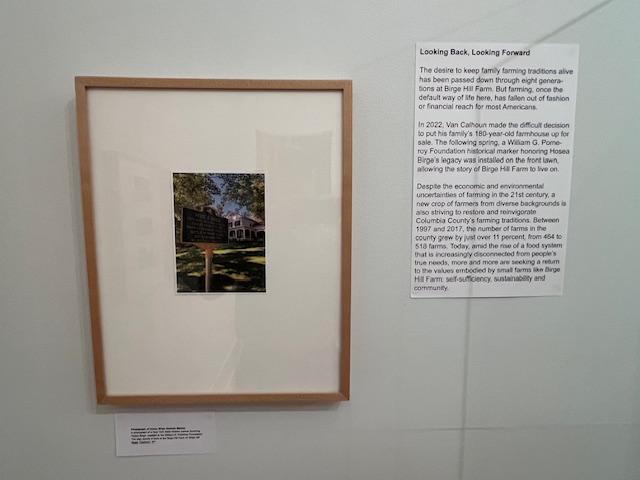
The farm is currently for sale

This exhibition presents highlights from the Birge Family Collection, donated to the Columbia County Historical Society by Hosea’s fourth great-grandson, Van Calhoun, and Van’s wife, Susan Senecah. The expansive collection comprises more than 200 objects, preserved by family members with remarkable foresight and care over eight generations. In their stories, we see the evolution of farm and family life in Columbia
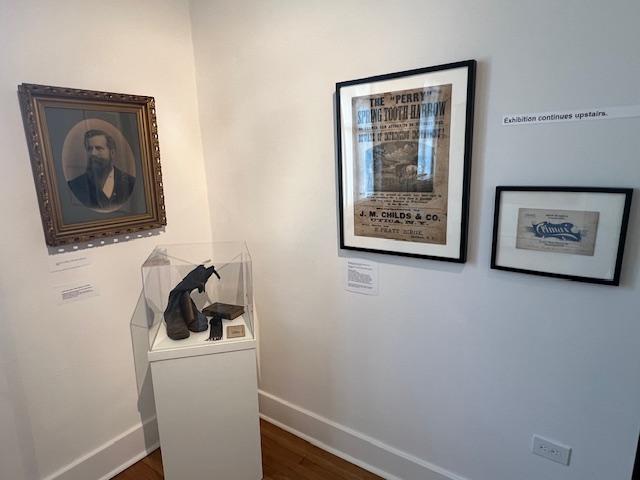
The family heirloms
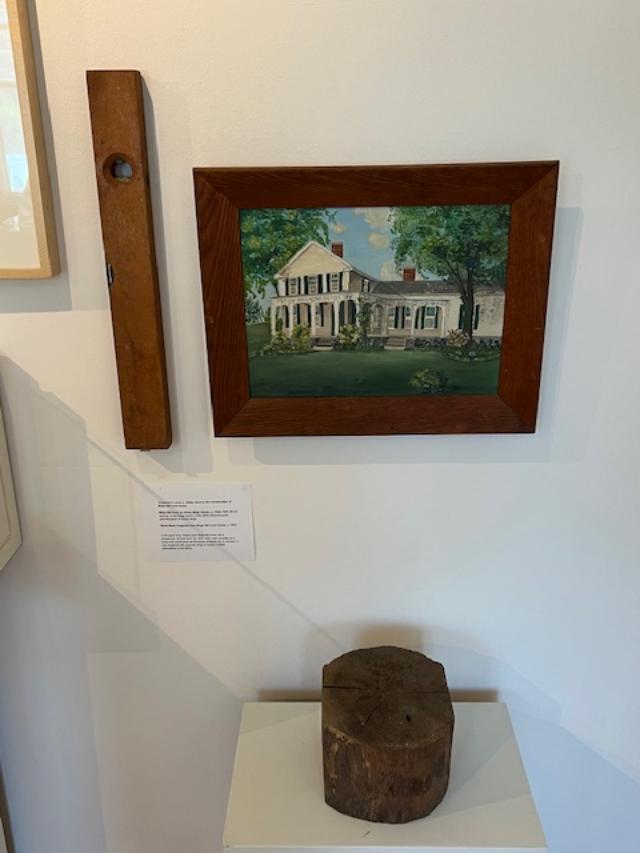
The current farmhouse of the family’s

The exhibition was interesting in that it must be hard for a family giving up a way of life and a home that has been in the family for 200 years. It was nice of the family to let us in and see their life in this exhibition.

Federal Style: Refinement, Grace and Symmetry:

America’s newly founded nation beamed with patriotism following its victory in the Revolutionary War. The original foundations of the United States government and culture immediately following its independence is known as the Federal Era (1780–1830).

George Washington and other American icons looked toward the Classical ages of Greece and Rome in forging an identity for the young American Republic through architecture, furniture, textiles, ceramics and works of art. Neoclassical designs and motifs are distinguished through simple lines, a satisfying balance of symmetry and overall elegance that signals strength and democracy. In celebrating 200 years of the James Vanderpoel House, we present its Federal architectural excellence along with diverse material culture representing characteristics of the Federal Style and era in Columbia County and America (CCHS website).

The other buildings that are part of the Society’s museum:

Signage at the Historical Houses

The Crane Schoolhouse

This authentic, circa-1850 one-room schoolhouse served as a public school for the Town of Kinderhook into the 1940s. It replaced an earlier “log cabin-style” single-room school where a man named Jesse Merwin served as school master. Merwin, who was a longtime friend of the writer Washington Irving, is said to have been the “pattern” for Irving’s character of Ichabod Crane in “The Legend of Sleepy Hollow.”

A “Legends & Lore” historic marker, awarded by the New York Folklore Society and William G. Pomeroy Foundation, stands a few yards from the school and commemorates this literary connection. Today, the Ichabod Crane Schoolhouse is a seasonal museum. See exhibitions, period school desks and other objects relating to one-room schoolhouse education in Columbia County.

During the 1950s and ’60s, it was saved from disrepair by a group of local women who retrofitted the space to function as an ad hoc community center. In 1952, former first lady Eleanor Roosevelt visited the schoolhouse to deliver a radio address praising “the work of women” and recognizing their efforts to preserve the historic school.

In 1974, the schoolhouse was moved 200 yards down the road to the Luykas Van Alen House site. That same decade, it was restored to its 1930s appearance. It remains an excellent and intact example of a rural, one-room schoolhouse with a gable roof, clapboard siding and a single pent-roofed entrance. The interior consists of a large classroom with two adjacent cloakrooms — one for boys and one for girls. The building was never modified to have heat or hot water and still retains its original 1929 wood-burning stove, wood flooring, chalkboards and double-hung sash windows(CCHS website).

Luykas Van Alen House

Built circa 1737 and designated a National Historic Landmark in 1967, the Luykas Van Alen house is recognized as one of the best examples of fewer than a dozen historically intact Dutch Colonial houses in the Hudson Valley. 

Located on rural land once used by native Mohican peoples for hunting and seasonal camping, the house was the center of a prosperous farm and home to several generations of the Van Alen family. The last Van Alen descendant to live in the house, Maria Van Alen Herrick, died in 1935. The house was purchased in 1938 by William Van Alen, a descendant of Luykas’ brother, Johannes. In 1964, unable to undertake extensive restorations himself, William generously donated the house to Columbia County Historical Society (CCHS website).

The signage by the Van Alen House
The Lewes Maritime Museum at the Cannonball House                                                                     118 Front Street                                                                   Lewes, DE 19958

The Lewes Maritime Museum at the Cannonball House 118 Front Street Lewes, DE 19958

The Lewes Maritime Museum at the Cannonball House

118 Front Street

Lewes, DE 19958

(302) 645-7670

https://www.historiclewes.org/visit/society-properties/cannonball-house.html

Open: Sunday-Monday Closed/Tuesday-Saturday 10:00am-4:00pm

Admission: $5.00 (this includes admission to the Lewes History Museum)

My review on TripAdvisor:

https://www.tripadvisor.com/Attraction_Review-g34028-d1382665-Reviews-Cannonball_House-Lewes_Delaware.html

My blog on The Lewes Historical Society:

https://visitingamuseum.com/tag/lewes-cannonball-house/

Our Mission:

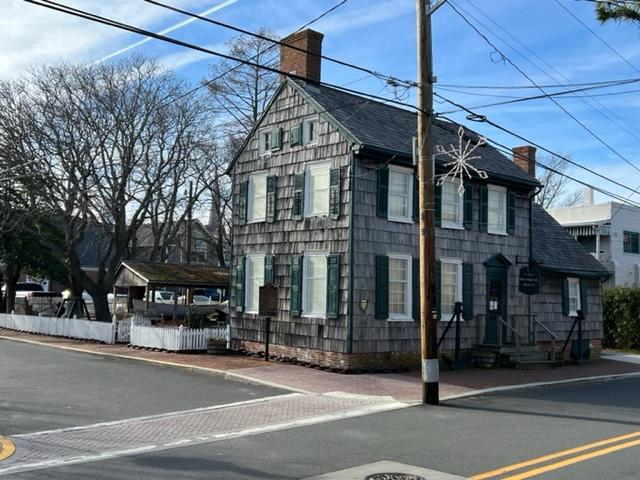
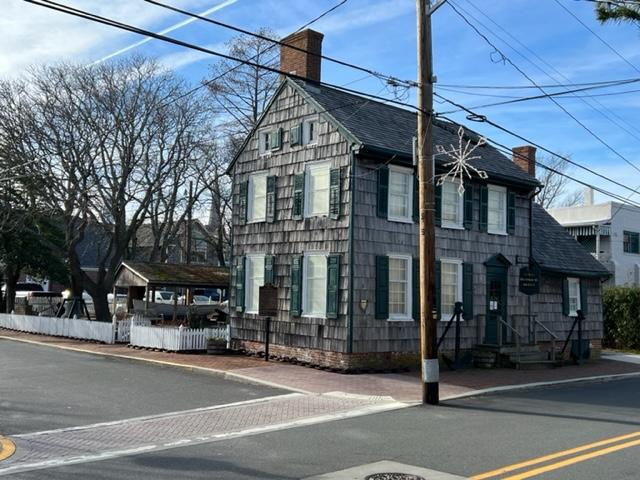
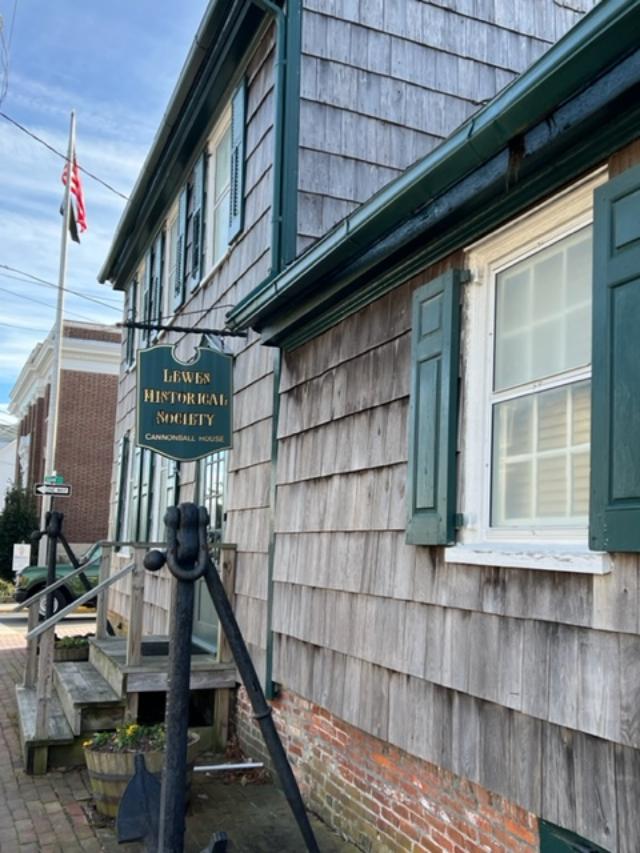
The Lewes Maritime Museum at the Cannonball House at 118 Front Street

The Lewes Historical Society promotes and advocates the preservation, interpretation, and cultural enrichment of the Lewes region, through museum exhibits, educational programs, historical research, and publications.

About The Lewes Maritime Museum at the Cannonball House

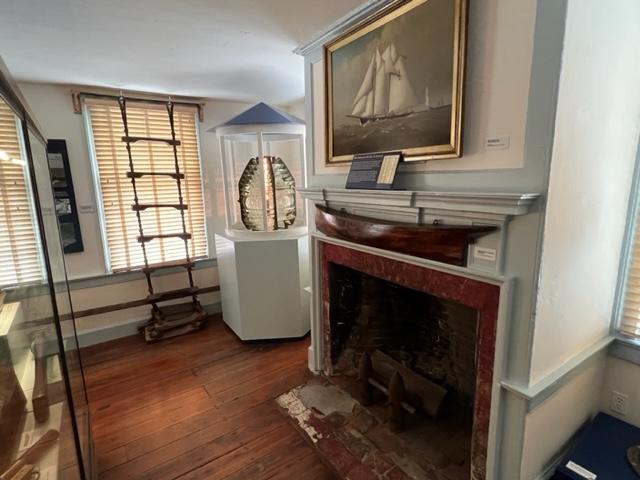
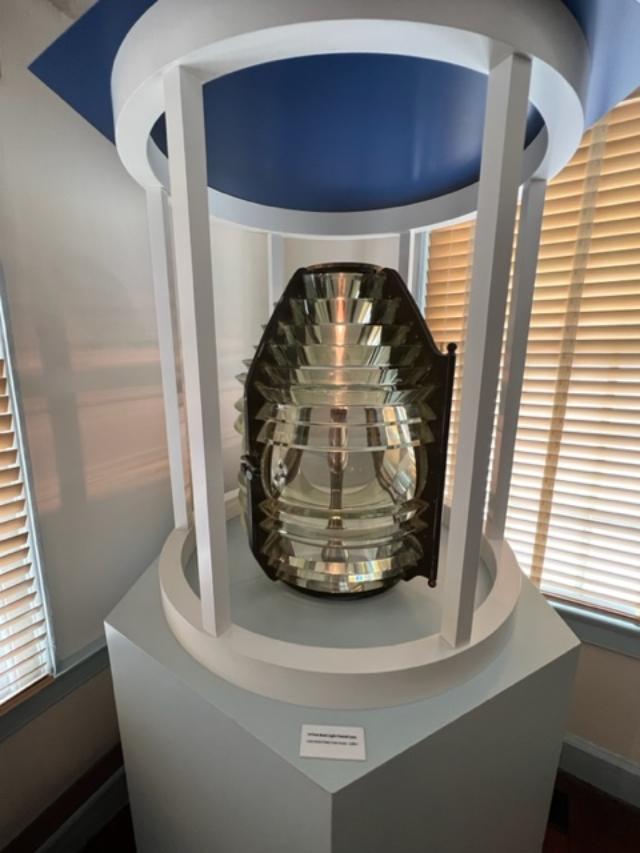
The Cannonball House was built c. 1765 and was once the home of Gilbert McCracken and David Rowland, pilots for the Bay & River Delaware. The Cannonball House has come to symbolize not only the Society, but the town of Lewes as well; previous uses included a restaurant, a laundry store, and, for a time, the mayor’s office. Harkening back to the town’s rich nautical heritage, the Cannonball House is the home of The Lewes Historical Society’s Maritime Museum. Nationally important pieces of maritime art and memorabilia are displayed in the house, including the Fresnel Lens of Fourteen Foot Bank Light. The exhibition of Breaking Britannia’s Grasp is also housed in the museum and is included in your admission.

Featured in many works on Delaware, the Cannonball House is a rare example of a Lewes house remaining on one site its entire existence. The Cannonball House was featured on the 2003 Lewes Business Directory (Lewes Historical Society website).

The front of the museum

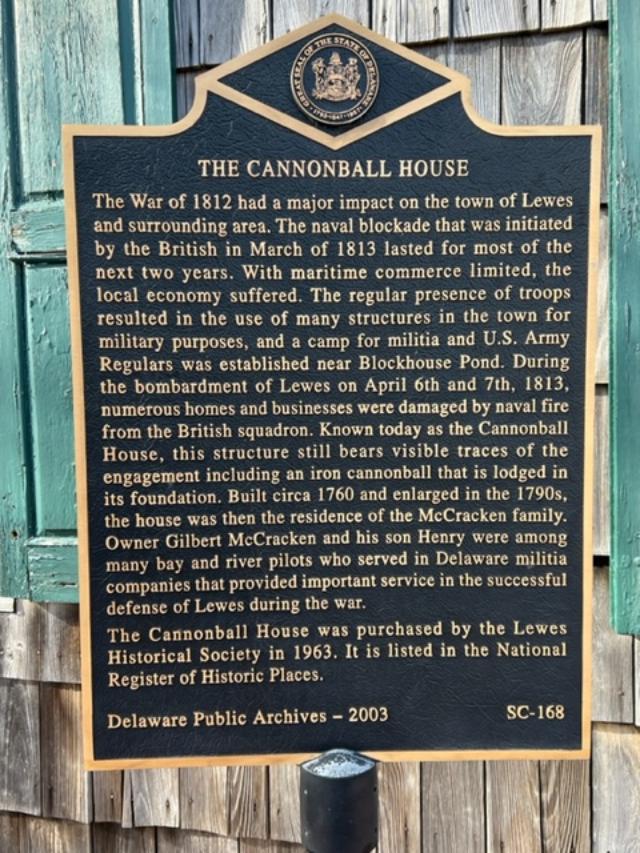
Historic Marker

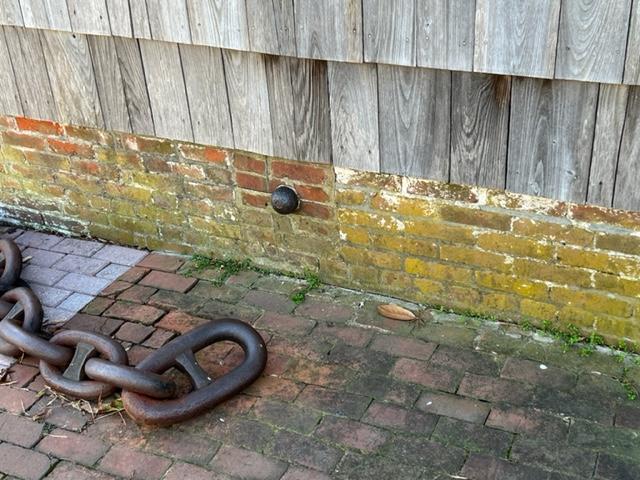
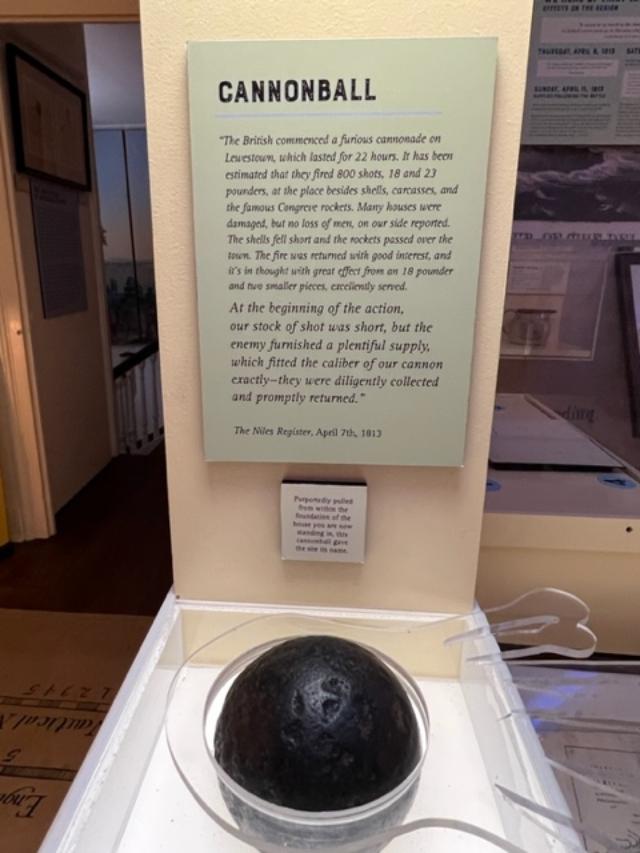
The Cannonball at the house (recreation)

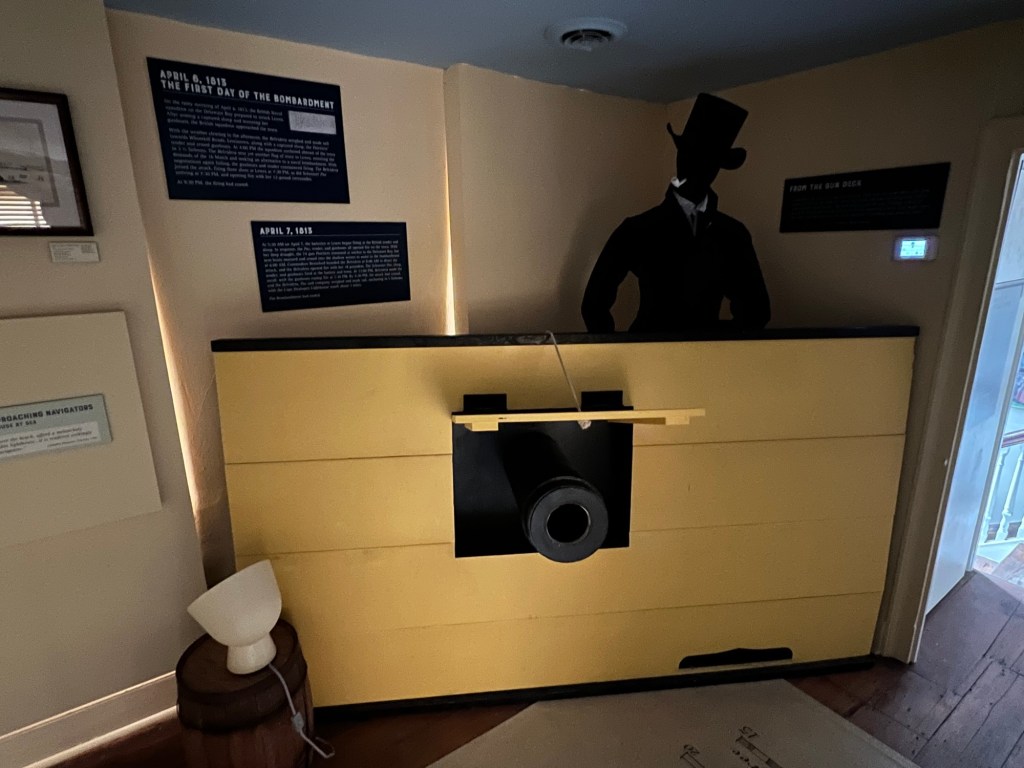
On April 5, 2003, the Cannonball House was honored by the State of Delaware for its close association with the Bombardment of Lewes by the British on April 6th and 7th, 1813 and as the home of two heroes of those fateful days, Gilbert McCraken and his son Henry, both Pilots of the Bay & River Delaware.

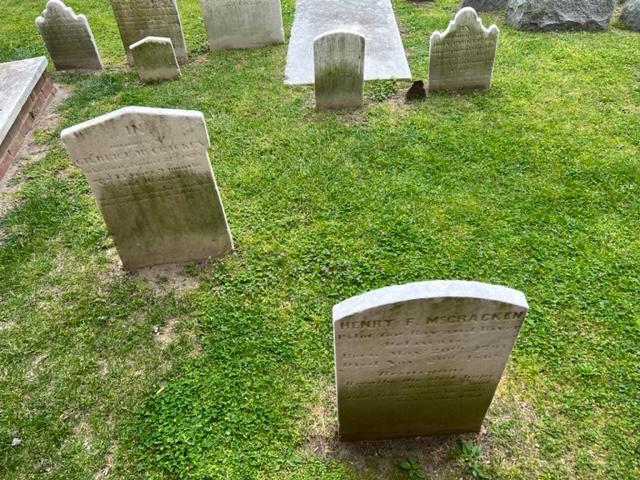
The Gilber and Henry McCraken burial site in downtown Lewes

The tip of the anchor that Henry McCraken was buried with in the Episcopal Church cemetery.

The War of 1812 Park, across Front Street from the house and site of one of the two forts that defended Lewes during the bombardment, was also recognized. Gilbert & Henry McCracken served in a volunteer militia composed primarily of Delaware Pilots that defended Lewes until the end of the war in 1815 (Lewes Historical Society website).

Perhaps the two most famous landmarks in Lewes are the Zwaanendael Museum and the Cannonball House. Many visitors come to town seeking the famous house with a cannonball still in its side, yet many are unaware of how close the house was to being lost. During the summer of 1961, several Lewes citizens expressed concern that the town was losing its character as its old homes were slowly being lost. They were especially concerned about the plight of what they knew as the Capt. David Rowland House – an ancient one with a distinguished history; built prior to the revolution, it had been the home of generations of river and bay pilots and had been scarred by cannon fire during the War of 1812 (Lewes Historical Society website).

The inside of the Lewes Maritime Museum at the Cannonball House has many exhibitions to view.

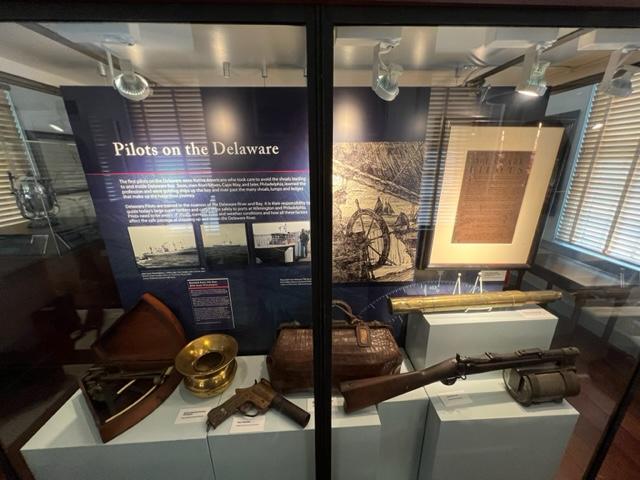
the Pilots display inside the Cannonball Museum

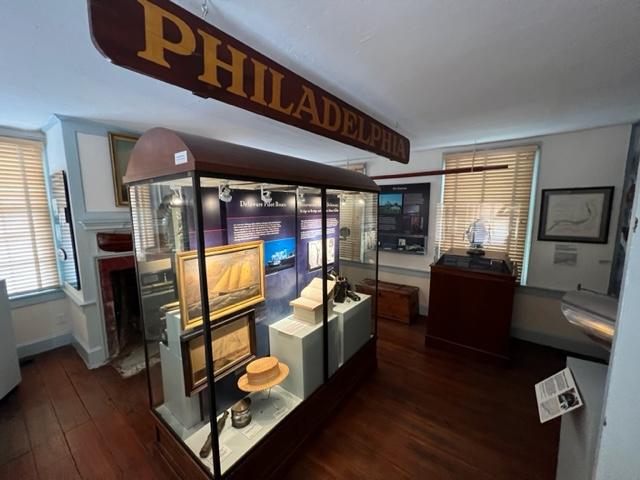
The Philadelphia exhibition

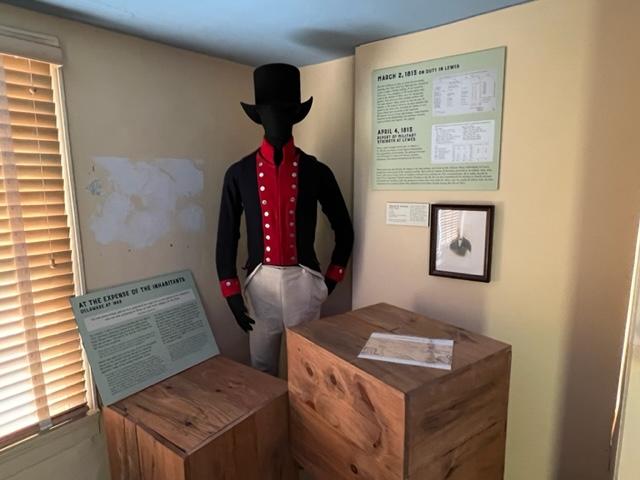
Display at the museum

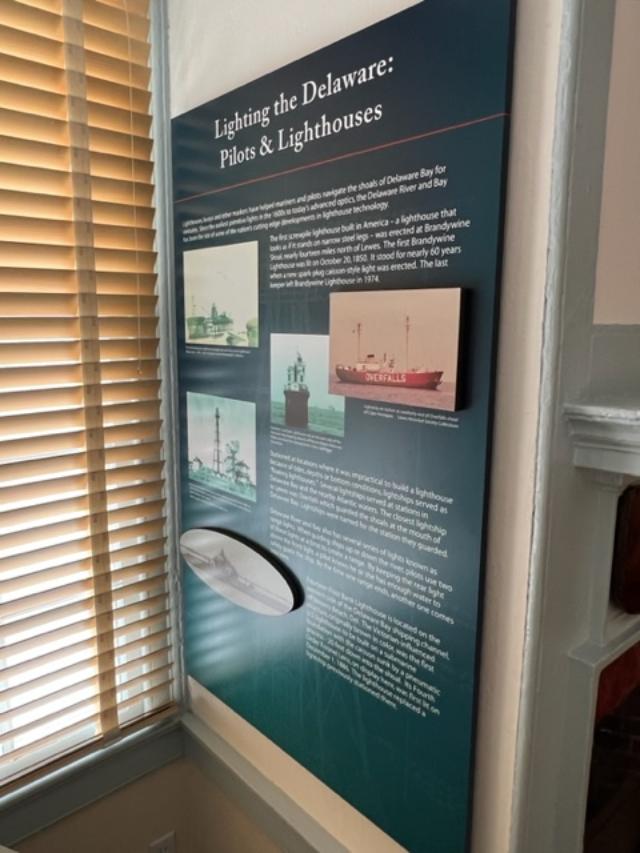
The lighthouse display

The lighthouse light

The lighthouse display

The Shipping Display

Object from the Shipping Display

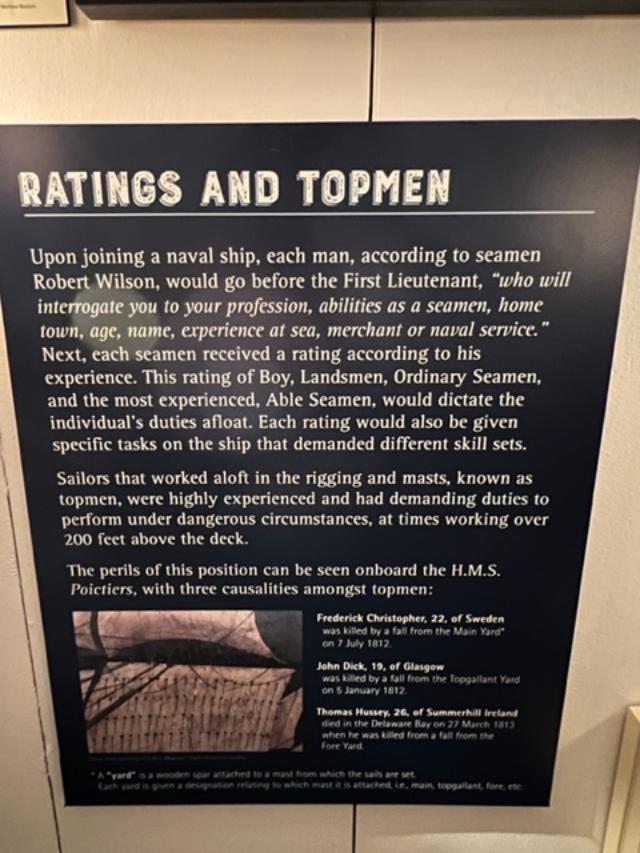
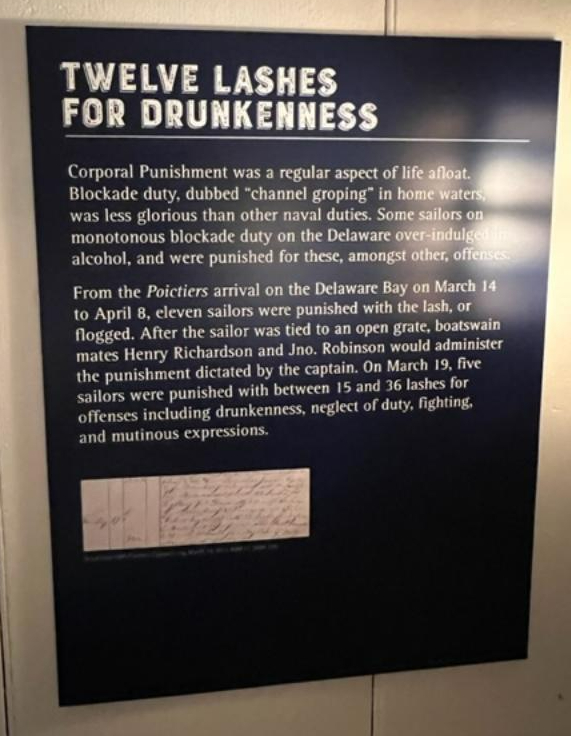
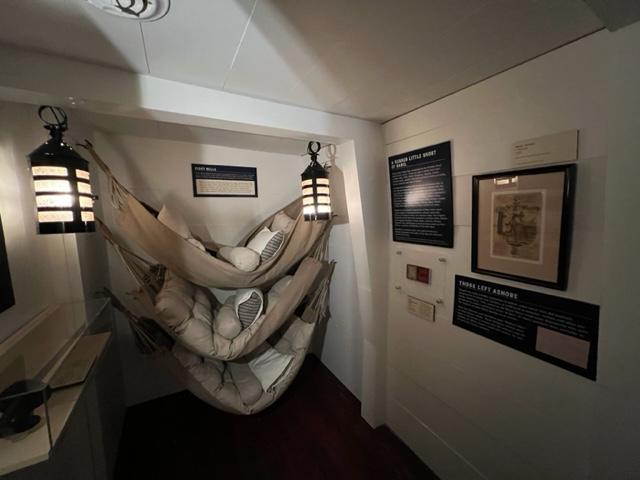
The museum had a display about life at sea. This included the bunking of sailors in the hull at that time. This was interesting look at life at that time.

The signs

The signs

Life on the ship

Still the most famous pieces in the museum is the cannonballs.

The Cannonball that hit the house

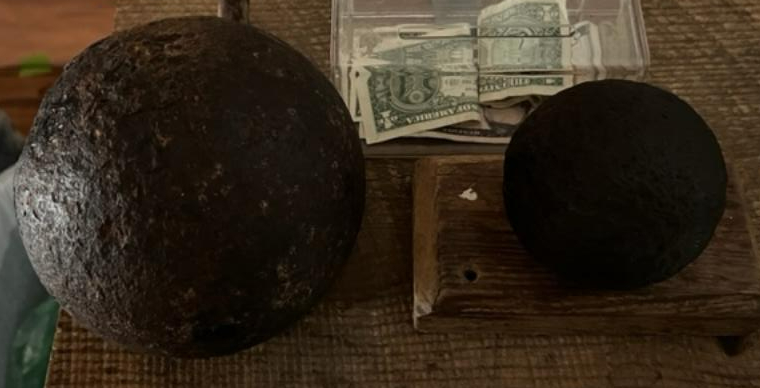
Cannonballs dredged from the canal.

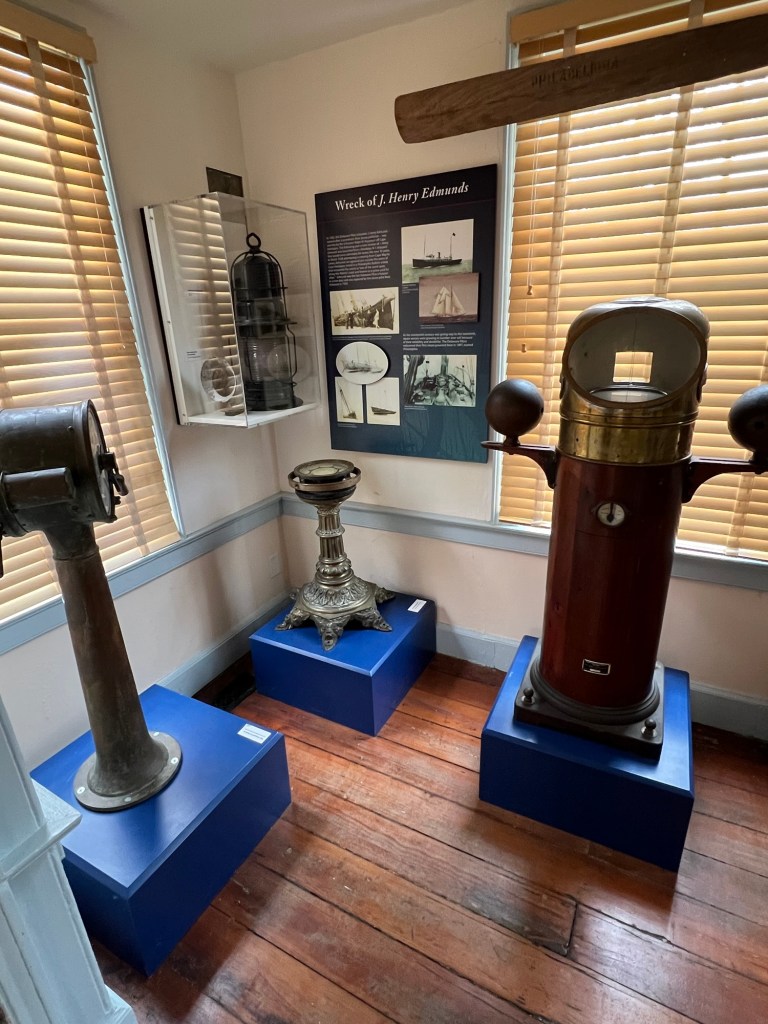
The second floor ‘Henry Edmonds’ artifacts

Wreckage artifacts on the second floor

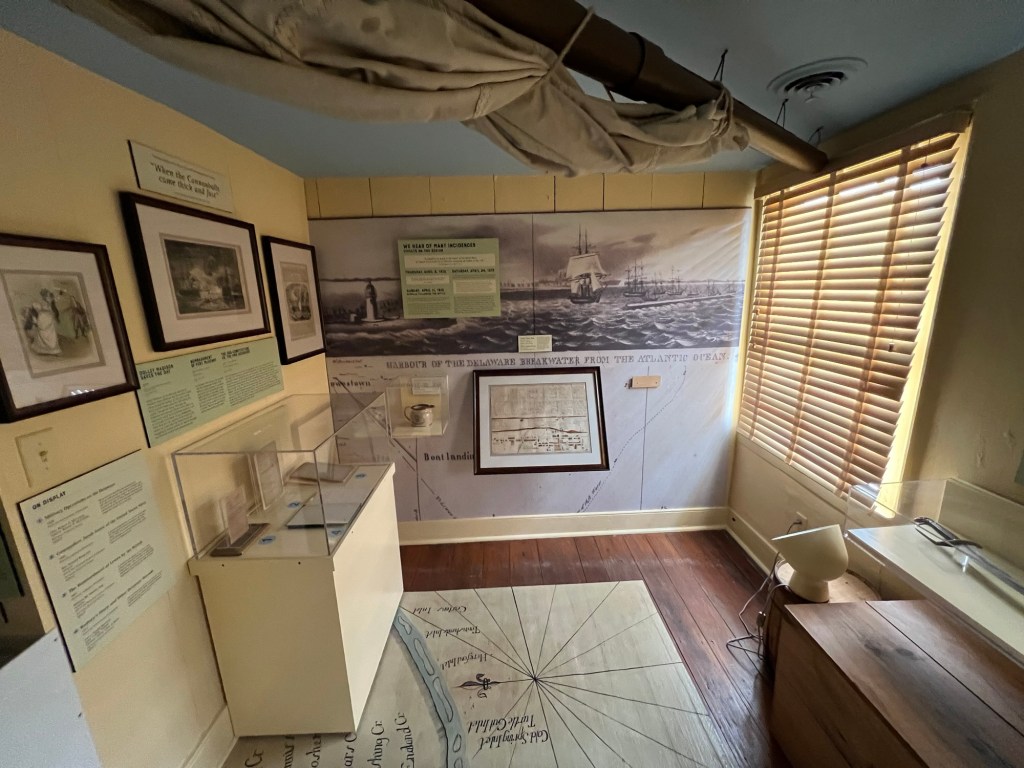
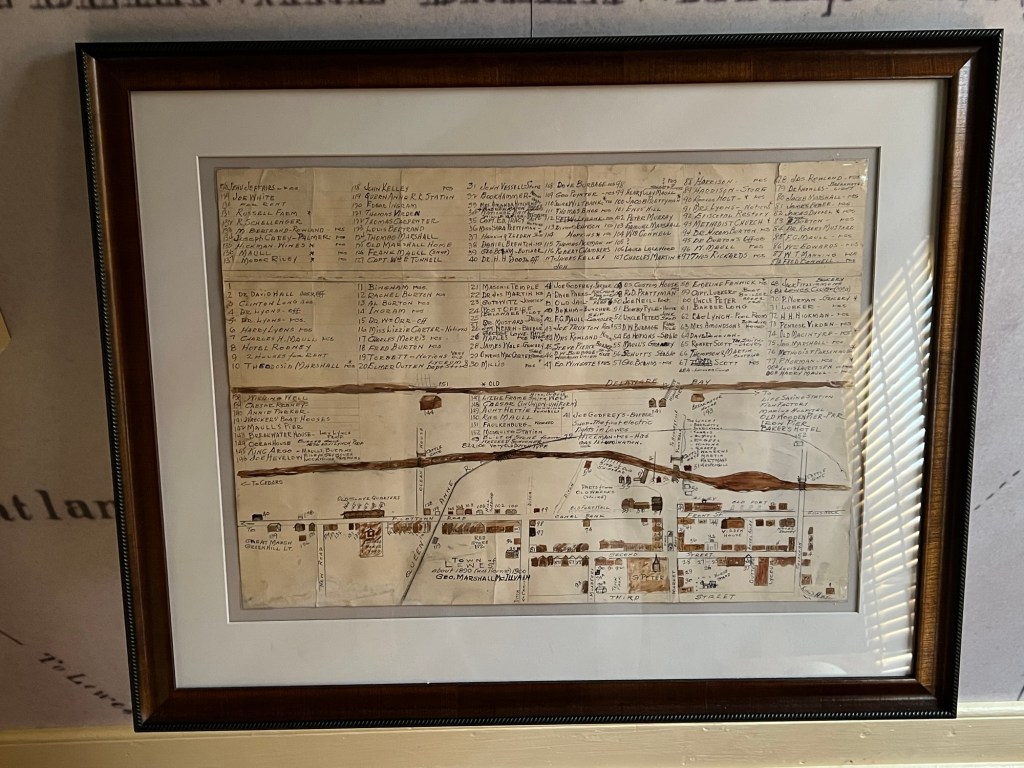
Downtown Lewes map

Ship attacks

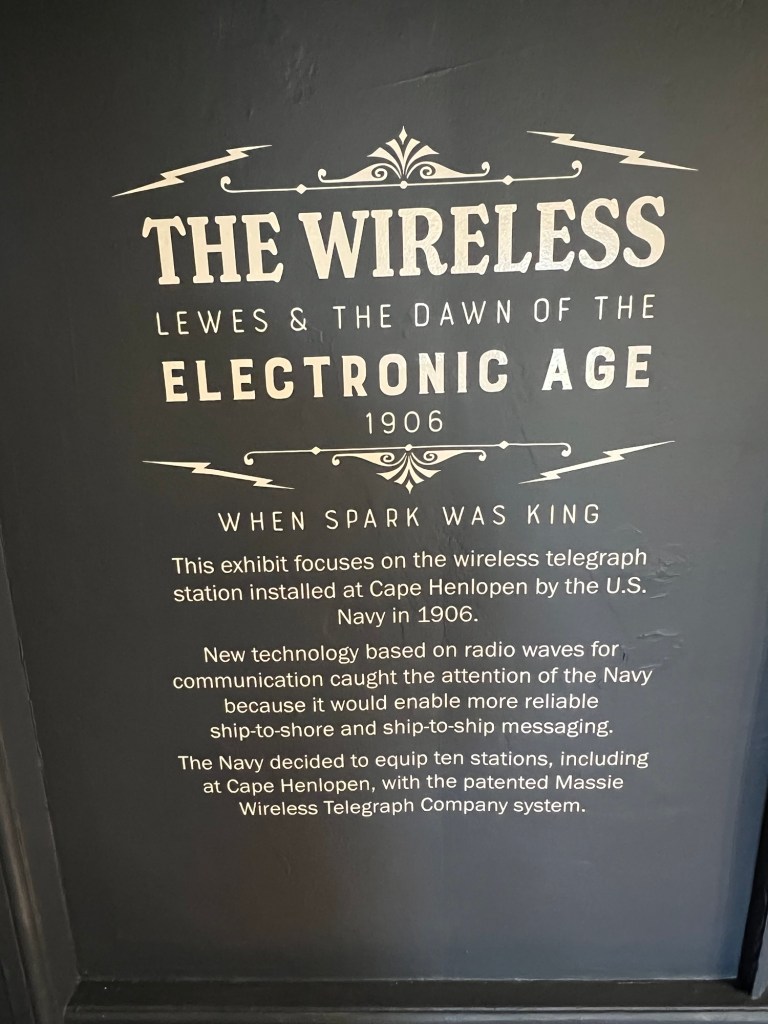
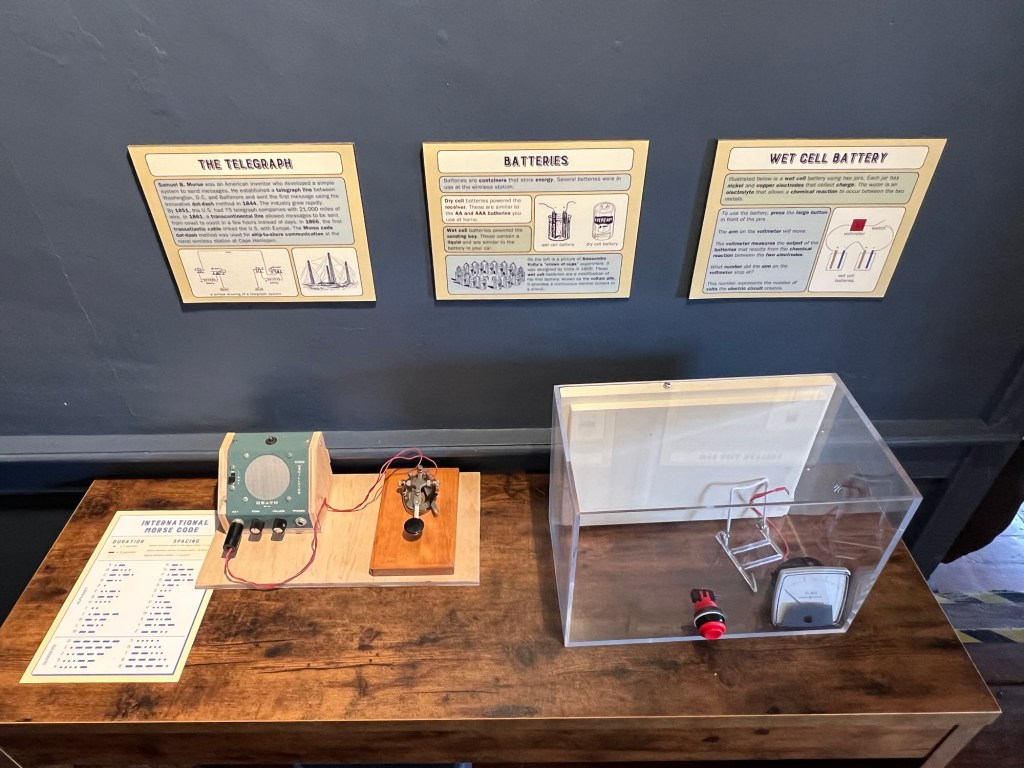
The New “Wireless Age” exhibition

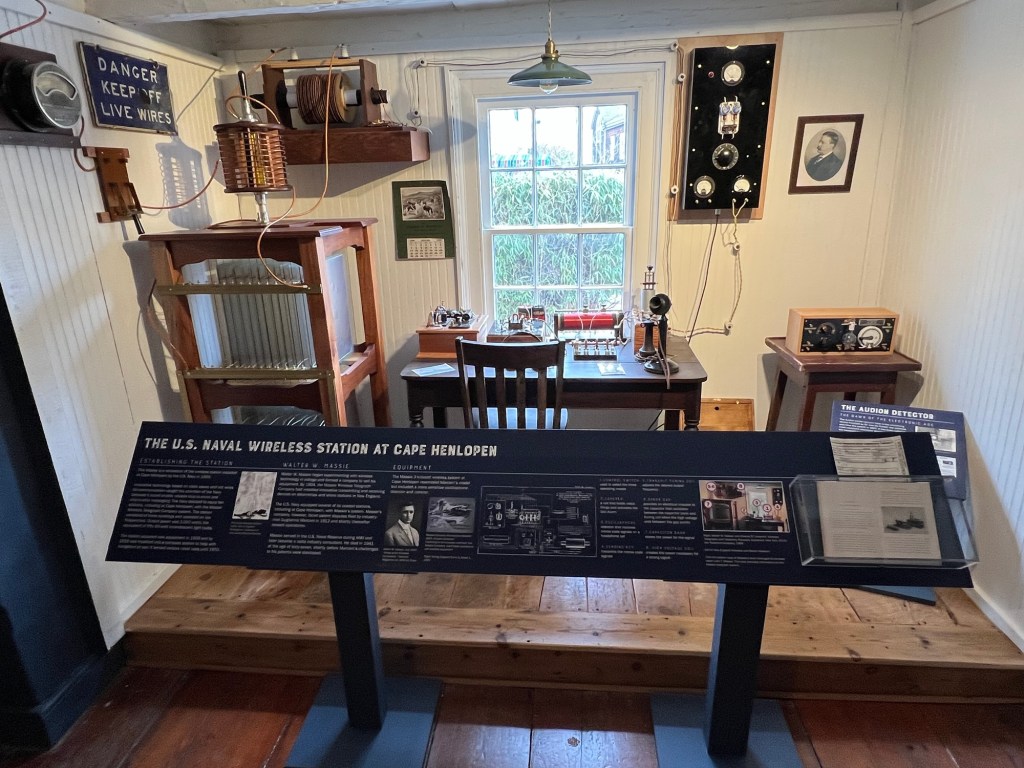
The ‘Wireless Age’ exhibition

The ‘Wireless Age’ exhibition

The ‘Wireless Age’ exhibition

The Children’s exhibition for the ‘Wireless Age’

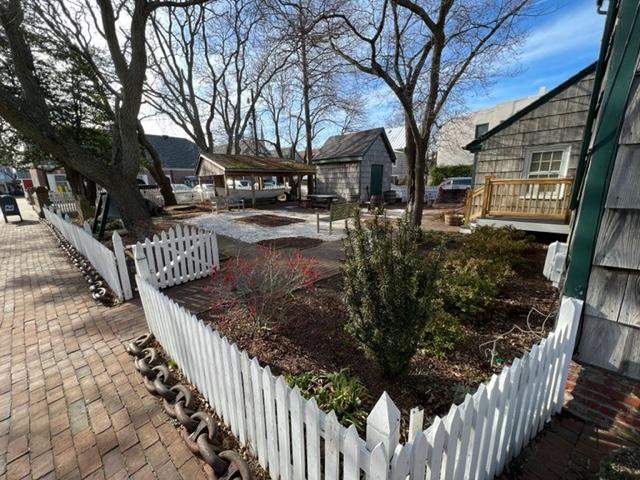
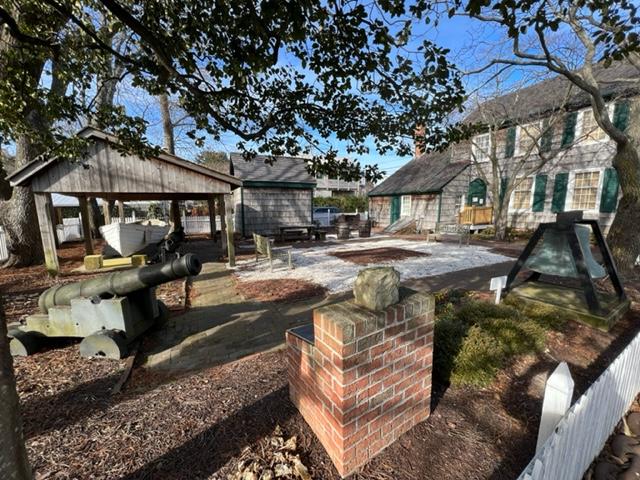
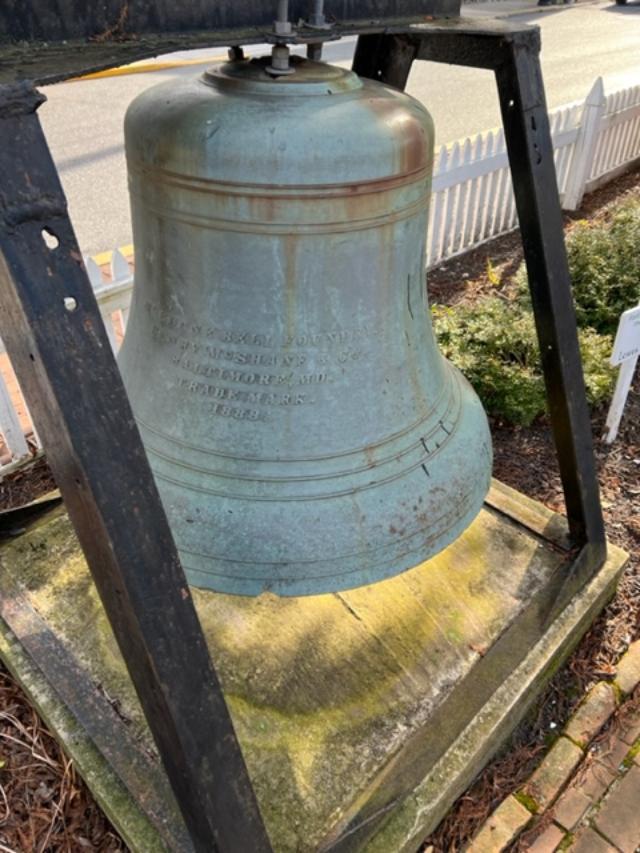
The Grounds of the Lewes Maritime Museum at the Cannonball House have all sorts of artifacts on the outside of the property include bells, boats and buildings. Take time during the season to walk the grounds and look over all the items in the garden.

The museum courtyard

The museum courtyard

The bell

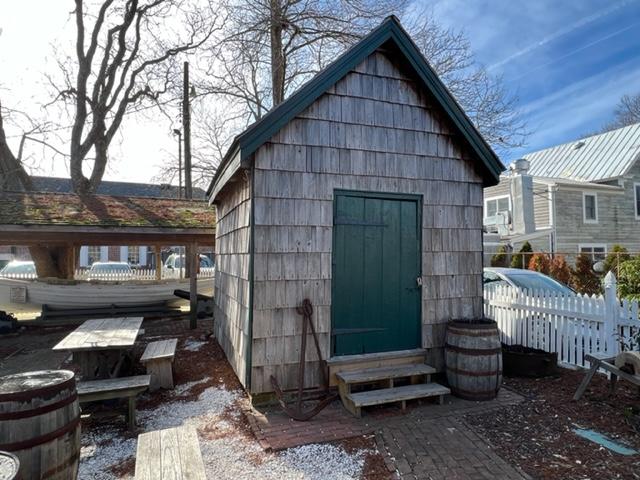
The ice house in the courtyard

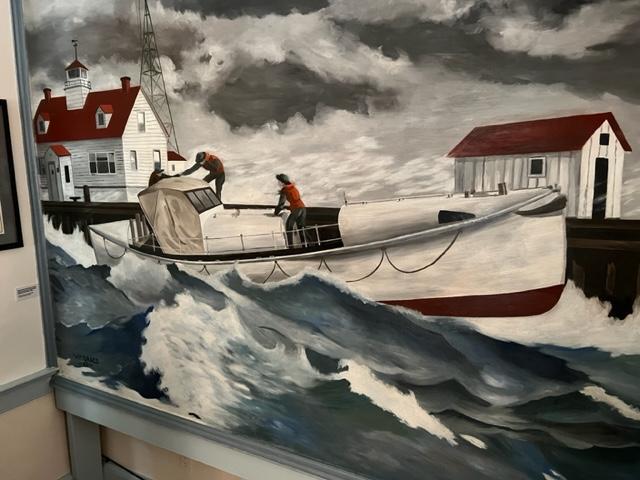
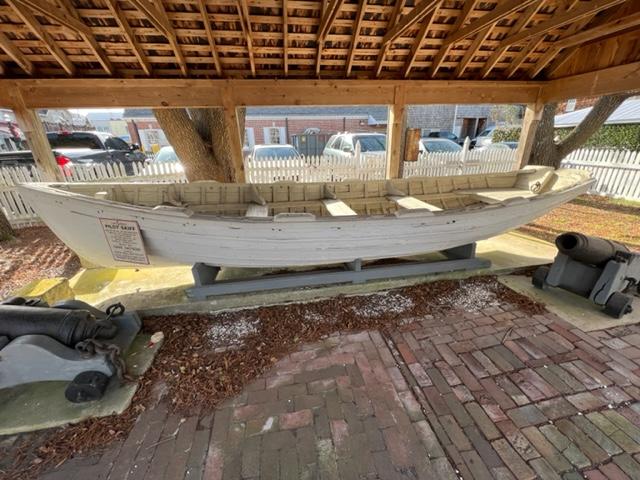
The Rescue Boat

One night they met on Pilottown Road and decided something needed to be done right then and there – at that moment The Lewes Historical Society was formed. Members were sought, funds raised, and the property was acquired – the historic Burton-Ingram House on Second Street. Two years later in 1963, the young historical society had raised the money to purchase the Rowland House, also commonly called the Cannonball House in honor of its scars from the infamous Bombardment of Lewes (Lewes Historical Society website).

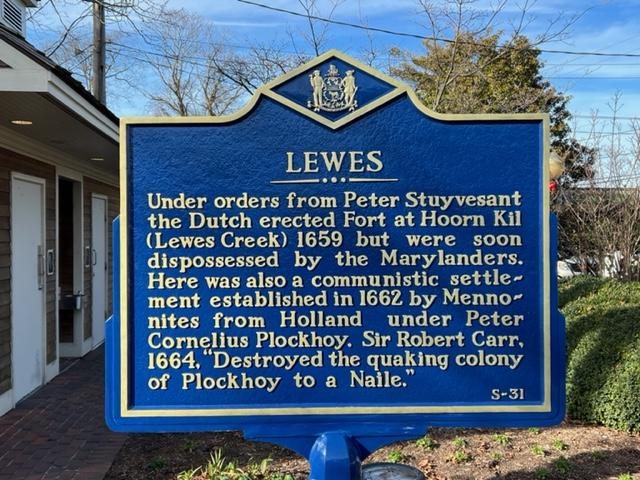
The Historical Marker of Lewes, DE

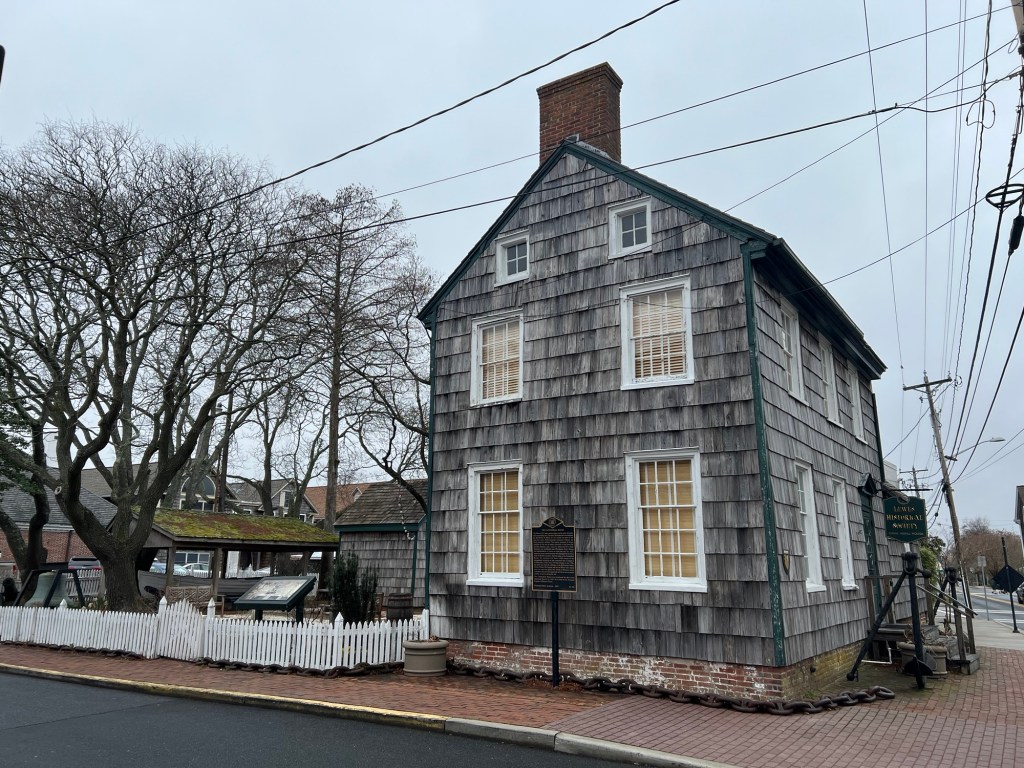
The museum in the early Spring

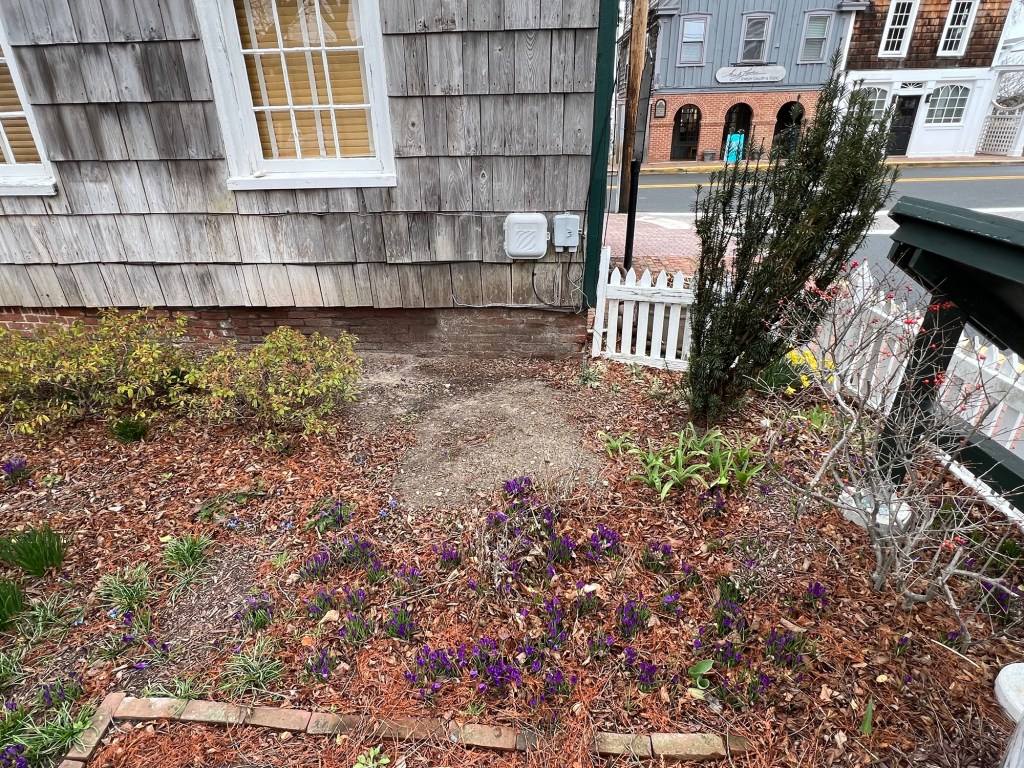
The grounds in the early Spring

The Donald & Barbara Tober Exhibit Room/Conrad N. Hilton Library-The Culinary Institute of America Campus 1946 Campus Drive                                                               Hyde Park, NY 12538

The Donald & Barbara Tober Exhibit Room/Conrad N. Hilton Library-The Culinary Institute of America Campus 1946 Campus Drive Hyde Park, NY 12538

The Donald & Barbara Tober Exhibition Room/Conrad N. Hilton Library-The Culinary Institute of America Campus

1946 Campus Drive

Hyde Park, NY 12538

(845) 452-9600

https://library.culinary.edu/ciaexhibits

Open: When the library is open. Please check the website.

Admission: Free

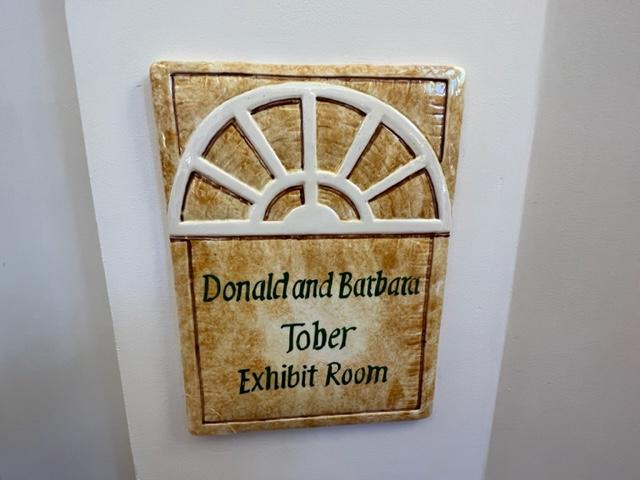
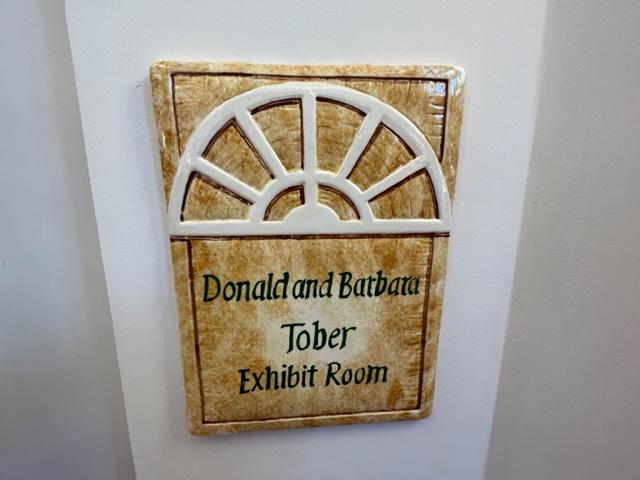
The Donald & Barbara Tober Exhibit Room plaque inside the Conrad N. Hilton Library hallway

The Donald and Barbara Tober Exhibit Room is on the main floor of the Conrad N. Hilton Library. The exhibit room is open to the CIA community and to the public. The exhibition room has ongoing displays of culinary themed exhibits that cover topics involving the culinary world and food service. This is run by both the college and by students. It is not quite a museum but more of a display room of artifacts that are held by the Conrad N. Hilton Library and its archives.

The Hallway exhibition

The Hallway exhibition

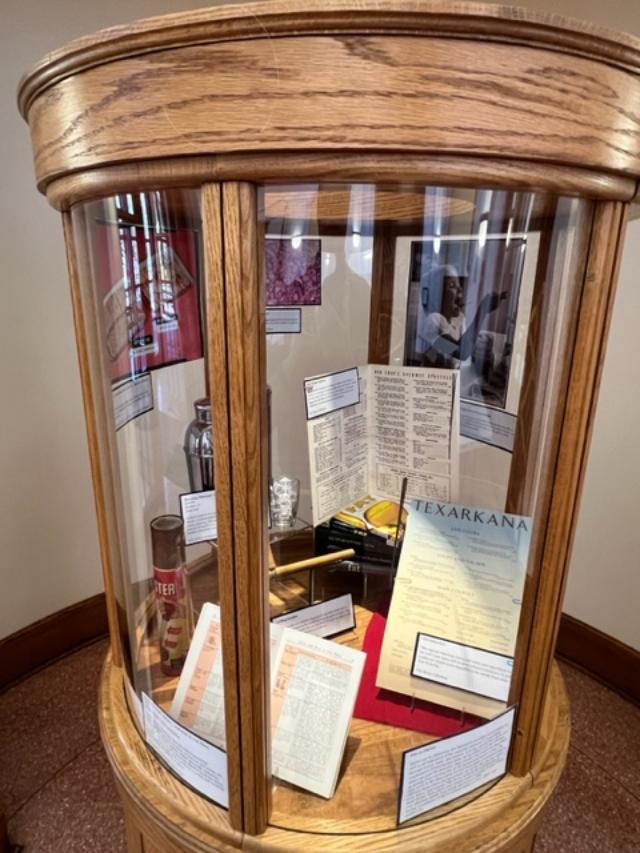
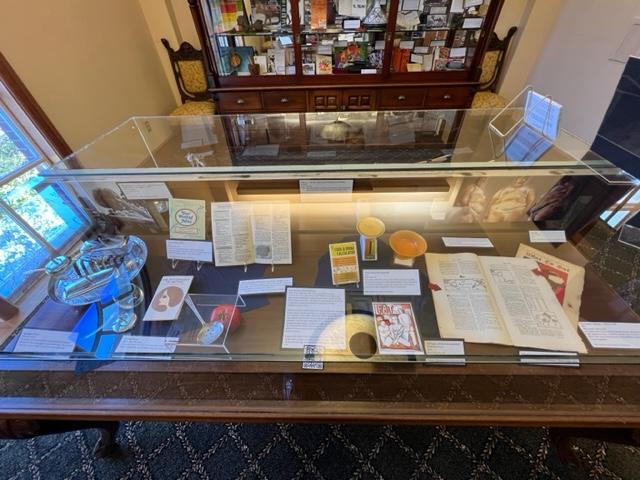
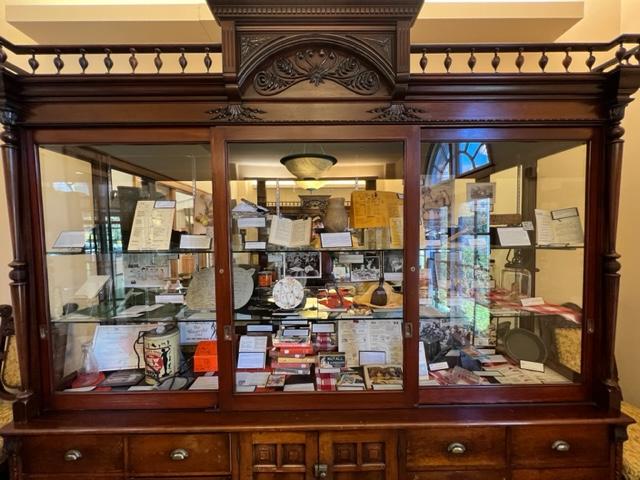
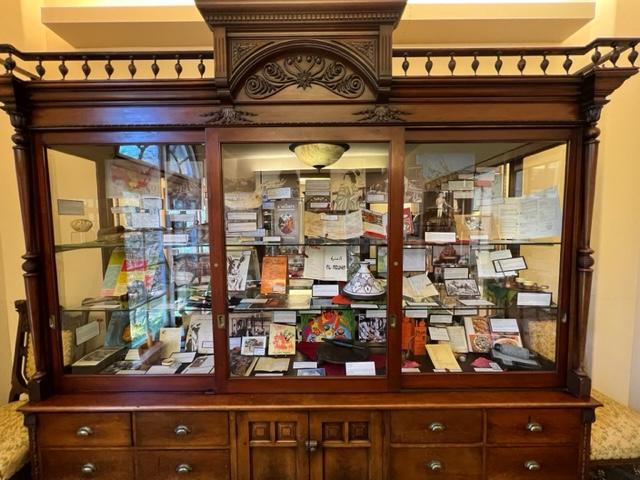
The two display cases are in the main entrance of the Conrad N. Hilton Library and hold more of the exhibition. These are displays of industry pamphlets and flyers plus menus and equipment.

The library exhibition of China pieces

The Menu Collection:

The Tober Room Exhibition space

The CIA’s menu collection began in the small library at the New Haven campus and was used as a reference tool by the culinary students.  By 1978, then in Hyde Park, the library had amassed a file of over 3,000 menus which were openly available to students and used regularly in their studies.  These menus still remain in the collection and are known as the “Original CIA Menu Collection.” They provided the foundation for the growing menu collection that was later added to by many prominent menu collectors and friends of the CIA.

Seth Bradford and Edward S. Dewey Menu Collection

Roland Chenus Menu Collection

Craig Claiborne Menu Collection

Roy Andries de Groot Menu Collection

This collection of nearly 800 menus, acquired by the CIA in 1984, were collected by the culinary writer and critic, Baron Roy Andries de Groot (1910-1983), during the course of editing his column, “A Moveable Feast,” for Esquire Magazine. The menus date primarily from the 1960s and 1970s and are from major U.S. cities (many from New York City), as well as Canada, France, Belgium, Spain, Puerto Rico, Hong Kong, and Thailand. Some menus include supplemental materials, as well as annotations by de Groot or his staff noting the date of visit, names of other guests, the chef’s name, and his evaluations and/or ratings.

Herbert Ernest Menu Collection

In 1987, Herbert Ernest donated to the CIA over 300 menus collected by his father, Semy Ernest. The menus date from 1889-1977 and include menus from restaurants and clubs in New York City, Boston, Indianapolis, Los Angeles, and San Francisco; international menus from France and Germany; and several menus from on board the Santa Magdalena ocean liner. This collection is rich in pre-1920 menus.

Greenebaum Menu Collection

The Greenebaum Menu Collection was donated to the CIA by Henry Greenebaum in 1989.  Greenebaum’s father, Michael H. Greenebaum, started the collection and it was continued by his two sons, Henry and Richard. It includes menus from 1905-1988, many international and many from railroads and ships.  Several menus are signed by the chef or proprietor.

Auguste Guyet Menu Collection

Donated to the CIA in 1989, this personal menu collection from Chef Auguste Guyet includes over 200 menus, mostly from France. The earliest are a Restaurant Julien special event menu and a Waldorf-Astoria wine list for the 27th annual banquet of the Hotel Association of New York City, both from 1906.

Bruce P. Jeffer Menu Collection

Bruce P. Jeffer donated his collection of 2,500 menus to the CIA in 2013. Jeffer, a California lawyer and wine connoisseur, began collecting menus during his travels as a child. The menus date from 1950s-1990s. Much of the collection is international menus from over 70 countries on 6 continents. A selection of these were featured in an exhibit in the Conrad N. Hilton Library in August 2013.

George Lang Menu Collection

George Lang, restaurateur and author, donated his personal collection of over 3,000 menus to the CIA in 1989. Many of these menus are international, including often under-represented countries such as Australia, Cuba, Hong Kong, Hungary and the Philippines. Although most menus date from 1950s-1970s, the earliest two menus are from Hotel Knickerbocker in New York City, 1907.

Vinnie Oakes Menu Collection

In 2000, Vinne Oakes donated his collection of over 200 menus to the CIA. The collection is strong in menus from restaurants in Nevada, as well as ship menus from the 1960s.

John Edward Oxley Menu Collection

Chapman S. Root Menu Collection

The Chapman S. Root Menu Collection of nearly 10,000 menus was donated by The Root Company in 2000. The largest collection recieved so far, it includes menus from almost every state (strongest in California, Florida and Nevada), and several foreign countries. The bulk of the menus date from 1960s-1980s, although the earliest are from 1878. Over 3,000 U.S. Railroad menus are an important highlight of the collection.

Chapman S. Root’s grandfather, Chapman J. Root, designed the classic green, ridged Coca-Cola bottle in 1915. At his grandfather’s death in 1945, Chapman S. Root inherited Associated Coca-Cola Bottling Plants, Inc. He traveled a great deal, mostly by car or train, and amassed an enormous menu collection. Friends, knowing of his interest, also contributed to his collection.

Jacob Rosenthal Menu Collection

Jacob Rosenthal, former president of the Culinary Institute of America, donated nearly 500 menus to the CIA menu collection. The bulk of these menus are from food and wine societies in the 1960s-1970s, including Confrerie des Chevaliers du Tastevin, Confrerie de la Chaine des Rotisseurs, and the International Food & Wine Society.  Also of note are several international menus from the 1930s-1950s.

Smiley Family Menu Collection

The Smiley Family Menu Collection was donated to the CIA in 1982 and 1993, a gift of Mohonk Mountain House. (The Smiley family are the founders and proprieters of the Mohonk Mountain House in upstate New York.) Three generations of Smileys traveled the world, by land and by sea, and collected menus along the way. This collection is rich in pre-1920 menus; menus from historically world-renowned resorts including Laurel-in-the-Pines (Lakewood, N.J.), Haverford Court (Pennsylvania) and Hotel Colonial and Royal Vicotoria Hotel (Nassau, Bahamas); beautifully-illustrated ship menus; and a selection of early menus from Mohonk Mountain House.
Lois Westfall Menu Collection

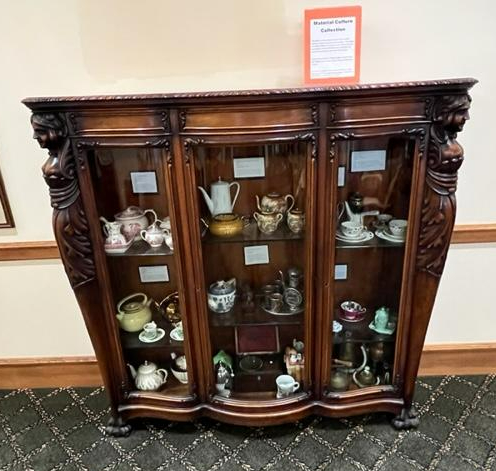
The display case in the main library showcases the collection of China and Silverware and decorative objects that are in the collection.

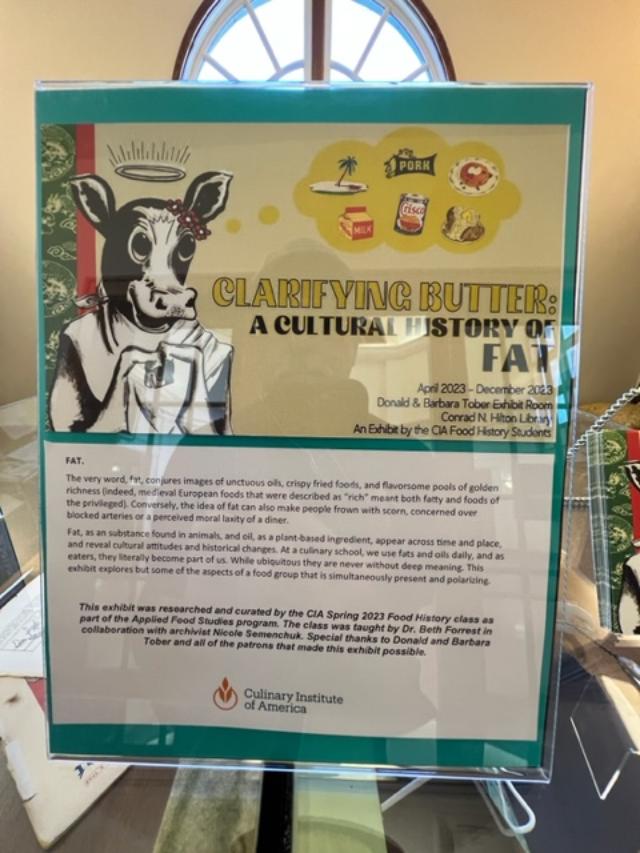
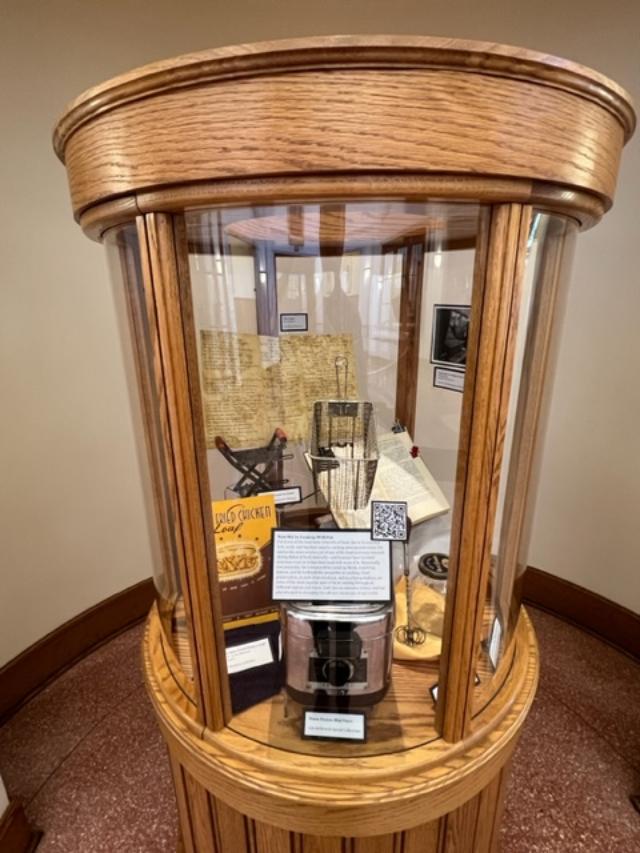
The Tober Room exhibition on “Fat” at the Conrad N. Hilton Library on the CIA campus

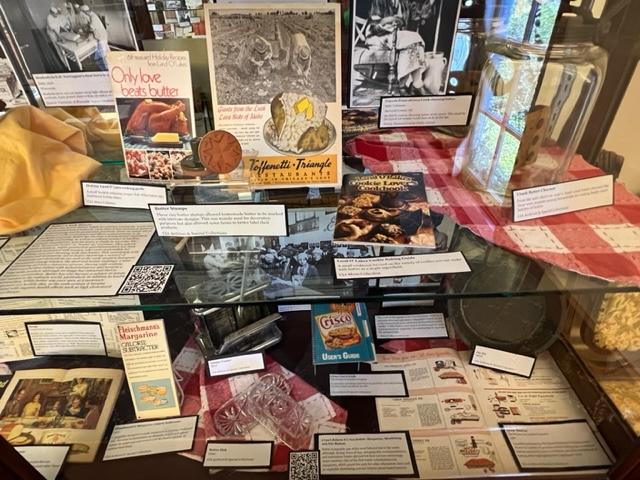
The exhibition that they were showing when I came up to visit was “Clarifying Butter: A Cultural History of Fat”. There were a lot of recipes, objects and equipment to make butter, understand the use of fats in cooking, recipes, menus and corporate information.

The description of the exhibition:

FAT. The very word, fat, conjures images of unctuous oils, crispy fried foods and flavorsome pools of golden richness (indeed, medieval European foods that were described as “rich” meant both fatty and foods of the privileged). Conversely, the idea of fat can also make people frown with scorn, concerned over blocked arteries or a perceived moral laxity of a diner.

Fat. as an substance found in animals and oil, as a plant based ingredient, appear across time and place and reveal cultural attitudes and historical changes. At a culinary school, we use fats and oils daily and as eaters, they literally become part of us. While ubiquitous they are never without deep meaning. This exhibit explores but some of the aspects of a food group that is simultaneously present and polarizing.

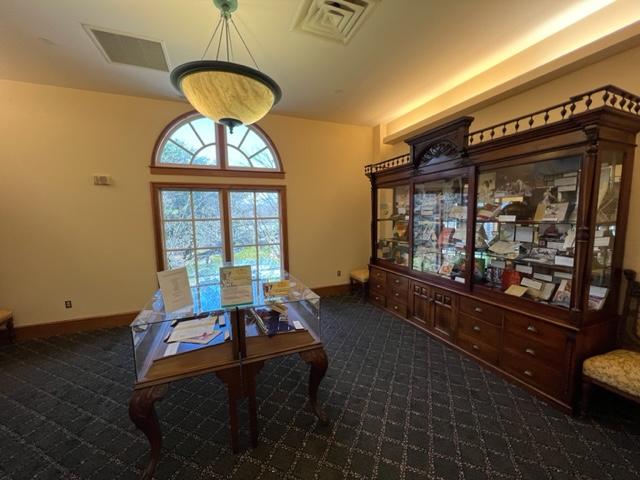
Both the two display cases and the middle display case were set with all sorts of information through the ages of the subject of fat, fried foods and items used to produce and make them.

The Display Cases in the Tober Room

The Display Cases in the Tober Room

The exhibitions here are very detailed and display over a hundred years of culinary arts research. The displays are revolving every quarter. The room is off to the right of the entrance to the library and is open for free to the public. It is a wonderful way to learn the aspects of food than in one of the best culinary libraries in the world.

A close up shot of the display case.

Lewes Presbyterian Church                                                            133 Kings Highway                                                                     Lewes, DE 19958

Lewes Presbyterian Church 133 Kings Highway Lewes, DE 19958

Lewes Presbyterian Church

133 Kings Highway

Lewes, DE 19958

(302) 645-5345

https://lewespresbyterianchurch.org/

https://www.facebook.com/people/Lewes-Presbyterian-Church/100068713518418/

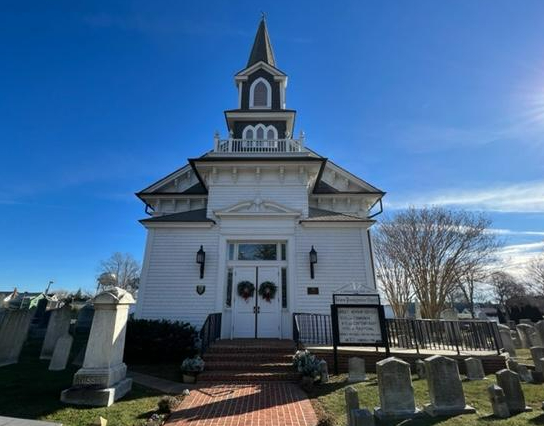
Lewes Presbyterian Church at 133 Kings Highway

This beautiful church is located just off downtown Lewes, DE. The church’s cemetery is what attracted me to the site with all the historical names of founding families of Delaware and of Lewes and its ties to the Revolutionary War. It is interesting to walk around and look at the names on the tombstones and wonder what their lives must have been like back then. The church is only open on Sunday mornings so I have not had the chance to see inside. It’s stained glass windows are supposed to be amazing.

I am going to try to attend services there the next time I am in town.

The historic marker

Our History

(Written by Judith Atkins Roberts, 2003-Lewes Presbyterian Church website)

Presbyterianism came early to the Eastern Shore and Sussex County as Scots and Scotch-Irishmen sought refuge from the oppression of Charles II of England. In 1683, the Presbytery of Laggan, Scotland sent Rev. Francis Makemie to America. He is considered the Father of Presbyterianism in America and through his leadership the church grew rapidly. In 1683, he organized a church in Rehobeth, Maryland.

The congregation at Lewes was established under Rev. Samuel Davis, one of Makemie’s “young men,” in 1692. In 1707, the congregation built a small wooden church on one hundred feet square of land which was part of an original land grant. This frame building is believed to have been the second Presbyterian Church in Delaware.

OLD BRICK CHURCH – 1727

In 1727 a brick church was built for the Rev. John Thomson who served the Lewes congregation from 1717-1729. A small picture of this church is displayed in the Conference Room of the present church. This second church served as a school and church until 1832 when the present church was consecrated during the ministry of the Rev. John Mitchelmore. A centograph is displayed in the vestibule in memory of Rev. Mitchelmore who drowned in the Delaware River. In 1871 the brick church was demolished.

The original brick church

COL. DAVID HALL

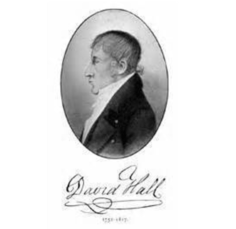
During the War for Independence, George III once referred to the conflict as a Presbyterian rebellion and so it was as Presbyterians were invariably staunch patriots. The first democratic governor of Delaware, Col. David Hall, who had been commander of the Delaware line during the hostilities, was a member of the Lewes congregation.

The church cemetery

REV. MATTHEW WILSON

The most colorful of Lewes’ patriots was her Presbyterian minister, the Rev. Matthew Wilson, who was a scholar, teacher, author and preacher. He held degrees in medicine and divinity and had a great knowledge of law. He was so fervent a patriot that he wore the word “Liberty” on his hat. His first son, James Patriot Wilson, was a lawyer, then a minister who served the First Presbyterian Church in Philadelphia for forty years. James Patriot’s son, James Patriot, was President of Delaware College and the Union Theological Seminary. Thus the Wilsons continued the high standard of education which had been initiated by Rev. Matthew Wilson. It was he who suggested that an institution of higher learning be established at Newark fifty years before Delaware College was founded (Church website).

The church cemetery

The Church cemetery in the Spring 2024

The Sleeping tombstones at Lewes Presbyterian Church cemetery.

STAINED GLASS

Alterations have been made over the years to the present church which formerly had a balcony around three sides of the interior. The original windows were three sections of leaded glass panes which were replaced in 1926 by the six exquisite stained glass windows which now beautify our sanctuary. The Biblical events depicted in the windows are:

  • Come Unto Me
  • Blessing the Children
  • The Resurrection
  • The Nativity
  • The Good Shepherd
  • Walk to Emmaus

Two more windows were placed in the vestibule in 1965. The one on the left is in memory of Mrs. Lena Tammany. The circular one on the landing is in memory of our most beloved pastor, the Rev. William Leishman who served our church for 34 years (Church website).

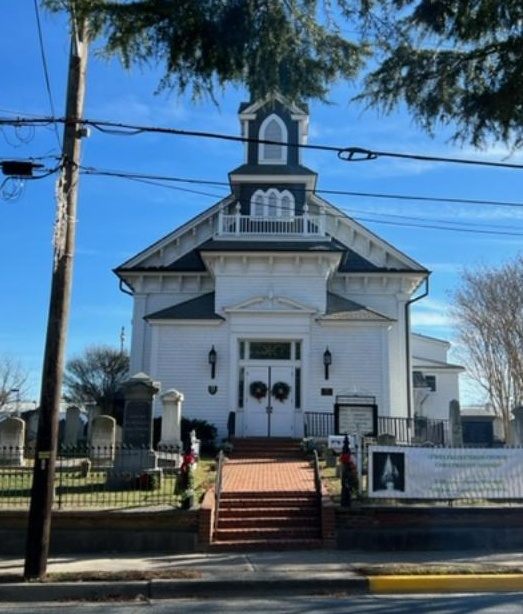
The Church at Christmas time

RENOVATIONS

The organ and the choir were established in the balcony until 1877 when both were moved to the newly constructed choir loft. The Mustard property on the west side of the church was purchased and laid out in cemetery plots. The trustees also bought the Wesley property on the other side of the church where they built a manse. The present manse was built in 1959.

By 1886, extensive renovations were made to the interior and exterior of the church. The side galleries were removed, an open steeple was built to house a one thousand pound bell. A new organ was installed in the choir loft.  
In 1900, a pipe organ was purchased and the church interior was redecorated. This organ was completely renovated in 1981 and in 2009. The Sunday School building (now the middle section of the new Activities Building constructed in 2000-01 was built in 1914. In 1950, the basement was finished and decorated as a social and recreational hall for the congregation.

Additions and changes have been made to the entrance over the years, the last one in 1931 when the original doorstep was placed on the right of the vestibule. In the late 1940’s the old steeple was replaced with a closed tower. In 2008-09, the sanctuary was reconstructed and rededicated to the glory of God on September 27, 2009.

GIFTS TO THE CHURCH

One of the most valued possessions of the Lewes Presbyterian Church is her Session Book which was begun in 1756 by Rev. Matthew Wilson. In this book are the records of baptisms, marriages and funerals, as well as comments made by various ministers on the social behavior of some members of the church who did not always exemplify the strict doctrines against liquor and gambling. It was placed at the Presbyterian Historical Society in Philadelphia in 1982 for safekeeping.

Many gifts have been donated to the church over the years. The finest of these is the silver communion service which is believed to have been a gift of Col. Samuel Boyer Davis who commanded the militia during the bombardment of Lewes by the British in 1813. Col. Davis was the great-grandson of Rev. Samuel Davis.
Today our church continues the traditions established over nearly three hundred years. Perhaps our most beautiful tradition is that of the annual Candlelight Service at Christmas which was first held on December 16, 1924. Each year, the Nativity window is lit from the exterior of the church. Then at the close of the service, as each worshiper holds a lit candle, the church is darkened and voices are raised in a Christmas hymn which reminds us all of God’s precious gifts to us – 

His Only Begotten and Beloved Son, Jesus Christ.

(Church Website)

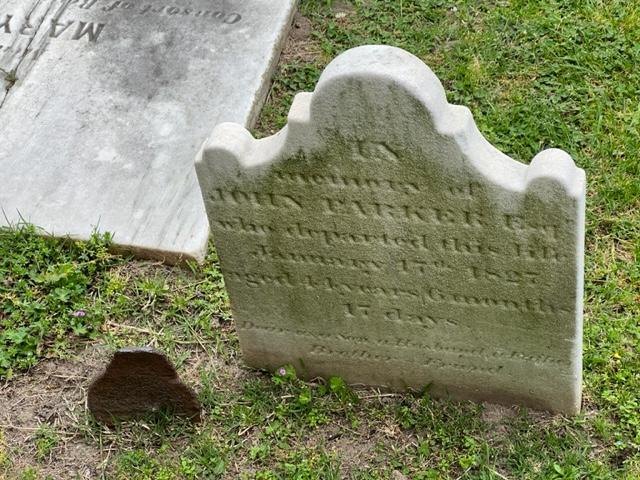
The Parker family plot at the church cemetery.