Category: Botanical Gardens and Parks

Union Schoolhouse & Union Church and Burial Ground/Washington Township Historical Society 6 Fairview Avenue                                              Long Valley, NJ 07853

Union Schoolhouse & Union Church and Burial Ground/Washington Township Historical Society 6 Fairview Avenue Long Valley, NJ 07853

Union Schoolhouse & Union Church and Burial Ground/

Washington Township Historical Society

6 Fairview Avenue

Long Valley, NJ 07853

(908) 876-9696

https://www.wthsnj.org/

https://br-fr.facebook.com/wthsnj

http://www.pathwaysofhistorynj.net/19.html

Open: Sunday 2:00pm-4:00pm/Monday-Saturday Closed

Admission: please call site

My review on TripAdvisor:

https://www.tripadvisor.com/Attraction_Review-g46583-d24075223-Reviews-Union_Schoolhouse_Union_Church_And_Burial_Ground-Long_Valley_Morris_County_New_Je.html

A Video on the Washington Township Historical Society

I came to the Washington Township Historical Site as part of Morris County’s “Pathways of History” tour and visited the Union Schoolhouse Museum and then the Union Church and Burial Ground that is located right next door on the same property. This sleepy little town was once a bustling manufacturing site with the sawmill and Ghrist around the corner and the Welsh Farms Ice Cream factory up the street from the site.
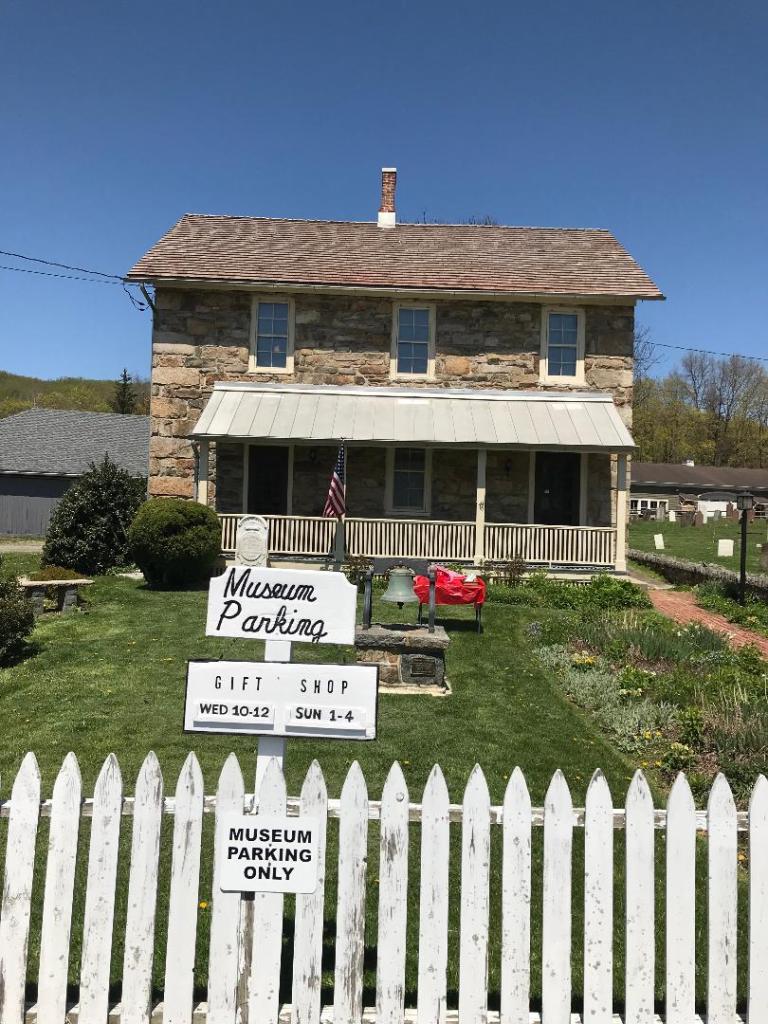
The Union Schoolhouse Museum at 6 Fairview Avenue

The museum, which was once the town’s schoolhouse, is an engaging site that showcases how the town developed over the last two hundred years. On the bottom floor, the society has Native American artifacts, period furniture and clothing and in the back of the museum is a full display of the original Welsh Farms Ice Cream factory. The Welsh’s were a very prominent family from the area.
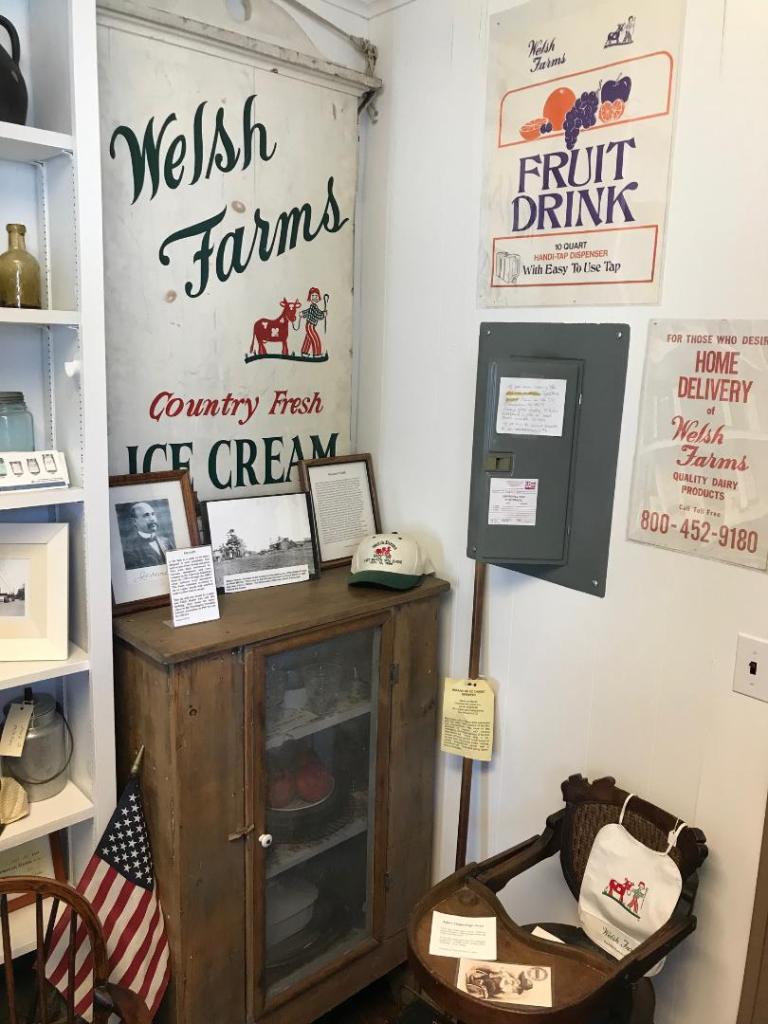
The Welsh Farms Ice Cream Factory display
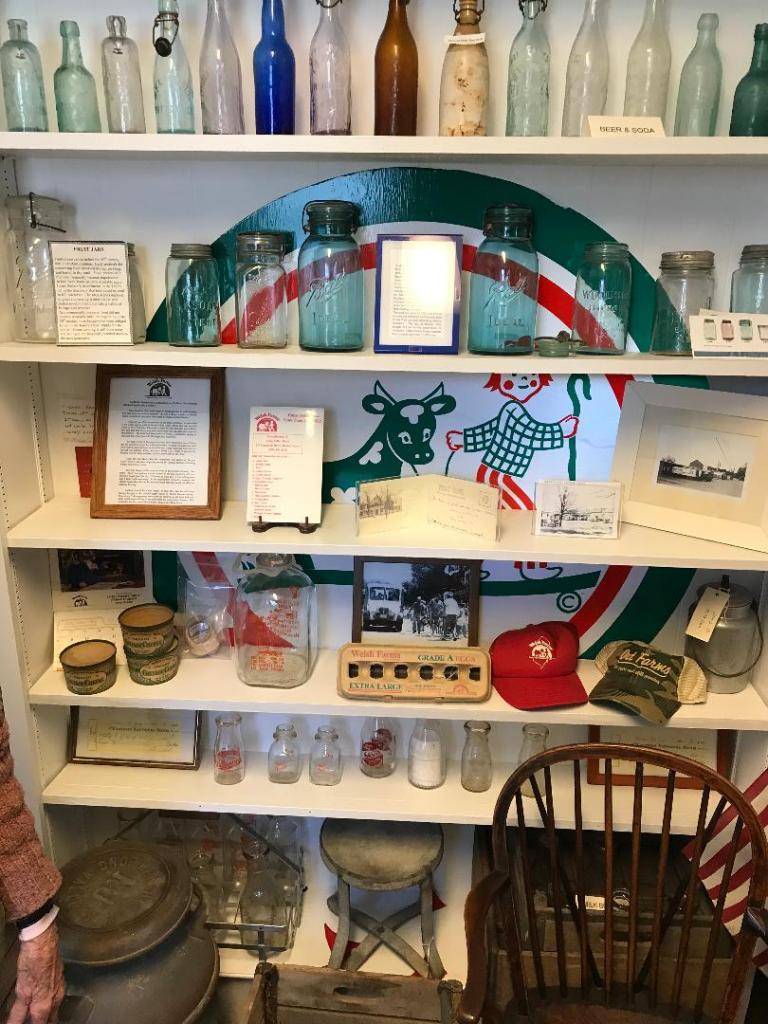
Some of the old bottles and equipment from the factory

The second floor of the museum has a display of town memorabilia from different businesses, farming equipment from the area’s agricultural past and pictures of businesspeople and prominent citizens of the town. It shows how the commercial past of the community kept evolving.
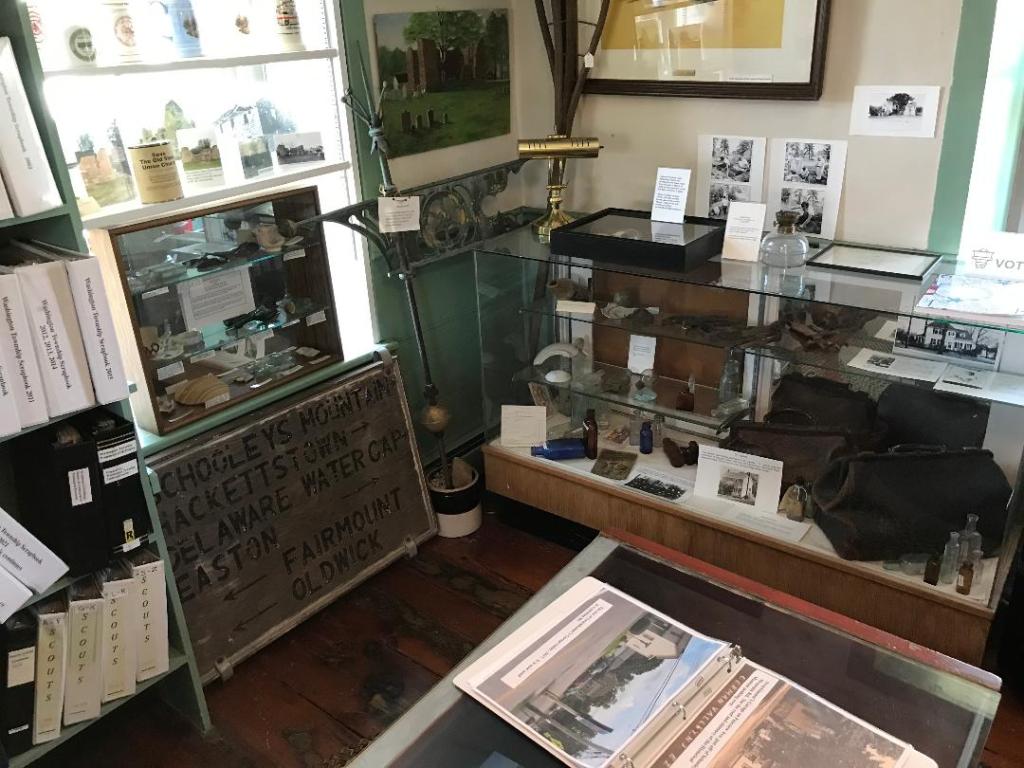
Display of the town memorabilia

To the side of the second floor is a display of a period schoolroom from the time that the building served as a school of the local population. You can see that not much has changed over the years.
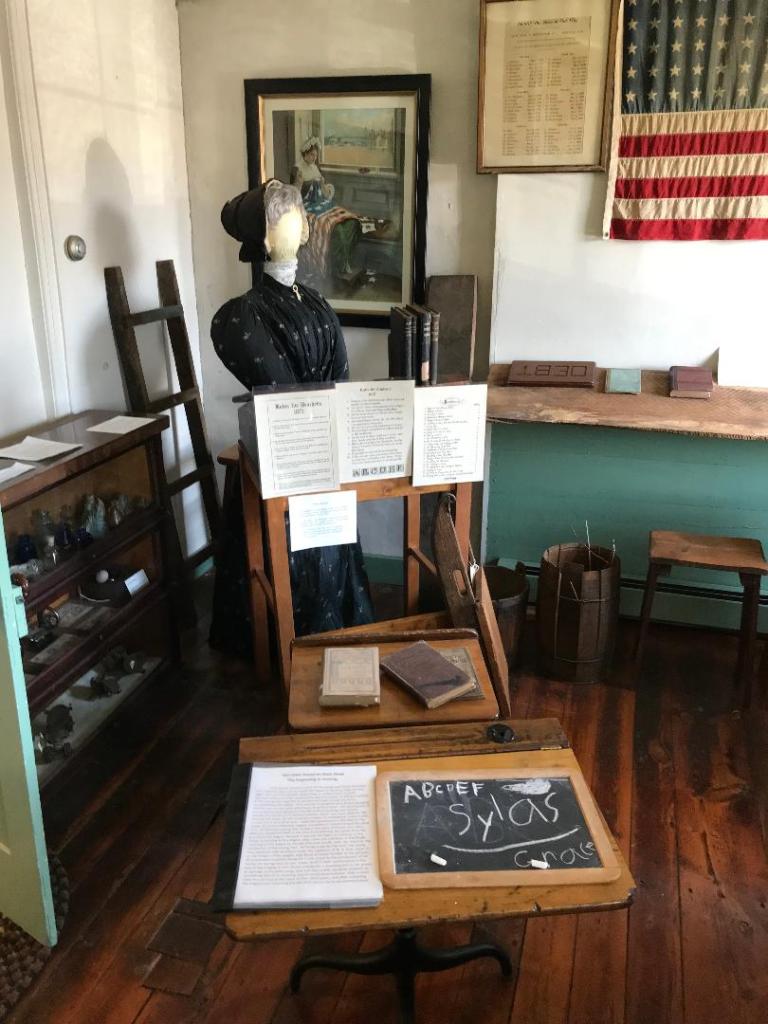
School rooms of the past are not too different from today

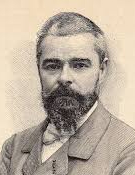
The one thing that creeped me out was a picture of a local businessman from the 1800’s who looked exactly like the actor, Blake Ritson, who plays “Oscar Van Rijin” in the TV show “The Gilded Age”. These men are almost 100 years apart and he looks like the actor from that exact time period.
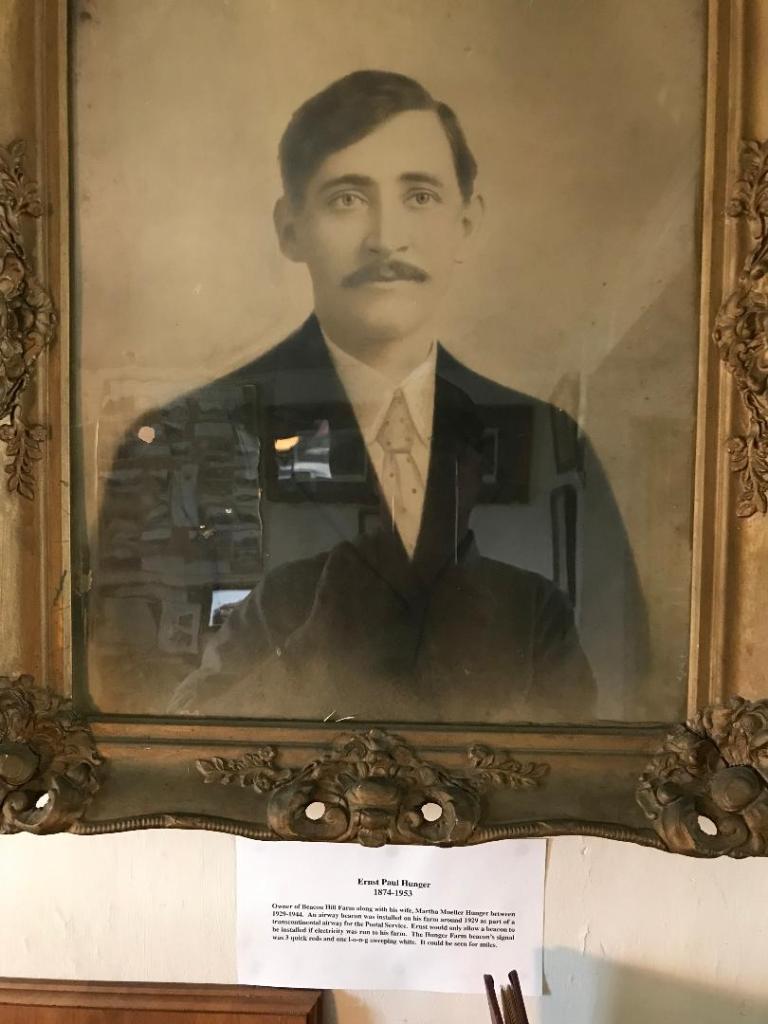
The picture is of local businessman Ernest Paul Hunger
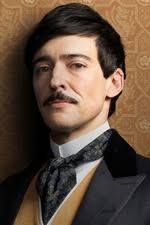
This picture is of actor Blake Ritson who plays “Oscar Van Rijin” in “The Gilded Age”

I had to take this picture because everyone says you have a twin from the past and I can tell that these two men look exactly alike in the same clothing. What is really interesting is that they are the same age at the same time period. Like that picture of the gentleman from the 1880’s that looks exactly like actor Nicolas Cage, I think there is some weird time travel here. It is almost like the film “Time after Time”.

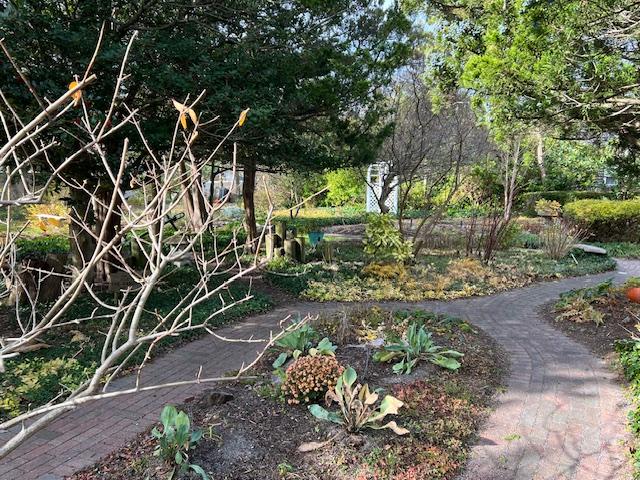
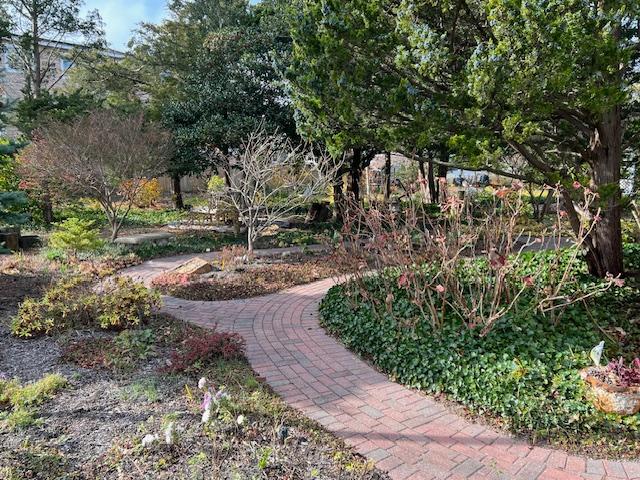
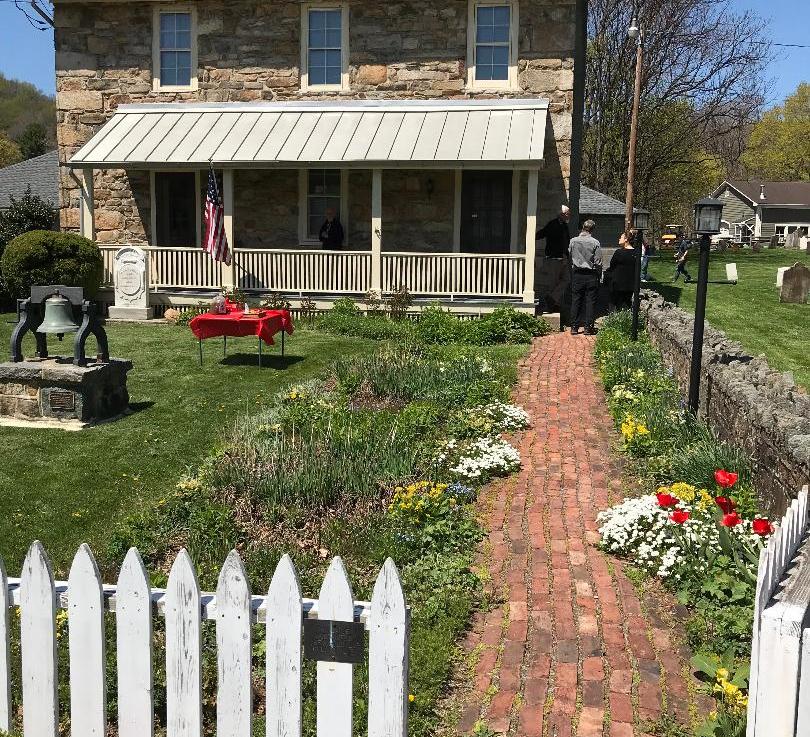
After touring the whole museum, I went next door to visit the church and the cemetery for a tour. When I exited the museum, I had not really noticed the beauty of the gardens that surrounded the museum. The local garden club had done a great job in landscaping and planting the walled garden around the museum. In the early Spring, it was a colorful display of flowers.
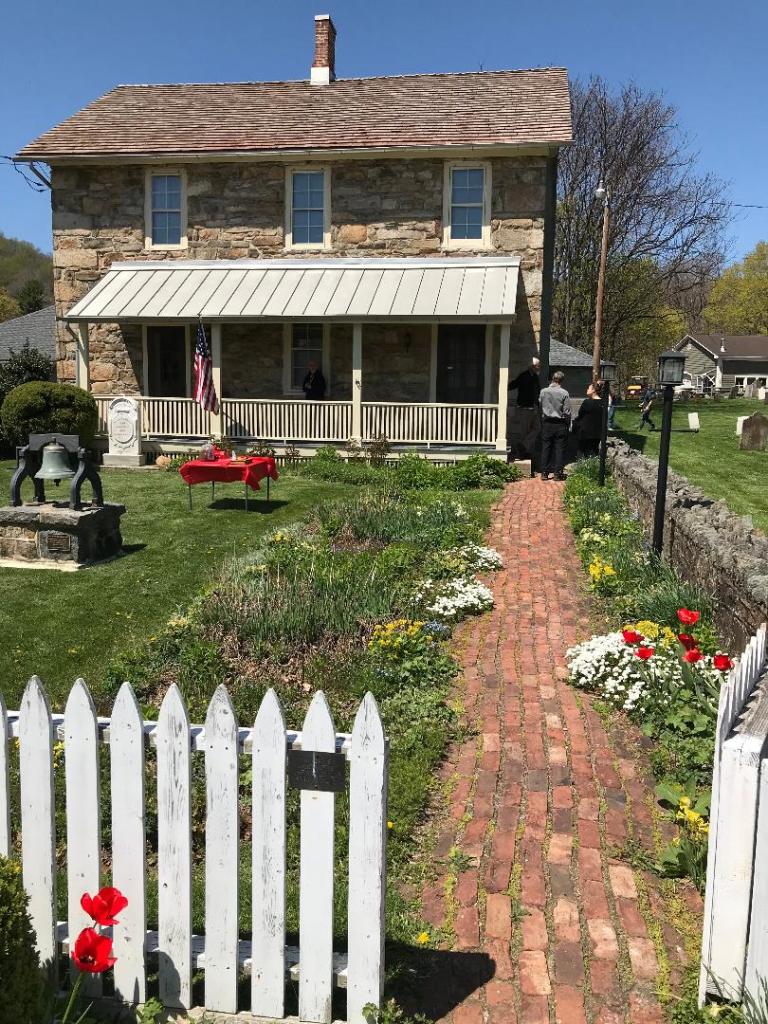
The walled garden was so colorful in the early spring

The cemetery walk was intriguing in that you got to walk through the ruins of the old church and get to see how it was once constructed. It gave me insight of how big these churches were at one time and building construction was in early colonial New Jersey.
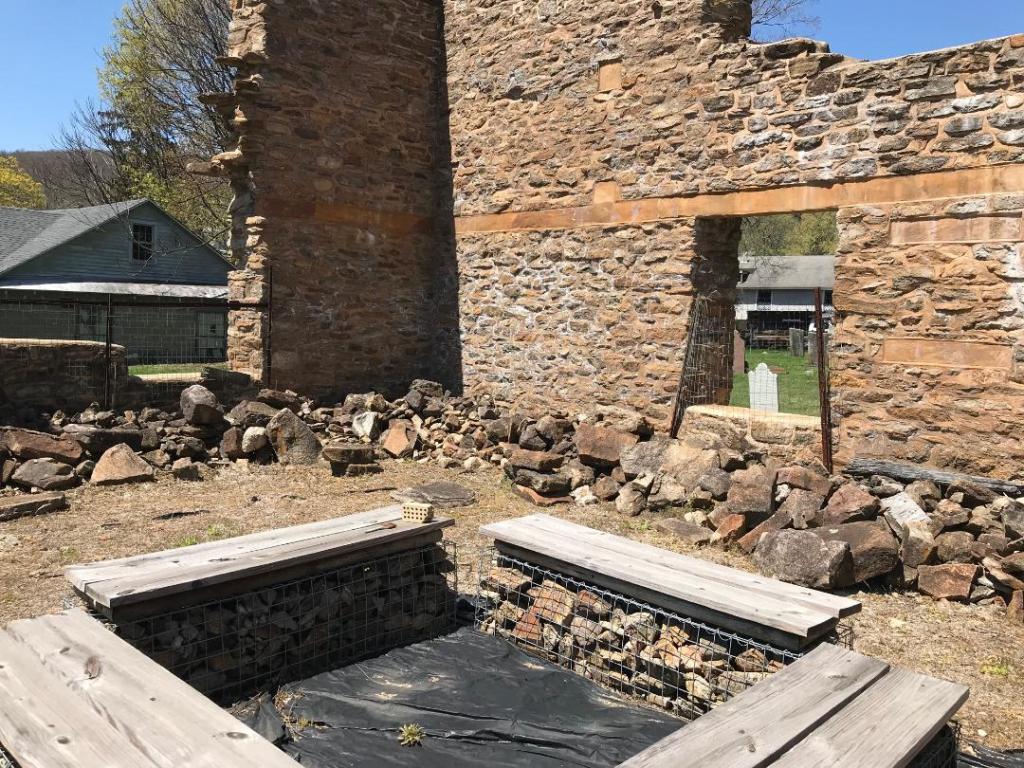
The ruins of the old Union Church
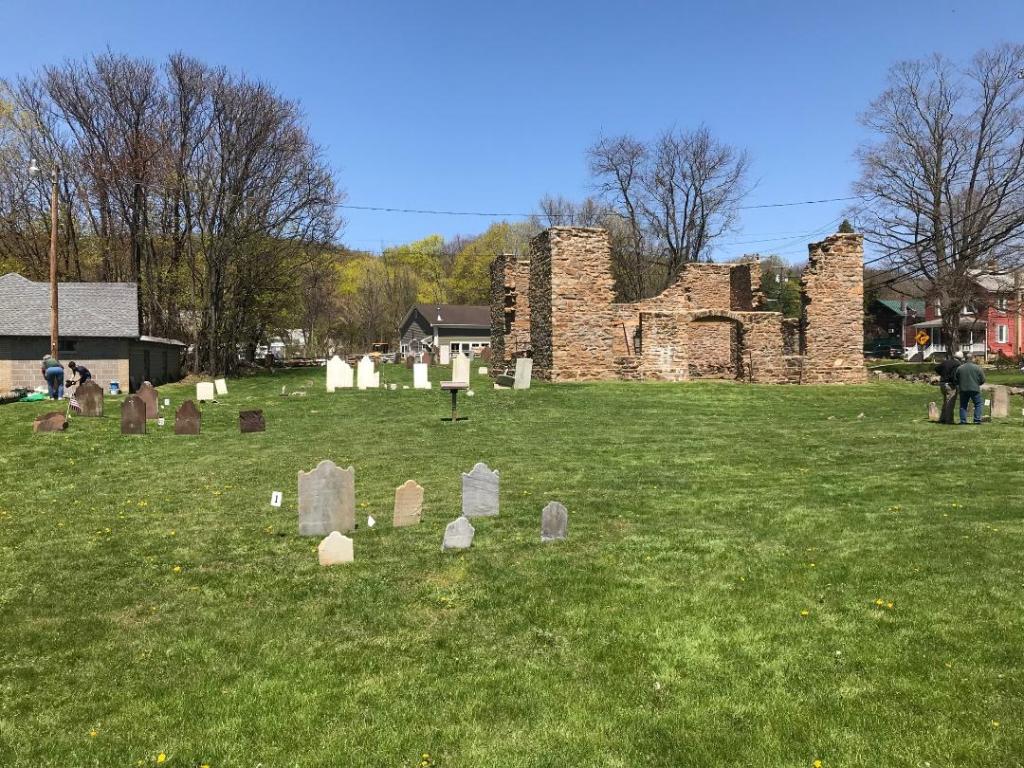
The Union Church surrounded by the cemetery

When we visited each family’s plot, there was a discussion about what contributions that everyone made to the town and their place in society. What was interesting was that the volunteers were cleaning the tombstones with tombstone cleaner, and I had wondered when we were taking the tour why they looked so new. There is a lot of care of the people of this cemetery.
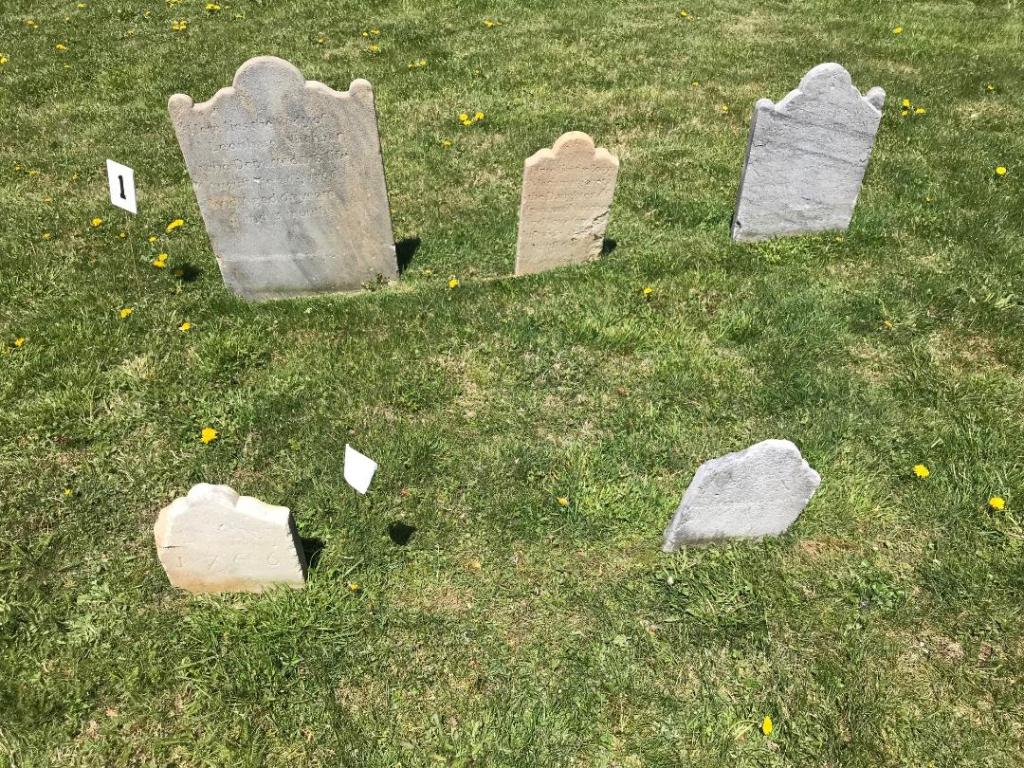
The Welsh Farm Family plot at the Union Church was just cleaned

The whole site is an interesting look into the community’s past by a group of volunteers who give it their all to make the site interesting, historical, visually engaging to the visitor and offer a surprise or two into history that you may not know of New Jersey. One the warm, sunny day that we visited the site, it made it even nicer to walk around and have the time to soak it all in.

When you visit the Union Schoolhouse and Union Church and Burial Ground take the time out to take the formal tour of the site. It is very informative to a past that is not so different from today. It offers a lot of insight of people’s lives of this community.

The history of the Union Church and Cemetery Site:

(From the Washington Township Historical Society pamphlet)

Mission: To bring together people interested in the history of Washington Township, Morris County, NJ and promote a better appreciation of our American heritage.
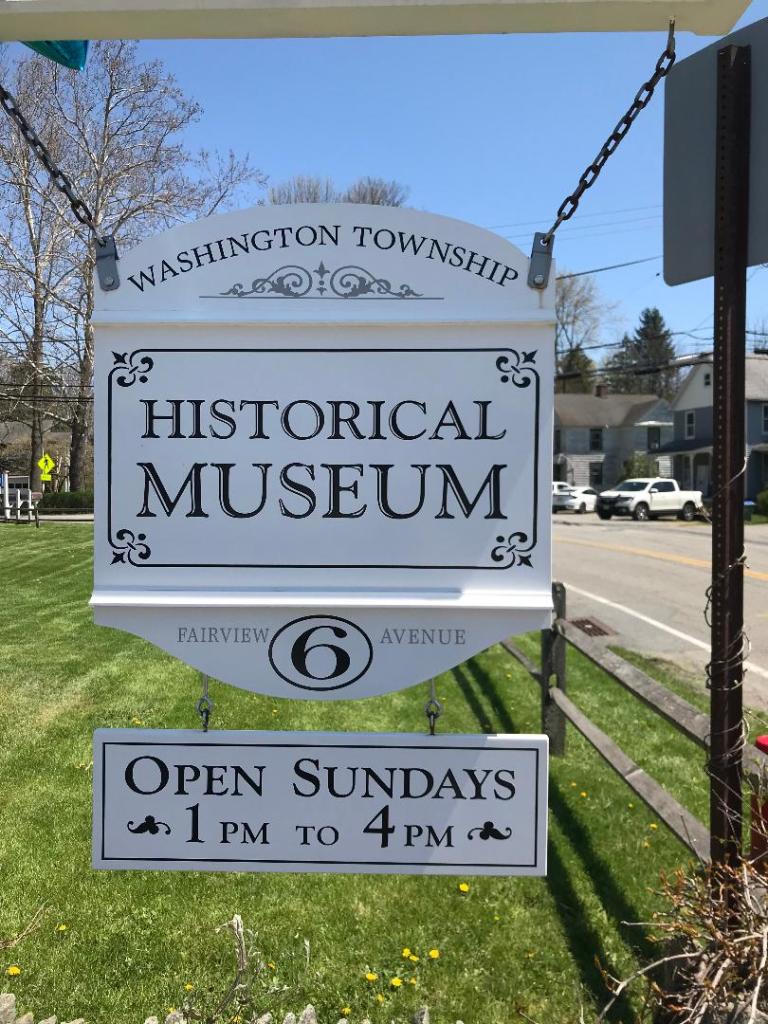
The history of the site:

European settlement had begun in Long Valley by 1730. The early settlers, primarily from Germany and Holland, came fleeing religious persecution, an oppressive tax burden and hoping for a better life in America.

In 1749, a joint log meeting house had been built near the site of the Stone Church by the Zion Lutherans and Dutch Reformed Congregations. During these early times the congregations were served either by preachers from these churches or by laymen. One of the ministers of the time was Henry M. Muhlenberg, who has been called the Father of the Lutheran Church in America. His son, John Peter also ministered to the Raritan Valley before 1772. In 1776, John left his church in Virginia to raise and lead a regiment in the American Revolution, serving with distinction and retiring as a brevet major general.

On February 4th, 1774, the Dutch Reformed and German Lutheran congregations drew up articles and agreements that provided for the building of a joint meetinghouse. “Whereas we the members of the Evangelical Reformed Congregation and we, the members of the Evangelical Lutheran Congregation are willing to build a meeting house jointly, “Acted the 4th day of February 1774, which is testified to by: Henry Muhlenberg Jr., deputy director of Zion’s Welsch; Diedric Strubel; Conrad Rorick; Casper Eick; Anthon Waldorf; Adam Lorenz; Philip Weis; Christopher Karn; Leonard Neighbour; Roulof Roulofsen; John Schwackhammer; Andrew Flock.”

Let the Building Begin:

According to local tradition, the stone used to construct the building of the meetinghouse, the people of the two congregations turned out in a body to cart the stone. It had been a previous agreement, that whoever on the day appointed, should bring the first load, should receive the honor of having his horse decorated with flags and ribbons. The story goes that Judge David Welsch, then 17, secretly loaded his wagon and hid it that night. The next day, wagons came like thunder from all parts of the valley. Although David Welsch was confident of winning, he was almost beaten. Before he could unload his wagon, all of German Valley was on the ground.”

A Stately and well built structure:

A description of the Stone Church was given during a sermon by Reverend Alfred Hiller in July 1876. He said, “it was a heavy gallery on the one side and across each end; the entrance on one side (south), under the gallery and on the opposite side (north) was the pulpit, one of the Jack in the Pulpit style, with sounding board suspended above. There is no chimney on the church, in the center of the church, a space about eight feet square was made with a dirt floor and on the square a great mass of charcoal was burned, the congregation getting for their share at least the smell of the fire.”
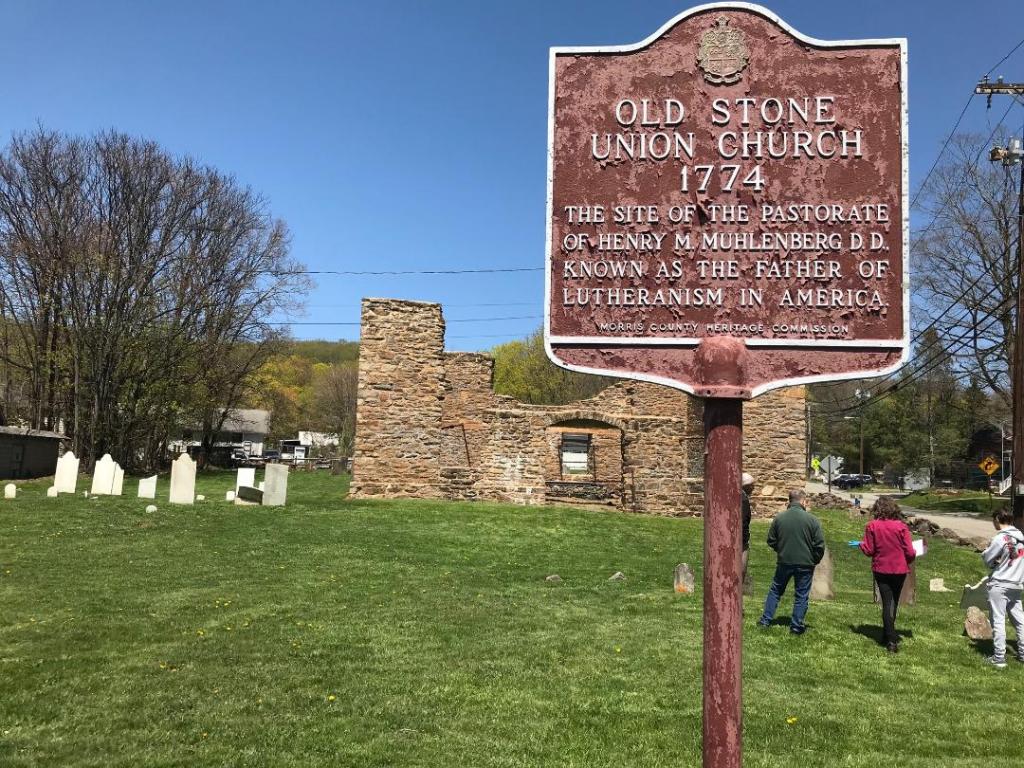
The Old Stone Church today

Historic photographs indicate the building had a clipped-gable or jerkin-head roof with roof ridge parallel to the longer north and south walls. The two-story church, three bays wide and two bays deep, featured a wide and two bays deep, featured a wide central entry surmounted by a segmental arch, as were the windows. The walls were of coursed rubble stone construction, pointed with a white lime-rich mortar, except on the south or front elevation which was stuccoed and “penciled” with white pointing to replicate regular ashlar stone. However, this may have been a later 19th century embellishment.

Decline:

In 1832, both congregations decided to separate houses of worship. Since that time the Old Stone Church has stood abandoned and surrounded by the graves of the early congregants. Despite efforts at stabilization between the 1960’s and the 1980’s, the deterioration continued until recent efforts spearheaded by the members of the Washington Township Historical Society with permission of The Zion Lutheran and Long Valley Presbyterian Churches have improved this.
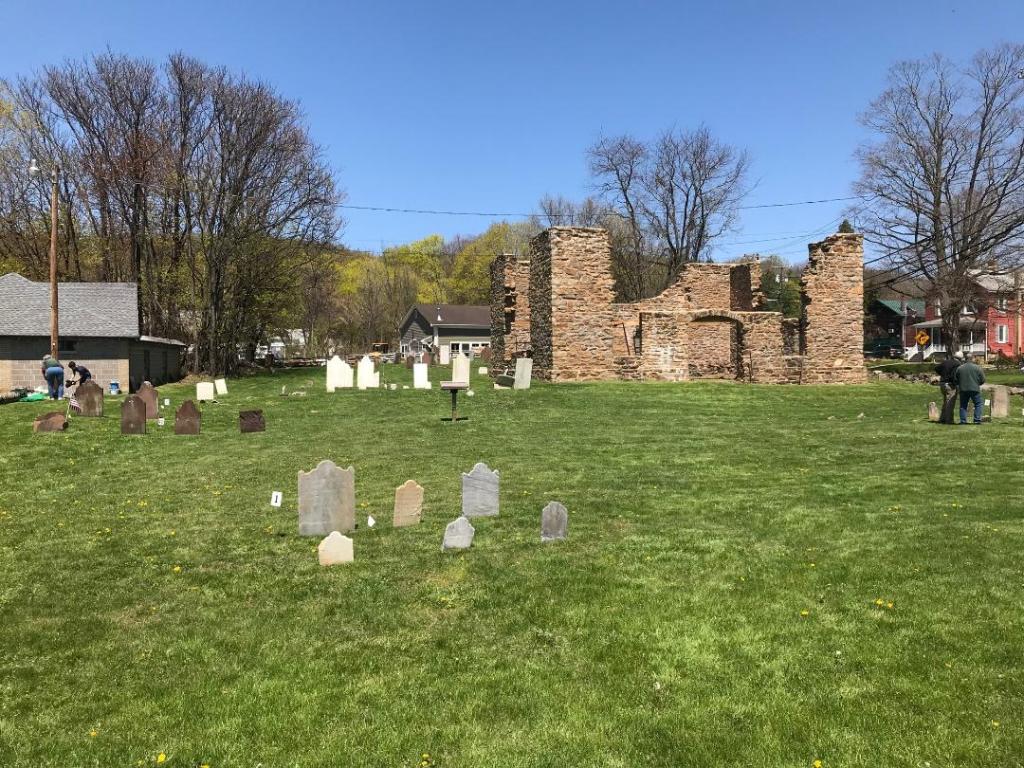
The Old Stone Church with the cemetery surrounding it
Turtle Back Zoo                                                                         500 Northfield Avenue                                                            West Orange, NJ 07052

Turtle Back Zoo 500 Northfield Avenue West Orange, NJ 07052

Turtle Back Zoo

500 Northfield Avenue

West Orange, NJ 07052

(973) 731-5800

https://www.facebook.com/TurtleBackZoo/

https://en.wikipedia.org/wiki/Turtle_Back_Zoo

Open: Sunday-Saturday 10:00am-3:00pm

My review on TripAdvisor:

https://www.tripadvisor.com/Attraction_Review-g60796-d1448643-Reviews-Turtle_Back_Zoo-West_Orange_New_Jersey.html

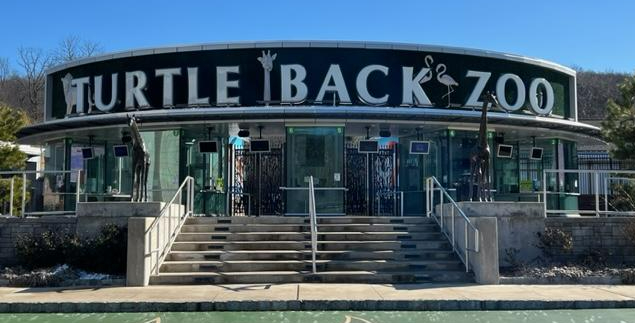
The entrance to Turtle Back Zoo

I have been coming to the Turtle Back Zoo since I was in elementary school when we used to come here on field trips. I remember as a child having lunch on the lawn with my class and feeding the animals. That was back in the 1970’s with the old zoo set up. I had read that the zoo was falling apart by 1995 and they were ready to close it down. Like anything else, these zoos and parks need an update every few years to keep them relevant.
The directions on where to go when you enter the zoo

In 2000, as master plan was started in what direction the zoo wanted to go and in the next twenty years, I have seen the results of that hard work. You have many nicer displays, some still being too small for the respective animals, but a more realistic environment created for them. Back in 2016 when I joined the board of another zoo, I visited the Turtle Back Zoo for the first time since 1976. I visited a much improved and engaging zoo with nice displays and more diverse animals.

The new zoo set up has a good flow

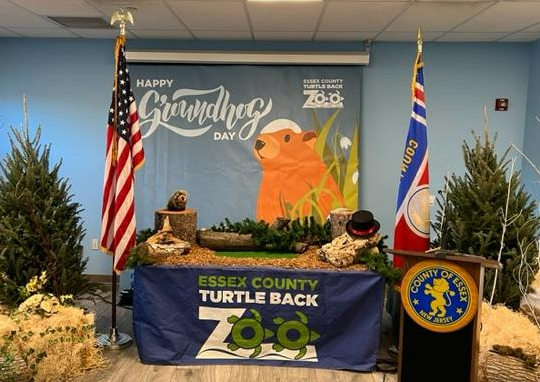
On Groundhog’s Day, I went to see the small festival that the zoo was running that ended up being a ten-minute talk with an audience of the staff, volunteers and local politicians. I thought the zoo could do so much more to build on the reputation of this event. They introduced the new groundhog, Miss ‘Edwina of Essex’, who replaced ‘Essex Ed’. They said he had retired to Florida (I was not sure if he died or was somewhere else that day). Still, it was a cute little event with the groundhog trying to walk off and escape and a weather prediction of an early spring.
Groundhog’s Day Celebration 2023:

Miss ‘Edwina of Essex’ will be the star of Groundhog’s Day festivities in the future

The indoor set up for Groundhog’s Day at the Turtle Back Zoo in 2023

Read my blog on MywalkinManhattan.com” Day “Two Hundred and Sixteen: Meeting ‘Edwina from Essex’ at the Turtleback Zoo-Happy Groundhog’s Day”:

https://wordpress.com/post/mywalkinmanhattan.com/21731

Edwina and her trainer

After the event was over, I got a chance to walk around the zoo for an hour and even though it was the middle of the winter, there was a lot going on at the zoo. I spent the next hour or so walking the exhibits and watching the feedings. Being the middle of the winter with snow all around, a lot of the displays were closed, and the animals were inside as it was too cold for them.
The flowers that line the paths of the zoo from the old days

I started the tour of the zoo at the Flamingo pool. Watching these graceful animals communicate in their own language amongst themselves was interesting. The flamingos looked at us humans with amusement almost as if they were cracking a joke at our expense. They walked around their pool in groups, and it was fascinating to see how they moved in cliques. Some stayed at one part of the display while others moved around conversing about something.

The flamingos sleeping on this cold morning

The flamingos carried on a nice conversation at our expense

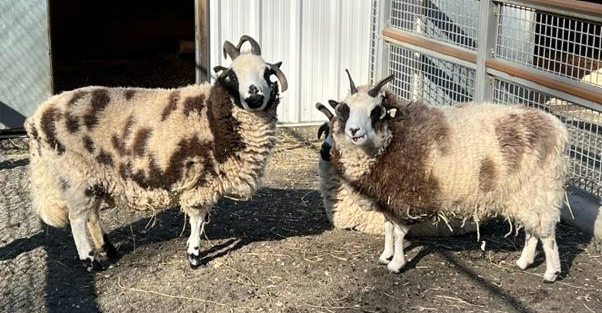
I visited the Petting Zoo that was pretty much closed, but the animals were out having their afternoon meal. I swear the rams and sheep looked at me like an alien from Outer Space. I have never gotten such an inquisitive look from another animal before. They all just stared at me and stopped eating. I guess they had not seen a visitor in a long time with the exception of the staff with the weather being what it has been.

The goats gave me the strangest looks that afternoon

The lions and giraffes were all inside warming up as this weather was not something they are used to, and I will have to revisit these exhibits in warmer weather. The Penguin House was a lot of fun to visit. The penguins are so engaging and had just finished their feeding time. They looked like they were ready to play.

The pelicans were swimming around in the Penguin tanks

Penguins’ dove and swam all around me, looking at me through the glass and trying to communicate with a lot of chirping. They looked so happy to see another person beside the trainers. As I followed them as they swam around the tank, they looked to me like they were trying to show me their swimming skills. I felt like they were trying to befriend me as some sort of strange new penguin. They are really used to seeing humans and find ways to engage with us.

The penguins at the Turtle Back Zoo are so friendly

I got to watch the sea lion feeding and watch the seals and otters swim around their tanks. The otters, which are an outdoor animal looked so cold that they swam for a bit after their feeding and then raced inside their burros to get out of the weather.

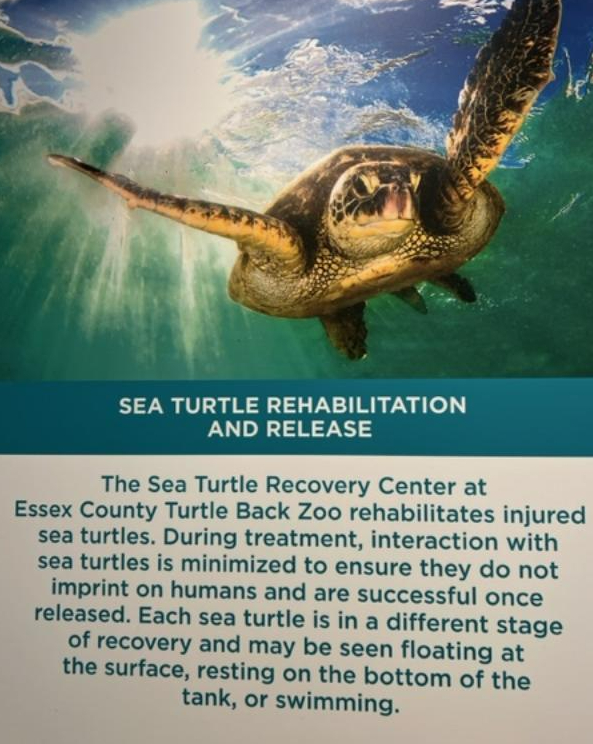
I stopped into to the Sea Turtle Recovery Building to see what the zoo was doing to help the turtles with their health and how the recovery was done. Separate tanks where the turtles are monitored for their therapy are on display and you can see the different stages they go through before being released into the wild.

The display sign by the tanks

The Sea Turtles in the rehabilitation center

The Big Cat Country exhibition had the poor cougars and mountain lions walking around in circles in the snow looking like they were not too sure what to do next. They did not look that happy to be outside, but I am sure being cooped up was not good for them either.

The Cheetah looked so cold that day

The Train Ride through the park was closed for the season as was the carousel and the restaurant. Those will have to be revisited in the Spring. I revisited the Reptile House one more time before I left for the day.

The giant turtle in the Reptile House

There is a variety of snakes, lizards and other wild creatures on display here and it the one exhibit where the animals seemed happy in their environment as they had plenty of room to move around and stretch. I swear that those snakes know that you are there. They just stare at you when you walk by looking like they are plotting to get out of the glass displays.

The giant lizard in the Reptile House

I will visit again in the Spring and talk about the comparisons with the weather and how it affects the animal’s behavior. They are no different than us with adapting to the change of the seasons. Many of these animals come from environments where this type of cold is not what they are used to and it is hard for them.

The Puff Fish in the Fish Tanks in the Touch Tank Display

There will be a lot more to see in the warm weather when I return.

The Bear Statute by the Bear Den

The History of Turtle Back Zoo:

(From the Zoo’s Website)

The Turtle Back Zoo came into conception in 1962 when the Essex County Parks Commission President, William Wachenfeld, awarded a $400,000 contract to Max Drill Inc. to build a 15.5-acre zoo in the South Mountain Reservation Park. It was designed to be a seasonable park for children.

The Turtle Back Zoo logo

Designer Tjark Reiss was hired to design the park and he created exhibits based on Hans Christian Anderson’s nursery rhyme themes and other children’s stories. There were to be farm animals and an antique train ride that took visitors on a mile round trip ride through the zoo’s surrounding woodlands.

The Turtle Back Zoo opened June 3rd, 1963, with a collection of 140 animals of 40 species. The zoo took its name from a rock formation located on the mountain side east of the zoo. The Lenape Indians called this formation Turtle Back Rock. The pattern on the rocks created by large basaltic crystals makes it appear that you are standing on the back of an enormous tortoise.

In 1973, the zoo’s animal collection had grown to 850 animals of 275 species. In 1975, a Zoological Society was established to promote the zoo and provide funding support through memberships and other fund-raising efforts. The first board meeting took place in September of 1975. In 1978, the Board of Commissioners that directly administered the park was replaced with Department of Parks, Recreation and Cultural Affairs under the direction of the County Executive.

The Children’s Statute by the entrance of the zoo

In 1995, the zoo fell into disrepair and the zoo was almost shut down in 1995 (Wiki).

In 2000, the zoo completed a new master plan with accreditation from the American Zoo and Aquarium Association as its major focus. The zoo started to replace the antiquated 1960’s style cages with larger, more naturalistic habitats for its animals. In 2005, the zoo completed a new 1.8-million-dollar Essex County Animal Hospital at the Turtle Back Zoo to serve the zoo’s animal residents and serve as a animal quarantine facility for the growing animal collection.

That year the zoo demolished the original administration building and education center and replaced them with a new 11,000 square foot complex that included a walk-through gift shop, a new visitor friendly entrance and exit, a 4,000 square foot reptile center, administration offices a new group entrance and two classrooms opening to an auditorium. A new picnic pavilion and an animal themed playground were opening in 2006.

In September of 2006, the Turtle Back Zoo was granted accreditation by the American Zoo and Aquarium Association. This distinct honor places the Turtle Back Zoo amongst the elite zoos and aquariums of the United States and means that the zoo adheres to the highest standards of zoos in the country.

The Touch Tanks with stingrays in them

Come to the Zoo on Groundhog’s Day to meet “Edwina of Essex”

Edwina of Essex County on Groundhog’s Day 2023

Barnegat Light Museum/The Edith Duff Gwinn Gardens                                                                   501 Central Avenue                                                        Barnegat Light, NJ 08006

Barnegat Light Museum/The Edith Duff Gwinn Gardens 501 Central Avenue Barnegat Light, NJ 08006

Barnegat Light Museum/The Edith Duff Gwinn Gardens

501 Central Avenue

Barnegat Light, NJ 08006

(609) 494-8578

Open: July and August Sunday-Saturday 10:00am-4:00pm/June-October 10:00am-4:00pm/Seasonal

Fee: Donation to the museum

https://barnegatlightmuseum.org

My review on TripAdvisor:

https://www.tripadvisor.com/Attraction_Review-g46285-d8548161-Reviews-Barnegat_Light_Museum-Barnegat_Light_Long_Beach_Island_New_Jersey.html?m=19905

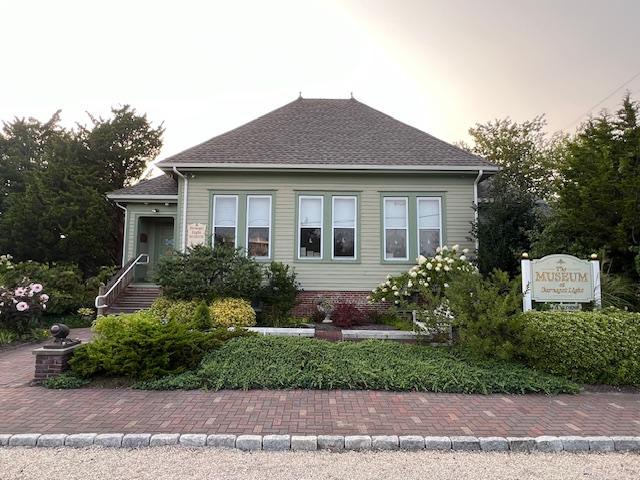
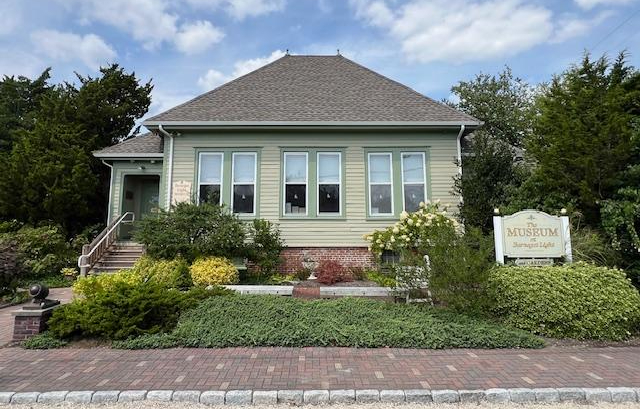
The Barnegat Light Museum at 501 Central Avenue

I was on Long Beach Island for the afternoon and had wanted to visit the Barnegat Light Museum on my last trip to the island but it was closed for the afternoon. When I checked the site to see if it was open this weekend, I found that it was and since I had to be in Beach Haven that afternoon I made it my first trip.

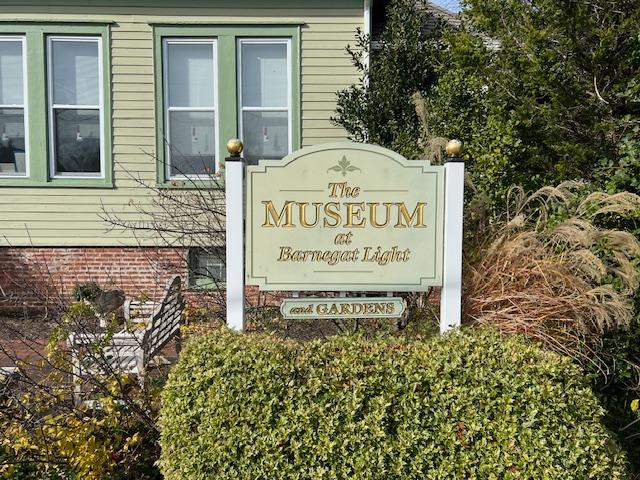
The Barnegat Light Museum sign in the off season.

The museum is now open ‘by appointment only’ in the off season, so I called the number provided and the President of the Museum Board opened the museum up for me and gave me a personal tour. What an interesting little museum packed with information and artifacts.

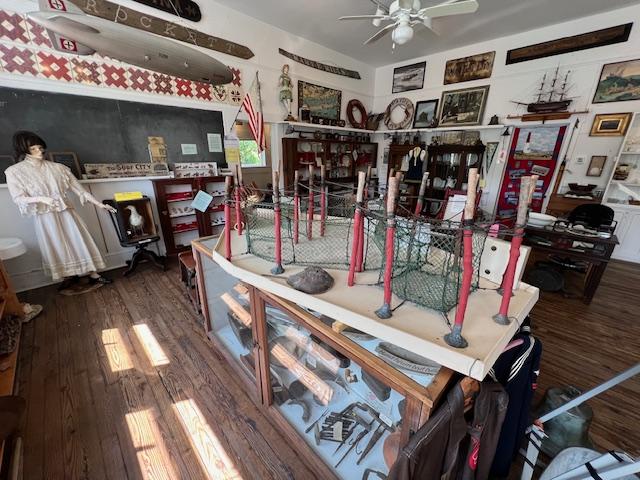
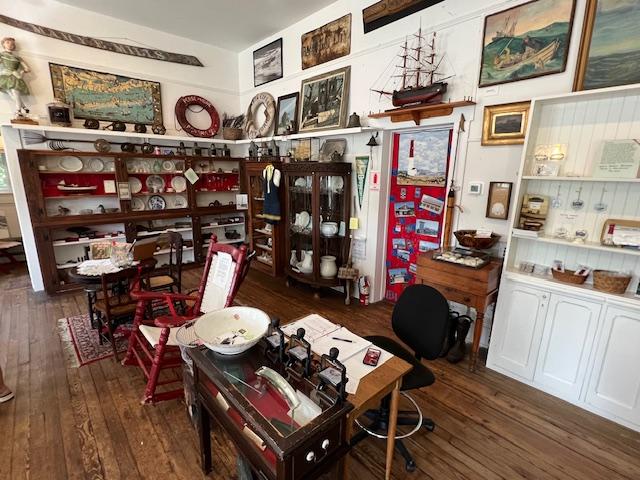
The Barnegat Light Museum main gallery

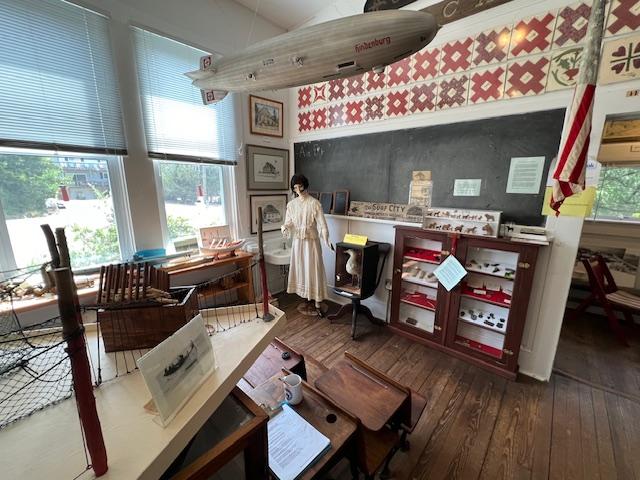
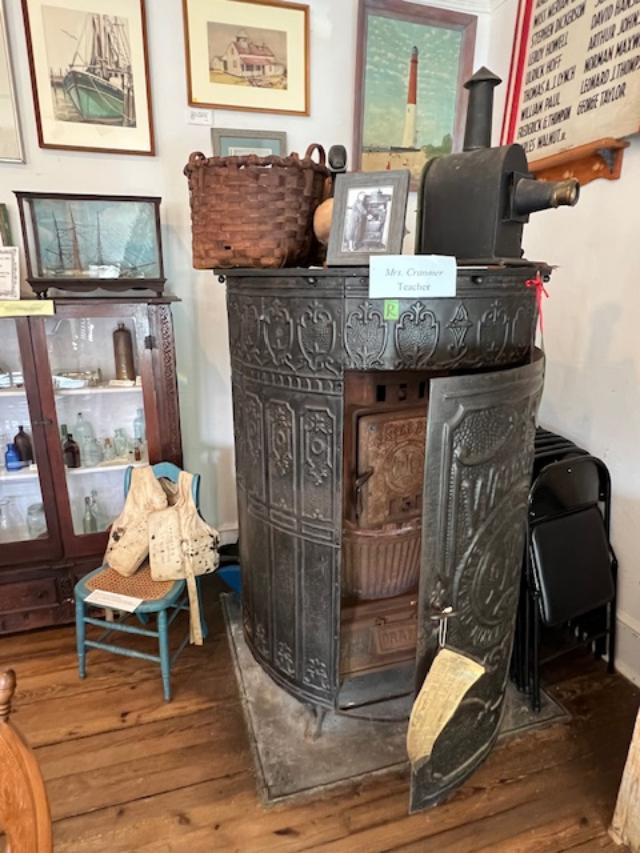
The museum is a former one room school house that was built in 1903 and used by island school children until 1954. The building still houses the original heating unit, a coal burning furnace and books of the children’s notes from school that had been handwritten (now typed) of current events and school notes.

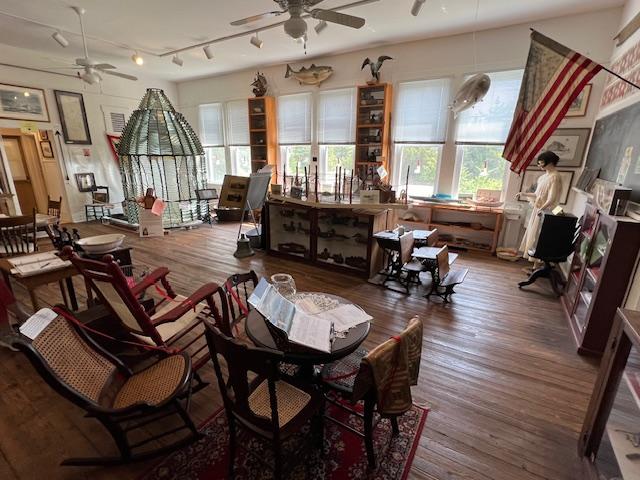
The main gallery of the Barnegat Light Museum

The main gallery of the museum

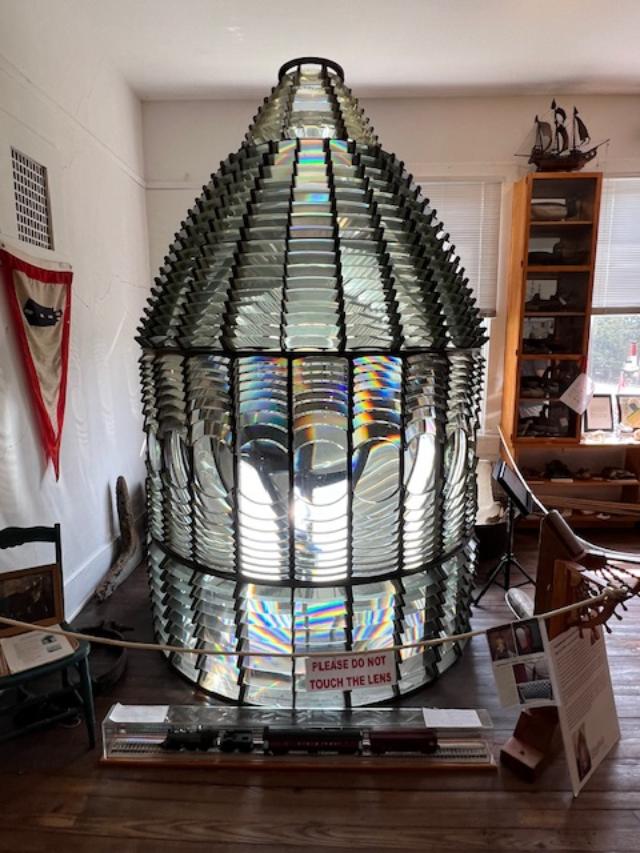
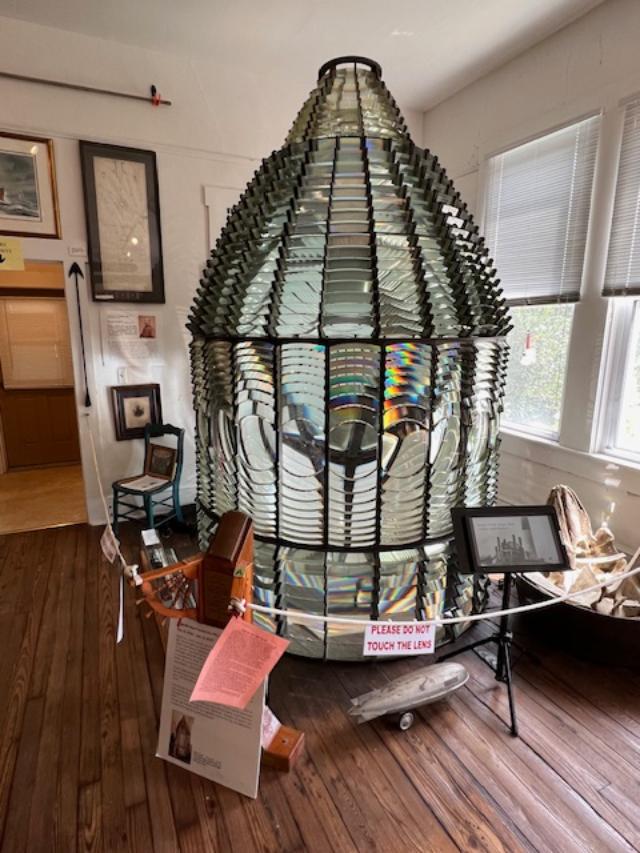
The main attraction is the original light, a 1052 prism lens, for the Barnegat Lighthouse on display since 1927. The glass panels and sheer size and beauty of light shows how it was once the beacon for ships along the New Jersey coast. It had been brought to museum after moving around to various places over the years.

The original Barnegat Light for the Lighthouse

The Lighthouse and light display in the museum

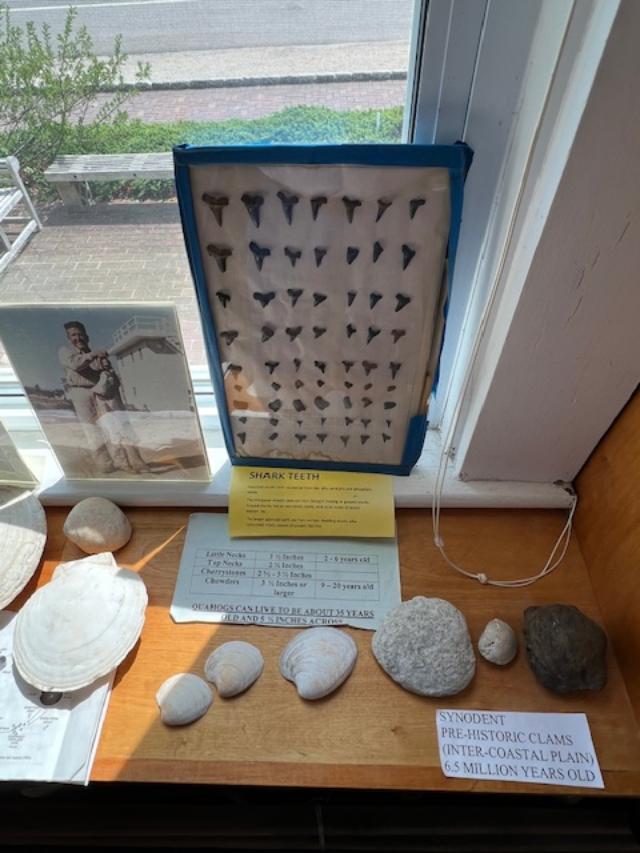
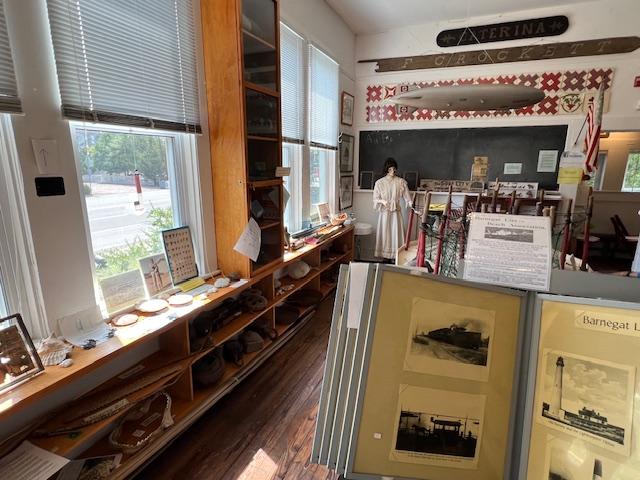
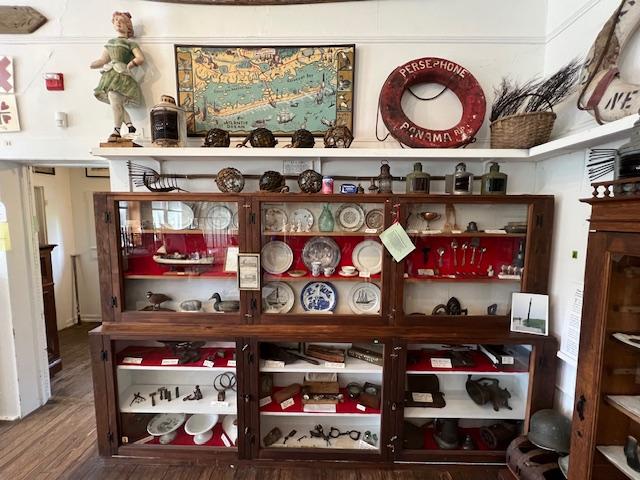
Along the walls are all sorts of local artifacts such as dinosaur bones that had been found in the bay and donated to the museum (the president of the museum said today there are certain laws on this), local housewares from families that lived on the island and various types of fishing equipment.

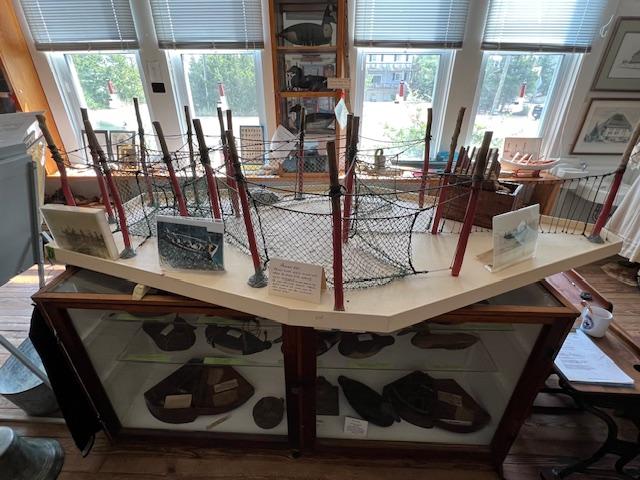
Display cases filled with local fishing artifacts and net configuration for ‘Pound Fishing’

Shark Teeth, Native American Artifacts and prehistoric fossils

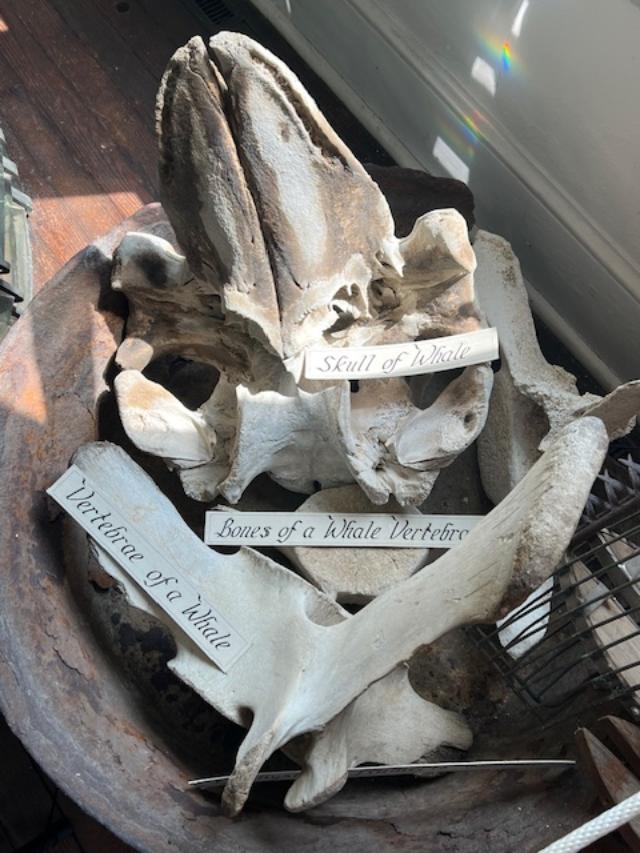
There is even a mini display of ‘Pound Fishing”, which is a series of poles and nets are used to catch the fisherman’s prey. This small display shows how it is constructed and used to catch the fish. There is an extensive display of Duck decoys, showing the island’s past and present as a hunting ground for water fowl. The displays come in all colors and types of ducks. There is also an interesting display of whale vertebrae and other fishing displays.

The Whale Vertebrae exhibit

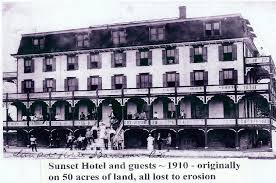
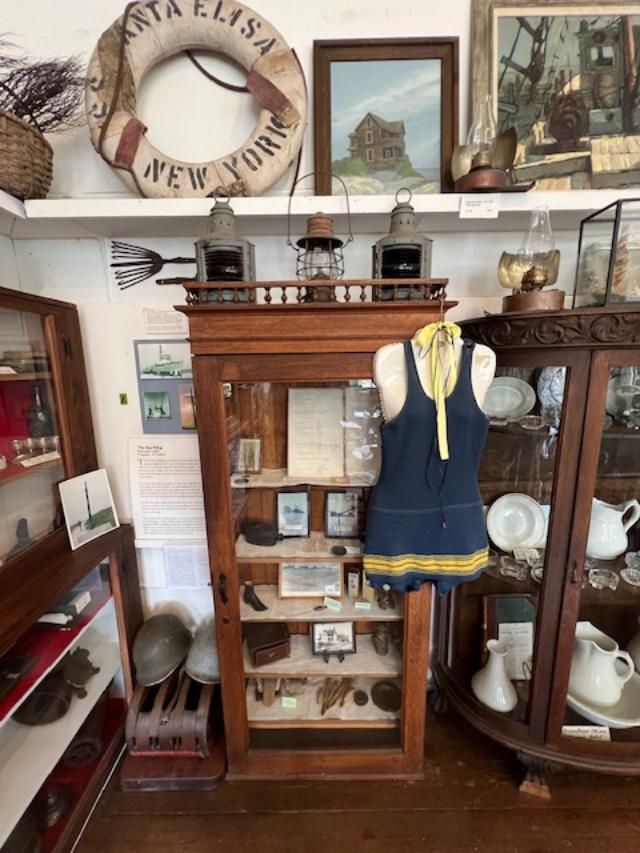
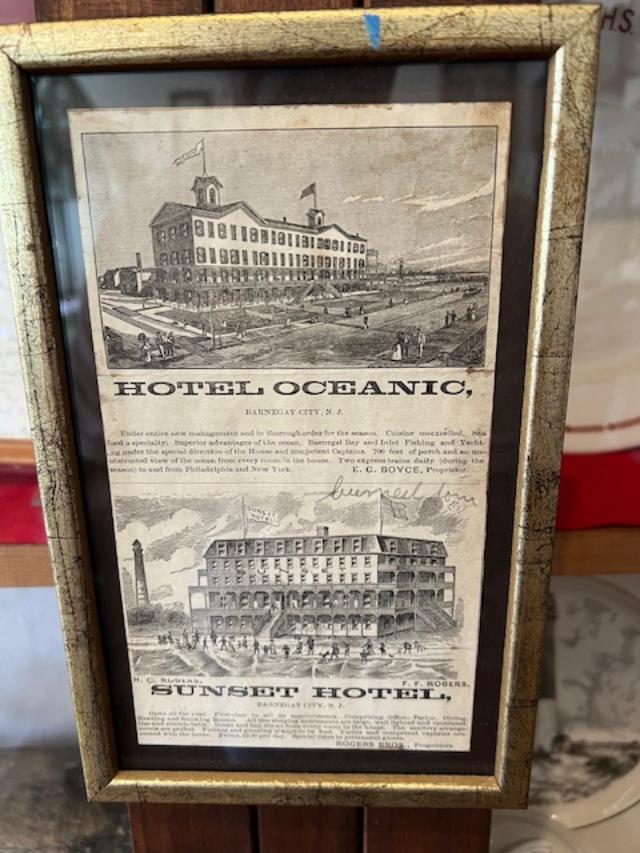
There is an extensive history of the resort hotels that used to be on this part of the island that had been effected by the changing tides of the island. Like the old lighthouse and lighthouse keepers home, one of the hotels just gave way to erosion. This part of the island just keeps shifting.

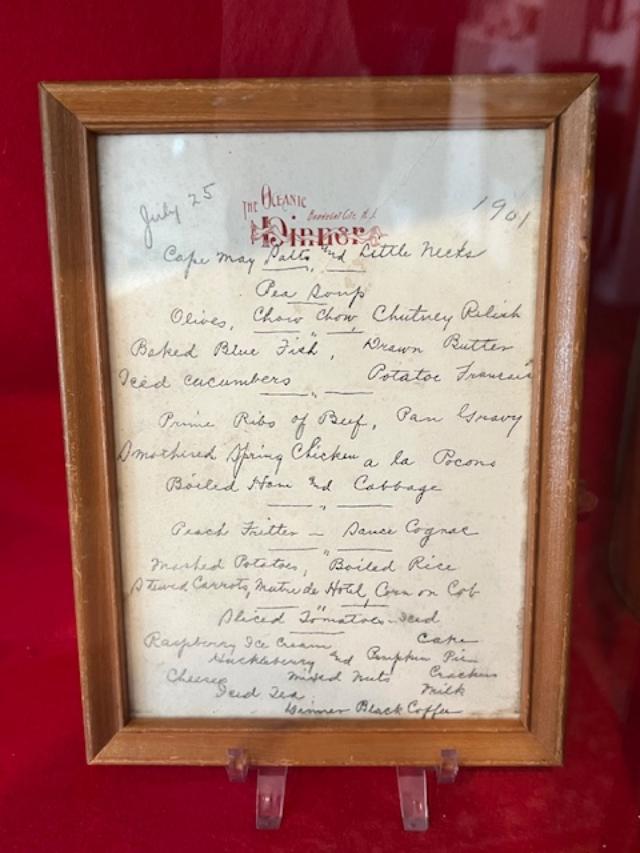
The Resort and Hotels display of menus

The Resort and Hotels display-The former hotels

The Resort and Hotels display-Dishware and resort artifacts

Hotels disappeared because of shifting tides

Water sports and fishing displays

Since the building was once home to Barnegat Light’s School house, the original furnace is still in the building along with a display of items from old schools in the area.

The School gallery

The Schoolhouse Gallery

The schoolhouse furnace

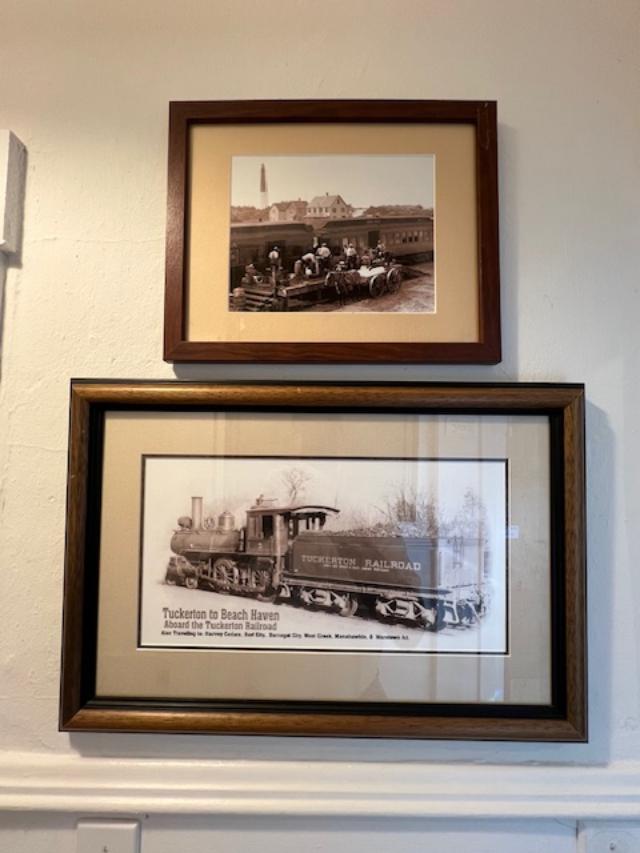
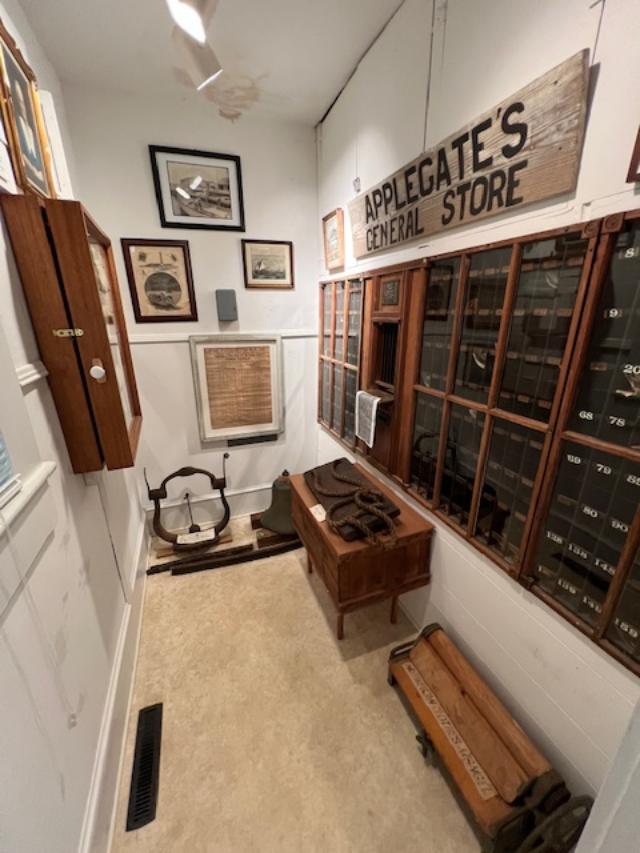
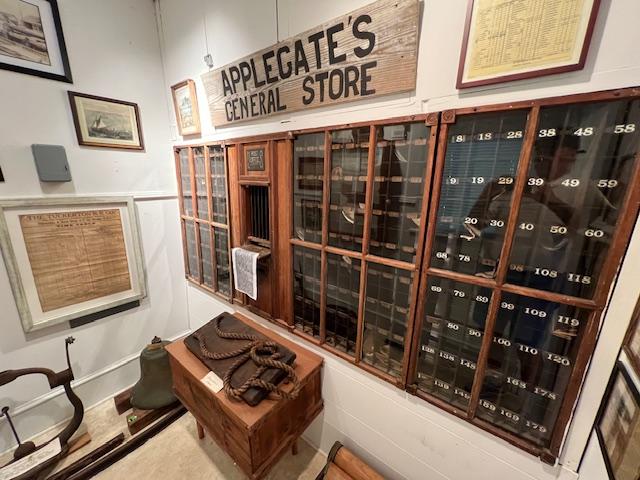
The retail trade in the early part of the century leading from the old railroad track to the island was the local General Store. The railroads were a big part of the growth of this area until automobiles to the shore became the preferred mode of transportation.

The railroad display

The General Store exhibit

The General Store exhibit

The Edith Duff Gwinn Gardens behind the museum in all seasons:

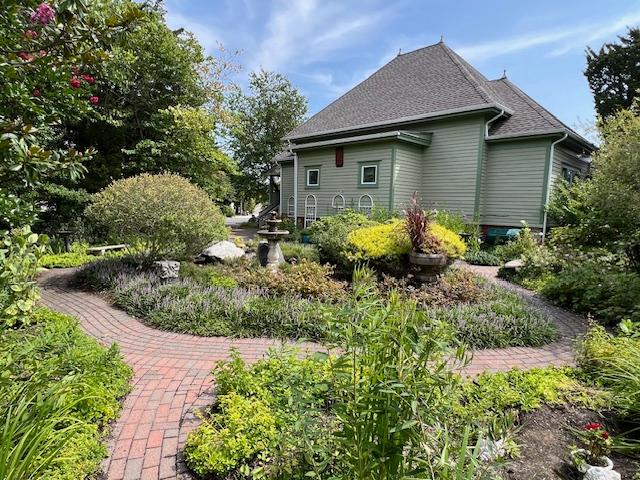
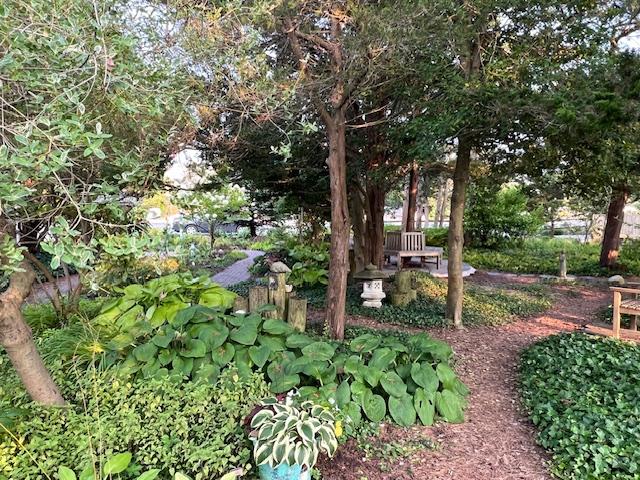
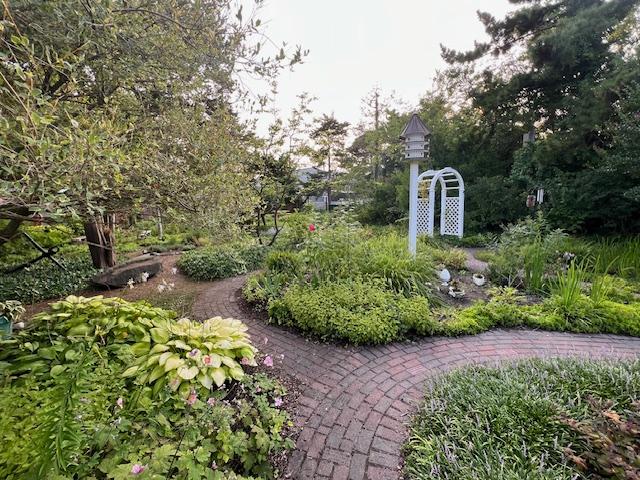
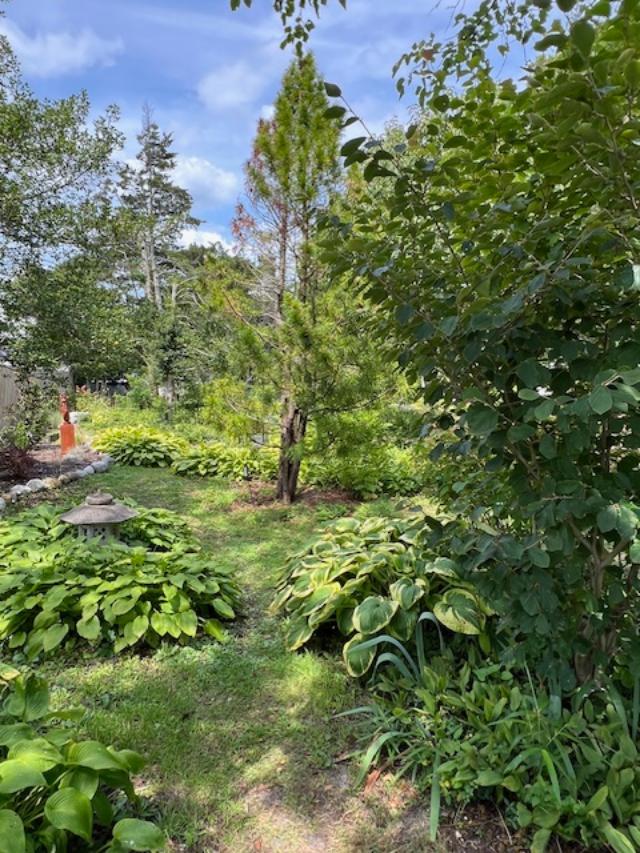
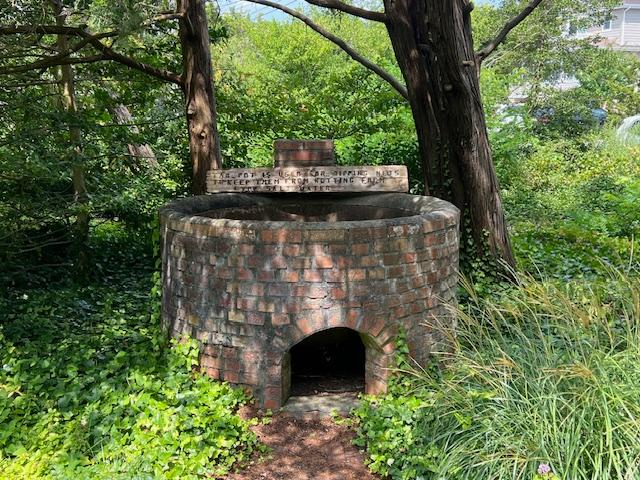
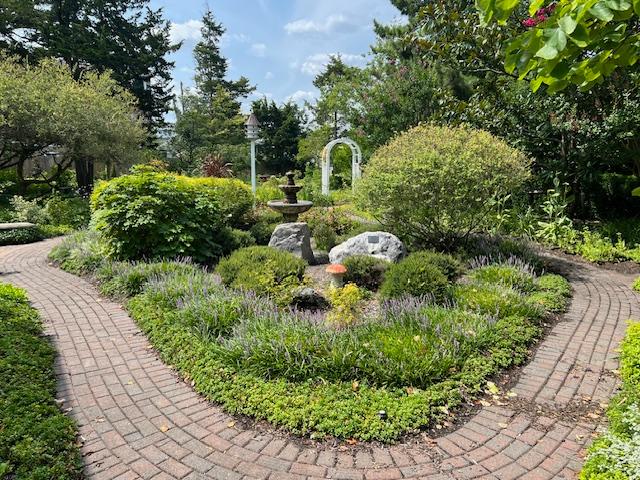
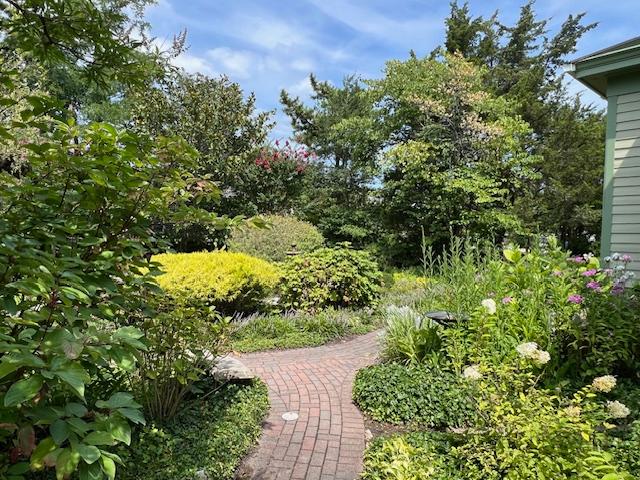
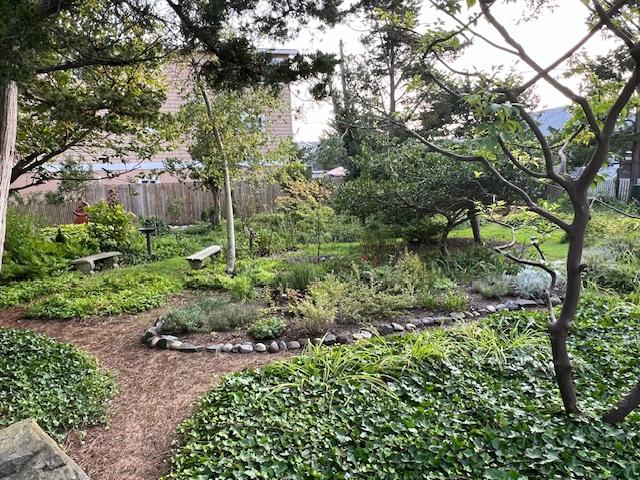
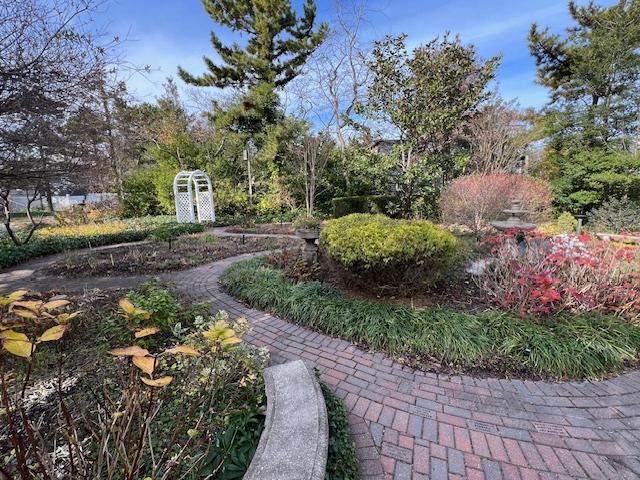
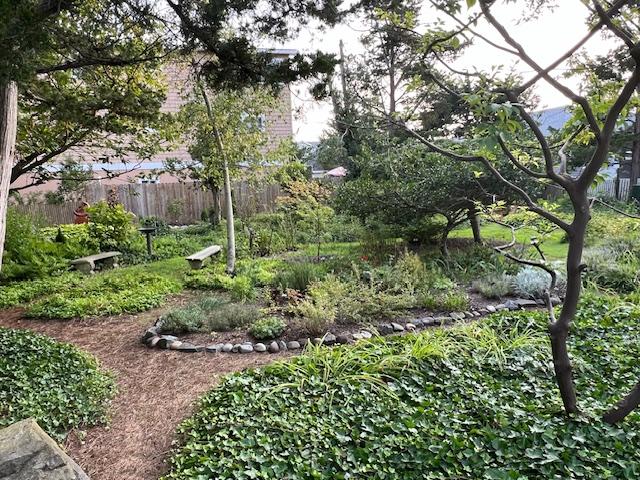
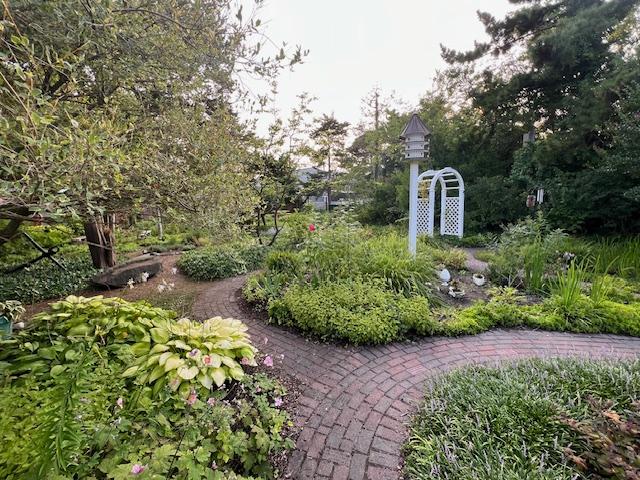
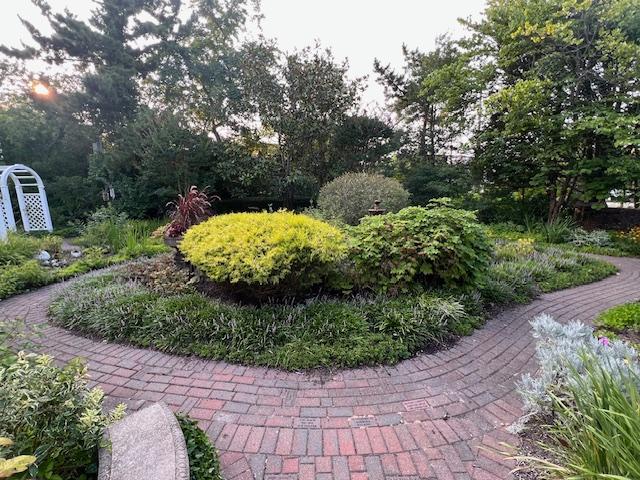
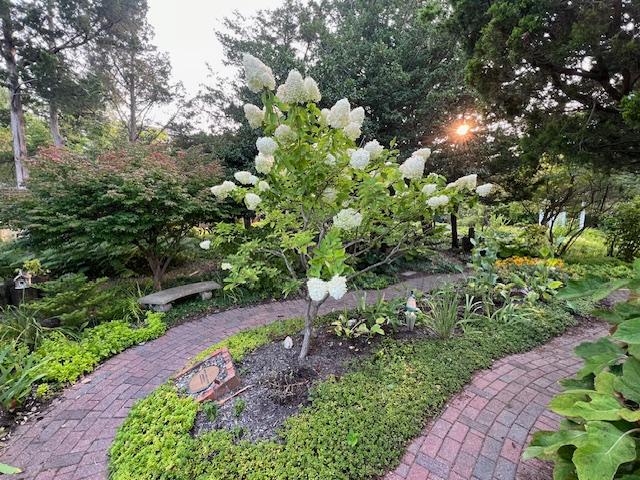
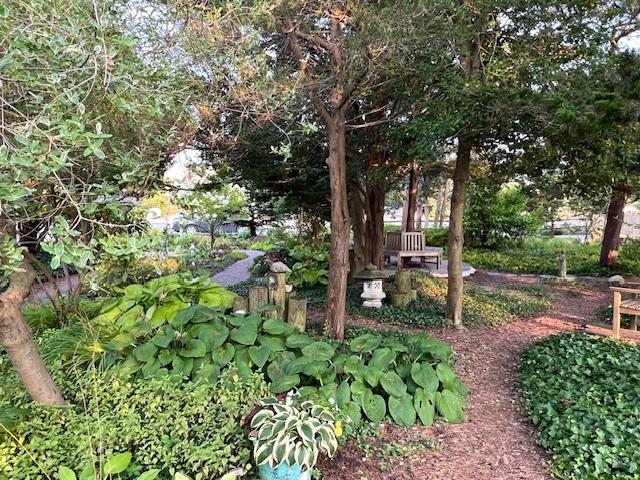
One beautiful benefit of the museum is the beautiful gardens that surround the museum, The Edith Duff Gwinn Gardens. The pathways are maintained by the Long Beach Island Garden Club. These wondering paths surround the property and especially elegant looking in the back of the building.

The Gardens from the back of the museum

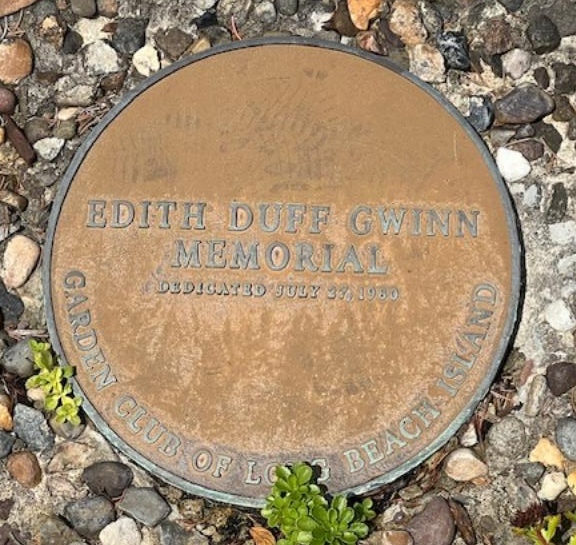
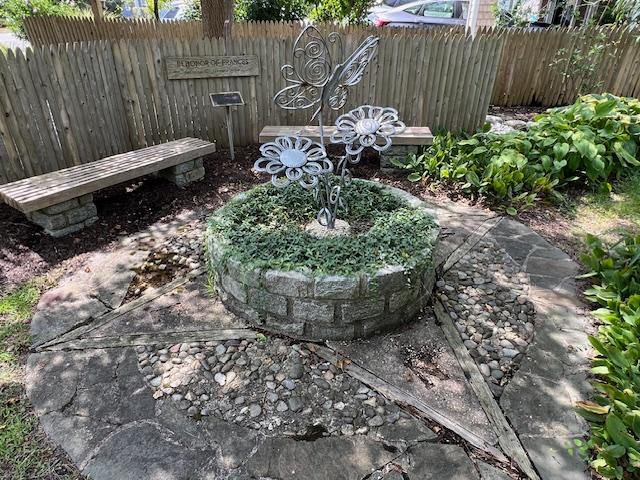
The Garden plaque to Edith Duff Gwinn

The Edith Duff Gwinn Gardens are on the side and behind the museum

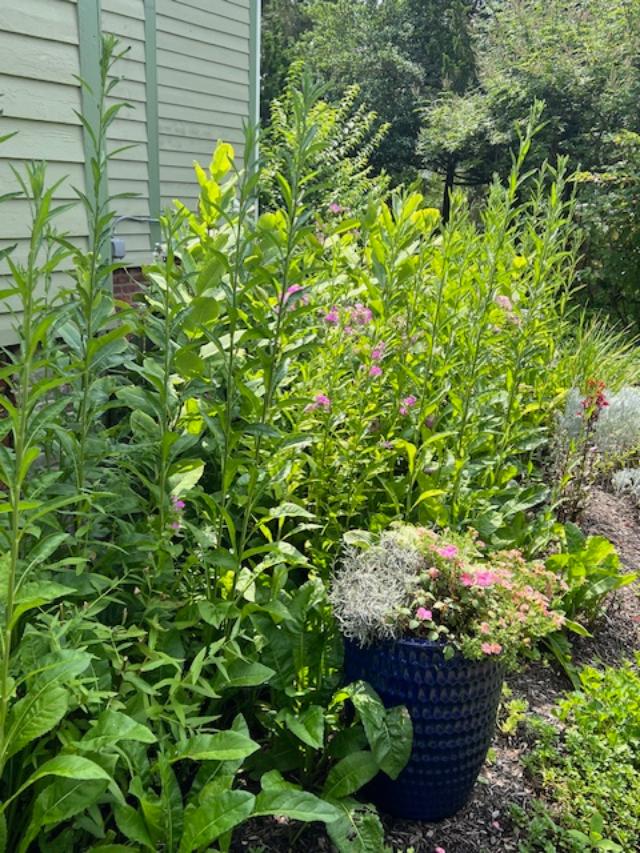
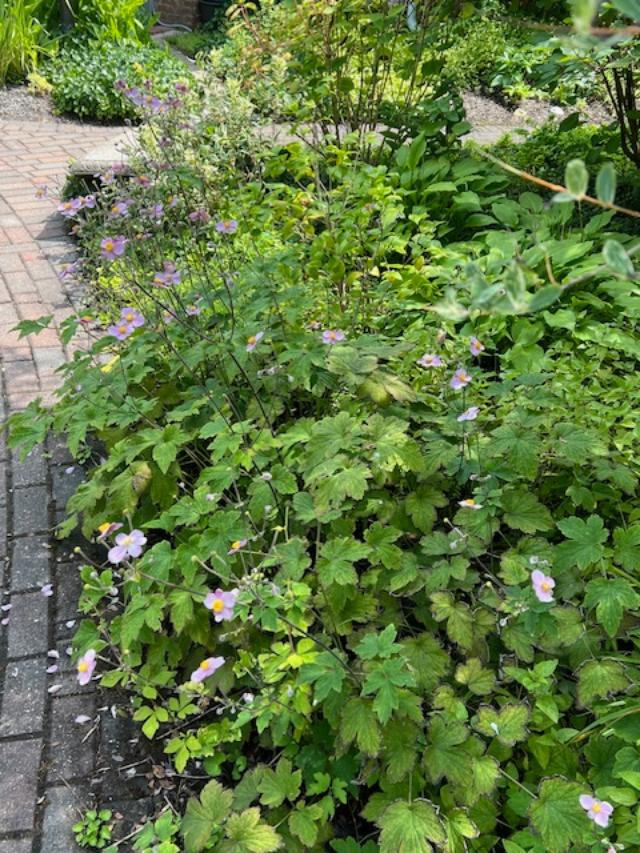
The Edith Duff Gwinn Gardens that surround the museum are maintained by the Long Beach Island Garden Club. The gardens are at their peak in the late Spring and early Summer months. The paths are filled with seasonal flowers and shrubs.

In the off season, you can visit the museum by calling ahead and you can schedule an appointment with the staff of volunteers that work at the museum.

The Gardens in the late Summer of 2024

The Beehive

The Gardens in the late Summer of 2024

The Gardens in the late Summer

The Gardens in the late summer

The Garden paths are filled with colorful flowers and plants

The back of the Gardens and the seating area

The back of the Gardens

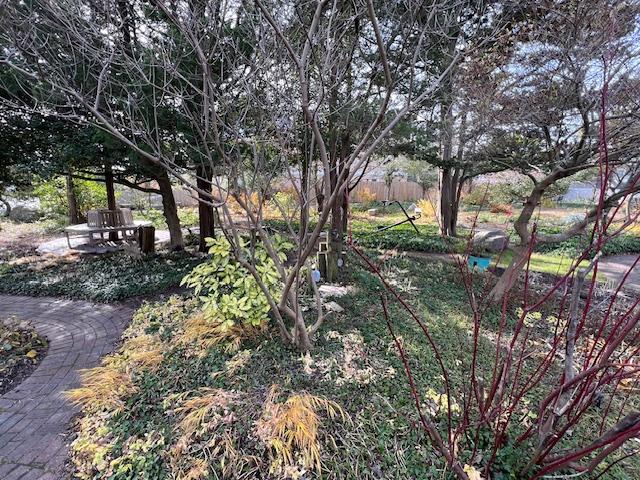
The Gardens also looked beautiful in the late fall when I arrived for the early holiday activities in Viking Village. I was able to walk around when the museum was closed for the season.

The Gardens during the late fall:

The Gardens during the late fall:

The Gardens during the late fall:

The Gardens during the late fall:

The gardens around Halloween time

The gardens in the Spring and Summer are quite spectacular and the volunteers do a nice job with the landscaping around the museum.

The gardens in the early Summer of 2024

The Gardens in the Summer of 2024

The Gardens in the Summer of 2024

The Gardens in the Summer of 2024

The gardens are really nice in the summer months

Both on the personal tour and when the museum is open during the summer months, the museum is a real treat both inside and out. This small museum is chock full of information not just on Barnegat Light but on the areas development for tourism and business.

It is such an interesting piece of Jersey Shore history.

Prospect Park Zoo                                                 450 Flatbush Avenue                                  Brooklyn, NY 11225

Prospect Park Zoo 450 Flatbush Avenue Brooklyn, NY 11225

The Prospect Park Zoo

450 Flatbush Avenue

Brooklyn, NY 11225

(718) 220-5100

https://prospectparkzoo.com/

Open: Sunday 10:00am-5:30pm/Monday-Friday 10:00am-5:00pm/Saturday 10:00am-5:30pm

Admission: Adults $9.95/Seniors $7.95/Children from 3-12 $6.95/Children under 3 are Free/Members Free

My review on TripAdvisor:

https://www.tripadvisor.com/Attraction_Review-g60827-d283820-Reviews-Prospect_Park_Zoo-Brooklyn_New_York.html?m=19905

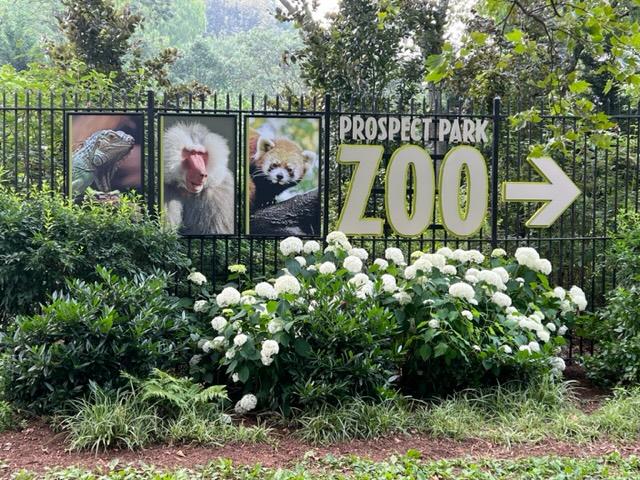
The entrance to the Prospect Park Zoo

The Prospect Park Zoo is one of my ‘go to’ places along with the Brooklyn Museum and the Brooklyn Botanical Garden when visiting Brooklyn. The three popular destinations are all in the same neighborhood and if you have a full day is worth the subway ride from Manhattan to visit.

On a nice day, the best place to start is the Brooklyn Botanical Garden at opening, then head over through the back part of the garden to Prospect Park and walk to the entrance near Flatbush Avenue and go past the carousel and enter the Zoo past the old Leffert’s Homestead. The Zoo is just past that.

My review on TripAdvisor:

https://www.tripadvisor.com/Attraction_Review-g60827-d103505-Reviews-Lefferts_Homestead-Brooklyn_New_York.html?m=19905

My review of the Leffert’s Homestead on VisitingaMuseum.com:

https://wordpress.com/block-editor/post/visitingamuseum.com/2864

The grounds of the Lefferts Homestead grounds

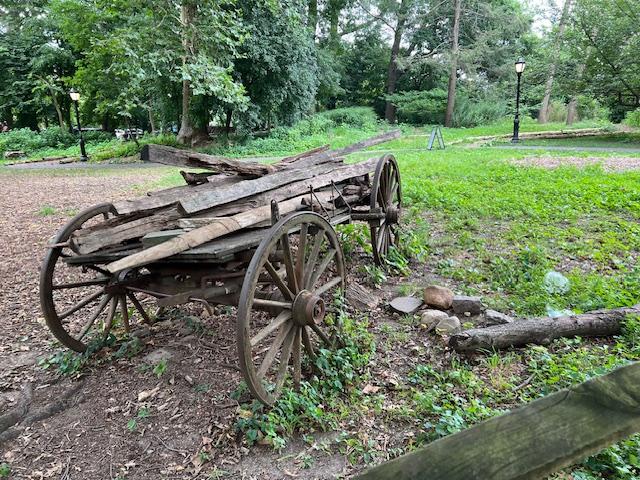
The old cart outside of the Lefferts House

The best part of the Prospect Park Zoo is that like the Central Park Zoo it is small enough to see in one day and be able to enjoy the exhibitions in one afternoon and still have time for lunch.

The Map of the Zoo

The Zoo has gone through a lot of improvements since COVID and reopened. There is a unique sculpture garden when you walk inside.

The Prospect Park Zoo Sculpture Garden at the entrance

Fish Sculptures at the entrance

The sculptures at the entrance of the zoo by artist Mags Harries

Artist Mags Harries

https://www.magsharries.com/maybe-home

https://smfa.tufts.edu/directory/mags-harries

Artist Mags Harries is an Wales born artist who graduated the Leicester College of Art with a Diploma in Art and Design and Illinois University, Carbondale with a Master of Fine Arts. She is known for her creative sculptures and their use in enhancing public spaces (Artist bio/Tufts.edu).

The main focus of the zoo when you walk through the gates is the seal tanks. These playful animals spend most of their time swimming around or sunning themselves on a warm day. During the feeding schedule, it is interesting to see how they interact with the trainers.

The Seal Tanks at the entrance of the Zoo

The Seal tanks when you walk in are very active

Walking further into the zoo you will walk past the Hall of Animals, where all the smaller animals and amphibians like frogs, snakes and turtles are located. These are a lot of fun for the smaller children who may not see these things in their backyards or even in the parks anymore.

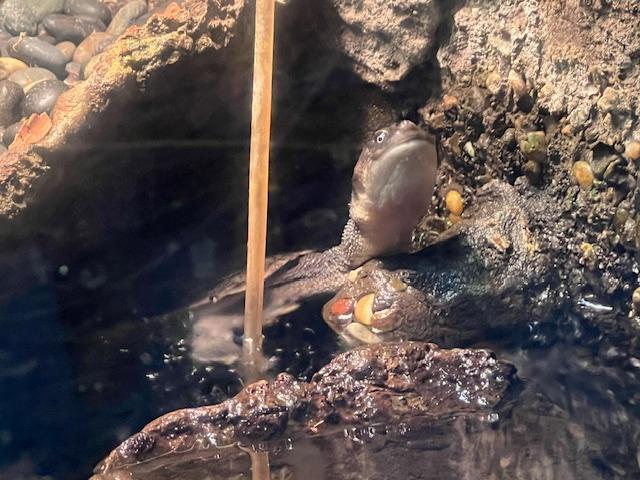
The rare Longnecked Turtle in the Small Animals exhibition

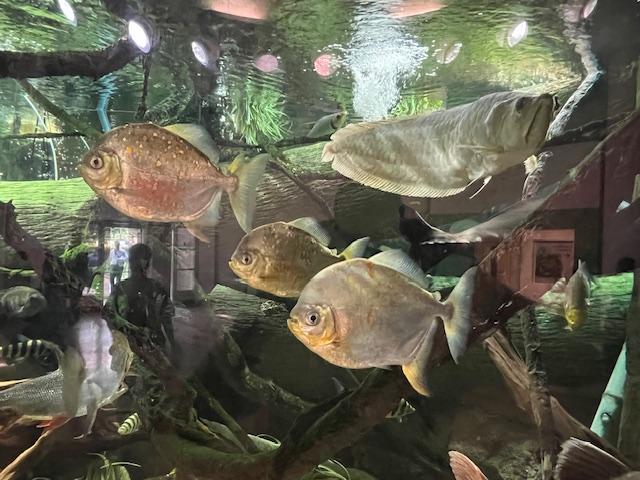
The Fish tank at the Small Animals exhibition

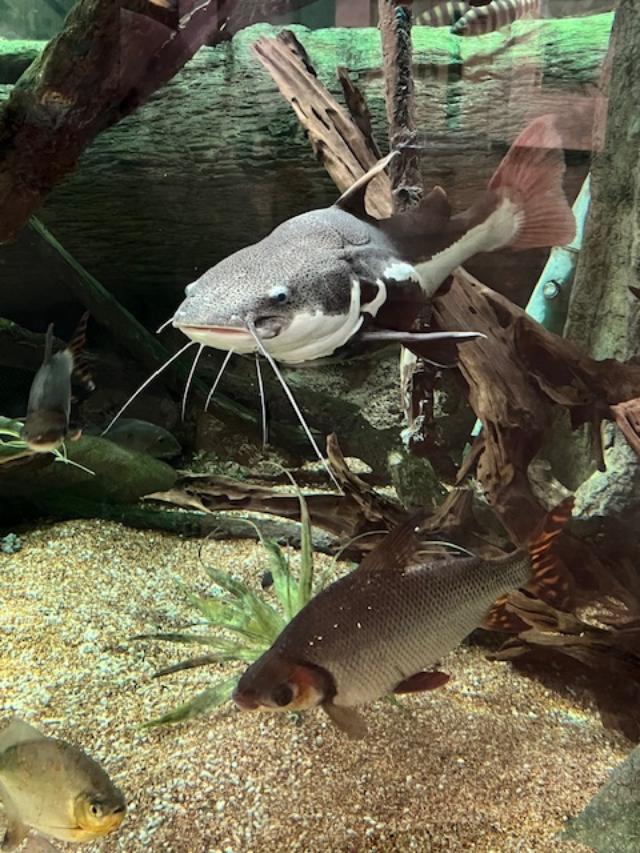
The catfish in the Fish Tank at the Small Animals exhibition

I went to the Bird Cages and saw a Kookaburra bird from Australia. He looked at me like I looked at him. He had the most inquisitive look on his face.

The Kookaburra looking at me

The Kookaburra looking around the cage

The Victorian Pigeons with their beautiful colors and feathers

The tropical hornbill birds

As I sat down to rest after visiting both the Brooklyn Museum and the Brooklyn Botanic Garden, a peacock walked past me looking for food. It must be very used to humans because he just ignored me and kept on walking.

The peacock at the zoo just does his own thing

Beyond that is the Barn, where your horses and cows are located and they even have a pair of turkeys, which makes for interesting conversation for children who wonder where they come from at Thanksgiving. The turkeys here are more bred than the wild ones you will see in the woods. They also have sheep, pigs and lambs that you can feed.

The gardens leading to the Barn area

The gardens leading to the Barn area

The different barnyard animals were in the process of being feed and taken care of by their trainers. If you put food in front of them though, they cam running. The kids were having a ball feeding them snacks.

The Barn pens at the zoo

Lambs and calf’s in the Barnyard at the zoo

The lambs hoping they would be fed by the visitors

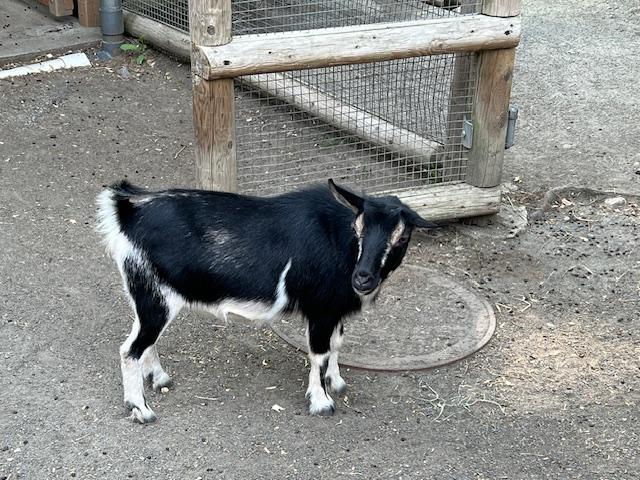
The friendly lamb in the pens

The sheep at the barnyard

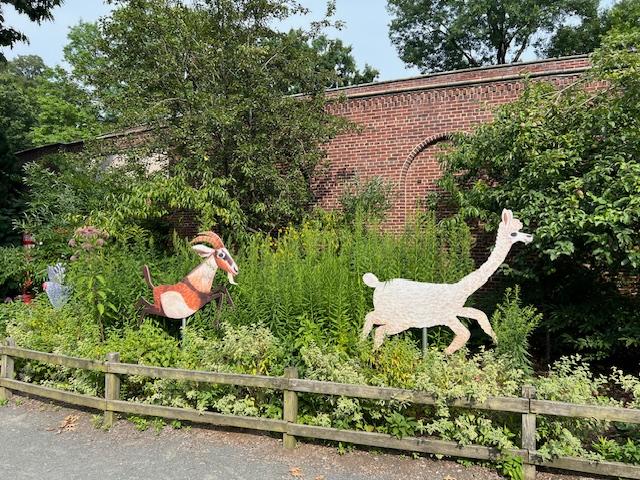
The animal sculptures just outside the Barnyard display

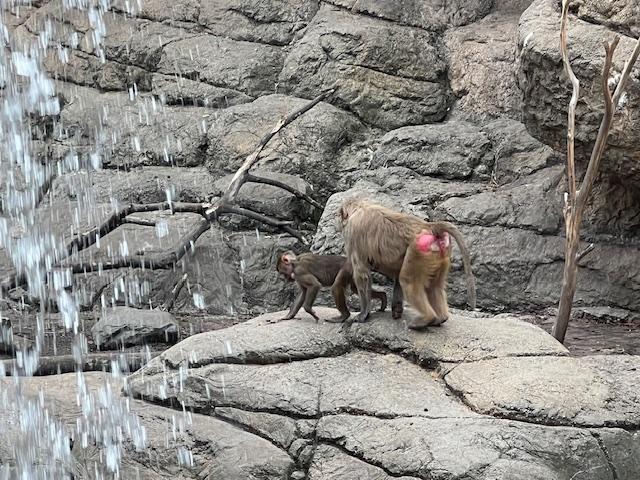
Next to the Hall of Animals is the Animal Lifestyle exhibition where a lot of the gorillas and monkeys are located. It is funny to watch their mannerisms and see ourselves and out behaviors in them. I guess a couple of thousand years never really separated us that much and we still are a lot alike.

The Baboons at the Hall of Animals

From there you will take the Discovery Trail to see more familiar animals that you might see in every day nature such as deer, foxes, porcupines, ducks and geese in a more natural habitat where they can roam free. The space is limited but they look a lot happy to move around than some of the other animals.

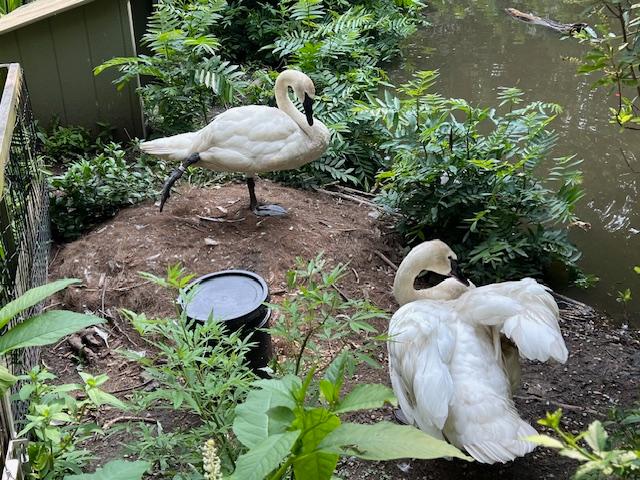
The swans on the Discovery Trail

The swans on the trail

All trails lead back to the Seal Tanks where the popular feeding time gathers a crowd and you will see the care that many of the trainers and zoo keepers give to their residents. There is a lot of love for these animals that is given and I can see a lot of respect.

Relaxing by the Seal Tanks

I got to sit and relax by the Seal Tanks and just enjoy the afternoon. The landscaping around the main Seal Tanks were in full bloom. I also never noticed the statuary around the pool.

The landscaped stairs leading to the zoo from the main road

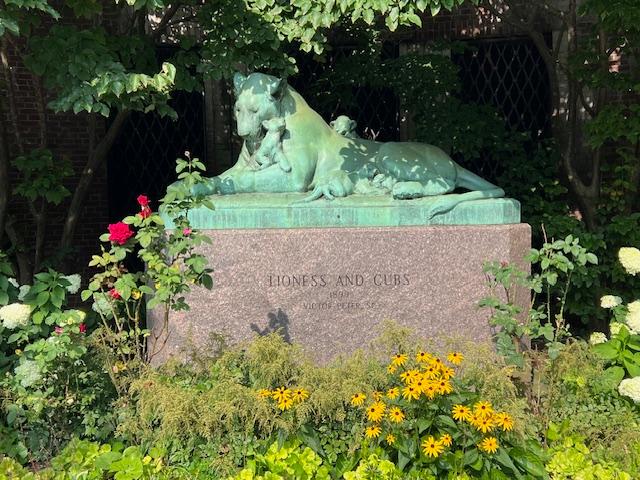
‘Lioness and Cubs’ by French sculptor Victor Peter

https://www.nycgovparks.org/about/history/zoos/prospect-park

Artist Victor Peter

https://www.metmuseum.org/art/collection/search/208856

Artist Victor Peter is a French born artist known for his realistic sculptures.

A trip to the snack shop and gift shops at the zoo are expensive and cater to the tourists. They are not as nicely merchandised as the Bronx Zoo or the Central Park Zoo. Still they are fun to visit once or twice.

The Prospect Park Zoo is still a nice afternoon out for families and a nice way to communicate with nature.

The History of the Prospect Park Zoo:

The Prospect Park Zoo is a 12 acre zoo located in Prospect Park, Brooklyn and as of 2016 houses 864 animals. The zoo was originally part of the plan of Prospect Park as a “Zoological Garden” in the western part of the park. The zoo was not part of the finished plan in the park in 1874 by designers Fredrick Law Olmsted and Calvert Vaux.

The original zoo layout

The park design included a Wild Fowl Pond in the northern part of the park that was stop off for water birds and a Deer Paddock in the southern part of the zoo where deer lived in a penned area.

In the 1890’s, gardens were created for park enjoyment and a informal Menagerie was created by the Brooklyn Parks Commission, George V. Brower, when the donation of small bear, white deer, seven seals, a cow and twelve peacocks came into the possession of the park.

In 1934, Parks Department head Robert Moses set a plan to reconstruct the City’s Parks and under the Works Progress Administration started to revamp the park system. In March of that year architect Aymar Embury II set to design the new zoo with six new buildings and centered by a Seal Pool.

By the 1970’s, the zoo faced disrepair and was neglect for the animals. It was considered one of the worst zoo’s in the country according to the press and finally in 1980, the Koch Administration signed a 50 year agreement with the NY Zoological Society, now called the Wildlife Conservation Society, which was also administrating the Central Park and Queens Zoo.

The park closed in 1988 for a five year, 37 million dollar renovation that gutted all the pits and cages but saved the historic buildings and statuary. The new zoo opened in 1993 with a new name, “The Prospect Park Wildlife Conservation Center” and a philosophy of educating children. The zoo along with the Queens Zoo have had some shortfalls in the past but have the full support of the Society and the public since the early 2000’s. Still the zoo remains popular with families from all over Brooklyn and the world.

The main view of the zoo

(This information is provided by Wiki and the Wildlife Conservatory website and I give them both full credit for the information)