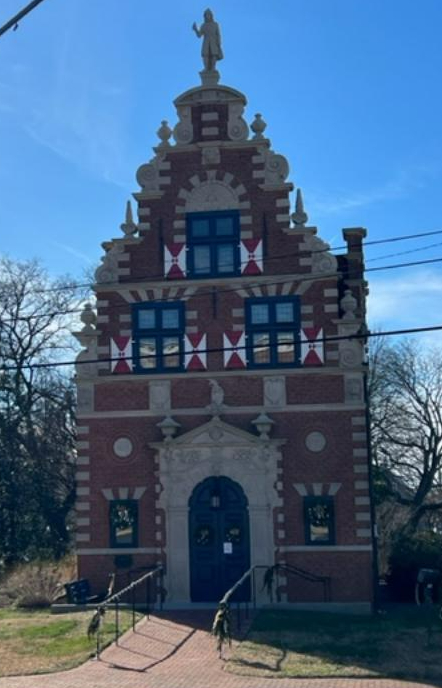
The Zwaanendael Museum was inspired by the town hall in Hoorn, the Netherlands and commemorates the founding of Delaware’s first European settlement by the Dutch along Hoorn Kill (present day Lewes-Rehoboth Canal) in 1631. It’s programs showcase how the Lewes area’s Dutch and maritime histories unite.
The museum has limited hours but is free to the public.
Information signs
The inside of the museum explains the history of Lewes starting with the Dutch Colony. The growth of the Colony, the shipping industry and the shipwrecks off the coast line. There are many artifacts that the museum has either found or been donated to over the years. There is another display of the railroad industry and its growth in Lewes which lead to it becoming a seaside resort in the later half of the 19th century. The museum was created to honor the 300th Anniversary of the Dutch settlement of Zwaanendael. The museum represents the history of Sussex County in Delaware (Wiki).
The first floor gallery is filled with the history of the Railroads and the Shipping industry
The first floor galleries contain many artifacts that were recovered from the sea or donations that were made to the museum. This tells the story of early Lewes, DE. This gives a visitor a grasp of the importance of Lewes as a shipping port in the early days of the colonies. As the railroads replaced the shipping industry, you begin to see the growth and importance of Lewes as a trading port.
On the second floor there is a display on the Royal family of the Netherlands, a large display of ceramic Delftware and there is even the body of a mermaid. There were also displays of the local farming industry and the commercialization of the produce of the area.
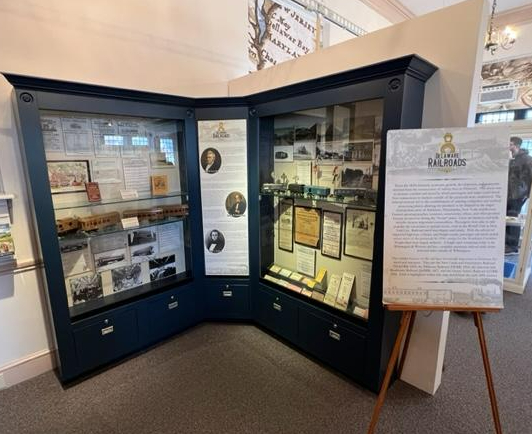
The history of the Railroad industry in Lewes brought this sleepy farming community residents from far away that turned it into a resort town and a destination for summer tourism
The Railroad industry continued to grow and become more prosperous in Lewes
The railroads also help moved farming products out of the area and into urban markets
Lewes was also a big area for shipping with a busy port especially during the Revolutionary War.
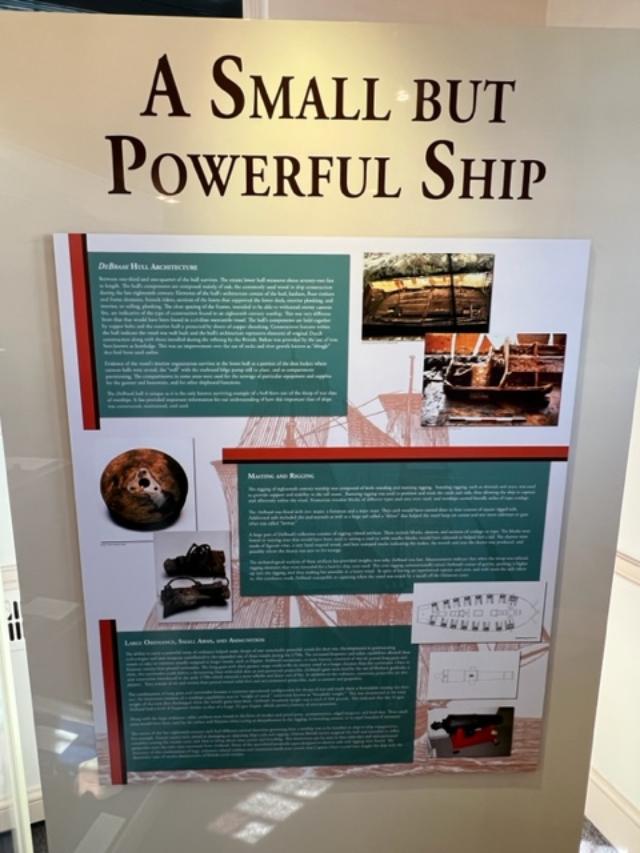
The tale of the DeBraak, one of the shipping vessels of the war years
Life on the shipping vessels
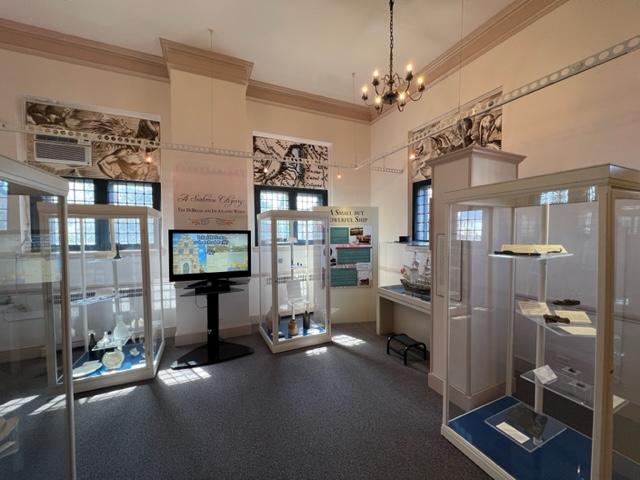
Some of the recovered artifacts from shipwrecks off the coast of Lewes
The tales of the ship “DeBraak” and its story
The ship the “DeBraak”
The second floor of the museum has interesting displays on the aspects of life in Lewes and the influence of the Dutch on the community. It also offers many novelties such as a mermaid.
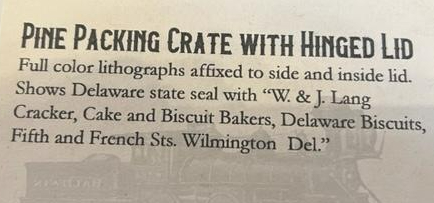
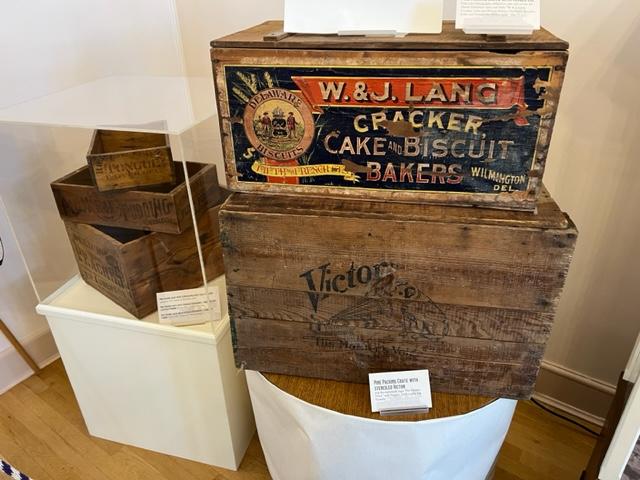
Display of the packing crates on the second floor
How items were shipped in the early days of the shipping industry
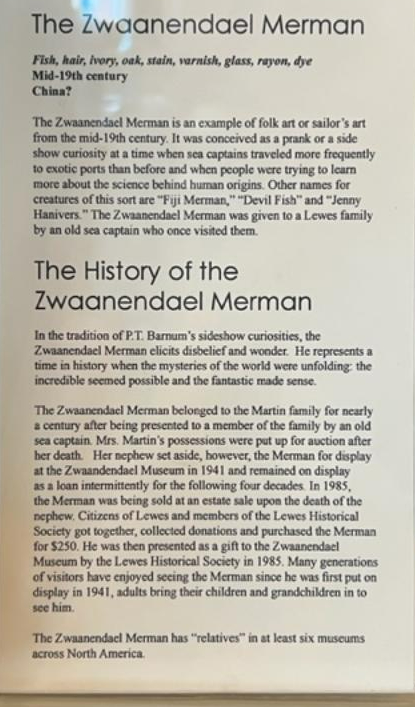
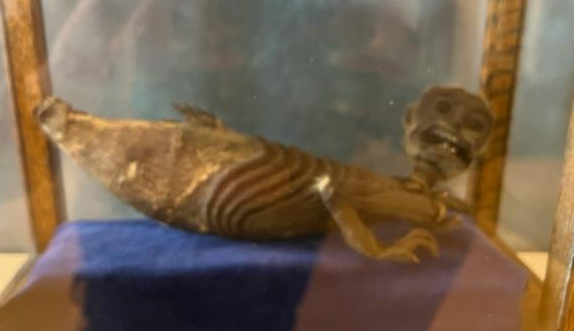
The Zwaanendael Mermaid is the most unique item in the collection. It makes you think it is real.
The Zwaanendael Mermaid
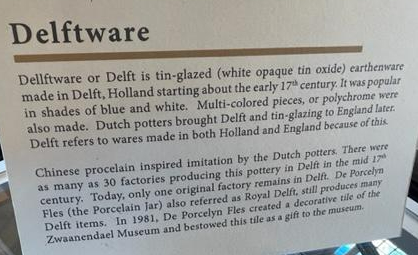
The Delftware collection
The history of Delftware
The lighthouses of Delaware
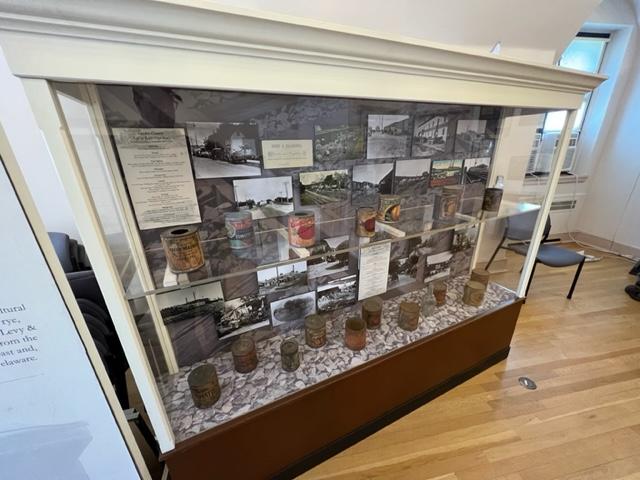
Display of the items that were canned in Lewes that were part of the growth of the farming industry in Lewes
The entrance of the Zwaanendael Museum in the winter months
Open: When the fairgrounds are open Spring, Summer and Fall for events
Admission: Free
My review on TripAdvisor:
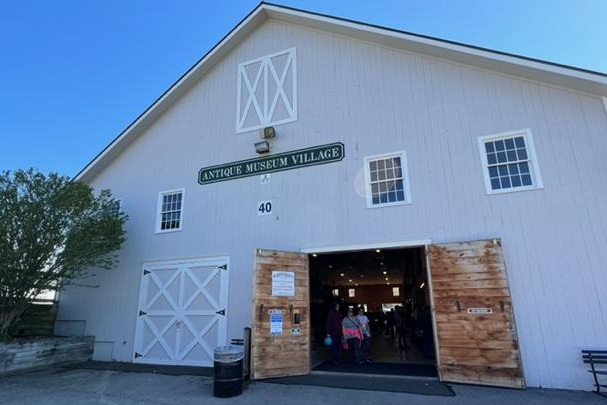
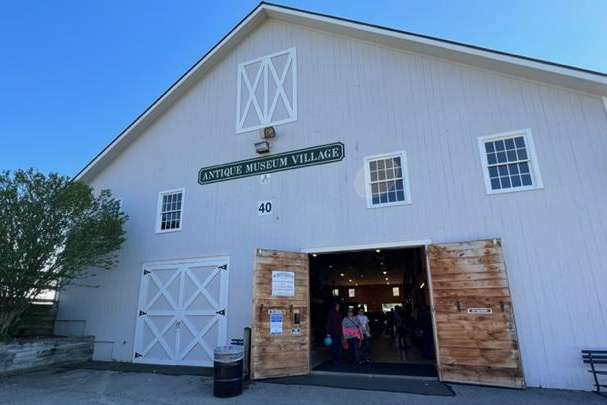
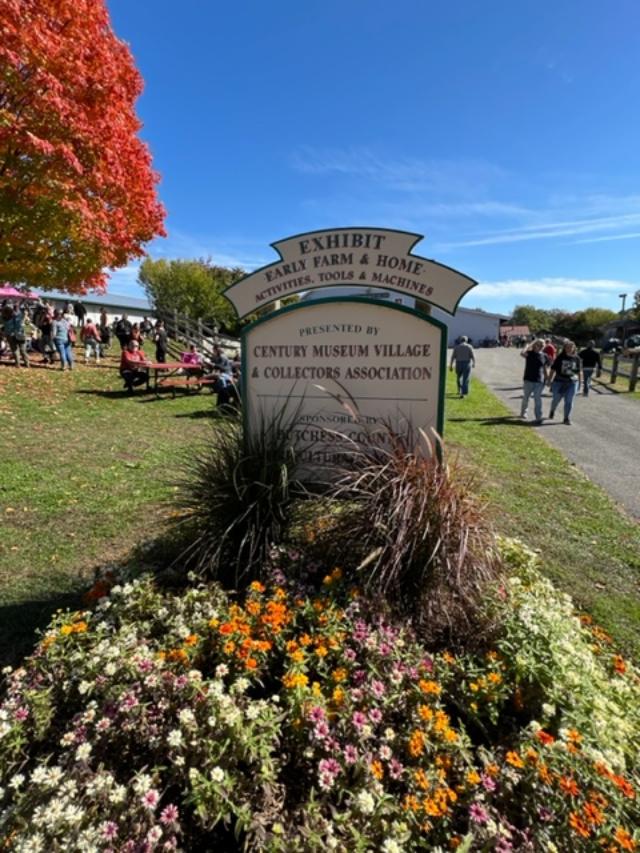
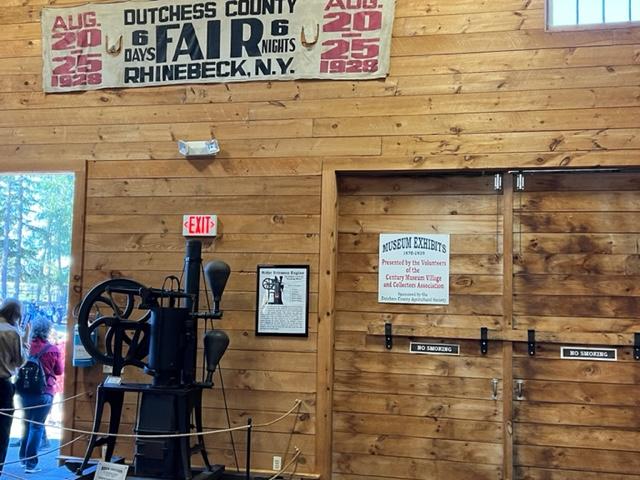
The Century Museum Village inside the Dutchess County Fairgrounds
When the Dutchess County Fairgrounds are open for the season for big events in the Spring, Summer and Fall, the fairgrounds open their historical museums that are located on the property. These include the School House Museum and the Train Station Museum and the when the volunteers are there the Dutchess County Volunteer Firemen’s Museum. The main museum is the Century Museum Village, a look at rural life in Dutchess County at the turn of the last century.
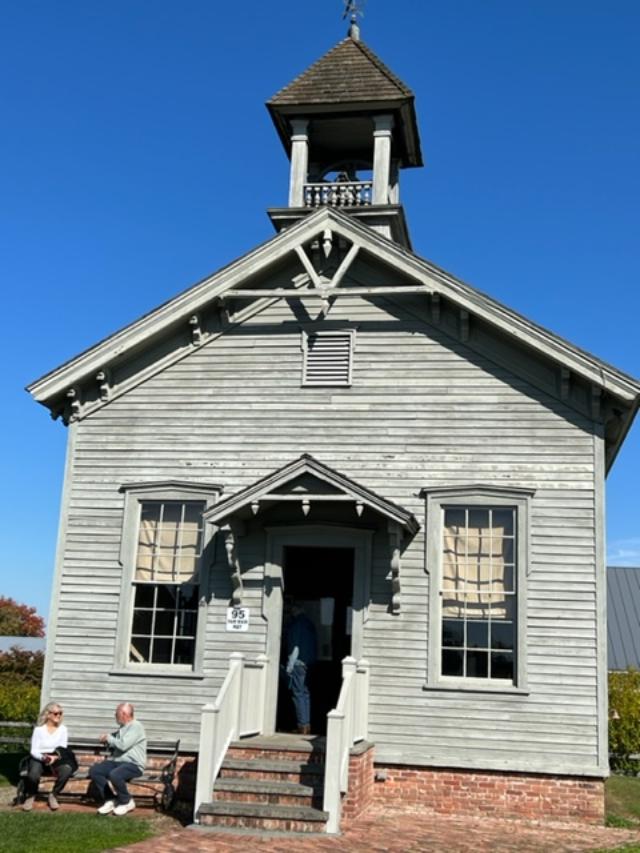
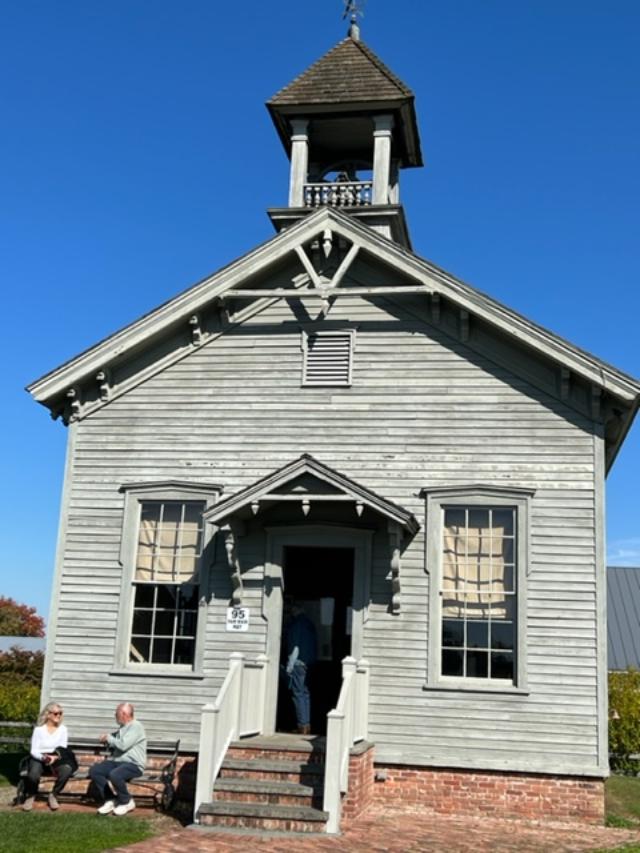
The Schoolhouse Museum in the Century Museum Village
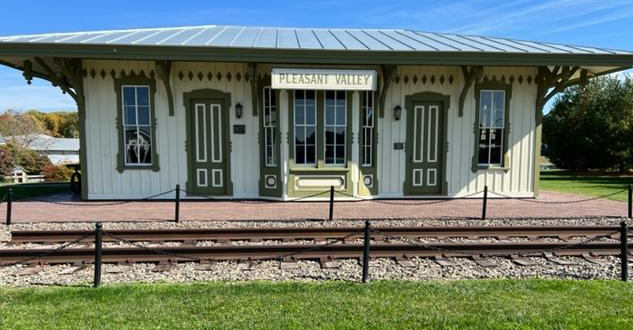
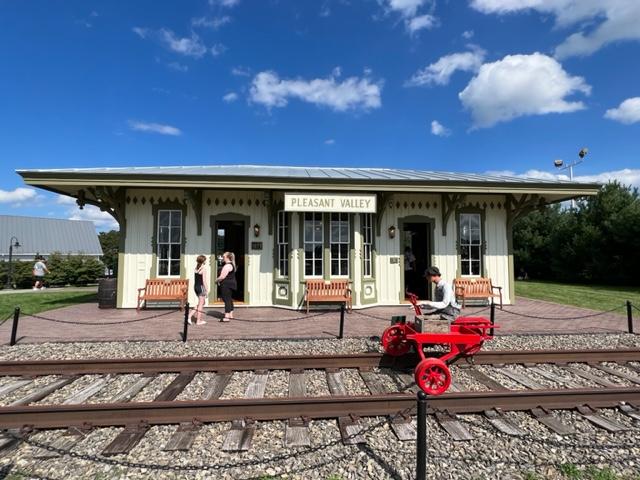
The Train Station Museum at the Century Museum Village
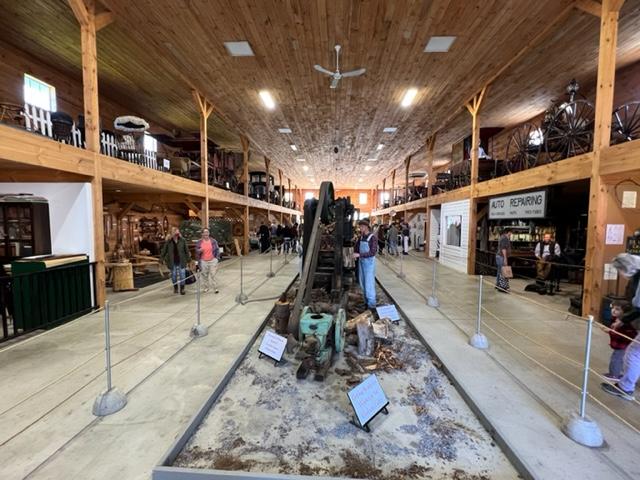
The Century Museum Village gives an interesting look of the changes in life in rural communities all over the United States until the start of WWII. Farming communities had their own way of life, their own clubs and organizations and traditions that were different from City residents. Life on the farm was productive but hard work. As time rolled on, modern conveniences found their way to these communities but as we see by all the machinery, there was still a lot of work to done.
As you progress through the different displays and dioramas, you can see how life improved over time. Progress swept through these communities between WWI and WWII and with the spread of the second industrial revolution after WWII and the change of the consumer market. The advent of the modern highways, the newly built suburbs and movement out of the cities changed these regions even more.
The entrance of the museum and the various dioramas
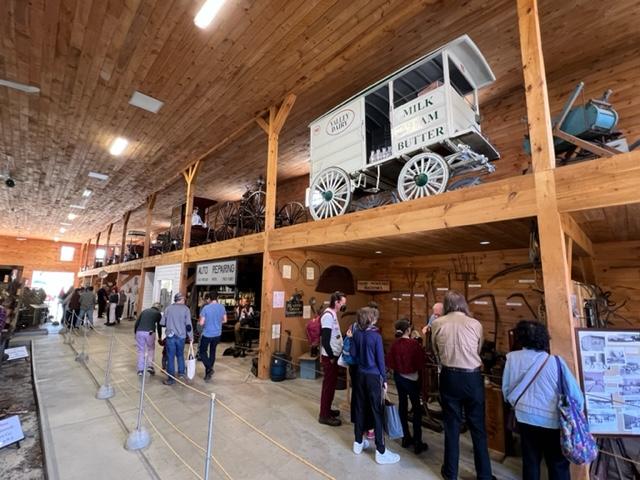
The museum is lined with different displays of life in the rural community and the advancements made in these communities between about 1880-1930.
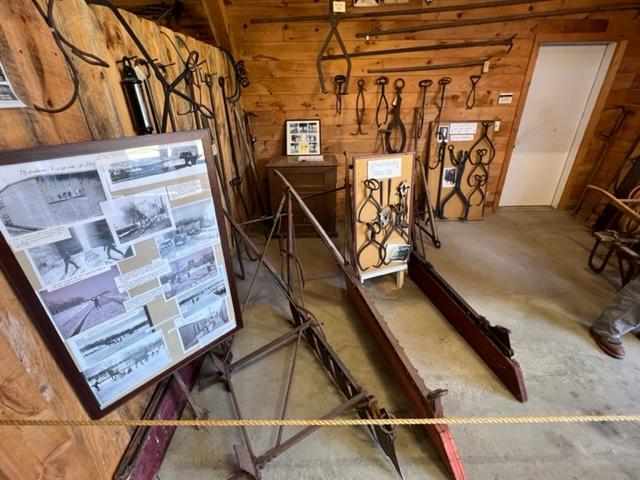
The Advancement in farming practices and equipment
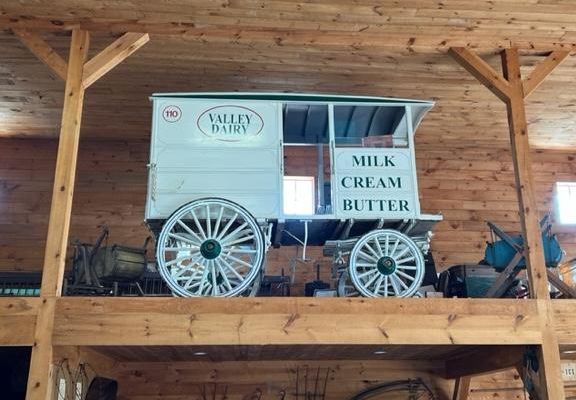
The Milk Man buggy
Ice block industry for refrigeration
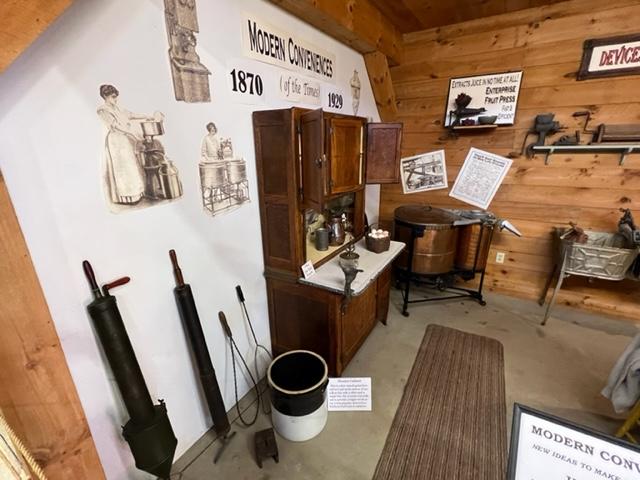
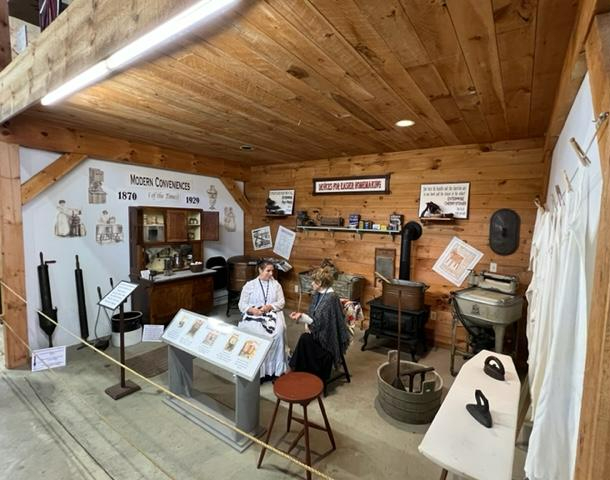
The household for the farmhouse wife started to become easier with new machinery to help around the house. Modern ways of washing clothes, cooking food and cleaning the house started to make life a bit easier in the household. This left time for a social life and to tend to other things around the house.
The Modern Conveniences of the home
The modern household items to make life easier from 1870-1929
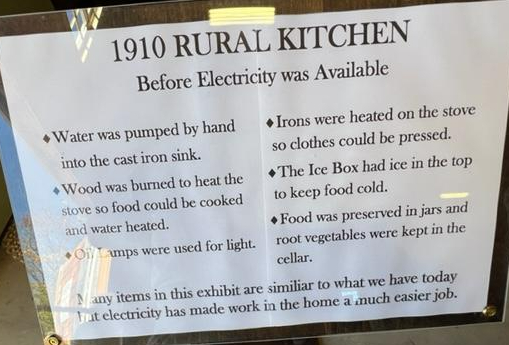
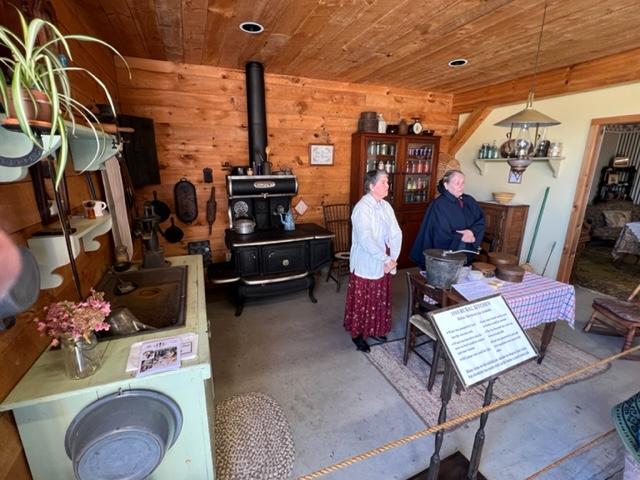
The modern kitchen before electricity came out to the country was still run by coal and wood. Modern electricity would not start until after WWI and even then was not available to everyone. Cooking and washing had gotten easier but still required some work on a everyday basis.
The Kitchen in the Country
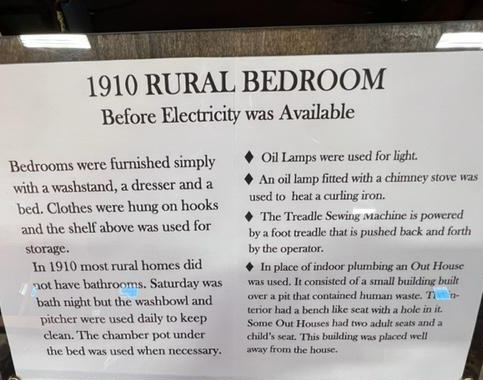
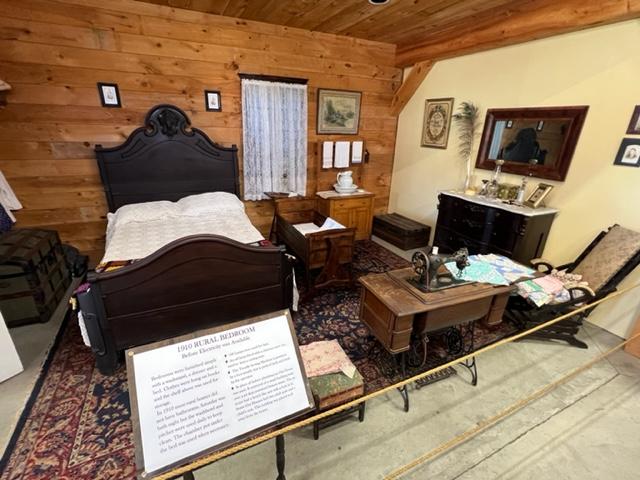
The home decor had changed after the Civil War to WWI with the changes in mass production and industrialization. Furniture, rugs, lamps and pictures had become available in all makes and sizes for sale both through catalogs and General stores or maybe a trip to the City to a Department store. People were able to furnish their homes nicer due to mass production and changes in quality of home furnishings.
The Rural Bedroom
Bedrooms have not changed much since then
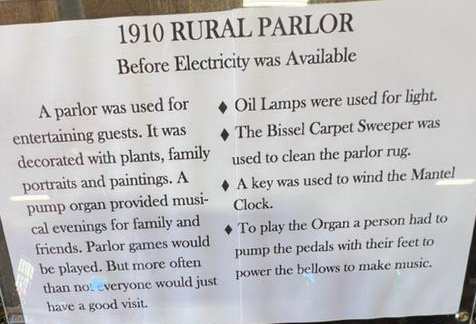
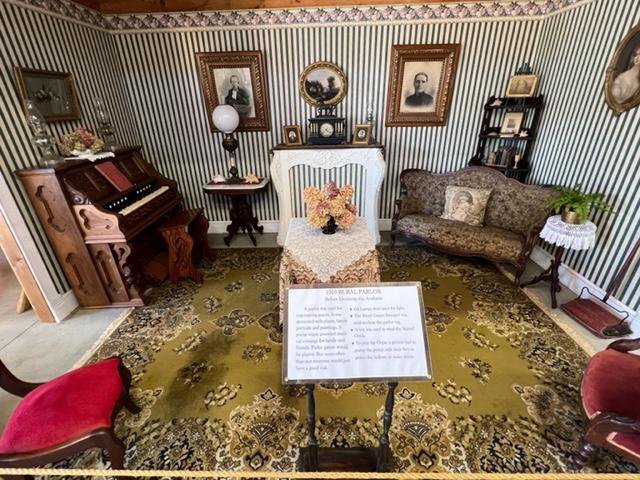
The idea of the Parlor is equivalent to our modern Living Room. It is usually the room that all socializing is done in, where the family’s best furniture and knick-knacks were placed. It was the nicest room in the house.
The Rural Parlor
The finest home furnishes and the pride of the home was displayed in the parlor.
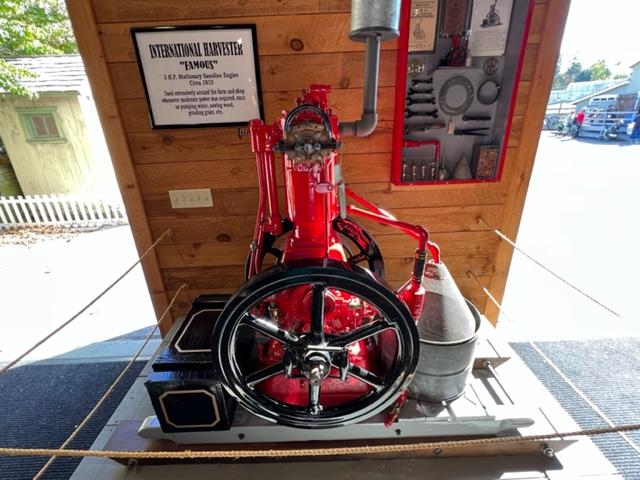
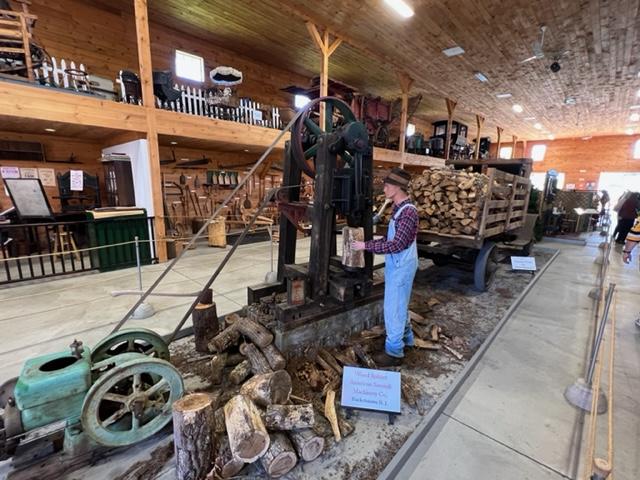
Both inside and outside the home there would be changes in the way people lived over a fifty year period. There would be changes in plumbing, carpentry and printing. Modernization would change the way people did their jobs and the way they interacted with their customers.
Modern Machinery
A better way to chop wood
Modern pump processes
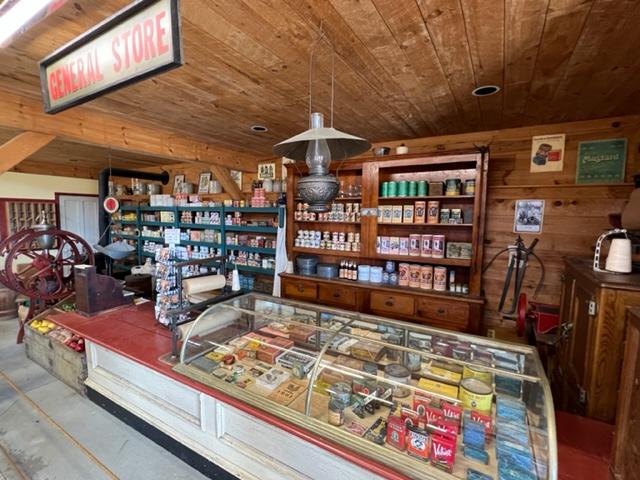
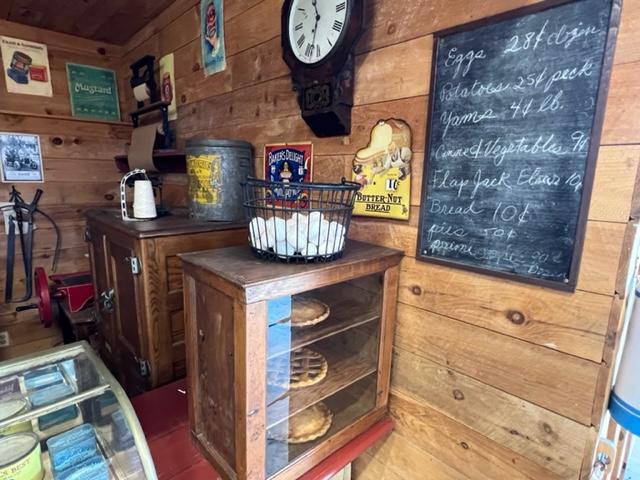
Shopping was beginning to change after the Civil War as well. The days of people making everything at home was not longer necessary as more and more consumer items became available. Clothing, dishes, toys and hardware could be bought at the General store along with prepared and bakery items. It made life for the rural housewife easier.
The General Store
Prepared items in the General Store
The bakery items and things for sale at the General Store
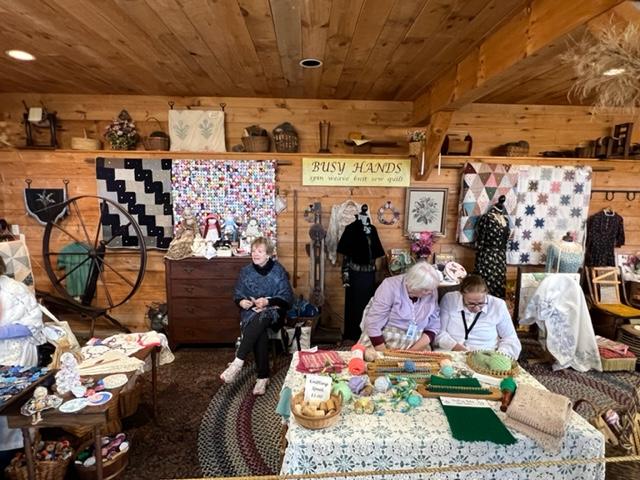
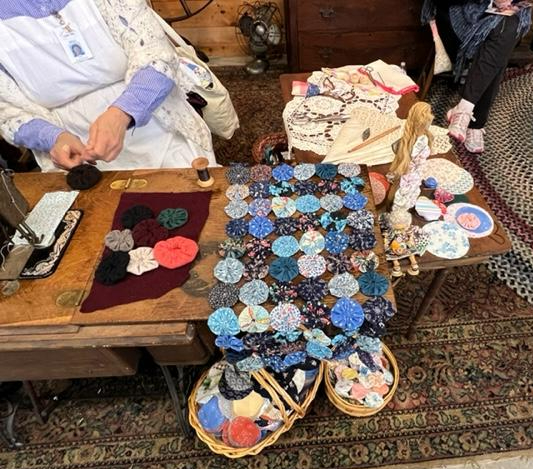
Quilting has always been a social affair with women meeting and gossiping while working on projects on their own or one big project for the home.
Women working together making quilts and sewn items for the home.
Crocheting for the home
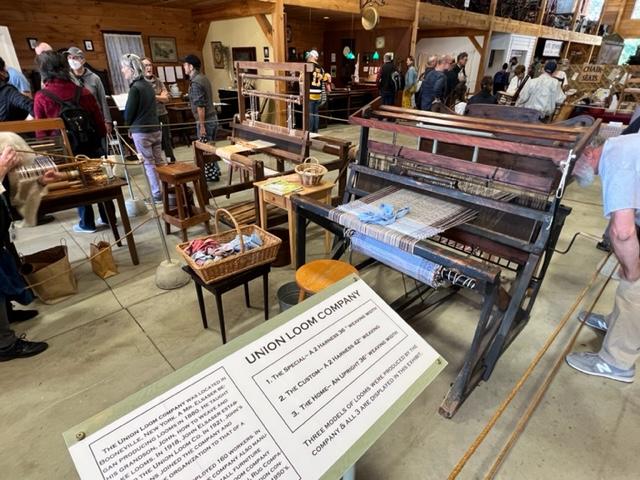
Use of Looms for clothing and rugs
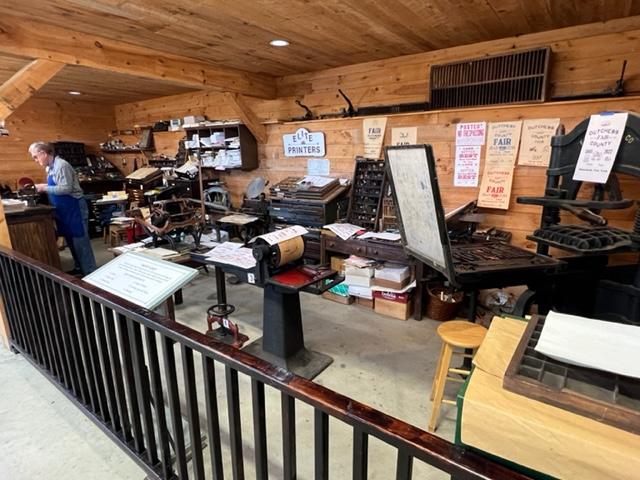
Modern printing took a turn as more modern machines made it easier to produce printing items for playbills, newspapers and magazines. The end of the WWI our modern magazines were being created. The way trades were changing more modern equipment was being used in every industry.
The Printing Press as things start to automat
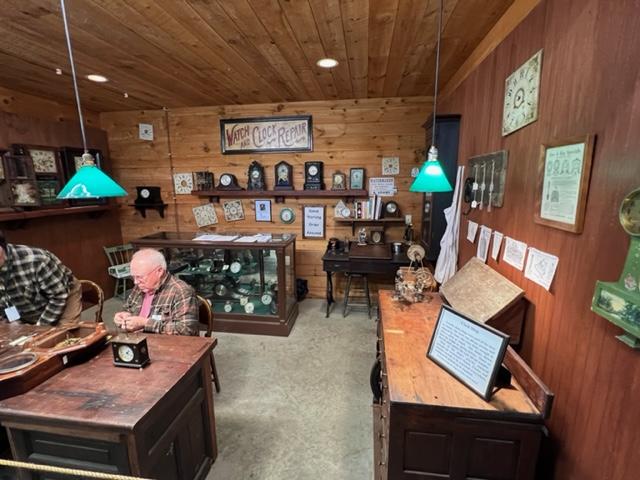
The Clock Maker
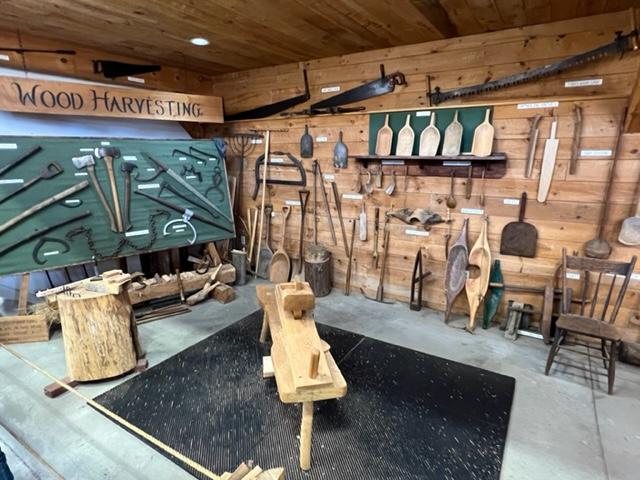
Wood Harvesting
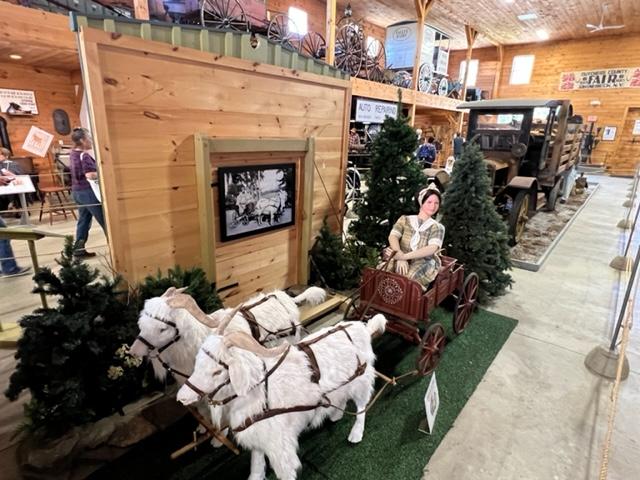
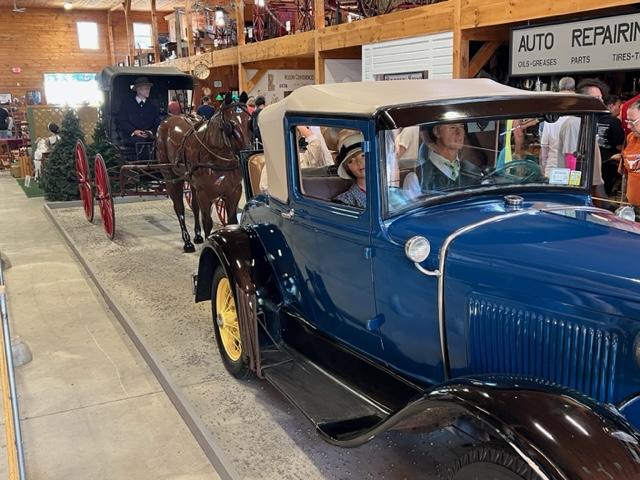
Transportation continued to improve as we moved from the horse and buggy to the modern carriage to the automobile. Improvements continued when mass production started with the Model T Ford and just kept improving. Still even today we like the idea of horse drawn carriages and sleigh rides as a traditional part of our past that we like to maintain especially during the holidays.
Horse Drawn carriages and Model T’s
The Modern modes of transportation
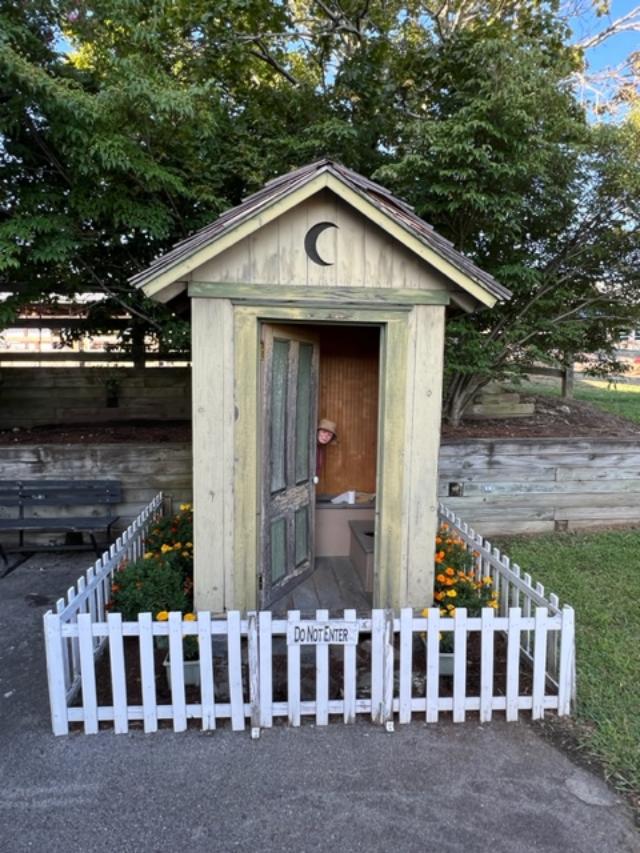
The Outhouse
The School House Museum:
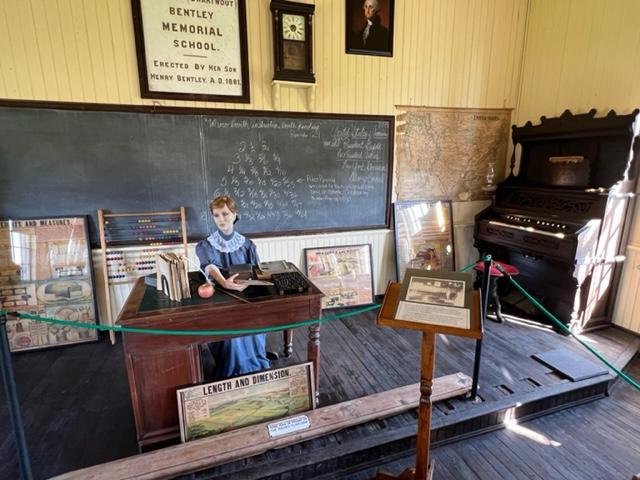
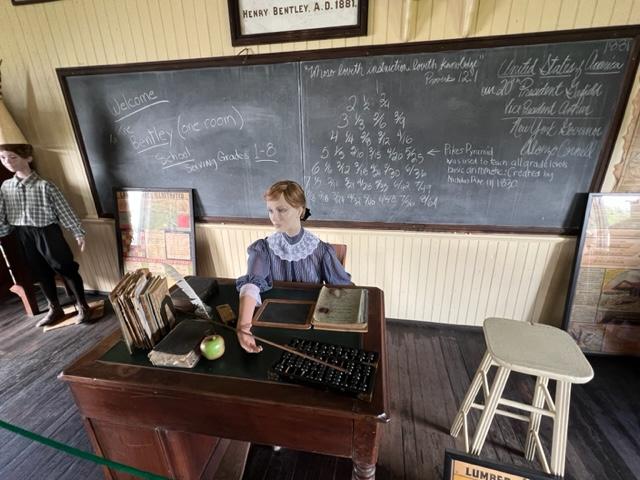
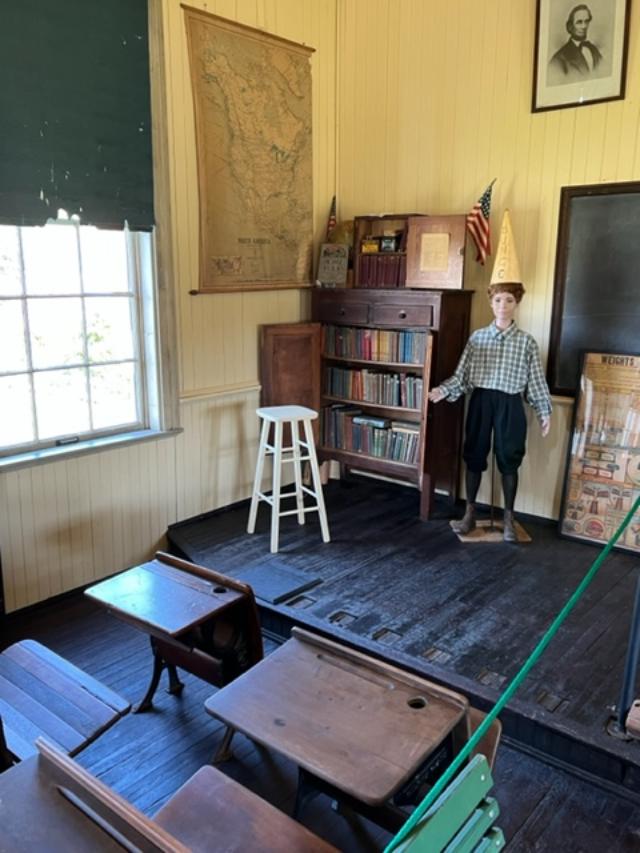
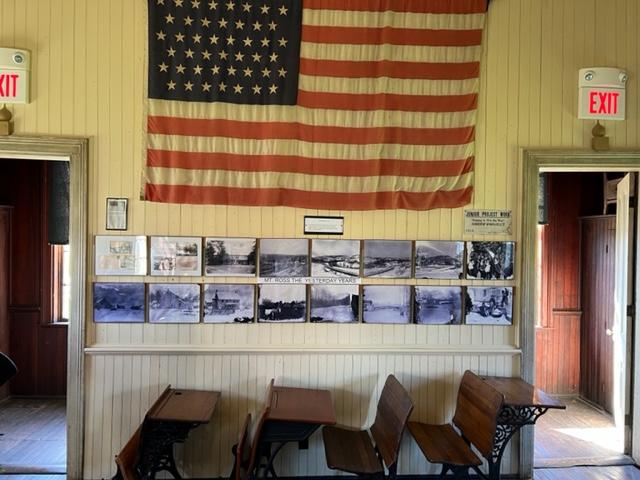
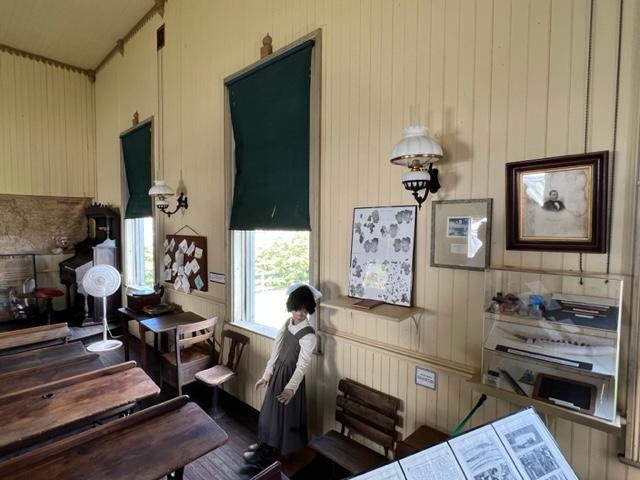
The Modern School has not changed much since its rural past. I just think you can’t hit a student with a ruler anymore and I could not see a student with a Dunce cap in today’s politically correct world. The blackboard has not gone out of style as well as a teacher teaching the next generation.
The One Room School House Museum
The school room set up still remains the same to a certain point.
The Teacher still leads the class
I don’t think would happen to the modern student
The One Room School House set up.
The Schoolhouse Museum
As the museum shows us, somethings have changed and some things remain the same. At some point, we did things right.
The Train Museum
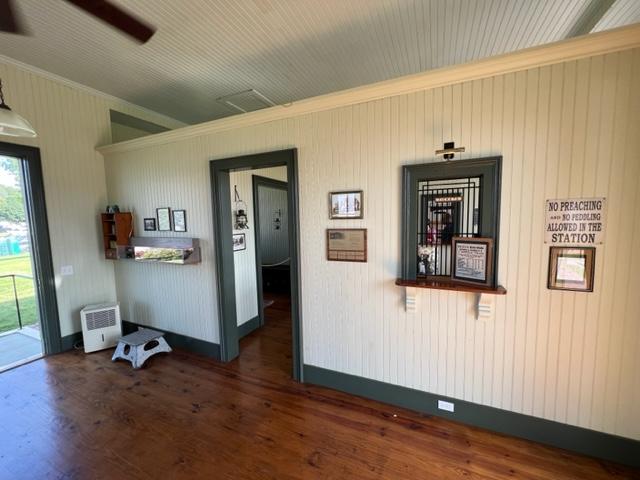
The Pleasant Valley Train Museum at the fairgrounds is a simulated train station that was moved here from the old site. Inside it has been renovated to reflex train travel at the turn of the last century with artifacts from the time period from the late 1800’s to the early 1900’s. You get to see what life was like for the station manager and passengers at that time.
The Pleasantville Train Museum at the Dutchess County Fairgrounds
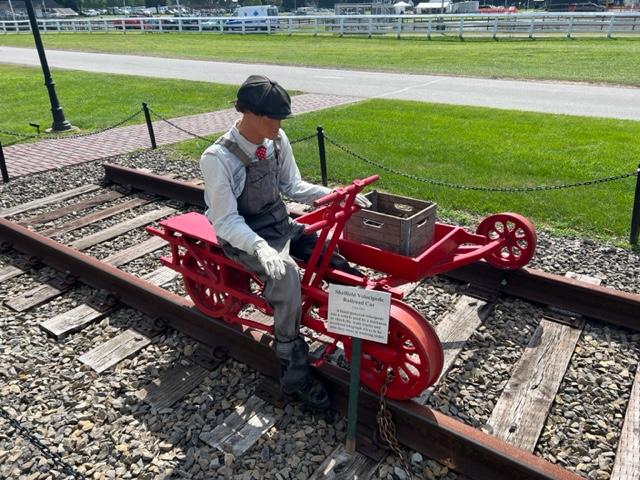
The hand cart at the turn of the last century.
The inside of the train station.
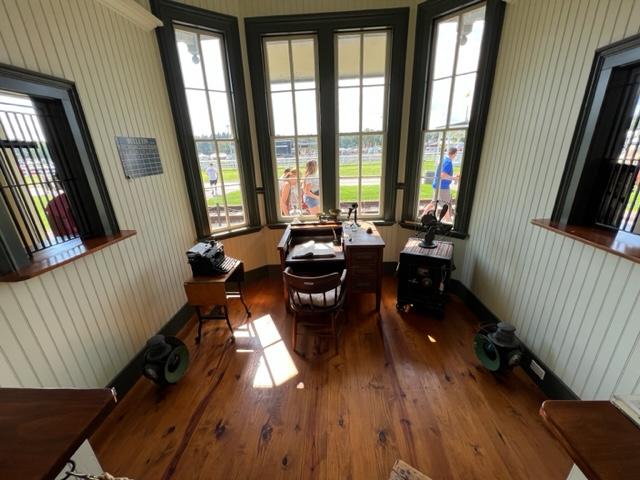
The train manager’s office at the Train Museum.
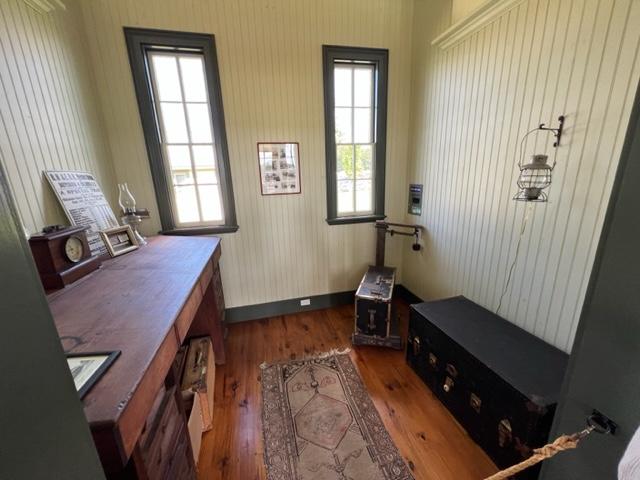
The Luggage Room at the Train Museum.
Artifacts at the Train Museum.
Artifacts from the train lines at the Train Museum
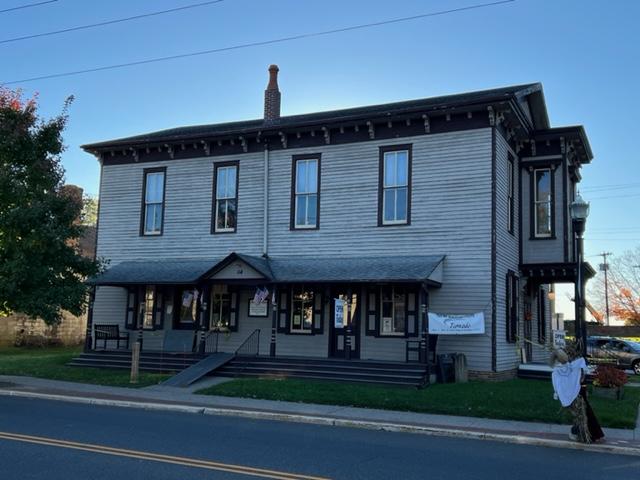
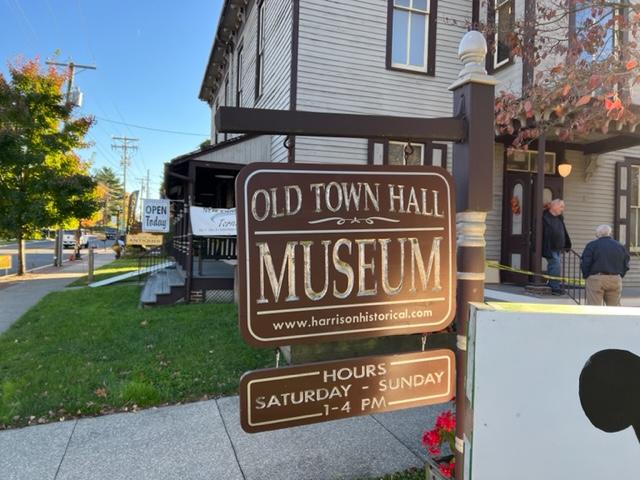
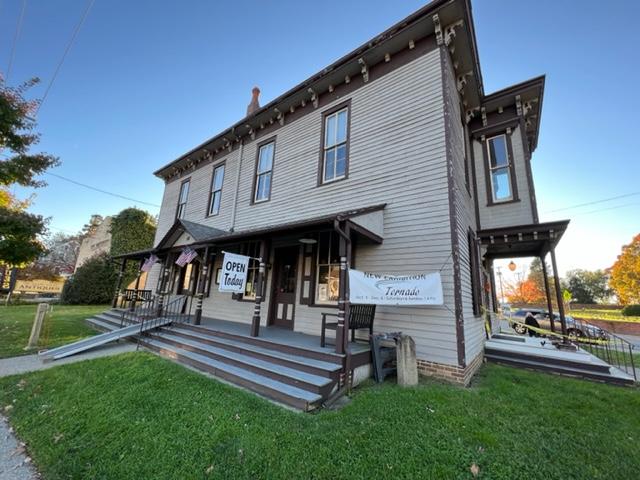
The Old Town Hall Museum/Harrison County Historical Society
The Harrison Township Historical Society/Old Town Hall Museum
Former Exhibition in 2023:
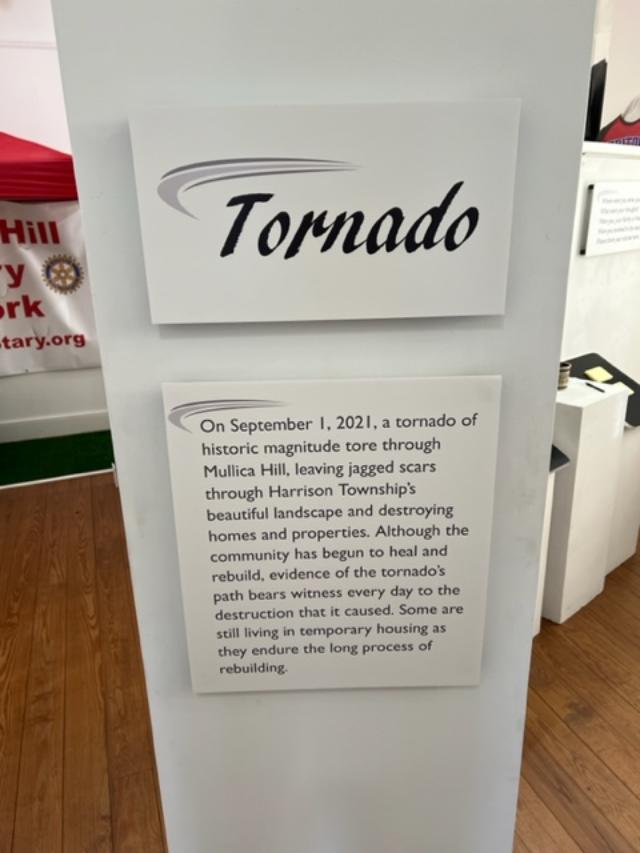
TORNADO
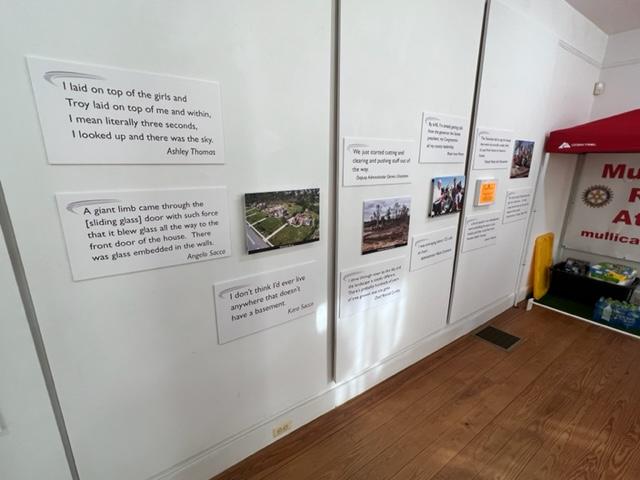
This new exhibition commemorates the 2021 Hurricane Ida Tornado through first-person narratives, artifacts, video and photography.
The Mission of the Old Town Hall Museum/Harrison Township Historical Society Inc.:
(from the Museum pamphlet)
Since its founding in 1971, the Harrison Township Historical Society has presented exhibitions, events, programs and publications focusing on the heritage of South Jersey in Mullica Hill’s Old Town Hall that was built in 1871.
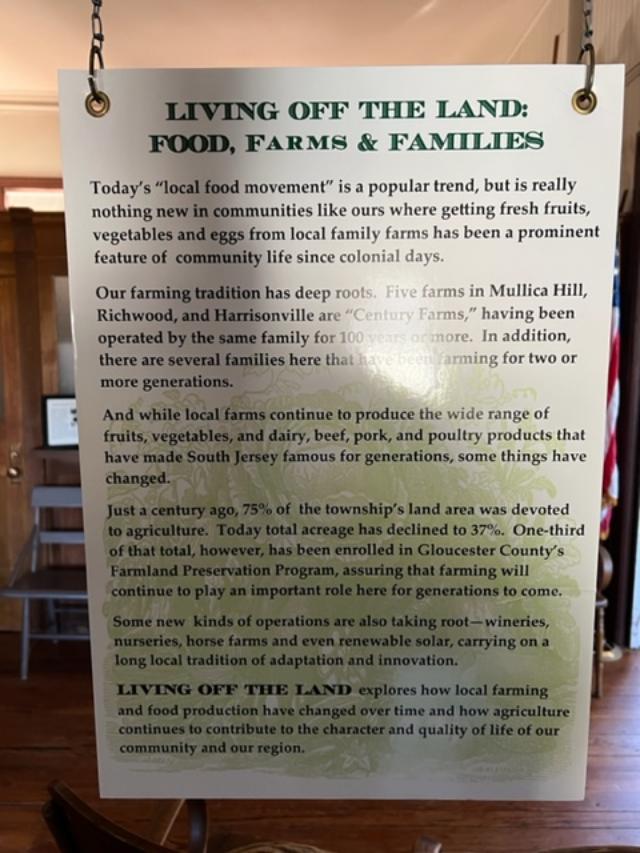
The Stone Age in Harrison Township and Living Off the Land: Food, Farms and Families, explore the region’s Paleo-Indian heritage and our local foodway and farming traditions. The Raccoon Valley General Store and the Harrison Academy Schoolroom recreate two rural institutions.
We also present seasonally changing special exhibitions, student programs and unique special events like the annual Groundhog Dinner (featuring local sausage-“ground” hog!) and the popular Mullica Hill Ghost Walk in October. Visit https://www.harrisonhistorical.com/ for news and information.
Come and experience our Heritage!
Our History:
(from the Museum website)
In 1971 the Township Committee of Harrison Township under the leadership of Mayor Philip J. Reuter, appointed a committee whose purpose was to form a historical society that would lead a community effort to preserve and provide a new purpose for Mullica Hill’s historic Old Town Hall.
Since that time the Harrison Township Historical Society has successfully met this initial charge, not only preserving the building (a key contributing structure in the Mullica Hill National Register Historic District), but also establishing a museum that has won state and national awards for its exhibitions, programs and publications.
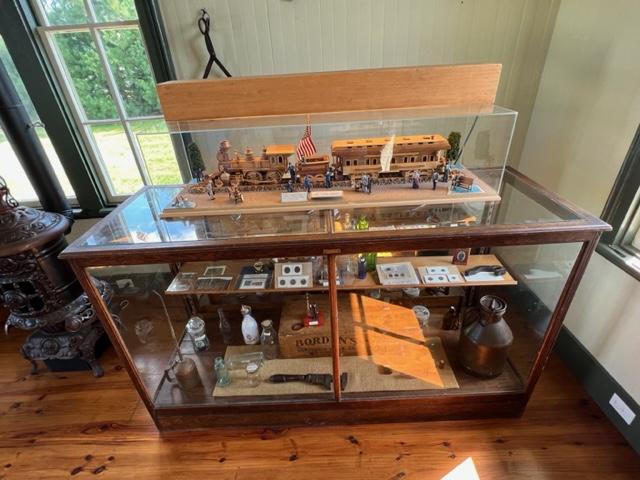
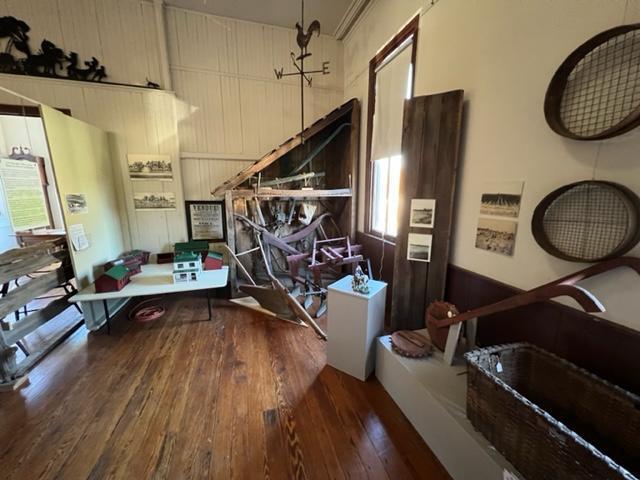
The “Living off the Land” exhibition shows life on the farm in Southern New Jersey. This exhibition shows life on a South Jersey farm from the late 1600’s to today with some of the equipment, commercial items and furniture showing the lifestyle on the farm. This first floor exhibition gives us a peek at what life is like in the day of a farming family.
The main room on the first floor of the museum is broken down into sections. In the special gallery space is the exhibition “Tornado” about the tornado that hit the surrounding area during Hurricane Ida in 2021. The exhibition gives first hand accounts of what happened and people’s experiences and the clean up.
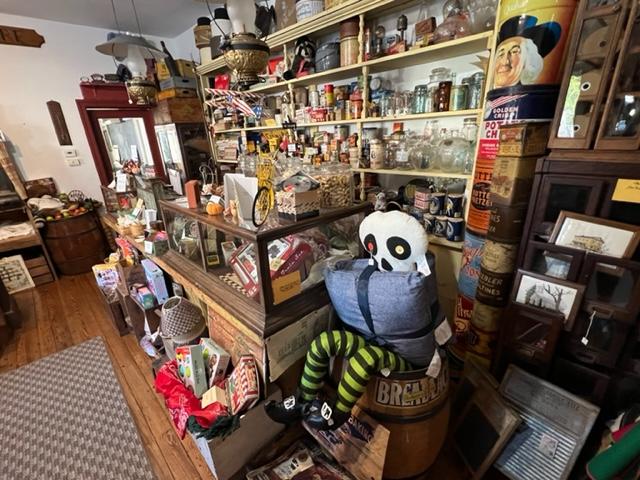
In the Main Room when you enter is the Raccoon General Store and the Harrison Academy schoolroom showing what life was like in rural Southern New Jersey.
Raccoon General Store:
All sorts of everyday items were sold in the General Store which was also a gathering place for the town’s citizens. This is where you would catch up with your neighbors at a time before telephones.
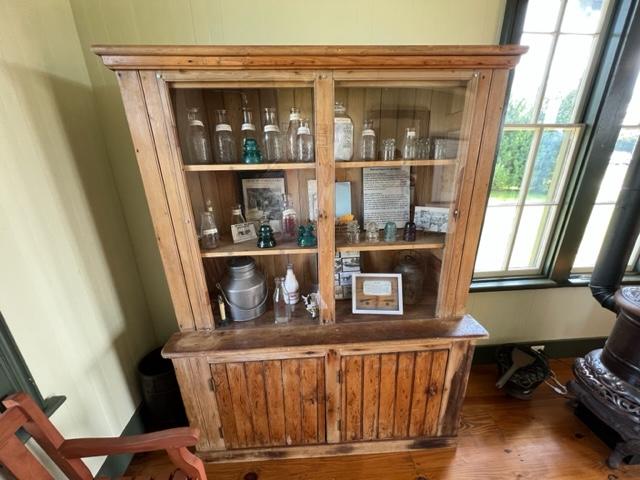
Everyday items would be found in the General Store
Everything could be bought at the General Store for the house with special trips into the City during the holidays or for special occasions
Household items at the General Store
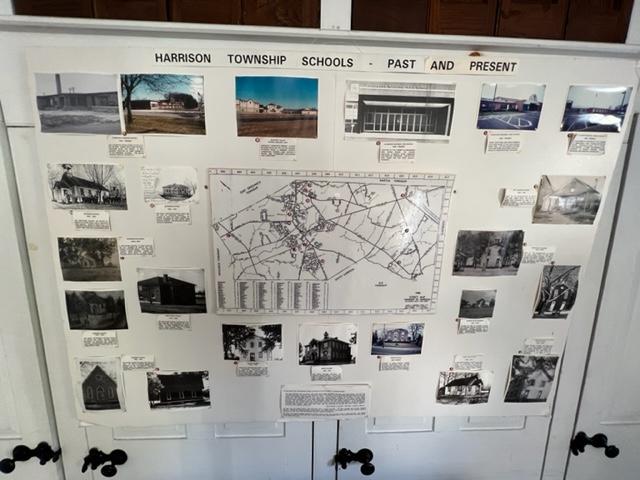
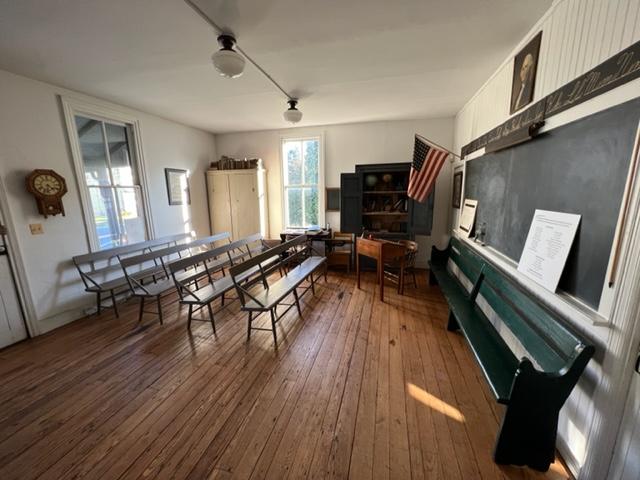
In the back of the General Store is the exhibition of the Harrison Academy Schoolhouse showing teaching in rural New Jersey up until about 60 years ago. These rural communities had the one room school in some cases up until WWII. As the areas developed, the regionalized school system came into play and these small schools became of thing of the past.
The schoolroom set up has not changed much over the last 100 years
The room was still heated by the potbelly stove
The Teacher’s Desk, the globe and picture of the President still exists in the classroom today
In the center room is the old Post Office, another fixture of the town’s social life. This was located in Mullica Hill up until fifty years ago.
The Mullica Hill Post Office
The entrance to the hall with the Post Office and Farm Equipment
The facade of the old Post Office
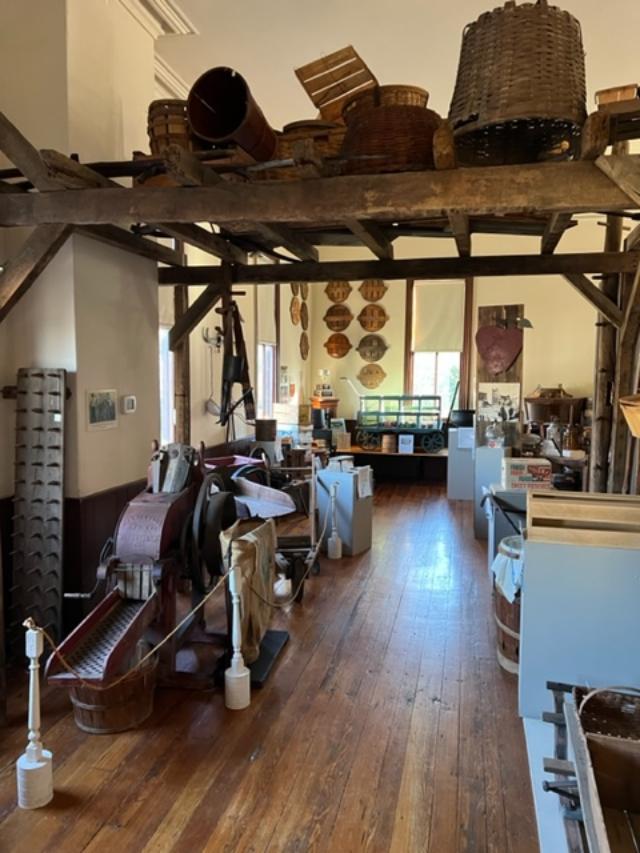
The back part of the exhibition is the farm equipment that would be used in commercial farming. The processing and packaging of fruits and vegetables would have been done when the harvest was being picked and getting ready for markets in New York, Philadelphia and Newark. Fruits and vegetables were packaged on the farm and readied for market.
Life on the farm was not always easy
All sorts of equipment for processing fruits and vegetables is on display
All the bailing and shifting equipment needed on a farm
Business advertising
Packaging fruits and vegetables for the market
Life on the Farm
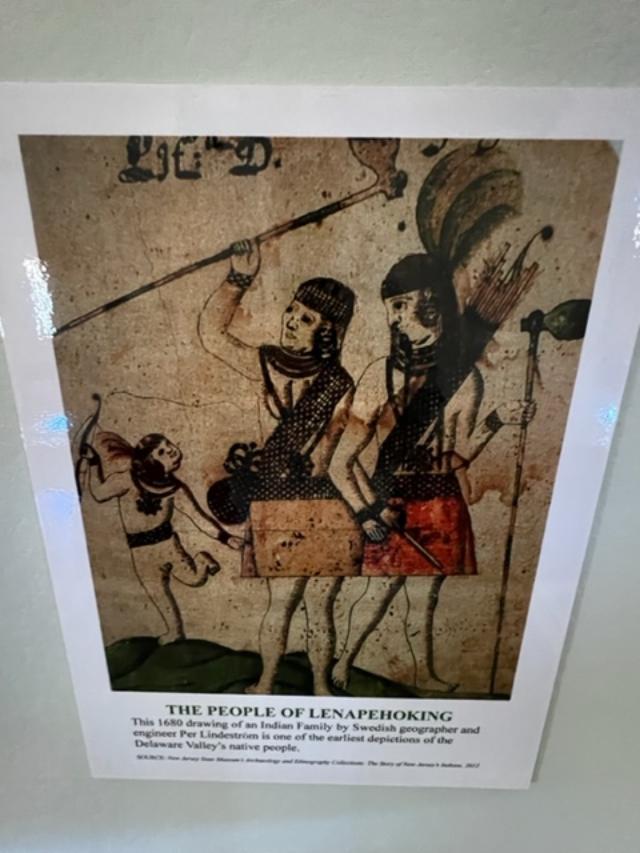
The second floor also provides not just a look into the life of the farming family but at the Native American’s life in the area before the colonist settlement.
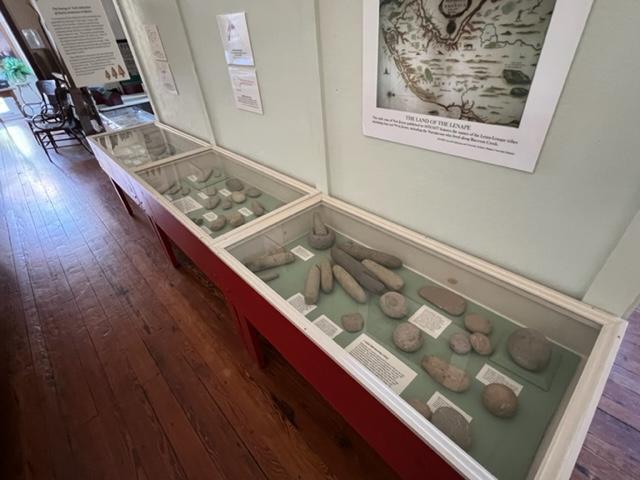
The artifacts of the Native American Lenape Indians
The local Native Americans the Lenapehoking
Day to day equipment and home products of the Native Americans
Arrowheads from New Jersey and beyond
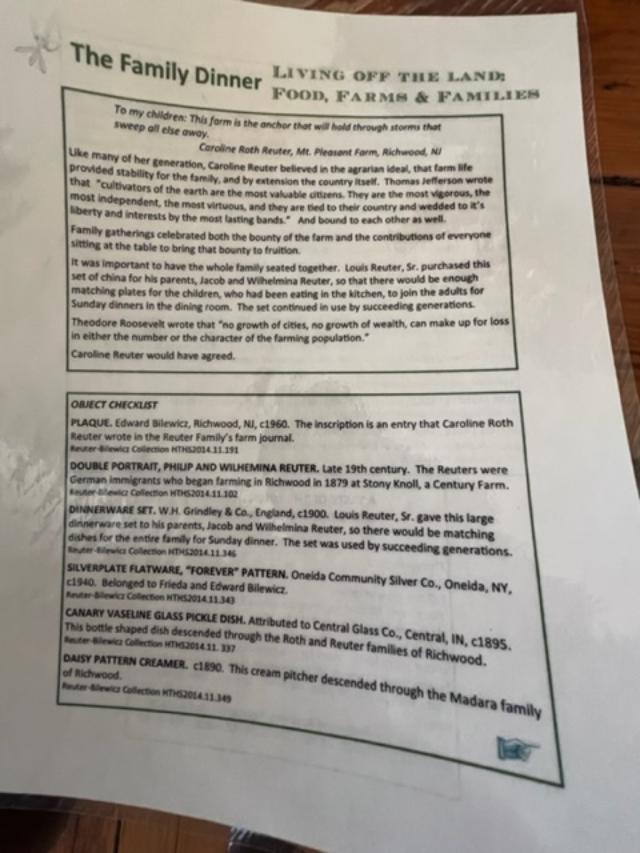
Family life on the farm included the family dinner
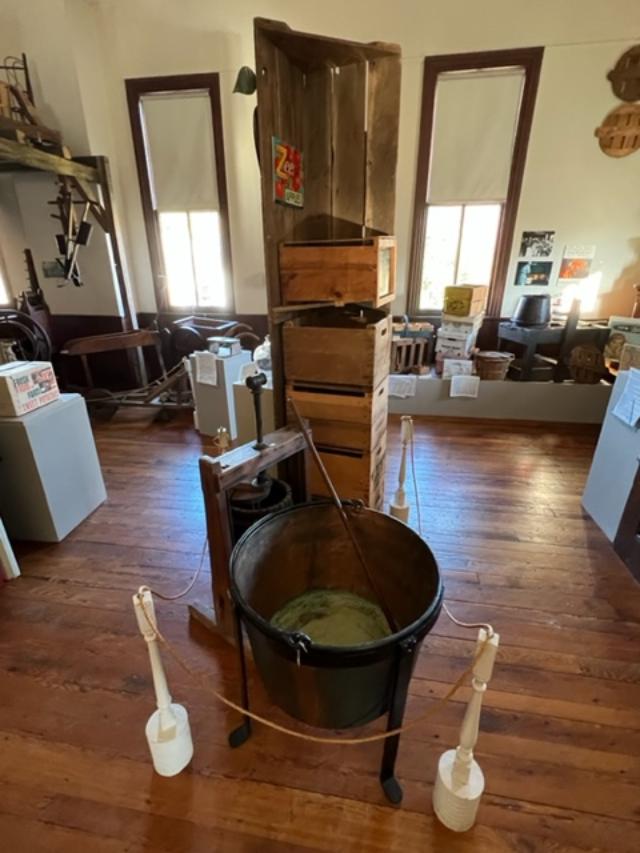
Meals would have included churning butter, gathering eggs, milking cows, processing apples for cider, baking and pickling.
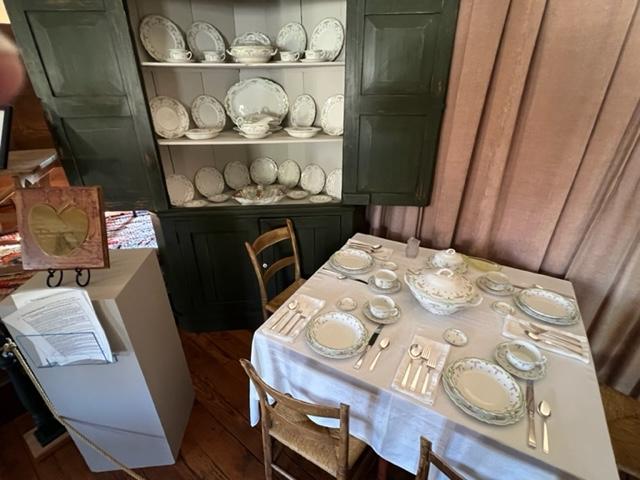
Preparing for a meal would have meant the best linens and china would come out of storage and placed on the table.
Families sat down together on Sundays to eat and enjoy each others company.
More processing of household items
The museum shows that not much has changed over the years but with the advent of modern technology with cars, the telephone and electricity, life on the farm changed but not by much. Traditions and processing crops still had to be done just differently. Life in America was going to change by the beginning of the Twentieth Century and this way of life would be part of the ‘myth’ of small town living. This still does exist in some parts of the rural country.
In early October of 2024, I came across the sign for the Ghost Haunted Walk that the Historical Society was sponsoring in Mullica Hill and decided to take an early holiday break and drive down to South Jersey for this event. I made the day of it visiting other sites around the area. Then I drove into Mullica Hill and joined everyone on a very interesting look back on the community’s past. It seems there’s a lot of haunted spots in town.
Downtown Mullica Hill the night of the walk
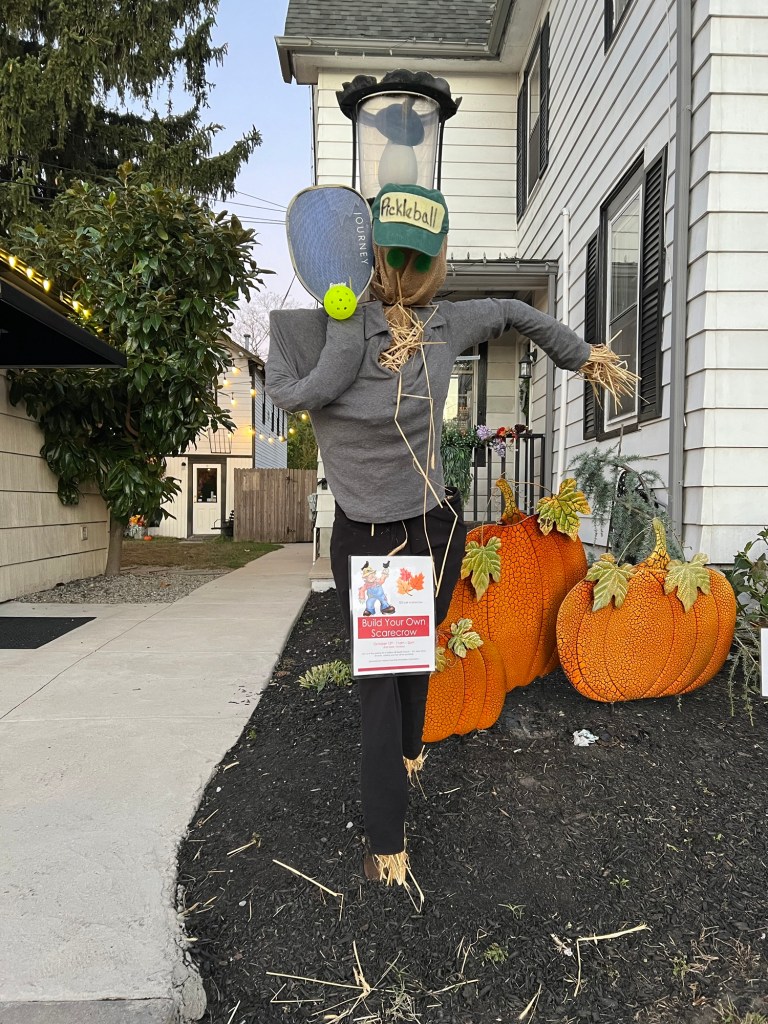
The downtown was dotted with scarecrows
The foliage was just starting to change but like Octobers in the past five years it has been warmer and greener further into the month.
The tee shirts of the event being sold at the start of the tour
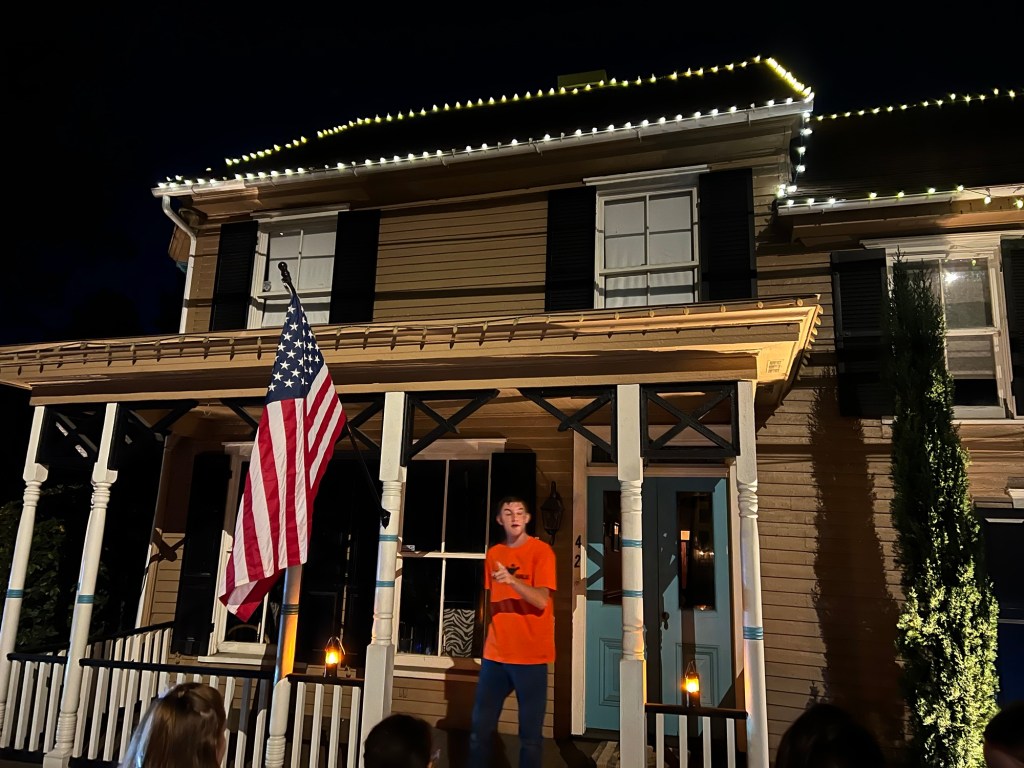
Our tour guide at the start of the tour
The scarecrows on the tour
We walked many stops in the downtown that was steeped in history even before the Revolutionary War.
The Hanging Barn where a worker hung himself
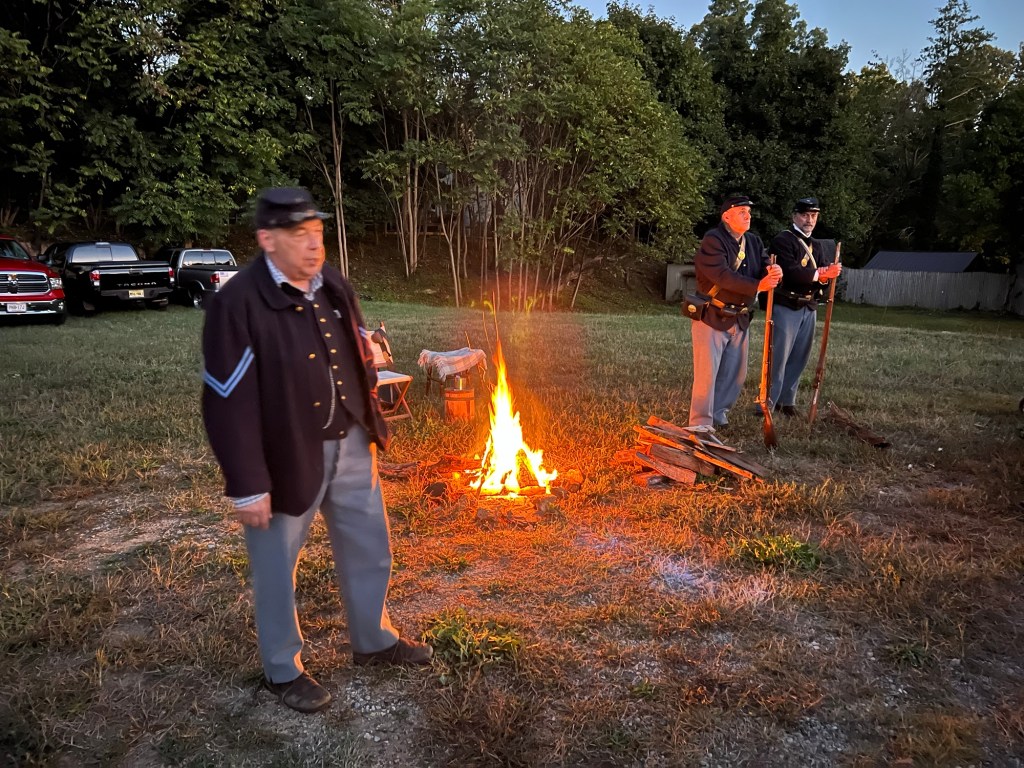
The history of the 12th Infantry some buried in the town
The Haunted St. Stephen’s Church downtown
The inside of the church where angels were seen
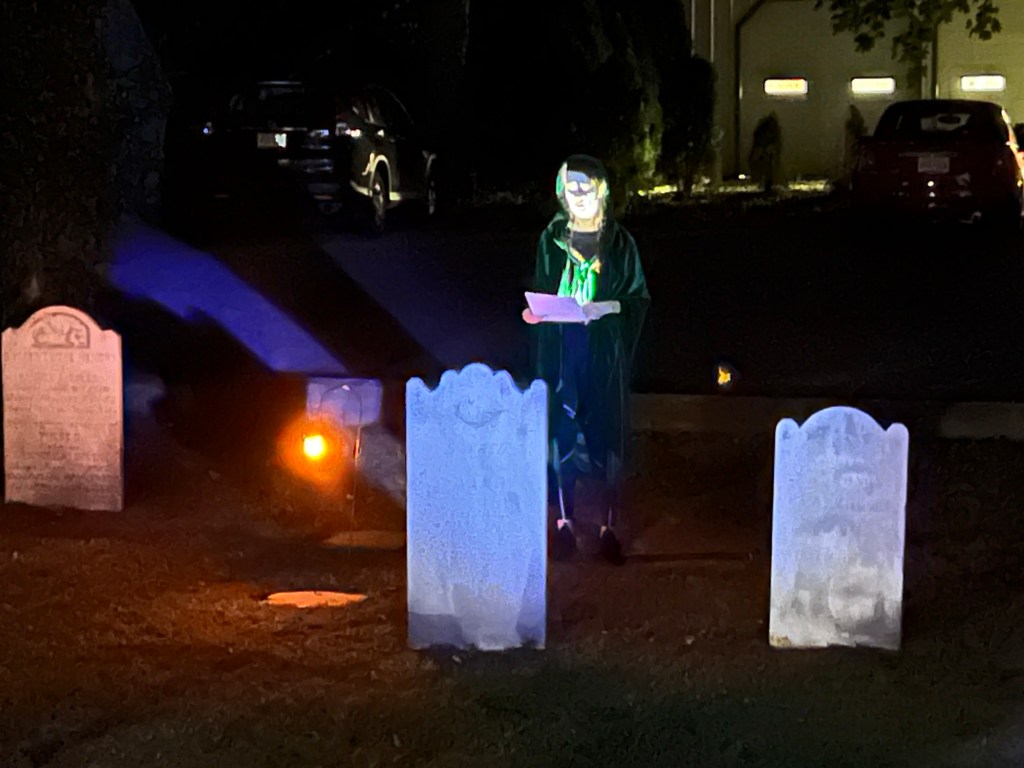
The graveyard talk in the back of the church
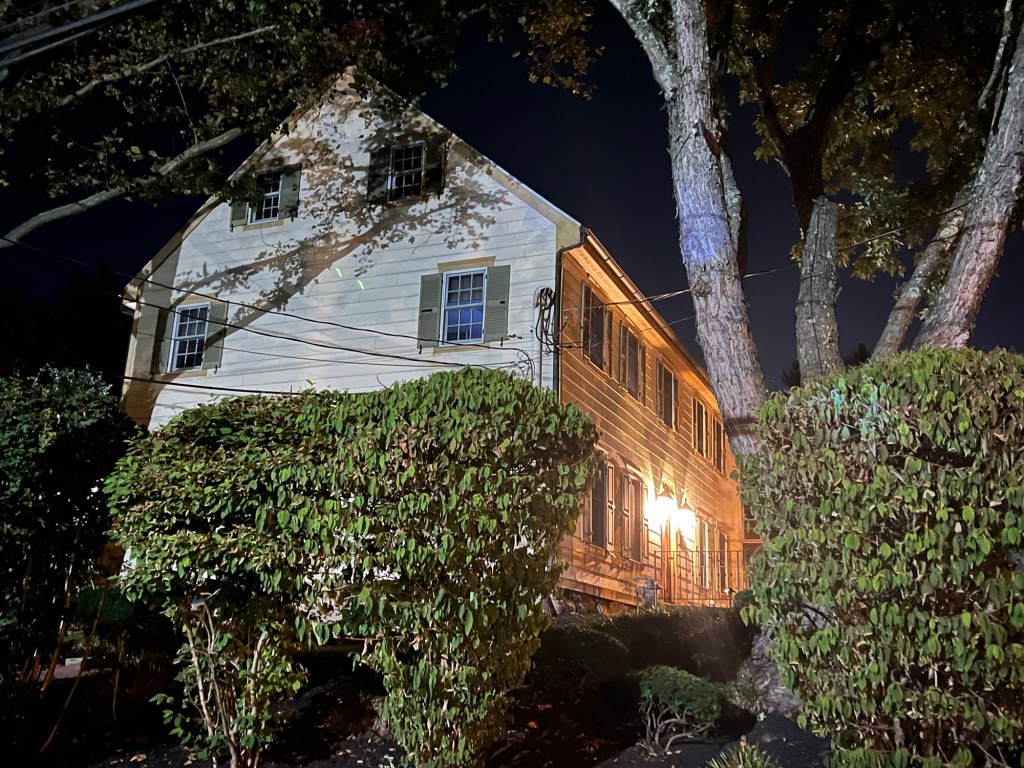
The Haunted House where multiple ghosts have been seen
Another haunted house
The Mullica family home is haunted
Another haunted house in town
After the tour was over, I toured the Mullica Hill Historical Society after the tour to see the new ‘Taverns and Temperance’ exhibition in 2024 on the local watering holes of the 18th and 19th centuries of which only two exist.
The Last Call exhibition
The history of taverns and their purpose
The interesting artifacts from the exhibit
The ‘Last Call’ exhibition was a look on how taverns were such an important part of socialization at a time when there were no movies, internet, phones and newspapers were limited. Still there was a strong resistance to people drinking which still reflects to our Puritan past.
There was nothing wrong with having a drink but there was a sense of taking it too far. Still this attitude is reflected today. It is still interesting though how one or two of these taverns have carried over into the Twenty First century. They are still welcoming guests today and that proves the socialization of these establishments and how important they are in our lives.
After the Haunted Tour:
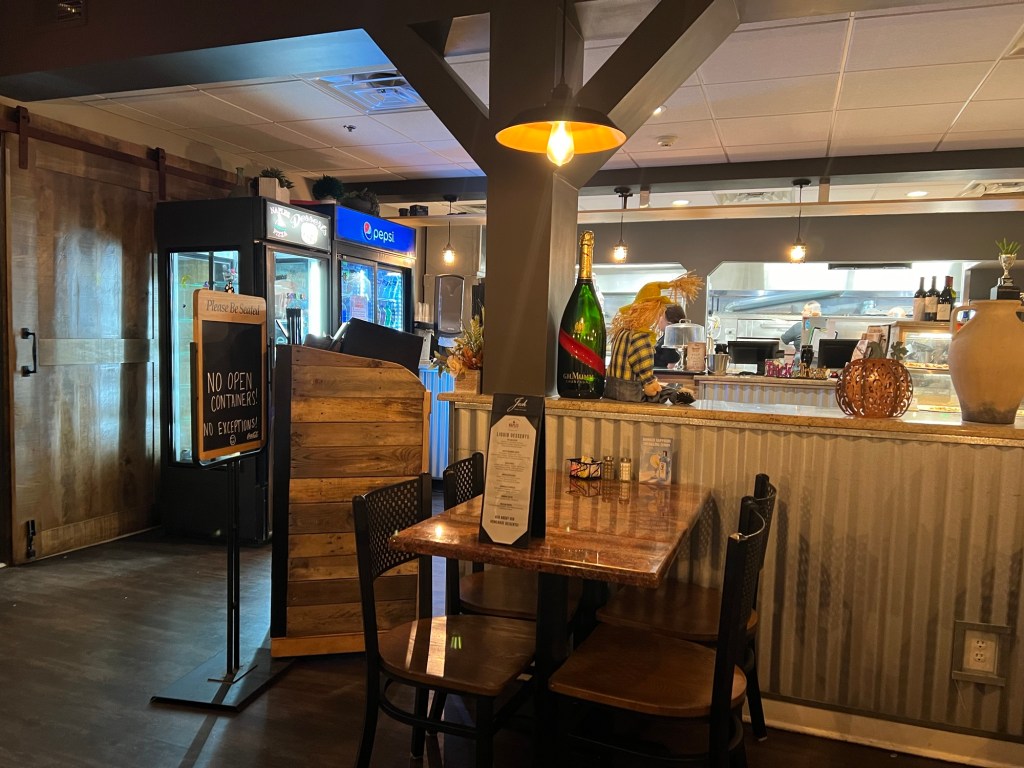
After the tour was over and I had a nice visit with the museum, it was almost 9:00pm and I wanted to eat something. Two small tacos and two doughnuts are hardly a proper lunch for someone. By 9:00pm though, the whole town had rolled up its sleeves. Even the restaurant where the tour started was closing at 9:00pm. I was shocked as there were people inside still ordering. The host said the kitchen was closing and if I knew what I wanted I could sit down.
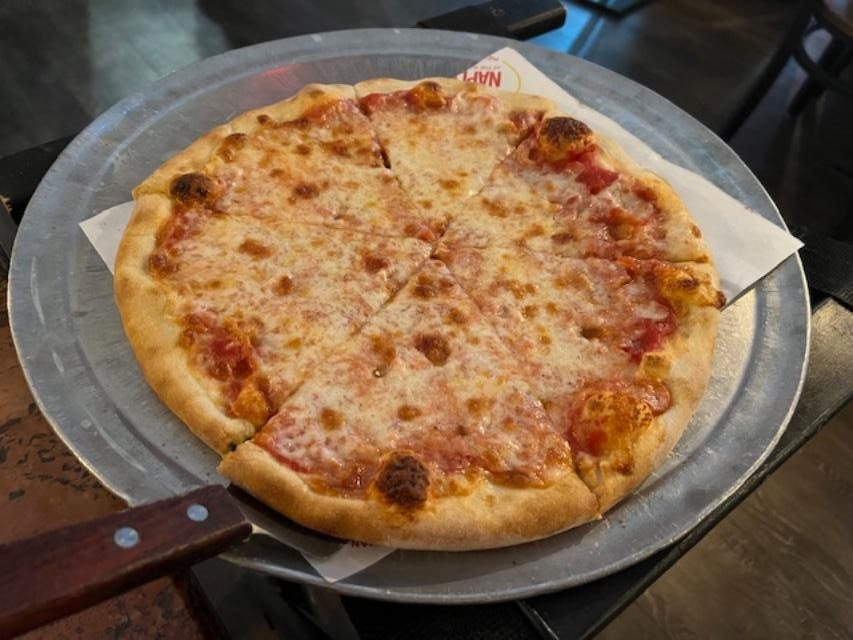
That was not much of an offer especially at their prices and I made my way down to Naples, the pizzeria and Italian restaurant where I had parked. They were open until a normal 11:00pm on a Friday night (I still do not understand restaurants that close at 9:00pm on a Friday or Saturday night. This part of the COVID scare is over and things are pretty much back to normal).
I went to the host stand and they seated me quickly. Tours were still going on and as I ate my dinner, the place really filled up when I finished because there was no place left to eat in town. (Not a good business decision). I really enjoyed Naples. Not only was it a lively environment with the games going on and a very active bar scene but the food was really good as well and very reasonable.
Naples at the Warehouse at 1 South Main Street in Mullica Hill, NJ
Between the Haunted Walk through town and the interesting discussions at each stop to the trip to the museum after the tour, the Haunted Walking Tour of Mullica Hill, NJ was well worth the trip down to South Jersey. It was such an interesting look at the town I would not have known from the many times I have visited the town. The Volunteers did a great job with this event.
It is a great little museum with a lot to see on two floors.
History of the Museum:
Fun Facts:
*People have been living in present day Harrison Township for over 10,000 years.
*Harrison Township originally included South Harrison and the western edge of Elk.
*The Township was named after President William Henry Harrison.
*There is a village called Mullica Hill in Finland.
*The first air shipment of fresh produce in the US took off from here.
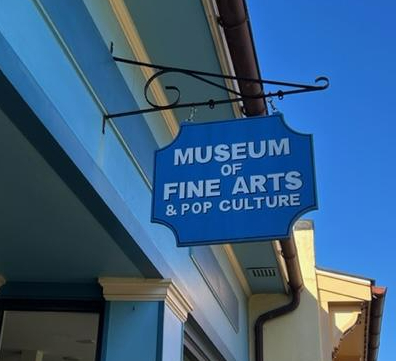
The Museum of the Fine Arts & Pop Culture at 507 Washington Street Unit 104
The Museum of Fine Arts & Pop Culture
The Museum features unusual takes on traditional art and shows it from a Surrealist viewpoint. The owner of the museum says that he wants the museum to engage the visitor. The works makes you think about what the artist is trying to say and how to interpret their work. The art is very unusual.
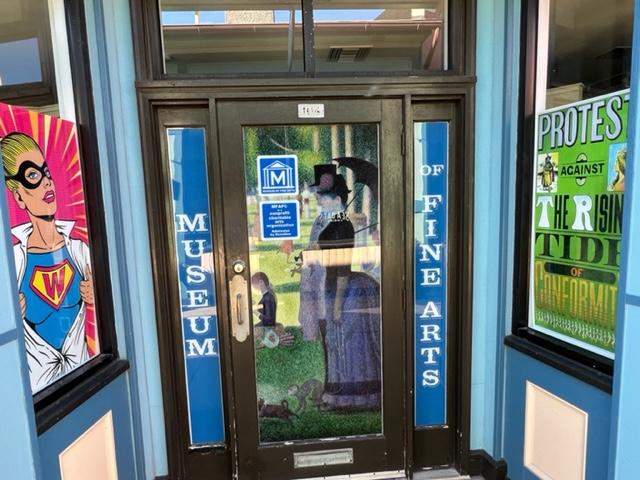
The entrance to the museum and posters in the windows.
The entrance of the museum and the posters that line the windows.
The sign that welcomes you to the museum.
What makes the museum interesting is that all the art is made by the collective that the museum is part of and the works are all original interpretations of what the artist feels and what they are trying to portray.
Some pieces are interpretations on famous artworks and others are original ideas and thought of what the artist is trying to interpret. I thought some the works strange until I got some idea of what it was all about. Some of the work just stands on its own. You really have to look each work a second time.
The Gallery of the Museum of Fine Art & Popular Culture.
The museum is in one gallery and looks more like an Art Gallery than a museum. The works are not sale but should be. You can see the whole museum in about an hour. When visiting the Washington Mall in Cape May it is worth the visit to be challenged by the art at the museum.






























 Visiting a Museum: The Unique, Unusual, Obscure and Historical