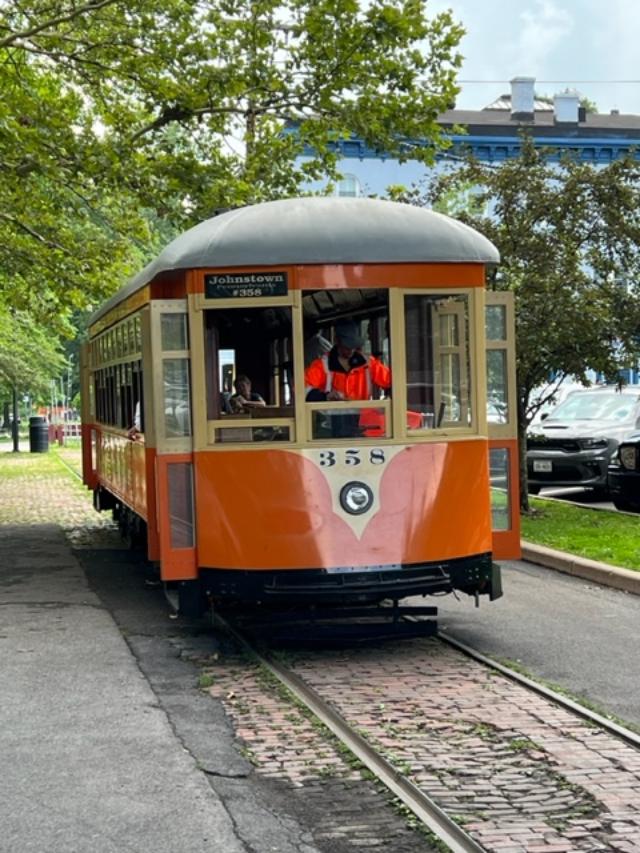
When I was visiting Kingston, NY again for my blog, “MywalkinManhattan.com”, I came across the Trolley Museum that was down the road from the NY Maritime Museum and the harbor for the ‘Hudson River Cruises”. This unique museum has a lot of interactive things for a family to do including riding a trolley through the harbor of the Kingston Roundout to Kingston Point Park right on the Hudson River. On a beautiful sunny day there is nothing like it.
The first part of the trip took us to the Kingston Roundout
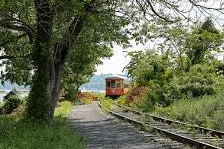
I just made the first trip on the trolley. You start at the front of the museum and then you take a short trip to the downtown and we picked up other passengers. It was then off for a short trolley trip following the river up to Kingston Point Park and the picnic grounds there.
The Trolley arriving at Kingston Point Park
The foliage was amazing at the park with hues of gold and red and the trees were just coming into their peak. We only had about a half hour to stay at the park and look around but it was a real delight of colors and the views of the river just shined in the sun. It was very picturesque especially with sailboats passing by.
The Trolley stops at Kingston Point Park
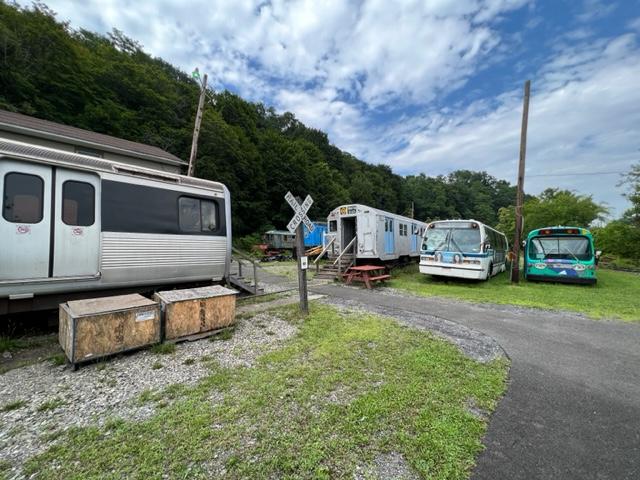
On our way back to the museum, you could see the lighthouse from its perch at the mouth of the inlet. People were starting to take the Hudson River Cruise in the distance which I had made two weeks earlier. When I got back to the museum, I toured all the buses, subway cars and the Path train that they had in the parking lot. I could see this live in Manhattan so I went to visit the museum. The nice part about the museum is how interactive it is and how you can pace yourself through all the displays.
You can tour old subway cars, buses and an old Path Train
There were small exhibits on the history of the trolley cars in cities, the development of the cars as a mode of transportation starting with horses to the electrical age.
Old New York City subway car
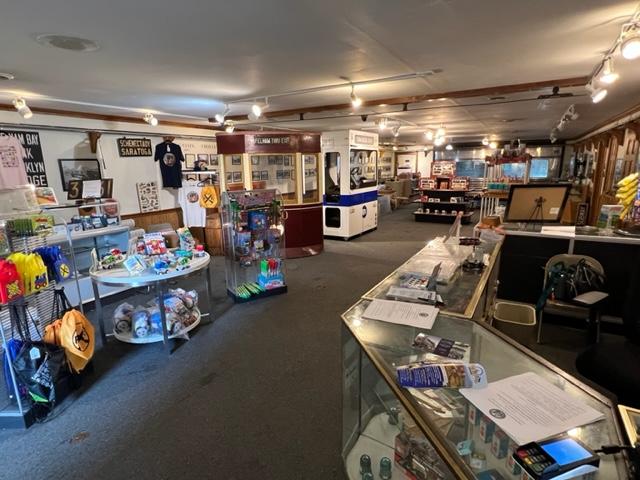
There was also a small display on glass fixtures used in the electrical lines before the new cabling systems came in and another hats and uniforms used on the trolley cars over the years. There are also displays of signs and posters for the different lines.
The inside of the Kingston Maritime Museum
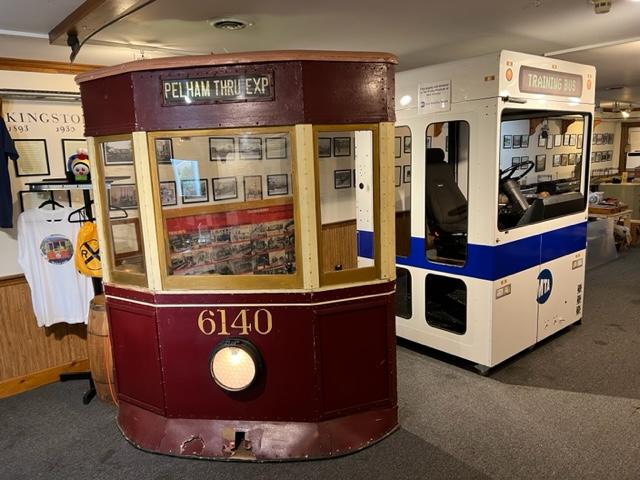
The Subway display at the Kingston Trolley Museum
It is a small museum but for families, there is a lot to climb through and tour around and just taking the trolley up to the park is worth the price of the ticket.
The conductor operations room display at the Kingston Trolley Museum
History of The Trolley Museum of New York:
The Trolley Museum of New York is a non-profit educational museum founded in 1955. The goals of the museum are to offer rides to the public, exhibits and educational programs sharing the rich history of rail transportation and the role it played in the development of the Hudson Valley region. In addition to static displays of trolley, subway and rapid transit cars from the United States and Europe, a trolley ride runs 1 1/2 miles from Gallo Park at the foot of Broadway in downtown Kingston, NY to Kingston Point Park on the shore of the Hudson River, using a renovated 1925 trolley. Along the way, we stop at the Museum grounds.
The inside of the Kingston Trolley Museum
The Museum is on the original site of the Ulster and Delaware Railroad yards at Milepost 1. Our shop building is built on the foundation of the U & D engine building house which existed at the turn of the century. The upper level includes a Visitor’s Center featuring seasonal and permanent displays, a video viewing area and large windows overlooking the restoration shop. Visitors can see up to eight trolleys being housed and restored below.
The outside of the Kingston Trolley Museum
One of the cars in the restoration shop is our 1897 wooden trolley car from Olso, Norway. This car is one of four cars that we have on display that are 100 plus years old.
The public transport display inside the Kingston Trolley Museum
Your Donations:
All of the Museum staff are volunteers. There are many projects, both large and small, all of which require funding to complete. Chief among these are the installation of overhead electric wire, trolley restoration and the expansion and rehabilitation of track. Your donations will help to provide vital support for these projects and others.
Inside the Kingston Trolley Museum
(This information comes from The Trolley Museum of New York’s pamphlet and I give them full credit for it).
The Kingston Hudson River Maritime Museum 50 Roundout Landing
I recently visited the Hudson River Maritime Museum after a boat cruise around the Hudson River and I found this wonderful little under-rated museum to packed with information not just about the history of the Hudson River Valley but the rich history of boating and boat building, the economic impact of the area in mining, brick building, ice manufacturing and cement development.
The Tug Boat display
It was interesting to see how the natural wonders of the area have given the rise to so much development in not just building the area but its long lasting contribution to New York City. This was not just in industry but in the pleasure and shipping boat industries as well.
The Ferry display
One part of the museum is dedicated to transportation up and down the river with sailing and steamboats in the forefront especially how the luxury steamboat industry went full force until about 60 years ago. It was considered the nicest form of transportation to and from New York City. It was interesting how the modern train and car lead to the demise of something that today would be embraced as unique and fun. The pleasure steamboat industry continued on until 1971.
The leisure ferry industry down the Hudson River
Another part of the museum was dedicated to the history and development of the area from the Native American tribes living along the shore and the Dutch settlements to the rise of modern development of manufacturing along the shores to its after effects and clean up in the 1960’s and 70’s. These included fishing, ice manufacturing and brick making.
The Ice Industry on the Hudson River
There were really nice displays on the ship building, sail companies and maritime industries that supported them. The manufacture of raw materials and building supplies because of the natural resources of the Hudson River Valley show how rich in minerals, clay, cement and stone from the cliffs built New York City and how they nearly destroyed nature.
The Brick industry in the Hudson River Valley
The displays tell the stories of activists who saved the area, Robber Barons that exploited it and the everyday people who contributed to making the valley the interesting place that it is today. It showed how protests and free speech saved the Valley from devastating development.
The Alexander Hamilton Ferry ride down the Hudson River
With each room at the museum, there is a story to tell and pictures to explain why the Hudson River Valley and the Kingston Roundout is such an interesting place to see. Outside you can find an example of the Tug Boat industry
The Tug Boat “Mathilda” on the museum grounds
The tugboat display by the riverfront
Take time to guide through the rooms and read the signs and stories. There is a lot to see and do here and make sure to leave plenty of time to walk the grounds and see the tug boat and sailing displays and walk the river front. There is even a display of ships models to explore. It makes for an interesting afternoon.
The ‘Ship Models’ display
History of the Hudson River Maritime Museum
(This information was taken from the Museum’s website and pamphlet)
Hudson River Maritime Museum
The Hudson River Maritime is dedicated to the preservation and interpretation of the maritime history of the Hudson River, its tributaries and related industries.
Ship building was very important in the region
The Hudson River Maritime Museum was founded in 1980 to preserve the history and maritime heritage of the Hudson River. Our collections range from steamboats, tugboats and sailboats to the canal system and waterfront industries, dating back to the early 19th Century.
The ferry display
The museum has a library and archives open to researches by appointment. Some of our collections have been digitized and are available online at http://www.hrvh.org/hrmmkingston.
Passenger steam boats, Hudson River rowing, ferries, ecology and conservation, ice boats, tugboats, fishing, ice harvesting, brick making, early exploration, cement production, lighthouses and more. HRMM features a new temporary exhibit every year. Information on exhibits, including online exhibits is available at hrmm.org.
The ‘Cabin Room’ display
Some of the attributes of the museum:
Wooden Boat School:
The Wooden Boat School was opened by the Hudson River Maritime Museum to preserve the rich boat building heritage of the Hudson River Valley. Wooden boat building occurred on Roundout Creek in particular throughout the 19th and 20th centuries including World War I & II and the Korean War.
The ‘Hudson River Weather’ display
Today, the Wooden Boat School offers adult classes, Youth boat program for teens and serves as the headquarters for the Sailing & Rowing School, Sea Scouts Ship 609 and the Kingston Sailing Club.
Kingston Home Port:
A timber framed carbon neutral structure, the Kingston Home Port and Education Center was completed in 2012 to serve as the winter home port and maintenance center for HHRM partner the Hudson River Sloop Clearwater during the winter season. During the summer months, the Home Port serves as an event, lecture and educational space for the museum.
The ‘Steamboat Captain’ display
The Kingston Home Port also functions as the main operational headquarters for the Roundout Rowing Club and the Kingston High School Crew Team.
The ‘Erie Canal’ display
The ‘Erie Canal’ display
The Hudson River Maritime Museum (HRMM) features a variety of programs and events throughout the year including:
*Lighthouse Tours
*Local History tours, including guided walking and car tours.
*Woodworking, maritime art and boat building classes at the Wooden Boat School
*Sailing, boating and rowing classes at the Sailing & Rowing School
This is the best way to experience seeing the Hudson River by walking on top of it. It is especially nice on a beautiful day.
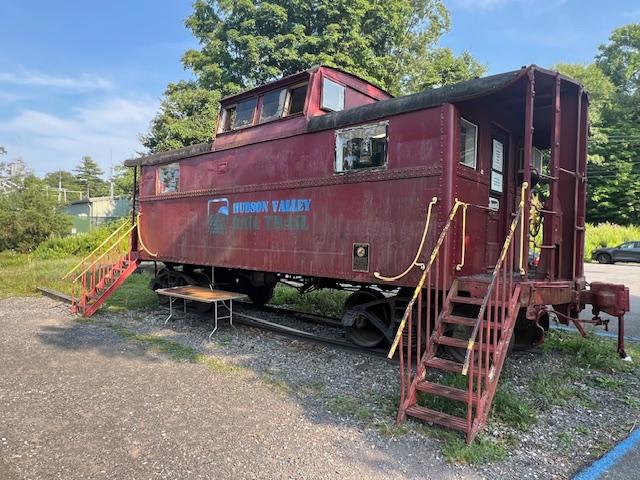
The rail car from the entrance to the Walkway by the Highland Park side of the walk
The day I walked over the “Walkway over the Hudson” it was a rather cool September day in the last days of the summer but still it was a spectacular day to see the river with blue skies and sunshine. I also revisited the Walkway in July of 2024 and the views are just as amazing when everything in full bloom.
The history of the bridge that crosses the Hudson River
The start of the walk by the Highland NY side of the bridge
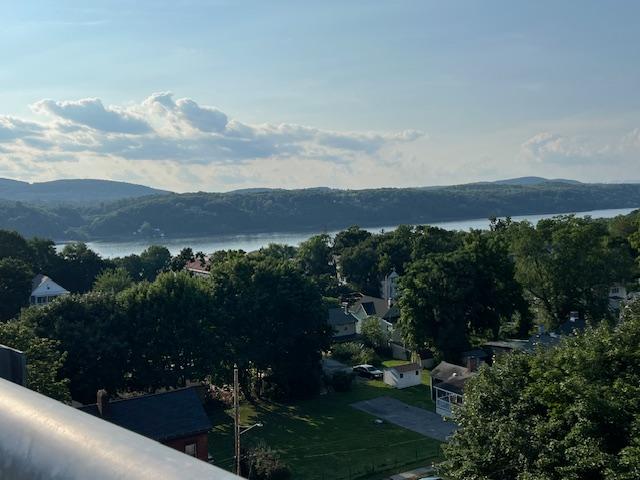
The views from the bridge on the Highland NY side
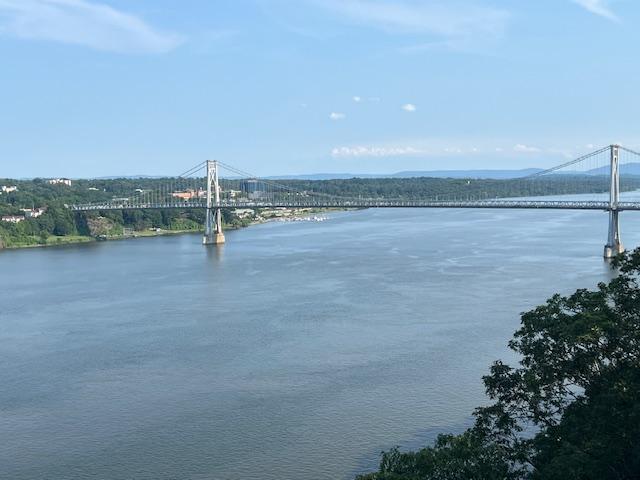
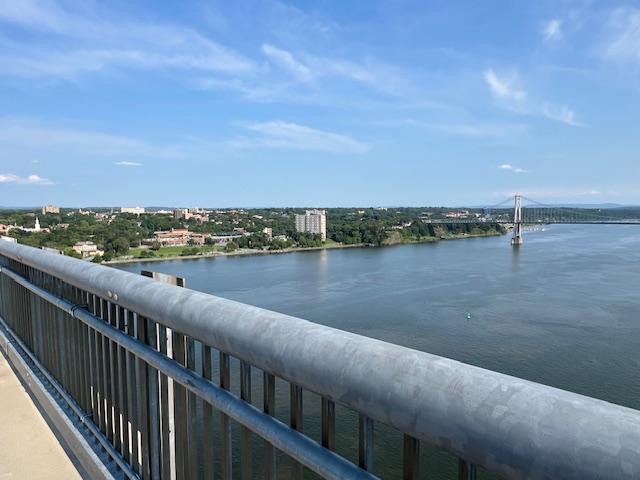
The views of the Mid Hudson Bridge
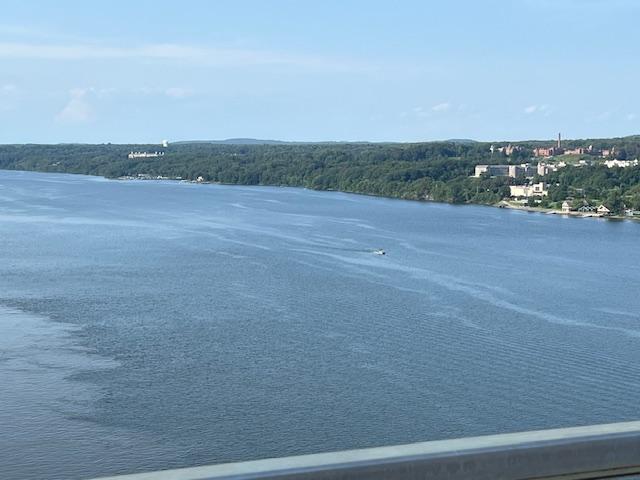
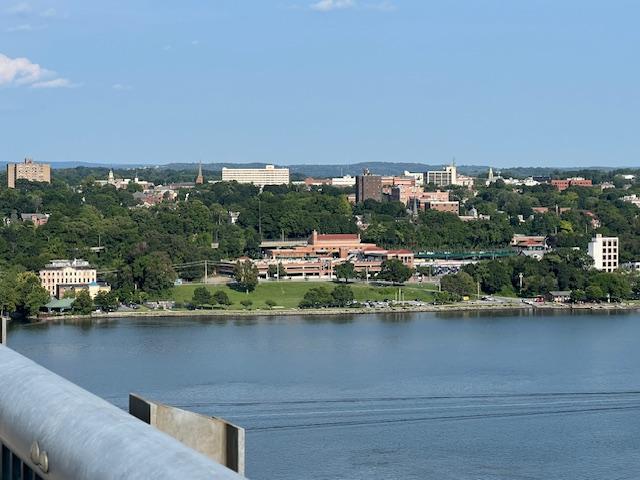
The views of Poughkeepsie and Hyde Park
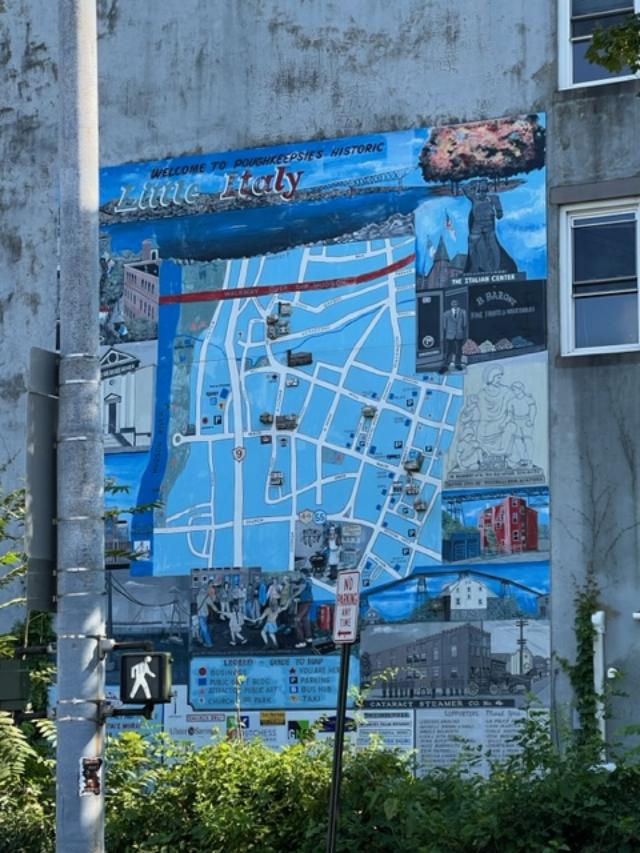
On both sides of the bridge, there are small parks to sit and relax. There are signs all over the bridge to tell the story of the bridge and the people who helped save it. The best part is to just sit around the rails and see the views of the Hudson River. On the Poughkeepsie side of the river, you have the entrance to the Little Italy section of city right near the riverfront. Since my initial walk, three of the restaurants have closed since COVID.
The historic sign at the halfway point
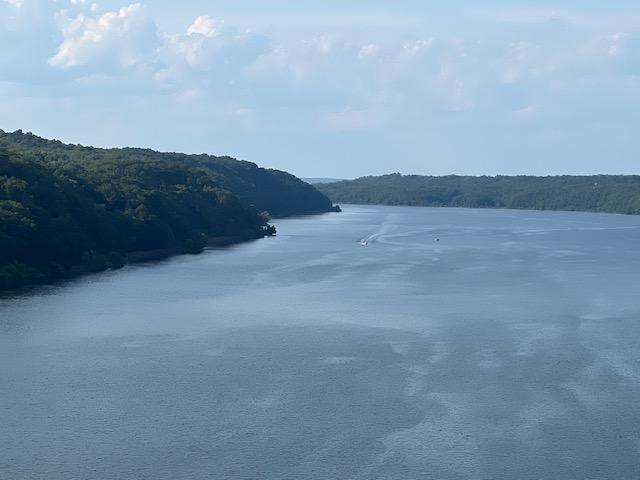
Looking up the Hudson River to the north of the bridge
Looking north to Hyde Park, NY
Looking south down the Hudson River
What is nice too is when you are leaving the Walkway is that you can tour Little Italy and Downtown Poughkeepsie. The Riverfront area of the City is changing quickly and new bars and restaurants are opening.
The towns and neighborhoods to visit after leaving the Walkway in Poughkeepsie and Highland NY
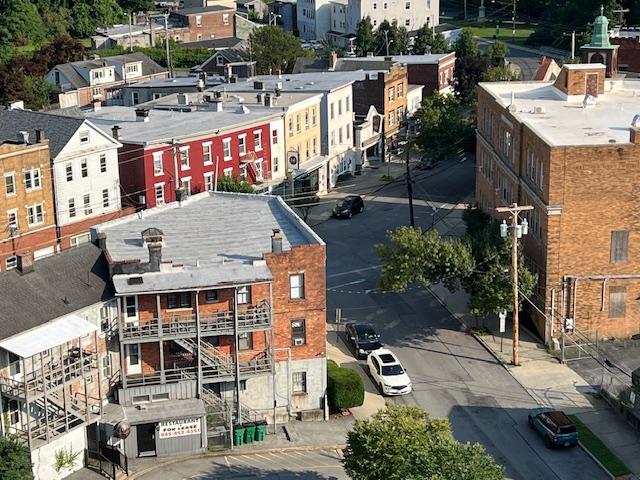
The Little Italy section of Poughkeepsie from the Walkway over the Hudson
The sign in Little Italy in Poughkeepsie
The history of the ‘Walkway Across the Hudson’:
The bridge now known as the Walkway Over the Hudson opened in 1889 as the Poughkeepsie-Highland Railroad Bridge to transport western raw materials to eastern industrial centers. Rosendale cement was used in the original construction of the piers. At the same time of its opening, it was the longest bridge in the world.
Downtown Poughkeepsie in front of me
In addition to freight trains, the bridge hosted passenger trains connecting Boston, New York, Harrisburg, Philadelphia, Baltimore and Washington as early as 1890. Trolley cars termed “rapid transit” were modified to run on both trolley and railroad tracks and served tourists, students and shoppers (from New Paltz to Lucky Platt’s). Special West Point Football trains ran from 1921-1930. Circus trains, milk trains, trains for hogs and cattle-the uses were varied and the impact was huge. At its peak as many as 3,500 rail cars crossed the bridge each day.
The waterfront of Poughkeepsie
There were two sets of tracks until 1918 when gauntlet track, also called interleaved track, was installed to handle the weight of diesel locomotives. It was removed in 1958.
Looking south down the Hudson River
During World War II the bridge was painted black to make it less visible in the event of an attack. Painting continued until the 1960’s. The high quality of the steel used in the original construction does not need to be painted. Metal experts during reconstruction stated that the absence of paint in fact helped keep the steel in the good condition it is in today.
The Poughkeepsie waterfront
The fire that destroyed the tracks in 1974 was probably started by a spark from a train’s brakes. From Carleton Mabee’s ‘Bridging the Hudson’, page 247: “An hour after a Penn Central train with 100 cars crossed the bridge on May 8, 1974, a thick cloud of black smoke hung over the bridge. Wooden ties were smoldering and wooden walkways were burning, fanned by a moderate breeze. Because Penn Central had no guards or maintenance men on the bridge at the time, the fire was not quickly reported. When firemen arrived at the site, they found they could not easily pump water up to the top of such a high bridge.
Downtown Poughkeepsie from the bridge near the waterfront
When firemen arrived arrived at the site, they found they could not easily pump water up to the top of such a high bridge. When they tried turning on the water to flow into the bridge. When they tried turning on the water to flow into the steel pipe which ran the length of the bridge, a line meant to help fight fires, they found that because it had not been drained the previous winter, it had burst at several points-Penn Central had known it but had not repaired it.”
View from the bridge on the Poughkeepsie side right near Little Italy
It was rebuilt and re-opened in October 2009 as the Walkway Over the Hudson State Historic Park thanks to the efforts of a dedicated friends group, the Dyson Foundation, many donors and New York State.
The Highland Park side of the bridge at dusk
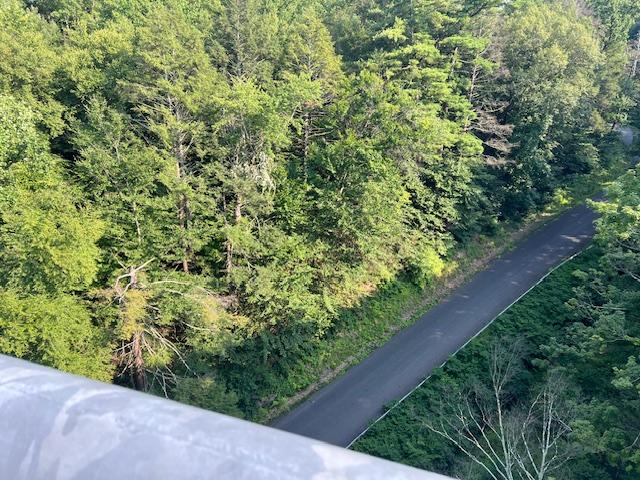
At 212 feet above the Hudson River, this 1.28 mile linear park boasts scenic views north to the Catskills and south to the Hudson Highlands.
The Walkway is amazing on a sunny day
The Walkway is part of the Hudson Valley Rail Trail Network and was inducted into the Rail-Train of Fame in 2016, it connects Ulster County’s Hudson Valley Rail Train to the William R. Steinhaus Dutchess Rail Trail.
The ADA compliant 21 story glass elevator provides seasonal access from Poughkeepsie waterfront at Upper Landing Park a short walk from the Metro North train station.
The Walkway welcomes more than 500,000 visitors annually from all over the world who enjoy walking, cycling and running amidst its scenic beauty.
Today, the Walkway is operated and owned by NYS Office of Parks, Recreation and Historic Preservation and the NYS Bridge Authority it is open year round, offering programs, events and tours made possible through membership and donations to the Walkway organization.
(This information was taken from the Walkway over the Hudson website and pamphlet and I give them full credit for all of this information).
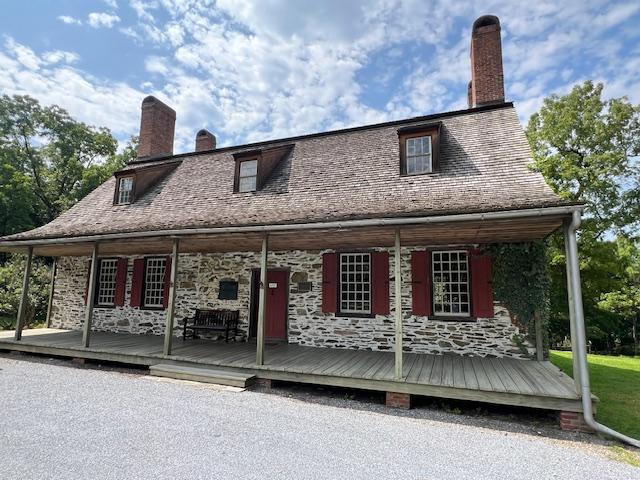
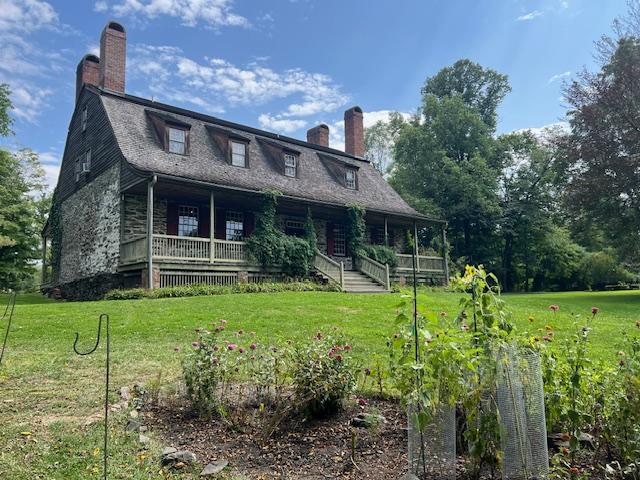
The outside of the Mount Gulian Homestead at 145 Sterling Street in the Summer of 2024
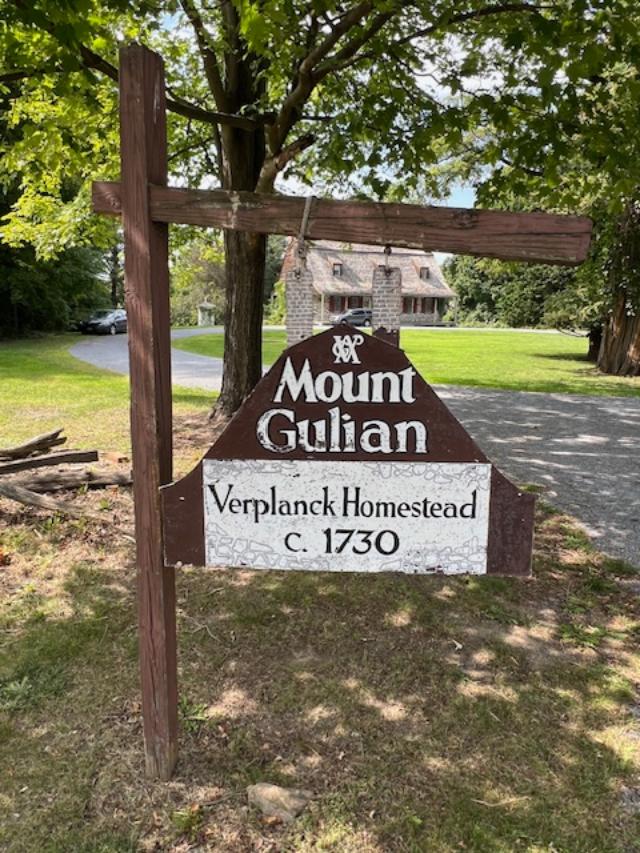
The sign that welcomes you
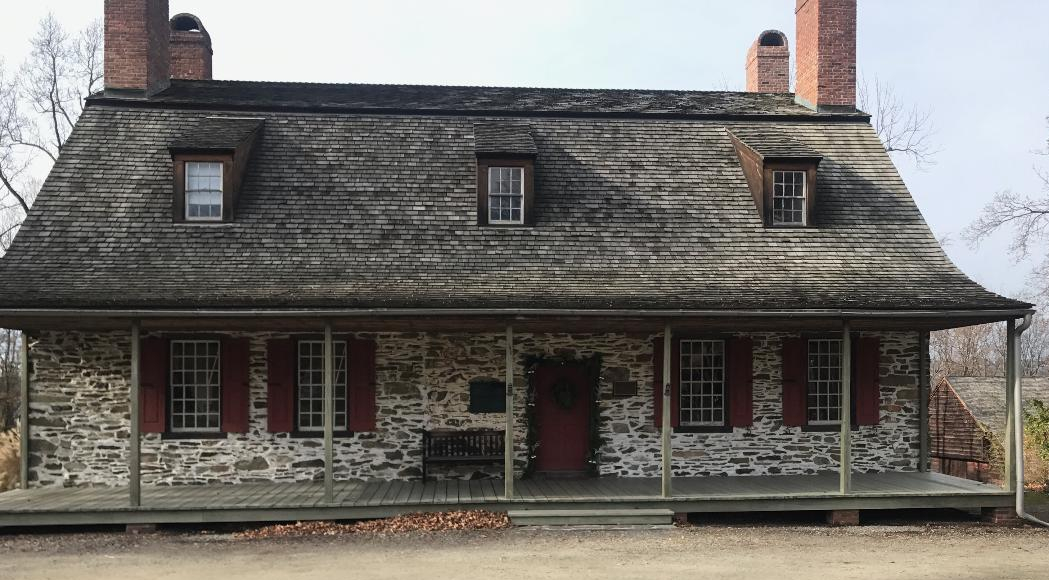
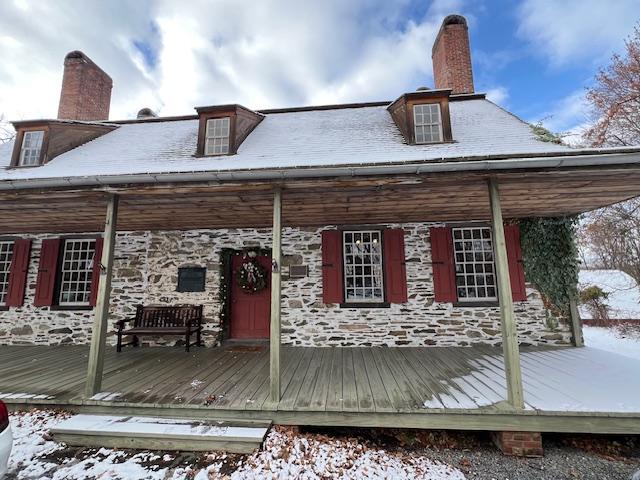
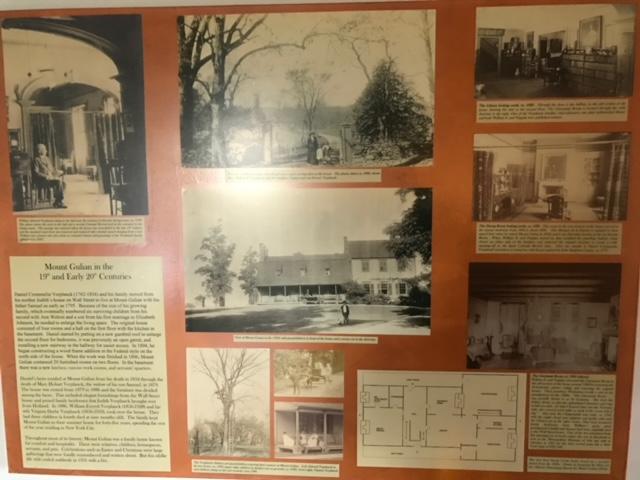
On my last trip to the Hudson River Valley to visit the great houses of the Hudson, I came across Mount Gulian, a Dutch manor that I never heard of in all my visits. This smaller Dutch manor house is actually a reconstruction of an 18th century home that burned to the ground by arson in 1931. The original house had been built between 1730 and 1740 and added onto over the next two centuries.
Christmas Time at Mount Gulian in the three weekends in December:
Mount Gulian at Christmas in December of 2021
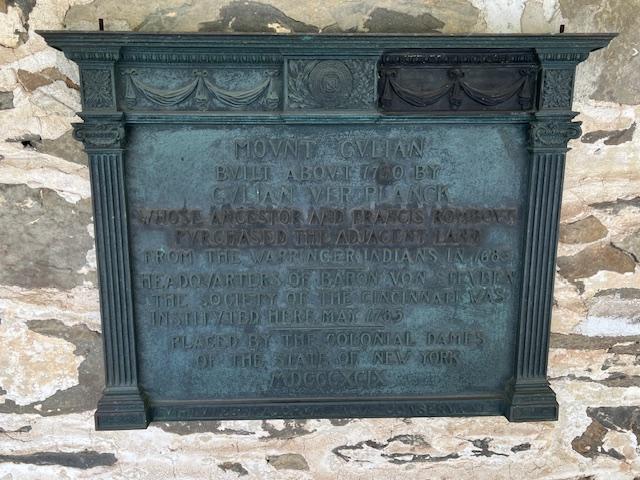
The historic plaque in front of the house
The house officially had closed for the season at the end of October and was decorated for the holidays for the weekend between December 14-16th to represent the Dutch celebrations. There had been a Children’s tea the Monday before the New Year, so the house was closing down for the season. I came back to revisit the site in December of 2024 and took another full tour of the house so I could see it fully decorated before all the seasonal events started through December.
The beautiful garland and lights adorn the house at Christmas time
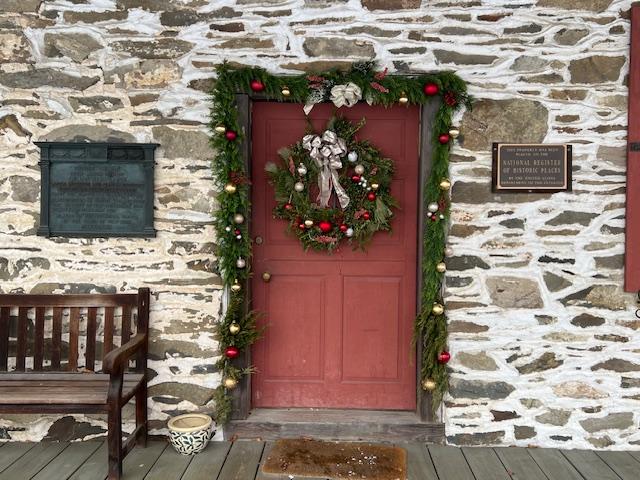
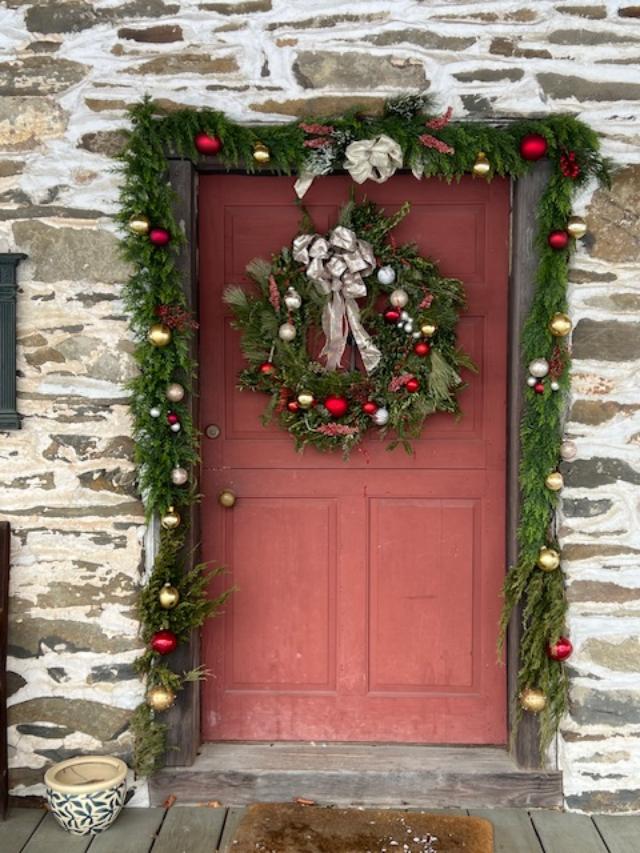
The front door is very welcoming for the holidays
The front door was beautifully decorated for the Christmas season
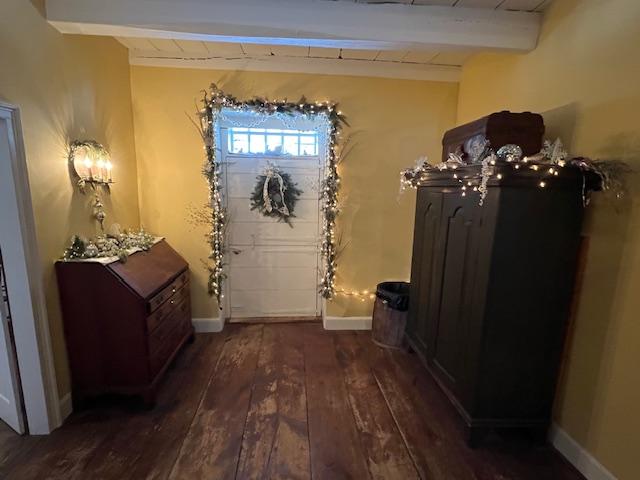
The house as you enter through the front door
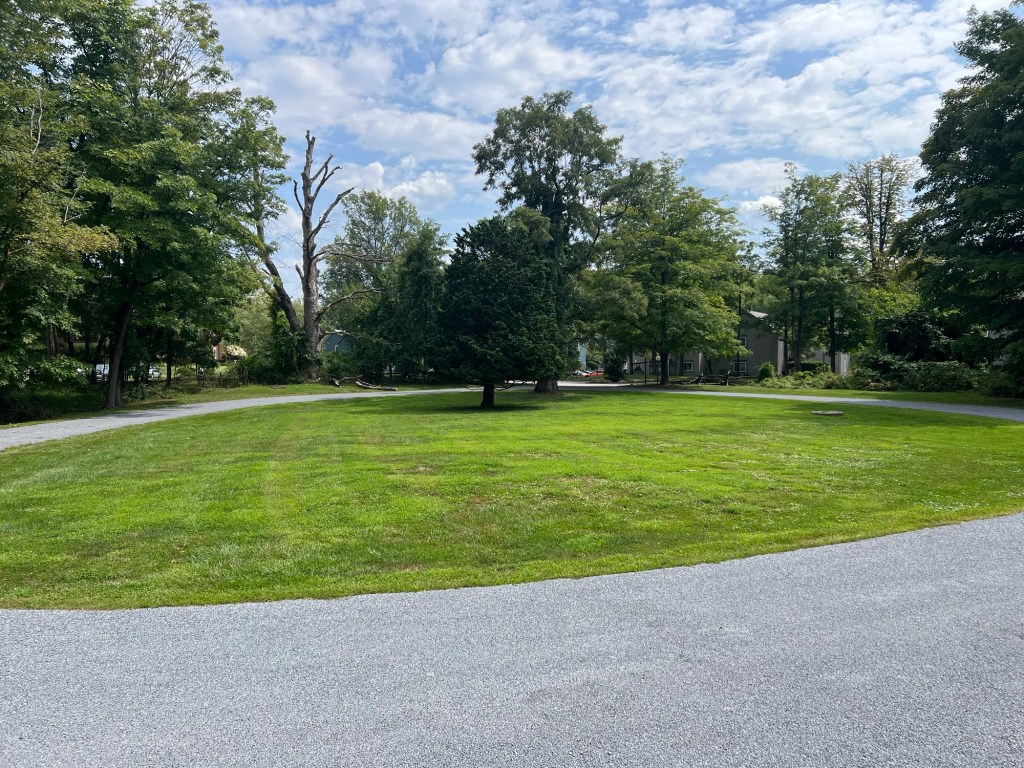
The house is very unique. You would have never known it was a reconstruction. The house really looked its age. The funny part of the house is that is at the very back of an old estate that had been developed with townhouses from the main road to almost the border of the house’s property, so it was strange to drive through to find the house. Once in the semicircular driveway, you plunge back into time.
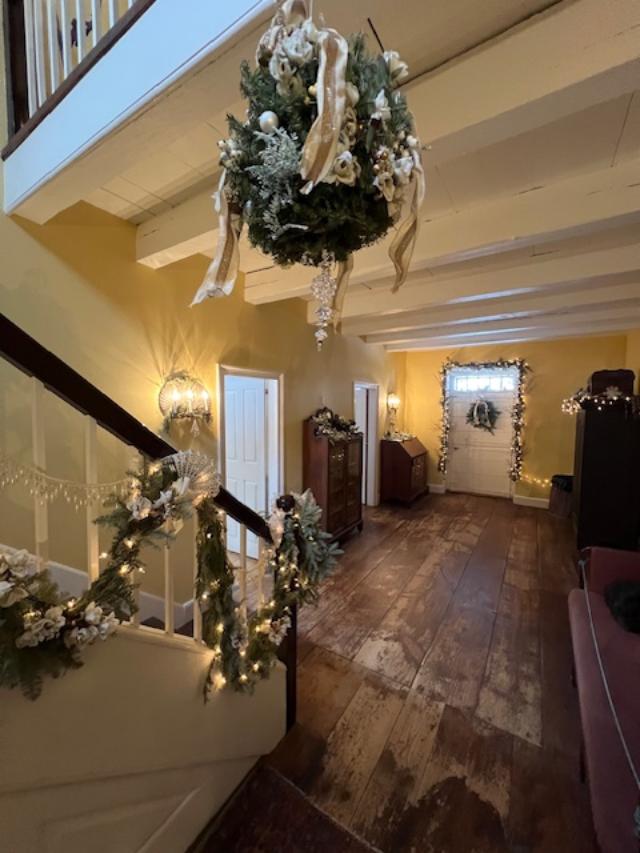
The Hallway decorated for Christmas
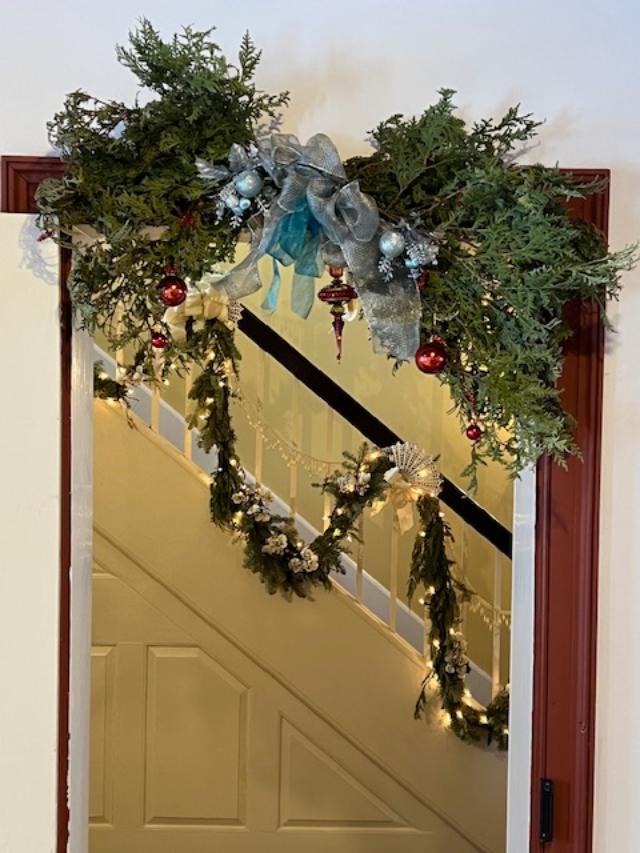
The Hallway decorations in more detail
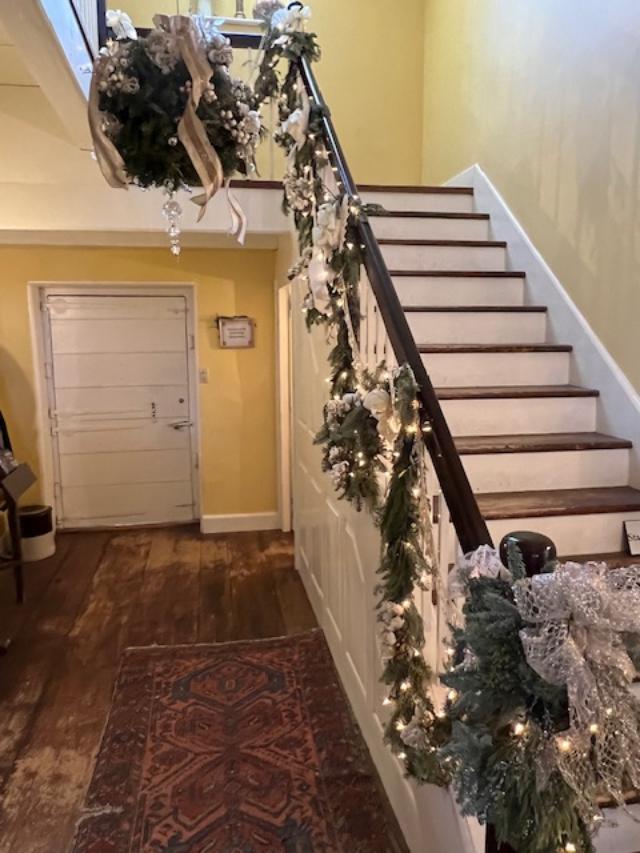
The Staircase to the Second Floor (Closed) was beautifully decorated for the holidays
The large porch in the front of the house looks over what’s left of the lawn and the housing developments. Once inside you enter the foyer and long hallway with rooms on each side. Each room was or had been decorated for the holidays with garland, mistletoe, fruits and a Christmas tree in one room, a kind of mixture of old Dutch meets Victorian Christmas. Still the effects were nice and it was very festive.
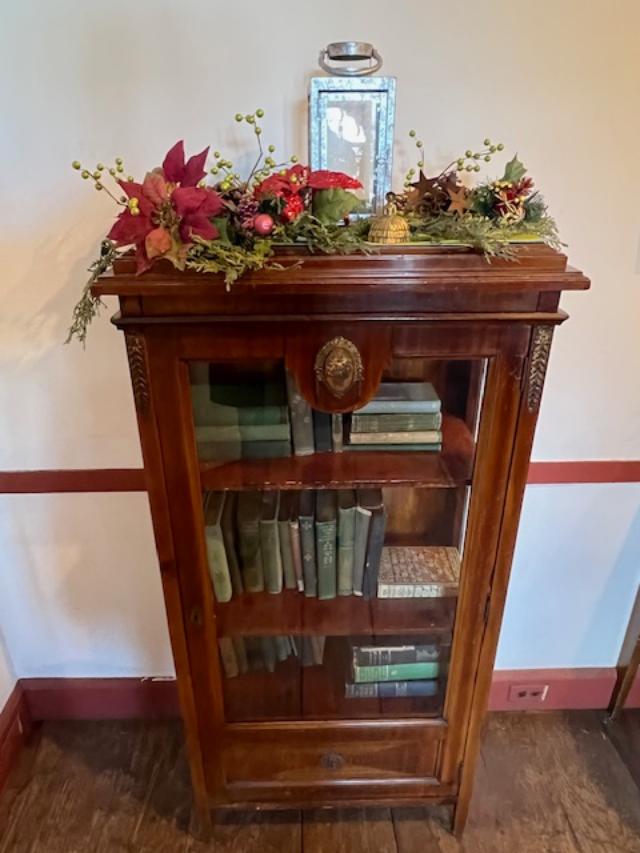
The furniture in the hallway decorated for Christmas in 2024
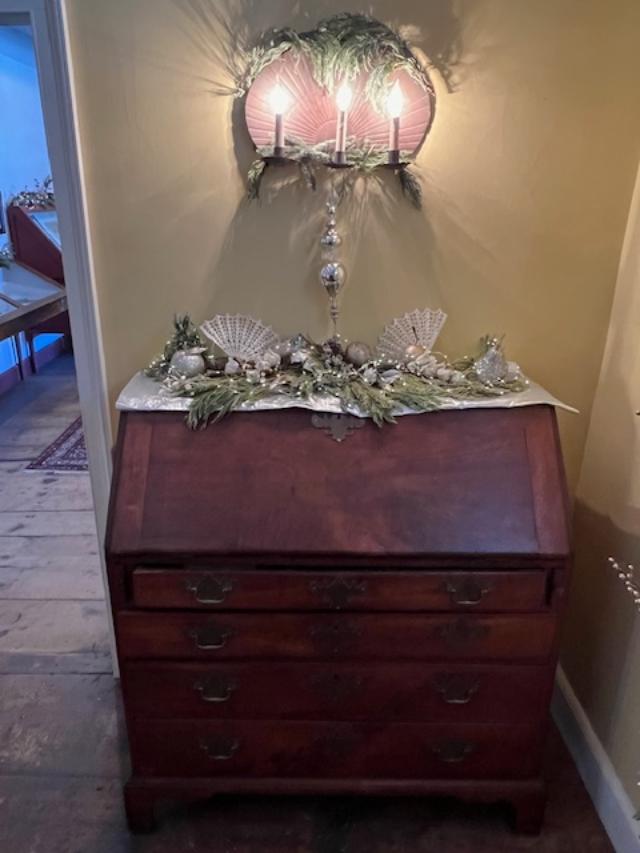
The furniture in the Hallway was nicely decorated for the holidays
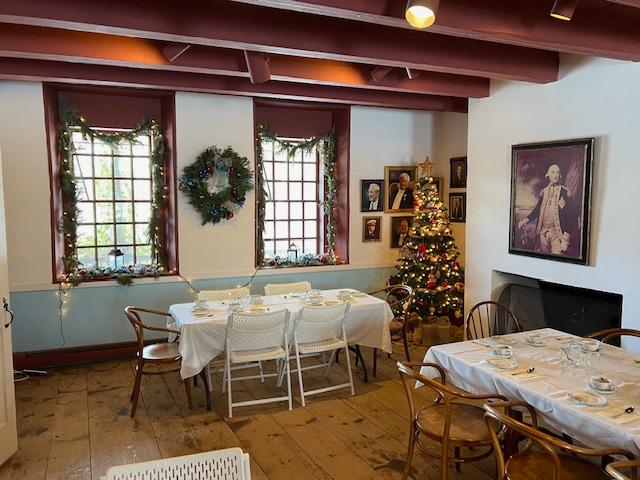
What I enjoyed is that in each room, there were stories of the Verplanck family and the role that they played in the formation of the community and in the nation as well. In real life though, this much decorating would not have been done. This is a more elaborate look on how the Victorians would have decorated the house. The Dining Room would have been one of the most elaborate for entertaining during the holiday season for dining and entertaining.
Until the Victorian Age, things had been kept very simple. You would have decorated the house before Christmas Eve and then on Christmas Day, there would have been an afternoon church service and a nice lunch. Gift giving did not come into play until after the Civil War.
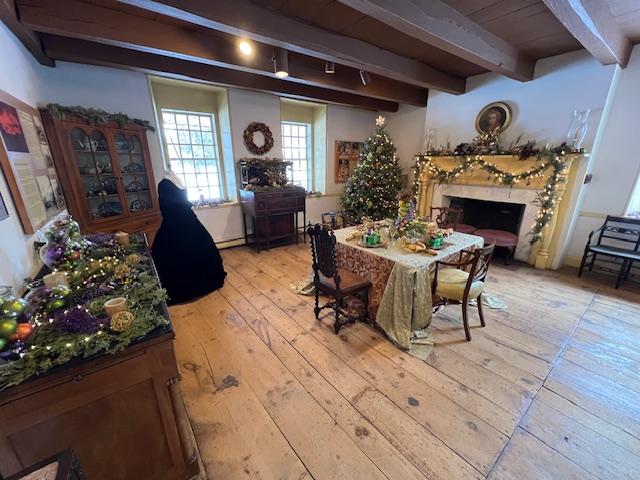
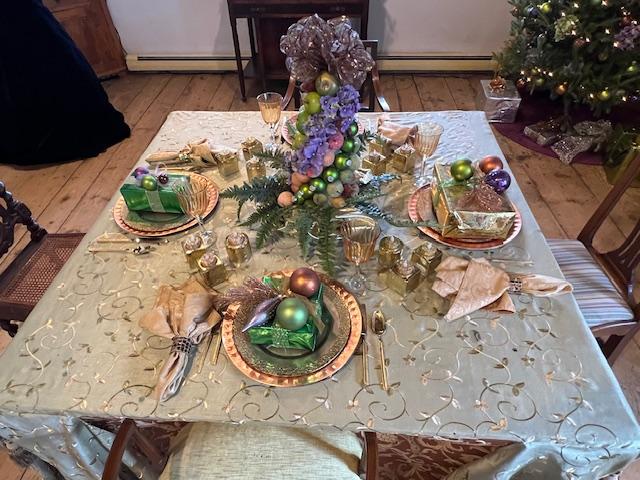
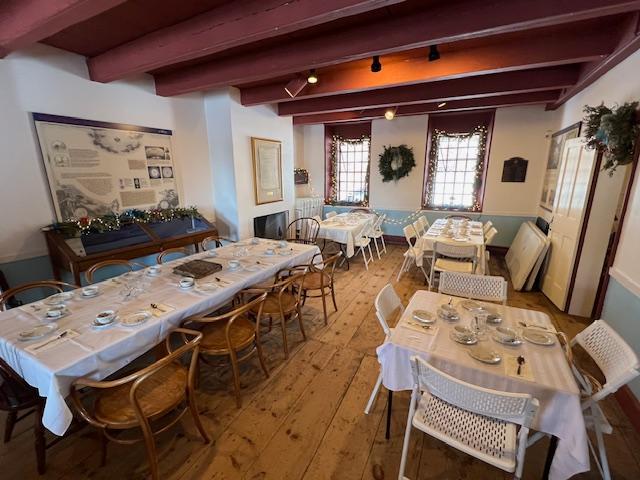
The Dining Room set for Christmas dinner in 2024
The full view of the Dining Room
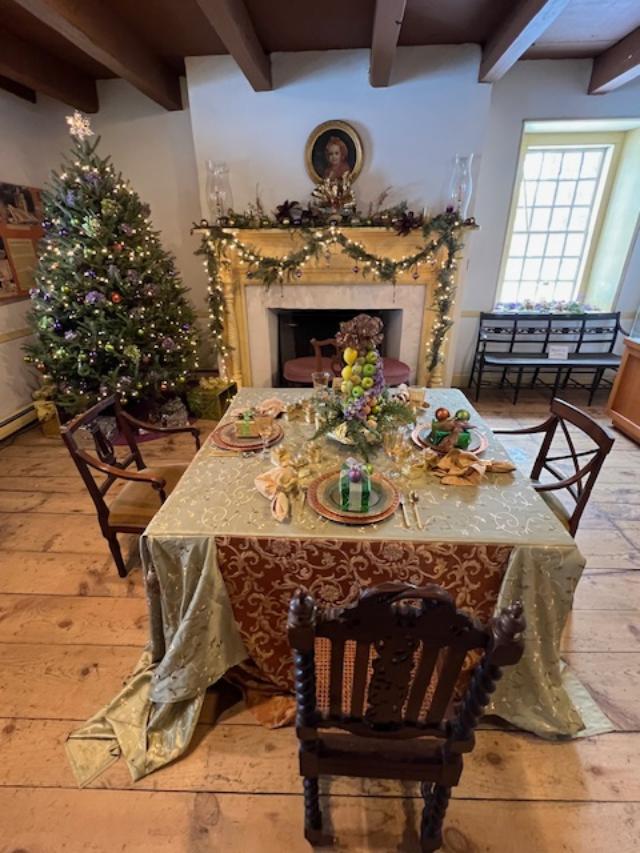
The Dining Room Table and the fireplace mantle
The back part of the Dining Room
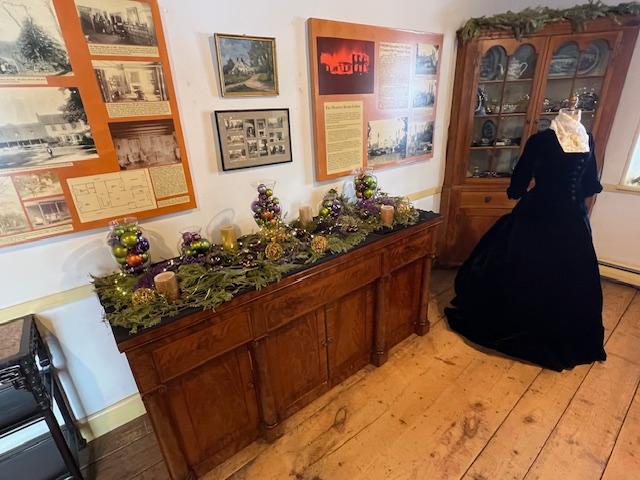
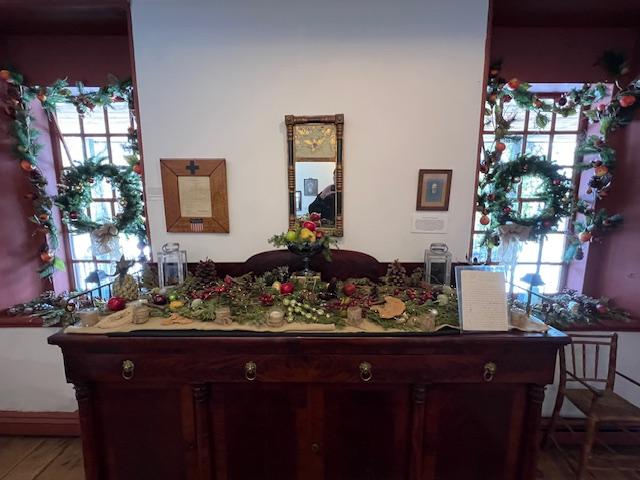
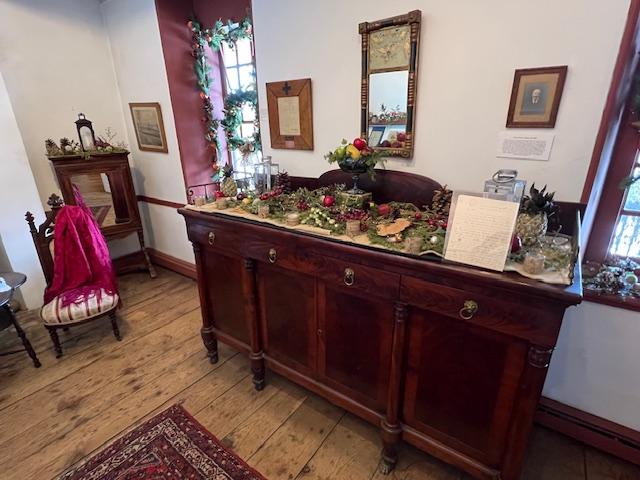
The Dining Room sideboard decorated for the holidays
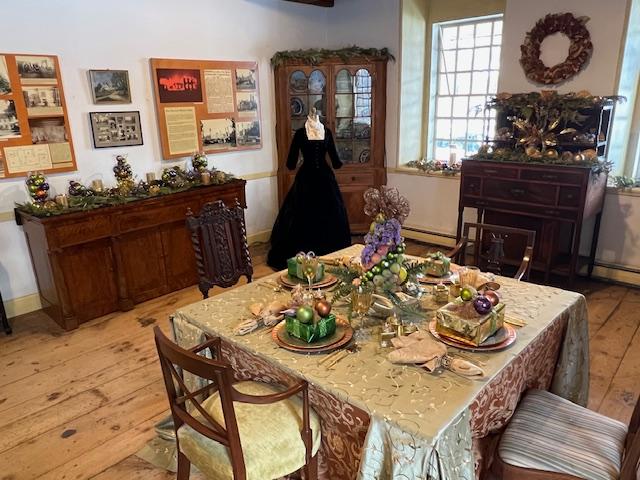
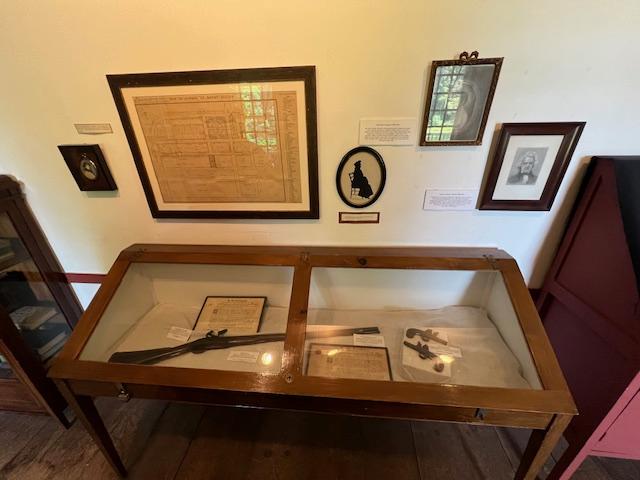
The Historic Documents in the Dining Room with a funeral dress (why this was here I was not too sure)
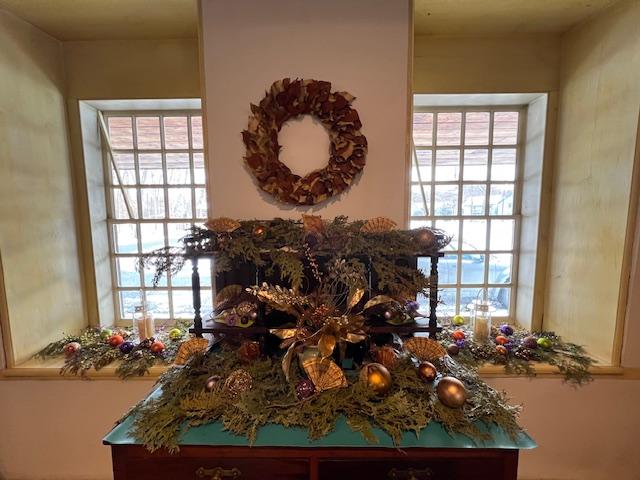
The elaborate decorations between the windows in the Dining Room
The detailed decorations on the Dining Room table ready for a wonderful Christmas dinner
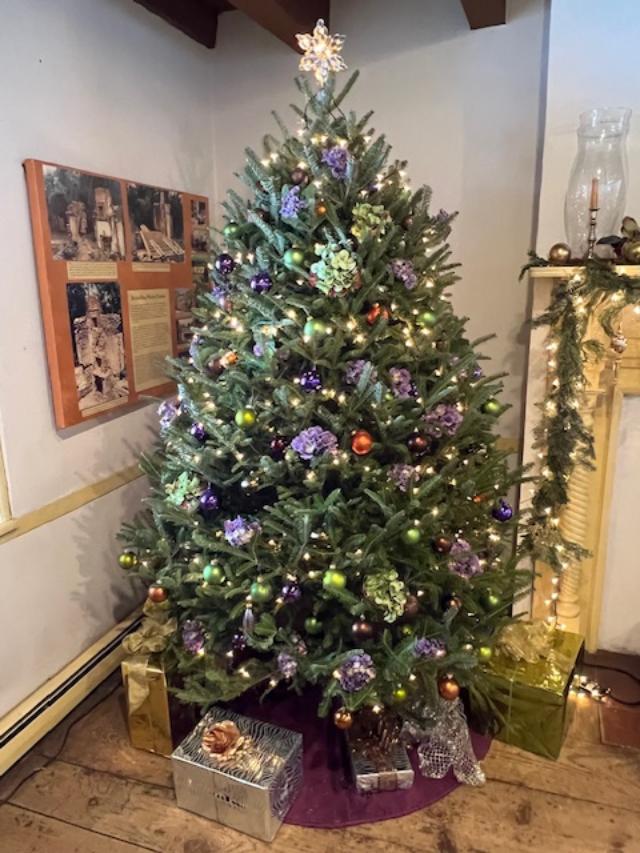
The beautiful fresh Christmas tree in the corner of the Dining Room in 2024
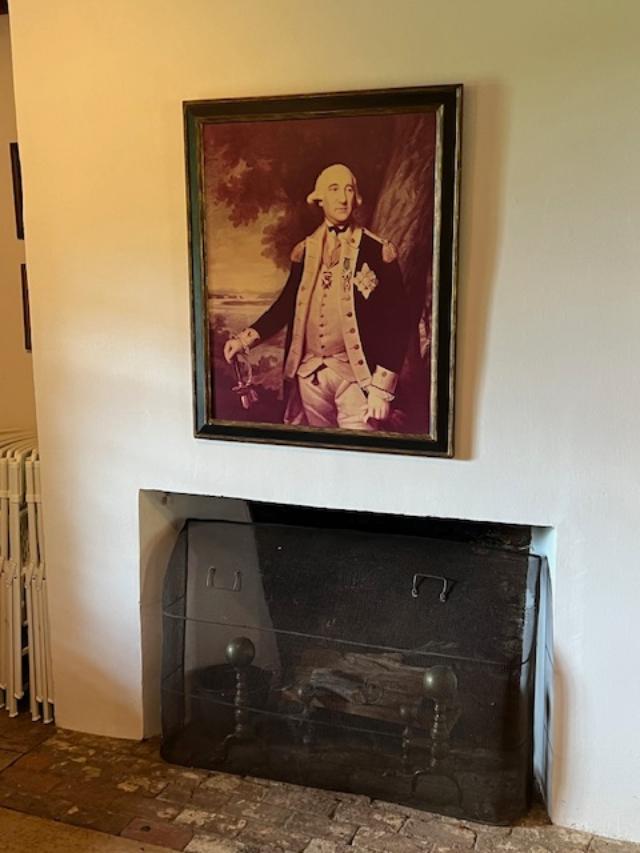
All of the rooms had artifacts that the family keeps donating the house as most of the original furnishings were destroyed in the 1931 fire. Still the furnishings are vintage to the time period. Here and there are stories of the house, the people that lived here and about the family in their daily lives. There were also stories of the Revolutionary War and its headquarters of Major General Friedrich Wilhelm von Steuben. There was also a display on the founding of the Society of the Cincinnati, a Veterans group.
The Order of Cincinnati at Mount Gulian
The history of Mount Gulian and the surrounding area
The history of Mount Gulian and the surrounding area
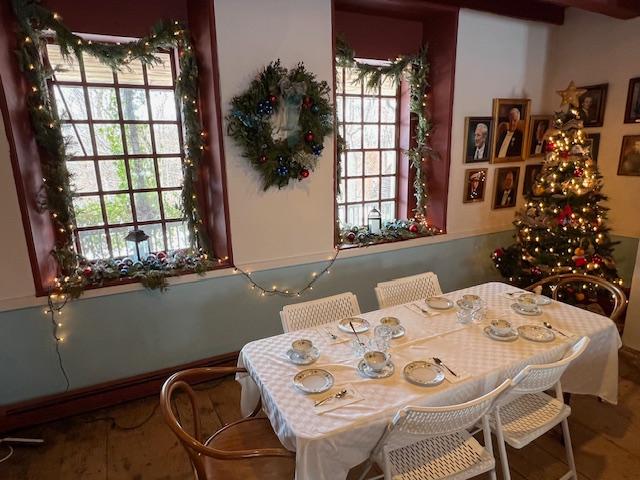
The main room decorated for the Children’s Tea in the room of the Order of Cincinatti information
The Main Room set up for the tea
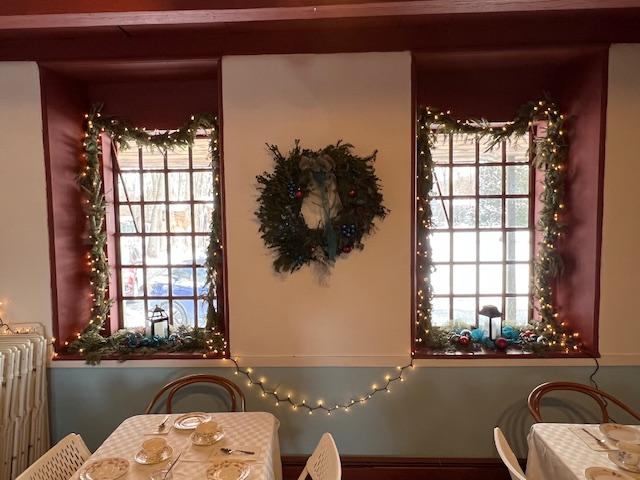
The back part of the room with its elaborate details
The beautiful window decorations in the main room
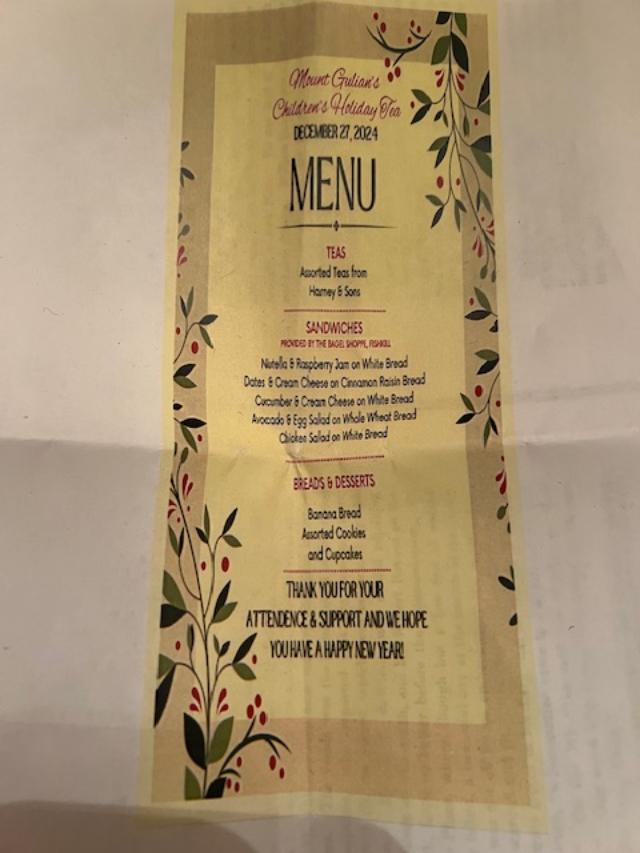
The Children’s Christmas Tea menu at Mount Gulian for the late December event
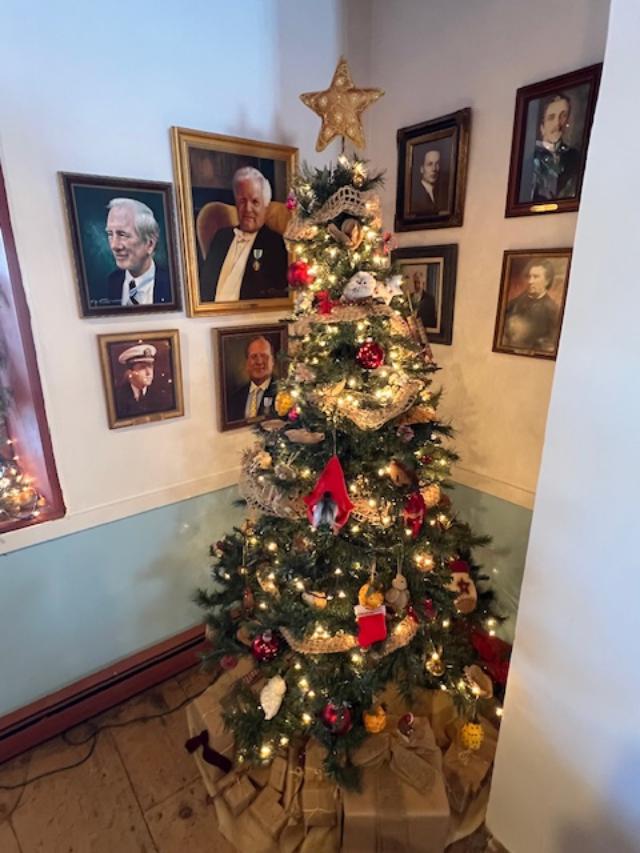
The Christmas tree in the corner of the room by all the portraits and photos of the members
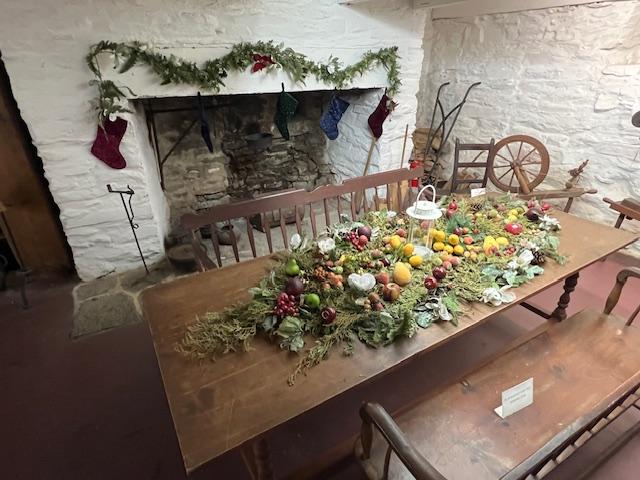
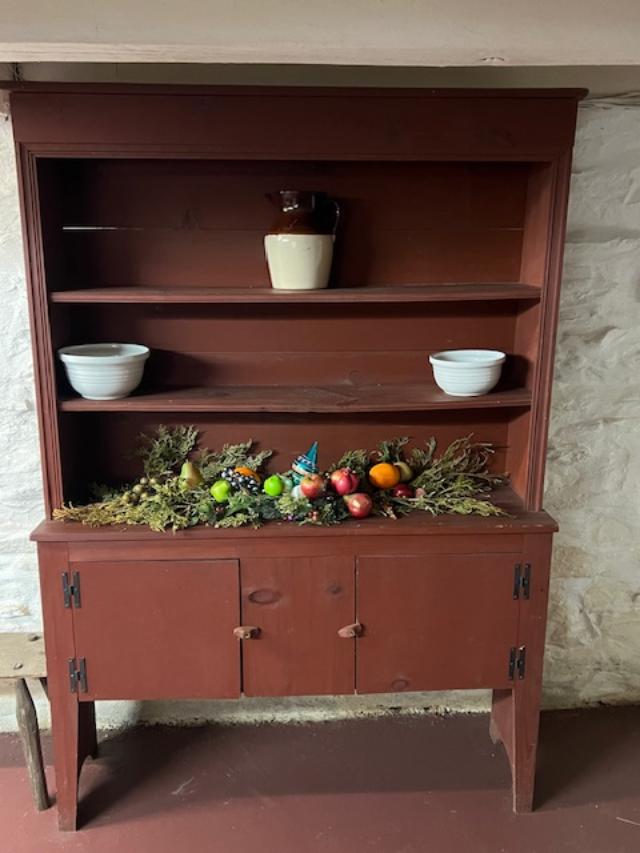
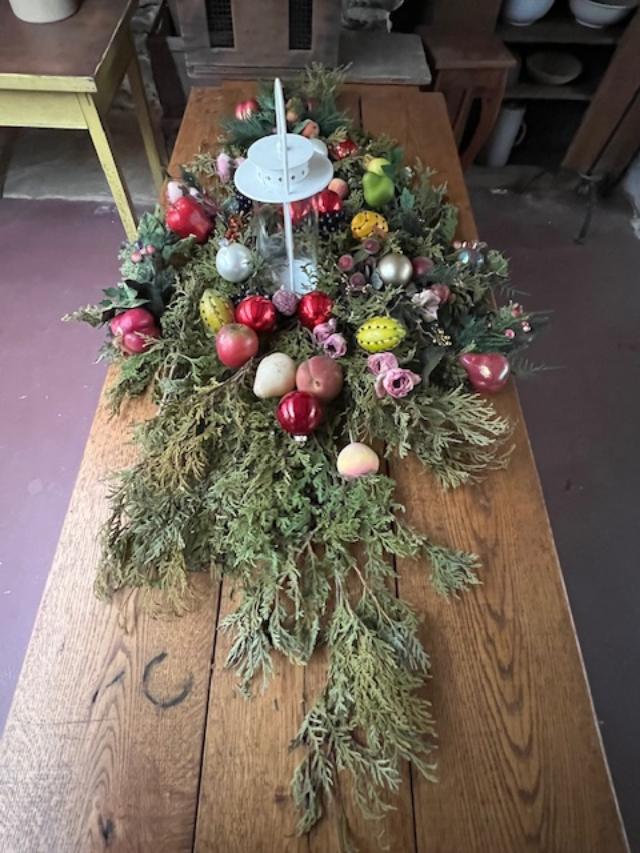
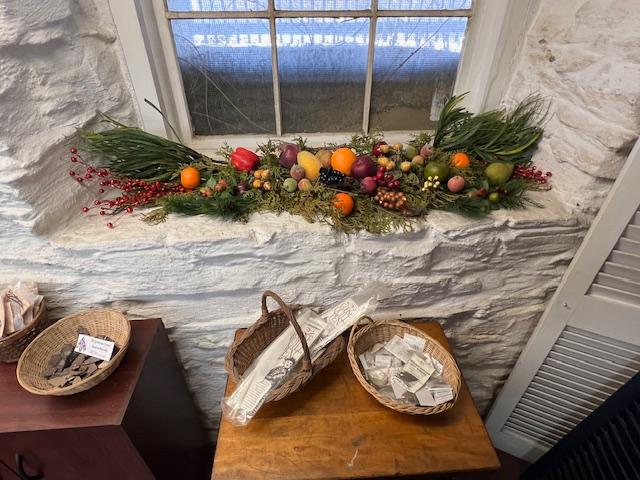
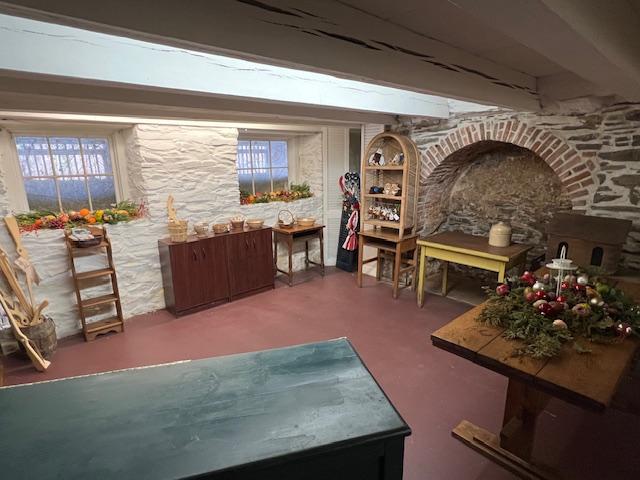
The Kitchen in the basement area is one of the areas of the home that survived the 1932 fire when the house burnt to the ground. It would not have been used in modern times as a more modern kitchen was built in the newer area of the house. Still, this was decorated for the holidays to show the bounty of the Fall harvest and the items that would have been served for the Christmas holidays.
The kitchen decorated for Christmas in 2024
More detail on the Kitchen decorations
The Kitchen cabinets decorated for the holidays
The decorations on the Kitchen table in the basement area
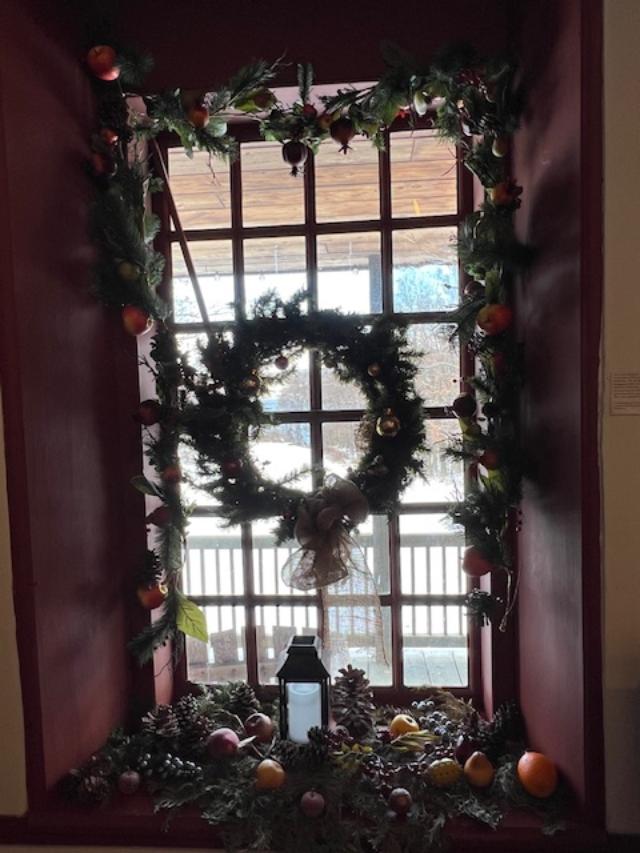
The windows in the basement were decorated as well in the Gift Shop
The Gift Shop in the Basement area just off the Kitchen area
When I went back upstairs, we toured the Library and the Sitting Room just off the hallway and the Dining Room.
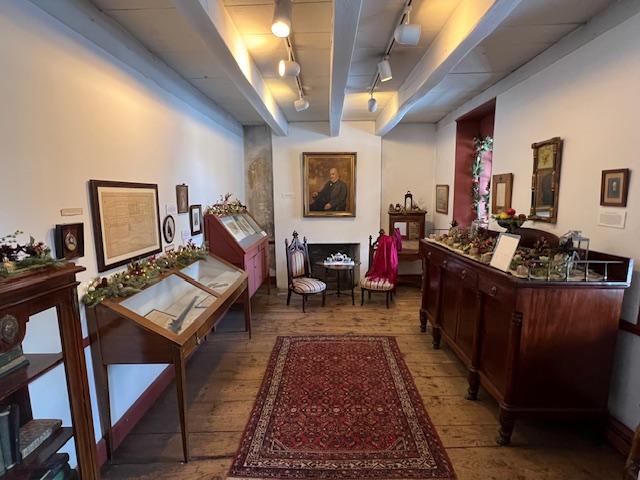
The Library decorated for the holidays
The Library decorations
The beautiful details of the window decorations
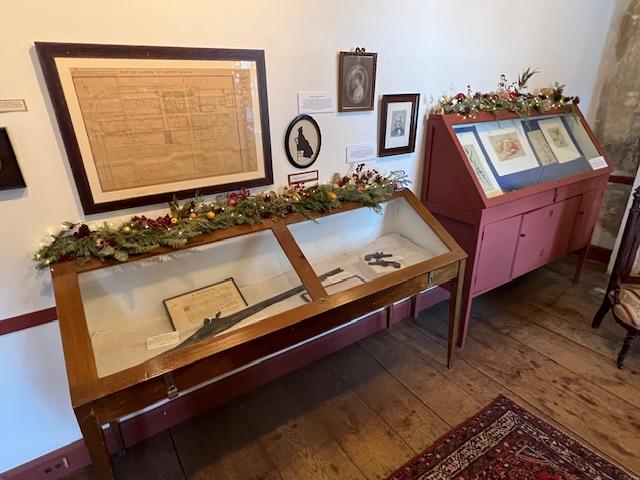
The cases of artifacts with the Christmas garlands decorating the top of the furniture
The other side of the Library cases and displays
According to family records, Christmas was a big holiday in the house with many members of the Ver Planck family enjoying the holidays together. The Drawing Room (where the Tea was taking place) was ‘decorated with pine over the doors and windows with wreaths of laurel and the berries of the bittersweet in various places and the room was aglow with a bright wood fire and candlelight and it was all adorned for Christmas. When the Drawing Room door was opened Christmas morning, the Christmas tree burst on our sight. It was lighted with little wax candles as the modern trees were but there were none of the stereotyped ornaments of tinsel and glitter. There were Lady Apples on the tree and oranges, cornucopias and toys and the sugar plums. The tree was always of laurel, reaching nearly to the ceiling and yet it looked small in that great room’ (William Samuel ‘Ver Planck Family History’). The current curators have done a nice job keeping this tradition alive in the decorations.
When I left the house, I visited the grounds over-looking the Hudson River. On the property behind the house was a ‘A frame’ Dutch barn. The barn was closed for the season but fit very well into the landscape of the estate. The view of the Hudson River was beautiful.
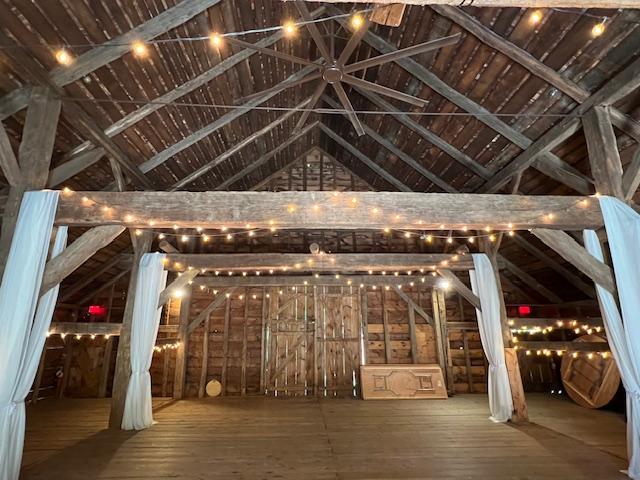
The Dutch Barn at Mount Gulian set up for a party
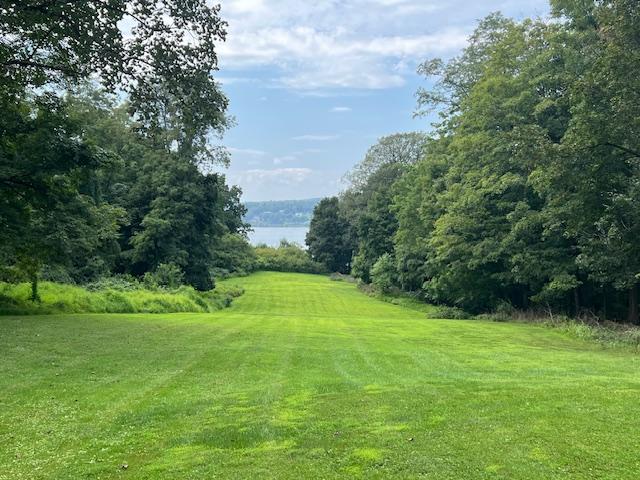
The view to the Hudson River from the house in the Summer
Don’t miss visiting the downtowns of Beacon and Wappinger Falls while visiting the area. Taking Route 9D is an interesting and scenic way to tour the area.
Downtown Beacon, NY at Christmas in 2021
Downtown Beacon, NY at Christmas time
Downtown Beacon at Christmas time
Mount Gulian in the Summer:
In the Summer of 2024, I returned to Mount Gulian to take a full tour of the estate in the summer when everything was in bloom. The same house but a different feeling than the Christmas holiday season. On the Summer tour, you are able to walk the gardens, the barn and the grounds around the house. Plus the gardens were in bloom so it was a more complete tour.
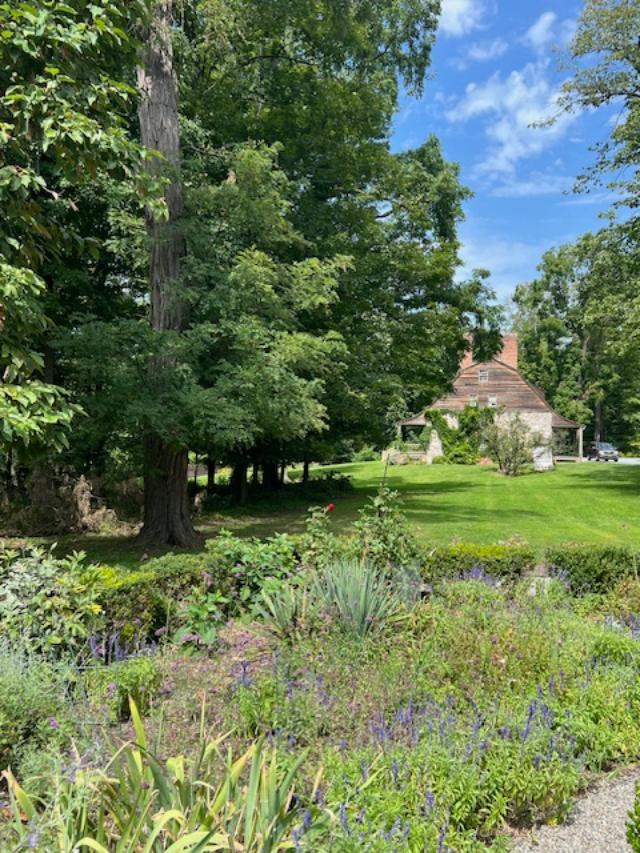
The back of Mount Gulian in the Summer of 2024
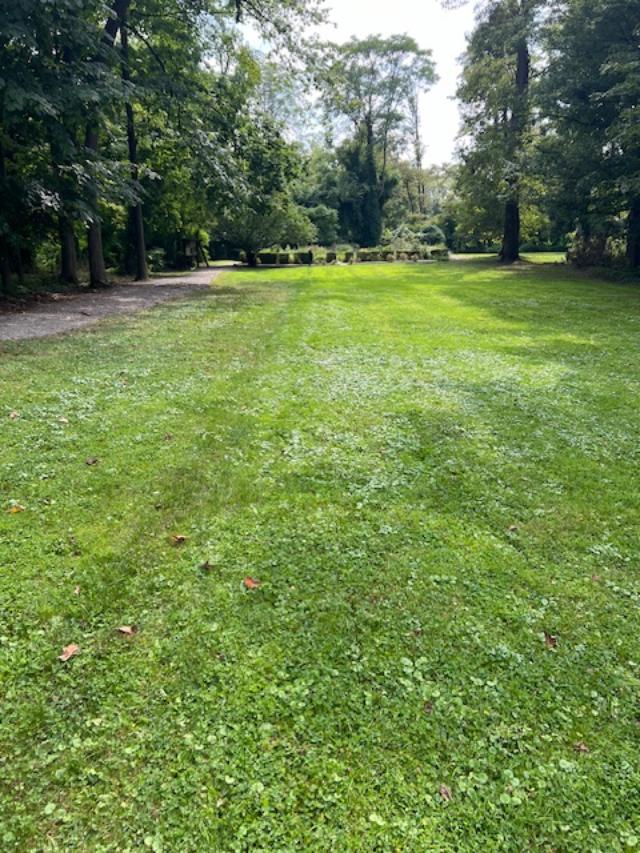
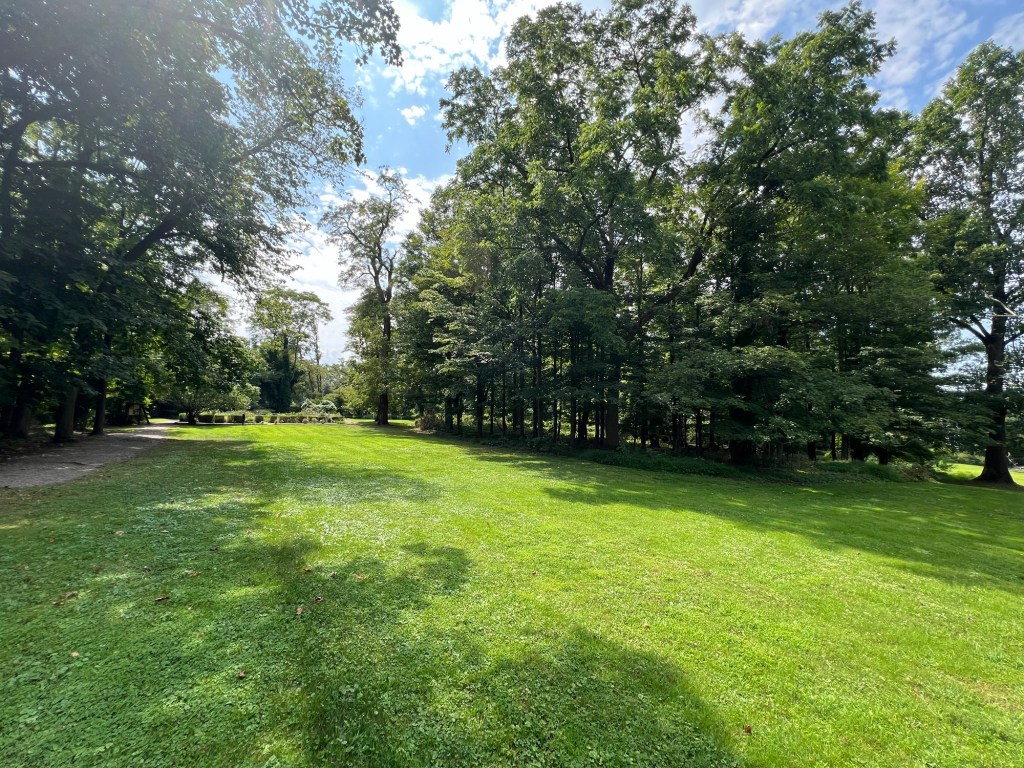
The back lawn on the Mount Gulian Homestead estate
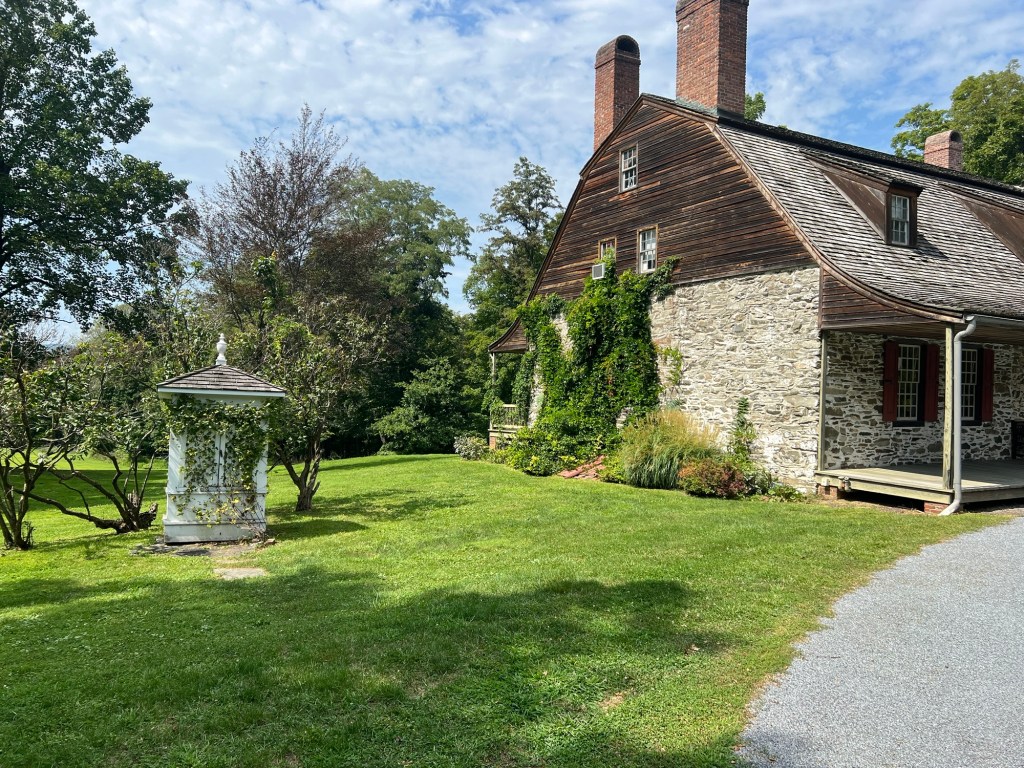
The lawn to the gardens from the house
I started the tour of the property while I waited for my tour at 2:00pm. I walked the lawns and walked around the gardens. The property looked so much nicer than in the winter months. You can see the vibrance of the gardens and the beauty of the lawn and woods against the house. The gardens were well maintained and the flowers were still in bloom in the late summer months.
The gardens with the house in the distance
When I started the tour of the house in the Summer of 2024, it was similar to the December tour in the description of the house but the tour guide discussed the house from the perspective of the family living here full time when they moved from their New York City home to the Hudson River Valley permanently.
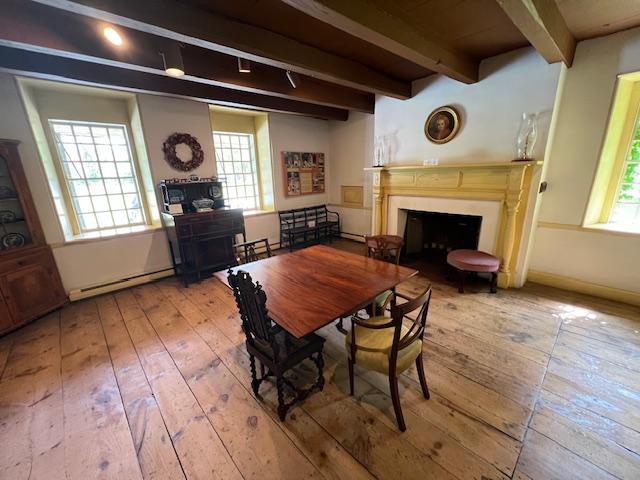
The Living Room with original furniture from the Verplanck family
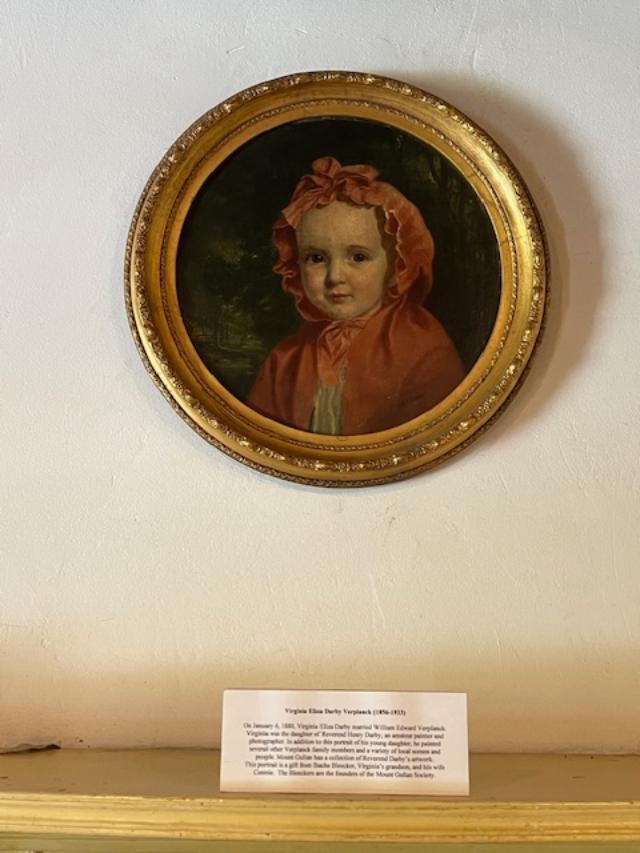
Our first stop was in the Living Room where original family furnishings decorate the room. The family would gather in this room for specials occasions and holidays. The tour guide explained that the room contained some items that used to be in the original house including the portrait of the last resident of the house, Virginia Verplanck before the house burned down in the 1930’s.
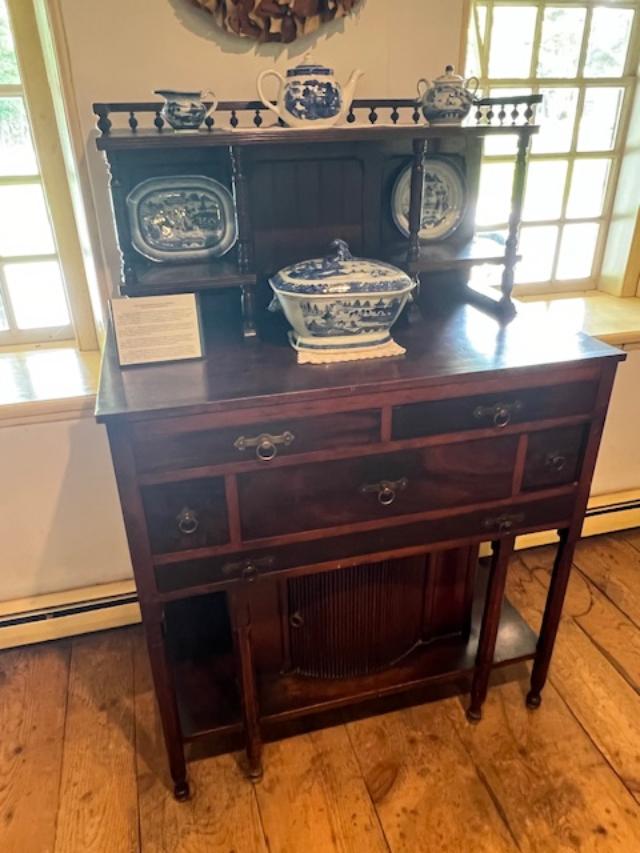
The Verplanck Family china
Portrait of Virginia Verplanck as a child. She was the last Verplanck to live in the house
The Library
Revolutionary War artifacts in the house
The house was used by General Washington and his troops during the Revolutionary War and Baron von Steuben used the house during the war as well. The proximity both Washington’s Headquarters and the City made it an ideal location.
The portrait of the Baron Van Steuben
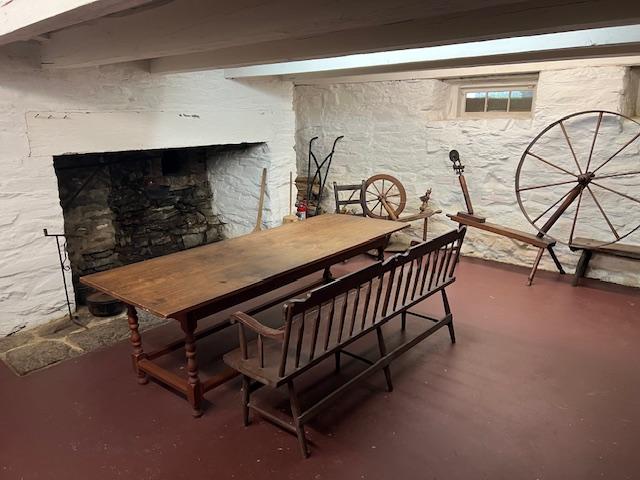
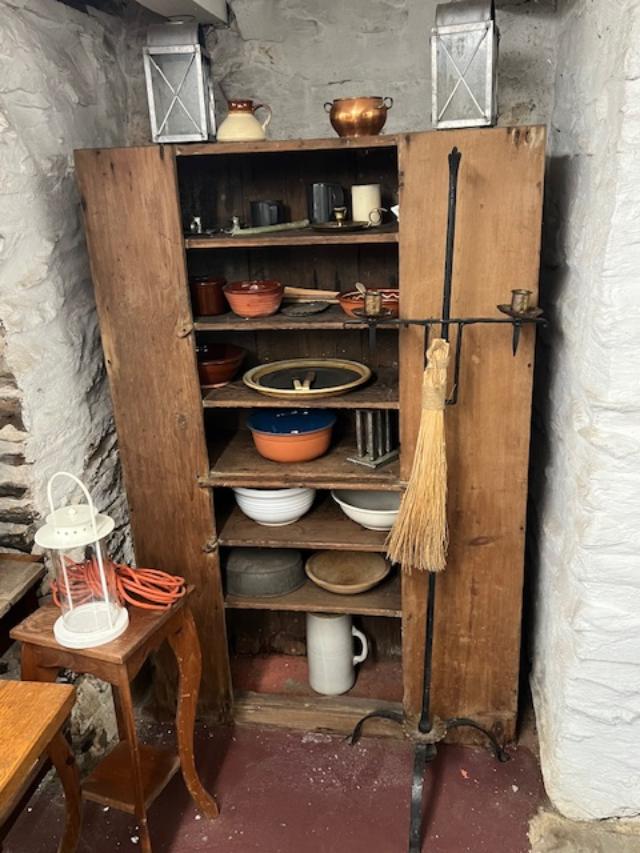
We next toured the kitchen, which had been decorated for a Dutch Christmas the last time I had visited. The hearth was from the original house and you could see how things were cooked in the open fire and then in the beehive oven where breads and cakes were cooked.
The kitchen in the basement
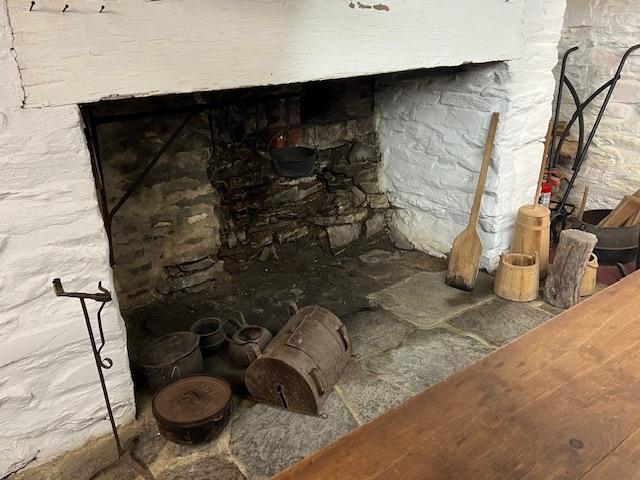
The cooking hearth and heat of the house
Cooking and Kitchen equipment
The items a cook would need to prepare meals in a Dutch kitchen.
The Grounds part of the tour:
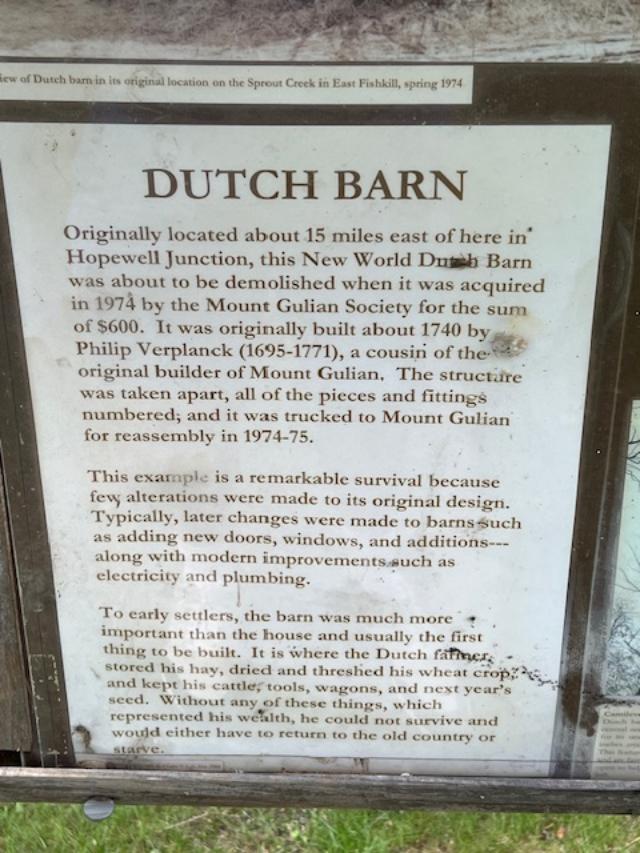
After the full house tour, we went out to the grounds to see the barn and the gardens. The barn was the American Dutch style barn which was specific to this area. It was large and airy, enough to hold the crops and the animals in case of bad weather.
The Dutch Barn sign
The outside of the Dutch Barn
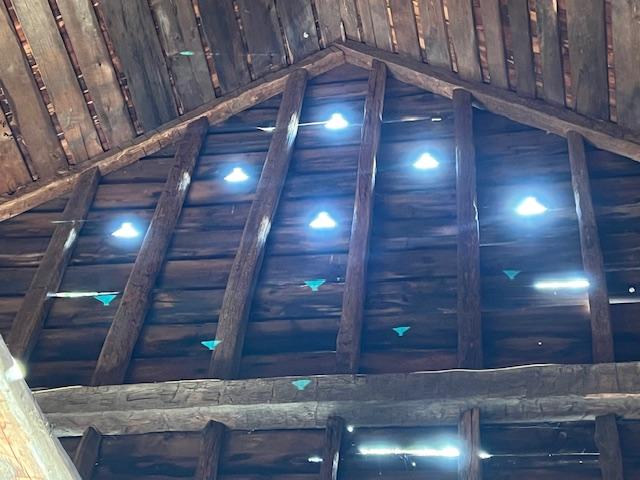
The Maitland bird holes in the barn to eat bugs on the hay and vegetables
My tour guide told me the unusual holes were that of the Maitland bird the could enter the barn to eat the bugs and insects on the crops and hay.
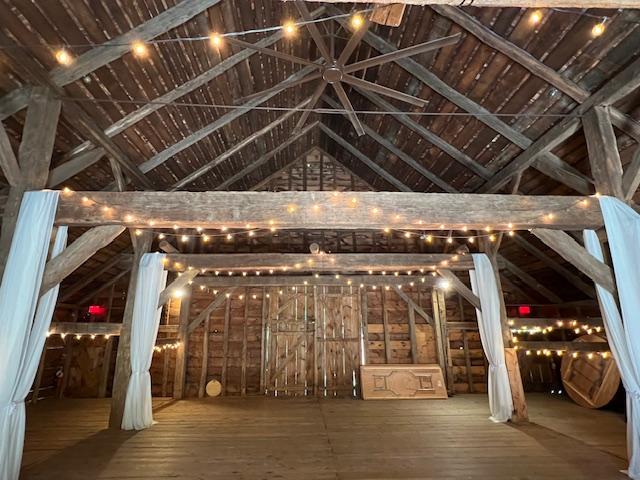
The inside of the barn set up for a future wedding
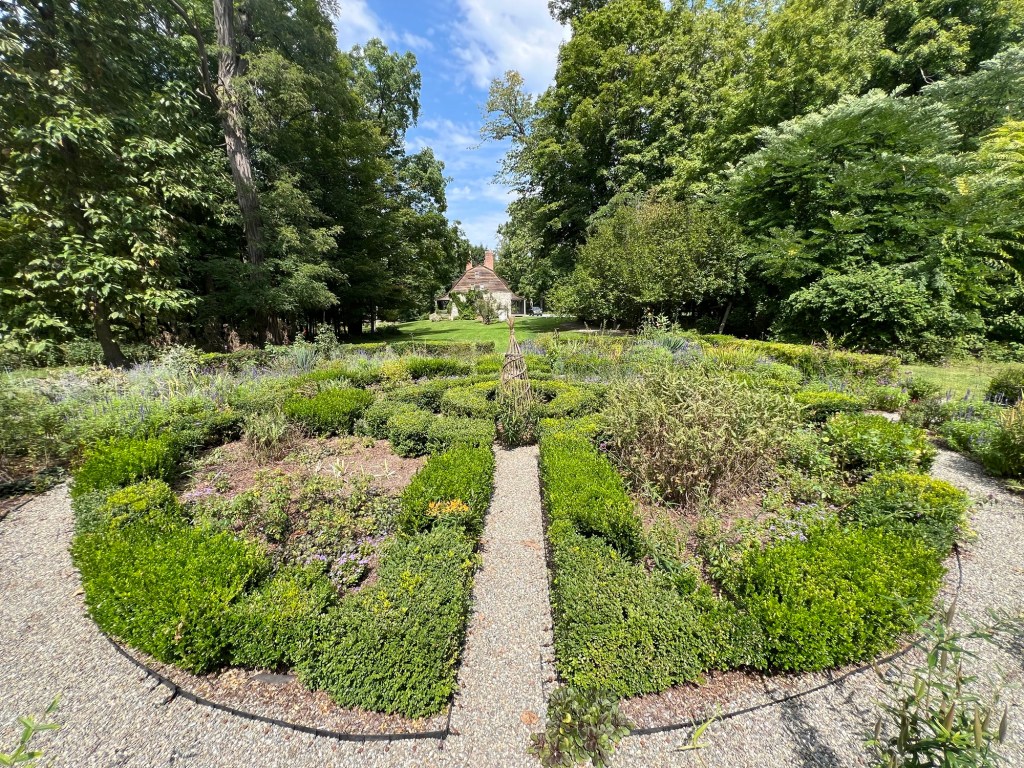
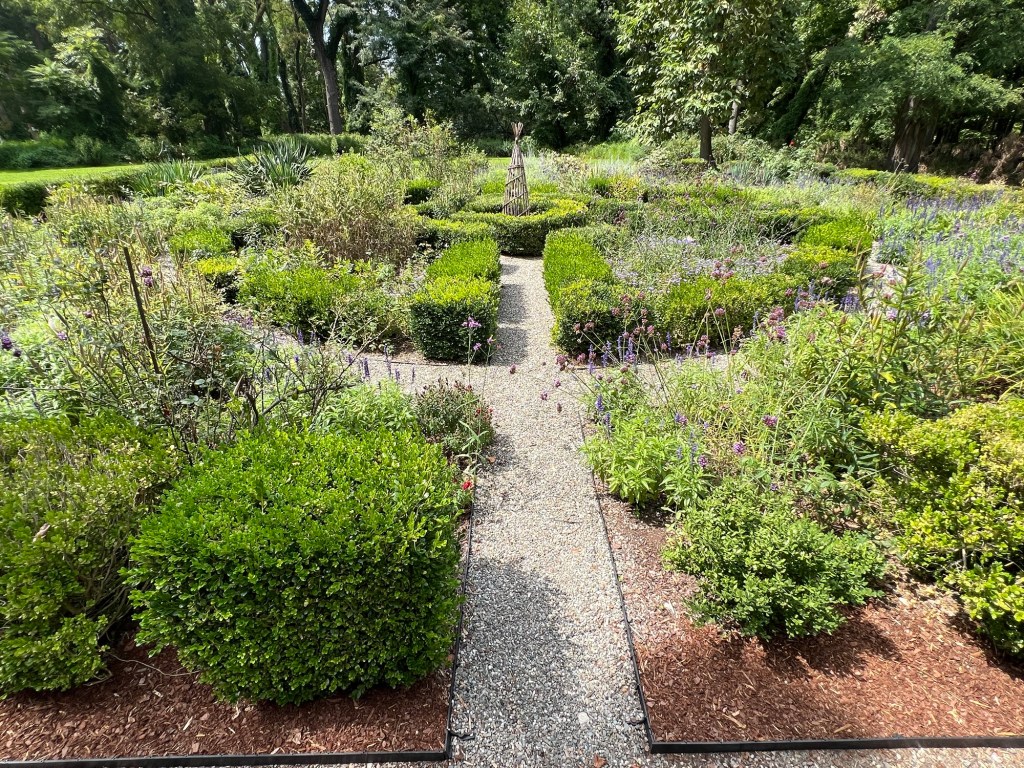
We next toured the gardens, which have been partly restored to their original design. They were in bloom with late summer flowers and decorative bushes and the layout was taken from early designs from the house.
The formal Gardens and Lawns tour:
The side of the house leading to the gardens
The semi circle in front of the house
The lawn between the house and the formal gardens used to be vegetable and fruit garden
The sign for the formal gardens
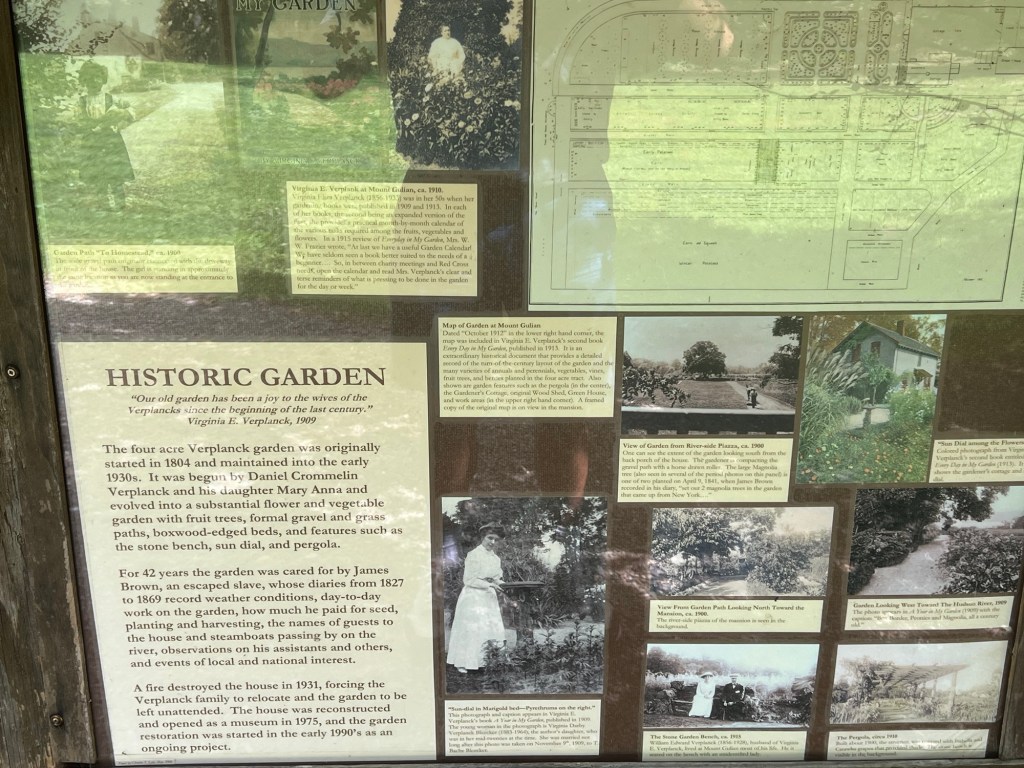
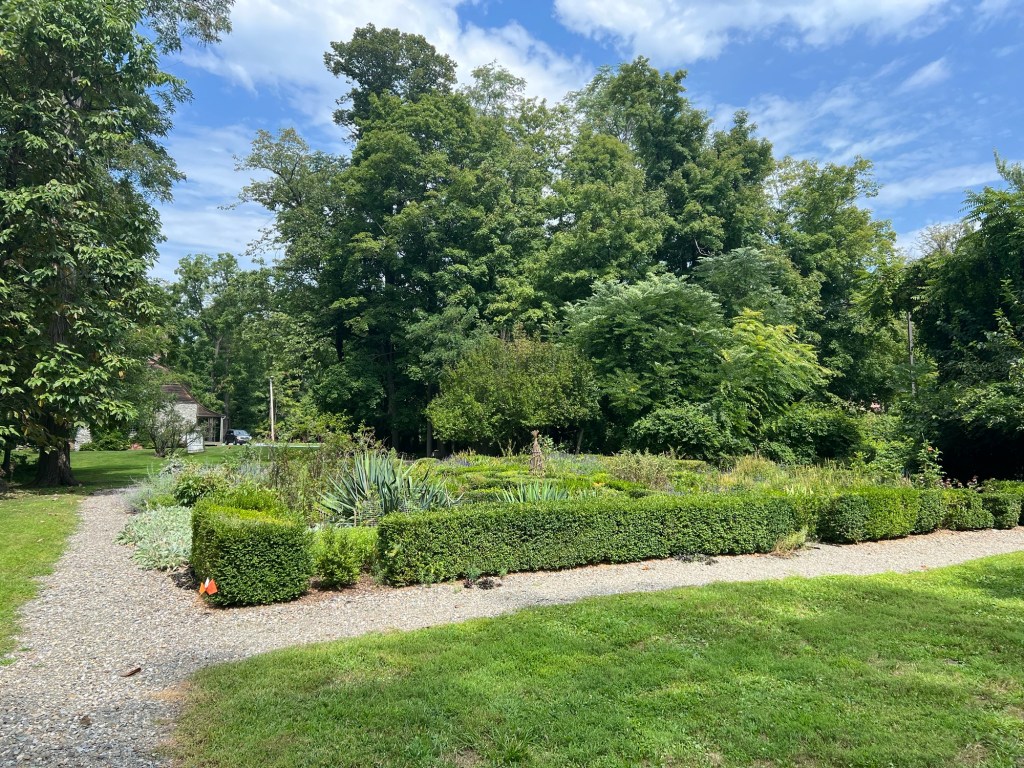
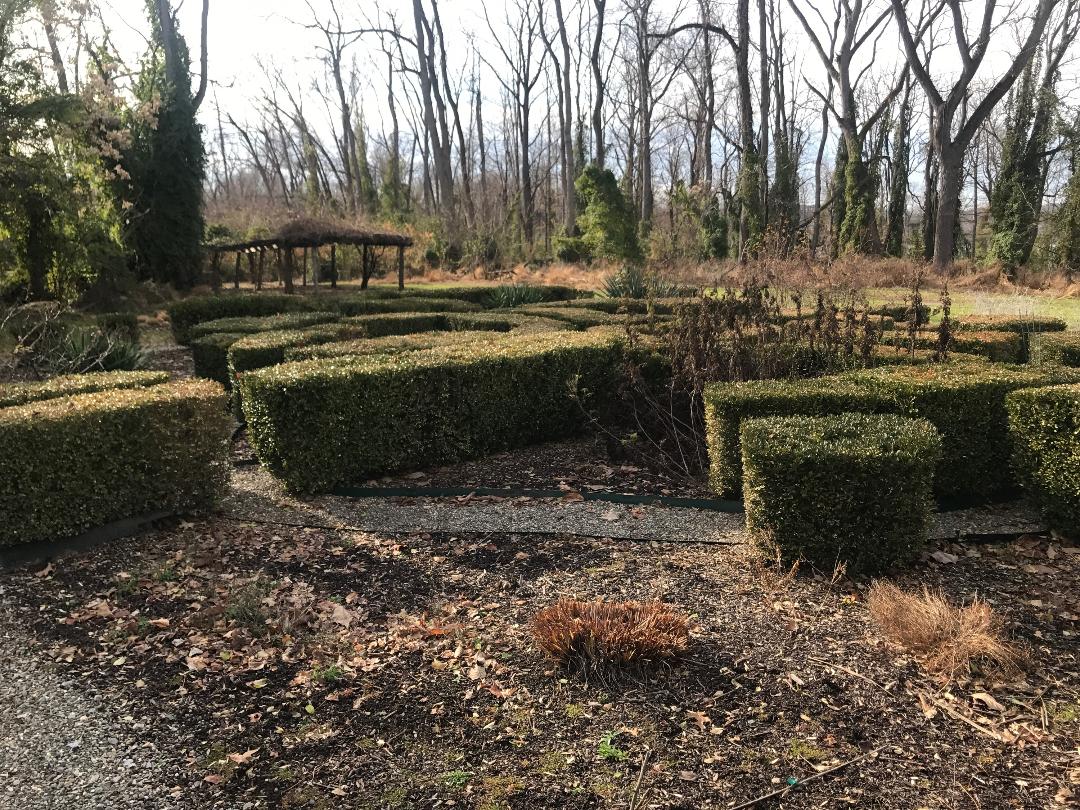
The formal flower gardens followed the original design the Virginia Venplanck had when she lived here
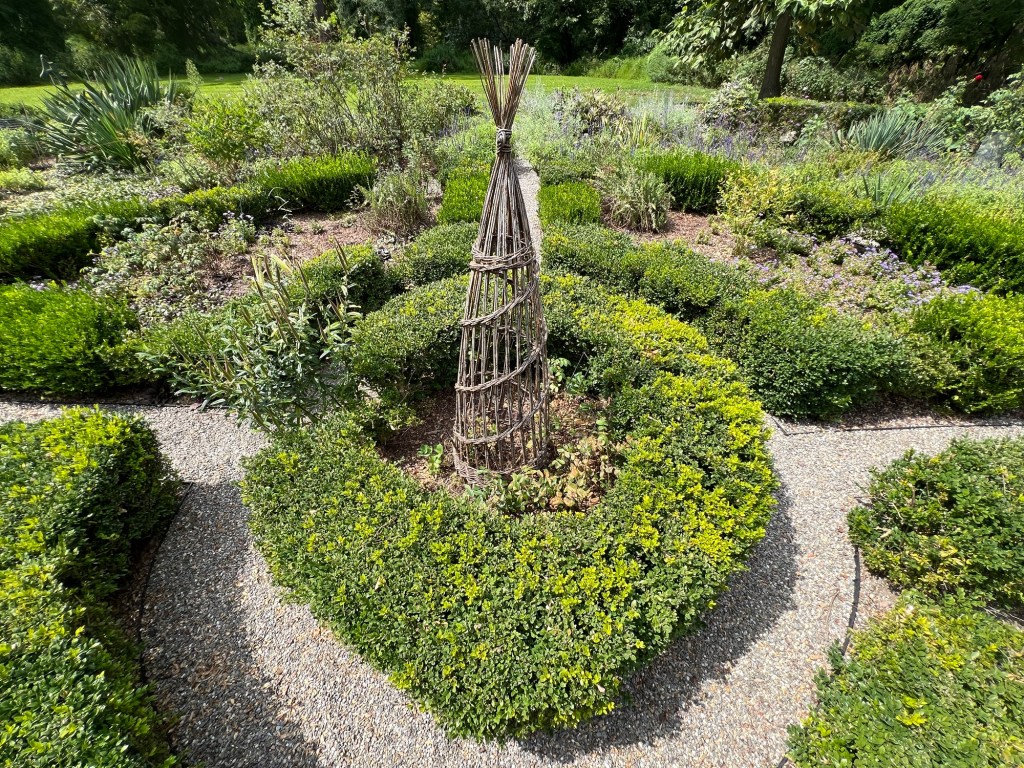
The beautiful gardens had been over grown in the years since the house burned down so volunteers and landscape architects had to cut down the woods and flow pictures and diagrams of the gardens to recreate them.
Entering the formal gardens
The middle of the gardens
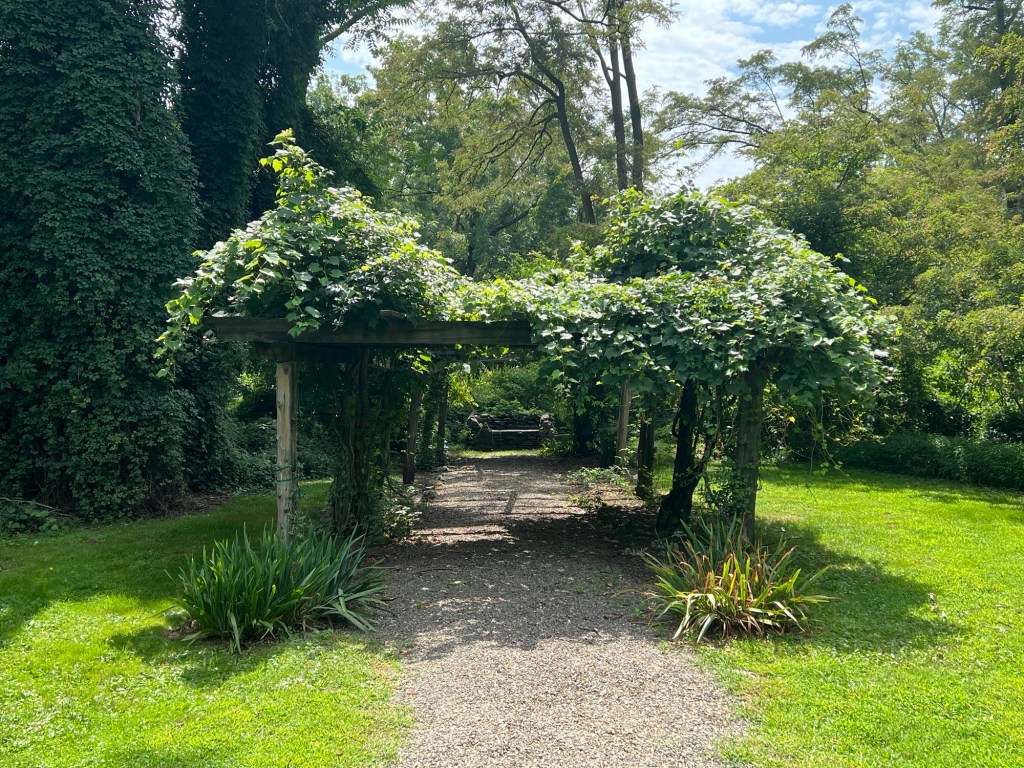
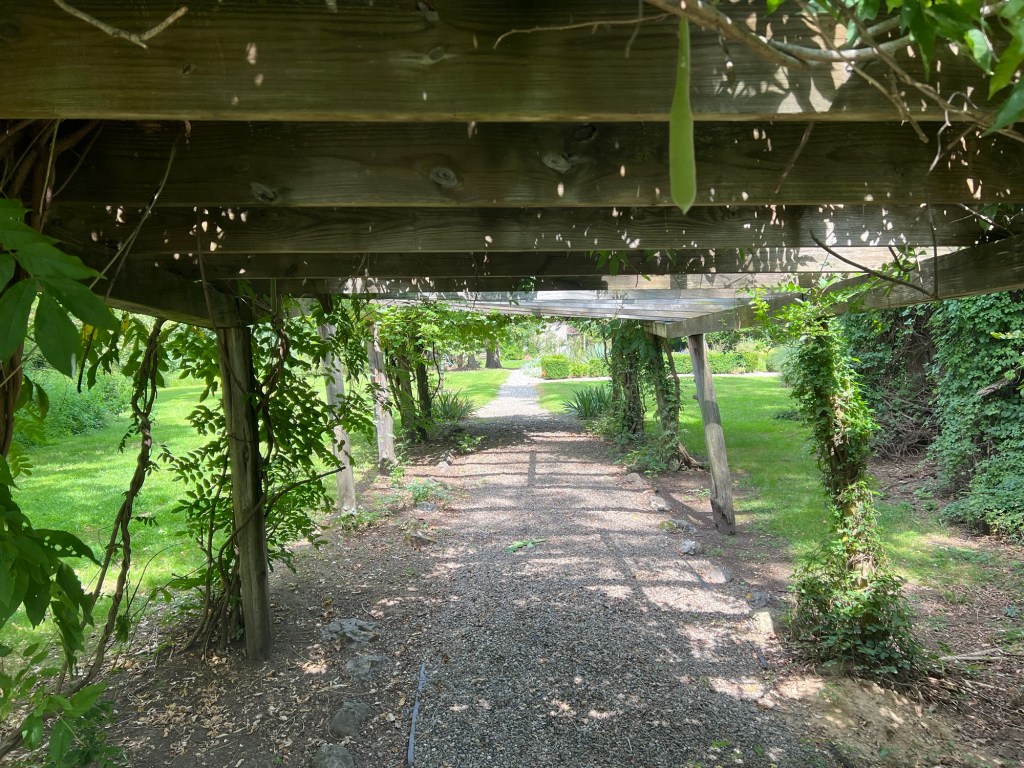
The original trellis was still standing in the woods and it was rebuilt on its original spot
Walking through the trellis
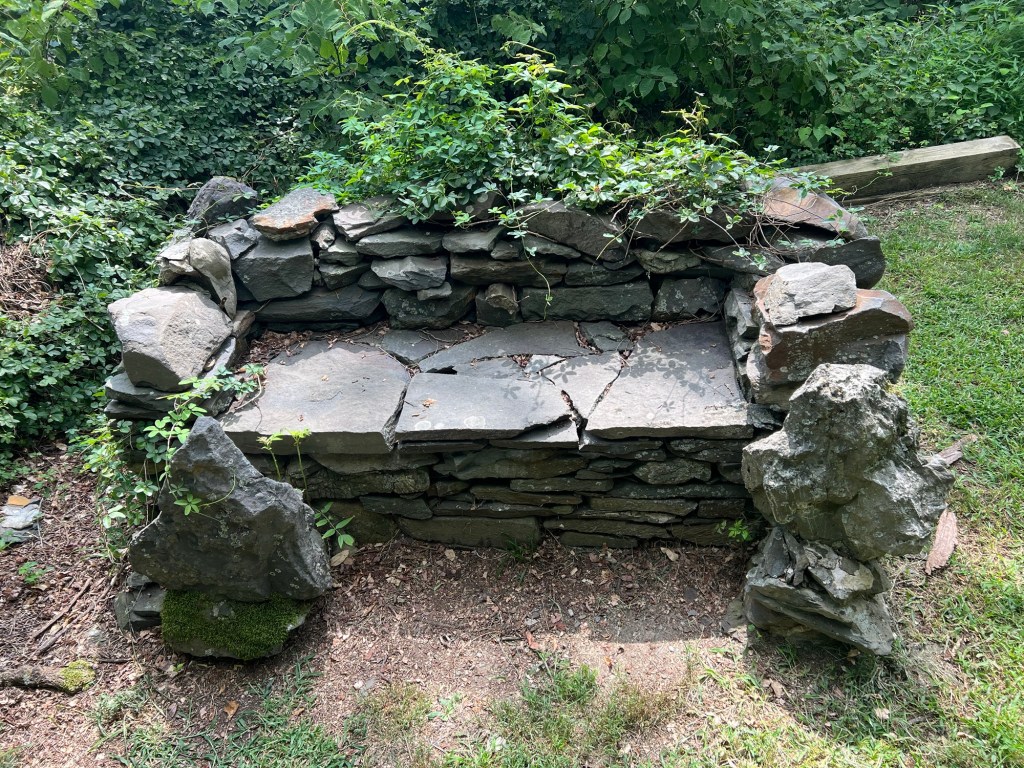
The stone bench at the edge of the gardens
The back of the formal gardens
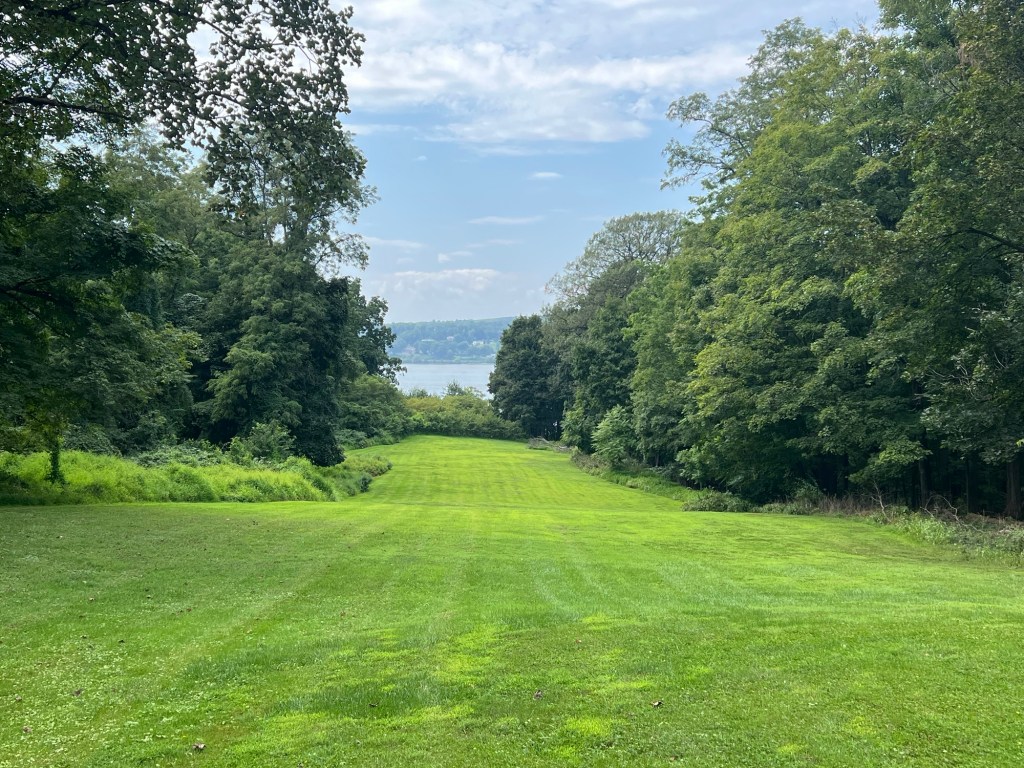
We ended the tour on the back lawn facing the Hudson River. The tour guide explained that the are thinking of trimming back the the woods near the river to better open up the view. This was probably true of the time of the house to pick up boats when moving around the river.
The views are spectacular now
The tour of the house and garden gives it a different perspective than at the holidays. It shows a working farm and an estate of a very prominent Hudson River family.
History of Mount Gulian:
The land where the house stands was purchased by two fur traders Francis Rombout and Gulian Verplanck on August 8, 1683. In exchange for 85,000 acres of land, they paid about $1,250 in goods. The Rombout Patent which formally granted the land to Francis Rombout and Gulian Verplanck was issued by King James II of England on October 17, 1685. After Gulian Verplanck’s death, his estate was eventually divided among divided among his heirs. Julian Verplanck II, a merchant from New York City, received 2880 acres, 400 of which were on a slope overlooking the Hudson River.
He named his estate Mount Gulian, in honor of his grandfather and had the first house on the site built between 1730 and 1740. The building was a small structure with an a-roof. Archaeological evidence suggests it was probably enlarged around 1767 and the characteristic gambrel roof as well as two porches were added between this year and the American Revolutionary War.
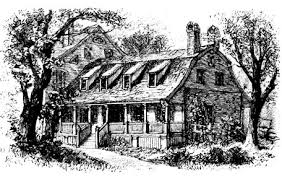
Mount Gulian in an early picture
The Revolutionary War years:
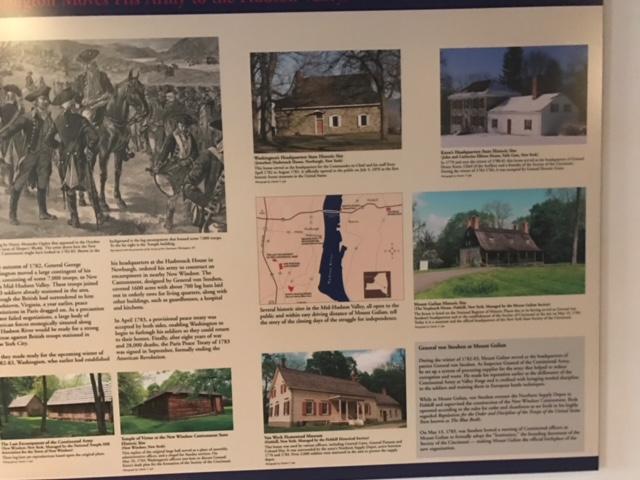
During the war, Gulian Verplanck’s son Samuel stayed at the house, while his wife, Judith Commerlin remained at the family mansion at 3 Wall Street in Manhattan. In early 1783, Major General Friedrich Wilhelm von Steuben made Mount Gulian his headquarters. At the same time, George Washington had his headquarters in Hasbrouck House, Newburgh on the opposite side of the Hudson River.
On the morning of May 13, 1783, a group of officers of the Continental Army met at Mount Gulian to found the Society of the Cincinnati. Mount Gulian is headquarters of the Society’s New York State branch. The building was extended by in 1804 by Daniel Crommelin Verplanck, the grandson of Gulian Verplanck II, who also laid out the garden. When Marquis de Lafayette visited the house on his return to America in 1824, he stayed in the new addition.
The Gardens of Mount Gulian at Christmas in 2021
In 1803, upon the death of Judith Commerlin Verplanck, the family mansion at 3 Wall Street was closed and much of its furnishings moved to Mount Gulian. In 1849, construction of the Hudson River Railroad cut off access to the Verplanck boat and bathhouse at the end of the property at the shoreline.
The view to Hudson River from Mount Gulian
The Restoration of the House:
The original mansion was destroyed in a fire laid by an arsonist in 1931. After this, the house laid in ruin and was left unattended until 1966, when Bache Bleecker, a descendant of the Verplanck family and his wife, Connie, founded the Mount Gulian Society, as a nonprofit private organization. The goal reconstructed the house to the state it was when it served as von Steuben’s headquarters. The interior contains artifacts related to the Verplanck family. The 18 century Dutch barn was moved here as well.
(This information came from Wiki and I give them full credit for the information)
History of the Verplanck Family:
Mount Gulian is the Hudson Valley colonial homestead of the Verplanck family. Between 1633 and 1638, a Dutch entrepreneur named Abraham Isaac Verplanck arrived in New Netherlands Colony (now New York and New Jersey) from Holland. He originally came to purchase land for a farming settlement and trading post.
The trading post would enable him to trade Dutch goods with the local Native Americans in exchange for beaver and other furs, Indian tobacco and trade goods that were rare in Europe. New Amsterdam was a thriving port and frontier town, filled with Dutch settlers, Indians and traders from all over Europe, Africans, both freemen and slaves, as well as French Huguenots seeking to escape from religious persecution in Europe and Jews fleeing the Inquisition in South American came to a relatively tolerant and busy New Amsterdam.
Abraham Issac Verplanck settled in the growing city and became a prosperous businessman. he married Maria Vigne Roos by 1635, they had Abigail and Gulian (Gulyn is Old Dutch for William), Catalyna, Isaak, Sussanna, Jacomyntje, Ariaentje, Hillegond and Isaak II moved to Albany and established the Verplanck line in that city, which exists today.
In 1664, an English nave appeared off the coast of New Amsterdam and demanded the city’s surrender. The Dutch surrendered their colony, swore loyalty to the British Crown and saw the city renamed New York. The Verplanck’s spoke Dutch but were now English citizens. By the 1680’s, Gulian Verplanck was sailing up the Hudson River looking for land to increase his wealth.
In 1683, with partners Francis Rombout and Stephanus Van Cortlandt, Gulian Verplanck bought 85,000 acres of land from the local Wappinger Indians for approximately $1200 worth of goods. About 75 miles north of Manhattan, overlooking the Hudson River for miles and going inland into rich meadows and forests, encompassing nearly one-seventh of modern Dutchess County, NY in today’s Fishkill-Beacon area, the purchase was quite a bargain. In 1685, the Deed of Sale was approved by King James II of England and is known as the Rombout Patent.
For the next forty-five years, Verplanck, Rombout and various partners and heirs sub-divided, sold off and rented portions of this huge tract of land, while logging, hunting and planting crops on the land.
During the English colonial period, the Verplanck’s became quite prosperous and built a fine home on Wall Street in Manhattan. The Verplanck’s were civic minded and participated in the development of the business and banking industry in New York City and were among the Trustees of Kings College, now known as Columbia University. Around 1730, a colonial-style fieldstone house was built in Fishkill Landing on the Rombout Patent land.
This rough frontier home was gradually surrounded by a working plantation, a dock on the Hudson that facilitated the New York-Kingston-Albany trade and many service buildings for servants and crop production. This homestead was called “Mount Gulian”, and it was used as a summer retreat for the family and a working plantation, but it is not believed that any family member lived at the site year-round until the early 1800’s. Other Verplancks at this time lived in Albany and Verplanck Point in Westchester County, NY.
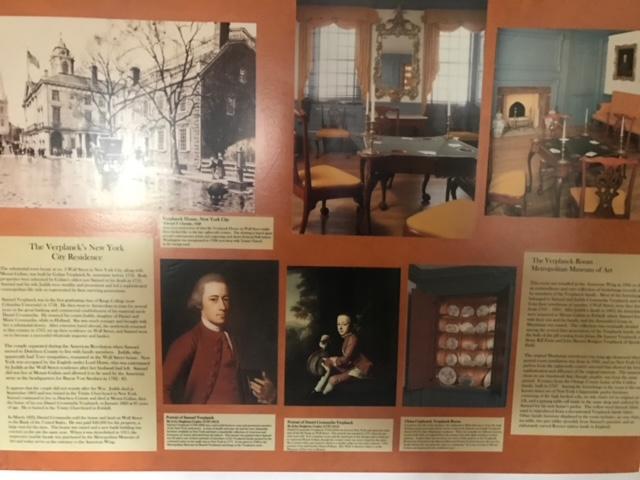
The Verplancks were prominent citizens in colonial New York while maintaining correspondence with their Dutch relatives in Holland. Young Samuel Verplanck was fortunate enough to take “the grande tour” of Europe in 1761. As businessmen of that era, it must be noted that the Verplancks of Manhattan and Mount Gulian owned slaves during the mid-1700’s and into the early 1800’s, most likely house servants and skilled laborers.
Before the Revolutionary War, Samuel Verplanck became involved with anti-British groups and joined “the Committee of Safety of One -Hundred” in Manhattan. This patriot group was poised to take over the city in the event of rebellion, which occurred on April 19, 1775 at Lexington & Concord.
Later during the War for Independence, Verplanck turned over Mount Gulian to the Continental Army because of its strategic location on the Hudson near the Fishkill Barracks and across from Washington’s Headquarters at Newburgh. In late 1782, through the summer of 1783, Mount Gulian was the Continental Army headquarters of patriot General Fredrich Von Steuben. After the American victory at Yorktown, upon learning of the Treaty of Paris, General Von Steuben and other Chief American officers created at Mount Gulian on May 13, 1783, the Society of the Cincinnati, America’s first veterans’ fraternal organization.
In 1804, Daniel Crommelin Verplanck, a member of Congress moved from Manhattan to permanently occupy the home at Mount Gulian, which underwent extensive expansion with the addition of a large frame house attached to the original homestead. An ornamental “English Garden”, all the rage in Europe at the time, was laid out by him and his daughter, Mary Anna to supplement the 6 acres “kitchen garden” and the fields filled with salable crops. More permanent structures were built on the property, still thousands of acres, including barns, smokehouses, storage buildings and structures to facilitate brick making from clay taken from the Hudson.
The Verplanck family grew and eventually married into many prominent families in New York such as the Schuyler’s, the Johnsons, the Delancey’s and the Bleecker’s. Daniel’s son, Gulian C. Verplanck, also a member of Congress, ran for Mayor of New York in 1834, losing what many believe was a fixed election. Other Verplancks were judges, businessmen and wealthy farmers.
With slavery abolished in New York in 1827, the conservative Verplancks, along with many upper-class Northerners, gradually sided with the abolitionists, even hiring and assisting James Brown, an escaped slave who worked for the family for forty years. Brown’s diaries, written at Mount Gulian, provide a detailed record of daily life there.
During the Civil War, Robert Newlin Verplanck volunteered in the Union Army’s United States Colored Troops, training and fighting alongside black troops until the victory at Appomattox. His battlefield letters to his mother and sister have been preserved by Mount Gulian.
The Victorian era at Mount Gulian was a grand time, as the family associated with the local Livingstons, Roosevelts and Vanderbilts. Many Verplancks achieved fame in the professions, in arts and letters and as sportsmen. Verplanck Colvin was a topographical engineer who extensively surveyed the Adirondacks. Virginia E. Verplanck was a celebrated gardener and hostess. John Bayard Verplanck was an early seaplane flyer, racing World War I era veteran and banker.
The history of the area around Mount Gulian
Mount Gulian was occupied by the Verplancks until 1931, when the house was destroyed by fire. Many of the furnishings and valuable were saved by family members, neighbors and firemen who cleared the house before it was fully engulfed.
Prior to the American Bicentennial of 1976, Mount Gulian was beautifully restored with the assistance of Verplanck descendants, local history lovers and members of the Society of the Cincinnati. In 1998, Mount Gulian sponsored a well-attended family reunion, which included an updated version of the family genealogy book originally from 1892. Today Ms. Charlotte Verplanck Willman is one of the Mount Gulian Historic Site’s Board of Trustees.
The Order of Cincinnati
(This information was taken from the Mount Gulian Society website and I give them full credit for the information.)
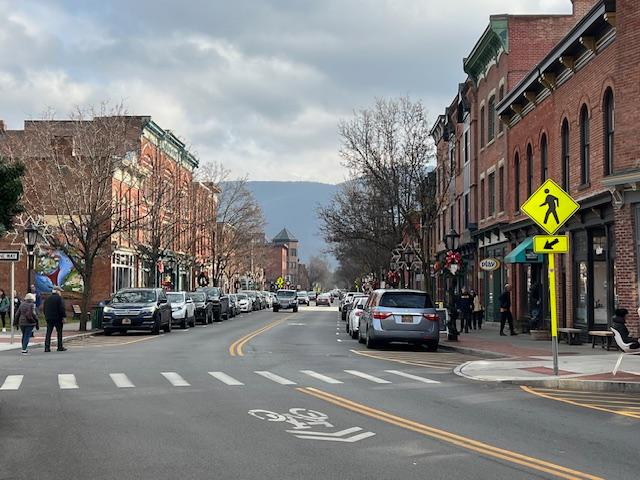
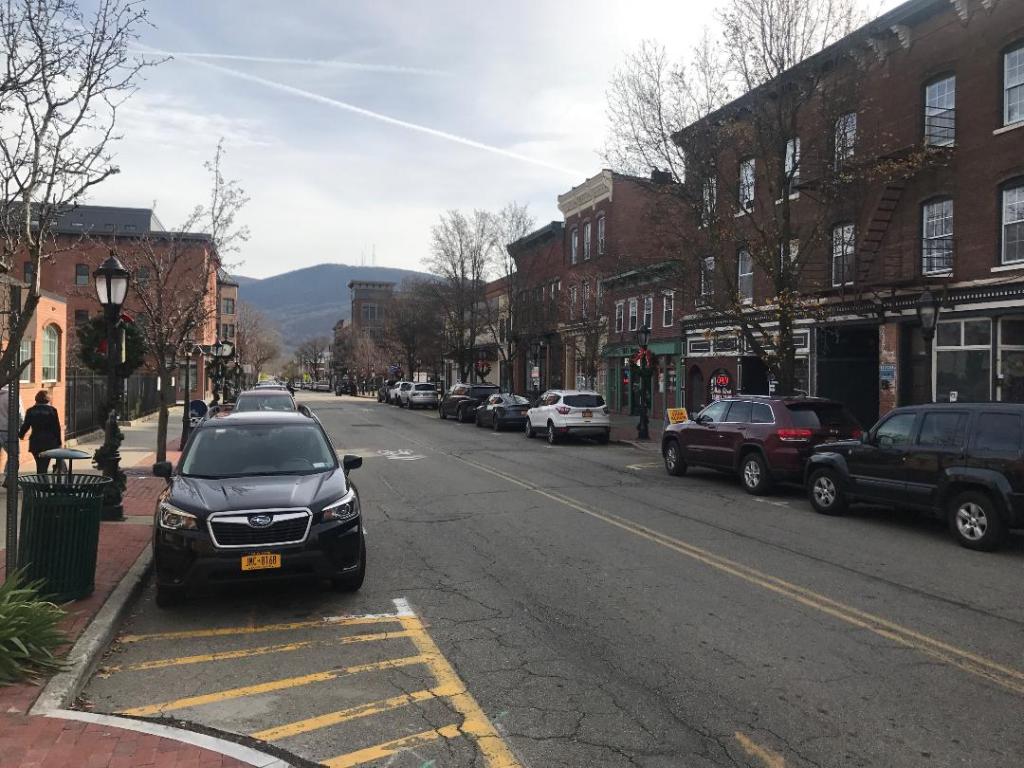
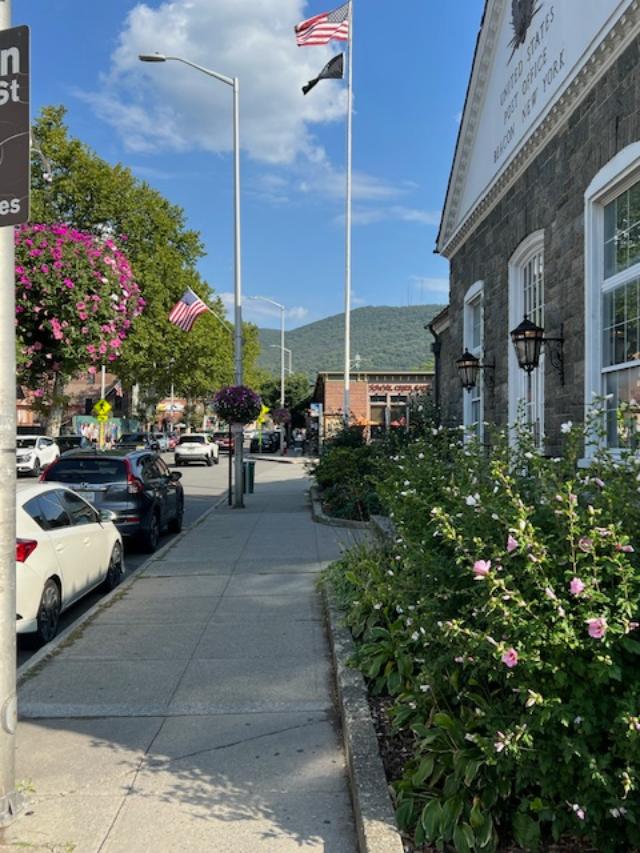
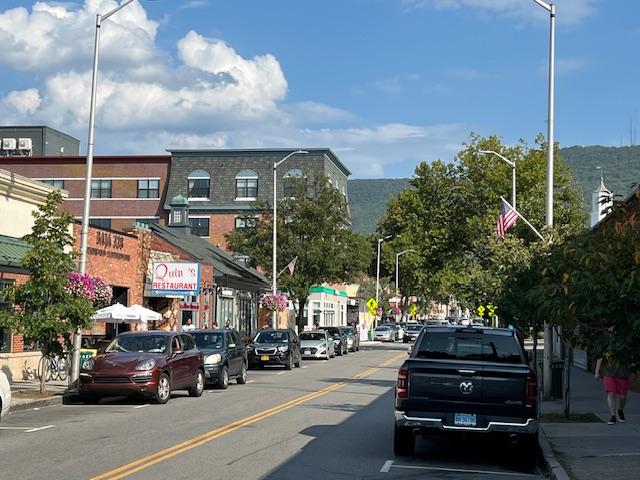
After the tour, it was a long walk in Downtown Beacon, NY to picture taking and window shopping.
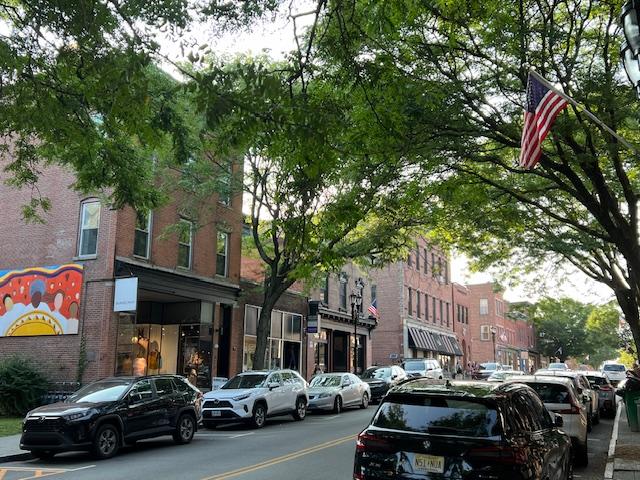
Downtown Beacon, NY in the summer of 2024
Downtown Beacon, NY in the summer of 2024
Downtown Beacon, NY in the summer of 2024
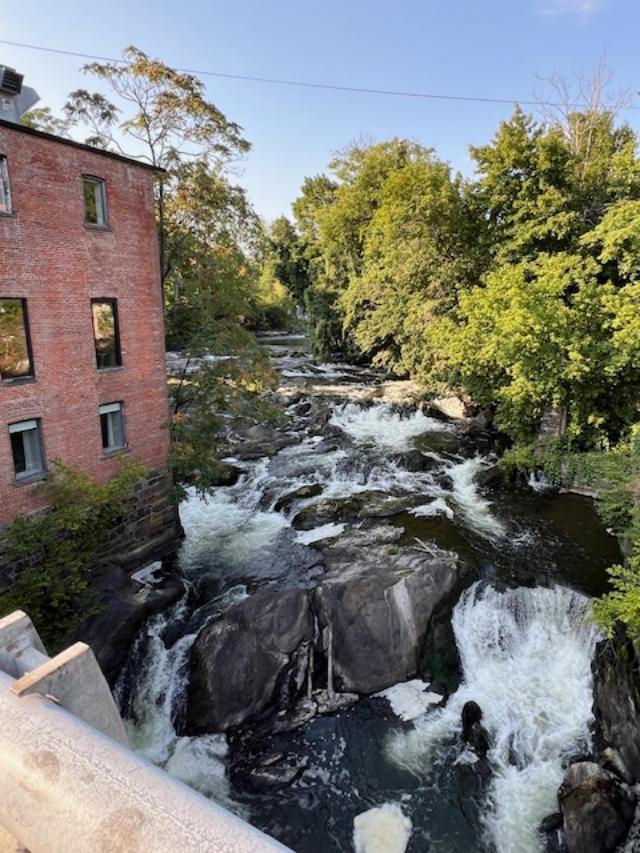
Downtown Beacon, NY falls in the summer of 2024
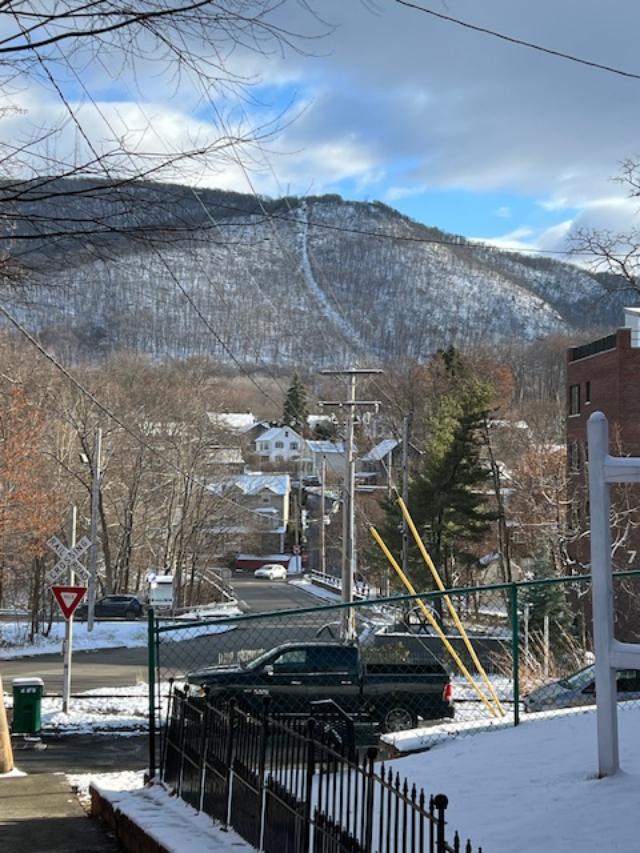
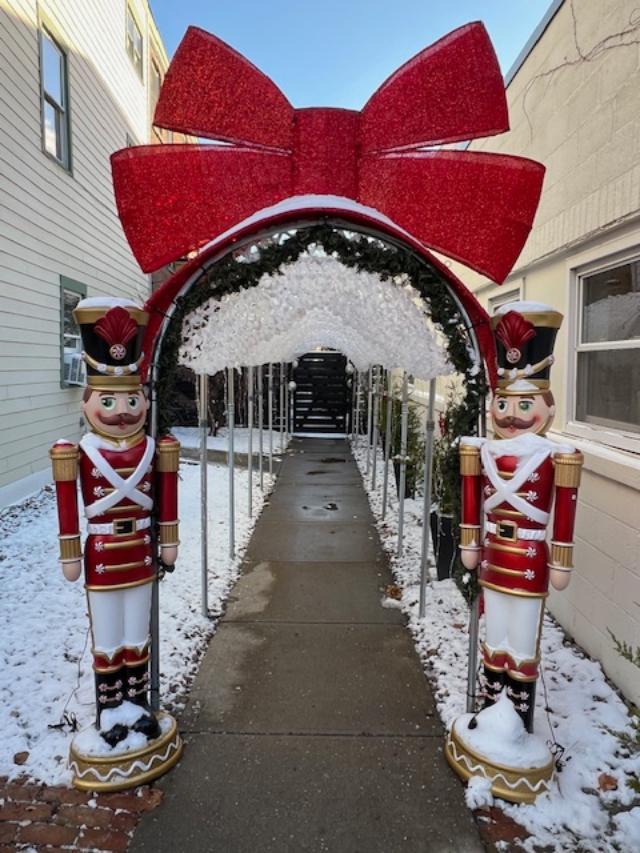
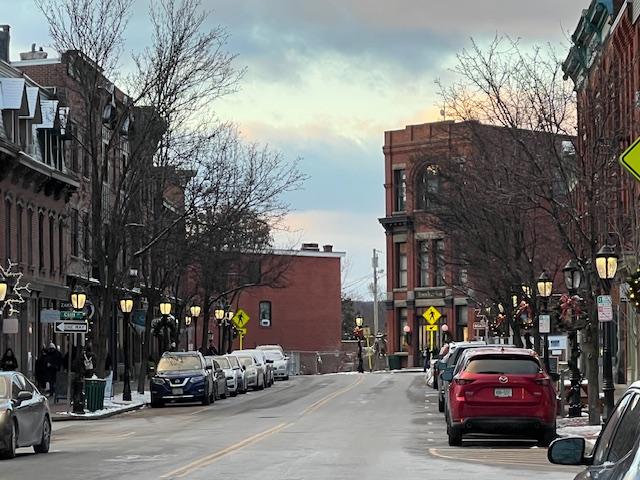
I also visited Downtown Beacon in December of 2024 for the pre-Christmas holiday season and the whole downtown was decked out for the holidays.
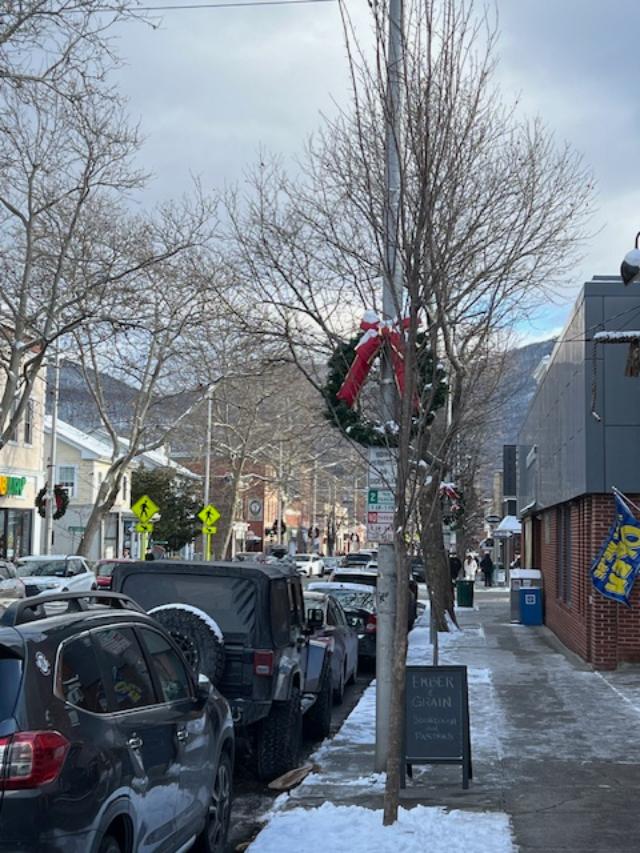
The Mountains behind the downtown glitter with the recent snowfall
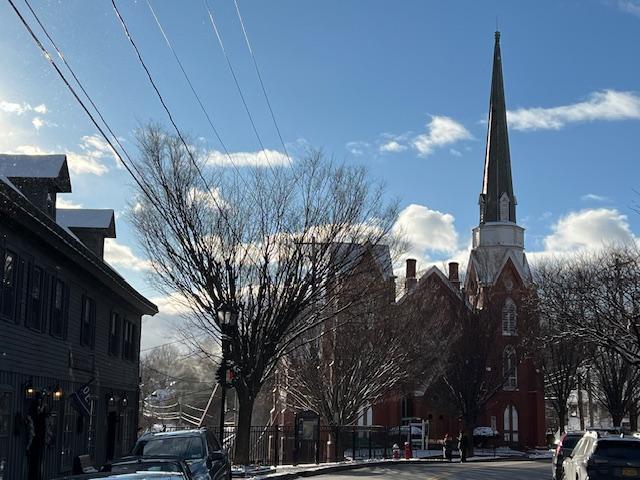
The edge of Downtown where the church is located
The downtown was decorated with wreaths and garland topped with fresh snow
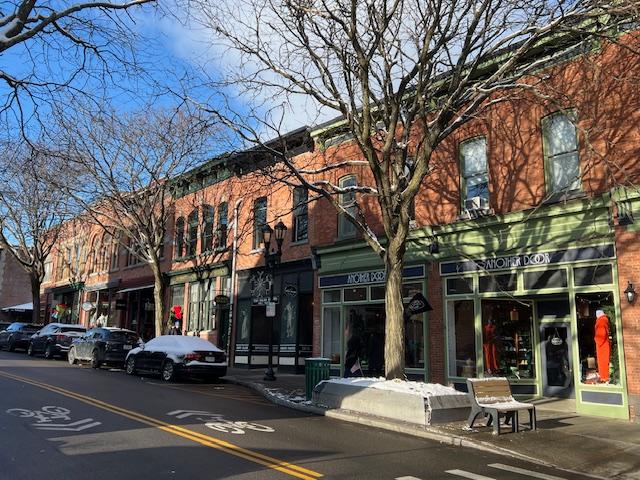
The store fronts during Christmas time in Downtown Beacon, NY
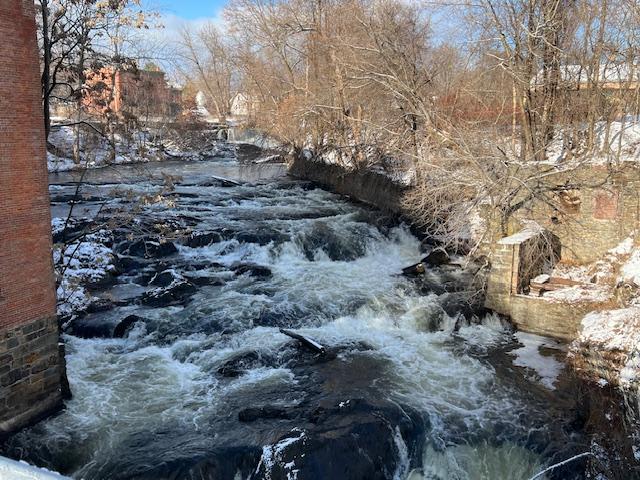
The Falls at Christmas time
The Downtown Beacon decorations for the holidays
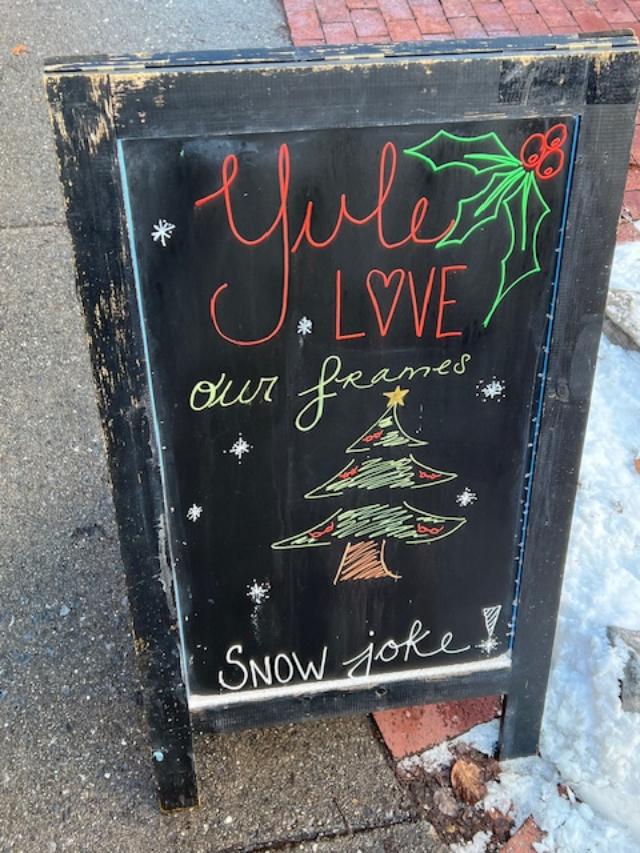
The festive and very creative signs of the merchants in the downtown area
Downtown Beacon decorated for the holidays at dusk as the lights came on
More merchant signs downtown
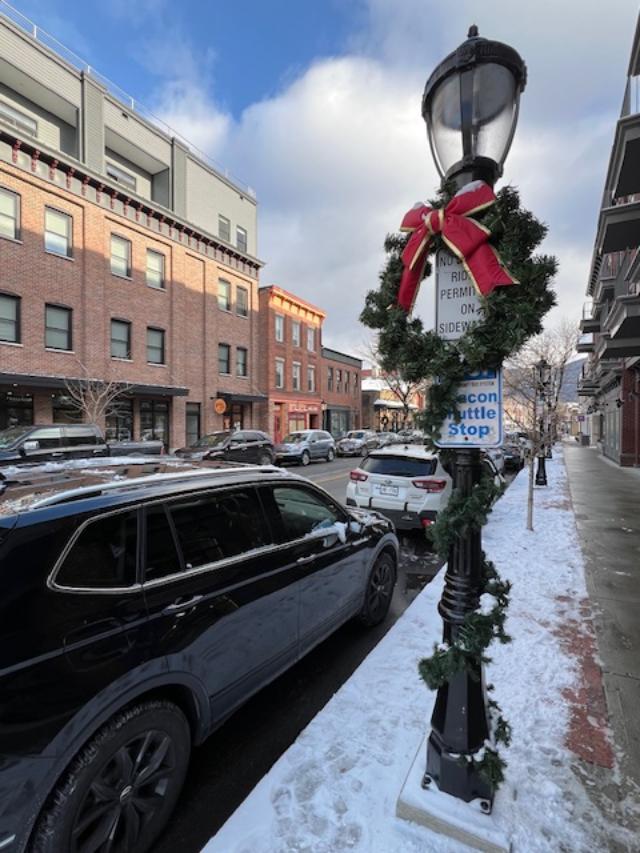
Each lamppost was festive and nicely decorated for the holidays