Tag: travel

Alloway Township History Museum                                         49 Greenwich Street (Room 216)                                    Alloway, NJ. 08001

Alloway Township History Museum 49 Greenwich Street (Room 216) Alloway, NJ. 08001

Alloway Township History Museum

49 Greenwich Street (Room 216)

Alloway, NJ 08001

(856) 981-9388

Open: Sunday-Friday Closed/Saturday 9:00am-12:00pm (Last Saturday of the Month)

Admission: Free

My review on TripAdvisor:

https://www.tripadvisor.com/ShowUserReviews-g29741-d32722951-r984660264-Alloway_Township_History_Museum-Alloway_New_Jersey.html?m=19905

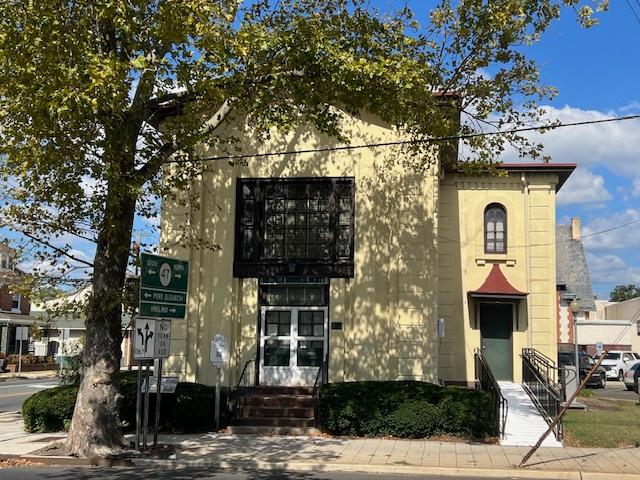
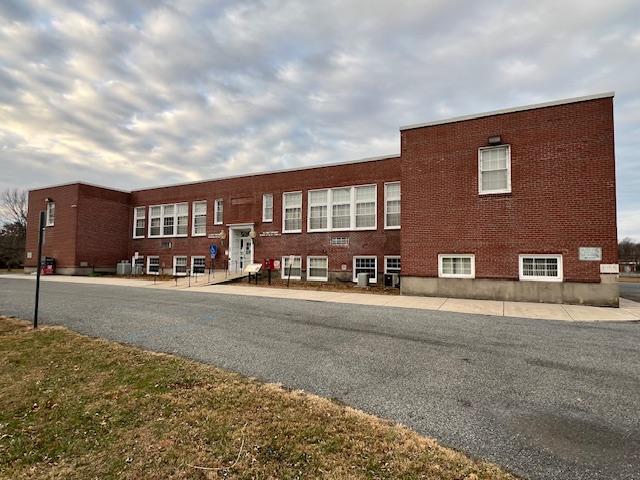
The front of the museum building. The museum is located on the second floor

History of Alloway Township History Museum:

(from the museum website)

Dating back to our origins in 1767, Alloway Township is rich in history and heritage. Ocean going vessels were built in our shipyards. The Wistarburg Glassworks’ was the first successful glassworks of the early colonies. Patterned brick houses can still be spotted around town.

Our museum is filled with a collection of interesting artifacts from our past including: class plaques, the original bell from Alloway High School, early glass, a miniature recreation of the area back in the 1700’s Lenni Lenape Indian Arrowheads and much more. Everything in the museum has been donated by visitors also interested in preserving Alloways history. Our latest project is recreating an early classroom including a collection of historic school desks.

The Alloway Township Senior Building at 49 South Greenwich Street
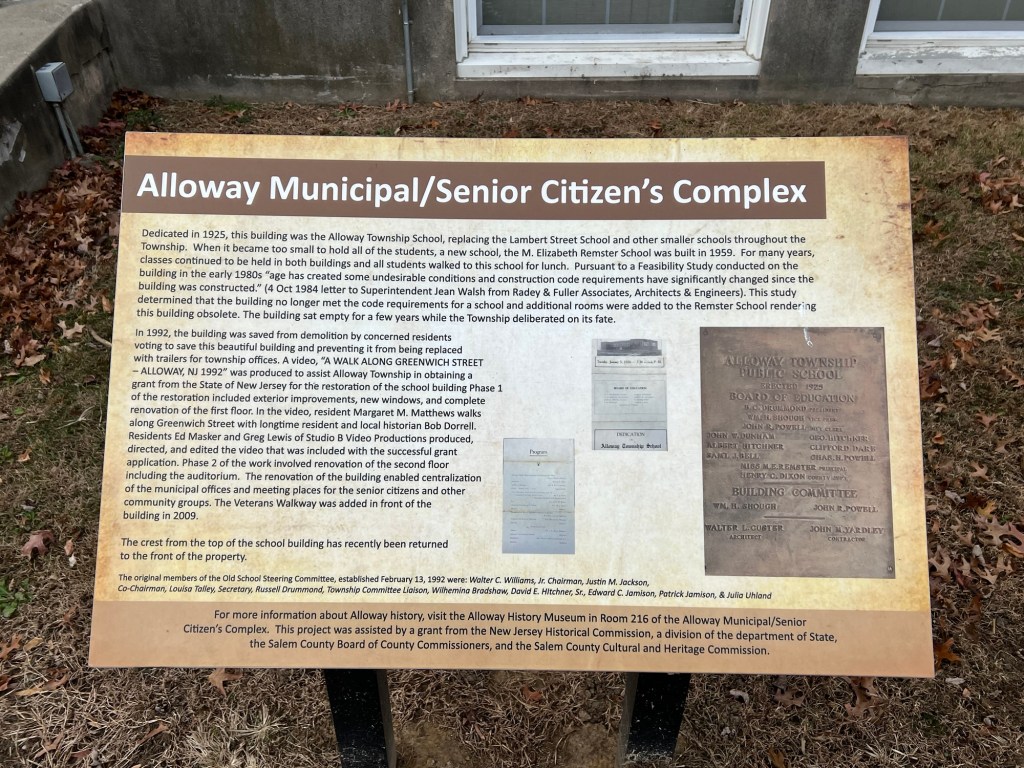
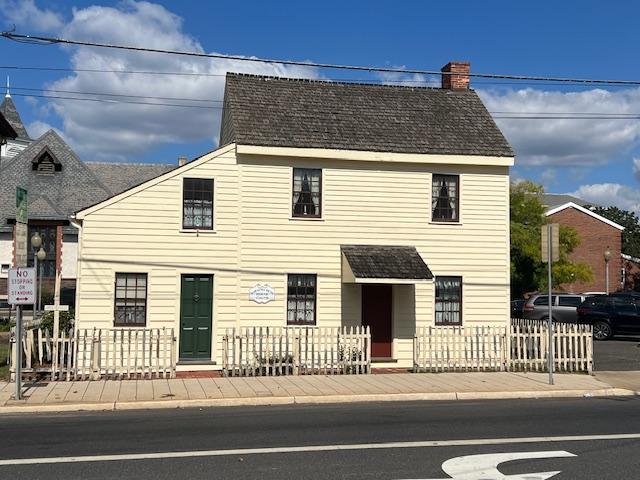
The history of the Alloway Municipal Building

The town Christmas tree in the front yard

Our Mission:

(from the museum website)

The Alloway Township History Museum’s mission is to preserve the history and memories of Alloway, NJ. What is now Alloway was originally inhabited by Lenni Lenape Native Americans and its name is thought to be derived from Allowas, a local Lenni Lenape Chief. Located in Salem County, NJ, Alloway Township was formally incorporated as Upper Alloways Creek Township by a Royal Charter granted on June 1767.

The public is invited to come in and enjoy or collections, share your stories, photos, objects and ephemera to help maintain the history of Alloway. We welcome researchers and provide them with any available material.

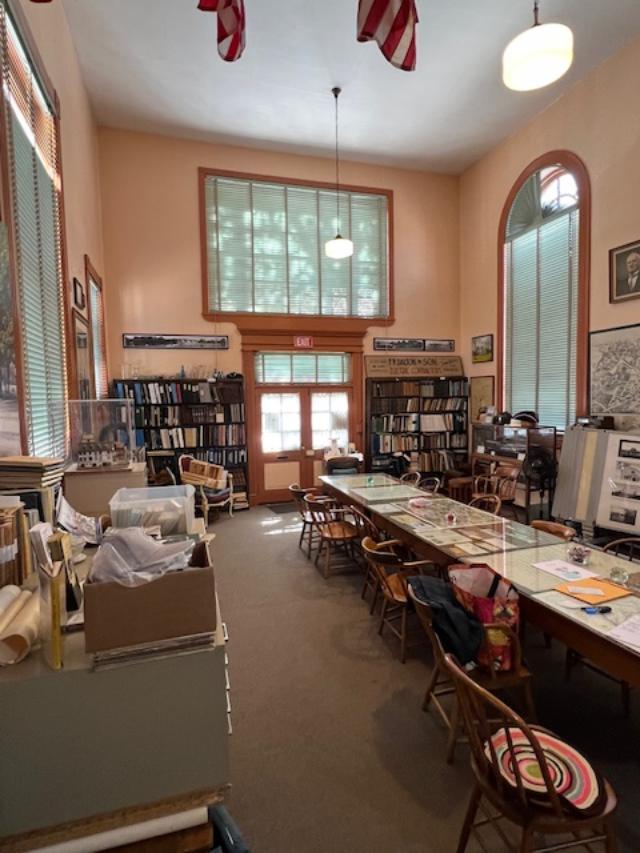
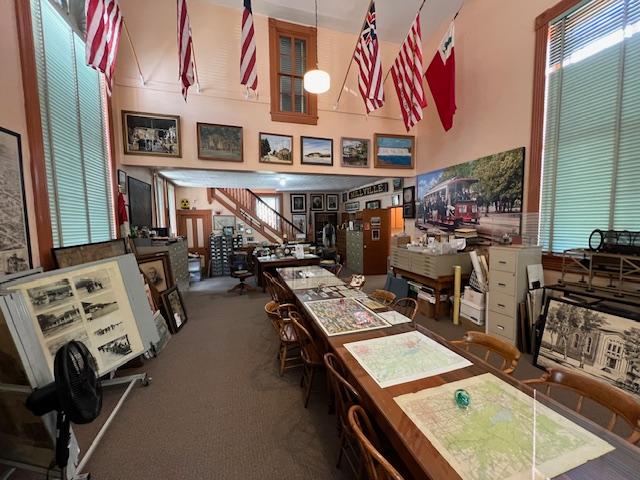
The main gallery of the museum

The main gallery of the museum

When you enter the museum, it showcases the rich history of this small community. Each of the show cases tell the story of the small New Jersey community.

As you enter the museum, the displays describe the rich history of the building

The local businesses of the town are emphized

The museum displays many aspects from the community from its Native American past to its prominence in ship building, farming and agriculture and then localized manufacturing and glassworks.

Some of the businesses noted in the community

The Train display and the advent of changes this community saw with the rail system in New Jersey
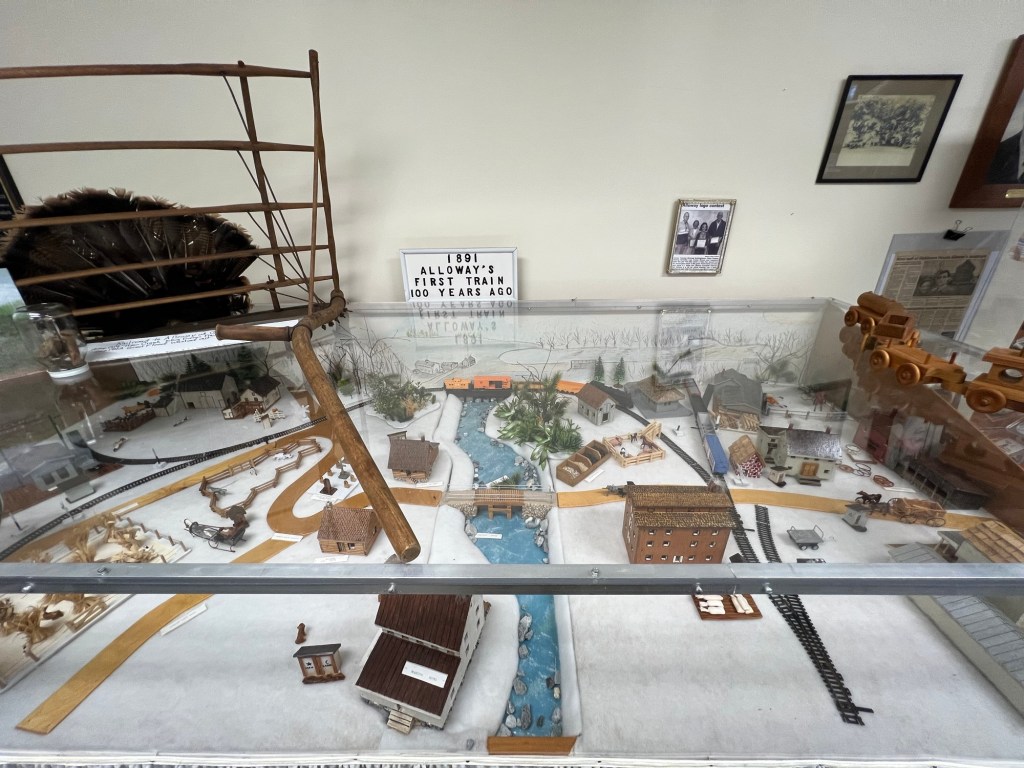
The Train display
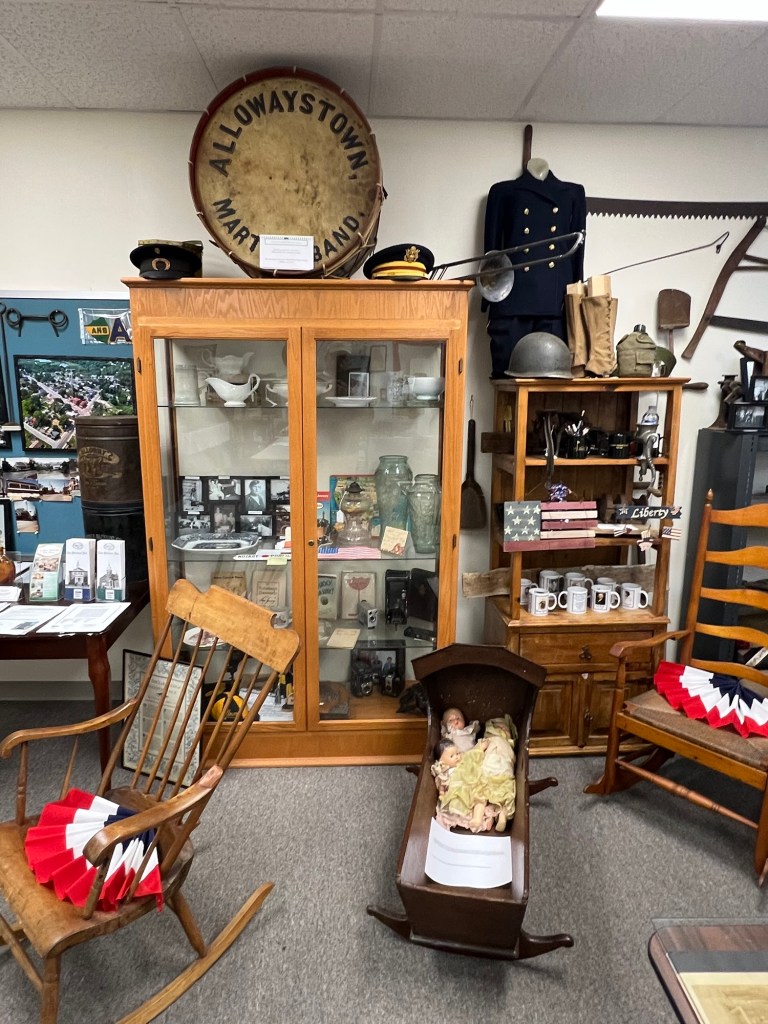
The museum displays lots of interesting artifacts from the community past from Military items to school related artifacts

The contributions of the communities Military past. The case offers so many interesting items to see

The local glass works display with glass and dish ware items
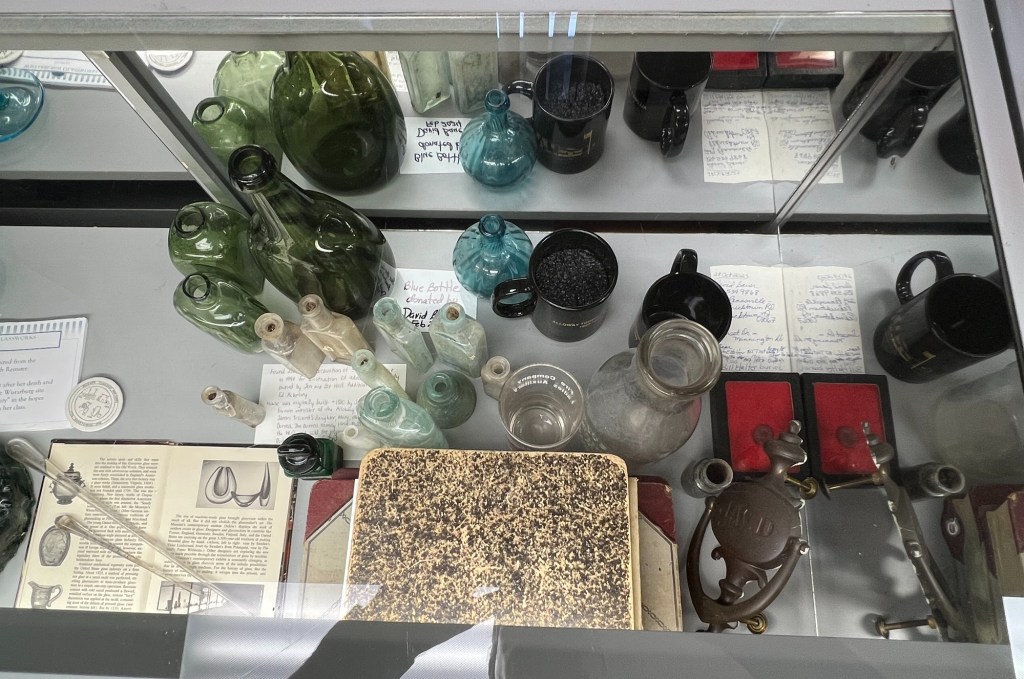
Glass works items

The Military drum

The interesting collection of toys that the museum displays
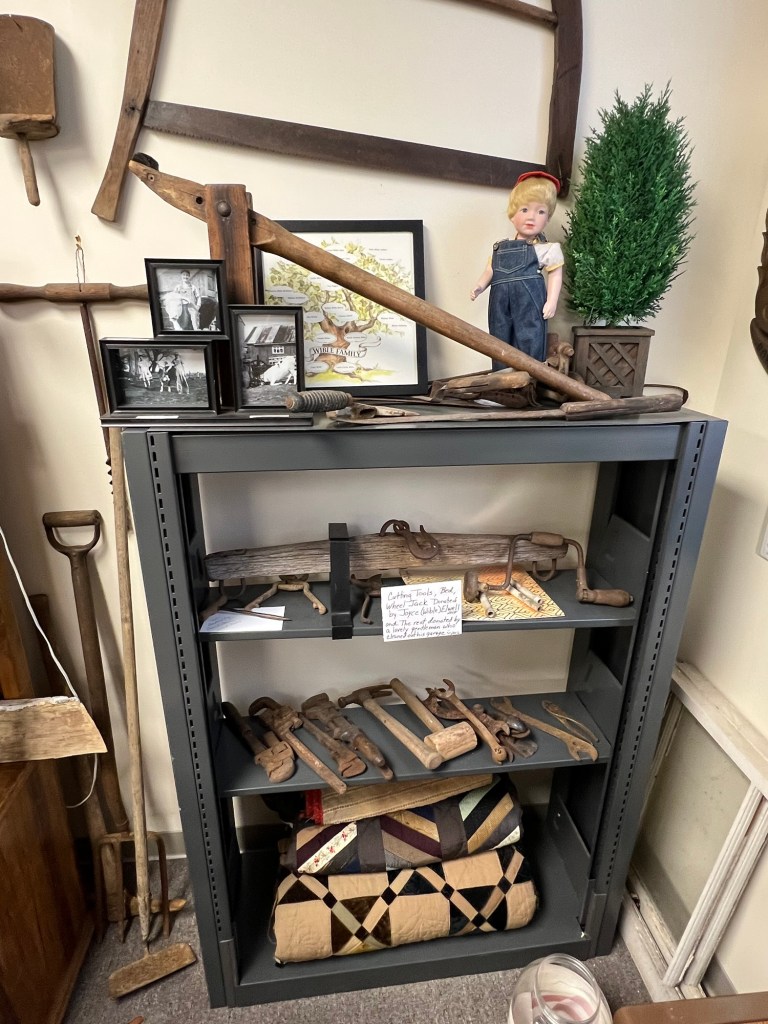
Tools and equipment from the communities agrarian past where farming made up a big part of the economy
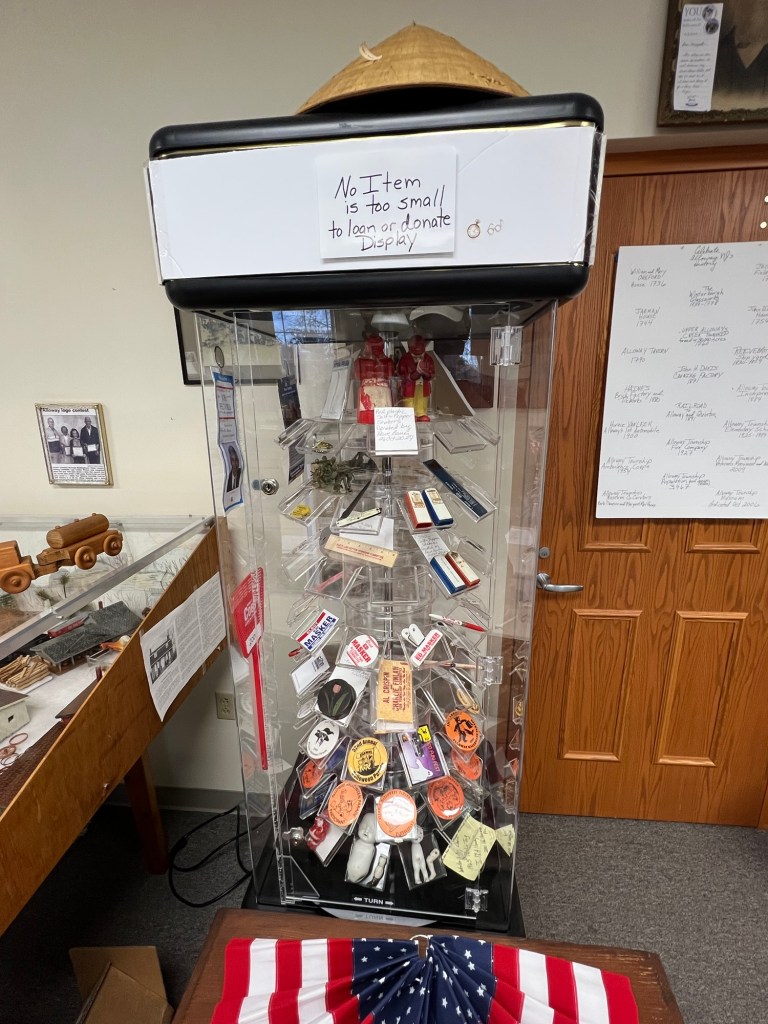
The museum has an extensive collection of buttons, pins, pens and other artifacts from local business and community functions
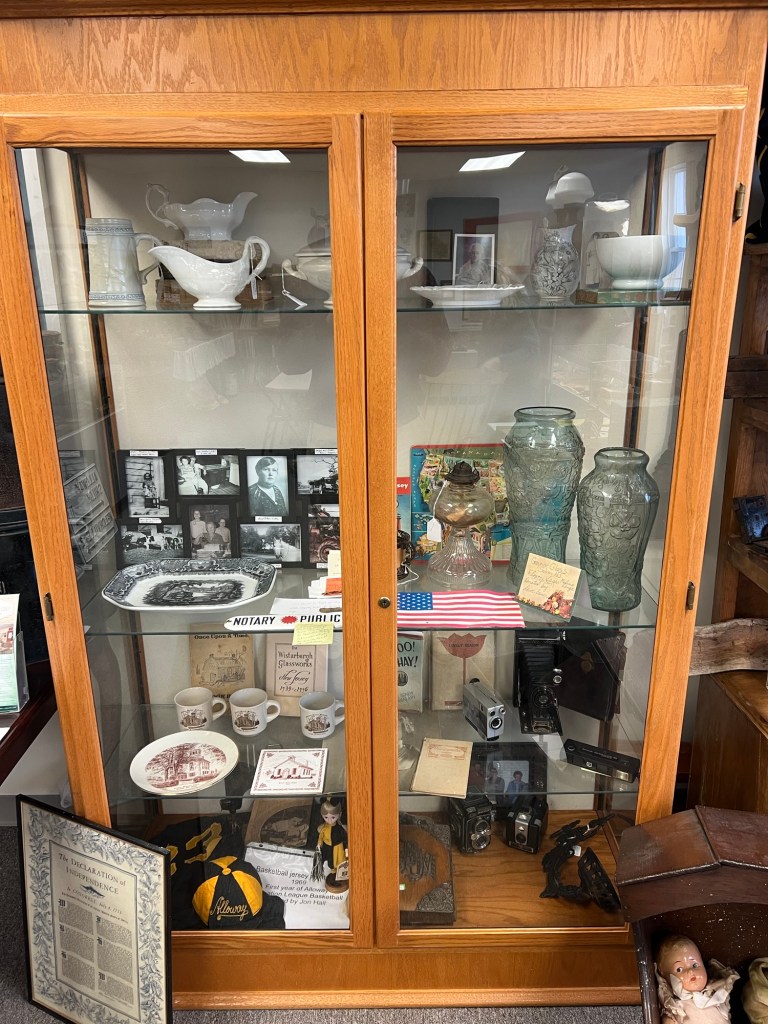
The Glass works and dish ware display at the museum

The museum has an extensive collection of the first residents of Alloway which is the Native American Lenape tribe who farming and ship building set the tone for the first community. They trained those who came after them and built a system of trading and business.

The display case of Native American artifacts
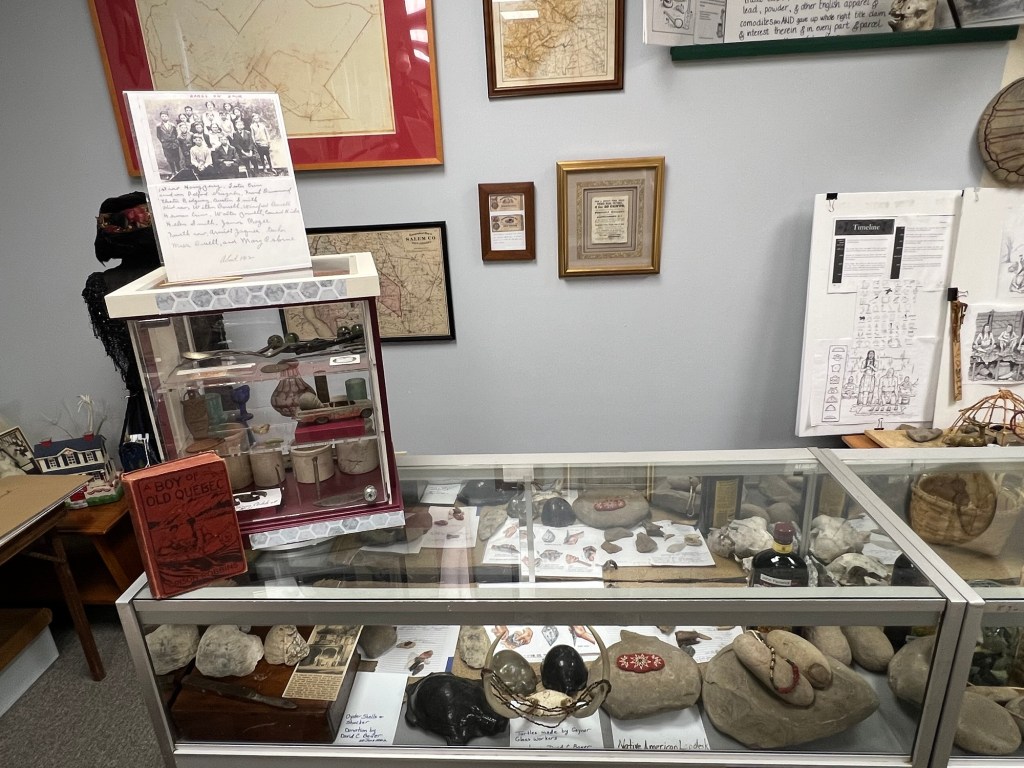
The Native American past of the Lenape Indians
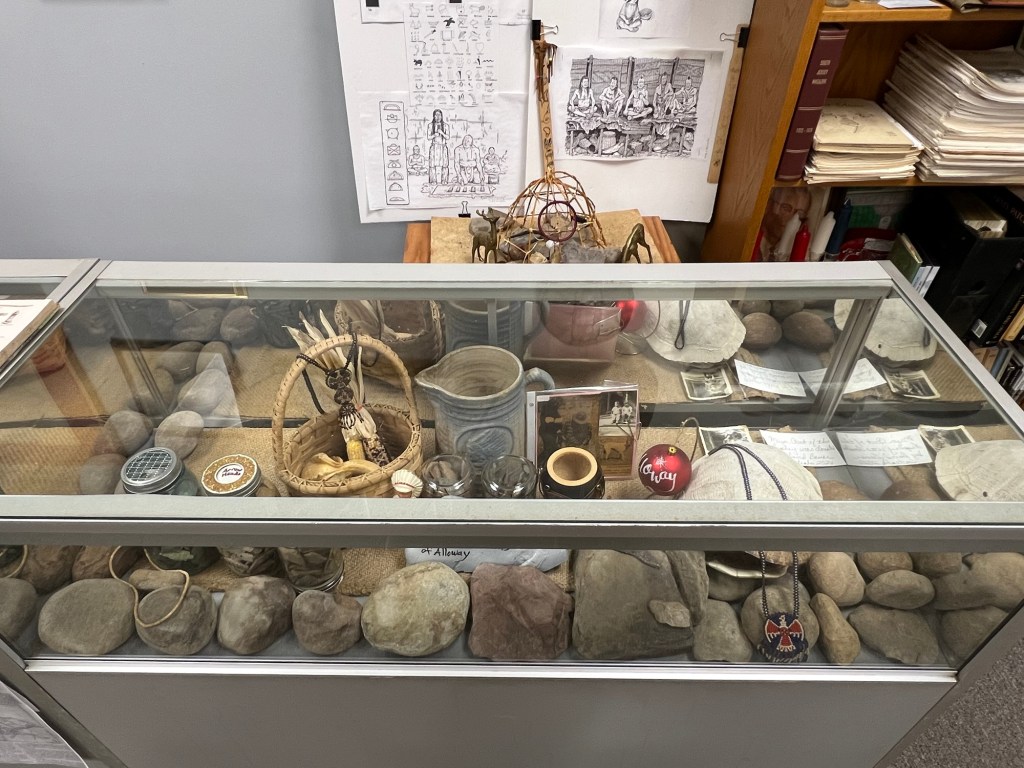
A closer look at the artifacts of local tribes

A closer look at the artifact
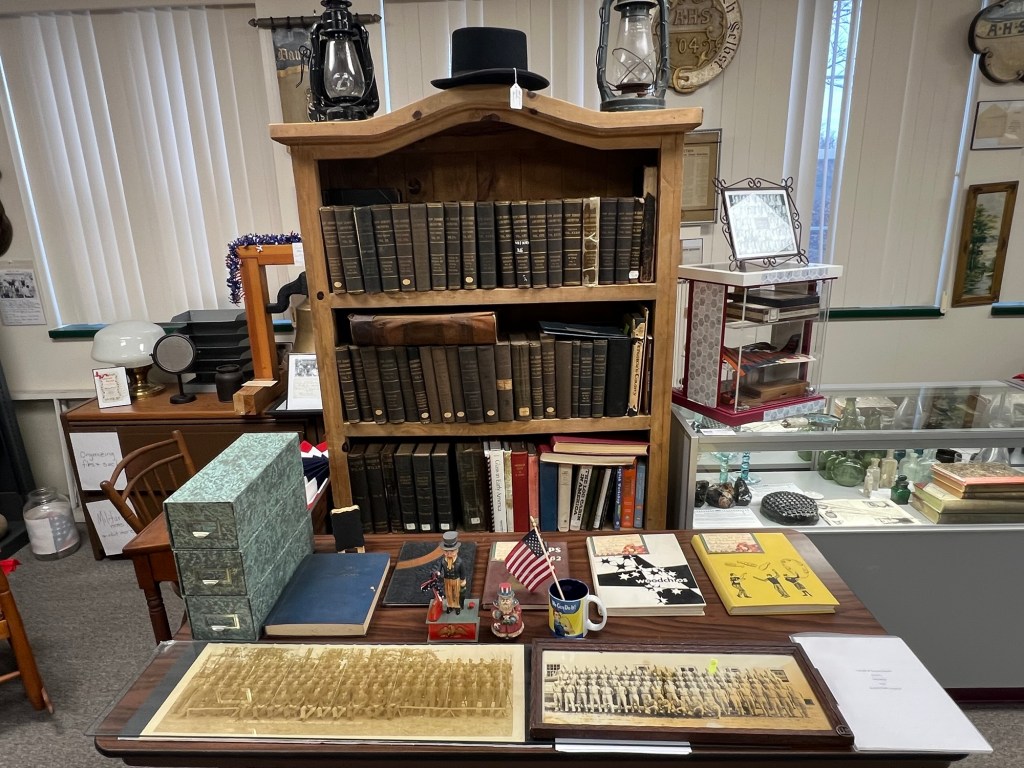
The Educational and Town display
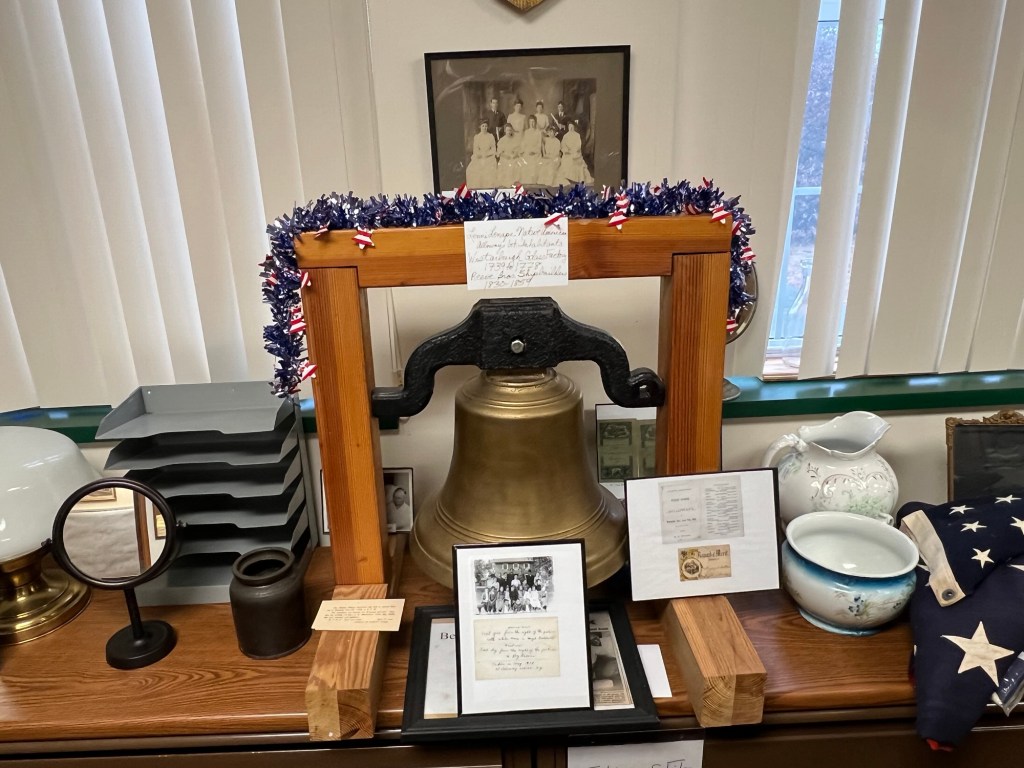
An old bell surrounded by town artifacts

Artifacts from around the town

ld lard containers manufactured in town
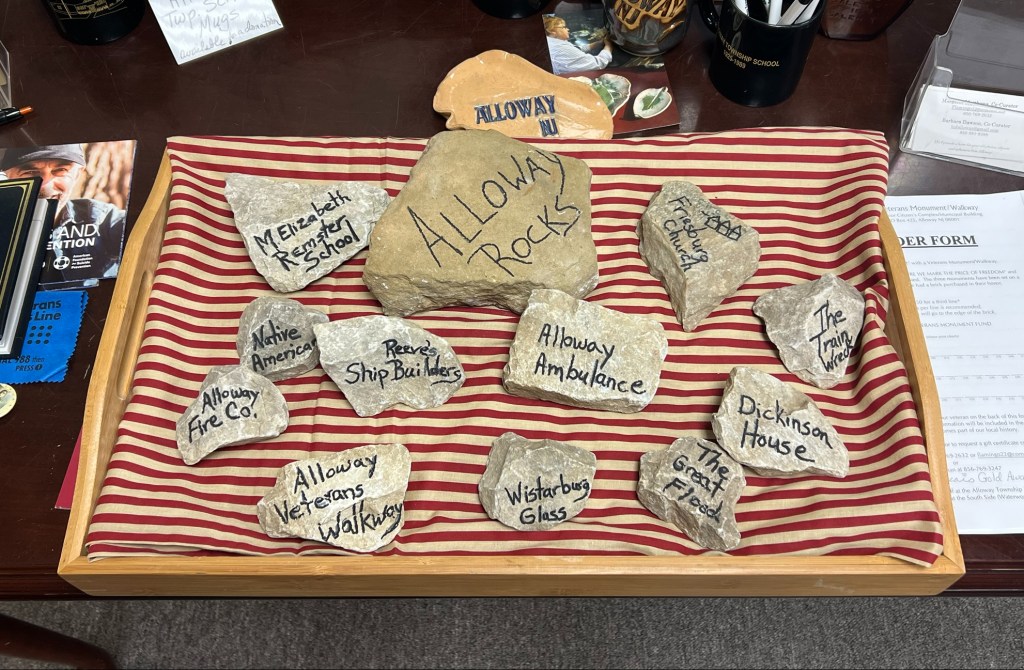
Painted rocks in the museum
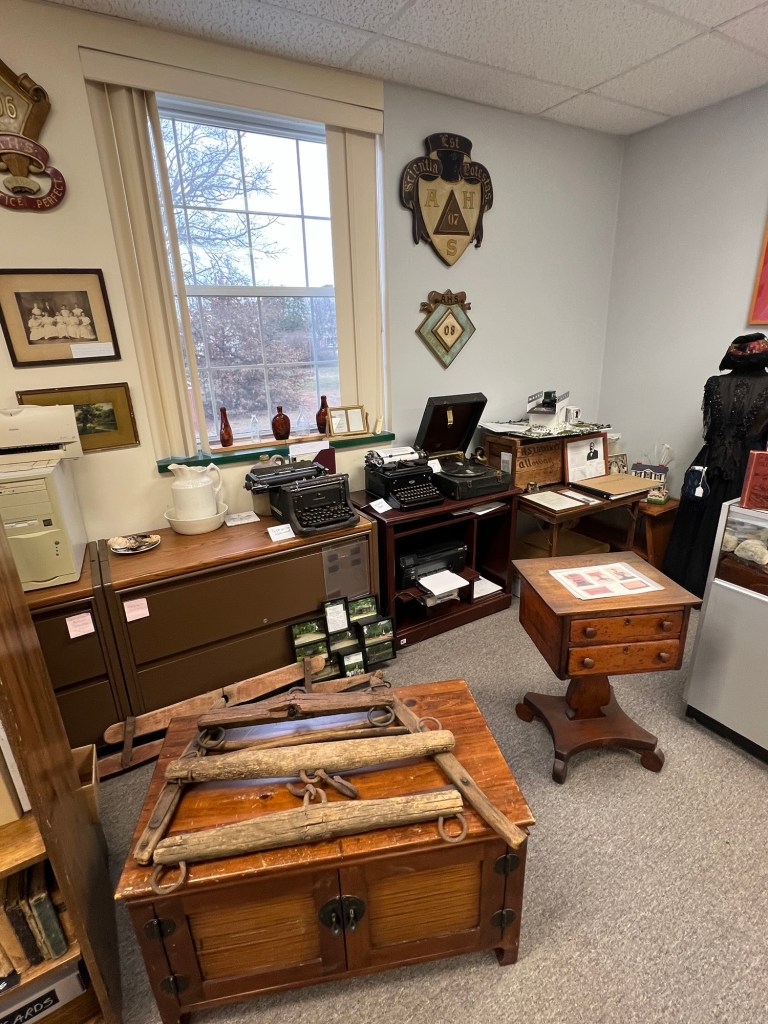
Office equipment and old signs from the town buildings

Funeral dress from the past
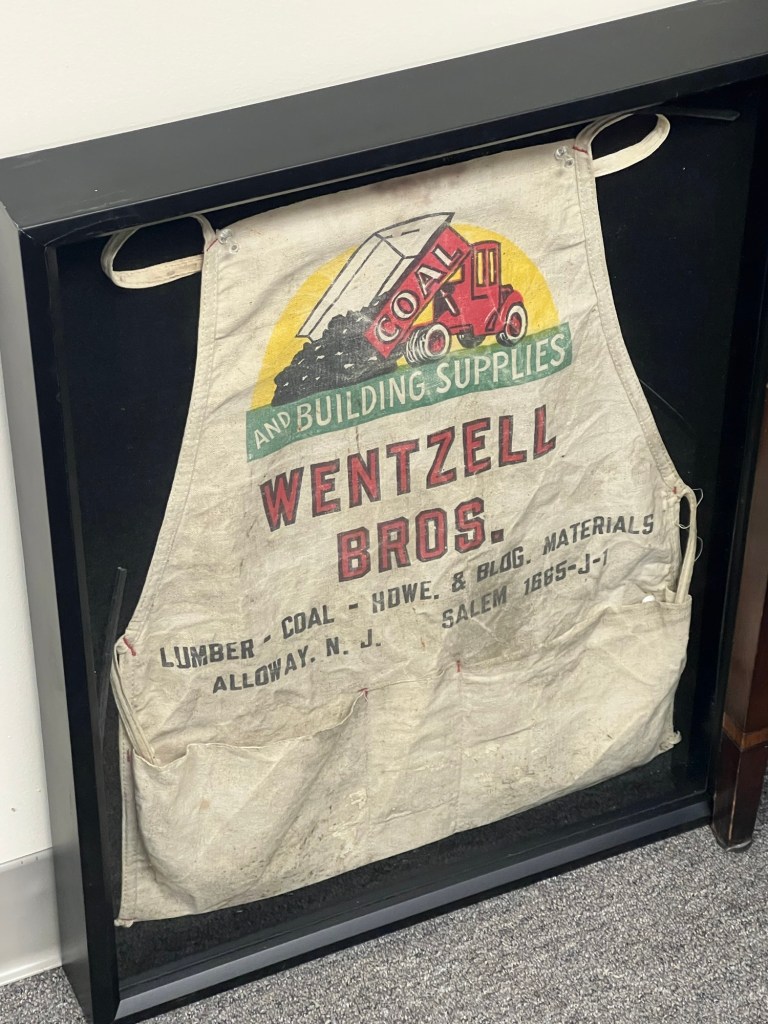
An old smock from a local company

Military items that were donated to the museum
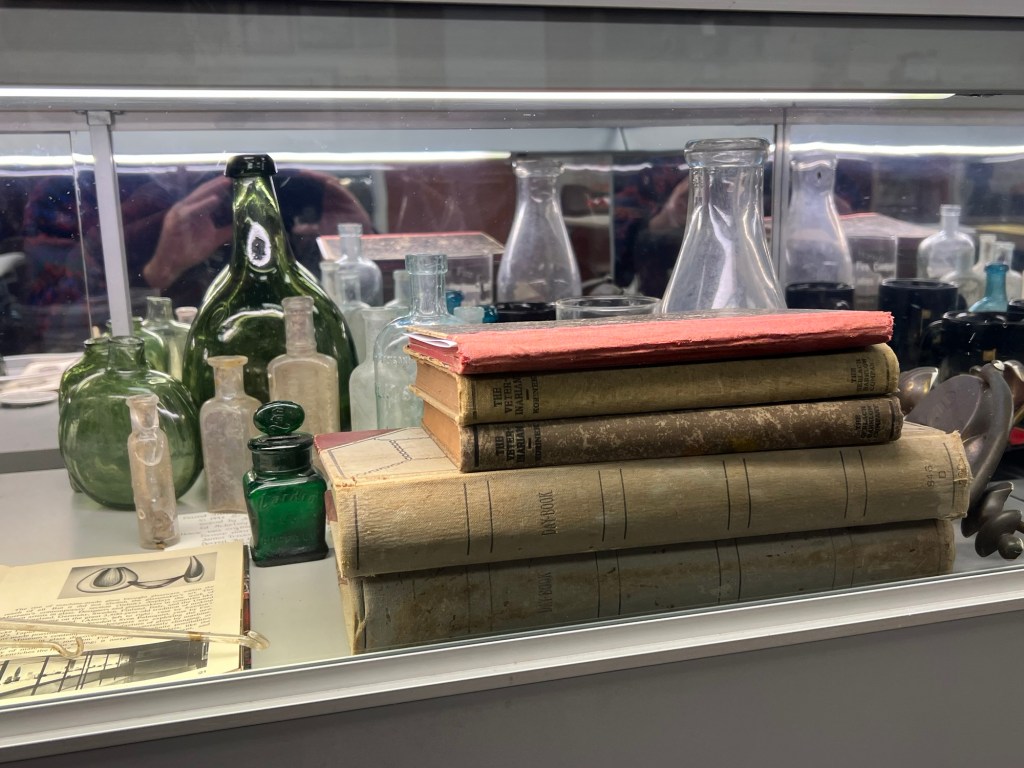
Glass works and other artifacts

The other room of the museum across the hall was geared to education and the classroom with artifacts used in schools over the last 100 years. It shows the progression of the school system in Alloway, NJ and for the rest of the State of New Jersey from an agricultural community to a cosmopolitan community.
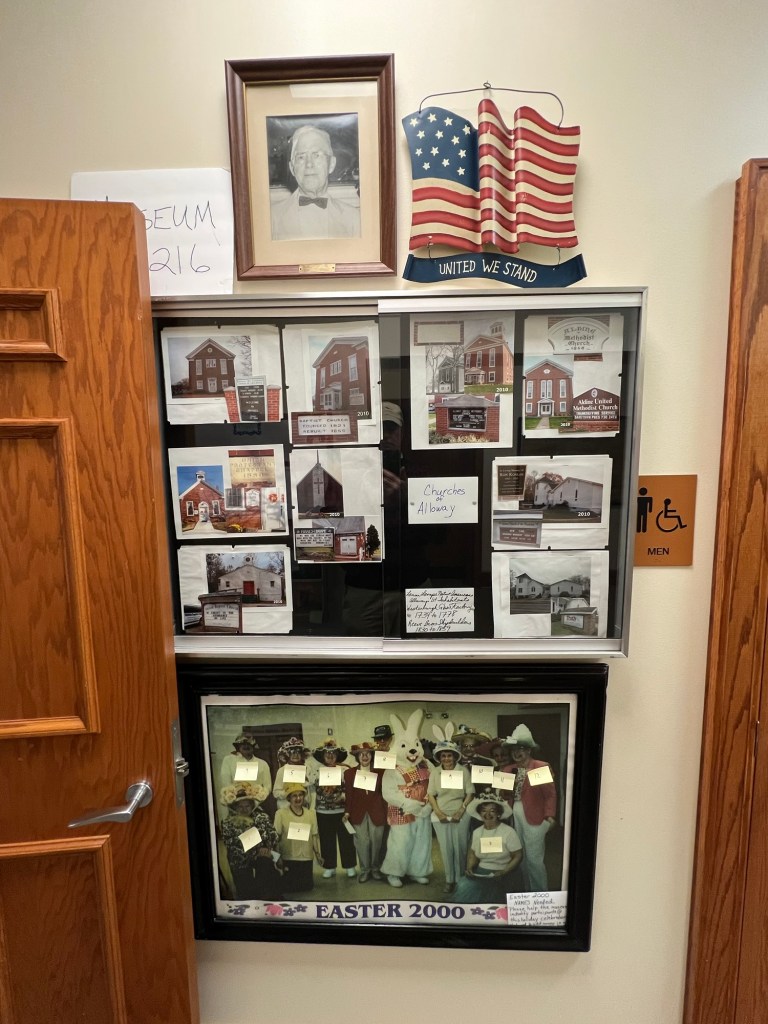
The history of the building over the years was on displa
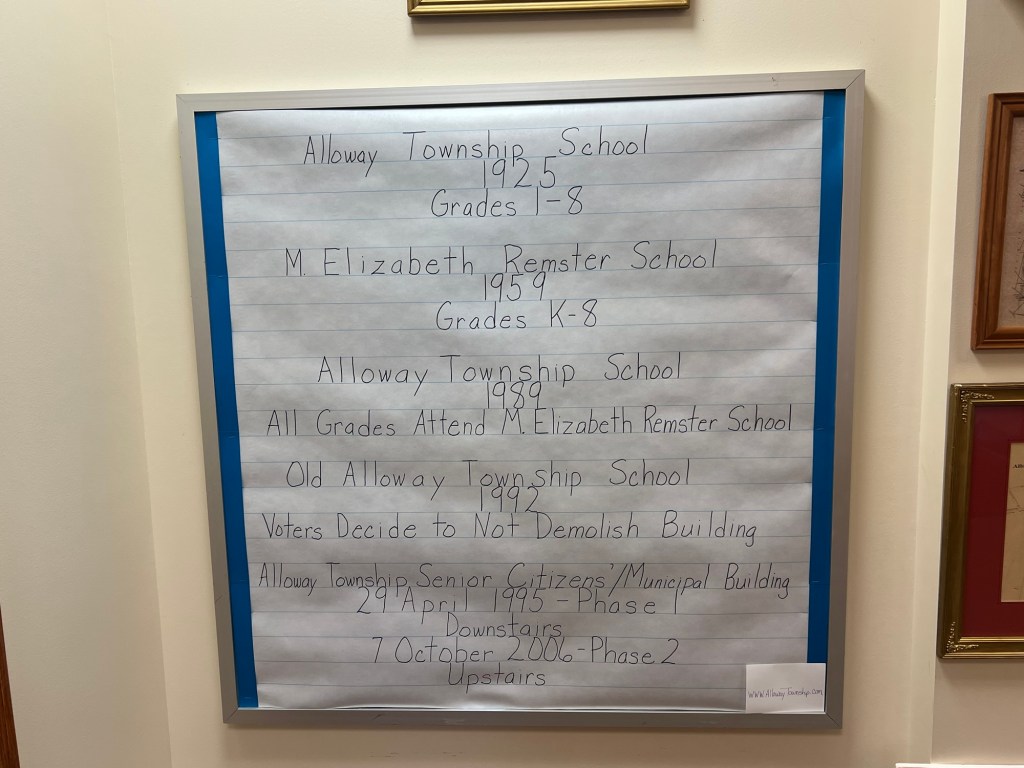
The sign of the schools of the area
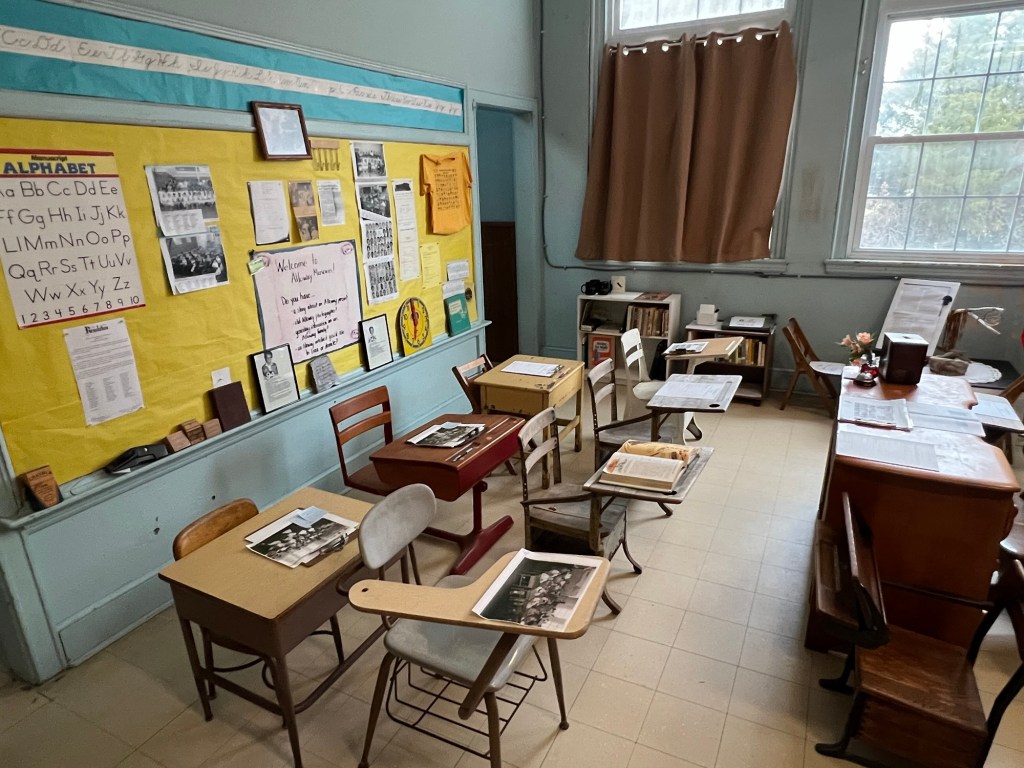
The class room set up with desks used in schools from the past

The classroom display with lessons from the past and present

Examples of desks used in the classroom over the years

Lunch boxes from the 1970’s
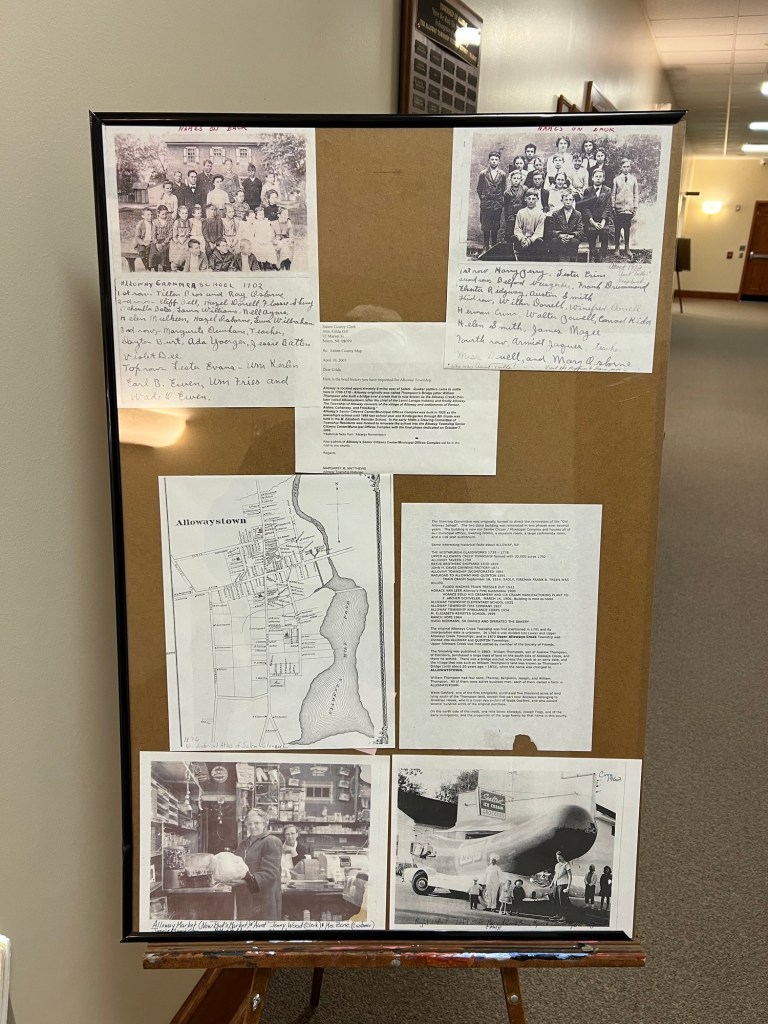
Pictures of the classroom over the years

A map of the region from the past

After the museum, I explored around Alloway and you realize what a small community it is. Most of the businesses in the small downtown have been shuttered but you can see have lots of potential. Alloway, NJ is such a pretty community and so beautifully decorated for the holidays, both Halloween and Christmas.
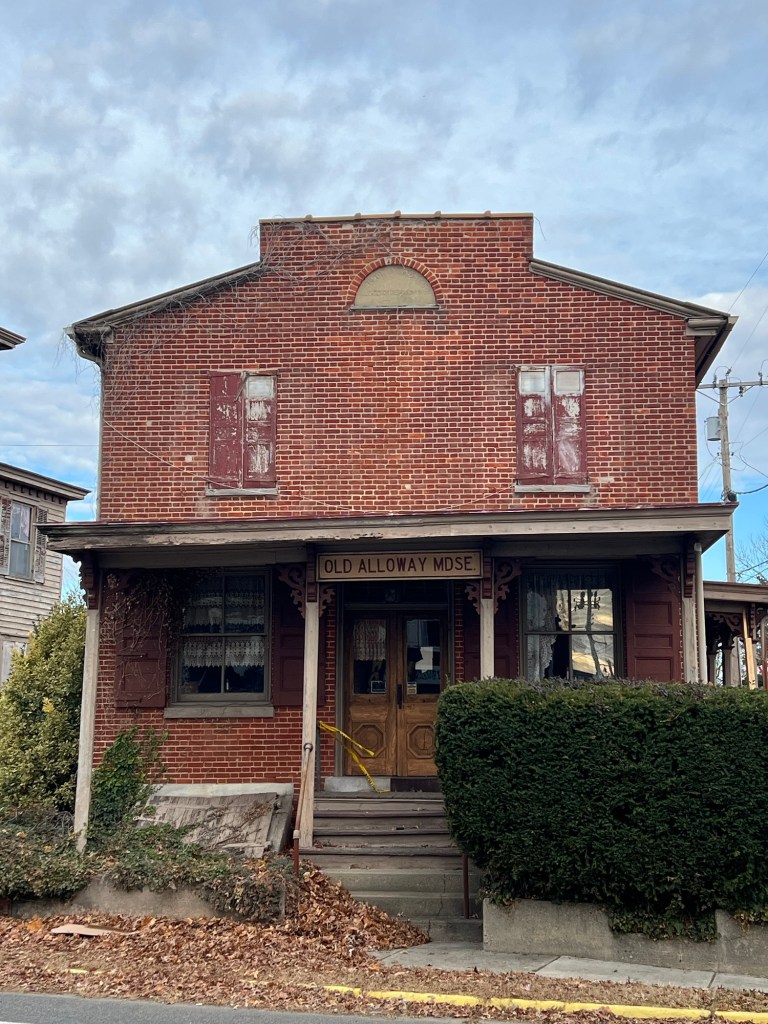
The old General Store that closed in the 1990’s
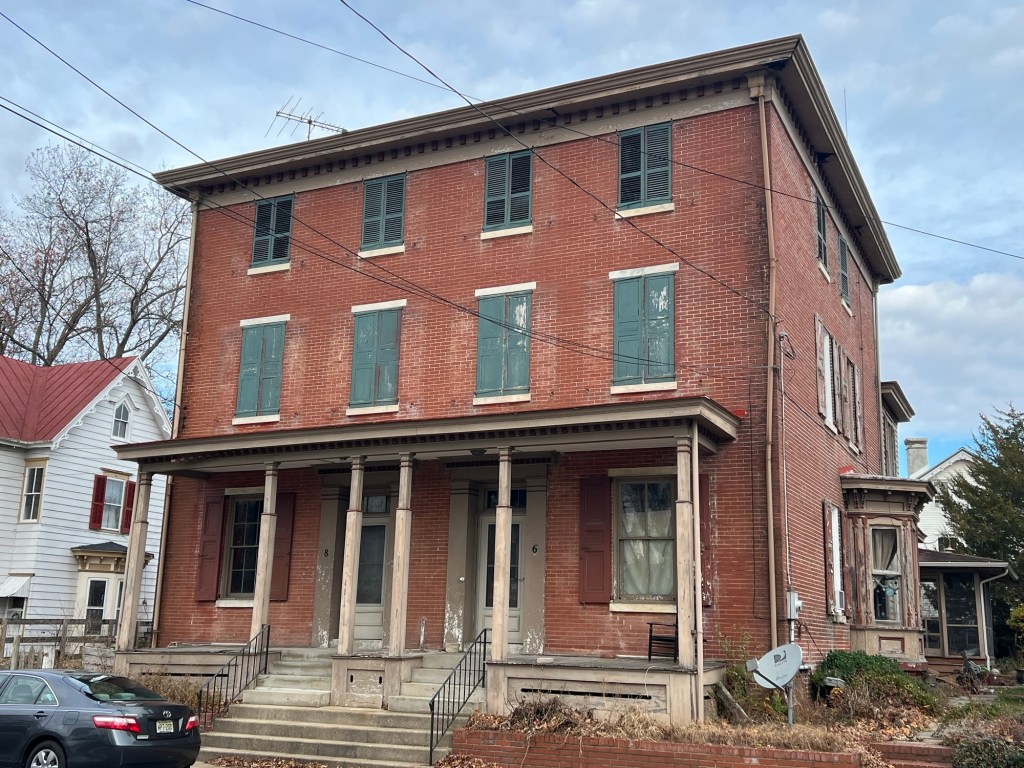
What looked like an old hotel in the area
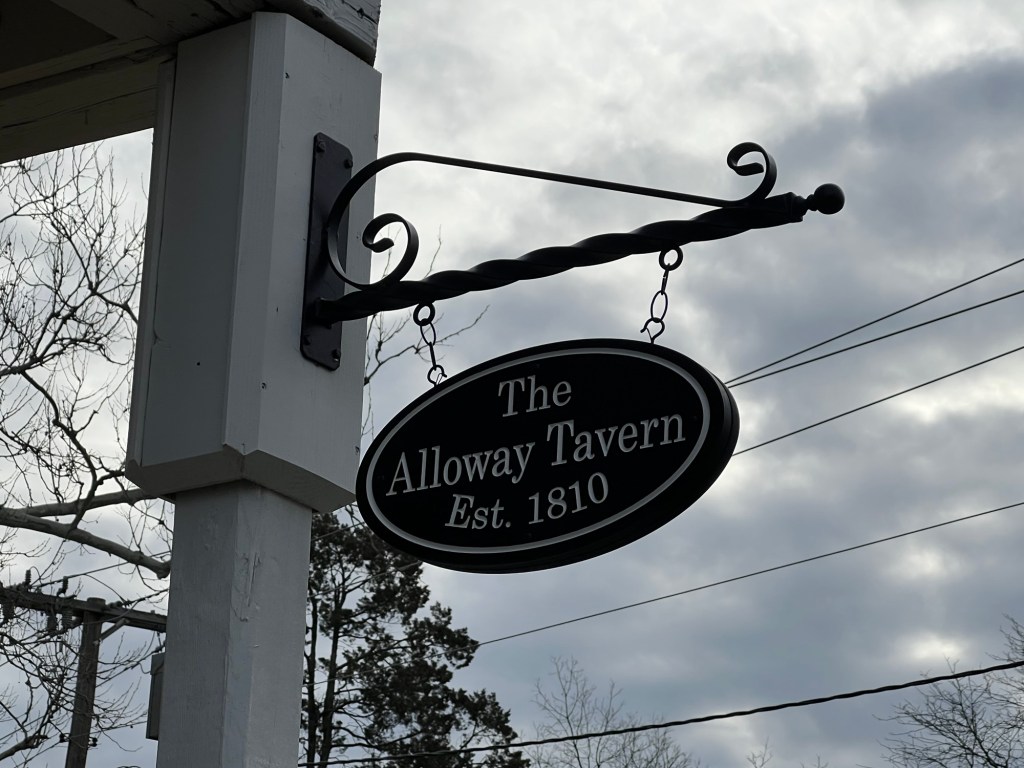
The sign for the old Alloway Tavern

The old Alloway Tavern

The make up of Downtown Alloway, NJ
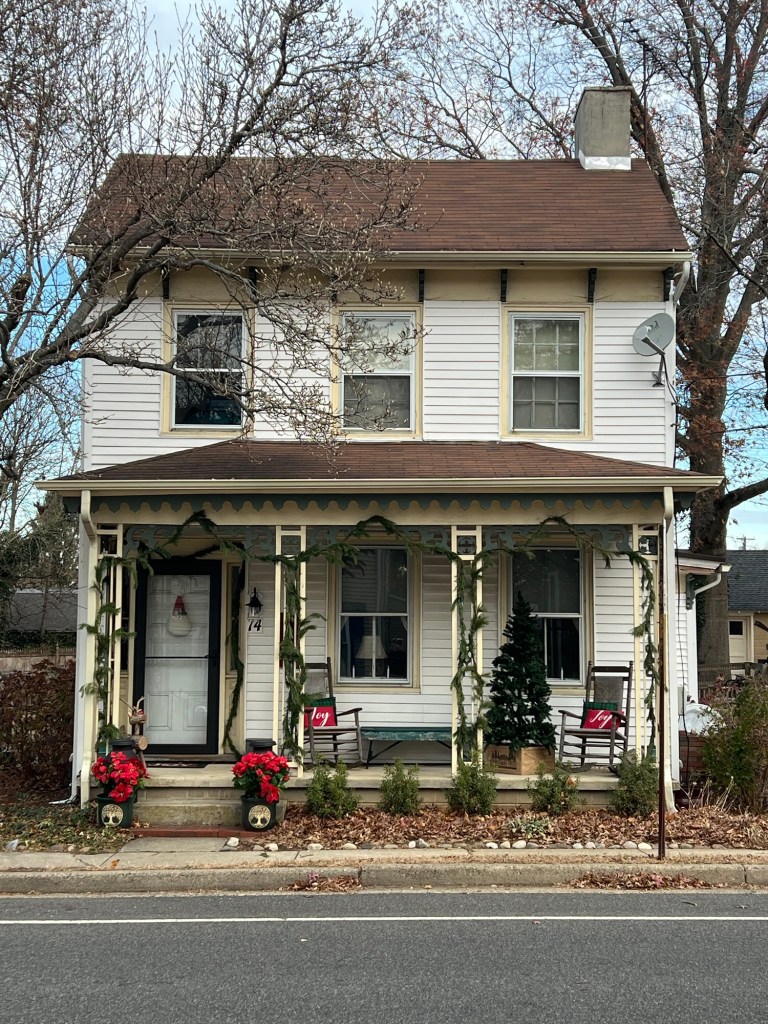
Homes decorated for Christmas in Downtown Alloway
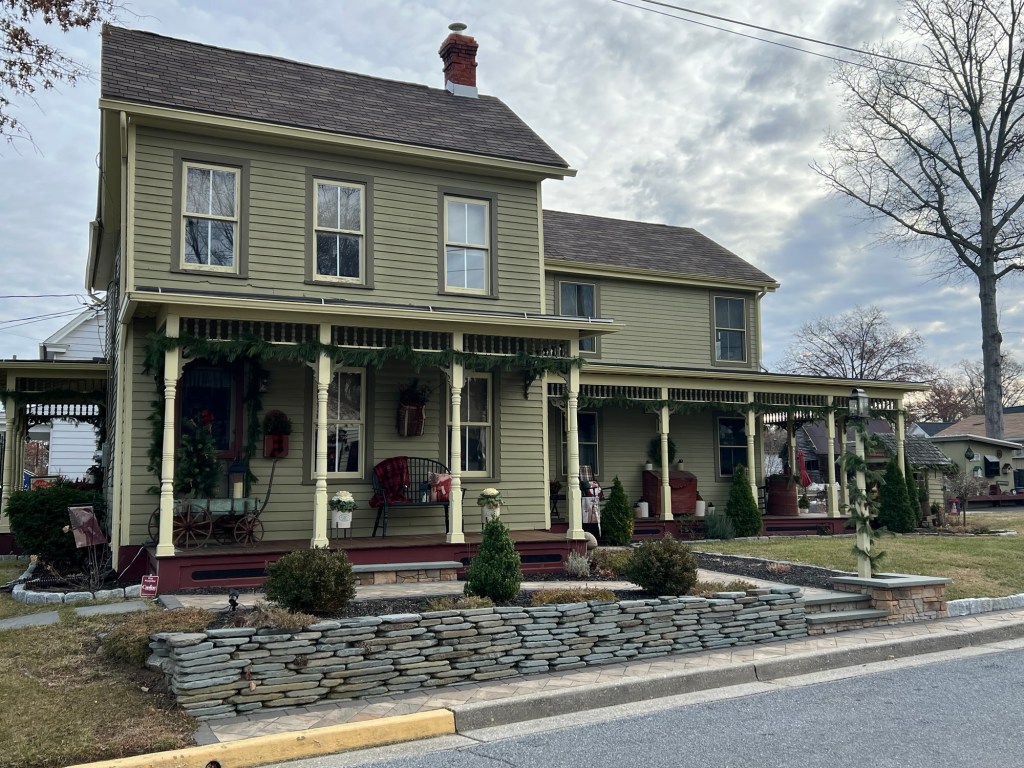
A house the was on the Salem Christmas walking tour

There is a lot of potential for cottage industries in this small town for restaurants and retail. The are such unique buildings dotting this small farming town rich in history. I saw this when touring the town the after visiting the museum.
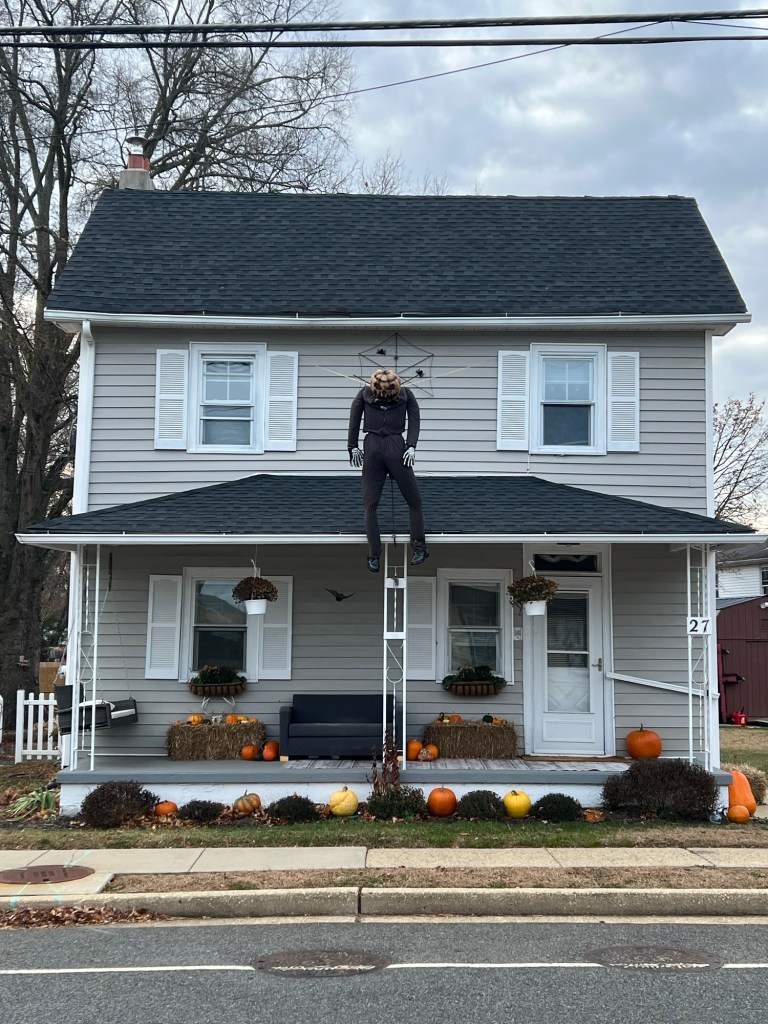
House decorated for Halloween

House decorated for Halloween in Alloway, NJ
Historical Society of Penns Grove, Carney’s Point and Oldmans                                                                                      48 West Main Street                                                        Pennsgrove, NJ 08069

Historical Society of Penns Grove, Carney’s Point and Oldmans 48 West Main Street Pennsgrove, NJ 08069

Historical Society of Penns Grove, Carney’s Point and Oldmans

48 West Main Street

Pennsgrove, NJ 08069

(856) 299-1556

https://www.facebook.com/Historical-Society-of-Penns-GroveCarneys-Point-Oldmans-116286428399994/

Open: Sunday 1:00pm-3:00pm (Seasonal)/Monday-Saturday Closed

Admission: Free but donations are suggested and recommended to help operate the museum

My review on TripAdvisor:

https://www.tripadvisor.com/ShowUserReviews-g46723-d27075535-r973452214-Historical_Society_Penns_Grove-Penns_Grove_New_Jersey.html?m=19905

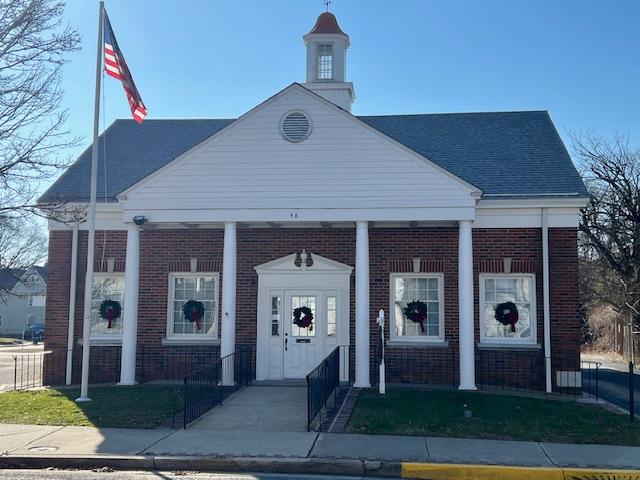
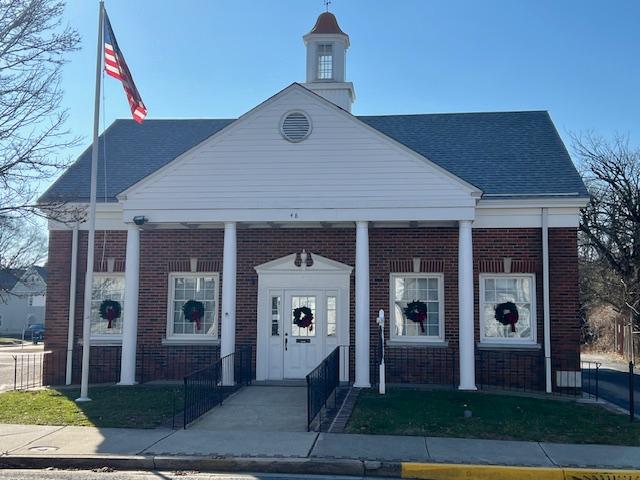
The Penns Grove Historical Society at 48 West Main Street

This was when the museum was decorated for Christmas in 2023

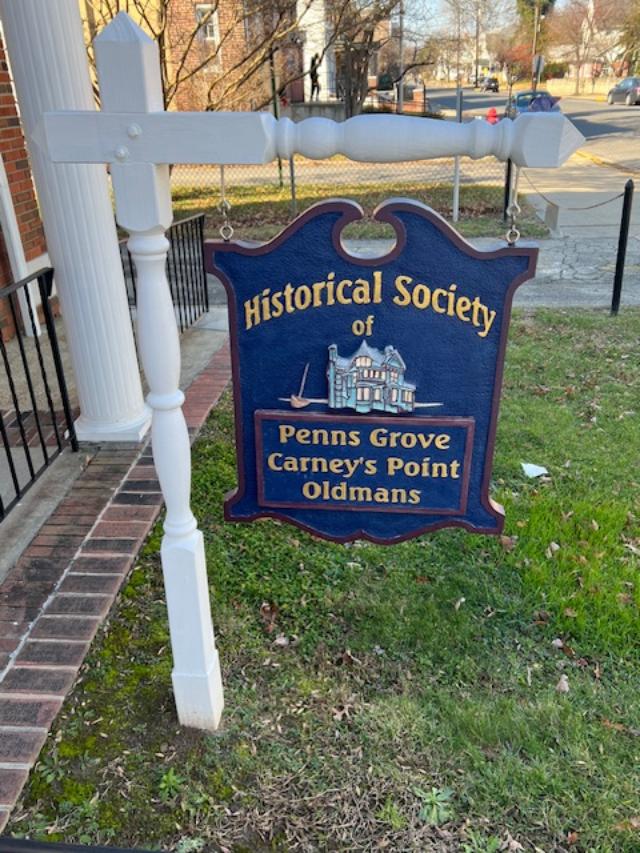
The Penns Grove Historical Society sign that welcomes you to the museum

The Mission Statement for the Historical Society of Penns Grove, Carneys Point and Oldmans:

The mission of the Society is to collect, study and conserve such historical materials as they relate to the towns and their inhabitants, especially of the early settlement. It shall preserve relics and property of the past, both real and personal as may be given, bequeathed, purchased, loaned or otherwise acquired by the Society. It shall be the Society’s responsibility to use the collection for the education, enjoyment and benefit of the general public.

After almost two years of trying to visit this small historical society, the trips aligned and J was able to visit the Penns Grove Historical Society and delightful and very engaging exhibitions. What was sad was that people missed this wonderful well thought out museum when visiting the area. The museum has so much charm and such interesting exhibitions to walk through.
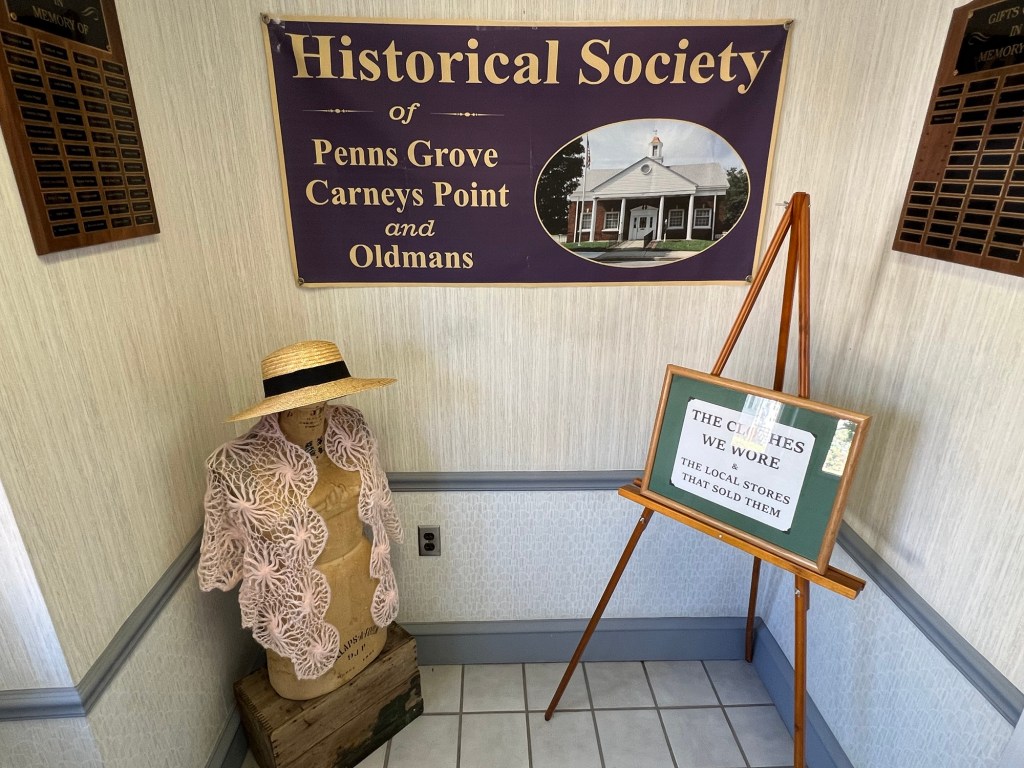
Entering the museum and the sign for the main exhibition ‘The Clothes we Wore’

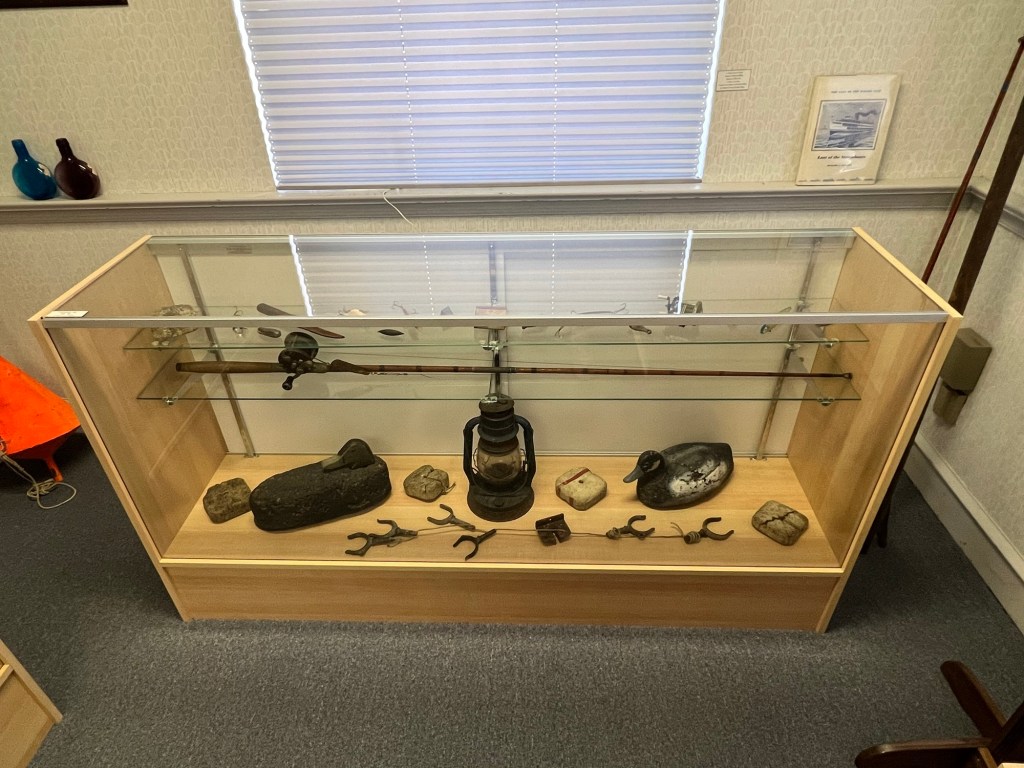
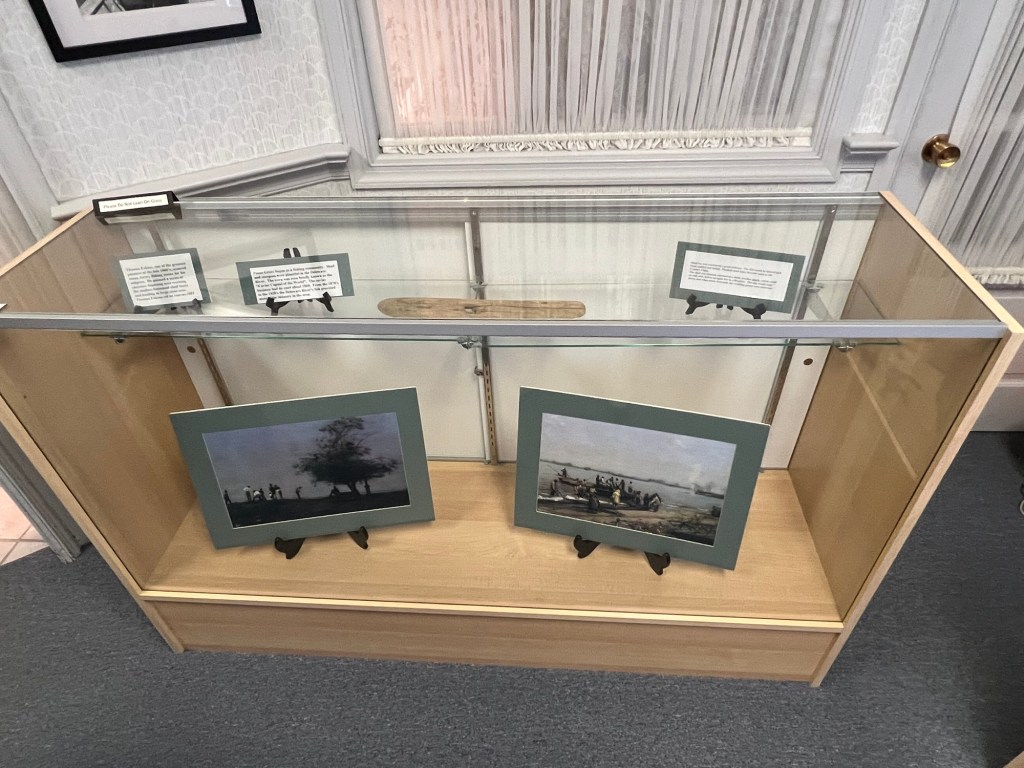
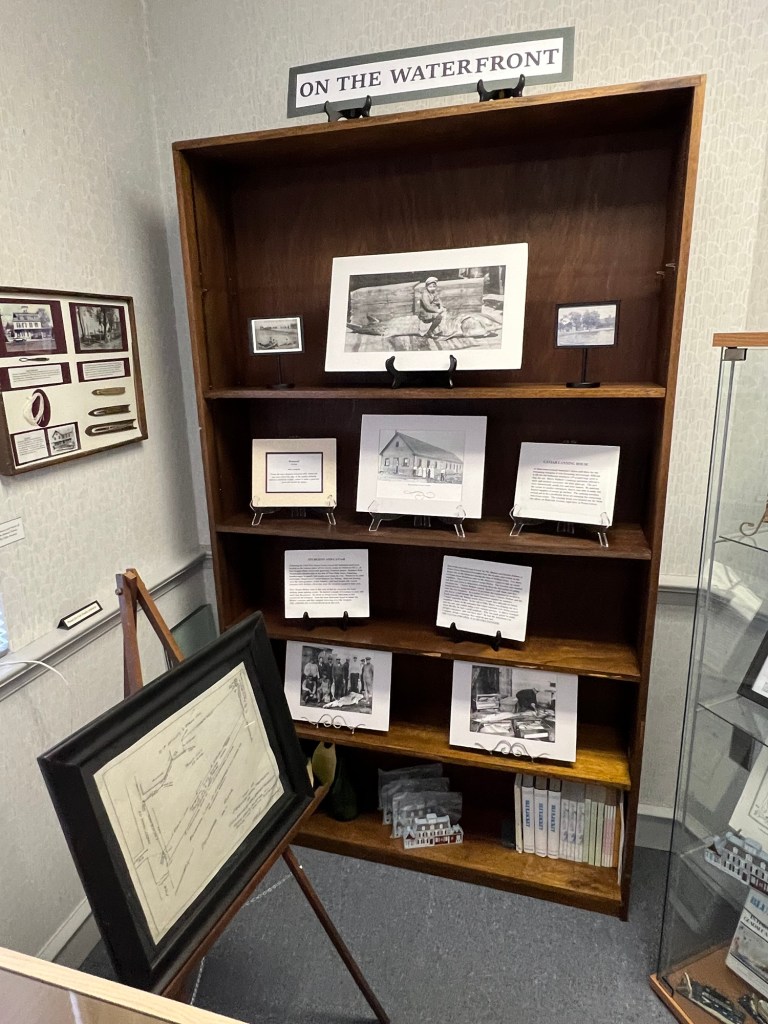
There were three exhibitions showing when I came to visit. One was “On the Waterfront” on the Penns Grove waterfront. This describes the shipping and fishing industry that the town had before the building of the factories and the Delaware Memorial Bridge. Each display case has different aspects of the industries.

The seafarer and shipping artifacts

This exhibit shows how much the Delaware Bay has changed over the last 100 years.

The pictures and description of the native coastline around the Delaware River

Pictures of the Fishing Industry that was once part of the fabric of the town

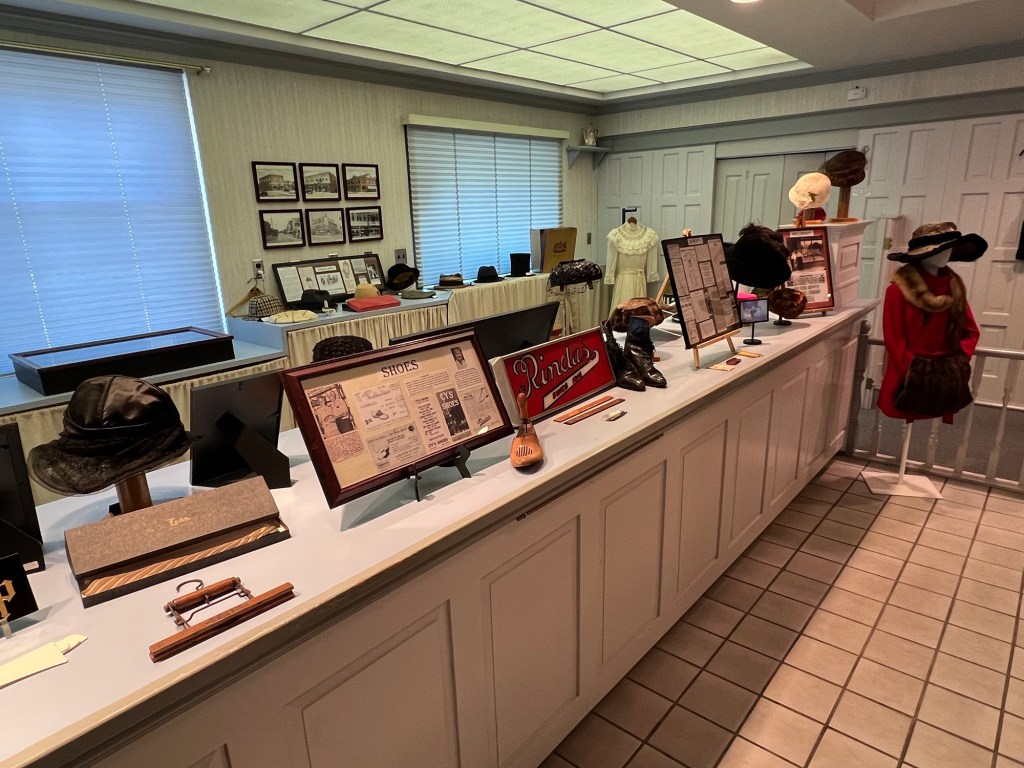
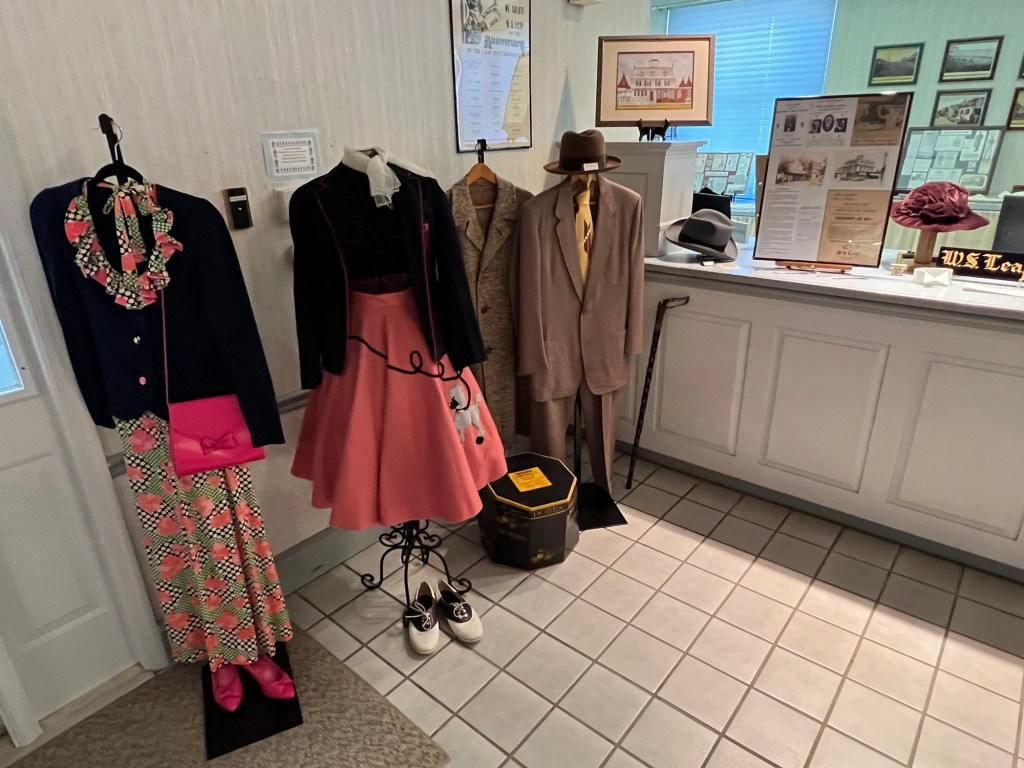
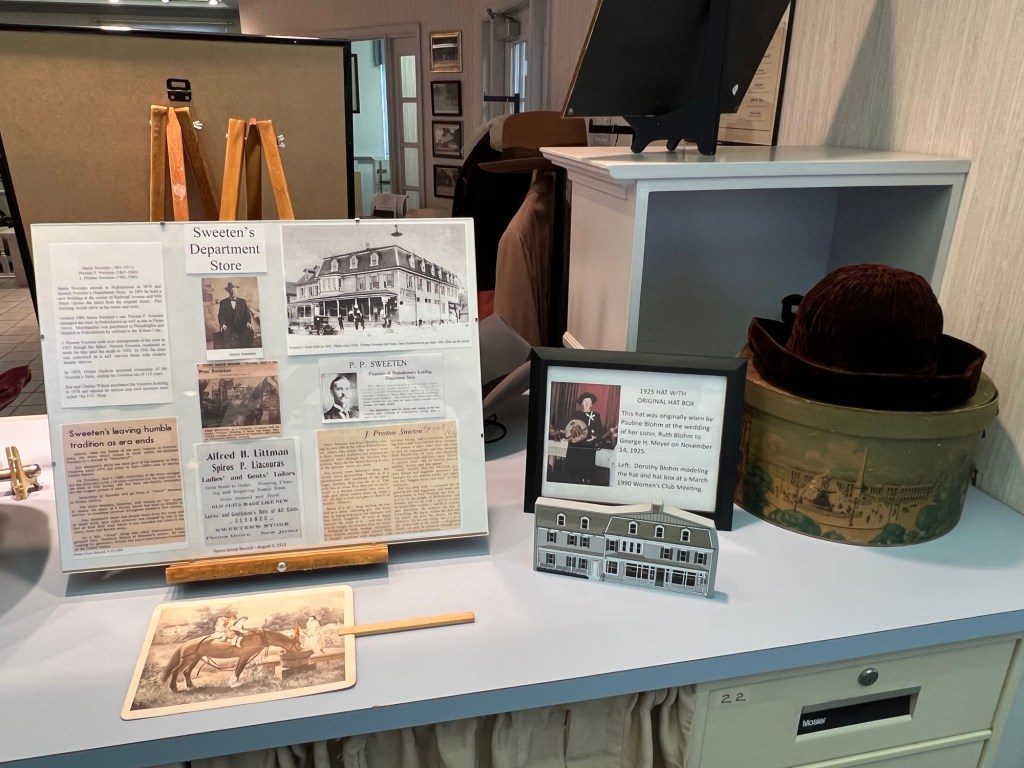
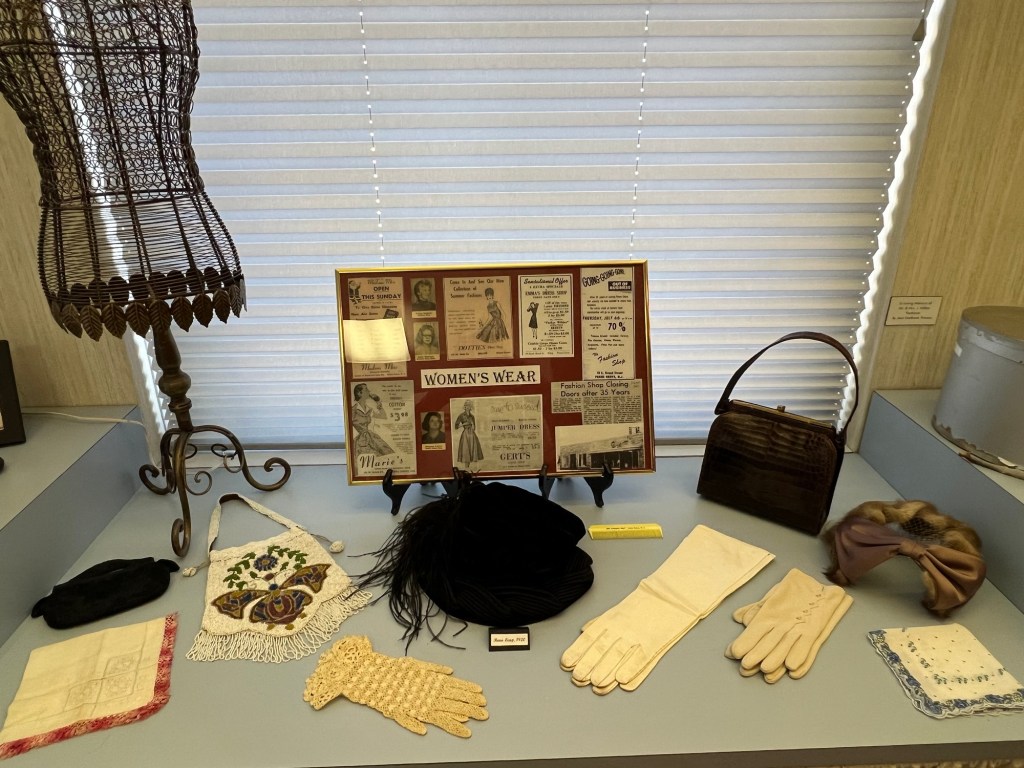
The next was the exhibition, “The Clothes We Wore” was an extensive look at the retail community of Downtown Penns Grove, NJ before the coming of the malls and changes of traffic patterns into town. It is also a look at the changes in the way we dress not just to go out but how we dress every day.

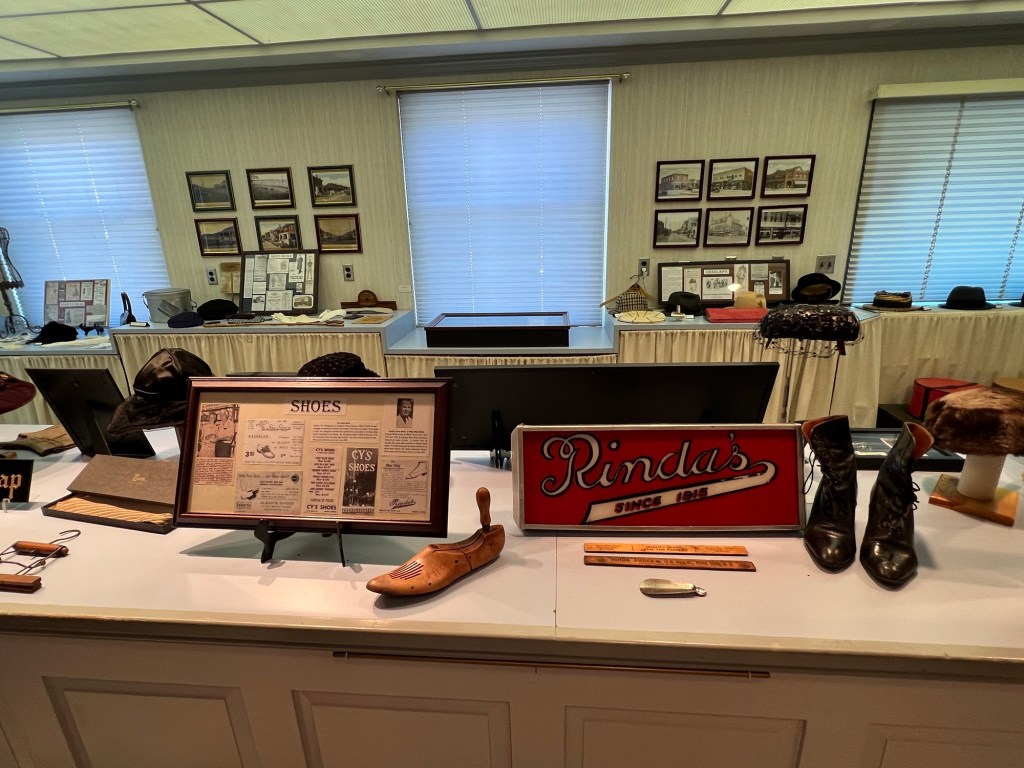
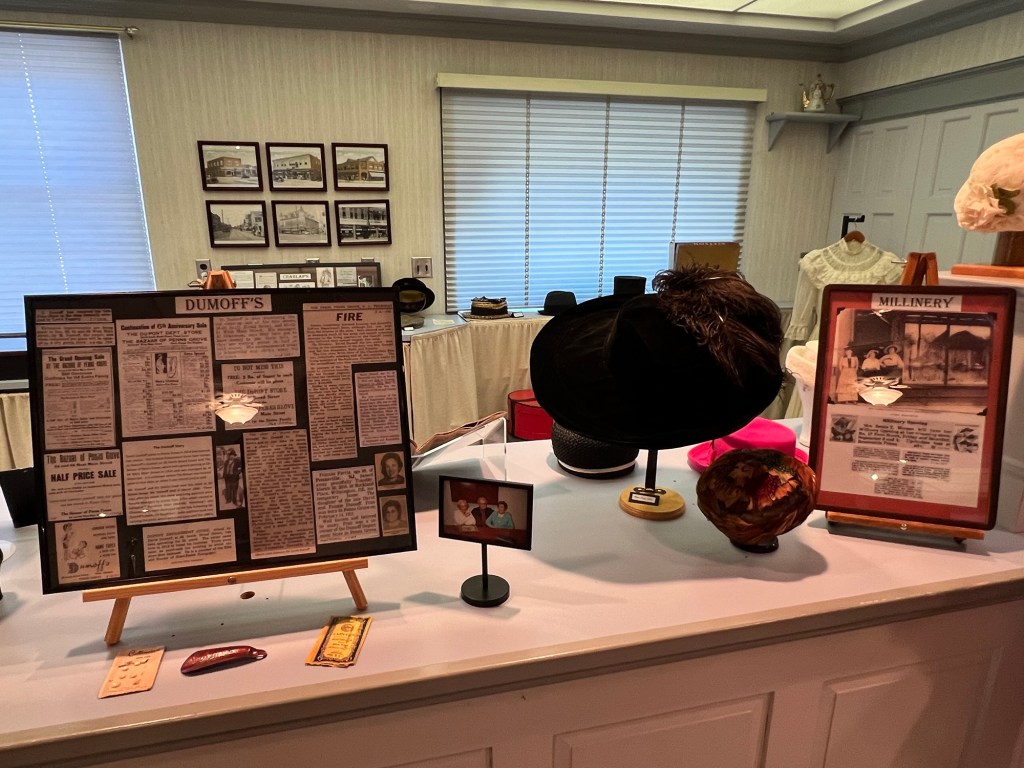
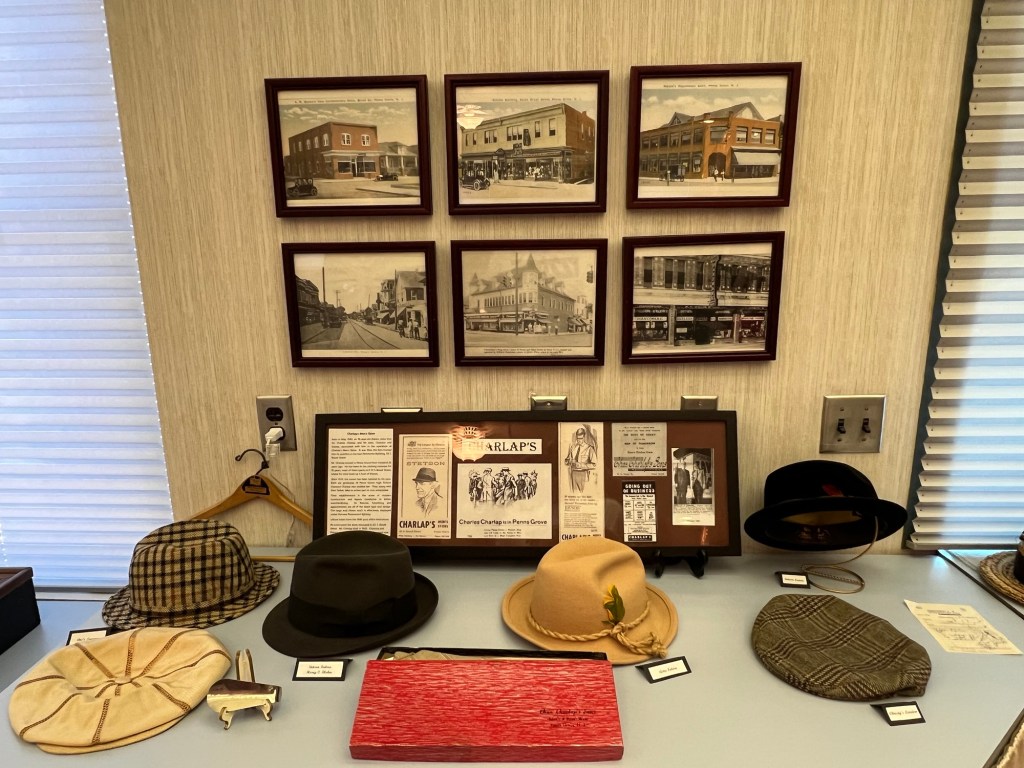
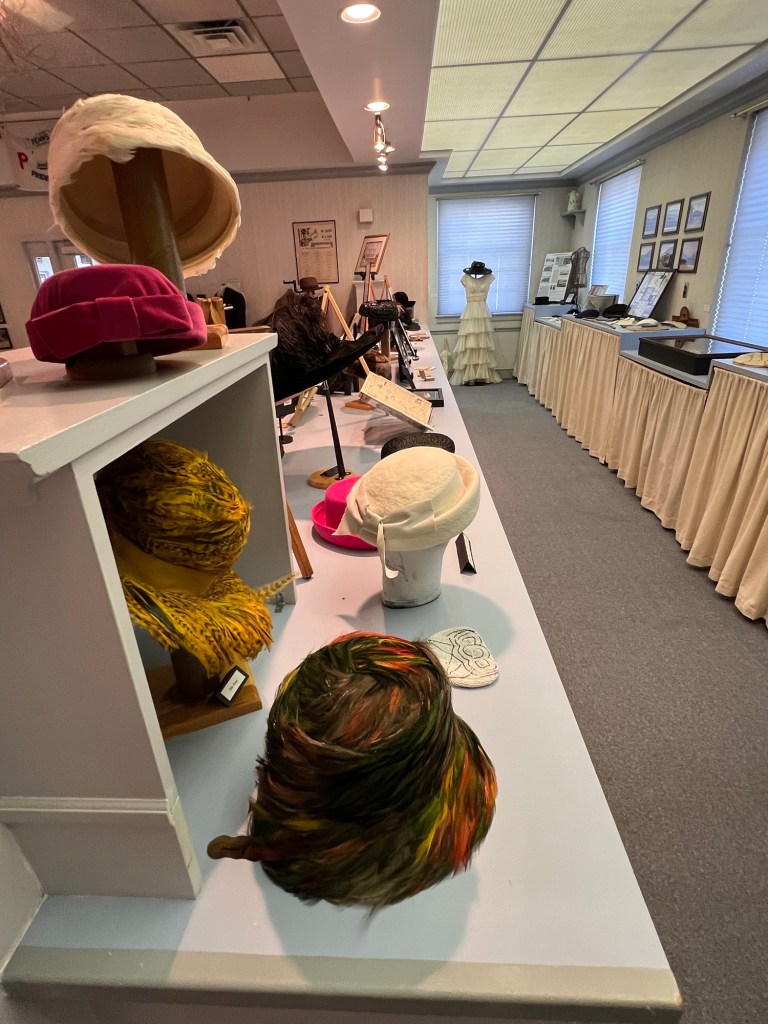
When you walk the exhibition you can see the array of stores from shoe stores to hats that people used to don until the mid 1960’s and the coming of ‘Flower Power’. Each store had its specialty and catered to a specific client. It is interesting how each stores had it own display of wares and its use in our wardrobes. It also shows a very vibrant downtown that is now part of its past.

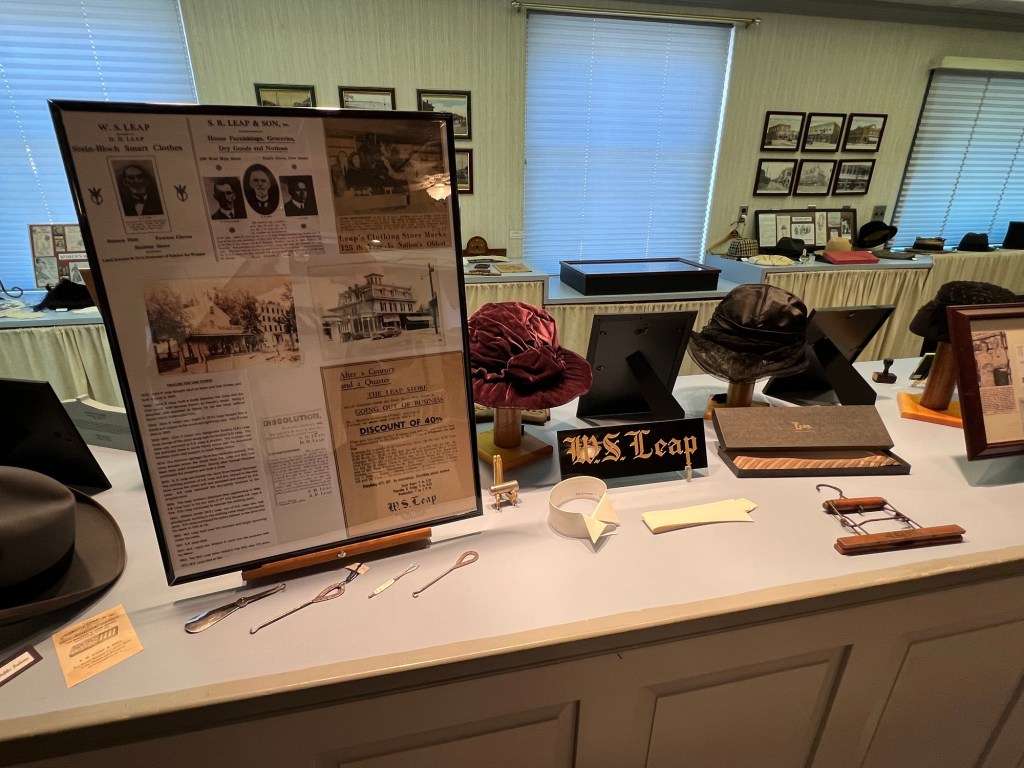
Each store had its own display along with the advertising in a time when shopping was leisurely and we took time out to try things on. Pride in appearance was a big part of who we are as people.

Dresses and suits were once part of our everyday wardrobe

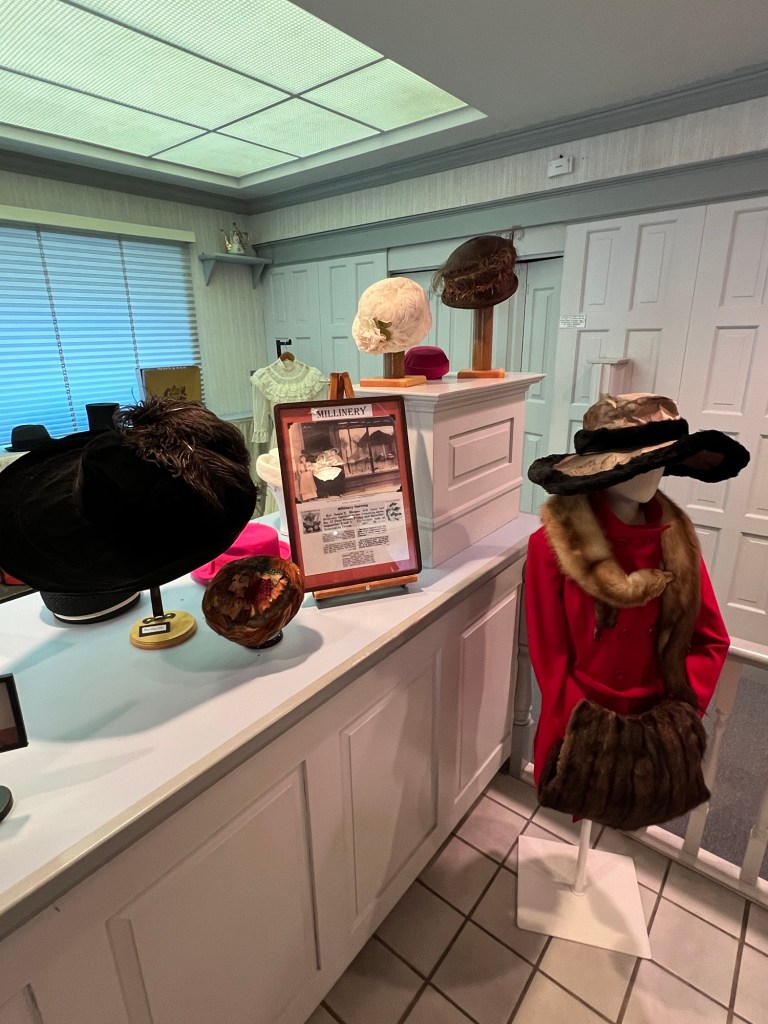
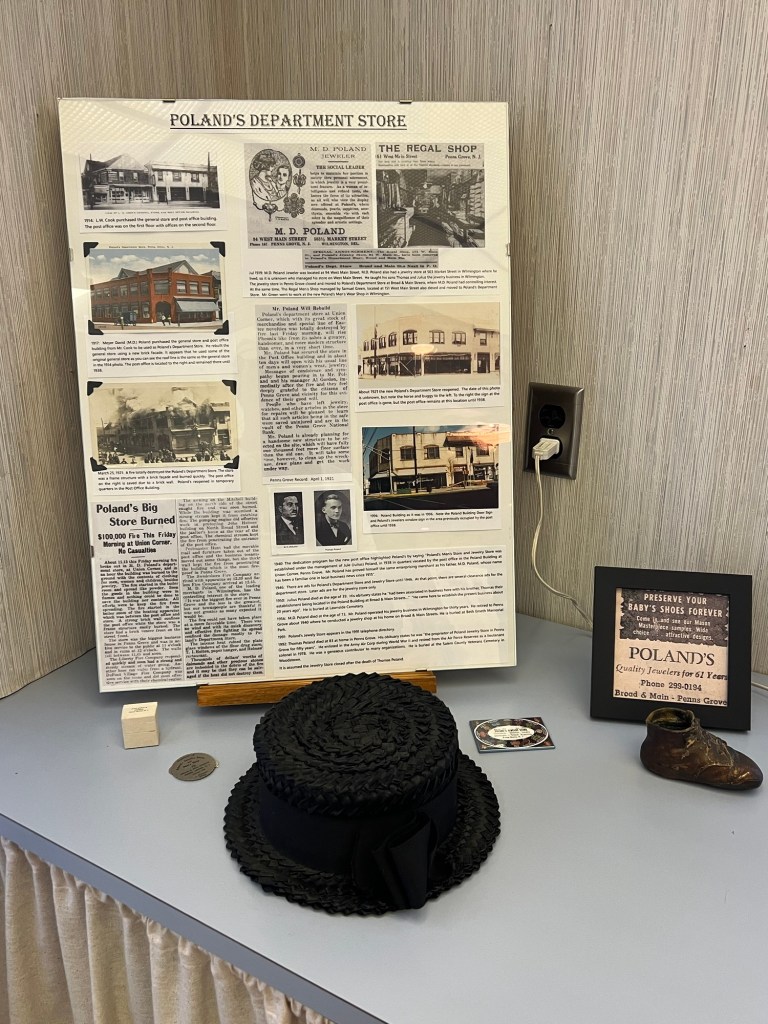
The Millinery shop where hats and gloves were part of the wardrobe

Shoes shined for work every day were part of the uniform

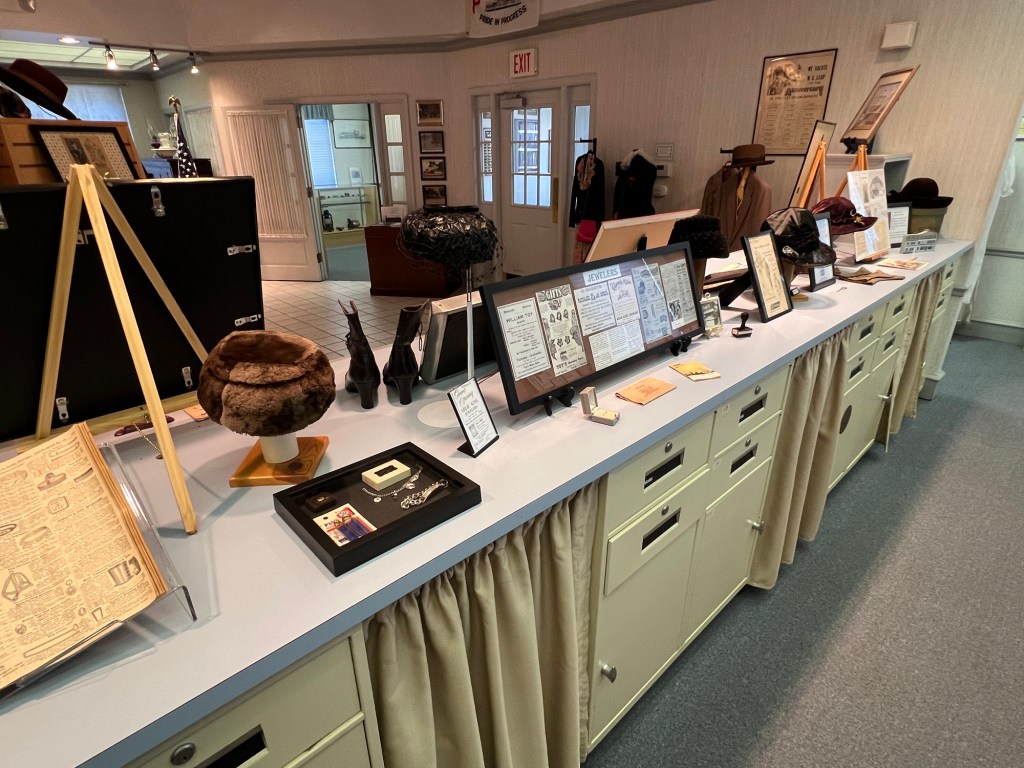
Accessories built the character of our wardrobe

More hats that showed the personality of the wearer

The different advertising for the various merchants that made up the downtown

A glimpse of the downtown in its heyday

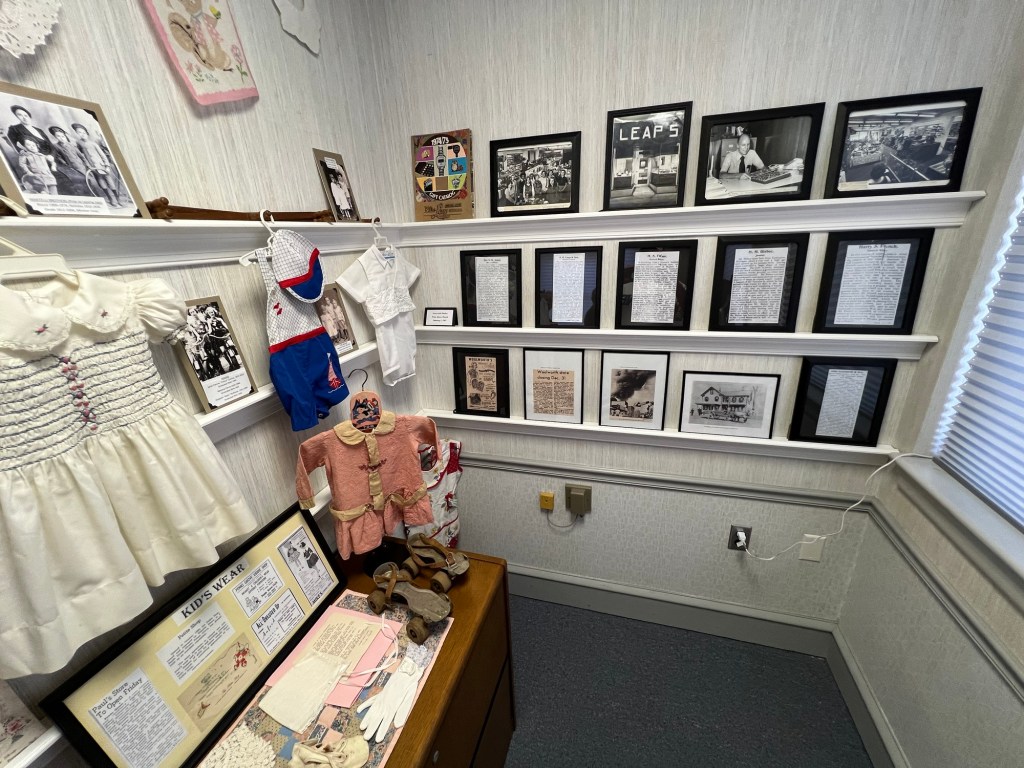
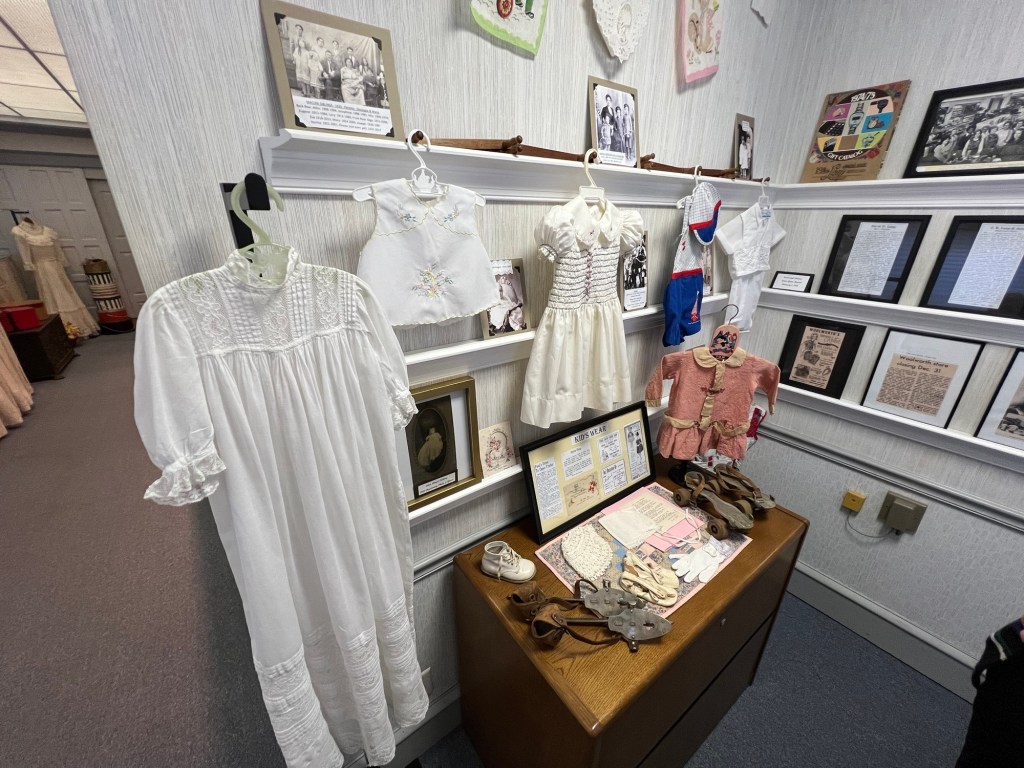
The infant and children’s clothing was a bit more formal even at public school

We pampered babies even back then. Their wardrobes were always special

Poland’s Department Store downtown was the place to shops before malls took over

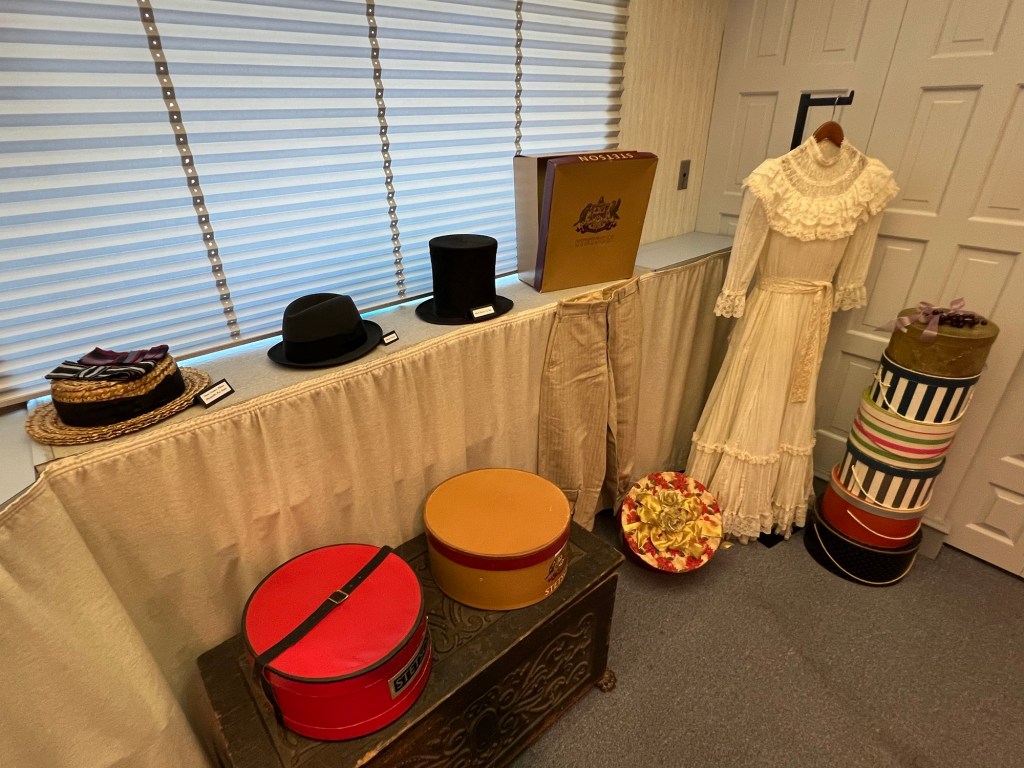
Gloves, hats and corsets were once part of a woman’s wardrobe

The stores that once catered to the well heeled and the every day customers when service was not a chore

Preparing for a formal occasion or for long distance travel

The back part of the exhibition with all the beautifully made clothing

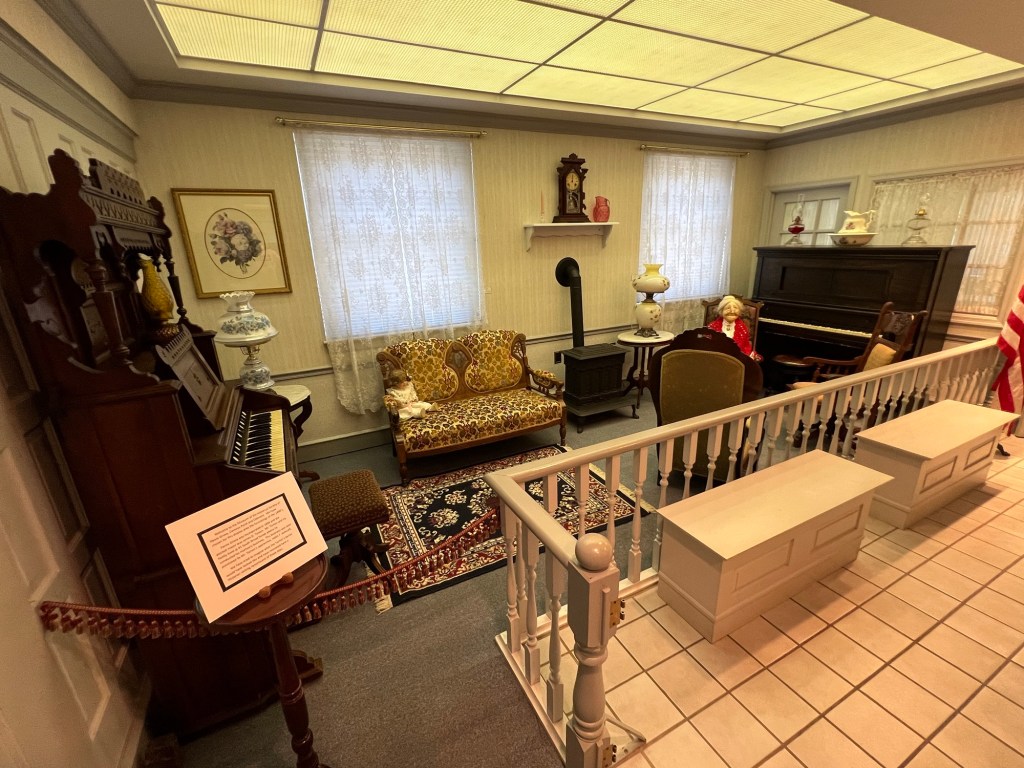
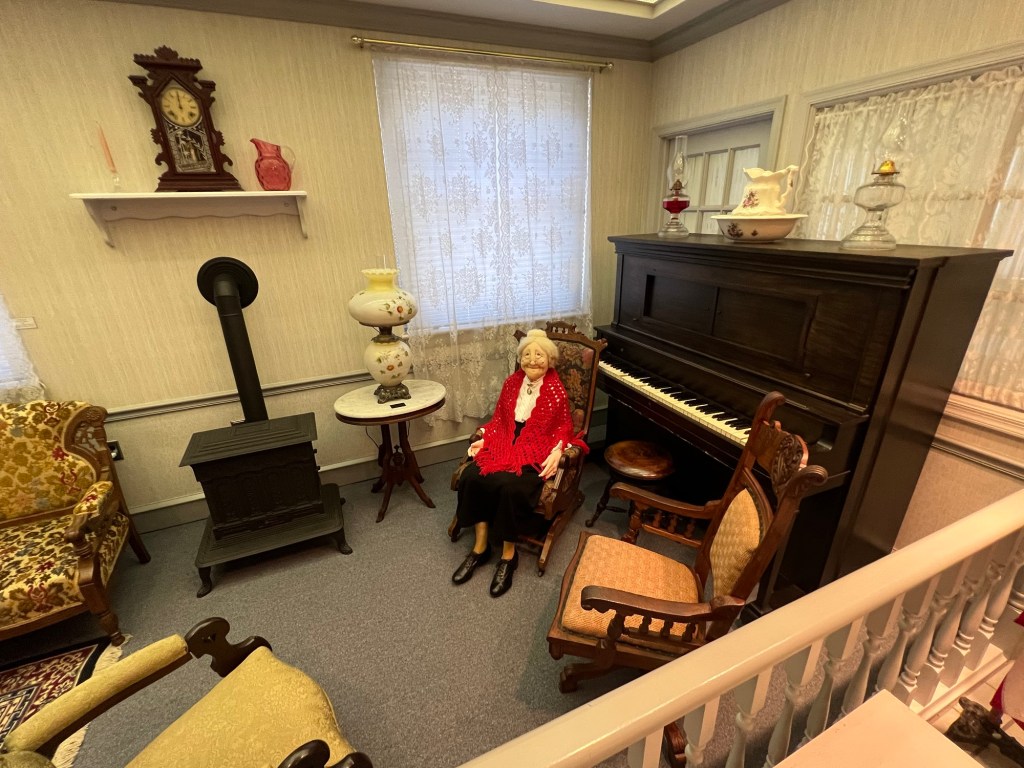
The formal parlor display when entertaining guests was a ritual in good manners and social etiquette. This is where the mannequin of ‘Grandma’ stands guard over her guests. Things were more formal back then.

Grandma stands guard watching and engaging her guests

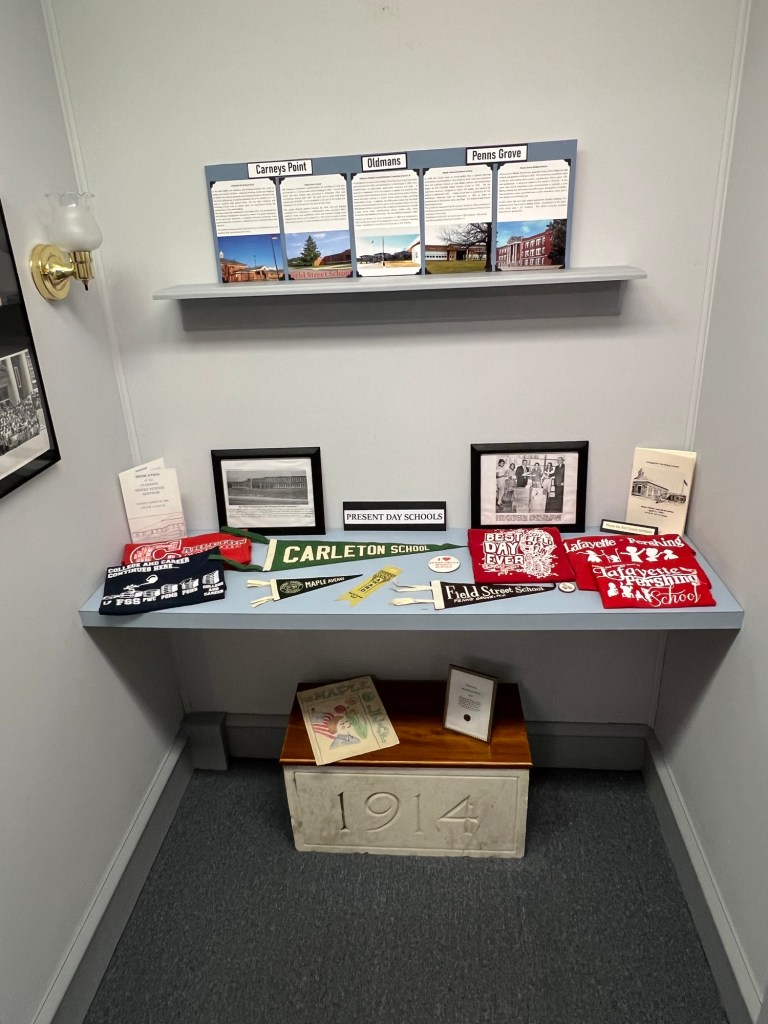
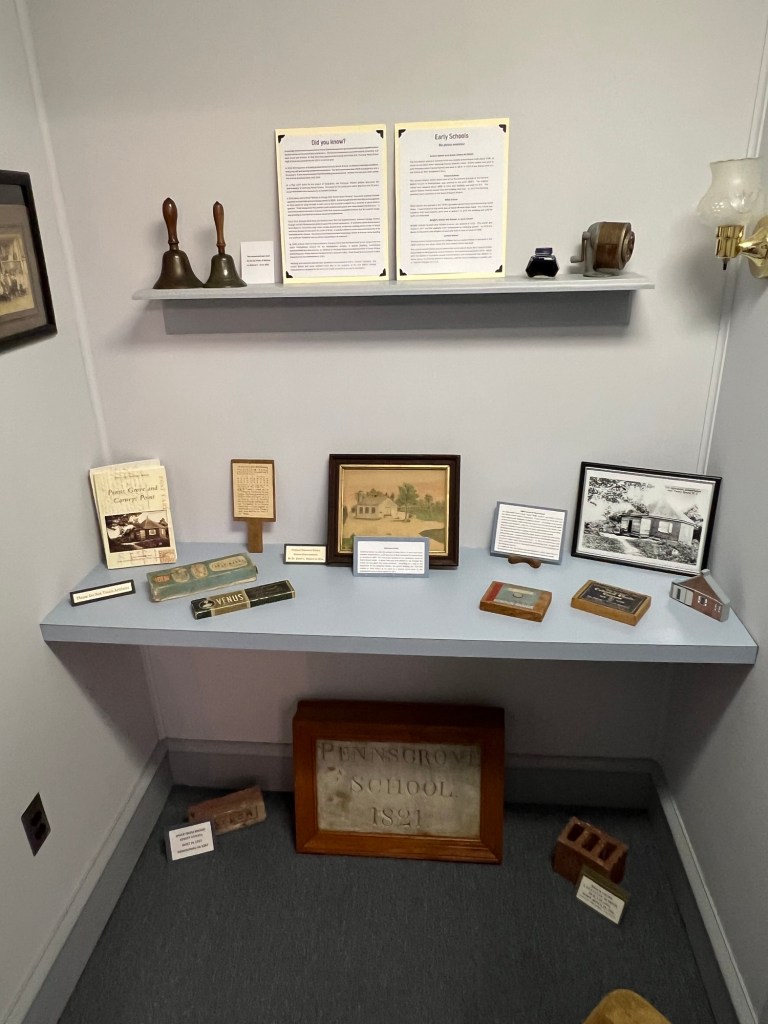
The last exhibition was entitled “It’s Elementary” on the town’s school system. The displays in the back of the museum discuss the modes of transportation before cars and highways became part of the fabric. The progression of the schools in Penns Grove were on display as well with class pictures, school trips, awards and pictures of the schools themselves before regionalization and building of new schools.

The history of the Penns Grove School system in the exhibition “It’s Elementary”

The history of early schools in Penns Grove

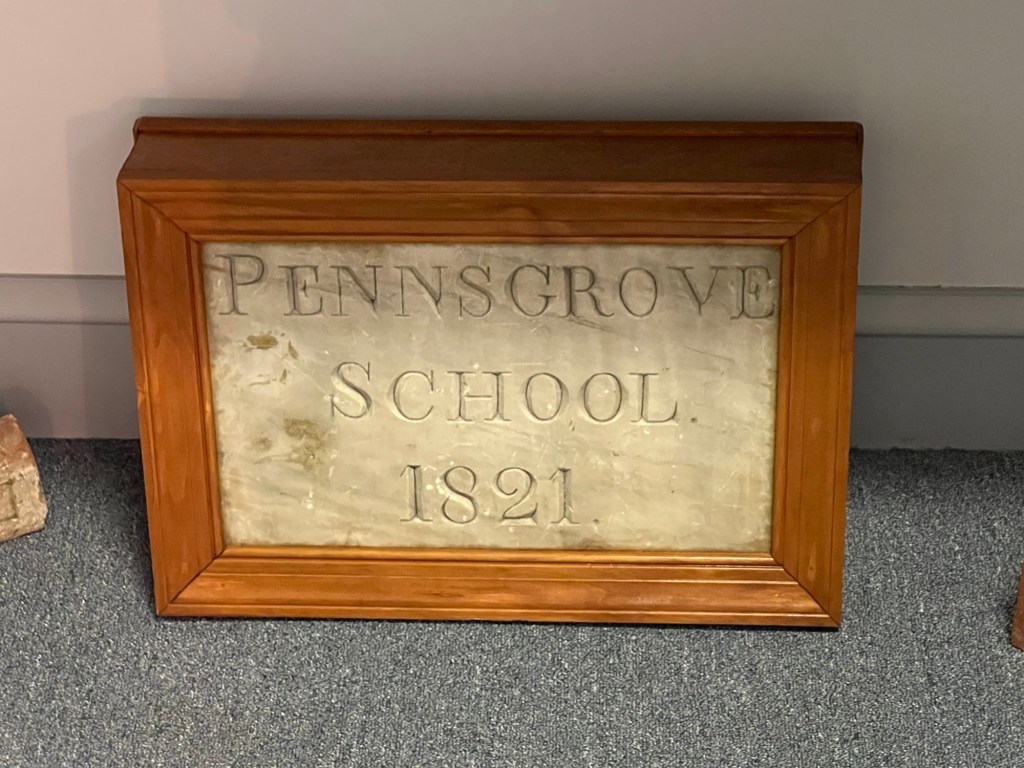
The corner stone of the Penns Grove School

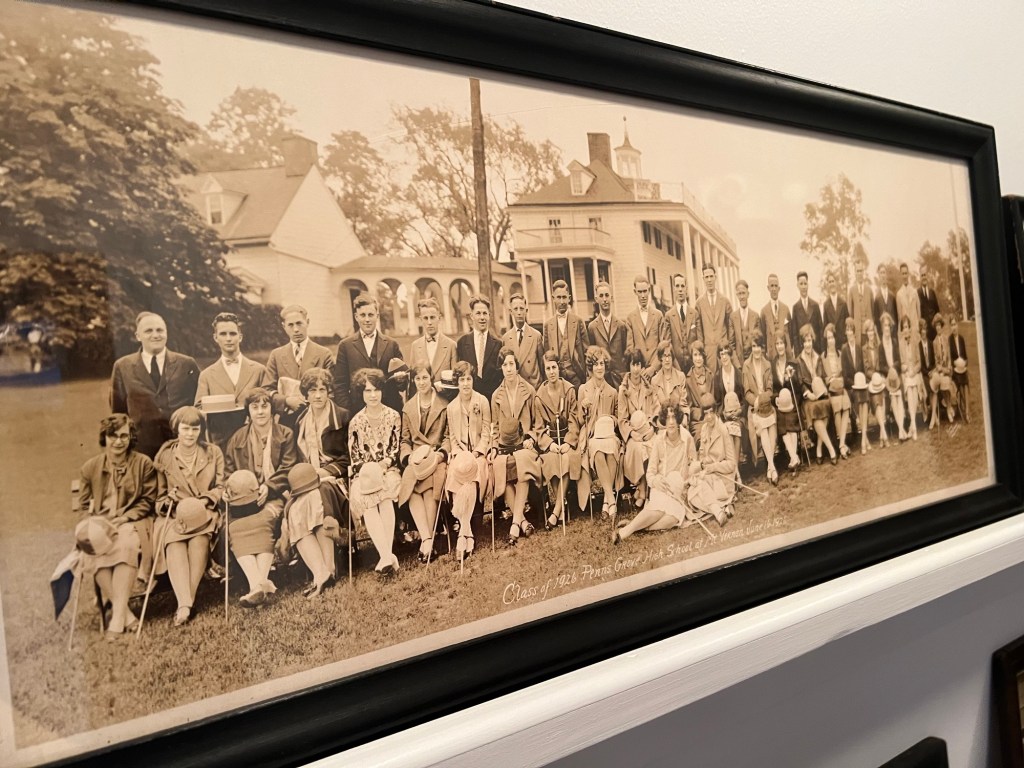
A classic trip to Washington DC and Mount Vernon were part of the school traditions even in the 1920’s

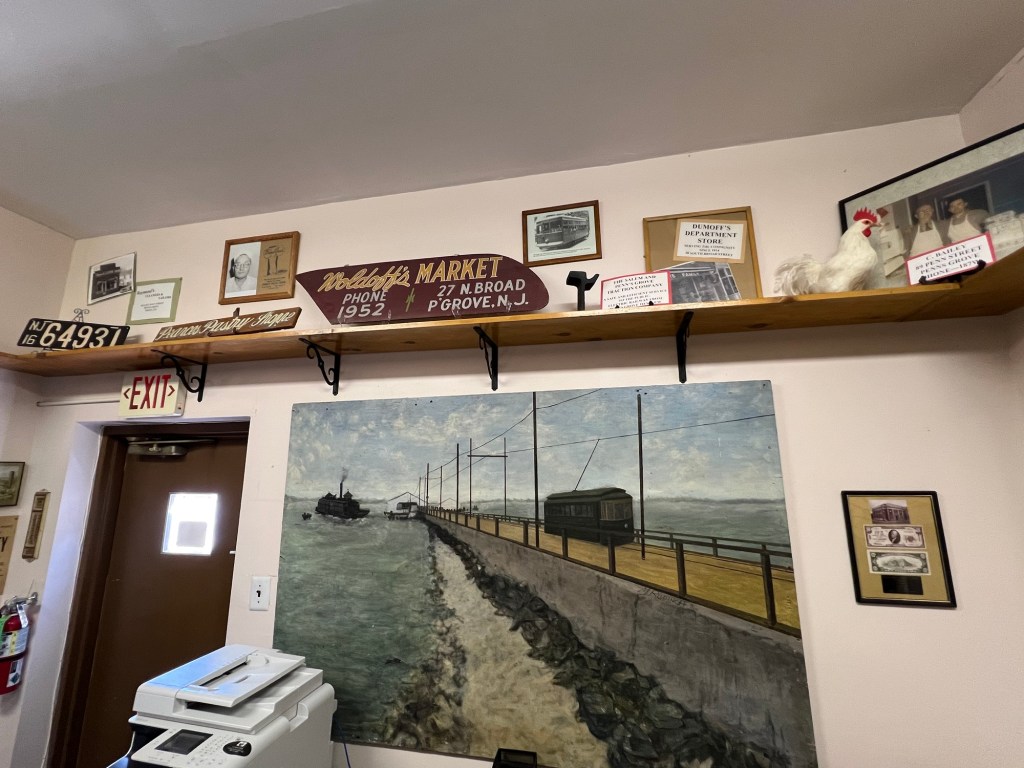
The trolley system between Penns Grove and Pennsville all the way out to Salem, the County Seat were part of the way people travelled before cars became part of the fabric of our society.

The old trolley system

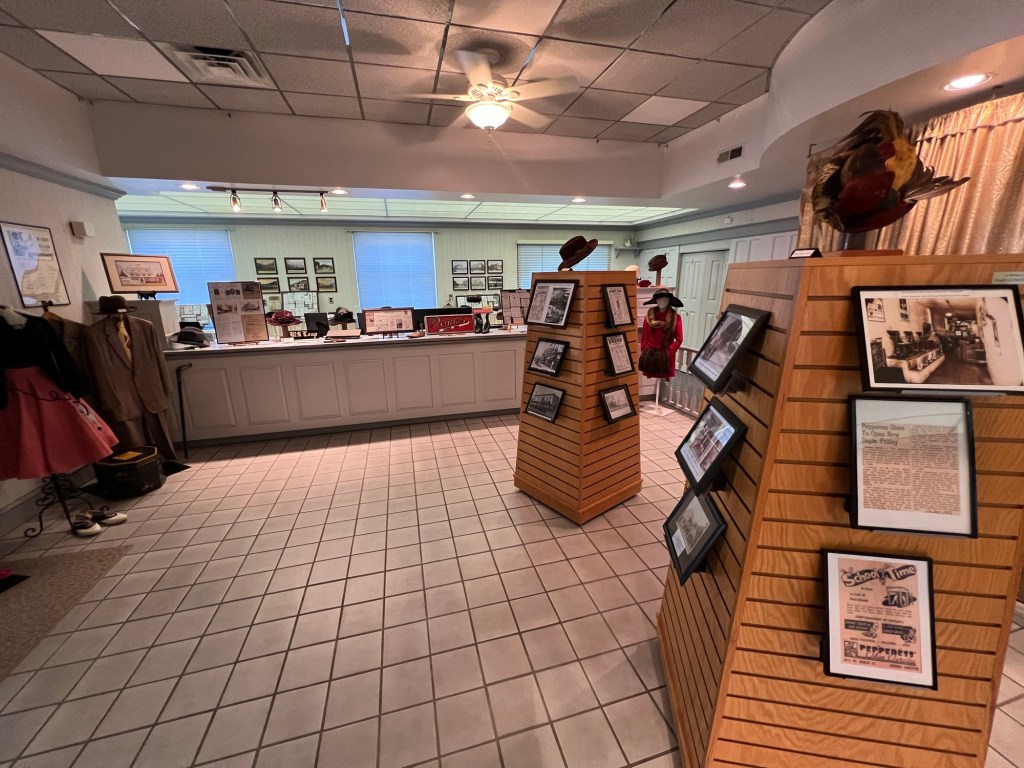
The main gallery of the museum

The museum has a lot to offer in such a small space . It packed with interesting information on a community that no longer exists but is part of its not so distant past. It shows how a community keeps progressing and writes its own future.

The museum is open once a week for touring on Sunday’s through Thanksgiving and then closes for the season reopening in March and April for visitors. I told them they could market the current exhibition as “Christmas Shopping in Penns Grove” and keep it open through December with a visit from a department store Santa. A nice twist to three excellent exhibitions.

The Greater Elmer Area Historical Society                               117 Broad Street                                                                   Elmer, NJ 08318

The Greater Elmer Area Historical Society 117 Broad Street Elmer, NJ 08318
The Greater Elmer Area Historical Society

117 Broad Street

Elmer, NJ 08318
(609) 670-0407

https://www.facebook.com/greaterelmerareahistoricalsociety/

http://www.elmerboroughnj.com/GreaterElmerAreaHistoricalSociety.html

Open: Sunday-Friday Closed/Saturday 10:00am-2:00pm (Second Saturday of the Month)

Admission: Free but donations are accepted and encouraged to help fund the museum.

My review on TripAdvisor:

https://www.tripadvisor.com/Attraction_Review-g46415-d28644121-Reviews-Greater_Elmer_Area_Historical_Society-Elmer_New_Jersey.html

The Greater Elmer Historical Society at 117 Broad Street

The History of The Greater Elmer Area Historical Society:

(from the museum website)

The Greater Elmer Area Historical Society was formed as a committee in 2008. It officially organized as a non-profit Historical Society in 2010.

Our Vision:

(from the museum website)

Serving the Elmer Borough, Pittsgrove Township and Upper Pittsgrove Township, The Greater Elmer Area Historical Society brings together the historical connection of he Borough and two Townships. Our vision is to use that connection to contribute to the understanding and appreciation of the history we share and to promote the cultural growth of our communities.

The entrance of The Great Emler Area Historical Society

Museum & Archives:

The GEAHS Museum & Archives opened in 2018 in the former St. Ann’s Church in Elmer, NJ. It is open to the public on the second Saturday of each month from 10:00am-2:00pm. Stop by and browse our collection of local history including books, photographs, signage, artifacts and much more. The Society meets on the third Thursday of each month at 6:30pm for guest speaker presentations, show and tell and society updates. The public is welcome to attend.

Some the events that the Society runs each year:

Historical Tours: The Curiosity House Tour is usually held in late November featuring houses and churches in the Elmer area. The homes are decorated seasonally and most have a rich historic background. The Historical Cemetery Tour is a guided tour held in late October highlighting the life stories of people buried in local cemeteries.

Elmer Harvest Day: Elmer Harvest Day is a community event that includes live music, crafters, antique car show, children’s activities, fire truck rides, petting zoo, food vendors, special offer from local businesses and lots of fun activities for visitors of all ages. Elmer Harvest Day is held on the first Saturday of October.

Elmer Harvest Day 2024: (I attended the event)

The tractors on display on Elmer Harvest Day October 5th, 2024

The streets were mobbed with residents and visitors on Elmer Harvest Day

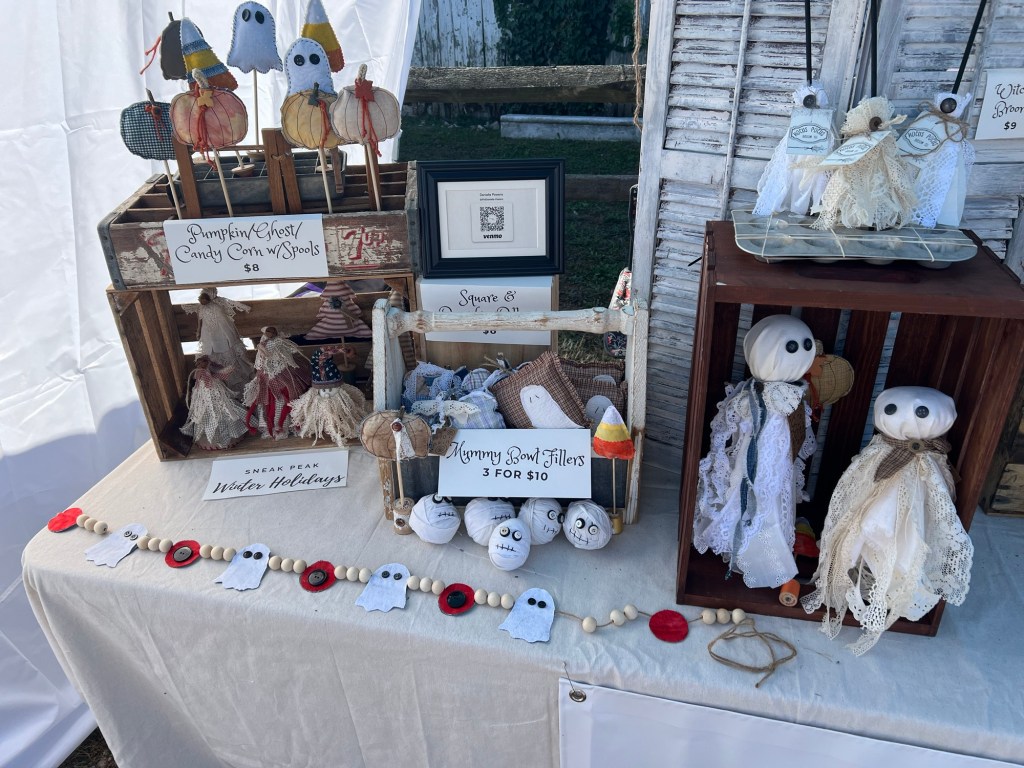
The creativity of the crafts vendors

It was not even Halloween yet and here comes Christmas

These were some of the most unusual crafts at the festival. I loved the Mummy Bowl Fillers. Very clever!

I took a chance on a recent visit to Elmer, New Jersey to see if there Historical Society was open and I lucked out. On a beautiful early October day, they were sponsoring their annual Harvest Festival and the museum was open. What an interesting little museum. The collection reflects life in a small rural community and how it has grown in the modern time.

The outside of the museum on the day of the Harvest Festival

The museum is housed in an old Catholic Church

The building was built in 1894 as St. Ann’s Catholic Church that was organized in 1892. The church was built Adam Kandle at the cost of $1800. The cornerstone was donated by marble cutter Joseph Gibson. In November 2017, the former church building was donated to the Greater Elmer Area Historical Society to be used as their headquarters (Society pamphlet).

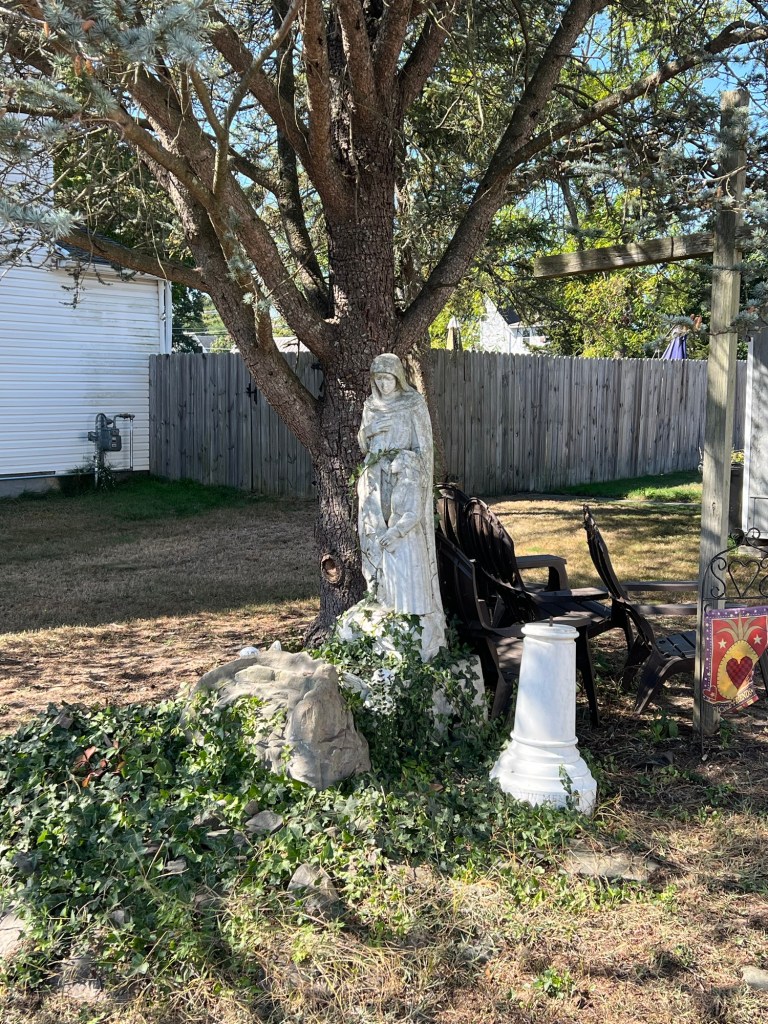
The shine to Saint Ann just outside the door

The inside gallery of the museum still has a feel of the church mixed with the modern era

The town progressed from a sleeping community of hunting and fishing for the Lenape to the coming of the Dutch, French, English and various waves of new immigration to the area.

The Early Settlement sign

The museum may be small but it packed with information on the history of Elmer, the local industries and farms, the Native American population and local population. Each section of the museum has a different theme to it.

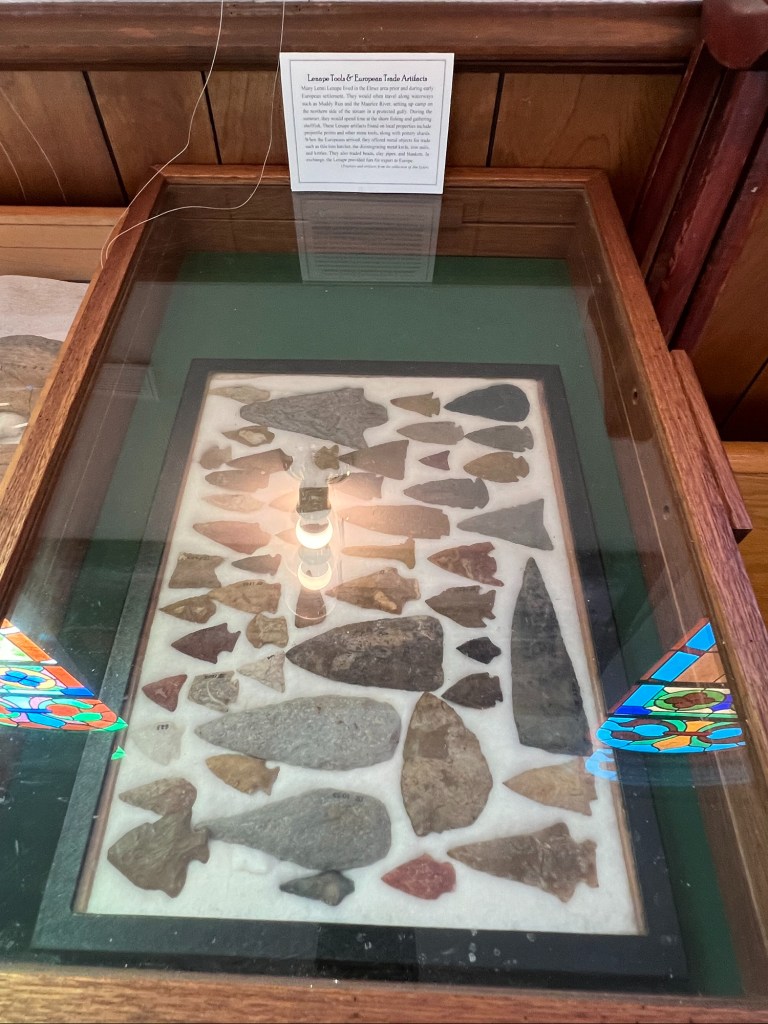
The Native American artifacts

The Arrowhead collection at the museum

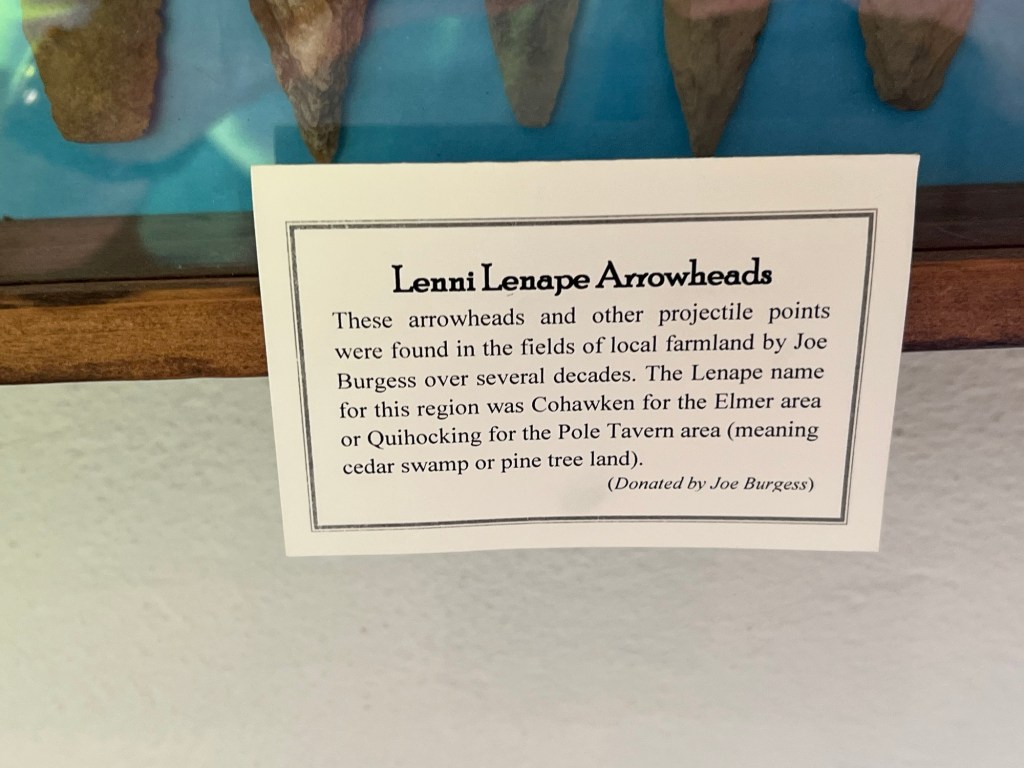
It seems that many of these artifacts were found in the local farm fields. The area had been a big settlement for the Lenape tribes, who probably found the same benefits as the settlers.

The Arrowhead Collection

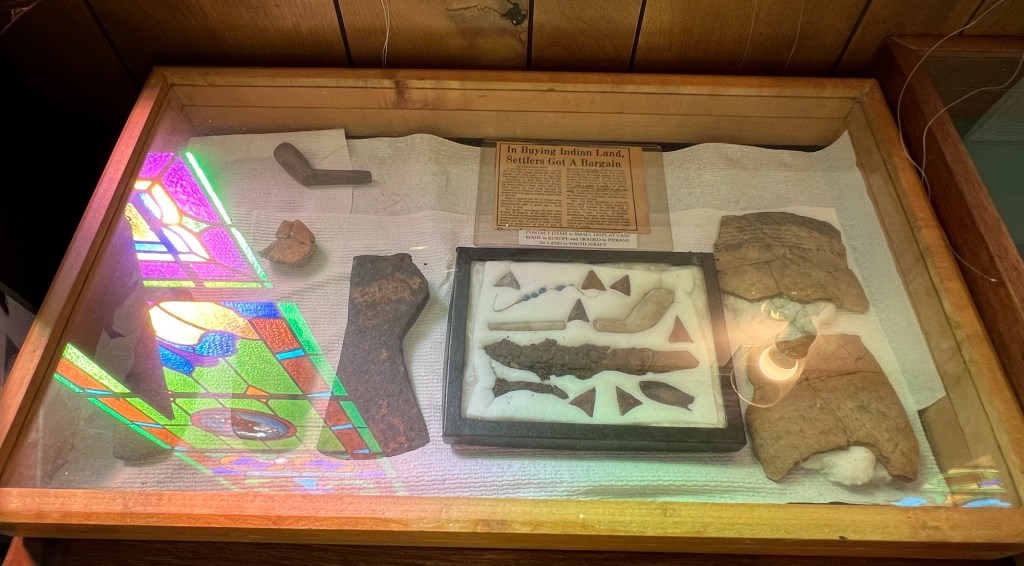
The museum had an interesting collection of artifacts from local businesses from the area.

Artifacts from the Native Americans

With colonization, and the growth of agriculture ( which is still strong today), the business and manufacturing communities grew in the area and prospered even before the railroads came.

Early Industries of Elmer, NJ:

The growth of the area and the progress of a small town

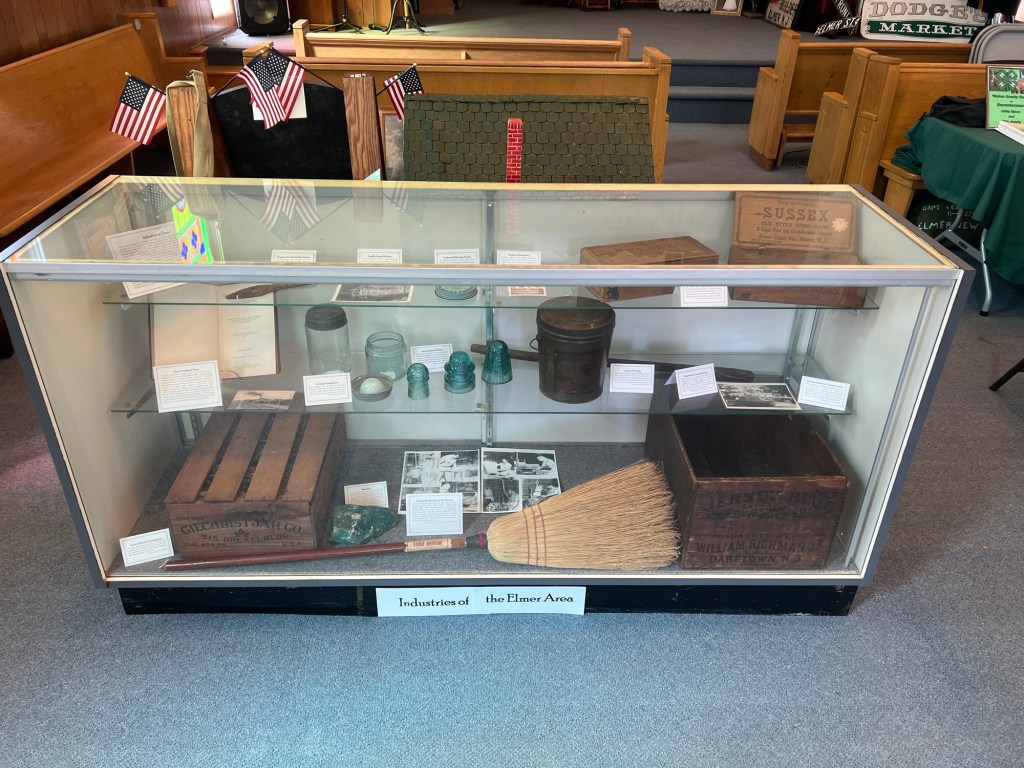
The businesses of early Elmer included glass making, broom manufacturing and agriculture

The artifacts of the past of Elmer, NJ

The Registration Book of the Elmer Lake Hotel shows how the area changed to add leisure as work changed

Roles in the Home and Community:

The museum displays show a woman’s role in both the household and the community.

The roles of women were standardized

The roles of women in rural New Jersey were set in helping on the farm, tending to the house and raising young children until they were ready to work on the farm, cooking, cleaning and dong the domestic chores. With no electricity, what we deem as simple today was much work to the farm house wife. Domestic life and its attributes were noted in the display case,

Domestic items of the home

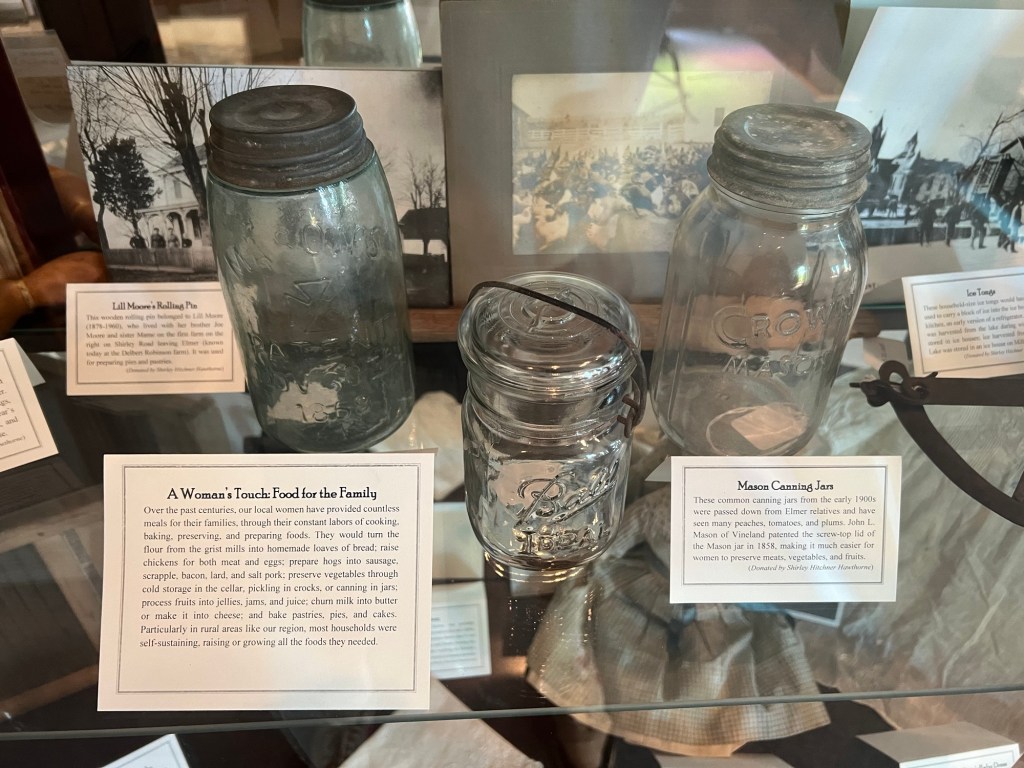
What needed to be done in the kitchen to feed the family

Canning and preserving foods for the winter

Ironing and taking care of clothing

Creating your own playthings, the Mercy Reeve doll. Store bought items were just too expensive for the average person or not available

The Wedding dress

The Hartz wedding dress

The was a nice display of items from the Elmer Fire and EMS departments on display as well. This shows the rich history of both departments.

The Elmer Fire and EMS department display

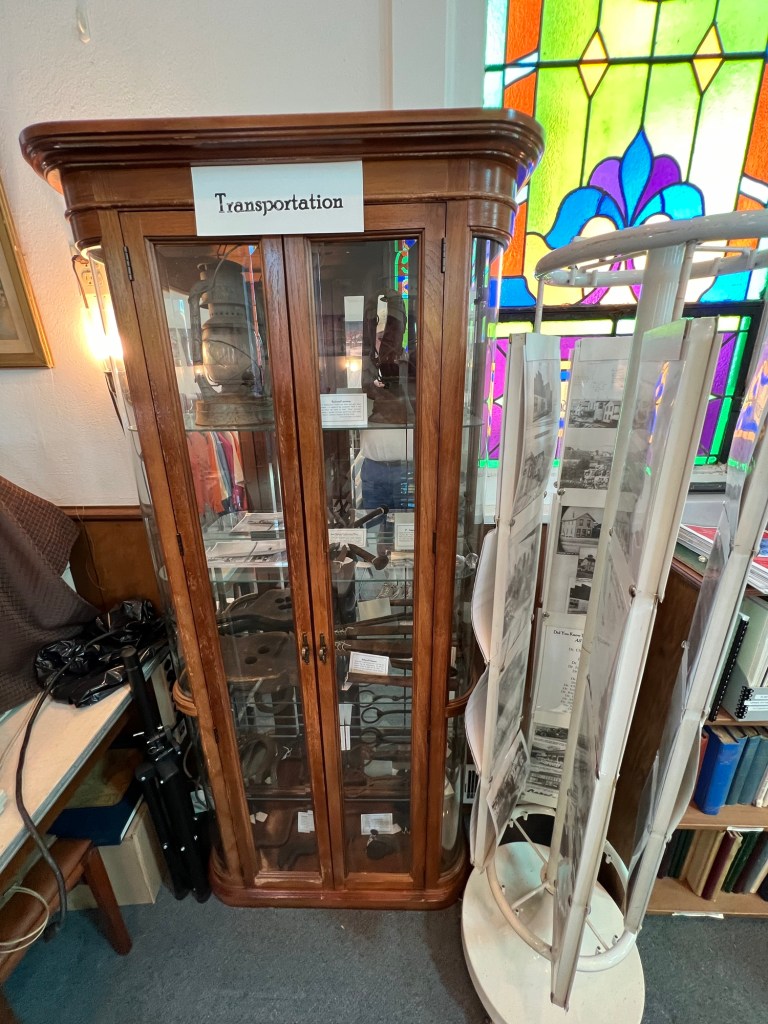
The museum also covered daily life in Elmer whether it be business or just general living. A rural community things continue to happen. Transportation continually changes from horses and buggies to railroads and then to cars. This has changed the landscape of the town.

Transportation into Elmer changed life forever

First by horse and buggies

Then by railroad

The daily life included trips into town to buy things for the homestead and visiting merchants and visiting with the doctor.

The Medical life in a rural community

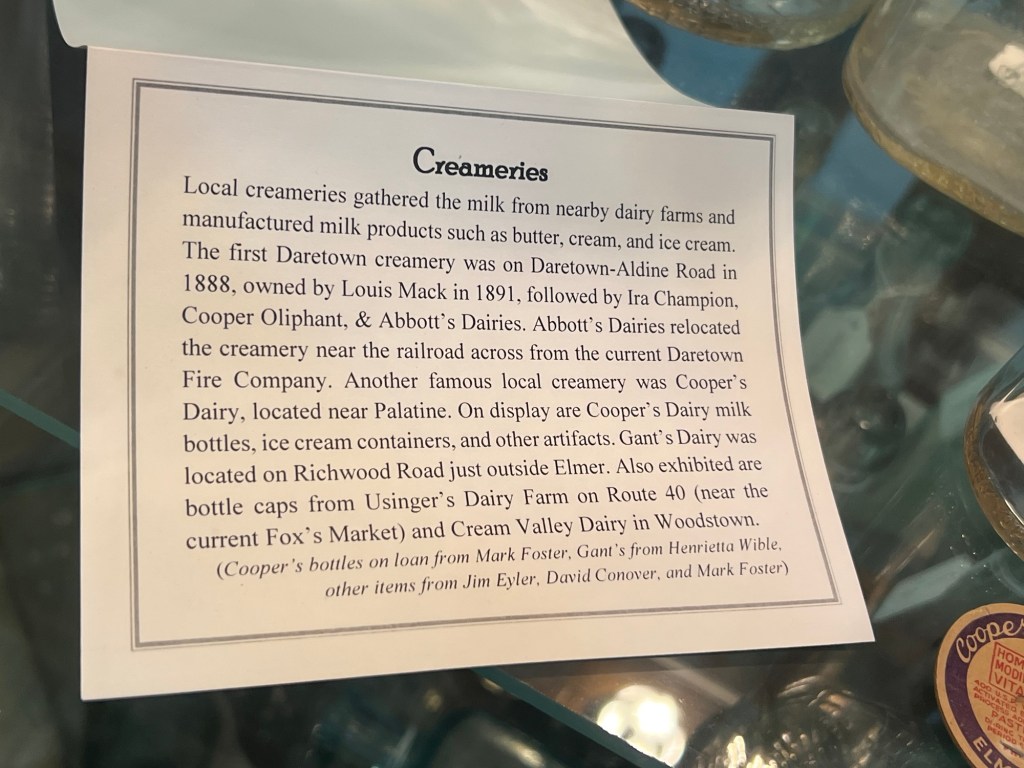
The local dairy business was a big part of the economy

Visiting the creamery and how the dairy business was a big part of the community for work

The glassworks of the various businesses

Daily life in the town and the surrounding area in the beginning was a never ending wave of duties and chores. The household, farms and businesses had to run and everyone knew what needed to be done during the productive warmer months to survive the colder and hasher realities of the Winter. With time and progress each generation progressed to the modern era and this is still changing.

All parts of the everyday lives of people

Bonnet for picking potatoes

Not everything was all work and no play. There were dances, gatherings and socials and later on musical performances then the coming of radio and the movies. Children still had their games and to prepare children for domesticity of the future, there were toys related to the genders with girls playing with dolls and keeping dollhouses and boys with construction games and ready for life on the farm and factories.

The Cain family dollhouse was a cherished family item

The dollhouse with the historical marker

The museum shows the rich history of Elmer and the surrounding community and the spirit of a small town. There are many different displays in the museum to see and experience. Though the town has changed over the years, its progress continues.

Don’t miss their special events as well. I had a wonderful time walking around the downtown for the Harvest Festival. There are all sorts of special events and talks that the museum sponsors so please check out the website above.

Millville Historical Society                                          200 East Main Street                                              Millville, NJ 08332

Millville Historical Society 200 East Main Street Millville, NJ 08332

Millville Historical Society

200 East Main Street

Millville, NJ 08322

(856) 293-1078

http://millhistsoc.org/

https://www.facebook.com/Millvillehs/

Open: Sunday 1:00pm-4:00pm/Monday-Tuesday Closed/Wednesday 1:00pm-4:00pm/Thursday-Saturday Closed

Admission: Free but donations are accepted and recommended to help operate the museum

My review on TripAdvisor:

https://www.tripadvisor.com.au/Attraction_Review-g46627-d27044122-Reviews-Millville_Historical_Society-Millville_New_Jersey.html

The Millville Historical Society at 200 East in tv Main Street

The Baracha-Dunn House right next door to the Historical Society is open for touring.

History of the museum:

(from the museum’s website)

The Millville Historical Society has been preserving Millville, New Jersey’s past for over nine decades.  Incorporated in 1927, the organization’s headquarters and archives depositary is located in the historic 1857 Millville Bank at 200 E. Main St., Millville.

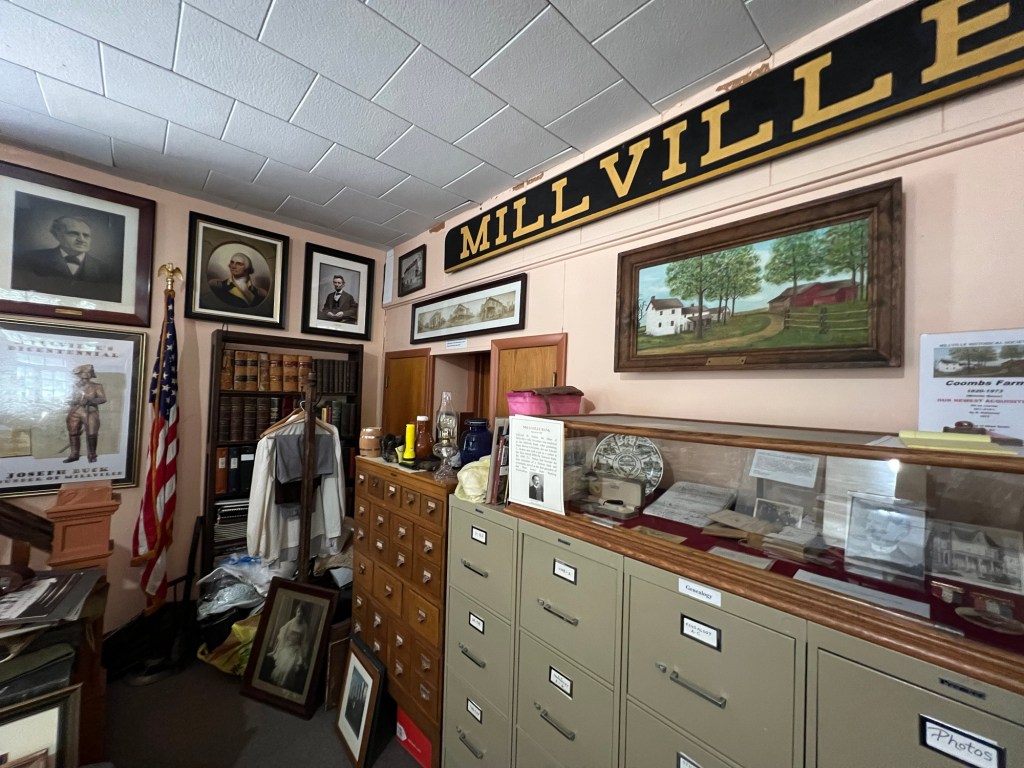
The main gallery of the Millville Historical Society

The Society has been entrusted with the care of three of Millville’s most historic structures: the 1857 Bank building at 200 E. Main Street, the 1798 Baracha Dunn House, and the 1814 Wood Mansion House.  

Admission to all buildings is free.  Donations are gratefully accepted.

The main gallery of the Millville Historical Society from the front door

I recently visited the Millville Historical Society and got to tour the museum and the historical home next door. The main part of the museum is built inside a historic bank that the Society took over in the 1970’s. All the displays are showcased around the museum.

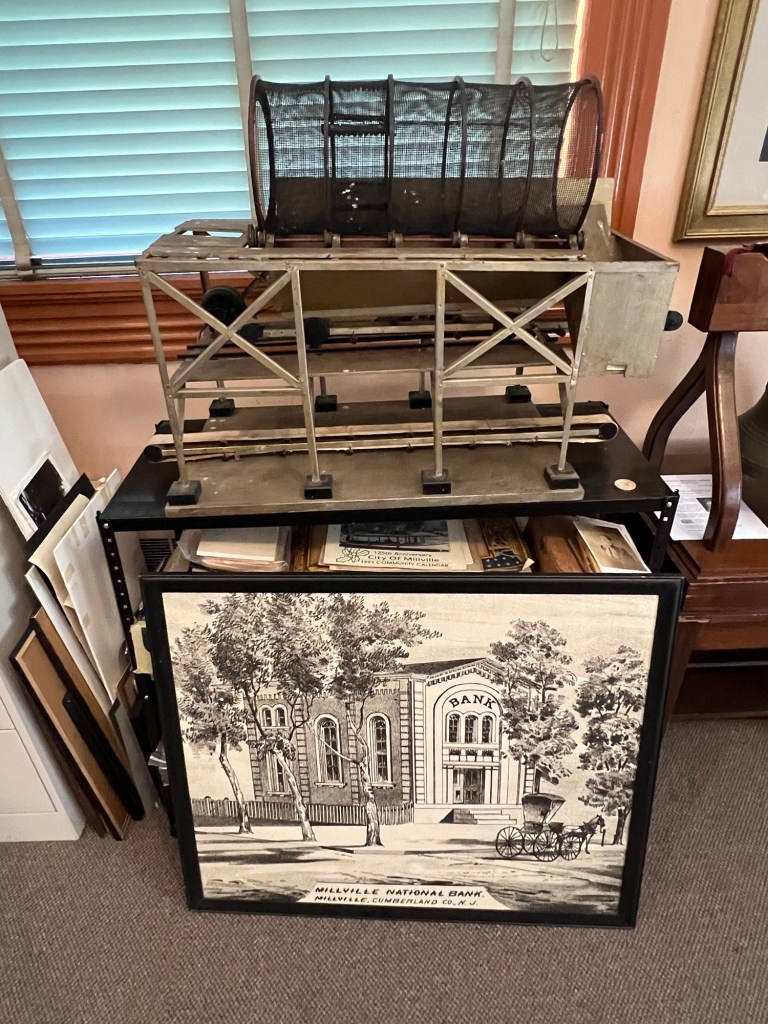
The original picture of the Millville National Bank during the turn of the last century

One of the first displays you will see is the original drawing of the bank. This beautiful historic building sits on the very edge of the downtown as you enter Millville. On the top of the display was a model of a sand separator that was in the creation of glass which the area was known for in the previous century.

The historic map of Downtown Millville, NJ

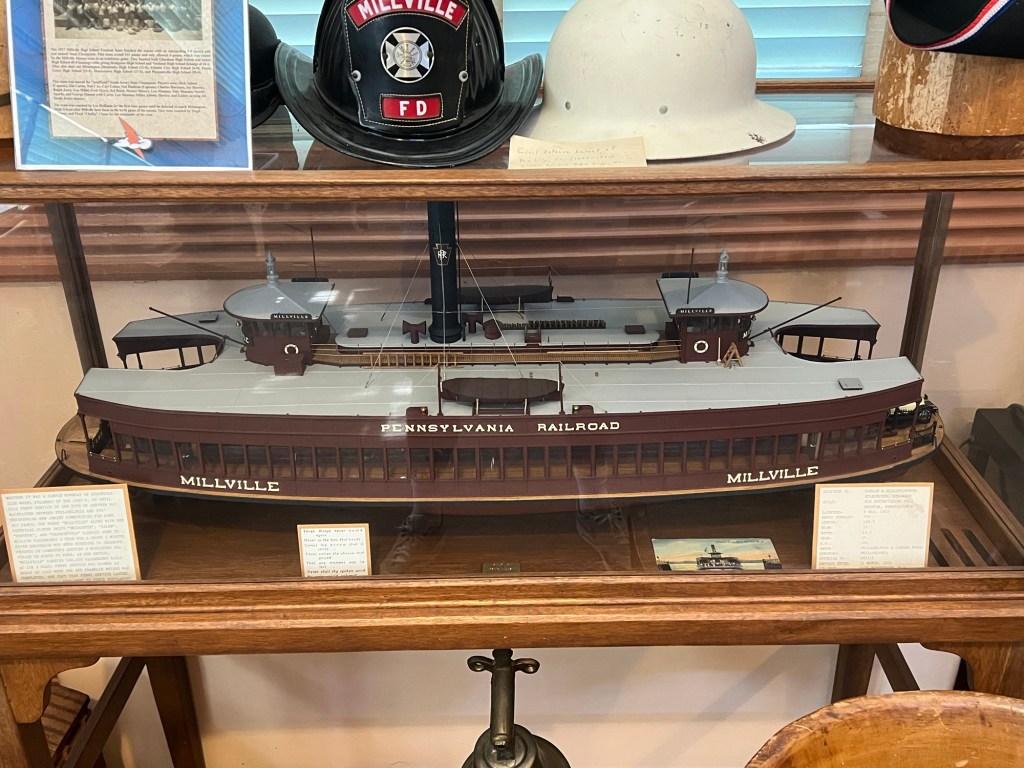
Another display has a model one of the major ferries that once ran in Millville.

The model of the Millville

The ferry that once ran in the area

The pictures of when the boat was christened

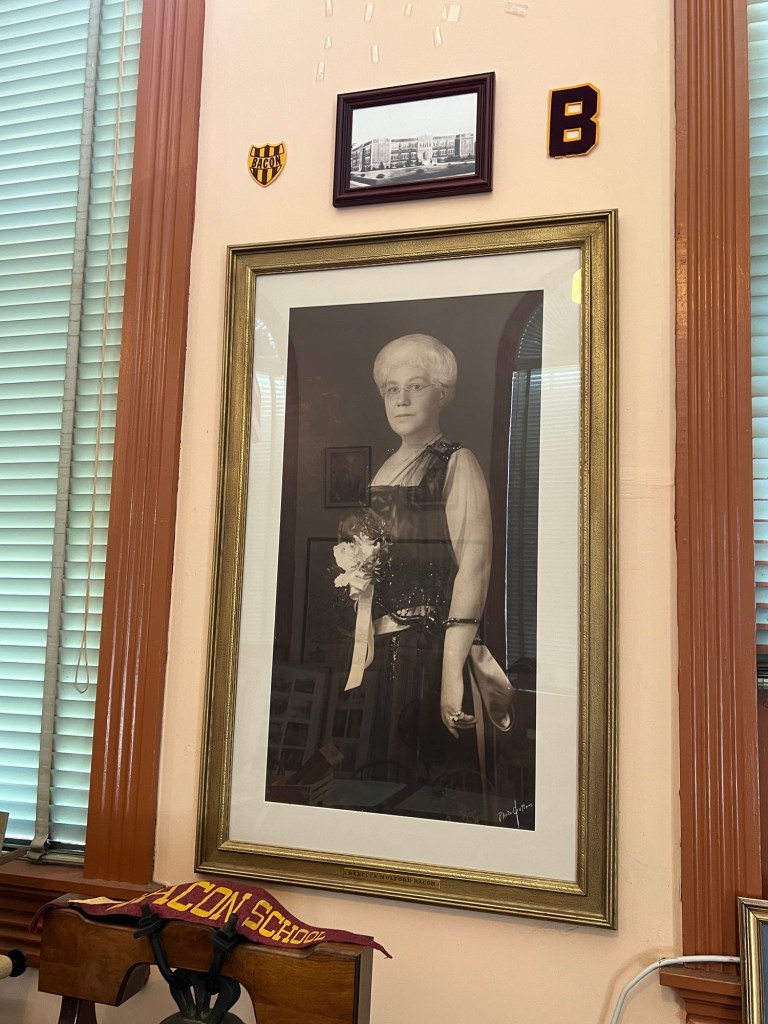
There was school display with one of the old bells of the school’s in Millville and a picture of one of its long serving principles, Rebecca Mulford Bacon.

The bell from the schoolhouse

Principal Rebecca Milford Bacon

The Principal’s plaque

The museum houses the recorded history of the town and the genealogy of the town and its citizens for people to research.

The Research Library along with more artifacts

After I toured the displays along the perimeter of the museum, I had a tour of the Baracha-Dunn House next door which was part of the historical society’s complex. These historic buildings were built in the late 1700’s and the addition in the early 1800’s. The tour takes you through both the main house and the later addition both upstairs and downstairs.

The Barack’s-Dunn house was open for a tour

The entrance the house from the street

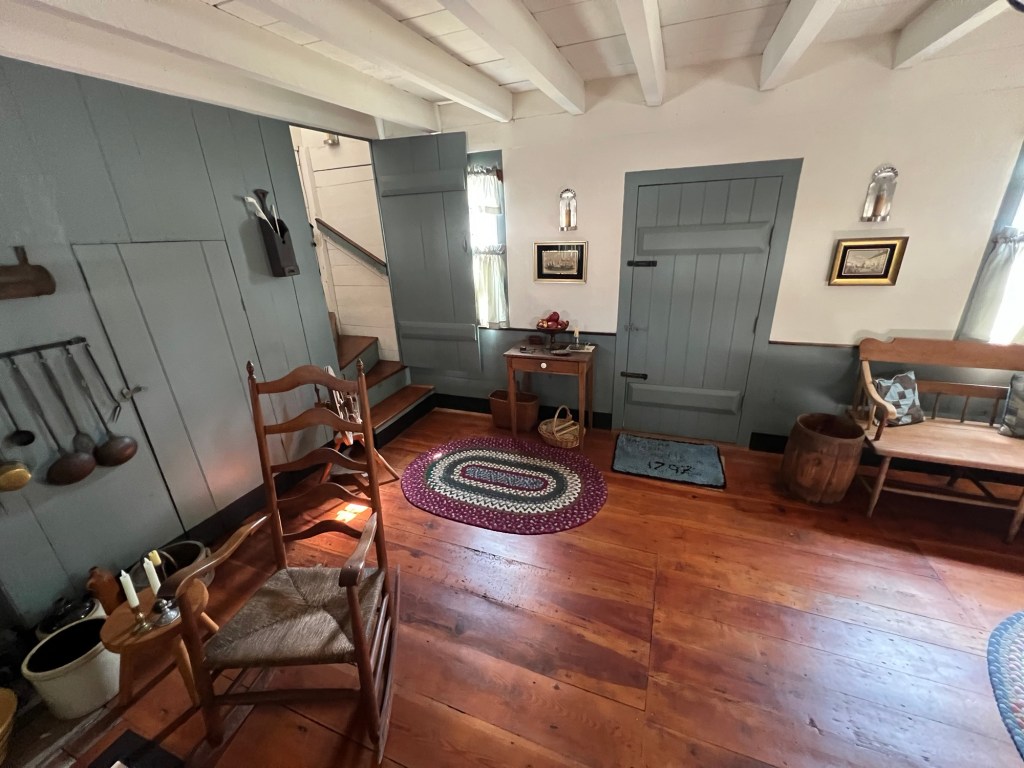
The main room of the original house with the hearth in the main room for cooking and for heat in the house

The hearth is the center of the house

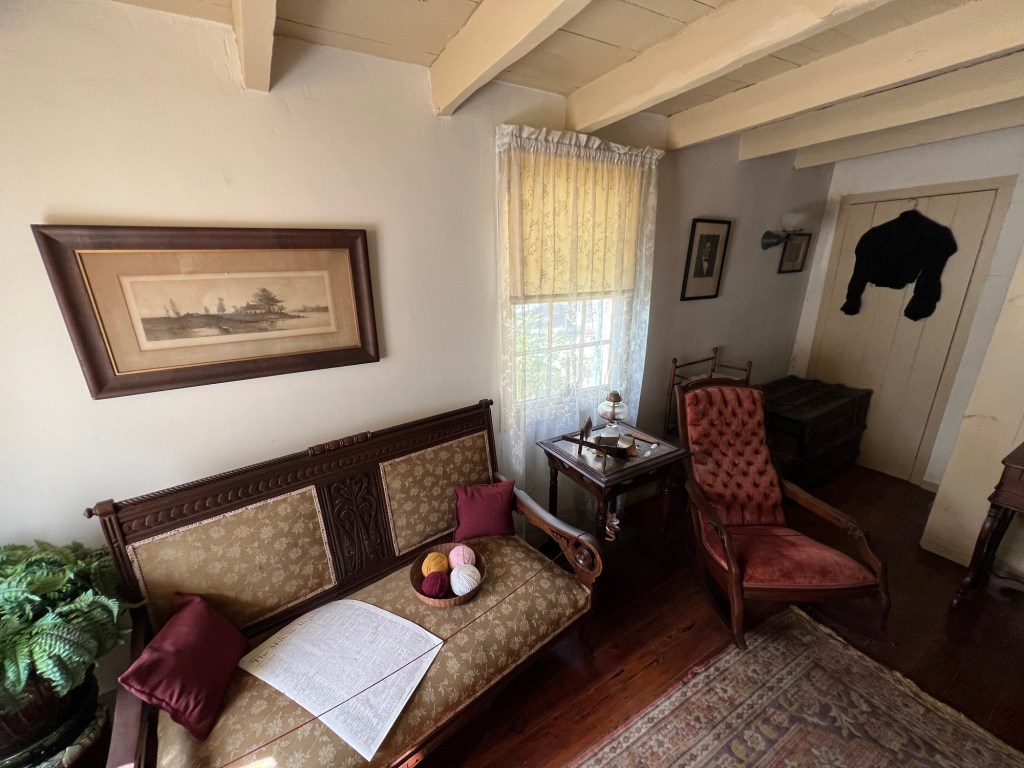
The Living Room of the main home

The Living Room of the home

The Living Room

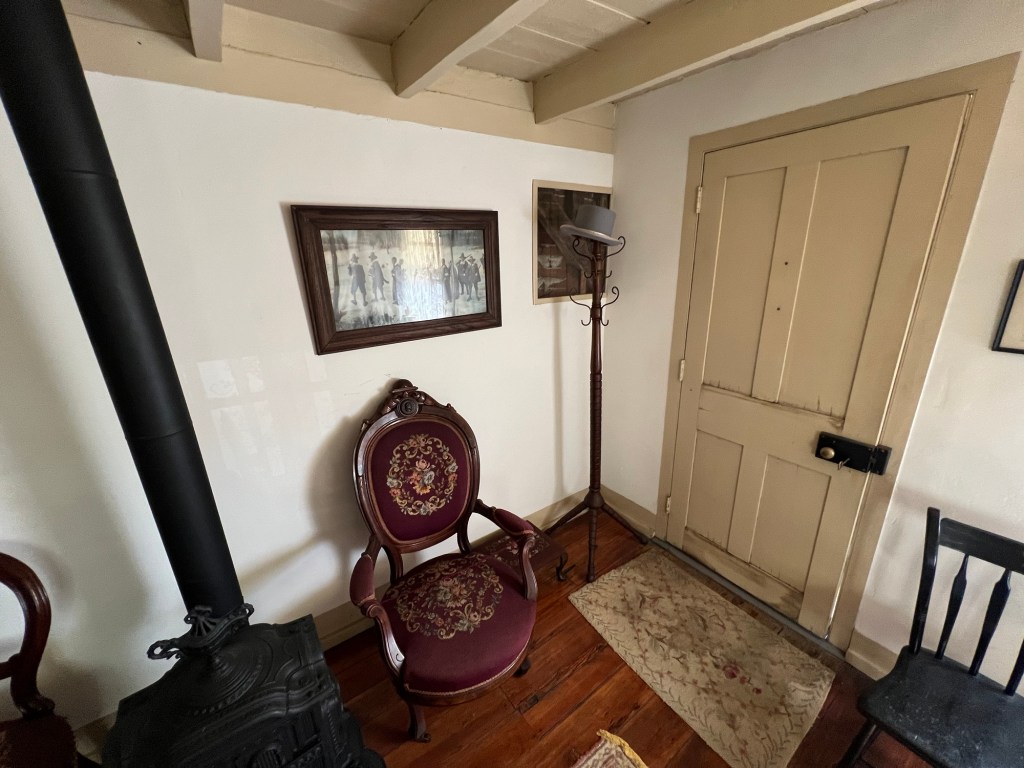
The other side of the house which was the later addition to the home offered more rooms.

The Living Room from the main door

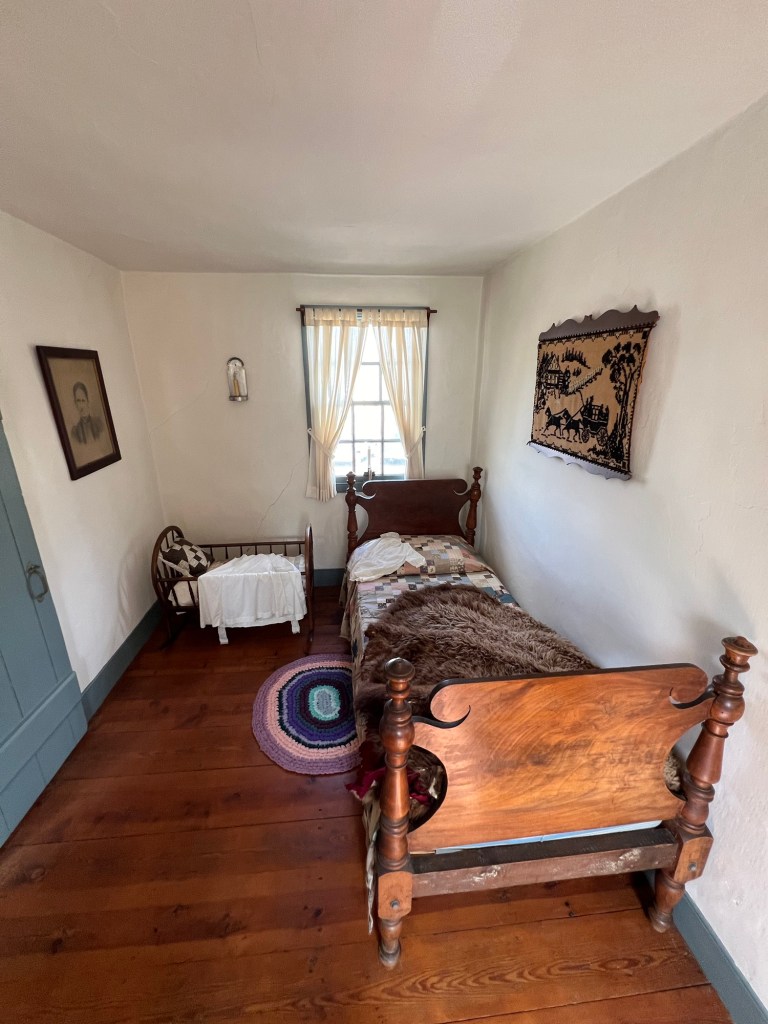
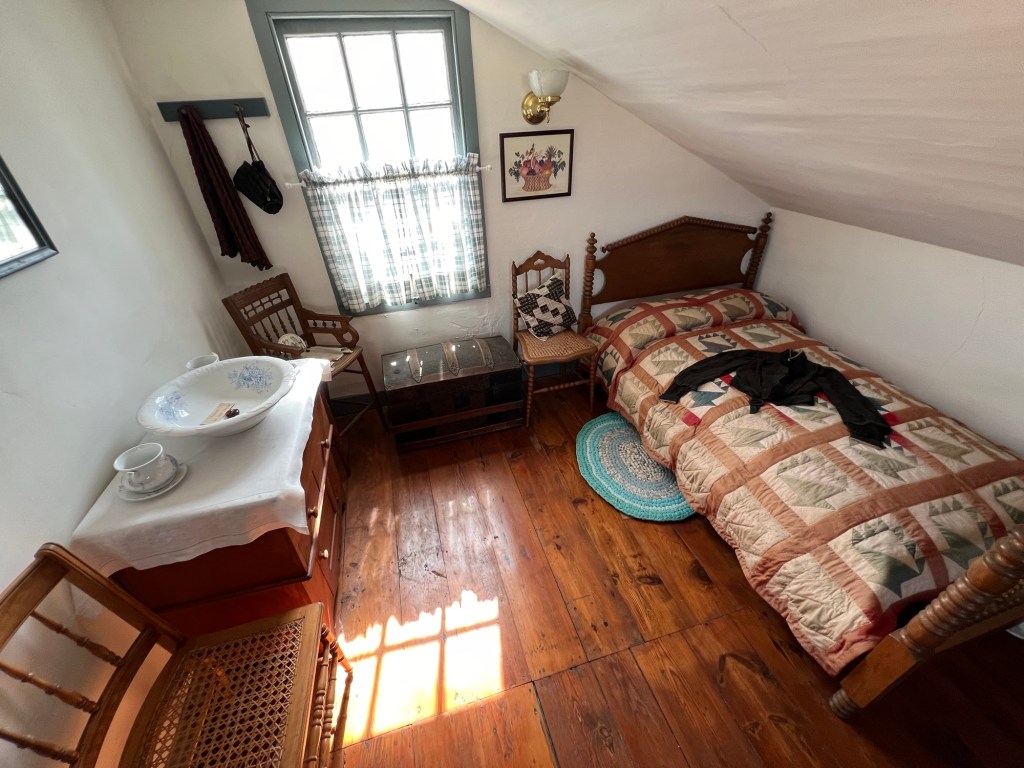
We walked up the narrow stairs to the second floor to the bedrooms. Each small room on the second floor was furnished with period furniture.

The bedroom on one side of the house

The second floor bedroom the leads to the attic

The second floor bedroom

This room led to the connected room on the other side of the floor

The small room on the second floor

The bedroom on the second floor

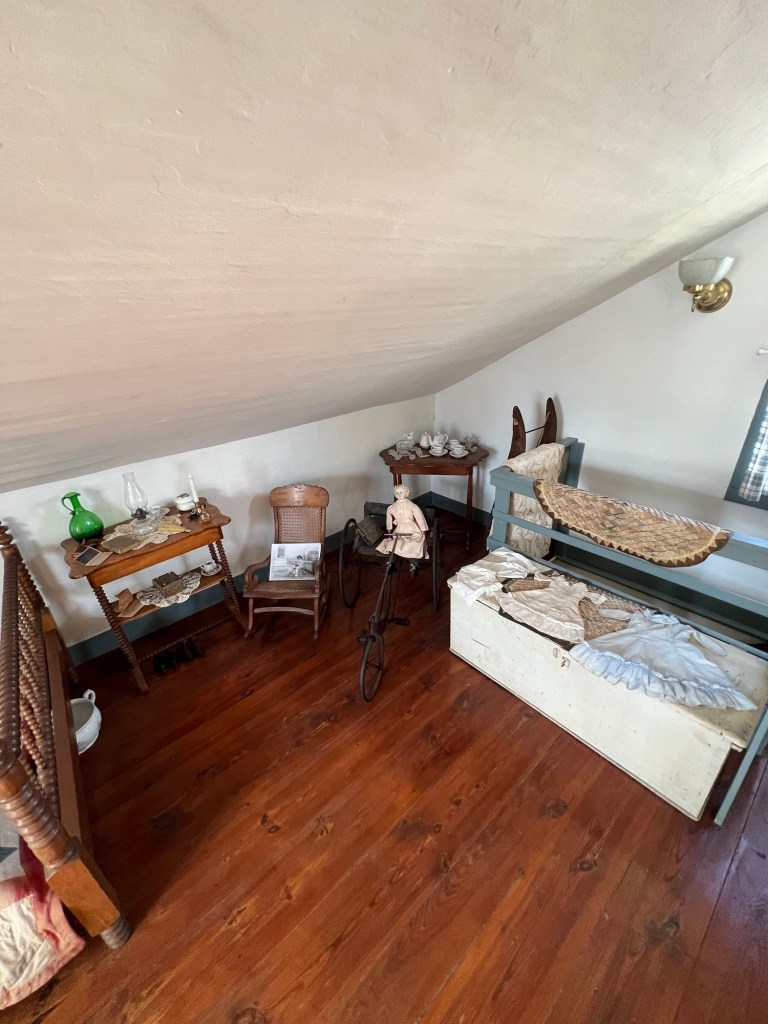
The Children’s room display of toys, furniture and clothing

The display of Children’s item

The house really showed life in the early parts of the 1800. The home’s period furniture decorates all the rooms in this home. The museum has another historical home in the downtown area that was closed that day. The museum offers a glimpse of Millville in its past.

The historical sign outside the museum

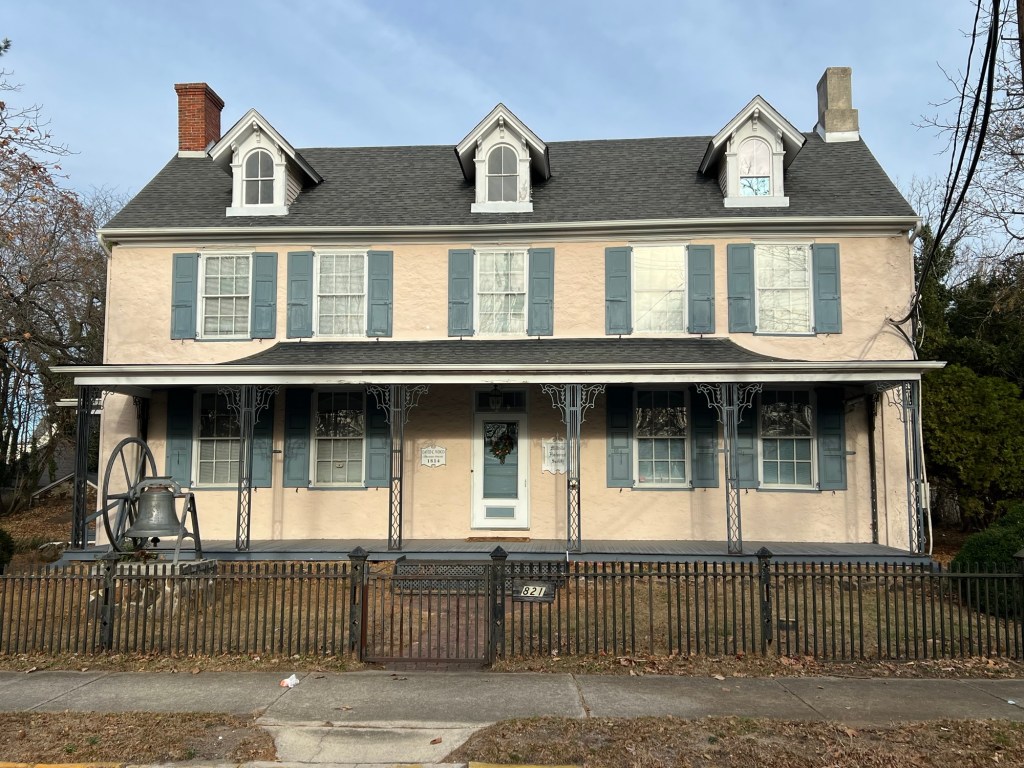
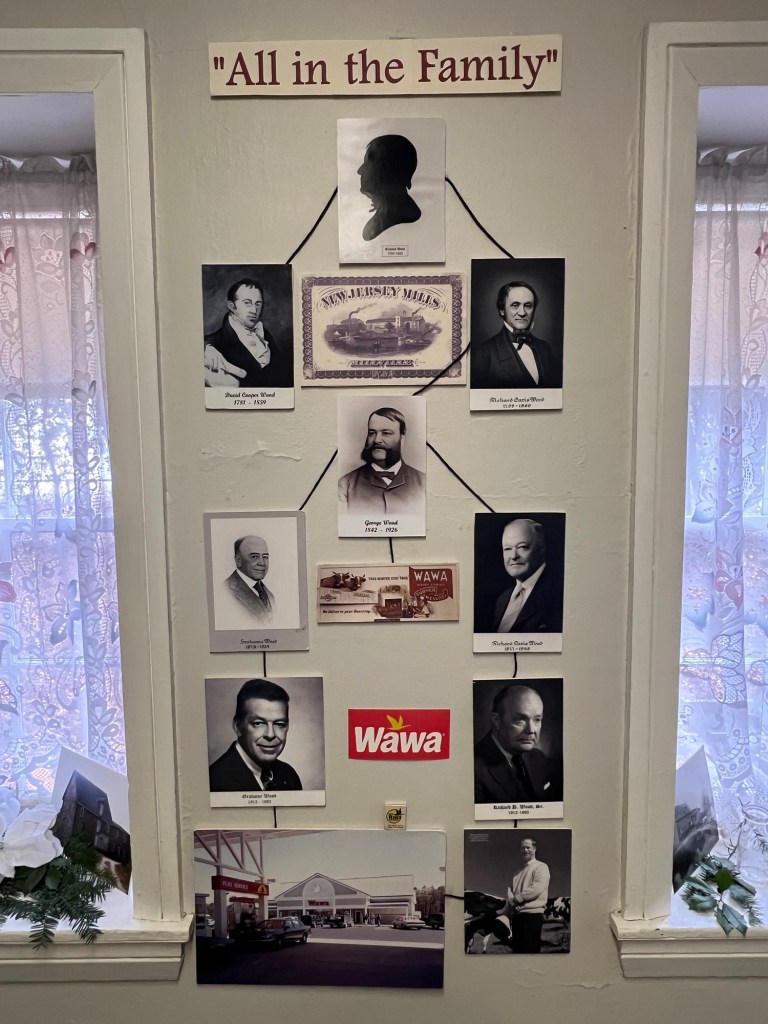
On my second trip to the Millville Historical Society, I was able to visit the Wood Mansion from 1814. The home had been home to generations of the Wood family, the founders of Wawa, among other businesses.

The Wood Family Mansion

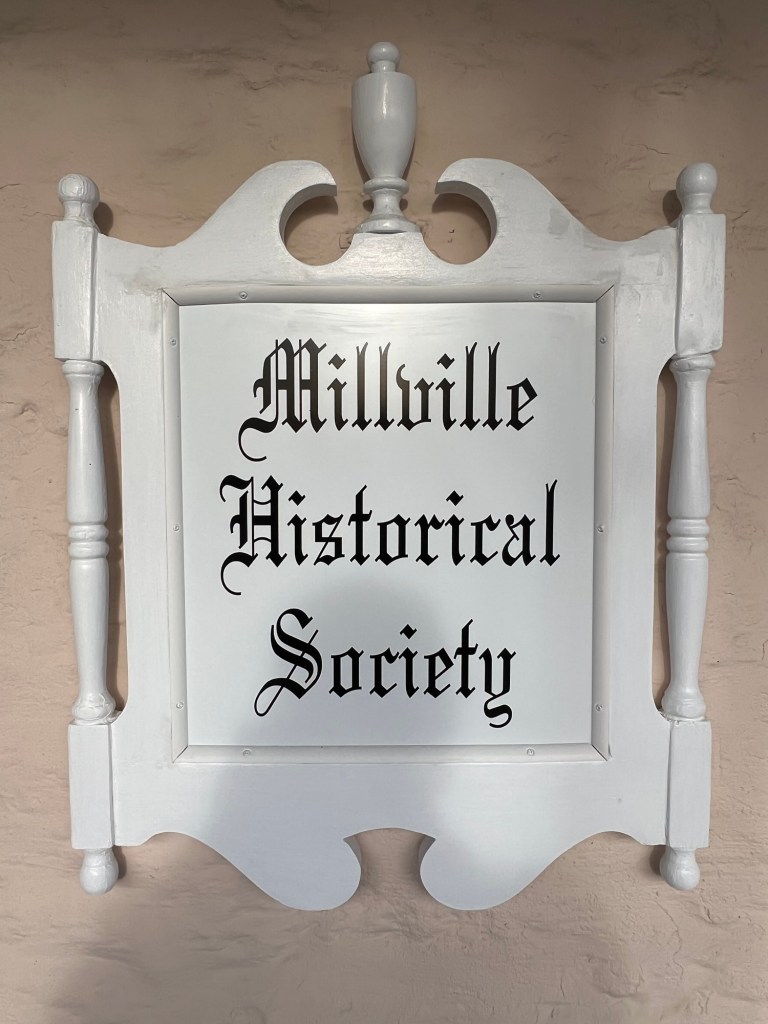
The Historical Society Museum sign

The David Wood Historical sign

The Living Room decorated for the holidays

The Victorian Christmas tree in the formal parlo

The Christmas decorations in the Living Room

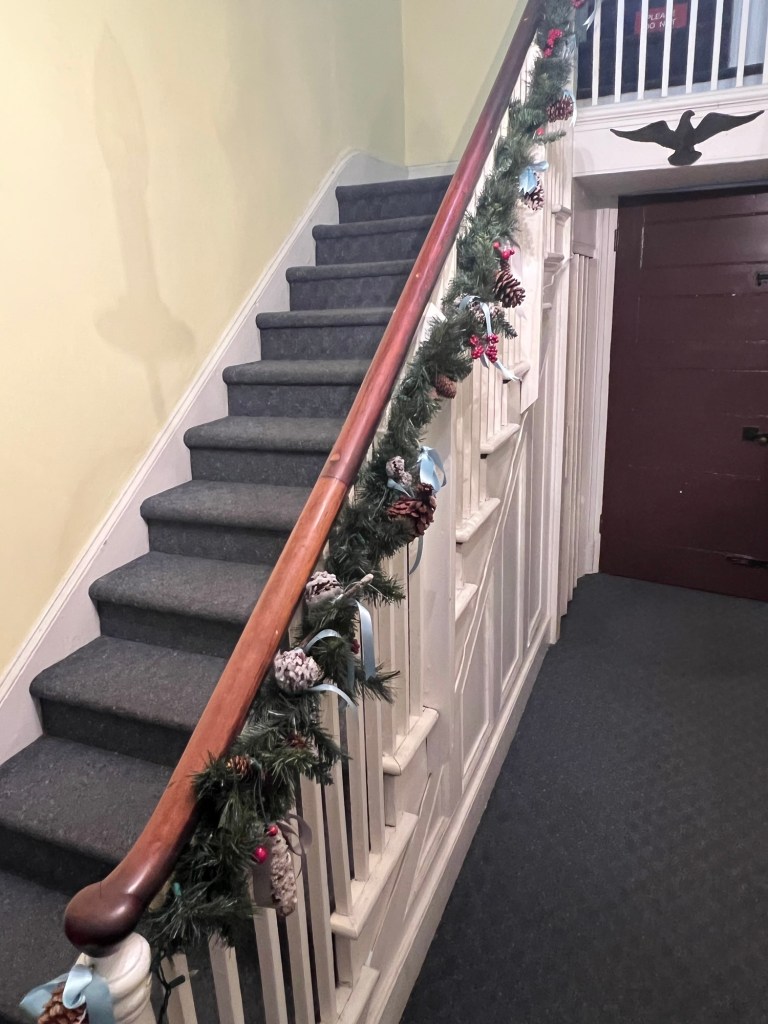
Th bannister decorated for the holidays

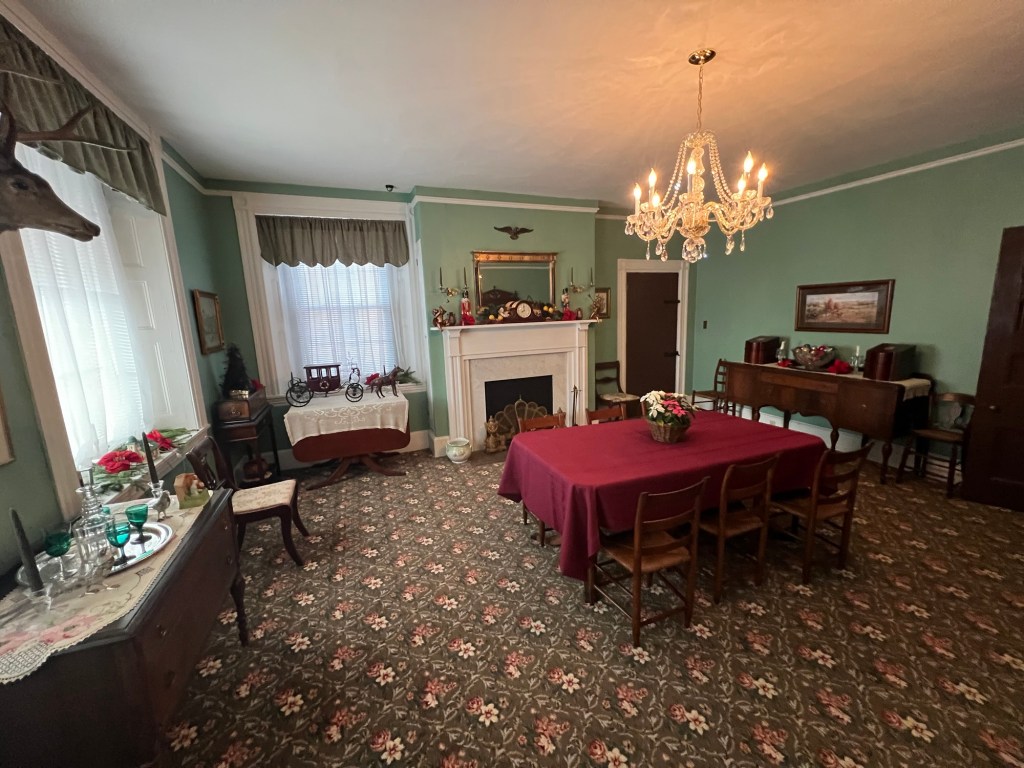
The Dining Room decorated for the holidays

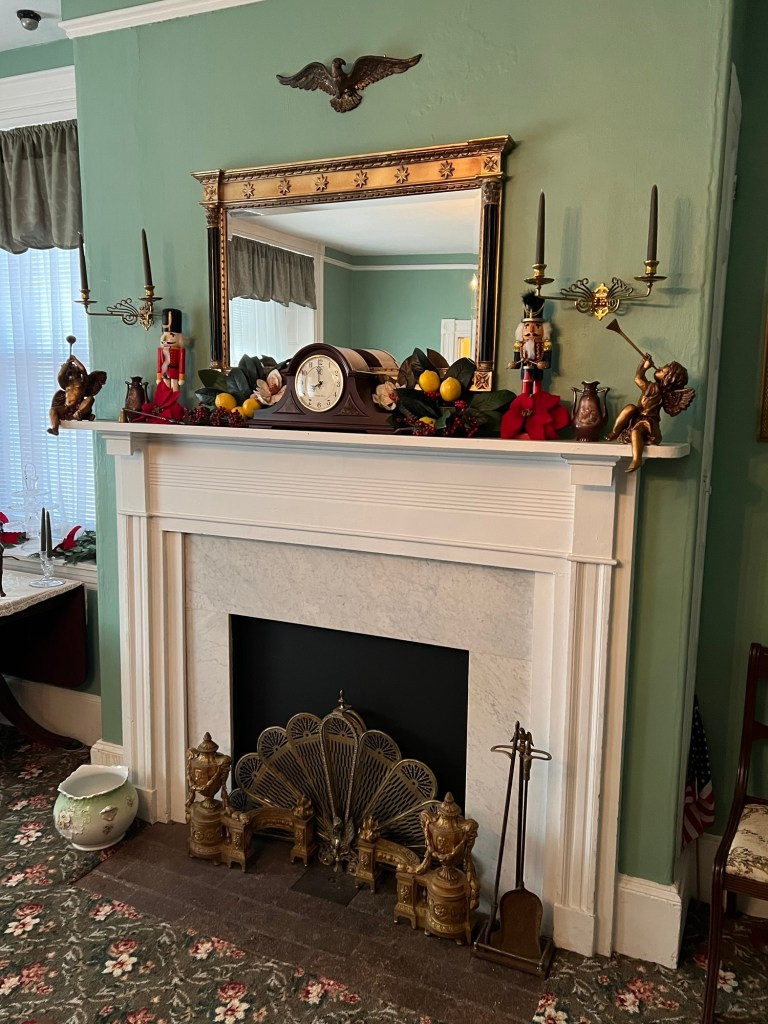
The mantle in the Dining Room decorated for the holidays

The dish-ware area

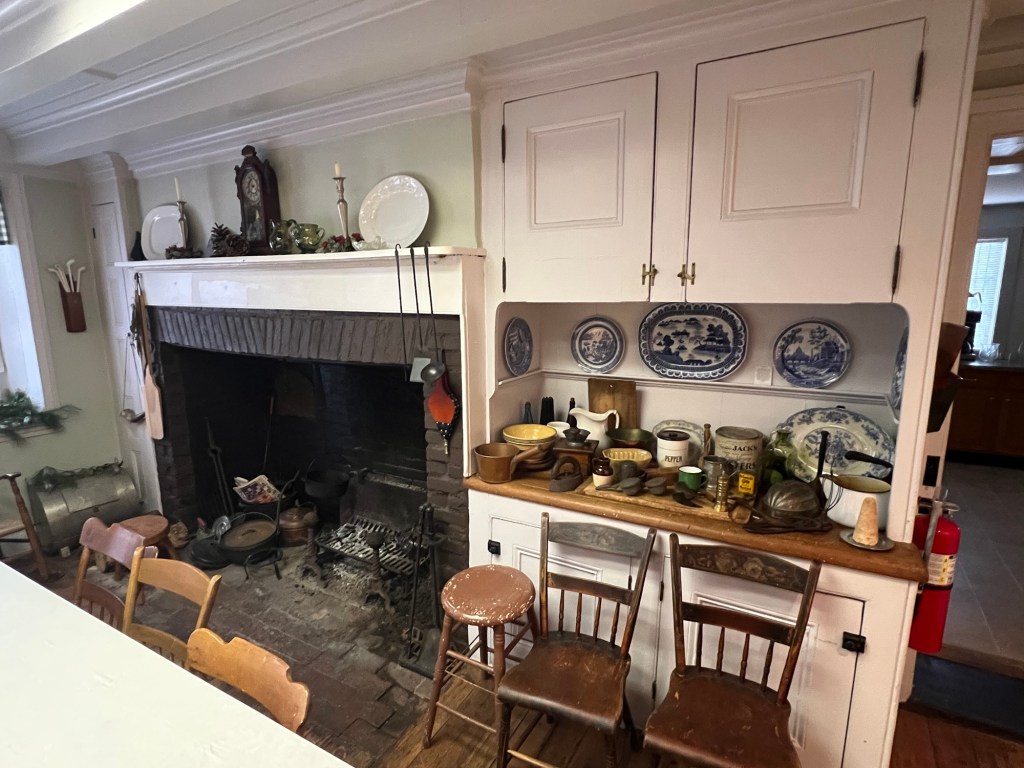
The kitchen fireplace

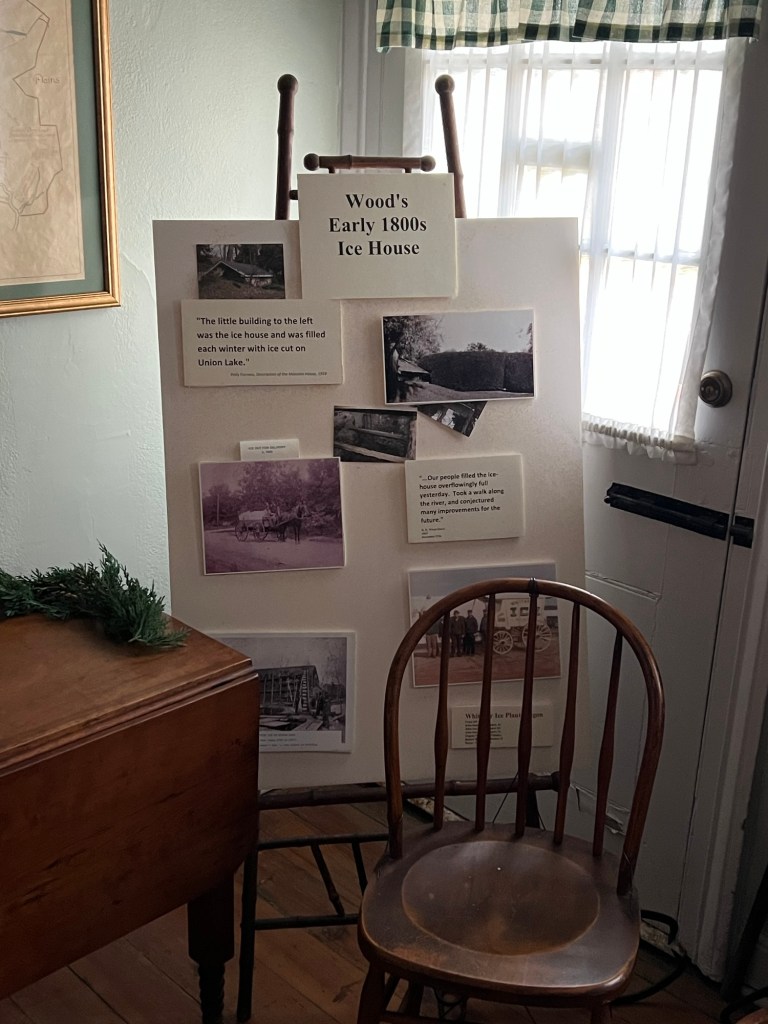
The Ice House display under renovation

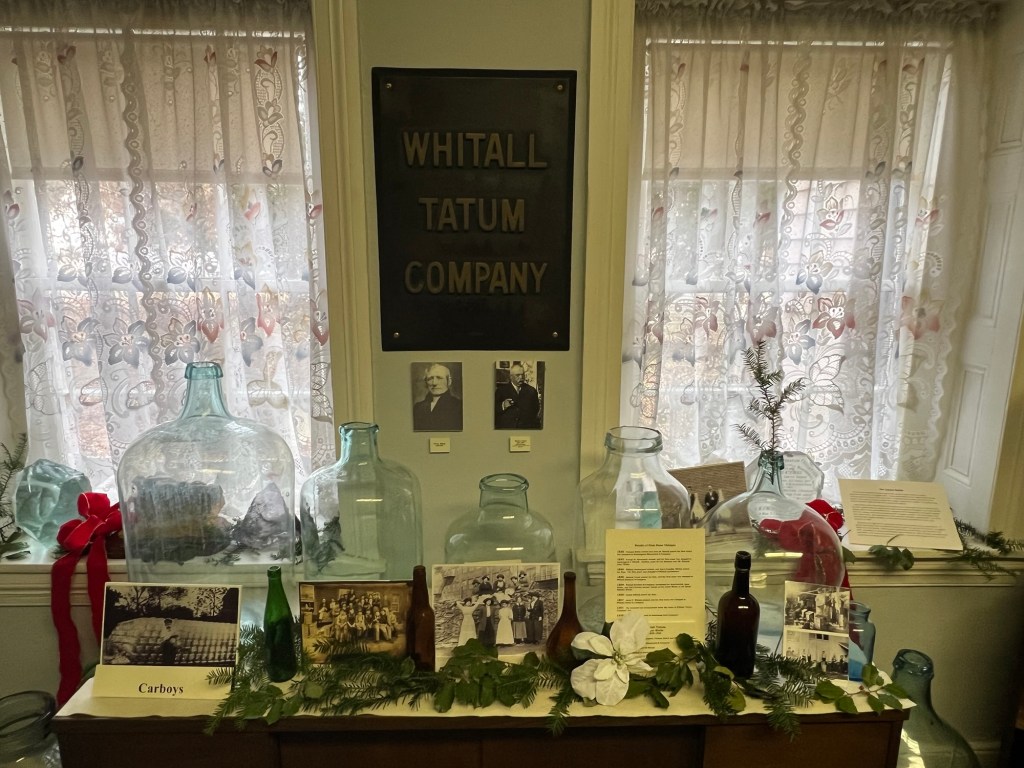
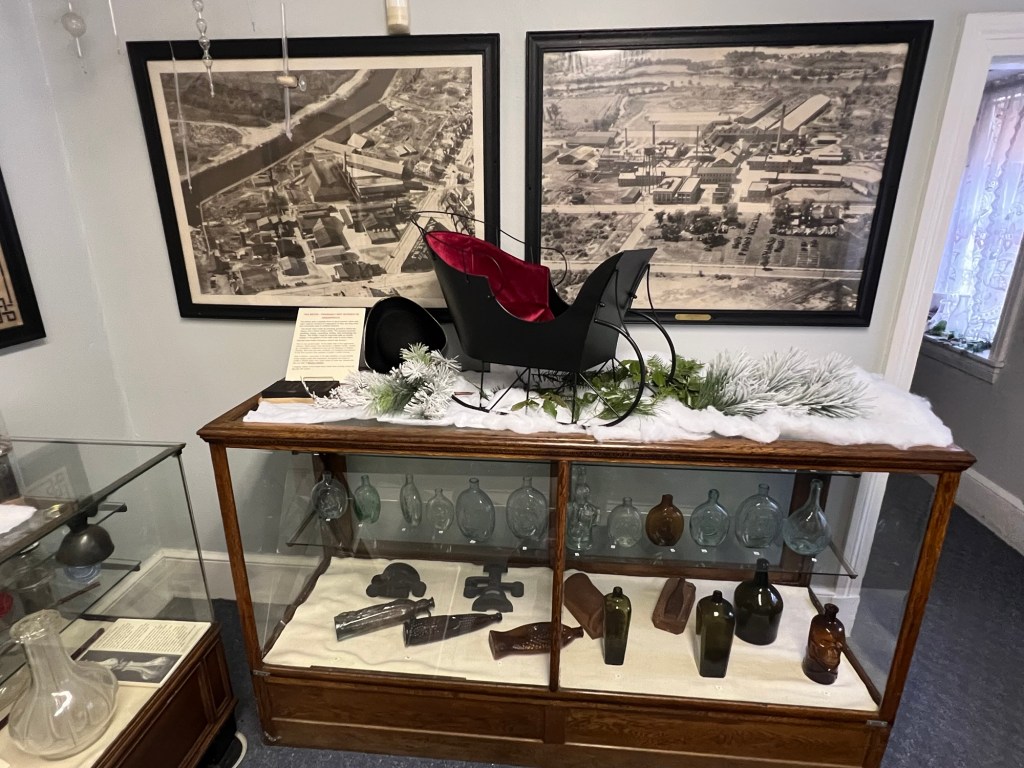
The Whitall Tatum glass display

The Whitall Glass display

The glass display

The Wood family tree and the progression of the business of the family

The local amusement park display

The local factory display

Pictures of the mansion since 1814

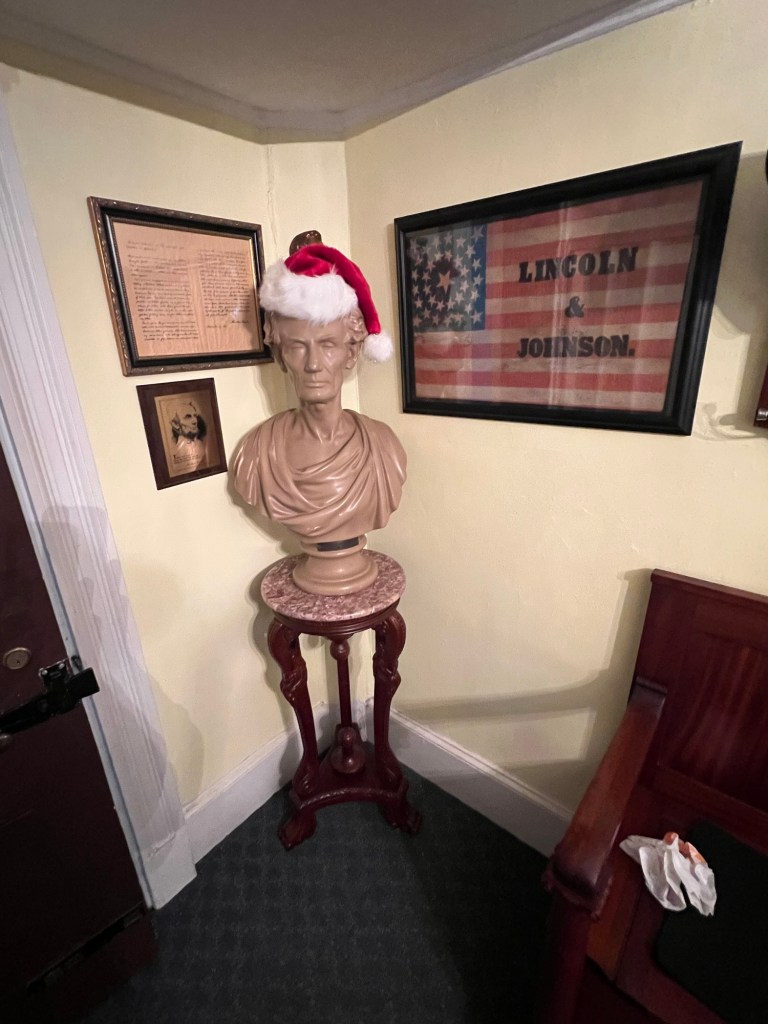
The Lincoln display

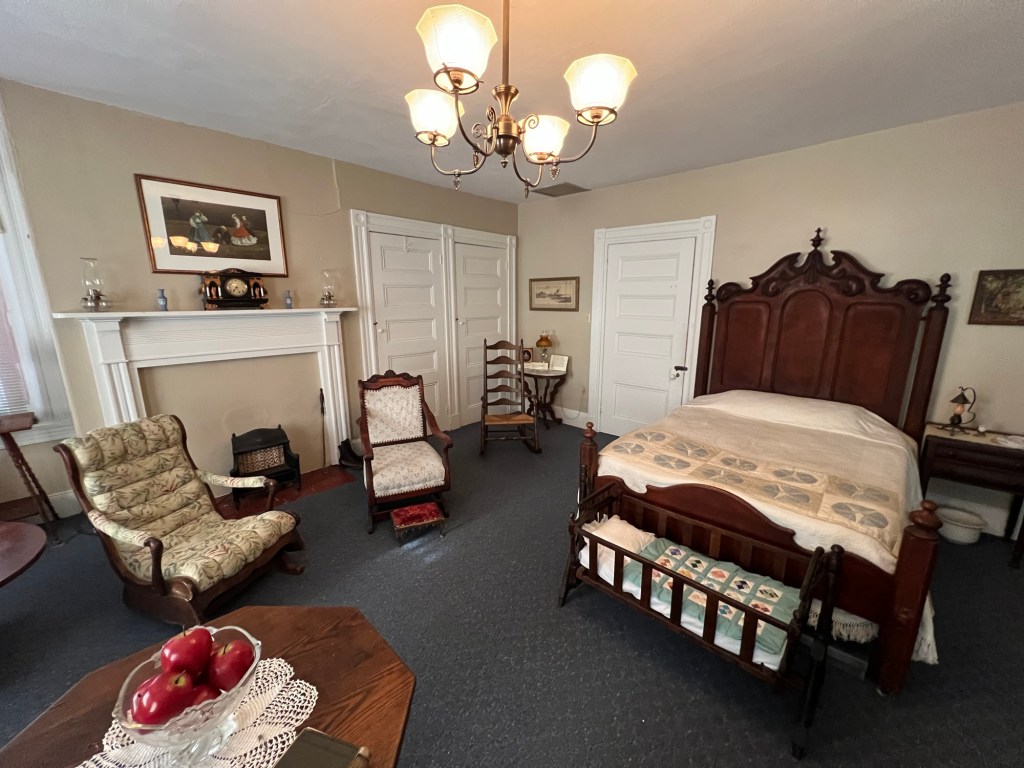
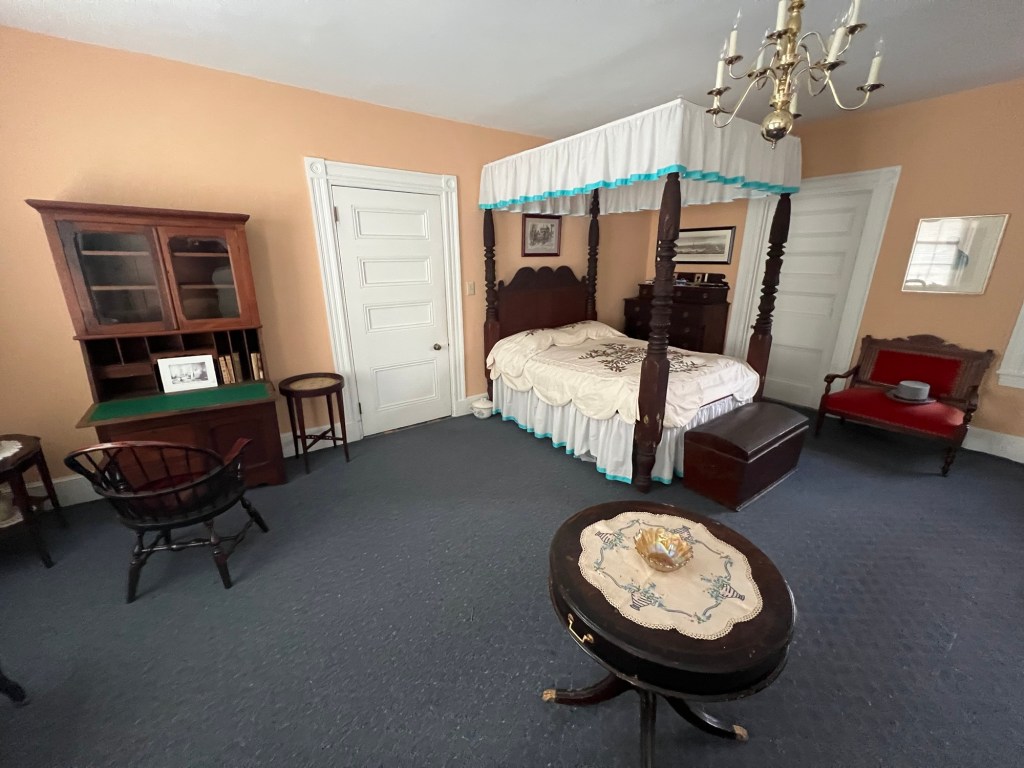
The main bedroom

The main bedroom

The Children’s display

The Children’s Toy Display

The Children’s Toy display

The Trolley display

The other Bedroom display

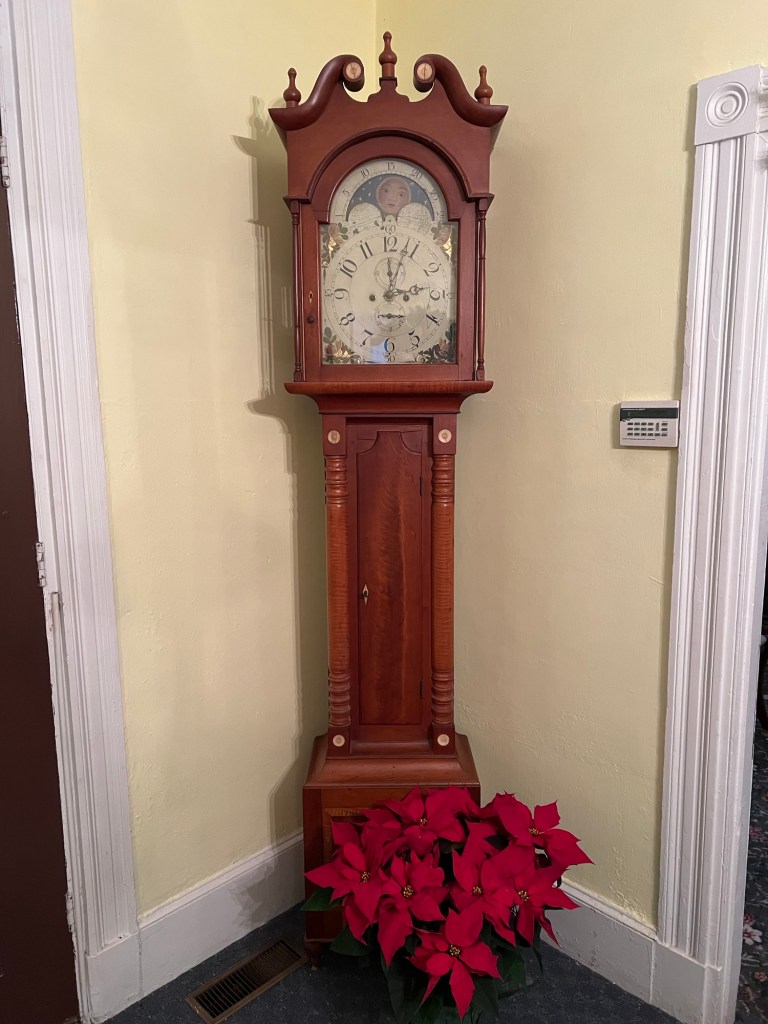
This beautiful Grandfather clock was made Salem, NJ

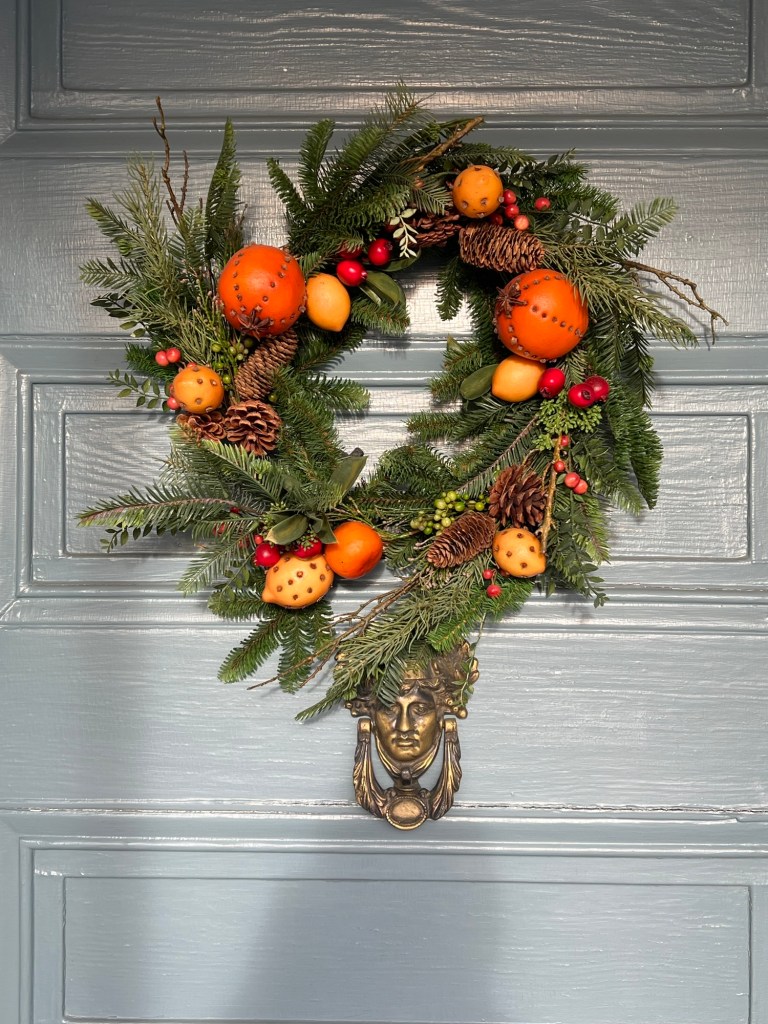
The beautiful display on the front door when you leave the house. Everything had been decorated for the holidays