The 1740 Miller-Kingsland House-Boonton Historical Society
445 Vreeland Avenue
Boonton, NJ 07005
Open: For special events and the Pathways Tours-Contact Boonton Historical Society
My review on TripAdvisor:
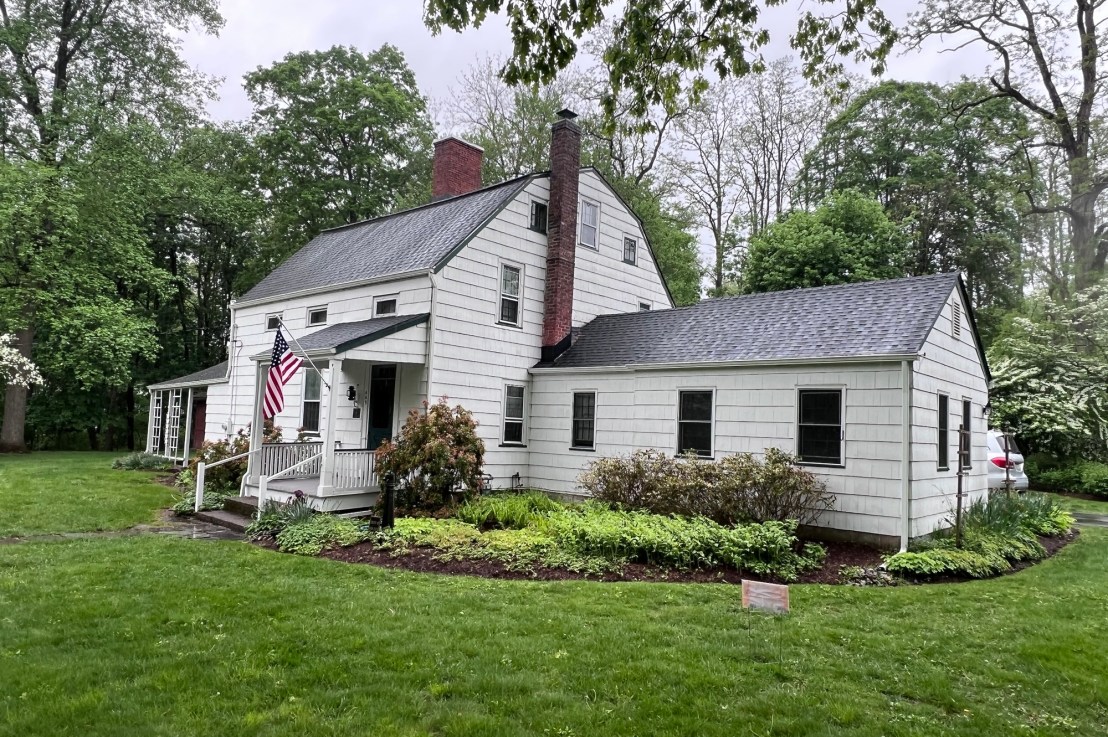
The Miller-Kingsland Homestead at 445 Vreeland Avenue
I went to visit the Miller-Kingsland Homestead, which is part of the Boonton Historical Society, during the Morris County’s Pathway’s tour and discovered a beautiful little historical home situated on picturesque piece of property. I saw by the signs that the grounds were maintained by the local Garden Club, who did a wonderful job landscaping the grounds.
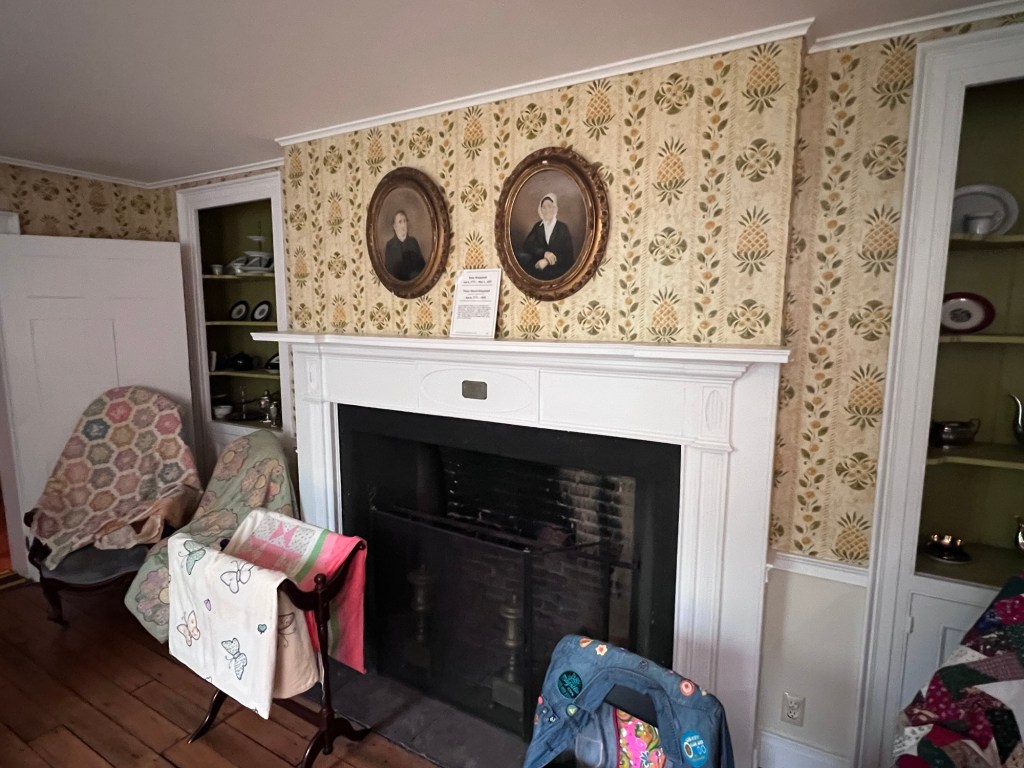
The Living Room in the extension on the house
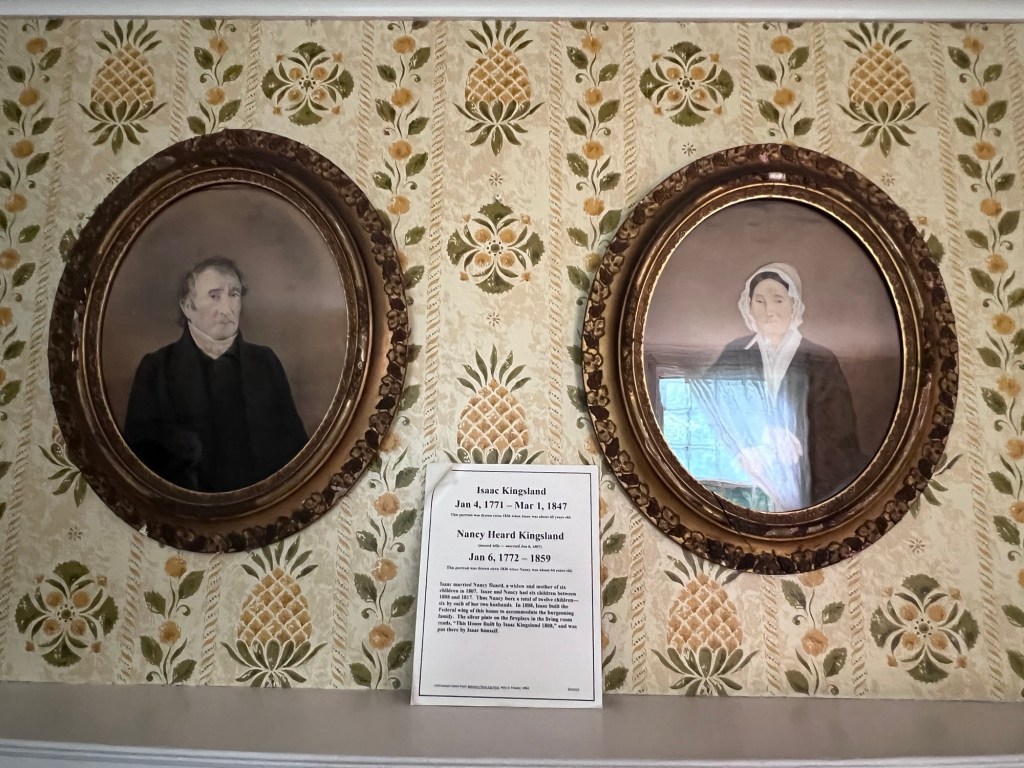
The portraits of Mr. & Mrs. Kingsland
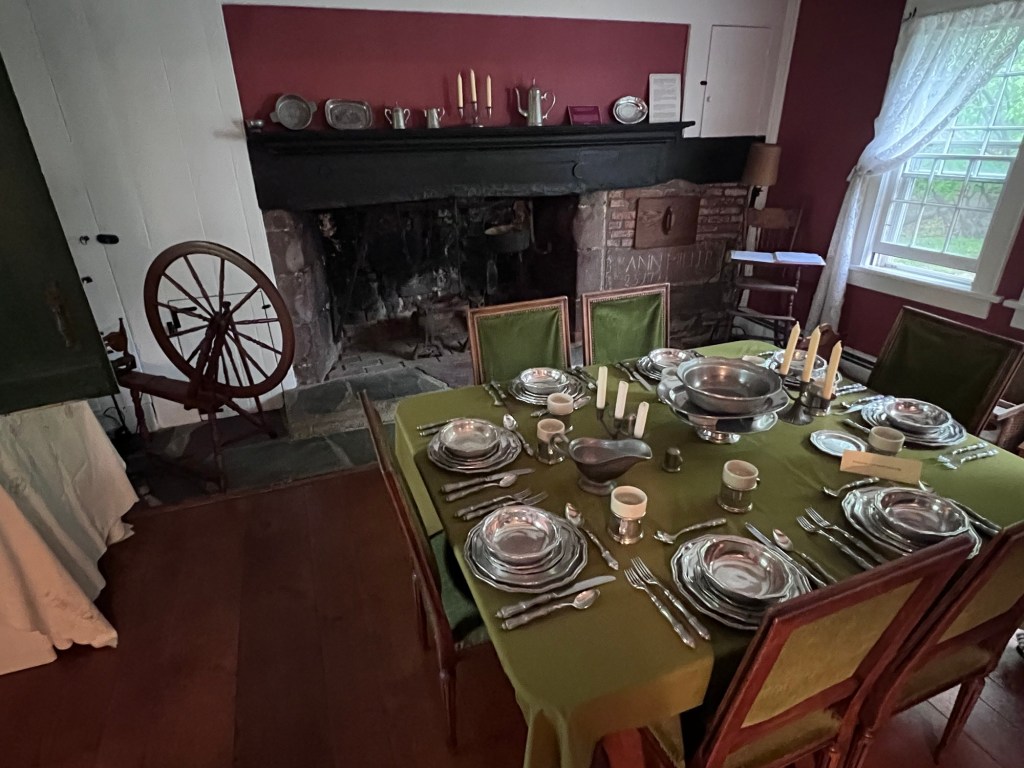
The Dining Room in the old section of the home
The historic home is filled with period furnishings and decorations, none it seems local to the home. Still you can see how the home has changed over the years with additions and renovations. The older part of the home is now part of the Dining Room.
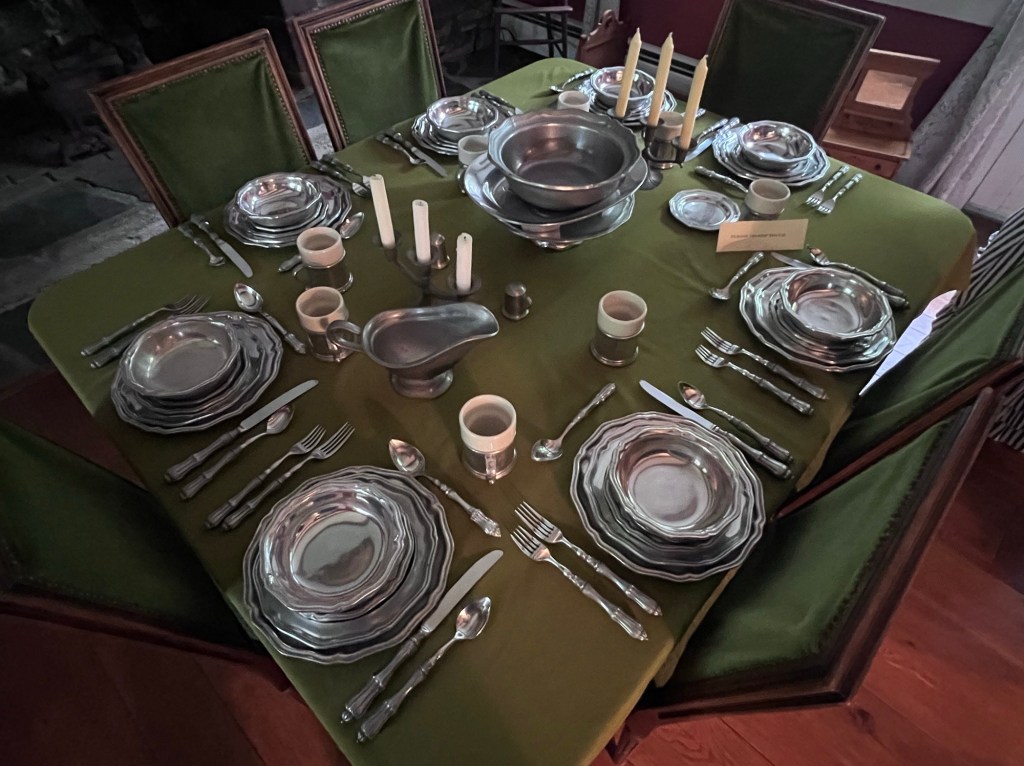
The Pewter ware collection on the Dining Room table
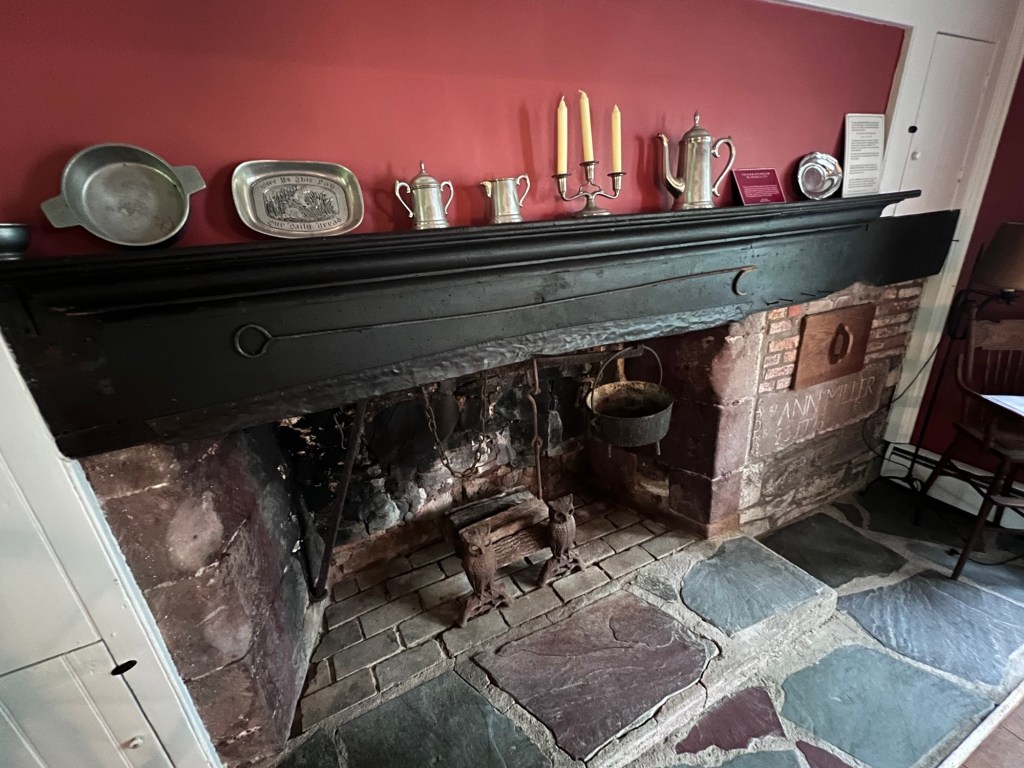
The fireplace in the original house kitchen now in the Dining Room
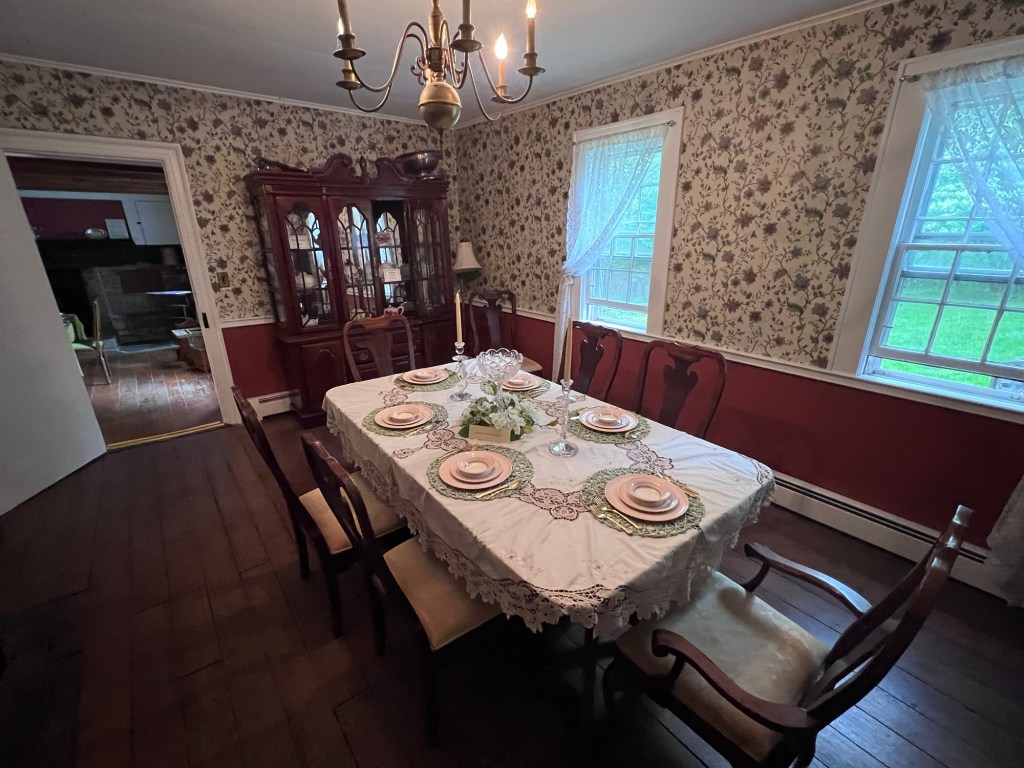
The formal Dining Room in the extension of the house
The formal Dining Room in the newer section of the home
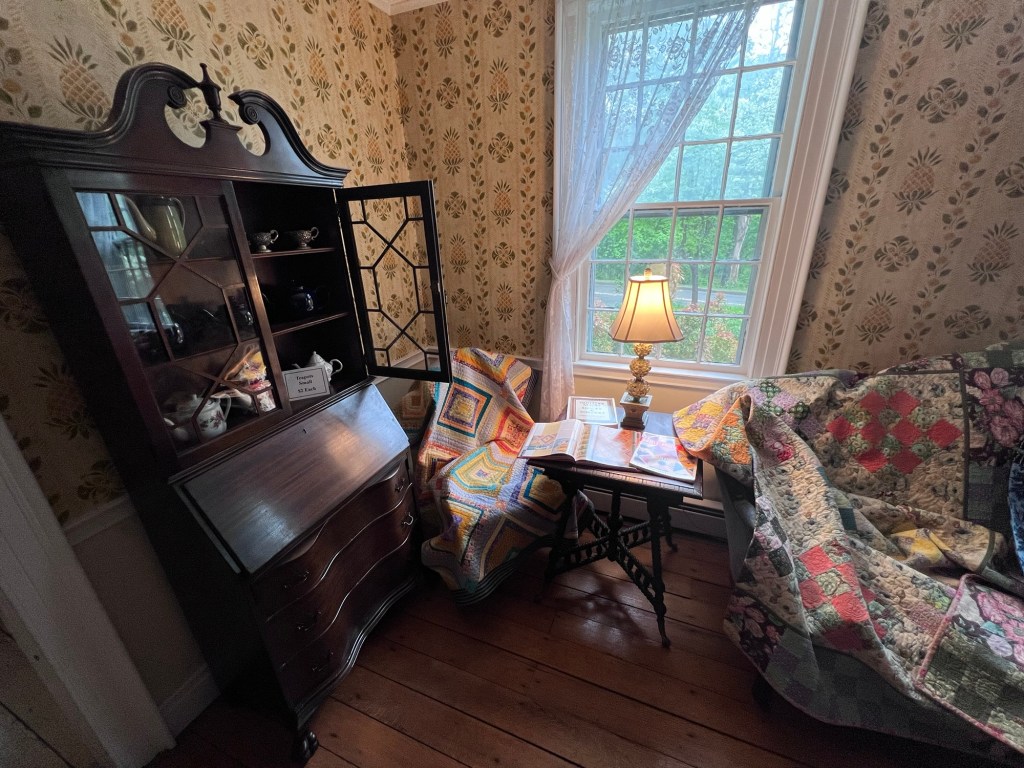
The antique China Closet with Teapots
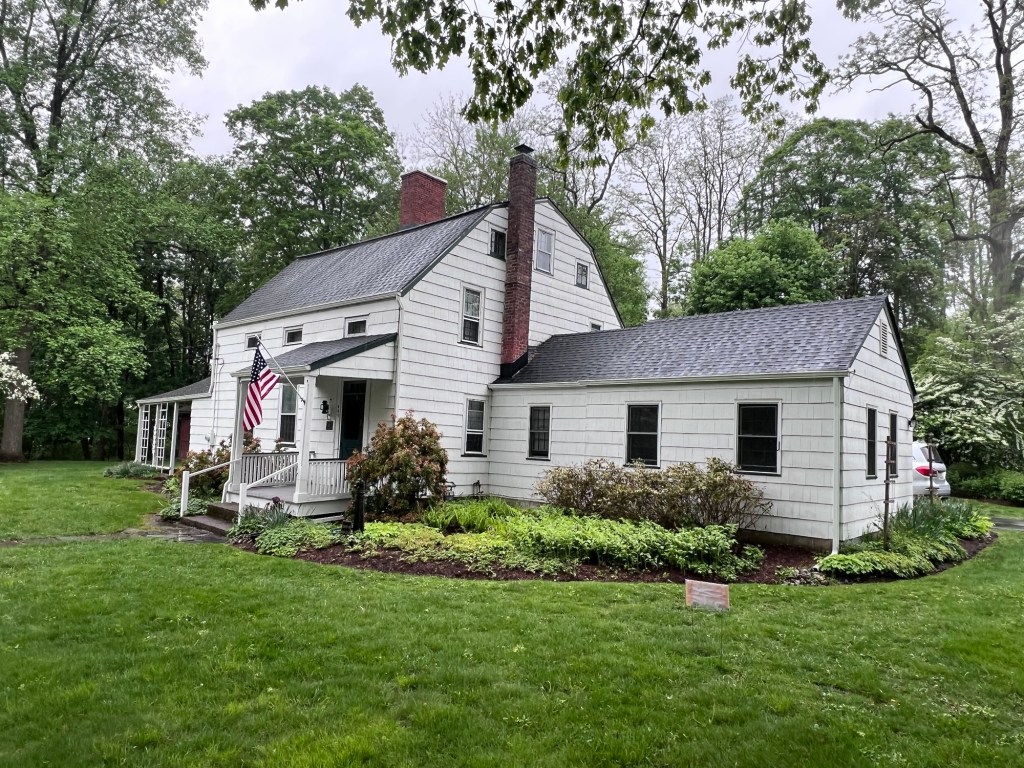
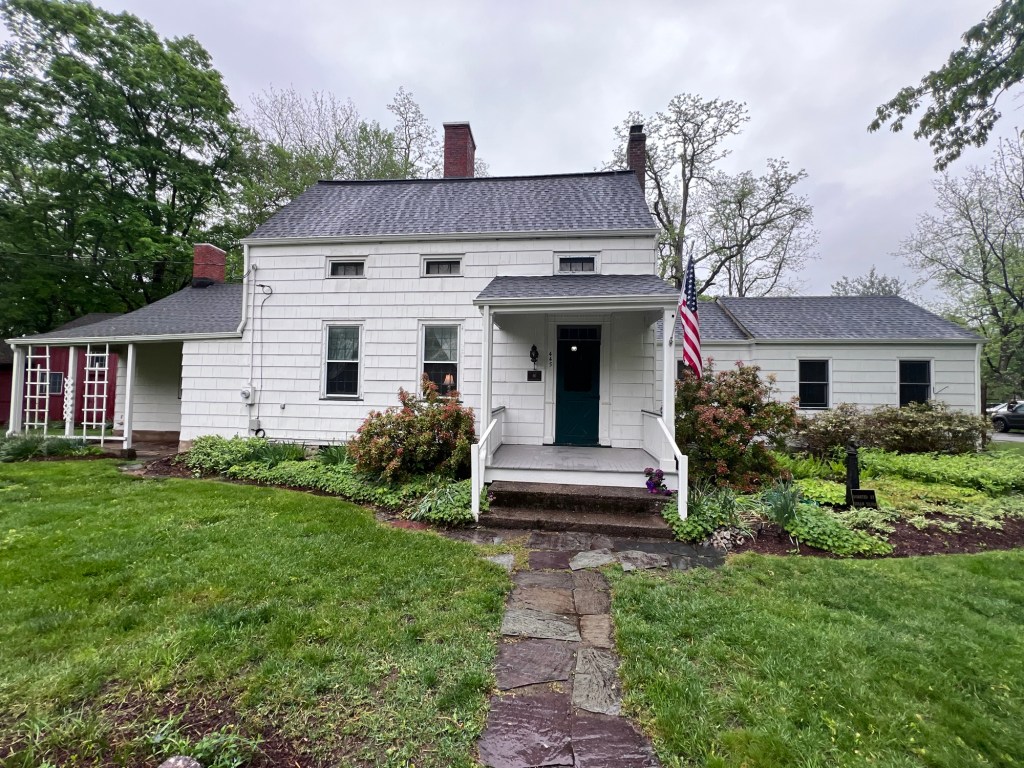
The outside of the house
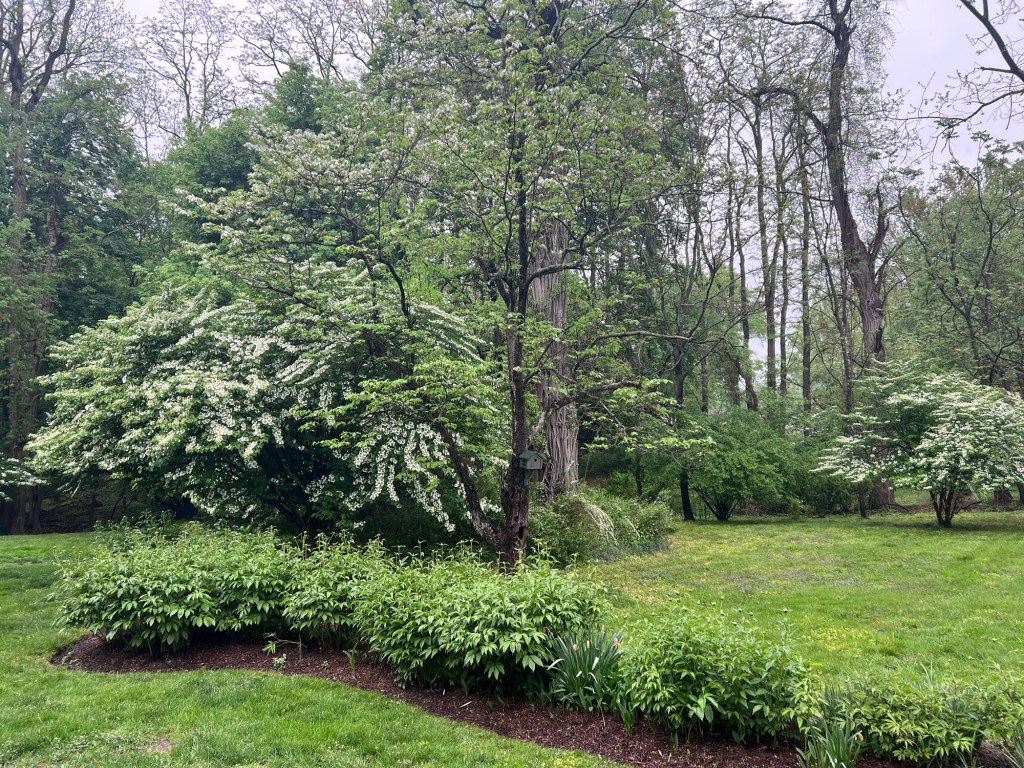
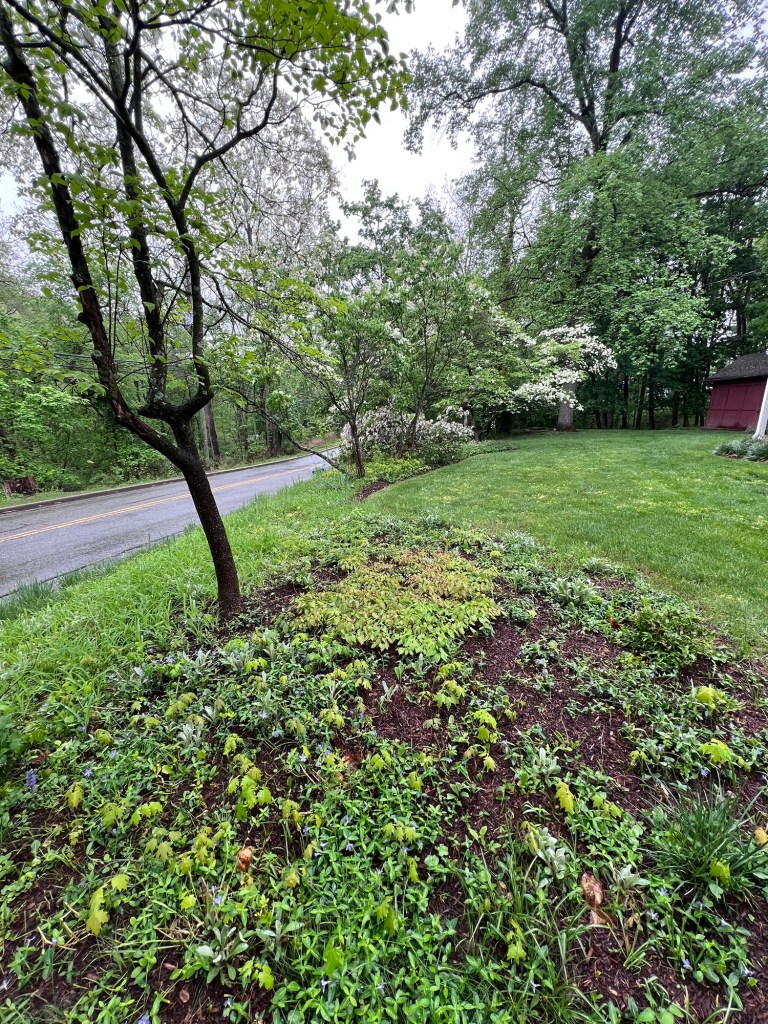
The grounds of the home
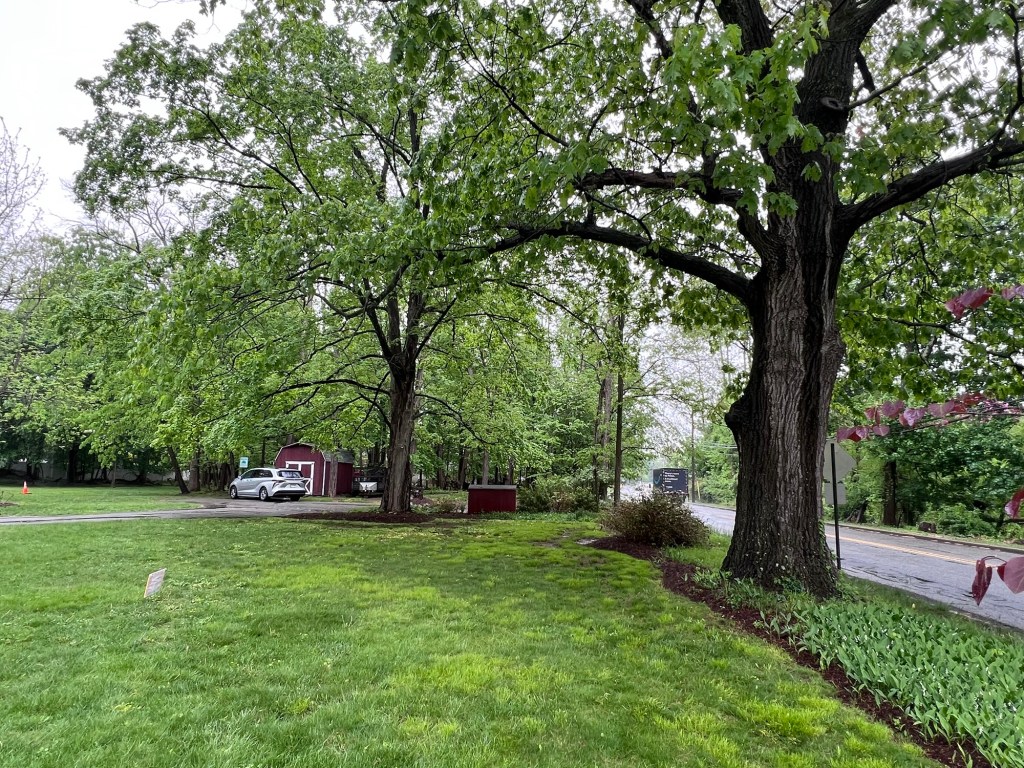
The house sits on a quiet bend in the road and the properties landscaping was just beautiful. Even on this gloomy, rainy day, it was nice to walk around quickly and admire the flower beds and the lawn.
The grounds of the home
The outside gardens of the home in the Spring
The History of the home:
(From the Boonton Historical Society Pathways Tour Book and Wiki):
When Isaac Kingsland purchased the property on Vreeland Avenue from Jacob Miller c 1798, he began a dynasty that would include four New York City lawyers, a comptroller of the City of New York, a Civil War aide to General Benjamin Butler, a college president, three nuns, and a troupe of nationally known marionettes. Similarly, the property itself went from small to large to small again, from the home of farmers, a carpenter and a blacksmith, to a boarding home for horses and the headquarters and studio premises for a company of touring entertainers (Boonton Historical Society).
The Miller-Kingsland House is the oldest recorded home in Boonton. The original Dutch house was one-room with a sleeping attic, built by Johannes Miller around 1740. This room, which is complete with a large cooking fireplace and beehive oven, makes up the west wing of the current structure. The property was sold to Isaac Kingsland in 1798. He added the two and one-half story main section in 1808. It features Dutch style and a gambrel roof (Wiki).
The Miller-Kingsland house sits on a beautiful wooded landscape with a stream flowing through it. The property today comprises some 2.5 acres including the historic frame house and a barn. It is the oldest recorded house in Boonton and is listed on the NJ and National Registers of Historic Places (Boonton Historical Society).
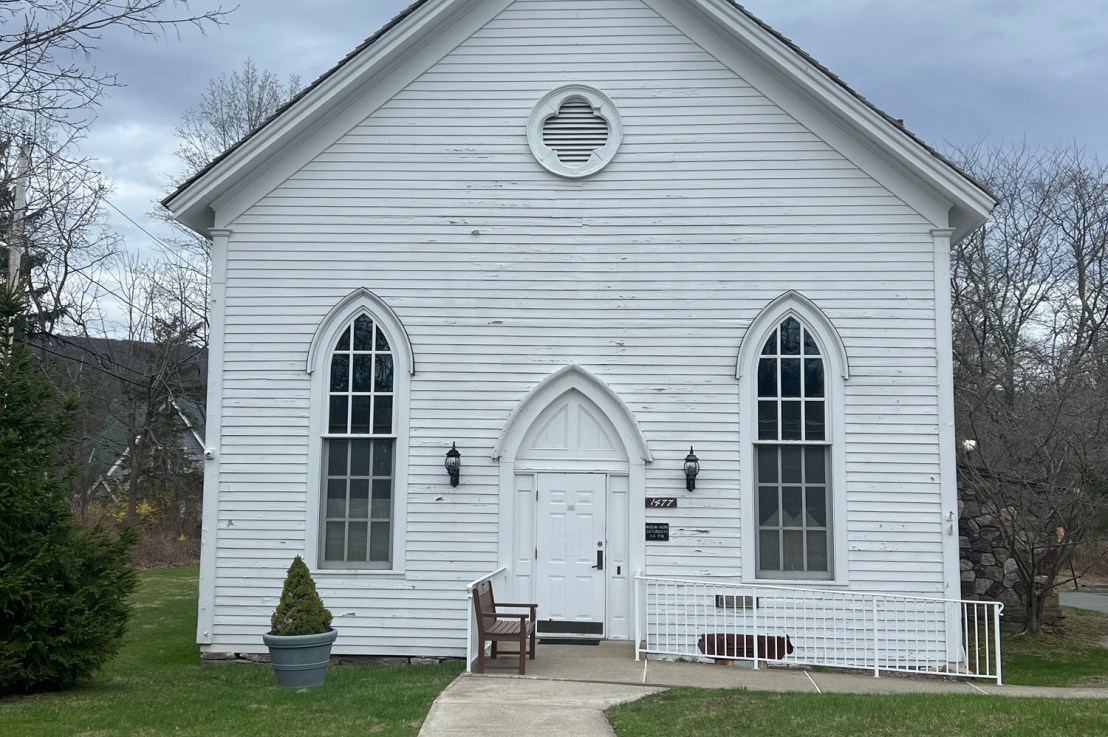
The Museum presents an eclectic view of local and regional history through permanent and changing exhibits of artifacts, documents, photographs, books, and videos. The West Milford Museum is the result of over 35 years of collaboration between local volunteers, donors, businesses, and municipal government. Formerly a M.E. Church, circa1860, this local historic landmark has been renovated extensively in the interior to accommodate the museum exhibits.
The entrance to the museum
The museum is located in the former Methodist Episcopalian church built during the Civil War. It was designed in the Gothic Revival style with a cedar shingled roof over hand hewn beams and a dried laid foundation. The congregation moved to a new location in 1906 and the building was deeded to the town in 1910 (museum pamphlet).
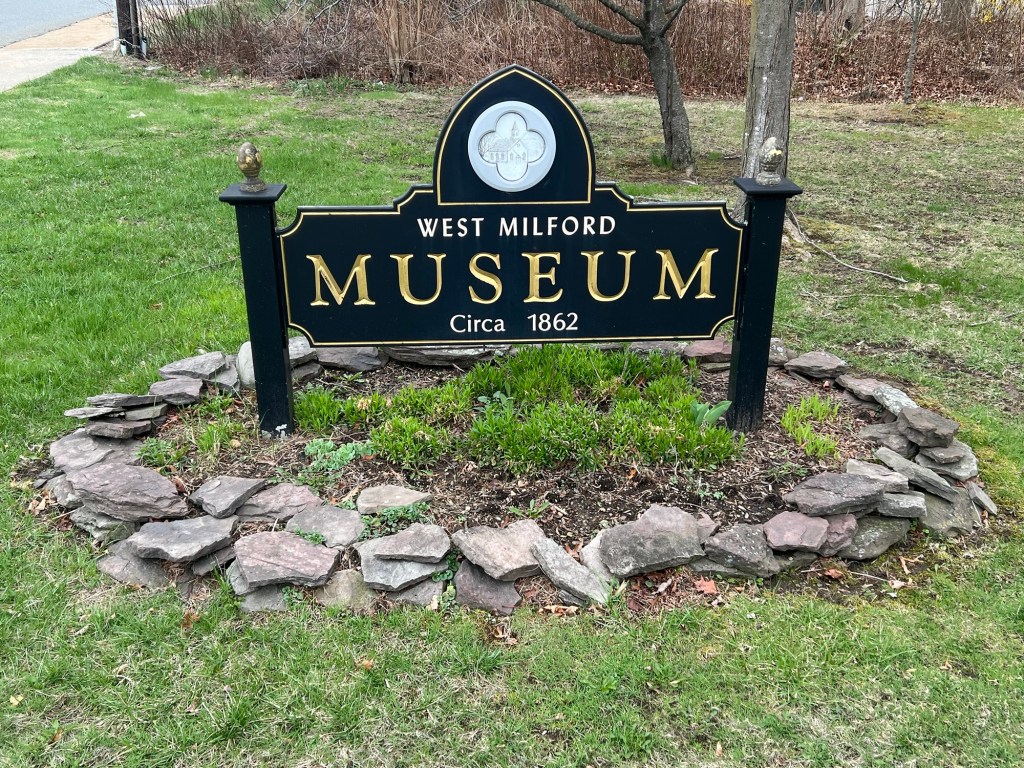
The museum sign
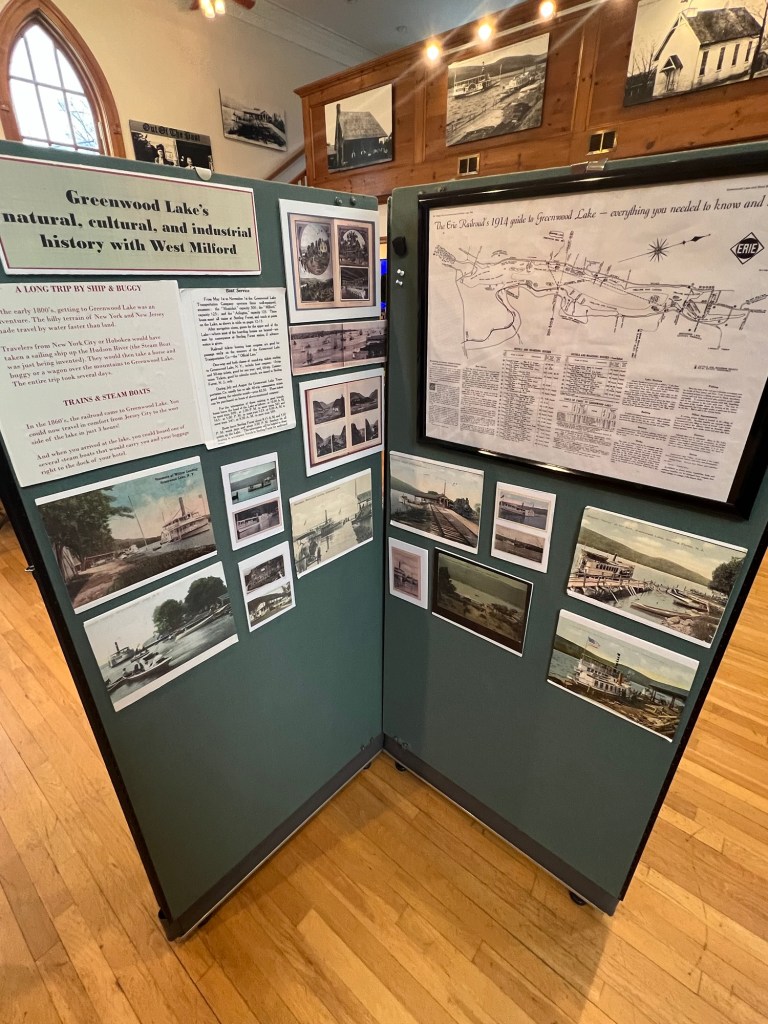
The inside of the West Milford Museum
History of the museum:
(From the museum pamphlet)
Following the 1976 Bicentennial, with a renewed interest in American history, the Town of West Milford, NJ decided to establish a museum in the old Town Hall Annex. Passing a resolution in 1985, the museum started the collection and archiving it and renovating the building. The museum opened in 2000 to patrons.
Maps of the early history and colonization of the town
The Farming Community display of the Dutch and English settlers
The development and population growth around Greenwood Lake
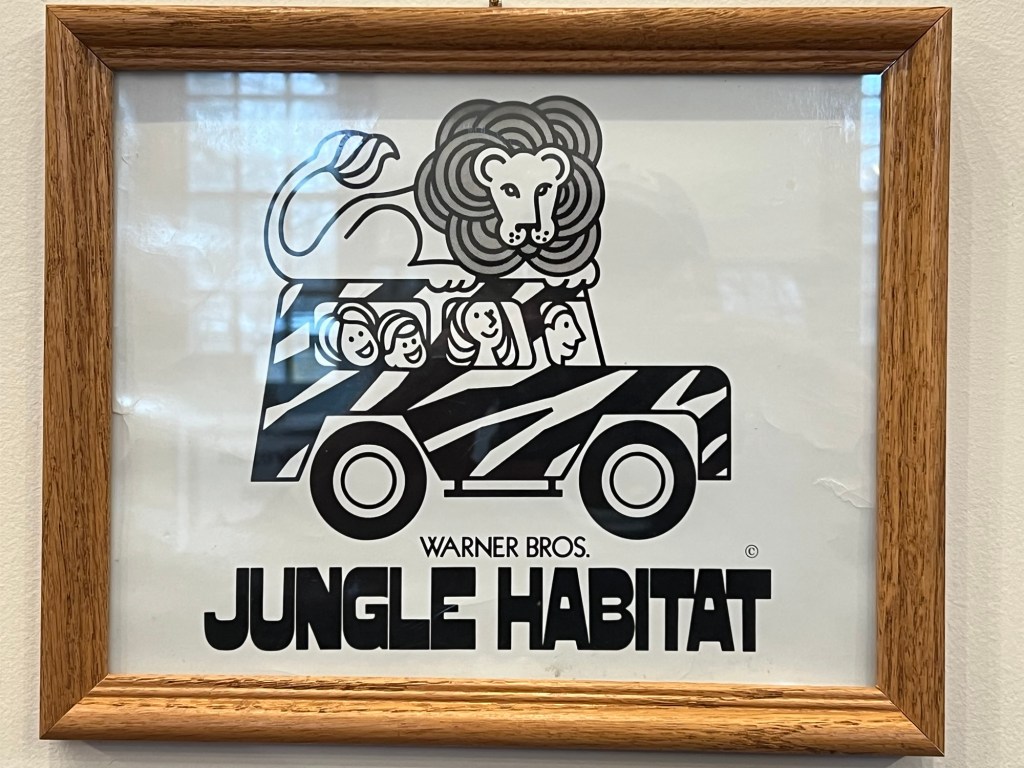
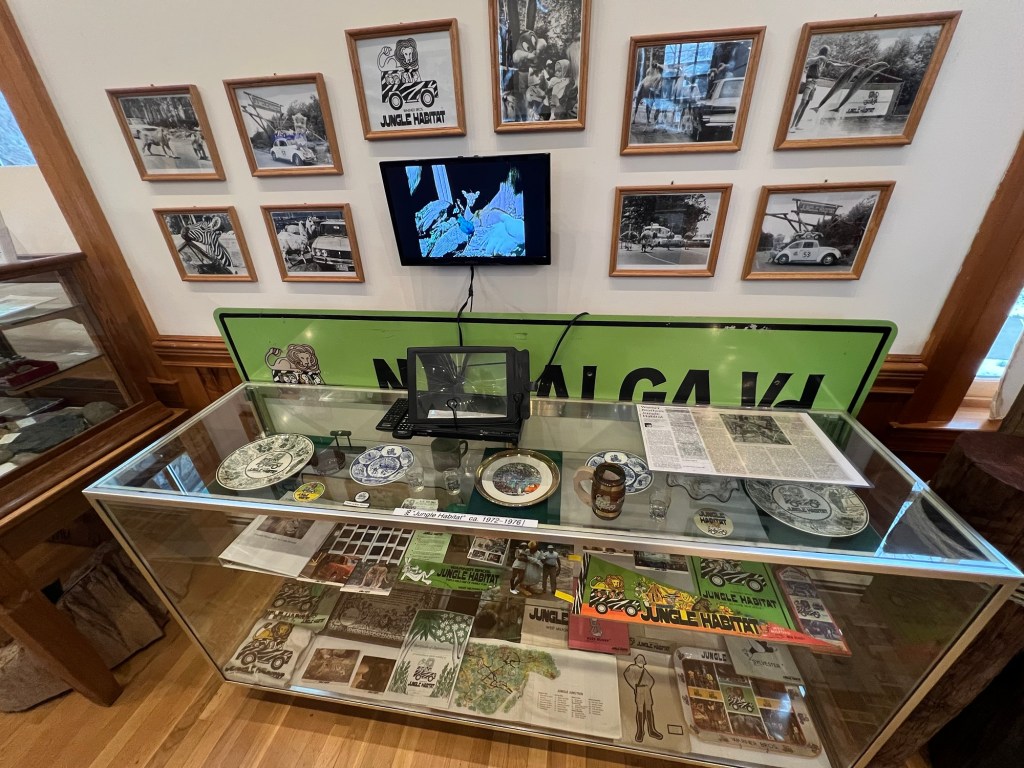
The Warner Brothers ‘Jungle Habitat’ Park of the early 1970’s that was located in the area. This drive through park was very popular in that time. The park was once filled with exotic animals. Warner Brothers moved the operation out of the area when they built Six Flags Great Adventure Park in Jackson, NJ.
The display of the old park with promotional videos
Some of the promotional items and mementos from the park
The Long Pond Ironworks display
The display on the growth of the railroad in the area
The Long Pond Ironworks display at the museum. This was a big business between the World Wars
The Long Pond Ironworks
The History of the Ironworks:
The ironworks got its name from ‘Long Pond’, the Native American translation for Greenwood Lake. The ironworks were an important business in the area serving both the Revolutionary and Civil War armies with much needed iron for equipment and munitions. Because of cheaper options in the Midwest and more abundant ore, the ironworks closed in 1882 (museum pamphlet).
The Native American exhibition
The extensive collection of Lenape artifacts in the collection
The museum has a large collection of arrowheads and other hunting and fishing artifacts
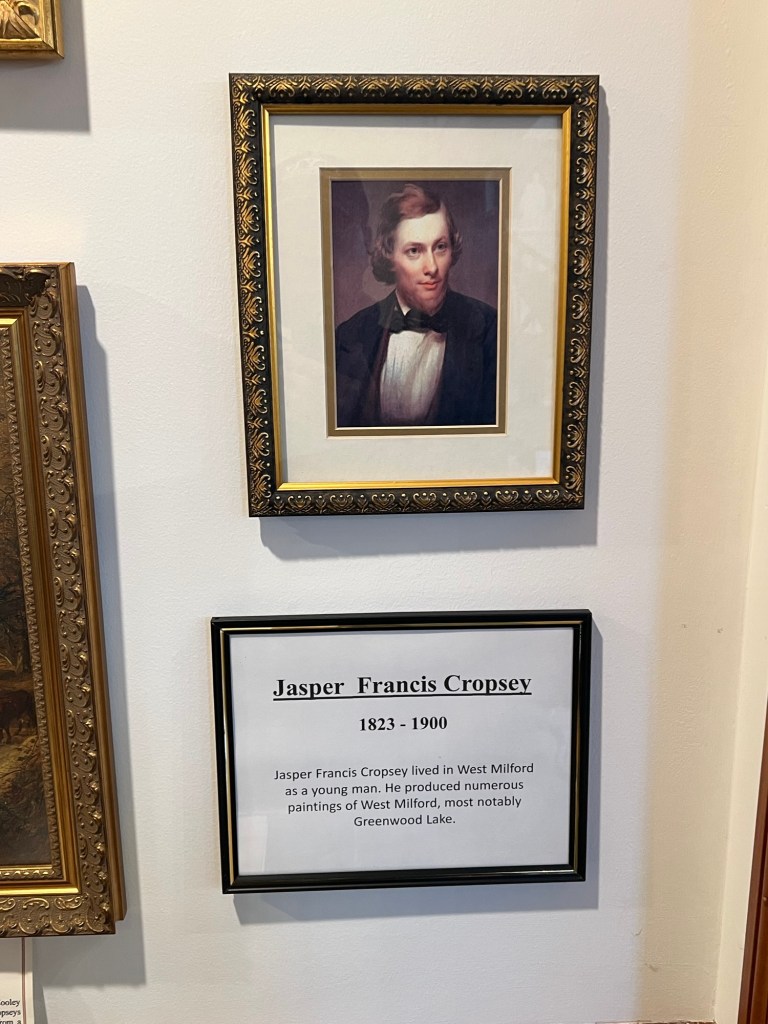
The museum has an extensive collection of reproductions of the Hudson River School painter Jasper Francis Cropsey
The reproduction works of the artist in the collection
Many of the books and notes from the artist and the locations where the works were made
They even had a resident bear as a artist
The museum has an extensive collection of textiles both clothing and quilts
This display quilt has many of the town’s historical sites that are of significance in the town
One of the sites was the Cross Castle that was knocked down years ago from neglect
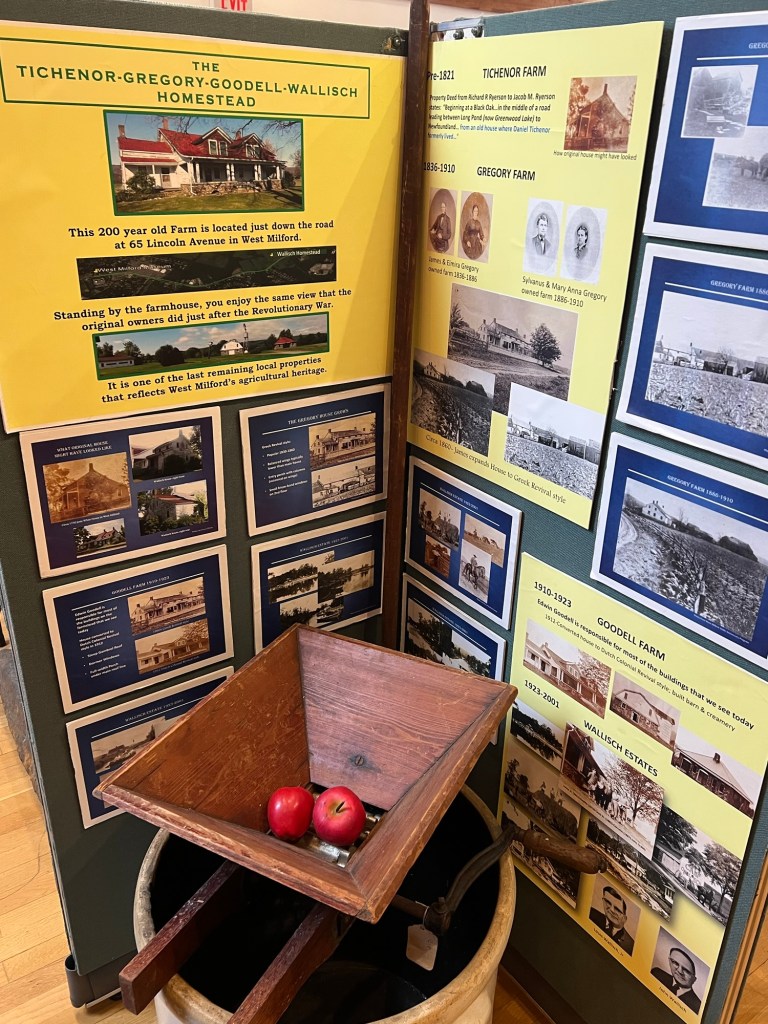
Pictures of one of the local homesteads that has passed through many families hands
The Ice Industry which was a big business on the lake and the Rocket Mail business which was a failure
The resort business and the Greenwood Lake hotels were a big business until the advancement of the automobile made other areas desirable.
Local businesses had an interesting display along with community organizations
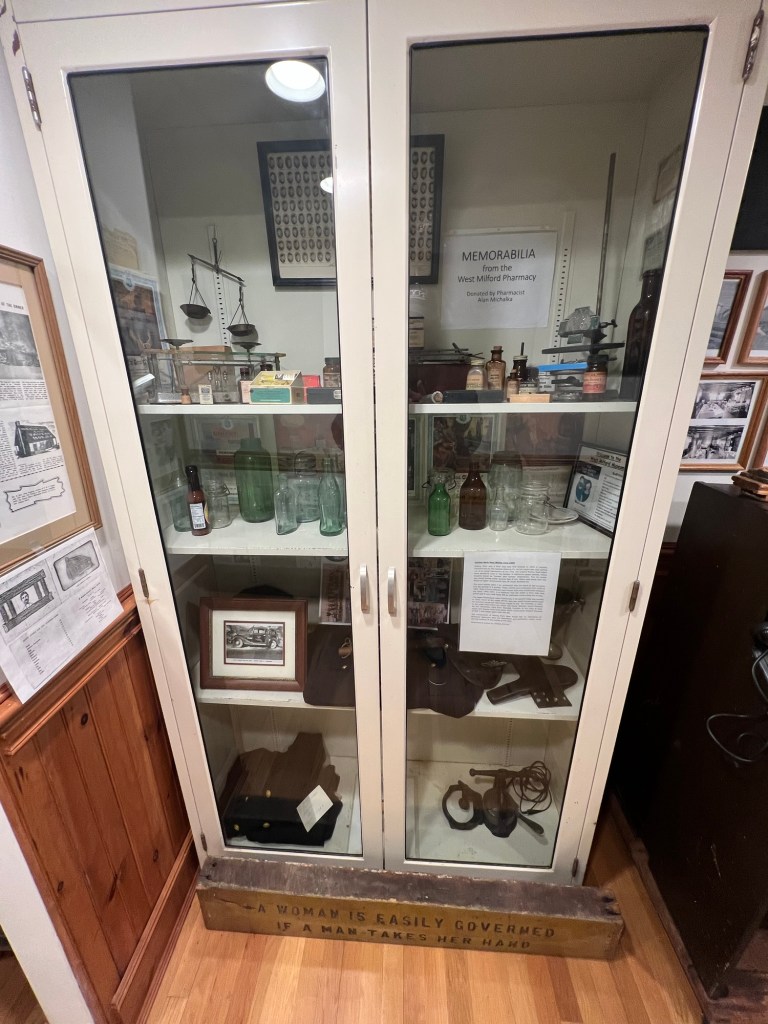
There was an interesting display on the West Milford Pharmacy
Some of the old medical equipment that you would have seen in the past
The museum is also dedicated to the West Milford school system. Their first display is a replication of an old schoolhouse, which has not changed too much in form. Desks still face the chalk board and the teacher still leads the class.
The old classroom
The old fashioned classroom has not changed much in the last 100 years
The museum gives children a glimpse of the past and a better understanding of how it relates to the future. There are all sorts of artifacts in which children can relate to and compare to today’s counterparts. It is a good place to use your imagination and think back to life in the past.
The new exhibition on the West Milford Marching Band will be opening soon
The back of the museum is filled with interesting artifacts
The gallery of Paintings and Native American artifacts
The Town Museum is Secaucus sits in the former Municipal Building shared with the Secaucus Fire Department and the Community Recreation Center.
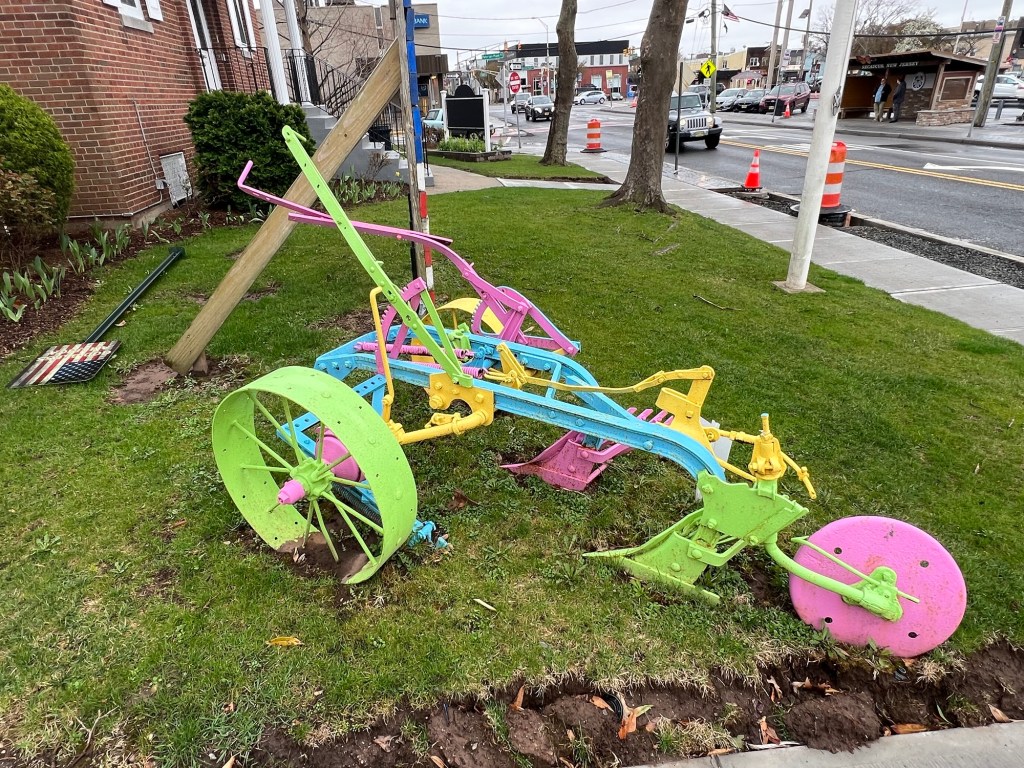
The colorful bicycle sculpture outside the museum
The inside of the museum has a large collection of artifacts and memorabilia from the Town of Secaucus and the surrounding community. Each section of the room has a different theme to it.
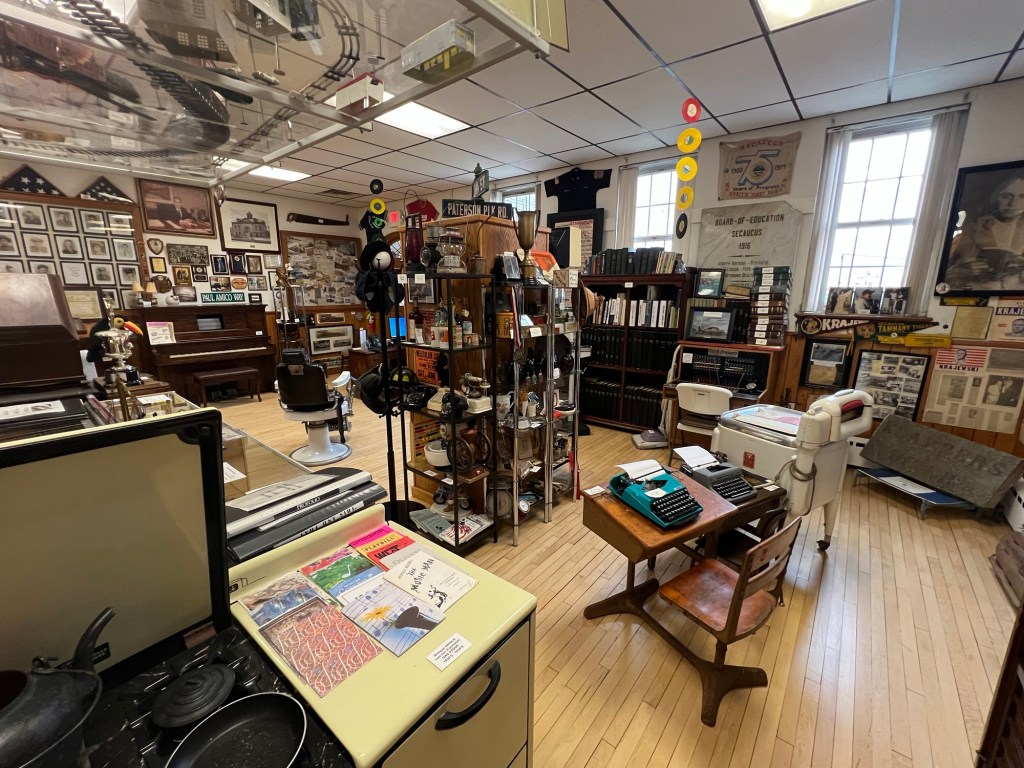
The main gallery of the one room museum
The Town Museum of Secaucus used to be the old library space and has now been converted into a town history museum displaying all aspects of life past and present in Secaucus, NJ. There is a wide array of displays in the museum.
The main gallery of the museum with old electronics and housewares
The museum has a very extensive collection of artifacts from the Secaucus Fire Department next door. There is a lot of old and current equipment on display and a very detailed account of the events on 9/11 in New York City.
The 9/11 display from the Secaucus Fire Department
Fire apparatus and bunker gear from the former Mayor of Secaucus
The full Secaucus’s Fire Department display
Being so close to New York City, the community was affected by the events of 9/11. There are many artifacts and pictures from that day displayed here.
Next to the fire department display was an exhibit of the military contributions in town.
The Military and Town history display
The museum has a lot of artifacts of electronic equipment of the past. From rotary phones to old typewriters, the museum showcases items from the 1950’s to the 1970’s.
The electronics of the past
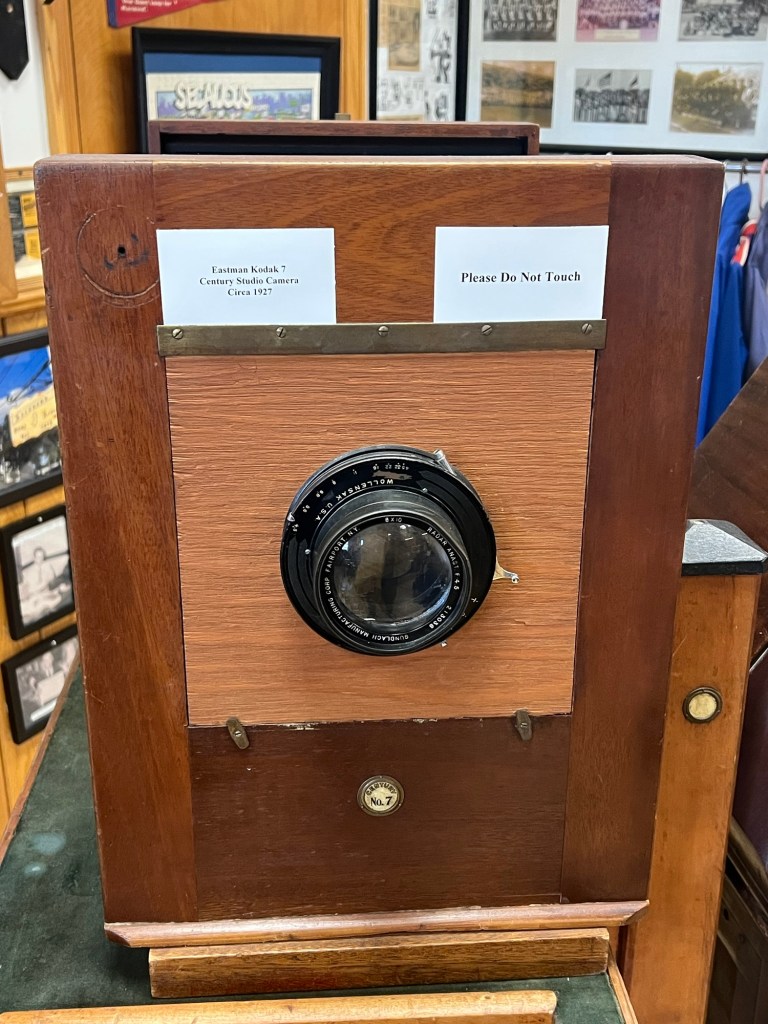
A collection of cameras from a local collector
A movie camera from early picture days
The back part of the museum
The museum’s covered the history of the town and events of different time periods. You could visit important dates in time.
The historical collection
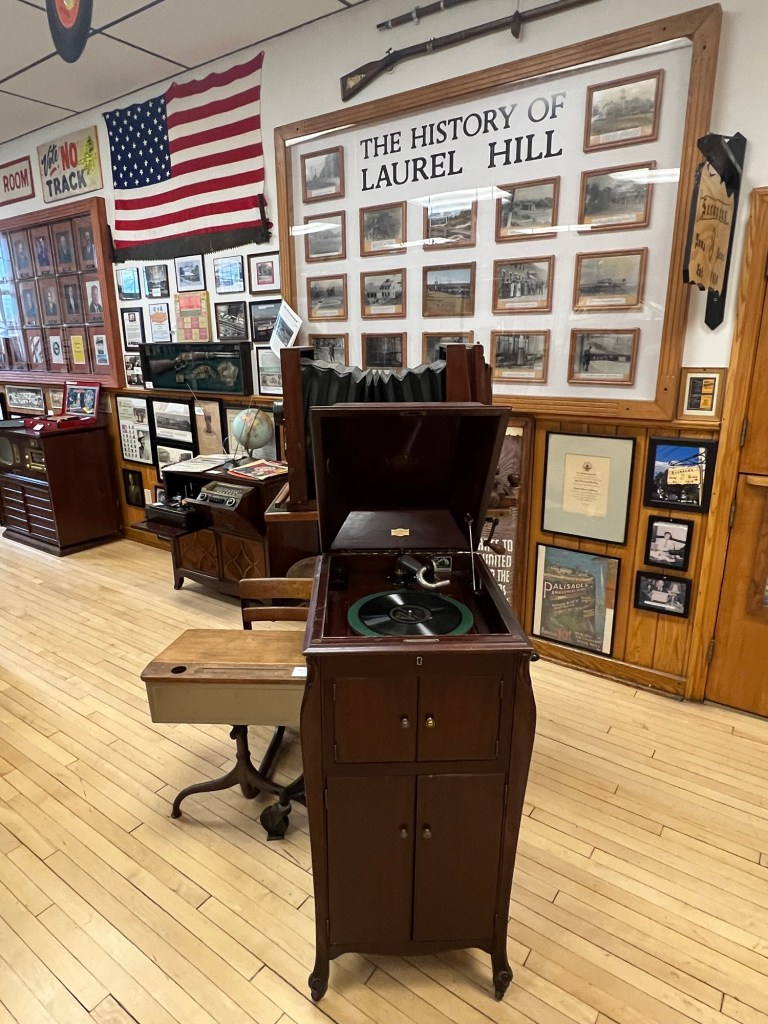
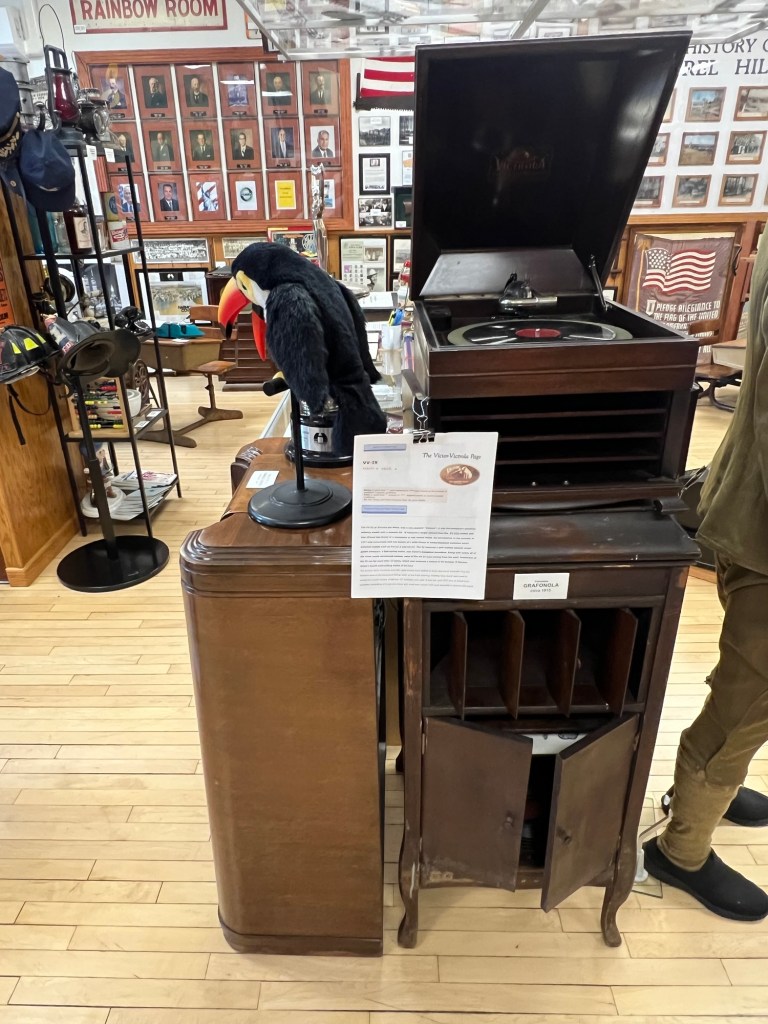
An old Victrola with records was playing
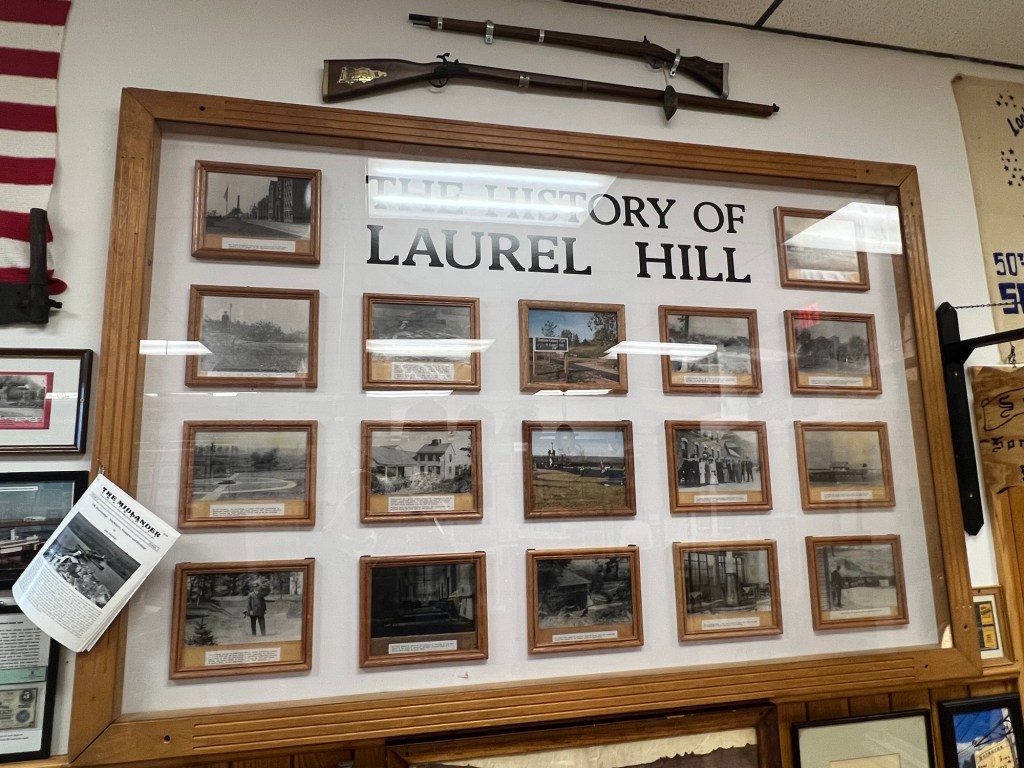
The history of Laurel Hill on display
Laurel Hill was a section of town the used to house several hospitals including an Insane Asylum. These hospitals used to treat all illnesses.
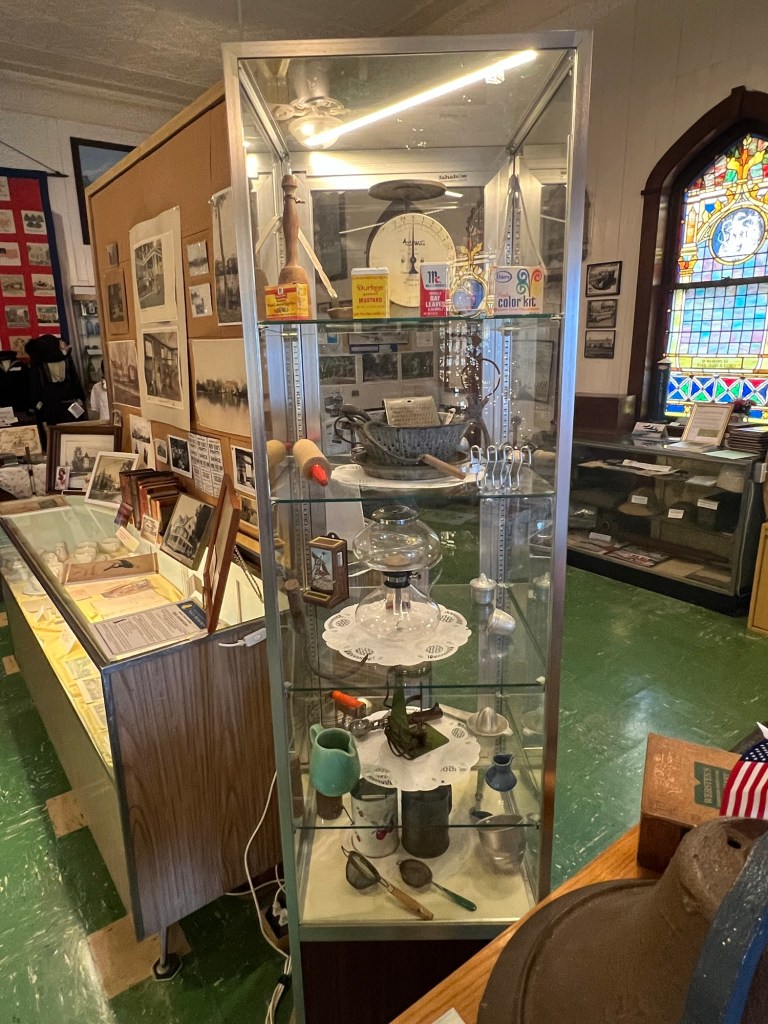
The museum has a collection of household appliances
The progression of the American household is shown in the museum as well. Home furnishings, decorative items and every day equipment like telephones and typewriters, once a big part of our lives have been reduced to relics of the past yet show how they educated us and grew our lives.
This includes an old washing machine
Other pieces of household decor
Local artifacts
An old switch board from the local company
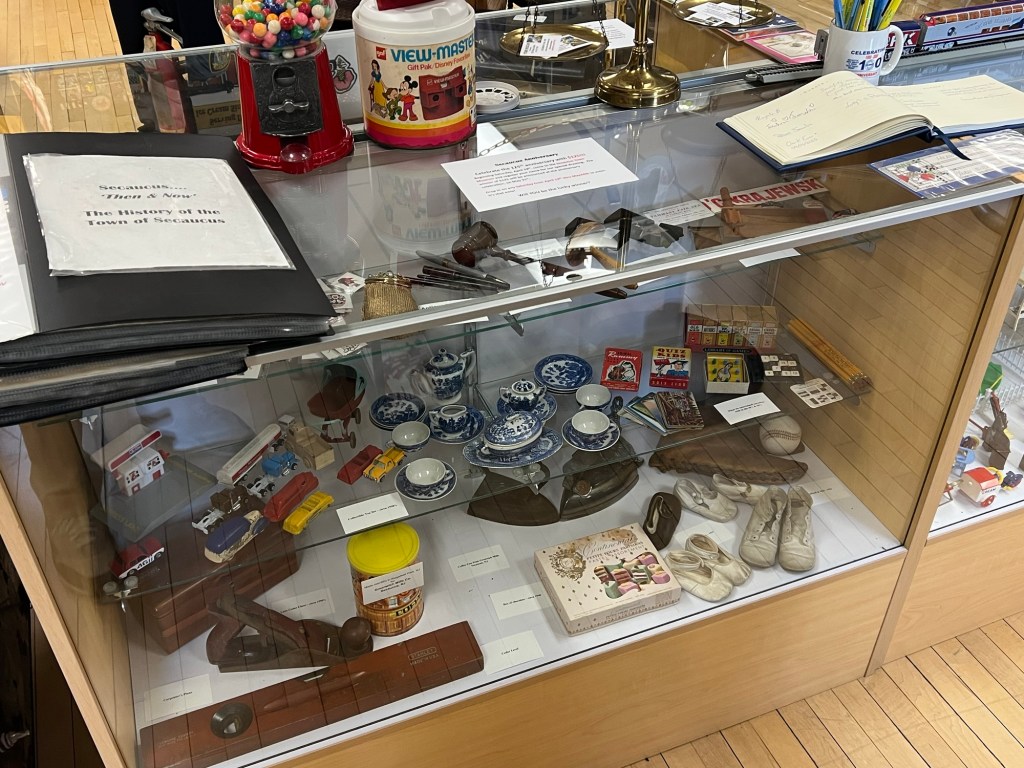
There was even a selection of children’s toys in the cases and a 1950’s Lionel train running overhead.
Children’s toys of the past
Children’s toys of the past
The Children’s playthings of the past show that not much has changed in child development. The use of these items to train children for their futures in commerce and homemaking have been part of our lives since before the Industrial Revolution.
The most interesting display and it is tucked in the corner of the museum is the exhibit of Presidential candidate Henry Krajewski.
Presidential Candidate Henry Krajewski
From tavern owner to Presidential candidate, we see the rise of a local politician. Though he campaign was not a success, there is a lot to be said of the spirit of this man’s political campaigns.
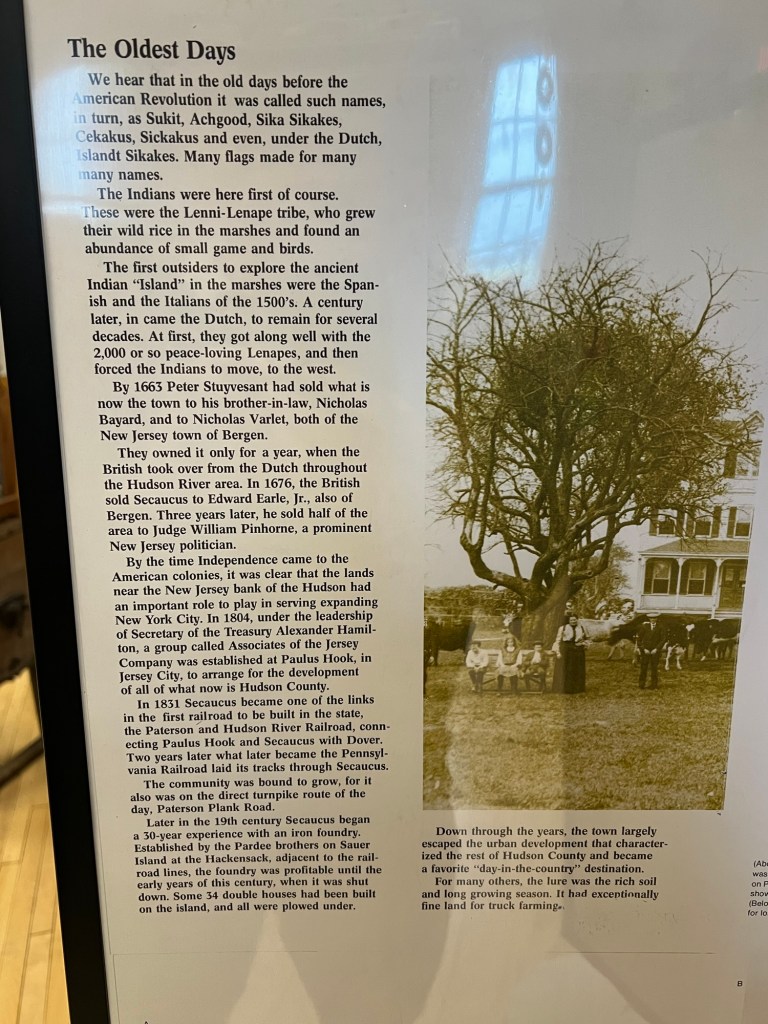
There is a lot to see and do at the Town of Secaucus Museum. There is everything from the history of the beginnings of the town from the Dutch to modern times to where the town will grow. There is a rich collection at the museum and a lot to see.
Some of the history of the town
The museum is situated in Downtown Secaucus where a lot of local shops and restaurants are located. As I walked around the downtown in search of a place for lunch, I weaved through the series of local businesses. There is a nice selection of places to eat.
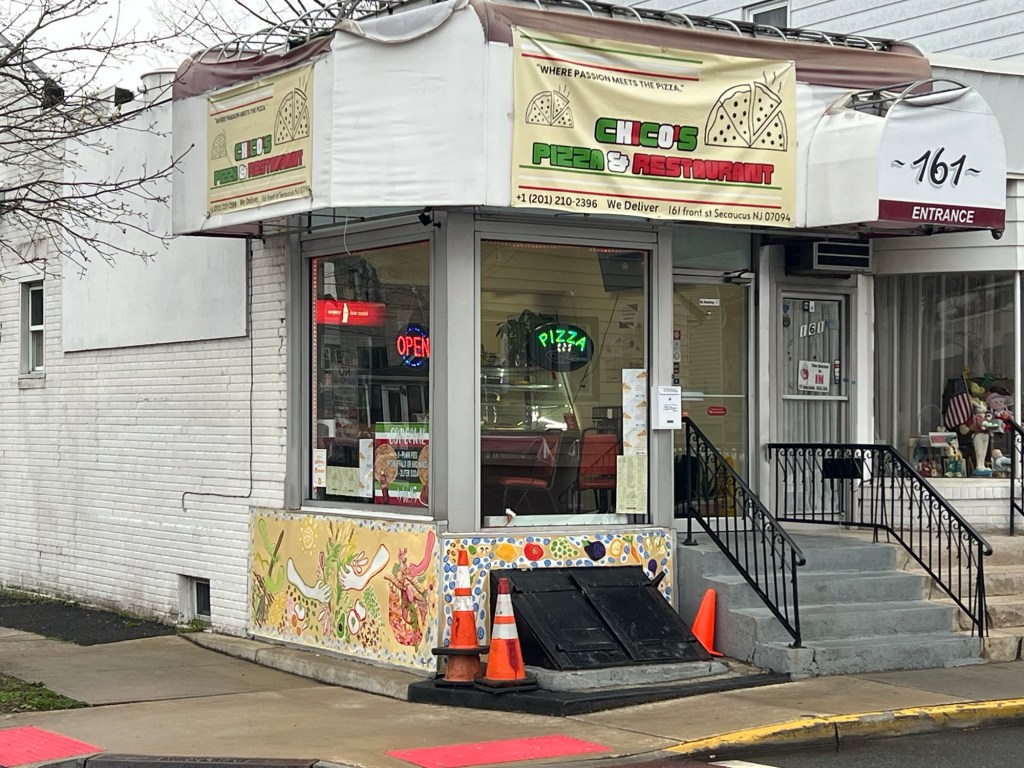
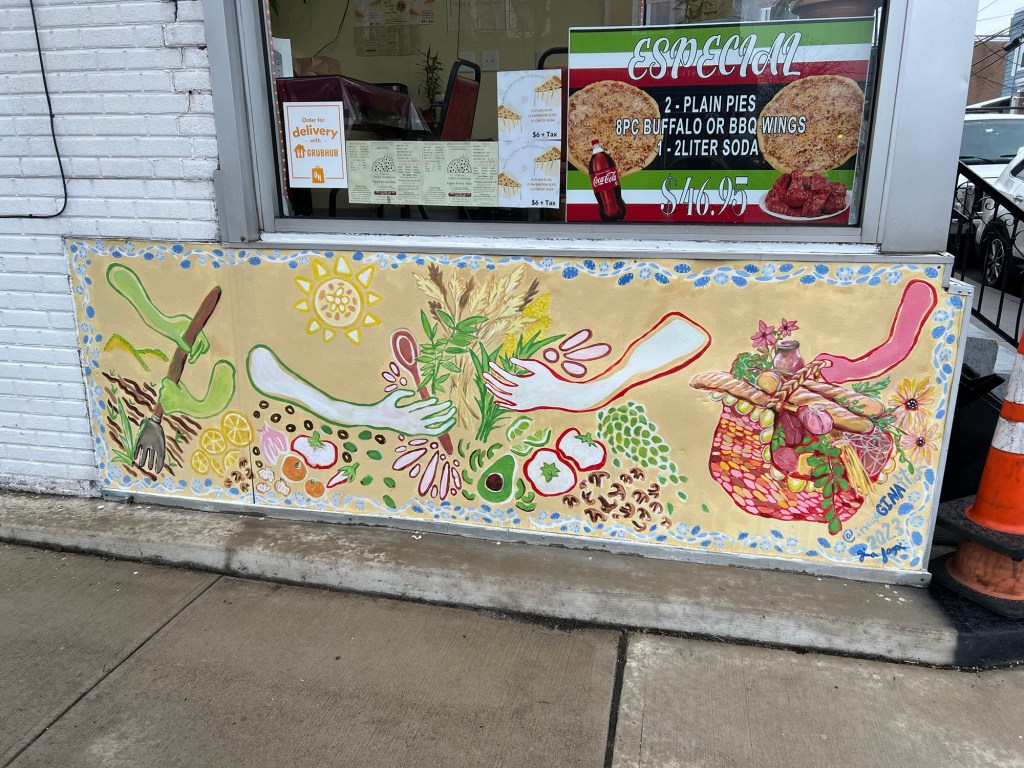
I ate at Chico’s Pizza and Restaurant at 161 Front Street and had the most delicious lunch at this Mexican/Italian restaurant.
The lunch was excellent. I started my meal with a slice of Cheese pizza which seemed to call to me. It was crisp, gooey and the sauce was packed with flavor.
The start to my lunch
After this excellent slice of pizza, I ordered a Sausage Calzone. The calzone filled two plates and was loaded with chopped sausage and three different types of cheese.
The Sausage and Cheese Calzone
The calzone was beyond delicious. When I cut it open, the cheese and sausage oozed out with a wonderful combination of flavors. The red sauce for dipping was so well spiced.
The small restaurant sits at the edge of the downtown and serves the most wonderful food at such reasonable prices.
The Lakehurst Historical Society at 300 Center Street
I visited the Lakehurst Historical Society Museum on a trip to South Jersey and was taken by the depth and stories that the displays told of this community, its historical background, the influence on shore communities and the nearby site of the 1937 Hindenburg disaster. They even had artifacts that people collected and saved from the disaster.
The former decommissioned Catholic Church houses the collection of the history of the community
The History of the Church as a Museum:
When the Borough of Lakehurst faced increasing population, Manchester Township started construction of the new church in 1972. The members of the Lakehurst Historical Society met with the head of the church and discussed plans to convert the church into a small museum. The request was granted through the Trenton Diocese. The grand opening was on July 18th, 1993 (Museum pamphlet).
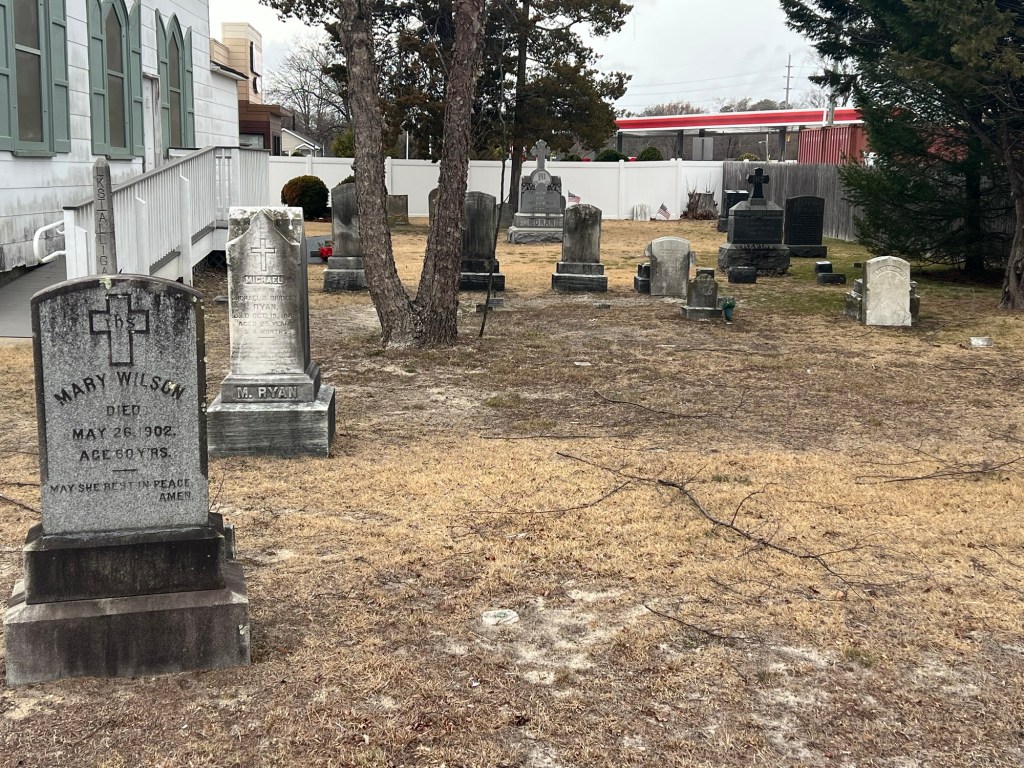
The building is surrounded by the resting place of many citizens of the community
The surrounding cemetery of prominent families
The history of St. John’s Church:
William Torrey, the founder of Lakehurst, donated land to the Irish immigrants to build the first Roman Catholic Church in Ocean County, New Jersey. The first mass was observed in 1874 in St. John’s Church. Today this little white gem is the popular museum of the Boro of Lakehurst Historical Society (Museum pamphlet). The museum was established in 1993.
The Mission of the Museum:
Our objective is to preserve the history of Lakehurst, NJ.
The main gallery of the old church tells the different stories of this community
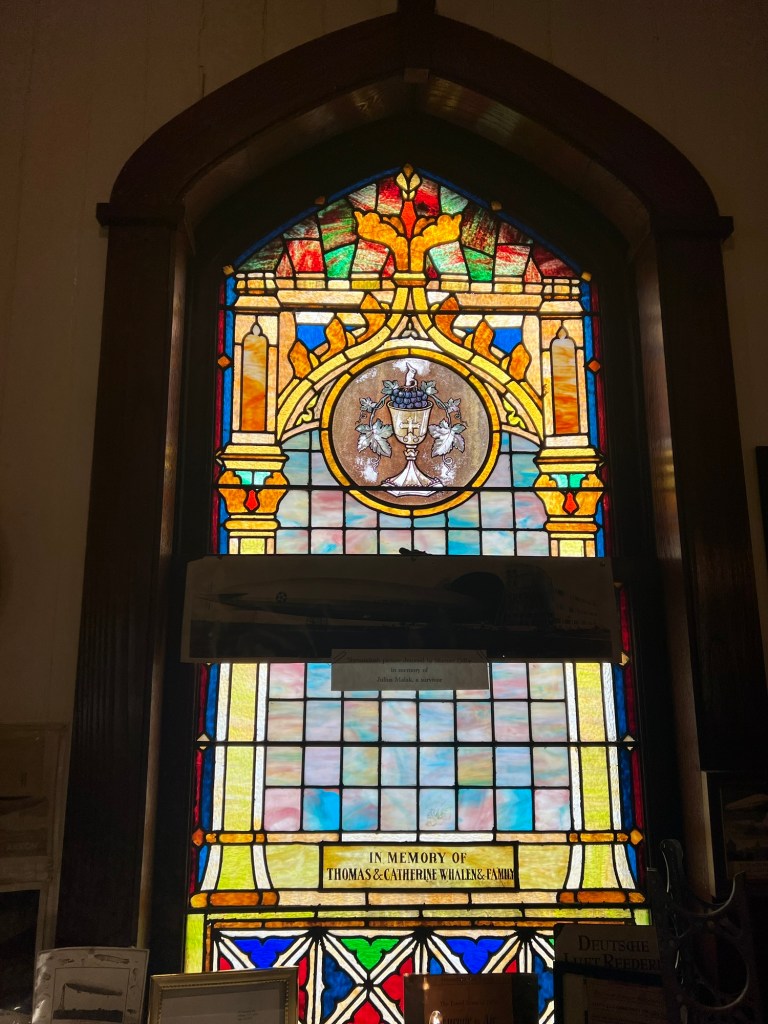
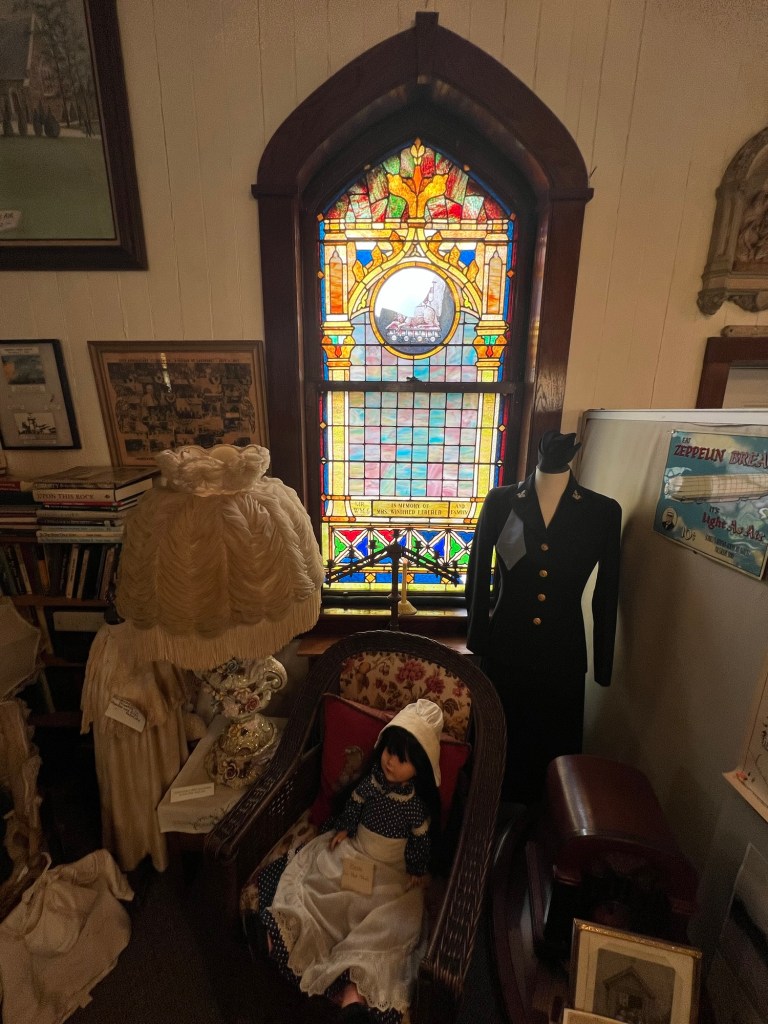
The beautiful and historical stained glass windows decorate the sides of the museum
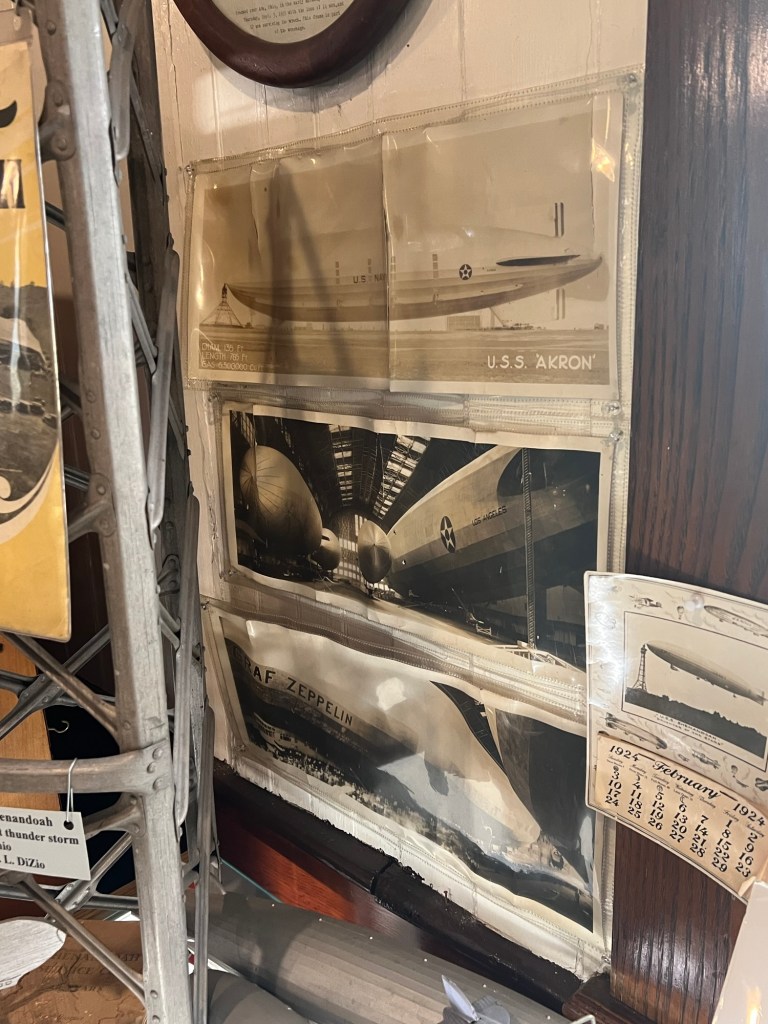
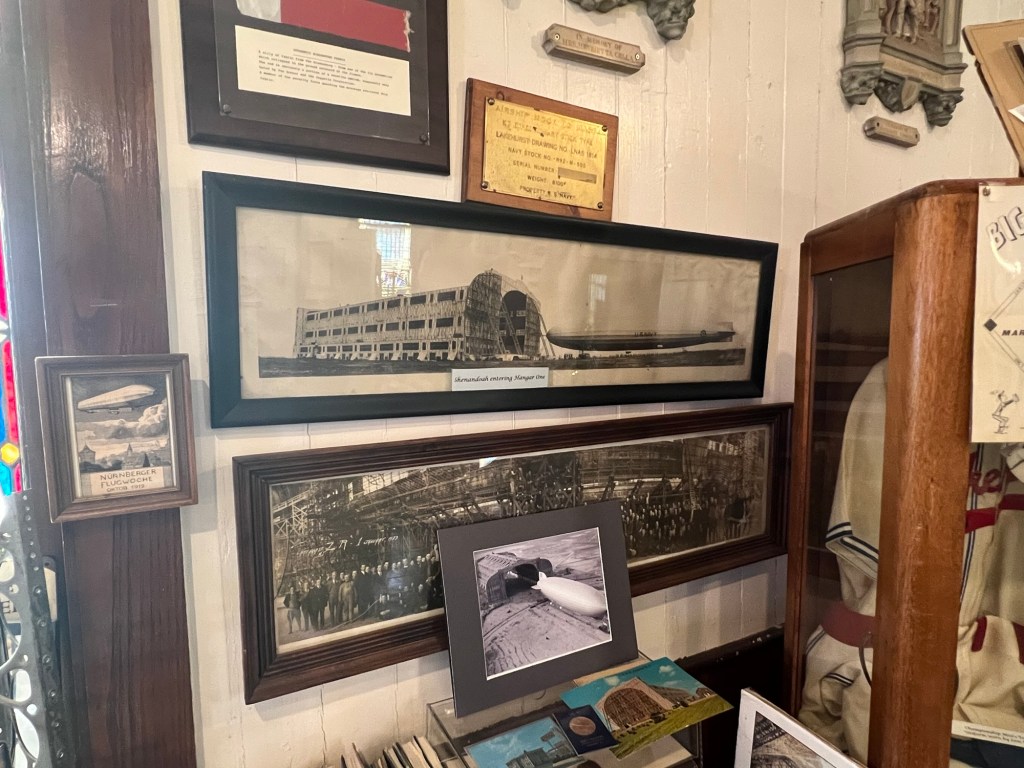
The history of the air travel through blimps and how this type of travel changed transportation between Europe and the United States
A docking ladder to leave the air ship
The history of this type of air travel
The types of blimps docking in the area
The docking stations at the air field in Lakehurst, NJ
The Hindenburg disaster which happened nearby ending our international travel on the zeppelins
Some of the artifacts saved from the wreckage of the Hindenburg disaster
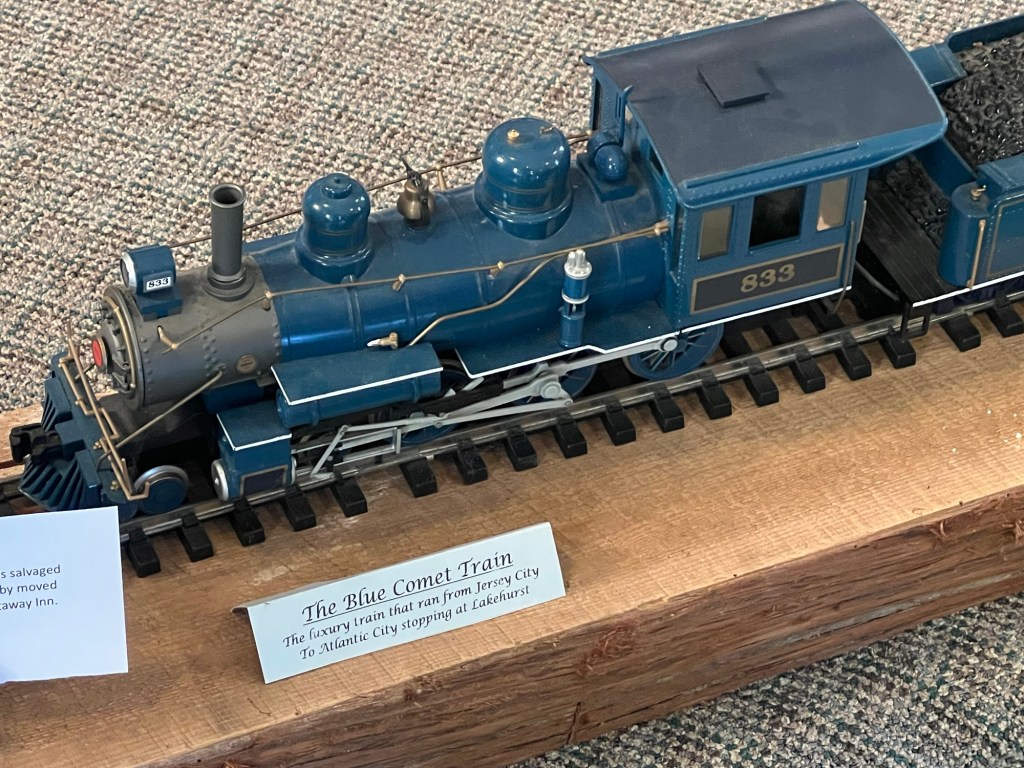
Another form of transportation in the region was the now defunct Blue Comet Train, which was a major form of transportation from urban areas to the shore communities.
A model of the ‘Blue Comet Train’
The model of ‘The Blue Model Train’
The History of the ‘Blue Comet’:
The Blue Comet was the dream and the folly of R.B. White, the President of the Central Railroad of New Jersey. He developed the train line with such luxury and distinction that for the classier set, there would be no other way to come to the Jersey shore. The color blue would permeate through the whole line.
The line operated like a luxury hotel and never turned a profit. At the start of the Depression, the cost of the trip became prohibitive and the shore destinations it catered to fell out of favor to the wealthy. The last run was on September 28th, 1941 (Museum pamphlet).
Community activities through the years such as the Lakehurst Baseball team are displayed in the museum.
The Lakehurst Baseball Team display
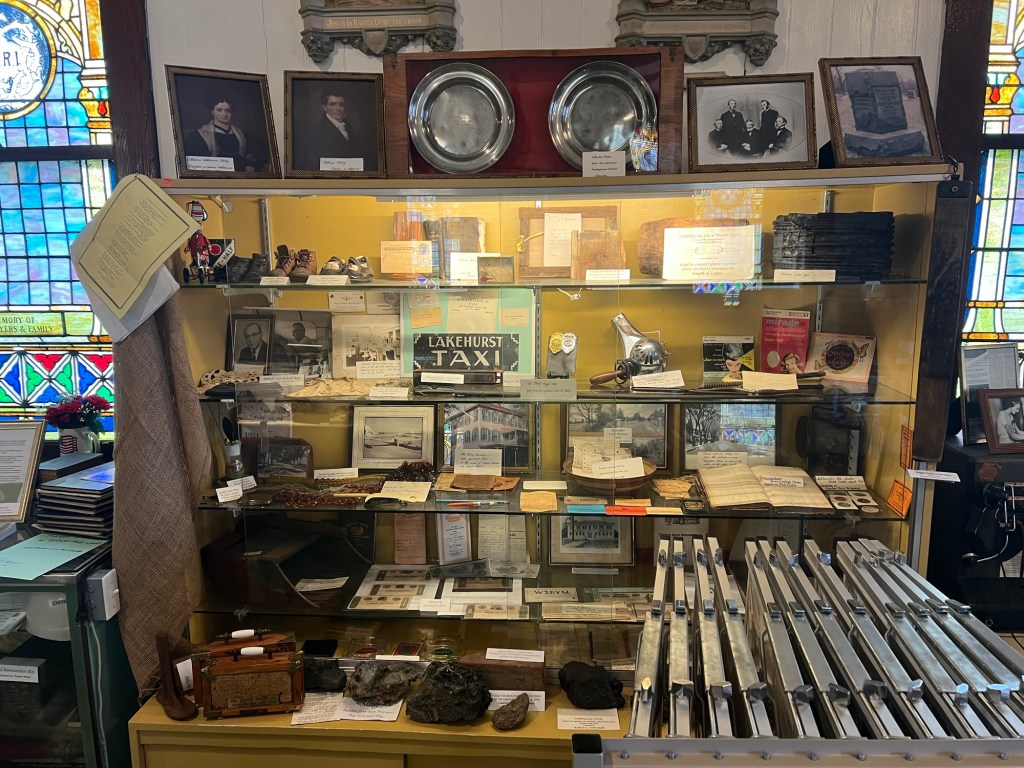
The back of the museum displays life in Lakehurst over the last century with many artifacts donated from clothes, household items and personal artifacts from many families who have lived in the community.
The every day items of a Lakehurst daily living in clothing and furnishings over the last century
One of the standout items was this beautiful Civil War era Swiss music box that was played for me
The video of the music box:
The antique music box
Many other household and personal items have been donated by community members tell the day to day life of members of all classes of the community
Clothing, toys and decorative items
Decorative items for the home, clothing and personal items
Antique toys from the turn of the last century
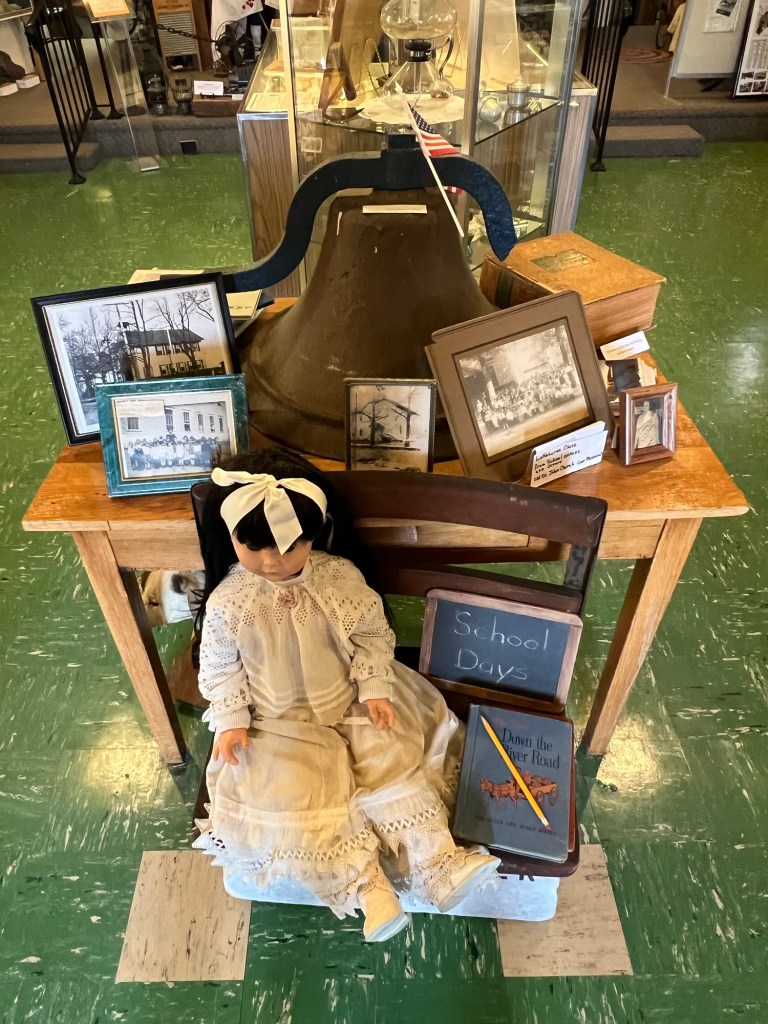
A display of school items used in the classroom. Not much has changed
The mapping and history of Lakehurst’s agricultural past
The farm and construction building equipment of the past
Community social routines of every day life were on display in the museum.
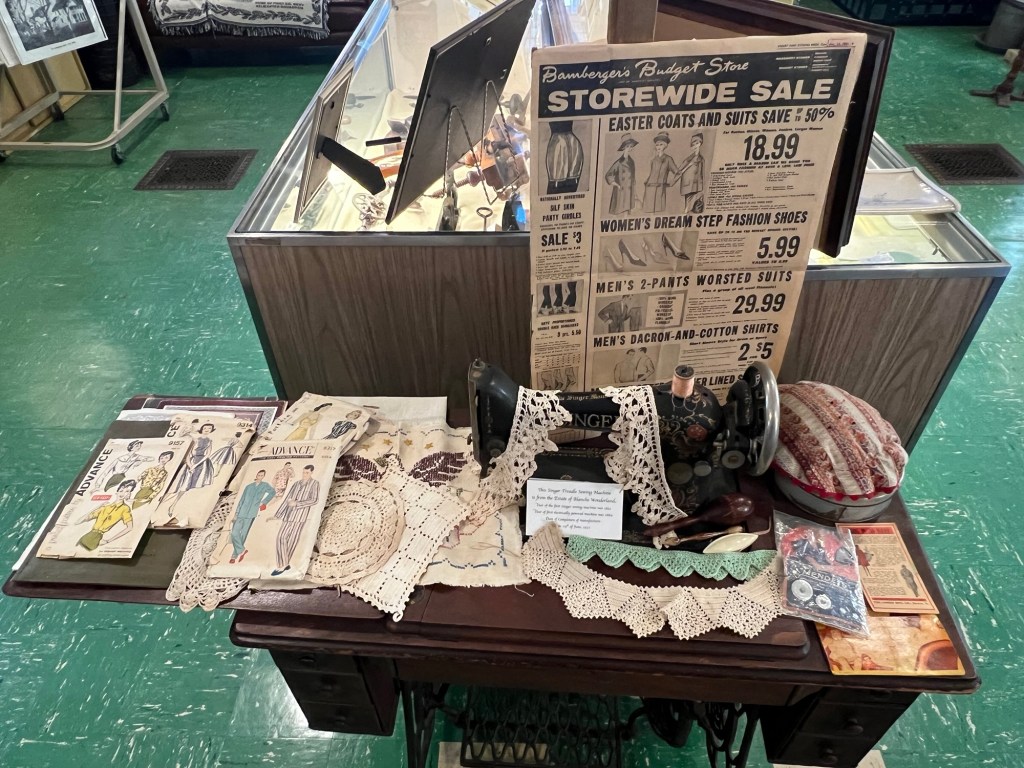
Local shopping and dress making in the early 1900’s. There was even old advertising from Bambergers on display
More household artifacts
The progressive history of the town over the last century
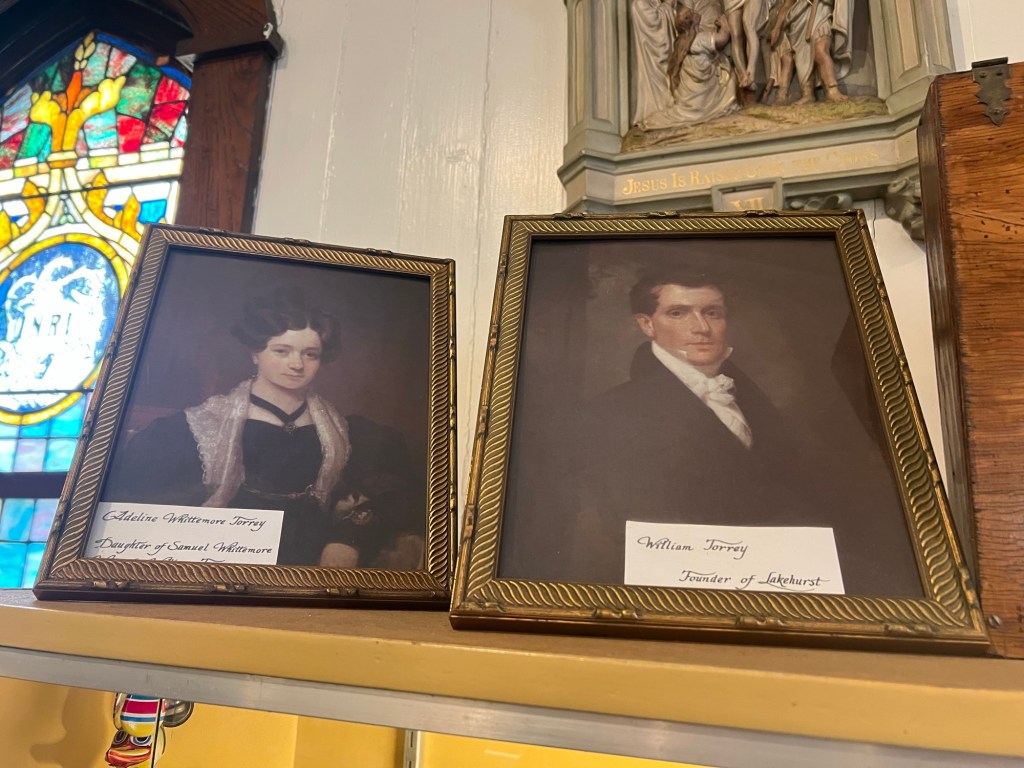
Mr. & Mrs. Torrey, the founders of Lakehurst, NJ whose land the town grew upon
The History of the Torrey family:
Samuel Whittemore turned over a mile square tract of land (640 acres) as a wedding gift to his daughter, Adeline and her husband, William Torrey in 1821. Torrey mapped out the land (now known as Lakehurst). Adeline Torrey named most of streets after trees and flowers and William lined Union Avenue with Elm trees.
William Torrey was a devout Presbyterian but donated the land in 1869 to build the old St. John’s Church. The first Mass was in 1874 (Museum pamphlet).
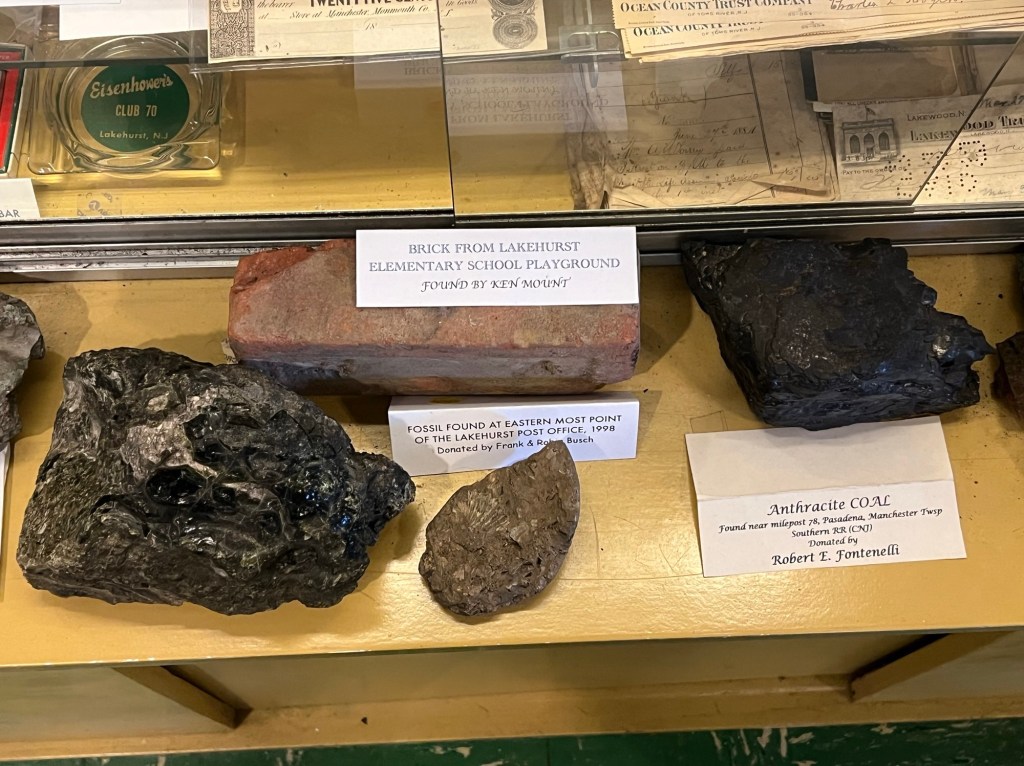
Artifacts from Lakehurst’s manufacturing past of Brickmaking
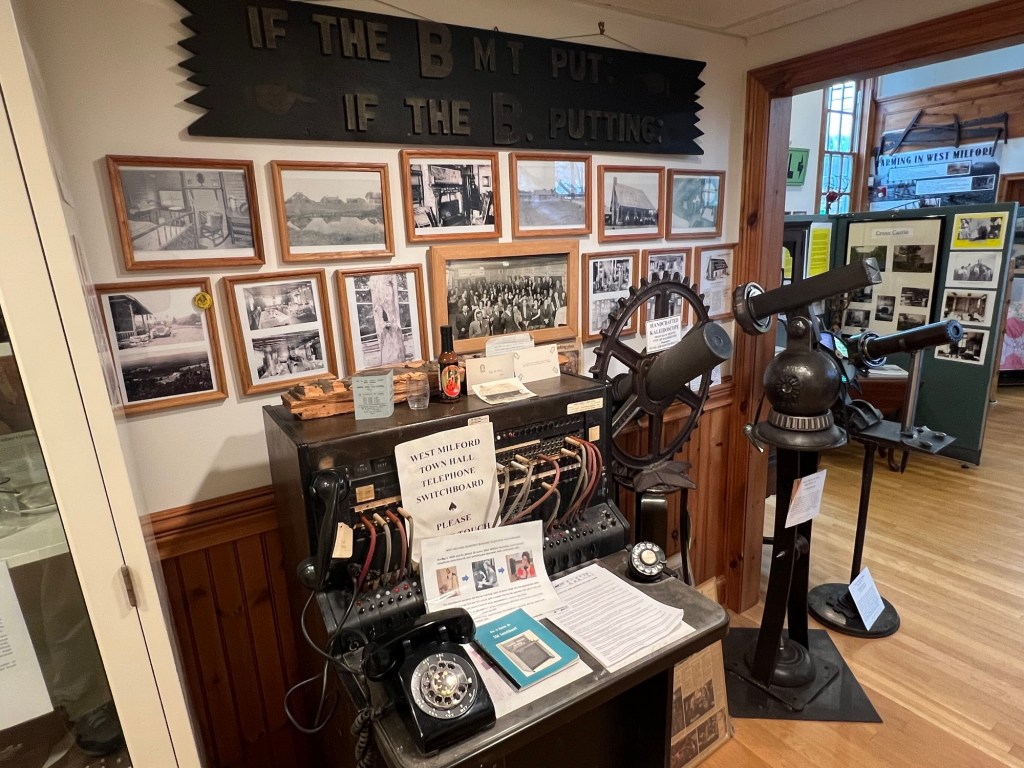
Telephone operators station
Artifacts from the town’s Military past
WWI military helmets
Domestic life changed when people returned from battle. Many of these items created during the war years are still with us.
Domestic items through the years
The glass bottle collection
The glass bottle collection
Artifacts from the transportation and rail industry
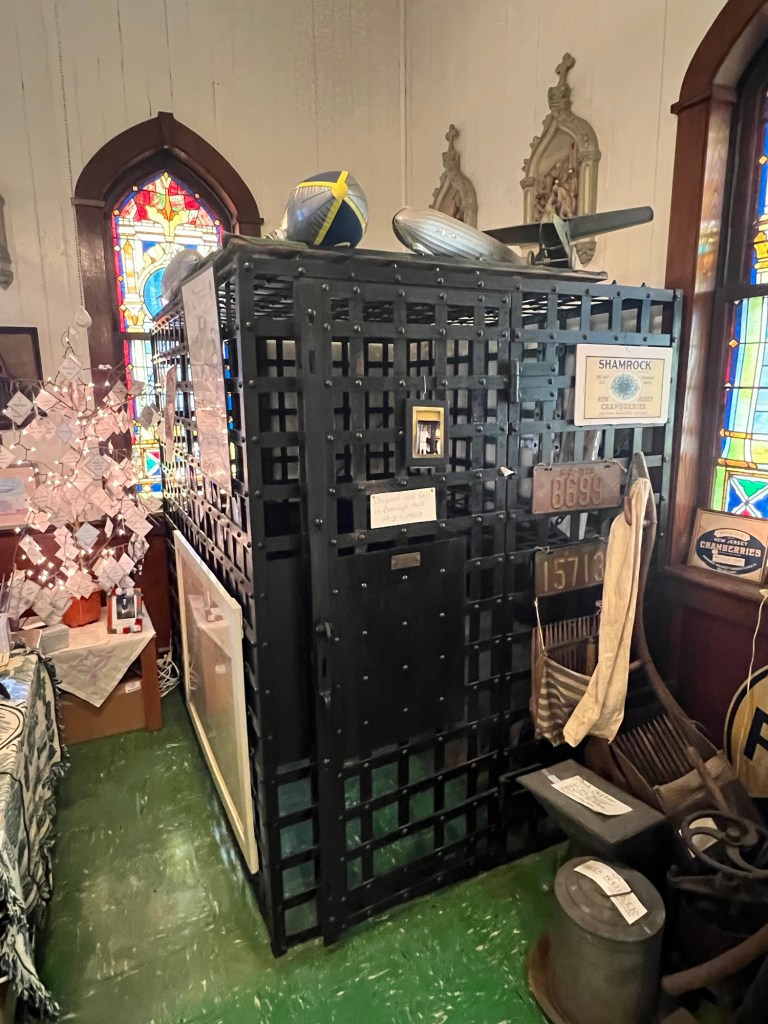
The jail cell from the old police station
Blogger Justin Watrel in the display
The home life of the residents of Lakehurst
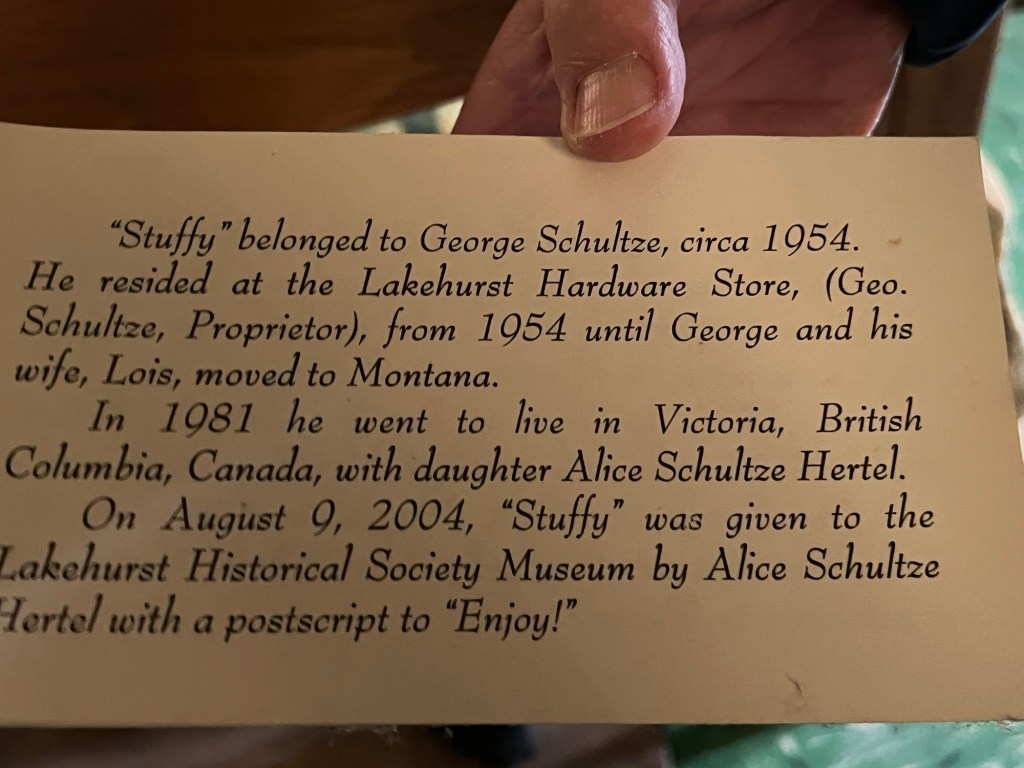
The most unusual artifact in the collection, the stuffed dog, ‘Stuffy’ who used to welcome residents to the local hardware store.
The sign for the Lakehurst Hardware store
The stuffed dog, ‘Stuffy’ from the Lakehurst Hardware store
The museum does a nice job telling the story of this small Southern New Jersey community and the growth of shore towns locally.















































 Visiting a Museum: The Unique, Unusual, Obscure and Historical