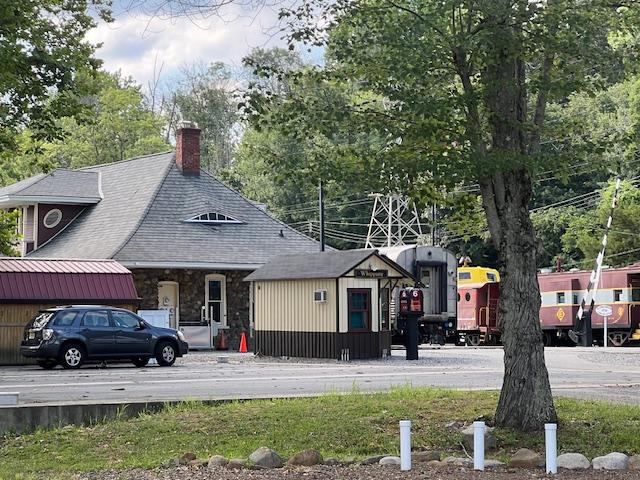
Tag: Small Museums of New Jersey

Florham Park Historic Preservation Commission/                   Little Red Schoolhouse & Hancock Cemetery                                                              203 Ridgedale Avenue                                                     Florham Park, NJ 07932

Florham Park Historic Preservation Commission/ Little Red Schoolhouse & Hancock Cemetery 203 Ridgedale Avenue Florham Park, NJ 07932

Florham Park Historic Preservation Commission/Little Red Schoolhouse & Hancock Cemetery

203 Ridgedale Avenue

Florham Park, NJ 07932

No Phone Number

https://www.facebook.com/pages/category/Community-Organization/Little-Red-Schoolhouse-438800069660078/

https://morriscountyhistory.org/the-little-red-schoolhouse-florham-parks-pride-joy/

Open: Special Events and Pathways tours-Please check their website

Admission: Free but donations are accepted

My review on TripAdvisor:

https://www.tripadvisor.com/ShowUserReviews-g46441-d24156081-r1058925662-Little_Red_Schoolhouse_Museum-Florham_Park_Morris_County_New_Jersey.html?m=19905

The Little Red Schoolhouse Museum

I visited the “Little Red Schoolhouse” Museum in Florham Park as part of the Morris County’s “Pathways to History” event that is held every May. This interesting little museum showcases the town’s historical collection of items from the 1800’s and 1900’s dealing with all aspects of town life.

The inside of the museum schoolhouse display

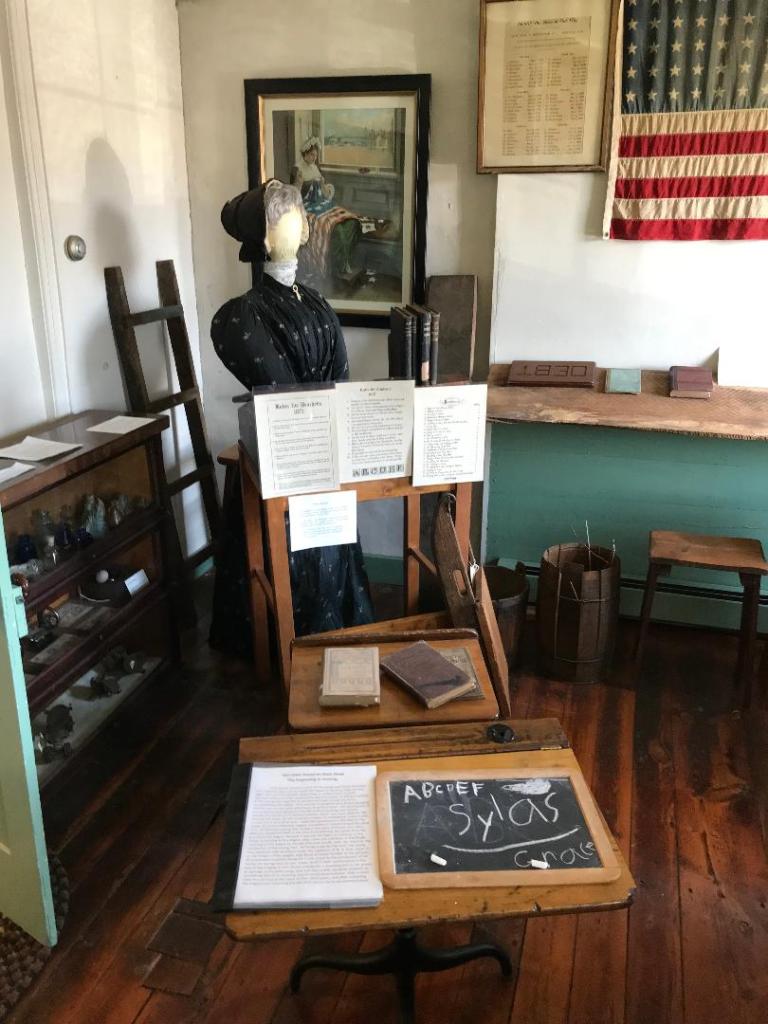
The inside of the old classroom

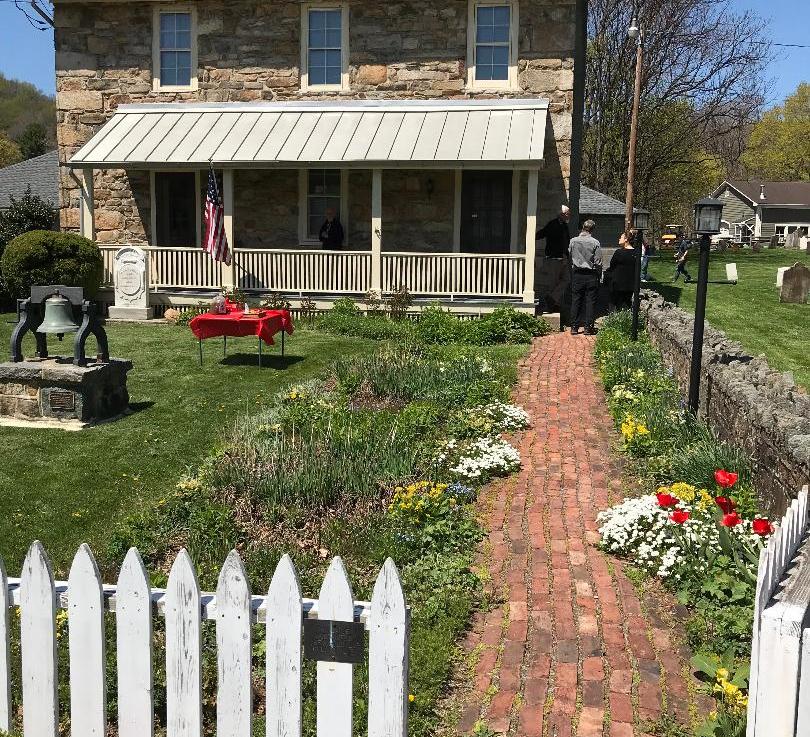
The schoolhouse setting

In the back there is a small classroom set up keeping with the theme of the building. This lets students, who are visiting the building of their counterpart’s early education with desks, ink wells and chalk boards that have not changed that much over the years.

Not much has changed in the modern classroom over the years

The old schoolhouse desks

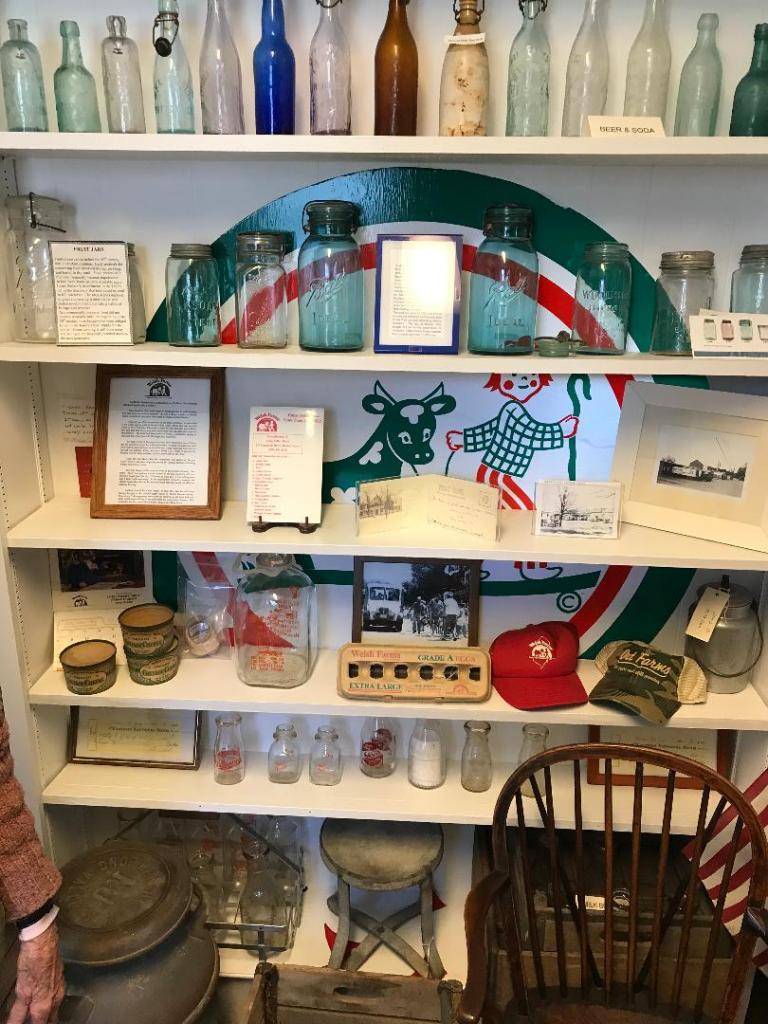
There is early century clothing, farming equipment from the town’s farming past and even Native American objects found in the town and in private collections.

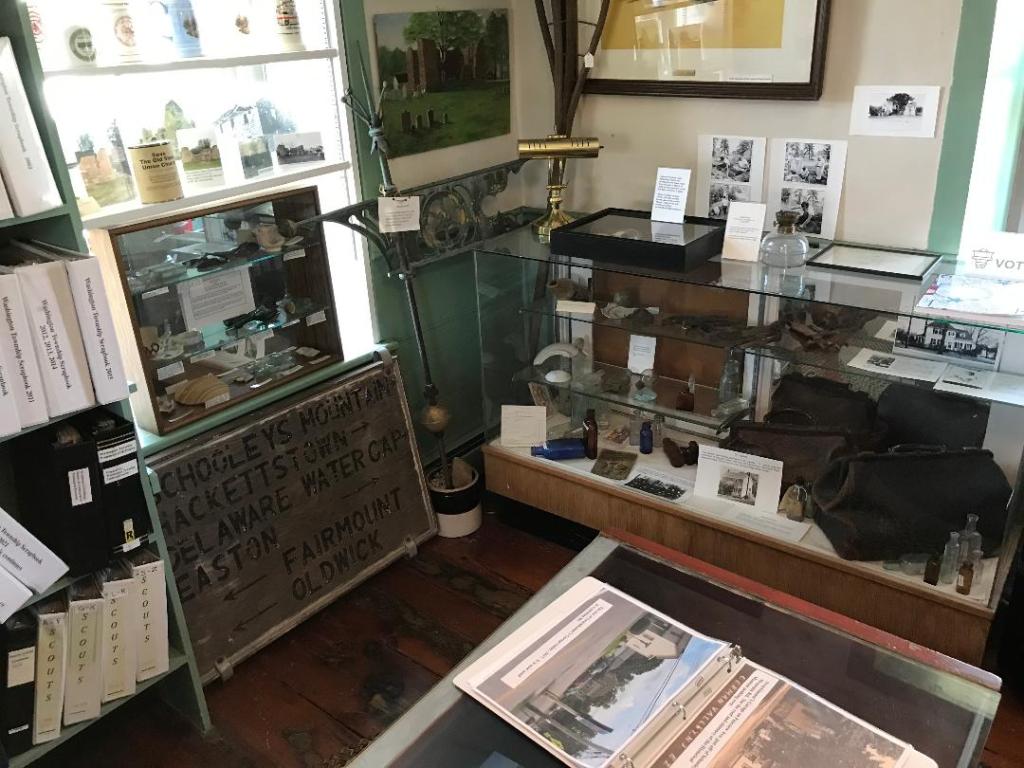
The town artifacts and school items

The post

Other items included decorative items from the home including dishware, home products and furnishings.

Each section of the museum is divided up by lifestyle.

The museum’s historic plaque

The docents that day explained that the items were reflect the town’s past and some came from families that have been in town for years. The museum reflects the community spirit of town’s past. It explains that times have progressed but not changed too much over the years.

The Veteran’s Monument outside the museum

History of the Little Red Schoolhouse Museum:

(From the Museum Website)

By Kat Kurylko, Research Assistant

In 1830, the residents of Columbia, now Florham Park, sought to improve their thriving farming and broom-making community by establishing a public school for the local children. Therefore, a small schoolhouse, Columbia School #5, was built on the corner of Columbia Turnpike and Ridgedale Avenue and dedicated it on February 17th, 1831.

The schoolroom display

Schooling at the “little red frame building” prospered and so by the 1850’s, the building was “in condition of dilapidation rendering it unfit to be occupied” due to overcrowding.

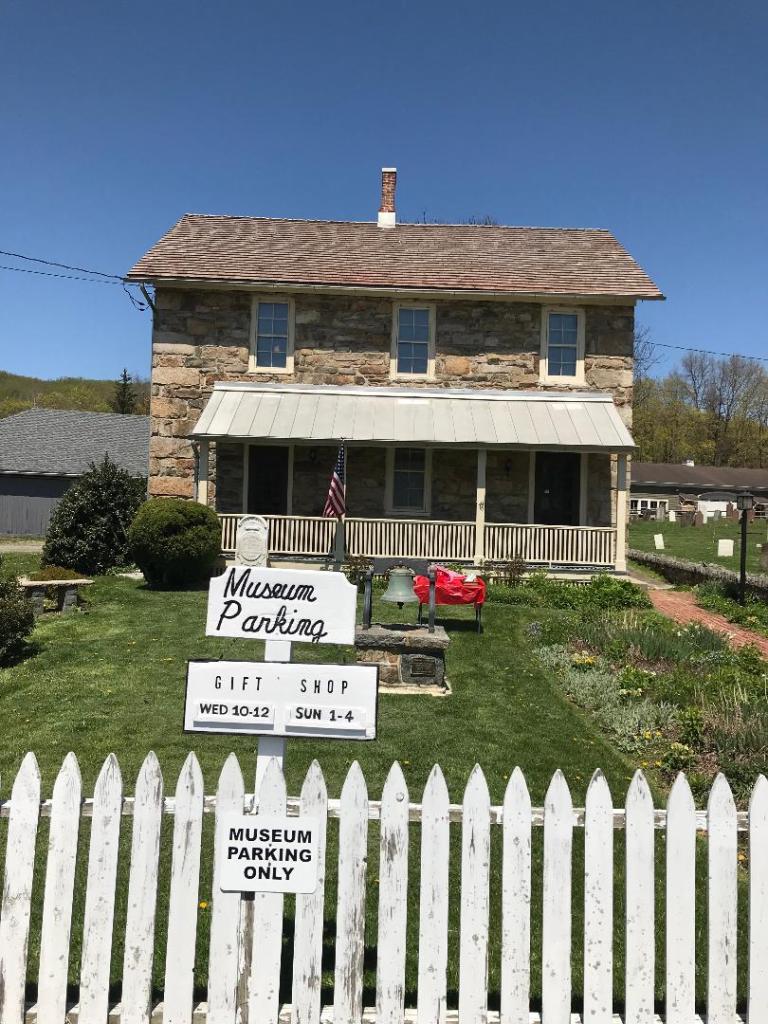
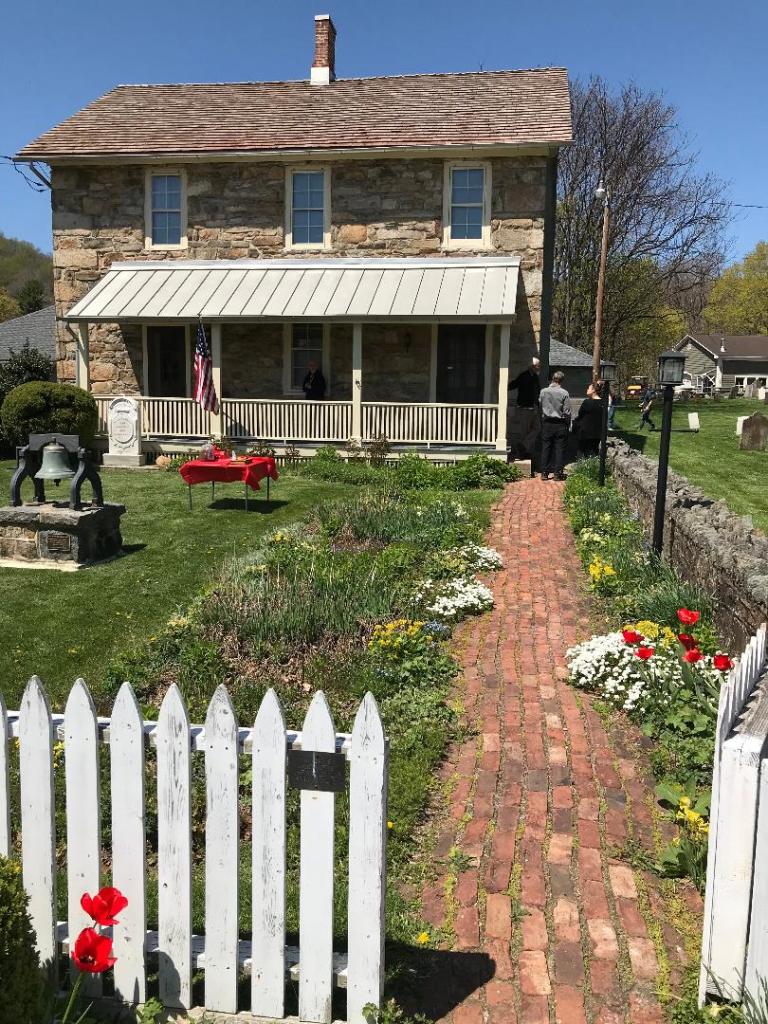
The schoolhouse from the front

On March 1st, 1867, nearly 50 children attended their first class in a new one-room brick schoolhouse. The use of brick added prestige but great expense to the project, accounting for nearly half of the budget. The new building was designed based on principles found in Henry Barnard’s book, “School House Architecture.

Much like Thomas Kirkbride’s progressive hospital designs (illustrated locally at Greystone Park Psychiatric Hospital), Barnard’s method School attendance continued to grow and by 1914, a four-room annex building, which could accommodate 78 students was built on the school’s property and the earlier brick building served as an auditorium.

The inside of the schoolhouse

Eventually, the community outgrew both buildings and in 1934, the borough’s current middle school was constructed.

The schoolhouse from the side view

Founded in the 1930’s to preserve the “Little Red Schoolhouse”, the Historical Society of Florham Park now operates the building as a museum. A source of great pride for the local community, the building stands in nearly the same location on the corner of Columbia Turnpike and Ridgedale Avenue, although moved back to accommodate the expansion of Columbia Turnpike. Listed on the NJ and National Registers of Historic Places since the early 1970’s, today the building serves as a reminder of the community’s rural roots.

The “Little Red Schoolhouse” Museum historic plaques

(From the Morris County site):

The Little Red Schoolhouse & Museum:

Florham’s Park’s iconic Little Red Schoolhouse was built in 1866 at a cost $2,250. Its open belfry and gable-end entrance instantly identify it as a typical 19th century one-room schoolhouse. The Italianate one-story narrow red brick masonry building is an architectural marvel with its steep roof, tall windows and elaborate arches.

Inside, part of the museum is set up as a 19th century classroom, where small groups can enjoy a lecture. The museum has a variety of artifacts from the 1800’s and 1900’s, vintage school desks and broom-making equipment. Its location at the historic crossroads of Florham Park has remained a key reminder of the borough’s rural origins. The schoolhouse is a stop each fall on the free “Pathways of History” event (which I was on that day I visited).

Town artifacts on display

The school organ on display

Of Special Note:

(from the township website)

*In 1978, the schoolhouse was moved back several yards to accommodate the expanded Columbia Turnpike.

*The schoolhouse is also known as Columbia School District Number 5 Schoolhouse.

*The schoolhouse is the borough’s icon, appearing on the town flag, letter head, website and public works and first responder vehicles.

The Hancock Broom Company artifacts

Naval Air Station Wildwood Aviation Museum                     500 Forrestal Road                                                                Cape May Airport, Rio Grande, NJ 08242

Naval Air Station Wildwood Aviation Museum 500 Forrestal Road Cape May Airport, Rio Grande, NJ 08242

Naval Air Station Wildwood Aviation Museum

500 Forrestal Road

Cape May Airport

Rio Grande, NJ 08242

(609) 886-8787

Open: Sunday-Saturday 10:00am-4:00pm

Take Flight

https://www.facebook.com/aviationmuseum/

My review on TripAdvisor:

https://www.tripadvisor.com/Attraction_Review-g46341-d1881607-Reviews-Naval_Air_Station_Wildwood_Aviation_Museum-Cape_May_Cape_May_County_New_Jersey.html

The front of the museum

The Naval Air Station Wildwood Aviation Museum is located at the back of the Cape May Airport. Just follow the road to the back of the airport at 500 Forrestal Road in Hangar #1.

The front of the museum

This interesting museum is a treasure trove of artifacts from WWII to today from jeeps to cars and trucks to airplanes. Some of the vehicles you can step into and see what it was like to ride these pieces of aviation history.

The main gallery of the Aviation Museum

There are several airplanes that with the assistance of the staff you can enter and see what air travel was like for these pilots. All the planes have been carefully restored and displayed for viewing and use by tourists. There is even a air traffic control tower you can enter and see how thing the functioning of the tower was done. These displays were interactive from the perspective of the people who once worked there.

The Hanger with plane displays

In the front of the museum as you enter, along the ways there is a display of the history of the Naval Hangar and how it developed and became part of the community. There were pictures of members walking the boardwalk in Wildwood and having a good time. There were stories of many interactions between the sailors and the locals and what an exciting time it was for everyone.

The history of the time as Wildwood Training Facility

Many local heroes stories were told all over the building of Navy personal from the area and the part that they played in the war years and when they returned. Each story board told of their early lives, how they got involved in the war, the roles that played and jobs that were accomplished and what their lives were like when they returned. The mindset of this generation is very different than from today.

The Coast Guard display

What I really enjoyed was the documentary “Boatlift”, the story of the 9/11 rescue of thousands of people off Manhattan island on 9/11 (it was around the 20th Anniversary of the event when I toured the museum) and the bravery and involvement of boaters and sailors all over the New York maritime region. Hundreds of boats were involved in getting people to safety to New Jersey and other parts of the NYC. It was a lesson in selflessness and involvement in one of the darkest days of American history.

The main gallery of the museum

Outside the hangar, there are more planes to tour and equipment that is used. Each display is carefully explained of its role in the armed forces so take the time to read the plaques as well.

The outside of the hanger of the museum

Inside the building towards the back, there is a display of commercial establishments and even the role of Coca Cola during the war and it being used in the ration boxes of the men and women fighting for our country. There were pictures of USO dances and get togethers and parties for the enlisted men.

The Coca Cola display during WWII

There is even a space shuttle piece to explore and admire showing our progression into different types of transportation over time. The museum has carefully displayed items so that there is an order to follow around the room to admire each piece. Take the time to look them over and read about them.

The MASH helicopter on display

This museum is an interesting step back in time to show the role New Jersey and Cape May County played during the war years and then going forward.

The main gallery of the Aviation Museum

The Mission of the Museum:

Restoring Hangar #1, educating the public on Cape May Country’s history during WWII and memorializing the 42 naval aviators who were training at the Naval Air Station Wildwood.

WWII Ends display

WWII Propaganda Posters

The History of the Naval Air Station Wildwood Aviation Museum:

(Taken from the Museum website)

WWII:

Following the outbreak of World War II, this all wood double wide aircraft hangar was assembled by the U.S. Navy in 1942 from a kit delivered via railroad. On April 1st, 1943, NAS Wildwood was commissioned as a training facility for dive bomber squadrons that would go on to fight in the Pacific. Between 1943 and 1945, activities included night flying and target practice over the Delaware Bay, reaching a peak of almost 17.000 takeoffs and landings in the month of October 1944. Before NAS Wildwood was decommissioned, 129 crashes occurred and 42 airmen died in training exercises.

The Memorial from the WWII

Following World War II, United States Overseas Airlines was operated out of Hangar #1, offering both national and international charter flights. The airline was owned by Dr. Ralph Cox, a dentist and U.S. navy pilot during WWII. Cox also used the hanger to display his collection of early automobiles and other transportation memorabilia including a steam locomotive.

1970-1990:

Southern Jersey Airways operated a commuter airline known as the Allegheny Commuter out of the Cape May Airport. The service was started by Captain Curt Young, ho was a bomber pilot during WWII. The Allegheny Commuter offered twenty-two daily flights between Atlantic City and Philadelphia as well as eight round trips out of Cape May.

1997-Present:

After many years of neglect, Hangar #1 was rediscovered by Dr. Joseph Salvatore and his wife, Patricia Anne, who acquired the building from Cape May County for $1.00. Listed on both the state and national registers of historic places, Hangar #1 is an exhibit in and of itself. Since 1997, the Salvatore’s and the NASW Foundation have worked hard to restore the hangar to its original condition. Today, Hangar #1 is open to the public as part of the NAS Wildwood Aviation Museum.

The main gallery at the museum

Ocean City Historical Museum                                                            1735 Simpson Avenue                                                                    Ocean City, NJ 08226

Ocean City Historical Museum 1735 Simpson Avenue Ocean City, NJ 08226

Ocean City Historical Museum

1735 Simpson Avenue

Ocean City, MD 08226

(609) 339-1801

Home

https://www.facebook.com/ocnjmuseum/

My review on TripAdvisor:

https://www.tripadvisor.com/Attraction_Review-g46696-d15122158-Reviews-Ocean_City_Historical_Museum-Ocean_City_Cape_May_County_New_Jersey.html

The entrance to the museum is inside the Municipal Building and Library 1735 Simpson Avenue

The original map of Ocean City, NJ

I made a trip to many of the beach towns at the Jersey Shore recently visiting the small historical societies that explain the history and development of these small towns. It is amazing to see how they have developed in just 150 years from Native American fishing villages to thriving vacation spots and permanent residential districts. Ocean City, NJ itself has an interesting history.

The entrance gallery with the history of the town

As you enter the museum from the back of the library, you are warmly greeted by a docent who will explain the museum to you. Then you will follow a semicircle through the exhibitions in a genealogical order from when the town was founded to modern times and events.

The first exhibition is called “From Hunting Ground to the Modern Resort:

The early history from the time the Native Americans used the shore line for fishing and hunting to the history of the Miller family who owned parts of the island. The exhibit explained how the Miller family owned this section the island and how it was developed. These were the early years of the island until the coming of the Methodist colony.

The original map of the barrier island and artifacts of the local Native American tribes

The second Exhibition was “The Founders and the Early Years”:

In 1879, four Methodist ministers came to Ocean City to develop a Summer Colony and resort for their members based on Christian values. This lead to the development of the “Blue Laws” in which some traces are found today. The displays discussed the how the resort moved into modern times and how this development shaped the resort as it is today. There are interesting pictures of the development of the Camp in the turn of the last century.

The early growth of the island as a resort

Early Motel sign

The early Bathing exhibition

The third Exhibition was “The Boardwalk”:

The development of the first Boardwalk in 1887 to give access to the shoreline lead to early development around it. You could follow the developments of many versions of the Boardwalk over the years due to storms and development. There were displays of old movie theaters that used to dot the Boardwalk along with other family businesses that opened over the years. Old hotels that have since closed or being used for other uses had their histories told. The Flanders Hotel’s history was displayed.

The Boardwalk rebuilt into its present form

The Boardwalk in the beginning

The Beach Patrol display

The Beach Patrol sign

The Ocean Patrol exhibition and artifacts

The forth Exhibition was “The Sindia”:

The Sindia was a shipwreck off the coast of Ocean City that ran aground in 1901. It still lies off the coast but many of the artifacts of the wreck are displayed here. There is all sorts of bottles, dishware and other household and decorative items displayed here. There is also an interesting display of model ships.

The Porcelain artifacts

The model ship display

The model ship display

The ship mass display

The museum Parlor exhibition

The museum Parlor exhibition

The last Exhibition was on actress Grace Kelly and her family:

Princess and Actress Grace Kelly used to vacation with her family in Ocean City from the time she was a little girl until her death. I never realized that her father was an Olympic Rower and used to row at the Jersey Shore. Her brother was a lifeguard for the town as well. There are all sorts of family pictures of her and her siblings growing up here. What I thought was interesting was she bought her royal family to the Jersey shore to vacation with her family and there were pictures before she passed enjoying her time here. That I thought was very interesting that she never forgot her roots.

The Grace Kelly exhibition

The Princess and Movie Star never forgot her roots

There was a special exhibition on the local theaters that once used to dot Ocean City, NJ:

The history of movie theaters in Ocean City, NJ

The Village Theater exhibition

The theaters of Ocean City, NJ

It was an interesting look at the development and then the closure of the local theaters that had become a part of everyone’s lives.

Don’t miss their nice gift shop that has all sorts of decorative items and jellies and honey.

The Gift Shop at the Museum

The Gift Shop

History of the Museum:

(from the Museum’s Website)

The Ocean City Historical Museum is a nonprofit 501(c) 3 corporation established in April of 1964. It was created by a group of enthusiastic volunteers with the support of the local government. The purpose of the Museum is to preserve the city’s history for future generations for both visitors and residents.

The first museum was located on the first floor of the old elementary school at 409 Wesley Avenue. It was only open during the summer of its first full year, as the building was still being used as a school. In July of 1965, it was opened for year round visitors when the school moved to its new location. The museum moved to its current location at the Ocean City Community Center at 1735 Simpson Avenue in 1990.

Mission:

The mission of the Ocean City Historical Museum is to delight, inspire and educate the public about the story of Ocean City, NJ and to collect, preserve and promote items relevant to its heritage, traditions and memories.

The Recycle Man display

Vision:

The Vision of the Ocean City Historical Museum is to be an inviting, informative and innovative community resource that is recognized and respected as the place for exploring and celebrating the rich history and heritage of Ocean City, NJ.

The Toy Collection

Stone Harbor Museum                                                           9410 Second Avenue                                                              Stone Harbor, NJ 08247

Stone Harbor Museum 9410 Second Avenue Stone Harbor, NJ 08247

Stone Harbor Museum

9410 Second Avenue

Stone Harbor, NJ 08247

(609) 368-7500

Home

https://www.facebook.com/stoneharbormuseum/

Open: Sunday Closed/Monday-Saturday 9:00am-12:00pm (Seasonal) Monday-Thursday Closed/Friday and Saturday 9:00am-12:00pm

Admission: Free but a donation is appreciated

My review on TripAdvisor:

https://www.tripadvisor.com/Attraction_Review-g46850-d12832764-Reviews-Stone_Harbor_Museum-Stone_Harbor_Cape_May_County_New_Jersey.html

a

The entrance to the Stone Harbor Museum at 9410 Second Avenue

On a recent trip to the Jersey Shore, I took an long drive down the coastline visiting small historical museums of the shore towns and they gave me an interesting perspective of how these towns were developed from the time of Native American fishing and hunting villages to the advent of railroads and Victorian hotels to the modern development of the town today. Stone Harbor, NJ has had an interesting path since its development in the late 1800’s.

The Stone Harbor Museum display from the Women’s Civic Club of Stone Harbor

The Stone Harbor Museum was founded in 1996 by a group of involved residents who wanted to showcase their town’s history. The current museum was opened in 2016 and has many different exhibitions going on, some permanent and others are seasonal and keep rotating within the museum. When you walk in, the museum is divided by sections and displays of their museum.

The Stone Harbor Museum Historical Window

Leading into the entrance, there was a very interesting exhibit on “9/11” for the Twentieth Anniversary of the event by a Chief from the Stone Harbor Fire Department. It was a series of articles from local and national papers, some artifacts and information on the fire service. It was a very touching reminder of what fire fighters did that horrible day.
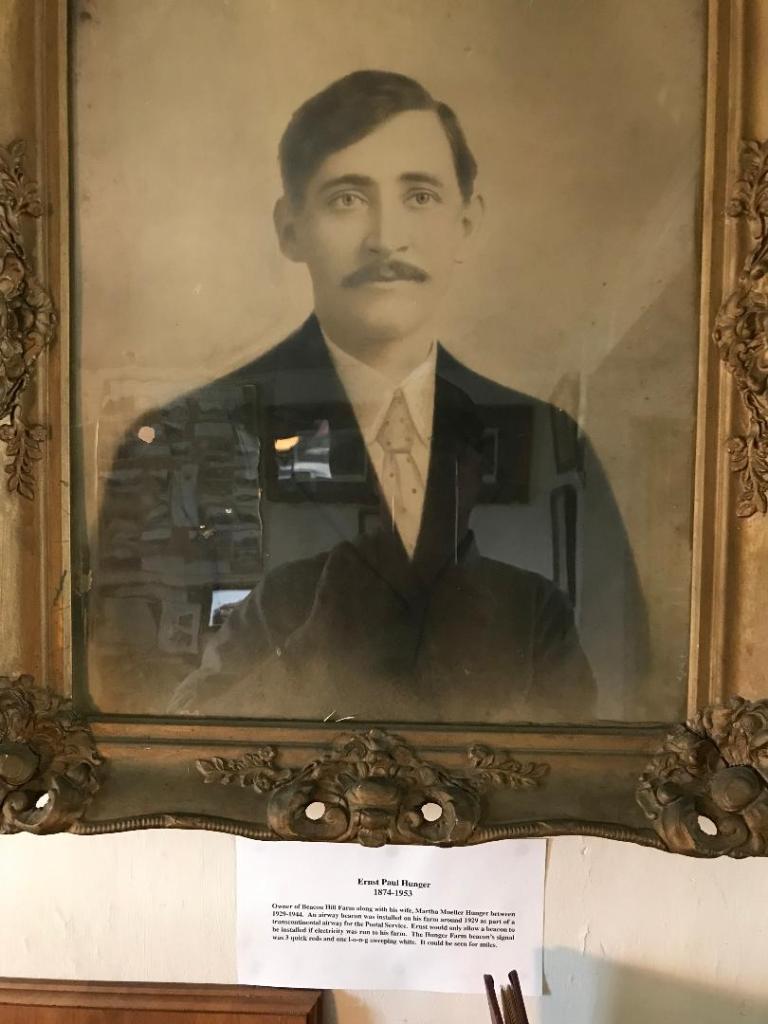
The Stone Harbor Fire Department display in 2024 (the 9/11 exhibit closed a year later)

There were many displays on the history of Stone Harbor with the Stone Harbor School System and the Borough of Stone Harbor exhibiting artifacts. Interesting pictures and items of the Stone Harbor Beach Patrol were proudly displayed which I noticed from my many stops at various historical societies on the Jersey Shore is very much a part of the town culture. These teams take their competitions amongst the towns very seriously with events like boating and swimming.
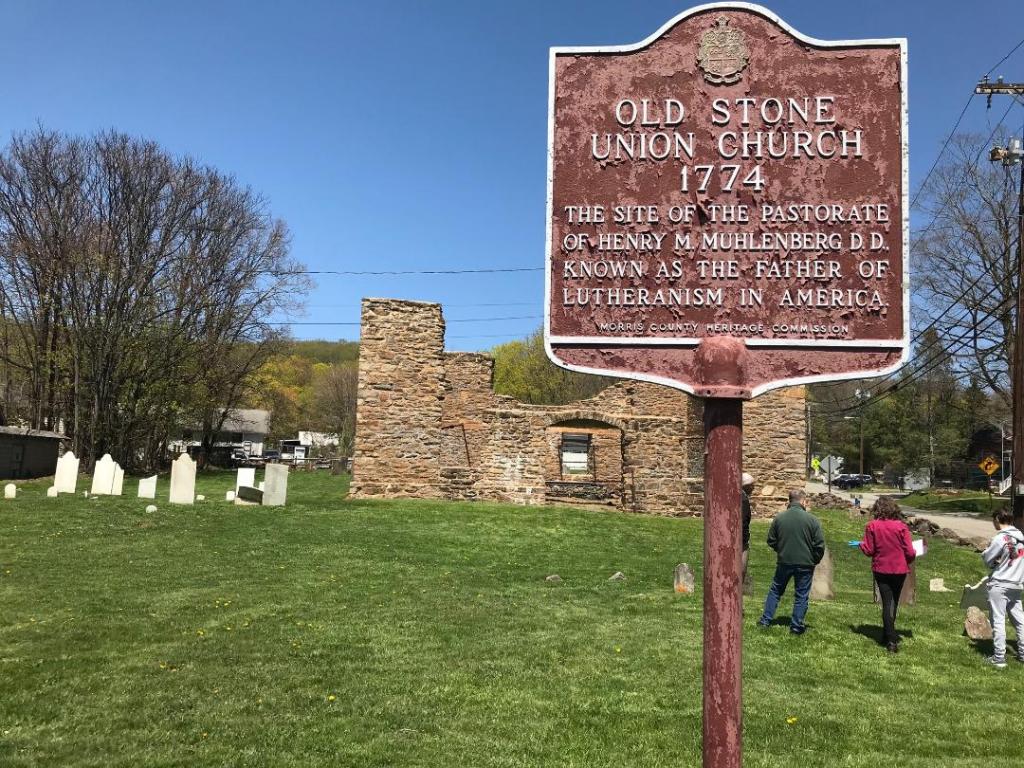
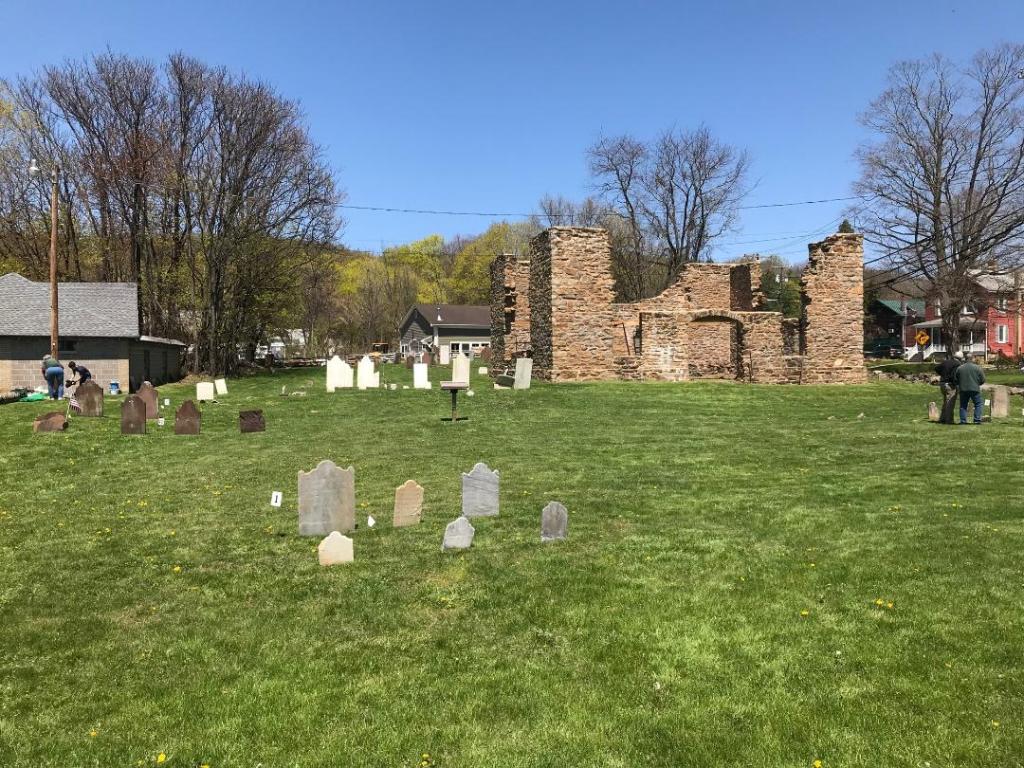
The Stone Harbor Beach Patrol display

There were many pictures of old homes at a time when the town was a Victorian beach resort and people came to the Jersey shore for extended vacations. You could see the progression of the town over a century from a seaside resort to a permanent residential town. The architecture has significantly changed over the years to slightly smaller homes but no less impressive all over the town.

The Stone Harbor Hotels

There were extensive pictures and displays of the importance of the rail system and the role it played in the growth of the area and to all shore communities. Its history pretty much ended with the advent of the Model T and the growth of cars to the Jersey shore. Soon the modern highways made the rail system obsolete.

Ladies at the shore enjoying a ride

Still there are many displays of ‘fun in the sun’ and the growth of beach activities and recreation with the growth of sun bathing, swimming, boating and fishing. People’s leisure time was growing and the Jersey shore filled their time with sun bathing and swimming. The changes of attitude in swimwear have been tremendous especially from the one piece and hats to the modern bikini in just 80 years.

Swimwear at the turn of the last century

There were pictures and artifacts from various shipwrecks off the coast of the town. It showcased the maritime history of the town and of the Jersey shore in general. It showed the importance of the town in a era of trade that is long gone. This shipping lines too became obsolete as rail service replaced them.

The main gallery of the museum

There was a interesting collection of items entitled Church and Faith of all the churches in the town that played such a important role in the social life of the turn of the last century. This was a time before TV, radio, the advent of movies and especially the Internet. This was at time when people’s social life revolved the social life of places of worship.

The Office Display

In the center of the museum there is an extensive library with shelves lined with notebooks full of pictures and historical details neatly bound. This is the records of the town and the citizens who have lived here over the years.

Artifacts from the town

The two big displays right now for kids has been the Taylor Swift, the famous singer, display of items that her family donated to the museum. It seems that she summered here as a child and played in the local clubs. The other was the dinosaur bone display of items found locally in the area and around New Jersey. The museum has a popular scavenger hunt for the kids where they have to find items on display.

The new Taylor Swift display on the years she vacationed here

The Taylor Swift exhibition

The Dinosaur Display

The Dinosaur display

The Dinosaur display

The one thing I liked about the museum is that it does not overwhelm you when you are visiting. The exhibits are detailed but compact. You learn a lot about the town with enough information and artifacts but you can still enjoy the display in about twenty minutes to about a half hour. The whole museum takes about an hour to two hours to visit maybe more if you are really enjoying yourself.

The staff could not have been nicer and take such pride in the museum. The afternoon I visited the museum one of the long time residents who volunteers at the museum was able to share her knowledge of the town. For a small town, it is chockful of interesting history.

The Maps display

The Stone Harbor Museum History:

(from their website and pamphlets)

The Mission:

To acquire, preserve, display, celebrate and promote archival and artifact items relevant to the development of our unique cultural heritage and to delight, inspire and educate the present and future generations about the story of Stone Harbor, NJ.

The Vision:

To be inviting, informative and innovative community resource that is recognized and respected as the place for exploring and celebrating rich cultural heritage of Stone Harbor, NJ.

The Restaurant display