The John DuBois Maritime Museum at 949 Ye Greate Street in Greenwich, NJ.
I visited the John DuBois Maritime Museum when I was visiting the Gibbon House and the Carman Prehistoric Museum when I was visiting Greenwich, NJ. What a nice little museum explaining the maritime history of not just New Jersey but the local area as well.
The museum is one large gallery broken down into sections of the history of the area. The main gallery is well organized by section to explain the shipping history of the region.
The decoys and rafts that are part of the collection.
The nautical instruments to guide your way through the stars. These were part of the long voyage.
The Shipping display
The sign for the Oyster Dredge display
The Oyster Dredge display
The Oyster Dredge display explores the important of the oyster industry in the area’s waters and what an important source of food they were to the local population. It also showed their role in keeping the waterways clean and the water well circulated.
The Ship Building display
Ship building and the creation of the shipping industry’s planning on future boat was another important part of the economy before the Civil War.
The Ship’s Mascot greets all of her guests at the front of the museum.
The History of the Museum:
The John DuBois Maritime Museum houses a large collection of Southern New Jersey Maritime related items from the 19th and early 20th centuries. A large and unique collection of builders models of local craft, show the plans used to build a new ship from the model itself.
The anchor outside the museum
Exhibited are tools used to carve ribs, planking, masts and booms. Also displayed are many blocks, ‘deadlines’ and ‘rigging’. The museum is proud to have one of the largest collections on the East Coast of caulking tools. Videos are available to view by the New Jersey network on oyster schooners including an interview with John DuBois who donated most of the artifacts in the museum.
Also exhibited are early maritime engine parts, most from the Hettinger’s of Bridgeton, one of the first manufacturers in America of marine motors.
The Shipping displays in the heart of the collection.
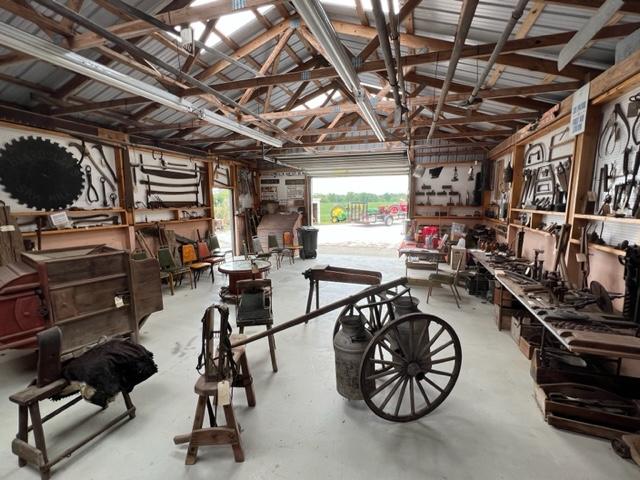
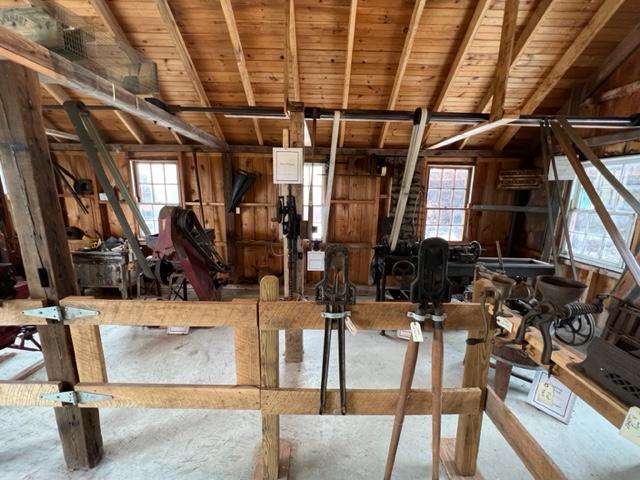
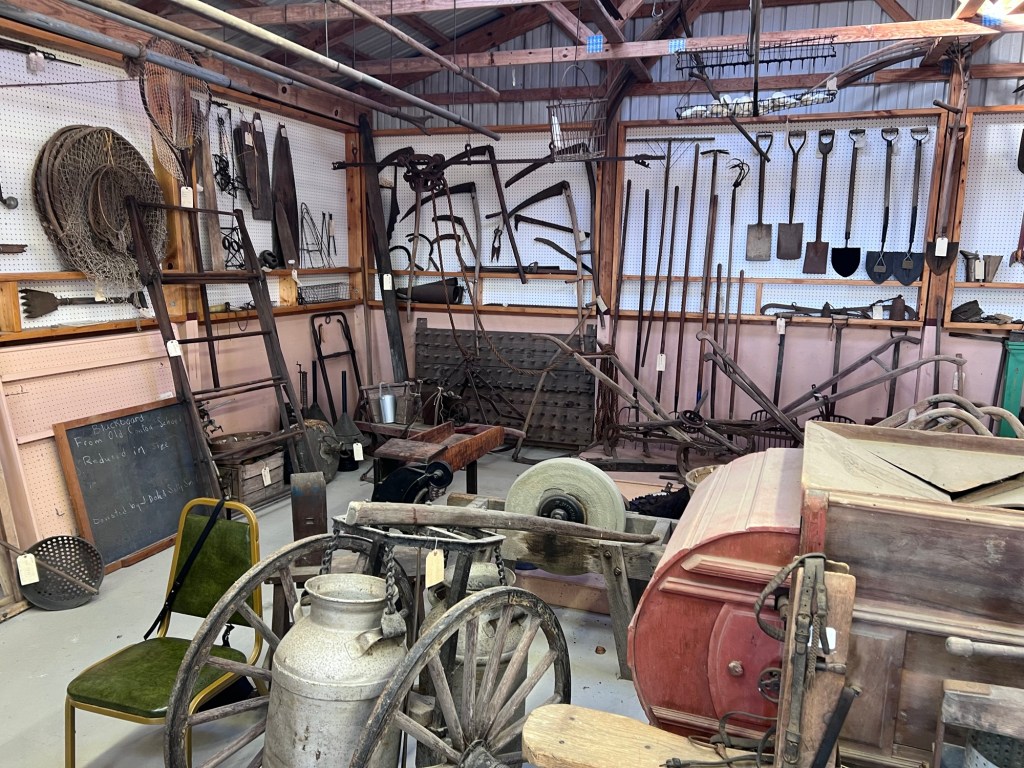
Situated in a beautiful rural setting, the Log Cabin is restored in the same manner as the local Quakers lived in the 1700’s. The site houses a barn full of antique farm implements as well as many items used in the local industries of Lower Alloways Creek.
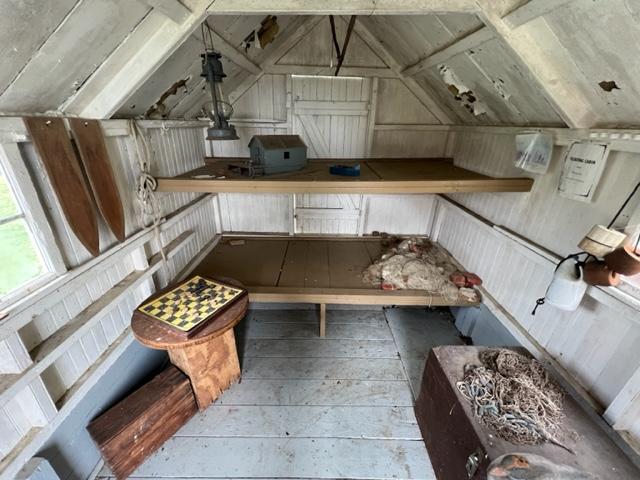
Salem’s County’s maritime history is documented in a unique floating cabin which is complimented with a collection of fishing and trapping memorabilia. The site also features an outhouse, carriage shed and the last canning house that was left in the Township.
The buildings on the grounds and the outhouse
History of the house:
The main house is very unique. The addition to the house was built in the mid 1800’s and is furnished from that time period. This was added to the log cabin that has been reconstructed on the site. The early parts of the log cabin date back to before the Revolutionary War.
The first-floor parlor
The Kitchen in the main house
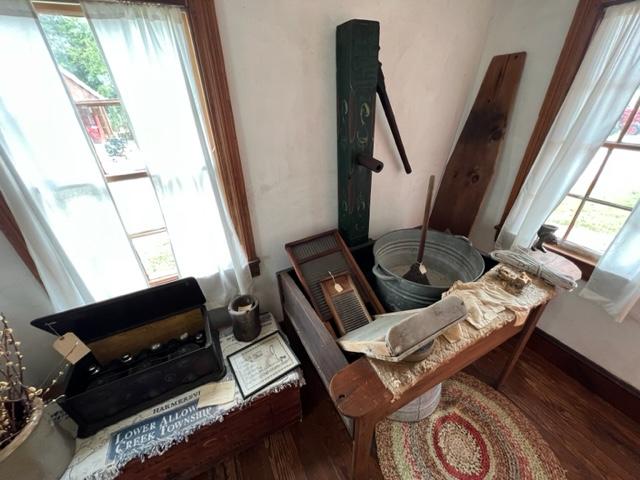
Washing clothes in the house
How to wash clothes until WWII
The second-floor bedroom
The Bonnet collection
The second floor bedroom
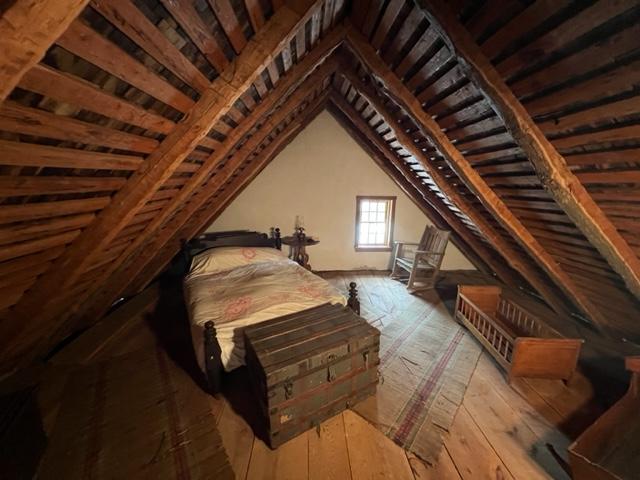
The Attic Room
The toys and playthings of the Attic Room
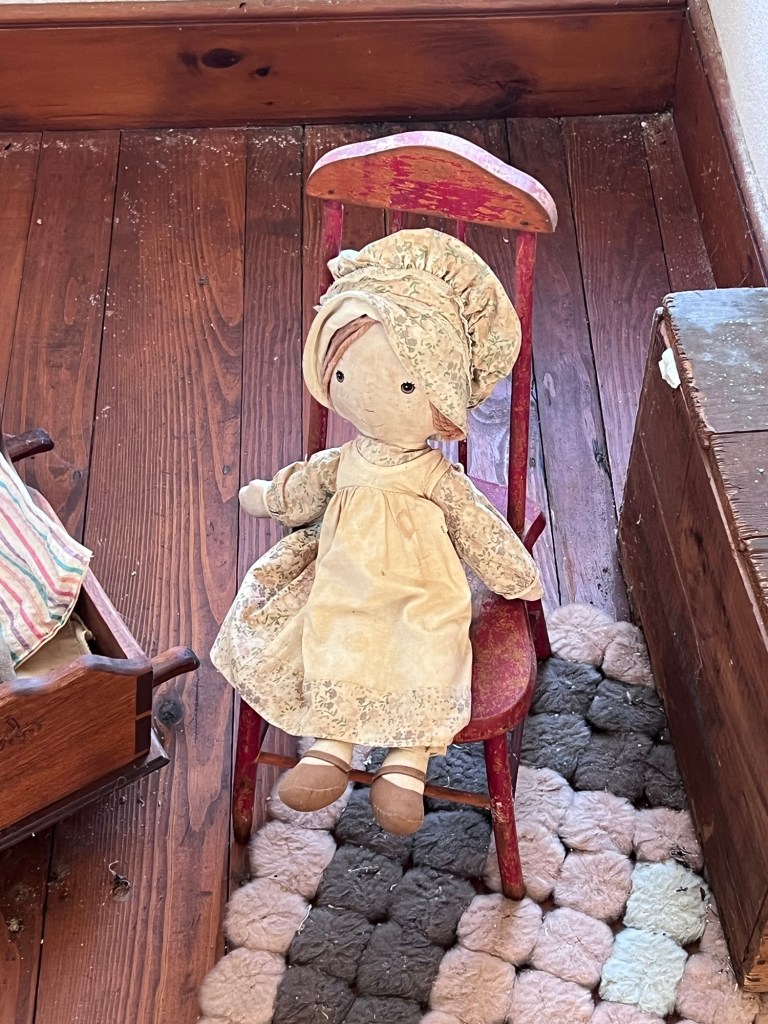
The house has an extensive collection of antique toys and dolls and furniture.
The dolls
The dolls
The Hat collection at the home.
(Information from the museum website):
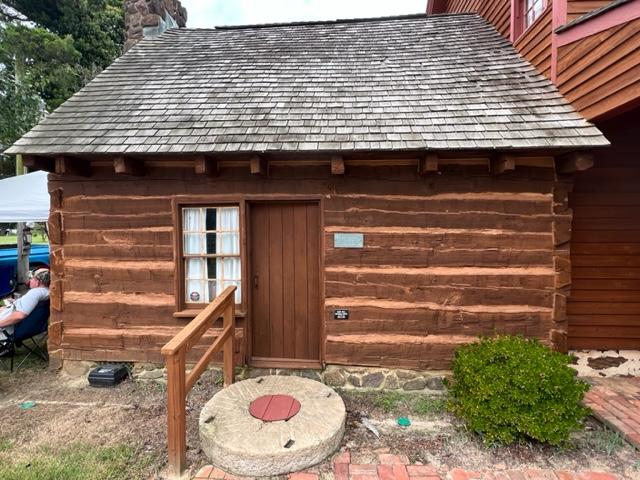
Part of the house is an old log cabin with an addition added on later. Although the date of the original construction is unknown, the cabin has been restored and reconstructed in much the same manner as local Quakers would have lived in the 1700’s. Because the air had deteriorated so many of the logs, it was impossible to save the entire original structure.
The log cabin section of the house.
The log cabin and the later addition.
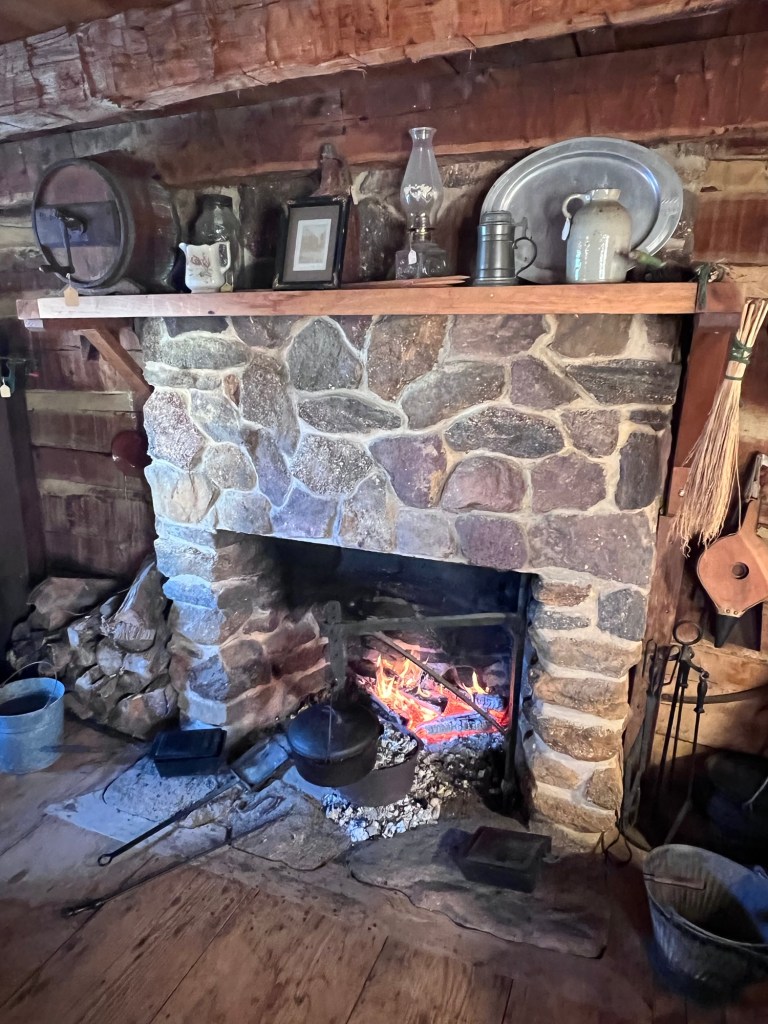
All the wood used in the reconstruction of this cabin came from the woods in Lower Alloways Creek that are owned by the Township. The hand-hewn logs are white oak. The wide floorboards are pine The fireplace and foundation were built from Jersey sandstone that had been donated by John Hassler.
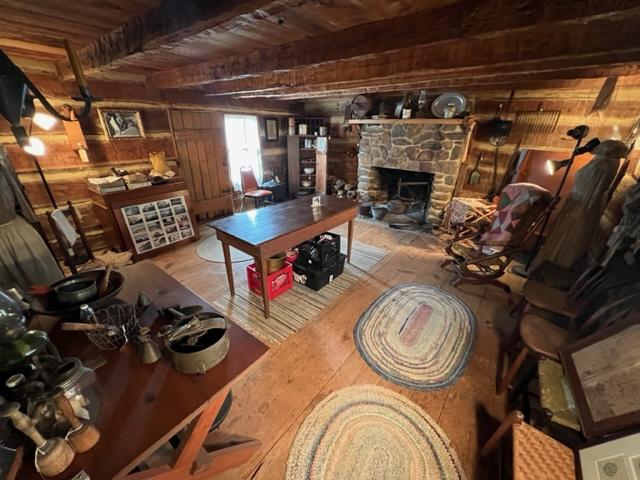
The inside of the log cabin and hearth.
The Hearth during the event
The Historical site also features a log cabin, carriage shed and barn, many antique farm implements, a two-seater “outhouse” and an old fashion hand water pump.
The Outhouse
The hearth of the log cabin
The loft section of the log cabin on the second floor of the home.
There is also an original Can House, with a working line shaft, a floating cabin, both of which were originally built in Lower Alloways Creek.
The historic Can House.
The historic Can House
Some of the interesting programs that the society hosts:
Line Shaft: the historic line shaft in action as it powers a variety of machines.
Outdoor sportsmen: view displays of fishing and trapping, hunting gear, decoys, floating cabins and turkey call demonstrations.
Model Trains: all aboard an exciting display of model trains.
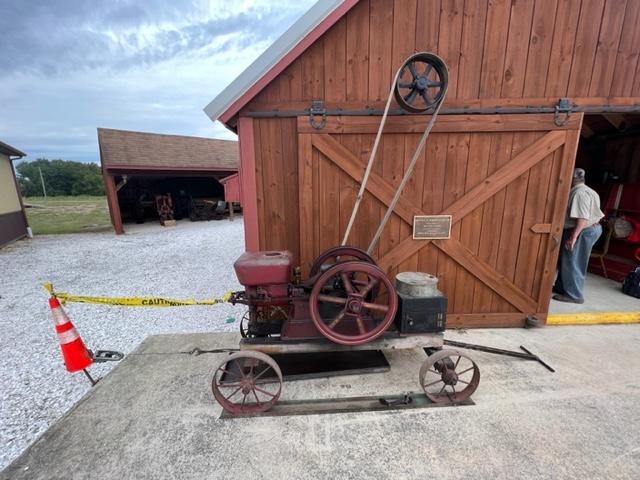
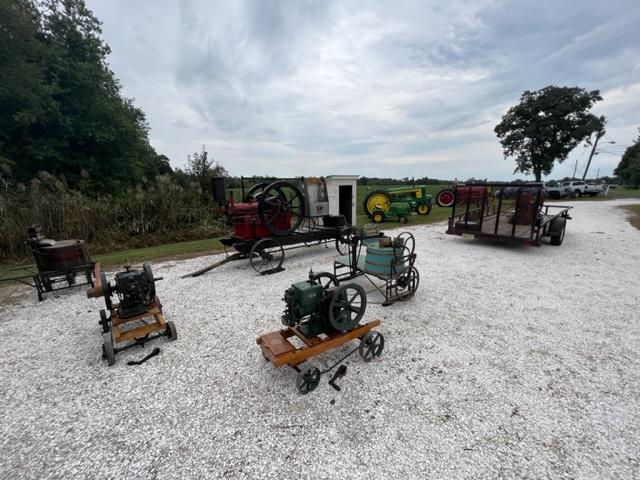
Old time engines: South Jersey Gas Engine Club proudly presents their collection of “Hit or Miss” engines.
The Farm equipment and working engines at the “Old Time Engine Day” in September 2023 was an interesting mix of old farm equipment, household equipment and everyday items run by an engine in the early 1900’s. It was a very interesting display on how we have come in manufacturing and the museum did a nice job on the displays.
The working farm equipment at the Lower Alloways Creek Historical Society
The Farm Engine equipment
The Farm Engine equipment
The Farm Engine equipment
The Farm Engine equipment
Video on the display:
The Farm Engine equipment
Farm Day: Come and see antique tractors and a variety of farm equipment. See the progression of farm equipment throughout the centuries.
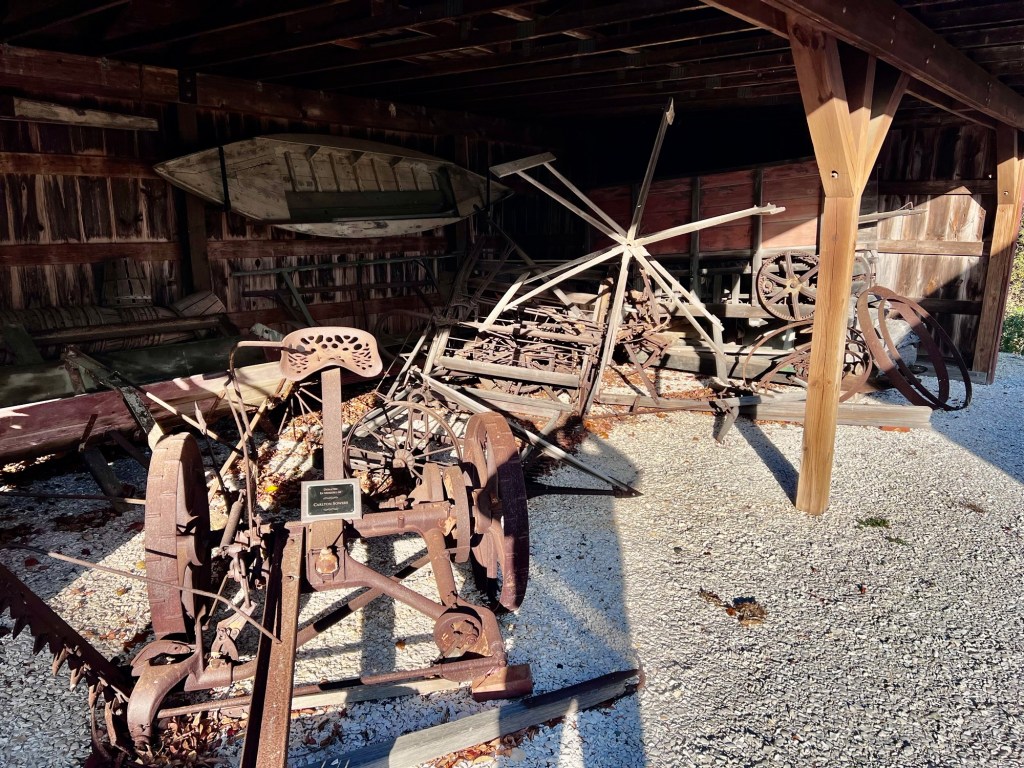
Retired farm equipment in the barn
The barn
Farm Equipment in the barn.
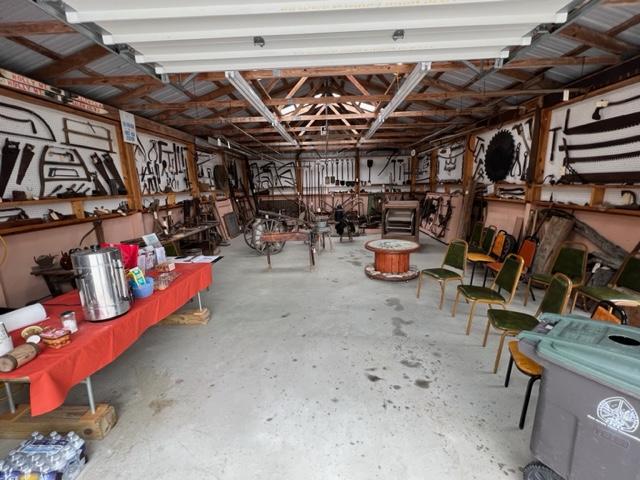
Some of the equipment and refreshments in the barn.
The barn equipment during my visit in 2025
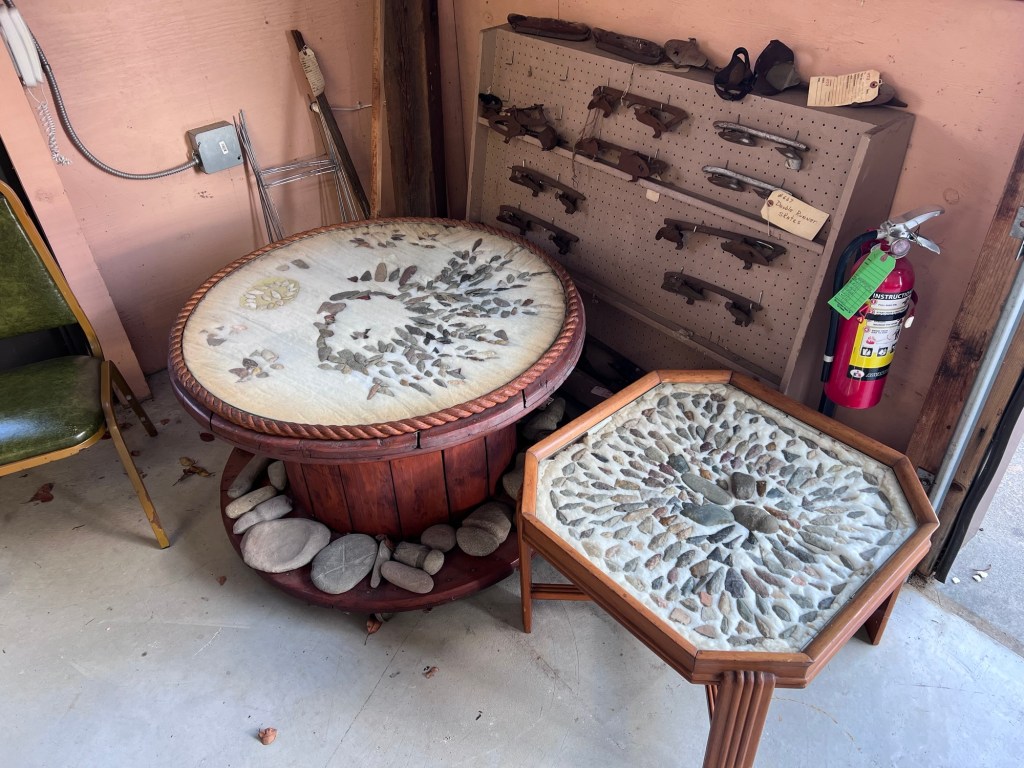
Indian Arrowheads on display in the barn
Cabin Cooked Pie Day:
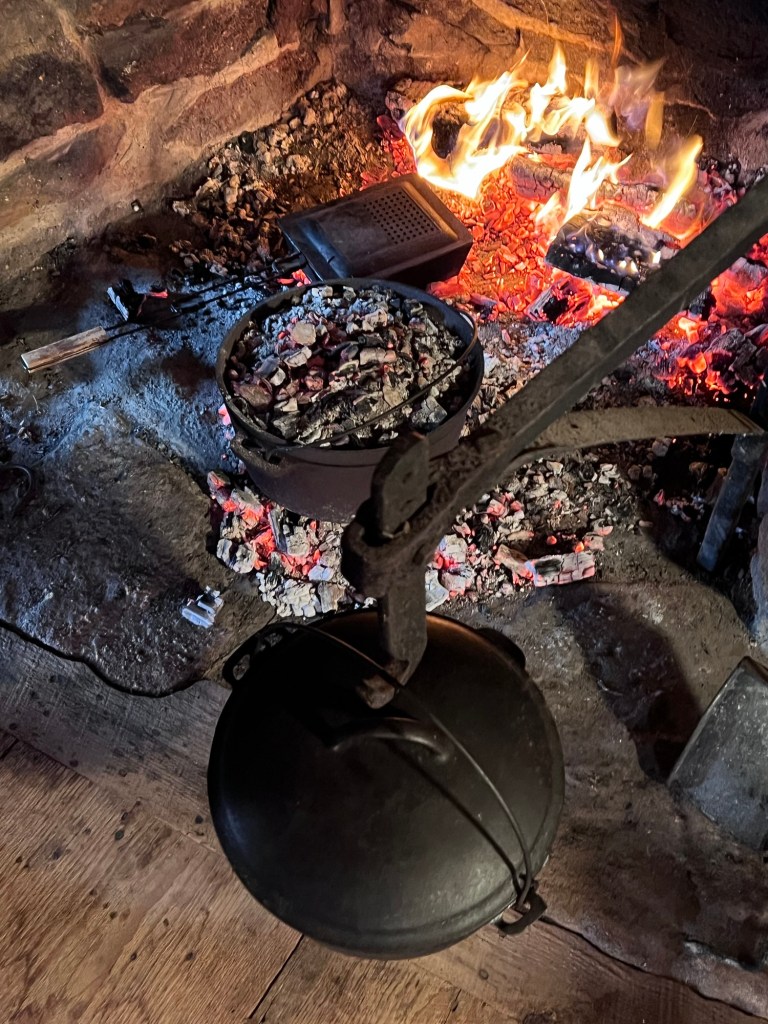
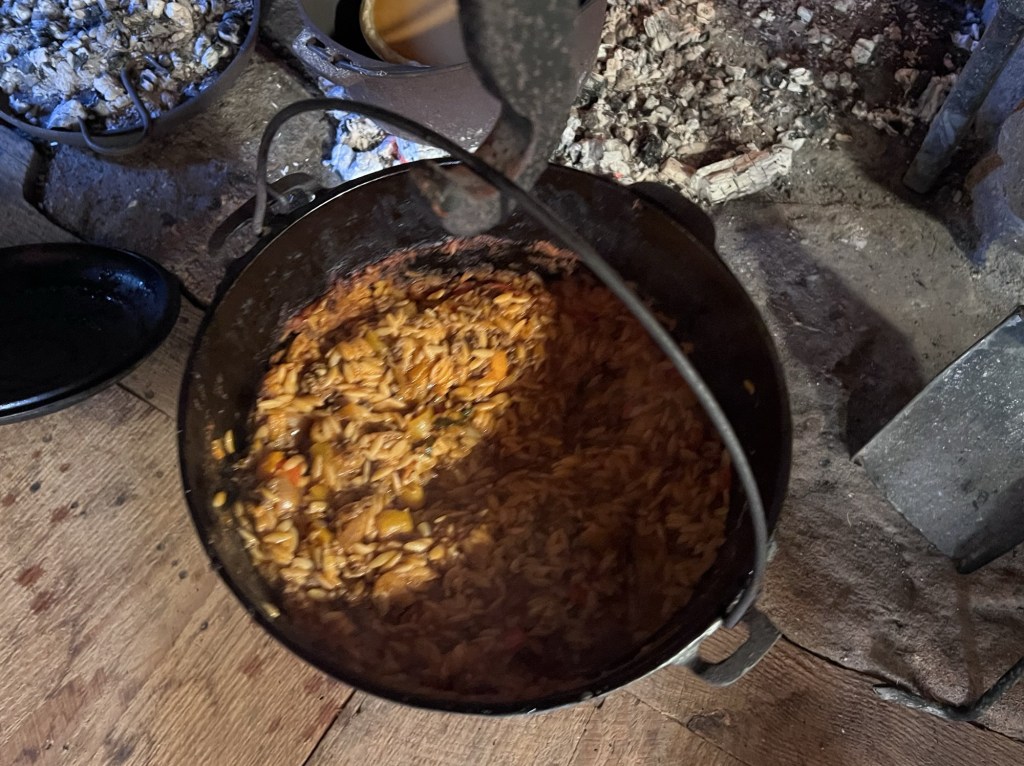
There is nothing better than a freshly baked pie in a fireplace. In November 2025, I returned to the museum for ‘Pie Day’. There were various pies, chestnuts and soup being cooked in the log cabin fire place that afternoon. It was interesting to see cooking procedures from a hundred years ago.
I visited the museum and got to watch the volunteers cook all sorts of goodies in the fire. It is interesting how foods were cooked and tested for doness over a wooden fire. The coordination of cooking times and temperatures.
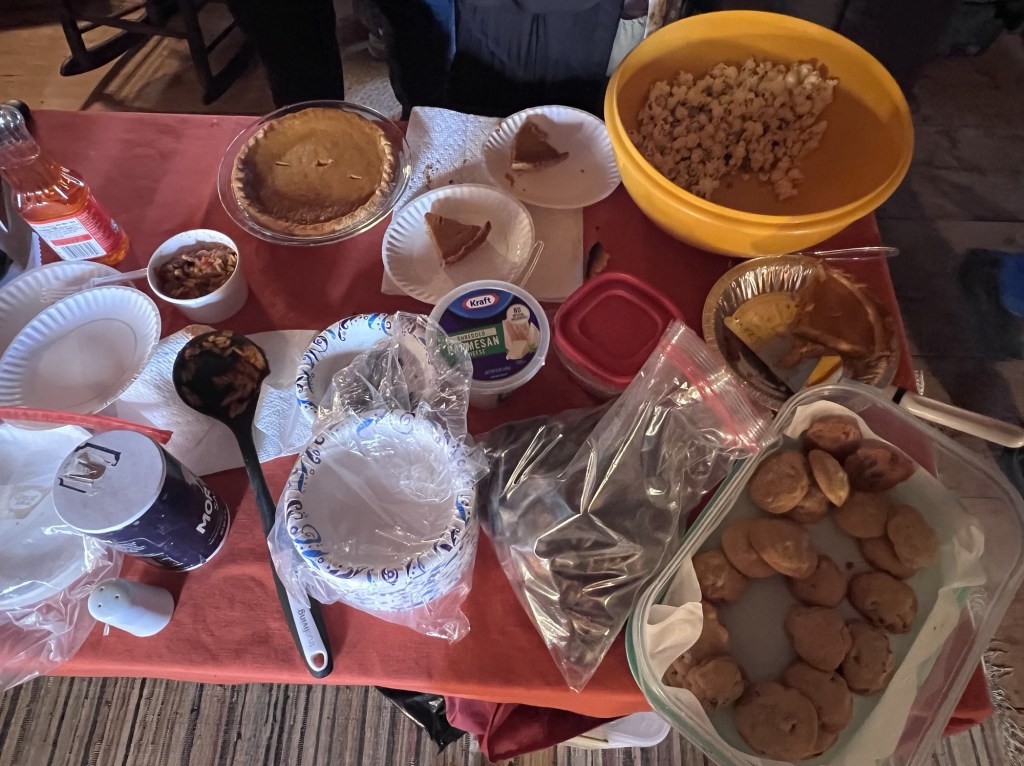
The Log Cabin goodies that afternoon
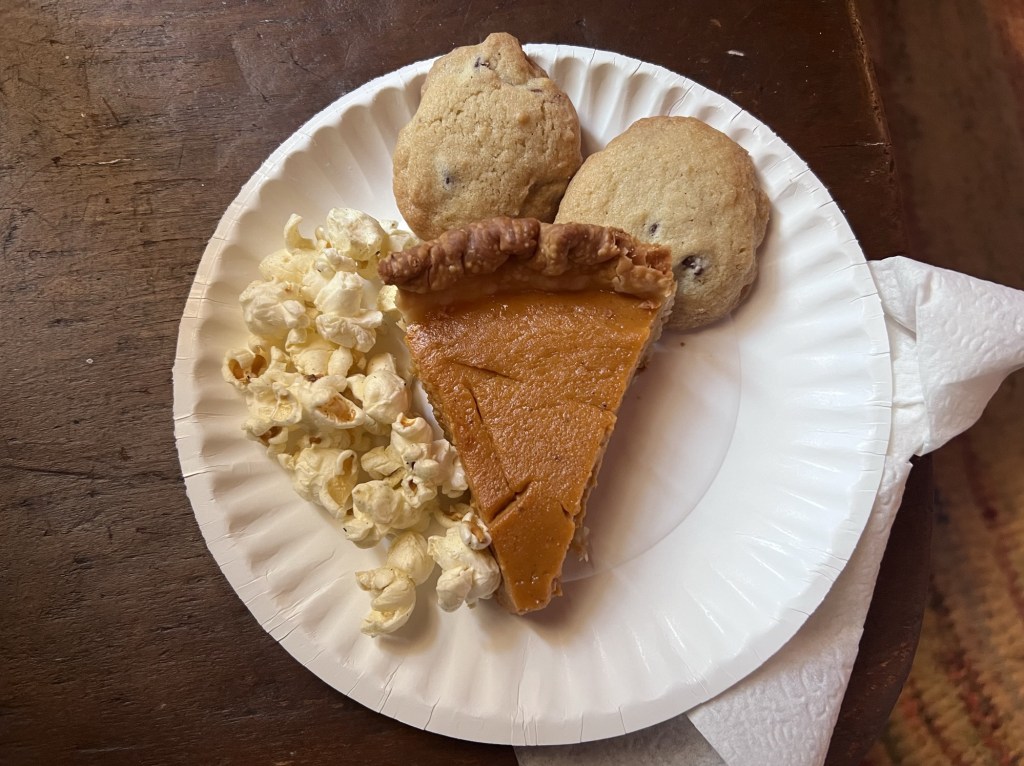
Visitors choose from Apple or Pumpkin pies, Roasted Chestnuts, Buttery Popcorn, Chocolate Chip cookies or Stuffed Cabbage Soup, all cooked fresh in the pots on the open fire hearth which also warmed the house on a cool afternoon. The museum was even selling a cookbook, Down Jersey Cookbook on some of the recipes being used in this part of New Jersey.
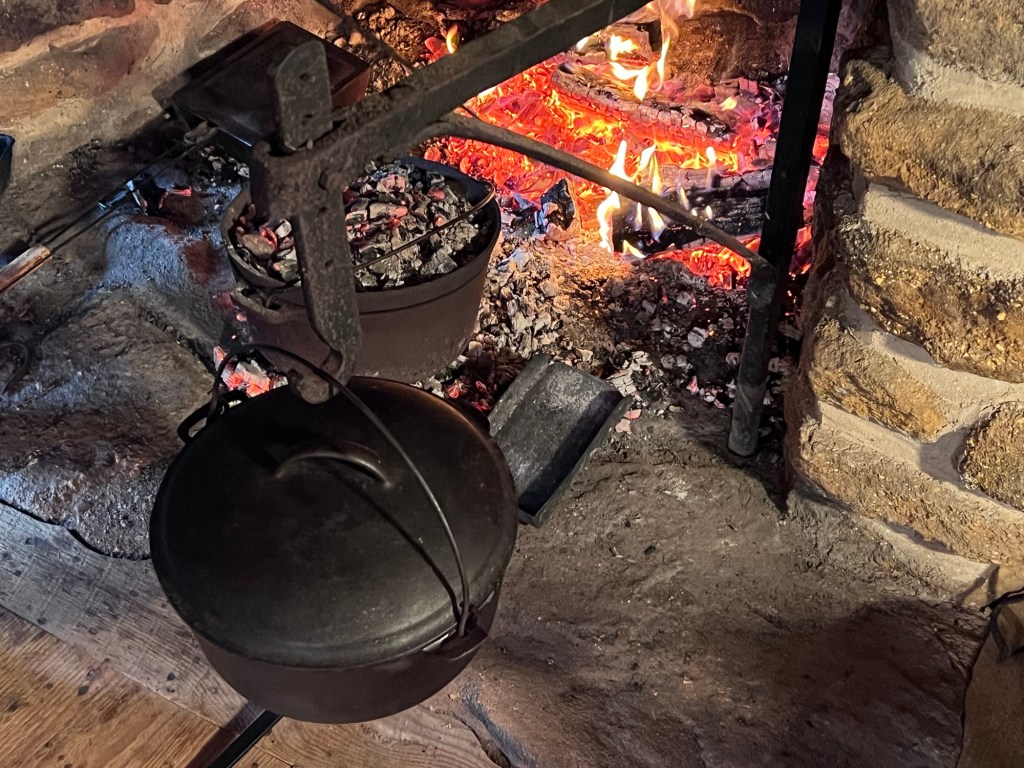
Cooking pies, soup, chestnuts and popcorn in the fireplace
The pies, Chestnuts and soups being cooked in the Open Hearth
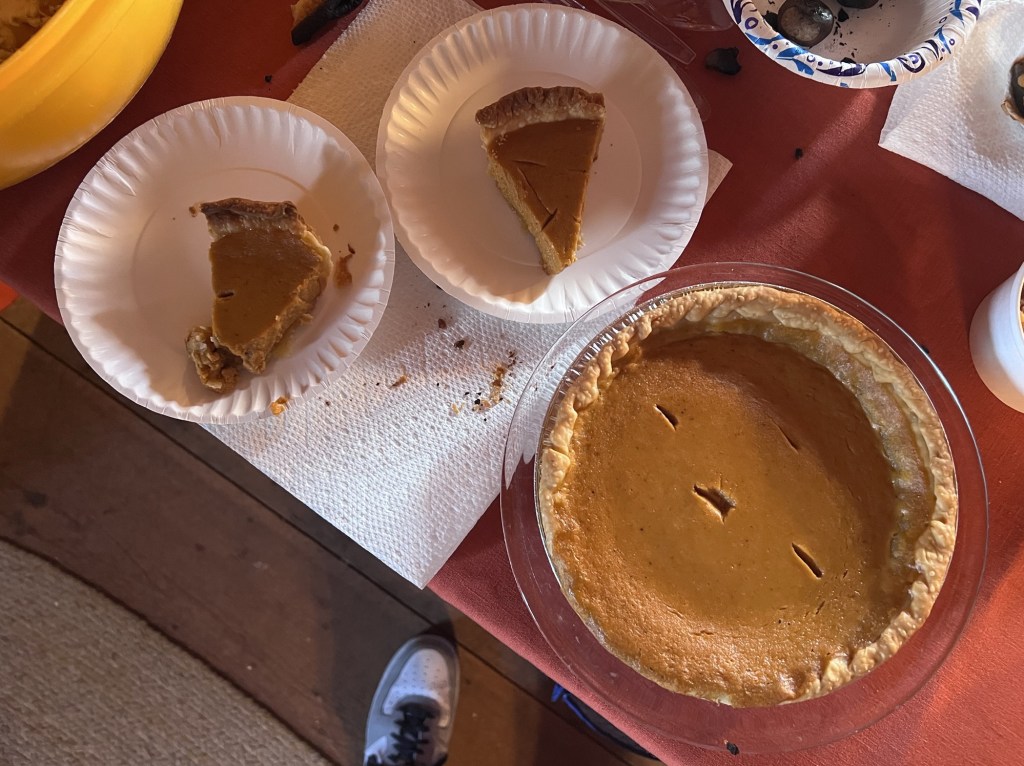
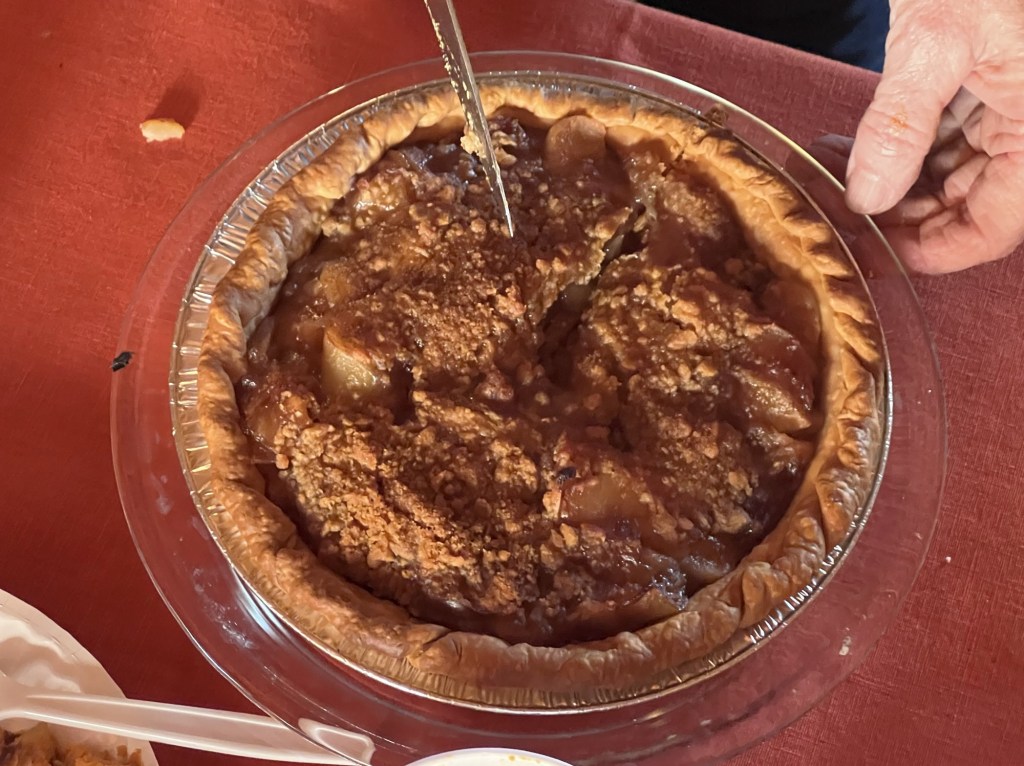
It was interesting how the pies were cooked in the cast iron equipment and then laid out to cool. They came out of the oven steaming hot and sat to cool before being sliced.
The freshly baked Pumpkin pie
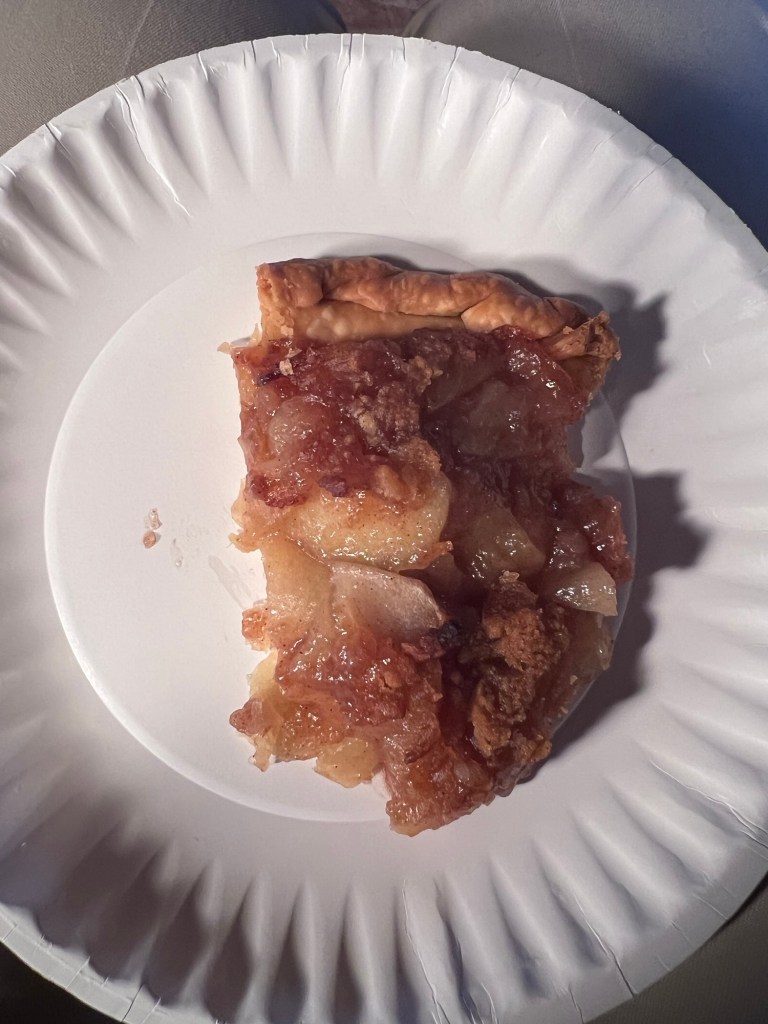
Freshly baked Apple pie
Freshly baked Apple pie. Yum!
Stuffed Cabbage Soup in a cast iron pot
The thick Stuffed Pepper Soup
Freshly Roasted Chestnuts from the fireplace
The pots and pans in the fire
It was fun watching the foods being cooked right on the spot they way they would have over a hundred years ago. It was even more fun to eat them. I learned a thing or two about the culinary arts this afternoon and it was so nice to sit in a warm kitchen by the fire on a cool November afternoon.
The delicious Fall goodies cooked in the hearth
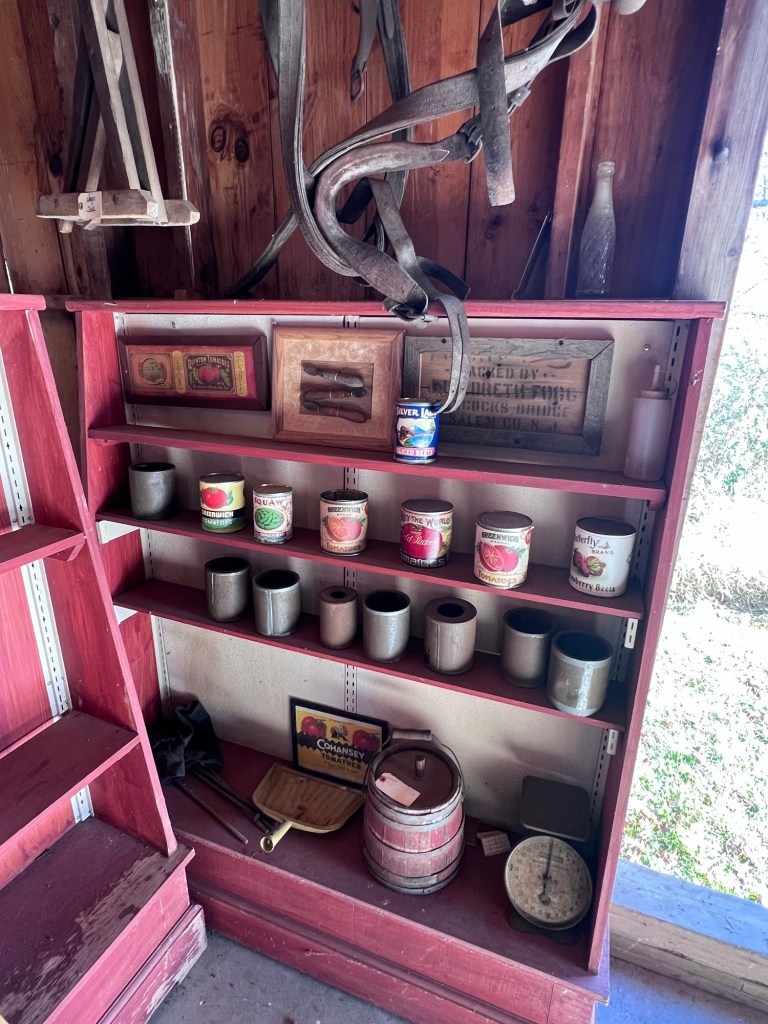
Farm supplies kept cool in the barn
It was really a homey event at the museum, with good food and wonderful conversation with residents of the community. All in a room warmed by a fire in a working fireplace. I love it when museums do such great events and using the historical cooking instruments was very unique.
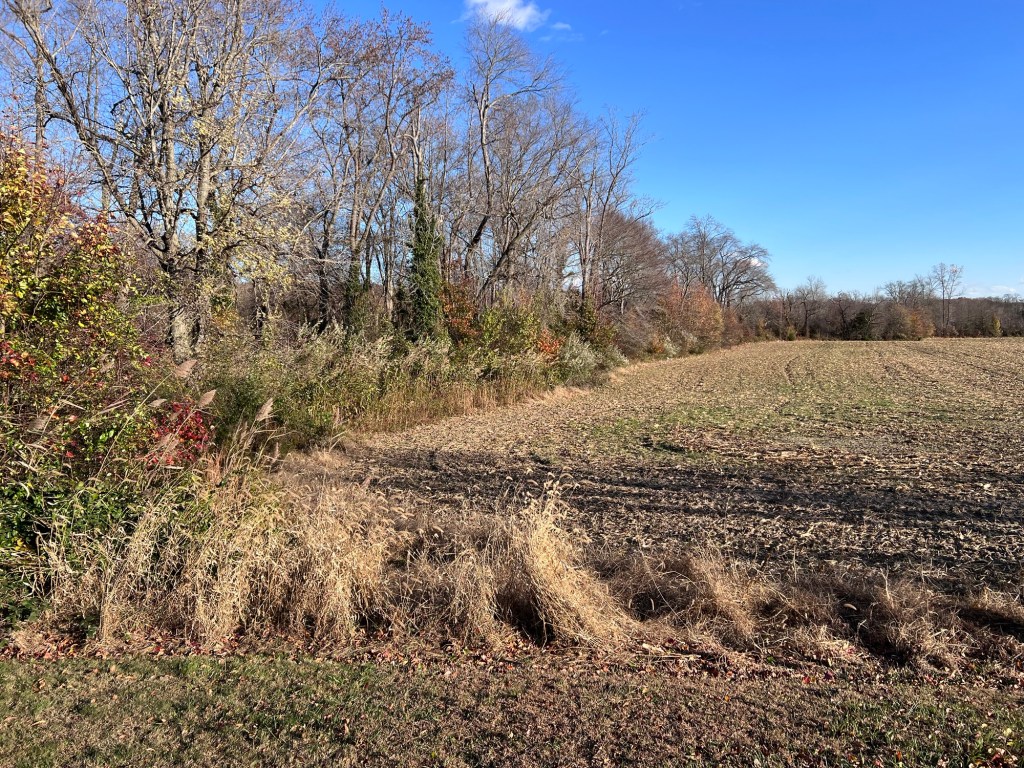
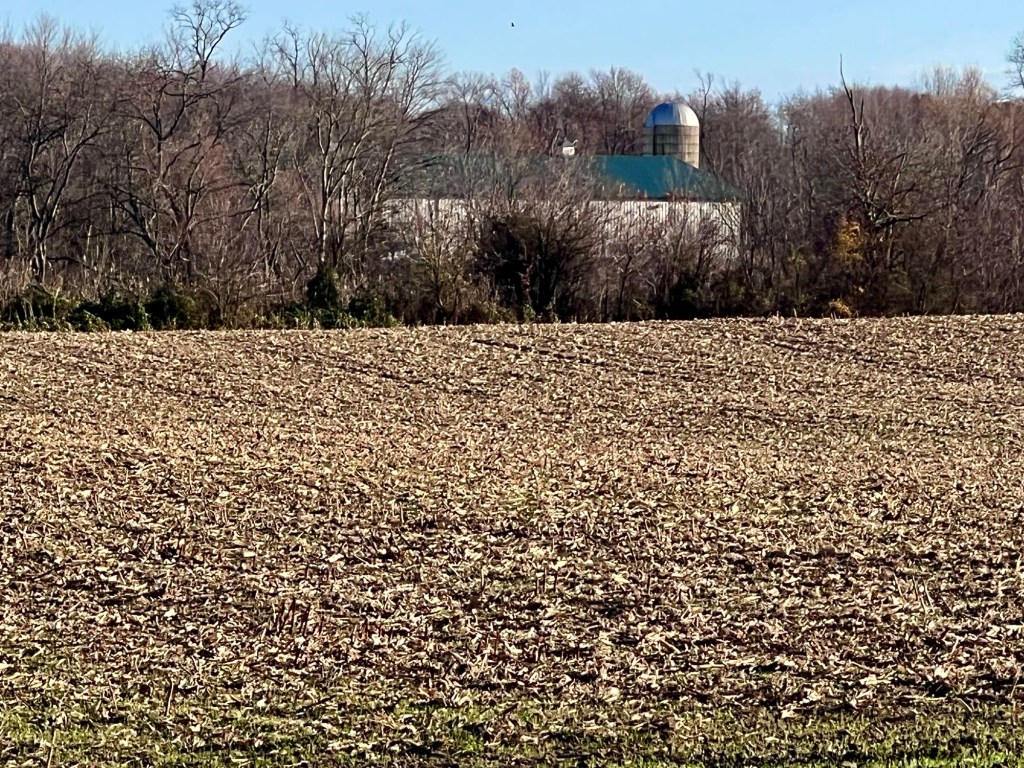
The Museum is in a rural location so the farmland that surrounds the house is really beautiful. The views in the fall were just gorgeous when the leaves were turning colors.
The beautiful farmland that surrounds the historical society.
The view on a late Fall day
The view of the local farm
The fields
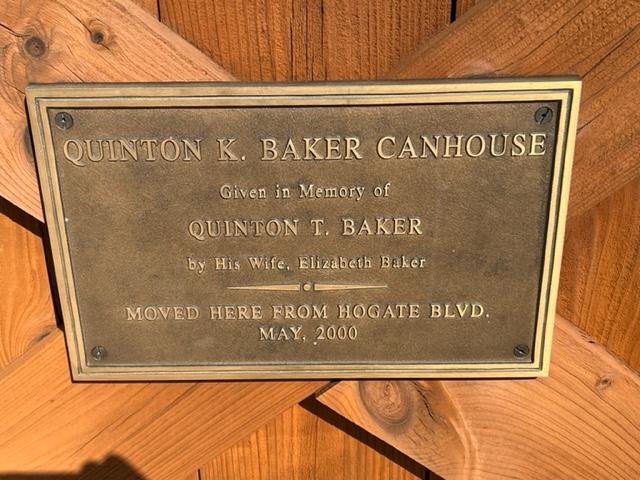
The plaque of the “Quinton K. Baker Canhouse, the last one left.
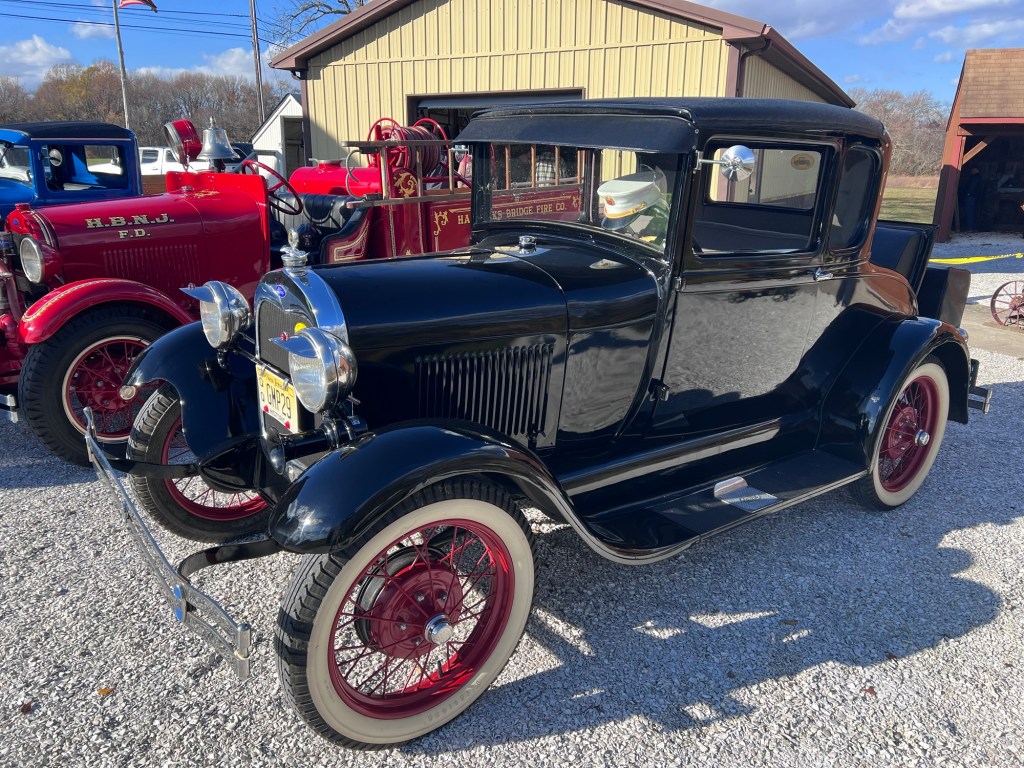
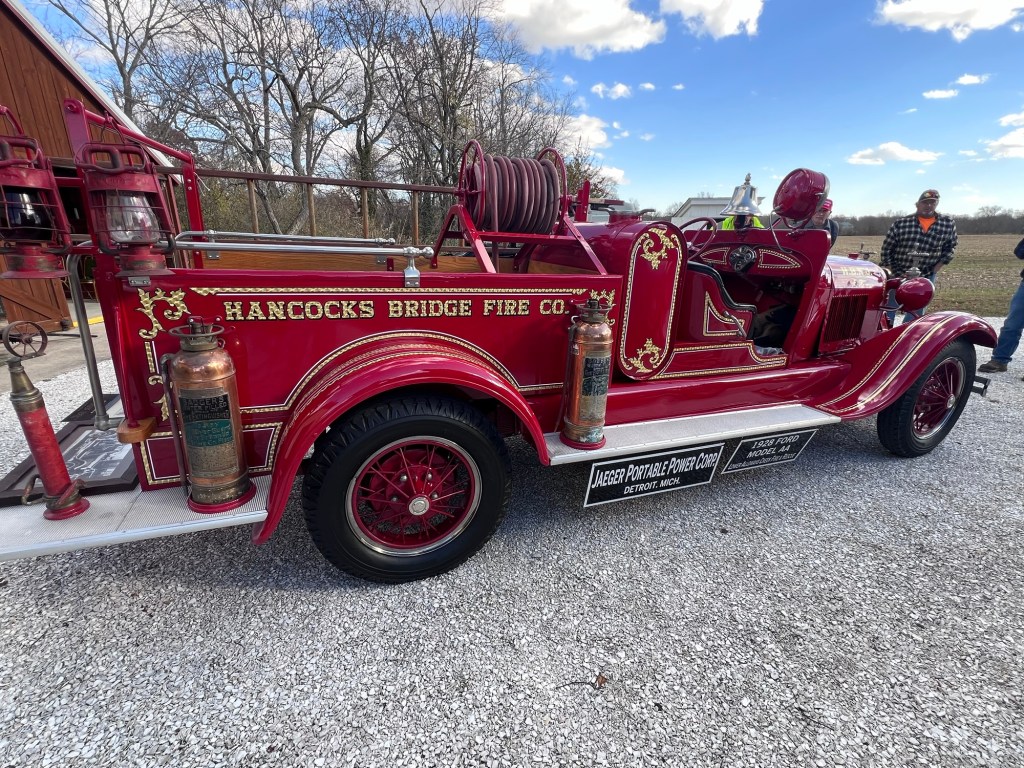
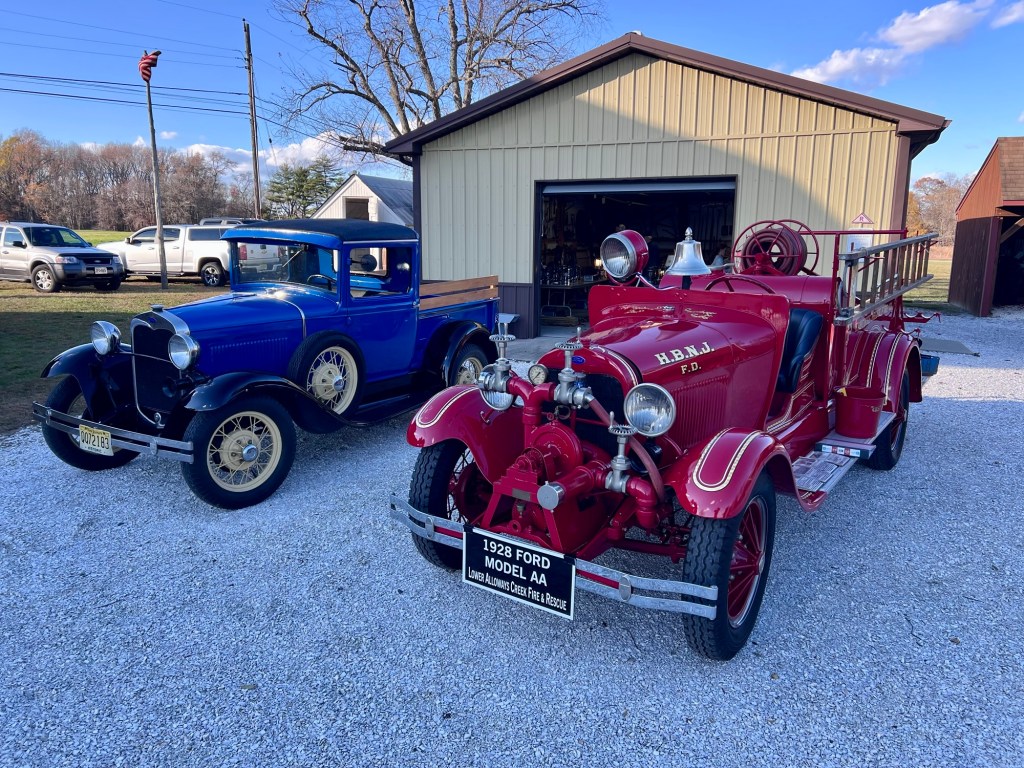
The historic cars and fire trucks on display at the museum that day:
The Model T
The Hancock Bridge’s 1928 Hose truck
The cars on display that day
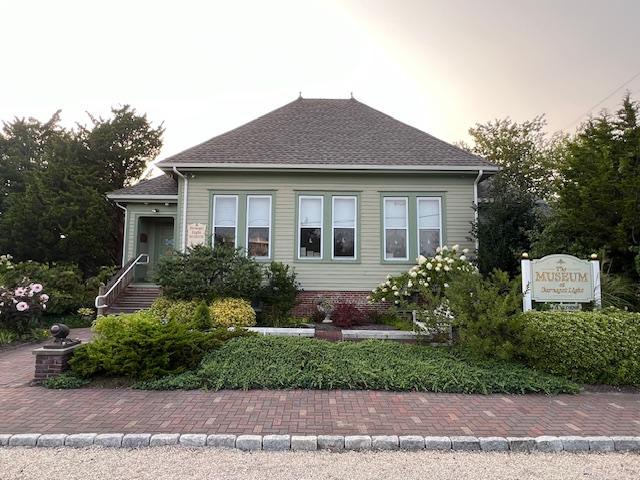
The front of the museum on my visit in November 2025
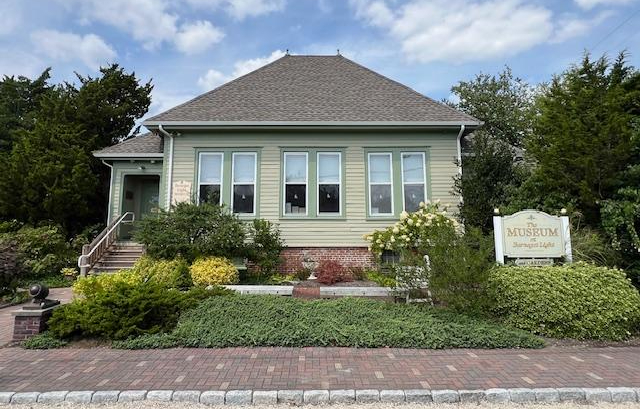
The back of museum during my visit in November 2025
The museum is open six times a year for special events. Please check out their website and their Facebook page for details. The Pie event was the last event for the season until the Spring.
I was on Long Beach Island for the afternoon and had wanted to visit the Barnegat Light Museum on my last trip to the island but it was closed for the afternoon. When I checked the site to see if it was open this weekend, I found that it was and since I had to be in Beach Haven that afternoon I made it my first trip.
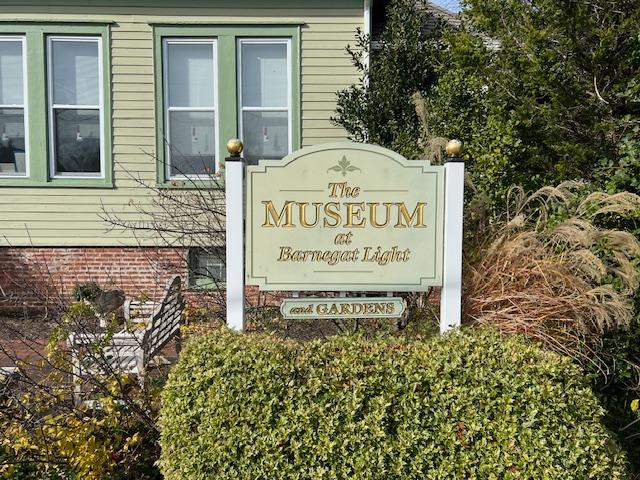
The Barnegat Light Museum sign in the off season.
The museum is now open ‘by appointment only’ in the off season, so I called the number provided and the President of the Museum Board opened the museum up for me and gave me a personal tour. What an interesting little museum packed with information and artifacts.
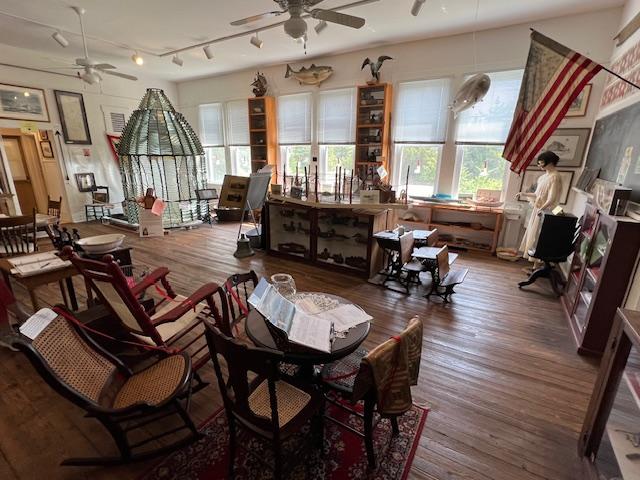
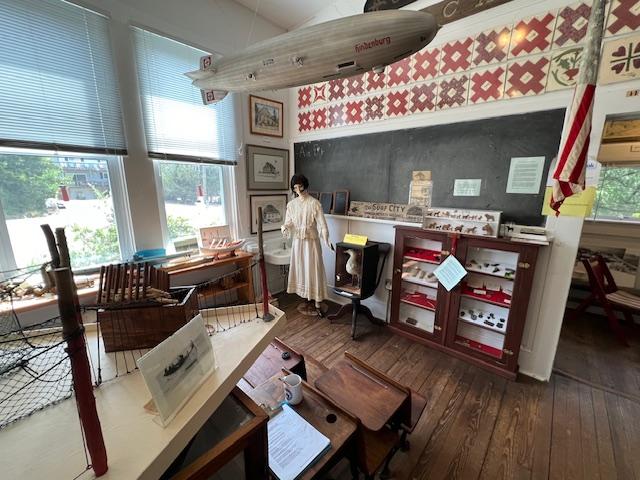
The Barnegat Light Museum main gallery
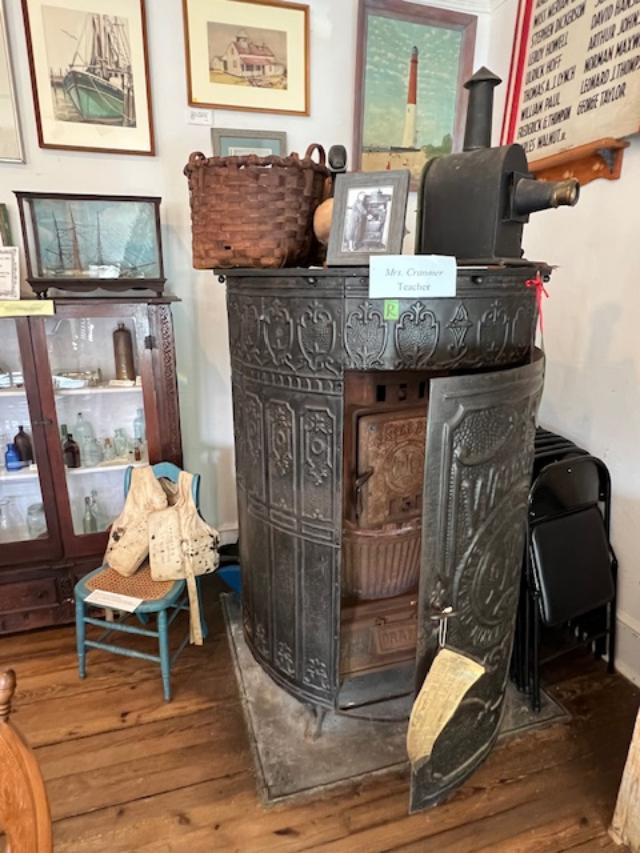
The museum is a former one room school house that was built in 1903 and used by island school children until 1954. The building still houses the original heating unit, a coal burning furnace and books of the children’s notes from school that had been handwritten (now typed) of current events and school notes.
The main gallery of the Barnegat Light Museum
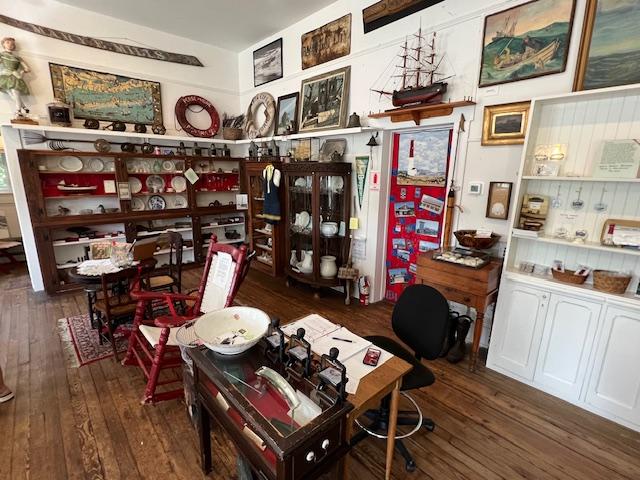
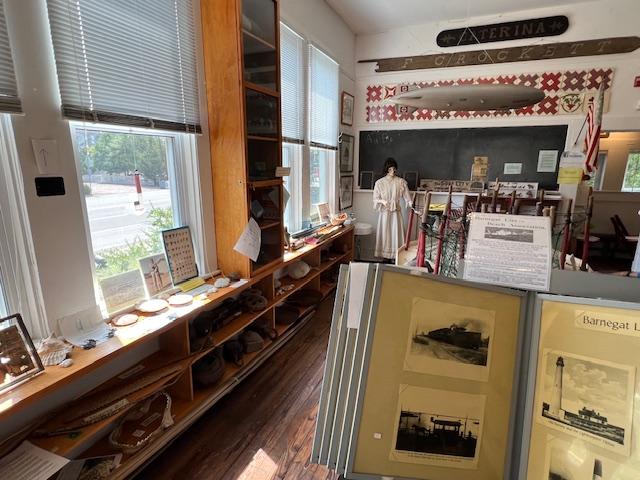
The main gallery of the museum
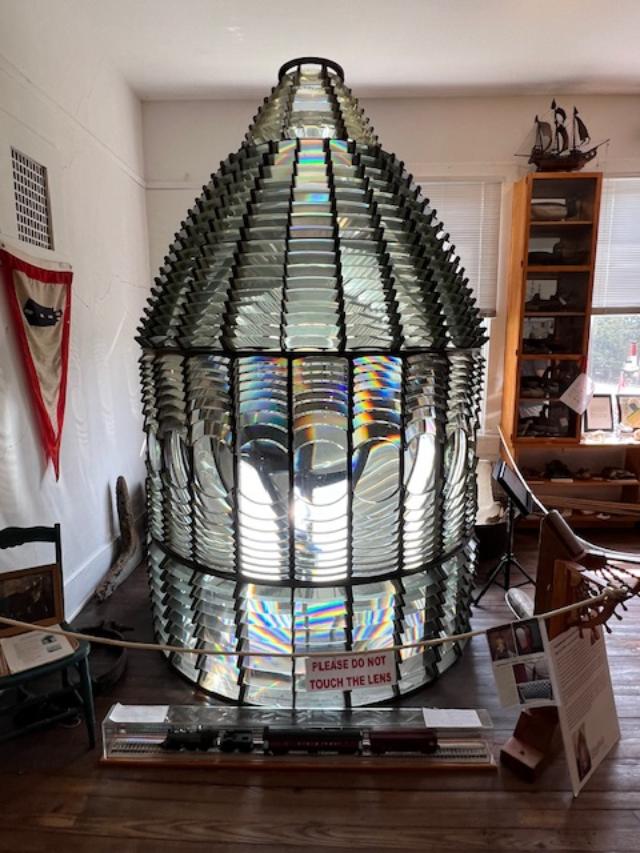
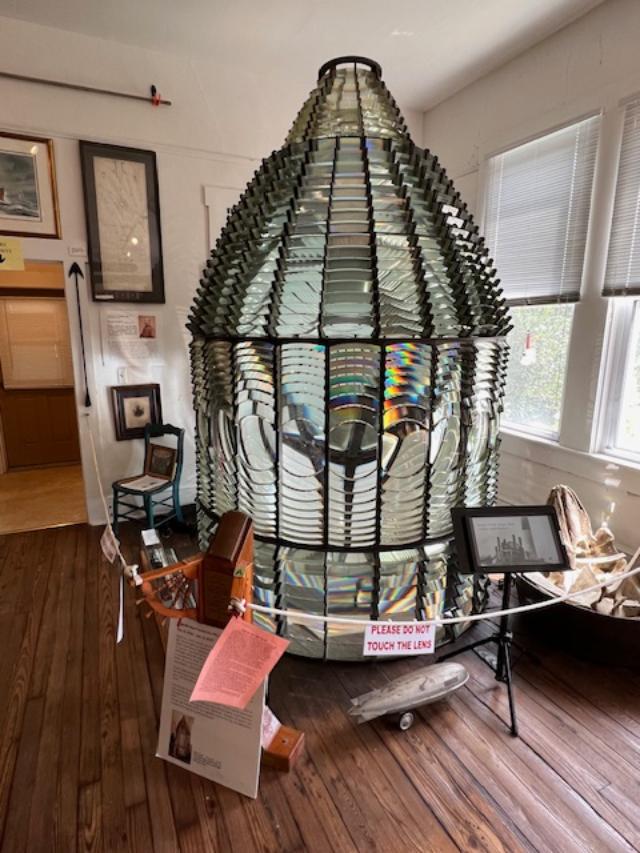
The main attraction is the original light, a 1052 prism lens, for the Barnegat Lighthouse on display since 1927. The glass panels and sheer size and beauty of light shows how it was once the beacon for ships along the New Jersey coast. It had been brought to museum after moving around to various places over the years.
The original Barnegat Light for the Lighthouse
The Lighthouse and light display in the museum
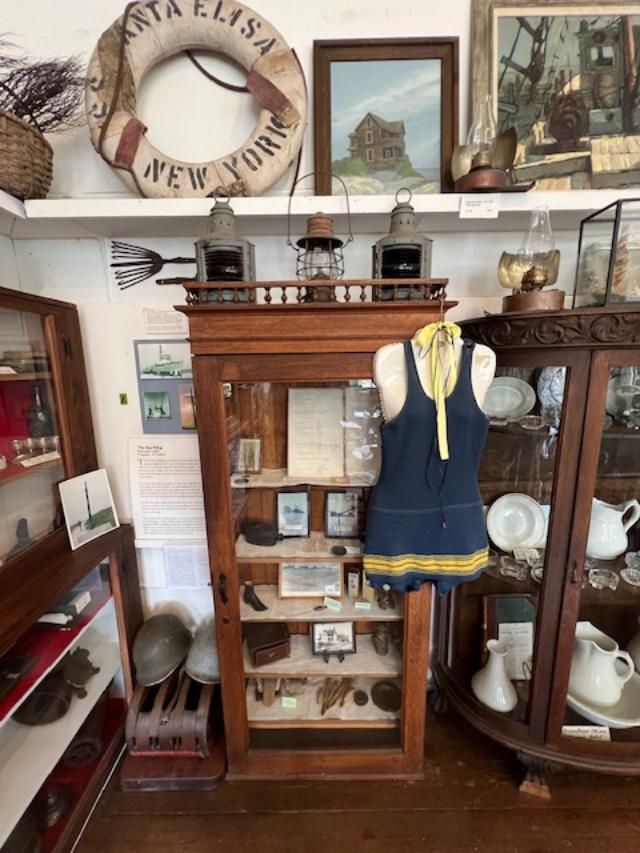
Along the walls are all sorts of local artifacts such as dinosaur bones that had been found in the bay and donated to the museum (the president of the museum said today there are certain laws on this), local housewares from families that lived on the island and various types of fishing equipment.
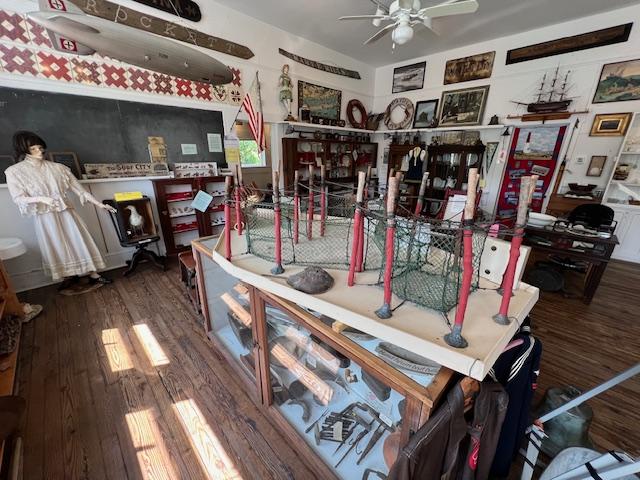
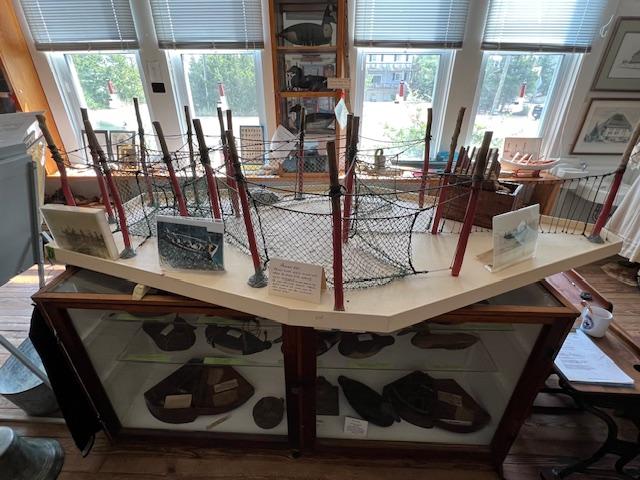
Display cases filled with local fishing artifacts and net configuration for ‘Pound Fishing’
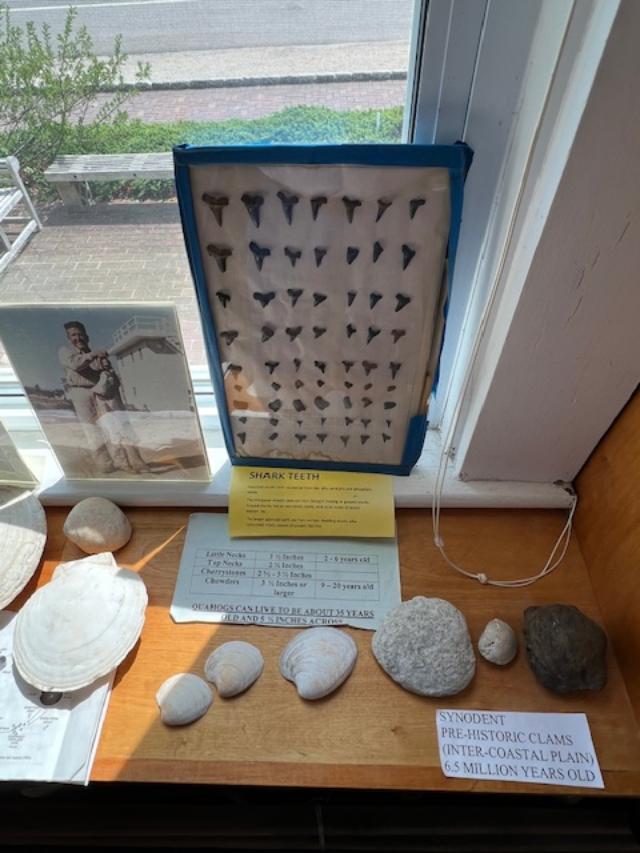
Shark Teeth, Native American Artifacts and prehistoric fossils
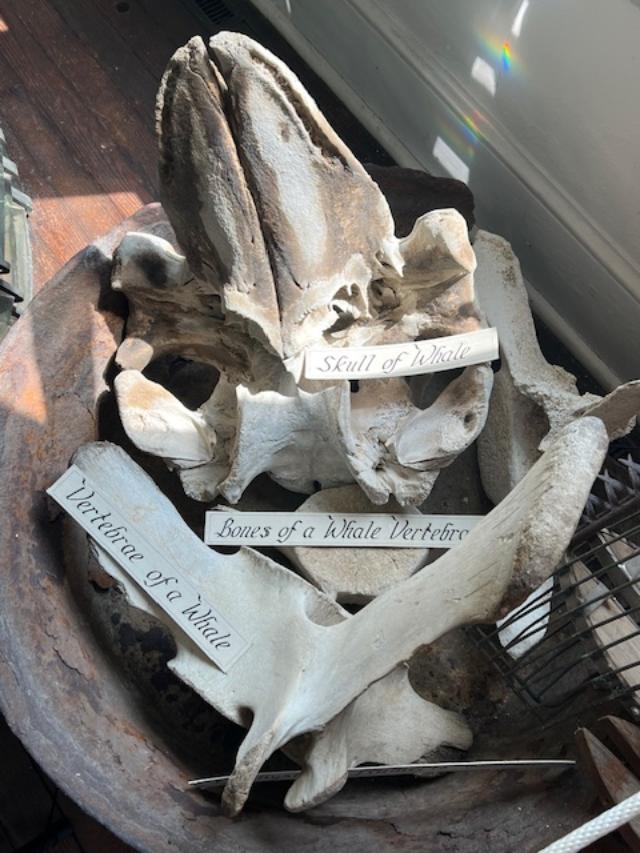
There is even a mini display of ‘Pound Fishing”, which is a series of poles and nets are used to catch the fisherman’s prey. This small display shows how it is constructed and used to catch the fish. There is an extensive display of Duck decoys, showing the island’s past and present as a hunting ground for water fowl. The displays come in all colors and types of ducks. There is also an interesting display of whale vertebrae and other fishing displays.
The Whale Vertebrae exhibit
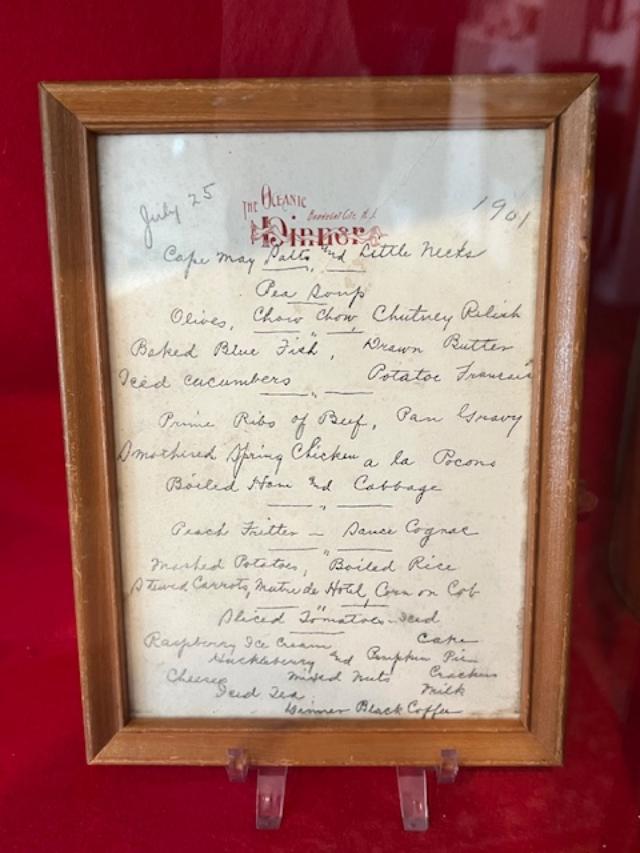
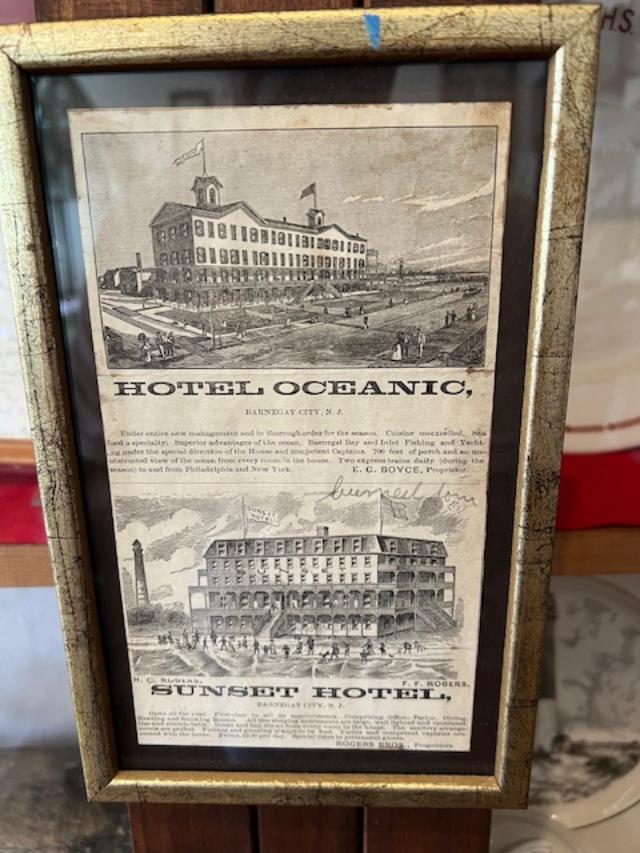
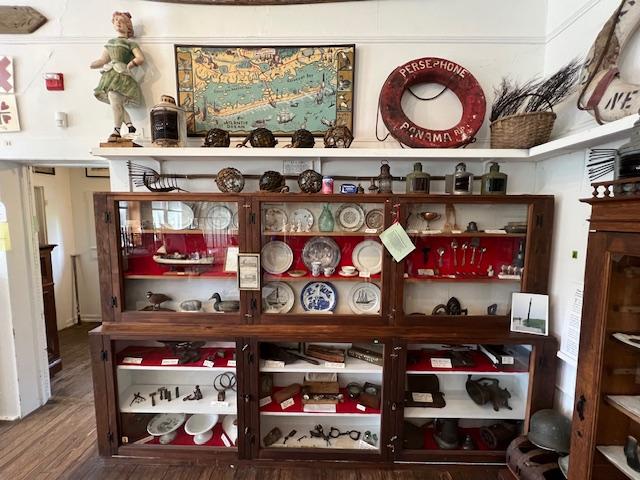
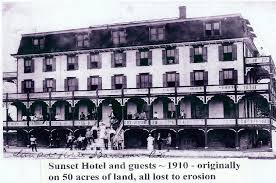
There is an extensive history of the resort hotels that used to be on this part of the island that had been effected by the changing tides of the island. Like the old lighthouse and lighthouse keepers home, one of the hotels just gave way to erosion. This part of the island just keeps shifting.
The Resort and Hotels display of menus
The Resort and Hotels display-The former hotels
The Resort and Hotels display-Dishware and resort artifacts
Hotels disappeared because of shifting tides
Water sports and fishing displays
Since the building was once home to Barnegat Light’s School house, the original furnace is still in the building along with a display of items from old schools in the area.
The School gallery
The Schoolhouse Gallery
The schoolhouse furnace
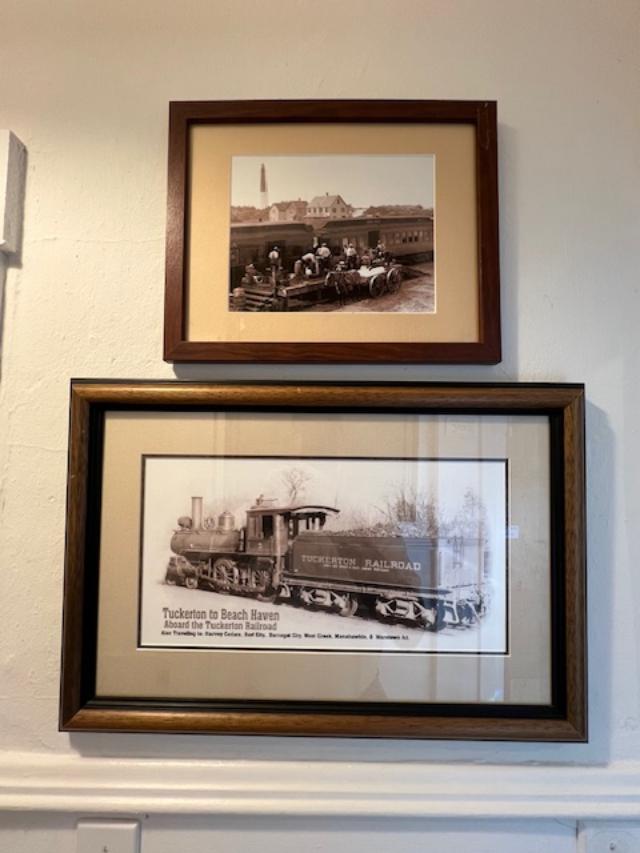
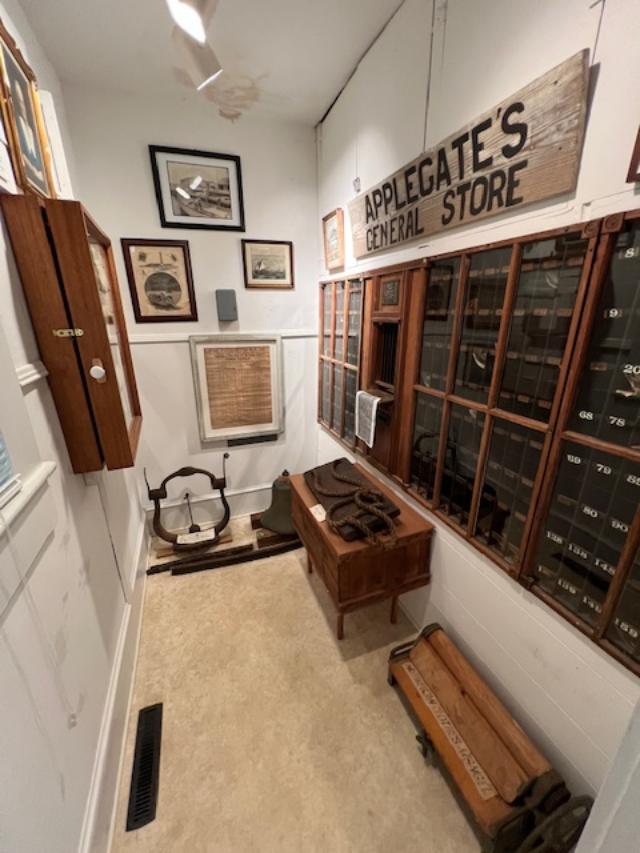
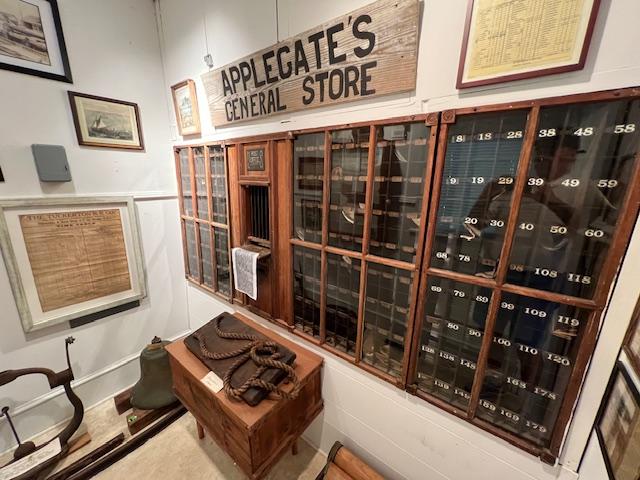
The retail trade in the early part of the century leading from the old railroad track to the island was the local General Store. The railroads were a big part of the growth of this area until automobiles to the shore became the preferred mode of transportation.
The railroad display
The General Store exhibit
The General Store exhibit
The Edith Duff Gwinn Gardens behind the museum in all seasons:
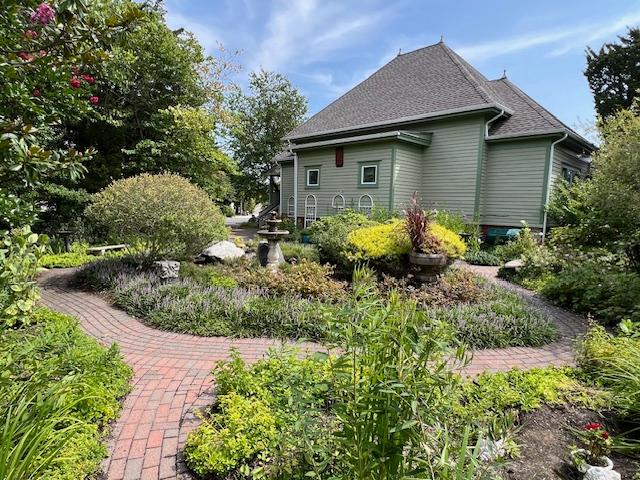
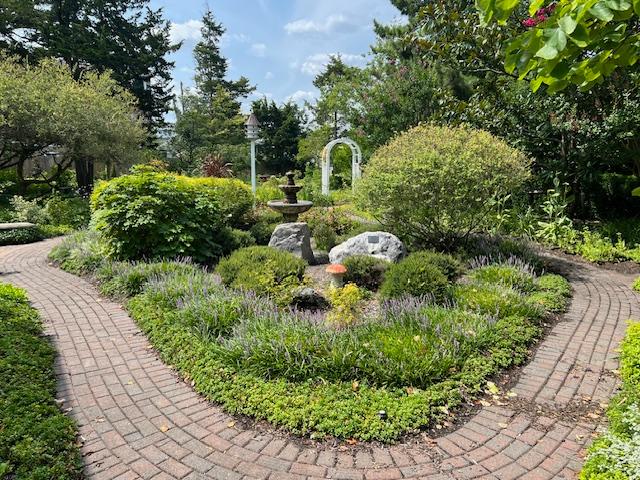
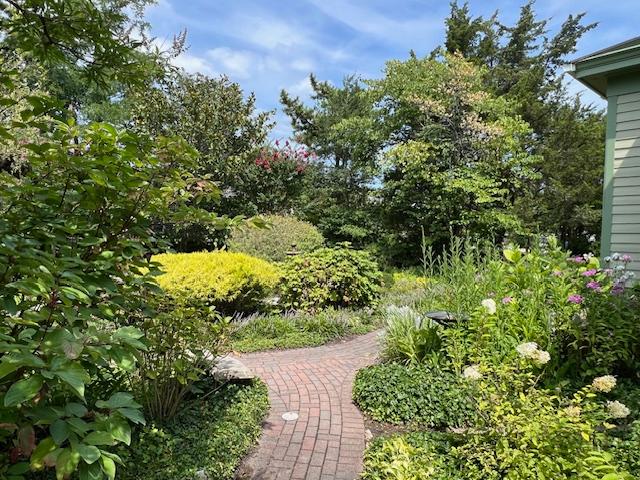
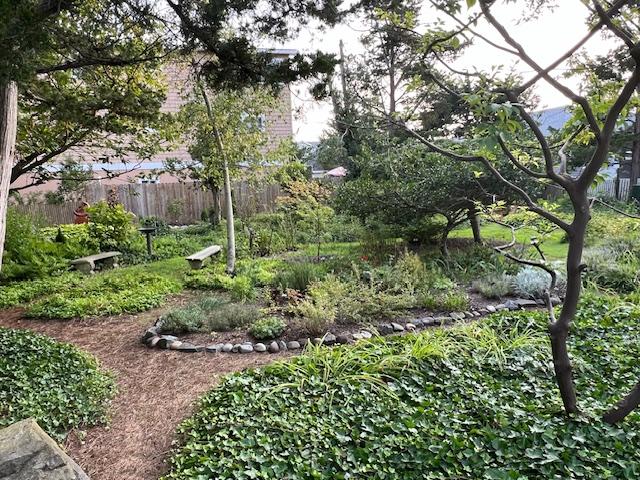
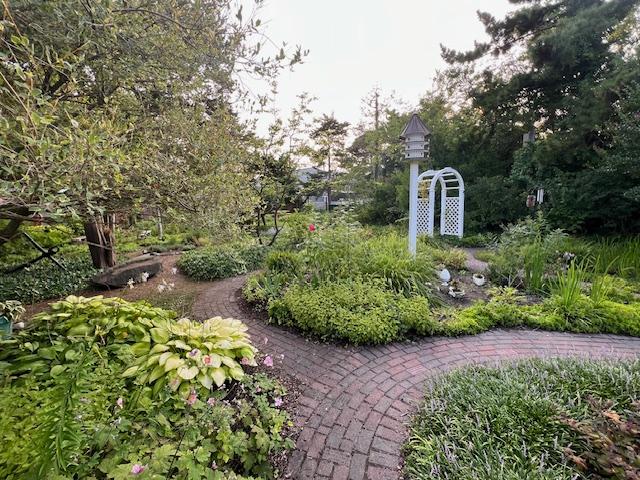
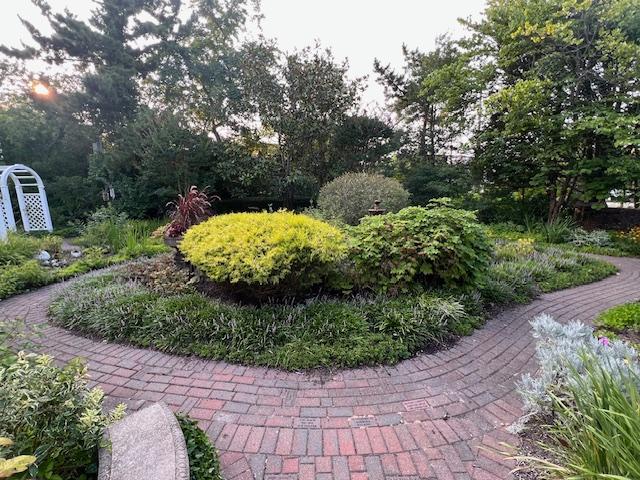
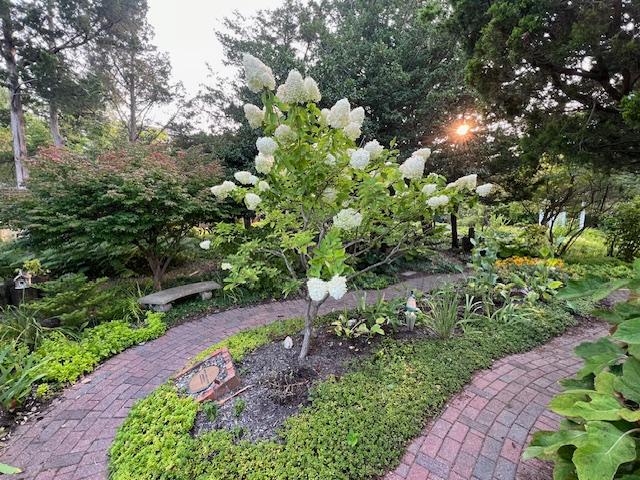
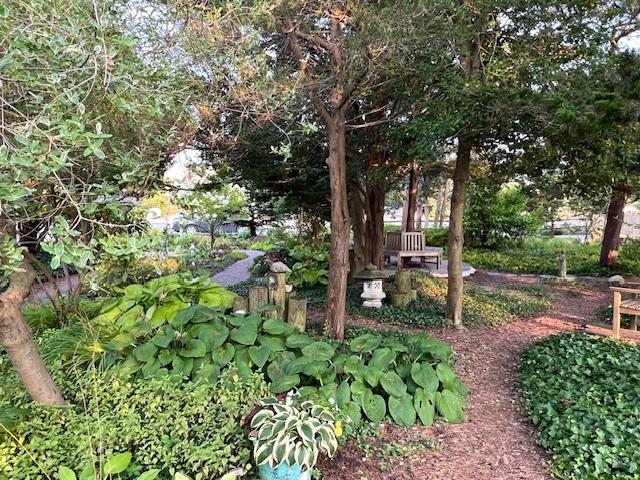
One beautiful benefit of the museum is the beautiful gardens that surround the museum, The Edith Duff Gwinn Gardens. The pathways are maintained by the Long Beach Island Garden Club. These wondering paths surround the property and especially elegant looking in the back of the building.
The Gardens from the back of the museum
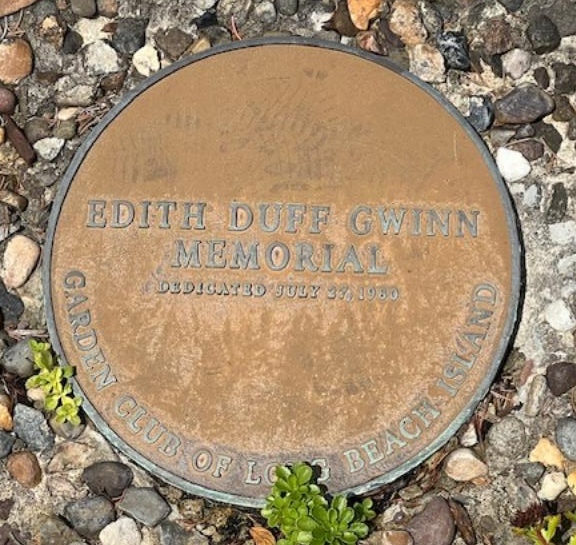
The Garden plaque to Edith Duff Gwinn
The Edith Duff Gwinn Gardens are on the side and behind the museum
The Edith Duff Gwinn Gardens that surround the museum are maintained by the Long Beach Island Garden Club. The gardens are at their peak in the late Spring and early Summer months. The paths are filled with seasonal flowers and shrubs.
In the off season, you can visit the museum by calling ahead and you can schedule an appointment with the staff of volunteers that work at the museum.
The Gardens in the late Summer of 2024
The Beehive
The Gardens in the late Summer of 2024
The Gardens in the late Summer
The Gardens in the late summer
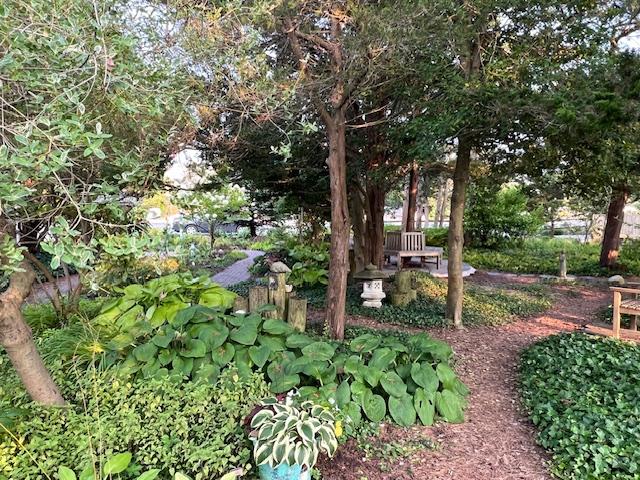
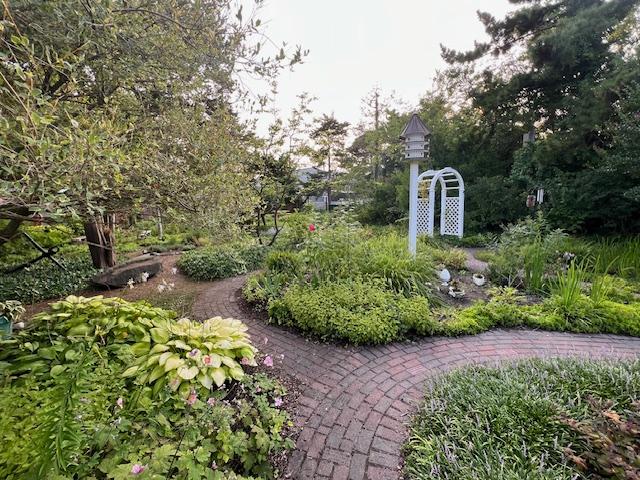
The Garden paths are filled with colorful flowers and plants
The back of the Gardens and the seating area
The back of the Gardens
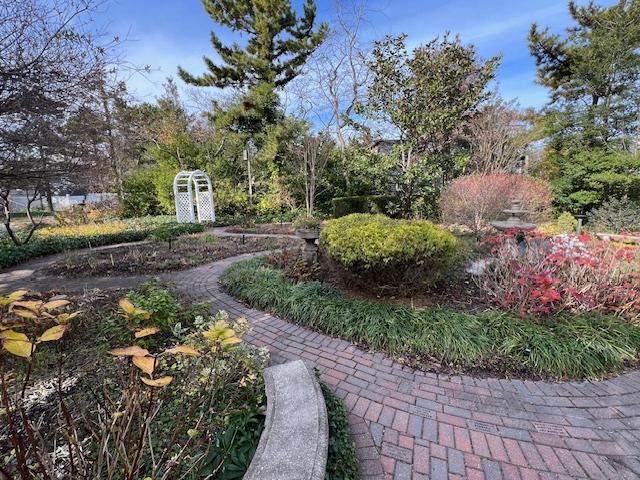
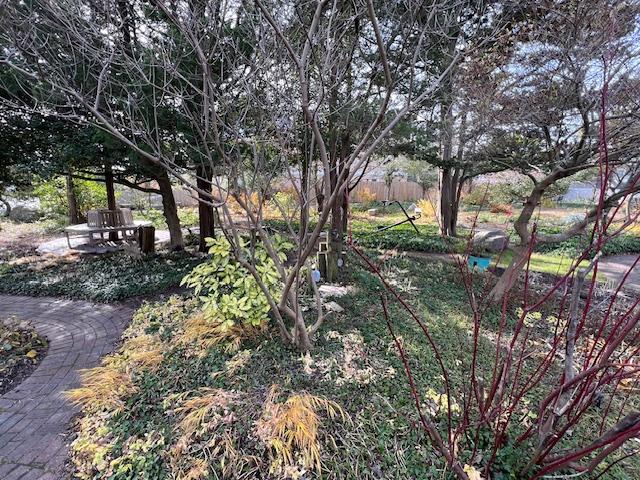
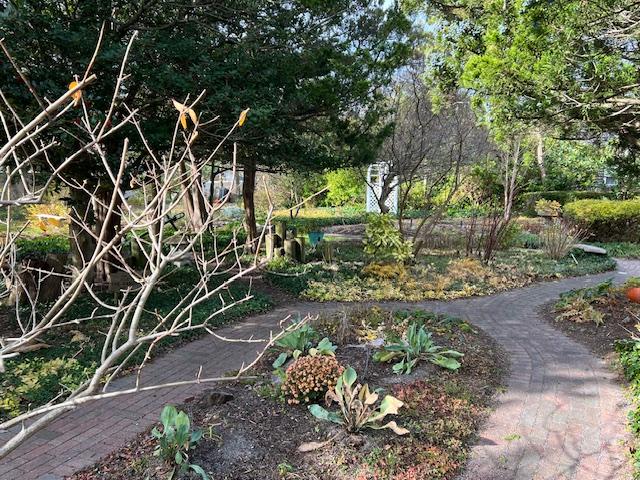
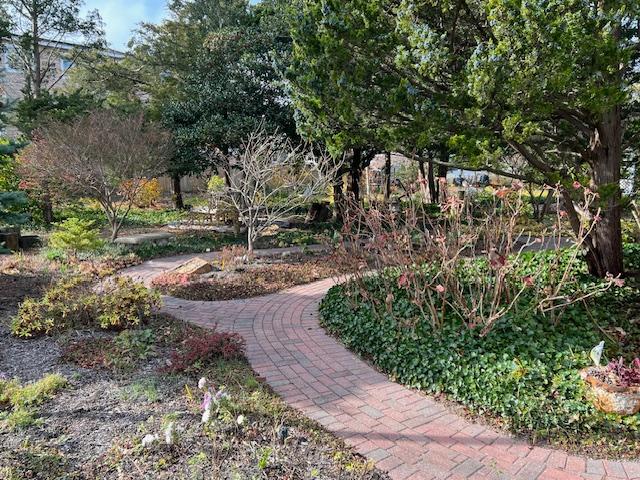
The Gardens also looked beautiful in the late fall when I arrived for the early holiday activities in Viking Village. I was able to walk around when the museum was closed for the season.
The Gardens during the late fall:
The Gardens during the late fall:
The Gardens during the late fall:
The Gardens during the late fall:
The gardens around Halloween time
The gardens in the Spring and Summer are quite spectacular and the volunteers do a nice job with the landscaping around the museum.
The gardens in the early Summer of 2024
The Gardens in the Summer of 2024
The Gardens in the Summer of 2024
The Gardens in the Summer of 2024
The gardens are really nice in the summer months
Both on the personal tour and when the museum is open during the summer months, the museum is a real treat both inside and out. This small museum is chock full of information not just on Barnegat Light but on the areas development for tourism and business.
It is such an interesting piece of Jersey Shore history.





















 Visiting a Museum: The Unique, Unusual, Obscure and Historical