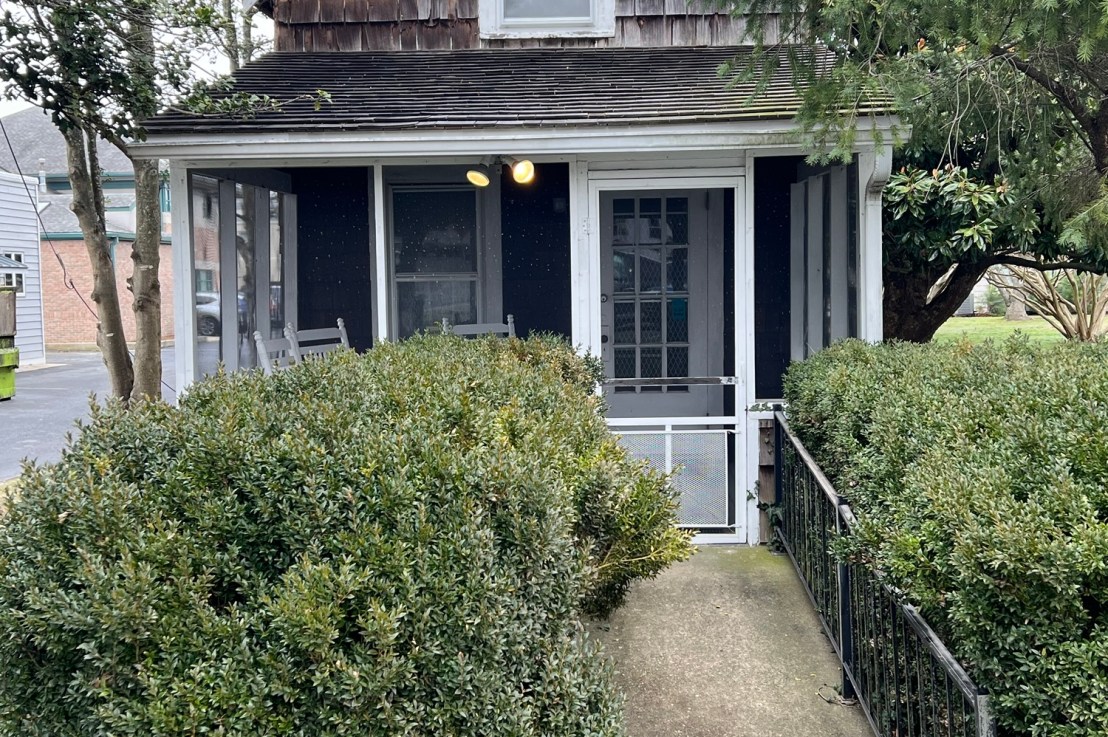
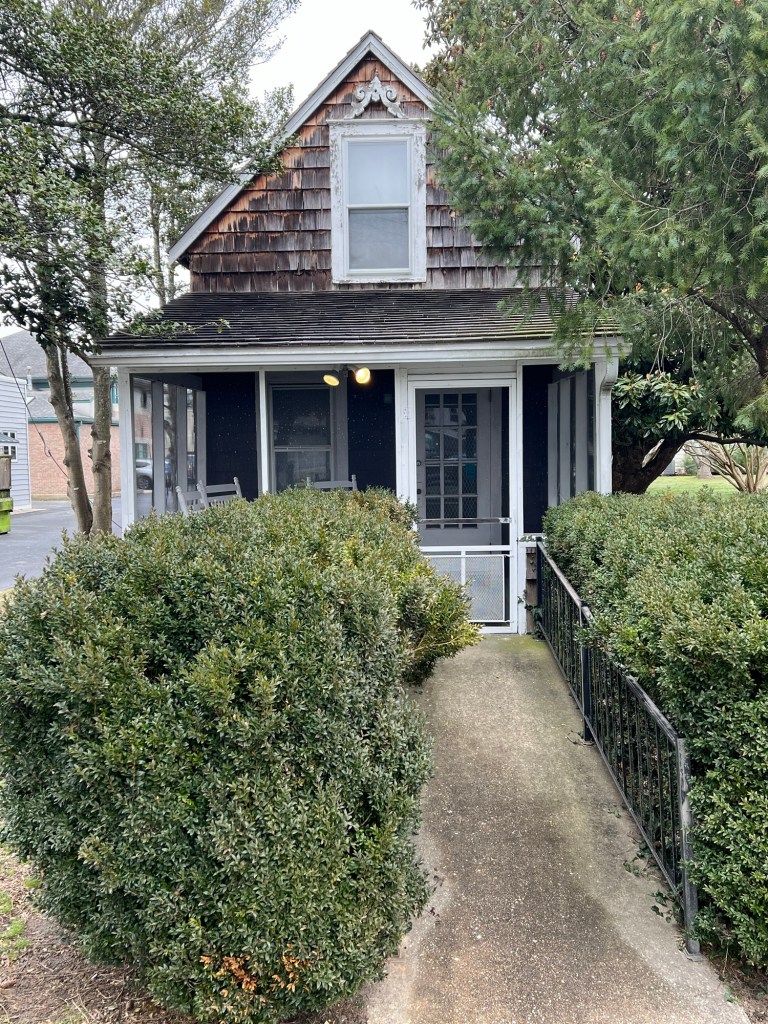
I got to take a personal tour of the Anna Hazzard house, a tiny museum in Downtown Rehoboth Beach that is part of the Rehoboth Beach Historical Society.
The little house shows the transition of Rehoboth Beach from a Methodist Revival Camp in its early history to its transformation to the beach resort it has become today. This small homes were used for only a certain amount of weeks in the summer months and shut for the rest of the year.
There was only a certain amount of space allotted so you could most people, who owned these types of homes were outside communicating with nature and enjoying the outdoors. The space inside didn’t allow for too much socialization.
This is the last of these type of homes being eventually replaced now by beach McMansions and homes on stilts in a changing weather pattern and shore erosion. It is interesting to see this example of how these beach communities have transitioned over the last hundred years from religious communities to luxury beach towns.
The History of the Museum:
(From the Rehoboth Beach Historical Society Museum website)
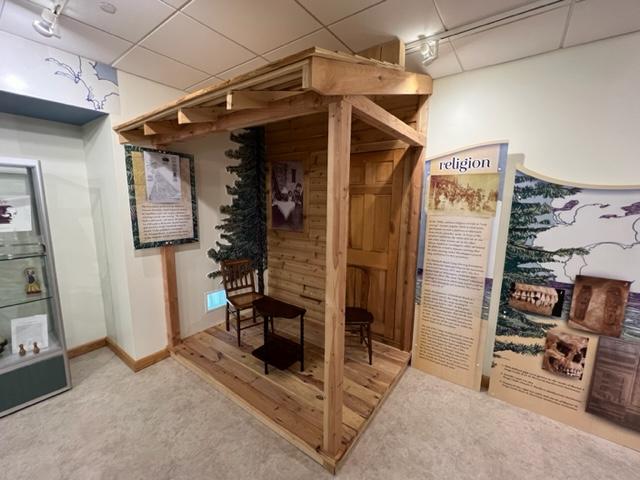
This museum boasts a Camp Meeting Era “Tent” structure, which houses a collection of artifacts and memorabilia pertaining to the early days of Rehoboth Beach as a religious retreat.
The historic sign
The information sign
A portion of this historic structure at 17 Christian Street dates back to 1895 and was the original home of Methodist minister Rev. Adams during the time of the Methodist Camp Meetings.
Once owned by Anna Hazzard, the first female licensed realtor in Delaware, it was later donated to the city by its last owners, Mr. and Mrs. Ronald James, and moved from its home on Baltimore Avenue to its current location (Rehoboth Beach Historical Society website).
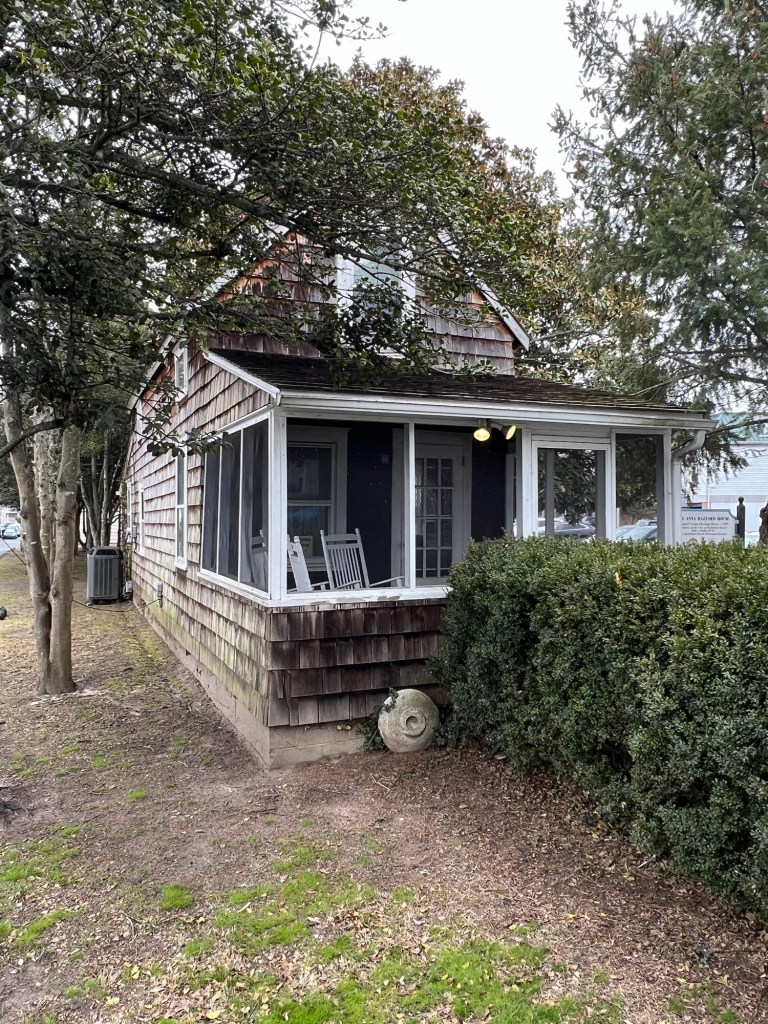
The house from the side view
The inside porch
The inside porch
The museum is home to a large collection of Anna Hazzard’s hymn books. The collection includes the Epworth Hymnal and the New Songs of the Gospel.
The main room of the home
Additionally, visitors can see many other Methodist hymn books. In addition to this, Anna Hazzard’s original collection, the museum has recently installed a new exhibit on World War II (Delaware Digital Media website).
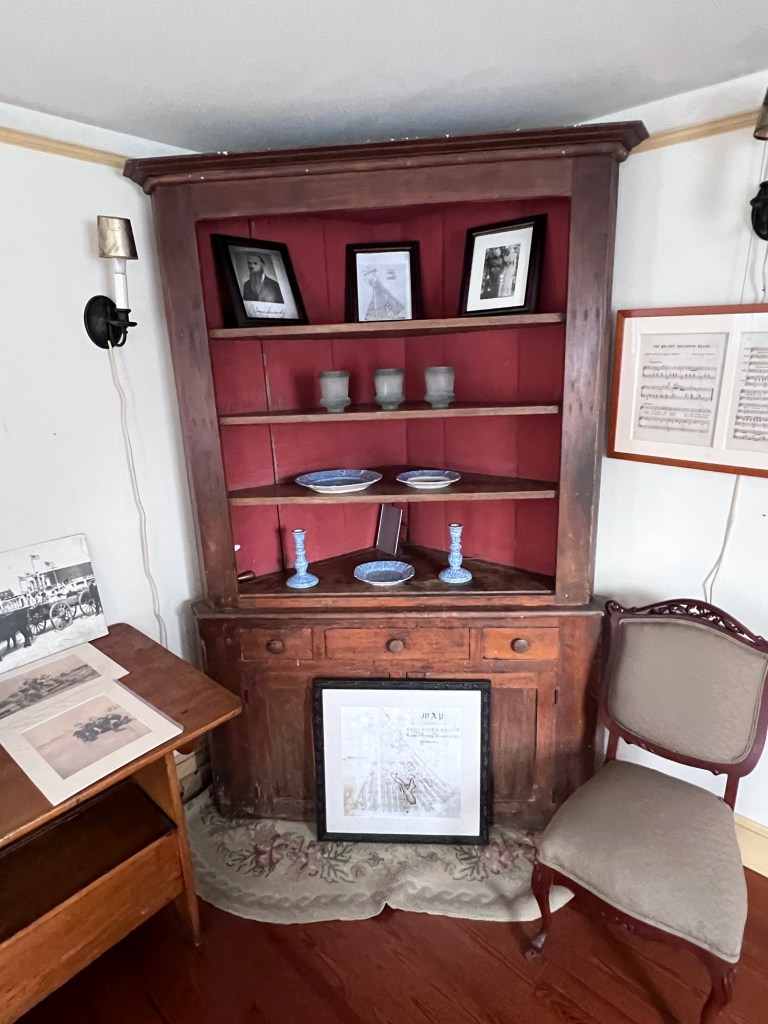
Family artifacts and old beach pictures decorate the room
The music box and sheet music
A look back to the other two rooms
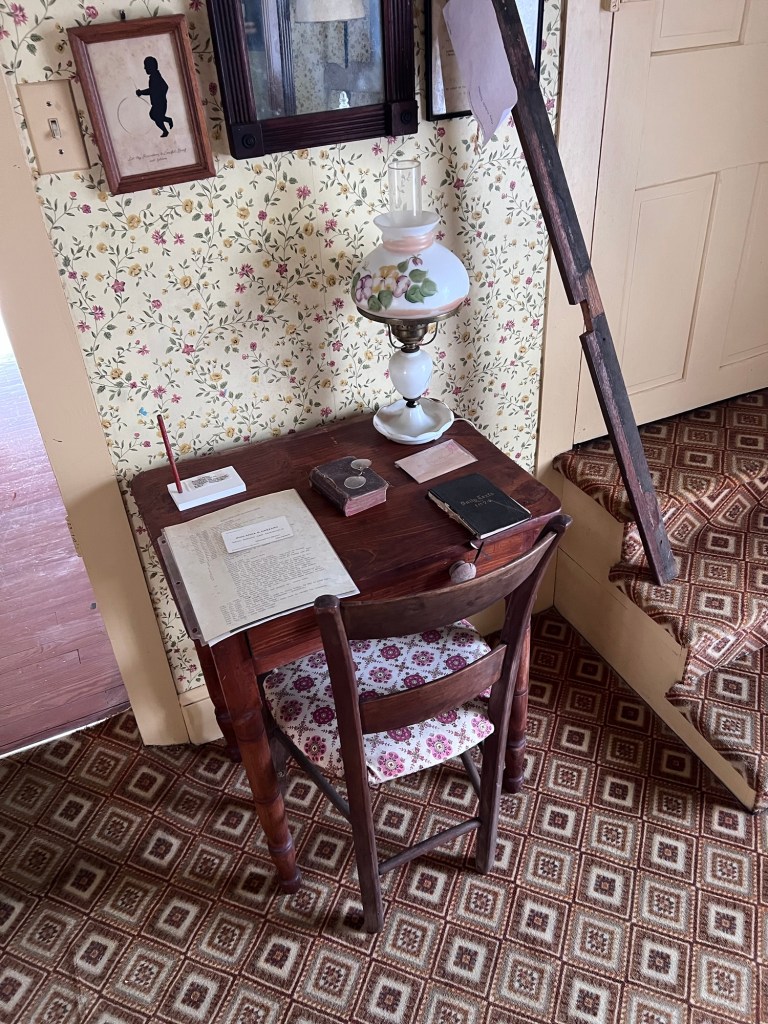
The small office/personal space
The small writing desk in the house
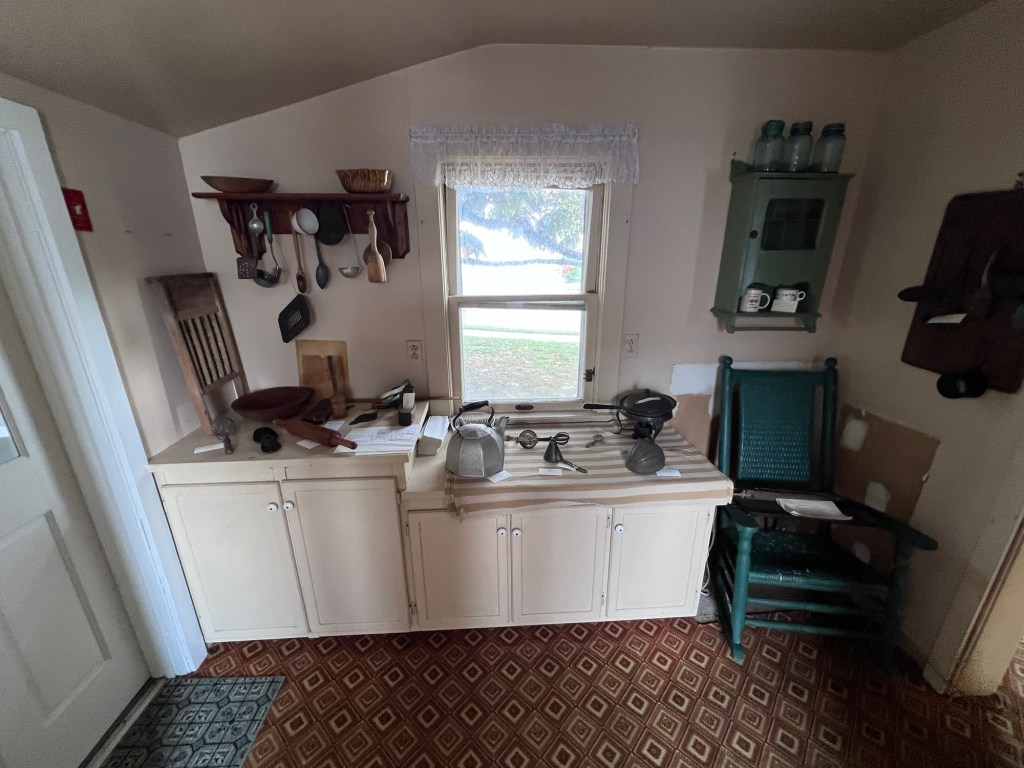
The small kitchen and dining area
The full kitchen area
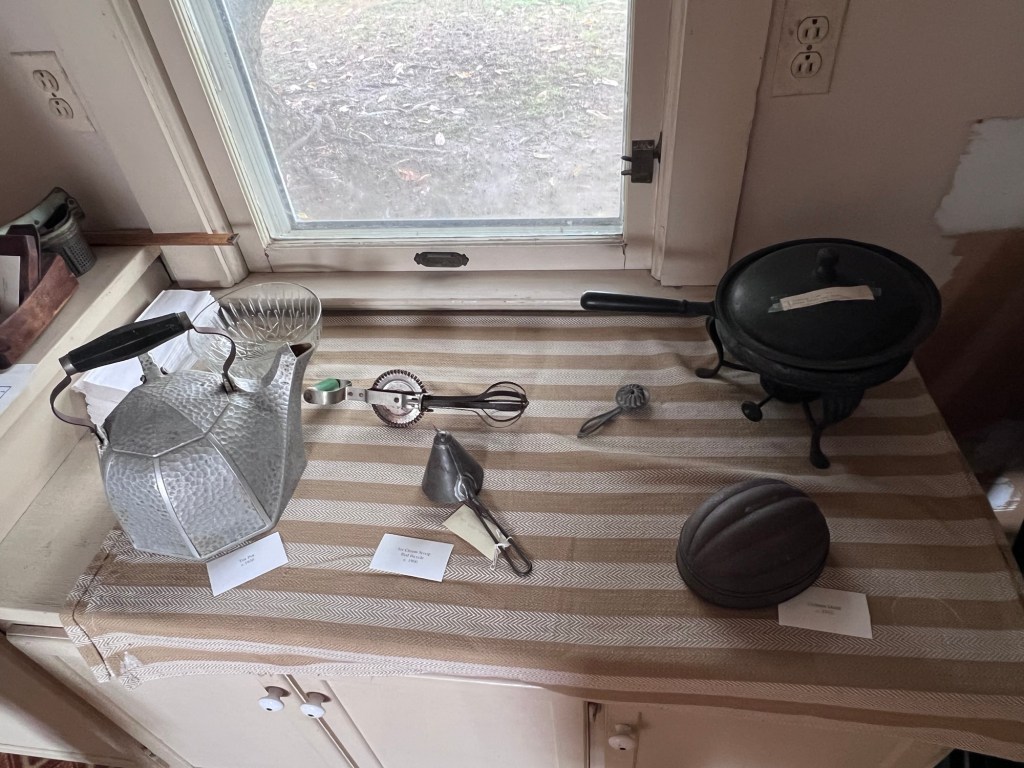
The antique kitchen appliances
The house is an example of the transitioning of this community from a religious retreat to a up and coming popular beach resort. The home is an interesting look at the communities past.
Don’t miss this recently reopened and renovated museum by the shore. The Rehoboth Beach Museum is a treasure trove of artifacts on the history of the resort from a Methodist camp to modern times.
The Rehoboth Beach Museum 511 Rehoboth Avenue
On the first floor, there are displays of early Native American artifacts with the history of the Native tribes that lived in the area. Take some time to look over how the tribes lived in the area and the influence they had before Rehoboth Beach became a Methodist Camp.
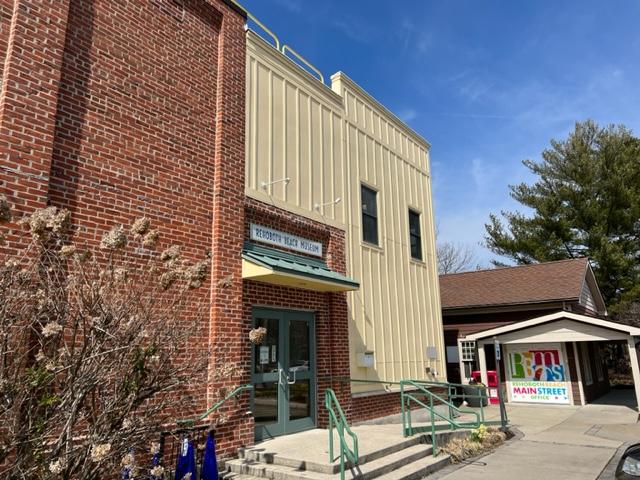
The entrance of the museum
There is the history of the Methodist camps and as an early Victorian resort.
The front gallery of the Rehoboth Beach Museum and its various displays
There are maps of the set up of the camps, how the resort developed from a Methodist Camp to the growth of the hotels and amusement areas. They also describe the growth of the Boardwalk and how storms over the years shaped the resort and rebuilding period.
Bathing Suits from the turn of the last century
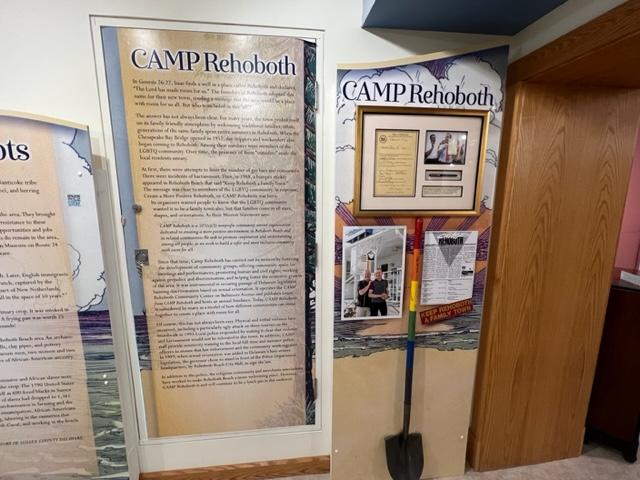
There are all sorts of items such as old post cards, bathing suits, beach items like shovels and pails, amusement items, historical items from all eras of the resorts including hotel and restaurant information and even the history of the LGBT community with the history of Camp Rehoboth.
Rehoboth Beach started as a Mormon Retreat
Camp Rehoboth has shown how much the resort has changed to include everyone
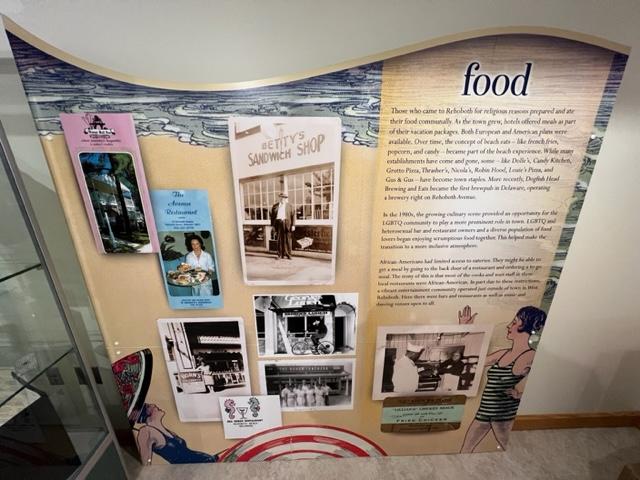
The museum also showcased the restaurants that once dotted the town, hotels that have since disappeared but left their dinnerware, menus and the events that once happened there. The development from a Methodist Camp to resort for the Philly and Washington DC crowd grew very quickly with the popularity of sunbathing and ocean swimming. As the hotels came, so did the restaurants and amusement areas. Rehoboth Beach morphed from a religious colony to one of family please and recreation.
Sand buckets at the Rehoboth Beach Museum
The growth of hotels in the area
The restaurant and food service industry grew as well to cater to the hungry crowds
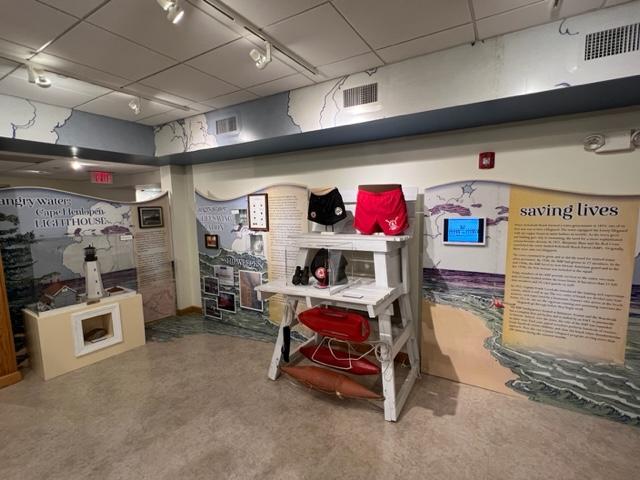
There was also a nice display and video on the Rehoboth Beach Rescue Squad and the development of the lifeguards that watch over the beaches. They showed the various squads over the last fifty years and it was interesting to see how many of them came back year after year.
The top floor is for special exhibits and when I was visiting there, the museum was displaying a needle point exhibition on early works and ‘starter kits’, which young girls would do to practice their needlepoint. There is a current exhibition on ‘Sea life by the Shore’.
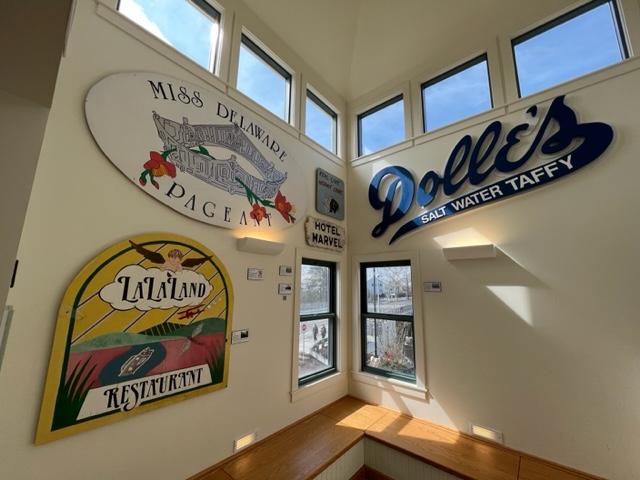
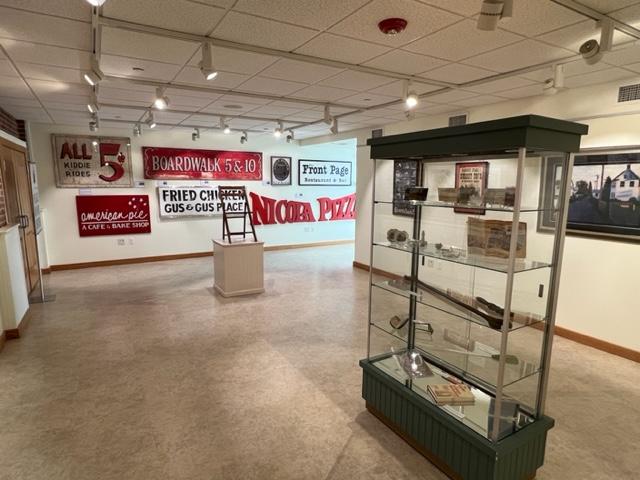
On recent visit, the museum displayed businesses of ‘Rehoboth Beach Past and Present’. It had a lot of old signs from businesses that have been in the resort for years.
The signs of the businesses in Rehoboth Beach DE
The second floor displays
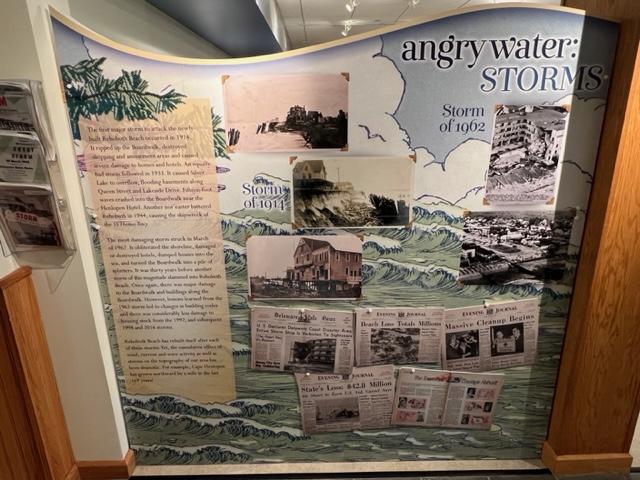
A recent exhibition showed the disastrous “1962 Nor’easter” that destroyed most of the shoreline, all the boardwalk businesses including the Boardwalk and how the town rebuilt quickly to open by Memorial Day that year. Anything that had been along the coastline had been destroyed in this three day period in March of 1962. The Boardwalk looked like matchsticks.
The storms that have hit the resort
The museum also discusses the people who make Rehoboth Beach their home. This covers regular citizens who live here on a daily basis and tells their story. With the growth of the community so did civic minded people and people who represented the town during the wars. It has a nice display on the high school students and their participation in Rehoboth Beach.
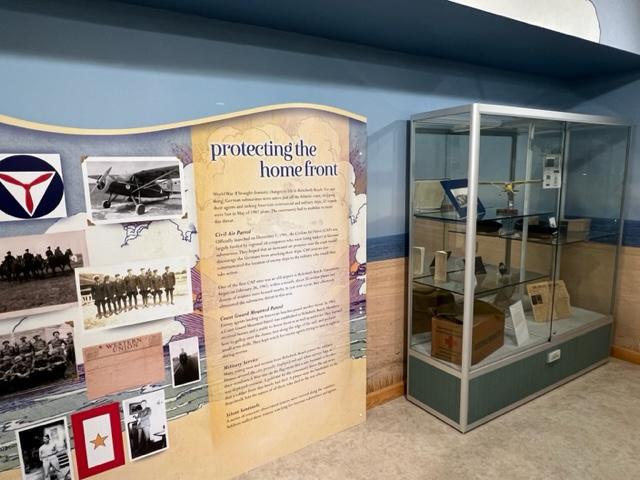
The Military display
The High School display
They offer exhibits, walking and bus tours, programs for adults and children, membership benefits and a gift shop.
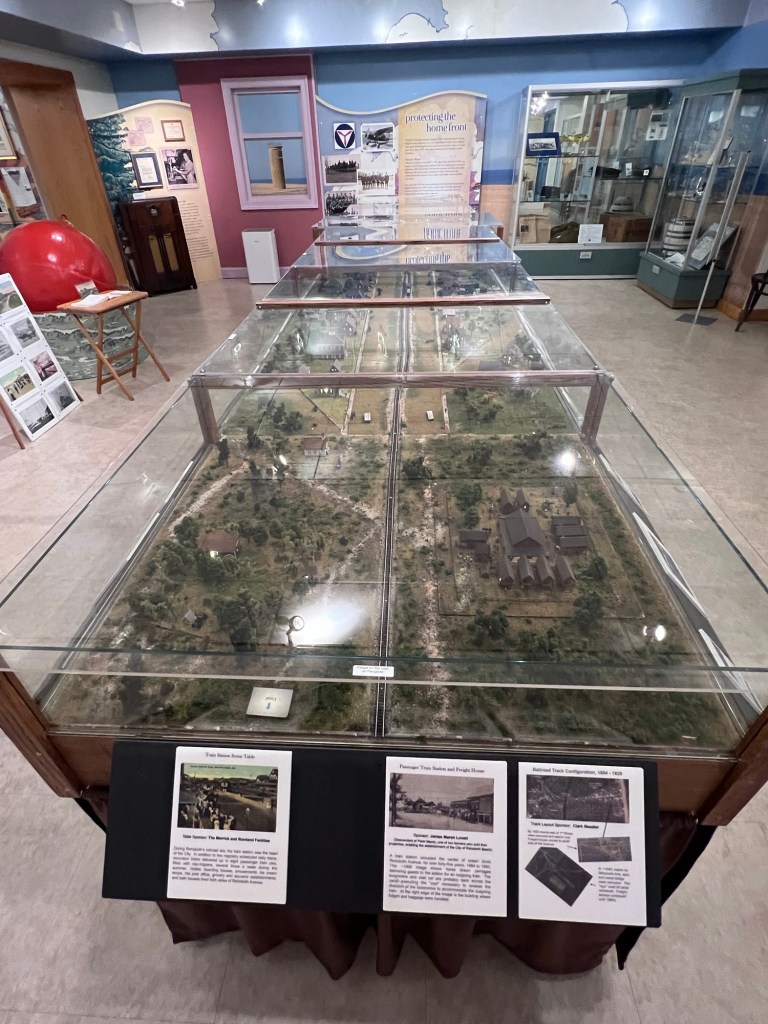
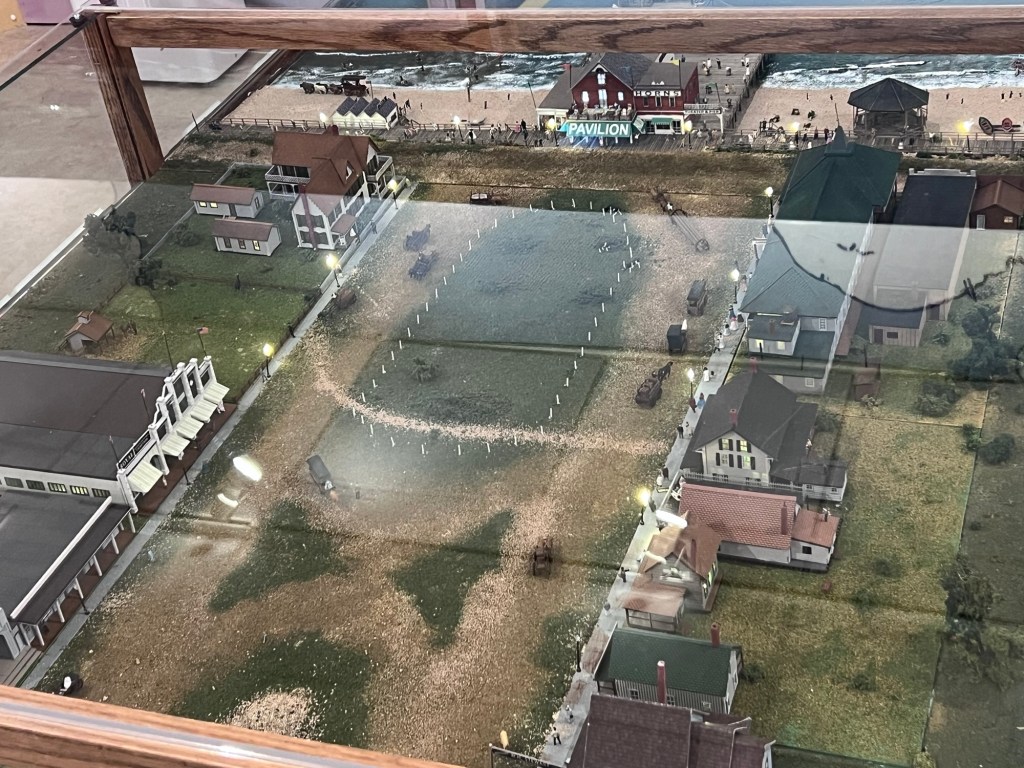
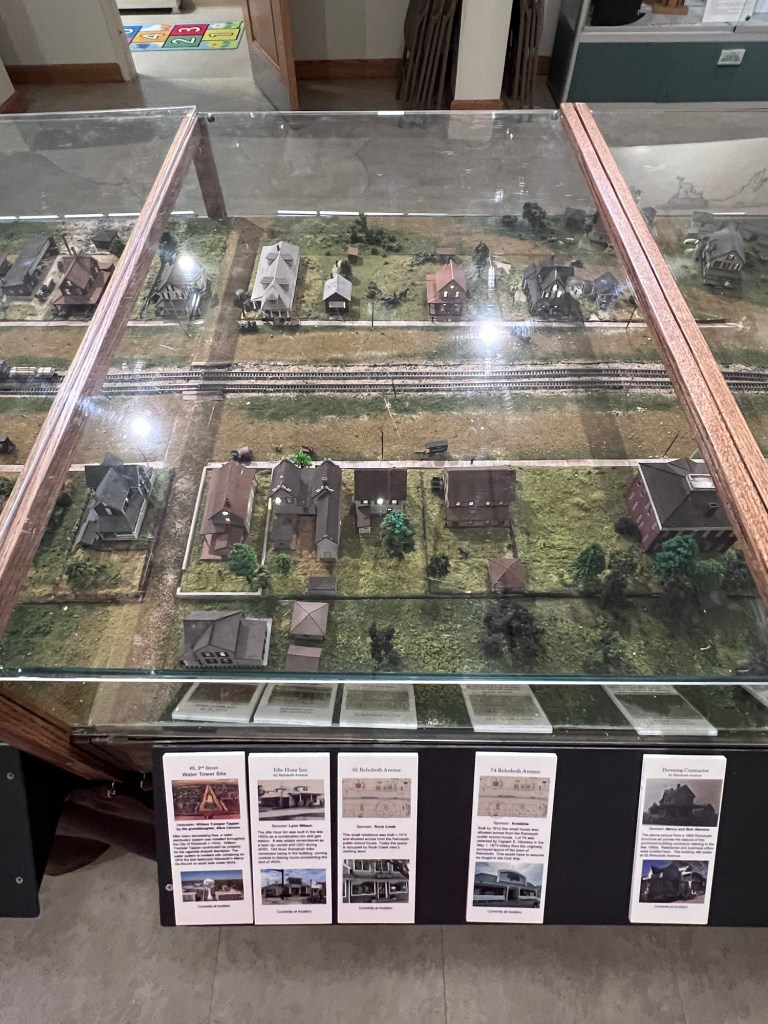
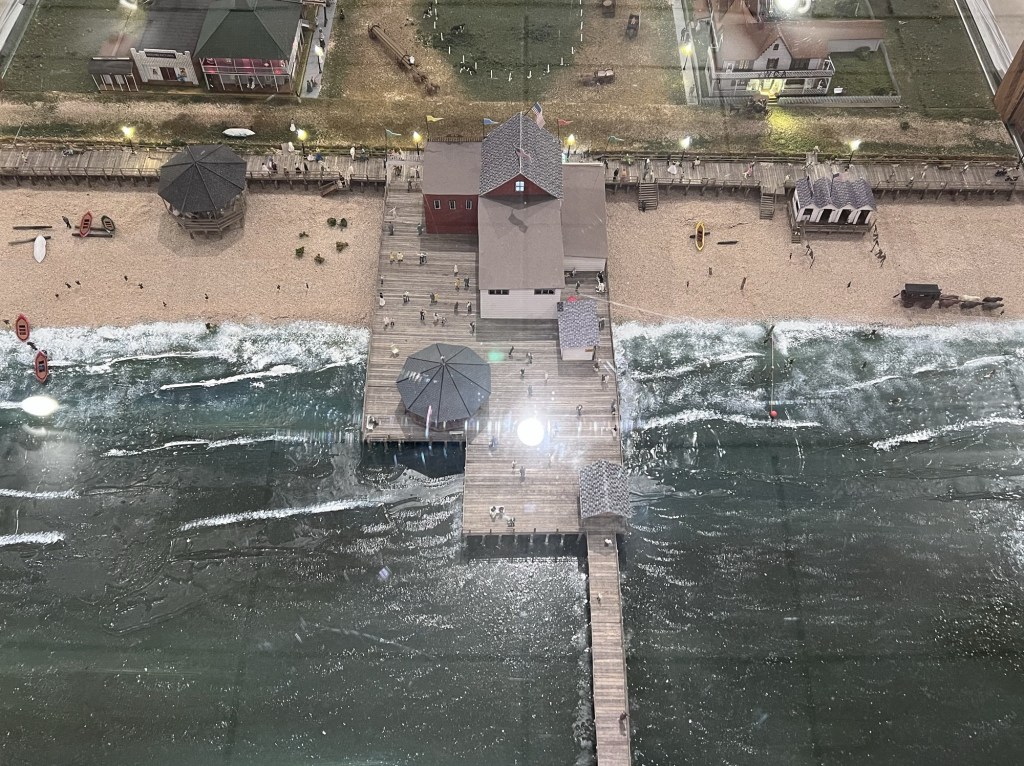
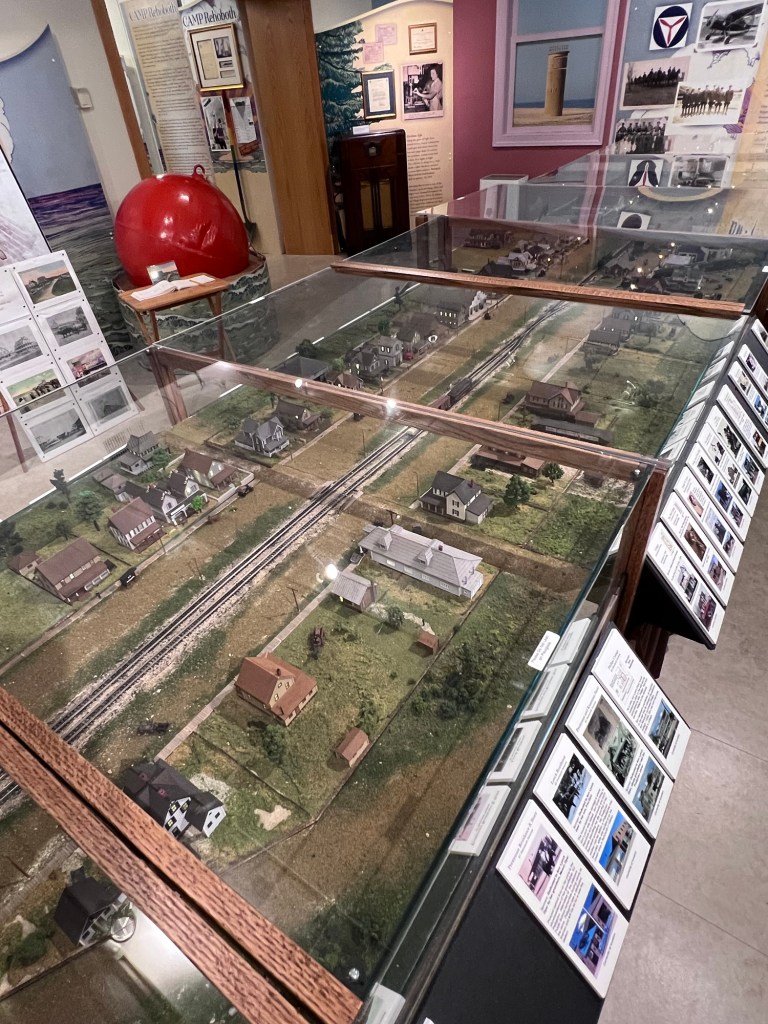
One of the newest displays that the museum is promoting is the diorama of Downtown Rehoboth Beach during the turn of the last century complete with lights and sounds and props moving.
The diorama at the Rehoboth Beach Historical Society
The details of the old beach community
The old homes that used to line the downtown
The very end of the road that faced the ocean
The diorama is a very nice addition to the museum collection
Several long time businesses closed in the downtown, Royal Treat Restaurant and Carlton Clothing and both businesses donated a lot of artifacts and family items from their establishments.
Royal Treatment Restaurant menu
Items from the now closed family restaurant
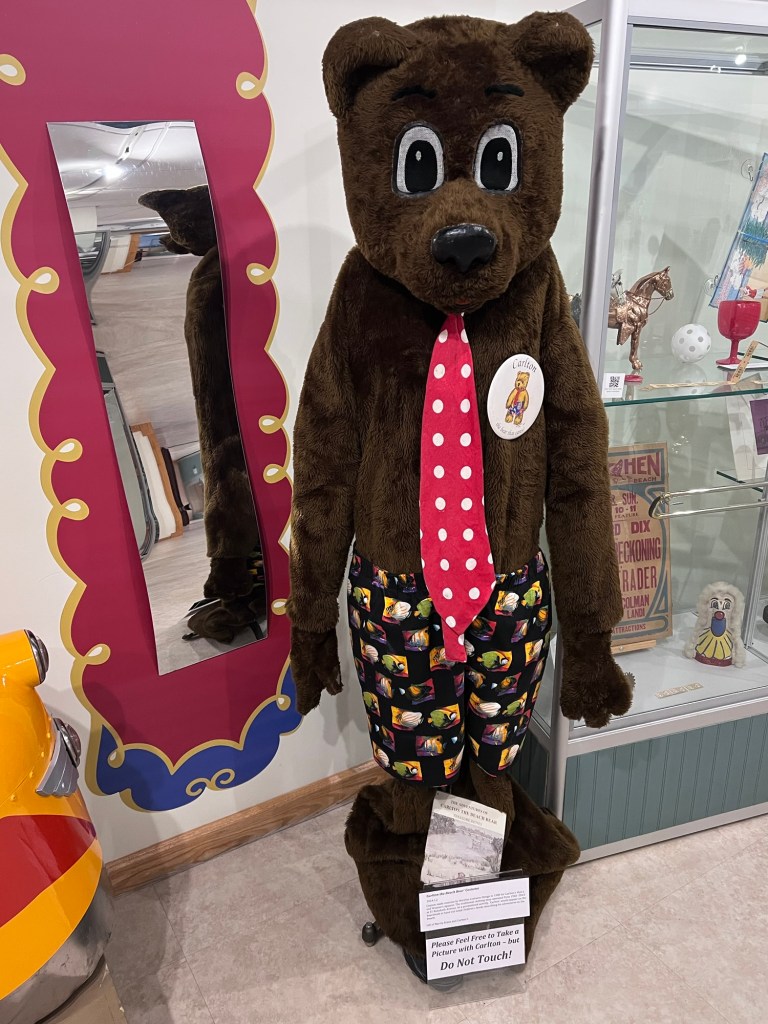
Carlton Clothing had been downtown since the 1960’s and they donated a lot of items to the collection. The bear costume was a promotional prop for the holiday season that Carlton’s used for families.
The Carlton Bear costume
The ‘Bear that Cares’ button on the bear
The sign for the display
Some new toys, games and prizes from the Boardwalk
There was also a lot of new family donations to the museum from families who lived in Rehoboth Beach. These items were part of local life in the area.
The new family donation display
The gift shop has a nice variety of items for sale that are beach themed. They sponsor the Annual Museum Beach Ball, a beach party on the first Saturday of August (Rehoboth Beach Museum).
The Gift Shop at the Rehoboth Beach Museum
The museum, founded in 1975, collects, preserves and displays artifacts and memorabilia tracing the history of the town’s 19th century Camp Meeting origins through its development into today’s popular summer resort (Rehoboth Beach Museum).
The museum also has a nice gift shop to buy gifts from Rehoboth Beach as well as a selection of beach magazines and books. Check it out.
Think of becoming a Friend of the Rehoboth Beach Museum.
Outside the museum, there is an interesting park along the canal with walking paths and a small dock to walk down. On a nice to it is a great way to cool off.
Grove Park Dock
The path that leads to the dock
The view of the canal behind the museum
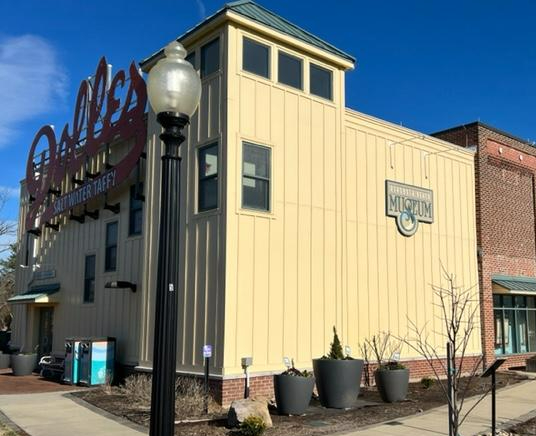
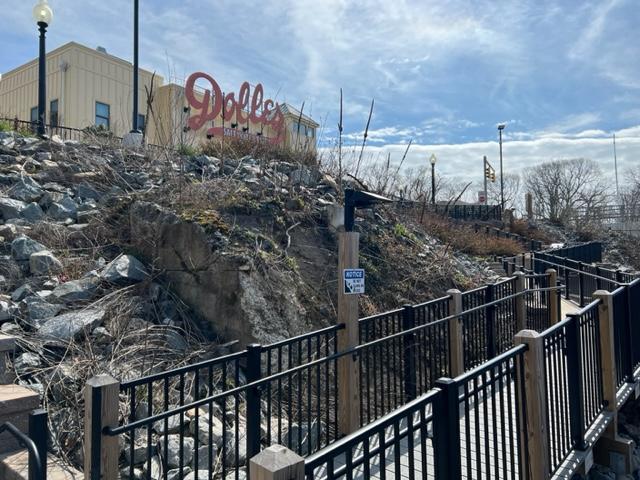
The iconic Dolles sign was moved here when the store closed on the Boardwalk
























 Visiting a Museum: The Unique, Unusual, Obscure and Historical